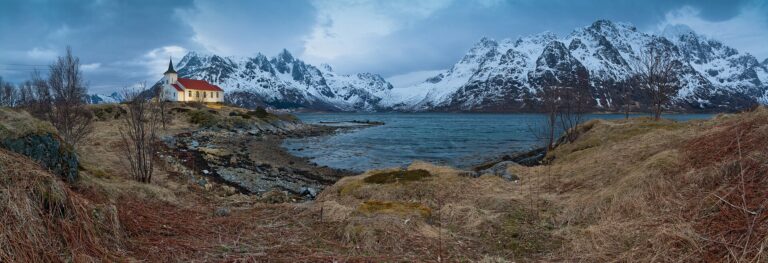
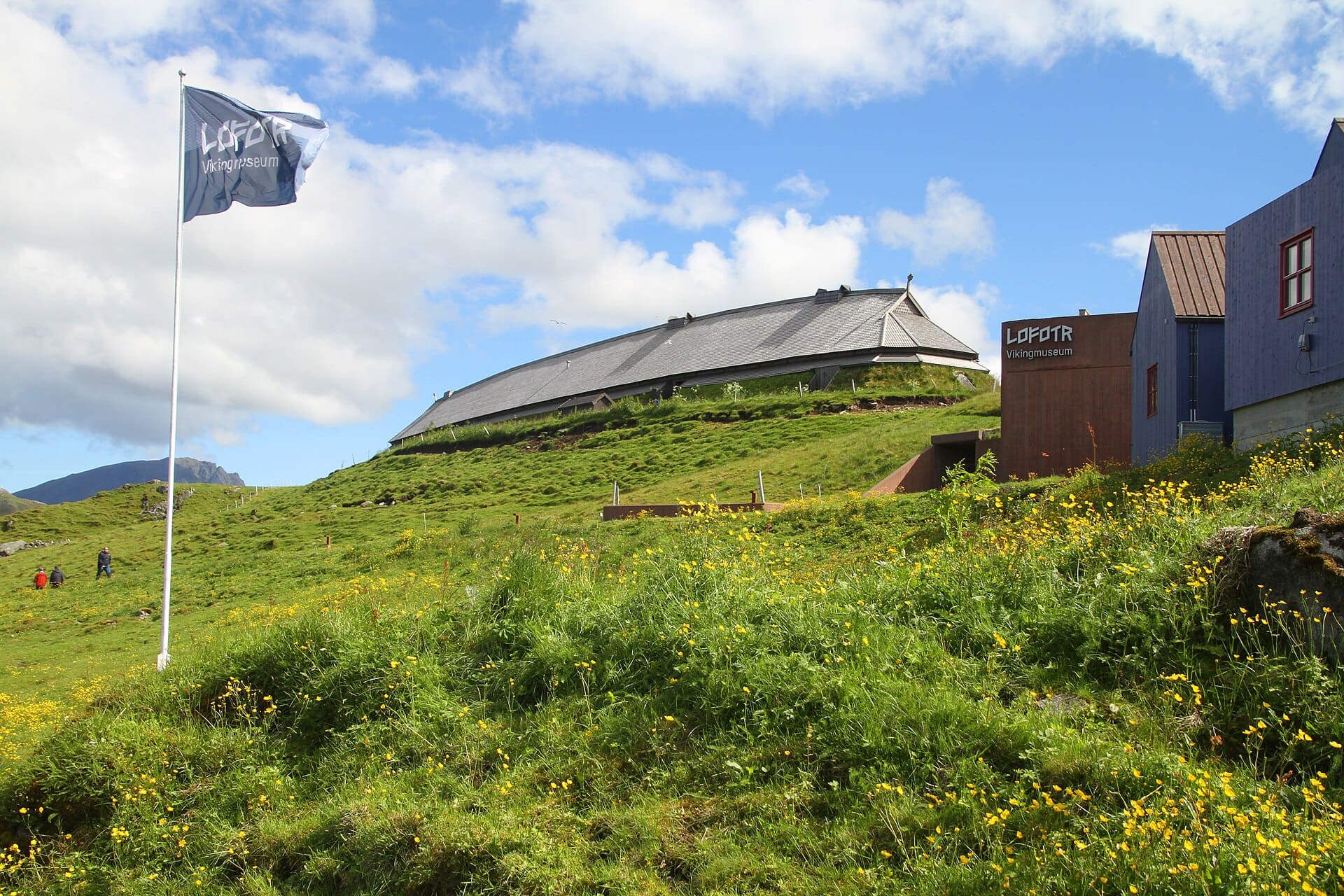
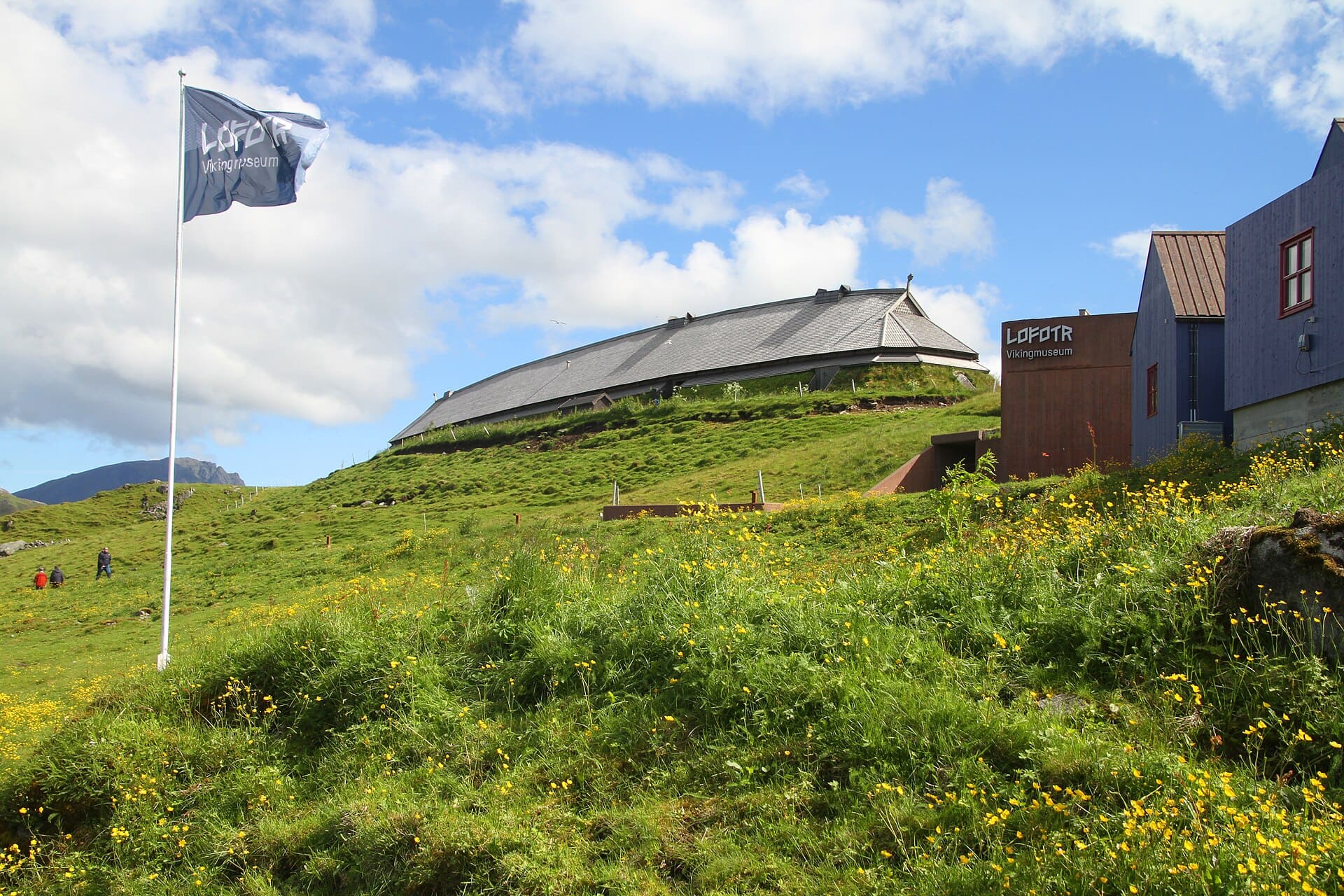
If you’re heading to Norway’s Lofoten Islands, sooner or later you’ll almost certainly be caught out by the famously fickle island weather. Overcast skies, strong winds, and rain that sometimes falls almost horizontally are simply an inseparable part of life near the Arctic Circle. These are exactly the moments when you’ll appreciate a perfectly thought-out backup plan, and that’s the picturesque village of Borg on the island of Vestvågøy. Here you’ll find the Lofotr Viking Museum in Norway, something utterly unique and fascinating for all ages.
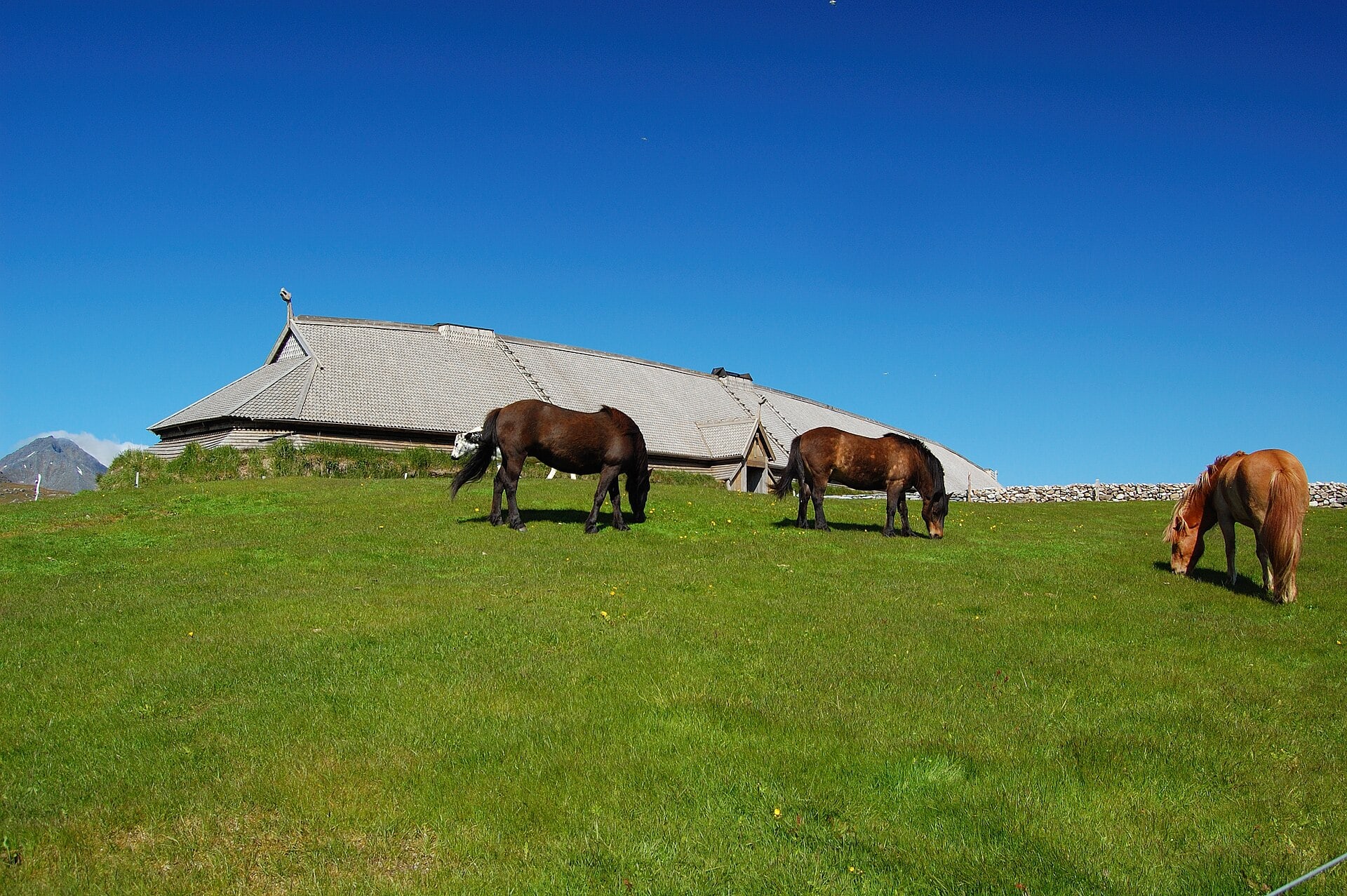
This magnificent museum houses an incredible reconstruction of the largest Viking chieftain’s house archaeologists have ever discovered anywhere in the world. But don’t expect dull glass display cases in silent halls, because this place works more like a time machine. The moment you cross the massive wooden threshold, you’re instantly transported more than a thousand years back to the days of powerful chieftains and fearless seafarers.
Inside, you’ll be hit by the intense smell of burning wood, and a traditional soup will be simmering over the open fire. All around you, people dressed in period wool and linen clothing go about their ancient crafts and are happy to share stories from Norse mythology. It’s an incredibly tangible experience that brings Nordic history to life in a way that’ll keep you hooked from the first minute to the last.
I’d strongly recommend setting aside plenty of time for your visit, because the grounds are huge and offer hours of activities. Especially if you’re travelling with family, this museum becomes an absolute lifesaver on rainy days, when wandering the surrounding mountains would be neither safe nor pleasant. So let’s take a look together at everything that awaits you in this Viking paradise and how to plan your visit down to the smallest detail.
TL;DR
- The largest house in the world: The main draw is an exact reconstruction of the chieftain’s residence, which stretches an impressive 83 metres in length.
- Living history: Inside, a fire is always burning, there’s the smell of wood, and you’ll meet craftspeople and guides in authentic period costumes.
- A rescue from the rain: It’s an absolutely ideal indoor activity for days when the weather on Lofoten turns nasty.
- A paradise for families with kids: The museum is highly interactive, kids can touch plenty of things and they definitely won’t be bored.
- A Viking ship and animals: About a kilometre from the house a replica Viking ship is moored, and on the way you’ll pass paddocks with Icelandic horses and wild boar.
- Rough prices for 2026: Adults pay roughly 250 NOK in peak season, while children under 3 get in completely free.
The full destination guide: Lofoten — guide and what to see
6 Things You Need to Know
1. A fascinating discovery and the 83-metre-long house in Borg
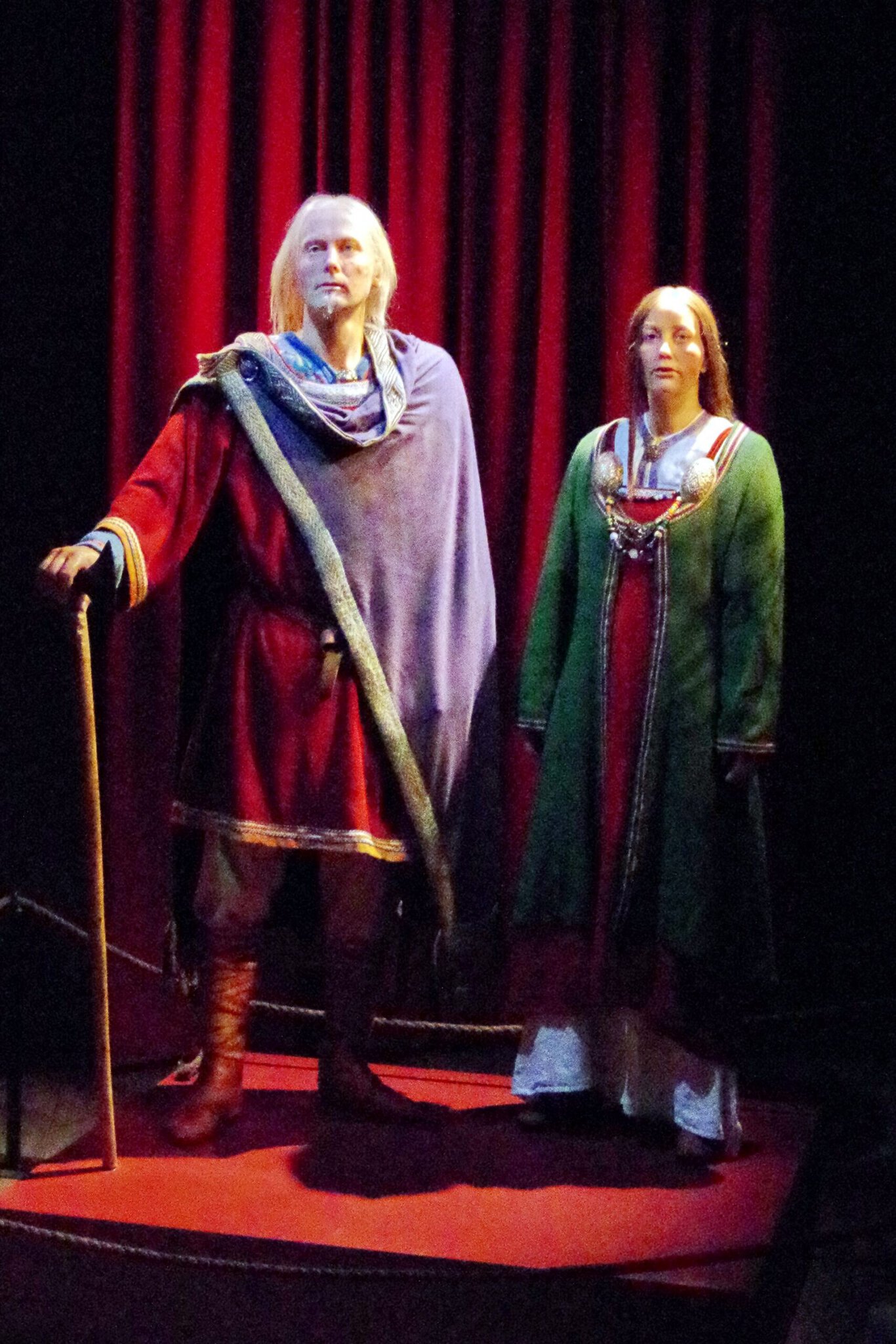
The story of this place sounds almost like a fairy tale about an unexpected treasure. Right up until the 1980s, the local farmers in the village of Borg believed they were tilling completely ordinary fields. Then one farmer’s plough struck some strange bumps, and the archaeological investigation that followed revealed something extraordinary. Beneath the layers of soil lay the foundations of an enormous Viking residence, which had stood here roughly between 500 and 900 AD.
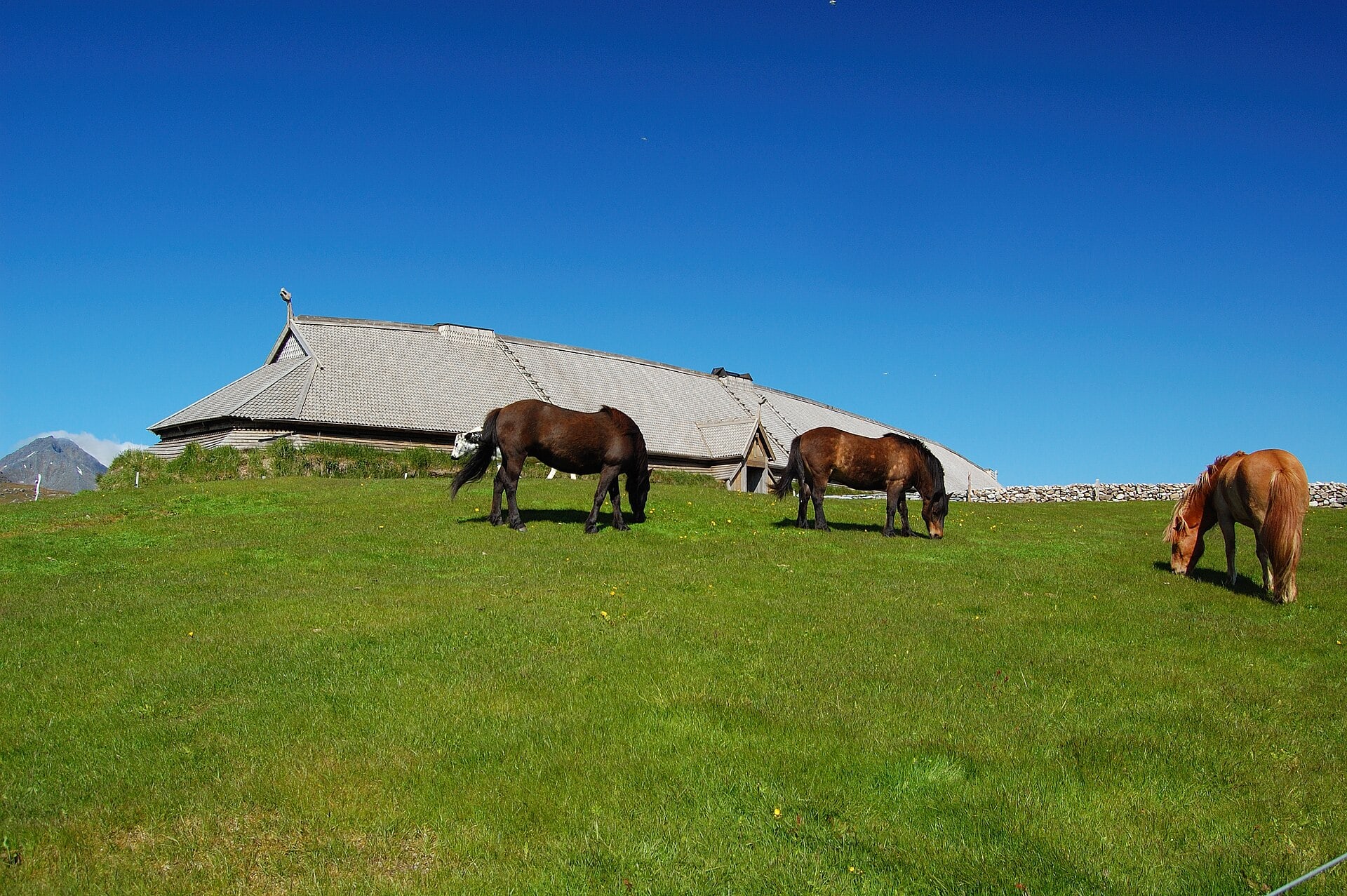
It turned out that the original house measured an incredible 83 metres in length, making it to this day the largest Viking-era structure ever discovered anywhere in the world. Researchers concluded that an immensely powerful and wealthy chieftain must have lived here, controlling a large part of northern Norway. His influence is evidenced by rare finds, including decorated Frankish glass and small gold amulets, which you can learn more about in the adjoining archaeological exhibition.
On the basis of these astonishing excavations, the decision was made to rebuild the house in its full size and glory, just a stone’s throw from the original foundations. The construction was carried out using traditional Viking techniques and historical tools to make the final result as authentic as possible. Today you can walk through the same enormous halls where, a thousand years ago, wild feasts were held, marriages sealed, and important political alliances negotiated.
💡 Tip: As you walk through the main hall, take note of the beautifully carved wooden pillars supporting the high roof. They’re meticulously decorated with traditional Norse ornaments and animal motifs, which, according to old legends, ward off evil spirits and protect the inhabitants of the house from misfortune.
2. What awaits you inside: crafts, archaeology and the scent of fire
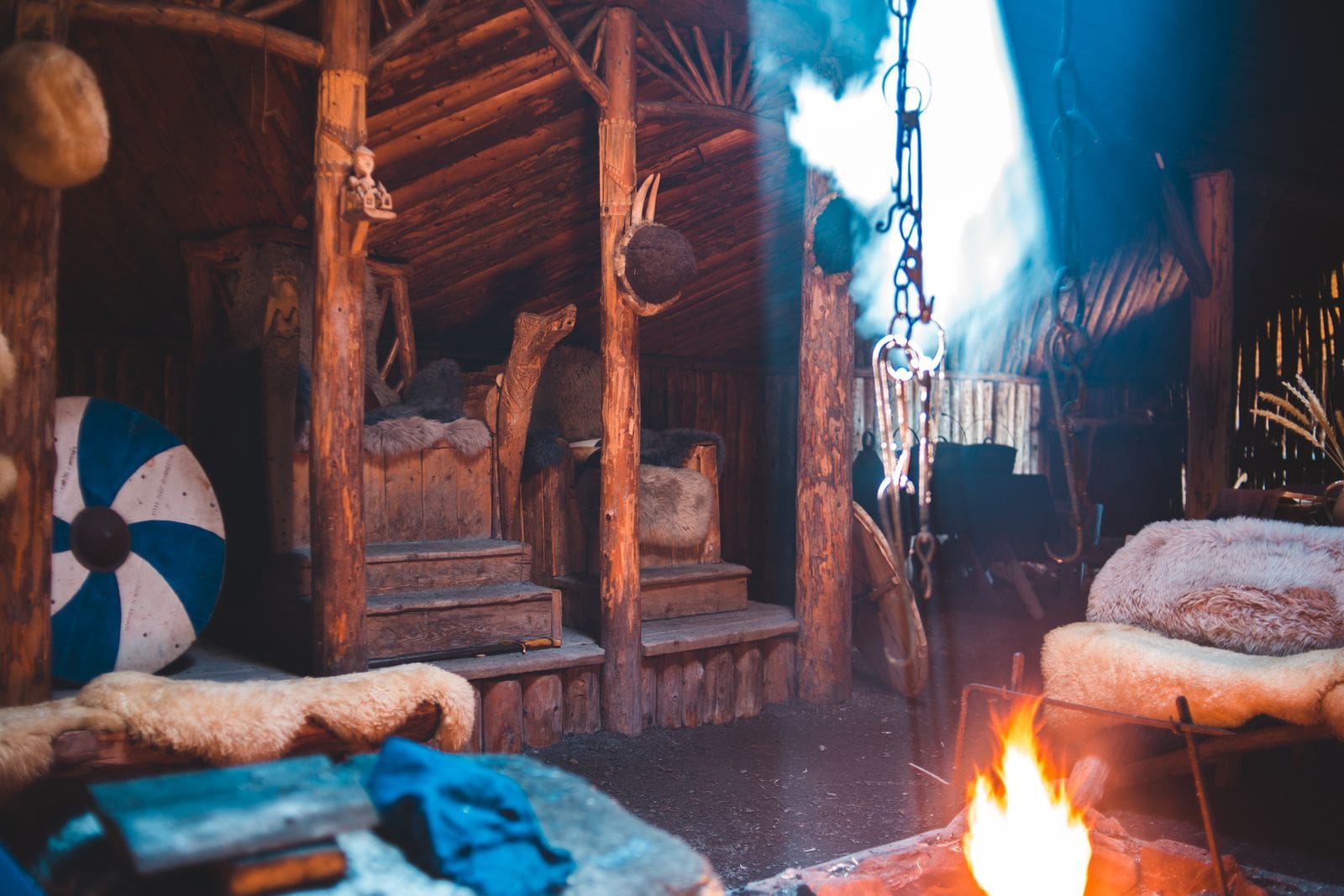
The moment you step into the main building, you’re immediately enveloped by a distinctive period atmosphere created by the mysterious gloom, the thick smoke from the open hearth, and the ever-present smell of tar. The space is cleverly divided into several sections, exactly as the inhabitants of the time would have arranged it. In one part you’ll find living quarters with wooden beds lined with warm furs, while the heart of the entire house is the vast feasting hall with long tables and a majestic throne for the chieftain and his wife.
A huge added value of the whole museum is the presence of smiling interpreters and skilled craftspeople who work here over the summer. You can watch women patiently spinning wool on ancient looms, or men carving intricate ornaments from wood, all up close. They all speak excellent English and are very happy to explain the secrets of their ancient craft, so don’t be afraid to stop and ask them anything.
Besides the reconstructed house itself, the complex also includes a modern archaeological exhibition, where you can take your time examining the original artefacts found on this very spot. You’ll see ancient weapons, intricately crafted jewellery, and various everyday objects that clearly prove the Vikings weren’t just brutal warriors but, above all, highly skilled traders and craftsmen. The exhibition is also accompanied by an excellent audio guide that walks you through the long history of the excavations in a captivating way.
💡 Tip: If you’re a fan of original souvenirs, don’t miss the museum’s little shop. You’ll find beautiful replicas of historical jewellery, quality warm woollen jumpers, interesting books on Norse mythology, and little keepsakes that’ll always remind you of this unique trip.
3. The outdoor grounds and a sail on the replica Viking ship
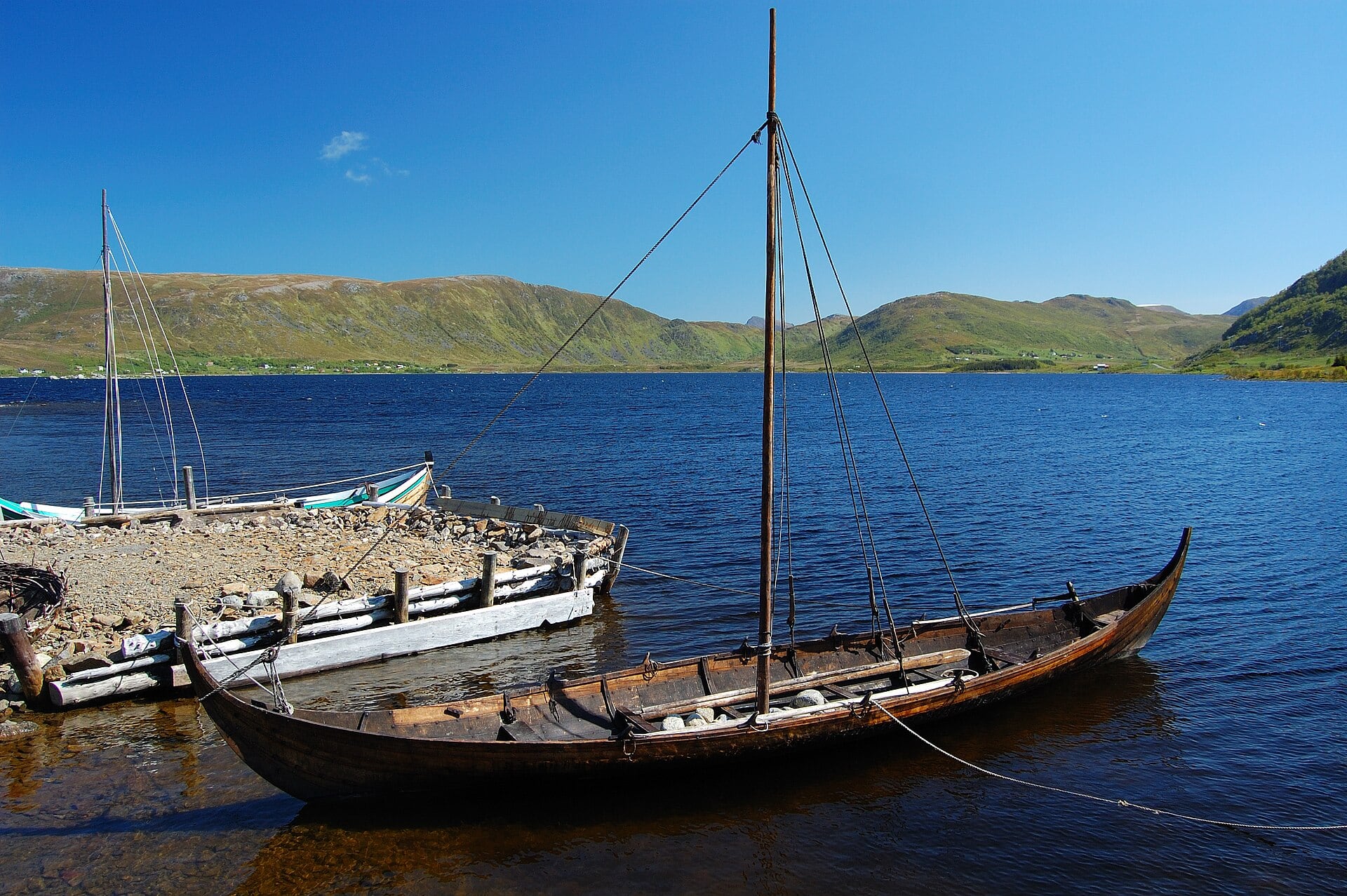
If luck is on your side and it happens not to be raining, definitely head straight out to explore the sprawling outdoor grounds. A roughly one-kilometre, well-maintained path leads you from the main house gently downhill towards the lake. Along this walk you’ll pass large wooden enclosures where old Nordic breeds of animals graze contentedly. You’ll see adorable wild boar, shaggy sheep, and above all gorgeous Icelandic horses that will absolutely delight not just the younger children.
At the very end of the path, a huge surprise awaits you at a wooden jetty: a replica of a real Viking ship named Vargfotr. During the summer months, the museum organises regular short sailings on the lake that you can take part in. Adult visitors are handed heavy wooden oars and, under the guidance of an experienced helmsman, can experience first-hand what it’s like to power the ship through the water.
It’s a fairly physically demanding but absolutely unforgettable experience, one that makes you realise just how much strength and stamina these seafarers must have had. If you don’t fancy rowing, or you’ve got small children with you, you can of course simply sit back comfortably and enjoy the ride. The view of the dramatic green hills all around, seen straight from the deck of a historic ship, is simply priceless.
💡 Tip: The schedule of sailings and other activities changes very often depending on the current weather, so when you buy your tickets at the desk, ask right away what time the ship sets sail that day.
4. The perfect shelter from the rain and a paradise for families with kids
Lofoten is famous for its unpredictable nature, and experienced travellers know full well that for every outdoor plan you need an indoor one ready in reserve. When you open the Norwegian weather app yr.no in the morning and see rain and gales, the Lofotr Viking Museum serves as the perfect hideaway. It offers so many interesting activities under one roof that you’ll easily ride out even the worst weather here. While all hell breaks loose outside, you’ll be soaking up the genuine historical atmosphere in pleasant warmth beside a crackling fire.
For all families with younger children, this place is a real blessing, because the Norwegian approach to museums is incredibly relaxed and welcoming. Quickly forget the constant telling-off not to touch anything. Here children can safely heft a replica Viking sword, put on a heavy metal helmet, or simply lie down in a period bed. This highly interactive approach to learning about history entertains children of all ages and holds their attention far longer than a classic lecture.
When the weather settles down even a little, the grounds offer more great sporting fun. Older children and adults alike can try archery or the popular axe-throwing at a wooden target, all under the supervision of instructors. These fun activities take place in a safely fenced area and give the whole visit just the right dash of action that’s so inseparable from Viking culture.
💡 Tip: If you’re travelling with small children, you’ll be pleased to know that the entire main house and most of the surrounding access paths are fully wheelchair-accessible, so you can get around with a standard all-terrain pushchair too.

5. How to get to Borg and where to park
Getting to the museum is very easy thanks to its strategic location. The village of Borg lies almost exactly in the middle of the Lofoten archipelago, on the island of Vestvågøy. The main E10 road runs here, the famous scenic highway connecting all the major islands. If you’re coming from the north-east, from the town of Svolvær, the drive takes roughly an hour. From Reine further south, allow about an hour and a half.
Right next to the main road there’s a truly enormous free car park, practically divided into sections for cars and for larger motorhomes. Even though its total capacity is large, in the peak summer season during July and August it can easily fill up by around midday. I’d therefore recommend arriving right at opening time, or alternatively in the later afternoon, when the first big wave of visitors is slowly leaving the grounds.
If you’re not travelling around Lofoten in your own car, you can happily use local public transport too. Bus line number 300, which runs the length of Lofoten, stops right outside the museum. Always check the timetables carefully in advance in the Reis Nordland app, though, because the frequency of services on the islands isn’t very high, and at weekends there are even fewer buses. Incidentally, Vestvågøy is one of the flattest islands in Lofoten, so the journey here is very pleasant, with no tricky hairpin bends to negotiate.
Thanks to its central location, the area around Borg and the nearby town of Leknes makes an absolutely ideal strategic base for accommodation, from where you can make trips in every direction. You’ll save yourself hours of pointless driving. Lovely and very comfortable accommodation is offered, for example, by the traditional red cabins of Lofoten Basecamp near Leknes, where a night for two costs around £130. Another great choice is the Live Lofoten Hotel, which provides excellent facilities and generous breakfasts, with prices hovering around £150 per night.
💡 Tip: If you decide to stay right around Borg, I’d recommend booking your accommodation well in advance, even half a year ahead. In the summer months, the best spots are hopelessly sold out.
6. When to go, how much time to set aside, and the Viking feast
The museum is open all year round, but the opening hours and the overall range of activities change quite significantly with the season. From late May to mid-September, the museum is in full swing: outside you’ll meet grazing animals, and ship sailings run regularly. The absolute highlight of the summer season is the five-day Viking festival in August, when hundreds of enthusiasts from all over Europe descend on Borg, period tents spring up everywhere, and there are grand traditional markets and staged battles.
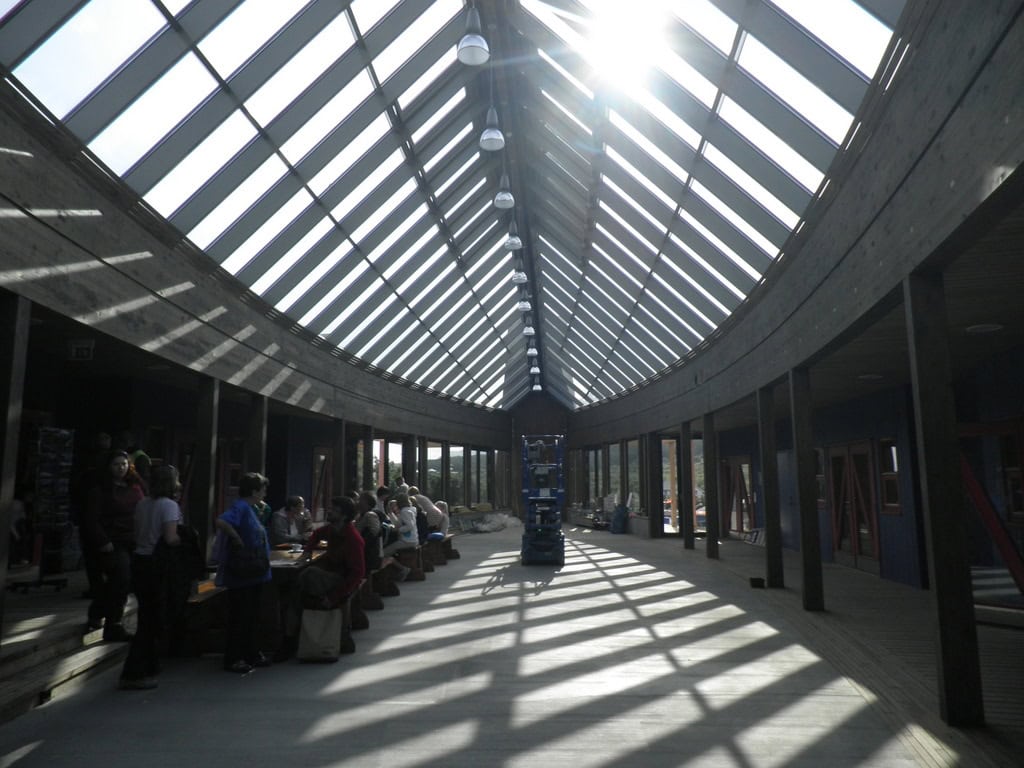
For a standard tour of the entire museum grounds, set aside at least three to four hours. If you decide to actively join in all the outdoor pursuits on offer and explore the archaeological exhibition properly, you could easily spend half a day here. Fortunately, the main building includes a modern café where you can enjoy excellent coffee, a traditional cinnamon roll (the Norwegian kanelbolle), or a light lunch to quickly top up your lost energy.
For those of you who want to experience something truly special, the museum holds unforgettable evening Viking feasts. These need to be booked well in advance and take place by the magical glow of the fire right in the main feasting hall. They include traditional food, sipping sweet mead, and a theatrical performance in which the chieftain himself addresses you personally. Local ingredients and fish specialities are usually served, but if you don’t eat meat, just let them know when booking and the helpful staff will happily prepare a delicious vegetarian alternative.
Once you’ve had your fill of Viking history, I’d recommend heading out to the surrounding cafés and farms, where you and even your small children will be warmly welcomed. If you’ve based yourself near nearby Leknes, definitely pop in to the family goat farm Aalan Gård, where you can buy fantastic local cheese and sit down with a cup of herbal tea. A sunny day, meanwhile, practically demands a trip to the northern side of the island of Gimsøy to Hov Gård. From the safety of the Låven restaurant, you can watch beautiful Icelandic horses grazing peacefully on the snow-white sand with views over the turquoise ocean.
💡 Tip: You can easily sort out your tickets in advance through GetYourGuide or directly on the museum’s official website. Especially in the summer season, this will save you a lot of valuable time you’d otherwise spend queuing at the main ticket desk.
Practical summary and approximate prices
Budgeting for a trip to Norway is always key, because prices here are noticeably higher than in much of the rest of Europe. The following list will help you get a sense of how much a visit to this historical gem will cost. Prices are estimated for the summer season of 2026 and converted at an exchange rate of roughly 13.5 NOK to £1.
- Adult admission (June to August): approx. 250 NOK (around £19)
- Student admission (with a valid card): approx. 180 NOK (around £13)
- Children under 3: Free entry all year round
- Family admission (2 adults + 3 children): approx. 700 NOK (around £52)
- Boat trips or archery: These activities are usually included in the admission price during summer, but always ask at the ticket desk about the current programme
- Opening hours in summer: Every day from 10:00 to 17:00 (even longer in August during the festival)
- Opening hours in winter: Usually reduced to Wednesday to Saturday from 10:00 to 15:00
💡 Tip for accommodation and experiences: We like to search for accommodation on Booking.com, where the cancellation terms are usually the best. Tickets, tours and activities are then worth comparing and buying through GetYourGuide.
Where to go next
If you’ve already explored the history and are looking for more inspiration on where to head on the islands, we’ve put together some more useful articles for you. They’ll help you plan the rest of your holiday so you don’t miss any of the important spots.
- If you want a complete overview of all the most beautiful spots, beaches and viewpoints, definitely read our big guide to Lofoten, where you’ll find a detailed itinerary and plenty of practical advice.
- For those of you travelling with little adventurers who need tips on easy routes and interesting attractions, we’ve written a special article focused on Lofoten with kids.
- Don’t forget to also come back to our big guide to Lofoten if you need to check information about ferries, tolls or wild camping options.
 🚗 Car rental on the road
Verified rental cars in Norway
🚗 Car rental on the road
Verified rental cars in Norway
Search with the DiscoverCars comparison engine — it compares prices from dozens of local and international rental companies, and most bookings come with free cancellation.
Compare car prices in Norway →Frequently asked questions
Where exactly is Lofotr Viking Museum located?
The museum is located in the village of Borg on the island of Vestvågøy, which is roughly in the middle of the stunning Lofoten archipelago. It sits right next to the main E10 road, so you definitely won’t miss it as you drive through the islands, and you can easily turn off to reach it. It’s an ideal stop on the way from Svolvær heading south toward Reine.
How much time should I set aside for a visit?
To make your overall experience truly complete and so you don’t have to rush, I recommend setting aside at least three to four hours. This time will be more than enough for a detailed tour of the enormous main building, viewing the archaeological exhibition, and a pleasant walk down to the lake where a replica Viking ship is majestically moored.
Is the museum suitable for very young children too?
Yes, this place is an absolute lifesaver for families with small children, especially when it’s raining outside. The entire exhibition is highly interactive, kids can safely touch weapon replicas, explore period beds, and outside they’ll surely be delighted by the enclosures with cute wild boars or Icelandic horses.
Can you pay by card on-site?
Norway is nowadays an almost completely cashless society, so you can pay with a regular payment card absolutely everywhere without batting an eye. You can conveniently use it to pay for entrance tickets at the main ticket office, beautiful souvenirs in the gift shop, or a hot coffee or excellent lunch at the local museum café. You basically don’t need cash at all.
When is the best time to visit?
The majority of outdoor activities, including popular historic ship cruises and traditional crafts demonstrations, take place from June through the end of August. However, if you want to avoid the biggest tourist crowds, ideally arrive right when it opens at 10:00 AM, or plan your visit for a late and quieter afternoon.
Do I need to book the tour in advance?
While it’s not strictly necessary to book regular daily admission in advance, purchasing tickets online can save you from unpleasant queuing during the summer peak season. However, if you’re really interested in the special evening Viking feast, you’ll need to book that several weeks ahead due to limited capacity.
How exactly does a boat cruise work?
In the summer months, a beautiful replica of the Vargfotr ship regularly sets sail on short sightseeing tours around the nearby lake. Adult visitors are given heavy oars and, under the guidance of an experienced crew, help physically propel the ship themselves, while children can sit safely. It’s a great and very authentic historical experience.
Do they have a restaurant with food on site?
Yes, the entire complex includes a modern glass café that offers fresh sandwiches, hot soups, coffee, and excellent Norwegian desserts including cinnamon buns. The evening feasts feature traditional Nordic dishes, but with advance notice they can easily arrange a full and very tasty vegetarian version for you.
Tips and Tricks for Your Vacation
Don’t Overpay for Flights
Search for flights on Kayak. It’s our favorite search engine because it scans the websites of all airlines and always finds the cheapest connection.
Book Your Accommodation Smartly
The best experiences we’ve had when looking for accommodation (from Alaska to Morocco) are with Booking.com, where hotels, apartments, and entire houses are usually the cheapest and most widely available.
Don’t Forget Travel Insurance
Good travel insurance will protect you against illness, accidents, theft, or flight cancellations. We’ve had a few hospital visits abroad, so we know how important it is to have proper insurance arranged.
Where we insure ourselves: SafetyWing (simple monthly subscription) and TrueTraveller (for extra-long trips).
Find the Best Experiences
Get Your Guide is a huge online marketplace where you can book guided walks, trips, skip-the-line tickets, tours, and much more. We always find some extra fun there!