

Dalmatia is a first seaside love for so many of us – and it’s easy to see why. Crystal-clear water, historic stone towns, hundreds of islands and freshly grilled local fish to top it all off. But between dreaming of the holiday and actually packing the suitcase, there are a few practical questions: when should you actually go so it isn’t packed and unbearably hot, how much will the whole thing cost, and should you pick a comfortable package tour or set off on your own?
We put this hub together to save you hours of searching. You’ll find current package and flight prices that we refresh every morning, our own hands-on tips from travelling around Dalmatia and from all our articles, plus a plan for when and what to book so you don’t end up overpaying.

What to see and do in Dalmatia
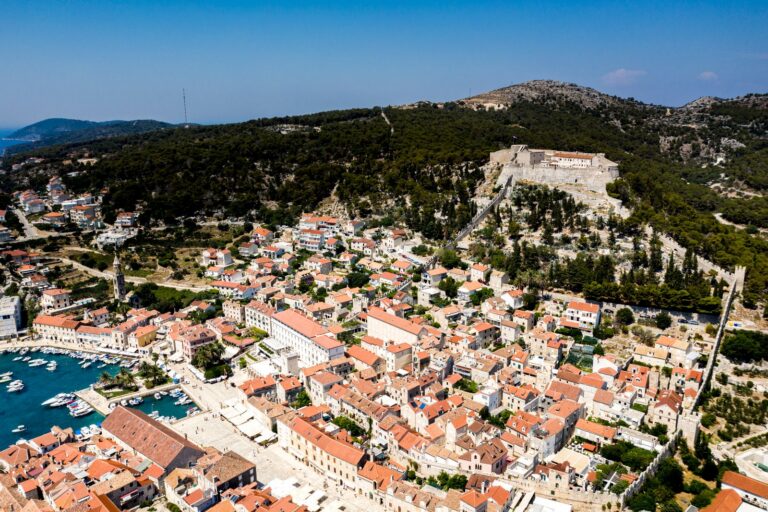
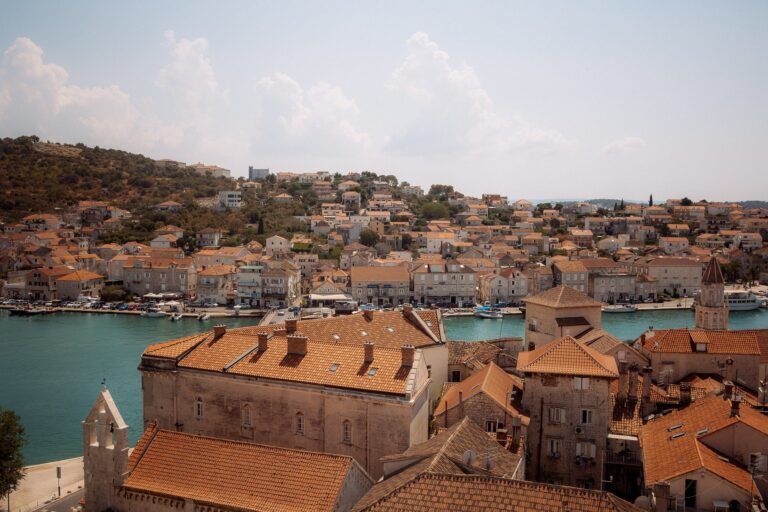
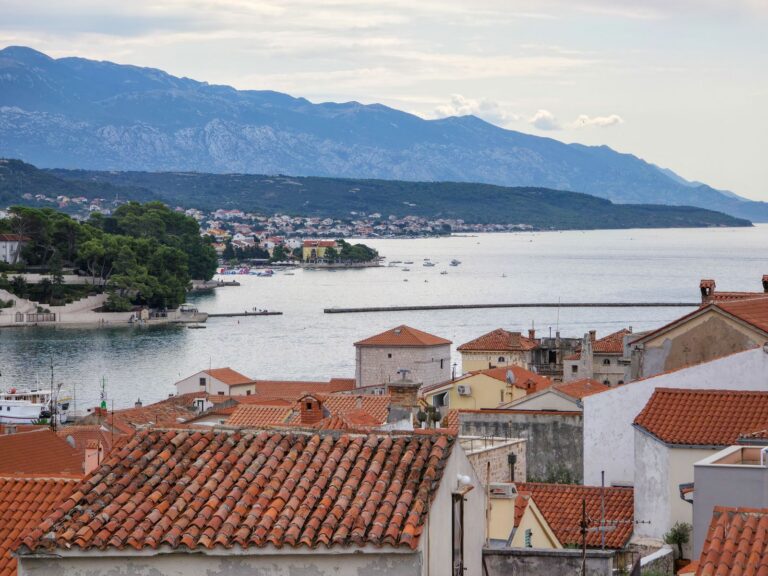
Dalmatia stretches for hundreds of kilometres along the coast and every stretch has its own character. We tend to divide it into roughly three worlds: buzzing towns, laid-back islands and nature with waterfalls. Here’s our pick of the very best:
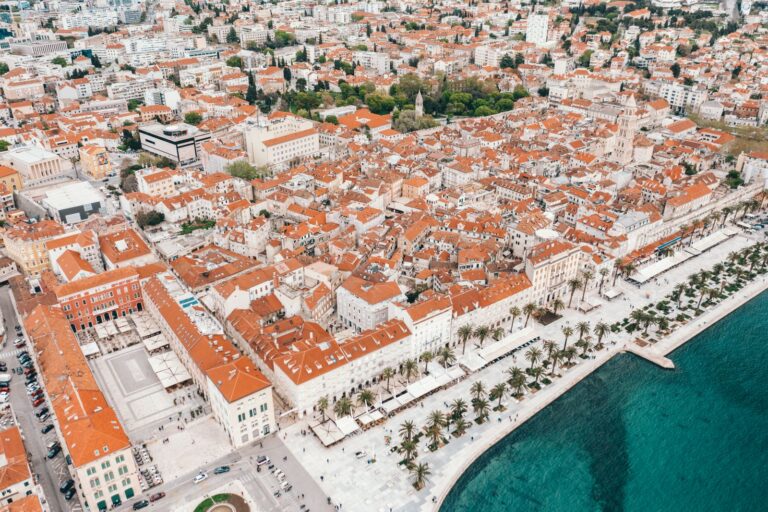
- Split – the heart of Dalmatia, home to Diocletian’s Palace and the best air and ferry gateway to the whole region.
- Dubrovnik – the famous city walls and old town, the icon of the south (and yes, it’s pricey and crowded).
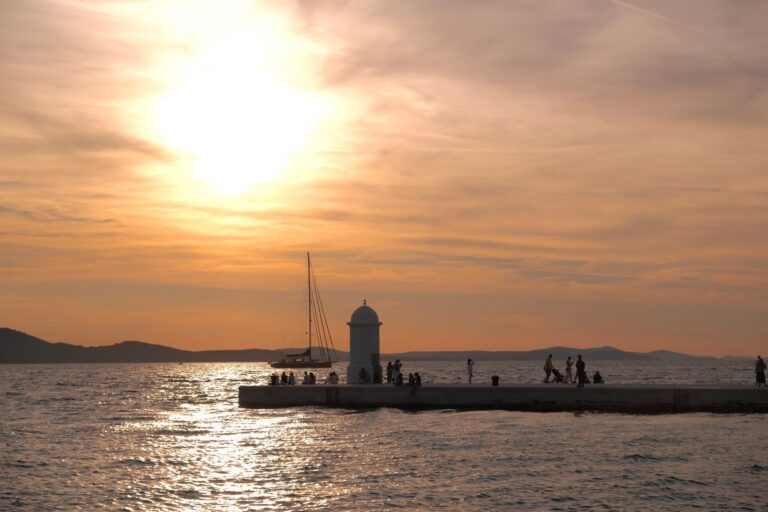
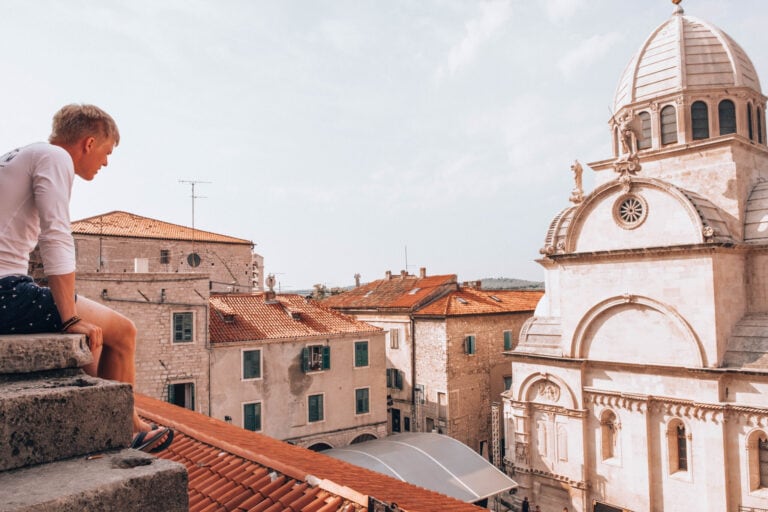
- Zadar with its sea organ and Šibenik with the Cathedral of St James – two underrated towns we absolutely love.
- Trogir – a picture-perfect stone town on a little island, just a hop from Split airport.
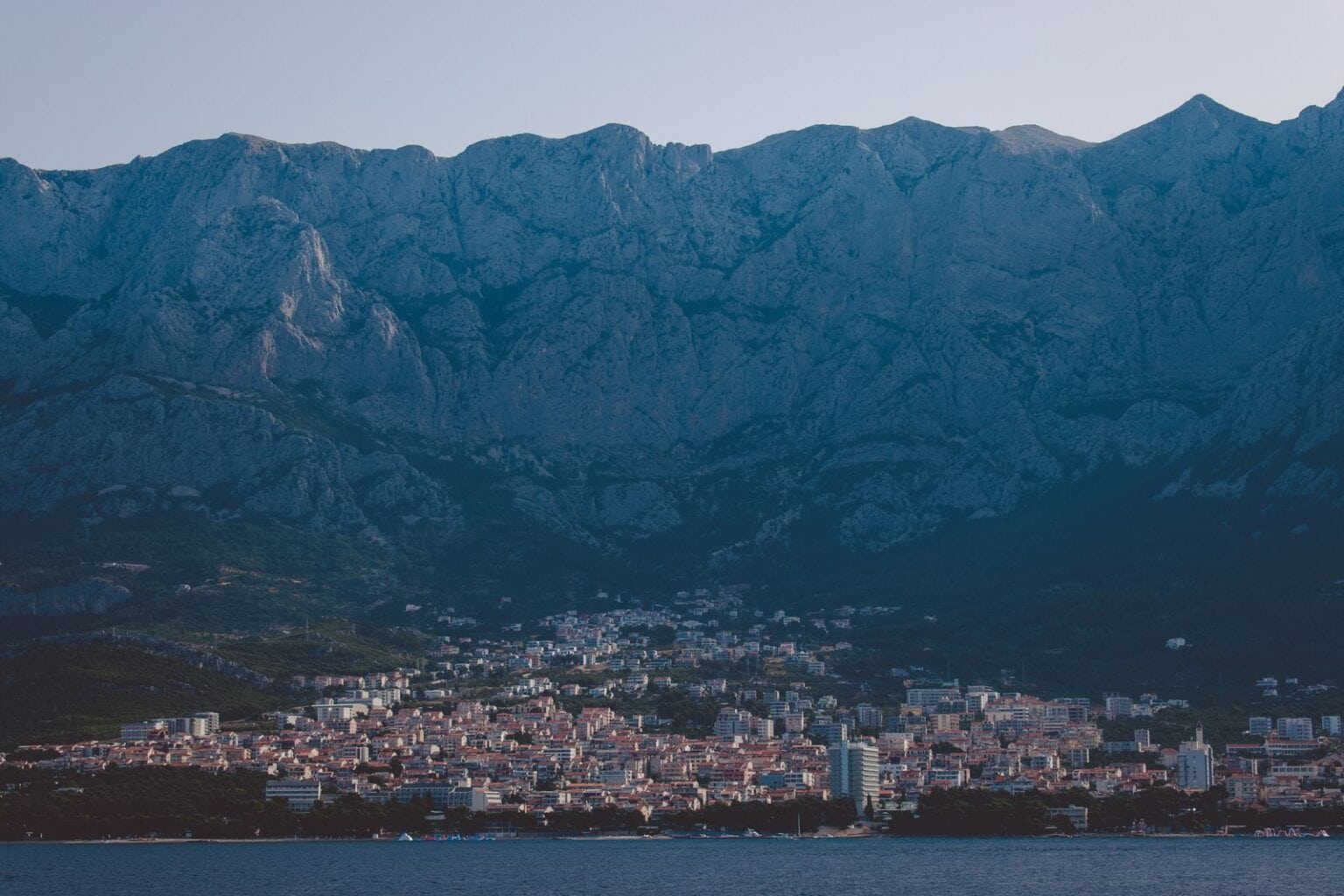
- The Makarska Riviera – long pebble beaches beneath Mount Biokovo, a classic for families with a car.
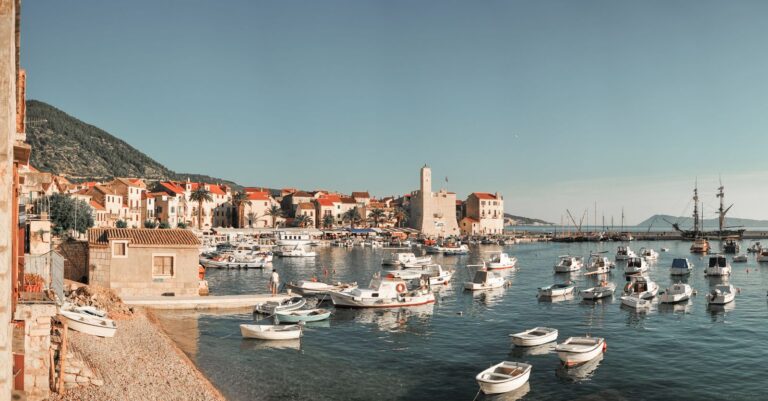
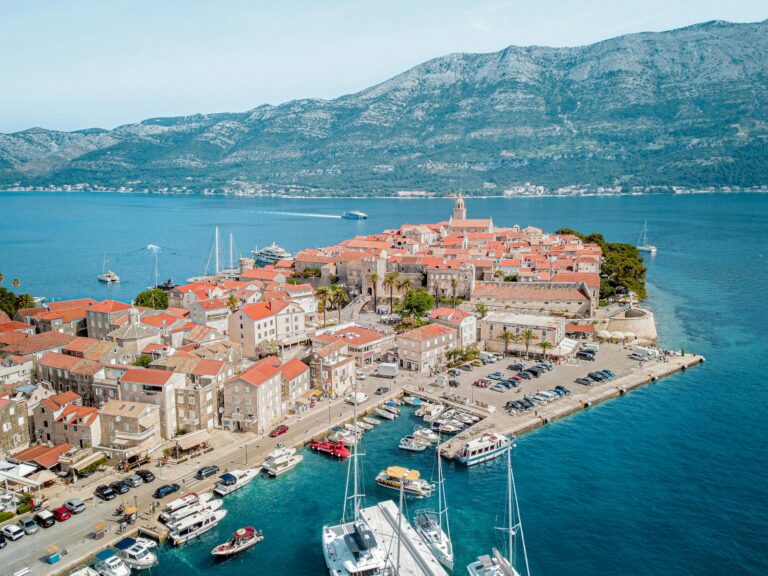
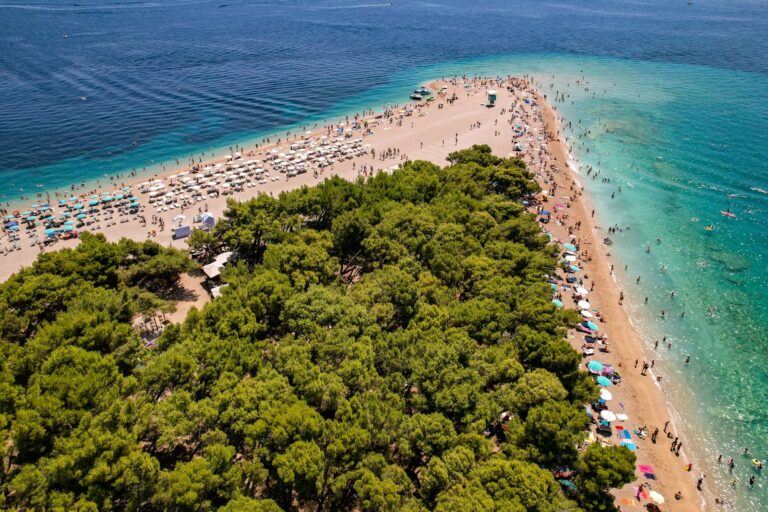
- The islands: Hvar, Brač with the famous Zlatni Rat beach, Korčula, wild Vis with its Blue Cave and party-loving Pag.
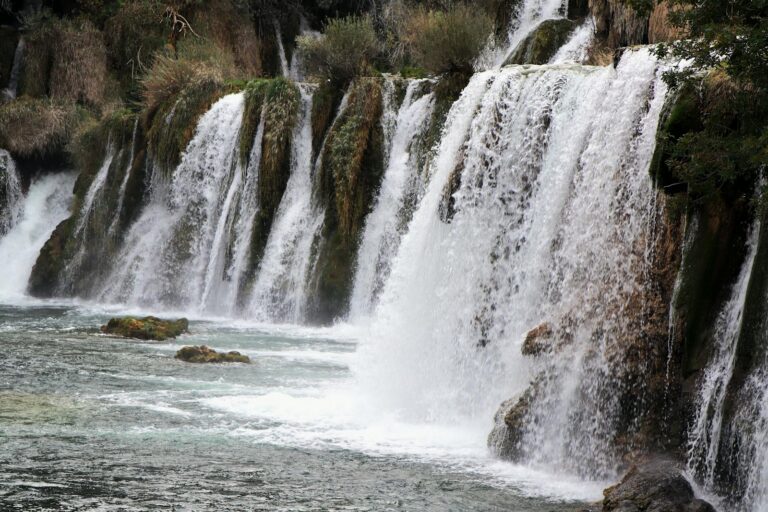
- Nature: Krka National Park with its waterfalls, where (unlike at Plitvice) you could swim until recently.
If you’re not sure where to start, take a look at our roundup of the 10 most beautiful places in Dalmatia – it’s a great springboard for planning your first route.
When to visit Dalmatia
Peak season in Dalmatia is July and August – the sea is at its warmest (around 25 °C), but that’s also when the crowds are biggest and accommodation prices are highest. If you don’t mind the heat and want guaranteed swimming, it’s an ideal choice. Personally, though, we prefer to steer clear of high season.
Our favourite time to go is June and September. The sea is pleasantly warm, the weather is stable, and yet it’s calmer and cheaper. September is also brilliant for lovers of historic towns – you can wander Dubrovnik or Split without exhausting queues and heat. May and early October are lovely for hiking, exploring towns and visiting national parks, but the sea is more for hardy swimmers by then.
From November to April most island restaurants and guesthouses are closed and ferry connections are limited. It’s fine for a tour of the towns, but not for a classic beach holiday.
How to get to Dalmatia
The fastest way to reach Dalmatia is by air – direct flights from Prague go mainly to Split and Dubrovnik, with Zadar added over the summer. The flight takes around 1.5 hours and is the obvious choice if you’re going for a week and don’t want to burn two days on the road. Aside from the direct routes, you can also fly with a connection, but for such a short trip it usually isn’t worth it.
The second option is by car – from Prague it’s roughly 1,100 km and 11–12 hours of driving to Split via Austria and Slovenia (or Hungary). You’ll appreciate a car mainly on the Makarska Riviera and when moving between places; just factor in motorway tolls and paid ferries to the islands. You’ll reach the islands themselves by ferry and catamaran from the ports in Split, Zadar and other towns.
Renting a car
A car makes sense in Dalmatia if you want to move between places – the Makarska Riviera, trips inland, national parks or beach-hopping along the coast. On the other hand, if your plan is “fly to Split and spend a week lying by the sea” or you’re island-hopping by catamaran, a car is more of a burden (parking in town centres is expensive and tricky, and you pay extra to take it on the ferry).
- Book ahead via rental comparison sites – in season it’s often expensive or sold out on the spot.
- Check the insurance and excess amount – the basic package often covers only part of it, so extra cover is worth it.
- Expect a deposit hold on your card and remember that taking a car on ferries is charged separately.
- Return the car with the same fuel level and photograph its condition when you pick it up.
Where to stay in Dalmatia
In Dalmatia, private apartments and rooms (sobe/apartmani) clearly rule the roost – they’re affordable, often come with a kitchenette and the owners tend to be welcoming. You’ll find traditional hotels mainly in the bigger resorts and towns, and campsites all along the coast (great for road trips with a caravan or tent).
- Split and around (Trogir, Kaštela) – ideal as a base, with excellent transport links and ferries.
- The Makarska Riviera – the best beaches with mountains within reach, superb for families with a car.
- The islands (Hvar, Brač, Korčula, Vis) – for peace and an authentic atmosphere; prices on Hvar tend to be higher.
- Zadar and Šibenik – great for combining town, sea and national parks, usually cheaper than the south.
- Dubrovnik – the most expensive; it pays to stay just outside the city and commute in.
Package tour or independent travel?
When it comes to planning, Dalmatia is one of the easiest foreign destinations – it works brilliantly as a DIY trip, but a package tour has its place too. Here’s our honest comparison:
A package tour is worth it when…
- you want transport and accommodation sorted in a single click and don’t fancy keeping an eye on anything;
- you’re travelling with children and would appreciate all-inclusive or transfers straight from the plane;
- you’re flying to a single resort for a week and don’t plan to move around much;
- you snag a good early-bird or last-minute price.
Go DIY when…
- you want to combine several places – say towns + islands + national parks;
- you prefer apartments, your own pace and meals at local konobas;
- you’re driving or want the flexibility to change plans with the weather;
- you want to keep control of your budget and save on middlemen.
The two of us almost always head to Dalmatia on our own – an apartment, a rental car and a loose itinerary suit us best. That said, we’d recommend a package tour without hesitation to families who want peace of mind and certainty, or when a genuinely great deal on a specific resort pops up.
Budget: daily costs in Dalmatia
| Level | Accommodation | Food | Transport & activities | Total/day |
|---|---|---|---|---|
| Backpacker | 20 €–30 € (room, campsite, shared apartment) | 12 €–18 € (self-catering, bakeries, cafeterias) | 8 €–14 € (public transport, the occasional ferry) | approx. 40 €–65 € |
| Standard | 40 €–70 € (apartment for 2) | 25 €–35 € (lunches and dinners at a konoba) | 20 €–30 € (car, ferries, entry fees) | approx. 85 €–140 € |
| Comfort | 100 €+ (seafront hotel) | 45 €+ (restaurants, fish, wine) | 40 €+ (boat trips, car, activities) | approx. 185 €+ |
Prices are rough estimates per person per day and depend heavily on the season — in July and August you can easily add a third on top for accommodation. Dalmatia is no longer the cheapest destination out there, but by cooking some of your own meals and travelling off-peak you can keep it reasonable.
How to save when planning
Dalmatia can be done cheaply or expensively – the difference often comes down to when you buy and book. Here are our tried-and-tested rules:
- Buy summer flights 2–4 months ahead; direct routes to Split and Dubrovnik fill up fast in season and get pricier at the last minute. Search for flights in our finder.
- Book accommodation early – the best seafront apartments for July/August vanish by spring. Off-peak, on the other hand, it pays to book later. Our accommodation tips.
- High season is the priciest – shifting a few weeks to June or September can save you a third on accommodation, plus give you extra peace and quiet.
- You’ll pay the most right by the water and on the main promenades – eat a street back at a konoba where the locals go.
- Book popular excursions (the Blue Cave, boat trips) well ahead – you’ll save money and secure your spot. What to book in advance.
- If you’re going on a package tour, keep an eye out for early-bird deals in spring and last-minute offers just before you travel. Current package tours.
Practical information
Croatia is in both the eurozone and the Schengen Area, so you pay in euros and can wave goodbye to border checks. You can pay by card almost everywhere, but on the smaller islands, at markets and in tiny konobas, cash still comes in handy. English and German are widely spoken.
- Connectivity: with EU roaming you call and surf just like at home, but an eSIM with a data package is handy if you want more data for navigation and maps without worrying about limits.
- Safety: Dalmatia is a very safe destination, so ordinary caution is enough. Watch out for sharp rocks and sea urchins – water shoes are practically a must.
- Insurance: take out travel insurance; the EHIC only covers basic care and co-payments apply in Croatia.


