If you’re thinking about where to head for a proper winter holiday this year, Schladming and the entire Ski amadé area should definitely be on your radar. Along with Zell am See and Dachstein West, it ranks among Austria’s most popular ski resorts for international visitors, and believe me, once you study the ski map, you’ll immediately understand why. It’s an absolutely ideal destination for everyone who loves long, wide, and perfectly groomed runs but doesn’t need to prove their courage on extreme slopes.
I’ve put together 14 specific tips for you — from the truth about ski pass prices to choosing accommodation and night skiing, which you simply can’t miss. We’ll focus on what exactly Austria’s largest ski pass offers, how the famous four-mountain circuit works, and we’ll also break down prices for the 2026/27 season. I’ll show you why it pays to buy tickets in advance and what to watch out for with tempting promotional offers that might pop up online.
I’ll also advise you on choosing strategic accommodation, you’ll discover where to find the best night skiing, and we’ll look at practical details about the journey from abroad. So let’s dive in.
TL;DR
- Austria’s largest ski pass: Ski amadé connects an incredible 5 regions, 760 km of slopes, and around 260 lifts on a single ticket.
- Unique four-mountain circuit: Right above Schladming, you can ski across four mountains (Hauser Kaibling, Planai, Hochwurzen, and Reiteralm) with 123 km of runs.
- Paradise for relaxed skiers: Of the total 123 km, the vast majority are blue (47.3 km) and red (67.3 km) runs, with only 8.4 km of black.
- Watch out for ski pass prices: A six-day ski pass at peak season costs €432.50 at the ticket office, from €367.50 online. The advertised super price “from €342” only applies outside the main season.
- Epic night skiing: On Hochwurzen mountain, you’ll find a 3 km illuminated slope served by a modern gondola.
- Journey from abroad: You’ll travel on the A1 and A10 motorways toward Bischofshofen; don’t forget the toll section on the Tauern motorway costing €15.
The full destination guide: Austria — guide and what to see
When to Visit Schladming
The Alpine ski season in Styria traditionally starts in early December and runs until early April, with the resort naturally experiencing the biggest tourist rush during the Christmas holidays and February school breaks. If you want to enjoy emptier slopes and avoid queuing at the lifts, I recommend planning your trip for January or the second half of March. In March, the sun is already quite high and spring skiing has its unmistakable charm, plus significantly more pleasant temperatures for relaxing on mountain hut terraces.
Your budget should also have a major influence on when you go, because Ski amadé uses dynamic pricing with clearly separated seasons. If you go in the so-called pre-season (before December 18) or post-season (after March 27), you’ll get the absolute lowest ski pass prices. While during the peak season, which mirrors school holidays across Europe, you’ll pay noticeably more for skiing — not just for lifts but also for accommodation itself.
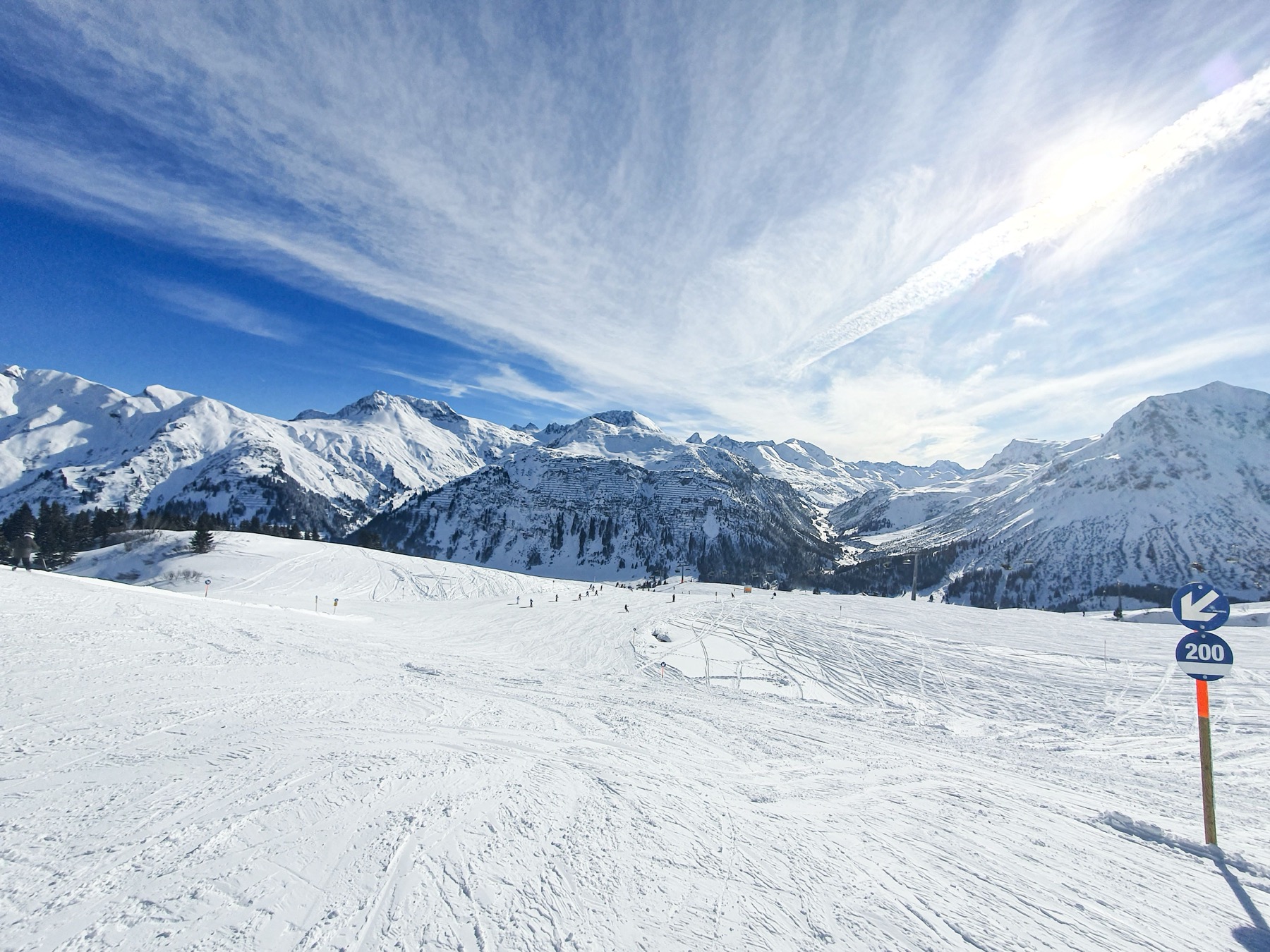
The altitude reaching up to the 2,700-meter mark does its job. Snow is simply there, even when other mountains are praying for a white Christmas. The resort is also top-equipped with a huge network of modern snow cannons that can cover key runs with snow in just a few days during freezing nights.
💡 Tip for flexible travelers: If you’re not tied to school holidays, steer clear of the entire month of February, when not only Austrians but also neighboring Germans have their breaks. The ideal compromise between price, snow quality, and crowd levels on the slopes are traditionally the first three weeks of January.
Where to Stay in the Schladming-Dachstein Area
💡 Accommodation and experiences tip: We compare accommodation in the area here, so you can see what’s available and at what price. We prefer to look for it on Booking.com, where they usually have the best cancellation terms. For tickets, tours, and activities, it pays to compare and buy through GetYourGuide.
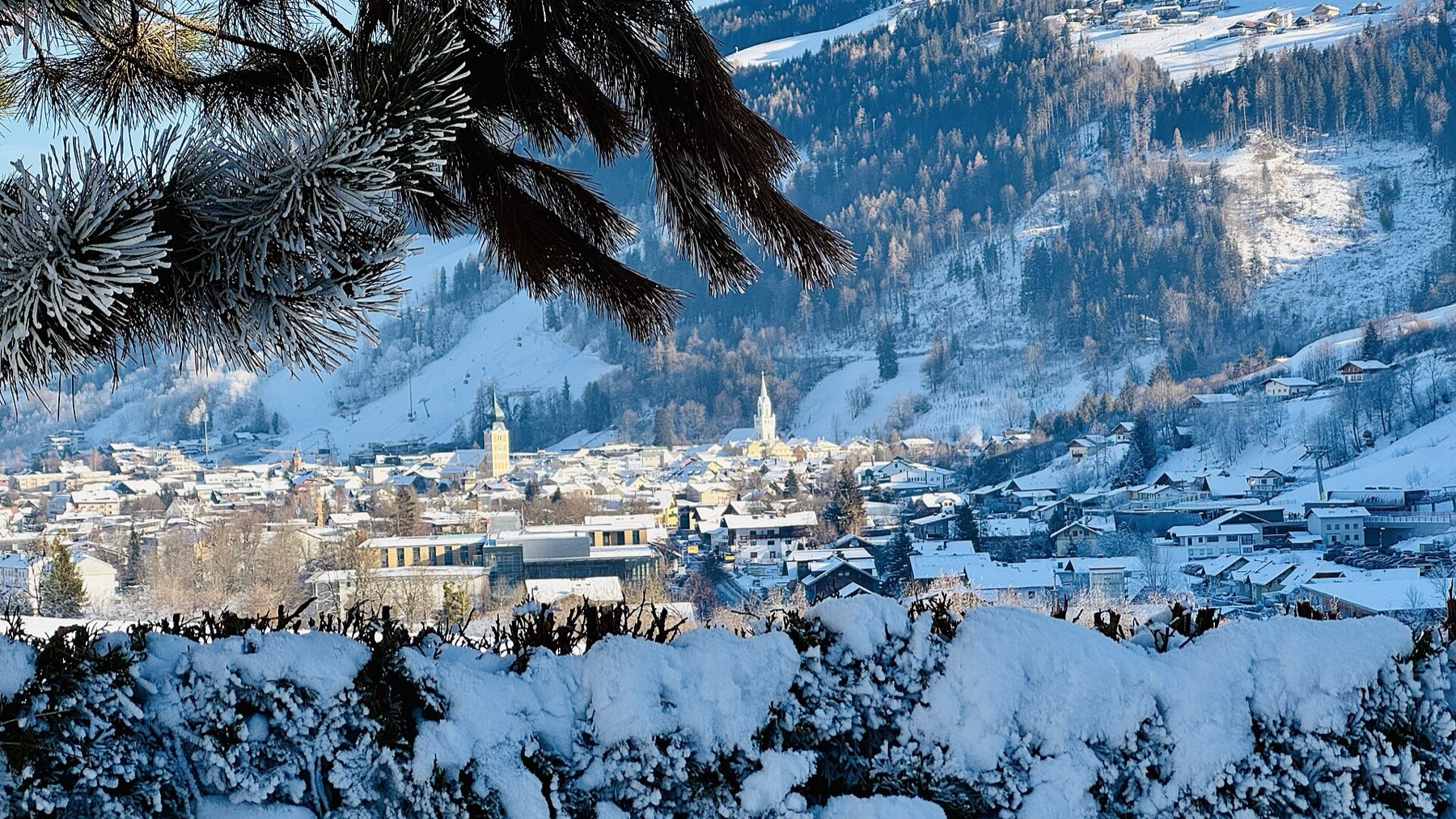
Choosing the right location is absolutely crucial because it fundamentally affects how far you’ll haul your skis each morning and how much time you’ll spend in the car. The town of Schladming itself is ideal for those who want to be in the center of the action and have evening entertainment at hand. You’ll find plenty of restaurants, shops, and most importantly, luxurious access right to the main lift that takes you up to Planai mountain. An excellent choice here is TUI BLUE Schladming, located just a stone’s throw from the lift and offering beautiful modern facilities including a sauna, which you’ll definitely appreciate after a full day in the cold.
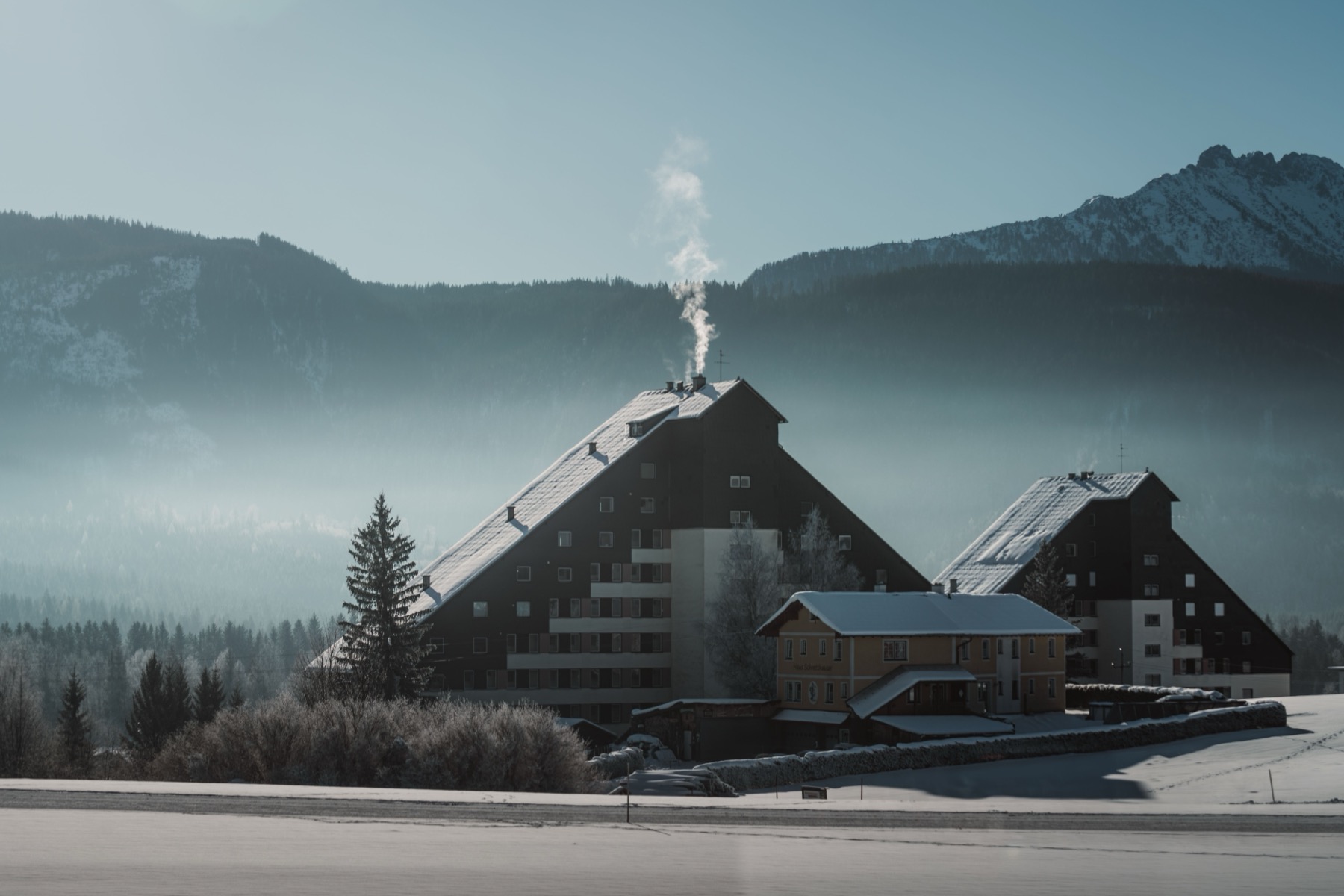
If you prefer a slightly quieter atmosphere and want to be close to the famous night skiing, look for accommodation in the Rohrmoos area, which lies slightly above the town. The traditional Hotel Schwaigerhof is very popular here, offering stunning views of the Dachstein massif and slopes starting practically right outside the door. This area is fantastic in that many guesthouses and hotels offer so-called ski-in/ski-out access, so in the morning you just put on your skis and head straight down to the lift.
For families with children and skiers who want to start on the gentler slopes of Hauser Kaibling mountain, the picturesque village of Haus im Ennstal is an exceptionally strategic choice. Here you’ll find the more luxurious Natur- und Wellnesshotel Höflehner, where guests in reviews praise the absolutely fantastic wellness center. When booking through popular portals, always carefully check whether the accommodation has its own heated ski room for drying boots and whether the free ski bus stops somewhere near your apartment.
Where to Eat Around Schladming
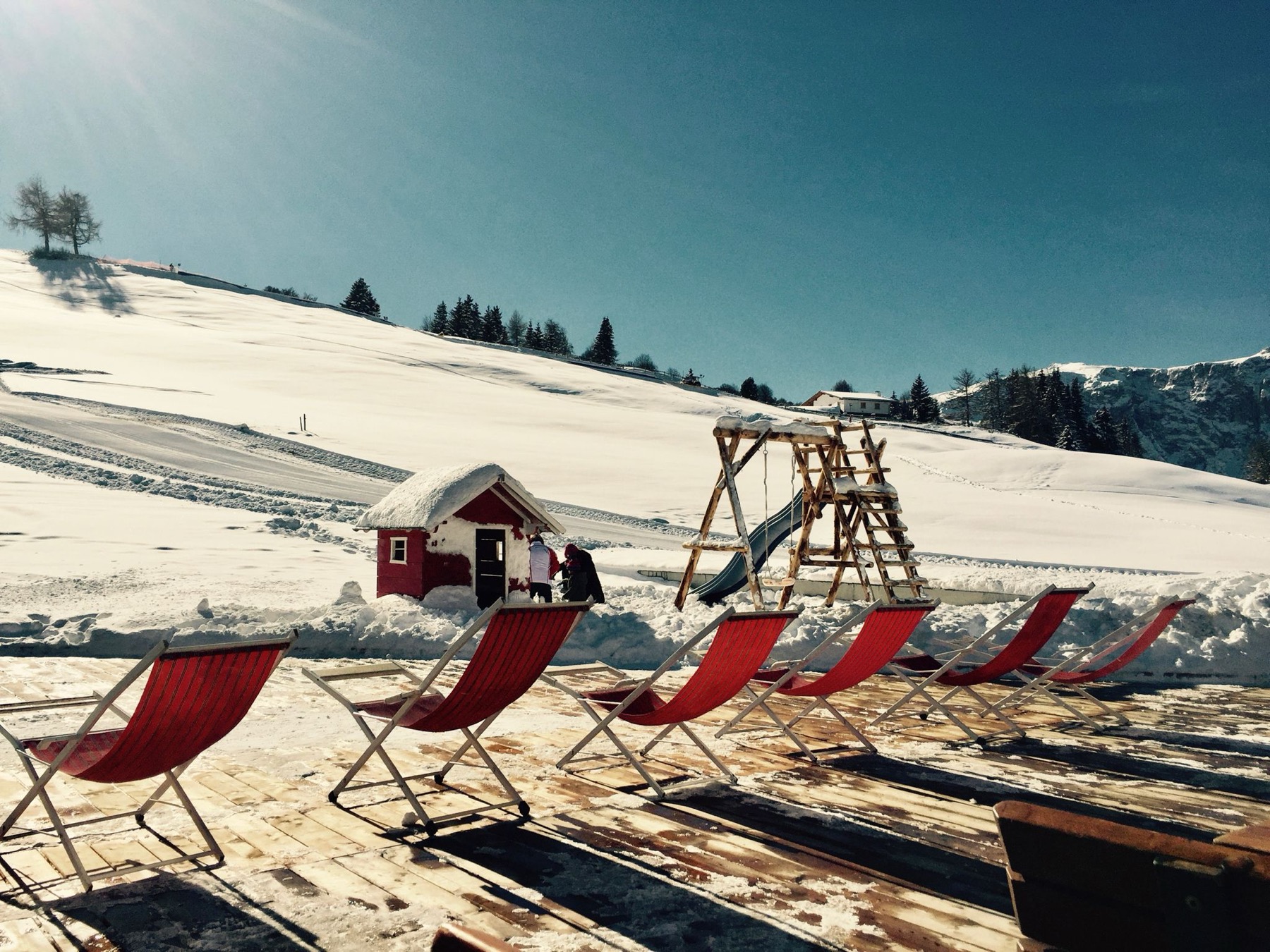
Skiing in the Alps simply doesn’t work without good food. Schladming and the surrounding mountains offer endless options for satisfying your hunger after a full day carving down the slopes. Whether you prefer a quick snack right on the slope with views of the majestic Dachstein, or you’re craving a proper, leisurely dinner after skiing, you won’t be disappointed.
If you want to be sure, restaurants in renowned hotels are usually a safe bet, and they’re open to guests from outside as well. Highly rated are Natur- und Wellnesshotel Höflehner in Haus im Ennstal (4.7 on Google) and Hotel Schwaigerhof in Rohrmoos (4.8). Right in town, TUI BLUE Schladming has good reviews (4.7). On the slopes themselves, classic mountain huts operate, where staples include Kaiserschmarrn or cheese spätzle — dishes that can satisfy vegetarians too.
14 Tips on What to See and Know About Ski amadé and Schladming
Let’s now take a detailed look at what actually awaits you in this giant winter playground, which mountains not to miss, and what to watch out for when planning.
1. Discover Austria’s Largest Ski Pass: Ski amadé
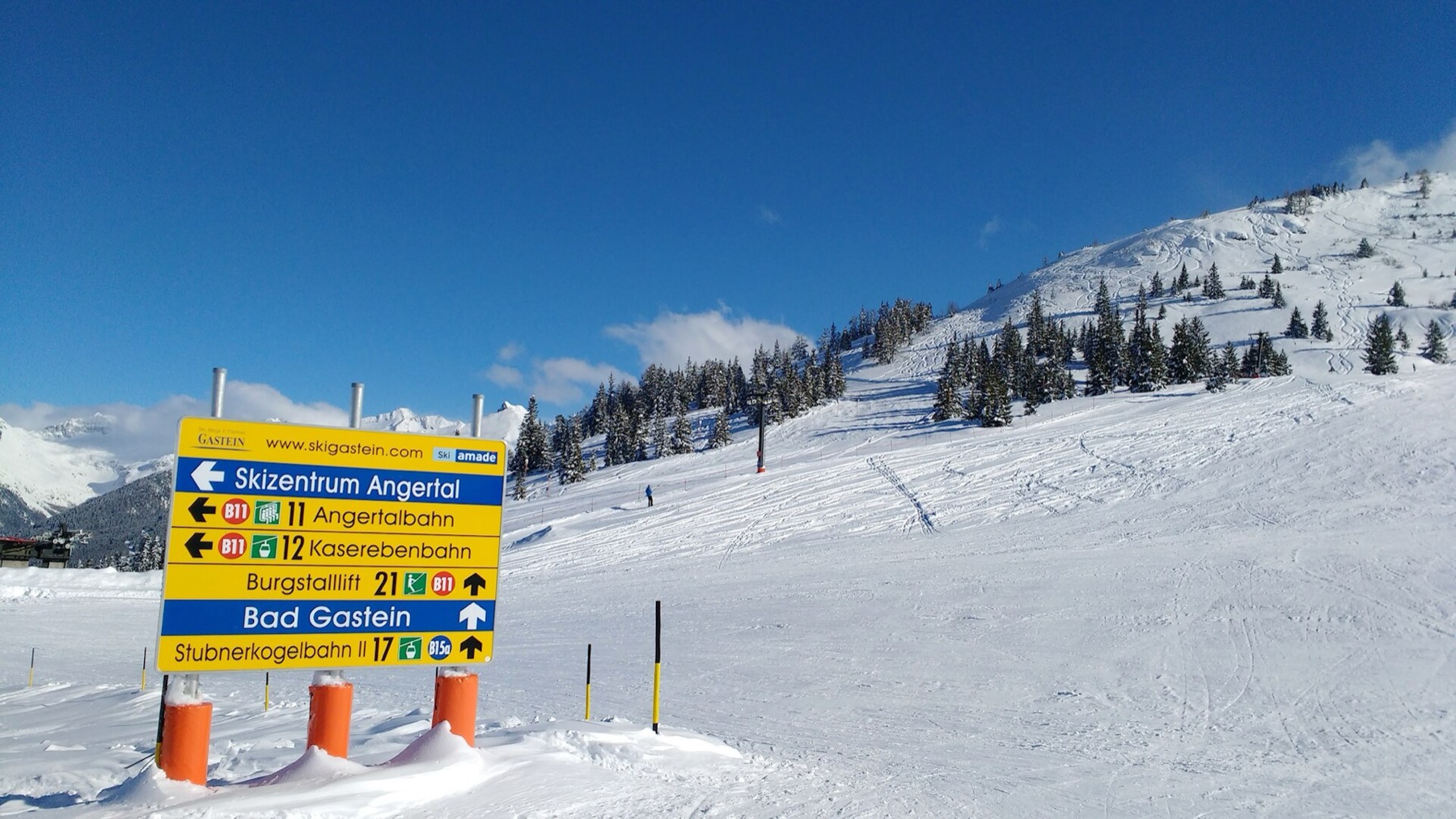
When you buy a multi-day ticket, you don’t just get access to one valley but an incredible five different regions scattered across the Salzburg and Styrian Alps. Specifically, these are the renowned Salzburger Sportwelt, home base Schladming-Dachstein, spa town Gastein, majestic Hochkönig, and picturesque Großarltal. These locations together form an absolutely gigantic 760 kilometers of slopes that you couldn’t cover in a week even if you split yourself in two. It’s a huge advantage for those of you who like discovering new places and don’t enjoy circling the same hill for a week.
Your comfortable transport throughout this extensive network is handled by around 260 modern lifts and tows — simply more lifts than you can ride in a week. It’s like an endless ski safari where you can discover a completely new valley every day. You’ll admire different views and try different run profiles; you just need to get up a bit earlier in the morning and head to the neighboring resort.
💡 Planning tip: If you want a perfect overview of this entire colossus, definitely download the official Ski amadé Guide app on your phone. You’ll find not only interactive maps of all five regions but also current information about lift operations, waiting times, and precise schedules of free ski buses.
2. Explore the Unique Four-Mountain Circuit (4-Berge-Skischaukel)
The absolute biggest draw of the entire Schladming area lies in the so-called Schladminger 4-Berge-Skischaukel, which is a brilliant system that connects four neighbouring peaks into one enormous ski area. From east to west, you’ll ski across the mountains of Hauser Kaibling, the legendary Planai, evening favourite Hochwurzen, and family-friendly Reiteralm. Such seamless connectivity is absolutely unique not only throughout Styria, but honestly, there are few places in the Alps where this works so smoothly. It gives you complete freedom of movement without having to take your skis off.
During a single day, you can seamlessly cruise from one end to the other, and that’s all with a total length of 123 kilometres of perfectly connected slopes. The experience of such a full-day trip is priceless, when you board the gondola in one village in the morning and spend the entire morning moving across the ridges westward.
💡 Tip for a full-day trip: Head out with the very first morning lift and set yourself the goal of covering all four peaks in one go. In the afternoon, you can then slowly make your way back to your starting point with a full belly from a mountain hut, but make sure to keep track of the last lift times so you don’t get stuck in the wrong valley.
3. Conquer the Slopes Like the Pros on Planai
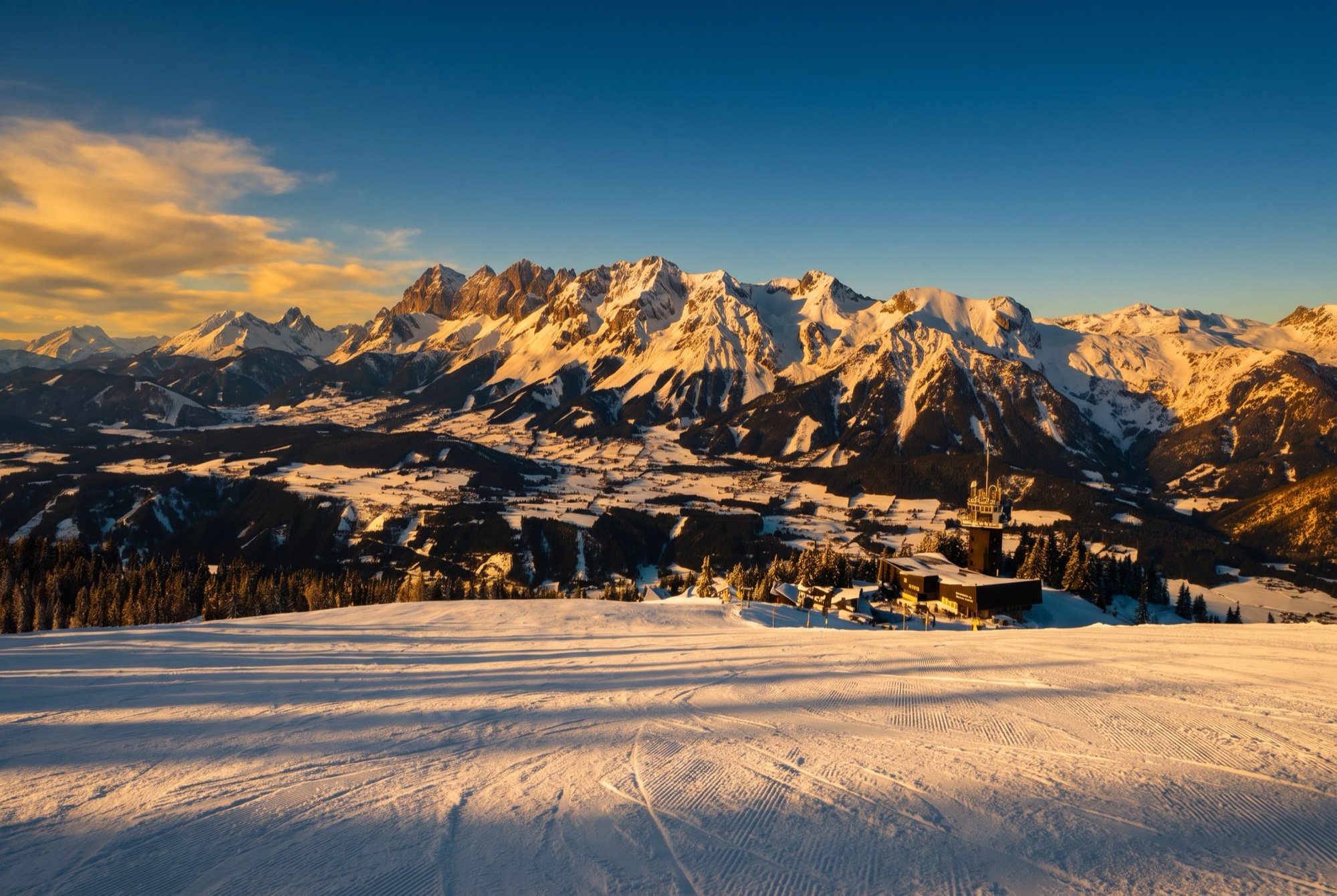
Planai mountain is the absolute heart and main centre of all of Schladming, which skiers from across Europe look up to. If you follow winter sports, you definitely know it’s the legendary venue for the famous night slalom World Cup race, which draws tens of thousands of enthusiastic fans here every year. The atmosphere here is always a bit more athletic and dynamic than on the surrounding peaks, and the modern gondola takes you up directly from the centre of town, which is incredibly convenient for those staying nearby.
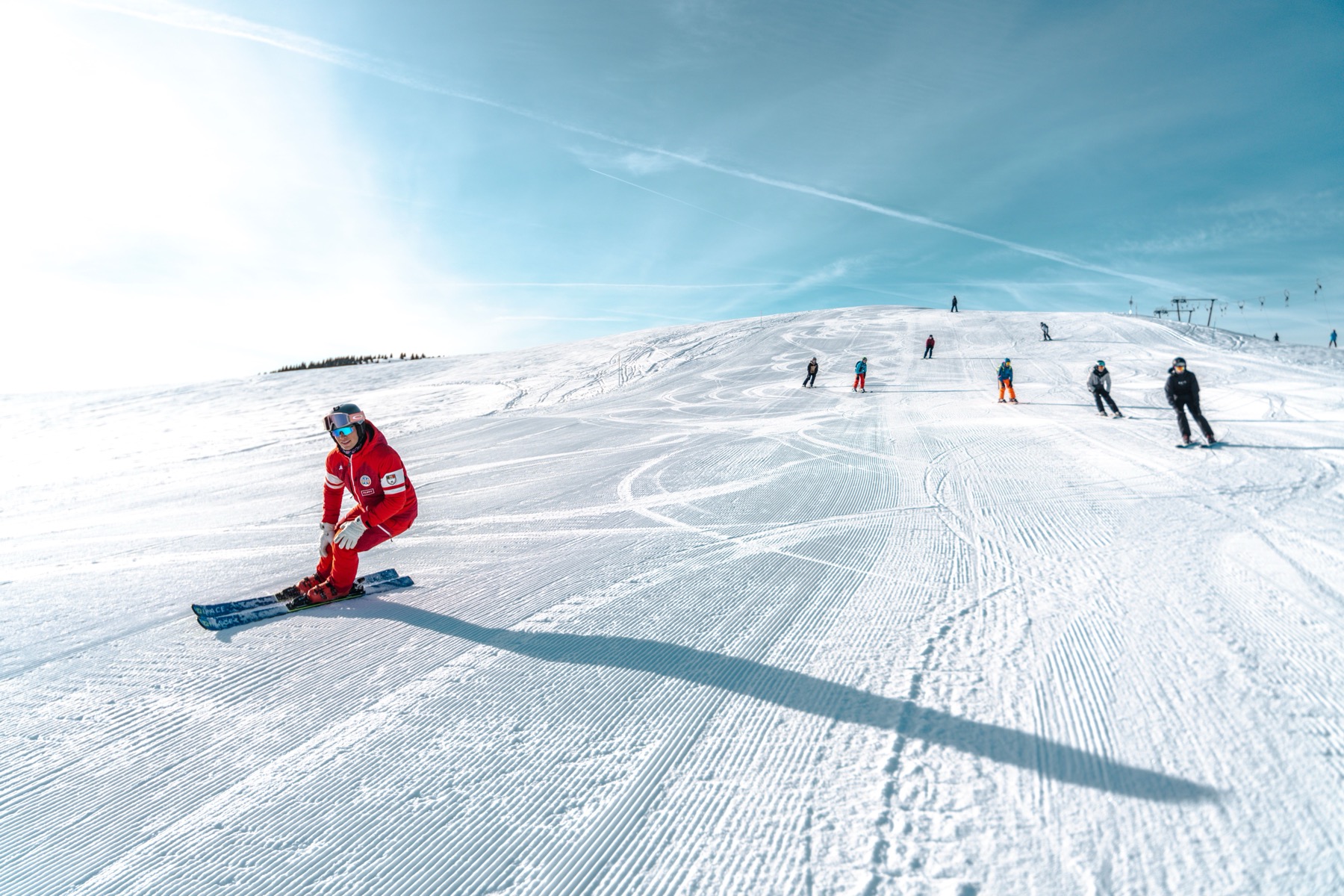
Even if you’re not exactly world champions, you’ll definitely be thrilled by the opportunity to ski down at least the gentler sections of that famous race slope and savour the feeling that you’re following in the tracks of the very best. The wide carving highways in the upper sections of the mountain are then absolutely ideal for fast skiing, where you can really lean into your turns and let the freezing Alpine air whip across your face.
💡 Tip for morning runs: Since Planai is the most easily accessible mountain from the centre, it tends to get the biggest crowds during the day. If you want to enjoy empty slopes and perfectly groomed corduroy, you need to be standing at the turnstiles right at eight o’clock in the morning when the lifts start operating.
4. Experience Evening Adventures on Hochwurzen
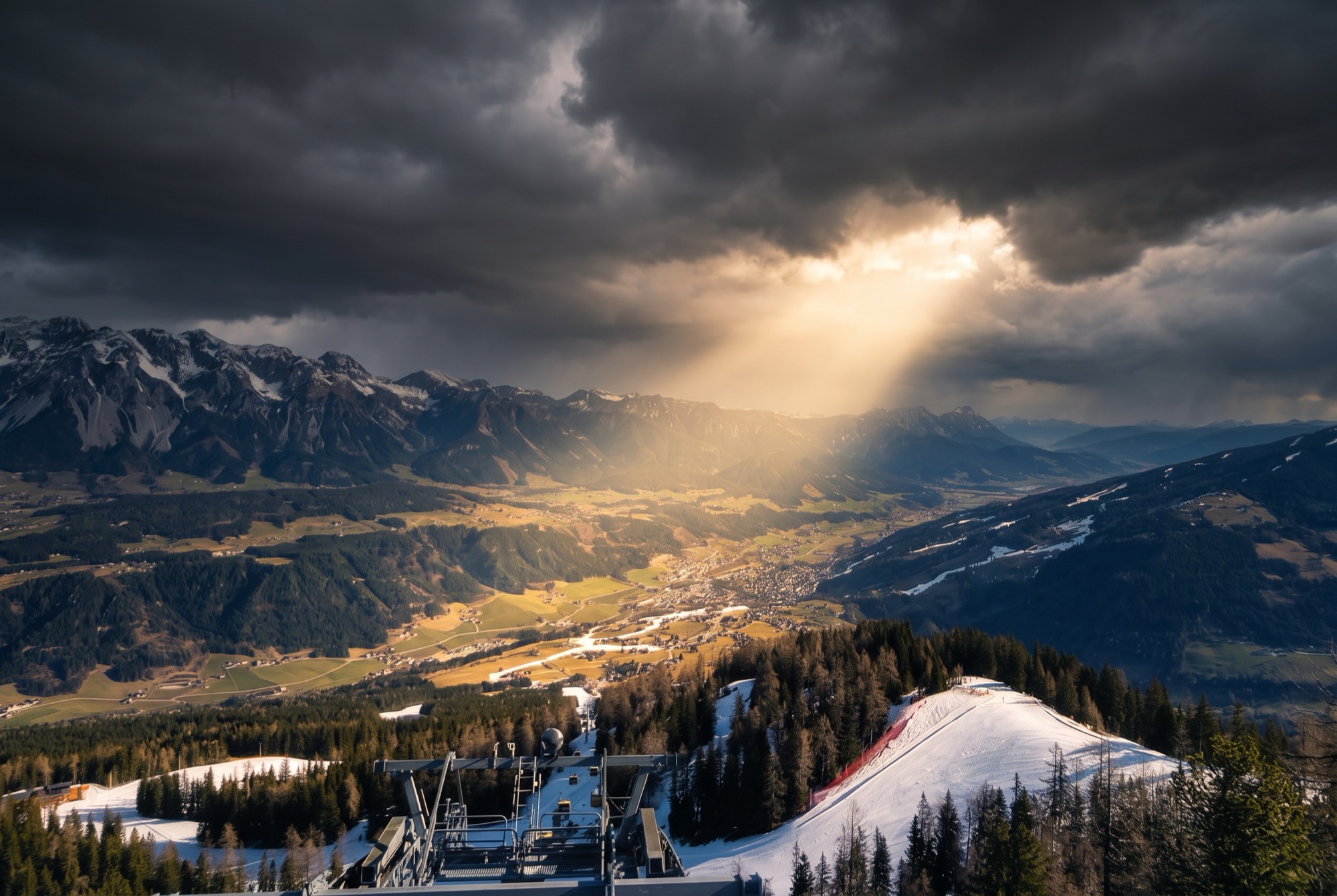
If you haven’t had enough of daytime skiing in the sunshine and still have some energy left in your legs, Hochwurzen mountain is your clear evening destination. This is where the best nightlife on skis for miles around takes place, and the atmosphere under artificial lighting has its own special magic. You’ll be taken up in absolute comfort by the modern ten-person gondola Gipfelbahn Hochwurzen, which you board at the base station, saving you from freezing on an open chairlift.
From the summit, you can then descend into the valley along freshly groomed slope number 33, which with its impressive length of 3 kilometres ranks among the very longest night runs in the entire Alps. Skiing through the quiet forest under the stars, when you hear only the swish of your own skis, is one of those moments that keeps bringing you back to the Alps again and again.
💡 Tip for non-skiers: Besides skis, people very often rent sleds here too, because the local illuminated toboggan run offers a huge dose of fun. It’s a great alternative for evenings when you don’t feel like putting on hard ski boots anymore, but still want to spend time actively in the fresh mountain air.
5. Enjoy the Views from Hauser Kaibling Mountain
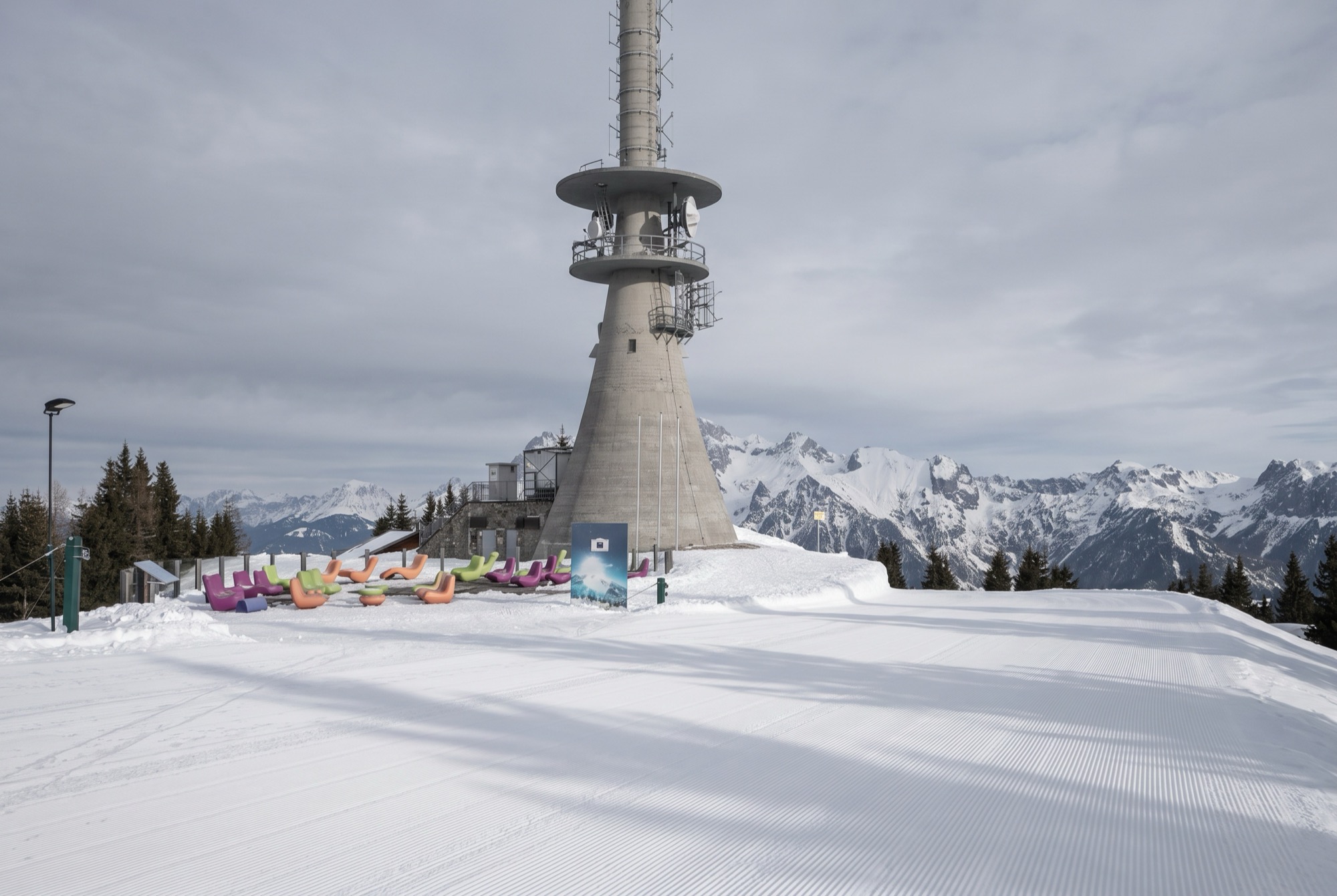
From the perspective of a skier arriving from the east, Hauser Kaibling is the first gateway into the entire four-mountain circuit. This mountain will immediately win you over primarily with its absolutely breathtaking panoramic views, which rank among the most beautiful in the region. When you reach the very summit, the majestic Dachstein massif opens up before you in all its glory, which is scenery that will guarantee you more than one photo for the family album.
This mountain is generally known for offering truly beautiful, sunny, and wide slopes that aren’t extremely tricky and will forgive you even minor technical errors. You simply think to yourself: I’m not going to break my neck here. And that’s quite a pleasant feeling on holiday.
💡 Tip for starting your day: If you prefer more peaceful starts to your ski days, I recommend heading here first thing in the morning. You can have your first morning coffee in one of the wooden mountain huts and enjoy perfect corduroy bathed in the rising sun before the larger crowds arrive from central Schladming.
6. Head Out with the Family to Relaxed Reiteralm
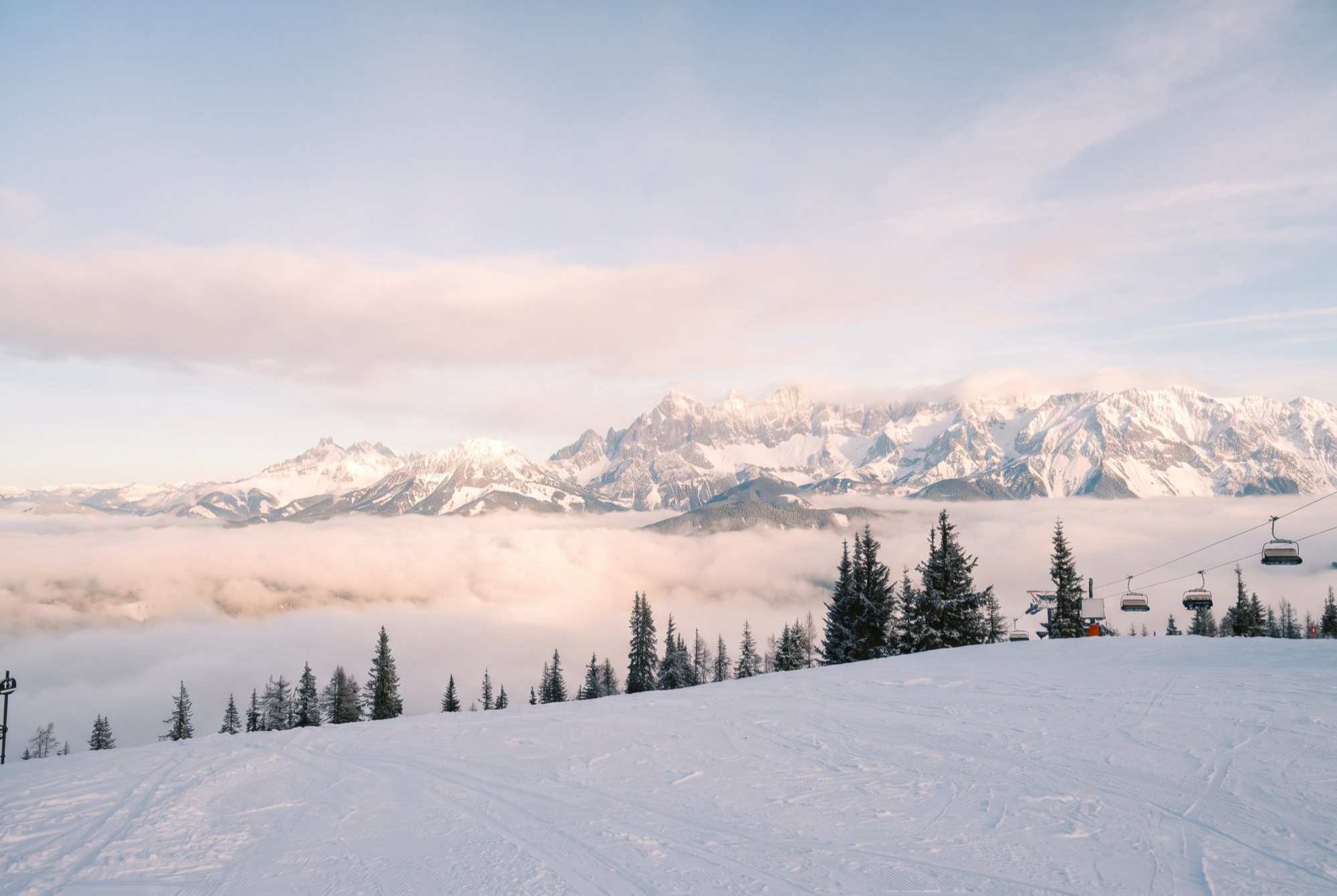
At the very opposite, western end of the entire connected system rises Reiteralm, which is a little paradise for families with children and everyone seeking a slightly more relaxed atmosphere. The slopes here are noticeably gentler compared to the more athletic Planai mountain, they wind beautifully between tall trees and provide a safe space for perfecting your skiing style. It’s simply an ideal place for those who aren’t quite confident yet on steep slopes.
And because it’s located a bit off the beaten path, not everyone who buys a ski pass makes it here. Lift queues here look more like a coffee queue than Planai at nine in the morning. Even during busy weekends, you’ll find your space here for peaceful skiing without unnecessary stress.
💡 Tip for quiet afternoons: It’s an absolutely ideal place to retreat when you want to enjoy a relaxed afternoon with the family full of smooth turns. You don’t stress about someone fast zooming right behind you, and kids can calmly try their first independent runs on bigger hills.

7. Ideal Terrain for Recreational Skiers, Not for Extremists
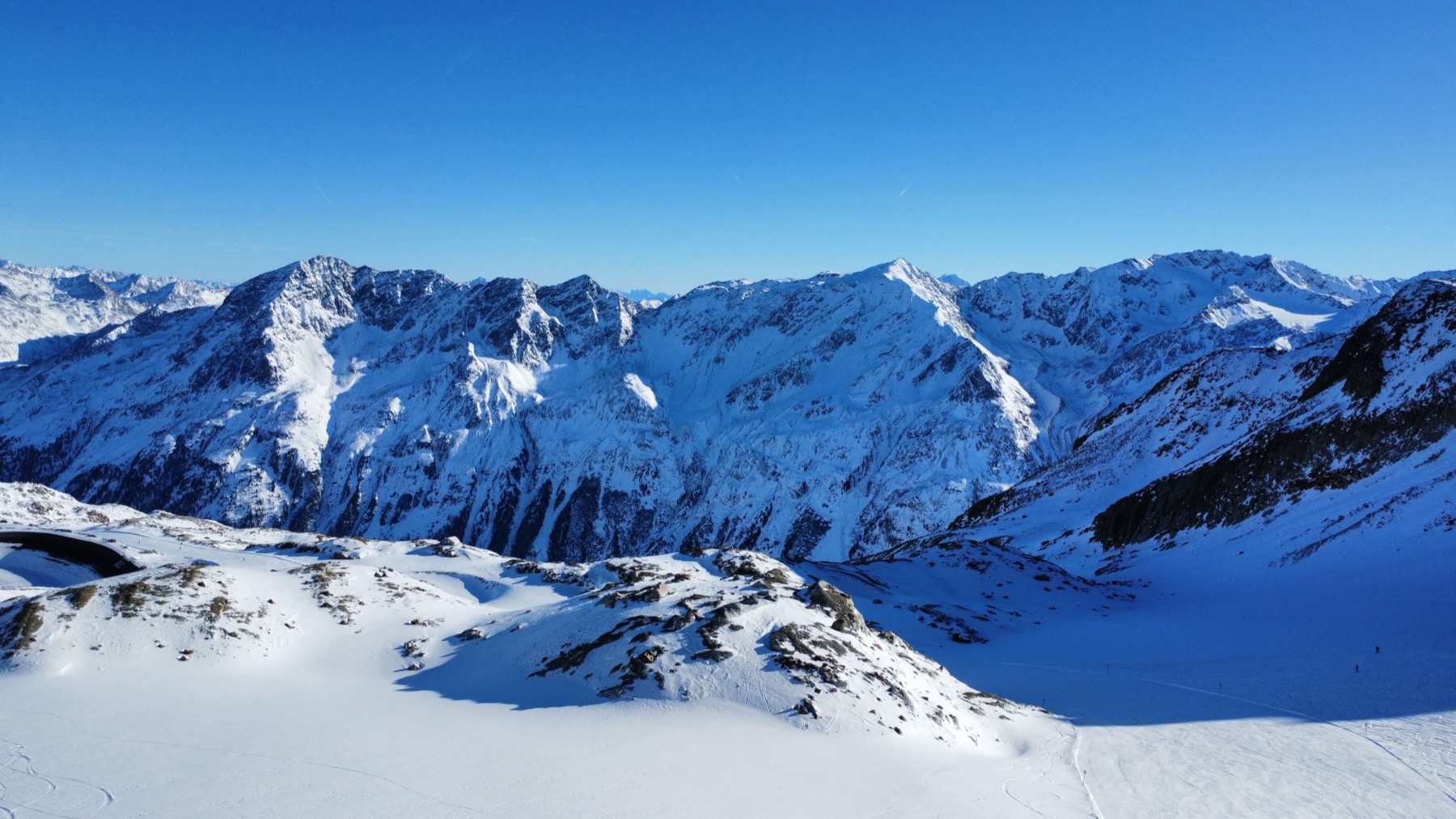
When you look at the hard data, the slope structure in Schladming speaks absolutely clearly and shows precisely who this giant resort is actually designed for. Of the total 123 kilometres on the four-mountain circuit, an impressive 47.3 kilometres are blue and a dominant 67.3 kilometres are red runs. These two categories make up the vast majority of the total area, which makes it a perfect playground for intermediate skiers.
On the other hand, you’ll find only 8.4 kilometres of black slopes here, from which one crucial thing clearly emerges for extreme sports lovers. If you seek adrenaline challenges for experts and the steepest drops in Europe, you’d probably start getting a bit bored here after a few days. It’s simply a resort tailored for recreational athletes who want to enjoy smooth carving runs and safe turns.
💡 Tip for beginners: Although there are plenty of blue slopes here, Austrian grading is sometimes a bit stricter than ours. Some blue sections, especially the lower descent runs, can at the end of the day with pushed-up snow resemble more demanding red runs, so it’s better to save enough energy for the afternoon return.
8. Enjoy Top-Quality Modern Infrastructure
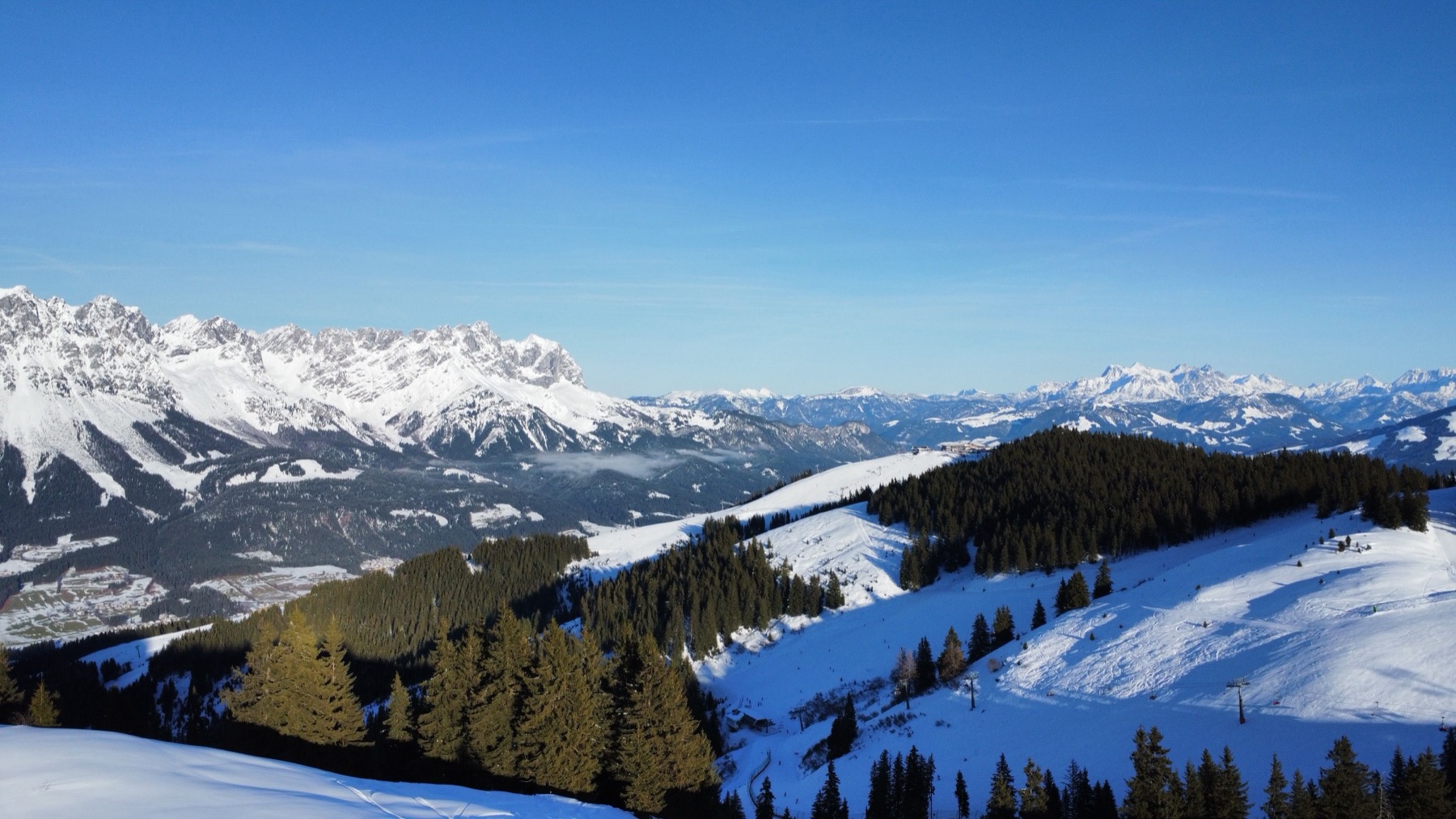
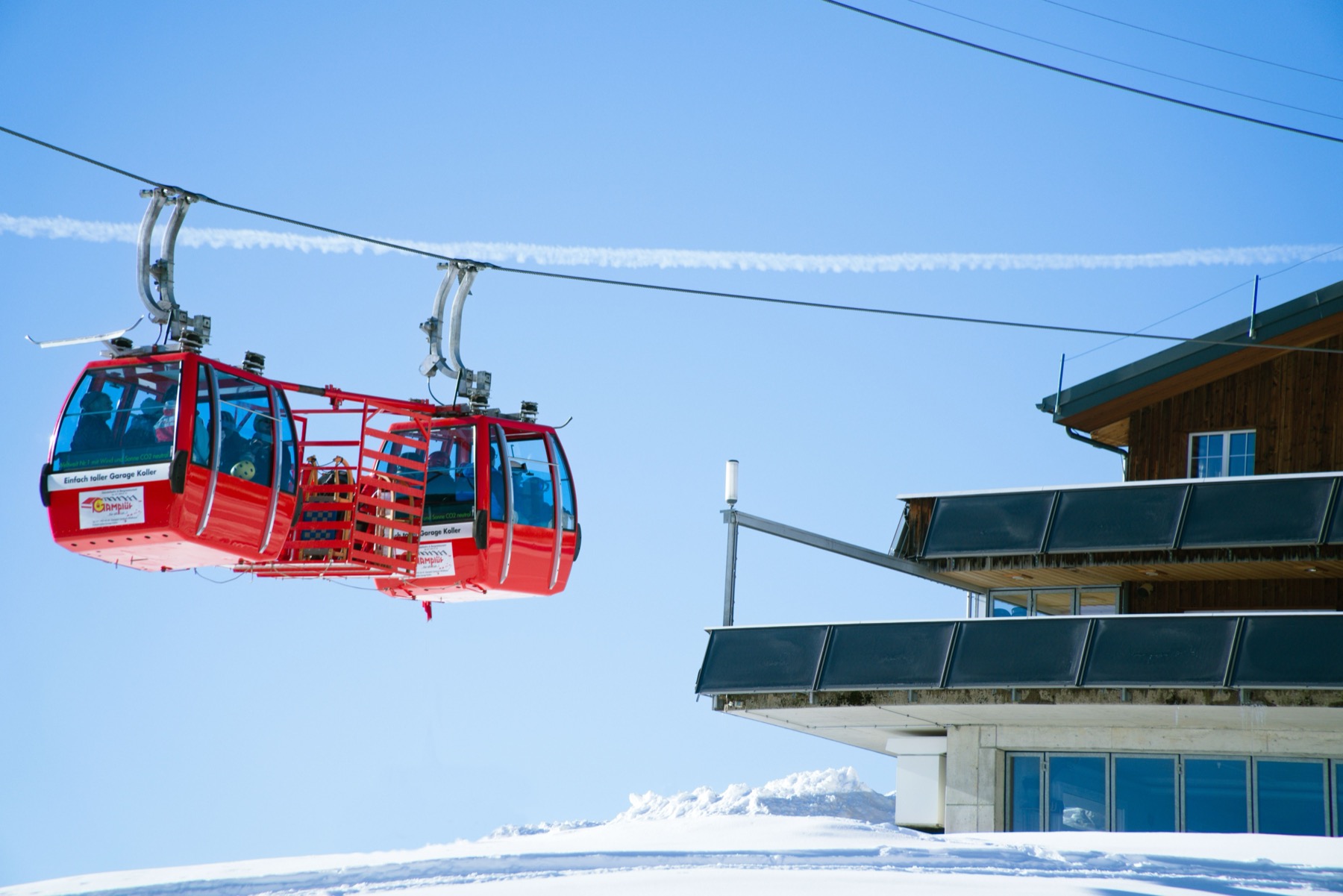
Schladming definitely doesn’t let the Austrians down in this regard: the lifts are modern, heated, and queues form here only occasionally. Your maximum comfort on the way up is taken care of on the four-mountain circuit by an incredible 43 modern lifts and tows. Most of them are equipped with comfortable heated seats and protective bubbles against bad weather, so freezing on old slow lifts is a thing of the distant past here.
When you get hungry from all that activity, you have approximately 56 mountain huts directly in the resort, which are strategically scattered along the slopes. Simply put: huts where you order soup, tell yourself you won’t eat anything more, and then the hot chocolate arrives and you win.
💡 Tip for lunch: You’ll definitely be delighted that in each of the huts they make fantastic meatless classics that would be a shame not to taste. I recommend trying the fluffy shredded pancake Kaiserschmarrn with apple purée, proper yeast dumpling Germknödel filled with plum jam, or incredibly filling cheese spaetzle Käsespätzle, which will immediately replenish all your burned calories.
9. Don’t Fall for the Marketing Trap in the Price List
Here’s something worth reading on for: If you buy a six-day ski pass directly at the ticket office during high season (roughly from December 19 to March 26), be prepared to pay a full €432.50, while buying in advance online costs from €367.50. Prices in the Austrian mountains keep rising steadily and you need to factor that in.
All over the internet you’ll probably see tempting ads promoting a six-day ski pass “from only €342”, but don’t fall for this marketing trap. This advertised super price applies exclusively in the pre-season and post-season, meaning before December 18 and after March 27.
💡 Tip and big warning: You definitely cannot count on this lowest price during spring holidays, on weekends or during holidays, when the vast majority of families head to the mountains. Always check the exact price list for your specific dates so you don’t experience a very unpleasant financial surprise at the ticket office below the slopes.
10. Take Advantage of the Early Booking Bonus and Buy Online
As mentioned in the previous point, the entire giant Ski amadé region has fully switched to a modern dynamic pricing system that closely resembles buying plane tickets. In practice, this means the earlier you buy your ski pass and the lower the demand for a specific date, the better price you’ll ultimately get. Spontaneous last-minute purchases directly below the slopes will really significantly strain the family budget.
The resort officially calls this advantageous system the Online Early Booking Bonus and it’s definitely worth taking full advantage of when planning your trip. To give you an idea of the savings, a six-day ticket in high season costs €432.50 at the ticket office, but when purchased online in advance starts at €367.50. The difference amounts to tens of euros per person.
💡 Purchase tip: Do yourself a favor, and as soon as you have your accommodation firmly confirmed and clear holiday dates, sit down at your computer right away. Order your ski passes in the resort’s official e-shop, so you can spend those saved euros on a good bombardino or hot chocolate on the slope instead.
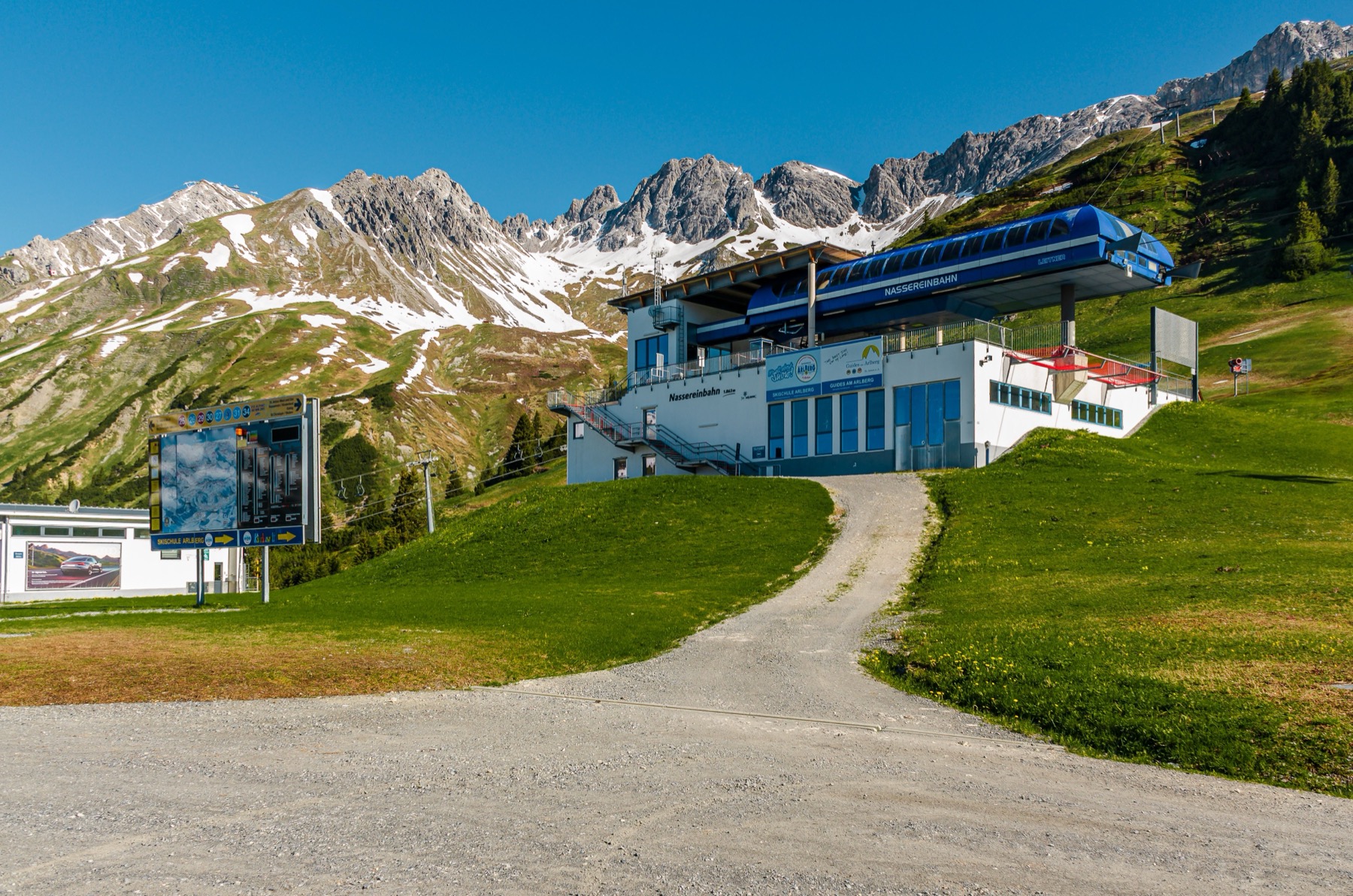
11. Details on the Logistics of Night Skiing on Hochwurzen
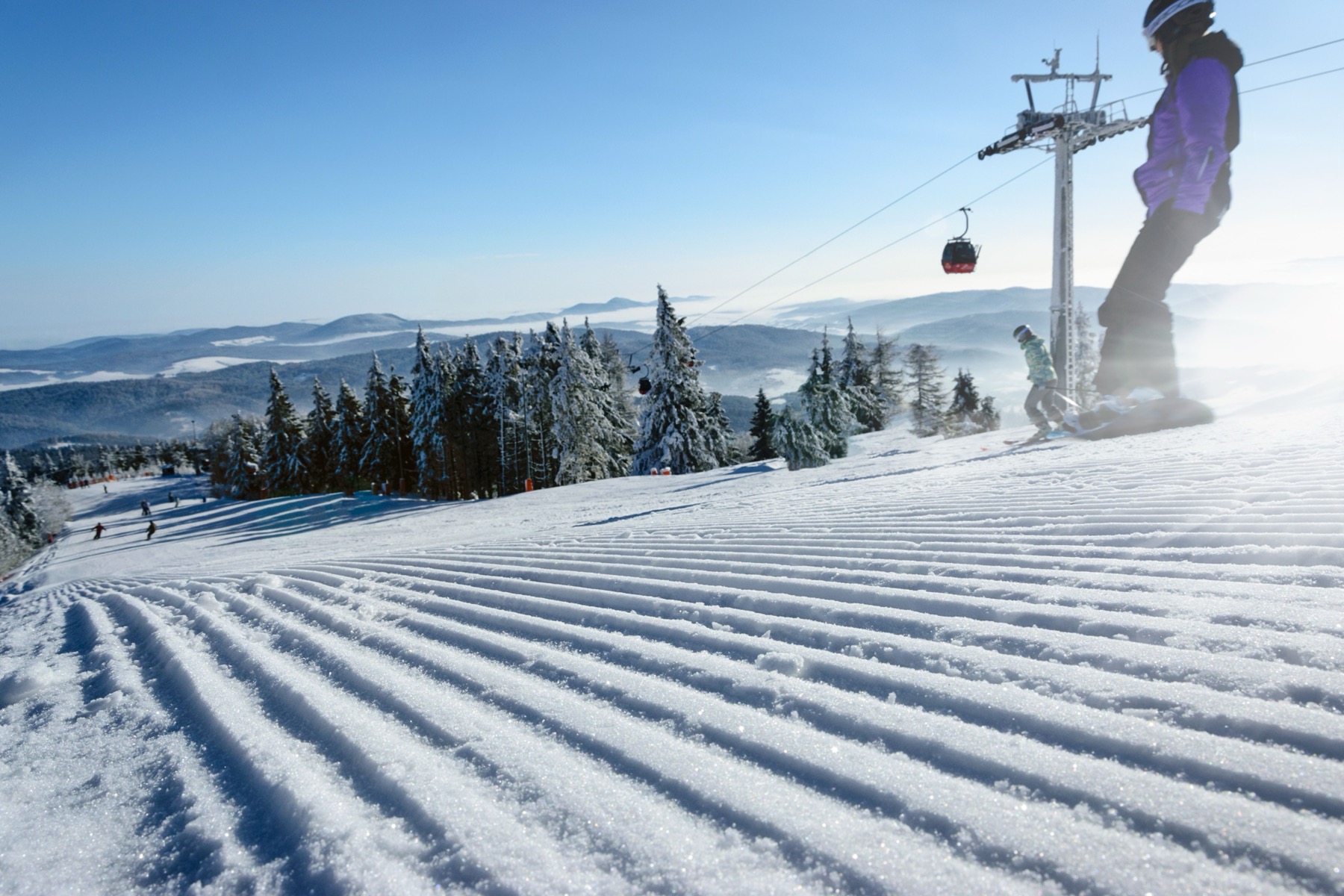
Back to night skiing once more, and this time in more detail, because it really deserves its own paragraph. While during the day slope number 33 might seem like an ordinary red run, in the evening after the resort’s closing time things happen. Before the evening operation begins, the grooming machines carefully prepare it again, so after dark you’ll find absolutely fresh and untouched corduroy under the glare of giant floodlights.
This entire evening experience is enhanced by the fact that the cable car base station is located right in the heart of the Rohrmoos area. So if you’re smartly accommodated somewhere nearby in this part of the resort, you can walk to it comfortably with skis on your shoulders and don’t need to start the car at all or deal with complicated night ski buses.
💡 Clothing tip: Don’t forget to dress much warmer for evening skiing, even if the day was beautiful. Once the sun sets in the Alps, temperatures drop steeply and it can blow uncomfortably on the lift and during the descent. The magical atmosphere of the quiet mountains is definitely worth a bit of cold though.
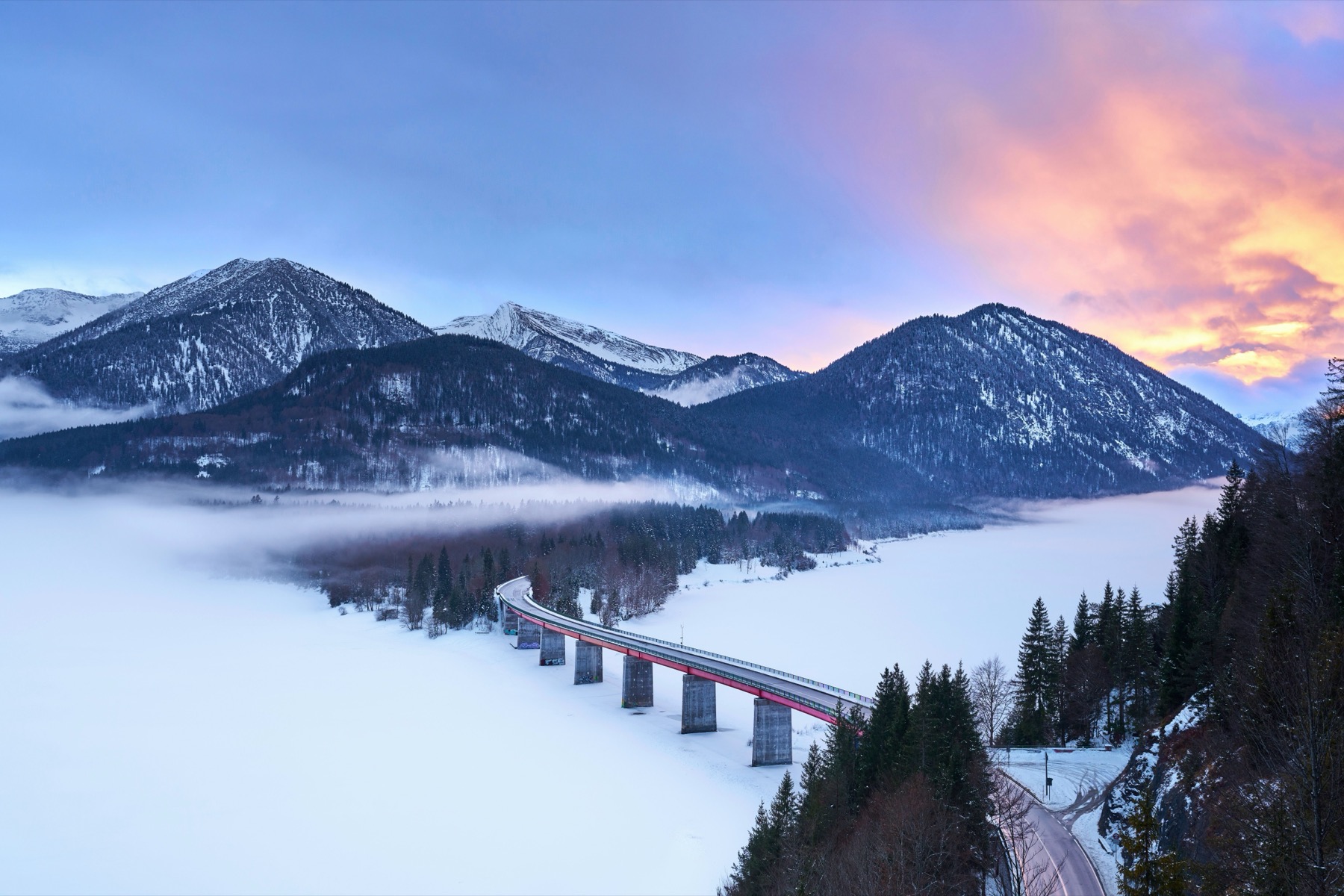
12. Plan for Transfers Between Ski amadé Regions
When planning your winter holiday, it’s extremely important to realize that even though you buy that giant ski pass covering 760 kilometers, Ski amadé is not one continuous interconnected mountain. While you can ski the entire Schladming four-mountain circuit with its 123 kilometers completely on skis, to explore the other four regions on the ski pass you’ll need to use a car or the network of free ski buses.
So if you decide to ski in Schladming one day and set out the next day to explore nearby Gastein or majestic Hochkönig, for example, expect a morning transfer through the valley. For many passionate skiers, this safari across different Alpine resorts is a huge attraction and they don’t mind it, but it’s good to factor it in ahead of time.
💡 Transfer tip: If you don’t want to drive at all on holiday, carefully study the schedules of local ski buses in the app. While they operate very reliably and are free with a valid ski pass, transfers between more distant valleys can take more than an hour each way.
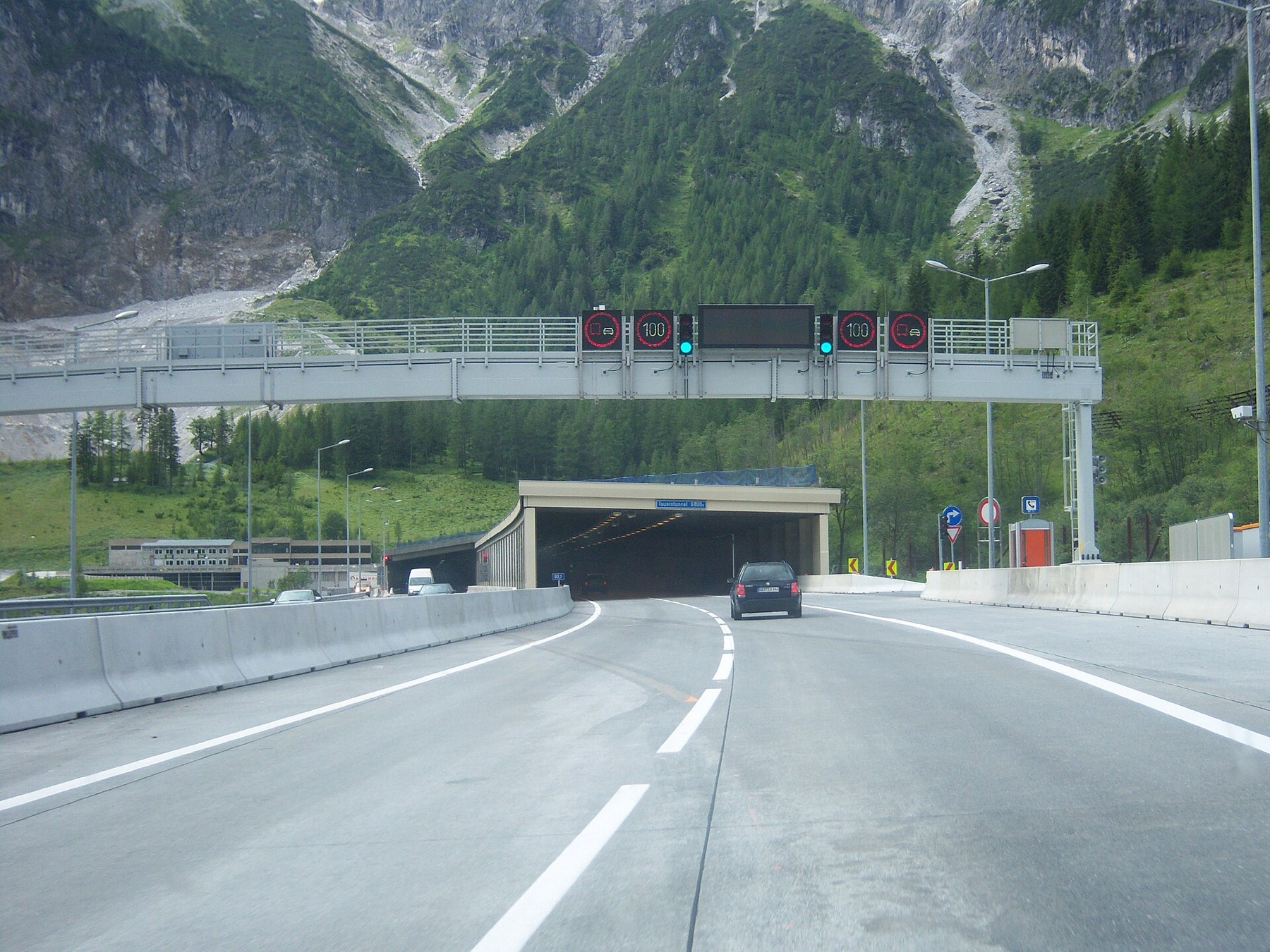
13. Practical Details on Driving from Abroad
A great advantage of the Schladming-Dachstein area is its relatively easy and quick accessibility from major European hubs, making it a popular destination even for long weekends. From most Central European cities, the journey takes around five hours of comfortable driving. From most locations you’ll travel on the A1 motorway and then smoothly connect to the A10 motorway, which you’ll follow to the motorway junction in Bischofshofen, from where it’s just a short distance to your destination on a nice regional road.
When planning your trip costs, don’t forget that in addition to the standard Austrian motorway vignette, there’s an additional toll section on the A10 motorway. For passing through the Tauern section, prepare a toll of €15, which is not included in the regular vignette.
💡 Travel tip: This additional toll is paid at special toll stations directly on the motorway, where queues can form during the season. I therefore recommend paying for this section in advance online at the official ASFINAG website, so you can then drive through the dedicated lane without delays.
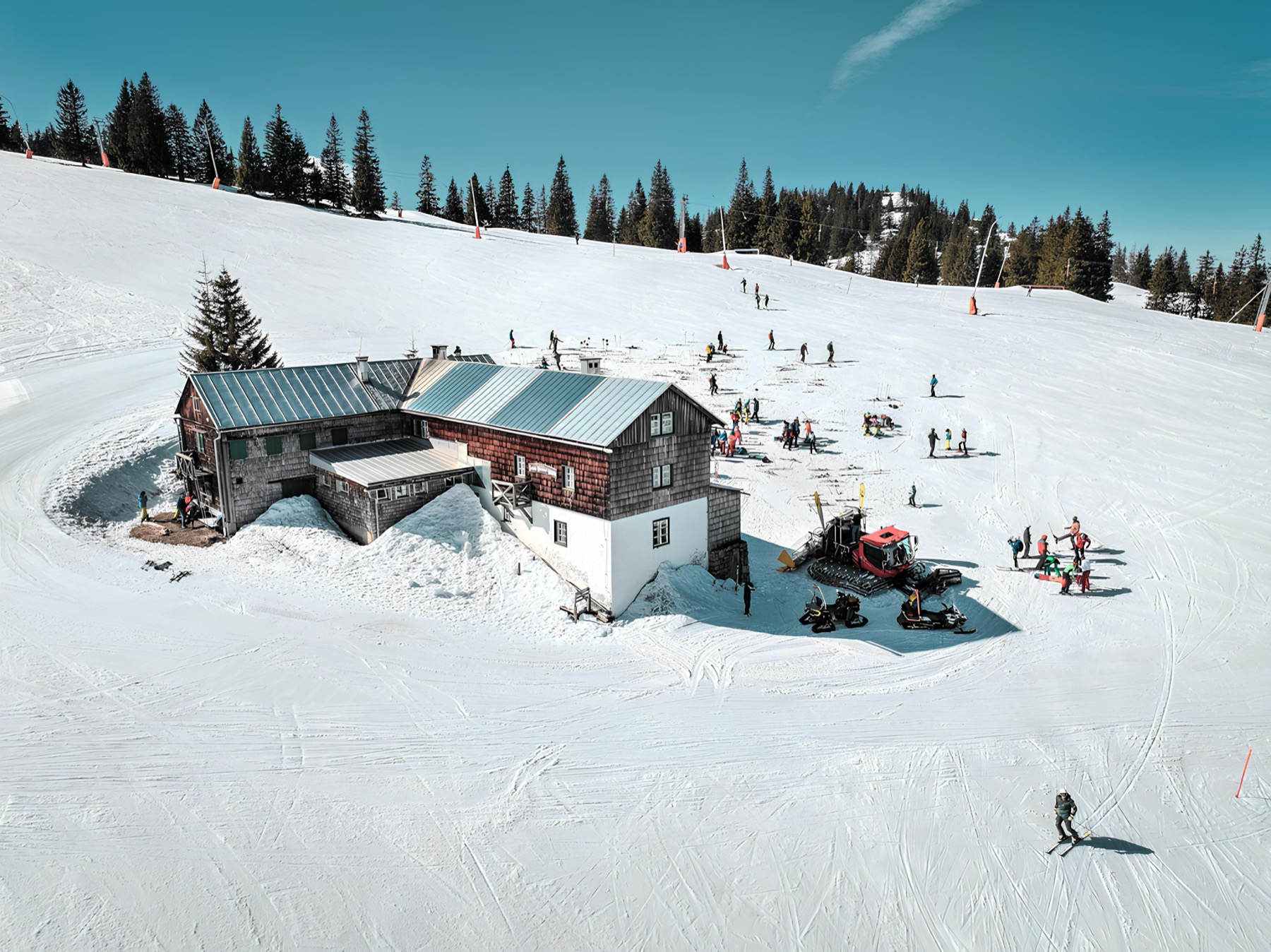
14. Snow Guarantee Thanks to High Altitude
At a time when many lower-lying resorts across Europe are struggling with lack of natural snow and unusually warm winters, altitude is a key factor when choosing a holiday destination. Schladming and the surrounding mountains climb up to 2,700 meters above sea level, giving you huge confidence that even at the beginning or very end of the season you’ll find absolutely fantastic winter conditions here.
Thanks to this impressive altitude, snow stays on the slopes in perfect condition for a very long time and doesn’t turn into heavy spring slush as quickly as in lower valleys. If you add the aforementioned modern snowmaking system capable of covering almost all key runs, you have certainty. Snow is simply not missing here, and that’s quite reassuring news when planning a holiday several months in advance.
💡 Spring skiing tip: If you’re heading to Schladming in late March, stick mainly to the upper sections of the mountains. While runs down to the valley may be softer after lunch, up high above 2,000 meters you’ll find beautiful dry snow and perfectly firm slopes all day long.
Where to Head Next from the Schladming-Dachstein Area
If you’re planning to spend more time in Austria or thinking about where to go next time, definitely get inspired by our other articles. Beautiful slopes with lake views are offered by nearby Zell am See and Kaprun, where you can ski on a glacier too. For an overall overview of how things work with our southern neighbors, read our comprehensive guide to skiing in Austria.
Before you head out, definitely don’t forget to check what your car must have for the mountains in winter and what the rules are for the Austrian motorway vignette. If budget is a big consideration, I also recommend our ski pass prices: comparison of 18 resorts, and if you’re fascinated by giant resorts, check out the world’s largest ski areas. Official information about the region can be found on the Ski amadé or Schladming-Dachstein websites.
The closest Alps is covered in the article on Hinterstoder and Wurzeralm.
The largest resort in Carinthia is described in the article about Nassfeld.
Frequently Asked Questions
How much does a ski pass in Ski amadé cost?
A six-day ski pass in high season will cost you €433 if you buy it directly at the ticket office. However, if you purchase your ticket online well in advance, the starting price begins at €368. The system uses dynamic pricing, so buying early online really pays off for your travel budget.
When does the cheapest ski pass price apply?
The attractive advertised price from €342 for a six-day ski pass applies exclusively in the pre-season and post-season, meaning before December 18th and after March 27th. In high season, on weekends, and during school holidays, you need to expect a noticeably higher price, even when buying online.
How many slopes are there in Schladming?
On the four-mountain circuit directly above the town of Schladming itself, you’ll find an impressive 123 kilometers of seamlessly connected slopes. The entire giant Ski amadé ski pass then covers five different regions with a fantastic total length of 760 kilometers of runs.
Is the resort suitable for beginners?
Absolutely. Of the total 123 kilometers on the four-mountain circuit, 47.3 kilometers are blue slopes and 67.3 kilometers are red slopes. There are only 8.4 kilometers of black runs here, so the terrain is absolutely ideal and very safe for beginners and recreational skiers.
Where does night skiing take place?
The famous night skiing takes place on Hochwurzen mountain above the Rohrmoos area. You have a 3-kilometer-long, freshly groomed and perfectly lit slope number 33 at your disposal. Skiers are transported up by a modern and comfortable ten-person gondola lift.
Does the ski pass cover all four mountains?
Yes, the basic multi-day Ski amadé ski pass covers not only all four mountains of the Schladming circuit, but also automatically applies to an additional 760 kilometers of slopes across five popular Alpine regions that you can move between.
How long does the journey take from major European hubs?
The journey to Schladming takes approximately five hours of comfortable driving from central Europe. You’ll spend most of the time on well-maintained Austrian motorways A1 and then A10 towards Bischofshofen, from where it’s just a short distance to your destination.
Is a motorway vignette the only toll required for the journey?
In addition to the standard Austrian motorway vignette, you need to factor in an additional toll for the A10 motorway. The Tauern section requires a special section toll of €15, which I recommend paying in advance online via the ASFINAG website for faster passage through the toll booth.
Tips and Tricks for Your Vacation
Don’t Overpay for Flights
Search for flights on Kayak. It’s our favorite search engine because it scans the websites of all airlines and always finds the cheapest connection.
Book Your Accommodation Smartly
The best experiences we’ve had when looking for accommodation (from Alaska to Morocco) are with Booking.com, where hotels, apartments, and entire houses are usually the cheapest and most widely available.
 🚗 Car rental on the roadVerified rental cars in Austria
Search with the DiscoverCars comparison engine — it compares prices from dozens of local and international rental companies, and most bookings come with free cancellation.
Compare car prices in Austria →Don’t Forget Travel Insurance
Good travel insurance will protect you against illness, accidents, theft, or flight cancellations. We’ve had a few hospital visits abroad, so we know how important it is to have proper insurance arranged.
Where we insure ourselves: SafetyWing (simple monthly subscription) and TrueTraveller (for extra-long trips).
Find the Best Experiences
Get Your Guide is a huge online marketplace where you can book guided walks, trips, skip-the-line tickets, tours, and much more. We always find some extra fun there!