Riga, Latvia often surprises anyone expecting just another charming historic town, because it’s actually the largest metropolis in the entire Baltic region. Most tourists arrive, stroll through the old Hanseatic centre, buy souvenirs, and leave thinking they know the city perfectly. Yet the most interesting and architecturally rich parts begin just a few streets away, where you’ll find the highest concentration of Art Nouveau architecture in Europe.
Thanks to this stunning collection of ornate facades, Art Nouveau buildings make up about a third of all structures in the wider centre. If you’re looking for an authentic experience without crowds and tourist traps, simply head to the so-called Quiet Centre, where instead of British stag parties you’ll find local cafés, natural wines, and craft beers. Riga is simply an incredibly contradictory city where the Middle Ages, pompous Art Nouveau, and harsh Soviet history exist side by side quite naturally.
Over the past hundred years, Germans, Russians, Nazis, and Soviets have all ruled here, and each left traces that still can’t be overlooked today. In short, it’s a city where history reads directly from the facades.

TL;DR
- Riga is the largest city in the Baltics and contains incredible contrasts, from medieval lanes to Stalinist architecture.
- The city boasts the largest collection of Art Nouveau in Europe – definitely don’t miss Alberta and Elizabetes streets.
- The historic centre (Vecrīga) unfortunately transforms into a popular destination for British stag parties on weekend nights.
- For an authentic atmosphere, great coffee, and local establishments, head to the Miera iela district in the so-called Quiet Centre.
- Since 2014, Latvia uses the euro and prices outside the main tourist areas are among the most pleasant in the region.
- Watch out for tourist traps in the form of touts who lure you into bars on the street with menus showing no prices.
- Just half an hour by train from the centre, you can reach the spa resort of Jūrmala with endless sandy beaches.
The full destination guide: Europe — guide and what to see
When to Visit Riga
The Latvian climate is noticeably colder and harsher than in much of Europe, so choosing the right season really is worth careful consideration. The best time to visit is definitely from June to August, when you’ll enjoy the longest days, pleasant temperatures, and the city comes alive with numerous outdoor festivals. During the summer months, you can also venture to the Baltic Sea without worry – while it’s not ideal for extended swimming, beach walks are beautiful in summer. Besides clothing, it’s worth packing an umbrella or waterproof jacket, because the weather by the Baltic can change quite quickly.
May and September offer an ideal compromise for those of you who prefer to travel outside high season and want to avoid the biggest crowds. The weather tends to be or still is relatively pleasant, though you’ll need to pack for cooler mornings and evenings. At the same time, during these shoulder months you’ll find much better prices for flights and accommodation. The journey itself is completely straightforward, as Latvia is part of the Schengen area and since 2014 uses the euro. From the airport, which lies just ten kilometres from the centre, city bus number 22 will comfortably take you there in less than half an hour.
Winter in Riga, on the other hand, is very long, freezing, and above all dark, as the sun sets in the early afternoon hours. Still, even this season has its undeniable charm, especially in December when the old town is filled with the scent of pastries, mulled wine, and the squares fill with traditional Christmas markets with an unforgettable atmosphere. If you don’t mind bundling up properly, winter Riga will reward you with fairy-tale scenes of snow-covered Art Nouveau palaces.
For the city itself and its main sights, two full days will comfortably suffice, during which you’ll manage to explore both the historic core and the more modern districts. However, if you’re planning to include trips to the surrounding area, such as the beach or national parks, set aside three to four days for your trip.
Where to Stay in Riga
Your choice of accommodation location will largely influence what impression the Latvian capital ultimately makes on you. If you’re craving romance and don’t mind a bit of bustle, the historic centre of Vecrīga is the obvious choice, as you’ll have all the main medieval sights just around the corner. Be prepared, though, that weekend nights can get quite lively thanks to tourists. For a quieter stay and more authentic experience with local cafés, look instead for accommodation in Klusais centrs (the Quiet Centre), which is also surrounded by beautiful Art Nouveau and offers a much more local atmosphere without the crowds. And remember that if you choose a hotel closer to the river or canal, you’ll gain not only a great view but also a good starting point for morning walks in the parks.
Riga is generally the cheapest of all three Baltic capitals, so you can afford a somewhat higher standard here than elsewhere in Europe. An absolute certainty for lovers of luxury and perfect service is the Grand Hotel Kempinski Riga, which is located directly opposite the Latvian National Opera and offers unrivalled views and a top-tier wellness centre. If you prefer historic charm and a family atmosphere, you’ll definitely love the boutique Neiburgs Hotel, tucked away in a beautiful Art Nouveau building right in the heart of the old town with spacious apartments.
For travellers with a more moderate budget who still demand a great location and cleanliness, an excellent choice is the Boutique Hotel Monte Kristo, located just steps from the main square. Make your reservation through Booking. And if you’re registered, sometimes a decent discount pops up. Don’t forget to book well in advance, especially if you’re planning a trip during the summer months.
If you’re interested in more detailed breakdowns of individual districts and other specific hotel tips across various price ranges, check out our separate article Where to Stay in Riga.
💡 On this map you can compare what’s currently available – you’ll immediately see how much cheaper accommodation is a few stops from the centre.
20 Things to See and Do in Riga
So then – what awaits you in Riga? Get comfortable shoes ready, because the city is very walkable and there’s really a lot to see. Fortunately, most attractions lie within pleasant walking distance.
1. House of the Black Heads
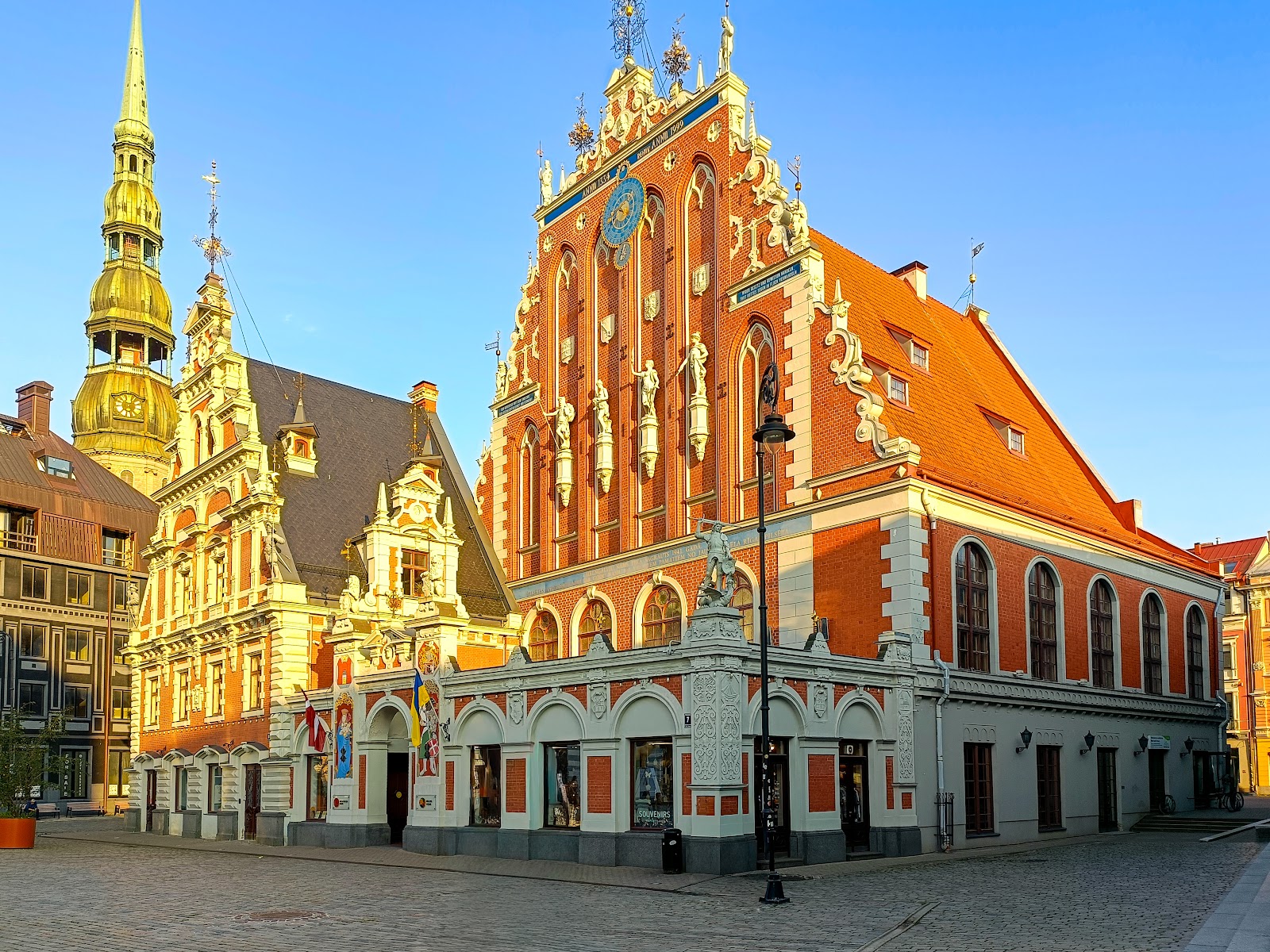
This incredibly ornate Gothic building from 1334 is absolutely the most photographed facade in all of Riga and you’ll find it on practically every other souvenir. Originally it served as a meeting place for unmarried merchants and foreigners who called themselves the Brotherhood of Blackheads, and to this day it impresses with its detailed decoration, statues, and beautiful astronomical clock. For centuries the building was the centre of social life and wealth of the entire Hanseatic city.
It’s fascinating to realize that what you see in the square today is actually a perfect modern replica. The original building was destroyed during World War II in bombing raids and its remains were subsequently demolished by the Soviets. The city meticulously rebuilt it from scratch only in the late 1990s to celebrate the 800th anniversary of Riga’s founding in 2001.
Inside you can view beautiful ceremonial halls, historic cabinets, and above all an extensive presidential silver collection that is surprisingly large in both scope and craftsmanship. I definitely recommend not skipping the visit to the original medieval cellars beneath the building, which were among the few parts that survived the wartime bombing and offer a glimpse into the city’s ancient history.
💡 Tip: You can buy tickets on-site, but if you want certainty and to avoid long waits during the summer peak, get them in advance online on the official website.
2. St. Peter’s Church with Panoramic View
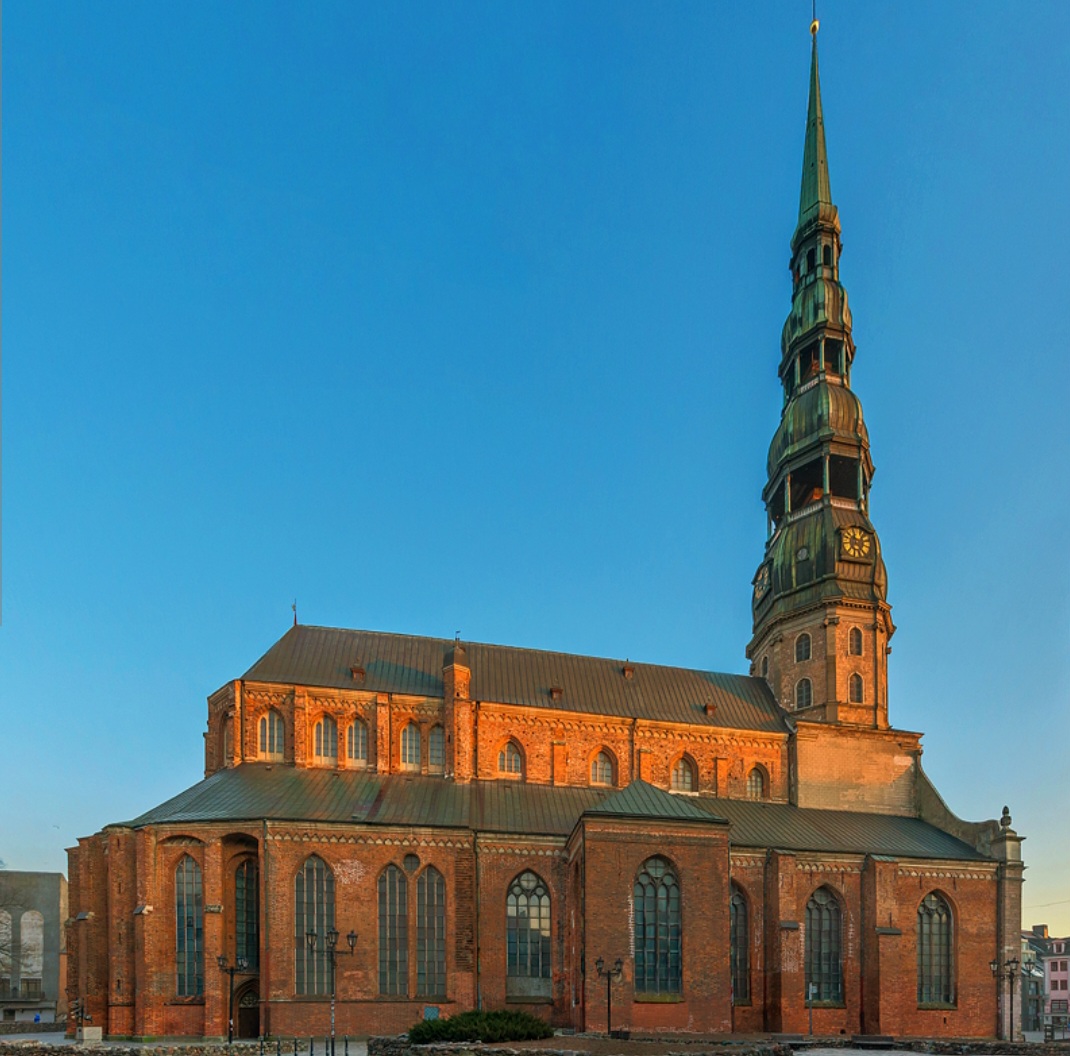
This majestic medieval church from the 15th century dominates the entire city skyline, and its slender dark tower is visible from almost every angle. While the church interior is rather austere and simple compared to European cathedrals, the main attraction lies high above. An old but reliable elevator takes you up the tower, so you won’t have to worry about endless climbing on narrow stairs.
The tower rises 123 meters, and from the outdoor observation deck you’ll see the entire old town at once: red rooftops, the Daugava River, and in the distance the market hangars that look like landed airships. From this bird’s-eye perspective, you’ll beautifully absorb the complete geometry of the winding streets, and on a clear day you can even see all the way to the Baltic Sea.
💡 Tip: Ideally head here right after opening in the morning or just before sunset, when the low light creates a magical atmosphere on the red rooftops and you’ll avoid the biggest crowds of tourists streaming in from cruise ships.
3. Riga Cathedral
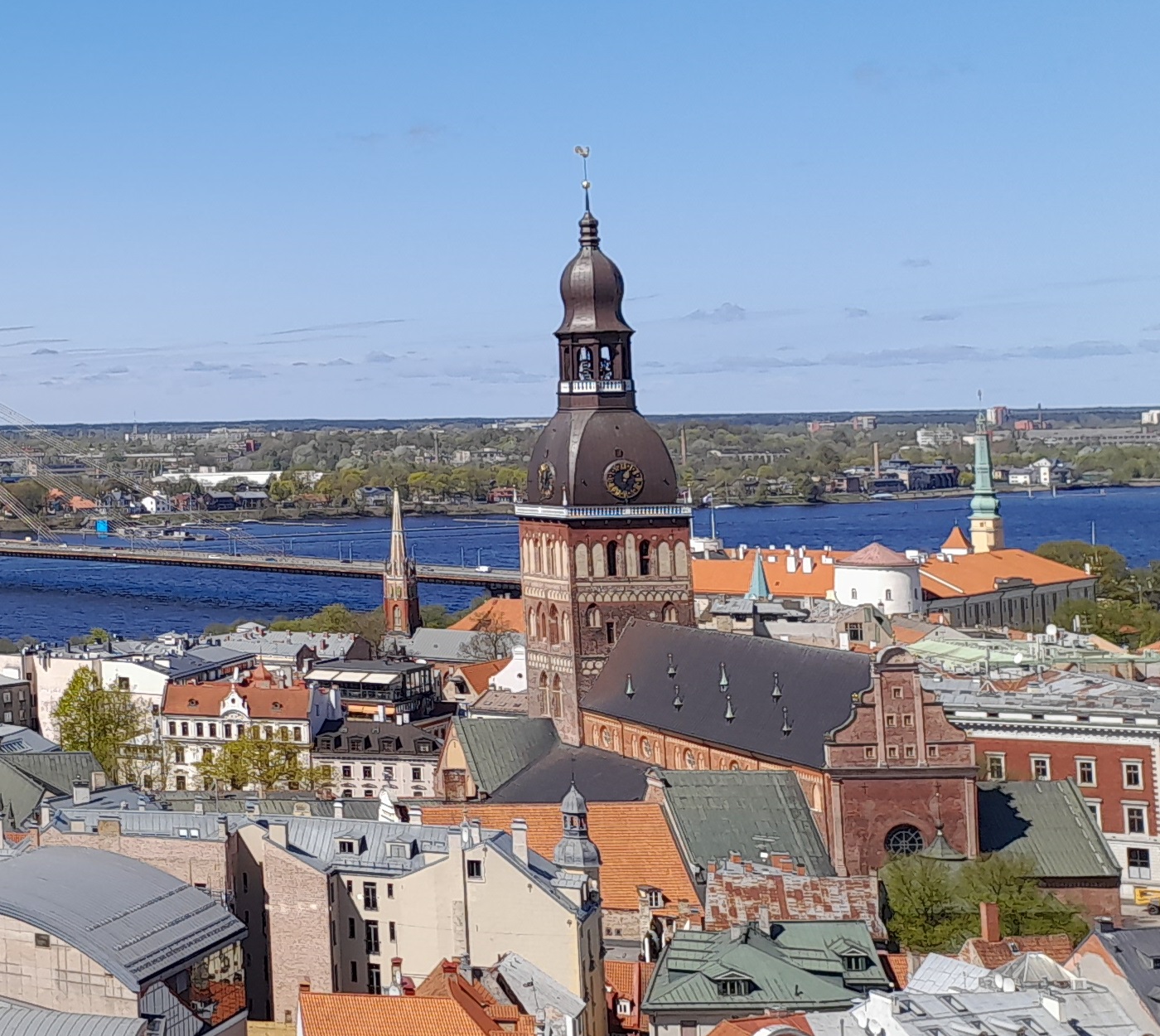
As you weave through the narrow streets of the old town, sooner or later you’ll come across the enormous Cathedral Square, dominated by the stunning Riga Cathedral. This massive red-brick structure is the largest medieval church in the entire Baltics and represents a fascinating architectural mix of Romanesque style, early Gothic, and Baroque additions. The cornerstone was laid back in 1211 by the city’s founder himself, Bishop Albert.
Over the centuries, the church was continuously rebuilt, expanded, and modified according to current trends, which is beautifully evident in its irregular shape. Its greatest treasure, however, is the mighty organ from 1884, which has nearly seven thousand pipes. In its time it was among the absolutely largest in the world, and to this day it impresses with its majestic sound and richly decorated wooden case.
💡 Tip: If you have even the slightest appreciation for classical music, definitely check the schedule for organ concerts, which are held here regularly. The acoustics of the entire enormous space are simply phenomenal and will leave you with a powerful experience.
4. Three Brothers
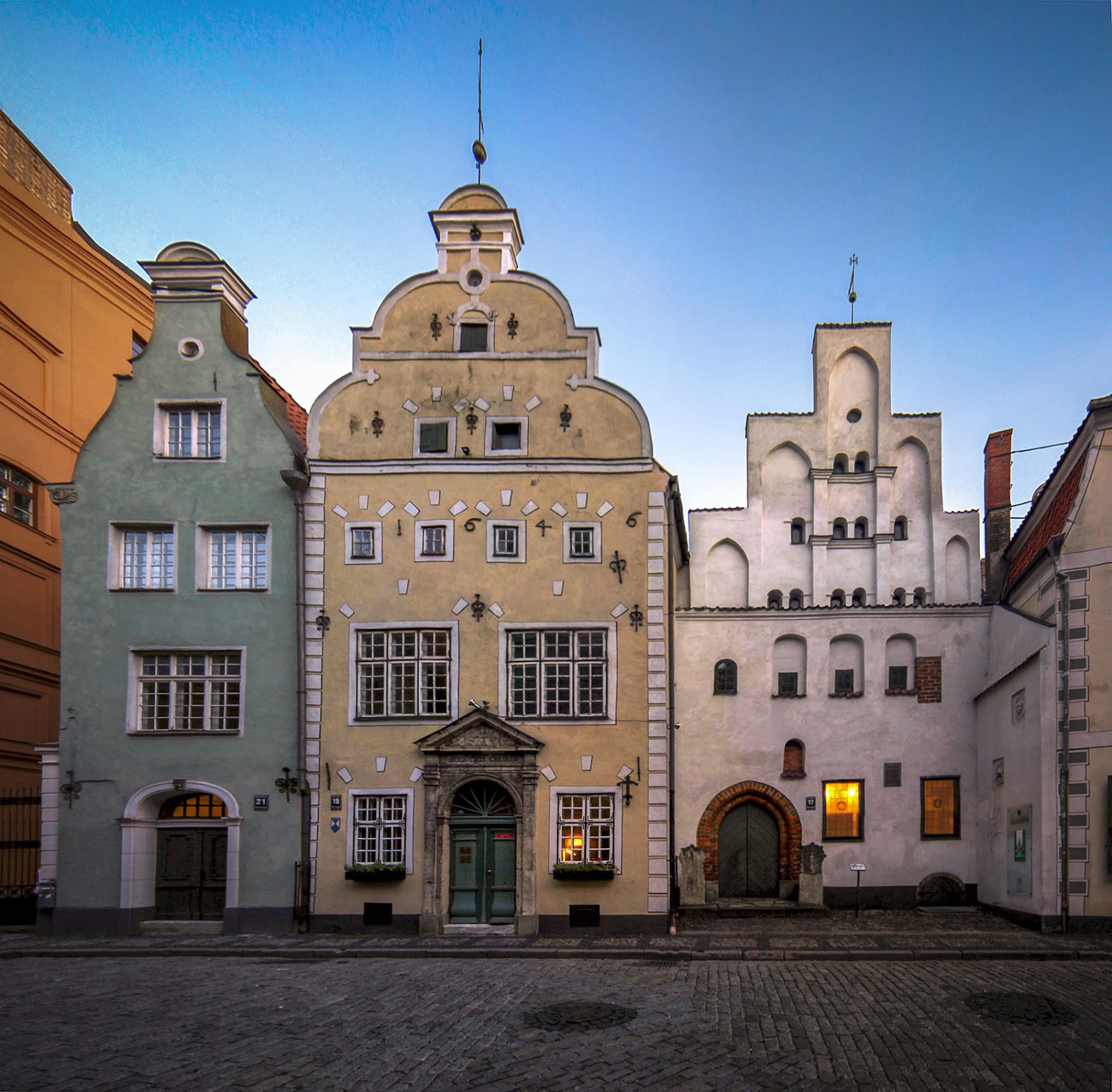
On the inconspicuous and very narrow Maza Pils street, squeezed tightly next to each other, stand the three oldest residential houses in Riga, which everyone calls the Three Brothers. The oldest white house from the 15th century still has purely Gothic elements including stone benches in front of the entrance, the middle yellow brother came a century later with ostentatious Dutch Mannerism, and the youngest green one closes the trio as a narrow Baroque structure. Each represents a different architectural style, and together they form an amazing visual textbook of Latvian urban development.
Today these beautiful historic premises house the Latvian Museum of Architecture, which traces the building evolution of the entire country from medieval castles to modern complexes.
💡 Tip: Entry to the architecture museum inside the Three Brothers is often completely free or for a symbolic fee. The street in front of the houses is very narrow and often forms lines of tourists waiting for a photo, so I recommend coming early in the morning while the alley is still empty.
5. Cat House
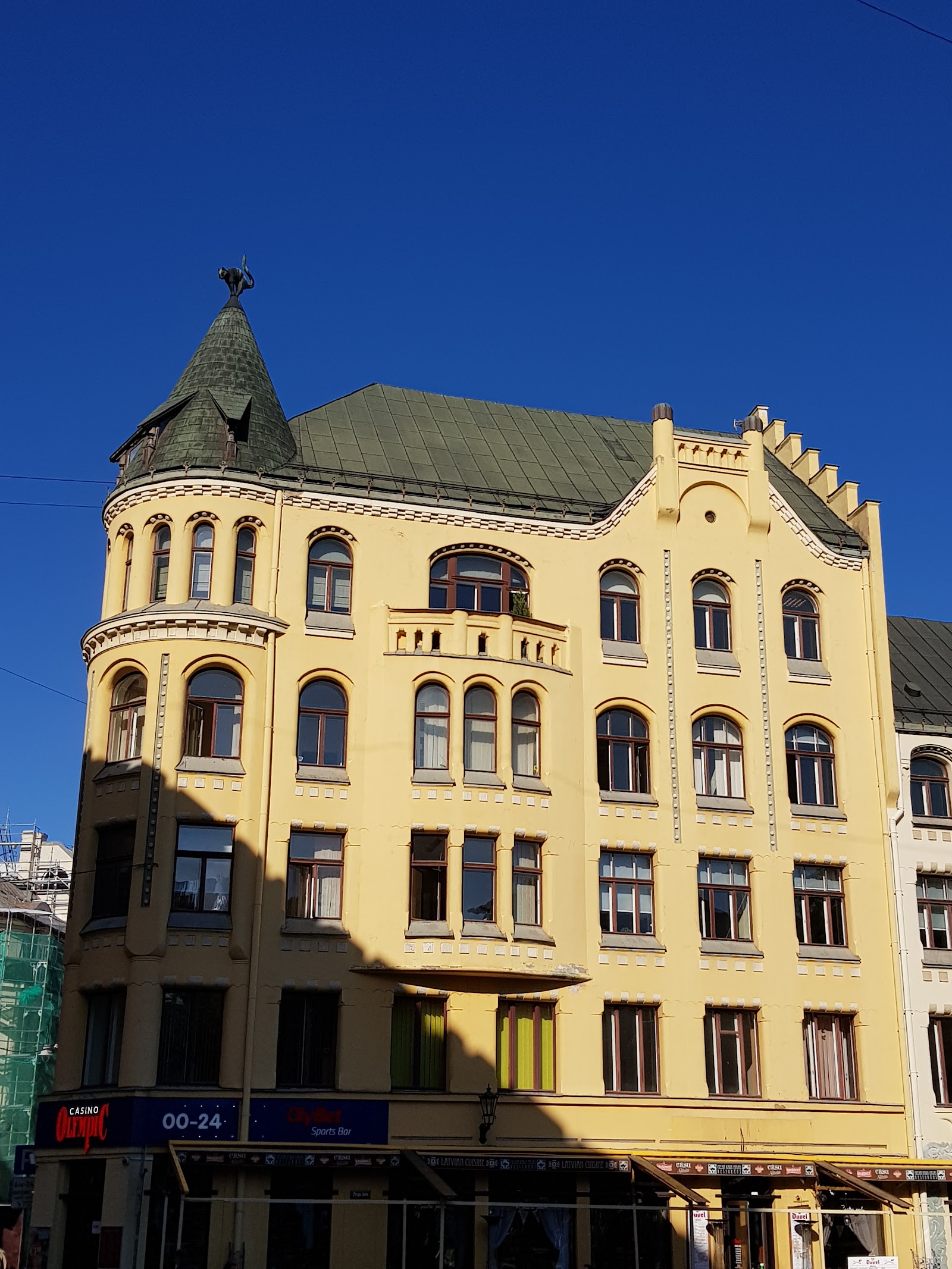
This elegant yellow building from 1909 might not attract much attention at first glance, if it weren’t for the statues of hunched black cats with arched backs sitting atop its two corner turrets. These metal sculptures are tied to probably the most famous and funniest urban legend in all of Riga, which every local guide will tell you.
The story goes that a wealthy Latvian owner of the house wanted to join the prestigious Great Guild, which was located right across the street, but was shamefully rejected. The scorned merchant took revenge by placing these cats on the roof of his house so that their backsides pointed directly at the guild building, which sparked a huge and lengthy court case that entertained the entire city.
💡 Tip: Today, after official intervention, the cats have been turned in a more polite direction, but the story lives on. The building is also an excellent example of the transition between eclecticism and early Art Nouveau, so don’t forget to bring your camera and explore the details on the facade above the entrance as well.
6. Riga Castle
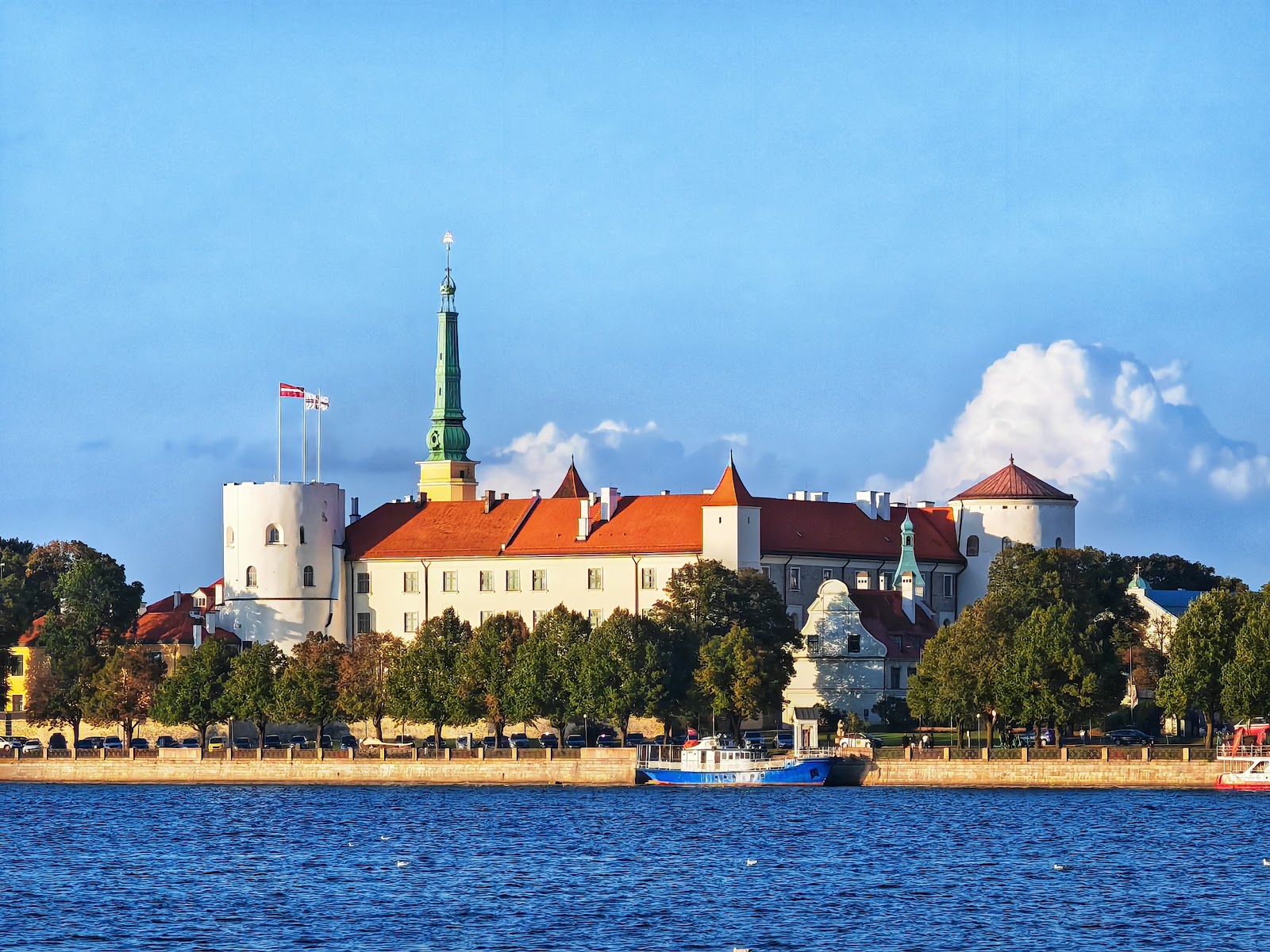
On the bank of the Daugava stands a yellow castle that at first glance looks more like an overgrown town hall than a medieval fortress (even though it was built in the 14th century by the feared Livonian Order). Over the centuries it was destroyed, rebuilt, and expanded many times into massive neoclassical blocks stripped of its original impregnable walls.
Currently, a large part of the castle serves as the official residence of the Latvian president, which you can easily recognize by the flying standard and honor guard patrolling the main entrance. The remaining wings house the Latvian National History Museum, which offers a very deep dive into the complex and often turbulent history of this Baltic country.
💡 Tip: The most beautiful view of the entire castle complex is from the opposite riverbank or from one of the large bridges over the Daugava, where its overall massiveness and strategic location by the water really stands out.
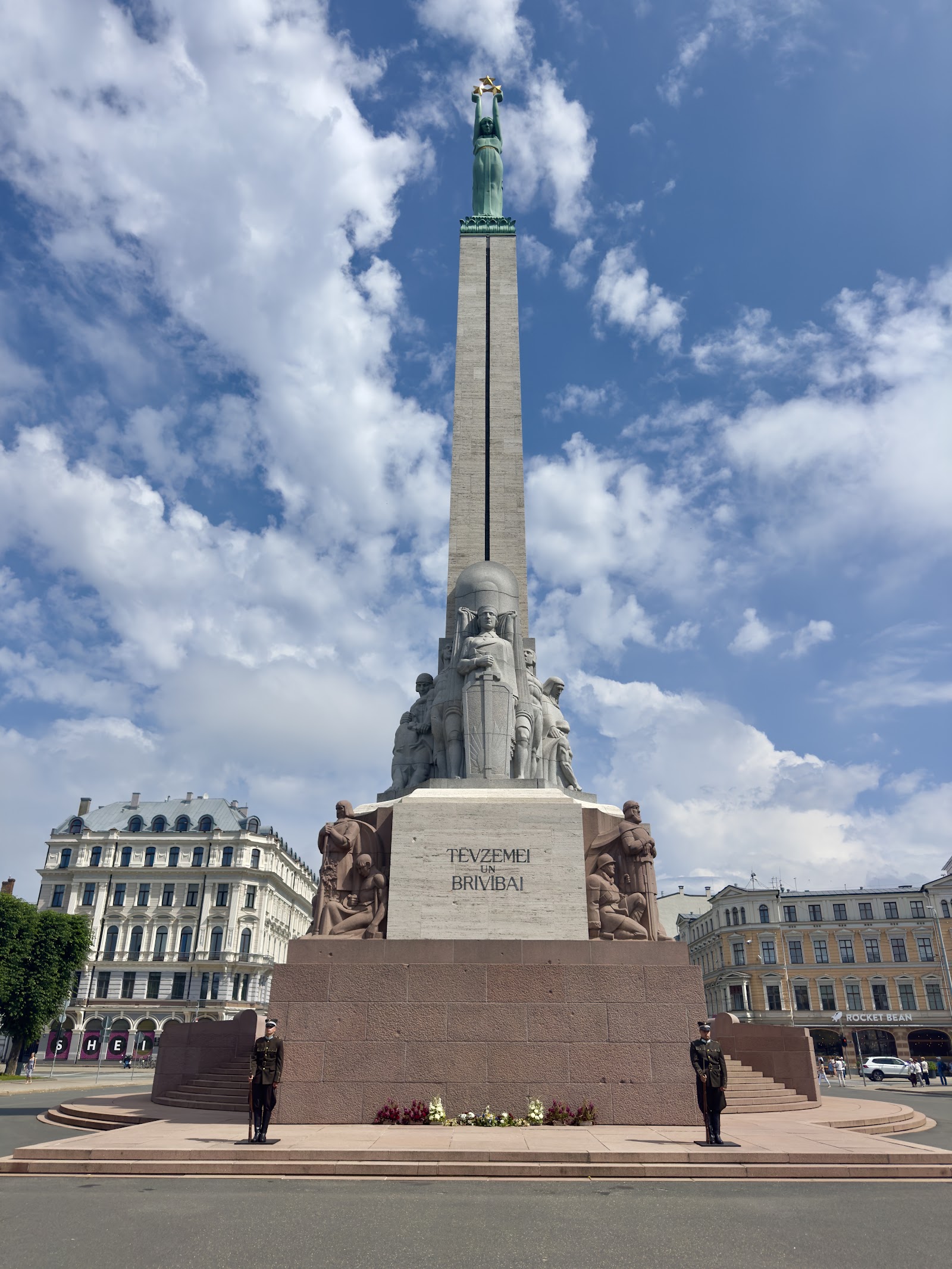
7. The Freedom Monument
This 42-meter-high column topped with a female figure holding three golden stars in her outstretched hands is undoubtedly the most important symbol of Latvian statehood. The stars represent the three historic regions of Latvia (Kurzeme, Vidzeme, and Latgale), and the monument itself was unveiled in 1935 to honor the memory of soldiers who fell for independence between 1918 and 1920.
Interestingly, the monument miraculously survived the entire Soviet occupation, even though its demolition was a real threat. It was saved by arguments about its high artistic value and a clever propaganda lie that the woman at the top actually represented “Mother Russia.” Today, an honor guard stands at its base during the day, changing shifts regularly and very precisely, which is itself a very interesting sight.
💡 Tip: Around the monument is a spacious and beautifully landscaped park with a canal that forms a natural boundary between the old and new town. It’s an ideal spot for a short rest on a bench with coffee in hand after demanding sightseeing.
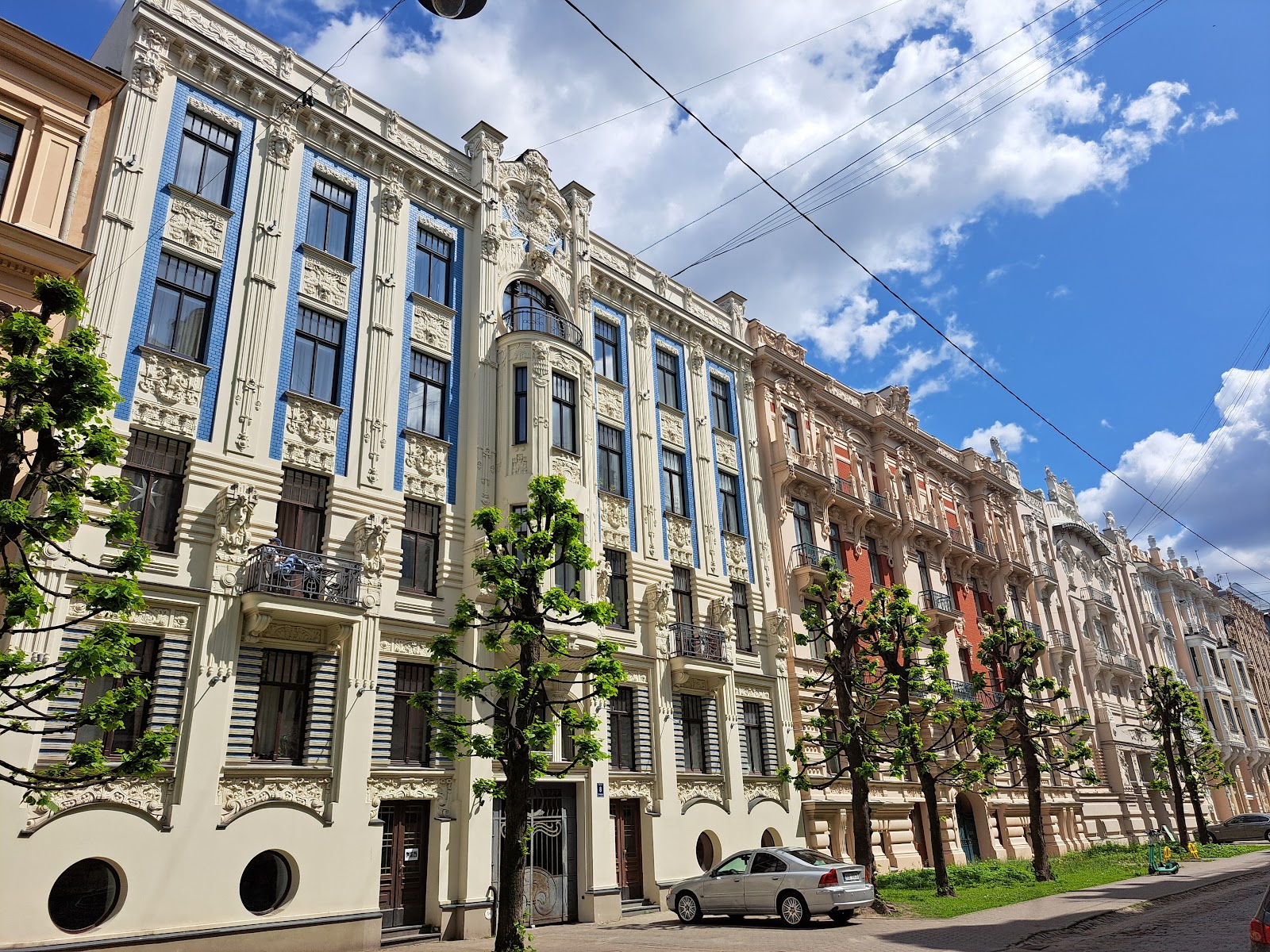
8. Alberta and Elizabetes Streets (Art Nouveau Heart of Riga)
If you have time for only one single thing in Riga outside the historic old town, it must be a walk along these two streets, which form the absolute pinnacle of European Art Nouveau architecture. The most extravagant and ornate facades were created by the brilliant architect Michail Eisenstein, who coincidentally is the father of the famous film director Sergei Eisenstein.
Walking along Alberta street (Alberta iela), you’ll have to constantly crane your neck to absorb all the fascinating details, statues of lions, terrifying masks, peacocks, and intricate floral ornaments that decorate practically every centimeter of the walls. It’s like walking through an overwhelming outdoor art gallery under the open sky, where architects competed to see who could come up with the crazier motif.
💡 Tip: Bring small binoculars or a camera with good zoom, because the most elaborate details and sculptural scenes are often located high up just below the roofs of buildings and you can easily miss them with the naked eye.
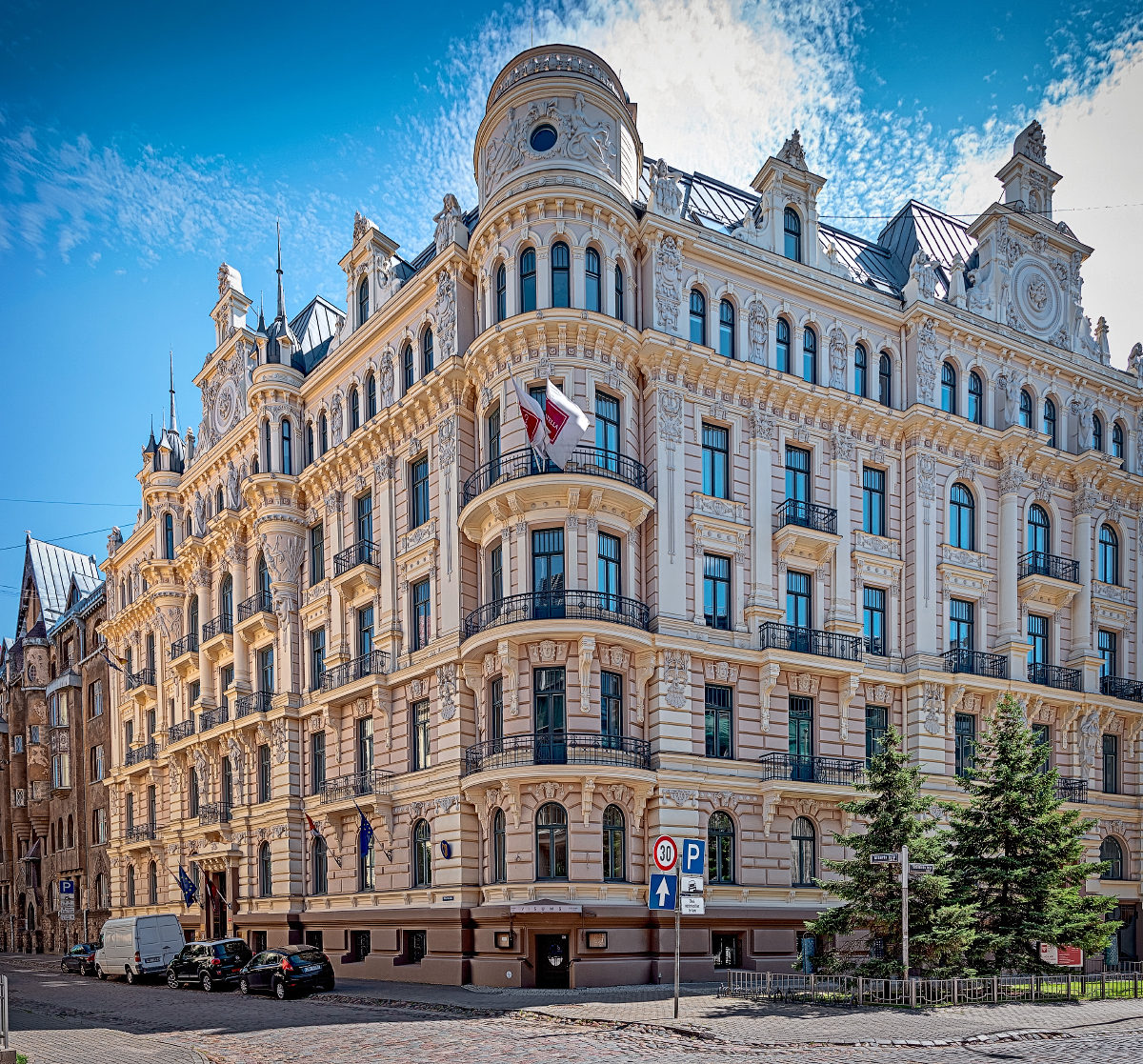
9. Riga Art Nouveau Center (Art Nouveau Museum)
For a complete understanding of the Art Nouveau phenomenon that makes Riga so architecturally famous, be sure to stop by this wonderful museum right on Alberta Street. The museum is actually a fully restored apartment of architect Konstantīns Pēkšēns from 1903, where you can see with your own eyes how the upper middle class lived at the time.
And yet it doesn’t feel like a museum. It’s more like you’ve slipped into someone’s room and they’ve just stepped out for a moment. The experience is enhanced by everything from period carved furniture to decorated dishes in the kitchen and ladies in historical costumes who guide you through the apartment with period elegance. But the most beautiful part is actually the entrance to the building, where you’ll be amazed by the imposing spiral staircase with ceiling frescoes, which is probably the most photographed interior in the entire city.
💡 Tip: Tickets aren’t expensive at all and the entire apartment tour won’t take more than an hour, so it’s worth popping in even if you have a fairly packed itinerary for the city.
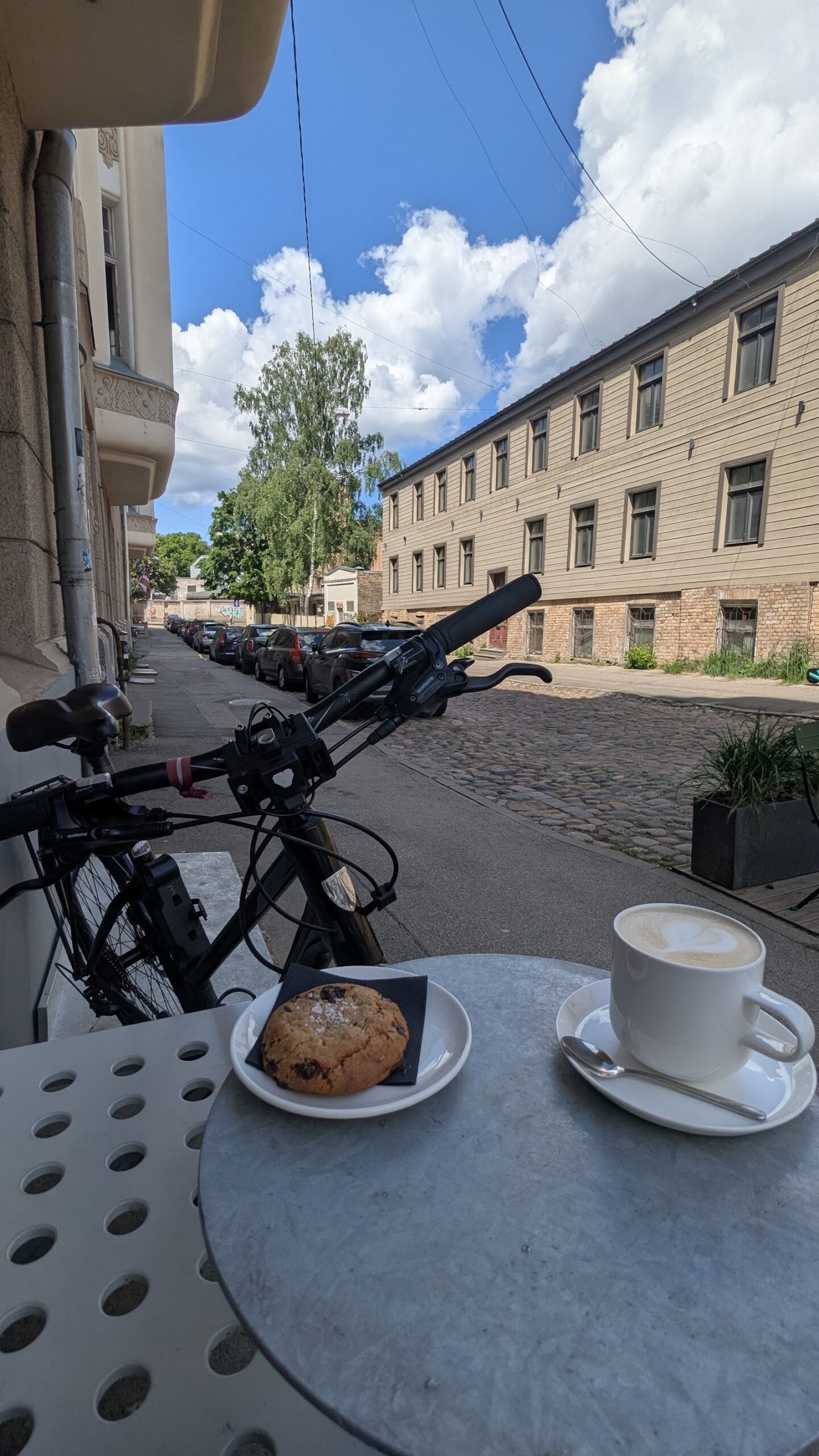

10. Miera iela in the Quiet Center (Klusais centrs)
While the historic center belongs to regular tourists during the day and to loud British stag parties on Friday or Saturday nights, locals prefer to have fun somewhere else entirely. The main center of independent culture, hipster vibes, and excellent gastronomy is Miera iela Street in the so-called Quiet Center, about a twenty-minute walk away.
This is where you’ll find the real, modern, and authentic Riga, full of small art galleries, vintage shops, vegan bistros, and cozy folk cellars. If you want to sit down for a quiet evening, head here for excellent craft beer or a glass of natural wine at establishments where you won’t encounter any dodgy promoters with neon signs luring you into tourist traps.
💡 Tip: The café scene in this neighborhood is at an absolutely top European level, so if you appreciate specialty coffee and a perfectly prepared flat white, you’ll definitely be in seventh heaven here and won’t know which café to visit first.

11. Riga Central Market (Central Market)
This enormous complex of five pavilions on the riverbank is officially the most visited place in all of Riga by a huge margin, with up to one hundred thousand people passing through daily. The market buildings themselves have an incredible history, as they were originally gigantic hangars for German Zeppelin airships from World War I, which were relocated and converted into modern markets in the 1920s.
The market is traditionally full of stalls with smoked fish and various meat products, which form the historical basis of hearty Latvian cuisine. But you can safely shop here for fantastic fresh cheeses, forest berries, pickled vegetables, and above all taste traditional baked goods fresh from the oven that smell from a mile away.
💡 Tip: Be sure to buy rupjmaize here, which is a dense and slightly sweet dark rye bread that Latvians absolutely love. It’s so popular that they even add it in crushed form to their traditional national desserts.
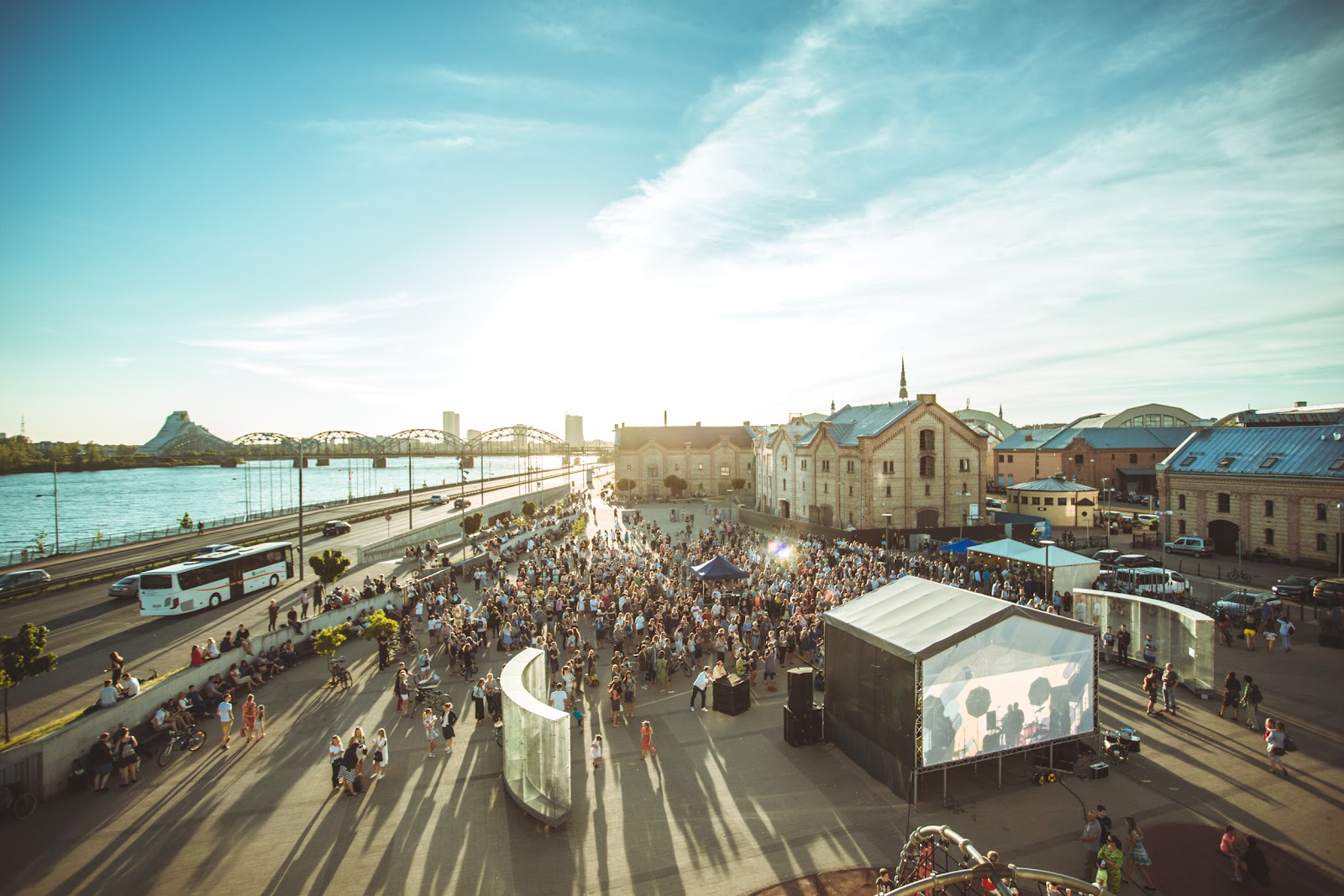
12. Spīķeri (Creative Quarter)
Right next to the huge central market, you’ll come across the Spīķeri quarter, which consists of a collection of historic red brick warehouses dating from the 19th century. These old industrial buildings have undergone extensive revitalization in recent years and now represent one of the most interesting and dynamic cultural centers in the city.
Instead of dusty warehouses, there are now galleries, cafés, theaters, and quite a serious concert hall. The whole place has that pleasant atmosphere of somewhere locals go because they love it, not because it’s in a guidebook. The space between the buildings has been tastefully transformed into a pedestrian zone and very often hosts outdoor markets, weekend flea markets, or summer concerts under the open sky.
💡 Tip: From this creative quarter, there’s also a very pleasant and newly renovated promenade along the Daugava River, which is absolutely ideal for an evening stroll at sunset with views of passing boats.
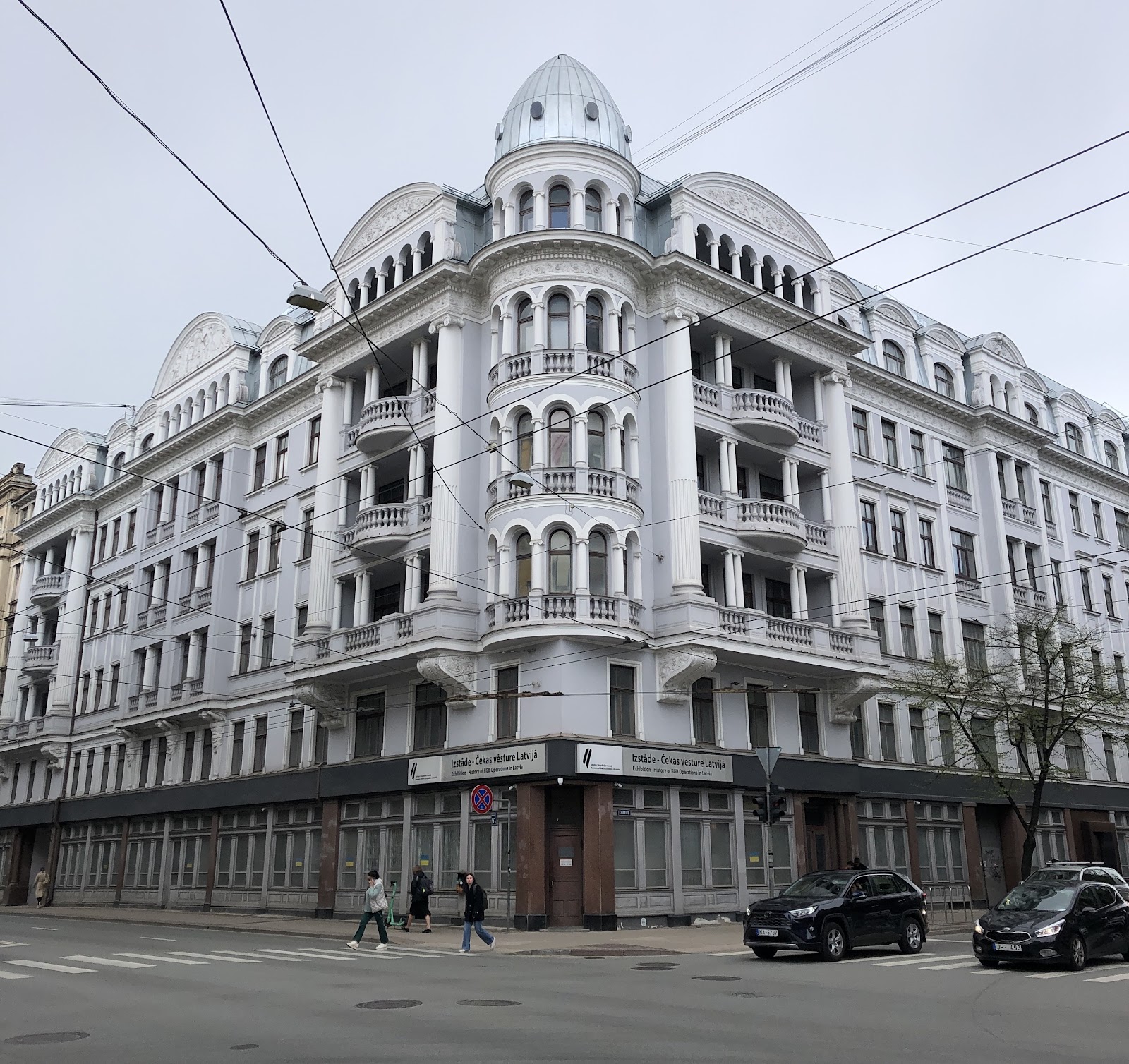
13. The Corner House (Former KGB Headquarters)
A visit to the building on the busy corner of Brīvības and Stabu streets, known among locals simply as The Corner House, is by far the most powerful and emotionally intense experience in all of Riga. This seemingly ordinary, albeit slightly shabby, city building served for decades as the main headquarters and interrogation center of the Soviet secret police KGB in Latvia.
Today the building functions as an important branch of the Museum of the Occupation, and inside you can walk through chilling detention cells in the basement, cramped interrogation rooms, and the inner courtyard where executions of political prisoners took place. The exhibition is very raw, in no way embellished, and offers a harsh insight into the recent and dark history of the entire country under Soviet rule.
💡 Tip: A visit to the prison cells on the ground floor and basement is only possible as part of a guided tour, which you need to book well in advance online due to huge demand and limited capacity.
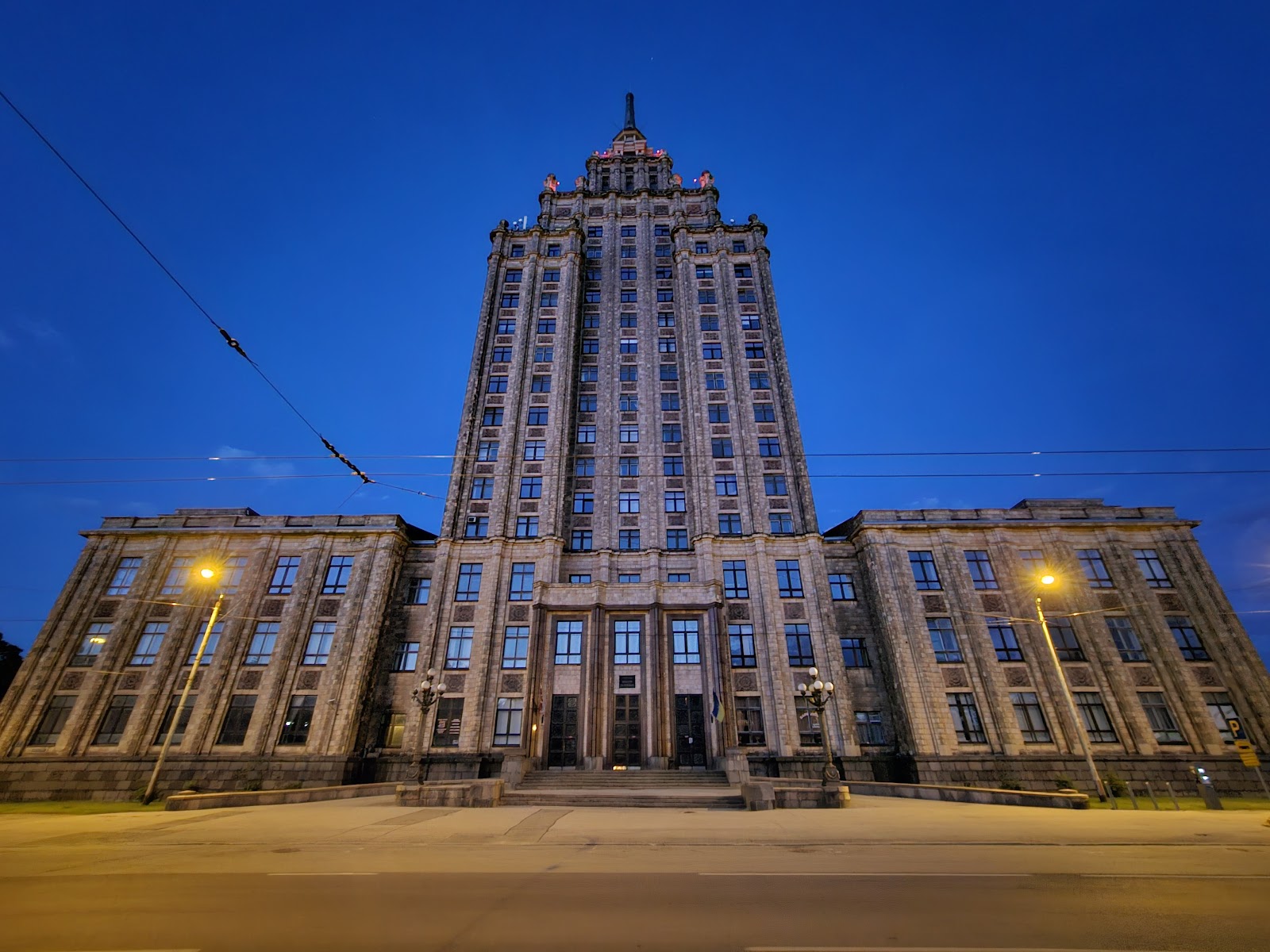
14. Academy of Sciences (Latvian Academy of Sciences)
This unmissable sky-high Stalinist building from 1961 is known to locals as nothing other than “Stalin’s cake” or mockingly “Kremlin cake.” It’s an absolutely classic example of Soviet monumental architecture, which in appearance strikingly resembles similar skyscrapers in Moscow or the well-known Palace of Culture and Science in Warsaw, Poland.
Although the building itself is a controversial reminder of the Soviet era among residents, it hides one huge tourist attraction: the observation deck on the 17th floor. A fast elevator takes you up to the 15th floor and you have to walk the rest up the stairs, but the open, 360-degree view of all of Riga and the river is definitely worth it.
💡 Tip: The entrance fee to this unique viewpoint is significantly cheaper than the famous tower of St. Peter’s Church and from here you’ll beautifully see the historic center itself from a completely different, fresh perspective.
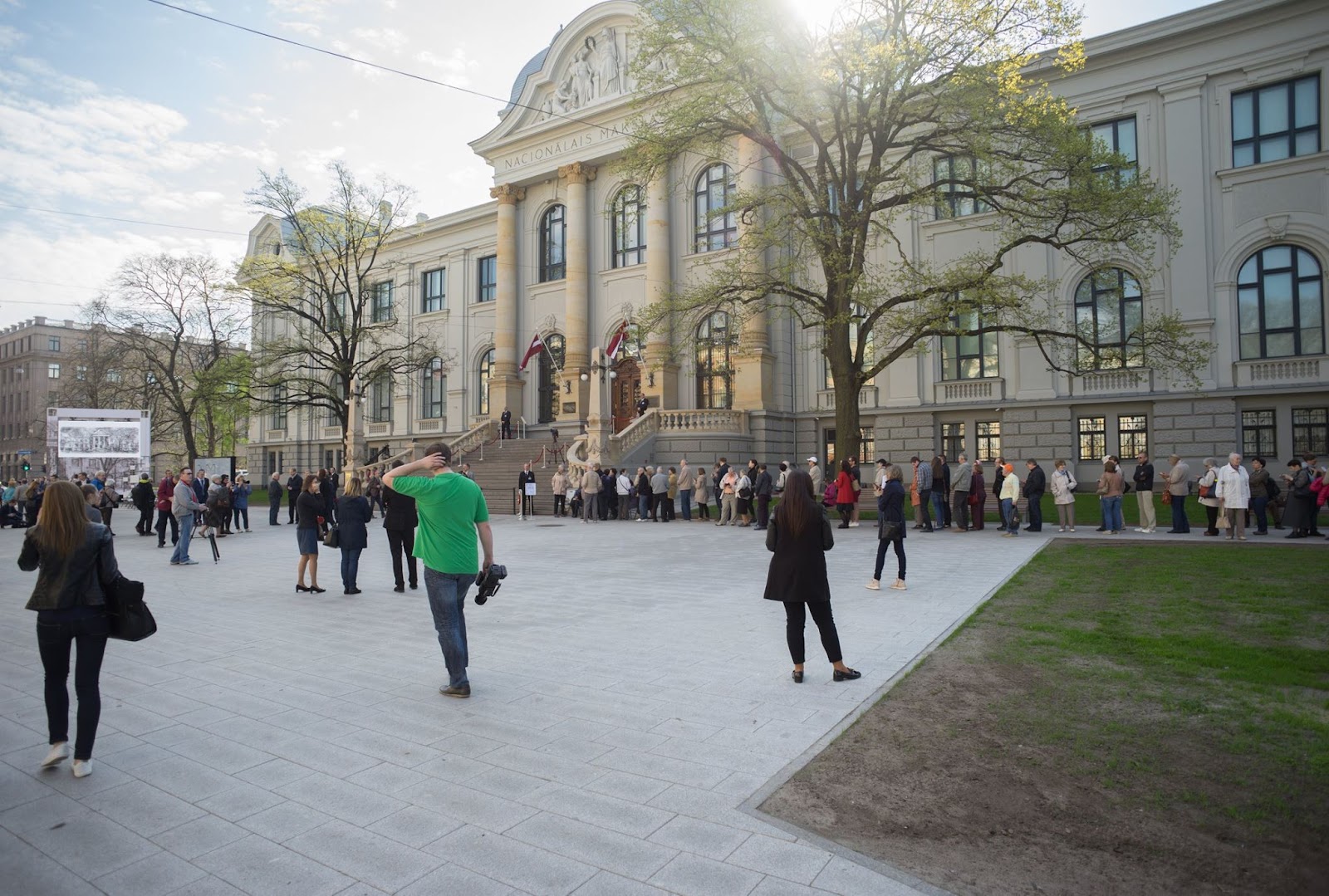
15. Latvian National Museum of Art
This prestigious cultural institution isn’t housed in some cold modern cube, but in an absolutely stunning historic building with Baroque and Classical elements that already looks like a work of art in itself. Recently, the entire structure underwent extensive and very sensitive reconstruction, which perfectly connected the historic interiors with modern glass elements.
Inside you’ll find the most comprehensive and largest collection of Latvian art from the 18th century to the very present day. The exhibitions are arranged very clearly and even if Baltic painting doesn’t mean much to you, the atmosphere of those halls will probably surprise you. The choice of colors, the structure of the collection, and the careful labels work in such a way that you’ll quite briskly absorb a lot of beauty here.
💡 Tip: If you don’t want to pay full admission to the exhibitions, you can at least visit the glass roof and underground spaces of the museum for free. Right through the floor on the ground level you’ll see directly into the modern storage facilities, which is a unique architectural element.
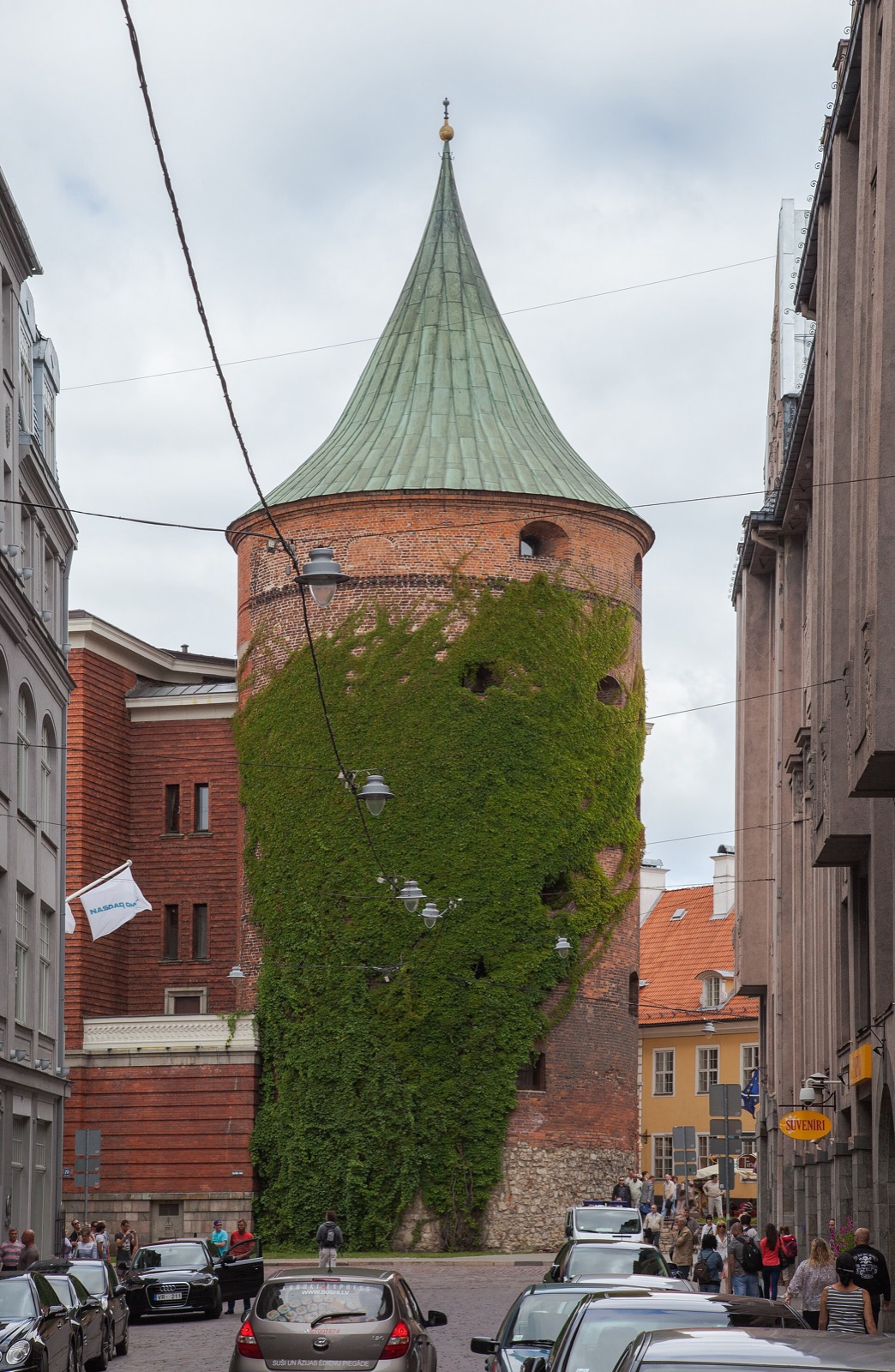
16. Latvian War Museum in the Powder Tower
Right on the edge of the Old Town stands the massive brick Powder Tower from the 14th century, one of the last visible remnants of the original city fortifications. Within its walls and in the adjacent modern building, you’ll find the extensive War Museum that documents in meticulous detail the complex and often tragic military history of Latvia.
The exhibitions guide you chronologically through all the key conflicts, from the battles for independence through both World Wars to the forced conscription of Latvians into the Soviet army and the partisan resistance in the forests. The huge advantage of this museum is that it offers completely free admission to all exhibitions, which is a very pleasant surprise in the context of European capitals.
💡 Tip: The museum is quite extensive and there’s a huge amount of historical text and uniforms on display, so I recommend choosing just the historical periods that interest you most, otherwise you’ll easily spend half a day here.
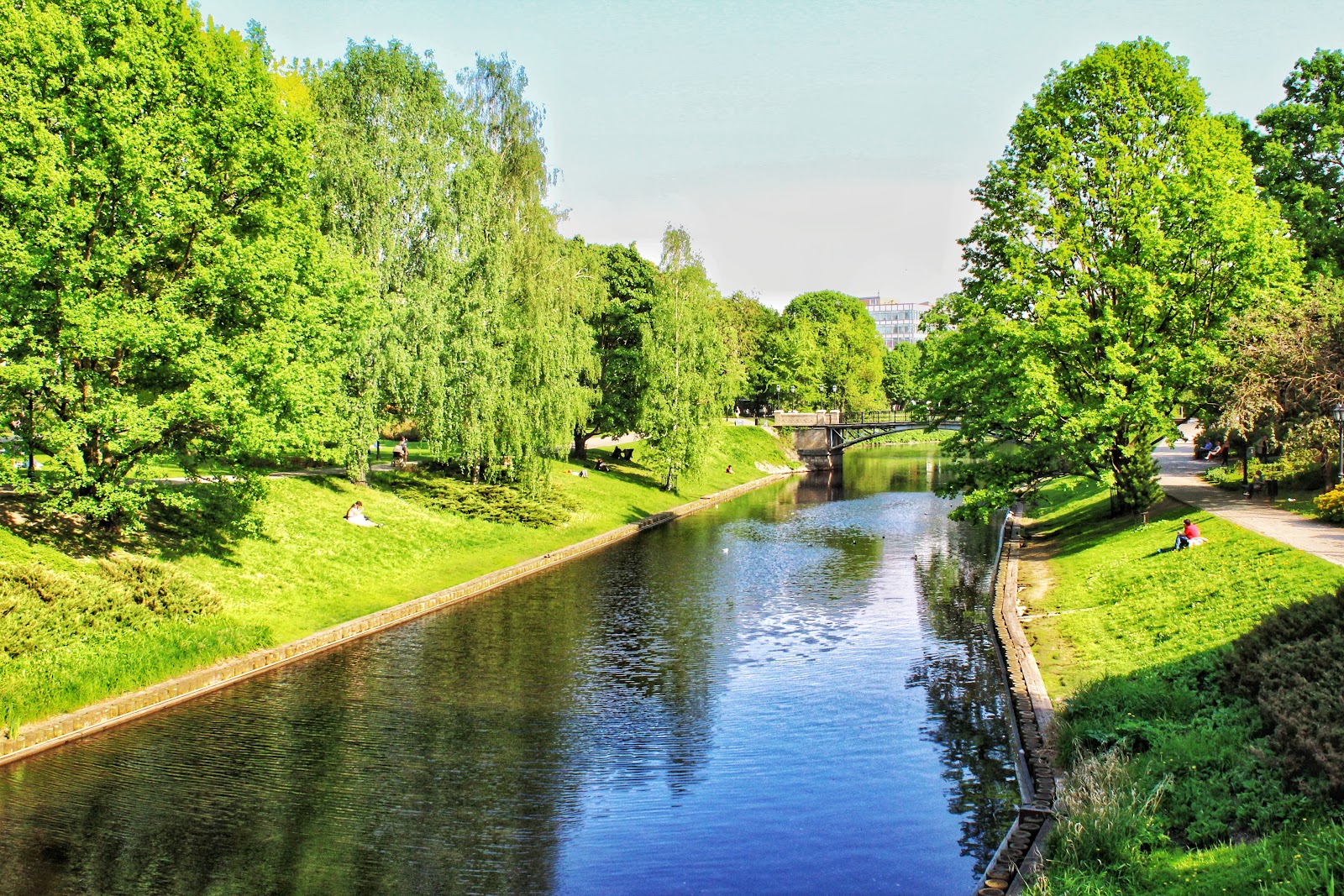
17. Bastejkalna Park (Bastion Hill)
When the old and inadequate city walls were finally torn down in the 19th century, the city wisely decided to transform the freed space into an extensive system of parks and water canals. This green belt now elegantly separates the historic center from the newer Art Nouveau districts. At the heart of this green oasis is Bastejkalna Park, an artificially created hill full of winding paths, benches, and sculptures.
The city canal that lazily flows through the park is lined with centuries-old trees, romantic stone bridges, and carefully maintained flower beds. It’s absolutely the most popular spot for afternoon strolls, and on sunny spring and summer days you’ll find plenty of people sitting on the grass with coffee and a book in hand.
💡 Tip: During the summer tourist season, you can rent a small wooden rowboat or pedal boat right in the park and explore the historic city from the wonderfully calm water surface, which is a great way to relax after walking on cobblestones.
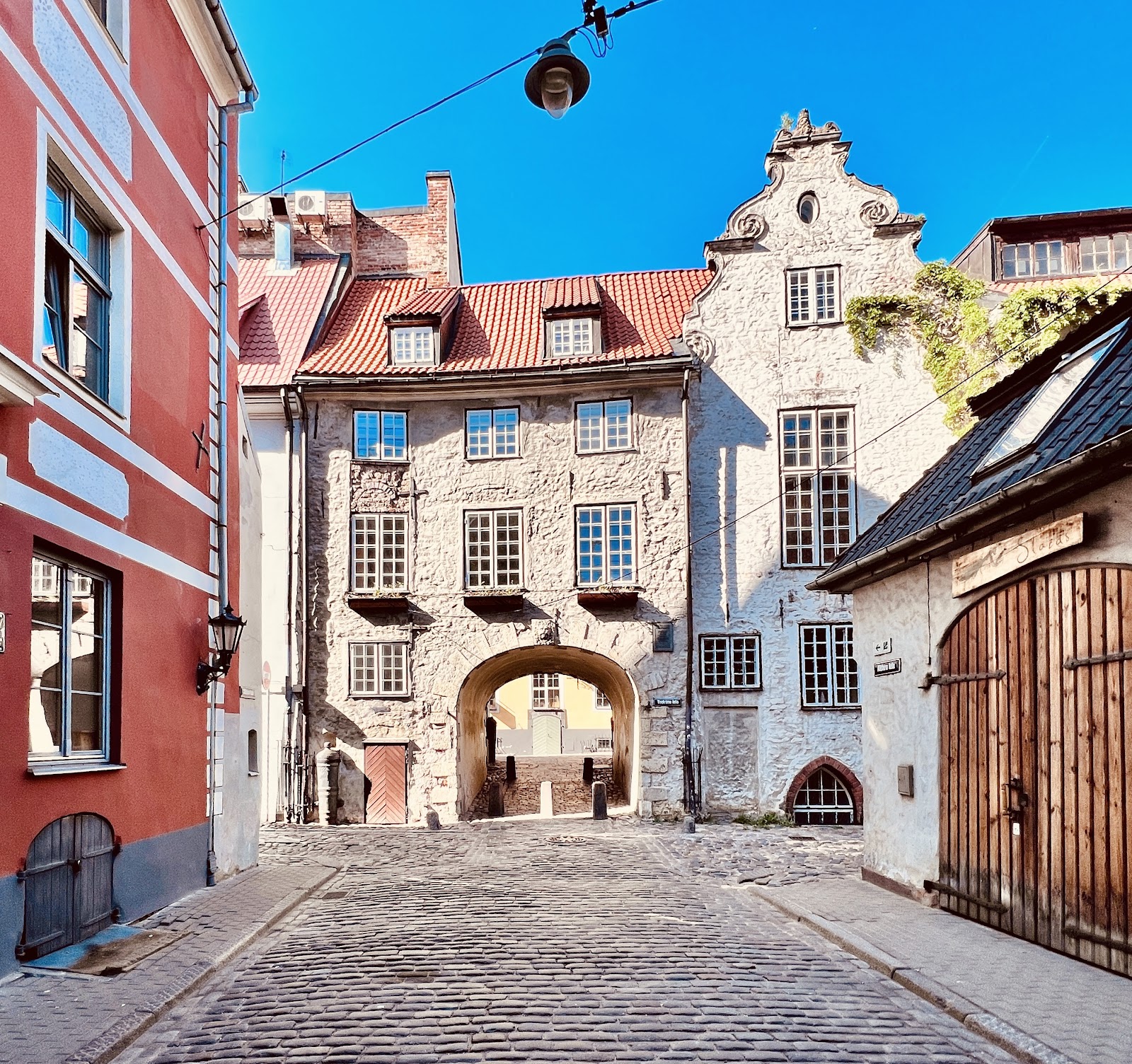
18. Swedish Gate
While wandering through the narrow medieval lanes of Old Riga, don’t miss the picturesque Torņa Street, where you’ll find the famous Swedish Gate built in 1698. It’s an enormous architectural rarity because it’s the only surviving city gate in all of Riga that miraculously survived centuries of wars, fires, and extensive urban reconstruction.
The name refers to the time when the city was firmly controlled by the Swedes, and according to legend, the gate was secretly broken through into his house by a clever local merchant. He did this to avoid paying high taxes for importing goods through the main city gate. Today it’s an incredibly photogenic spot, especially in the evening when the passageway is beautifully lit by historic lanterns and breathes medieval atmosphere.
💡 Tip: Right next to the gate, don’t forget to notice the longest surviving section of the old city walls, which will give you a rough idea of how impregnable and massive Riga once looked.
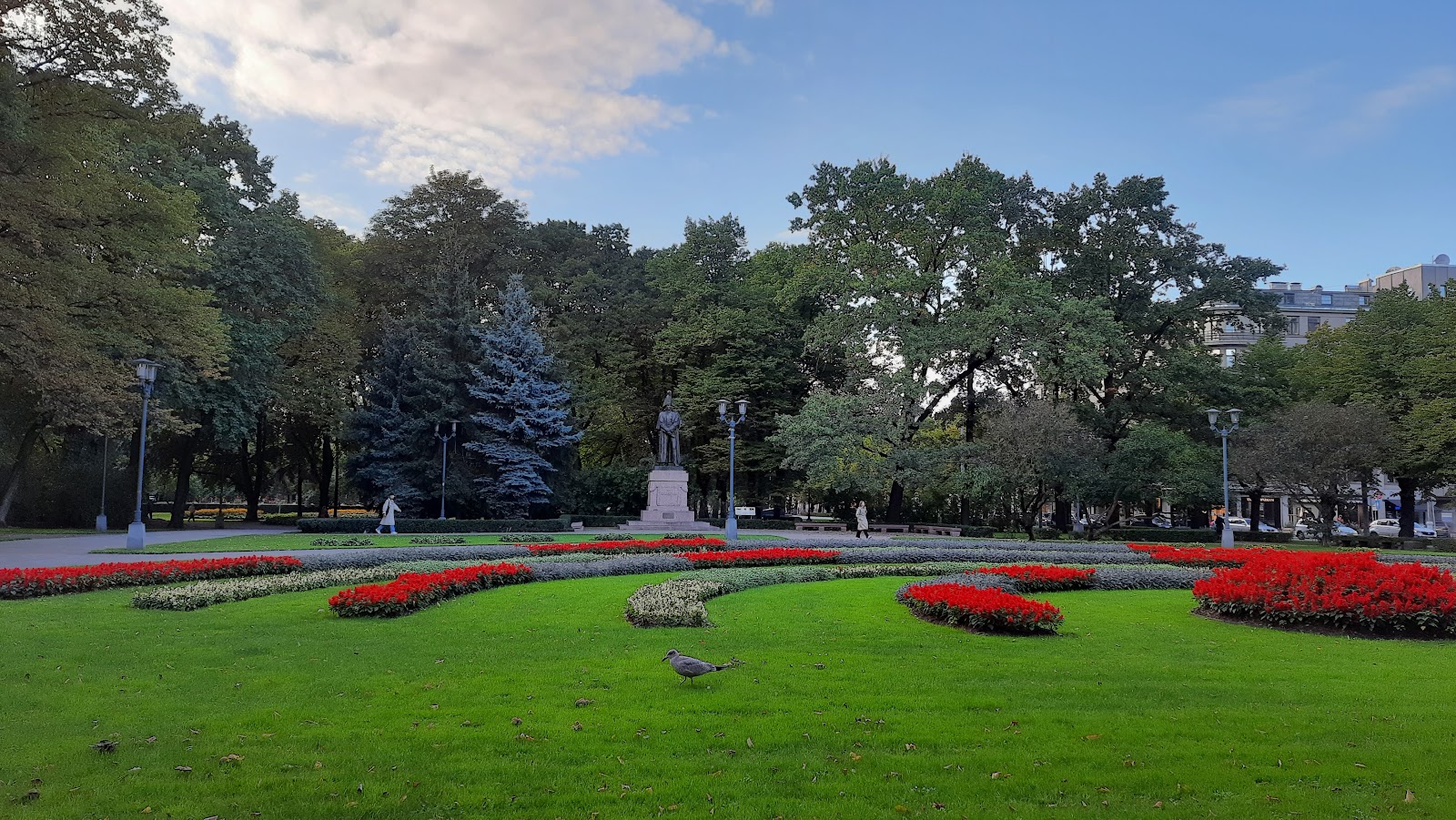
19. Esplanade Park and Orthodox Cathedral
Another very significant green space in the city center is the sprawling Esplanade Park, which is surrounded on all sides by important state institutions and museums. The absolutely most striking building in the park, which you definitely won’t miss, is the Nativity of Christ Cathedral with dazzling golden domes, which is the largest Orthodox church in the city.
This beautiful neo-Byzantine building has a turbulent history: during Soviet times they seized it from the church and turned it into a planetarium and café (yes, really). Today it’s thankfully a functioning church again and the interior full of icons and the scent of incense is worth a quick stop. The massive decorated ceilings alone breathe a completely different atmosphere than the austere Lutheran churches nearby.
💡 Tip: When entering the Orthodox cathedral, remember the stricter dress code rules. Women should have their heads covered and everyone must have their shoulders and knees covered, otherwise the guards at the entrance will uncompromisingly refuse you entry.
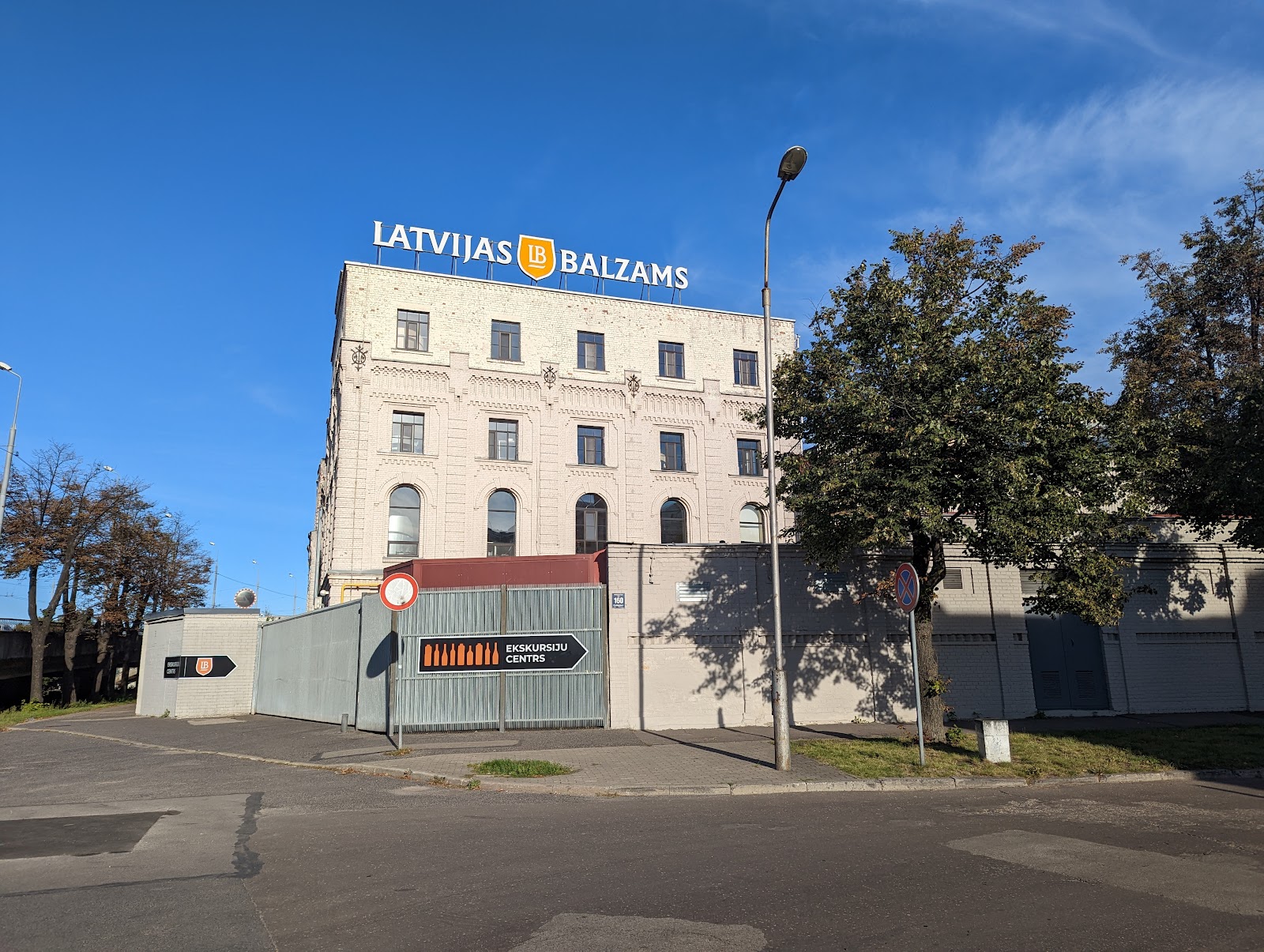
20. Tasting Rīgas Melnais Balzams
A visit to Riga definitely wouldn’t be complete without tasting its absolutely most iconic drink, which is Rīgas Melnais Balzams (Riga Black Balsam). This traditional herbal liqueur with a very intense bitter taste is made according to a strictly secret recipe from 24 different herbs, roots, flowers, and buds. The recipe was created by local pharmacist Abraham Kunze back in the 18th century and originally served as a remedy for digestion.
If the pure version of this black liqueur would be too strong for you, locals love to mix it into hot coffee, tea, or make excellent modern cocktails from it. As for local vegetarian cuisine, I definitely recommend trying excellent pierogi filled with cottage cheese and mushrooms or the fantastic national dessert rupjmaizes kārtojums. It consists of layers of crushed rye bread, rich whipped cream, and tangy cranberry jam.
💡 Tip: Be very careful where you sit down for an evening drink! In the Old Town, dubious promoters often operate who lure you into bars without posted prices, and the bill at the end of the evening can be a very unpleasant shock. Always ask for a price list beforehand, or even better, go drinking in the Quiet Center.
Day Trips from Riga
If you have more time for Latvia, it would be a huge shame to stay only in the capital. Just beyond the city limits you’ll find places that will show you a completely different face of this Baltic country and offer a perfect escape from the busy city streets.
The first option is the seaside resort of Jūrmala, which you can reach from the main station by comfortable suburban train in just 30 minutes. Here you’ll find endless kilometers of fine sandy beaches lined with pine forests and beautiful wooden spa villas from the 19th century. Tickets cost literally pennies and trains run really frequently.
For lovers of history and folk architecture, the clear choice is the Latvian Ethnographic Open-Air Museum, which lies in a deep forest on the shores of a lake just outside Riga. Here you’ll find over a hundred authentic wooden buildings from various historical regions of Latvia.
If you crave nature and castles, head to the town of Sigulda on the edge of Gauja National Park. The national park is actually an ideal destination for a full day trip. Here you can explore the extensive museum park with Turaida Castle, the ruins of Livonian Castle, or visit the sandstone Gutman’s Cave full of historic inscriptions. I also recommend trying the local cable car that connects Sigulda with the opposite bank, giving you a breathtaking view into the deep forested valley of the river.
If you’re planning a broader trip around the whole region, I recommend checking out our 10-Day Baltic Itinerary: Estonia, Latvia, and Lithuania. And if you’ll be continuing north, you’ll definitely find our guide Estonia: 25 Tips on What to See and Experience useful.
Frequently Asked Questions
What currency is used in Latvia?
Latvia is a full member of the eurozone and the euro has been the standard currency here since 2014. This means you don’t need to worry about exchanging money at all, and credit cards are accepted almost everywhere, from large restaurants to smaller market stalls.
Is Riga safe for tourists?
Riga is generally a very safe European city, but be very careful of tourist traps in the Old Town. You’ll often encounter touts who lure you into bars without listed prices and end up charging you astronomical amounts. Always ask to see a menu beforehand.
How many days do I need to visit the city?
For the historic center itself and the beautiful Art Nouveau district, two full days will easily be enough. However, if you want to visit more museums, head to the seaside resort of Jūrmala, or take a trip to Turaida Castle, plan for three to four days instead.
What’s the best way to get from the airport to the city center?
Riga International Airport is located just about 10 kilometers from the city center and getting there is completely hassle-free and fast. The cheapest option is city bus number 22, which takes you directly to the Central Market in under half an hour, or you can use a reliable taxi app.
Is Riga an expensive destination?
Of the three Baltic capitals, Riga usually comes out as the cheapest option, especially when it comes to food and drink. The condition, however, is that you need to eat outside the main tourist circuit of the Old Town, where prices are artificially inflated.
What should I try if I don’t eat meat?
Even though Latvian cuisine is very meat-heavy, you can easily find vegetarian options here. Definitely try the hearty rye bread rupjmaize, various types of fresh cottage cheese at the market, delicious pierogi filled with mushrooms, or the national dessert made from whipped cream, crushed bread, and cranberries.
Where do locals gather in Riga?
If you want to experience the city through the eyes of locals and avoid crowds of tourists with cameras, head to the so-called Quiet Center on Miera iela street. This is where you’ll find the best alternative cafés, independent galleries, and bars with excellent craft beer.
Tips and Tricks for Your Vacation
Don’t Overpay for Flights
Search for flights on Kayak. It’s our favorite search engine because it scans the websites of all airlines and always finds the cheapest connection.
Book Your Accommodation Smartly
The best experiences we’ve had when looking for accommodation (from Alaska to Morocco) are with Booking.com, where hotels, apartments, and entire houses are usually the cheapest and most widely available.
Don’t Forget Travel Insurance
Good travel insurance will protect you against illness, accidents, theft, or flight cancellations. We’ve had a few hospital visits abroad, so we know how important it is to have proper insurance arranged.
Where we insure ourselves: SafetyWing (simple monthly subscription) and TrueTraveller (for extra-long trips).
Find the Best Experiences
Get Your Guide is a huge online marketplace where you can book guided walks, trips, skip-the-line tickets, tours, and much more. We always find some extra fun there!