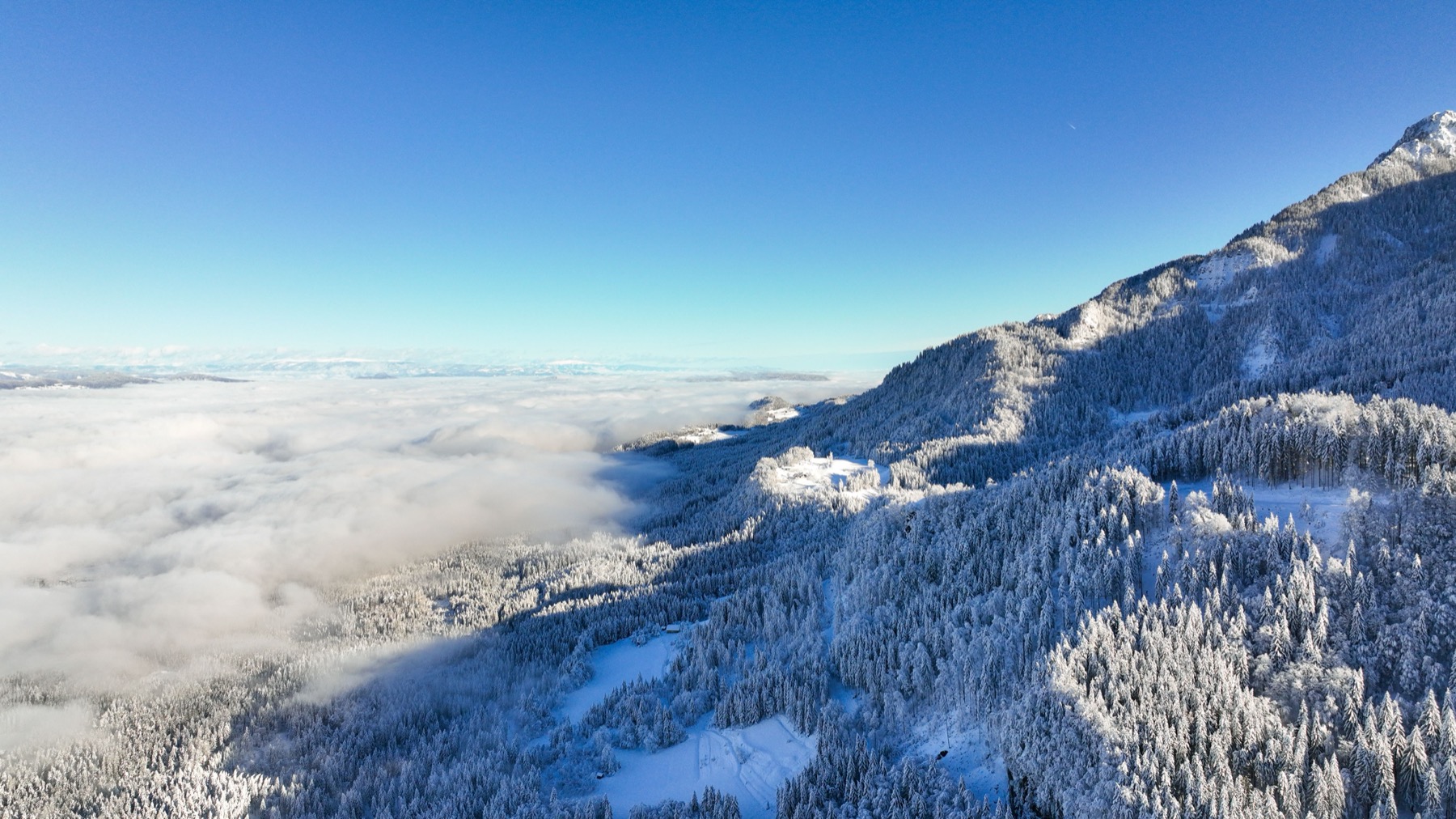
Austria’s Carinthia region might feel like a long journey depending on where you’re traveling from, but trust me—this southbound adventure is absolutely worth it for skiers. Nassfeld is Carinthia’s largest ski resort, and thanks to its unique location right on the Italian border, it offers a completely different atmosphere from classic Tyrolean or Salzburg destinations.
If you’re looking for a place where Austrian precision meets Southern sun, you’ve found your answer. The resort boasts an above-average number of sunny days, making it ideal for those who love riding sun-soaked slopes without freezing in the shadows of deep valleys.
So let’s dive in. From lift systems to mountain huts and practical travel tips, we’ll cover everything you need to plan your winter break completely stress-free.
TL;DR
- Largest resort in the region: You’re looking at 110 km of connected slopes, making Nassfeld Carinthia’s number one destination.
- Massive vertical drop: From the peak of Troghöhe (2,020 m) you can ski all the way down to the village of Tröpolach (610 m).
- Modern infrastructure: The resort operates 30 lifts and cable cars, including 8 high-speed six-seaters and 2 large cabins.
- Italian influence: The resort sits right on Austria’s border with Italy, reflected in outstanding food and a more relaxed atmosphere.
- Long valley run: The iconic Millennium-Express cable car whisks you from the valley up to the heart of the action and operates year-round.
- New lift for 2026: A brand-new six-seater cable car with year-round operation is under construction for the upcoming season.
The full destination guide: Austria — guide and what to see
When to Visit Nassfeld
Nassfeld benefits from its southern position right on the Italian border, which in practice means significantly more sunny days compared to ski resorts further north in the Austrian Alps. Winter here has a completely different feel, and the main ski season typically runs from December through early April. The best snow conditions combined with stable weather traditionally arrive in January and February, when you’ll enjoy proper powder skiing while the sun warms you on the lifts.
If you prefer a more relaxed springtime skiing experience, March is absolutely fantastic here, and the resort attracts visitors during this period for genuinely long days on the slopes. Experienced travelers love the fact that in March you can often ski in just a light jacket while enjoying the views from mountain hut terraces, though you need to remember that nature plays by its own rules—the lower runs can get quite slushy and bumpy by afternoon.
It’s important to know that the valley village of Tröpolach sits at just 610 meters elevation. In warmer winters, which have become more common in recent years, this unfortunately means that skiing all the way down to the parking area can be problematic. Snow in the lowest sections melts fastest, so experienced skiers have a clear strategy: spend most of your day in the upper areas above 1,500 meters, where winter holds strong right through the end of the season.
Where to Stay in Nassfeld
💡 Accommodation and experiences tip: We compare accommodation options here so you can see what’s available and at what price. We prefer to search on Booking.com, where cancellation policies are usually best. Tickets, tours, and activities are worth comparing and booking through GetYourGuide.
When planning your stay, you essentially have three main options that differ dramatically in price, atmosphere, and daily logistics. The absolute most convenient and romantic option is staying right on the mountain at Sonnenalpe, where after breakfast you simply put on your skis and head straight to freshly groomed runs. Families with children and anyone who doesn’t want to waste a minute on morning commutes absolutely love this ski-in/ski-out arrangement, but you’ll definitely pay extra for this huge luxury.
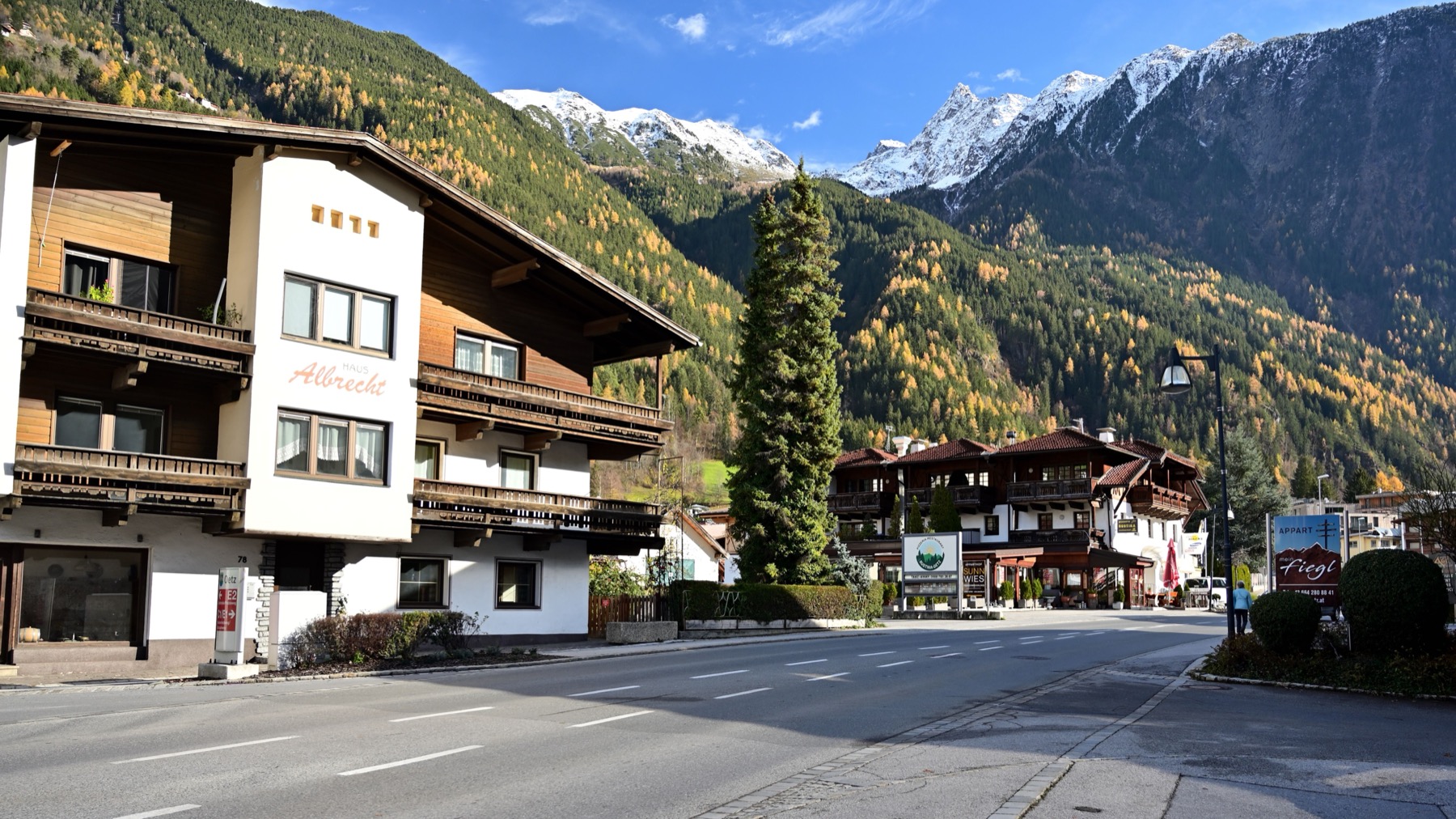
The second hugely popular base is the valley village of Tröpolach, where the main cable car departs every morning heading uphill. You’ll find plenty of traditional guesthouses and larger hotels here, with the huge advantage of complete amenities including shops, restaurants, and modern ski storage right at the cable car station. When you stay here, you have far more evening options for dinner or drinks after a hard day on the slopes.
If you’re looking to save money on your winter vacation and don’t mind a short daily commute, it makes good sense to choose the nearby town of Hermagor. Accommodation prices in local guesthouses are noticeably more budget-friendly than staying right under the slopes. To the lower cable car station in Tröpolach, a regular ski bus takes you for free, so your car can stay parked at your guesthouse for the entire vacation and you won’t need to worry about scraping ice off the windshield.
💡 Tip: Nassfeld offers two distinct locations—apartments up on Sonnenalpe right by the slopes, or more affordable guesthouses down in Tröpolach and Hermagor. You can browse options in both areas through Stay22, which compares multiple booking platforms at once.
12 Tips for What to See and Do in Nassfeld
When planning your winter vacation, you’ll definitely appreciate a few practical recommendations on what to see and do in Nassfeld. This sprawling resort offers so much, so let’s walk through the best of what awaits you, so you can squeeze the absolute most out of your stay.
1. Explore 110 km of slopes in Carinthia’s largest resort
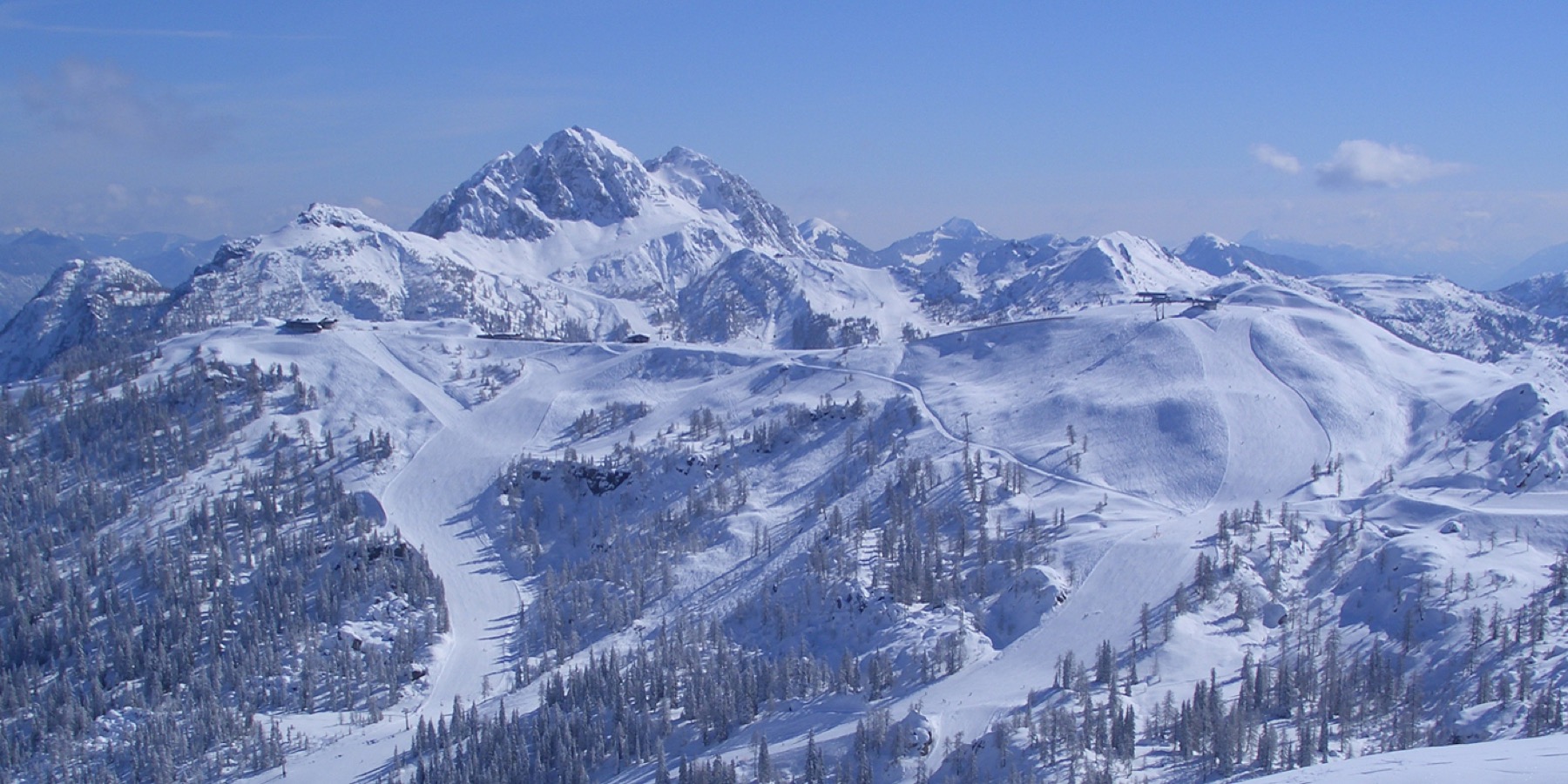
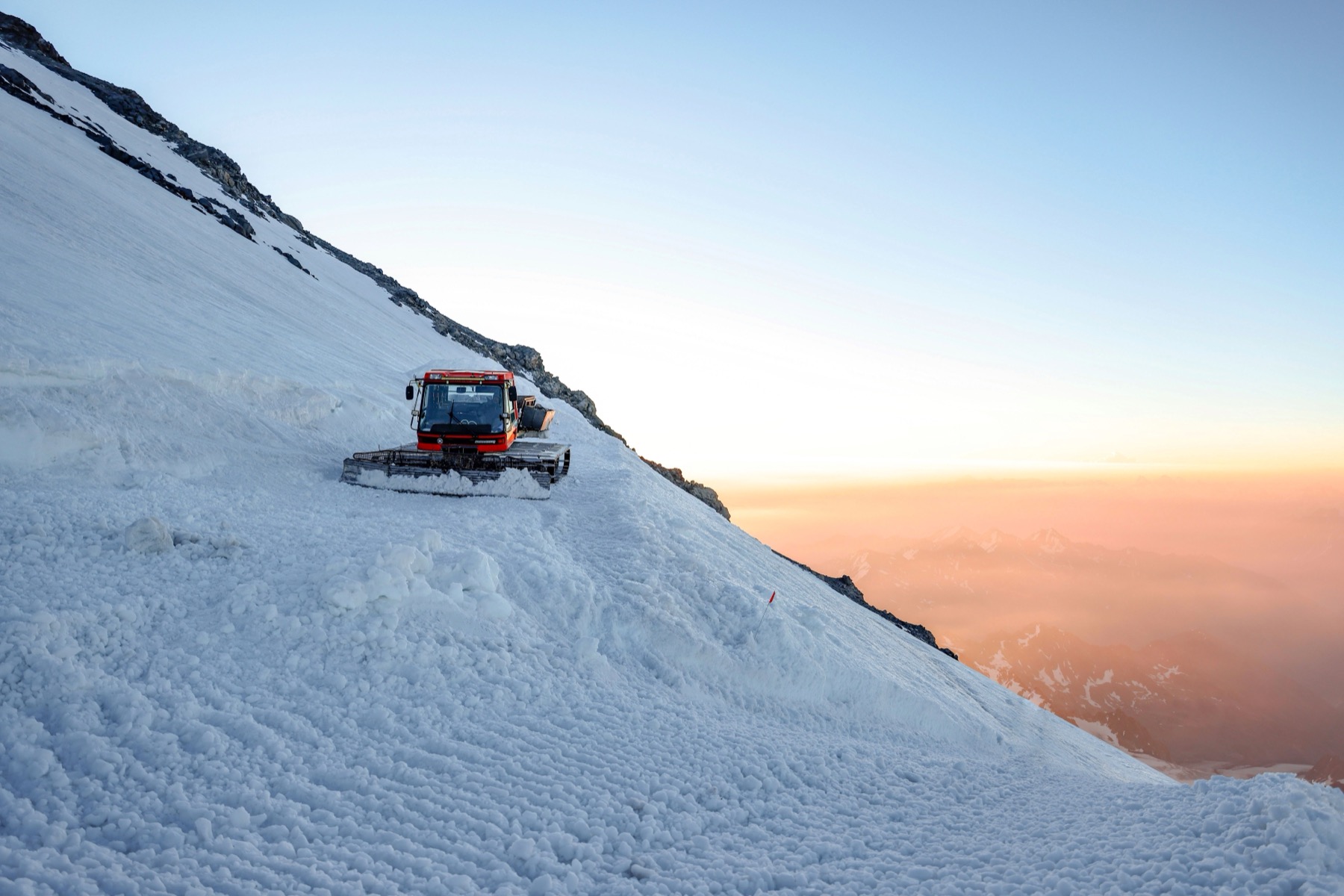
Nassfeld proudly claims the title of Carinthia’s absolutely largest ski resort, and believe me, you won’t get bored on its 110 kilometers of slopes even during a week-long stay. A huge advantage of this place is that it’s one continuous, perfectly connected mountain. You can move smoothly from one end of the resort to the other without ever removing your skis, awkwardly shuffling at intersections, or needing to take a ski bus to neighboring valleys.
Beautiful wide and excellently groomed red runs naturally alternate with gentler blue sections, so literally every family member will find something to enjoy. Forum users and skiers often praise the fact that these slopes are wonderfully wide and well-organized, which greatly adds to the feeling of safety even at high speeds and in wide carving turns.
💡 Tip: If you want to experience the whole resort at its best and avoid the biggest crowds, hit the slopes right at opening time, around 8:30 a.m. Fresh, undisturbed corduroy on sunny open meadows in the morning is simply worth getting up an hour earlier for.
2. Experience long descents with incredible vertical drop
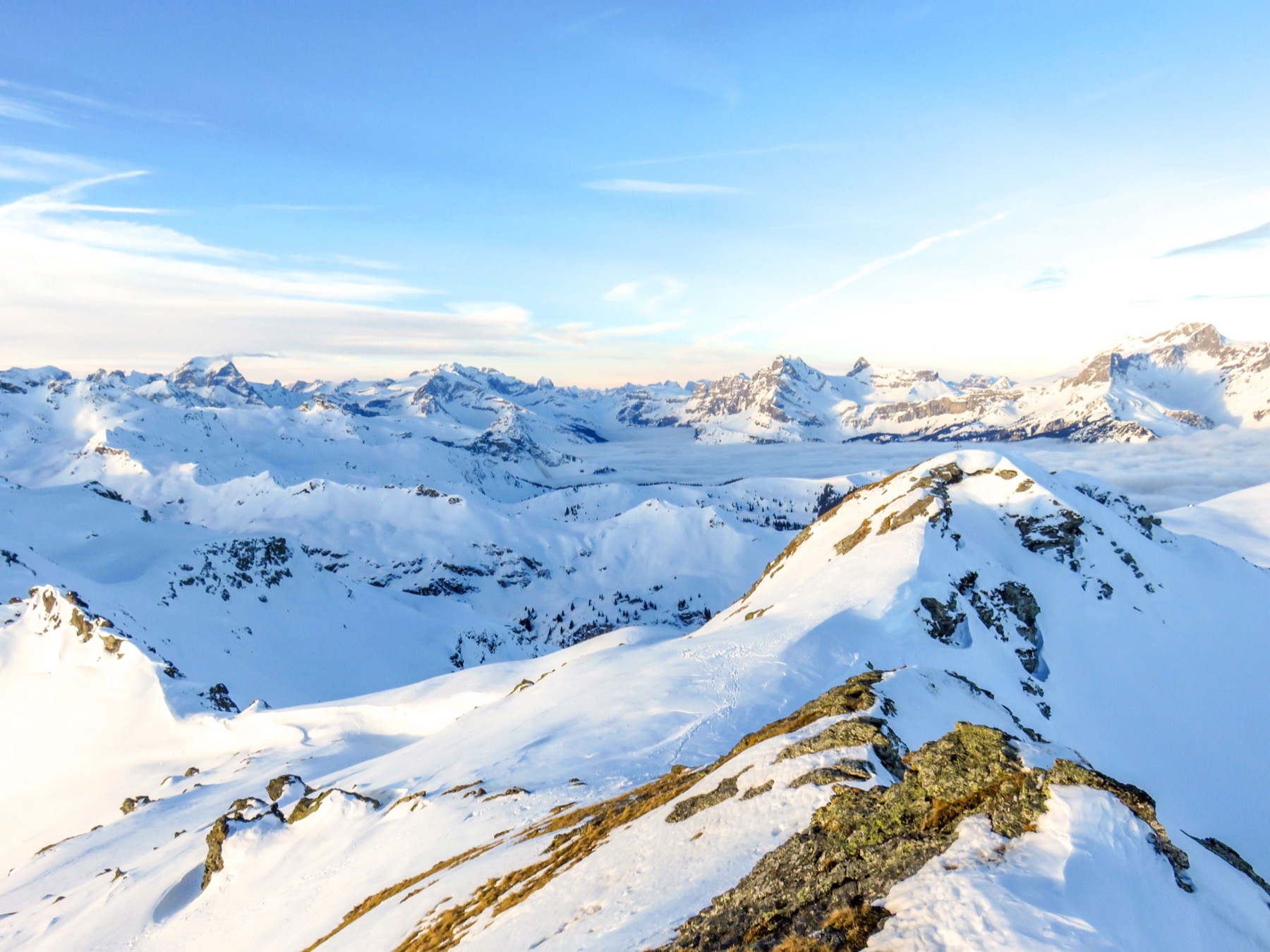
One of Nassfeld’s biggest draws is simply the elevation gain—and the numbers speak for themselves. The resort’s highest point sits on the rocky peak of Troghöhe at 2,020 meters, while the main valley station in the village of Tröpolach sits at just 610 meters. Mathematically speaking, that means the mountain gives you an incredible 1,400 meters of vertical in a single run.
This massive elevation difference means in practice that you get to enjoy truly long, smooth, seemingly never-ending descents that will definitely have your thighs burning by day’s end. The run from the very top all the way down to the valley parking area is a real test of stamina and fitness that any reasonably capable skier should experience.
Always keep in mind that precisely because of the very low valley elevation, the lower sections tend to get much slushier on warmer spring days. Local instructors recommend doing the full long descent in the morning while conditions are still firm. Experienced visitors know that this strategy ensures the best snow quality and lets you truly enjoy the entire ride from top to bottom.
3. Ride the iconic Millennium-Express cable car
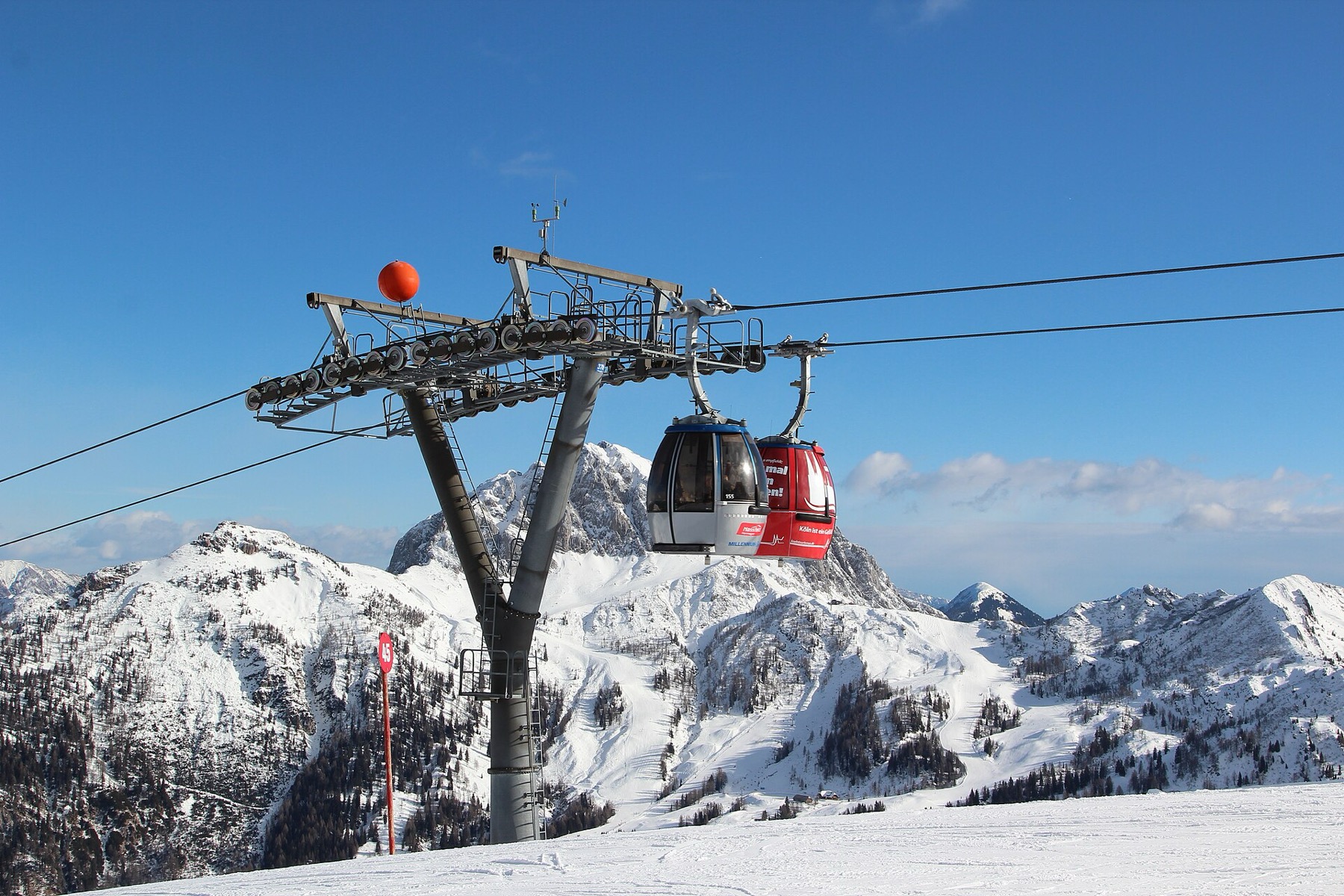
The journey from the valley up to the pulsing heart of the skiing action at Nassfeld is an experience you’ll remember for a long time. That’s taken care of by the impressive cabin cable car aptly named Millennium-Express, which proudly ranks among the very longest cable cars in all of Austria and conquers the massive vertical drop across several connected sections.
Fifteen minutes of uphill riding — enough time to finish your coffee from your thermos and finally disconnect from your phone. Reputedly, this cable car operates at full capacity even during the summer months, specifically from June to September, when it continuously carries tourists, families, and hardcore cyclists to the verdant mountain ridges.
💡 Tip: If you decide to stay in the valley village of Tröpolach, you’ll find very spacious, modern, and heated ski storage lockers at the lower station of this cable car. This means you won’t have to lug your entire ski gear from your hotel to the turnstiles each morning — a massive relief for your back after a week on the slopes.
4. Savor Mediterranean atmosphere right at the border
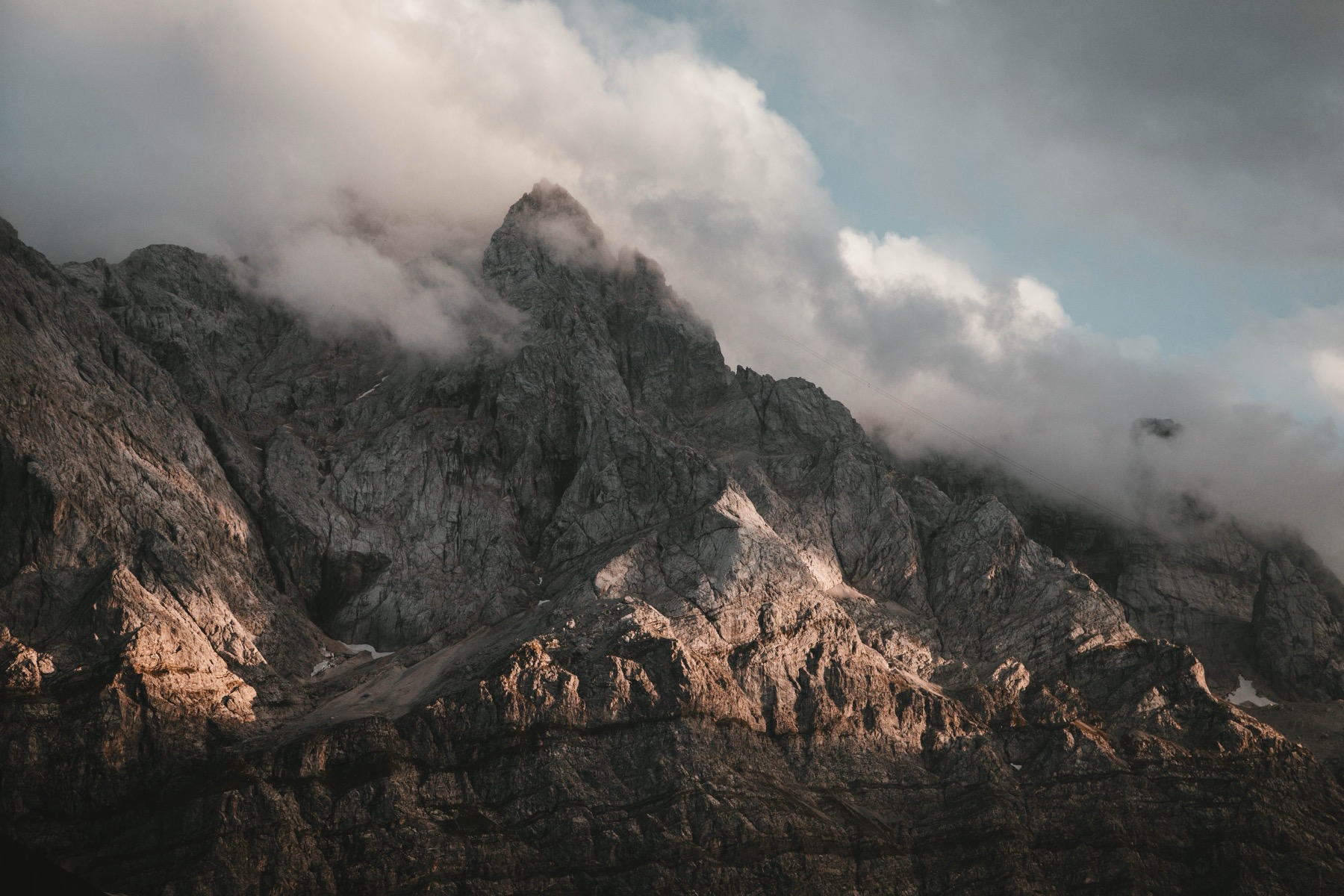
Nassfeld sits right on the border line dividing Austria and Italy, which gives the entire resort an absolutely unique and hard-to-describe atmosphere. At every turn, you’ll sense that legendary Austrian organization has met contagious Italian ease, and travelers universally say this unlikely mix works surprisingly well.
Thanks to its direct southern exposure and relative proximity to the Adriatic Sea, humid air regularly flows here, often bringing surprisingly abundant snowfall, while at other times nature ensures beautifully sunny days with a perfectly blue sky. This incredible amount of sunshine is precisely why crowds flock here year after year — people who absolutely can’t stand damp Alpine mists and want to get a tan in the mountains.
It’s not uncommon to hear crisp German on one side of the slope and ski lift operators calling out to you in Italian on the other. This fascinating border duality is incredibly refreshing and gives your entire day on the slopes a wonderfully authentic holiday vibe ☺️.
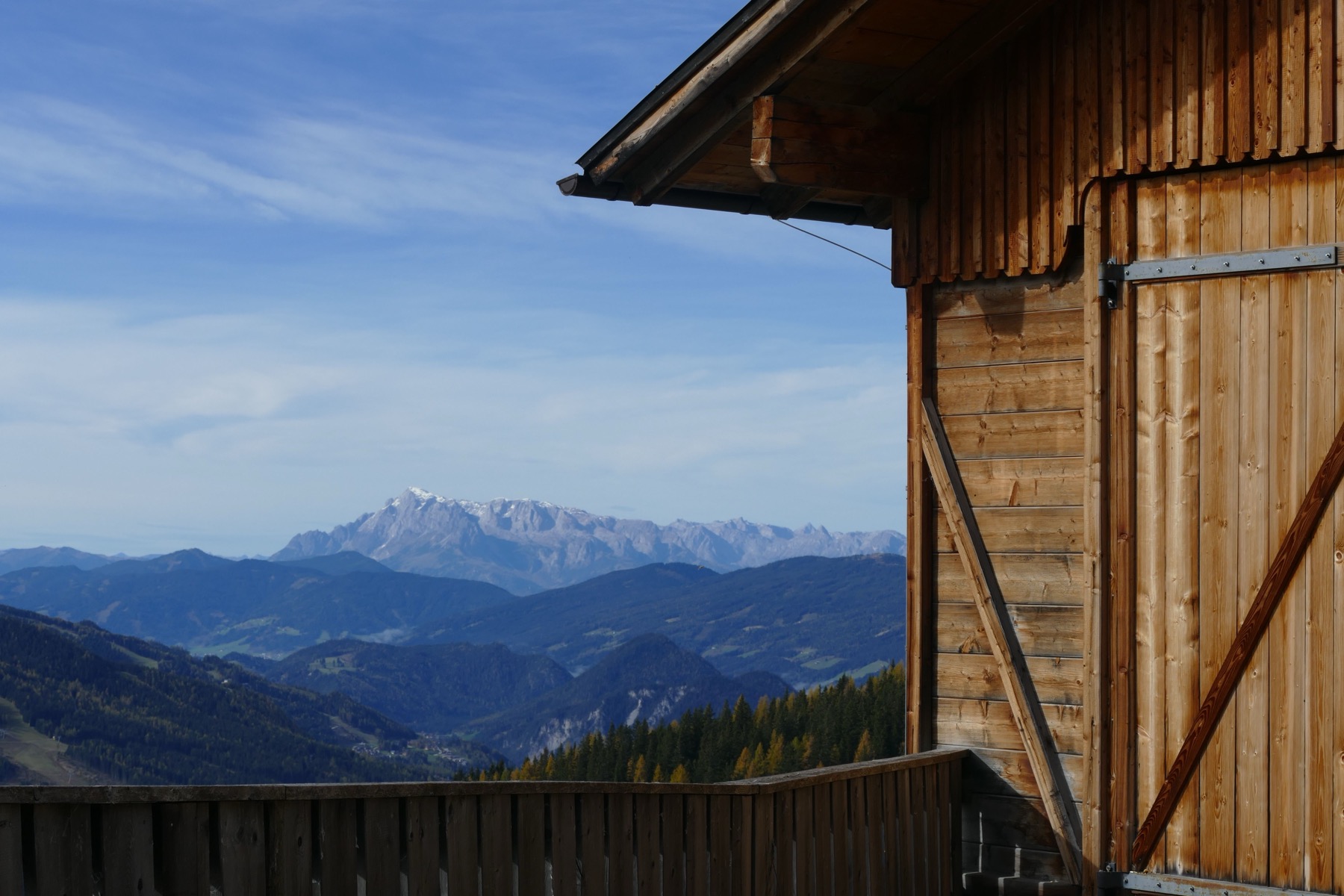
5. Taste Italian cuisine at Sonnenalpe Plattner hut
Dining on the slopes here is a story unto itself, and that delicious Italian influence is simply felt everywhere. The crowning jewel of culinary experiences is undoubtedly the mountain hut Sonnenalpe Plattner, which sits at an elevation of approximately 1,500 meters and offers perfect Mediterranean cuisine right in the middle of properly snow-covered Alps.
Instead of the usual heavy Austrian dumplings, sausages, or fried schnitzel, you can enjoy here with a clear conscience fantastic and light Italian specialties. Their wood-fired pizza is legendary, as is their homemade pasta — a lifesaver for vegetarians, because on the mountains you’re otherwise left with just fries. 😅
💡 Tip: During the most beautiful sunny days, the huge wooden terrace at Plattner’s fills up incredibly quickly, and finding a free seat requires sharp elbows. I therefore recommend heading there for a light lunch a bit earlier, ideally around 11:30, so you can calmly secure the best spot in the sun.
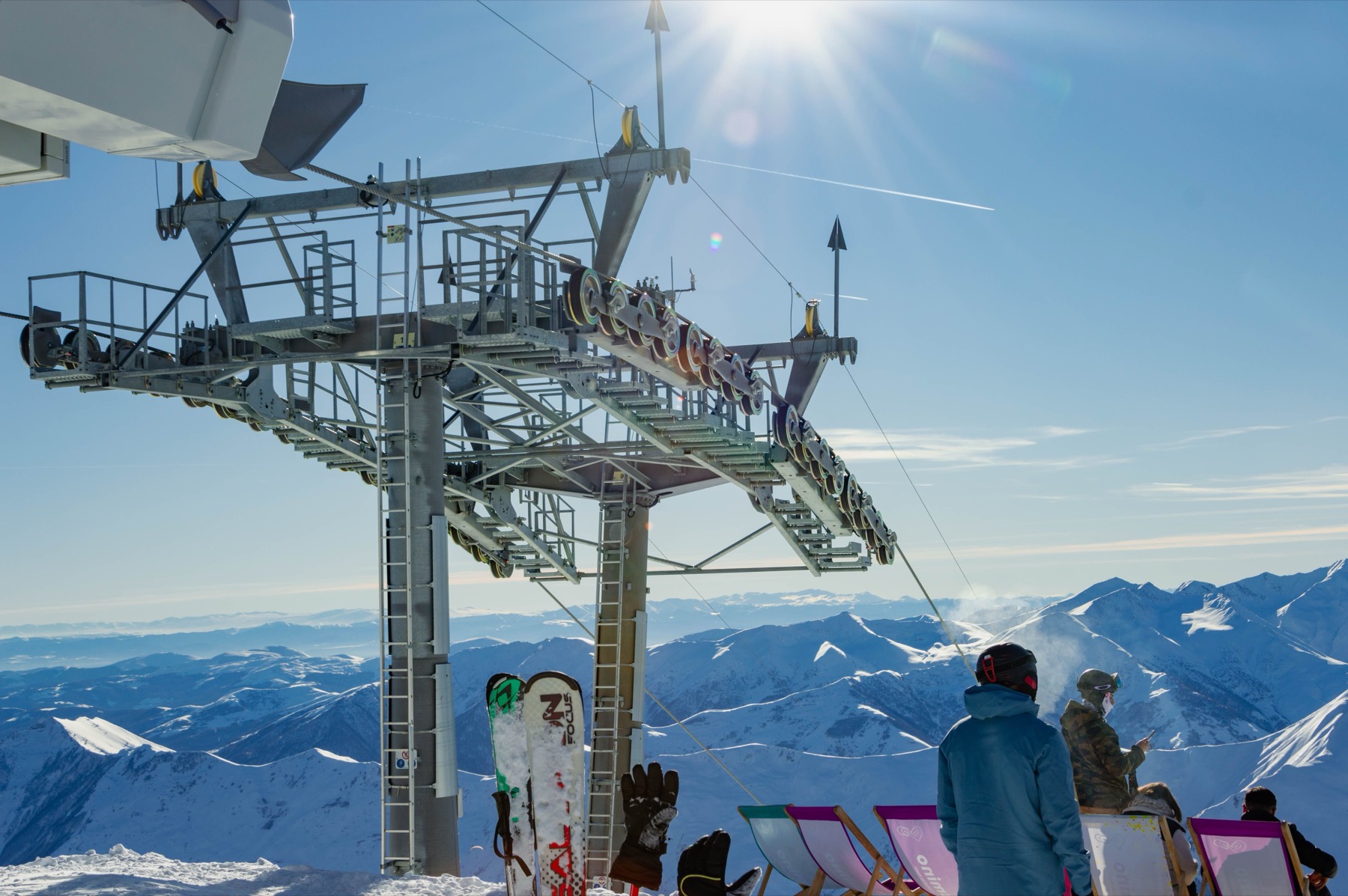

6. Try the new six-seater for the 2026 season
Nassfeld simply isn’t resting on its laurels. For the 2026 season, a completely new six-seater cable car is being built here, which should ease the most heavily trafficked bottlenecks on the mountain and reduce any potential wait times to an absolute minimum.
This new pride of the resort will be equipped with the absolute latest technology, among which certainly belongs pleasantly heated seats and large protective bubbles against biting wind. Additionally, it’s officially planned for year-round operation, so its services in hot summer will be greatly appreciated by exhausted families with children or mountain cyclists pedaling to the peaks.
Massive infrastructure investment is visible on every corner. And it’s clear that the resort cares deeply about making lines a thing of the past — investment in new cable cars speaks for itself.
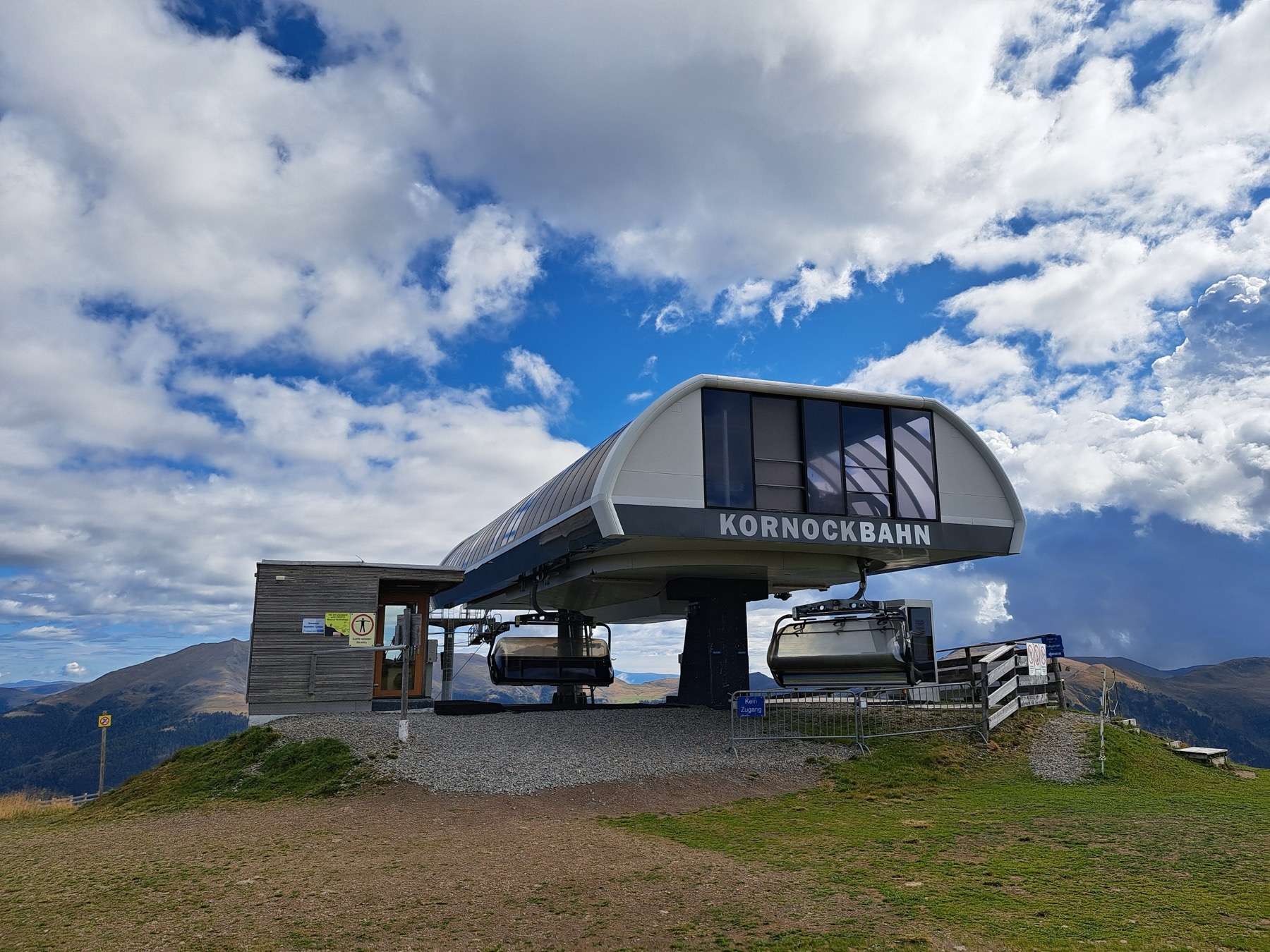
7. Modern transport via 30 cable cars and lifts
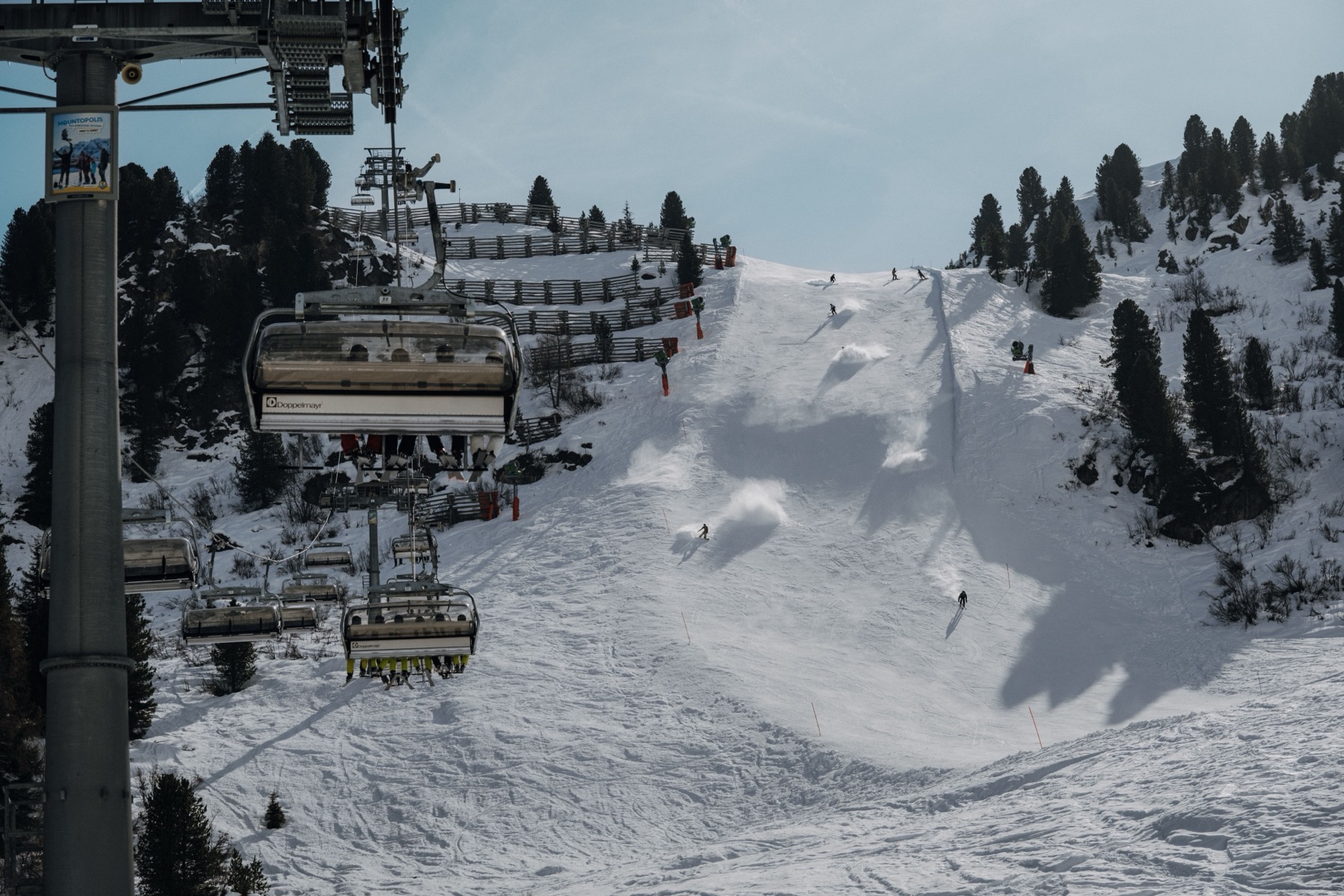
Since we’re already talking in detail about the local infrastructure, you need to know that in total an impressive 30 cable cars and lifts will reliably transport you around the enormous resort. The main and indestructible backbone is formed by 8 very modern six-seater cable cars and in addition 2 large cabins, which ultimately ensures absolutely incredible smoothness of operations even during the busiest peak season.
Thanks to this unprecedented number of fast and high-capacity transport facilities, annoying lines form here really only very rarely — and that mainly early in the morning at the main lower station down in the valley. As soon as thousands of people naturally spread out across the entire enormous mountain, you can enjoy skiing with absolutely no downtime or waiting.
Those old, jerky and uncomfortable slow drag lifts you’ll find here today only on a few connecting sections or outright on practice meadows for the youngest skiers. So you’ll spend most of the day in comfortable seats, where your legs can at least rest a bit before the next run.
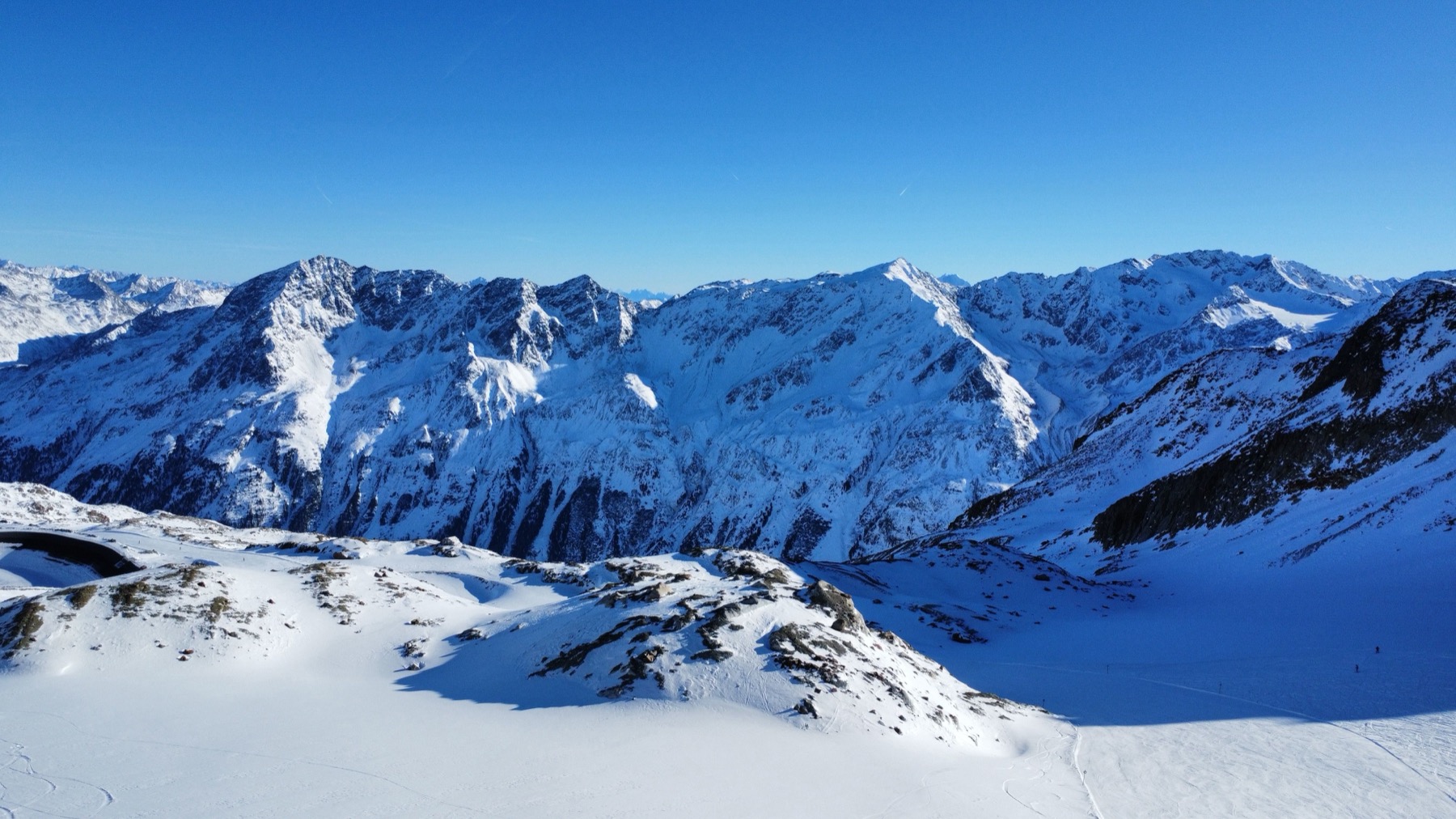
8. Compare Nassfeld with other Austrian giants
Nassfeld likes to measure itself against stiff competition, and in comparison it holds up better than you might expect. Compared to, for example, the nearby Upper Austrian resort Hinterstoder, which together with neighboring Wurzeralm has only 62 km of slopes, Nassfeld with its 110 km is nearly twice the size.
Very interesting and instructive is the popular comparison with Schladming, which admittedly within the famous four-mountain circuit offers an impressive 123 km of runs, but from a practical standpoint it involves long traverses across four separate peaks. Nassfeld, by contrast, makes an impression on every visitor like one enormous and beautifully integrated resort, where you’re guaranteed not to get stuck anywhere on narrow, icy connection paths.
If therefore this year you’re looking for a truly exceptionally expansive resort, where you can spend all day discovering completely new corners and not ski the same run over and over like a hamster on a wheel, Nassfeld will reliably and thoroughly fulfill your high expectations.
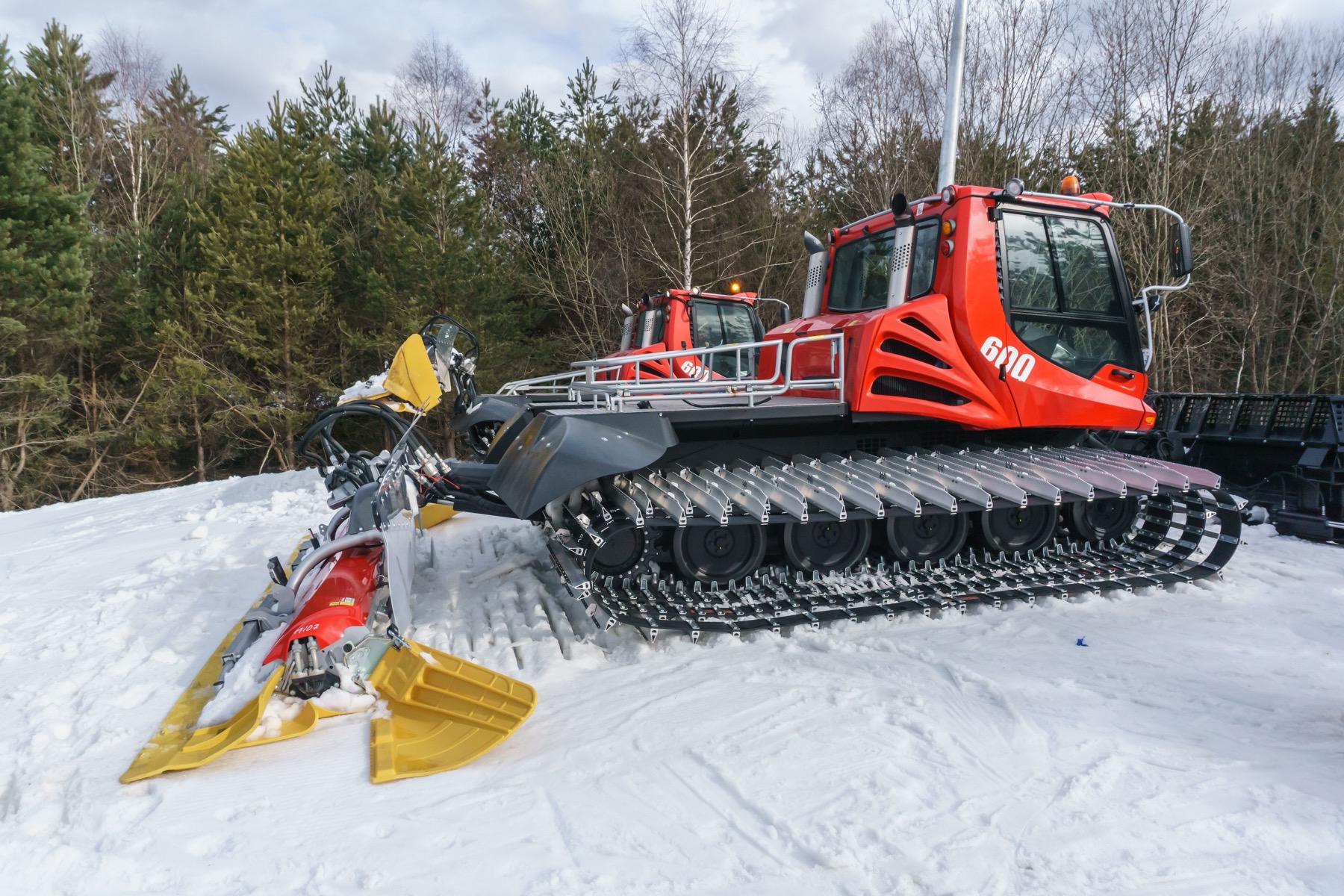
9. Don’t underestimate warm winters in lower elevations
Nassfeld is wonderful — but there is one catch, and it would be fair to tell you straight up. As we mentioned in the introduction, the village of Tröpolach sits at only 610 meters above sea level, which in the harsh context of global warming poses a certain risk to snow quality down in the valley.
In warmer winters, it’s fairly common for the very lowest stretches of the slopes leading to the parking lots to be heavily slushy and full of heavy wet snow already soon after lunch, or even closed for safety reasons. The resort does have absolutely top-tier snowmaking, but against relentlessly high spring temperatures you simply can’t fight, not even with the most powerful system.
💡 Tip: During sunny March months, undoubtedly the best tactic is to stay firmly in the upper sections of the resort at an elevation above 1,500 meters, where snow naturally stays in excellent condition considerably longer. Then you can descend to the village in the afternoon in complete comfort without ruined knees, riding down on the cabin cable car.
10. Prepare for a longer journey over the Alps
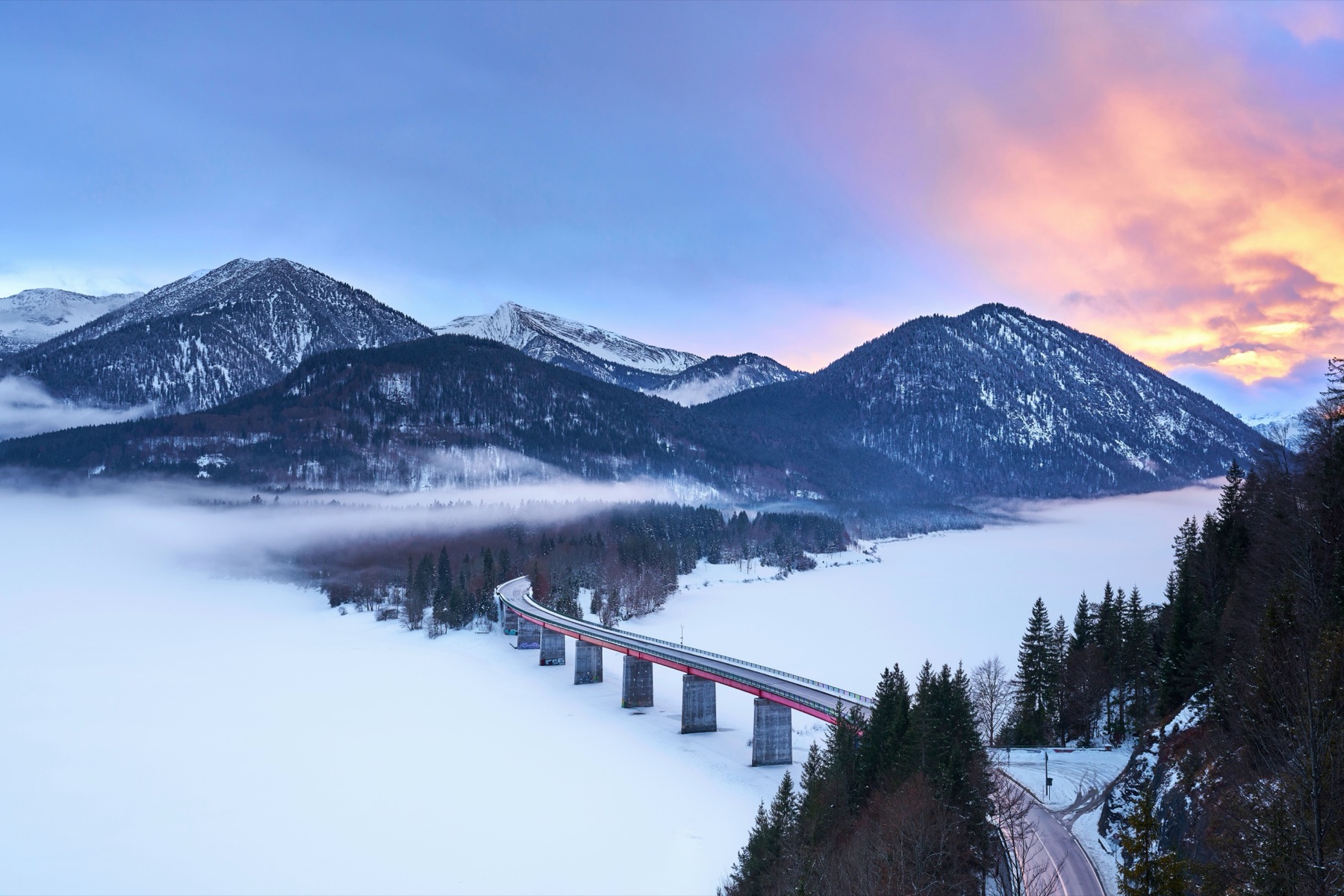
The reality is that Nassfeld isn’t located near the major European transport hubs, and the journey here will take considerably more time than heading to nearby destinations like Salzburg or Upper Austria. Most visitors traveling by car naturally opt for the fast A10 motorway route via Salzburg and Villach, which is incredibly comfortable, but you need to mentally prepare yourself for a longer time behind the wheel.
Beyond purchasing the standard Austrian motorway vignette, you’ll also need to budget for an additional toll on certain sections. Passing through the massive and well-known Tauern tunnels on the A10 motorway will cost you exactly 15 € for a single journey, so you’ll want to factor this into your travel budget beforehand.
To make sure nothing catches you off guard on your way to your well-deserved holiday, definitely check the current traffic regulations before you depart and arrange your motorway vignette for Austria, which nowadays you can very easily purchase online from the comfort of your home.
11. Understand ski pass pricing in time
Don’t think of Nassfeld as a budget resort: ski pass prices reflect what the resort offers. Prices change every year, and most importantly, their level depends significantly on when and how exactly you purchase them. Dynamic pricing has long since arrived here too, so the traditional last-minute purchase at the morning ticket office can end up being surprisingly expensive.
You’ll find the official and always up-to-date price list on the resort’s website at nassfeld.at, where it’s definitely worth spending some time hunting for good online discounts. If you book your tickets well in advance from home, you can save a considerable amount on a week-long family stay.
If you want a much better sense of how prices here really stack up in the broader context of all Austrian resorts, check out our comprehensive comparison of ski pass prices across 18 Austrian resorts, where we break down in detail exactly where skiing offers the best value this season.
12. Rest in nearby thermal baths
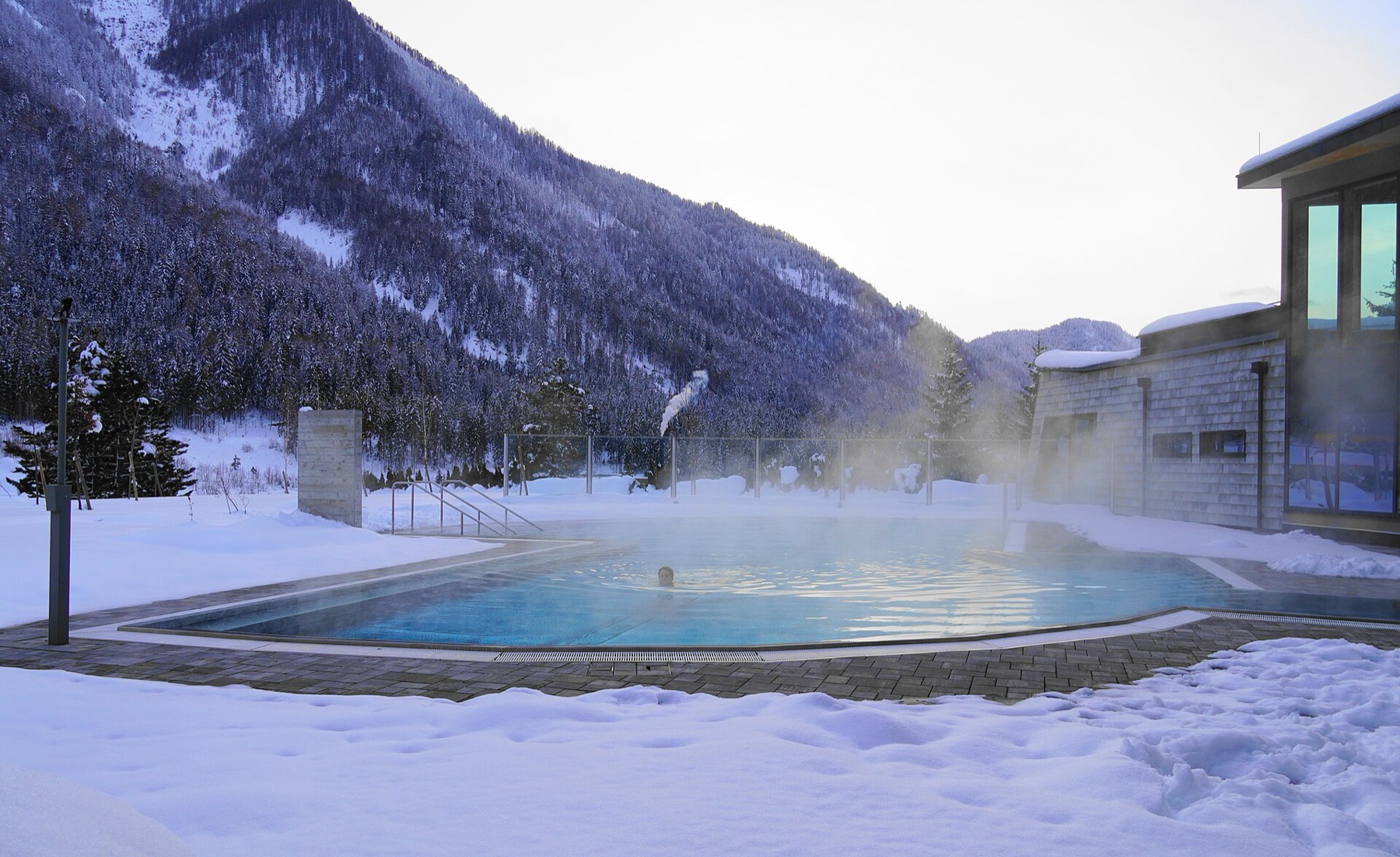
After several days of really intense alpine sports in freezing mountain air, your body will probably start strongly demanding some well-deserved recovery. Carinthia has been a renowned and enormously popular spa region for centuries, so you won’t have far to go from Nassfeld for some perfect relaxation.
Drive down to the nearby larger town of Villach and you’ll find an absolutely top-class and massive spa complex called KärntenTherme. Sinking your sore thighs into hot thermal water while gazing out at the snow-covered peaks—that’s the perfect way to cap off your skiing week.
If you’d like to explore more excellent swimming and wellness options across the country, we recently put together a detailed guide to the best thermal baths and aquaparks in Austria, where you’ll find plenty of great tips for perfect relaxation beyond just after skiing.
Where to go from Nassfeld
If you’re considering visiting other destinations during winter or just looking for inspiration for next year, the Austrian Alps offer endless possibilities. For a general overview of where to head, definitely read our comprehensive article on skiing in Austria.
If you’d like to try something a bit closer to major hubs next time, I recommend exploring Schladming and the entire Ski amadé region, which is hugely popular with international visitors. And if you’re drawn to guaranteed glacier snow and stunning lake views, check out our tips for Zell am See and Kaprun.
Frequently asked questions
How big is the Nassfeld ski resort?
Nassfeld is by far the largest ski resort in all of Carinthia, offering visitors 110 kilometers of perfectly interconnected slopes. 30 modern cable cars and lifts ensure smooth and fast transport, which means long queues really only form on very rare occasions.
How long does it take to reach Nassfeld?
From major central European hubs, the drive takes around 6 to 7 hours of pure driving time depending on current traffic conditions. Most of the route follows the very comfortable Austrian A10 motorway through Salzburg and Villach, where you’ll need to budget for extra section tolls to pass through the long Tauern tunnels.
Is the resort suitable for complete beginners?
Yes, you’ll definitely find several excellent and safe practice areas and blue runs here that are absolutely ideal for complete beginners. However, most of the entire resort consists of beautifully wide red runs, which are logically enjoyed most by slightly and moderately advanced skiers.
Can I rely on enough snow here?
Nassfeld has an excellent artificial snowmaking system, and thanks to its proximity to the humid Adriatic, very heavy natural snowfall often arrives here. The only occasional minor problem can be the lowest altitude in the valley (610 m), where in very warm winters the snow simply melts noticeably faster.
Does the Millennium-Express cable car operate in summer too?
Absolutely yes, and it’s a great experience. This giant long gondola is in full operation throughout the entire summer season from June to September, regularly carrying tourists, families with children, and enthusiastic mountain bikers up into the mountains who want to explore the green ridges.
What about road tolls when driving?
Besides the standard mandatory Austrian motorway vignette, you’ll need to budget extra money for motorway tunnels. On the A10 motorway, you’ll pay a special section toll for the Tauern Tunnel of €15 per passage, which can be paid on site at the barriers or more conveniently in advance online.
Where is the best place to park?
The main and by far the largest parking areas are located directly at the lower station of the main cable car in the town of Tröpolach. They’re really huge, very well organized by staff, and parking here is completely free for all visitors with a valid ski lift pass.
Tips and Tricks for Your Vacation
Don’t Overpay for Flights
Search for flights on Kayak. It’s our favorite search engine because it scans the websites of all airlines and always finds the cheapest connection.
Book Your Accommodation Smartly
The best experiences we’ve had when looking for accommodation (from Alaska to Morocco) are with Booking.com, where hotels, apartments, and entire houses are usually the cheapest and most widely available.
 🚗 Car rental on the roadVerified rental cars in Austria
Search with the DiscoverCars comparison engine — it compares prices from dozens of local and international rental companies, and most bookings come with free cancellation.
Compare car prices in Austria →Don’t Forget Travel Insurance
Good travel insurance will protect you against illness, accidents, theft, or flight cancellations. We’ve had a few hospital visits abroad, so we know how important it is to have proper insurance arranged.
Where we insure ourselves: SafetyWing (simple monthly subscription) and TrueTraveller (for extra-long trips).
Find the Best Experiences
Get Your Guide is a huge online marketplace where you can book guided walks, trips, skip-the-line tickets, tours, and much more. We always find some extra fun there!