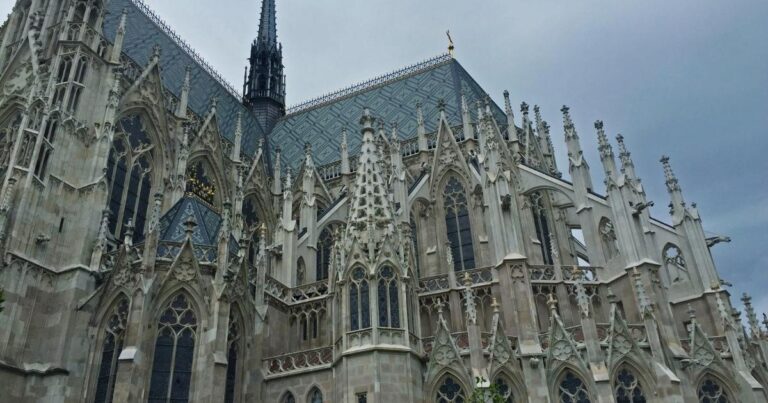
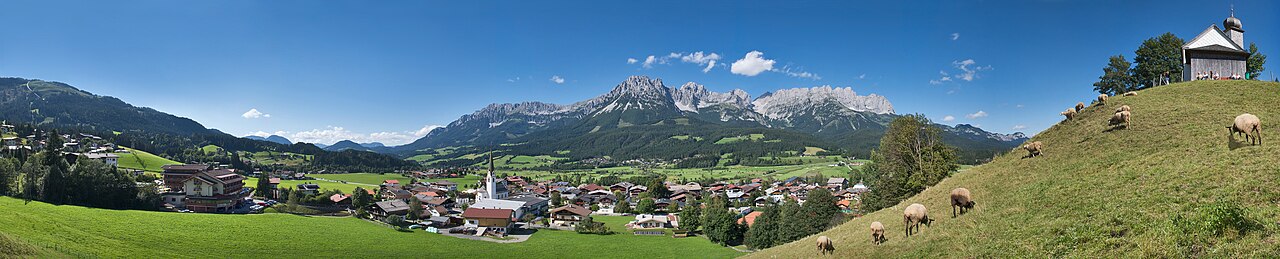
Every year, millions of viewers settle in front of their screens to follow the story of a likeable doctor set against a backdrop of alpine peaks. The catch is that the most famous German medical series isn’t actually filmed in Germany at all. That whole breathtaking mountain scenery is really located in neighbouring Austria — specifically in the Tyrolean region of Wilder Kaiser, right around Ellmau in Austria.
It’s a bit of a paradox, but it’s precisely these Tyrolean villages beneath the mighty limestone massif that give the whole story its romantic, unmistakable atmosphere. And even if you’ve never watched a single episode, this corner of the Alps will absolutely knock your socks off. In a relatively small area you’ll find gorgeous mountain lakes, picturesque wooden farmhouses and hundreds of kilometres of superbly maintained hiking trails.
Here you’ll find 12 tips on what to see and do in Wilder Kaiser, from the turquoise lake above Scheffau to the huts tucked under the limestone walls. I’ll also explain why so many people mix up the film villages, how to book a tour of the famous surgery and where to stay so that nothing is ever too far away.
TL;DR
- Austria, not Germany: All the exteriors of the popular series are filmed in Austrian Tyrol beneath the Wilder Kaiser massif.
- Four main villages: The region is made up of Ellmau, Going, Scheffau and Söll, each with a slightly different vibe.
- The surgery is in Ellmau: The famous Hinterschnabl farmhouse that serves as the film clinic sits above the village of Ellmau.
- Look for the Gruberhof in Söll: The hero’s family home (really the Köpfinghof) isn’t in Ellmau but in nearby Söll, and it’s accessible from May 2026.
- Limited tours: Guided visits to the surgery run only on Mondays and Fridays for a maximum of 16 people and require a booking.
- The region’s gem: Lake Hintersteiner See above Scheffau counts as the cleanest natural swimming spot in all of Tyrol.
- When to go: The best time to visit is late May and June, when the meadows are in bloom, or the winter months for skiers.
- Top tip: Book your accommodation and any tours well in advance — in high season the region tends to be hopelessly sold out.
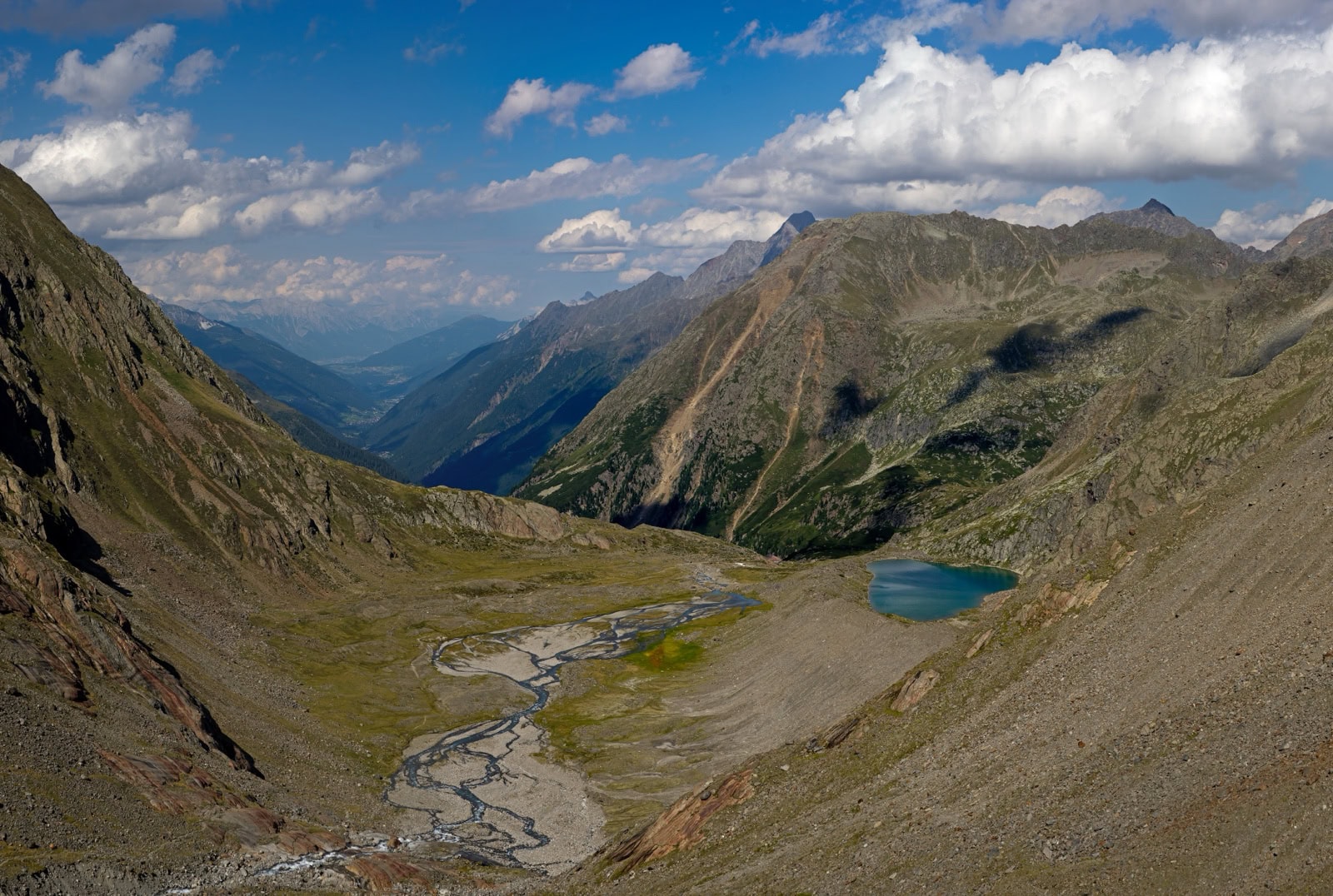
The full destination guide: Austria — guide and what to see
Where the region lies and how to get there
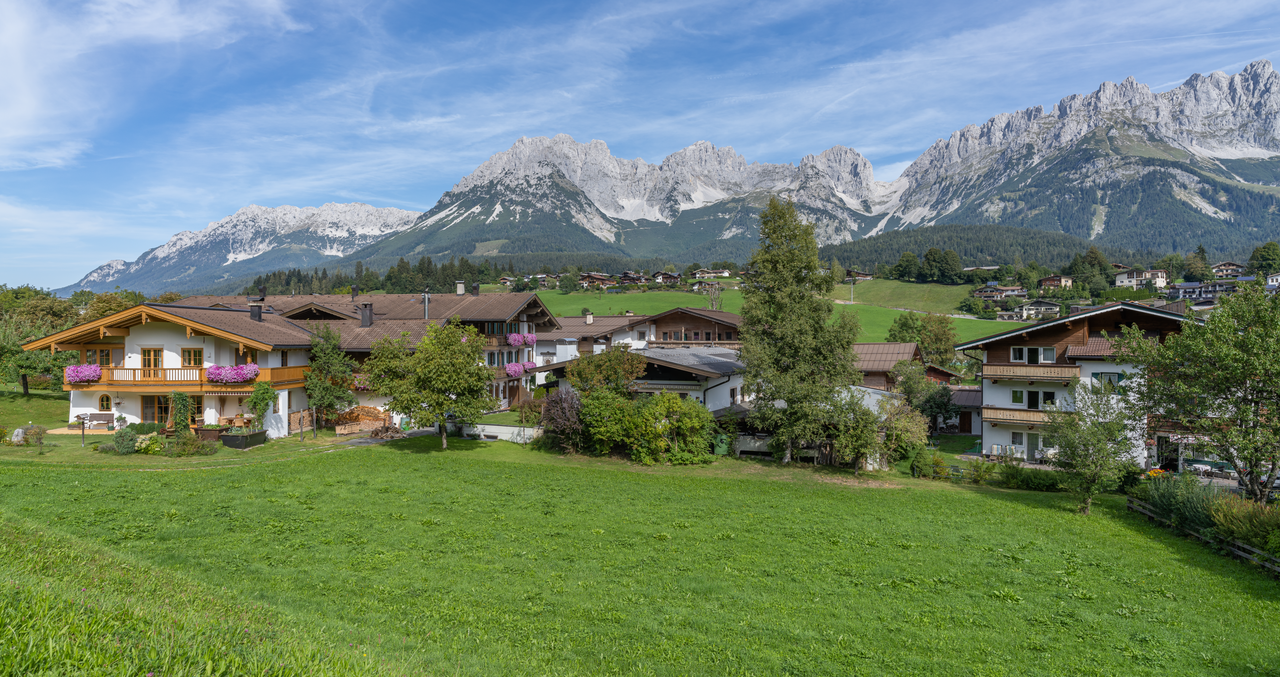
You’ll find the Wilder Kaiser area in the northern tip of Austrian Tyrol, just a short drive from the border with German Bavaria. The whole region is wedged between the mighty limestone wall of the Wilder Kaiser range to the north and the gentler, greener Kitzbühel Alps to the south. It’s exactly this dramatic contrast that makes the place such a perfect film set. The area is made up of four main villages, each offering a slightly different experience and well worth exploring.
The best known is undoubtedly Ellmau, the unofficial capital of the whole TV craze and home to the most amenities. Right next door lies Going, a very quiet and tiny village with a lovely historic square. Third comes Scheffau, the gateway to the mountain lakes, and the quartet is rounded off by Söll, the largest, with a lively atmosphere and a busy nightlife.
Reaching the region by car is fairly easy. From major European hubs it’s a comfortable drive along the motorway network, and the region is well signposted from all directions. If you’re coming through Germany, the fastest route usually runs via Regensburg and Munich, from where you drop straight south along the motorway to the Austrian border. Just remember to sort out an Austrian motorway vignette (toll sticker) in good time — it’s absolutely essential for using the motorways there.
If you prefer to fly, the nearest major airports are in Innsbruck, Salzburg and Munich — the nearest airport to Ellmau in Austria being Innsbruck. From there it’s only an hour or two into the region by rental car or a comfortable airport transfer. Airlines like Ryanair, easyJet and Lufthansa serve these hubs well. The big advantage of having your own car is the enormous flexibility once you’re there, because hopping between the individual villages and cable-car base stations is so much easier with a car.
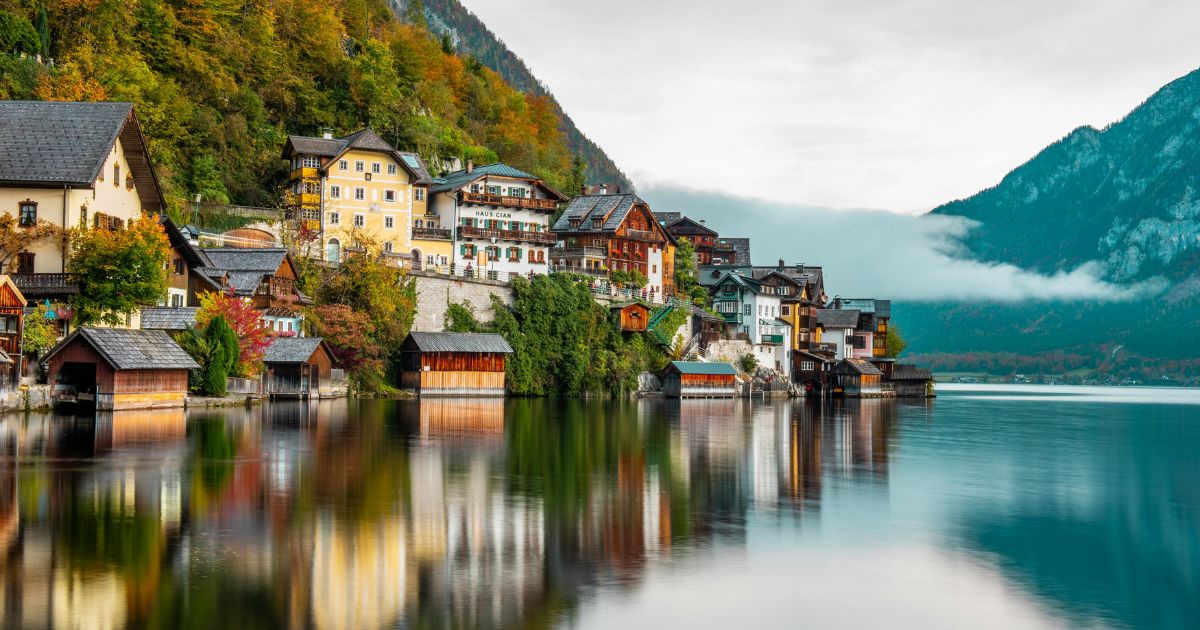
When to visit Wilder Kaiser and Ellmau in Austria
Picking the right time is absolutely key to a visit to this Tyrolean gem. The main summer season runs from June to September, when the weather is most settled and the temperatures tempt you out onto the trails and into the water. Just bear in mind that throughout August the region is bursting at the seams, as ordinary tourists mingle with crowds of enthusiastic TV fans. The weather in Ellmau in Austria is generally mildest and most reliable during these summer months.
If you’d like to enjoy the mountains in a bit more peace, I warmly recommend heading out in late May or June. In this period the alpine meadows are painted with millions of flowers, the peaks are still dusted with the last of the snow, and most mountain huts are already opening their doors to their first guests. It’s also the time when nature wakes up in incredible colours and the popular trails are relatively empty.
Winter sports lovers should pencil in the period from December to March. The whole area transforms into an enormous snowy playground and becomes part of the gigantic SkiWelt ski area, one of the very best in Europe. Under a blanket of snow, the villages take on an incredibly romantic feel, like something straight off a Christmas postcard.
Fans of the series need to keep one important logistical thing in mind. Filming of new episodes runs from late spring through to autumn, so the crew can capture material for both the summer and the so-called winter scenes. That means some specific locations may be temporarily closed during your visit because of the crew’s presence. On the flip side, these are exactly the months when you have the best chance of spotting your favourite actors live somewhere on the village green.
12 tips on what to see and do in Wilder Kaiser
The following twelve spots mix film locations with the things that draw people here even if they’ve never seen the Mountain Doctor. For each one I explain how to get there, when to go and what to watch out for.
1. The surgery at the Hinterschnabl farm in Ellmau
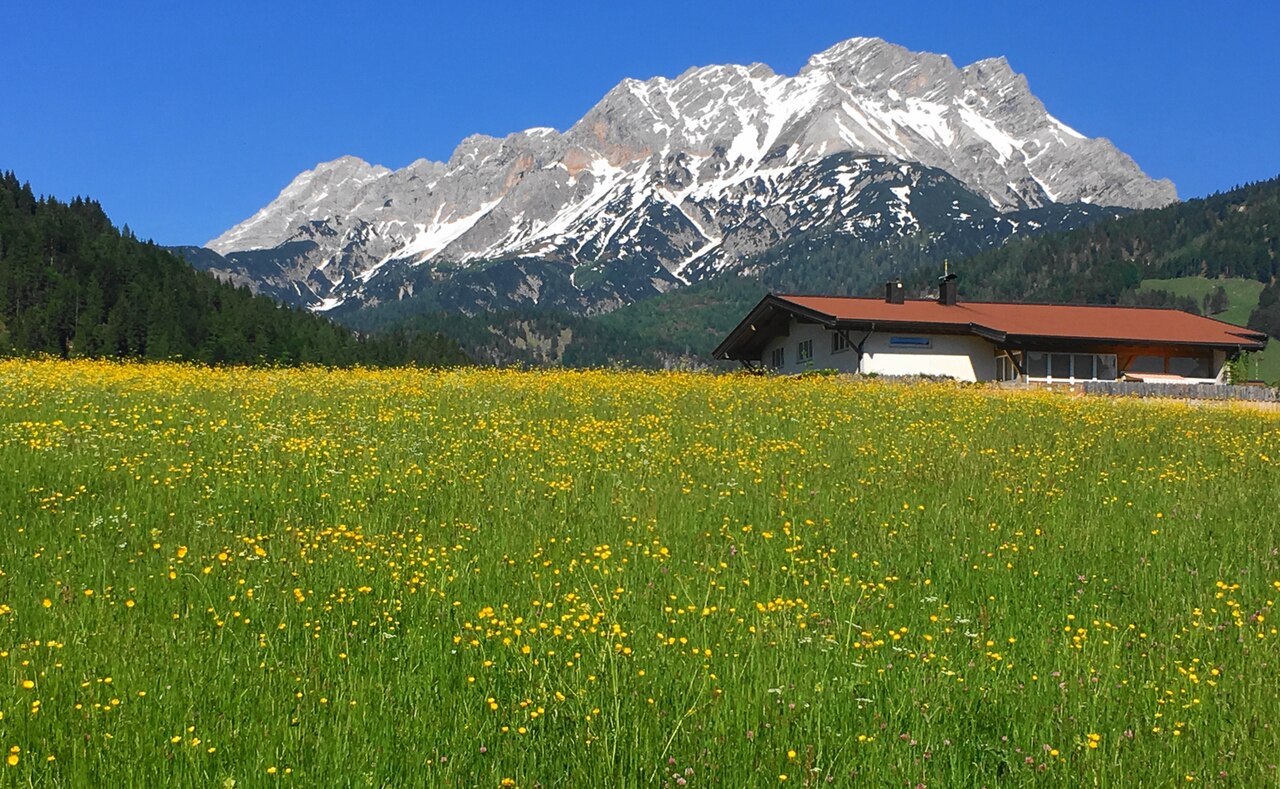
This is the absolute holy grail for every TV fan. The famous surgery sits in the old Hinterschnabl farmhouse, located in the Faistenbichl hamlet just above the village of Ellmau. From the outside, the building looks exactly as you know it from the screen. There are the traditional wooden balconies smothered in red geraniums and the perfect view of the jagged limestone peaks of the Kaisergebirge range in the background.
The history of this place is far older than the TV show itself. The first written mention of the farm dates back to 1694, which makes it a respectable historic landmark. It has served as the backdrop for the beloved hero’s practice continuously since 2007, and ever since, crowds of curious visitors have streamed here from all over Europe.
There’s one huge catch, though, that many visitors don’t know about beforehand and then leave disappointed. All the surgery interiors are filmed in a specially built studio, not inside this house. So if you just turn up blindly without a guide, you won’t get inside at all — you’ll only be able to snap a photo in front of the closed front door.
💡 Tip: You can’t drive up to the farm itself in an ordinary car — there’s a strict no-entry rule for non-residents. You have to leave the car at the designated car park in the centre of Ellmau and walk up to the surgery, about a twenty-minute stroll up a gentle slope.
2. The Gruberhof, aka the Köpfinghof farm in Söll
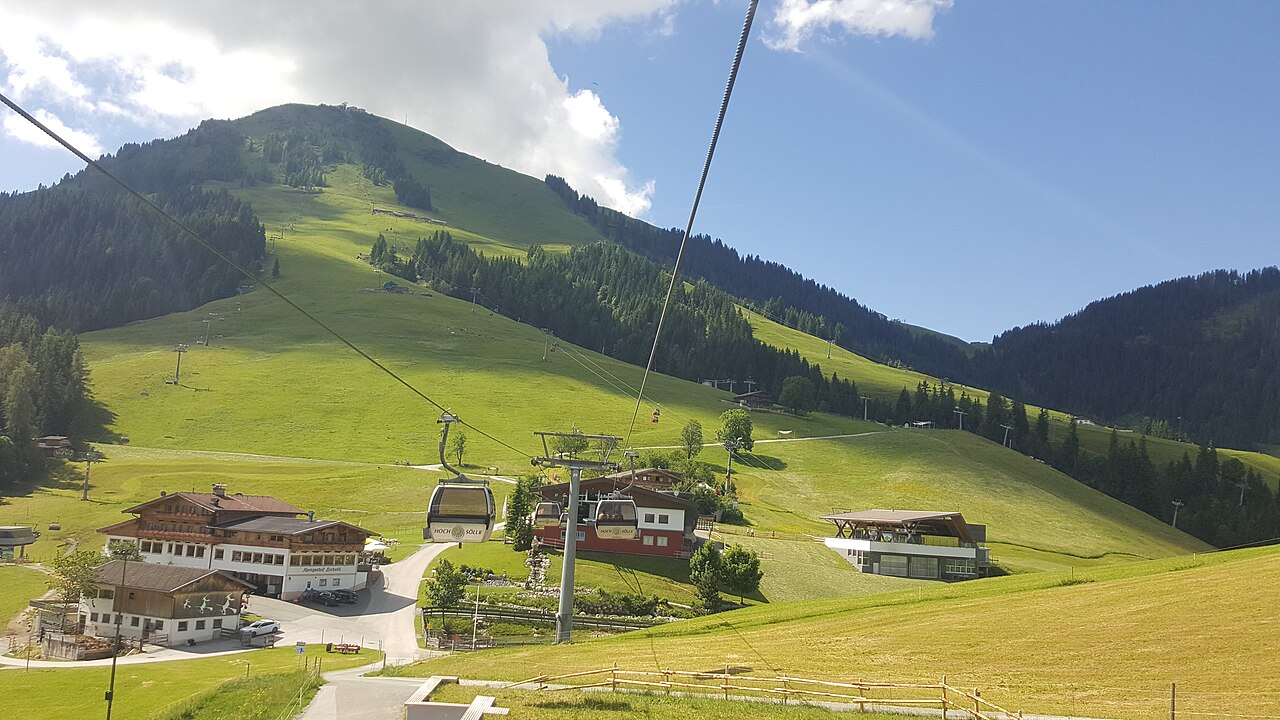
While you’ll find the surgery in Ellmau, to visit the main characters’ family home you have to head somewhere else entirely. The Gruber family homestead, actually called the Köpfinghof, sits high on the sunny slopes above neighbouring Söll. This is the mistake practically every other tourist makes. People wander around Ellmau and hunt in vain for the house with the panoramic terrace where the family regularly has breakfast in the series.
This picturesque farm lies at an altitude of around a thousand metres and offers absolutely incredible views over the valley and across to the mountain ridges opposite. A local family still farms here today, so this is no empty open-air museum but a living, working agricultural homestead. It’s exactly this authenticity that gives the TV shots their depth and believability.
The good news for all enthusiasts is that the site will reopen to the public from May 2026. Until then, the place was undergoing certain works and access was significantly limited. A trip up here is a great experience even for people who don’t watch TV, because the mountain architecture and the scent of fresh hay are simply priceless.
💡 Tip: The road up to the farm is extremely steep and narrow, so private cars aren’t allowed. The local tourist office, however, came up with a brilliant solution and offers special rides on a hay wagon behind a vintage tractor that carries you from the centre of Söll right up to the Köpfinghof courtyard. It’s enormous fun and I recommend buying tickets well in advance.
3. A guided tour of the surgery
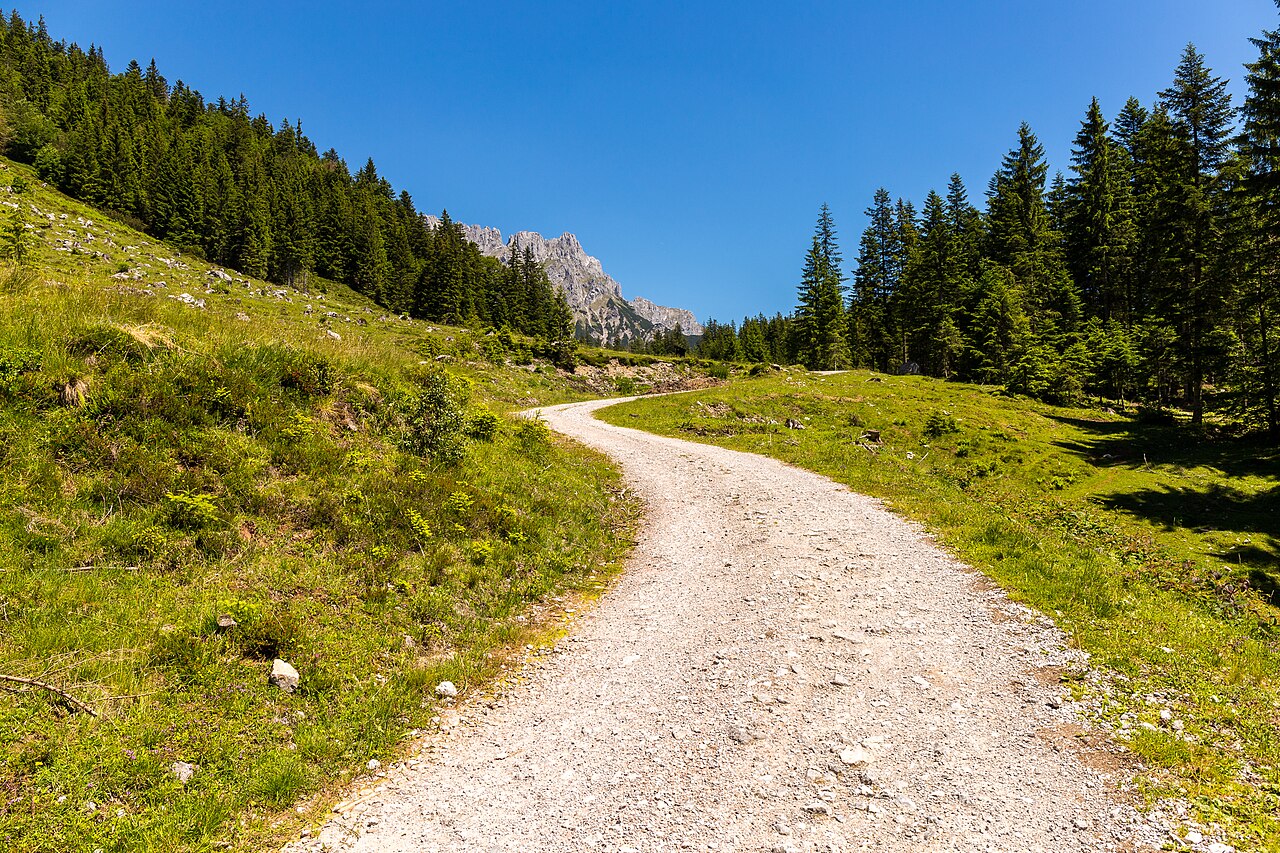
If a photo from the outside isn’t enough for you and you want a peek behind the scenes of the filming, you’ll have to pay for an organised tour. The exclusive guided visits to the surgery take place only on Mondays and Fridays, and even then only during periods when the film crew isn’t working on the farm. So it’s not the case that you can just buy a ticket whenever you fancy.
The whole thing is run by the local agency Top Kaiserguides, and participants always meet at their office in the centre of Ellmau. From there the group sets off together up to the Hinterschnabl farm. Along the way and at the spot itself, the guides share lots of interesting details about the building’s history, but above all they throw in entertaining anecdotes from the filming that you won’t read anywhere else.
A key limitation is capacity, since each group can have a maximum of 16 people. That guarantees a very personal and intimate experience, but on the other hand it means spots disappear at incredible speed. The guides take you into the courtyard, show you how the modern features of the house are disguised and explain the TV trickery with the space.
💡 Tip: These official guiding services tend to sell out weeks in advance in high season. So make your booking online from the comfort of home as soon as you know the exact dates of your holiday. Tickets for similar activities in the region can sometimes be snapped up via GetYourGuide too.
4. Swimming in the turquoise Hintersteiner See
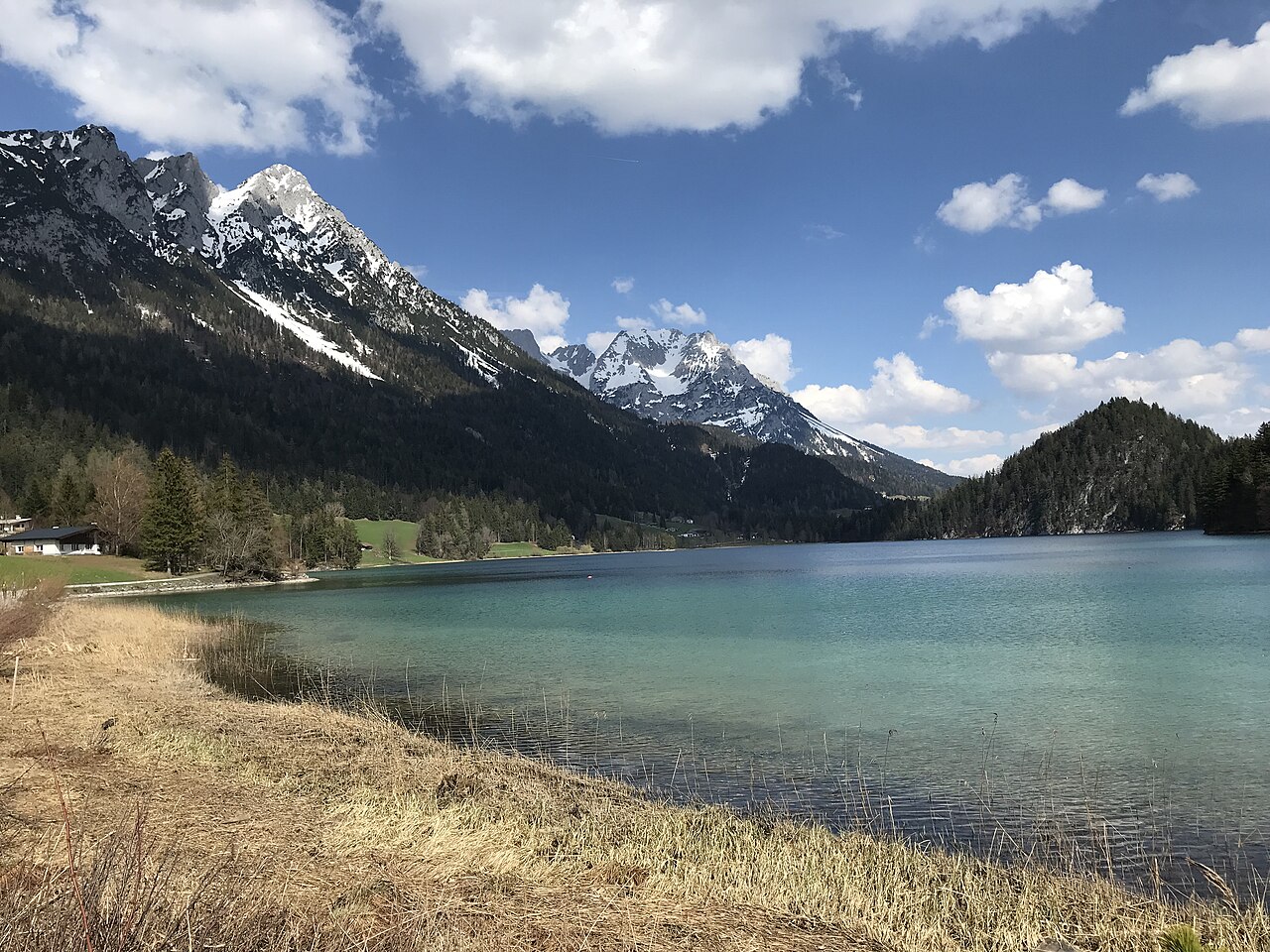
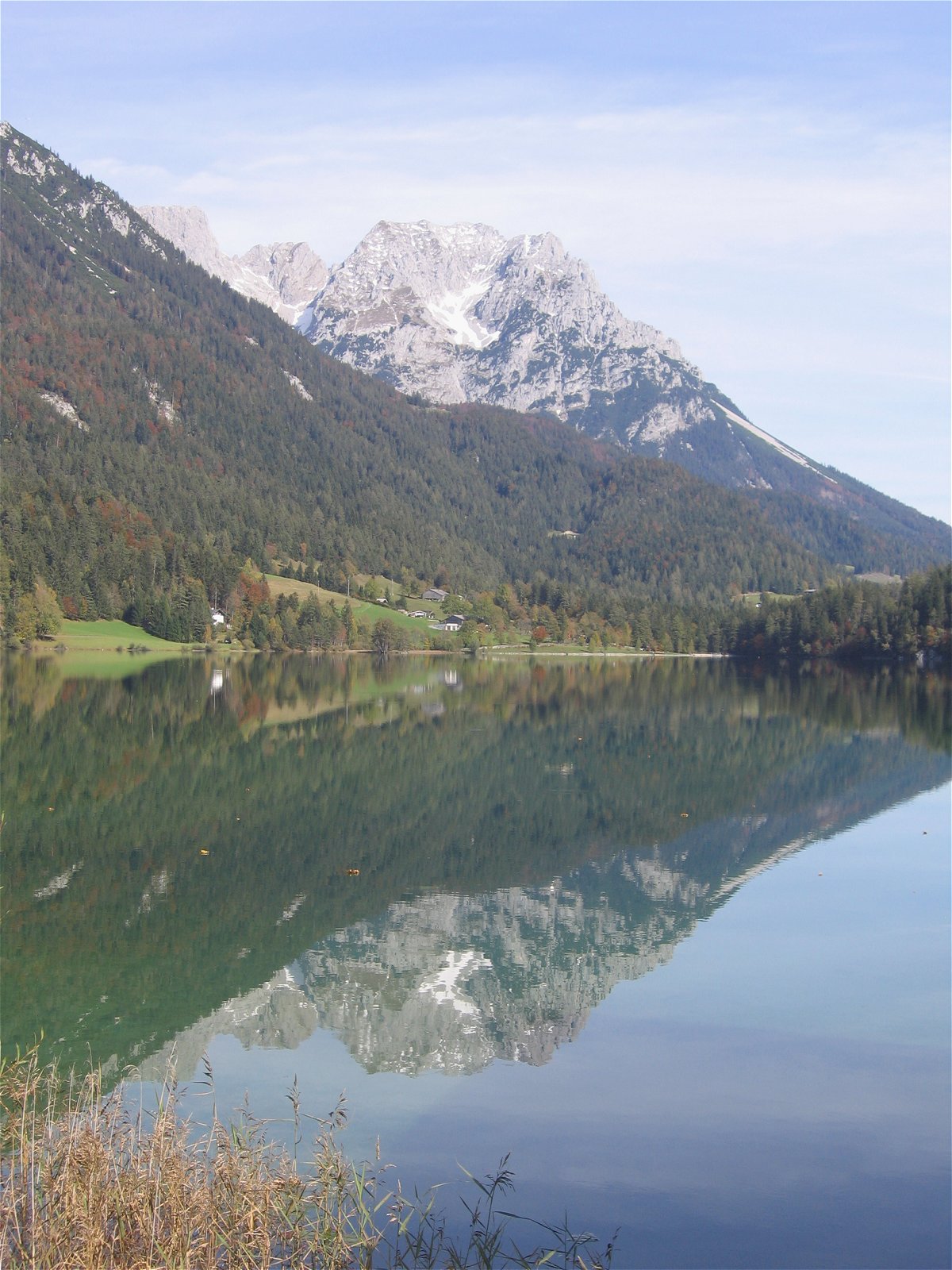
Once you’ve had your fill of chasing film locations, it’s time to head out for the real Tyrolean nature. The Hintersteiner See, lying above the village of Scheffau, is a true natural gem and an absolute must for every visitor. This mountain lake with its incredibly turquoise water is, for very good reasons, regarded as the cleanest natural swimming lake in all of Tyrol.
You can reach the lake from the centre of Scheffau in around 45 minutes of pleasant walking up a gentle slope, or a regular tourist bus runs up here too. A beautiful circular trail runs around the entire body of water, winding through deep forest and offering a slightly different view of the mirrored peaks at every bend. Walking it takes about an hour and a half, and even families with children can manage it easily.
In the summer months there’s a paid public bathing area on the eastern shore. The water in the lake is admittedly quite cold and will refresh you even on the hottest days, but that feeling of swimming in crystal-clear water surrounded by alpine giants is simply priceless. There are also several great cafés on the shore where you can enjoy a coffee with a view.
💡 Tip: If you’re planning to come up here by your own car, arrive early in the morning before nine o’clock. The paid car park right by the lake has very limited capacity and on sunny summer days it tends to be hopelessly full by mid-morning. Later on, the local police won’t let you up any more.
5. A hike to a mountain hut beneath the Wilder Kaiser walls
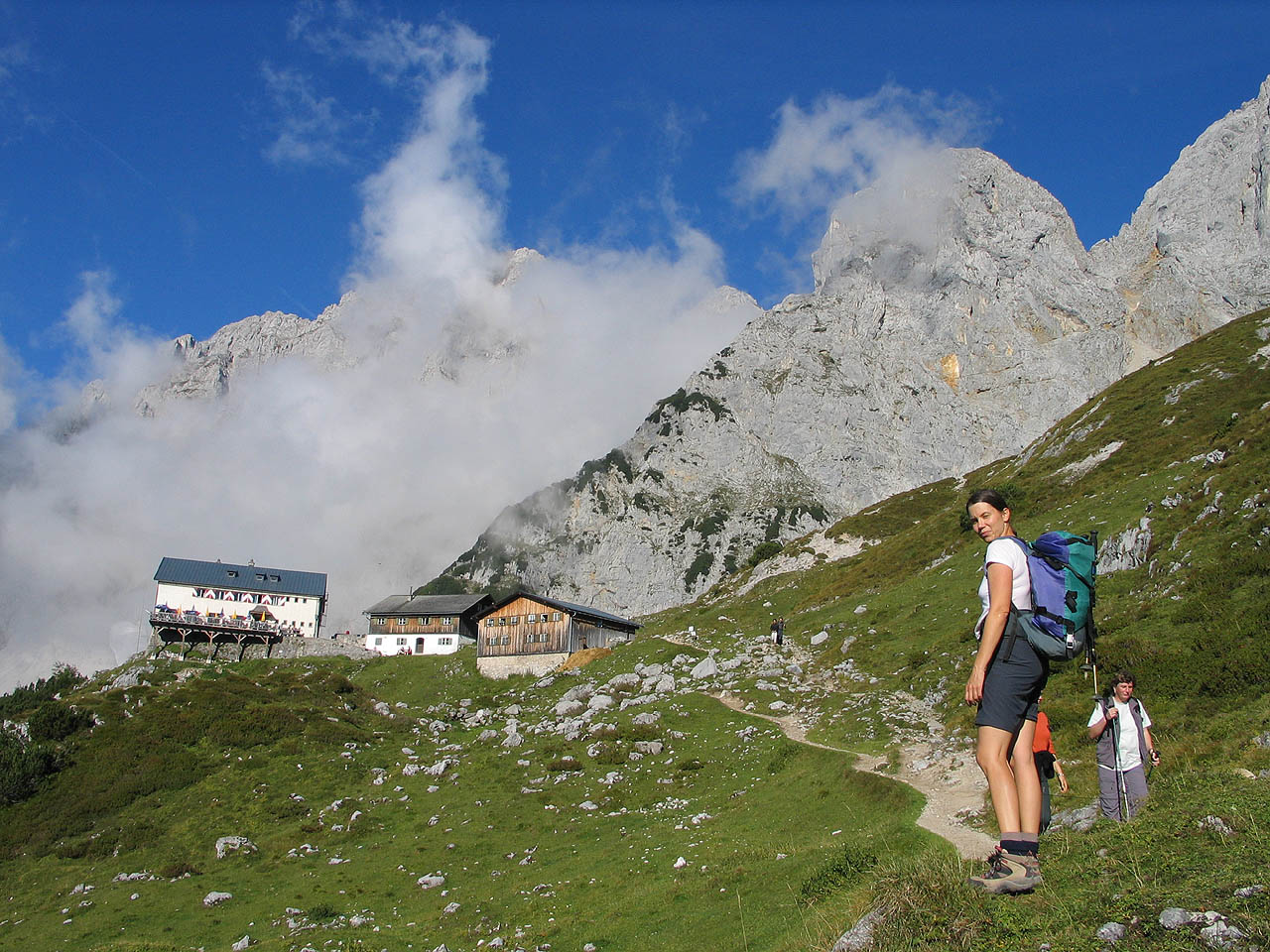
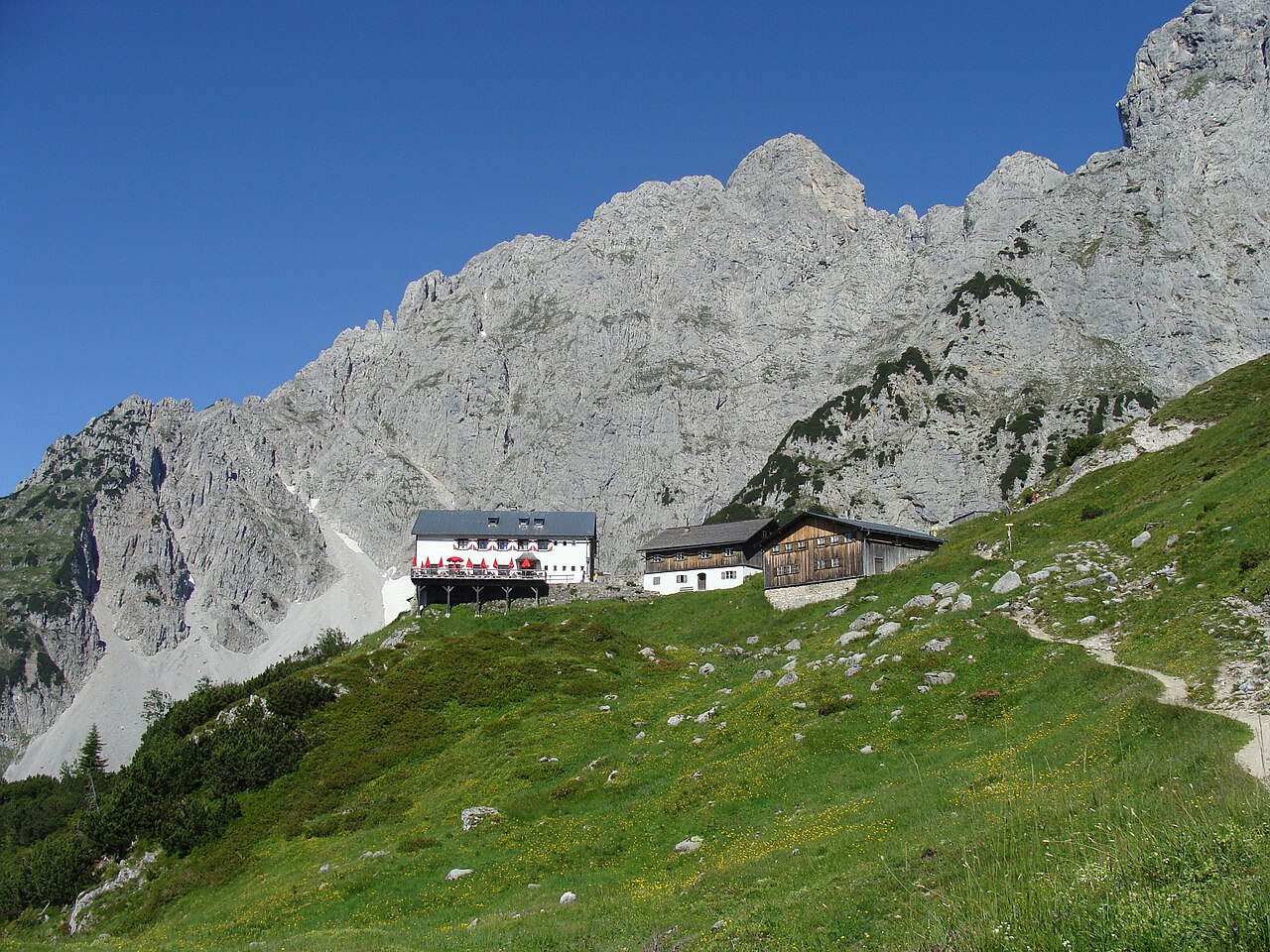
Being in Tyrol and not heading properly up into the hills would be an unforgivable sin. The Wilder Kaiser region was the very first alpine area to earn the Austrian quality seal for its excellent hiking conditions. Whether you’re an experienced mountaineer or just a casual rambler, the local infrastructure will amaze you with its sophistication and safety.
Around the main villages there are about nine perfectly waymarked full-day loops that take you through the best of the whole range. You can choose anything from easy-going valley trails running along streams and flowering meadows to demanding classic ascents to high-alpine huts wedged right in among the rugged limestone walls. Every step reveals new panoramas.
Among other things, the area is famed for its dense network of traditional mountain huts, or Almen. These wooden cabins not only provide shelter from any bad weather but above all work as fantastic restaurants using local ingredients. Climbing up to one, sitting on a sunny terrace and watching eagles circle above the ridges is the best relaxation under the sun.
💡 Tip: A great choice for a moderately demanding outing is the officially recommended route to the Gruttenhütte hut. It sits at over 1,600 metres and offers an absolutely phenomenal view of the entire valley. The climb up will give you a bit of a workout, but that feeling at the top and the subsequent ride back down by cable car is definitely worth it.
6. Exploring the centre of Ellmau in Austria
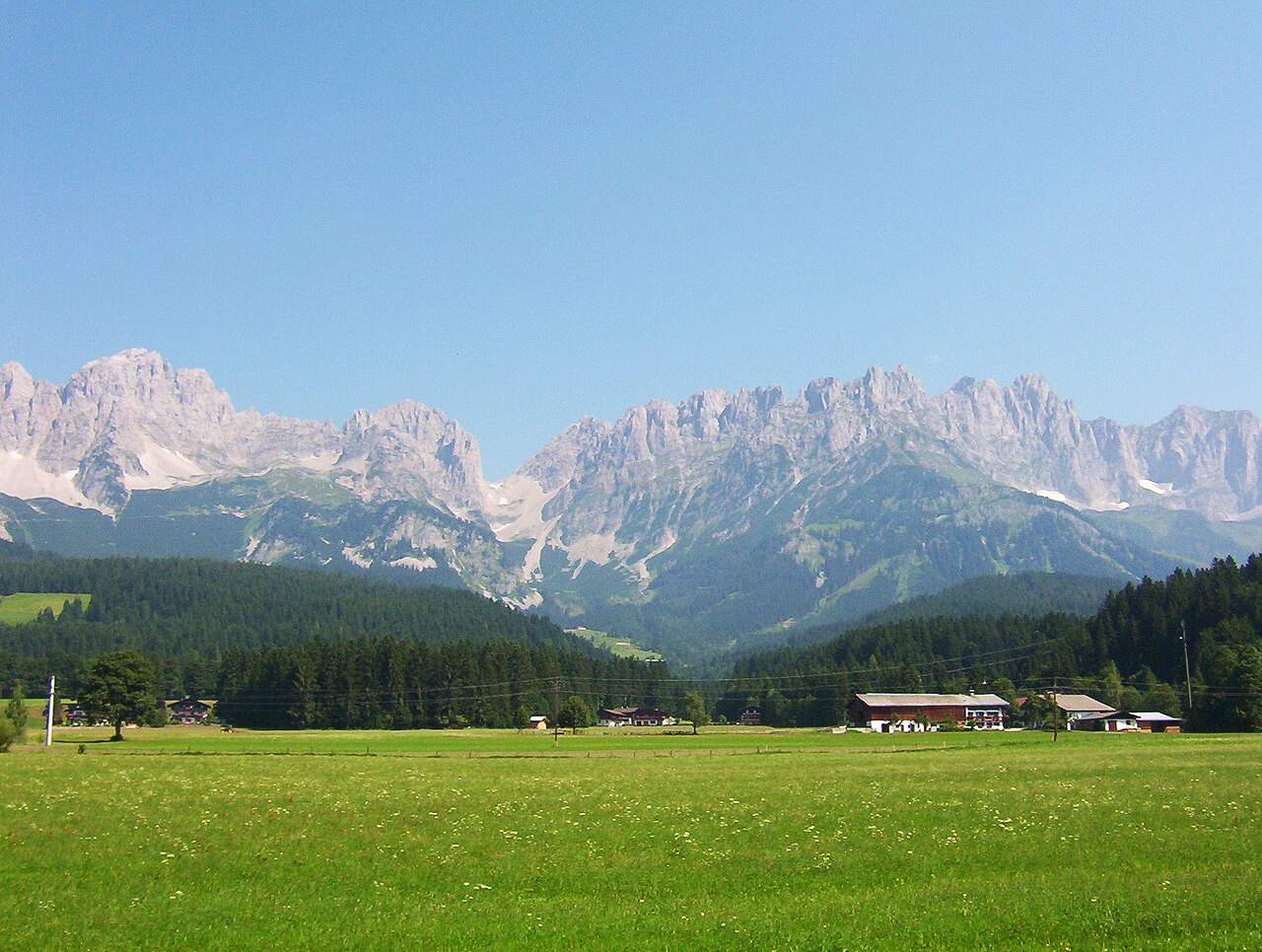
Even though we’ve already talked about Ellmau in connection with the surgery, the village itself deserves your full attention. It works as the main tourist hub of the whole area and offers by far the best infrastructure for visitors. You’ll find an enormous range of accommodation here, from luxury wellness hotels to cosy family-run guesthouses smelling of wood.
A stroll through the centre is very pleasant, even though it gets quite lively here in season. Dozens of traditional Tyrolean houses cluster along the main street, with painted façades and huge overhanging roofs. You’ll also find plenty of excellent bakeries where you can buy fresh, crusty bread for the road in the morning, along with little shops selling local craft products.
Ellmau is also where the super-modern Hartkaiserbahn cable car departs, whisking you high up into the mountains to over 1,500 metres in just a few minutes. At the top, the huge Ellmi’s Zauberwelt children’s adventure park awaits — an absolute lifesaver for any parents who need to keep their little ones entertained for a few hours in a safe mountain setting.
💡 Tip: In the middle of the village you’ll come across the old stone parish church of St Michael. Be sure to stop at the adjoining little cemetery, which is laid out in the typical alpine style with beautiful wrought-iron crosses. It’s a very peaceful spot, and it’s also a great place to photograph the Wilder Kaiser massif rising up right behind the church tower.
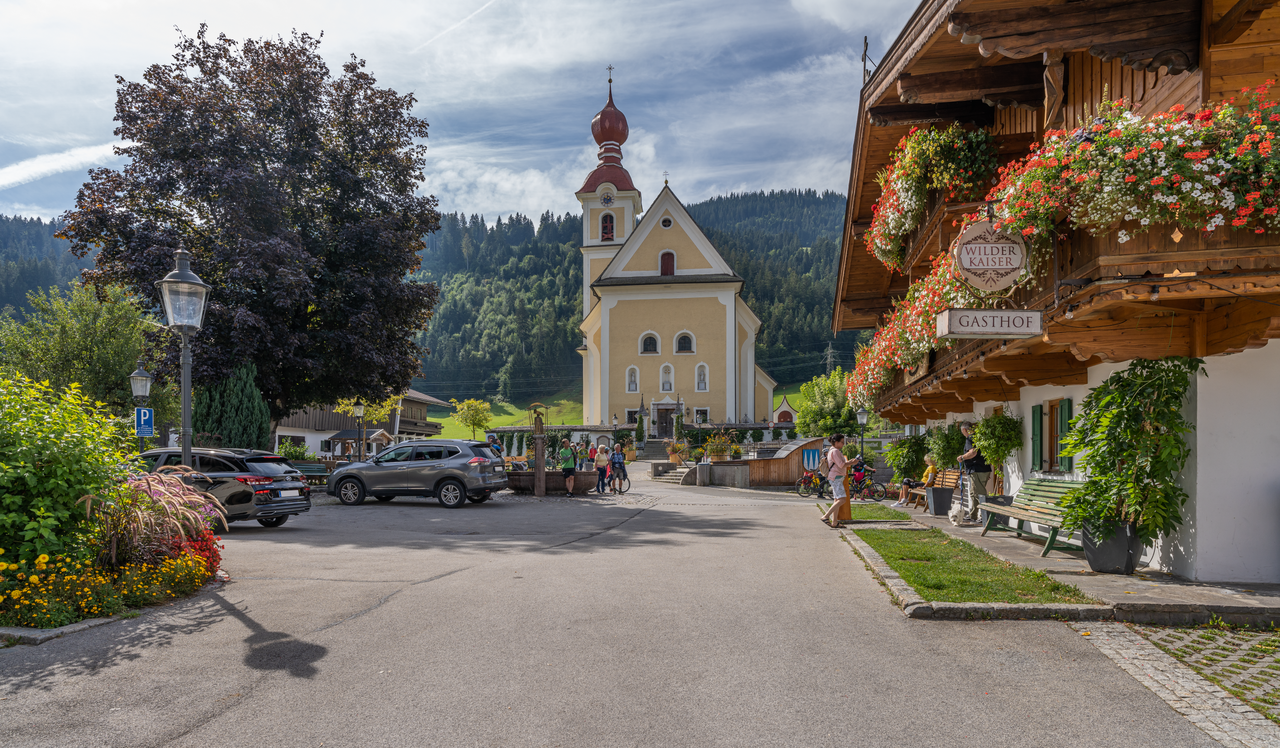
7. The film village square in Going
If you’re after a slightly more intimate atmosphere, just pop over a few kilometres to neighbouring Going. Going is the smallest and probably the quietest village of the big four, yet it plays an absolutely crucial role on the TV screen. Its historic centre is exactly what the filmmakers use as the main village green of the series.
Stand in the middle of the little square and you’ll instantly recognise the familiar sets. Here stands the iconic Gasthof Wilder Kaiser inn, whose exterior has appeared in practically every episode. Right opposite you’ll find the building with the pharmacy sign, and a little way off the classic village church. It’s all in one place and feels incredibly compact and cosy.
Unlike Ellmau, though, there’s considerably less traffic here and a minimum of commercial bustle. People come more for the peace, to sit over a coffee or for easy walks along the local river. It’s an ideal place for those who want to soak up the real sleepy atmosphere of the Tyrolean countryside without huge crowds of tourists.
💡 Tip: In summer, traditional craft markets are held regularly on the square in Going. Local farmers sell excellent mountain cheeses here and craftspeople demonstrate old arts, from woodcarving to weaving. If you hit the right date, definitely try the freshly baked farmhouse bread with cheese here.
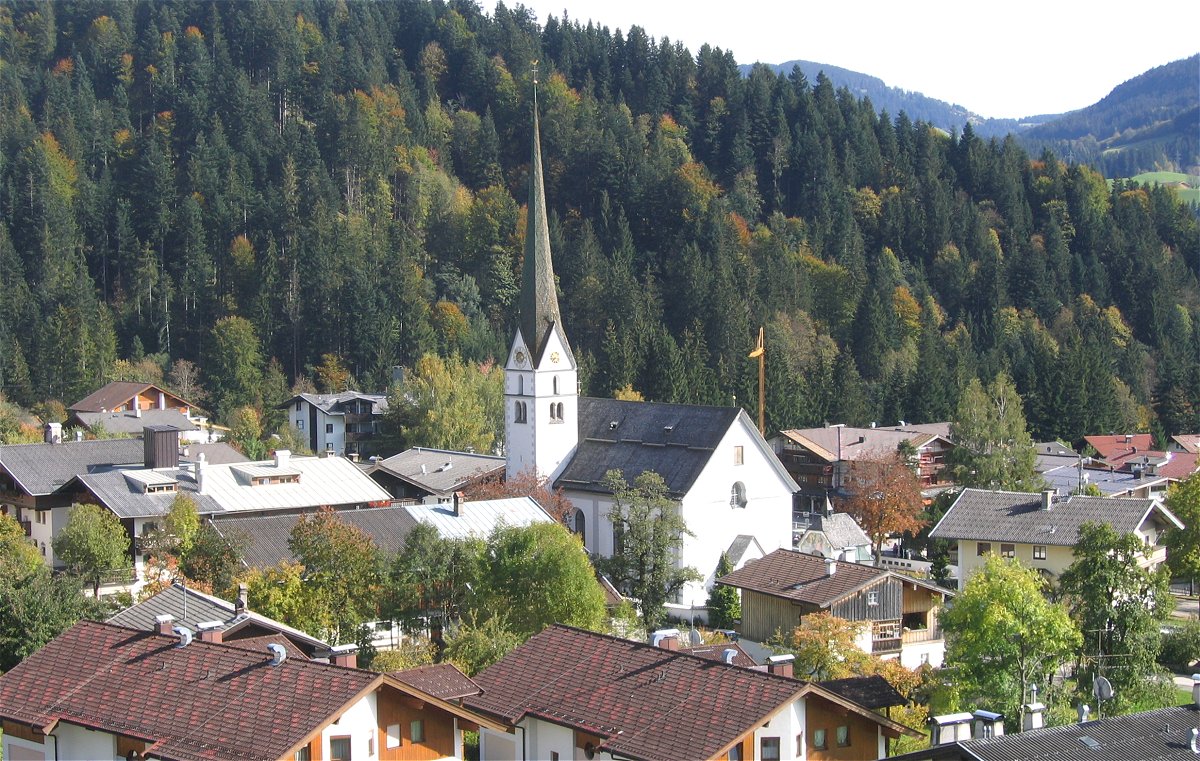
8. Relaxation and nature around Scheffau
The third village in line, Scheffau, has probably the closest bond with wild nature of them all. It works as the main starting point for the Hintersteiner See, but it offers far more than just a car park by the water. The centre itself is tucked slightly away from the main road artery, so it keeps a wonderful sense of calm and ease even in the highest season.
Around Scheffau you’ll find fantastic trails for a so-called Kneipp path, which is a therapeutic procedure based on alternately wading through icy mountain water. The local streams are absolutely ideal for it, and a barefoot walk over the pebbles in a freezing brook will wake you up better than a litre of strong espresso.
This village is also a great base for families. The Brandstadlbahn cable car comfortably takes you into the KaiserWelt adventure world, where giant wooden castles, rope centres and climbing frames set right into the alpine forest await the children. While the kids run wild in the fresh air, the grown-ups can drink in the valley views with a coffee in hand.
💡 Tip: Definitely take an easy evening walk along the Weißache stream that flows through the village. Thanks to the limestone bedrock, the water in it has an incredibly milky colour, and the roar of the raging current works as the perfect soundtrack for clearing your head after a demanding day in the mountains.
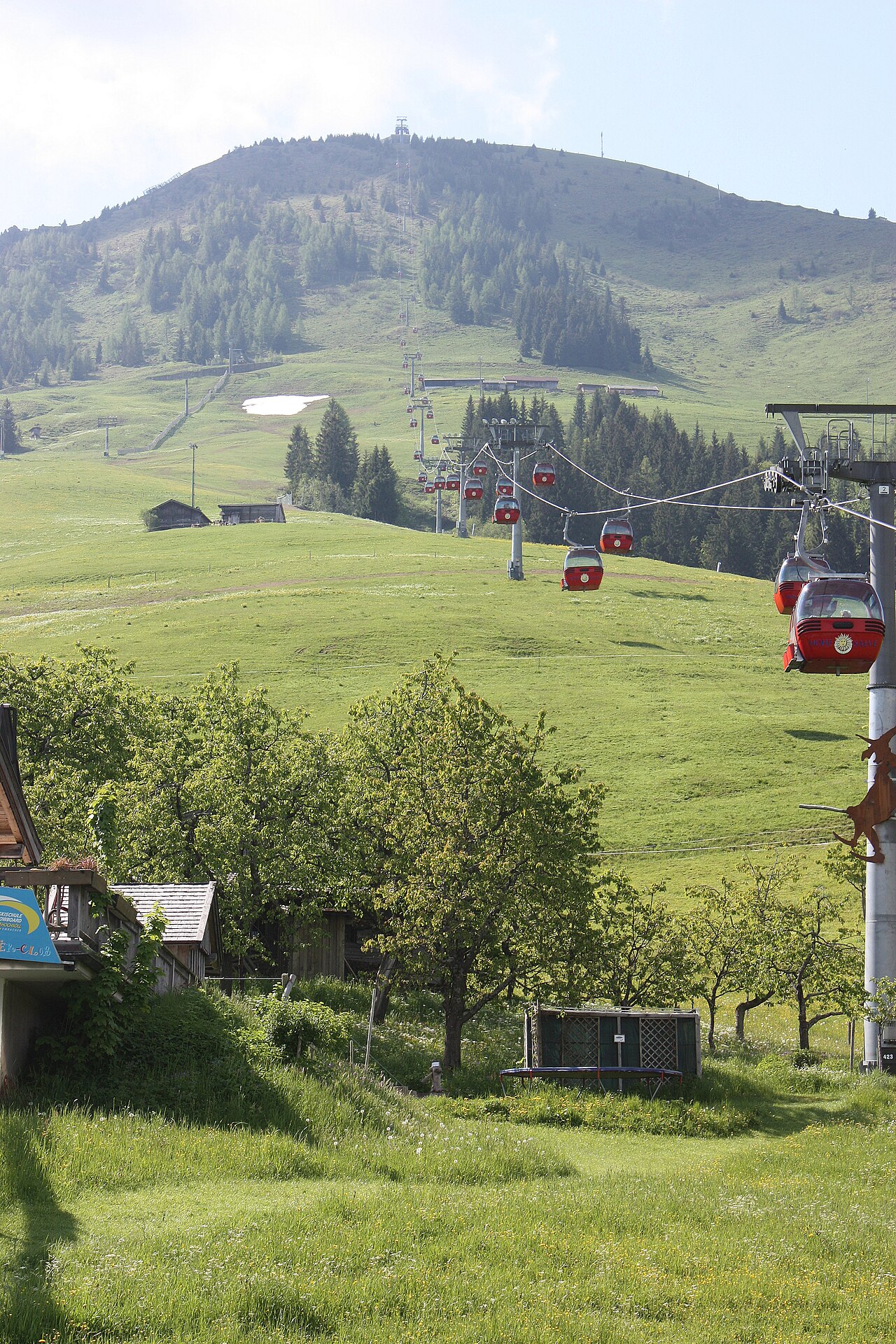

9. Lively Söll and the way up to the Gruberhof
The westernmost of the four villages is Söll, which counts as the largest and liveliest hub of the whole region. If you’re looking for a place that really comes alive in the evening and where you have dozens of great restaurants and bars to choose from, Söll is your clear choice. The architecture here is a little more spread out and the streets pulse with life late into the night — this is the heart of Ellmau’s wider nightlife scene in the region.
As we’ve already said, Söll is home to the famous Gruberhof, aka the Köpfinghof, so sooner or later every fan heads here. Beyond its TV fame, though, the village also offers the brilliant Hexenwasser (Witch’s Water) cable car. This huge water adventure park on the Hohe Salve mountain teaches children and adults alike how to discover the laws of nature through playful water features and mills.
Of all the villages, Söll also has the easiest access to the main motorway network towards German Kufstein. That makes it a very strategic base for those who, alongside the Wilder Kaiser massif itself, want to take more distant day trips around the wider area of Tyrol and Bavaria.
💡 Tip: Ride the modern cable car right up to the very summit of Hohe Salve, which rises to over 1,800 metres above sea level. The highest-set pilgrimage church in Austria stands at the top, and above all it opens up a fantastic 360-degree panoramic view of more than seventy three-thousand-metre peaks.
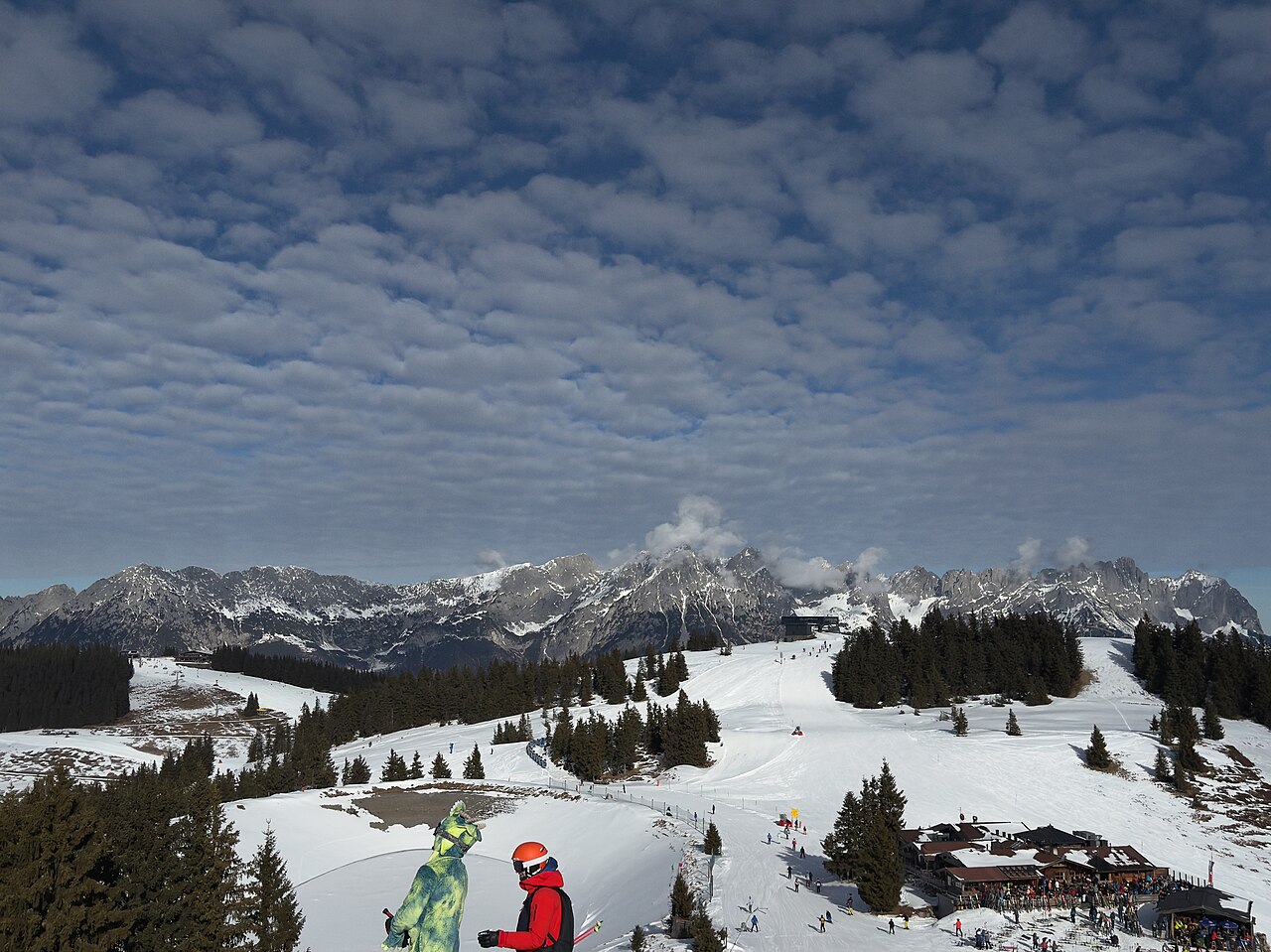
10. Winter madness at the Ellmau ski resort in Austria (SkiWelt)
Although most film tourists head to the region in summer, winter has its own utterly unmistakable magic. In December the whole area transforms and becomes a firm part of the enormous ski colossus SkiWelt Wilder Kaiser–Brixental. This interconnected area is one of the biggest and most modern winter resorts in the world.
You have over 280 kilometres of perfectly groomed pistes at your disposal, served by an incredible 90 modern cable cars and lifts. You could spend a week here and ski completely different slopes every day without once having to take off your skis or use a ski bus. The system linking the individual valleys is simply perfected. That’s why an Ellmau ski holiday, with its detailed ski map, is so popular with families year after year.
Even in winter you’ll come across the film locations, which look completely different under a thick layer of snow than in the summer shots. Plenty of the trails around the villages stay groomed for walkers too, so you can treat yourself to a romantic winter walk to a frozen lake or hire a sledge and ride down one of the long, floodlit evening runs.
💡 Tip: If you go in winter and skiing doesn’t tempt you, definitely try the local sledging runs. In Söll and Ellmau you’ll find long toboggan runs with evening floodlights that offer incredible adrenaline and plenty of laughs. The valley cable-car stations will happily lend you a sledge and you ride up comfortably by cabin.
11. A foodie stop at an alpine hut
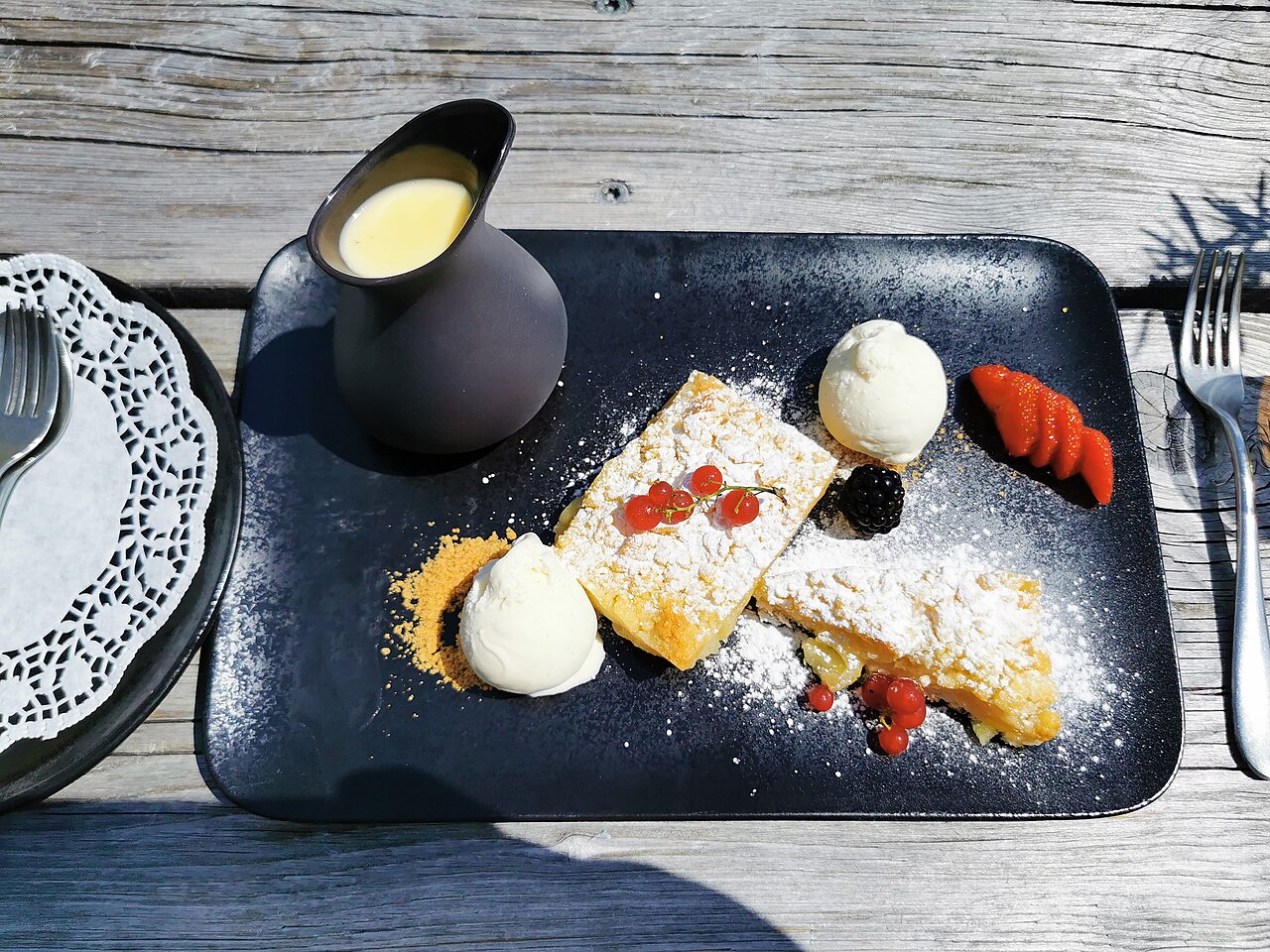
The Austrian Alps wouldn’t be complete without their phenomenal gastronomy. On every outing in the region you’ll come across countless wooden mountain huts, which no one here calls anything other than an Alm. A stop at a hut like this is a must, because the combination of fresh mountain air, sunshine and hearty local food is simply unbeatable.
Tyrolean cuisine is traditionally very meat-heavy — their smoked speck or hearty goulash is well known, for example — but you’ll find an enormous number of meat-free dishes here and they’re absolutely delicious. I warmly recommend trying the legendary Kasspatzln, tiny cheese dumplings baked with a huge layer of strong alpine cheese and topped with crispy fried onions. This dish will reliably fill you up for the rest of the day.
Another absolute classic is the sweet finish in the form of the traditional Kaiserschmarrn, or the emperor’s mess. Picture a huge, fluffy pancake torn into pieces, generously dusted with icing sugar and served with a proper homemade apple or plum compote. Add a mug of quality coffee with a view of the cliffs and perfection is complete.
💡 Tip: At some of the more remote huts high in the mountains they still don’t take cards, simply because there’s no stable signal up there. Always keep enough cash in euros on you just in case, to avoid an awkward situation when paying for lunch, and reckon on prices of roughly €12 to €18 for a main course.
12. A trip to Ramsau am Dachstein for the Bergretter series
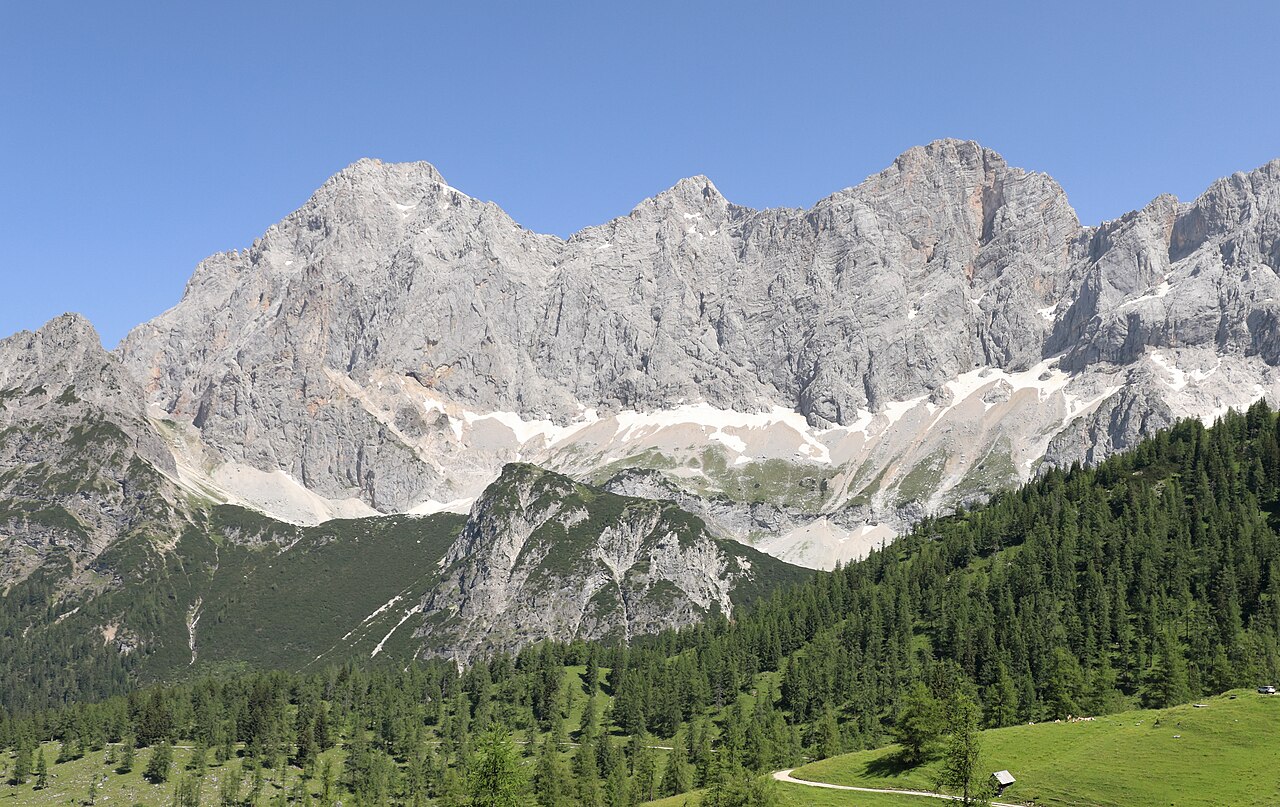
If you’re already in Austria and you enjoy discovering film locations, it would be a huge shame to skip the second great TV hit. The series about the alpine mountain rescue (Die Bergretter) is filmed in a completely different region — specifically in Styrian Ramsau am Dachstein. From the Wilder Kaiser massif it’s about a two-and-a-half-hour drive east through the beautiful Salzburg area.
In the centre of Ramsau stands the famous film “Bergrettung Zentrale”, the mountain rescue HQ that the filmmakers squeezed in between the local Protestant church and a row of hotels. The building has a huge Bergrettung Ramsau sign on it, but don’t be fooled. It really is just an empty film set — the genuine, working mountain rescue is based somewhere else entirely in the town and in far more modern premises.
Another important landmark for fans is Emilie’s farm from the series, which is actually named the Pernerhof and lies just above Ramsau. I warmly recommend this side trip, because the Dachstein massif itself offers a completely different, harsher kind of alpine nature with glaciers and stunning viewing platforms hanging over the abyss.
💡 Tip: If you decide to combine both regions into one big holiday, set aside ideally a full ten to fourteen days for it. That way you’ll have enough time to explore both locations at leisure, enjoy the drive over the alpine passes and never have to rush anywhere with your tongue hanging out. For inspiration for a longer route, you’ll find hiking tips on the official website of Ramsau am Dachstein.
The Mountain Doctor: what’s real and what’s studio
Now that we’ve gone through the best tips, let’s sum up once more the biggest misunderstandings that swirl around the filming. First of all, although it’s a project of the German broadcaster ZDF, not a single second of those beautiful alpine shots is made in Germany. Tyrol cherishes this production because it brings it enormous popularity and hundreds of thousands of loyal tourists who come here to spend money.
There’s also major confusion around the geography. The show creates the impression of a single idyllic village, but the surgery and the Gruberhof lie in two completely different places — the first in Ellmau and the second in Söll. The film village green with the inn and pharmacy, meanwhile, is in a third village, Going. What the hero walks across in five minutes in the series is really a solid twenty-minute drive by car.
The biggest disappointment for uninformed tourists tends to be the visit to the surgery. All the interiors you know from the screen are filmed in a special studio equipped with sliding walls and perfect lighting. The Hinterschnabl farm serves only as an exterior backdrop, so you’ll never get to look inside, because there’s actually nothing to see there.
If you want to go deeper, you have to follow the rules. Guided tours run exclusively on Mondays and Fridays, and even then for a strictly limited maximum of 16 people. If you don’t have a timely booking, you’re simply out of luck. And don’t forget that filming runs continuously from spring to autumn, so occasionally you’ll have to accept that your favourite viewpoint is currently occupied by vans full of lighting rigs.
Accommodation in Ellmau, Austria and around
The Wilder Kaiser area is one of the pricier and more sought-after Austrian regions. The price for a night in a decent guesthouse starts at around €100 for a double room, while better hotels with half board and wellness easily climb over €200 a night. Always choose your accommodation based on which village you want to run the most trips from. I’ve put together a few specific tips on great hotels that have excellent ratings and won’t let you down. We prefer to look for accommodation on Booking.com.
- Tirol Lodge (Ellmau): You’ll find this modern wooden complex right by the Hartkaiserbahn cable-car station. It has an amazing heated rooftop pool with mountain views and beautifully designed rooms, which is ideal for those who want to head straight up into the hills or onto the slopes first thing in the morning.
- Hotel Kaiserhof (Ellmau): If you’re after real luxury, this hotel offers one of the best wellness centres for miles around. Guests rave in their reviews about the fantastic five-course dinners and the enormous glass-walled saunas.
- Hotel Der Bär (Ellmau): A gorgeous boutique hotel whose biggest draw is the iconic outdoor infinity pool. You swim in it and feel like you’re floating right among the limestone peaks rising just behind it.
- Hotel Postwirt (Söll): A wonderful traditional hotel right in the centre of lively Söll, housed in a historic 13th-century building. Guests love their honest Tyrolean breakfasts full of local cheeses and eggs from nearby farmers.
- Kaiserlodge (Scheffau): An ideal choice for families, because this complex offers huge, fully equipped apartments with a kitchenette while still providing all the services of a classic luxury hotel, including a pool by a natural pond.
- Stanglwirt (Going): A legendary eco-resort regularly visited by world celebrities. It’s admittedly a considerably pricier affair, but its own organic farm, from which they cook all the food, and its huge thermal complex make it a once-in-a-lifetime experience.
- Hotel Alpin (Scheffau): A highly rated, quieter hotel that lies a little away from the main hustle. People come here mainly for the incredibly friendly staff and the wonderful calm, which is key for winding down in the evening.
Where to eat
Austrian gastronomy is hearty, honest and simply tastes best in the mountains. Although the Tyrolean tradition is strongly tied to meat and you’ll see rich Tyrolean goulash or the ever-present smoked Speck on the menus at every turn, the region offers absolutely fantastic options without meat too. Focus on the traditional mountain huts high above the valley, where they cook with local ingredients and where the whole place breathes farmhouse life.
In Scheffau, people rave about the Restaurant und Boutique Pension Jägerwirt, where the cooking is honest and the portions alpine-generous. Up above Söll you can stop at the Bergrestaurant Brandstadl or at the Alpengasthof Hochsöll near Hexenwasser, both with views that stretch a meal out to two hours. In Ellmau the Restaurant Kaiserbad has a good name, and up on the Hartkaiser there’s a large mountain restaurant right by the cable-car top station.
💡 Tip: At the huts you’ll almost always find Kaiserschmarrn, Kasspatzln (cheese dumplings with onions) and Germknödel. These are meat-free dishes that will fill you up even after a full day of hiking. The Tyrolean meaty classics, by contrast, are Speck and hearty goulash, which you’ll meet on the menus at every turn.
On your rambles through the mountains, definitely try the hearty dumpling soup with a giant cheese dumpling (Kaspressknödelsuppe), which will warm you up even in the ugliest weather. For lunch, treat yourself to an excellent potato Gröstl, which a good restaurant will happily prepare in a vegetarian version with a fried egg and herbs. The aforementioned cheesy Kasspatzln are a safe bet, as is the giant blueberry-filled Germknödel, drenched in a litre of hot vanilla sauce. You definitely won’t go hungry here.
Quick cheat sheet: film locations in the region
So that you don’t get completely lost on the ground, I’ve put together a clear table of the most important TV spots. You can snap a photo of it on your phone so you know exactly where to point your sat nav when you’re hunting for the right village.
| Location in the series | Real place | Village | Access |
|---|---|---|---|
| The doctor’s surgery | Hinterschnabl farm | Ellmau | Outside yes, interiors no. Tours Mon/Fri. |
| The Gruberhof family home | Köpfinghof farm | Söll | Accessible from May 2026, tractor rides. |
| Village green and Wilder Kaiser inn | Village centre | Going | Freely accessible public space. |
| Lake for summer scenes | Hintersteiner See | Scheffau | Freely accessible, paid car park. |
| Pharmacy and church | Historic square | Going | Freely accessible from the street. |
| Mountain rescue HQ (Bergretter) | Building by the church | Ramsau am Dachstein | Outside, 2.5 hours from Wilder Kaiser. |
| Emilie’s farm (Bergretter) | Pernerhof | Ramsau am Dachstein | Surroundings freely accessible, outside. |
| Views and ski scenes | SkiWelt and Hohe Salve | Whole region | Freely accessible by cable car and trails. |
Where to next
If the Austrian Alps have stolen your heart and you want to explore other corners of this beautiful country, we have plenty more inspiration on the blog. If you’re driving and have a whole week to spare, definitely check out our Austria Road Trip: a 7-day itinerary, where you’ll find a great route linking mountains and cities. For the luckier among you with a longer holiday, there’s the big Austria Road Trip: a 14-day itinerary.
More interested in swimming and relaxing by the water? Then be sure to read our big overview on Austrian Lakes, where you’ll find tips on the most turquoise bathing spots from the Salzkammergut to Carinthia. And if you’re after a bit of luxury and bubbles on the way home, don’t miss our pick of the Best Water Parks and Thermal Baths in Europe.
Frequently asked questions
Tips and Tricks for Your Vacation
Don’t Overpay for Flights
Search for flights on Kayak. It’s our favorite search engine because it scans the websites of all airlines and always finds the cheapest connection.
Book Your Accommodation Smartly
The best experiences we’ve had when looking for accommodation (from Alaska to Morocco) are with Booking.com, where hotels, apartments, and entire houses are usually the cheapest and most widely available.
 🚗 Car rental on the roadVerified rental cars in Austria
Search with the DiscoverCars comparison engine — it compares prices from dozens of local and international rental companies, and most bookings come with free cancellation.
Compare car prices in Austria →Don’t Forget Travel Insurance
Good travel insurance will protect you against illness, accidents, theft, or flight cancellations. We’ve had a few hospital visits abroad, so we know how important it is to have proper insurance arranged.
Where we insure ourselves: SafetyWing (simple monthly subscription) and TrueTraveller (for extra-long trips).
Find the Best Experiences
Get Your Guide is a huge online marketplace where you can book guided walks, trips, skip-the-line tickets, tours, and much more. We always find some extra fun there!