Tallinn Estonia is so compact and easy to navigate that you can comfortably explore its historic centre on foot in a single weekend. There is one major catch, though: between 9 a.m. and 6 p.m., the cobbled lanes regularly fill with thousands of people from huge cruise ships. Once you know about this relentless daily rhythm, you can cleverly turn your schedule around and enjoy the city without being squeezed into the crowds.
If you plan your itinerary strategically and avoid following the main flow, you will discover the best-preserved medieval city in Northern Europe in all its quiet beauty. You simply need to know where to go and when—and that is exactly what we will show you here, step by step.
We have put this guide together in detail, including tips for excellent meat-free food, approximate prices and advice on where to book a room. ☺️ Trust me, Estonia’s capital is no longer the cheap Eastern European destination it once was. It is a confident Nordic city that will captivate you with its outstanding food scene and digitalised everyday life.
Summary
For those of you who like to have all the essentials in one place, we have prepared a quick overview. In just a few points, you will learn how much time and money to set aside for Estonia’s capital.
You will also find out when it is best to visit and how to plan your trip efficiently without unnecessary stress. Here is a brief summary of the most important things to know for your trip.
- How many days are enough: Two full days are more than enough for the main sights and a taste of the atmosphere, but if you also want to visit the bogs or take a ferry across the sea, set aside three days.
- How much it costs: Expect prices closer to Berlin than Prague. A weekend for two on a mid-range budget costs roughly €650–€820, including flights and accommodation.
- How to get there: During the summer season, you can use direct flights from major European hubs (Eurowings operates some routes); outside the season, flights usually involve one quick connection via Riga or Helsinki.
- What not to miss: You will love an early-morning walk through Katariina käik without a single tourist and evening views of the illuminated city from Toompea Hill.
- The key to avoiding crowds: Visit the historic Old Town only early in the morning or in the early evening, while spending the day in the creative districts of Telliskivi or Noblessner.
- When to go: Experienced travellers particularly praise September for its calmer atmosphere, but December is magical too, thanks to its famous Christmas markets.
The full destination guide: Estonia — guide and what to see
Before You Go: What You Should Know
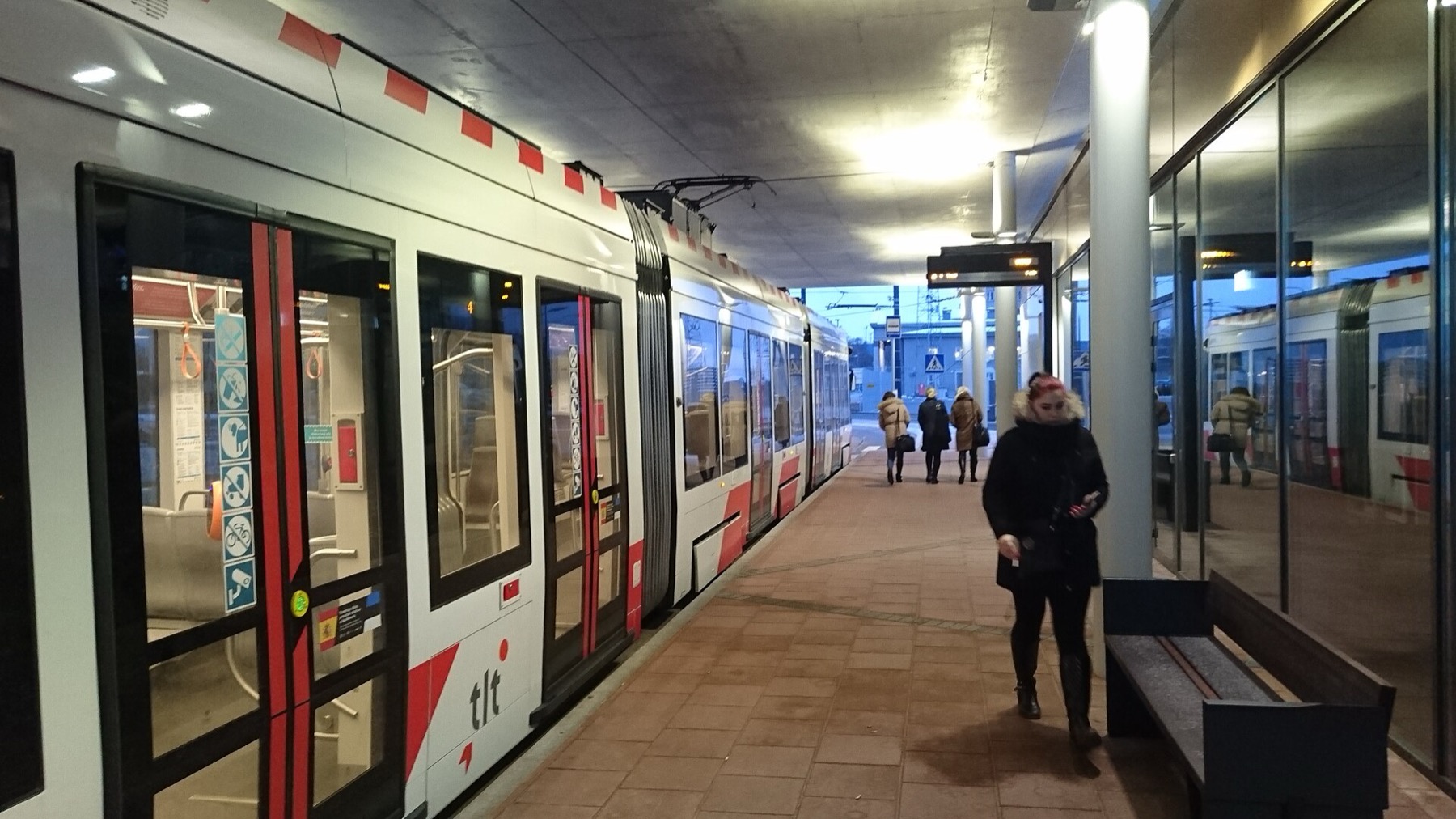
Estonia is a technological powerhouse and everything works incredibly smoothly here, so getting from the airport to the centre is effortless. Lennart Meri Airport regularly ranks among Europe’s most pleasant airports, where you will appreciate the free drinking water and comfortable lounge chairs. It is only four kilometres from the centre, and under normal circumstances the convenient number 4 tram will take you there. Alternatively, you can use the local Bolt app, which was actually founded in Estonia. A car ride directly to the Old Town walls costs around €5–€12 depending on current demand and takes a pleasant 15 minutes.
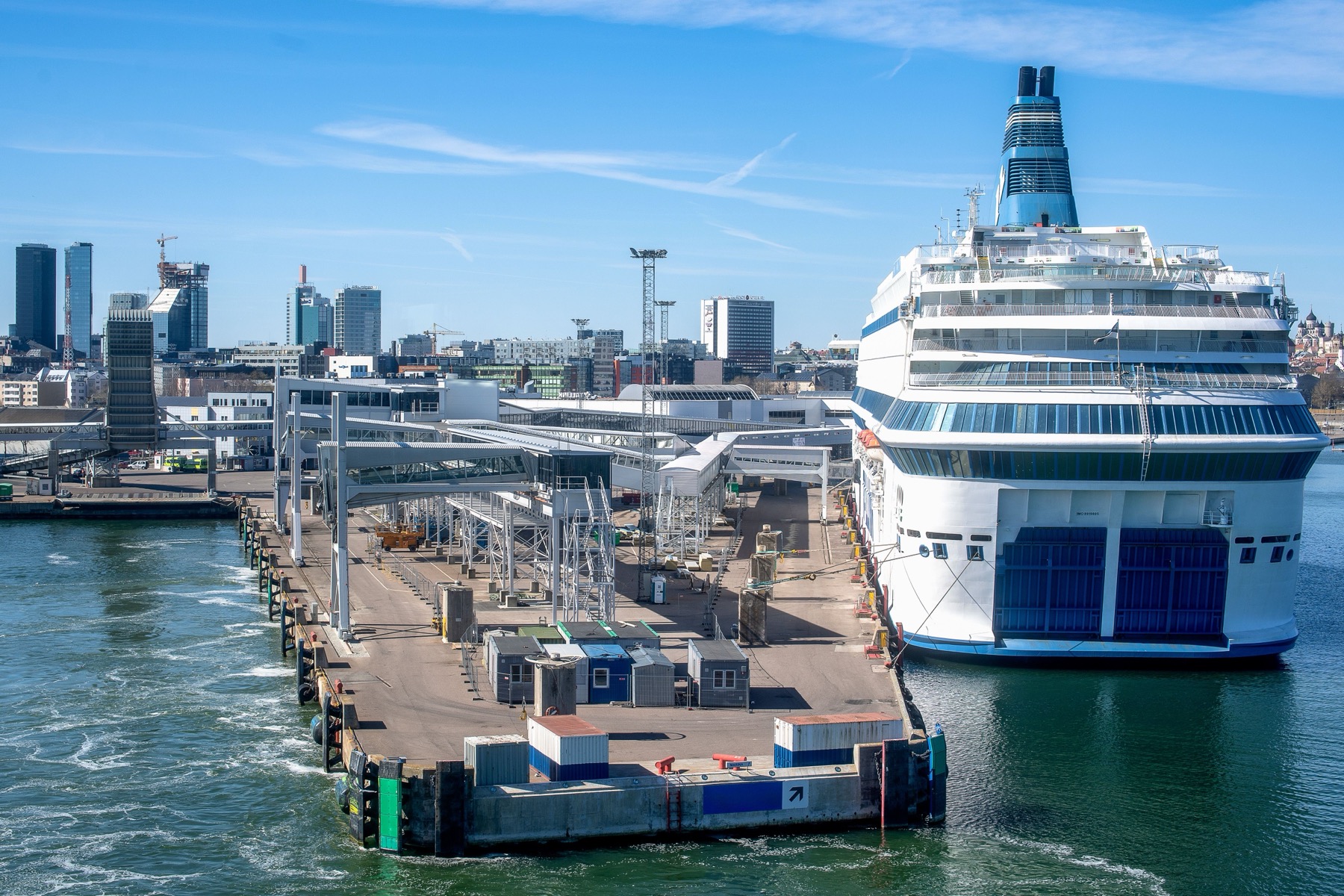
If you arrive in Tallinn by ferry from Scandinavia, you can walk from the port to the historic centre at an easy pace in about 15 minutes. Since the end of 2024, the brand-new number 2 tram line has also been operating, conveniently connecting both main passenger terminals at the port directly with the city centre and the railway station. Public transport is paid for by tourists, but buying a ticket is exceptionally easy. Simply tap your bank card to buy a ticket at the orange validator, which is always located by the front doors of every vehicle.
The system is clever enough that it will never charge you more than €5.50 per day, which is the price of a day ticket. A single ride otherwise costs €1.50, and paper tickets have long since disappeared, so all you need is your phone or a regular contactless card. You practically do not need cash at all in Tallinn, as you can pay by card absolutely everywhere—from small vegetable stalls at the market to street sellers offering souvenirs and crafts.
Tallinn Card (€29 for 24 hours, €41 for 48 hours, €51 for three days) is worthwhile only if you plan to visit at least two major paid museums every day, since individual entry fees to the main attractions otherwise range from €15 to €22. Otherwise, save your money. 😅 You certainly do not need to worry about language barriers either. You can communicate perfectly in English—not only with young people working in services, but also on the street—and despite their Nordic reserve, locals are very welcoming to foreigners.
The Trick That Will Save Your Weekend
For your itinerary to work smoothly, you need to understand one thing: how maritime tourism works in Tallinn. Huge cruise ships dock in the harbour from around 9:30 a.m. until 6 p.m., and it is precisely during this window that thousands of day-trippers pour into the narrow lanes. In summer, two ships can release as many as 6,700 passengers into the city at once, turning the romantic Old Town, with its medieval atmosphere, into a rather exhausting theme park.
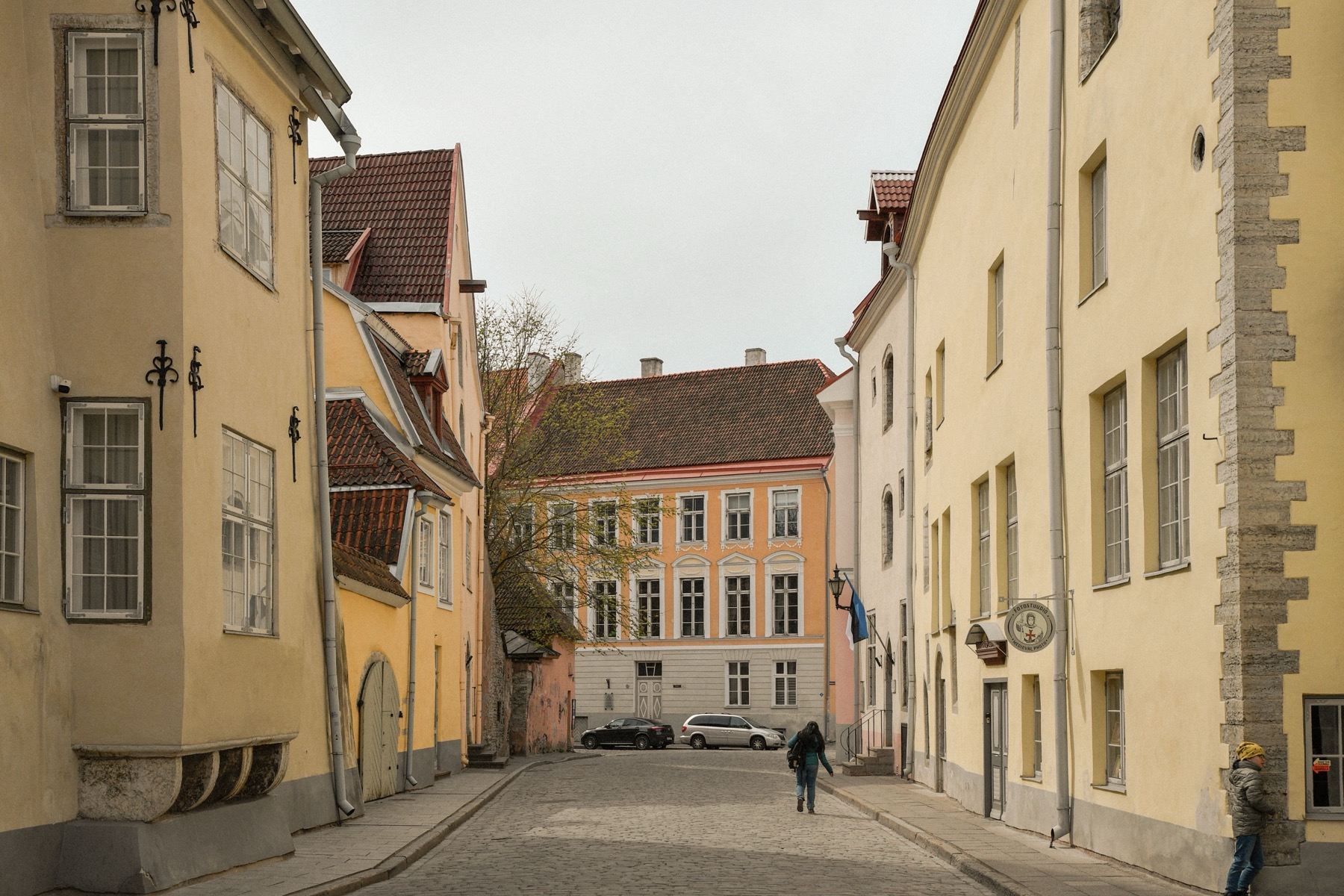
The rule is very simple: explore the medieval centre in the opposite way to most guidebooks. Get up early and walk through the most photographed lanes in peace before 10 a.m., before the first organised groups led by guides with colourful umbrellas arrive. Once the city starts filling up and the prices in the cafés around the Town Hall seem to double, simply clear out and disappear beyond the walls to the modern districts or head for a walk by the sea.
Return to the historic centre in the early evening, when the ships sail back to Helsinki or onwards to Stockholm. The Old Town empties out beautifully, historic lanterns on wrought-iron brackets light up, and you can finally enjoy the true Nordic melancholy that day-trippers from their ships will never experience. This simple shift in timing determines whether you fall in love with Tallinn or leave annoyed by the crowds getting in your way.
Day-by-Day Itinerary
We have prepared a plan that takes the cruise-ship strategy described above into account, so you can elegantly avoid the tourist peaks. This way, you can see the most beautiful sights without unnecessary stress and still have plenty of time left to explore modern districts or enjoy excellent coffee.
Following this plan, you will discover not only the historic highlights, but also get a glimpse of the locals’ real everyday life. Let’s get started.
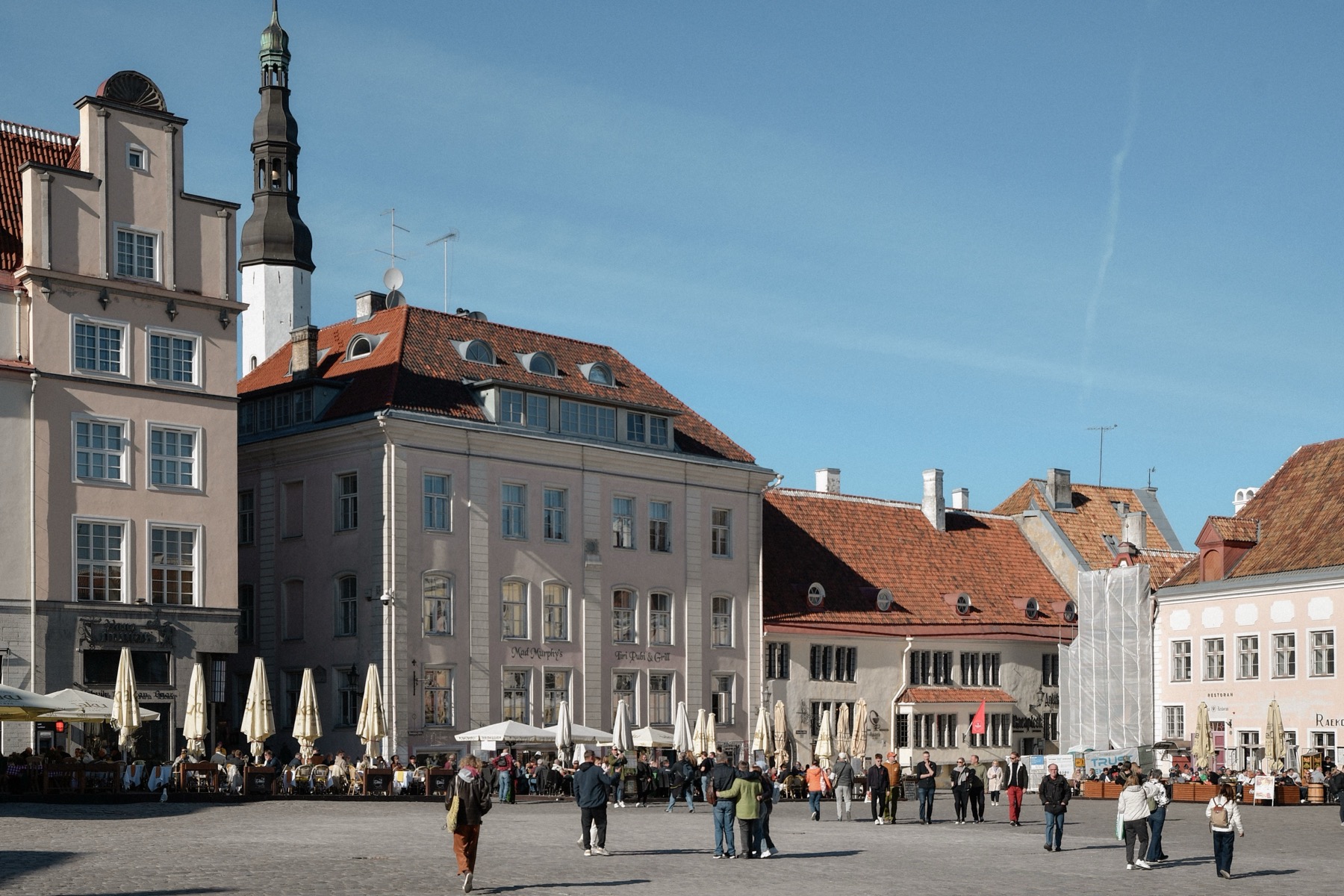
Day 1: The Old Town and an Evening of Romance on the Walls
Start as early as possible right in the heart of the Lower Town at Town Hall Square (Raekoja plats), dominated by a beautiful Gothic town hall with a tall octagonal tower. In one corner of the square, you will find Raeapteek, Europe’s oldest continuously operating pharmacy, dating from 1422. Entry is free, and you can view historic display cases that once held dried frog mucus and bat’s blood for sale. From here, continue naturally to the half-hidden St Catherine’s Passage (Katariina käik), lined on both sides with medieval gravestones and authentic workshops where local craftspeople blow glass and work with ceramics.
At around 10 a.m., cross beyond the walls and climb up Toompea Hill, the historic Upper Town where Estonian nobility has been based for centuries. Here, the massive Alexander Nevsky Orthodox Cathedral stands in sharp contrast to the nearby pink parliament building. Before you know it, it will be afternoon and you will be walking along the walls, passing Paks Margareeta Tower and climbing up to Kiek in de Kök. During your walk along the fortifications, you will discover that an impressive 26 defensive towers have survived along the entire wall, and most have distinctive, slightly amusing names that make them easy to find on a map.
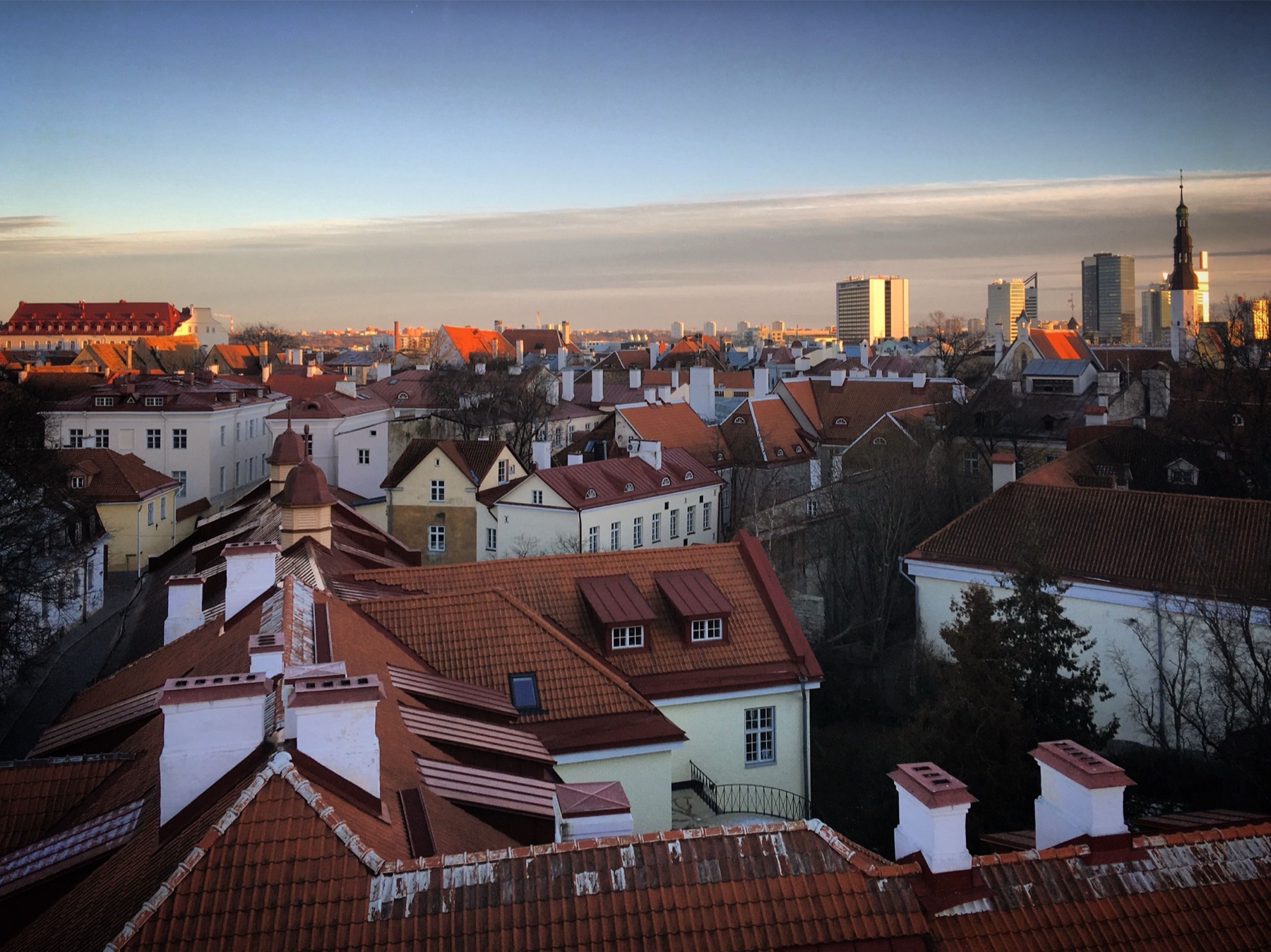
Your greatest reward awaits in the evening, when you return to the viewing platforms on Toompea Hill. Kohtuotsa viewpoint, with its famous “The Times We Had” sign, offers an iconic view of the red roofs with the modern centre in the background, while nearby Patkuli viewpoint reveals fairytale-like walls stretching all the way to the dark-blue waters of the Baltic Sea—and all without the crush of people. The atmosphere of the Old Town in the early evening feels like the set of a historical film that you have somehow fallen into.
💡 Tip: Keep in mind that the Old Town’s paving consists of flat stone blocks that can really put your feet to the test. Wear genuinely comfortable trainers, and if you are travelling with small children, swap the pushchair for a carrier. The uneven steps on the steep Lühike jalg lane would stop you sooner or later anyway.
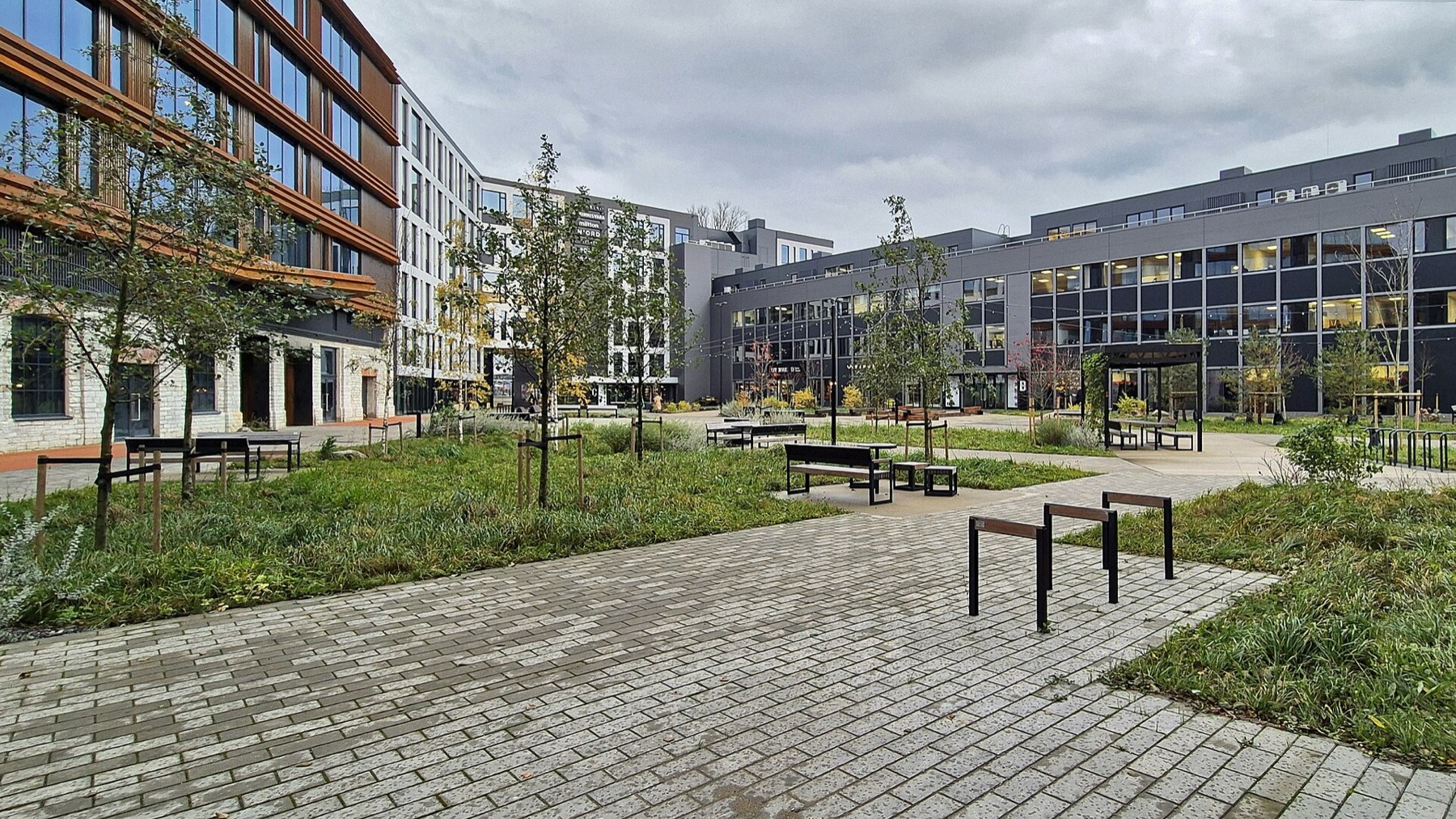
Day 2: Hipsters, Saunas and Creative Tallinn Beyond the Walls
On the second morning, leave history behind and head towards the main railway station, where the beautifully renovated Balti Jaama Turg market proudly stands. On the modern ground floor, you will find a fantastic food hall full of proper street food, cheeses and Estonian artisan specialities, while in the basement you can nostalgically rummage through bizarre Soviet antiques and genuine junk-shop bric-a-brac. For a quick and relatively inexpensive lunch in Tallinn, you will not find a better, livelier or more authentic place.
Right after lunch, continue a few streets farther to neighbouring Telliskivi Creative City, the largest creative district in the entire Baltic region, built on a former sprawling industrial complex and depot. Huge legal murals decorate the old brick walls, and the main magnet is the famous Stockholm-based Fotografiska gallery, which is open until late and offers first-rate contemporary photography exhibitions. From here, walk to the old fishing district of Kalamaja, where preserved colourful wooden houses with typical Estonian architecture and an exceptionally peaceful, thoroughly local neighbourhood atmosphere are sure to charm you.
In the early evening, head to the waterfront and the luxurious, architecturally acclaimed Noblessner district, which was only recently created from former imperial shipyards. Here you will find the remarkable Lennusadam Seaplane Harbour museum in concrete hangars (entry costs around €20), where you can see seaplanes up close and climb inside a real British submarine. ⚠️ Note that the neighbouring dark Patarei Fortress, with its troubled history, is currently closed for long-term renovation and is not expected to reopen until 2027. You can finish this tiring day in maximum style at nearby Igluparks, where €24 gets you a place in a public sauna with direct views and the chance to cool off with a dip in the Baltic Sea.
💡 Tip: Although northern Tallinn is very pedestrian-friendly and new waterfront promenades are constantly being built, the distances can be a little long for tired feet. A shared electric scooter is therefore the ideal way to get around (unlocking one costs around €0.50), as the city is criss-crossed by wide, high-quality cycle paths and riding along the flat waterfront is simply a joy.
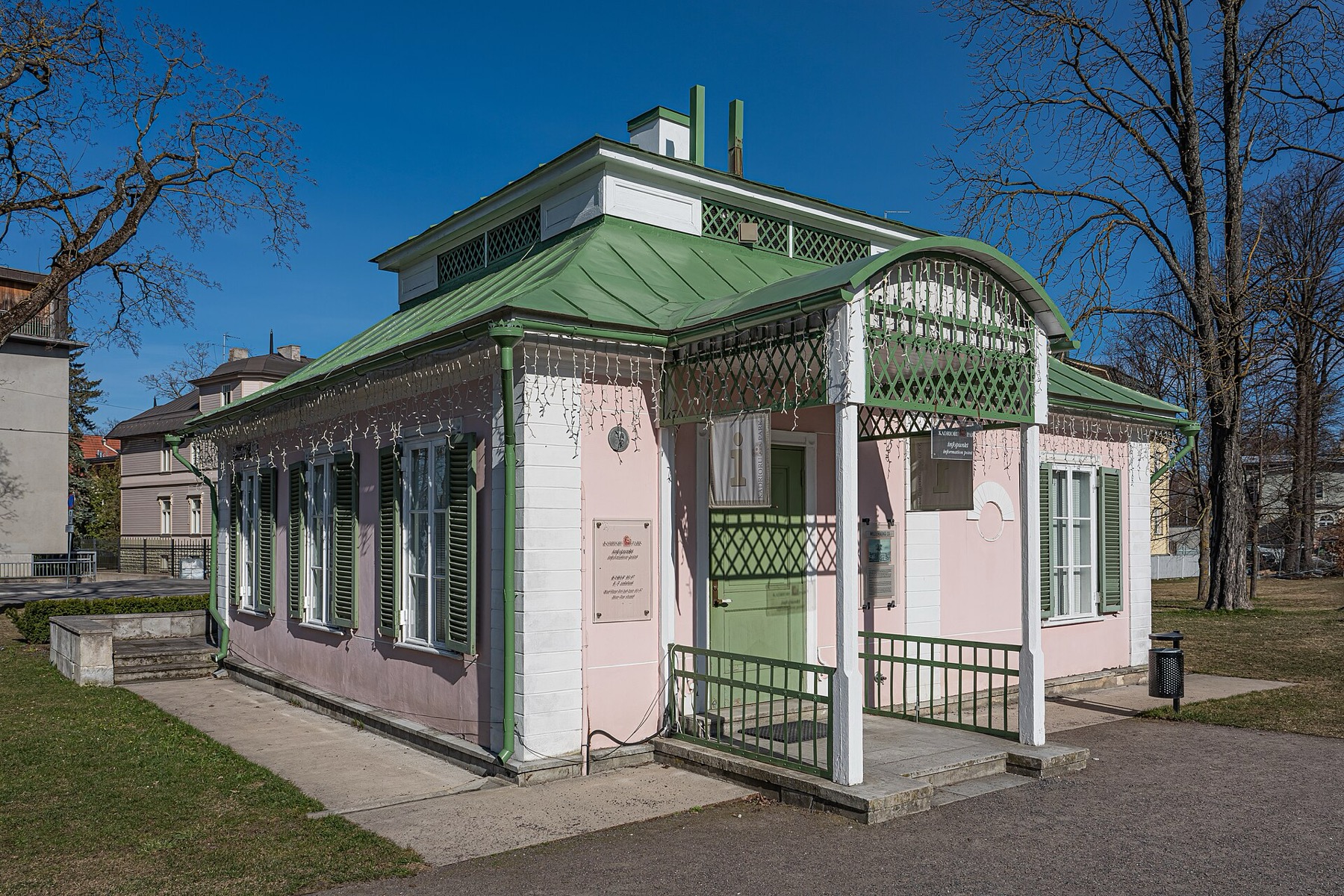
Day 3: Baroque, Beaches or a Trip Across the Sea (Optional)
If you have a long weekend in Tallinn, spend the third morning in Kadriorg, which you can reach from the centre in just a few minutes on a modern tram. It is home to a large, carefully maintained park with a magnificent Baroque palace, built by Russian tsar Peter the Great for his wife Catherine. But the real gem is the KUMU Art Museum, set into the limestone slope a little farther away. This stunning building, which won a prestigious European Museum of the Year award, is undoubtedly the best art museum in the Baltic region, with standard entry costing around €15. A visit will easily take several hours if you want to absorb even a basic overview of Estonian art.
In the afternoon, you have several tempting options for rounding off your varied programme and taking in your final impressions. You can travel a little farther east to the residential district of Pirita, home to a beautiful long sandy beach popular with locals and the photogenic ruins of the medieval St Bridget’s Convent. If you are more drawn to rugged, lesser-known Nordic nature, consider hiring a car and taking a trip to Lahemaa National Park, 45 minutes away, where you can walk along wooden boardwalks directly through the deep, mysterious and picturesque bogs typical of the Estonian landscape.
A third, hugely popular option is to make use of the fact that the chilly Gulf of Finland essentially functions as a busy maritime motorway and take a fast ferry for a day trip to neighbouring Helsinki. The crossing on a modern, enormous ship equipped with restaurants and shops takes just two hours, and a same-day return ticket—a so-called day cruise—often costs as little as €25–€40 when on sale. In a single holiday, you can experience the atmosphere of two beautiful Nordic capitals without any stress at all.
💡 Tip: Ferry tickets to Helsinki (the major operators here are Tallink, Viking Line and Eckerö Line) are subject to heavy dynamic pricing, so exactly the same rule applies as with flights. Ideally, buy them online several weeks in advance, because buying at the last minute during a busy summer weekend can cost you twice the original price.
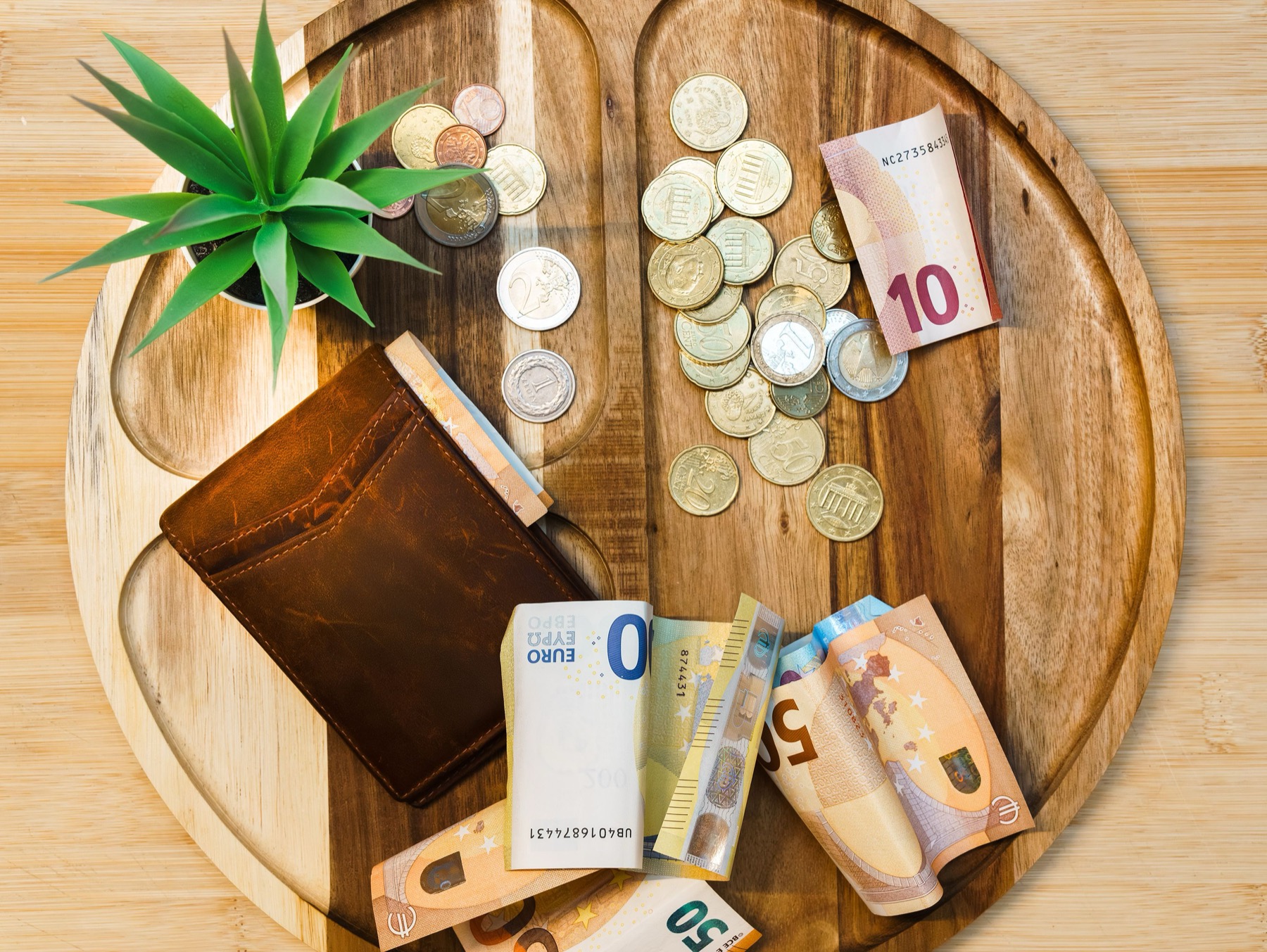
How Much Does a Tallinn Weekend Cost?
Estonia has experienced fairly strong inflation in recent years, and in July 2025 the standard VAT rate rose to 24%, which naturally and noticeably affected price tags in shops and restaurants. Tallinn is no longer anywhere near as affordable as Polish or Lithuanian cities, but it is still considerably cheaper than neighbouring Nordic Helsinki or Stockholm. To make planning your budget easier, I give all approximate prices in euros below.
A return flight from a major European hub during the popular summer season costs roughly €100–€145 if you keep an eye on prices and book far enough in advance. Accommodation will take a large share of your budget: a double room in a pleasant boutique hotel in the centre costs €90–€145 per night. If you prefer a cheaper student-style option, private rooms in modern, clean hostels can sometimes be found for around €50 per night with a little luck.
A meal in a decent mid-range restaurant (unless you choose the lunch special) costs around €15–€25 per person, while a pint of proper Estonian draught beer costs around €5–€7. Entry to major modern museums such as Lennusadam or Fotografiska is consistently between €15 and €22. Overall, an average couple should set aside approximately €650–€820 for a comfortable long weekend (three nights), including average travel comfort and visits to the sights.
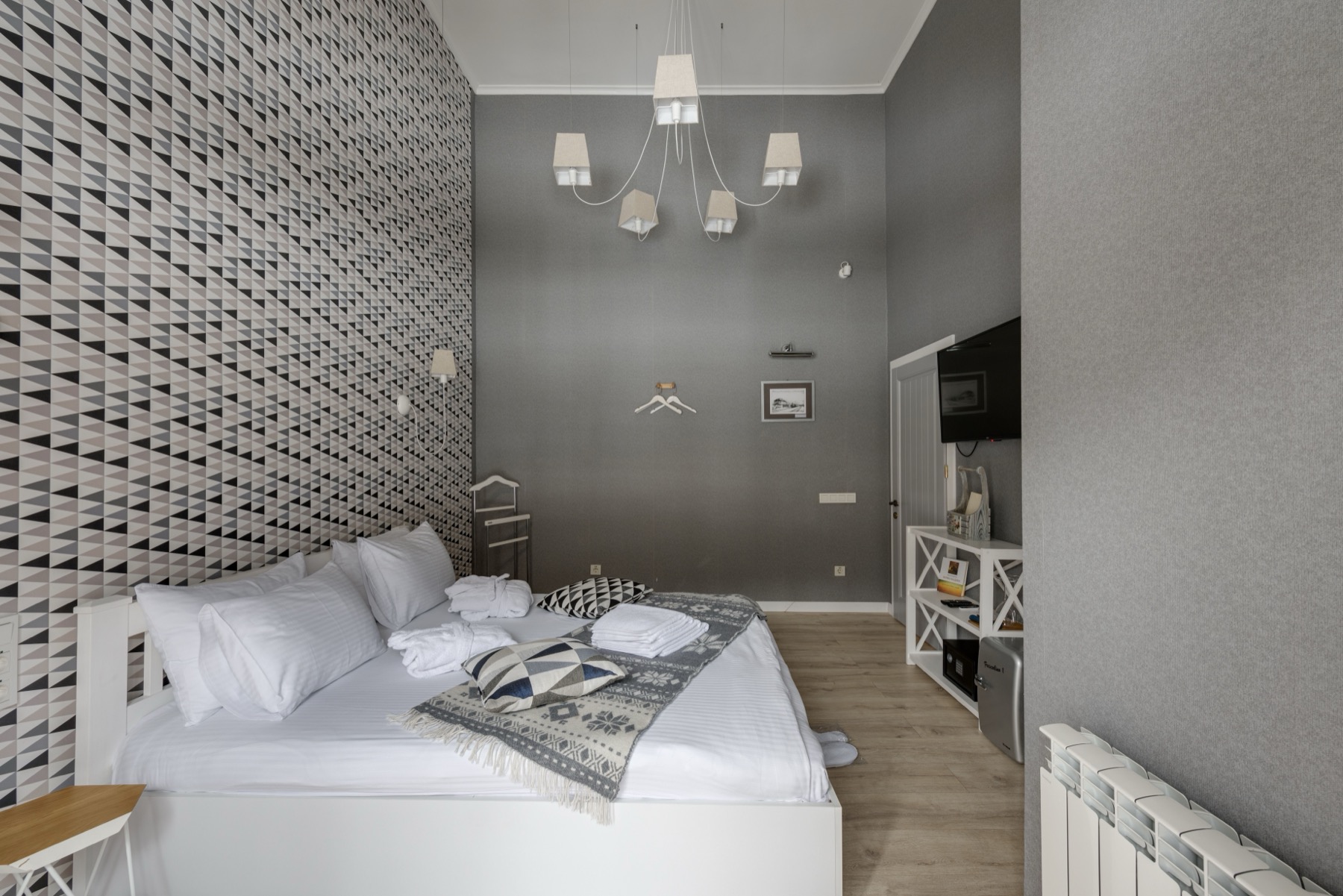

Where to Stay
💡 Accommodation and activities tip: We prefer to look for accommodation on Booking.com, where you will often find the best cancellation policies. It is also worth comparing and booking tickets, excursions and activities through GetYourGuide.
Your choice of neighbourhood in Tallinn will have a major effect on the atmosphere you experience. Staying directly in the historic Old Town (Vanalinn) is a great choice for romance: everything is close, and you will be among the first at the morning viewpoints above the city. The price of this exclusivity, however, is the sound of suitcase wheels rattling over old cobbles and generally higher nightly rates. Just beyond the walls lies the progressive Rotermann Quarter, where old red-brick factories blend tastefully with modern architecture. It offers wonderful peace and excellent access both to the centre and directly to the ferry terminals. The third and very popular option is hip Kalamaja, which consistently wins visitors over with slightly lower prices, cosy wooden houses and a calmer local atmosphere away from the main tourist flows.
If you want to enjoy your Estonian weekend to the fullest without making compromises, I recommend looking at these specific hotels we have personally checked. You can easily book them from home through Booking and have peace of mind:
- Nunne Boutique Hotel: A hotel on the edge of the Old Town in an excellent location, with the walls right around the corner and the railway station just a short walk away.
- Hotel Telegraaf: An absolute legend and sought-after luxury five-star classic right in the historic centre, also offering guests a beautiful private spa for unwinding after a long day of walking.
- The Burman Hotel: This small gem in the Old Town has just 17 apartments and has recently caught the attention of the Michelin Guide too. You will be hard-pressed to find greater exclusivity in Tallinn.
- Palace Hotel Tallinn: An elegant hotel near Freedom Square with historic character. Travellers return mainly for its breakfasts, which are said to be genuinely exceptional.
- Metropol Spa Hotel: Located in the modern and highly accessible Rotermann Quarter, it offers excellent value for money, with a superb pool and sauna complex as its biggest advantage.
- Citybox Tallinn City Center: A modern, cleverly designed minimalist hotel at a very accessible price right by the passenger port. Its self-service check-in works seamlessly and saves you plenty of time.
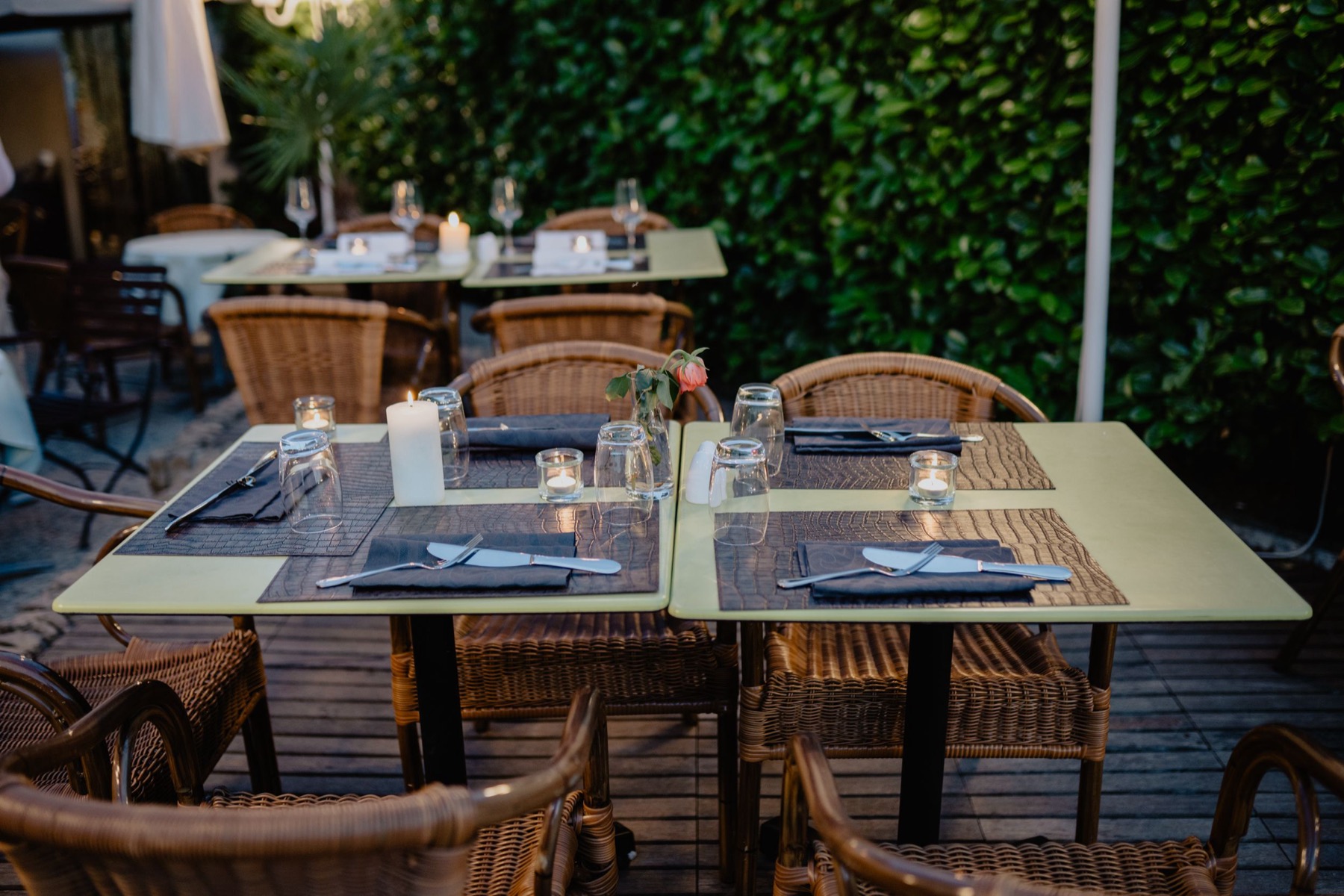
Where to Eat
Estonian cuisine has boomed over the past decade, and you will find virtually everything here, from Michelin-starred restaurants to the hearty, substantial food of Baltic fishermen prepared with local ingredients. If you want to save considerably on food during the day while still eating well, remember one magical word: päevapraad. This is the traditional daily lunch special served by small and large local bistros from around 11 a.m. to 2 p.m. for an amazing €5–€8. For a truly quick and affordable full lunch made from fresh ingredients, a stop at the famous food hall in the renovated Balti Jaama Turg market is an absolute must.
In the evening, you can treat yourself at acclaimed restaurants, but remember one important rule: without an early reservation, you often will not get a table at the best restaurants over the weekend. A wonderful and still very reasonably priced safe bet in the Old Town is the popular Rataskaevu 16 restaurant or its slightly more modern sister venue, Pegasus. If you are in the lively creative district of Telliskivi during the day or evening, you will love the stylish vegetarian bistro F-Hoone in a huge former factory hall, or the rooftop restaurant at the renowned Fotografiska gallery, which rightly boasts a prestigious green star for sustainability and its strict zero-waste approach to cooking. ☺️
I wholeheartedly recommend trying the fantastic dark sourdough bread called must leib. In traditional restaurants, it is often served warm as a starter, spread with generous salted butter. The various meat-free Estonian pelmeni, filled with porcini mushrooms or mashed potatoes, are also excellent for taking the edge off your hunger. As for local meat traditions, a hearty elk soup is an extremely typical and photogenic speciality (the famous medieval tavern III Draakon beneath the Town Hall arcade makes a good one), as is traditional dark bread called kiluvõileib topped with marinated sprats. Locals love washing these down with quality craft beer from Tallinn’s renowned Põhjala Tap Room brewery. For devoted sweet-toothed travellers, a visit to the beautiful historic Maiasmokk café is practically compulsory, where master confectioners make the city’s finest and most elaborately decorated marzipan pastries.
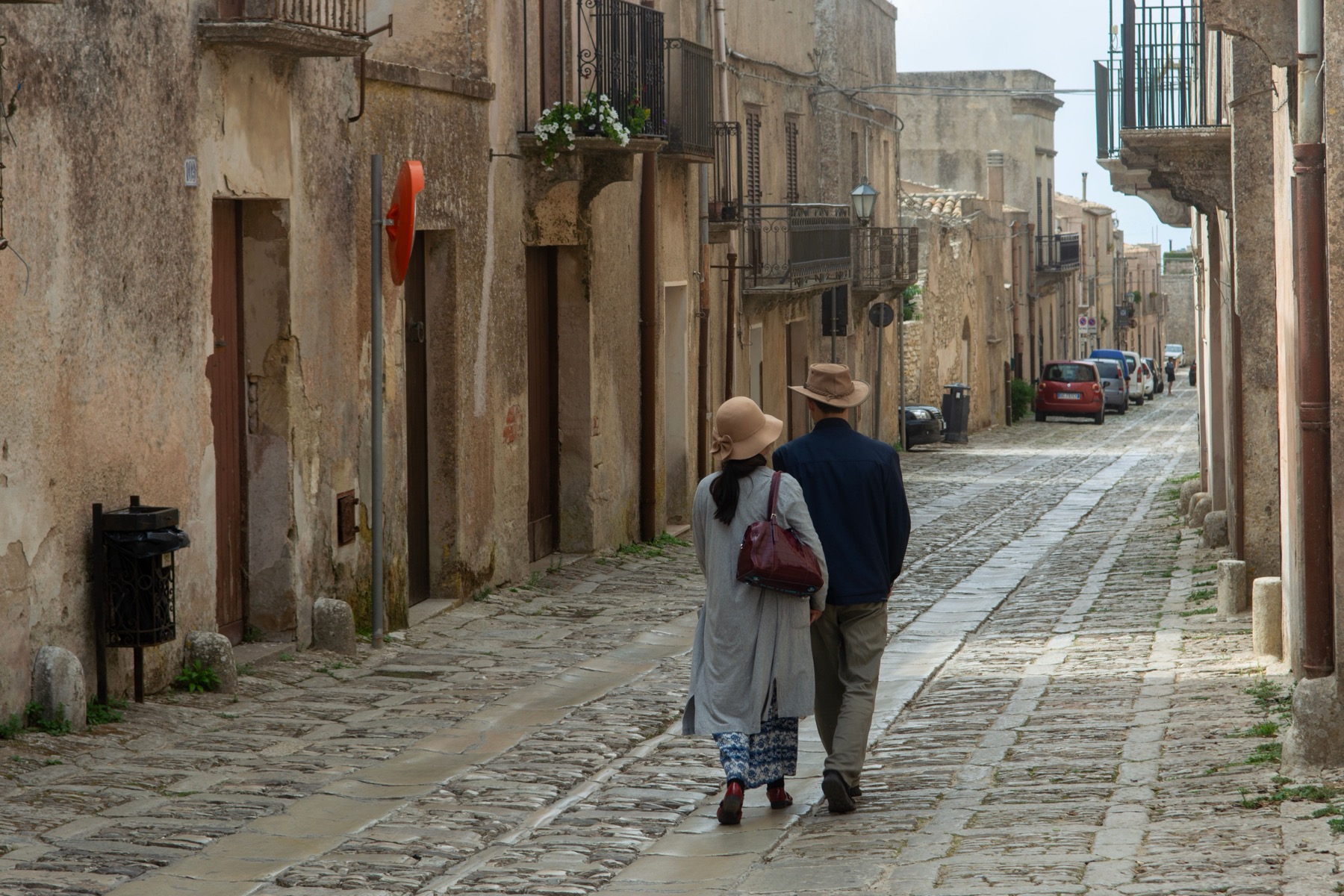
Weekend Variations
Tallinn is incredibly flexible, and you can easily tailor your programme to exactly who you are travelling with and what you expect from your holiday. If you are planning a quiet romantic weekend for two, focus on evening walks along the beautifully illuminated medieval walls. Be sure to reserve well in advance at a Michelin-starred restaurant for a small table with a stunning view of the night sea (for example, at NOA Chef’s Hall or 180°), and finish your exhausting day in the fragrant private sauna at stylish Igluparks by the water.
If you are instead planning an active weekend with small children, the narrow Old Town will entertain them for a while thanks to its costumed staff and walls. But the biggest and best family attraction is the windswept northern waterfront near Noblessner. Families cannot say enough good things about the huge interactive Lennusadam Seaplane Harbour museum and, above all, the nearby PROTO Invention Factory interactive centre, where amazing virtual reality lets you take a ride in an old-fashioned hot-air balloon, just as in the good old days of visionary Jules Verne.
A long Christmas-market weekend is a particularly magical option for winter lovers. Icy Tallinn turns into a genuine winter wonderland, and the photogenic Christmas market on Town Hall Square regularly wins international polls for the most beautiful market in Europe. Although December can be bitterly cold and darkness falls soon after midday, a mug of hot Estonian mulled wine called glögi and snow-covered red pointed roofs topping dozens of historic towers more than make up for the chilly temperatures.
Where to Go Next
- Tallinn: 20 Things to See and Do in Estonia’s Capital
- Where to Stay in Tallinn: Best Neighbourhoods and Hotels
- Helsinki–Tallinn Ferry: Prices, Connections and How to Save
- Estonia: 25 Things to See and Experience
Frequently Asked Questions
Travelling to a new city always brings up plenty of practical questions, from transport and prices to safety. That is why we have compiled answers to the most common questions at the end—making your Estonian weekend easier to plan and saving you time searching for information.
How many days are enough for Tallinn?
Two full days are plenty for exploring the historic center and checking out the main modern districts nearby. If you want to add a trip to the nearby Lahemaa National Park or a bold day-trip ferry ride over to neighboring Helsinki, I’d definitely recommend planning a more relaxed three days instead.
How much does a weekend in Tallinn cost?
Keep in mind that after recent price hikes and a VAT increase, prices here are now comparable to bigger Western European cities. A night in a decent hotel runs around €100, and a regular meal at an Estonian restaurant costs roughly 15 to 25 euros per person. A long weekend for two people with a mid-range budget comes to about €650 to €800 total, including flights and taxis.
How do you get from the airport to the center?
Lennart Meri Airport sits a very handy four kilometers from the center, and the easiest option is the popular local app Bolt, which will get you and your luggage straight to your hotel for a pleasant 5 to 12 euros in about fifteen minutes. A fully reliable and cheaper alternative is the modern public transit system, specifically the sleek tram number 4 or the regular bus number 2, both of which stop right in front of the arrivals hall.
Is it worth buying the Tallinn Card?
Based on our calculations, this prepaid tourist card only makes real financial sense if you’re planning to visit at least two big paid modern museums in a single day, since a regular one-off ticket to those usually costs around 15 to 22 euros per adult. But if you’re heading to Tallinn just to wander aimlessly through the narrow lanes and drink great coffee, save the card money for other experiences.
When’s the best time to visit Tallinn?
Seasoned travelers and regular tourists alike rate stable, pleasant September the highest, since the biggest summer cruise-ship crowds have reliably thinned out by then, while the Nordic weather is still surprisingly mild. Estonian June is also absolutely amazing and unforgettable for visitors thanks to the natural phenomenon of magical white nights, and on the flip side, cold, dark December has its own appeal with the famous, beautifully lit Christmas markets.
Can you fit in a day trip to Helsinki?
Yes, plenty of visitors from abroad and backpackers do this routinely, since a comfortable ride on a huge modern ferry takes an almost unbelievable two hours of pure travel time one way across the gulf. A same-day return ticket (listed in booking systems as a day cruise) can also be picked up very cheaply during the big ferry companies’ frequent sales, often for as little as 25 euros per person.
Is Tallinn an expensive city?
Compared to the relatively recent past that many still remember, unfortunately yes, since Estonia’s longer-term inflation and a recently raised nationwide 24% tax have simply pushed most prices sharply upward. Overall it’s now slightly pricier than Prague or comparable Warsaw, but for international visitors it thankfully still remains noticeably cheaper than the genuinely expensive neighboring Nordic capitals, like Helsinki in Finland or Stockholm in Sweden.
What to see in Tallinn in one day?
If you only find yourself in the Estonian capital for a few hours during a layover or a cruise stop, feel free to focus exclusively on the historic Old Town (Vanalinn). Walk through the famous cobbled Town Hall Square with the oldest still-operating pharmacy, snap a photo for the memories in the quiet little lane of Katariina käik, and definitely make time to climb up to the Kohtuotsa viewing platform on the strategic Toompea hill for the best view over the rooftops.
Is Estonia safe?
Yes, Baltic Estonia has long been an utterly stable, safe and highly developed, innovative country, a full active member of both the EU and the NATO military alliance, so you can really put aside any worries about its location. Everyday street crime is generally very low even in tourist centers, and you can comfortably walk the well-lit night streets of modern Tallinn without the slightest worry, whether just after dark or in the late hours.
Where can you eat cheaply in Tallinn?
The best guaranteed traveler’s trick for saving money without sacrificing quality on your plate is to look for the chalkboard signs outside restaurants bearing the local magic word päevapraad, a popular daily lunch offer for working people that all sorts of charming small and larger bistros regularly serve up for a price tag of just 5 to 8 euros a plate. Another great, reliably cheap option for a hearty hot lunch on the go is also the busy, aromatic modern food hall on the ground floor of the nearby market with the hard-to-remember name Balti Jaama Turg, where absolutely everyone, from meat lovers to devoted vegans, can eat well and affordably.
Tips and Tricks for Your Vacation
Don’t Overpay for Flights
Search for flights on Kayak. It’s our favorite search engine because it scans the websites of all airlines and always finds the cheapest connection.
Book Your Accommodation Smartly
The best experiences we’ve had when looking for accommodation (from Alaska to Morocco) are with Booking.com, where hotels, apartments, and entire houses are usually the cheapest and most widely available.
Don’t Forget Travel Insurance
Good travel insurance will protect you against illness, accidents, theft, or flight cancellations. We’ve had a few hospital visits abroad, so we know how important it is to have proper insurance arranged.
Where we insure ourselves: SafetyWing (best for everyone) and TrueTraveller (for extra-long trips).
Why don’t we recommend any Czech insurance company? Because they have too many restrictions. They set limits on the number of days abroad, travel insurance via a credit card often requires you to pay medical expenses only with that card, and they frequently limit the number of returns to the Czech Republic.
Find the Best Experiences
Get Your Guide is a huge online marketplace where you can book guided walks, trips, skip-the-line tickets, tours, and much more. We always find some extra fun there!