High inside a frozen mountain above the local airport, at the 78th parallel, sits a vast vault designed to survive the end of the world. Svalbard Norway is home to an extraordinary collection of records and downright peculiarities you simply won’t find anywhere else on our planet. Local rules and laws took shape in the harsh conditions of the Arctic wilderness, and many have remained unchanged for decades.
Few places reveal the contrast between wilderness and civilisation quite so starkly. On one hand, you have a modern university centre with high-speed internet; on the other, just beyond the sign marking the edge of town, you need a loaded firearm for your own safety. The local community of roughly 2,500 residents includes more than sixty nationalities, making this a truly unusual society.
I’ve put together 18 fascinating facts and quirks for you — from the famous seed vault and alcohol rationing that lasted almost a century to Soviet ghost towns. Each comes with a practical tip, too, in case you decide to come and see it all for yourself.
The short answer
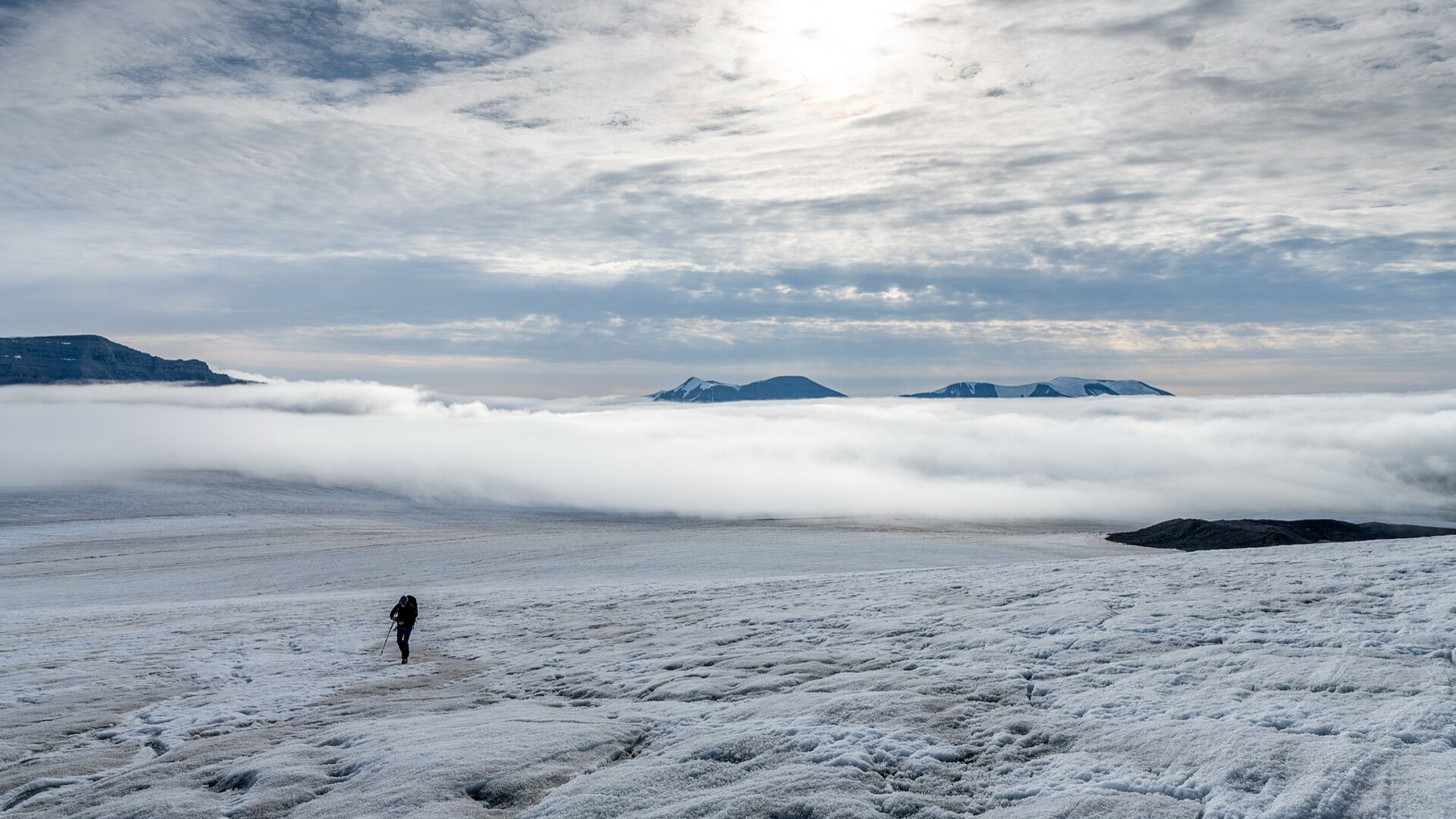
Svalbard is a unique Norwegian archipelago in the Arctic Ocean, with its own distinctive laws and a Global Seed Vault holding more than 1.4 million seed samples. Under an international treaty signed in 1920, citizens of any signatory country can settle here without a visa. At the same time, strict rules protect the natural environment, including a ban on keeping cats and the requirement to carry a firearm outside inhabited settlements because of polar bears.
The full destination guide: Norway — guide and what to see
TL;DR
- A doomsday vault: Inside the mountain above the airport is a vast store of seeds from around the world, protecting global agriculture against disasters.
- Europe’s only visa-free place to settle: Thanks to a historic treaty, you don’t need a residence permit to live and work on the archipelago.
- A town without an active cemetery or maternity ward: Because of the widespread permafrost, burials no longer take place here, and pregnant women fly to the mainland to give birth.
- Alcohol ration cards abolished: A ration-card system operated until November 2024; tourists still have to show a boarding pass when buying alcohol.
- Strict wildlife protection: New rules introduced in 2025 require tourist boats to stay a safe distance of 300 to 500 metres from polar bears.
- Radio silence for science: In the research settlement of Ny-Ålesund, using Wi-Fi or Bluetooth is strictly prohibited within a 20-kilometre radius.
- The end of the coal era: The last Norwegian coal mine closed for good in summer 2025, and the archipelago is moving away from coal towards other energy sources.
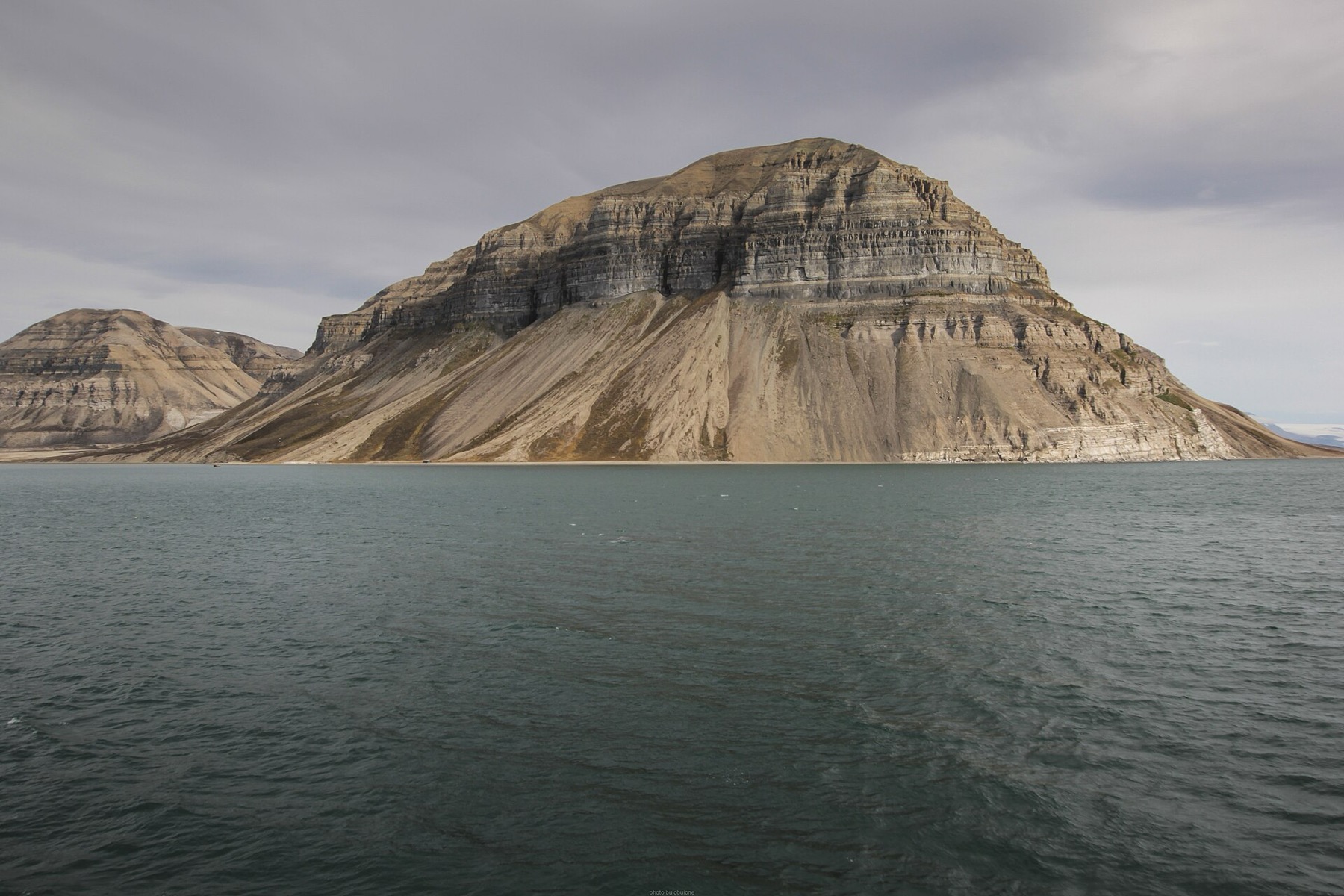
Svalbard Norway: 18 Surprising Facts and Odd Rules
Let’s dive straight into the most fascinating facts that make this Arctic archipelago unlike anywhere else in the world. I’ve picked out 18 specific stories and rules that might leave you scratching your head, but make perfect sense in the context of the harsh far north.
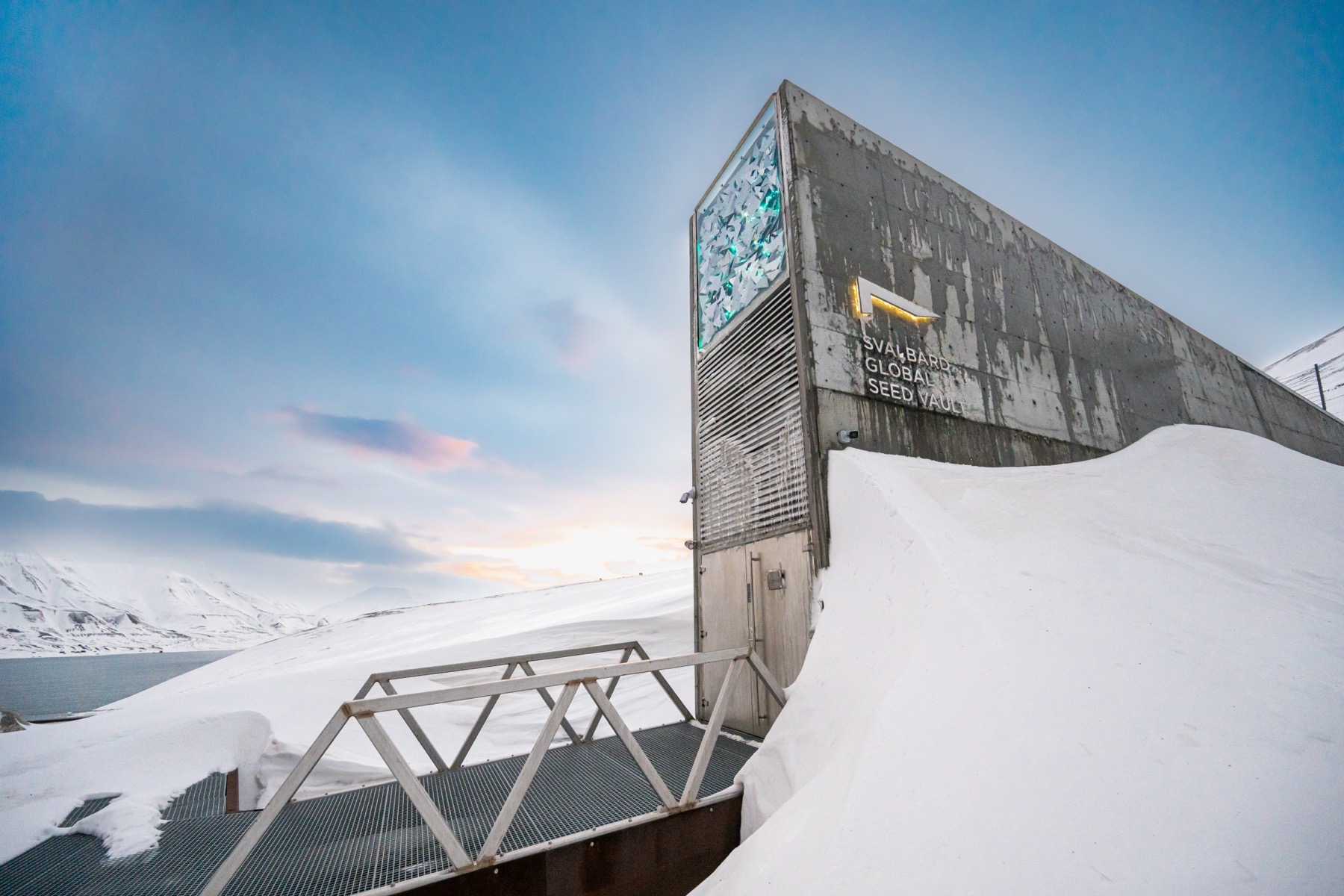
1. The Svalbard Norway seed vault: A doomsday safeguard
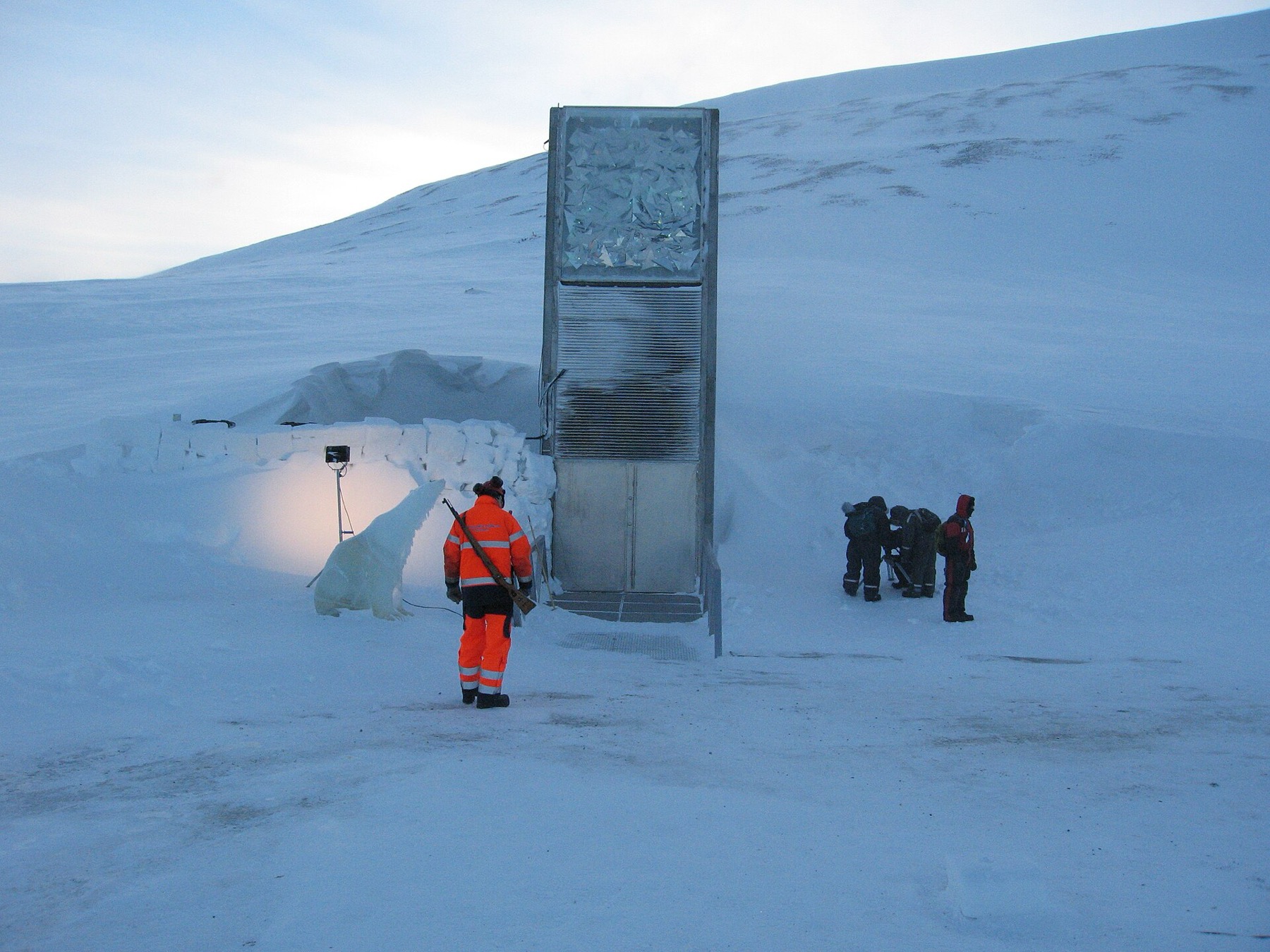
This is probably the best-known building in the entire archipelago. The Svalbard Global Seed Vault acts as a secure backup in the event of global disasters, whether wars, plant diseases or dramatic climate change. The facility opened in early 2008 and sits roughly 120 metres inside the sandstone mountain of Platåberget, directly above the local airport.
The complex has an enormous capacity, and by mid-2026 it held an incredible 1,401,285 unique seed samples from gene banks around the world. Permafrost — permanently frozen ground — provides natural cooling, helping the storage system maintain a temperature of −18°C and keeping the seeds viable for many decades or even centuries.
💡 Tip: Although the building is hugely popular, ordinary visitors never get to go inside. Tourists can only photograph the futuristic entrance portal from outside, with its illuminated art installation. You can reach it on foot or by taxi for roughly NOK 200.
2. The seed vault and Syria: The first withdrawal
Many people imagine this enormous vault will only open in the event of a worldwide apocalypse. In reality, it successfully fulfilled its main purpose back in 2015, when the international research centre ICARDA requested the return of some of its own backup samples. Its original gene bank in Aleppo, Syria, could no longer operate safely because of the ongoing war.
Scientists took valuable samples of wheat, barley and other crops adapted to dry climates out of Svalbard. They then successfully planted these crops in Lebanon and Morocco, collected new seeds and promptly sent the fresh samples back to the Arctic vault for safe storage once again. The whole system proved its immense practical value.
💡 Tip: If you’re curious about what this fascinating facility looks like inside, you can take the official virtual tour on the Crop Trust website. The organisation helps fund the project and documents it in detail.
3. Arctic World Archive: GitHub code buried underground
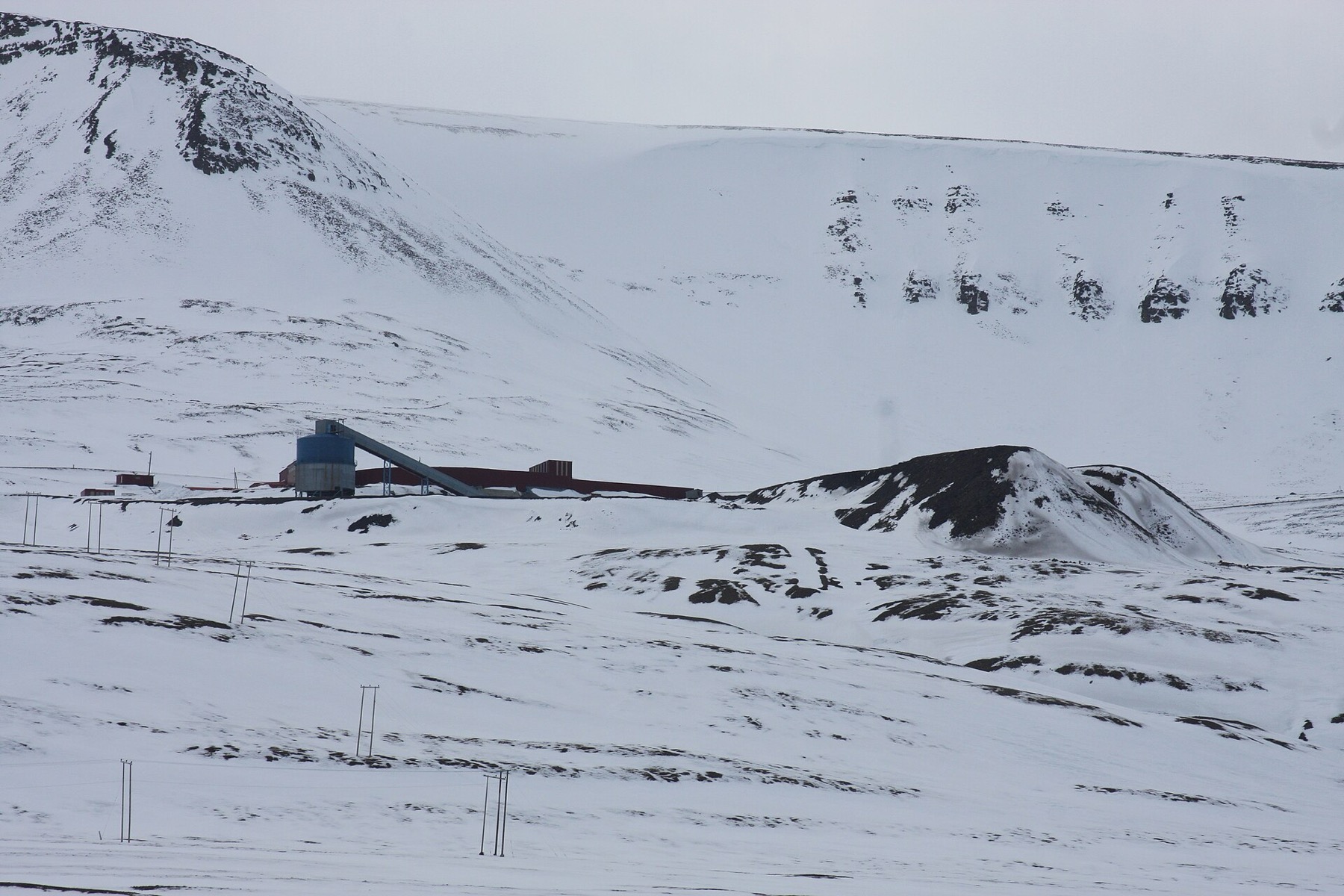
A short distance from the seed vault, inside the old Number 3 coal mine, is another very similar and equally intriguing facility. Rather than focusing on agriculture, the Arctic World Archive serves as a vast, secure repository for the world’s digital heritage. Countries, institutions and private companies send their most valuable data here, recorded on special film with an exceptionally long lifespan.
Stored here are the digitised Vatican Library, historical documents from Mexico and even source code from the GitHub platform. These technological foundations of modern software lie deep in the permafrost, so that future generations will have access to the building blocks of our digital world.
💡 Tip: Unlike the archives, Mine 3 itself (Gruve 3) is open to the public on guided tours. You’ll put on a miner’s coveralls and explore the original tunnels — a brilliant activity for days when a snowstorm is raging outside.
4. The Svalbard Treaty: Visa-free living and working
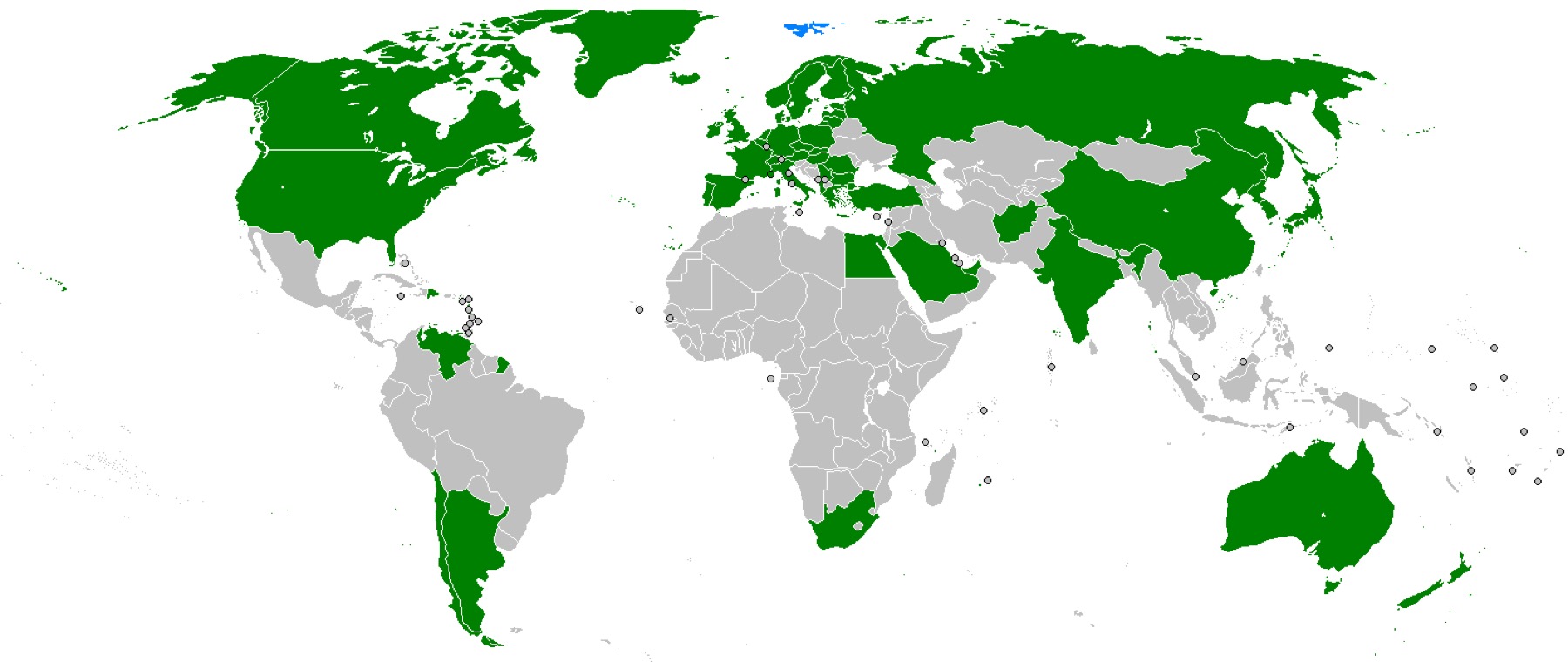
The legal status of this territory is unlike anywhere else in the world. Under an international treaty signed in Paris in 1920, Norway gained sovereignty over the islands, but with one major condition. Citizens of all signatory states have exactly the same rights to reside and run businesses here as Norwegians themselves.
In practice, this means Svalbard is the only place in Europe where you can move and start working without any visa. The treaty has more than forty contracting parties; an interesting historical detail is that the former Czechoslovakia joined in 1930. The document also guarantees that all taxes collected must remain on the islands, making them a very distinctive duty-free zone.
💡 Tip: Although you don’t need a visa for the archipelago itself, flights here go via mainland Norway, typically Oslo or Tromsø. Your connection therefore takes you through the Schengen Area, so bring a valid passport and check whether your nationality requires a Schengen visa for the journey.
5. The town where you supposedly can’t die or give birth
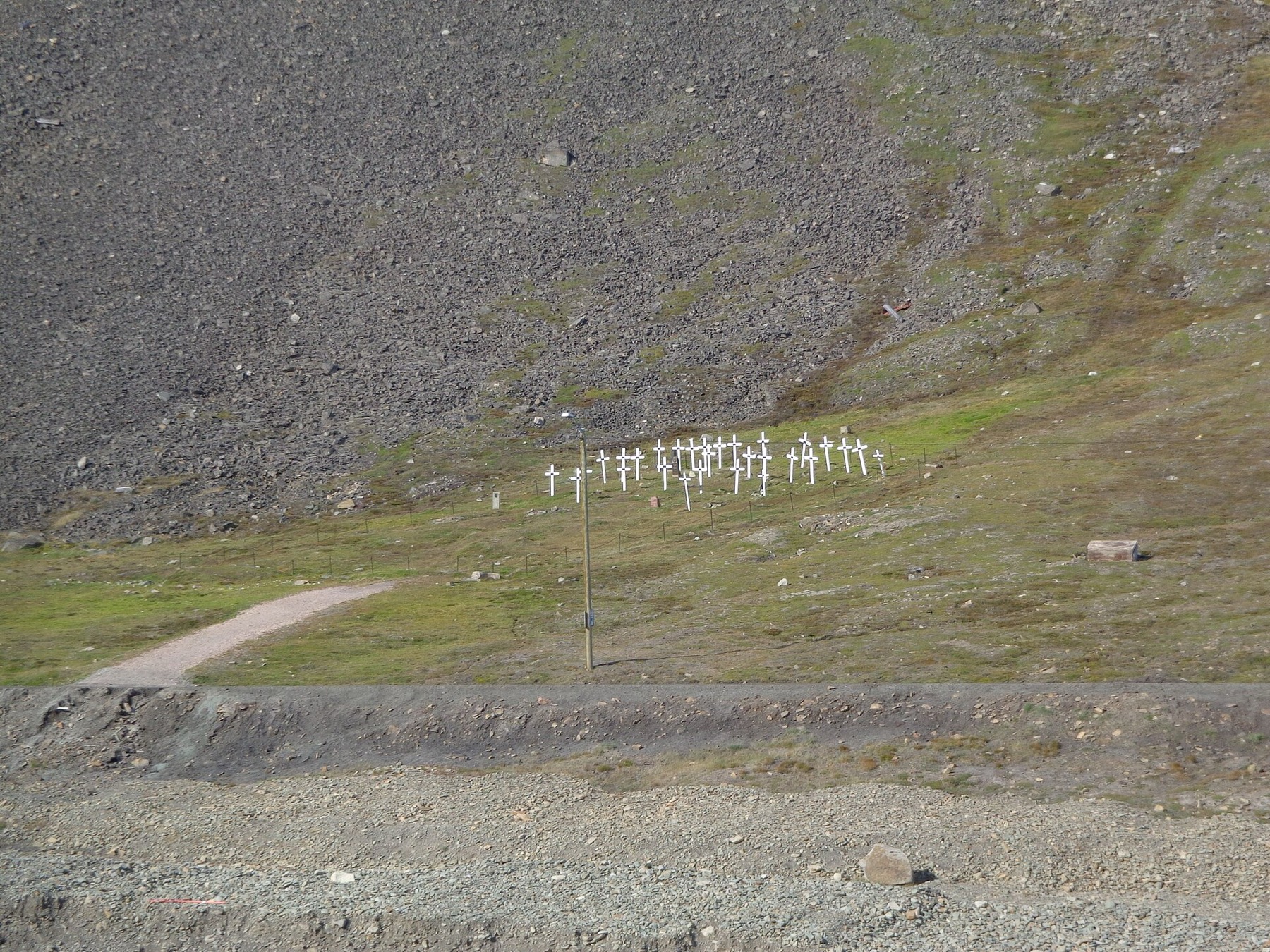
This story regularly goes viral online, but the real reasons are entirely practical. In Longyearbyen, the main town, burials in the ground have officially stopped since the 1950s. The local permafrost naturally preserves bodies rather than allowing them to decompose, while gradually pushing them back towards the surface.
The local hospital handles only emergencies and minor treatments. There’s no maternity ward or department for patients needing long-term care. Pregnant women therefore have to fly to the mainland several weeks before their due date, usually to the large hospital in Tromsø. Seriously ill patients likewise leave the islands on specialist medical flights.
💡 Tip: The small historic cemetery sits a short distance above town. Although burials stopped long ago, you can view it from a distance on a walk to the nearby church, which, incidentally, is open around the clock, twenty-four hours a day.
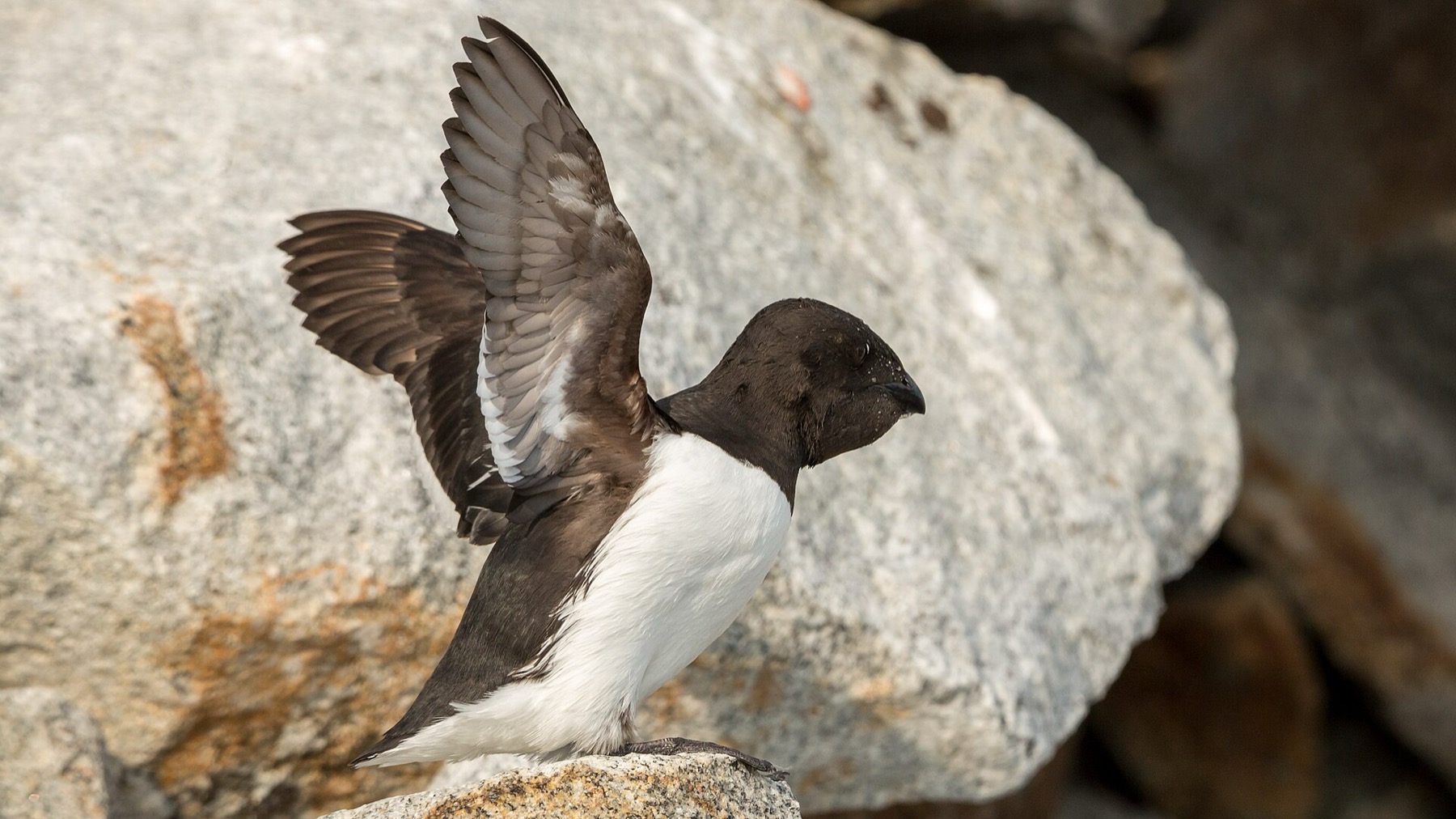
6. A strict ban on cats to protect birds
Cat lovers are simply out of luck here. Across the entire archipelago, there is a strict ban on importing or keeping any members of the cat family. The reason is the extremely sensitive Arctic ecosystem, which these efficient predators could devastate.
Millions of seabirds fly here to nest in summer, including protected Arctic terns and tiny little auks. These birds often nest directly on the ground or on low scree slopes, where they would be very easy prey for cats. The Arctic fox therefore remains the only natural land-based predator, and scientists carefully monitor its population.
💡 Tip: For years, the Russian mining town of Barentsburg had an amusing local legend about a ginger cat named Kesha. Residents supposedly officially registered him as a particular type of Arctic fox to get around the strict Norwegian laws.
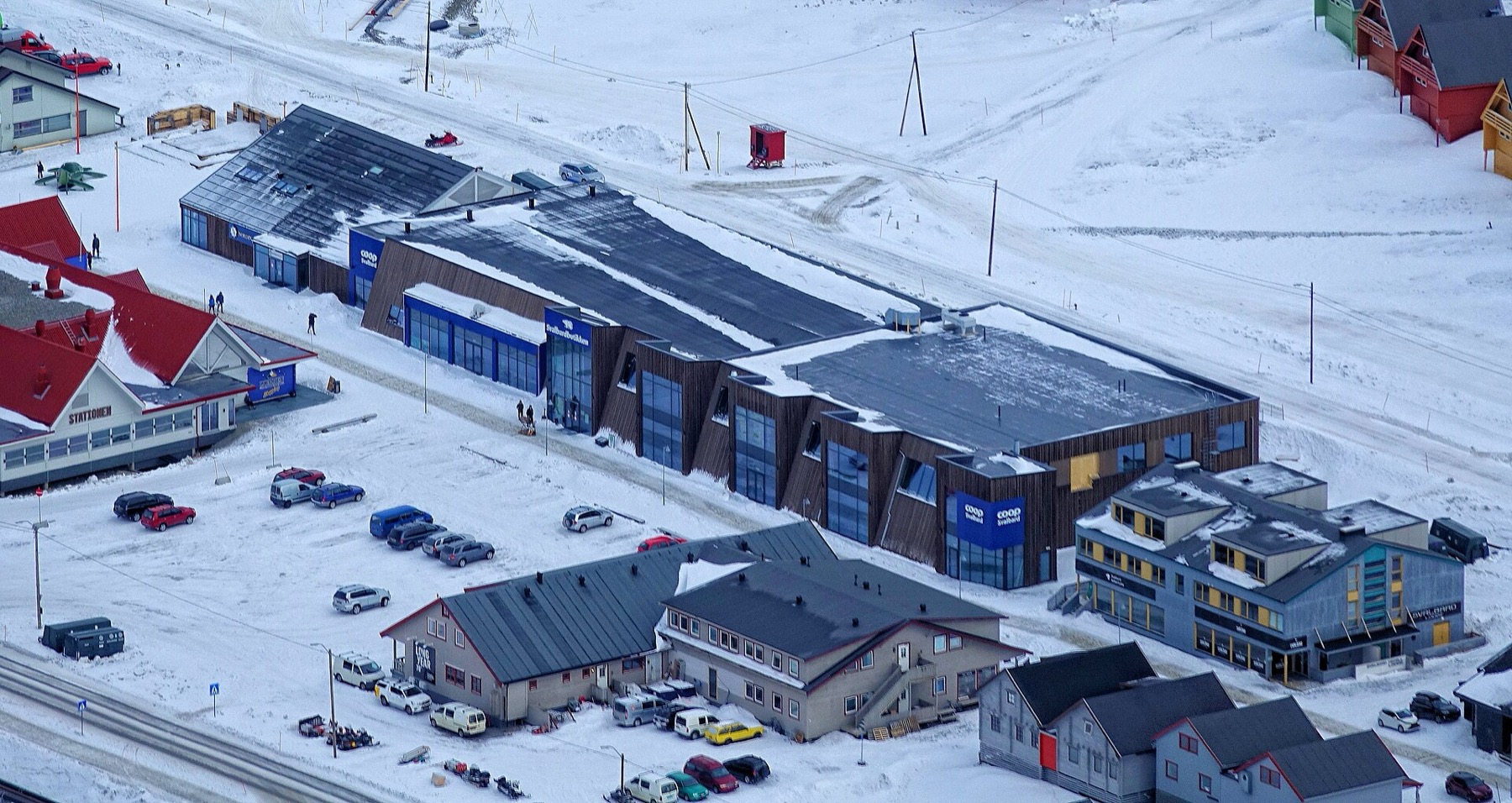
7. A century of alcohol rationing — and boarding passes
Until November 2024, the islands operated a fascinating historical system of so-called alcohol cards. Local residents had a fixed monthly allowance of twenty-four cans of beer and two bottles of spirits, with every purchase carefully recorded. The system began almost a century ago as a measure to tackle widespread alcoholism among the hard-working miners.
Although the old physical cards have recently disappeared for good, replaced by a more modern digital register of residents, tourists still encounter some bureaucracy. If you want to buy beer in the local supermarket, you must show a valid boarding pass or return flight ticket at the checkout; otherwise, they simply won’t sell you alcohol.
💡 Tip: The local grocery store, Svalbardbutikken, has a dedicated section called Nordpolet. Because Norway’s high excise duties don’t apply here, alcohol is surprisingly much cheaper than anywhere on the Norwegian mainland.
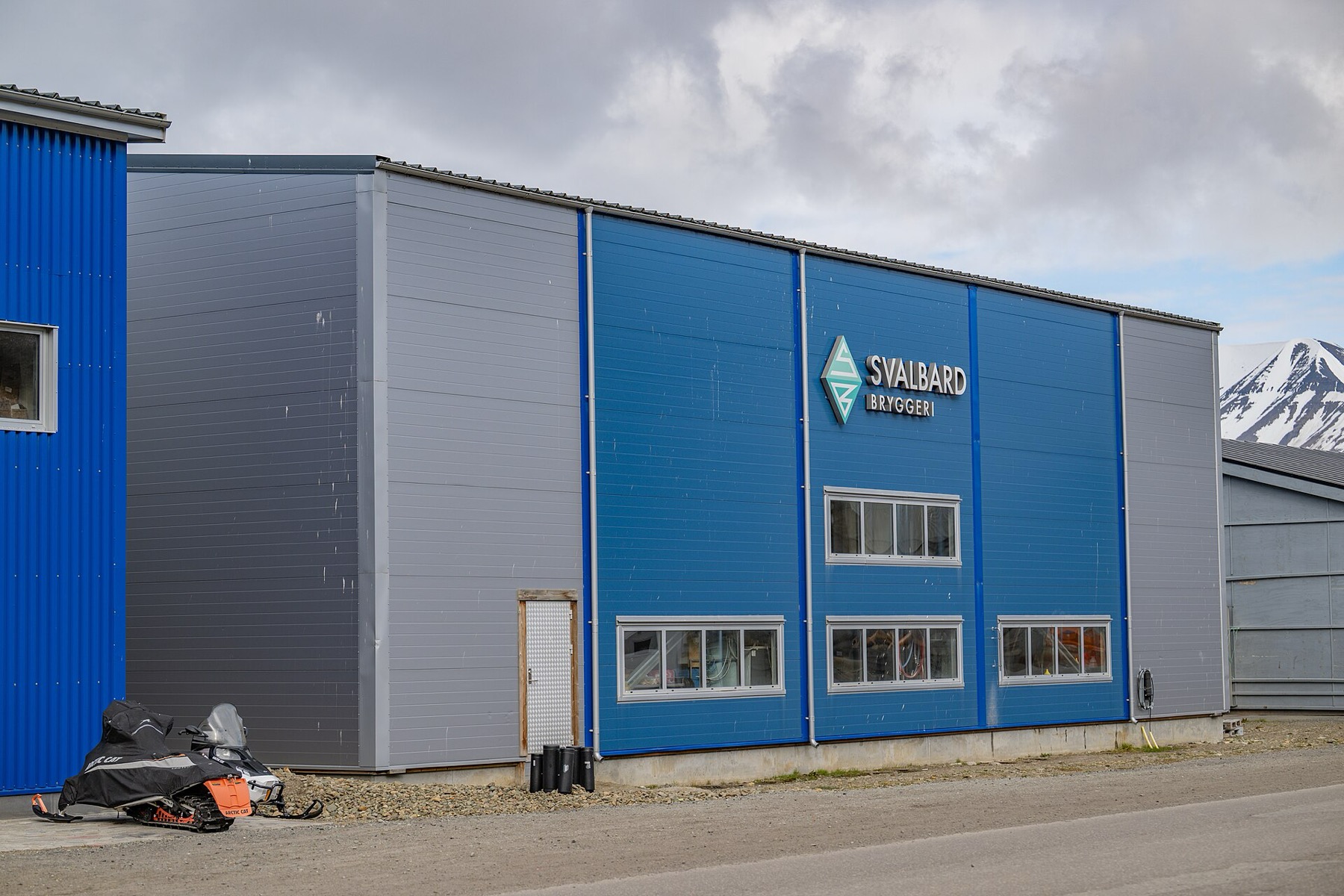
8. Brewing beer was illegal here until 2014
There’s another extraordinary quirk linked to alcohol. An old Norwegian law from 1928 explicitly prohibited the commercial production of any alcohol within Svalbard. This archaic regulation remained in force without exception for decades, until local enthusiast Robert Johansen decided to take it on.
It took him exactly five years of persistent bureaucratic battles to persuade the Norwegian parliament to amend the old law. The following year, he was finally able to open Svalbard Bryggeri, which immediately became the northernmost brewery in the world. Its beer is brewed using exceptionally pure water from the 2,000-year-old Bogerbreen glacier.
💡 Tip: The brewery offers regular guided tours with tastings, which cost roughly €45 per person. They usually take place on Monday, Wednesday and Saturday in the early evening, and make for a great social experience somewhere warm.
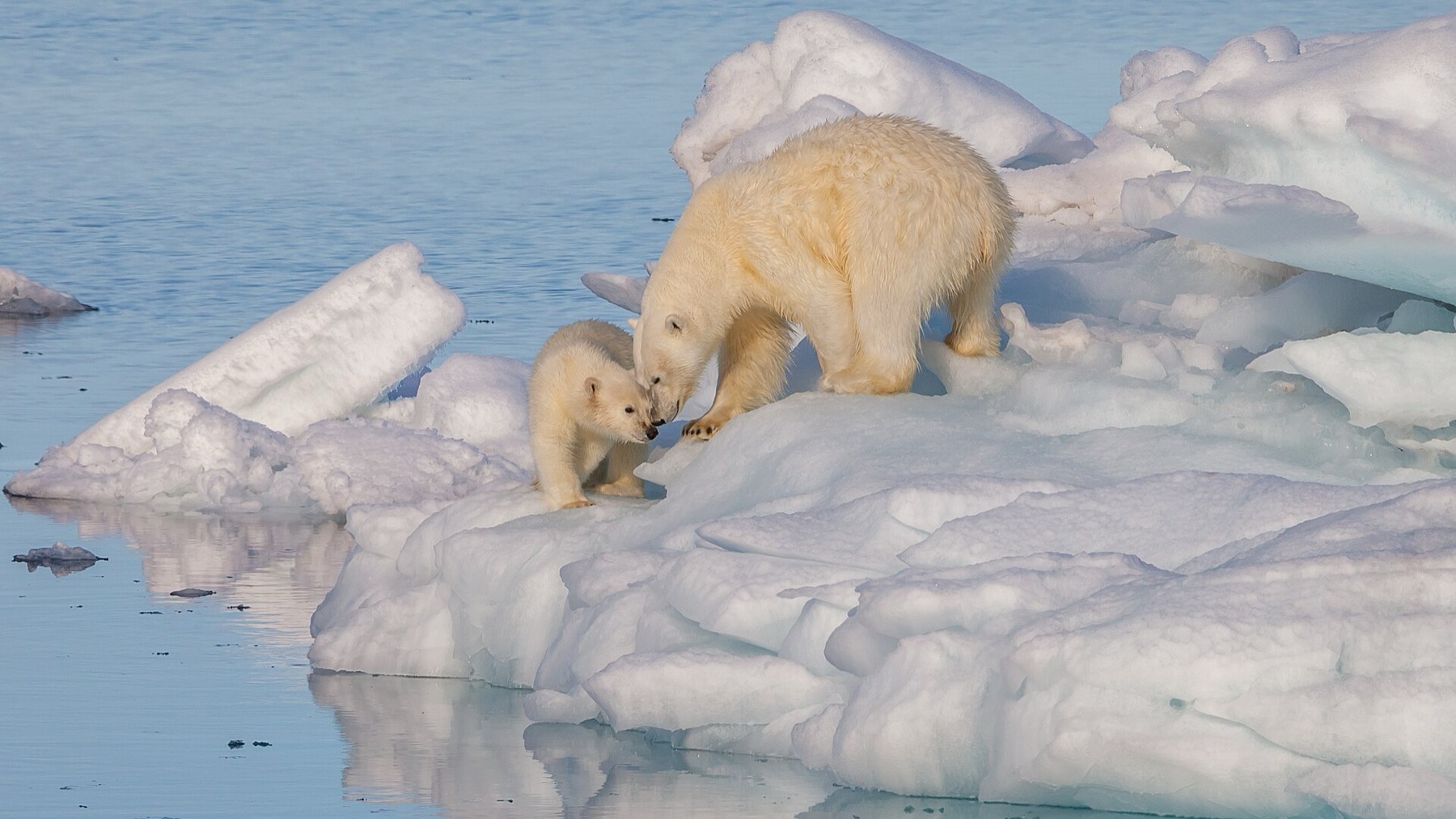
9. Polar bears: The truth about numbers and rules
You’ll read everywhere that Svalbard has more polar bears than people. It’s true, but it needs a little context. The estimated population is roughly 3,000 bears across the entire northern Barents Sea region, while just over 2,500 people live in the Norwegian settlements. The bears mostly spend their time on sea ice and along the uninhabited eastern coast, however, and sightings in town are exceptionally rare.
At the beginning of 2025, entirely new and extremely strict rules came into force for tourist boats. Vessels must keep a mandatory minimum distance of 300 metres from every bear. During the spring months from March to June, when females bring out their young cubs, that compulsory distance increases to a full 500 metres.
💡 Tip: If you’re hoping for a good photograph of a bear, forget about a standard smartphone. Guides agree that the new distance regulations mean you need a good telephoto lens with a focal length of at least 500 millimetres, or a very good spotting scope for viewing.
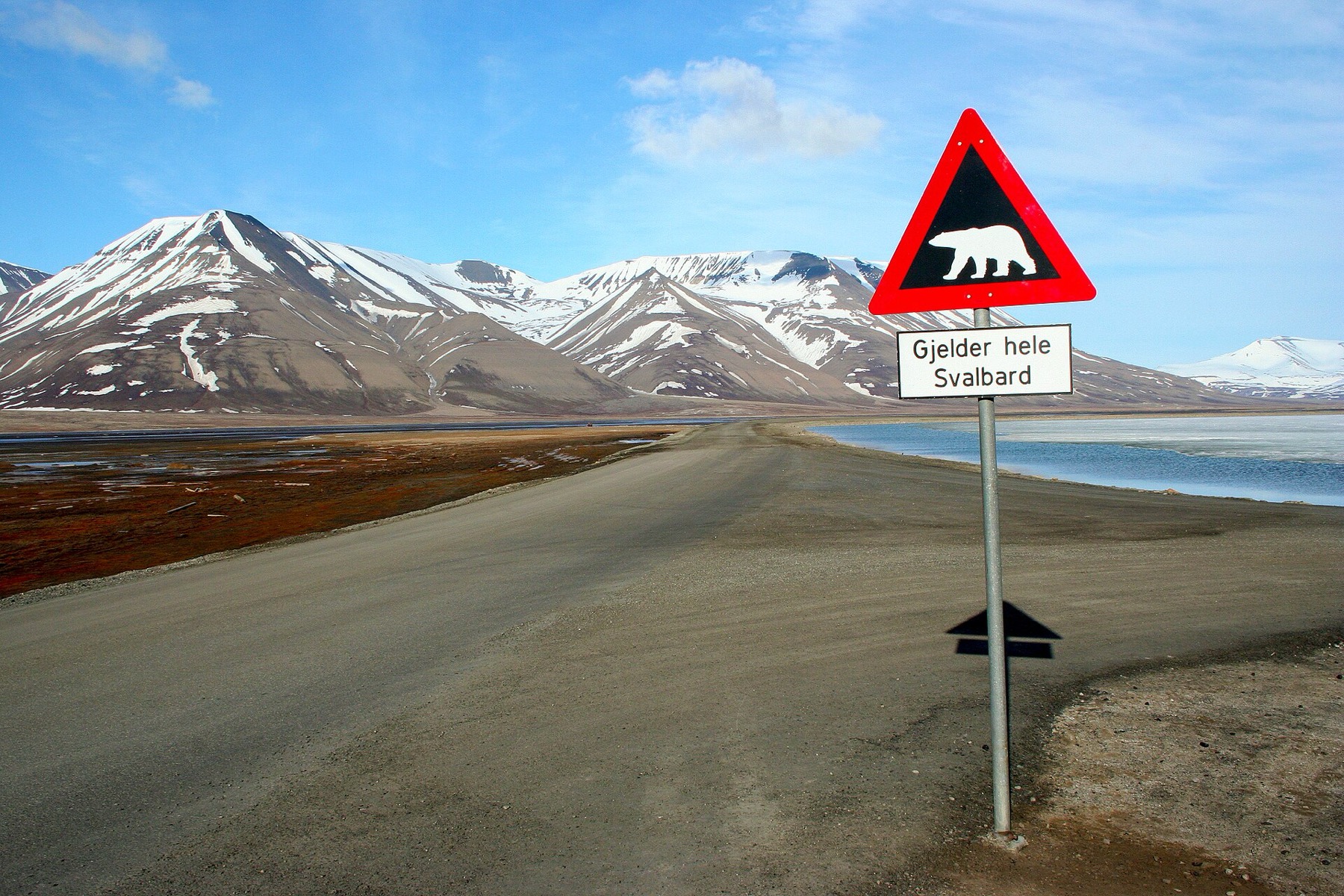
10. Outside the settlements, you need an armed guide or firearm
This is probably the biggest culture shock for any visitor. Once you cross the invisible boundary of town, the so-called Zone 10, carrying a firearm is strongly recommended, along with a flare gun. On an organised excursion, your certified guide takes on that responsibility and always carries a rifle.
Inside the town itself, the rules are exactly the opposite. Firearms must be carried visibly unloaded, with the bolt open, and taking them into public buildings is strictly prohibited. Outside the bank, post office and supermarket, you’ll find dedicated security lockers where residents neatly stow their rifles before going shopping.
💡 Tip: Tourists can rent a rifle from sports shops in the centre, but the process is lengthy. You need either a valid European Firearms Pass or a special permit from the Governor, which can take up to eight weeks to process.
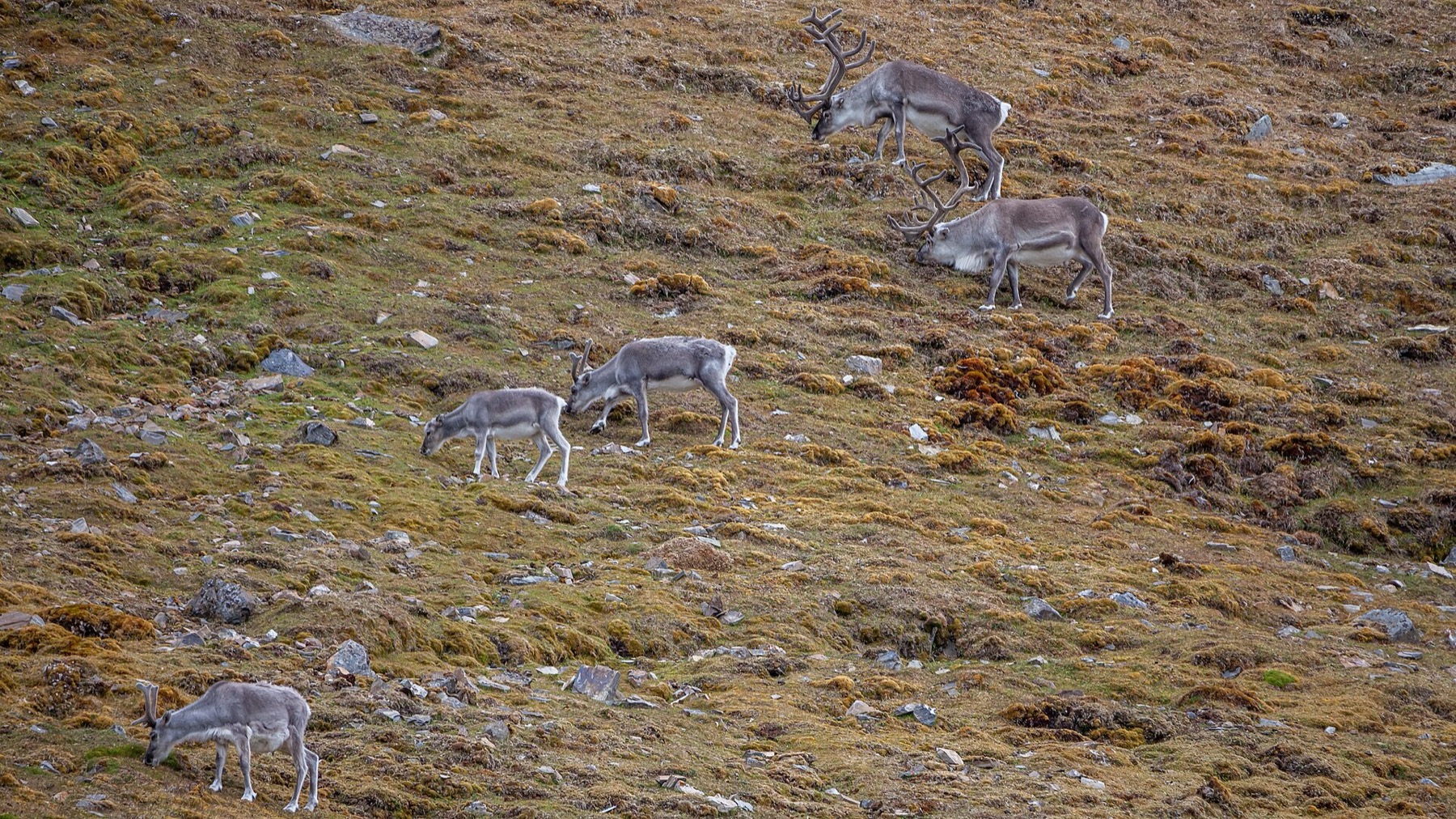
11. Svalbard reindeer: An endemic subspecies unafraid of people
On a walk around town, you’re bound to encounter local reindeer, which look a little different from their Scandinavian relatives. This endemic subspecies evolved in complete isolation, resulting in much shorter legs, a stockier body and a smaller head. At first glance, they look more like large, adorable cuddly toys.
Because these reindeer have no natural land-based predators on the islands, they have almost completely lost their fear of people. They regularly graze right between Longyearbyen’s colourful houses and let you walk past just a few metres away. According to the latest major scientific census, more than 22,400 of these unique animals live on the archipelago.
💡 Tip: Although the reindeer aren’t afraid of people and are very easy to photograph, never try to feed or stroke them. Local nature protection rules prohibit any deliberate disturbance of wildlife in its natural habitat.
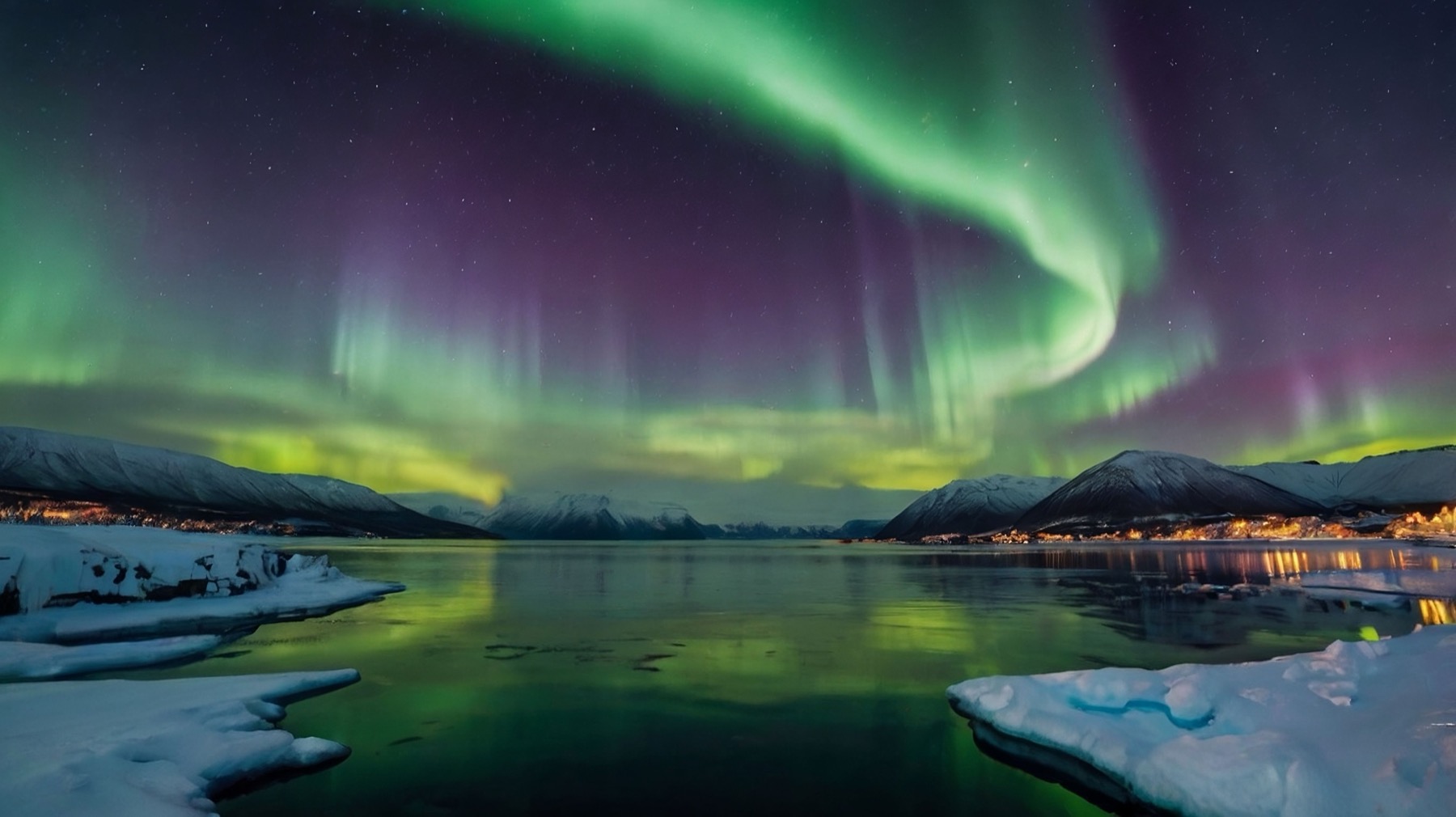
12. Northern lights at noon and months of darkness
Polar night reaches truly extreme proportions here. From mid-November to the end of January, the islands experience complete darkness lasting more than two and a half months. That pitch-black sky brings a unique phenomenon: Svalbard is the only inhabited place on the planet where you can watch the northern lights even at midday.
There is one important catch, though. The archipelago sits at the 78th parallel, which, paradoxically, is too far north, beyond the main auroral oval. Experienced guides therefore agree that if chasing the northern lights is your main goal, you’re much better off heading to Tromsø in northern Norway, which lies at the ideal latitude.
💡 Tip: The best time to visit is the so-called blue season, around late February and early March. The sun still sits low in the sky, but the landscape is bathed in spectacular blue and pink light, making it absolutely perfect for photography.
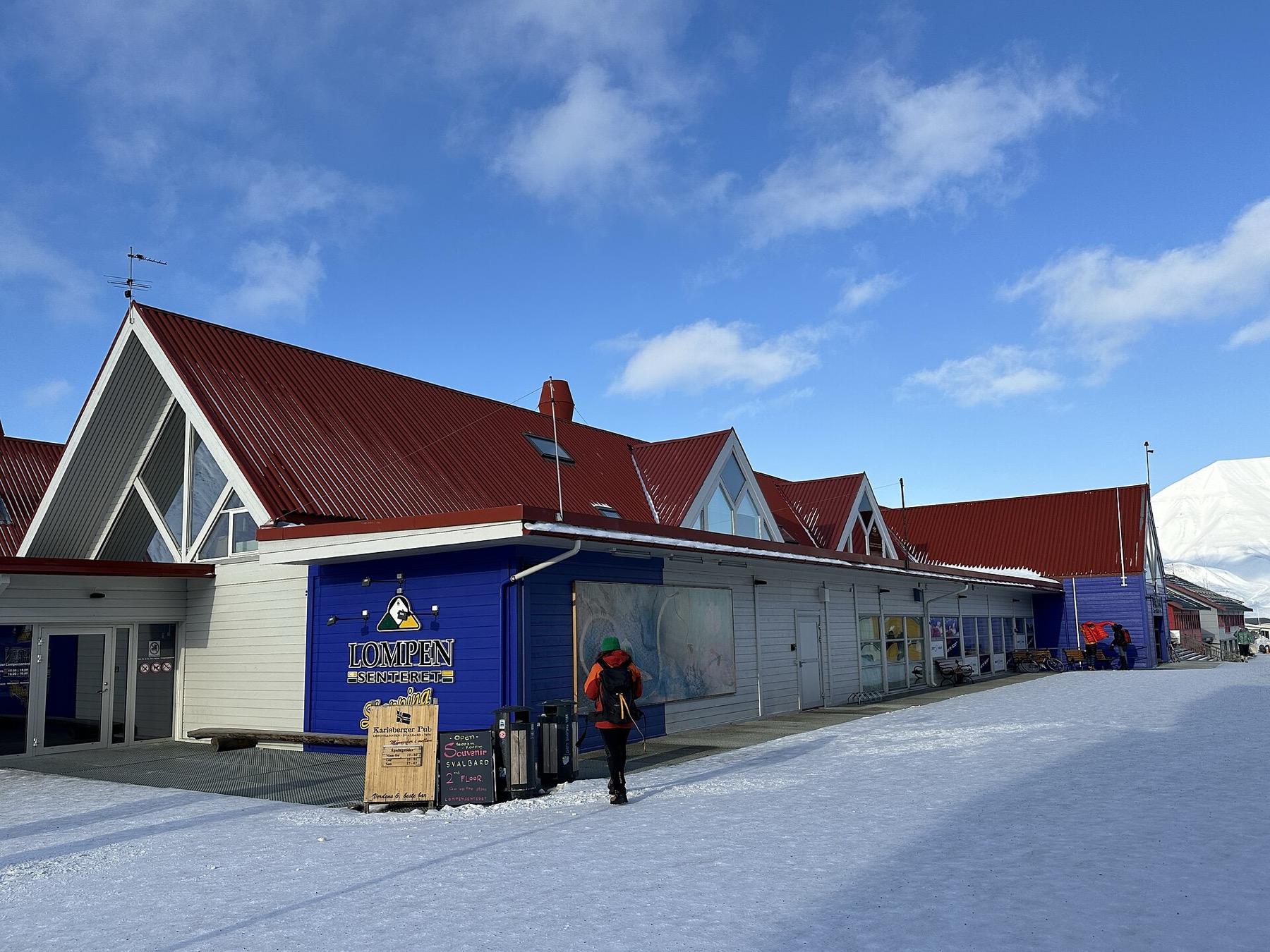
13. The northernmost kebab, brewery and Lenin statue
Residents and tourists alike love spotting all the things here that qualify as the world’s northernmost. In Longyearbyen, you’ll find the northernmost university, ATM, year-round campsite and kebab shop. A little farther north, in the research settlement of Ny-Ålesund, is the northernmost operating post office.
Another fascinating place is the abandoned Soviet mining town of Pyramiden, a popular destination for full-day boat trips. Amid perfectly preserved 1980s architecture, the world’s northernmost bust of Vladimir Ilyich Lenin still stands proudly, gazing across the fjord towards the majestic Nordenskiöldbreen glacier.
💡 Tip: If you head to Pyramiden by boat, don’t forget very warm clothing. The journey takes approximately two to three hours each way and usually costs around NOK 2,800. The glacier views from the open deck are absolutely breathtaking.
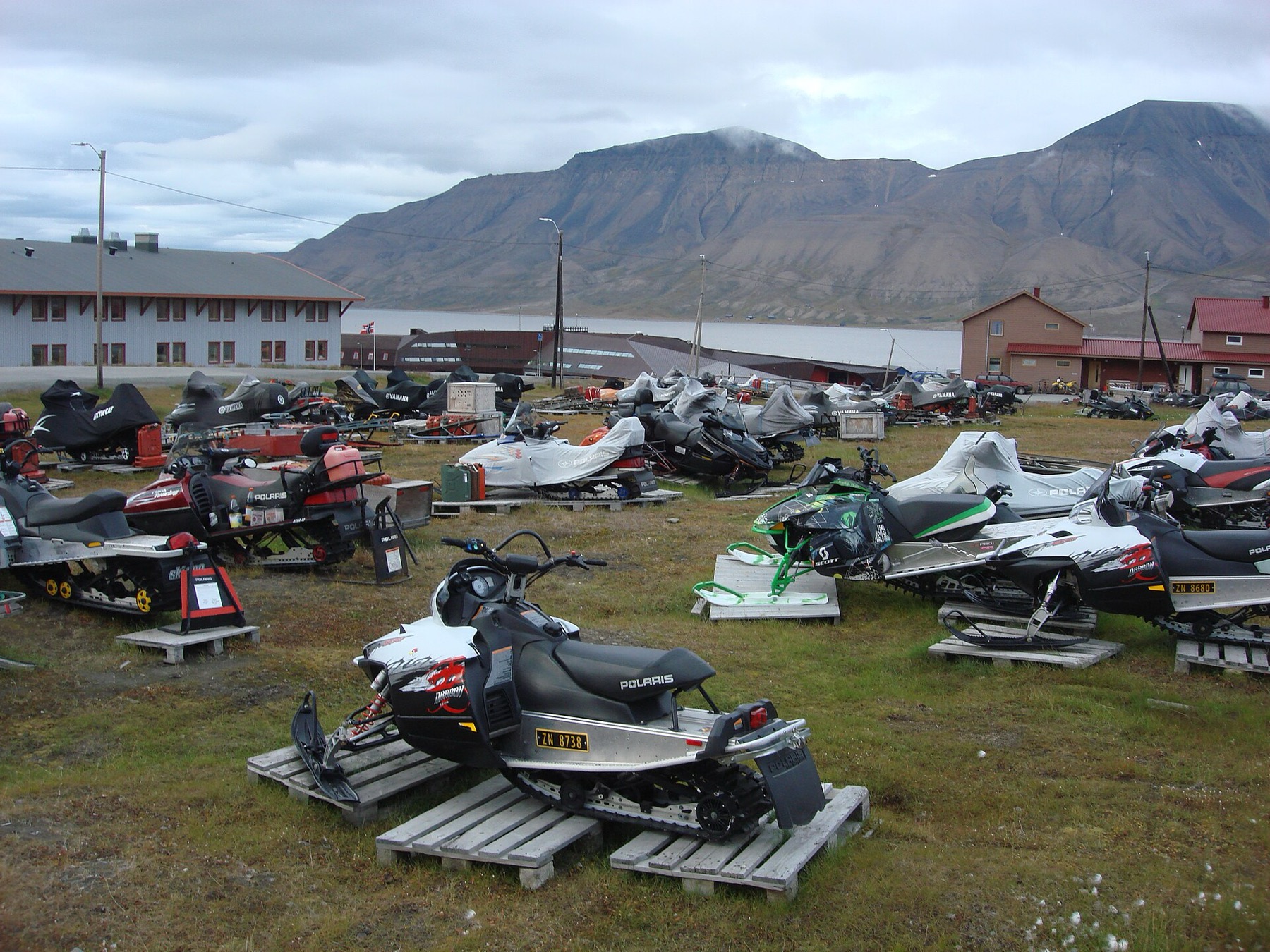
14. Shoes off indoors — and more snowmobiles than people
A rather unusual surprise awaits you at the entrance to many local buildings. In hotels, museums, the library and even the tourist information centre, you have to take your shoes off at the door. The tradition dates back to the days of large-scale coal mining, when miners tried to avoid tracking the ever-present black coal dust into clean indoor spaces.
Local transport is another distinctive feature. There are only about forty kilometres of ordinary roads, and they don’t extend beyond the immediate surroundings of town. As a result, estimates suggest there are more registered snowmobiles than residents. During the winter months, snowmobiles are an essential — and often the only — way to reach the more distant fjords.
💡 Tip: Pack comfortable, thick woollen socks or lightweight slippers. You’ll spend plenty of time in them while walking around your hotel and visiting the excellent local Svalbard Museum.
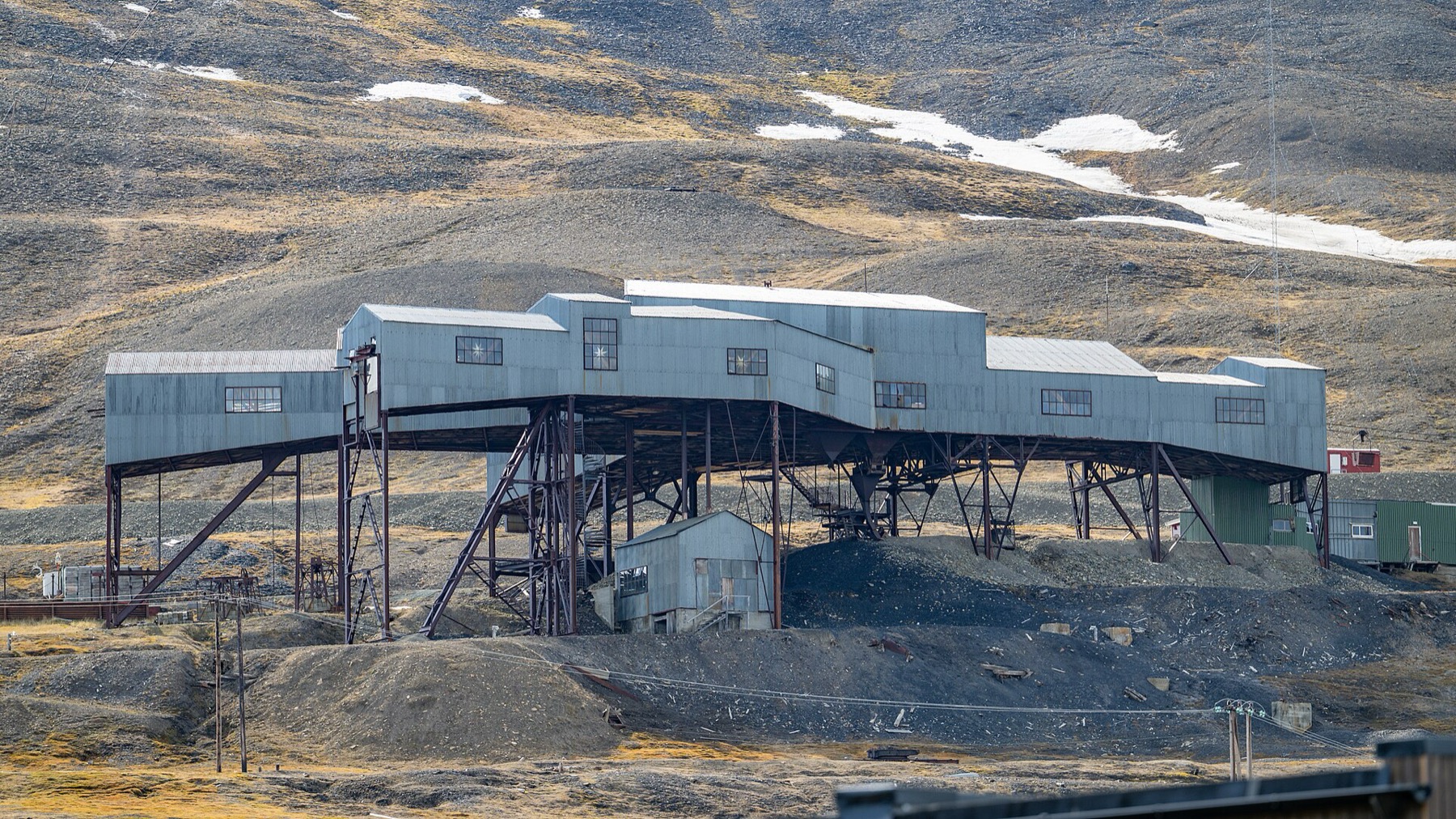
15. Everything dating from before 1946 is strictly protected
Svalbard’s environmental protection law takes an uncompromising approach to cultural heritage. The rule is that all traces of human activity and objects dating from before 1946 are automatically protected by the state. There are no exceptions.
In practice, if you find an old rusty nail, a piece of timber from a collapsed hunting cabin or an empty rusted fuel drum lying in the tundra, you must not pick it up or move it anywhere. There is also a 100-metre protection zone around all these historical artefacts. Collecting old animal bones or reindeer antlers, or picking the rare local plants, is prohibited as well.
💡 Tip: Buy any souvenirs only from official shops in central Longyearbyen. If you turn up at the airport with a historical artefact you found tucked into your backpack, you could face an astronomical fine.
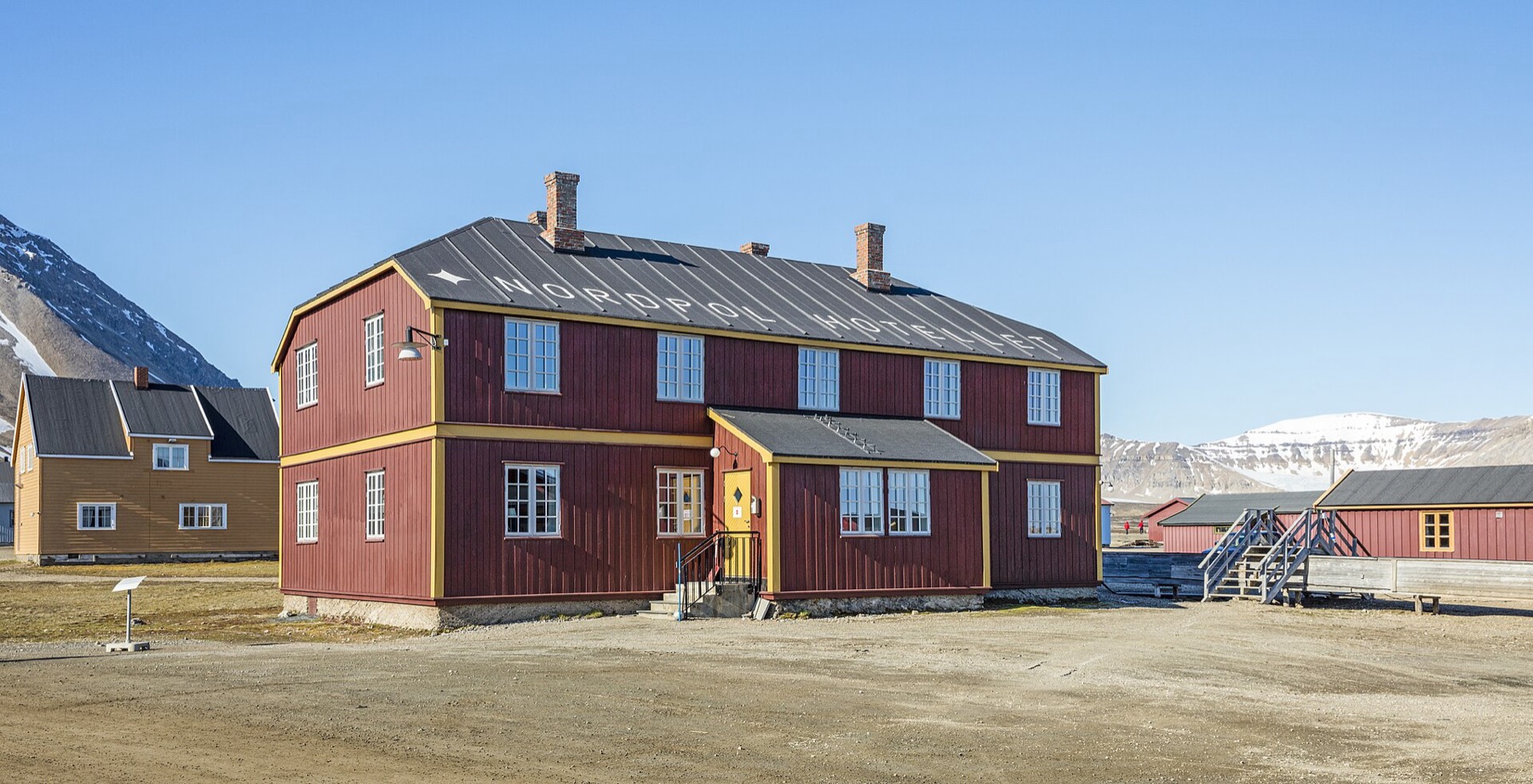
16. Radio silence in Ny-Ålesund
Northwest of the main town lies Ny-Ålesund, a settlement used exclusively as an international science and research base. Various countries operate laboratories here that monitor climate change and the atmosphere. Because of the extremely sensitive measuring instruments, wireless technologies are completely prohibited.
Within a full twenty-kilometre radius of the settlement, switching on Wi-Fi networks or Bluetooth connections is strictly forbidden. All tourists arriving on cruise ships must put their mobile phones into flight mode. It’s one of the few places on the planet where you’ll experience a genuine digital detox.
💡 Tip: You can’t visit Ny-Ålesund independently, and there is no commercial accommodation. The only way to visit is on an organised expedition cruise, during which guides take you on a walk of roughly an hour along the designated paths.
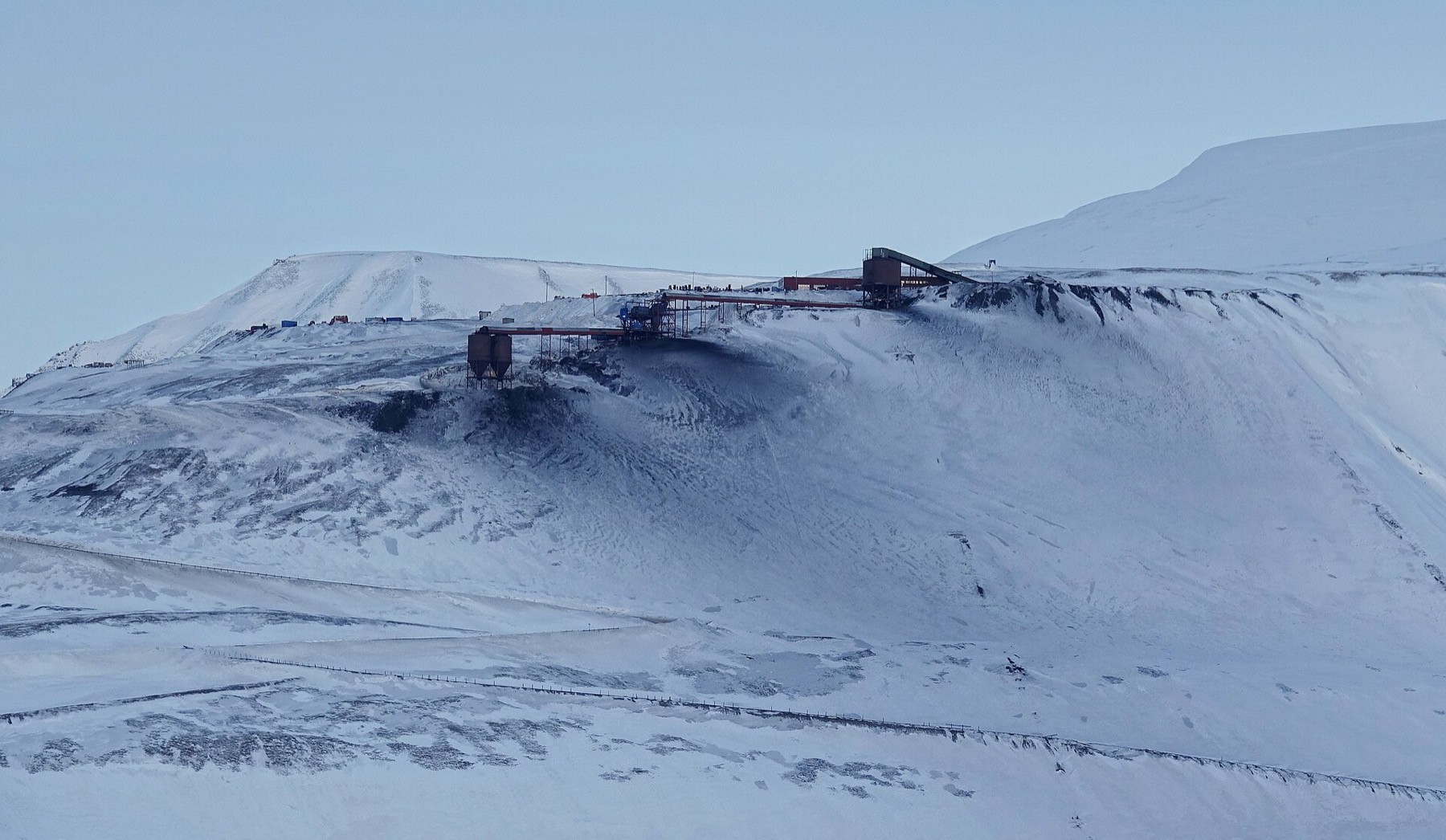
17. The end of coal — and a key thrown into the mine
The archipelago’s history is inseparable from coal mining, which brought the first permanent residents here in the early twentieth century. That long era finally came to an end in late June 2025, when the last cart emerged from Mine 7, the very last active Norwegian coal mine on the islands.
Dismantling all the mining equipment took almost a year, and a symbolic closing ceremony took place in May 2026. The miners permanently locked the entrance with a heavy chain and threw the key deep into the dark mine, never to be recovered. Longyearbyen had already shut down its coal-fired power station, and the town is now investing huge sums in a transition to renewable energy supported by enormous battery storage systems.
💡 Tip: Although modern mining has ended, you can still experience the islands’ mining history. Book a tour of the old Mine 3, where former miners show you the almost unimaginably harsh conditions in which people were working until quite recently.
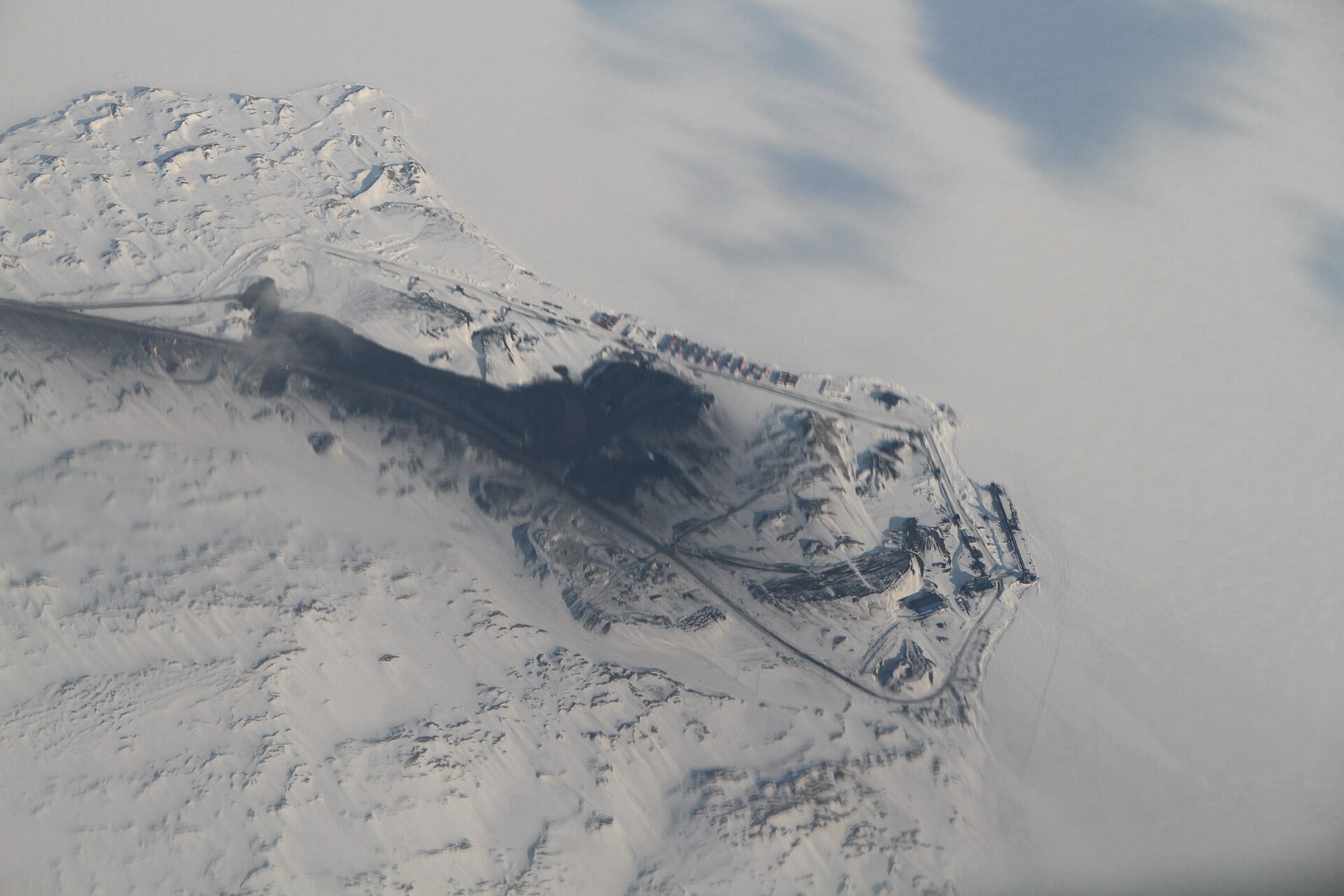
18. Sveagruva: A town completely erased from the map
The project carried out in Van Mijenfjorden is unlike anything else in the world. The mining settlement of Sveagruva once supported the archipelago’s largest coal mine. When the decision was made to end mining, the Norwegian government didn’t simply order the town abandoned: it decided to demolish it completely and return the land to pristine nature.
It was the largest nature restoration project in Nordic history. Heavy machinery demolished all the accommodation blocks, port facilities, roads and even the entire runway. The project cost roughly NOK 1.6 billion and finished in 2023. Today, you won’t find anything left of the former industrial complex; polar bears and wild nature have taken over.
💡 Tip: If abandoned places interest you, head to the Russian settlement of Pyramiden rather than demolished Sveagruva. Its buildings may be deteriorating, but the complete Soviet infrastructure from the 1980s remains remarkably well preserved by the freezing climate.
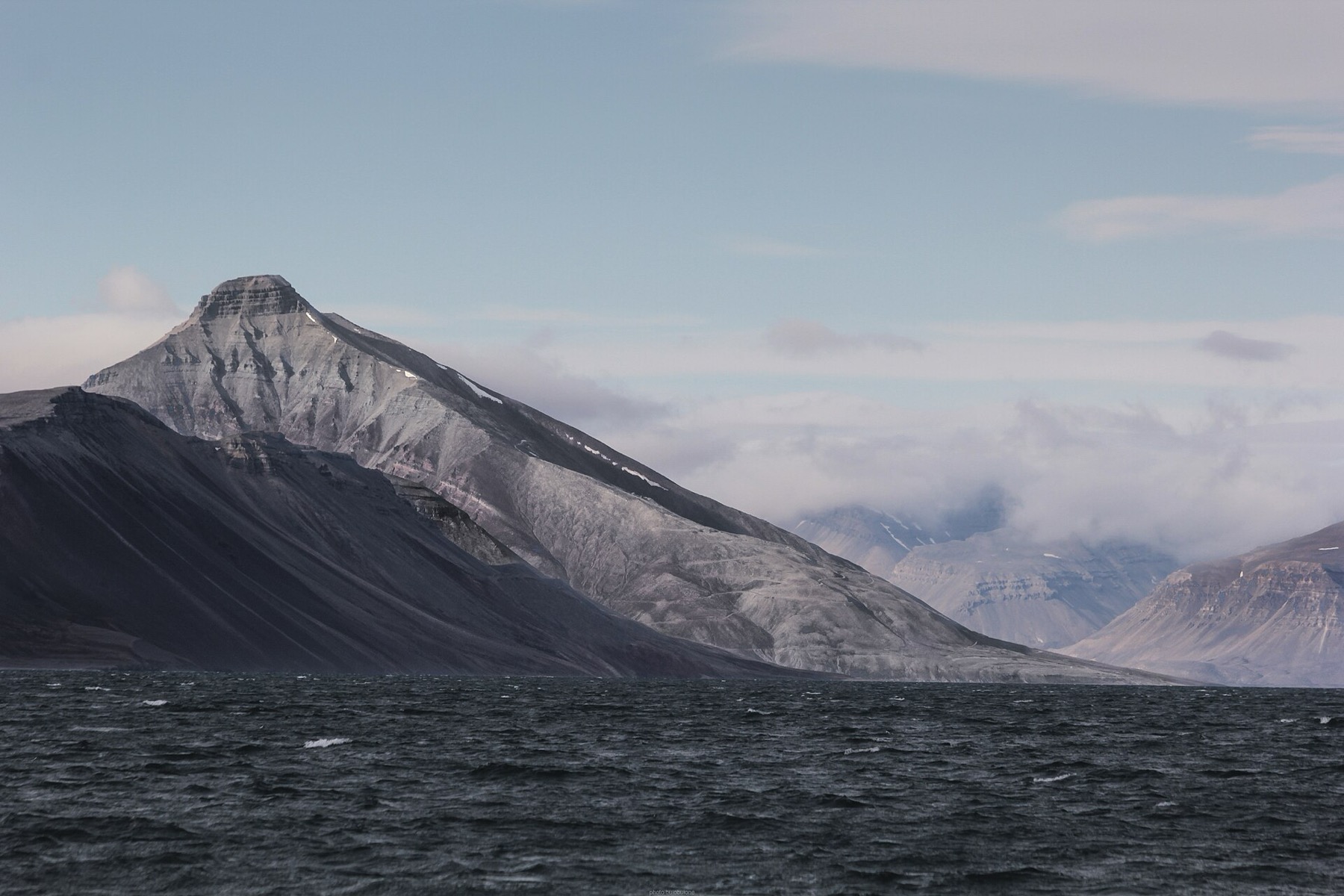
Svalbard’s highlights at a glance
For a quick overview, I’ve gathered the most intriguing local extremes into a simple table. It makes it easy to see why people love visiting this archipelago and what makes it so utterly unique.
| Highlight | Location | What makes it special | Practical tip |
|---|---|---|---|
| Global Seed Vault | Platåberget mountain | More than 1.4 million seed samples from around the world stored in permafrost | Photos only from outside; entry is strictly prohibited |
| Northernmost brewery | Longyearbyen | Founded after an amendment to an old law from 1928 | Tours with tastings cost about €45 |
| Soviet ghost town | Pyramiden | Abandoned in 1998, with a preserved cultural centre and swimming pool | A boat trip takes a full day and costs around NOK 2,800 |
| Radio silence | Ny-Ålesund | Wi-Fi and Bluetooth banned within a 20-kilometre radius | Accessible only on longer expedition cruises |
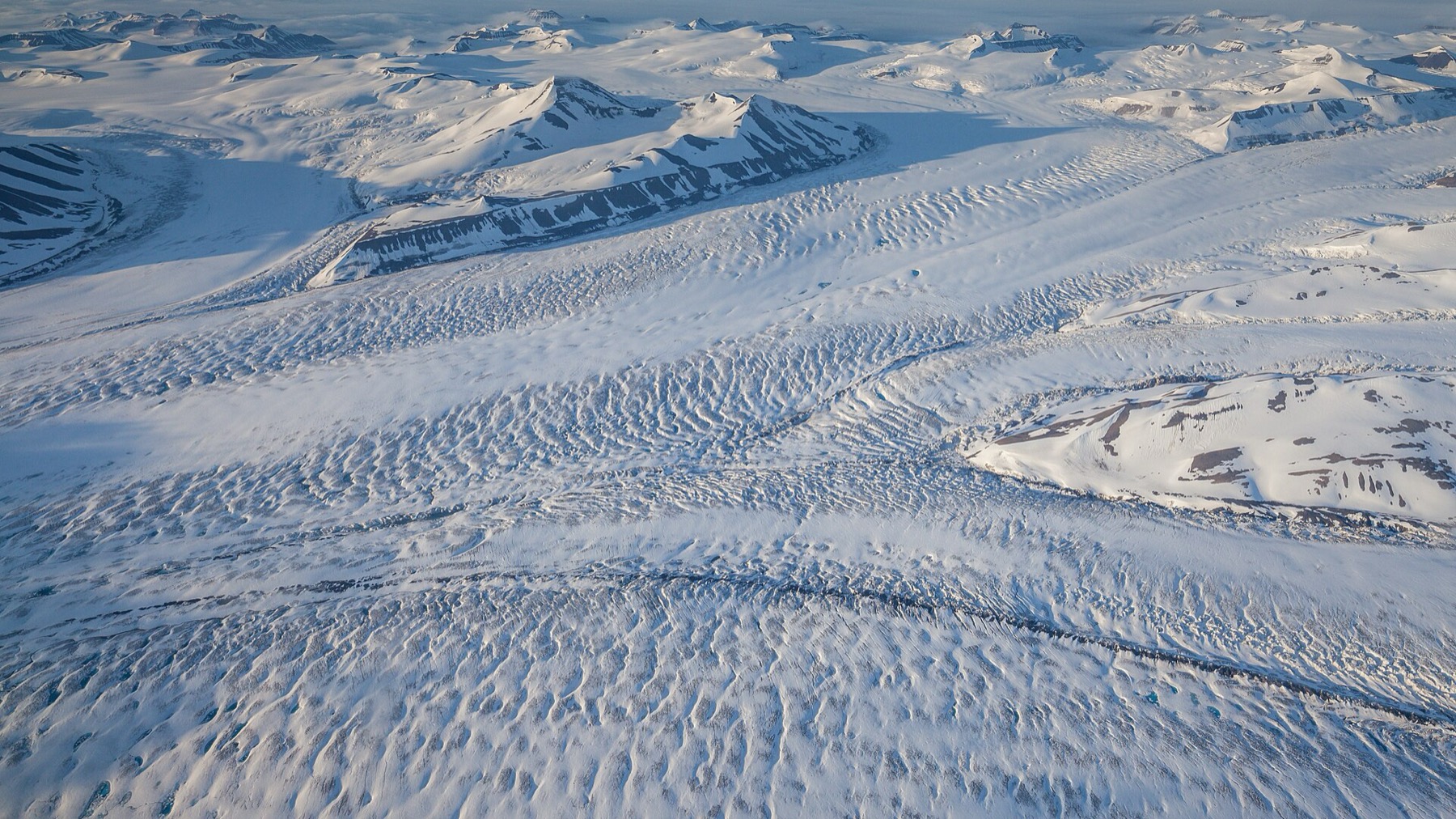
Fascinating facts and records
The islands hold several records linked to their extreme location in the Arctic Ocean. If you enjoy facts and figures and are curious about just how different the natural environment is from the rest of Europe, this section is for you.
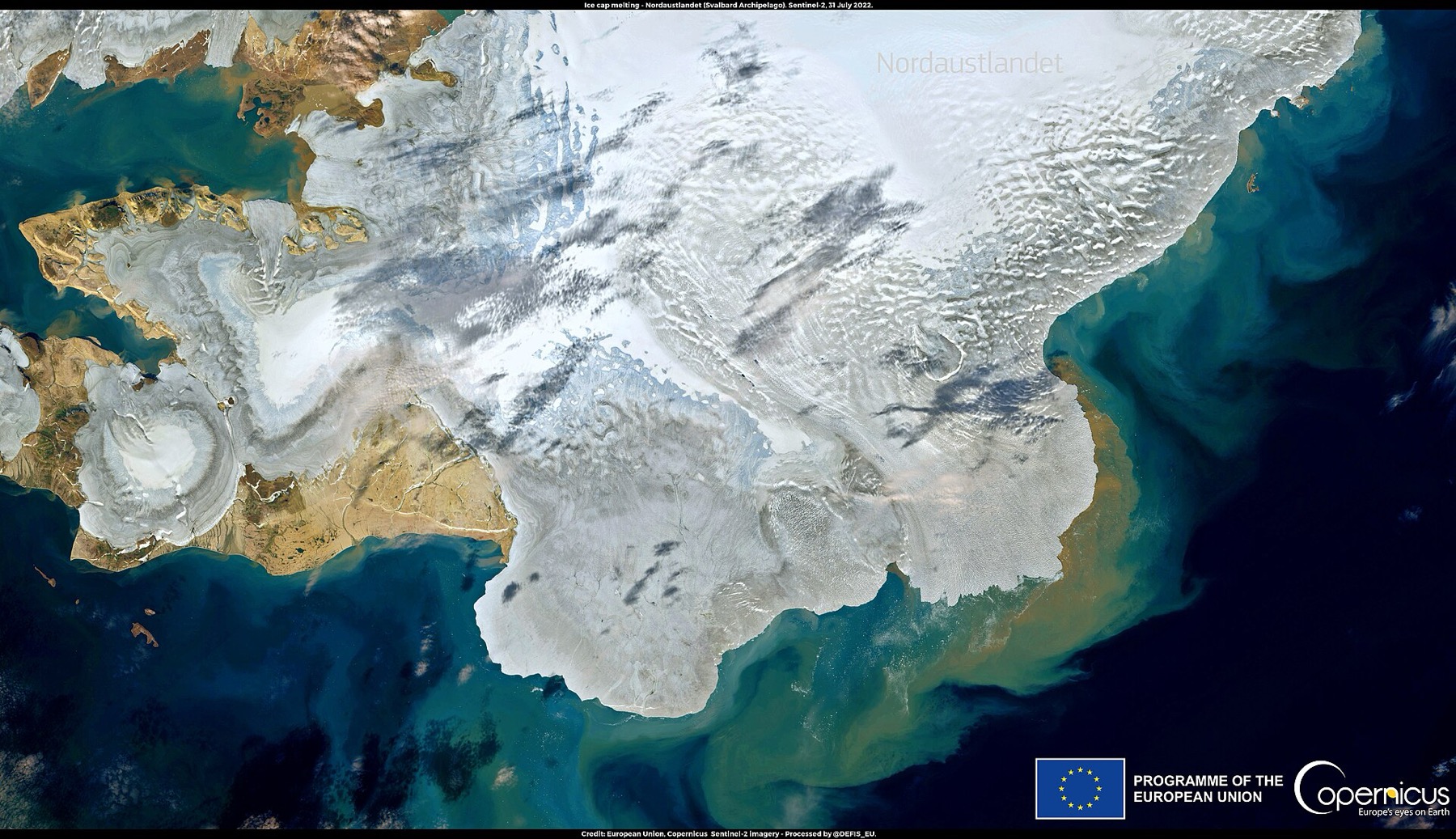
Enormous ice caps
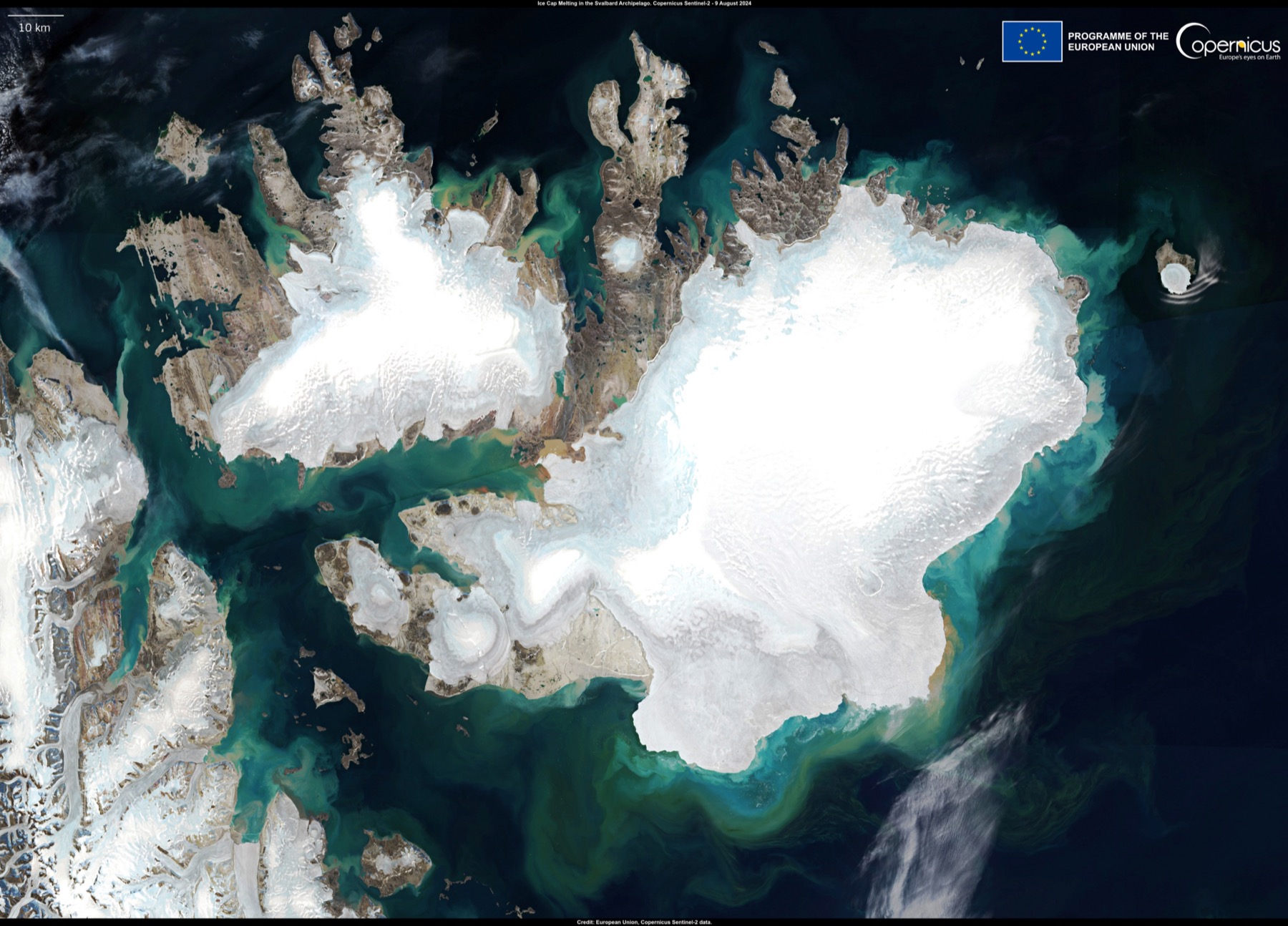
More than sixty per cent of the archipelago’s total area is covered in permanent ice. The island of Nordaustlandet is home to the Austfonna glacier, which covers an astonishing 8,450 square kilometres. This ice mass ranks as the world’s fourth-largest ice cap, after Antarctica, Greenland and Russia’s Novaya Zemlya. Its southern edge forms a continuous, 45-kilometre-long ice wall plunging straight into the ocean.
Svalbard Norway weather and dramatic warming
Unfortunately, the Arctic also breaks some deeply worrying records. Since the early 1970s, average temperatures here have risen by 3 to 5°C, making the islands the fastest-warming place on the planet. Thawing permafrost causes cracks in the foundations of homes and leads to dangerous landslides, forcing the town to build massive avalanche barriers above residential areas.
Spectacular bird cliffs
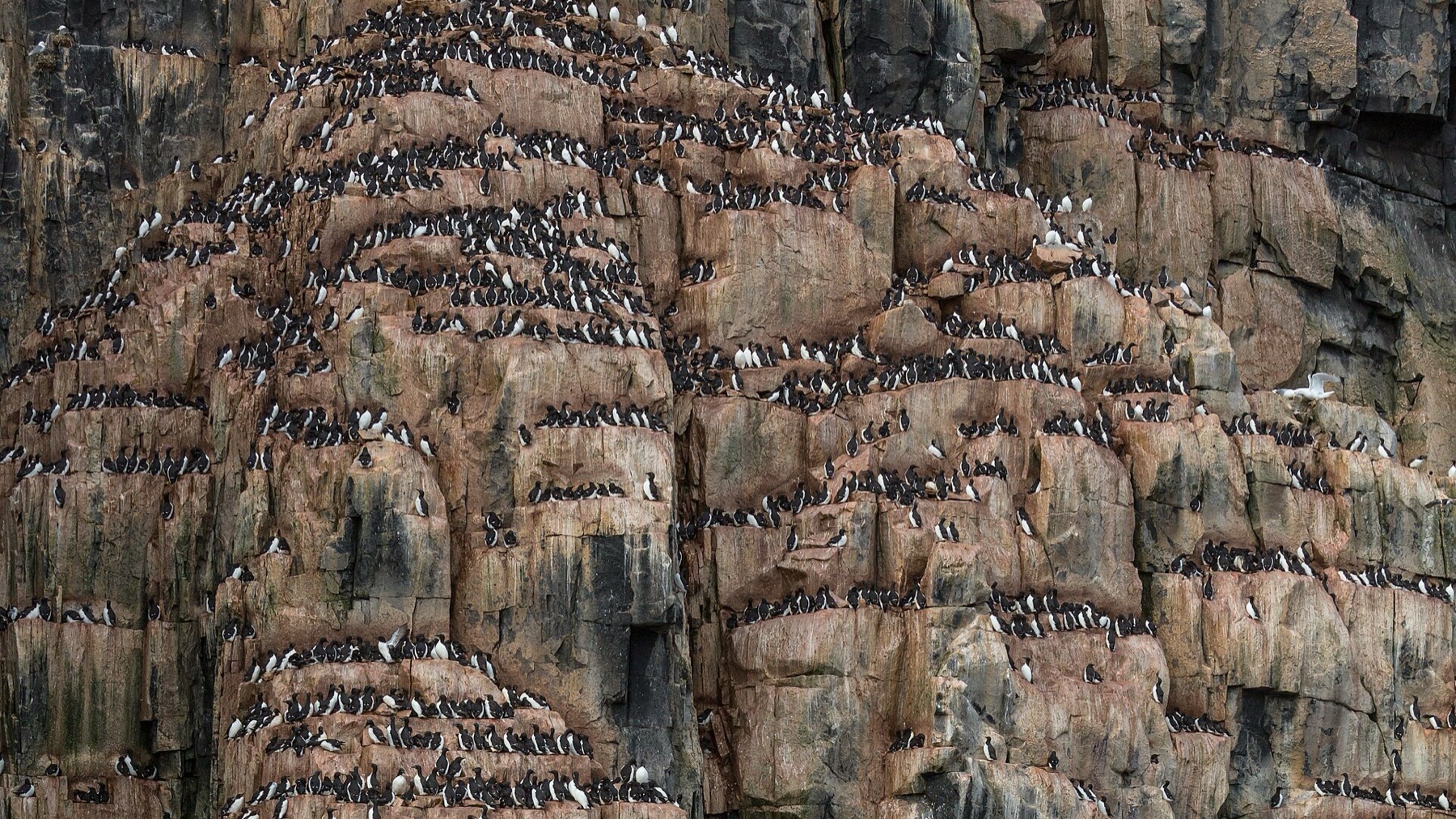
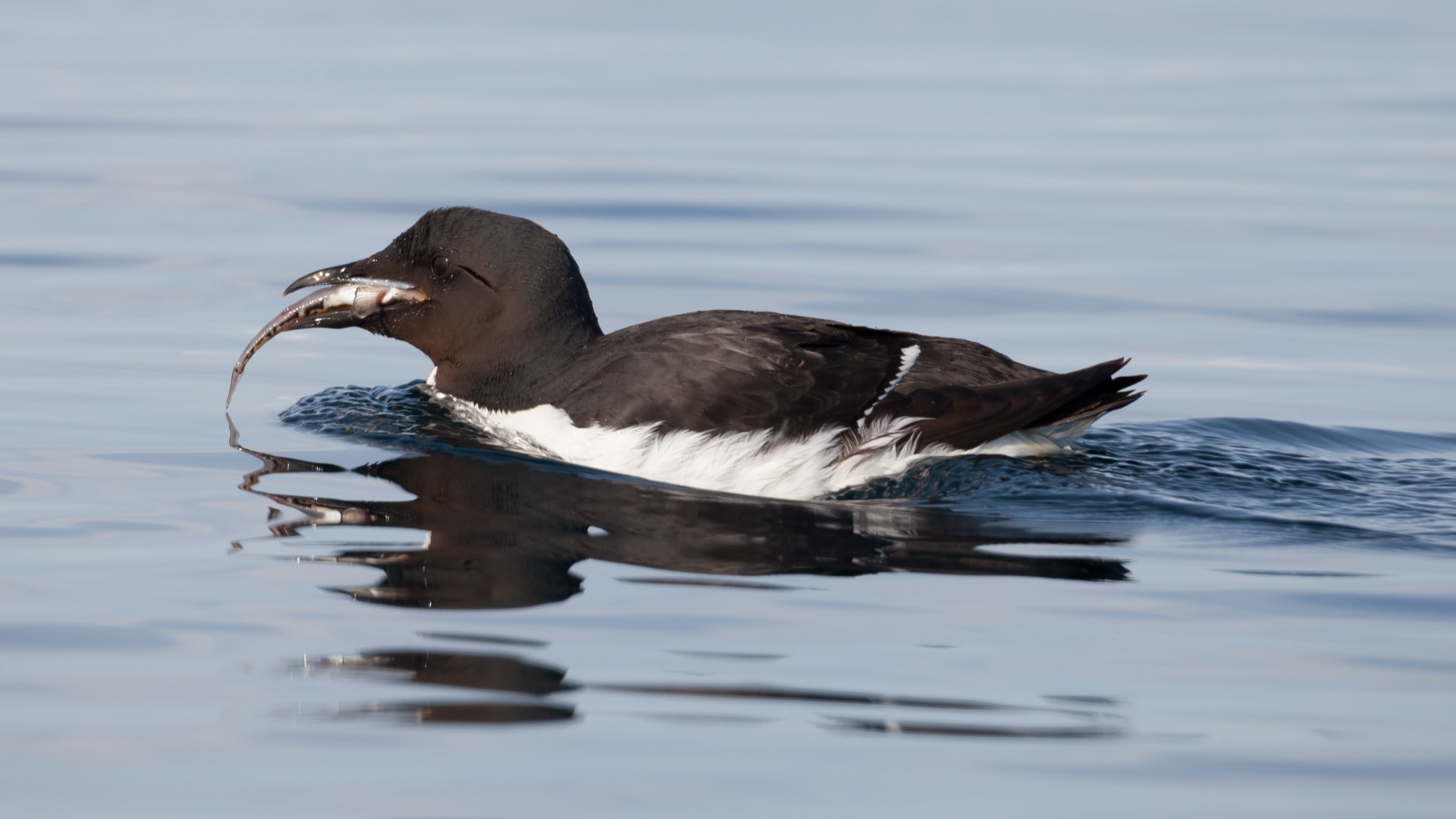
During the short Arctic summer, the cliffs turn into deafening nesting colonies. In the Hinlopenstretet strait, the enormous vertical cliffs of Alkefjellet drop more than a hundred metres into the sea. They host tens of thousands of pairs of Brünnich’s guillemots, while hungry Arctic foxes constantly patrol below, collecting fallen eggs. It’s one of the finest wildlife spectacles you can witness from the deck of a boat.
Read next
If the Arctic north has captured your imagination and you’d like to learn even more about this fascinating region, take a look at our other in-depth articles. You’ll find plenty of practical tips on organising the whole trip and working out how much money to budget.
- Svalbard: What to see and do at the edge of the world
- Longyearbyen: What to see
- Pyramiden and Barentsburg
- How to get to Svalbard
- Tromsø: Your gateway to the northern lights
Frequently asked questions
People ask me about this destination all the time, and they usually want to know the same practical — and sometimes bizarre — things. So I’ve put together an overview of the most common questions you’re likely to come across when planning a trip to the far north.
What is the seed bank and can you visit it?
The Global Seed Vault is a secure underground vault carved into the permafrost that holds over 1.4 million seed samples from around the world as a backup in case of disasters. The general public and journalists have absolutely no access to the interior spaces, tourists can only photograph the illuminated entrance portal on the mountainside above the airport.
Why is Svalbard visa-free?
This unique status stems from the Svalbard Treaty signed in Paris in 1920. While the treaty grants sovereignty over the islands to Norway, it also guarantees citizens of all signatory states exactly the same rights to residence and business as Norwegians. Czechoslovakia joined the agreement in 1930, so citizens of signatory countries can live here without any permit.
Why are cats banned there?
A strict ban on importing and keeping cats applies across the entire archipelago to protect extremely vulnerable Arctic bird species. Local birds, such as protected Arctic terns or little auks, often nest directly on the ground or in low cliffs, where they would be extremely easy prey for efficient feline predators.
Is it really forbidden to die there?
The law doesn’t explicitly prohibit it, of course, but in practice it works that way due to missing infrastructure. The local permafrost prevents conventional burial in the ground because it naturally preserves bodies and pushes them to the surface. In addition, the hospital doesn’t have a department for long-term care patients, so patients in serious condition are transported by air to the mainland.
How many polar bears are there really?
According to scientists’ estimates, approximately 3,000 polar bears live in the entire Barents Sea region, which is numerically more than the roughly 2,500 human inhabitants of the Norwegian settlements. But the bears move primarily on sea ice and along the eastern coast, they appear in the streets of the main town only extremely rarely.
Who does Svalbard actually belong to?
The archipelago falls under the full state sovereignty of Norway, which exercises administrative control through a governor designated as Sysselmester. Norway provides police protection, rescue operations and law enforcement, but must respect international conventions on free access for citizens of other states and maintain a demilitarized zone.
Can I go outside the town on my own?
You can head into the immediate surroundings of the town in the so-called Zone 10 without special permission, but it’s strongly recommended to carry a loaded rifle and a signal pistol. If you want to venture deeper into the wilderness, you need expensive insurance for rescue operations and formal permission from the governor. Most tourists therefore choose paid excursions with an armed guide.
When is the best time to visit?
Experienced guides agree that the best month to visit is April. It offers the ideal combination of enough snow for snowmobile trips and glacier cave visits, plus plenty of daylight that transitions into midnight sun at the end of the month. If you want to go on an expedition cruise and see whales, head there in July or August instead.
Tips and Tricks for Your Vacation
Don’t Overpay for Flights
Search for flights on Kayak. It’s our favorite search engine because it scans the websites of all airlines and always finds the cheapest connection.
Book Your Accommodation Smartly
The best experiences we’ve had when looking for accommodation (from Alaska to Morocco) are with Booking.com, where hotels, apartments, and entire houses are usually the cheapest and most widely available.
 🚗 Car rental on the roadVerified rental cars in Norway
Search with the DiscoverCars comparison engine — it compares prices from dozens of local and international rental companies, and most bookings come with free cancellation.
Compare car prices in Norway →Don’t Forget Travel Insurance
Good travel insurance will protect you against illness, accidents, theft, or flight cancellations. We’ve had a few hospital visits abroad, so we know how important it is to have proper insurance arranged.
Where we insure ourselves: SafetyWing (best for everyone) and TrueTraveller (for extra-long trips).
Why don’t we recommend any Czech insurance company? Because they have too many restrictions. They set limits on the number of days abroad, travel insurance via a credit card often requires you to pay medical expenses only with that card, and they frequently limit the number of returns to the Czech Republic.
Find the Best Experiences
Get Your Guide is a huge online marketplace where you can book guided walks, trips, skip-the-line tickets, tours, and much more. We always find some extra fun there!