People often confuse Estonia the country with Latvia or Lithuania and mentally file it somewhere in the grey post-Soviet east. In reality, this tiny nation belongs mentally and culturally to Scandinavia, and it is far closer to the Finns than to its Baltic neighbours.
Instead of crumbling concrete tower blocks, you’re welcomed by a highly modern and technologically advanced society, where medieval walls flow seamlessly into glass-fronted startup hubs. In the morning you can respectfully watch for bears deep in the taiga, and in the afternoon sip specialty coffee in a neighbourhood that looks like it was lifted straight from a Copenhagen design magazine.
In this article we’ll take a look at the most interesting and surprising facts that make Estonia a true European one-off. Among other things, you’ll find out why people here sometimes drive across the sea in winter without seatbelts, and how it’s even possible that locals handle all their official paperwork straight from the sauna.
Quick answer
Estonia is the northernmost Baltic state, lying in north-eastern Europe by the Baltic Sea and bordering Latvia and Russia. The capital is Tallinn, the currency is the euro, and the official language is Estonian.
With a population of 1.37 million, the country belongs to both the European Union and NATO, and it stands out worldwide for the extreme level of digitalisation of its public administration.
TL;DR
Let’s sum up the most essential points right away. Estonia is incredibly diverse and offers a whole host of unique things.
- Nordic at heart: Estonians don’t feel part of the Baltics at all, and both linguistically and culturally they are closest to neighbouring Finland.
- The e-Estonia digital paradise: Almost 99 percent of all public administration runs online, including nationwide parliamentary elections.
- A land of thousands of islands: More than 2,000 islands hug the Estonian coast, the most famous being Saaremaa and Hiiumaa.
- Unique wilderness: Deep forests cover half of the country, and in spring you can experience the so-called fifth season first-hand.
- European historical firsts: Tallinn boasts the oldest continuously operating pharmacy and, quite likely, the first Christmas tree in Europe.
- Safety first: Despite its proximity to Russia, it’s one of the safest and most media-literate countries in the entire world.
The full destination guide: Estonia — guide and what to see
Key facts about Estonia the country
| Fact | Value |
|---|---|
| Capital | Tallinn |
| Area | 45,227 km² (roughly the size of Denmark) |
| Population | 1.37 million (very low population density) |
| Currency | Euro since 2011 |
| Official language | Estonian (Finno-Ugric language family) |
| EU and NATO membership | Yes, both since 2004 |
| Time zone | Eastern European Time (EET) |
| International dialling code | +372 |
| Highest point | Suur Munamägi (318 metres above sea level) |
| Coastline length | 3,794 kilometres (including more than 2,000 islands) |
20 interesting facts about Estonia
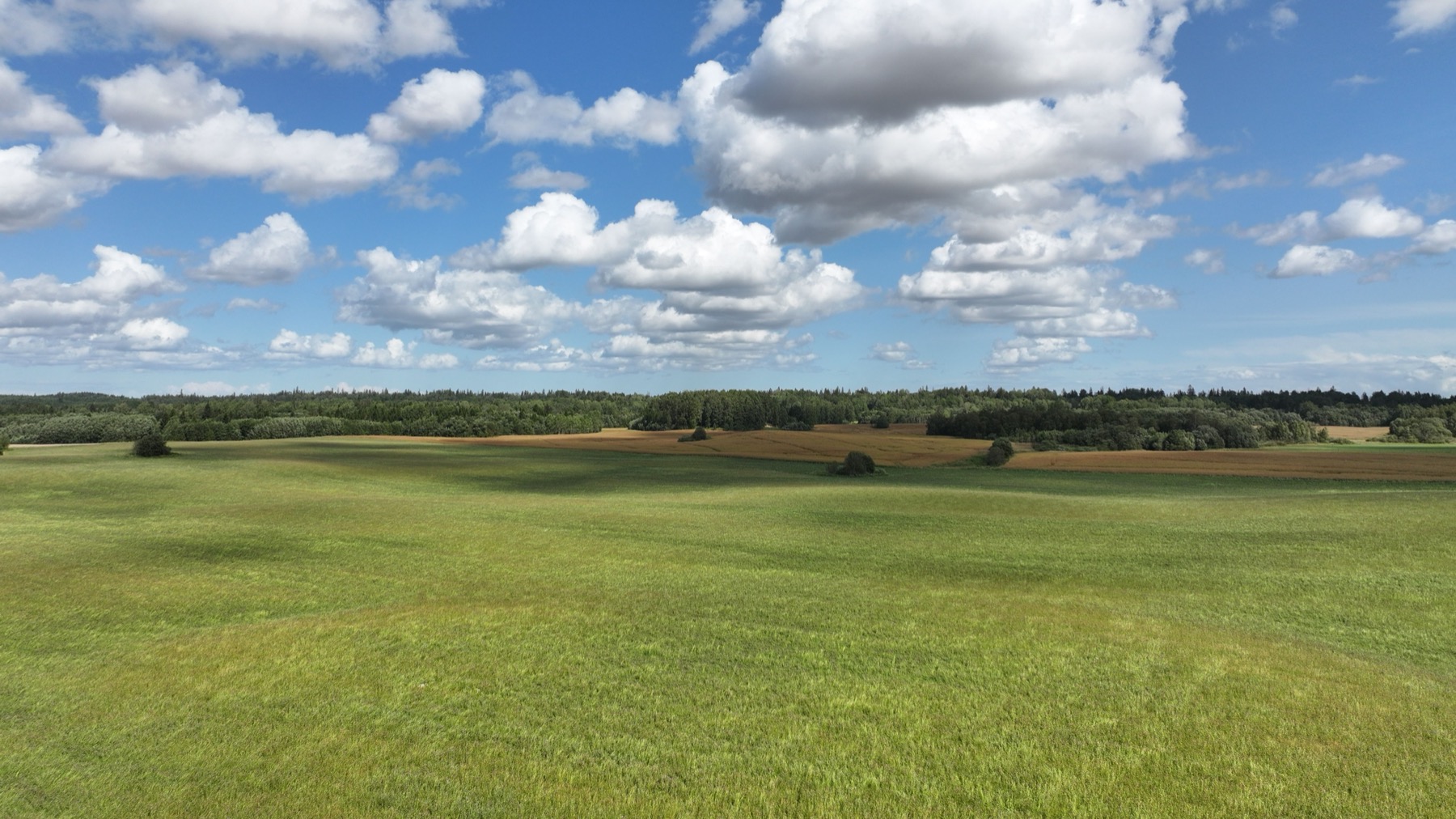
Estonia manages to surprise you at almost every turn. Here’s a selection of the most fascinating facts that perfectly capture this Nordic-leaning country. You’ll discover why the nature here is so unbelievably wild, just how much locals love digitalisation, and which unusual traditions have survived right up to the present day.
Think of this list as great inspiration and a springboard for planning your own Nordic adventure.

1. An e-state where you handle everything from the sofa
Estonia is an absolute world pioneer in digitalisation, because almost 99 percent of all official tasks can be done online. Under local law, there are only three specific things for which you physically have to show up at an office: getting married, getting divorced, and selling property.
This sophisticated system is called e-Estonia and covers absolutely everything, from setting up a company to picking up a prescription. Estonians were even the very first nation in the world to introduce nationwide internet voting, which saves them a huge amount of time and public money.
The state also offers so-called e-Residency, a virtual citizenship for entrepreneurs from all over the world, and it lures digital nomads with special visas. According to various surveys, the time locals save on paperwork is most often spent in nature or in their beloved saunas.
2. Not Balts, but hidden Nordics
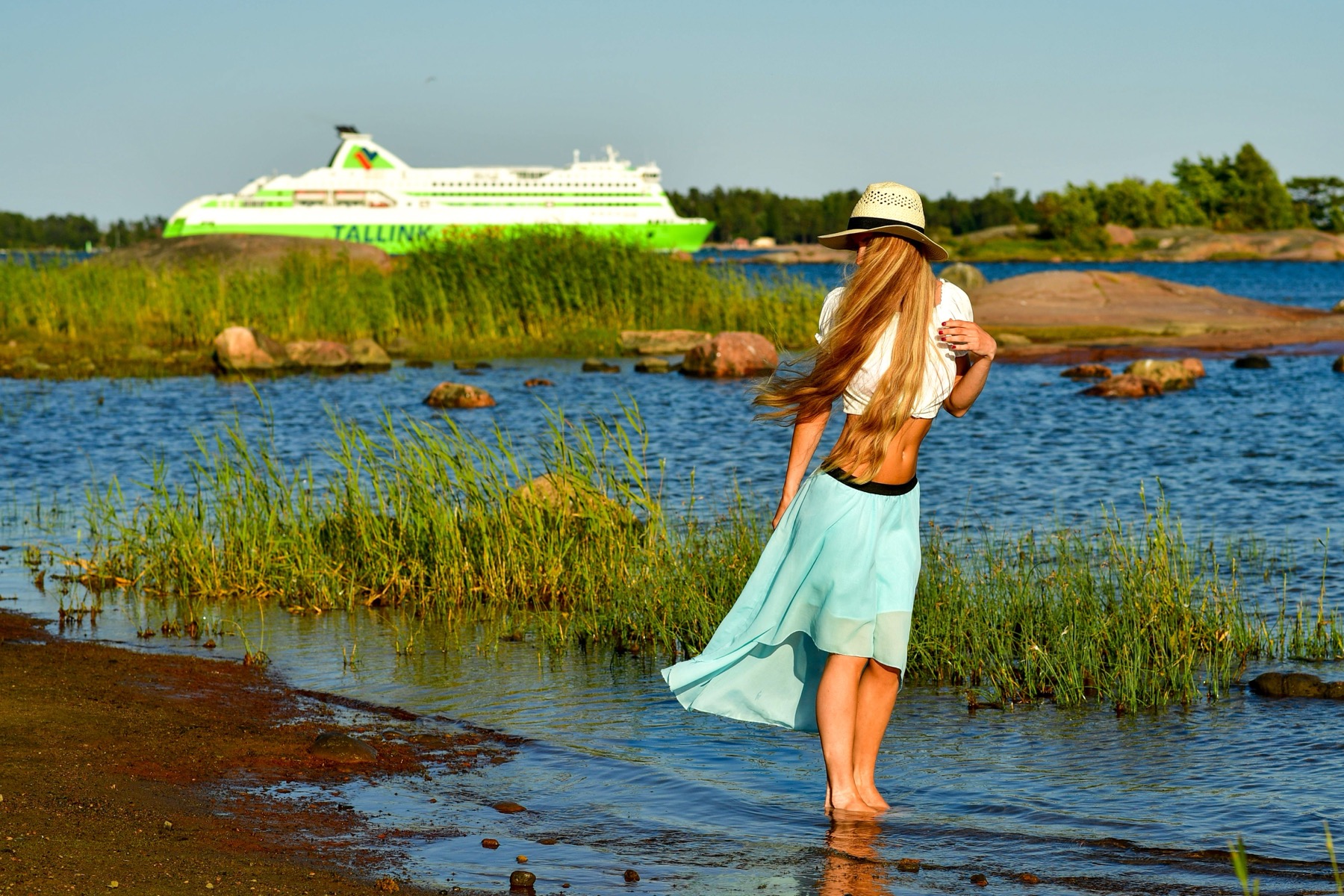
The key to understanding the Estonian soul lies in their complex language, which does not belong to the Baltic languages like neighbouring Latvian and Lithuanian. Estonian falls into the Finno-Ugric branch, so when an Estonian and a Latvian meet at the border, linguists say they don’t understand a single word of each other.
For this historical reason, locals don’t feel part of the Baltics and see the term more as an artificial geographic label. Mentally, culturally and historically, they look north towards Helsinki, with whom they share a Lutheran work ethic and a passion for minimalism.
The numbers only confirm this strong Nordic lean, because Estonia is by far the wealthiest of the Baltic trio. The country has the highest GDP per capita and consistently tops the whole region in the prestigious Human Development Index.
3. The oldest operating pharmacy in Europe
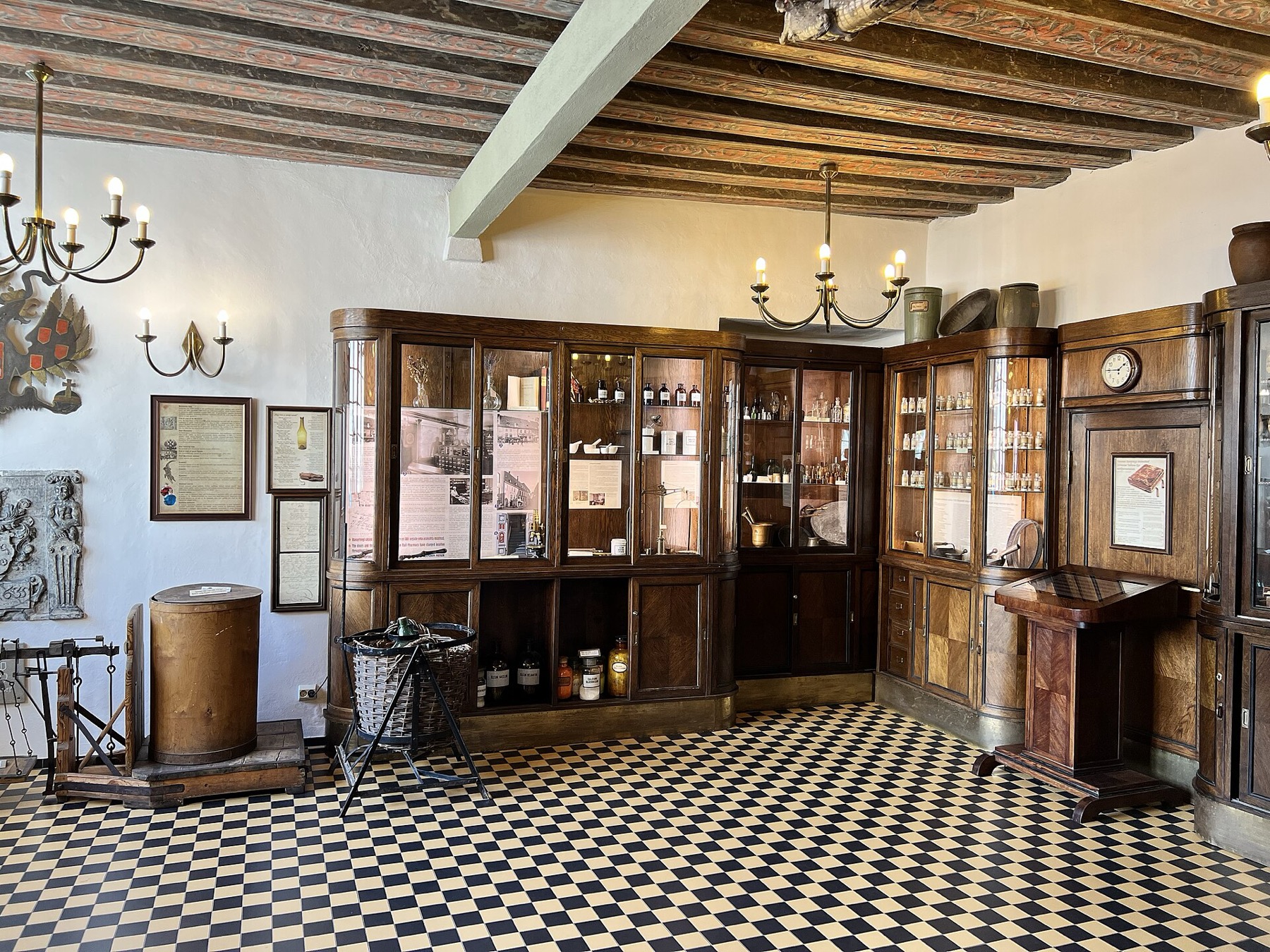
Right on Tallinn’s picturesque Town Hall Square, you’ll find a historic gem that many tourists walk straight past without noticing. It’s called Raeapteek, and it is the oldest continuously operating pharmacy in all of Europe, first opening its doors back in 1422.
In the dark days of the Middle Ages, it routinely sold utterly bizarre remedies, including powder from burnt hedgehogs, bat’s blood, and even dried toads. Back then the pharmacy also served as a social hub, where councillors sipped spiced wine and discussed important town politics.
You can’t buy bat’s blood here any more, of course, but the historical exhibition in the back room is completely free to visit and offers a fascinating glimpse into the history of medicine. Meanwhile, the front of the shop still functions as a perfectly ordinary modern pharmacy for locals.
4. The battle over the first public Christmas tree
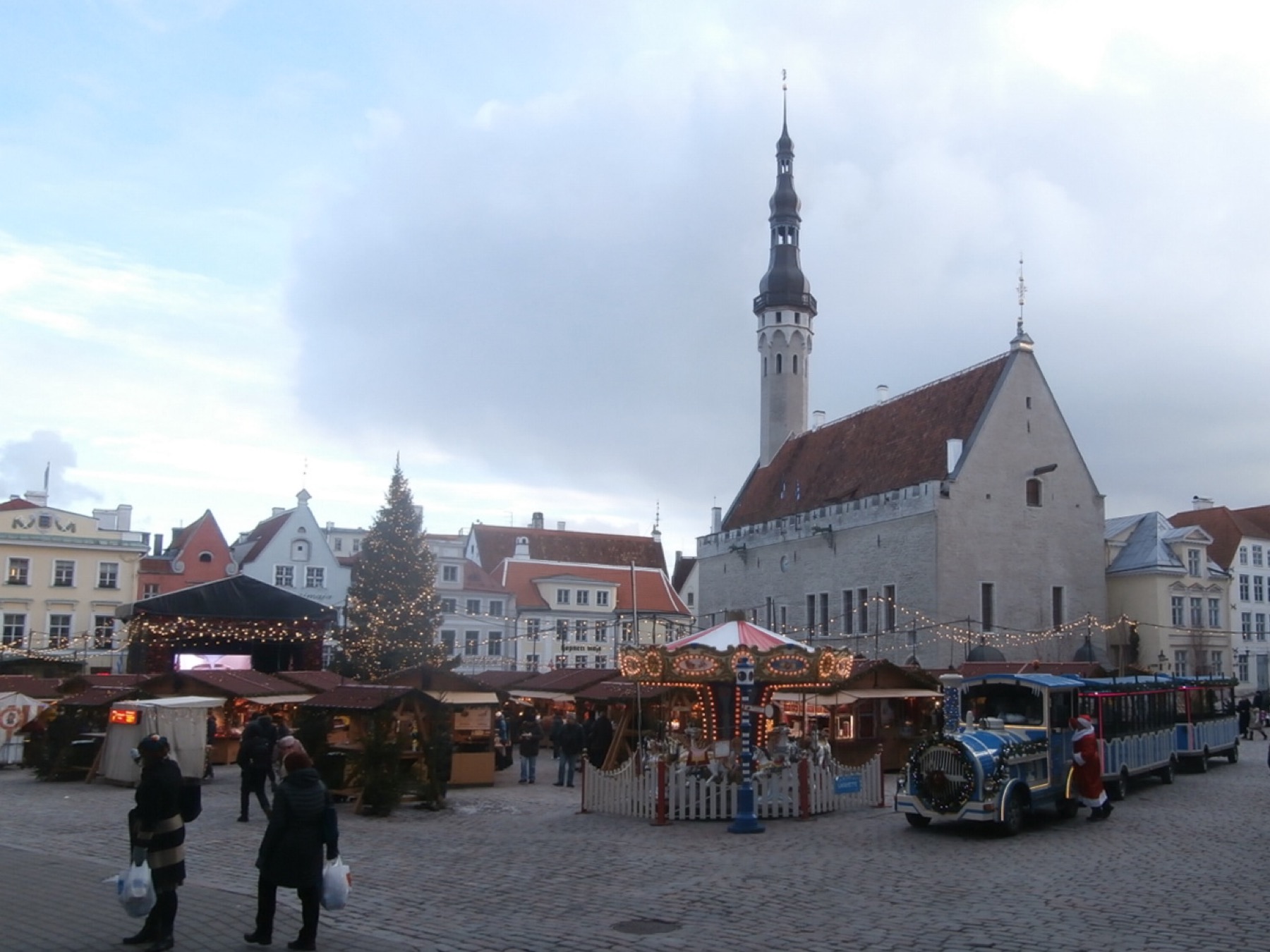
Tallinn very proudly claims one of the loveliest European firsts, and it’s all about everyone’s favourite winter holiday. Local historians insist that it was right here, on Town Hall Square, that the first public Christmas tree in Europe was raised in 1441.
This tradition was started by members of the powerful Brotherhood of Blackheads, a guild of unmarried merchants active across the Baltics. According to surviving records, they set up a huge fir tree on the square, then danced and sang around it before ceremonially setting it alight.
To this day, Tallinn still has a friendly rivalry with neighbouring Riga in Latvia, which claims to have put up its tree a few years earlier. Whoever’s right, the current Tallinn Christmas market ranks in many polls among the most beautiful on the entire continent. 💡 Tip: If you love the Advent atmosphere, head to Tallinn in December, when the markets are given their magic by the ever-present Nordic golden hour. You can easily book winter tours and activities in advance through GetYourGuide.
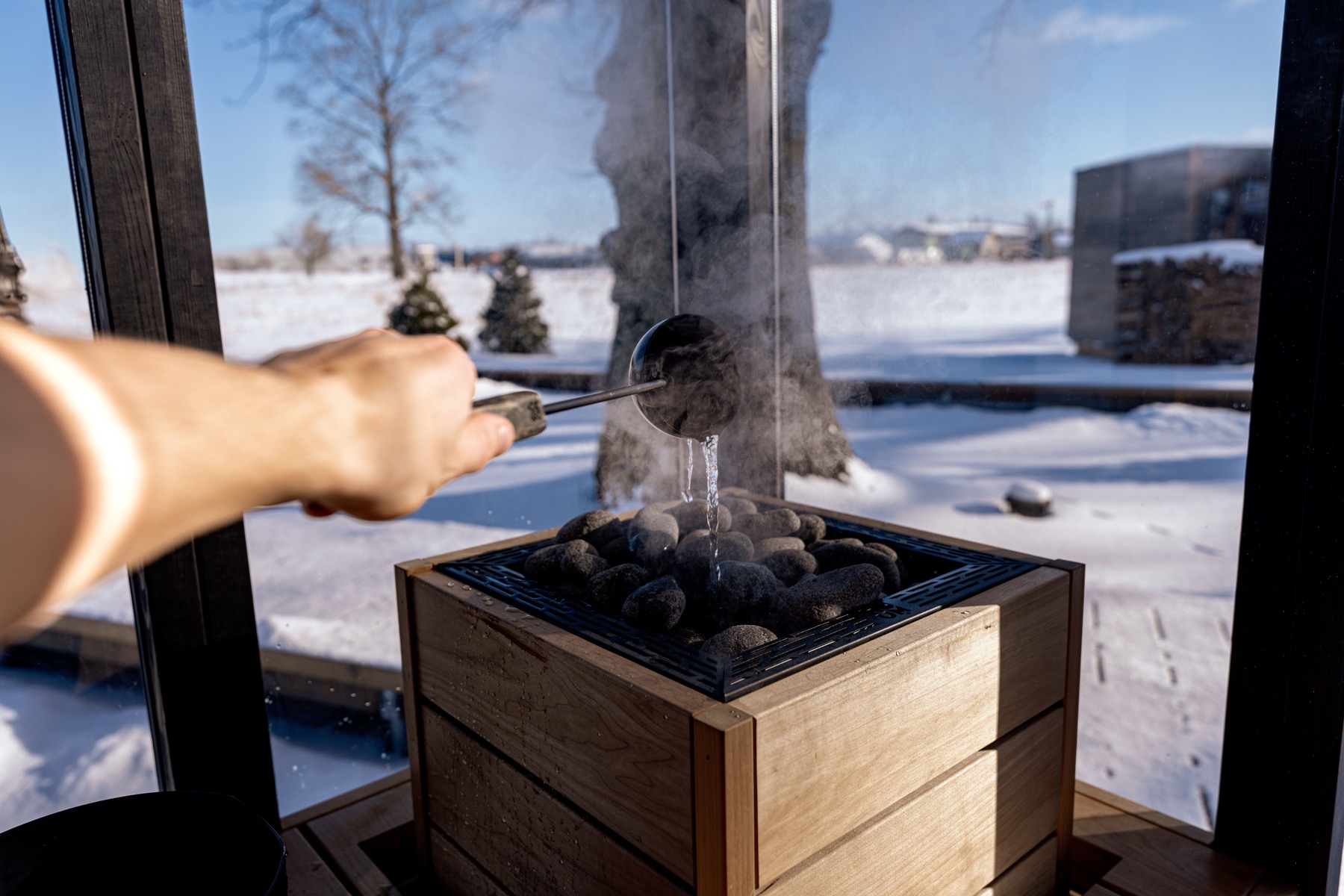
5. A smoke sauna on the UNESCO list
While you’ll find modern spa hotels all over the country, the true soul of Estonian sauna culture is hidden deep in the south in the characterful Võromaa region. It’s here that the unique tradition of the so-called smoke sauna has survived, which UNESCO added to its prestigious list in 2014.
This small log cabin has no chimney at all, so when a fire of good-quality wood is lit inside, thick smoke fills the whole room and soot covers the walls. Heating takes roughly half a day, and only once the fire has burned out and the smoke has cleared through a small window can people step inside.
The air inside smells incredibly clean, of wood and tar, and the heat is radiant, seeping soothingly right down to the bone. Local families use this all-day ritual to cleanse both body and mind, often whipping themselves with traditional birch whisks in the process.
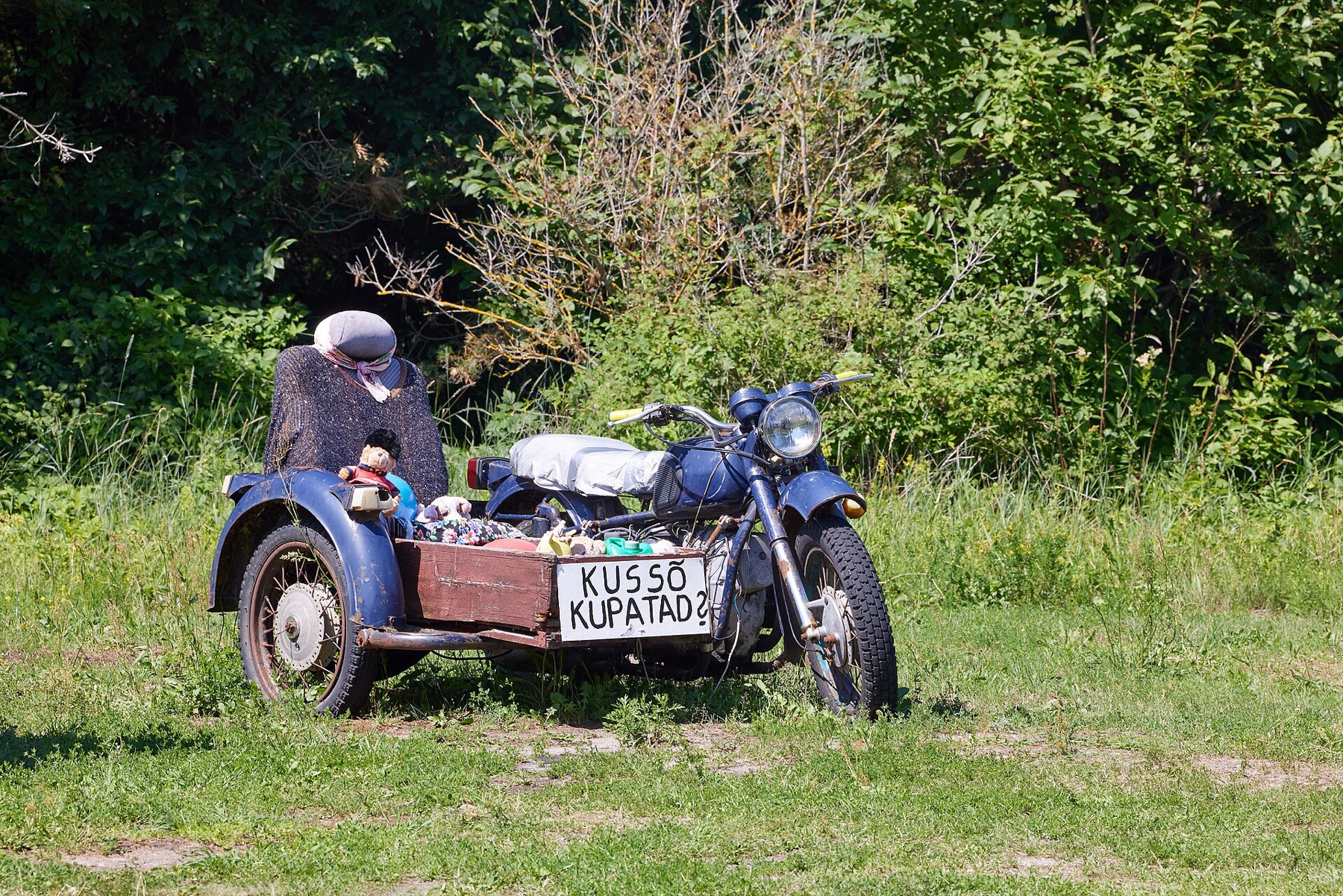
6. Matriarchy on the island of Kihnu
The small Estonian island of Kihnu is a genuine European rarity, often described as the last functioning matriarchy in Europe. Thanks to the preservation of ancient traditions, its fascinating cultural space is also protected by UNESCO.
The historical reason behind this arrangement is very simple and purely practical. The island’s men would sail off for months at a time to hunt seals, so the women had to take absolute control of running the farms, repairing agricultural machinery, and keeping folklore alive.
To this day, locals say you’ll routinely see island women driving heavy tractors or riding motorbikes dressed in traditional striped woollen skirts. The colour of the stripes on these skirts even carries a precise meaning, signalling to those around whether a woman is in mourning or, on the contrary, rejoicing.
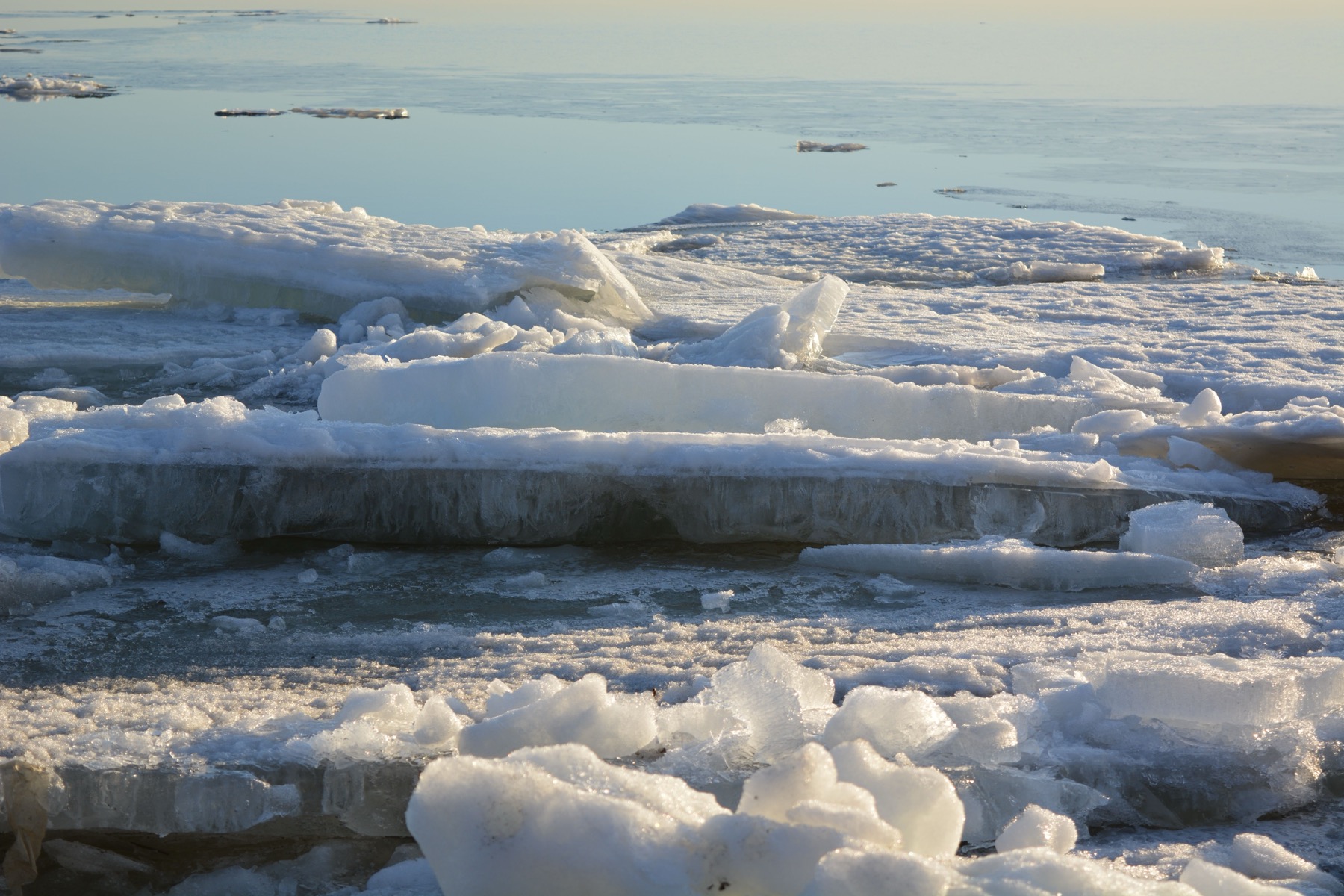
7. Ice roads with bizarre rules
When a really hard winter grips the Estonian landscape and the Baltic Sea freezes solid enough, a phenomenon opens up that you won’t easily experience anywhere else in Europe. The state transport authority marks out official ice roads straight across the frozen sea, with the longest one, to the island of Hiiumaa, stretching an incredible 26.5 kilometres.
Driving across sea ice, however, is governed by rules that sound completely insane and defy all ordinary logic. While driving, there’s a strict ban on wearing seatbelts, so that you can leave the vehicle instantly and without delay if the ice unexpectedly cracks.
Another huge peculiarity is a forbidden speed range, because drivers must not travel between 25 and 40 kilometres per hour. In this specific range, the tyres create a strong resonance wave beneath the ice that could catastrophically shatter the frozen crust in front of the car.
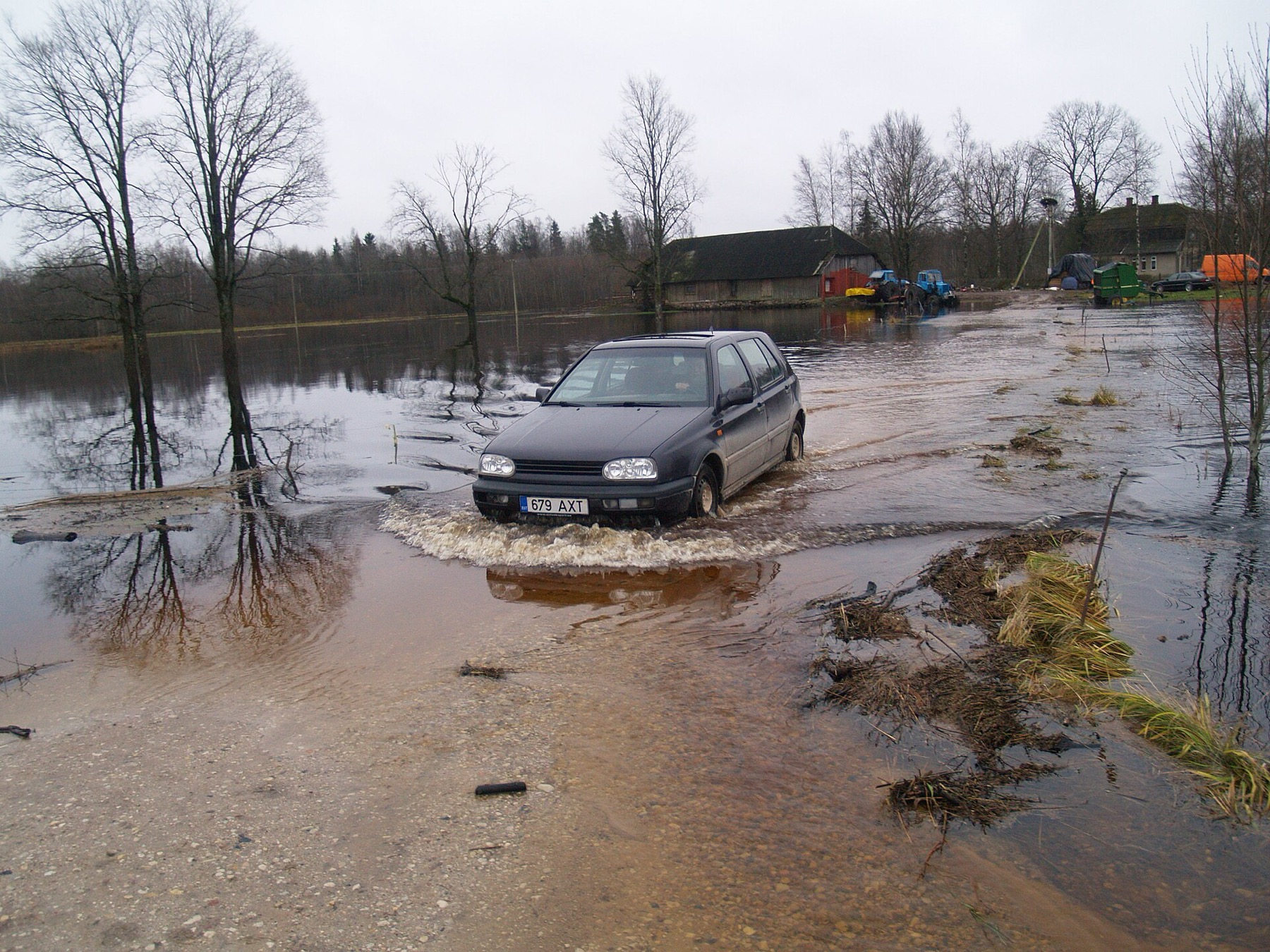
8. The fifth season in the flooded forests
On top of the classic spring, summer, autumn and winter, Estonia has one more utterly unique natural anomaly. In Soomaa National Park, the so-called fifth season regularly plays out at the turn of March and April, drawing adventurers from far and wide.
Water from the rapidly melting snow can’t drain away naturally in this flat area, so it massively floods the sprawling meadows, forests, and local roads. For a few weeks, this enormous expanse turns into a fascinating, disorienting watery mirror.
Locals bring out their traditional canoes at this time, and tourists come to paddle right between the trunks of full-grown trees or straight up to the doorsteps of old rural farmsteads. It’s a surreal experience, but one that requires very good timing, as it lasts only briefly. 💡 Tip: You have to book canoe trips with local guides well in advance during this season, because demand hugely outstrips the available capacity.
9. White nights, when darkness never comes
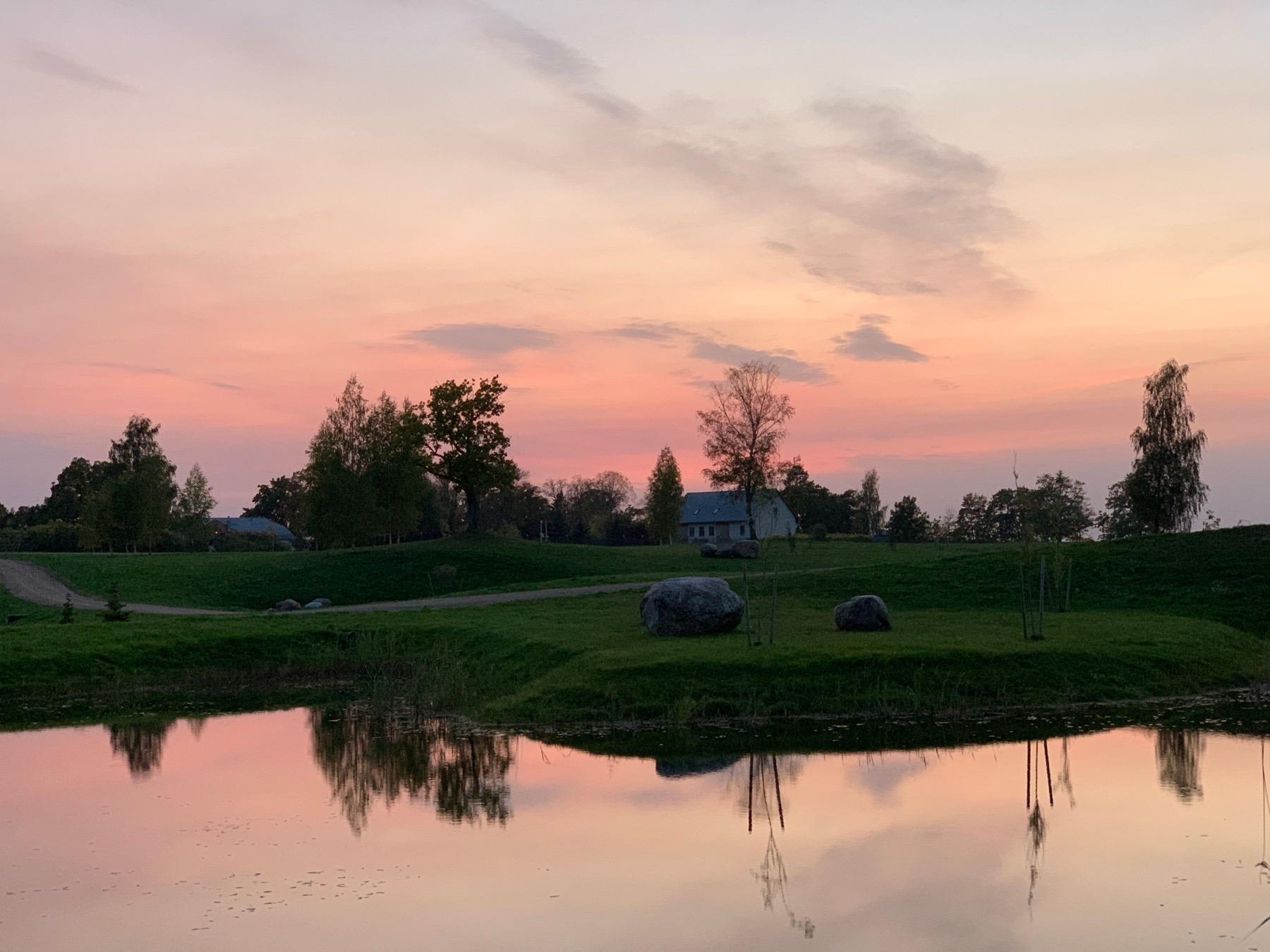
If you’re planning a trip to Estonia during June, get ready for your sleep rhythm to take a proper battering. The country lies far enough north that around the summer solstice, the sun sets only around a quarter to eleven at night and the light lingers all night long.
This phenomenon, known as the white nights, means the sky never fully darkens and the landscape is wrapped only in a strange bluish twilight. If you’re one of those people who need total darkness to rest, definitely pack a good eye mask.
The biggest event of this period is the midsummer night known as Jaanipäev, which Estonians regard as the single most important holiday of the year. Towns empty out completely at this time, as all the locals flee en masse to the countryside, where they light huge bonfires and celebrate the arrival of summer until the small hours.
10. Two hundred years of mud-bath tradition
Although we usually associate healing treatments with warm springs, Estonian wellness culture is built on something completely different. The therapeutic treasure here is black sea mud, dredged from shallow bays and said to have miraculous effects on aching joints and rheumatism.
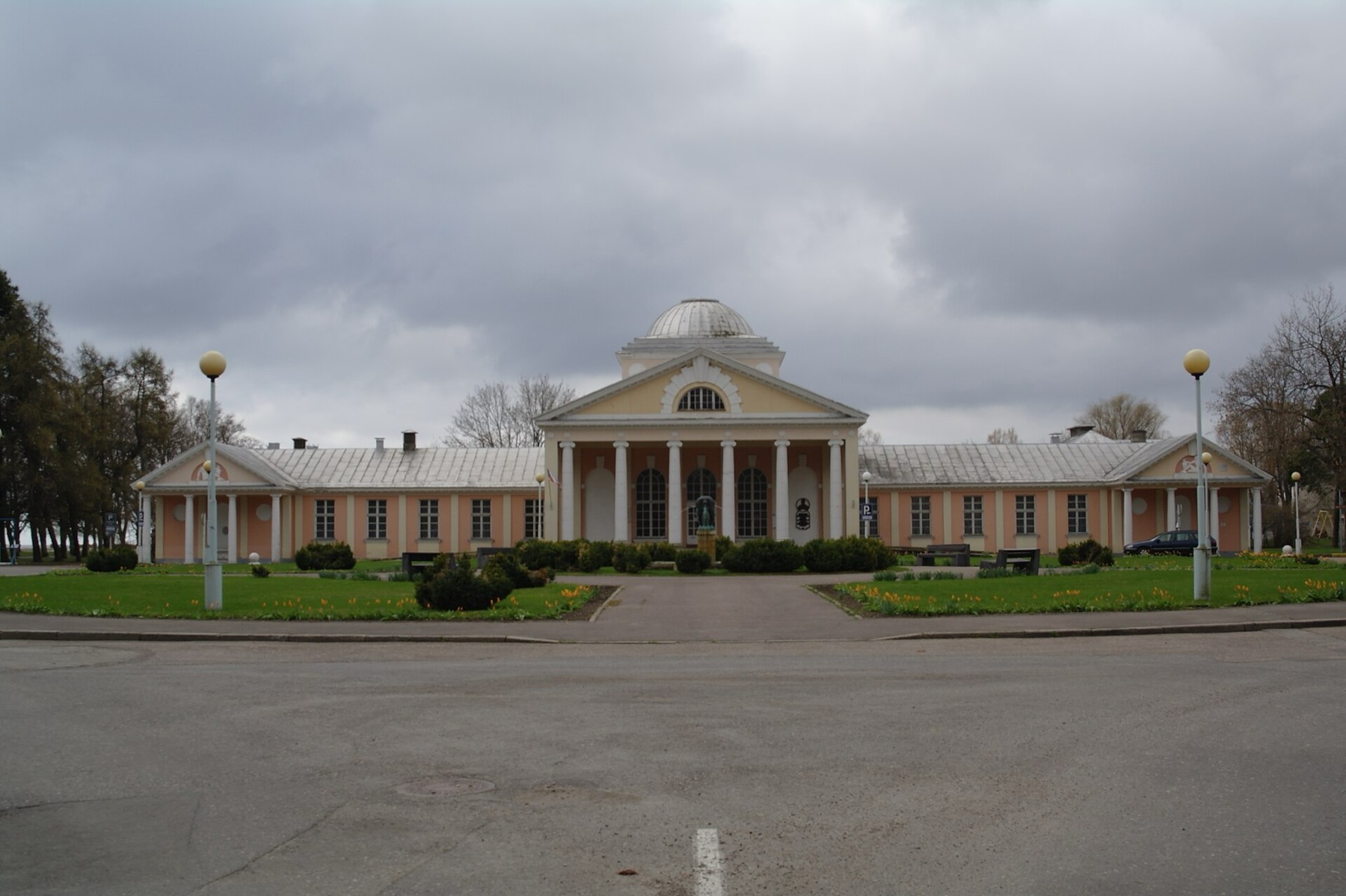
This tradition kicked off as early as the first half of the nineteenth century, when Russian imperial nobility began flocking here in great numbers. The first documented mud baths opened in 1824 on the island of Saaremaa, followed a year later by the picturesque coastal town of Haapsalu.
Today Estonia maintains a top Nordic standard in spa culture, and the town of Pärnu even holds the official title of summer capital. Local modern spa hotels skilfully combine historic mud wraps with clean Scandinavian design and extensive sauna worlds.
11. Immunity to disinformation
While plenty of European states wage a tough battle against fake news online, Estonian society functions like a huge educational shield. In the Europe-wide media literacy ranking, Estonia holds an elite fifth place, making it the top of the class for the entire post-Soviet space.
This enormous lead really stands out when you compare it with its neighbours, because in the same ranking Latvia languishes in seventeenth place and Lithuania as far down as nineteenth. Estonians are, in short, highly educated, secular, and strongly resistant to information manipulation.
Experts attribute this success to a modern education system that teaches critical thinking from an early age, along with an overall trust in the digitalised state. As you stroll through the streets of the university city of Tartu, you’ll no doubt feel that calm, organised atmosphere of a smart society.
12. A physical border between two worlds in Narva
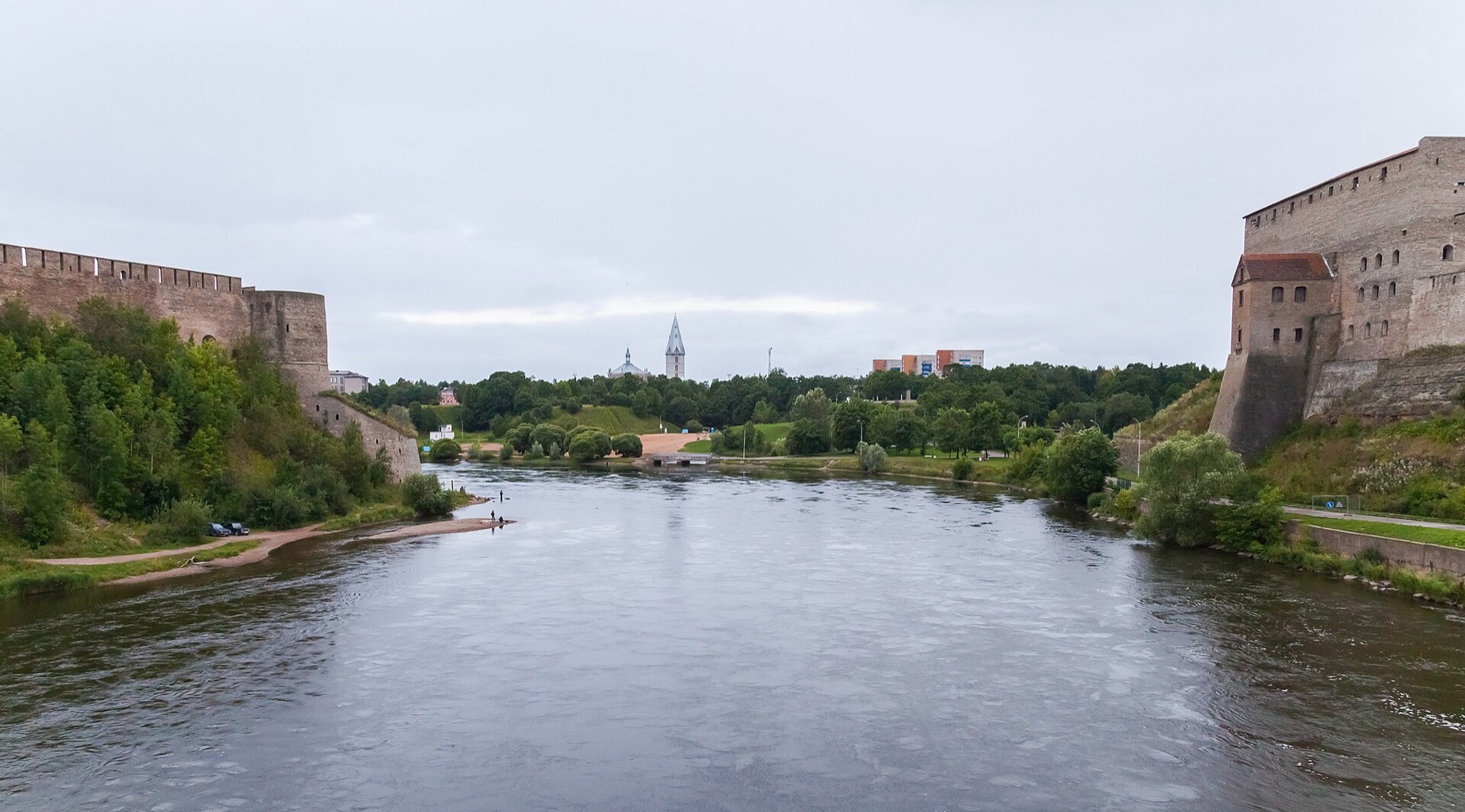
In the far east of the country lies the town of Narva, which offers an utterly fascinating, up-close look at today’s geopolitical reality. Across a narrow river, two mighty medieval fortresses stare straight at each other, marking the physical border between the European Union and Russia.
On one bank the Estonian Hermann Castle rises proudly, while barely a hundred and fifty metres away stands the dark Russian fortress of Ivangorod. It’s said to be the only place in the entire European Union where you can view this enormous clash of civilisations from such close range and in complete safety.
Getting to the other side by car is no longer possible, though, because Estonia uncompromisingly closed the main Narva-1 border crossing to all vehicles in February 2024. In theory you can still cross the border on foot, but travellers are strongly advised against it for safety reasons.

13. Black bread as a national identity
Estonian gastronomy has taken a huge leap forward in recent years, but one traditional element remains utterly unchanged. The dark, dense, slightly sweet rye sourdough bread called must leib isn’t just an ordinary side dish here, but represents the national identity itself.
You get it automatically in every restaurant, and it tastes best simply spread with a hearty layer of salted butter. If you enjoy trying local specialities, we also recommend sampling the sweet curd bar kohuke, a popular chocolate-coated treat you’ll find in every supermarket.
When you fancy something more traditional, local cuisine offers plenty of meaty dishes, with a renowned speciality being elk soup or marinated Baltic sprat. The little fish are usually served laid on a slice of black bread together with a boiled egg and dill.
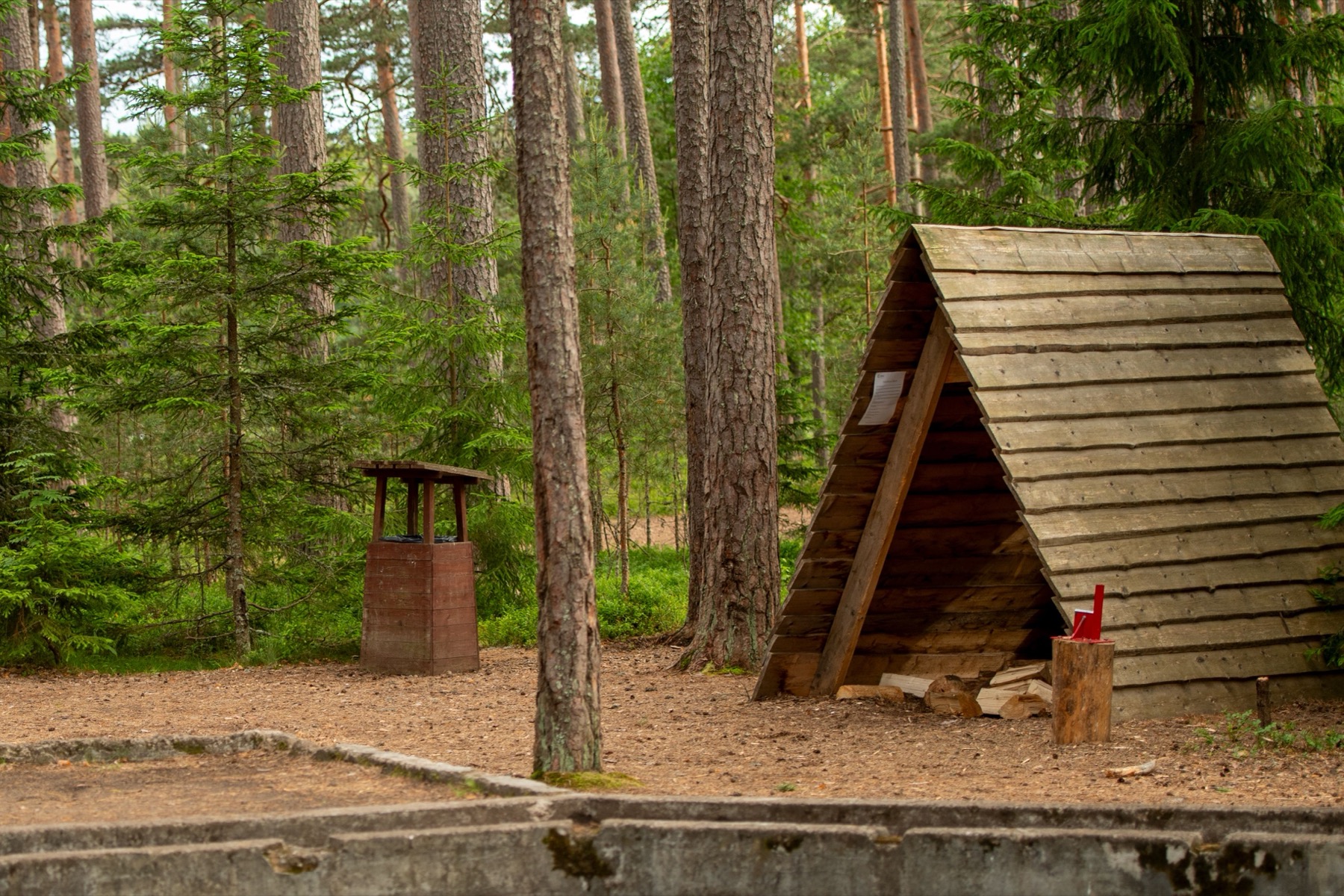
14. Forest cabins free for everyone
Every nature lover and camping enthusiast will instantly fall for Estonia’s forest management system. The state forestry organisation RMK maintains a huge network of perfectly marked trails and campsites across the whole country, available to absolutely anyone and completely free of charge.
In the most beautiful spots by lakes or deep in the forests, you’ll find simple wooden cabins known as metsaonnid, where you can spend the night at no cost. They work on a fair principle: the bed simply goes to whoever gets there on foot first.
There’s always a carefully prepared fire pit at these campsites, often even chopped dry firewood and a clean dry toilet. This generous approach by the state clearly shows just how much respect Estonians have for their nature and how strongly they encourage free movement through the landscape.
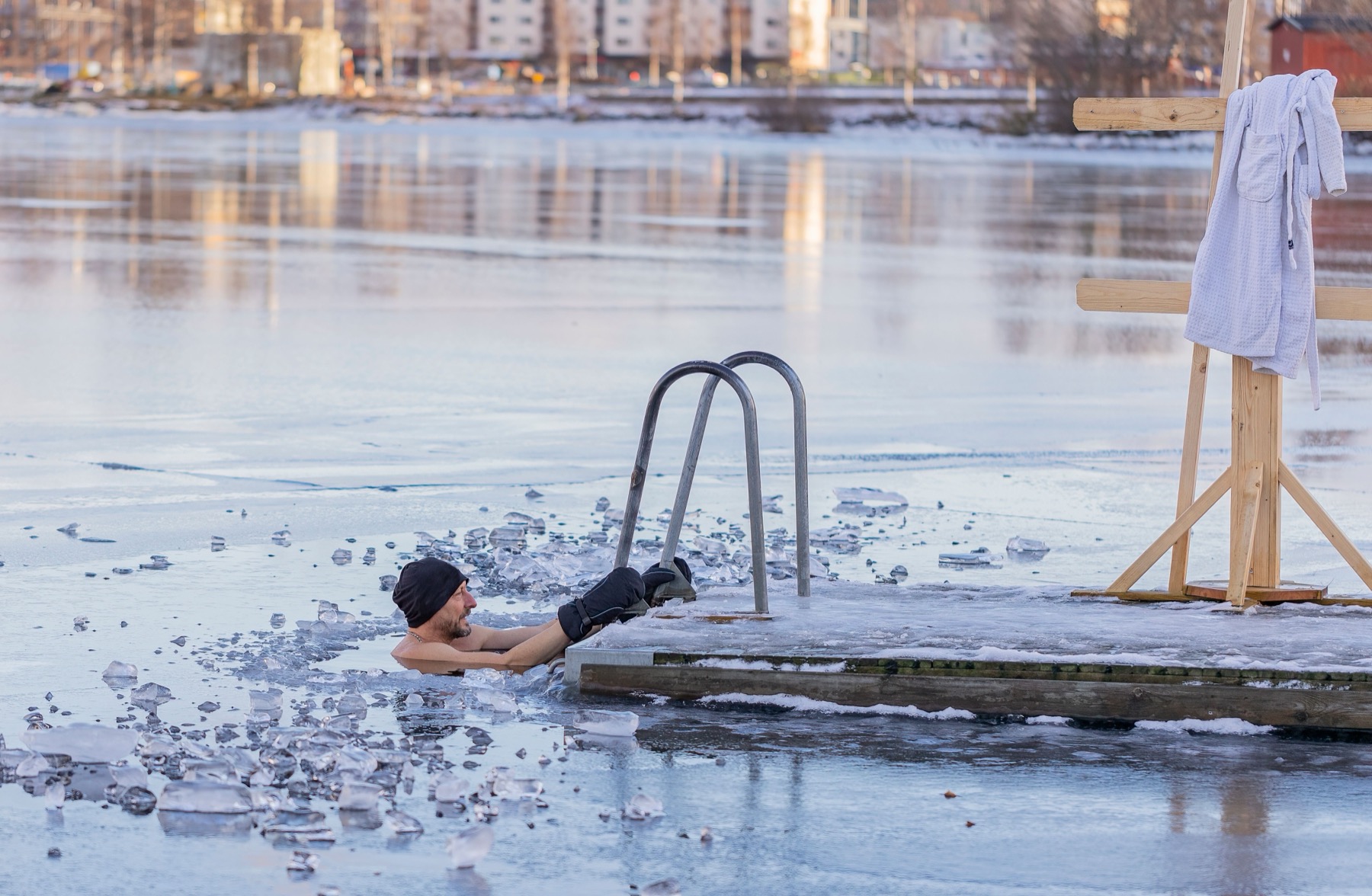
15. A crazy sauna marathon in the frost
While Pärnu serves as the summer hub, southern Estonia has its winter counterpart in the town of Otepää, which becomes the official winter capital each year. In February it hosts an event that perfectly captures the slightly wild Estonian character: the European Sauna Marathon.
Picture nearly a thousand participants from all over the world, split into teams of four and often dressed in completely wild costumes. Map in hand, their task is to visit around twenty different saunas in the shortest possible time, scattered across the whole snow-covered region.
In each heated room they have to spend at least three minutes, and they collect further precious bonus points by voluntarily plunging along the way into ice holes cut into the frozen lakes. It’s a massive social event where you’re constantly cold, but the mood is fantastic.
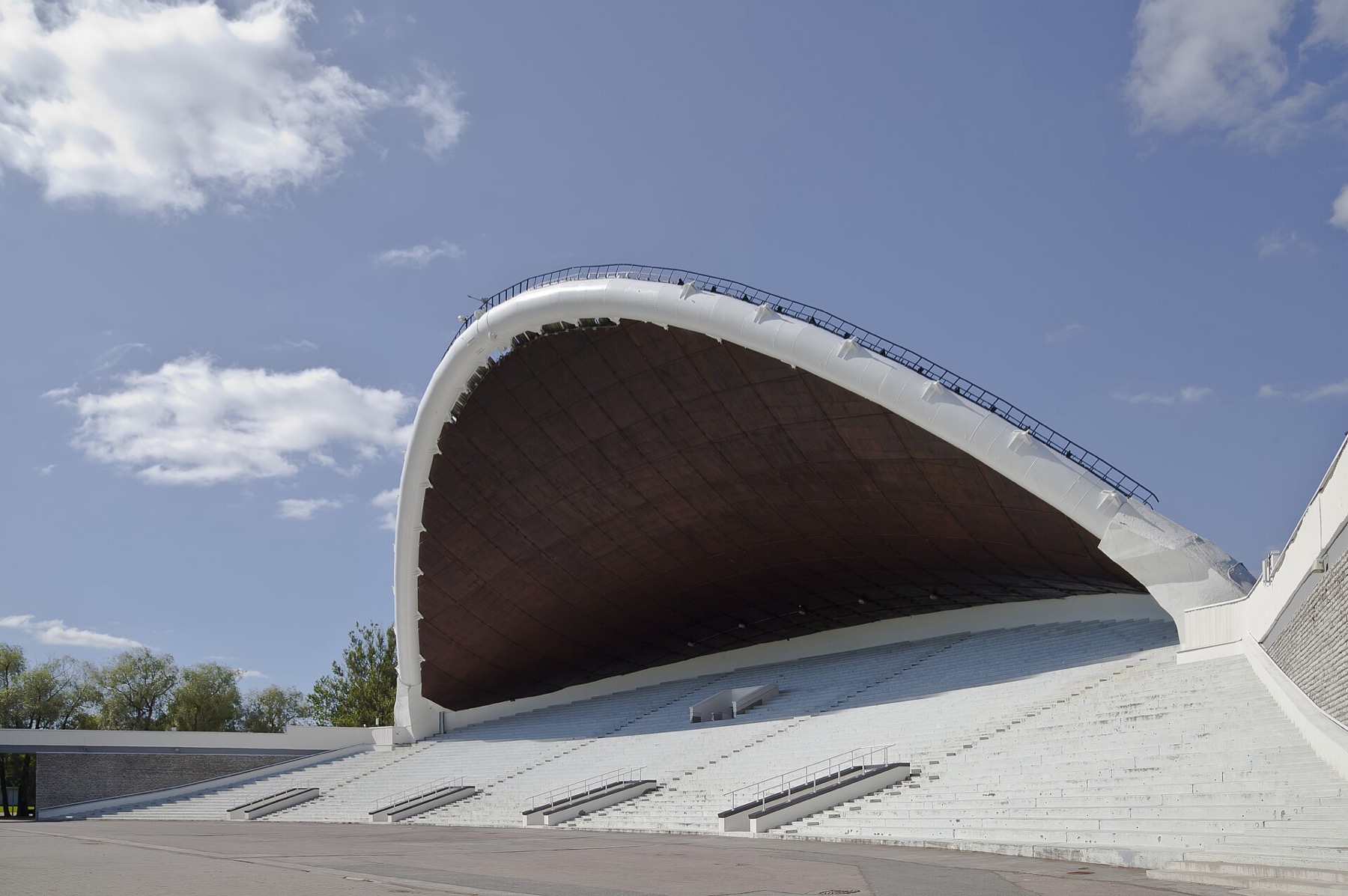
16. The Singing Revolution and the human chain
The way Estonia, together with its neighbours, broke free from Soviet rule is one of the most moving moments in modern European history. At the end of the 1980s, the nation rose up against the occupation through the so-called Singing Revolution, when people gathered in their hundreds of thousands and sang banned national songs.
This non-violent resistance culminated in August 1989 with a truly unique act called the Baltic Way. Around two million inhabitants of Estonia, Latvia and Lithuania joined hands and formed an unbroken human snake an impressive 600 kilometres long, linking the capitals of all three republics.
With this astonishing gesture, they drew the whole world’s attention to the fiftieth anniversary of the secret Molotov-Ribbentrop pact, which had once divided Eastern Europe. Two years later, Estonia finally restored its long-yearned-for independence, and it has never changed its westward orientation since.
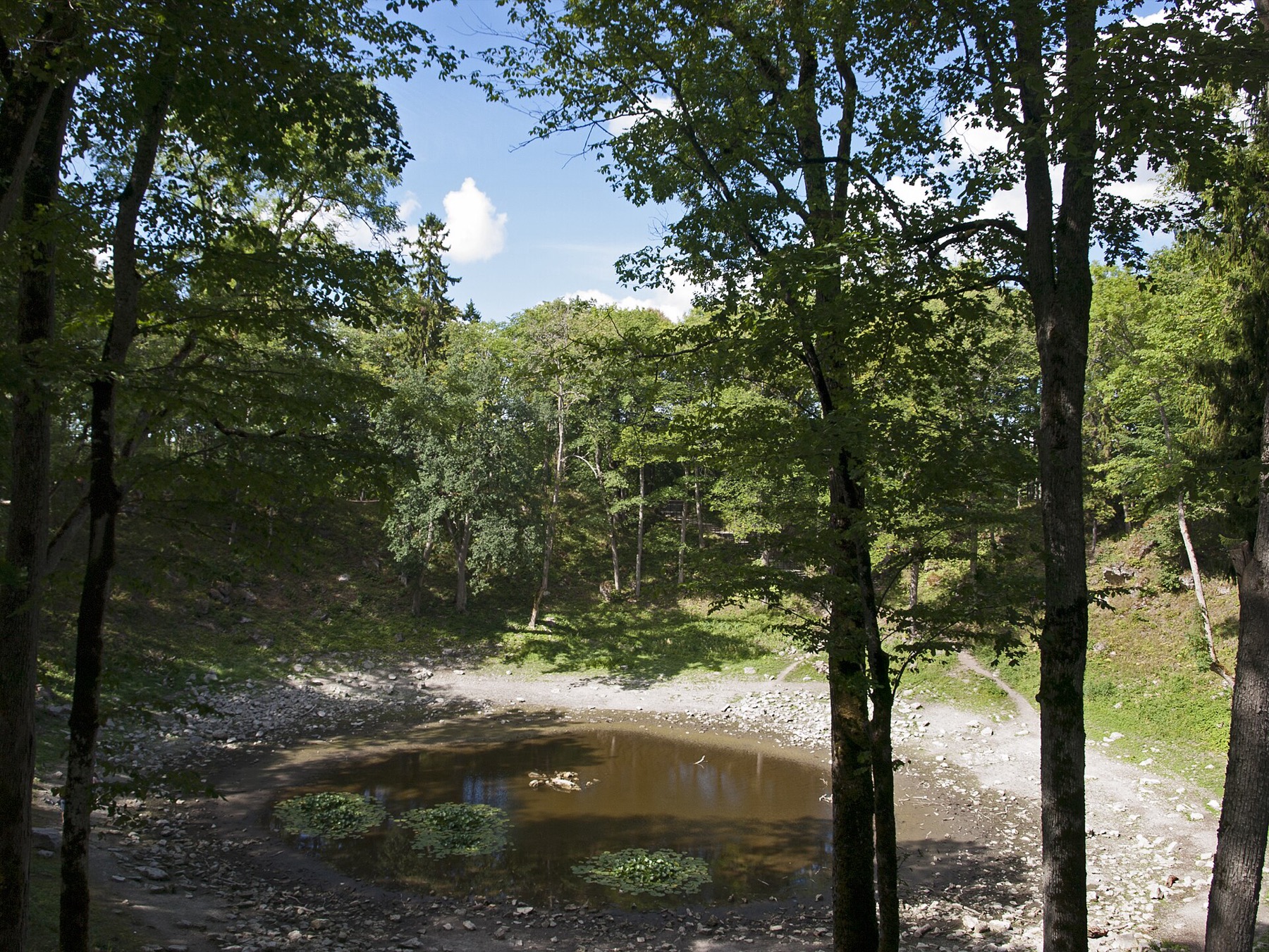
17. A meteorite crater full of mystery
On Estonia’s largest island, Saaremaa, hides a geological curiosity that has earned the area the occasional nickname of the European Tunguska. Roughly three and a half thousand years ago, a mighty meteorite crashed here at enormous speed, shattering the bedrock on impact and creating several craters at once.
The main one is called Kaali, with an impressive diameter of over one hundred and ten metres, and a dark green lily pond now nestles at its bottom. Given that the area was probably already inhabited back then, the fall of a burning body from the sky must have felt to locals like the absolute end of the world.
The whole place still radiates a very strong pagan atmosphere, and archaeological digs suggest that in ancient times the crater served as an important sacrificial site. Around the pond, remnants of a thick stone wall were discovered, which protected the sacred space from the outside world.
18. Treacherous GPS signal jamming
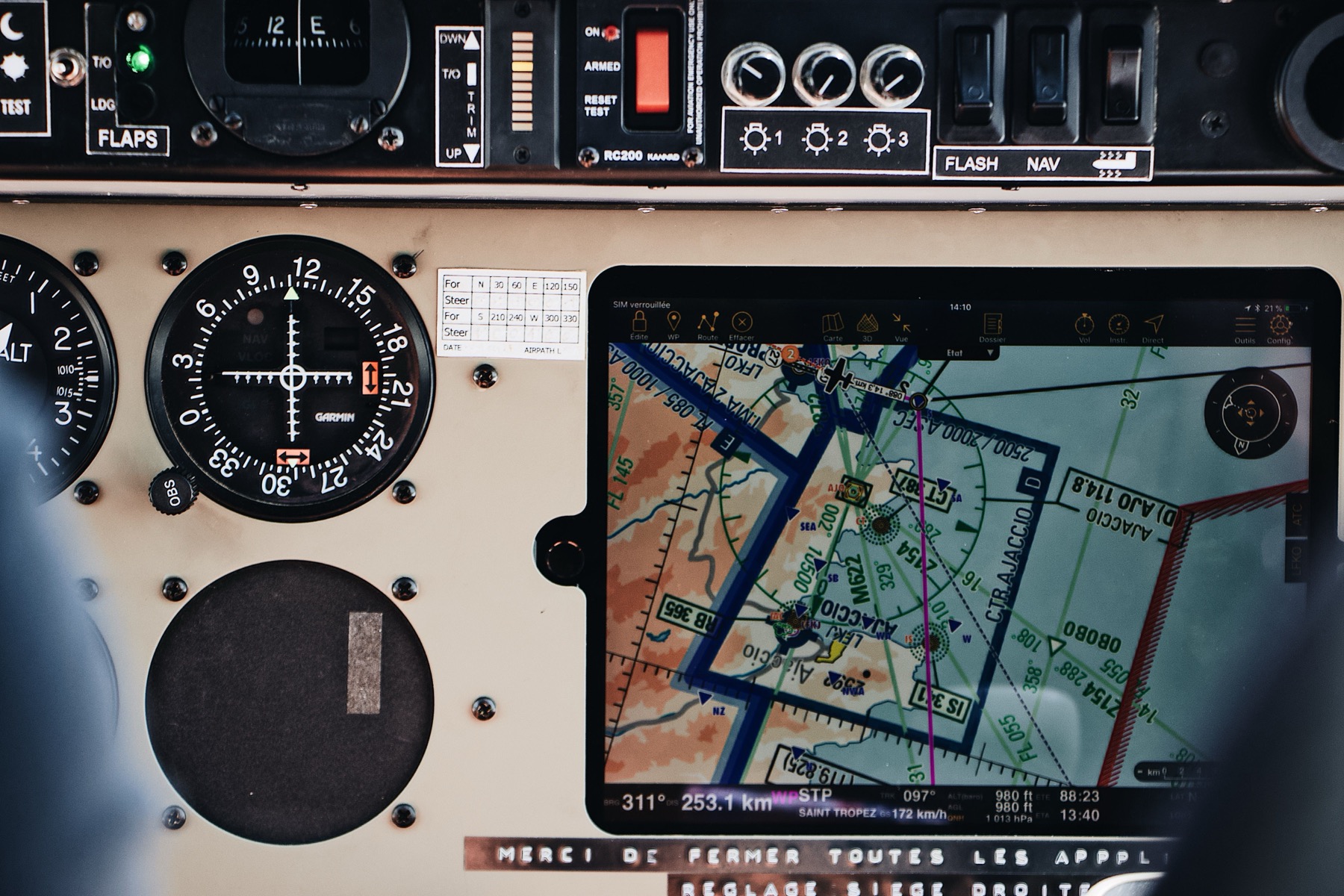
The region’s geopolitical situation also brings one very practical problem you should definitely factor in when planning a road trip. In recent years, deliberate GPS signal jamming has been very frequently recorded over the entire Baltic Sea and especially in eastern Estonia.
If you rent a car (you’ll find great deals through Booking.com) and head towards the Russian border or south-east into the Setomaa region, the navigation on your phone may unexpectedly go haywire. The blue dot on the map might happily tell you you’re in the middle of the Gulf of Finland or deep in the forest.
For this reason it’s absolutely crucial to download offline maps to your phone before the trip. Thankfully, the classic road signage in Estonia is excellent and very clear, so you’ll reliably reach your destination even in the moments when modern technology briefly lets you down.
19. Two thousand islands to explore
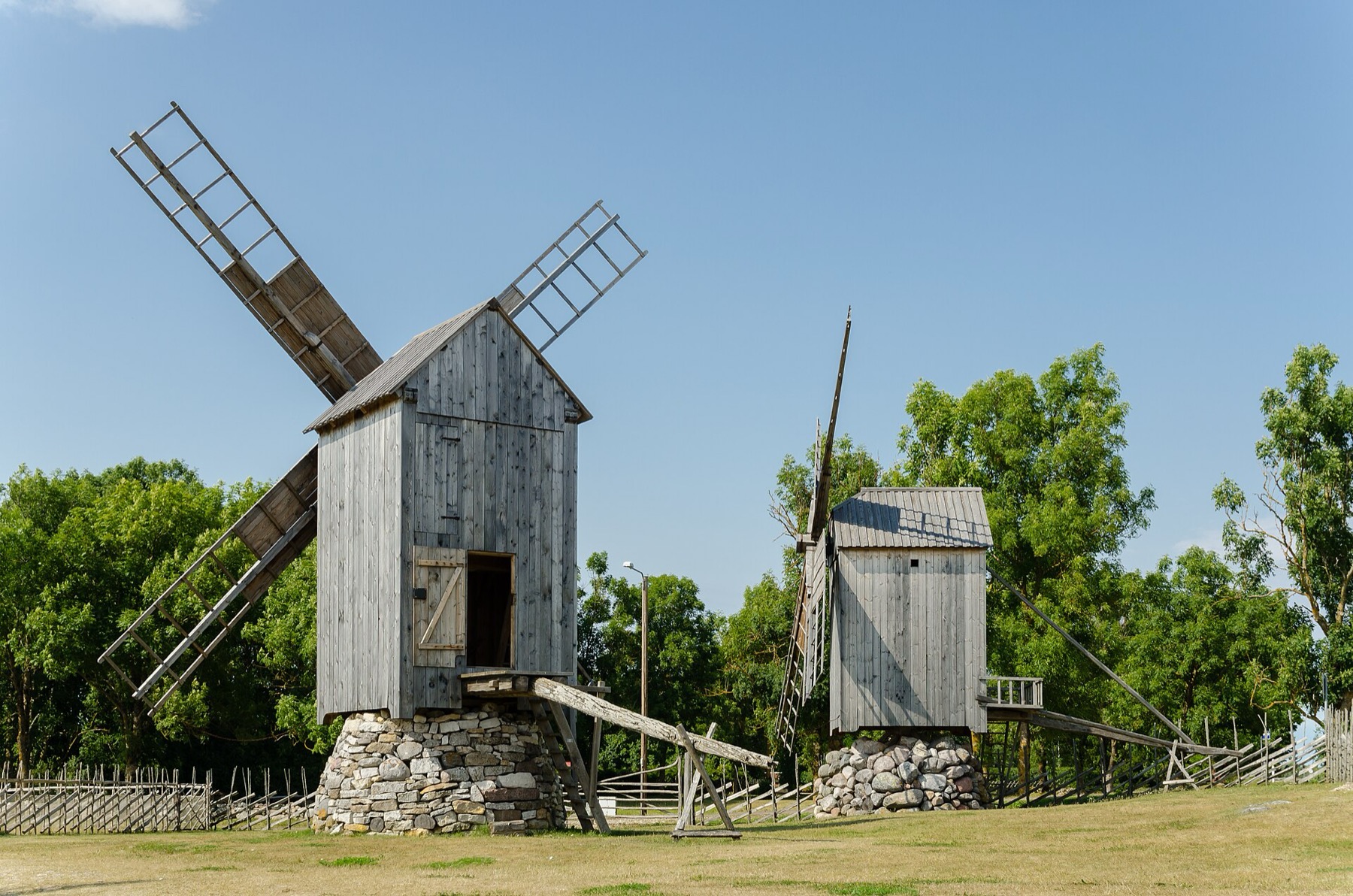
When an Estonian family says they’re off to the islands for the weekend, it sounds much like heading off to a country cottage does elsewhere. The country may own more than two thousand assorted islands and islets, but tourist attention focuses mainly on the big western four.
Besides the already-mentioned spa pearl of Saaremaa and the traditional island of Kihnu, this group also includes the wilder, densely forested Hiiumaa, famous for its historic lighthouses. It’s here that the Kõpu lighthouse from 1531 stands, making it the third-oldest continuously operating lighthouse in the world.
The gateway to this island world is the smaller island of Muhu, which every traveller passes through on the way from the ferry. Here you’ll find the idyllic fishing village of Koguva as well as the luxuriously restored Pädaste Manor, considered the most prestigious country hotel in all of the Baltics.
20. Strict rules and a polar lottery
Estonia can be unexpectedly strict in some respects, which is especially true of its traffic rules. Although you’ll read in places about zero tolerance, the formal blood-alcohol limit for driving is set at 0.2 per mille, so it’s best to skip that single beer with lunch, because the fines are seriously steep.
Another peculiarity concerns winter equipment, because from December to March winter tyres are strictly mandatory, and they must now meet a strict certificate with the mountain-and-snowflake symbol. If you’re driving in winter, your reward for all these hassles might just be the view of the sky.
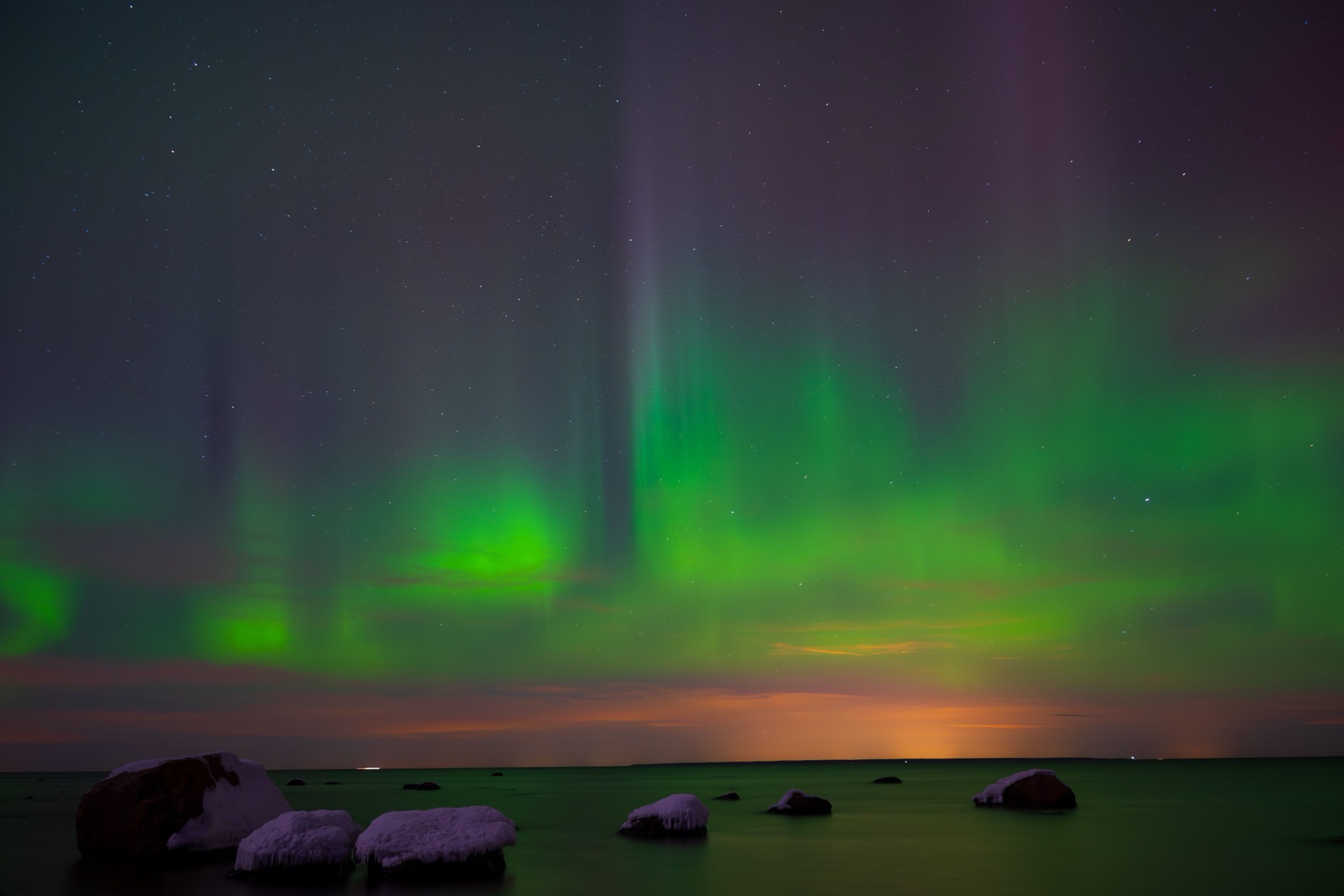
From late September to March, under favourable conditions, the northern lights appear here, which locals call virmalised. Don’t expect the same certainty as in Finnish Lapland, but if you head far from the light pollution of the big cities, you have a good chance of seeing this fascinating celestial dance with your own eyes.
The Estonian flag and what its colours mean
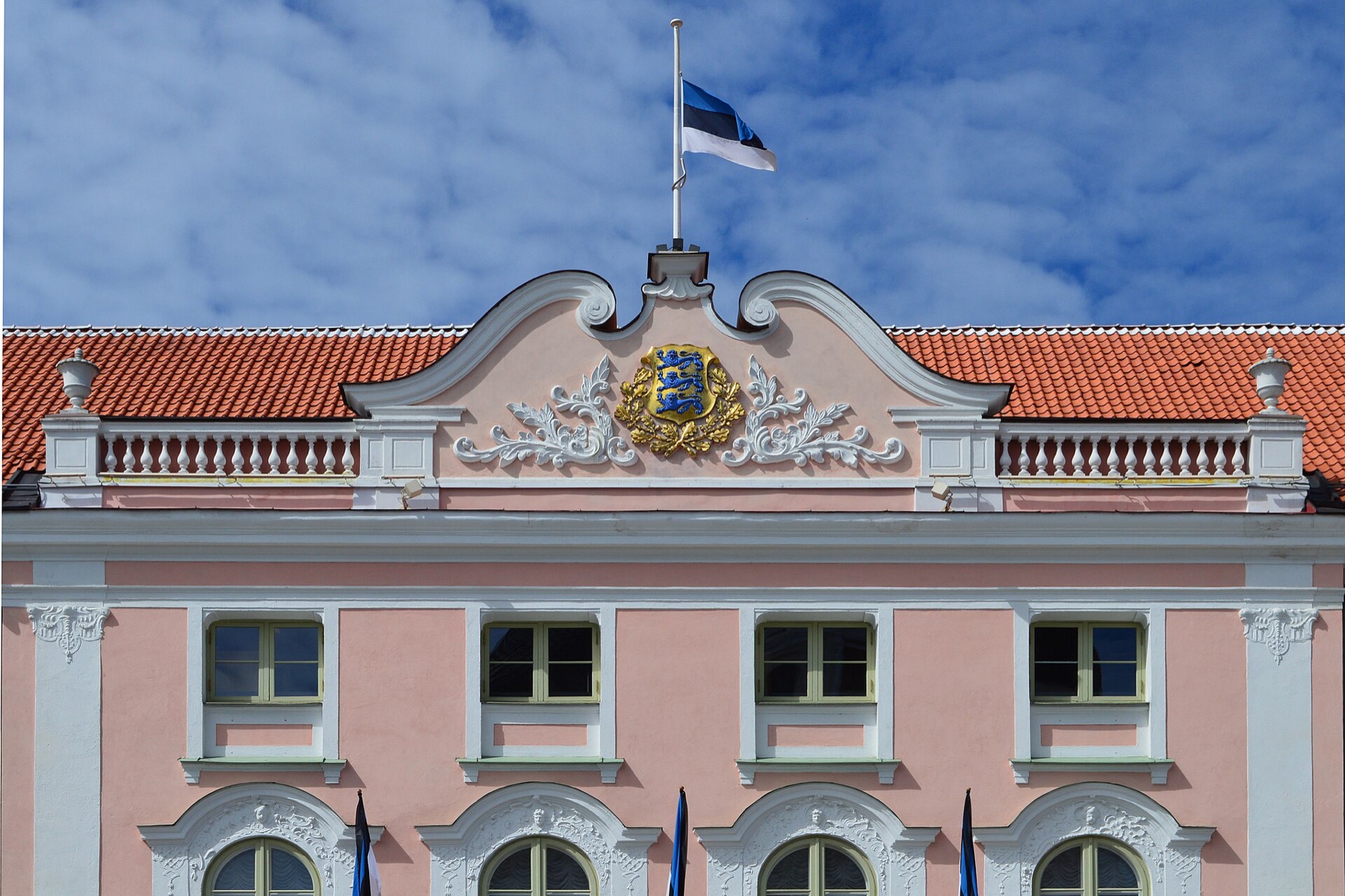
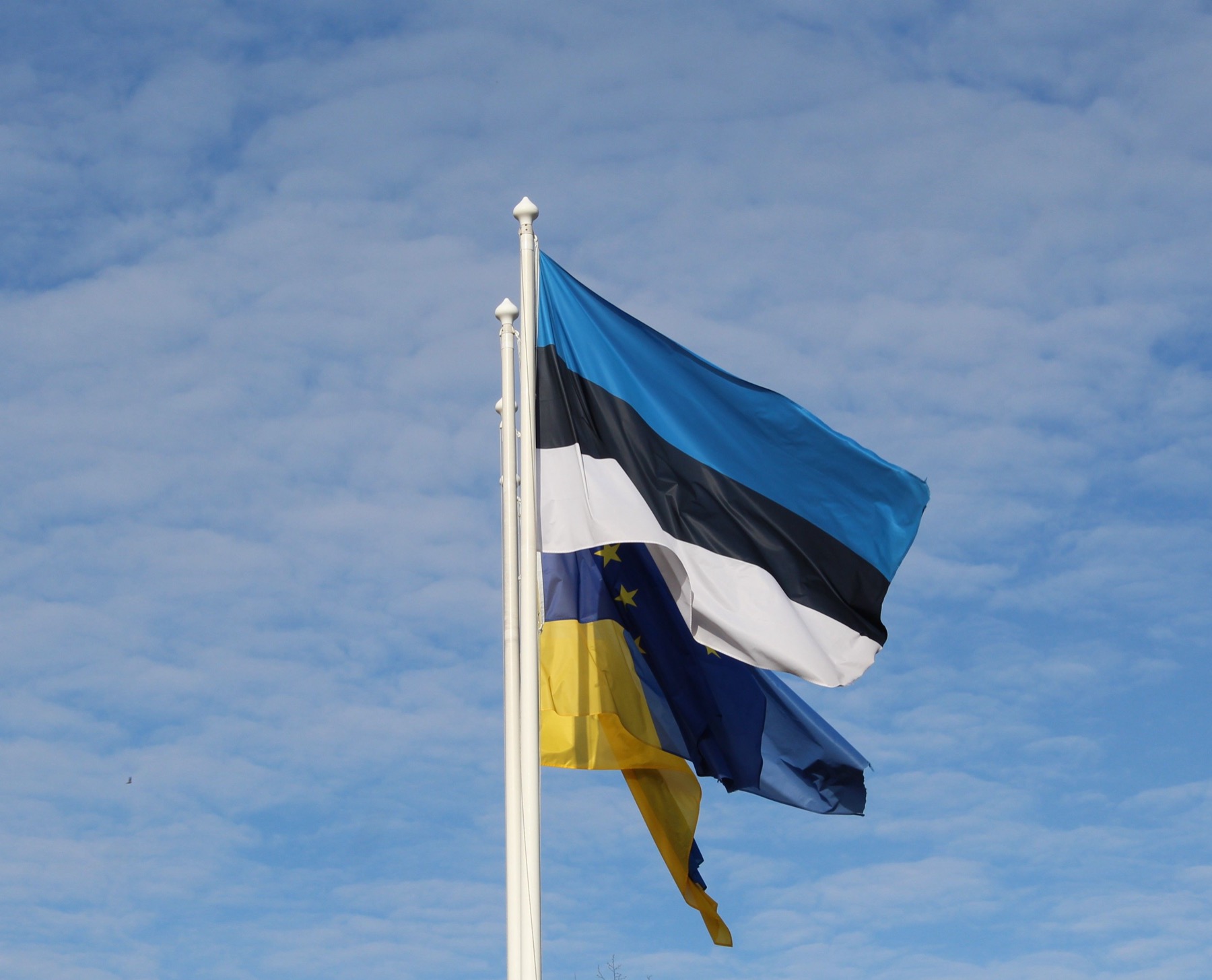
The Estonian flag is visually very clean, made up of three horizontal stripes in blue, black and white. The flag first saw the light of day in 1881 as the symbol of an Estonian student society in the university city of Tartu, and it soon became the official symbol of the national awakening.
Each of these three colours carries a very strong symbolic meaning tied to the local character and history. The blue represents the sky, loyalty to the homeland, and reflects the deep blue waters of Estonia’s hundreds of lakes and the Baltic Sea.
The black stripe in the middle symbolises Estonia’s fertile soil and at the same time serves as a reminder of the dark, hard past, when the nation suffered for centuries under the rule of foreign empires. White then represents purity, hope for a better future, and the traditional white bark of the ever-present birch forests.
Language: why Estonian sounds like nothing nearby
The first time you hear locals speak, you’ll probably immediately think it sounds a bit like the Elvish from those famous fantasy films. That’s because Estonian belongs to neither the Slavic nor the Baltic languages, but falls into the Finno-Ugric branch and is very closely related to Finnish.
This fascinating language has several grammatical quirks that reliably make foreigners’ heads spin. Estonian works with an incredible fourteen cases, but on the other hand it has no grammatical gender at all and even lacks a future tense, which is expressed more from the context of the sentence.
If you want to score points with the locals, learn at least three basic words that will open plenty of doors. You can greet people with Tere! (Hello), say thank you with Aitäh! (Thank you, pronounced roughly ai-tah), and when clinking beers, don’t forget a cheerful Terviseks! (Cheers).
The four faces of Estonia
Although the country is fairly small in area, it offers enormous regional diversity, and for travel we can loosely divide it into four main areas.
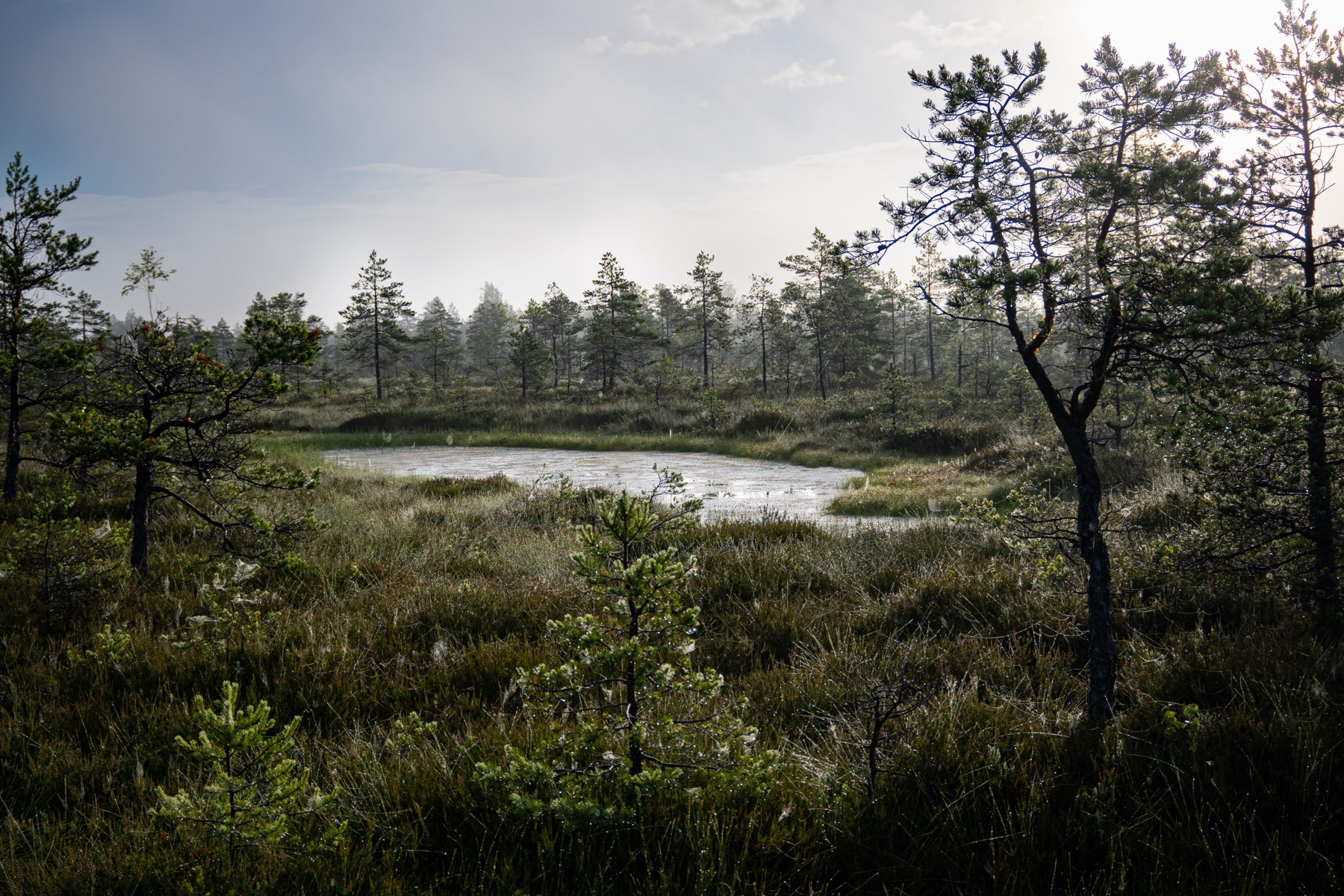
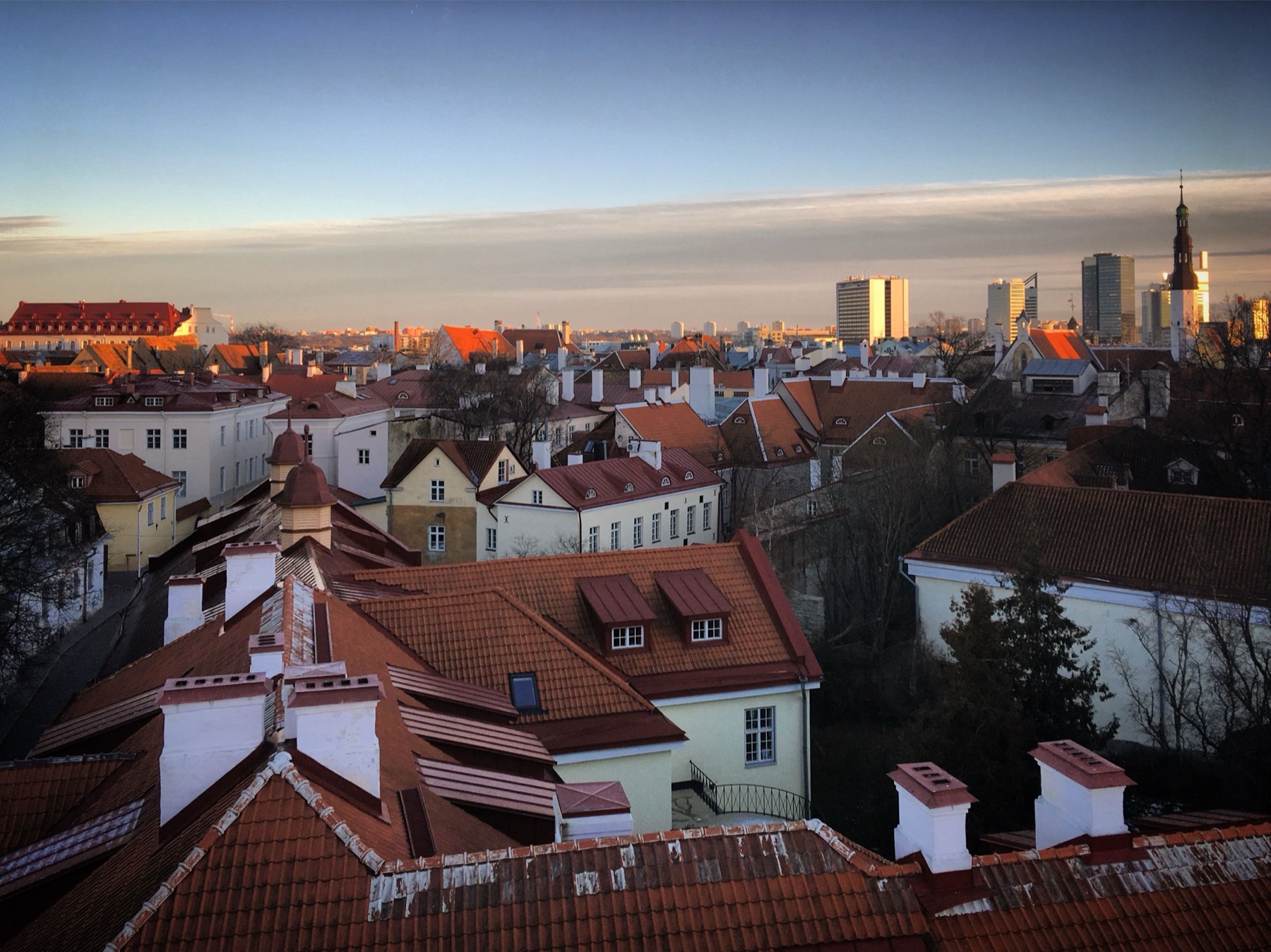
The northern region is the cultural and economic engine of the whole country, dominated by the metropolis of Tallinn with its medieval core and glass-fronted skyscrapers. Just beyond the city lies the beautiful Lahemaa National Park, which offers perfect boardwalks leading across vast peat bogs.
The western coast is synonymous with summer holidays, since this is where the popular islands are, led by Saaremaa and Hiiumaa. On the mainland lies the resort town of Pärnu, famed for its long sandy beaches and two-hundred-year tradition of mud baths.
Southern Estonia is gently rolling, immensely green, and dominated by the university city of Tartu, buzzing with youthful energy. Further south still, you’ll come across the characterful regions of Setomaa and Võromaa, where ancient traditions live on to this day, led by the famous smoke sauna.
The eastern border shows a more industrial, demographically distinct face of the country, as it’s home to a very strong Russian-speaking minority. The main magnet here is the town of Narva with its huge border fortress and the shores of the vast Lake Peipus, where communities of Old Believers still live and grow their renowned onions.
Practical questions people ask most often
When planning your trip you’ll surely run into plenty of practical questions, since Estonia does lie a little off the main tourist trails. If you’re wondering about the legalities, there’s no need to worry, as the country is a full member of the European Union and the Schengen area, so a valid ID card is more than enough to cross the border and there are no visas to deal with.
Finances are just as smooth, because the euro has been the currency here since 2011 and society runs almost entirely cashless, so you’ll get by with a card on your phone practically anywhere. There’s no language barrier to fear either, because the younger and middle generations of Estonians speak completely fluent English and are happy to use it.
As for safety, Estonia is one of the very safest countries in Europe and, as a NATO member, enjoys strong protection from allied forces. Getting here from abroad is fairly easy: from Central Europe it’s roughly a 1,500-kilometre road trip along the toll-free Via Baltica, or you can fly in with major carriers such as Ryanair, easyJet or Lufthansa to Tallinn from many European hubs.
Where to next
- Estonia: 25 tips on what to see and do
- Tallinn: 20 tips on what to see and do in the Estonian capital
- When to visit Estonia: the weather month by month
- Helsinki–Tallinn ferry: prices, connections and how to save
Frequently asked questions
Before your trip north, you might have a few more practical questions buzzing in your head. Here you’ll find clear answers to the most common ones, so you can set off completely worry-free.
Is Estonia in the European Union?
Yes, Estonia joined the European Union in spring 2004, together with several other countries. It also became a full member of the Schengen Area, so there are no border controls at all.
What is the currency in Estonia and is it expensive?
Since 2011, the euro has been used here and the country is one of the more expensive ones in the region. Following recent tax increases, prices in restaurants and services are roughly on par with Berlin and higher than in many other European destinations.
Is English commonly spoken in Estonia?
The young and middle generations speak English excellently and clearly prefer this language when communicating with foreigners. Russian is more likely to be encountered among older residents or in the border town of Narva.
Is it safe to travel to Estonia?
The country is extremely safe for tourists and crime has remained at an absolute minimum for a long time. Despite its proximity to Russia, there is complete calm here, guaranteed by strong membership in the NATO military alliance.
What is the capital and how many inhabitants does it have?
The capital is the modern yet historic Tallinn, located directly on the northern coast. The entire country has only 1.37 million inhabitants, making it one of the least populated countries on the entire European continent.
How far is Estonia from major European hubs?
If you set out by car, you can expect a roughly 1,500-kilometre route leading through Poland, Lithuania and neighbouring Latvia. This represents approximately eighteen hours of pure driving time and is an absolutely ideal opportunity for a great road trip.
Do I need a special visa for the trip?
Given that Estonia lies within the Schengen Area, you certainly don’t need any visa for your holiday if you’re an EU/EEA citizen. A valid ID card or standard passport is more than enough for free entry.
What is the current time difference in Estonia?
The country is in the Eastern European time zone, which in practice means the day starts a bit earlier here than in Central Europe. Upon arrival, you simply need to set your watch one hour ahead compared to standard Central European Time.
Tips and Tricks for Your Vacation
Don’t Overpay for Flights
Search for flights on Kayak. It’s our favorite search engine because it scans the websites of all airlines and always finds the cheapest connection.
Book Your Accommodation Smartly
The best experiences we’ve had when looking for accommodation (from Alaska to Morocco) are with Booking.com, where hotels, apartments, and entire houses are usually the cheapest and most widely available.
Don’t Forget Travel Insurance
Good travel insurance will protect you against illness, accidents, theft, or flight cancellations. We’ve had a few hospital visits abroad, so we know how important it is to have proper insurance arranged.
Where we insure ourselves: SafetyWing (best for everyone) and TrueTraveller (for extra-long trips).
Why don’t we recommend any Czech insurance company? Because they have too many restrictions. They set limits on the number of days abroad, travel insurance via a credit card often requires you to pay medical expenses only with that card, and they frequently limit the number of returns to the Czech Republic.
Find the Best Experiences
Get Your Guide is a huge online marketplace where you can book guided walks, trips, skip-the-line tickets, tours, and much more. We always find some extra fun there!