If you’re planning a trip to Switzerland, you probably already know that Switzerland’s trains run with legendary precision. What you might not realise, though, is that the train ride itself is often the single biggest highlight of the whole holiday.
Panoramic trains with vast glass roofs whisk you over Alpine passes, past glaciers and across iconic viaducts that will genuinely take your breath away.
I spent dozens of hours poring over timetables, passes and 2026 prices so I could put together this detailed guide for you. Switzerland is not a cheap destination, and choosing the right ticket or knowing a few local tricks can save you hundreds of pounds. Since robbing a bank for a glacier view probably isn’t on your itinerary either, here’s everything you need to know.
TL;DR
- The Glacier Express got pricier in 2026. A base second-class ticket costs 159 CHF (around £140), and on top of that you must pay a mandatory 54 CHF seat reservation.
- You can skip the surcharges. Regular regional trains run the same route beneath the glaciers, with no compulsory seat bookings, and you can even open a window for perfect photos.
- The Bernina Express is the only UNESCO-listed line. This route takes you across the famous Brusio circular viaduct and all the way to Tirano in Italy.
- The Swiss Travel Pass is the safe bet. For a week-long train loop, the 8-day version at 439 CHF works out best, covering trains, boats and entry to hundreds of museums.
- The Gotthard Panorama Express requires first class. It combines a historic paddle steamer with a panoramic train, but expect a bigger spend.
- Food from Coop is a survival essential. Dining-car prices are astronomical, so most travellers bring their own supplies from the supermarket on board.
The full destination guide: Switzerland — guide and what to see
8 things you need to know about Switzerland’s panoramic trains
Travelling on Switzerland’s trains comes with its own clear rules and quirks. At first glance it looks like all you have to do is turn up at the station, buy a ticket and hop on, but the premium panoramic lines work a little differently. Different reservation systems, dynamic pricing and seasonal closures can really catch out an inexperienced traveller. Especially when you factor in those local prices, which leave no room for a planning mistake. For more detail on the regions, you can always check the official MySwitzerland portal.
Luckily it’s no rocket science once you grasp a few basic principles. I’ve put together an overview of the most important points to help you save time, money and your sanity. From buying seat reservations at exactly the right moment to picking the best side of the carriage for top photos. Let’s dive in.
1. The Glacier Express and its astronomical prices
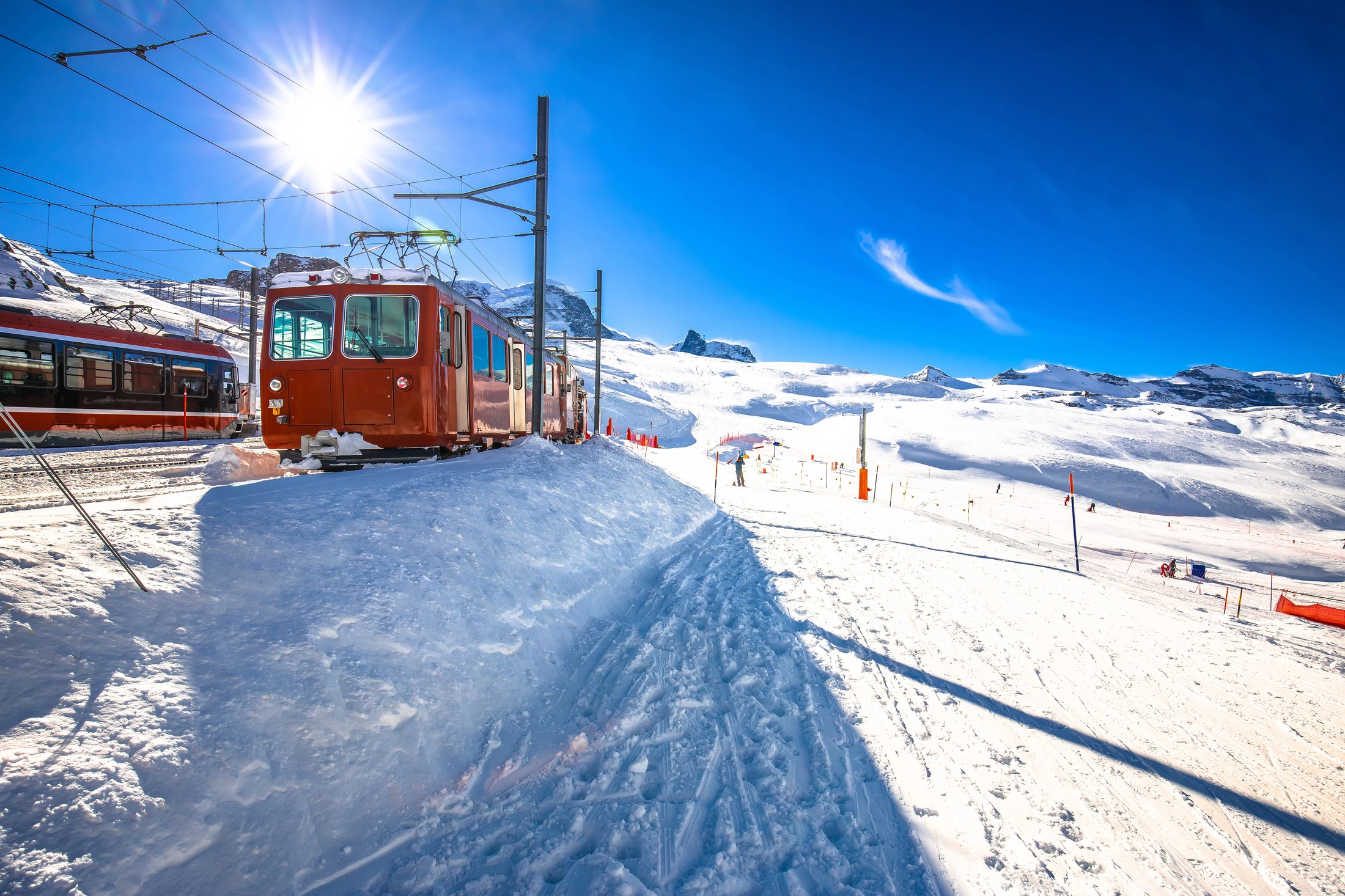
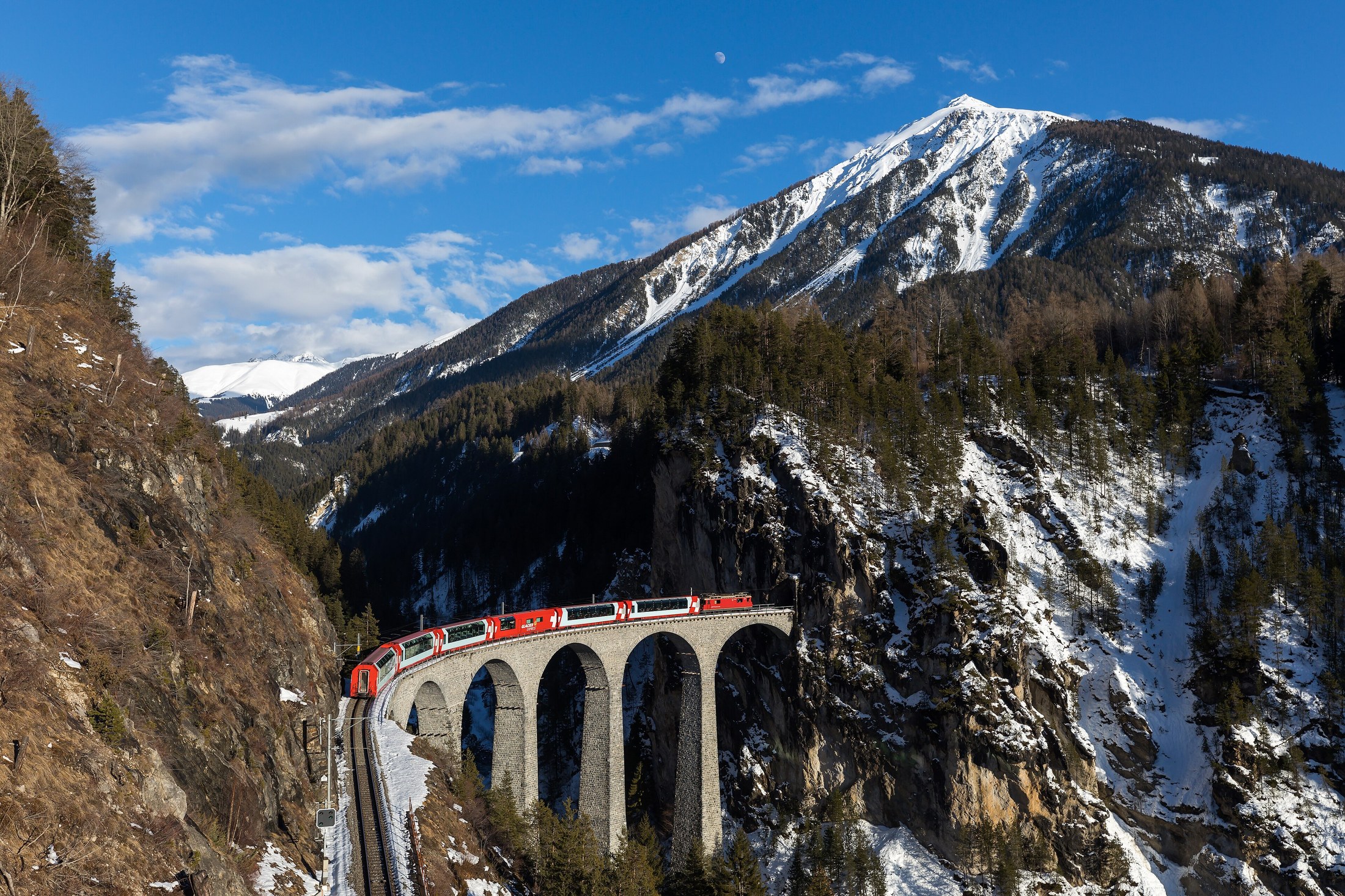
The Glacier Express proudly holds the title of the slowest express train in the world. It covers the route between Zermatt and St. Moritz in roughly eight hours, during which you’ll cross 291 bridges and pass through 91 tunnels. The highlight of the journey is crossing the Oberalp Pass at over two thousand metres, plus the breathtaking Rhine Gorge (Ruinaulta), often nicknamed the Swiss Grand Canyon. The train has enormous panoramic windows that wrap right up into the roof, so nothing of the Alpine peaks escapes you. Zermatt itself, incidentally, is an idyllic car-free village reachable only by train, which gives the very start of the journey an incredible sense of magic.
The 2026 prices, however, are not for the faint-hearted. A second-class ticket starts at 159 CHF, while first class costs 272 CHF. On top of that, absolutely every passenger has to pay a mandatory seat reservation of 54 CHF. This reservation isn’t covered by any travel pass, so you’ll always pay it. Reservations open exactly 93 days in advance, and I’d recommend buying them the moment they’re available, because summer slots vanish at lightning speed. Always double-check current conditions on the official site glacierexpress.ch.
If you fancy maximum luxury, there’s the so-called Excellence Class. For a reservation fee of 540 CHF you get a guaranteed window seat, a five-course menu with wines and a personal concierge. Mere mortals can order a three-course meal delivered to their seat for 49 CHF. Here’s some good news for non-meat-eaters too: the vegetarian and vegan menu options tend to be cheaper and travellers rate them highly. Don’t forget that the train has an annual autumn break and doesn’t run at all between 11 October and 4 December 2026.
💡 Tip: When travelling from Zermatt to St. Moritz, try to sit on the right-hand side of the train. You’ll get a better view of the Matter Vispa valley and the Rhine Gorge. The train changes direction in Chur, though, so the sides swap halfway through.
2. The regional-train hack for savvy travellers
Travel forums regularly host a heated debate in which even the Swiss themselves claim the Glacier Express is slightly overrated. After all, you can do the entire famous route on regular regional trains without any surcharges. These MGB and RhB services run hourly and are fully covered by the Swiss Travel Pass or a classic Interrail pass. You don’t have to pay the 54 CHF reservation, and you can travel far more spontaneously.
Of course, it comes with a few quirks. You’ll need to change trains around four times (typically at Visp, Andermatt, Disentis and Reichenau), which stretches the total journey to roughly eight hours and twenty minutes. For many people, though, that’s a plus. You can break up the trip, hop off at the Oberalp Pass, grab a coffee and carry on with the next service. The panoramic express basically locks you into one carriage for a full eight hours. The connections also run with legendary precision and often arrive on the same platform, so you might only need a couple of minutes to switch.
Photographers absolutely love this trick. The panoramic windows on the pricey express can’t be opened, and in summer they create uncomfortable heat. On top of that, everything reflects in the curved glass. Regular regional trains have classic drop-down windows that let you take perfectly clear, reflection-free shots. So if you’re on a tighter budget or you’re mainly there to chase the perfect photo, the regular services are a brilliant choice.
3. The Bernina Express and its iconic viaducts
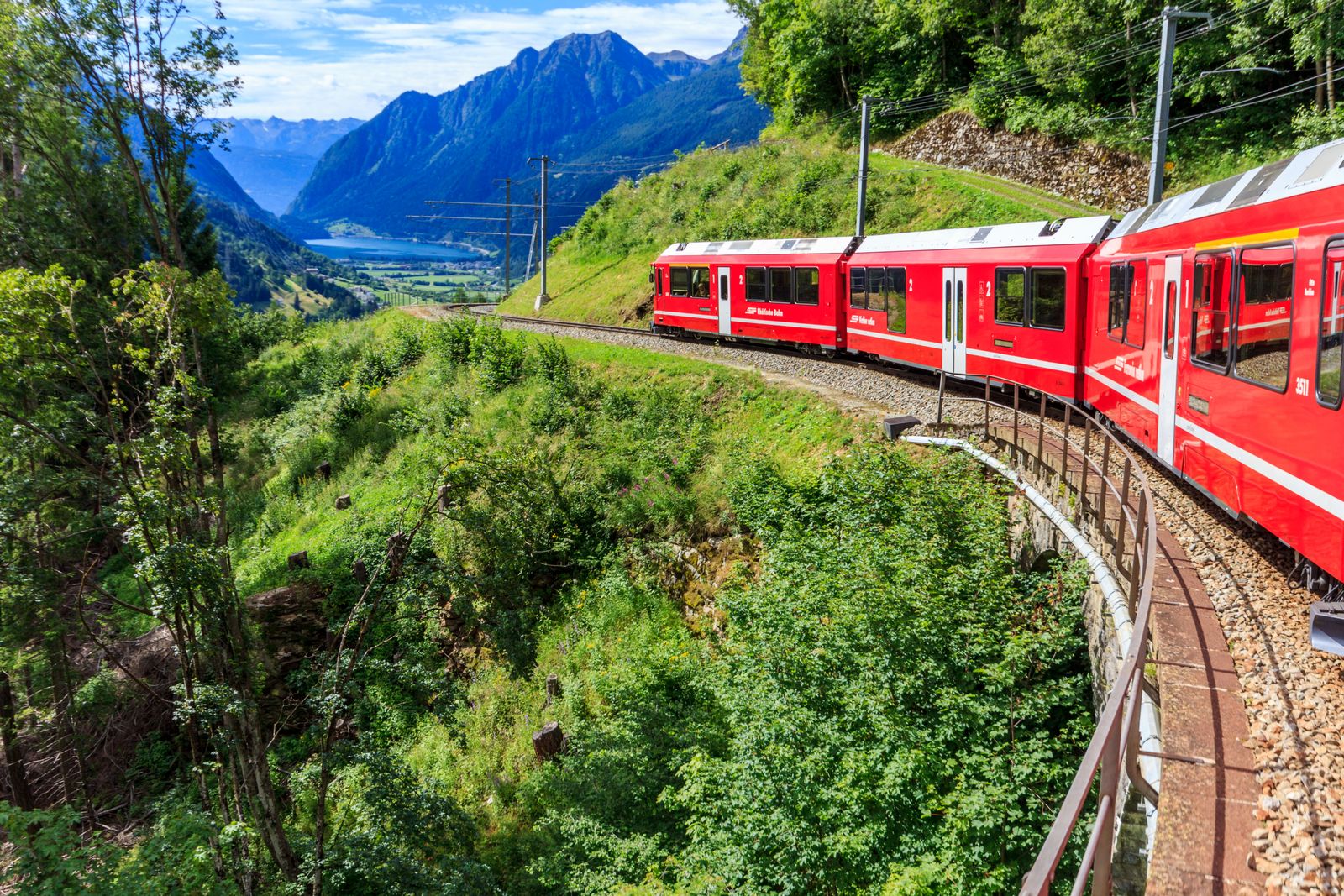
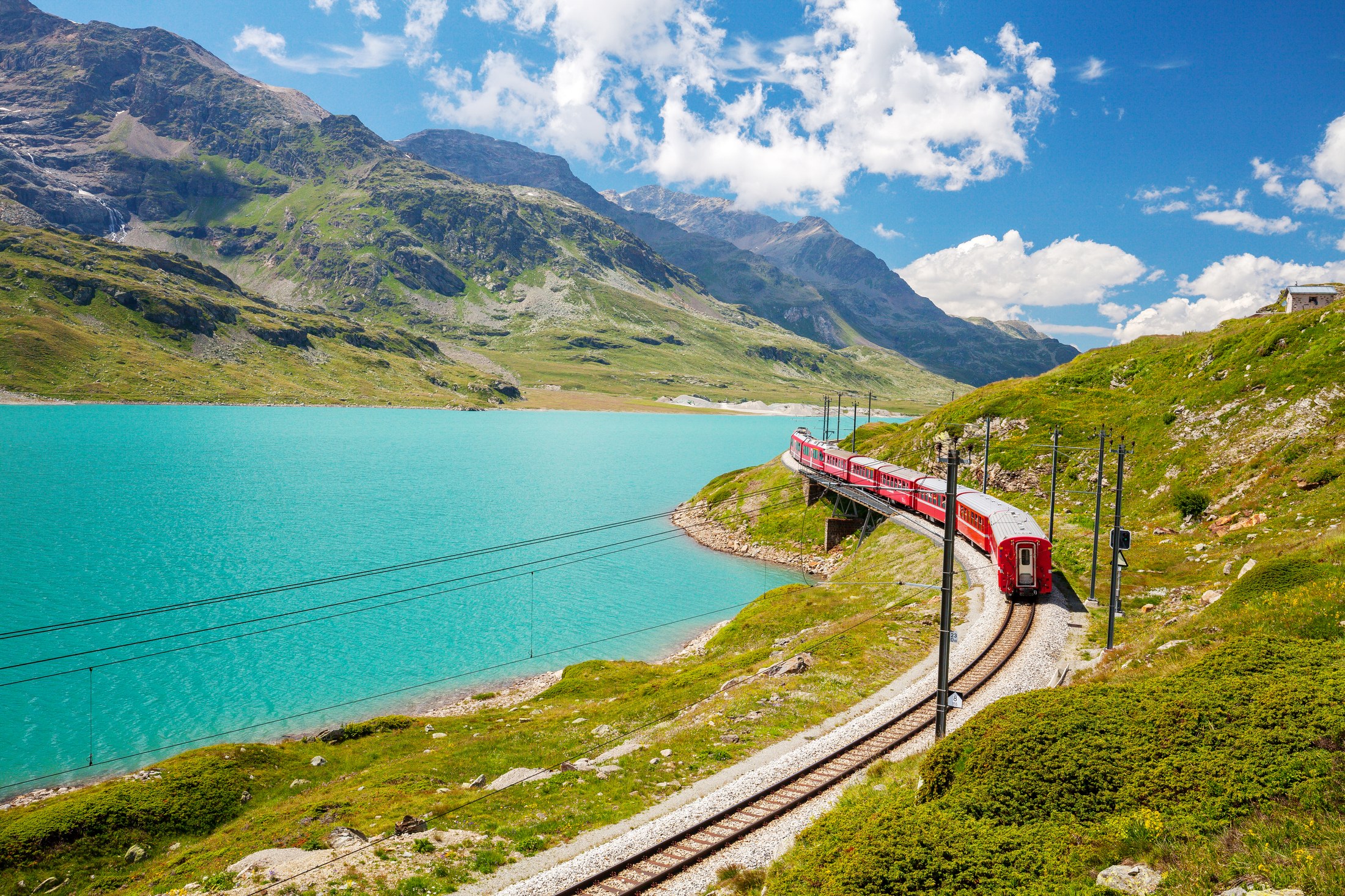
While the Glacier Express is the most famous, many people reckon the Bernina Express is the most beautiful of them all. It’s the only railway line in the world (alongside India’s mountain railway and Austria’s Semmering line) to make it onto the UNESCO World Heritage list. The route, connecting Chur or St. Moritz with the little Italian town of Tirano, takes you across 196 bridges. You’ll see the stunning Palü Glacier, the turquoise Lago Bianco lake, and the train climbs all the way up to 2,253 metres above sea level—all without using a rack-and-pinion system.
The biggest draw for tourists is the famous Landwasser Viaduct and the incredible circular spiral at the village of Brusio, where the train passes beneath itself. A second-class ticket from Chur to Tirano starts at 96 CHF. Once again, you’ll need to add a reservation for the glass panoramic carriages. For 2026 that works out at 40 to 44 CHF depending on the season. Reservations open a full 365 days in advance. Feel free to book them the moment you’ve sorted your accommodation. You’ll find the link for official purchases on rhb.ch. The train runs year-round; just watch out for the planned closure between 29 October and 13 November 2026.
The local-services trick works on this line too. The hourly Allegra trains run on the very same tracks with no surcharge at all. They have opening windows and let you hop off at, say, Alp Grüm station, where you’ll find a terrace with a stunning glacier view. If you go the whole way to Italy, you can also use the connecting Bernina Express Bus. It carries you along Lake Como from Tirano all the way to Lugano in Switzerland—ideal for building a complete loop without backtracking on the same route.
💡 Tip: When heading south towards Tirano, sit on the right-hand side. You’ll get a much better view of the Brusio spiral, Lago Bianco and the Landwasser Viaduct.
4. The engineering marvel called the GoldenPass Express
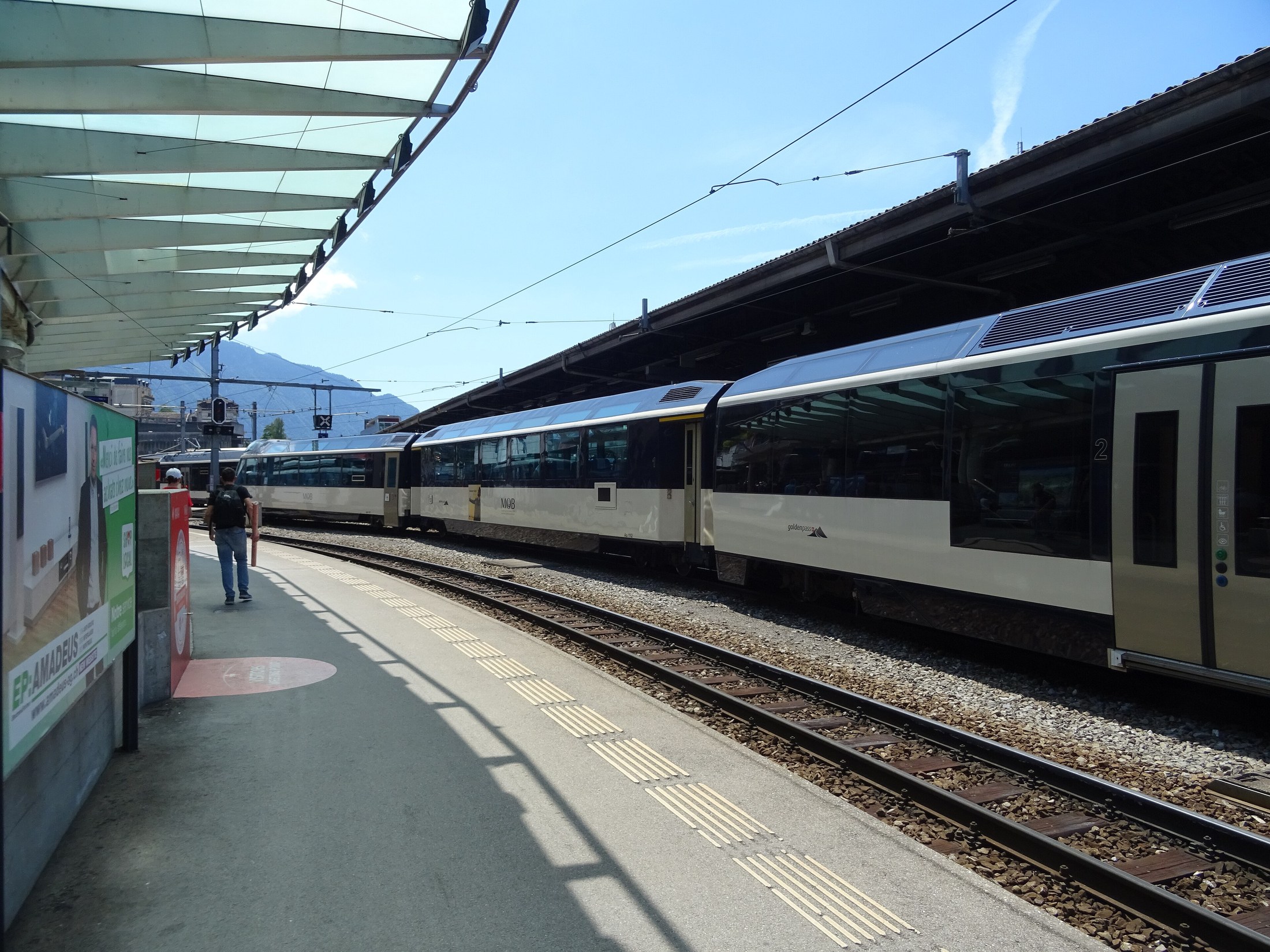
The GoldenPass Express, linking Montreux on the shores of Lake Geneva with Alpine Interlaken, is a global rarity. The train can actually change its track gauge while running at full speed. Part of the route runs on a narrow-gauge line, and at Zweisimmen station it adapts to standard gauge in just a few minutes. For passengers it means huge convenience: you board once and simply gaze out of the window for three hours.
The route is visually gorgeous. You start out among the terraced vineyards above Lake Geneva, pass through the luxury resort of Gstaad and descend through the Simmental valley down to Lake Thun. Interlaken, meanwhile, is the unofficial capital of Swiss adrenaline, so the final destination alone offers plenty of options for further excursions. A base second-class ticket comes to around 56 CHF and the recommended seat reservation costs another 20 CHF. Trains run roughly four times a day, and it’s always best to verify the current timetable and exact prices on gpx.swiss.
For true connoisseurs, this service offers the so-called Prestige Class. It’s a raised cabin at the ends of the train with just 18 heated leather armchairs. The seats can rotate 180 degrees, so you always face the direction of travel and get a driver’s-eye view. This experience requires a first-class ticket and a special mandatory reservation of 49 CHF.
5. Lakeside romance on the Gotthard Panorama Express
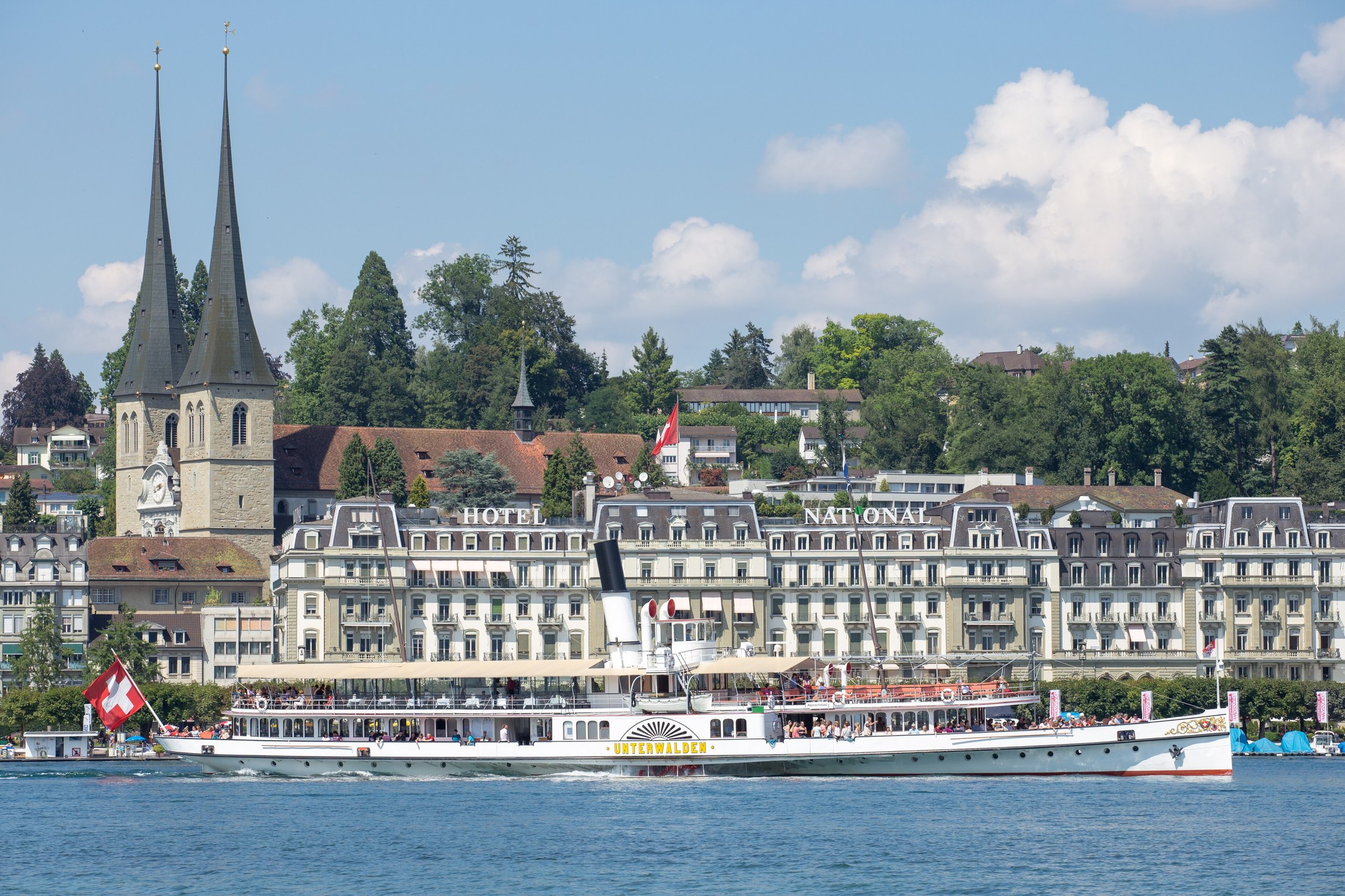
This experience combines two different modes of transport, and honestly, this combo trip has real charm. The journey begins in Lucerne, where you board a historic paddle steamer. For nearly three hours you cruise across the beautiful Lake Lucerne to the port of Flüelen. There, a panoramic train is already waiting to carry you along the old Gotthard mountain line down to sunny Lugano in the south of the country.
The train section is famous for its spiral tunnels near the village of Wassen. Thanks to an ingenious loop system, you’ll see the local Baroque church from three different heights and angles. The train doesn’t use the modern base tunnel beneath the Alps, so you get to enjoy good old-fashioned mountain railway in full glory. The whole excursion takes around five and a half hours and only operates in season, specifically from 18 April to 18 October 2026.
This premium experience comes with one key catch. The train section operates exclusively with first-class carriages. A combined boat-and-train ticket costs 164 CHF, and you’ll have to add a mandatory 24 CHF supplement. If you hold a second-class Swiss Travel Pass, you’ll need to pay to upgrade to the higher class. A free alternative is the regular InterRegio services, which run the same old line, just without the glass roofs and without the need to pay for premium first class.
6. More scenic gems worth considering
Switzerland isn’t just about the three most famous expresses. If you have less time, definitely add some shorter routes to your plan. A great example is the Lucerne–Interlaken Express, which crosses the Brünig Pass. In roughly two hours you’ll pass five gorgeous lakes, including the incredibly turquoise Lake Lungern. This train requires no compulsory reservation and runs every hour.
Another insider tip is the Centovalli railway, the valley of a hundred valleys. It links Locarno in Switzerland with Domodossola in Italy and, over 52 kilometres, crosses 83 viaducts and bridges through wild scenery. A second-class ticket comes to a very pleasant 47 CHF. This route works as an ingenious shortcut if you want to travel from the southern canton of Ticino towards the Matterhorn without having to loop around half of Switzerland.
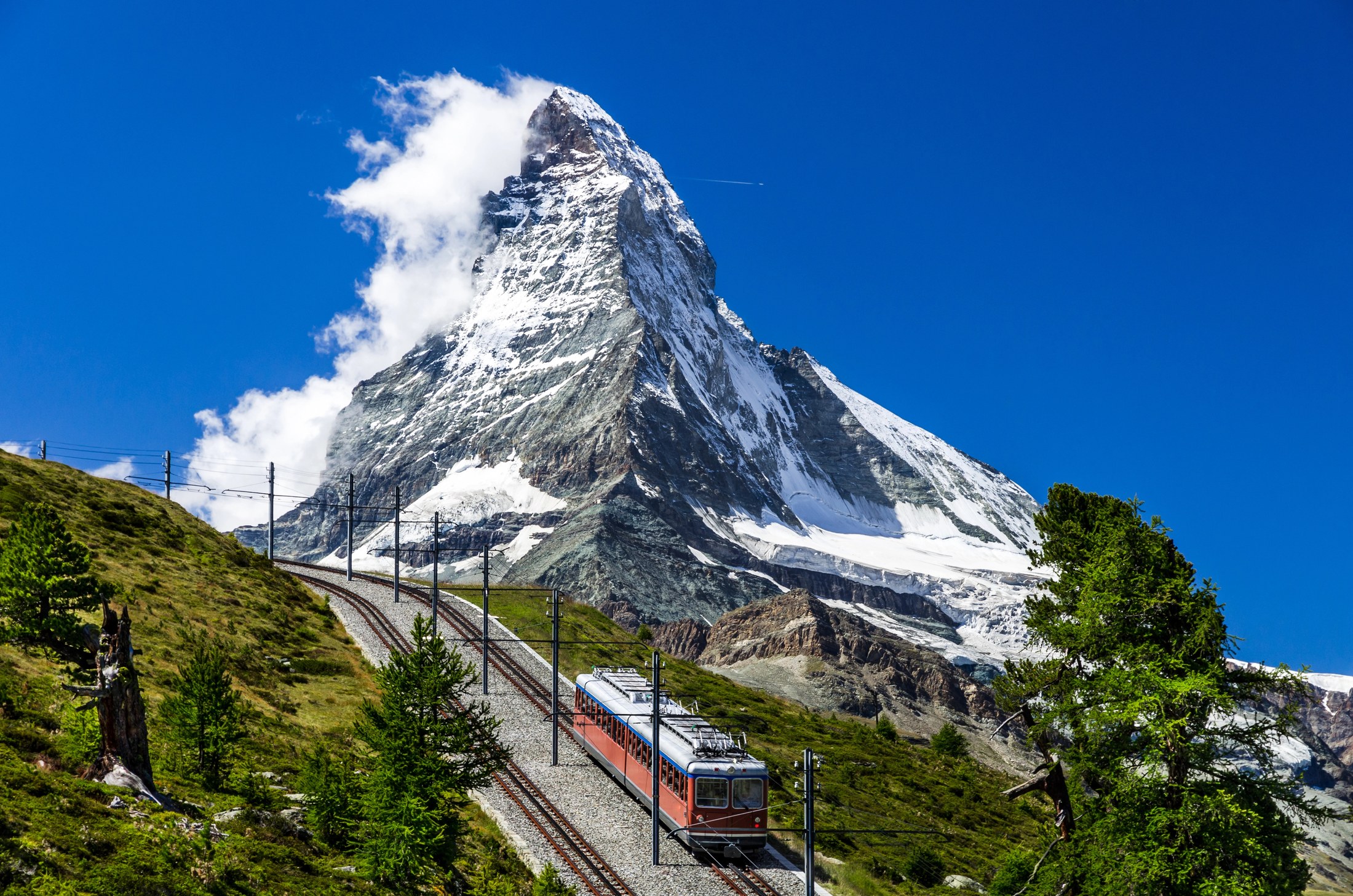
We mustn’t forget the famous mountain railways either. From Interlaken you can head up to Jungfraujoch, the so-called Top of Europe, home to the highest railway station in Europe at 3,454 metres. From Zermatt, it’s well worth trying the Gornergrat rack railway, which carries you for 132 CHF (in summer season) right up in front of the majestic Matterhorn. Just bear in mind that passes don’t fully cover the mountain railways and only give a percentage discount.

7. Swiss Travel Pass vs. Half Fare Card
This is probably the most important section if you don’t want to go bankrupt in Switzerland. Standard point-to-point tickets are extremely expensive, which is why the vast majority of tourists use discount cards. The most popular by far is the Swiss Travel Pass (STP). It works like a magic wand. You buy it for a set number of days (for example 3, 4, 6, 8 or 15) and then simply hop freely onto any train, boat or city public transport. As a bonus, it gets you free entry to more than 500 Swiss museums, so anyone planning cultural stops is well on their way.
For a classic country-wide train loop, the 8-day version at 439 CHF (second class) works out best. With this pass you have all the panoramic expresses covered, and you only top up that seat reservation fee. The pass also works on plenty of city buses, trams and selected cable cars. If you’re travelling with children under 16, just request a free Swiss Family Card and your little ones travel with you completely free the whole time. You’ll find all the pass options laid out clearly on sbb.ch.
The second option is the Half Fare Card at 150 CHF, valid for one month. This card gives you a 50% discount on all tickets. It’s better suited to those who are heading to one place, want to do walking trips there and will only take the train a handful of times. A clever combination is to buy the Half Fare Card and hunt for so-called Saver Day Passes. These all-day network tickets have dynamic pricing, and with the half-fare card you can snap them up from as little as 29 CHF when booking far in advance. It does, however, require precise planning a month ahead.
Where to stay
💡 Tip for accommodation and experiences: We like to look for places to stay on Booking.com, where the cancellation terms tend to be the best. For tickets, tours and activities, it’s worth comparing and booking through GetYourGuide.
Choosing the right place to stay along Switzerland’s railways can either make your holiday wonderfully smooth or seriously complicate it. There’s nothing worse than arriving after a full day of train travel with changes only to discover your hotel lies another half-hour up a steep Alpine hill. That’s why I always advise focusing primarily on locations right next to train stations.
Although accommodation in Switzerland ranks among the pricier options in Europe, with a little planning you’ll find great spots. Here are a few tips for strategically located hotels that will simplify the logistics of your whole trip and save you lugging suitcases around.
Strategic hotels along the route
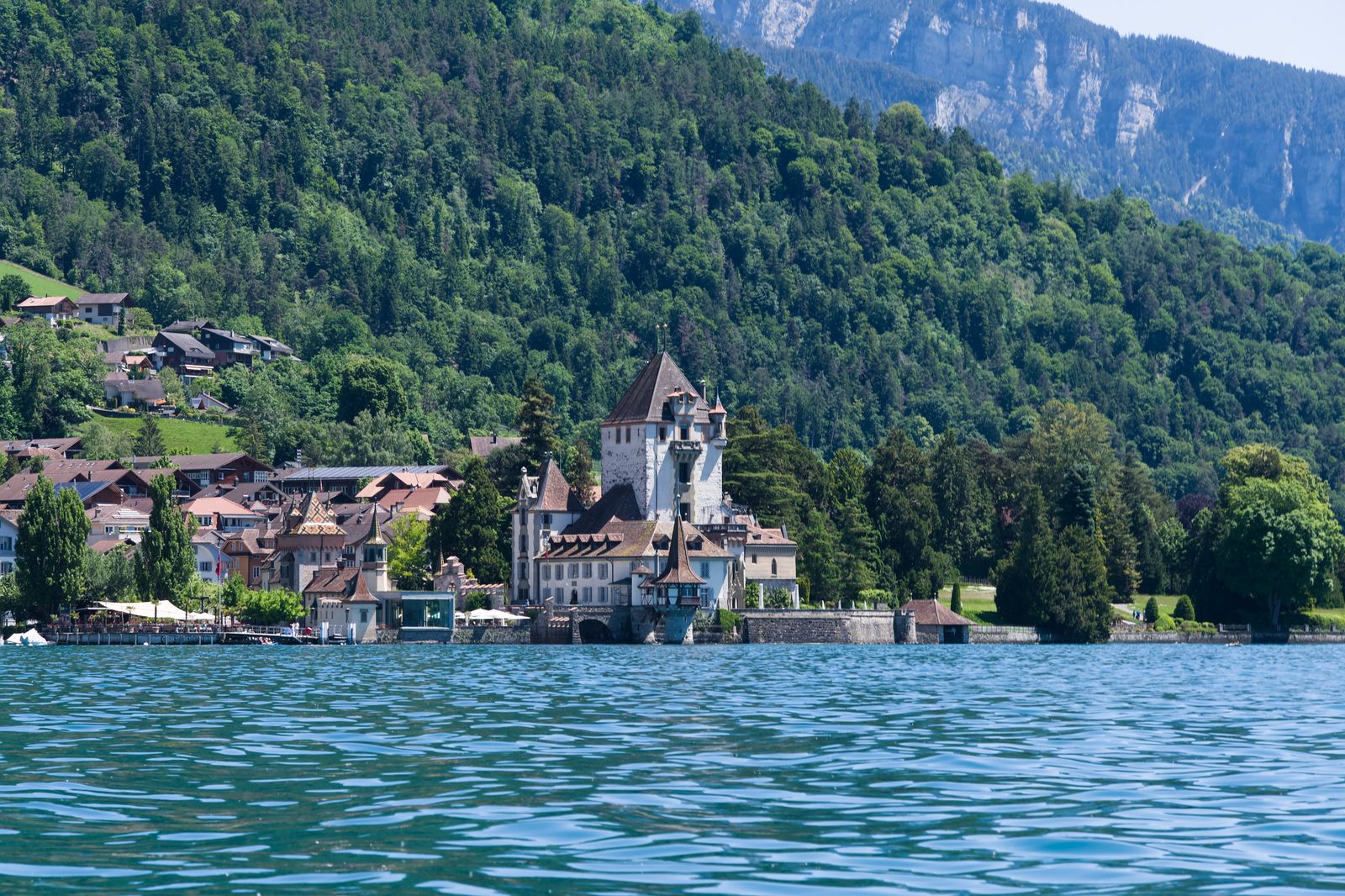
As I mentioned in earlier tips, in Zermatt consider the legendary Hotel Bahnhof. It sits literally a few steps from the platform and offers both classic rooms and cheaper shared accommodation that budget travellers will appreciate. Plus, it gives you lightning-fast access to the Gornergrat rack railway.
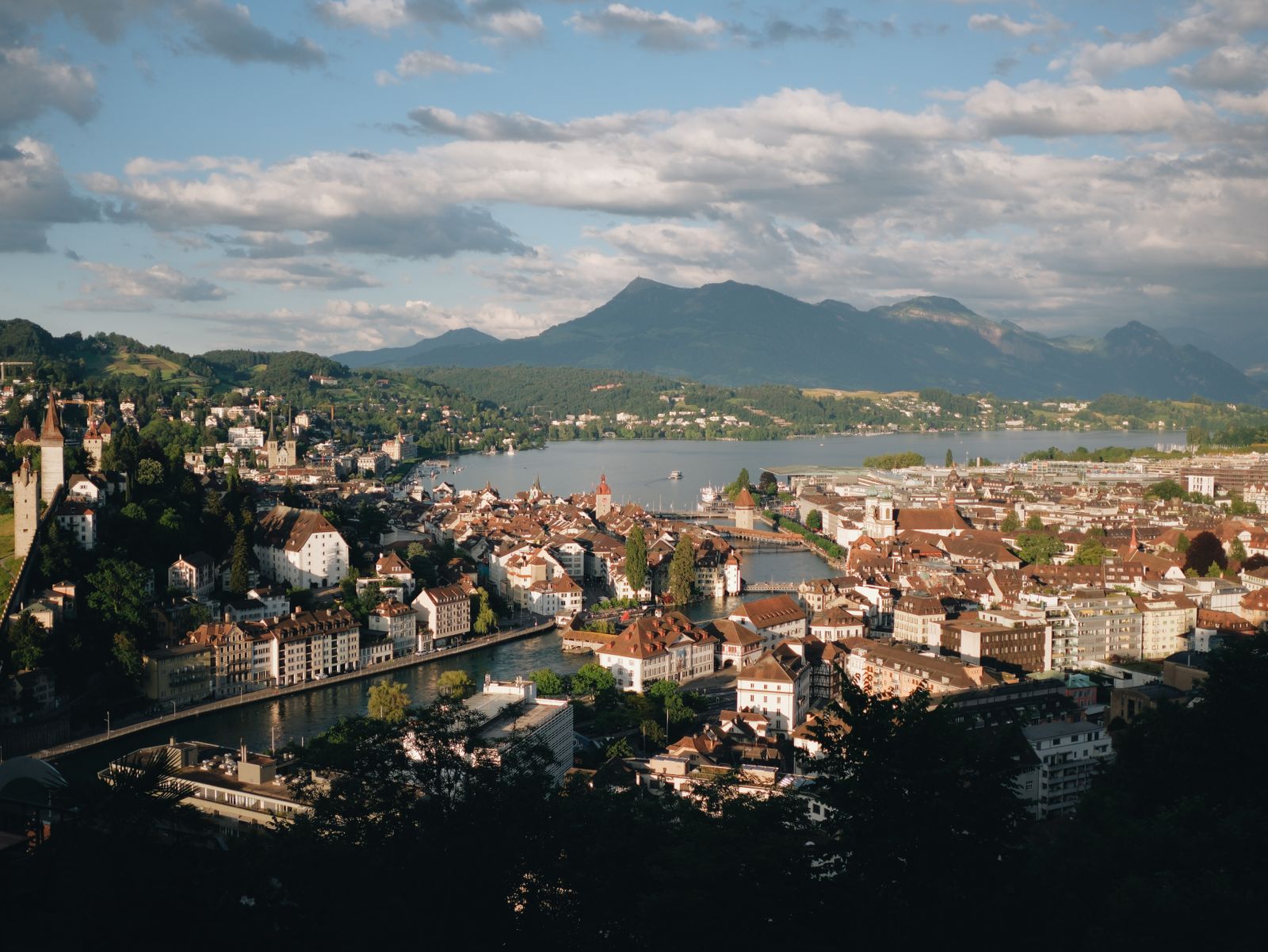
If you’re starting or finishing in Zurich, or making a change in Lucerne, you might look at the Schweizerhof chain. Whether it’s the Hotel Schweizerhof Luzern or the elegant Hotel Schweizerhof Bern, both offer enormous comfort right in the heart of the action and within walking distance of the main train terminals. It’s a slightly higher standard, but for that flawless, worry-free Swiss experience it’s well worth considering.
Where to eat on the go
Swiss cuisine tempts you with cheese fondue, rösti and perfect chocolate. However, eating three meals a day in a proper restaurant means your holiday budget will probably be in tears after just a few days. A regular dinner for one can easily set you back 30 to 40 francs, and that’s before you even splash out on drinks.
When travelling on the panoramic trains, time is often against you too. Rather than hunting for a free table in a mountain hut in the middle of the day, it pays to think ahead and do what the locals do as a matter of course.
Supermarkets are your best friends
Your best lifeline is the Coop and Migros supermarket chains, which you’ll find at virtually every larger train station. Don’t expect ordinary shops full of dry ready-meals, though. They tend to be stocked with fantastic self-service counters offering fresh salads, hot sandwiches and a varied range of fresh baked goods. Grab exactly what you fancy, add a pack of local cheese and your lunch is sorted for a fraction of the price.
Eating your own supplies on the trains is completely accepted and normal in Switzerland. So you can enjoy fresh, crusty bread and cheese with a view of the majestic Alps right from the window of a regional train, without having to suffer the astronomical dining-car prices. Many larger stations also offer microwaves to heat up food bought right there in the shop.
The ultimate 7-day train loop
Combining all these railway wonders into a single holiday is far from sci-fi. You can follow the route officially known as the Grand Train Tour. Start your journey in Zurich, from where a regular train takes you to historic Lucerne on the lakeside. Here I’d recommend an overnight stay at the beautiful Hotel Schweizerhof Luzern, which you’ll find just a short walk from the water. The following day, use the boat and the Gotthard Panorama Express to head to the sunny south, to Lugano.
On the third day, hop on the Bernina Express Bus along Italy’s Lake Como to Tirano, and in the afternoon enjoy the iconic Bernina Express all the way to St. Moritz. In the morning the famous Glacier Express awaits, carrying you on a full eight-hour day’s journey down to the foot of the Matterhorn. In Zermatt, the Hotel Bahnhof is a great choice, fantastically located right opposite the station. Staying right by the station is no accident: trains run early and late here, and the last thing you want is to drag suitcases across half a car-free town. Better to book your hotels well in advance through Booking.
After a day spent beneath the Matterhorn, descend into the valley and in Montreux hop on the revolutionary GoldenPass Express towards Interlaken. From there it’s just a short hop to the capital, Bern, where you can stay at the elegant Hotel Schweizerhof Bern right by the platforms. On the final day, all that awaits is an easy transfer back to Zurich Airport.
💡 Tip: Download the SBB Mobile app to your phone. It shows you delays, platform numbers and how busy the trains are. And remember the oldest golden rule of travelling in Switzerland: dining cars are pricey, so pop into a Coop or Migros supermarket before your journey. Stock up on fresh bread, local cheeses and salads. If you want completely hassle-free travel and don’t fancy planning every detail, take a look at the complete packages and tours via the text link to GetYourGuide.
Practical summary and ballpark prices
In the table below you’ll find a summary of second-class prices for the main 2026 season. Please note that these are ticket prices without discount cards. If you hold a Swiss Travel Pass, you only pay the “Reservation” column.
| Train | Route | 2nd-class price | Reservation | Season |
|---|---|---|---|---|
| :— | :— | :— | :— | :— |
| Glacier Express | Zermatt – St. Moritz | from 159 CHF | 54 CHF | Not running 11 Oct – 4 Dec 2026 |
| Bernina Express | Chur – Tirano | from 96 CHF | 40 – 44 CHF | Year-round |
| GoldenPass Express | Montreux – Interlaken | from 56 CHF | 20 CHF | Year-round |
| Gotthard Panorama | Lucerne – Lugano | 164 CHF (1st class only) | 24 CHF | 18 Apr – 18 Oct 2026 |
| Centovalli | Locarno – Domodossola | from 47 CHF | 5 CHF (optional) | Year-round |
Where to next
- Interested in planning a complete stay beneath the Alps? Read our article Switzerland Holiday: 19 tips on where to go and what to see.
- Planning to stop by Europe’s most famous mountain? We’ve got you covered in the guide Zermatt and the Matterhorn: what to see and do.
- Fancy a look at the capital and its bears? Find out more in Bern: what to see in the Swiss capital.
- On the way you mustn’t miss the gorgeous lake and wooden bridges. Our article Lucerne: 14 tips on what to see will help.
- And if the highest heights tempt you, take a look at Interlaken and Jungfraujoch.
Frequently asked questions
How much does a ride on the Glacier Express cost?
In 2026, a basic second-class ticket costs 159 CHF. On top of that, you absolutely must purchase the mandatory seat reservation for 54 CHF, so in total you’ll pay roughly 213 CHF (about €230). If you own a Swiss Travel Pass, you only pay the reservation fee.
Is the Swiss Travel Pass Worth Buying?
For a vacation focused on a train circuit and scenic expresses, it’s definitely worth it. The eight-day version for 439 CHF will fully cover your tickets for boats, buses, and panoramic trains, where you only pay minor seat reservation fees. Plus, you’ll get entry to 500 museums.
Do I need to book the Bernina Express in advance?
To the panoramic glass-domed coaches, reservations are mandatory and cost from 40 to 44 CHF depending on the season. However, if you want to save money, you can use regular regional trains on the same route. These don’t require any reservation and offer great openable windows for taking photos.
Which train is better, the Glacier or Bernina Express?
The Bernina Express is shorter, cheaper, and is the only one featured on the UNESCO list. Plus, it offers stunning descents all the way to Italy, and passing by the glacier up close is truly breathtaking. The Glacier Express is more of an all-day premium experience with food service right to your seat. For most people with limited time, the Bernina tends to be more attractive.
Can you get vegetarian food on Swiss trains?
Yes, for example, Glacier Express offers a great three-course menu, where you can pre-order a vegetarian or vegan option, which is often even cheaper than the meat option. In regular trains you can get food at the mini-bar, but the safest bet is to buy salads and cheeses at the supermarket beforehand.
When is the best time to book seats?
Reservations for the Glacier Express open exactly 93 days before departure and disappear at lightning speed in summer. Tickets for the Bernina Express can be purchased up to 365 days in advance. For the luxurious Prestige Class on the GoldenPass Express, I recommend not delaying your purchase and booking it as soon as you know your travel date.
Do panoramic trains have any operational breaks?
The Bernina Express and GoldenPass Express run year-round, with the winter landscape having enormous charm. However, the Glacier Express has a regular autumn maintenance break and in 2026 won’t run between October 11th and December 4th. The Gotthard Panorama Express operates only in the summer season from April to October.
Tips and Tricks for Your Vacation
Don’t Overpay for Flights
Search for flights on Kayak. It’s our favorite search engine because it scans the websites of all airlines and always finds the cheapest connection.
Book Your Accommodation Smartly
The best experiences we’ve had when looking for accommodation (from Alaska to Morocco) are with Booking.com, where hotels, apartments, and entire houses are usually the cheapest and most widely available.
 🚗 Car rental on the roadVerified car rentals in Switzerland
Search with the DiscoverCars comparison engine — it compares prices from dozens of local and international rental companies, and most bookings come with free cancellation.
Compare car prices in Switzerland →Don’t Forget Travel Insurance
Good travel insurance will protect you against illness, accidents, theft, or flight cancellations. We’ve had a few hospital visits abroad, so we know how important it is to have proper insurance arranged.
Where we insure ourselves: SafetyWing (simple monthly subscription) and TrueTraveller (for extra-long trips).
Find the Best Experiences
Get Your Guide is a huge online marketplace where you can book guided walks, trips, skip-the-line tickets, tours, and much more. We always find some extra fun there!