

You open your backpack at the airport to grab your laptop, and your clean underwear spills out onto the floor right in front of a startled security officer. Or, after a long red-eye flight, you arrive at your hotel, desperately hunting for your comfy pyjamas, and end up tipping out every carefully arranged stack of clothes — so your suitcase instantly looks like it’s been hit by a bomb. If you recognise yourself in any of these crisis moments, I’ve got a solution that will genuinely change your travel life and save you a whole lot of stress.
The days when packing for a holiday had to be a chaotic, stressful ordeal — forcing the zip shut and praying the seams hold until you land — are long gone. The real game-changers here are packing cubes, which help you keep a perfect system inside your luggage. These clever fabric pouches work like little drawers, so you know exactly where everything is, and they keep your things neatly in place even after rough handling at the airport.
Let’s walk through how a luggage organiser works in practice, what types are out there, and which folding technique to choose so that everything you need actually fits. I’ll show you the difference between regular and compression cubes, plus how to avoid the most common mistakes. Learning how to pack a suitcase efficiently really is the best investment you can make in a relaxed, hassle-free holiday.
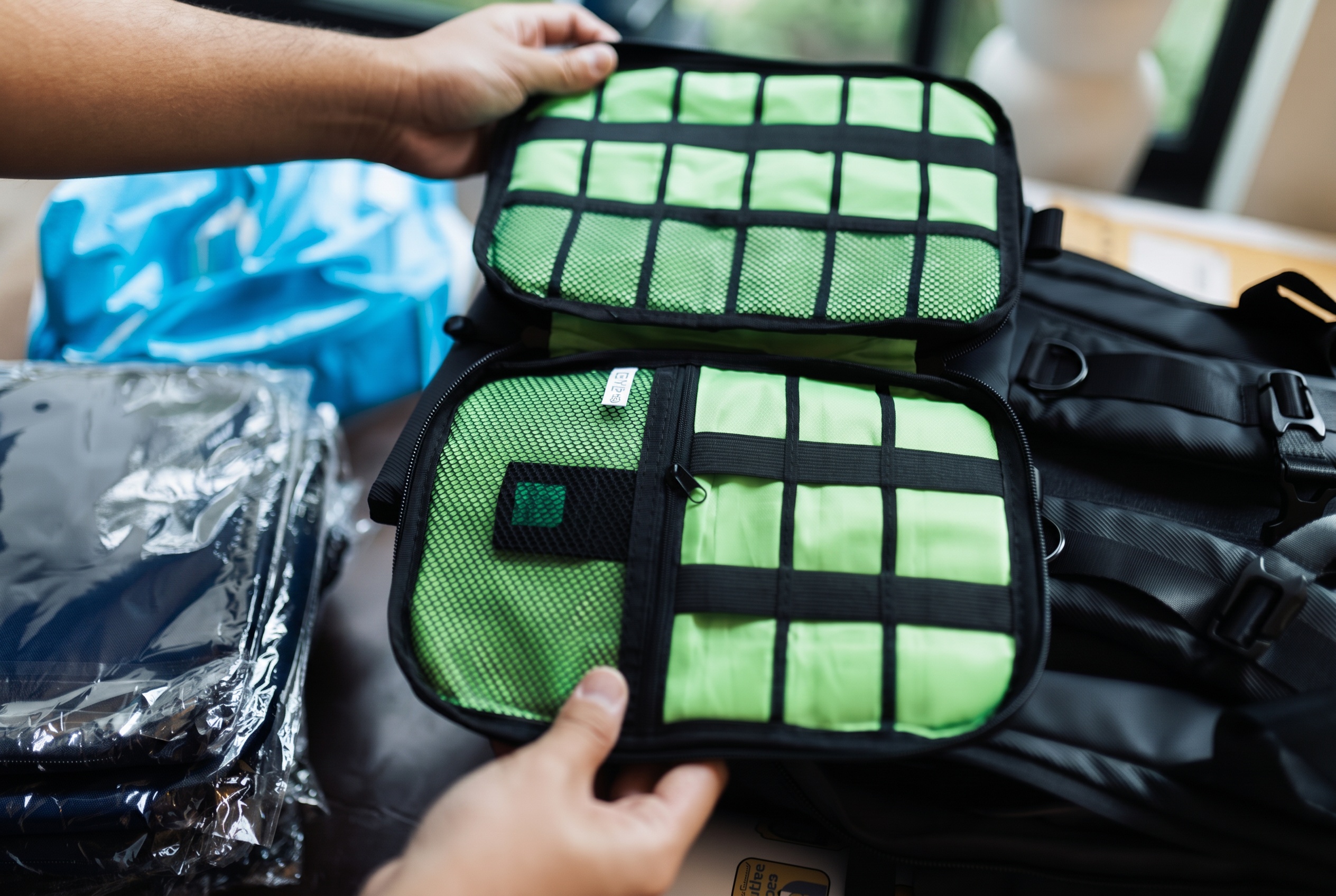
What are packing cubes — and are they really worth it?
The basic idea is wonderfully simple and yet genius. They’re lightweight fabric pouches with a zip, into which you neatly sort your clothes, electronics or toiletries. Instead of one big, messy pile of stuff, your luggage holds tidy blocks you can easily pull out and put back without disturbing the rest of the contents. This system is an absolute lifesaver for anyone hopping between several hotels who doesn’t want to fully unpack into wardrobes every single time.
So the main benefit is the incredible clarity and the speed with which you can find your favourite T-shirt or a pair of clean socks. Another huge plus is that packing cubes for travel stop your things from spilling out when you suddenly need to open your bag in public. They also protect your clean clothes to some degree from getting dirtied by shoes or from a badly sealed bottle of shampoo leaking, since they form an extra protective layer.
But I have to flag up one very common misconception right away — one that costs plenty of people money in airline fees. While a compression luggage organiser can save you valuable volume and squash a pile of clothes down to half its size, it absolutely will not save you weight. If you’ve got a strict weight limit for your cabin bag packing set at seven or ten kilograms, the cubes sadly won’t save you — quite the opposite, they’ll just let you pack more heavy items that push you over the limit.
Packing cubes vs. compression bags vs. organisers
These days the market offers an overwhelming range of options and it’s easy to get lost in the choice. Classic fabric cubes are ideal for basic sorting and keeping order, because they hold a firmer shape and slot beautifully into your luggage. Most have a top made of see-through mesh, so you can instantly tell what’s inside and your clothes can breathe naturally during the journey.
By contrast, compression packing cubes have one extra special zip that works on the same principle as an expansion zip on a suitcase, just in reverse. Once you’ve packed your clothes in and done up that second zip, you mechanically squeeze out the excess air and the volume shrinks dramatically. It’s a brilliant solution for bulkier items like jumpers or hoodies, but bear in mind that the strong compression will crease your clothes far more.
The third category covers specialist organisers, which don’t have the classic cube shape but are designed for a specific purpose. Typically these are waterproof wash bags with a hook for hanging in the bathroom, or padded cases for electronics, where you neatly tuck away all your chargers, cables and power banks. These smaller pieces perfectly complement the bigger system and make sure your bits and bobs don’t go wandering off to the bottom of your bag.
How to pack properly with packing cubes
Unfortunately, simply buying the organisers won’t save you if you just chuck your things in haphazardly. For the whole system to work properly and save you as much space as possible, you need to master the right filling technique and think strategically about what belongs together. A well-thought-out approach to how to pack a suitcase is actually a little logistics game — and one that’s very easy to learn.
Rolling, folding, or bundle wrapping?
The most common question travellers wrestle with is the actual technique for handling clothes. Classic folding into stacks — the kind we use at home in the wardrobe — is the worst possible option for travel. Not only do those stacks take up a surprising amount of room, but above all they collapse the moment you put them in the bag, creating sharp creases exactly where you least want them.
Far more effective is the rolling method, which has become the absolute standard among seasoned backpackers. It’s ideal for soft, pliable wardrobe items like cotton T-shirts, underwear, light summer dresses or socks. Rolls pack much better side by side inside a packing cube, filling every spare centimetre, and because there are no sharp folds, your clothes crease only minimally.
But if you’re heading off on a business trip or taking delicate items like shirts and blazers, definitely try a technique called bundle wrapping. The idea is to make a firm core out of soft items (underwear, for example), then carefully wrap your most delicate clothes around it, laid out flat. This way you get absolutely no creases, and your formal outfit arrives at its destination in surprisingly great shape — even if it does take a little longer to prepare.
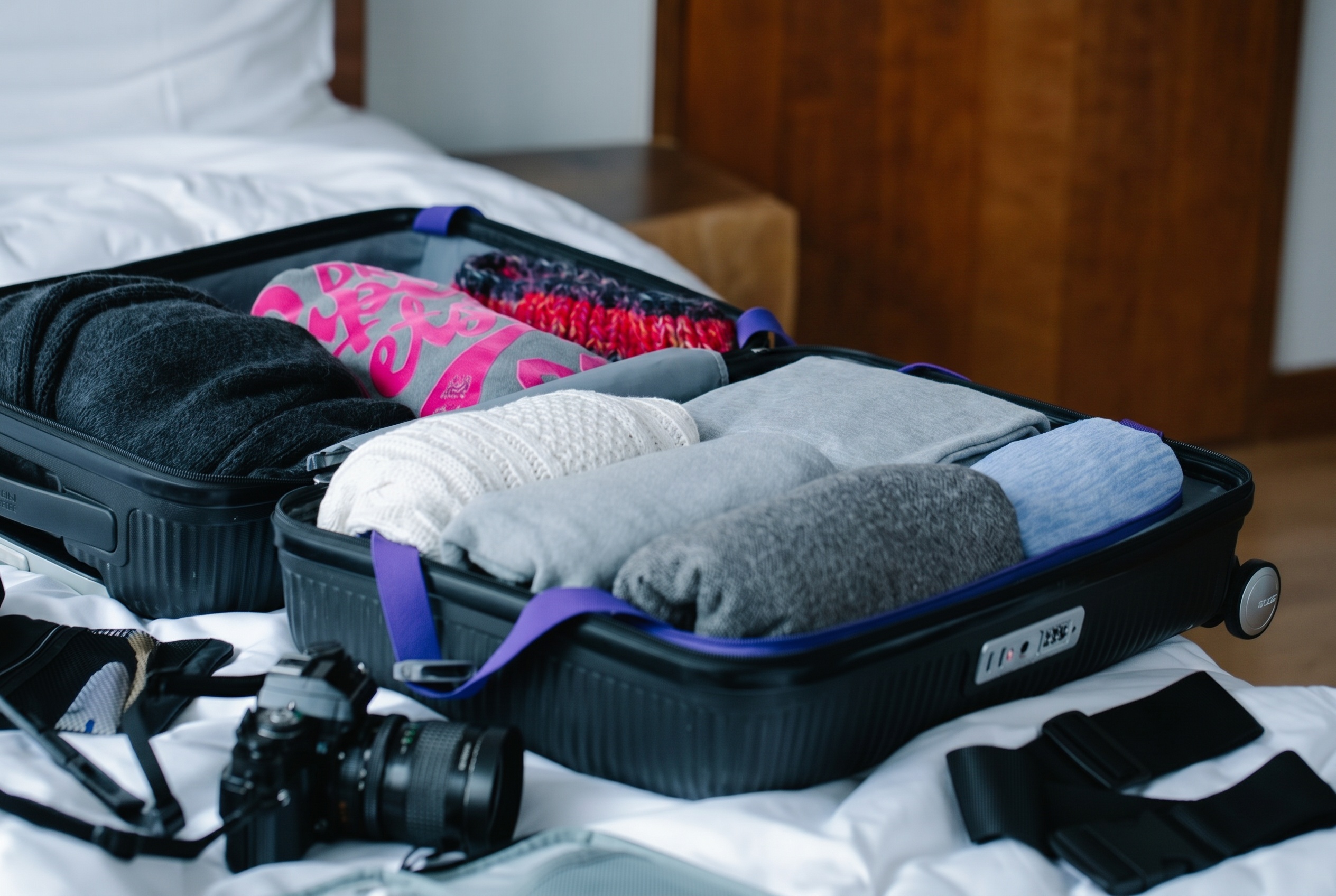
The system: one cube, one category
The fundamental rule for a truly functional luggage organiser is strict thematic division. Set up a system where each category has its own dedicated pouch, so you know exactly where to reach. One medium cube holds all your T-shirts and tops, into a smaller one you stack underwear and socks, and another takes your trousers and shorts. Then when you’re hunting for clean socks in the morning, you just pull out the right little pouch and the rest of your bag stays untouched.
If you’re off on a family holiday and sharing one big suitcase, it’s absolutely ideal to get sets in different colours. The blue pouches can be yours, the red ones your partner’s, and the green ones the kids’. That way you avoid endless rummaging and squabbling over whose black T-shirt is at the bottom of the case. Quick visual orientation is priceless in a hotel room during the morning rush.
💡 Tip: When packing full cubes into your luggage, always think about the centre of gravity. Put the heaviest pouches with jeans or electronics as close to your back and at the bottom in a backpack, and towards the lower wheels in a roller case, so the bag doesn’t tip over on you.
Don’t forget about hygiene and separating dirty or potentially problematic items either. Shoes always belong in their own sealable bag, and to save space it’s a good idea to stuff them with rolled-up socks. I’d recommend putting toiletries into a waterproof organiser, which keeps any disaster with a leaking shower gel safely away from your favourite clothes.
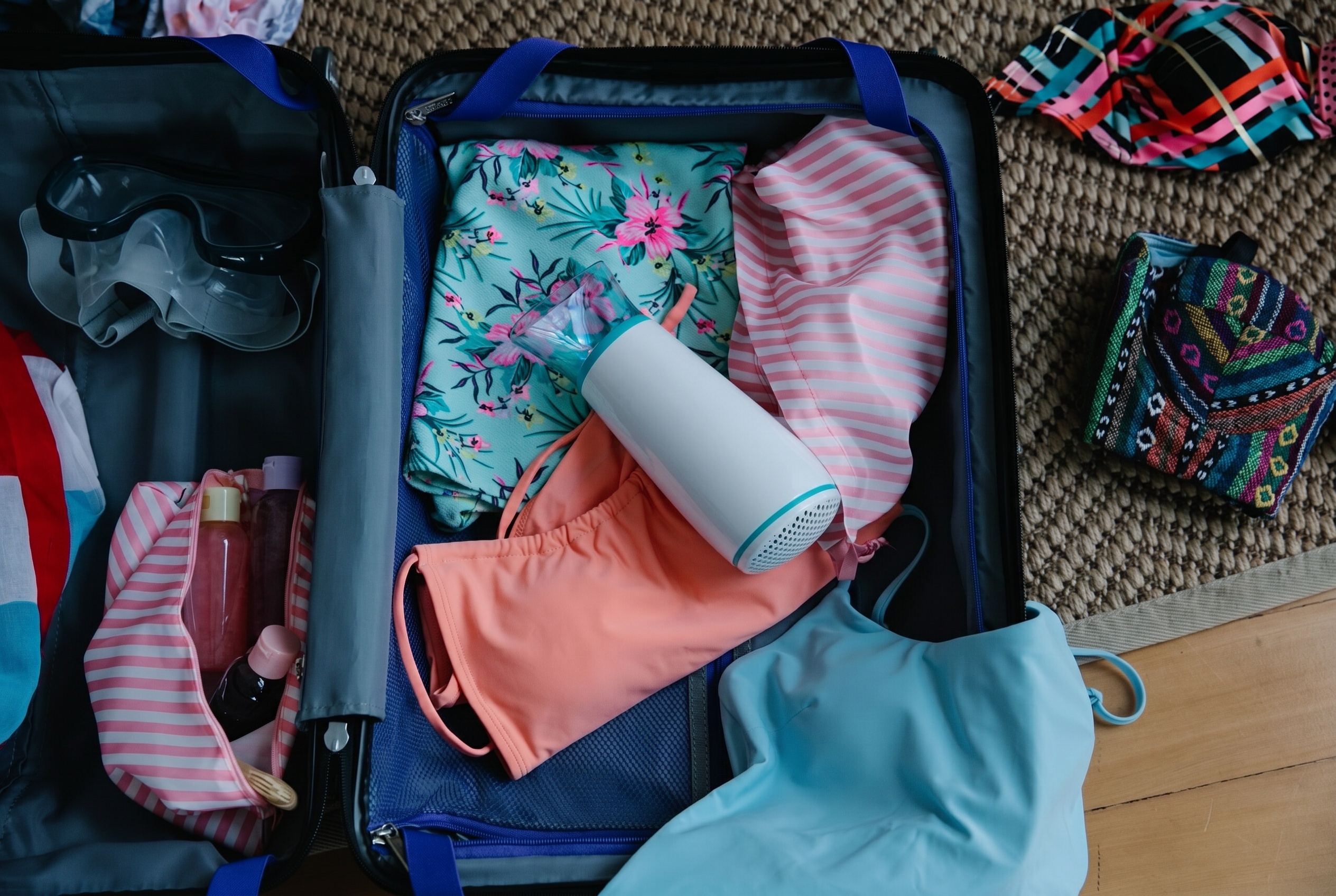
How to choose packing cubes
Once you decide to buy your first set, you’ll discover that the choice is enormous and prices range from a few pounds to well over fifty. The most important thing is not to be lured by a pretty design alone, but to focus on the practical features that determine how long your gear lasts and how easy it is to handle on the road. Quality packing cubes should be an investment for several years to come.
Sizes and sets
The most common beginner mistake is buying the largest sizes available, believing they’ll hold the most stuff. The truth is that huge cubes are often completely impractical, because they adapt poorly to the shape of your luggage and you still end up with chaos inside them. Your main goal is to choose sizes that fit perfectly within the dimensions of your particular suitcase or backpack.
If you’re gearing up for cabin bag packing — especially with budget airlines that have strict dimensions like 40×30×20 centimetres (typically Ryanair or Wizz Air) — rule out the giant cubes straight away. You’ll get far more out of a combination of several smaller and medium pouches that you can rearrange like Tetris blocks. Most manufacturers offer handy starter sets, which usually contain one large, two medium and one small cube, and often a separate bag for dirty laundry or shoes too.
When choosing, also consider what your usual travel wardrobe is made of. If you like travelling in thin merino and quick-drying synthetics, smaller sizes will do, because these materials roll up beautifully and take up minimal space. But if you prefer thick cotton, knitted jumpers and heavy denim, you’ll need slightly bulkier pouches — or the compression ones outright.
Material, zips and compression
It definitely doesn’t pay to skimp on material, because packing cubes take a real beating when you travel. Look for products made from quality, lightweight nylon or polyester that resist tearing and dry quickly, in case you ever have to rinse them out on the road. A very practical detail is a breathable mesh top panel, which lets you see inside instantly and stops your clothes from getting stuffy in the enclosed space.
The absolute essential, though, is good-quality double zips, ideally from trusted brands. The zip is the most heavily stressed component — it has to withstand enormous pressure when you’re trying to close a slightly overstuffed luggage organiser. A double slider is a must for comfortable, quick handling, so you don’t have to fiddle your way all the way around the pouch.
When deciding between classic and ultralight versions, weigh up your travel style. Ultralight cubes are made from parachute-like materials and weigh just a few grams, but they hold their shape poorly when they aren’t completely full. More durable versions with slightly reinforced walls do add a few extra grams, but they’re much easier to work with and create a firm, well-ordered structure inside your bag.
💡 Where to buy: ready-made packing cubes and luggage organisers are widely available online, where you’ll also find practical sets of packing pouches in various sizes.
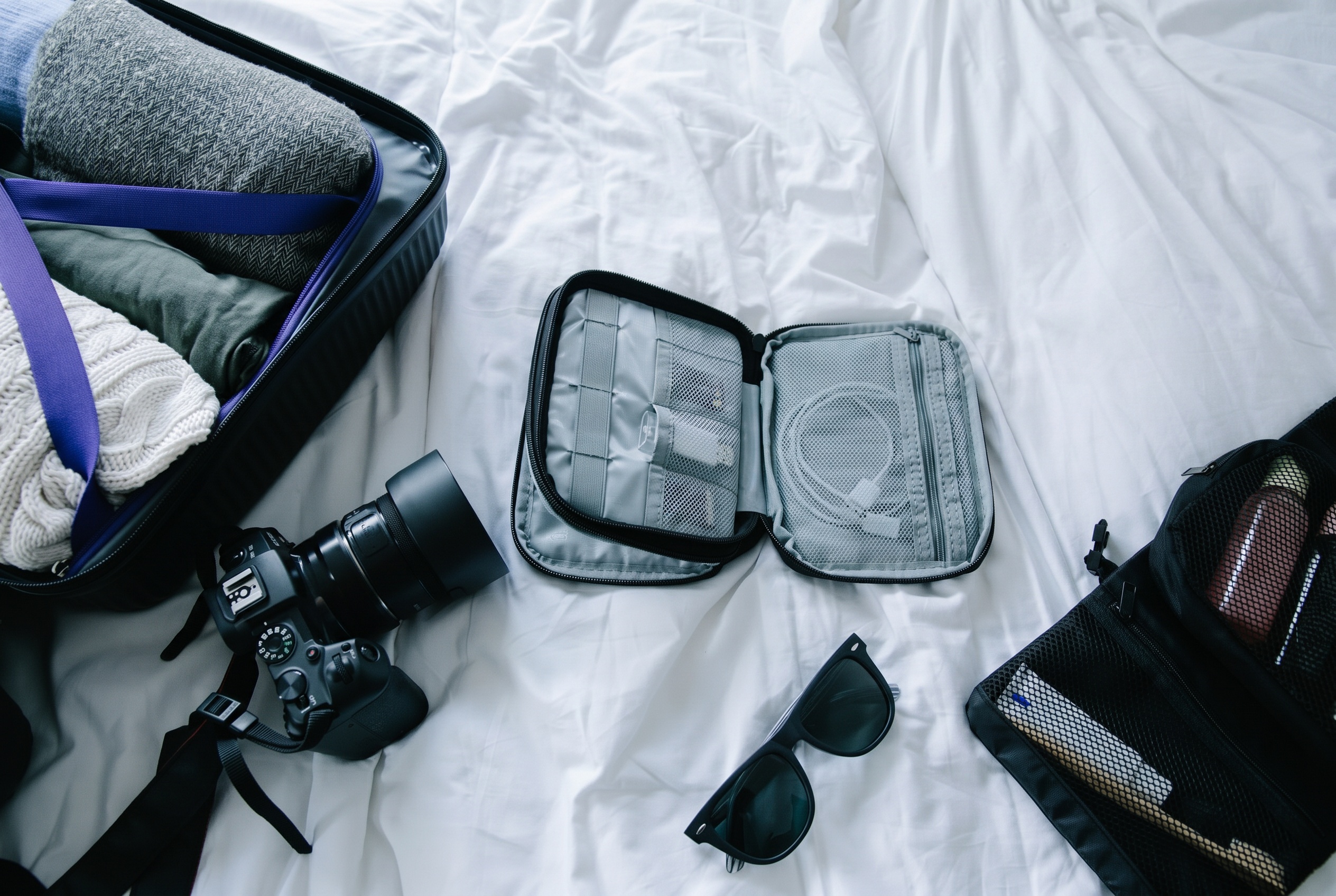
Who packing cubes suit (and who they suit less)
This organisation system is an absolute dream for all the so-called one-bag travellers who set off into the world with just a single backpack and need to use every square centimetre. They’re equally a lifesaver for families with children, because keeping order in things for four people in one big suitcase is a near-superhuman task without colour-coded organisers. They’re also greatly appreciated by people on business trips who need to separate casual clothes from formal ones.
On the other hand, if you only ever drive to a weekend cottage, take a huge suitcase you just toss things into loosely, and don’t unpack it all week, packing cubes might be an unnecessary extra step for you. If you don’t need strict order on your travels and you don’t mind occasionally digging through the entire contents of your bag to find your favourite socks, the classic free-for-all packing style will probably do the job just fine.
💡 Tip: Even if you decide not to buy a whole pricey set, do at least get one waterproof bag for dirty laundry. Separating used clothes from clean ones is a basic hygiene rule that makes every longer trip more pleasant.
Common mistakes when packing with cubes
Even with the best gear, it’s possible to make mistakes that needlessly complicate the whole process. Here’s a rundown of what to watch out for most when you’re getting ready:
- You buy only the largest sizes available and then overstuff them so much that only two fit in your backpack and the rest of the space goes unused.
- You get a false sense that compression has left you loads of room, so you pack far more “just in case” and end up unable to close the case at all.
- You confuse saving volume with saving weight, and then you’re caught out at the airport by a hefty surcharge for exceeding your airline’s weight limit.
- You don’t put shoes or liquid toiletries in a separate waterproof bag, risking the ruin of your carefully arranged clean clothes.
- You fold clothes into classic stacks instead of rolling them, needlessly wasting precious space inside the organiser itself.
- You buy the cheapest options with poor-quality zips that burst on the very first day of your holiday, the moment you try to fill them to bursting point.
Where to next
Once you’ve got everything neatly sorted and packed, you might be wondering what to actually load it all into. If you prefer travelling light and don’t want to waste time waiting at the baggage carousel, definitely read our detailed guide on how to choose the right cabin bag and flight backpack. You’ll also find specific tips there for the best cabin bags, into which all those organisers stack absolutely perfectly.
So you don’t forget anything important at home, also take a look at our detailed list of what to take on a plane. And if you’re flying with your favourite budget airline, be sure to check the current rules for Ryanair luggage before you set off, so you don’t face a very unpleasant surprise at the airport in the form of steep surcharges at the desk.
Frequently asked questions
Do packing cubes save space in your suitcase?
Yes, they definitely save a lot of space, especially if you get the compression versions. By rolling your clothes up tightly and sealing them into a confined space, you eliminate unnecessary air and dead spots in your luggage, so you can physically fit a bit more in there.
Do packing cubes save weight?
No, this is the most common misconception that people believe. No packing cube can change the laws of physics and reduce the weight of your clothes. Cubes will help you use space better, but if you’ve maxed out your carry-on weight limit, you’ll need to leave some heavy items at home.
What size packing cubes to buy?
Always choose sizes that fit proportionally into your specific luggage. Small and medium sizes are absolutely ideal for smaller carry-on backpacks, while giant cubes are better saved for large checked suitcases, where you have plenty of room to maneuver.
Should I roll or fold my clothes?
Rolling is definitely the best choice for soft and pliable items when travelling, as it saves loads of space and minimizes unsightly wrinkles. Folding unnecessarily wastes space, but if you’re bringing formal shirts, try the bundle wrapping technique, which is absolutely the most effective against creasing.
Will packing cubes fit in Ryanair or Wizz Air carry-on luggage (40×30×20)?
Yes, they’ll fit without a problem, but you need to cleverly choose the right size. For these small dimensions, always opt for smaller and medium cubes that you can stack like building blocks, and give the large cubes a wide berth because they’d take up the entire width of the backpack.
Are packing cubes better?
It depends on your priorities and the type of clothing you usually pack. The compression version will significantly reduce the volume of thick sweaters or down jackets, but you’ll have to accept that your items will get much more wrinkled, so it’s definitely not the right solution for formal shirts.
How many packing cubes do I need for a week?
For a typical week-long holiday, you’ll roughly need one large packing cube for trousers and jumpers, one to two medium ones for t-shirts and lighter items, and one small one for underwear. Don’t forget to also pack a separate sealable bag for dirty laundry and possibly a shoe bag.
Tips and Tricks for Your Vacation
Don’t Overpay for Flights
Search for flights on Kayak. It’s our favorite search engine because it scans the websites of all airlines and always finds the cheapest connection.
Book Your Accommodation Smartly
The best experiences we’ve had when looking for accommodation (from Alaska to Morocco) are with Booking.com, where hotels, apartments, and entire houses are usually the cheapest and most widely available.
Don’t Forget Travel Insurance
Good travel insurance will protect you against illness, accidents, theft, or flight cancellations. We’ve had a few hospital visits abroad, so we know how important it is to have proper insurance arranged.
Where we insure ourselves: SafetyWing (simple monthly subscription) and TrueTraveller (for extra-long trips).
Find the Best Experiences
Get Your Guide is a huge online marketplace where you can book guided walks, trips, skip-the-line tickets, tours, and much more. We always find some extra fun there!


