

Powder-white sand as fine as flour, the turquoise water of the Indian Ocean, and the scent of cloves hanging in the hot tropical air. For many people, Zanzibar holidays are a synonym for paradise — but if you’re heading here, there’s one crucial thing you need to prepare for. This isn’t just a beach destination; it’s a singular island with a rich (and at times very dark) history, and a completely different culture that will either sweep you off your feet straight away or catch you slightly off guard.
If you’re after sterile resorts sealed off from reality, this probably isn’t your cup of tea. Zanzibar is genuine Africa, warts and all — including the ever-present dust just beyond the gates of the luxury hotels, persistent beach vendors who love to haggle, and a completely different sense of time. The local mantra “pole pole” (slowly, slowly) isn’t just a phrase for tourists here, it’s a real way of life you simply have to adapt to.
So what’s in store for you? A tricky tide, a bit of bureaucracy, and 21 tips it would be a crime to skip. Pack your high-factor sunscreen and let’s get into it.
TL;DR
- The tide is everything: On the east coast the ocean retreats by up to a kilometre, and you can only swim for a few hours a day. If you want to swim whenever you like, choose the northern beaches of Nungwi or Kendwa.
- Extra fees: Be ready for the fact that entry formalities alone (visa, mandatory insurance and taxes) come to roughly 94 USD per person before you’ve even left the airport.
- Don’t expect Egypt: Zanzibar’s all-inclusive resorts are smaller and more intimate, and the service runs at a far slower, more relaxed African pace.
- When to go: The best weather runs from June to October and again from December to February. Definitely avoid April and May, when heavy rains lash the island.
- Buy excursions wisely: Prices from local vendors on the beach are commonly around 40% lower than what your hotel rep will offer.
- Culture and respect: This is a predominantly Muslim island, so away from the hotel beaches it’s polite to keep your shoulders and knees covered.
- Safety and health: The island is fairly safe, but protect yourself from mosquitoes with a quality repellent and drink only bottled water.
Zanzibar weather: when to go
Timing your trip to Zanzibar isn’t just a detail. The tropical climate works completely differently from back home — it’s governed by the winds, not by four seasons — and picking the wrong month can genuinely cost you. The best time to visit is from June to October, when the pleasant Kusi wind blows. Temperatures sit around an ideal 28 to 30 degrees and the humidity is fairly bearable by local standards.
Another great option is the so-called short dry season, which runs roughly from mid-December to the end of February. Just be ready for the fact that this is the hottest part of the year, when temperatures climb towards 34 degrees and the ocean feels like a warm bath. Around November and early December come the so-called short rains (vuli), which tend to show up as quick afternoon showers and are easily manageable.
What you absolutely must avoid is the long rainy season known as masika, which peaks in April and May. During this time you can easily get 400 millimetres of rainfall, plenty of hotels and restaurants close completely, and the sea is often rough. Even though travel agents will tempt you with rock-bottom prices, a holiday at this time of year simply isn’t worth it.
Where to stay in Zanzibar
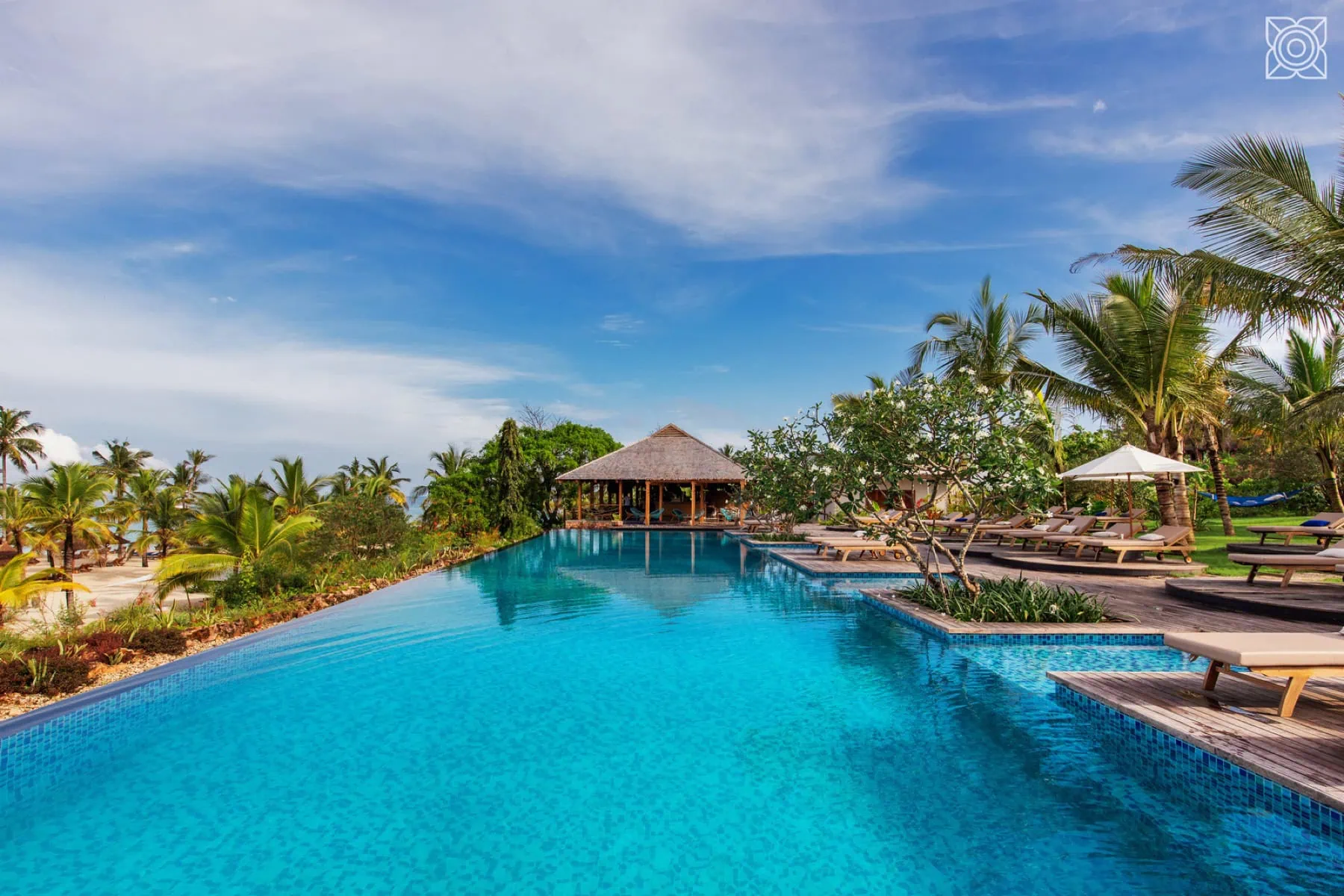
As already mentioned, on this island more than anywhere else, choosing the right coast defines the whole character of your holiday. If swimming in the sea at any time of day is your priority, you need to head north to the beaches of Nungwi and Kendwa. The tide here is minimal and the sea only pulls back by a few dozen metres.
In the northwest, Zuri Zanzibar is well worth a mention — beautiful design, its own private beach and unrestricted swimming all day long. For lovers of classic large resorts, a great choice is Riu Palace Zanzibar, All Inclusive, Adults Only in Nungwi, offering first-rate, child-free service. If you’re after total luxury and privacy, take a look at Safira Blu Luxury Resort & Villas, one of the highest-rated places on the island.
The east coast, on the other hand, is a paradise for lovers of peace and quiet, long walks across the exposed seabed and kitesurfing. But you’ll need to accept that the water here can retreat by up to a kilometre during the day and you’ll only get a swim in short windows around high tide. In the Matemwe and Pongwe area you’ll find wonderful calm, offered by the stylish Sunshine Marine Lodge or the incredibly luxurious Tulia Zanzibar Unique Beach Resort, where the term all-inclusive takes on a whole new dimension.
In the southeast, around the villages of Paje and Jambiani, there’s a very laid-back, almost backpacker vibe full of surfers and young people. Right in the heart of the kite community sits the lovely boutique hotel Mahali Zanzibar, while a little further on in Jambiani you’ll find the very pleasant and more affordable Blue Oyster Hotel. Right out east near Bwejuu beach stands the majestic Baraza Resort and Spa Zanzibar, which resembles an Arabian palace. And if you want to soak up some history, I’d recommend spending at least one night in the capital, Stone Town — ideally at the magical Emerson on Hurumzi, where you’ll feel like you’ve stepped into the Arabian Nights.
21 things to see and do in Zanzibar
There’s so much to experience here. From wandering ancient alleyways and discovering fragrant spice farms to that proper beach do-nothing bliss, where you just gaze into the unbelievably blue distance. I’ve put together a list of the very best the island has to offer, so you can pick exactly what appeals to you most. ☺️
At the same time, you’ll run into plenty of little African catches here, from pushy vendors to the ever-changing ocean, so it pays to be prepared. Let’s take a look at what you definitely shouldn’t miss on your trip.
1. Understand the Zanzibar tide and pick the right beach
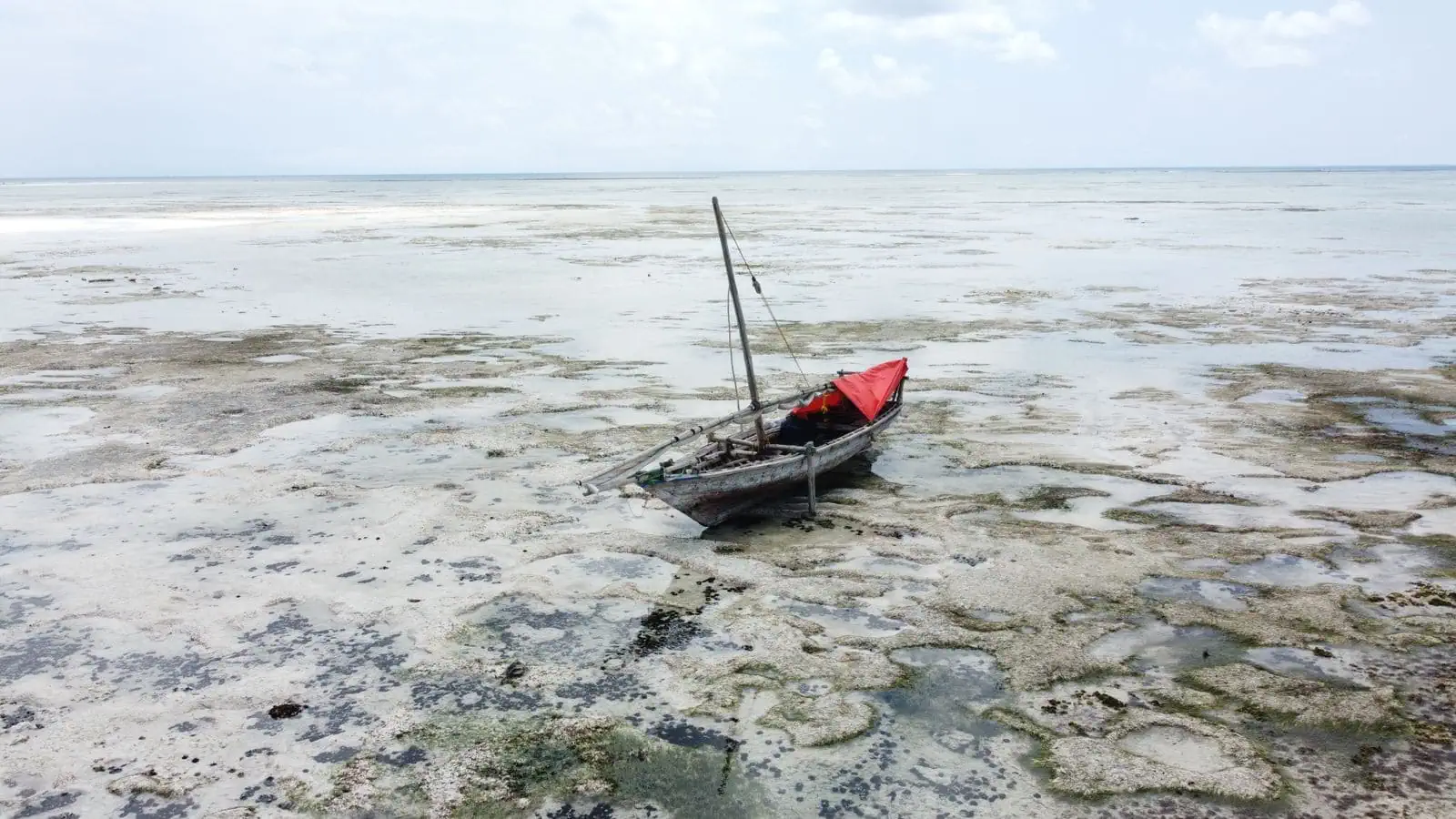
The tide is by far the most crucial topic that gets debated over and over on every travel forum going. The island’s east coast is extremely shallow, which means that at low tide the sea draws back by hundreds of metres — sometimes up to a kilometre. So you can only swim for roughly two to three hours around high tide itself, otherwise all you’ll see in front of you is exposed coral bed full of puddles and seaweed.
This happens twice a day, and the times shift by around 30 to 40 minutes each day, so you’ll have to get used to checking tide tables. It’s not a deal-breaker, though. Low tide offers a great chance to explore the seabed on so-called reef walks, where you can spot starfish, crabs and the work of the local women on the seaweed farms.
That said, it’s absolutely essential to pack a good pair of water shoes, because the shallows hide a huge number of sea urchins. If you can’t imagine a holiday without being able to leap into the waves at any point in the day, your choice is crystal clear. You need to go for the northern resorts of Nungwi or Kendwa, where the seabed drops off more steeply and the water only retreats minimally.
2. Get ready for the bureaucracy and formalities in 2026
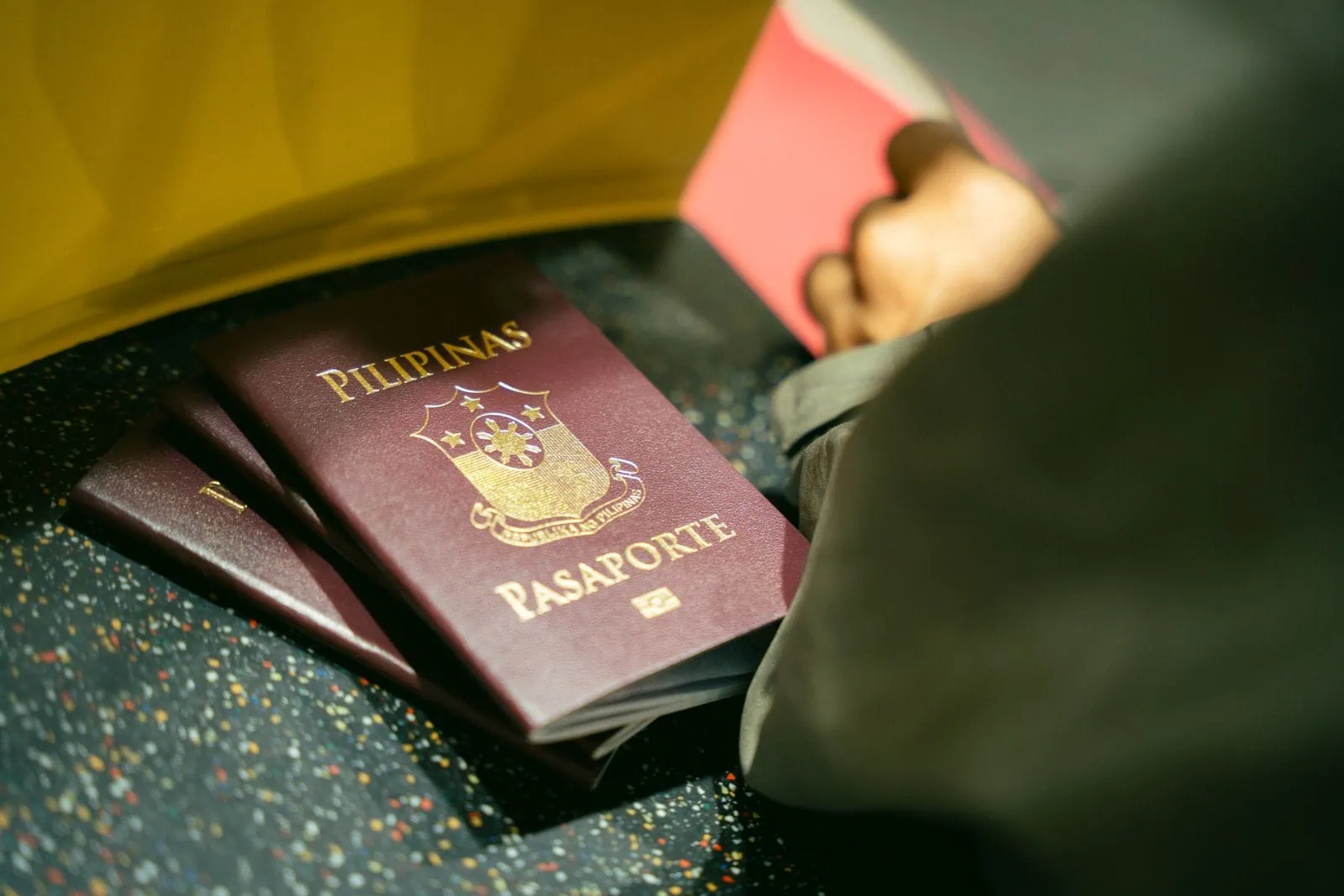
Arriving on this tropical island has become quite a bit more expensive in recent years, and you need to factor that into your budget in advance. The basics start with the tourist visa, which costs 50 USD and is best sorted from the comfort of home via the official government e-Visa portal. You can buy it on arrival at the airport too, but be prepared to queue for ages in an uncomfortable, sweltering airport hall.
The costs definitely don’t end there — quite the opposite. Since autumn 2024, local ZIC insurance has been mandatory for all visitors, costing 44 USD for an adult and 22 USD for children under seventeen. You arrange it through the official site visitzanzibar.go.tz and must show a generated QR code at immigration. It’s hugely important to know that this local insurance in no way replaces your standard UK travel insurance — you simply need both.
On top of that, your hotel will charge you an infrastructure tax of 4 to 5 USD per person per night, which often isn’t included in the package price. Add it all up and a family of four pays roughly 600 USD in these fees alone, which is a sum that really makes a dent in the budget. Also be very wary of various unofficial sites offering a “ZanzibarPass” that charge huge mark-ups for the service.
3. Rein in your expectations: all-inclusive here isn’t like Egypt
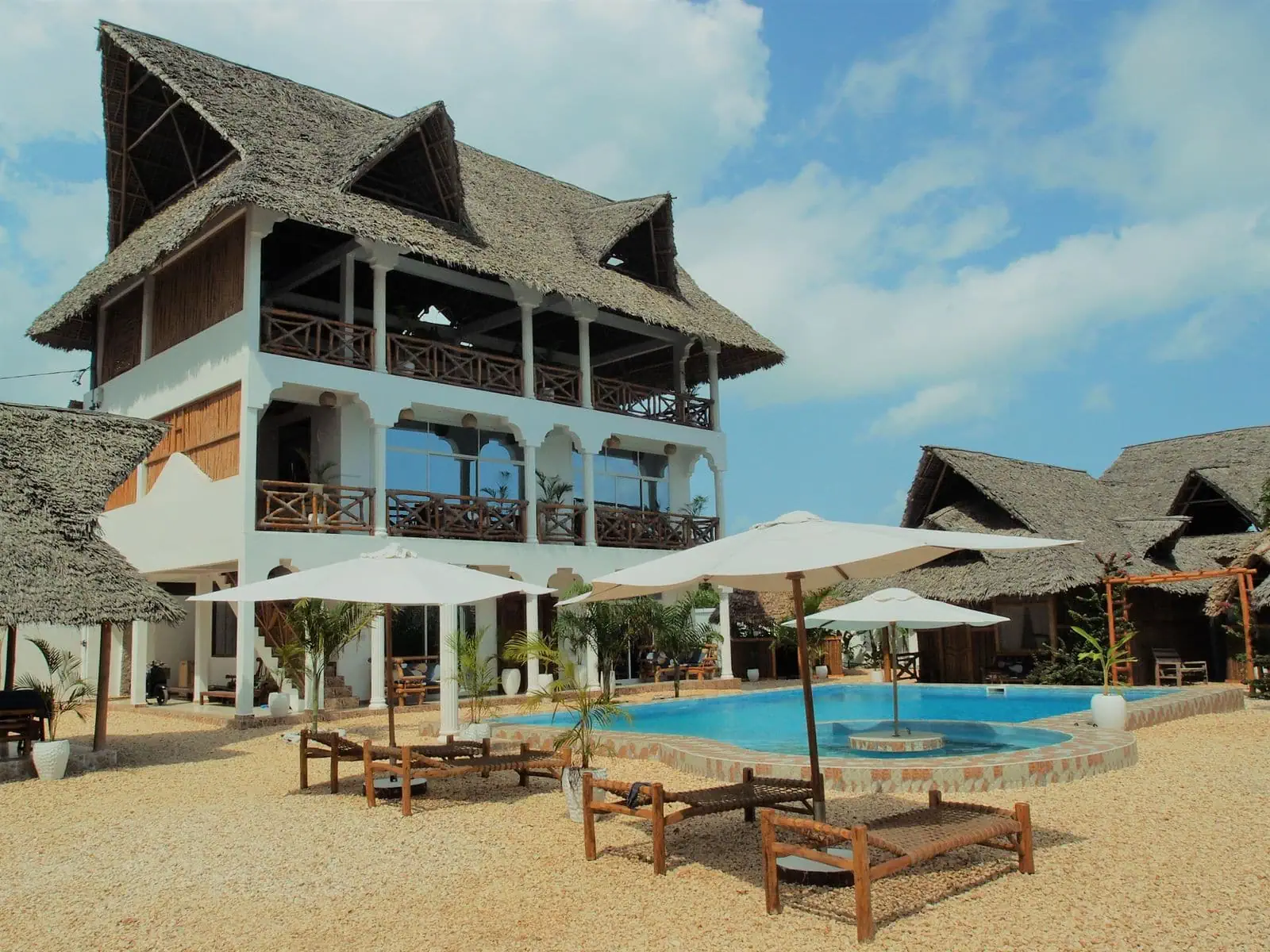
One of the most common reasons tourists end up disappointed is having the wrong expectations. People often compare Zanzibar’s resorts with those in Egypt or Turkey, but that’s a completely misguided idea. The hotels here are far more intimate — you’ll rarely come across vast complexes with five pools, noisy entertainers and endless water slides for the kids.
The quality and scope of the all-inclusive itself also tends to be different. For the price of a five-star hotel in Egypt, in Zanzibar you’ll get a very solid four-star, where the drinks are mostly local spirits and the buffet selection is considerably more modest. What’s more, service runs at that ever-present African pace of pole pole, so you’ll sometimes wait a while for your cocktail at the bar — and getting wound up about it serves absolutely no purpose.
Another huge difference is the hotel’s surroundings. While in other destinations you step out of the resort onto a tidy promenade full of shops, here a raw African village begins right behind the hotel wall. You’ll see dusty tracks, chickens running about and the very modest homes of local residents. In short: don’t come here for the hotel, come here for the atmosphere, and treat the hotel as nothing more than a base from which to set off and explore the real island.
4. Health and malaria prevention
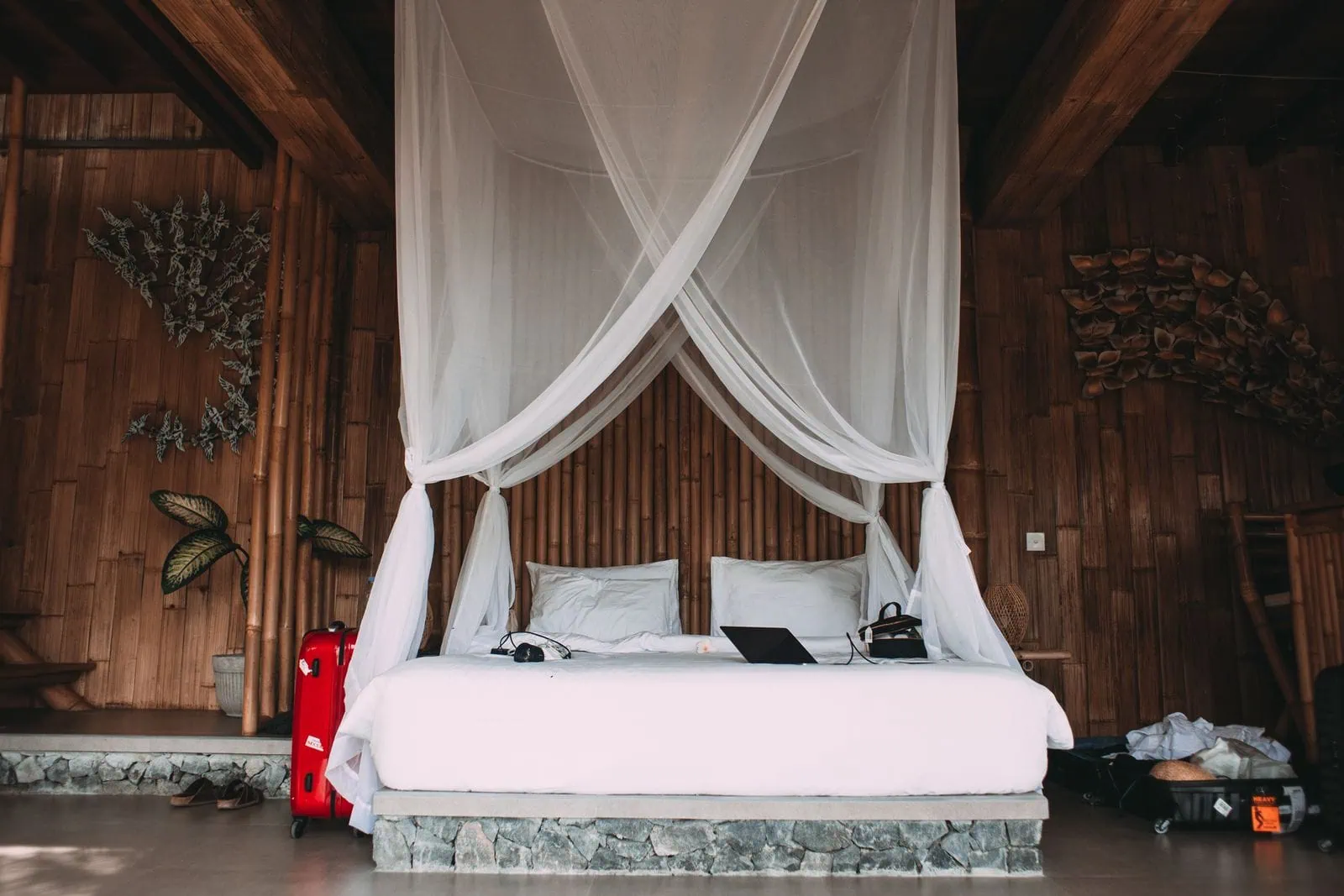
Health questions are always a big topic before a trip to African destinations, and you won’t escape them here either. According to the US CDC, all of Zanzibar is still listed as a malaria-risk area, which is why they officially recommend taking antimalarials. On the other hand, thanks to massive elimination programmes, the incidence on the island itself is currently very low, and many UK GPs won’t even insist on prophylaxis for a beach-only stay.
The most sensible move is to book an appointment well in advance at a travel health clinic and discuss the whole situation with a specialist who can tailor advice to your own health. Whatever you decide, the absolute basics come down to protecting yourself against mosquito bites, because those pesky insects can also carry dengue fever, which is mainly active during the day.
DEET repellent (at least 30%) is a must — spray up properly, especially from the afternoon onwards. For drinking and brushing your teeth, only bottled water, and go easy on ice outside the hotel. And hepatitis A+B and typhoid jabs should be sorted before you leave home.
5. How to handle the beach vendors and Maasai with a smile
When you first head down from the hotel to the beach, you’ll probably be surrounded straight away by a cluster of local vendors, the so-called papasi or beach boys. Zanzibar’s beaches are public by law, so resorts can’t move these vendors on as long as they stay by the tide line. They’ll offer you everything from carved figurines to fresh coconuts to full-day boat trips.
It can feel a bit annoying at first, especially on the busy beaches in the north, but it’s important to stay calm and show some empathy. Most of the island’s inhabitants live on less than 5 USD a day and selling on the beach is their only source of income. If you’re not interested in anything, a polite but very firm “hapana asante” (no, thank you) does the trick, and after a few days they’ll stop bothering you.
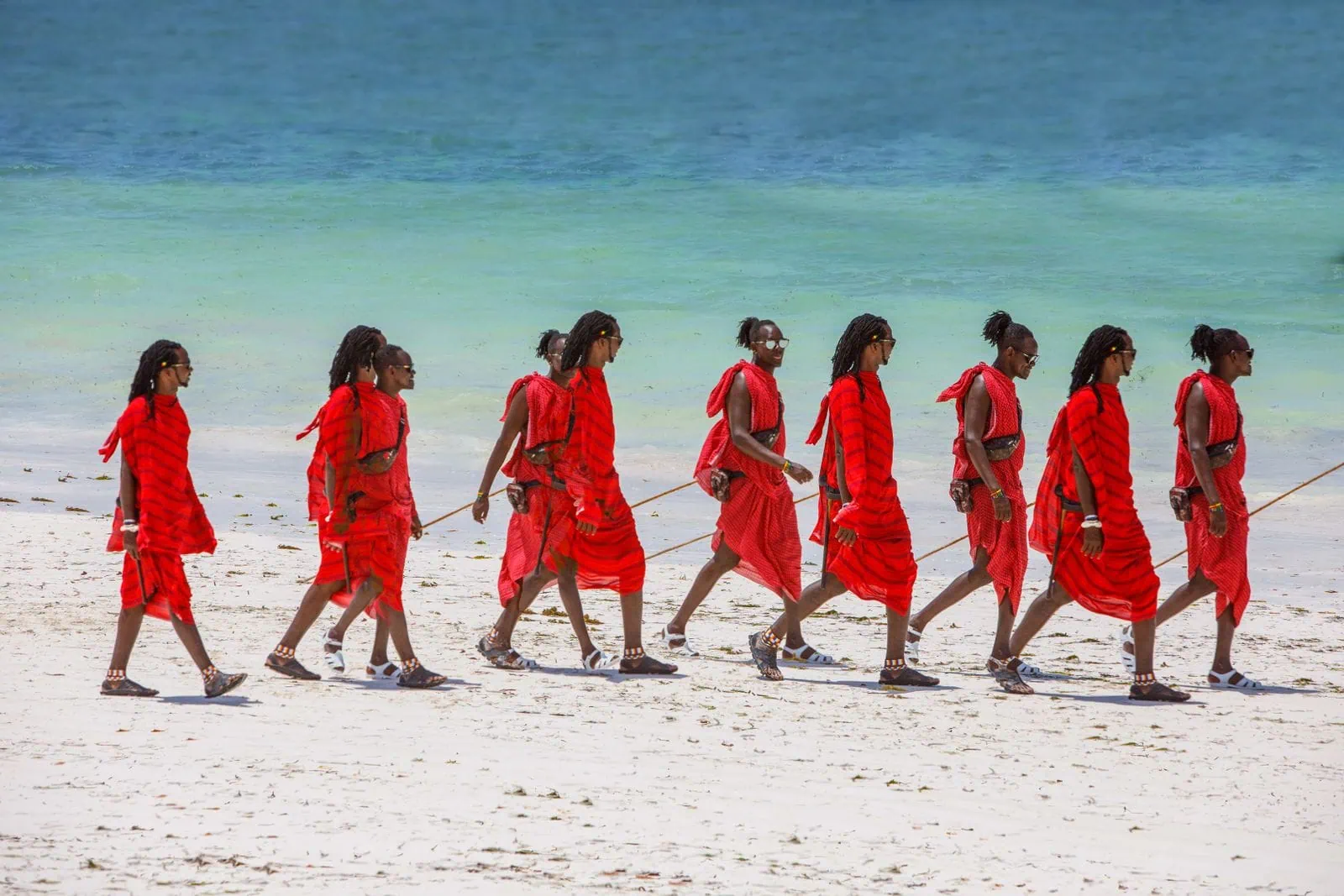
You’ll also often come across young men in traditional red garments — these are Maasai from the mainland. They’re essentially at work, making a living selling beads and posing for photos with tourists, so if you want a picture, just pay them for it or buy something. Be friendly with them — most are happy to chat and their stories are well worth hearing.
6. An emotional stop at the old slave market
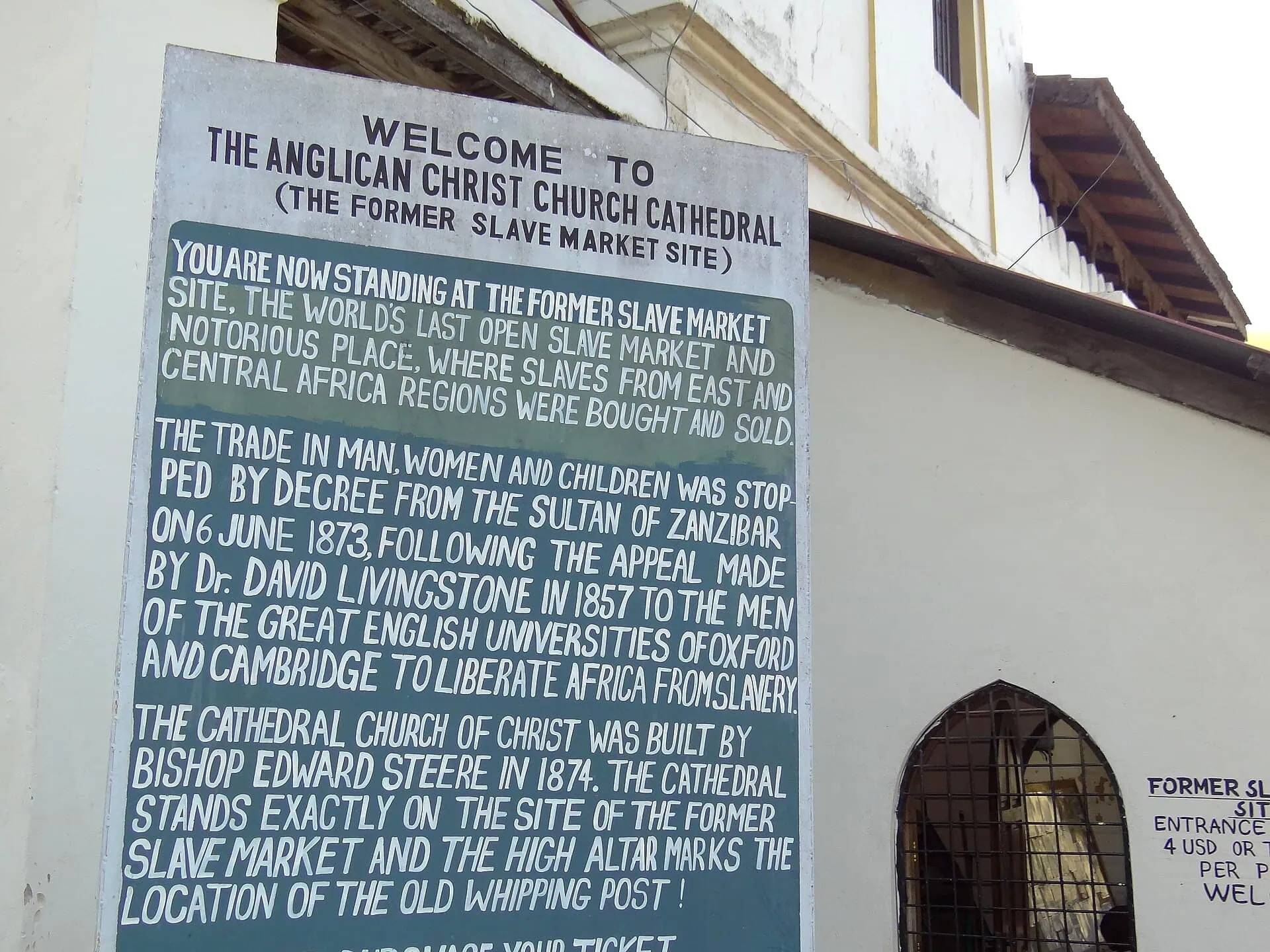
The capital, Stone Town, is a fascinating maze of alleyways, but it also has a very dark and painful past. Until the late 19th century this place was one of the largest centres of the slave trade in East Africa. A visit to the Old Slave Market, which stands on the site of the former market, is an extraordinarily powerful experience that you definitely shouldn’t skip if you want to understand the island’s history.
On the spot where some of the worst human tragedies once unfolded now stands a beautiful Anglican cathedral, built in the 1870s. Inside the complex, for an entrance fee of around 5 USD, you’ll find a very well-curated museum that describes the history of slavery in the region in detail and without sugar-coating. The most chilling part of the tour is the cramped underground chambers, where people were crammed together in utterly inhumane conditions before being sold at the market.
In front of the cathedral stands a striking memorial of stone slave statues bound with real iron chains from the period. It’s hardly a cheerful afternoon, but you’ll come out feeling you understand Zanzibar a little better now — and that makes it worthwhile.
7. Get lost in the alleys of magical Stone Town
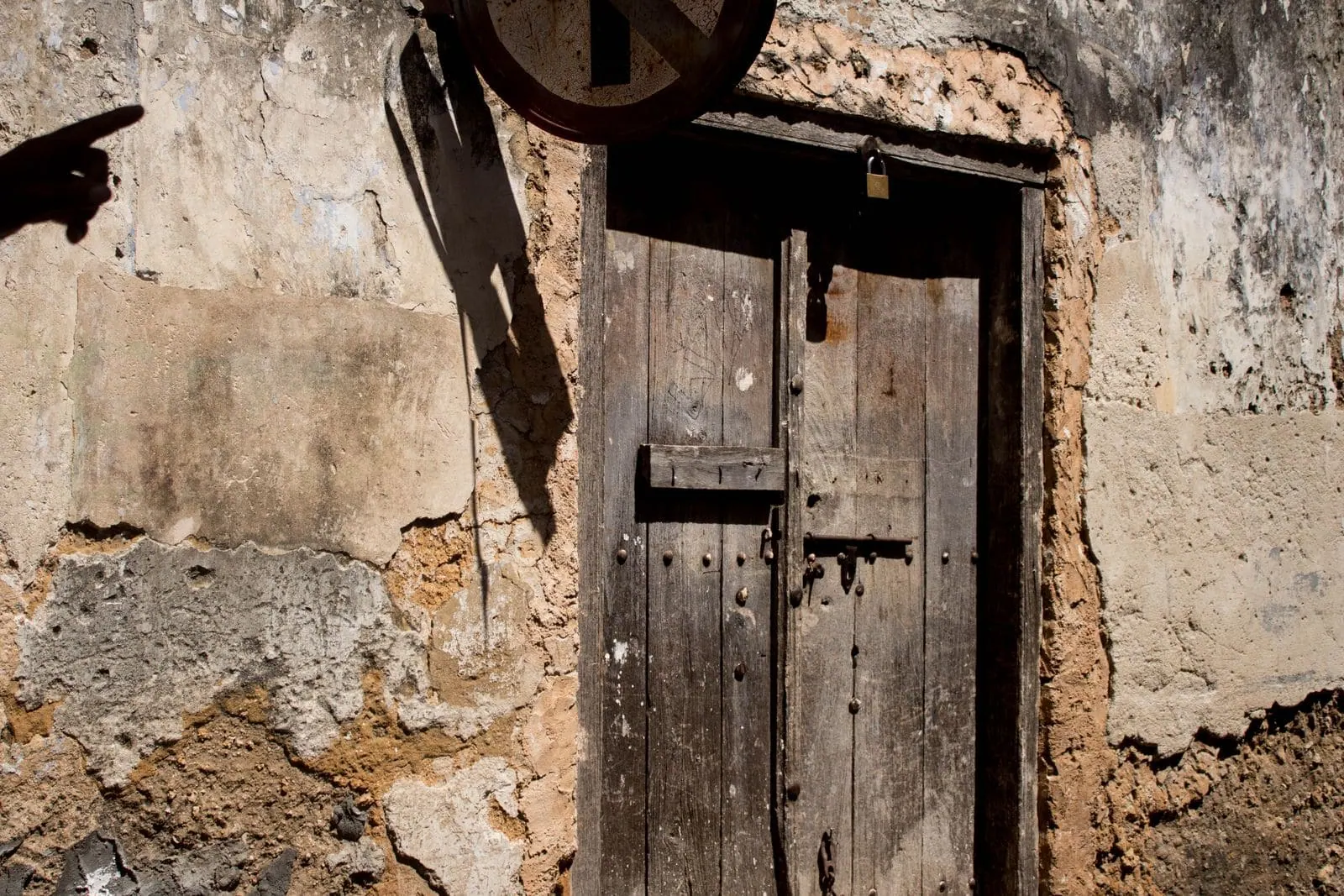
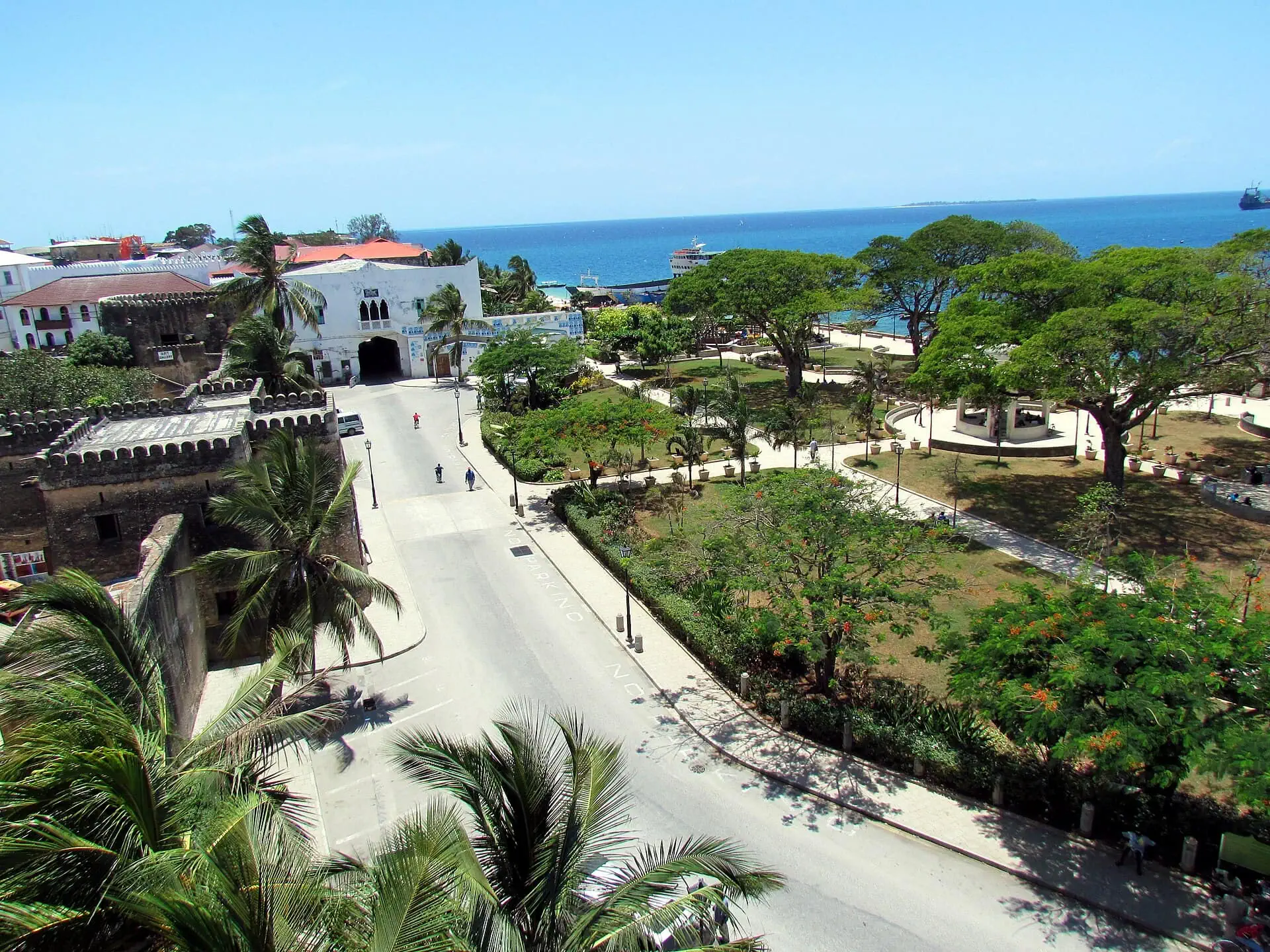
Stone Town, a UNESCO World Heritage Site, is the absolute heart of the island. The best way to get to know it is simply to ditch the map and deliberately get lost in its narrow, winding alleys. The architecture here is a wonderful mix of Swahili, Arab, Indian and European influences, reflecting centuries of bustling trade along the Indian Ocean coast.
As you stroll around you’re bound to notice one of the town’s greatest symbols. These are the massive, gorgeously carved wooden doors, several hundred of which have survived. From the shape and decoration you can tell whether a house belonged to a wealthy Indian merchant or an Arab elite — typical features include the large brass studs that originally served as protection against elephants in India.
The streets are full of life, with scooters and bicycles constantly weaving through, the aroma of freshly roasted coffee in the air, and the call of the muezzins ringing out regularly from dozens of small mosques. I’d recommend staying overnight at least — once the day-trippers leave and only the locals and a few wanderers remain, Stone Town is a completely different place. Quieter, darker and far more itself.
8. House of Wonders and an evening feast at Forodhani
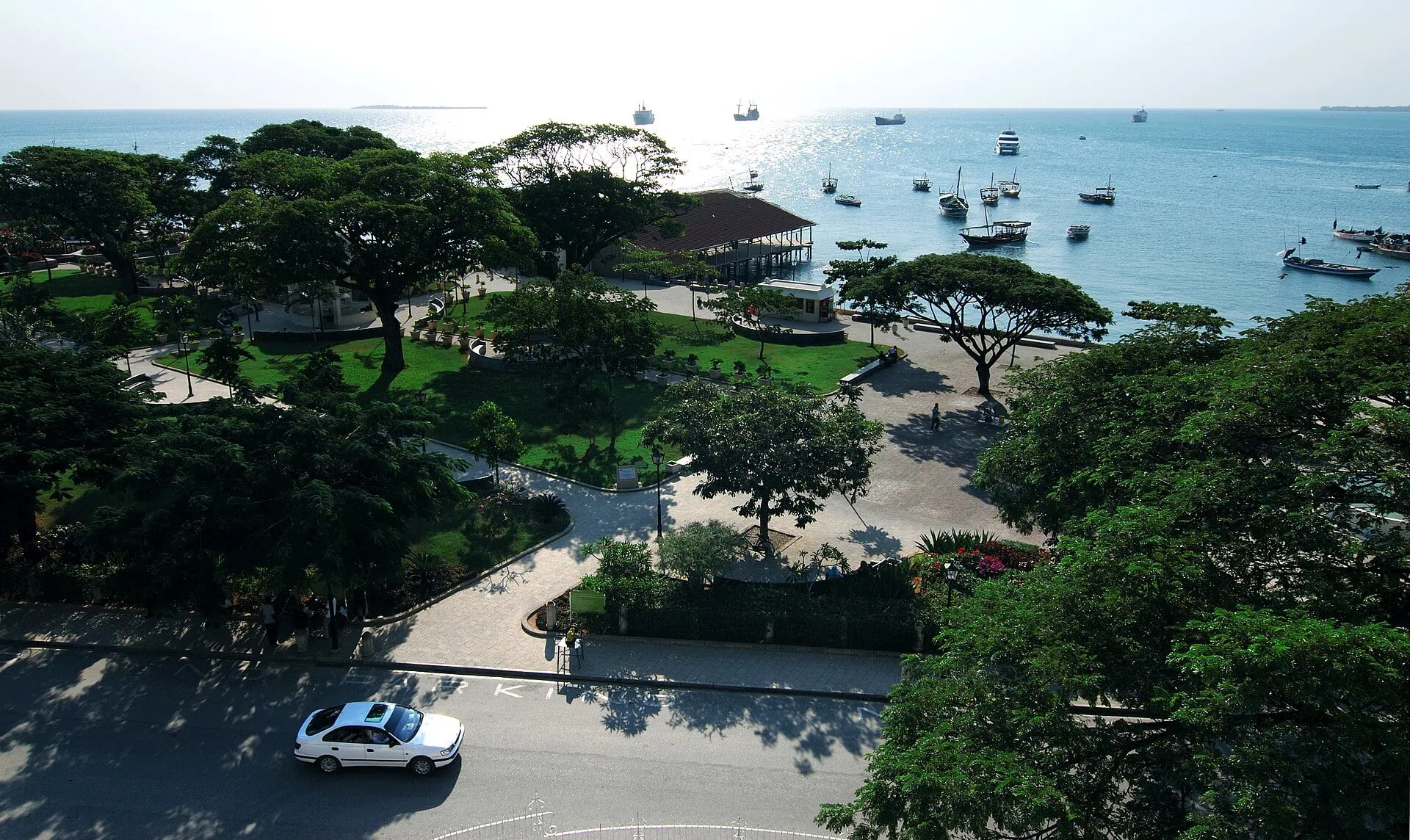
As you wander the town, sooner or later you’ll reach the waterfront, where you’ll come across one of the island’s most famous buildings. The House of Wonders was once the pride of the Omani sultans, as it was the first building in East Africa to have electric lighting and a working lift. Sadly, in December 2020 a large part of the historic facade collapsed, and the building has been surrounded by a metal fence ever since. It remains closed, with a lengthy restoration under way, and you definitely won’t get inside — so don’t be lured by offers from fake guides.
Right next door, though, you’ll find a place that comes utterly alive at sunset. The Forodhani Gardens transform every evening into a huge, buzzing night street-food market. You’ll see dozens of lit-up stalls wafting the scent of grilled specialities, spices and freshly pressed sugarcane juice, which the locals crush on old hand presses.
Although the market is famous mainly for its huge selection of seafood, octopus and prawns, which travellers often rave about, you’ll find plenty of other treats here too. A great tip is to always pick the stalls where the locals themselves are buying and where the turnover of ingredients is clearly highest. Also watch out for inflated tourist prices — always agree the price of the food clearly and unambiguously up front.
9. Discover the secrets of the spice island

Zanzibar has long been nicknamed the Spice Island, and it doesn’t carry that title for nothing. In the 19th century the Omani sultans turned it into one of the world’s largest producers of cloves, and growing exotic crops is still a big deal here today. A visit to one of the local community farms — a so-called Spice Tour — is a wonderful experience that takes you far beyond the usual beach lounging.
Most farms are in the green interior, in the Kizimbani or Tangawizi areas. During a roughly two-hour walk through dense tropical vegetation, the local guides will show you how things you only know as powder in supermarket sachets actually grow. You’ll guess the crops by smell and taste, see how vanilla flowers are painstakingly hand-pollinated, or what fresh nutmeg looks like hidden inside its bright-red casing.
The price of the tour from local vendors is around 20 to 35 USD per person. One word of warning: be ready for the guides to keep pressing things into your hand throughout and waiting for a dollar. It’s a touch wearing, but it’s all part of the experience.
10. Meet the giant tortoises on Prison Island
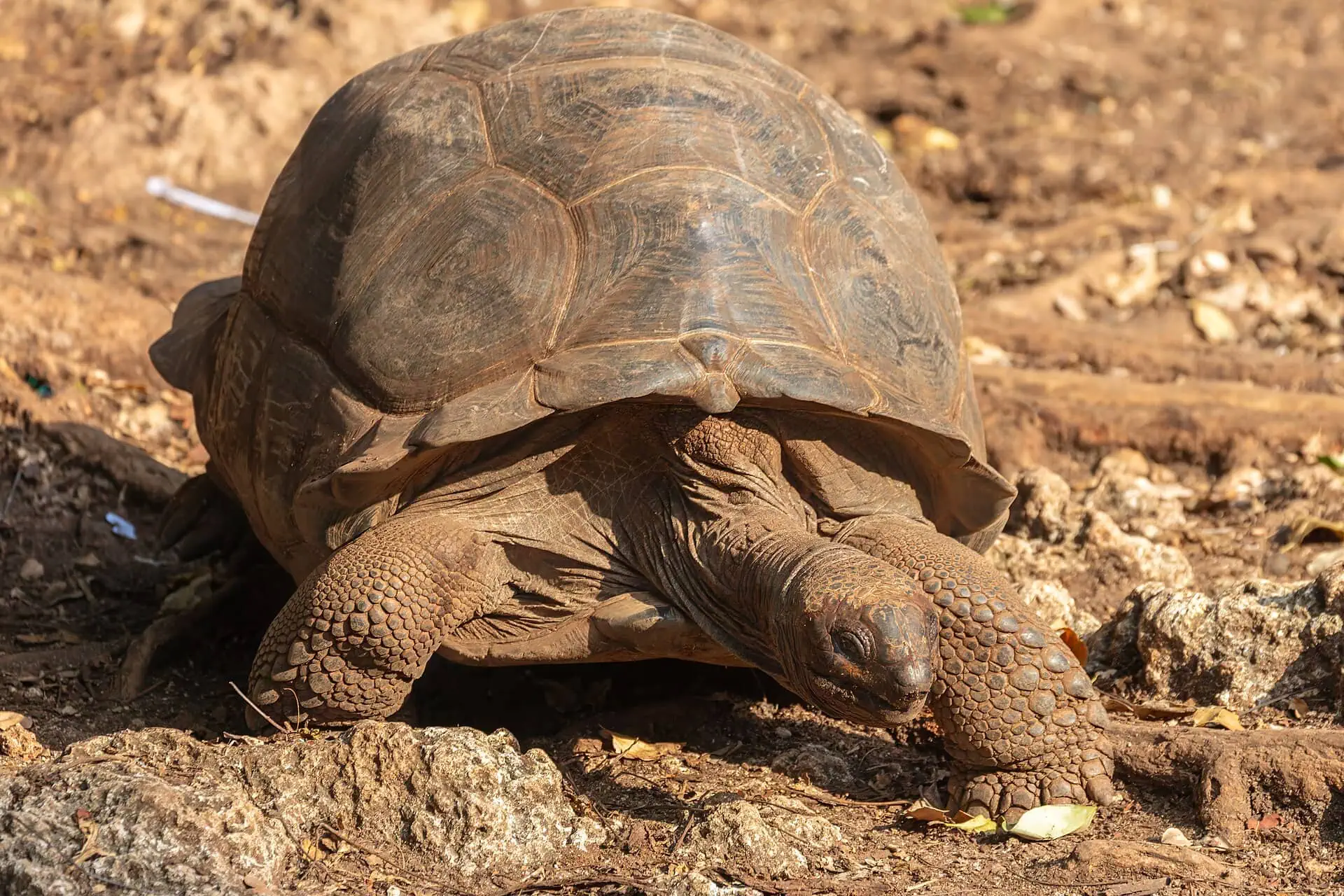
About half an hour by wooden boat from the harbour in Stone Town lies the little island of Changuu, which everyone simply calls Prison Island. The island got its name from the prison building constructed here in the late 19th century, although paradoxically it never served its original purpose. Instead it functioned as a quarantine station for yellow fever cases, and today it’s a very interesting historical site.
The island’s main draw, though, is its current animal residents. There’s a fairly large colony of giant Aldabra tortoises living here, brought over in the early 20th century as a gift from the governor of the Seychelles. Some of these majestic creatures are a venerable 150 to 190 years old — their age is often written in blue paint right on their enormous shells — and walking among them is a huge experience.
You can arrange the trip very easily yourself. Just go down to the harbour in Stone Town and arrange transport with one of the local captains. Hiring a whole boat shouldn’t cost more than 20 to 30 USD, plus there’s a small entrance fee to the tortoise reserve itself on arrival, around 5 to 8 USD. It’s an ideal, easy half-day trip that will reliably keep even younger children entertained.

11. A full-day Safari Blue cruise
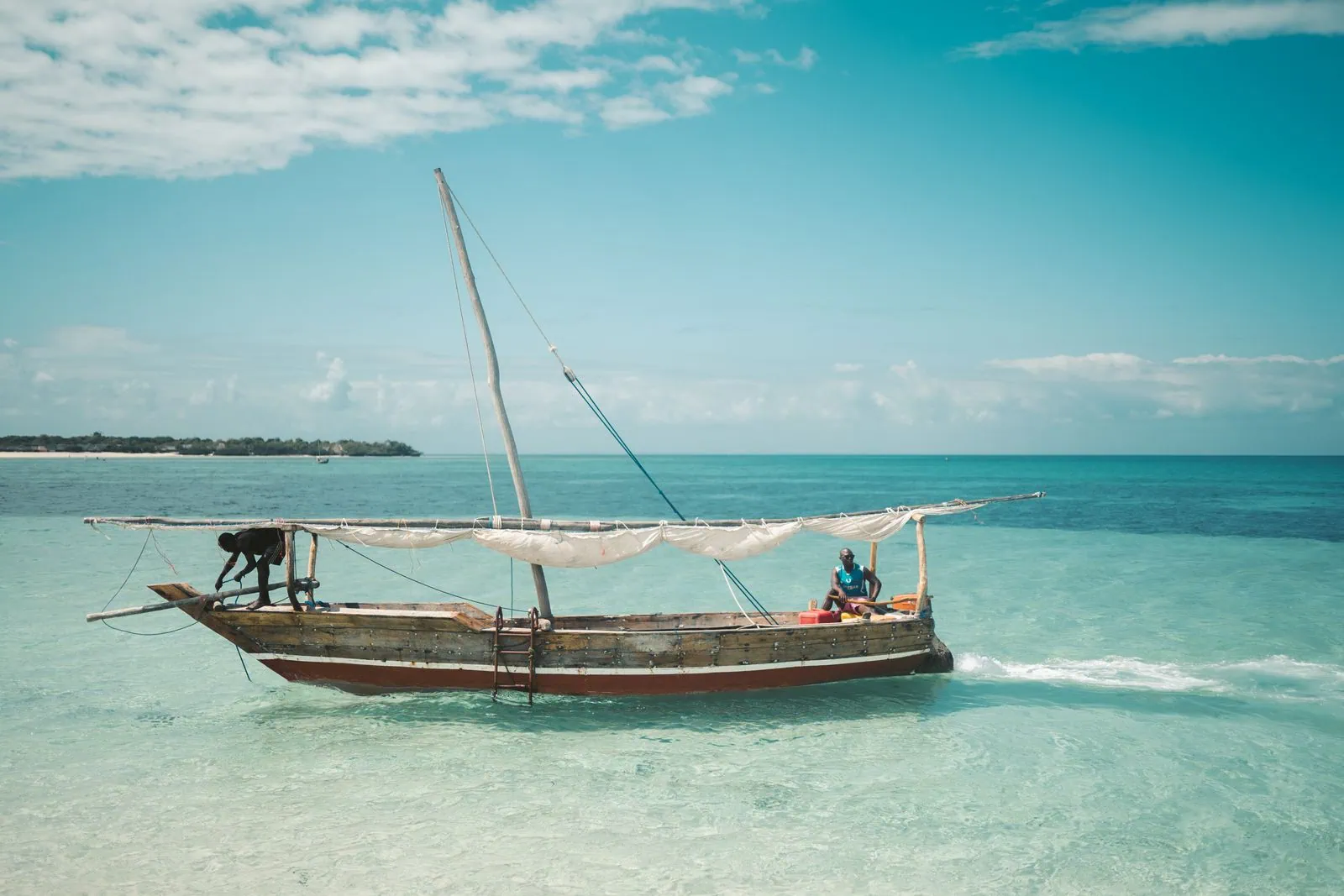
If you’re looking for the perfect day at sea, sooner or later you’ll probably come across an excursion called Safari Blue. It’s a full-day cruise on a traditional wooden dhow, which usually sets off from the village of Fumba on the island’s southwest coast. It’s probably the most popular tourist activity on the whole island and well worth setting aside time for.
The day holds several beautiful stops. You’ll snorkel over colourful coral reefs, glide through dense mangrove forests and pull up at a postcard-perfect sandbank that only appears at low tide. Here you can swim in unbelievably turquoise water and feel like you’ve accidentally stepped into someone else’s screensaver.
The highlight of the trip is the lavish lunch, served on the nearby island of Kwale. It’s typically a huge feast of grilled seafood, fish and lobster. If you’re vegetarian, though, it’s absolutely essential to flag this very firmly with the organisers in advance, ideally at the time of booking, so they have a chance to prepare a tasty meat-free alternative. Prices from beach vendors start at 50 USD, whereas with hotel reps you could easily pay double.
12. Snorkelling at Mnemba Atoll (but only early in the morning!)
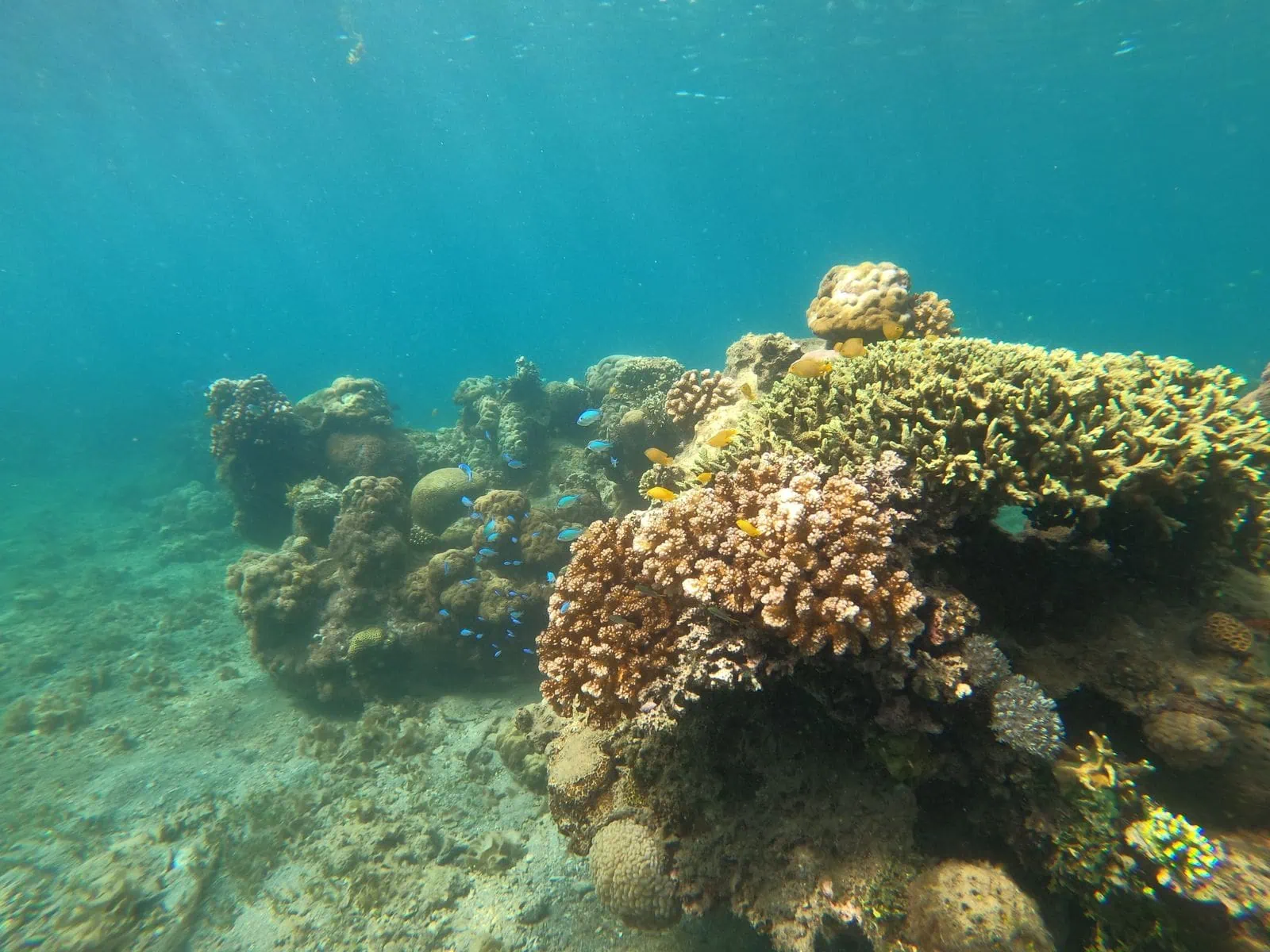
The little island of Mnemba off the northeast coast is a private luxury resort that you, as an ordinary tourist, aren’t allowed to set foot on — but the surrounding reefs are open to the public and form a marine reserve. It’s one of the best spots for snorkelling and diving in the whole area, with a great chance of spotting shoals of colourful fish, sea turtles and, with a bit of luck, wild dolphins too. The coral reefs here are a riot of colour and underwater visibility is often absolutely fantastic.
There’s one huge catch, though. Mnemba is a victim of its own popularity, and during peak season hordes of tourists head here from every corner of the island. At the midday rush you can easily have a hundred noisy motorboats crowding around the reef, the water full of people swimming in orange life jackets, and the underwater paradise turns into a rather stressful experience more like an overcrowded swimming pool.
The trick to truly enjoying this place is fairly simple, but it requires a little self-discipline. You need to arrange a private boat from the nearby village of Matemwe and set off, ideally around six in the morning. At this hour you’ll have the entire reef to yourself, the sea is calm and the wildlife is far more active. For such a private early-morning trip you’ll pay locals around 25 to 40 USD per person — and trust me, every extra penny for that peace and quiet is worth it.
13. Visit the monkeys in Jozani National Park

When you tire of sunbathing on the beach, head inland to explore the island’s only national park, the Jozani forest. This area of roughly 50 square kilometres is the last remnant of the original rainforest that once covered most of Zanzibar. Its greatest draw and symbol is the rare Zanzibar red colobus, a monkey with a strikingly russet back and shaggy fur, found nowhere else on earth.
These monkeys are fairly cheeky, used to people and often move very low in the branches, so you can watch them up close and take great photos. It’s strictly forbidden to touch or feed them in any way, though, because human diseases can be fatal to them and their diet is highly specific.
The park visit also includes a very interesting walk. Along raised wooden boardwalks you’ll stroll through a dense, mysterious mangrove forest, which grows in the brackish coastal water and forms an absolutely vital ecosystem for protecting the island. Park admission costs around 12 USD and always includes the service of a local ranger, who guides you and shares interesting facts from the animal kingdom. The journey from the coast takes about an hour and a half.
14. Beware the unethical dolphin tours in Kizimkazi
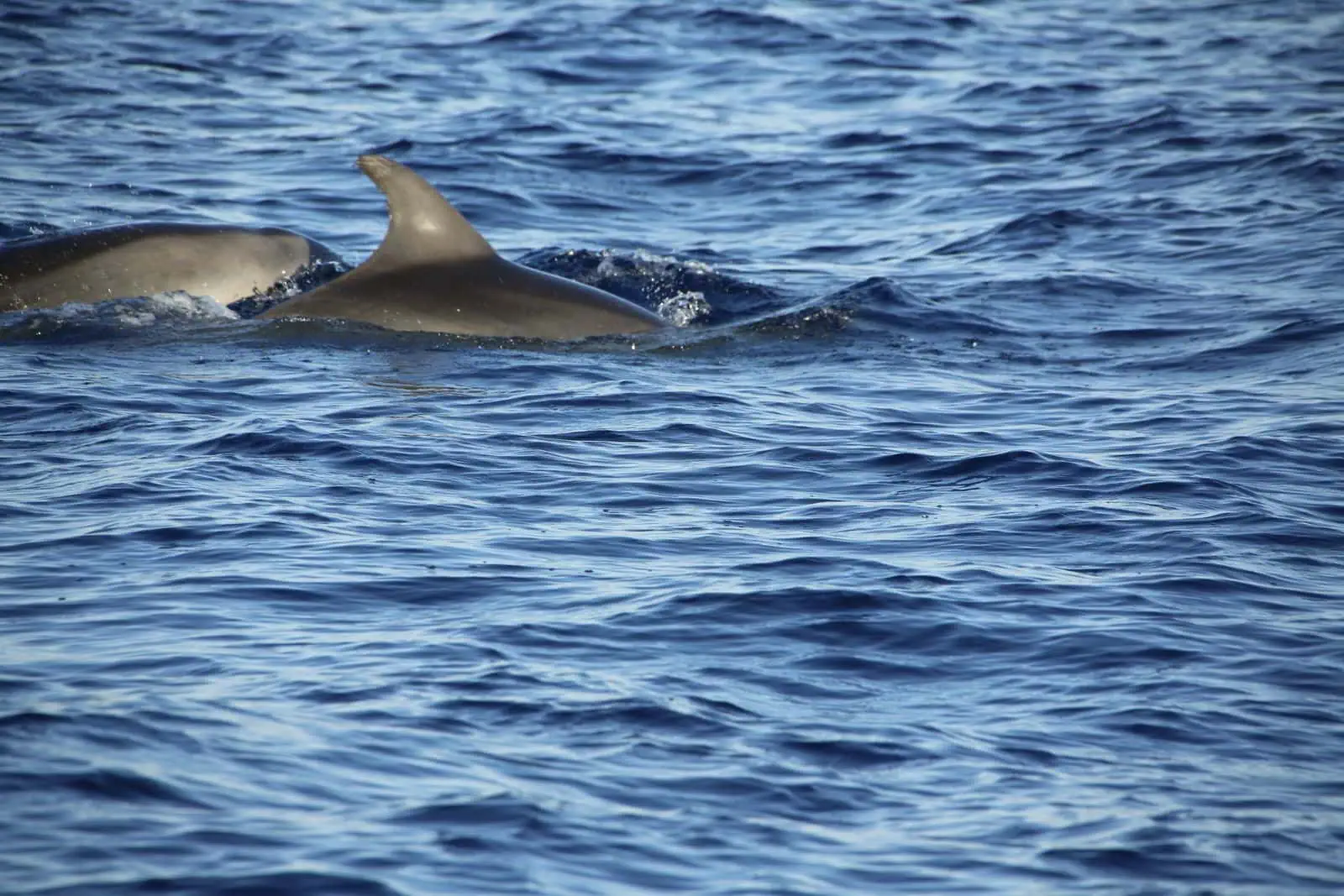
The village of Kizimkazi at the very south of the island became famous as the launching point for the popular swimming-with-dolphins trip. This excursion is offered on every corner at very tempting prices, but it has a huge and very dark downside. The classic morning tours often resemble a brutal hunt of the animals, and if you have even a little love for nature, you’ll probably come back from such a trip disgusted.
In practice it often goes like this: as soon as someone spots a pod of dolphins, dozens of motorboats race over at breakneck speed, start chasing them and cutting off their escape routes. Screaming tourists then leap from the boats right among the stressed animals, disrupting their rest, and tragic injuries from boat propellers are common. This is absolutely neither sustainable nor ethical wildlife watching.
If you want to see these beautiful creatures, the only right way is to find a verified, ethical operator. Such guides head out to sea before dawn, approach the pod very slowly with the engine off and leave it up to the animals themselves whether they swim over to the boat or not. Alternatively, a far better experience is to trust to luck and encounter dolphins naturally while snorkelling at the Mnemba reef.
15. The Rock Restaurant: an iconic photo you pay for
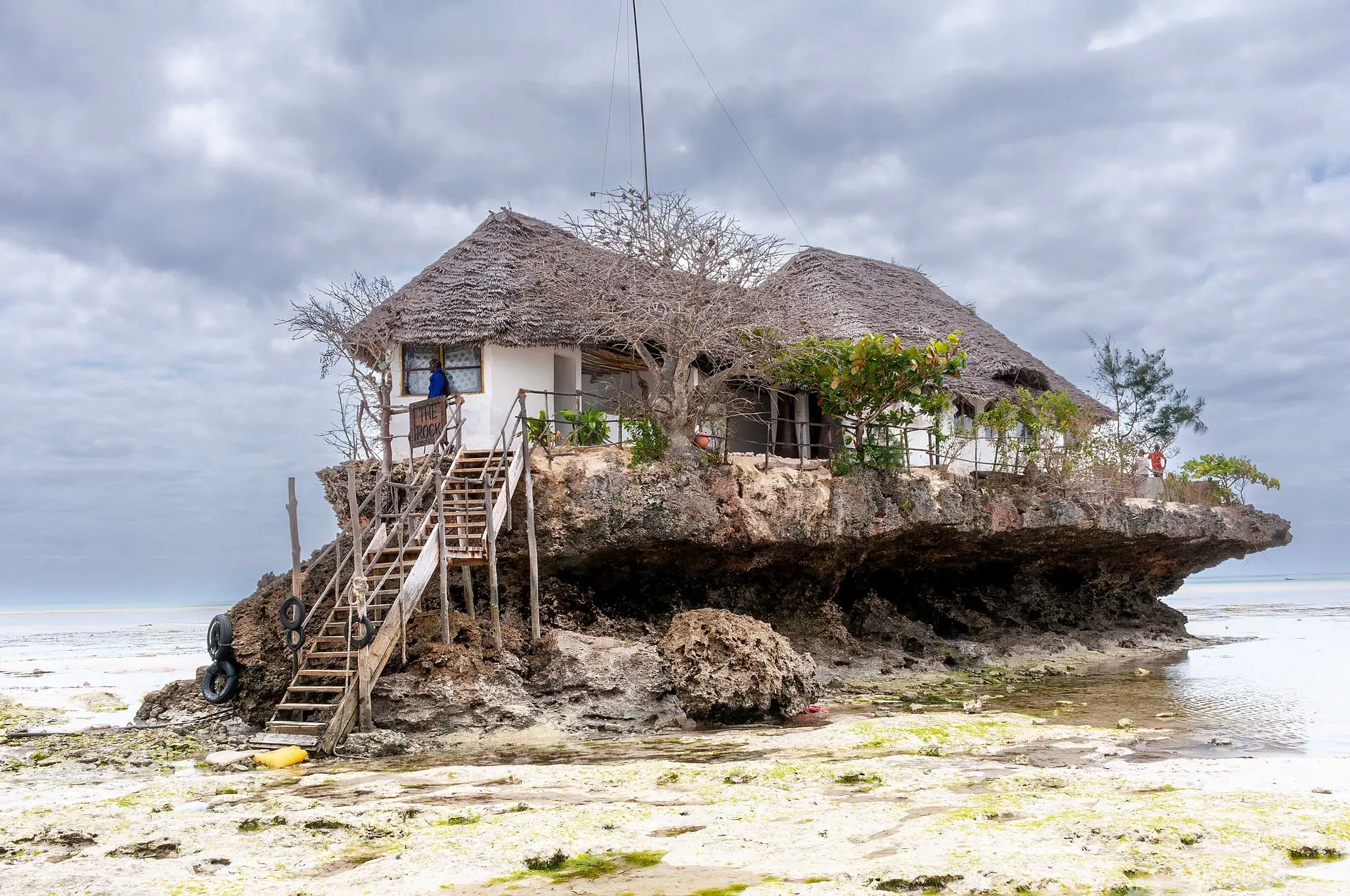
The Rock — you’ve probably seen that photo many times. The white restaurant on a coral rock in the middle of the ocean, and yes, it really exists. It’s probably the most famous spot on the island and plenty of people have it on their list as a must-do stop. At high tide you have to swim or take a boat to reach it; at low tide you walk across the sand with dry feet.
It’s worth knowing exactly what you’re getting into, though. The restaurant is extremely popular, has only a handful of tables, and you have to book several weeks in advance. The prices here are genuinely astronomical by African standards — main courses run between 25 and 45 USD, and you could easily drop 150 USD on a full dinner for two. Reviews of the food itself are often fairly lukewarm, and travellers agree it’s pretty average.
Essentially, you’re not buying a gastronomic experience here, you’re paying for the exclusive location and the view. If you want to save both money and disappointment, there’s a very neat alternative. Pop down to the restaurant at low tide, take those iconic photos from the beach, which are the most beautiful anyway, and then head to one of the nearby spots on the mainland for great, much cheaper food.
16. Try kitesurfing around Paje
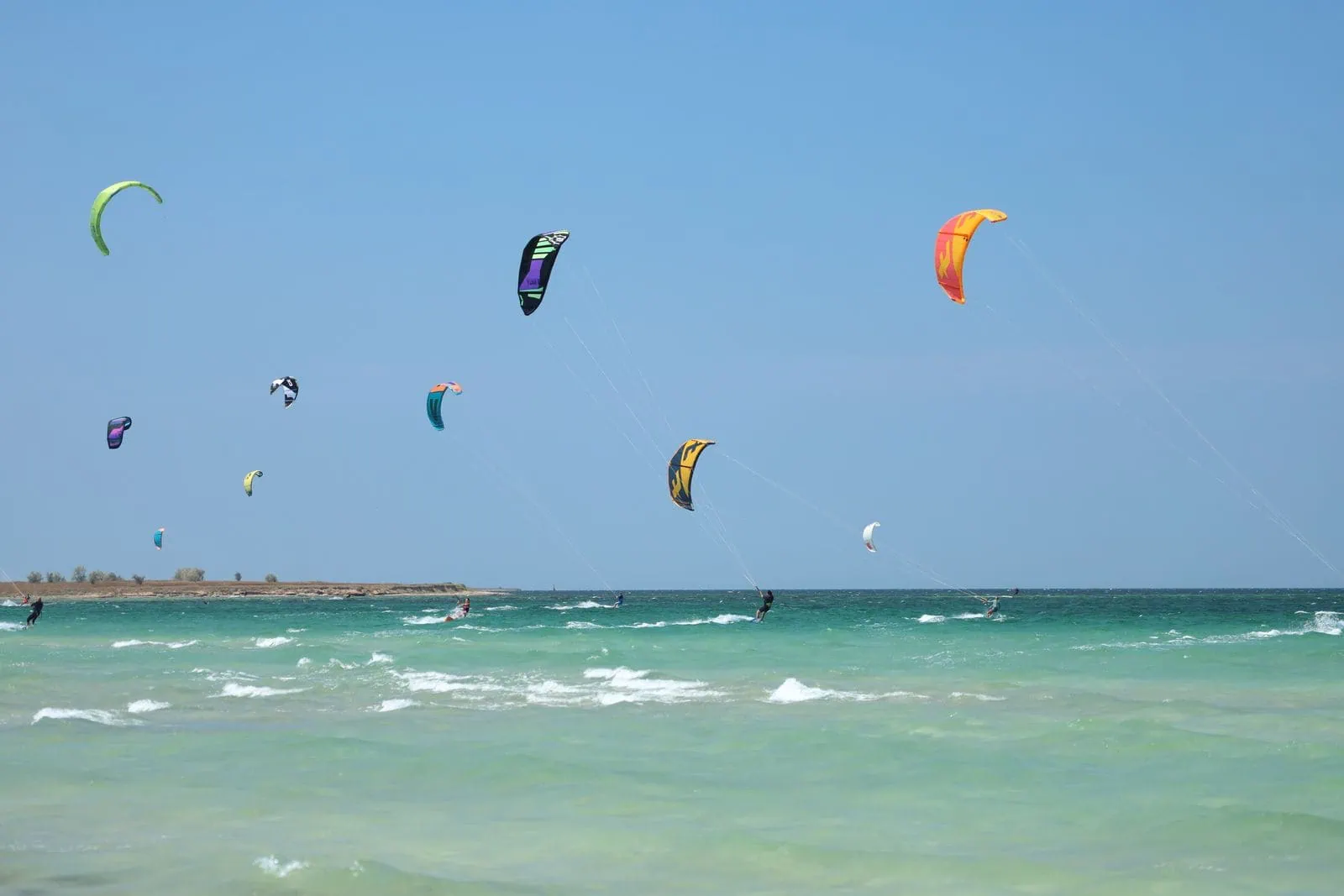
While the north of the island belongs to lovers of calm swimming, the southeast coast — specifically the area around the villages of Paje and Jambiani — lives for a completely different sport. Thanks to its shallow, flat-water lagoons and very steady winds, it’s one of the best places in the world to learn kitesurfing. The vibe here is far more youthful, the beaches are dotted with colourful kites, and the evenings buzz in the laid-back beach bars.
The ideal conditions occur during two windy seasons. From June to September the stronger Kusi wind blows, while from December to March comes the slightly weaker Kaskazi, which is absolutely perfect for complete beginners. Along the whole length of the beach you’ll find dozens of professional kite centres, where you can book lessons with certified instructors and hire complete gear.
If you’re thinking about taking up the sport, Zanzibar really is a great place to start. Lessons cost around 50 USD an hour, and because the water here is shallow and incredibly warm, you’ll spend far more time learning on the board than battling waves and cold. And even if you don’t want to ride, just watching dozens of kites against the sky from a sunbed, drink in hand, has something to it.
17. Where to eat: discover the flavours of Swahili and vegetarian cuisine
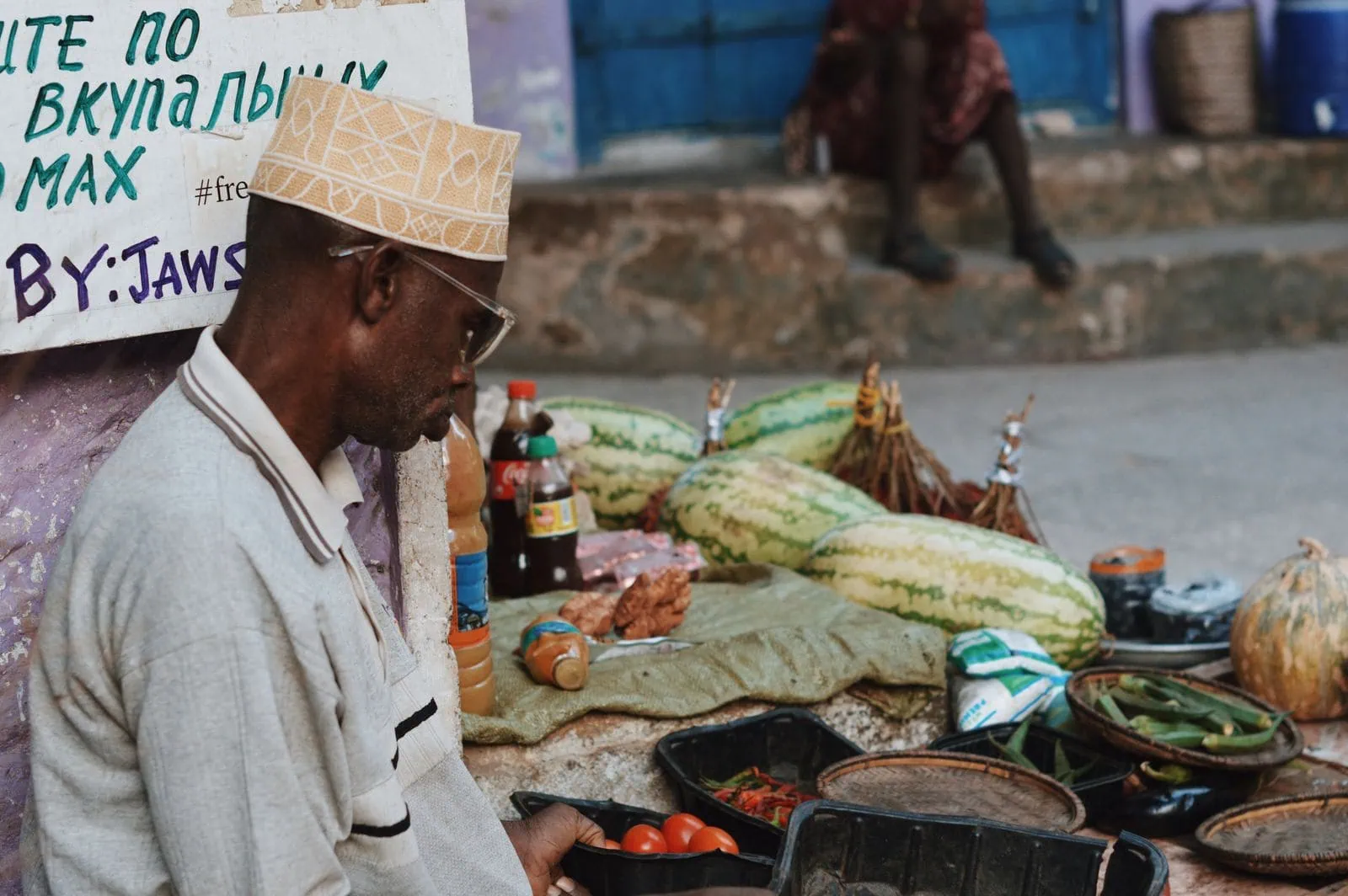
The local cuisine is a fascinating reflection of the island’s rich history — African, Indian and Arab influences all blend together, and it would be a huge shame to spend your whole holiday eating nothing but hotel spaghetti. If you’re after an authentic experience and you’re vegetarian, you absolutely must try Urojo soup, also known as Zanzibar mix. It’s a thick, slightly tangy broth of mango and tamarind, with fried potato balls, falafel and fresh vegetables added in. Meat is sometimes added originally, but on the street they’ll happily make you a purely vegetable version for under 3 dollars.
Another huge hit is Zanzibar pizza, which you’ll find at every night market. It has nothing to do with the Italian kind — it’s more of a thin pancake folded into a square, fried on a hot griddle with clarified ghee butter. You can have it savoury with egg, cheese and fresh veg, or go for the absolutely divine sweet version with banana, a generous helping of chocolate and nuts.
In the local restaurants, known as hoteli, you’ll come across plenty of other great, hearty meat-free dishes. Try mbaazi wa nazi, a delicious pigeon-pea dish slowly stewed in a thick coconut sauce, or maharage, similarly prepared red beans. Great side dishes include Indian chapati flatbreads or fragrant pilau rice packed with cloves and cardamom. If you’re in Stone Town, definitely drop into the legendary cheap eatery Lukmaan, which has a huge counter of vegetarian specialities.
18. How to handle money, haggling and tipping
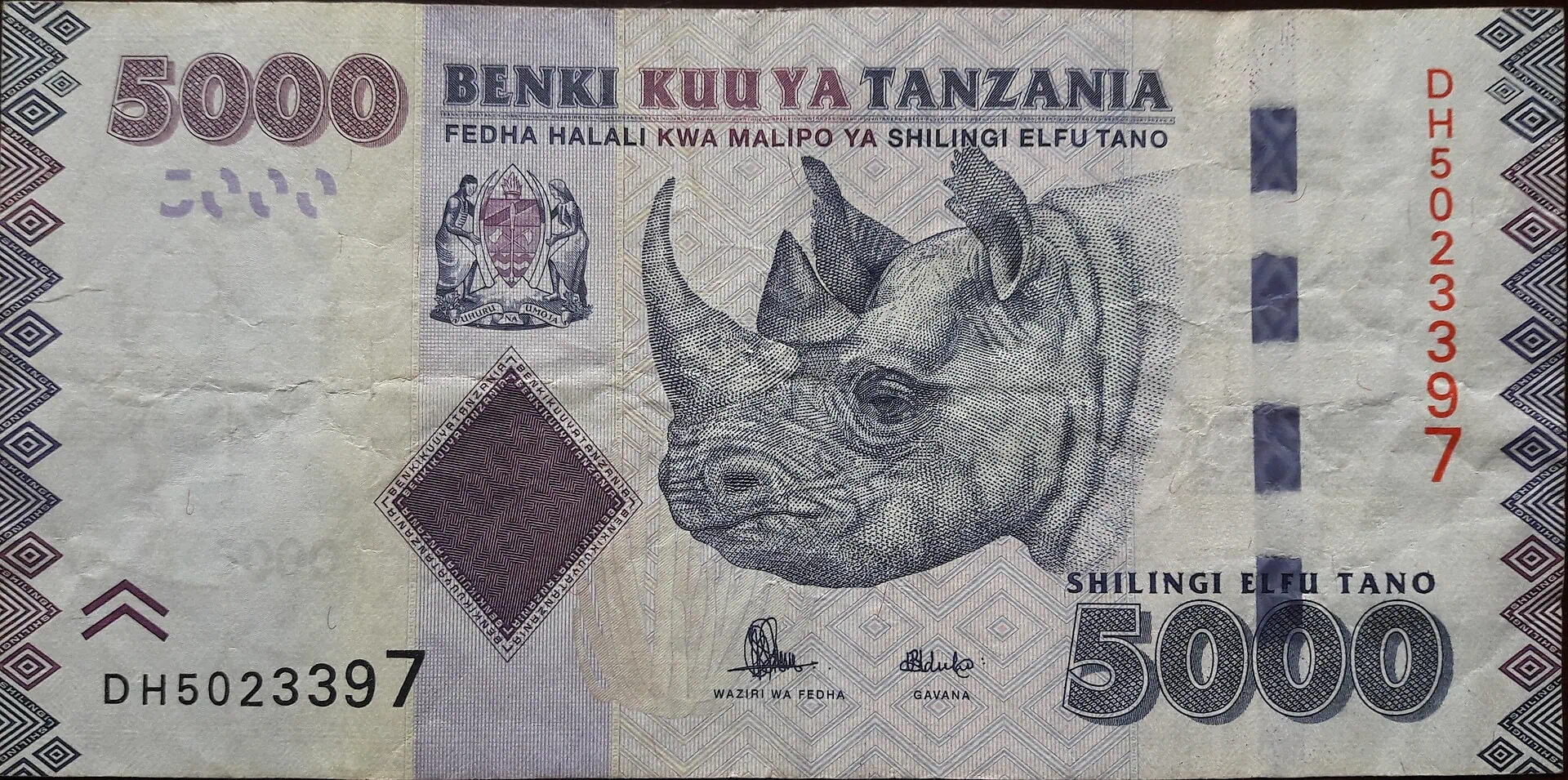
The financial side of a Zanzibar holiday can be a little confusing at times, because the island essentially runs on a dual-currency system. The official currency is the Tanzanian shilling (TZS), but US dollars (USD) function here as a perfectly valid means of payment. You’ll commonly pay for hotels, tourist excursions and taxis in dollars, whereas for local street food, market purchases and tickets on local buses it’s far better value to pay in shillings.
If you bring dollars with you, it’s absolutely critical that the notes weren’t issued before 2009 and aren’t torn or written on, or the bureau de change will very likely refuse to exchange them. You’ll find ATMs reliably in Stone Town and in the larger resorts like Nungwi or Paje, but they often charge withdrawal fees and occasionally just run out of cash. Card payment in restaurants is possible, but they’ll commonly add 3 to 5% to the bill as a bank fee.
Haggling is part of the everyday culture here, but it has its rules. At souvenir markets or when arranging a beach excursion, the starting price is commonly up to three times the real one, so don’t be afraid to counter with 30% of the first offer and work your way to a compromise with a smile. Where goods have price tags, you don’t haggle. Don’t forget tips either, which are very much expected here — around 10% in restaurants, around 5 USD a day for drivers, and a dollar or two per bed for the housekeeper.
19. Respect the local etiquette and Ramadan
Even though we associate Zanzibar with a laid-back beach holiday, it’s very important to realise that more than 95% of the local population practises Islam. Tourists are welcomed here with open arms, but a degree of respect for the local culture is expected of them. The rules are actually pretty simple and don’t call for any great sacrifices.
The basic rule is that swimwear and bikinis belong solely on the beach or by the hotel pool. As soon as you leave the resort and head into the village, the market or on an excursion, you should keep your shoulders and knees covered, and that applies to women and men alike. It’s not a law you’d be locked up for breaking, but it’s a matter of basic courtesy and shows respect to the local people. Likewise, excessive public displays of affection aren’t advisable, and you shouldn’t hand things over or eat with your left hand, which is considered unclean in Islam.
A very specific time to visit is the fasting month of Ramadan. In 2026 it falls roughly from 18 February to 19 March, starting about 11 days earlier each year. In hotels and resorts you essentially won’t notice the fast as a tourist — everything runs as normal. But outside the resort walls, local restaurants will be closed during the day, and it’s highly inappropriate to provocatively eat, drink or smoke in the street in front of the fasting locals. As the sun sets, though, the streets come alive, and the evening iftar feasts have a fantastic atmosphere.
20. Consider whether Zanzibar is suitable for young children
The question of whether to bring young children to an African island divides travel forums into two irreconcilable camps. Logistically it’s quite a convenient destination, because from Europe you fly mostly south and the time difference is just one or two hours, so there’s no exhausting jet lag. What’s more, the locals absolutely adore children, and you’ll find they treat you with extreme warmth and a smile.
On the other hand, you do need to weigh up the objective health risks. Travel-medicine experts point out that exotic trips with small children should only be planned for malaria-free areas, which Zanzibar only meets with a very generous squint. On top of that, the standard of local healthcare outside the capital is fairly low, and in the event of more serious complications you’d probably have to fly to the mainland.
If you do decide to travel with children, definitely choose hotels in the north in Nungwi or Kendwa, where the swimming is safe and there’s no need to wade a kilometre across the ocean. Be extremely careful of the harsh African sun — UV-protection rash vests should be essential kit, and from 11am to 3pm children should be strictly in the shade. Give them only bottled water to drink and avoid ice cream from street stalls, because children’s stomachs are far more sensitive to foreign bacteria.
21. Combine the beach with a real African safari
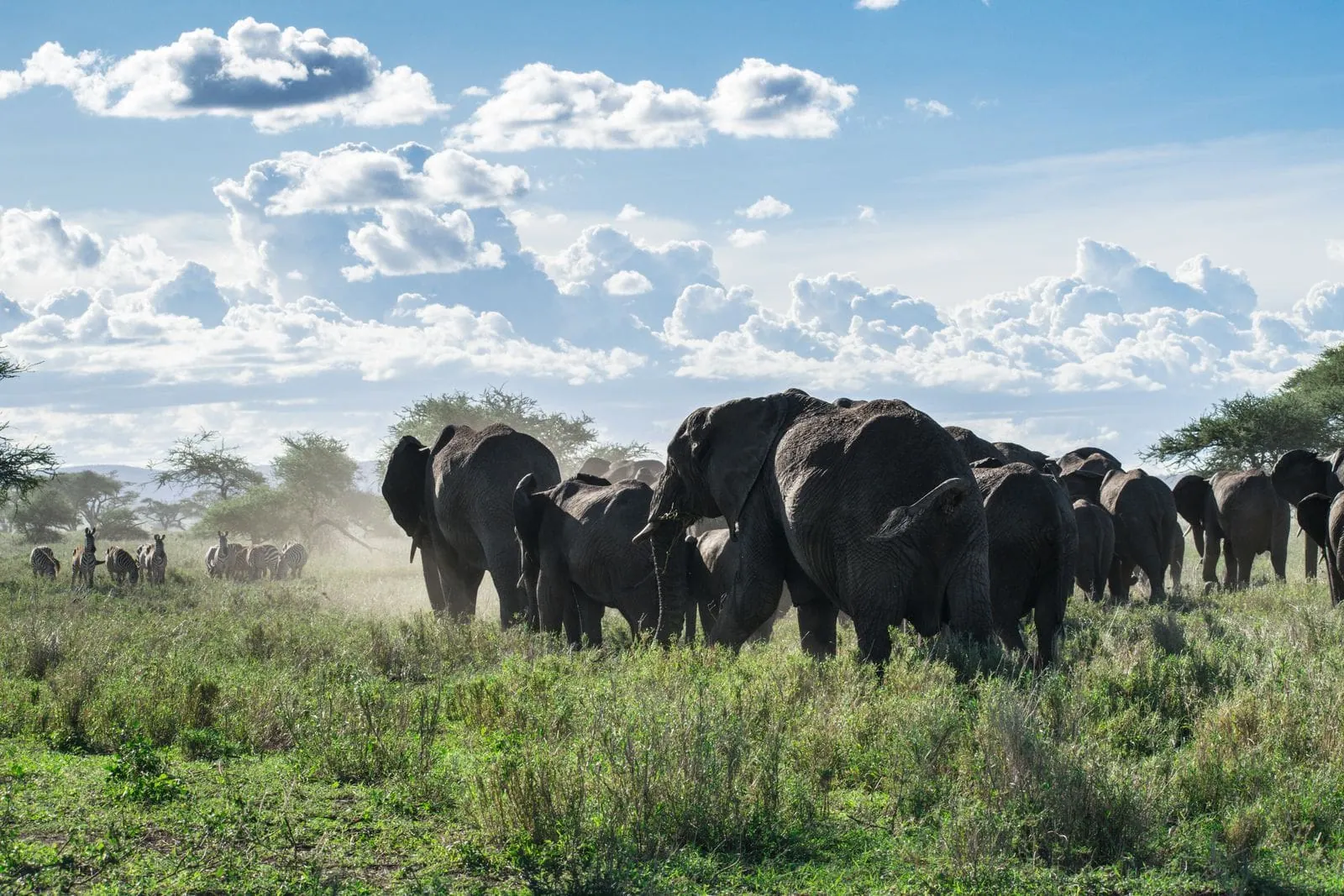
Lying on the beach for two weeks can be a touch boring for more active types, and Zanzibar has one enormous geographical advantage. It sits just a few dozen kilometres off the coast of mainland Tanzania, which offers some of the best safari parks in the world. Many travellers therefore opt for a combination of a few days in the wild followed by relaxing by the ocean, which is probably the best way to get to know this part of Africa.
The classic, but fairly pricey, option is to do a multi-day safari in northern Tanzania (for example in the Serengeti and Ngorongoro parks) before flying over to the island. But if you’re already on Zanzibar and want to see wild animals, the best option is the so-called fly-in safari to Nyerere National Park (formerly Selous). You’ll fly there in a small plane in just about 45 minutes — you leave in the morning, spend the day in a jeep watching elephants, giraffes and lions, and you’re back at your hotel for dinner in the evening.
This single-day flying trip will set you back roughly 450 to 550 USD per person. If you can, definitely pay extra for the two-day version with an overnight stay at a lodge right inside the park, which costs around 1,500 USD for two. This option often also includes a fantastic boat safari along the Rufiji River, where you’ll see hippos and crocodiles up incredibly close. Just remember that mainland Tanzania has a far higher malaria risk, so here you really can’t do without consulting a doctor about antimalarials.
Map of points of interest for your phone
Where to go from Zanzibar
Zanzibar is gorgeous, but if you’re tempted to explore other corners of the world, you’ll find plenty more inspiration on our blog. If you love the exotic, full of fragrances, rainforests and excellent tea, definitely read our article Sri Lanka: holidays, 21 things to see and when to go. For those of you after a rawer volcanic landscape and guaranteed sunshine a little closer to Europe, I’d recommend a look at Cape Verde: holidays, 19 tips on what to see and when (not) to go.
If you’re a keen backpacker who wants to combine yoga, surfing and Hindu temples, you can’t miss our guide Indonesia, Bali: 57 tips on what to see. If, on the other hand, you’d rather swap the African dust for gleaming skyscrapers and luxury shopping, we’ve put together Dubai holidays: 43 great tips. And since a small bag is more than enough for all these trips to warmer climes, don’t forget to study our guide Cabin baggage and rucksack for the plane: how to pack light.
More exotic destinations from our series: Maldives: holidays, 21 things to see and when to go · Mauritius: holidays, 21 things to see and when to go · Dominican Republic: holidays, 21 tips and when to go · Abu Dhabi: holidays, 21 things to see and when to go
Frequently asked questions
When is the best time to head to Zanzibar?
“`html
Ideal weather prevails from June to October and then during the short dry period from December to February. Avoid especially April and May, when the island is hit by very heavy rains and many hotels are even closed.
“`
How does low tide work and where can you swim all day?
“`html
On the eastern coast, the sea is very shallow and recedes by up to a kilometer twice a day, so you can only swim for a few hours around high tide. If you want to swim in the ocean all day without restrictions, you need to choose accommodation in the northwest at the resorts of Nungwi or Kendwa.
“`
Do I need a visa and what is mandatory insurance?
Yes, the tourist visa costs 50 USD and can be arranged online or upon arrival. Additionally, all tourists must now purchase mandatory local insurance from the Zanzibar government (ZIC) for 44 USD in advance, which does not replace your regular Czech travel insurance.
Is there malaria in Zanzibar?
Zanzibar, thanks to massive elimination programmes, is an area with very low malaria incidence and many doctors do not require prophylaxis for stays exclusively on the island. However, definitely use strong repellents and consult with a doctor at a travel medicine centre before your trip.
How much does a vacation in Zanzibar cost?
“`html
Besides the package tour itself or flights and hotel, prepare roughly 94 USD per person just for entry formalities (visa and insurance). Street food costs a few dollars, dinner at a restaurant 10-20 USD, and full-day trips can be arranged with local vendors for 30 to 70 USD.
“`
Is the island safe?
“`html
The island is generally safe for tourists, but after dark it’s not recommended to walk outside of well-lit resorts – it’s better to take a taxi. The most common problem is petty theft of forgotten items, so keep an eye on your phones and don’t leave valuables unattended on the beach.
“`
How to dress with respect to local culture?
“`html
Zanzibar is a predominantly Muslim island, so swimwear and revealing clothing belong exclusively on the beach or by the pool. If you go on a trip, to the market, or to a village, it’s polite and a sign of respect to have your shoulders and knees covered.
“`
Can you go to Zanzibar with small children?
“`html
The journey is doable, the time difference is minimal and local children are lovely, but consider the lower standard of local healthcare and the need to be meticulous about hygiene. Choose northern beaches for safe swimming without tides and diligently protect children from the strong sun and mosquitoes.
“`
Tips and Tricks for Your Vacation
Don’t Overpay for Flights
Search for flights on Kayak. It’s our favorite search engine because it scans the websites of all airlines and always finds the cheapest connection.
Book Your Accommodation Smartly
The best experiences we’ve had when looking for accommodation (from Alaska to Morocco) are with Booking.com, where hotels, apartments, and entire houses are usually the cheapest and most widely available.
Don’t Forget Travel Insurance
Good travel insurance will protect you against illness, accidents, theft, or flight cancellations. We’ve had a few hospital visits abroad, so we know how important it is to have proper insurance arranged.
Where we insure ourselves: SafetyWing (best for everyone) and TrueTraveller (for extra-long trips).
Why don’t we recommend any Czech insurance company? Because they have too many restrictions. They set limits on the number of days abroad, travel insurance via a credit card often requires you to pay medical expenses only with that card, and they frequently limit the number of returns to the Czech Republic.
Find the Best Experiences
Get Your Guide is a huge online marketplace where you can book guided walks, trips, skip-the-line tickets, tours, and much more. We always find some extra fun there!


