When Lukáš and I finally reached northern Iceland on day eight of our big road trip, right at the turn of September and October, it was an incredible relief. The Golden Circle in the south is gorgeous, sure, but to be honest, at the most famous spots you sometimes end up queuing just to take a photo, and it feels less like wilderness and more like a crowded shopping street back home.
The moment you cross that invisible line and set off to explore northern Iceland, though, the landscape starts to breathe much more slowly, the roads magically empty out, and nature finally shows you its raw, untamed face.
The northern part of the island hides a giant volcanic laboratory, Europe’s mightiest waterfalls, and picturesque bays where a soothing silence reigns. In this article you’ll find 12 tips on what to see and do along the route known in English as the Diamond Circle, and you’ll discover exactly why you shouldn’t skip this region.
I’ll show you how to put together your itinerary, where to stay smartly, and how much the whole adventure will cost you, including all the changes and updates for 2026.
TL;DR
- The north of the island is far quieter than the south, and to drive the Diamond Circle (about 250 kilometres) you’ll ideally need two full days.
- The best base for excursions is the town of Akureyri, from which you can easily reach all the main attractions and find great cafés and the cheapest supermarkets.
- In 2026 you need to watch out for the new per-kilometre tax on rental cars, as well as the complete reconstruction of the famous baths at Lake Mývatn.
- A lovely paved road (route 862) leads to the mighty Dettifoss waterfall from the west, and a regular car will do just fine, whereas the eastern side is a wild gravel track better suited to 4x4s.
- Lukáš and I didn’t camp at all, because autumn already gets pretty cold, but we stayed in cosy guesthouses and apartments with shared kitchens, where we cooked our own vegetarian meals.
The full destination guide: Iceland — guide and what to see
When to go and how to get there
Planning a trip to the north of the island takes a bit more thought than a simple drive along the south coast, because the weather here can be far more treacherous and the distances are pretty big. From Reykjavík to Akureyri it’s roughly 380 kilometres along the main Ring Road, which in summer you can drive in some five hours of pure driving time, although in reality you’ll be stopping every twenty minutes for photos.
Anyone who’d rather take a break from the wheel can use the local Strætó bus lines, but the journey easily takes eight to ten hours. A ticket will set you back a fairly brutal 13,200 ISK (about £77), so for two people it really doesn’t make financial sense.
Lukáš and I have long had a great experience with DiscoverCars, through which we rent cars all over the world, and on Iceland that goes double.
If you come in summer and plan to stick to the main paved roads, including the road to the western side of Dettifoss, you’ll be perfectly fine with a regular two-wheel-drive car. We drove the north at the start of October, though, when frost and snow were already a real threat, so we had a 4×4 and Gravel Protection insurance, which is an absolute must on Iceland, because even on the Ring Road you’ll occasionally hit gravel stretches and replacing a windscreen costs ridiculous amounts.
On top of that, in 2026 the Icelandic government scrapped the traditional fuel tax, and while petrol did drop to around 305 ISK per litre (about £1.78), there’s now a new per-kilometre tax, which for ordinary passenger cars up to three and a half tonnes works out at 6.95 ISK per kilometre driven (roughly £0.04).
Some rental companies will bill you at the end based on the odometer, others handle it with a flat fee of around 1,390 to 1,550 ISK per day, so be sure to factor it into your travel budget.
The most beautiful time to visit is from late May to September, when you’ll avoid the big blizzards and enjoy long summer days full of the midnight sun. Just be sure to pack an opaque sleep mask, otherwise you won’t get much rest.
We loved the autumn dates mainly for the northern lights, because the north offers far more clear, cloudless nights than the rainy south. Even though the solar maximum peaked last year, in 2026 solar activity is still extremely strong and well above average. Just keep an eye on the Icelandic Met Office app and watch for a KP index of 2 or higher.
I’d also strongly recommend keeping the Safetravel.is website handy at all times, where you’ll find current warnings about strong winds or possible road closures, which incidentally saved us from a nasty situation. Finally, before you travel, make sure you know the physical PIN for your bank card, because at lots of self-service petrol stations simply tapping your phone unfortunately won’t get you very far.
Where to stay and how much northern Iceland costs
Accommodation in Iceland can really blow a hole in your wallet, but if you know where to look and how to organise your trip, it doesn’t have to mean personal bankruptcy. A mid-range budget for a couple for one week comes to around £3,000 to £3,200 including flights and a car, with the biggest expense after transport being the roof over your head. We planned our trip so that we’d sleep under a solid roof in the warmth, because autumn nights can get truly icy and camping didn’t appeal to us much.
We deliberately chose smaller family guesthouses, hostels, or apartments with access to a shared kitchen, which in our view was the best way to save money. Booking.com is our favourite accommodation search engine, and we always tried to find places where a night for two cost around 20,000 to 25,000 ISK (roughly £117 to £146).
The ideal strategic base for exploring the north is definitely Akureyri, where you’ll find the most options and shops for stocking up. If you fancy a bit of luxury right in town, take a look at the Kea or Berjaya hotels, where prices per night start from $88 upwards. For backpackers, the lively Akureyri Backpackers hostel is a great choice, where you’ll easily meet fellow travellers and pick up inspiration for trips.
Alternatively, you can try staying right in the area around Lake Mývatn, where it’s a little pricier, but you get breathtaking views straight from your door. Hotel Laxá is fantastic, as is the popular Vogafjós farmstay, which by the way offers absolutely magical morning views of the sun rising over the lake — you just have to book it well in advance.
If, on the other hand, you’re planning early-morning whale watching, it makes huge sense to spend the night right in Húsavík, where the very popular Fosshotel or the cosy family-run Cape Hotel are just a few minutes’ pleasant walk from the harbour.
💡 Specific accommodation tips (check prices and availability via Booking, and book early — in season and around the 2026 eclipse they disappear months ahead):
- Hótel Kea (Akureyri)
- Berjaya Akureyri Hotel (Akureyri)
- Hótel Laxá (Mývatn)
- Vogafjós Farm Resort (Mývatn)
- Fosshótel Húsavík (Húsavík)
Akureyri and surroundings: 3 tips on what to see in the capital of the north
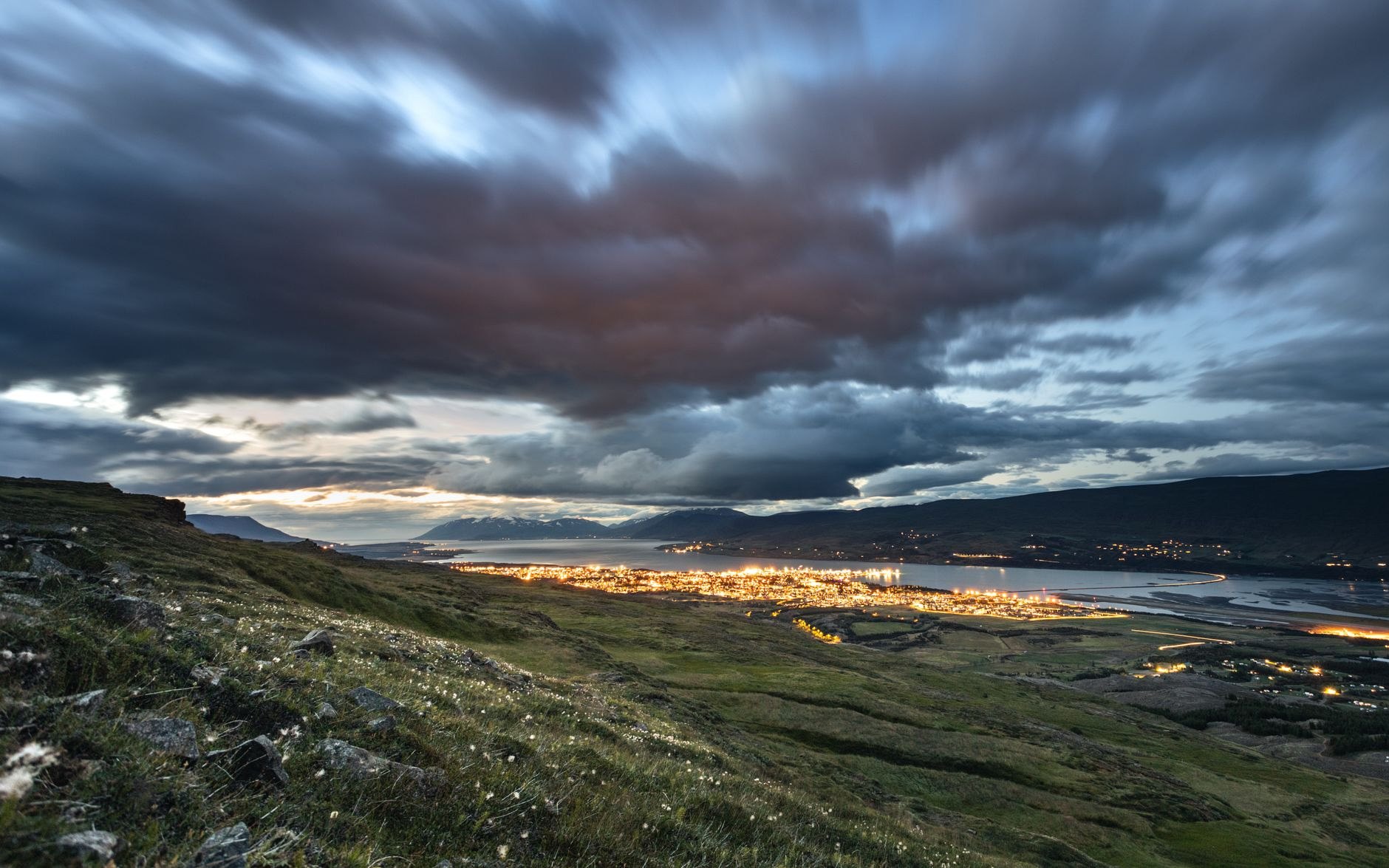
When, after several days in the wilderness, you descend towards the Eyjafjörður fjord and the lights of Akureyri (pronounced ah-koo-ray-ri) appear before you, you feel as if you’ve arrived in a giant metropolis, even though fewer than thirty thousand people live here. The town is enchanting, the red traffic lights are shaped like little hearts, and you’ll find excellent infrastructure for refuelling, so it’s unquestionably the capital of the entire north.
1. Akureyri’s centre and its amazing botanical garden
You can walk the centre itself in about twenty minutes, but it’s well worth stopping at the iconic Akureyrarkirkja church, reached by a seemingly endless staircase and offering a lovely view over the town.
Then head to the local botanical garden (Lystigarðurinn), which sounds like complete nonsense fifty kilometres below the Arctic Circle, but thanks to a special microclimate, thousands of plant species from all over the world really do grow here. Entry to the whole grounds is completely free, and in summer it’s a perfect oasis of calm, although we admired it more in autumn, when the trees were playing every possible colour and the falling leaves created an immensely romantic atmosphere.
Before heading further east, definitely do a big shop at the local Bónus supermarket, which you’ll easily recognise by its huge yellow logo with a cross-eyed pink piglet. They have the absolute best prices on the whole island, and we picked up a pile of ingredients for our evening cooking so we wouldn’t have to spend a fortune in restaurants along the way, where the choice for us vegetarians can sometimes be a little limited.
I’d also recommend filling up the tank, because petrol stations out in the wilderness further along the circle tend to be pricier and their card terminals occasionally play up. Never buy bottled water, though — Icelandic tap water is excellent, full of minerals, and available everywhere for free.
2. Bathing in the Forest Lagoon
If you’re looking for a calm alternative to the overpriced Blue Lagoon in the south, which is also often closed or evacuated due to unpredictable volcanic activity, the Forest Lagoon (Skógarböð) just outside Akureyri is in my opinion currently the absolute best place for a soak on the island. These new premium baths are cleverly set into a quiet birch wood with a view straight onto the deep fjord, and they offer an incredible experience without the huge crowds of shouting tourists.
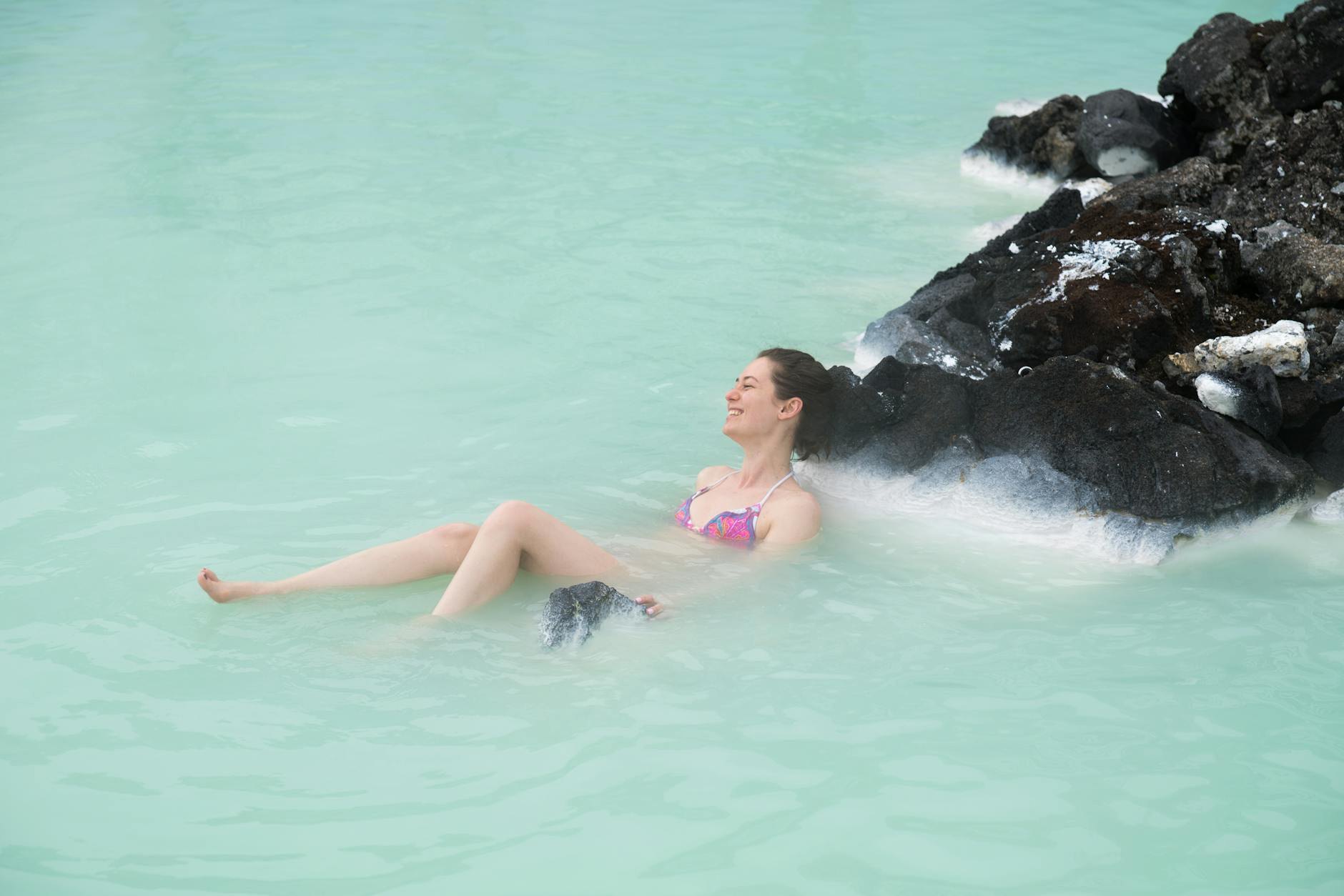
Adult admission works out at roughly 5,990 ISK (about £35), and the water from natural thermal springs is a perfect 38 to 40 degrees, which after a whole day of freezing outside is simply bliss. Just be very careful with the unforgiving Icelandic pool etiquette, which a lot of foreigners have no idea about.
Before entering the water you have to shower completely naked and with soap, only putting on your swimsuit once you’re squeaky clean, because the local water is far less chlorinated and cleanliness is sacred here. If you try to slip into the shower in your swimsuit, you’ll get some very sharp looks and the local lifeguard will most likely send you straight back to the changing room. I’d recommend booking your tickets to Forest Lagoon in advance, as it’s often full.
3. A fairytale sunset at Goðafoss
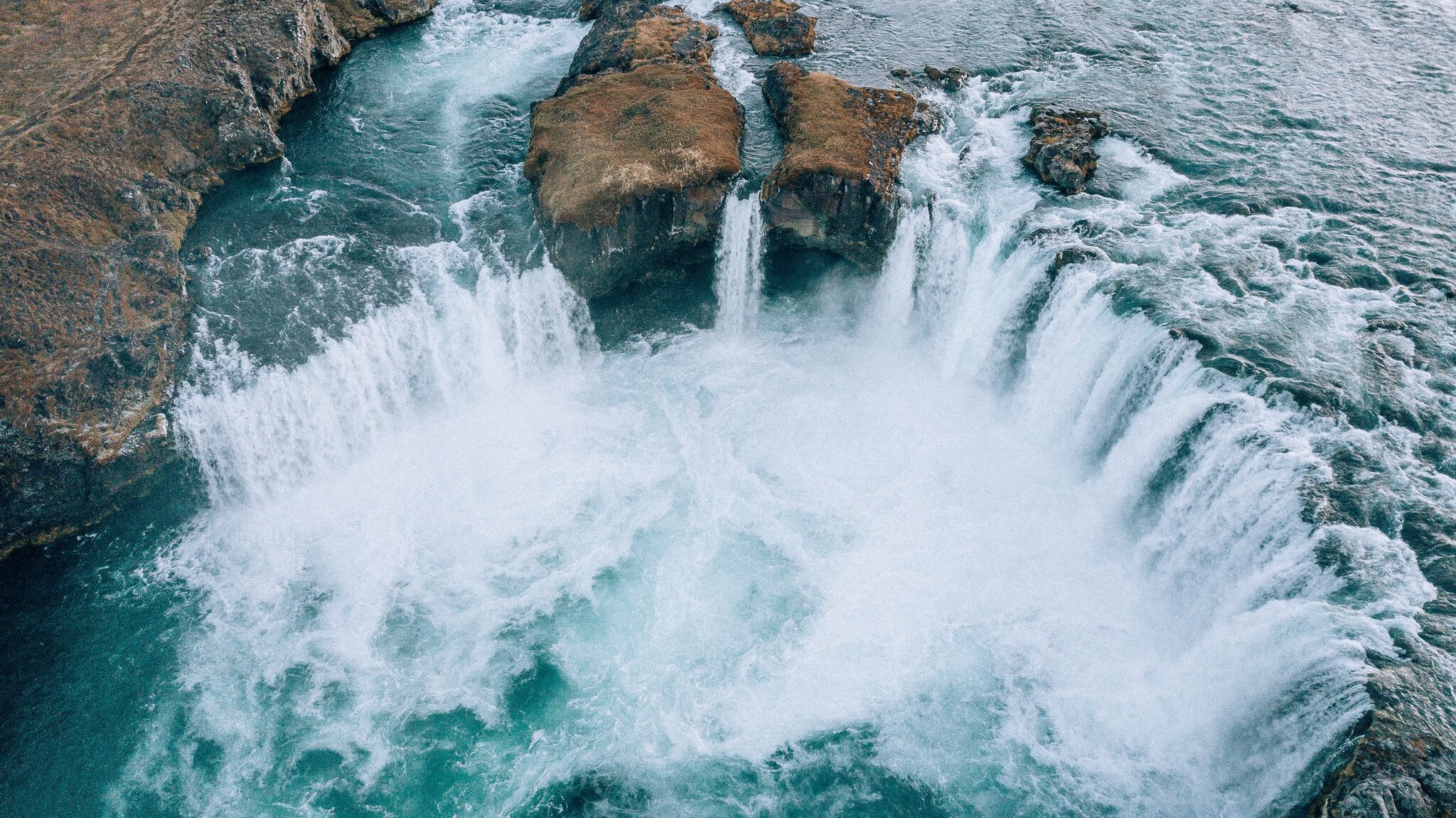
About thirty-five minutes’ brisk drive east of Akureyri along main road number 1, you’ll come across one of the most beautiful waterfalls on the whole circle, shaped like a perfect wide horseshoe and serving as the symbolic gateway to the Diamond Circle. Goðafoss, or the Waterfall of the Gods, only drops twelve metres deep, but the enormous mass of turquoise glacial water from the Skjálfandafljót river shattering against sharp basalt rocks creates an utterly hypnotic spectacle.
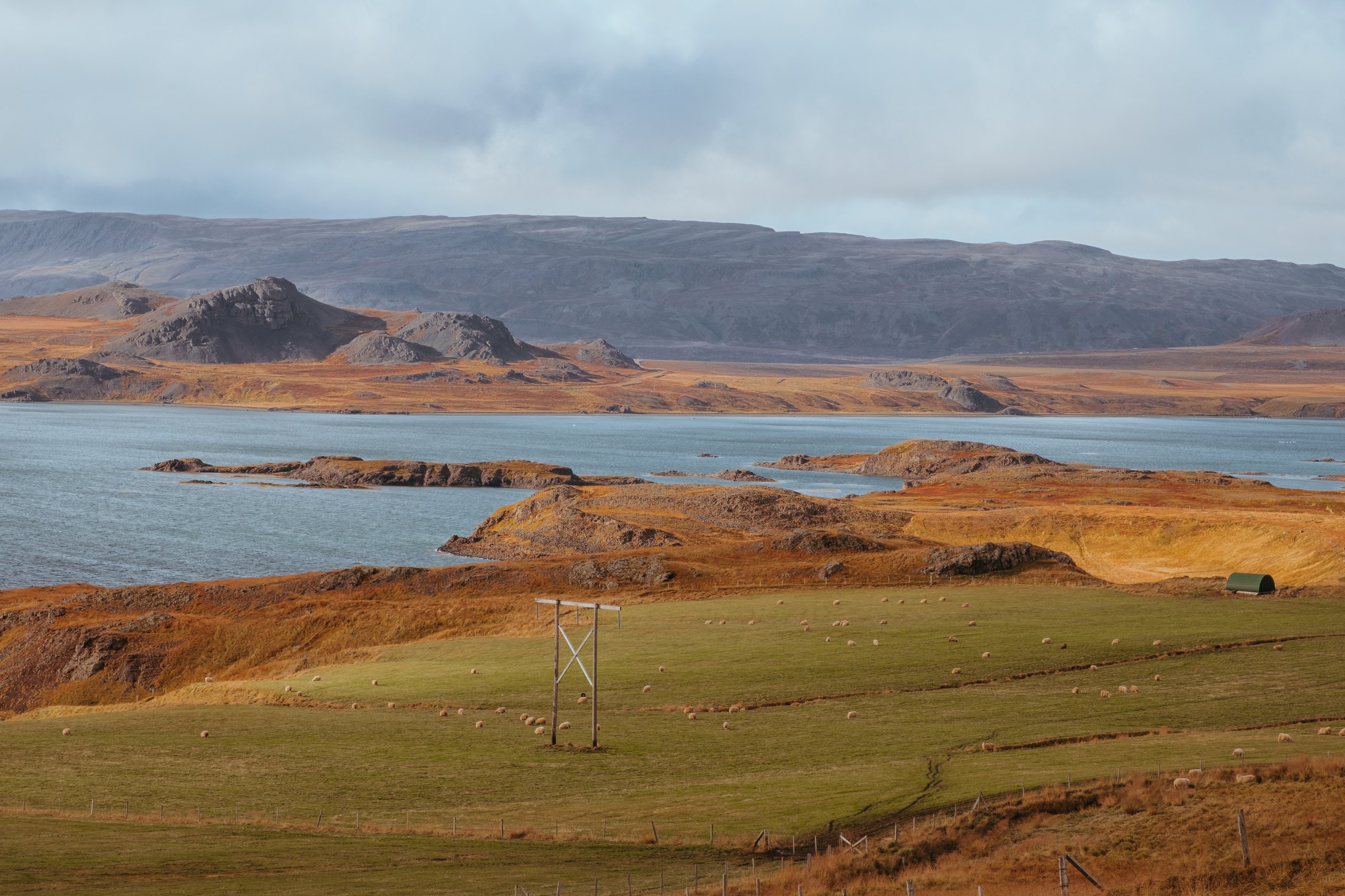
It’s tied to a key moment in Icelandic history from the year 1000, when the influential local lawspeaker Þorgeir Ljósvetningagoði, after much deliberation, decided that Iceland would officially adopt Christianity to prevent a looming bloody civil war. As proof of this radical step, he threw his carved wooden figurines of the old Norse gods straight into the foaming waters, and that’s exactly where its noble name comes from.
We arrived at the end of our ninth day at the very moment when the sun was setting below the horizon and the whole sky was painting itself in unreal shades of deep purple and orange. It was already bitterly cold and I had to pull on a wool hat and winter gloves, but standing there with just a handful of other brave souls, listening to that thundering force, was without doubt one of the most beautiful romantic experiences of our entire Iceland trip.
The stop will take you about an hour, parking costs roughly 750 to 1,000 ISK, and from the car you can reach both viewpoints on the opposite banks in just a few minutes’ easy walk.
4. Skiing and town pools to warm up
If you happen to be travelling in the winter months and love active relaxation, Akureyri hides one huge secret: the fantastic Hlíðarfjall ski resort located right above the town. It’s the unbeatably best ski resort on the whole island, with perfectly groomed pistes and an ocean view that’ll take your breath away on the way down.
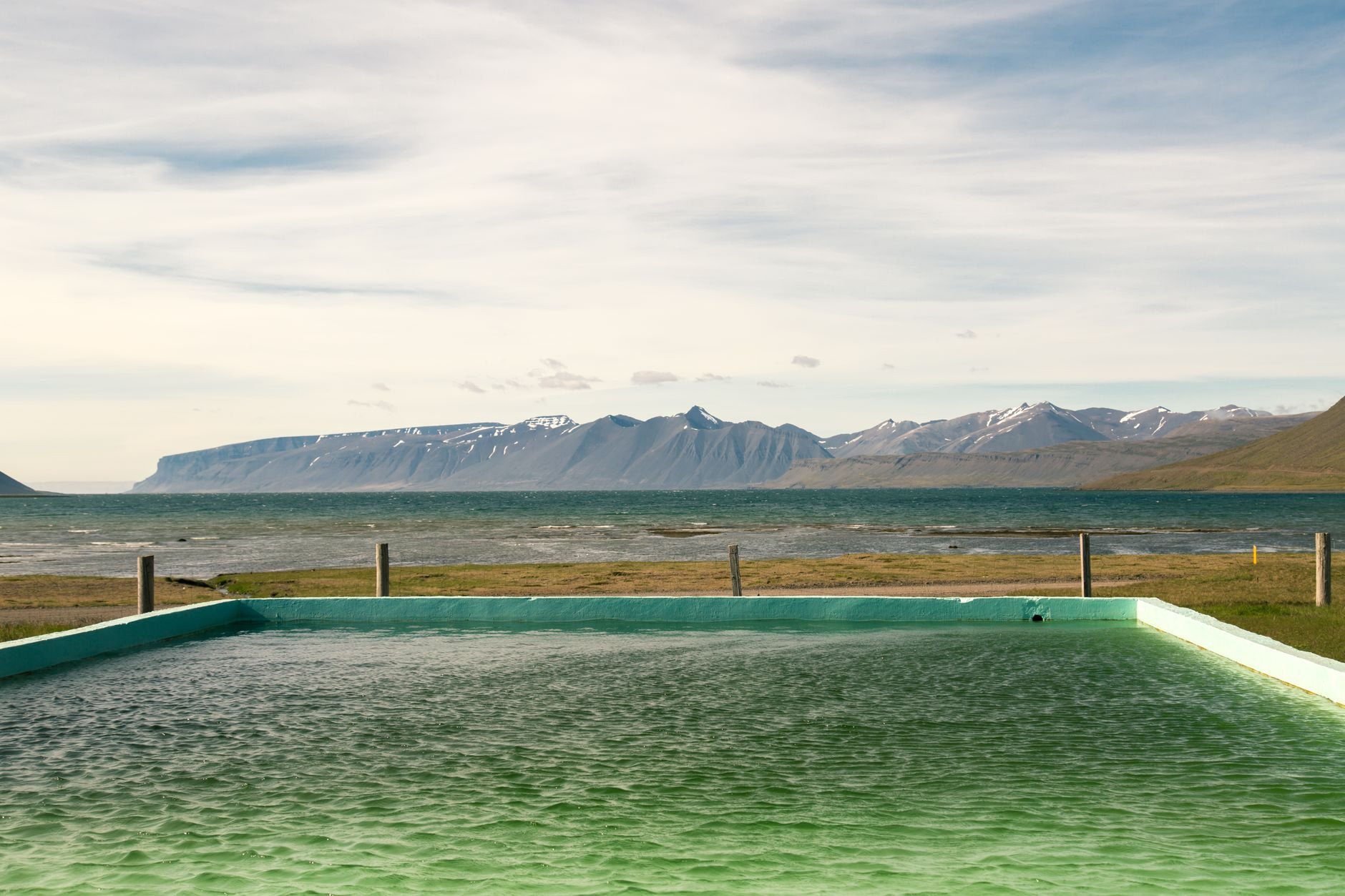
Whether you come back from skiing or a full-day trek, don’t miss a visit to the classic town swimming pool in Akureyri, where mostly locals come to relax after work. For just 1,200 ISK (about £7) you get access to several outdoor hot tubs at various temperatures, big swimming lanes, and steam saunas, which is a wonderfully cheap and utterly authentic alternative to the pricey tourist baths.
It’s in these hot tubs that all of Iceland’s social life takes place, and you’ll discuss absolutely everything with the locals, from politics to the weather.
💡 Tip: It pays to book tickets and organised tours (around Iceland and beyond) online in advance on GetYourGuide, as they fill up fast in season.
The wonders of Lake Mývatn: 5 spots straight out of another planet
As soon as you approach Lake Mývatn by car, the surrounding landscape starts to transform into a strange form that looks as though it’s fallen out of a completely different planet, full of frozen lava and smoking craters. The whole area is, after all, the geological and volcanic heart of the north. Just reckon with one small and immensely annoying discomfort, because the name Mývatn itself translates as “lake of midges”.
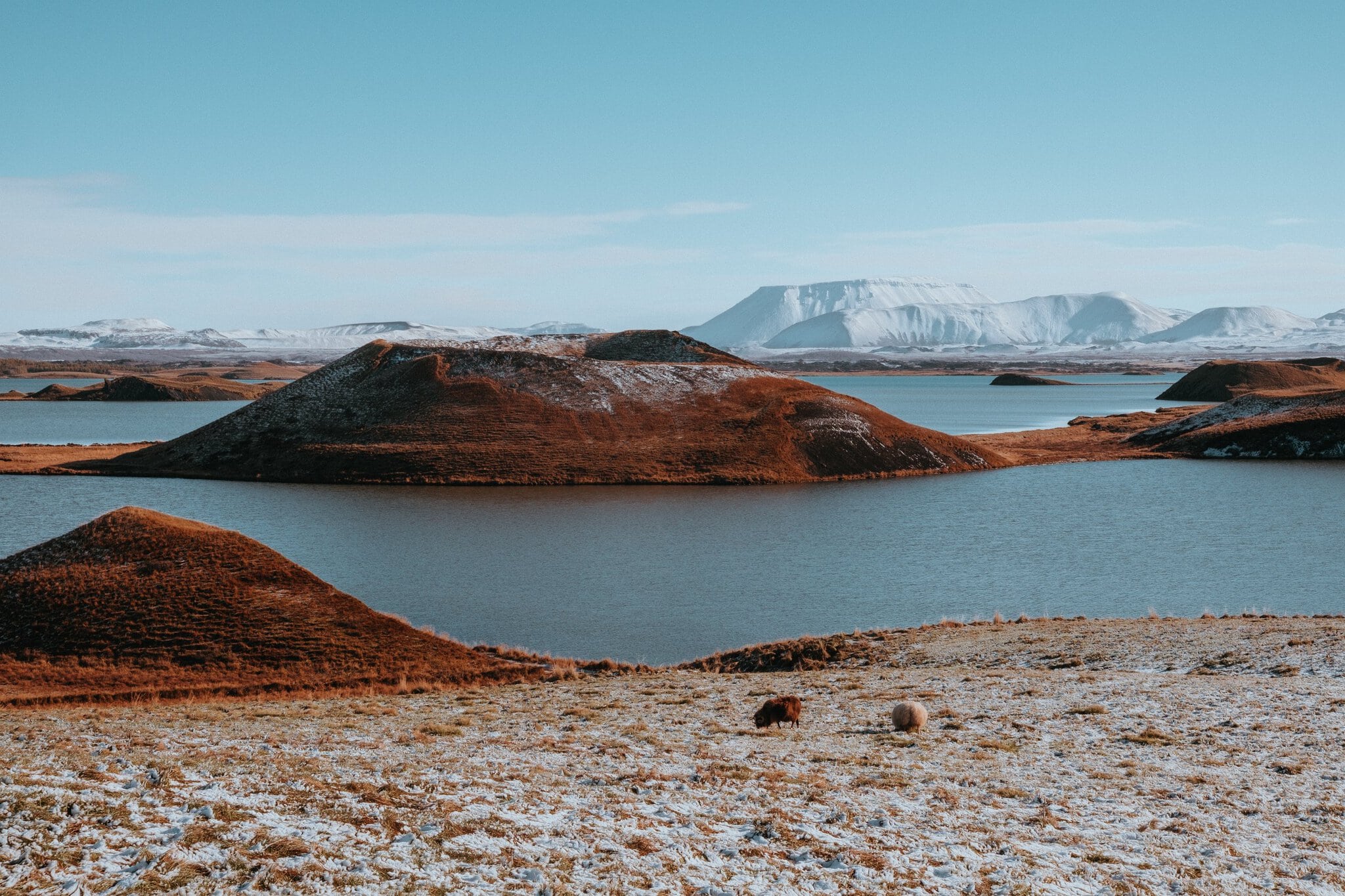
In the summer months, especially when there’s complete calm, literal black clouds of tiny insects swarm around its shallow banks. These critters luckily don’t bite at all, but they’ll relentlessly and persistently crawl into your eyes, nose, and ears. So if you’re travelling in July or August, definitely toss a protective head net into your backpack — it’ll save you a lot of frustration. Luckily, in autumn we had no problem with midges at all and could calmly enjoy all these bizarre natural phenomena.
5. Hverir and the bubbling mud of Mars
You’ll safely smell this fascinating geothermal field long before you even see it over the hill, because the intense smell of hydrogen sulphide, reminiscent of rotten eggs, hits you in the nose the instant you open the car door in the car park. Hverir, also known as Námafjall, is a constantly steaming and aggressively hissing plain full of bubbling mud volcanoes, smoking fumaroles, and incredibly coloured earth crust that plays every shade of yellow, orange, and grey.
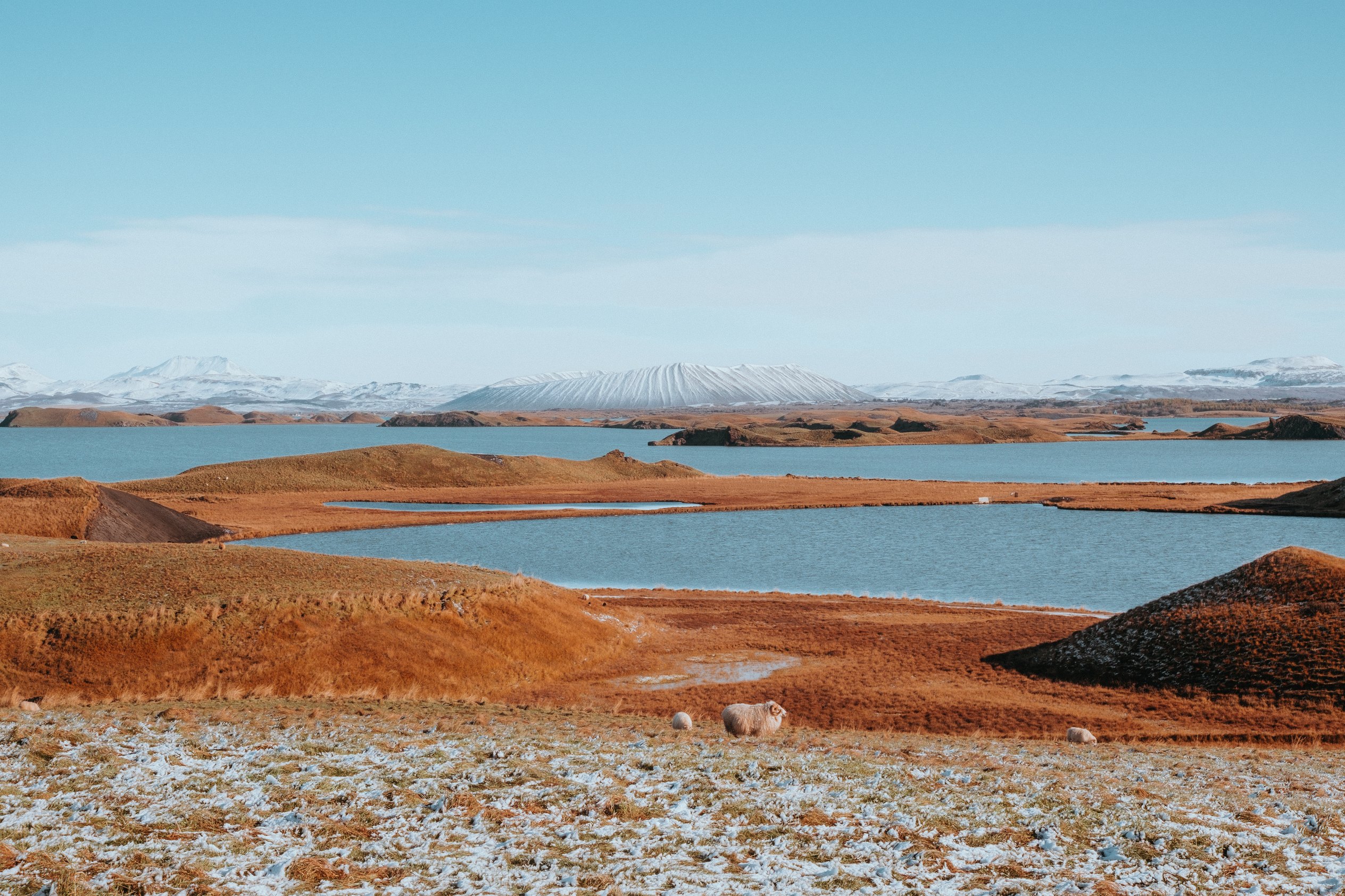
Lukáš and I wandered here for about an hour and a half, and the whole time I kept fascinatedly repeating that this is exactly how I imagine a lonely walk on Mars, because the surrounding hills have no vegetation whatsoever. There is, however, one absolutely crucial rule you must observe without fail, and that is to stay strictly on the marked wooden walkways and designated paths.
The earth’s crust here is treacherously and invisibly thin, the ever-present grey mud beneath it has a boiling temperature exceeding one hundred degrees, and the slightest step to the side could mean very serious burns, so be extremely careful.
6. Dimmuborgir, the Dark Castles
Just a short drive from the lake itself, you’ll come across a vast field of enormous black lava columns and mysterious caves towering to the sky like the ruins of some ancient gothic city. These formations were created thousands of years ago when an extensive lava lake cooled rapidly after an eruption and its upper crust collapsed with an enormous crash.
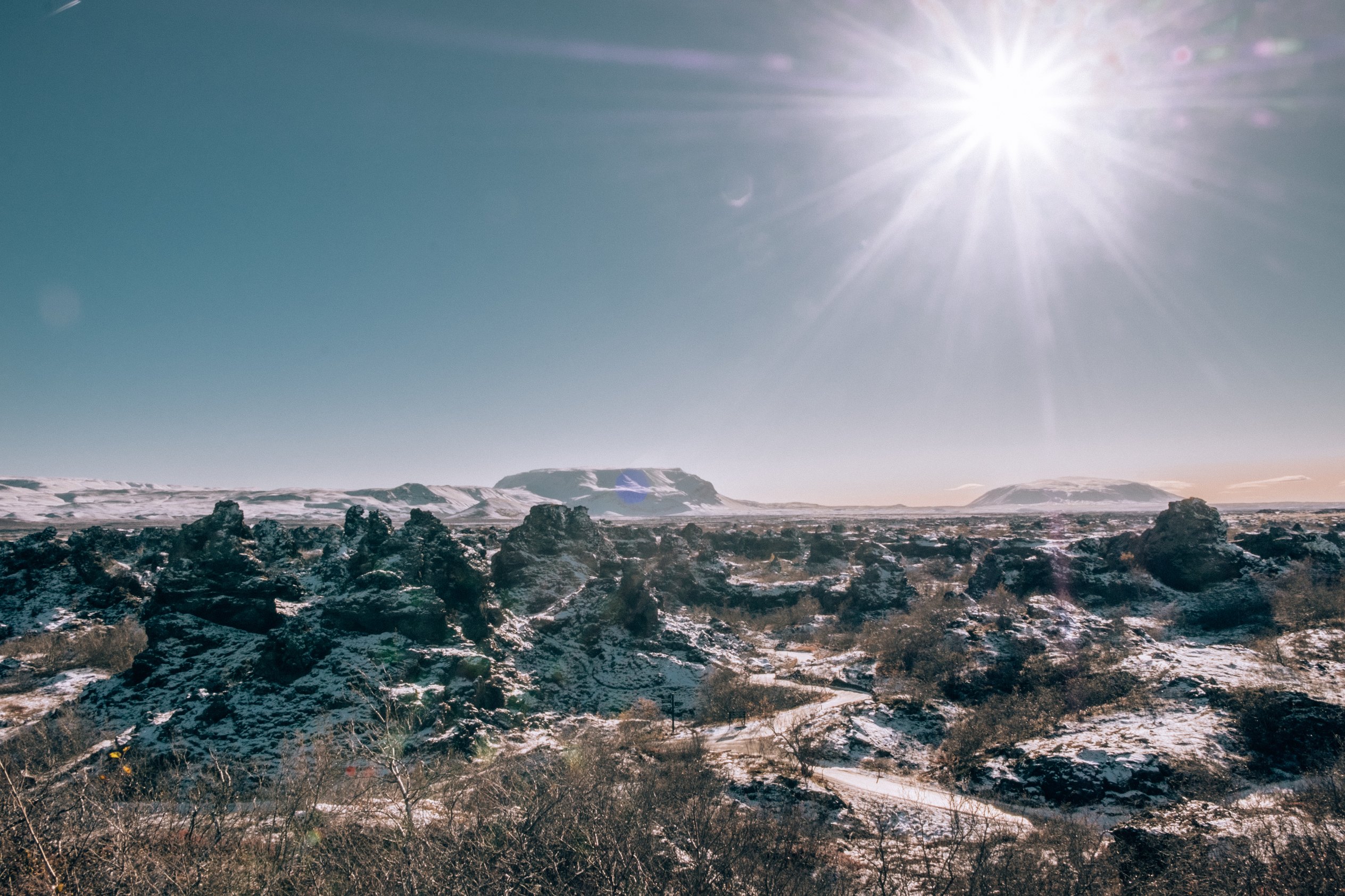
Comfortable marked trails now lead through this labyrinth of petrified black lava, which you can choose by length and difficulty, and the whole stunning area is accessible completely free of charge.
Fans of Game of Thrones will probably recognise this place instantly, because the famous scenes of the freezing Wildling camp beyond the Wall were filmed here in winter. The overall atmosphere is wonderfully mystical, and old local legends claim that these dark towers and tunnels are home to the feared Icelandic Christmas trolls known as the Yule Lads (Jólasveinar).
Every December, they supposedly crawl out of their caves and play all sorts of mischievous pranks on people in the villages, from stealing sausages to slamming doors.
7. The romantic Grjótagjá cave
As you drive around the lake, make a little detour to an inconspicuous fissure in the ground, into which you have to descend very carefully over slippery boulders to find yourself in the small, intimate Grjótagjá lava cave full of crystal-clear turquoise water. Grjótagjá used to serve the locals as a hidden and immensely popular spot for wild swimming.
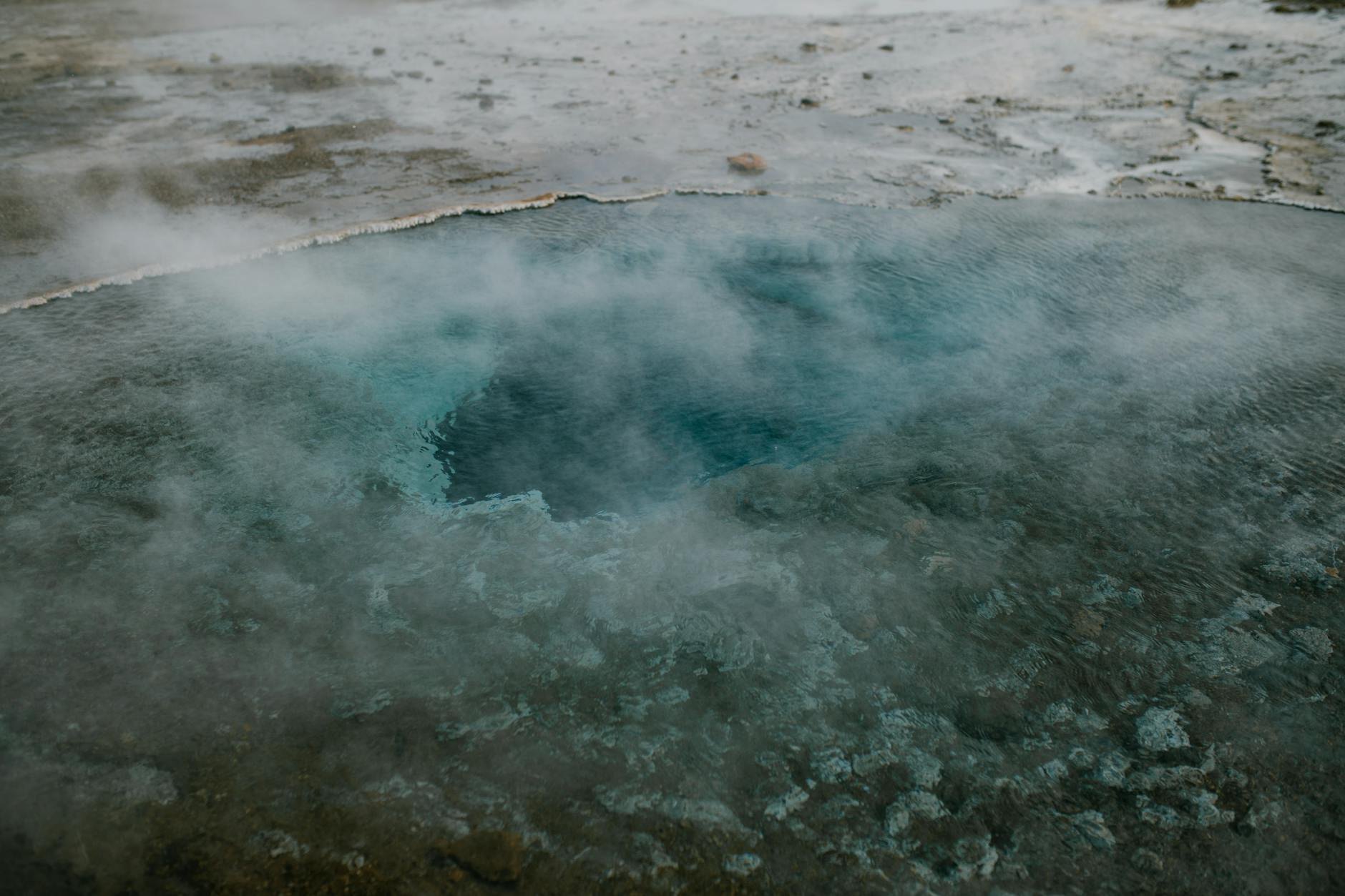
After a series of wild volcanic eruptions from the nearby Krafla volcano in the 1970s and 1980s, however, the underground springs heated up so much that you can no longer bear the temperature, and any dipping is now strictly forbidden under threat of a fine.
This place gained huge worldwide fame, once again thanks to Game of Thrones, because it was right here that Jon Snow broke his Night’s Watch vow with the wild Ygritte, so unfortunately today crowds of tourists take turns for a quick Instagram photo. Still, definitely stop here for ten minutes, carefully climb down, soak up that damp, hot atmosphere, and gently touch the mirror-like surface to discover for yourself that the water really is at a temperature where you could comfortably brew your afternoon tea.
8. Earth Lagoon: the big news for 2026
After a long, tiring day spent in volcanic dust, wind, and the constant smell of sulphur, you’ll definitely fancy plunging into hot thermal water and letting your sore muscles rest, but at Mývatn you currently need to keep a close eye on the construction calendar. The original and very popular blue baths, Mývatn Nature Baths (Jarðböðin in Icelandic), closed completely on 1 January 2026 for extensive demolition and rebuilding, so during the first half of the year they’re unfortunately entirely out of operation.
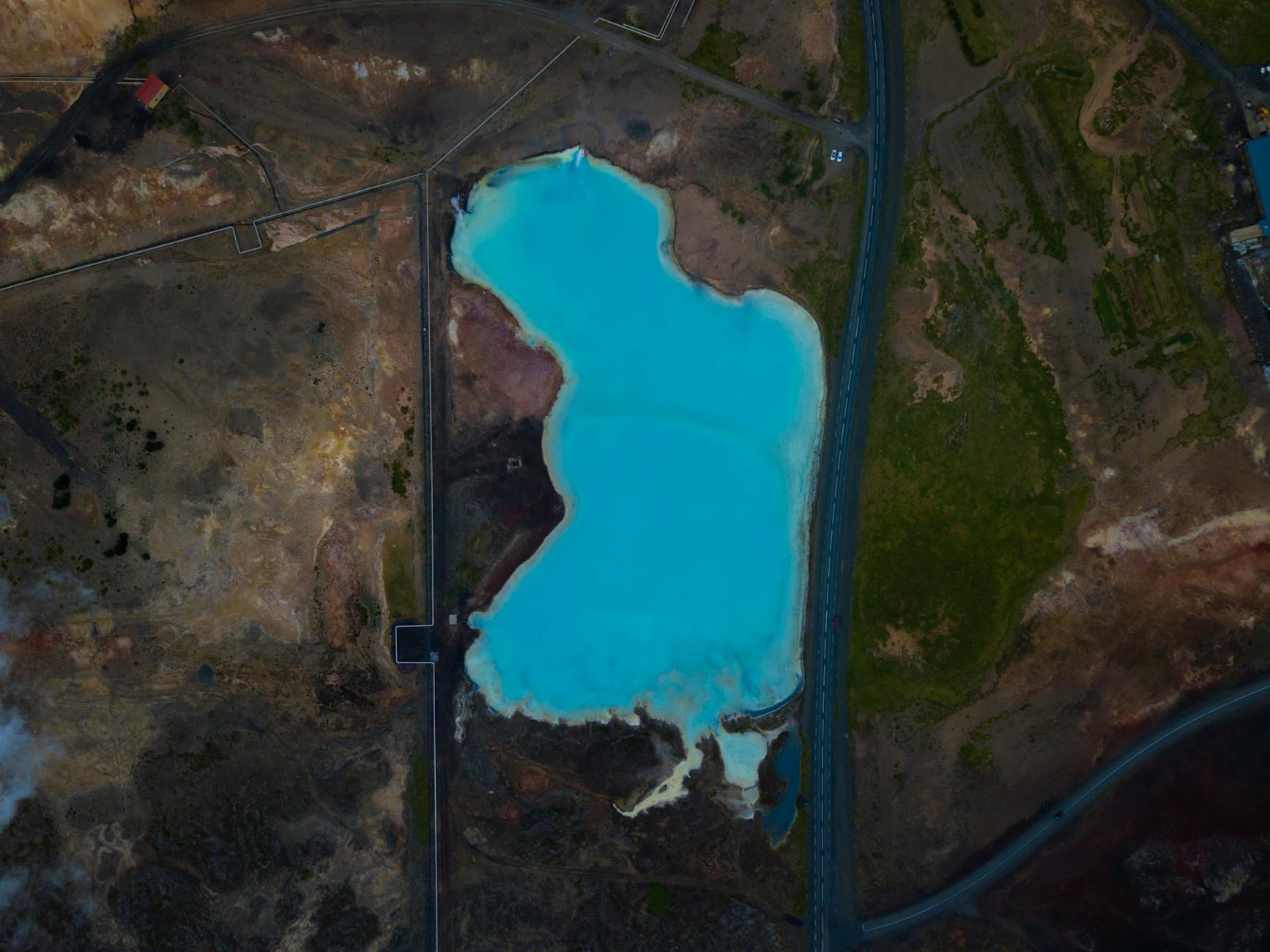
According to official information, this iconic complex should reopen sometime in spring or early summer under the new name Earth Lagoon, with a huge new building, a pool that’s thirty-five per cent larger, and a capacity for nearly six hundred people. Basic admission, the so-called Earth Essential, should start at 7,900 ISK (roughly £46), while the premium Signature version comes to 9,900 ISK.
If you fly here at a time when construction work is still under way and the complex is closed, don’t despair at all — just head back to the luxurious Forest Lagoon near Akureyri, or carry on north to the gorgeous GeoSea sea baths in Húsavík.
9. The Skútustaðagígar pseudocraters
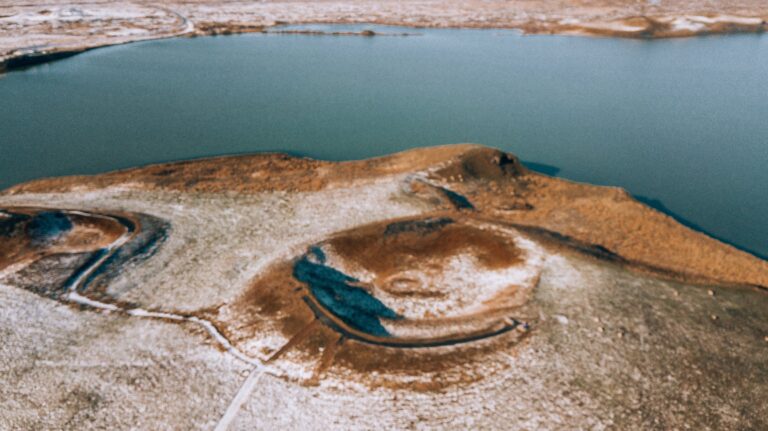
On the southern shore of Lake Mývatn you mustn’t miss the curious green mounds that look like perfect miniatures of giant volcanoes, scattered both in the water and on land. These are the so-called Skútustaðagígar pseudocraters, another of this amazing area’s many free geological wonders. What’s surprising about them is that no lava has ever erupted from them in history.
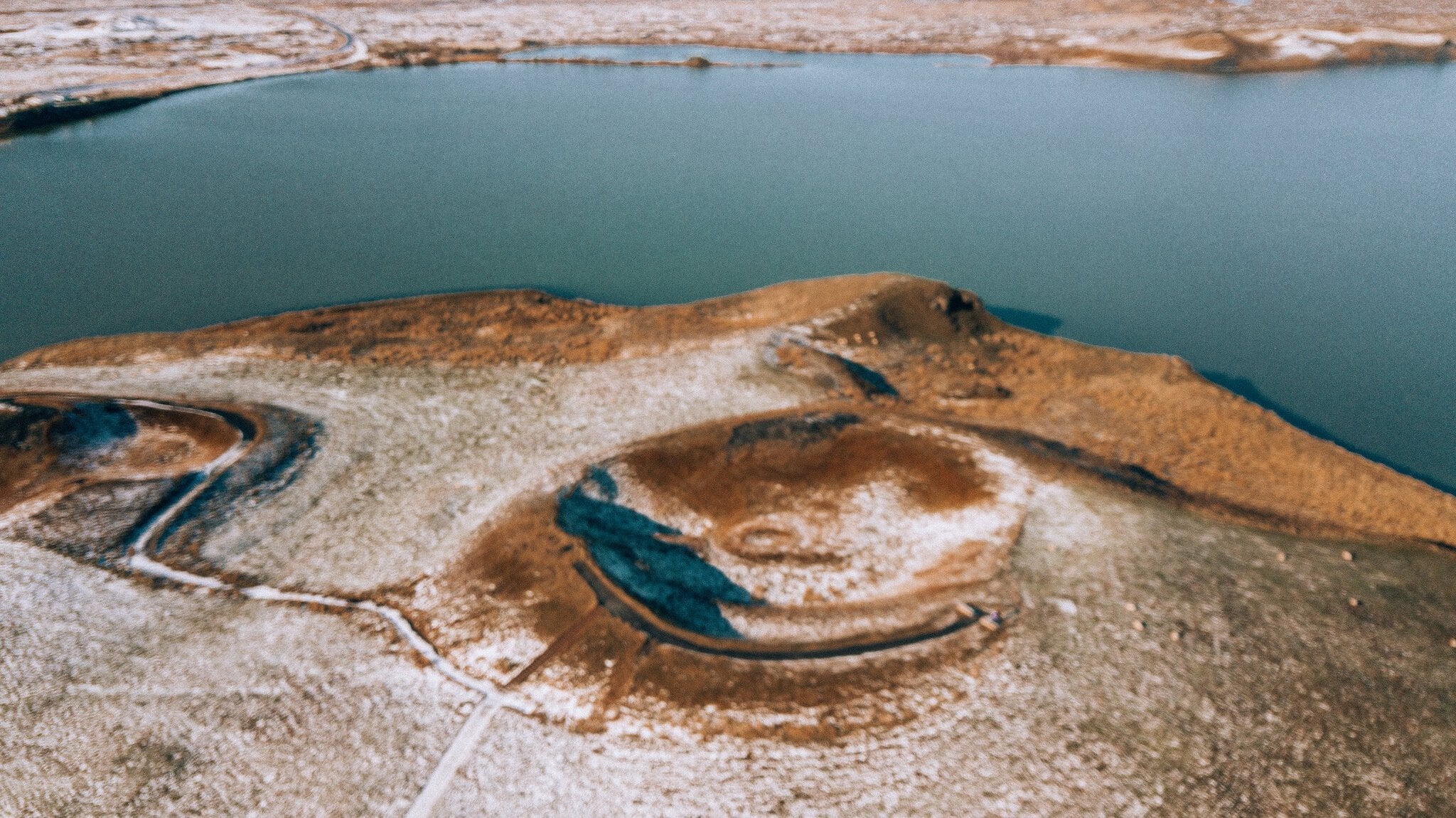
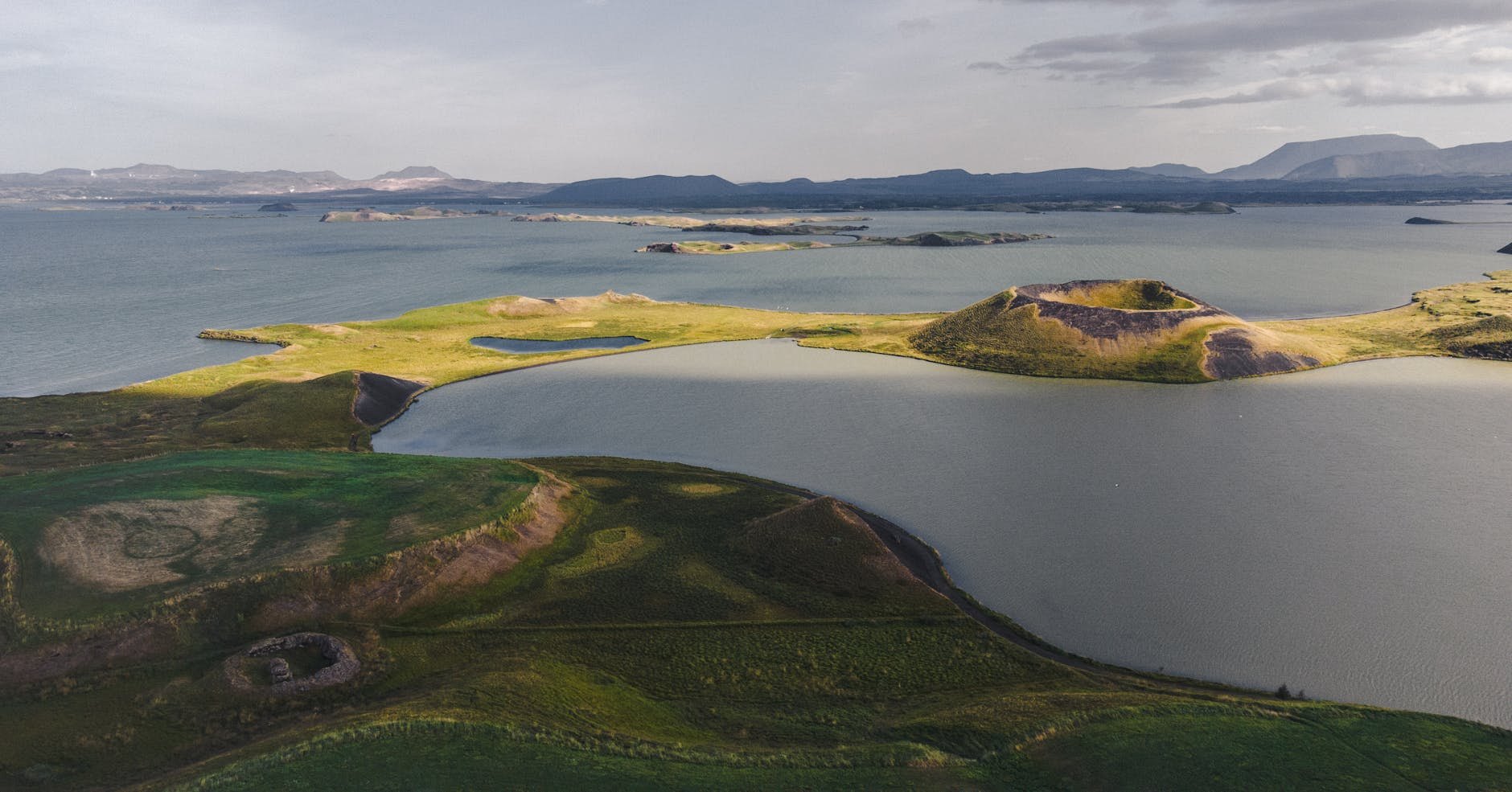
They were formed when a stream of hot flowing lava poured over boggy, water-soaked terrain, the water instantly turned into a huge amount of steam beneath the airtight crust, and the resulting massive explosions blasted the soil into the shape of perfect craters.
Today these mounds are covered in soft grass, with pretty scenic paths running around them, and they’re also a fantastic spot for watching dozens of species of rare northern birds that regularly nest on Lake Mývatn.

Map of points of interest for your phone
Dettifoss, Ásbyrgi and Húsavík: 6 experiences full of wild nature
When you continue along the circle from the volcanic inferno towards the deserted northeast, you enter a kingdom of untamed water and enormous rocky cliffs ruled by the fierce, ice-grey Jökulsá á Fjöllum river. It’s on this mighty river that the most beautiful waterfalls lie, and its flow empties all the way into the icy Greenland Sea, from which enormous whales arrive in sheltered bays each spring in search of food.
10. Dettifoss and its crushing power
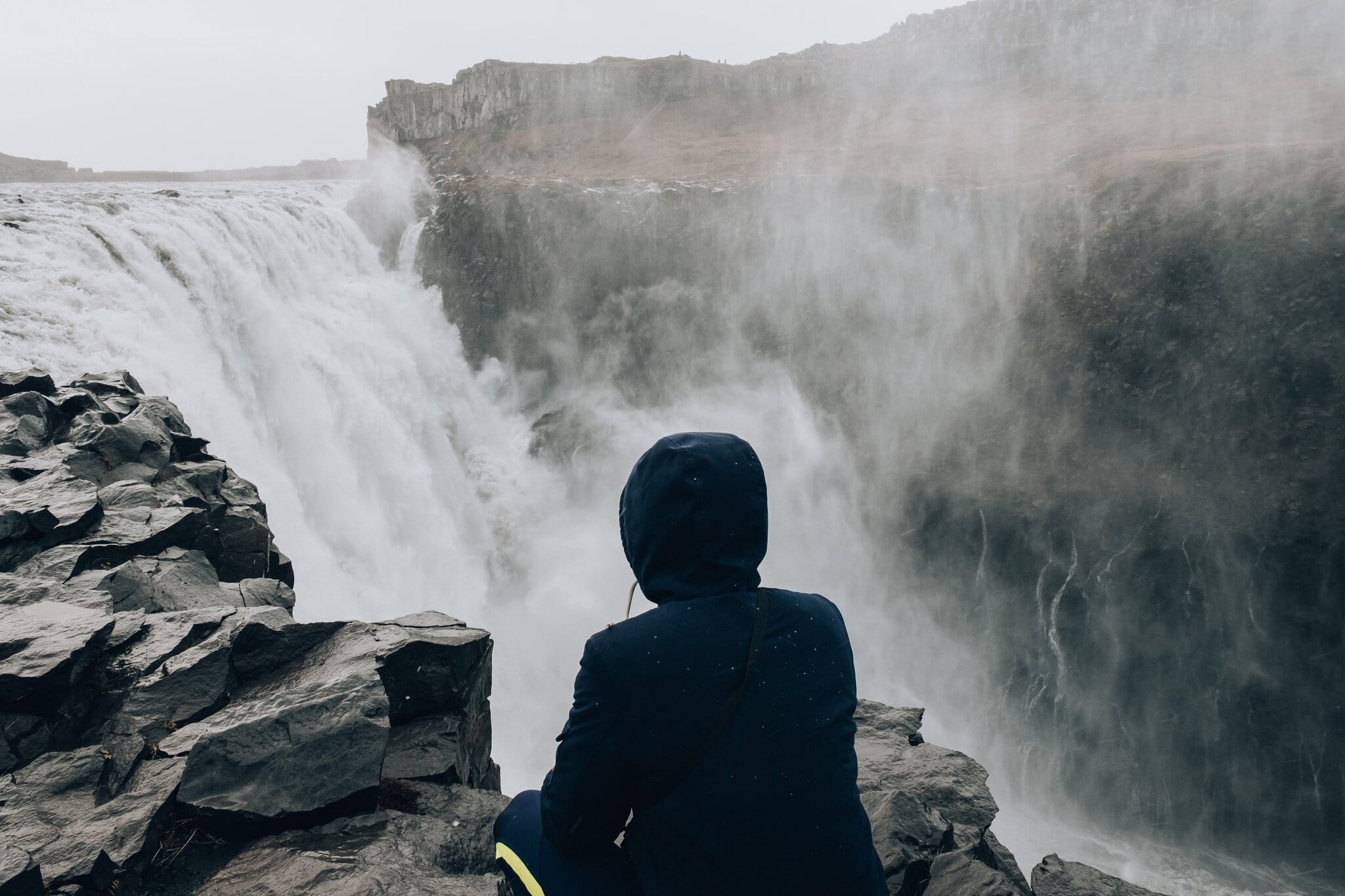
Get ready for a truly unreal roar that no photo will prepare you for. Dettifoss is officially the mightiest waterfall in all of Europe, and its raw power is both terrifying and utterly fascinating at once.
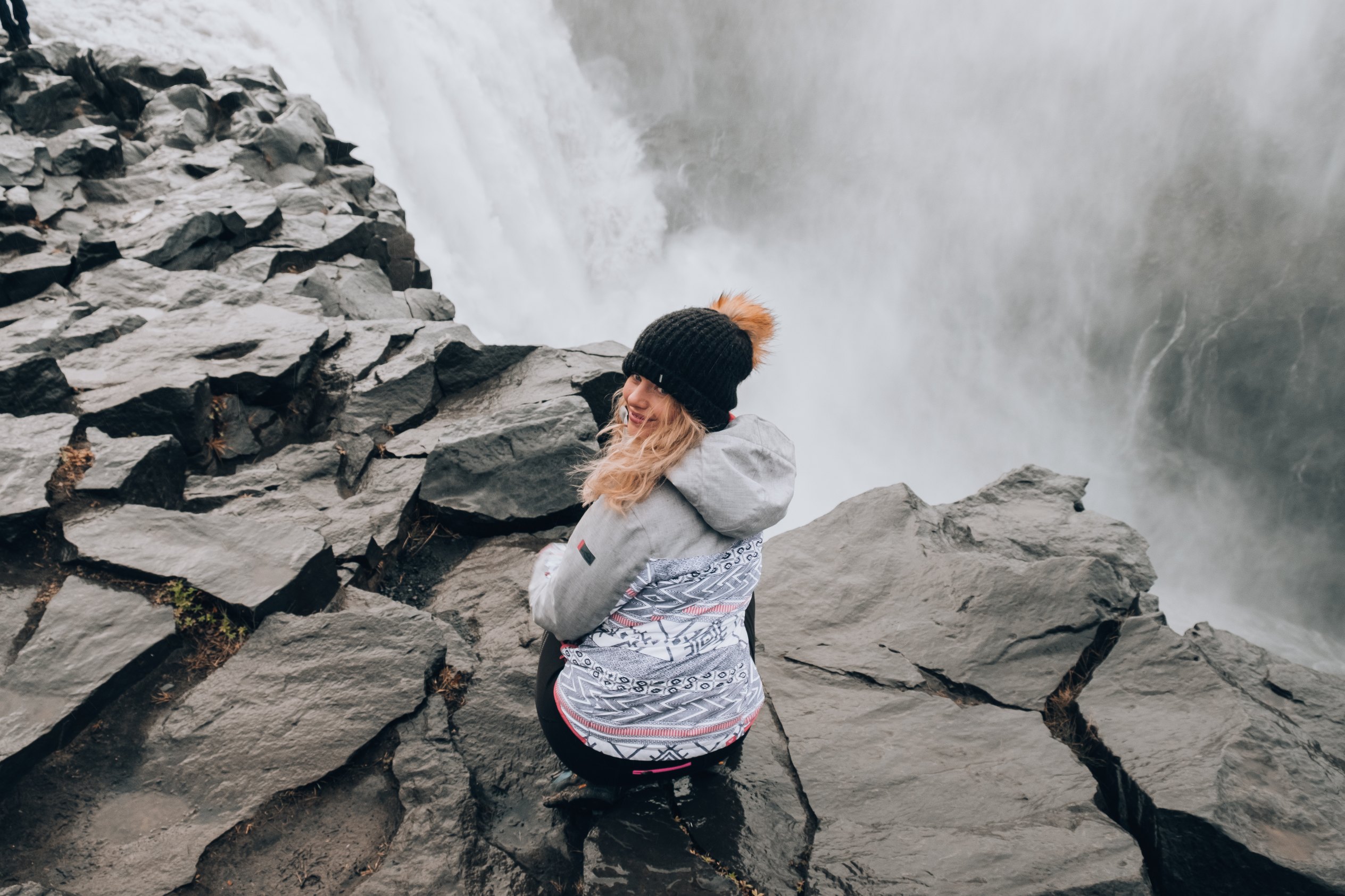
It measures over forty-four metres high, an impressive hundred metres wide, and every single second an average of an incredible 193 cubic metres of grey water saturated with coarse glacial sand flows through it, so when you stand on the viewpoint near the edge, you physically feel the whole earth literally vibrating beneath your feet. Director Ridley Scott knew exactly what he was doing when he chose this very raw spot for the dramatic opening scene of his dark sci-fi film Prometheus.
Two roads lead to the waterfall from the south, and choosing the right one is an eternal dilemma for all travellers. Lukáš and I chose the western one along route 862, because it’s beautifully and freshly paved, comfortably drivable for absolutely any regular car, and brings you to a huge viewing platform.
We deliberately didn’t venture onto the opposite eastern bank via route 864, since it’s a rough, dusty gravel rollercoaster that’s open only in summer from June to September and is better suited to high 4x4s. It’ll reliably rattle your soul out of your body and coat your car in a thick layer of dust, but on the other hand it rewards you by letting you right up to the slippery edge of the abyss with no protective railing whatsoever, which is an experience only for the bravest of natures.
11. The smaller but beautiful Selfoss
Just a really short distance upstream from Dettifoss along the same fierce river lies another amazing and immensely photogenic waterfall called Selfoss, reached by a very well-marked rocky trail; from the car park you can walk there comfortably in about fifteen minutes. It’s nowhere near as tall and brutally powerful as its more famous neighbour, but here the water falls elegantly over an immensely wide cascade formed by many small basalt columns, creating a fantastic water wall that looks as though it’s been cut from a fairytale.
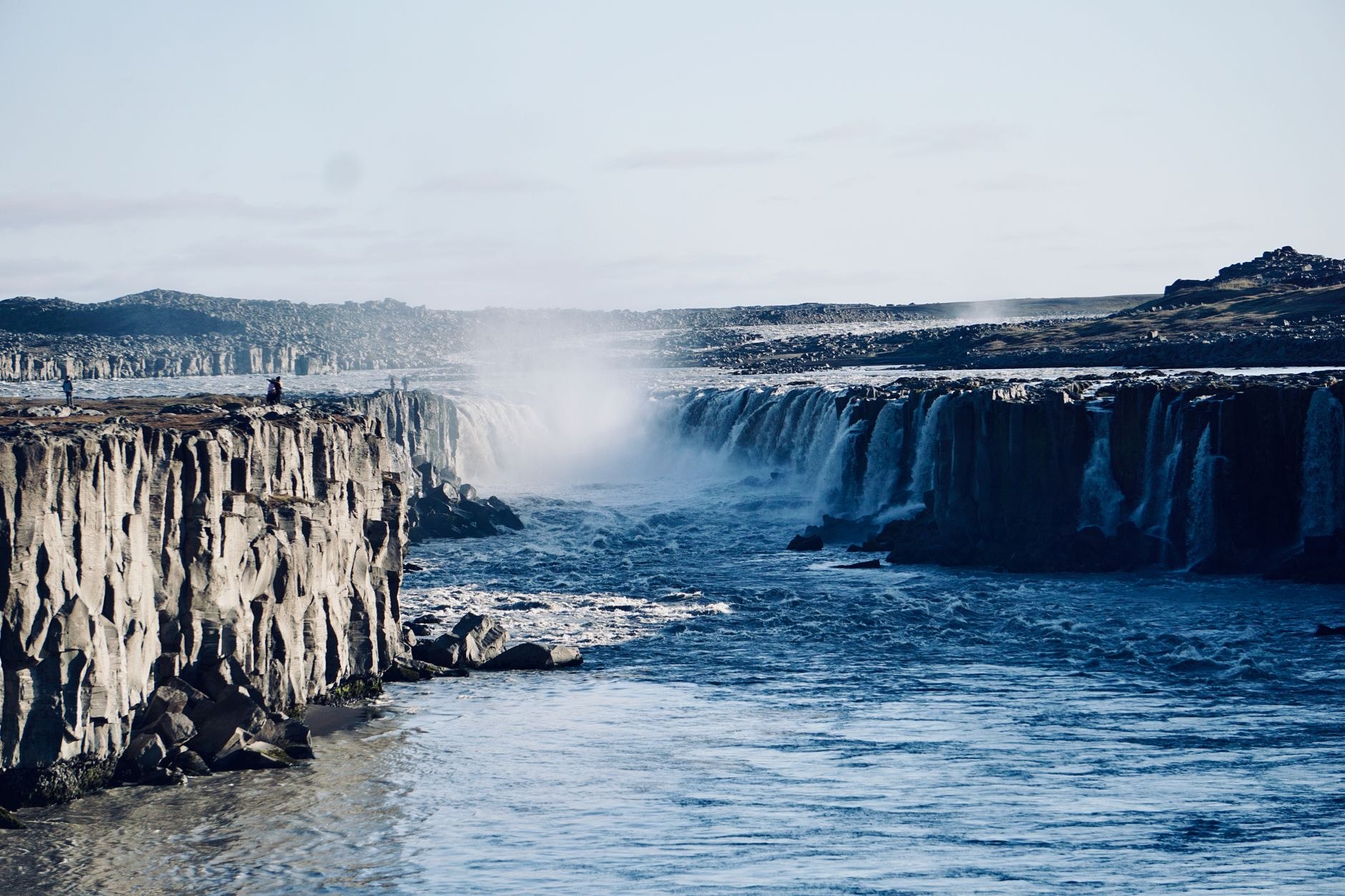
Unfortunately, we had to skip this promising walk to Selfoss with heavy hearts, because the absolute worst Icelandic weather caught us right at the main Dettifoss viewpoint — a horizontal gale mixed with freezing rain blew in, and after a mere twenty minutes of vainly battling the elements, we were chilled to the bone.
If you have even slightly more bearable conditions, though, and aren’t at risk of immediate hypothermia, definitely make the trip, because the vast majority of more comfort-seeking people settle for just the main waterfall, so at Selfoss you’ll have far more of the longed-for peace and quiet for perfect photos.
12. The hidden gem of Aldeyjarfoss
If you’ve rented a four-wheel-drive car and aren’t afraid to leave the main paved roads, set off to find one of the most amazing hidden gems of the entire north: the Aldeyjarfoss waterfall. You reach it along the rough gravel road F26, which means you cannot drive here in a regular hire car under threat of a huge fine, and the journey takes a bit more time and courage.
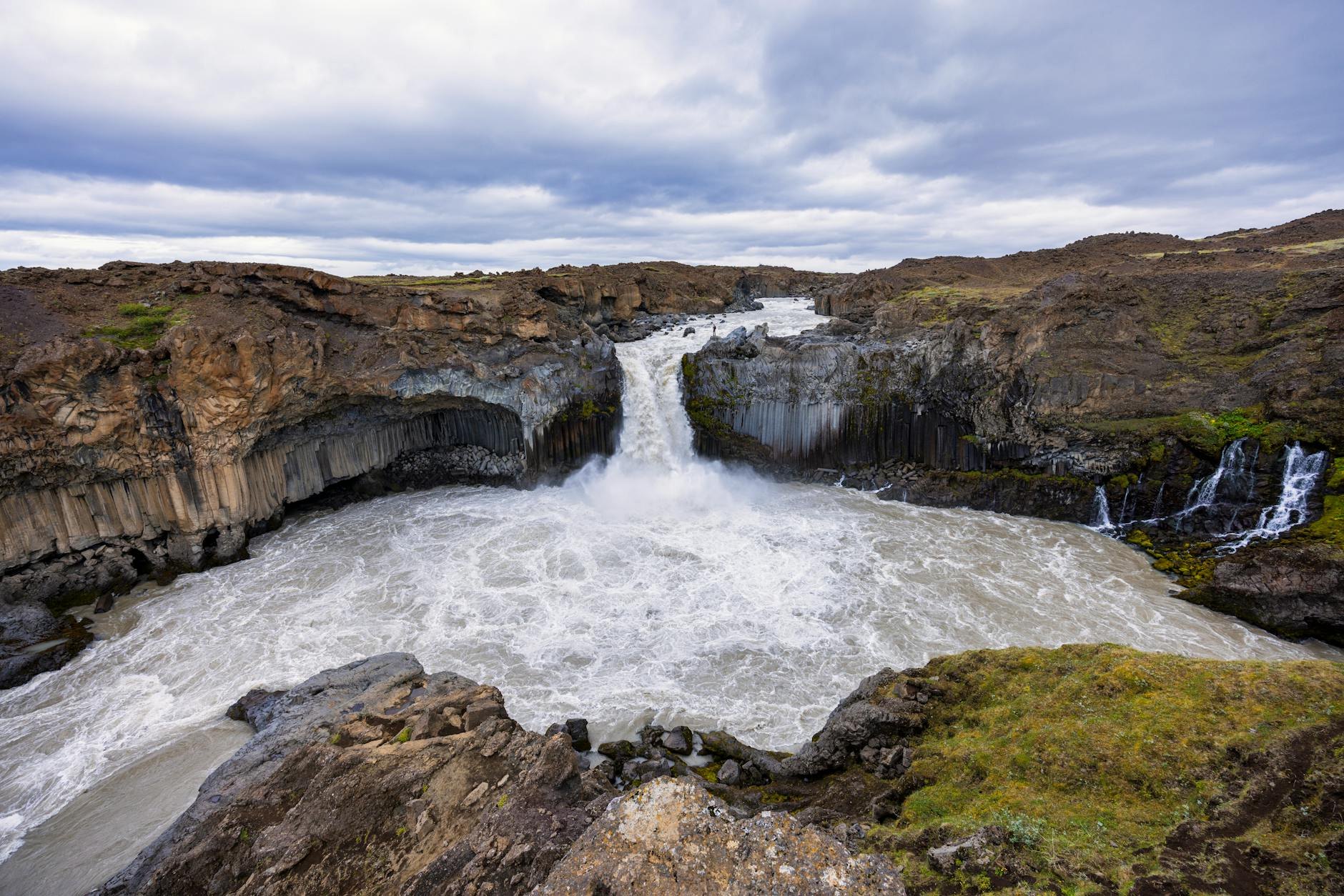
Your reward for this bumpy journey, though, will be the sight of a massive stream of white glacial water dramatically plunging down into a deep pool surrounded by absolutely perfect hexagonal basalt columns. These dark geometric formations look as though someone hand-carved them and arranged them into organ pipes, creating an utterly stunning contrast with the raging, foaming water, so if you have the right car, definitely circle this spot on your map.
13. The magical Ásbyrgi canyon
As the road past the waterfalls slowly curves around the northern coast and descends into the vast Vatnajökull National Park, a huge green canyon shaped like a perfect horseshoe suddenly opens up before you, bearing the resounding name Ásbyrgi. Walls of vertical grey basalt fall here from an incredible hundred-metre height and, very atypically, shelter a quiet birch wood inside, which on perpetually windswept and bare Iceland is an absolute visual rarity.
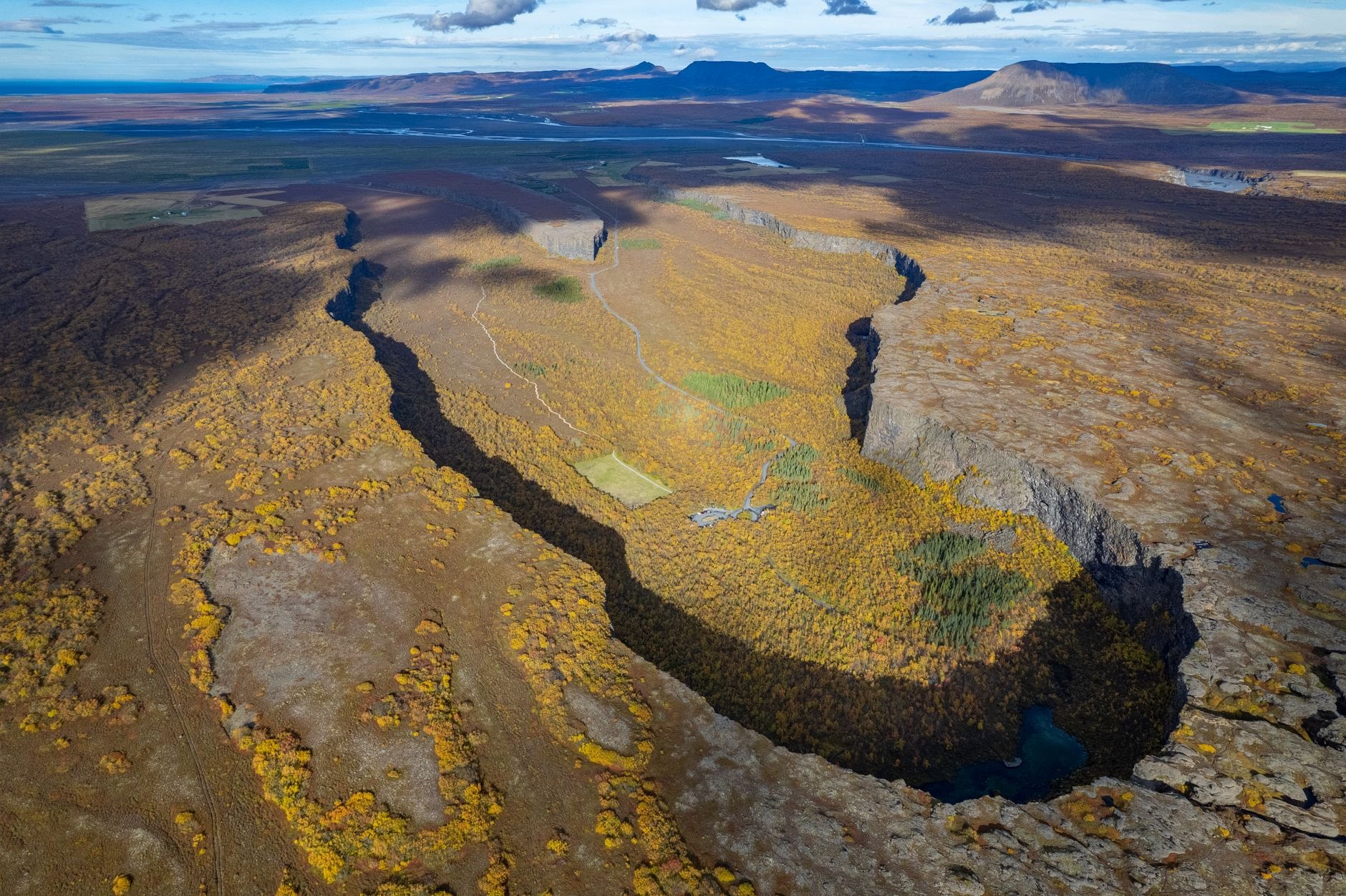
Rational geologists will convincingly tell you that this formation was carved out by enormous catastrophic floods from melting glaciers thousands of years ago, but fans of old Norse mythology, whom I always like to side with in places like this, believe a far more romantic version. According to them, Ásbyrgi is the giant hoofprint of the mythical eight-legged horse Sleipnir, on which the supreme god Odin himself once rode across the heavens.
Stop here, take a gentle trek along the canyon floor to the small turquoise pond Botnstjörn, or climb the central rock Eyjan and soak up that cathedral-like silence, which works as a perfect balm for the soul.
14. The town of Húsavík and a whale safari
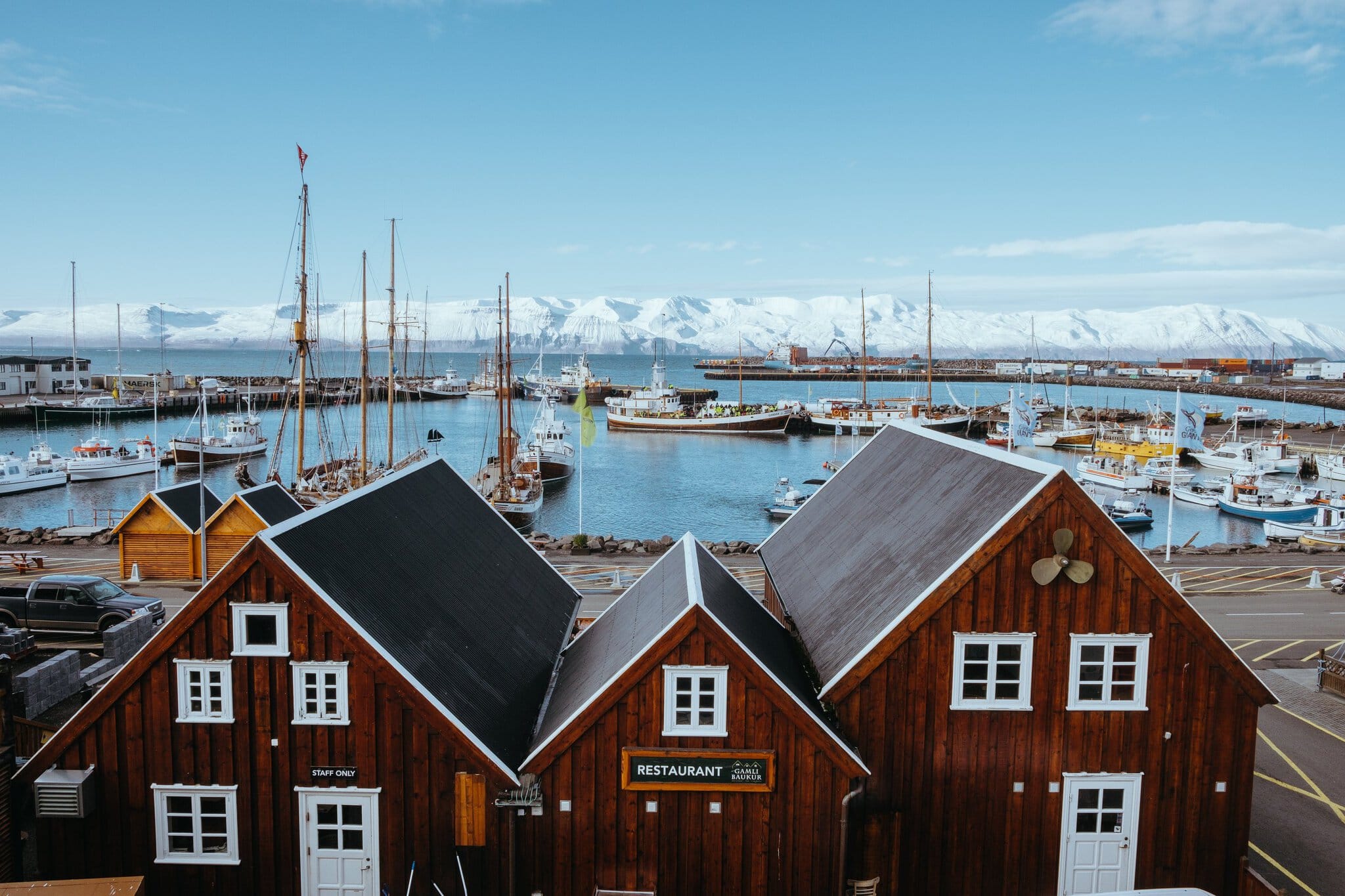
Húsavík is a gorgeous harbour town with typical colourful Nordic houses, a beautiful pristine white wooden church from 1907, and snow-capped mountain peaks that form a monumental backdrop. Above all, though, it’s famous as the unquestionable whale-watching capital of all Europe, because the vast local Skjálfandi bay offers ideal conditions with an enormous amount of marine plankton.
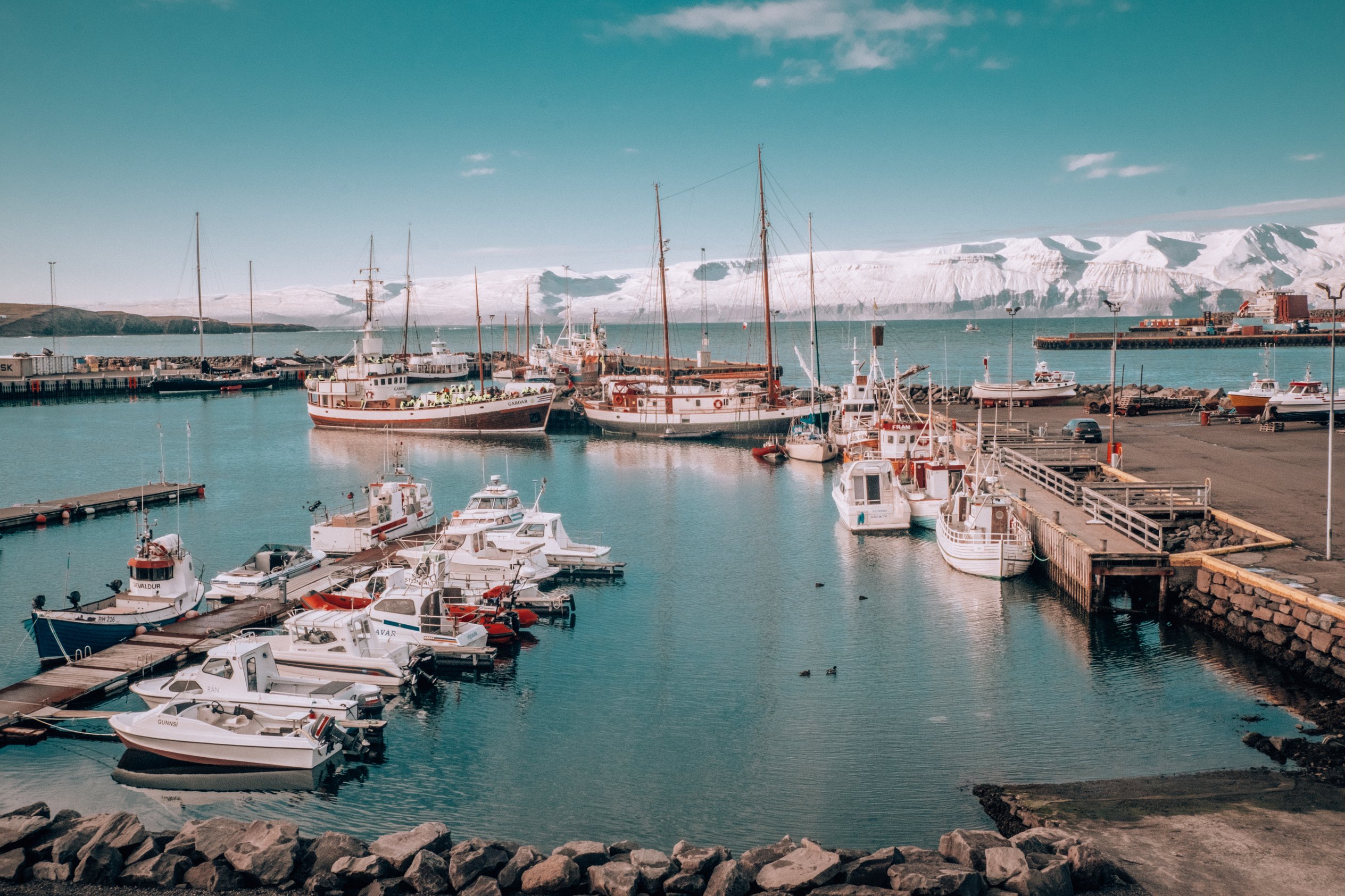
The success rate of spotting these giant mammals here ranges between an impressive 97 and 99 per cent. While you’re there, before your voyage you can also pop into the excellent Whale Museum with its huge skeletons, where a ticket costs 1,600 ISK.
Lukáš and I skipped the famous whale watching this time, since we’d already admired whales on earlier trips and preferred to wander the empty harbour lanes with a coffee in hand, but if it’s your lifelong dream, definitely head out with North Sailing or Gentle Giants. Trips on traditional oak sailing ships last about three hours and cost around 12,990 ISK for an adult (about £76; children pay 6,990 ISK).
The chance of seeing majestic humpbacks, minke whales, or playful leaping dolphins here during the summer months is practically one hundred per cent. Anyone craving adrenaline can choose the super-fast RIB rubber boats, which get you much closer to the whales and puffins, but you’ll pay extra for those — up to 21,990 ISK. In June and July you can even occasionally spot the blue whale itself, which is an experience of a lifetime.
15. The warm GeoSea sea baths
If you’re chattering your teeth after returning from an icy boat full of frozen ocean wind, or simply looking for the most beautiful spot to relax after a day full of demanding clambering over cliffs, right above the harbour in Húsavík lie the architecturally perfect GeoSea geothermal baths. These dark grey pools with an amazing infinity edge are filled directly with hot geothermal seawater rich in minerals, which is an absolute natural rarity on the island, and the salt water beautifully buoys up your tired body.
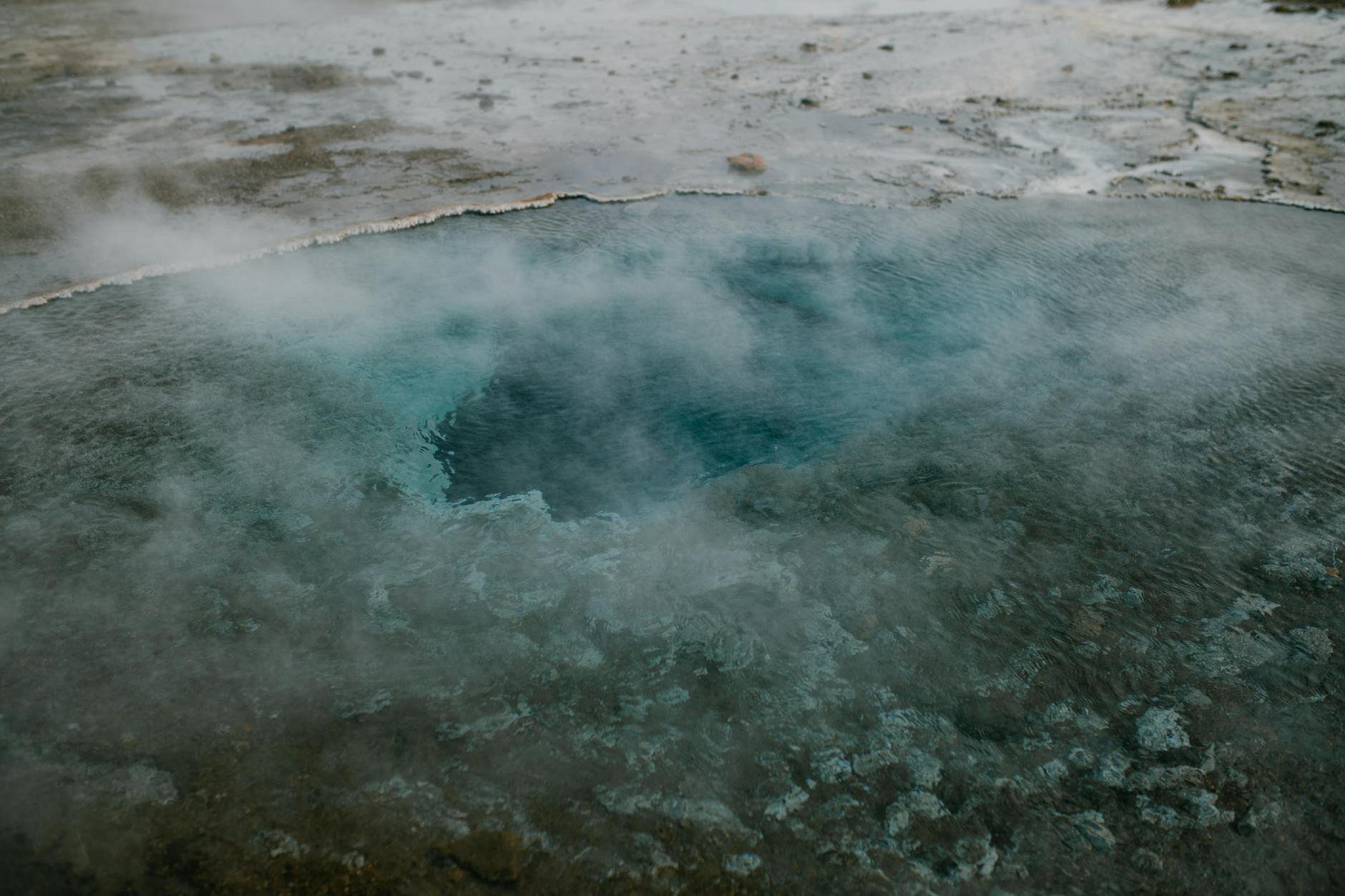
From the hot pool, which stays at a constant and ideal thirty-eight degrees, you look straight out at the snow-capped Nordic mountains on the far shore of the dark fjord, just below the Arctic Circle. With a bit of luck, you can even watch the spouting geysers of breathing whales in the distance, straight from the hot water with a frosty beer or drink in hand.
Adult admission works out at a very pleasant 7,490 ISK (about £44), and it’s always best to double-check the more detailed opening-hours information directly on the official GeoSea website, which is worth checking even before you arrive.
💡 Tip: It pays to book tickets and organised tours (around Iceland and beyond) online in advance on GetYourGuide, as they fill up fast in season.
Where to eat in northern Iceland
Before your trip, most people will frighten you with the idea that outside Reykjavík you absolutely won’t find anything civilised to eat in the north and that you’ll starve over a can of beans, but the truth is that the town of Akureyri in particular has a culinary scene at a surprisingly high level.
I deliberately don’t focus our personal tips on the biggest obscure local meat specialities, like the infamous fermented shark or boiled ram’s heads, because Lukáš and I are vegetarians and honestly the very thought of such food doesn’t sit well with us, so we always happily hunted for places with a proper vegetable or meat-free offering.
Most of all, we fell in love with the excellent modern spot Café Berlin in Akureyri, where we’d recommend going for a really hearty late brunch with perfect specialty coffee, a great fresh avocado toast, and plenty of eggs, for which you’ll leave a fairly bearable 2,500 to 3,500 ISK.
If, after a whole day of freezing, you fancy something warmer and more traditional in the evening, stop by the beautiful historic building of Bautinn restaurant from 1902, where the prices are surprisingly reasonable and we had an absolutely perfect vegetarian creamy soup with fresh bread. If you’re more after a quick and cheaper lunch in a livelier atmosphere, the restaurant at the Akureyri Backpackers hostel or the nearby modern bistro Taste are also great choices.
On the other hand, be very wary of the widely acclaimed and upscale Rub23, which every printed guidebook is bound to recommend. It focuses almost exclusively on local fish and pricey seafood, so they’d only make you a proper meat-free meal after a great deal of long-winded persuasion.
For committed carnivores who want to save significantly, though, there’s one legendary lifeline: the ubiquitous N1 petrol stations, where they serve the classic Icelandic hot dog (pylsa) with crispy onions and mustard for a cheap-and-cheerful 820 ISK, which keeps a lot of travellers going for a whole week.
Once you head out of Akureyri into the wilderness, your options naturally thin out a lot. In the harbour town of Húsavík you’ll luckily find the rather lovely Japanese bistro Hlöðufell with good hot ramen and decent tofu options (mains here come to around 2,800 to 4,000 ISK), but we sorted out the whole eating side purely pragmatically.
Almost every evening after returning from our trips, we cooked our own hearty cheesy pasta and quick vegetable dishes in the shared kitchens of our accommodation, which saved us not only a lot of money but also a lot of hassle hunting for an open restaurant in the impenetrable darkness of the northern Icelandic countryside.
Comparison: Diamond Circle vs. Golden Circle
Lots of confused travellers often write to us asking whether, on their first trip, they should sacrifice their time for the famous and accessible Golden Circle near Reykjavík, or set off on the much longer, pricier, and more demanding journey to the Diamond Circle. The honest answer is that if you only have flights to Iceland for a quick long weekend, definitely stay in the south. You can comfortably drive the Golden Circle from the capital in a single day and see the biggest geysers and the historic Þingvellir National Park, although unfortunately you’ll inevitably have to push through enormous crowds of people with big cameras, and the car parks will be bursting at the seams.
But if you have at least seven full days for this magical island, the north will be an incomparably more authentic and powerful experience. Whereas the south is all too easily accessible and full of tour buses straight from the airport, the north is something you have to earn a little with a long, full-day drive across deserted plains. Your reward, though, will be far wilder waterfalls led by Dettifoss, active, dangerous mud volcanoes at Mývatn, a truly real and guaranteed chance to see humpback whales, and that wonderful, free feeling that, in the middle of beautiful wilderness with no signal, it really is just you and untamed Nordic nature.
Where to next
If the Diamond Circle in northern Iceland captivated you as much as it did us, or if you’re only just piecing together the whole itinerary of your dream trip around the island of fire and ice over your evenings, definitely check out our other articles too. In them we’ve shared a heap of practical tips from our own three-week journey in a campervan and a car:
- Our complete Iceland road trip will help you put together a well-thought-out travel plan day by day, without any pointless backtracking.
- If you’re not sure what to expect outside the summer season, I wrote a very detailed article on what Iceland is like in October and how much it costs.
- Lovers of hot water and thermal pools definitely shouldn’t miss our big, carefully compiled list of the 16 best hot springs in Iceland.
- And if you long for the green splendour dancing across the night sky, take a look at our tips in the article Iceland, Finland and Norway: how and where to catch the northern lights.
Frequently asked questions
1. What is the Diamond Circle and how much time do I need for it?
This is an amazing tourist route in the far north of Iceland, approximately 250 kilometres long, which connects the main attractions into one logical whole, such as the Goðafoss waterfall, the restless volcanic Lake Mývatn, the giant roaring Dettifoss waterfall, the legendary Ásbyrgi canyon, and the charming whale-watching town of Húsavík. While you could technically rush through the whole thing in one extremely demanding day from dawn to dusk, it’s ideal to allow yourself two to three days for the entire circuit for relaxed, stress-free travel.
2. Which side of Dettifoss waterfall is better to go to?
If you have a standard regular passenger car from the rental company, head without any hesitation to the western side via the newly paved road 862, which will take you to a nice safe viewpoint and spare your shock absorbers. The eastern side accessible via road 864 is really rough, dusty and treacherous gravel road more suitable for high-clearance vehicles with four-wheel drive, moreover it’s impassable in winter months due to snow and open exclusively only in the main summer season.
3. Where can you swim at Mývatn in 2026?
The famous and very popular blue Mývatn Nature Baths (Jarðböðin) unfortunately closed completely on January 1st, 2026 due to extensive renovations and will reopen in full glory in spring or more likely summer under the new grand name Earth Lagoon. Until that happens for certain, you’ll need to use the excellent nearby alternatives for relaxation, which are the secluded forest baths Forest Lagoon near Akureyri (admission €40) or the exclusive seaside geothermal baths GeoSea built on cliffs in Húsavík (€50).
How much does a whale watching tour in Húsavík cost and what are the chances of seeing them?
The vast bay near Húsavík is among the absolute best spots in all of Europe, so the chance of seeing whales up close during the long summer season ranges between an amazing 97 to 99 percent. A classic quiet sailing trip with the renowned local company North Sailing lasts about three hours, often serves hot chocolate to warm you up, and costs 12,990 ISK per adult. For a faster boat, you’ll pay over 21,000 ISK.
5. What are those famous midges at Mývatn and how to protect yourself?
The Icelandic name of the lake literally translates to “midge lake” and in summer, especially when there’s complete calm on the island, literally black clouds of tiny insects constantly form along its shores. The advantage is that these tiny critters fortunately don’t bite or carry diseases at all, but they’re incredibly annoyingly flying into your eyes and ears in large numbers, so definitely pack a lightweight mosquito head net in your suitcase, it’ll save you a lot of cursing.
6. Is the town of Akureyri really a good base for exploring the north?
Absolutely the best you could possibly wish for. With just under thirty thousand inhabitants, it’s the largest bustling hub of the entire north, you’ll find loads of shops with the cheapest groceries (the legendary Bónus), plenty of good restaurants with vegetarian options, the excellent Forest Lagoon thermal baths, and you can reach the first waterfall Goðafoss, which is the gateway to the Diamond Circle, in a lovely thirty-five minute drive on asphalt.
Should I choose Diamond Circle or Golden Circle for my first trip?
This huge dilemma depends purely on your time constraints and nature. The Golden Circle in the south is closer to Keflavík Airport, you can easily manage it in a day, but be prepared for quite large crowds of tourists and constantly full car parks. The Diamond Circle, on the other hand, is much wilder, less crowded and offers an absolutely unique combination of raw volcanic activity with whales, but the journey there will simply take you several extra days of driving. ***
Where to Find the Best Flight Tickets
With Lukáš, we use Kiwi for all our trips and search for cheap flights there—it’s our absolute favorite portal for planning more complex flights around Europe.
Renting a Car in Iceland
You definitely won’t get by without a reliable car in the north of the island, especially if you’re going outside the main summer season, when there’s a risk of snow and ice. Lukáš and I have long-term good experience with DiscoverCars, which we use all over the world and they’ll help you find the best deal across rental companies.
Accommodation Reservations
Booking.com is our favourite search engine for hotels and accommodation, where for expensive Iceland we almost always prefer to choose smaller guesthouses and apartments with a shared kitchen, where we can cook dinner ourselves in the evening.
Don’t forget good insurance
Medical care on the island and any helicopter evacuation from the wilderness is an extremely expensive affair, which is why we never head to these remote areas without quality insurance. For shorter trips we choose AXA (with a 50% discount) and for longer trips around the world we swear by the trusted insurer True Traveller.
Nezapomeňte na dobré pojištění
Lékařská péče na ostrově i jakýkoliv převoz vrtulníkem z pustiny je extrémně drahá záležitost, proto do těchto končin nikdy nevyjíždíme bez kvalitní pojistky. Na kratší cesty volíme AXA (s 50 % slevou) a na delší cesty po světě nedáme dopustit na ověřenou pojišťovnu True Traveller. —
Tips and Tricks for Your Vacation
Don’t Overpay for Flights
Search for flights on Kayak. It’s our favorite search engine because it scans the websites of all airlines and always finds the cheapest connection.
Book Your Accommodation Smartly
The best experiences we’ve had when looking for accommodation (from Alaska to Morocco) are with Booking.com, where hotels, apartments, and entire houses are usually the cheapest and most widely available.
 🚗 Car rental on the roadVerified rental cars in Iceland
Search with the DiscoverCars comparison engine — it compares prices from dozens of local and international rental companies, and most bookings come with free cancellation.
Compare car prices in Iceland →Don’t Forget Travel Insurance
Good travel insurance will protect you against illness, accidents, theft, or flight cancellations. We’ve had a few hospital visits abroad, so we know how important it is to have proper insurance arranged.
Where we insure ourselves: SafetyWing (simple monthly subscription) and TrueTraveller (for extra-long trips).
Find the Best Experiences
Get Your Guide is a huge online marketplace where you can book guided walks, trips, skip-the-line tickets, tours, and much more. We always find some extra fun there!