

Australia’s highest mountain was named by a Polish explorer after his compatriot, which is an interesting detail for us Europeans. Paweł Edmund Strzelecki in 1840 chose this peak to bear the name of Tadeusz Kościuszko, a Polish leader and hero. In the Anglophone world, this historical context often gets lost, but for us it represents a connection to the other end of the world.
Most people associate Australia with desert and heat, but there’s a place here where over half a meter of snow falls in July. The contrast between the scorching coast and snow-covered peaks shows the diversity of this continent. This is exactly where locals head for winter sports, which you might not expect from Down Under.
In this article you’ll find the information you need if you’re planning to climb Mount Kosciuszko. We’ll look at which routes lead to the summit, how much the national park entry fee costs, and when is the best time to visit. You’ll also learn practical tips for exploring the Snowy Mountains area.
TL;DR
- Australia’s highest mountain stands at 2,228 meters.
- The summit bears a Polish name after Tadeusz Kościuszko.
- There are two main routes to the summit, differing in length and starting point.
- You can shorten your climb by using the chairlift from Thredbo.
- National park entry fees apply and increase significantly during peak winter season.
- Ski season typically runs from June to October.
- During July, over half a meter of snow regularly falls here.
- In summer, Australians love to come here to escape the heat.
A Polish Name on Australia’s Highest Mountain
If you venture into the Snowy Mountains in the Australian Alps, you’ll encounter a name that sounds unusual in English. Mount Kosciuszko stands at 2,228 meters and represents the highest point on the Australian continent. It’s located in the southeast of New South Wales and forms the heart of a national park that attracts visitors year-round.
The story of how the mountain got its name is fascinating. It’s all thanks to Polish explorer Paweł Edmund Strzelecki in 1840, who was surveying the area. He decided to name the peak after his compatriot, Tadeusz Kościuszko. This choice still reminds us today of European traces in Australian history.
For Central Europeans, the figure of Tadeusz Kościuszko is familiar from history textbooks. This Polish patriot and statesman fought not only for Poland’s independence but also participated in the American Revolutionary War. His name thus connects three continents and gives this Australian mountain international significance.
When you stand on the summit today, you can easily appreciate this historical connection. While Australian tourists often struggle with the name’s pronunciation, Central Europeans find it familiar and homely. It’s one of those small details that makes traveling the world enriching and full of surprises.
The summit itself doesn’t look intimidating or inaccessible, but rather resembles gently rolling terrain. This shape supposedly reminded Strzelecki of a mound in Krakow, Poland, dedicated to Kościuszko. History thus intertwines here with the natural scenery of the Australian mountains.
Two Routes to the Summit and Which Is for Whom
When planning your climb, you have two main options for reaching the summit. Both routes offer beautiful views of the Australian landscape, but differ in length and starting point. It’s up to you how much time you want to spend in the mountains and which option you choose.
| route | length | time | note |
|---|---|---|---|
| :— | :— | :— | :— |
| from Thredbo (Kosciuszko Walk) | 13 km return | 4 to 5 hours | with the Kosciuszko Express chairlift, which takes you up to 2,000 m in less than 15 minutes |
| from Charlotte Pass (Summit Walk) | 18.6 km return | 6 to 8 hours | 6 km longer, no chairlift cost and fewer people |
The first popular option is the route from Thredbo village, called Kosciuszko Walk. This route measures 13 km return and at a normal pace will take approximately 4 to 5 hours. The advantage is the option to use the chairlift, which saves you energy right from the start.
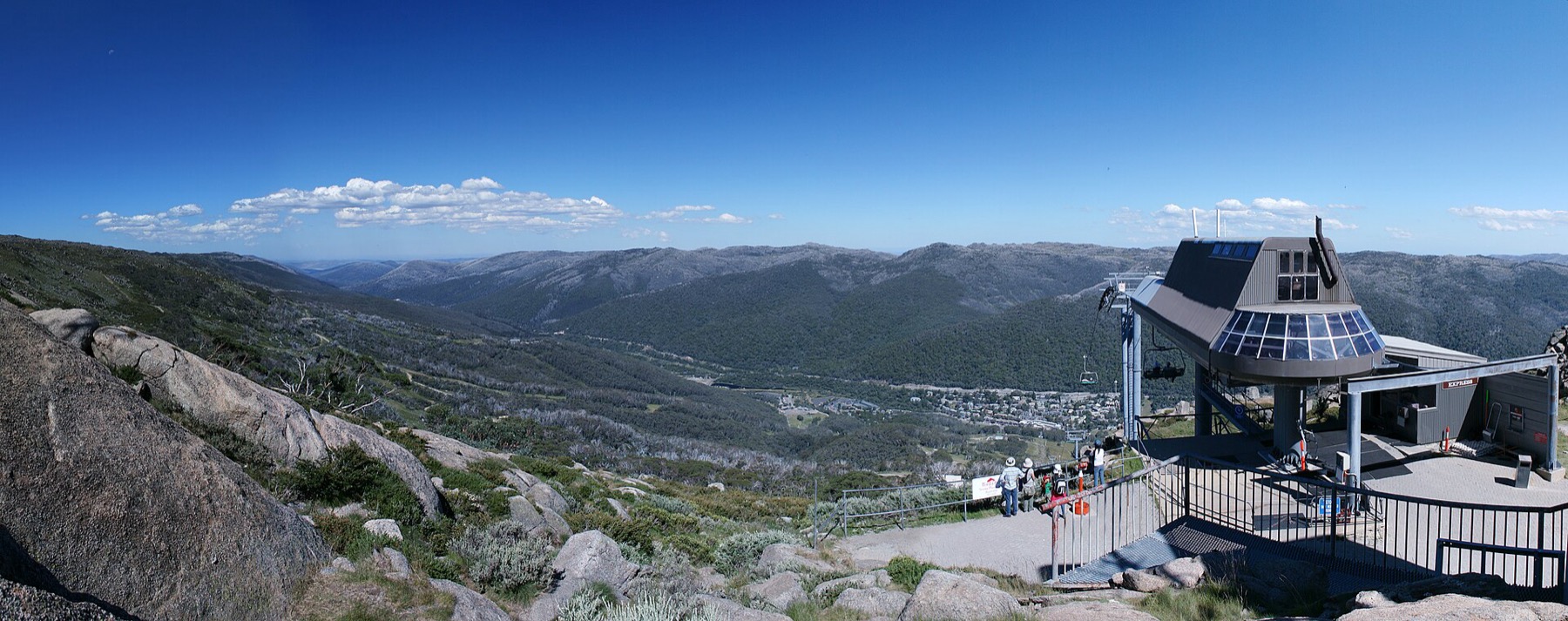
The chairlift is called Kosciuszko Express and offers a convenient way to reach higher elevations. It takes you to an altitude of 2,000 m in less than 15 minutes. This shortens the climb to about half the time, which you’ll appreciate especially in uncertain weather. After exiting the cabin, you’ll have a walk directly along the mountain ridge.
If you prefer longer walks without the chairlift, you can choose the route from Charlotte Pass resort. This path is called Summit Walk and measures a total of 18.6 km return. Set aside a full day for this excursion, as the walk will take 6 to 8 hours. It’s worth setting off early in the morning so you have a time buffer for a safe return.
The route from Charlotte Pass is 6 km longer, but you’ll save money because you won’t need to pay for the chairlift. The advantage is also that you’ll usually encounter fewer people, which enhances the sense of peace in the mountains. You can better enjoy the vastness of Australian nature and the silence of remote valleys.
If you decide on the chairlift from Thredbo, expect an additional expense. The price is around 50 AUD per adult for a return ticket, but check the current rate on the resort’s official website. Prices can change throughout the year depending on the season.
Even though both routes follow paved surfaces, mountains demand respect. Weather at high altitudes changes very quickly and a sunny day can turn into an icy storm within minutes. Don’t underestimate quality layered clothing, sturdy footwear, and supplies of water and food.
National Park Entry Fees
The area is managed by NSW National Parks, which maintains trails and protects nature. Entry fees to the national park vary by season. If you’re planning to visit by car, definitely prepare money for the park entry fee, which cannot be avoided.
Outside the snow season, entry fees are considerably more affordable. This period runs exactly from the Tuesday after the October long weekend to the Thursday before the June long weekend. During this time you’ll pay 17 AUD per vehicle per day (24 hours) for entry.
However, the situation changes radically once the main winter season begins. During peak winter, which is defined from the Friday of the June long weekend to the Monday of the October long weekend, fees increase significantly. You’ll pay 29 AUD per vehicle per day (24 hours) for entry, which is almost double.
The price list also accounts for other types of transport if you don’t arrive by car. For a motorcycle you’ll pay 12 AUD regardless of whether you’re traveling alone or with a passenger. For bus passengers, the fee is set at 11.45 AUD per adult and 3.60 AUD per child per day.
The collected fees go back into maintaining the national park, which is essential given the enormous influx of tourists. I always recommend checking the current fee rates directly on the official NSW National Parks website, so you won’t be surprised by any changes on site.
When to Visit: Snow in July and Escaping the Heat in January
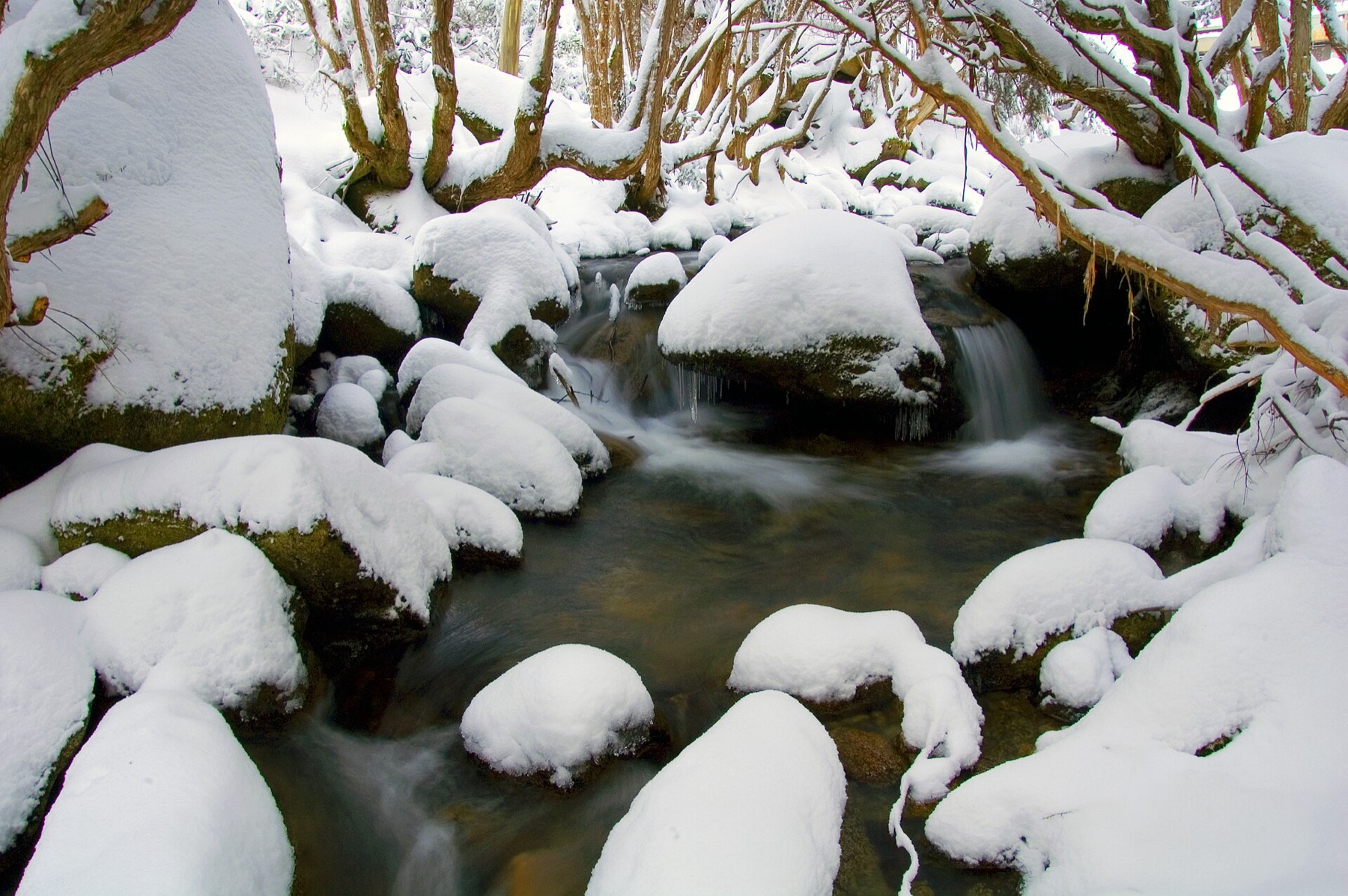
The weather in the Australian Alps is a big surprise for many Europeans and shatters the idea of a hot continent. Instead of arid desert, you’ll find harsh mountain climate that changes rapidly with elevation. The following table shows ERA5 model data for Thredbo, representing long-term averages for an elevation of 1,370 meters.
| month | I | II | III | IV | V | VI | VII | VIII | IX | X | XI | XII |
|---|---|---|---|---|---|---|---|---|---|---|---|---|
| :— | :— | :— | :— | :— | :— | :— | :— | :— | :— | :— | :— | :— |
| max (°C) | 21.2 | 20.0 | 17.5 | 12.9 | 8.2 | 5.0 | 4.0 | 4.9 | 8.7 | 13.2 | 15.8 | 19.2 |
| min (°C) | 11.3 | 10.1 | 8.3 | 4.9 | 1.4 | −0.7 | −1.8 | −1.3 | 0.8 | 3.9 | 6.4 | 9.1 |
| rainfall (mm) | 100 | 59 | 71 | 96 | 110 | 123 | 141 | 151 | 124 | 123 | 142 | 106 |
| new snow (cm) | 0 | 0 | 0 | 4 | 19 | 30 | 54 | 50 | 28 | 5 | 7 | 1 |
Keep in mind that this data applies to the village tucked down in the valley. Directly at the summit at 2,228 meters it’s colder, the wind is stronger, and conditions are generally harsher. The seasons change dramatically here, and the winter months bring abundant snowfall to the area, transforming the entire landscape.
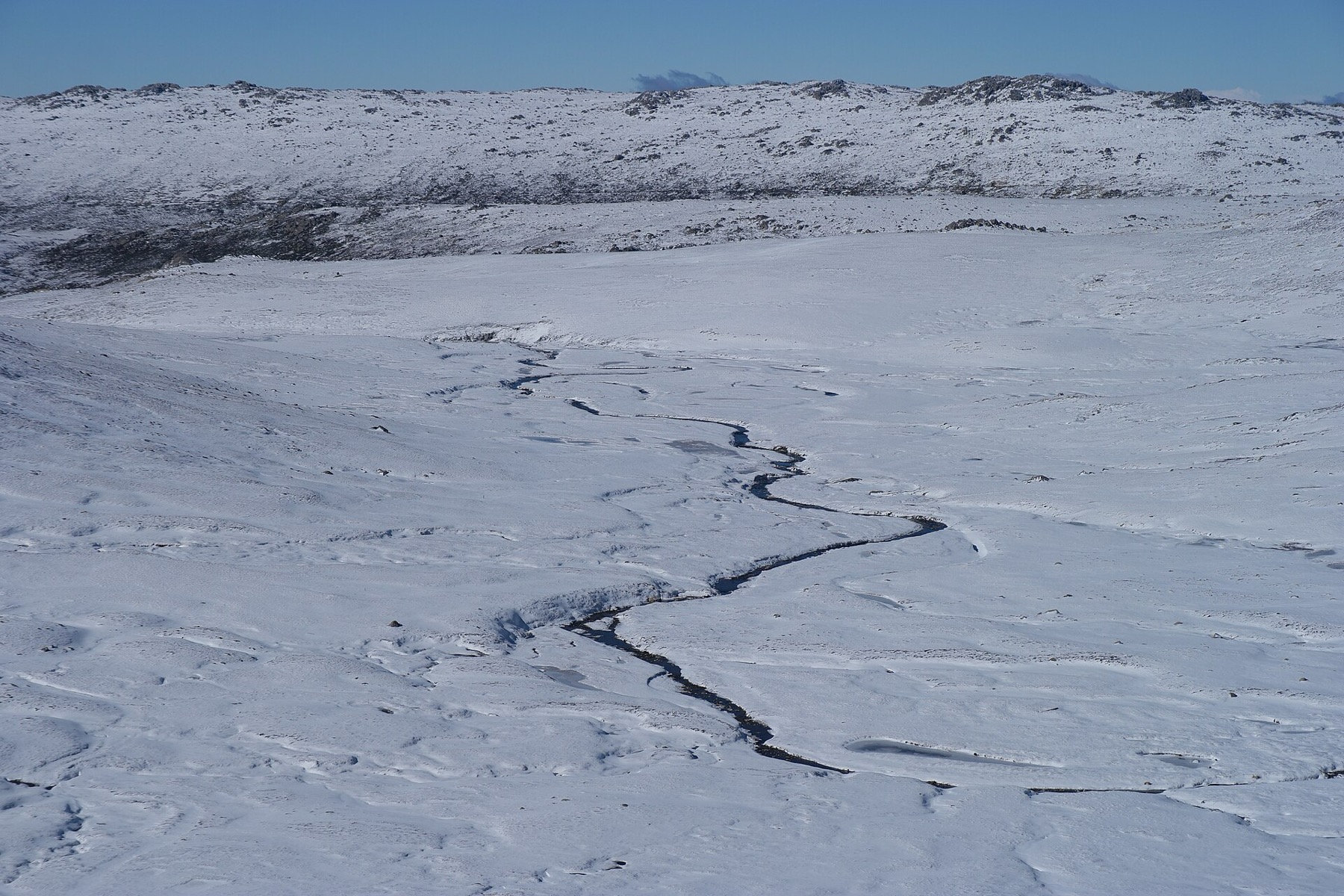
The most snow traditionally falls in the middle of the Australian winter. Statistics show that in July (54 cm) and August (50 cm) the snow quantities are richest. Conversely, from November to March there’s practically no snow, opening up opportunities for summer hiking and exploring the mountain nature.
In terms of temperatures, the middle of the Australian winter is extreme. July is the coldest, when the daily maximum averages just 4.0°C and the nighttime minimum drops to −1.8°C. During these months the area is a paradise for skiing enthusiasts and other winter activities, with thousands flocking here from across the country.
In contrast, the summer months offer pleasant mountain climate. In January it averages 21.2°C, which is mild and refreshing weather by Australian standards. This is exactly why Australians come here in summer to escape the heat, which is often unbearable in lower elevations of the continent. The mountains provide them with a cool refuge and fresh air.
Whenever you visit, pack waterproof clothing. It rains heavily here year-round, with the least precipitation falling in February (59 mm) and the most in August (151 mm). The ski season officially runs from the June to October long weekends, when mountain resorts are in full operation.
10 Places and Experiences in the Snowy Mountains
This mountain region offers much more than just one famous peak. I’ve prepared a list of places you can visit and experiences you shouldn’t miss. Expect mountain views and fascinating mountain resorts.
1. Mount Kosciuszko Summit
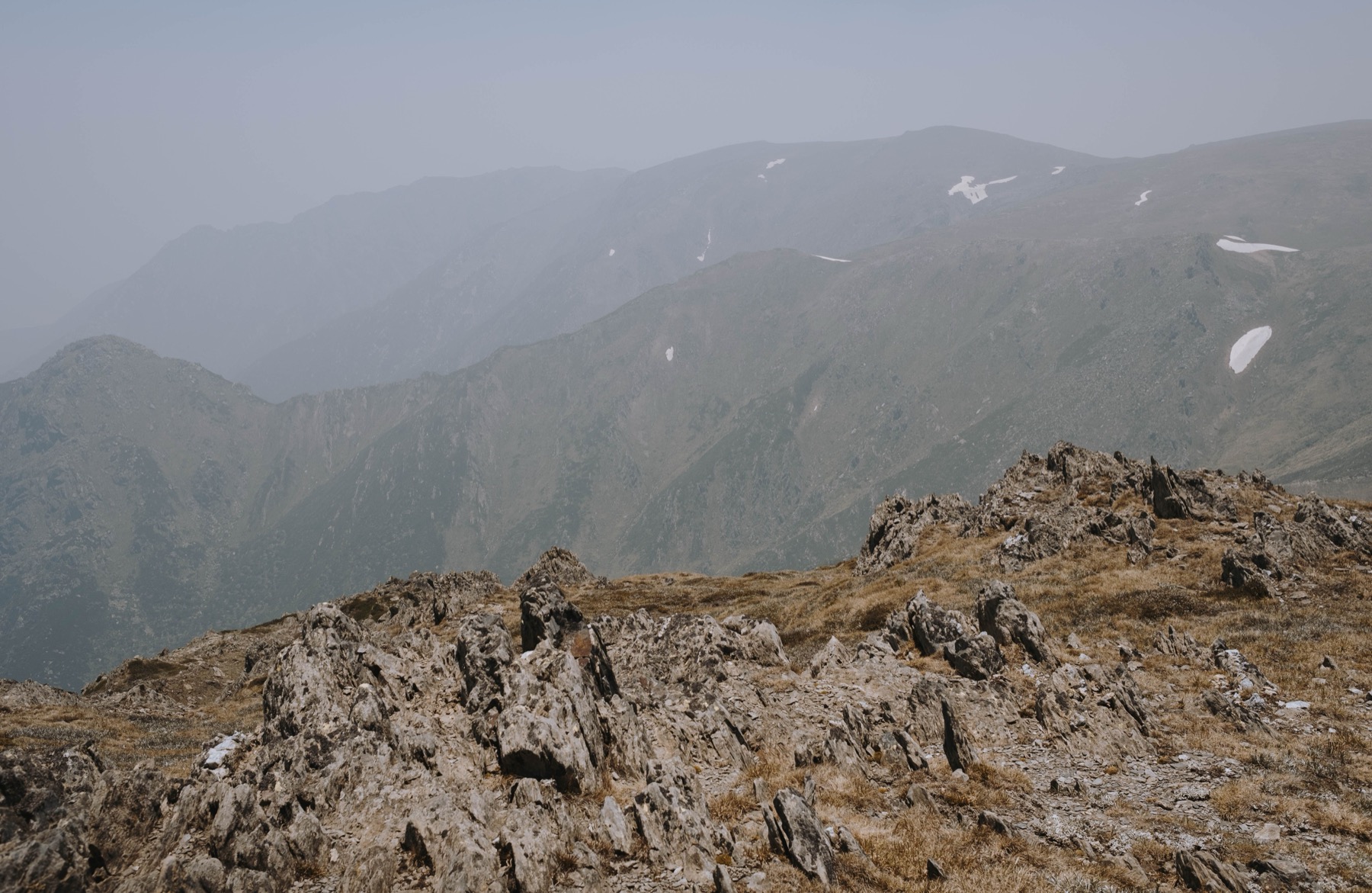
Standing on the highest point of an entire continent is a feeling that simply never gets old. The Mount Kosciuszko summit itself doesn’t look like a typical sharp peak, but rather like a broad, gently rounded plateau. You’ll find a large stone cairn here where practically every visitor happily takes a photo to commemorate their successful ascent.
The site has a Google rating of 4.7 from 708 reviews, which clearly proves its enormous popularity among tourists from around the world. Views from the summit stretch into the vast distance and offer an unforgettable perspective of the rolling landscape of the Australian Alps. Colors change dramatically depending on the time of day and season, so every visit is unique.
Don’t forget that strong, icy winds blow at the summit very often, even during the warmest summer months. Definitely bring a windproof jacket and warm layers so you can enjoy the views of the surrounding mountains in comfort and warmth. Extreme weather fluctuations demand careful preparation and respect for nature.
It’s also strongly recommended to set out for the summit as early in the morning as possible. In the afternoons, clouds often build up in the mountains and visibility rapidly deteriorates, which can greatly complicate navigation in the open terrain. Morning hours, on the other hand, promise a calmer atmosphere, more stable weather, and the clearest panoramic views of the surroundings.
2. Kosciuszko Walk from Thredbo
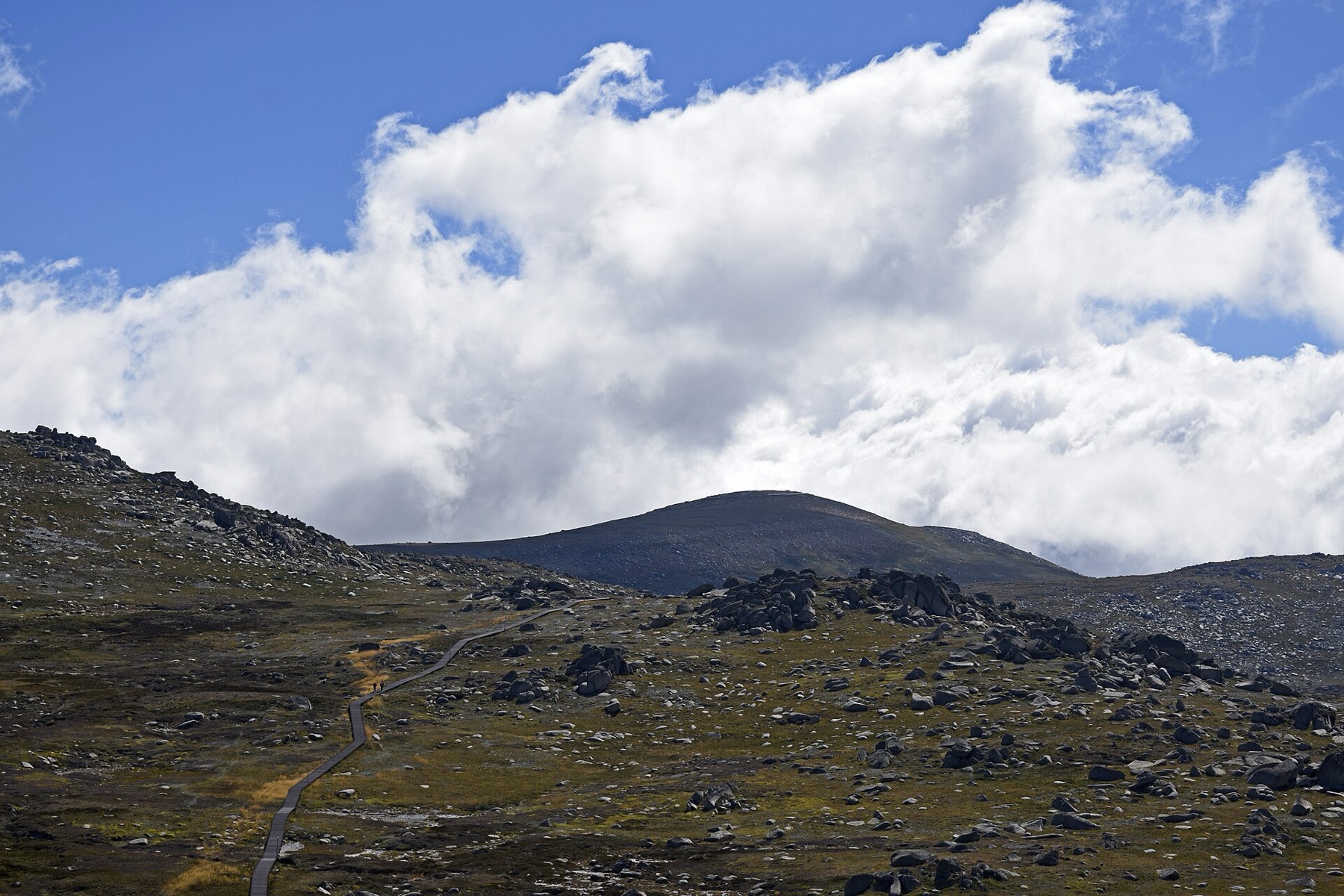
This route is undoubtedly the most popular and convenient choice for most visitors. Kosciuszko Walk from Thredbo starts at the upper chairlift station, from which you seamlessly continue onto a walking track leading directly along the mountain ridge. This means you overcome a substantial portion of the elevation gain in a gondola, and the rest of the way you’re only gently ascending toward the summit.
A large part of the path consists of special elevated metal walkways. This reinforced track isn’t here just for your comfort, but primarily to protect the rare and incredibly fragile alpine vegetation beneath your feet. Walking off these boardwalks is strictly prohibited, because restoration of the local ecosystems after trampling takes entire decades.
The route is very straightforward, well-marked, and offers stunning views of deep valleys below you. Along the way you’ll pass the well-known spot called Rawson Pass, where various hiking trails meet and where you’ll also find the highest-situated public toilets in all of Australia. It’s an ideal point for a short rest and energy boost before the final climb.
During the main summer season, expect large numbers of other hikers sharing the same goal. Even so, the mountain walk requires quality footwear and adequate supplies of water and food, because you won’t come across any refreshment options on the ridge. The sun at high altitude burns with unusual intensity as well.
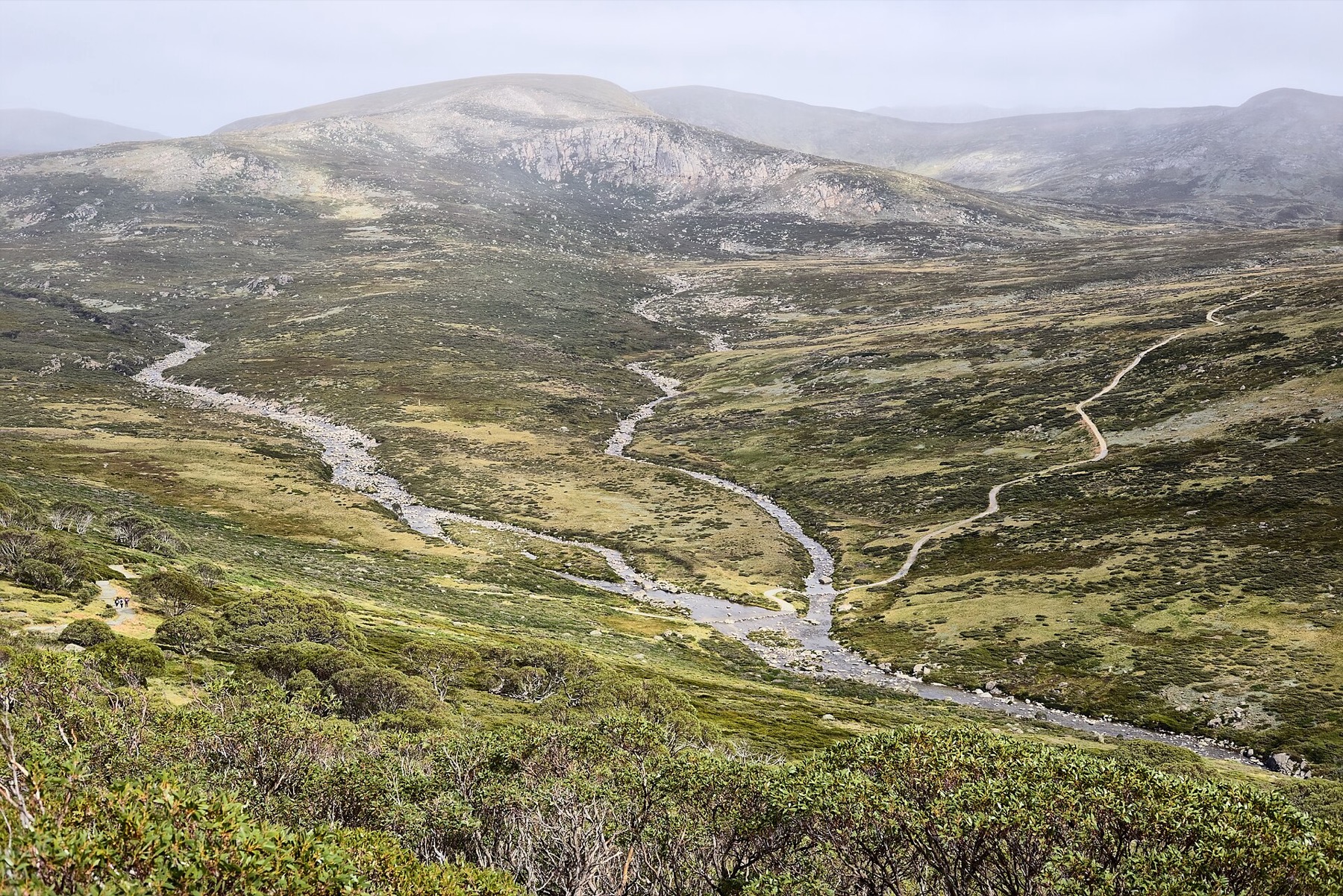
3. Summit Walk from Charlotte Pass
If you’re looking for a slightly longer adventure and want to avoid the crowds, you’ll like this route. Summit Walk from Charlotte Pass follows an old road that was once accessible to motor vehicles as well. Today, however, it serves exclusively pedestrians and cyclists, offering them a wide and comfortable path profile.
During the hike you’ll cross the Snowy River, which is a great spot for photography. The route is less busy than the path from the chairlift, so you’ll enjoy more privacy and mountain tranquility. It’s a good choice for those who like to spend the whole day in nature and don’t mind longer distances.
Be prepared, however, that the entire route is long and leads through open landscape. There’s almost no shade, so sun protection in the Australian mountains is essential. Even on days when a cold wind is blowing, the sun’s rays can quickly burn you, so don’t forget sunscreen and a hat.
Precisely because of the length of over 18 kilometers, it’s important to start the ascent in the morning hours. This gives you enough time for a relaxed pace, breaks, and a safe return before potential afternoon weather changes. Your effort and early rising will be rewarded along the entire route with mountain scenery.
4. Thredbo
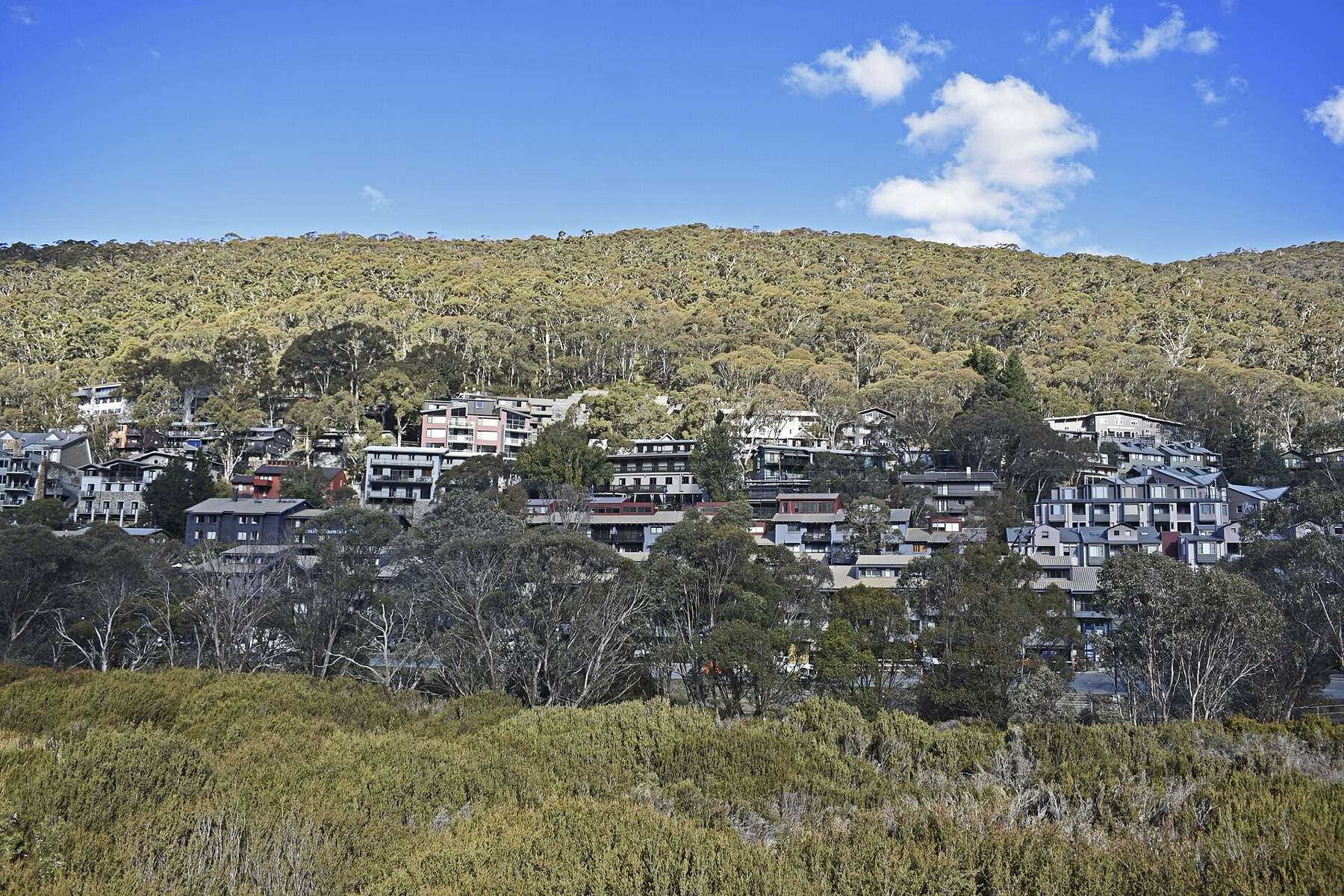
This picturesque mountain village at first glance resembles a piece of Europe transplanted directly onto the Australian continent. Thredbo sits in a deep valley surrounded by steep slopes and forms the main base for most activities in the entire area. The village has an outstanding Google rating of 4.5 from 3,754 reviews, which clearly testifies to its exceptional quality and popularity among visitors.
Buildings in classic Alpine style give the entire place enormous charm. You’ll find all imaginable facilities here, from large rental shops for modern equipment to small souvenir stores. Chairlifts depart directly from the village center, whisking you up in an instant to higher elevations above the tree line, saving you hours of strenuous climbing.
While in winter the village literally bursts at the seams under the onslaught of enthusiastic skiers, in summer its character completely changes. It becomes a perfect paradise for mountain bikers and hikers who come here for fresh air. The atmosphere is always lively, sporty, and very friendly.
Evening strolls among beautifully lit chalets have their own distinctive romantic charm. In summer, Australians also seek the much-desired refuge here from the scorching heat prevailing in the rest of the country. The pleasant evening temperatures in Thredbo are thus for many the main reason to visit this mountain oasis.
5. Perisher
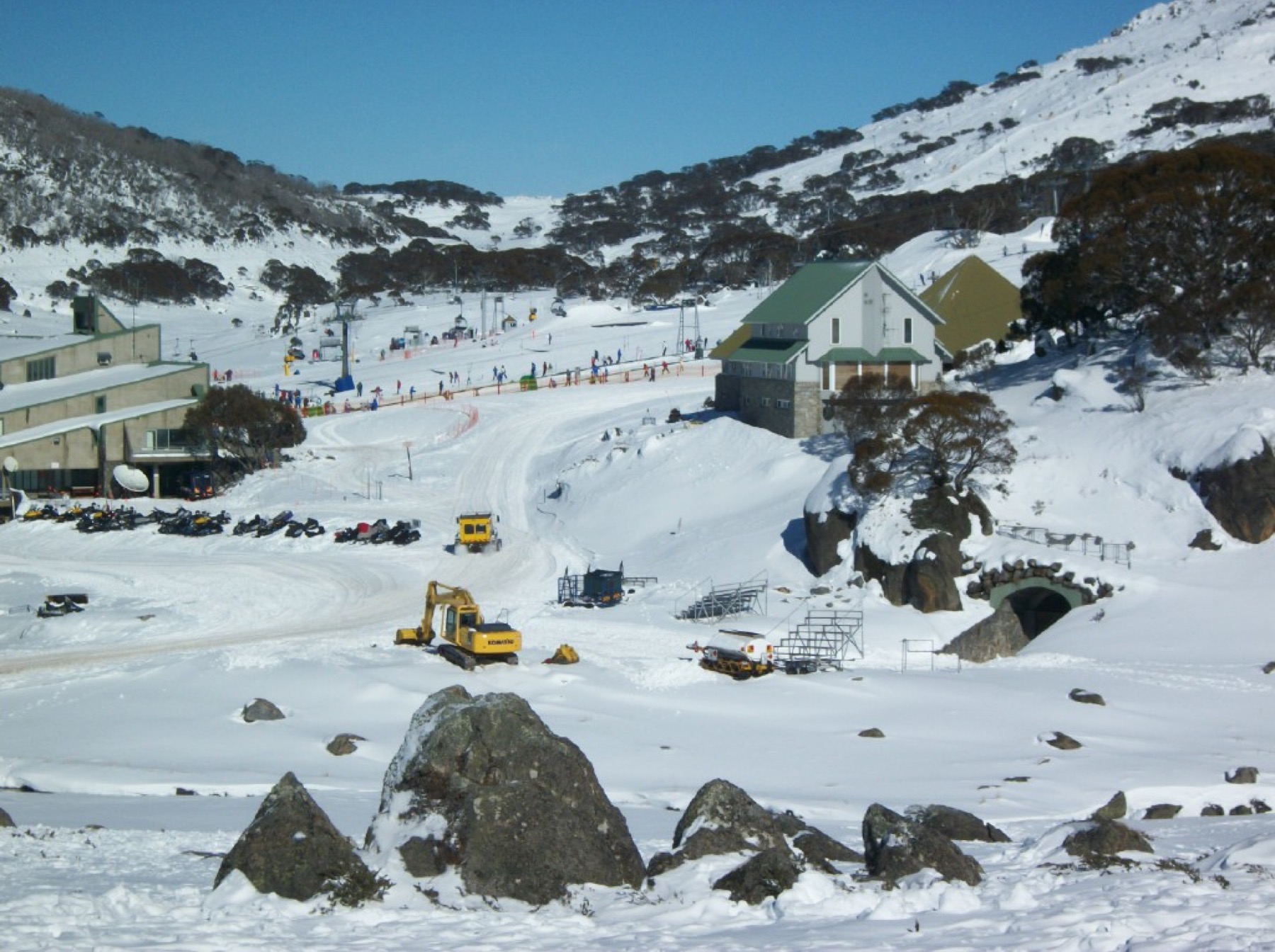
The second major center in this region focuses primarily on intensive winter activities. Perisher is a massive ski complex consisting of several smaller interconnected areas. This site has a strong Google rating of 4.4 from 6,022 reviews and proudly represents the largest ski resort in the entire Southern Hemisphere.
In winter, huge crowds of winter sports enthusiasts from all corners of Australia flock here. The scale of the entire resort is absolutely staggering and offers endless entertainment for all conceivable skill levels. The experience is amplified by the fact that access to the resort in winter is often handled via a special mountain train, which is a huge attraction for visitors.
This so-called Skitube is an underground railway that reliably transports skiers directly into the heart of the resort regardless of snowstorms on the surface. It’s an ingenious solution to the transport situation at a time when regular roads are buried under massive layers of snow. The ride through the tunnel adds a touch of real adventure to the entire trip.
Outside the main winter season, the entire area calms down significantly and many services are understandably limited or completely closed. Even so, the place offers a very interesting look at how massive mountain infrastructure works when the ski lifts aren’t operating. The surrounding nature itself is still beautiful and invites quiet walks.
6. Charlotte Pass
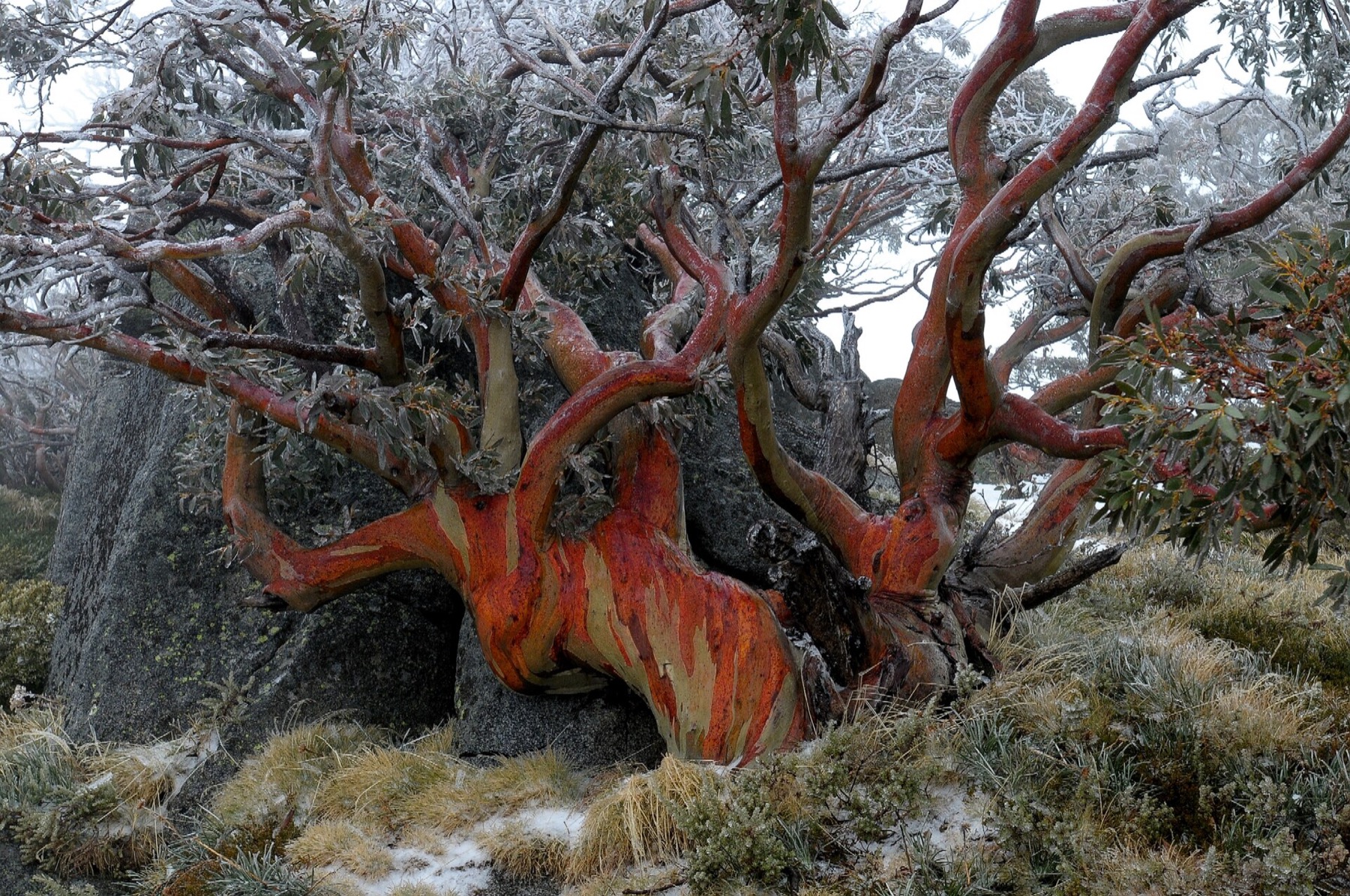
This small settlement is the highest ski resort in Australia. Charlotte Pass has one special feature: in winter the access road becomes impassable and the place is buried in snow. The village holds a Google rating of 4.4 from 182 reviews, which indicates its more intimate character.
During winter months you can only reach it from the neighboring valley using special snow vehicles called snowcats. The isolation gives the place a feeling of being cut off from the outside world. It’s an ideal refuge if you’re looking for a quieter mountain atmosphere without crowds of skiers.
In summer the situation changes and the road becomes passable again. The settlement then becomes a popular starting point for longer hikes to surrounding peaks, including the Summit Walk route mentioned earlier. You’ll appreciate this place especially if you prefer independent mountain exploration without having to buy chairlift tickets.
Panoramic views of the main mountain ridge open up directly from the large parking lot. It’s also an excellent spot for watching the sunset over the Australian hills, when the sky turns shades of red and purple. The evening tranquility here has its own charm.
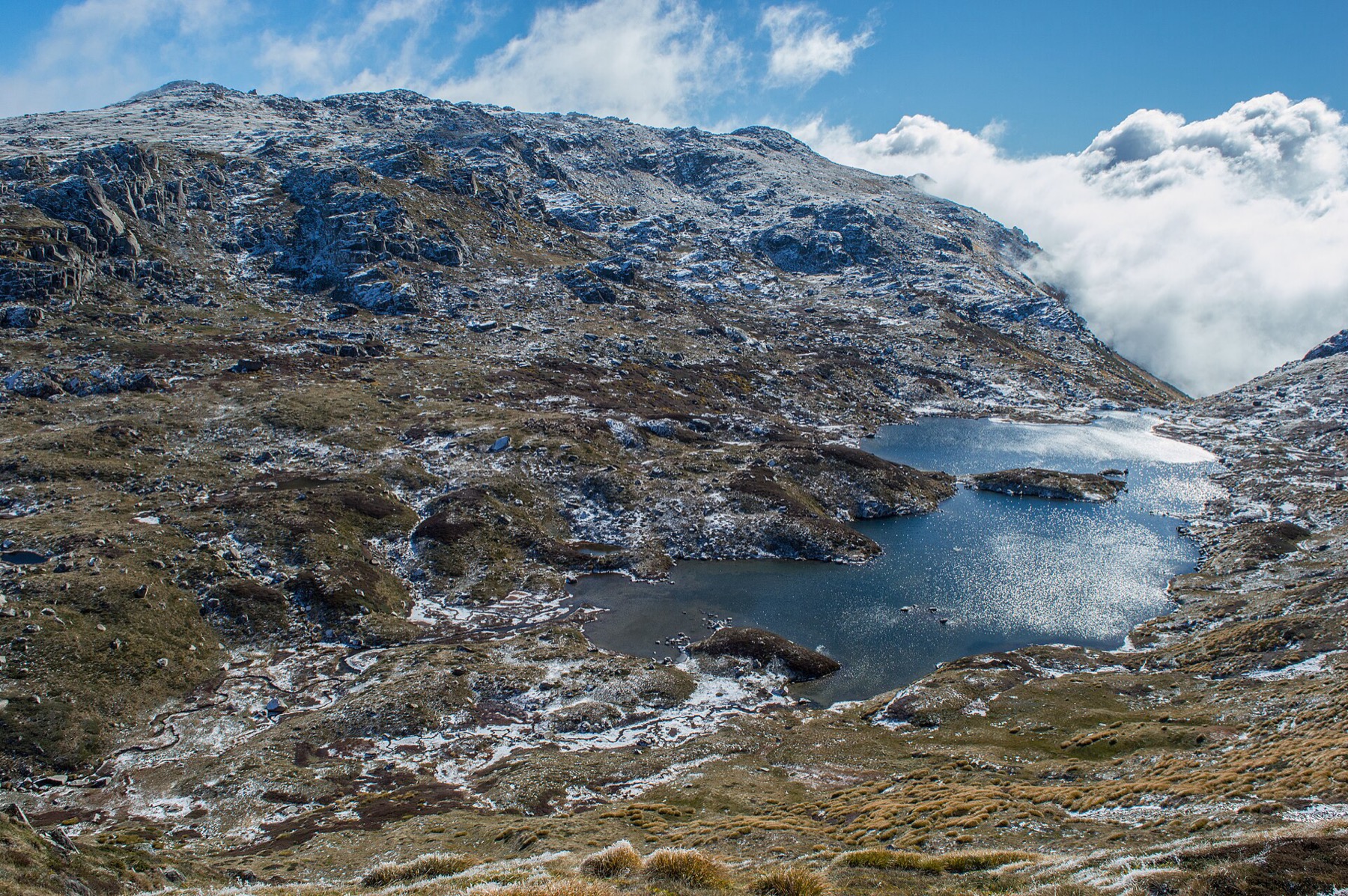
7. Glacial Lakes on the Main Range Ridge
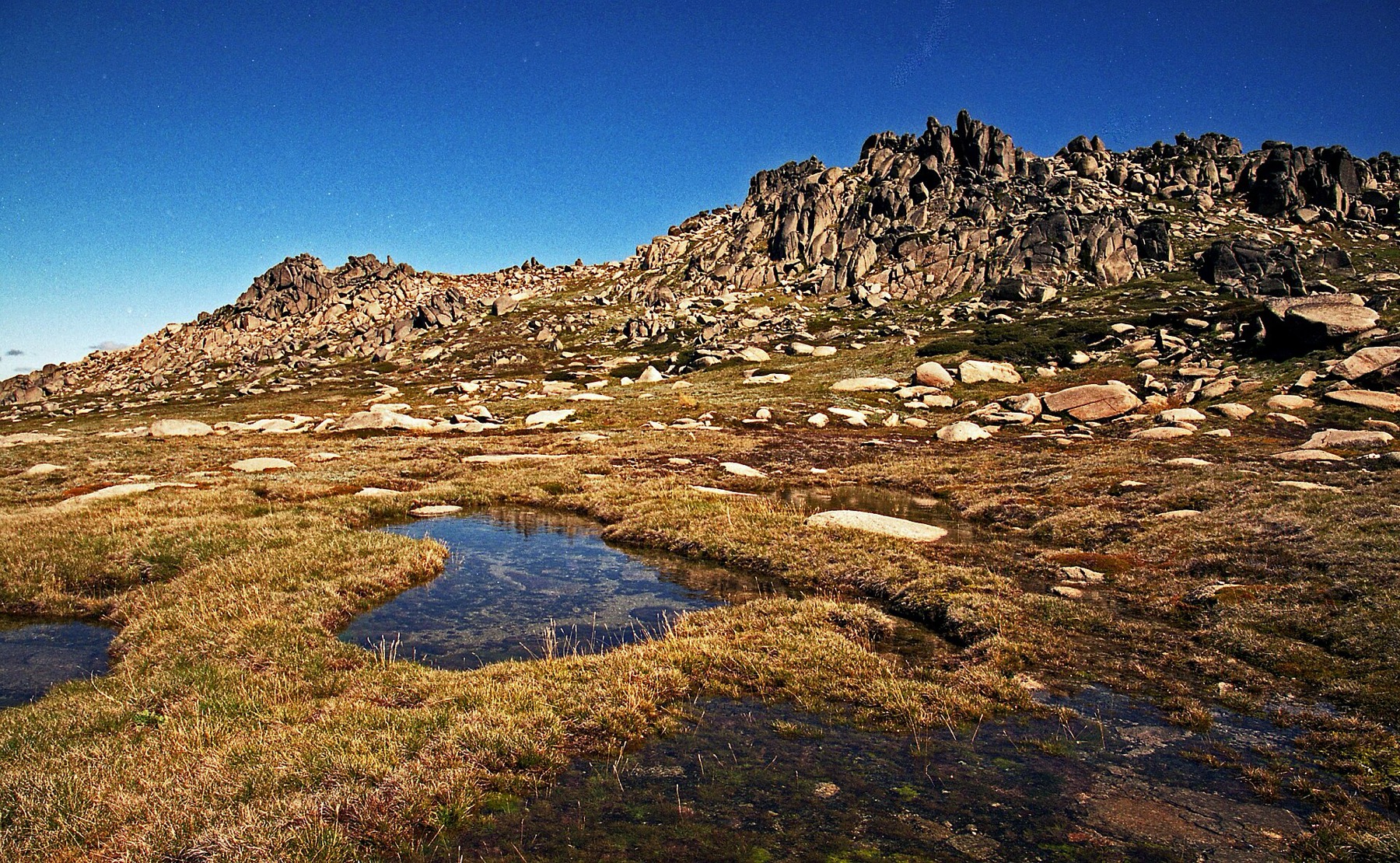
High in the mountains lie hidden mountain water bodies. Glacial lakes on the Main Range ridge, including the famous Blue Lake, are remnants of the ice age. These natural phenomena are a rarity in the Australian context and deserve your attention.
Rock walls surround the lakes, contrasting with the calm water surface. Its color changes depending on the sky, from dark blue to turquoise. It’s an ideal place for photography and recharging your energy from wild nature.
This sight is all the more striking when you realize that most of the Australian continent struggles with drought. The deep and cold lakes here form a contrast to the parched interior. Many visitors pause here for a moment to observe this unexpected alpine oasis.
Getting to the lakes requires effort though, as they lie off the main paved paths leading to the continent’s summit. But the hike rewards you with views that resemble scenery from European mountains rather than Australian landscape full of eucalyptus trees.
8. Kosciuszko National Park Beyond the Summit
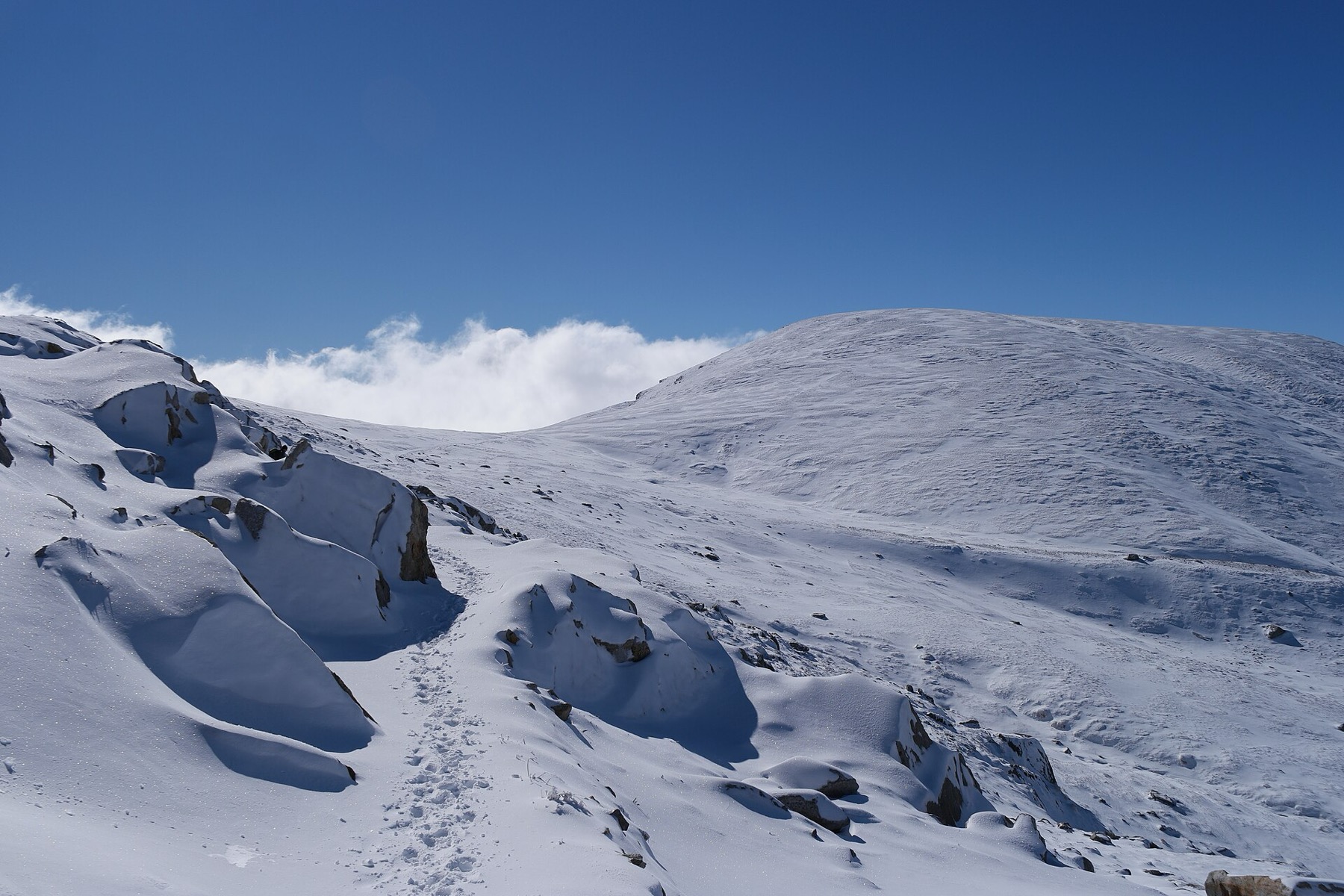
This entire protected area offers much more than just the ascent to the highest point. Kosciuszko National Park is home to diverse ecosystems, from deep river valleys to windswept plateaus. By the way, the park has a Google rating of 4.7 from 2,757 reviews.
You can explore old pastoral huts scattered throughout the park that recall the harsh history of mountain settlement. These small wooden structures, known as alpine huts, provided shelter for early pioneers in the past and today serve as historical monuments set in the landscape.
The park’s vastness means everyone can find their own piece of wilderness here. You can set out on afternoon walks along mountain streams or embark on multi-day crossings with a full pack. Wherever you find yourself, you’ll feel a sense of space and freedom.
Protection of the local nature has the highest priority here, which is evident in the good signage and maintained trails. Park managers do their utmost to preserve the balance for future generations. As visitors we should share this respect for the local nature and follow the rules.
9. Mountains in Summer and Alpine Nature
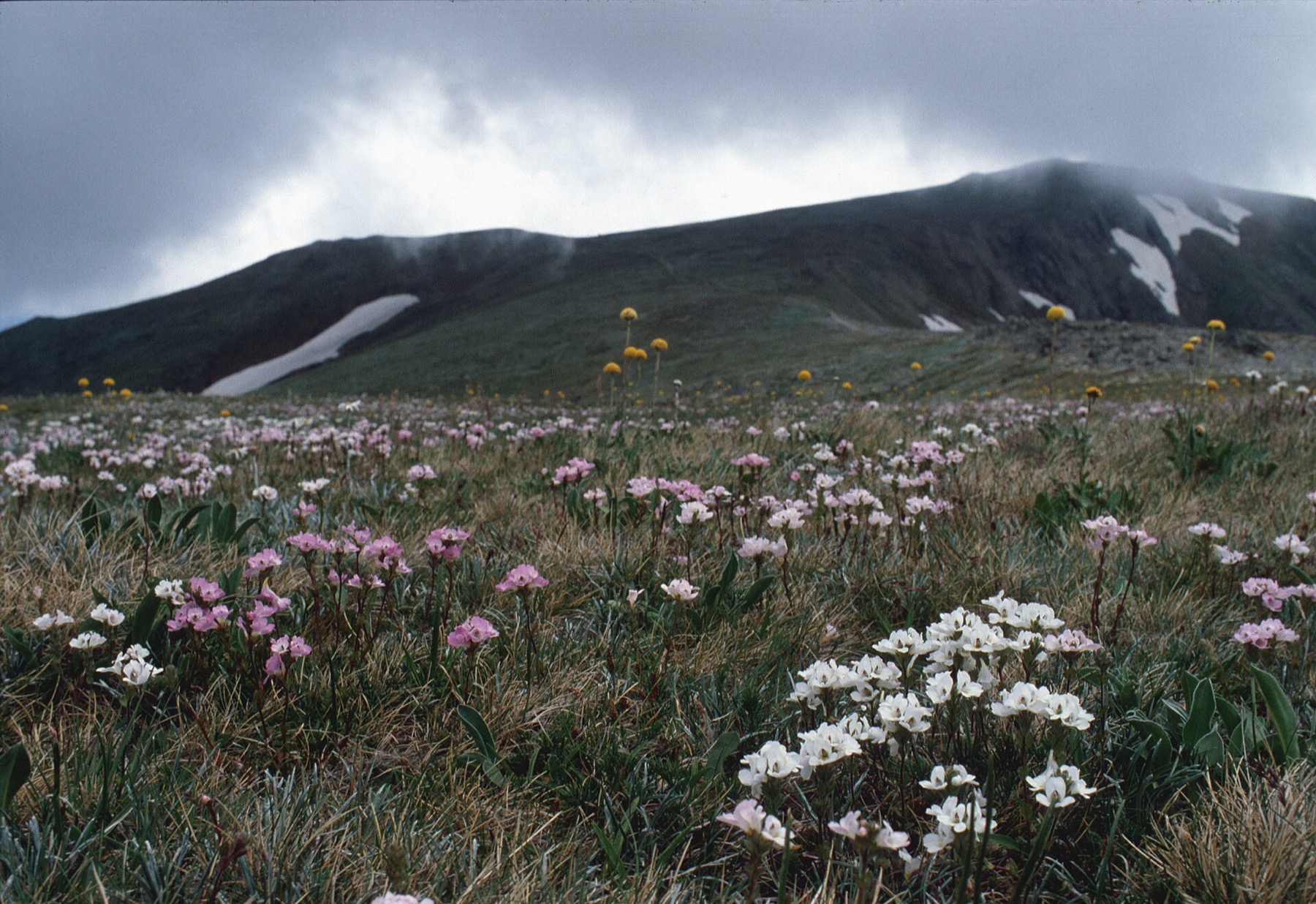
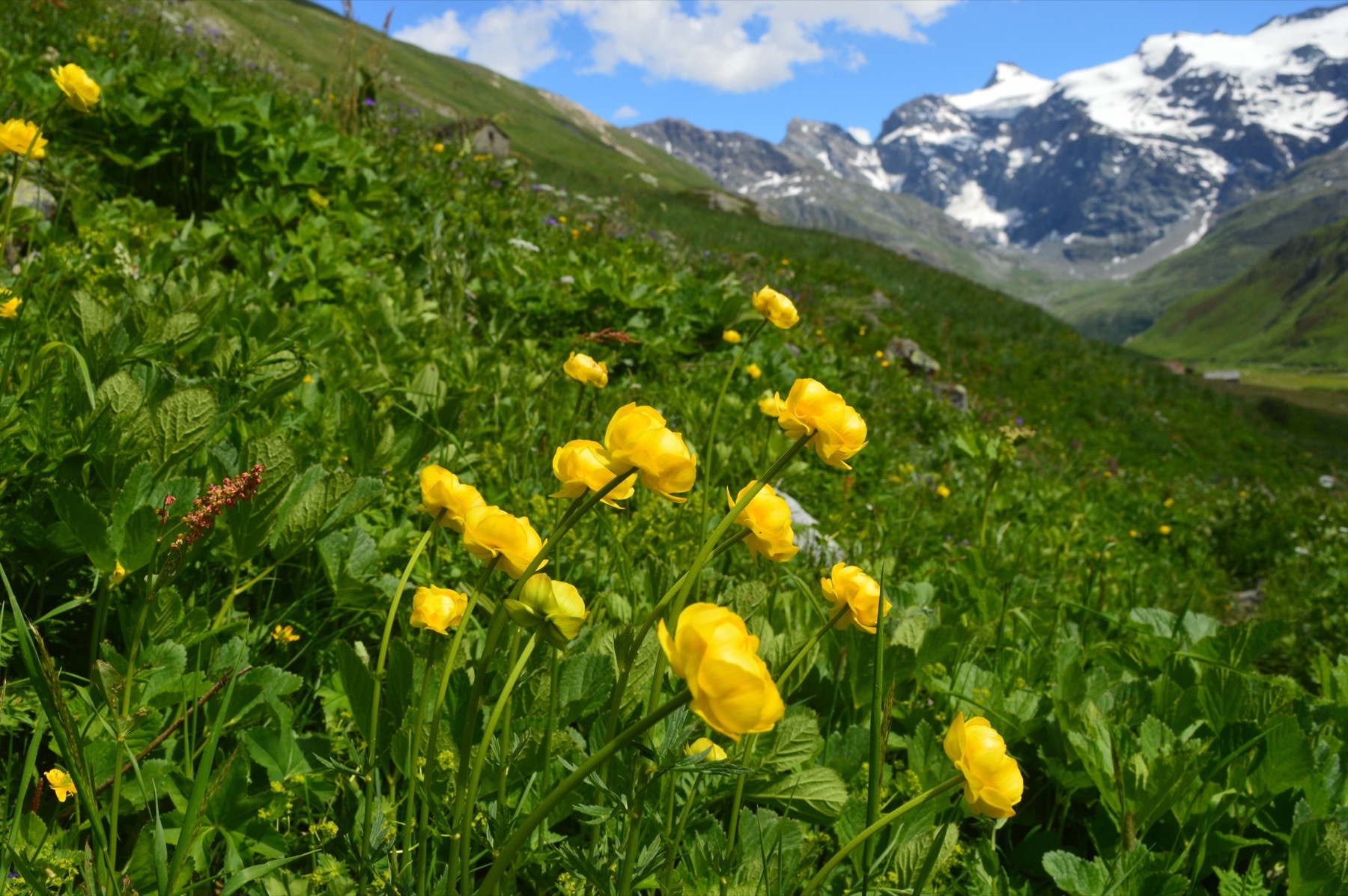
When the snow melts from the peaks after a long winter, the landscape transforms. The mountains in summer come alive with colors as alpine flora begins to bloom. Green plateaus are covered with carpets of flowers that have had to adapt to harsh conditions and a short growing season.
This season is ideal for hiking because daytime temperatures are pleasant. The contrast between mountain vegetation and the notion of a dry Australian desert is evident at every step. Animals are active during this time and with a bit of luck you can observe local wildlife in its natural environment.
As mentioned, locals flee here during this period to escape the heat. While temperatures in coastal cities reach the forties, the mountains offer a cooling breeze and temperatures around twenty degrees. For many families, a summer vacation in the mountains is a lifesaver from the summer sun.
Summer months offer an opportunity to see Australia from a different perspective. Fresh mountain air and the scent of alpine plants welcome you upon arrival. It’s a time when the mountains show their most welcoming face and invite long walks without fear of frost.
10. Jindabyne as a Base Below the Park
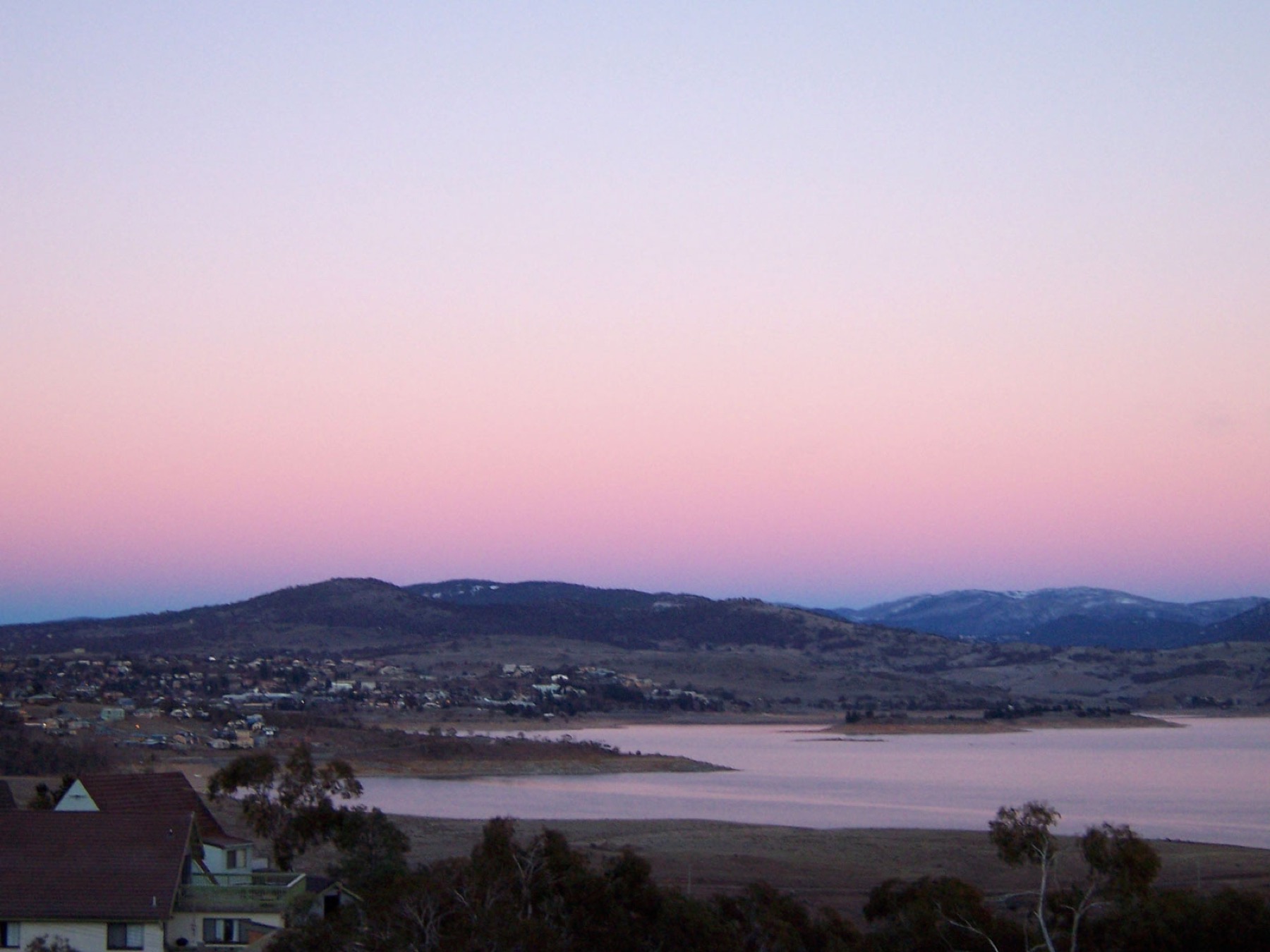
On the shores of a huge and beautiful lake lies a town that reliably serves as the main gateway to the entire mountains. Jindabyne is a modern and vibrant center where you’ll find everything you need for your hassle-free stay. Most visitors use this town as their main strategic base for daily trips to the national park.
The town boasts excellent infrastructure, large supermarkets, reliable gas stations, and well-stocked outdoor equipment shops. The lake itself also offers plenty of great opportunities for water sports and relaxing rest after a demanding day in the mountains. The atmosphere here is always relaxed and very friendly.
The advantage of accommodation in Jindabyne is much better service availability and often more favorable prices compared to accommodation directly in mountain resorts. Plus you don’t suffer from the feeling of being cut off, because the town lives at its own pace year-round and offers plenty of evening entertainment in local establishments.
The national park itself is just a short comfortable drive from here, making it an ideal starting point for all your planned activities. The road up winds through beautiful countryside and offers great views, so even the morning commute to the chairlift becomes a very pleasant part of the whole experience in this beautiful mountain area.
Where to Stay
💡 Accommodation and experiences tip: We compare accommodation in the area here to see what’s available and at what price. We prefer to search on Booking.com, which usually has the best cancellation policies. Tickets, tours and activities are worth comparing and buying through GetYourGuide.
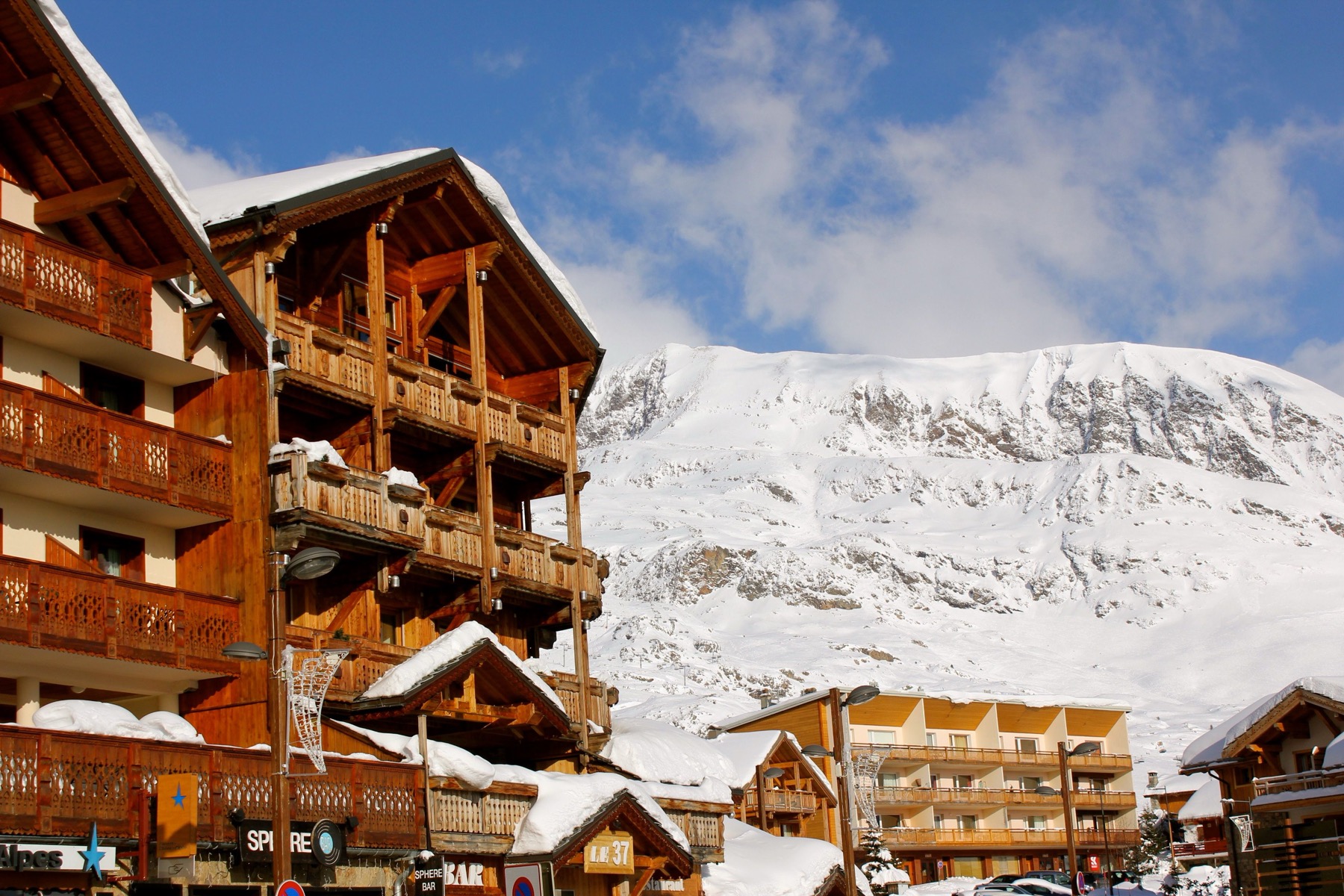
Finding quality accommodation in this area requires planning and knowledge of local specifics. The main base for tourists is either the mountain village of Thredbo directly, or the slightly lower-lying town of Jindabyne. Both places have their advantages but differ in price and service availability.
If you’re heading here in winter season, accommodation gets booked well in advance because capacity sells out quickly. Also expect prices to rise in winter and you’ll pay extra for a room. Staying directly in the mountains at Thredbo resort is convenient because you just put on your boots in the morning and walk to the chairlift, but accommodation down by the lake in Jindabyne is more financially advantageous.
Outside snow season the situation is calmer and accommodation options wider. Summer prices are more acceptable and you can easily find an apartment even at the last minute. Always verify though whether your chosen accommodation offers free parking, as this can be a problem in mountain villages with narrow streets.
The strategic location of your accommodation will save you time during morning departures for hikes. If you plan to set out early in the morning for longer ascents, accommodation closer to the park pays off. You’ll appreciate Jindabyne if you like evening walks along the lake and want to have shops nearby for stocking up on supplies.
Where to Eat
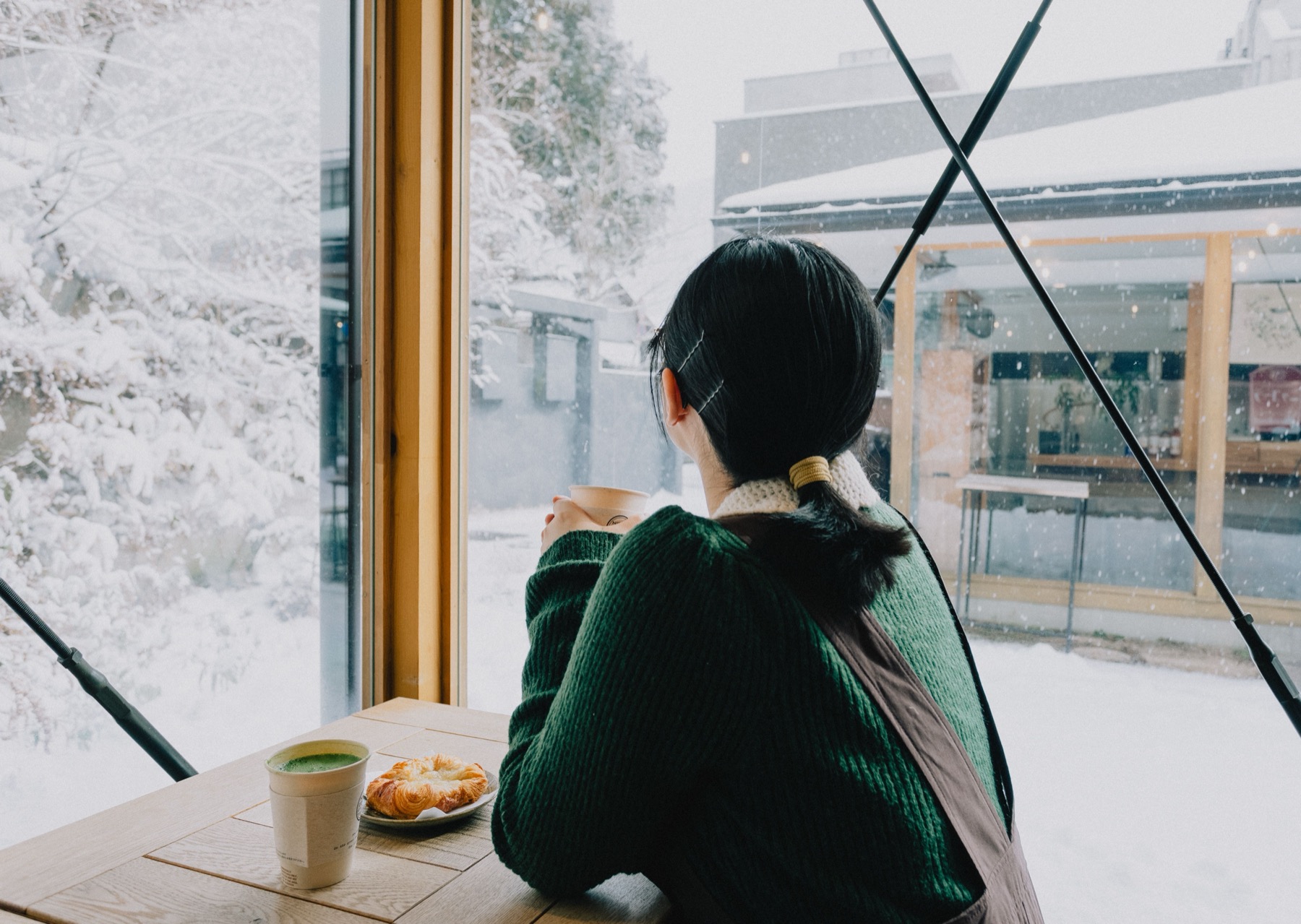
Dining options in the Australian Alps vary greatly depending on the season and altitude. Directly at mountain resorts you’ll find several cafes and quick-service establishments offering hot meals and hearty soups to warm you up. However, the offering is highly seasonal and aimed at the enormous influx of hungry visitors during winter.
Outside winter most establishments directly in the mountains are closed, so it definitely pays to pack your own large snack from the valley in your backpack. You’ll find a much bigger selection, including establishments with excellent and creative vegetarian options, down in the town of Jindabyne. The cozy cafes, bistros and restaurants there operate much more reliably year-round and you’ll have no problem getting a great lunch or proper dinner.
What’s Next
If you’re interested in more places down under, check out our tips on what Holiday in Australia: 30 Most Beautiful Places + Practical Tips looks like. You’ll find plenty of inspiration for planning there.
For city life lovers we’ve written a detailed guide Sydney, Australia: 31 Tips on What to See and Do and also the article Melbourne, Australia: 23 Tips on What to See and Do, where you’ll discover the best cafes and cultural events.
If you’re planning a longer journey, you’ll find Road Trip Around Australia: Routes, Car, Campsites and Budget useful. For wilderness head to Tasmania: 20 Tips on What to See + Circuit Itinerary or seek warmth and explore the Great Barrier Reef: Tours, Prices and How to Experience It. The red center is also worth a visit, which we write about in the article Uluru and Red Centre: 14 Tips for Visiting the Red Heart.
A completely different face of Australia, the tropical northwest, is described in the article Broome and Kimberley: What to See in the Wild North.
Frequently Asked Questions
How high is Australia’s highest mountain?
The summit measures exactly 2,228 meters above sea level and is called Mount Kosciuszko. Although that doesn’t sound particularly dizzying compared to Alpine or Himalayan giants, by Australian standards it’s a massive peak with a harsh mountain climate.
Why does it have a Polish name?
Behind it all is Polish explorer Paweł Edmund Strzelecki, who explored the mountain in 1840. He decided to name it after his compatriot Tadeusz Kościuszko, a Polish patriot who also fought in the American Revolutionary War.
How long does the ascent take?
If you choose the shorter route from Thredbo using the cable car, the way up and back will take you roughly 4 to 5 hours of normal walking. The longer and more peaceful route from Charlotte Pass without the cable car measures almost 19 kilometers and will require 6 to 8 hours.
Can a child manage it?
The route from Thredbo is manageable for older children used to hiking, because it follows reinforced metal walkways for most of the way. But don’t underestimate the rapidly changing weather and strong icy wind, which can be unpleasant for smaller children on the ridge.
Do I have to take the cable car?
Using the Kosciuszko Express cable car isn’t mandatory, but it will save you plenty of energy and time right at the start of the hike. If you want to avoid it and not pay for a ticket, you can choose the longer walking route from the Charlotte Pass starting point.
How much does park entry cost?
Fees vary by season. Outside winter you’ll pay 17 AUD per day per vehicle. During the winter peak, from the June to October long weekends, the price rises to 29 AUD per vehicle per day.
When is ski season in Australia?
Skiing happens here during the Northern Hemisphere summer. The official ski season runs from the June long weekend to the October long weekend, with the best snow conditions typically in July and August.
Does it really snow there?
Yes, and quite a lot. Long-term models show that, for example, in the village of Thredbo an average of 54 cm of new snow falls in July and 50 cm in August. Right on the mountain peaks and ridges, the snow cover is even deeper.
When is the best time for the ascent?
For regular hikers, the ideal months are the Australian summer months, that is from December to March, when there’s no snow on the paths. Many people escape here in January, for example, from the heat that prevails in the rest of the country.
Where can you stay overnight?
Most visitors choose the mountain village of Thredbo right by the cable car station as their base, or the nearby larger town of Jindabyne by the lake, which sits just below the national park boundaries and offers a wider selection of more affordable accommodation.
Tips and Tricks for Your Vacation
Don’t Overpay for Flights
Search for flights on Kayak. It’s our favorite search engine because it scans the websites of all airlines and always finds the cheapest connection.
Book Your Accommodation Smartly
The best experiences we’ve had when looking for accommodation (from Alaska to Morocco) are with Booking.com, where hotels, apartments, and entire houses are usually the cheapest and most widely available.
Don’t Forget Travel Insurance
Good travel insurance will protect you against illness, accidents, theft, or flight cancellations. We’ve had a few hospital visits abroad, so we know how important it is to have proper insurance arranged.
Where we insure ourselves: SafetyWing (simple monthly subscription) and TrueTraveller (for extra-long trips).
Find the Best Experiences
Get Your Guide is a huge online marketplace where you can book guided walks, trips, skip-the-line tickets, tours, and much more. We always find some extra fun there!


