Ljubljana Slovenia: 20 Best Things to See and Do in 2026
Ljubljana, Slovenia wins you over at first glance with its welcoming atmosphere and the kind of calm you would hardly expect in a capital city. Around 300,000 people live here, yet there is barely a car horn to be heard. The entire historic centre is a pedestrian zone, so you can get everywhere on foot, even with a pushchair or a suitcase. With fewer than 300,000 residents, Ljubljana feels more like a cosy, medium-sized town that you can comfortably explore in a single morning.
Still, it would be a huge mistake to give this Slovenian gem just a few hours on your way to the coast. The city has a remarkable claim to fame: its present-day appearance was largely shaped by a single person. That person was the celebrated architect Jože Plečnik, whose unmistakable style you may also recognise from his work at Prague Castle. Since 2021, Plečnik’s works in Ljubljana have been listed as a UNESCO World Heritage Site.
Alongside its beautiful architecture and abundant greenery, Ljubljana is the perfect base for exploring Slovenia. Instead of packing up and moving to a different hotel every day, you can stay here and take day trips to lakes and mountains. I’ve gathered everything Lukáš and I checked out during our walk through Ljubljana, so you can make the most of your stay.
TL;DR
- Compact size: Ljubljana has around 290,000 residents, and its charming centre is entirely pedestrianised, so you don’t need a car.
- An architectural one-off: Jože Plečnik designed much of the riverfront, bridges and market, and his work is protected by UNESCO under the name “Human Centred Urban Design”.
- Attraction prices: You can reach the city’s landmark, Ljubljana Castle, on foot or by funicular. A combined ticket costs €19.
- Tourist tax: Expect to pay €3.13 per person per night, the highest rate in the country. Fortunately, children under seven stay exempt.
- Transport and parking: Cars are not allowed in the centre, so you’ll need to use the P+R car parks on the outskirts. If you’re driving into Slovenia, buy the e-vignette motorway vignette online in advance.
- Strategic location: From Ljubljana, you can reach Lake Bled, spectacular caves or the Adriatic coast in roughly an hour, making it an excellent base.
The full destination guide: Slovenia — guide and what to see
When to Visit Ljubljana, Slovenia
The best weather for exploring the historic centre usually arrives in May, June and September. These spring and early-autumn months are pleasantly warm without the oppressive summer heat. You’ll also encounter fewer tourists, while the riverside cafés fill up with locals making the most of the first rays of sunshine. September is especially good because you can easily combine sightseeing with trips to the nearby Julian Alps, where hiking conditions are ideal.
If you’re planning to visit in midsummer, be ready for a surprise: temperatures commonly climb well above 30 °C in July and August. The city can also feel relatively quiet at this time, as many Slovenians escape the heat by heading to the coast or high into the mountains. On the other hand, you’ll enjoy quieter streets and almost no queues at the best-known sights. In the height of summer, the shade in expansive Tivoli Park or beside the refreshing river is particularly welcome.
In December, the city takes on a truly special and romantic atmosphere during its popular Advent celebrations. The entire Ljubljanica riverfront glows with thousands of tiny lights, making it one of the prettiest—and busiest—times of year. Crowds come from across the region for the fragrant Christmas markets, mulled wine and local treats. Booking accommodation early is essential if you want to avoid paying inflated prices for the last remaining rooms.
Where to Stay in Ljubljana, Slovenia
Although food and other services are very reasonably priced by European standards, accommodation is paradoxically more expensive here than in any other city in Slovenia. When planning your budget, remember to include the official tourist tax of €3.13 per person per night. It is the highest rate in the country because it includes both the city and promotional components. Children under seven pay nothing, while visitors aged seven to 18 pay half price, which makes things a little easier for families.
Our article Where to Stay in Ljubljana is a great starting point for planning your trip in detail, with an in-depth look at the individual neighbourhoods and specific hotels. If you want to stay right in the middle of everything, take a look at City Hotel Ljubljana, which serves fantastic breakfasts and is just a few steps from the main square. The popular Hotel Cubo also has excellent reviews, with travellers especially praising its modern design and very helpful staff.
If you’re arriving by car, remember that the historic centre is a strictly pedestrian-only zone. Ideally, your accommodation should offer a secure garage, or you’ll need to use the very practical P+R car parks on the edge of the city. They are inexpensive, and the price of all-day parking includes a return ticket for the city bus. If you’re driving into Slovenia, remember to buy the e-vignette motorway vignette online in advance to avoid unnecessary fines. Book your dream hotel well ahead of time, too—the best rooms disappear quickly.
💡 Use this map to compare what’s currently available—you’ll immediately see how much cheaper a guesthouse in Krakow is than a hotel on the riverfront.
20 Things to See and Do in Ljubljana, Slovenia
Here are the 20 tips that, in my opinion, make or break a walk through Ljubljana. I’ve included not only famous architectural gems and museums, but also hidden local spots and tips for fantastic food.
1. Prešeren Square (Prešernov trg)
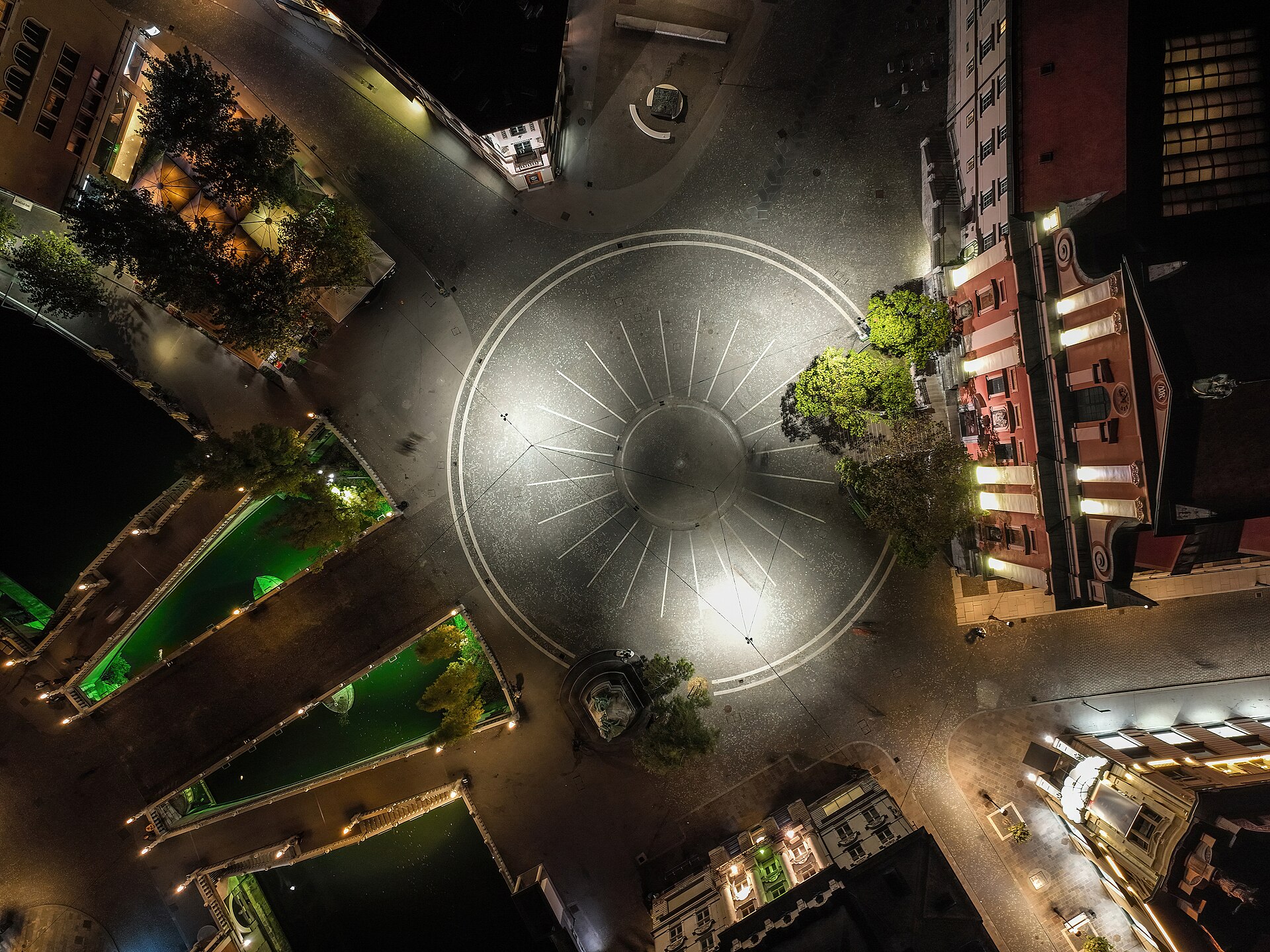
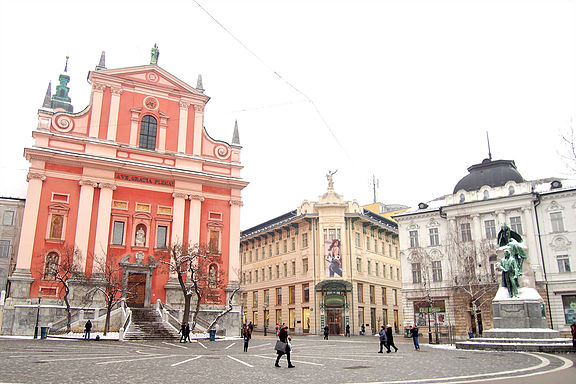
Your sightseeing will almost certainly begin here, because Prešernov trg is the beating heart of the city. This charming circular square is surrounded by beautiful historic buildings, with the unmistakable pink Baroque Franciscan Church of the Annunciation dominating the scene. Against a blue sky, the church makes a fantastic contrast and is probably the most photographed building in the city.
In the middle of the square stands a bronze monument to France Prešeren, Slovenia’s national poet. Look closely at one intriguing detail: the poet’s gaze is always directed towards a particular window in the building opposite. His great, sadly unrequited love, Julija Primic, once lived there. It’s a small romantic detail that gives the square a deeper story.
The entire area is a strict pedestrian zone, which gives it a relaxed atmosphere free from honking cars. 💡 Tip: Come early with a good coffee, sit on the edge of the fountain and watch the city wake up. If your feet are getting tired, you can flag down a Kavalir—small electric vehicles that carry visitors around the pedestrian zone completely free of charge.
2. The Famous Triple Bridge (Tromostovje)
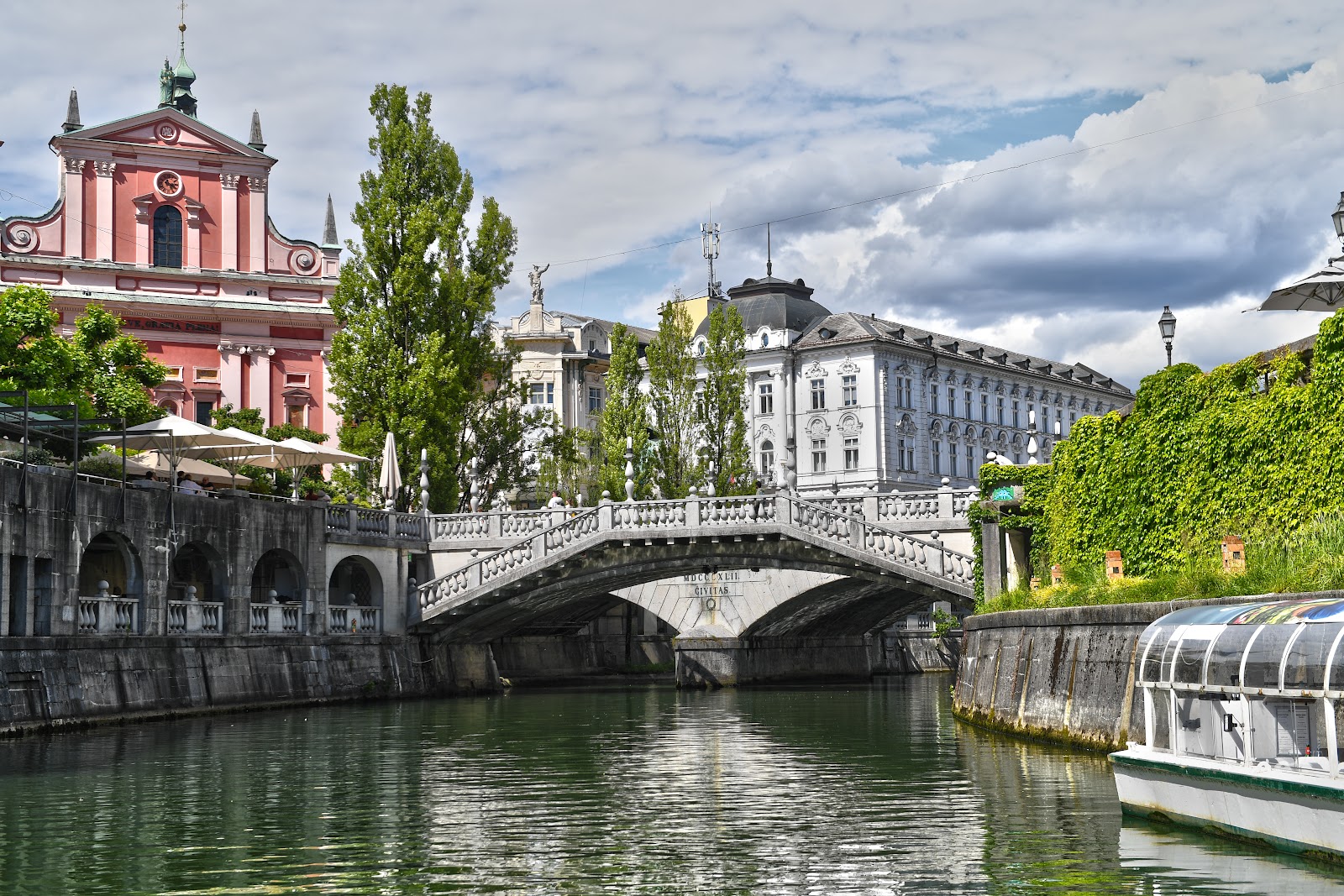
Just beside Prešeren Square, you’ll come across the most iconic architectural work by Jože Plečnik. Originally, there was only one ordinary stone bridge here, dating from the mid-19th century. As the city grew, it could no longer cope with the increasing traffic of carriages and pedestrians.
Plečnik solved the problem with remarkable elegance. Instead of demolishing the old bridge, he added two pedestrian walkways on either side, widening them slightly towards the square into a funnel shape. The result was the unique Tromostovje, now admired by architects and visitors from around the world. It is also a central part of Plečnik’s UNESCO listing under the title Human Centred Urban Design.
The architect also decorated the structure with distinctive stone balustrades, giving the bridges a gentle Mediterranean and slightly Venetian feel. Make sure to see them after dark, when the complex structure is softly and romantically illuminated, creating a perfect backdrop for an evening walk towards the market.
3. Ljubljana Castle (Ljubljanski grad)
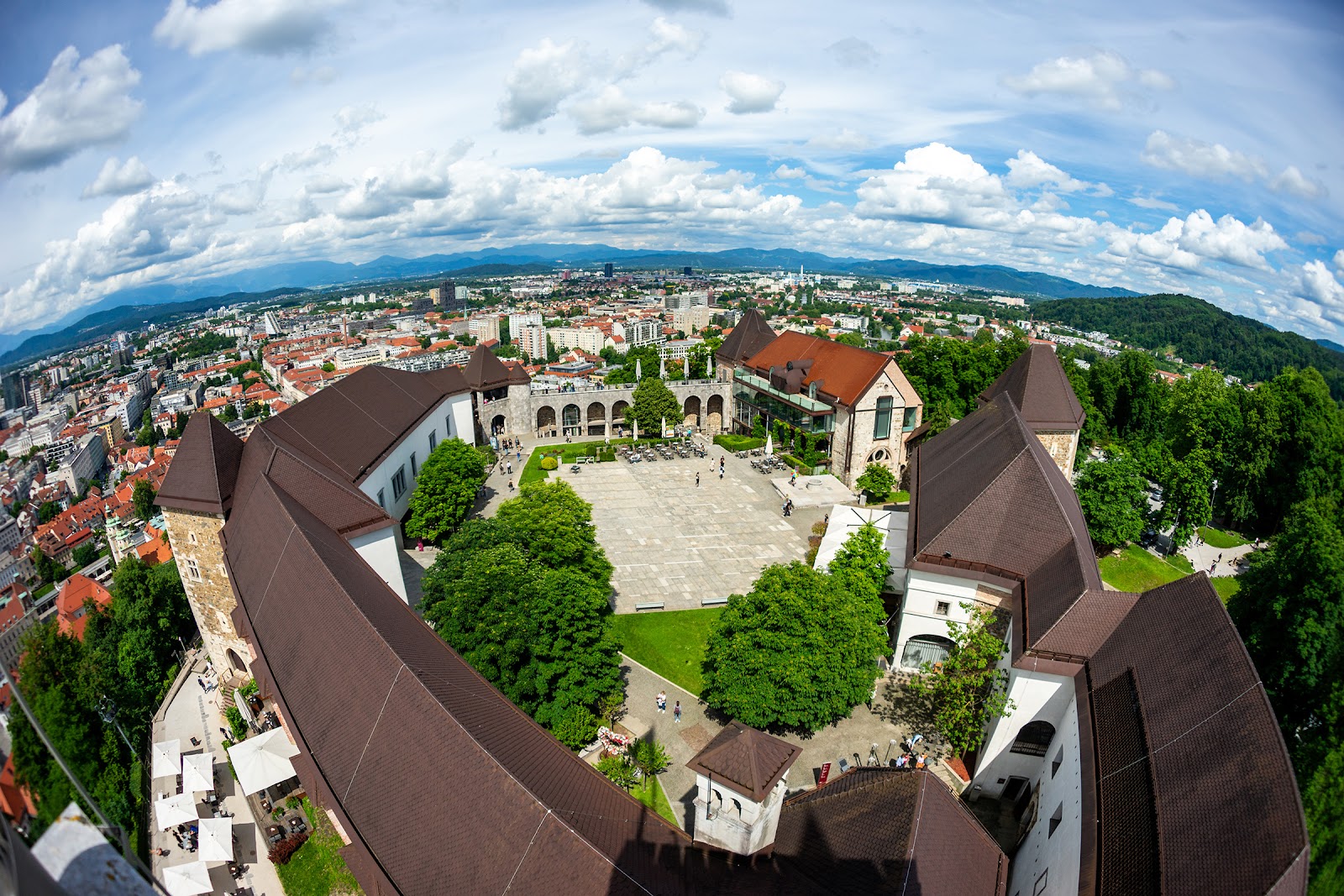
This majestic historic fortress rises above the old town on a wooded green hill. It is the city’s most visited attraction, and it’s easy to see why. It has a 4.4-star rating from almost 44,000 reviews, which says a lot. Even if you only have time for one place in Ljubljana, make it the castle.
You can reach it on a pleasant 15- to 20-minute walk through winding streets, or take the modern glass funicular. Basic admission to the castle complex costs €15, while a return funicular ticket is €6. The best-value and most convenient option is the combined ticket for €19, which saves both time and money.
Inside the extensive castle grounds, you’ll find an excellent lookout tower with panoramic views over the city and the distant Alpine peaks. There is also a fascinating prison museum and a well-designed interactive exhibition mapping Slovenia’s complex and often turbulent history over the centuries.
4. Dragon Bridge (Zmajski most)
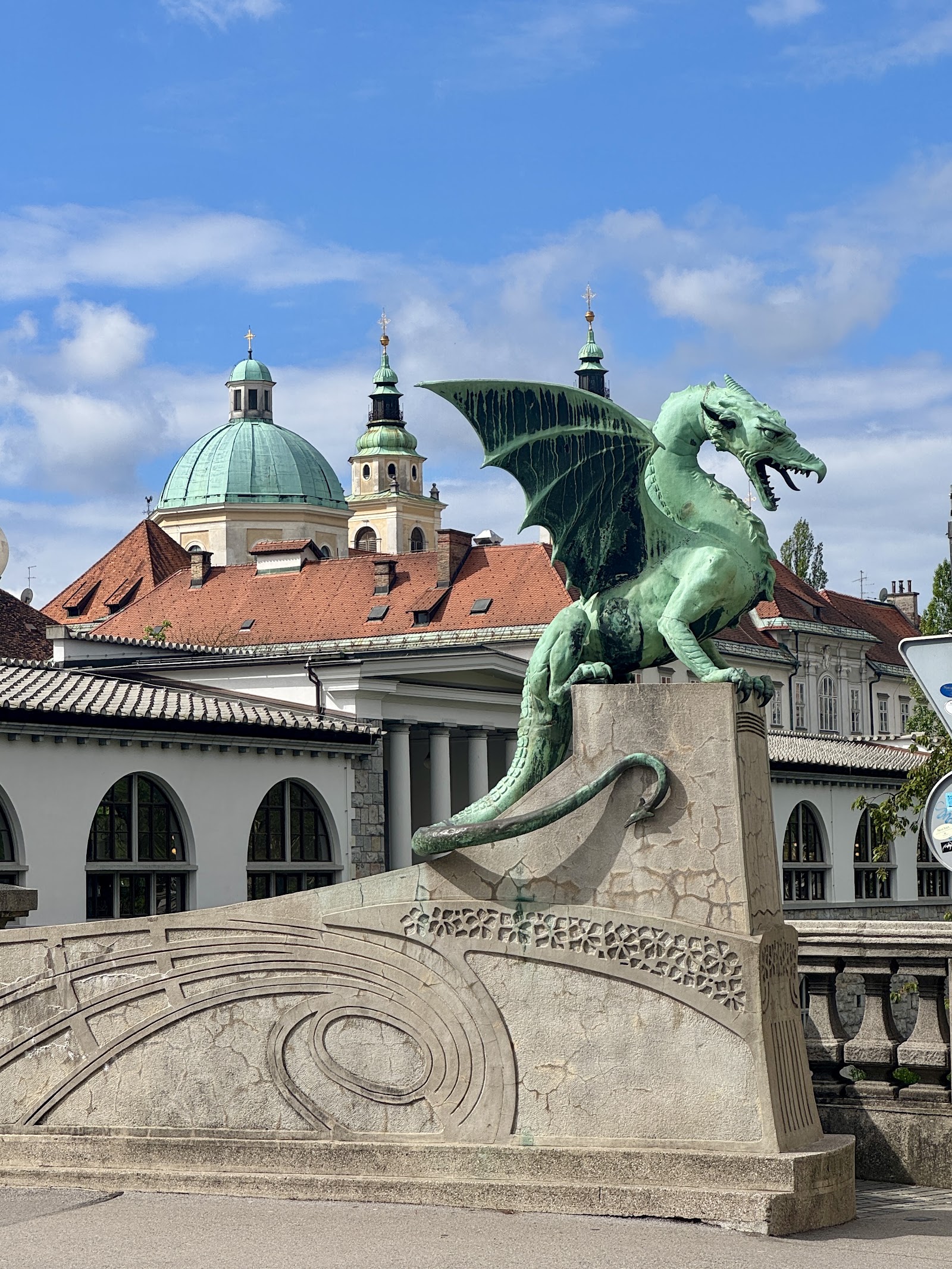
When people hear the name Ljubljana, dragons are often the first thing that comes to mind. This mythical, majestic creature is the city’s official symbol, appearing on the coat of arms and the shirts of local sports clubs. The best-known tribute is undoubtedly Zmajski most, built in 1901.
At each corner, the bridge is decorated with four imposing green copper dragon statues that look almost frighteningly realistic. According to a local tongue-in-cheek legend, the dragons wag their tails whenever a virtuous maiden crosses the bridge. Locals often joke that the dragons haven’t moved their tails for a very long time 😅.
The bridge is also an important technical monument, as it was one of the first major reinforced-concrete structures in Europe at the time. 💡 Tip: The dragon statues are incredibly photogenic, but the best shots come from a slightly low angle near the water or just before sunset.
5. Central Market (Centralna tržnica)
Another masterpiece by Jože Plečnik is just a few steps from Dragon Bridge. The beautiful covered stone colonnade follows the gentle curve of the Ljubljanica, creating a seamless transition between the river and the lively city life on the adjoining square.
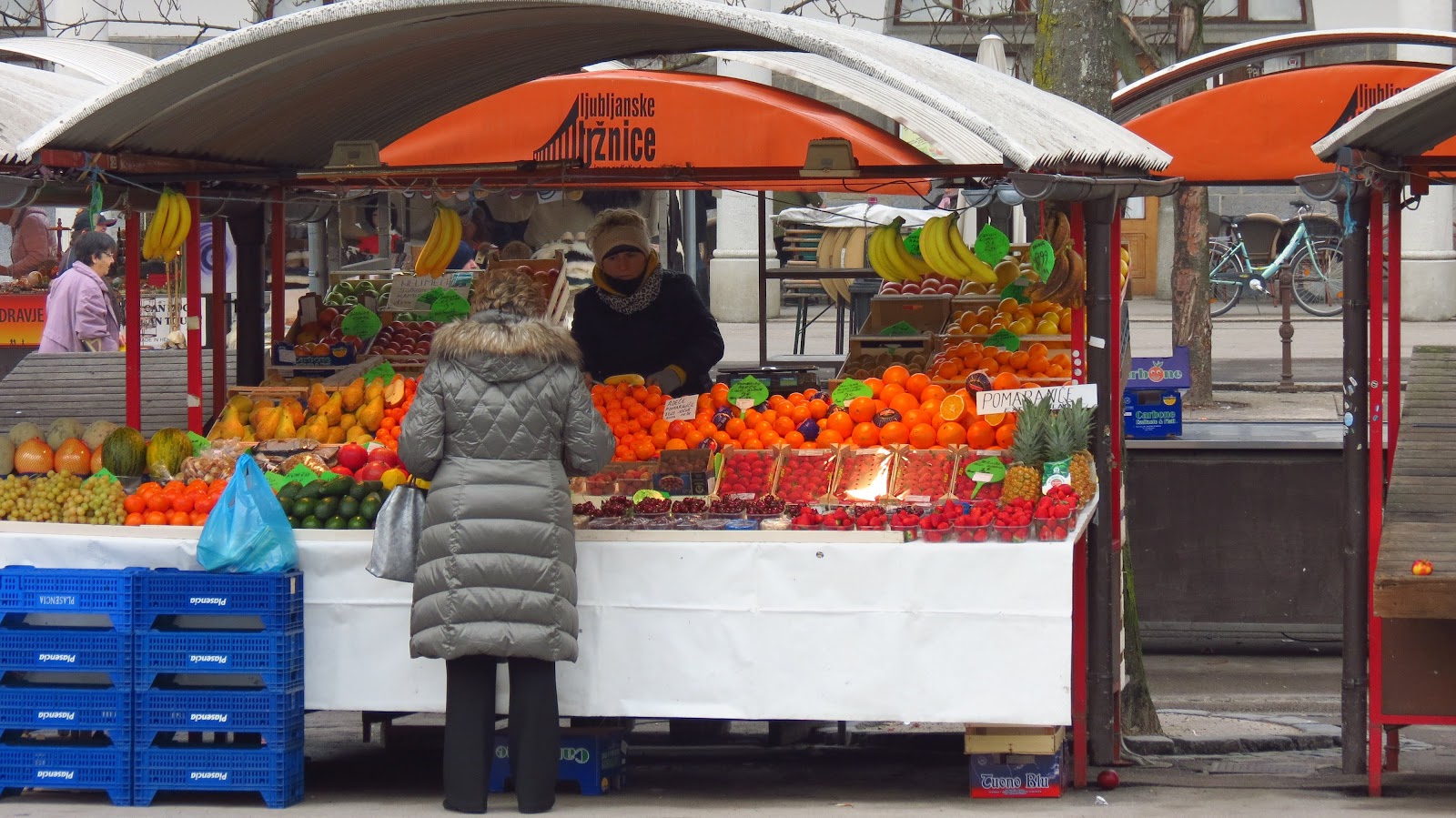
Every day except Sunday, the market is full of life and enticing smells. Farmers from the surrounding area arrive early with fresh homemade cheeses, delicious meadow honey, crisp seasonal vegetables and fresh herbs. Among the stalls, you’ll also find traditional local products such as the famous Carniolan sausage, a beloved staple of Slovenian cuisine.
The market is divided into an open-air section with umbrellas on the square and darker covered passages in Plečnik’s riverside building. I recommend coming early in the morning, when the selection of fresh produce is widest and you can enjoy the authentic local atmosphere before the crowds arrive.
6. Odprta kuhna Food Festival
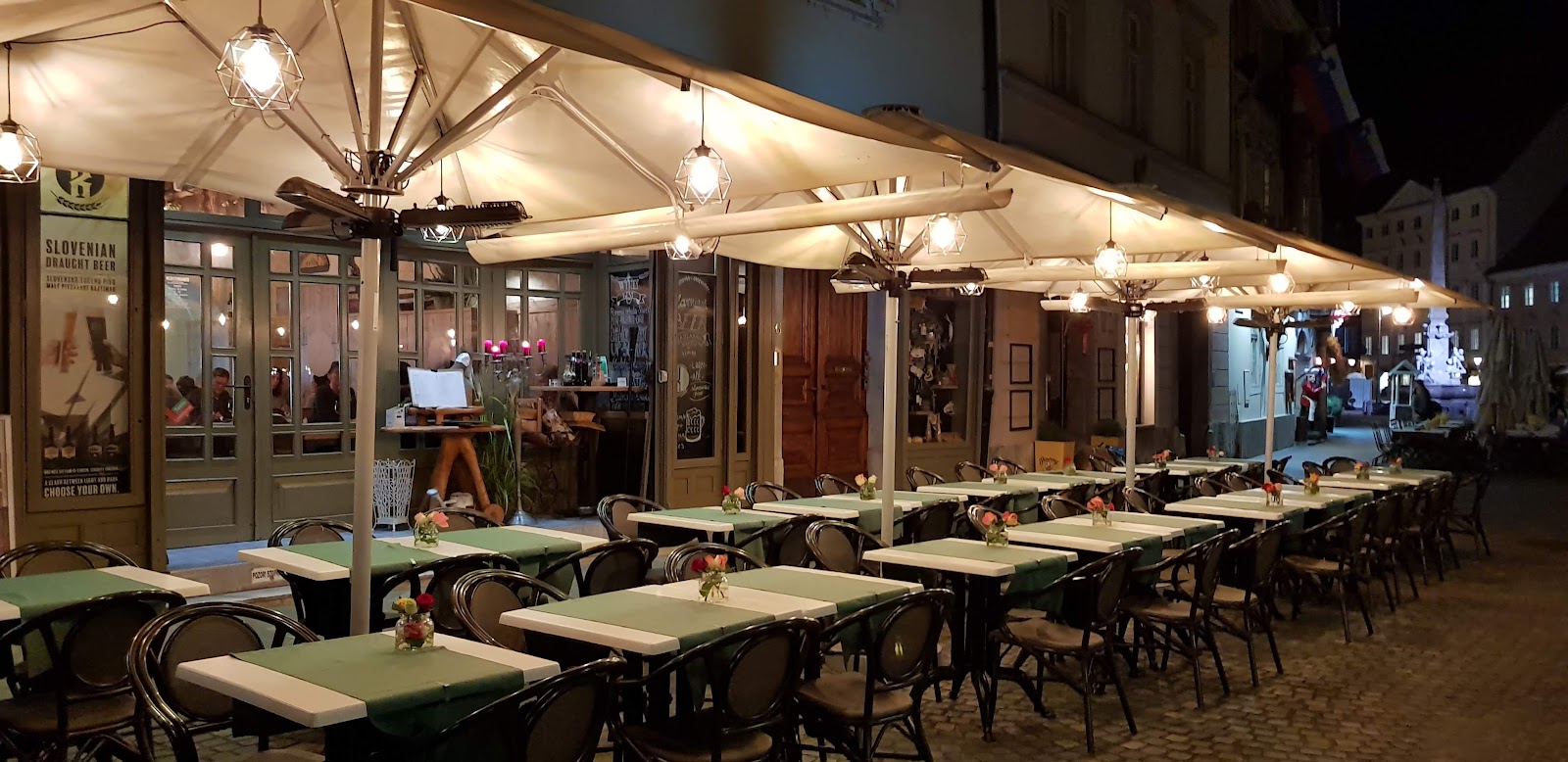
If you’re visiting the capital on any Friday between March and the end of October, you’re in for a real feast. On the paved Pogačarjev trg beside the central market, you’ll find the popular Odprta kuhna event, which translates as “Open Kitchen”.
Dozens of the best restaurants from the city and surrounding area set up stalls and prepare fantastic street food right in front of you. There is something for everyone, from traditional Slovenian dishes to exotic Asian and spicy Indian cuisine.
The atmosphere on Friday afternoons is wonderfully relaxed. People sit on the surrounding steps, sip chilled local wine and enjoy the start of the weekend with live music. 💡 Tip: Come hungry, skip a traditional restaurant lunch and try smaller portions from several different vendors instead.
7. Jože Plečnik’s House (Plečnikova hiša)
If you really want to understand the soul of the city and the genius of its creator, you have to visit the home of the man who gave Ljubljana its distinctive modern appearance. Plečnikova hiša has the best rating among the city’s museums—an impressive 4.8 from almost 800 reviews—and offers a unique, intimate experience.
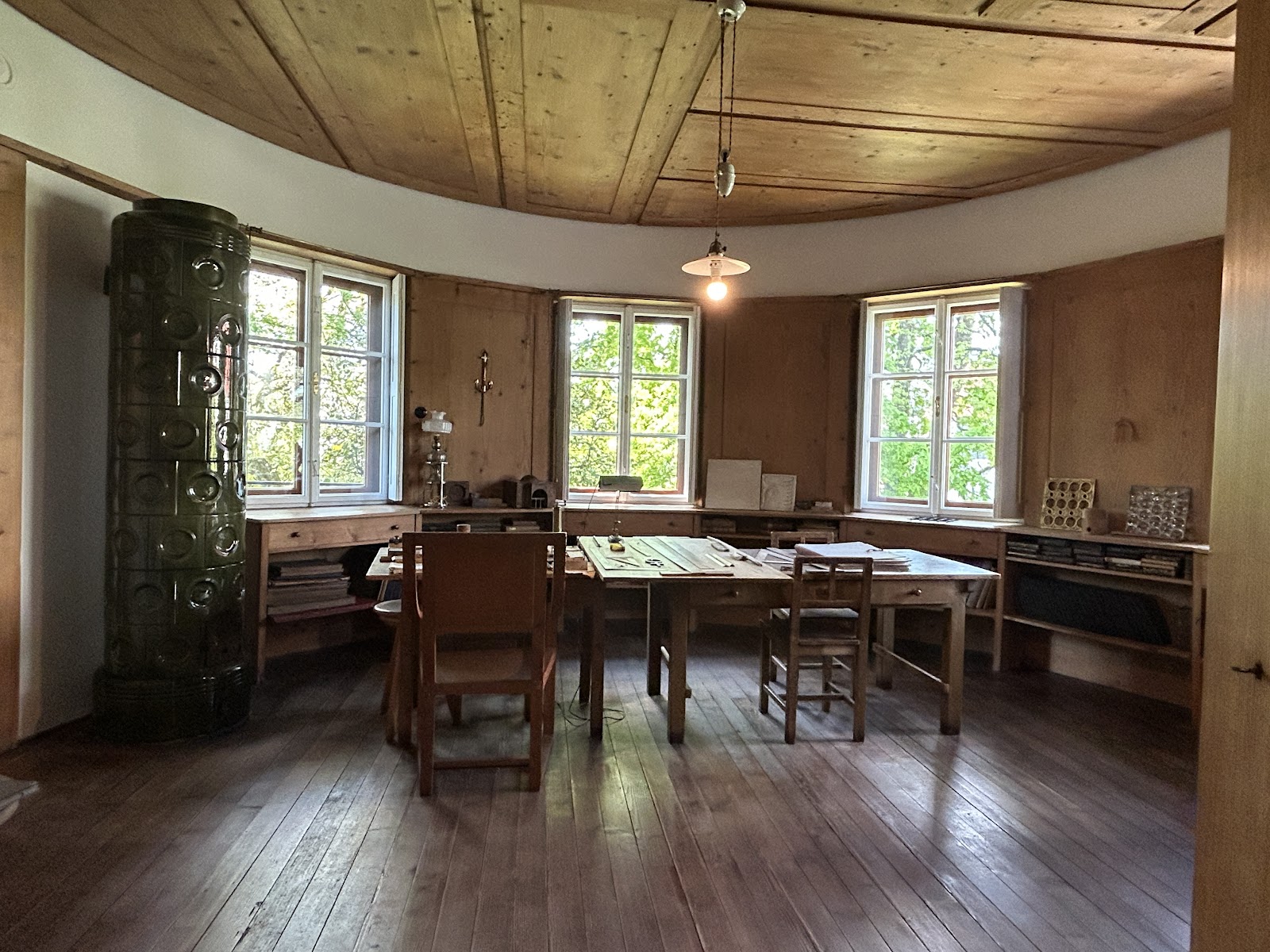
This unassuming house in the quiet Trnovo neighbourhood has been preserved in its original, untouched state, just as the famous architect left it. You’ll see his personal belongings, worn drawing boards and original furniture, which he designed and made himself for his particular needs.
Visits to the interior are only possible with a certified guide, and places are limited, so book your tickets online well in advance. The complex also includes a lovely green garden where Plečnik often relaxed with a coffee and found inspiration for his next grand architectural project.
8. City Museum (Mestni muzej)
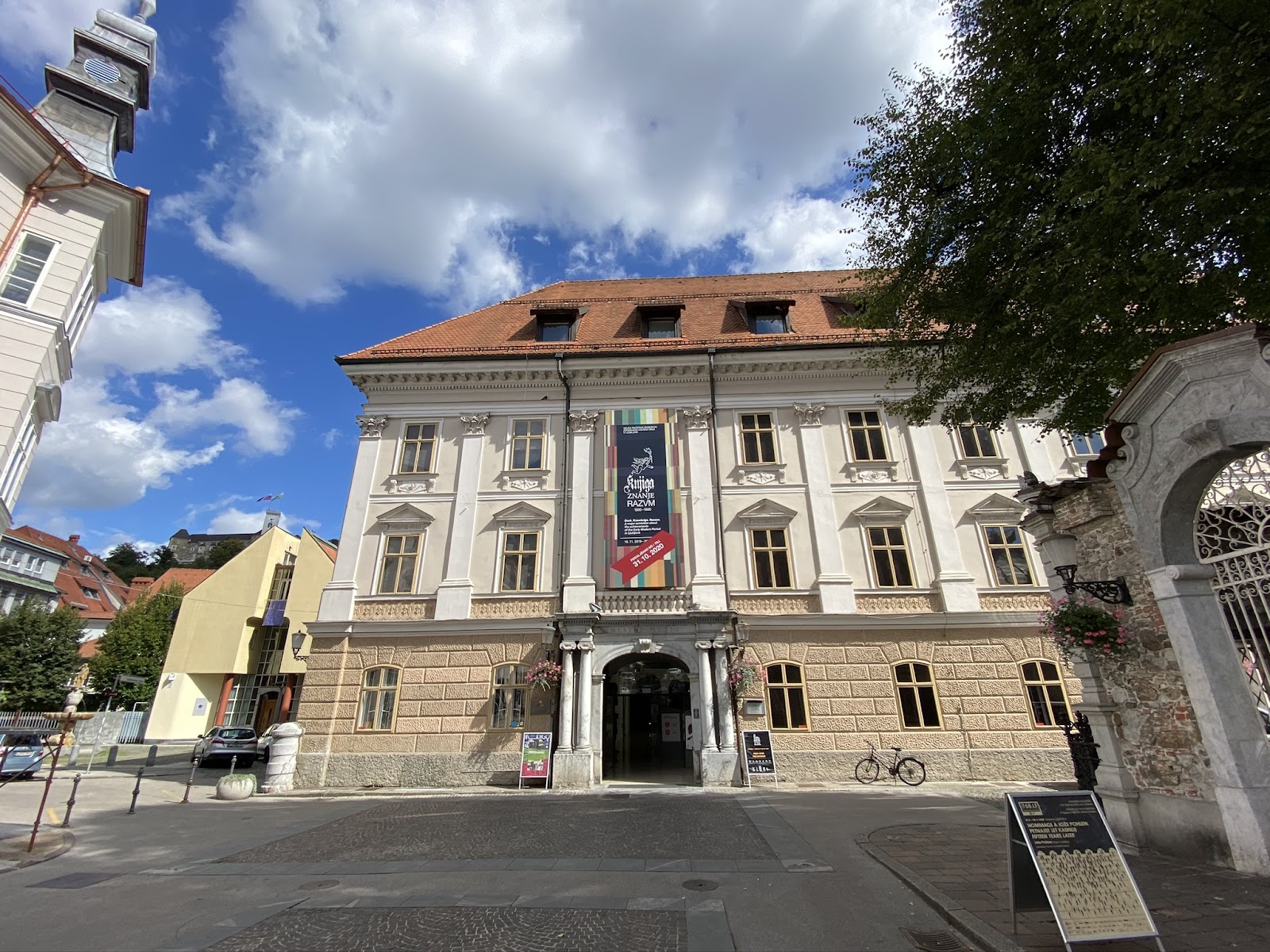
Mestni muzej occupies the beautifully restored Auersperg Palace and offers a fascinating, engaging look at the city’s complex history, from prehistory to the present day. The exhibitions are modern and fully interactive, with none of the long, dry texts that can make museums feel tedious.
The museum’s biggest attraction is undoubtedly the world’s oldest preserved wooden wheel. This extraordinary archaeological find came from the nearby Ljubljana Marshes and is estimated to be an impressive 5,200 years old. It’s exactly the kind of ancient artefact that sends shivers down your spine.
In the dark basement, you can also admire remarkably well-preserved remains of an original Roman road. Ljubljana, then known as Emona, was once an important Roman military settlement. 💡 Tip: After your visit, stop for excellent speciality coffee in the museum café in the sunny courtyard.
9. The Ljubljanica Riverfront and Boat Cruise
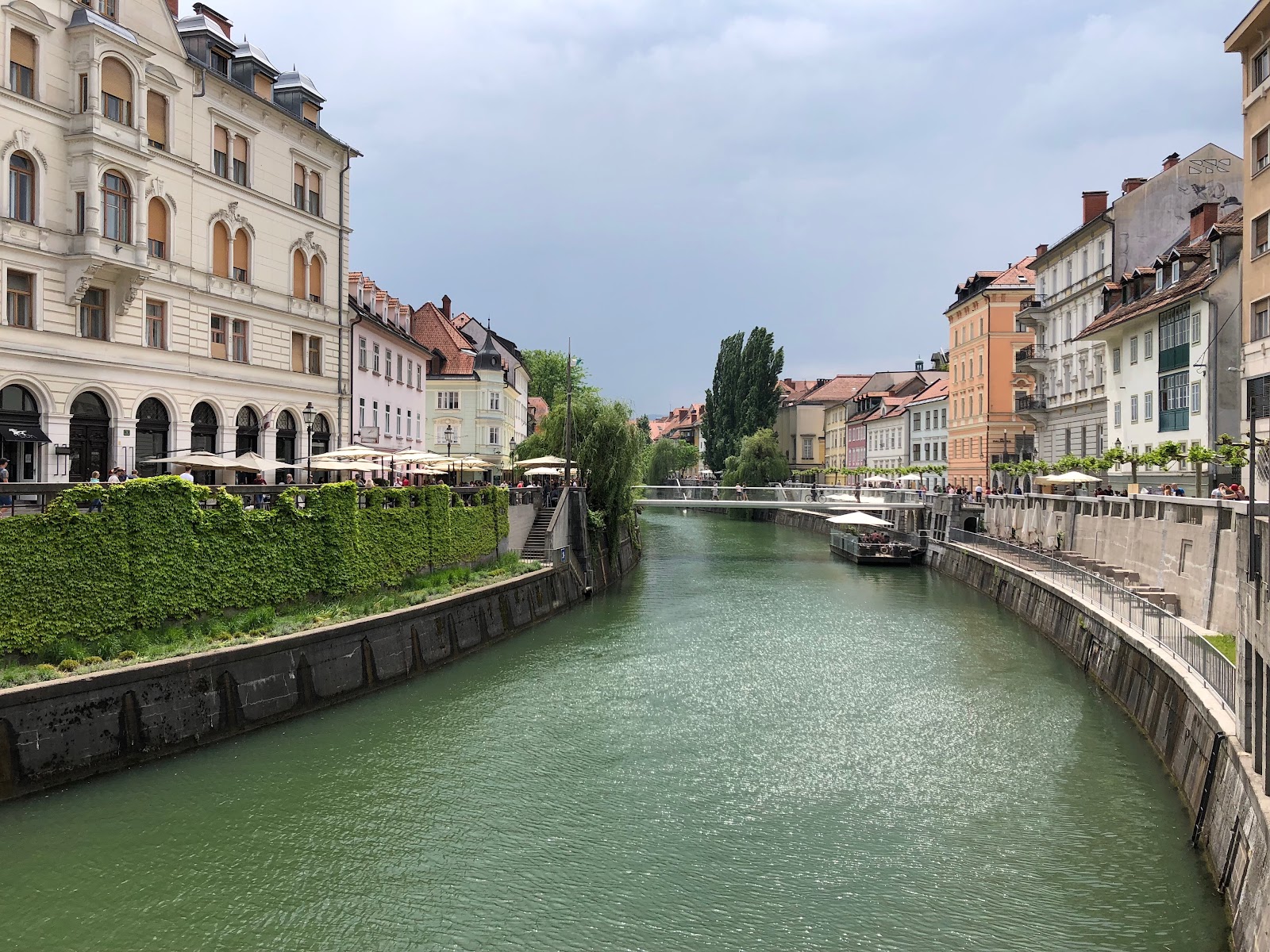
The Ljubljanica is not merely a physical division in the city; it is its living artery and main social hub. This is where Jože Plečnik did some of his finest work, lowering the steep banks and bringing them closer to the water with cascading steps and elegant stone balustrades.
The most beautiful and complete views of the historic bridges and landscaped promenades can be enjoyed from the deck of one of the many wooden sightseeing boats. A standard cruise takes around an hour. Boats usually leave from the main pier near Ribji trg, and you can easily buy tickets on the spot before departure.
If you prefer to keep your feet on dry land, you’ll find dozens of excellent cafés, pastry shops and small bistros along the riverfront. As soon as the first spring sunshine appears, students and locals settle down with a book and enjoy the laid-back atmosphere.
10. St Nicholas Cathedral
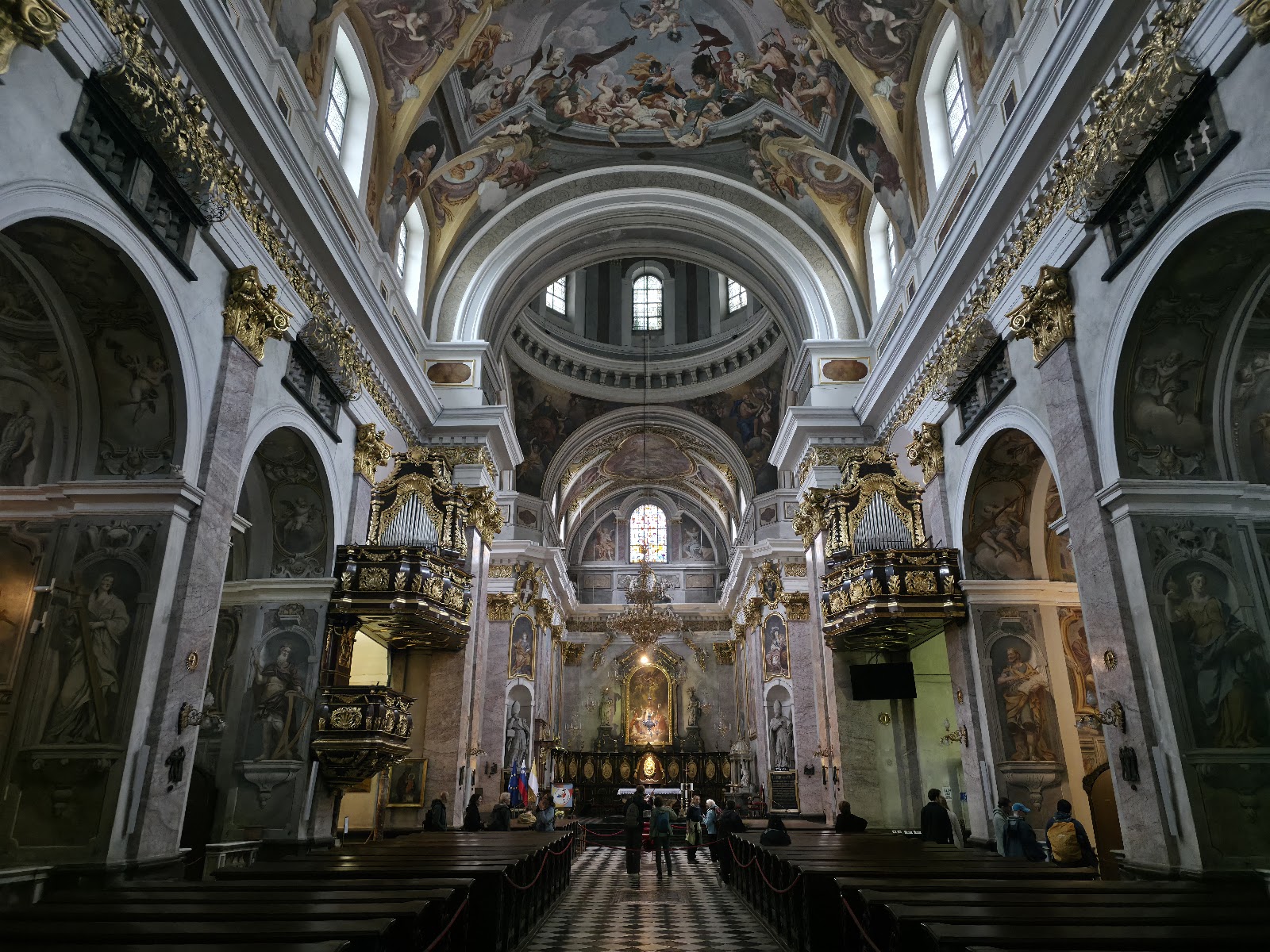
This magnificent Baroque church, with its distinctive green copper dome and two tall towers, is an unmistakable landmark of the old town. The cathedral’s interior is richly and intricately decorated with stunning ceiling frescoes and extensive gilding that immediately impresses you as you enter.
The most interesting and valuable detail, however, is surprisingly on the outside. The main entrance consists of massive bronze doors from 1996, created for the visit of Pope John Paul II. The breathtaking doors are practically a history textbook, depicting important milestones in Slovenian history in detailed relief.
The side doors feature distinctive sculpted portraits of important Ljubljana bishops, which look almost eerily lifelike from a distance. 💡 Tip: Entry to the cathedral interior sometimes costs a small fee during high season, so keep a few coins handy.

11. Cobblers’ Bridge (Čevljarski most)
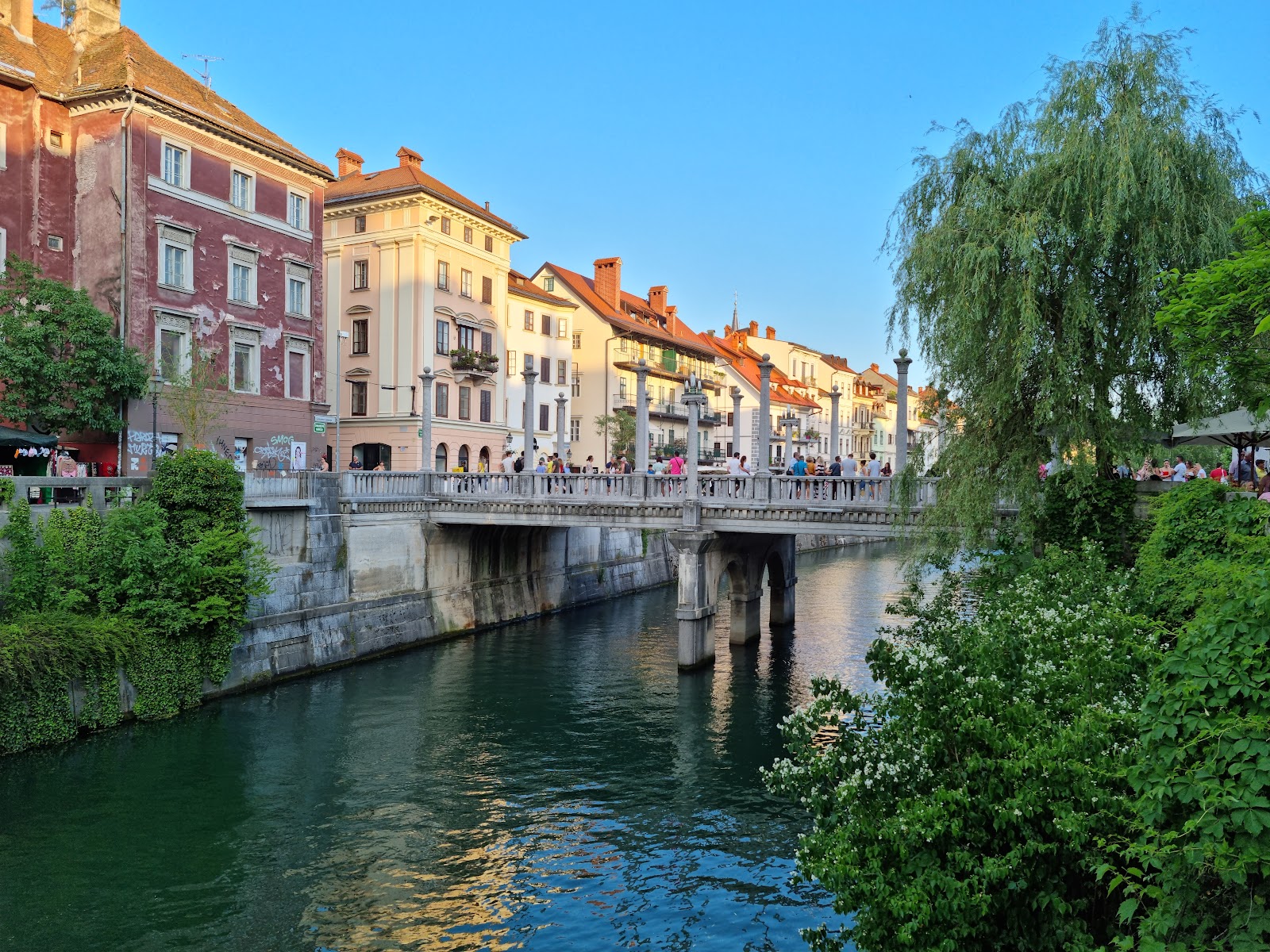
Another iconic Plečnik creation, the broad Čevljarski most elegantly links busy Mestni trg with the left bank of the river. This distinctive bridge is decorated with prominent stone columns topped by smooth stone spheres. In the past, it served as an important meeting place for local craftspeople and traders.
It got its present name because local cobblers historically had small wooden shops and workshops here. By setting up directly above the water, they cleverly avoided paying expensive city taxes, since the bridge technically belonged to neither bank. Today, it is mainly a popular, spacious pedestrian crossing.
Thanks to its excellent acoustics, the bridge is also a favourite spot for street musicians, so you’ll often come across live, high-quality music here. Stop for a moment, lean against the substantial railing and enjoy the lovely downstream view towards the main market.
12. Kongresni trg and Mestni trg
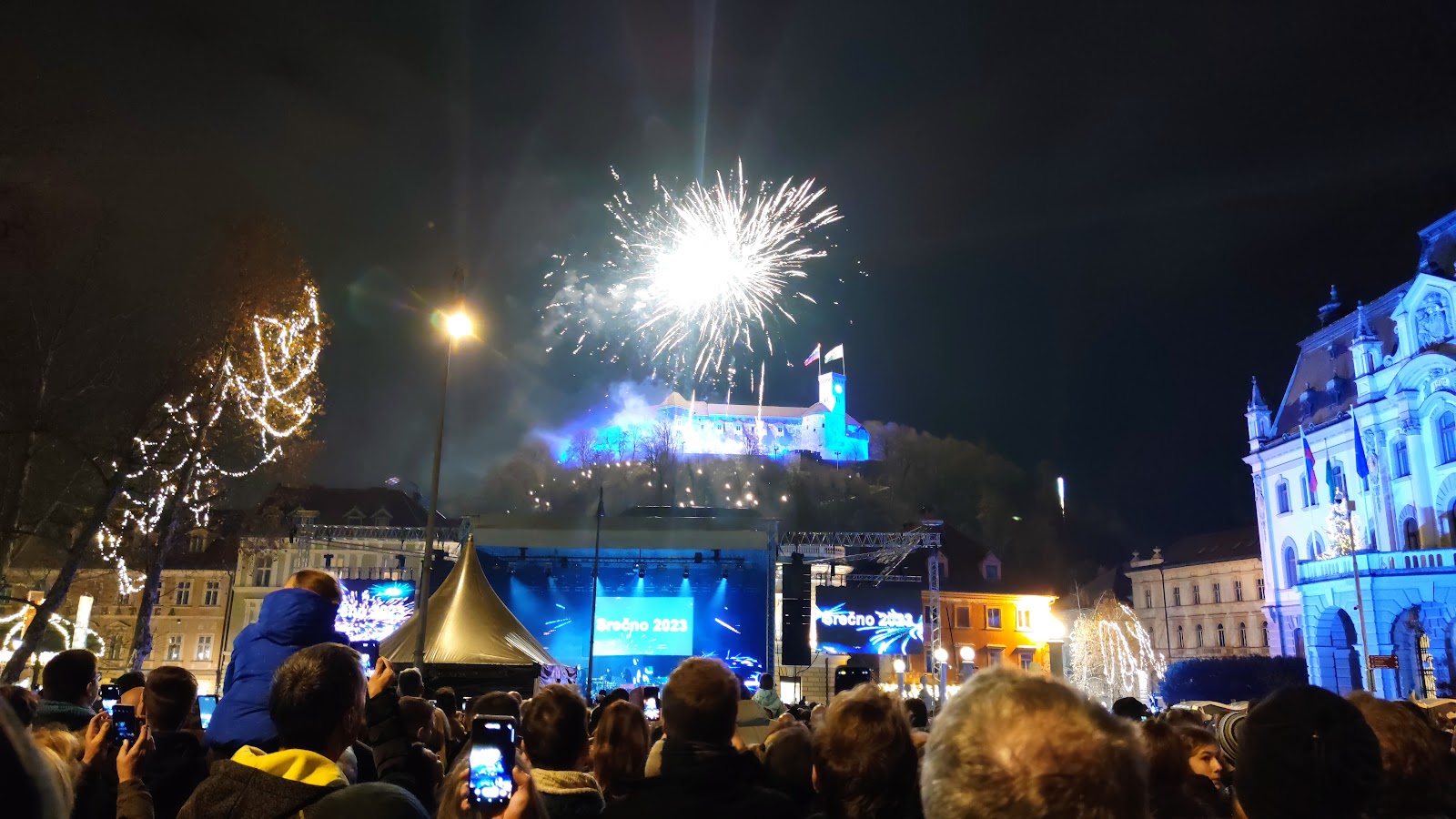
These two beautiful historic squares are just a short distance apart and are important centres of the country’s political and cultural life. Kongresni trg is a huge, airy open space surrounded by mature trees, dominated by the stately University of Ljubljana and the beautiful historic Philharmonic building.
Mestni trg, or Town Square, has a much more intimate, narrow and almost Italian character. This is where you’ll find the impressive historic Town Hall, with a beautiful arcaded courtyard that is open to the public and often hosts small exhibitions.
In front of the Town Hall stands the famous Robba Fountain from the mid-18th century, whose sculptures represent the three main Carniolan rivers. 💡 Tip: To protect the original marble fountain from the weather, it was moved to the National Gallery. The square now has an incredibly accurate copy.
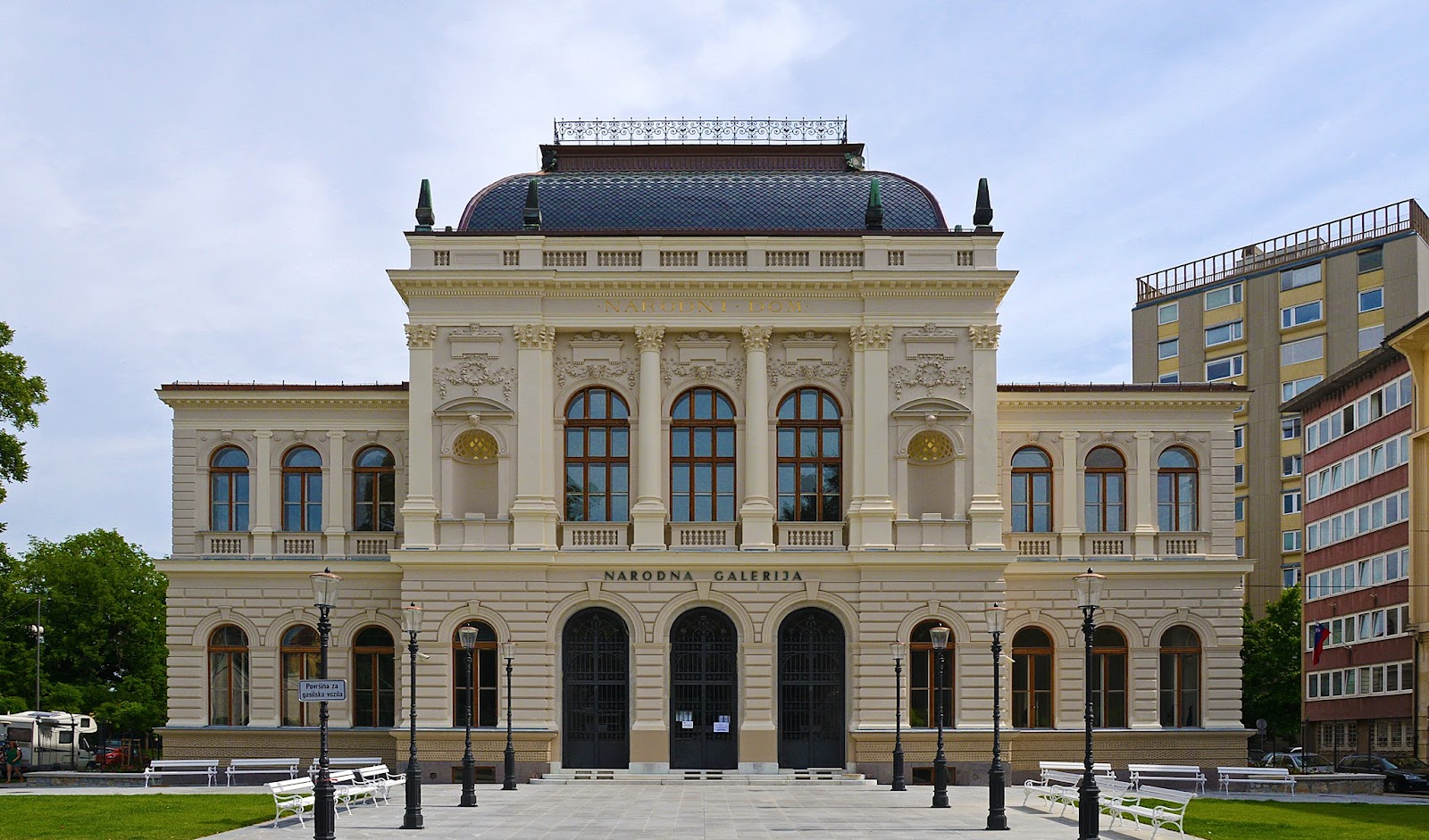
13. National Gallery of Slovenia
If you love classical art and the history of painting, you simply cannot leave this place off your itinerary. The National Gallery (Narodna galerija) occupies a magnificent palace and houses the most comprehensive collection of Slovenian art, from the Middle Ages and Gothic period to the early 20th century.
The gallery’s extensive, breathtaking section devoted to Slovenian Impressionists deserves special attention. Works by masters such as Rihard Jakopič and Ivan Grohar draw you in with vivid colours and dreamy depictions of the rugged local mountain landscape and rural life.
The gallery itself is bright, airy and welcoming, thoughtfully linking the historic building with a modern glass extension. The extension houses a well-stocked shop selling art souvenirs and books. It’s an ideal refuge if an unexpected shower catches you in the city.
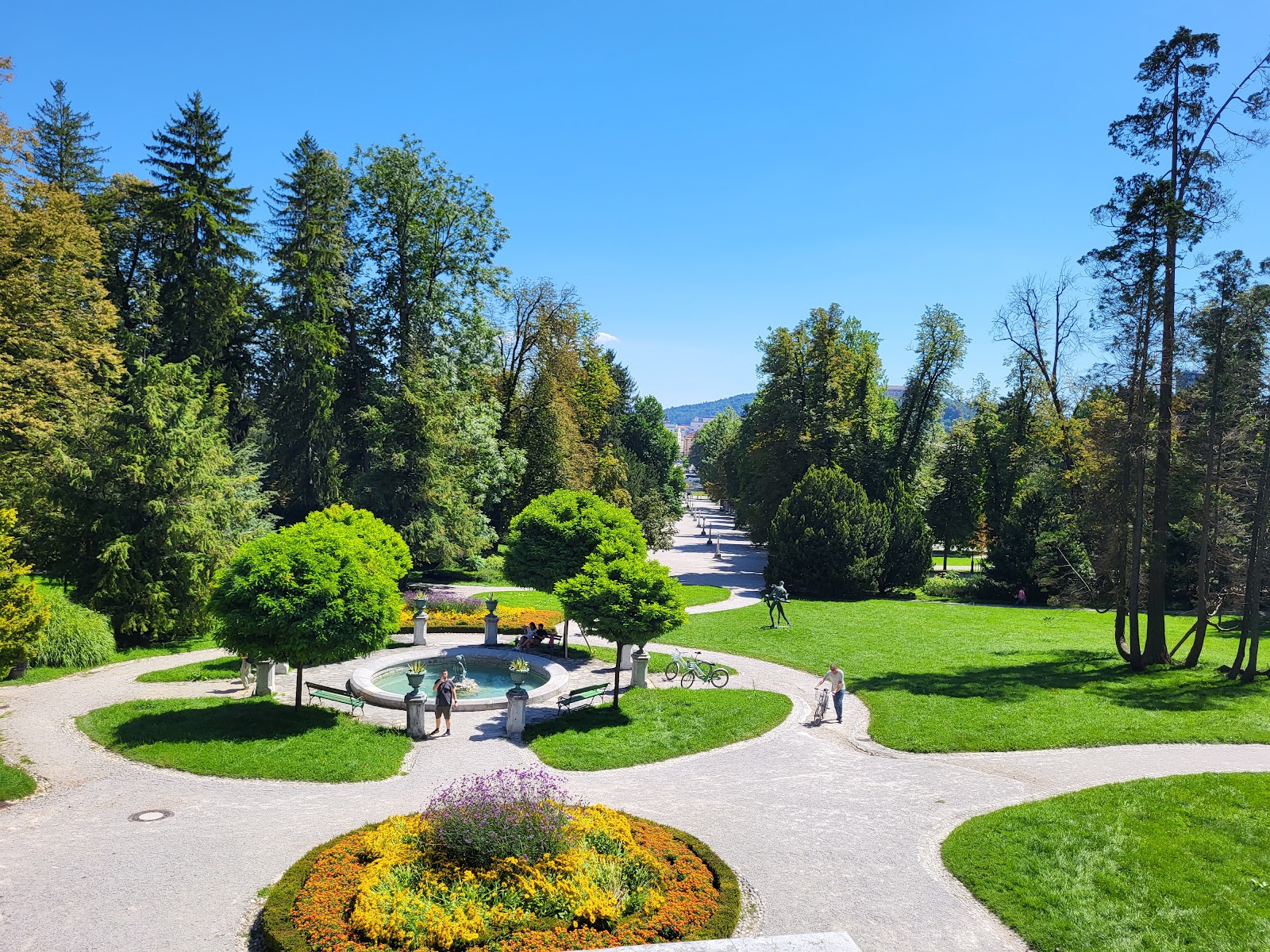
14. Museum of Contemporary History in Tivoli Park
For anyone wanting to understand the complicated and often bloody 20th century in the Balkans, this museum is a must. It is housed in the pretty pink Cekin Mansion on the edge of expansive Tivoli Park and focuses on Slovenia’s dramatic development from the First World War to the present.
The museum gives a particularly detailed and engaging account of Slovenia’s independence in 1991, known as the Ten-Day War, which began the break-up of Yugoslavia. The exhibitions use countless authentic photographs, personal objects and historic uniforms, giving the experience considerable emotional depth.
Despite the seriousness of the subject, the museum is clear, modern and engaging. After a visit that may leave you with plenty to think about, clear your head with a long walk through the manicured gardens and quiet chestnut avenues of the park.
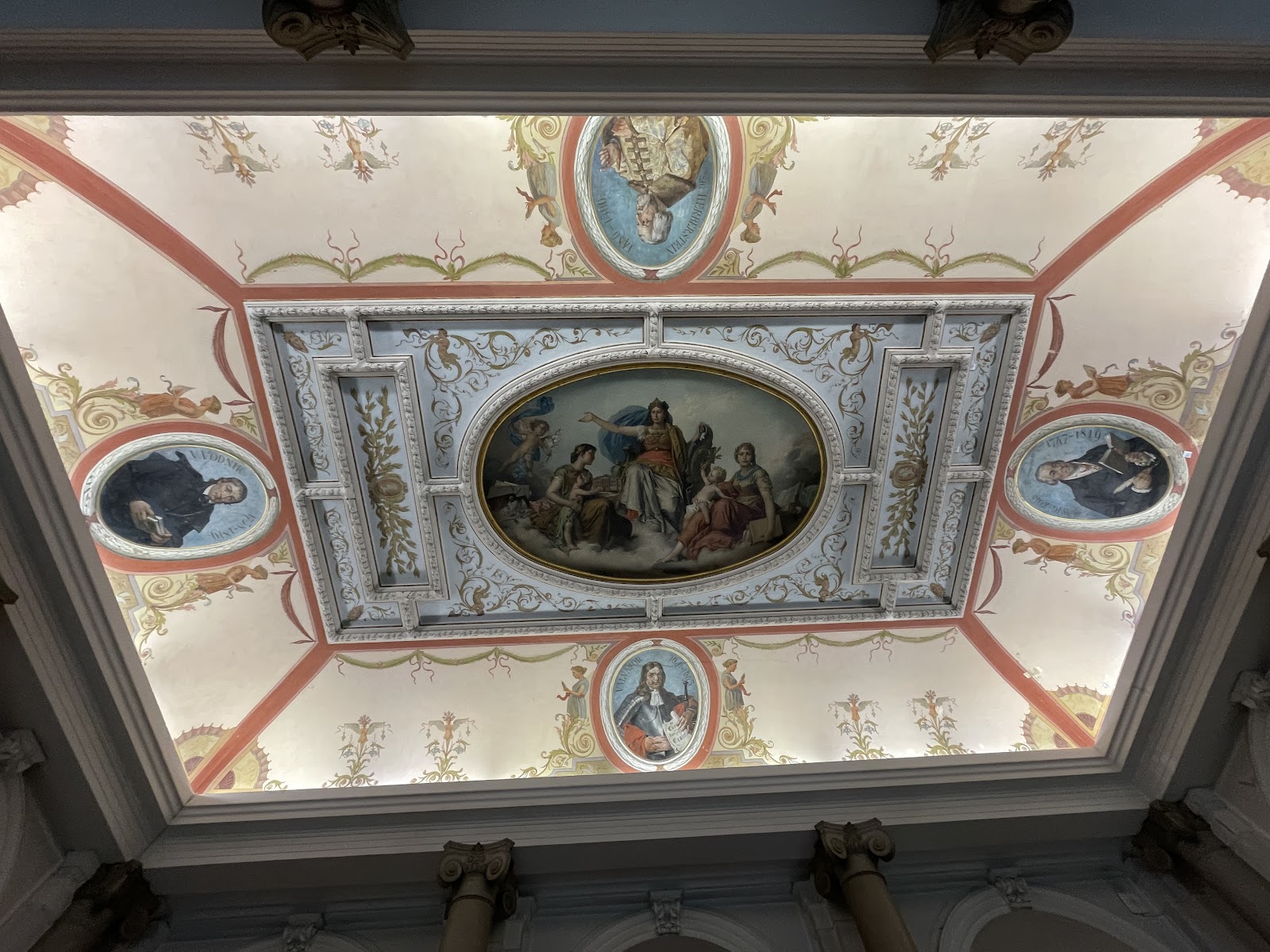
15. Slovenian Banking Museum
You may think that a museum about money and banking sounds like the most boring thing imaginable, but this one proves you wrong. This small, modern and surprisingly excellent museum is one of the city’s hidden gems, with a well-deserved rating of 4.8 stars from delighted visitors.
The well-designed interactive exhibition takes you through the history of currency in Slovenian territory. You’ll learn plenty of unexpected facts about Yugoslav dinars, the Slovenian tolar and the relatively recent switch to the euro, which you can now use everywhere in the country.
Best of all, admission to this excellent modern museum is completely free. 💡 Tip: The interactive games about financial literacy and counterfeit money are genuinely fun—not just for adults, but also for older children.
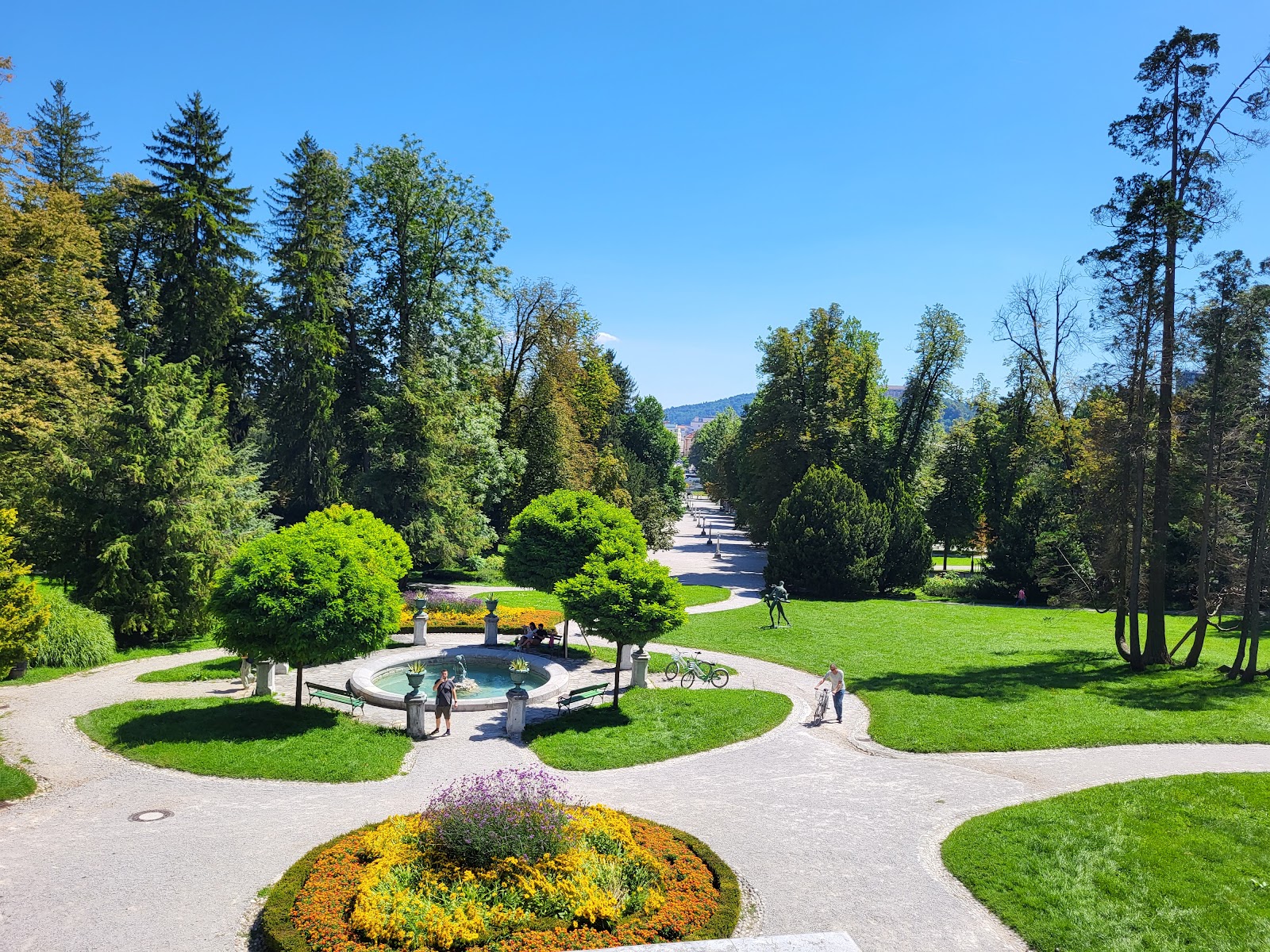
16. Tivoli Park and Plečnik Promenade
When locals need a break from the noise of the paved streets, they head here for the shade of the trees. Tivoli is by far the largest and most beautiful urban park, extending directly from the historic centre into wooded green hills towards the prominent Rožnik hill.
The park’s main axis and defining feature is the wide, carefully landscaped Jakopič Promenade (Jakopičevo sprehajališče), designed—as you might expect—by the ever-present and brilliant Jože Plečnik. Large contemporary photographs from various exhibitions line the broad path throughout the year, and the beautiful white Tivoli Mansion stands at its far end.
Locals come here to run, rollerblade or simply relax on blankets in the tall grass. If you have enough energy and good shoes, follow the forest path up Rožnik, where Slovenians like to enjoy a cold beer and beautiful views across the countryside.
17. A Sunday Hike up Šmarna gora
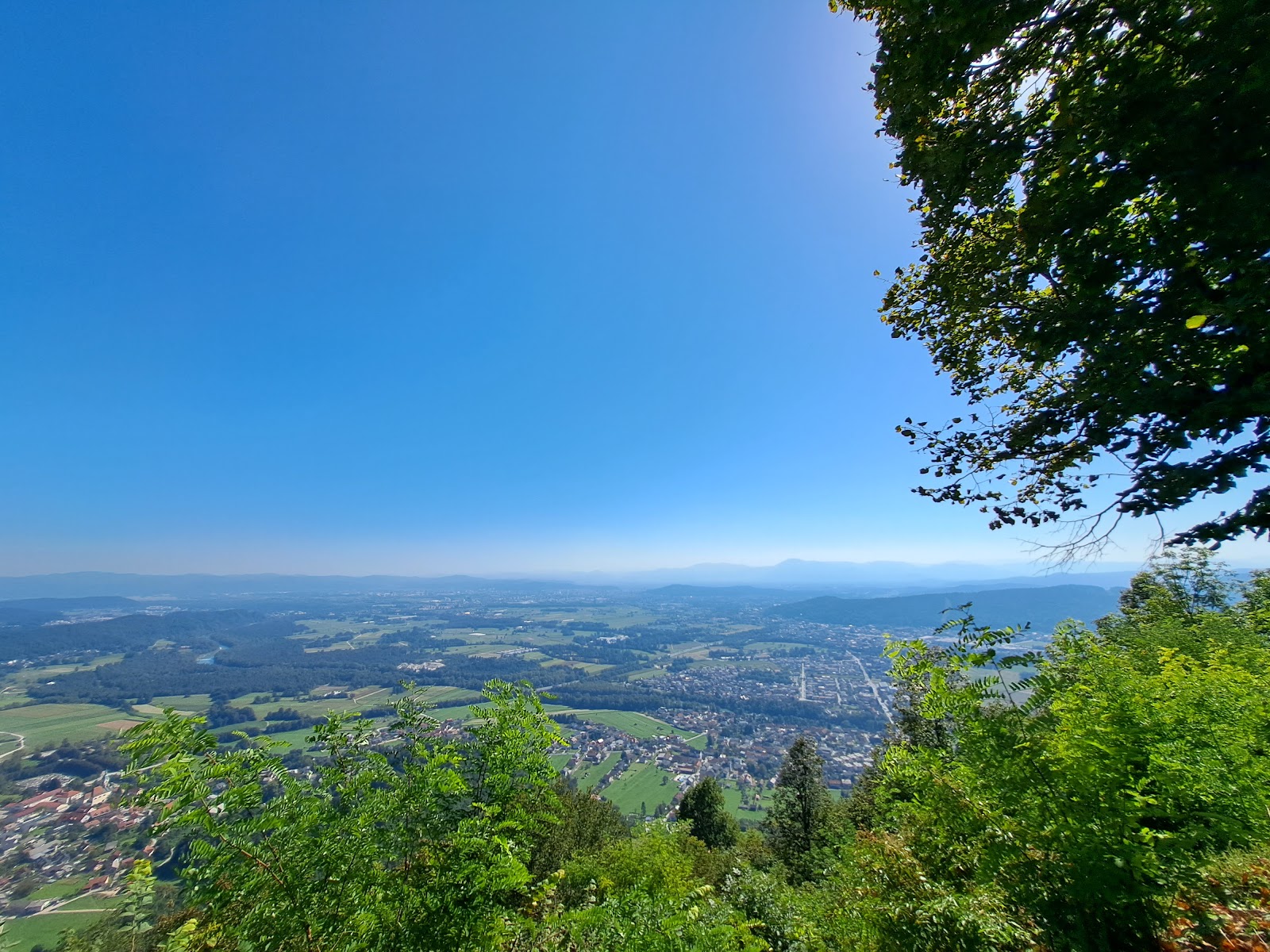
If you want to experience an authentic local weekend ritual, head just beyond the city. Šmarna gora is a prominent wooded hill standing 669 metres high north of the centre, and it is the favourite Sunday destination of active, sporty Slovenians.
The trail climbs through beautiful dense deciduous woodland and takes around an hour at a comfortable, moderate pace. It is well marked and easy enough in a good pair of trainers, although stones and roots can become slippery after heavy rain.
Your reward is not only a breathtaking panoramic view over the surrounding countryside and the city skyline, but also a popular mountain inn right at the summit, serving traditional hearty food and hot herbal tea to warm you up.
18. Botanical Garden and Špica Park
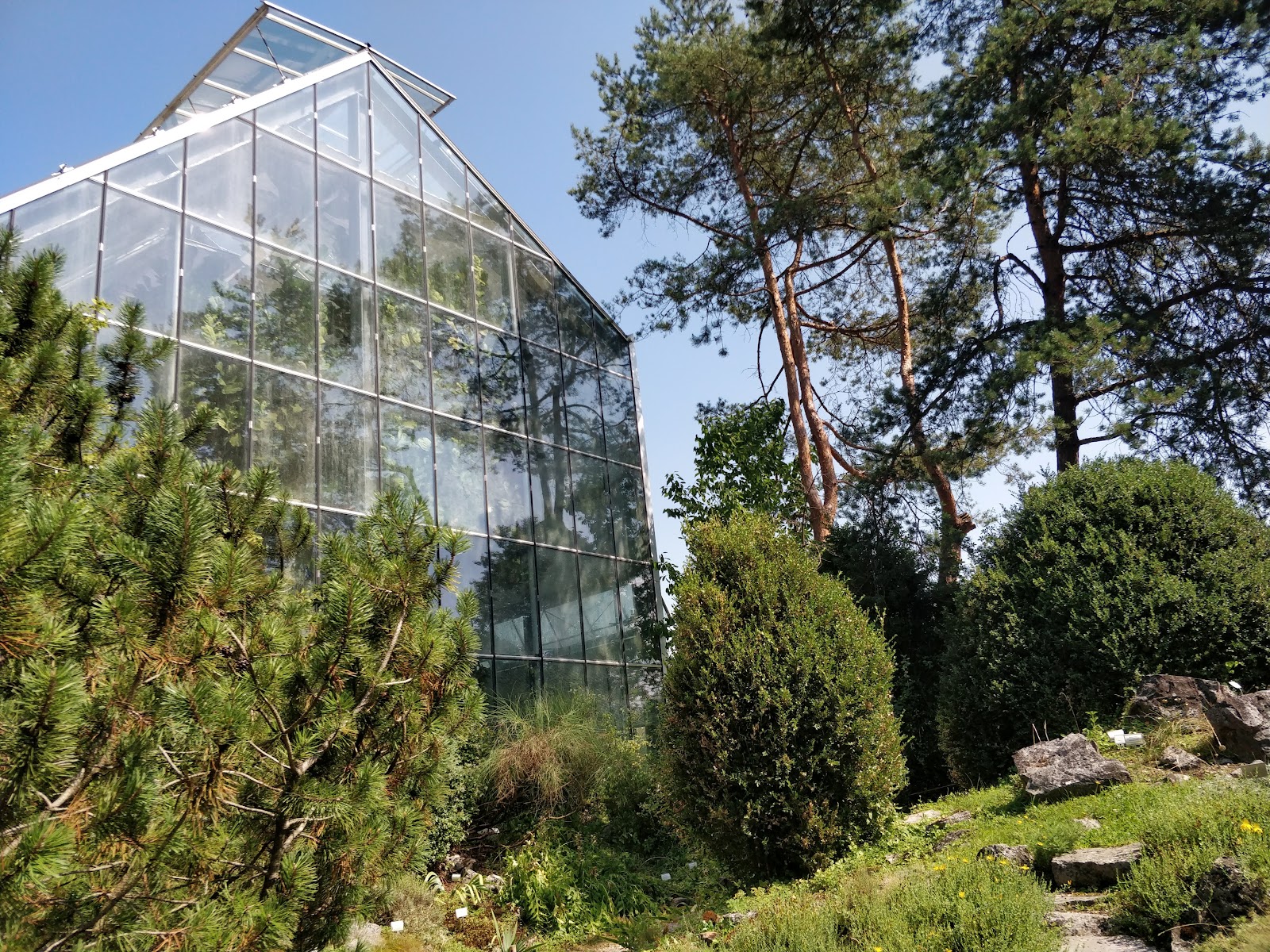
Ljubljana is proud to have one of Europe’s oldest botanical gardens, operating continuously since 1810. More than 4,000 plant species grow here, including many rare and endangered Slovenian endemics. The garden is relatively small, but peaceful and beautifully maintained, and most areas are free to enter.
Across the river lies Špica Park, an idyllic and photogenic spot where two rivers meet. It was once a popular city swimming area; today, it is a beautifully renovated wooden terrace perfect for relaxing.
On warm, sunny days, it is one of the most popular places among local students. Groups sit on the broad wooden piers with their feet dangling just above the cool water, enjoying excellent coffee from the stylish glass café.
19. Alternative Metelkova District
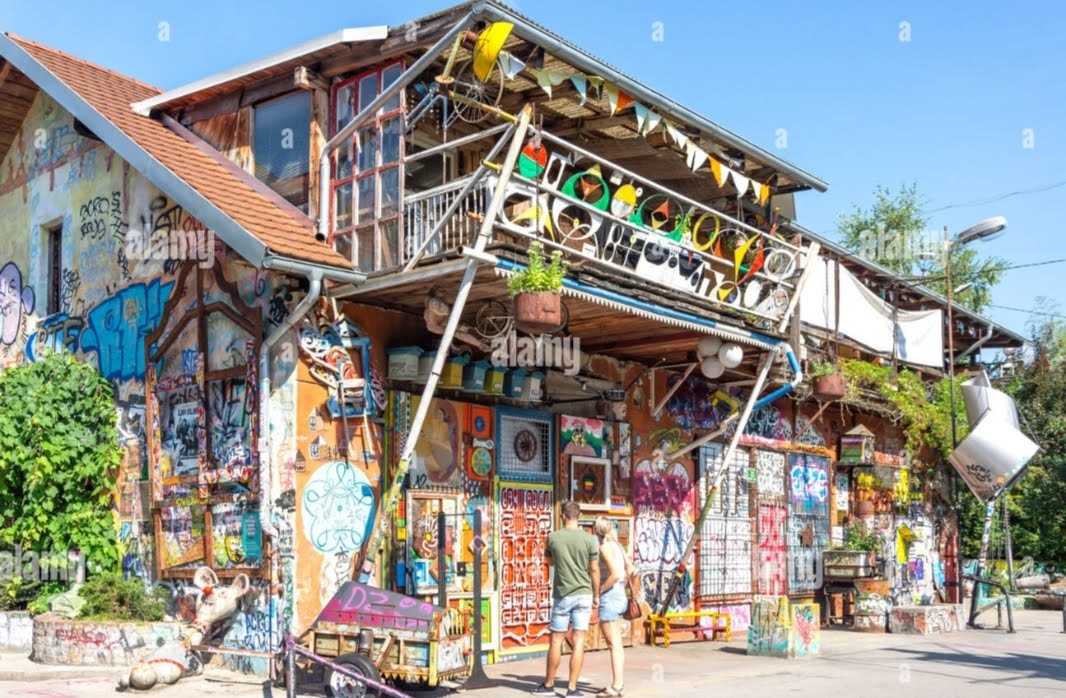
For lovers of independent underground culture and wild street art, this place is a one-of-a-kind phenomenon. Metelkova is a former military barracks complex occupied by local squatters during the turbulent 1990s and gradually transformed into a huge autonomous cultural centre.
The maze-like site is covered with bright graffiti, unusual mirrored mosaics and bizarre art installations, many made from recycled rubbish and old tyres. At night, dark underground clubs open their doors, hosting noisy alternative concerts and provocative exhibitions.
The atmosphere strongly recalls Copenhagen’s famous Christiania, and this is certainly not a polished attraction for every visitor. But if you want to see the wilder, untamed side of otherwise neat and orderly Ljubljana, take a look around during the day—it’s worth it.
20. Try Ljubljana’s Fantastic Vegetarian Food
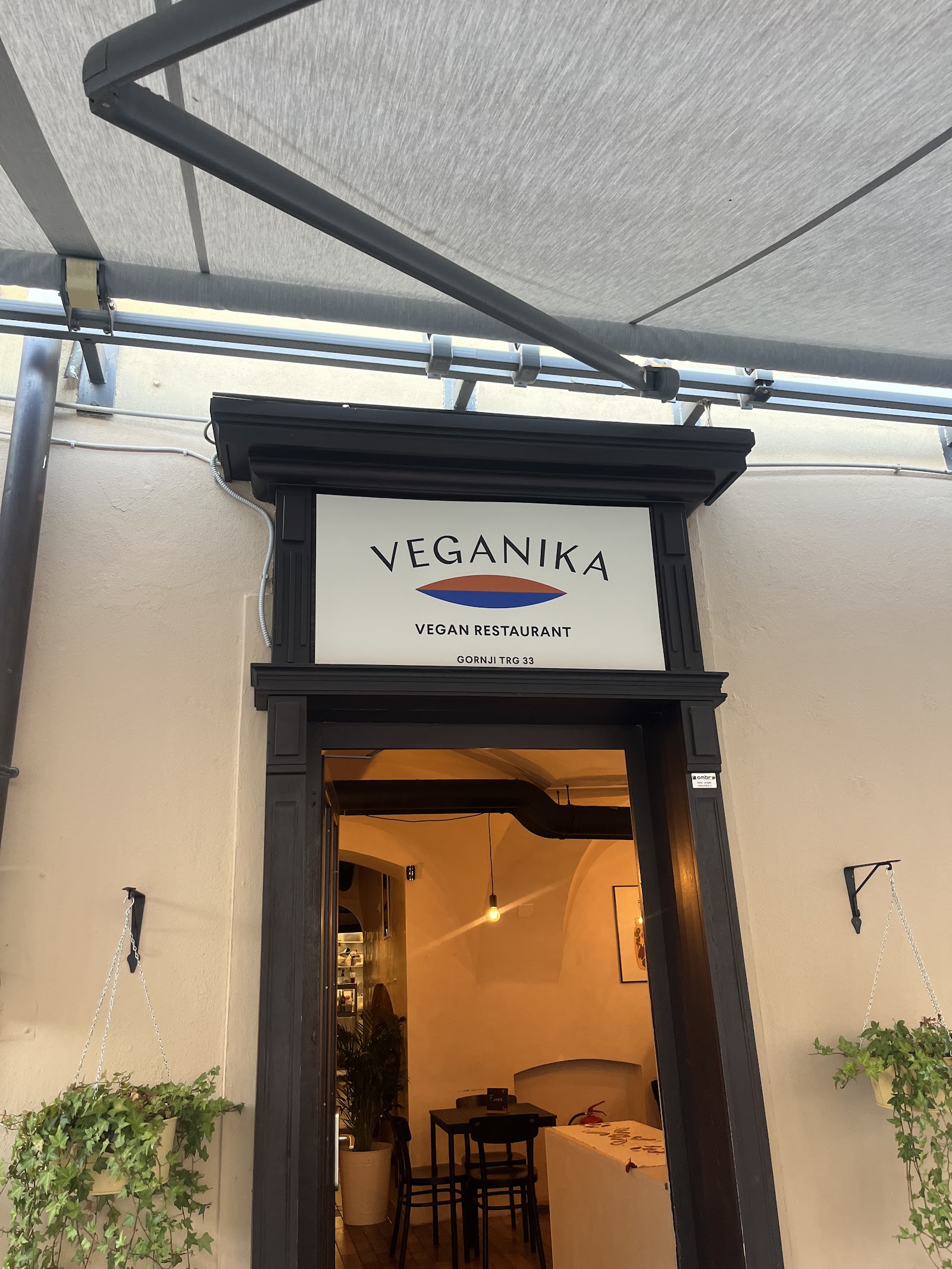
Although traditional Slovenian cuisine is largely meat-based, this progressive city is a culinary paradise for vegetarians and fans of plant-based food. The celebrated Veganika restaurant has an unbeatable reputation (4.8 stars), serving fantastic meat-free brunches and homemade cakes. Vegashi Vegan Fusion is also worth a mention, with an impressive 4.9 rating.
If you love bold Middle Eastern flavours, don’t miss the popular Abi Falafel. It has more reviews than any other meat-free restaurant in the city and serves some of the best creamy hummus and perfectly crisp falafel around. Excellent Indian restaurants with generous vegetarian menus include Bistro Maha, Gaudi&Naan and the popular Restavracija Radha Govinda.
For traditional local vegetarian classics, I recommend trying savoury štruklji filled with fresh curd cheese or delicious žlikrofi—small, filling pasta parcels with a delicate potato filling. For dessert, don’t miss rich prekmurska gibanica with poppy seeds, apples and walnuts, or try the famous light kremšnita from nearby Bled.
Where to Go Next from Ljubljana, Slovenia
As I mentioned in the introduction, the capital makes it easy to reach every corner of this beautiful country. Just get in a car or board a train and within an hour you can be admiring some of Slovenia’s finest scenery.
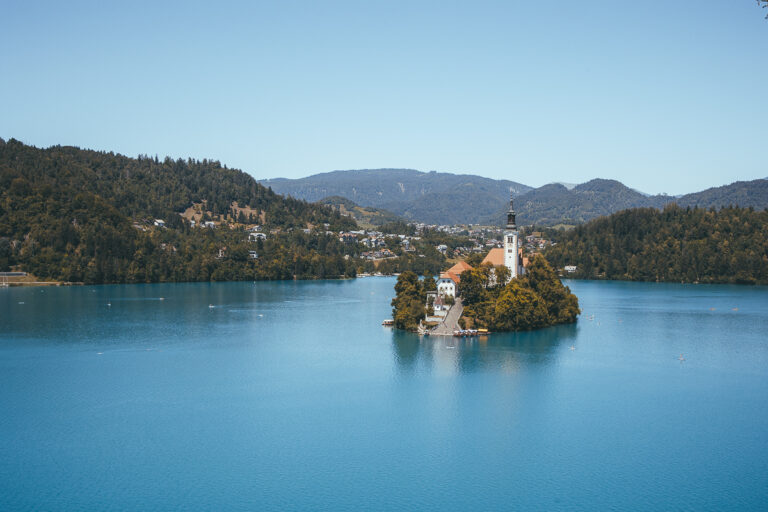
- Lake Bled: You can reach it by train or car in around an hour. Expect an iconic island church, a medieval castle and excellent kremšnita cake. Find more details in Slovenia: 15 Things to Do in Bled and around Lake Bohinj.
- Triglav National Park: If you’re craving the mountains, head towards Kranjska Gora. You’ll find the famous Vintgar Gorge and the spectacular Vršič Pass. We cover the route in Slovenia Road Trip: A 7-Day Itinerary.
- Underground wonders: Around an hour’s drive southwest are the spectacular Postojna Cave and fascinating Predjama Castle, built into a cliff. A quieter but equally beautiful alternative is Škocjan Caves.
- To the coast in Piran: In around an hour and a half, you can be breathing in the salty Adriatic air. Piran is a charming Venetian town that is easy to explore on a day trip.
- Thermal spas: Slovenia is full of healing springs. Find inspiration for a relaxing getaway in Slovenia’s Best Thermal Spas: 13 Tips.
- More ideas: For a complete overview of the country, take a look at Slovenia Holiday: 22 Things to See and Do.
- A trip to Zagreb: If you want to explore another Balkan capital, you can reach Croatia’s capital by train in just two hours.
Frequently Asked Questions
How many days do you need for Ljubljana?
For the historic center itself and the main sights, one to two full days are perfectly enough, as the city is really very compact. However, if you use the city as a strategic base for day trips around Slovenia, I recommend staying for four to five days.
Can you explore the center on foot?
Yes, absolutely without any problems. The entire historic core including the riverfront is a strictly closed pedestrian zone, so it’s very comfortable, safe, and easy to navigate even with a stroller. If you have limited mobility, you can use the small electric vehicles called Kavalir completely free of charge.
How much does castle admission cost?
The basic ticket to the castle complex, which includes the viewing tower and museums, costs €15. If you don’t want to walk up the hill, a round-trip funicular ticket costs €6. The most economical option is to buy a combined ticket for a total of €19.
What about the tourist tax?
Ljubljana charges an official tourist tax of €3.13 per person per night, which is the highest rate in all of Slovenia. The good news is that children under seven are completely exempt from this fee, and older children up to eighteen pay only half.
Do you need a car in the city?
You definitely don’t need a car for getting around the city itself, and it would likely be more of a hindrance. You can reach everything comfortably on foot or use the excellent public transport with the Urbana card. However, a car will definitely come in handy for those day trips to the lakes or the high mountains.
Where can you park if you come by car?
Since cars are not allowed to enter the historic center at all, the best option is to use the peripheral P+R (Park and Ride) car parks. They’re very affordable, and the price of all-day parking includes a round-trip ticket on the city bus directly to the center.
When is the best time to visit?
The ideal time to visit is the spring months of May and June, and then September, when the weather is pleasant without extreme heat and humidity. The city also has a beautiful and completely unique atmosphere in December during the popular and beautifully lit Christmas markets by the river.
Tips and Tricks for Your Vacation
Don’t Overpay for Flights
Search for flights on Kayak. It’s our favorite search engine because it scans the websites of all airlines and always finds the cheapest connection.
Book Your Accommodation Smartly
The best experiences we’ve had when looking for accommodation (from Alaska to Morocco) are with Booking.com, where hotels, apartments, and entire houses are usually the cheapest and most widely available.
 🚗 Car rental on the roadVerified rental cars in Slovenia
Search with the DiscoverCars comparison engine — it compares prices from dozens of local and international rental companies, and most bookings come with free cancellation.
Compare car prices in Slovenia →Don’t Forget Travel Insurance
Good travel insurance will protect you against illness, accidents, theft, or flight cancellations. We’ve had a few hospital visits abroad, so we know how important it is to have proper insurance arranged.
Where we insure ourselves: SafetyWing (simple monthly subscription) and TrueTraveller (for extra-long trips).
Find the Best Experiences
Get Your Guide is a huge online marketplace where you can book guided walks, trips, skip-the-line tickets, tours, and much more. We always find some extra fun there!