

Can you imagine university graduates heading straight to a rubbish dump after earning their degree? Perhaps as a joke or a tongue-in-cheek protest — but certainly not as a serious career move. Yet in Kibera, Kenya, a group of young volunteers did exactly that. They studied hard so that after finishing school, they could head into the most polluted corners of the city and help their entire community by collecting waste.
This story — and it’s entirely true — took place in Kibera, the largest slum in Kenya’s capital, Nairobi. Roughly one million people are crammed into an area of just 2.5 square kilometres, making it one of the most densely populated places in Africa. That many residents produce an enormous amount of waste, and for a long time, nobody bothered to clean it up. Massive rubbish dumps formed, contaminating the water and the surrounding environment. On top of that, the Kibera slum lacks almost everything: proper roads, pavements, street lighting, electricity and water infrastructure, sewage systems — and, crucially, quality schools.
The Utu Montessori School in Kibera was born precisely from those seemingly insurmountable mountains of rubbish and a group of young volunteers who funded school fees for impoverished children by collecting waste. Over time, the volunteer effort grew. Young people from the neighbourhood decided to found their own school so they could help even more children.
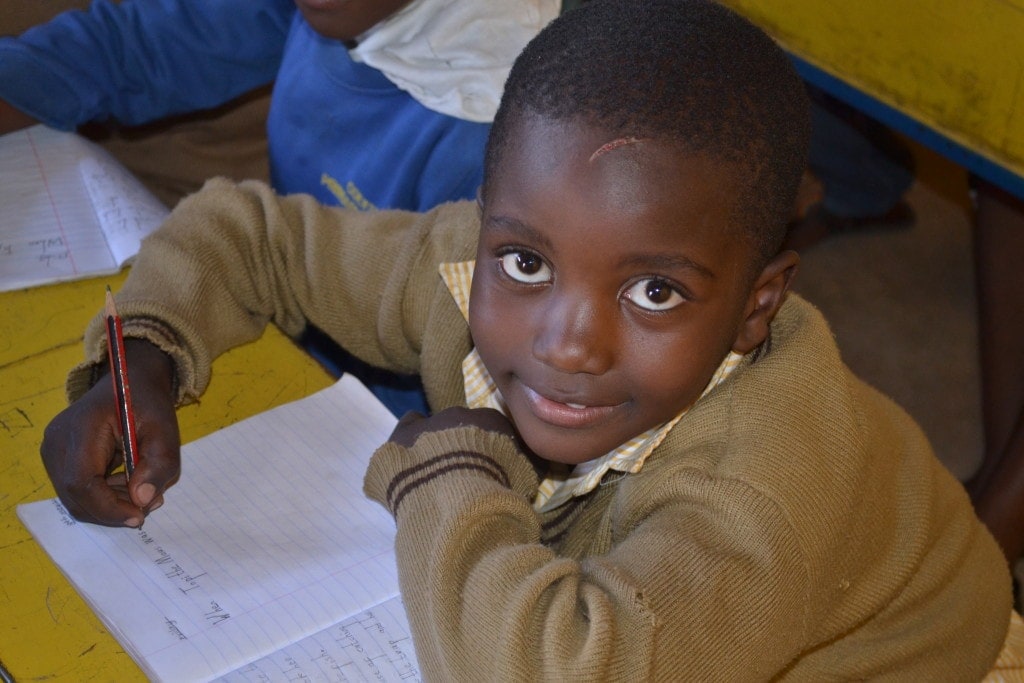
The first classrooms of the Utu Montessori School were funded by a team of volunteers led by Ahmed Ibrahim — not only through waste collection, but also through creative upcycling. Together with residents from across the neighbourhood, they turned rubbish into recycled clothing, bags, and jewellery. They managed to lease the land where the school stands from the city, and classrooms were built on the go, with additional support from various aid projects.
One particularly successful idea was building a gym inside the school. Pointless in a slum like Kibera in Nairobi, Kenya, you might think? Far from it! The equipment was sourced from other gyms and fitness centres, and the admission fees helped pay for children’s meals and teachers’ salaries. The same group of enthusiasts also founded the Unique Football Academy — a comprehensive social project that goes far beyond football. Alongside training sessions, it offers courses in journalism, for instance. The academy aims to give young people a brighter future and the chance to chase their dreams, whether that means becoming a professional footballer or pursuing any other career.
The initiative shown by these young people is truly remarkable. The projects stand out not just for their inventive approach, but also because they create a space for young people from the area to come together and do something meaningful — for themselves and their community. Thanks to these creative ideas, the Utu Montessori School can welcome children whose parents couldn’t afford the fees at government schools. Its enthusiasm and unique approach have won the hearts of local children, and classrooms are filling up fast.
Looking ahead, the school — which was also established with the support of the Czech organisation Centrum Dialog — plans to expand with additional year groups. Currently, it runs a nursery, a kindergarten, and the first three primary school classes. The dream shared by Centrum Dialog and the local volunteers is to move into their own building or onto their own plot of land. That’s incredibly difficult in Kibera, though, because even though we’re talking about land in a slum, prices are extremely high.
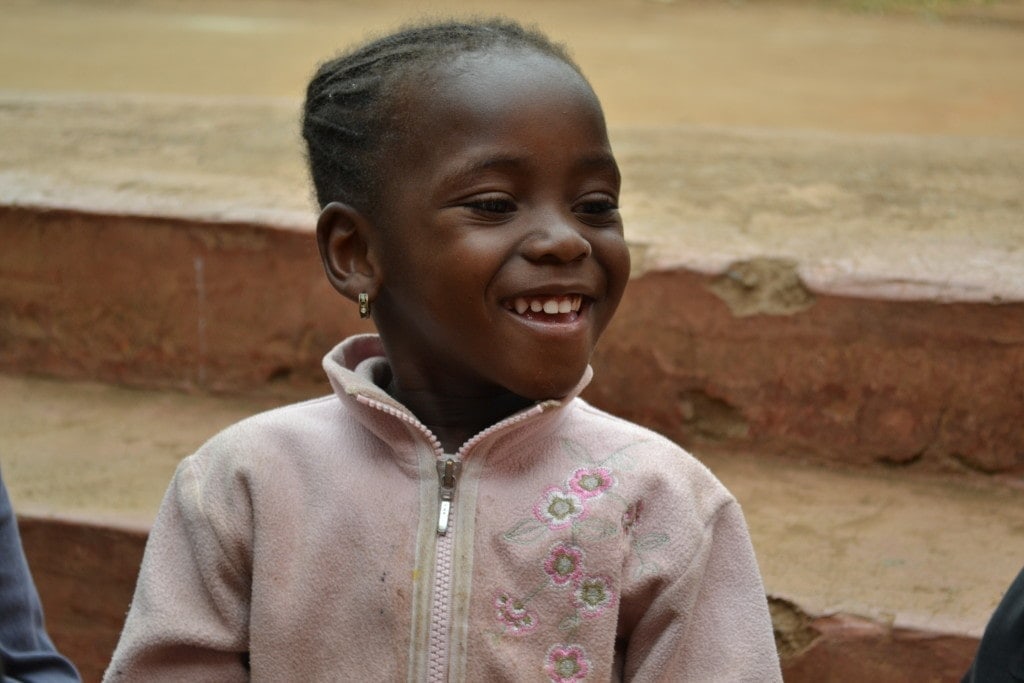
Several children at the school are supported through a distance adoption programme for African children. Thanks to this initiative, dozens of children from the Kibera slums in Kenya have not only completed primary and secondary education but have also gone on to attend university.
Centrum Dialog launched its “Adoption of African Children — Distance Aid Programme” back in 2002. With the help of adoptive sponsors, the project has given more than 4,000 children from Kenya and Guinea the chance to receive an education. If you’d like to get involved and support a child’s future, we recommend reading more about the programme.
Map of points of interest for your phone
Tips and Tricks for Your Vacation
Don’t Overpay for Flights
Search for flights on Kayak. It’s our favorite search engine because it scans the websites of all airlines and always finds the cheapest connection.
Book Your Accommodation Smartly
The best experiences we’ve had when looking for accommodation (from Alaska to Morocco) are with Booking.com, where hotels, apartments, and entire houses are usually the cheapest and most widely available.
Don’t Forget Travel Insurance
Good travel insurance will protect you against illness, accidents, theft, or flight cancellations. We’ve had a few hospital visits abroad, so we know how important it is to have proper insurance arranged.
Where we insure ourselves: SafetyWing (simple monthly subscription) and TrueTraveller (for extra-long trips).
Find the Best Experiences
Get Your Guide is a huge online marketplace where you can book guided walks, trips, skip-the-line tickets, tours, and much more. We always find some extra fun there!


