

Back in 1996, Bill Gates famously declared that “content is king.” Nearly three decades later, that statement rings truer than ever. High-quality content marketing is one of the best investments you can make for your brand. It increases brand awareness, builds credibility, and — most importantly — great content marketing tips put into practice will generate more revenue than any paid advertising campaign.
A well-crafted blog post or informational video can keep earning for years without requiring ongoing investment. Let’s dive into what content marketing really involves and how to do it effectively.

What Is Content Marketing?
Content marketing is a marketing strategy focused on creating, publishing, and distributing relevant, valuable content for a target audience. The ultimate goal, of course, is to increase sales or other conversions that the marketer is tracking.
Content marketing encompasses not just the creation of quality content, but also its planning and distribution across all marketing channels.
Content marketing is used to acquire new customers, expand brand awareness, and naturally boost conversions. Through content marketing, you build a customer base and increase customer loyalty. It’s also a brilliant tool for establishing brand credibility.

Types of Content Marketing
- Blog articles
- Informational websites
- Product and informational videos
- Infographics
- Podcasts
- Social media posts
- Newsletters
- E-books and books
- Informational brochures
- Influencer marketing (partially)
Why Should You Invest in Content Marketing?
You might be wondering — is content marketing really worth the effort? In 2019, we took on a client in the health and nutrition space. Without spending a single penny on PPC or Facebook ads, we managed to drive 50,000 visitors to their website in the first year of creating quality content alone. That’s modest, sure — but look at what happened next: in the second year, traffic jumped to 350,000 visits, and by the third year, the company blog was pulling in nearly 470,000 visitors. How many blog posts did we produce? Just 2–4 per month, sometimes even fewer.
Of course, creating content that actually gets read isn’t easy. You also need to understand the basics of copywriting, SEO, and link building. Writing a high-quality article is usually just the first of several steps you need to take to lay the groundwork for organic traffic.
TIP 💡: Want to learn how to write articles that earn money and drive traffic, step by step — plus get a sample brief for copywriters? Check it out on our Patreon.
30 Content Marketing Tips for a Winning Strategy
Creating content sounds simple enough, but if you do it without a clear plan, you can end up spending a fortune on copywriters and social media specialists with nothing to show for it. Here are 30 content marketing tips to keep in mind when building your strategy.
1) Develop a Content Strategy
Creating a solid content strategy should be the springboard for effective content marketing. It’s typically the first thing we build with our clients. For it to work well, it needs input from company leadership, an SEO specialist, and a content marketing specialist.
A content strategy lays out a thematic plan (blog, newsletters, social media), outlines the topics you should cover, and tells you which channels to use for each.
It also includes a publishing calendar with key dates, seasonal topics, and events. With a well-crafted content strategy, you should never find yourself stuck wondering what to write about or what content to create.
If you’re putting together a content strategy for the first time, tools like ChatGPT can also lend a hand.
2) Set Realistic Goals
With content marketing, the results of some activities won’t show up immediately — it can take several months. While the ultimate goal is usually to increase conversions or traffic, a better initial target is to define the path you want to take rather than fixating on a specific number that would be more guesswork than a realistic estimate.
For example, you might decide that:
- You want to publish 35 articles according to your thematic plan over the next year,
- Create two email automations focused on the core topics of your business,
- And produce four informational videos that help people solve the problems they most commonly face.
3) Define Your Brand’s Tone of Voice
Tone of voice refers to the way your brand communicates. Smaller companies often overlook this, thinking it’s unnecessary because everyone already knows how the brand sounds.
Setting a consistent communication tone is a foundational pillar of content strategy and is crucial for building a unified brand identity. A consistent tone of voice should run through customer support, email marketing, social media, and blog posts alike. It helps align your advertising copy with what you write on your website and how you interact with customers. Everyone in your organisation should know your tone of voice.

4) Conduct a Content Audit
Before you start creating content based on your new strategy, run a content audit. This means evaluating the content you already have. Find out what’s working, what just needs a refresh, and what hasn’t delivered results. A content audit gives you specific recommendations for improving or reworking your texts, videos, social media posts, and web pages. This will help you work much more efficiently.
5) Create Buyer Personas
A persona represents your ideal customer. You need to identify what problems your customer is trying to solve. Where do they typically live, what are their hobbies, what’s their income, and what do they want your products to deliver? If you sell a fairly wide range of products, you may have several different personas.
You might have passionate mountaineers who research every piece of gear down to the last detail and compare every specification. But you might also have busy city professionals who hit the mountains a few times a year and don’t want to wade through specs — they just want to buy the best gear that also looks great.
If you have a wide product range, one of your customer segments might also include those who love the outdoors but need the most affordable gear, whether because they’re thrifty or simply can’t justify the cost of premium equipment.
These personas don’t need to be deeply complex, but they help you step into your typical customers’ shoes. How do you figure them out? By analysing the questions people ask your customer support team, what they search for (via SEO analysis), and even through UX analysis that reveals how they navigate your e-shop or what they look for on your blog. Smartlook is a fantastic tool for this.
Marketing textbooks often make persona creation sound like a deep, involved process where you need to imagine your ideal customer’s dreams, appearance, and wardrobe.
Some people even like to sketch their persona. Sure, go ahead — but what really matters is knowing who your customer is (outdoor enthusiast / stay-at-home parent) and what problems your typical customer most commonly faces (I have allergies — what’s the best air purifier?). Where they work may not be relevant (allergy sufferers work in offices, warehouses, and boardrooms alike). Unless, of course, you sell workwear or professional tools.
6) Do a Competitor Analysis
Competitor analysis doesn’t just mean browsing your competitors’ websites and social media to see what content they’re producing. A thorough competitor analysis also includes an SEO component, typically prepared by an SEO specialist, that tells you which keywords your competitors are ranking for in search engines.
7) Involve Your Customer Support Team
When building your content strategy, make sure to involve your customer support team. This means your support staff should be logging the questions (along with answers) that people ask — particularly those whose answers can’t be found on your website. It’s also worth tracking frequently asked questions (though we don’t mean things like “when will my parcel arrive”).
Both types of queries can uncover interesting topics for content creation, and sometimes they even reveal poor website structure.
8) Work With Keyword Research
Keyword research is a content strategist’s best friend. Just keep in mind that whoever works with the keyword data should understand how to use it and how it was compiled.
“We had keyword research done by this SEO specialist, but it was a complete waste of money” — that’s the kind of review you’ll find online, and it’s exactly why some SEO specialists, ourselves included, refuse to deliver keyword research without a training session on how to use it.
Getting a list of keywords related to your business from an SEO specialist is just the starting point. Simply stuffing them everywhere on your site probably won’t make any difference.
After keyword research, you need to develop a content plan and a publishing schedule. The content plan may include suggestions on where and how to incorporate keywords (for example, by rewriting product descriptions), while the publishing schedule tells you which topics to cover in articles or video content.

9) Prioritise Content With the Greatest Business Potential
When creating content, always remember to prioritise the topics that can generate the most revenue.
Choose based on three criteria. If you’re creating content to sell products, the primary criterion should be profit margin (how much you earn per sale).
The second is search volume for relevant keywords, and the third factor is how competitive the topic is. Or, as an SEO specialist would put it: “How difficult is it to rank for this particular phrase?” In other words, how strong is the content your competitors have already published on this topic.
10) Keep a Functional Marketing Calendar
It’s essential to have a functional marketing calendar. Personally, after years of working in this field, the tool that’s served me best is a marketing calendar in Google Sheets. I have a slightly different version for each client, tailored to their needs. The key is that everyone on the team can understand it.
I’ve tried several — perhaps even dozens — of paid tools before ultimately coming back to good old shared spreadsheets. I’ve been using them since at least 2017 and have gradually moved all my marketing activities into them.
💡 You can create your marketing calendar (content plan) from scratch, or save 1–2 hours and download the template we’ve prepared for you.
11) Keep Your Content Simple and Clear
Even if you’re an expert in your field, never forget that whatever you create — whether it’s a blog post, video, or podcast — should be understandable to everyone. Create content like a journalist: clear and straightforward, so that anyone can grasp your message. Keep this in mind every single time you produce content.
12) Invest in Link Building
Link building is the practice of acquiring links to your website from other websites. In SEO jargon, these are called backlinks.
Earning backlinks from high-quality websites can pass authority to your site and help you rank higher on search engine results pages (SERPs).
Advanced link building often requires hiring a specialist, but you can secure plenty of links on your own.
Sometimes it’s as simple as reaching out to your suppliers and asking if they can add a link with your logo to their website. You can also provide content for other websites in exchange for backlinks.
Link building is extremely important for search engines because Google and Bing (among others) use backlinks to assess which pages are relevant and trustworthy. The more authoritative pages can then rank higher in search results.
However, be cautious when hiring a link builder. Some link-building tactics provide zero benefit and can actually harm your site’s performance in search engines. Search engines can detect artificially created backlinks to a certain extent, and their official guidelines recommend against actively acquiring links. Fortunately, a good SEO specialist can assess this for you.
13) Set Up Email Automations
Email remains one of the most powerful remarketing tools out there. For our clients with 60,000–70,000 contacts in their database, we can easily generate monthly revenue well above €40,000 through email marketing alone.

With email automations, you can take things even further.
If you sell vinyl records, for instance, you could create an email automation for fans of 70s music (specifically those who’ve already purchased this type of music from you), sending them interesting facts about Led Zeppelin, Pink Floyd, The Who, and Queen. Alongside the engaging content — period photographs, behind-the-scenes stories, and even stats — you’d also include tips on vinyl records they can buy.
You can build dozens of email sequences like this. If you sell garden tools, you can send seasonal tips on how to care for the garden.
The beauty of email automations is that once you set them up properly, they run virtually forever. We’ve tested numerous mailing tools, and among the best are:
- Mailchimp (a solid all-rounder),
- Ecomail (great for the European market),
- MailerLite (especially good for bloggers),
- and ActiveCampaign, which is excellent too, though it can be quite robust for smaller businesses.
14) Brainstorm as a Team
As the saying goes, two heads are better than one — and your employees and colleagues are a goldmine of topics and insights. During regular team meetings, discuss the topics planned for the coming month and invite opinions. Encourage your colleagues and team members to get involved in brainstorming content ideas. You’ll be surprised at how many article and video ideas suddenly surface.
15) Update Your Existing Content
Some topics will be more crucial for your business than others. Focus on those, and if your content isn’t performing, try updating it. Did you write a guide on how to fix a washing machine a year ago, but nobody’s reading it?
Try refreshing it. Run a competitor analysis, review the keyword research with an SEO specialist, and get advice on what you could improve.
Perhaps your guide is too brief, has an unappealing headline, or your competitors simply have far more backlinks pointing to their version.
16) Conduct Interviews
When you’re running low on topic ideas, start doing interviews with people in your industry. You can also interview your own employees.
If you sell outdoor clothing, for example, you could interview one of your cycling experts about what to look for when choosing a tent, sleeping bag, and other gear for a multi-day bikepacking trip.
17) Create Webinars
Do you have a digital product — like an online course? Host webinars where you teach people one chapter from the course, for example. Always pick one of the most compelling topics to attract the largest audience possible. Record your webinar with a quality camera and microphone so you can repurpose the content on YouTube later.
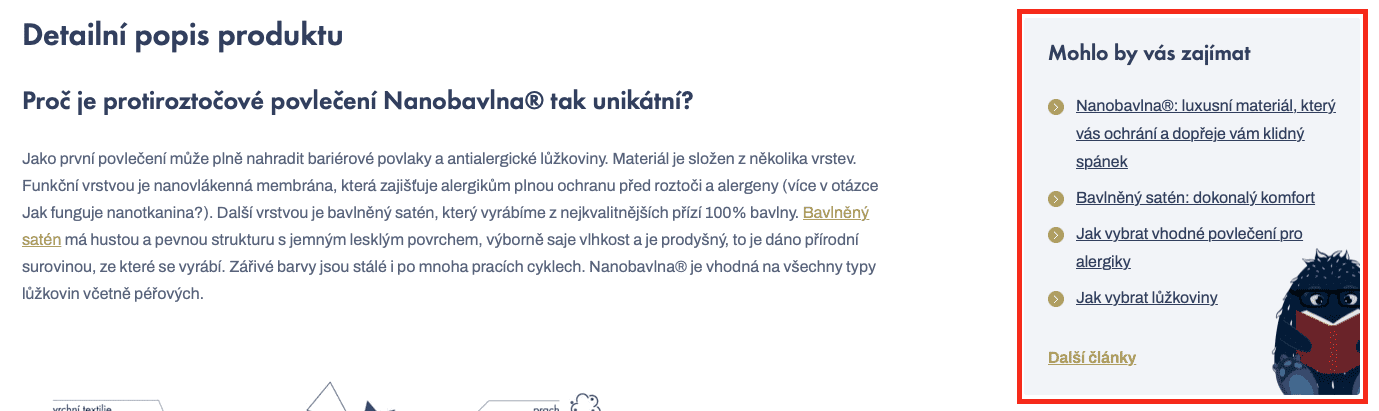
18) Interlink Your Content
Whatever type of content you create, don’t forget to include links to other relevant pages, articles, and products. If you’re writing about how to choose a tent and you have an e-shop selling tents, make sure to link from your products to that article. Don’t forget to add links within the article to other relevant pieces too — like a guide to choosing a sleeping bag or a fascinating interview with someone who climbed Mount Everest.
Likewise, from a video about choosing a tent, always link not just to your tents but also to any related article. Some people watch the video but then want to read more. And of course, the reverse is true as well.
19) Repurpose One Piece of Content Across Multiple Channels
Written a detailed article about how to replace a vacuum filter? Don’t forget to turn that content into a video as well. You could also create a simple photo-based graphic for Pinterest. Then you might shorten the article into an email automation for everyone who’s purchased that vacuum, timed to land in their inbox exactly when it’s time to replace the filter.
If you’ve written an article on how to save money while travelling, you can turn the text into a video, record an audio version for a podcast, and then cut the video into shorter clips for social media.
20) Spend Time on Your Headlines
The title of a video, article, or email (subject line) is the very first thing people notice. That’s why it’s extremely important to craft a headline that grabs attention. Instead of “Summer Tents,” try using a verb or a number in your headline — for example, “10 Tips for Choosing the Perfect Summer Tent.“
21) Structure Your Content
Whether you’re creating a social media post, blog article, or video, always aim to structure your content well.
On social media, you can use emojis for this. In articles, don’t forget a table of contents, and on YouTube, use video chapters.
In Facebook groups and on your website, you can also use bold text to make content more scannable for readers.

22) Put Effort Into Metadata and Descriptions
Writing a quality article, creating an infographic, shooting a photo series, or producing a video is really just the first part of the job. The tasks that follow often take even longer.
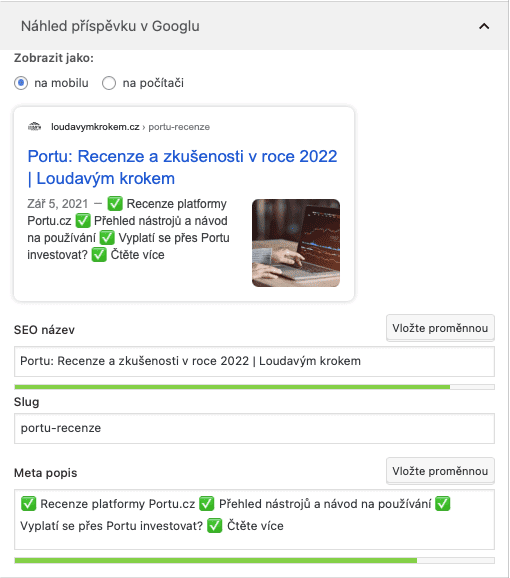
For articles, never forget to fill in the social sharing fields on your website. For photos, take time to name image files according to what they depict and add alt descriptions.
On social media, use relevant hashtags and location tags. On YouTube, don’t forget to add cards and other elements that help interlink your content.
It might seem like tedious work, and it probably annoys many of you — but these are precisely the details that can make a difference in search engine rankings.
23) Don’t Forget Quality Visuals and Photos
Once you’ve prepared great content, make sure you also create compelling visuals to go with it. This means preparing a cover image for your YouTube video, a featured image for your article, and images optimised for sharing on social media.
Don’t forget to break up longer articles and guides with quality photographs — this is standard practice nowadays, and without it, your content may not perform as well as it should. Over the past year, Instagram has dominated social media, and Pinterest is one of the fastest-growing platforms — both channels that thrive on strong visuals.
24) Leverage User Reviews
Do you have glowing reviews for your services or products? Use them in articles, email marketing, and social media posts. Reviews also work brilliantly in ads and Pinterest pins.

25) Choose the Right Button Colours
I’ll keep this simple: if you’re adding a call-to-action button to an article or email (e.g. “Buy Now” or “Read More”), make it red.
According to every study we’ve come across, red significantly outperforms other colours. When your designer is working on your brand identity, make sure they create an ideal shade of red that complements your brand colours.
26) Be Honest About Negatives Too
Do your services have downsides? Is there something users should watch out for when using your product? Don’t shy away from the negatives when creating content. People appreciate honesty about a product.
27) Evaluate Your Results
As we mentioned earlier, some activities won’t show results for several months. So if you’ve started creating content for your website, wait at least six months before evaluating its effectiveness.
Email sequences are a different story — there, it depends more on the size of your database, or whether you decide to promote the content through PPC advertising. If you find that you’ve written 20 articles but only three are driving meaningful traffic to your site, that’s perfectly normal.
Just make sure to audit the underperforming articles and try to optimise them. Consistent, dedicated effort always pays off in the long run.
28) Monitor Your Content and Links
There are tools that can help you check whether your pages contain broken links. Even so, you should periodically review older content and update it where needed. You can do this as part of your regular content interlinking routine.
29) Recycle Your Content
Keep track of which content performed well and don’t be afraid to recycle it — whether in email campaigns or on social media.
Very few people remember content they saw on social media a year ago, and if it was successful, there’s no need to reinvent the wheel. For your own peace of mind, you can tweak it slightly. But never write a brand-new article on the same topic — instead, expand and improve the original.
30) Promote Your Content Smartly
Written a brilliant piece about how to choose a lawnmower, but can’t wait until winter for it to start ranking? Don’t beat yourself up for not writing it last winter — instead, coordinate with a PPC specialist to start promoting it now.
Sure, that means the traffic won’t be free, but for content that has the potential to generate revenue, paid promotion makes perfect sense.
Tips and Tricks for Your Vacation
Don’t Overpay for Flights
Search for flights on Kayak. It’s our favorite search engine because it scans the websites of all airlines and always finds the cheapest connection.
Book Your Accommodation Smartly
The best experiences we’ve had when looking for accommodation (from Alaska to Morocco) are with Booking.com, where hotels, apartments, and entire houses are usually the cheapest and most widely available.
Don’t Forget Travel Insurance
Good travel insurance will protect you against illness, accidents, theft, or flight cancellations. We’ve had a few hospital visits abroad, so we know how important it is to have proper insurance arranged.
Where we insure ourselves: SafetyWing (simple monthly subscription) and TrueTraveller (for extra-long trips).
Find the Best Experiences
Get Your Guide is a huge online marketplace where you can book guided walks, trips, skip-the-line tickets, tours, and much more. We always find some extra fun there!


