
Hiroshima is a city that will surprise you with how vibrant and green it feels today. As you stroll along its wide, tree-lined boulevards, it’s hard to imagine that just decades ago, almost no building was left standing here. The year 2026 brings many changes to Hiroshima that are worth preparing for. The main tower of the local castle has been permanently closed since spring, the famous pagoda on Miyajima Island is hidden behind scaffolding, and the Peace Memorial Museum is drawing such record crowds that during this year’s Obon holiday, it only admitted visitors with online reservations. On the bright side, you’ll find the brand-new Minamoa Station, where trams roll straight into the second floor.
For international visitors, Hiroshima holds a fascinating architectural connection that guidebooks surprisingly rarely mention. The iconic A-Bomb Dome was actually designed at the beginning of the twentieth century by Czech architect Jan Letzel from Náchod. President Petr Pavel personally visited this memorial in July 2025, yet according to the Chugoku Shimbun newspaper, fewer than ten percent of prefecture residents know that a Czech designed the building. It’s a remarkable piece of international history on the other side of the world that adds an entirely different depth to visiting the city.
Following the tourism boom, Japan is working to better regulate crowds, so expect several new fees and rules. From July 2026, a departure tax of 3,000 yen (approximately €17) is charged when leaving the country, the prefecture has introduced a new accommodation tax, and on trams you must tap your transit card both when boarding and exiting. The good news is that with the regional Kansai-Hiroshima Area Pass for 17,000 yen (around €95), you’ll save money on the shinkansen, as it pays for itself with just one round trip from Osaka.
TL;DR
- A-Bomb Dome designed by a Czech architect: The city’s most famous landmark was built by Jan Letzel from Náchod, and the building celebrates thirty years on the UNESCO list in 2026.
- 2026 monument changes: The castle’s main tower is permanently closed due to structural concerns, the five-story pagoda on Miyajima is under scaffolding, and the Reikadō eternal flame hall on Mount Misen is being restored after a May fire.
- Peace Museum at capacity: Due to huge queues, plan your visit right at opening time (the first morning hour is reserved for online tickets only).
- Transit passes save money: The Kansai-Hiroshima Area Pass covers expensive express trains, and you can ride trams around the city itself for a flat 240 yen.
- New taxes and fees: Prepare for a new 200-yen accommodation tax per night, a July departure tax of 3,000 yen, and changes to the tax-free shopping system starting in November.
- Vegetarians need to plan ahead: Traditional okonomiyaki sauce contains meat extract, so it’s better to seek out specialized restaurants with vegan options.
The full destination guide: Japan — guide and what to see
When to Visit Hiroshima
Choosing the right time to visit Japan is crucial, as the weather can seriously complicate your plans. The most beautiful period for a trip to Hiroshima is undoubtedly from late March to mid-May, or in autumn from October through late November. In spring, the city blooms with thousands of cherry blossoms, with peak bloom in 2026 falling precisely on March 30. If you prefer autumn, Japanese momiji maples paint the surrounding hills red around November 20, creating a beautiful backdrop especially on Miyajima Island.
On the other hand, avoid the summer months if you can’t stand rain and heat. From early June to mid-July, there’s a rainy season called tsuyu, during which enormous amounts of rain fall. August then brings heat with average highs around 33°C, tropical nights and high humidity, which are joined at the turn of summer and autumn by unpredictable typhoons. During strong winds, even shinkansen bullet trains stop for safety reasons, so you can easily get stranded.
August 6 deserves special mention, when the official ceremony commemorating the anniversary of the atomic bombing takes place. At 8:15 in the morning, the city pauses for a minute of silence, and in the evening there’s a deeply moving release of paper lanterns down the Motoyasu River. It’s a powerful experience, but you need to be prepared for hotels in the center to be packed and around fifty thousand visitors from around the world to be in the city. If you’re planning to come on this day, book accommodation several months in advance.
Where to Stay in Hiroshima
Hiroshima is a fairly compact city, but choosing the right location will save you a lot of time getting around. If you’re only staying one night and continuing by bullet train in the morning, accommodation right by the station makes the most sense. While you’ll be about two and a half kilometers from Peace Park (roughly fifteen minutes by tram), you’ll avoid morning stress with luggage. If you’re planning to spend two or more nights here, look for hotels in the center around the Kamiyachō, Ōtemachi, or Hatchōbori districts, from which you can easily walk to the main landmarks. From April 1, 2026, don’t forget to add the new 200-yen accommodation tax (about €1) per person per night to the price, which you pay directly at reception.
A truly unique experience is spending a night on Miyajima Island, when in the evening, after the last day-trippers leave, the streets empty of tourist crowds and you have the illuminated floating torii gate almost to yourself. Here are several specific tips on where to rest your head:
Hotel Granvia Hiroshima South Gate is a new hotel opened in spring 2025 right inside the Minamoa Station building. Guests praise that you can’t hear the trains from the rooms, and yet you’re just steps away from the shinkansen and the trams that depart from the station’s second floor.
Hilton Hiroshima will please all travelers looking for peace and perfect amenities near the center. It’s located just off the green Peace Boulevard, you can walk to Peace Park in a leisurely twelve minutes, and in the evening you can relax in a beautiful indoor pool or sauna.
HOTEL INTERGATE Hiroshima is a popular mid-range hotel in the center, about a ten-minute walk from Peace Park. In addition to clean and spacious rooms, it has a lounge where hotel guests can enjoy complimentary coffee, tea, or a glass of wine after a full day of walking.
Iwaso is a legendary traditional ryokan on Miyajima Island that has been operating since 1854. It’s located in the beautiful Momijidani valley full of maple trees, has an outdoor hot spring bath, and is famous for its multi-course dinners. The vegetarian option needs to be arranged with the ryokan in advance.
For a more detailed breakdown of individual neighborhoods and more tips, definitely check out our comprehensive article Where to Stay in Hiroshima.
💡 On this map you can compare what’s currently available — you’ll immediately see how prices change a few blocks away.
22 Tips on What to See and Do in Hiroshima
While you could rush through the city in one long afternoon, that would be a huge shame. Let’s look at a comprehensive list of the very best you shouldn’t miss here. Get ready with comfortable shoes, because you’re in for a mix of moving history, modern architecture, peaceful Japanese gardens, and trips to sacred islands in the area.
1. A-Bomb Dome
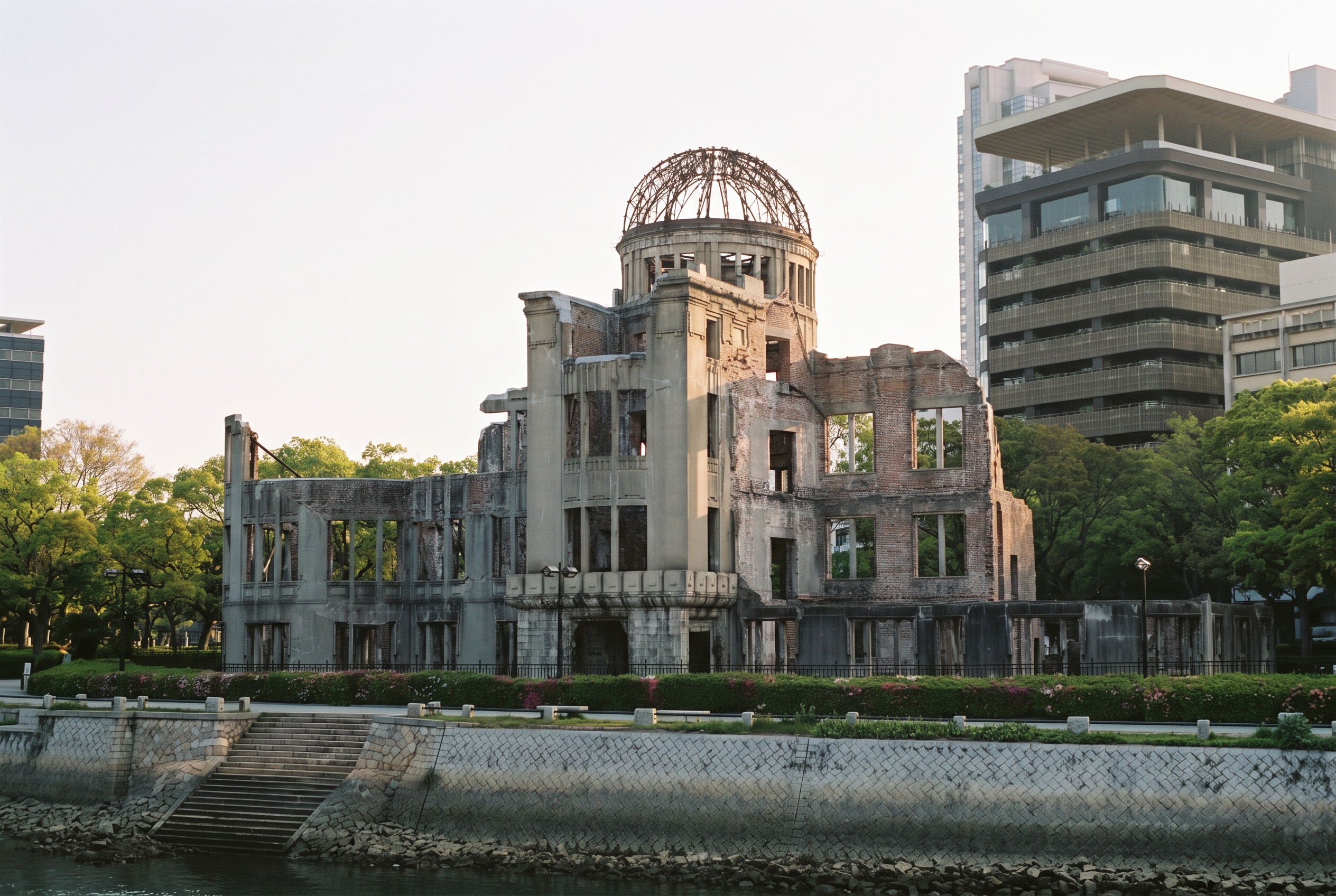
The remains of the former exhibition hall form today’s most famous symbol of the city, one that sends chills down your spine. The building made of brick and steel with its characteristic dome stood just one hundred sixty meters from the hypocenter of the explosion, which occurred on August 6, 1945 at 8:15 in the morning. While most of the wooden city was reduced to ashes, this massive structure survived the blast wave and today serves as a memento warning against nuclear weapons.
The building holds enormous international significance because it was designed by Czech architect Jan Letzel from Náchod and completed in 1915. President Petr Pavel even looked inside with special permission in summer 2025, where ordinary visitors cannot normally go. A fragment from the dome is even kept in Letzel’s tomb in Náchod.
In 2026, the memorial celebrates exactly thirty years since its inscription on the UNESCO list and recently received the highest level of national protection. The site is accessible year-round and completely free, though you can only view the ruins from behind a fence. You won’t see any scaffolding around the memorial today, as the last major repair and masonry conservation was completed several years ago.
💡 Tip: The most beautiful view of the dome opens up from Motoyasu Bridge and then after dark from a bench by the river, when the illuminated ruins reflect on the calm water surface.
2. Peace Memorial Park
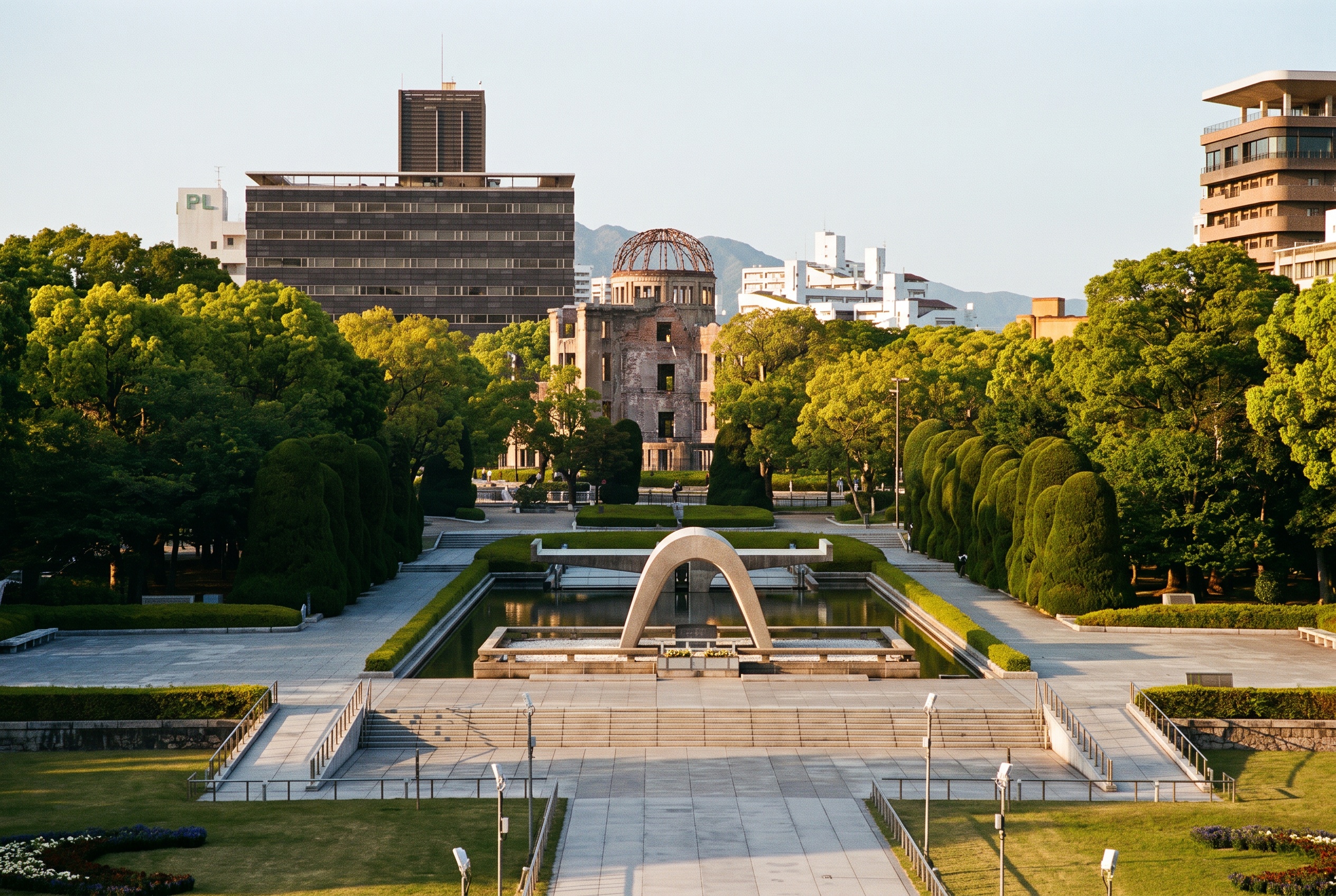
Where a sprawling green park filled with monuments stands today, the bustling Nakajima commercial district once thrived—until the blast leveled it to the ground. After the war, the entire space was designed by renowned architect Kenzō Tange, who created a perfect axis connecting the museum, the central cenotaph, and the A-Bomb Dome. Walking among the trees is quiet and forces you to reflect on just how fragile our world really is.
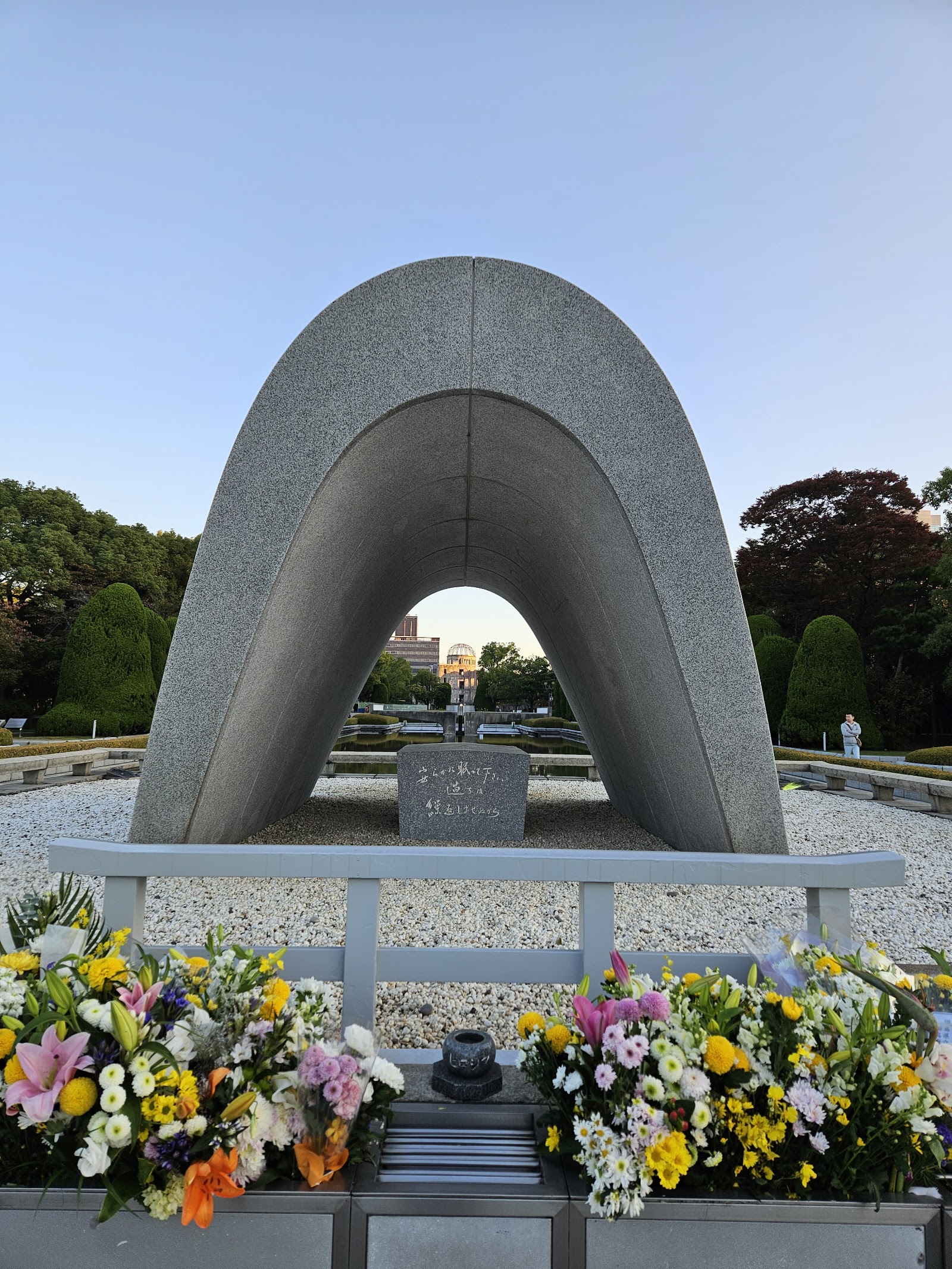
At the very heart of the park, you’ll find the concrete Cenotaph, whose saddle shape is inspired by ancient clay haniwa figurines. Beneath it lie registers of victims’ names, updated every year on August 6th. Just beyond it, the Flame of Peace has been burning continuously for decades, lit in 1964. Tradition holds that the flame will be extinguished only when the last nuclear weapon disappears from our planet.
During your visit, be sure to stop by the Peace Bell, which any visitor can gently ring, or the Rest House building. This unassuming structure from 1929 was originally a kimono shop and stands just 170 meters from the hypocenter, yet it survived the blast. In its basement, one person miraculously survived that day, while today you’ll find a pleasant café, an information center, and you can even purchase a Tabi Pass there.
💡 Tip: Stand directly in front of the Cenotaph and look straight ahead through its arch. Architect Tange designed the curve to perfectly frame the Flame of Peace and the A-Bomb Dome in the distance.
3. Peace Memorial Museum
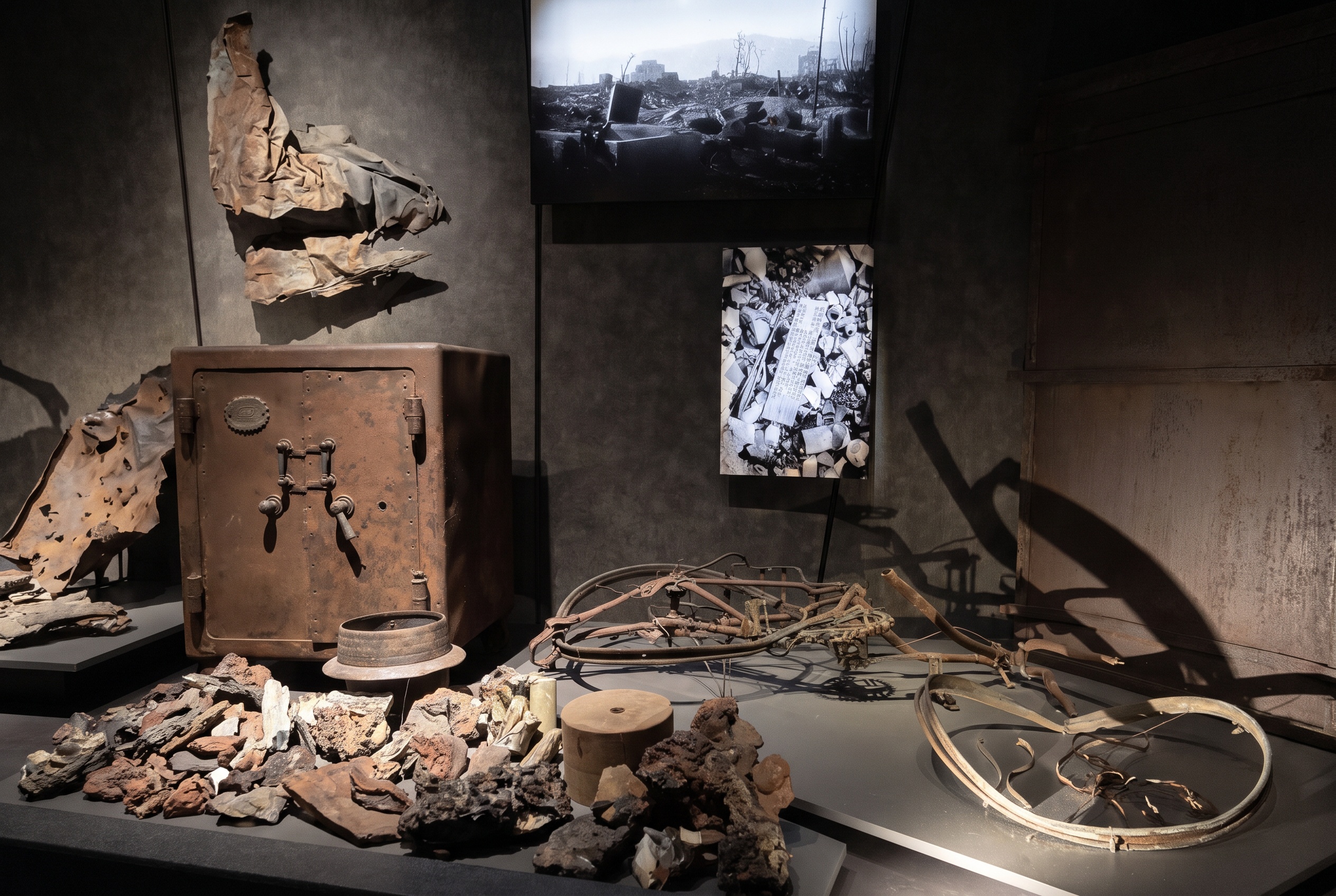
Visiting this museum is emotionally demanding, but essential for understanding the full story. The exhibits take you through the city’s life before the war, the explosion itself, and the long years of aftermath through personal belongings, charred clothing, and authentic testimonies. Admission costs a symbolic 200 yen (around €1.50), while the audio guide has cost 500 yen since 2026—though Czech isn’t among its fifteen languages, unfortunately.
The city is currently grappling with an overwhelming influx of tourists, and in fiscal year 2025 the museum welcomed a record 2.58 million visitors. During the Obon holiday period (August 8–16, 2026), entry was only permitted with online reservations for the first time. Normally, the corridors get so packed you’re shuffling shoulder to shoulder, and you can wait an hour just to buy a ticket. The city is therefore seriously considering implementing a year-round reservation system.
Official opening hours are typically from 7:30 in the morning until evening, but watch out for one important rule. The first hour in the morning and the final ninety minutes before closing are reserved exclusively for holders of pre-purchased electronic tickets. If you don’t buy your ticket online, you won’t be allowed to the ticket counters until 8:30 at the earliest.
💡 Tip: Buy an online ticket for exactly 7:30 am. You’ll see the moving exhibition in peace, and when you leave at nine, the crowds at the ticket counters will only just be building.
4. Children’s Peace Monument and National Memorial Hall for the Atomic Bomb Victims
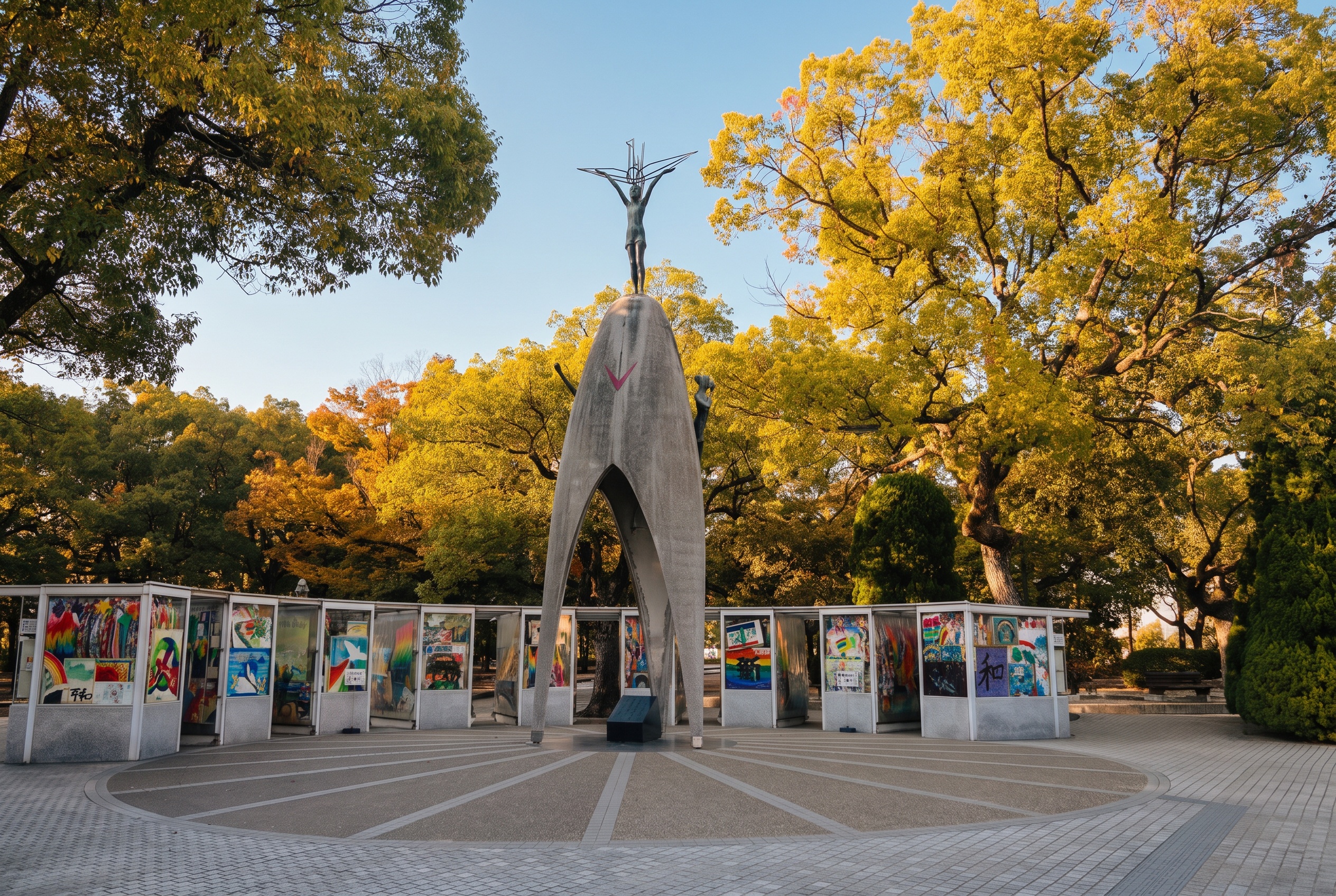
A short walk from the main axis of the park stands a nine-meter monument topped with a bronze girl. It’s dedicated to the story of little schoolgirl Sadako Sasaki, who was exposed to radiation during the blast and, ten years later as she was dying of leukemia, tried to fold a thousand paper cranes according to an old legend. Her fate moved all of Japan and sparked a fundraising campaign for this beautiful monument.
Today, people from around the world bring around ten million paper cranes per year, weighing ten tons. Thousands of colorful messages are displayed in glass cases around the statue, and the city regularly recycles the older cranes in an environmentally friendly way. If you fold some origami at home, you can hang them here yourself alongside the others.
Right next door is the underground National Memorial Hall for the Atomic Bomb Victims, which unlike the main museum is completely free and has no queues. It features an enormous circular panorama made of one hundred and forty thousand tiles, symbolizing the estimated number of dead by the end of 1945. It’s a dignified, air-conditioned, and quiet space for deep reflection, where video testimonies from survivors with English subtitles also play.
💡 Tip: When the main museum is hopelessly packed at midday, head first to the underground Memorial Hall. Half an hour in silence will often give you more than an hour of stress in the crush at the display cases.
5. Orizuru Tower
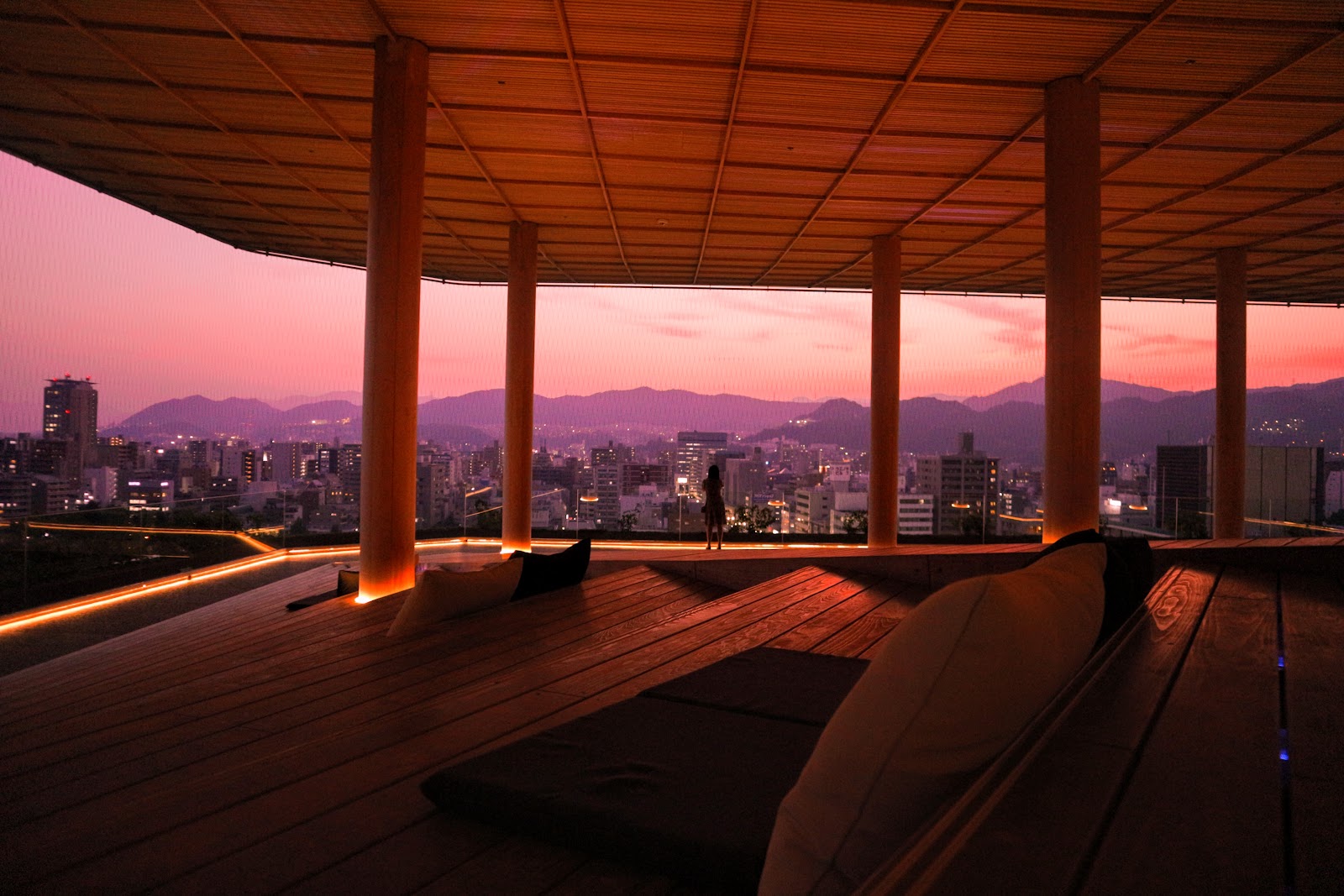
Right next to the ruins of the A-Bomb Dome, Orizuru Tower opened in 2016, offering the best bird’s-eye view of the memorial. Admission costs 2,200 yen (around €17), which many travelers on discussion forums call somewhat overpriced. On the other hand, your ticket lets you return to the building for free as many times as you want that same day, perhaps for the sunset in the evening.
On the roof you’ll find a beautiful wooden observation deck called Hiroshima Hill, from which you have the entire Peace Memorial Park laid out before you, and on a clear day you can see all the way to Miyajima Island. Coming down, you don’t take the elevator—instead you can descend via a long spiral ramp.
The main attraction, though, is the massive glass Orizuru Wall, where visitors toss their own paper cranes (for 100 yen). Between September 29 and October 2, 2026, the wall will be emptied for the first time, removing around 1.3 million cranes. From October 2nd, it will start filling up again from zero.
💡 Tip: Fold your crane upstairs with a view over the city, then toss it into the glass wall; if you visit in October 2026, you’ll see it filling up again from the beginning.
6. Hondōri, Gate Park, and a Bakery with History
When you need to clear your head a bit after the heavy memorial sites, just walk a few blocks over to the covered Hondōri shopping arcade. It stretches for just under six hundred meters and is the main artery for shopping, cafés, and everyday local life. Shops here typically open between ten and eleven in the morning, and the place buzzes with life until the evening hours.
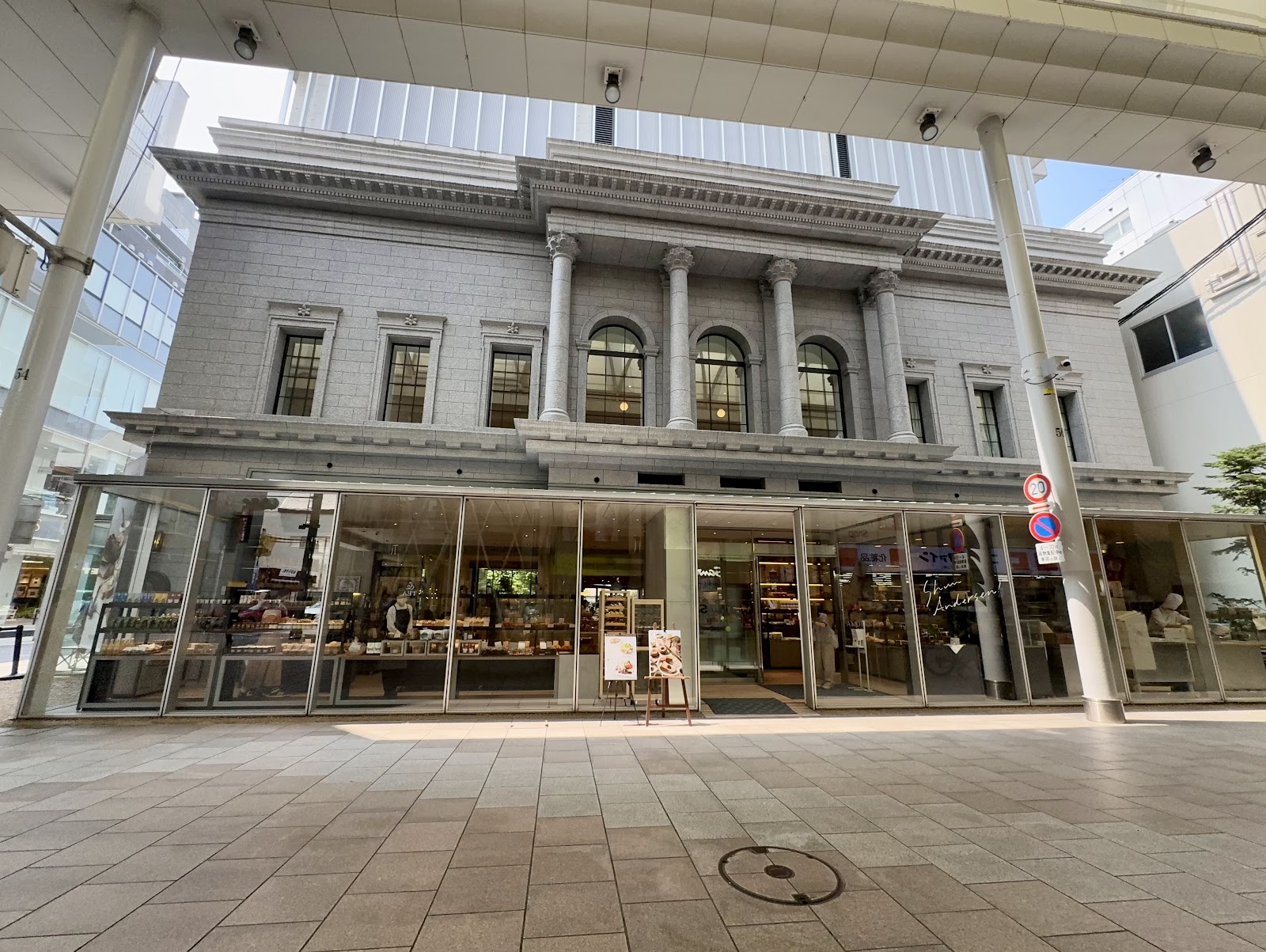
During your stroll, don’t miss Andersen bakery. This gorgeous building from 1925 originally served as a bank and stood just three hundred and sixty meters from the hypocenter of the explosion. It survived the bombing, underwent extensive renovation in 2020, and still hides a piece of the original masonry in its facade today. Inside, you can buy excellent fresh-baked goods.
Across the street from the A-Bomb Dome, the brand-new Hiroshima Gate Park recently opened. It was built on the site of a former baseball stadium and features a lawn, benches, and pavilions with shops and cafés. Locals come here to relax, and various food festivals take place throughout the year, making it an ideal spot for an afternoon break.
💡 Tip: If you get caught in an unexpected downpour in the city, head underground to the Kamiyachō Shareo shopping network. You can cover part of your route through downtown with dry feet.
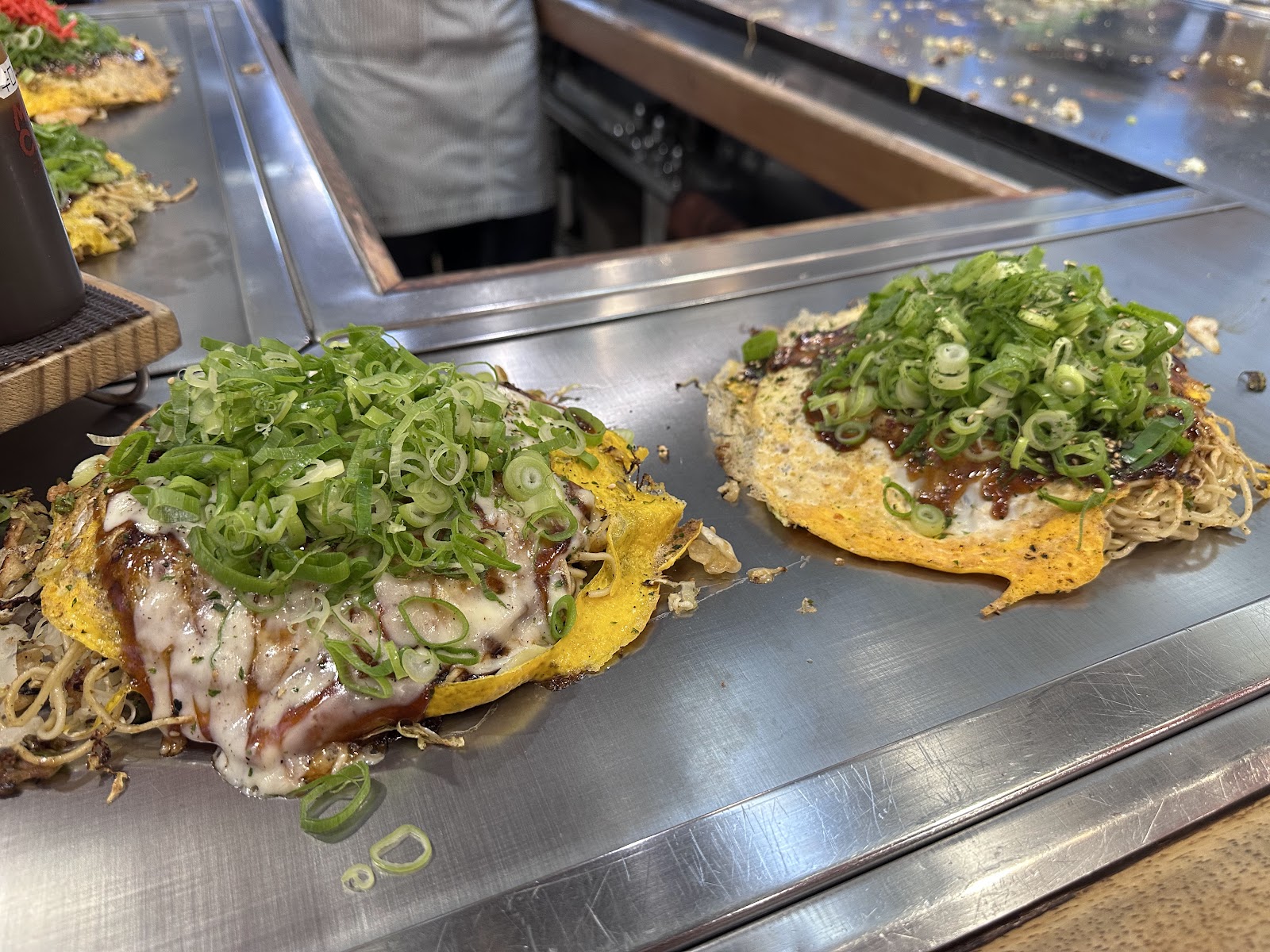
7. Okonomi-mura and Hiroshima-Style Okonomiyaki
A local culinary phenomenon is the savory pancake okonomiyaki, which is prepared in Hiroshima using a specific layered method. Unlike in Osaka, the ingredients aren’t mixed together here—instead, the chef carefully layers the batter, an enormous pile of cabbage, sprouts, slices of pork, noodles, and egg right in front of you. You’ll find the most establishments in the Okonomi-mura building, where over twenty small stalls squeezed into three floors fill the air with the aroma of sauce.
For vegetarians, though, there’s one huge catch that English websites often get wrong. The standard brown Otafuku sauce contains oyster and meat extract (only the export version is vegan), and fish stock dashi is often added to the batter or noodles. So even if you order a pancake without the typical slice of pork, the dish still won’t be vegetarian.
The solution is the popular Nagataya restaurant near the dome, which offers special vegan okonomiyaki for around 950 to 1,780 yen (€7–13). They’re closed every Tuesday and the second and fourth Wednesday of the month. In the evening, you can head to the small Jirokichi establishment, which has thirteen vegan items but requires reservations due to having only sixteen seats, or try asking for a vegetarian adaptation at the ROKU stall right in Okonomi-mura.
💡 Tip: At the famous Nagataya, queues easily form for an hour. Come join the line even before they open at eleven in the morning—in the evening they often won’t let you into the queue at all after about 7:30 pm.
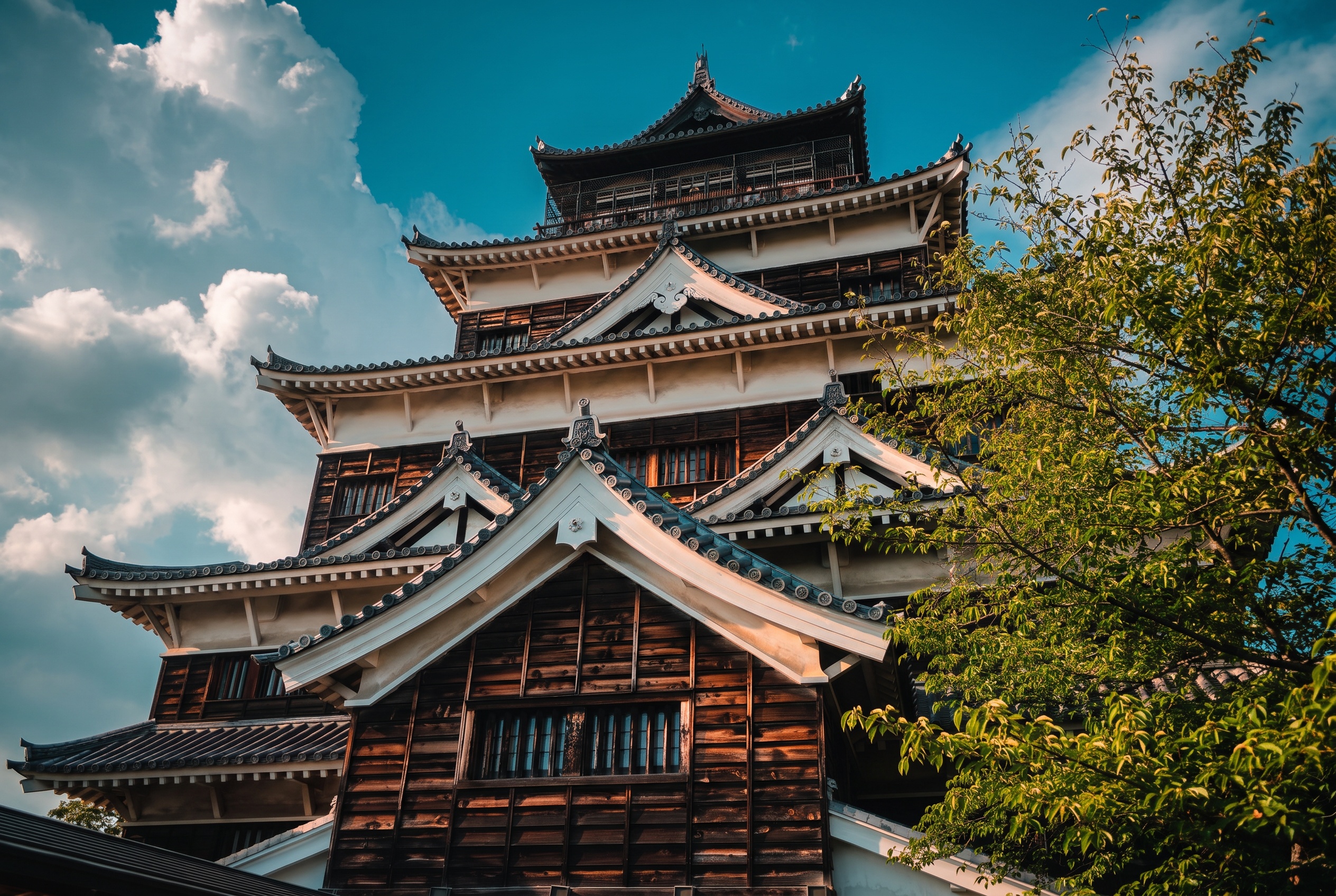
8. Hiroshima Castle
The castle was founded in 1589 by Mōri Terumoto, and its original tower was destroyed by the atomic bomb since it stood only about a kilometer from the hypocenter. In 1958, a concrete replica of the main tower was built, but it no longer meets Japan’s strict earthquake-resistance standards. So please note: the castle’s main tower has been permanently closed since March 22, 2026. Information on some blogs about 370-yen admission to the tower is simply no longer valid.
But that definitely doesn’t mean you should cross the castle off your itinerary. The entire expansive castle grounds remain free to access and offer a beautiful walk around the old foundations and trees that survived the tragedy. You can also visit the impressive ruins of the former Imperial General Headquarters from the late nineteenth century or the beautiful Gokoku Shrine.
The entrance gate and wooden guard turrets of Ninomaru, which are wooden replicas from 1994, are also free to enter. If you’re looking for romance, you can pay 1,000 yen on weekends (or 1,300 yen from mid-September through the end of November 2026) and take a sightseeing boat ride around the castle moat. Historical exhibits from the closed tower are gradually being moved to a new museum scheduled to open in 2027.
💡 Tip: You can still easily photograph the castle with its reflection on the moat even with the tower closed. But if you’re looking for a bird’s-eye view of the city, head to Orizuru Tower instead.
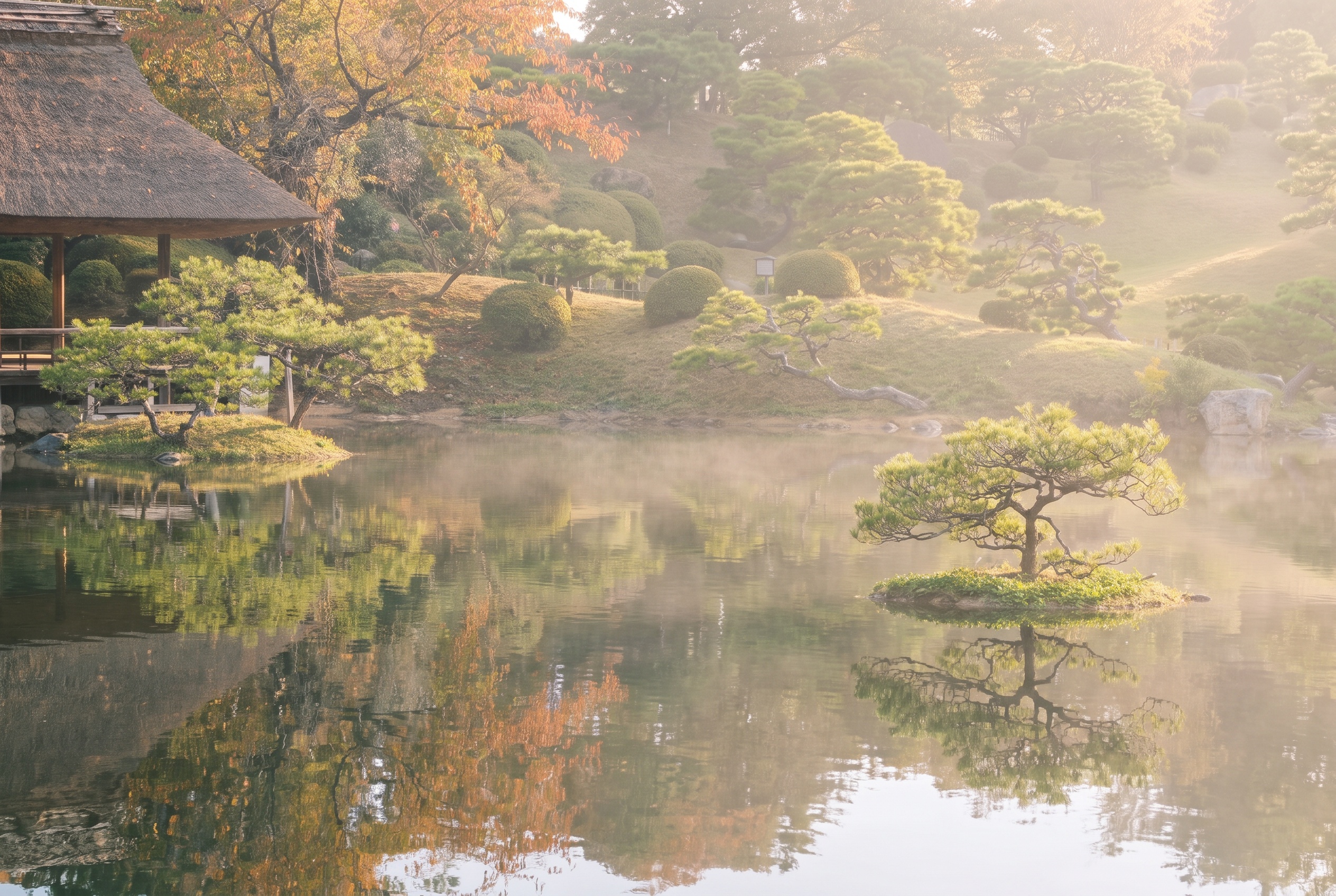
9. Shukkeien Garden and Prefectural Art Museum
Just a few minutes’ walk from the castle, you’ll find an oasis of calm that contrasts with the bustling city. Shukkeien Garden dates back to 1620 and works on the principle of “miniaturized landscapes,” where stones, ponds, and bridges mimic real mountains and valleys. After the 1945 explosion, injured people from the surrounding area fled here.
Today it’s one of the most photogenic spots in the prefecture. Interestingly, the reference tree used by Japanese meteorologists stands right here, marking the official start of cherry blossom season for all of Hiroshima. In autumn, there are beautiful evening illuminations of the red maples. A ticket to the garden costs just 350 yen (around €2), and an hour or so is enough to see everything.
Right next door stands the Hiroshima Prefectural Art Museum, where you can buy an advantageous combined ticket for 660 yen. Inside you’ll find an extensive permanent collection of Japanese and international art. On Fridays, the museum stays open late until seven in the evening, and from the second floor you get a unique view directly into the treetops of the historic garden.
💡 Tip: Buy the combined ticket right away and start with the paintings. From the museum’s second floor, you can see the garden from above and then you’ll know exactly where to head once you’re in it.
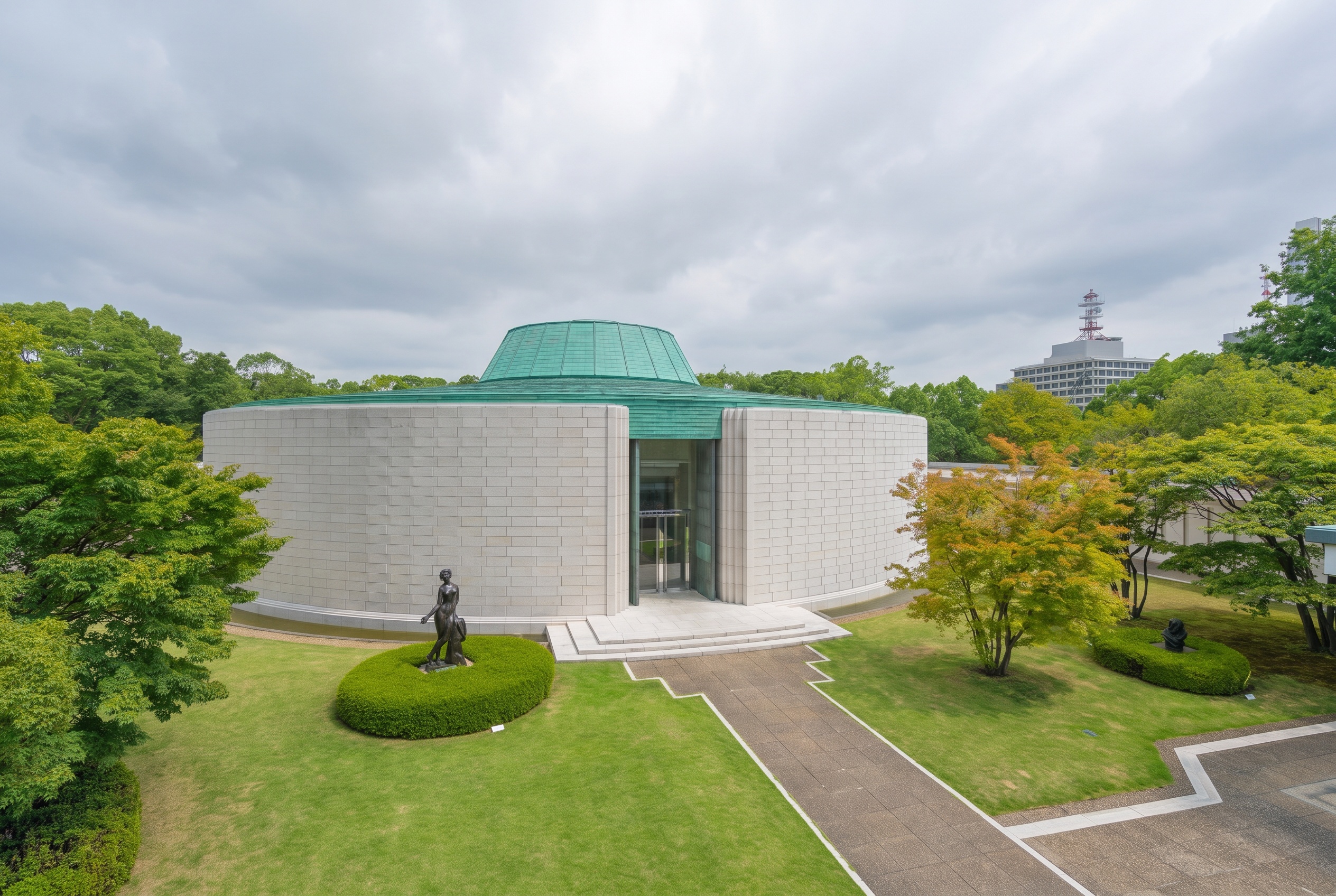
10. Hiroshima Museum of Art
While walking through Chūō Park between the castle and downtown, you’ll come across a very unusual circular building surrounded by greenery. It was built in the late seventies, and its circular shape is meant to reference the A-Bomb Dome. The museum specializes primarily in French modern art and houses a rich and valuable collection of paintings by Japanese standards.
Hanging on the walls are originals by Impressionists and masters like Monet, Renoir, Cézanne, van Gogh, and Picasso. Basic admission usually runs around 1,500 yen, but the price changes flexibly depending on the current exhibition. For example, in autumn 2026 (from October 3), a major exhibition on the café culture of the Impressionists arrives, and tickets will cost 2,200 yen (around €12).
The museum is open from nine in the morning to five in the afternoon and is closed every Monday, unless there’s a major exhibition running. With a ticket from one of the city’s other art museums, you get a 200-yen discount. The space isn’t particularly large, so you won’t wear yourself out going through the exhibition.
💡 Tip: The castle, Shukkeien Garden, and this art museum are all within twenty minutes’ walk of each other. They make a perfect combination for one relaxed morning away from the biggest crowds at Peace Memorial Park.
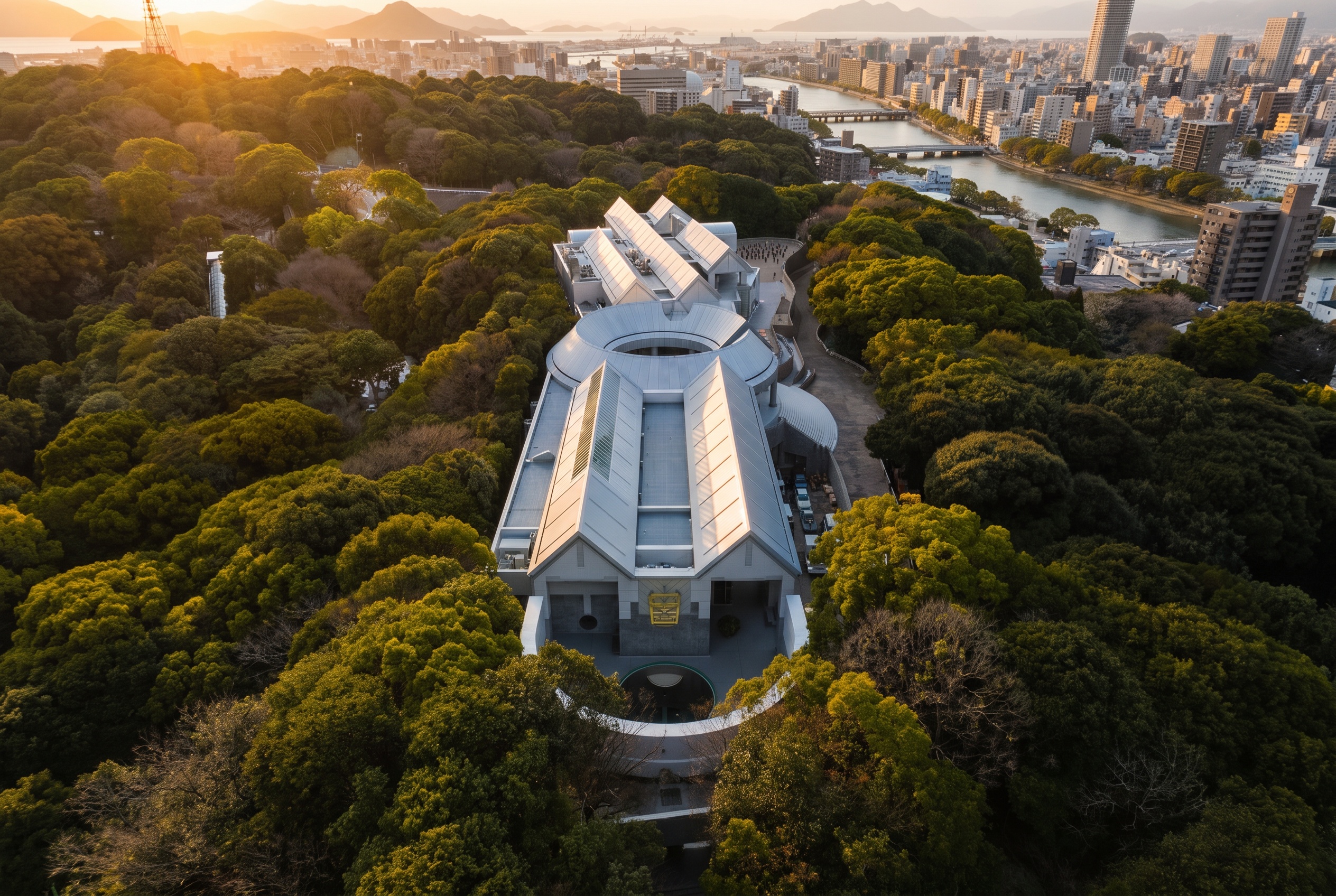
11. MOCA and Mount Hijiyama
Lovers of modern architecture should hop on tram number 5 and ride to the foot of the forested Mount Hijiyama. After roughly a ten-minute hike uphill, you’ll reach the Hiroshima MOCA building, which was the very first public contemporary art museum opened in Japan. It was designed by legendary architect Kishō Kurokawa and recently underwent a complete, sensitive renovation.
A basic ticket to the permanent collection costs a pleasant 350 yen, and every third Sunday of the month, admission is completely free. Inside, interesting installations rotate, with a major exhibition by American conceptualist Mel Chin running through mid-October 2026. The building is tucked into the park’s greenery, so the journey there itself is a pleasant walk.
Mount Hijiyama itself is an excellent spot to relax with views of the city and harbor. You’ll find hundreds of cherry trees, quiet benches, and also a public library full of manga that you can enter for free. It’s open from five in the morning until eleven at night, and you won’t encounter nearly as many tourists as in the city center.
💡 Tip: In spring, Mount Hijiyama is an ideal place to escape to the cherry blossoms away from the massive crowds at Peace Memorial Park. In the hot summer, there’s a nice breeze here too.
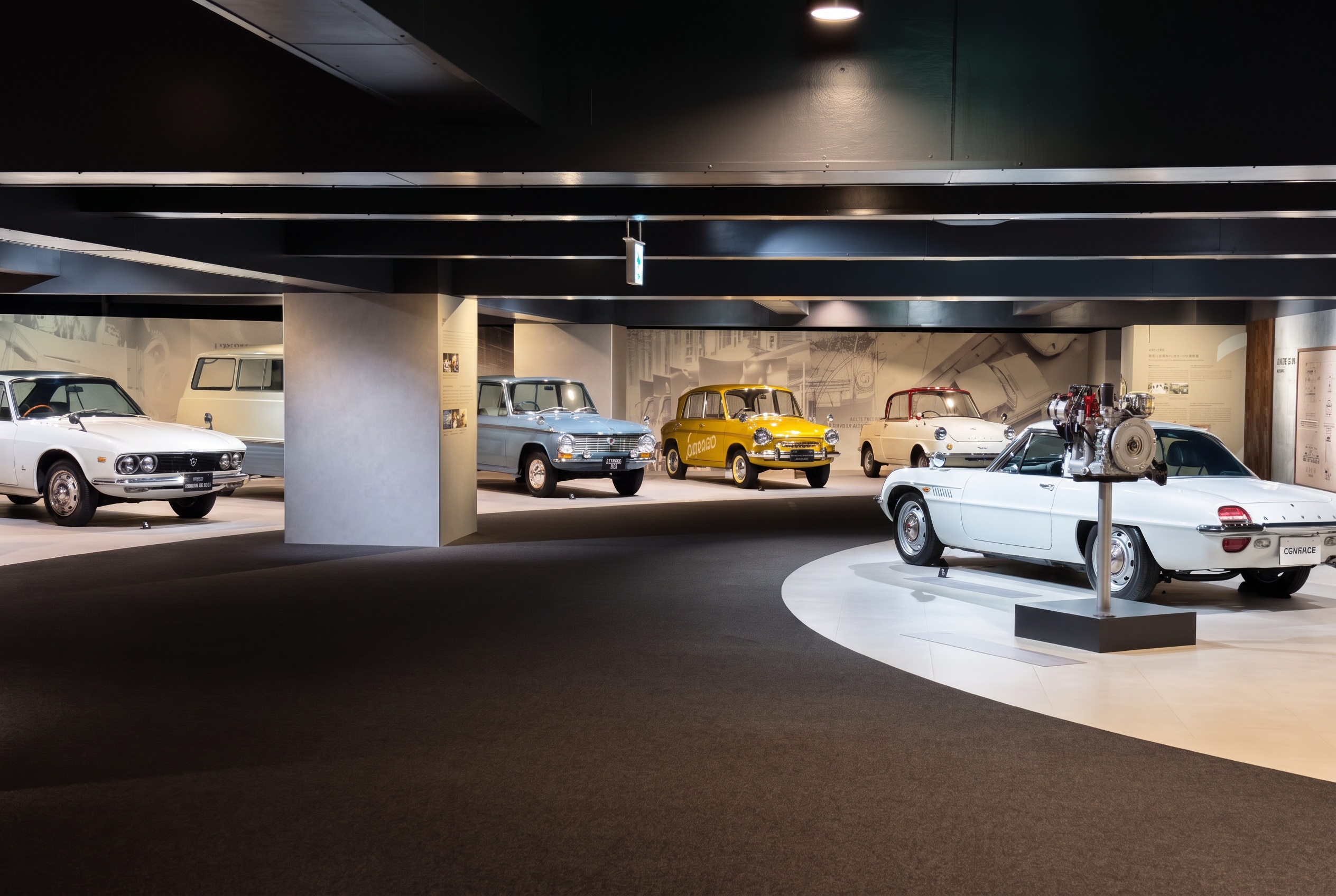
12. Mazda Museum
About five minutes by local train from Hiroshima Station sits the headquarters of the famous Mazda carmaker, which offers tours of its massive complex. Admission is completely free, but works exclusively through strict online reservations that you need to make up to three months in advance. Without a reservation, you won’t get in.
For English-speaking visitors, there’s only one tour per day, at 2:45 PM Monday through Friday (Japanese tours run in the morning). A shuttle bus takes you from the headquarters lobby to the museum, where during the tour you’ll see a huge collection of historic cars, learn details about rotary engine development, and as a bonus get a view directly onto the live assembly line (though it may not be running during company shutdowns).
The museum is very popular and welcomed its two millionth visitor on September 1, 2026. Watch out for closure dates: the museum is closed from December 26, 2026 to January 5, 2027 and again from February 8 to 26, 2027. Available slots on the website disappear at lightning speed, so don’t leave booking until the last minute.
💡 Tip: As soon as you know the exact date you’ll be in Hiroshima, immediately go to the Mazda website and reserve your spots. Popular English tour dates are often sold out weeks in advance.
13. Hiroshima Trams
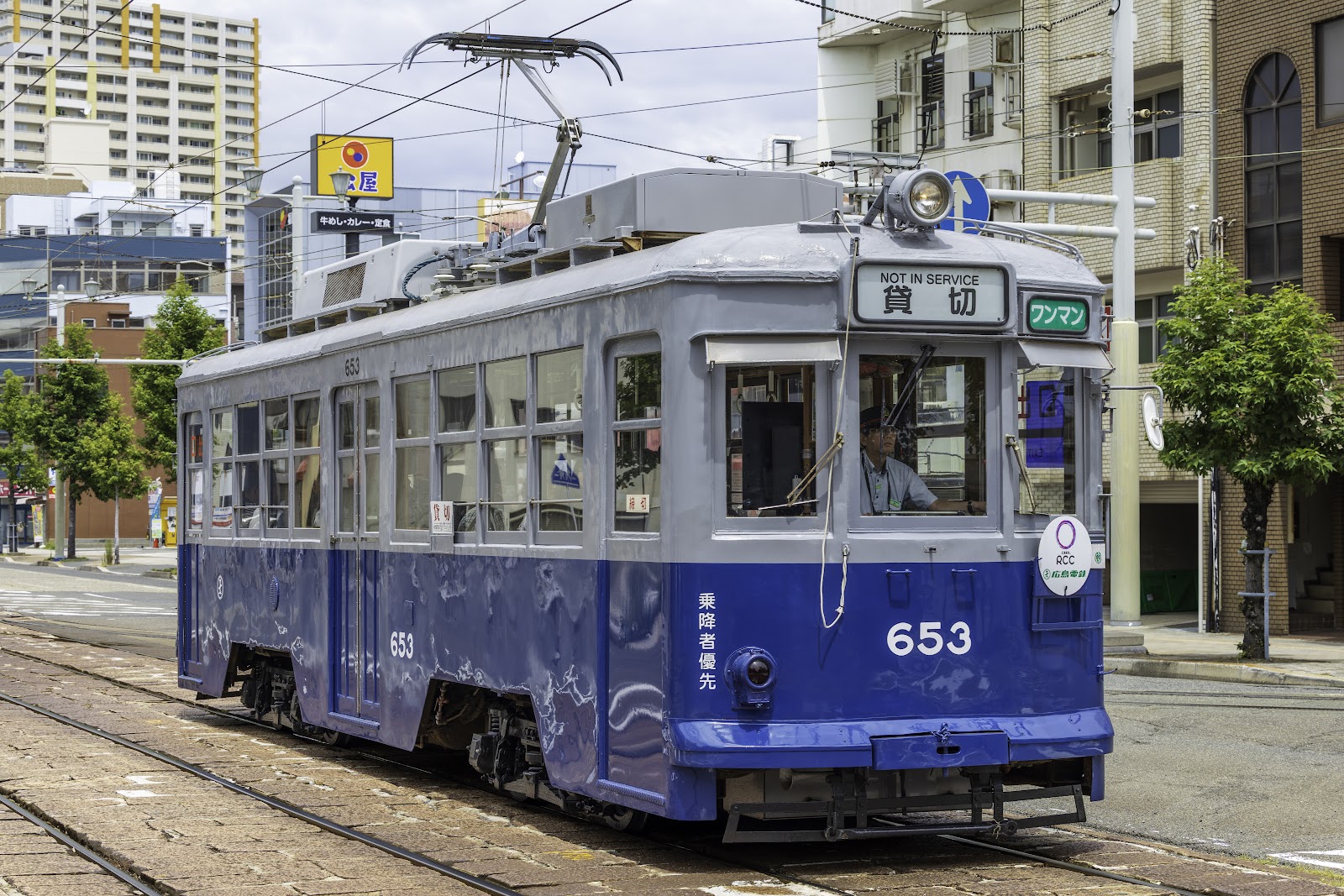
Hiroshima’s trams are nicknamed the “rolling museum” because in addition to modern cars, historic vehicles still run here. In August 2025, their terminus at the station moved via elevated track directly to the second floor of the new Minamoa building. It’s the first such solution in Japan.
A regular ticket costs a flat 240 yen (around €1.30) across the entire network, including the long journey to the island ferries. Since July 2026, a new rule requires you to tap your transit IC card twice, once when boarding and again when exiting. You can also buy a day pass for 700 yen, or the popular Tabi Pass.
The most powerful experience, though, comes from historic car number 653 from 1942, which survived the atomic bomb blast on August 6, 1945. From August 2 to October 31, 2026, it runs special “Peace Loop 653” sightseeing rides on select weekends and holidays, with guides in period uniforms. The ticket costs 3,500 yen and includes a two-day transit pass, with archival footage shown on tablets during the ride.
💡 Tip: Even if you don’t buy the expensive sightseeing tour, just wait for the regular Loop L line, where historic cars are regularly deployed for the standard 240 yen fare.
14. Mitaki-dera
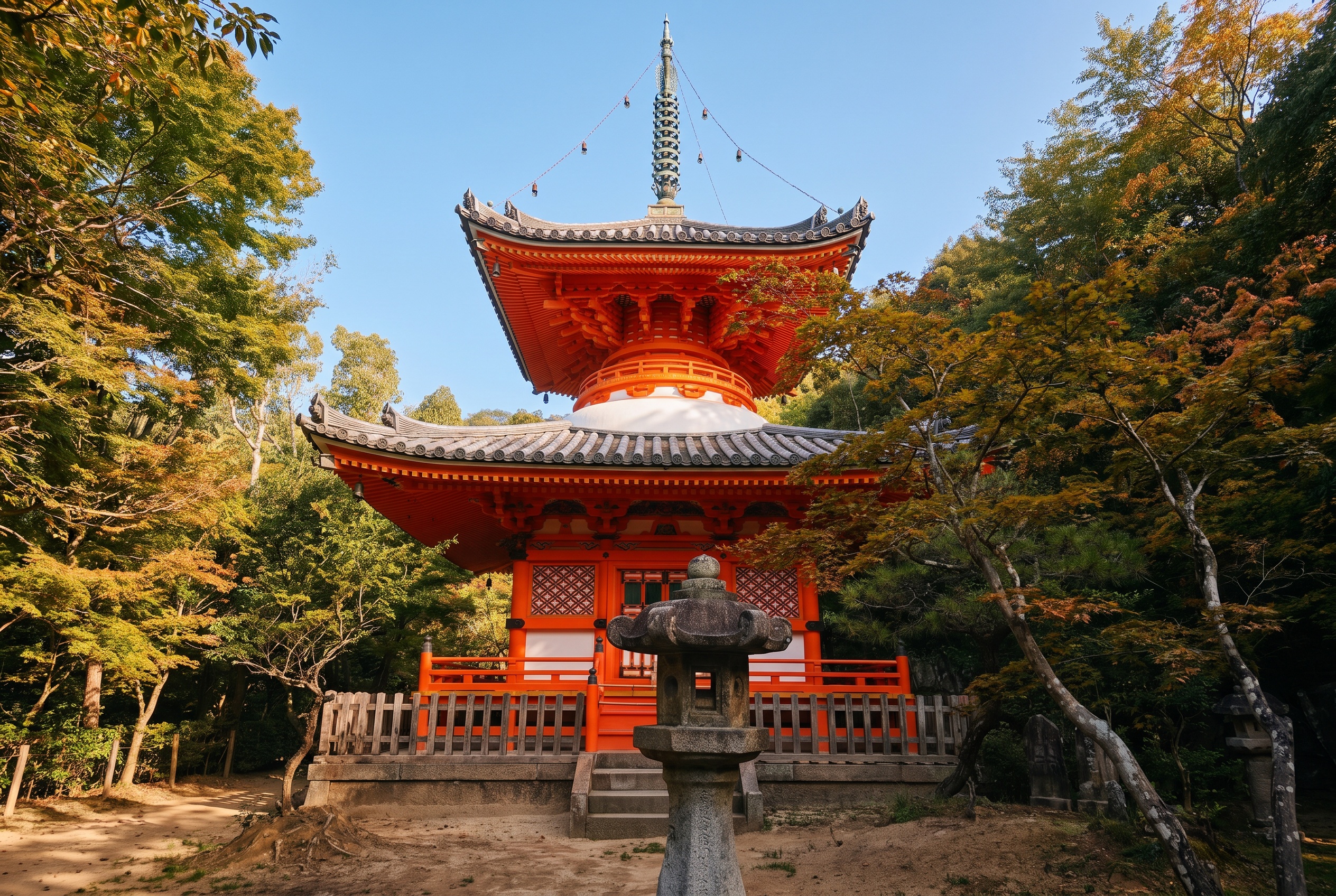
If you’re looking for a perfect escape into nature, hop on the Kabe line train and ride a few stops to Mitaki station. After roughly a twenty-minute climb uphill, you’ll reach a beautiful Buddhist temple that most tourists miss. The entire complex is nestled in deep forest and its name refers to three natural waterfalls that flow through it.
The pathways are lined with dozens of moss-covered statues, dominated by a two-story wooden pagoda. It was specially relocated here in 1951 from Wakayama Prefecture as a memorial to all victims of the atomic bomb. Incidentally, water from the local sacred waterfalls is ceremonially offered every year on August 6th at the main cenotaph in the Peace Memorial Park.
According to available information, there’s no fixed entrance fee, but expect to make a small maintenance contribution of around two hundred yen. The grounds are open roughly from 8 a.m. to 5 p.m., and especially in late November when the momiji trees turn bright red, it’s one of the most beautiful autumn spots in the city.
💡 Tip: The stone steps along the waterfalls are very steep and hellishly slippery after rain. Don’t bring sandals here – wear proper sturdy shoes so you don’t ruin your holiday.
15. Fudōin and Tōshōgū
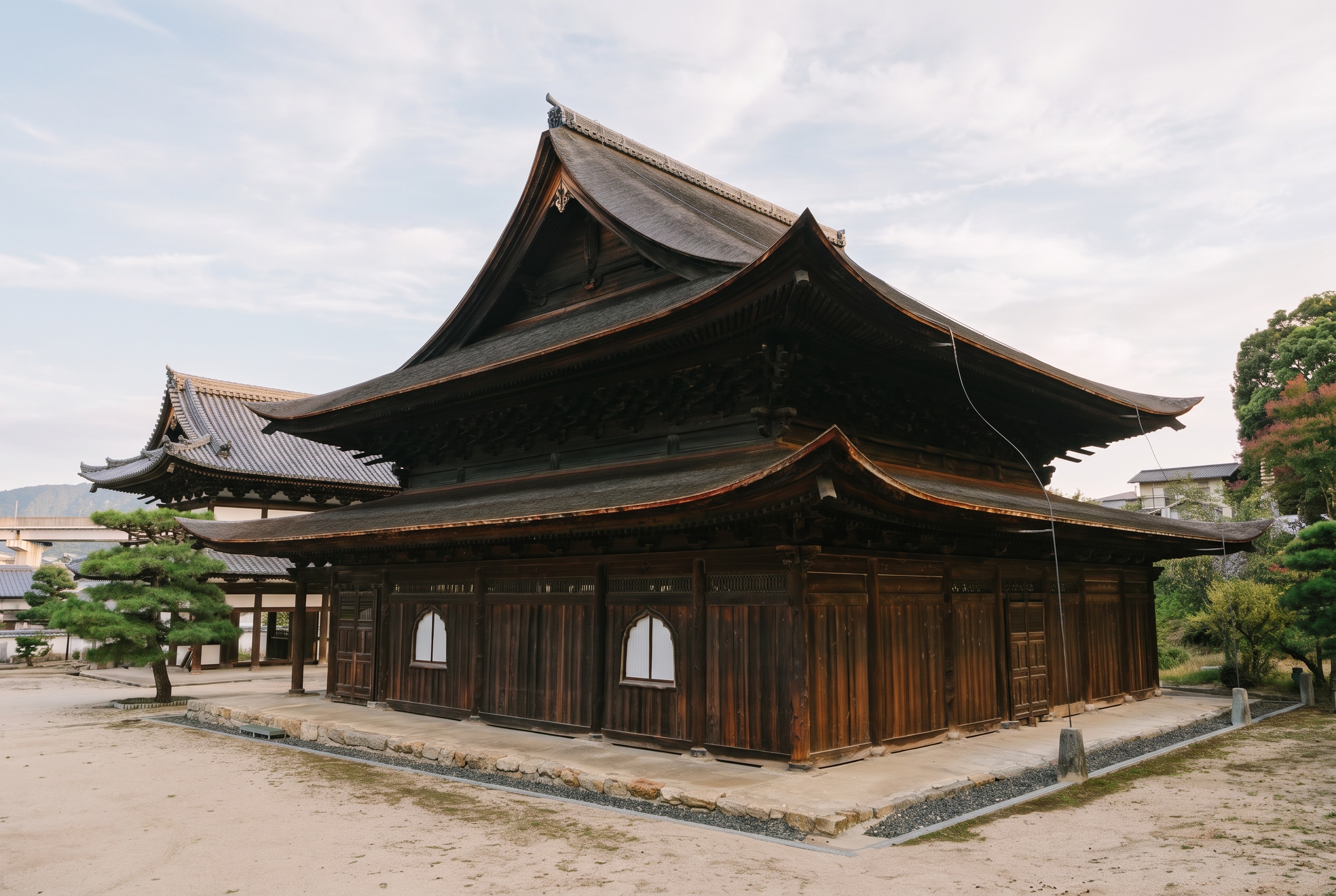
Very few historic structures survived the apocalypse at the end of the war, but Fudōin temple was incredibly lucky. It stood roughly four kilometers from the hypocenter and its main hall, Kondō, withstood the pressure wave. This magnificent wooden building from 1540 is today the only structure in Hiroshima designated a national treasure. Entry is free and you can reach it by the Astram light metro.
On the other hand, very close to the main station (about an eight-minute walk northeast) lies the Hiroshima Tōshōgū complex. Right behind the shrine begins a forest trail up Mount Futabayama. The hike isn’t demanding, and including the walk to and from the station, count on about an hour and a half total.
The trail leads you all the way to the summit of Mount Futabayama at just under one hundred and forty meters elevation. Here stands the Peace Pagoda and, most importantly, a breathtaking panorama of all Hiroshima stretching to the sea opens up. It’s a fantastic spot you can pop up to early in the morning or just before sunset.
💡 Tip: Save the Mount Futabayama hike for the last evening of your stay, when you’re sleeping in a hotel near the station. The sunset over the bay won’t cost you a single yen.
16. Miyajima: Itsukushima Shrine and the Torii Gate in the Sea
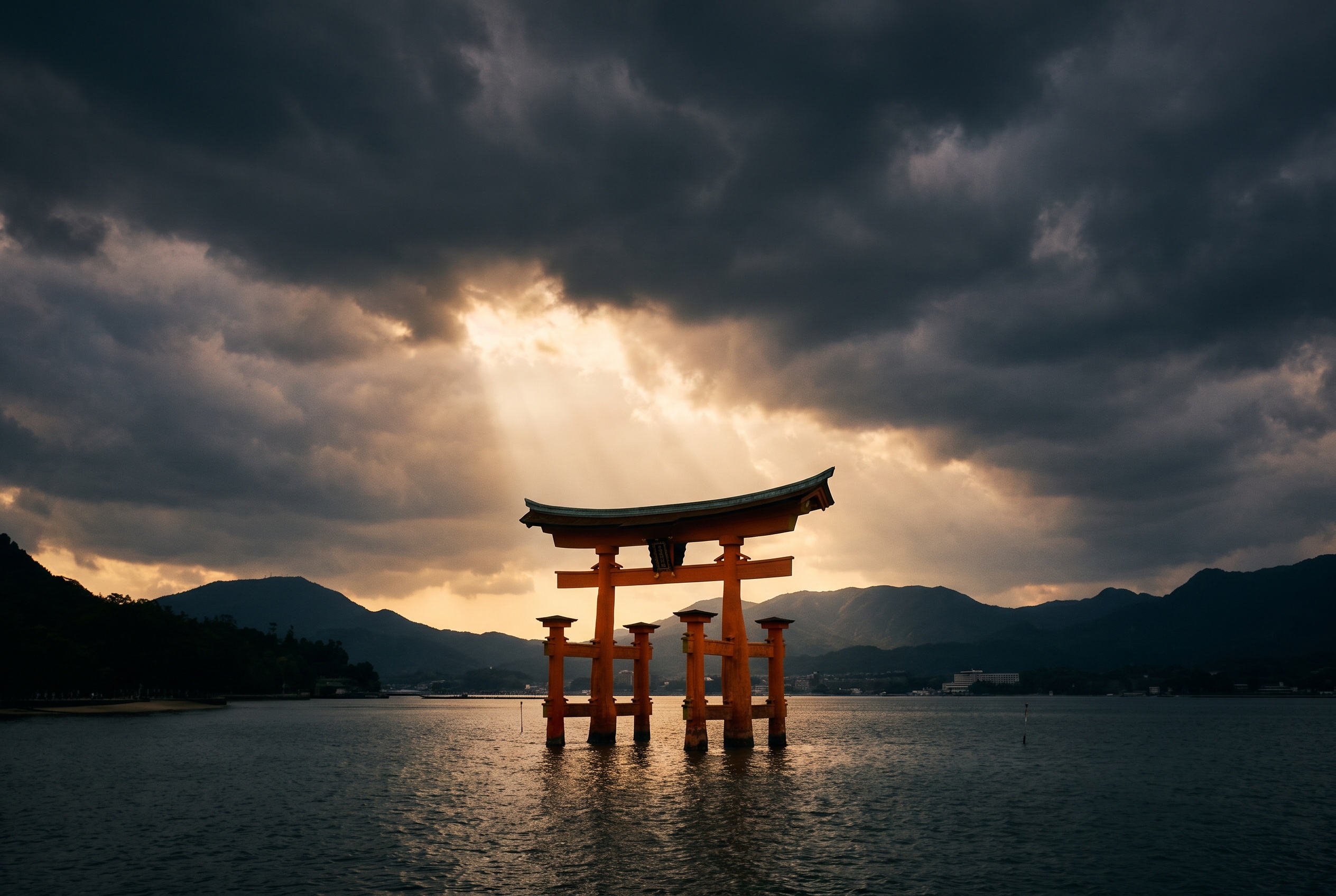
Miyajima Island (also romanized as Miyajimaguchi), which you can reach from Hiroshima by train to Miyajimaguchi and then a ten-minute ferry ride, ranks among the very best in all of Japan. Its main symbol is the enormous red torii gate that weighs sixty tons and stands in the sea by its own weight alone. The Itsukushima Shrine itself is built on wooden stilts above the water, and admission costs 300 yen, payable in cash only.
The island holds visitor records, but in 2026 you’ll have to accept several major renovations. The five-story wooden pagoda from the fifteenth century is surrounded by dense scaffolding, and repairs will last at least until the end of 2026, according to the shrine’s schedule potentially until November 2027. Additionally, the local aquarium will be completely closed over winter (from December through the end of March).
The magic of the torii gate lies in the ebb and flow of tides. The shrine optically floats on water when the tide rises above 250 centimeters, while you can walk dry-footed to the base of the gate when the water drops below 100 centimeters. Tide times shift by nearly an hour each day, so you need to study the tables on the island’s official website in advance.
💡 Tip: Ideally, pick a day for your visit when the morning tide drops below 100 centimeters for a walk in the sand, and in the afternoon rises above 250 centimeters, so you’ll have the perfect floating photo.
17. Miyajima: Mount Misen and Daishō-in Temple
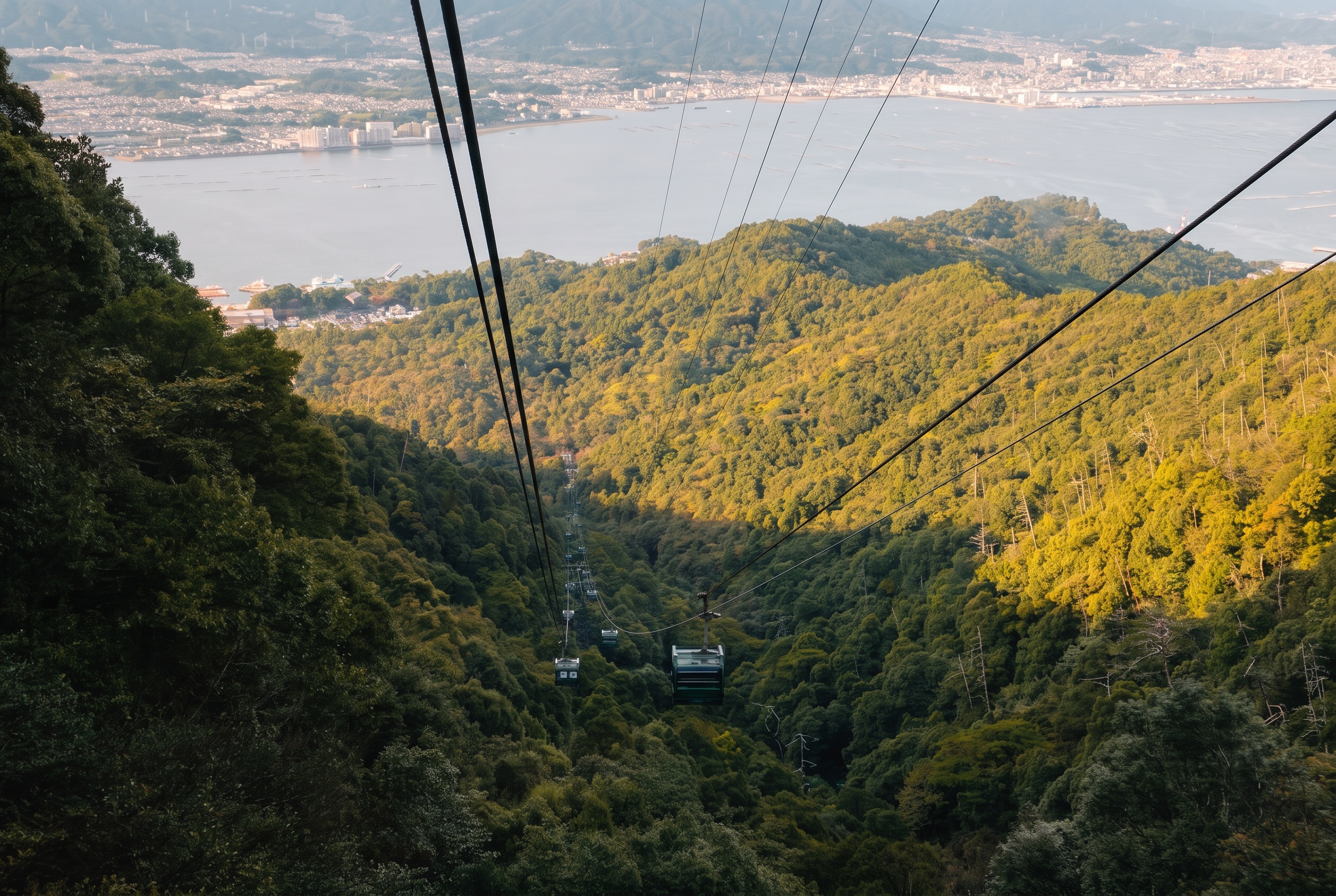
The highest point on the island is the five hundred and thirty-five meter high Mount Misen. A ropeway will take you up for 2,000 yen (about €11) for a return ticket. The journey offers fantastic views, but be warned – on selected days, especially November weekends in 2026, online ticket reservations are mandatory in advance, otherwise you’ll face up to two-hour queues. From the upper station, it’s another thirty minutes on foot to the actual summit.
During the hike you’ll encounter sad news, as the Reikadō hall below the summit burned to the ground in May 2026. That’s where the sacred eternal flame blazed, used to brew tea for pilgrims. The fire was successfully saved and relocated, but the building itself won’t be rebuilt until autumn 2027.
If you enjoy temples and a bit of physical exertion, you don’t have to take the ropeway both ways. At the foot of the mountain lies Daishō-in temple – entry is free and you’ll find hundreds of small statues wearing knitted caps. Experienced travelers on Reddit forums recommend hiking up on foot from the temple and taking the ropeway down for a rest.
💡 Tip: Those who arrive at the lower ropeway station at 9 a.m. sharp face a fifteen-minute queue. If you come at 10:30 a.m., you’ll easily wait over an hour. Get up early.
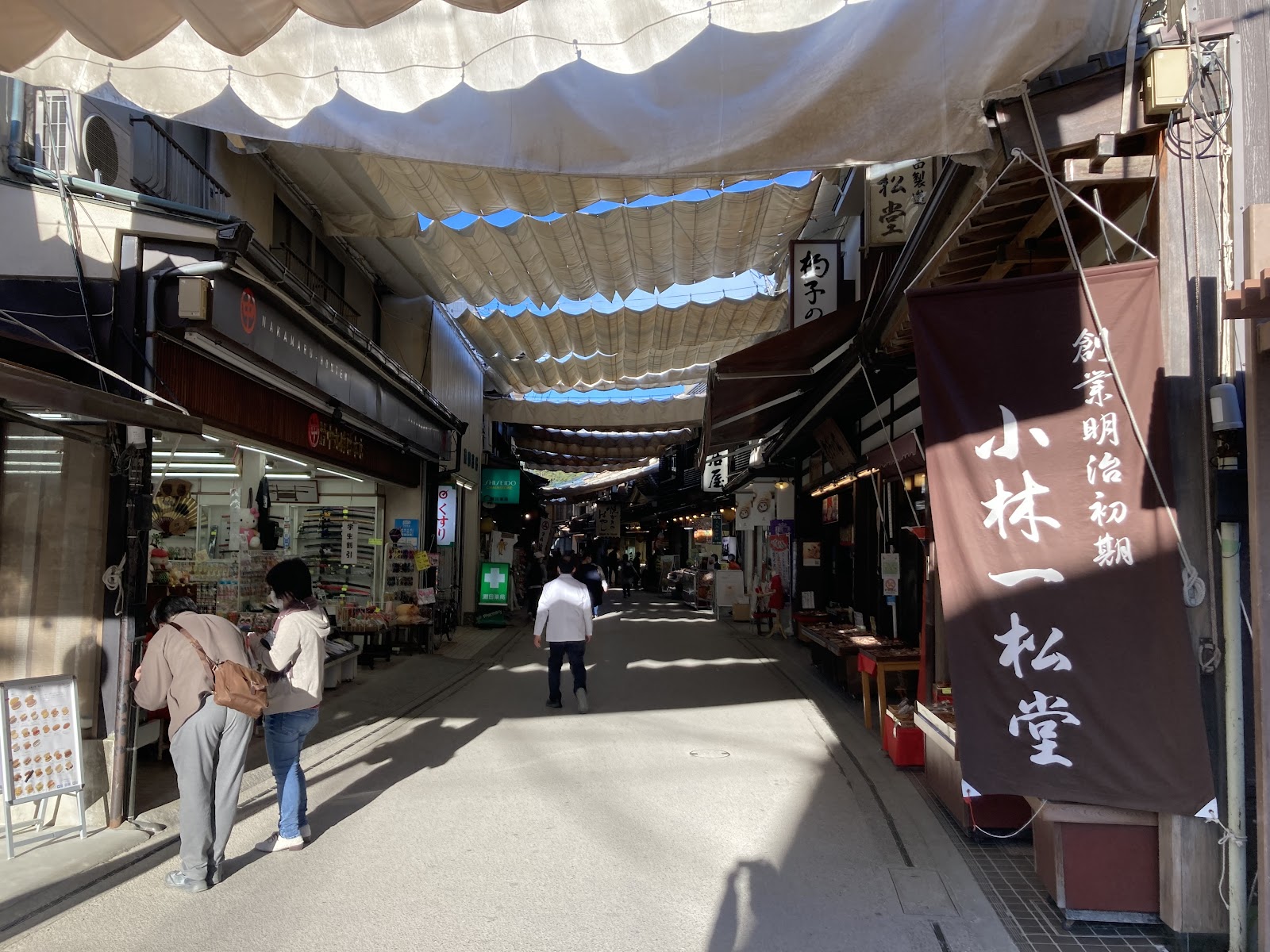
18. Miyajima: Omotesandō, Deer, and Momiji Manjū
Right from the ferry port stretches the bustling Omotesandō shopping street, where you can taste all the local specialties. In the center of Miyajima Kōryūkan is displayed a giant wooden rice paddle measuring almost eight meters and weighing over two tons. You’ll share the entire island with hundreds of free-roaming deer that are very cheeky – feeding is strictly forbidden and they’ll eat your paper map or ticket without batting an eye.
The most famous sweets are momiji manjū cakes shaped like maple leaves. However, the dough contains milk and eggs, so vegans are out of luck, though for vegetarians they make an excellent souvenir (try the fried version, age-momiji too). Leave the famous local oysters and eel rice (anago-meshi) to the carnivores and head for vegan establishments instead.
Kiyomori Chaya restaurant offers excellent vegan katsu curry, in Momijidani Park they’ll make you meatless udon noodles, and Hexagon Cafe serves great vegan ramen. Regular shops and restaurants close as early as 5 p.m., and an almost magical calm then settles over the streets.
💡 Tip: Before ten in the morning, the vast majority of the island is still closed. If you’re taking an early ferry, buy breakfast and coffee from a vending machine or convenience store while still on the mainland.
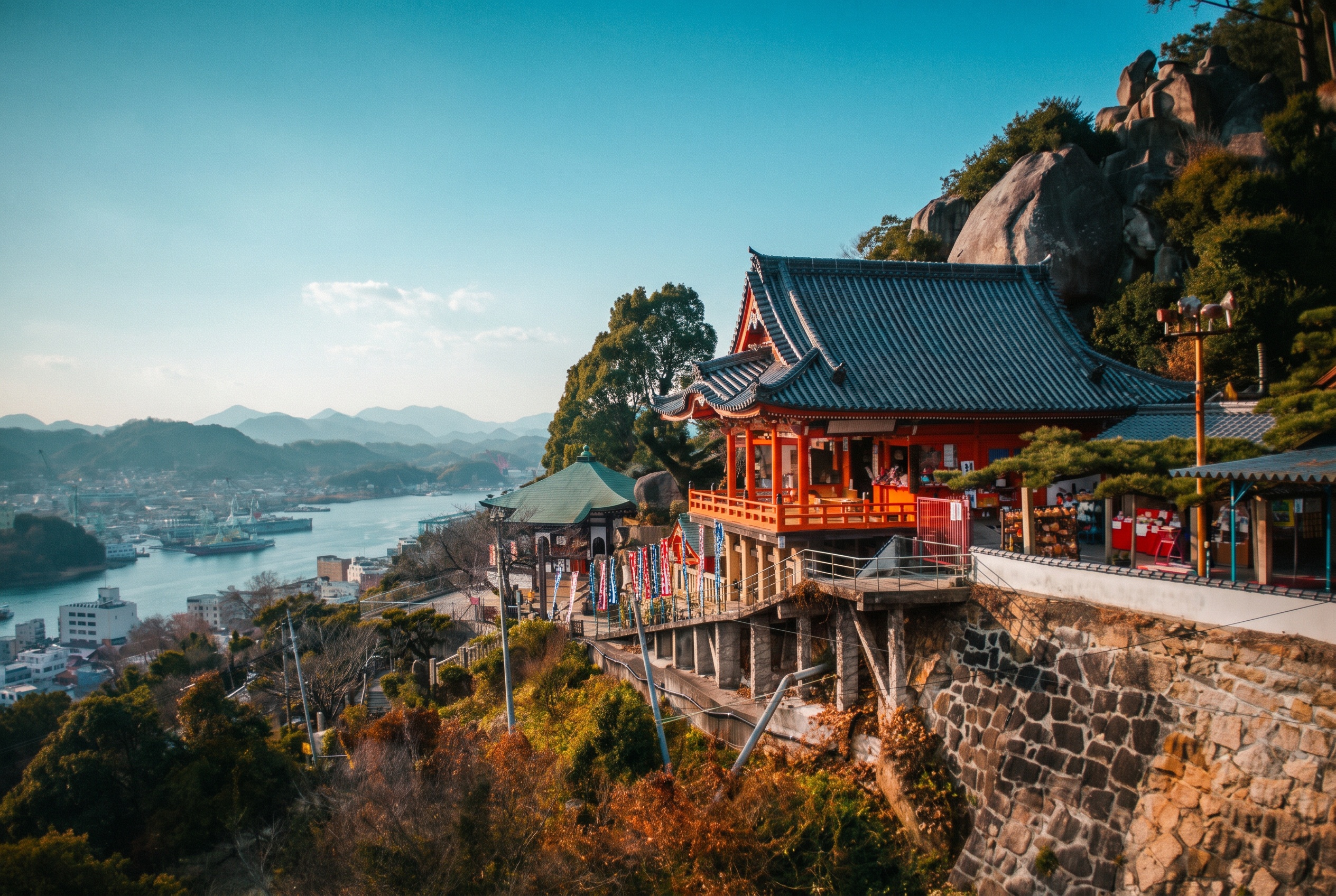
19. Onomichi and Shimanami Kaidō
About an hour and a half by local train from Hiroshima (or fifty minutes by shinkansen combination) lies the incredibly charming port city of Onomichi. It’s renowned for its temples scattered across steep hills and narrow winding alleys. For five hundred yen, you can take the ropeway up to Senkō-ji temple, walk down via the Literature Path, and along the way detour to Cat Alley with its painted cats.
But the city primarily serves as the starting point for the famous Shimanami Kaidō cycling route. The seventy-kilometer route runs across six islands and seven massive bridges arching high above the sea. Near the station there’s an excellent rental shop where you can get a trekking bike for three thousand yen per day or an electric bike for four thousand.
Cyclists have fantastic news because tolls on all bridges are waived until spring 2028. The entire route can be ridden in one long day, though count on sore legs. On the coast you can then stay at the stylish ONOMICHI U2 hotel, a cycling hotel in a former warehouse from 1943.
💡 Tip: In one day from Hiroshima you can’t fit both the long cycling route and the city of Onomichi itself. Better pay for one night here and set off for the bridges refreshed in the morning.
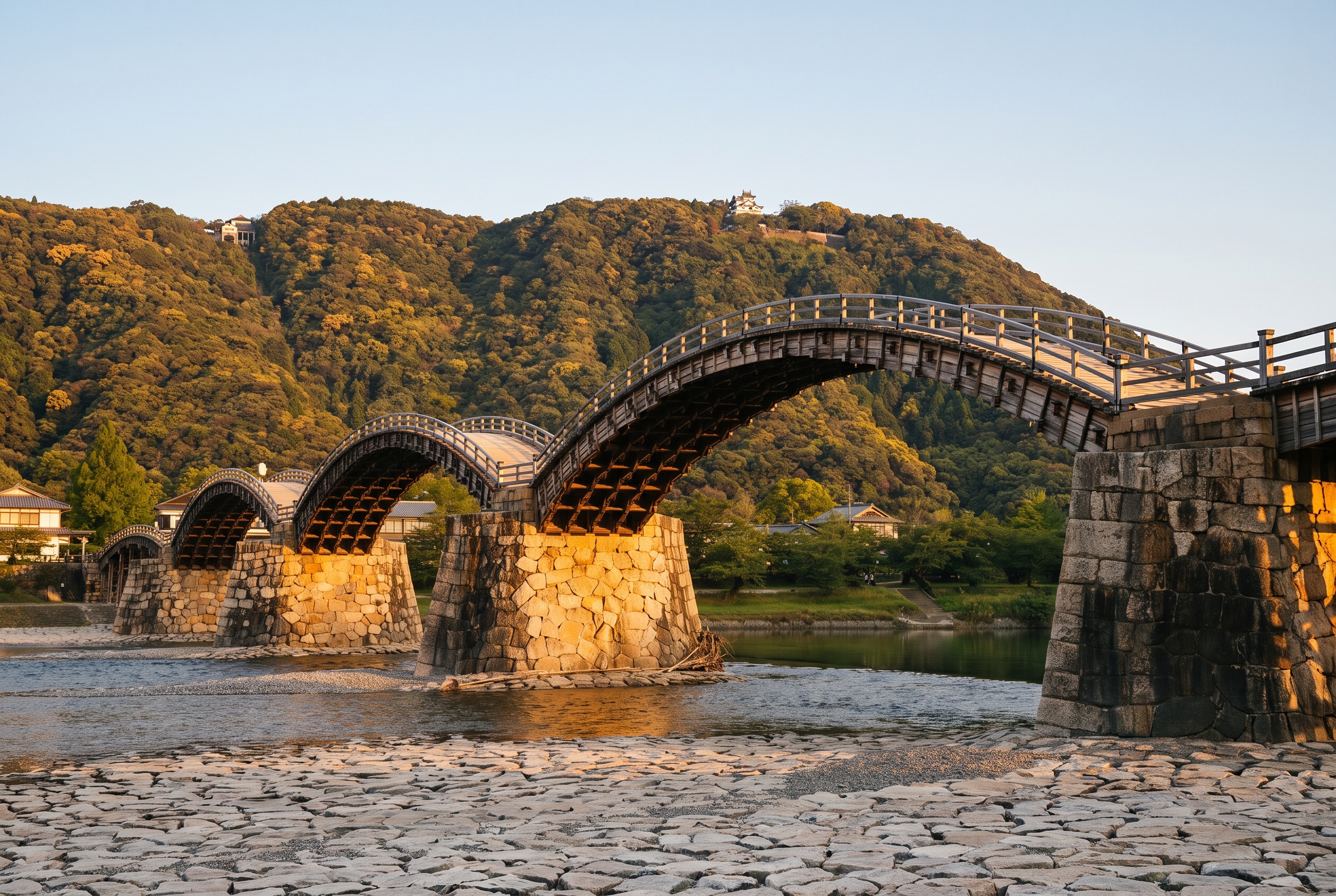
20. Iwakuni
When you hop on a direct bus or train heading west to the neighboring Yamaguchi Prefecture, you’ll arrive in the town of Iwakuni. Its main attraction is the wooden Kintaikyō Bridge, which forms five perfect arches spanning just under two hundred meters in total. The bridge was first built in 1673, rebuilt after a typhoon in 1950, and the wood was last replaced between 2001 and 2004.
From September 1, 2026, the bridge entrance fee increased to 500 yen (previously just 310), and the value package including the bridge, nearby ropeway, and castle rose to 1,550 yen. On the hill above the river stands a concrete replica of the original castle, and below it you can visit an exhibition of white snakes, which are a protected natural monument.
The local culinary specialty is lotus root called renkon, which is an ideal vegetarian tasting experience. On the other hand, the popular pressed sushi (Iwakuni-zushi) is full of fish, so vegetarians should give that a wide berth. From Hiroshima, a JR train costs 770 yen (about 49 minutes) and then a bus to the bridge, or there’s a direct bus from the Bus Center for 950 yen, which is also covered by the Tabi Pass Middle Area version.
💡 Tip: Ideally plan your visit for spring, because the bridge is one of the most famous cherry blossom spots in Japan, and on April 29 the Kintaikyō Matsuri festival takes place here.
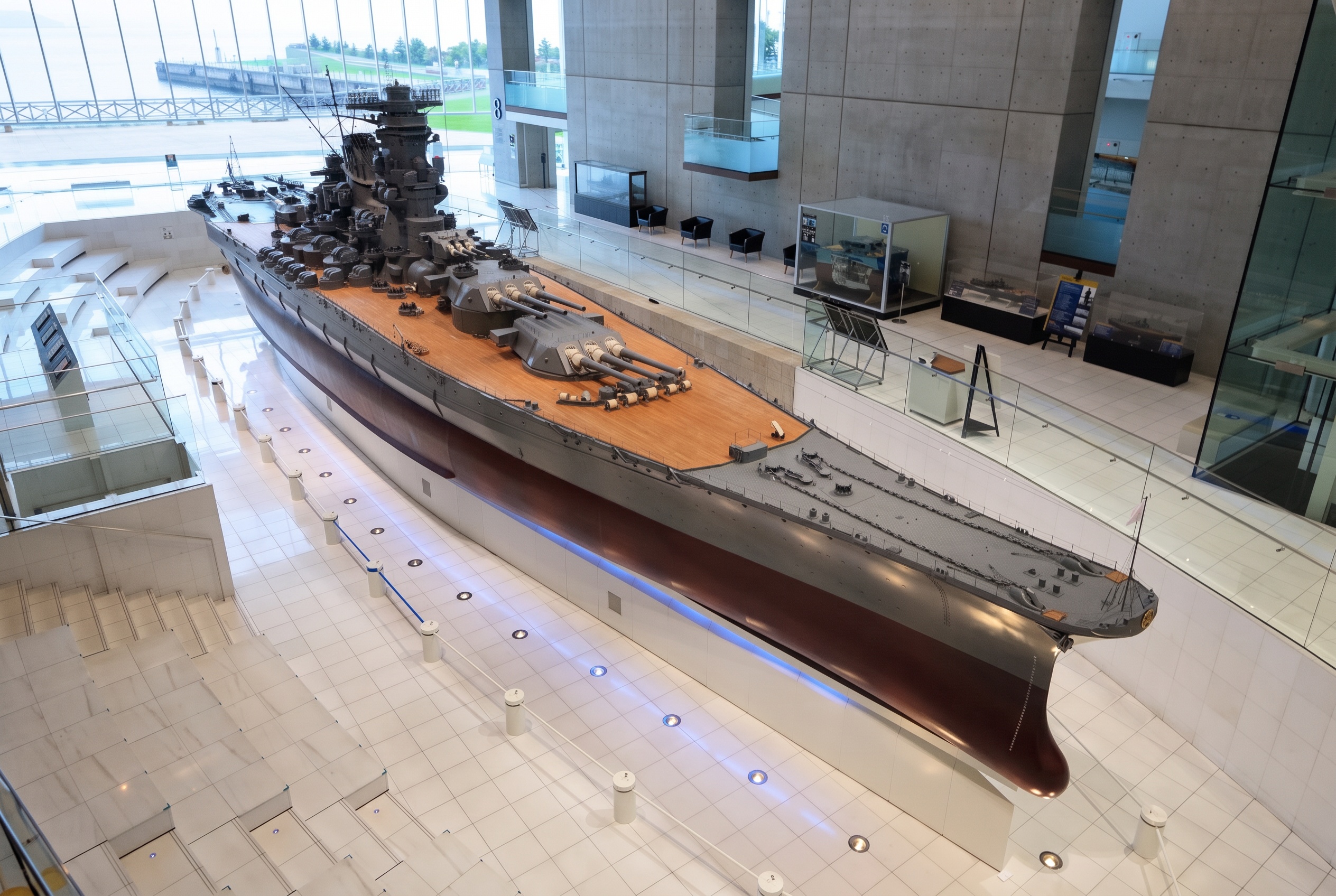
21. Kure
Half an hour by express train from Hiroshima will take you to Kure, a city that for decades functioned as one of the most important naval ports in the country. The main draw here is the enormous Yamato Museum. The building was completely closed for over a year due to massive reconstruction and ceremonially reopened to visitors in April 2026, with the entrance fee doubling to 1,000 yen.
Inside, you’ll be impressed primarily by a detailed model of the legendary battleship Yamato at a scale of one to ten, measuring over twenty-six meters. Right next door is the JMSDF Museum, which you’ll recognize at first sight. A decommissioned submarine Akishio stands beside it, and you can climb into its cramped interior completely free of charge.
In Kure, everyone loves the naval “navy curry,” which is still served on military ships today, but it’s unsuitable for vegetarians due to its meat content. The city has a very specific industrial atmosphere, and the museums are located about a five-minute walk directly from the train station.
💡 Tip: Both large naval museums are regularly closed every Tuesday. So plan your trip for the second half of the week to avoid standing in front of locked doors.
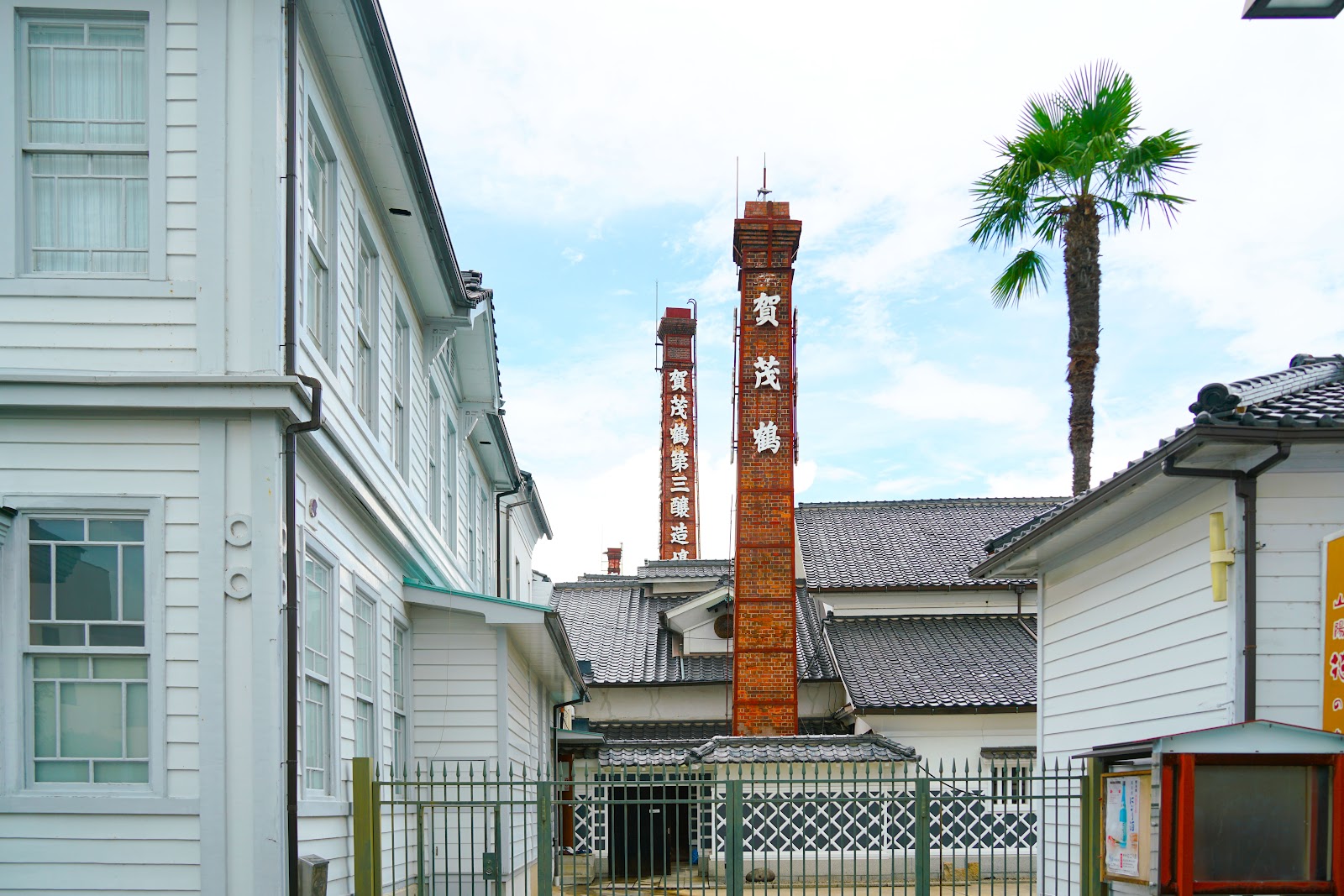
22. Saijō and Sake
If you’re interested in traditional Japanese alcohol, you can’t skip the town of Saijō. It lies about forty minutes by local train from Hiroshima and is considered one of the most important sake production centers in all of Japan. Near the station, you’ll find seven breweries within about one kilometer, making it an ideal place for exploration on foot.
The oldest is Hakubotan from 1675, and Kamotsuru also has a shop, whose Tokusei Gold sake was poured by Prime Minister Abe for President Obama in 2014. The sake tastings themselves are naturally fully vegetarian, just don’t order the traditional local hotpot bishu-nabe, which contains meat.
The biggest excitement happens here in autumn during the famous Sake Matsuri festival. In 2026, the weekend event falls on October 10 and 11, when the streets fill with stalls, over a thousand different types of sake from across the country are tasted, and the town is packed with people. Arrange accommodation in the area for this weekend well in advance.
💡 Tip: The breweries can easily be visited in one relaxed afternoon. However, if you head here during the October festival, expect huge crowds of tipsy and cheerful revelers.
Where to Go Next from Hiroshima
Hiroshima is an ideal crossroads for further travels. If you’re looking for wild nature, take a bus to the beautiful Sandankyō Gorge. However, check for closures before traveling (for example, the Kurobuchi – Mizunashi section is closed until the end of September 2026) and keep in mind that only two buses run back in the afternoon. For animal lovers, there’s Okunoshima Island, where rabbits roam freely, but the prefecture is soon considering introducing a tourist tax due to littering. For history, head to the port of Tomonoura or to Takehara, nicknamed “Little Kyoto.” If you’re tempted to hop over to another major Japanese island, from the local port a speedboat will take you in seventy minutes straight to Matsuyama city on Shikoku.
Sports fans are in for a treat, as in 2024 the city opened the ultra-modern Edion Peace Wing football stadium, and you can get tickets for the Carp baseball team through Klook. From Hiroshima, you can also quickly reach other major cities. Read about many amazing places in our article Dovolená Japonsko: 21 tipů, kam jet a co vidět.
More inspiration:
- Kjóto (express train 1 h 40 min)
- Ósaka (express train 1 h 25 min with Kansai-Hiroshima Pass)
- Tokio (express train four hours)
- Kdy jet do Japonska
- Japonsko poprvé: JR Pass, ceny a praktické tipy
Frequently Asked Questions
How many days do I need for Hiroshima?
At least two nights is ideal. Spend one full day on the city center (Peace Park, museum, castle and Shukkeien Garden), then head out early the second day to Miyajima Island. If you add a third day, you’ll have time for the Kintaikyo Bridge in Iwakuni, the cycling path in Onomichi, or the submarine in Kure. A day trip from Osaka only leaves time for the park and museum; trying to do both Hiroshima and Miyajima in one day is a mad rush.
How much do entrance fees cost in 2026?
In 2026 you’ll pay 200 yen for the Peace Memorial Museum (audio guide costs an additional 500), while the Atomic Bomb Dome and the underground National Peace Memorial Hall are completely free. For observation decks, budget 2,200 yen for Orizuru Tower, Shukkeien Garden costs 350 yen (combined ticket with the art museum is 660) and the Museum of Art runs 1,000 to 2,200 yen depending on the current exhibition. The Mazda Museum is free but requires advance reservation. On Miyajima Island, have 300 yen in cash ready for Itsukushima Shrine and 2,000 yen for the ropeway, with the ferry itself costing 200 plus 100 yen island tax. The wooden Kintaikyo Bridge will run you 500 yen from September 2026 onward, and the renovated Yamato Museum is a flat 1,000 yen.
Do I need to reserve the Peace Memorial Museum?
For most of the day it’s not required yet, but an online ticket is mandatory for the first morning hour (7:30 to 8:30 AM) and for the final ninety minutes before closing. During the August 2026 Obon holiday, the museum ran entirely on reservations and the city is seriously considering making them year-round along with higher admission fees. The quietest times to visit are usually Tuesday or Thursday, either first thing in the morning or two hours before closing in the evening.
Is Hiroshima Castle open?
The castle grounds themselves, the Ninomaru gate complex and the observation boat on the moat are all operating normally and you can visit. The main concrete tower has been permanently closed since March 22, 2026 due to structural problems and unfortunately you won’t be able to go inside anymore. Historical exhibits are currently being moved and transferred to the brand-new Sannomaru Museum, which will open in 2027.
When can I see the Miyajima torii “floating”?
It depends on the tides, with the shrine appearing to float on water when levels rise above 250 centimeters. If you want to stand directly under the gate with dry feet in the sand, you need to wait for low tide with water below 100 centimeters. The times shift by roughly fifty minutes each day, so always check the tide tables on the official miyajima.or.jp website. Also keep in mind that the five-story pagoda is under scaffolding and the Reikado Hall on Mount Misen is being restored after a fire.
How do I get from the airport and from Osaka or Kyoto?
A direct bus runs from the airport to the station for 1,500 yen and takes about fifty minutes. If you take the Nozomi bullet train, the journey from Shin-Osaka takes one hour and twenty-five minutes and costs 10,950 yen, while from Kyoto you’ll travel one hour and forty minutes for 11,940 yen. That’s exactly why it’s extremely worthwhile to buy the Kansai-Hiroshima Area Pass for five days at 17,000 yen, which covers your round trip and also includes the JR ferry to the island (you pay the 100 yen Miyajima tax separately). Around the city itself, trams run for a flat 240 yen.
Is Hiroshima suitable for vegetarians?
With a bit of planning, absolutely. Instead of traditional restaurants head for vegan okonomiyaki at Nagataya or Jirokichi, or try the fully vegan restaurant JoGeSaYu, Chinese restaurant Keiai, or Taiko Udon with meat-free broth. On Miyajima the excellent katsu curry at Kiyomori Chaya and Momiji-sō café will save you. But watch out for standard Otafuku sauce, which contains oyster and meat extract, and remember that the sweet momiji manjū cakes are made with milk and eggs.
Practical Information
International travelers don’t need visas for regular tourist stays of up to ninety days. Just fill out the electronic form on the Visit Japan Web portal a few days before departure to get QR codes for quick passage through immigration and customs. Although Japan has approved a system similar to the American one called JESTA, it won’t launch until fiscal year 2028, so nothing changes for trips in 2026 and 2027. Find more details in our article Japonsko poprvé: JR Pass, ceny a praktické tipy.
When planning your budget, check current exchange rates for your currency against the Japanese yen. Japan is slowly adding new fees, so your ticket already includes the 3,000 yen departure tax introduced in July 2026. A major change awaits shopping enthusiasts from November 1, 2026, when the tax-free shopping system changes. In stores, you’ll now pay the full price with tax, which will be refunded at the customs checkpoint at the airport (don’t forget to keep your receipts and expect a queue). The prefecture also collects an accommodation tax of 200 yen per person per night from spring.
Although card payments are rapidly expanding here, cash is still necessary on Miyajima Island, in older stalls in Okonomi-mura, or when buying lanterns for the evening vigil. You’ll reliably find ATMs in 7-Eleven stores or at post offices, and for transportation the best option is a rechargeable IC card ICOCA or Suica, which you can load directly into Apple Wallet. Also remember that tipping is absolutely not given in Japan—locals would rather be offended by it.
Outlets here use American Type A with two flat pins (the grid is 100V and 60Hz in Hiroshima), so you’ll need a travel adapter. Tap water is safe to drink everywhere. If you have tattoos and are looking forward to traditional onsen baths, keep in mind that you’ll very often not be allowed in. You’ll manage with English at stations, hotels, and museums; elsewhere a translator app on your phone will save you. There are no direct flights from most European cities to Hiroshima; the most practical route is with a connection in Seoul or via Tokyo or Osaka, and the journey takes approximately thirteen to sixteen hours.
Tips and Tricks for Your Vacation
Don’t Overpay for Flights
Search for flights on Kayak. It’s our favorite search engine because it scans the websites of all airlines and always finds the cheapest connection.
Book Your Accommodation Smartly
The best experiences we’ve had when looking for accommodation (from Alaska to Morocco) are with Booking.com, where hotels, apartments, and entire houses are usually the cheapest and most widely available.
Don’t Forget Travel Insurance
Good travel insurance will protect you against illness, accidents, theft, or flight cancellations. We’ve had a few hospital visits abroad, so we know how important it is to have proper insurance arranged.
Where we insure ourselves: SafetyWing (simple monthly subscription) and TrueTraveller (for extra-long trips).
Find the Best Experiences
Get Your Guide is a huge online marketplace where you can book guided walks, trips, skip-the-line tickets, tours, and much more. We always find some extra fun there!