

The Dolomites are the kind of mountain dream almost everyone carries around in their head — those jagged peaks glowing pink at sunset, turquoise lakes and meadows you could happily linger in all day. But the moment that dream needs an actual date, the questions start piling up: how much does the whole thing cost, when should you go so the mountains aren’t buried in fog and the car parks aren’t full, and should you book a package tour or do it on your own?
This hub is built for exactly that. You’ll find up-to-date package and flight prices that we refresh every morning; our own hands-on tips from the road and our articles about what’s genuinely worth it and what you can happily skip; and a plan for when and what to book so you don’t end up overpaying.

What to see and do in Dolomites
The Dolomites aren’t a single place but a whole mosaic of valleys and massifs — and every corner has its own mood. If it’s your first trip and you want a safe bet, take a look at our roundup of the 17 most beautiful spots, which makes a great starting point for building a route. For easy strolls, our pick of 5 trails for everyone will point you in the right direction.
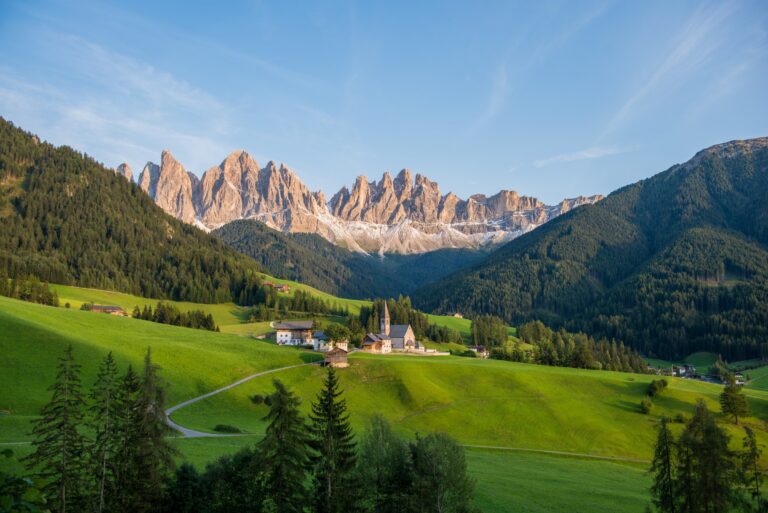
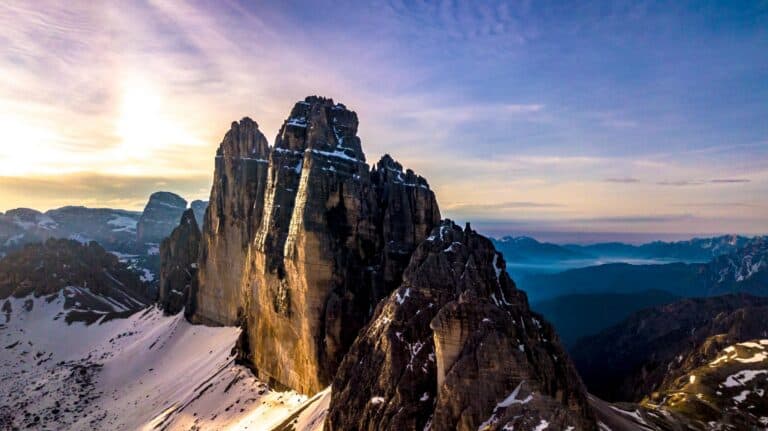
Three icons almost everyone sees in the Dolomites are the three rock towers of Tre Cime di Lavaredo, the breathtaking ridge of Seceda and the postcard-perfect village in Val di Funes with Santa Maddalena. Add to that the region’s most photographed lake, Lago di Braies, and the vast high-alpine meadow of Alpe di Siusi.
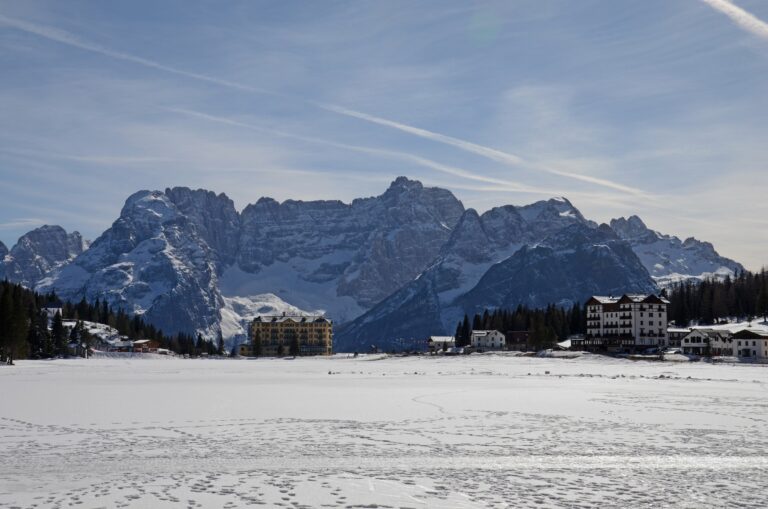
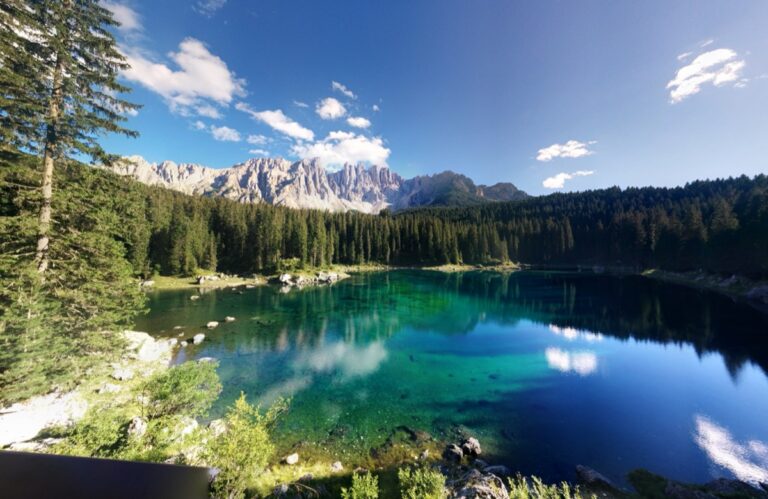
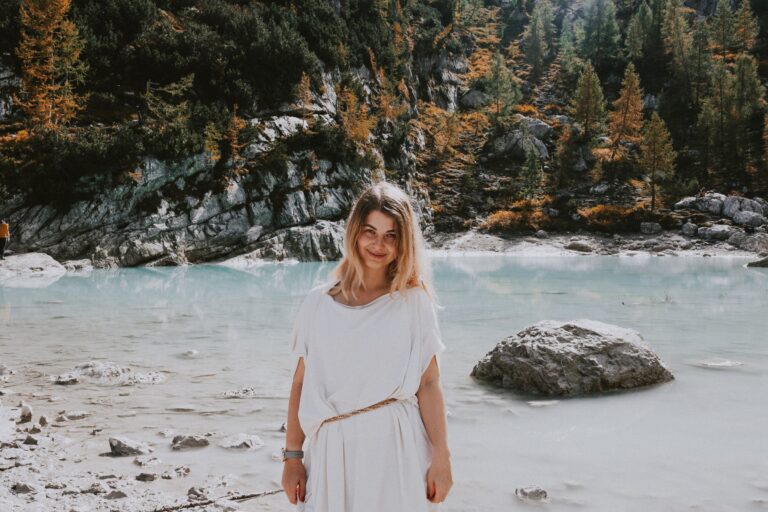
Lake lovers will be in their element at Lago di Sorapis, Lago di Misurina with the Cadini viewpoint, the emerald Lago di Carezza and autumnal Lago Federa below Croda da Lago.
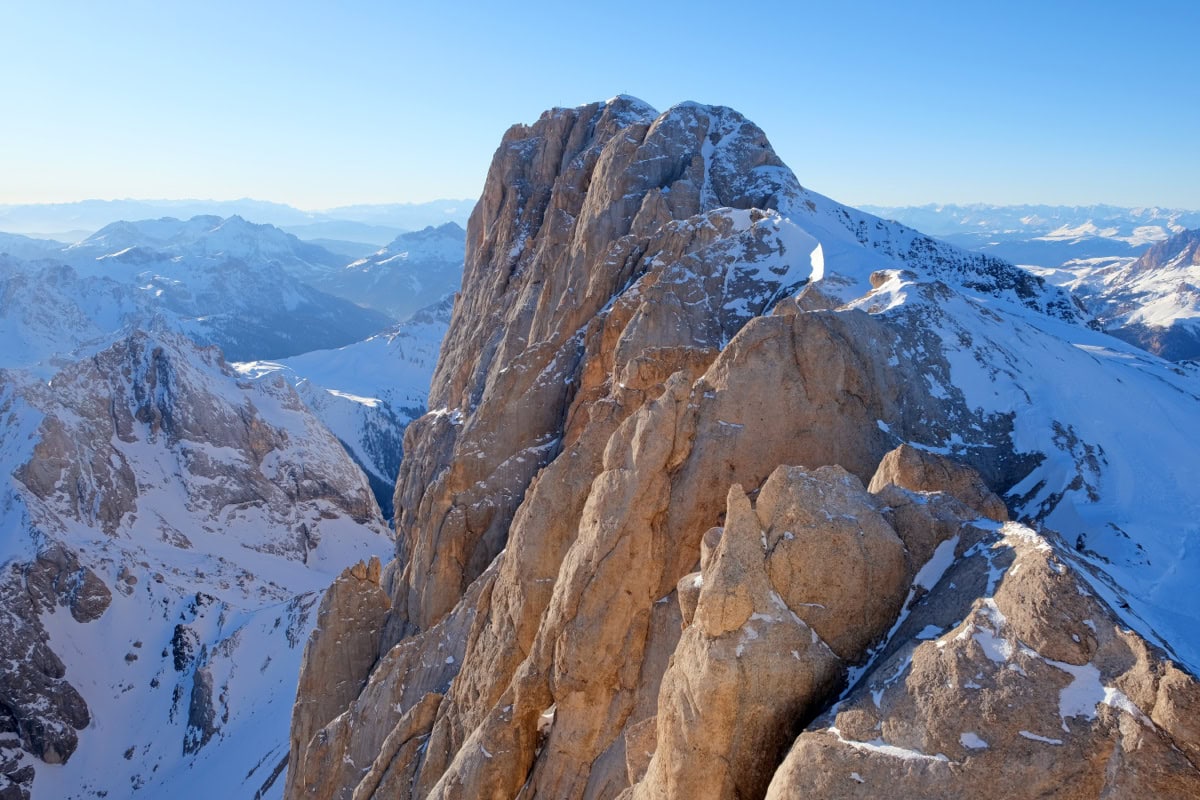
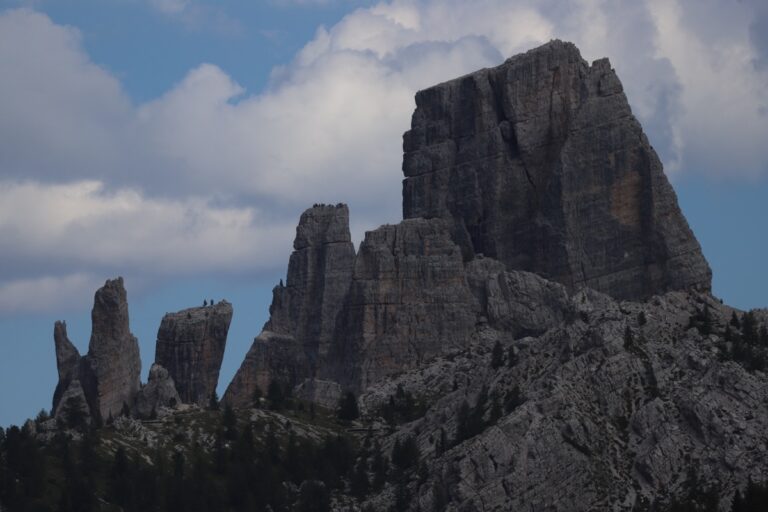
If you want to go higher and further, you’re spoilt for choice: the easygoing Adolf-Munkel-Weg beneath the Geisler walls, a cable-car ride up to Sass Pordoi, or an expedition to Marmolada, the highest peak in the Dolomites. Equally photogenic are Cinque Torri and Lagazuoi with their WWI remnants and the fiery red Catinaccio (Rosengarten).
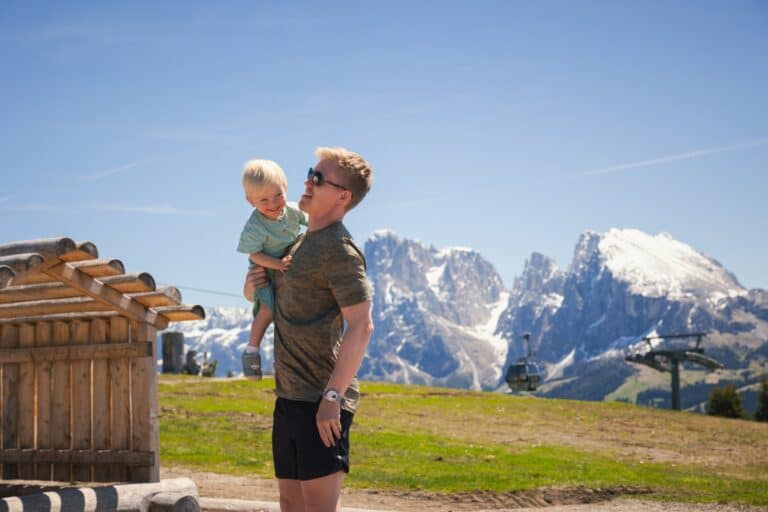
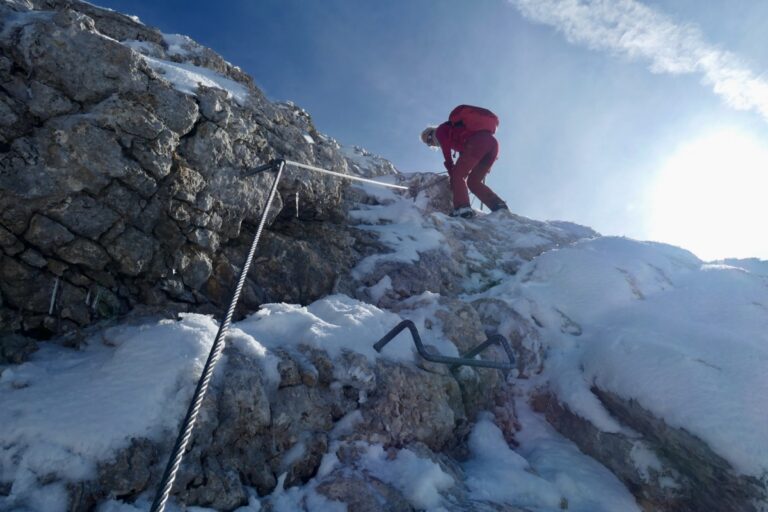
For the more adventurous, we’ve got tips on via ferratas for beginners and, for the experienced, the multi-day Alta Via 1 trek. Families with kids will appreciate our guide to the Dolomites with children (even a baby). And as a base, we recommend exploring Cortina d’Ampezzo.
When to visit Dolomites
The main summer hiking season runs roughly from mid-June to the end of September. That’s when the cable cars are running, mountain huts are open and most of the services at the car parks are up and running — and, crucially, when the higher trails are actually passable. In June you may still find leftover snow in shady gullies, and some lakes (Sorapis, for one) tend to stay frozen longer than you’d expect, so if you want a sure thing, aim for July and August.
Our personal favourite is the first half of September — the weather is usually still settled, the crowds ease off and the evening enrosadira (that pink alpenglow on the rock) is gorgeous. Hold out until late September into October and you get a bonus in the form of golden larches, especially around Lago Federa. Winter belongs to the skiers (Dolomiti Superski), but that’s a whole different chapter of the trip.
Whenever you go, expect fast-changing weather. Afternoon thunderstorms are common in summer, so it pays to set off early in the morning — and to have an extra layer and a rain jacket handy even when the sun is shining first thing.
How to get to Dolomites
The most comfortable option — and the cheapest for families or a group — is driving. From Prague it’s roughly 7–9 hours’ drive to the heart of the Dolomites (around 700–800 km) via Austria. A car gives you the kind of freedom you’ll really value in mountains without dense public transport — hopping between valleys and making those early-morning starts to the car parks is otherwise a real headache. Budget for the Austrian motorway vignette and Italian tolls.
If you’d rather not sit behind the wheel, you can fly — the nearest airports are Venice (Marco Polo, Treviso), Verona or Innsbruck, from where you continue into the mountains by rental car or transfer. Direct flights from Prague run seasonally; otherwise you’ll change en route. Allow another 2–3 hours from the airport to the mountains, which is why it makes sense to pair your flight with a car rental on arrival.
Renting a car
A car pays off almost every time in the Dolomites — public transport between valleys is slow, and you can’t rely on it for the early-morning starts (when you snag a parking spot and have the trails to yourself). You can manage without a car only if you pick one base with good cable-car connections and are happy sticking to its surroundings. Otherwise, your own car or a rental is the key to freedom.
- Where to book: through rental comparison sites and preferably online in advance — booking on the spot at the airport is usually pricier with less choice.
- Insurance: consider full cover with no excess; the pricey add-on at the desk can often be replaced by a cheaper policy arranged beforehand.
- Deposit: expect a hold on your card (potentially tens of thousands of €) — make sure you have enough available limit.
- Tolls and vignettes: Austrian motorway vignette plus Italian tolls; parking at the top spots is paid and access is restricted in peak season.
Where to stay in Dolomites
Where you stay largely decides how much time you’ll spend on the road. The Dolomites are vast, so it’s worth picking one or two valleys rather than trying to cover everything from a single spot. Popular bases:
- Cortina d’Ampezzo and around — ideal for Tre Cime, Misurina, Sorapis and Cinque Torri; a bit more glamorous, but a superb location (our guide to Cortina).
- Val Gardena / Val di Funes — for Seceda, Alpe di Siusi and those Santa Maddalena photos; cosy Tyrolean guesthouses.
- Val di Fassa (Canazei) — a good base for Sass Pordoi, Marmolada and Catinaccio.
- Around Lago di Braies / Prags — quieter, and close to the region’s most photographed lake.
Options range from classic guesthouses and apartments (best value for money, especially with kids) through mountain huts for trekkers to campsites for the adventurous. Accommodation in the Dolomites is in high demand, so in peak season book several months ahead — the good guesthouses in the prettiest villages are the first to go.
Package tour or independent travel?
A package tour makes sense when…
- you don’t want to deal with logistics, accommodation and parking and want the itinerary sorted;
- it’s your first visit and you’ll appreciate a guide who picks trails to match the weather;
- you don’t fancy long drives across the Alps;
- you want peace of mind even if the weather turns.
Go it alone when…
- you want to get up for sunrises and tweak the plan with the weather;
- you’re travelling with kids and need your own pace and breaks;
- you’re after the best value for money and don’t mind planning;
- you want to linger longer in the places that win you over.
The two of us are firmly in the “do it yourself” camp — the real magic of the Dolomites is heading out early in the morning and shaping the day around the weather, which you simply can’t do on a package tour. But honestly: if it’s your first visit, you don’t want to drive and you’re after a stress-free trip, a well-run tour will spare you a lot of hassle and is a perfectly legitimate choice.
Budget: daily costs in Dolomites
A rough daily budget per person (excluding travel from the Czech Republic). The Dolomites are one of Italy’s pricier destinations, mainly because of accommodation and cable cars — treat these figures as a rough guide, not gospel.
| Level | Accommodation | Food | Transport & activities | Total/day |
|---|---|---|---|---|
| Backpacker | 30 €–45 € (campsite / hut bed) | 12 €–20 € (self-catering, canteen) | 12 €–25 € (on foot, few cable cars) | from approx. 55 € |
| Standard | 55 €–85 € (guesthouse, apartment) | 25 €–35 € | 30 €–45 € (cable cars, parking) | approx. 105 €–170 € |
| Comfort | 110 € and up (3–4* hotel) | 40 €–60 € (restaurants) | 45 €+ (cable cars, guide, rental) | from approx. 200 € |
Prices are approximate and climb in peak season (July–August). You’ll save the most on food by self-catering and on transport by sharing a car with more people.
How to save when planning
- Look for flights ideally 2–4 months ahead, and even earlier for summer. Avoid Friday and Sunday departures, which tend to be priciest. Search for flights in our finder.
- Book accommodation in the top villages 3–6 months ahead — leave it to the last minute and there’ll either be nothing left or you’ll pay double. Take a look at our accommodation tips.
- A package tour is best value booked early bird (winter–spring for summer dates); last-minute deals for the mountains are more of a lottery. Check out the current tours.
- Sort out cable cars and entry reservations (Tre Cime, Braies) online in advance — you’ll save time and stress and avoid sold-out slots. See what to book in good time.
- Where you overpay: restaurants right beside the most famous lakes and cable cars. Eat one village over, or pack a picnic — food with a view tastes just as good and costs less.
Practical information
- Language: Italian and German (South Tyrol is bilingual). You’ll get by fine in English in the tourist areas.
- Payments: the currency is the euro and cards are accepted almost everywhere, but keep some cash for small huts, car parks and bistros — plus coins for the toilets.
- Connectivity: coverage in the valleys is good but patchy on the ridges. To avoid roaming hassles, sort out an eSIM before you leave home — it activates in a couple of minutes.
- Safety: the Dolomites are safe; the biggest risks are the weather and underestimating a trail. Check the forecast, wear sturdy boots and never tackle a ferrata without a harness.
- Parking: at the top spots (Tre Cime, Braies, Sorapis) arrive early in the morning, or you either won’t find a space or will pay through the nose. Tre Cime and Braies have seasonal access restrictions and require entry reservations.


