The moment someone mentions Marmolada Italy, I get goosebumps and instantly remember the incredible feeling of standing on the very “rooftop of the Dolomites” with Lukáš years ago. It’s the undisputed queen of the entire mountain range — a place with an indescribable energy. But times change, and Marmolada changes with them.
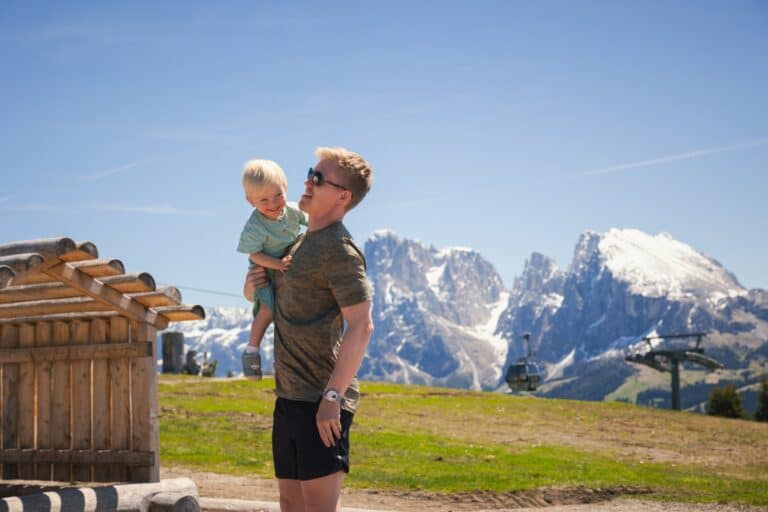
After the tragedy in 2022, when an enormous chunk of glacier broke away, access to this majestic mountain changed forever. While we once came here with ice axes and climbed up the glacier, in 2026 we arrived in a completely different setup. We’re now joined by our little Jonášek and our two dogs Kája and Baby, so wild mountaineering expeditions had to take a back seat.
Let’s take a look together at how to enjoy the highest mountain in the Dolomites safely, with respect for nature, and even with a pushchair or small children in tow. You’ll discover that even without dangerous trekking, Marmolada can absolutely take your breath away.
The full destination guide: Dolomites — guide and what to see
TL;DR
- Where exactly are we: Marmolada, at 3,343 metres (Punta Penia summit), is the highest mountain in the Italian Dolomites, straddling the border between the Trentino and Veneto regions.
- Important warning post-2022: Following the tragic glacier collapse, extremely strict rules are in place. Reaching the summit is only possible with a certified mountain guide and in perfect conditions.
- How to get up effortlessly: The Move To Top cable car departs from the village of Malga Ciapela and whisks you up to Punta Rocca at 3,265 metres.
- Perfect for families: The cable car is brilliant for families with kids and seniors alike — at the top you’ll find a panoramic terrace and even a World War I museum.
- Winter season: The area is world-renowned for exceptional winter sports. The Arabba–Marmolada connection offers the best skiing at the only glacier ski area in the Dolomites.
- Drone ban: There’s a strict no-fly zone for drones across the entire national park area, with fines of up to €3,000.
What is Marmolada and why is it melting
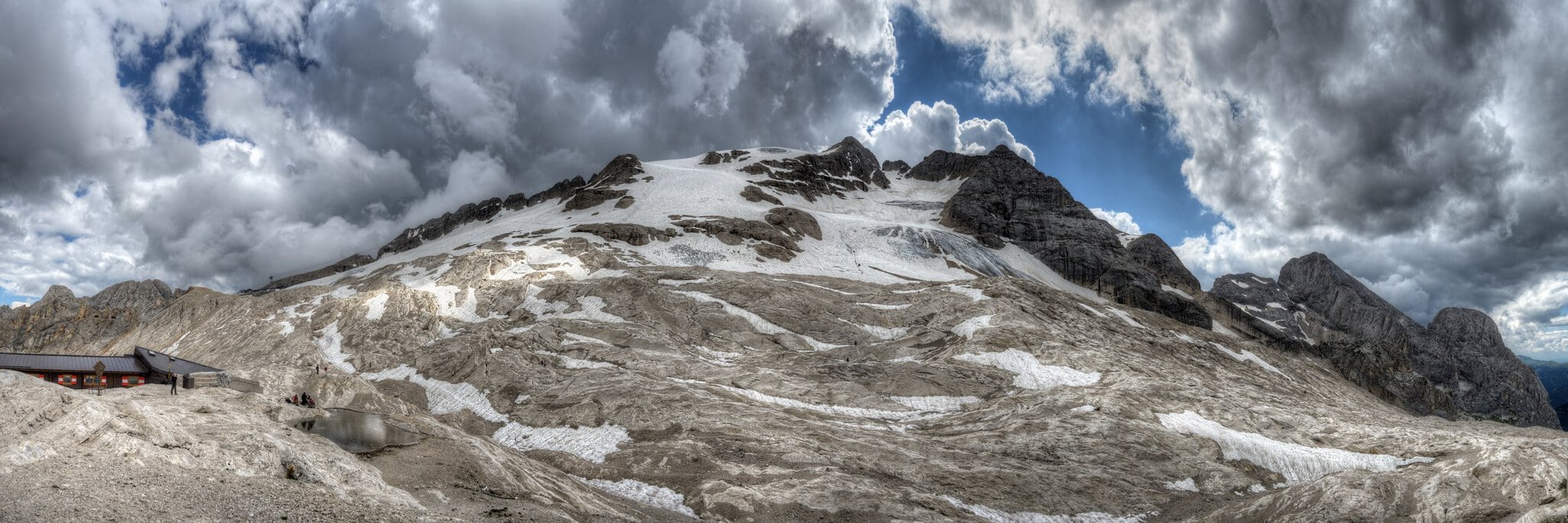
Marmolada is no ordinary peak — it’s a massive mountain dominated by the summit of Punta Penia at 3,343 metres above sea level. Known as the Queen of the Dolomites, it’s home to the last major glacier in the region. While its southern face plunges down in sheer, almost kilometre-high limestone walls beloved by extreme climbers, the northern side is capped by a white mantle of glacial ice.
Sadly, I have to mention the sobering reality of climate change here. The Marmolada glacier in Italy is shrinking at an alarming rate, and scientists predict it will likely vanish entirely by 2040. That makes every single glimpse of it all the more precious — our children may never see it in its current form.
A fragile beauty: the 2022 tragedy and new rules
If you’re considering a classic high-altitude ascent, there’s something crucial you need to know right from the start. On 3 July 2022, extreme summer temperatures caused a massive serac — a tower of glacial ice — to break away and sweep over several groups of climbers. The disaster claimed 11 lives and permanently changed the rules governing access to this mountain.
Today, very strict safety regulations are enforced on Marmolada mountain. Some of the old routes have been permanently closed, and reaching the Punta Penia summit is permitted only with a certified mountain guide. Rigorous meteorological protocols have also been introduced — if temperatures are forecast to be too high, climbs are cancelled without exception. Please never ignore these regulations. This mountain commands enormous power, and it’s not one to take lightly.
When to visit and what to wear
The best time to visit largely depends on what you actually want to do beneath the glacier. For summer hiking and cable car excursions, July and August are ideal, though be prepared for crowds of Italian holidaymakers in August. September is, in my opinion, absolutely perfect — the air is crystal clear, the crowds thin out, but it can get properly cold up top.
If you’re a snow lover, the winter months will make you the happiest person on the planet. The Marmolada Trentino area is a massive paradise for skiers, and the popular Arabba–Marmolada circuit offers runs that will leave you speechless.
How to get there and where to park
You can approach Marmolada from several directions, but the main starting point for the vast majority of visitors is the small village of Malga Ciapela. This is where the famous cable car departs from.
From the UK, the most convenient option is to fly into Venice (both Marco Polo and Treviso airports are well served by airlines like easyJet, Ryanair, and British Airways), then hire a car and drive north into the Dolomites. From Cortina d’Ampezzo, it’s roughly a 90-minute drive to Malga Ciapela through stunning mountain passes. If you’re staying on the western side in the Val di Fassa valley, you’ll drive via Canazei past the Lago di Fedaia reservoir — a journey that’s an experience in itself, with photo stops every five minutes.
Right at the lower cable car station in Malga Ciapela, you’ll find a large car park. Expect to pay around €6 for a full day, which is actually quite reasonable by Italian standards for such a popular spot.
Where to stay and how much it costs
If you’re planning to explore the Marmolada area properly, I’d recommend choosing a strategic base so you don’t spend hours driving mountain switchbacks. In summer, prices for a decent double room hover around €120–180 per night, though during the winter ski season or in August, they can easily double.
The closest accommodation to the cable car is naturally in Malga Ciapela itself, where you’ll find the well-known Hotel Principe Marmolada. It’s an ideal choice if you want to be first on the cable car in the morning or first on the slopes in winter — though evenings here are admittedly rather quiet.
If you prefer livelier towns with good restaurants and little shops, look into staying in Canazei or Pozza di Fassa. We’re also very fond of the romantic town of Alleghe, which sits beside a beautiful lake just a short drive from the massif and offers gorgeous mountain views right from the hotel windows.
10 tips on what to see and do at Marmolada
Whether you’re a seasoned mountaineer with an ice axe in hand or a laid-back traveller with a little one in a carrier, Marmolada has something for absolutely everyone. I’ve picked out the most exciting activities worth adding to your itinerary, including tips for the winter months.
1. Move To Top cable car to Punta Rocca
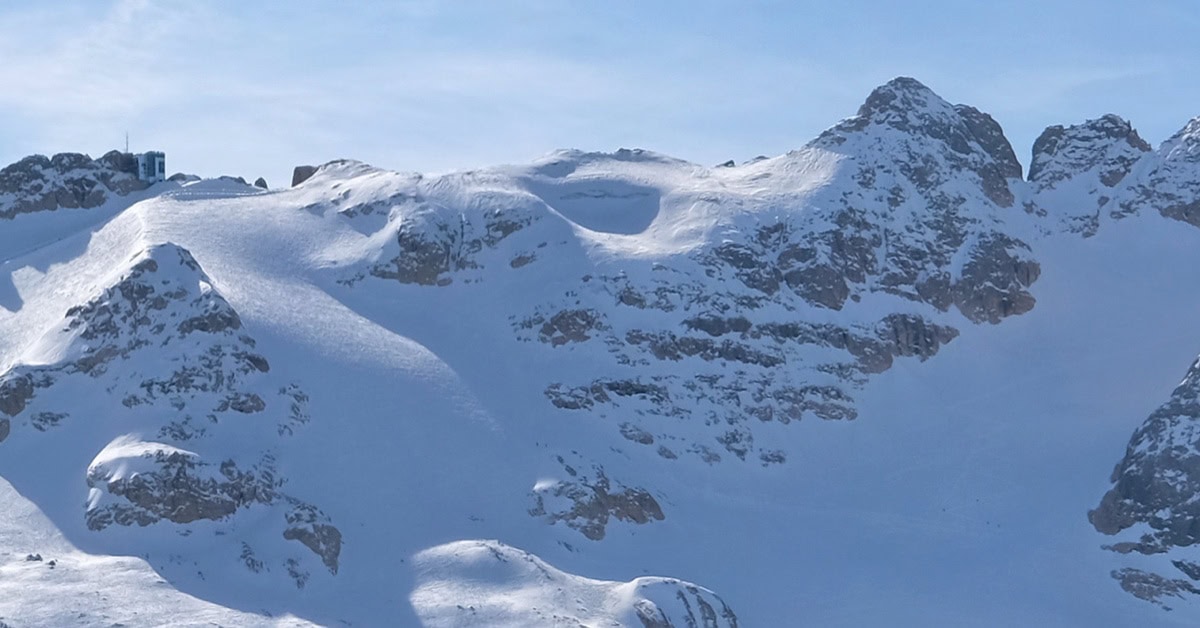
This is an absolute lifesaver for anyone who can’t or simply doesn’t fancy hiking thousands of metres of elevation gain. The Marmolada cable car from Malga Ciapela takes you up in three connecting sections to an incredible 3,265 metres above sea level. For us this year, it was a no-brainer — Jonášek could comfortably take in the views from his carrier while we saved our knees. A return ticket costs around €50, which isn’t exactly cheap, but the experience is worth every penny.
I’d recommend buying tickets in advance through the official Marmolada Move to Top website to skip the queues. The cabins run smoothly, but do bring a proper warm jacket for the top — even if you’re sweating in shorts down at the car park 😉.
2. Panoramic terrace where you can touch the sky
When you step out at the top station of Punta Rocca, you’ll find yourself on a stunning viewing terrace. You won’t need to walk a single step — a full 360-degree panorama of the Italian Dolomites unfolds right before you. On a clear day, you can see all the way to Austria or even the Adriatic Sea. Just make sure you’re well wrapped up — there’s a biting wind even in mid-July 😅.
Lukáš and I must have taken about a million photos up there, because the scene with the Sella massif in the background is simply jaw-droppingly photogenic. Jonášek’s favourite part was watching birds flying seemingly below him — a truly magical moment I’ll treasure for a long time.
3. World War I museum in the clouds
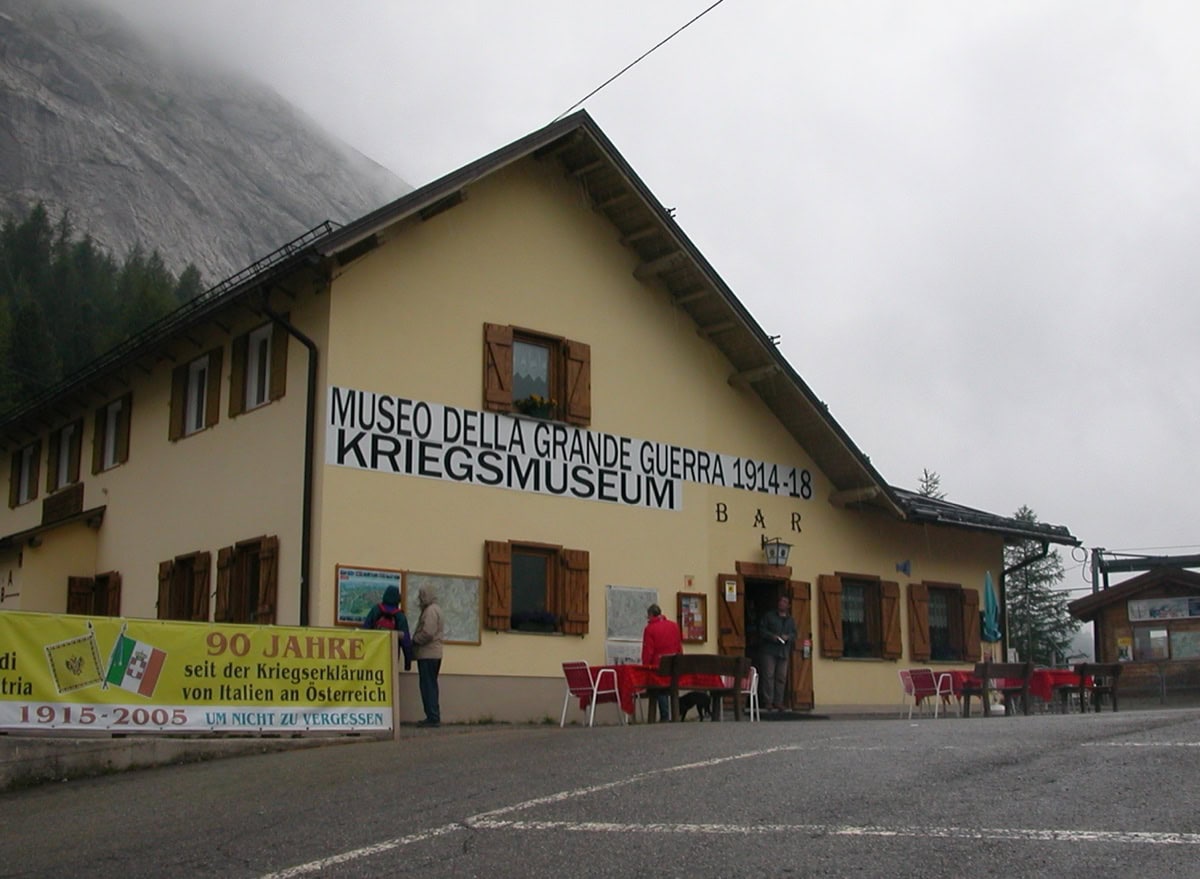
On the cable car journey up, make sure to stop at the intermediate station Serauta at 3,000 metres. Here you’ll find Europe’s highest museum — the Museo Marmolada Grande Guerra. The exhibition reveals the incredibly harsh conditions in which Italian and Austro-Hungarian soldiers fought during World War I in ice tunnels carved directly inside the glacier. The stories and preserved artefacts will send shivers down your spine more than the surrounding cold ever could.
If history interests you even slightly, I’d definitely suggest checking the Museo Marmolada website for opening hours, as they change with the seasons. A full tour of the exhibition takes about an hour, so you can easily squeeze it into even a packed afternoon.
4. Classic ascent to Punta Penia with a guide
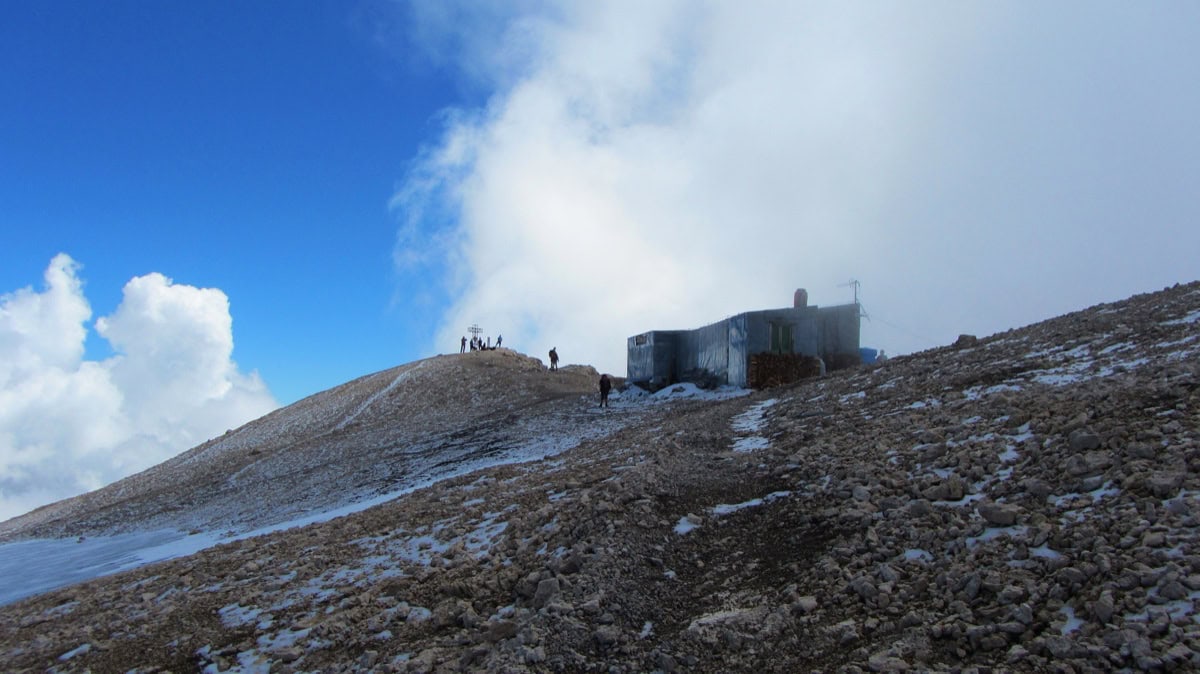
If you’re physically fit and dream of standing on the absolute summit at 3,343 metres, you can make the ascent. But as I mentioned earlier, after the 2022 tragedy, you absolutely must not attempt this alone. You’ll need to hire a local certified mountain guide. A group ascent with a guide costs roughly €200–300 per group — they’ll provide all the necessary equipment and, most importantly, make sure you get back down safely.
The price puts some people off, but trust me, the mountains are not the place to cut corners on safety. The guides know the glacier like the back of their hand, they’re aware of every new crevasse, and they’ll share fascinating insights along the way that you simply wouldn’t find anywhere else.
5. Adrenaline-pumping Via Ferrata West Ridge
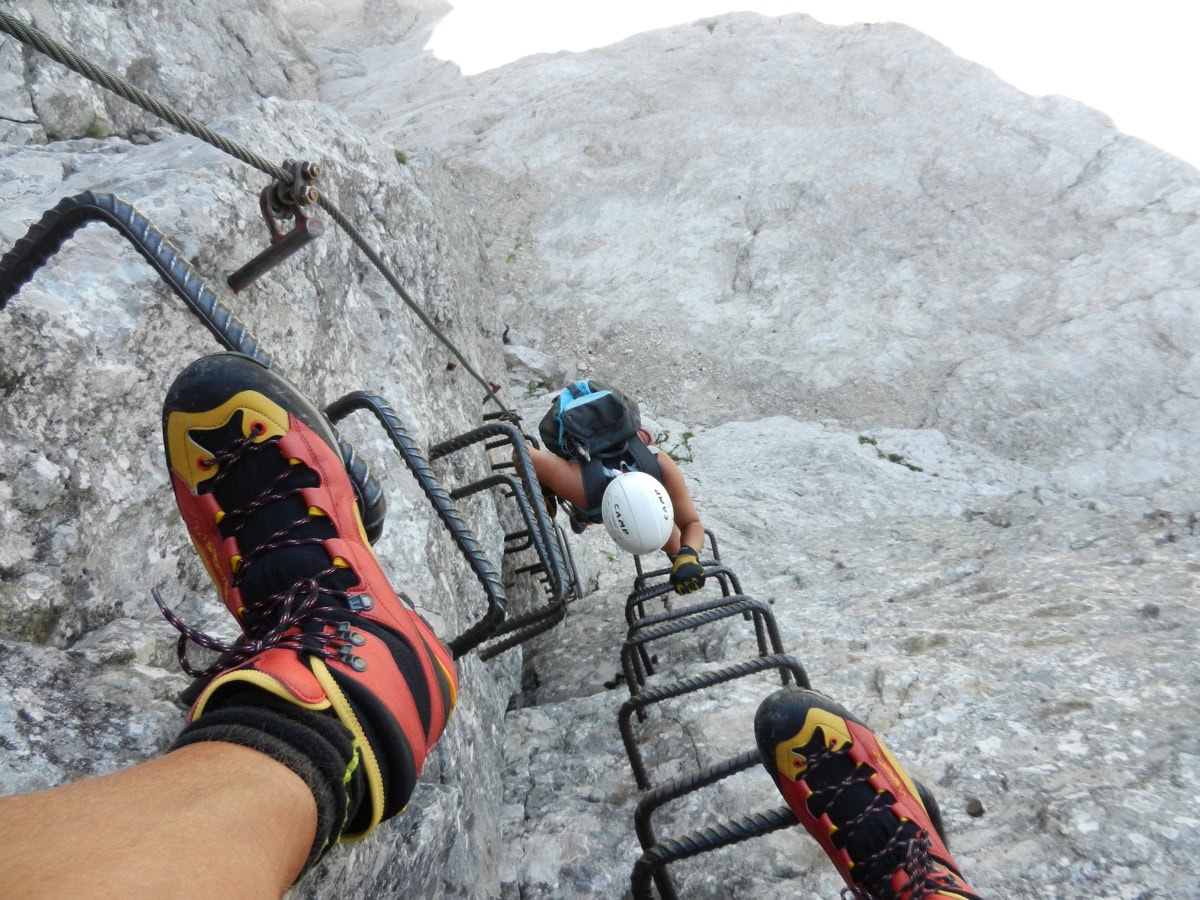
On the western ridge of Marmolada, you’ll find one of the oldest and most spectacular via ferratas in the entire Dolomites. This is not for beginners — it demands excellent fitness, a head for heights, and a full ferrata kit including crampons and an ice axe for the descent. The views from the ridge, however, are nothing short of spectacular.
Bear in mind that you’ll need an early start for this route, as afternoon summer thunderstorms are very common here — and you really don’t want to be clipped onto a steel cable on a ridge when lightning strikes. I’d also strongly recommend packing extra layers, because the temperature swing between shade and sunshine can be quite a shock.
6. Winter paradise: Marmolada Glacier ski area
Mention Arabba–Marmolada to any keen skier and you’ll see their eyes light up. The winter season here offers truly world-class conditions, and the Marmolada ski resort is the only glacier ski area in the entire Dolomites. The “La Bellunese” run, which descends from Punta Rocca all the way down to the valley, stretches an incredible 12 kilometres. Marmolada Italy ski experiences are genuinely hard to beat — though be warned, lift passes in peak season can make a serious dent in your wallet.
If you’re already planning your winter trip, head over to the Dolomiti Superski website to check current slope conditions. Lukáš still talks fondly about the morning we carved down freshly groomed corduroy first thing — an absolute dream for any skier.
7. Enrosadira: the pink sunset spectacle
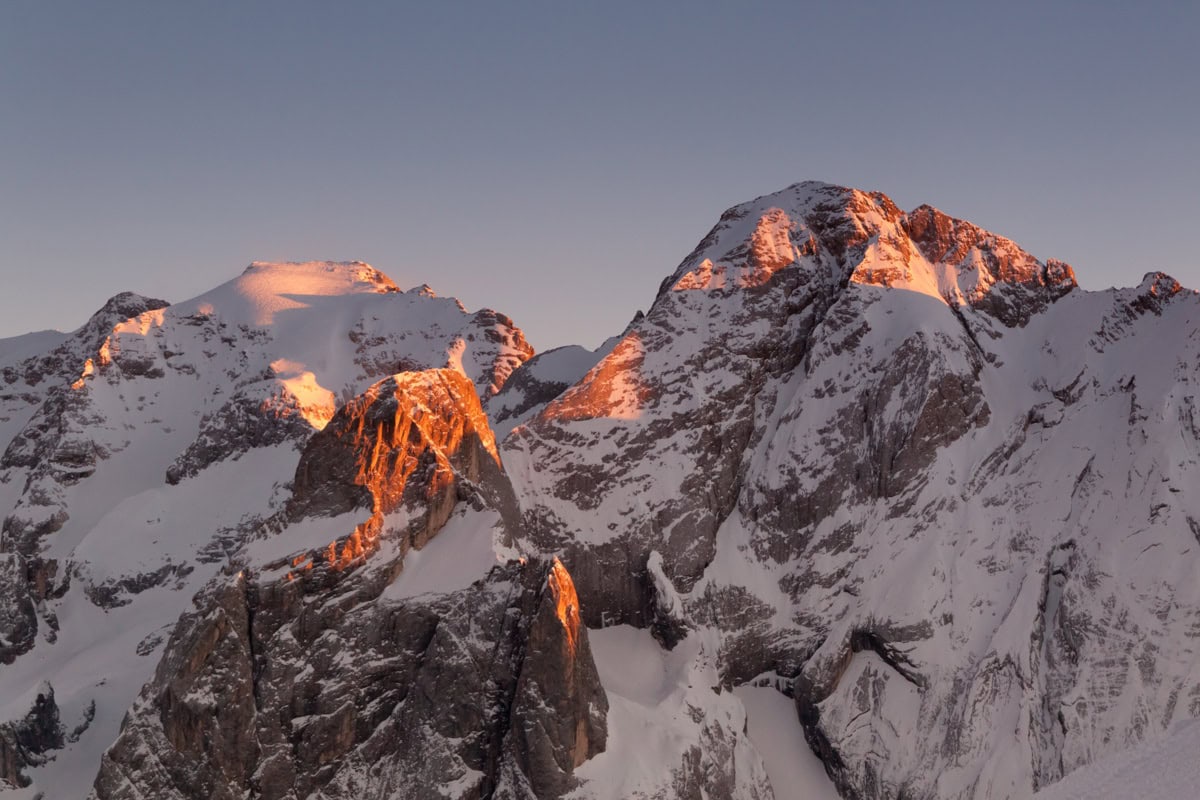
This natural phenomenon is something you need to witness with your own eyes. The pale limestone of the Dolomites has the extraordinary quality of turning every shade of pink, orange, and violet at sunrise and sunset. Italians even have a special word for it — Enrosadira. The best way to enjoy it is to find a viewpoint down in the valley, brew a coffee on a camping stove, and simply watch the colour show unfold.
It’s one of those moments when the entire valley falls silent and time seems to stand still. Just remember to throw on something warm the moment the sun dips below the horizon — temperatures can drop by ten degrees in a matter of minutes.
8. Reflections on Lago di Fedaia
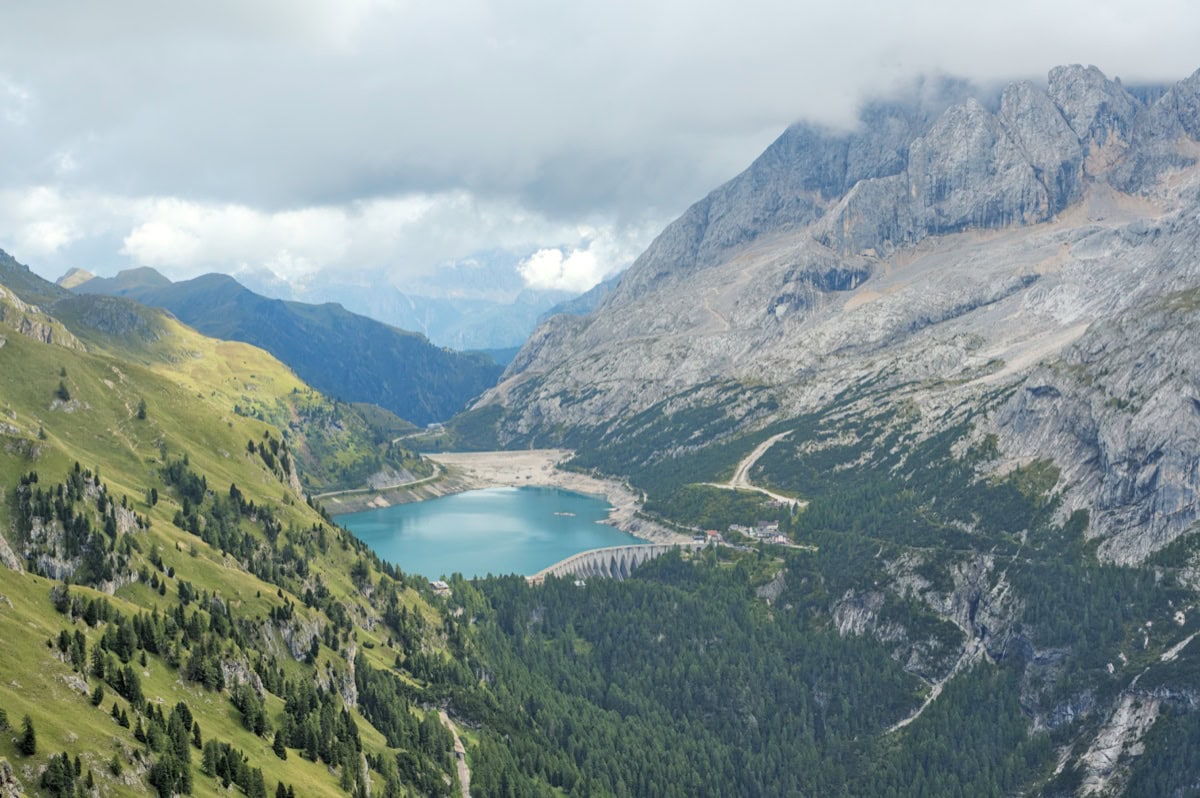
Directly beneath the northern face of the massif lies the vast Lago di Fedaia reservoir. The turquoise water combined with the snow-capped peak creates a scene straight out of a calendar. There’s a lovely flat path along the shoreline — something you’ll especially appreciate if your legs are screaming after previous hikes to Tre Cime.
A small word of warning: swimming in the lake is strictly for the brave, as the water comes directly from the melting glacier and barely reaches a few degrees. We were quite happy to stay on the shore with a flask of hot tea, soaking up the tranquillity while the dogs bounded around with glee.
9. Sentiero della Pace
The “Path of Peace” is a long-distance trail connecting sites from World War I. The sections beneath Marmolada are among the most compelling. You’ll walk past old trenches, remnants of military barracks, and gun emplacements carved directly into the rock. It’s a fascinating and simultaneously sobering walk through history.
The trail can be tackled in shorter sections too, which is great for families with children who aren’t up for twenty kilometres in one go. If you enjoy experiencing history up close and personal, this is a place that will truly grab your heart and not let go.
10. The vanishing Via Normale
The so-called Via Normale used to be the most popular ascent route across the glacier. Today, its passability is severely limited due to enormous crevasses in the melting ice and strict regulations. If you want to walk it with a guide, don’t wait too long — glaciologists warn that within just a few years, this historic route may cease to exist entirely.
Climate change is unfolding here in real time, and the local mountain folk speak about it with immense sadness. That’s exactly why it’s so important to treat nature with the utmost respect and leave nothing behind on the slopes but footprints.

Map of points of interest for your phone
Marmolada with kids and dogs: how we managed in 2026
When it was just the two of us in the Dolomites, we’d chase the highest summits we could find. Now with Jonášek, we have to plan completely differently — but we don’t mind one bit. The Move To Top cable car was an absolute godsend. Because it’s split into three stages, we could stop at each station, let the little one acclimatise to the altitude, take a break, and then carry on. Jonášek spent the entire ride gawping out of the window, and at the top terrace he was utterly fascinated by white snow in the middle of summer.
💡 Insider tip: Nearly all cable cars and buses in Italy require dogs to wear a muzzle (you can buy one practically everywhere, including right at the lower stations). We found this rather annoying, honestly — they insisted on it even when we had the cabin entirely to ourselves. When we had multiple cable car rides planned, we preferred to leave Kája and Baby relaxing back at camp.
As for our dogs Kája and Baby, Italian cable cars will generally allow them on board, but you’ll need a sturdy lead and a muzzle just in case. Since it’s bitterly windy on the viewing terrace and there isn’t much room to walk about, we left the girls down below this time around. They more than made up for it on our stroll around Lago di Fedaia, where they could happily stretch out on the grass to their hearts’ content.
Where to eat: what to try when hunger strikes
Mountain air has a reliable way of ensuring you’re ravenous after just a few hours outdoors. Fortunately, Marmolada sits right on the border of two gastronomic powerhouses — Trentino and Veneto — so there’s no shortage of superb food.
Pop into one of the mountain huts and make sure you try the traditional polenta, which is prepared here in what feels like a hundred different ways. Our favourite is the baked version with salsiccia and mushrooms, which they do absolutely divinely at Rifugio Capanna Bill near the cable car station. For a starter, I’d recommend a board of local cheeses known as formaggi di malga, made from the milk of cows grazing on the high alpine meadows.
If you fancy a lovely walk to your meal, head through the Ombretta valley to the cosy Rifugio Falier beneath Marmolada’s southern face. They serve incredible homemade desserts, and the place is run by a wonderfully warm Italian family. And if you’re not driving, a glass of fine regional Trentino wine rounds the whole experience off perfectly.
Practical information and prices for 2026
Italy has tightened its rules and raised prices considerably in recent years, so it’s best to come prepared to avoid any unpleasant surprises on the ground.
- Cable car price: A ticket from Malga Ciapela up to Punta Rocca currently costs around €50 per adult. If you’re planning multiple rides, it’s worth looking into a combi card.
- Leave drones at home: This is extremely important — a strict no-fly zone for drones covers the entire Marmolada area and the surrounding national park. If caught, you face a whopping €3,000 fine, and the police actively enforce this.
- Weather forecasts are sacred: Always check the local Marmolada Italy weather warnings on Dolomites-focused portals each morning. If authorities issue a heat or storm warning, stay down in the valley.
- Guides cost money: If you’re set on reaching the summit, budget €200–300 for hiring a mountain guide for your group.
Tips and tricks for a smooth Dolomites holiday
The Dolomites can be quite rugged and logistically challenging if you turn up without a plan. From personal experience, I know that fortune favours the prepared — the more you think through in advance, the less stress you’ll face on the ground. You don’t want to ruin a gorgeous holiday by getting stuck somewhere without mobile data or in the wrong shoes.
That’s why I’ve put together a few of our personal, tried-and-tested tips for a smooth Dolomites holiday. Hopefully they’ll save you plenty of headaches and money, so you can focus entirely on enjoying the mountains — and the cheese ☺️.
Finding cheap flights
From the UK, you’ll find plenty of affordable flights to Venice and Treviso with airlines like easyJet, Ryanair, and British Airways. Both airports are small and easy to navigate, so you won’t waste any time after landing. We like to set up price alerts a few months in advance and snap up deals as soon as they appear.
Verona is another great gateway airport if you’re heading to the western side of the Dolomites. Compare prices across a few booking sites to make sure you’re getting the best fare.
Hiring a car for getting around
Lukáš and I have had consistently good experiences with DiscoverCars, which we use all over the world. It compares prices from every hire company at the airport, so you can be sure you’re not overpaying.
I’d definitely recommend paying extra for full insurance through the app — Italian driving can be rather spirited, and the odd scratch from narrow alleyways is par for the course. Also, try to choose a smaller car with a decent engine — you’ll be very grateful for the extra grunt on those Alpine inclines.
Don’t forget good travel insurance
Italian mountains can be unpredictable, and health is not something to skimp on. For UK travellers, your GHIC (Global Health Insurance Card) provides a safety net across the EU, but it won’t cover everything — mountain rescue, repatriation, or trip cancellation, for instance. We’d recommend supplementing it with a proper travel insurance policy from providers like World Nomads, True Traveller, or SafetyWing.
Even if you’re only planning gentle strolls beneath the glacier, one badly placed step on a loose rock can cause real trouble. If you knew how many times a simple insurance policy has saved us from eye-watering medical bills, you wouldn’t think twice.
Stay connected at all times
To download maps and keep tabs on the notoriously fickle mountain weather, you’ll need a reliable internet connection. While UK mobile plans often include EU roaming, coverage can be patchy in remote alpine valleys. A great backup solution is an eSIM from Holafly.
The beauty of it is that you don’t need to fiddle with a physical SIM card. Just scan a QR code and you’re instantly connected to the local network — a real lifesaver when you’ve taken a wrong turn and need to fire up the sat nav in a hurry 😁.
Only proper boots in the mountains
Leave the flip-flops by the seaside. The moment you set off on even a gentle lakeside stroll, put on a decent pair of hiking boots. They’ll save your ankles and spare you a world of pain on rocky paths.
Every time I see people tottering over boulders in white trainers, I can’t help but wince. Investing in quality hiking boots will pay for itself a thousand times over here — in the form of zero blisters and that wonderful feeling of dry feet when you inevitably step into a mountain stream.
Where else to go in the Dolomites
If you have more time in the area, definitely don’t miss the other iconic spots within easy driving distance.
A stunning complement to the majesty of the glacier is the turquoise Lago di Sorapis, reached via a beautiful if rather busy trail. An absolute must — and the very symbol of the range — are the famous three peaks of Tre Cime di Lavaredo, where you can walk an excellent flat circuit with non-stop views. And if you’re looking for the perfect strategic base from which to tackle all these highlights, have a read of our guide to Cortina d’Ampezzo — quite simply our favourite base camp in the Dolomites.
FAQ: your most common questions
How do I get to Marmolada?
The quickest and most comfortable way is by cable car from the village of Malga Ciapela. The Move To Top cable car takes you up in three stages to 3,265 meters at Punta Rocca. Hiking to the summit is possible from the Lago di Fedaia dam, but it requires mountaineering experience and now also requires accompaniment by a certified guide.
What is the highest mountain in the Dolomites?
The highest mountain in the Italian Dolomites is Marmolada itself, with its main peak Punta Penia rising to 3,343 meters above sea level.
Can I go on the glacier without a mountain guide?
For safety reasons following the 2022 tragedy, I definitely wouldn’t recommend it, and besides, access to the main routes to the summit is now officially restricted for tourists without a certified guide.
Is Marmolada suitable for young children?
Hiking around the glacier isn’t suitable for kids, but you can easily take the cable car up to Punta Rocca with a stroller or a little one in a baby carrier. The views from the terrace are stunning and the journey is completely safe.
How much does the Marmolada cable car cost?
In the 2026 summer season, round-trip tickets for adults from the Malga Ciapela valley up to the top station at Punta Rocca cost around €50.
Where can I park before the trip?
The best large car park is located right at the lower cable car station in the village of Malga Ciapela. All-day parking costs around €6, and you’ll find a spot even during peak summer season if you get there reasonably early.
Can I fly my drone up there?
Unfortunately not. The entire massif falls under strict nature protection regulations, and flying drones is completely prohibited with fines of up to €3,000. The authorities also monitor this very carefully due to noise concerns.
Tips and Tricks for Your Vacation
Don’t Overpay for Flights
Search for flights on Kayak. It’s our favorite search engine because it scans the websites of all airlines and always finds the cheapest connection.
Book Your Accommodation Smartly
The best experiences we’ve had when looking for accommodation (from Alaska to Morocco) are with Booking.com, where hotels, apartments, and entire houses are usually the cheapest and most widely available.
 🚗 Car rental on the roadVerified rental cars in the Dolomites
Search with the DiscoverCars comparison engine — it compares prices from dozens of local and international rental companies, and most bookings come with free cancellation.
Compare car prices in the Dolomites →Don’t Forget Travel Insurance
Good travel insurance will protect you against illness, accidents, theft, or flight cancellations. We’ve had a few hospital visits abroad, so we know how important it is to have proper insurance arranged.
Where we insure ourselves: SafetyWing (simple monthly subscription) and TrueTraveller (for extra-long trips).
Find the Best Experiences
Get Your Guide is a huge online marketplace where you can book guided walks, trips, skip-the-line tickets, tours, and much more. We always find some extra fun there!