

Let me start completely honestly. Lukáš and I actually visited the Catalan capital in early March when it was still just the two of us, but since we now travel with our little son, I know exactly how crucial a well-planned daily routine is. With a child you simply can’t just wander the streets and hope you’ll squeeze the stroller somewhere or manage to eat dinner at seven in the evening. That’s why Barcelona with kids calls for a slightly different approach.
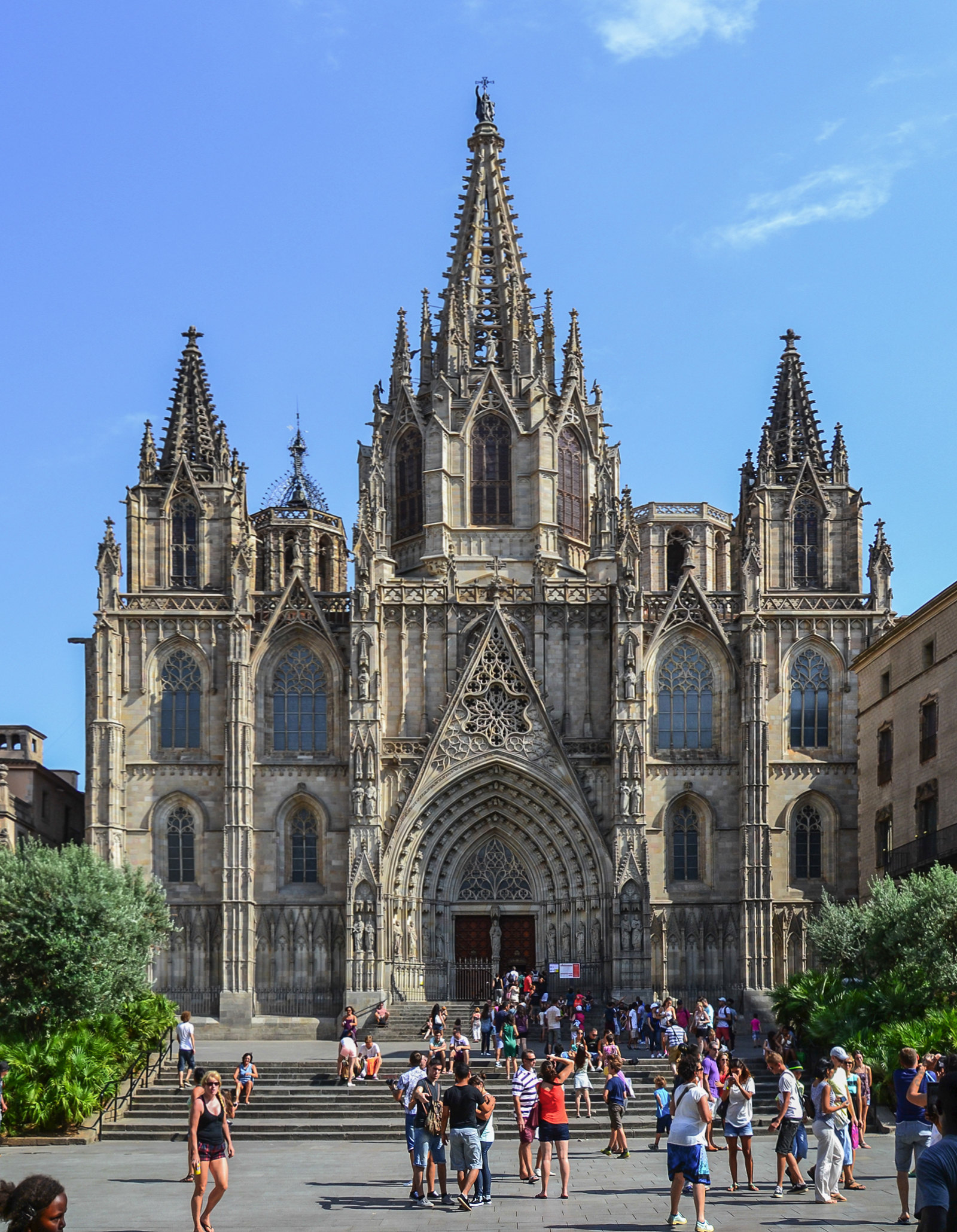
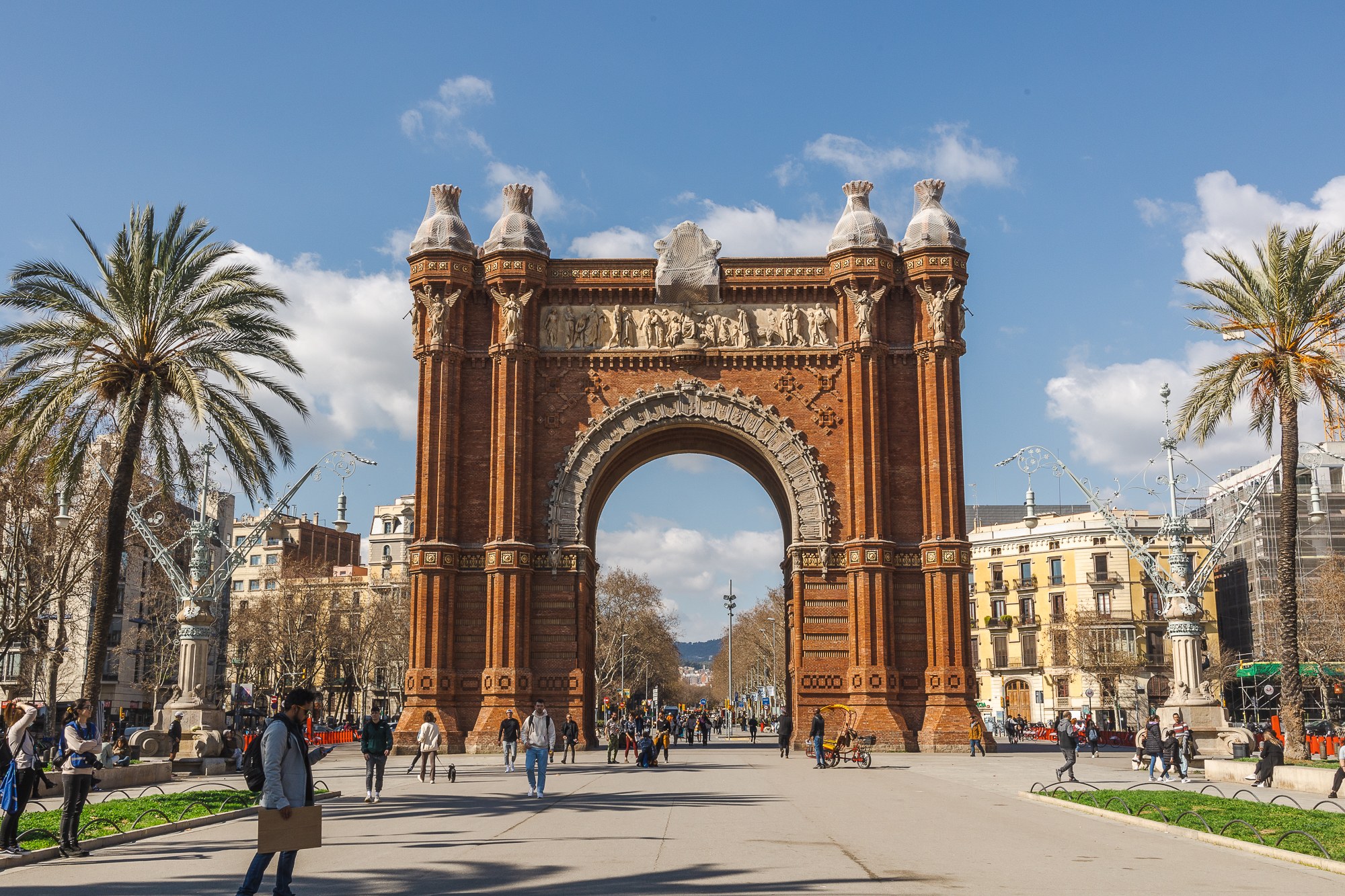
Back then we stayed at the wonderful Hotel Gaudí, a short walk from Palau Güell, where we had a gorgeous view from the rooftop terrace, and we crisscrossed the whole city mostly on foot. We explored the famous La Boqueria market, relaxed on Barceloneta beach, and didn’t skip the majestic cathedral or the Arc de Triomf.
Today I’d do a lot of things completely differently, because Barcelona with kids requires a slightly different strategy if you don’t want to end up exhausted on endless flights of stairs. I’ve put together a detailed practical manual where you’ll learn how to handle late Spanish dinners, where to go for fun, and where you can save money on a family trip.
TL;DR
- Buy the T-familiar ticket: A shared card for four people costs €11.50 and is the best choice for a family.
- Kids under 11 enter the Sagrada Família for free: But you must book tickets online for a specific time slot well in advance.
- Spaniards eat dinner as late as 9:00 p.m.: With small children, solve it with a late lunch and a light dinner on a square where they can play.
- Avoid Barceloneta beach: It’s noisy and full of pickpockets, so hop on the metro to the more family-friendly Bogatell beach instead.
- The metro is wonderfully accessible: Most stations have spacious elevators and special wide turnstiles for strollers.
- CosmoCaixa is the best rainy-day rescue: Kids under 16 enter this interactive museum completely free.
The full destination guide: Catalonia — guide and what to see
When to Visit Barcelona
If you’re planning a family holiday, definitely avoid August, when the city is bursting at the seams and temperatures regularly climb above thirty degrees. Pushing a stroller through the sweltering, sun-baked streets really is no fun and the kids will just get cranky. The sun on the wide boulevards can be merciless, and on top of that many smaller local businesses close during this period, because the owners themselves flee the heat for the countryside. The best time to visit is from mid-September to the end of October, when the crowds thin out a bit and the sun no longer scorches quite so hard.
If you also want to swim, keep in mind that the sea warms up very slowly. Lots of tourists arrive in June full of expectations, but the water is barely twenty degrees then, which usually isn’t at all comfortable for small children. In September and early October, on the other hand, the Mediterranean is beautifully warm at a pleasant twenty-three degrees, and you won’t have to fight for every inch of sand with crowds of other tourists.
Spring months like April and May are, in turn, ideal for sightseeing, but it’s definitely still too cold for smaller kids to swim. During this period you’ll enjoy emptier parks and pleasant temperatures around twenty degrees, which is absolutely perfect for walking around the city. We were here at the beginning of March and it was wonderfully pleasant for longer walks. The city essentially keeps no traditional afternoon siesta, so you can be out and about all day — you just have to adjust to the local shifted eating rhythm.
Where to Stay in Barcelona
💡 Tip for accommodation and experiences: We prefer to look for accommodation on Booking.com, which usually has the best cancellation terms. For tickets, tours and activities, it pays to compare and book through GetYourGuide.
With small children it’s key to choose the right neighborhood, because the popular Gothic Quarter (Barri Gòtic) is a real pain with a stroller. The narrow lanes are romantic, sure, but there are stairs everywhere, no elevators, and squeezing through crowds of tourists gets old fast. A much better choice is the Eixample district with its wide sidewalks and great access to step-free metro stations. If you plan to spend a lot of time by the sea, consider Poblenou, which is quieter, offers lovely parks, and gets you to the center by metro in fifteen minutes.
We stayed at Hotel Gaudí, in a strategic location right by Palau Güell. Lukáš and I were absolutely thrilled with it because it has a beautiful rooftop terrace overlooking the city, but for families with a stroller I’d recommend hotels on slightly quieter streets. A great family option is Catalonia Eixample 1864, where you’ll find spacious rooms plus a pool the kids will surely appreciate after a full day of walking. If you like original accommodation, try Hotel Praktik Bakery, which smells of fresh pastries right from the reception and sits in a flat part of the city.
When planning your accommodation, don’t forget that the tourist tax rose significantly in April 2026, which the family budget will definitely feel. A night in a tourist apartment costs €9.50 per person, while at a five-star hotel the amount has climbed to as much as €12. On top of that, the city is gradually revoking licenses for tourist flats, so the prices of classic hotels are naturally rising. A huge advantage for families, though, is that children and teens under 16 don’t pay this hefty tax at all, which brings your overall costs down nicely.
12 Tips for What to See and Do in Barcelona with Kids
Let’s take a look at specific tips for enjoying this amazing city with the family. I’ll show you how to save on entrance fees, which attractions to avoid, and where to find the best spots to relax with kids.
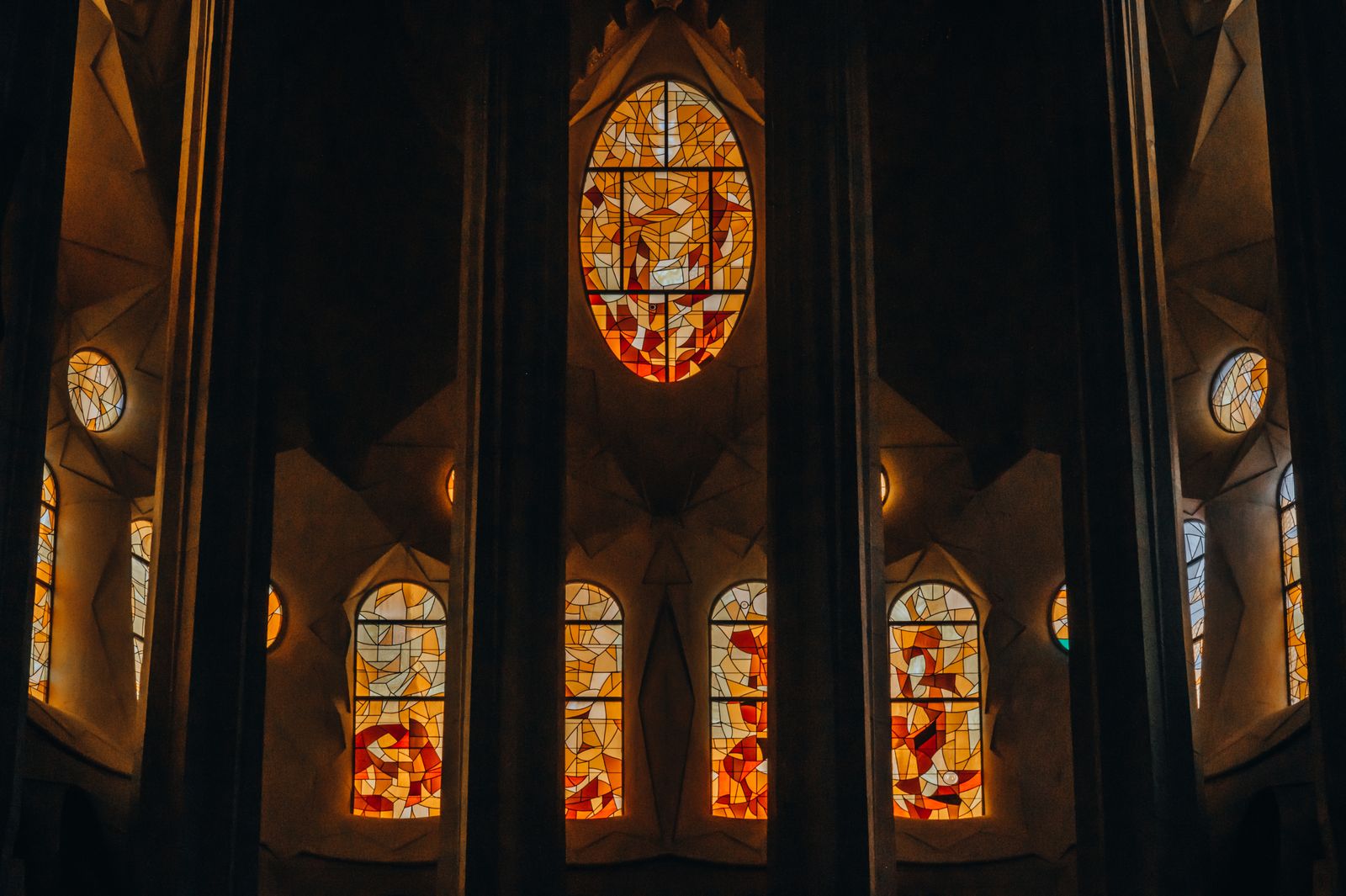
1. Sagrada Família and Limited Patience
This is an absolute must, but with kids you have to plan smartly, because queues and crowds are completely normal here. The basic ticket costs €26, but the huge advantage is that children under 11 enter completely free. You must buy tickets exclusively online through the official website, since the physical ticket offices on site no longer work at all.
I recommend booking the very first morning slot at 9:00 a.m., when the kids still have plenty of energy and it’s not so stuffy inside. Lukáš and I explored the basilica from every angle, inside and out, and it was an absolutely breathtaking experience. The colored light streaming through the enormous stained-glass windows will surely enchant even smaller visitors, who feel like they’re in a fairy-tale forest.
In 2026, moreover, the Tower of Jesus Christ was ceremonially completed, so the basilica finally reached a height of 172.5 meters and became the tallest church in the world. It’s a stunning sight even from the street. With small children, though, I don’t recommend adding the tower climb, because the space up top is cramped and riding the elevator with a restless toddler will only stress you out unnecessarily.
💡 Tip: Touring the interior takes about an hour, which is exactly the amount of time small children can handle without a meltdown. After that it’s much better to head to the nearby park and playground.
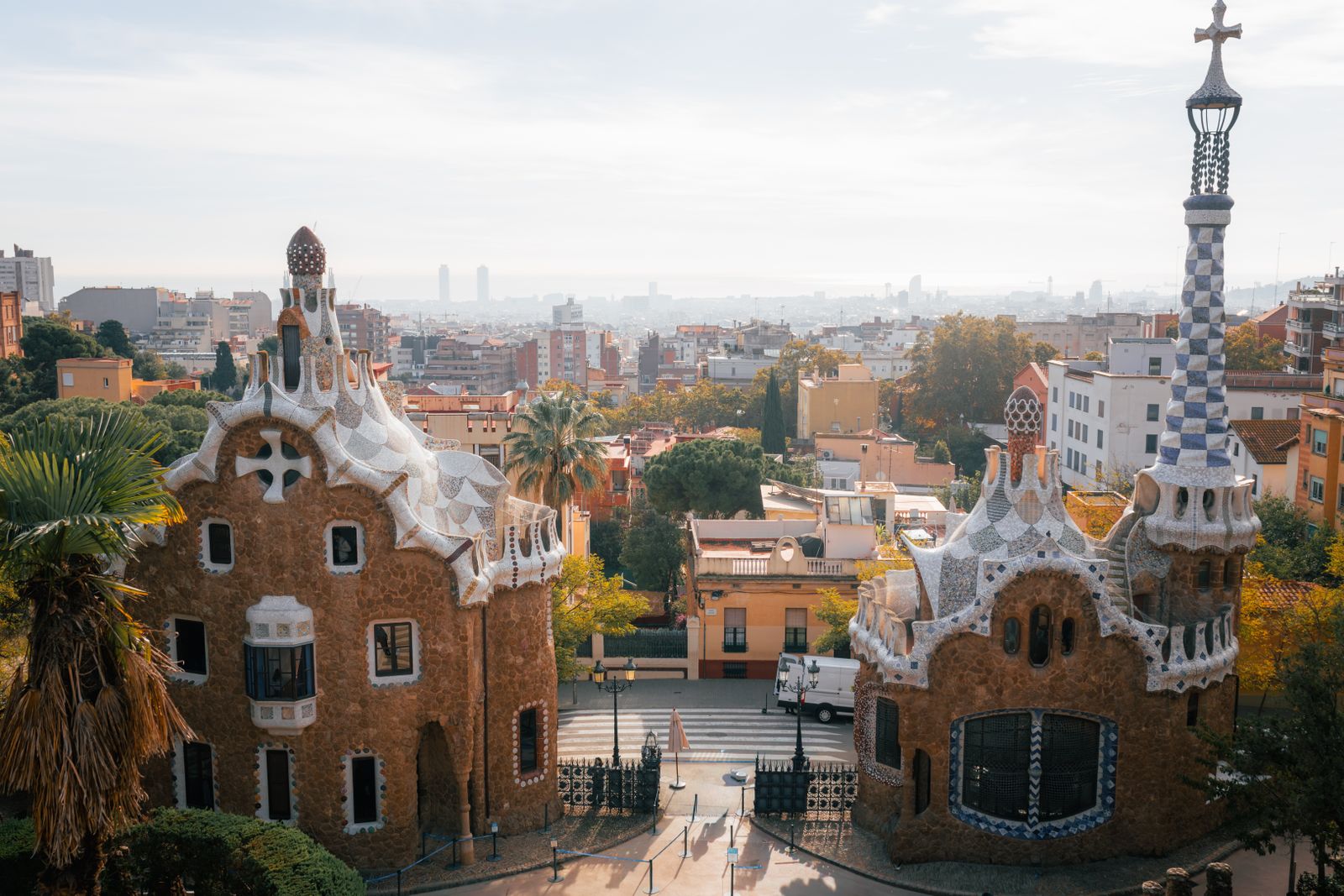
2. Park Güell and the Stroller Challenges
The famous park by architect Gaudí is gorgeous, but it can be quite a puzzle for parents with a stroller. It’s often said that most of the park is free, but the reality is that the paid Monumental Zone covers 12 hectares, while the freely accessible natural part is only 8 hectares. A ticket to the main section full of mosaics will cost you €18.
If you have a stroller with you, be prepared for the fact that the paid zone has plenty of stairs and steep slopes. I remember Lukáš and I sitting on that famous long mosaic bench, soaking up the view of the city. You can reach that particular bench relatively easily with a stroller, but getting to the other little houses and the iconic dragon fountain will take a bit of physical effort and improvisation, because the terrain is very uneven.
Again, buy tickets online well in advance, because you won’t get anywhere on site and without a ticket they’ll turn you away. If you have children who can already walk a bit, definitely let them run around in the free parts of the park, where there’s plenty of greenery and pleasant shade to rest after lunch.
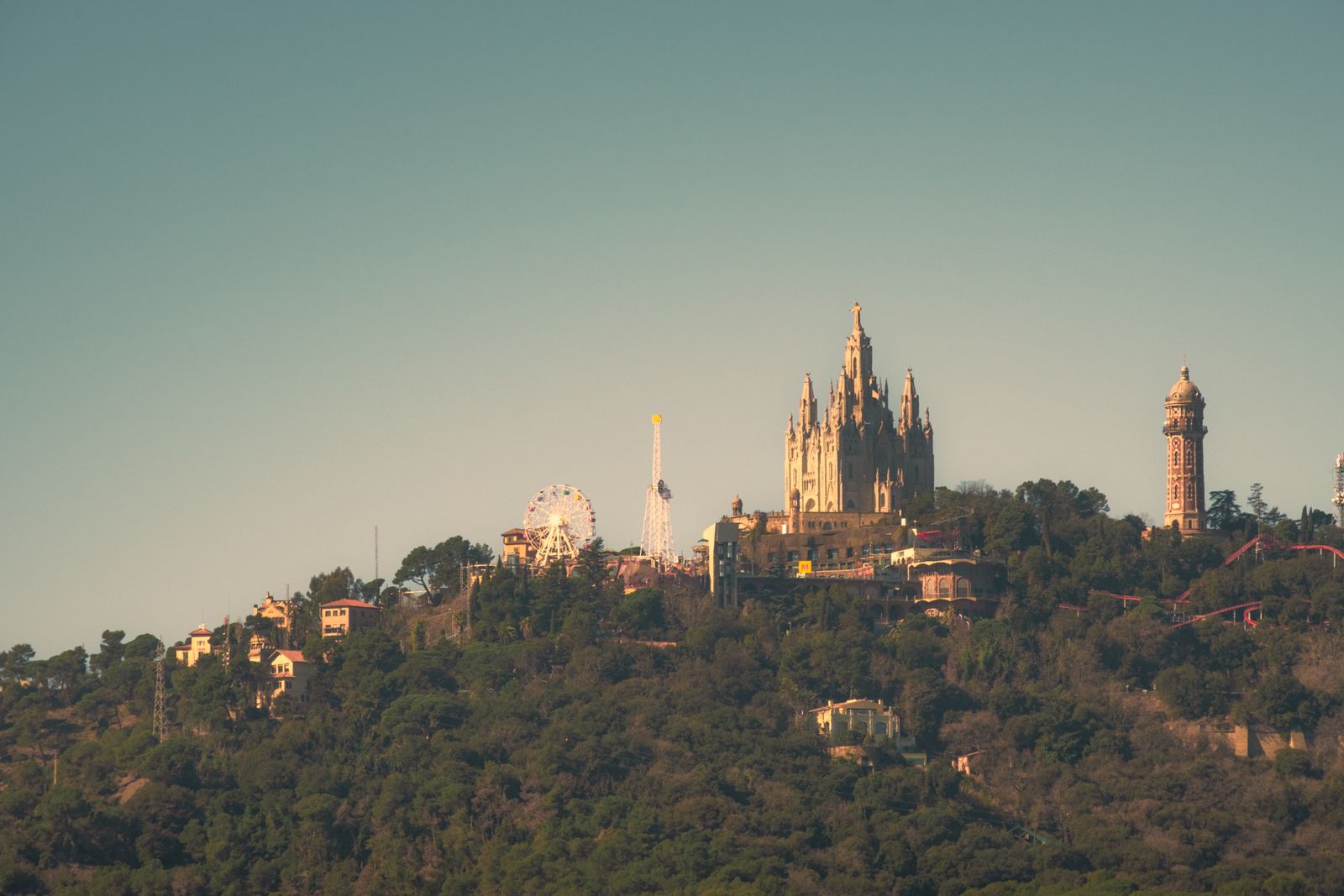
3. Tibidabo as Retro Fun with a View
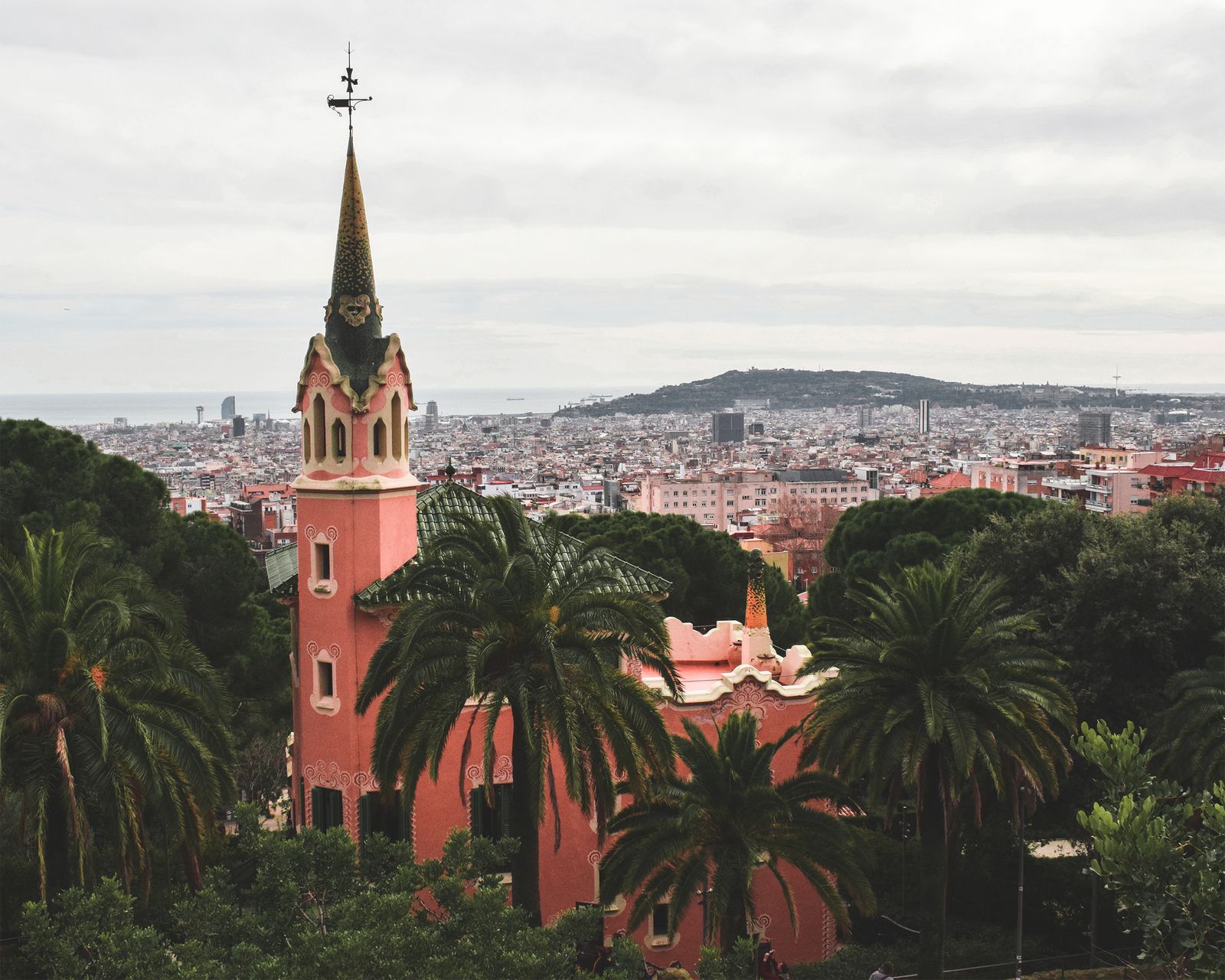
Tibidabo is the oldest functioning amusement park in Europe and offers an absolutely magical retro atmosphere high above the city on a hill 512 meters up. We originally planned to head up this hill too, but because of really bad weather and overcast skies, Lukáš and I ended up giving it a miss back then.
For families with kids, though, it’s a huge draw, because children under 90 centimeters enter free and those under 120 centimeters pay just €14. An adult ticket costs roughly €35 to €39, which isn’t exactly cheap, but the experience of historic carousels and a mirror maze above a huge drop is well worth it for locals and tourists alike.
Getting to the top is an incredible adventure in itself. You take the L7 line train to Avinguda Tibidabo, then transfer to a bus or a historic blue tram, and finally the steep Funicular del Tibidabo carries you up. Don’t expect any wild adrenaline roller coasters — it’s more of a very nostalgic, calm kind of fun for the whole family.
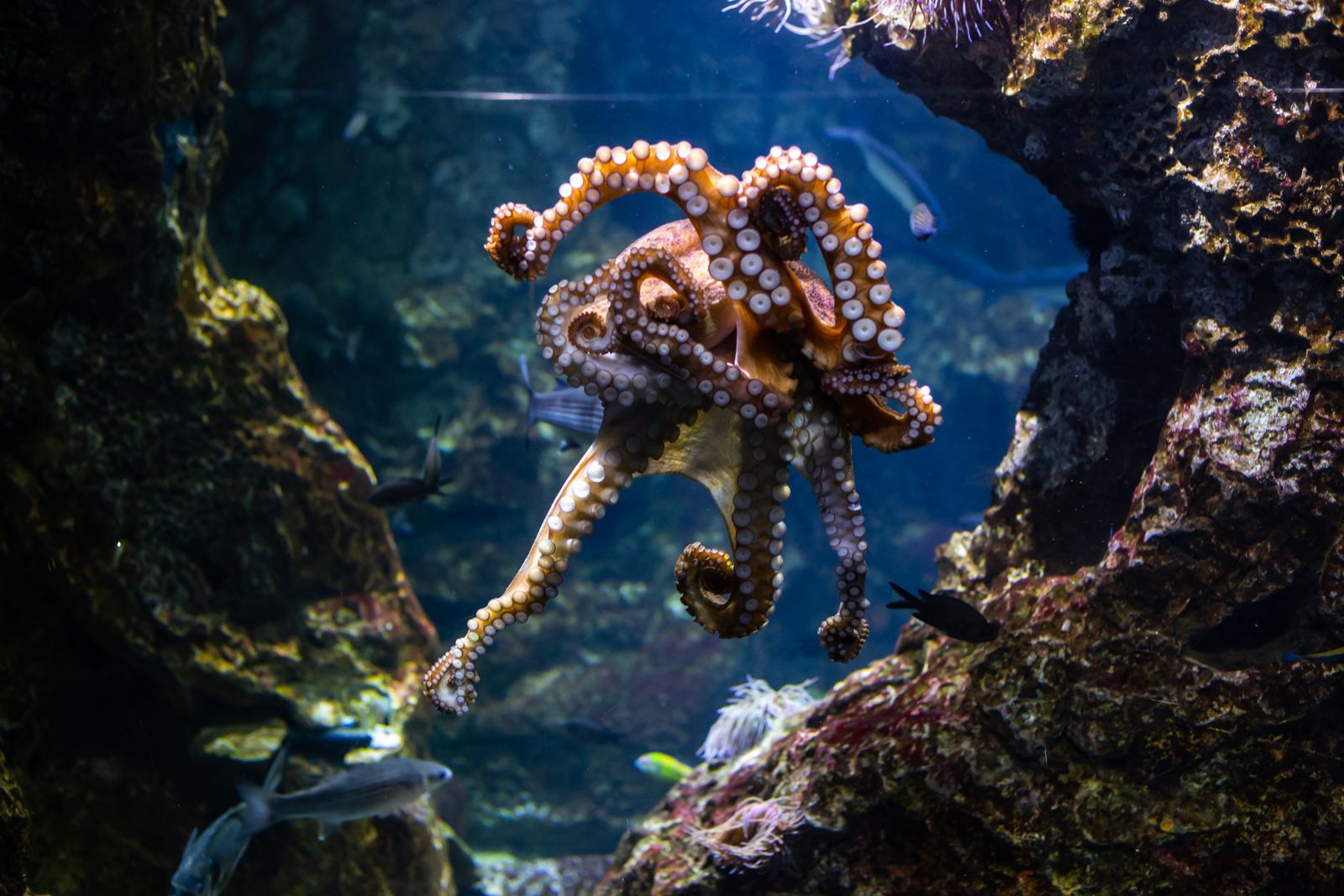
4. L’Aquàrium and the Underwater Tunnel
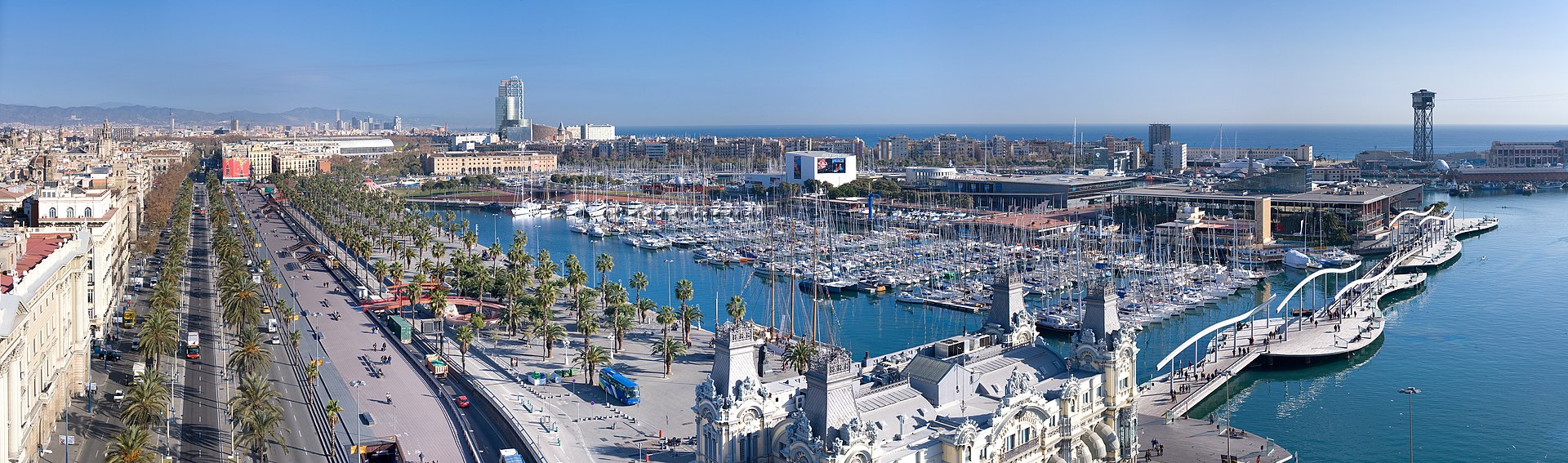
If it happens to rain in Barcelona, or you’re looking to escape the aggressive August sun, this is one of the best backup plans. L’Aquàrium sits right in the old Port Vell harbor, just a short walk from the center, and it’s a huge hit with kids of all ages.
Admission is a bit higher, since adults pay €26 and children aged five to ten pay €19. For younger travelers aged three to four, the ticket costs €11. Inside, though, you’ll find an amazing eighty-meter glass tunnel where sharks and rays swim right over your head, which leaves kids absolutely spellbound.
The complex is perfectly adapted for strollers, so you don’t have to worry about any barriers or stairs with the kids at all. Set aside at least two hours for the whole visit, because besides the big tanks you’ll find interactive zones where kids can touch and explore lots of things for themselves.
5. CosmoCaixa for Curious Kids
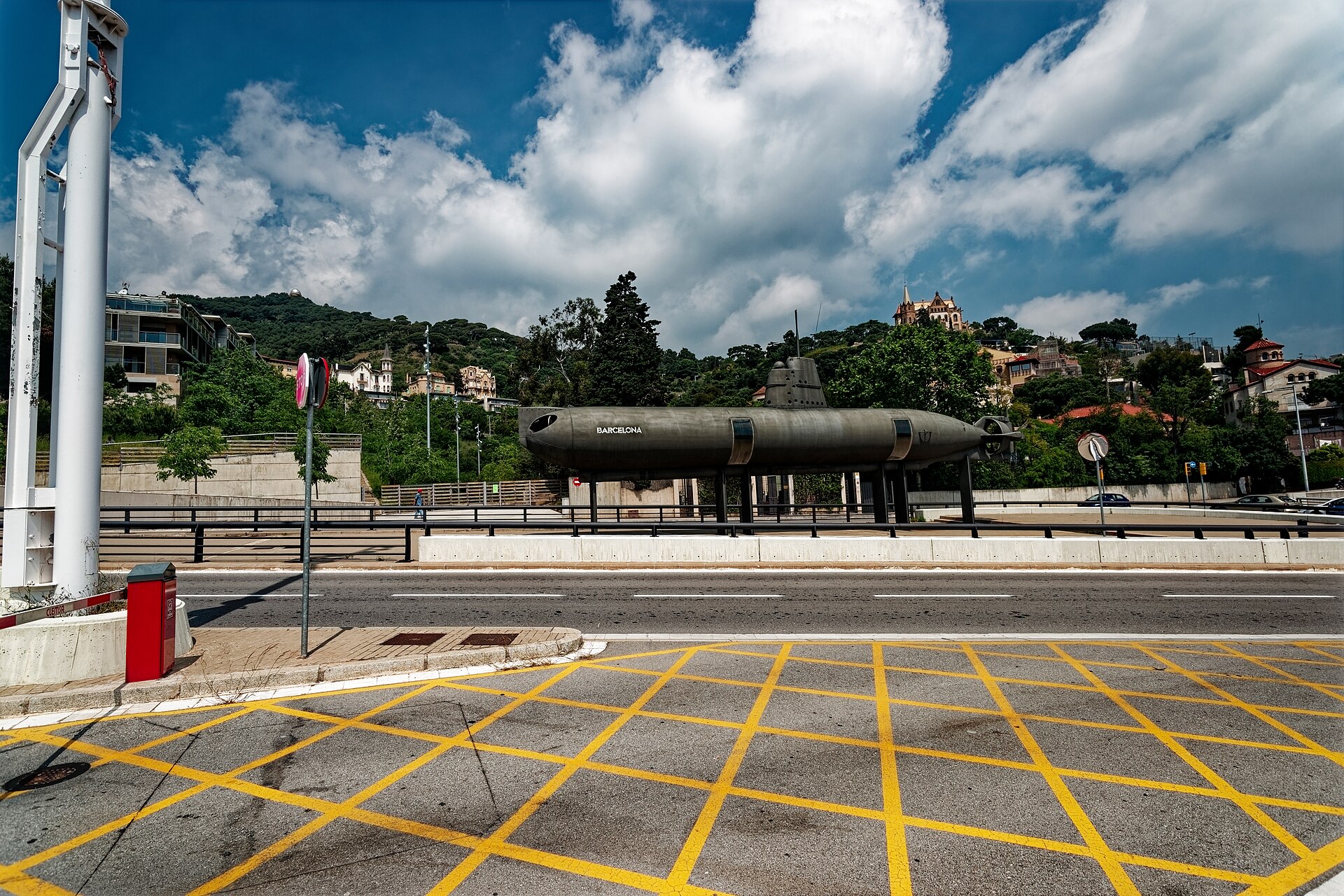
This fascinating science museum is an absolute hidden gem and quite possibly the best value-for-money attraction in all of Barcelona. Admission for an adult costs just €8 and children under 16 visit completely free, which is simply an incredible relief for the family budget.
Inside you’ll find a literal slice of reconstructed Amazon rainforest, complete with huge trees, live fish, and simulated tropical rain. The kids can press all sorts of buttons, pull levers, and try physics experiments, which will easily keep them entertained for an entire afternoon.
Getting here is quite easy by suburban train to the Avinguda Tibidabo station, and the whole huge space is completely step-free and stroller-friendly. If you’re looking for a place where the family can shelter from the summer heat and the kids can learn something without even realizing it, CosmoCaixa definitely won’t disappoint.
6. Park de la Ciutadella and the Mammoth Statue
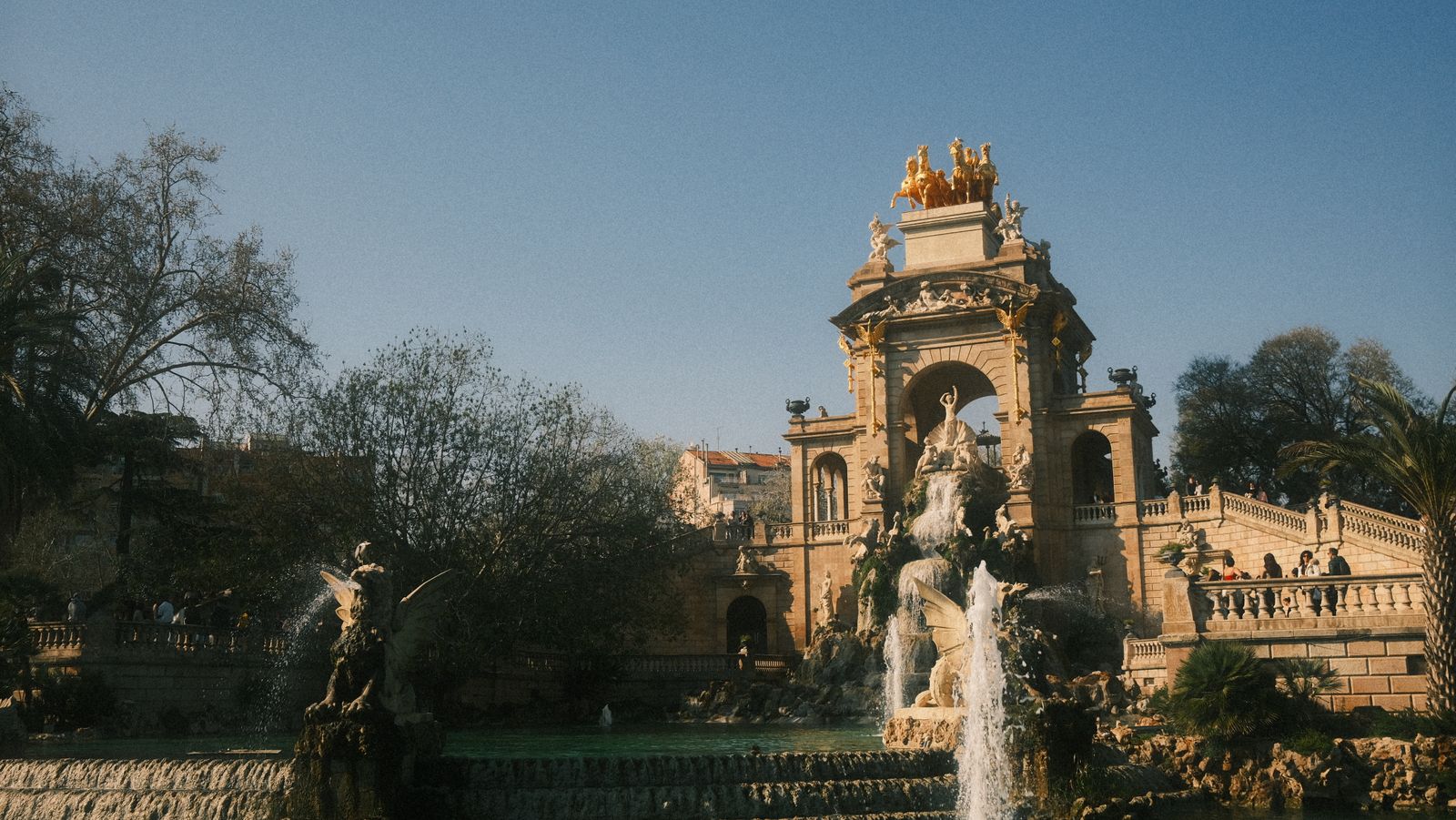
You’ll find this huge green park just a short walk from the popular El Born district, and it’s an absolutely ideal spot where you can let the kids run around freely without worrying about traffic. Entry to the whole grounds is completely free, and you’ll find lots of wide, flat paths that are perfect for maneuvering a stroller.
The biggest draw for little visitors is the huge life-sized stone mammoth statue, whose trunk the kids love to climb on. You can also rent rowboats for a few euros and paddle around the small central pond, which is a very pleasant addition to the family’s afternoon program.
The park has two nice, safe playgrounds where you can stop for a snack and rest for a while. On weekends it gets really lively here, with street musicians playing, people blowing giant bubbles, and a wonderful relaxed atmosphere you’re bound to fall in love with.

7. Beaches Where You’ll Really Relax
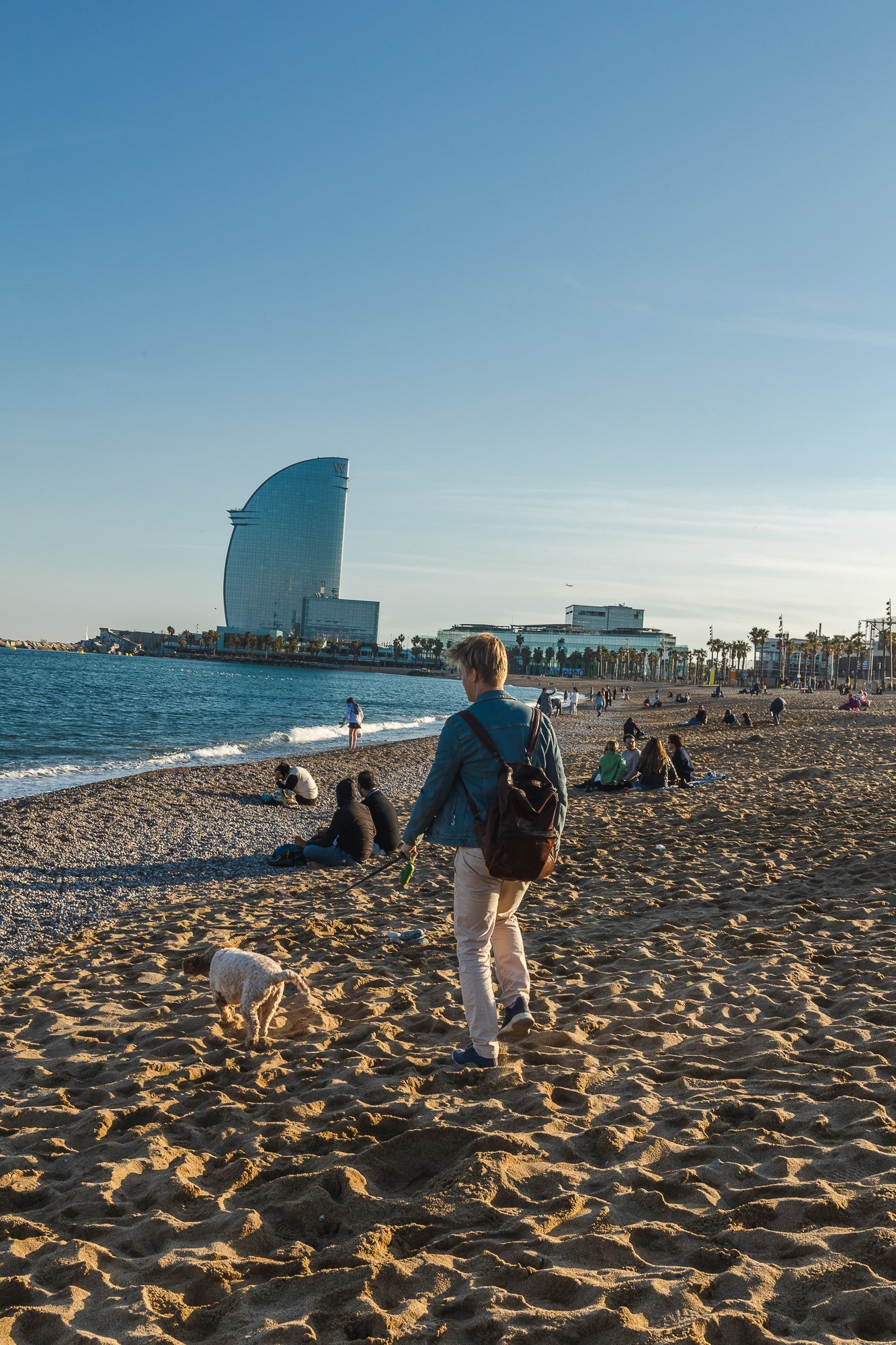
Most people automatically head from the center to the most famous beach, Barceloneta. Lukáš and I sat there for a while soaking up the lively atmosphere, but with kids I’d recommend going somewhere else entirely, because Barceloneta has constant noise, illegal drinks vendors, and plenty of skilled pickpockets.
A much better choice is the family-friendly Nova Icària beach or the very popular Bogatell. They’re only a few metro stops farther from the center, but you’ll find calmer water, cleaner sand, and above all much more room to spread out a blanket. If you want real peace and quiet, hop on the suburban train and get off twenty minutes later in the town of Ocata, where kilometers of beautiful clean sand await.
Do be very careful about the strict local rules, though. Walking around the city in just your swimwear or without a shirt is forbidden, and once you leave the beach sand, the police can fine you up to €300. So always tuck your swimwear away in your backpack before strolling through the city.
8. Cable Cars as an Experience in Themselves
Kids simply love all kinds of transport, and Barcelona offers several of them in one place. If you’re heading to Montjuïc hill, the most fun way up is a ride on the funicular followed by the scenic cable car. But watch which system you’re actually using so you don’t overpay unnecessarily.
The funicular (Funicular de Montjuïc) departs directly from the underground Paral·lel metro station and your regular public transport ticket is valid on it, so the ride halfway up the hill won’t cost you anything extra. At the top you can transfer to the Telefèric de Montjuïc cable car, which carries you all the way to the historic castle for €19 for a return ticket.
Another very iconic option is the red harbor cable car, the Transbordador Aeri, which connects the beach directly with the hill. The ride in a historic cabin seventy meters above the sea is a huge thrill, but keep in mind that regular city tickets aren’t valid here at all and you have to pay the fare separately.
9. Food, Dinner, and the Spanish Time Shift
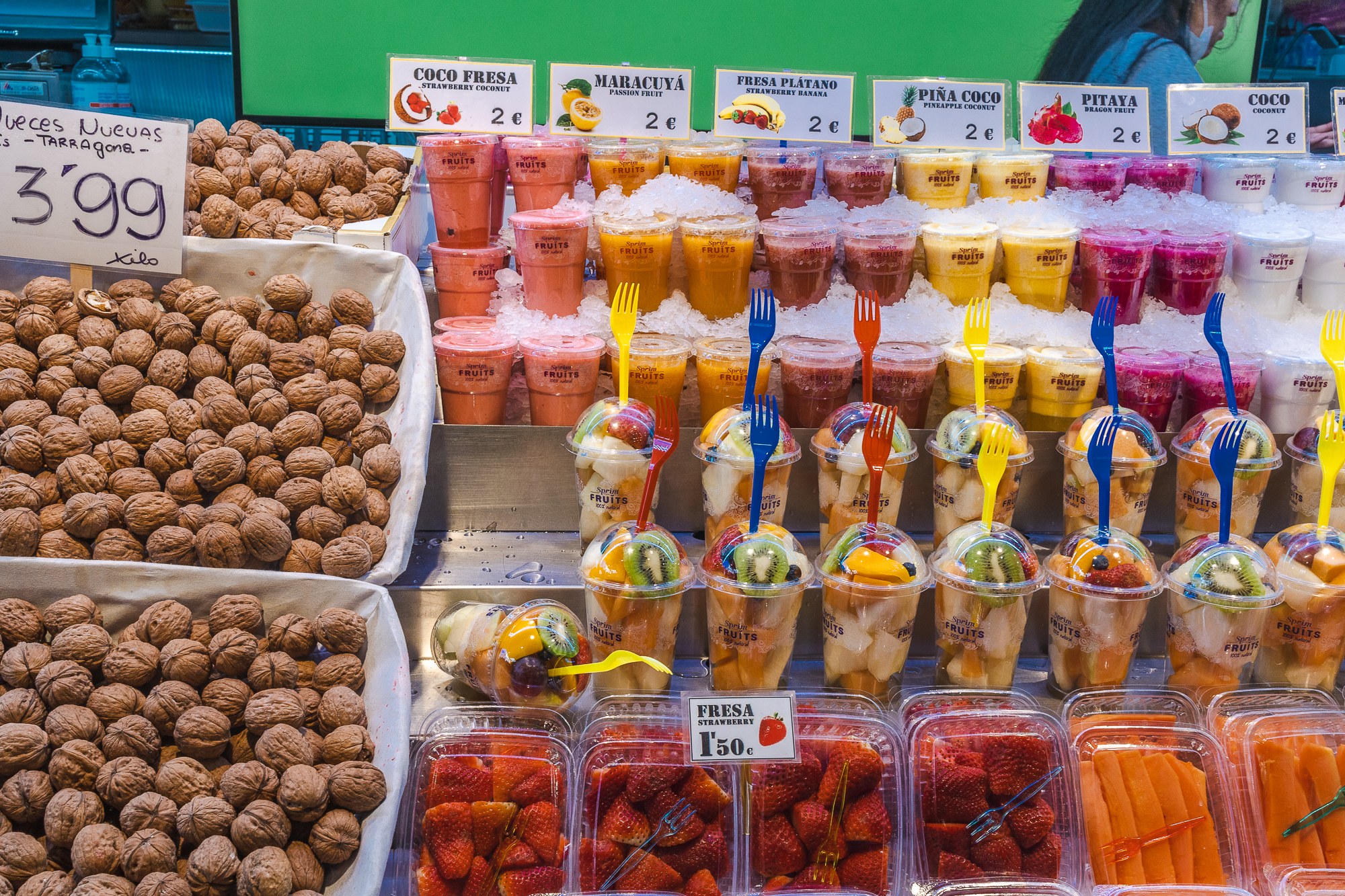
This is exactly the thing that catches parents in Barcelona off guard most often. Spaniards eat lunch between 1:30 and 3:30 p.m. and don’t have dinner until after 9:00 p.m. If you show up at a restaurant with a child at seven in the evening, you’ll be sitting there completely alone and the kitchen may not even be up and running yet.
The best solution is to shift the kids’ whole routine and take advantage of the great lunch menus (menú del día), which cost around €13 to €18. Around five in the afternoon, have a bigger snack, and in the evening just head out for lighter tapas on a lively square, where you can enjoy fantastic patatas bravas, cheese, or olives while the kids run around.
Also be very careful that changing tables in ordinary small restaurants practically don’t exist. If you urgently need to change a toddler, you’ll usually be saved by the big El Corte Inglés department store, huge fast-food branches, or large museums, where family facilities are excellent. The local tap water is drinkable, but it’s very hard and smells of chlorine, so it’s better to buy bottled water for the kids.
10. The Metro, Strollers, and Family Tickets
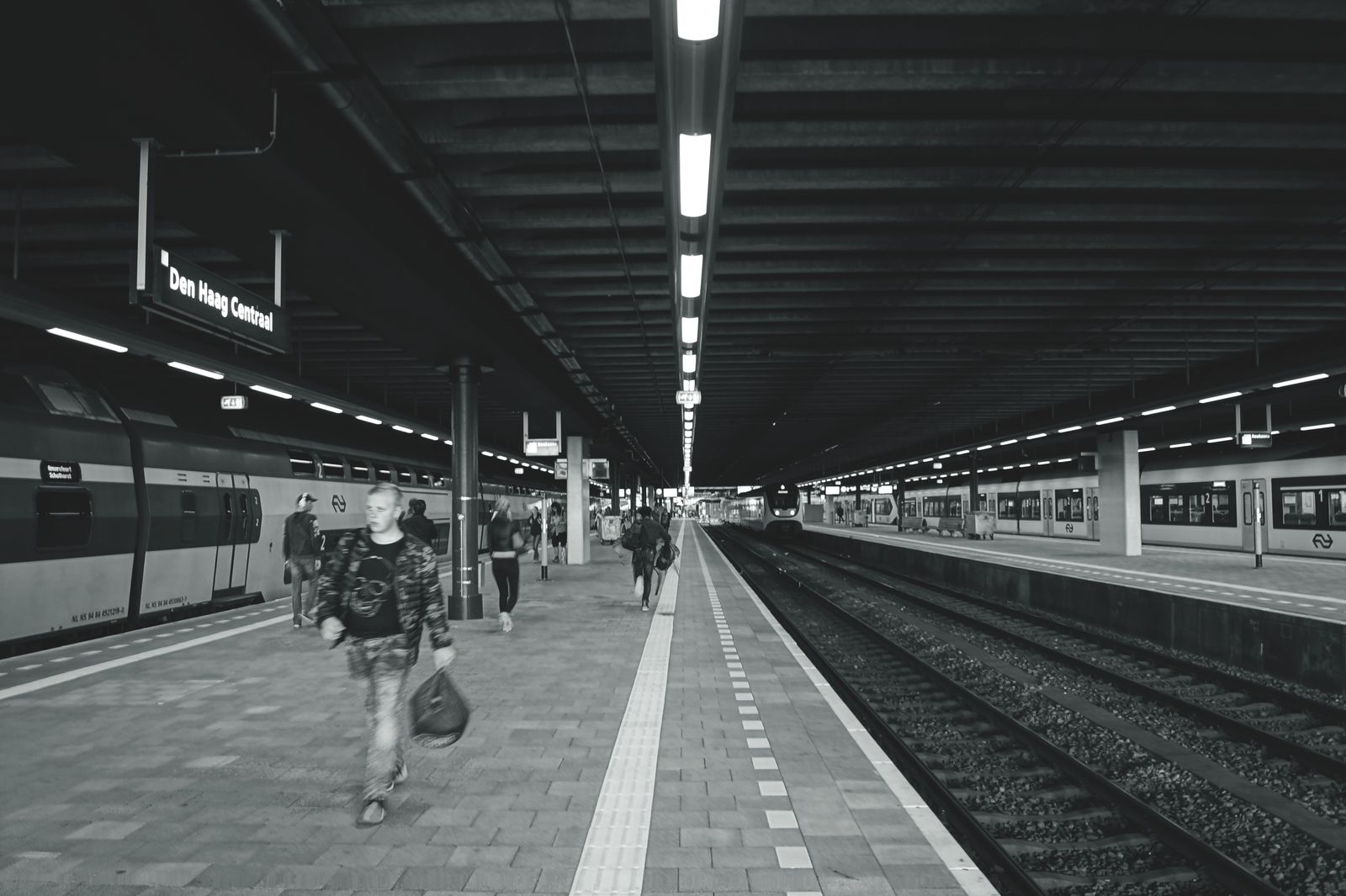
Getting around Barcelona with a stroller is surprisingly very comfortable, because more than 90% of all metro stations have spacious, working elevators. You don’t have to awkwardly fold the stroller anywhere, and the turnstiles always have one special widened gate for wheelchair users and parents with children.
It’s essential to buy the right ticket at the start of your stay. For a family, the so-called T-familiar for €11.50 is by far the best value — it includes 8 rides in total and can be shared by up to four travelers at once. The popular T-casual ticket for €13 is now strictly non-transferable and may only be used by a single person.
Also remember that children under 4 travel on public transport completely free. Just be careful on the way from the airport, because your standard tickets won’t be valid on the special L9 Sud airport metro line and you’ll have to buy a separate ticket for €5.90.
11. Budget and the Tourist Tax for the Whole Family
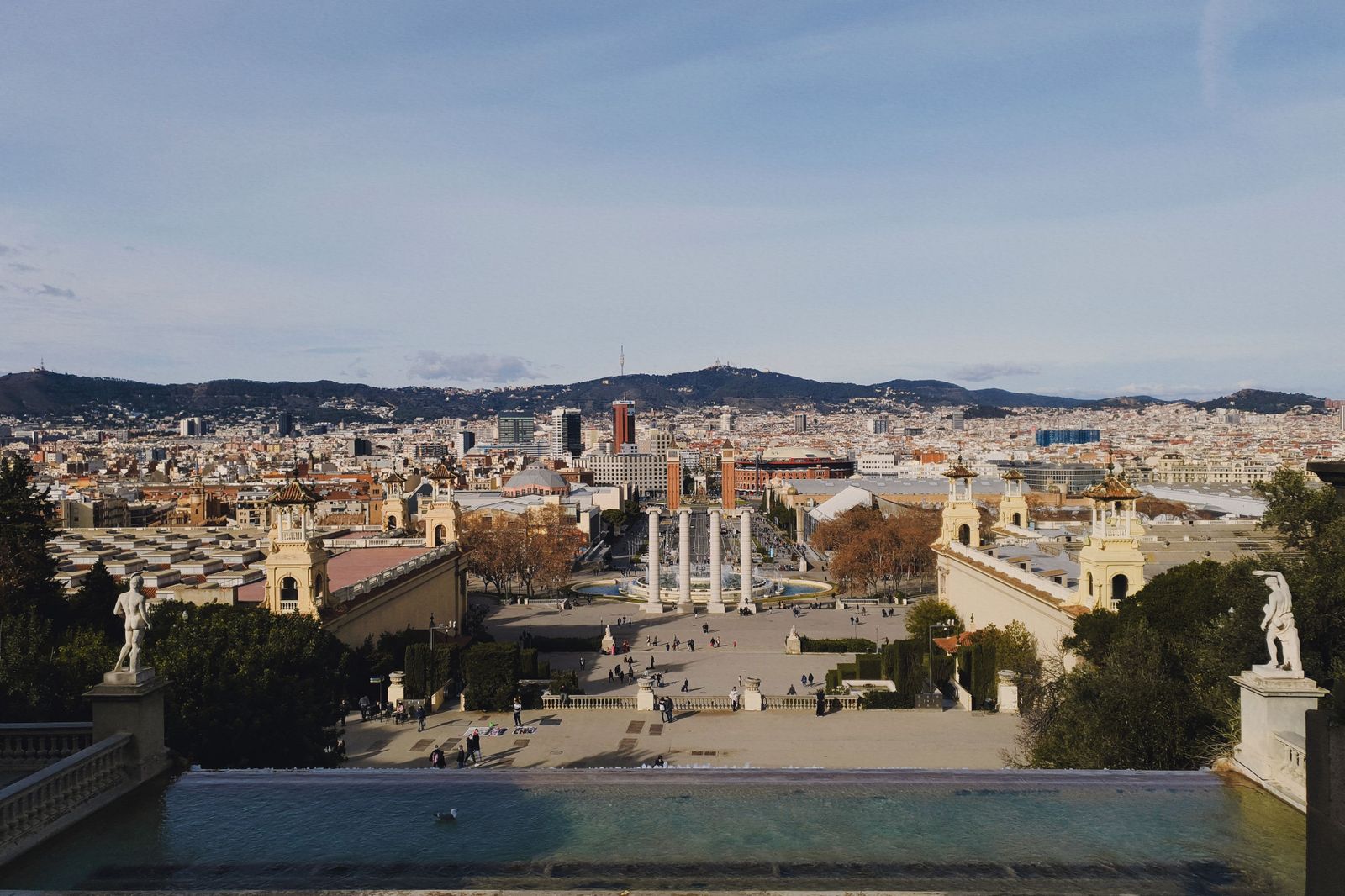
Barcelona really isn’t the cheapest city, and admission to the main architectural landmarks can give the family budget a real workout. A family of four pays hefty sums for the basic entries alone, because the Sagrada Família and Park Güell together cost an adult €44.
Fortunately, you can save with great attractions that have very cheap admission, like the fantastic Laberint d’Horta. An adult pays just a little over €2 here and children under 14 about €1.40, yet getting lost in the huge green maze will keep them busy for hours. On Wednesdays and Sundays, entry is even completely free for everyone.
As I mentioned in the introduction, the tourist tax rose again rather unpleasantly from 2026, so you have to factor it in when paying for accommodation. Day-trippers from big cruise ships who spend less than twelve hours in the city now even pay €30 per day, with the city cleverly trying to regulate the biggest surges of one-day tourists.
12. PortAventura as a Rescue for Teenagers
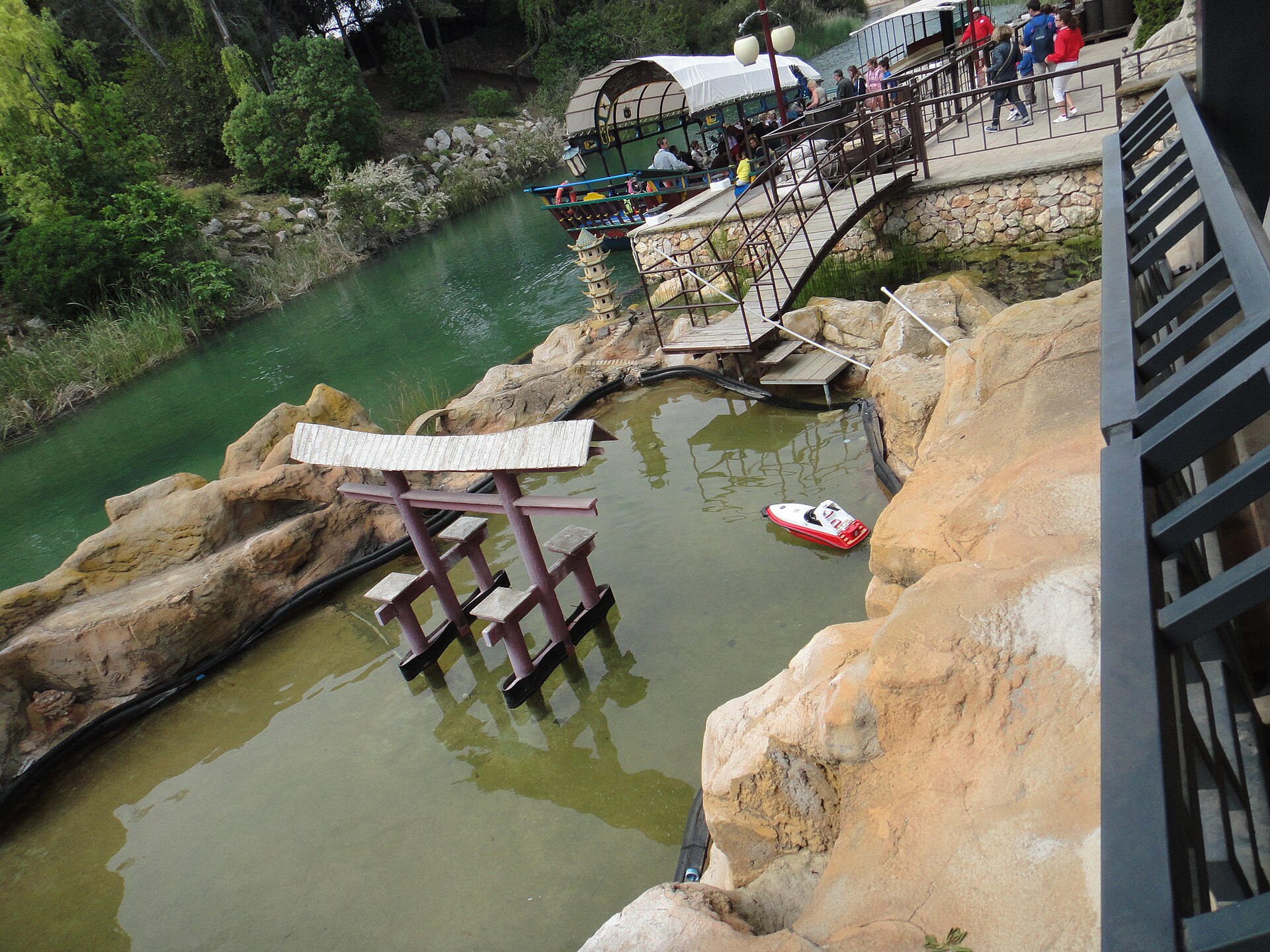
If you’re traveling with older kids who aren’t too impressed by Gaudí’s breathtaking architecture anymore, you have to offer them a proper draw. The huge PortAventura amusement park is exactly what’s guaranteed to lift the whole family’s mood and deliver a perfect experience.
It’s a bit farther from the city, but a comfortable train from Barcelona gets you there in under an hour and a half. A one-day adult ticket costs around €50 and for children aged four to ten it’s €43. For a family of four that means a one-off outlay of around €186, but those giant roller coasters and adrenaline rides are simply worth the money.
💡 Tip: The exchange-rate tactic works great for teenagers. For every two hours spent at the landmarks, promise them two hours at the skatepark near Mar Bella beach. And if they want to rent an electric scooter, warn them right away that shared scooters are now banned in the city, and riding on the sidewalk risks an insane fine of €500.

Where to Go Next from Barcelona
We’ve also got these detailed guides to Barcelona:
If you have more time for Spain and want to explore other beautiful places, I’ve put together plenty of extra resources for you. You can take lots of trips from Barcelona, whether to the sea or into the mountains.
- For a complete overview of all the highlights, check out What to See in Barcelona: 25+ Tips.
- If you’re interested in the details of the most famous building, we wrote the article Sagrada Família: Tickets, Prices and Visiting Tips.
- For summer chill, you’ll find the guide Beaches in Barcelona: Barceloneta and Where the Locals Go handy.
- If you want the city at your fingertips, explore The Best Views of Barcelona.
- For detailed cost planning, be sure to read Prices in Barcelona: Budget and Tourist Tax.
- And if you’re weighing up exactly when to go, Weather in Barcelona: Temperatures by Month and When to Visit will help.
Frequently Asked Questions
Can I manage the Barcelona metro with a stroller?
Yes, the local metro is very stroller-friendly. Roughly 90% of all stations have working elevators, and there’s always a wider gate at the turnstiles for easy passage. You don’t need to fold your stroller at all, just be a little careful in the historic center, where the streets above the stations can sometimes be quite narrow and crowded.
Do children pay for entry to Sagrada Família?
A huge advantage is that children under 11 have completely free entry to the basilica. However, you still absolutely must “click” tickets for them during the online reservation for adult tickets, so they get their own barcode to pass through the turnstiles. Without prior online reservation, you unfortunately won’t get in, because the physical ticket offices don’t operate.
Is tap water in Barcelona drinkable?
Tap water is completely safe to drink, but it’s quite hard and often has a really strong chlorine smell. Most tourists and locals prefer to buy bottled water, because tap water simply isn’t much of a taste experience, especially if you want to mix it with baby formula.
Do restaurants have kids’ menus and changing tables?
Special kids’ menus aren’t as common here as in some countries, but Spaniards absolutely love children and will happily adjust a portion of tapas for you, whether it’s a piece of tortilla or patatas bravas. As for changing tables, you’ll search in vain in small bars and family restaurants—your salvation is usually just the big fast-food chains or the spacious department store El Corte Inglés.
When is the best time for summer swimming with children?
If you want to swim comfortably in the sea with children, September is ideal. The sea is beautifully warmed to a pleasant twenty-three degrees after the scorching summer, the air is no longer so blazing, and the main tourist season at the city beaches is slowly but surely winding down.
How does the tourist tax work for families?
Since April 2026, the city charges a fairly high tourist tax, which in rental apartments is €9.50 per person per night and in luxury hotels as much as €12. Families will definitely be pleased to know that all children and teenagers under 16 are fully exempt from this unpleasant tax, which will save you considerable money on a week-long stay.
What to do in Barcelona when it rains?
The best rescue for families is the fascinating science museum CosmoCaixa or the giant aquarium L’Aquàrium. Both attractions are safely sheltered indoors, and while the museum is incredibly cheap and children under 16 get in free, the aquarium reliably enchants the youngest visitors with its enormous underwater tunnel with sharks and rays.
Tips and Tricks for Your Vacation
Don’t Overpay for Flights
Search for flights on Kayak. It’s our favorite search engine because it scans the websites of all airlines and always finds the cheapest connection.
Book Your Accommodation Smartly
The best experiences we’ve had when looking for accommodation (from Alaska to Morocco) are with Booking.com, where hotels, apartments, and entire houses are usually the cheapest and most widely available.
 🚗 Car rental on the roadVerified rental cars in Catalonia
Search with the DiscoverCars comparison engine — it compares prices from dozens of local and international rental companies, and most bookings come with free cancellation.
Compare car prices in Catalonia →Don’t Forget Travel Insurance
Good travel insurance will protect you against illness, accidents, theft, or flight cancellations. We’ve had a few hospital visits abroad, so we know how important it is to have proper insurance arranged.
Where we insure ourselves: SafetyWing (simple monthly subscription) and TrueTraveller (for extra-long trips).
Find the Best Experiences
Get Your Guide is a huge online marketplace where you can book guided walks, trips, skip-the-line tickets, tours, and much more. We always find some extra fun there!
More from Catalonia
Full guide →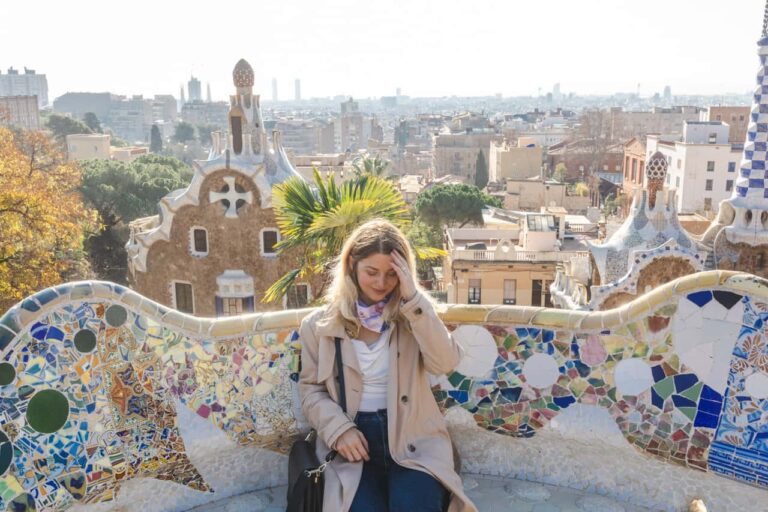 What to see · most readWhat to See in Barcelona Spain 2026: 25+ Must-Do Experiences
 BeachesCosta Brava: 18 Best Places to See – Stunning Beaches & Charming Towns
 PricesSagrada Família: 12 Tips You Need to Know – Tickets, Prices & Visit Guide 2026
 Day tripsFigueres Spain and the Dalí Museum: A Surreal Day Trip from Costa Brava
 ItineraryBarcelona, Spain in 3 Days: Itinerary (+ 1, 2 & 5-Day Options)


