The Bulgarian mountains appear as something of a mystery on the European map: how is it that skiing in Bulgaria is the cheapest option, yet so few people talk about it? International rankings are uncompromising and Bulgarian resorts regularly occupy the highest positions for affordability. According to British comparisons, Borovets is the second and Bansko the fourth most affordable resort on the continent, which sounds like an absolutely ideal destination for a winter vacation. Yet for travelers from regions within easy driving distance of the Alps, this seemingly simple equation has one fairly significant catch that tourists flying in from farther away don’t have to worry about.
While travelers from the UK must fly to the Austrian Alps just the same as to Bulgaria, those in Central Europe have superbly equipped Austrian resorts just a few hours’ drive across the border. As soon as you factor in the cost of flights and transfers to your Bulgarian ski trip budget, you’ll quickly discover that a week in the Balkans can end up costing more than staying in a Tyrolean guesthouse with half board. But this certainly doesn’t mean you should immediately cross the Bulgarian mountains off your travel list.
The magic of the Bulgarian mountains lies in something slightly different than just the absolute price of accommodation. If you’re traveling with small children and need to pay for ski school, don’t want to spend long hours behind the wheel on snowy motorways, or simply crave a combination of skiing and top-notch wellness, the Bulgarian option starts to make enormous sense. So let’s take a detailed look at which of the three main resorts will be right for your winter vacation.
Summary for those who don’t have time to read the whole article
- Bansko is the best choice for more advanced skiers looking for the largest number of slopes and lively après-ski, but you’ll need to arm yourself with patience due to morning queues at the main gondola.
- Borovets will delight families with small children, as it’s the only resort that offers, in addition to an excellent ski school, full-day daycare for toddlers.
- Pamporovo will please complete beginners, lovers of gentle sunny slopes, and those seeking a quieter evening atmosphere without noisy parties.
- Ski pass prices are roughly a quarter to a third lower than in major Alpine resorts, but don’t expect hundreds of kilometers of interconnected runs on one lift ticket.
- The biggest financial savings come from ski school, which in Bulgaria costs up to an incredible sixty percent less than in prestigious Austrian or Swiss resorts.
- Package holidays with tour operators are currently only available to Bansko, while for Borovets and Pamporovo you’ll need to piece together the entire trip yourself.
- The ideal time to visit is from January to the end of February, but if you want to avoid the biggest crowds and save money, head out for spring skiing after March 5th.
| Resort | Km of slopes | Elevation | Daily ski pass | Best for |
|---|---|---|---|---|
| :— | :— | :— | :— | :— |
| Bansko | 75 km | 990–2,530 m | 59 € | Advanced skiers, wellness, après-ski |
| Borovets | 58 km | 1,315–2,550 m | 54 € | Families with children, quick transfer from Sofia |
| Pamporovo | 37 km | 1,620–1,926 m | 45 € | Complete beginners, sun lovers |
The full destination guide: Bulgaria Travel Guide — guide and what to see
How much skiing in Bulgaria really costs (and how it compares to the Alps)
When the renowned British Post Office released its annual report for the 2025/26 season, Bulgarian resorts once again dominated the affordability rankings. Experts calculated complete weekly costs using a very precise methodology that includes a six-day ski pass, equipment rental, five half-day lessons at ski school, and daily lunches and drinks on the slopes including six coffees, colas, and beers. Borovets took a fantastic second place in this measurement with total costs around 668 pounds (approximately €770), while Bansko finished just behind it in fourth position with a sum of 706 pounds (€820).
Compared to Alpine giants, these numbers look truly unbeatable. For comparison, Austrian Saalbach will cost you around €1,270 in the same methodology, famous St. Anton €1,400, and Swiss Wengen climbs to an astronomical €1,590. An even more dramatic difference emerges for family budgets with two adults and two children. A week-long family ski trip to Bansko costs around €2,400 according to the report, while in Austria you’d pay an incredible €4,700 for exactly the same basket of services.
But here comes the promised twist for travelers from nearby countries, because those within driving distance can comfortably drive to Austria in their own car with skis in a roof box. If you look at the real prices from tour operators for the 2026/27 winter season, a week-long flight package to Bansko with breakfast will cost you €840 to €1,310 per person. For this money you get a flight to Sofia, transfer to the hotel and accommodation, but you always have to buy the ski pass separately out of your own pocket.
In contrast, the cheapest Austrian stays with your own transport start at just €480 per week, and we’re talking about accommodation with full half board in areas like Dachstein West. Even if you choose a better Tyrolean hotel for €735, you’re still well below the base price of a Bulgarian flight package. On top of the Bulgarian package you also need to add a surcharge of €145 for air transport of your own skis, which makes the trip economics even more expensive.
So where does Bulgaria really crush the Alpine competition? The main argument is definitely the package of services around the skiing itself. Ski school alone will cost you a full sixty percent less in Bansko than in prestigious St. Anton. Conversely, the smallest price difference is found in children’s ski passes, which are only about a quarter cheaper in Bulgaria. A children’s lift ticket in Bansko costs 30 euros per day, while in Austrian Schladming it costs 39.50 euros, so if your children no longer need an instructor, the price gap starts to close fairly quickly.
Bulgaria is getting more expensive fast
Although skiing in the Balkans is still very affordable, the rate of price growth in recent years has been absolutely unprecedented. The aforementioned British report shows that Bansko recorded the highest increase in ski pass prices in all of Europe over the last ten years. While in 2016 a six-day lift ticket cost the equivalent of 111 pounds, today you’ll pay 283 pounds for it, representing a jump of an incredible 154 percent. For comparison, luxurious Austrian Kitzbühel increased by only 127 percent over the same decade, so the price advantage of Eastern Europe is slowly but surely thinning.
This trend hasn’t stopped recently either, as year-on-year price increases in the 2025/26 season were over 23 percent in Bansko and almost 19 percent in Borovets, which was the highest increase of all thirty-two European resorts tracked. Thanks to this sharp price growth, Italian resorts are starting to compete strongly with Bulgaria, and the Bardonecchia resort, where prices rose by only twelve percent over nine years, has even overtaken it in overall value. Keep this in mind: the era of skiing in Bulgaria for pennies is over.
An interesting and for many completely counterintuitive detail can be found when looking at drink prices directly on the slopes. Detailed measurements showed that beer in Bansko will cost you more than in renowned Austrian resorts like Saalbach or St. Anton. While in Austria you’ll pay around €5 for a small beer on the slopes, modern bars in Bansko confidently charge up to €5.50. Much worse off are skiers in French Val d’Isère, where they’ll leave an incredible €9.50 for a glass of golden brew. If you want truly cheap refreshments, you need to head to Borovets, where prices stay at a much more pleasant €3.
Bansko: The Largest Ski Area and Best Skiing
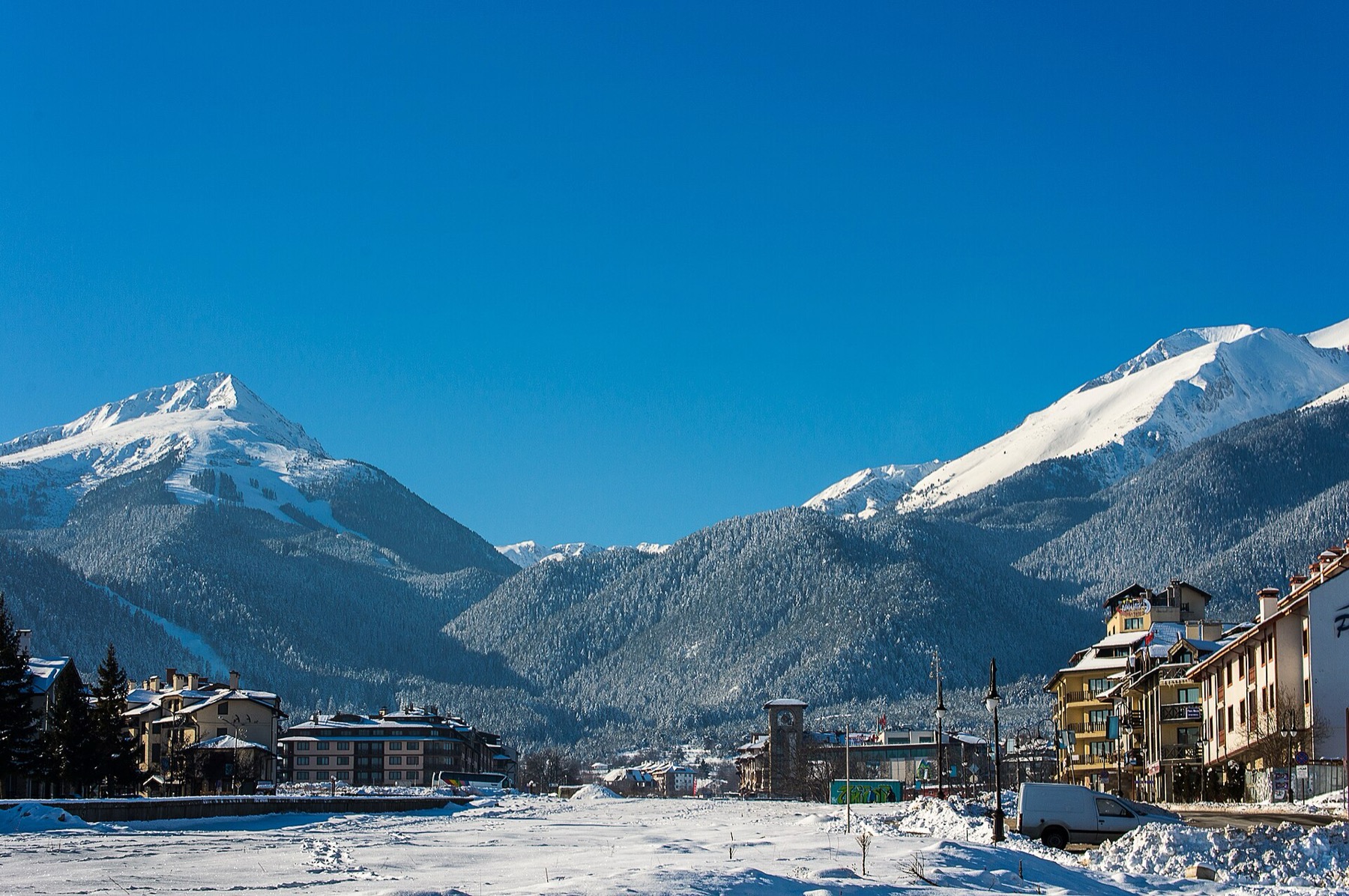
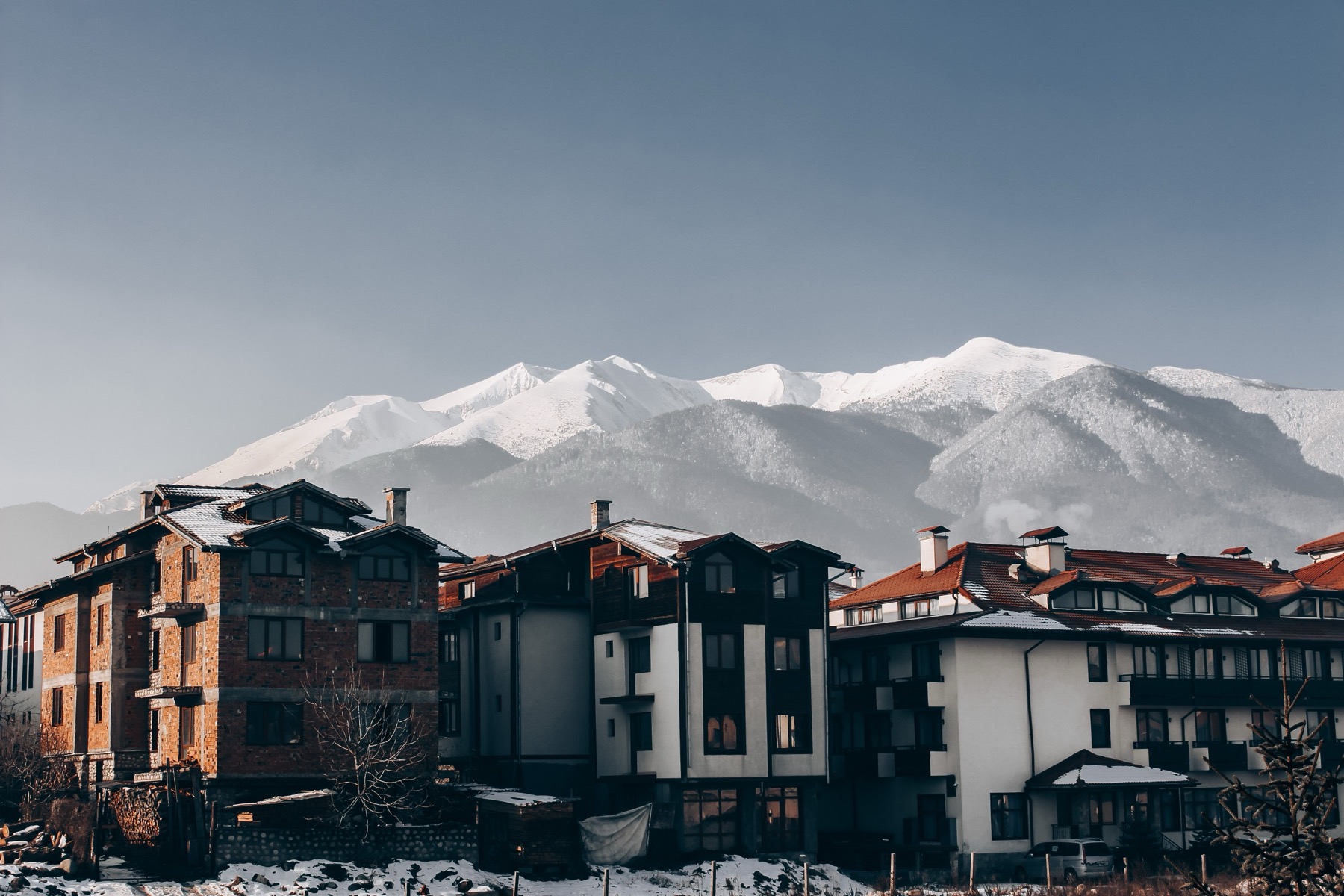
If you want to really enjoy skiing as a sport, Bansko is the logical choice: the largest ski area, the most lifts, and a 4.2-star rating on the prestigious skiresort.com portal speak for themselves. With an impressive 75 kilometers of slopes served by fourteen lifts and cable cars, it will satisfy even fairly demanding European skiers. The runs stretch from an altitude of 2,530 meters all the way down to the valley, and the resort regularly wins awards for excellent snow reliability and superb conditions for beginners.
The town of Bansko itself has tremendous personal charm, because unlike artificially built resorts, it’s a historic settlement with a beautiful old center. After a day on the slopes, you can wander through cobbled streets, admire traditional stone architecture, and spend the evening in one of the many traditional mehanas (Bulgarian taverns) where live music plays. You’ll find plenty of excellent local vegetarian dishes, from fresh Shopska salad to hearty bean soup bob chorba, while meat-eaters usually try the famous local kebapche sausages. The resort is also renowned for its luxury wellness hotels with hot thermal pools.
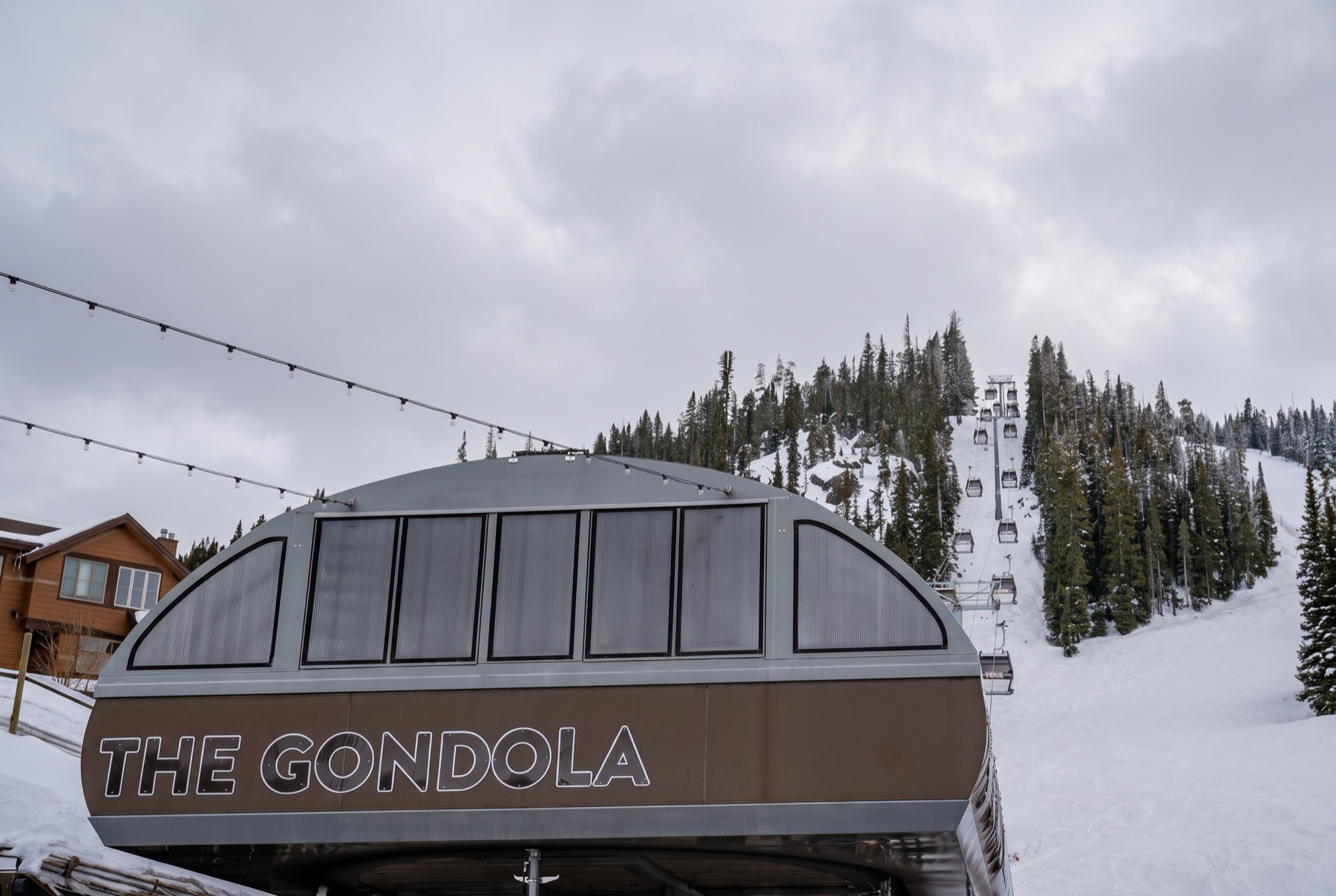
All these positives have one huge downside that simply can’t be ignored. That’s the absolutely insufficient capacity of the single access gondola that connects the town with the actual ski area. While the cabins depart every thirty seconds and the ride takes about half an hour, skiers on discussion forums still regularly complain that Bansko sometimes doesn’t resemble a ski resort, but one endless queue of people in ski boots waiting for rescue.
Hard data from local residents who have been monitoring the situation long-term unfortunately only confirm these complaints. From Christmas until early March, morning waiting times routinely range between thirty and fifty minutes, with the worst February peaks seeing you spend up to two hours in the queue. Contributing to visitors’ frustration is also a strange system where the cable car itself starts running at eight in the morning, but the ticket offices don’t open until half an hour later.
You might now be wondering why the operators simply don’t build a second parallel cable car that would solve this collapse. The problem is that the entire area lies within Pirin National Park, which is strictly protected by UNESCO. In 2019, the Supreme Administrative Court definitively rejected any plans for infrastructure expansion, ruling that only repairs to existing facilities are permitted. Since the 2015/16 season, not a single new lift has been added here, and the environmental protection of the mountains unfortunately means that the queue situation won’t improve anytime soon.
How to Avoid Queues in Bansko
Despite the dire reports about long waits, there are proven ways to enjoy skiing in Bansko without unnecessary stress. Just stick to a few practical tips from experienced visitors and you can ski with a smile.
- Get up early and be at the gondola by 7:50, because the biggest morning rush of skiers from the huge hotel complexes regularly arrives around nine o’clock.
- Always buy your ski pass the day before, they’re sold in many large hotels like Sport, Belvedere, Zara, or Lucky Bansko, every day conveniently until ten in the evening.
- Drive or take a hotel transfer to the mid-station at Banderishka polyana: the upper ticket office opens from half past eight and queues are almost nonexistent there.
- Use the popular trick for couples where one of you gets straight in the queue for the gondola itself and the other waits in line for tickets in the meantime, saving you loads of time.
- Never take the afternoon gondola down to town, but use the fantastic seven-kilometer illuminated ski road that will get you to the lower station in fifteen minutes.
- Plan your holiday after March 5th, when the main tourist rush subsides and queues at the lower station basically disappear overnight as if by magic, while snow quality is still excellent.
- Stay in hotels right by the gondola in ski-in/ski-out mode, so you have the shortest possible route to the morning queue and can react quickly to the current situation from your window.
Borovets: Closest to Sofia and Best for Families with Young Children
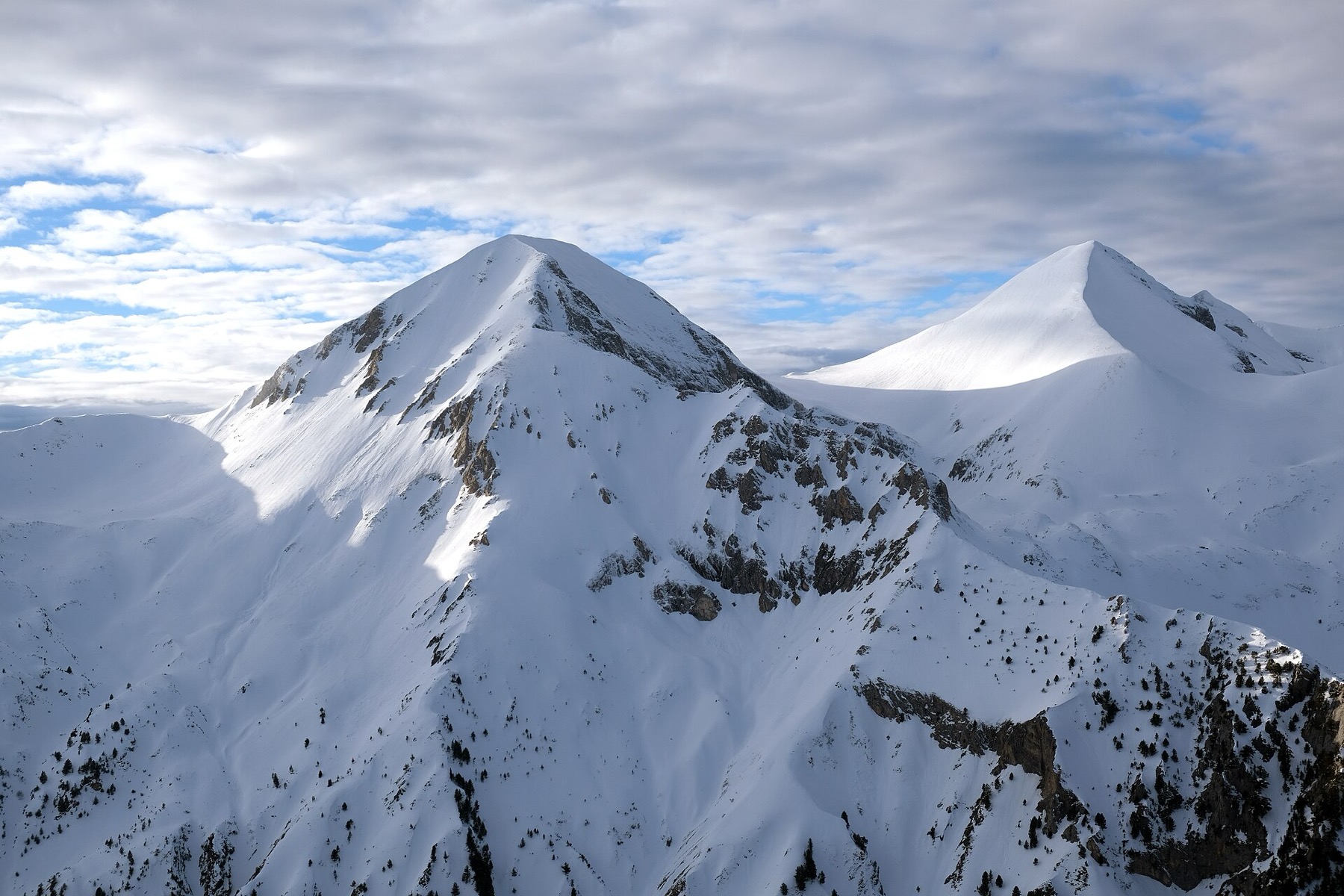
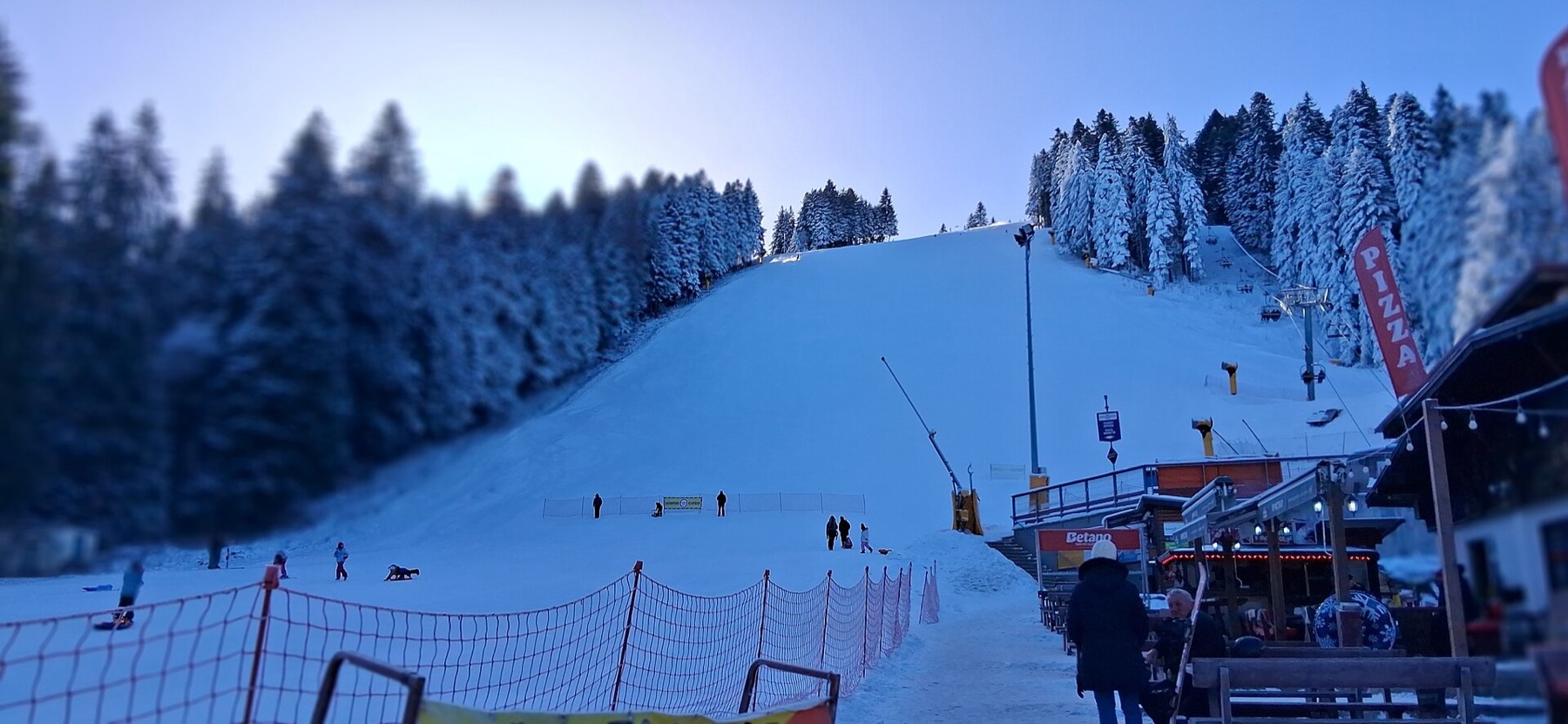
Borovets is Bulgaria’s oldest ski resort with a history dating back to 1896, when Bulgarian aristocracy used to spend winters here. Today it offers an excellent 58 kilometers of slopes spread across the slopes below majestic Mount Musala, which at 2,925 meters is the highest peak in the entire Balkans. A huge logistical advantage of this resort is its location, because you can get here from Sofia International Airport in under ninety minutes, which is half the time compared to the arduous journey to Bansko.
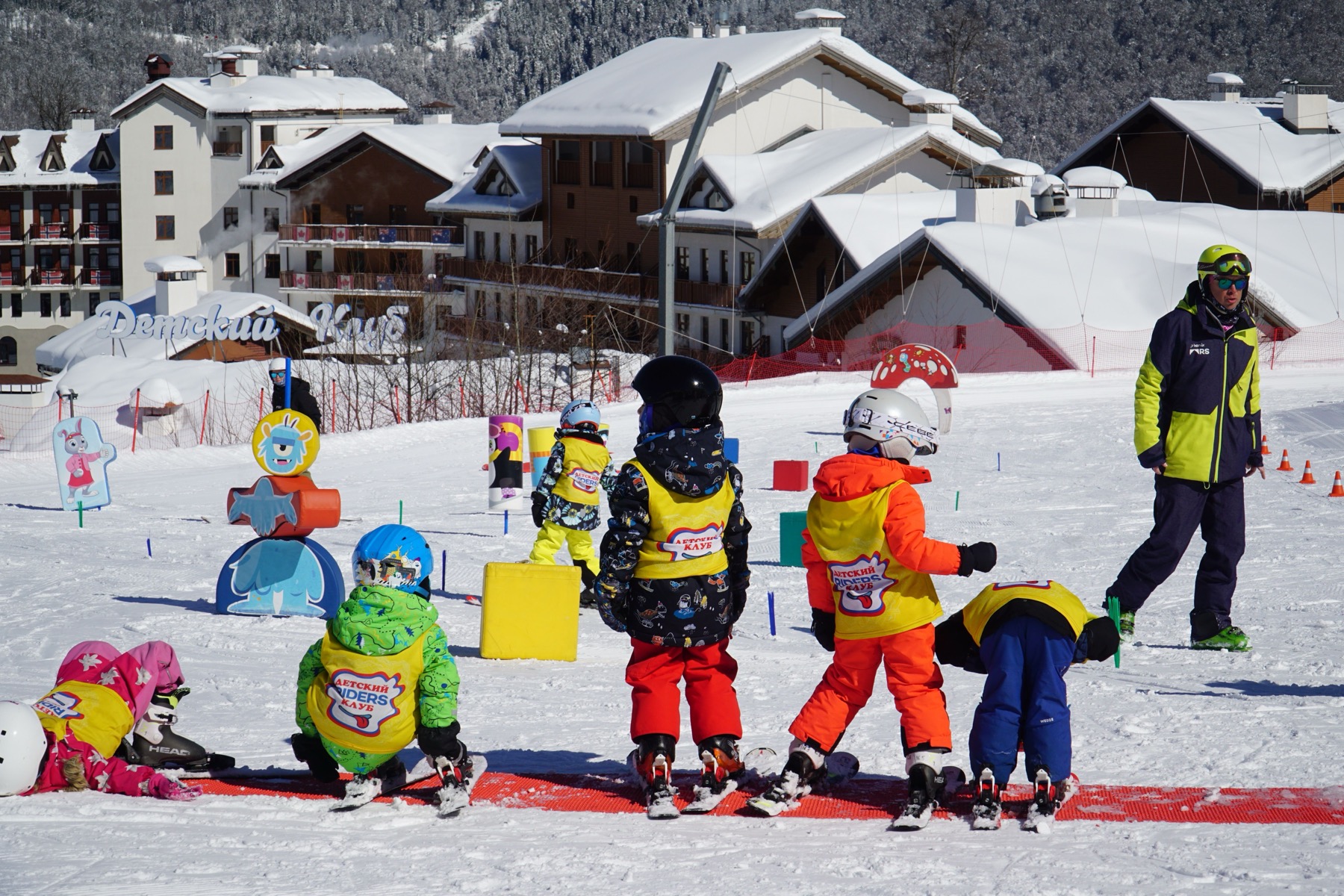
If you’re planning a mountain trip with really young children, Borovets will definitely be the best choice of all Bulgarian options for you. It’s the only resort of the three mentioned that offers a full-service nursery for toddlers aged two to four, which operates at Hotel Rila all day long. While you’ll be carving down snowy slopes, your little ones will be looked after from eight in the morning to five in the afternoon by professional staff in warmth with complete meal provision and activity program.
For slightly older children from age four, there’s a top-notch ski school where the price of around €350 for a weekly course includes not just equipment and instruction, but also a daily hot lunch in a restaurant. The resort is very family-friendly overall and offers a special 20% family discount for two adults and up to three children, with the youngest under seven skiing completely free when accompanied by parents. A real crowd-pleaser is the all-inclusive package, which for around €472 includes ski pass, rental, school, and evening program.
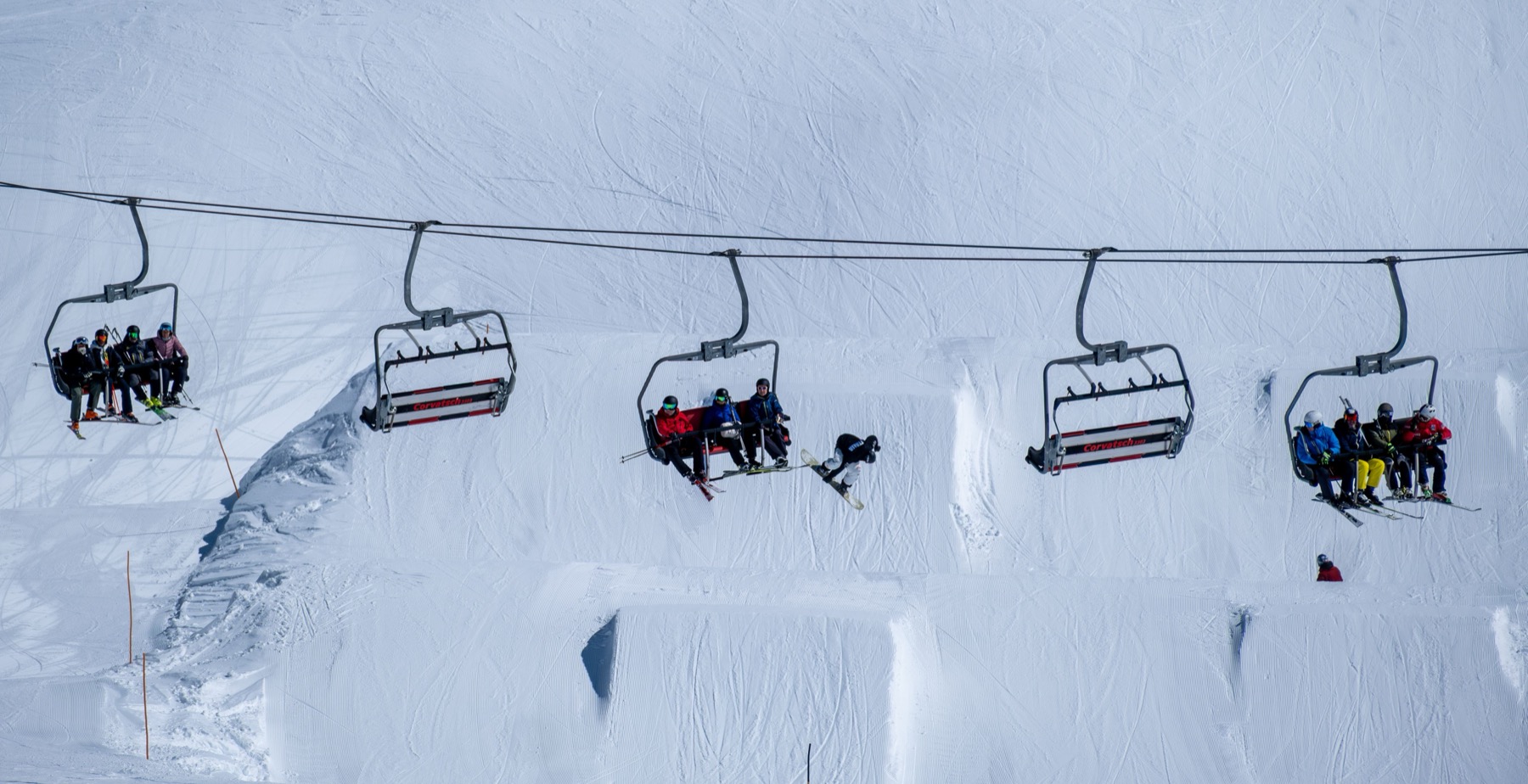
To be completely fair, we must also mention the technical weaknesses of this resort. The main access cable car Yastrebets dates from 1980, makes a rather archaic impression, and has very low transport capacity of around just 1,200 people per hour, which is about sixty percent of Bansko’s gondola capacity. Fortunately, there are two faster and more modern alternatives in the form of the Yastrebets Express chairlifts and the newer Martinovi Baraki Express from 2018, both of which can transport thousands of people per hour, so queues can be elegantly avoided. Management also recently announced an extensive ten-year plan, the culmination of which will be a complete replacement of this old cable car.
The evening atmosphere in Borovets is quite specific, and the resort has earned itself the nickname “snowy Ibiza” thanks to its history of cheap British package holidays. You’ll find dozens of lively bars like the popular Buzz Bar, which often offer deals like buy one drink and get the second free, with entry to local clubs usually free of charge. A unique local specialty is the organized evening pub crawl, where local guides take you through six pubs and two clubs for around €10, with welcome shots and two beers included in the ticket price.
Pamporovo: The Sunniest and Gentlest
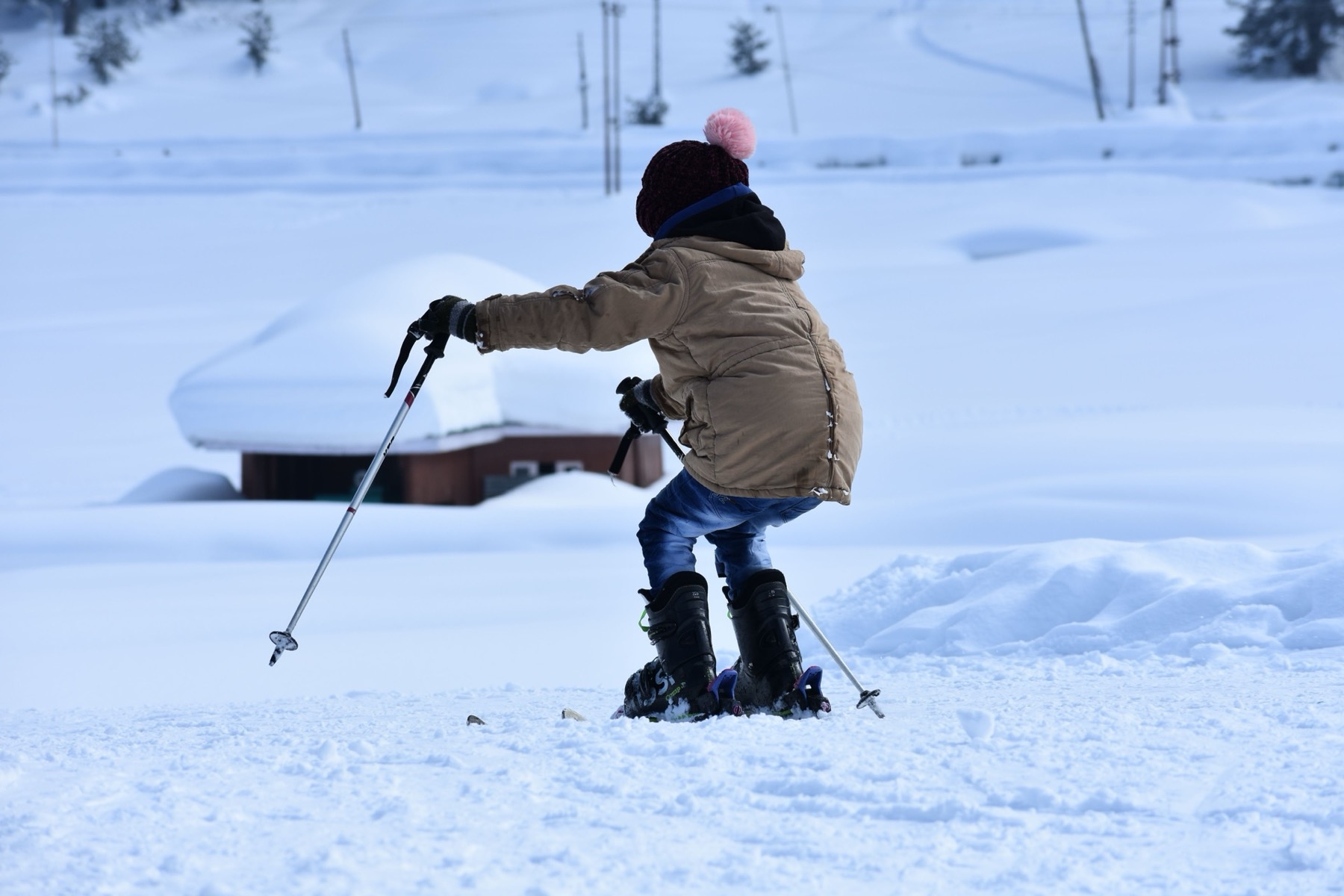
While Bansko and Borovets attract more sporty skiers, Pamporovo, situated in the picturesque Rhodope Mountains near Plovdiv, focuses on completely different strengths. According to long-term meteorological statistics, it’s the sunniest ski resort in all of Bulgaria, so you’ll enjoy plenty of clear days with beautifully blue skies. The local slopes are famous for their gentle gradient and perfect width, making the area an absolutely ideal destination for complete beginners and families making their first turns on snow.
For a long time Pamporovo was criticized for being too small with barely thirty kilometers of runs, but fortunately that’s no longer true after recent changes. It’s been connected with the neighboring Mechi Chal area, so you can now ski 37 kilometers of slopes on one ski pass (current info available on the official Pamporovo website), between which shuttle buses run smoothly and free of charge. Price-wise this resort is also the most welcoming, and of all three main resorts you’ll pay by far the least for a day pass here, and ski school prices are also pleasing at €138 for six half-day lessons.
Two eras coexist side by side on the mountain: slow single chairs from the late seventies and a brand new six-seater from Leitner dating from 2023, which can transport an impressive three thousand people per hour. Skiers also enjoy trying out a new attraction in the form of an alpine zip line that runs high above the water.
Nightlife in Pamporovo is wonderfully calm and family-friendly, unlike noisy Borovets. You can spend evenings in cozy tea rooms with crackling fireplaces, at the bowling alley, or in local restaurants that cater to the youngest guests. An excellent example is the local establishment The PUB Pamporovo, where a live band plays and children can play PlayStation for free—so you enjoy wine, they enjoy the console. 😉

Ski Passes, Rentals and Ski Schools: How Much You’ll Pay
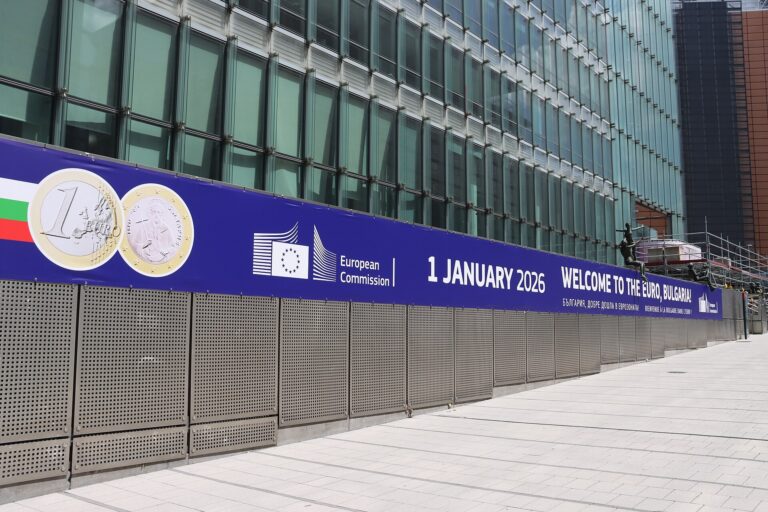
When planning your budget, it’s essential to know that from the beginning of 2026, Bulgaria uses the euro exclusively, so the complicated conversion of old leva is a thing of the past. All prices below are based on official price lists for the 2025/26 season, because operators traditionally don’t reveal new rates for the upcoming winter until November. If you want to verify exact prices before departure, I recommend visiting the official websites of individual resorts directly, such as BanskoSki.com.
Comparison of ski pass prices in high season (2025/26):
| Pass type | Bansko | Borovets | Pamporovo |
|---|---|---|---|
| :— | :— | :— | :— |
| Adult 1 day | 59 € | 54 € | 45 € |
| Adult 6 days | 341 € | 279 € | (not listed) |
| Child (approx. 7–12 years) 1 day | 30 € | 32 € | 27 € |
| Child (approx. 7–12 years) 6 days | 164 € | 169 € | (not listed) |
A great way to save on ski passes is to head to the mountains after the first of April, when daily pass prices in Bansko drop to 45 euros. Many people also enthusiastically take advantage of season pass pre-sales. These typically run from October to mid-December, when the price in Bansko drops from the usual 1,020 euros to a more pleasant 869 euros. In Borovets, don’t forget to ask for a chip card, which gives you a flat five percent discount on all ski pass purchases after paying a small deposit.
Indicative rental and storage prices (for 6 days):
| Equipment | Bansko (Ulen) | Borovets (Snow Masters) |
|---|---|---|
| :— | :— | :— |
| Standard set (skis + boots) | 94 € | 97 € |
| Children’s set | 64 € | 66 € |
| Snowboard set | 130 € | 97 € |
If you’re going to Bulgaria with a travel agency, be very careful with prepaid equipment packages. It often happens that booking directly with a local rental shop works out considerably cheaper than purchasing through an agency. For example, a standard set that costs you 94 euros on-site is commonly charged at 150 euros by agencies. Another big advantage in Bansko is that most rental shops in close proximity to the gondola, like the popular 360 Ski Bansko, offer overnight equipment storage with boot drying completely free of charge, whereas in agency packages you often have to pay extra for this convenience. In Pamporovo, expect prices around 15 to 20 euros per day of rental.
Indicative ski school prices (for 6 days of instruction):
| Type of instruction | Bansko (Pirin 2000) | Borovets (Snow Masters) |
|---|---|---|
| :— | :— | :— |
| Group lessons (4 h daily) | 530 € | (individual or packages only) |
| Group lessons (2 h daily) | 280 € | (individual or packages only) |
| Individual lesson (1 hour) | (not available) | 60 € |
When booking a ski school in Borovets, you’ll encounter one very specific rule that may unpleasantly surprise you. All weekly courses here start exclusively on Sunday or Monday, and if you want to join a course already in progress mid-week, they’ll charge you a hefty thirty-euro surcharge for individual catch-up on missed material. In Bansko, on the other hand, it pays to combine services, because the official Ulen rental shop gives you a ten percent discount on your ski pass when renting complete equipment, and a full fifteen percent if you also add a professional instructor.
Where to Stay
💡 Accommodation and activities tip: We prefer to look for accommodation on Booking.com, where they have the best cancellation terms. Tickets, tours and activities are worth comparing and buying through GetYourGuide.
If you decide on a comfortable holiday in Bansko through an international travel agency, you’ll typically choose from a selection of large four-star resorts. Among the most popular is Evelina Palace, where a January week with breakfast costs just under €900. Another popular choice is Grand Royale Apartment Complex & SPA, which starts at around €820, or the spacious Vihren Palace Ski & Spa Resort. If you’re looking for an even higher level of luxury, agencies often have the magnificent Premier Luxury Mountain Resort in their offer, though the price climbs to around €1,100.
If you head to Bansko independently and look for accommodation yourself on Booking, completely new possibilities open up with an emphasis on precise location. The absolute top choice with a rating of 9.2 out of ten is the five-star Kempinski Hotel Grand Arena Bansko, which is the only one offering true ski-in/ski-out convenience right at the lower gondola station, though a night here costs around $157. For families, the luxurious Lucky Bansko Aparthotel SPA & Relax is a fantastic choice, while excellent value for money within walking distance of the gondola is offered by the smaller and very popular Bariakov Family Hotel.
Unfortunately, you won’t get to the Borovets and Pamporovo resorts with international travel agencies as part of standard winter packages, because these destinations are not currently widely sold outside Bulgaria. You’ll therefore have to put the whole trip together independently, which thanks to the really clear selection of hotels on booking portals and relatively easy transport from Sofia airport is not such an insurmountable problem.
How to Get There
The journey to the Bulgarian mountains almost always starts at the airport, because traditional bus ski packages from abroad practically don’t exist and driving across the entire Balkans is too exhausting for a week’s holiday. Direct flights to Sofia operate from major European hubs with airlines like Ryanair, easyJet, and Bulgaria Air roughly nine times a week, with the flight itself taking just under two hours. From the airport you then need to arrange ground transfer, which takes an hour and a half to Borovets, while you’ll sit in the car for over two hours to Bansko and Pamporovo.
When arranging transport from Sofia airport, forget about popular international apps, because Bolt and Uber don’t operate in Bulgaria at all. You’ll have to download the local TaxiMe app, or even better, book a private shuttle transfer directly to your hotel online in advance, which works out very reasonable with more people and will save you a lot of stress after arrival. If you’re traveling with a travel agency, this transfer to the hotel is of course already included in the base package price.
The biggest catch of the whole journey? Your own skis. If you want to bring your beloved skis or snowboard on the plane, be prepared that the oversized baggage fee is around €140 for the round trip. Precisely because of this high cost, the vast majority of skiers find it clearly worthwhile to fly with just a light carry-on and simply rent complete equipment at the excellent local rental shops right below the slopes.
When to Go
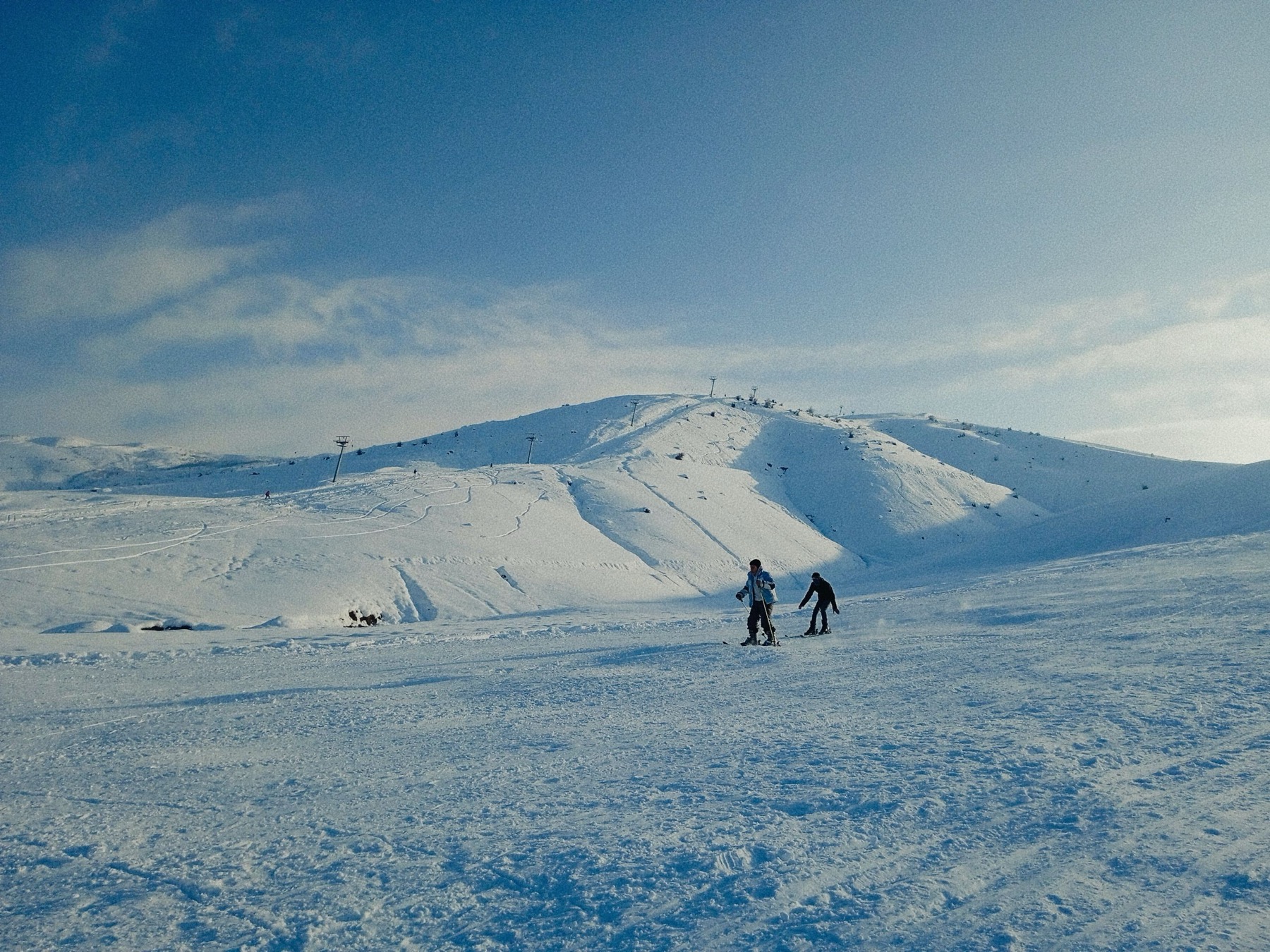
The official ski season in Bulgaria, or rather its main part, usually starts around the twenty-seventh of December and ends roughly on the last day of March. If you want absolute certainty of quality snow coverage on all slopes, the best months to visit are January and February, when temperatures are consistently below freezing and modern snow-making systems are operating at full capacity. During this period you’ll also experience the true winter mountain atmosphere with vibrant evening life in the streets.
At the same time, you need to be aware that February and the Christmas holiday period represent the absolute peak season, which means the highest accommodation prices and the most dreadful morning queues in Bansko. If you don’t mind slightly heavier spring snow in the afternoon hours, head to the mountains after the fifth of March, when the resorts empty out very pleasantly, you won’t wait anywhere, and from the first of April you’ll also save significantly on discounted spring ski passes in Bansko.
Who Bulgaria Is Worth It For (and Who It’s Not)
After studying all the price lists and practical aspects of the trip, we can clearly define who will genuinely benefit from a trip to the Balkans and who should stick with the tried-and-true Alpine classics.
Bulgaria is definitely worth it for you if:
- You’re traveling with small children and need to pay for ski school, which is 60% cheaper here than in Austria.
- You want to enjoy a relaxed week without the stress of driving on icy motorways, because the flight takes just two hours.
- You’re attracted to the combination of skiing with excellent and affordable wellness hotels.
- You’re planning a longer stay of a week or more, where the cost of the flight easily dissolves into the overall expenses.
- You love sunny weather, which is especially abundant in the gentler resort of Pamporovo.
Bulgaria won’t be right for you if:
- You live within a four to five-hour drive of Austrian resorts.
- You’re planning just a short long weekend, when flights make no economic sense.
- You need huge interconnected ski areas with hundreds of kilometers of slopes on a single lift pass.
- You exclusively ski on your own equipment, whose air transport adds several hundred euros to the cost.
If you’ve made it this far and the Bulgarian mountains still appeal to you, trust that the mystery of their popularity will soon become clear when you experience it yourself.
Where to Eat
The gastronomy in local restaurants is absolutely fabulous and will please even those who don’t eat meat. I recommend visiting the popular White Hart Pub in Pamporovo, which offers a great selection of Italian pasta and pizzas, or the traditional Chevermeto restaurant, where you’ll find amazing meatless Bulgarian salads, although the establishment primarily specializes in classic spit-roasted lamb.
In Bansko, don’t miss Pivoteka, an amazing spot with more than 150 types of craft beers from around the world, and if you get a craving for something more exotic in Borovets, head to the excellent Mexican restaurant Mamacita’s for their vegetable fajitas or cheese quesadillas. The local classic mechanas that prepare fragrant grilled meat and huge kebapche on every corner will satisfy the carnivorous members of your group, while you can order the delicious bean soup bob čorba.
Where Next
- Holiday in Bulgaria: 30 Most Beautiful Places
- Prices in Bulgaria After the Euro Transition
- Weather in Bulgaria: Temperatures by Month
- What to Pack for a Holiday in Bulgaria
- Other affordable destinations beyond Bulgaria are covered in the article The Cheapest Skiing in Europe: 12 Tips on Where to Save the Most.
- A comparison with home resorts can be found in the article Where to Ski in Czechia This Year: 14 Best Ski Areas and Lift Pass Prices.
The summer face of Bulgaria by the sea is presented in the article Varna: 20 Tips on What to See and Experience in Bulgaria’s Seaside Metropolis. The quietest part of the coast for a summer holiday is described in the article Primorsko and Bulgaria’s Southern Coast: 18 Tips on What to See and Where to Swim.
Frequently Asked Questions
Is skiing in Bulgaria really cheap?
Ski pass and accommodation prices are roughly one-third lower than in major Alpine resorts, but the real savings come from ski schools and equipment rental, where you’ll pay up to sixty percent less. However, the overall cost of your holiday can be significantly increased by flight tickets and airline baggage fees for your own skis, so the trip is mainly worthwhile for longer stays.
Which resort is the best?
It depends purely on your experience and preferences. Bansko offers the most slopes and lively nightlife, Borovets excels in caring for small children thanks to its own nursery, and Pamporovo is the ideal choice for complete beginners who will appreciate gentle, sun-drenched slopes with new modern infrastructure.
How much does a ski pass cost?
In high season, you’ll pay €59 for a daily adult ski pass in Bansko, €54 in Borovets, and €45 in Pamporovo. If you head out for spring skiing in April, prices drop by more than twenty percent, while children naturally qualify for significantly cheaper rates, and in Borovets, children up to seven years old ski for free.
How long is the wait for the gondola in Bansko?
Morning queues in Bansko are unfortunately notorious, and during the busiest February period, you can wait anywhere from thirty minutes to two hours. However, you can avoid the wait if you get up early at eight in the morning, or if you buy your ski pass in advance at your hotel and drive up to the upper ticket office at Banderishka Polyana.
Is Bulgaria suitable for beginners and children?
Absolutely ideal. Bulgarian ski schools are among the best and, above all, the cheapest in all of Europe. Pamporovo offers the gentlest sunny slopes for your first steps on snow, and Borovets will even take care of toddlers from two years old in its full-service all-day nursery right at the Rila Hotel.
When is the best snow?
The guarantee of the best snow cover is traditionally January and February, when temperatures are consistently freezing and modern snowmaking systems are in full operation. However, in February you must expect the biggest influx of tourists, so for quieter skiing without queues I recommend heading out in early March, when the resorts empty out nicely.
How do I get there?
The most convenient way is a direct two-hour flight to Sofia with airlines like Wizz Air or Bulgaria Air from major European cities, from where you’ll have a ground transfer to the mountains. You’ll reach Borovets in an hour and a half, while the journey to Bansko and Pamporovo takes just over two hours by car or minibus.
Is it worth bringing your own skis?
Usually not. Travel agencies charge around €140 per person for transporting ski equipment, while you can rent a complete set of skis, poles, and boots right at the gondola in Bansko for six days for about €94, which is substantially cheaper. Plus, you avoid dragging a bag around the airport and the risk of your equipment getting damaged in transit.
Do Bulgarian resorts accept euros?
Yes. Bulgaria adopted the euro on January 1, 2026, and the lev was last used in January of that year, so today you’ll find ski pass, rental, and restaurant price lists exclusively in euros. Cards are commonly accepted at the resorts; cash is more useful in small taverns and at ski lifts outside the main area.
Can you ski in Bulgaria in the evening too?
The best conditions for evening skiing are offered by Borovets, where the floodlit slope operates from Tuesday to Sunday between 6:30 PM and 10:00 PM, and a separate ski pass for night skiing costs around €32. In Bansko, you can at least ski down a seven-kilometer illuminated ski road from the mountain back to town after dark.
Tips and Tricks for Your Vacation
Don’t Overpay for Flights
Search for flights on Kayak. It’s our favorite search engine because it scans the websites of all airlines and always finds the cheapest connection.
Book Your Accommodation Smartly
The best experiences we’ve had when looking for accommodation (from Alaska to Morocco) are with Booking.com, where hotels, apartments, and entire houses are usually the cheapest and most widely available.
Don’t Forget Travel Insurance
Good travel insurance will protect you against illness, accidents, theft, or flight cancellations. We’ve had a few hospital visits abroad, so we know how important it is to have proper insurance arranged.
Where we insure ourselves: SafetyWing (simple monthly subscription) and TrueTraveller (for extra-long trips).
Find the Best Experiences
Get Your Guide is a huge online marketplace where you can book guided walks, trips, skip-the-line tickets, tours, and much more. We always find some extra fun there!