Just twenty-five minutes by boat from central Stockholm is all it takes to leave the buzz of the Swedish capital behind and step into a completely different reality. The Stockholm archipelago forms a gigantic labyrinth of nearly thirty thousand islands, reefs, and bare skerries stretching dozens of kilometres out into the Baltic Sea. Although it’s one of the greatest natural wonders of northern Europe, a surprising number of visitors to the city skip it entirely during their stay. If you have at least a couple of days set aside for sightseeing, I highly recommend putting a boat trip at the very top of your list, because every scrap of land here breathes its own utterly unique atmosphere.
TL;DR
- Fastest trip: The Fjäderholmarna islands lie just 25 minutes by boat from the centre, making them the perfect spot for a half-day afternoon of relaxation.
- Best for families: Vaxholm serves as the archipelago’s capital with all the facilities you need, a historic fortress, and plenty of cafés.
- Transport and boats: The backbone of transport is provided by the white boats of Waxholmsbolaget, and on some routes close to the centre a regular public transport ticket is even valid.
- Big 2026 discount: The Swedish government is subsidising public transport across the board, so the thirty-day SL pass has dropped to an incredible 530 SEK (about €48).
- Payments and money: Sweden is almost entirely cashless, but in the countryside vendors often require the local Swish app, which you won’t be able to get as a tourist, so bring some small cash.
- Alcohol for the road: Drinks over 3.5% alcohol are sold exclusively in the state-run Systembolaget stores, which are strictly closed on Saturday afternoons and all day Sunday.
The full destination guide: Sweden — guide and what to see
14 Tips on Which Island to Choose and What You Need to Know
Finding your way around this vast labyrinth of waterways can feel a little daunting at first, but once you grasp the basic layout, everything falls neatly into place. The archipelago is informally divided into an inner green belt full of forests, a middle section with classic red cottages, and rugged outer islands where you’ll find nothing but wind-battered granite rocks. Let’s take a look at how to pick the right destination based exactly on your time and how to plan the whole logistics without any stress.
1. Vaxholm: The Ideal Gateway to the Archipelago
If you’re travelling with young children, short on time, or simply dread long crossings on the open sea, Vaxholm is an absolute safe bet. The boat ride from Stockholm takes a very pleasant hour and the town itself offers everything you could need. You’ll find picturesque lanes lined with traditional wooden houses that practically beg you to take long afternoon strolls. Vaxholm functions as the unofficial capital of the whole archipelago, so there’s no need to worry about running short on civilisation and comfort.
The biggest draw is without doubt the imposing Vaxholm Fortress (Vaxholms fästning). This historic structure, which once protected Stockholm from enemy raids across the Baltic, is easily reached by a short local ferry. The fortress tour delights not just history buffs but also families with kids, thanks to its many interactive corners. The entrance fee is around 150 SEK (roughly €14) and it’s absolutely worth it for the stunning views over the shimmering water from the massive ramparts.
After returning from the fortress to the town centre, be sure to make time for a proper Swedish fika. The local cafés bake absolutely fantastic cinnamon and cardamom buns that perfectly complement a strong drip coffee. It’s simply the ideal destination for a half-day trip, when you want to sit calmly on an outdoor terrace, buy excellent artisan ice cream, and soak up the true island atmosphere without any complicated planning.
💡 Tip: Boats to Vaxholm depart straight from the Strömkajen terminal in central Stockholm. Ideally head out first thing in the morning to avoid the biggest crowds, which pour into the town around midday during the summer months.
2. Fjäderholmarna: The Quickest Possible Taste
These nearest little islands are rightly nicknamed the gateway to the archipelago, because the journey from the Slussen or Nybrokajen stop takes just 25 minutes. Don’t expect truly wild nature like you’d find on the outer edge here; Fjäderholmarna is more about laid-back afternoon relaxation close to civilisation. It’s an absolutely brilliant solution for anyone who only has a long weekend to see Stockholm and can’t afford to spend a whole day on a boat.
Right by the water you’ll find interesting craft workshops and a renowned local brewery where you can spend a very pleasant few hours sampling regional specialities. Stop by the local glassworks or ceramics studio, where you can watch artists at work. If you get hungry, there are excellent restaurants that traditionally focus on local fish but will happily whip up hearty vegetarian salads or great cheese platters to go with your beer.
The islands are tiny, but their rocky shores offer plenty of space to sit and watch the ferries glide by. Are you in Stockholm for a quick weekend city break with just one single free afternoon to spare for a boat trip? Then there’s nothing to think about, this is your stop. You’re there in half an hour, back in three hours for dinner, and yet you’ve seen the sea, the rocks, and tasted the local beer.
💡 Tip: A boat ticket to Fjäderholmarna costs around 175 SEK (roughly €16) for a return trip, and in the summer season boats shuttle back and forth about every half hour. You can buy tickets right at the harbour.
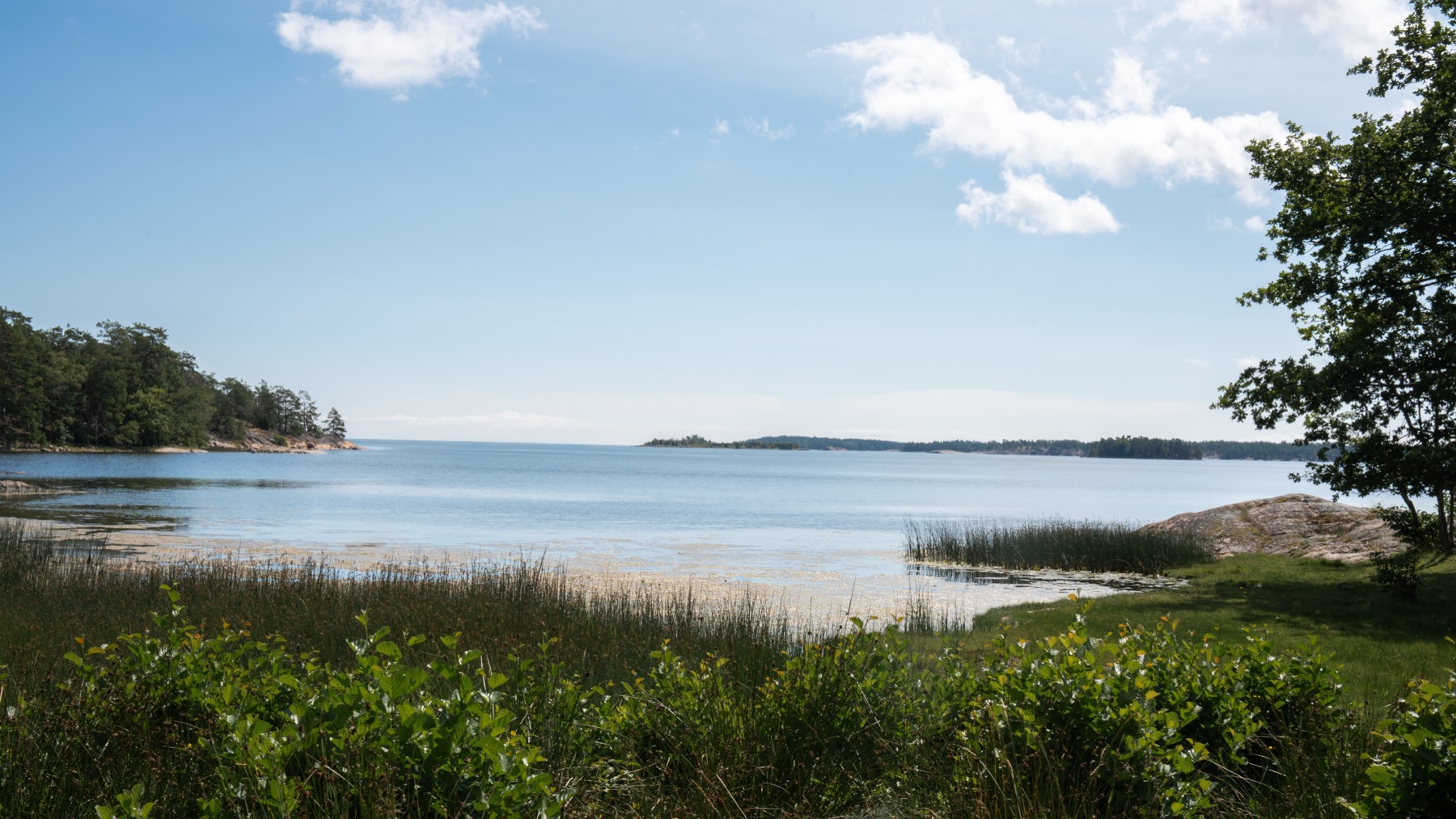
3. Grinda: The Golden Middle Ground for Nature
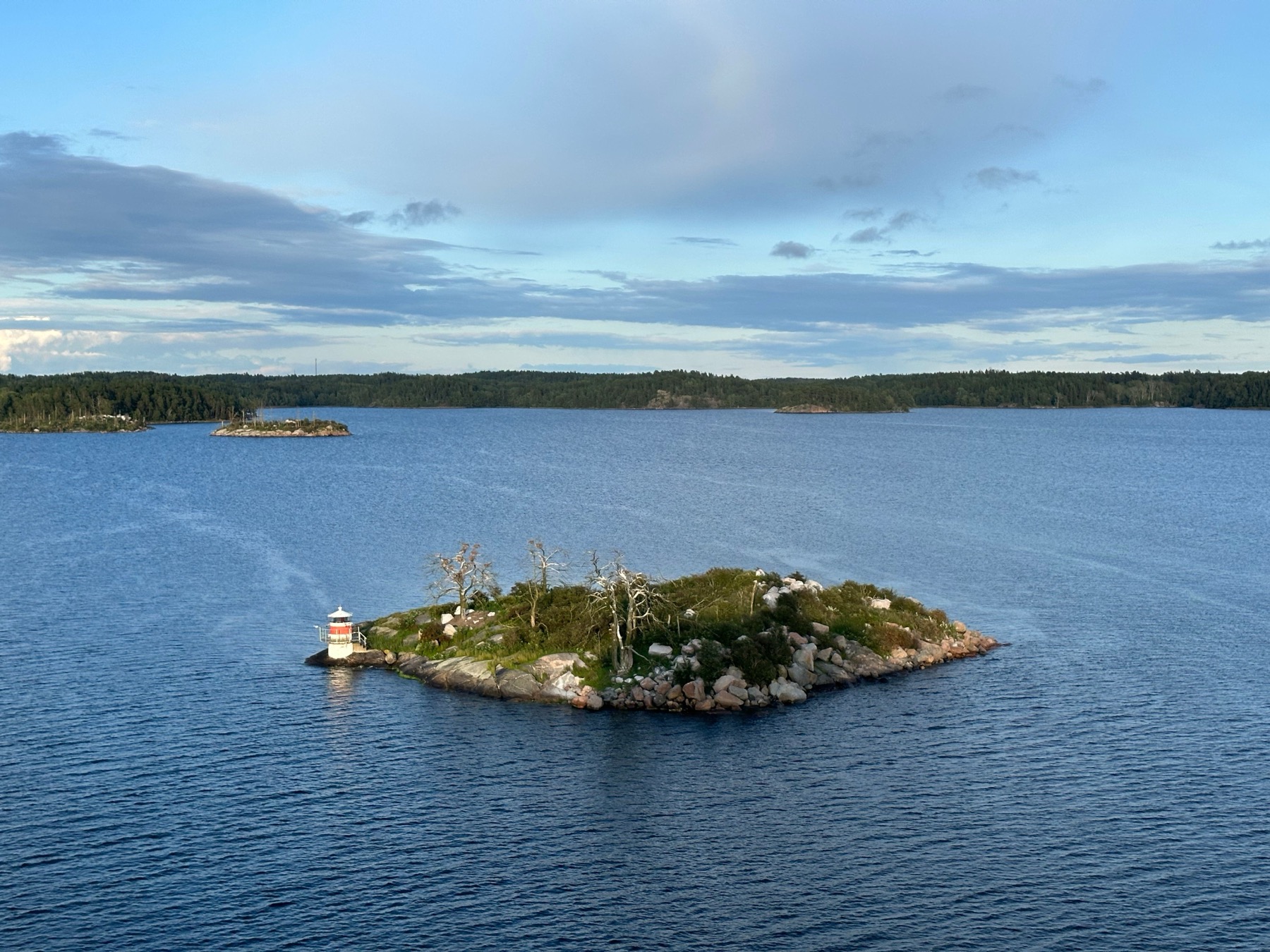
For many travellers, Grinda represents the perfect compromise between accessibility and untouched Nordic landscape. The island functions as an enormous nature reserve about an hour and a half to two hours by boat from the bustling centre. What’s truly best about Grinda, though, is that no cars run here at all, so the moment you step ashore you’re surrounded by nothing but rustling trees and birdsong.
All around you’ll see deep pine forests, green meadows with grazing cows, and a few smaller coves that tempt you to swim during the summer months. The water here tends to be surprisingly calm and warms up quickly on sunny days. At the same time you won’t go without anything, since the renowned Grinda Wärdshus inn, a small country shop, and a well-stocked sea kayak rental all operate smoothly here.
You can enjoy the perfect slow day here. Wander along the network of perfectly marked hiking trails that lead you across viewpoints all the way to secluded beaches. For lunch you can spread out your own picnic on the sun-warmed granite rocks, or head to the inn mentioned above for a hearty vegetarian soup and fresh bread. Simply the kind of day that sees you return to the boat in the evening with light legs and a head full of pine.
💡 Tip: If you’re planning a kayaking trip, I recommend arriving on the first morning boat. The rental fills up quickly in July, and the morning surface of the Baltic tends to be calmest, which complete beginners will especially appreciate.
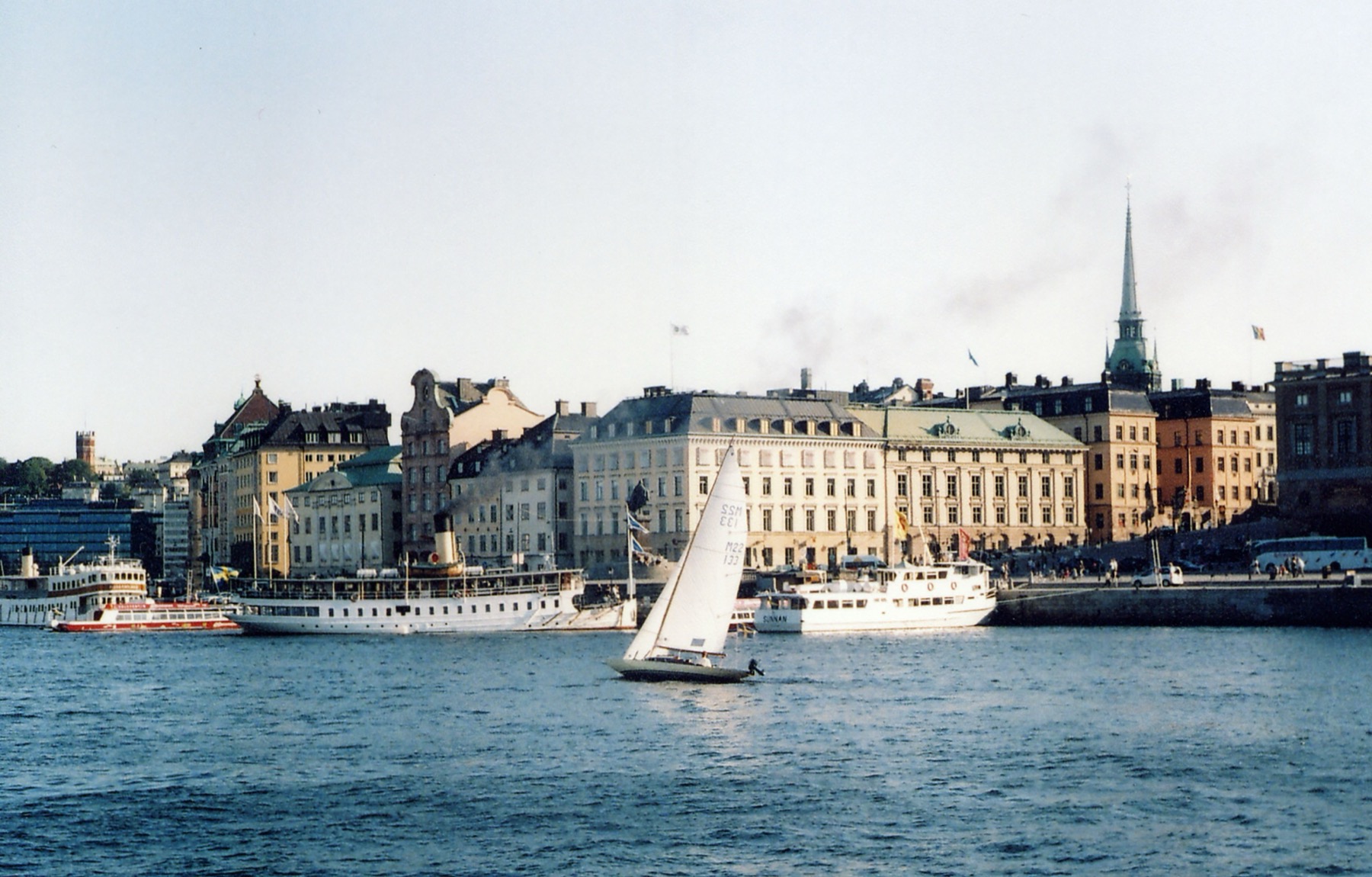
4. Sandhamn: The Sailing Scene on the Outer Edge
Sandhamn lies at the very edge of the Stockholm archipelago, right where the untamed open sea begins. The journey here takes over two hours and eats up practically the whole day, but the island is considered the absolute mecca of Swedish yachting. In summer it’s incredibly lively, music blares from the harbour bars late into the night, and the moorings burst at the seams under a flood of beautiful sailing boats from all over Europe.
Don’t be put off by the initial bustle at the pier, though. All you need to do is cross the narrow pine trails to the opposite shore of the island and you’ll discover beautiful sandy beaches lined with dunes, like the popular Trouville beach. Here you’ll feel more like you’re somewhere on the Mediterranean than in the rugged north. The sand is incredibly fine and the water refreshing.
Sandhamn serves up the most authentic experience of the rugged outer belt, where ordinary tourists from the centre often never venture at all. You can wander the sandy paths among old fishermen’s cottages, admire the luxury yachts, and breathe in the salty scent of the sea. On one street a fisherman’s cottage in pre-war paint, ten metres further along a yacht worth a million euros. That’s just what Sandhamn is like.
💡 Tip: A return ticket on the fast Cinderella boat will set you back just under 400 SEK (about €36). Since it’s a very popular destination, buy tickets for weekend crossings in July online several weeks in advance.
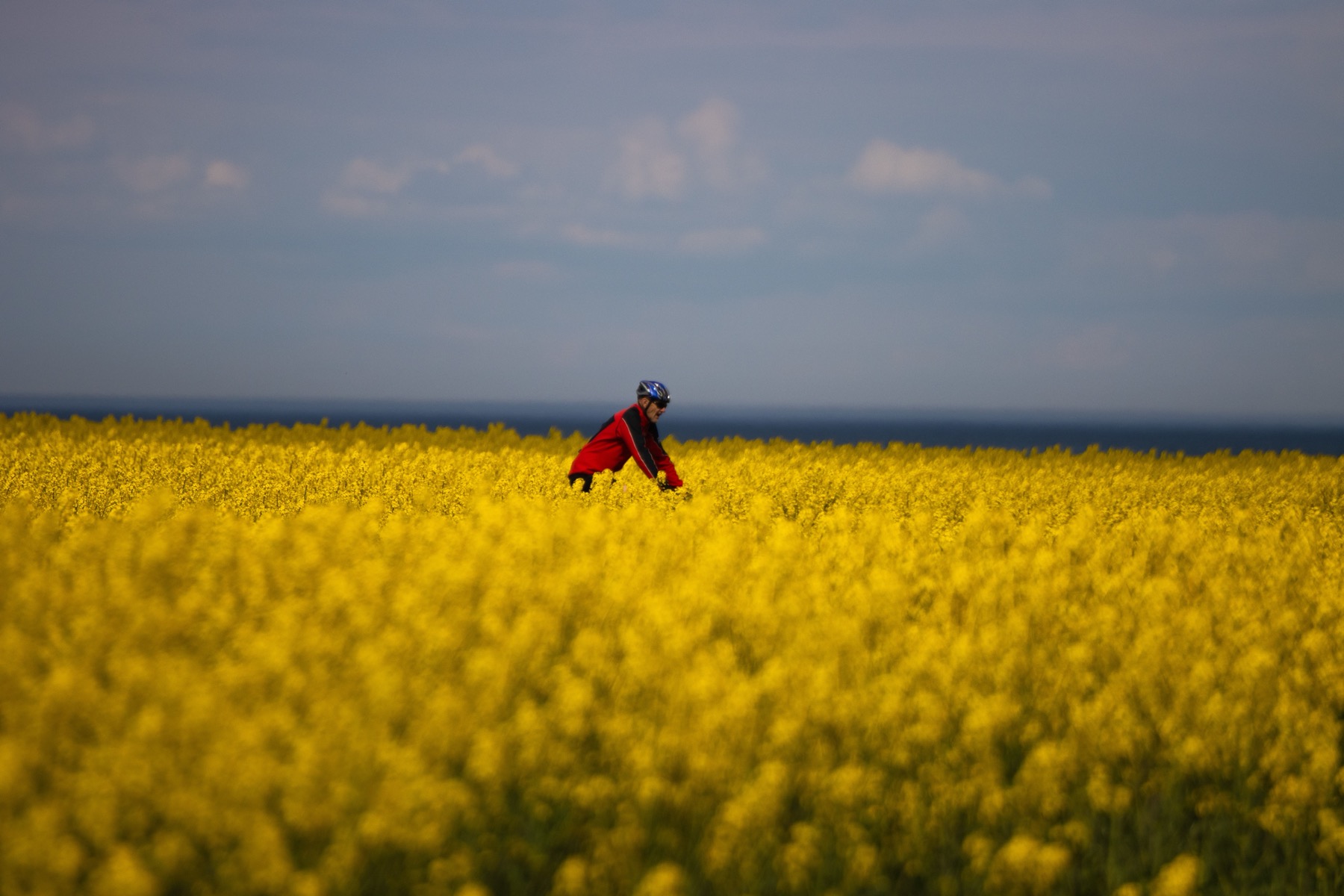
5. Utö: Cycling and Mining History in the South
While most visitors automatically head to the central or northern part of the archipelago, Utö sits proudly in the far south. It’s a fairly large piece of land with an extensive network of paved paths, so the best way to explore it is by bicycle. Luckily you don’t have to lug one along on the ferry, because a huge rental shop operates just a few steps from where you disembark at the main harbour.
The island boasts a genuinely fascinating mining history. Here you’ll find the oldest iron mines in all of Sweden, now flooded deep chasms bordered by dark rock, and high above them rises a historic windmill offering fantastic views, before you set off cycling along the coast through deep forests all the way to deserted beaches.
After a solid sporting effort you’ll definitely appreciate refuelling. In that respect, a visit to the famous local bakery Utö Bakgård is an absolute must. Their freshly baked bread and giant cardamom knots can be smelled from miles away. Utö is simply the ideal destination for more active types who can’t just lie on the beach and want to properly walk off a day on the island.
💡 Tip: If you plan to ride around the whole island, count on a route of about twenty kilometres. Renting a bike for the whole day costs roughly 250 SEK (about €23), and in high season it’s wise to book ahead.
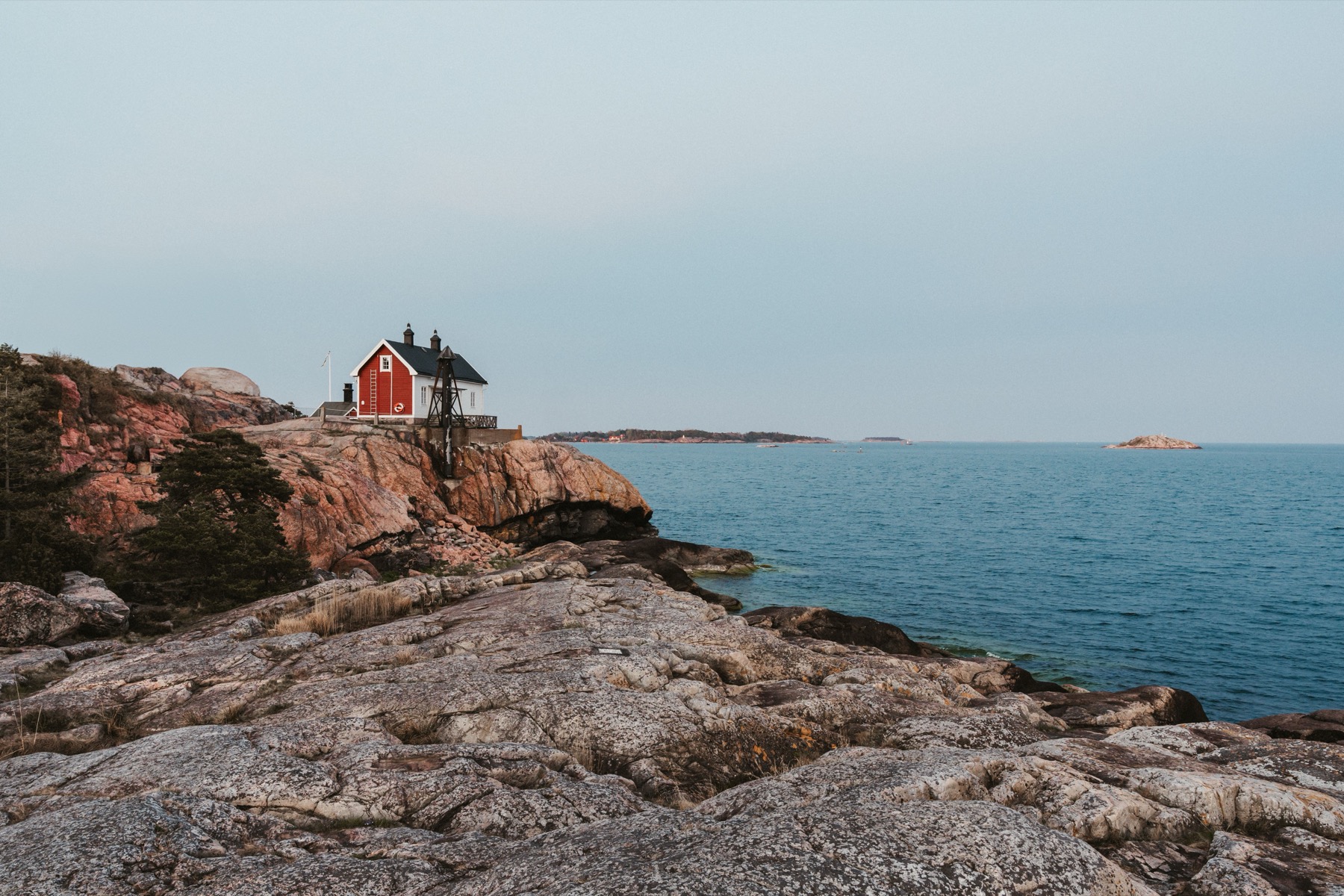
6. Möja and Finnhamn: Quieter Options for a Longer Stay
If you’re looking for a real escape from the summer crowds and have more than just one quick day to explore the archipelago, definitely turn your attention to the islands of Möja or Finnhamn. These pieces of land lie noticeably further from the city and retain a very traditional character, with original fishing villages, dirt roads, and an absolute minimum of commercial temptations.
They’re absolutely ideal places for so-called slow travel. You can rent a small wooden cabin here, spend entire days reading your favourite books on the sun-warmed granite rocks, and in the evening stroll through deep forests in utter silence. You won’t find as many lively restaurants and bars here as on, say, Sandhamn, but in return you’ll gain far more room to completely clear your head and enjoy a digital detox.
Möja is a bit larger and offers several small villages connected by a dirt road, while Finnhamn feels even more compact and intimate. Both islands force you to slow right down. You’ll cook from whatever you brought along, watch the stars in the evening, and jump into the icy sea in the morning, because why not.
💡 Tip: Given the limited number of shops, buy most of your non-perishable food and treats in Stockholm supermarkets. On the islands you’ll find only the absolute basics, and even those with a fairly hefty island markup.
7. Nämdöskärgården: The New National Park 2025/26
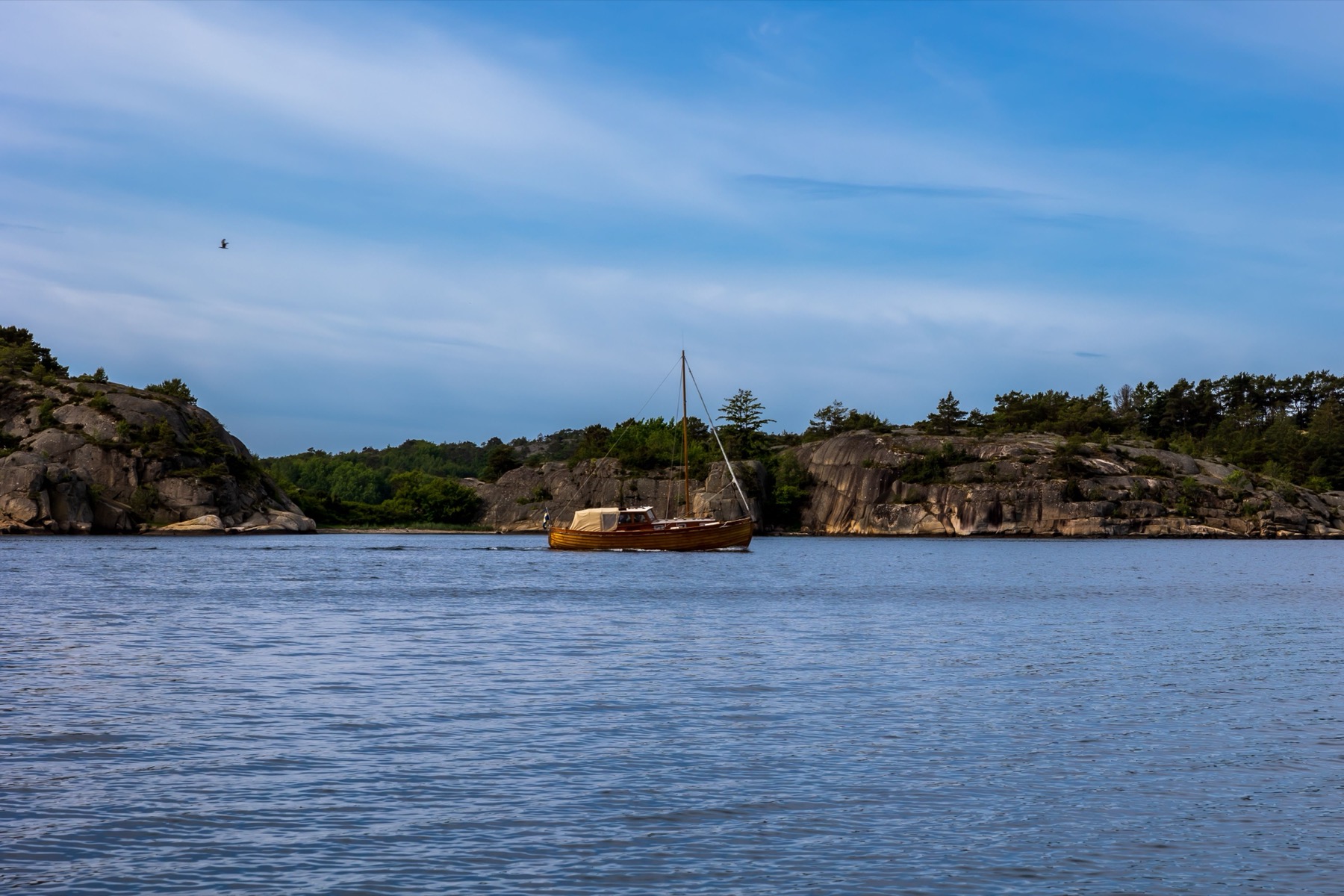
Looking for something you definitely won’t find in older printed guidebooks? Add Nämdöskärgården to your travel list, which the Swedish government ceremonially declared at the end of 2025 as a brand-new national park of Sweden. This park holds one absolute first, as it’s the very first large marine national park in the entire Baltic Sea.
It spreads across an enormous expanse of water and includes over thirteen hundred uninhabited islands, islets, and bare skerries. That makes it a true paradise for kayakers, birdwatchers, and lovers of absolute silence. You can paddle for hours through shallow coves, watch sea eagles, and enjoy a feeling of complete isolation from the outside world. The nature here remains rugged and perfectly untouched.
Unlike many famous national parks in southern Europe or America, don’t expect any booking systems or turnstiles here. Entry to the national park remains completely free, and you really only pay for the boat transport to the starting point. You simply show up, pay for the boat ticket, and nature is yours. No turnstiles, no entry reservations, no queues.
💡 Tip: Much stricter camping rules apply in the national park than in the rest of the archipelago. You can pitch a tent only in designated spots, and lighting fires outside official fire pits is prohibited under strict penalty.
8. How to Get to the Islands: Boat Logistics
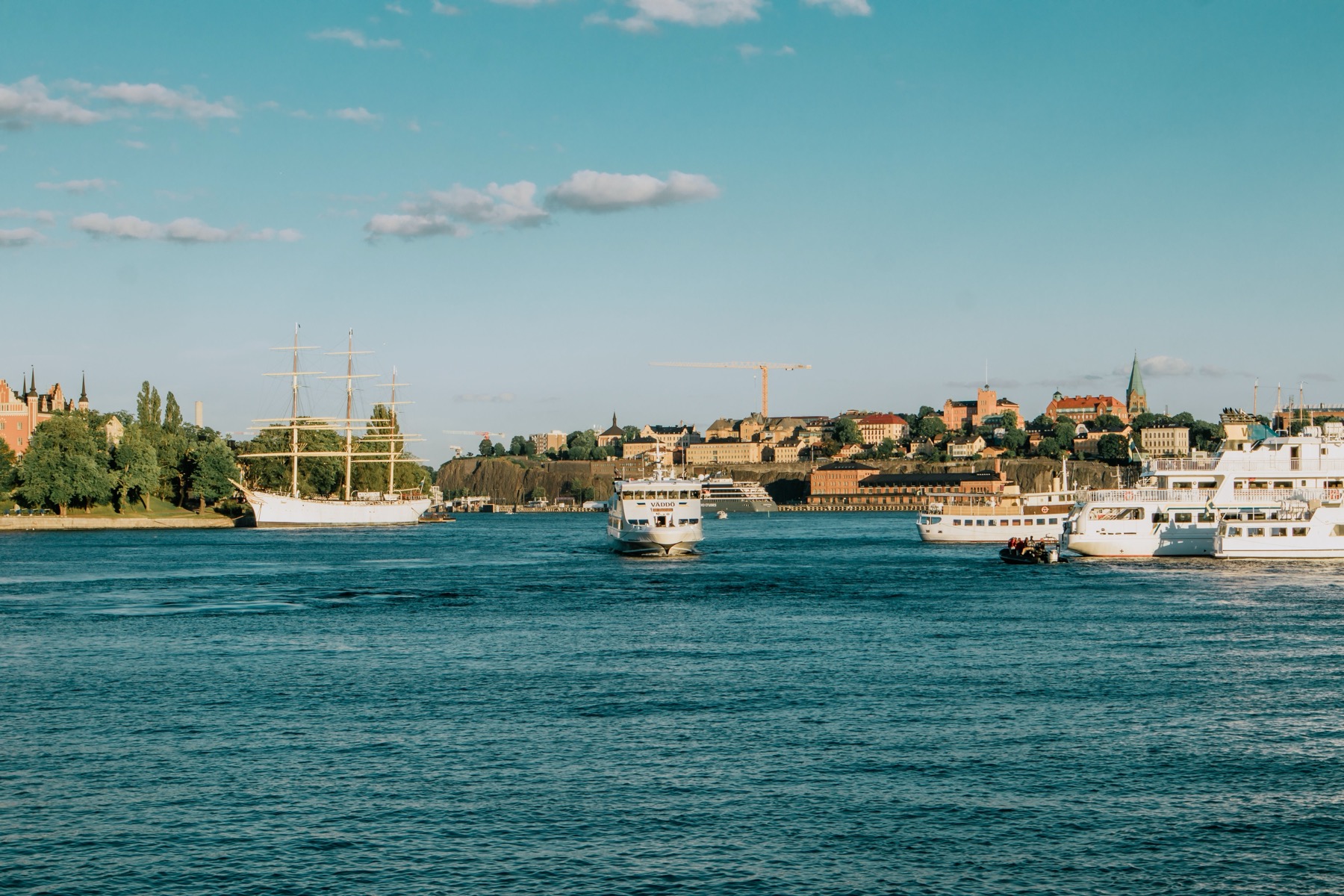
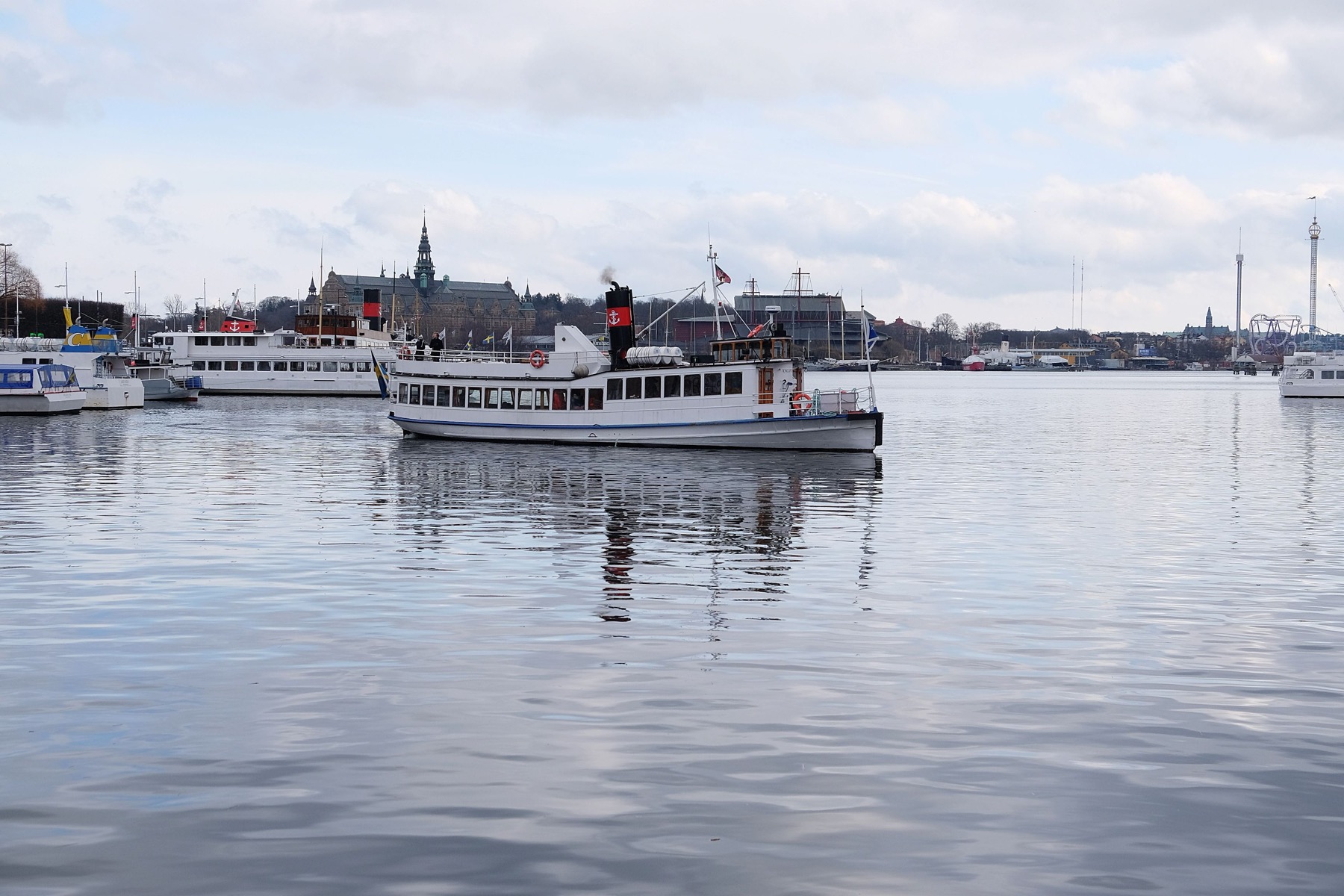
Getting around the vast archipelago is a wonderful experience in itself, but it requires a bit of careful planning and reading of timetables. The backbone of public transport is formed by the classic white boats of Waxholmsbolaget, which run absolutely reliably all year round and patiently connect even the most remote corners of the archipelago with civilisation. The journey on them is slower, but incredibly romantic.
A brisker and considerably more modern alternative is offered by the fast Cinderellabåtarna boats. You pay a little extra for them, but their powerful engines save you plenty of precious time on the way to the most distant islands, like Sandhamn. Whereas the classic boat trundles along for over two hours, the Cinderella covers the distance much faster, giving you more time to explore your destination.
Whether you choose slow romance or modern speed, remember one absolutely crucial rule of island life. Always double-check the departure time of the last boat back to Stockholm. If you miss it, private water taxis will cost you a fortune, and finding overnight accommodation on the island without a prior reservation in July is practically impossible.
💡 Tip: In the summer season, always book tickets for the Cinderella boats well in advance online. For the slower Waxholmsbolaget boats it’s enough to be at the harbour on time, since tickets are normally bought right on board after you get on.
9. Boat Ticket Prices and 2026 Subsidies
If you’re planning more than one island trip and want to explore the archipelago from every angle, definitely consider buying the special island pass called Båtluffarkort. It allows unlimited rides for either five or thirty days. For 2026, though, there’s one much more interesting financial development that foreign tourists don’t yet know much about.
The Swedish government has decided to massively subsidise public transport, and thanks to this the thirty-day SL pass has dropped to an incredible 530 SEK (roughly €48). Regular one-off Waxholmsbolaget boat tickets, meanwhile, range from 60 to 170 SEK per trip depending on distance, so if you spend a week in Stockholm and use both public transport and boats, the subsidised monthly pass pays for itself very quickly.
City SL tickets are also commonly valid on suburban boats close to the centre (for example, the very popular line 80). Their integration with the longer Waxholmsbolaget routes, however, often changes with the current season. In winter, your city pass will take you deeper into the archipelago, whereas in summer different rules apply.
💡 Tip: Always check in advance, either in the official SL mobile app or directly with staff at the harbour, exactly how far your cheap city pass will take you for free, to avoid the unpleasant surprise of having to top up on board.
10. When to Go: The Seasonality of a Swedish Summer
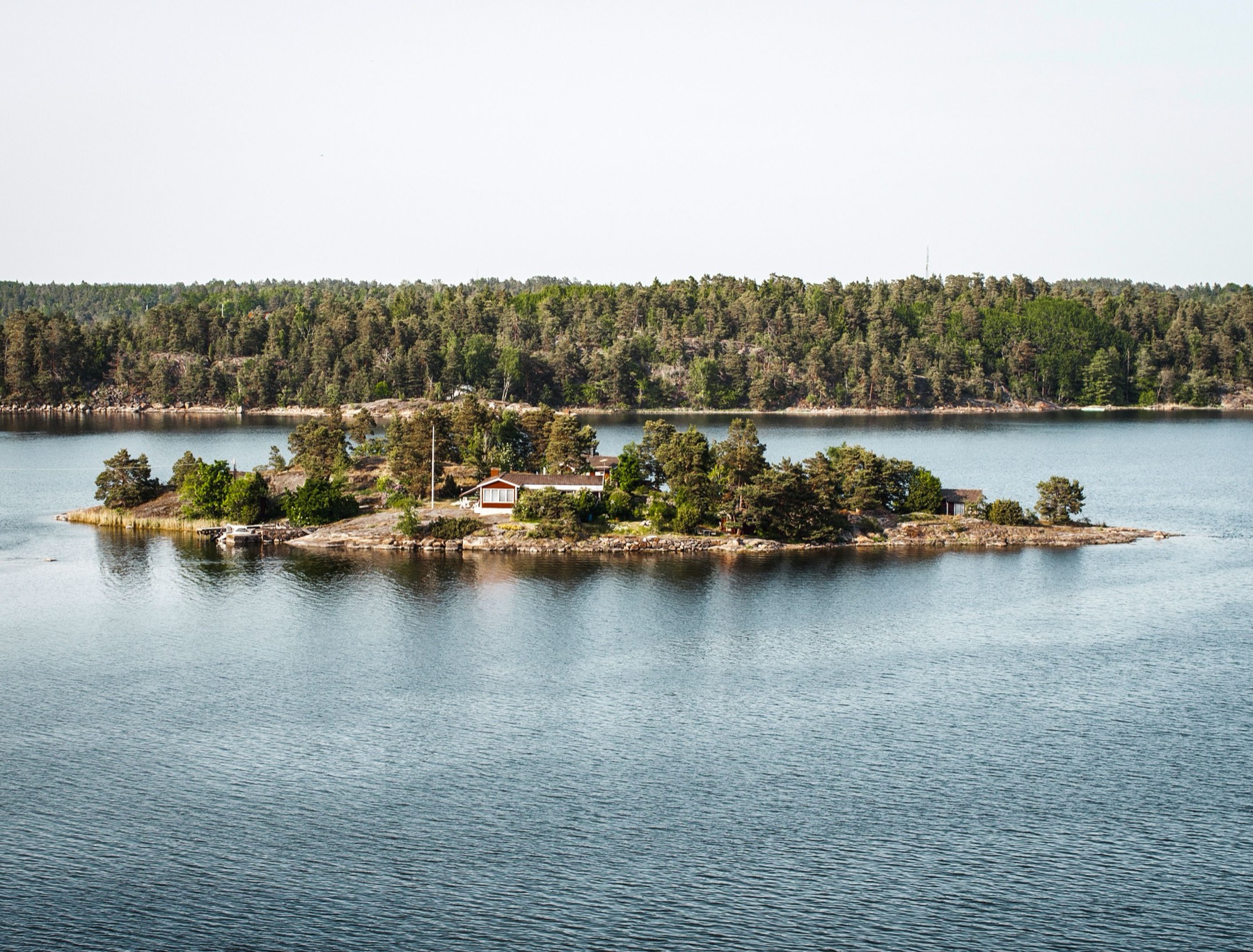
Sweden has two completely different faces, and the archipelago shows this in full. July is the month of the so-called Industrisemester, when all of Sweden takes a month-long holiday en masse. During this period the islands burst at the seams, every summer café runs at full throttle, and the sea reaches its warmest temperatures. It’s incredibly lively, but you sometimes simply won’t get a seat on the ferries.
If you’re after that longed-for Nordic calm, I recommend heading out in June or, ideally, sometime in September. In September the island landscape turns a gorgeous golden hue, the excursion boats are suddenly half empty, and best of all, the pesky insects vanish from the air entirely. Tiny midges called knott can be quite annoying in midsummer in marshy areas, though it’s not as bad by the sea as it is in the north of the country.
A winter visit is reserved only for real travel connoisseurs. The Baltic Sea around the islands often freezes over and excursion boats run only in a very limited mode to supply the permanent residents. But if you dress well, you’ll be treated to a rugged, silent, and visually stunning experience full of ice floes and deep blue skies.
💡 Tip: If you’re travelling in high season (July and August), pack a quality repellent with a high DEET content, which reliably works against the local mosquitoes, and long-sleeved clothing for evening walks.
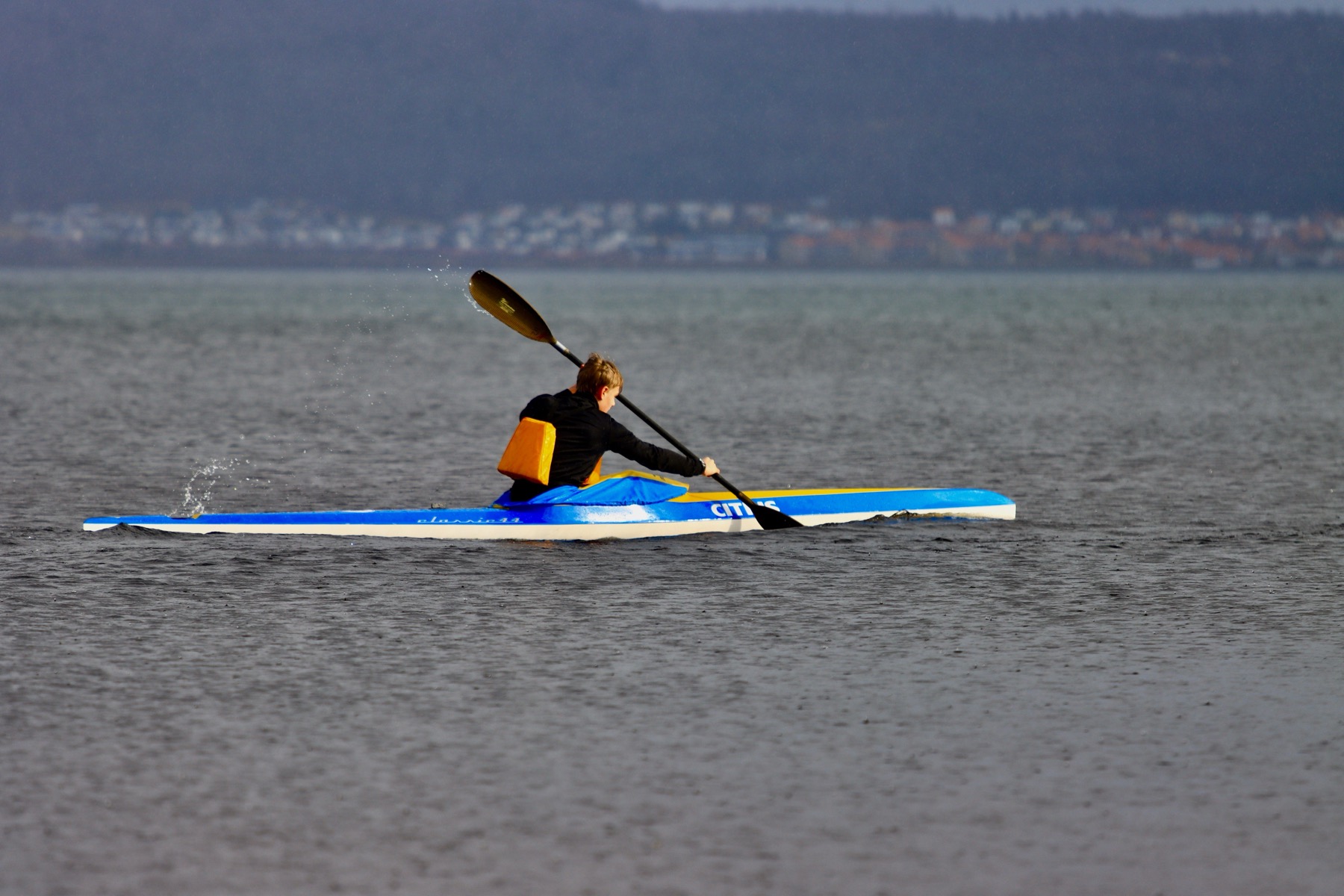
11. Kayaking the Archipelago: The Best Point of View
The view of the islands from a ferry’s upper deck is nice, but only from the surface of a kayak does it truly hit you just how enormous those rocks are and how small you are. Thanks to the wall of outer islands, the water here is usually very calm and sheltered from the big waves of the open sea, so even complete beginners who have never sat in a boat before can take up paddling without much worry.
If you don’t dare set off on your own, use the local rentals in Vaxholm or right in central Stockholm, where you can pay for a safe full-day trip with a local guide. Modern double kayaks are extremely stable, and experienced instructors will take you into beautiful shallow coves that big motorboats can never reach because of their draught.
For more experienced paddlers, local operators offer multi-day expeditions. You get an equipped kayak, a map, a tent, and set off on your own to discover uninhabited islets. You sleep under the open sky, cook on a gas stove, and wash off the salt with a swim in the sea in the evening. It’s by far the most adventurous way to experience the archipelago.
💡 Tip: Even if you’re only going on a half-day trip, always ask the rental for a waterproof dry bag for your phone, documents, and dry clothes. The weather on the Baltic can change quickly, and an unexpected wave from a passing boat can easily catch you off guard.
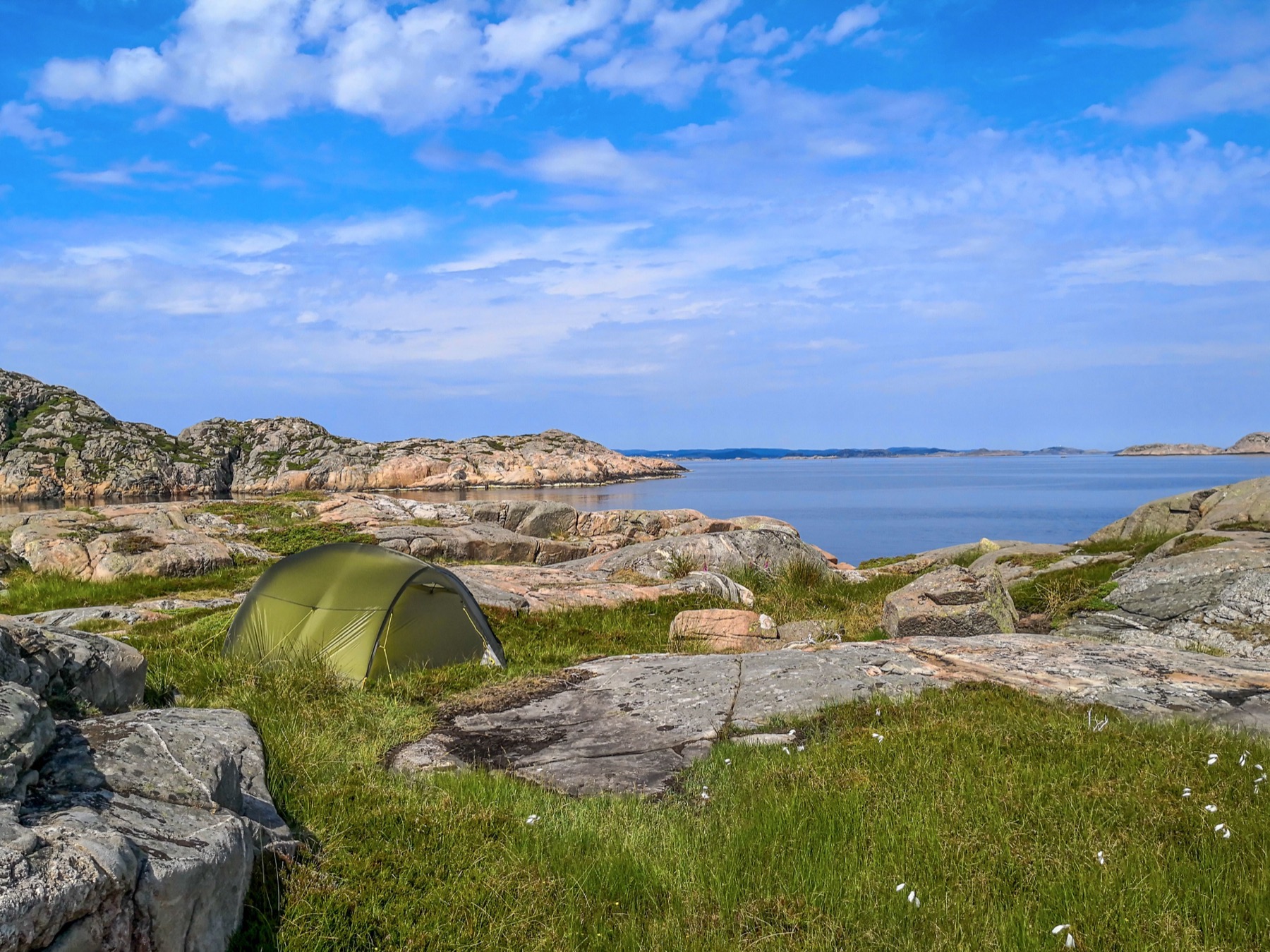

12. Camping and the Rules of Allemansrätten
The Swedish right of public access to nature, known as allemansrätten, allows you to pitch a tent for one to two nights practically anywhere in the wild. In the archipelago, though, this comes with some very strict specifics you must respect, because many islands are privately owned and hold the beloved summer cottages of local residents.
The basic principle is crystal clear: you mustn’t disturb residents and you must keep a respectful distance. There’s a rule called the hemfridszon (private zone). If you see a house, a jetty with a boat, or a maintained lawn on an islet, it’s better to go a good deal further and look for purely rocky, uninhabited skerries where you won’t be in anyone’s sight.
Swedes also love being outdoors so much that they’ve built wooden shelters called vindskydd all over the country. They’re free, often with a fire pit and a supply of dry wood nearby, but in national parks and bird reserves always check the information signs, because free camping tends to be restricted to designated spots only.
💡 Tip: If you plan to camp on deserted rocks, get a free-standing (dome) tent. You simply can’t hammer classic tent pegs into hard granite rock, and you’d have to improvise by tying it to heavy stones.
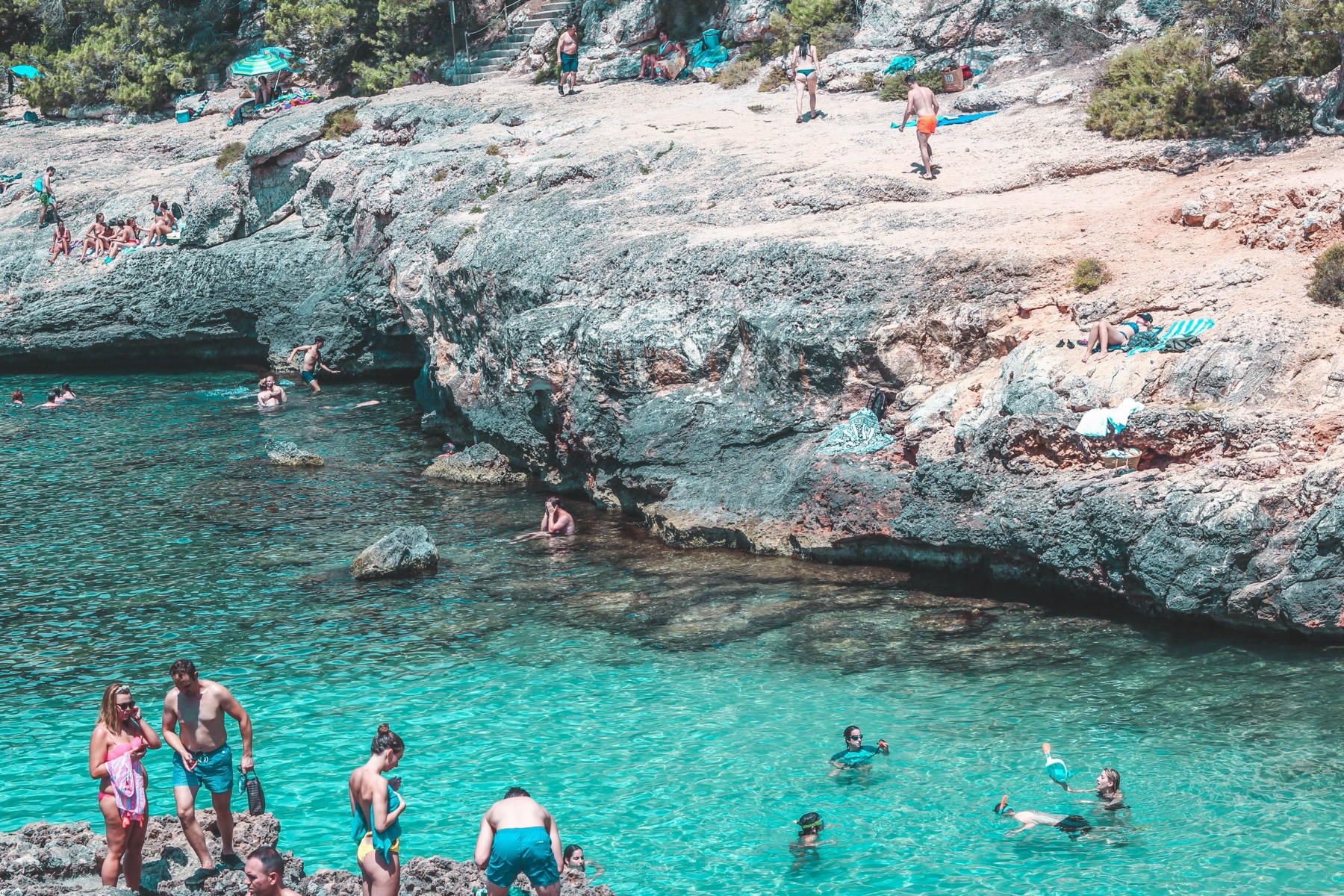
13. Swimming and Water Temperature in the Baltic Sea
When you say Sweden, few people picture a classic beach holiday, but the Nordic summer months here can be unexpectedly hot. In the sheltered shallow coves of the archipelago, the water commonly warms to 18–20 degrees in July and August, which after a full day of trekking or paddling in the sun makes for an absolutely perfect and much-wanted refreshment.
The most beautiful sandy beaches with fine white sand are found on the outer island of Sandhamn, but on most other islands smooth granite cliffs prevail, worn into perfect shapes by glaciers over millennia. From these very rocks you dive straight into the deep, dark blue water. There’s nothing better than stretching out on a sun-heated rock after a swim and letting the Nordic sun dry you off.
At many public bathing spots on the larger islands (for example on Grinda or Utö), you’ll also find simple wooden changing huts and sometimes pontoons from which you can comfortably climb down into the sea. Swimming in the Baltic is very pleasant thanks to the much lower salinity, and you won’t feel the need to immediately rinse off with fresh water.
💡 Tip: Be sure to pack a good pair of water shoes. In some places the rocks below the surface can be treacherously slippery or densely covered in sharp mussels that can easily slice your foot open.

14. Food, Fika, and the Tricky Swish App
Local island eateries traditionally build their menus around local fish and giant open sandwiches loaded with shrimp, mayonnaise, and eggs, called räksmörgås in Swedish, a true national treasure. But if you prefer meat-free food, I definitely recommend trying the excellent Swedish bakeries, where you can indulge in the traditional ritual of fika with a cardamom bun, or ordering the rich vegetarian salad buffets at restaurants, which are often included in the lunch menu price.
Be prepared, though, for one big technological trap that catches out plenty of tourists. Sweden is an almost entirely cashless society, and small vendors selling beer, ice cream, or roadside strawberries often accept only the local Swish app. As a tourist without a Swedish bank account and personal number, you simply can’t get this payment platform.
So it can easily happen that you have a full wallet, a working payment card, but you just can’t buy that ice cream at a small stall because they don’t have a proper terminal. That’s why you should always keep a solid backup of cash in small notes just in case, because sometimes the vendor takes pity on you and accepts cash after all.
💡 Tip: If you plan to rent a cottage and are looking forward to an evening barbecue with a bottle of wine, stock up on alcohol (over 3.5%) back in central Stockholm at the state-run Systembolaget stores. These shops are strictly closed from 3 p.m. on Saturdays and all day Sunday, and you obviously won’t find them on the small islands at all.
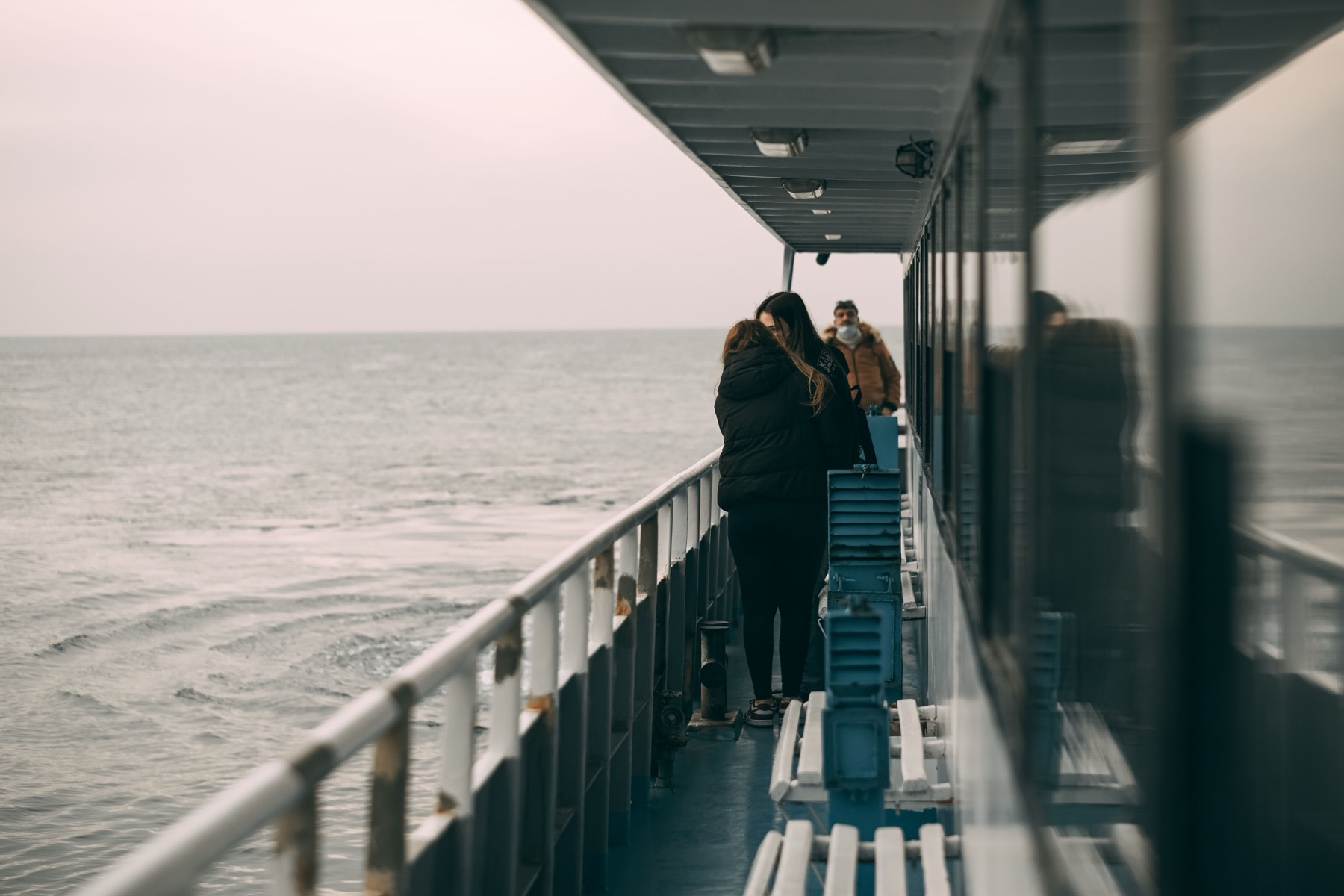
Boat Transport: How to Get to the Islands
The foundation of a successful trip is understanding how the local fleets actually work. The Stockholm archipelago is served by two main boat companies, each suited to a slightly different type of journey. The backbone of the whole network is Waxholmsbolaget. Their typical white boats with a blue stripe crisscross the sea year-round and will get you even to the most remote little islands. The fleet ranges from historic steamers to modern ferries, but generally speaking, sailing with them is an experience in itself, slower and stopping at many small piers.
If you’re short on time and want to reach the outer islands (like Sandhamn or Möja), it’s better to choose the Cinderella Båtarna boats (operated by Strömma). These are elegant, fast catamarans that easily halve the distances. Tickets for them are more expensive, the state subsidy doesn’t apply, and in the summer season you must absolutely reserve your spot online in advance, because they tend to be hopelessly sold out.
Most boats depart from the very centre of Stockholm, specifically from two main quays: Strömkajen (directly opposite the Royal Palace) and Nybroplan (a short walk from the Östermalm market hall). For the shortest trips, for example to the Fjäderholmarna islands, boats often depart from the Slussen terminal.
And now one thing that surprises a lot of people: a regular SL ticket is also valid on some suburban boat lines, the most popular of which is line number 80. It takes you to the inner edge of the archipelago and works essentially like a water bus. The integration of SL tickets with the longer Waxholmsbolaget routes changes with the season, so it’s always best to ask the staff when boarding. On Waxholmsbolaget boats you can usually bring your bicycle along for a small fee, just let the crew know when boarding so they can help you stow it safely on board.
Which Island to Choose Based on Your Time
So that you don’t drown in that flood of thousands of islands the moment you start planning, I’ve sorted the best destinations by how much time you can devote to them.
Scenario 1: I only have a free afternoon (half-day trip) If you only have a weekend in Stockholm and don’t want to spend hours on a boat, your one and best choice is the Fjäderholmarna islands. The crossing takes just under half an hour and a return ticket costs around 175 SEK (about €16). On the island you can browse the craft workshops, enjoy a great coffee with a sea view, and be comfortably back in the city centre for dinner within three hours.
Scenario 2: I have a whole day (the full-day classic) Here your decision depends on who you’re travelling with. For families with children or history lovers, Vaxholm is absolutely ideal. The crossing takes an hour, the ticket is cheap, and the fortress will keep you busy for the whole morning. If you’re travelling as a couple and are looking more for nature, forests, and a possible swim in the coves, hop on a boat and head out just under two hours to the island of Grinda. The local inn and quiet hiking trails will conjure up the perfect escape from reality.
Scenario 3: I want to stay one night If you have time set aside for an overnight stay, take the fast Cinderella boat to Sandhamn. The crossing takes about two hours and the ticket costs 400 SEK (about €36). During the day you’ll enjoy the beautiful sandy beaches, and in the evening, once all the day trippers have sailed off, you’ll soak up the true atmosphere of a luxurious sailing village. Book your accommodation up to half a year ahead, though, as capacity is severely limited.
Scenario 4: I have a whole weekend or more For a multi-day stay it’s worth venturing deeper. Focus south on the island of Utö, where you can rent bikes right at the harbour and explore the old iron mines and stunning coastline. If you’re after absolute wilderness and silence, buy a ticket to the new Nämdöskärgården national park. There you can rent a kayak and spend your days paddling through the enormous labyrinth of uninhabited rocks.
Where to Stay on the Islands
💡 Accommodation and experiences tip: We prefer to look for accommodation on Booking.com, which tends to have the best cancellation terms. For tickets, tours, and activities, it’s worth comparing and booking through GetYourGuide.
Accommodation capacity is very limited, though, and in the summer months you should only leave your booking until the last minute if you enjoy gambling. If you decide not to stop at just a day trip, a fantastic experience of evening silence awaits you the moment the last boat to Stockholm sails away.
- Swedish Tourist Association (STF) hostels: An absolutely great and affordable alternative is the STF hostels, such as the highly rated STF Utö Vandrarhem. These hostels have nothing to do with cheap party dorms. They offer very clean, simply furnished rooms, shared fully equipped kitchens (where you can comfortably cook your own meals), and a fantastic community atmosphere. A bed usually costs around 600 to 800 SEK (€55–75).
- Classic island inns: If you’re after more comfort, romance, and don’t want to bother with cooking, a great choice is the renowned Grinda Wärdshus. It’s a beautiful traditional building with an excellent restaurant, surrounded by nothing but forests and water. A double room here starts at around 1,800 SEK (about €165) per night depending on the season.
- Sailing luxury at the edge of the sea: For lovers of a livelier scene and maximum comfort, the iconic Sandhamn Seglarhotell awaits on the outer edge. It functions as the social hub of the whole island. It offers a lovely spa, pools, and views right over the harbour full of luxury sailing boats. Prices here commonly exceed 2,500 SEK (€230) per night, though, and it tends to be fully booked in summer.
- Renting a traditional cottage: Want to live the real slow-living dream and feel like a local for a while? Through popular Swedish platforms like Stugknuten, you can rent a classic red cottage right by the water from private owners. Often a small boat comes included in the price, and a weekly rental can work out better value for a family than several nights in a standard hotel.
Where to Eat on the Islands
Swedish island cuisine is an experience in itself. The salty air reliably wakes up your appetite, and even though plenty of day trippers bring their own picnic snacks, it would be a huge shame not to try at least a few local spots. Fish takes centre stage here, but with the growing popularity of meat-free eating, the islands have adapted fantastically, so vegetarians will find plenty to enjoy too.
If you head to Grinda, I recommend visiting the famous Grinda Wärdshus inn, one of the best in the whole archipelago. It offers a great seasonal menu and views right over the water. On the island of Utö, you must try the beloved Utö Bakgård bakery. Their fresh cardamom knots are an absolute must after a full-day cycling trip. And if you’re only heading to the nearest Fjäderholmarna, drop anchor at the local Fjäderholmarnas Bryggeri brewery, where you can taste local craft beers.
Practical Summary and Rough Prices
When planning your budget, keep a simple rule in mind: ten Swedish kronor works out to roughly €0.90, so you can quickly estimate your costs in euros. Here’s an overview of the most important items for 2026:
- Subsidised monthly SL pass: 530 SEK (about €48)
- Single SL ticket (75 minutes): 42 SEK (about €4)
- Waxholmsbolaget boat ticket: from 60 to 170 SEK depending on distance
- Lunch menu (dagens rätt): 120 to 150 SEK (about €11–14)
- Coffee and a cinnamon bun (fika): 65 to 100 SEK (about €6–9)
- Beer in an island restaurant: 70 to 95 SEK (about €6–9)
- Beer from a Systembolaget store: 18 to 35 SEK (about €2–3)
💡 Important alcohol warning: If you’re planning an evening at the cottage, stock up back in Stockholm. Alcohol over 3.5% is sold exclusively at the state-run Systembolaget stores, which close on the dot at 3 p.m. on Saturdays and don’t open at all on Sundays. On the small islands themselves you obviously won’t find these stores at all.
Where to Go Next
- Stockholm: 25 Tips on What to See and Do
- Where to Stay in Stockholm: Neighbourhoods and Hotels
- Sweden: 30 Tips on What to See and Do
- When to Visit Sweden: Weather Month by Month
- Prices in Sweden: How Much a Holiday Costs
Frequently Asked Questions
The archipelago is enormous, and planning a trip can raise plenty of questions at first. Especially when it comes to transport or Nordic rules, it’s good to be clear on things before you board the boat.
So I’ve put together answers to the most common questions I get about island trips, so you can set off completely stress-free.
Which island should I choose for a day trip?
If you have limited time and want a quick escape from the city, head to the Fjäderholmarna islets, where the boat ride takes just 25 minutes. If you’re traveling with family and want to see a historic fortress and streets full of cafés, choose Vaxholm. For nature lovers and hiking enthusiasts, Grinda is absolutely ideal—it’s less than two hours by boat and offers beautiful car-free forests.
How do I get to the islands and how much does a ticket cost?
The most common way is by Waxholmsbolaget’s public white ferries, where you can buy your ticket directly on board or via the mobile app. Prices range from 60 to 170 SEK depending on distance. Cinderella Båtarna express boats are considerably more expensive and must be booked in advance, but they save you a lot of time when traveling to distant islands like Sandhamn.
Can I use my regular Stockholm public transport ticket on the boats?
On some suburban routes (for example the very popular line 80) your standard SL ticket or subsidized monthly pass is valid. However, integration with longer Waxholmsbolaget routes changes by season. In winter, passes often cover deeper into the archipelago than during the busy summer, so always check this in the SL app before boarding.
When is the best time to visit the archipelago?
High season runs in July and August, when the water is warmest and absolutely all cafés and restaurants are open, but you should expect large crowds of vacationing Swedes. For a quieter experience and kayaking trips, I recommend visiting in June or ideally September, when the annoying insects are gone and the autumn light is stunning.
Can you swim in the Baltic Sea around the islands?
Yes, in sheltered shallow bays the water commonly warms up to a refreshing 18 to 20 degrees Celsius during July and August. The best sandy beaches with fine sand can be found on Sandhamn island. In most other places you’ll be swimming from smooth granite rocks, so it’s definitely worth packing water shoes.
Can I pitch a tent freely on the islands?
Thanks to the Swedish right of allemansrätten, you can pitch a small tent for one to two nights practically anywhere in nature, as long as you’re not on private property or within sight of residential homes. However, in national parks (such as the new Nämdöskärgården) and bird reserves, stricter local restrictions apply and camping is only allowed in designated areas.
Why won’t they accept cash on the islands?
Sweden is an almost completely cashless society and small vendors (such as ice cream stands or farmers) often use only the local payment app Swish. Unfortunately, as tourists without a Swedish bank account, you won’t be able to get it. So it’s good to always have at least a small supply of coins and banknotes with you just in case.
Tips and Tricks for Your Vacation
Don’t Overpay for Flights
Search for flights on Kayak. It’s our favorite search engine because it scans the websites of all airlines and always finds the cheapest connection.
Book Your Accommodation Smartly
The best experiences we’ve had when looking for accommodation (from Alaska to Morocco) are with Booking.com, where hotels, apartments, and entire houses are usually the cheapest and most widely available.
Don’t Forget Travel Insurance
Good travel insurance will protect you against illness, accidents, theft, or flight cancellations. We’ve had a few hospital visits abroad, so we know how important it is to have proper insurance arranged.
Where we insure ourselves: SafetyWing (best for everyone) and TrueTraveller (for extra-long trips).
Why don’t we recommend any Czech insurance company? Because they have too many restrictions. They set limits on the number of days abroad, travel insurance via a credit card often requires you to pay medical expenses only with that card, and they frequently limit the number of returns to the Czech Republic.
Find the Best Experiences
Get Your Guide is a huge online marketplace where you can book guided walks, trips, skip-the-line tickets, tours, and much more. We always find some extra fun there!