

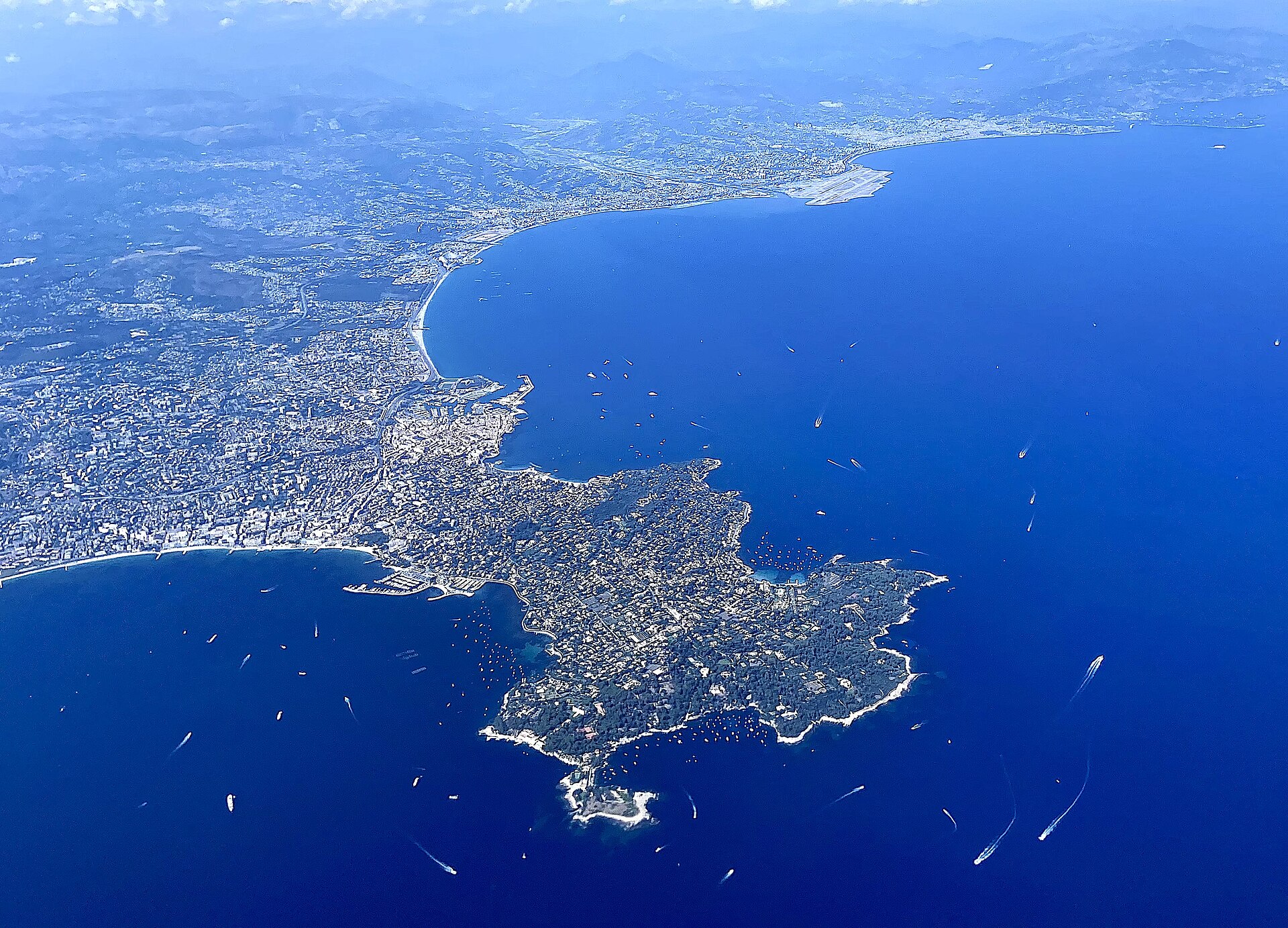
If you’re dreaming of a southern France road trip and want to live out the full Mediterranean fantasy, let me warn you right from the start: this place is an absolute paradise on earth — one that will completely consume you, but also demands some serious planning if you don’t want to spend half your holiday stuck in traffic. The sun hammers down with incredible intensity, the air smells of pine resin and lavender, and the whole thing is set to the soundtrack of relentless cicada chatter, which is simply inseparable from the Provençal experience.
The most common mistake people make when planning a French road trip is trying to cram absolutely everything into a single short week. France is a vast country, and if you attempt to combine lavender fields with Atlantic beaches out west, you’ll end up stressed at the wheel and haemorrhaging money on expensive motorway tolls. That’s why I’ve put together a well-thought-out, logistically sensible loop that takes you from the glamorous Côte d’Azur through dramatic canyons and into the picturesque hilltop villages of the Luberon.
In this article you’ll find a complete guide to your southern France road trip, steering you safely through the region’s most beautiful spots. I’ll share how to outsmart the notoriously tricky Riviera traffic, exactly when to time your visit for blooming lavender, and where to base yourself strategically so you can enjoy the whole journey in peace — well away from the tourist hordes.
TL;DR
- Total route distance: Roughly 600 to 800 kilometres, depending on how many detours into hilltop villages you take.
- Best time to go: May, June and September offer the most pleasant conditions — you’ll avoid extreme summer heat and overcrowded roads.
- Getting around the Riviera: Don’t bother driving around Nice and Cannes — regional TER trains are far quicker and spare you the parking nightmare.
- Lavender in bloom: If lavender fields are your main goal, you need to visit in late June or the first two weeks of July.
- Low-emission zones: Larger cities like Marseille require the Crit’Air eco-sticker — drive in without one and you’re looking at a hefty fine.
- Book in advance: To visit the Sugiton cove in the Calanques National Park in summer, you’ll need a free timed-entry reservation with a QR code.
- Top food tip: Lunch in France is served strictly between noon and 2 pm — miss that window and you’ll go hungry until dinner.
When to Go
Picking the right time to visit is absolutely crucial for a southern France holiday, because poor timing can genuinely put a dampener on the whole trip. The sweet spot is May, June and September, when temperatures are wonderfully comfortable and the sea is already warm enough for swimming. In these months you’ll enjoy quieter attractions and accommodation that’s noticeably cheaper than during the peak summer rush.
If you possibly can, steer clear of July and August — the south of France takes an absolute battering from tourists and locals alike at this time of year. Temperatures can easily nudge 43°C, stone cities radiate heat well past midnight, and the motorways turn into car parks. The French take their annual holiday en masse in August, meaning the entire country descends on the coast at once. Around the changeover weekends in late July and early August, major routes come to a complete standstill.
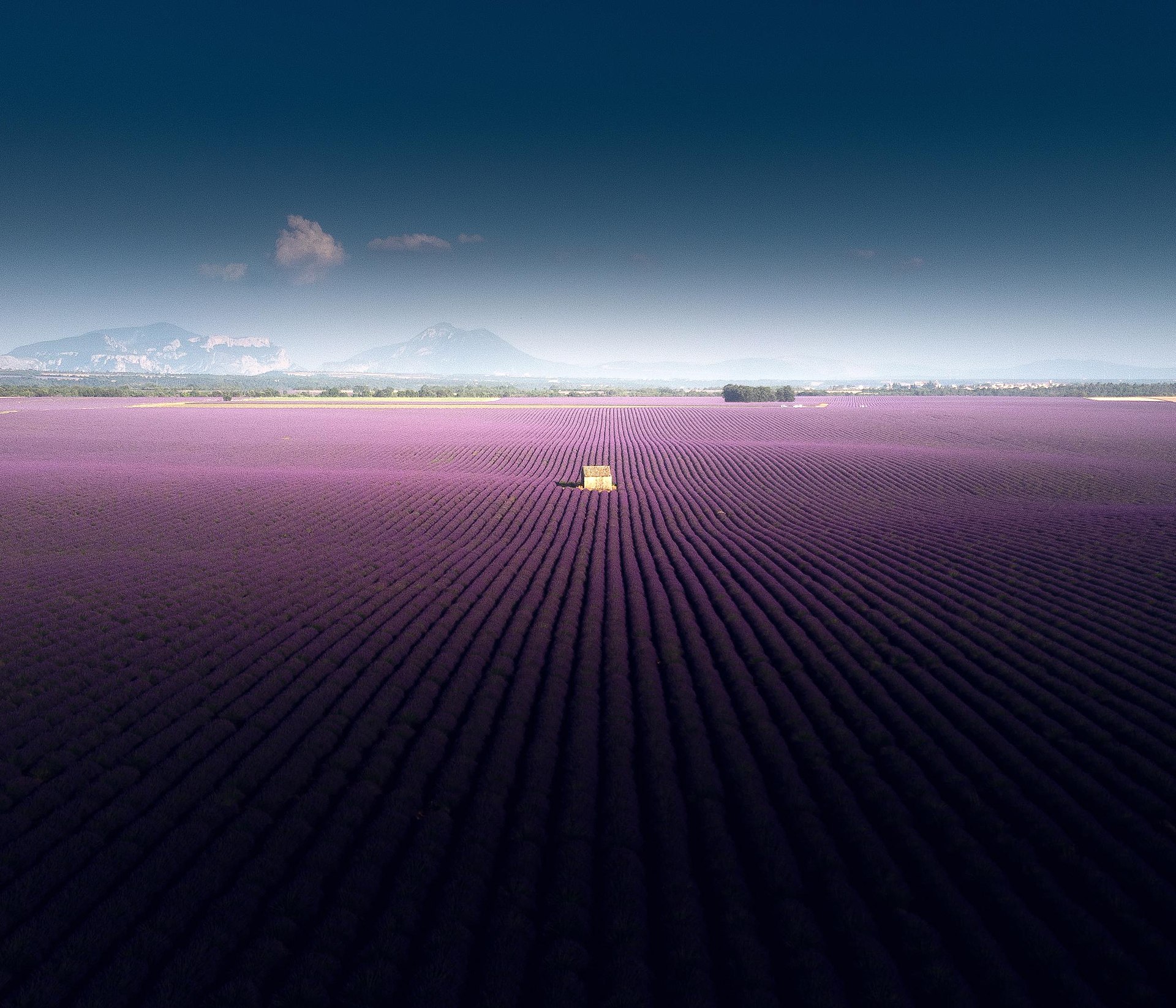
A special case entirely is the lavender season, which draws photographers from across the world to Provence. If that’s your main draw, you need to be there in the last week of June or the first two weeks of July, when the famous Valensole plateau reaches its peak bloom. Travel in August and your only real option is the higher-altitude village of Sault, where true lavender lingers in colour a little longer thanks to the elevation.
Do also watch out for the various lavender festivals, which can catch you off guard. The well-known event in Valensole is always held on the third Sunday of July, which sounds perfect — but it’s often more of a harvest celebration. You may well turn up to find the fields already cut, pick up plenty of soaps and essential oils, but never get that iconic shot surrounded by purple as far as the eye can see.
Practical Info: Car, Getting Around & Budget
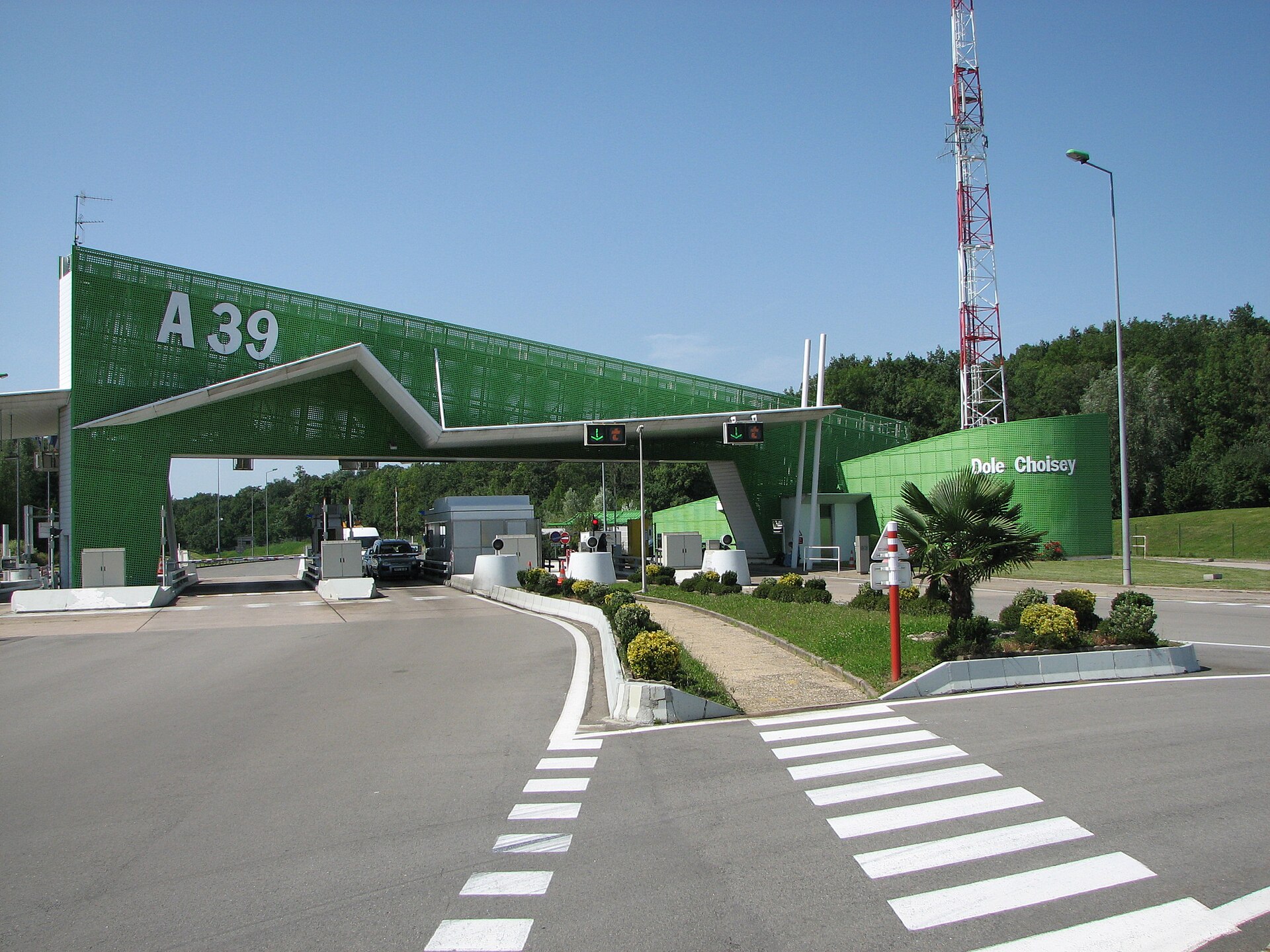
France’s motorway network is genuinely world-class, but be prepared for the fact that you pay for the privilege. There’s no annual vignette system here — instead, toll booths charge you for each section of motorway you actually use. As a rough guide, tolls work out at around €9.50 per 100 kilometres, so the costs add up quickly on longer drives.
One critical thing to sort before you travel in 2026 is the tightened low-emission zones (ZFE), which apply to major cities and foreign-registered vehicles alike. In Marseille, for example, older vehicles face a round-the-clock ban, and you’re looking at a €68 fine if you ignore the rules. Order a Crit’Air eco-sticker online before you leave home — it costs just over €5 and will save you a world of hassle.
As for a rough budget for two people: southern France is definitely not a bargain destination, but with a smart approach it’s very manageable. A typical dinner at a bistro runs €20–35 per person, but if you want to save money, make the most of the lunchtime menu du jour — a full three-course meal for €15–25. A classic espresso at the bar will set you back around €2, and service is already included in the price by law, so leaving an extra tip is entirely at your discretion.
From the UK, you have several convenient options for reaching southern France. Direct flights to Nice operate from London Gatwick, London Heathrow, Manchester and Edinburgh with carriers including British Airways, easyJet and Ryanair. Alternatively, you can drive via the Channel Tunnel or ferry, though the full journey from London to Nice is around 1,100 km — best broken up with an overnight stop. For exploring the region itself, picking up a hire car at Nice airport gives you the most flexibility for this itinerary. Staying connected on the road? An Holafly eSIM is a great option — you can activate a French or European data plan before you even land.
Day-by-Day Itinerary
This itinerary is designed to weave together the stunning coastline with the magical interior, with a pace that’s geared towards genuine exploration rather than mindlessly ticking off kilometres. The first few days you’ll leave the car behind and make the most of the excellent train connections, before setting off on a proper road trip through the Provençal countryside.
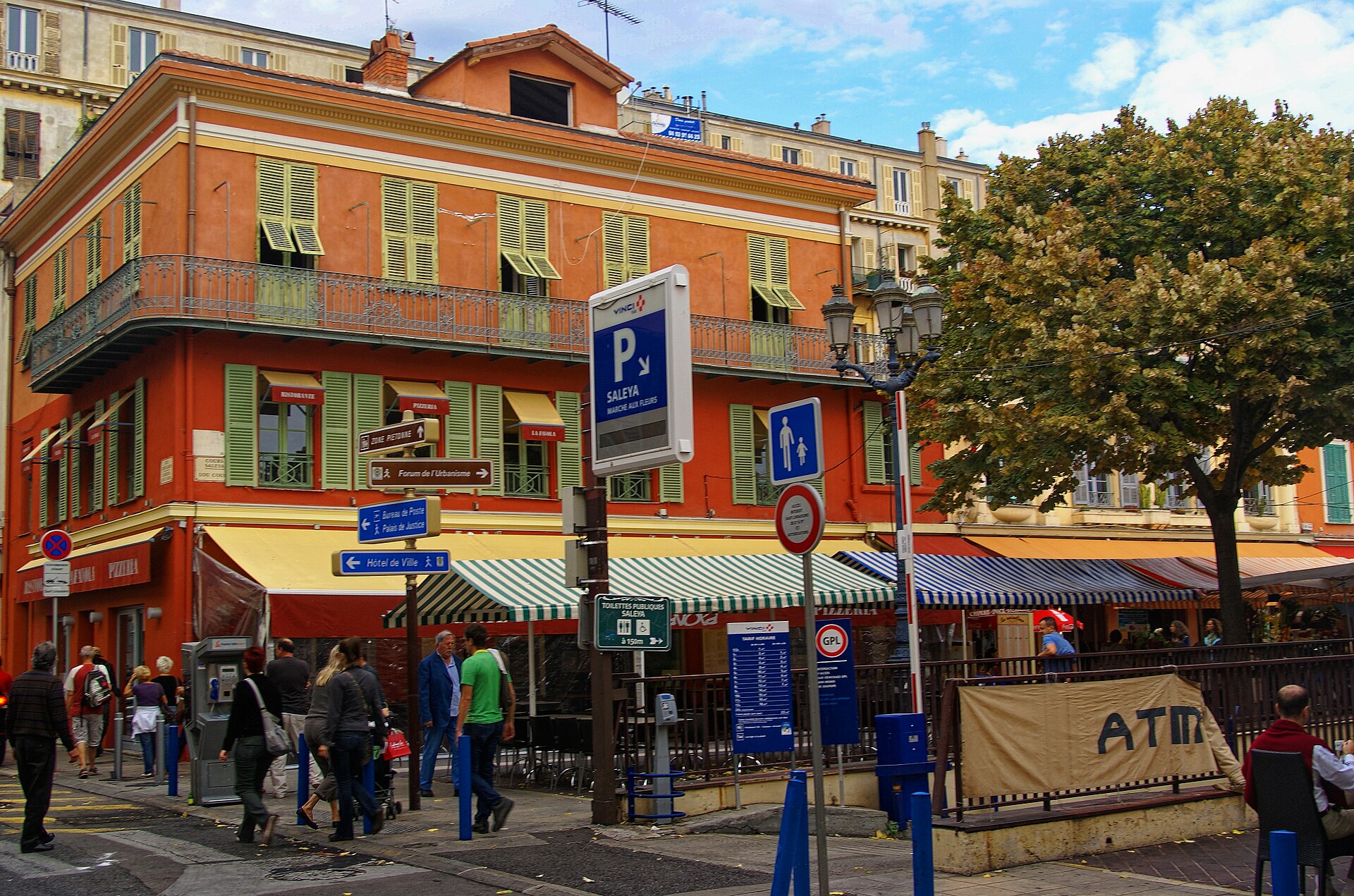
Day 1: Arrival in Nice and the Magic of the Old Town
Your southern France road trip begins best by flying directly into Nice, which has excellent connections from London and other UK airports — book ahead and you’ll often find very reasonable fares. From the airport, a slick modern tram whisks you into the city centre in just a few minutes, so you can dive straight into the buzz of this vibrant city. Nice is far more than a beach resort — it’s a confident, cosmopolitan city that wins you over immediately with its laid-back, sun-soaked atmosphere.
The heart of it all is the legendary Promenade des Anglais, a seven-kilometre seafront boulevard hugging the famous Baie des Anges, alive with joggers and rollerbladers at all hours. The beaches are pebbly, so a pair of water shoes will make your life considerably more comfortable — but you’re rewarded with spectacularly clear water. Spend the afternoon getting lost in Vieux Nice, the old quarter of narrow alleyways where the building facades glow in every shade of ochre and terracotta.
💡 Tip: When hunger strikes mid-wander, head to the Cours Saleya market and grab a piece of socca. This wood-fired flatbread made from chickpea flour and topped with coarse black pepper is the perfect vegetarian street food — and it’s utterly delicious.
For sunset, make your way up to the Colline du Château — there’s no castle left, but the views over the whole bay from up here are simply iconic. If you don’t fancy the climb in the heat, there’s a free lift cut right into the rock. Art lovers should make time for the Musée National Marc Chagall, home to his extraordinary cycle of large-format biblical paintings.
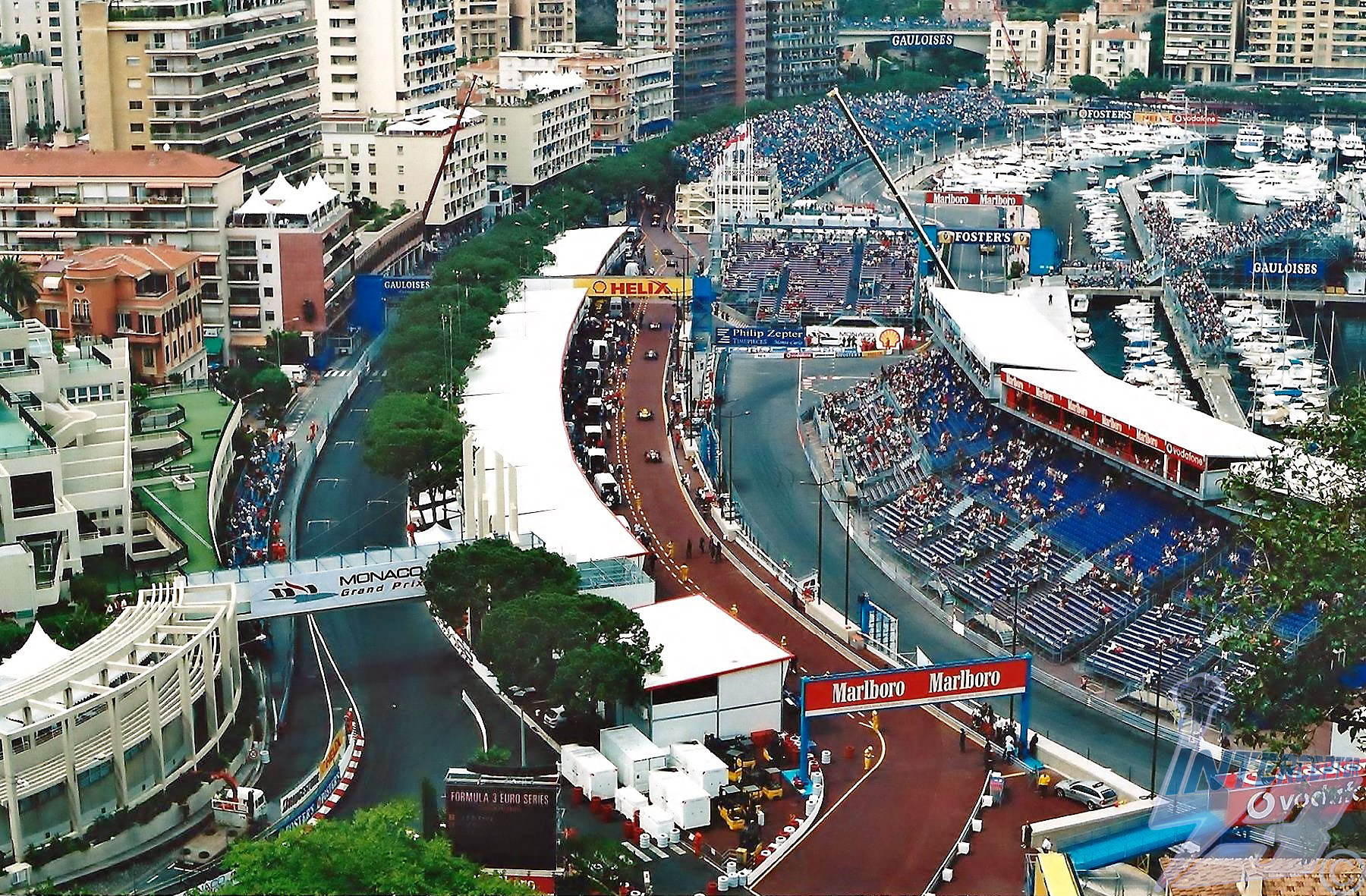
Day 2: By Train to Glamorous Monaco and Lemon-Scented Menton
Leave the car firmly parked on day two and trust the excellent regional TER trains, which run along the coast with impressive regularity. The journey from Nice to Monaco takes just twenty minutes and costs around €6 — far cheaper and less stressful than attempting to park in this tiny principality. Monaco will dazzle you with its compressed, almost absurd luxury: superyachts crammed into the harbour and the famous Casino de Monte-Carlo watching over it all. If you’re planning to do a lot of coastal hopping, the Pass SudAzur regional travel pass is well worth considering.
After Monaco, hop back on the train and stop off at Èze — a breathtaking medieval eagle’s nest perched on a sheer cliff high above the sea. At the very top of this stone village you’ll find the beautiful Jardin Exotique, packed with enormous cacti and succulents. The combination of spiky plants and the endless blue Mediterranean stretching out far below is a genuinely jaw-dropping visual experience — one that will stick with you long after you leave.
💡 Tip: From Èze-sur-Mer train station, you can hike up via the so-called Nietzsche Path. I’d only recommend it if you’re reasonably fit and it’s not the scorching heat of midday — the 400-metre climb is seriously tough going.
Round off the afternoon in Menton, the last French town before the Italian border, blessed with a unique microclimate that makes it the warmest spot on the entire Riviera. Menton is a visually stunning place — pastel-painted facades that feel distinctly Italian, set against a backdrop of steep mountains. Sit down for a coffee on the promenade and try the local lemon tarts, because it’s citrus cultivation that put this town on the map.
Day 3: Cannes on the Red Carpet and the Perfume Capital of Grasse
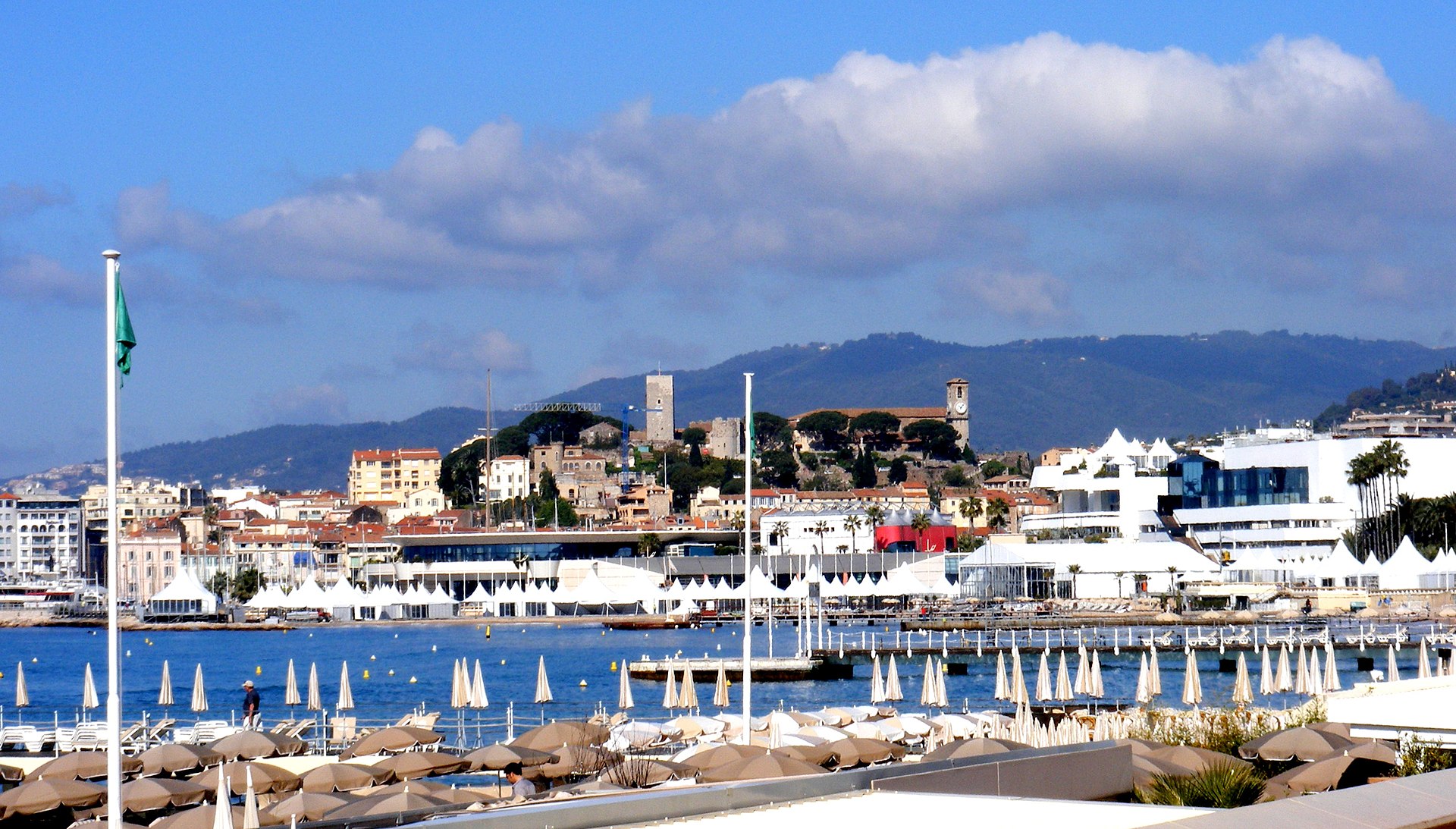
On day three it’s trains again, but this time heading west to Cannes — the ultimate byword for film festivals and unapologetic glamour. The main artery is the sweeping Boulevard de la Croisette, lined with palm trees and grand luxury hotels, the whole place oozing exclusivity. Don’t miss a wander up to the old quarter of Le Suquet on the hill, where you’ll be rewarded with lovely views over the harbour and the nearby Îles de Lérins.
From Cannes, nip across to neighbouring Antibes, which retains tremendous historical character behind its imposing 16th-century ramparts. It was in the local Château Grimaldi that Pablo Picasso set up his studio in 1946. Today it houses his museum, full of joyful, light-drenched works created here under the direct influence of the Mediterranean. The old town itself is a delight of winding lanes where you’ll stumble across charming cafés and the excellent Marché Provençal food market.
💡 Tip: For anyone who loves fragrance, a visit to nearby Grasse is absolutely non-negotiable — it’s the undisputed world capital of perfumery. Historic houses like Fragonard and Molinard offer free guided tours of their factories, giving you a genuine behind-the-scenes look at this precise and fascinating craft.
Head back to Nice for dinner, because tomorrow you move inland. Local restaurants tend to come alive around 8 pm, and vegetarians will love the wealth of options — fresh pasta, excellent cheese pizza and the traditional Provençal stuffed vegetables known as petits farcis are all genuinely wonderful.
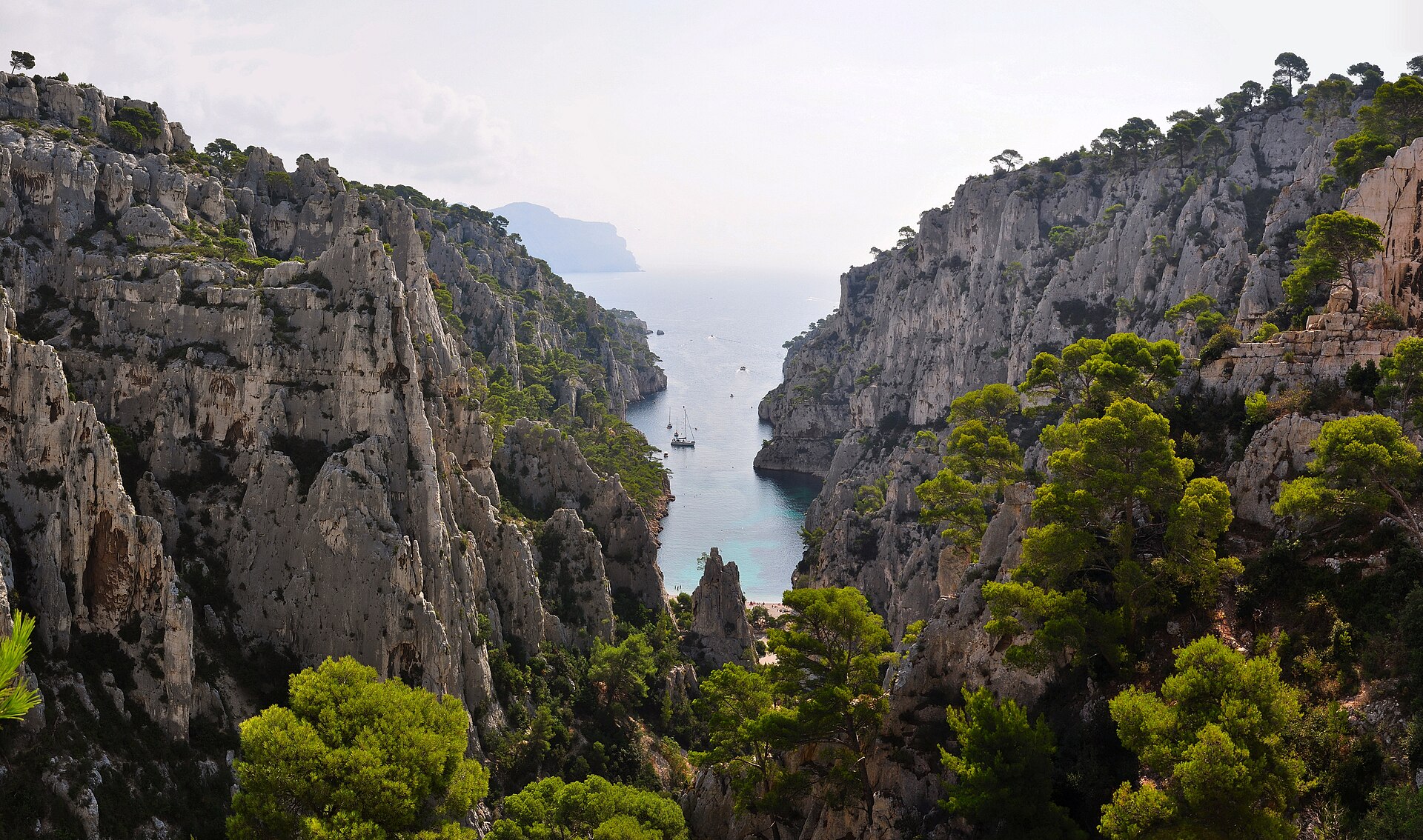
Day 4: Into Provence and the Emerald Fjords of the Calanques
Time to pick up a hire car and head west towards the Calanques National Park — a dramatic ribbon of brilliant white limestone cliffs plunging straight into the sea. These inlets look like Norwegian fjords, except the water is the colour of blue curaçao and the whole place smells gloriously of sun-warmed pine trees. Your base for the day is the charming fishing town of Cassis — tidy, pretty and full of great cafés.
From Cassis, you can hike to the most famous coves, with the trail passing through popular Port-Miou and Port-Pin before reaching the absolute gem known as En-Vau. The walk takes roughly an hour and a quarter of quite demanding scrambling over rocks, so leave the flip-flops behind and wear proper footwear. Your reward is a breathtaking view of sheer cliffs towering above a narrow strip of pebble beach, where the water is icy and refreshing even in the hottest August, as the sun only reaches the bottom for a short window each day.
💡 Tip: If you’re planning to visit the Sugiton cove in the 2026 summer season, you’ll need to book a free timed-entry pass with a QR code in advance. The booking system opens on 11 June and allows a maximum of five people per code — put it in your calendar now.
In the afternoon, relax in Cassis harbour watching the little boats bob about. Bear in mind that in summer the car parks at the park’s trailheads fill up before 9 am, and the entire massif can be closed at short notice due to wildfire risk. Keep an eye on the park’s official app for the latest updates.
Day 5: Raw and Vibrant Marseille, then Cézanne’s Aix-en-Provence
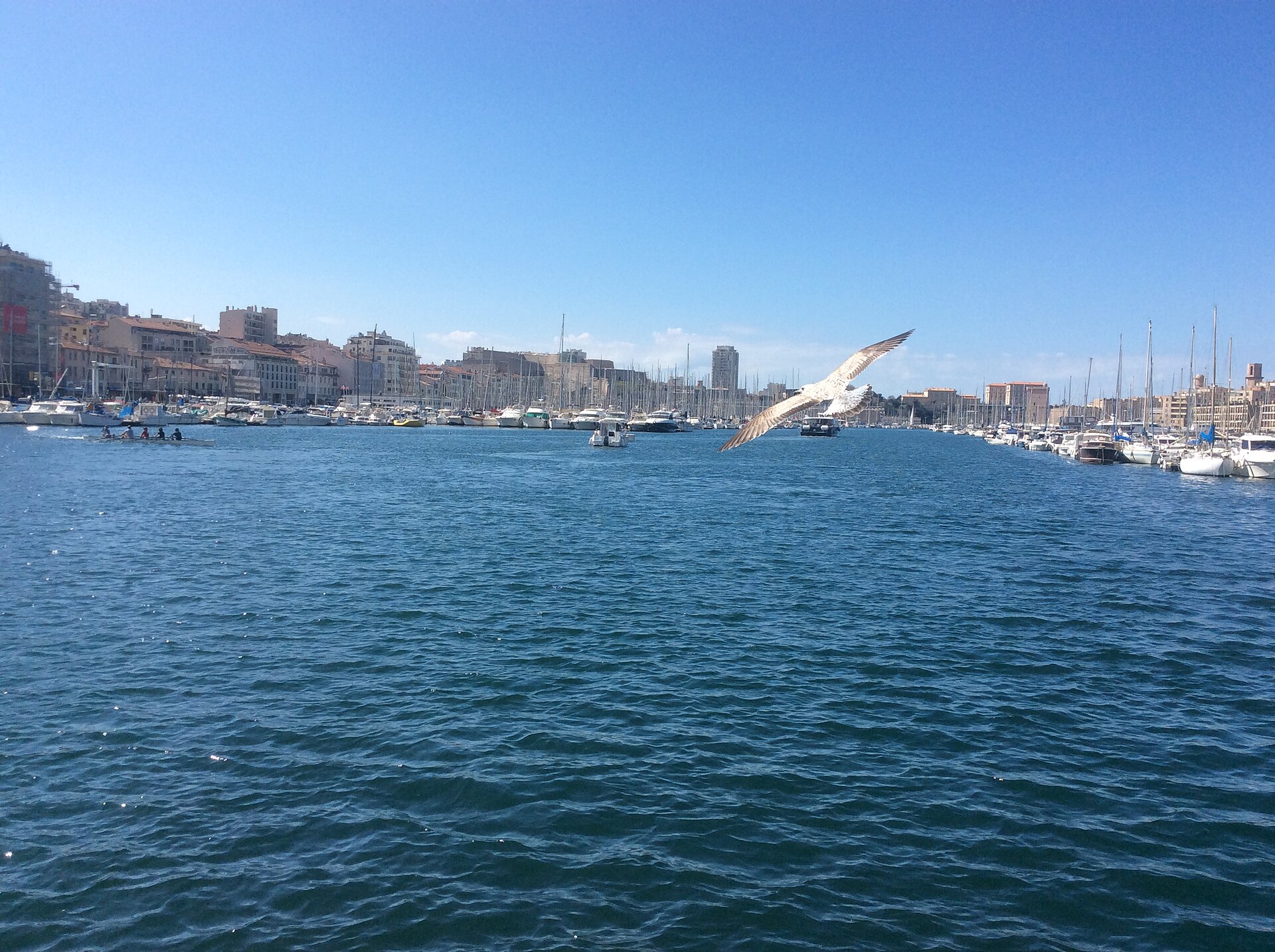
Day five splits between two very different cities, starting with Marseille — France’s second city and a magnificent, chaotic melting pot of energy, history and cultures from across the Mediterranean. The city revolves around the Vieux-Port (Old Harbour), where fishermen sell the night’s catch every morning and where you can head into the oldest neighbourhood, Le Panier. These days it’s full of street art, small galleries and bistros, yet still holds on to its slightly rough-around-the-edges, thoroughly authentic and irresistible charm.
Don’t skip the climb to the Basilique Notre-Dame de la Garde, which sits on a limestone hill 150 metres above the sea and offers a staggering, 360-degree panorama over the city and the glittering water beyond. Marseille has a fantastic food scene — grab excellent falafel or a salad with warm goat’s cheese in one of the city’s backstreet eateries. The city centre and the key sights are perfectly safe; just keep the usual eye on your belongings in crowds.
💡 Tip: If you’re driving into Marseille, be very careful about the strict low-emission zone. Without a valid Crit’Air sticker you’ll face an €68 fine — far smarter to leave the car at a park-and-ride on the outskirts and take the metro straight into the centre.
In the afternoon, drive over to Aix-en-Provence — the very embodiment of Provençal bourgeois elegance, a city of a thousand fountains and warm ochre facades. Life here revolves around the wide, tree-lined Cours Mirabeau, where you can linger over coffee on a terrace shaded by plane trees. Aix is the birthplace of Paul Cézanne, and art lovers should absolutely visit his Atelier des Lauves, preserved exactly as the artist left it, or the family estate of Jas de Bouffan.

Day 6: Ochre Cliffs, Stone Villages and Lavender in the Luberon
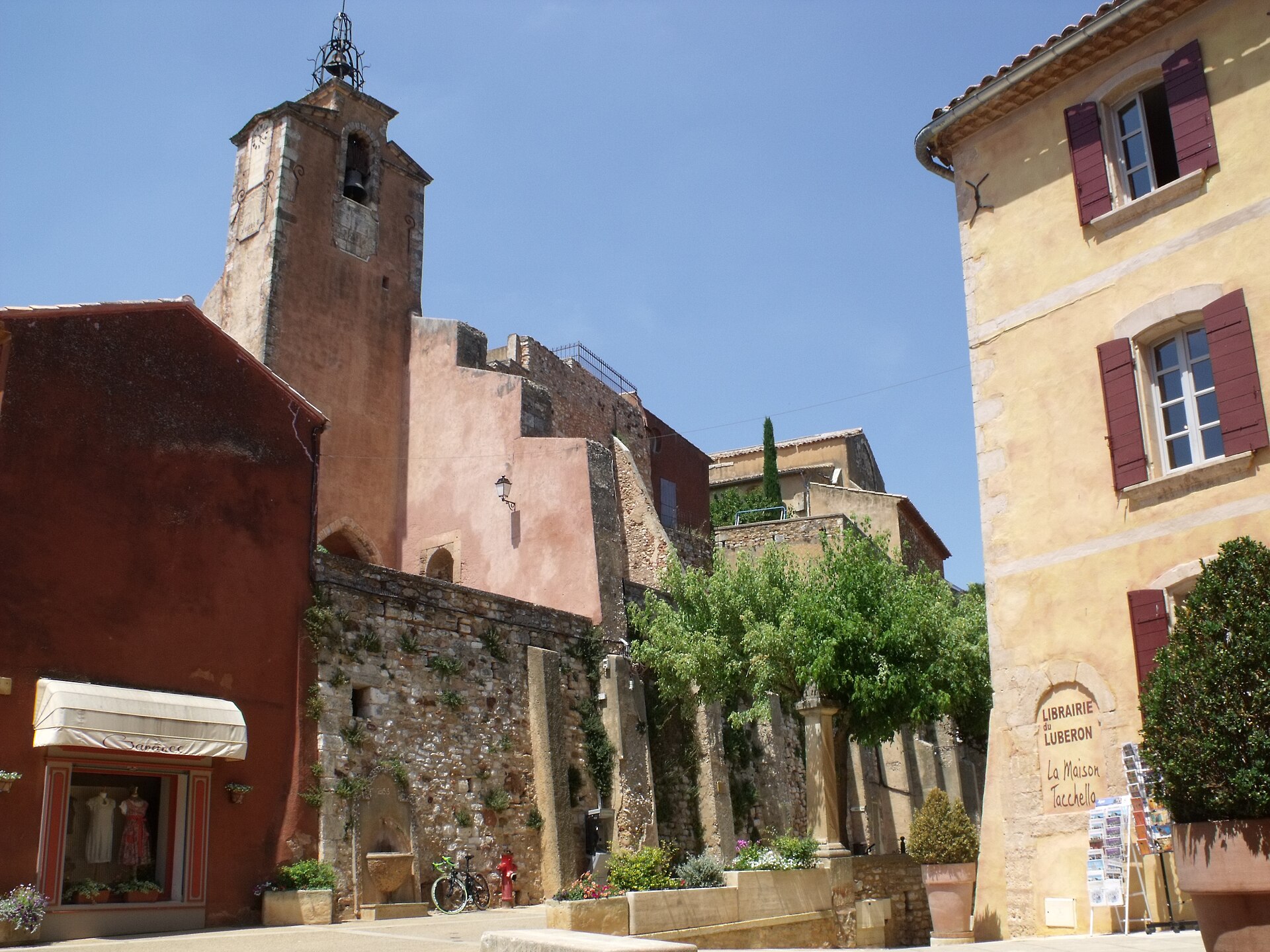
Today brings you the Provence you’ve seen in a hundred romantic films, as you head into the Luberon massif. This is where you’ll find those famous hilltop villages clinging to sheer rocky escarpments, the ones that perennially top polls of France’s most beautiful places. Start in Gordes, where the sight of its cascade of pale stone houses stacked against a cliff face will stop you in your tracks — you simply cannot resist pulling over and reaching for your camera.
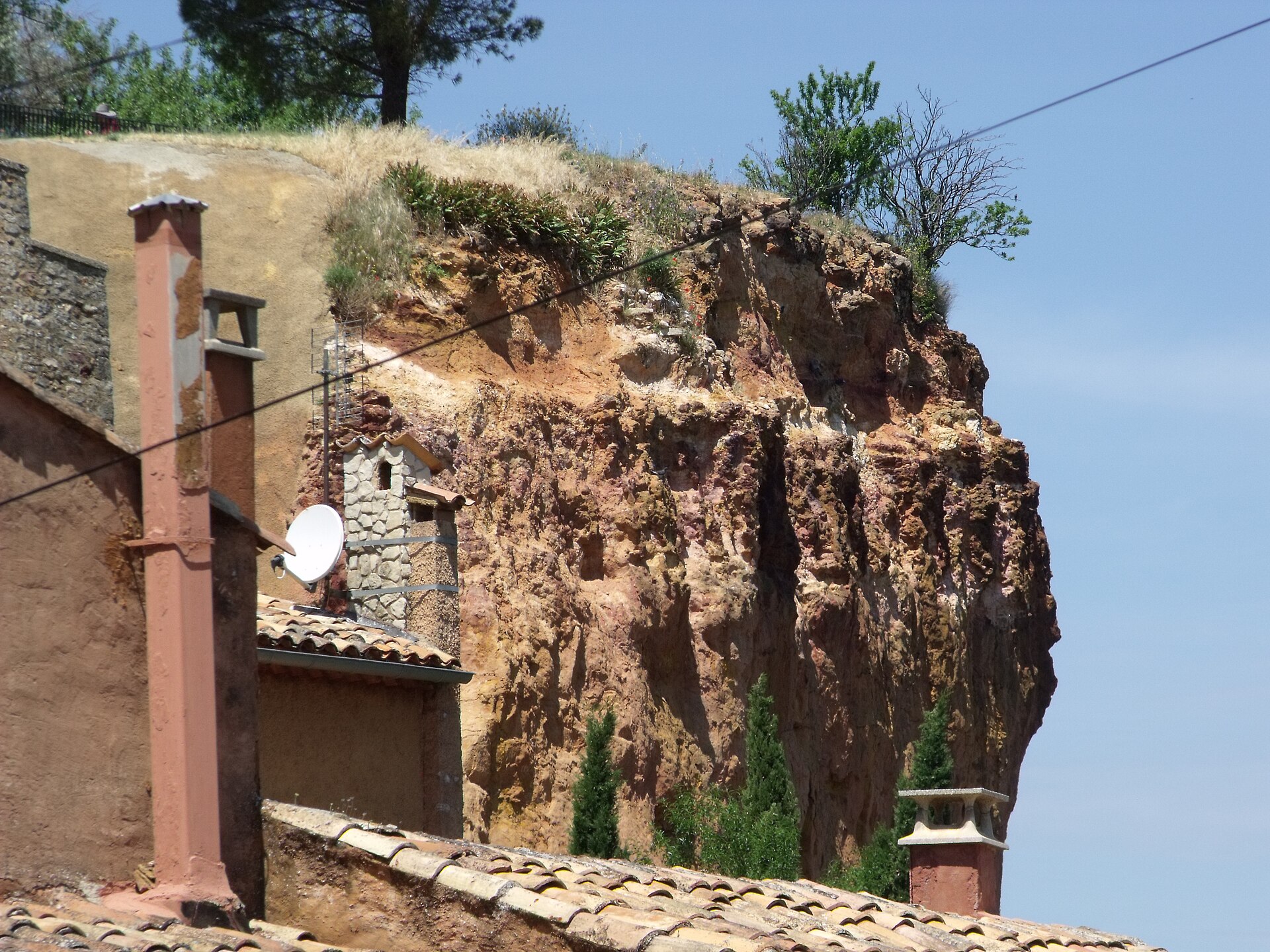
Just a few kilometres further along sits Roussillon, a village that looks as though it’s been airlifted in from the American Southwest. It sits on a vast deposit of natural ochre, so every building glows in shades ranging from deep yellow to vivid red. Pay for entry to the ochre trail, Le Sentier des Ocres, just beyond the village and walk through the old quarry workings — but definitely don’t wear white shoes, because the red dust gets absolutely everywhere.
💡 Tip: Make the short detour to the Abbaye de Sénanque. This austere Romanesque monastery surrounded by a perfect sweep of lavender is one of the most photographed spots in all of France — arrive early in the morning before the coach parties descend.
If you want to see endless purple fields of lavandin in full bloom, head to the Valensole plateau, ideally around the turn of June and July. If you’re travelling in August, the higher village of Sault is your best bet, where true lavender holds its colour a little longer at altitude. In the evening, settle into one of the smaller local towns, put together a fine cheese board, and soak up the unhurried, deeply satisfying pace of Provençal life.
Day 7: Adrenaline on the Edge at the Verdon Gorge
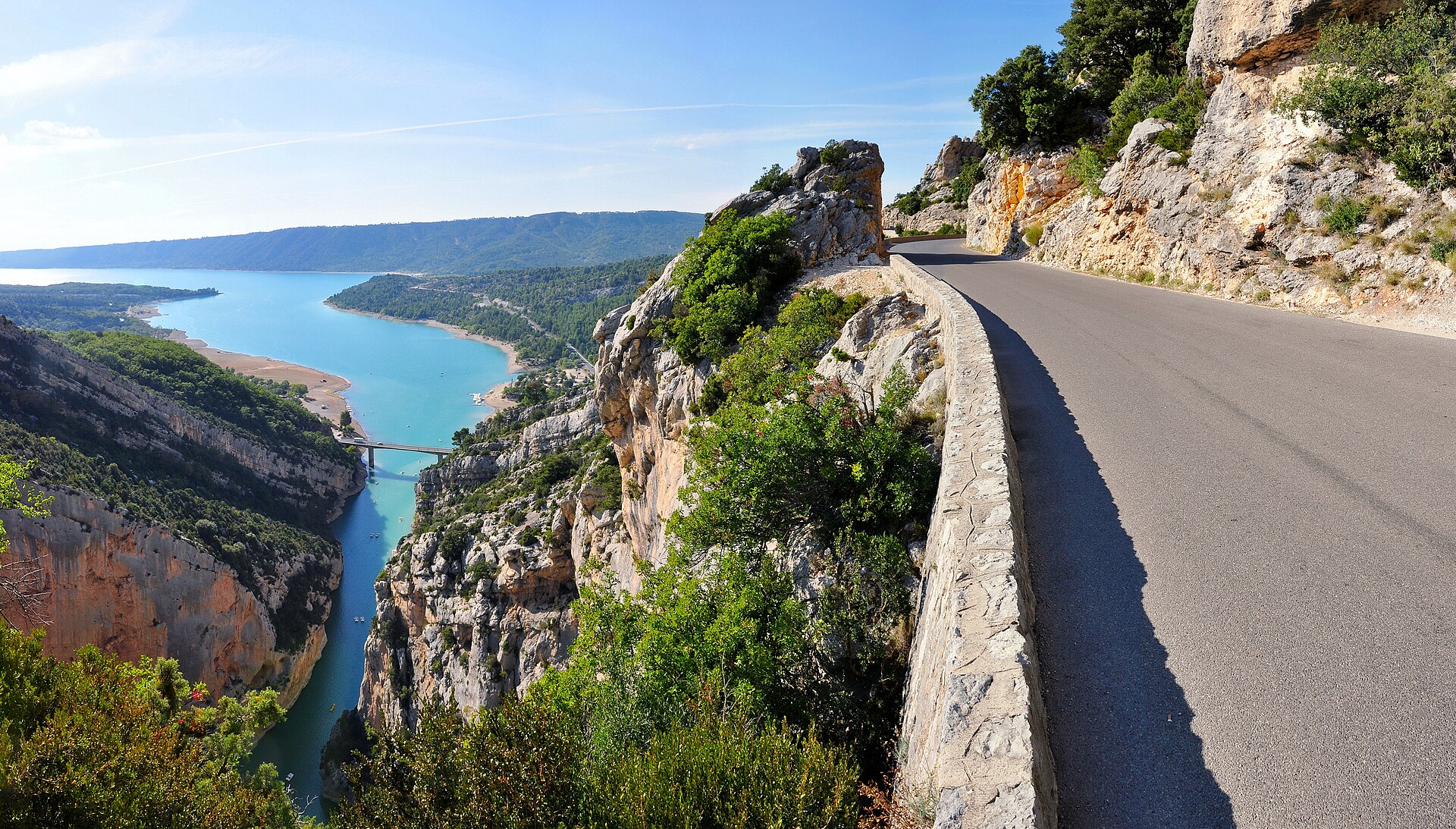
Brace yourself, because today’s destination will genuinely get your pulse racing. The Gorges du Verdon is Europe’s largest canyon — a colossal gash in the earth where limestone walls drop sheer for up to 700 metres, with a river of impossibly emerald-green water threading along the floor. The gateway into this world is the vast Lac de Sainte-Croix, formed when the valley was flooded in the 1970s and now a superb spot for a swim in beautifully clear, pleasantly warm water.
The most iconic photos are taken at the Pont de Galetas, where the river emerges from the gorge and where you can hire a kayak or pedalo to paddle up into the heart of the canyon. Motorised boats are strictly banned, so all you’ll hear is the sound of paddles and rushing water. That said, in high season it gets extraordinarily busy here. If you want even a moment to yourself, be at the hire station by 8 am — leave it any later and you’ll find it fully booked.
💡 Tip: Once you’ve had your fill of the water, drive the spectacular Route des Crêtes, which follows the northern rim of the canyon. Stop at the Point Sublime viewpoint and look down to watch griffon vultures riding the thermals far below — it’s an utterly unforgettable sight.
Driving around the canyon requires steady nerves — the road runs just a few feet from sheer drops for long stretches. Note also that part of the Route des Crêtes is one-way, so you must follow it clockwise. For the night, find accommodation in the charming village of Moustiers-Sainte-Marie, which is wedged dramatically into a rocky cleft in the cliff face and has some excellent restaurants for a well-earned dinner.
Day 8: Papal Power in Avignon and Roman Engineering at the Pont du Gard
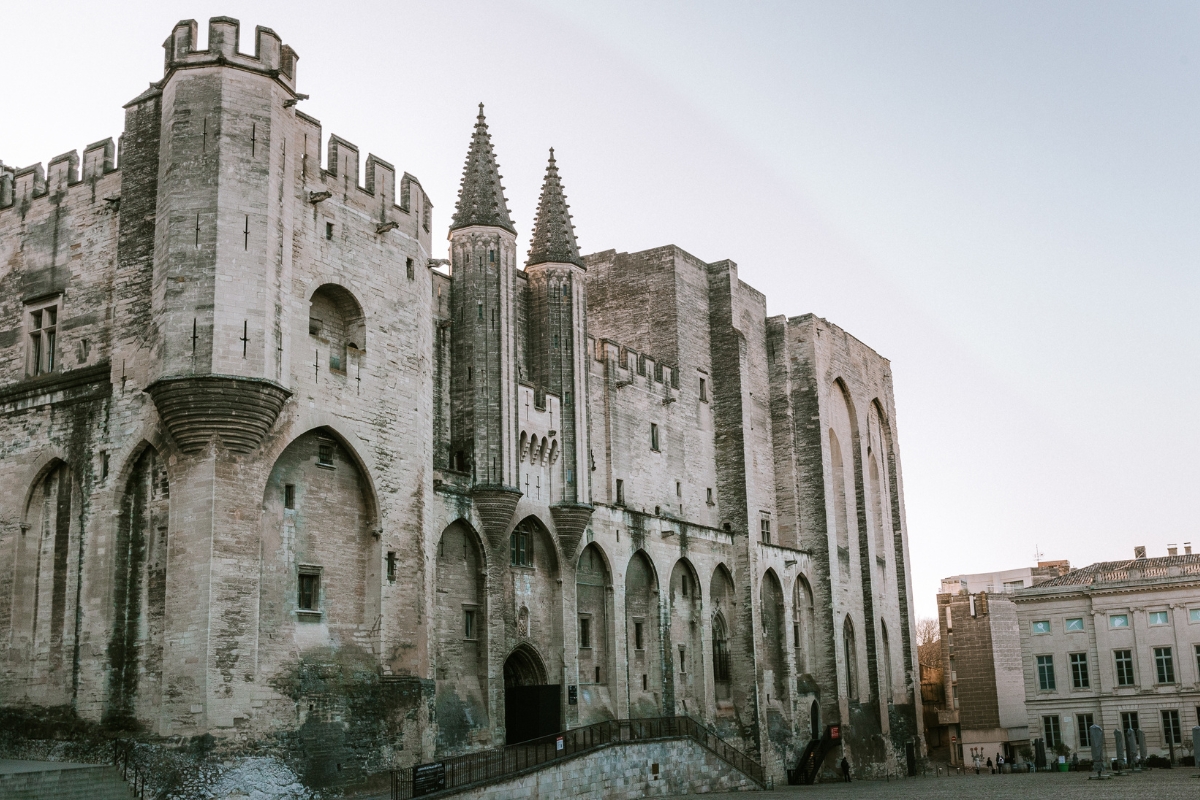
The final day of your road trip plunges deep into history, beginning in majestic Avignon. When the papal court relocated here from Rome in the 14th century, it gave rise to the Palais des Papes — the largest Gothic building in the world, which looks less like a palace and more like an immense, impregnable military fortress. Basic entry costs €12, but it’s worth upgrading to the €15.50 ticket, which also gets you onto the famous Avignon Bridge.
From May 2026, the palace has launched excellent new guided routes using the clever HistoPad tablet, which is included with your ticket. Using augmented reality, the bare stone walls transform before your eyes back into their 14th-century glory — rich frescoes, flickering fires in cavernous fireplaces, the works. Without this technology, the palace would be little more than a walk through empty corridors, so this upgrade is absolutely worth having.
💡 Tip: In the afternoon, drive around 30 kilometres to the awe-inspiring Roman aqueduct, the Pont du Gard. Access to this UNESCO World Heritage Site is free — you only pay for car parking, which is fairly pricey. During the summer months of 2026, a spectacular audiovisual light show runs after dark here and is not to be missed.
This magnificent three-tiered aqueduct has survived two thousand years of floods and wars, and still takes your breath away with its engineering brilliance. You can walk around its surroundings, swim in the river directly beneath its ancient arches, and soak up an atmosphere that feels genuinely timeless — the perfect way to bring your southern France road trip to a close.
Map of points of interest for your phone
Where to Stay Along the Route
💡 Accommodation & activities tip: We always search for hotels on Booking.com — the cancellation policies are hard to beat. For tours, tickets and experiences, it’s always worth comparing and booking through GetYourGuide.
Finding good accommodation in southern France during peak season can be a real challenge, as the best places get snapped up extraordinarily fast and prices rocket. Book everything several months in advance — no exceptions. The most practical approach is to choose two or three strategic bases and make day trips from each, so you’re not repacking your suitcase every single morning.
For the Riviera section, Nice is the unbeatable base. You don’t need a car here at all, and there’s a good spread of reasonably priced hotels around the main station and city centre. A great option is the Hotel Oasis, tucked away in a quiet residential neighbourhood with a lovely green garden — and just a short walk to the TER train station for stress-free day trips to Monaco and Cannes.
Once you head inland into Provence, the area around Aix-en-Provence makes an ideal hub for exploring the Luberon, the lavender fields and the surrounding landmarks. This is where you can really lean into the Provençal romance and treat yourself to a stay at the Boutique Hotel Cezanne, which offers beautifully styled rooms, impeccable service and excellent breakfasts to fuel your long days in the sun.
For the wild Verdon Gorge, you really want to be based as close to nature as possible — driving in on winding mountain roads from miles away is slow and tiring. Staying right on the shore of the emerald Lac de Sainte-Croix is ideal, for example at the charming Hotel Le Moustier in Moustiers-Sainte-Marie. From here you’ll wake up to stunning views of the limestone cliffs, and you’re just a short stroll from some truly excellent restaurants for a romantic evening dinner.
Where to Go Next
If France has captured your heart and you’re already thinking about what comes next, you’re spoilt for choice — this country has an extraordinary range of beautiful destinations to discover.
- Want more detail on lavender fields and historic market towns? Read our in-depth guide to Provence.
- Looking to plan a beach holiday and find the best swimming spots? Check out our article on what the French Riviera has to offer.
- Keen on the adrenaline side and want a detailed guide to the best viewpoints? Find everything you need before heading to the Verdon Gorge.
- And if you’re after even wilder landscapes and some of Europe’s toughest hikes, let our article on a Road Trip through Corsica inspire you.
Frequently Asked Questions
When is the best time to visit the south of France?
The best conditions for travel are without a doubt in May, June, and September. This way you’ll avoid the extreme summer heat, which routinely climbs above 40 degrees Celsius, and at the same time you won’t have to battle the huge crowds of tourists on the roads. The spring and autumn months guarantee not only pleasant temperatures ideal for exploring both towns and nature, but also far more bearable accommodation prices, which in August soar to astronomical heights.
When exactly does the lavender bloom in Provence?
The main season runs roughly from mid-June to the end of July. The absolute peak of the bloom on the popular Valensole plateau falls at the turn of June and July, when the fields offer the most intense purple colour and an unmistakable fragrance. If you can only make it to France in August, you’ll need to head to the higher-altitude Sault, where the colour lingers until mid-August thanks to the cooler microclimate, when the traditional harvest begins.
Do I need any special equipment to drive in France?
Besides the usual European equipment, be sure to get an environmental Crit’Air sticker in good time; it costs around five euros and you can arrange it easily online. It’s absolutely essential for entering the ever-expanding low-emission zones of major cities such as Marseille. Without a valid sticker you risk a fairly steep fine of 68 euros, so it’s definitely not worth neglecting this small administrative step before your trip.
How much are tolls on French motorways?
France doesn’t have the classic motorway vignettes; instead, you pay directly at the toll gates based on the kilometres you actually drive. As a rough guide, budget around 9.50 euros for every 100 kilometres of driving, which can add up quite noticeably on longer road trips. You can pay conveniently by card or in cash right at the toll booth, and thanks to this system the motorways are in top condition, making travel on them very fast and safe.
When are restaurants open in France?
This is a huge trap for tourists and a very common source of disappointment. Lunch in France is served strictly between 12:00 and 14:00, and if you arrive later, the most you’ll get is some nuts with your drink. The kitchens then close for the whole afternoon and usually reopen for dinner only around half past seven in the evening. So if you don’t want to go hungry, you’ll have to fully adjust your daily schedule to this strict rule.
Do you need to leave a tip in restaurants?
By law a service charge, the so-called service compris of 15%, is already automatically included in the final price on your bill. An additional tip is therefore not at all mandatory. However, it’s a perfectly common and polite custom to leave an extra euro or two on the table if you were really happy with the service. Just remember that a tip usually can’t be added via the card terminal, so keep some small coins on hand.
Do I need a reservation for the Calanques National Park?
Yes, if you’re planning to visit the gorgeous Sugiton cove during the 2026 summer season. From mid-June to mid-September, entry requires a free online reservation with a QR code. This booking system opens precisely on 11 June and admits a maximum of five people per code. To protect nature from overtourism, the authorities regulate visitor numbers this way, so definitely don’t put off making a reservation.
Can you get around the Riviera without a car?
Absolutely yes, and it’s even strongly recommended by all the locals. Coastal towns like Nice, Monaco, Cannes, and Antibes are linked by the excellent regional TER trains, which run reliably several times an hour. Not only are the tickets fairly cheap, but above all they’ll save you huge amounts of stress with the summer traffic jams on the narrow coastal roads and with the endless, nearly impossible search for a free parking spot in the luxury resorts.
Tips and Tricks for Your Vacation
Don’t Overpay for Flights
Search for flights on Kayak. It’s our favorite search engine because it scans the websites of all airlines and always finds the cheapest connection.
Book Your Accommodation Smartly
The best experiences we’ve had when looking for accommodation (from Alaska to Morocco) are with Booking.com, where hotels, apartments, and entire houses are usually the cheapest and most widely available.
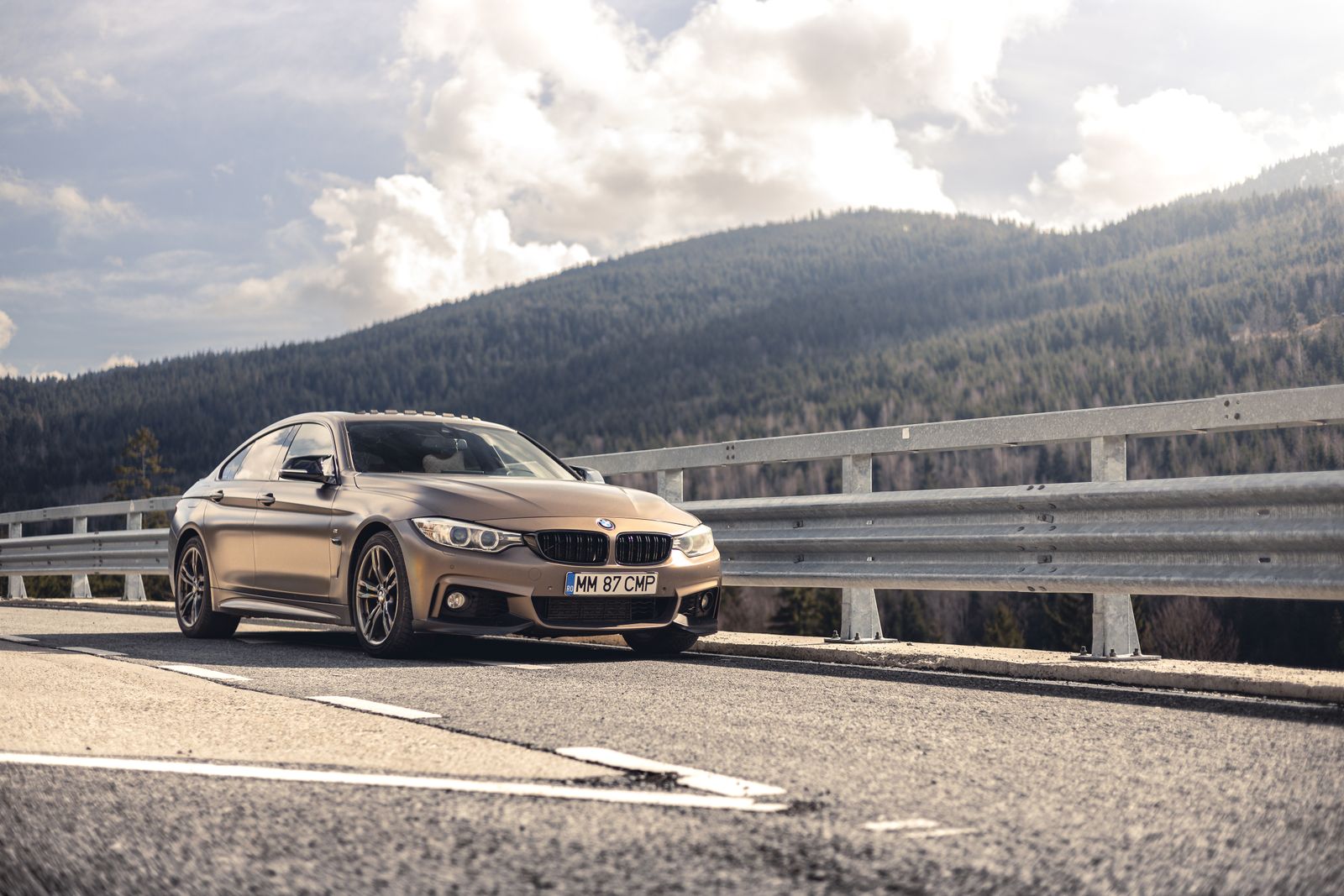 🚗 Car rental on the roadVerified rental cars in France
Search with the DiscoverCars comparison engine — it compares prices from dozens of local and international rental companies, and most bookings come with free cancellation.
Compare car prices in France →Don’t Forget Travel Insurance
Good travel insurance will protect you against illness, accidents, theft, or flight cancellations. We’ve had a few hospital visits abroad, so we know how important it is to have proper insurance arranged.
Where we insure ourselves: SafetyWing (best for everyone) and TrueTraveller (for extra-long trips).
Why don’t we recommend any Czech insurance company? Because they have too many restrictions. They set limits on the number of days abroad, travel insurance via a credit card often requires you to pay medical expenses only with that card, and they frequently limit the number of returns to the Czech Republic.
Find the Best Experiences
Get Your Guide is a huge online marketplace where you can book guided walks, trips, skip-the-line tickets, tours, and much more. We always find some extra fun there!


