

If you’re heading to the far north of Norway, your journey will most likely begin right here in Svolvær, Norway, which serves as the most important transport gateway to the magical Lofoten Islands. This lively port town offers the perfect mix of rugged Nordic wilderness and civilisation, so after a long flight you’ll comfortably find everything here, from a decent cup of coffee to a warm rain jacket.
Svolvær is the ideal base for travellers who want a complete infrastructure on hand, including large supermarkets and pharmacies, but who don’t want to miss out on breathtaking ocean views either. Iconic rocky peaks tower directly above the town, instantly pulling you into that genuine Nordic atmosphere and refusing to let go.
Come here knowing that weather above the Arctic Circle is utterly unpredictable, which is why it always pays to have a flexible plan ready for both sunny days and unexpected storms. In this guide I’ll show you how to squeeze the absolute maximum out of a visit to Svolvær, and where to head for the most beautiful trips in the surrounding area.
TL;DR
- Strategic base: Svolvær offers the best facilities on the whole archipelago — you’ll find big supermarkets, reliable pharmacies and branches of car rental companies here.
- Starting point for cruises: Quiet electric boats set out from the local harbour every day to the breathtaking, steep-walled Trollfjord.
- Adrenaline on Svolværgeita: The iconic rock tower with two horns tempts experienced climbers to make the legendary — if very dangerous — leap between them.
- A rescue in the rain: When the weather unexpectedly turns bad, a visit to the icy Magic Ice bar or the interesting war museum will save the day.
- Logistics and transport: From the mainland Evenes airport you can drive here comfortably in two and a half hours, without having to wait for a ferry at all.
- Ideal length of stay: To explore all of Lofoten from Svolvær, I recommend setting aside at least seven days so you have a chance to outsmart the changeable weather.
The full destination guide: Lofoten — guide and what to see
When to visit Svolvær, Norway
Planning a trip to Lofoten revolves above all around the weather, which here can switch from clear skies to horizontal rain in a matter of minutes. The Svolvær, Norway weather is at its mildest during the main tourist season, from late June to mid-August, when you’ll enjoy the fascinating midnight sun and temperatures that commonly hover around a pleasant 15 °C. In this period, though, you have to reckon with huge crowds and congested roads, because the narrow E10 main artery simply can’t cope with a million visitors a year.
If you want to avoid the worst of the crowds and the long queues of slow campervans, consider travelling in the shoulder months such as May or September, when the islands take on stunning autumn or spring colours. To keep an eye on the current situation, don’t forget to download the Norwegian weather app yr.no to your phone — it’s absolutely essential for moving safely around the islands. Another great companion is the Windy app, because watching the wind gusts can literally save your car door when you’re about to open it carelessly into an unexpected gale.
So that your trip makes sense and you don’t spend it just waiting for the rain to stop, set aside ideally seven full days for visiting Lofoten. Four days is far too little for such a distant destination, because when a classic Nordic front arrives and rain lashes the islands for three days straight, you’ll see practically nothing of the scenery. A week-long window gives you a good chance of outsmarting the Norwegian weather in the end and enjoying at least a few sunny days. In terms of getting there, for complete peace of mind it’s best to fly into the mainland Evenes airport (EVE), from where you can drive smoothly to Svolvær in two and a half hours, avoiding the stressful wait for the ferry from Bodø, whose tickets sell out weeks ahead in summer.
Hotels in Svolvær, Norway: where to stay
💡 Tip for accommodation and experiences: We prefer to look for places to stay on Booking.com, which usually has the best cancellation terms. For tickets, tours and activities, it’s worth comparing and booking through GetYourGuide.
The town serves as the administrative and logistical hub, which makes it an incredibly practical base for your stay, even if it doesn’t have the remote romance of the tiny fishing villages in the far south. You’ll find the widest choice of accommodation on the islands here, from luxury hotels right on the waterfront to traditional red fishermen’s cabins known as rorbu, which line the edges of the sprawling harbour. Booking early through portals like Booking.com is an absolute must, because the best places in July disappear half a year in advance. Choosing Svolvær as your main base camp means you’ll have fresh pastries from the bakery on hand every morning and can easily pop out to a restaurant in the evening without an exhausting drive.
If you prefer the so-called single base-camp strategy, so you don’t have to pack your bags every day and stress about moving on, Svolvær is absolutely ideal for this in the northern part of the islands. If you’re after classic hotel comfort with an excellent breakfast, I recommend taking a look at the Thon Hotel Lofoten, which sits right in the heart of the harbour and offers beautiful sea views. A very good and popular alternative in the centre is the modern Scandic Svolvær, located on a small islet and providing great, modern facilities.
If you long for a more authentic Nordic experience, book yourself into the Svinøya Rorbuer complex, just beyond the centre on a separate island connected by a photogenic bridge. Here you can rent a beautifully restored historic fisherman’s cabin, from whose wooden terrace you can watch the boats sailing past and the majestic mountains. Whichever option you choose, be prepared for nightly rates that commonly run from around 350 to 700 € in high season, which is completely standard for these sought-after Lofoten locations. Accommodation with full infrastructure pays you back by saving plenty of time you’d otherwise spend on congested roads commuting for groceries.
6 things to see and do in Svolvær, Norway
1. Explore the harbour and stock up for the road
💡 Tip for an unusual photo: Just above Svolvær you’ll find a photogenic mirror art installation — a large polished circle reflecting the surrounding mountains and sky. A few steps lead up to it and it’s a popular spot for an original shot.
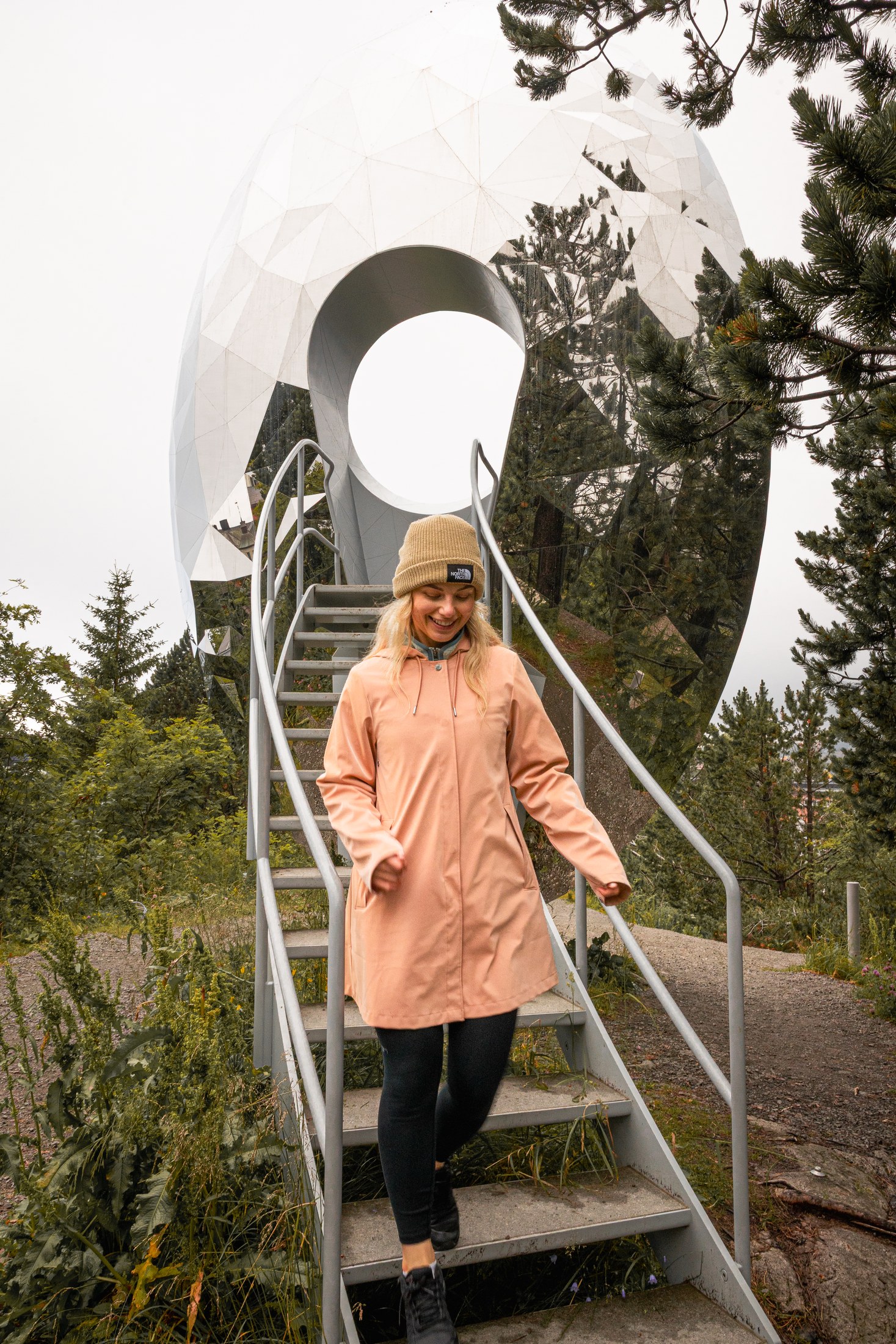
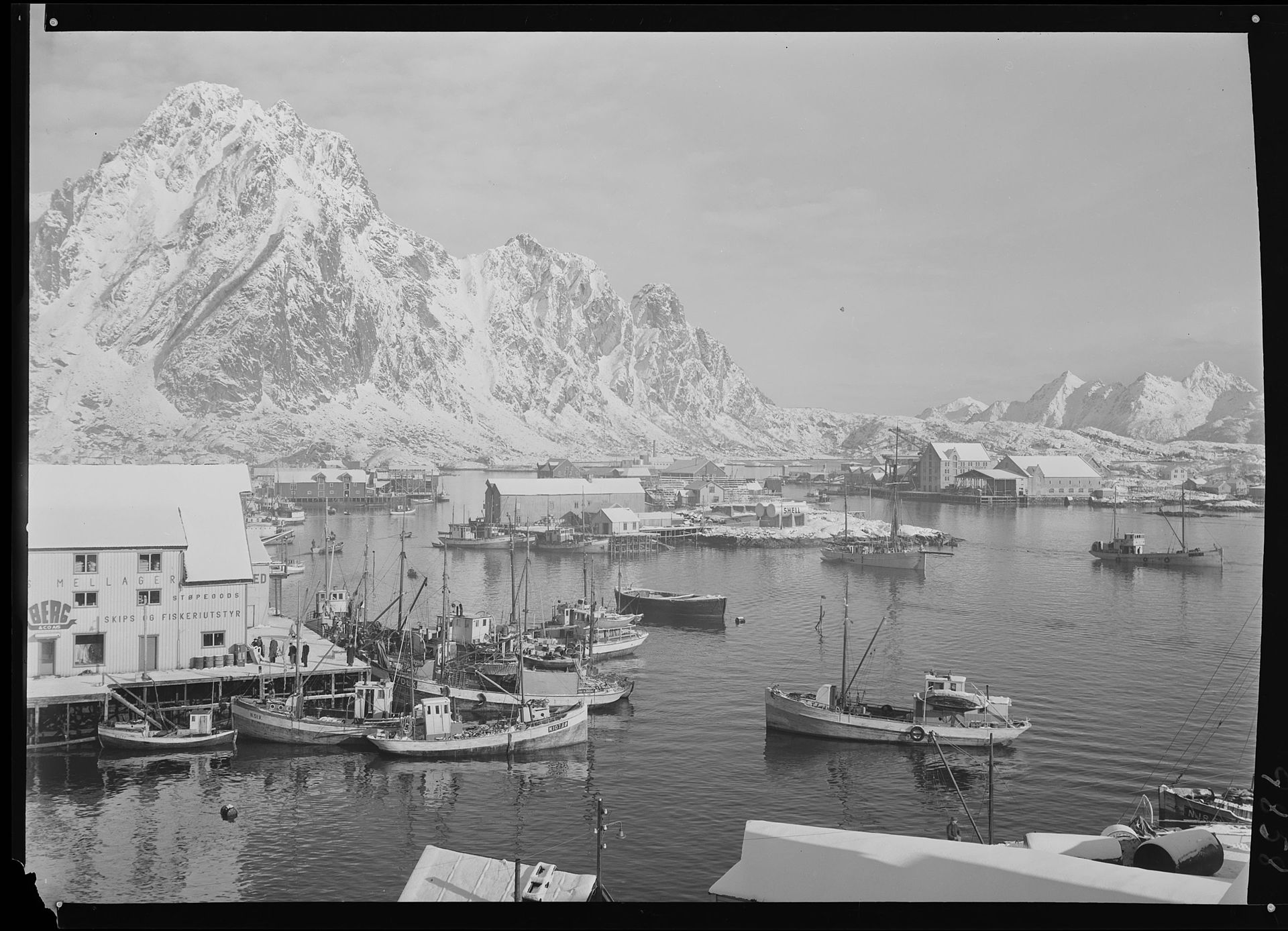
The heart of the whole town is undoubtedly its sprawling harbour, where everything moors, from small fishing boats to the huge vessels of the famous Hurtigruten coastal express line. This is exactly where you’ll soak up the true Lofoten atmosphere as you stroll along the waterfront and watch the gulls circling above the boats. From the harbour promenade there’s also a gorgeous view of the surrounding mountains, which embrace the town tightly and create a fantastic backdrop for your holiday photos.
Besides feasting on the views, use Svolvær to stock up on all the supplies you’ll need before heading into the more remote parts of the islands. You’ll find several large, well-stocked supermarkets here, the best known being the discount chains Rema 1000 and Kiwi, where you can buy groceries at the most reasonable Norwegian prices and also find a wide range of baby food if you’re travelling with the family. Bear in mind, though, that even in these cheaper shops you’ll pay roughly three times what you’re used to at home for a normal shop, so a well-thought-out shopping list definitely pays off.
💡 Tip: Svolvær is also where you’ll come across fully equipped pharmacies and outdoor gear shops. If you arrive and realise your jacket is no match for the Nordic wind, this is exactly where you can buy quality Norwegian wool jumpers or waterproof layers that will keep you warm and dry on your onward trips.
2. Take a cruise into the majestic Trollfjord
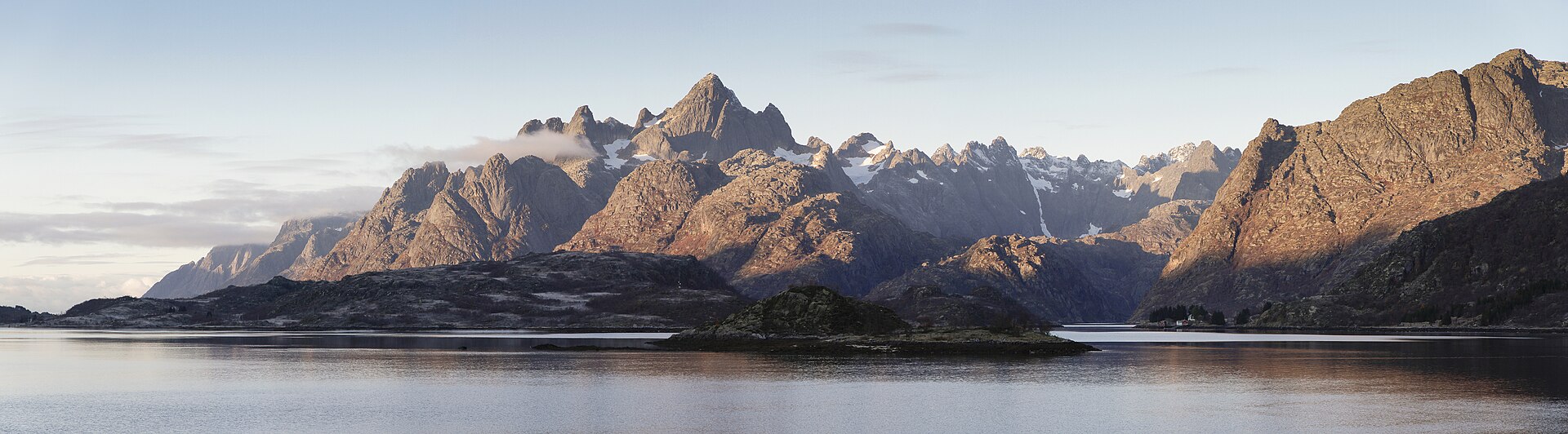
Cruise boats set off daily from the local harbour into one of the most beautiful fjords in all of Norway, the incredibly narrow and steep Trollfjord. As soon as you reach the water, you’ll see plenty of adverts for so-called RIB safaris in yellow suits, which I warmly recommend giving a wide berth. These hard rubber boats bounce across the waves, the impacts go straight into your spine and there’s a strict age limit for smaller children, so for a calm, safe trip it really isn’t the best choice.
Opt instead for modern travel and book a cruise with the innovative company Brim Explorer. This hybrid-electric boat has a huge advantage in that it sails completely silently and without vibration, so it doesn’t startle the surrounding wildlife and you can fully enjoy the Nordic calm. The round trip takes roughly three and a half to four hours, during which you can make use of the pleasantly heated lounge with panoramic windows, a café with refreshments and clean, spacious toilets. During the cruise there’s a good chance of spotting majestic white-tailed eagles, and you can find more details in our in-depth article on the Trollfjord cruise.
💡 Tip: I recommend buying tickets for this very popular attraction well in advance online, because in the summer season the boats are often hopelessly sold out weeks ahead. You can arrange your booking comfortably in advance through the travel portal GetYourGuide, which saves you a lot of unnecessary stress on the spot.
3. Look up to the Svolværgeita rock goat
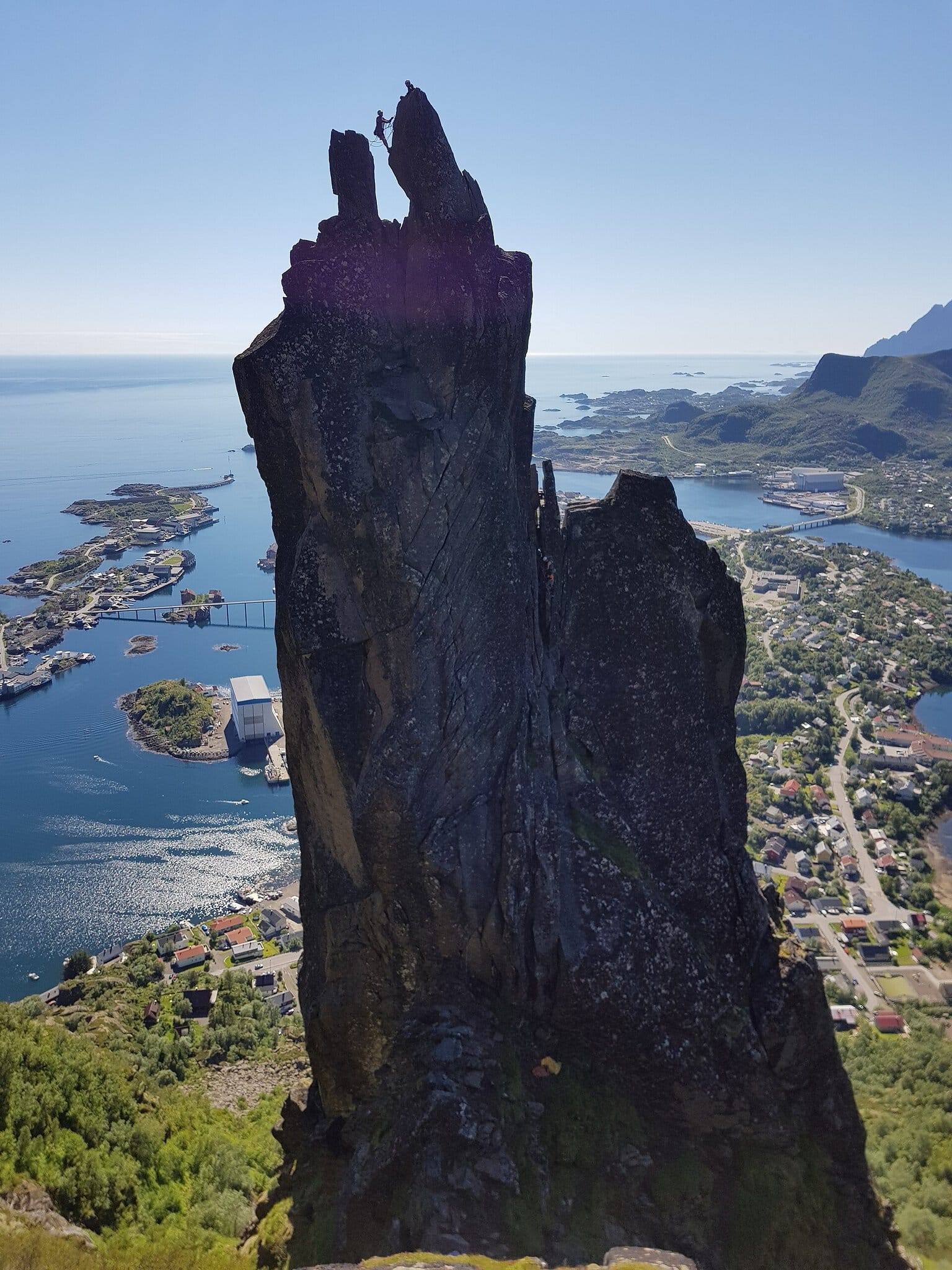
When you look up from the town centre towards the mountains, you’ll immediately notice the imposing rock formation known as Svolværgeita, which translates as “the Svolvær goat”. This remarkable granite monolith is characterised by its two distinctive peaks resembling goat horns and forms an inseparable landmark of the whole town that you simply can’t miss. Just gazing at this majestic rock from the safety of a harbour café leaves a strong impression, and you’ll quickly understand why adventurers come here from all over the world.
For climbers, this tower is a huge challenge, the main draw being the legendary leap between the two horns, separated by a gap roughly one and a half metres wide. Even though it sounds like utter madness, experienced climbers with professional protection perform this feat regularly, and watching them from afar through binoculars is a fascinating experience that might leave you holding your breath. If you don’t have climbing gear and a reliable local guide, don’t attempt the ascent under any circumstances, because the terrain is extremely steep and genuinely dangerous.
💡 Tip: A fairly steep and physically demanding hiking trail leads to the foot of the mountain, which you can tackle if you’re in really good shape and wearing sturdy, non-slip footwear. Your reward for all the sweat will be an absolutely fantastic panoramic view of the entire town, the rugged surrounding islands and the endless ocean glittering far below you.

4. Cool down in the magical ice bar
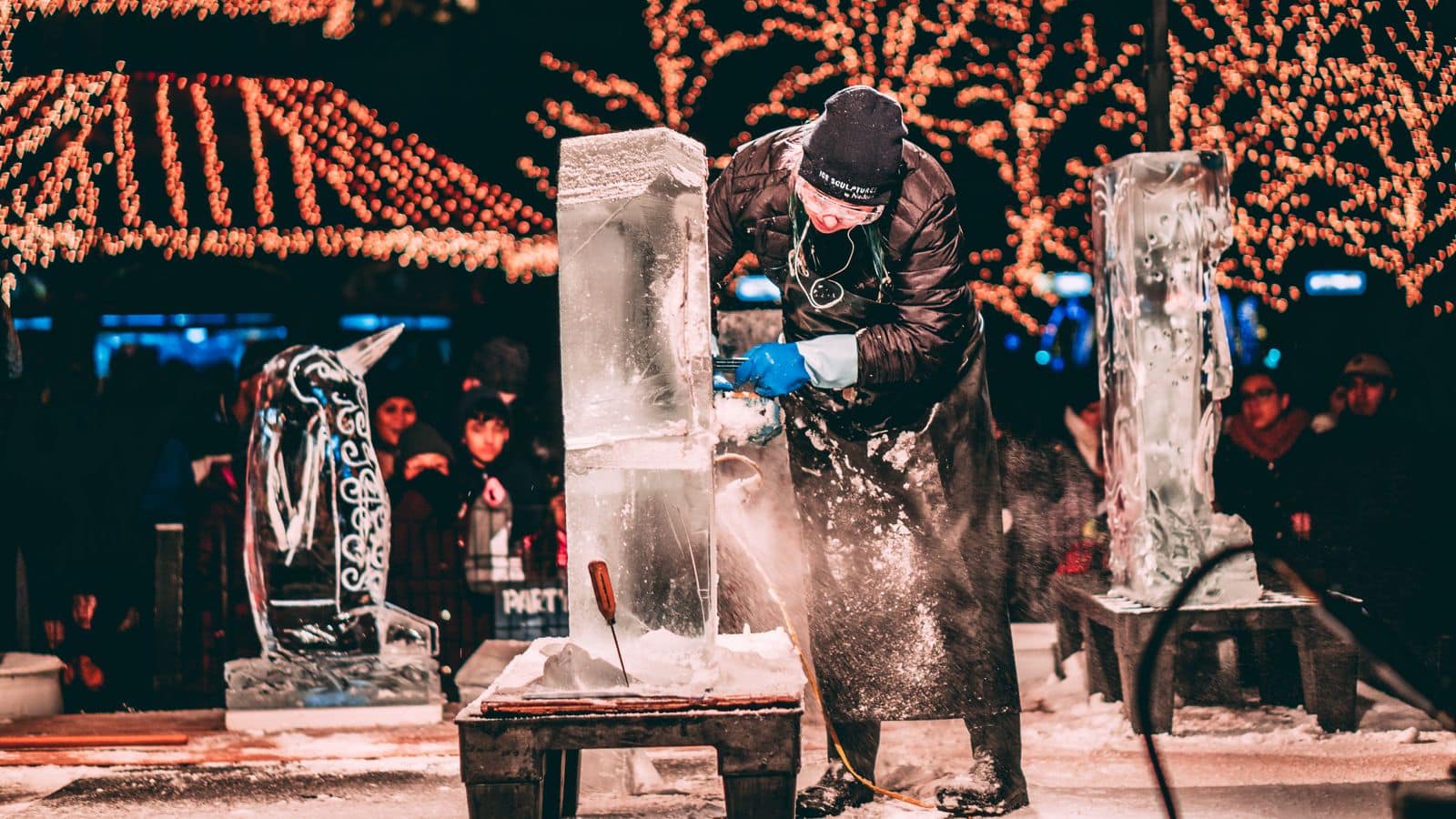
Lofoten weather can be very unkind, which is why it’s hugely important to always have interesting activities up your sleeve for persistent rain, which here can last several days in a row. One of the most popular indoor attractions right in the centre of Svolvær is the unique venue called Magic Ice, a vast hall in which the entire interior, including the bar itself, is made of crystal-clear ice. It’s an absolutely brilliant way to break up your daily routine and keep yourself entertained when the sky clouds over and a gale is raging outside.
Right at the entrance you’re handed a warm winter poncho and gloves so you can survive in the freezing environment, and then you set off to tour the stunning ice sculptures. These precisely carved works of art depict scenes from the lives of local fishermen and Nordic mythology, and the whole thing is beautifully lit with coloured spotlights. The tour itself won’t take you more than about thirty minutes, because your freezing feet simply won’t last any longer, but it’s a really intense and entertaining visual experience.
💡 Tip: The ticket price usually includes one drink served in a special glass carved from ice, which you sip right at the ice counter. Don’t forget to wear your own wool jumper under the supplied poncho, because the temperature inside stays permanently below freezing and you’ll start to feel uncomfortably cold very quickly.
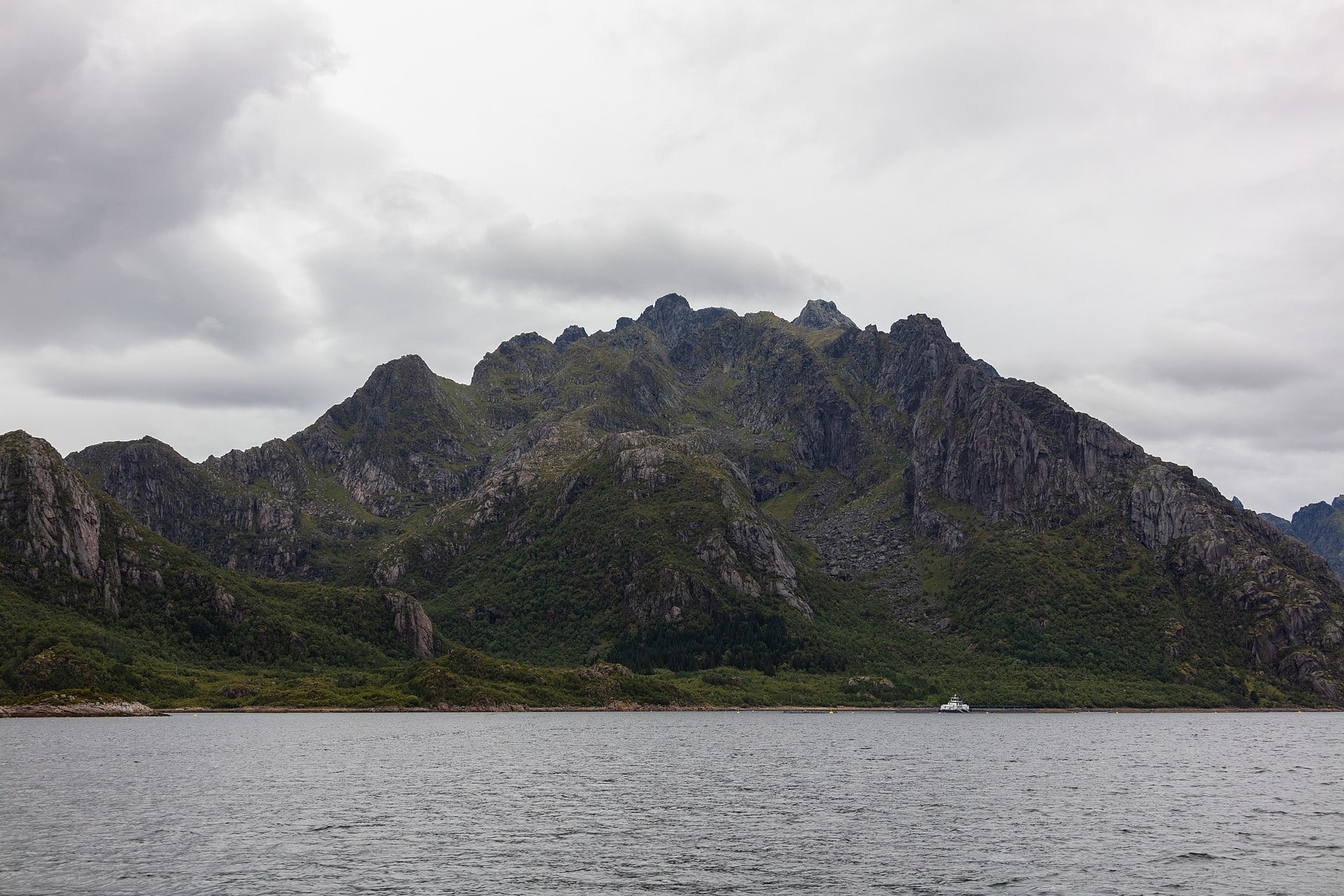
5. Dive into history at the Lofoten War Memorial Museum
If you’re interested in history and looking for another great option for a grey day, don’t miss a visit to the Lofoten War Memorial Museum, which is undoubtedly among the best-rated institutions of its kind in all of Norway. This private museum holds an absolutely staggering collection of uniforms, artefacts and documents from the Second World War, assembled with an immense feel for historical detail and maximum authenticity.
The exhibition focuses above all on the events connected with the German occupation of Norway and the resistance movement operating in the harsh Nordic conditions. You’ll find hundreds of rare items here that the museum’s owner collected over many decades from all over the world, many of them completely unique on our planet. The atmosphere inside is very powerful, and the absorbing exhibition will easily draw you into the turbulent times of European history for several long hours.
💡 Tip: The museum is fairly small and the exhibits are packed close together, so you’ll be moving through narrow aisles between display cases. If you’re travelling with small children who might knock something over, head instead to the nearby Lofoten Aquarium in Kabelvåg, where they’ll be thrilled by the feeding of seals and adorable otters.
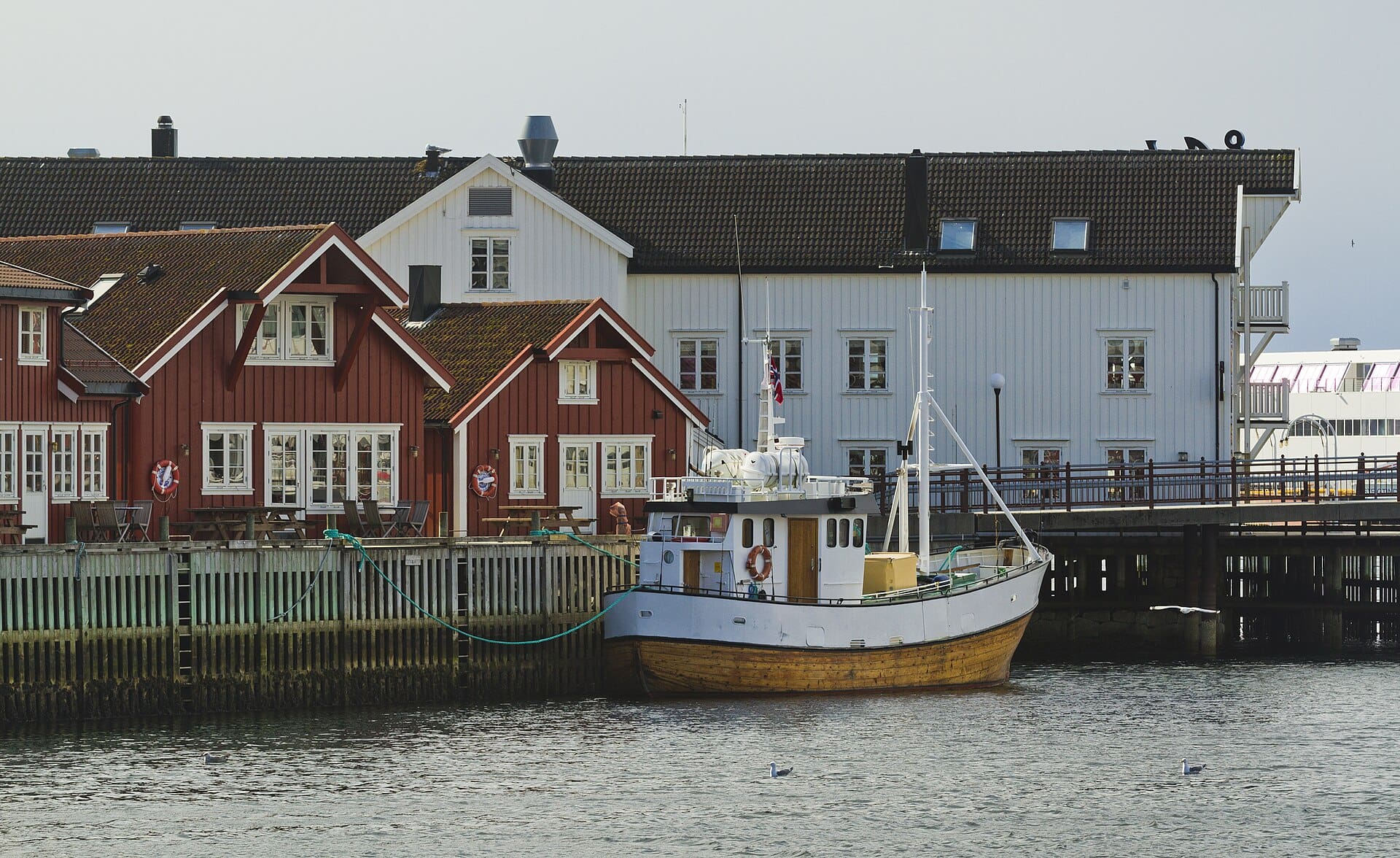
6. Discover Lofoten’s food and coffee culture
Svolvær is a great place to discover Nordic coffee culture, because you’ll find several cosy cafés serving excellent speciality coffee. Be sure to try traditional Norwegian baked goods, the absolute classic being the sweet cinnamon bun known as kanelbolle, which is guaranteed to put you back on your feet after a long day out in the cold and give you the energy you need. You can get it in practically every local bakery, and it makes a perfect quick snack for trips into the mountains.
As for typical local food, you’ll see drying cod at every turn, but if you prefer a plant-based diet, you’ll be pleasantly surprised by what’s on offer. Many modern venues now adapt brilliantly, and in most restaurants you’ll have no trouble finding honest meat-free dishes. I definitely recommend trying the excellent local vegetarian pizza or thick vegetable soups with homemade bread, which will warm you perfectly in the typically damp Norwegian climate and give you strength for further adventures.
💡 Tip: Restaurants in Svolvær are fairly pricey and you’ll commonly pay around 200 to 400 NOK for a main course, so it pays to choose carefully where you head for a hot dinner. For a great coffee experience in an unusual setting, head to nearby Henningsvær to the Trevarefabrikken venue, an old factory converted into a huge, stunning café with gorgeous views straight onto the stormy sea through its glass walls.
Map of points of interest for your phone
Where to go next from Svolvær
The town has a strategic location that lets you set off on day trips in both directions. If you head just a little southwest, in under half an hour you’ll reach a stunning fishing village scattered across small islets, which you can read more about in our guide to Henningsvær. On the way you can also stop in nearby Kabelvåg, home to the popular Lofoten Aquarium, where regular otter and seal feedings take place.
For history lovers, I recommend driving a little further to the village of Borg, where you’ll discover the magnificent Lofotr Viking Museum. Here they’ve built a full-size replica of the largest Viking longhouse in the world, and inside a fire burns, soup wafts through the air and people walk around in period costume. It’s an absolutely fantastic experience that reliably teleports you a thousand years into the past and keeps you entertained for a whole afternoon.
If you’re drawn to the iconic views of red cabins beneath jagged peaks, you’ll have to head along the main E10 road to the very south, to the village of Reine. Before you set off, be sure to study our big guide to Lofoten so you know what to expect. Bear in mind, though, that the drive from Svolvær to Reine takes over two hours of pure driving one way, because the road is narrow, full of blind bends and blocked by slow campervans in summer.
Frequently asked questions
How to best get to Svolvær?
The fastest way is to fly to Evenes Airport (EVE) on the mainland, from where you can drive a rental car along the E10 road in about two and a half hours without having to wait for a ferry. The second option is to fly to the town of Bodø and then take a lengthy ferry transfer to the south of Lofoten, which requires much more time and planning. You can find detailed information in our article how to get to Lofoten.
Where should I check the current weather forecast?
The only reliable source in this area is the Norwegian app yr.no, which you should check every morning before departure. A very useful addition is also the Windy app for detailed wind and radar tracking, as strong gusts can easily rip your car door off on the islands if you’re not careful.
How does parking payment work on the islands?
Norway is an almost 100% cashless society and parking is no exception. Download the EasyPark or Parka apps to your phone and link your payment card to them. At tourist spots like popular beaches (for example Haukland) you’ll typically pay 100 to 200 NOK per day for parking (roughly €9-18), while in cities you’ll usually pay an hourly rate.
Do Norwegian roads have tolls?
Yes, Norway has an automatic AutoPass system that captures license plates with cameras at new tunnels and busy roads. If you have a car from a local rental company, the chip is already installed and the rental company will charge the toll to your credit card approximately four to six weeks after the rental ends. You don’t need to report anything or deal with it on-site yourself.
Is it necessary to book ferry tickets in advance?
Pokud jedete trasu Bodø – Moskenes v letní sezóně, booking with Torghatten is absolutely essential. Exactly half of the ferry’s capacity is sold online in advance and the rest operates on a first-come, first-served basis. Without a reservation, you risk waiting several hours in the queue at the port, simply because you won’t fit on board.
Can I handle driving on the main E10 highway?
The E10 road is well-paved, but it’s very narrow, full of blind corners and has no pull-off lanes, so average speed is only around 40 to 50 km/h. In the summer months you need a lot of patience, as traffic is slowed down by motorhomes and foreign tourists with caravans, which are difficult to pass on the narrow bridges.
Where can I buy the cheapest groceries in Svolvær?
The best choice for stocking up on supplies are the large discount supermarkets Rema 1000 and Kiwi, which you’ll find just outside the city center with convenient parking. The selection here is huge and fresh, but expect that food prices are roughly triple those in the Czech Republic, which unfortunately applies to the entire Norwegian territory regardless of where you shop.
Tips and Tricks for Your Vacation
Don’t Overpay for Flights
Search for flights on Kayak. It’s our favorite search engine because it scans the websites of all airlines and always finds the cheapest connection.
Book Your Accommodation Smartly
The best experiences we’ve had when looking for accommodation (from Alaska to Morocco) are with Booking.com, where hotels, apartments, and entire houses are usually the cheapest and most widely available.
 🚗 Car rental on the roadVerified rental cars in Norway
Search with the DiscoverCars comparison engine — it compares prices from dozens of local and international rental companies, and most bookings come with free cancellation.
Compare car prices in Norway →Don’t Forget Travel Insurance
Good travel insurance will protect you against illness, accidents, theft, or flight cancellations. We’ve had a few hospital visits abroad, so we know how important it is to have proper insurance arranged.
Where we insure ourselves: SafetyWing (simple monthly subscription) and TrueTraveller (for extra-long trips).
Find the Best Experiences
Get Your Guide is a huge online marketplace where you can book guided walks, trips, skip-the-line tickets, tours, and much more. We always find some extra fun there!
More from Lofoten
Full guide → Travel story · most readWhat to Pack for Lofoten, Norway: A Packing List for Every Season
 When to goNorthern Lights in Lofoten: When, Where & How to See Them 2026
 What to seeHenningsvær, Norway: 6 Tips on What to See in the “Venice of the North”
 What to see7 Hidden Gems in the Lofoten Islands: Where Norwegians Go (But Crowds Don’t)
 Getting thereBodø, Norway: Where the Ferry to Lofoten Departs in 2026


