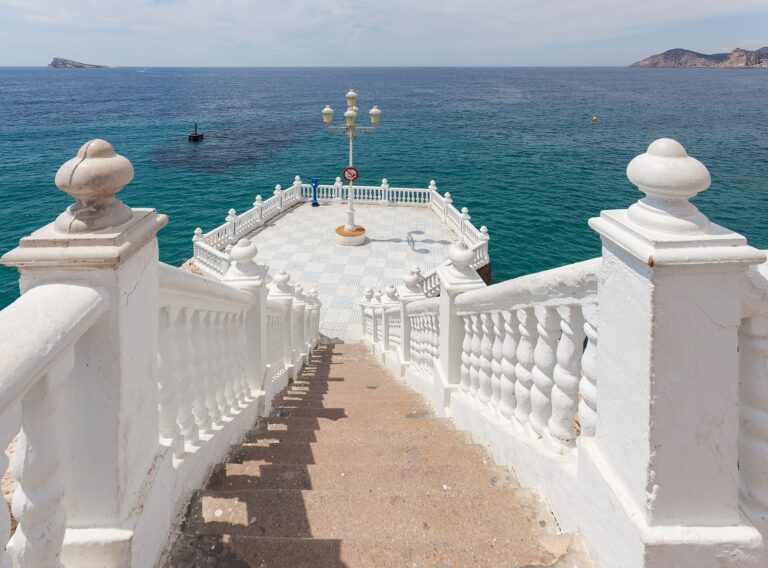
Looking for the perfect escape from grey and freezing British winters? The Canary Islands are a geographical paradox you’ll fall in love with. While politically and culturally they’re very much part of Spain, geologically they rise from the African continental shelf and enjoy a climate that feels almost too good to be true. While the rest of Europe shivers, Tenerife Spain lives by its own relaxed rhythm of eternal spring, with year-round temperatures hovering comfortably between twenty and twenty-eight degrees.
The largest and most visited island in the archipelago commands respect from the moment you land. In a single day, you can push through dense misty laurel forest, stand above the crater of a steaming volcano, and by afternoon be soaking up the sun on warm volcanic beaches. Tenerife is an island of extraordinary contrasts, where the sun-drenched, arid south clashes dramatically with the lush, green north dotted with historic colonial towns. In this guide, we’ll walk you through the most beautiful places that absolutely deserve a spot on your itinerary.
TL;DR
- Teide permit: Since 2026, strict regulations and fees apply for climbing to the actual summit (trail PNT 10). Book your permit months in advance.
- Two different worlds: The south is ideal for sun-seekers, beach lovers, and big resort fans, while the north will delight nature enthusiasts, history buffs, and hikers.
- Hiring a car is a must: If you truly want to explore the island and venture into the mountains or hidden villages, you simply can’t do it without one.
- The green north: The Anaga Mountains and their ancient laurel forests are among the most beautiful things you can see in the entire Canary Islands.
- When to go: Tenerife is a year-round destination. Winter is perfect for escaping the cold, and thanks to ocean currents, summers never get unbearably hot.
- Two airports: Pay attention when booking flights — the island has a southern airport (TFS) for most international flights and a northern one (TFN) mainly for inter-island and mainland connections.
The full destination guide: Canary Islands — guide and what to see
When to Visit Tenerife Spain
The Canary Islands don’t have an off-season — you can fly here with complete peace of mind any month of the year. Winter from December to March is peak season for visitors fleeing the cold. During this time, accommodation and flight prices soar, but your reward is the only reliable winter swimming destination on the European continent. Even in the coldest months, the ocean stays at a pleasant eighteen to twenty-four degrees.
Summer holidays on the islands are surprisingly comfortable and pleasant. Thanks to cool ocean currents and constant trade winds, you’ll rarely experience the extreme forty-degree heatwaves that regularly paralyse mainland Andalusia in August. If you want empty hiking trails and the best prices, aim for spring in April or autumn in November.
When packing, remember that the island functions as several distinct microclimates at once. While in the south around Costa Adeje you’ll mostly need swimwear and summer clothes, in the north and the mountains you’ll want a waterproof jacket and warm layers. The weather can change literally around every corner, so layering is the absolute key to a successful holiday.
Where to Stay in Tenerife
💡 Accommodation & experience tip: We love searching for stays on Booking.com, which tends to have the best cancellation policies. For tickets, tours, and activities, it’s worth comparing on GetYourGuide.
Choosing the right base is absolutely crucial for your holiday and depends entirely on what you’re after. The golden rule is that the sunny south is made for beach lovers and relaxation, while the green north welcomes active travellers and those seeking authentic atmosphere. If you’re staying longer than a week, I’d highly recommend splitting your accommodation between two bases so you don’t spend hours driving back and forth on the motorway.
The southern coast offers a huge range of resorts and hotel complexes with every amenity imaginable. You’ll find the sunniest beaches and endless promenades lined with restaurants. An excellent choice is the Costa Adeje area, which feels somewhat calmer and more upscale than the neighbouring bustling resort of Playa de las Américas. Many travellers have great experiences booking apartments through Booking, where you’ll find everything from modest studios to luxury villas with private pools.
If you’re drawn more to nature and Canarian history, look for accommodation in the north. The town of Puerto de la Cruz offers a brilliant compromise between tourist infrastructure and authentic Spanish atmosphere. Another wonderful historic base is the university city of San Cristóbal de La Laguna. Do bear in mind, though, that the northern coast is often shrouded in cloud and temperatures tend to be several degrees lower than in the parched south.
22 Best Things to See and Do in Tenerife
Let’s dive into the most fascinating places you shouldn’t miss when visiting the island. We’ve included everything from dramatic volcanic peaks and historic towns to the most stunning beaches.
1. Teide National Park and the Summit Climb
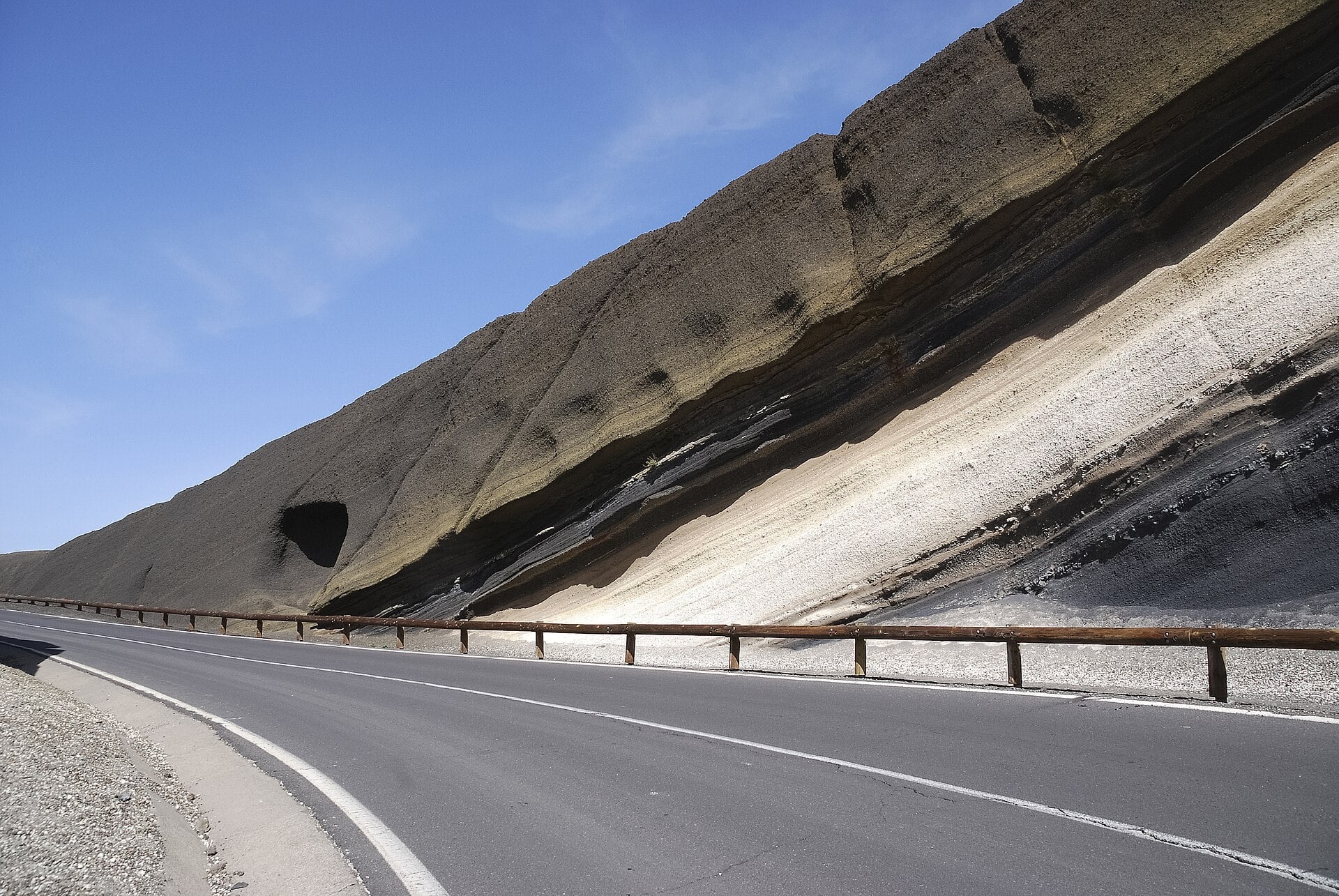
Teide National Park is the absolute heart of the island, with its towering peak reaching an incredible 3,718 metres above sea level. It’s the highest mountain in all of Spain, and visiting it is an absolute must for every traveller. On the way up, you’ll witness a mesmerising transformation of the landscape — banana plantations give way to pine forests, and eventually you find yourself in a surreal lunar landscape. Solidified lava and sharp obsidian create scenery that will genuinely take your breath away.
If you want to make it right to the edge of the volcanic crater, you’ll need to navigate a bureaucratic hurdle. Since January 2026, strict regulations govern the climb to the actual summit, specifically the final trail PNT 10. You now need a special permit and must pay a fee, as park authorities work to protect the fragile ecosystem. Slots disappear at lightning speed months in advance, so last-minute planning simply won’t work here.
Without a pre-booked permit, park rangers won’t let you near the crater and you’ll have to settle for the views from the upper cable car station. I’d recommend sorting your permit the moment you’ve booked your flights, as the Teide permit question is currently the hottest topic on travel forums. 💡 Insider tip: If you can’t secure a permit for a daytime climb, look into organised guided ascents, or consider a legal night-time climb with a stunning sunrise viewing.
2. Teide Cable Car (Teleférico)

For those who don’t want to or can’t tackle the massive elevation gain on foot, there’s a highly efficient cable car operating in the national park. In just eight minutes, it whisks you from the base station at 2,356 metres up to a lofty 3,555 metres above sea level. From there, you’ll enjoy phenomenal views across the entire national park, and on a clear day you can spot the neighbouring islands of La Gomera, La Palma, and El Hierro.
Cable car tickets are in extremely high demand and during peak season you’ll struggle to get them on the spot. Always book them several days in advance online, ideally through the official website or conveniently via platforms like GetYourGuide. Bear in mind that it’s significantly colder at the top with strong winds, so a warm jacket and sturdy footwear are absolute essentials even in the middle of a hot summer.
Cable car operations are extremely weather-dependent and strong winds can halt it at any time. Always check the official website each morning before setting off to avoid an unnecessary drive into the mountains. 💡 Insider tip: Early morning is best not only for smaller crowds but also for clearer air — by afternoon, thick clouds often gather around the summit.
3. Stargazing in the National Park
Tenerife boasts some of the finest stargazing conditions on our entire planet. Teide National Park is an officially certified Starlight Reserve, meaning there’s minimal light pollution and exceptionally clear air. Once the sun sets and most tourists have driven back to their coastal hotels, the park transforms into a perfect natural observatory filled with silence.
For the best experience, I’d recommend joining one of the local agencies offering specialised night excursions. Professional guides with powerful telescopes will show you craters on the Moon, Saturn’s rings, and teach you to navigate the constellations. It’s an utterly magical experience that appeals not just to keen astronomers but to anyone craving a romantic evening beneath the Milky Way.
If you prefer to go it alone, just grab a blanket, a flask of hot tea, and drive up to one of the many viewpoints along the main road. Make sure you dress very warmly though — temperatures here routinely drop to freezing point at night, even during summer months. 💡 Insider tip: The Mirador de los Roques de García viewpoint offers iconic rock tower foregrounds against the starry sky — an absolute paradise for any photographer with a tripod.
4. Anaga Mountains and Laurel Forest
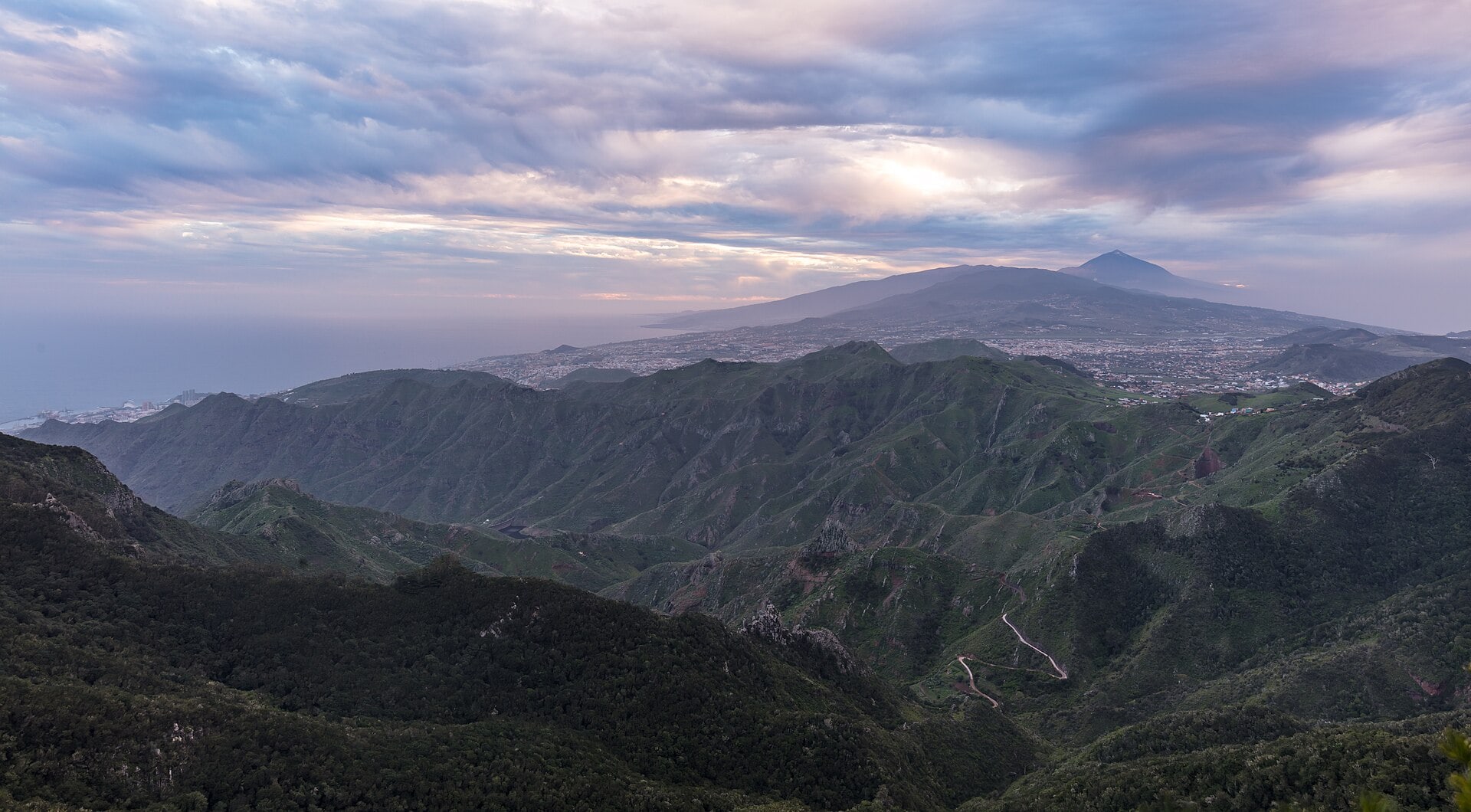
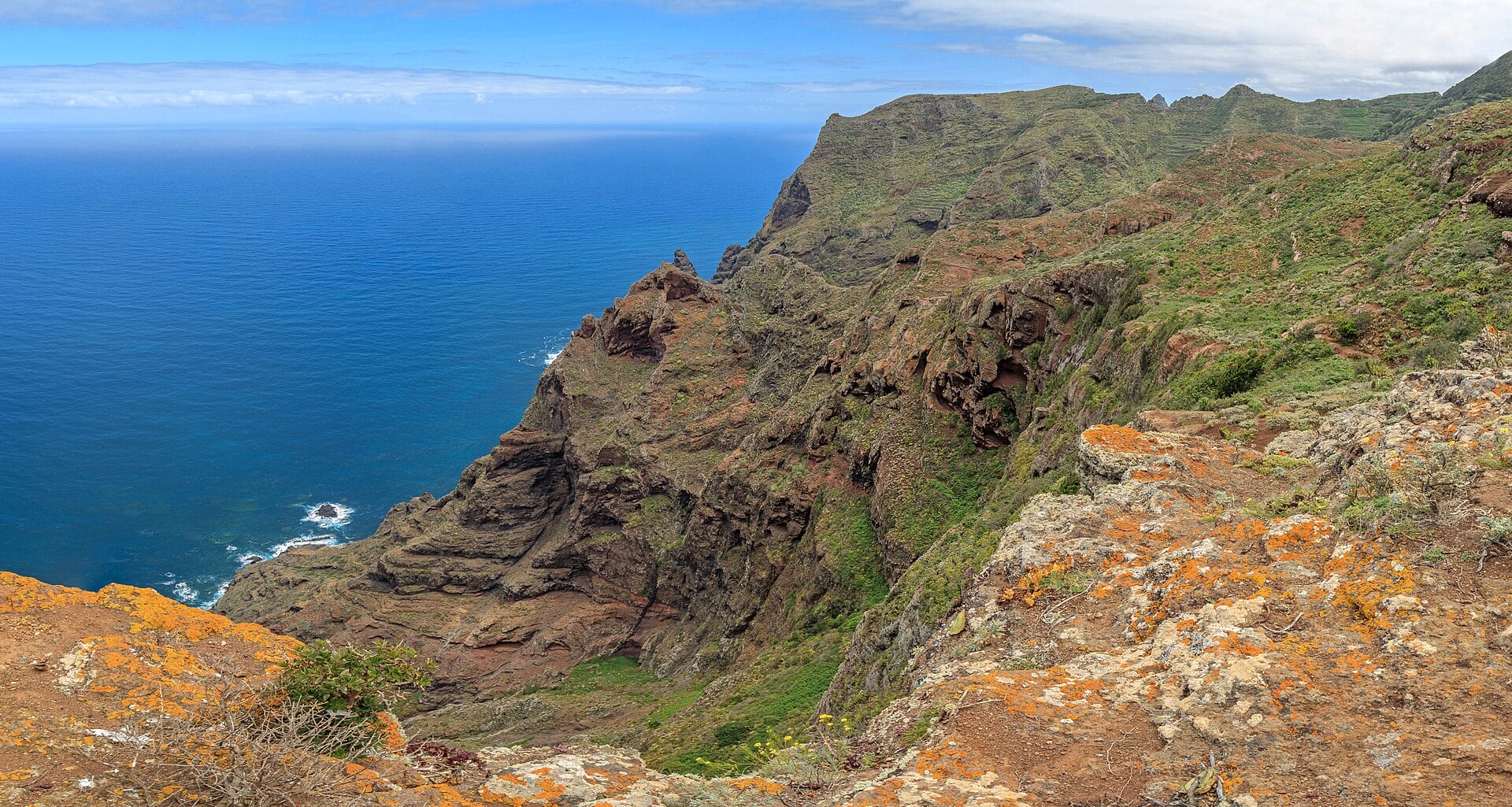
At the far northeastern tip of the island lies the Anaga mountain range, which feels like it belongs to an entirely different world. This ancient massif is cloaked in primeval laurel forest known as laurisilva — a relic from the Tertiary period that has survived nowhere else in Europe. Trees draped in thick moss and ferns are perpetually immersed in mystical mist, creating an atmosphere straight out of a fantasy film.
The entire area is laced with hundreds of kilometres of superbly marked hiking trails of varying difficulty. One of the most beautiful routes is the Sendero de los Sentidos (Trail of the Senses), which starts at the Cruz del Carmen visitor centre. It’s easy, manageable even with small children, and completely draws you into the damp, enchanting ecosystem of this natural wonder.
When heading to Anaga, expect a completely different microclimate from what you’ll find in the south. It rains frequently, it’s windy, and significantly cooler, so a rain jacket and good boots should definitely be in your backpack. 💡 Insider tip: The roads through the Anaga Mountains are incredibly narrow and full of sharp switchbacks, so allow plenty of time and arm yourself with patience when squeezing past oncoming buses.
5. Mountain Village of Masca and the Gorge Trek
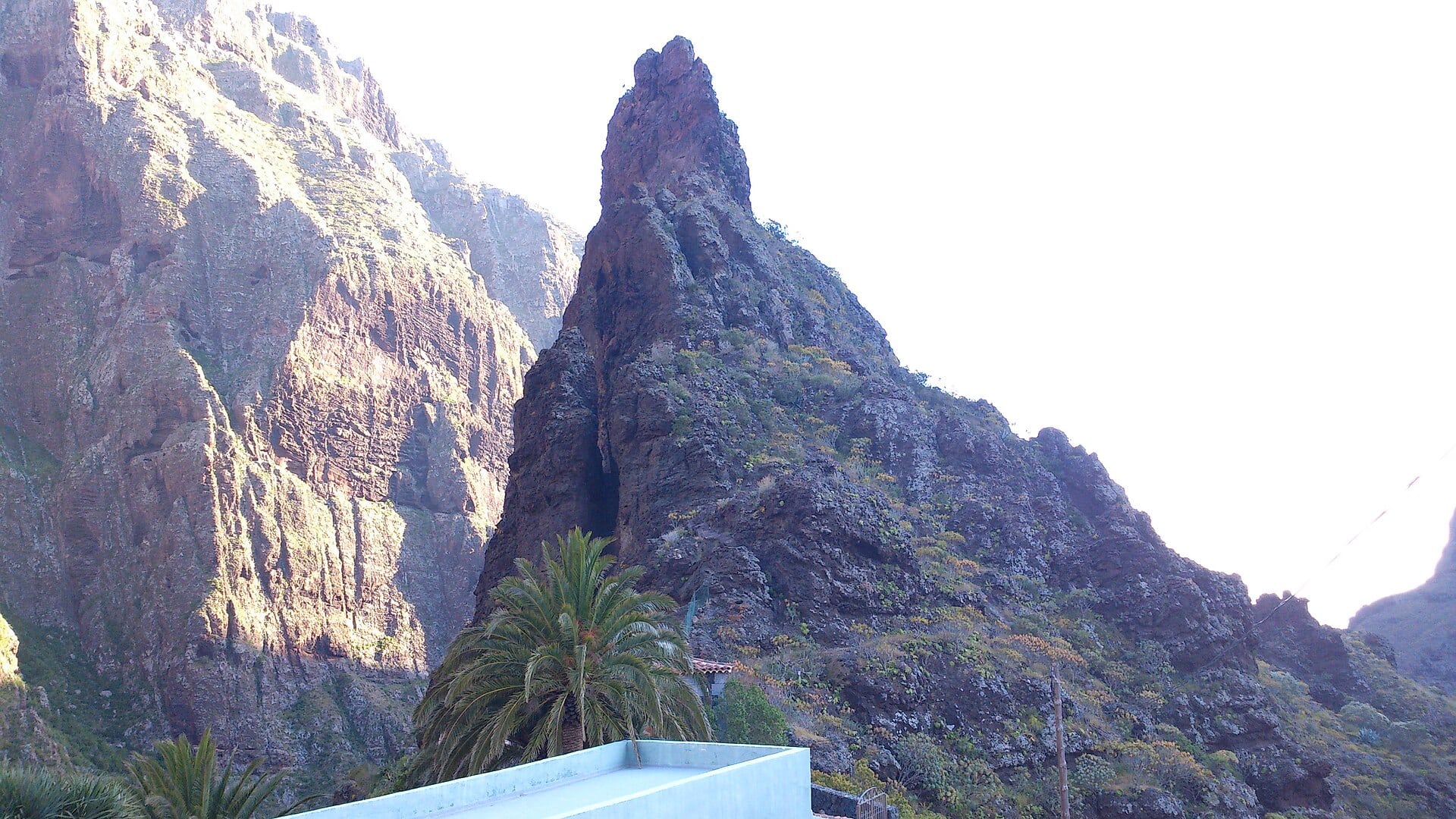
Deep in the Teno Mountains on the western side of the island hides the picturesque village of Masca, often dubbed the Canarian Machu Picchu. Until the 1970s, there was no road leading here at all, and the place was only accessible on foot or by donkey. Today you can drive there, but the road with its extreme switchbacks and dramatic drops will thoroughly test your driving skills and nerves of steel.
The village itself consists of just a few dozen traditional houses that literally cling to steep rocky cliffs. The main draw, however, is the spectacular trek through the Barranco de Masca gorge, which leads from the village all the way down to the wild ocean coast. For safety reasons, access to the gorge is currently strictly regulated and you must book a permit in advance through the official website.
Bear in mind that parking in the village is extremely limited and during peak season it fills up early in the morning. Your best bet is to leave the car in nearby Santiago del Teide and take the local bus or shared taxi to Masca. 💡 Insider tip: For the trek itself, make sure you bring sturdy ankle-supporting boots and plenty of drinking water — the descent and return climb are physically very demanding and the sun can be merciless.
6. Los Gigantes Cliffs (Acantilados de Los Gigantes)
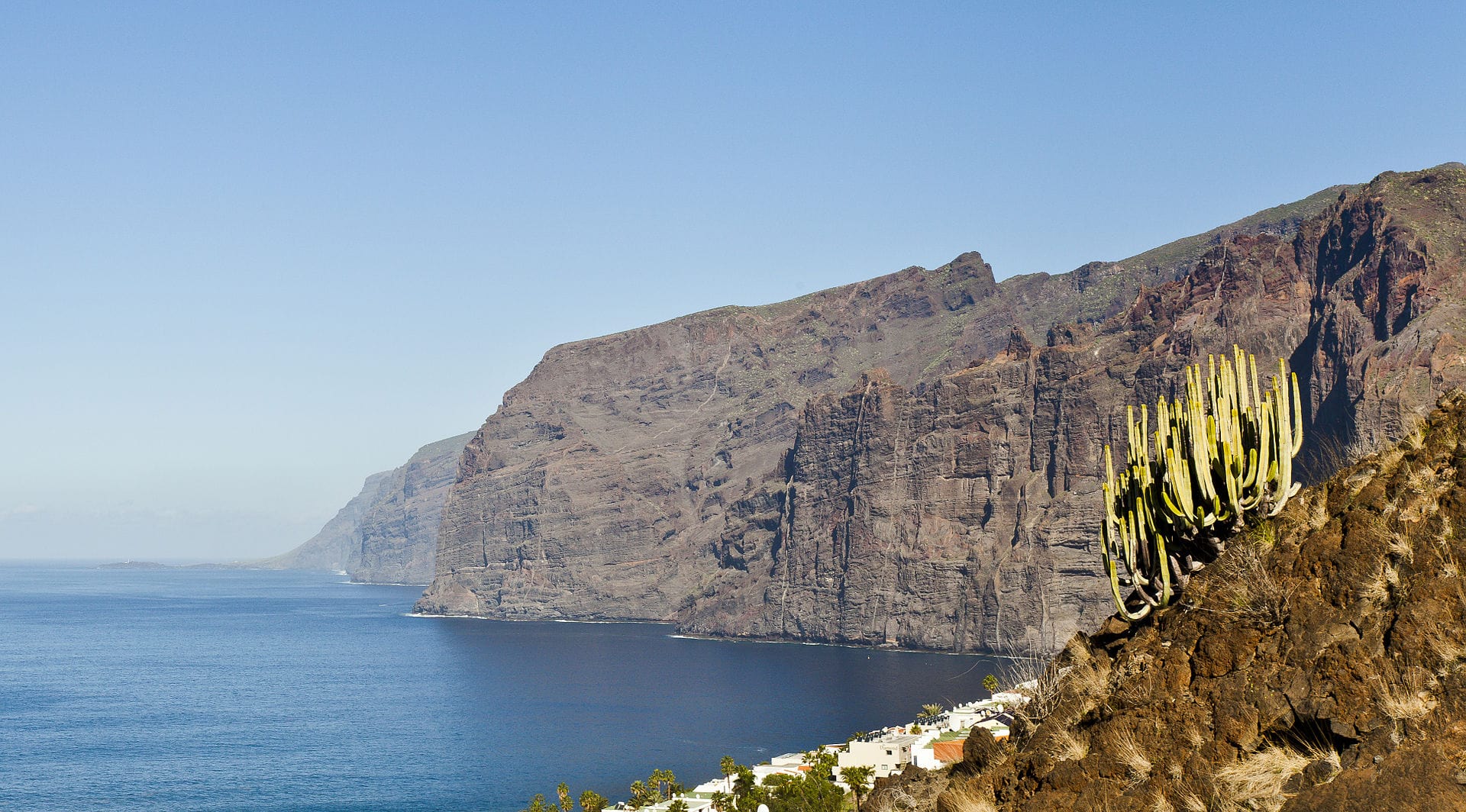
On the western coast you’ll find one of the most awe-inspiring natural spectacles in all of Spain. The colossal rock walls of Los Gigantes plunge almost vertically into the depths of the Atlantic Ocean from a height of over six hundred metres. The original inhabitants of the Canary Islands, the Guanches, aptly called this area the “Wall of Hell” — for them, it marked the end of the known world.
The finest view of the cliffs comes from the deck of one of the many excursion boats departing from the local harbour. Only from the ocean’s surface do you truly appreciate their crushing monumentality and immense scale. If you prefer solid ground beneath your feet, excellent viewpoints can be found right in the town near the harbour, or from the gorgeous black sand beach Playa de los Guíos.
The town of Los Gigantes is relatively quiet and offers a lovely alternative to the busier southern resorts. It’s a wonderful spot for an afternoon coffee paired with watching the sunset paint the rocks in incredible shades of orange and red. 💡 Insider tip: While strolling through town, you’ll come across natural rock pools carved right into the lava, where you can safely swim even on days when the ocean waves are too rough.
7. Whale and Dolphin Watching
The Canary Islands — and specifically Tenerife’s southwest coast — rank among the absolute best places in the world for watching cetaceans in the wild. A huge colony of pilot whales and several dolphin species permanently reside in these waters. The seabed here drops away steeply to enormous depths, creating perfect conditions for their hunting and year-round life.
Whale watching trips most commonly depart from the harbours of Los Cristianos, Puerto Colón, or Los Gigantes. Always choose operators with “Barco Azul” (Blue Boat) certification, which guarantees an ethical approach to the animals. These vessels follow strict rules — they don’t get too close to the cetaceans and don’t suddenly cut their engines, so as not to disturb the animals in their natural habitat.
During a two to three-hour cruise, you have an almost guaranteed chance of spotting some wildlife. The experience of a massive whale surfacing just metres from your boat is one of the most unforgettable memories you’ll bring home from your holiday. 💡 Insider tip: If you’re prone to seasickness, book a spot on one of the larger catamarans, which are far more stable on the open ocean than small motorboats — and take a seasickness tablet about an hour before departure.
8. San Cristóbal de La Laguna (UNESCO)
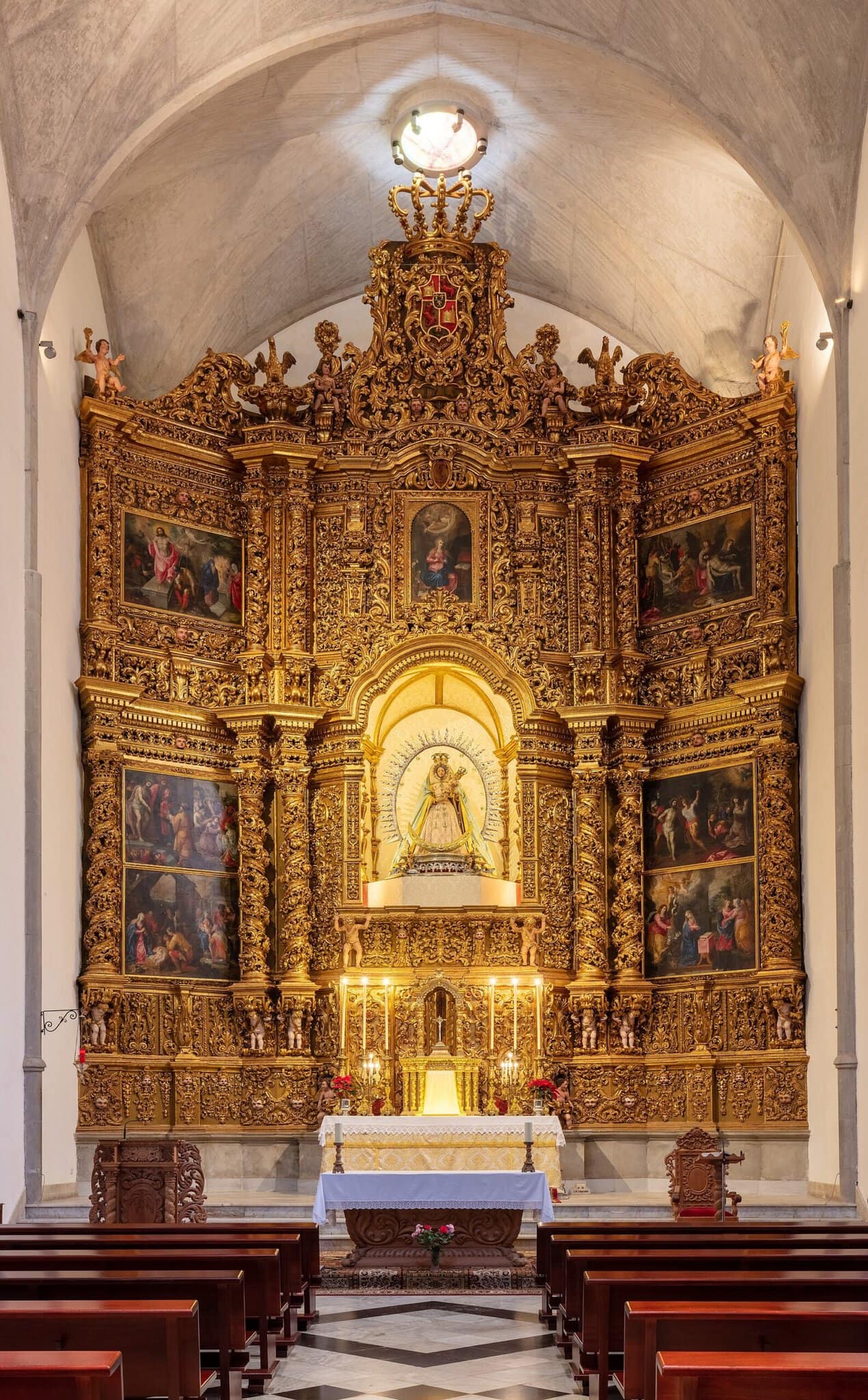
If you want to experience the real history and culture of the island, head north to the city of San Cristóbal de La Laguna. This former capital is deservedly listed as a UNESCO World Heritage Site thanks to its perfectly preserved fifteenth-century historic centre. Its unique grid street layout later served as the blueprint for building many colonial cities across Latin America.
Strolling through, you’ll encounter gorgeous colourful houses with characteristic wooden balconies and peaceful inner courtyards filled with towering palms. The city has a deep university tradition, giving it an incredibly vibrant, youthful energy. In the narrow lanes you’ll discover countless independent cafés, quirky bookshops, and outstanding tapas bars frequented mainly by locals.
Remember that La Laguna sits at over five hundred metres above sea level, and the local climate is completely different from the sunny south. Fog, drizzle, and occasional showers are common, so a jumper and umbrella are essential kit. 💡 Insider tip: Visit in the evening when the historic buildings are beautifully illuminated and the city buzzes with student nightlife, with locals gathered on the squares until the early hours.
9. Santa Cruz de Tenerife
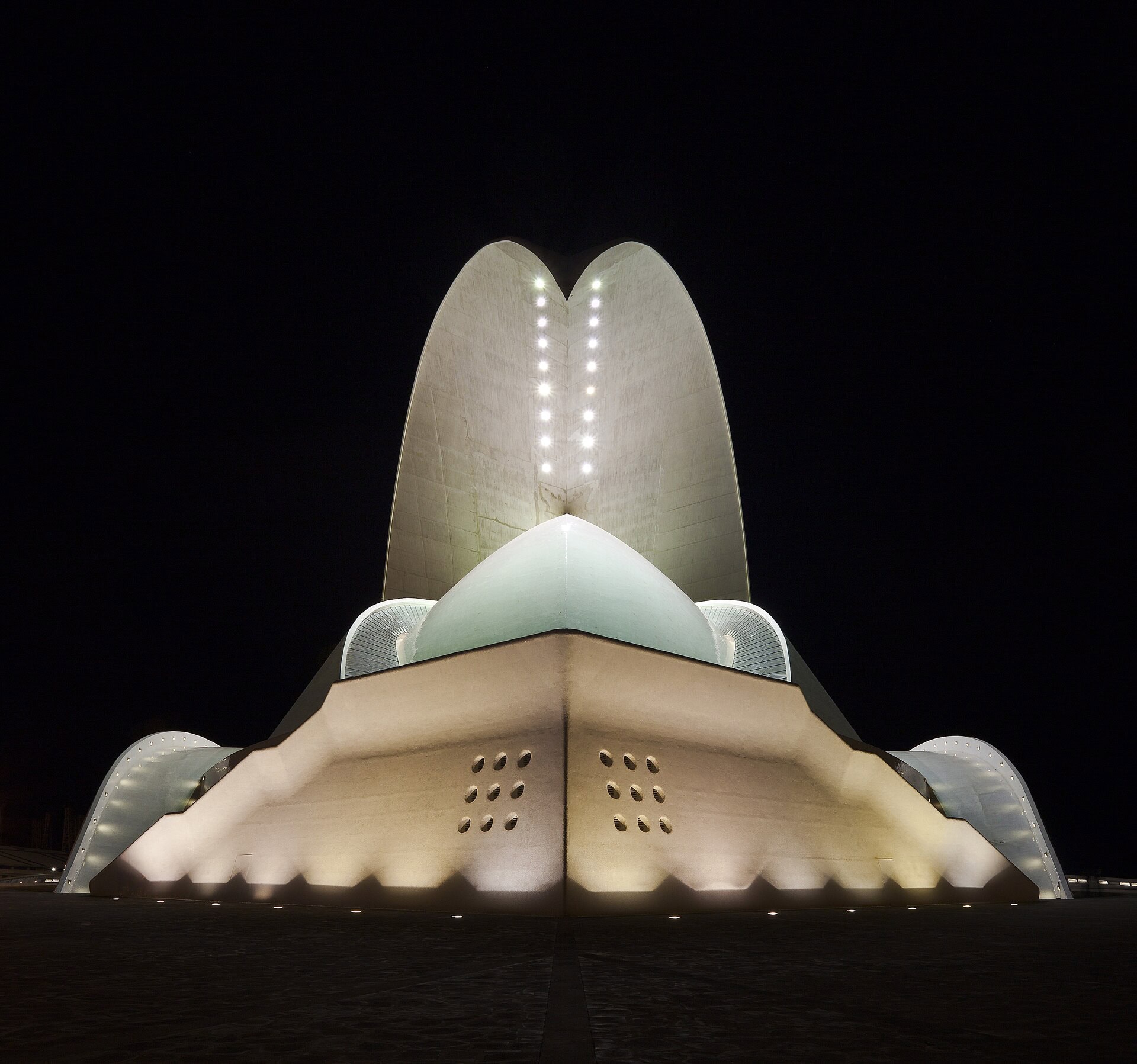
The island’s current capital, Santa Cruz de Tenerife, is a modern buzzing metropolis offering a brilliant mix of culture, shopping, and relaxation. Its most famous landmark is the futuristic Auditorio de Tenerife, designed by acclaimed architect Santiago Calatrava, whose sweeping form bears a striking resemblance to the Sydney Opera House. A beautiful promenade runs alongside it, perfect for an afternoon stroll.
The city boasts abundant green spaces and gorgeous parks, the most notable being Parque García Sanabria, filled with exotic plants and art installations. Shopaholics shouldn’t miss Calle Castillo, where you’ll find boutiques from every major brand, and for an authentic experience head to the Mercado de Nuestra Señora de África market, where you can buy the freshest local produce.
If you fancy a swim, just outside the city lies the stunning Playa de las Teresitas. It’s covered in fine golden sand shipped all the way from the Sahara, and thanks to artificial breakwaters it offers calm water free from dangerous currents. 💡 Insider tip: Every February or March, Santa Cruz hosts one of the biggest carnivals in the world — rivalling Rio de Janeiro itself in sheer spectacle. If you’re planning a spring trip, this extraordinary celebration is not to be missed.
10. Garachico and the Natural Lava Pools
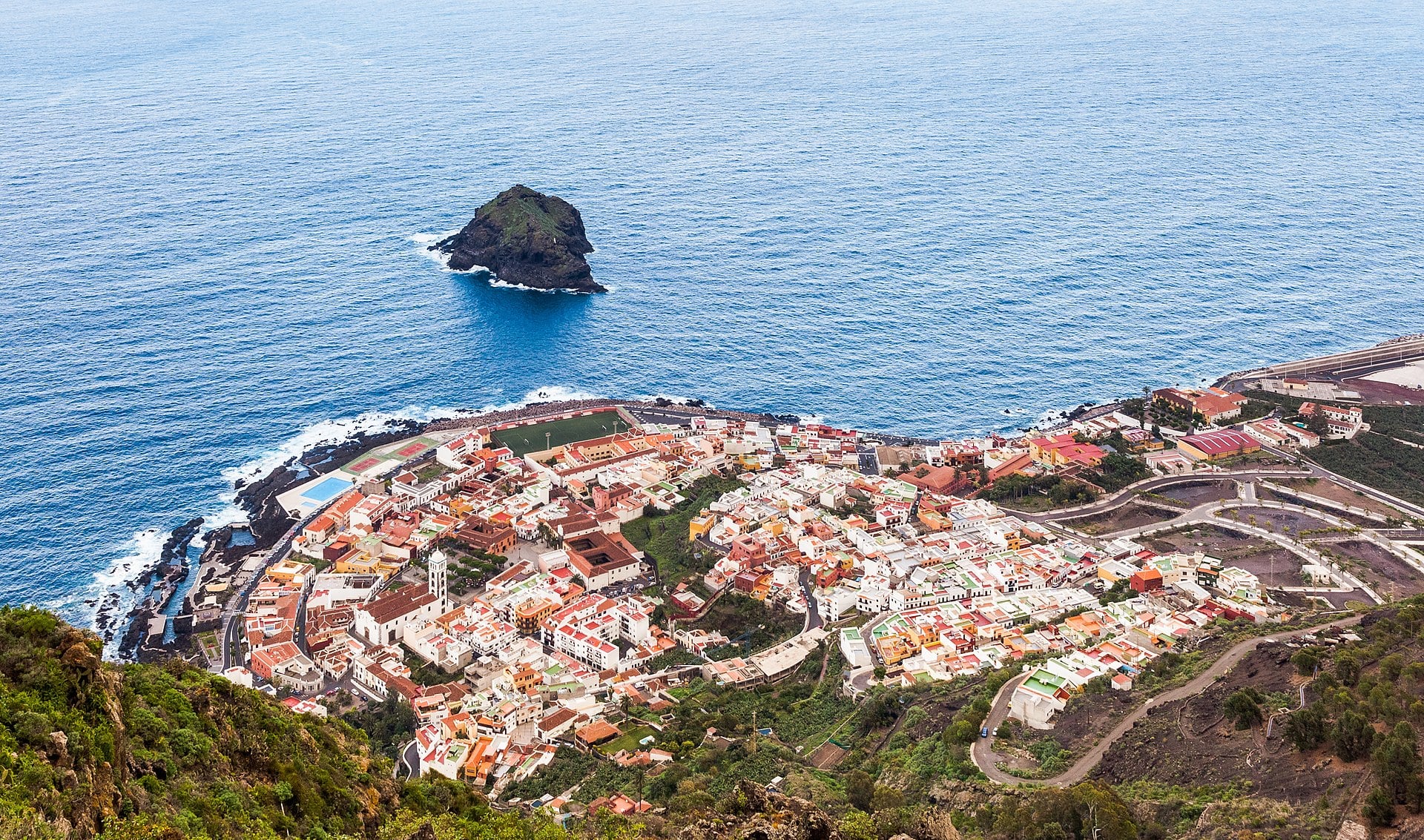
On the northern coast lies one of the most charming — and most tragic — towns on the island. Garachico was once the wealthiest port on all of Tenerife, until a massive eruption of the nearby Trevejo volcano in 1706 all but wiped it out. The molten lava destroyed the entire harbour and forever changed the fate of this prosperous trading hub.
Nature had a fascinating way of compensating, though. The solidified lava that flowed into the ocean created an extraordinary system of natural rock pools known as El Caletón. Today you can safely bathe in these volcanic lagoons and enjoy crystal-clear water sheltered from the wild Atlantic waves. Comfortable walkways and steps have been built around the pools for easy access.
The town itself has preserved a wonderful Canarian atmosphere, with cobbled lanes, old churches, and peaceful squares. It’s the ideal spot for a leisurely lunch on a terrace overlooking the ocean, far from the buzz of the southern resorts. 💡 Insider tip: Access to the lava pools is often closed during winter months due to dangerously large waves — always respect the red flags and don’t risk your safety needlessly.
11. Icod de los Vinos and the Millennial Dragon Tree
A stone’s throw from Garachico, nestled in the hills, lies the town of Icod de los Vinos, famous for two things: excellent local wine and an enormous tree. The star attraction is the Drago Milenario, a colossal dragon tree believed to be the oldest of its kind in the world. Although its age is estimated at a more modest eight hundred years, the massive crown formed by hundreds of intertwined branches is deeply impressive.
The tree sits within a paid botanical park offering a pleasant stroll among exotic flora. If you’d rather not pay the entrance fee, the best view of the dragon tree is completely free from the nearby Plaza de San Marcos. From there, you can even photograph the tree framed by the beautiful historic church and Mount Teide in the background.
As the town’s name suggests, Icod is the centre of the northern wine region. In the narrow streets you’ll stumble upon dozens of small bodegas where you can taste superb local wines, including sweet Malvasia. 💡 Insider tip: Make sure to pop into the little Butterfly Museum (Mariposario del Drago) right next to the park, where you’ll walk among hundreds of free-flying exotic butterflies in a spectacular tropical greenhouse.
12. Loro Parque in Puerto de la Cruz
In the north of the island, you’ll find an institution that regularly collects awards as the world’s best zoo. Loro Parque originally started as a rescue centre for parrots — they now house the largest collection on the planet. Over the years, it has grown into an enormous complex with a strong emphasis on conservation and the protection of endangered species.
The park is impeccably clean, bursting with lush tropical greenery, and the animals live in spacious enclosures designed to mimic their natural habitats. The biggest draw is the giant Planet Penguin pavilion, which simulates Antarctic conditions with tonnes of fresh snow falling daily. You’ll also see gorillas, sloths, tigers, and a massive aquarium with a walk-through tunnel surrounded by sharks.
A visit to the park will easily fill an entire day — and it’s a fantastic experience, not just for families with children. I’d recommend arriving right at opening time to beat the biggest crowds that arrive by coach from the southern resorts. 💡 Insider tip: Buy your tickets online in advance and consider the so-called Twin Ticket, which gives you discounted combined entry to the Siam Park water park on the south of the island.
13. Siam Park on the Costa Adeje
While Loro Parque rules the north, the south boasts the world’s best water park. Siam Park is a massive complex built in a stunning Thai style that will thrill every adrenaline junkie and relaxation-seeker alike. With dozens of world-class slides set amidst beautifully maintained tropical jungle, you never feel like you’re in a typical concrete water park.
The most iconic attraction is the Tower of Power — a twenty-nine-metre-high slide with a near-vertical drop that ends with a ride through a glass tunnel right through a tank filled with sharks and rays. If you prefer something calmer, grab a ring and float along the lazy Mai Thai River, or stretch out on the artificial beach by the enormous wave pool that regularly generates three-metre waves for surfers.
During peak season, the park gets extremely crowded and queues for the most popular attractions can exceed an hour. Investing in a Fast Track pass is well worth it — it lets you skip the queues on popular slides and saves you a lot of frustration. 💡 Insider tip: Loose items including glasses and flip-flops are banned on all rides, so pick up a pair of neoprene water shoes to save your feet from scorching walkways.
14. Puerto de la Cruz and Lago Martiánez
Puerto de la Cruz is the main tourist hub of the north, yet unlike the southern resorts, it has retained a strong Spanish character. Its crowning jewel is the Lago Martiánez complex, designed by the legendary artist César Manrique from nearby Lanzarote. It’s an impressive network of pools filled with seawater, masterfully integrated into the black volcanic rock.
The complex is a perfect example of how to blend modern architecture with raw Canarian nature. You’ll find a huge artificial lake, cascading fountains, and plenty of lounging areas surrounded by palms and exotic flowers. It’s the ideal spot for relaxation on days when the northern ocean is too wild and dangerous for safe swimming.
The town itself offers a beautiful historic centre with traditional fishermen’s cottages and outstanding restaurants. Stroll along the seafront promenade to Plaza del Charco, the main social heart of the town that buzzes with life from morning until late at night. 💡 Insider tip: Not far from the centre you’ll find the wonderful Jardín Botánico, a botanical garden established back in the eighteenth century to acclimatise exotic plants brought from the Americas to Europe.
15. Playa de las Américas Beach
Playa de las Américas is synonymous with lively holidays, nightlife, and non-stop entertainment. This southern resort never sleeps and offers the best infrastructure for those who love the buzz of major tourist centres. You’ll find miles of seafront promenades lined with hundreds of restaurants, bars, nightclubs, and souvenir shops.
The beach itself is protected by breakwaters, offering very calm and safe swimming ideal even for families with small children. The sand has a pleasant golden colour, and comfortable sun loungers with parasols are available to hire everywhere. The area is also popular with the surfing community — right next to the main beaches, rocky reefs create excellent waves for beginners and advanced surfers alike.
It’s worth noting that you’ll find virtually no authentic Spanish culture here — everything is geared primarily towards British and German tourists. But if you want guaranteed sunshine, great cocktails, and a buzzing nightlife, you’re in the right place. 💡 Insider tip: To escape the biggest crowds, walk along the coast northwards towards the more upscale Costa Adeje area, where you’ll find quieter coves and premium beach clubs with outstanding service.
16. Los Cristianos and Harbour Vibes
Right next to Playa de las Américas lies the town of Los Cristianos, which has gradually merged into one sprawling conurbation but retains a slightly calmer feel. Originally a small fishing village, its historic centre — a tangle of narrow streets and small squares around the harbour — can still be admired, letting you soak up a bit of that old Canarian atmosphere.
Playa de los Cristianos is wide, covered in fine yellow sand, and thanks to a gentle slope into the water it’s absolutely ideal for families with children and non-swimmers. The local harbour serves as the main ferry hub, with boats departing several times daily to the neighbouring islands of La Gomera, La Palma, and El Hierro. It’s a fascinating hive of boats that’s wonderful to just sit and watch from a bench with a coffee in hand.
A lively promenade runs along the beach, lined with cafés and restaurants that have thankfully avoided the noisiest nightclubs. It’s a great spot for an evening stroll rounded off with an excellent dinner overlooking moored sailing boats. 💡 Insider tip: Head just past the harbour to nearby Montaña Chayofita — a short and easy trail leads to the top, rewarding you with a fantastic panoramic view of the entire southern coastline.
17. El Médano — A Surfer’s Paradise
If you want to avoid mass-market resorts and are looking for a more bohemian vibe, make your way to El Médano. This spot is famous as the island’s main windsurfing and kitesurfing base, thanks to the near-constant wind that blows here virtually year-round. The sky above the local beaches is perpetually filled with colourful kites and sails, creating an absolutely stunning dynamic backdrop.
The town has a wonderfully laid-back and friendly atmosphere that attracts young people, digital nomads, and sports enthusiasts from across Europe. Instead of luxury boutiques, you’ll find surf rental shops, vegan cafés, and independent little stores selling handmade jewellery. The central square often hosts small markets and street concerts that give the place enormous charm.
The bay is dominated by the volcanic cone of Montaña Roja (Red Mountain), which rises directly from the ocean and divides the coastline into two main beaches. Hiking to its summit takes under an hour and makes for a brilliant activity on a windy afternoon. 💡 Insider tip: Playa de la Tejita beyond Red Mountain is one of the largest natural beaches on the island — completely untouched by development, with a section designated for nudists.
18. Black Volcanic Beaches (Playa Jardín and Benijo)
Tenerife is a volcanic island, and its most striking beaches aren’t white or golden — they’re deep, dark black. Sand made from ground-up volcanic rock has a unique allure and can heat up incredibly quickly in the sun. One of the most accessible black beaches is the gorgeous Playa Jardín in Puerto de la Cruz, designed by the aforementioned César Manrique and surrounded by beautiful subtropical gardens and artificial waterfalls.
If you’re after true wilderness, however, you need to head north into the Anaga Mountains. Playa de Benijo is one of the most photographed spots on the island, thanks to its dramatic cliffs and jagged sea stacks rising straight from the crashing surf. Getting there involves plenty of steps, and there are absolutely no facilities like sun loungers or parasols — just the raw, untamed power of the Atlantic.
Swimming at the wild northern beaches demands enormous respect for nature. Huge waves and treacherous undercurrents are common, so only venture into the water when conditions are completely calm. 💡 Insider tip: Treat the black sand with respect — in the midday sun it heats up to temperatures that can badly burn your feet within seconds if you’re not wearing sturdy shoes or flip-flops.
19. La Orotava and Its Historic Centre
Perched on the slopes just above Puerto de la Cruz, La Orotava is considered by many to be the most beautiful town on the entire island. Its historic centre is a stunning showcase of rich Canarian architecture from the seventeenth and eighteenth centuries, when the town grew wealthy from wine and sugar cane exports. Every street is incredibly steep, so exploring will give your legs a proper workout.
The most famous landmark is the Casa de los Balcones (House of the Balconies), which displays the exquisite craftsmanship of local woodcarvers. Its inner courtyard with elaborate carved galleries and lush vegetation is a typical example of how the upper class lived in those days. Nearby, the terraced gardens of Jardines del Marquesado de la Quinta Roja offer breathtaking views stretching all the way to the ocean.
La Orotava is world-renowned for its Corpus Christi celebrations, usually held at the turn of May and June. Local residents cover the streets and squares with enormous carpets woven from flowers and coloured volcanic sand brought from Teide National Park. 💡 Insider tip: If you want to visit the unique old water mill Gofio La Máquina, where traditional Canarian gofio flour is still ground using water power, head up the steep lanes above the town centre.
20. Pyramids of Güímar
On the eastern coast you’ll find one of the greatest archaeological mysteries of the entire Canary Islands. In the town of Güímar stand six step pyramids that bear a striking resemblance to structures in Mexico or Peru. For a long time, they were dismissed as random piles of stones left by farmers clearing their fields.
The famous Norwegian explorer and navigator Thor Heyerdahl, however, proposed a fascinating theory that these structures have a clear astronomical orientation and prove an ancient connection between Egypt and the civilisations of Central America. While modern archaeologists largely dispute his bold claims and date the structures to the nineteenth century, the site itself remains captivating.
An excellent ethnographic park has been built around the pyramids, featuring a superb museum dedicated to Heyerdahl’s expeditions and ancient seafaring. You’ll also find replicas of his famous reed boats Ra II and Kon-Tiki. 💡 Insider tip: The park also includes a unique poisonous plant garden, where under the guidance of staff you can safely learn about the world’s most dangerous plants — a great stop for older children too.
21. Punta de Teno and the Western Lighthouse
At the very northwestern tip of the island lies a place that has preserved an incredibly wild and isolated atmosphere. Punta de Teno is a rocky peninsula with an iconic red-and-white lighthouse, offering some of the best views of the massive Los Gigantes cliffs. It’s an absolutely ideal spot for watching the sunset, when the sky and rocks blaze in dramatic hues.
The road to the lighthouse is carved into steep cliffs above the ocean. For conservation and safety reasons, private car access is strictly prohibited during the day (typically from 10 am to 7 pm). If you want to get here during daytime, you’ll need to take a special scheduled bus from the nearby town of Buenavista del Norte, or book a boat trip.
Beyond the lighthouse and the views, you’ll find just a few small coves with crystal-clear water that are great for cautious snorkelling among the volcanic rocks. Don’t expect any restaurants or snack bars here — bring all your food and drink with you. 💡 Insider tip: Winds on the headland can be extreme, so don’t forget a windbreaker even in the height of summer — the wind chill drops the temperature surprisingly fast.
22. A Taste of Canarian Cuisine
Canarian cuisine is wonderfully diverse, and thanks to influences from Spain, Africa, and Latin America, it offers brilliant experiences even for committed vegetarians. The absolute staple is papas arrugadas — traditional wrinkled potatoes boiled in heavily salted water with their skins on until a fine salt crust forms. They’re served as a side dish with practically everything, or simply on their own as superb tapas.
These potatoes wouldn’t be complete without two iconic sauces — red mojo rojo and green mojo verde. The red version is made from hot peppers, garlic, and olive oil, while the green is milder, built on fresh coriander or parsley. Another huge culinary phenomenon is gofio, a toasted flour made from corn and wheat that gets added to soups, sweet desserts, and even morning milk.
If you’re a cheese lover, you absolutely must try queso asado — a thick slab of local goat or sheep cheese grilled until golden and drizzled with honey and green mojo. It’s an incredibly hearty and flavour-perfect combination. 💡 Insider tip: Skip the overpriced restaurants on the beach promenades and instead seek out so-called guachinches — traditional family taverns in the northern hills where they’ll serve you simple food alongside the finest homemade wine straight from their own barrels.
Map of points of interest for your phone
Where to Go Next from Tenerife (and Spain)
If you’re planning a longer trip and want to combine Tenerife with another island, the most logical choice is a short ferry crossing to the lush La Gomera. Many travellers also use the Canary Islands as a brilliant springboard for exploring mainland Spain, with cheap direct flights running several times daily.
If the mainland and stunning architecture appeal, be sure to check out our guide to Barcelona or discover the magic of the capital in our Madrid article. For fans of southern charm, we’ve put together a fantastic Andalusia guide, complemented by a detailed look at Seville, Moorish Granada, and historic Córdoba. Fascinating experiences also await in Ronda and on the legendary Caminito del Rey trail. For Basque culture, head to San Sebastián or Bilbao. Combine a beach holiday with a visit to Valencia, enjoy a relaxed getaway in Málaga, and for the legendary party scene head to Ibiza. Don’t forget to swot up on what to expect at the dinner table with our guide to typical Spanish food.
Frequently Asked Questions
Do I need a car on the island?
Yes, if you really want to explore the island and aren’t planning to just lounge by the hotel pool, I highly recommend renting a car. While public transport does run between the major coastal towns, getting to mountain villages, national parks, and secluded beaches without a car is extremely difficult and you’ll waste a lot of valuable time.
Which airport should I choose for arrival?
Tenerife has two airports. For most international flights from Europe, you’ll use the southern airport Tenerife Sur (TFS), which is located close to the main beach resorts. The northern airport Tenerife Norte (TFN) is mainly used if you’re connecting through mainland Spain (such as Madrid) or planning to fly to the smaller surrounding islands.
Is the ocean warm enough for swimming in winter?
The Atlantic never reaches the temperatures of the Mediterranean in August, but you can swim here year-round. During the coldest months from January to March, the ocean temperature hovers around nineteen degrees Celsius, which is perfectly refreshing on the sun-baked southern coast.
Where is it warmer, in the north or the south?
The difference is huge. The arid south around Costa Adeje is sheltered by the high mountains in the center of the island, with constant sunshine, minimal rainfall, and consistently high temperatures. The north around Puerto de la Cruz is much greener, more humid, often cloudy, and can easily feel five degrees cooler.
How many days do I need to explore the island?
The absolute minimum for a visit is one full week, though even then you’ll have to skip plenty of interesting places. If you want to comfortably combine mountain trips (Teide, Anaga, Masca) with beach relaxation and visits to historic towns, the ideal length is ten to fourteen days.
Should I sort out the Teide permit before I leave home?
Absolutely. Especially from 2026 onwards, the rules for climbing are very strict, trail capacity is limited, and slots for the actual summit disappear months in advance. If you don’t have a permit reserved beforehand from home, you’ll only get one on-site by sheer luck from other tourists’ cancelled reservations.
Are the Canary Islands expensive?
Prices here are very reasonable, on average somewhat lower than mainland Spain or Western Europe, thanks to a special reduced tax regime. Petrol, supermarket groceries, and food at local restaurants away from the main tourist strips will pleasantly surprise you with very sensible prices.
Tips and Tricks for Your Vacation
Don’t Overpay for Flights
Search for flights on Kayak. It’s our favorite search engine because it scans the websites of all airlines and always finds the cheapest connection.
Book Your Accommodation Smartly
The best experiences we’ve had when looking for accommodation (from Alaska to Morocco) are with Booking.com, where hotels, apartments, and entire houses are usually the cheapest and most widely available.
 🚗 Car rental on the roadVerified rental cars in the Canary Islands
Search with the DiscoverCars comparison engine — it compares prices from dozens of local and international rental companies, and most bookings come with free cancellation.
Compare car prices in the Canary Islands →Don’t Forget Travel Insurance
Good travel insurance will protect you against illness, accidents, theft, or flight cancellations. We’ve had a few hospital visits abroad, so we know how important it is to have proper insurance arranged.
Where we insure ourselves: SafetyWing (simple monthly subscription) and TrueTraveller (for extra-long trips).
Find the Best Experiences
Get Your Guide is a huge online marketplace where you can book guided walks, trips, skip-the-line tickets, tours, and much more. We always find some extra fun there!