

The moment you first step into the historic centre of Salamanca Spain and the afternoon sun hits the buildings around you, you’ll immediately understand why this place is nicknamed the Golden City. All the major buildings are constructed from a special sandstone quarried nearby in Villamayor, rich in iron content that literally glows in the sunlight. Salamanca won’t overwhelm you with grand modern boulevards — instead, it gradually wins you over with its incredibly vibrant energy. It’s one of the oldest university cities in Europe, where centuries of history blend seamlessly with an endless stream of student life in narrow cobblestone alleyways.
If you’re looking for a Spanish destination that offers breathtaking architecture without the endless crowds you’d find at coastal resorts, Salamanca is an absolutely perfect choice. Within a remarkably compact area, you’ll find two stunning cathedrals joined into one enormous structure, mysterious facades full of hidden symbols, and dozens of picturesque little squares dotted with cafés. The city is also easily accessible by train from Madrid, making it a brilliant option even as a short inland getaway. From the UK, you can fly into Madrid with British Airways, Ryanair, or easyJet and be in Salamanca in under two hours by high-speed rail.
TL;DR
- Spain’s most beautiful square: Plaza Mayor in Salamanca is considered by many to be the most stunning square in all of Spain and forms the natural heart of the city.
- Two cathedrals: The city boasts a unique complex of the Old and New Cathedrals, connected to each other, with a famous astronaut sculpture hidden on the newer one’s facade.
- University tradition: The local university was founded back in 1218, and visitors try to spot a tiny frog carved into its ornate facade — said to bring good luck.
- House of Shells: Casa de las Conchas is an iconic palace decorated with over three hundred carved scallop shells.
- Day trip from Madrid: You can reach Salamanca comfortably by train from the capital in just under two hours, making it a perfect long-weekend destination.
- When to visit: The best weather awaits in spring and autumn, as summers are extremely hot and winters bitterly cold.
The full destination guide: Spain — guide and what to see
When to Visit Salamanca Spain
The geographic heart of Spain and the surrounding high plateau have a rather harsh continental climate. Locals often sum it up with a clear and fitting rule: nine months of winter and three months of hell. Winters here are genuinely freezing and often accompanied by biting winds, while the summer months from June to August bring scorching heat with temperatures regularly exceeding 40 °C (104 °F).
The best time to visit is undoubtedly spring or early autumn. The ideal months are April, May, September, and October, when temperatures are pleasant for full days of sightseeing and the city buzzes with student life. If you do end up visiting in the middle of summer, we’d recommend adapting to the Spanish rhythm — take a long siesta during the worst of the midday heat in the shade of a cool church or museum.
Where to Stay in Salamanca
💡 Tip for accommodation and activities: We usually search for accommodation on Booking.com, which tends to have the best cancellation policies. For tickets, tours, and activities, it’s worth comparing options on GetYourGuide.
Salamanca is a very compact city, and you can easily cover the vast majority of attractions on foot. The smartest strategy is to pick accommodation right in the historic centre, ideally somewhere in the triangle between Plaza Mayor, the cathedral, and the university buildings. If you’re arriving by car, be very careful about parking — the old town is criss-crossed with pedestrian zones and one-way streets, so it’s best to find a hotel with its own underground garage.
You can easily arrange accommodation through the usual booking platforms, and we’d recommend booking through Booking.com well in advance, especially if you’re planning a trip during the September festivities or spring holidays.
- Sercotel Las Torres: This hotel sits right on the iconic Plaza Mayor and offers absolutely unbeatable views from its windows straight onto the action in the city centre. The rooms are a touch on the smaller side, but the location more than makes up for it.
- Hospes Palacio de San Esteban: If you’re after a touch of luxury and an unforgettable atmosphere, this hotel is housed in a beautifully restored 16th-century Dominican convent. It features a gorgeous garden with a pool — an absolute godsend during the hot months.
- Hotel Rector: A charming boutique hotel near the Roman bridge that regularly features in lists of the best small hotels in Europe. It’s ideal if you’re looking for complete tranquillity while still being just a few minutes’ walk from the cathedral.
15 Best Things to See and Do in Salamanca Spain
Let’s dive into the very best this university city has to offer. The historic centre has been a UNESCO World Heritage Site since 1988, and centuries of history greet you around every corner. Many smaller details and tours can be booked in advance — you’ll find a wide range of guided walks easily on GetYourGuide.
1. Plaza Mayor and Its Unique Atmosphere
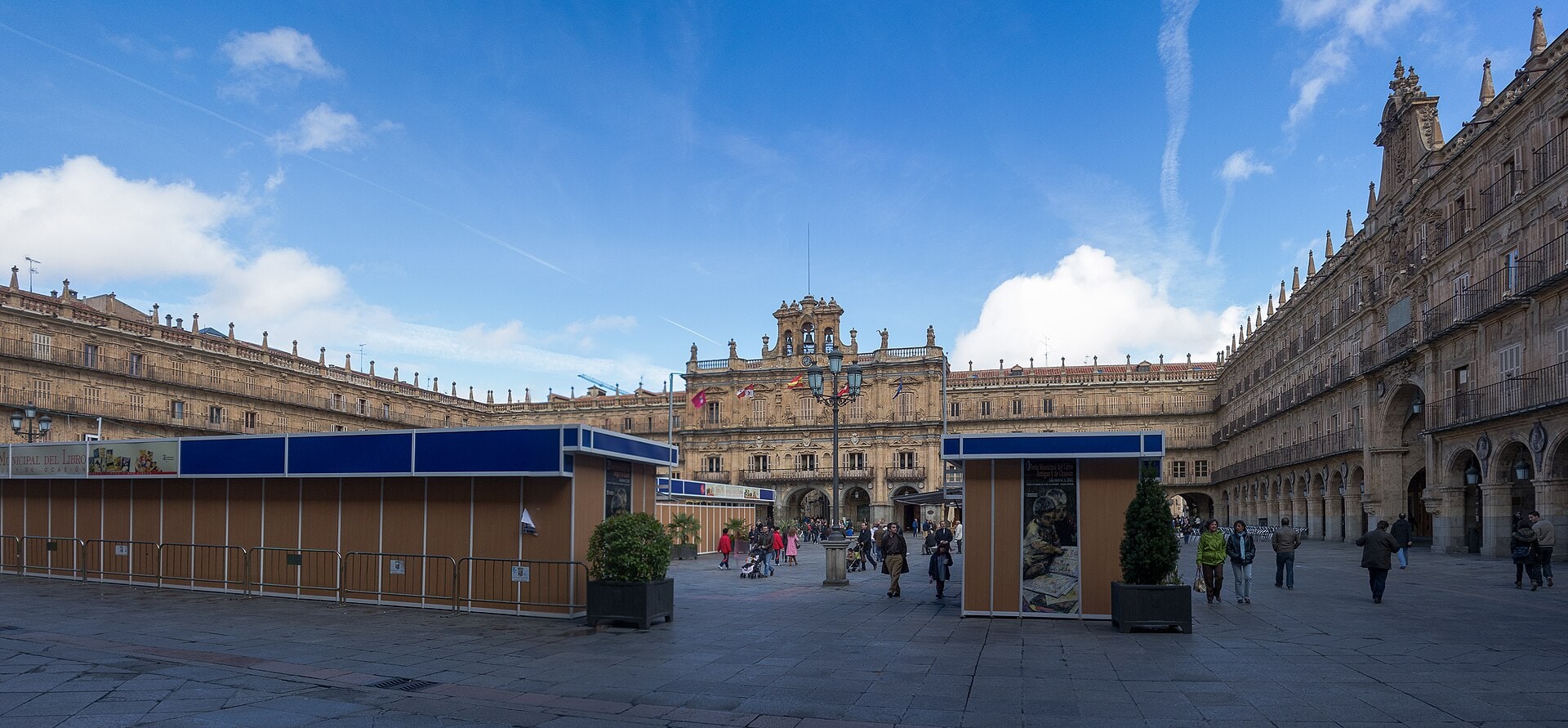
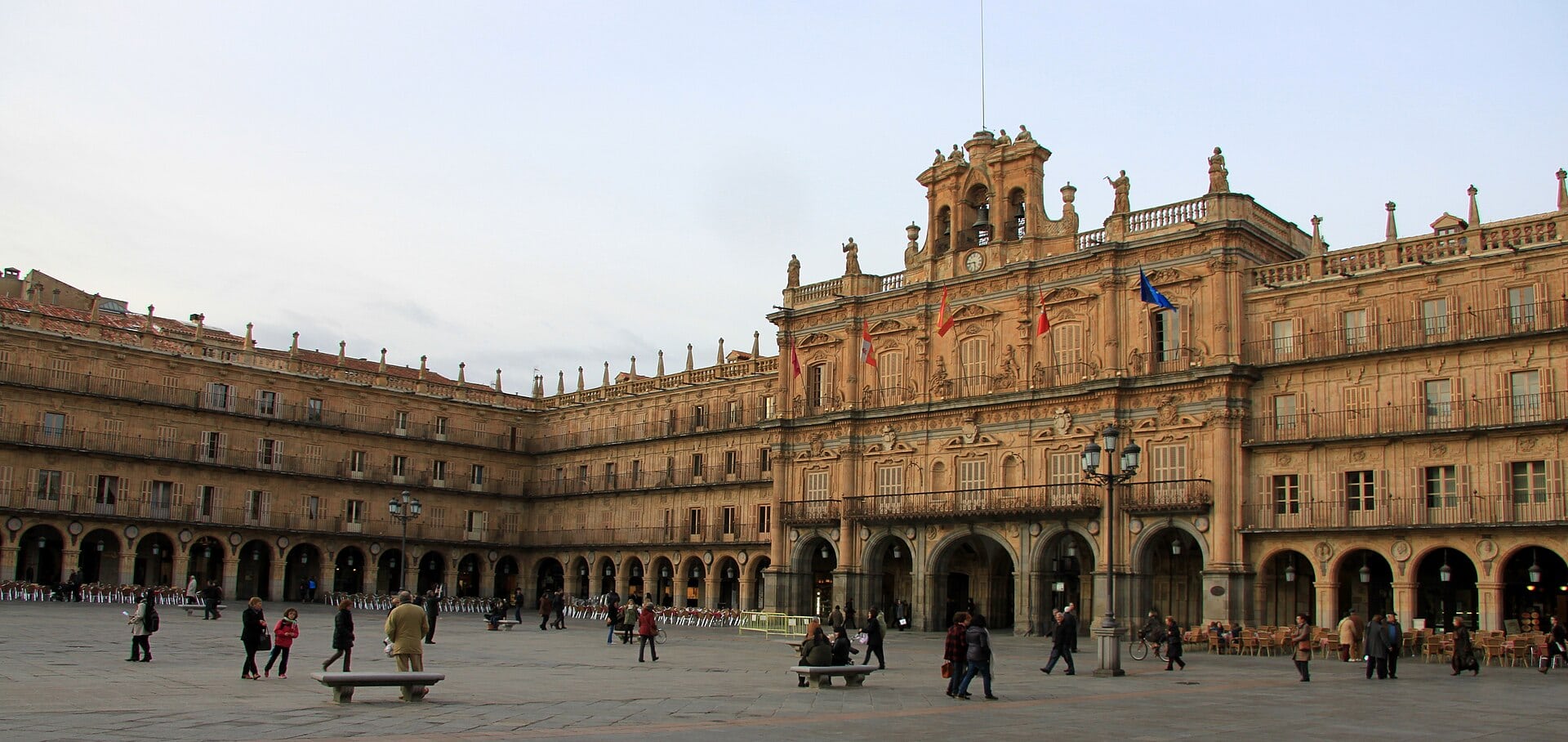
Plaza Mayor in Salamanca isn’t just any old square — according to many Spaniards, it’s the most beautiful plaza in the entire country. Built in the 18th century in stunning Baroque style to a design by architect Alberto de Churriguera, it forms a perfect enclosed rectangle lined with arcades featuring 88 arches. The entire space is built from golden sandstone that shifts in hue throughout the day, from pale yellow to deep orange.
Between the arches of the arcade, you’ll spot carved medallions bearing the faces of notable figures from Spanish history. You’ll find kings, explorers, writers, and military commanders, while some medallions are deliberately left blank, waiting for future heroes. The square once served as a bullfighting arena, but today it’s the city’s main meeting point where students, locals, and visitors all converge.
💡 Local tip: The best time to visit the square is early morning, when it’s still almost deserted and you can photograph it in peace, and then again after dark, when hundreds of lights come on and the square takes on an incredibly romantic atmosphere. Make sure to grab a seat at the historic Café Novelty, which has been serving customers since 1905, and enjoy a coffee with a view of the town hall.
2. Two Cathedrals Joined Into One
Most cities have just one cathedral, but Salamanca can boast two enormous houses of worship that are quite literally stuck together. When construction of the New Cathedral (Catedral Nueva) was approved in the 16th century, the original plan called for demolishing the old one. Fortunately, the build took so long that both structures ended up being preserved, and today you can seamlessly walk from the breathtaking late Gothic space into the more intimate Romanesque Old Cathedral (Catedral Vieja).
The Old Cathedral dates back to the 12th century, and its crowning glory is a remarkably well-preserved altarpiece with 53 panel paintings depicting scenes from the lives of Christ and the Virgin Mary. The New Cathedral, by contrast, impresses with its soaring height and richly decorated vaulting that seems to float in mid-air. The devastating Lisbon earthquake of 1755 seriously damaged the structure, but the tower was subsequently reinforced and still stands proudly today.
Don’t miss paying for the Ieronimus exhibition, an absolutely unique route that takes you across the rooftops and walkways of both cathedrals. You’ll get up close to the vaulting, peer down into the main nave from a dizzying height, and finally climb to the very top of the tower for the best panoramic view of the entire city.
3. The Astronaut and the Ice-Cream-Eating Dragon on the Facade
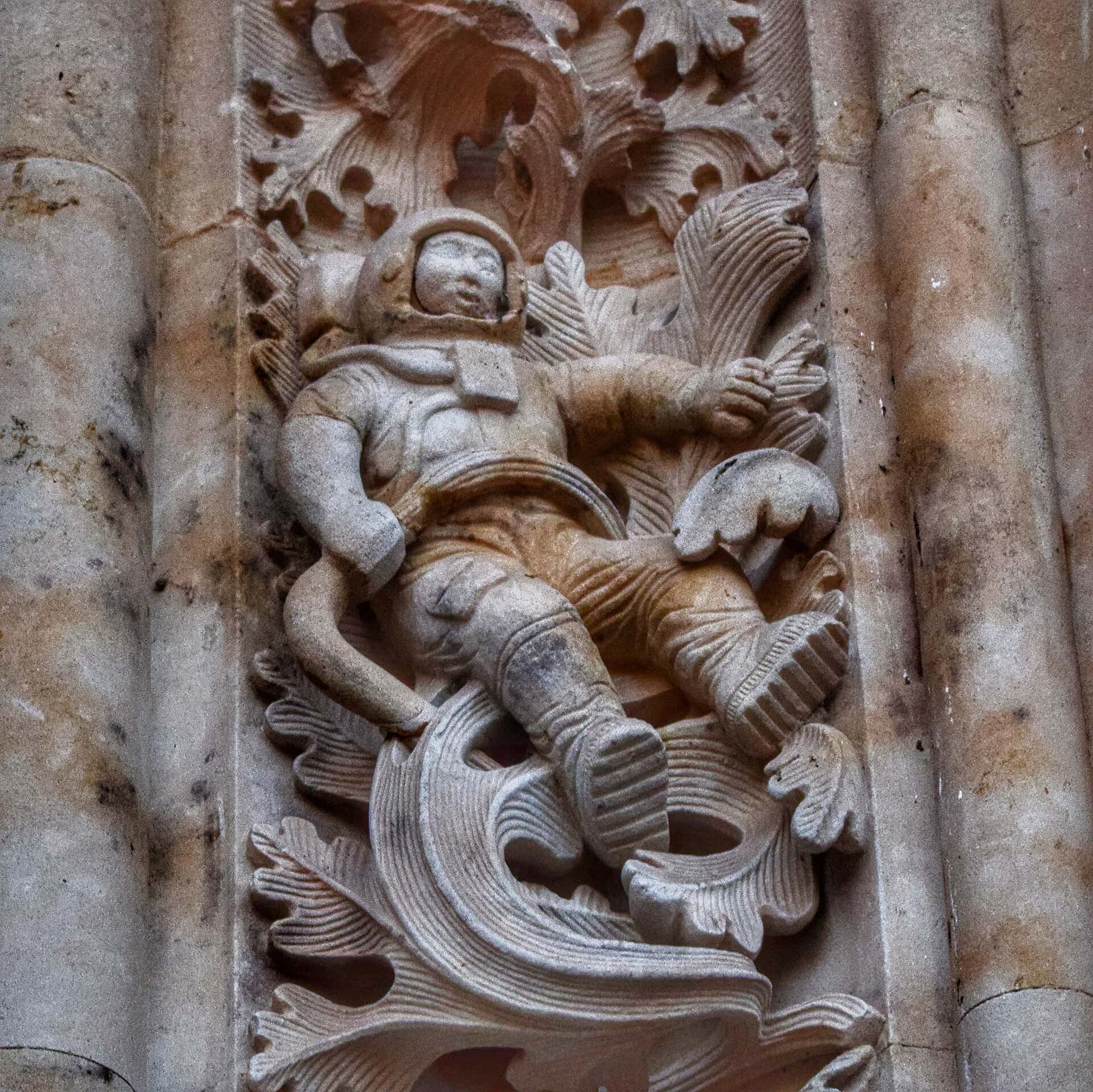
Stand in front of the north portal of the New Cathedral, known as the Puerta de Ramos, and you’ll likely spot a huddle of tourists breathlessly scanning the elaborate stone carvings. They’re searching for one of the most famous and bizarre details in all of Salamanca. Right in the middle of 16th-century Gothic ornamentation hangs a perfectly carved sculpture of a modern astronaut in a spacesuit.
This anachronism has a fairly simple and logical explanation that tourists often miss. In 1992, the cathedral facade underwent extensive restoration, and the lead stonemason Jerónimo García decided to honour an old tradition whereby builders should always add an element representing their own era to any monument being repaired. The astronaut thus symbolises the 20th century and humanity’s enormous technological progress.
💡 Local tip: The astronaut isn’t the only surprise on this facade. If you look a little lower, you’ll also find a dragon happily tucking into a scoop of ice cream in a cone. Hunting down all these modern details is great fun, especially if you’re travelling with children.
4. University of Salamanca and Its Historic Halls
The University of Salamanca, founded in 1218, is the oldest functioning university in Spain and the fourth oldest in all of Europe. Its historic buildings form their own quarter, and simply strolling through the old courtyards instantly transports you back several centuries. The main building, Escuelas Mayores, boasts an absolutely breathtaking Plateresque facade that looks more like the delicate work of a silversmith than a stonemason.
Inside, make sure to explore the old lecture halls, which have preserved their original 16th-century appearance. The most famous is the lecture hall of Fray Luis de León, the celebrated poet and professor who was imprisoned by the Inquisition for five years. When he finally returned to his lectern, he allegedly opened his lecture with the legendary words “As we were saying yesterday,” defiantly dismissing his captors as though nothing had happened.
The university’s greatest treasure, however, is its historic library, which houses tens of thousands of old volumes and rare manuscripts. Carved wooden shelves, antique globes, and the scent of aged paper make this room one of the most magical spots in all of Salamanca. You can’t actually enter the library itself — it’s protected for conservation reasons — but you can study it in detail through a glass wall.
5. Hunting for the Famous Lucky Frog
While you’re standing before the ornately decorated facade of the main university building, you simply have to join in the favourite ritual of every student and visitor. Somewhere in that overwhelming flood of intricate ornaments, coats of arms, and medallions hides a tiny stone frog sitting on a human skull. According to an old student legend, anyone who finds the frog without help is guaranteed to pass all their exams and enjoy good fortune in life.
The origin of this curious symbol remains unclear to this day. Some historians claim the frog on the skull was meant to warn students about sins and vices that lead to death, while others believe it’s simply a whimsical signature left by one of the stonemasons. Whatever the truth, the search can easily take you a good half hour, because the frog is genuinely tiny and blends right into the surrounding stone.
💡 Local tip: Don’t look for the frog right at the top or at ground level. Focus your gaze on the right pillar of the facade, roughly at the third tier of decoration, and carefully examine the skulls carved into the column. If you still can’t find it, just follow the pointing fingers and camera lenses of the tourists around you.
6. Casa de las Conchas and the Mystery of the Shells
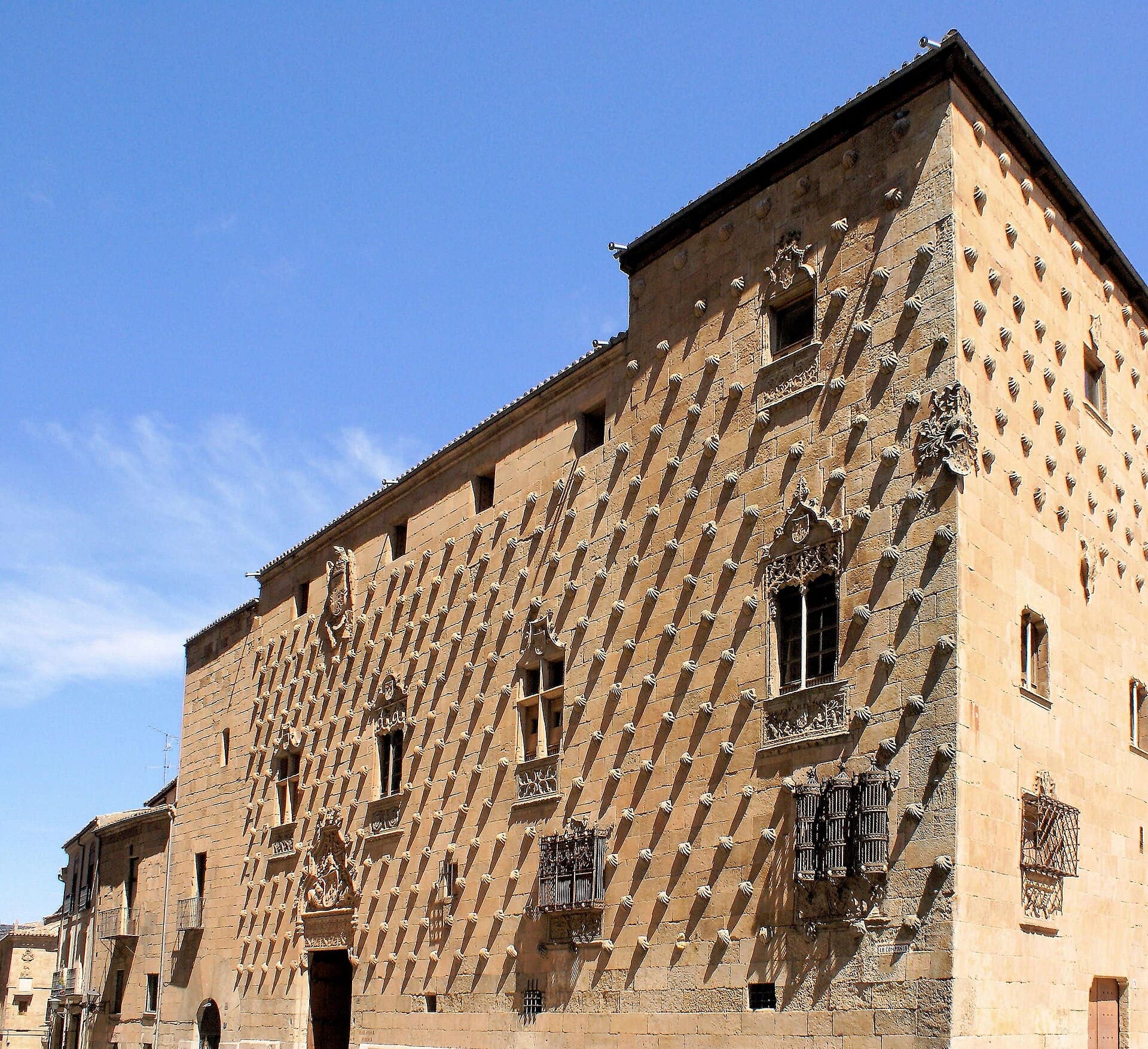
Just a few steps from the university, you’ll come across a building you simply can’t miss. The House of Shells, or Casa de las Conchas, is a late Gothic palace from the end of the 15th century whose facade is adorned with over three hundred carved scallop shells. These shells are the traditional symbol of pilgrims heading to Santiago de Compostela, as the house’s owner, knight Rodrigo Arias de Maldonado, was a prominent member of the Order of Saint James.
An incredible number of romantic legends swirl around this building. The most famous claims that a gold coin from the time of the palace’s construction is hidden beneath one of the shells. This is partly why the city once banned people from touching the facade — to stop treasure hunters from damaging the shells. Another legend says that the Pimentel family, into which the owner married, hid their family jewels beneath the shells.
Today the building houses a public library, which means you can step into the gorgeous inner courtyard completely free of charge. Take in the elegant arcades, stone gargoyles, and beautiful wrought-iron window grilles. From the upper floor of the courtyard, there’s also a fantastic view directly towards the towers of the nearby Jesuit college — a wonderful spot for photographs.
7. Convento de San Esteban and Christopher Columbus
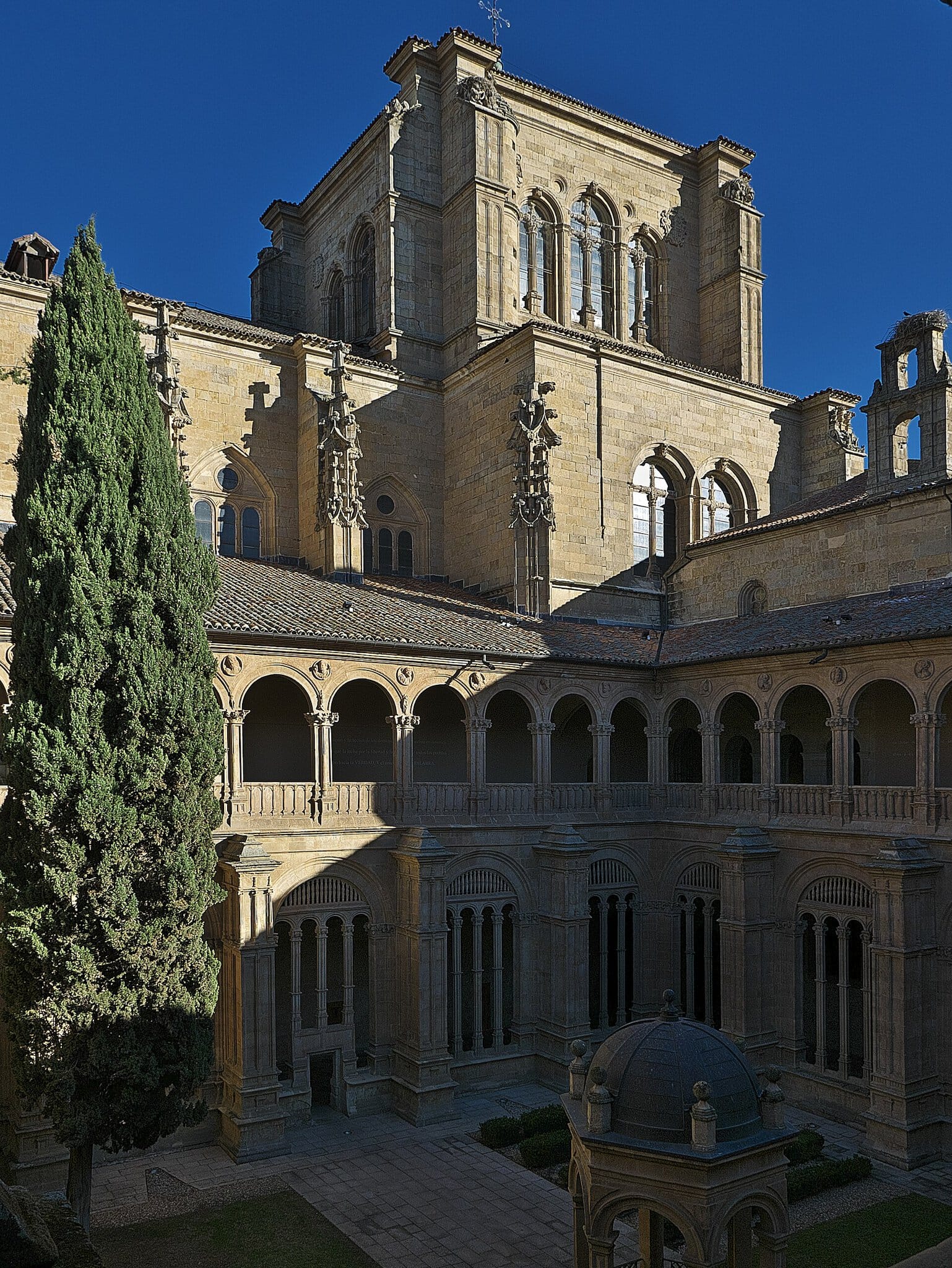
The Convent of Saint Stephen, or Convento de San Esteban, is an enormous Dominican complex that stops you in your tracks the moment you arrive at the little square in front of it. Its massive Plateresque facade resembles an intricately carved altarpiece set right into the sandstone wall, with a sculpture of the stoning of Saint Stephen dominating the centre. The convent played an absolutely pivotal role in the history of Spain and overseas exploration.
It was within these very walls that Christopher Columbus stayed in the late 15th century, trying to convince the learned Dominican friars — and eventually the Catholic monarchs themselves — of the feasibility of his planned voyage to the Indies via the western route. The monks here were strong supporters of his, and their influence likely helped Columbus eventually secure the funding for his historic expedition.
Inside the complex, take your time strolling through the beautiful Cloister of the Kings (Claustro de los Reyes), which blends Gothic ribbed vaults with Renaissance elements. There’s an incredible sense of peace and serenity here, in sharp contrast with the bustling student streets outside. Be sure to also visit the monumental convent church with its stunning gilded Baroque altarpiece by José de Churriguera.

8. Huerto de Calixto y Melibea for Romantic Souls
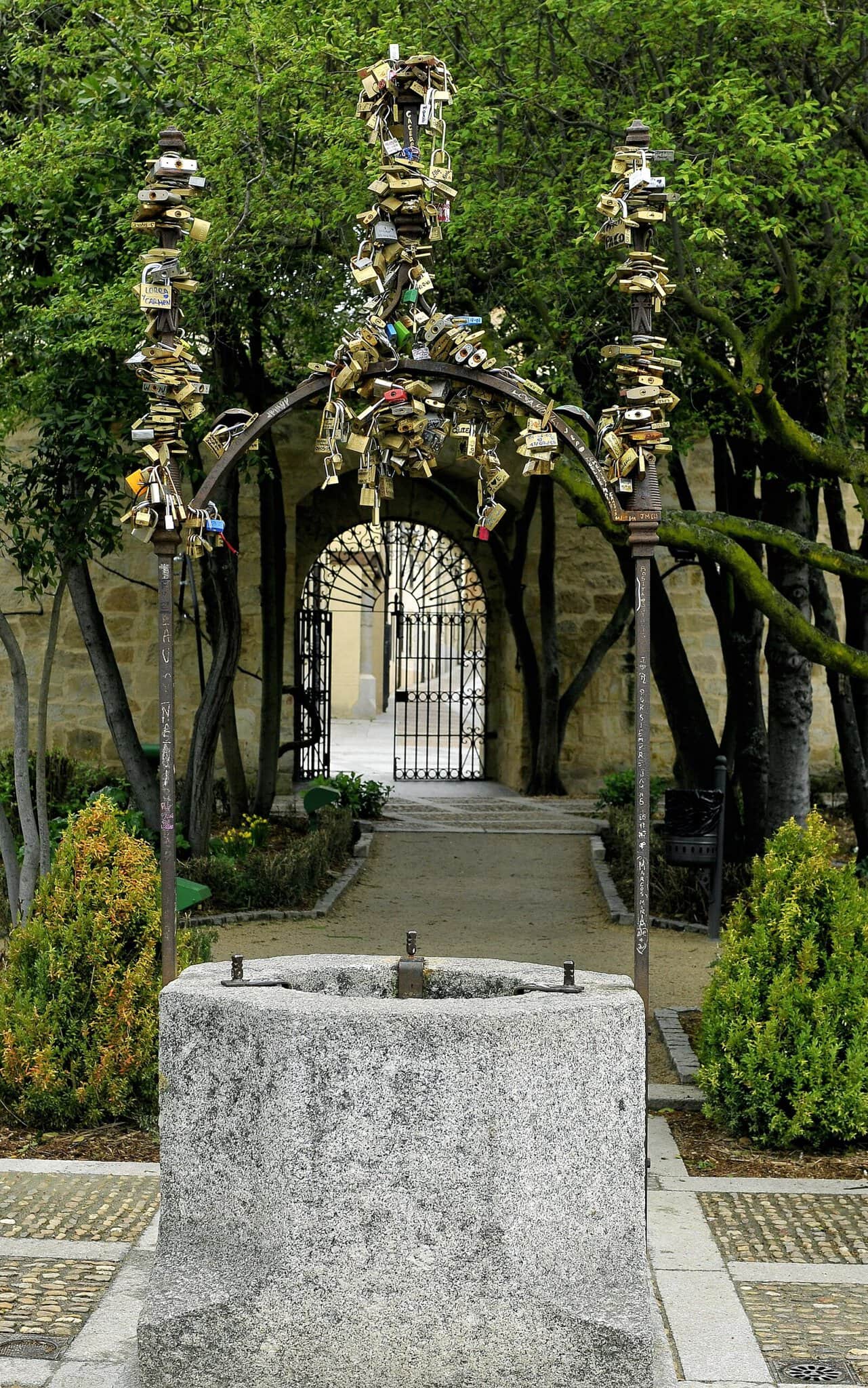
If you need a break from admiring imposing stone structures, head to the charming little park known as the Huerto de Calixto y Melibea. This beautifully maintained garden sits on the old city walls just behind the cathedrals and offers the perfect green retreat, full of flowers and fruit trees.
The garden is named after the main characters of the famous 15th-century Spanish literary work La Celestina. The story of the tragic love between young nobleman Calixto and the beautiful Melibea is traditionally set in this very spot. In the garden you’ll find a small well full of coins, benches hidden beneath climbing plants, and even a statue of the matchmaker Celestina herself.
💡 Local tip: The garden is on an elevated position, which means it offers absolutely stunning views of the River Tormes and the Roman bridge below. It’s one of the best spots in the city for watching the sunset, when the cathedral towers rising above the treetops turn a deep, fiery orange.
9. Puente Romano — the City’s Oldest Monument
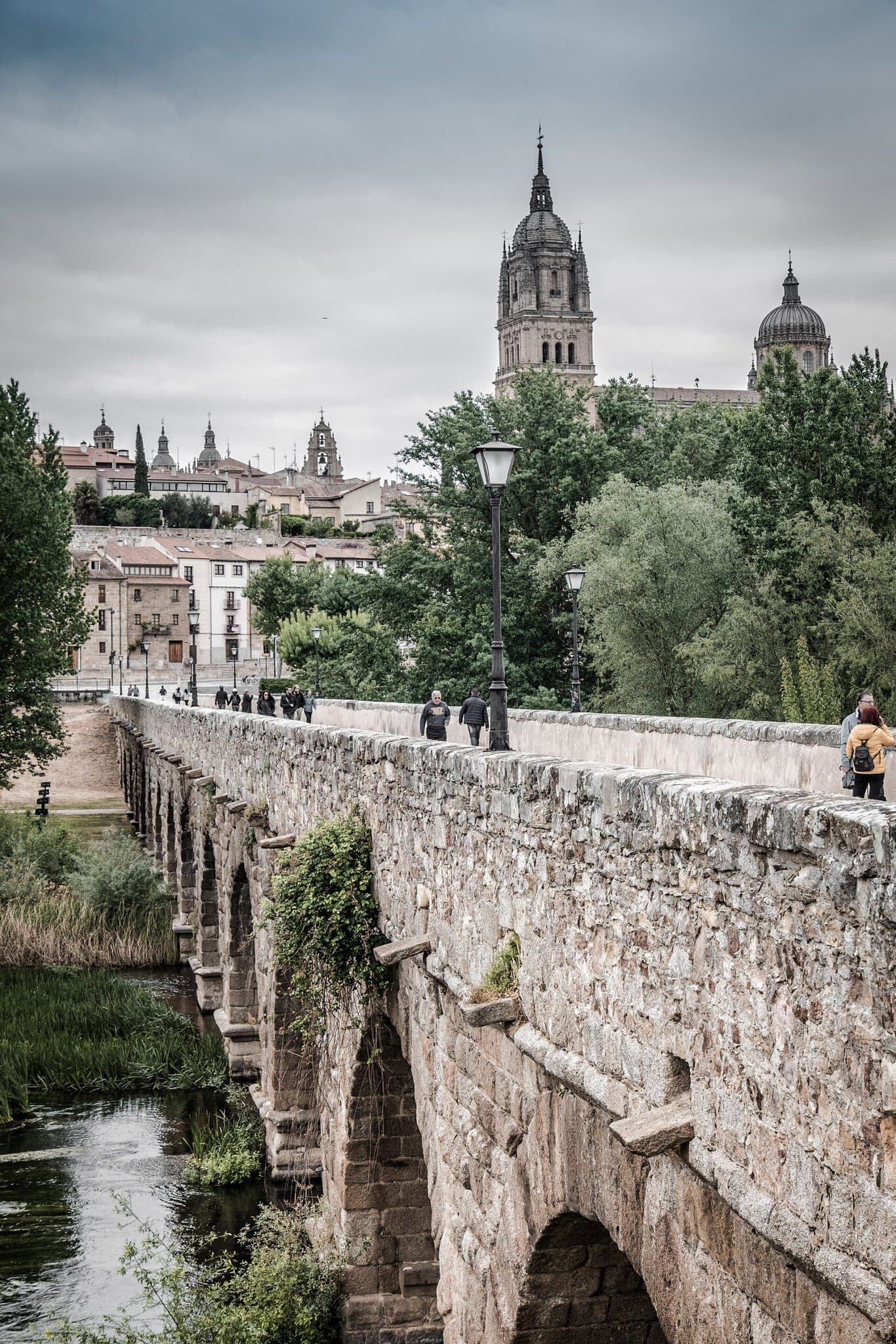
Walking downhill from the cathedrals towards the River Tormes, you’ll reach the Puente Romano — the oldest surviving structure in all of Salamanca. This massive stone bridge was built in the 1st century AD as part of the so-called Silver Way (Vía de la Plata), an important Roman trade route connecting the south and north of the Iberian Peninsula.
Of the bridge’s 26 arches, the first 15 on the city side still date from the original Roman construction, while the rest had to be rebuilt over the centuries following devastating floods. The bridge is now exclusively for pedestrians, and a walk across it offers the quintessential view of Salamanca’s skyline — the one you’ll recognise from most postcards.
Right at the entrance to the bridge, you’ll notice an ancient headless stone animal sculpture. This is a so-called verraco, a boar or bull carved by pre-Roman Celtic tribes, famous from the picaresque novel Lazarillo de Tormes. According to the story, a blind beggar smashed young Lazaro’s head against this very statue to teach him that life is harsh and he must always stay alert.
10. Casa Lis and Dazzling Art Nouveau
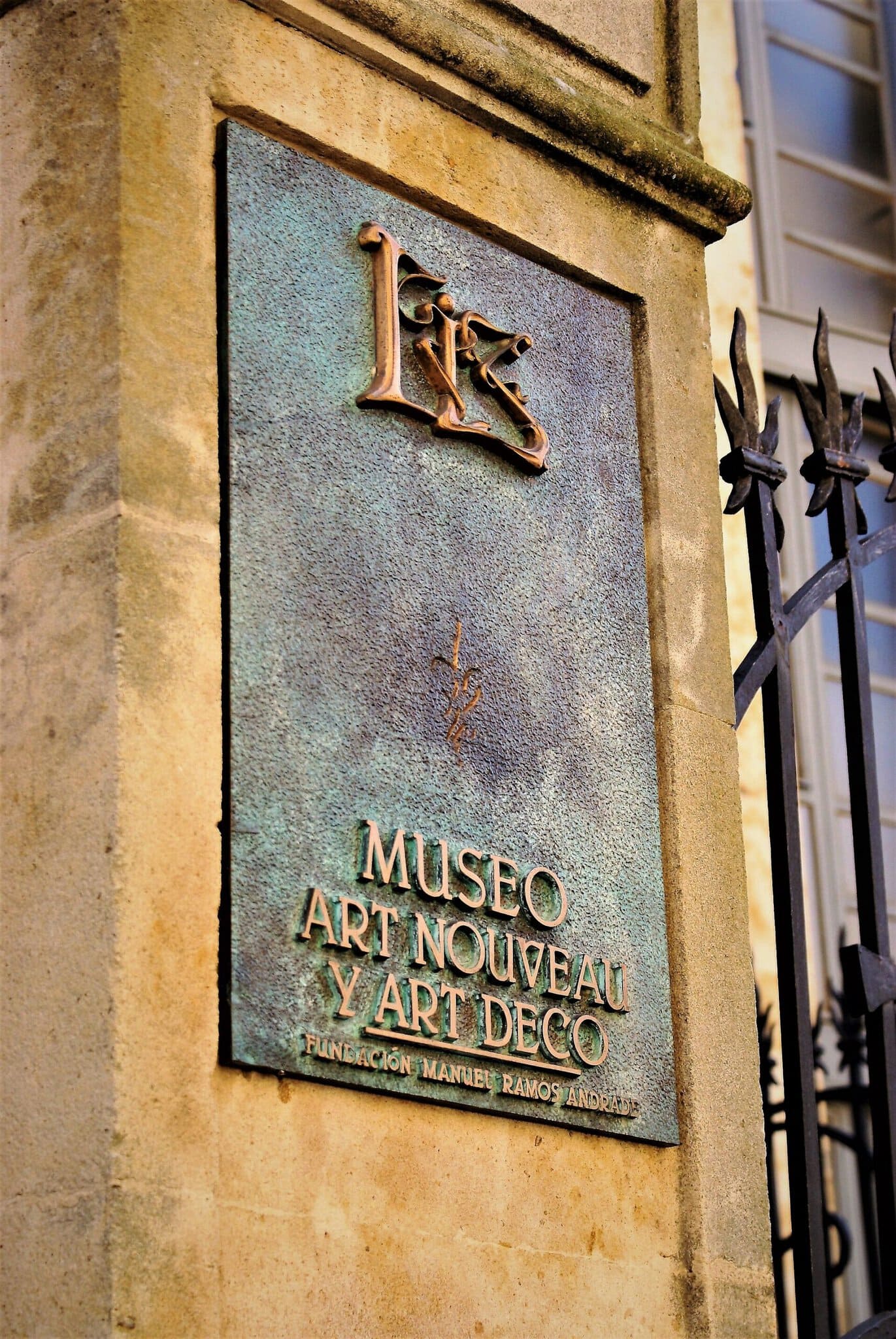
While Salamanca thrives primarily on its medieval and Renaissance heritage, Casa Lis offers a completely unexpected and refreshing contrast to the ubiquitous golden sandstone. This gorgeous Modernist palace, built in the early 20th century right on the old city walls, now serves as the Museum of Art Nouveau and Art Deco (Museo Art Nouveau y Art Déco).
The moment you step inside, you’ll be dazzled by the inner courtyard’s absolutely breathtaking stained-glass ceiling, shimmering with colour. The museum houses a vast collection of decorative arts from the turn of the 19th and 20th centuries, including rare glasswork by René Lalique, porcelain dolls, jewellery, and elegant period furniture.
Don’t forget to visit the museum café, located in the building’s southern facade. It features enormous stained-glass windows overlooking the river and an interior furnished with original Art Nouveau pieces. Sipping a coffee in this setting as sunlight filters through the coloured glass is an experience you absolutely shouldn’t miss.
11. La Clerecía and the Scala Coeli Tower Views
Directly opposite the famous House of Shells rises the imposing complex of the Jesuit college and church of La Clerecía. This enormous Baroque structure was built in the 17th century with a single goal: to showcase the power and wealth of the Jesuit order and create an architectural counterweight to the nearby old university. The church interior is monumental and hides a magnificent Baroque altarpiece.
The real highlight, though, awaits if you buy the ticket called Scala Coeli (Stairway to Heaven). This tour route takes you up narrow wooden stairs to the very top of the two towering church spires. The climb is a bit of a workout for your legs, but the reward at the top is absolutely fantastic.
💡 Local tip: From the walkway between the towers, you’ll get breathtaking views straight down into the courtyard of the House of Shells and across the entire web of historic alleyways. It’s probably the best spot for understanding the urban layout of the old town, and the cathedral towers look close enough to touch.
12. The Celestial Vault — El Cielo de Salamanca
In one of the unassuming rear courtyards of the university buildings, known as the Patio de Escuelas Menores, hides one of the city’s greatest and most mysterious artistic treasures. El Cielo de Salamanca, or the Sky of Salamanca, is a stunning 15th-century mural painting created by the artist Fernando Gallego.
Originally, this enormous astrological fresco decorated the vault of the old university library and served as a teaching aid for students of astronomy and astrology. The painting depicts a night sky filled with constellations, zodiac signs, and mythological figures such as a centaur, a hydra, and the god Mercury in a drawn chariot. During building renovations, the painting was hidden for centuries behind a false ceiling and only rediscovered in the mid-20th century.
Today the fresco has been carefully restored and is displayed in a specially darkened room where gentle lighting perfectly highlights every detail. Entry to this room is free, and thanks to the calm, quiet atmosphere, you can spend long minutes contemplating the medieval vision of how the universe worked.
13. The Legendary Cueva de Salamanca
In the small Plaza de Carvajal near the city walls, you’ll stumble upon the remains of an old crypt shrouded in dark legends. The Cueva de Salamanca, or Cave of Salamanca, was according to folklore the place where the Devil himself taught magic, astrology, and the occult sciences. Each year he supposedly selected seven students, whom he instructed for seven years — one of whom had to leave their soul behind as payment and remain in the cave forever.
The most famous student of this infernal school was reportedly the Marquis of Villena, who managed to outsmart the Devil and escape — but lost his shadow in the process, forever marking him as someone with ties to dark forces. These legends were so popular in the Middle Ages that the word “salamanca” is still used in parts of Latin America as a synonym for witchcraft.
Today the cave is far less sinister. The city has beautifully renovated the site — you can descend the steps into the remains of the old crypt of the San Cebrián church and explore the foundations of the old Marqués de Villena tower. During summer evenings, small concerts and theatrical performances are often held here.
14. Student Life and Tapas on Calle Van Dyck
No visit to Salamanca is complete without diving into the local food and nightlife scene, shaped by its enormous student community. While the historic centre around Plaza Mayor tends to offer more traditional — and often overpriced — restaurants, the real culinary action happens a little further out. Ask any local student where to go in the evening, and they’ll send you to Calle Van Dyck without a moment’s hesitation.
This street north of the centre is absolutely packed with dozens of small tapas bars bursting at the seams. The tapas culture here is very much alive, and prices are geared towards student budgets. Vegetarians will find a huge range of excellent options. Try classics like patatas bravas (fried potatoes with spicy sauce), the traditional tortilla de patatas, fried pimientos de Padrón, or superb local sheep’s cheese.
If you’re travelling with a meat-eater, they’ll certainly come across the local speciality called hornazo. It’s a hearty savoury pie stuffed with pork, chorizo, and hard-boiled eggs, deeply rooted in regional tradition. But you might prefer to simply order a glass of draught beer or local wine — in most bars, you’ll get a small vegetarian snack included on the house.
15. A Magical Evening Stroll Through the Illuminated City
Once darkness falls and you feel you’ve seen everything the day had to offer, get ready — because Salamanca reveals a second, even more enchanting face after sunset. The entire historic centre is fitted with a specially designed lighting system intended to maximise the warm golden glow of the Villamayor sandstone.
Set off on a slow stroll past the same sights you visited during the day. The illuminated cathedral towers look utterly monumental from the Roman bridge, the intricate carvings on the university facade cast deep shadows that make the ornaments seem to leap from the wall, and the House of Shells lit from below looks more mysterious than ever. Plaza Mayor, alive with people and bathed in soft light, will completely captivate you.
💡 Local tip: Forget the map and just let yourself drift through the little side streets around the convents and university buildings. The night-time silence is broken only by students’ footsteps, the hum of music from cafés, and the sound of a guitar from a street musician. It’s the very best way to bid the city farewell.
Map of points of interest for your phone
Where to Go Next from Salamanca
Thanks to its location and excellent transport links, Salamanca makes a superb base for exploring more fascinating corners of Spain. Whether you’re drawn to architecture, nature, or pilgrim trails, you’ve got plenty of options.
- Back to the heart of Castile: If you arrived from the south, don’t miss Madrid, which is superbly connected to Salamanca by Alvia express trains (the journey takes just over an hour and a half). Along the way, you can stop at stunning historic cities like Toledo with its blend of three cultures, or Segovia with its famous Roman aqueduct.
- Northwest for history: Follow the historic Silver Way to the city of León, home to one of the most beautiful Gothic cathedrals in Europe. From there, you can continue along the pilgrim route all the way to the legendary Santiago de Compostela.
- North for ocean and nature: If mountains and the rugged Bay of Biscay coastline appeal to you more, head north. The stunning limestone peaks of Picos de Europa national park await, and if you love the sea, elegant coastal promenades can be found in cities like Santander or the renowned San Sebastián.
Frequently Asked Questions
How many days are needed to visit Salamanca?
To see the main sights in the historic centre, one packed day will be more than enough. But if you want to really enjoy the city, soak up its evening atmosphere and take your time strolling through all the museums and monasteries, I’d recommend setting aside a full two days for Salamanca.
Can Salamanca be done as a day trip from Madrid?
Yes, it’s technically doable. Trains from Madrid’s Chamartín station run fairly frequently and the journey takes about 1 hour and 40 minutes. Just keep in mind that it’ll be pretty exhausting and you’ll miss out on the best part of what the city has to offer – that magical evening stroll through the illuminated streets.
Is Salamanca safe for tourists?
Salamanca is a very safe city with exceptionally low crime. Thanks to the ever-present students, the streets are full of people and well lit even late at night. Greater caution is needed only for petty pickpocketing on the crowded Plaza Mayor and in the immediate vicinity of the cathedral.
Where exactly do I find the famous astronaut on the cathedral?
Don’t look for the astronaut on the old main façade, but you need to head to the northern portal of the New Cathedral (Puerta de Ramos), which faces the Plaza de Anaya square. The little figure sits at roughly eye level on the left panel of the richly decorated entrance, just below a dragon eating an ice cream.
What should I bring back from Salamanca as a souvenir?
The most popular souvenir is a small figurine of a frog perched on a skull, which you’ll find in every shop in all sorts of versions. Silver and filigree products are also a favourite, building on the old craft tradition of the Plateresque style for which the city is so famous.
When is entry to Salamanca’s monuments free?
Most of the major monuments offer set hours when there’s no admission fee. For example, the New and Old Cathedrals usually have free entry on Tuesday afternoons from 4:00 to 6:00 p.m. The university buildings and some monasteries offer similar perks, so always check their official websites in advance and you’ll save plenty of euros.
What’s the best way to get around the city?
Definitely on foot. The historic centre is very compact, full of pedestrian zones, and the distances between the individual monuments are absolutely minimal. It’s better to leave your car parked in the hotel garage, because finding your way through the narrow one-way streets can be very frustrating for a visitor, and on-street parking spaces are in critically short supply.
Tips and Tricks for Your Vacation
Don’t Overpay for Flights
Search for flights on Kayak. It’s our favorite search engine because it scans the websites of all airlines and always finds the cheapest connection.
Book Your Accommodation Smartly
The best experiences we’ve had when looking for accommodation (from Alaska to Morocco) are with Booking.com, where hotels, apartments, and entire houses are usually the cheapest and most widely available.
 🚗 Car rental on the roadVerified car rentals in Castile
Search with the DiscoverCars comparison engine — it compares prices from dozens of local and international rental companies, and most bookings come with free cancellation.
Compare car prices in Castile →Don’t Forget Travel Insurance
Good travel insurance will protect you against illness, accidents, theft, or flight cancellations. We’ve had a few hospital visits abroad, so we know how important it is to have proper insurance arranged.
Where we insure ourselves: SafetyWing (best for everyone) and TrueTraveller (for extra-long trips).
Why don’t we recommend any Czech insurance company? Because they have too many restrictions. They set limits on the number of days abroad, travel insurance via a credit card often requires you to pay medical expenses only with that card, and they frequently limit the number of returns to the Czech Republic.
Find the Best Experiences
Get Your Guide is a huge online marketplace where you can book guided walks, trips, skip-the-line tickets, tours, and much more. We always find some extra fun there!


