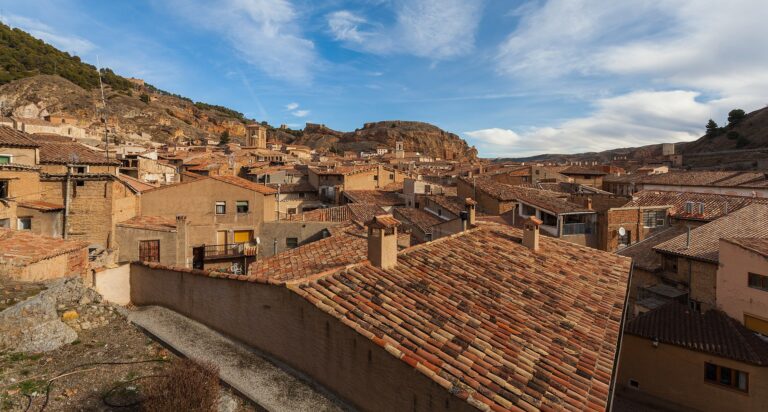
If you’re planning a trip to central Spain and looking for the perfect day trip or weekend escape from the bustling capital, the medieval city of Segovia, Spain will absolutely enchant you. This picturesque town perched on a rocky ridge in the Castile and León region offers a fascinating journey through the centuries — from ancient Rome through the golden age of Spanish kings to the present day. While nearby Madrid buzzes with the endless energy of its grand boulevards, Segovia maintains a more intimate and wonderfully romantic atmosphere filled with narrow alleyways and ancient monuments.
Thanks to modern infrastructure, getting here is incredibly easy, making the city one of the most popular day trip destinations for anyone spending their holiday in the Spanish capital. Be prepared to be blown away by monumental structures and sweeping views of the rugged yet beautiful Castilian landscape the moment you arrive. Let’s explore the very best that this UNESCO-listed historic city has to offer.
TL;DR
- Fastest route: High-speed AVE trains whisk you from Madrid to Segovia in under 30 minutes.
- Roman aqueduct: A 1st-century engineering marvel held together without a single drop of mortar — the city’s iconic landmark.
- Fairytale castle: Segovia’s Alcázar with its slate turrets is said to have been one of Walt Disney’s inspirations for his iconic castle.
- Lady of Cathedrals: The local Gothic cathedral is the very last of its kind built in Spain, and its stunning stained-glass windows will take your breath away.
- When to go: Spring and autumn are ideal — summers bring scorching heat across the region, while winters can be bitterly cold.
- Local gastronomy: The city is famous for cochinillo (roast suckling pig), but you’ll also find plenty of excellent meat-free options in the local tapas bars.
- Book ahead: Always buy tickets for the Alcázar and cathedral tower online in advance — they often sell out during peak season.
The full destination guide: Castile and central Spain — guide and what to see
When to Visit Segovia
The geographic heart of Spain sits on a vast plateau surrounded by mountains, which has blessed it with a rather harsh climate. Locals often sum it up with a touch of humour, saying that Castile has nine months of winter and three months of hell. Winters here can be genuinely freezing, windy, and temperatures frequently drop below zero. If you visit between December and February, make sure to pack a really warm jacket and a hat — the biting wind can make strolling along the city walls a pretty miserable experience.
Summers, on the other hand, are scorching and incredibly dry. During July and August, temperatures regularly climb above 40 °C, and exploring the sun-baked stone streets becomes quite the endurance test. The historic centre also faces its biggest tourist crowds during the summer months, meaning long queues at the main attractions. If you’re after a more relaxed experience, it’s best to avoid the peak holiday season altogether.
The best time to visit is therefore without a doubt spring or autumn. During April, May, September, and October, you’ll enjoy lovely sunny weather with temperatures hovering around 20–25 °C. The countryside around the city turns beautifully green in spring and takes on gorgeous golden hues in autumn, adding the perfect atmosphere to your photos. One or two days is plenty to explore all the key sights.
Where to Stay in Segovia
💡 Tip for accommodation and experiences: We love searching for places to stay on Booking.com, which tends to have the best cancellation policies. For tickets, tours, and activities, it’s worth comparing options on GetYourGuide.
If you decide you’d rather not rush through the city on a quick afternoon trip and plan to spend a night, choosing the right accommodation is absolutely key. Segovia’s historic centre is fairly compact, so I’d recommend looking for a hotel right inside the old town or within easy walking distance of the aqueduct. You’ll save yourself loads of commuting time and have all the main sights literally just steps from your bed.
One of the best options is the charming Hotel Infanta Isabel, located right on the main Plaza Mayor. It offers gorgeous views of the cathedral, classically elegant rooms, and the perfect starting point for morning strolls before the day-trippers arrive from Madrid. Another excellent choice is the more luxurious Eurostars Convento Capuchinos, a sensitively restored former convent. Beyond its stunning architecture, guests will love the beautiful spa where you can unwind after a long day on your feet.
It’s definitely worth booking well in advance through platforms like Booking.com. The best hotels fill up fast, especially on weekends and during Spanish public holidays. If you’re arriving by hire car, pay close attention to parking. The historic centre falls within strict low-emission zones, and driving in without a special permit really isn’t worth the hassle. Always look for accommodation that offers its own dedicated car park or can advise you where to safely and legally leave your car on the outskirts of town.
14 Best Things to See and Do in Segovia
Let’s take a closer look at the specific places and experiences that make a trip to the heart of Castile absolutely worthwhile. You’ll find the city offers far more than just one iconic structure — there’s a rich mix of history, architecture, and jaw-dropping views waiting to be discovered.
1. The Stunning Roman Aqueduct
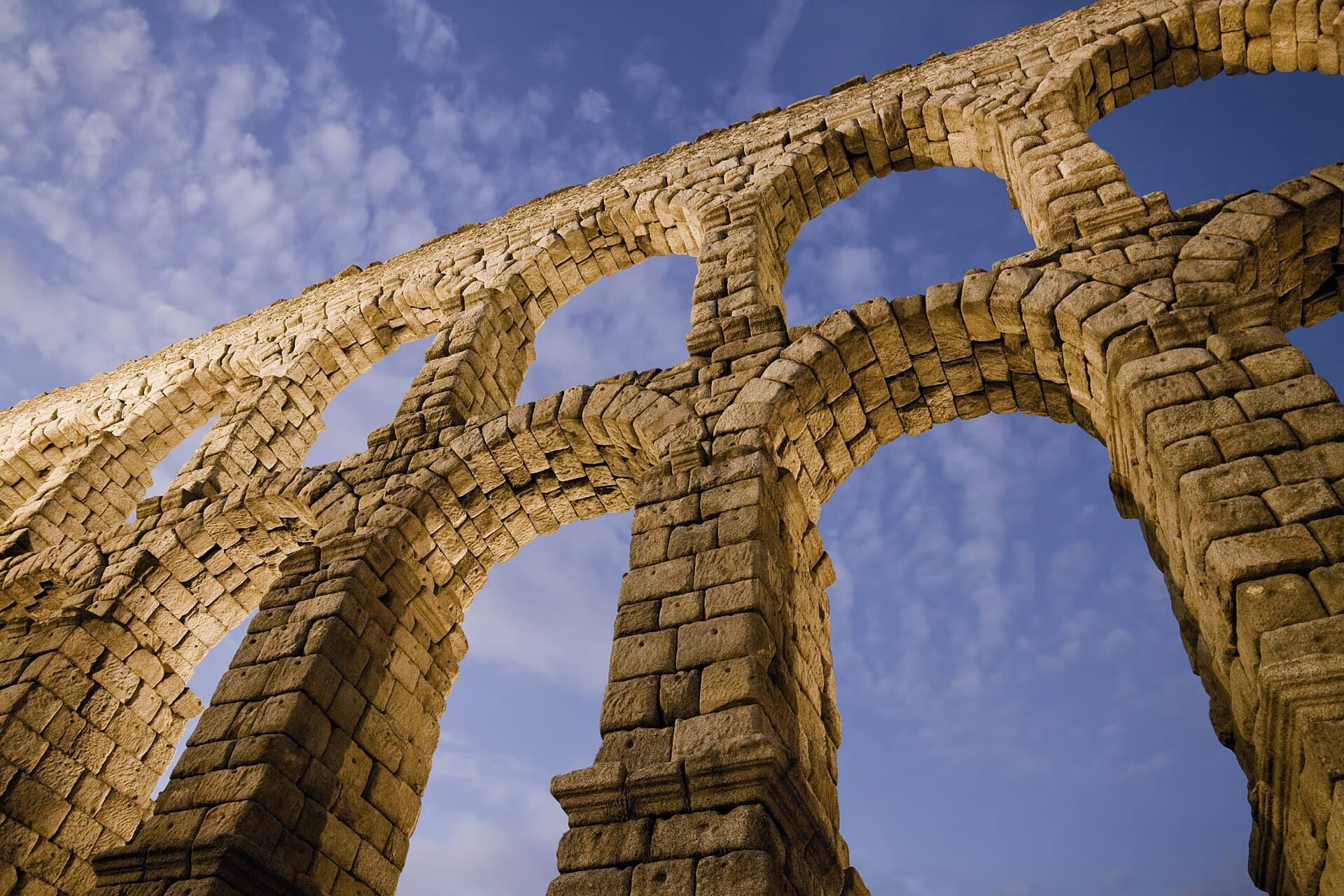
Right at the entrance to the historic centre, you’ll be greeted by the majestic Roman aqueduct — the undisputed symbol of the city and one of the best-preserved ancient structures in the world. This incredible feat of engineering likely dates back to the 1st century AD and spans directly above the bustling Plaza del Azoguejo. The most fascinating fact? The aqueduct is made up of more than 20,000 granite blocks assembled without a single drop of mortar.
At its highest point, the structure reaches nearly thirty metres, and its monumental arches look utterly surreal set against the backdrop of everyday city life. The aqueduct once carried water from mountains nearly seventeen kilometres away, and it remains a testament to the astonishing precision of ancient Roman engineers. Make sure to walk not just beneath it, but also head up to the surrounding viewpoints for the best perspectives.
💡 Top tip: To get the best photos without the tourist crowds, head up the steps known as Postigo del Consuelo, which you’ll find right next to the tourist information centre. From the upper terrace, a breathtaking panorama of the entire structure stretching deep into the city unfolds before you.
2. The Fairytale Alcázar Castle
At the opposite end of town, perched on a sheer cliff above the confluence of the Eresma and Clamores rivers, rises the incredibly photogenic Alcázar. This castle in Segovia, Spain, with its distinctive pointed slate turrets, looks as though it has leapt straight out of a storybook. It’s no wonder that, according to many sources, it served as one of the main inspirations for Walt Disney’s iconic castle, the one you know from the famous film studio’s logo.
Throughout its long history, the Alcázar has served as a fortress, a favourite residence of Castilian kings, a state prison, and an artillery academy. Inside, you’ll find lavishly decorated halls with magnificent coffered ceilings, collections of historic weapons, and suits of armour. Each room tells a different story from the golden era of the Spanish Empire and offers stunning views down into the deep valley below the ramparts.
Whatever you do, don’t miss the climb up the imposing Torre de Juan II. You’ll need to tackle 152 rather narrow spiral steps, but the panoramic views of the entire city and the surrounding Sierra de Guadarrama mountains are more than worth the effort. Buy your tickets online in advance to avoid unnecessary queuing in the courtyard.
3. The Majestic Cathedral on Plaza Mayor
At the highest point of the city stands a building rightfully nicknamed the Lady of Spanish Cathedrals. This awe-inspiring structure dedicated to the Virgin Mary was built in the 16th century and is the very last great Gothic cathedral constructed in Spain — at a time when the Renaissance was already in full swing across the rest of Europe. Its elegant pinnacles and flying buttresses dominate the entire Segovia skyline.
The interior will immediately impress you with its vast space, light, and magnificent stained-glass windows that shimmer in every colour. Wander through the peaceful cloister, which was moved here stone by stone from an older destroyed cathedral, and admire the richly decorated side chapels. Pay special attention to the main altarpiece made of marble and jasper.
Just as with the Alcázar, I’d recommend buying a special ticket for the cathedral tower. Guided tours run at set times and take you into fascinating spaces beneath the roof and up into the bell tower. The view from nearly 90 metres up, looking down onto the historic square and the labyrinth of old rooftops, is one of the most unforgettable experiences in the entire city.
4. A Stroll Through the Jewish Quarter (Judería)
South of Plaza Mayor stretches the historic Jewish Quarter, one of the best-preserved and most authentic corners of the entire city. Narrow winding lanes, stone houses, and shady little squares instantly transport you back to a time when different cultures coexisted relatively peacefully in Spain. This quarter was once home to one of the wealthiest and most influential Jewish communities in all of Castile.
During your walk, be sure to pop into the former Main Synagogue, which today serves as the Christian church of Corpus Christi. Although the interior has undergone many changes over the centuries, it still retains its distinctive Moorish arches and unique architectural features more reminiscent of palaces in Andalusia. If you’re interested in the history of southern Spain, have a look at our guide to Seville.
For a deeper understanding of this quarter’s history, stop by the Didactic Centre of the Jewish Quarter, housed in the beautifully restored home of patriarch Abraham Seneor. You’ll learn fascinating details about daily life, customs, and sadly, the tragic end of the community that was expelled from Spain at the end of the 15th century.
5. Medieval City Walls and Gates
Segovia still retains an almost complete ring of its original medieval walls, stretching over three kilometres in length and enclosing the entire historic centre. This massive defensive system was built from the 11th century onwards and protects the city on the sides where it wasn’t naturally shielded by steep cliffs. A walk along these ancient walls offers a completely different perspective and an escape from the busiest tourist routes.
Five main gates once pierced the walls, three of which survive today as beautifully restored gems. The most famous and most impressive is the Puerta de San Andrés on the southern side of the city. Its massive towers and portcullis still command respect and perfectly complement the medieval atmosphere of the place.
💡 Top tip: At the information centre right by the San Andrés gate, you can pick up a ticket and walk along the top of the city walls. The stroll along the rampart walkway isn’t particularly long, but it offers gorgeous and unusual views of both the rooftops of the old Jewish Quarter and the green valley of the River Clamores below the city.
6. Plaza Mayor
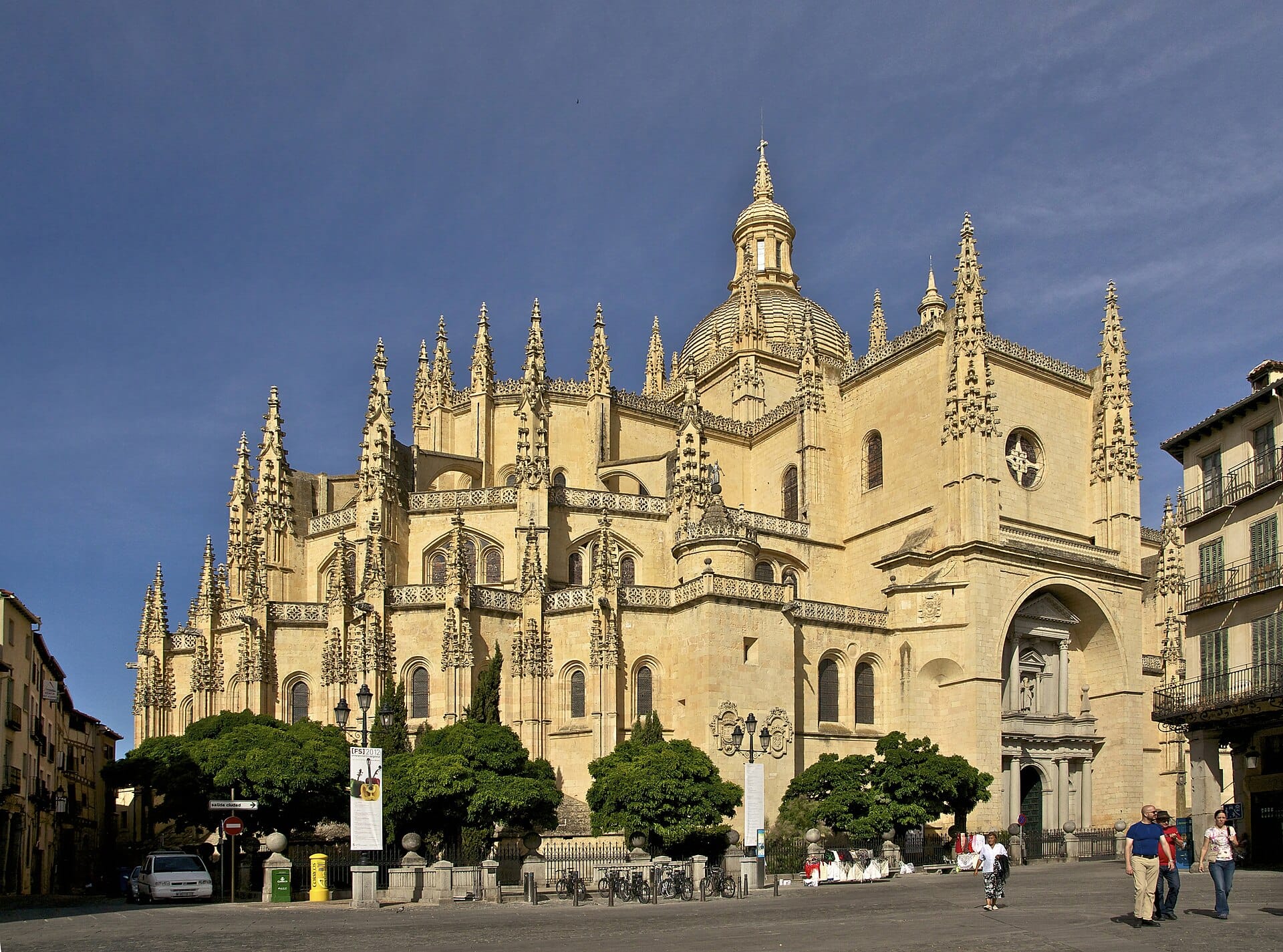
Every self-respecting Spanish city has its main square, and Segovia is no exception. Plaza Mayor is the true beating heart of the historic centre, where locals and visitors from around the world come together. The somewhat irregularly shaped square is elegantly lined with arcades hiding dozens of inviting cafés, traditional restaurants, and small shops.
Beyond the already-mentioned majestic cathedral, the square is home to several other notable buildings. Look out for the historic town hall with its neoclassical façade and the church of San Miguel. It was at this very church in 1474 that a momentous event took place — the famous Isabella of Castile was proclaimed Queen of Spain.
The square is the perfect spot for an afternoon coffee break. Grab a seat on one of the terraces, order a cortado, and simply watch the world go by. Just bear in mind that given the prime location right in the centre of the action, prices for drinks and food here will be a touch higher than in the quieter side streets.
7. Mirador de la Pradera de San Marcos Viewpoint
If you’re after the ultimate photo of the fairytale Alcázar, you’ll need to leave the historic centre and head down into the valley. The Mirador de la Pradera de San Marcos offers precisely that iconic view from below that you know from every travel brochure and magazine.
The green meadow on the banks of the River Eresma provides a stunning view of the sheer rock face topped by the castle itself. From here, you truly appreciate the strategic genius of the original builders — the fortress looks utterly impregnable from this angle. The whole scene is incredibly dramatic and majestic.
The best time to visit this viewpoint is definitely late afternoon or early evening. The sun beautifully illuminates the limestone cliffs and the slate turrets of the castle at that hour, creating gorgeous golden tones. You can also spread out a picnic on the grass and enjoy the peace away from the main tourist trails.

8. Gastronomy and Famous Restaurants
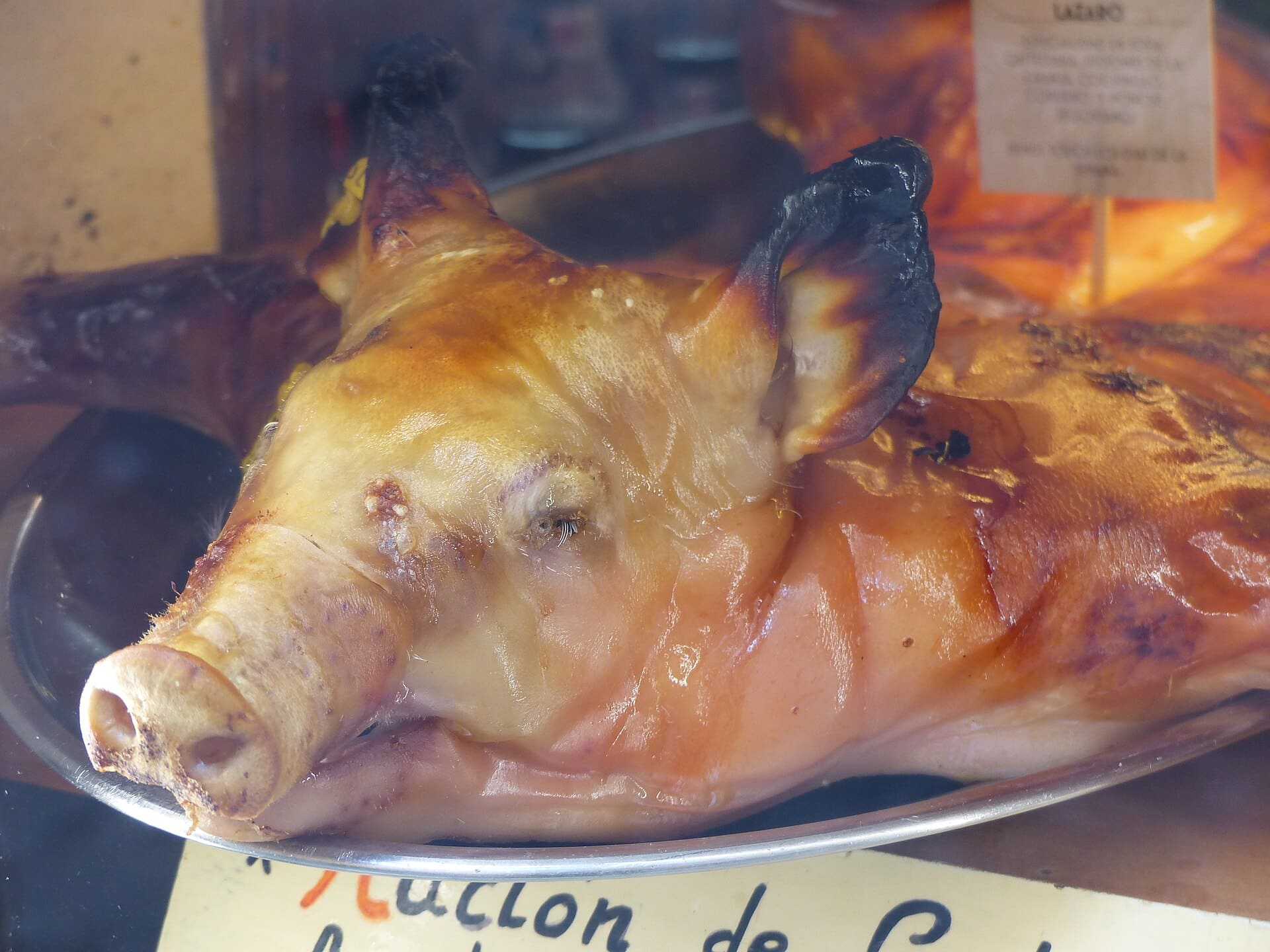
Castilian cuisine is hearty, honest, and built on quality local ingredients. Segovia is famous across Spain for one huge culinary tradition in particular: cochinillo asado, or roast suckling pig. Local restaurateurs slow-roast it in traditional ovens until the meat is impossibly tender and the skin perfectly crispy. Following an age-old custom, the meat is often carved in front of diners using nothing but a ceramic plate, which is then smashed on the floor to prove that no knife is needed.
If, like us, meat isn’t really your thing, don’t worry — you definitely won’t go hungry in Segovia. Spanish cuisine offers an abundance of excellent vegetarian options. Don’t miss the classic potato tortilla, superb patatas bravas with spicy sauce, or the beloved pimientos de Padrón — small green peppers fried in olive oil and sprinkled with coarse sea salt.
Another wonderful local dish is judiones de La Granja — large white beans from the nearby royal estate. Traditionally they’re often cooked with sausage, but many of the better restaurants will happily prepare a purely vegetable version that’s equally delicious. If you’d like to learn more about local specialities, check out our article on typical Spanish food.
9. The Mysterious Vera Cruz Church
While wandering through the valley below the Alcázar, you’ll come across a very unusual and somewhat isolated building. The Vera Cruz Church, dedicated to the True Cross, dates back to the early 13th century, and its architectural style will immediately catch your eye. Unlike typical churches, it has a completely unique dodecagonal (twelve-sided) floor plan modelled on the Church of the Holy Sepulchre in Jerusalem.
The building is historically linked to the mysterious Knights Templar, though modern historians tend to believe it was actually founded by the Order of the Holy Sepulchre. Either way, the atmosphere inside is incredibly mystical and serene. Bare stone walls and muted light instantly transport you deep into the era of the Crusades.
For a small admission fee, you can explore the central two-storey altar space where monks and knights once gathered for their secret rituals. Climbing to the upper level of the altar also reveals an interesting architectural detail and a lovely view into the nave of the church. Most tourists skip this gem, which is a real shame.
10. San Antonio el Real Monastery
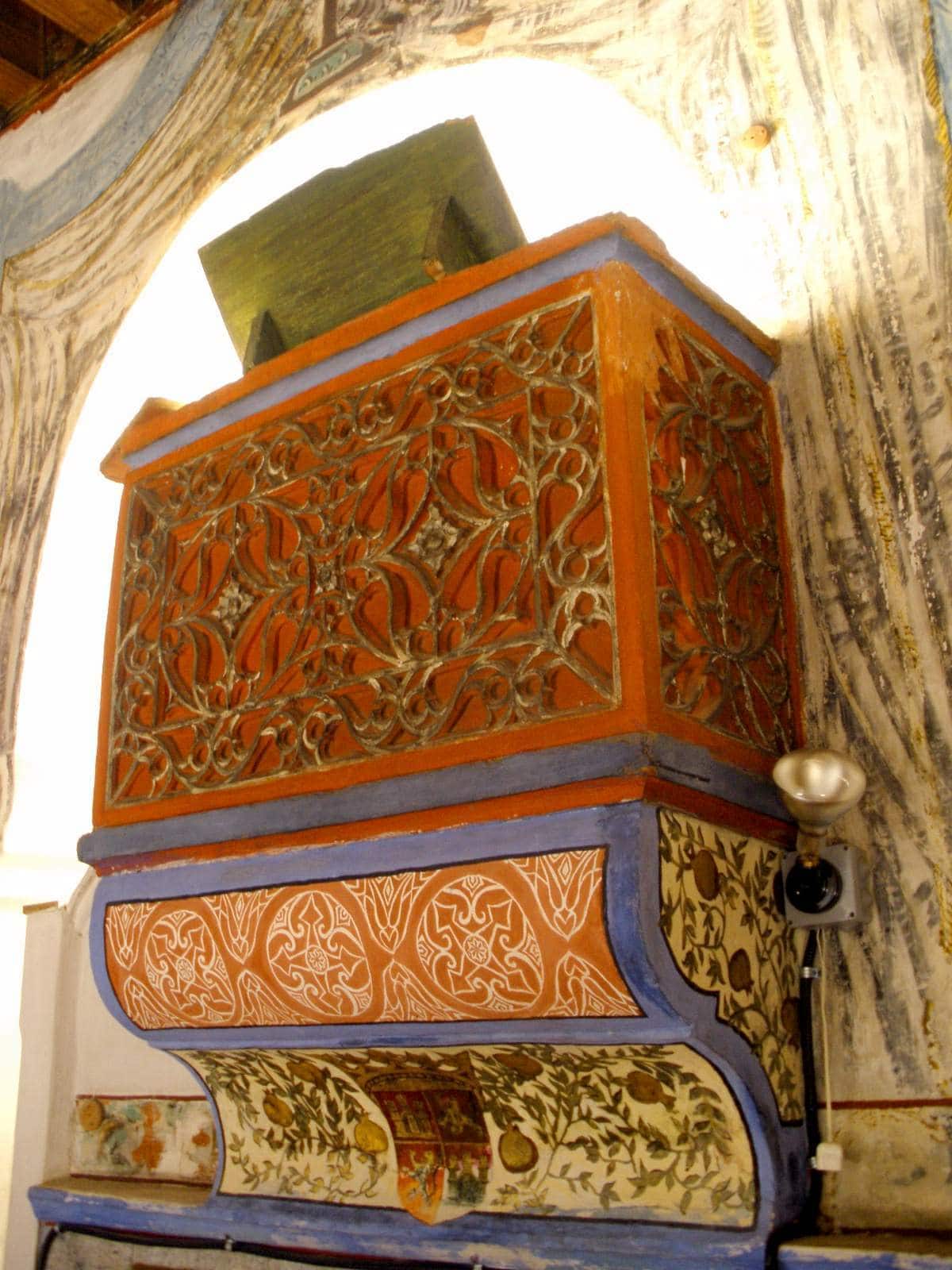
If you’re keen to discover a spot where the usual tourist crowds rarely venture, head just beyond the historic centre to the San Antonio el Real Monastery. This unassuming building was originally built in the 15th century as a summer hunting lodge for King Henry IV of Castile, before the monarch later donated it to the Franciscan order and had it converted into a monastery.
The greatest treasure here is the absolutely breathtaking Mudéjar architecture, which blends Christian and Islamic artistic elements. You can admire magnificent polychrome wooden ceilings filled with geometric patterns that rank among the best-preserved in all of Spain. The craftsmanship of the Moorish artisans is simply extraordinary.
Today the monastery partly functions as a museum, and you’ll also find a beautifully preserved cloister, a historic chapter house, and valuable collections of Flemish tapestries. Visiting this tranquil spot provides a perfect contrast to the bustling streets around the Roman aqueduct and reveals an entirely different side of Spanish history.
11. House of Spikes (Casa de los Picos)
As you wander along the main pedestrian street from the aqueduct towards Plaza Mayor, you’ll come across a building that’s simply impossible to miss. Casa de los Picos, or the House of Spikes, is a 15th-century historic palace whose façade is adorned with exactly 617 granite blocks carved into diamond-point or pyramid shapes.
This highly unusual architectural feature was originally designed to give the building a fortress-like character, while also serving as a bold statement of the wealth and power of its owners, the prominent noble de la Hoz family. Thanks to its striking appearance, the palace quickly attracted attention and became one of the most recognisable townhouses in the city.
Today, the historic building houses an art school and exhibition hall. The palace courtyard is often freely open to the public, so don’t be shy about popping in for a look. You’ll frequently find interesting student exhibitions here, and it’s a great way to get a feel for how wealthy Renaissance-era patrician houses were laid out.
12. Plaza de Medina del Campo
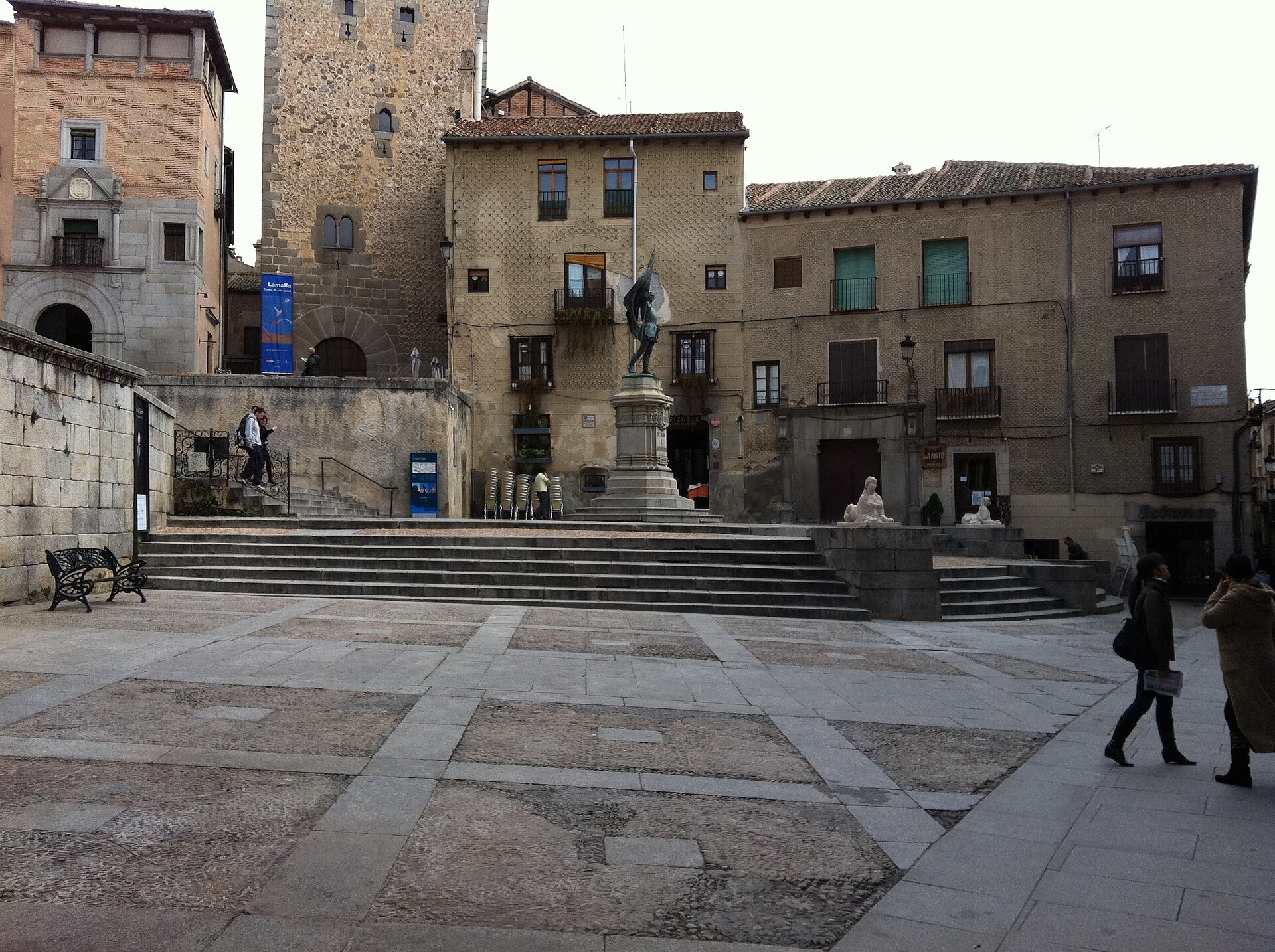
If you continue along the main street Calle Real deeper into the centre, one of the most beautiful and elegant squares in the city opens up before you. Plaza de Medina del Campo often surprises visitors because its look is more reminiscent of a classic Italian piazza than a typical austere Spanish square.
The space is dominated by the stunning Romanesque church of San Martín, which boasts a unique ambulatory gallery with beautifully carved columns. Beside the church stands a statue of Juan Bravo, one of the heroes of the historic Comuneros revolt in the 16th century. The square is also surrounded by gorgeous old palaces belonging to the wealthy noble families that once controlled the wool trade.
Thanks to its cascading layout and wide staircase, this square is a popular spot for meeting up and taking a breather. Sit on a bench, listen to the street musicians, and soak up the details of the medieval architecture surrounding you on all sides.
13. Royal Palace of La Granja de San Ildefonso
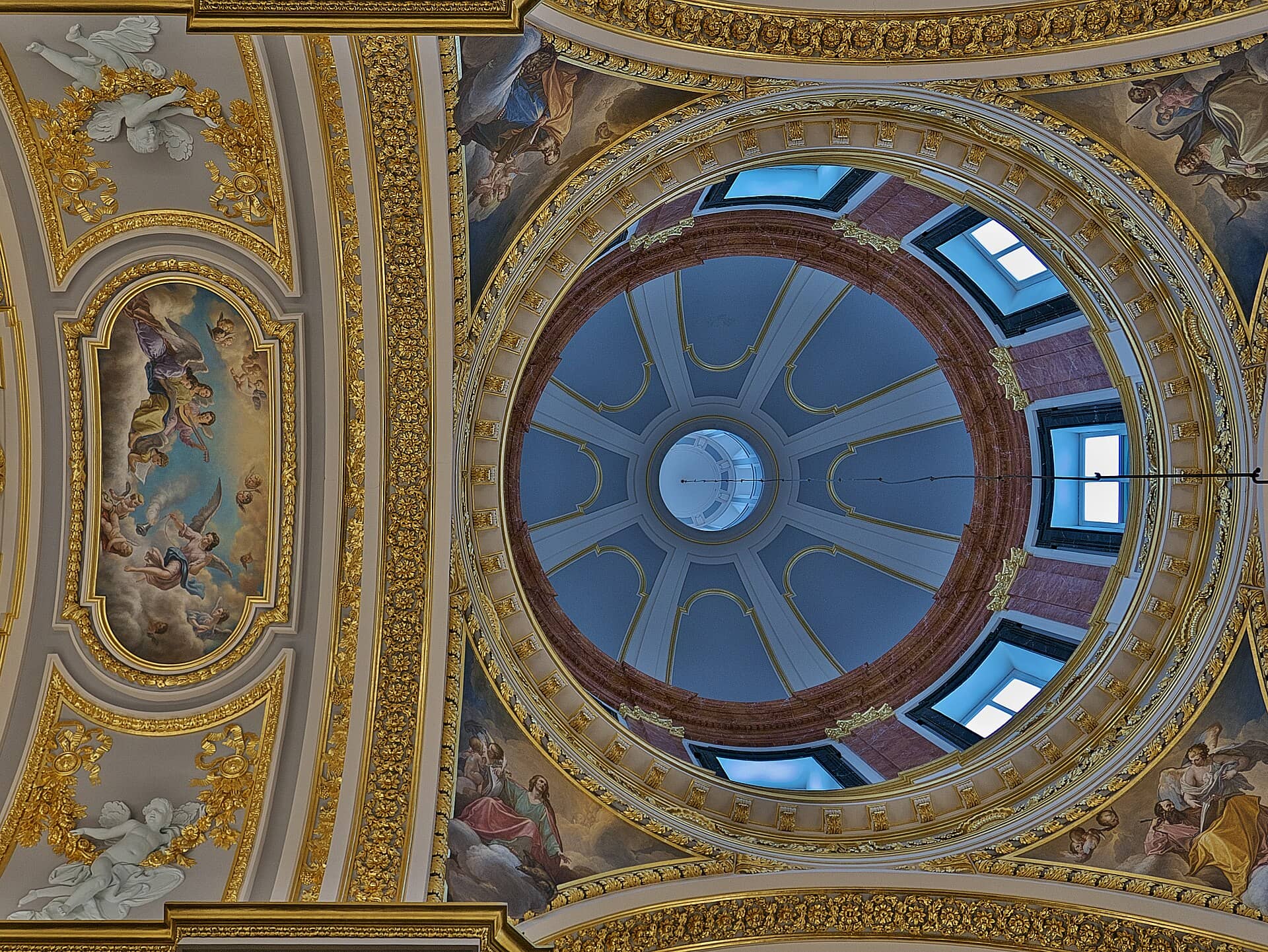
If you have more time to explore the region, definitely set aside half a day for a trip outside the city. Just about ten kilometres from Segovia lies the stunning Royal Palace of La Granja de San Ildefonso, which is often — and quite rightly — nicknamed the Spanish Versailles. This enormous Baroque complex was built in the early 18th century by King Philip V, the first Spanish monarch from the Bourbon dynasty.
While the palace interior offers a dazzling showcase of royal luxury filled with crystal chandeliers and frescoes, the real star attraction is the sprawling French-style gardens. Spread across several hectares, you’ll find dozens of monumental fountains decorated with sculptures of Olympian gods. The water jet system works on the original 18th-century gravity principle — no modern pumps required.
💡 Top tip: Plan your visit strategically. The fountains don’t run all the time — they’re switched on only on specific days and at set times, usually during weekends in the spring and summer months. Always check the current schedule on the palace’s official website, because watching the water shoot dozens of metres into the air is a truly unforgettable spectacle.
14. Green Trail Along the Eresma River Valley
After a long day exploring stone monuments and sun-drenched streets, a dose of nature will be a welcome change of pace. Right below Segovia’s historic centre winds the picturesque and beautifully wooded valley of the River Eresma. A shady trail along the riverbanks offers the perfect escape from the summer heat and an ideal spot for a peaceful afternoon walk.
The path leads you past old abandoned mills, small monasteries, and historic bridges. The only sounds are the rush of water and birdsong, while the imposing walls and towers of the Alcázar loom directly above you. It’s exactly the kind of place where you can recharge away from the city buzz and gather energy for more travelling.
The full loop around the city is just under four kilometres and can be comfortably walked in about an hour and a half. Don’t forget to bring comfortable shoes and plenty of drinking water — there are no refreshment stands along the way.
Map of points of interest for your phone
Where to Go From Segovia
Thanks to its strategic location in the heart of Spain, the city makes an excellent springboard for further adventures. The most obvious connection is with the Spanish capital. If you’ve flown into Madrid, be sure to dedicate a few days to exploring the famous Prado and the Royal Palace. You’ll find plenty of inspiration in our comprehensive article about Madrid.
You can easily hop on a train to other amazing destinations too. Many travellers think about combining this trip with a visit to Toledo. ⚠️ However, I’d strongly advise against trying to squeeze both Toledo and Segovia into a single day. While it sounds like a great idea and logistically you can manage it via Madrid, the result will be an exhausting marathon with no chance to truly soak up the atmosphere of either city. Pick just one destination per day.
If you’re planning a longer Spanish road trip and heading south, don’t miss the beautiful Andalusia region. Check out our article full of tips on what to see in Córdoba, or let yourself be enchanted by the Alhambra in our guide to Granada. For lovers of the north and outstanding gastronomy, we’ve also got tips on what not to miss in the Basque San Sebastián and nearby Bilbao.
Frequently Asked Questions
Is one day enough to visit the city?
Yes, Segovia is fairly compact and you can comfortably see all the main sights like the aqueduct, cathedral, and Alcázar in one full day. However, if you want to soak up the evening atmosphere, explore the museums at a leisurely pace, and add a trip to La Granja palace, I’d recommend staying overnight and setting aside two full days for the region.
What’s the best way to get here from Madrid?
The fastest and most convenient option is the high-speed AVE or Avant trains that depart from Madrid’s Chamartín station. The journey takes just 28 minutes, and thanks to railway market liberalization, you can find tickets at very reasonable prices. Just be aware that the Segovia-Guiomar train station is located slightly outside the city, so you’ll need to take local bus number 11 to reach the historic center.
Is the city suitable for families with children?
Absolutely. Kids are guaranteed to be thrilled by the massive aqueduct and fairytale castle. Just keep in mind that the historic center is full of cobblestones, stairs, and fairly steep streets. Getting around with a regular stroller can be quite challenging, so it’s much better to bring an ergonomic baby carrier for younger children.
What is the famous cochinillo?
It’s a traditional local specialty, specifically a very young roast suckling pig. The meat is roasted in special wood-fired ovens and is renowned for being extremely tender. In many traditional restaurants, waiters demonstrate this by portioning it with the edge of an ordinary plate to prove to guests that they don’t need a knife to cut it.
Where can I park if I arrive by car?
Parking in the historic center is very complicated and subject to strict low-emission zone regulations. Foreign cars must register in advance through a complex process, and there are hefty fines from automatic cameras. Your best bet is to park at the large underground Parking Acueducto, which is located right at the edge of the old town and offers excellent accessibility.
Do I need to buy tickets in advance?
I strongly recommend it, especially during the summer months and on weekends. Alcázar tickets often sell out by morning, and the lines at the ticket offices can be really long. The same goes for the special guided tours of the cathedral tower, which have very limited capacity. Buying online will save you a lot of valuable time.
Is tap water drinkable?
Yes, tap water in the city is completely safe, drinkable, and very good quality. According to a recent Spanish law, all restaurants and bars must offer tap water to their customers completely free of charge. Just ask for a ‘vaso de agua del grifo’ when ordering and you’ll give your travel budget a nice break.
Tips and Tricks for Your Vacation
Don’t Overpay for Flights
Search for flights on Kayak. It’s our favorite search engine because it scans the websites of all airlines and always finds the cheapest connection.
Book Your Accommodation Smartly
The best experiences we’ve had when looking for accommodation (from Alaska to Morocco) are with Booking.com, where hotels, apartments, and entire houses are usually the cheapest and most widely available.
 🚗 Car rental on the roadVerified car rentals in Castile
Search with the DiscoverCars comparison engine — it compares prices from dozens of local and international rental companies, and most bookings come with free cancellation.
Compare car prices in Castile →Don’t Forget Travel Insurance
Good travel insurance will protect you against illness, accidents, theft, or flight cancellations. We’ve had a few hospital visits abroad, so we know how important it is to have proper insurance arranged.
Where we insure ourselves: SafetyWing (simple monthly subscription) and TrueTraveller (for extra-long trips).
Find the Best Experiences
Get Your Guide is a huge online marketplace where you can book guided walks, trips, skip-the-line tickets, tours, and much more. We always find some extra fun there!