

If Sydney, Australia hasn’t made it onto your travel list yet, add it right now. The largest city in Australia definitely has plenty to offer, and it will feel like a slightly different world from the one you know back home in Europe.
In Sydney people are up before dawn. Before the clock strikes eight and everyone heads off to work, they manage to squeeze in a run, a swim in an ocean pool or a few waves. The locals are so friendly they’ll apologise with a smile even when you’re the one who bumped into them, and without exception they all look like they’ve just stepped off the cover of a fitness magazine. Oh, and they absolutely adore dogs and coffee. Isn’t that paradise?
In this guide I’ll introduce you to 31 places in Sydney you can’t miss, along with practical tips on how to make the most of your trip to the red continent.
TL;DR
- Best time to visit: Spring (September–November) and autumn (March–May) offer pleasant weather and fewer tourists
- Getting from the airport: The train is fastest (15 min, AUD 20), the bus is cheapest (30–45 min)
- Accommodation: Coogee Sands hotel, Miss Baker’s Boutique or 28 Hotel
- Must-see landmarks: Opera House, Harbour Bridge, Bondi Beach, Darling Harbour, Manly Beach
- Top experiences: The Coastal Walk from Bondi to Coogee, a swim in the Bondi Icebergs Pool, a trip to the Blue Mountains or Royal National Park
- Where to go for culture: Museum of Contemporary Art, Art Gallery of NSW, The Rocks
- Best views: Sydney Tower Eye, Mrs Macquarie’s Chair, Milsons Point
- Day trips: Blue Mountains, Royal National Park, Watsons Bay
- Don’t forget: Travel insurance (e.g. SafetyWing), sunscreen, a plug adapter, an eSIM, an eVisitor tourist visa
➜ Before you set off, check out our travel insurance comparison (incl. a 50% discount).
When to Visit Sydney
Sydney boasts a pleasant climate all year round, but the best time to visit depends on what you’re after.
- Summer (December–February): Temperatures range from 18–30 °C, ideal for the beaches and water activities. Just be ready for peak tourist season and higher accommodation prices.
- Autumn (March–May): Pleasant temperatures of 14–22 °C, lower humidity and fewer tourists. Ideal for wandering the city and exploring the surroundings.
- Winter (June–August): Temperatures between 8–17 °C. The coldest period of the year, but still fairly mild. June tends to see the highest rainfall. From May to August, with a bit of luck, you might spot migrating humpback whales!
- Spring (September–November): Temperatures of 11–23 °C, the season when plants bloom and the perfect time to visit the botanic gardens.
TIP: If you love festivals, the Vivid Sydney light festival takes place in May and June, when the city’s main landmarks, including the Opera House, are lit up with light projections.
Public Transport in Sydney: Getting from the Airport to the Centre
There are several ways to get from Sydney’s international airport into the city centre:
- By train (Airport Line): The fastest option. The trip takes around 15 minutes and costs about AUD 20. Trains run every 10 minutes and you can take the T8 line.
- By bus: The cheaper option, though it takes longer (30–45 minutes) depending on traffic.
- By taxi or Uber: The most comfortable but also the most expensive option. Expect to pay around AUD 50.
Sydney has excellent public transport coverage by train, bus and ferry. When you board or alight from any mode of transport, just tap your credit card or Opal Card (even on your phone). There’s a weekly cap on how much you can spend on public transport (AUD 50 per week), and on Sundays a journey costs a maximum of AUD 2.80.
Sydney: Where to Stay
Sydney offers accommodation for every budget, from luxury hotels to affordable hostels. The best areas to stay are:
- City centre (CBD): An ideal location close to the main attractions like the Opera House and Harbour Bridge. Pricier, but you’ll save on transport.
- The Rocks: A historic district with charming lanes, cafés and harbour views.
- Darling Harbour: A modern district full of restaurants, shops and entertainment. Great for families with kids.
- Bondi Beach: The perfect spot for beach and surfing lovers. It has a more laid-back vibe than the city centre.
- Manly: A seaside district reachable by ferry from the centre, with beautiful beaches and a more relaxed pace.
- Surry Hills: A trendy district with hipster cafés, boutiques and great restaurants. Popular with young travellers.
Here’s what I recommend:
- Coogee Sands hotel (by Coogee Beach),
- Miss Baker’s Boutique (Bondi Beach),
- 28 Hotel (city centre).
TIP: If you want to save money, consider staying in a hostel or an apartment through a home-sharing service. Public transport in Sydney is very efficient, so even accommodation further from the centre can be a good choice.
We’ve Planned Your Australia Holiday for You
Tempted to follow exactly in our footsteps but dreading the hours of planning? To make travelling as easy as possible for you, we’ve put together an entire trip. We’ve gathered our whole route, the best spots and all our tips into one clear itinerary. You can click through it in detail below, and if you like it, a few clicks are all it takes to set off without a single worry!
31 Things to See and Do in Sydney
For those of you planning your stay in Sydney, I’ve put together 31 tips on what to see and do there. So let’s dive in.
Opera House
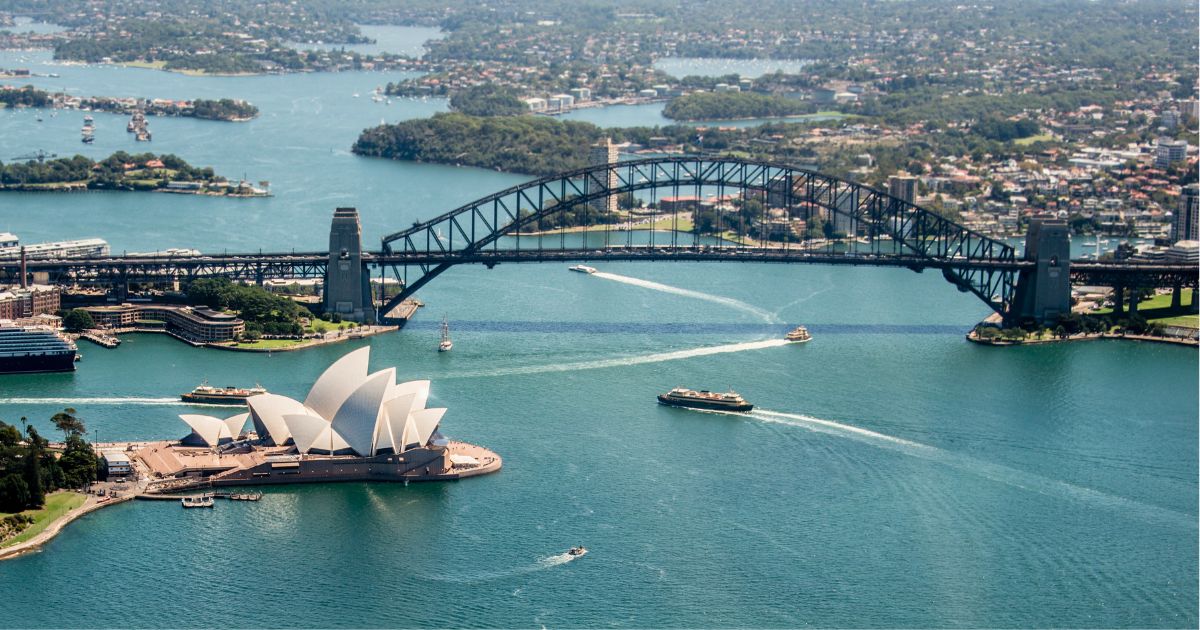
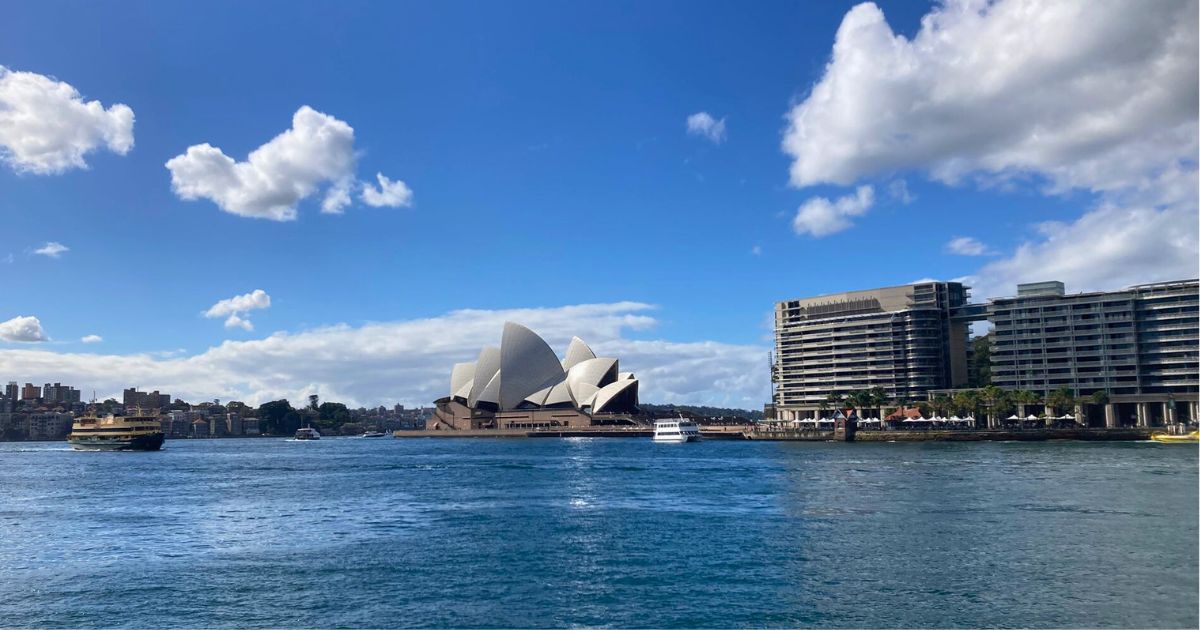
Say “Sydney” and everyone automatically pictures the Opera House. The Sydney Opera House is without doubt Australia’s most famous icon. This architecturally unique building, resembling the sails of a ship, stands at Bennelong Point in the harbour and has been a UNESCO World Heritage Site since 2007.
It was designed by Danish architect Jørn Utzon and took an incredible 14 years to build (1959–1973). The Opera House isn’t just stunning from the outside – you can also take an interior tour or catch one of its many cultural performances. In total there are 5 theatre halls hosting over 1,600 performances every year.
Harbour Bridge
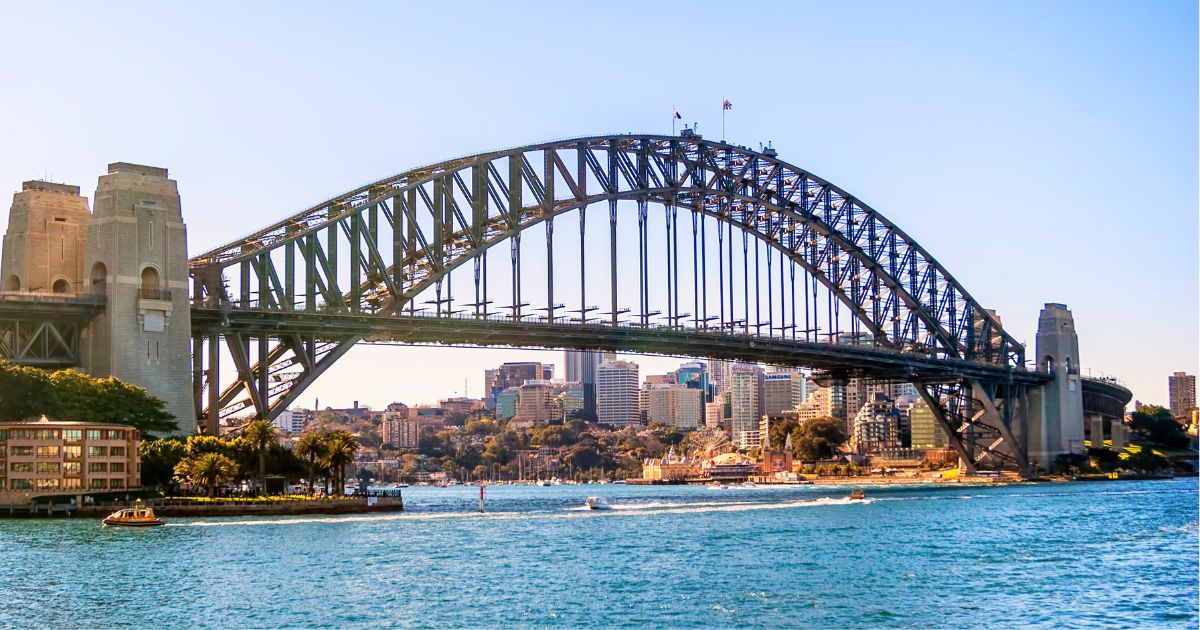
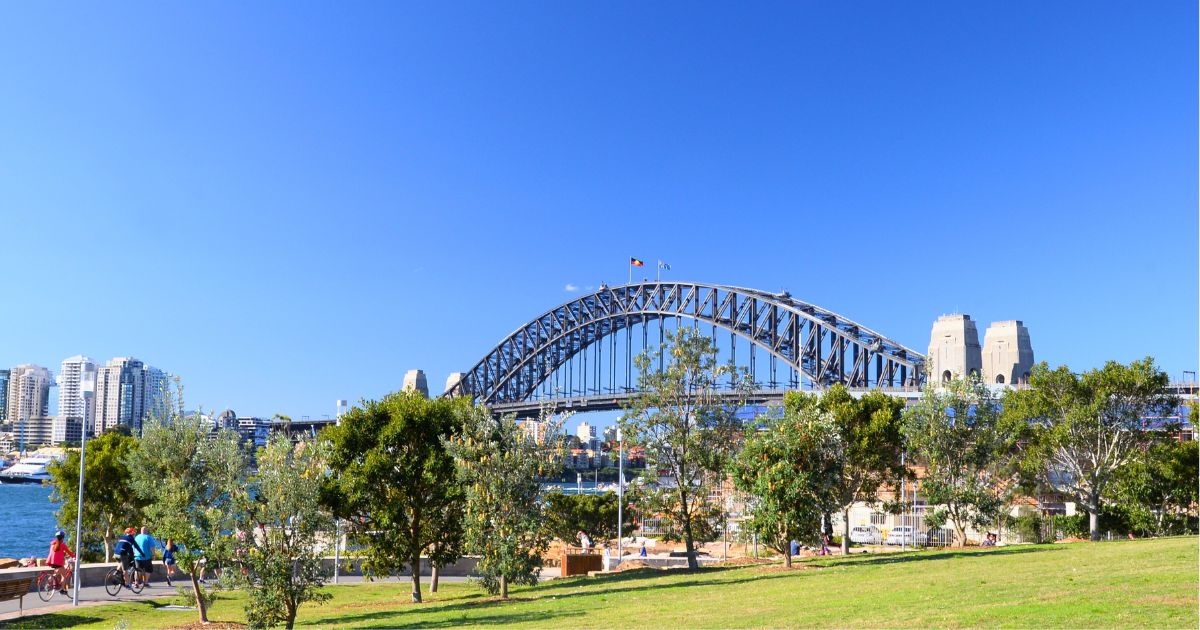
The Sydney Harbour Bridge, nicknamed “the Coathanger” by locals, is a steel structure connecting the northern and southern sides of the harbour. The bridge opened in 1932 and is still one of the largest steel arch bridges in the world.
The bridge weighs over 52,800 tonnes and six million rivets were used to build it. Its arch spans 503 metres and its highest point is 134 metres above the water.
You can explore it:
- On foot: The walk across the bridge is free and offers amazing views.
- By bike: There’s a cycle path along the western side of the bridge.
- BridgeClimb: An adrenaline-fuelled climb to the top of the bridge (though it’s fairly pricey, starting from AUD 344).
Darling Harbour
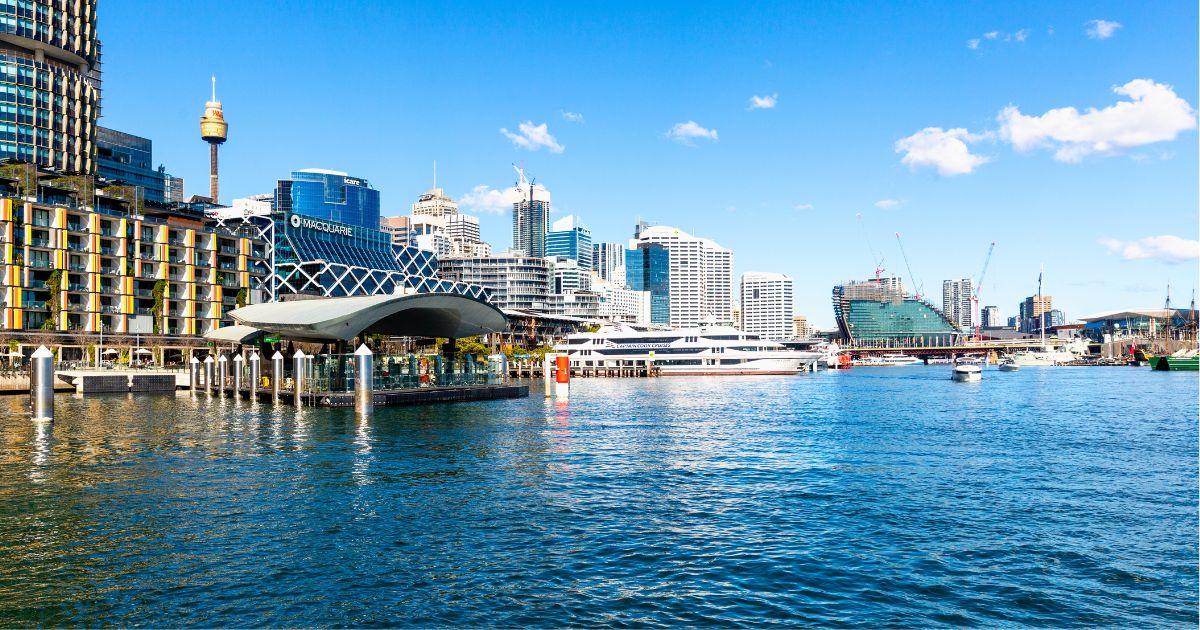
Darling Harbour is a harbour and popular recreation area packed with restaurants, shops and other attractions. The area has been revitalised in recent years and has become something of a second city centre.
Here you can visit:
- SEA LIFE Sydney Aquarium: One of the largest aquariums in the world, with more than 700 marine species.
- Madame Tussauds: A wax museum.
- WILD LIFE Sydney Zoo: A chance to meet Australian animals.
- Australian National Maritime Museum: An exhibition on maritime history.
Bondi Beach
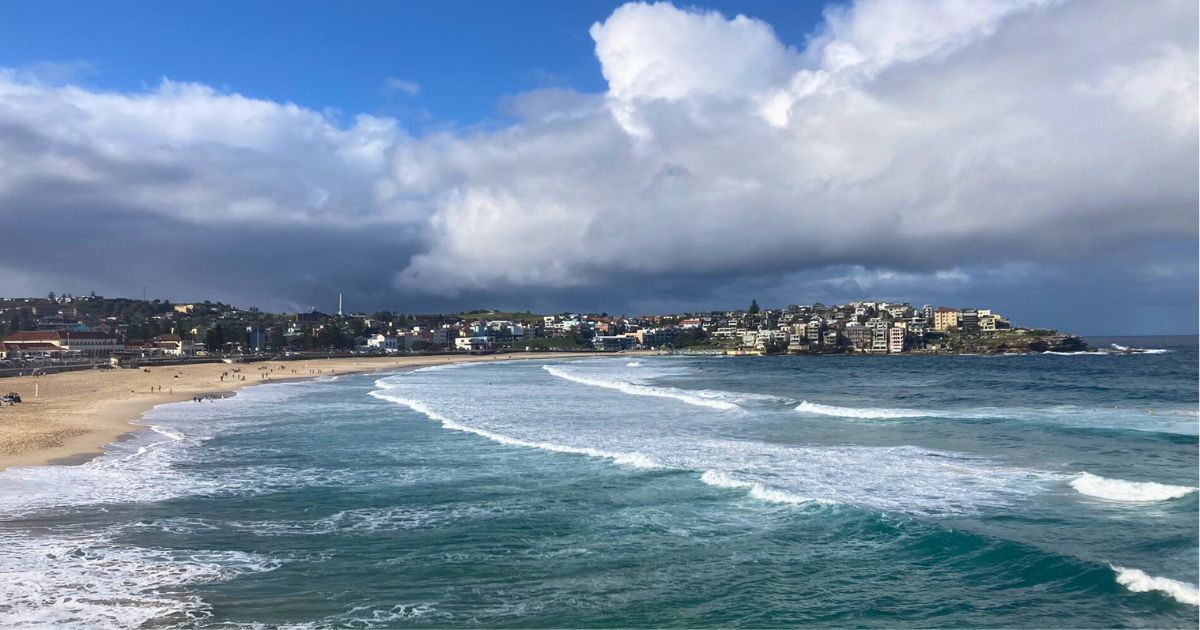
Bondi Beach is Sydney’s most famous beach and one of the best-known beaches in the world. This kilometre-long stretch of fine sand is a mecca for surfers and everyday visitors alike. Bondi Beach in Sydney, Australia is surrounded by cafés, restaurants and shops, so you can easily spend a whole day here.
Bondi is great for surfing, but watch out for the rip currents, which can be dangerous. If you’re not an experienced surfer, stick to the area between the red and yellow flags, where the lifeguards keep watch.
Coastal Walk from Bondi to Coogee
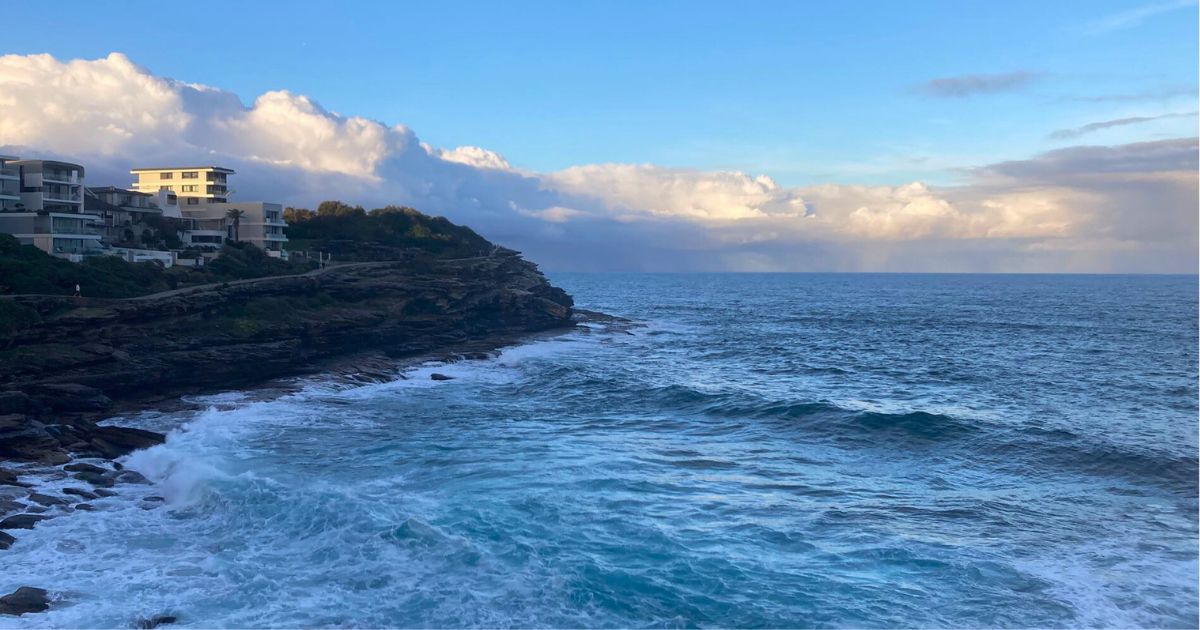
This six-kilometre coastal trail is one of the most beautiful walks in Sydney. It runs from Bondi Beach through Tamarama, Bronte and Clovelly all the way to Coogee Beach. Along the way you’ll enjoy gorgeous views of the ocean and the cliffs.
The walk takes about 2 hours and is suitable even for less experienced walkers, though there are a few steeper sections. Along the route you’ll find several beaches where you can cool off, as well as cafés for a bite to eat.
Luna Park
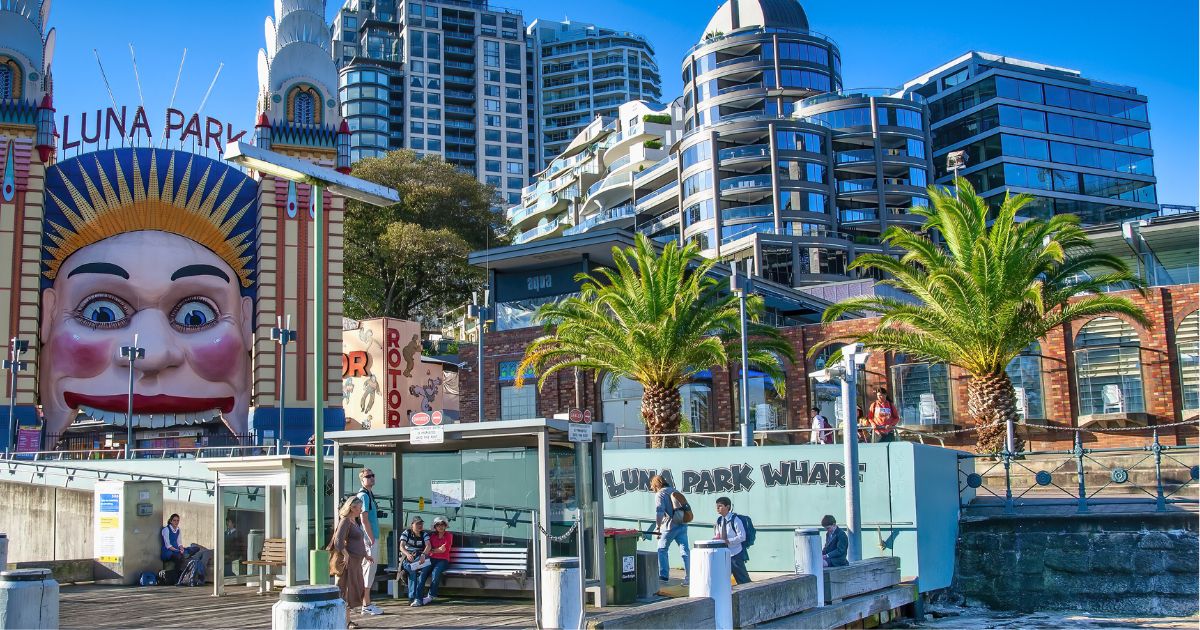
Luna Park Sydney is a historic amusement park sitting beneath the northern side of the Harbour Bridge at Milsons Point. Its iconic smiling entrance has been welcoming visitors since 1930. The park offers classic funfair rides and amazing views of the harbour.
Entry to the park is free; you only pay for the individual rides, or you can buy an unlimited day pass. Luna Park also boasts one of the most beautiful views of the Sydney skyline.
The Rocks
The Rocks is a historic district where Sydney’s European history began. Originally home to the first European settlers and convicts, today it’s a lovely area of cobbled lanes, historic buildings, galleries and cafés.
Be sure to visit:
- Cadman’s Cottage – the oldest surviving residential house in Sydney (1816),
- Observatory Hill – a beautiful view of the bridge and harbour,
- The Rocks Markets – weekend markets with handmade crafts and local products.
In this district you’ll also find Sydney’s oldest pub, the Fortune of War, established in 1828.
Milsons Point
This spot offers one of the best views of the Sydney Opera House and Harbour Bridge. It sits on the northern side of the harbour, right next to Luna Park. It’s a popular place, especially for sunsets.
You can get here from Circular Quay in just 3 minutes by ferry (lines F4 and F8), which is a great experience in itself.
Circular Quay
Circular Quay is the heart of Sydney Harbour and a transport hub where ferries, trains and buses all meet. From here you can take harbour cruises, go for coastal walks or simply sit in one of the cafés with a view of the Opera House and Harbour Bridge.
Historically, Circular Quay was Sydney’s first port, where the first British ships landed in 1788, marking the start of modern Australian history.
Rose Bay
Rose Bay is a popular district in Sydney’s eastern suburbs, spread along the eastern side of the harbour. It’s a paradise for sailing and other water sports. Here you’ll find smaller, quieter beaches than Bondi, plus gorgeous city views.
Rose Bay is easy to reach by ferry from Circular Quay (line F4), a journey of about 20 minutes.
Surry Hills
Surry Hills is a trendy district full of cafés, restaurants, bars and boutiques. It’s known for its cosmopolitan atmosphere and nightlife. The district is popular with artists and young people, and you’ll find many historic buildings with Victorian architecture.
Hyde Park
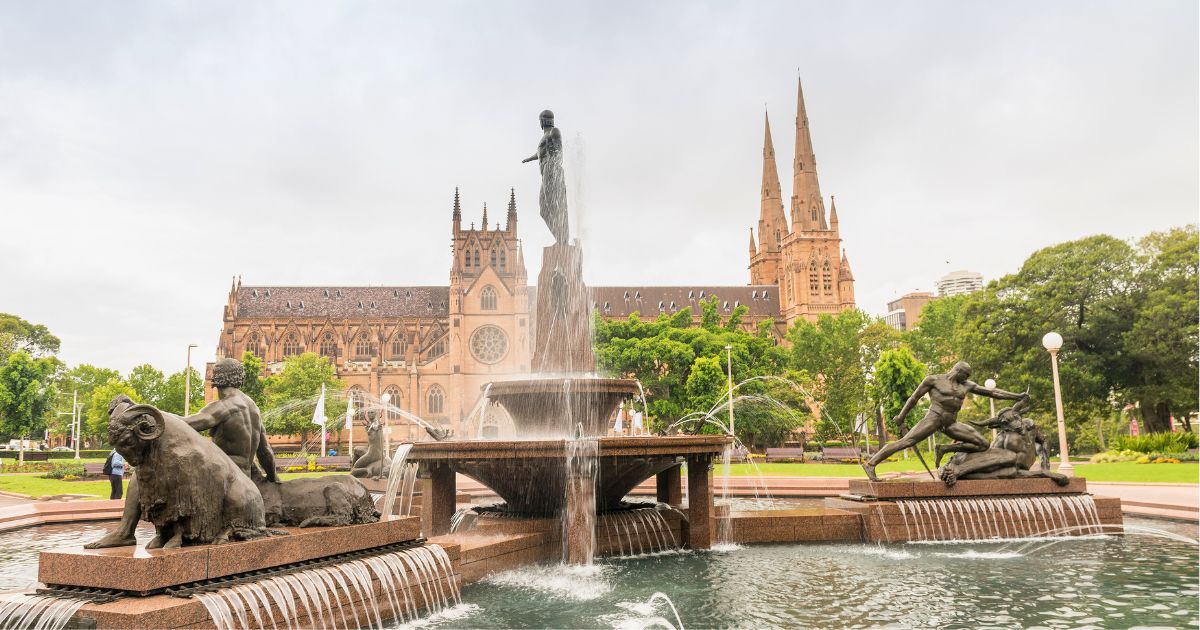
Hyde Park is the oldest public park in Australia, located in the centre of Sydney. You can have a picnic here or just stroll among the century-old trees. In the park you’ll find:
- Archibald Fountain,
- ANZAC Memorial (a war memorial),
- St Mary’s Cathedral.
The park is home to more than 580 trees, including fig trees.
Botanic Garden
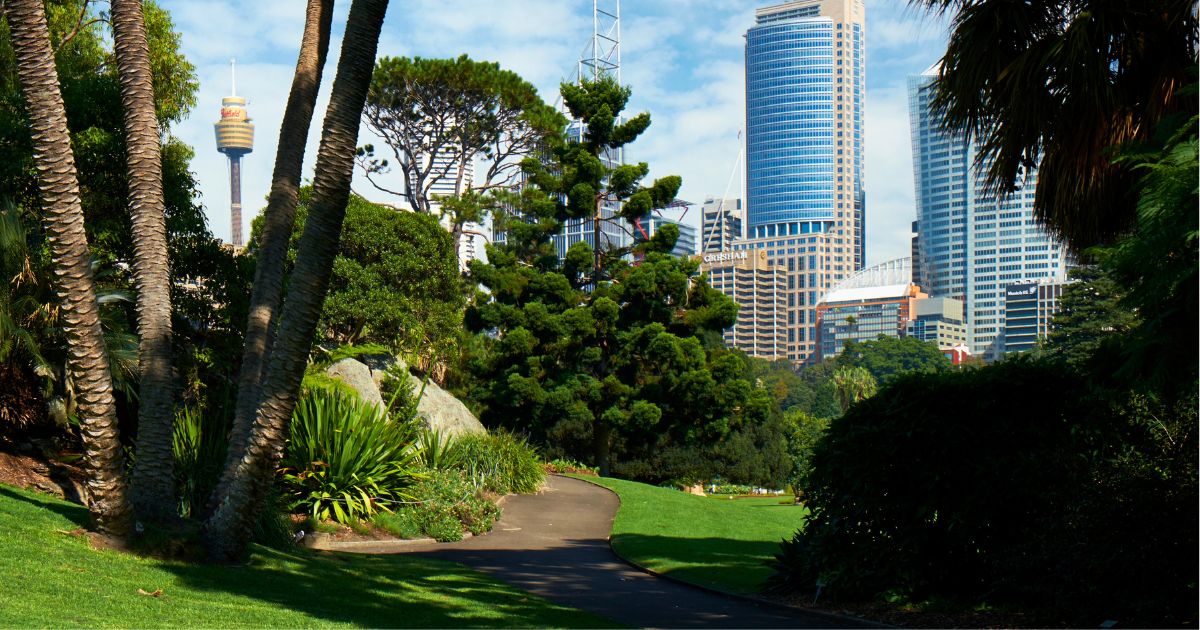
You’ll find the Royal Botanic Garden Sydney right in the city centre, next to the Opera House. Founded in 1816, it’s the oldest scientific institution in Australia. Across 30 hectares it holds an amazing collection of plants from all over the world. Entry is free.
TIP: A walk to Mrs Macquarie’s Chair will reward you with one of the best views of Sydney Harbour, the Opera House and the Harbour Bridge. The spot is named after the governor’s wife, who loved to sit here and admire the ships in the harbour.

Manly Beach
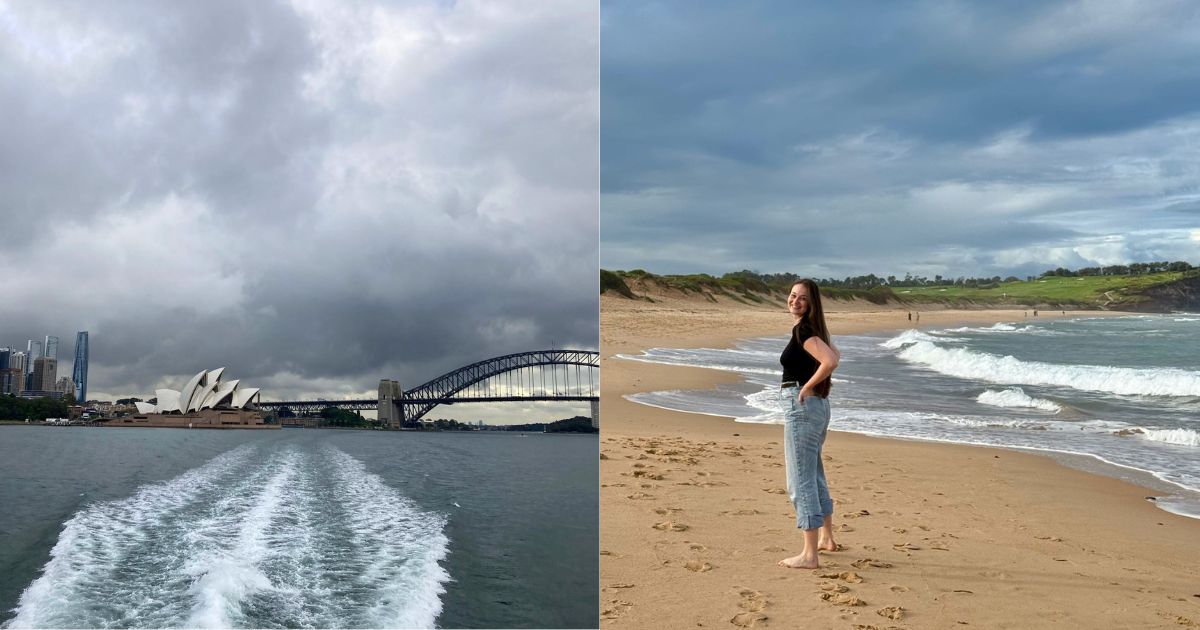
Manly Beach is a gorgeous beach and a great alternative to the busy Bondi Beach. You reach this popular spot on a 30-minute ferry ride from Circular Quay, which is a wonderful experience in itself. I felt like I’d landed in a completely different city here.
Manly offers:
- A long sandy beach ideal for both surfing and swimming,
- a seaside promenade with shops and restaurants,
- beautiful coastal trails,
- a more relaxed atmosphere than the busier beaches in the east.
Manly is also home to a colony of little penguins, the only mainland breeding colony in New South Wales.
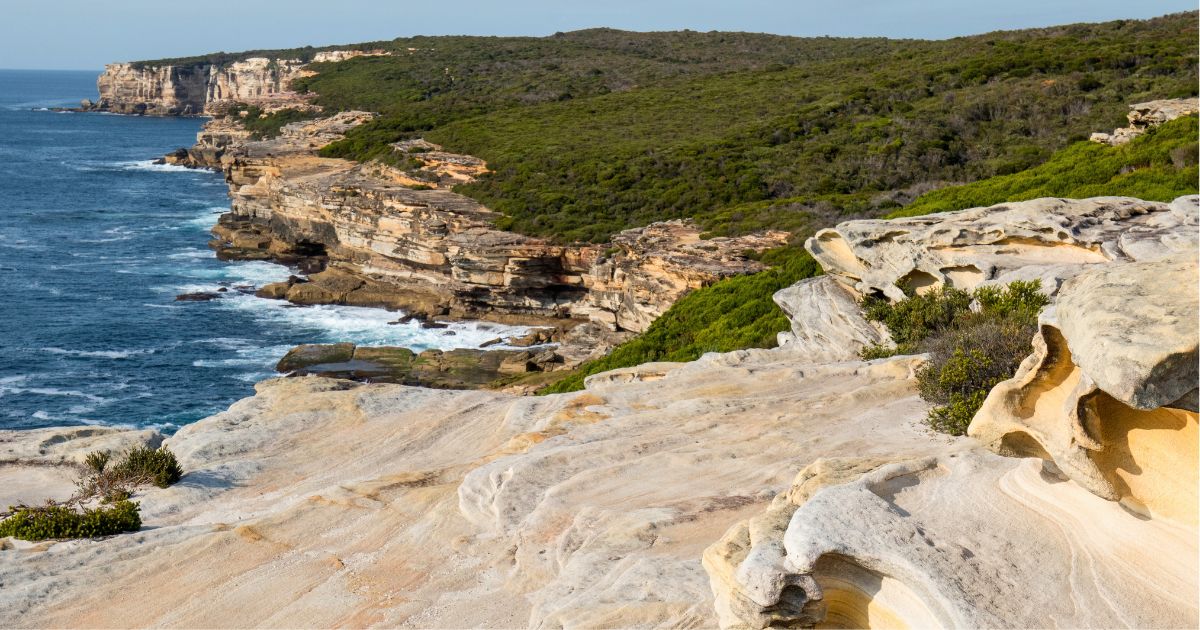
Royal National Park
Royal National Park is the oldest national park in Australia and the second oldest in the world (after Yellowstone). It lies about an hour’s drive south of Sydney and awaits you with breathtaking nature, beautiful beaches and hiking trails.
Don’t miss:
- Figure Eight Pools – natural rock pools,
- Wedding Cake Rock – a white rock formation,
- The Coast Track – a 26 km coastal trail.
Haymarket
Haymarket is a popular district in central Sydney that includes the famous Chinatown and Thai Town. It’s a lively multicultural hub with plenty of restaurants, markets and shops. The best known is Paddy’s Market, where you’ll find everything from fresh fruit to souvenirs.
TIP: Visit Haymarket on a Friday evening, when night markets are held with excellent Asian street food.
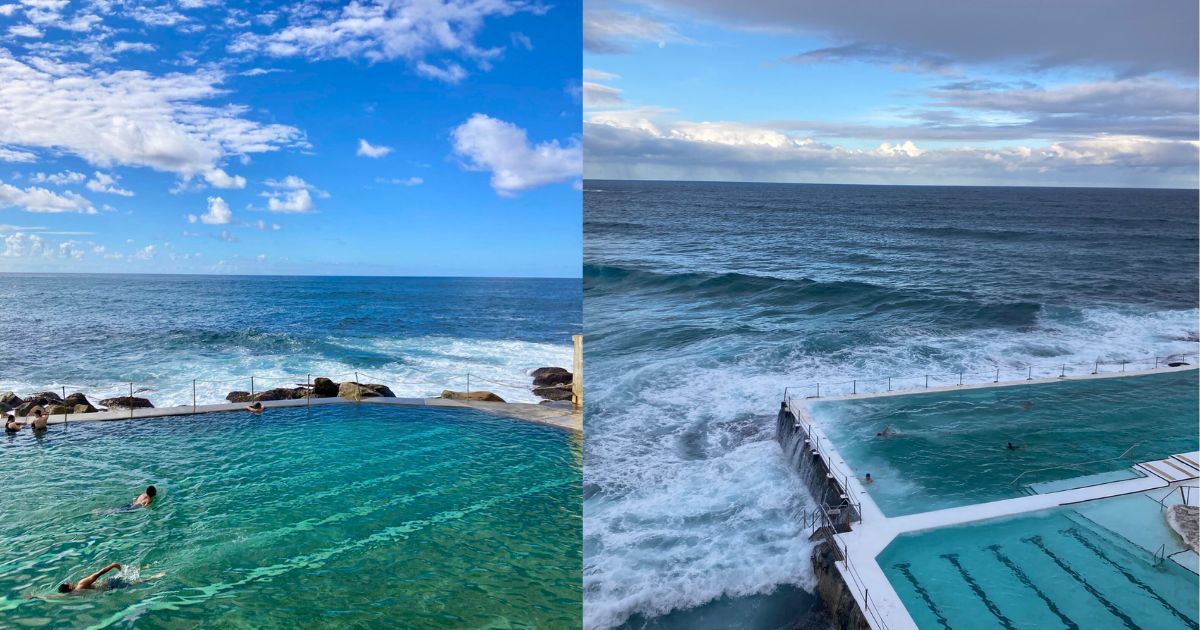
Take a Dip in an Ocean Pool (Bondi Icebergs)
The Bondi Icebergs Pool is an iconic swimming pool carved into the cliffs at the southern end of Bondi Beach. For me, this 50-metre saltwater pool offers a truly unique experience: you can swim to the sound of the waves that occasionally spill over into the pool, with a view of the entire beach. It opened back in 1929 and still keeps its historic charm. Entry costs AUD 10.
Besides Bondi Icebergs, other Sydney ocean pools are worth a visit too, such as Bronte Baths or Wylie’s Baths near Coogee. Those are free.
Sydney Tower Eye
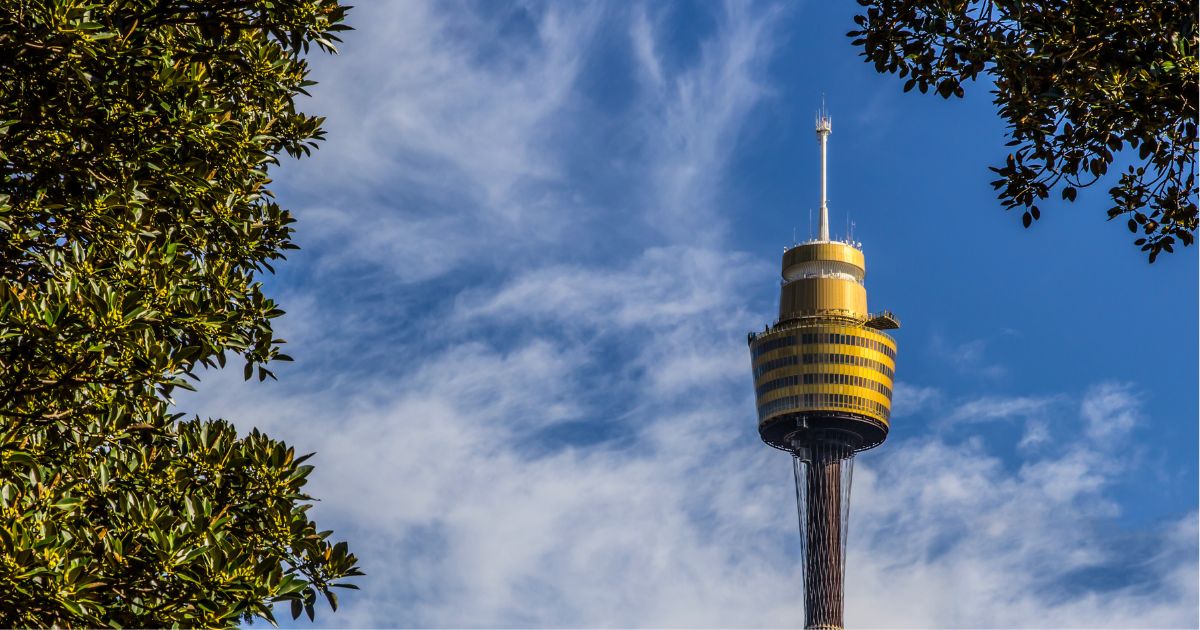
Sydney Tower Eye is the city’s tallest building and offers a 360° view of Sydney and its surroundings. At 309 metres, it’s the second tallest observation tower in the Southern Hemisphere.
For braver visitors there’s the Skywalk, an outdoor platform at a height of 268 metres that offers an adrenaline-fuelled experience with the whole city beneath your feet.
It’s best to buy tickets online in advance, especially in high season.
Watsons Bay
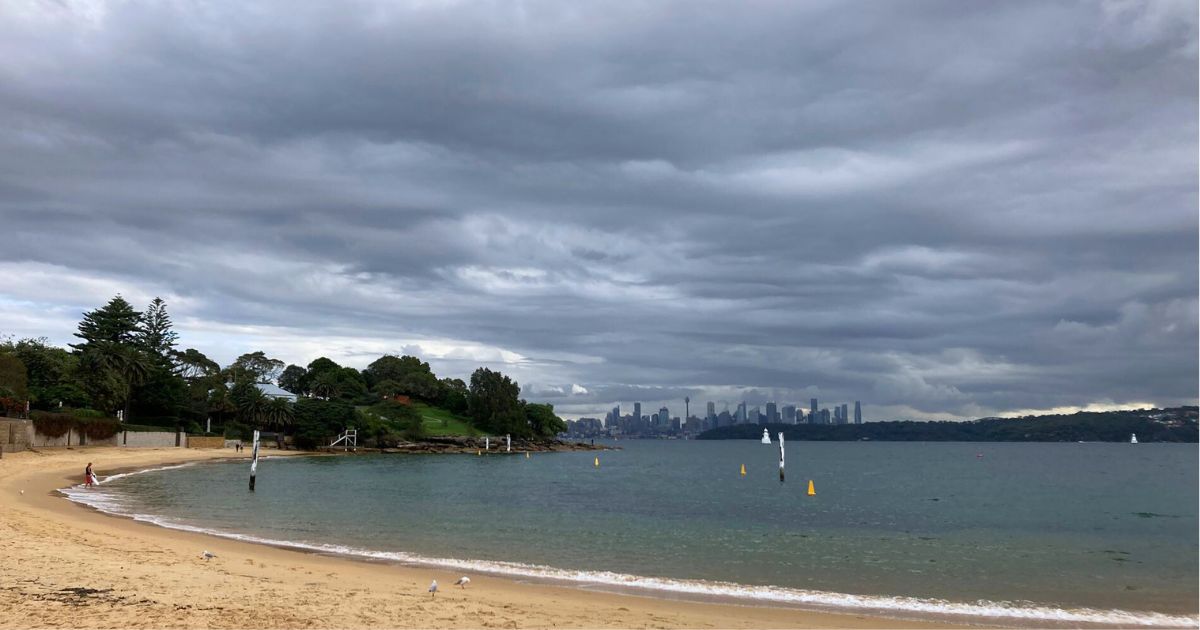
Watsons Bay is a seaside district at the eastern end of Sydney, offering one of the most beautiful views of the city and harbour. You can get here by ferry from Circular Quay.
The main things to see are:
- The Gap: Cliffs overlooking the Pacific Ocean
- Hornby Lighthouse: A red-and-white lighthouse on South Head
- Camp Cove Beach: A quiet beach ideal for swimming and snorkelling
- Doyle’s on the Beach: A famous restaurant specialising in seafood
Coogee Bay
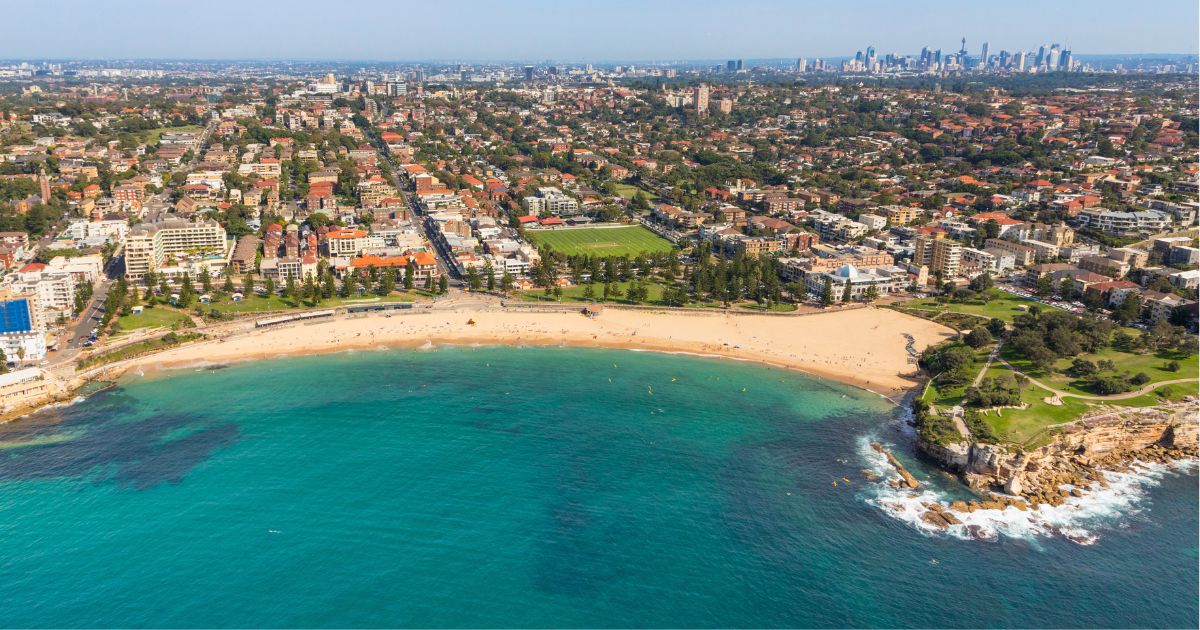
Coogee Beach is a popular beach lying south of Bondi. It’s less touristy and mostly beloved by locals. Around Coogee you’ll find several natural and man-made pools, including the historic Wylie’s Baths, opened in 1907.
Maroubra Beach
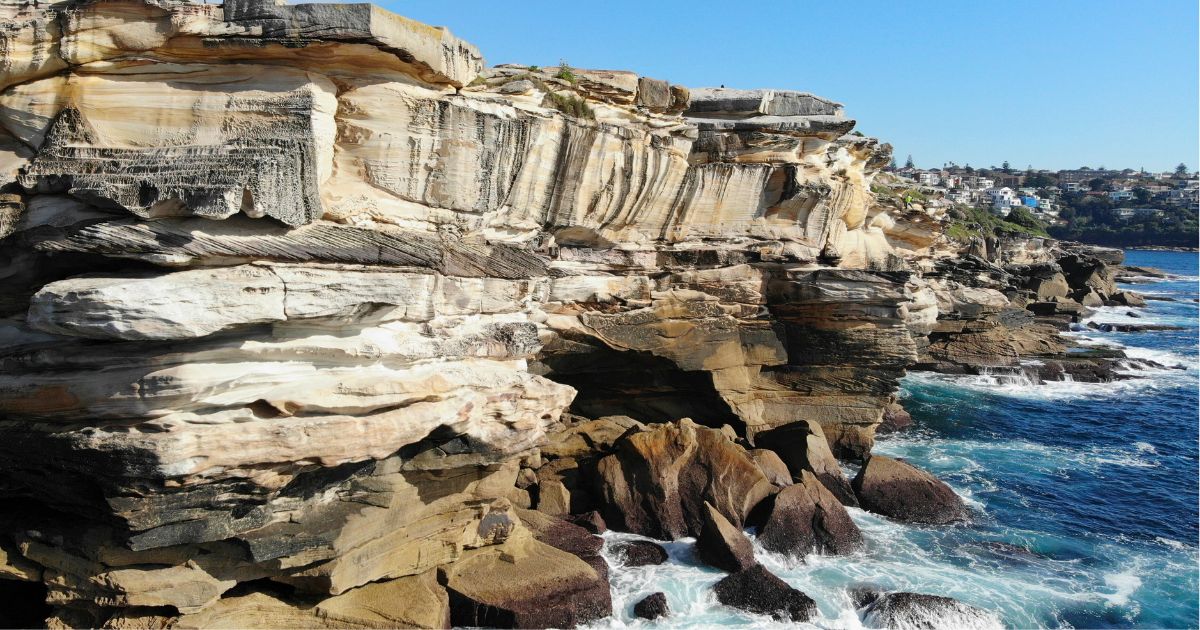
Maroubra Beach is a nearly two-kilometre beach about 10 km from the city centre. It’s the longest beach within the City of Sydney and the calmest of all the big Sydney beaches.
About 150 metres north of the beach you’ll find a man-made pool carved into the cliffs, with a natural bottom and seawater, secured with railings and steps.
Taronga Zoo
Taronga Zoo sits on the northern shore of Sydney Harbour, and you’ll find not only fascinating animals here but also a stunning view of the city. The zoo is home to more than 4,000 animals, including many endangered Australian species.
Art Gallery of NSW
Did you know that Sydney has free museums? The Art Gallery of New South Wales is one of the leading art institutions in Australia. The gallery holds extensive collections of Australian, Asian and European art and hosts regular exhibitions.
Museum of Contemporary Art Australia
The Museum of Contemporary Art Australia (MCA) is located in The Rocks and specialises in exhibiting, interpreting and collecting contemporary art from Australia and abroad. The museum building itself is also very beautiful.
I recommend visiting the museum café on the top floor, where there’s an amazing view of the Sydney Opera House and Harbour Bridge. You can enjoy a coffee or lunch here while admiring the city skyline.
Chinatown
Sydney’s Chinatown in the Haymarket area is a hub of Asian culture and cuisine. Here you’ll find dozens of restaurants, shops and markets. The traditional Chinese gates on Dixon Street are the landmark feature.
Don’t just visit the Chinese restaurants – be sure to try the excellent Malaysian, Thai, Vietnamese or Korean cuisine, all of which are also well represented here.
Cockatoo Island
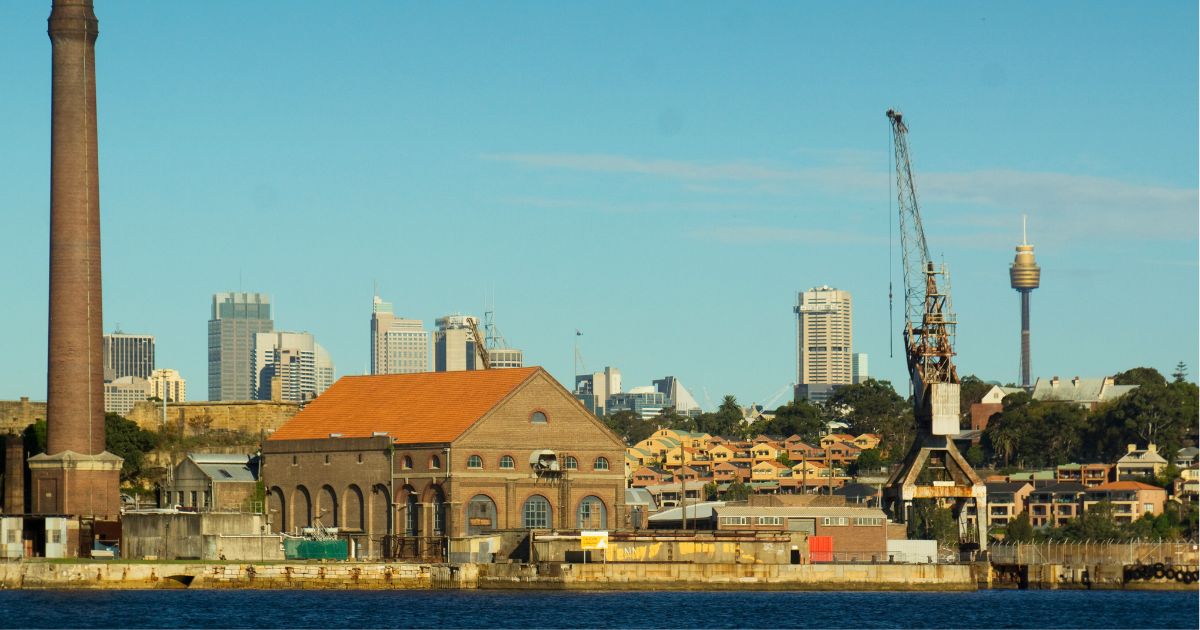
Cockatoo Island is an island in Sydney Harbour with a rich history. Over the years it has served as a penal colony and a shipyard, and it is now a cultural centre inscribed on the UNESCO list. You can reach the island by ferry from Circular Quay (lines F3 and F8).
Blue Mountains
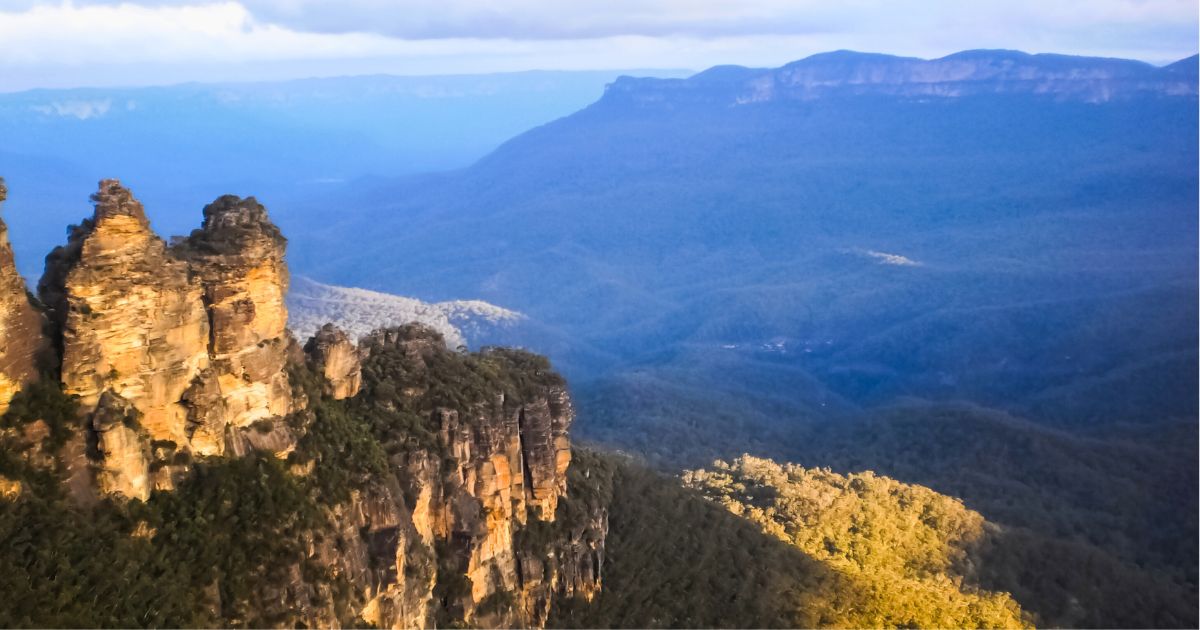
The Blue Mountains lie about 100 kilometres west of Sydney and are ideal for a day trip from the city. This region of forested gorges and pristine bush is a UNESCO World Heritage Site.
The main attractions are:
- Three Sisters – an iconic rock formation
- Scenic World – cableways and the steepest railway in the world
- Wentworth Falls – a 187-metre cascading waterfall
- Jenolan Caves – a breathtaking cave system
The name “Blue Mountains” comes from the fine blue haze visible above the mountains. This haze is created by oils evaporating from millions of eucalyptus trees.
You can reach the Blue Mountains by train from Central Station (in about 2 hours), but renting a car is a better option.
Mosman Harbour Walk
Sydney has a newly opened 3.5 km heritage route designed to showcase the views of the Middle Harbour peninsula. This latest trail in Mosman, part of the Sydney Harbour Scenic Walk, connects Middle Head–Gubbuh Gubbuh and Georges Head, and now links up with the 80 km Bondi to Manly Walk and the Chowder Bay trails. The project is part of the New South Wales government’s AUD 257 million commitment to improving national park visitor infrastructure.
Along the route you can take in over 220 years of Sydney’s defence history, including restored military structures such as a fort from 1801, built at a time when there were fears of a French invasion, along with tunnels, sandstone gun emplacements and “Tiger Cages” from the Vietnam War era.
Barangaroo Reserve
Barangaroo Reserve is a modern park on the western side of the harbour that blends contemporary architecture with nature and the culture of the Indigenous Gadigal people. Stroll along the water, relax on the sandstone rocks and enjoy the perfect spot for a picnic or a sunset.
Hike to Hornby Lighthouse
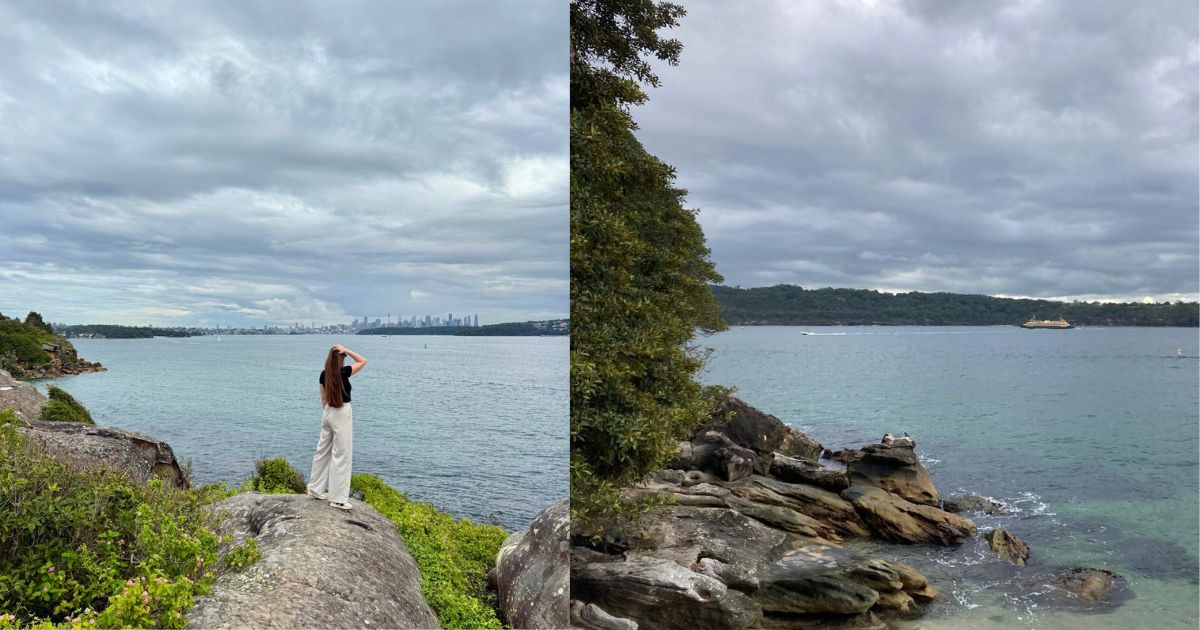
Just 20 minutes by ferry from Circular Quay gets you to Watsons Bay, with its quiet beach and great seafood restaurants (such as Doyle’s). I recommend the walk out to Hornby Lighthouse. You’ll see breathtaking views of the ocean and central Sydney. It’s less touristy but honestly gorgeous.
Glebe Markets
If you love flea markets, vintage fashion, handmade jewellery and mingling with the locals, you shouldn’t miss the Saturday markets in the Glebe district. You’ll find plenty of treasures, live music and something tasty to eat. And Glebe itself is a beautiful district with historic architecture.
Map of points of interest for your phone
Practical Tips for Visiting Australia
- Currency: The Australian dollar (AUD). It’s a good idea to always carry some cash, even though cards are accepted almost everywhere. For payments abroad I recommend a Revolut card.
- Power sockets: Australia uses Type I sockets, so don’t forget to pack an adapter (you can also buy one locally).
- Tap water: It’s perfectly safe to drink throughout Sydney.
- Tipping: Not mandatory in Australia, but in restaurants it’s common to leave 10–15% for good service.
- Road rules: Australians drive on the left. If you’re planning to rent a car, keep that in mind. Likewise, you walk on the left or stand on the left side of escalators.
- Travel insurance: Don’t forget to arrange good travel insurance before your trip. Healthcare costs in Australia are quite high. We recommend the long-term travel insurance SafetyWing.
- SIM card: For easy internet access you can get an eSIM for Australia before you fly, which you simply activate on your phone without having to remove your original SIM. Or pick up a physical SIM card in any supermarket with a data package to suit your needs.
- Sun protection: The Australian sun is very intense, so use a high-factor sunscreen, a hat and sunglasses. I’d suggest buying local sunscreen – it’s much better quality and made for the Australian sun.
Where to Go Next
For most travellers Sydney is the first stop, but Australia has so much more to offer. We cover the city’s most famous building separately in our article Sydney Opera House: tickets, tours and everything you need to know, where you’ll find tour prices and practical ticket tips. For a full overview of the country, check out our big guide Holiday in Australia: the 30 most beautiful places + practical tips.
If you’re continuing up the east coast, have a look at Melbourne, Australia: 23 things to see and do, Brisbane, Australia: 20 things to see and do or Cairns and the Daintree: 18 things to see in the gateway to the tropics. For coral, it’s worth heading to the Great Barrier Reef, and you’ll find untamed wilderness in Tasmania.
Want to see the red heart of the continent too? Take a look at Uluru and the Red Centre. And if you’re planning to travel independently, our guide Road trip around Australia: routes, car, campsites and budget will help you.
Frequently Asked Questions
Is Sydney an expensive city?
Yes, Sydney is one of the more expensive cities in the world, especially when it comes to accommodation. However, you can save money by using public transport, dining outside tourist areas, and enjoying free activities like coastal walks or visits to museums, public parks and beaches.
How many days do I need to explore Sydney?
A minimum of 3-4 days to see the main attractions. For a more thorough exploration of the city and day trips to the surrounding areas (e.g. Blue Mountains), 7-10 days is ideal.
Do I need a visa for Australia?
Yes, every visitor to Australia needs a visa. For tourists from most countries, the easiest option is the electronic eVisitor visa (subclass 651), which is free and allows stays of up to 3 months.
Are there dangerous sharks and venomous spiders in Sydney?
Sharks do occur at Sydney beaches, but attacks are extremely rare. The main beaches are monitored by lifeguards and some have protective nets. As for spiders, most species are not dangerous and tend to stay in nature rather than in the city.
When is the best time to watch whales in Sydney?
Whale migration season is from May to November, when humpback whales and southern right whales migrate along the NSW coast. The best chance is from June to early July during the northward migration and from September to November during the return south with calves.
What is the weather like in Sydney throughout the year?
Sydney has a mild climate with warm summers and mild winters. In summer (December-February) temperatures are around 25 °C, in winter (June-August) around 15 °C. The wettest month is June.
Tips and Tricks for Your Vacation
Don’t Overpay for Flights
Search for flights on Kayak. It’s our favorite search engine because it scans the websites of all airlines and always finds the cheapest connection.
Book Your Accommodation Smartly
The best experiences we’ve had when looking for accommodation (from Alaska to Morocco) are with Booking.com, where hotels, apartments, and entire houses are usually the cheapest and most widely available.
Don’t Forget Travel Insurance
Good travel insurance will protect you against illness, accidents, theft, or flight cancellations. We’ve had a few hospital visits abroad, so we know how important it is to have proper insurance arranged.
Where we insure ourselves: SafetyWing (best for everyone) and TrueTraveller (for extra-long trips).
Why don’t we recommend any Czech insurance company? Because they have too many restrictions. They set limits on the number of days abroad, travel insurance via a credit card often requires you to pay medical expenses only with that card, and they frequently limit the number of returns to the Czech Republic.
Find the Best Experiences
Get Your Guide is a huge online marketplace where you can book guided walks, trips, skip-the-line tickets, tours, and much more. We always find some extra fun there!


