Review: Wacaco Nanopresso Travel Coffee Maker

TL;DRThe Wacaco Nanopresso is a portable mechanical coffee maker weighing 336 grams that needs no electricity to build up to 18 bars of pressure, brewing a proper espresso with a creamy crema from any ground coffee. The water tank holds 80 ml and the filter basket takes up to 8 grams of ground coffee — the author tested it on a trip to Bologna with nothing but a backpack. You can expand it with a Nespresso pod adapter, a Dolce Gusto Kit, or a Barista Kit with a 140 ml tank and 16-gram filter for when you need more. The main downside is that you have to heat the water separately, and making several cups in a row is a bit of a faff since you’re pumping by hand each time.

Are you constantly on the go — hiking in the mountains, staying at a cabin, or roughing it somewhere without a decent coffee setup — and you’ve had enough of the watery sludge from petrol station machines or hotel room instant packets? Then I’ve got the perfect solution for you: the Wacaco Nanopresso travel coffee maker, which I’ve put through its paces so you don’t have to take any chances.

Wacaco Nanopresso travel coffee maker

Review: Wacaco Nanopresso Travel Coffee Maker

Right, let’s dive into the review itself. In the following sections, I’ll share my honest thoughts on the Wacaco Nanopresso coffee maker and cover everything you should know before buying one.

You might also be interested in: The Ultimate Guide to Travel Coffee Makers

Design and Build Quality

The Wacaco Nanopresso boasts a sleek, modern design. I like to call it my little submarine — that’s exactly what it reminds me of! 😄 It has an ergonomic shape that sits comfortably in your hand, making the manual pumping action nice and easy.

The Wacaco Nanopresso consists of 8 parts in total:

  • the coffee maker with manual piston,
  • water tank,
  • detachable espresso cup,
  • portafilter with nozzle,
  • coffee basket,
  • scoop/tamper,
  • cleaning brush,
  • protective carrying case.

Weighing just 336 grams, it’s incredibly lightweight, small, and compact — making it a perfect travel companion. I took it with me to Bologna, where I was travelling with just a carry-on backpack, but it’s equally brilliant for a cabin holiday where there’s no fancy coffee machine, or for camping trips where there’s no electricity at all.

It’s made from durable plastic and measures 156 x 71 x 62 mm. The water tank has a capacity of 80 ml, which is enough for making a single espresso.

The filter basket is designed to hold up to 8 grams of ground coffee. It’s made from stainless steel, ensuring long-lasting durability and easy maintenance.

Nanopresso travel coffee maker

Performance, Functionality and Maintenance

The Wacaco Nanopresso is designed so you can use it even in the most challenging conditions — no electricity or charging required. The only thing you’ll need to sort out is heating up some water.

It’s a fully mechanical device. By manually pumping the piston, you can generate up to 18 bars of pressure, which is comparable to professional espresso machines. The whole brewing process takes just a few minutes.

Maintenance couldn’t be simpler. The coffee maker is easy to disassemble, and you just need to rinse the individual parts with water. It’s also worth regularly cleaning the filter basket and the coffee nozzle.

The coffee maker is fully mechanical.

Coffee Taste

I’ll be honest — I was a bit sceptical about a handheld mechanical coffee maker at first. But the results genuinely impressed me. The coffee tastes fantastic, and the espresso comes out with a beautiful, creamy crema.

Another great bonus is that you can use any ground coffee you like, so you’re not locked into a single brand or type.

The resulting espresso with a creamy crema

Pros and Cons of the Wacaco Nanopresso Travel Coffee Maker

Here are the pros and cons of the Nanopresso travel coffee maker as I see them:

+ Small, lightweight, and compact– Requires hot water (from a kettle, stove, etc.)
+ Excellent coffee taste– Making multiple cups in a row is tiring (constant pumping)
+ No charging or batteries needed– Limited water tank capacity (80 ml)

How to Make Coffee with the Wacaco Nanopresso

Brewing coffee with the Wacaco Nanopresso travel coffee maker is really straightforward. All you need is your favourite ground coffee, hot water, and a bit of elbow grease — since it’s a fully manual device.

Simply fill the coffee basket with the right amount of grounds and close it up. On the other side of the maker, pour hot water into the water tank and seal it. Then just pump the lever with your fingers to build up the pressure needed to extract a perfect espresso.

Accessories for the Wacaco Nanopresso

One of the big advantages of the Wacaco Nanopresso is that you can purchase additional accessories that are fully compatible with the device.

Capsule Adapter

If you prefer coffee pods, then the NS Adapter is just what you need. Simply pop a Nespresso capsule into the adapter, attach it to the Nanopresso, fill with hot water, pump the piston to build pressure, and enjoy a perfect cup of espresso.

Nespresso adapter for the Nanopresso

Nanopresso Dolce Gusto Kit

If you’re a fan of Dolce Gusto capsules, you can pick up the Dolce Gusto Kit and enjoy not just espresso, but also cappuccino, macchiato, or latte. Simply mount the Dolce Gusto adapter onto your Nanopresso, and the coffee brews straight into your waiting cup.

Dolce Gusto Kit
Dolce Gusto Kit

Nanopresso Barista Kit

If you’re travelling with the whole family or a group of mates and your coffee consumption is on the higher side, I’d recommend the Barista Kit. It comes with an upgraded 140 ml water tank and an additional filter basket with a 16 g capacity.

Barista Kit
Barista Kit

Other Wacaco Travel Coffee Makers

If this particular model isn’t quite right for you, Wacaco offers several other portable coffee makers worth considering:

You might also be interested in: Outin Nano Coffee Maker Review

Review Summary

Wacaco Nanopresso Travel Coffee Maker

Monika Havrdová

Design and Build Quality
Performance, Functionality and Maintenance
Coffee Taste

Summary

The Wacaco Nanopresso travel coffee maker is an excellent choice for anyone who can’t imagine hitting the road without a quality espresso. Its main strengths lie in its compact design, high pressure, superb coffee taste, and ease of use. The downsides — manual pumping and limited water tank capacity — may bother some, but both can be addressed by purchasing additional accessories.

4.3

Frequently Asked Questions

What is the Wacaco Nanopresso?

The Wacaco Nanopresso is a portable, hand-powered coffee maker that lets you brew espresso without any electricity. It’s ideal for travelling, outdoor adventures, or use at the office or in a holiday cabin.

What coffee can I use with the Nanopresso?

You can use ground coffee as well as Nespresso or Dolce Gusto capsules with the help of an adapter (sold separately).

What is the water tank capacity?

The standard water tank holds 80 ml, which is enough for a single espresso. With the Barista Kit (sold separately), you can increase the capacity to 140 ml.

How do you clean the Nanopresso?

The Nanopresso is very easy to clean. Simply disassemble it and rinse the individual parts with water. It’s also recommended to regularly clean the filter basket and nozzle.

What pressure does the Nanopresso achieve?

The Nanopresso can generate up to 18 bars of pressure, which is comparable to professional espresso machines.

Tips and Tricks for Your Vacation

Don’t Overpay for Flights

Search for flights on Kayak. It’s our favorite search engine because it scans the websites of all airlines and always finds the cheapest connection.

Book Your Accommodation Smartly

The best experiences we’ve had when looking for accommodation (from Alaska to Morocco) are with Booking.com, where hotels, apartments, and entire houses are usually the cheapest and most widely available.

Don’t Forget Travel Insurance

Good travel insurance will protect you against illness, accidents, theft, or flight cancellations. We’ve had a few hospital visits abroad, so we know how important it is to have proper insurance arranged.

Where we insure ourselves: SafetyWing (best for everyone) and TrueTraveller (for extra-long trips).

Why don’t we recommend any Czech insurance company? Because they have too many restrictions. They set limits on the number of days abroad, travel insurance via a credit card often requires you to pay medical expenses only with that card, and they frequently limit the number of returns to the Czech Republic.

Find the Best Experiences

Get Your Guide is a huge online marketplace where you can book guided walks, trips, skip-the-line tickets, tours, and much more. We always find some extra fun there!
Naples, Italy: 32 Best Things to Do and See

TL;DRNaples is southern Italy’s chaotic, pulsing capital, a city of a thousand faces — grand monuments one minute, rowdy backstreets the next. It’s the birthplace of proper pizza and a brilliant base for day trips to Pompeii, Vesuvius and Capri. Don’t miss the historic centre around Spaccanapoli, the Naples Underground, and the National Archaeological Museum. As for safety, stick to the centre and the well-trodden tourist routes, and keep an eye on your valuables. Spring and autumn are the best times to come. Inside you’ll find 32 tips on what to see, where to get the best pizza, and which areas to avoid for a place to stay.

The saying “See Naples and die” probably wasn’t meant by Goethe to imply you’d end up under a crazy Italian’s car or get shot by a mafioso in a dark alley. Anyway, that’s kind of how I felt during my recent visit to Naples.😄

Don’t get me wrong, I don’t want to scare you. Naples is an astonishing, vibrant, and admirable metropolis, but at second glance, you’ll find a lot of trash and stench on the streets, strange individuals that will make you want to cross to the other side of the road, and the sounds of breaking car windows on already battered cars that will wake you from your sleep.

Naples is not like any other Italian city; it has countless different faces. And if you wander further from the center into questionable neighborhoods, you’ll feel a bit like you’re in a developing country.🫢 Nevertheless, Naples is worth a visit, and in our article, we’ll look at what to see and do in Naples. In this guide I will share with you Naples, Italy: 32 Best Things to Do and See.

When to Visit Naples

Probably the best time to visit Naples is in spring (April to June) or autumn (September, October). During these months, the weather is pleasant, and tourist crowds are not as large as in the summer months.

Summer in the Neapolitan metropolis can be very hot and the city crowded with tourists, while winter (December to February) is colder and rainier, but much quieter.

You might also be interested in: Where to Go for a Holiday in Italy

Where to Stay in Naples

In Naples, I definitely recommend staying somewhere in the center, for example at:

  • Smart Hotel Napoli,
  • Napoli Great View B&B,
  • BARBAJA SUITES.

If you choose accommodation further from the center, it will be cheaper, but the neighborhood might not be a pleasant experience.

Accommodation in Naples

Transportation in Naples

Transportation in Naples is a whole chapter in itself. You might wonder if there’s any public transport there? Based on the tram tracks, metro entrances, and passing buses, probably yes, but it never arrives when you actually want or need it.😄

One day during our visit, it even resulted in an excellent multi-kilometer morning sprint to catch the departing ferry to Capri. From that moment on, we didn’t rely on any public transport in Naples.

Anyway, the metro, trams, buses, suburban railways, and funiculars should operate in Naples. You can buy tickets at local newsstands, at metro ticket machines, or using the Unico Campania app.

If you want to explore Naples safely, try the hop-on hop-off buses. You can buy tickets online via GetYourGuide.

How to get from the Airport to Naples City Center

Naples Airport is not far from the city center. From the airport, you can use the special Alibus airport shuttle, which runs every 20 minutes and costs 5 euros. It will take you to the main train station in 15 minutes and to the port in 25 minutes. You can buy tickets either from the driver, at the Sun Store airport shop, on the Terravision website, or via the Unico Campania app.

If you want to save a few euros, you can walk about 150 meters from the airport to the Ruffo di Calabria – Carbone stop, from where bus lines C68 or 180 will take you. However, you’ll probably have to transfer. A standard ticket costs 1.20 euros, and a transfer ticket costs 1.70 euros.

Naples, Italy: 32 Best Things to Do and See

Naples is huge, has a lot to offer, and it’s almost impossible to get bored there. I’ve put together 32 tips for what to see and do in Naples.

Centro Storico

Naples’ historic center is the heart of the city, full of narrow streets, historic buildings, picturesque squares, and aperol to go on every corner. The Neapolitan center is also a UNESCO World Heritage site.

Via Toledo

Via Toledo is one of Naples’ main shopping streets, where you can stroll among fashion boutiques, cafes, and historic buildings. The street is popular with both locals and tourists and is a great place for shopping and walks.

Castel Nuovo

Castel Nuovo, also known as Maschio Angioino, is a monumental medieval castle that dominates the Neapolitan coast. The castle was built in 1279 and served as a royal residence and fortress. Today, it hosts a city museum and cultural events.

Michelin Restaurants

In Naples, you’ll find countless Michelin restaurants; just look for the stickers on the doors. While a Michelin restaurant might sound fancy to us, don’t worry, prices in Neapolitan restaurants are quite reasonable.

Castel dell’Ovo (Egg Castle)

The oldest fortress in Naples is Castel dell’Ovo, or the Egg Castle. It is located on the small island of Megaride and offers breathtaking views of the Bay of Naples. Legend has it that the castle is built on a magical egg that ensures its stability.

Galleria Umberto I.

Galleria Umberto I. is a magnificent 19th-century shopping gallery with an impressive glass roof and elegant architecture. It’s quite similar to the one in Milan. Here you’ll find a wide range of shops, cafes, and restaurants.

Naples’ Spanish Quarter

Naples’ Spanish Quarter, known as Quartieri Spagnoli, is a vibrant district of Naples full of narrow streets, colorful houses, and traditional shops. The quarter has a unique atmosphere and is an ideal place for discovering local culture and traditions.

Palazzo Reale Di Napoli

The Royal Palace of Naples is a historic 17th-century building that formerly served as the residence of Neapolitan kings. Today, the palace is open to the public and offers tours of its magnificent interiors and historical exhibitions.

Basilica of St. Francis

The Basilica of St. Francis of Paola is an impressive church in Piazza del Plebiscito. Its architecture resembles the Roman Pantheon and it is one of the most significant religious buildings in Naples.

Naples Cathedral

Naples Cathedral, also known as the Cathedral of San Gennaro, is the main religious church in Naples. The cathedral is known for its magnificent frescoes and the Chapel of San Gennaro.

Certosa Di San Martino

The Certosa di San Martino, or Carthusian Monastery of St. Martin, is a historic monastery on Vomero Hill with magnificent views of Naples. In the monastery, you’ll find a museum, Baroque frescoes, and beautiful gardens.

Naples Underground

Naples Underground attracts visitors with fascinating tours of underground tunnels and caves that were used from ancient times until World War II. These underground spaces reveal a hidden side of Neapolitan history and culture. We recommend buying tickets via GetYourGuide.

Mappatella Beach

Naples is a port city, but opportunities for swimming in the sea are quite limited (the sea there is quite polluted). So, if you’re looking for a beach, Naples offers a small city beach called Mappatella.

Virgiliano Park

Virgiliano Park is a beautiful public park on Posillipo Hill, offering panoramic views of Naples, Vesuvius, and the Bay of Naples. The park is an ideal place for picnics, walks, and relaxation in nature.

Castel Sant’Elmo

Castel Sant’Elmo is a medieval fortress on Vomero Hill, which provides amazing views of the entire city and the Bay of Naples. The fortress also hosts cultural events and exhibitions.

Piazza Del Plebiscito

Piazza del Plebiscito is the largest square in Naples, surrounded by significant buildings such as the Royal Palace and the Basilica of St. Francis. The square is a center of city life and a venue for many cultural and social events.

Piazza Dante

Piazza Dante is a lively square in the center of Naples, named after the Italian poet Dante Alighieri. The square is surrounded by historic buildings and is a popular meeting place for locals. It’s kind of like Wenceslas Square in Prague, under the horse. 😁

Porta Capuana

Porta Capuana is an ancient city gate in Naples, dating back to the 15th century. It is one of the city’s most important historical landmarks and marks the entrance to the old center.

Galleria Borbonica

Galleria Borbonica is an underground tunnel system that was built in the 19th century for military purposes. Today, it is open to the public for tours that reveal hidden parts of Neapolitan history.

Largo Maradona

Largo Maradona is a small square in Naples named in honor of the legendary footballer Diego Maradona. It’s a popular spot for both football fans and those unfamiliar with the sport.

Naples Promenade

The Naples Promenade, known as Lungomare, is a beautiful coastal path that offers breathtaking views of the Bay of Naples and Vesuvius.

Toledo Metro Station

Toledo Metro Station is considered one of the most beautiful metro stations in the world. Its design is inspired by the underwater world and features impressive art installations.

San Martino Monastery

San Martino Monastery is a historic monastery with a rich collection of art and artifacts. It is located on Vomero Hill and offers magnificent views of Naples and the surrounding landscape. You can get there by funicular.

National Archaeological Museum

The National Archaeological Museum in Naples is one of the most significant archaeological museums in the world. It houses rich collections of ancient artifacts, including many items from Pompeii and Herculaneum.

Capodimonte Museum

The Capodimonte Museum is located in a beautiful palace on Capodimonte Hill and hosts a significant art collection, including works by Caravaggio, Raphael, and Titian. In addition to its art collections, it also offers beautiful gardens and a park. Be sure to buy tickets in advance to avoid waiting in lines.

Day Trips around Naples

Naples is an excellent starting point for trips to other gems of Campania. During your visit, definitely don’t miss:

Pompeii

Pompeii is an ancient Roman city that was destroyed by the eruption of Mount Vesuvius in 79 AD.

Today, Pompeii is one of the most significant archaeological sites in the world, where visitors can explore preserved streets, houses, temples, and frescoes that provide a unique insight into life in Roman times.

Don’t wait in line for tickets; buy them via GetYourGuide. You can cancel them anytime if your plans change.

TIP: You can find all information about Pompeii HERE.

Herculaneum

If you’re not keen on the crowds you’d certainly encounter in Pompeii, then I recommend visiting Herculaneum.

Herculaneum, like Pompeii, was destroyed by the eruption of Vesuvius. Unlike Pompeii, however, Herculaneum was covered by volcanic mud, which contributed to the better preservation of wooden structures and organic materials.

Mount Vesuvius

Mount Vesuvius is an active volcano that towers over the Bay of Naples. It is known for its eruption in 79 AD, which destroyed Pompeii and Herculaneum. Currently, visitors can ascend to the summit of Vesuvius and admire the crater and the magnificent view of the surrounding landscape and the Bay of Naples.

You can easily get there from Naples via GetYourGuide.

Capri Island

Capri Island is famous for its natural beauty, elegant boutiques, and historic landmarks. Main attractions include the Blue Grotto (Grotta Azzurra), Villa Jovis, and the picturesque towns of Capri and Anacapri. The island is a popular destination for day trips and longer stays. You can read 20 tips on what to see and do in Capri HERE.

Ischia

Ischia is the largest island in the Bay of Naples, known for its thermal springs, spa facilities, and beautiful beaches. The island also offers a rich history, including Aragonese Castle and numerous picturesque villages. Ischia is an ideal destination for relaxation and wellness.

Procida

Procida is a small and tranquil island in the Bay of Naples that has retained its authentic character. The island is known for its colorful houses, narrow streets, and traditional fishing port. Procida is an ideal place for those seeking a peaceful and authentic Italian atmosphere.

Amalfi Coast

The Amalfi Coast is world-renowned for its picturesque towns, steep cliffs, and beautiful beaches. Among the most famous towns are Amalfi, Positano, Sorrento, and Ravello, each with unique charm and rich history. The Amalfi Coast is an ideal destination for romantic getaways, hiking, and discovering beautiful views.

Read: 11 tips on what to visit on the Amalfi Coast.

lukas a lucka
Lukáš and Lucie recommend
Where to stay in Naples
4 accommodations — hotels and other lodging options

Naples and Safety

Naples does have a reputation as a dangerous city, controlled by the Italian mafia, but I wasn’t particularly scared there (though we walked in a group and not much after dark). While some parts of the city are worse, I’d say it felt comparable to Prague’s Anděl or Main Station.😄

I think Naples is generally a safe place for tourists, but you need to be more cautious of pickpockets, scammers, and chaotic traffic. In Naples, red lights aren’t strictly observed, and pedestrians really don’t have the right of way.😄 But once you spend a few days there, you’ll learn to navigate it without fear.

What to Taste in Naples

What’s probably clear to everyone is that Naples is a city of excellent pizza. Pizza was actually invented here. Previously, it was a food for the poor, until pizzaiolo Raffaele Esposito baked it in 1889 for Italian King Umberto I and Queen Margherita of Savoy.

Esposito created three different types of pizza, but the one decorated with tomatoes, mozzarella, and basil was the most popular. This pizza not only had an excellent taste but also the colors of the Italian flag: red (tomatoes), white (mozzarella), and green (basil).

Queen Margherita was so delighted with this pizza that Esposito named this type of pizza in her honor. Since then, Pizza Margherita has become one of the most popular and well-known types of pizza in the world, symbolizing Italian cuisine and culture.

You’ll find pizza on every corner here at very reasonable prices, starting from 5 euros. Therefore, you absolutely must try authentic Neapolitan pizza with tomatoes, mozzarella di bufala, basil, and olive oil. Thanks to these prices, you’ll probably be eating it until it comes out of your ears, but I can’t imagine Naples without it.

Besides pizza, Naples offers other culinary delights. Try:

  • Sfogliatella: A traditional Neapolitan pastry made from crispy dough, filled with sweet ricotta cream.
  • Limoncello: A sweet liqueur made from lemons from the Amalfi region.
  • Mozzarella di Bufala: Fresh cheese made from buffalo milk, often served with tomatoes and basil.
  • Spaghetti alle Vongole: Pasta with fresh clams, garlic, parsley, and olive oil.
  • Parmigiana di Melanzane: Baked eggplant with tomato sauce, cheese, and basil.
  • Zeppole: Fried dough balls, often sprinkled with sugar and filled with cream.

Finally, here are a few restaurant tips:

L’Antica Pizzeria da Michele

A restaurant where Julia Roberts ate pizza in the movie Eat, Pray, Love.😄 It’s absolutely famous, supposedly the best pizza in all of Naples. This is also evidenced by the several-hour queue that forms there from the morning.

Although I unknowingly tasted pizza from this branch in Bologna, we still waited in line for the Neapolitan one for a while. (The trick is to take the pizza to go; you won’t wait as long. Or fly to Bologna, there’s no queue there.😄 A flight might even be faster than waiting in line to be seated there.😉)

Pizzeria Trianon

A three-story pizzeria that has a pizza oven on each floor. The prices are more than reasonable, and the pizzas are so huge that you’ll probably end up taking it back to your accommodation anyway.

If you’re an Italy lover like me, check out the articles on Cinque Terre, Milan, or Bari.

FAQ

How to get to Naples?

Naples has an international airport (Napoli Capodichino), which is well-connected to major European cities. You can also travel here by train or bus from other Italian cities.

Is Naples safe?

Naples is generally safe if you follow basic safety precautions. Watch out for pickpockets, especially in tourist areas, and avoid less safe neighborhoods at night.

What sights to visit in Naples?

We recommend visiting the historic center, Via Toledo, Castel Nuovo, Castel dell’Ovo, Galleria Umberto I, Naples Cathedral, Palazzo Reale di Napoli, and more.

What to do in Naples with kids?

Naples offers many activities suitable for children, including visiting the zoo, interactive museums, parks, and beaches. Children will also enjoy exploring underground tunnels and ancient monuments.

Tips and Tricks for Your Vacation

Don’t Overpay for Flights

Search for flights on Kayak. It’s our favorite search engine because it scans the websites of all airlines and always finds the cheapest connection.

Book Your Accommodation Smartly

The best experiences we’ve had when looking for accommodation (from Alaska to Morocco) are with Booking.com, where hotels, apartments, and entire houses are usually the cheapest and most widely available.

Don’t Forget Travel Insurance

Good travel insurance will protect you against illness, accidents, theft, or flight cancellations. We’ve had a few hospital visits abroad, so we know how important it is to have proper insurance arranged.

Where we insure ourselves: SafetyWing (best for everyone) and TrueTraveller (for extra-long trips).

Why don’t we recommend any Czech insurance company? Because they have too many restrictions. They set limits on the number of days abroad, travel insurance via a credit card often requires you to pay medical expenses only with that card, and they frequently limit the number of returns to the Czech Republic.

Find the Best Experiences

Get Your Guide is a huge online marketplace where you can book guided walks, trips, skip-the-line tickets, tours, and much more. We always find some extra fun there!
Hallstatt, Austria: 14 Best Things to Do and See

TL;DRHallstatt in Austria offers 14 top tips for sights and viewpoints, and a few really stand out: the Skywalk with its panoramic view over the Alps, the Salzwelten Hallstatt salt mines with Europe’s longest wooden slide, the Five Fingers viewpoint near Obertraun (entry €35), the 13th-century Rudolfsturm tower, and an ossuary holding more than 600 skulls. This lakeside town on Hallstättersee (8.55 km², up to 125 metres deep) draws around a million visitors a year. It’s busiest from May to September and quietest in January, February, March and November. It’s worth staying at least one night and heading out around six in the morning, when the centre and the Marktplatz are all but empty.

Who wouldn’t know Hallstatt, at least from photos? After all, the Chinese love it so much that they made their own copy (more below). This picturesque town in Austria, nestled in the Alps, is extremely touristy, so it’s a good idea to plan your trip to avoid the crowds a bit.

How to do that? I’ll tell you everything. In this guide I will share Hallstatt, Austria: 14 Best Things to Do and See. Let’s take a look at what to see and do in Hallstatt, when to visit, and where to stay strategically.

When to Go to Hallstatt and how to Plan your Trip

Hallstatt is visited by approximately one million tourists annually. That’s quite a lot, as it’s a very small town. It experiences the largest influx of visitors from May to September.

Conversely, the fewest tourists visit Hallstatt in the winter months, specifically in January, February, March, and November. In December, it gets quite busy again, as people head there for the Christmas markets and Hallstatt’s magical winter atmosphere.

Is it necessary to avoid the summer months? No, if you can get up early in the morning, you’ll still enjoy Hallstatt without the crowds. Lukáš and I only met a few people in Hallstatt, even though we were there at the turn of July and August. We got up around six in the morning, when everything is still closed, and set off to explore.

Where to Stay Strategically in Hallstatt: Best Hotels

I recommend everyone to come to Hallstatt for at least one night so you can go exploring the town early in the morning without tourists. That’s why you should stay right in the center and not complicate things. The best choice in Hallstatt is Pension Cafe zum Mühlbach, but it’s often fully booked.

Do you like camping? The campsite in Hallstatt is probably the worst campsite in all of Europe, so avoid it. 😃 It’s something like “He opened a pub, but people kept coming.” (Lukáš will be proud of me, this is probably my first quote from Cimrman).

Chinese Copy of Hallstatt

As I already mentioned, there is a copy of Hallstatt in China. You can find it in China’s Guangdong province, and it was opened in 2012.

The project, which cost almost a billion dollars, includes copies of significant buildings such as the parish church, market square, and various other structures from the original Austrian Hallstatt.

The construction was financed by China Minmetals Corporation, one of the largest mining and steel conglomerates in China.

Initially, this initiative was met with some controversy because the residents of Austrian Hallstatt were not informed that their town would be copied.

Nevertheless, a cultural exchange program later developed between the two towns, and the mayor of Austrian Hallstatt even attended the grand opening of the Chinese replica.

This project is part of a broader trend in China, where replicas of famous world destinations, such as the Eiffel Tower or Venice, are being built. The Chinese version of Hallstatt serves as a luxury residential project and tourist attraction, attracting many visitors, just like its Austrian counterpart.

History of Austrian Hallstatt: What’s Good to Know?

Now that we’ve talked a bit about the Chinese Hallstatt, let’s focus a bit on the history of the Austrian Hallstatt – the real one.

In 1311, Hallstatt gained town status and became the center of salt mining in the area. During the Middle Ages and Renaissance, the town continued to develop thanks to the salt trade and its strategic location on the shore of Lake Hallstatt.

Already in the 19th century, the town began to attract tourists , that’s quite early, isn’t it? But are you surprised? In 1997, Hallstatt, along with other parts of the Dachstein/Salzkammergut region, was inscribed on the UNESCO World Heritage list.

Hallstatt, Austria: 14 Best Things to Do and See

Okay, whether you’ve decided to go to Hallstatt or you’re already here, what to visit here, what sights, attractions, and viewpoints? Let’s take a look at what you should definitely see. And most importantly, how to skip the ticket line?

Market Square and Town Center

Head to the town center first thing in the morning, because there won’t be a soul there. That is, if you get up early enough. Hallstatt’s Market Square is the heart of the town; here you’ll find not only beautiful historic houses but also St. Michael’s Parish Church.

Viewpoint – Hallstatt Skywalk

Do you love viewpoints too? Definitely head to the Hallstatt Skywalk, from where you’ll have panoramic views of the town and the surrounding Alps.

What I recommend is to book your tickets in advance; after all, Hallstatt is really popular. Plus, you don’t want to queue for them, right?

Tip: Use GetYourGuide, through which you can easily book tickets and you can cancel them anytime if your plans change.

Opening hours:

DayOpen
Monday9:00 – 18:00
Tuesday9:00 – 18:00
Wednesday9:00 – 18:00
Thursday9:00 – 18:00
Friday9:00 – 18:00
Saturday9:00 – 18:00
Sunday9:00 – 18:00

Salzwelten Hallstatt

Hallstatt is not just a lake and a picturesque town. You’ll also find salt mines there. Salzwelten Hallstatt is one of the oldest salt mines in the world, with a history stretching back thousands of years. It is located in the picturesque Hallstatt area by the lake and is a significant tourist attraction.

Here you can explore underground tunnels and chambers. The tour also includes interactive exhibits explaining the historical significance of salt and the cultural heritage of the area.

One of the biggest attractions is a ride on a wooden slide, which is the longest of its kind in Europe. So you don’t have to worry that kids won’t enjoy it. Buy tickets in advance on the official website, otherwise you’ll be queuing.

Opening Hours

DateOpening Hours – Salt MineOpening Hours – Cable Car
23.3.2024 – 26.10.20249:30 – 16:00*9:00 – 18:00*
27.10.2024 – 6.1.2025**9:30 – 14:30*9:00 – 16:30*
Notes:*Last tour, last cable car ride 30 minutes before closing.** Closed on Dec 24 and Dec 31.

Ticket Prices

Ticket TypePrice
Salt Mine + Cable Car Round Trip€40
Children (4-15 years old)€20
Children in family group (4-15 years old)€18
Groups (20+ people, every 21st person free)€38
School and Youth Groups€20

Dachstein Caves

The Dachstein Caves are one of the greatest natural treasures of the Austrian Alps. They are located in the Dachstein massif.

It is a complex of several caves, the most famous of which are the Giant Ice Cave and the Mammoth Cave. The Giant Ice Cave is fascinating due to its massive ice formations that create breathtaking scenery.

Conversely, the Mammoth Cave is known for its extensive system of passages. During the tour, you will see underground streams and waterfalls.

Tips for Visiting:

  • Clothing: Warm clothing and sturdy shoes are recommended, as it is quite cold and damp inside the caves.
  • Admission: Tickets must be purchased in advance at the visitor center.

Access:

  • The Dachstein Caves are easily accessible by cable car from the town of Obertraun.
  • There are also marked hiking trails that lead to the caves, but we didn’t try them.

Lake Hallstatt

You can’t miss Lake Hallstatt, so I’ll just write down some interesting facts about the lake and what you can do there. It is one of the most beautiful lakes in Austria, with an area of 8.55 km² and a maximum depth of 125 meters.

You can swim in the lake, and you can even fish here with a permit. What might interest you is the possibility of boat trips on the lake.

Beinhaus (Charnel House)

The Beinhaus in Hallstatt, also known as the charnel house, is one of the most unique attractions of this picturesque Austrian town. You can find it in St. Michael’s Chapel near the Catholic Church of the Assumption of Mary.

What’s so special about it? You’ll find over 600 skulls there, many of which are hand-painted with floral motifs, crosses, and the names of the deceased.

This tradition arose due to limited space in the cemetery, which led to the exhumation of older graves and the relocation of bones to the charnel house.

Practical Information

  • Opening hours: Daily from 10:00 AM to 5:00 PM.
  • Admission: Adults €5, children €3.

Hallstatt Museum

Hallstatt also has a museum. So if you don’t know what to do in Hallstatt when it rains, definitely head here. At least you’ll use the rainy weather to explore the town’s history.

Opening hours:

  • Monday – Friday: 10:00 AM – 5:00 PM
  • Saturday – Sunday: 10:00 AM – 6:00 PM

Admission:

CategoryPrice
Adults€10
Students€7
Children under 12Free

Check the official website for current information.

Pfarrkirche Mariä Himmelfahrt (Maria Am Berg)

If you go for a walk through Hallstatt, you definitely shouldn’t miss Pfarrkirche Mariä Himmelfahrt, also known as Maria am Berg. This beautiful Catholic church is located on a hill above the town and, although less popular, that doesn’t mean it doesn’t deserve attention.

The history of this church dates back to the 12th century. Although it has been renovated and expanded several times, its current Gothic form dates from the 15th century . Once you step inside, you’ll be greeted by magnificent Gothic frescoes and the main altar, which is adorned with sculptures and paintings.

Right next to this church, you’ll find the aforementioned charnel house.

Evangelische Pfarrkirche Hallstatt

On the other side of town, right in its center, is the Evangelische Pfarrkirche Hallstatt. This Protestant church is a symbol of the Protestant community and is the church you see in most photographs.

The Evangelische Pfarrkirche was originally built as a prayer house in 1785, shortly after Emperor Joseph II issued the Patent of Toleration, which allowed Protestants to freely practice their faith. Its current form dates from 1859-1863, when it was rebuilt in the Neo-Gothic style.

Five Fingers

Five Fingers is another viewing platform from where you have panoramic views of the Alps and Lake Hallstatt. However, you cannot reach this platform directly from Hallstatt town; you must go to Obertraun.

Admission: Full admission costs €35, reduced €25.

Kalvarienberg

Kalvarienberg, also known as the Way of the Cross, is a pilgrimage site with several chapels and crosses symbolizing Jesus’ journey to Golgotha. The path to the summit is lined with trees and provides a peaceful and meditative atmosphere, ideal for a short walk.

At the summit, there is a small chapel with panoramic views of Lake Hallstatt and the surrounding mountains, making this place popular among both locals and tourists.

Rudolf’s Tower

You’ll find Rudolf’s Tower at the top of the hill above Hallstatt and it was built in the 13th century as part of the town’s defense system and salt mines . It originally served as a watchtower, from where soldiers could monitor and protect the important trade route and salt mines from enemies.

Today, it’s another spot from where you have panoramic views of Hallstatt, Lake Hallstatt, and the surrounding mountains. The path is short – though quite steep.

Inside the tower, there is a small exhibition that illustrates the history of the tower and its significance for the town.

For Hikes in the Echern Valley

If you love hiking, be sure to visit the Echern Valley (Echerntal). One of the most popular routes is the Echern Valley Route, which leads you to the magnificent Waldbachstrub waterfall. This trail is well-marked and suitable for all ages. The trail continues to the Glacier Garden (Gletschergarten), which is a remnant of the last ice age. From

Another interesting route is the Hallstatt Echern Theme Trail, which is also suitable for families with children.

Bathing Island

Badeinsel Hallstatt is an artificial island located just a ten-minute walk from Hallstatt’s main square, and it’s an ideal place for families with children when you want to go for a swim. The water here is quite warm in summer, and there’s also a playground nearby.

lukas a lucka
Lukáš and Lucie recommend
Where to stay in Hallstatt
2 accommodations recommended for your holiday

FAQ

What to Do with Kids in Hallstatt?

Head to the Salzwelten Hallstatt salt mines; the tour also includes a ride on a wooden slide, which kids will definitely enjoy.

What to Do in Hallstatt When It Rains?

Visit the local museum and the charnel house.

Tips and Tricks for Your Vacation

Don’t Overpay for Flights

Search for flights on Kayak. It’s our favorite search engine because it scans the websites of all airlines and always finds the cheapest connection.

Book Your Accommodation Smartly

The best experiences we’ve had when looking for accommodation (from Alaska to Morocco) are with Booking.com, where hotels, apartments, and entire houses are usually the cheapest and most widely available.

Don’t Forget Travel Insurance

Good travel insurance will protect you against illness, accidents, theft, or flight cancellations. We’ve had a few hospital visits abroad, so we know how important it is to have proper insurance arranged.

Where we insure ourselves: SafetyWing (best for everyone) and TrueTraveller (for extra-long trips).

Why don’t we recommend any Czech insurance company? Because they have too many restrictions. They set limits on the number of days abroad, travel insurance via a credit card often requires you to pay medical expenses only with that card, and they frequently limit the number of returns to the Czech Republic.

Find the Best Experiences

Get Your Guide is a huge online marketplace where you can book guided walks, trips, skip-the-line tickets, tours, and much more. We always find some extra fun there!
Zurich, Switzerland: 29 Best Things to Do and See

TL;DRZurich is one of Switzerland’s most beautiful cities and works brilliantly all year round. At its heart is the Grossmünster cathedral with its twin towers, plus the old town of Niederdorf with cobbled lanes and shops to browse. Art lovers should head to the Rietberg Museum, and for views over the city and the Alps, take the cable car up to Felsenegg. A stroll along Lake Zurich and a wander down the Bahnhofstrasse shopping street are both well worth your time. Spring and autumn are the quietest seasons, while summer is best for swimming and festivals. The guide has 29 tips on what to see and do, along with ideas for day trips nearby.

Zurich is one of the most beautiful cities in Switzerland. If you only have one afternoon to explore, start with Grossmünster, an iconic cathedral with two Romanesque towers, standing on the site of three ancient tombs. A stroll through the historic Niederdorf district will take you to narrow cobblestone streets full of charming nooks and interesting shops. In this guide I will share with you Zurich, Switzerland: 29 Best Things to Do and See.

Art lovers should not miss the Rietberg Museum, which offers collections focused on non-European cultures, including exhibits from Africa, Arabia, China, and Tibet. For those who enjoy views, there’s the Felsenegg cable car ride, offering incredible panoramic views of the city and the surrounding Alps.

Let’s take a look at what to see and do in Zurich.

Zurich Weather: when to Visit Zurich

It’s simple: Anytime. Zurich is great all year round.

Spring (March – May): Spring is one of our favorite months because there aren’t as many tourists and everything is blooming.

Summer (June – August): Warm weather is perfect for outdoor activities, swimming, picnics, and cultural events. You can attend popular summer festivals like Zürich Festspiel.

Autumn (September – November): Autumn here is also beautiful; the colorful leaves add a romantic touch to almost every place.

Winter (December – February): The city transforms into a winter wonderland. I’ve only experienced Zurich in winter once, but it’s truly magical: Christmas markets, festive lights, and ski resorts are just a short distance away, so you can combine it with a skiing trip.

Where to Strategically Stay in Zurich: Best Hotels

Zurich is quite expensive; Switzerland in general is more expensive by our standards, so you have to expect prices to be higher than in the Czech Republic, and even Austria and Germany.

Lukáš and I like staying at Motel One Zürich because it’s one of the more affordable hotels; the rooms are smaller, but the breakfasts are usually excellent.

29 Best Things to Do and See

Zurich offers many significant sights and attractions worth visiting. From historic churches and art-filled museums to natural beauty and modern architecture, everyone will find something they love in the city.

Grossmünster

Grossmünster, an imposing Romanesque church, is one of Zurich’s most famous symbols. The legendary Carolingian bishop Felix and Regula, twins and martyrs, are buried right here.

We recommend climbing the tower to enjoy a magnificent view of the city and its surroundings. The church’s history dates back to the 12th century, and its interior is full of artistic treasures, including modern stained-glass windows by Augusto Giacometti.

Fraumünster

Fraumünster is another significant church, known for its magnificent stained-glass windows by Marc Chagall and Augusto Giacometti.

The church was founded in 853 and originally served as a convent for noblewomen. The stained-glass windows in the choir depict biblical stories and are true artistic masterpieces. A visit to Fraumünster offers both a spiritual and aesthetic experience.

St. Peter’s Church

St. Peter’s Church is the oldest parish church in Zurich , whose origins date back to the 9th century. The church is known for its enormous clock tower, which has the largest clock face in Switzerland.

Inside, you’ll find magnificent Baroque interiors and Romanesque elements.

Landesmuseum Zurich (Swiss National Museum)

The Swiss National Museum, Landesmuseum Zurich, is housed in an impressive building with towers and a courtyard. Exhibits include artifacts from prehistory to the present day, including medieval artworks and modern design.

Lindt Chocolate Museum

Who wouldn’t know and love the famous Swiss Lindt chocolate? If there’s one chocolate we have at home quite often, it’s Lindt, which is why this modern museum, designed by renowned architects Christ & Gantenbein, must not be missed on our list.

Right at the entrance, you’ll be greeted by an impressive chocolate fountain, which is over nine meters high. This is followed by an interactive exhibition that guides you through the history and process of chocolate production, from cocoa bean cultivation to tasting delicious Swiss chocolate.

Tip: It’s better to buy tickets in advance via GetYourGuide (you can cancel them anytime if your plans change).

Kunsthaus Zurich

Kunsthaus Zurich is one of the most important art museums in Switzerland. Its collections include masterpieces from the Middle Ages to modern art, including works by Picasso, Van Gogh, and Chagall.

Rietberg Museum

Rietberg Museum specializes in non-European cultures and contains collections from Asia, Africa, America, and Oceania. You can see Chinese ceramics, Tibetan bronzes, and medieval Islamic art there. Additionally, the museum is located in a beautiful park.

Tram-Museum Zurich

Since I’ve met a few big tram enthusiasts, I’ll mention this museum too. 😁 Tram-Museum Zurich is a museum dedicated to the history of tram transport in Zurich.

In the museum, you’ll find a collection of historic trams, uniforms, and other artifacts related to public transport.

Zoological Museum

If you like anthropology or have a little dinosaur fan at home, then definitely head to this museum. You’ll see dinosaur skeletons, taxidermied animals, and various natural history exhibits here. The museum is an ideal place for families with children and offers interactive exhibitions that bring the world of animals and their ecology closer.

Lake Zurich

Since Zurich is located by the lake, you definitely won’t miss it. Go for a walk there, or if you want a more romantic experience, you can book a cruise via GetYourGuide. I recommend GetYourGuide, because you can cancel the cruise for free anytime if the weather or your plans change.

Uetliberg

Head to the “peak of Zurich”, Uetliberg mountain is 870 meters high and offers panoramic views of Zurich and the surrounding landscape. You’ll also find a restaurant at the top.

Chinese Garden in Zurich

The Chinese Garden in Zurich is a gift from its partner city Kunming and represents an oasis of calm in the bustling city. The garden is designed in a traditional Chinese style with ponds, pagodas, and stone bridges.

Botanical Garden of the University of Zurich

In the botanical garden, you’ll find over 15,000 different plant species from all over the world. There are greenhouses and outdoor gardens where you can find exotic plants, medicinal herbs, and rare species.

Arboretum

For nature and botany lovers, there’s also the Arboretum, which is a botanical garden, public park, and arboretum, part of the so-called Quaianlagen, a series of lakeside promenades in Zurich.

Polyterrasse

Where to go for a viewpoint in Zurich? Head to the viewing platform, Polyterrasse of the ETH Zurich Institute of Technology, which offers breathtaking views of the city and Lake Zurich.

Bahnhofstrasse

Bahnhofstrasse is Zurich’s main shopping street, known for its luxury stores, boutiques, and jewelers. The street leads from the main train station to Lake Zurich and is an ideal place for shopping and strolling.

Zurich West

Zurich West is a modern district known for its vibrant gastronomy, art galleries, and nightlife. The former industrial area has transformed in recent years into a dynamic zone with loft apartments, modern architecture, and cultural events. Here you’ll experience the true modern face of Zurich.

Frau Gerolds Garten

Frau Gerolds Garten is a community garden and outdoor bar with an urban atmosphere. It is located in the Zurich West area and offers a variety of events, from markets to concerts.

WOW Museum

Where to go with kids? How about the WOW Museum? An interactive museum of illusions that adults and children alike will enjoy.

Thermal Baths in Zurich

Thermal Baths and SPA offer relaxation in the historic premises of a former brewery. You can enjoy thermal baths, saunas, and wellness treatments here. The main attraction is the rooftop pool with magnificent views of the city and the Alps.

Urania Observatory

Urania Observatory is a public observatory in the center of Zurich, where you can explore the night sky and learn more about the universe. It’s an ideal place for space and astronomy lovers of all ages.

Niederdorf

Niederdorf is a historic district full of narrow streets, ancient houses, and picturesque squares. It’s ideal for an evening stroll; you’ll find plenty of traditional pubs and interesting boutiques here.

Jules Verne Panorama Bar

Jules Verne Panorama Bar offers a magnificent view of Zurich from above. It is located in a former observatory and is a popular spot for a cocktail. So if you’re looking for a bit of romance, you know where to go.

Limmat River Cruise

If you enjoy scenic cruises, you can embark on one here in Zurich too. As I’ve mentioned several times, we prefer to use the GetYourGuide portal for bookings because you can cancel anytime, which sometimes comes in handy.

Uetliberg

Who wouldn’t want to experience a magnificent view of Zurich and the Alps? For all nature and hiking enthusiasts, Uetliberg, Zurich’s local mountain, is the perfect place. This 869-meter-high peak offers panoramic views of the city, Lake Zurich, and, in good weather, even the distant Alps.

You can comfortably reach the summit of Uetliberg by S10 train from Zurich’s main station, which takes about 20 minutes.

In winter, the trails here transform into toboggan runs, so fun is guaranteed all year round. At the summit, there is also the Uto Kulm hotel and restaurant, where you can enjoy local Swiss specialties and the view from the observation tower.

Zurich Zoo

Zurich Zoo is one of the best zoos in the world, known for creating the most natural environment possible for animals and providing excellent care. Here, just like in Prague, you can see various animal species from all over the world, including rare and endangered ones.

Polybahn

Polybahn is a historic funicular railway that connects central Zurich with the university campus on the Garden Terrace. It’s a short but very pleasant ride that offers a magnificent view of the city. Polybahn is popular not only among tourists but also among local students.

Lindenhof

Lindenhof is a historic part of Zurich, from where you have an absolutely magical view of the old town and the Limmat River. We even stopped here during our road trip to Spain.

Opernhaus Zurich

Zurich Opera is a significant cultural institution that hosts world-class operas, ballets, and concerts. The building itself is an architectural gem, and its interior is absolutely divine.

lukas a lucka
Lukáš and Lucie recommend
Where to stay in Zurich
3 accommodations — hotels and other lodging options

FAQ

What to do in Zurich when it rains?

If it rains in Zurich, head to the thermal baths or the WOW Museum.

What to do with kids in Zurich?

Zurich has one of the most beautiful zoos in Europe; you definitely shouldn’t miss it.

What to see and do in Zurich?

In Zurich, visit the iconic Grossmünster Cathedral, stroll through the historic Niederdorf district, see art at the Rietberg Museum, and enjoy the views from the Felsenegg cable car.

Tips and Tricks for Your Vacation

Don’t Overpay for Flights

Search for flights on Kayak. It’s our favorite search engine because it scans the websites of all airlines and always finds the cheapest connection.

Book Your Accommodation Smartly

The best experiences we’ve had when looking for accommodation (from Alaska to Morocco) are with Booking.com, where hotels, apartments, and entire houses are usually the cheapest and most widely available.

Don’t Forget Travel Insurance

Good travel insurance will protect you against illness, accidents, theft, or flight cancellations. We’ve had a few hospital visits abroad, so we know how important it is to have proper insurance arranged.

Where we insure ourselves: SafetyWing (best for everyone) and TrueTraveller (for extra-long trips).

Why don’t we recommend any Czech insurance company? Because they have too many restrictions. They set limits on the number of days abroad, travel insurance via a credit card often requires you to pay medical expenses only with that card, and they frequently limit the number of returns to the Czech Republic.

Find the Best Experiences

Get Your Guide is a huge online marketplace where you can book guided walks, trips, skip-the-line tickets, tours, and much more. We always find some extra fun there!
Outin Nano Basket Plus and Other Accessories: 2024 Review

TL;DRThis review of accessories for the Outin Nano travel espresso maker covers four add-ons: the Nano Basket Plus, the Nano Protective Case travel pouch, the Outin Thermos Bottle, and the wooden Nano Coffee Holder stand. The Basket Plus comes with a metal basket that holds 18g of coffee (versus 8g in the standard plastic basket), plus six components including a tamper, doser, shower screen, portafilter and WDT needle. The Thermos Bottle keeps water hot for up to 18 hours, and a single fill is enough for more than 10 espressos — the machine can heat hot water for dozens of coffees, but only manages 4 espressos at a time from cold water. All the accessories can be bought on the official Outin online shop, with a 10% discount if you use the link in the review.

In this article “Outin Nano Basket Plus and Other Accessories: 2024 Review”, my review of the Outin Nano coffee maker is the most-read review of this coffee maker on the Czech internet. I recently acquired all the accessories for the coffee maker, and since I’m quite enthusiastic about them, I’ll show and describe them all to you in this supplementary review.

Outin Nano Basket plus – Coffee Maker Attachment

The original coffee maker package includes a simple plastic basket that fits a Nespresso capsule or 8g of coffee = a rather undersized espresso, if you ask me. 😊 It’s also difficult to clean, and generally, the coffee maker is primarily designed for capsules.

But that’s no longer true. You can now purchase the Nano Basket Plus set for the coffee maker, which includes a metal basket with an 18g capacity. Everything in the package is metal, and overall, I have a much better feeling about this set than the basic basket. The package includes:

  • Tamper – A tamper is a tool used to evenly compress ground coffee in a portafilter to achieve consistent and well-compacted espresso extraction.
  • Funnel (Doser) – A doser is placed on top of the portafilter to evenly distribute the coffee.
  • Shower Screen – This part is placed on top of the basket for even hot water distribution to ensure smooth extraction.
  • Basket – The basket slides into the portafilter and holds the ground coffee for espresso.
  • Portafilter – The main component used to hold and extract espresso.
  • Distribution Needle (WDT) – This tool helps break up any clumps in the ground coffee and ensure its even distribution.

You can buy the Basket Plus in the official Outin e-shop and get a 10% discount when using this link.

How to Use Basket Plus

You will use all six components when making coffee. The package includes a clear pictorial guide; I’ve also recorded a video for you if the instructions aren’t entirely clear:

I’m very happy with the set, even though it’s extra weight for travel. For hikes, I only take the coffee maker with capsules, as it’s the lightest way to make coffee on the go. Conversely, in the camper van, I have the complete set, and we enjoy coffee to the fullest. 😊

Nano Protective Case – Travel Case for Coffee Maker

I usually just toss the coffee maker into my backpack, and it shows – especially on the basket and the plastic coffee cup, both are quite battered already.

I was surprised that no case was included with the coffee maker – but now you can at least purchase one separately. 😊

Made from durable EVA material and lined with felt fabric, this case helps protect your coffee maker from wear and tear. It has an integrated compartment for 4 capsules and a capsule adapter + it has a nice loop for comfortably carrying the case.

You can buy the Protective Case in the official Outin e-shop and get a 10% discount when using this link.

Outin Thermos Bottle – Bottle for Hot and Cold Beverages

One of the biggest disadvantages of a battery-powered electric coffee maker is that it can only make a few coffees from cold water, as heating water consumes a lot of energy. The Outin Nano coffee maker can heat water for 4 espressos, after which it needs to be recharged.

However, from hot water, it can easily make several dozen, and the water doesn’t have to be literally boiling; the coffee maker has a sensor and will bring the water to a boil itself.

If you’re going on a hike and taking your Outin with you, you certainly don’t want to carry a water heater as well (or unpack it along the way before you reach your destination). That’s why Outin sells this great bottle, which keeps water hot for up to 18 hours.

Fill this bottle with hot water for your trip, from which you can easily make 10 coffees, and the coffee maker will still have plenty of energy left for making coffee from cold water.

You can buy the bottle in the official Outin e-shop and get a 10% discount when using this link.

Nano Coffee Holder – Coffee Maker Stand

This is more of a nice-to-have, especially if you use the coffee maker at home as your primary device. The wooden stand has two tiers and can be used for preparing espresso with the Outin Nano coffee maker, as well as for pour-over.

Personally, I wouldn’t buy this stand for home use, as it just takes up space. 😊 What I like most about the coffee maker is its compactness, and I want to keep it hidden in a drawer, not displayed with other clutter on the counter. 😆

You can buy the stand in the official Outin e-shop and get a 10% discount when using this link.

Tips and Tricks for Your Vacation

Don’t Overpay for Flights

Search for flights on Kayak. It’s our favorite search engine because it scans the websites of all airlines and always finds the cheapest connection.

Book Your Accommodation Smartly

The best experiences we’ve had when looking for accommodation (from Alaska to Morocco) are with Booking.com, where hotels, apartments, and entire houses are usually the cheapest and most widely available.

Don’t Forget Travel Insurance

Good travel insurance will protect you against illness, accidents, theft, or flight cancellations. We’ve had a few hospital visits abroad, so we know how important it is to have proper insurance arranged.

Where we insure ourselves: SafetyWing (best for everyone) and TrueTraveller (for extra-long trips).

Why don’t we recommend any Czech insurance company? Because they have too many restrictions. They set limits on the number of days abroad, travel insurance via a credit card often requires you to pay medical expenses only with that card, and they frequently limit the number of returns to the Czech Republic.

Find the Best Experiences

Get Your Guide is a huge online marketplace where you can book guided walks, trips, skip-the-line tickets, tours, and much more. We always find some extra fun there!
Bologna, Italy: 27 Best Things to Do and See

TL;DRBologna, in Italy’s Emilia-Romagna region, comes with 27 ideas for what to see and do, from the iconic Two Towers (Asinelli and Garisenda) to Piazza Maggiore with its Basilica of San Petronio and Neptune Fountain, right through to the world’s oldest university, founded in 1088. The weather’s most pleasant in spring (April–June) and autumn (September–October), while summer temperatures push past 30°C. Getting around town costs 1.5 euros a ticket (valid 75 minutes), or 6 euros for a day pass, and the Marconi Express train whisks you from the airport into the centre in just 6 minutes. Don’t leave without trying tagliatelle al ragù, lasagne alla Bolognese, mortadella and tortellini, and it’s an easy trip on from here to Florence, Rimini, Modena, Ravenna, Pisa or San Marino.

The Red, the Learned, and the Fat. These are the adjectives that describe another beautiful Italian city I visited, and that is Bologna. Bologna is located in the Italian region of Emilia-Romagna and is a city full of students, history, and excellent food. In this guide I will share with you Bologna, Italy: 27 Best Things to Do and See.

Bologna is called ‘the Red’ because of the red-orange facades and terracotta roofs found on houses essentially throughout the city. ‘The Learned’ is due to the oldest university in the world and the presence of many students even today, and ‘the Fat’ undoubtedly corresponds to the excellent local cuisine (and also to how you’ll look after a holiday in Bologna 🤭).

When to Visit Bologna

The most pleasant weather in Bologna is in spring (April, May, June) and autumn (September, October), but I understand you’ll probably go in summer. In the summer months, expect temperatures exceeding 30 degrees Celsius. The good thing is that Bologna is lined with countless characteristic porticoes where you can hide from the scorching sun.

TIP: Read about where to go for a holiday in Italy.

Bologna: where to Stay

In Bologna, I recommend staying near the city center:

  • The Social Hub Bologna,
  • Royal Hotel Carlton,
  • Vista Fiera Bologna.
Accommodation in Bologna

Getting around Bologna

You can easily walk all over Bologna, but there are also city buses. A single ticket costs 1.5 euros, is transferable, and is valid for 75 minutes. A day pass costs 6 euros. Tickets can be bought at vending machines, newsstands, by credit card, or via the Muver app.

If you have a paper ticket, you need to validate it on the bus; if you transfer, you must validate it again on the next bus.

If you don’t want to bother with getting a traditional ticket, you can buy a ticket contactless with a credit card at the machines inside the bus. However, there’s a limit of 1 card = 1 passenger. So you can’t buy tickets for the whole family with one card.

How to get from the Airport to the City Center

An important question for every tourist — how to get from the airport to the city center. From Bologna Airport, you have several options:

  • Marconi Express: An automatic train (monorail) that covers the distance from the airport to/from the city center (to Bologna Centrale station) in 6 minutes. It runs every 5 to 10 minutes. A ticket costs 12.80 euros (return 23.30 euros). Tickets can be purchased at self-service machines near baggage claim, directly at the entrance to the train station, or by credit card at the entry and exit turnstiles.
  • Marconi Express Bus No. 949: During the summer, additional bus services were added, as the Marconi Express train only has 50 seats and is always full of tourists. This service runs every half hour from the airport to Piazza Malpighi stop and vice versa. The journey takes about half an hour, as the bus goes directly to/from the airport without other stops. The price is the same as for the train, and if you have a Marconi Express train ticket, you can also use it on the bus. You can find where and how to buy tickets on the official website.
  • Bus Navetta Aeroporto: Bus line number 944 Navetta Aeroporto runs from the terminal to Ospedale Maggiore hospital. However, the Ospedale Maggiore stop is still quite far from the city center, so you’ll have to transfer to another regular public transport connection. The fare costs 4 euros, and you can buy a ticket again at vending machines at the airport, by credit card inside the bus, or via the Roger app.
  • Buses 81 and 91: The cheapest alternative are the regular city buses No. 81 or 91, which depart from the Birra stop, located about a 10 to 15-minute walk from the airport. Don’t worry, I won’t make you cross four-lane roads just to save a few euros. You can easily reach the stop after a few meters of sidewalk from the airport. A ticket costs 1.5 euros and can be bought at the local newsstand (right opposite the stop) or directly by credit card inside the bus. However, the journey takes longer (around 30 to 40 minutes).

27 Best Things to Do and See

If your travels take you to Bologna, you mustn’t miss this list of 27 tips on what to see and do in Bologna.

Le Due Torri

The most iconic landmark of the city is undoubtedly the Two Towers. These medieval towers, Asinelli and Garisenda, were built in the 12th century and served to defend the city. The Asinelli Tower is accessible to the public and offers a breathtaking view of the city (however, it is undergoing repairs in July 2024, so it is temporarily inaccessible).

Piazza Maggiore

Piazza Maggiore is the main square in Bologna, surrounded by significant historical buildings such as Palazzo dei Notai, Palazzo d’Accursio, and Palazzo del Podestà. The square is a hub of social activity and often hosts various cultural events and markets.

Piazza Del Nettuno and Fontana Del Nettuno

Piazza del Nettuno is adjacent to Piazza Maggiore, and here you’ll find the majestic Fontana di Nettuno, created by the sculptor Giambologna in the 16th century. The statue of Neptune is impressive and has become one of the city’s most famous symbols.

Basilica Di San Petronio

Basilica di San Petronio is one of the largest churches in the world and dominates Piazza Maggiore. Construction began in the 14th century but was never fully completed. The basilica’s interior is richly decorated and houses many significant works of art, including the fresco “The Last Judgment” by Giovanni da Modena.

Salaborsa

Salaborsa is a modern public library located in Piazza del Nettuno. The building features a fascinating glass floor, beneath which archaeological excavations from various historical periods can be seen.

Via dell’Archiginnasio

On Via dell’Archiginnasio, you’ll find the historic Archiginnasio building, which was the original seat of the University of Bologna, the oldest university in the world, founded in 1088. The building houses the famous Anatomical Theater and the municipal library with a rich collection of manuscripts and rare books.

Little Venice and the Finestrella Window

Did you know that Bologna has its own Venice? Well, perhaps not as breathtaking as the real one, but still a nice sight. The Finestrella is a small but picturesque corner of the city where you can see the Canale di Reno through a window. This view resembles Venetian canals and reveals the city’s hidden water network. There’s often a queue for this small window. 😄

Santuario Della Madonna Di San Luca

The Santuario della Madonna di San Luca is a pilgrimage site located at the top of Colle della Guardia hill. Tourists can reach it via a covered arcade walkway, which is the longest in the world, measuring almost 4 km (or by bus). The basilica offers a magnificent view of Bologna and the surrounding landscape.

Jewish Ghetto

The Jewish Ghetto in Bologna is a quarter where the Jewish community lived separately from other inhabitants from the 16th to the 18th century. The area is located near Piazza Maggiore and still features narrow streets and characteristic houses. Several guarded entrances led into the ghetto. They were opened in the morning and then sealed again at dusk. There is also a Jewish museum here, which documents the history and culture of the Jewish community in Bologna.

Basilica Di San Domenico

Basilica di San Domenico is an important church where Saint Dominic, the founder of the Dominican Order, is buried. The church is known for its works of art, including the pulpit by Nicola Pisano and sculptures by Michelangelo.

Basilica Di Santo Stefano

Basilica di Santo Stefano is a complex of several churches and chapels, known as the Seven Churches. The complex is one of the oldest and most significant pilgrimage sites in Bologna.

Chiesa Di Santa Maria Della Vita

Chiesa di Santa Maria della Vita is a Baroque church known for its magnificent architecture and splendid works of art. The most significant is the group of sculptures Lamentation over the Dead Christ by Niccolò dell’Arca.

Torre dell’Orologio

Torre dell “Orologio, or in translation, the Clock Tower, is a historic tower located in Piazza Maggiore. The tower is part of Palazzo d” Accursio and offers a magnificent view of the city.

Mercato Di Mezzo

Mercato di Mezzo is a traditional market in the heart of Bologna, where you can taste many local foods and specialties. The market is a popular spot for both locals and tourists.

Università Di Bologna

The Università di Bologna is the oldest university in the world, founded in 1088. It has a rich history and has significantly contributed to the development of education and science. For example, Dante Alighieri, Francesco Petrarca, Erasmus of Rotterdam, and Nicolaus Copernicus studied here. The campus is spread throughout the city and includes many historic buildings, libraries, and museums.

Giardini Margherita

Giardini Margherita is the largest public park in Bologna, offering a peaceful environment for relaxation and an escape from the city’s hustle and bustle. The park is a popular spot for picnics, walks, and sports activities. In addition to beautiful nature, you’ll also find various cafes and children’s playgrounds here.

Characteristic Porticoes in Bologna

The porticoes in Bologna are a unique architectural feature of the city, comprising over 38 kilometers of covered walkways. These walkways are even on the UNESCO list. The longest of them leads to the aforementioned Sanctuary of Madonna di San Luca. The arcades are truly beautiful and some are nicely decorated, providing excellent shelter from the sun (or rain), but unfortunately, they also become a refuge for the homeless and beggars.

Palazzo d’Accursio

Palazzo d’Accursio, also known as Palazzo Comunale, is Bologna’s historic town hall, located in Piazza Maggiore. The building has an impressive facade and interior, housing art collections, frescoes, and historical artifacts.

Museo Di Palazzo Poggi

Museo di Palazzo Poggi is a university museum offering a rich collection of scientific and artistic exhibits. The museum is located in a historic building and includes exhibits from the fields of natural sciences, anatomy, astronomy, and other disciplines.

Pinacoteca Nazionale

Pinacoteca Nazionale is the national art gallery, located in the former monastery of Saint Ignatius. The gallery contains a rich collection of Italian art from the Middle Ages to the Baroque period, including works by the famous Bolognese painter Guido Reni.

Museo Civico Archeologico

Museo Civico Archeologico is the civic archaeological museum, located in the city center. The museum offers an extensive collection of archaeological finds from Etruria, Rome, and ancient Egypt, including significant exhibits such as Roman mosaics and Egyptian mummies.

lukas a lucka
Lukáš and Lucie recommend
Where to stay in Bologna
4 accommodations — hotels and other lodging options

Excursions in the Surroundings

Bologna has a convenient location for traveling to nearby cities. You can get everywhere by train or bus, and if you’re traveling by car, there’s certainly no debate. Head out to explore other parts of Italy, for example, take a road trip through Tuscany or visit these cities:

TIP: For excursions, you can use the travel portal GetYourGuide.

Florence

Florence, the capital of Tuscany, is the cradle of the Renaissance and home to many artistic treasures, including Michelangelo’s famous David. It is primarily known for its historic center, amazing museums, galleries, and iconic structures like the Santa Maria del Fiore Cathedral with Brunelleschi’s impressive dome. Regular train services (Trenitalia) or Flixbus run from Bologna to Florence.

Rimini

If you’re tired of sightseeing and want to relax on the beach and swim in the sea for a change, then I recommend visiting the town of Rimini. You’ll be there by train from Bologna in 1 hour and 30 minutes. It’s a popular seaside resort on the Adriatic coast. Besides its long sandy beaches, it also offers historical monuments, including the Arch of Augustus and Tiberius Bridge.

Many local beaches are paid, offering services like bars, sun loungers, umbrellas, and refreshments, but you’ll also find public and free beaches here. One beautiful and clean one is right next to the harbor.

Ravenna

Ravenna is known for its magnificent mosaics from the Byzantine Empire, which adorn local churches and monuments. The city was once the capital of the Western Roman Empire and still preserves many historical treasures, such as the Basilica di San Vitale.

Modena

Modena is a city in the Emilia-Romagna region famous for its culinary specialties, including balsamic vinegar and Parmesan cheese. It is also known as the home of the famous Ferrari car brand and has a beautiful historic center with a cathedral and Piazza Grande.

Experiences & tickets
traveler-rated · GetYourGuide
MODENA: BALSAMIC VINEGAR TOUR AND TASTING – TRADITIONAL
★★★★★ 4.9 · 152 reviews
from €22
I want this experience →
🔗 These are affiliate links — they don't change your price and help us create content. · All experiences →

Pisa

Who doesn’t know Pisa? It is famous for its Leaning Tower, which is part of the cathedral complex in Piazza dei Miracoli. Besides this iconic structure, the city also offers other historical monuments and a pleasant atmosphere.

TIP: All necessary information about the Leaning Tower can be found HERE.

San Marino

San Marino is further from Bologna, but if you have the time and means to travel, it’s also worth a visit. San Marino is a small state completely surrounded by Italy. It is primarily known for its ancient castle and picturesque streets. It is probably the oldest and still existing republic in the world.

What to Taste in Bologna

My travels in Italy are also mainly about food, and Bologna is truly a gastronomic center. Many traditional Italian dishes originate precisely from here. Be sure to try:

  • Gelato: You mustn’t miss gelato in any Italian city, and Bologna is no exception. You’ll find ice cream parlors on every corner. Be sure to try the pistachio flavor. 🤤
  • Tagliatelle al Ragù: This dish is often incorrectly referred to as Bolognese spaghetti; in reality, traditional ragù is served with wide tagliatelle noodles.
  • Lasagne alla Bolognese: Traditional Bolognese lasagna is layered with pasta, ragù, béchamel, and Parmigiano-Reggiano cheese.
  • Mortadella: The famous Bolognese cured sausage, often served as an appetizer or found in sandwiches.
  • Tortellini: Small filled pasta rings, often served in broth (tortellini in brodo) or in a cream sauce.
  • Pignoletto: A local sparkling white wine, known as frizzante.

Final Tip: If you’re heading to Naples for the world’s best pizza at the renowned pizzeria L´Antica Pizzeria da Michele, be prepared to wait 2-3 hours for a table. And why am I talking about Naples when this article is about Bologna? Well, because there’s also a branch of this restaurant in Bologna, and there was no queue there. 😉

Frequently Asked Questions

What are the main tourist attractions in Bologna?

The main tourist attractions include:
1) Torre degli Asinelli and Torre Garisenda – two leaning towers symbolizing the city.
2) Piazza Maggiore – the main square with the Basilica of San Petronio.
3) Archiginnasio – the historic building of the University of Bologna.
4) Neptune’s Fountain – a monumental 16th-century fountain.
5) Bologna’s Porticoes – the city is known for its long arcades (portici), which are a UNESCO World Heritage site.

What is the history of Bologna?

Bologna has a rich history dating back to the Etruscan era. The city was an important center during the Roman Empire and later medieval Italy. Bologna is also home to the oldest university in the world, founded in 1088.

What is Bologna known for?

Bologna is primarily known for its history, architecture, but also its gastronomy and art.

Tips and Tricks for Your Vacation

Don’t Overpay for Flights

Search for flights on Kayak. It’s our favorite search engine because it scans the websites of all airlines and always finds the cheapest connection.

Book Your Accommodation Smartly

The best experiences we’ve had when looking for accommodation (from Alaska to Morocco) are with Booking.com, where hotels, apartments, and entire houses are usually the cheapest and most widely available.

Don’t Forget Travel Insurance

Good travel insurance will protect you against illness, accidents, theft, or flight cancellations. We’ve had a few hospital visits abroad, so we know how important it is to have proper insurance arranged.

Where we insure ourselves: SafetyWing (best for everyone) and TrueTraveller (for extra-long trips).

Why don’t we recommend any Czech insurance company? Because they have too many restrictions. They set limits on the number of days abroad, travel insurance via a credit card often requires you to pay medical expenses only with that card, and they frequently limit the number of returns to the Czech Republic.

Find the Best Experiences

Get Your Guide is a huge online marketplace where you can book guided walks, trips, skip-the-line tickets, tours, and much more. We always find some extra fun there!
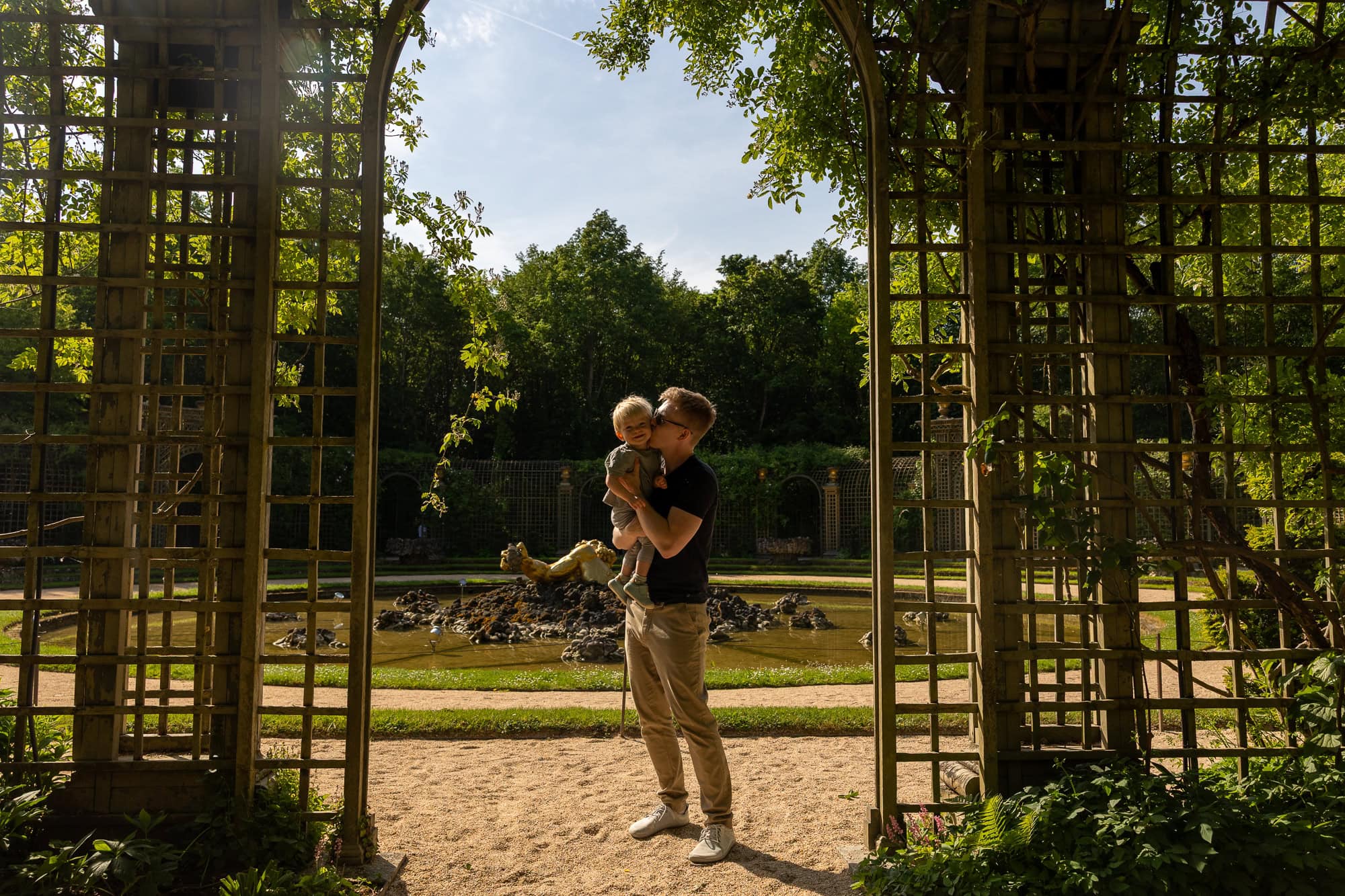
Aljezur, Portugal: 13 Best Things to Do and See

TL;DRAljezur in the Algarve mixes history, beaches and good food. Highlights include the 10th-century Aljezur Castle, the Museu Municipal, the Museu Antoniano, the house of painter José Cercas, the Igreja Matriz de Aljezur, and the beaches of Praia da Amoreira, Praia de Monte Clérigo and Praia da Arrifana. The town sits about 60 km from Carvoeiro (an hour’s drive), 110 km from Faro (an hour and a half) and 250 km from Lisbon (three hours along the A2 motorway). It’s also worth walking sections of the Rota Vicentina and Costa Vicentina trails, ideally in spring or autumn, with a stop at Café Koyo or Tamrab Thai for a bite to eat.

Aljezur, a small but charming town in Portugal, had been on my must-visit list for a long time. We finally made it there and immediately returned several times during our stay in the Algarve. Mainly because we discovered a few nice restaurants and a great cafe that we kept coming back to.

This hidden gem is just a short distance from some of Portugal’s most beautiful beaches, such as Praia da Amoreira and Praia de Monte Clérigo. These beaches offer the perfect combination of sun, surf, and tranquility. In our article “Aljezur, Portugal: 13 Best Things to Do and See”, you’ll discover everything you can see and experience in Aljezur and its surroundings.

Where is Aljezur in Portugal?

Aljezur is located in the Faro district, in the Algarve region of Portugal. It’s situated on the west coast of Portugal, home to some of the region’s most beautiful beaches.

Aljezur is located approximately 60 km from Carvoeira, which is about an hour’s drive.

If you plan to travel from Lisbon, prepare for a longer drive – Aljezur is approximately 250 km away, meaning about a three-hour drive via the A2 highway.

The city of Faro, the capital of the Algarve region, is about 110 km from Aljezur, and the journey takes about an hour and a half.

What is the Weather like in Aljezur?

Average temperatures and precipitation in Aljezur:

MonthAverage Max (°C)Average Min (°C)Precipitation (mm)
January158100
February16990
March181080
April201160
May221340
June251620
July281810
August281810
September261730
October221560
November181180
December159100

Where to Stay in Aljezur: Best Hotel Tip

One of the best hotels in the area is Praia do Canal Nature Retreat. Although not directly in the city center, it’s just a short drive away and a true paradise! The hotel boasts an amazing atmosphere and stunning views, making it a popular choice for visitors.

Aljezur, Portugal: 13 Best Things to Do and See

So, Aljezur might not be the largest town in the Algarve, but it’s definitely worth a visit. You’ll find a beautiful castle, charming small museums, and plenty of noteworthy buildings in the center. Let’s dive in.

Aljezur Castle

Start your adventure at the historic Aljezur Castle. This castle dates back to the 10th century during the Muslim occupation of Gharb al-Andalus. Archaeological evidence suggests that the site has been inhabited since the Iron Age.

The castle holds the distinction of being the last in the Algarve to fall to Christian forces in 1249, during the reign of King Afonso III.

Wander around the site, soak up the local history, and admire the breathtaking views from the top. Information boards around the castle provide interesting insights for both adults and children.

Museu Municipal De Aljezur (Aljezur Municipal Museum)

The next stop should be the Municipal Museum. It is located in a beautiful 19th-century building that formerly served as the town hall. The museum boasts an art gallery with changing exhibitions.

In the same building, you’ll also find an archaeological center featuring local discoveries and an ethnographic center. Here you can see a replica of a traditional Portuguese house, including a bedroom and kitchen, and a fascinating collection of old agricultural tools.

Pelourinho De Aljezur

Pelourinho de Aljezur is an interesting statue located in front of the Municipal Museum. When I first saw it from a distance, I thought it depicted a man eating a fish. But as I got closer, I realized it was just a figure with a large mustache.

Casa-Museu Pintor José Cercas

José Cercas (1914-1992), a significant figure in Portuguese art, spent the last years of his life in Aljezur. In a grand gesture of cultural philanthropy, he bequeathed his house and its contents to the municipality of Aljezur.

There, you’ll find not only his own paintings and drawings, but also works by other Portuguese artists. The house thus serves as a repository of diverse artworks, including various styles of antique furniture, ceramics, sculptures, and sacred art.

Museu Antoniano

In Aljezur, we discovered a true treasure – a 17th-century building that has undergone various transformations over the centuries. It began as a chapel dedicated to Saint Anthony, survived a major earthquake, and served as the main church until 1809.

In 1995, it underwent a thorough renovation and was transformed into the Museum of Saint Anthony. It was opened in 1998, and now we can all enjoy a piece of history right in the heart of Aljezur.

Igreja Misericórdia

This old church is a testament to Aljezur’s deeply rooted religious history. The architecture is simply breathtaking, and thanks to its central location, you probably won’t miss it when exploring the town.

Museu De Arte Carca Mons. Manuel Francisco

At the Municipal Museum in Aljezur, you’ll find a rather interesting collection of artifacts, though don’t expect anything grand. The visit is great, mainly thanks to the staff, who are absolutely passionate about what the museum offers. Although their English was a bit broken, they are incredibly friendly and truly make an effort.

Ponte De Aljezur

Portuguese bridges don’t particularly excite me; they tend to be quite austere, and this one in Aljezur didn’t really surprise me. However, I had a lot of fun taking photos in the nearby surroundings.

Igreja Matriz De Aljezur

While exploring Aljezur, you will also come across the main local church, Igreja Matriz de Aljezur, or Aljezur Main Church. This church was rebuilt after the devastating earthquake in 1755. The original medieval Gothic-style building was so damaged that Bishop Dom Francisco Gomes de Avelar sponsored the construction of a new main church for the town.

The church we see today was constructed at the end of the 18th century, with its completion in the 19th century in a neoclassical style. It features three naves, a chancel, two chancel chapels, and two side chapels. In the chancel, there is a remarkable early 19th-century altar, which includes an exceptional statue of the town’s patroness, Nossa Senhora da Alva (Our Lady of Dawn).

What is particularly fascinating is that, in addition to the neoclassical side altars, the church also preserves several Mannerist paintings from the old main church. Another significant artifact is a 16th-century statue of São Sebastião (Saint Sebastian), which testifies to the rich history of this religious site.

Câmara Municipal De Aljezur

When crossing the Ponte de Aljezur bridge towards Igreja Matriz de Aljezur, you will come across the Câmara Municipal de Aljezur. At first glance, this building might seem a bit out of place in Aljezur’s historic atmosphere.

It has neither a distinctly modern nor an ancient appearance, and initially, you might not find it particularly interesting. However, the unique aspect of this building is revealed when viewed from above: it has a star-shaped design, which adds an unexpected and interesting architectural detail to the town’s landscape.

Grab a Coffee at Koyo

After exploring the historical sights, treat yourself to a coffee and a snack at Koyo, a cozy cafe with a pleasant atmosphere. It’s the perfect place to relax and recharge before further exploring Aljezur.

Visit the most Beautiful Beaches in the Area

Among the most beautiful beaches in the area are Praia de Vale Figueira, Praia da Arrifana, and Praia de Monte Clérigo, all of which have their own charm and are completely different from beaches around Faro, Carvoeiro, or Portimao.

Read our article about the best beaches in the Algarve.

Go for a Hike around Aljezur

If you’re not visiting in summer, but in spring or autumn, embark on a hike through the picturesque countryside. Routes like Rota Vicentina and Costa Vicentina offer paths along cliffs and breathtaking natural scenery.

lukas a lucka
Lukáš and Lucie recommend
Where to stay in Aljezur
2 accommodations — resorts and other lodging options

Best Restaurants and Cafes in Aljezur

I’ve already mentioned our favorite cafe in Aljezur, KOYO. It’s the perfect place for anyone who wants a proper flat white or for those who need a place to work on their laptop.

As for restaurants in Aljezur, our favorite is Tamrab Thai. Finding a good Thai restaurant in the Algarve can be difficult, so when we’re in this area, it’s our go-to spot.

Another fantastic place is Arte Bianca, and we mustn’t forget Roots. Roots is known for its open kitchen and many vegan options. If you’re looking for a place with a hipster vibe, be sure to visit Moagem.

Tips and Tricks for Your Vacation

Don’t Overpay for Flights

Search for flights on Kayak. It’s our favorite search engine because it scans the websites of all airlines and always finds the cheapest connection.

Book Your Accommodation Smartly

The best experiences we’ve had when looking for accommodation (from Alaska to Morocco) are with Booking.com, where hotels, apartments, and entire houses are usually the cheapest and most widely available.

Don’t Forget Travel Insurance

Good travel insurance will protect you against illness, accidents, theft, or flight cancellations. We’ve had a few hospital visits abroad, so we know how important it is to have proper insurance arranged.

Where we insure ourselves: SafetyWing (best for everyone) and TrueTraveller (for extra-long trips).

Why don’t we recommend any Czech insurance company? Because they have too many restrictions. They set limits on the number of days abroad, travel insurance via a credit card often requires you to pay medical expenses only with that card, and they frequently limit the number of returns to the Czech Republic.

Find the Best Experiences

Get Your Guide is a huge online marketplace where you can book guided walks, trips, skip-the-line tickets, tours, and much more. We always find some extra fun there!
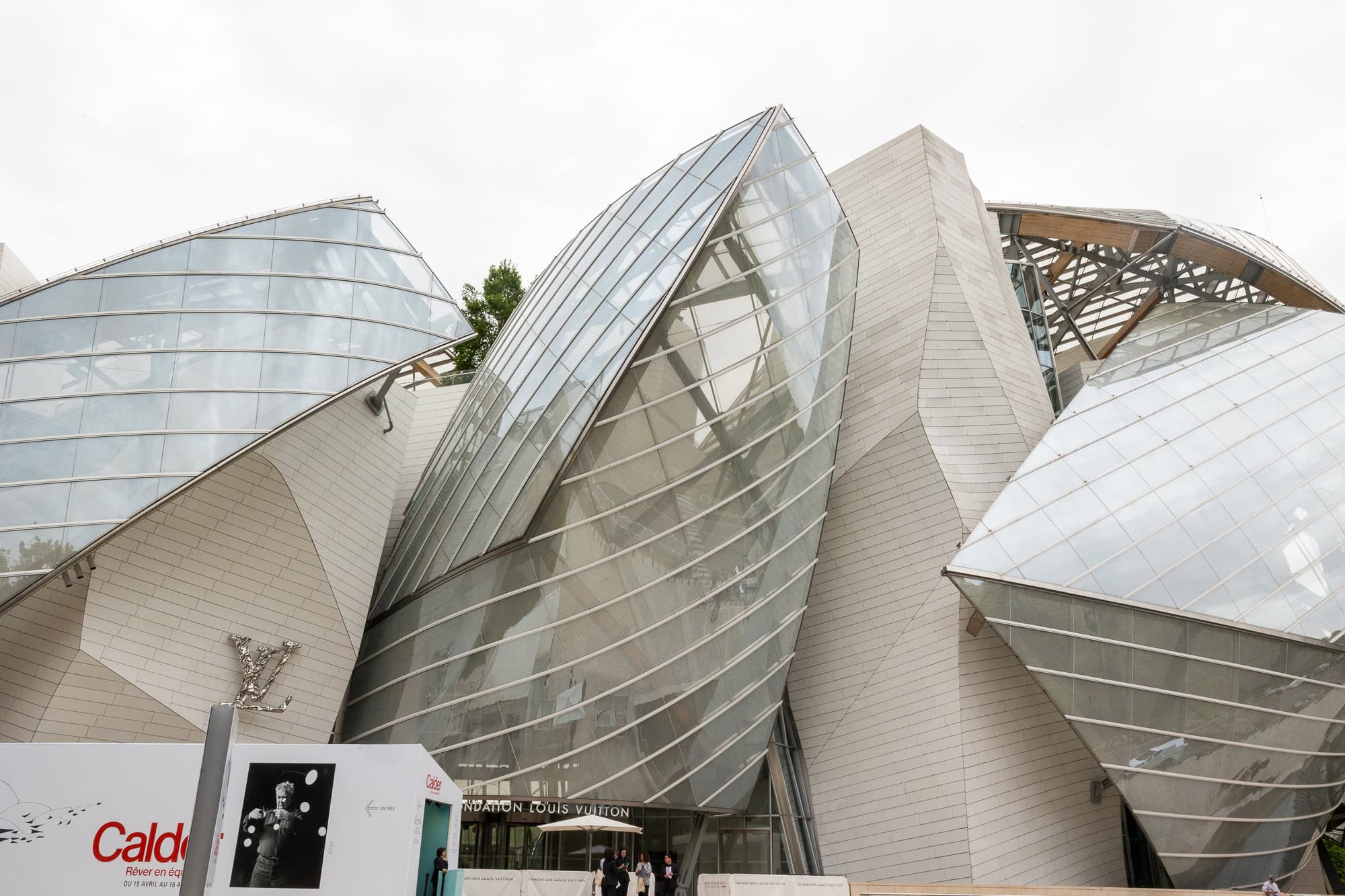
Czech Republic: Best Weekend Getaway Accommodations

0
TL;DRWhere you stay for a weekend break in the Czech Republic comes down to whether you fancy comfort or something wilder and more authentic. Classic hotels and guesthouses turn up in every larger town, usually close to the main sights, with extras like a restaurant or spa thrown in. If you’re after something different, there’s individual private accommodation – a castle, a brewery, a ranch, a houseboat, a yurt, a tepee, a barrel, a caravan, an old bunker, a tiny house or a treehouse. Campsites are popular too, from swish glamping setups to retro-style pitches. Fancy pitching a tent on your own? Stick to the rules: multi-day camping is only allowed in designated spots, it’s banned outright in national parks, protected landscape areas and national nature reserves, and breaking that can cost you a fine running into thousands of crowns.

Do you long for an escape from everyday life, but the Czech landscape appeals to you more than exotic air travel? A holiday in the Czech Republic is far from boring; you just need to choose the right place and a temporary roof over your head. In this guide, Czech Republic: Best Weekend Getaway Accommodations, we’ll focus on domestic accommodation options where you can recharge with nature and pampering treatments.

To the Edge of the Forest, for History, or for Wellness?

Some prefer to break away from their routine with a mountain hike or a castle visit, while others enjoy a less active holiday, perhaps even with daily electronics in hand. Local accommodations offer maximum comfort and additional services, but in those focused on an authentic natural experience, you’ll likely have to sacrifice a bit of comfort.

Types of Accommodation in the Czech Republic

In addition to an interesting holiday location, choose the type of facility that best meets your accommodation expectations.

Hotels, Guesthouses

Classic hotels and less opulent guesthouses can be found in every major city. You can often dine in their hotel restaurants, choose from various relaxation procedures, or use other additional services. They are often close to tourist attractions, so everything will be within easy reach.

Private Accommodation Options

Individuals, couples, and smaller groups of travelers can also choose from private accommodations. These hosts often try to differentiate themselves, giving you a unique opportunity to enjoy your holiday in original short-term housing. Today, you can stay in a castle, a brewery, or other historic buildings, on a ranch, a houseboat, a hunting stand, in a yurt, a teepee, a barrel, a caravan, a military bunker, a tiny house, or a treehouse.

Camping

Official campsites usually operate during the season and offer cabins and pitches for caravans, motorhomes, or tents for tourist stays. However, this doesn’t automatically mean uncomfortable beds and a lack of privacy – are you familiar with glamping, luxurious camping? Lovers of retro memories or more nature-oriented travelers will certainly find campsites where time has stood still.

On your Own

Even if you bravely want to go wild camping and sleep under a tent, a tarp, or directly under the stars, don’t forget the basic rules: in the Czech Republic, multi-day camping is only allowed in designated areas, but you can spend a single night anywhere – after a one-time overnight stay, no traces must be left behind. In national parks, protected landscape areas, and national nature reserves, both camping and pitching tents are strictly forbidden, with fines amounting to several thousands.

Where Will You Go to Recharge your Batteries?

There are many accommodation options for a holiday in the Czech Republic, and deciding might not be easy. Each option has “something to offer” and will suit a different type of traveler. Which one will you prefer?

Tips and Tricks for Your Vacation

Don’t Overpay for Flights

Search for flights on Kayak. It’s our favorite search engine because it scans the websites of all airlines and always finds the cheapest connection.

Book Your Accommodation Smartly

The best experiences we’ve had when looking for accommodation (from Alaska to Morocco) are with Booking.com, where hotels, apartments, and entire houses are usually the cheapest and most widely available.

Don’t Forget Travel Insurance

Good travel insurance will protect you against illness, accidents, theft, or flight cancellations. We’ve had a few hospital visits abroad, so we know how important it is to have proper insurance arranged.

Where we insure ourselves: SafetyWing (best for everyone) and TrueTraveller (for extra-long trips).

Why don’t we recommend any Czech insurance company? Because they have too many restrictions. They set limits on the number of days abroad, travel insurance via a credit card often requires you to pay medical expenses only with that card, and they frequently limit the number of returns to the Czech Republic.

Find the Best Experiences

Get Your Guide is a huge online marketplace where you can book guided walks, trips, skip-the-line tickets, tours, and much more. We always find some extra fun there!

Elonga Review: The Best HRV Monitor on the Market?

TL;DRElonga is a Czech HRV monitor that, according to this review, ranks among the best devices on the market for measuring heart rate variability thanks to its accurate algorithms and straightforward app — though that’s just one user’s take. The measurement takes only 3 minutes each morning, and the wristband assesses over 60 HRV parameters, built on algorithms developed since 2016 and backed by 1,000,000 measurements from 40,000 people. The app delivers three key metrics — stress, recovery and readiness — along with written training recommendations. Downsides include no battery indicator, no way to repeat a measurement, and the need for an internet connection. Buy before 20 June 2024 and you’ll get the app free for life, plus free delivery with the code LOUDAVYMKROKEM.

I love measuring everything, everywhere. I’ve cycled through a pile of smartwatches, fitness sensors and chest straps over the years. In fact, I’ve been collecting data about my own health for more than a decade. So when I discovered a brand-new, extremely accurate HRV monitor, I simply had to try it out! 🔥

TL;DR: Elonga is brilliant in its simplicity. One wristband, 3 minutes of measuring every morning, and an app with clear graphs and plain-language recommendations.

🔥 ➡️ TIP: Buy Elonga and you’ll get lifetime use of the app for free. That means no subscription fees down the line. Use the coupon LOUDAVYMKROKEM and get free shipping.

What is Elonga for?

Elonga is a device designed to measure and analyse heart rate variability (HRV).

Thanks to HRV measurement, this HRV monitor can track your stress levels, recovery and readiness for physical performance. Each day you’ll get the following metrics:

  • Stress – on a scale from 0 to 10, Elonga tells you how physically stressed your body currently is. The value is based on sympathetic nervous system activity (the part of your nervous system responsible for mobilising the body during a threat). It can be a reaction to any kind of stress, even one you don’t consciously notice.
  • Recovery – on a scale from 0 to 10, Elonga tells you how well your body is recovering. The value is based on parasympathetic activity (the part of your nervous system that kicks in when you rest, lowering your heart rate, improving digestion, building up energy reserves…).
  • Readiness – the key metric, scored from 0 to 100. It combines sympathetic and parasympathetic data and tells you how ready you are for a workload. For each day it recommends the best approach. Should you train, or rest? And if you train, how hard?
  • Resting heart rate and functional age are two extra values that Elonga calculates for you every day.

Plain-language feedback on your body’s state

I really like that the app turns the measured data into simple, plain-language recommendations. I’ve owned countless gadgets that just spit out numbers and leave you to figure it all out for yourself.

In a way, Elonga coaches and motivates me.

High Readiness score today? Elonga tells me it would be a shame not to get a proper workout in.

Well recovered today but with high stress values? Elonga suggests I do some exercise and then check the next day whether the workout helped bring my stress down.

Measurement gone completely south and everything glowing red? The app firmly tells me, in bold, to do NOTHING today. Lukáš, relax properly, skip the workout and go to bed early. Tomorrow will be better.

Weekly plans based on your values

Based on your data, Elonga creates ideal training plans, which it then adjusts according to your morning measurement. I’m still getting used to this concept, because even after a few weeks of use I’m still figuring out the best way to make the most of this feature.

If you use a smartwatch, or measure your workouts and steps in any way, Elonga can pull that data from Apple Health or the Android equivalent and factor it in.

It then builds a plan and works out how many steps are optimal for you to walk each week, and how many minutes you should spend on moderate- and high-intensity training.

My biggest issue with the plans is that I have fixed sessions booked in with a trainer. So when Elonga tells me in the morning that I really shouldn’t train today, it’s hard to cancel and reschedule those sessions… but I get that Elonga is just trying to guide me through an active life as optimally as possible. 😊

Elonga + a smartwatch = more accurate data and predictions

Elonga works perfectly well on its own, but when you feed it data from a smartwatch it can do far more, and far more accurately. So it makes a great companion to your watch (whether that’s a Garmin HRV monitor or an Apple Watch), putting their data to good use.

Long-term statistics in the Elonga app

From your measured data, Elonga builds longer time series, from a single week all the way up to a full year. That lets you track how your indicators evolve. This is where you can really start to see how Elonga works and how accurate it is at estimating how you’re doing.

All of a sudden it clicks that, say, during a stretch of low Readiness you were going through a tough patch at work, or had a more demanding race build-up than usual.

Is Elonga the most accurate HRV monitor on the market?

On Elonga’s website (and on the sensor’s packaging) you’ll read that it’s the most accurate HRV monitor on the market. Is that true?

The fact that Elonga is a single-purpose sensor certainly helps. It measures one thing only: HRV. And only in the morning (it won’t let you measure later in the day) and only once a day (it won’t let you do more). The sensor measures over 60 HRV parameters (though, thankfully, the app doesn’t bombard you with all of them 😅).

They’ve been working on the algorithms since 2016, and in that time they’ve gathered 1,000,000 measurements from 40,000 people, so they certainly have plenty of data. For me, though, the most important thing is personal experience. Do the measured values match how I actually feel?

Based purely on my own experience with the wristband, I can say that Elonga delivers consistent results that more or less match how I feel.

➡️ Why more or less? HRV is a merciless metric. You can feel right as rain, yet your body may still be under heavy stress that HRV will reveal.

During testing it happened several times that the day after a tough workout I felt no worse than the day before, yet Elonga told me I was poorly recovered compared with the previous day and not ready for any increased physical activity. My body simply hadn’t yet repaired the tiny tears in the muscles that the workout had caused. Without Elonga I wouldn’t have known, and I’d probably have gone for at least a run, which would only have deepened the stress and left me feeling far from great the next day.

How does Elonga differ from other HRV monitors?

Where Elonga is genuinely unique is in the algorithms that interpret the measured data. I’d assume most of their resources went straight into developing the app and the machine learning system that evaluates all the measured data in real time. While you’re measuring, the data is instantly sent to a server, and that’s where all the magic happens that lets the app tell you everything afterwards.

What don’t I like about Elonga? What could be improved?

Nothing is perfect. 😊 And like a proper reviewer, I’ll tell you everything that doesn’t quite sit right with me about Elonga.

The onboarding process – during setup the app froze and the wristband wouldn’t pair. The app wasn’t prepared for this and I had to go through the whole process again. The instructions tell you to put the band on your forearm in the morning and start measuring – but you’re never told which side of the forearm. I tried both, and only one side works 🙃

No option to repeat a measurement – subjectively, I don’t love that I only get one shot at measuring. But actually, I understand why it’s set up that way. The only reason I’d want to repeat a measurement is if the numbers came out badly and I wanted to “fix” them (“maybe I measured it wrong”). But the monitor doesn’t lie 😛

You need an internet connection to measure – the app sends the data to a server, which processes it. If you don’t have an internet connection, you can’t take a measurement. That’s a shame, as some other devices can record and process data once they regain internet access.

No battery indicator – the packaging tells you the battery lasts up to 20 hours of measuring. But nowhere can you find out how charged your Elonga actually is. If you’re heading off on a longer trip away from home, you absolutely have to charge your Elonga, because you’ve got no idea whether it’ll die in three days’ time.

Elonga review: a great HRV monitor at a good price

Lukáš Konečný

Wristband and measurement quality
Tailored weekly plans
Onboarding process
App clarity

Summary

Elonga is a solid HRV monitor with a robust app that works as a great guide to an active life. It gives individual recommendations based on the state your body is in each morning.

4.5

Tips and Tricks for Your Vacation

Don’t Overpay for Flights

Search for flights on Kayak. It’s our favorite search engine because it scans the websites of all airlines and always finds the cheapest connection.

Book Your Accommodation Smartly

The best experiences we’ve had when looking for accommodation (from Alaska to Morocco) are with Booking.com, where hotels, apartments, and entire houses are usually the cheapest and most widely available.

Don’t Forget Travel Insurance

Good travel insurance will protect you against illness, accidents, theft, or flight cancellations. We’ve had a few hospital visits abroad, so we know how important it is to have proper insurance arranged.

Where we insure ourselves: SafetyWing (best for everyone) and TrueTraveller (for extra-long trips).

Why don’t we recommend any Czech insurance company? Because they have too many restrictions. They set limits on the number of days abroad, travel insurance via a credit card often requires you to pay medical expenses only with that card, and they frequently limit the number of returns to the Czech Republic.

Find the Best Experiences

Get Your Guide is a huge online marketplace where you can book guided walks, trips, skip-the-line tickets, tours, and much more. We always find some extra fun there!

Best Carry-On Luggage 2026: Big Comparison and TOP 3 That Even Pass Ryanair

TL;DROut of 11 models tested, the best carry-on for 2026 is the Thule Aion Travel Backpack (28–32 l, 47×28×23 cm, 1.23 kg, from 3,119 CZK), thanks to its expandable capacity and dedicated 16″ laptop sleeve. The best value pick is the Deuter UP Sydney (880 g, from 1,750 CZK, 97% positive reviews), while the Samsonite Proxis Spinner 55 EXP (55×40×20 cm, rated 5.0/5) tops the suitcase category. What really matters, though, is your airline’s own limit. Ryanair and Wizz Air only let you bring a small under-seat bag (40×30×20 cm) for free — a larger 55×40×20 cm cabin bag (up to 10 kg) will cost you extra or require a Priority fare. Bags that don’t fit can rack up fees of €20 to €100, so it’s worth measuring yours before you head to the airport.

Are you a die-hard low-cost backpacker like me, or just flying somewhere for a few days? Either way, you’ll want the right carry-on luggage for the plane. Did you know that every airline has its own allowed dimensions? It can get confusing, but in this article we’ll sort it all out.

I’ve compared 11 of the best carry-on bags for you (backpacks, holdalls and cabin cases) in a clear table with weight, price and who each one suits best, picked the TOP 3 winners, and added the latest airline dimensions for 2026 plus tricks for staying within the limit so you don’t pay for extra luggage. If you’re mainly wondering about the packing itself, take a look at our detailed guide on how to pack light.

Our TOP 3 — the quick pick

Don’t fancy reading the whole article? Here’s the quick answer. Out of the eleven bags I compared, these are the three winners I’d personally bet on:

CategoryWinnerWhy this one
🥇 Overall winner (backpack)Thule Aion Travel BackpackOne backpack for everything: the capacity cleverly grows from 28 to 32 l, it unzips like a suitcase and fits a 16″ laptop.
💰 Best value for moneyDeuter UP SydneyLightweight (880 g), proven by hundreds of reviews (97% happy customers) and the most affordable quality backpack.
🧳 Best cabin caseSamsonite Proxis Spinner 55 EXPPremium, extremely light and durable Roxkin™ material, expandable capacity and a USB port. Rated 5.0/5.

Comparison: 11 best carry-on bags for the plane

Before we get into the details of each one, here’s the complete comparison table. It covers capacity, dimensions, weight, the approximate price and which type of traveller each bag suits best. Click on the name to go straight to the product.

BagTypeCapacity · dimensions (cm)WeightFromIdeal for
🥇 Thule Aion Travel Backpackbackpack28–32 l · 47×28×231.23 kg€125one-bag travellers and nomads
Patagonia Black Hole Mini MLC3-in-1 backpack30 l · 51×30×181.29 kg€104minimalists and sustainable material
Dakine Verge Backpackbackpack32 l · 51×33×23~1.1 kg€149tech travellers with a 16″ laptop
Thule Tact Backpackbackpack21 l · 46×30×23~1 kg€180city safety (anti-theft)
💰 Deuter UP Sydneybackpack22 l · 50×30×16880 g€70best value, for the city and school
Husky Moperbackpack28 l · 48×30×22960 g€75quality at a reasonable price
Zulupack Nomadwaterproof backpack35 l · 50×35×201.38 kg€127paddlers, cyclists, rainy destinations
Husky Grapeholdall40 l · 55×27×30940 g€48a cheap packable extra and sport
Osprey Daylite Duffel 30holdall/backpack30 l · 50×24×28550 g€61ultralight weekend packing
🧳 Samsonite Proxis Spinner 55 EXPcabin case38–44 l · 55×40×20~2.3 kg€472premium cabin case with charging
Thule Aion Carry on Spinnercabin case36 l · 55×35×233.25 kg€336durable case with a removable backpack
Prices and weights are approximate (verified June 2026) and vary by colour and retailer. Most of these bags fall into the larger cabin bag category (55×40×20) — so with budget airlines, count on needing Priority. I explain what the different dimensions mean below.

What counts as carry-on luggage

Carry-on luggage is the bag you take on board with you and have included in the basic ticket price. It does, however, have to meet the set dimensions and weight.

The allowed dimensions and weights vary by airline, but they usually hover around 55 × 40 × 20 cm, with a weight limit of around 8–10 kg. With budget airlines (Ryanair, Wizz Air), the small carry-on also has to fit under the seat in front of you.

There are a few types of carry-on luggage:

  • backpacks,
  • small wheeled cases,
  • holdalls.

How to choose carry-on luggage for the plane

If you’re undecided, read on. Of the options above (backpack, holdall or case) it comes down purely to your preferences, but each has its pros and cons:

  • A backpack is, for me, the best choice for frequent moves and walking around the sights — you’ve got your hands free, it fits under the seat, and when it’s your turn to be measured, you can squeeze it into the cage.
  • A holdall is something between a backpack and a case. It’s great for short weekends where you don’t move around much with your luggage.
  • A small wheeled case holds more in an organised way and spares your back, but it’s harder to take on longer walks and over uneven ground.

When choosing, also focus on these things:

  • Ergonomics: comfortable straps, a padded back, lightweight build, wheels that spin in all directions.
  • Material: soft and light (nylon, polyester), or a hard shell (heavier but more durable). Some bags are also waterproof.
  • Space and pockets: plenty of practical pockets makes organising easier and lets you fit more in.
  • Clever features: USB ports, hidden pockets for valuables, a built-in rain cover, locks.
  • Brand and reviews: check popularity, ratings and the warranty on offer.
  • Price: it often reflects quality — look for the best value for money.

And last but not least, think about what kind of traveller you are. Are you a low-cost backpacker happy to rotate three outfits? Are you a digital nomad hauling a laptop and gadgets everywhere? Or an occasional holidaymaker who needs fourteen outfits for a week away?

💡 Tip: Take a look at our guide on how to choose travel gear too.

Best backpacks for the plane

A backpack is the most versatile carry-on — your hands are free, it’s comfortable to carry and budget airlines don’t measure it as often. Here are seven backpacks I recommend.

Thule Aion Travel Backpack

📦 28–32 l · 47×28×23 cm · 1.23 kg · from €125

The Thule Aion Travel Backpack is a multifunctional travel backpack with an adjustable capacity of 28–32 l. The back panel unzips completely, so you can open the backpack like a suitcase. Inside there’s a divider with a TPU liner that separates your clean clothes from the active ones (read: sweaty and smelly 😄).

It has padded pockets for electronics — you can safely stow a 15.6″ laptop or 16″ MacBook and a 12.9″ tablet. If the capacity isn’t enough, there’s also a 40 l version, and you can add a matching Thule Aion sling bag to the Thule backpacks.

  • Pro: cleverly expandable capacity, opens like a suitcase, premium waxed material and finish.
  • ⚠️ Con: pricier than your average city backpack.

Who it’s for: one-bag travellers and digital nomads who want a single backpack for both a daypack and a weekend away.

Thule Aion Travel Backpack

Patagonia Black Hole Mini MLC

📦 30 l · 51×30×18 cm · 1.29 kg · from €104

A really clever piece is the Patagonia Black Hole Mini MLC. Its smart design lets you carry it as a backpack, a shoulder bag or a briefcase (3-in-1). It has expanded storage with 9 pockets and fits a 16″ laptop. It’s made from 100% recycled polyester and comes with a 24-month warranty.

  • Pro: versatile 3-in-1 carrying, sustainable material, excellent user ratings.
  • ⚠️ Con: no wheeled version, and pricey outside of a sale.

Who it’s for: minimalists on 2–4 day trips who appreciate sustainability and flexible carrying options.

Patagonia backpack
Patagonia backpack

Dakine Verge Backpack

📦 32 l · 51×33×23 cm · ~1.1 kg · from €149

The Dakine Verge Backpack has an ergonomically shaped back and loads of pockets — you can safely store a 16″ laptop too. The main compartment opens wide, with a zipped mesh pocket inside and plenty of room for clothes. There’s a front pocket for small bits, and you can tuck your shoes into a separate bottom compartment.

On top of that it has a hidden pocket on the back, a hidden zipped side pocket, a water-bottle pocket and a fleece-lined pocket for sunglasses. It’s made from recycled nylon.

  • Pro: top-notch organisation, a separate shoe section, a sturdy tech backpack.
  • ⚠️ Con: at 23 cm deep it leans towards the larger cabin bag against stricter limits.

Who it’s for: tech travellers and commuters who need proper organisation and a laptop section.

Dakine Verge backpack

Thule Tact Backpack

📦 21 l · 46×30×23 cm · ~1 kg · from €180

Another great Thule backpack, this time in a smaller size, is the carry-on Thule Tact Backpack with a 21 l capacity. Even so it’s roomy and has plenty of pockets with anti-theft features. You can safely store a 14″ laptop or tablet in the raised padded pocket, and the main compartment is protected by hidden zips and a back-facing opening.

  • Pro: anti-theft features, a compact city format, eco materials (bluesign).
  • ⚠️ Con: only 21 l (too little for longer trips) and a higher price for the capacity.

Who it’s for: city travellers worried about pickpockets who want a discreet, secure backpack.

Thule Tact backpack
Thule Tact backpack

Deuter UP Sydney 💰

📦 22 l · 50×30×16 cm · 880 g · from €70

Our value-for-money winner. A backpack that works for school, the office and a long weekend alike is the Deuter UP Sydney. With a padded back, anatomically shaped shoulder straps and an adjustable chest strap plus a removable hip belt, it’s seriously comfortable. It weighs just 880 g, is made from recycled materials and has a 97% recommendation rate from 275 reviews.

  • Pro: great price, low weight, huge social proof and a firm back that holds its shape.
  • ⚠️ Con: no A4-sized document pocket.

Who it’s for: students and city travellers on a tighter budget who want a light, well-proven backpack.

Deuter UP Sydney backpack

Husky Moper

📦 28 l · 48×30×22 cm · 960 g · from €75

A practical travel backpack is the Husky Moper, which fits on the plane thanks to its 48×30×22 cm dimensions. It’s versatile, water-resistant and comfortable — the back system uses 3D breathable mesh with shape memory. It offers a pocket for a 15″ laptop or tablet, a chest strap, a hidden side pocket and a water-bottle pocket. Rated ★★★★★.

  • Pro: great value for money, light and water-resistant.
  • ⚠️ Con: a simpler design without premium extras.

Who it’s for: budget-conscious travellers and students who want a quality everyday city backpack.

Husky Moper backpack

Zulupack Nomad (waterproof)

📦 35 l · 50×35×20 cm · 1.38 kg · from €127

The Zulupack Nomad backpack offers above all full waterproofing (IP67 rating), comfort and space. It has a roll-top closure, welded seams, ergonomically shaped straps and a heat-treated back. It’s made from durable ballistic nylon.

  • Pro: genuinely waterproof (submersible to 1 m), durable, with a good 35 l capacity.
  • ⚠️ Con: the roll-top closure and fewer pockets won’t suit organisation lovers.

Who it’s for: paddlers, cyclists and trips to rainy destinations where the contents must stay dry.

Waterproof Zulupack Nomad backpack

Best holdalls for the plane

Not a fan of backpacks? A holdall is a nice compromise — more room, and it can often be carried as a backpack too.

Husky Grape

📦 40 l · 55×27×30 cm · 940 g · from €48

The Husky Grape holdall works for both travel and sport. You carry it by the straps or over your shoulder, and inside it has a main compartment, a shoe section and side pockets. Its big advantages are the water-resistant finish and the low price.

  • Pro: very cheap, light, packable, with a shoe section.
  • ⚠️ Con: fewer user reviews, no backpack-style back system.

Who it’s for: easy-going travellers and sporty types who want a cheap, packable extra.

Practical Husky Grape holdall

Osprey Daylite Duffel 30

📦 30 l · 50×24×28 cm · 550 g · from €61

Another holdall I recommend is the Osprey Daylite Duffel 30. It’s great for short trips and sport, and its main perk is that you can unclip the handles and carry it as a backpack. It weighs an incredible 550 g and comes in plenty of colours.

  • Pro: the lightest in the whole comparison, a holdall and backpack in one, great price and Osprey quality.
  • ⚠️ Con: simple internal organisation, no rigid structure.

Who it’s for: light packers and weekenders who want an ultralight combined holdall-backpack.

Osprey holdall
Osprey holdall

Best cabin cases for the plane

When you want to pack in an organised way without straining your back, reach for a small case. Just watch out — with budget airlines a case isn’t included in the ticket price, and the dimensions include the wheels and handle too.

Samsonite Proxis Spinner 55 EXP 🧳

📦 38–44 l · 55×40×20 cm · ~2.3 kg · from €472

Our winner among cabin cases. The Samsonite Proxis Spinner 55 EXP is made from the patented Roxkin™ material — extremely light, durable and shape-recovering. The capacity expands from 38 to 44 l, and it has 4 double wheels, a combination lock, a USB port and a power-bank pocket. Rated 5.0/5.

  • Pro: premium durability and low weight, expandable capacity, charging, made in Europe.
  • ⚠️ Con: the highest price in the round-up.

Who it’s for: demanding air travellers who want a premium, light and shockproof cabin case.

Samsonite Proxis Spinner case

Thule Aion Carry on Spinner

📦 36 l · 55×35×23 cm · 3.25 kg · from €336

Another case tip is the Thule Aion Carry on Spinner with a 36 l capacity. It’s durable and has a removable organiser (packing cube) you can use separately as an extra bag. The oversized rear wheels handle uneven ground well, and there’s a V-shaped telescopic handle.

  • Pro: durable waxed surface, a clever removable packing cube, quality wheels.
  • ⚠️ Con: the higher weight (3.25 kg) eats into your allowed kilos.

Who it’s for: adventurous air travellers who want a durable case with an integrated bag.

Thule cabin case
Thule cabin case

Carry-on luggage size and airport checks (2026)

The trouble with carry-on luggage is that you can’t have just one bag for everything. Every airline has different conditions and allowed dimensions, so always check them before you travel. And watch out — the rules change: both Ryanair and Wizz Air adjusted their dimensions in 2025.

Especially with budget airlines, there’s a crucial difference between the small carry-on bag (usually a backpack, free of charge, which has to fit under the seat) and the larger cabin bag (a bigger backpack or small case — for a fee, going in the overhead locker).

AirlineSmall bag free (under seat)Larger cabin bagWatch out for
Ryanair40×30×20 cm55×40×20 cm, 10 kglarger bag only with Priority
Wizz Air40×30×20 cm, 10 kg55×40×23 cm, 10 kgtrolley only with WIZZ Priority
easyJet45×36×20 cm, 15 kg56×45×25 cm, 15 kgmost generous free bag
Jet256×45×25 cm, 10 kgone cabin bag per passenger
TUI40×20×25 cm55×40×20 cm, 10 kglarger bag with some fares
Vueling40×30×20 cm55×40×20 cm, 10 kgtrolley on higher fares
KLM40×30×15 cm55×35×25 cm, 12 kgsmall bag + cabin bag
Air France40×30×15 cm55×35×25 cm, 12 kgsmall bag + cabin bag
British Airways40×30×15 cm56×45×25 cm, 23 kgsmall bag + cabin bag
Emirates55×38×22 cm, 7 kg+ personal item by class
Qatar Airways50×37×25 cm, 7 kgeconomy class
Approximate dimensions verified in June 2026 from the airlines’ websites. The rules change often, so check them again before every trip.

What the dimensions 40×30×20, 40×20×25 and 55×40×20 mean

40×30×20 cm is now the most common size for the small bag that most budget airlines (Ryanair, Wizz Air, Vueling) let you take free of charge under the seat. It’s worth aiming for this size if you want to fly with no extra fee at all.

40×20×25 cm, which you’ll find in older guides, was an earlier Ryanair size — it’s outdated now, so don’t rely on it. 55×40×20 cm (or 55×40×23) is, by contrast, the larger cabin bag for the overhead locker, usually with an 8–10 kg limit. You’ll hardly get that free anywhere — count on needing Priority or a pricier fare.

Wondering how they actually check? Checks are usually done at random before you board. The cabin crew pick out someone who looks like they’ve got an oversized bag and have them measure it. Sometimes, though, they start boarding suspiciously early and measure everyone — exactly what happened to me on Skiathos.

The bag is measured in a metal cage at the gate. It has two slots — a smaller one for backpacks and holdalls, a bigger one for cases. If you’ve got a larger backpack that isn’t crammed full, you’ve got a chance to squish it and stuff it in (or layer all your clothes on like Joey from Friends 😄). With cases the squishing is harder, and the dimensions include the wheels and handle.

And what if your bag doesn’t pass? Then you’ll pay extra. The fee varies by airline, but it generally ranges from €20 to €100 — which is why it’s often worth paying for a larger carry-on in advance; it works out cheaper.

Liquids in carry-on luggage: the 100 ml rule and the solid-toiletries trick

The classic rule still applies: liquids only in containers up to 100 ml, all together in one clear resealable bag up to 1 litre, one bag per person. And a “liquid” counts as perfume, spray deodorant, toothpaste, gel, cream and even liquid mascara.

💡 Our best trick: go for solid, water-free toiletries. Solid soap, powder or bar shampoo, toothpaste tablets and solid deodorant don’t count as liquids — they pass security with no bag and no limit. On our travels, Lukáš and I tried out a travel set of water-free toiletries (powder shampoo, toothpaste tablets, soap tablets) and for a carry-on it’s ideal — light, compact and it saves room in your liquids bag.

Good news: the 100 ml limit is gradually easing. Some UK airports — including parts of London City, Birmingham and Edinburgh — have rolled out modern CT scanners that, in places, let you keep liquids and electronics in your bag and even carry containers larger than 100 ml. It isn’t everywhere yet, though, and rules have flip-flopped, so at most airports (including the larger London hubs) still count on the strict 100 ml limit.

What’s not allowed in carry-on luggage (and watch out for power banks)

  • Sharp objects: knives and scissors with blades over 6 cm belong in checked luggage, as do loose razor blades. An electric or cartridge razor is fine in your carry-on.
  • Liquids over 100 ml (other than medicines, baby food and where CT scanners apply).
  • Power banks and spare batteries go only in your carry-on, never in checked luggage. Usually up to 100 Wh (roughly 27,000 mAh), maximum 2 units. From March 2026 stricter ICAO rules also apply — keep your power bank within reach and don’t charge it or charge from it during the flight.

How to pack a carry-on smartly

You can fit a surprising amount even in a small bag if you pack cleverly. A few tried-and-tested rules:

  • Heavy items close to your back and low down — the backpack then sits better and doesn’t pull you backwards.
  • Roll soft items (t-shirts, underwear, socks), and fold shirts and jackets on top so they don’t crease.
  • Packing cubes bring order to your bag, and compression versions shrink the volume — note they save space, not weight.
  • Shoes on the bottom, stuffed with socks and in a bag.
  • Things for security (the liquids bag, documents, power bank) go in an accessible pocket so you don’t have to dig for them.
  • Go for merino and quick-drying fabrics instead of cotton and denim, which are heavy and slow to dry.

💡 Tip: You’ll find a complete step-by-step guide in the article on how to pack light — including a packing list for a week and for a longer trip.

The main benefits of flying with carry-on luggage only

  • You don’t have to check in at the desk — on arrival you head straight to security, so you don’t need to get to the airport so far in advance.
  • After landing you don’t wait for checked bags and carry straight on.
  • You have all your things to hand and there’s no risk of the airline losing your suitcase.
  • You save money — carry-on luggage is usually included in the ticket, while checked bags cost extra.
  • You’re not lugging a heavy suitcase around a destination full of hills and cobblestones. 😉

Frequently asked questions

How much does carry-on luggage weigh and what’s the limit?

It depends on the airline. With low-cost carriers (Ryanair, Wizz Air) the limit for large cabin baggage is typically 10 kg, with traditional airlines (Lufthansa, Smartwings) around 8 kg, and with British Airways up to 23 kg. The baggage itself counts towards the limit — a suitcase weighing over 3 kg will eat up a significant portion of your allowed kilos, which is why it pays to choose the lightest model possible.

Will a 40×30×20 backpack fit in Ryanair for free?

Yes. The dimension 40×30×20 cm is the current size for a small bag that Ryanair (as well as Wizz Air or Vueling) allows for free under the seat. Larger cabin baggage 55×40×20 cm is only available with Ryanair for an extra fee or with the Priority fare.

Can perfume or deodorant go in carry-on luggage?

Yes, but the liquid rule applies: containers maximum 100 ml and everything in one transparent bag up to 1 litre. Liquids also include perfume, spray deodorant, toothpaste and cream. An elegant solution is solid cosmetics (solid soap, powder shampoo, toothpaste tablets, solid deodorant stick), which are not considered liquids and pass through security without a bag.

Can I have a power bank in my carry-on luggage?

Yes, a power bank belongs exclusively in carry-on luggage, never in checked baggage. Typically, a capacity of up to 100 Wh (approximately 27,000 mAh) is allowed, with a maximum of 2 pieces. From March 2026, stricter rules apply — keep your power bank accessible and don’t use it for charging during the flight.

Can I bring a purse in addition to my carry-on luggage?

Some airlines allow a small personal bag in addition to carry-on luggage, but budget carriers (Ryanair, Wizz Air) usually don’t allow this and you may have to pay extra for a second small bag. Always check the terms and conditions of the specific airline.

What to take out of your carry-on bag at airport security?

“`html
Typically, electronics (laptop, tablet) and the bag with liquids need to be placed in a separate bin. At airports with modern CT scanners (for example, Prague T2), you no longer need to remove electronics or liquids — but always follow the instructions of security staff at the particular airport.
“`

What happens if your luggage doesn’t pass the size check?

“`html
If your carry-on luggage doesn’t fit in the measuring cage, you’ll pay a fee for checking it in. It varies by airline, usually ranging from 20 to 100 euros. That’s why it’s often cheaper to purchase larger luggage in advance online.
“`

Do you have to check in carry-on luggage at the airport?

“`html
You don’t have to. If you don’t have large luggage to check in, you can go straight to airport security with your carry-on luggage. However, you need to do online check-in so you have your boarding pass.
“`

Tips and Tricks for Your Vacation

Don’t Overpay for Flights

Search for flights on Kayak. It’s our favorite search engine because it scans the websites of all airlines and always finds the cheapest connection.

Book Your Accommodation Smartly

The best experiences we’ve had when looking for accommodation (from Alaska to Morocco) are with Booking.com, where hotels, apartments, and entire houses are usually the cheapest and most widely available.

Don’t Forget Travel Insurance

Good travel insurance will protect you against illness, accidents, theft, or flight cancellations. We’ve had a few hospital visits abroad, so we know how important it is to have proper insurance arranged.

Where we insure ourselves: SafetyWing (best for everyone) and TrueTraveller (for extra-long trips).

Why don’t we recommend any Czech insurance company? Because they have too many restrictions. They set limits on the number of days abroad, travel insurance via a credit card often requires you to pay medical expenses only with that card, and they frequently limit the number of returns to the Czech Republic.

Find the Best Experiences

Get Your Guide is a huge online marketplace where you can book guided walks, trips, skip-the-line tickets, tours, and much more. We always find some extra fun there!