How to Live to 120: A Beginner’s Guide to Longevity

TL;DRLiving to 120 isn’t science fiction, according to the author — it comes down to science-backed habits. Think switching on longevity genes (sirtuins, mTOR, AMPK) through hormesis, cold exposure and sauna sessions, plus supplements like resveratrol, NMN or NR that boost NAD+ levels, and tests such as DNA analysis or gut microbiome mapping. Diet matters just as much: Michael Greger’s “daily dozen”, intermittent fasting, and cutting back on meat and sugar. Add quality sleep with a fixed routine and no blue light in the evening, regular exercise (ideally 30 minutes of HIIT a day, or running 5–8 kilometres a week, which can cut heart attack risk by up to 45%), and managing stress through meditation and journalling.

I’m convinced that with today’s knowledge, technology, and medical advances, every one of us can live to 120. The key to longevity is consistently following both time-tested and cutting-edge strategies that scientists across all fields of human life research offer as solutions to various health problems and ageing prevention.

Since 2021, I’ve been trying to follow these principles as closely as possible, so I put together a list to remind myself how to live. This guide is applicable to everyone, but especially when it comes to the “life extension” protocols, I’d recommend deeper study to understand all the important mechanisms. Here’s the essential reading list to get you started:

Key Concepts

Survival Genes

We all carry so-called longevity genes (mTOR, AMPK, and sirtuins) that protect the body under adverse conditions by activating survival mechanisms. By frequently activating these genes, it’s possible to improve health, build better resistance to disease, and extend lifespan.

There are several ways to activate survival genes without causing harm to the body. It comes down to inducing mild stress through exercise, cold, or hunger. This state is known as hormesis.

Hormesis

Hormesis forces the body to conserve resources and repair cells as much as possible. In practical terms, this extends your life because instead of building new cells, your body repairs existing ones — essentially rejuvenating them. Hormesis can even be triggered artificially with certain compounds.

Sirtuins

Sirtuins are among the most important longevity genes. They unpack and repackage our DNA, switching genes on and off. During stress (exercise, fasting, etc.), they initiate processes that repair cells and prevent cell death. A decline in sirtuin activity — linked to dropping NAD levels — is one of the primary causes of ageing.

NAD+

NAD is a chemical compound that serves as a central regulator of many critical biological processes, including ageing and disease. Without sufficient NAD levels, sirtuins can’t function effectively. NAD levels naturally decline with age, which is one of the main drivers of ageing. Boosting NAD levels fundamentally impacts cellular ageing.

Note: There are more longevity genes than these, but for this article I don’t need to list them all. If you want to dive deeper, check out David Sinclair’s book Lifespan.

Fighting Disease

We all know that the cheapest and most effective way to fight disease is prevention. So why not use the most advanced methods available on the market?

DNA Analysis

Getting a DNA test to identify genetic predispositions — from lactose intolerance to cancer risk — now costs just a couple of hundred pounds. You only need to do it once, and as the global database grows, you’ll keep learning new things about yourself.

Sleeping badly? Frequent stomach pain? Struggling with depression? Your genetic makeup might be partly to blame.

DNA analysis through genome sequencing is the foundation of predictive medicine, which responds to the probability of disease and tries to prevent it. I ordered my genome sequencing from SelfDecode on a recommendation, and I’d encourage you to do the same.

Gut Microbiome Analysis

A gut microbiome test is a non-invasive method (just a stool sample 😊) that delivers excellent results. Your gut flora influences not only digestion but also mood, appetite, and allergies.

The analysis reveals the optimal composition of your gut microbiome and recommends dietary adjustments, as well as possible supplements or medications. In short, you’ll learn how to keep your gut happy and thriving.

Services like Atlas Biomed, Viome, or Zoe offer comprehensive gut microbiome testing available in the UK.

Cold Exposure

Cold activates longevity genes. Exposing yourself to cold in any form stimulates the production of beneficial brown adipose tissue, because the body is under stress.

I’d recommend brisk walks in winter wearing just a t-shirt, exercising in cold environments, and leaving a window open overnight. Personally, I also add cold showers three times a week and sitting on my balcony in nothing but my birthday suit for five minutes twice a week (in winter).

Sauna

Just as cooling down is beneficial, so is going the other direction away from your thermoneutral zone — heat. Using a sauna once a week can reduce the incidence of heart disease by up to 50%, although the exact mechanisms behind this haven’t been fully described yet.

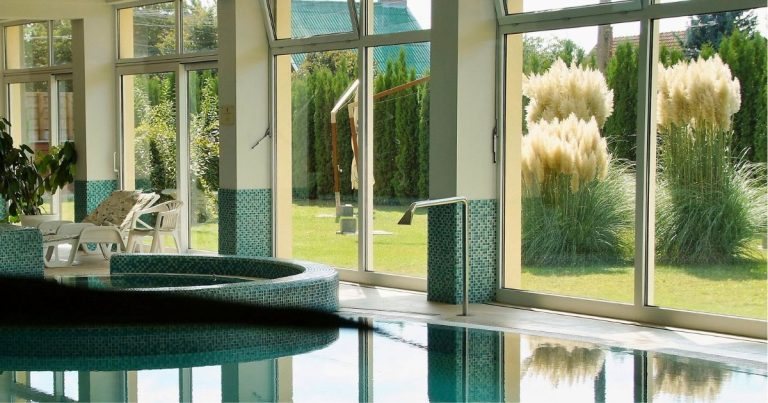
TIP: For full-body warming, we recommend regular sauna sessions. If you prefer something at home, a portable hot tub or infrared sauna blanket can be a great investment in your longevity routine.

Boosting NAD+ to Slow Down Ageing

Through so-called sirtuin activators, you can trigger the same processes in your body that occur during physical stress. By swallowing a pill, you can artificially boost your NAD+ levels and help your body repair damaged cells — essentially “growing younger.”

Resveratrol

The first activator is resveratrol, a compound that influences the same pathways as caloric restriction (which is just as effective as intermittent fasting). Taking it triggers a conservation response in the body. In yeast studies, regular resveratrol supplementation extended lifespan by up to 50%.

Plants produce resveratrol when under stress (for example, organically grown produce). Resveratrol was the pioneering compound for boosting NAD+ levels and is now freely available in online shops. Following a wave of research, even more effective compounds emerged: NR and NMN.

NMN or NR

Both NMN and NR are even more effective NAD+-boosting compounds that are now fairly easy to find. NR has been around longer and is much more extensively studied. The original manufacturer and patent holder sells NR under the brand name Tru Niagen.

💡 We recommend ordering Tru Niagen directly from their official US website — it’s significantly cheaper. To ship from the US to the UK, you can use a package forwarding service like Planet Express.

Diet

Don’t Eat Meat

Meat is murder — at least when it comes to your own body. Consuming animal protein has been linked in numerous studies to high mortality rates from cardiovascular disease and cancer.

The worst offender is processed red meat (sausages, hot dogs, ham, and bacon), which demonstrably contributes to colon, pancreatic, and prostate cancer. As David Sinclair puts it, our diet “should look less like a lion’s feast and more like a rabbit’s nibbling.”

Buy or Grow Organic Vegetables

Even vegetables and fruit have their own survival genes, which are activated by stress. And stress comes from a challenging environment — meaning natural growing conditions without chemicals or artificial aids.

Intermittent Fasting

Intermittent fasting means eating less frequently and feeling hunger more often, but it doesn’t mean dieting. You don’t change what you eat — you simply optimise when you eat. There are several intermittent fasting methods to choose from, and even spontaneously skipping meals counts.

The sensation of hunger triggers beneficial mechanisms in the body that lower blood pressure, reduce blood sugar, decrease cholesterol, and of course help with weight loss.

And a few more tips:

  • Eat more vegetables, legumes, and whole grains
  • Limit dairy, white bread, and sugar
  • Cut out sugar and white bread entirely
  • Aim for a maximally balanced diet
  • Drink a glass of water with every meal

The Daily Dozen

According to Michael Greger (from his book How Not to Die), the ideal daily diet looks like this (try to stick to it as closely as you can):

Daily ServingsFood Type
3legumes
1berries
3other fruit
1cruciferous vegetables
2dark leafy greens
2other vegetables
1flaxseeds
1nuts and other seeds
1herbs and spices
3whole grains
4beverages
1physical exercise

Sleep

The Power of Routine

Our bodies have their own internal clock — the circadian rhythm — which dictates when and how long we should sleep. Everyone’s circadian rhythm is slightly different, but the general rule is that you should go to bed and wake up at the same time every day, ideally without an alarm.

Ever since my partner Lucka and I started paying attention to our sleep, my sleep quality has improved dramatically. I spend more minutes in deep sleep each night, and I haven’t yawned during the day in nearly two years.

Home Lighting

Artificial lighting can perfectly trick your brain into thinking it’s still daytime, preventing your body from producing enough melatonin — a hormone crucial for falling asleep easily.

The extent to which evening electric light delays our internal circadian rhythm is staggering. On average, it’s a two- to three-hour shift every single evening. So even though the clock reads midnight, your body still thinks it’s daytime.

In the evening, stick to dim spotlights and avoid blue light. Ideally, invest in smart bulbs that adapt to the time of day. You can even sync them to your individual sleep cycle with automatic transitions from warm, dim light in the evening to bright light in the morning.

Longevity Supplements

My partner Lucka and I occasionally supplement with melatonin. It’s particularly useful on evenings after a day when you couldn’t avoid blue light exposure in time.

TIP: If you’re considering other vitamins and supplements for longevity, do your research and look for reputable brands with third-party testing. Sites like Examine.com are excellent for evidence-based supplement reviews.

Sleep Tracking

I’ve been tracking my sleep with a Fitbit for over six years. While it’s only an indicative measurement, I can now reliably connect my sleep data with how the following day goes.

By measuring your sleep quality, you can uncover a range of issues that lead to general fatigue or feeling exhausted despite a full night’s rest. These might include breathing problems or shallow, interrupted sleep.

I’d recommend sleep tracking to everyone. Popular options include the Oura Ring, Fitbit, Whoop, and Apple Watch — pick the one that suits your lifestyle best.

Exercise

Breaking a proper sweat during physical activity is the single best thing you can do for your longevity. And it’s not just about building muscles (flattering as they may be) or improving circulation — it’s about the changes happening at a molecular level.

The more you exercise, the longer your telomeres, meaning your cells are in better condition. Exercise (just like fasting) puts the body under stress, which in response raises NAD levels, repairs cells, and builds new capillaries that improve blood flow throughout the entire body.

What matters most is exercise intensity, and the most effective method turns out to be HIIT training (working out at 85% of your maximum heart rate). You only need half an hour a day of this kind of exercise.

If you’re a runner, here’s some good news — 5 to 8 kilometres per week (roughly 15 minutes a day) reduces the risk of death from heart attack by up to 45%.

If traditional exercise isn’t your thing, try combining it with fun. At home, we’ve had great success with an Xbox with the Kinect motion sensor (and a range of fitness games), and after Christmas I got hooked on fitness games in virtual reality using an Oculus Quest 2.

Stress

Managing stress and anxiety is a topic I haven’t yet explored in depth, but I plan to change that. I’ve had chronic stomach ulcers since I was 12, which flare up whenever I experience excessive stress. So how do I deal with it?

Meditation

During tougher periods — when I’m facing difficult decisions or an overwhelming workload — I turn to meditation. A simple 10-minute morning session before the workday begins is all I need.

I’m not interested in diving deep into meditation philosophy, so I rely on apps for guided meditation. I alternate between subscriptions to Calm and Headspace — both are excellent and widely available.

Journaling (Daily / Weekly / Monthly)

Writing letters to yourself might sound a bit mad, but for venting and organising your thoughts, it works brilliantly. Despite all the tech at our fingertips, good old pen and paper works best for me.

Every month I fill dozens of pages, repeatedly jotting down my current priorities, problems, and whatever thoughts are burning a hole in my mind.

Write letters to yourself on a regular basis.

This list is a WORK IN PROGRESS. I’m gradually adding all the tricks and tactics that come to mind or that I discover through self-study. I’d love to hear your additions or comments below the article. Here’s to a long life! 😊

Tips and Tricks for Your Vacation

Don’t Overpay for Flights

Search for flights on Kayak. It’s our favorite search engine because it scans the websites of all airlines and always finds the cheapest connection.

Book Your Accommodation Smartly

The best experiences we’ve had when looking for accommodation (from Alaska to Morocco) are with Booking.com, where hotels, apartments, and entire houses are usually the cheapest and most widely available.

Don’t Forget Travel Insurance

Good travel insurance will protect you against illness, accidents, theft, or flight cancellations. We’ve had a few hospital visits abroad, so we know how important it is to have proper insurance arranged.

Where we insure ourselves: SafetyWing (best for everyone) and TrueTraveller (for extra-long trips).

Why don’t we recommend any Czech insurance company? Because they have too many restrictions. They set limits on the number of days abroad, travel insurance via a credit card often requires you to pay medical expenses only with that card, and they frequently limit the number of returns to the Czech Republic.

Find the Best Experiences

Get Your Guide is a huge online marketplace where you can book guided walks, trips, skip-the-line tickets, tours, and much more. We always find some extra fun there!

Year Review 2020 and Plans for 2021

TL;DRIn this personal round-up of 2020, the author swaps a plot of land near Vodňany for a flat in Písek, where he now spends about 4 days a week. He’s grown his investment portfolio too — shares through Patria, Revolut and Degiro, P2P loans on Mintos yielding around 17% a year in Kazakhstan, property via Upvest, the Bondster platform, and a strategy running on Portu. His company nanoSPACE rode the demand for nano face masks and respirators to a turnover of over 100 million korunas. His site Loudavymkrokem.cz has expanded into marketing, finance and investing, pulling in content from his powerofdoing.blog. For 2021, he’s planning to dig into the longevity field, grow nanoSPACE’s export business, get back to publishing 2 articles a month, and finally finish the move to Písek.

This year, I decided to publish my year review publicly for the very first time. I was inspired by František Szabó, who has been publishing his annual reviews since 2011.

2020 was a wildly turbulent year, and the paths that led to achieving my goals were ones I couldn’t have imagined back in December 2019.

Year Review: 2020 Goals

Buy a plot of land

It turned out that changing the zoning plan near our target area wasn’t straightforward, so we had to come up with an alternative solution. Instead of the plot we’re still fighting for, we bought a flat in Písek (a charming town in South Bohemia). In a few months, we’ll be moving in and finally achieving our long-term goal of leaving Prague behind. We were already spending about 4 days a week in Písek anyway.

Growing the investment portfolio

About a year and a half earlier, I started slowly preparing to secure our future family’s finances and our retirement. The first half of 2020 turned out to be a fantastic opportunity to increase some positions and pick up new stocks. I won’t tell you how much I invested, but I will share what I bought:

  • On Patria: Erste, Moneta
  • On Revolut: AbbVie, Apple, Thermo Fisher Scientific, Virgin Galactic, Activision Blizzard
  • On Degiro: AbbVie, Apple

Although I reduced my P2P lending exposure, I still found room for new investments on Mintos — particularly in Kazakhstan, where I’ve been consistently achieving returns of around 17% per year.

I also invested in real estate through Upvest and tried out the Czech platform Bondster. On top of that, I set up an investment strategy on Portu, where I send a fixed amount every month. So overall, growing the investment portfolio — mission accomplished.

Implement financial planning and family expense analysis

Inspired by Czech entrepreneurs Víťa Války, Daniel Gamrot, and Robert Vlach, I created detailed spreadsheets to track our family spending, investments, and cash flow management. I borrowed ideas from each of them and built an ultimate spreadsheet that I update once a month using bank statements.

Here’s what it looks like (if you’re interested, I can send you the template via email):

Make the family business nanoSPACE profitable

I set this goal because I wanted to use nanoSPACE as a reference for our small marketing agency LK MEDIA. What I didn’t anticipate was that the pandemic would overnight turn nanoSPACE into a company with annual revenue well over €4 million — and that I’d have to put my SEO specialisation on hold (or rather, stop taking on new clients).

The demand for nano face masks and nano respirators caught us completely off guard at the start of the year, and we had to dive headfirst into scaling the business. You can read here about how we automated the entire e-shop, and from there it was a proper rollercoaster ride (here’s some of our media coverage).

Today, both Lucka and I work full-time at nanoSPACE, and thanks to the capital we’ve gained, we can finally push the promotion of our anti-allergy nano bedding — a product that truly deserves the spotlight.

Growing our own projects

Loudavymkrokem.cz fell behind due to the pandemic, and hitting our target of 45,000 monthly visits with travel content alone seemed unrealistic. So I made a bold move: I migrated all the marketing, finance, and personal development content from our other site, powerofdoing.blog (which is now focused exclusively on cryptocurrency).

Alongside travel, I added these content verticals:

Affiliate income from these topics fully replaced the travel revenue, and once travel bounces back, I’ll be grateful we diversified. Loudavým krokem is no longer just a travel blog — it’s evolved into a broader platform about online business and personal finance.

Establish myself publicly as an SEO specialist

Although I’ve been developing SEO strategies for several clients over the years, very few people knew about it. Before the pandemic, my plan was to go all-in on SEO — investing all my energy into further learning and growing both my own sites and clients’ sites to build a visible track record. Unfortunately, nanoSPACE’s explosive growth forced me to put that on hold. I only got as far as registering on navolnenoze.cz (a Czech freelancer platform), because I already had more work than I could handle.

Plans for 2021

Investments

In 2021, I plan to do a deep dive into the emerging field of longevity (the fight against ageing) and, if possible, make my first investments — ideally at the pre-seed stage. I’ll most likely go through one of the dedicated longevity funds.

Strategic growth of nanoSPACE

Towards the end of 2020, we started exploring international trade at nanoSPACE, and it’s showing real potential. That’s where we’ll be channelling our energy, and I’ve set a specific revenue target for 2021.

We’re still working on finalising our cash flow management processes and professional investment and cost planning. It’s a big topic that takes up a lot of my time.

We’re also planning a return to our bedding range, which took a back seat during the pandemic while we focused on protective equipment sales.

We’ve also set an annual revenue target for the company.

One personal wish of mine: to get Lucka on the Forbes 30 Under 30 list. She managed nanoSPACE phenomenally during a turbulent year. She still has a year and 9 months to qualify. 😉

Growing our own projects

  • Loudavymkrokem.cz – get back to publishing 2 articles per month, regardless of the topic
  • Powerofdoing.blog – a major update of the cryptocurrency course (complete rewrite + a new module on DeFi tokens)
  • Secret online project – Lucka and I are planning to launch an online project with serious passive income potential. Since it’s still under wraps, I can’t say more — you’ll just have to wait until we go live. 😊

Personal goals

  • Finish the flat and become proper South Bohemians. 😊 We’ll complete the move from Prague to our new flat in Písek and leave the big city behind. We’re planning to start a family, so having our own place is key. But first, we need to sort out:
    • Bathroom, floors, walls, doors, kitchen, and bedroom.
  • Do more of what I love. That means: morning yoga with incense burning, morning meditation, drinking quality teas, deep-focus computer work with headphones on, walks with the dog, and gaming together (shouldn’t be a problem — we bought WoW and an Oculus Quest 😂).
  • Get a thorough health check-up and adjust my habits so we’re still around at 120. This includes: genome sequencing, microbiome analysis, and regular monitoring of key biomarkers.
  • Read the books on my list. I typically read about 30 books a year, but there are a few must-reads for 2021:
    • Getting to Yes
    • Influence: The Psychology of Persuasion
    • Pre-Suasion
    • To Sell Is Human
    • The Intelligent Investor
    • Money Thinks Small
    • Common Stocks and Uncommon Profits
    • Man’s Search for Meaning

I’ve also made a resolution to live to 120. You can find the full list of tactics I’m using to get there in a separate article.

Year reviews from friends, colleagues, and people I follow:

Tips and Tricks for Your Vacation

Don’t Overpay for Flights

Search for flights on Kayak. It’s our favorite search engine because it scans the websites of all airlines and always finds the cheapest connection.

Book Your Accommodation Smartly

The best experiences we’ve had when looking for accommodation (from Alaska to Morocco) are with Booking.com, where hotels, apartments, and entire houses are usually the cheapest and most widely available.

Don’t Forget Travel Insurance

Good travel insurance will protect you against illness, accidents, theft, or flight cancellations. We’ve had a few hospital visits abroad, so we know how important it is to have proper insurance arranged.

Where we insure ourselves: SafetyWing (best for everyone) and TrueTraveller (for extra-long trips).

Why don’t we recommend any Czech insurance company? Because they have too many restrictions. They set limits on the number of days abroad, travel insurance via a credit card often requires you to pay medical expenses only with that card, and they frequently limit the number of returns to the Czech Republic.

Find the Best Experiences

Get Your Guide is a huge online marketplace where you can book guided walks, trips, skip-the-line tickets, tours, and much more. We always find some extra fun there!

Pálava, Czech Republic: 15 Best Things to Do and See

TL;DRIn the Pálava Hills, a protected landscape area and UNESCO biosphere reserve in Czechia’s driest region, don’t miss Mikulov and its wine cellars, the ruined Děvičky Castle near Pavlov, a swim at the Lom U Mariánského mlýna quarry lake (entry 100 Kč), the Pavlov Archaeopark (an hour covers it) and the Lednice-Valtice Area with Lednice Chateau, which is worth a full day on its own. There are 15 ideas here for trips around Pálava, including Aqualand Moravia in Pasohlávky, the lavender fields at Starovičky (season runs June–July), and a boat trip on the Nové Mlýny reservoir from Camp Merkur. The highest point is Děvín, at 549 metres above sea level.

The Pálava Protected Landscape Area is located in the northwestern tip of the Pannonian Plain, and it is the driest region of the Czech Republic, where it rarely rains, the sun shines a lot, and grapevines thrive. Pálava is our favorite holiday destination in the Czech Republic, ideal for hiking and cycling trips. In this guide I will share with you Pálava, Czech Republic: 15 Best Things to Do and See.

In Pálava, you’ll find valuable cultural and historical monuments, excellent establishments, numerous observation towers, and great swimming spots. Pálava was declared a protected landscape area in 1976 and ten years later a UNESCO biosphere reserve. So, let’s take a look at what to see in Pálava.

Pálava Accommodation: where to Stay in Pálava

You should carefully consider your accommodation choice before visiting Pálava; if you’re coming here to taste wine, definitely choose Pavlov or Mikulov.

In Pavlov, there are many wine cellars, fewer tourists, but also fewer restaurants. Mikulov has plenty of tourists, but in return, you’ll find many great restaurants and cafes in addition to wine. Serious wine enthusiasts might also want to consider spending a night in Valtice. 🙂

In Mikulov, we can recommend Penzion Na Kapucínské, Apartmány Antico, or Štajnhaus. In Pavlov, you can try Pálavské Apartmány. If you’re looking for something outside the towns, Vinařství U Kapličky or Cafe Fara are wonderful options.

You can find more tips for TOP accommodation here.

Where to Eat Well in Pálava

Where to get Good Coffee

Pálava, Czech Republic: 15 Best Things to Do and See

The most important starting points for tourism are Mikulov and Pavlov, but we will also explore other places together and give you tips on where to visit not only in Pálava but also in its immediate surroundings.

1) Mikulov

The most charming town in Pálava is certainly Mikulov. You won’t find any similar town in the Czech Republic. I often say that time moves differently in Mikulov; no one rushes, everyone is relaxed, and a glass of wine at 10 AM is perfectly acceptable. In short, it has a distinct Southern European feel.

True connoisseurs will be pleased that although Mikulov is a small town, you’ll find a large number of excellent restaurants and cafes here. Since I’ve already written a guide to Mikulov, if you’re interested in what to see in Mikulov, where to stay, or where to eat, I recommend reading our article about Mikulov.

2) Pavlov

Pavlov is primarily known for its wine cellars; we won’t give you a tip for one specific one, because tasting wine from cellar to cellar is actually part of the experience itself. 🙂 You’re sure to find your favorite on your own.

Pavlov is an excellent starting point for trips to the surrounding area, and three educational trails also pass through Pavlov itself: Děvín, the Mikulov Wine Educational Trail, and the Pavlov Vineyards and Wine Cellars Educational Trail.

3) Archeopark Pavlov

Lovers of modern architecture will be captivated by the Archeopark from the outside. Archeopark Pavlov was designed by architects Radko Květ and Pavel Pijáček and has received numerous awards, for example, the building won the Building of the Year award in 2016. The museum strives to be modern and interactive, but it is somewhat small, and a tour will take you a maximum of an hour, yet it is still worth a visit.

In the museum, you’ll learn about the most significant Ice Age human encampment on Earth, located nearby in Dolní Věstonice.

4) Mariánský Mill Quarry

Our favorite swimming spot is the Mariánský Mill Quarry, where the water is crystal clear. It’s worth noting that this flooded limestone quarry is very popular, and on summer weekends, it tends to be crowded with tourists. Therefore, from the end of June 2020, an entrance fee of 100 CZK per adult was introduced, and tourists should only use environmentally friendly sunscreens.

5) Děvičky – Maiden Castles

The very popular ruin of the Gothic castle Dívčí hrady (also known as Děvičky) dates from the early 13th century and can be reached directly from Pavlov with a short and pleasant walk along the vineyard.

Dívčí hrady got its name from three rock formations that stand directly in front of the ruin on the slope, which, according to legends, represent petrified girls. From the ruin, there’s a beautiful view of the Pálava Protected Landscape Area. The path to the ruin is not suitable for strollers; a baby carrier would be better.

6) Aqualand Moravia

If you have children, you might want to visit the aquapark a short distance from Pasohlávky, which features 16 pools and 24 slides. Parents will appreciate the wellness zone with 30 types of saunas.

7) Lavender Field in Starovičky

We’ve already written about the lavender field in our Mikulov guide. Lavender and photography enthusiasts surely know about it. It’s located in Starovičky, and entry to the field is charged. During the season, self-picking is available here.

8) Dolní Věstonice

Those interested in the history of mammoth hunters should stop in Dolní Věstonice, where you’ll find a museum exhibition about the local finds at the mammoth hunters’ settlement, housed in the former 16th-century Baroque town hall. In Dolní Věstonice, you’ll also find a charming Baroque St. Michael’s Church , which records mention as early as 1389.

lukas a lucka
Lukáš and Lucie recommend
Where to Stay in Pálava
6 accommodations — hotels and other lodging options

9) Kobylí Vrch Observation Tower

We love structures that seamlessly blend into their surroundings while adding something extra. The Kobylí vrch observation tower is precisely that; it has been here since 2018, and architects J. Roleček and J. Vojtěšek, a native of Kobylí from the Brno studio KEEO Design, truly outdid themselves.

What’s particularly appealing about it is its shape, which makes it accessible even for wheelchair users. The observation tower is 7.5 meters high and stands on the highest point in the village, Kobylí vrch, which locals call Homole, at an altitude of 334 meters above sea level.

10) Na Turoldu Cave

A short distance from Mikulov is Na Turoldu Cave (385 m a.s.l.), which is one of the oldest nature reserves in the territory of today’s Pálava Protected Landscape Area and Biosphere Reserve.

Na Turoldu Caves are the only accessible caves in Jurassic limestone in the Czech Republic; it is not a stalactite cave. The cave is adorned with unique “Turold decoration” – corrosive shapes, similar to coral reefs, which evoke a walk on the bottom of a Jurassic sea.

The cave is open to the public from May to October; in April and November, it’s accessible by prior telephone arrangement only.

11) Dívčí – Orphan Castles

A pleasant walk to the Sirotčí hrádek ruin starts in Klentnice, which you can reach by car in a few minutes from Mikulov. The ascent takes about half an hour and can be managed by families with children.

The castle was built on two limestone rocks separated by a deep gorge and today offers magnificent views of Pálava. After descending back to Klentnice, you can grab a bite at the excellent Cafe Fara cafe and restaurant.

12) Lednice Chateau and Gardens

Allocate at least one day for Lednice; we spent two full days there. Lednice Chateau is one of the most beautiful English Neo-Gothic complexes in Europe. Several guided tours pass through the chateau interiors, but even if you’re not a fan of guided tours, there’s still plenty to do here.

Lednice Chateau boasts a beautiful French garden and a chateau park. In the park, you can take a boat ride from the Moorish Waterworks to Janohrad, enjoy a horse-drawn carriage ride, or climb the Minaret observation tower. Why a minaret was built here isn’t entirely clear, but a legend suggests that Alois Lichtenstein originally wanted to build a church, but the church didn’t permit him a second one, so he decided to build a mosque out of spite.

13) Valtice

In Valtice, you’ll find a chateau that is part of the Lednice-Valtice Cultural Landscape and is inscribed on the UNESCO list. In the 17th and 18th centuries, it served as the representative seat of the Liechtensteins. However, in good weather, we recommend embarking on one of the educational trails that will lead you through the beautiful surroundings full of sunflowers and vineyards. In Valtice, you can also visit the Valtice Underground, a labyrinth of wine cellars that have been here since the 13th century. A short distance from Valtice, you’ll also find the Iron Curtain Museum.

14) Kočičí Skála

If you enjoy walks, you can set off from Mikulov to Kočičí skála. A red-marked hiking trail passes around Kočičí skála, and parallel to it, a cycling path and the Mikulov educational trail.

Kočičí skála is made of limestone, and in spring and summer, you can encounter typical flowers of the Pavlov Hills here, such as the dwarf iris, hairy flax, and tuberous comfrey. From Kočičí skála, you have a view of other peaks and landmarks of the Pavlov Hills, such as Děvičky, Sirotčí hrádek, or Svatý kopeček in Mikulov.

Do you have any other tips for Pálava and the surrounding area? Write them in the comments; we return to Mikulov every year and would love to discover new places.

15) Take a Boat Ride on the Novomlýnská Reservoir

You can rent a boat at Merkur campsite. The enclosed campsite area with two water lagoons is located on the bank of the upper Novomlýnská Reservoir, and entry is charged 100 CZK per person during the season. The price of renting a boat depends on the type you choose. We opted for a motorboat with a canopy, and it cost us 350 CZK per hour. We recommend booking in advance.

What to Do in Pálava

Pálava is a paradise for nature lovers, wine enthusiasts, and those seeking active relaxation. You can embark on hiking trails leading through the Pavlov Hills and enjoy magnificent views from peaks like Děvín or Sirotčí hrádek. The area is crisscrossed with cycling paths that will take you through vineyards and historical monuments.

If you’re looking for relaxation and pampering, head to Aqualand Moravia in Pasohlávky or enjoy a break by the Nové Mlýny Reservoir. And of course, Pálava is the heart of winemaking – a visit to the wine cellars in Mikulov, Pavlov, or Dolní Věstonicích is a wonderful experience for every good wine lover.

Pálava Excursions

Pálava offers countless beautiful excursion spots. Mikulov entices with its chateau, Svatý kopeček, and a historic center with a romantic atmosphere. History enthusiasts shouldn’t miss Archeopark Pavlov, where they can learn more about the prehistoric settlement of the area.

The Lednice-Valtice Cultural Landscape, inscribed on the UNESCO list, is ideal for a full-day trip. If you want to explore nature, head to Děvín, which offers a magnificent panoramic view, or to Stolová hora.

Pálava with Kids: What to Visit in Pálava

Pálava is also a great place for families with children. Aqualand Moravia in Pasohlávky is a must-stop on hot summer days – it offers slides, pools, and wellness. Little adventurers will be thrilled by Archeopark Pavlov, where they can play as prehistoric mammoth hunters.

For short walks with children, the path to Sirotčí hrádek or the ascent to Svatý kopeček in Mikulov is suitable. If you want to combine fun with learning, visit the Puppet Museum in Lednice or the Zoopark in Sedlec.

FAQ

Where is Pálava located?

Pálava is located in South Moravia, near the town of Mikulov, close to the Austrian border. It is part of the Pálava Protected Landscape Area and is one of the most beautiful regions of the Czech Republic.

What is the highest mountain in Pálava?

The highest peak of Pálava is Děvín, with an altitude of 549 m. At the summit, you’ll find the ruin of Děvičky Castle and a magnificent view of the South Moravian landscape.

What to visit in Pálava?

Among the main attractions are Mikulov, the ruins of Děvičky and Sirotčí hrádek castles, the Nové Mlýny Reservoir, the Lednice-Valtice Cultural Landscape, Archeopark Pavlov, and the Pavlov Hills with beautiful hiking trails.

What activities does Pálava offer?

Pálava is ideal for hiking, cycling, wine tourism, and relaxation by the water. Nature lovers will appreciate the protected areas and trails with views of vineyards and limestone rocks.

Is Pálava suitable for families with children?

Yes, children will enjoy walks to castles, a visit to Archeopark Pavlov, swimming in Nové Mlýny, or Aqualand Moravia in Pasohlávky.

What are the most beautiful viewpoints in Pálava?

The most beautiful views are offered by Děvín, Sirotčí hrádek, Stolová hora, or Kočičí skála.

Tips and Tricks for Your Vacation

Don’t Overpay for Flights

Search for flights on Kayak. It’s our favorite search engine because it scans the websites of all airlines and always finds the cheapest connection.

Book Your Accommodation Smartly

The best experiences we’ve had when looking for accommodation (from Alaska to Morocco) are with Booking.com, where hotels, apartments, and entire houses are usually the cheapest and most widely available.

Don’t Forget Travel Insurance

Good travel insurance will protect you against illness, accidents, theft, or flight cancellations. We’ve had a few hospital visits abroad, so we know how important it is to have proper insurance arranged.

Where we insure ourselves: SafetyWing (best for everyone) and TrueTraveller (for extra-long trips).

Why don’t we recommend any Czech insurance company? Because they have too many restrictions. They set limits on the number of days abroad, travel insurance via a credit card often requires you to pay medical expenses only with that card, and they frequently limit the number of returns to the Czech Republic.

Find the Best Experiences

Get Your Guide is a huge online marketplace where you can book guided walks, trips, skip-the-line tickets, tours, and much more. We always find some extra fun there!

Ore Mountains, Czech Republic: 14 Best Things to Do and See

TL;DRThe Ore Mountains, stretching from Cheb to Děčín along the German border, are packed with things to do — 14 solid ideas in all. Climb the highest peak, Klínovec (1244 m), or walk the Božídarské rašeliniště peat bog trail, with its 12 information boards. The Royal Mint in Jáchymov has 15 exhibition halls, while Adit No. 1 runs 250 metres underground — or try the Mauritius mine instead. For a thrill, there’s the Plešivec rope centre with a 13-metre jump, and Most Lake, the Czech Republic’s second-largest, ringed by a 9km trail. Jáchymov makes a peaceful base, or head for romantic Boží Dar, the highest town in the country at 1028 m. It’s a great region for families, cyclists and couples alike, with spa towns and wellness breaks thrown in too.

The Ore Mountains, formerly also known as Rudohoří, are an ideal place for families with children, cyclists, and couples of all ages to visit. You’ll be surprised by the number of cycling paths, hiking trails, rich history, and couples of all types will appreciate the spas.

For children, there is a rope adventure centre or an aquapark at an affordable price. Many of you will be pleased to know that there are still many places in the Erzgebirge that are neglected by tourists, so you can enjoy them almost on your own.

So let’s take a look together at what to see in the Ore Mountains.

In this guide I will share with you Ore Mountains, Czech Republic: 14 Best Things to Do and See.

Ore Mountains Accommodation: where to Stay in the Ore Mountains

If you prefer less touristy places, the quiet town of Jáchymov is an excellent starting point. Among the best accommodations in the Ore Mountains are the four-star hotel Honour and Grace, Penzion Jezirko, or Apartmán Albreit.

Far more romantic, but also more visited, is God’s gift, or “Bozak” as the locals call it. We also stayed here, in the Jurica Apartments, where you can also arrange half board in the local restaurant Radniční sklípek.

Ore Mountains, Czech Republic: 14 Best Things to Do and See

To make your experience of the Ore Mountains complete, we recommend taking at least one walk in the local nature, visiting the highest mountain Klínovec or Plešivec, climbing an observation tower, and spending a day at the spa.

But there is much more to see here and we believe you will love it and come back regularly.

Klinovec

The highest mountain of the Ore Mountains is Klínovec with its 1244 m above sea level. Parking is free at Klínovec.

God’s Prospect

The modern lookout tower in the shape of a matchbox is located at the upper end station of the ski lift behind the Prague Hotel directly above the town of Boží Dar. The building opened only in 2020 and was built according to the project of architect Jan Mach from the Liberec company Mjölk, s.r.o. The view is truly divine, as Lukáš would say, and we recommend it to everyone for a visit. You can walk here from the center of God’s Gift or park a few steps from the viewpoint.

Božídara peat bog

You should not miss the short and beautiful walk through the national nature reserve Božídarské peat bog. The walk is on a flat path and there are beautiful sunsets in summer. On the route of the Božídar Peat Bog Nature Trail you will find 12 information boards from which you can learn interesting facts about the peat bog and the history of peat mining in the Erzgebirge.

The bald man

You may know the Plešivec area from winter skiing, but it is worth visiting in summer as well. The area offers a beautiful view of the surroundings and a pleasant restaurant Na nebi.

Mythical Erzgebirge Trail

Near the Plešivec Ski Area also starts the Mythical Ore Mountains Trail (Trail of Ore Mountains Legends), which is especially suitable for families with children; at the end of the trail, there is a nice photogenic view. Along the way you will meet a number of wooden statues where you can read mythical stories.

Rope adrenaline centre Plešivec

If you like adrenaline, you probably won’t want to miss the local rope adventure park. In addition to the rope trail, you can also try a free fall jump from 13 metres or a giant swing or a banjee with a safety harness. For children, there is a children’s rope centre.

Jáchymov

At first glance, Jáchymov may not catch your eye, but just climb one of the adjacent hills and you will find that the town has its own charm. In the town, we recommend restaurant U vodopádů, and for something good, head to Incognito Coffee.

The Jáchymov Hell Nature Trail

For those who feel up for a longer walk, you can follow the yellow trail marker to the educational trail Jáchymov Hell, which starts in front of St. Joachim’s Church and is 8.5 km long. It leads through beautiful Ore Mountains nature and commemorates the sad history of Jáchymov.

You will learn not only about the local flora, but especially about the lives of thousands of political prisoners from the nearby uranium mine labour camps.

Royal Mint Jáchymov

If it is raining or you want to take shelter from the heat, be sure to visit the Royal Mint in Jáchymov. The current museum exhibition called Jáchymov in the Mirror of Time has a total of 15 halls and will guide you through the geology and mineralogy of the Ore Mountains, archaeological findings from the Royal Mint, ore mining 16. century, numismatics and coinage. The mint also has an exhibition mapping the labour camps in the Jáchymov region after 1948.

Aquacentrum Agricola in Jáchymov

At the local Agricola aquacentre, adults and children will have a blast. The swimming pool hall includes 2 swimming lanes with a length of 25 m, a water slide and a whirlpool. We recommend to buy an entrance to the Sauna Mine.

Sauna Mine

One of the most pleasant sauna centres that Lukas and I visited. Here you will find a steam sauna, Finnish sauna, infrared sauna and our popular herbal sauna. The sauna mine also includes a very pleasant relaxation room. The sauna mine belongs to the Aquacentrum Agricola.

Adit no. 1 in Jáchymov

You can take a very interesting tour in adit no. 1 , which is 250 m long and has been accessible since 2008. It was dug in the 50s. years 20. century and today you can see it with a guide who will introduce you to mining in Jáchymov, show you what the veins of some minerals look like and introduce the techniques of the original mining.

Mauritius Mine

I never want to go down, and then I get a helmet and a raincoat and I’m thrilled. I recommend you visit the mine, even if you may have some doubts. The Mauritius mine has been mined for 400 years and on the tour you will learn about the unimaginably arduous and dangerous work the miners did during the mining process. The mine is open from May to September. Bats hibernate here in winter.

Nature trail Horní Blatná – Wolf pits

A short trail around the natural monument of the Wolf Pit, which consists of the eponymous Wolf Pit and the Ice Pit. Both pits were formed by mining activity, the Wolf Pit by the collapse of the Wolfgang Mine and the Ice Pit by the collapse of the Jiří Mine. It is one of the most photogenic places in the area. The route also leads over Blatenský vrch, where the lookout tower stands.

Lake Most Lake

Lake Most pod Hněvínem was created relatively recently (2020), but it has already found its loyal community . It is the second largest lake in the Czech Republic, the flooded area is more than 300 hectares.

There is a 9-kilometre walking circuit around the lake, the lake has terraced pebble beaches and there are also dog beaches. Don’t miss the lake. 🙂

lukas a lucka
Lukáš and Lucie recommend
Where to stay in the Ore Mountains
6 accommodations — wellness hotels and other lodging options

Ore Mountains – Interesting Facts

Finally, I have compiled several interesting facts about the Ore Mountains for you.

  • Mining History – The Ore Mountains have a rich mining past, dating back to the Middle Ages. Thanks to the mining of silver, tin, and other metals, crafts and towns developed here. Since 2019, the mining monuments of the Ore Mountains have been part of UNESCO.
  • Boží Dar – The Highest Town in the Czech Republic – Located at an altitude of 1,028 m, Boží Dar is the highest town in the Czech Republic. It is known not only for its beautiful nature, but also for Ježíškova cesta (Jesus’s Trail), which is a themed trail for families with children.
  • Klínovec – The Highest Mountain of the Ore Mountains – With a height of 1,244 m, Klínovec is not only the highest peak of the mountain range but also a popular place for skiers and tourists. From the observation tower at the summit, a magnificent view opens up to Bohemia and Germany.
  • Jáchymov – The Cradle of Radium – The element radium, which Marie Curie-Skłodowska researched, was discovered in the local mines. Jáchymov is also the birthplace of the world’s first radon spa treatment.
  • Longest Railway Tunnel in the Czech Republic – The Ejpovice Tunnel, which measures 4,150 m and is the longest railway tunnel in the Czech Republic, is located in the Ore Mountains. It was completed in 2018 and accelerated the connection between Prague and Pilsen.
  • Blatenský Ditch – A technical monument from the 16th century, which served to supply water to the mines in the Horní Blatná area. Today, there is a beautiful tourist route around the ditch, leading through forests and peat bogs.

Where are the Ore Mountains located?

The Ore Mountains are located in the northwest of the Czech Republic and form a natural border with Germany. They stretch from Děčín to Cheb, and their German part is called Erzgebirge.

What is the highest mountain in the Ore Mountains?

The highest mountain in the Ore Mountains is Klínovec, with an altitude of 1,244 m. At the summit, there is an observation tower with a beautiful view and a ski resort.

What to visit in the Ore Mountains?

Among the most interesting places are Boží Dar, Jáchymov, Horní Blatná, Duchcov with its Baroque chateau, or mining monuments inscribed in UNESCO. Natural attractions include Boží Dar Peat Bog, Přebuz Heathlands, or Waterfalls in the Prunéřov Stream Valley.

What activities do the Ore Mountains offer?

In summer, the Ore Mountains are ideal for hiking, cycling, and visiting natural monuments. In winter, they are a popular destination for skiers – ski resorts like Klínovec, Boží Dar – Novako, Plešivec, or Bublava are among the best known.

Are the Ore Mountains suitable for families with children?

Yes! Children will enjoy Ježíškova cesta (Jesus’s Trail) in Boží Dar, cable car rides, educational trails, as well as fun activities in aquaparks and entertainment centers in Karlovy Vary or Chomutov.

What are the most beautiful viewpoints in the Ore Mountains?

The most beautiful views are offered by Klínovec observation tower, Blatenský Hill, Plešivec observation tower, or the Jezeří viewpoint.

Tips and Tricks for Your Vacation

Don’t Overpay for Flights

Search for flights on Kayak. It’s our favorite search engine because it scans the websites of all airlines and always finds the cheapest connection.

Book Your Accommodation Smartly

The best experiences we’ve had when looking for accommodation (from Alaska to Morocco) are with Booking.com, where hotels, apartments, and entire houses are usually the cheapest and most widely available.

Don’t Forget Travel Insurance

Good travel insurance will protect you against illness, accidents, theft, or flight cancellations. We’ve had a few hospital visits abroad, so we know how important it is to have proper insurance arranged.

Where we insure ourselves: SafetyWing (best for everyone) and TrueTraveller (for extra-long trips).

Why don’t we recommend any Czech insurance company? Because they have too many restrictions. They set limits on the number of days abroad, travel insurance via a credit card often requires you to pay medical expenses only with that card, and they frequently limit the number of returns to the Czech Republic.

Find the Best Experiences

Get Your Guide is a huge online marketplace where you can book guided walks, trips, skip-the-line tickets, tours, and much more. We always find some extra fun there!

Golf Hořehledy: A Weekend Full of Golf for Beginners and Pros Alike

TL;DRGolf Hořehledy is a nine-hole course in the village of Hořehledy, in the Brdy protected landscape area, part of the PilsnerGolf Resort alongside Hotel pod Kokšínem. Green fees run 300 Kč on weekdays and 700 Kč at weekends. Two-night stay packages for two start at 5,500 Kč for the golf option, or 6,500 Kč for the romantic break or golf taster. A five-night beginner’s package costs 13,900 Kč and includes half board, entry tickets to local sights, and free coaching with an instructor. Hotel rooms start from 900 Kč. Nearby you’ll find Spálené Poříčí Chateau, the 4.5km Za mlynáři nature trail to Bradava, and the Jince natural swimming lake.

Lucka and I had never played golf, and my idea of it was that it’s a very expensive sport reserved for a chosen few who have plenty of time and money to spend all day standing on the green, hitting balls into the distance. How wrong I was!

For our very first encounter with golf, we headed off at the invitation of Martin Kopčák to the nine-hole course in the little village of Hořehledy, which lies within the Brdy nature reserve. The course at Golf Hořehledy is part of the PilsnerGolf Resort, which also includes the Hotel pod Kokšínem, where we stayed.

It’s an ideal spot for a weekend full of sport, cycling, and exploring the surrounding landmarks and nature trails. Besides golf, the area also offers a tennis court, a chateau, a natural swimming biotope, and plenty of hiking and cycling routes.

A Romantic Weekend for Two with Golf

You can choose from several stay packages, focused either on golf or on hiking and cycling. The golf packages include unlimited access to the course, and the romantic package even throws in a candlelit dinner right on the golf course.

With these packages, you can spend either a weekend or a whole week at the resort. Each package also includes half board, tickets to nearby attractions, and unlimited access to the tennis court next door.

  • Romantic package for 2 people – €260 / 2 nights
  • Golf package for 2 people – €220 / 2 nights
  • Beginner package for 2 people – €560 / 5 nights
  • Introduction to golf for 2 people – €260 / 2 nights
  • Family golf package for 4 people
Booking.com

How Much Does Golf in Hořehledy Cost

Unlike the golf courses around big cities, Hořehledy makes a real effort to bring golf within everyone’s reach. The prices reflect that.

  • An all-day pass costs €12 on weekdays and €28 at weekends
  • Practice on the driving range and the chipping/putting areas is free — you only pay around €0.04 per ball
  • You can rent a full set of clubs for €8, or a single club for €2
  • Buggies are also available, from €16 to €32

Forgive our dress code — it was our first time on a golf course 🙂

lukas a lucka
Lukáš and Lucie recommend
Where to stay in Hořehledy
2 accommodations — hotels and other lodging options

Comfortable Accommodation at a Great Price

Right on the golf course sits the Hotel pod Kokšínem, which offers affordable accommodation (from €36) along with its own restaurant. You can pick from rooms of various sizes, from a single room all the way up to a multi-room royal apartment.

The hotel is dog-friendly, which we made the most of ourselves. 🙂

The restaurant focuses mainly on meat dishes, which — according to other guests and online reviews — are excellent. We’re vegetarians, and although the menu only had a handful of vegetarian options, the chef happily put together a luxurious three-course candlelit dinner for us.

lukas a lucka
Lukáš and Lucie recommend
Where to Stay in Hořehledy
2 stays — hotels and other accommodation options

About the Golf Course

The whole resort sits in the hilly landscape of the Brdy hills, surrounded by nature and tiny villages. For golfers, it’s certainly a welcome change — at many courses you find yourself looking out over tower blocks and bulky urban buildings instead.

The course was built twenty years ago and is immaculately maintained. The greenkeeper, Martin Kopčák, actually lives right on the grounds and you’ll find him out on the course every single day.

Thanks to the terrain, almost the entire game is played on a gentle slope — which, depending on how you look at it, is either a pleasant bit of variety or a fun challenge.

SPÁLENÉ POŘÍČÍ Golf weather

Free Golf Lessons

If you book one of the stay packages, you’ll get several hours of coaching with an instructor for free. That makes it perfect for complete beginners who want to find out whether golf is the game for them.

Day Trips in the Area

The Chateau in Spálené Poříčí

This Renaissance chateau dating back to 1617 is flanked by two extensive parks, and although the complex is mainly used by the local secondary school these days, you can still visit the chateau with a guide.

The real highlight is the ceremonial hall with its beautifully restored Renaissance ceiling. The chateau has served many purposes over the years and, in the 18th century, it even briefly guarded the St Vitus treasure.

The “Following the Millers to Bradava” Nature Trail

This four-and-a-half-kilometre nature trail leads you from Hořehledy all the way to Spálené Poříčí. It follows the little Bradava river, and along the way you’ll pass six different mills that once used the river’s power to grind flour.

The Natural Swimming Biotope at Jince

Not far from Hořehledy you’ll find a natural swimming pool. Special plants have been planted in the water to purify it naturally, without any chemicals. In summer it gets fairly busy, as it’s a favourite spot for locals to cool off on hot days.

The Brdy Protected Landscape Area

The surrounding countryside falls within the Brdy Protected Landscape Area, which is criss-crossed with hiking and cycling trails. From Hořehledy you can set off on a new trip every single day, and even after several days you’ll still be spoilt for choice.

How to Get to Hořehledy

Getting there: Hořehledy lies in the west of the Czech Republic, just south of Plzeň (Pilsen). If you’re flying in from the UK, the easiest route is to fly into Prague — there are direct flights from major UK airports such as London, Manchester and Birmingham — and then pick up a hire car. From Prague, take the D5 motorway and leave at EXIT 62 towards Rokycany (remember you’ll need a Czech motorway vignette to use the D5). Continue towards Spálené Poříčí on road no. 117, then in the village of Lipnice turn left towards Těnovice and Hořehledy. The resort is on your left just before the village — follow the local signs.

From Plzeň (Pilsen): take the E49 expressway and road no. 19 towards Spálené Poříčí and Hořehledy. The resort is on your right just past the village. Follow the local signs.

Tips and Tricks for Your Vacation

Don’t Overpay for Flights

Search for flights on Kayak. It’s our favorite search engine because it scans the websites of all airlines and always finds the cheapest connection.

Book Your Accommodation Smartly

The best experiences we’ve had when looking for accommodation (from Alaska to Morocco) are with Booking.com, where hotels, apartments, and entire houses are usually the cheapest and most widely available.

Don’t Forget Travel Insurance

Good travel insurance will protect you against illness, accidents, theft, or flight cancellations. We’ve had a few hospital visits abroad, so we know how important it is to have proper insurance arranged.

Where we insure ourselves: SafetyWing (best for everyone) and TrueTraveller (for extra-long trips).

Why don’t we recommend any Czech insurance company? Because they have too many restrictions. They set limits on the number of days abroad, travel insurance via a credit card often requires you to pay medical expenses only with that card, and they frequently limit the number of returns to the Czech Republic.

Find the Best Experiences

Get Your Guide is a huge online marketplace where you can book guided walks, trips, skip-the-line tickets, tours, and much more. We always find some extra fun there!

Crisis Management in E-commerce: Our Shop Crashed and Customers Were Blackmailing Us

TL;DRThe 2020 pandemic hit the small Czech firm nanoSPACE, a maker of anti-mite bedding, with a flood of demand for its BreaSAFE nano masks and respirators (nicknamed Cinderella) that crashed its unautomated shop on an old version of Prestashop. Orders jumped from a normal 3 a day to 1000 a day, over 3500 orders got stuck in the system, and its Heureka rating sank to 53%, with customers accusing the firm of fraud and making threats. The fix was a 10-day switch to a fully automated Shoptet setup, linked to the Skladon external warehouse and the Pohoda accounting system, which let the firm deliver over 200,000 nano masks to a hospital in Písek and see its Heureka rating climb back to 97% within a month.

Overnight, every e-commerce owner’s worst nightmare descended on our small family business nanoSPACE, and with each passing day, another disaster hammered yet another nail into our virtual online coffin. This is a story about crisis management — the kind you never plan for, but desperately need to get right.

What I’m about to describe really happened, though bear in mind that it’s based on my memory and my perception of events. I decided to share this with the world because I believe our cautionary tale might genuinely help someone else. This is an article about what the COVID crisis taught us about running an online shop.

The coronavirus crisis in our family nano-tech company nanoSPACE arrived two months before the disease actually reached the Czech Republic. We started sensing that something was happening on 24 January, when we met for the nanoSPACE general meeting. We were discussing the way forward. Although we’d been growing in previous years, nanoSPACE needed a cash flow injection, and we urgently needed to invest far more in e-shop development, marketing, and new products.

What You Need to Know About nanoSPACE

Before we go any further, I should tell you what we actually do. NanoSPACE is the world’s first manufacturer of anti-dust-mite pillows, duvets, covers, and bedding featuring a nanofibre barrier. Our typical customers are people with dust allergies and asthma sufferers. As supplementary products, we also sold nanofibre face masks, antiviral scarves, nano respirators, nano air purifiers, and nano coatings.

None of us earned a living from nanoSPACE, nor did we draw any income from it. If anything, we were pouring money into it, and my dad even put up his land as collateral. NanoSPACE was a passion project — we believed in nanotechnology, and most importantly, as allergy sufferers ourselves, we knew the nano products worked brilliantly. At that point, we were convinced that none of us could commit to it full-time and that we needed to bring in an outsider to lead the company. nanoSPACE had one employee at the time, who was responsible for running the e-shop.

For Us, the Crisis Started on 24 January

But that day — the day of our general meeting — something happened. It was as if the universe sent us a sign saying “hold on a bit longer,” because on 24 January, nanoSPACE sales skyrocketed.

Although this part might seem boring to some, it’s absolutely crucial to the whole story. The entire e-shop operation was handled by a single person. I was only marginally involved with nanoSPACE at the time — I earned my living doing online marketing for my clients and was 100% booked up.

How Things (Didn’t) Work

One person was enough to keep the e-shop running back then. We had just a few orders a day, with the absolute maximum being 10. Nothing on our e-shop was automated. That meant stock levels had to be updated manually, and the shop wasn’t integrated with our accounting system or delivery partners.

When an order came in, someone had to:

  • manually deduct the items from stock on the e-shop
  • manually create an invoice in the Byznys accounting system (re-typing all the information)
  • manually create a shipping label for the courier (again, re-typing everything).

Then the label was printed, the order packed, and handed over to the courier. Processing a single order could easily take 10–15 minutes. I should also mention one delightful detail: our e-shop ran on a very buggy, outdated version of PrestaShop. Changes often didn’t save when you clicked “Save,” and the system loved kicking us out of the admin panel. A crisis management plan? We didn’t even know we needed one.

But back to the crisis. As I mentioned, something started happening on 24 January. News about Wuhan was spreading and people began panic-buying face masks. We were actually pleased — orders for our nano masks and antiviral scarves shot up. Masks and scarves were a supplementary line we purchased from a supplier. We had a decent amount of stock in the warehouse, so we weren’t too worried.

Note: Today we manufacture our own antiviral scarves and have a new, reliable supplier for our nano face masks.

How We Made a Massive Mistake

The real storm hit over the weekend of 25–26 January. On the e-shop, these products were still listed as “in stock at supplier.” I was visiting family in Moravia at the time, watching orders roll in one after another. I should have disabled the ordering right then and there.

By Friday evening I was already nervous about whether there’d be enough stock, but at the time I was incredibly naive about logistics. Back then, I knew very little about running an e-shop — what would you expect from someone whose day job was online marketing? I started asking whether the supplier really had enough stock. What I should have also been asking was whether we could actually ship that volume of orders.

Three times over the weekend, we called the supplier to confirm they had enough stock. Three times they confirmed they did. But on Sunday evening, my gut feeling got the better of me and I changed the product status on the e-shop from “In stock at supplier” to “Sold out.”

When Your Supplier Strings You Along

My “bad feeling” turned out to be spot on. On Monday, the supplier told us they could only deliver a quarter of the order, with the rest coming in two weeks. I won’t keep you in suspense — we never saw that stock. The supplier kept pushing back deadlines, making excuses, and ultimately delivered nothing. I’ll never know whether they had the promised stock that weekend and sold it to someone else, or never had it at all. From Tuesday 28 January onwards, we finally disabled orders for masks and scarves.

We still had FFP3 respirators from the company PARDAM in our range, but demand for those was still low at this point. Then from Monday 27 January, media reports started multiplying, saying that ordinary masks wouldn’t protect you and you needed respirators. Another wave of customers crashed our shop.

BreaSAFE respirators, of which we’d sold a few dozen in the entire history of our e-shop, were now selling by the dozen every hour! The BreaSAFE respirator was dubbed the “Cinderella” in the Czech media. A product that had been completely marginal vanished from every warehouse overnight. It turned out this nano respirator was the best on the market. Eventually, we had to disable orders for respirators too.

We Had Over 3,500 Orders in the System. People Were Emotionally Blackmailing Us

From Monday 27 January, the phone didn’t stop ringing. Hundreds of emails and Facebook messages poured in every day. People tracked down our personal phone numbers, email addresses, and social media profiles. Emotional blackmail became a daily occurrence — by early February, my inbox was filling up with photos of sick children, elderly grandmothers, husbands recovering from surgery, and more.

We were still waiting for stock. As I mentioned, we waited in vain for the nano masks and scarves, and even the respirator delivery was delayed. When the respirators finally arrived, the government issued a decree saying we could only sell to the state. We interpreted this to mean we could still fulfil orders placed back in January. Two days later, a tax authority inspection showed up, and while checking our respirator pricing, they informed us we couldn’t ship the January orders either.

But the hardest part was yet to come — it arrived with the spread of the coronavirus across Europe. At the beginning of February, I’d planned to head to Portugal and Spain for six weeks. My husband Lukáš and I both work remotely, so we like to escape the Czech winter for a while.

People Were Abusing Us and Making Threats — Our Rating Crashed to 53%

When we left, things still looked hopeful. I still believed we could somehow make it work. I was sending regular updates to customers about what was happening, when we expected stock, and how to cancel orders. Half of them never even opened a single message, so I started running sponsored posts on Facebook, targeted at our website visitors.

By the end of February, our rating on Heureka (a major Czech review platform, similar to Trustpilot) had plummeted to a red 53%. People were threatening us with consumer protection authorities and calling us thieves and scammers.

At the beginning of March, the real catastrophe began. The coronavirus was spreading across Europe. Getting through to us on the phone was as impossible as getting through to the public health authorities. Internally, we had to start using our personal phone numbers for company communication.

Stock was nowhere in sight — we only had respirators, which we weren’t allowed to sell to the public. The Ministry of the Interior eventually bought them, but only after news about our respirators sitting in a warehouse went viral.

People Wanted Anything with the Word “Nano” on It

People started buying everything on our e-shop that had “nano” in the name. They cleaned out the nano bedding, bought nano neckties, nano plasters, and even nano coatings. Nano was incredibly hot. We tried explaining that not all nano is created equal, but it didn’t make much difference. People wanted anything that was nano. We were inundated with questions about whether our bedding could be cut up and sewn into face masks. Meanwhile, behind the scenes, it was absolute chaos.

I was in Spain, waiting for the next disaster to hit. Case numbers were climbing fast. Nobody in the Czech Republic was paying attention yet — all eyes were on Italy. So there I sat, glued to my screen in Spain, watching the curve and sensing that things were about to get very ugly. We still had a few prepaid days left in Andalusia.

Then the Czech Republic announced border closures. We panicked that we might not make it back by car and decided to cut our trip short and rush home.

Who Would Collapse First?

In two days, Lukáš drove 2,600 km so we could cross the border before midnight on Sunday. There was an eerie atmosphere everywhere. We’d never seen motorways so empty. In northern Spain, everyone was coughing. We were racing towards a mandatory 14-day quarantine. Somewhere on one of those motorways, a fateful text message arrived: “The České Budějovice hospital is collapsing due to a lack of face masks.”

But I was the first to collapse. My mum worked at a hospital in Písek, which wasn’t equipped for coronavirus cases. That hospital was supposed to receive protective equipment via České Budějovice.

Over the weekend, our colleagues converted the bedding production line and we started sewing nano face masks. The material we normally used for bedding wasn’t suitable, so our colleague Josef Handrejch sourced appropriate nano material within 24 hours and production started on Monday.

By Thursday 20 March, we’d delivered 3,000 nano face masks. A text came back from České Budějovice saying that thanks to us, they could send out ambulances again. In the end, we managed to bring together several textile companies in South Bohemia, and between the crisis headquarters and the Písek hospital, we delivered over 200,000 nano face masks.

For Some People We Were Heroes, for Others Thieves and Scammers

My life in quarantine is a blur. Journalists called. Customers called. People who wanted to sew or help in some other way called. Some days I handled 1,500 emails and messages on customer support while simultaneously doing the freelance work that actually paid my bills. I was pulling sixteen-hour days.

I’d get out of bed at six in the morning and drag myself from the computer to bed at midnight. My head hurt, my eyes ached, I forgot to eat and drink. I was grateful to have a husband and that Wolt existed. Weekends didn’t exist. People in neighbouring flats were cleaning and relaxing — we didn’t even have time to make a cup of tea.

And it still wasn’t enough — our Heureka rating was stuck at 50%. We were waiting for masks and scarves, while respirators could still only be sold to the state. Our system was clogged with orders from people who refused to cancel them.

Build a New E-shop in 10 Days and Automate Everything

By this point, I was convinced that even when the stock arrived, it wouldn’t solve anything. This was crisis management in business at its rawest — we needed to completely overhaul our systems.

  • We needed a new, fully automated e-shop
  • We needed help with logistics
  • We needed to switch accounting systems
  • But first, I had to convince everyone else this was the right move

My dad agreed with automating order processing but wanted to transition the accounting gradually. In the end, my approach won out. The only catch was that I had to organise and execute the whole thing myself.

1) Choosing an E-commerce Platform and Migrating Data

The choice of platform had been made long ago. I’d wanted to switch to Shoptet since October. It was originally planned for February, but the coronavirus derailed that. Lukáš helped me pull the data out of PrestaShop via XML exports, and I’d already set up the category structure.

I thought that with photos, descriptions, and products loaded into the system, I was basically done. Perhaps it was a blessing I thought that, because if someone had told me how much I’d need to sort out in those 10 days, it would have floored me.

Lukáš and I worked intensively on SEO to make sure we didn’t lose our search engine rankings during the migration. We reworked the menu structure and site architecture, introduced new URLs and product descriptions based on keyword research, and started actively optimising for strategic keywords. Nobody had done that before. Organic traffic — thanks to targeting terms like “nano face masks,” “antiviral scarves,” and related keywords — shot up from a few dozen visitors to tens of thousands per day.

Search volumes were absolutely extreme throughout February, March, and April. Tens of thousands of people were searching online for nanofibre protective equipment. We were gearing up for restocking.

In the meantime, we were cancelling customer orders, so on top of everything else, I was processing refunds to help my colleague. Anyone who ran a theatre, festival, or event business and had to process mass refunds during the COVID months will understand that this is not a five-minute job.

2) Automating Fulfilment — Using an External Warehouse

Right, so we had Shoptet, and now I needed to figure out how to automate as many processes as possible. Shipping and fulfilment worried me the most, so I started looking for someone who could handle it for us.

I found a fulfilment company called Skladon, which I’d heard of before, and downloaded their free PDF about their services. Less than two hours later, I got a call from Skladon’s director, Patrik Babinec. He wanted to help.

Patrik Babinec is exactly the kind of person you need when you’re completely at a loss. He explained everything patiently, and I have to say he was the first person who made me feel that once we had stock, we could actually handle it. So we connected Skladon to Shoptet via a plugin and began transferring physical stock to their warehouse.

3) Automating Accounting

I don’t even do my own taxes. I can’t stand paperwork. And now I needed to move the accounting not just to a new accountant, but to an entirely different accounting system and integrate it with Shoptet. All with the expectation of processing several thousand documents per month.

We hired an accountant who worked with the Pohoda accounting system. Although it’s supposedly one of the most modern accounting systems in the Czech Republic, for those of us who don’t deal with accounting day-to-day, it was utterly baffling.

Launch day was approaching, and every day I’d discover something I’d forgotten. It felt like I was building a plumbing system — every evening I’d think it was finished, but every morning I’d find a pipe that I had no idea where to connect.

I was learning the meaning of terms like invoice liquidation, pre-posting, and inventory management. I was calling Pohoda and Shoptet every other day. Just as often, I’d end up with my head on the desk, feeling like I could never pull this together.

While Shoptet’s customer support was phenomenal, Pohoda’s support was the polar opposite. I got bounced between customer support and technical support, and they couldn’t help me with anything. In the end, Lukáš had to find most of the answers himself online.

We managed to link Shoptet and the GoPay payment gateway with Pohoda. Now invoices are automatically generated in Shoptet and then, using bank statements and GoPay transaction reports, automatically matched and reconciled with account movements. 1,500 documents are processed in about 10 minutes.

By the end of March, I was alternating at regular intervals between feelings of total triumph and utter despair. By early April, everything was ready.

I was fine-tuning the last details, like transactional emails, but we were confident the new e-shop was ready for action. I joked that some businesses need an agency, while others just need a phone, relentless questioning, and one husband who can solve even the greatest mysteries of the universe (or rather, the mysteries of our accounting system).

On 7 April, the moment of truth arrived. The first antiviral scarves reached Skladon’s warehouse and sold out within minutes. In fact, we sold more than we had in stock. The system wasn’t ready for that kind of demand.

I Was Starting to Think We Were Cursed. Turns Out It Was Our Supplier

When more stock arrived after Easter and we started fulfilling orders, another blow came. The company that supplied our antiviral scarves — and previously our masks — had opened pre-orders for a new product called “virus-killer mask,” and then failed to deliver. Although pre-orders for this product were never possible on our e-shop, customers confused us with the supplier because we’d been selling their products. They called and wrote to us calling us scammers and thieves, demanding their money back.

We started considering pulling their products entirely so people would stop associating us with them. Then came the final straw: journalists from Hlidacipes.cz (a Czech investigative outlet) discovered that the company was suspected of falsifying certificates and test results. There was no room for discussion — we pulled their products immediately and decided that going forward, we would only source products from members of the Czech Nanotechnology Industry Association.

Surely Things Would Calm Down Now

Within days, we developed the first prototype of our own nanoSPACE antiviral scarf, using the best available nanofibre membrane from the Roudnice-based company PARDAM (the nano respirator manufacturer). We also launched sales of nano face masks from the Zlín-based company SPUR, along with nano filters.

Despite the initial teething problems, we ironed out the system with Skladon very quickly, and even wholesale orders now run through the e-shop. Thanks to this automation and the phenomenal work of my colleague on customer support, we managed to climb from 53% on Heureka back to 97% within a single month.

There was no longer any doubt about who would be running nanoSPACE full-time. I must have proven myself during the crisis, because as of May I officially became the COO of nanoSPACE. It sounds impressive, but we’re still a small company, and only time will tell whether it was the right move for nanoSPACE — and whether it was the right move for me.

If there’s one single takeaway from this story, it’s this: automate everything from day one. None of us knows what kind of black swan event will come next. I recently read something about giant Asian hornets… 🙂

Tips and Tricks for Your Vacation

Don’t Overpay for Flights

Search for flights on Kayak. It’s our favorite search engine because it scans the websites of all airlines and always finds the cheapest connection.

Book Your Accommodation Smartly

The best experiences we’ve had when looking for accommodation (from Alaska to Morocco) are with Booking.com, where hotels, apartments, and entire houses are usually the cheapest and most widely available.

Don’t Forget Travel Insurance

Good travel insurance will protect you against illness, accidents, theft, or flight cancellations. We’ve had a few hospital visits abroad, so we know how important it is to have proper insurance arranged.

Where we insure ourselves: SafetyWing (best for everyone) and TrueTraveller (for extra-long trips).

Why don’t we recommend any Czech insurance company? Because they have too many restrictions. They set limits on the number of days abroad, travel insurance via a credit card often requires you to pay medical expenses only with that card, and they frequently limit the number of returns to the Czech Republic.

Find the Best Experiences

Get Your Guide is a huge online marketplace where you can book guided walks, trips, skip-the-line tickets, tours, and much more. We always find some extra fun there!

Home Office: 10 Tips for Working from Home Effectively

TL;DRWorking from home properly comes down to ten specific habits: a fixed routine, prioritising tasks with to-do lists (the author swears by a Bullet Journal), cutting back on social media, planning meals ahead, and above all, a decent workspace. Lighting that supports your circadian rhythm matters more than you’d think, along with an ergonomic desk, a good chair (you’ll spend up to 1,900 hours a year sitting in it) and a laptop stand to stop headaches and back pain. The author also recommends blue-light glasses and regular movement — three thirty-minute walks a day plus yoga. A side-by-side comparison of two working weeks, one in Portugal and one in Spain, shows just how much your surroundings shape productivity.

When the pandemic hit, a huge number of people suddenly found themselves stuck at home, having to figure out fast what we freelancers and digital nomads have been perfecting for years – how to make a home office actually work and stay productive when working from home.

A lot of people quickly realised that working from home can be far more demanding than working in an office. More than once you glance up and it’s already noon, you haven’t really started yet, and now you also have to sort out what you’re going to eat.

If you’ve got kids at home on top of a partner, working from home can feel downright impossible. Instead of putting in eight focused hours, you end up sitting at the computer from morning till night and still get nothing done.

So I’ve put together a few tried-and-tested tips to make working from home more pleasant and help you get things done more efficiently.

Does a routine belong in a home office?

I’m not sure why most people assume that working from home means you work whenever you feel like it. Those who want to be successful freelancers and digital nomads have to be strict with themselves.

They have to manage their time far better and never break their own routines. Because if you work “whenever you want”, you’ll probably find you’re busy all day yet haven’t actually finished a single task!

1) Set up a work-from-home routine

It pays to set clear boundaries around your working hours. Everyone does it differently. I once listened to a podcast with a woman who gets up in the morning, dresses as if she’s going to the office, walks over to her desk, and when she’s done, changes back into her home clothes. It helps her mark out the time when she’s working.

Lukáš and I, on the other hand, have a clean-desk routine. That means when we finish work, we tidy up our workspace. We pack the laptops away into their bags, even though we know we’ll pull them out onto the exact same spot the next day.

Then we go and do some exercise, and that marks the end of the working day. I work out regularly between five and six o’clock every single day.

2) Learn to manage your time and priorities

Never rely on your memory. Ever. In the afternoon you should walk away from your computer with a clear head, knowing you don’t need to remember anything for the next day because all your tasks are written down.

Basic rules for working efficiently

  • Write down your ideas and tasks
  • Deal with your inbox every day, don’t put it off
  • Set your main goals for each day
  • Always work on one task at a time, never several at once
  • Keep simple to-do lists

There are countless methods, techniques and systems for staying on top of your tasks and projects. Dive into productivity books and you’ll find thousands of them. The most important thing, though, is to find a system that works for you – not one you end up working for.

Your system needs to be as simple and effective as possible. Personally, the method that works best for me is the Bullet Journal, where I keep all my projects and my daily agenda. It’s so wonderfully simple that I was able to start using it overnight. Alongside the Bullet Journal I also use a classic planner and the Notion app for managing team projects.

For my part, I’d recommend these books

  • Getting Things Done
  • The Bullet Journal Method
  • Tools of Titans

3) How not to get distracted by social media

Almost everyone is horrified when their phone’s screen-time stats reveal how many hours a day they actually spend on Instagram.

More than 2 hours is a lot, even if you manage social media for a living. I average around 1.5 hours, and that’s part of my job (as a social media manager). My friends who don’t work in social media routinely spend 5 hours a day on Instagram.

It doesn’t matter what you do in your free time, but if you feel like social media is creeping into your working hours, it’s time to do something about it:

My tips for keeping social media time in check

  • During the day I don’t keep my phone next to the computer or within arm’s reach. Yes, if someone calls, I simply get up and walk over to it. It’s good for your body. Try putting it a few steps away from your computer and you might be surprised how strong the urge is to keep picking it up.
  • I have a clearly set time when I go on social media. When I do, I don’t feel guilty – I go there to read something, have a laugh, reply to messages.
  • If I need social media for work, I try to use management tools as much as possible – for example Facebook Creator Studio, where I schedule posts for Facebook and Instagram. So I usually only open Instagram itself to plan Instagram Stories, and I’m very careful not to drift off onto my own feed.

Being productive often takes a big dose of self-control. But I always remind myself that technology should serve us, not the other way around.

Thanks to the way I treat technology and social media, I have plenty of time for offline activities and I handle my work comfortably.

The first step to solving a problem is admitting you have one. If you know this is an issue for you, I’d recommend reading the book Digital Minimalism by Cal Newport.

4) How not to spend half your day on food

It sounds amusing at first glance, but this is one of the things we constantly struggled with at home. Last year we realised we were often spending 2–3 hours a day cooking and eating.

That’s because we’d first argue about what to cook. Then about which ingredients we were missing and what we could actually make, and finally about which of us would do the cooking. These days we’ve got it sorted.

To avoid discovering halfway through that we don’t have the ingredients for a meal, we plan our menu a week in advance. On Sunday we order a whole week’s worth of groceries for online delivery (we use a service similar to a local supermarket’s delivery) or pop out to do the shopping ourselves. Then Lukáš and I take turns cooking.

When we’re swamped with work, we usually sort it out with a food delivery app like Uber Eats, Deliveroo or Just Eat. If Lukáš is away, I’ll grab a healthy ready-made meal for lunch.

How important is the environment you work in?

For my part, I can honestly say that a pleasant working environment is the single most important thing for me, though for a long time I tried to convince myself it didn’t really matter where I worked from.

When I look back at my Bullet Journal and planner from this year and compare two weeks in Portugal with two weeks in Spain, I see an incredible difference.

In Portugal, according to my Bullet Journal, I was getting through 10 tasks a day and still had time left for my favourite activities, like morning yoga on the rooftop or trips to the beach. We managed to cook for ourselves and watch our favourite series too. In Spain, though, you can see something was off – sometimes there are no entries at all and I was only getting through 2–3 tasks a day. We didn’t go on many trips either, and we ordered takeaway far more often.

What made such a difference? The working environment.

Our little house in Portugal was made for working. It was beautifully bright, with very comfortable chairs and a great desk, while also being a lovely place to relax. We genuinely enjoyed spending time there.

Our flat in Spain wasn’t bad as such, but it was much darker, with very uncomfortable chairs and a wobbly table. The furnishings were older and it was harder to unwind there – we much preferred being out and about.

Why am I telling you all this? Because to work effectively from home, you need to create a workspace where you actually feel good.

5) Good lighting is the most important thing for productivity

It might sound trivial, but the single most important thing everyone should sort out at home is lighting.

It’s well established that poor lighting while you work is linked to negative effects on both our mental and physical health – things like eye strain, headaches, fatigue, as well as stress and anxiety in the work environment.

Numerous studies have shown that the right lighting can boost productivity and improve our mood (you can read more about how light affects mood here).

We should try to light our homes throughout the day in a way that supports our circadian rhythm. Daylight is best for working, so you should work in the brightest room in your home, ideally near a window. But what if you don’t have that option or your windows are small?

The best solution is bulbs that simulate sunlight as closely as possible. For darker rooms, get a “sun-style” light fitting that mimics natural daylight.

For our flat we chose smart bulbs from Philips, which can be set so the light intensity gradually changes as the day progresses.

The Philips app has presets for reading and concentration, and you can even switch on lights designed to energise you. The idea that light supports work and learning is backed by research too – several universities have spent years studying the effect of lighting on students’ performance.

Although Lukáš and I live in a very bright flat with one entirely glass wall, some days – especially in winter – it gets pretty dark in here too. On top of that, smart bulbs are absolutely ideal for the evening.

For the past year we only used candles in the evening for the sake of good sleep hygiene, but smart bulbs adapt and give off only a soft, dimmed light in the evening, so they don’t disrupt your wind-down before sleep. Proper sleep hygiene and quality sleep are crucial for your productivity and creativity.

The light source you choose matters too. During the day you should rely on overhead ceiling lighting, which is best for working from home.

Towards the evening you should switch to spot lighting from lamps (we got ourselves a nice floor lamp). In the evening, light should ideally come from below – we haven’t quite cracked that yet, but we use lanterns for it. And if you want to give a space a unique sparkle and a touch of elegance, go for crystal lamps.

I’d recommend reading this book on the topic: Why We Sleep by Matthew Walker.

6) How to choose a desk for working from home

For us women, design matters; for men, it’s all about function. To pick the right desk for work, you’ll need to combine both approaches. The look of the desk will carry different weight for everyone, but if you care about how things in your home look, don’t lower your standards. You might just have to search a little longer. You should feel good even while you work.

At the same time, you should never buy a work desk based on looks alone. What matters is that your legs fit comfortably underneath and the work surface is wide enough to hold everything you need.

Lukáš and I usually have so much stuff on the desk that instead of two separate work desks we got one enormous dining table. At least that leaves room in the flat for the piano and a vanity table. It also forces us to keep up our daily routine.

7) How to choose a chair for your home office

If you work 40 hours a week, you’ll spend roughly 1,900 hours a year sitting. Anyone setting up a home office shouldn’t be afraid to invest in a quality chair.

It’s one of the things I’m honestly looking forward to once Lukáš and I move into a house.

What should a quality chair have?

  • Lower back support
  • Plenty of adjustable parts – everybody is different, so a quality office chair has anywhere from 5 (up to 14) different parts you can adjust and customise
  • Breathable material – definitely avoid anything that is or looks like leather. On a chair like that you’ll at least end up with a sweaty backside in summer, and at worst you’ll break out in a rash. Go for a material that breathes.

TIP: Don’t underestimate how you light your work corner at home – good task lighting makes a real difference to how comfortably you work.

8) How to force yourself to sit up straight

If you ask me about one thing I’d invest in right from the start, I’d recommend a laptop stand. These stands are especially popular among digital nomads, but I think anyone who works on a laptop should use one.

We both have BASE12 stands.

We digital nomads love the freedom that working from a laptop brings, but our backs can’t stand laptops. Working on a laptop forces us to hunch over the screen.

Raising the laptop screen to eye level not only forces you to sit up straight, it also reduces eye strain and headaches. Having the laptop elevated also means it overheats noticeably less – something anyone who edits video or photos at work will appreciate.

With a stand you’ll also need an external mouse and keyboard. I bought a matching set. The stand is designed for digital nomads, so it weighs next to nothing. You will need a bit more desk space, though, so keep that in mind if you’re also buying a desk.

9) How to deal with headaches

When I was dealing with a crisis over the past few months and had to work 14 hours a day, I had unbearable headaches. I’m used to headaches – I get them from the computer all the time – but this was so bad that if I hadn’t known it was screen-related, I might have started worrying about my health.

It got to the point where I’d look at the monitor in the morning and the pain would hit instantly. So we finally made an investment Lukáš and I had been mulling over for ages: we bought computer glasses that block blue light. Since I started wearing them, I haven’t had a single headache!

For everyday wear I use GUNNAR Gunmetal with clear lenses (they block 30% of blue light), and for the evening GUNNAR Gunmetal with amber lenses (blocking 70% of light). Lukáš went for DEV1S Cyclops.

10) How to deal with back pain

Working from home often means you don’t budge from the house all day. Especially if you don’t have a dog, the weather’s miserable, and there’s food in the fridge. But humans aren’t built to sit around all day, and it’s not good for our bodies.

Even though it might feel like it’s doing you no harm, the problems can show up six months or a year later. And then they hit you hard.

That’s why I recommend making movement a mandatory part of your working day. We go for three 30-minute walks a day, and around midday we do yoga or some other workout.

If you’re into yoga, I recommend the Down Dog app, which Lukáš and I have been using for a year and a half now. You can choose the length of your session and which body part you want to work on.

I know some of you are thinking that walks are a waste of time. But did you know that plenty of successful entrepreneurs, like Steve Jobs, used to go for walks because a stroll in the fresh air stimulates ideas?

For my part, I can say that our walks not only clear our heads, but I often come up with solutions to problems I’d been wrestling with for hours.

Tips and Tricks for Your Vacation

Don’t Overpay for Flights

Search for flights on Kayak. It’s our favorite search engine because it scans the websites of all airlines and always finds the cheapest connection.

Book Your Accommodation Smartly

The best experiences we’ve had when looking for accommodation (from Alaska to Morocco) are with Booking.com, where hotels, apartments, and entire houses are usually the cheapest and most widely available.

Don’t Forget Travel Insurance

Good travel insurance will protect you against illness, accidents, theft, or flight cancellations. We’ve had a few hospital visits abroad, so we know how important it is to have proper insurance arranged.

Where we insure ourselves: SafetyWing (best for everyone) and TrueTraveller (for extra-long trips).

Why don’t we recommend any Czech insurance company? Because they have too many restrictions. They set limits on the number of days abroad, travel insurance via a credit card often requires you to pay medical expenses only with that card, and they frequently limit the number of returns to the Czech Republic.

Find the Best Experiences

Get Your Guide is a huge online marketplace where you can book guided walks, trips, skip-the-line tickets, tours, and much more. We always find some extra fun there!
Best Personal Development Books in 2025: 36 Must-Reads for a Better Life

TL;DRThe best personal development books for 2025 include Atomic Habits by James Clear, The Power of Now by Eckhart Tolle, The 7 Habits of Highly Effective People by Stephen R. Covey, along with Detoxikuj život and Maják v srdci by Barbora Englischová, or Thinking, Fast and Slow by Daniel Kahneman. There are 12 life-changing picks here, all about self-awareness, building healthy habits and better relationships, plus a separate list of business and marketing reads (think Na volné noze, Bad Blood, Zero to One) and the books the author started out with themselves, like Why We Sleep and Digital Minimalism. All told, you’ll find 36 recommended books here, split into categories covering personal development, business, and the author’s own reading journey.

There are plenty of ways to spend your evenings in 2025. You could waste them scrolling. Buy stuff you don’t need. Binge-watch films. Play video games. My recommendation? Read. Since I keep a record of every book I’ve read, I decided to put together a list of the best personal development books that have genuinely made a difference in my life.

I’m sharing 12 transformational books that I’ve either learned a great deal from or whose lessons I’ve deeply integrated into my daily life. After reading each of these, I feel like I understand the world a little better and live a little more intentionally.

So what can self-improvement books bring to your life?

What Is Personal Development

Personal development is a journey of gradually peeling back the layers of who you are, recognising both your light and your shadows, and beginning to consciously shape your life. It’s a process of becoming aware of your emotions, your weaknesses, your strengths, and the areas where you feel there’s room for growth. The best personal development books can serve as brilliant guides that offer you a fresh perspective on the world, help you navigate tough times, and direct your attention exactly where it needs to be.

What Self-Improvement Books Can Actually Do for You

I believe that when you approach books with an open mind and a willingness to change something in your life, they become an incredibly powerful tool for transformation. So what can the best personal development books bring you?

  • Healthier relationships: When you work on yourself, your relationships naturally improve — both personal and professional. You might even realise that holding onto dysfunctional or toxic relationships simply isn’t worth your energy.
  • Improved self-worth: They teach you how to believe in your abilities and how to push through challenges — especially helpful for anyone struggling with low self-esteem or a lack of confidence.
  • Solutions to problems along the way: They provide clear, actionable steps that help you reach your goals and shift your mindset.
  • Building healthy habits: Many books show you how to create beneficial habits that uplift every area of your life.
  • Fresh perspective and clarity: The best personal development books open your eyes to new ways of seeing the world, which can transform your decision-making and relationships.

Best Personal Development Books Everyone Should Read

Personal development is a wonderfully broad topic, and it really depends on what you want to focus on. This list is a curated selection of top-rated books from both well-known and lesser-known authors — there’s truly something for everyone. Below, you’ll also find personal development books on business and marketing, plus a list of books that I personally started with years ago.

Detox Your Life – Barbora Englischová

This book is written straight from the heart, with love and genuine understanding. Author Barbora Englischová wrote it for everyone who feels it’s time for a change. You probably know that feeling — wanting to transform everything in your life but having no idea where to start. In Detox Your Life, you’ll discover that real change isn’t easy, but it’s absolutely worth the effort. The reward is a fulfilling life in balance — body, mind, and soul. Here’s a little excerpt from the book:

“There are no shortcuts, and if someone tells you otherwise, they’re lying. If you want to change your life, you have to change everything. Think of it like a model ship made of building blocks, sitting on a shelf for years. Nobody wants to take it apart because the instructions were lost long ago. You know you’d never be able to put it back together the same way. And that’s the moment. That’s when you take it apart, brick by brick. Then you slowly start rebuilding, and you realise some pieces need replacing, others need fixing, and some are brand new. In the end, a different ship emerges — one that shares only the raw material with the original. Otherwise, they have nothing in common. The reward waiting at the end is a fulfilling life, a balance between body, mind, and soul, a sense of lasting happiness, and the knowledge that this is exactly what life is meant to be about.”

The 7 Habits of Highly Effective People – Stephen R. Covey

Stephen Covey doesn’t just scratch the surface in this book — he doesn’t merely show you how to be more productive, but how to live a truly fulfilling and balanced life. His seven habits give you a roadmap for organising your time more effectively, setting meaningful goals, and building valuable relationships. Covey teaches us how to act with vision and proactivity while maintaining inner calm and balance.

Lighthouse in the Heart – Barbora Englischová

Lighthouse in the Heart, again by Barbora Englischová, is one we’d recommend to anyone who feels unsatisfied with their life and is ready for a change. This book helps you find your inner compass — that quiet voice guiding you in the right direction. It shares personal stories showing that even in the darkest moments, there’s a light of hope. At the end, you’ll find a practical guide for working on your happiness day by day, step by step.

The Path to My Lighthouse – Barbora Englischová

I genuinely enjoyed Bára’s books. They’re free of unnecessary complexity and written with real empathy for anyone going through a rough patch. The Path to My Lighthouse tells the story of a deep inner journey that helps you shift your approach to life and gradually piece together the puzzle so you can start living the life you’ve always dreamed of. It guides you towards a deeper understanding of yourself, towards authenticity, and towards the kind of love that should infuse every step of your journey through life.

Atomic Habits – James Clear

James Clear builds on the concept of habit change and takes it even deeper. He demonstrates how even the smallest but consistent changes can have an enormous long-term impact on your life. This book teaches you how to build habits that lead to better health, greater productivity, and an overall happier life. It provides concrete steps for staying motivated and achieving your goals.

Way of the Peaceful Warrior – Dan Millman

This beautiful book blends philosophy and personal development through the story of a young athlete who encounters a wise mentor. It’s a profound journey of self-discovery where the hero faces his fears, pushes past his limits, and learns to embrace life’s challenges with calm and courage. The book shows you how to let go of negative thoughts and find inner peace, even in the midst of life’s storms.

Thinking, Fast and Slow – Daniel Kahneman

Did you know that your mind operates in two distinct modes? Nobel Prize winner Daniel Kahneman reveals in this fascinating book how our thinking actually works. On one hand, there’s fast, intuitive thinking that often leads us astray, and on the other, slower, more logical thinking that guides us towards better decisions. Once you understand these two systems, you’ll begin to see why you make certain choices — and how to avoid common cognitive traps.

The Power of Now – Eckhart Tolle

How many times have you caught yourself tormented by thoughts about the past or anxiety about the future? Eckhart Tolle teaches us in this remarkable book to live HERE and NOW. He shows how to free yourself from the constant stream of thoughts and find peace in the present moment. When you learn to be truly present, you shed the stress and anxiety that so often weigh you down unnecessarily.

The Four Agreements – Don Miguel Ruiz

The Four Agreements, rooted in ancient Toltec wisdom, presents four simple yet extraordinarily powerful principles: be impeccable with your word, don’t take anything personally, don’t make assumptions, and always do your best. Don Miguel Ruiz encourages us to free ourselves from the limiting beliefs we picked up in childhood and to find freedom in both our thoughts and actions.

Freedom from the Known – Krishnamurti

Krishnamurti challenges us in this profound book to take a bold step — to examine our thoughts, emotions, and behaviour in an entirely new way. The goal is to discover who we truly are beneath all the layers imposed on us by society, family, and education. This book opens the door to deep self-knowledge and helps you understand how to create an authentic life aligned with your true self.

The Magic of Thinking Big – David Schwartz

David Schwartz urges us in this inspiring book to dare to think on a bigger scale. He shows how our way of thinking shapes what we achieve in life, and how a shift in perspective can lead to unexpected success. The book focuses on how to set ambitious goals and develop a mindset that drives you towards greater fulfilment and achievement.

Daring Greatly – Brené Brown

Brené Brown explores a topic many of us consider a weakness — vulnerability. Yet she reveals that the courage to be vulnerable is actually the path to genuine personal growth. She teaches us how to face our fears and open ourselves to new opportunities, even when it means putting ourselves at risk. Only when we dare to be truly authentic and open can we reach bigger goals and forge deeper connections with others.

Hardwiring Happiness – Rick Hanson

Rick Hanson comes with a revolutionary idea — happiness isn’t something to chase externally, but a state we can consciously cultivate from within. He offers practical methods for building a positive outlook on life and developing the ability to be happy regardless of external circumstances. The book focuses on noticing and appreciating the positive aspects of everyday life.

Outwitting the Devil – Napoleon Hill

Napoleon Hill focuses on what matters most in this classic book — how to take control of your mind and consciously use it to achieve success. His philosophy is built on setting clear goals and the discipline required to reach them. He teaches us that our thoughts hold immense power and that how we think literally shapes our future.

The Charisma Myth – Olivia Fox Cabane

This fascinating book reveals the secrets of charisma — that invisible force that allows some people to attract others like a magnet. Olivia Fox Cabane breaks down the various aspects of charisma and demonstrates that it’s not an innate trait but a skill that can be developed. The book contains practical exercises, meditation techniques, and visualisation methods to help you strengthen both your first impression and your inner confidence.

Convict Conditioning – Paul Wade

Imagine being able to improve your physical fitness without expensive equipment or a gym membership. Paul Wade shows you in this practical book how to build strength and tone your body using nothing but your own bodyweight. His methods are highly effective and can be practised anywhere, anytime.

Burn Slow – Veronika Jelínková

Veronika Jelínková dives into biohacking and optimising both health and overall performance. You’ll learn how to improve your physical health and mental wellbeing, from techniques for calming the mind to tips for optimising your daily routine. This book is for anyone who wants to push the boundaries of their performance and live a healthier, more intentional life.

23 Anti-Procrastination Habits – S. J. Scott

Do you keep putting things off? S. J. Scott offers 23 specific strategies in this practical book to beat procrastination and start making real progress on your projects. Every tip is easy to apply in everyday life and focuses on concrete techniques and habits that help you overcome laziness and stop delaying what matters.

How to Finally Overcome Panic, Anxiety, and Fear – Klaus Bernhardt

For those of you wrestling with anxiety and fear, German psychiatrist Klaus Bernhardt offers hope through practical techniques that help you regain control over your emotions. The book presents natural ways to manage and gradually overcome feelings of panic, anxiety, and fear — without the need for medication.

Goals in Work and Personal Life – Jörg Knoblauch

Jörg Knoblauch teaches us in this practical book how to set goals that are not only achievable but also meaningful and fulfilling. He shows how to turn dreams into concrete steps and how to plan both your work and personal life effectively. The book gives you tools for finding balance across different areas of life and demonstrates how small daily efforts can lead to long-term success.

Overcoming Anxiety and Fear for Good – Klaus Bernhardt

For those of you dealing with anxiety and fear, German psychiatrist Klaus Bernhardt brings hope through practical techniques that help you regain control over your emotions. The book explores how to manage and progressively overcome feelings of panic, anxiety, and fear — all without medication. Bernhardt shows you how to build stronger psychological resilience through simple yet effective exercises.

Tiny Habits – B. J. Fogg

B. J. Fogg came up with a revolutionary idea — big changes start with the tiniest steps. This book presents a simple yet powerful system for beating procrastination and building new habits gradually, in a way that’s truly sustainable. Fogg, an expert in behavioural science, explains how small changes can yield massive results over the long term.

The Bullet Journal Method – Ryder Carroll

In an era of digital apps, Ryder Carroll brings a refreshingly analogue approach to organising your time and life. The Bullet Journal is more than just a planner — it’s a system that helps you keep track of your goals, projects, and daily tasks while also providing space for creativity and reflection. This method boosts your productivity and personal growth by teaching you to be more present and focused.

Best Self-Development Books on Business and Marketing

I’ve also put together a selection of the best self-development books on business and marketing — ones I’ve enjoyed and that both aspiring and established entrepreneurs will find invaluable.

Buy

The Freelance Way

The bible for every entrepreneurial freelancer. Robert Vlach literally transformed our professional life overnight with this book.

Thanks to it, we became professionals in pricing and client management within six months. Knowing your craft simply isn’t enough for a successful freelance business.


Buy

Hit Makers

The secret behind massive popularity in an age of constant distraction. A masterpiece on how global hits are made.

The book dissects “virality.” Almost nothing becomes popular on its own. Films, songs, and apps don’t become famous simply through word-of-mouth sharing.

Discover why Impressionism, Facebook, and Star Wars became cultural phenomena.


Buy

Bad Blood

Have you heard of the startup Theranos, where Elizabeth Holmes claimed — right up until her downfall — that she could diagnose any disease from a single drop of blood?

It was a fraud, and Elizabeth fooled the entire world. Investors poured hundreds of millions of dollars into the company, which at one point was valued at an incredible nine billion USD.


Buy

Zero to One

A concise book by brilliant investor Peter Thiel, who reveals a hard truth: there’s no point in creating a better version of something someone else already does brilliantly.

A new Bill Gates wouldn’t be developing an operating system today, and another Larry Page wouldn’t be building a search engine, because Google, Facebook, and Windows already hold their irreplaceable positions in the market.

Peter shares advice on how to find the next business idea that will be a true leap from zero to one.


Buy

The War of Art

A short and beautiful book about how Resistance works and how to overcome it.

I’d recommend this to anyone doing creative work. I re-read it often whenever I hit a creative block during my work.

Steven Pressfield has written several similar books (Do the Work, Steal Like an Artist) — I definitely recommend getting them all 😊


The War of Art – Book Review


Self-Development Books I Started With

There are so many personal development books on the market today, and I know that different titles resonate with different people. Since I had my own starting point with this genre, I’ve put together a few more books to round things off — the ones I read first and that can serve as excellent guides for a better life.

Buy

Why We Sleep

After reading Why We Sleep, we stopped using alarm clocks, cleared the bedroom of everything except the bed, and introduced complete darkness at night.

This book is the ultimate guide to sleep. You’ll learn how your body repairs itself during sleep and why sufficient, quality sleep is the fundamental prerequisite for longevity and robust health.

Why We Sleep – Book Review


Buy

I Contain Multitudes

About the microbes within us, around us, and their fascinating influence on our lives.

Every body contains millions of microbes that you need to survive. Contrary to popular belief, the vast majority of microbes are desirable and absolutely vital for our functioning!

This book is packed with fascinating insights about the human body, and despite being based on countless scientific studies, it’s genuinely engaging and entertaining to read.


Buy

Digital Minimalism

Cal Newport will give you back several hours of your day by teaching you how to use technology with intention. This straightforward guide shows you how to reclaim the time stolen by internet companies like Facebook.

I applied the book’s advice to my own behaviour and cut my unproductive screen time by 70%, without it affecting my business (I make my living working on a computer).

Digital Minimalism – Brief Book Review


Buy

Getting Things Done

Plenty has been written about the GTD method, but the original book by David Allen remains the best resource for learning it properly.

Whether you decide to adopt GTD in its entirety or just cherry-pick certain elements, it will definitely help you clear your head and free yourself from work-related stress.


Buy

Focus

Focus (The Hidden Driver of Excellence) is essential reading and has only grown in relevance since its publication in 2013.

Daniel Goleman scientifically explains how attention works and presents tools for maintaining focus and concentration in modern life.

You won’t believe what you’ll discover — and if you let it, this book will most certainly change your life for the better.

Focus – Book Review


Buy

Factfulness

A brilliant book that explains in ten points why your view of the world is distorted and why things are actually better than they seem. 💡 It’s full of statistics and evidence that the planet and humanity aren’t heading towards doom as fast as we think.

Bill Gates was so blown away by this book that in its year of publication (2018), he bought a copy for every graduating secondary school student in the USA as a gift for life. 😲

It’s an excellent handbook for learning how to better work with the information available to you.


Buy

Through the Eyes of a Paramedic

An absolutely brilliant book for everyone who’s forgotten everything they learned about first aid.

By pure coincidence, I was reading it on the very day I later had to help save a stabbing victim’s life. And thanks to proper first aid, he survived. 😲

It’s an excellent guide and I’d recommend it to absolutely anyone who has ever felt helpless when someone around them was in trouble.

Through the Eyes of a Paramedic – Book Review


How do I get started with personal development?

Personal development can mean something slightly different for everyone depending on the area you want to focus on. You can start your personal development journey through coaching, online courses, lectures, and especially the best self-development books, which can bring perspective and help into your life. It’s important to find your own path that makes sense to you, whether that’s through books, workshops, or specialized training.

What does personal development include?

Personal development can cover many topics, depending on what exactly you want to focus on. You can include education, organization, interpersonal relationships, working with your emotions, meditation, work-life balance, communication, and many other areas in personal development.

Tips and Tricks for Your Vacation

Don’t Overpay for Flights

Search for flights on Kayak. It’s our favorite search engine because it scans the websites of all airlines and always finds the cheapest connection.

Book Your Accommodation Smartly

The best experiences we’ve had when looking for accommodation (from Alaska to Morocco) are with Booking.com, where hotels, apartments, and entire houses are usually the cheapest and most widely available.

Don’t Forget Travel Insurance

Good travel insurance will protect you against illness, accidents, theft, or flight cancellations. We’ve had a few hospital visits abroad, so we know how important it is to have proper insurance arranged.

Where we insure ourselves: SafetyWing (best for everyone) and TrueTraveller (for extra-long trips).

Why don’t we recommend any Czech insurance company? Because they have too many restrictions. They set limits on the number of days abroad, travel insurance via a credit card often requires you to pay medical expenses only with that card, and they frequently limit the number of returns to the Czech Republic.

Find the Best Experiences

Get Your Guide is a huge online marketplace where you can book guided walks, trips, skip-the-line tickets, tours, and much more. We always find some extra fun there!
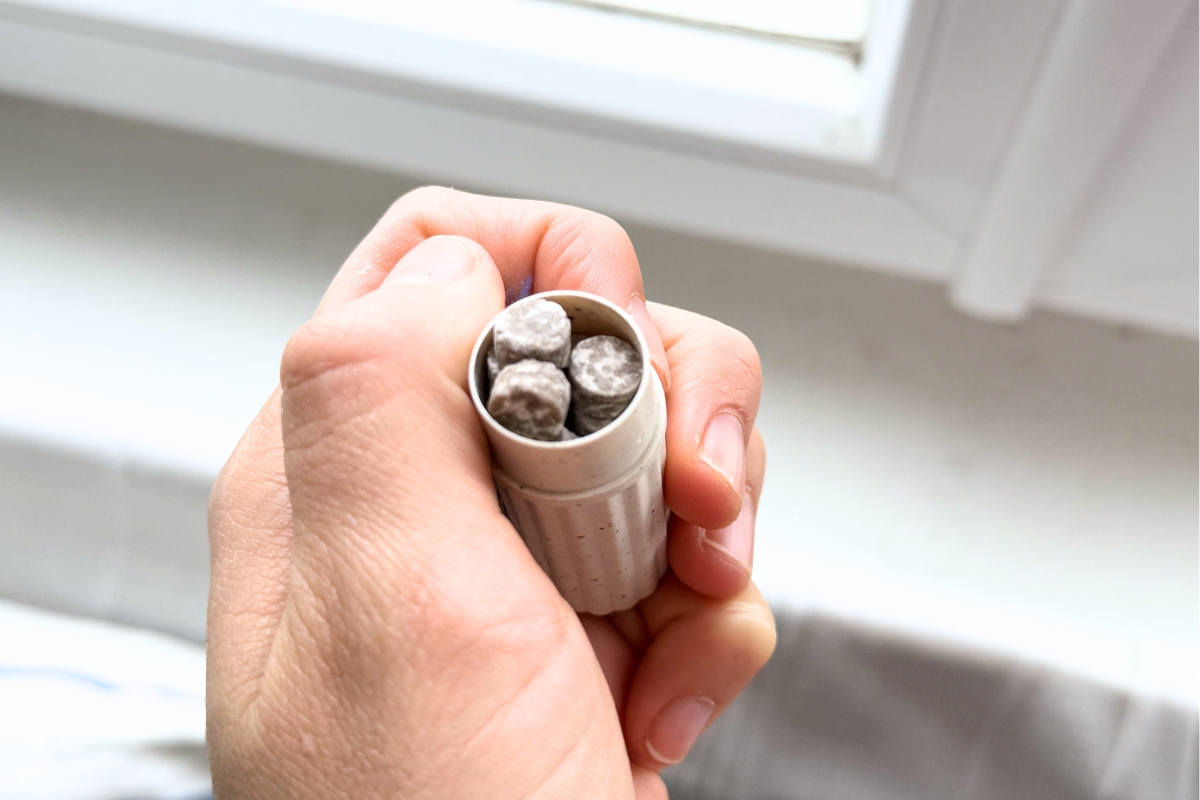
The Best Travel Blogs: 21 Czech and Slovak Blogs to Follow in 2026

TL;DRThis year’s best Czech and Slovak travel blogs list runs to 21 picks, starting with Loudavým krokem (Lucka and Lukáš, 45,000–50,000 readers a month, with trips across Iceland, Uganda, Morocco, Canada and the US), through Czick on the Road, which focuses on South America and Brazil, to Cestujzamenej, winner of the Travel category at Slovakia’s Superbloger festival, covering nearly forty countries. Also worth a look is Za horami, packed with practical trekking tips for Armenia, Georgia, Kyrgyzstan and Nepal, the blog Holka s bucket listem, which follows the Pacific Crest Trail over more than 4,000 km, and autovylet.cz, running since 2012 with over 2,400 articles on trips at home in the Czech Republic and abroad. Other blogs on the list cover Norway, Peru, Slovenia and New Zealand.

Whether you’re after inspiration for off-the-beaten-path trips, want to learn how to save money while travelling, or are curious how much a journey to faraway countries actually costs, you’ll find the answers on travellers’ websites. We asked a thousand people which travel blogs inspire them the most, and here’s the result! These are some of our favourite Czech and Slovak travel blogs worth following.

Tips and Tricks for Your Vacation

Don’t Overpay for Flights

Search for flights on Kayak. It’s our favorite search engine because it scans the websites of all airlines and always finds the cheapest connection.

Book Your Accommodation Smartly

The best experiences we’ve had when looking for accommodation (from Alaska to Morocco) are with Booking.com, where hotels, apartments, and entire houses are usually the cheapest and most widely available.

Don’t Forget Travel Insurance

Good travel insurance will protect you against illness, accidents, theft, or flight cancellations. We’ve had a few hospital visits abroad, so we know how important it is to have proper insurance arranged.

Where we insure ourselves: SafetyWing (best for everyone) and TrueTraveller (for extra-long trips).

Why don’t we recommend any Czech insurance company? Because they have too many restrictions. They set limits on the number of days abroad, travel insurance via a credit card often requires you to pay medical expenses only with that card, and they frequently limit the number of returns to the Czech Republic.

Find the Best Experiences

Get Your Guide is a huge online marketplace where you can book guided walks, trips, skip-the-line tickets, tours, and much more. We always find some extra fun there!
How to Sell Travel Photos On-line: Comprehensive Guide

TL;DRYou can turn travel photos into cash on microstock sites like Shutterstock, Adobe Stock, Dreamstime, 123RF, Alamy or Bigstock, where a single shot might fetch anywhere from $0.10 to over $200 depending on the site and licence. Realistically, a portfolio of 250–350 photos can bring in anywhere from a few hundred to a few thousand dollars a year, with Shutterstock usually the top earner. What sells best is technically sharp, generic imagery (yes, even the clichéd stuff), tagged with spot-on keywords you can find using tools like Keyword.io. You can speed up uploading with StockSubmitter, a batch tool that sends your photos to every site at once. Don’t expect any money to land, though, until you’ve been submitting regularly for months.

“I only sell photos from trips and vacations and I make about $500 a month.” That sentence kick-started me to start selling my travel photos in December 2016. How to earn thousands to tens of thousands of crowns from travel photos? Which photo banks are the most profitable? And why do I devote myself to travel photography?

Tips and Tricks for Your Vacation

Don’t Overpay for Flights

Search for flights on Kayak. It’s our favorite search engine because it scans the websites of all airlines and always finds the cheapest connection.

Book Your Accommodation Smartly

The best experiences we’ve had when looking for accommodation (from Alaska to Morocco) are with Booking.com, where hotels, apartments, and entire houses are usually the cheapest and most widely available.

Don’t Forget Travel Insurance

Good travel insurance will protect you against illness, accidents, theft, or flight cancellations. We’ve had a few hospital visits abroad, so we know how important it is to have proper insurance arranged.

Where we insure ourselves: SafetyWing (best for everyone) and TrueTraveller (for extra-long trips).

Why don’t we recommend any Czech insurance company? Because they have too many restrictions. They set limits on the number of days abroad, travel insurance via a credit card often requires you to pay medical expenses only with that card, and they frequently limit the number of returns to the Czech Republic.

Find the Best Experiences

Get Your Guide is a huge online marketplace where you can book guided walks, trips, skip-the-line tickets, tours, and much more. We always find some extra fun there!