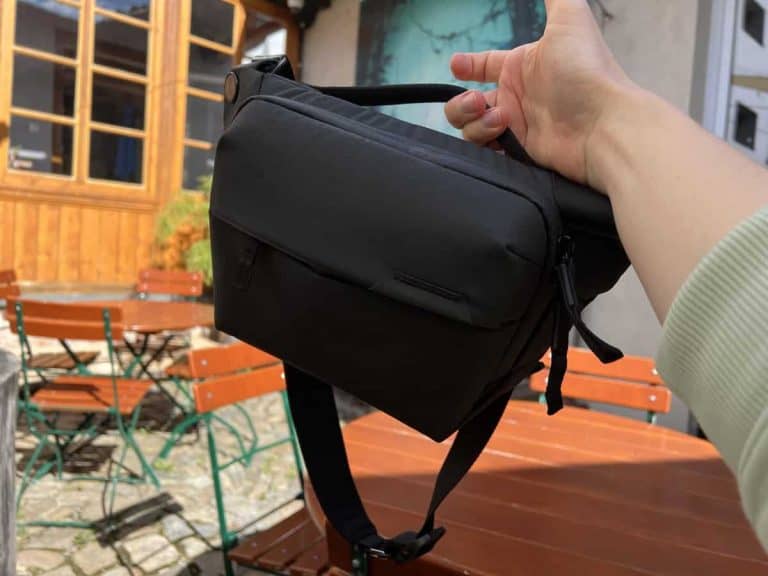
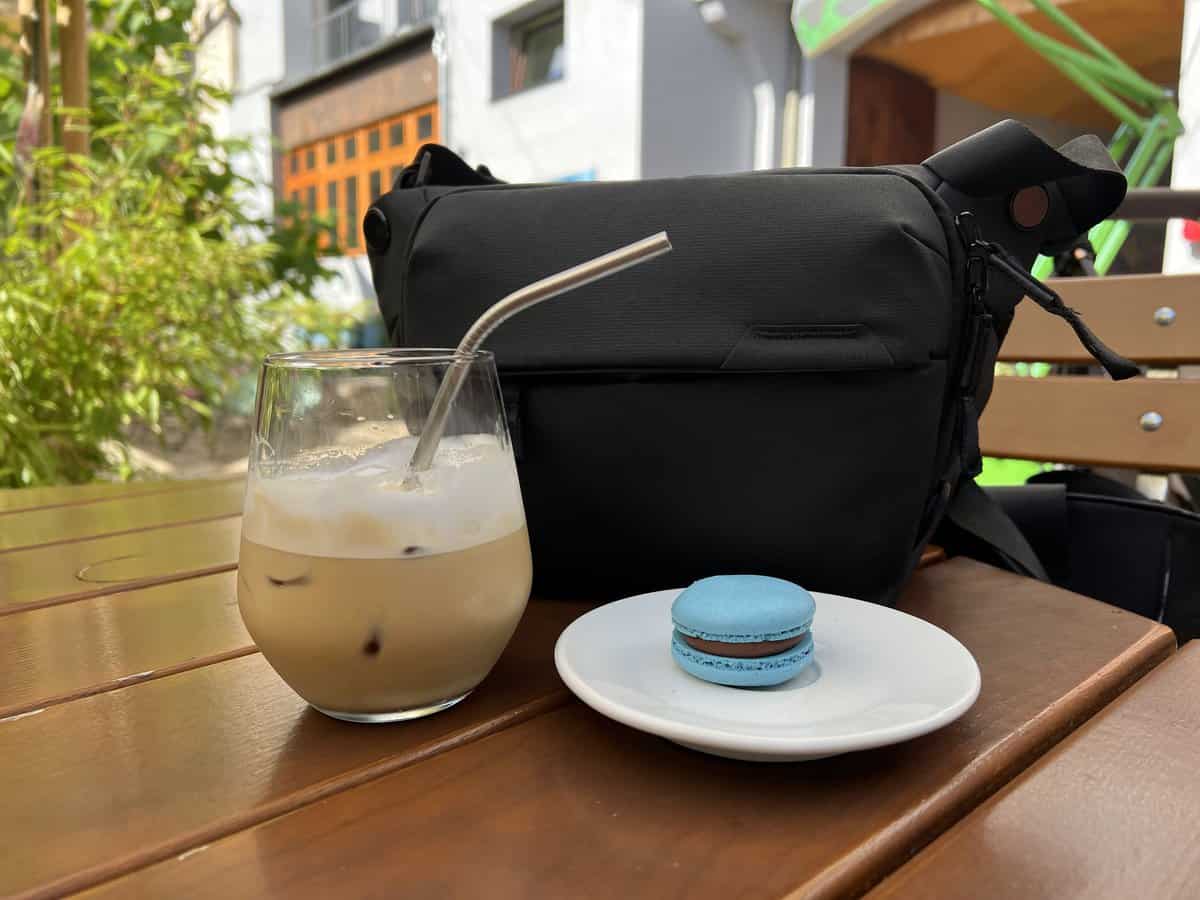
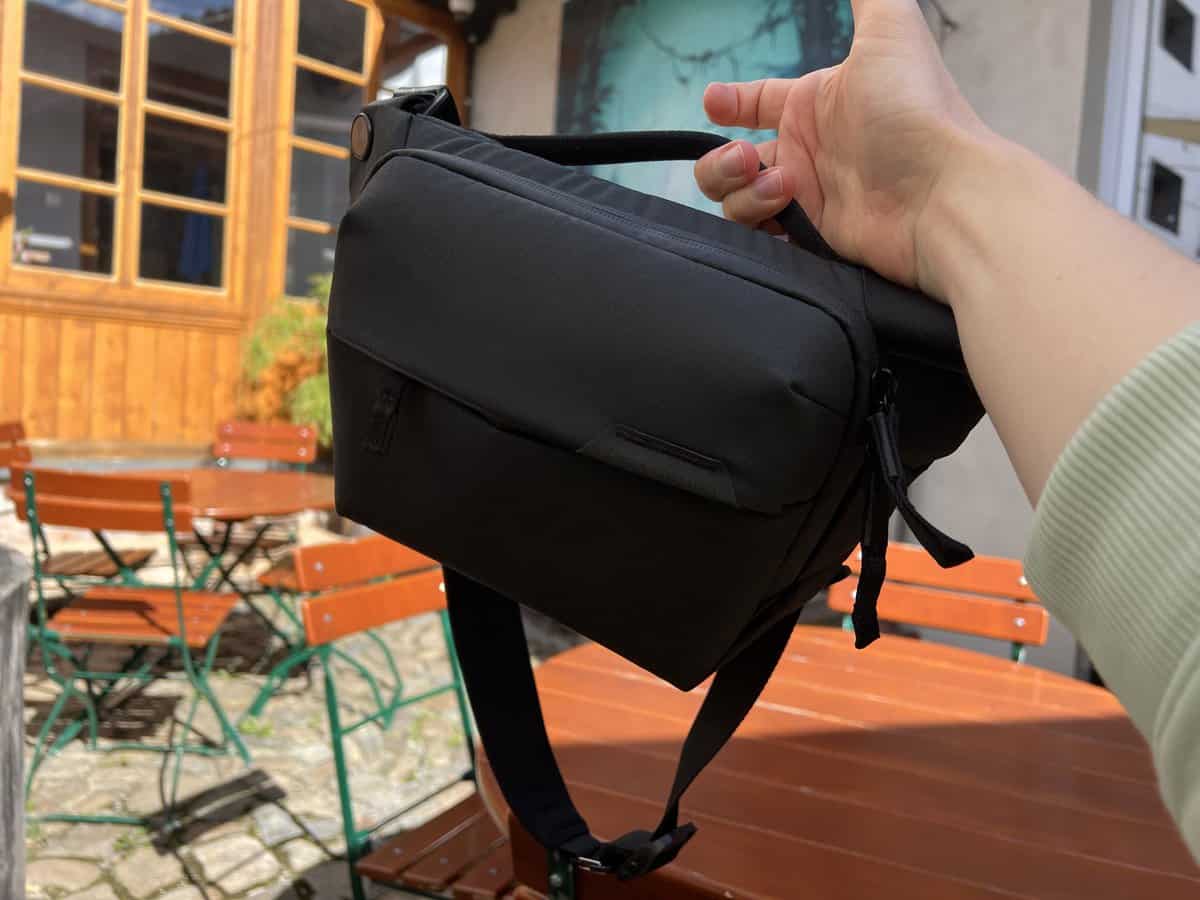
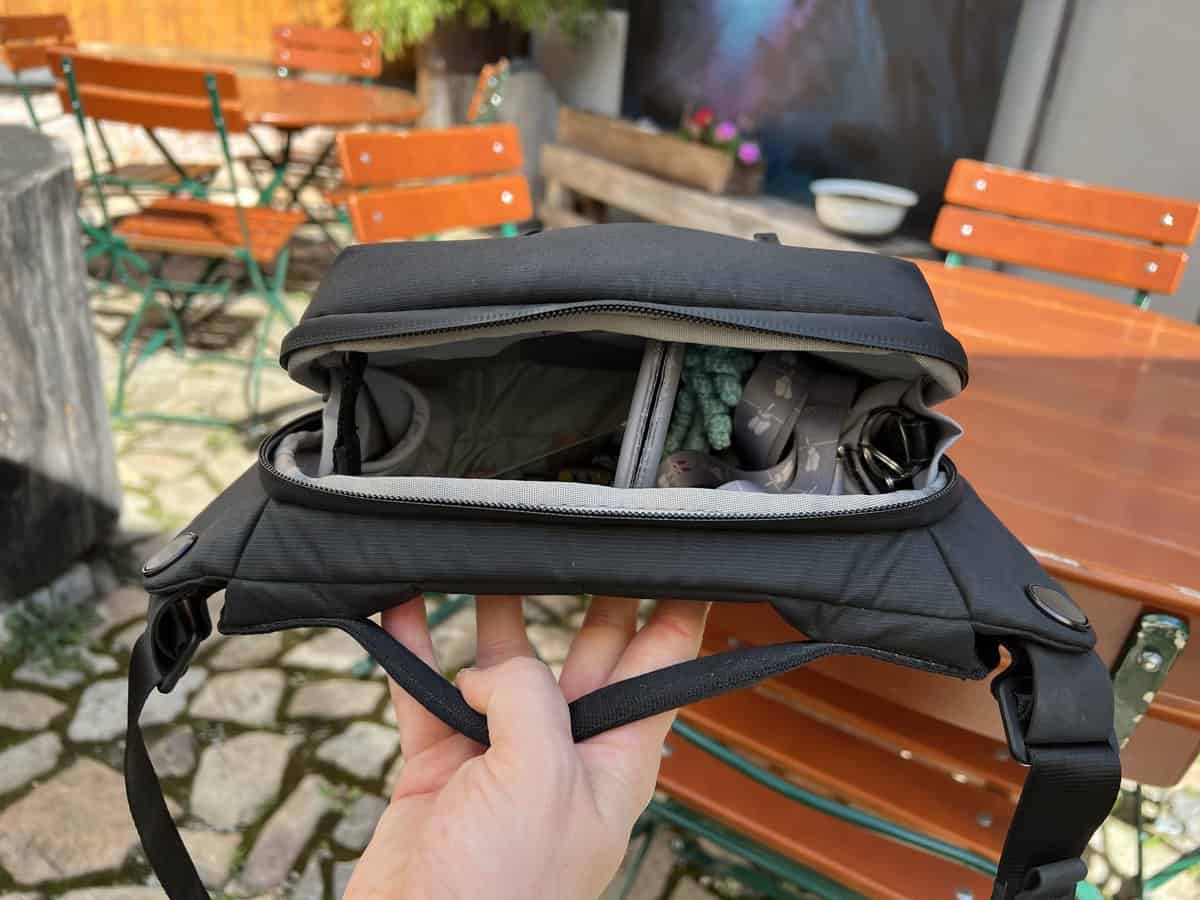
TL;DRPeak Design Everyday Sling 3L v2 is a small crossbody bag priced at 2,590 Kč with a 3-litre capacity. Thanks to weatherproof 400D fabric with a DWR coating, a tough 900D base and a clever interior with a FlexFold divider, it swallows a phone, keys, wallet, power bank, Kindle and even a small camera. After several months of use, it’s proved a reliable companion for work, travel and days out. The new UltraZip zips, adjustable strap (wear it across the shoulder or round your waist) and understated, smart design work equally well in business meetings and on weekend trips. On the downside, there’s no key clip, your back can get a bit sweaty in summer, and 3 litres might not be enough for everyone — if that’s you, go for the bigger version instead.
Peak Design is no stranger in our household. Their tech backpacks have travelled half the world with us, survived hundreds of business trips, and we regularly carry them to meetings instead of a classic briefcase. We love the combination of elegance and practicality – the internal organisation is simply perfect. So when I was looking for a small camera bag for everyday carry, the choice was obvious.
I wanted something that could comfortably fit my phone, keys, and wallet, survive frequent travel, and last years of intensive use. The Peak Design Everyday Sling 3L v2 ticked every single box – and then some.
TL;DR: Peak Design delivers once again. The Everyday Sling 3L v2 is a small but surprisingly spacious camera bag with a brilliantly thought-out interior. It’s not the cheapest option out there, but every penny comes back in reliability and practicality. At least that’s been my experience 😆
What Is the Peak Design Everyday Sling 3L v2
The Everyday Sling is the smallest and lightest bag from Peak Design’s lineup. Compared to the first version, it’s received a host of upgrades that make it an even more practical companion. Rounded edges and cleaner stitching give it a more modern look, while the new construction ensures a more ergonomic carry.
The biggest change is the new UltraZip zippers, which are designed to last decades, along with a more practical strap system. Thanks to the wider opening into the main compartment and dual-slider zips, accessing your gear is noticeably smoother than with a standard zipper – I’ve had this bag for a while now and the zip hasn’t snagged even once.
My Experience Using It
I won’t lie – I hesitated at first because of the price. Around £80 / €95 isn’t cheap for a small bag. But after several months of daily use, I can honestly say it’s been worth every penny.
For work, I carry my phone, wallet, keys, a power bank with cables, and a Kindle in it. On day trips, it easily fits a small camera, and when I’m heading off on a business trip, it reliably holds all my travel documents and essentials.
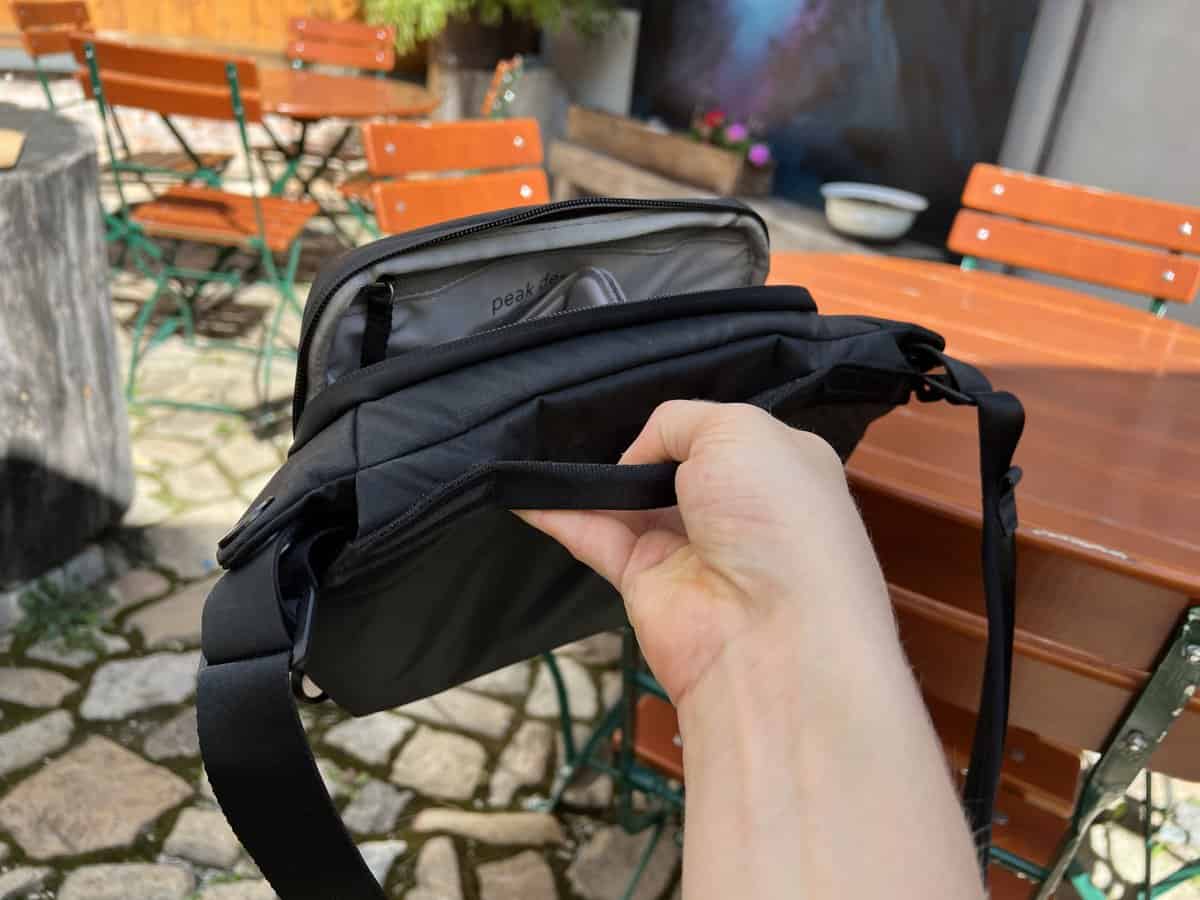
What surprised me most is how much it can hold without losing its sleek shape – it’s genuinely ultra-rigid and doesn’t collapse at all, even when completely empty. Thanks to the clever internal organisation, things never get jumbled up, and I always find them exactly where I left them.
Peak Design uses 100% recycled 400D fabric with a DWR coating on the Sling 3L v2. In practice, this means it’s extremely resistant to abrasion and repels water better than most of the competition. I’ve been caught in several heavy downpours with this bag and the inside has stayed bone dry every time.
The base is even tougher – the 900D fabric used there is virtually indestructible, even if you regularly set the bag down on concrete or tarmac. After several months of intensive use, it still looks brand new.
Carrying System
This is where Peak Design really knocked it out of the park. You can wear the strap over your left or right shoulder, or around your waist. Thanks to a clever buckle, you can adjust the length with a single motion – incredibly handy when you need to quickly grab something and want to pull the bag closer to your body. I especially appreciate this camera crossbody bag setup in busy cities around the world. In places like Southeast Asia, it’s an absolute must-have 😆
Internal Organisation
The interior of this bag is like a Swiss army knife – there’s a place for everything. The main compartment features a FlexFold divider (inspired by origami) that can be configured to suit whatever you need to carry. Two large stretch pockets are perfect for electronics, while four smaller pockets keep all your bits and bobs in order. There are also hidden pockets for valuables.
Everyday Use
In practice, 3 litres of capacity turned out to be just right for daily carry. I haven’t yet encountered a situation where the bag wasn’t enough. Access to everything is lightning fast, and thanks to the thoughtful organisation, I never have to rummage around for what I need.
What I appreciate most is the water resistance in everyday rain – it’s saved me several times when I got caught in a sudden downpour on my way to work. I also love how understated it looks – it comes across as professional enough for business meetings, yet I can just as easily take it on a weekend outing.
What Could Be Better
Even the best bag has room for improvement, and the Sling 3L v2 is no exception. The price is certainly higher than the competition, but it matches the quality – after several months of use, I can see that the investment has paid off.
For some, the 3L capacity might be too small, especially if you need to carry more gear. In that case, I’d recommend going for the larger version. I also miss a dedicated key clip – I had to add my own. And in summer, your back can get a bit sweaty underneath the bag, but that’s the trade-off for waterproof material.
What’s in the Box
Peak Design pays attention to the packaging, too. Inside the box, you’ll find the bag itself along with two Cord Hook straps for attaching larger items externally. Everything comes in recyclable packaging, which is a nice touch for anyone who cares about the environment.
Final Verdict
The Peak Design Everyday Sling 3L v2 is the perfect companion for anyone looking for a high-quality everyday camera bag. Its strengths will be most appreciated by those who value premium build quality, thoughtful organisation, and timeless design.
It’s not the cheapest bag on the market, but if you’re after something that will survive years of heavy use and remain practical every single day, you’ll struggle to find a better option. After several months of ownership, I can confidently say it’s one of the best investments I’ve made in my everyday kit.
It’s exactly the kind of product that quietly improves your daily life without you even noticing – it simply works the way it should. And in my book, that’s the highest compliment a bag can get.
Search for flights on Kayak. It’s our favorite search engine because it scans the websites of all airlines and always finds the cheapest connection.
Book Your Accommodation Smartly
The best experiences we’ve had when looking for accommodation (from Alaska to Morocco) are with Booking.com, where hotels, apartments, and entire houses are usually the cheapest and most widely available.
Don’t Forget Travel Insurance
Good travel insurance will protect you against illness, accidents, theft, or flight cancellations. We’ve had a few hospital visits abroad, so we know how important it is to have proper insurance arranged.
Where we insure ourselves: SafetyWing (best for everyone) and TrueTraveller (for extra-long trips).
Why don’t we recommend any Czech insurance company? Because they have too many restrictions. They set limits on the number of days abroad, travel insurance via a credit card often requires you to pay medical expenses only with that card, and they frequently limit the number of returns to the Czech Republic.
Find the Best Experiences
Get Your Guide is a huge online marketplace where you can book guided walks, trips, skip-the-line tickets, tours, and much more. We always find some extra fun there!
TL;DRPicking the right hiking boots comes down to a few things: who’s wearing them, the terrain (pavement, mountains, rock, snow), the weather, and the material — textile, leather or synthetic. Top of the pile in a ten-boot test is the La Sportiva TX5 GTX at 6,000 Kč, followed by the Ultra Raptor II Mid Leather GTX (4,000 Kč) and the Hanwag Alta Bunion II GTX (4,500 Kč). Boots split into low-cut and high-cut styles, and range from gentle walking shoes right up to expedition boots built for high-altitude trekking. Try boots on in the afternoon, when your feet are a bit swollen, and go for a size roughly 1 cm bigger than your actual foot length.
Whether you’re a seasoned mountaineer or just gearing up for your very first outdoor adventure, the right hiking boots can make all the difference — giving you comfort, safety and an unforgettable experience on every trip.
These days, though, there’s a huge range of hiking boots out there. So how do you make sense of it all and find the pair that’s perfect for your needs?
In this article, I’ll walk you through what to look for when choosing hiking boots and which factors to weigh up, so you can pick the best possible footwear for the trail.
Hiking boots
How to choose hiking boots
When choosing hiking boots, always keep these basic factors in mind:
who’ll be wearing them (woman, man, child),
what activities you’ll use them for (everyday wear around town, running, hiking, climbing),
in what conditions you’ll wear them (summer sunshine, all weathers or extreme conditions),
what terrain you’ll tackle (pavement, unpaved trails, mountains, rock, snow),
and whether you have any special requirements (sweaty feet, preferred material, high instep, etc.).
Once you’ve got a rough idea about these questions, we can move on to the different types of hiking boots.
To make things easier, I’ve rated the specific hiking boots mentioned in this article. You’ll find the rankings in the table below:
⚠️TIP: Have a read of our article on the best trekking boots. You’re sure to find a pair you love. 😉
Types of hiking boots
Hiking footwear comes in several different types.
By gender
Naturally, hiking boots are split by gender into men’s, women’s and children’s pairs. The main differences come down to the boots being shaped to suit the anatomical differences between genders, and of course their look and colour schemes.
Hiking boots are also distinguished by the height of the cuff, namely low-cut and high-cut. You may also come across a mid and ankle-height split.
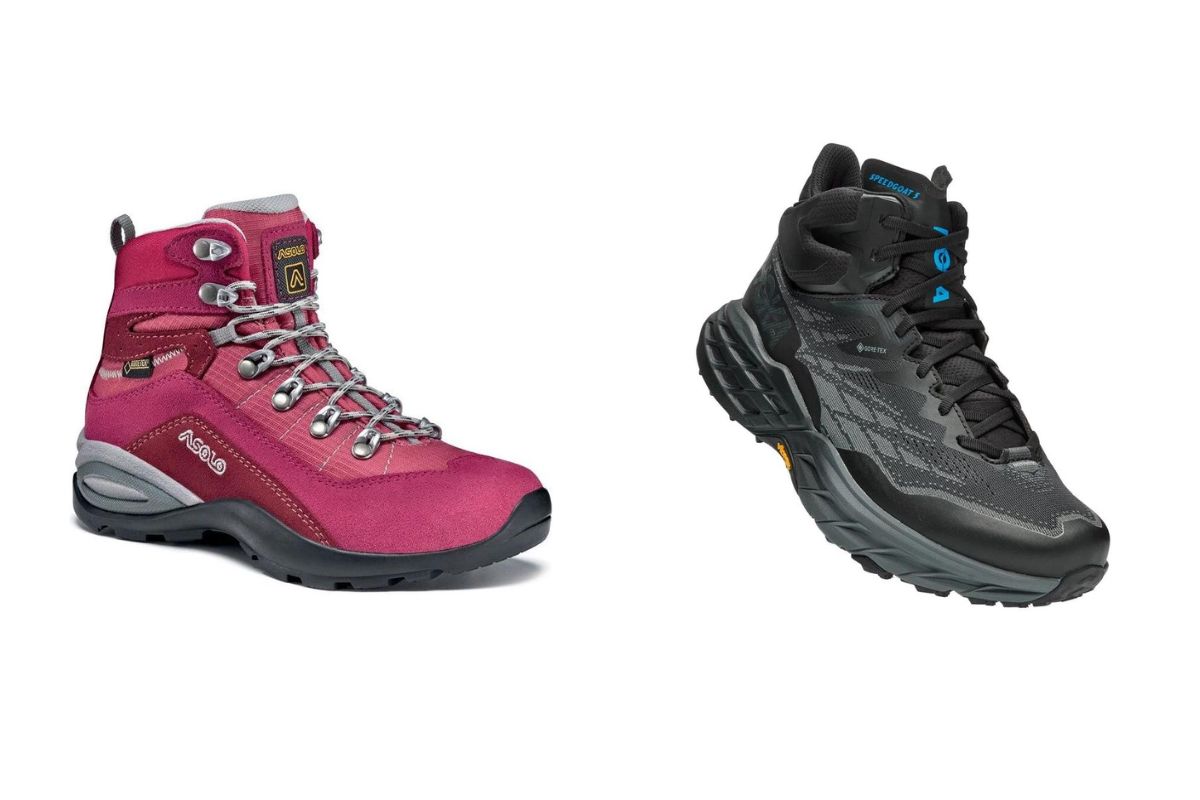
Low-cut boots tend to be lighter, while high-cut ones are usually heavier — but they’ll protect you from ankle injuries. So low-cut hiking boots are better suited to less demanding activities, whereas high-cut boots are more at home in tougher terrain.
Hiking boots are also categorised by the terrain you’ll be wearing them in.
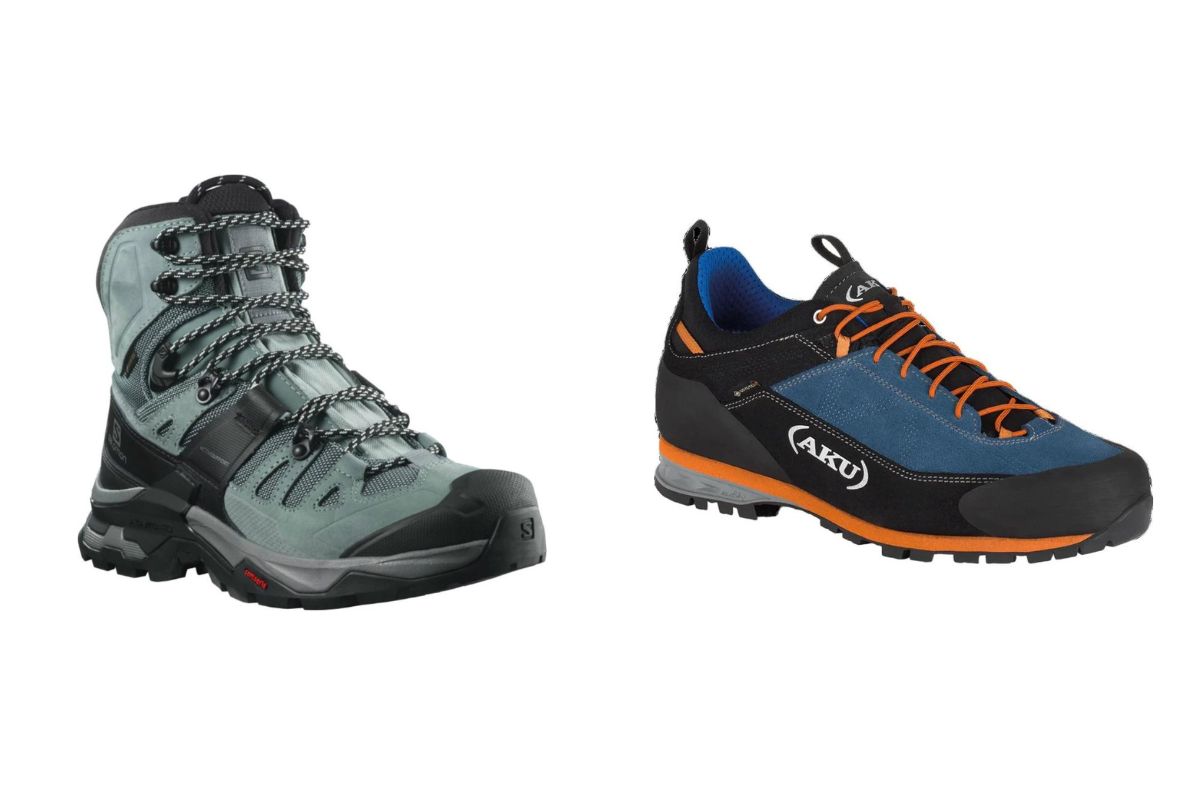
Walking shoes (for example the Black Diamond M Circuit 2): Designed for easy terrain such as surfaced paths, parks or city strolls. This group includes lightweight outdoor shoes, trail-running shoes and trekking sandals. They have a soft sole and are very comfortable — ideal for shorter, less demanding outings.
Lightweight trekking boots (for example the Ducan Low GTX®): Boots in this category have a stiffer sole than walking shoes, yet stay fairly soft and comfortable. They’re usually higher, giving better protection against twisting your ankle. Great for surfaced paths and less demanding trekking.
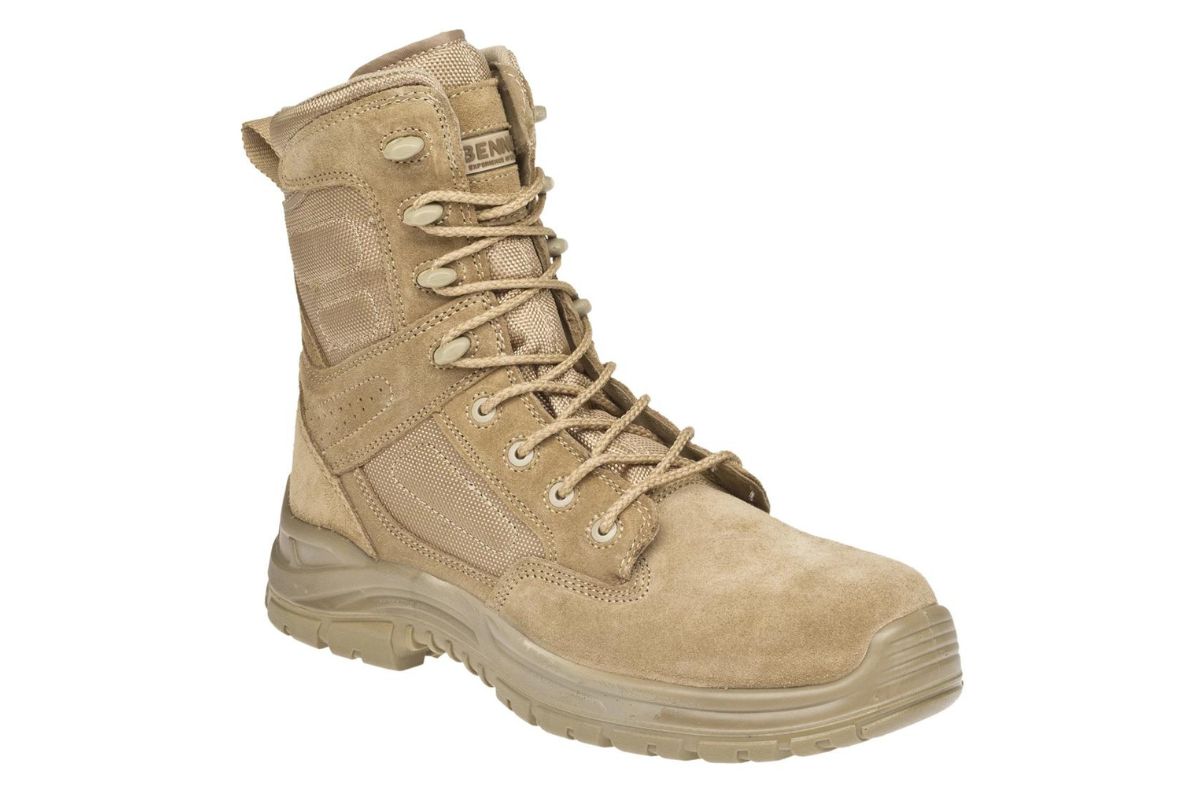
Trekking boots: This category covers sturdy boots with a stiffer sole, perfect for unpaved trails and moderately demanding terrain. They’re suited to hikes with a heavier rucksack and to multi-day mountain trips, offering solid support and protection. Take a look at:Island Active MFS.
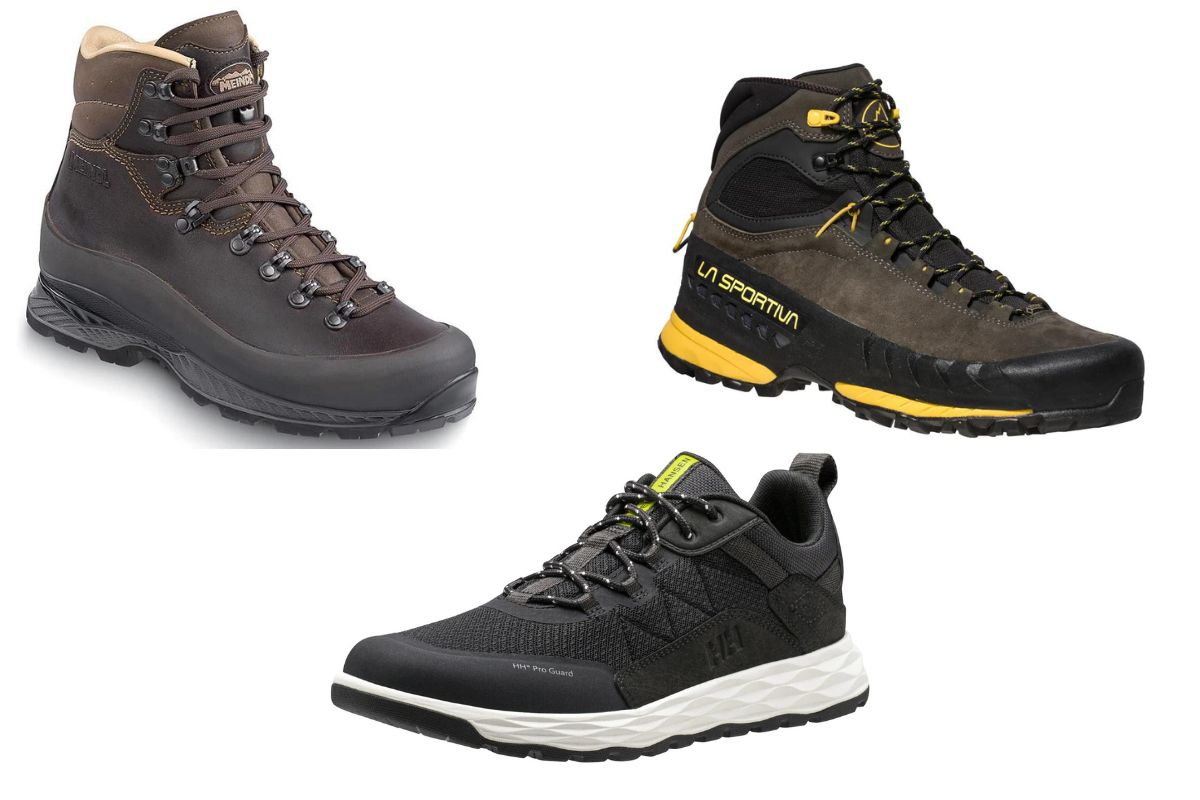
Mountain boots (for example the Hanwag Alta Bunion II GTX): Tough, robust boots often made from full-grain leather. They usually feature a high rand that shields the boot from mechanical damage. These are ideal for demanding trekking with a heavy pack, scrambling over scree and crossing glaciers.
High-altitude mountaineering boots: These are made for alpine hiking and technically demanding terrain, including glaciers and snow-and-ice climbing. Built from durable materials, they have a heel groove for attaching semi-automatic crampons. For high-altitude hiking I recommend the La Sportiva TX5 GTX.
Climbing and expedition boots (for example the Ultra Raptor II Mid Leather GTX): Footwear for extreme conditions, designed primarily for mountaineering and expeditions. These boots are often insulated, made from durable materials and fitted with grooves for fully automatic crampons at both the heel and toe. They’re built for vertical terrain and climbing.
Approach shoes: These are designed for getting to climbing walls and via ferratas. Approach shoes are low-cut with a fairly stiff midsole and a special sole construction at the toe (the so-called climbing zone) that gives good contact with rock or the steel elements on via ferratas. For these purposes I recommend the Salewa Ws Mtn Trainer 2 GTX.
Hiking boots by terrain
Which material to choose for hiking boots
Hiking boots are mostly made from three main materials: synthetics, textile and leather — or a combination of synthetic material and leather.
A textile upper has several advantages. The boots are lighter, mould to your foot better, dry faster and tend to be more affordable than full-leather options. If they’re fitted with a membrane, they can also be waterproof. On the downside, they have a shorter lifespan and lower durability, which deteriorates with heavy use. If you prefer textile boots, I’d recommend the low-cut Regatta Samaris.
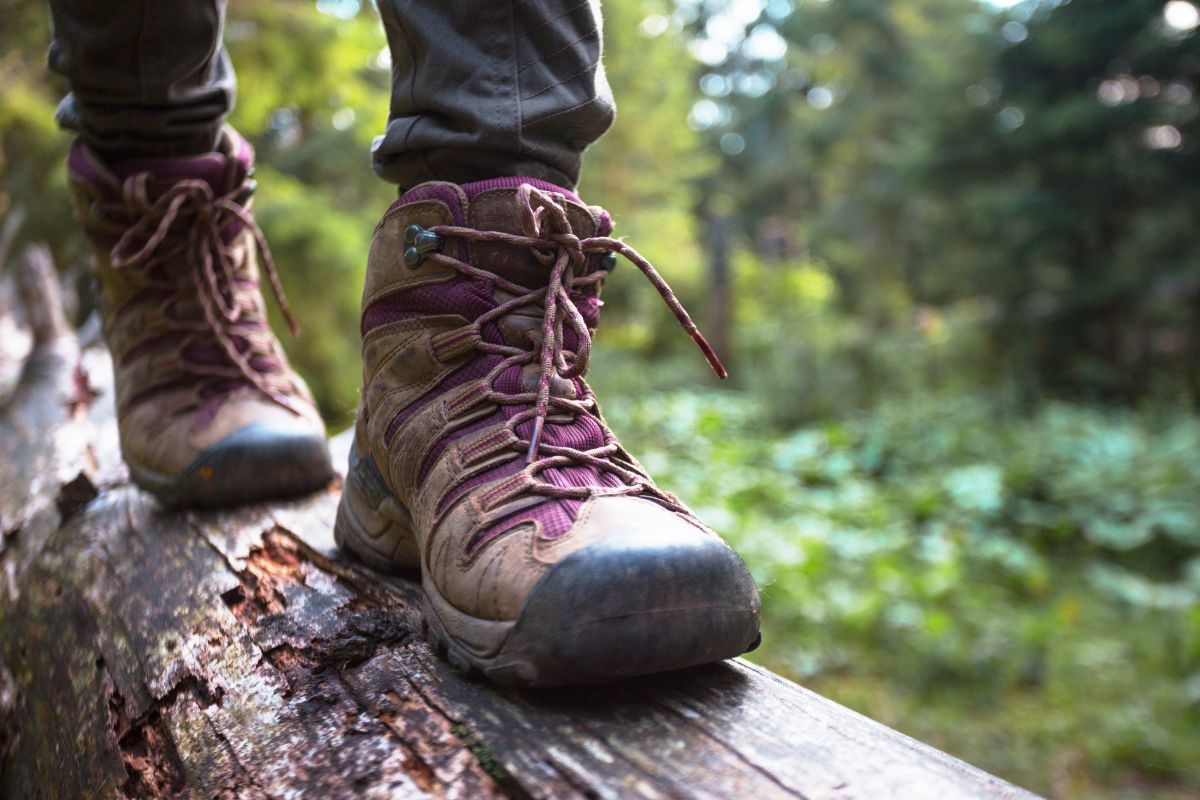
Leather offers greater durability, a longer lifespan and better water resistance compared with textile materials — though it usually comes with more weight, a higher price and lower breathability. Beautiful and functional leather hiking boots are the Regatta Burrell Leather.
You should try boots on in the afternoon or towards the end of the day, when your feet are at their largest and slightly swollen, to mimic the conditions you’ll face on the trail. It’s also worth bringing along the socks you plan to hike in, so the fitting matches real conditions as closely as possible.
When trying on hiking boots, walk around, check that they sit well around the heel and instep, and make sure you have enough room for your toes. The boots should be about 1 cm bigger than your actual size.
If you feel any pressure, rubbing or other discomfort, the boots probably don’t fit properly. That can lead to blisters or other problems on longer outings.
Frequently asked questions
Can I use the same hiking boots for different types of terrain?
“`html
Some boots are more universal and can be used on various types of terrain, but it’s always better to choose boots that are specifically designed for the particular conditions in which you’ll be hiking.
“`
Is it better to invest in waterproof boots?
If you’re planning hikes in rainy or wet conditions, waterproof boots are definitely a good investment. They protect your feet from moisture and keep them dry, which is essential for your comfort and blister prevention.
How do I know if the boots fit me properly?
“`html
Shoes should fit well in the heel and instep area, provide enough room for the toes, and must not cause any pressure or friction. You should feel comfortable in them even during longer walks.
“`
Tips and Tricks for Your Vacation
Don’t Overpay for Flights
Search for flights on Kayak. It’s our favorite search engine because it scans the websites of all airlines and always finds the cheapest connection.
Book Your Accommodation Smartly
The best experiences we’ve had when looking for accommodation (from Alaska to Morocco) are with Booking.com, where hotels, apartments, and entire houses are usually the cheapest and most widely available.
Don’t Forget Travel Insurance
Good travel insurance will protect you against illness, accidents, theft, or flight cancellations. We’ve had a few hospital visits abroad, so we know how important it is to have proper insurance arranged.
Where we insure ourselves: SafetyWing (best for everyone) and TrueTraveller (for extra-long trips).
Why don’t we recommend any Czech insurance company? Because they have too many restrictions. They set limits on the number of days abroad, travel insurance via a credit card often requires you to pay medical expenses only with that card, and they frequently limit the number of returns to the Czech Republic.
Find the Best Experiences
Get Your Guide is a huge online marketplace where you can book guided walks, trips, skip-the-line tickets, tours, and much more. We always find some extra fun there!
TL;DRFlexPillow™ is a heated massage cushion with four rotating massage heads, and after six months of daily use the author reckons it’s become indispensable for back and neck pain. It costs 1995 CZK, the battery lasts up to 90 minutes (roughly three evening sessions), and you can recharge it from a car socket — handy, since it survived a 3,000km motorhome trip to Portugal. It’s dead simple to use: just press the button, no fiddly settings. The only downside is there’s no battery indicator. The manufacturer also offers a 30-day return period.
I never thought I’d be writing an enthusiastic review of a massage pillow. They always struck me as pointless gadgets destined to gather dust at the back of a cupboard. But when you’ve got an eight-kilo toddler permanently glued to your arms, demanding to be carried everywhere, plus three solid training sessions a week, you’ll try just about anything that promises relief for aching muscles.
That’s exactly why my husband and I started using the FlexPillow™ six months ago. Now we take it everywhere — even on our three-thousand-kilometre motorhome trip to Portugal. Honestly, I can’t imagine my day without it anymore.
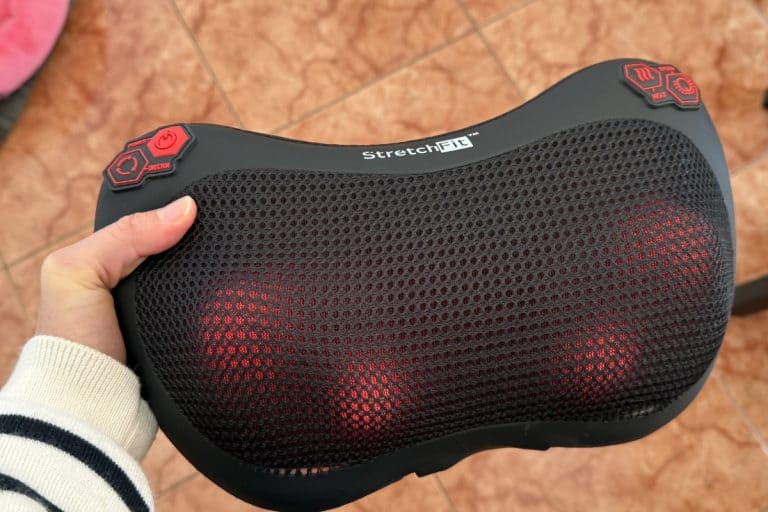
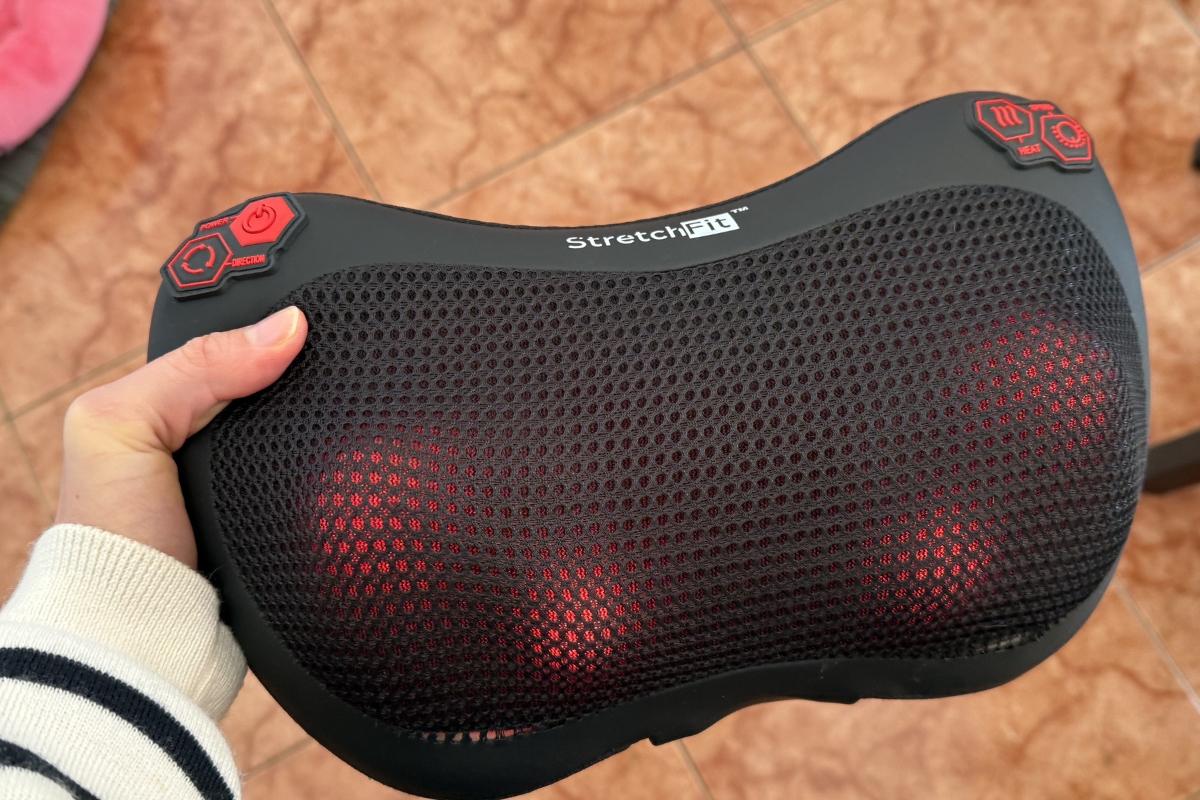
Our massage pillow after six months of daily use
What Is FlexPillow™ and What Does It Do
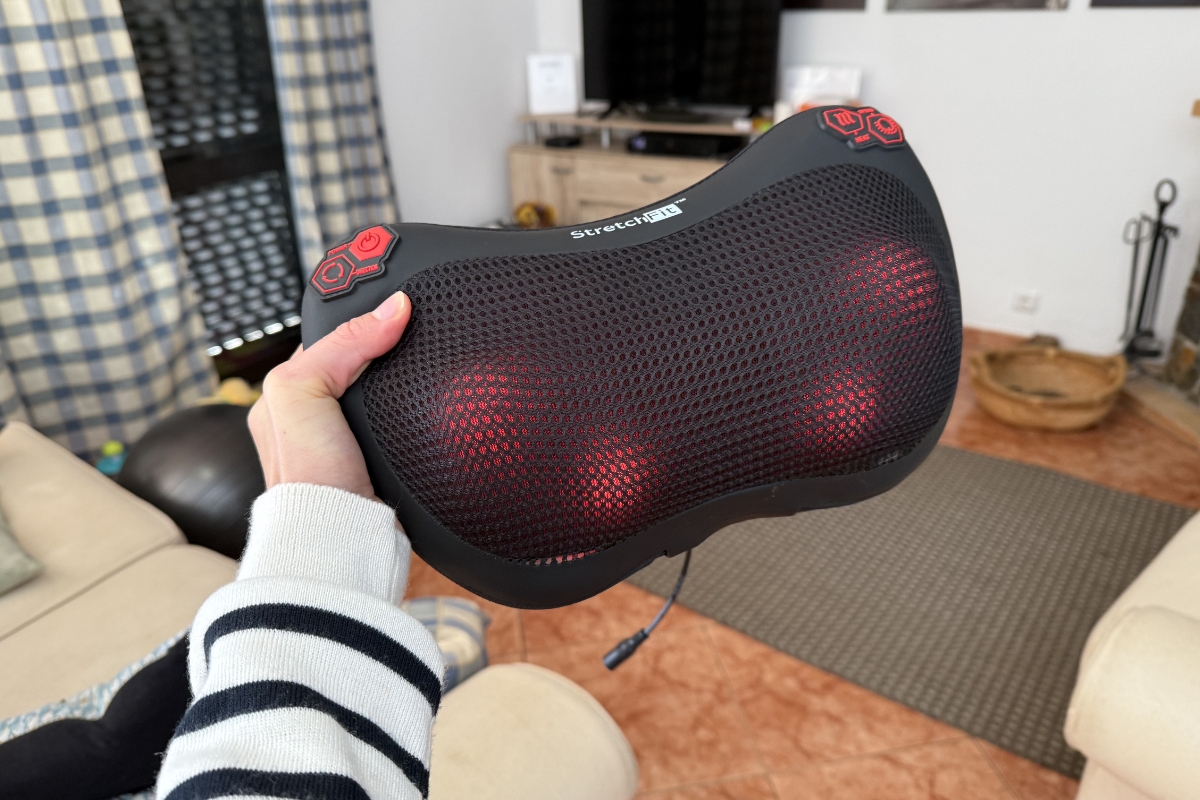
FlexPillow™ is a massage pillow that combines deep-tissue massage with built-in heating. At first glance, it looks a bit like a travel pillow — until you switch it on. Four rotating massage nodes start working and warming up exactly the spots where you need tension relief.
What impressed me most is that someone finally designed a massage pillow you can genuinely use anywhere. No fiddly setup — just turn it on and it works. That’s exactly what you need when you’re dead on your feet after a long day.
My Experience with FlexPillow™
“Another pointless gadget,” I thought to myself as I opened the box. After trying every massage tool under the sun, I was sceptical. But then came the first session…
I remember it like it was yesterday — I’d just got the little one to sleep and my back was aching so badly I could barely make it to the sofa. I switched the pillow on and… ten minutes later, the relief was beyond anything I’d expected. Since then, my evening massage has become a sacred ritual — a reward after a day of carrying my son around and hitting the gym.
My husband, meanwhile, has had long-standing neck problems, and this is one of the few things that actually helps. Every evening I find him on the sofa with the FlexPillow™ behind his neck — finally something I can hand him when he complains about the pain.
Our massage pillow at our Portuguese accommodation
FlexPillow™ Features in Practice
What do I love most? It’s like an iPhone — you turn it on and it just works. No complicated setup, no wading through a manual (I absolutely loathe reading manuals). Just press a button and let it do its thing. After a gruelling workout or a full day with the little one, that’s exactly what you need — the last thing you want is to fiddle with intensity settings or massage direction.
The heating function is my personal favourite — especially after an evening run or a gym session. It warms the muscles deep down, but without that uncomfortable scorching heat you get from some electric blankets.
On the Road and at Home: Where You Can Use FlexPillow™
I have to mention our epic trip to Portugal. Three thousand kilometres in a motorhome with our tiny travel buddy sounds like a recipe for stiff backs. And it absolutely was. That’s why I loved having the FlexPillow™ along for the ride — every stop turned into a mini spa session.
The battery lasts up to 90 minutes, which in practice means about three evening massages. And when the battery did run out? You can charge it from the car’s power socket.
What Surprised Me
The biggest surprise was just how versatile this massage pillow for neck and back turned out to be. I originally bought it mainly for my husband and his never-ending neck issues (you know what someone looks like after ten hours at a computer, right?). But then I discovered it’s the ultimate companion for an exhausted mum.
And the reaction from visitors? “Can I just try it for a minute?” is a sentence I hear every single time someone comes round. It usually ends with us buying it for their birthday — or them ordering one themselves before the week’s out.
What Could Be Improved
Honestly? After six months of daily use, there really isn’t much to complain about. If I had to pick one thing, a battery indicator would be nice — every now and then the pillow switches off mid-session during my evening ritual, which isn’t exactly ideal.
Who Is FlexPillow™ Perfect For
If, like me, you juggle childcare with an active lifestyle, this is a must-have. Actually, if you’re a mum of a young child, full stop, you need one. Or if you’re like my husband with a permanently stiff neck from desk work. FlexPillow™ is ideal for anyone who:
Has small children (those evening massages are like a balm for tired muscles)
Works out regularly (trust me, after a tough session it’s a lifesaver)
Spends long hours at a computer (goodbye, neck pain!)
Final Verdict
After six months of daily evening use, I can confidently say that the FlexPillow™ is one of those rare gadgets that’s become an indispensable part of our lives. It’s the kind of thing you buy and then wonder how you ever managed without.
Sure, around €80 isn’t exactly pocket change. But add up what you’d spend on regular professional massages. Besides — as a mum, you’d never find the time to book them anyway. With FlexPillow™, you’ve got a massage whenever you need one, at the press of a single button.
And honestly? That feeling when you’ve finally got the little one to sleep after a long day, you’ve had a shower, and you collapse onto the sofa with this little miracle? Priceless.
Still on the fence? Take advantage of the 30-day return policy. We knew we were keeping ours after the first week (more like the first day, really). Now I can’t imagine an evening without it — it’s become as much a part of my wind-down routine as a good cup of tea (I sometimes skip the tea; never the pillow).
Tips and Tricks for Your Vacation
Don’t Overpay for Flights
Search for flights on Kayak. It’s our favorite search engine because it scans the websites of all airlines and always finds the cheapest connection.
Book Your Accommodation Smartly
The best experiences we’ve had when looking for accommodation (from Alaska to Morocco) are with Booking.com, where hotels, apartments, and entire houses are usually the cheapest and most widely available.
Don’t Forget Travel Insurance
Good travel insurance will protect you against illness, accidents, theft, or flight cancellations. We’ve had a few hospital visits abroad, so we know how important it is to have proper insurance arranged.
Where we insure ourselves: SafetyWing (best for everyone) and TrueTraveller (for extra-long trips).
Why don’t we recommend any Czech insurance company? Because they have too many restrictions. They set limits on the number of days abroad, travel insurance via a credit card often requires you to pay medical expenses only with that card, and they frequently limit the number of returns to the Czech Republic.
Find the Best Experiences
Get Your Guide is a huge online marketplace where you can book guided walks, trips, skip-the-line tickets, tours, and much more. We always find some extra fun there!
TL;DRMaui has 20 spots worth seeking out, including the Haleakalā volcanic crater, the legendary Road to Hana with its 620 bends and 59 bridges, the black sands of Waianapanapa State Park, Molokini crater for snorkelling, and historic Lahaina with its iconic banyan tree. A 7 to 10-day stay is ideal, and the best time to come is April, May, or September through November, when crowds thin out and prices drop. From December to March, humpback whales arrive and you can watch them on a whale-watching trip for around $60 a person. Kaʻanapali, Kihei and Hana Town are the best bases, and you’ll need your own car to get around the island. Other highlights include the tough hike up Haleakalā, the coastal Waihe’e Ridge Trail, and Ali’i Kula, a lavender farm up in the Upcountry.
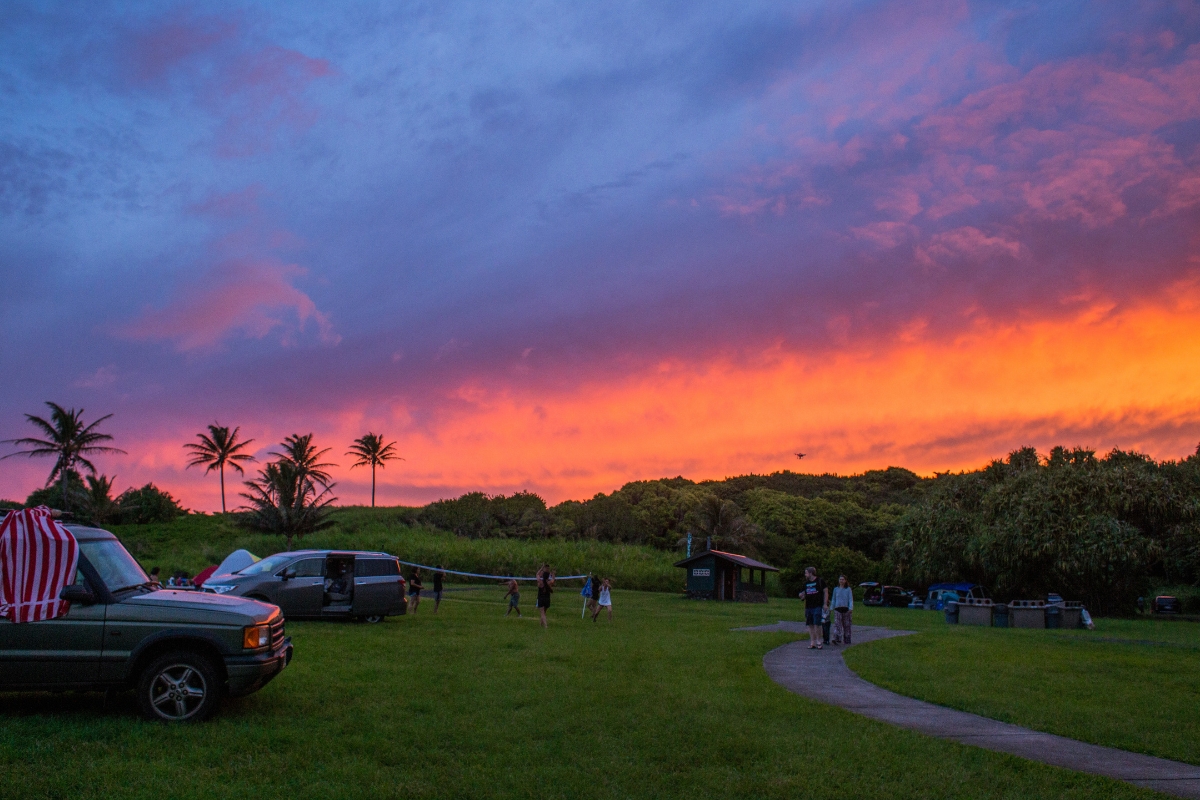
After a year of living abroad, we flew to Hawaii from Canada, where we had spent a year. Luky and I set off for Maui – and it was one of the most beautiful trips of our lives. In this guide I will share with you Maui, Hawaii: 20 Best Things to Do and See. Come with us to explore the beautiful green island of Maui and find out what makes an ideal road trip and what to see.
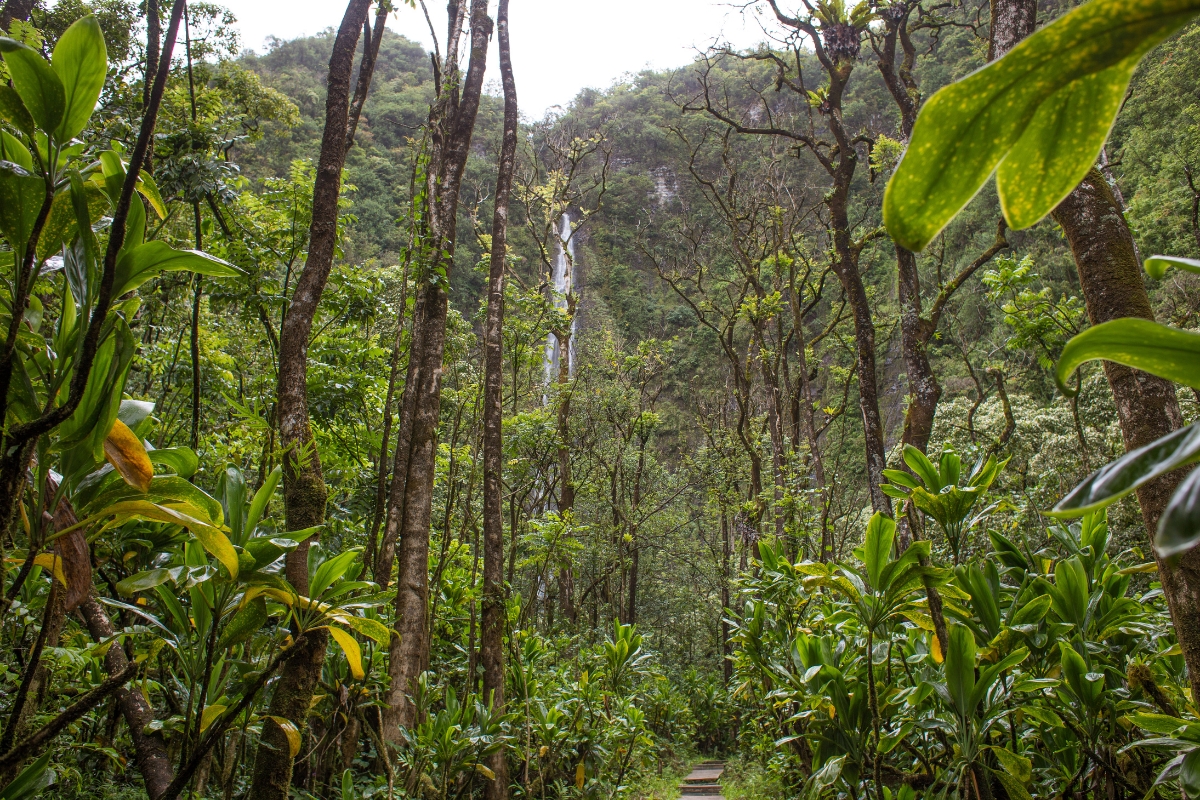
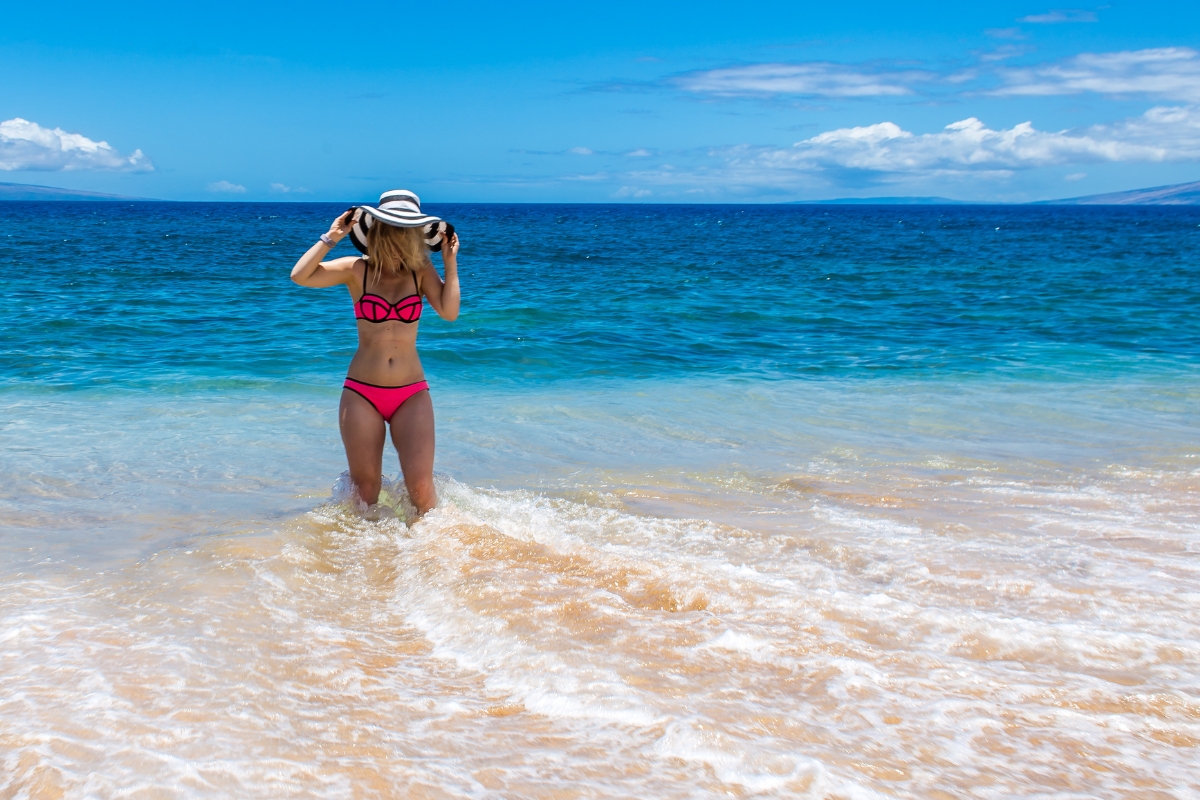
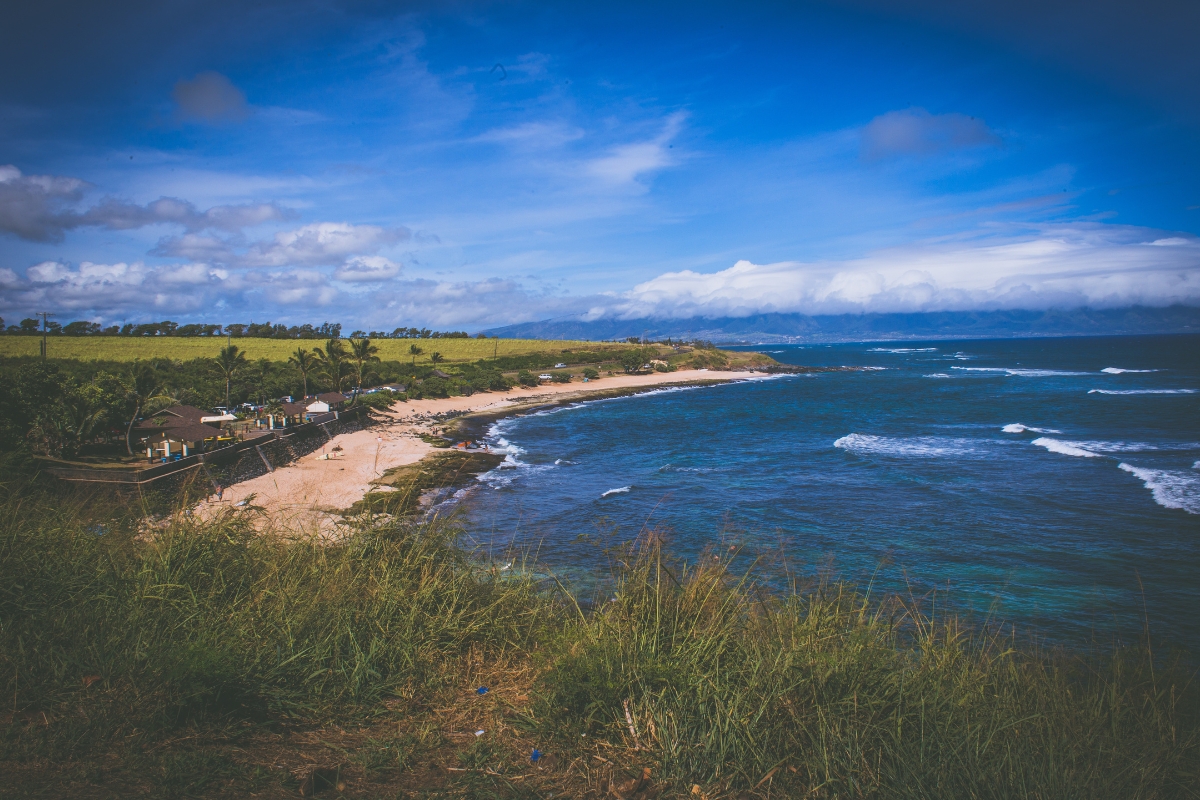
The island amazed us with its incredible diversity, from dramatic volcanic landscapes to lush rainforests and multi-colored beaches – golden and white beaches, but also black, red, and grey sand beaches.
What you might not expect on Maui are chickens in the rainforest or in campsites; in one luxury campsite in Lahaina, we literally slept among them, and it wasn’t pleasant at all. 🤭
Let’s take a look at the places you definitely shouldn’t miss when visiting Maui.
Maui enjoys pleasant weather year-round, with temperatures between 20-30°C. The ideal time to visit is from April to May or from September to November. During these months, you’ll encounter fewer tourists and find accommodation at more favorable prices.
The winter months from December to March primarily attract visitors for whale watching. It is during this time that humpback whales return to Maui’s shores to raise their young. The summer season from June to August brings stable sunny weather, but also the highest prices and crowds of tourists.
Where to Stay in Maui
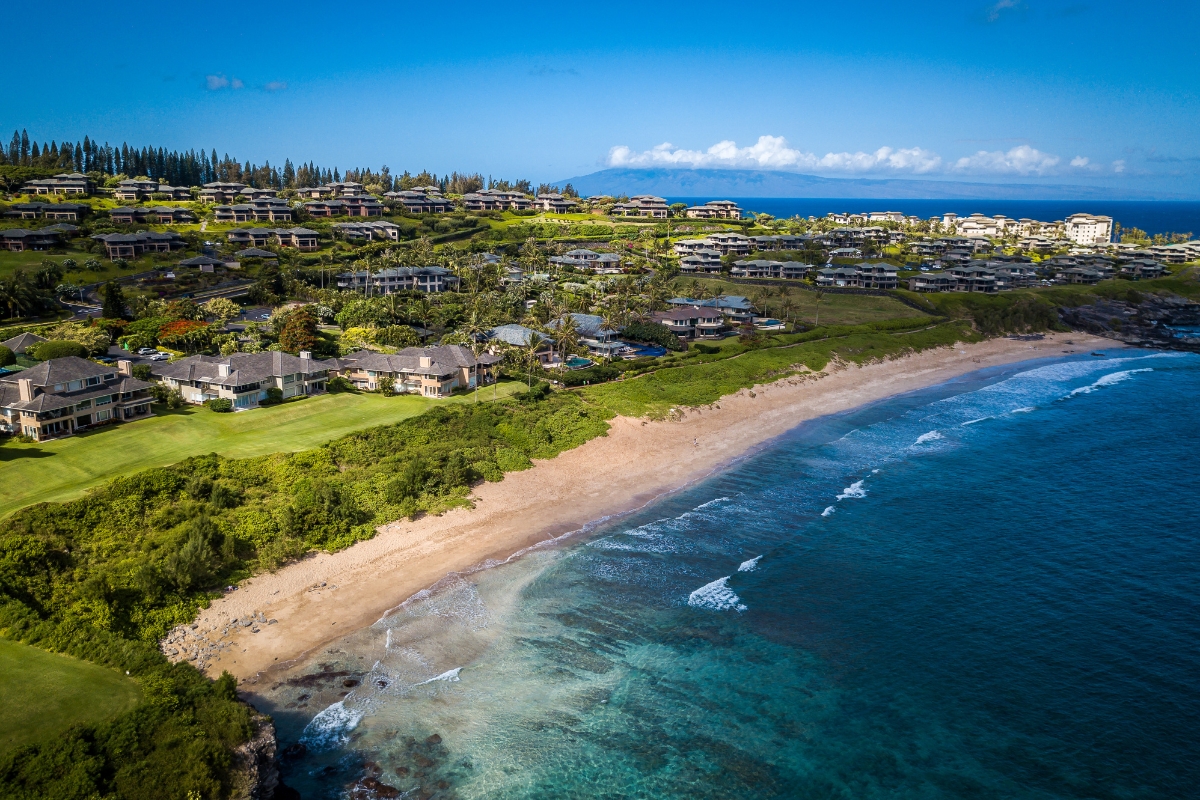
For the ultimate island experience, we recommend combining several locations. Start on the west coast around Kaʻanapali or Lahaina, where you’ll find luxurious beachfront resorts, such as The Westin Maui Resort & Spa, Ka’anapali.
The Kihei area on the south coast is popular due to its more affordable prices and excellent access to beaches and restaurants. A very nice accommodation option is, for example, Amazing Kihei Kai Nani – Maui Vista One Bedroom Condos.
If you plan to explore the eastern part of the island and the Road to Hana, consider spending a few nights in Hana Town. While accommodation here isn’t cheap, it will save you from a demanding full-day trip.There isn’t much to choose from, so we recommend the Hana-Maui Resort.
Hawaiian Islands – Maui
10-Day Maui Itinerary
Days 1-3: West Maui (Lahaina/Ka’anapali)
Accommodation in Lahaina, for example at The Westin Maui Resort & Spa, Ka’anapali.
Acclimatization, Ka’anapali and Napili beaches
Snorkeling in Honolua Bay
Explore historic Lahaina
Sunset with dinner at the harbor
Days 4-6: South Maui (Kihei/Wailea)
Accommodation in Kihei, for example at Amazing Kihei Kai Nani – Maui Vista One Bedroom Condos.
Snorkeling at Molokini Crater
Visit Makena Beach and Wailea Beach
Trip to Haleakala (one full day)
Explore Upcountry, including a lavender farm
Days 7-8: East Maui (Hana)
Accommodation at Hana-Maui Resort.
Road to Hana at a leisurely pace
Wai’anapanapa State Park
Pipiwai Trail
Hamoa Beach
Red sand beach in Koki
Days 9-10: Return to Kihei
Final days at the original accommodation in Kihei.
‘Iao Valley
Waihe’e Ridge Trail
Last-minute souvenir shopping for family and friends, and relaxation on the beaches
Where to Rent a Car on Maui and What Kind
It’s worth renting a car on Maui; you’ll be very limited without one. Book it in advance – typically through CarRental (they work perfectly in the USA), especially during peak season. For the Road to Hana, choose a smaller car that’s easier to maneuver on winding roads.
Lahaina, Maui
Maui, Hawaii: 20 Best Things to Do and See
Let’s now look at the most beautiful beaches on Maui, the treks, and other amazing places you should see on this Hawaiian island. I’ll also share our favorite excursions that you shouldn’t miss!
1. Haleakalā National Park
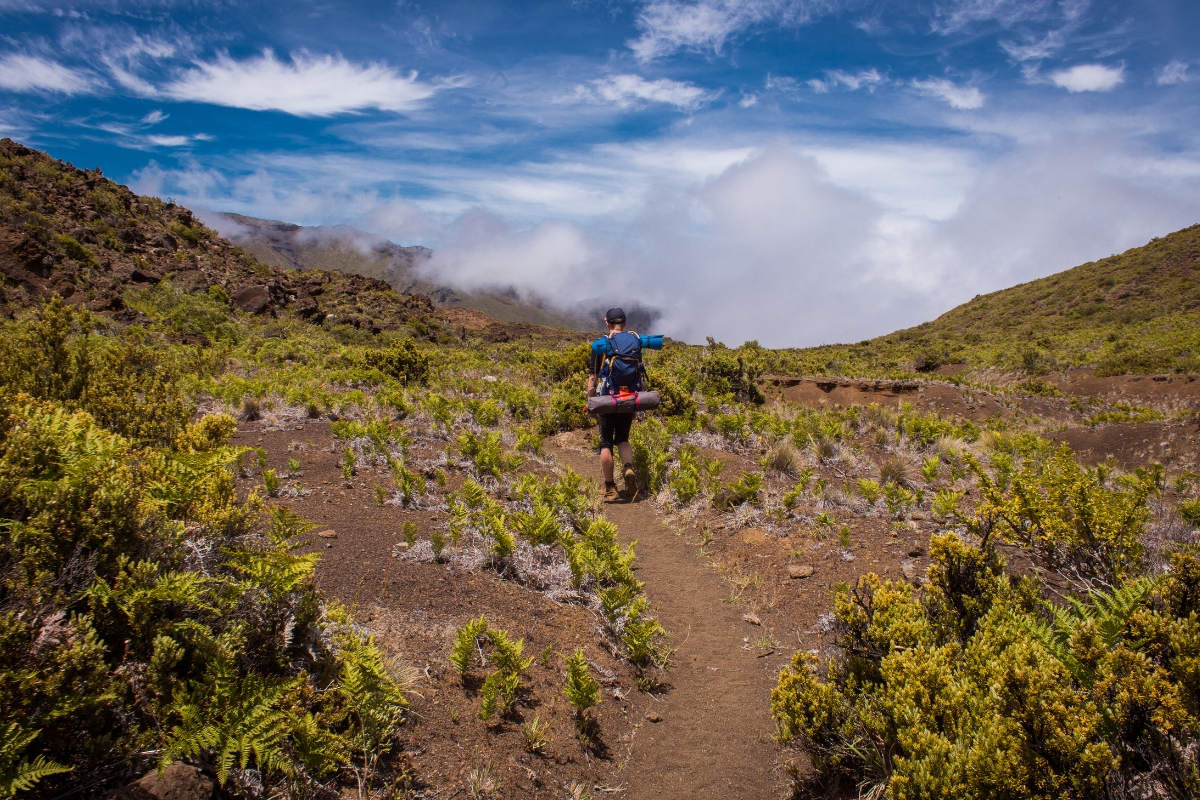
The ascent to Haleakala was one of the most intense experiences for us. Despite all the warnings about the cold, we were surprised by the scorching sun. With backpacks full of electronics (which we were afraid to leave in the car in the parking lot) and weighing around 20 kg on our backs, we pushed ourselves to our limits. Sunburned backs with blisters were an unpleasant souvenir, but the panoramic views were definitely worth it.
For beautiful views, you don’t have to go far; you can book a trip through GetYourGuide and be driven above the clouds to an altitude of over 3000 meters for sunset or sunrise. Sunrise over the crater is one of the island’s most popular attractions, but it’s necessary to make a reservation in advance.
2. Road to Hana
The legendary road with 620 curves and 59 bridges offers a full-day adventure. The route passes through waterfalls, black sand beaches, and tropical gardens. Key stops include Twin Falls, Wai’anapanapa State Park with its black sand beach, and the Pipiwai Trail leading to the impressive Waimoku Falls.
3. Waihe’e Ridge Trail
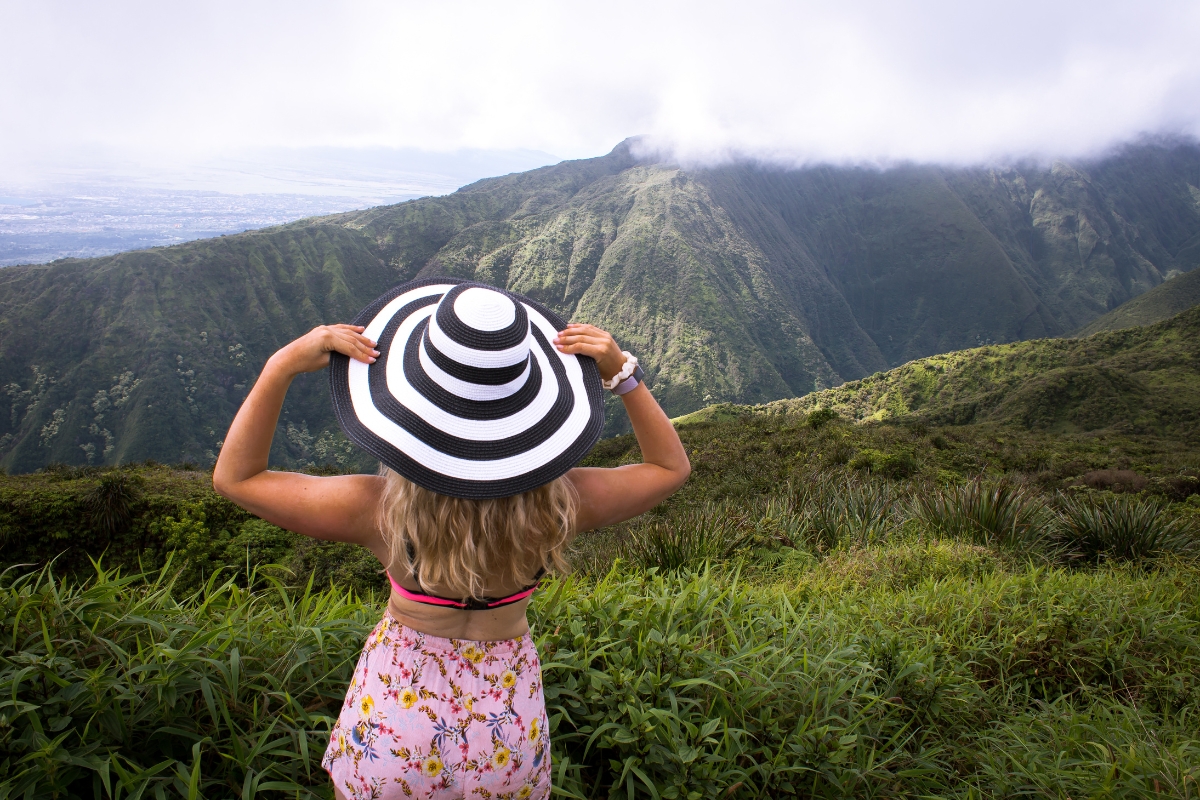
We discovered this hike by chance, and it became one of the highlights of our trip. Unlike the arid Haleakala, lush vegetation and a pleasant microclimate awaited us here.
The hike goes steeply uphill, and the first kilometer is the most challenging if you’re not trained, as we were at the time. However, the reward is panoramic views of the Waihe’e Valley, waterfalls, and the ocean in the distance. I recommend starting early in the morning – not only will you avoid the heat, but also the fog that later rolls into the valley creates a magical atmosphere.
The trail has an elevation gain of about 500 meters and takes 2-4 hours depending on your pace and how often you stop for photos. We had a picnic at the top and spent over an hour watching the clouds roll over the ridge.
Practical tips:
Wear good shoes; the trail is slippery after rain.
Start early in the morning (parking lot opens at 7:00 AM).
Be prepared for rain, even if it’s sunny everywhere else.
Bring plenty of water and snacks for a picnic at the top.
After the hike, you can stop at Kahului Beach to cool off.
After Haleakala, on the Waihe’e Ridge Trail, you’ll truly understand how diverse nature is on Maui.
4. Kā’anapali Beach
This three-kilometer white sand beach is one of the most beautiful on the island. Every evening, a traditional torch lighting and cliff diving ceremony takes place at Black Rock. Snorkeling is also popular in this area, especially around the Black Rock promontory.
5. ‘Īao Valley State Monument
This historically significant valley offers short but impressive trails leading through the rainforest. The dominant feature is ‘Īao Needle, a 365-meter-high rock formation covered in lush vegetation. The site served as a burial ground for the Hawaiian royal family.
6. Maui Ocean Center
The largest aquarium in the western USA is a must-see. You’ll find a giant tank with sharks, rays, and tropical fish. The center also focuses on marine turtle conservation and educating about Hawaiian culture.
7. Waianapanapa State Park
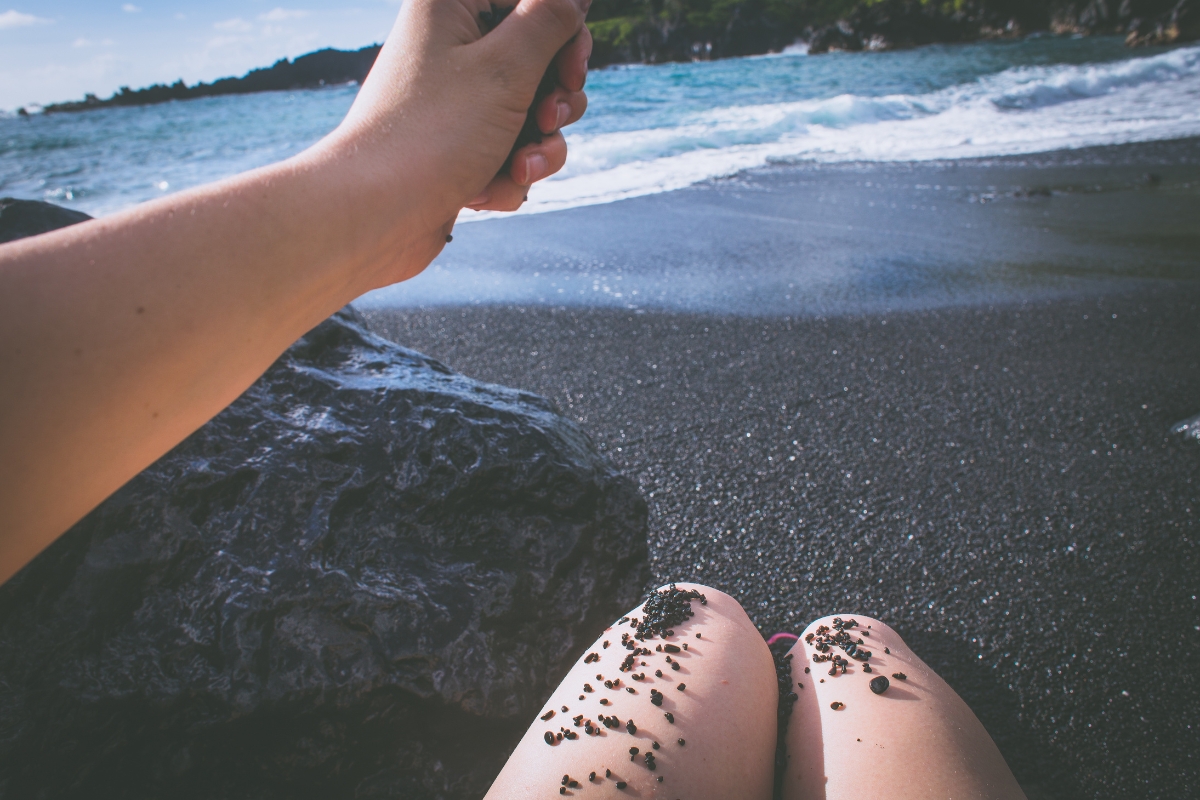
The black sand beach formed by lava is one of the most photogenic spots on the island. The park also offers a system of lava tubes, historic trails, and natural arches. We recommend visiting early in the morning when there are fewer tourists.
8. Lahaina Town
It’s nice to spend several pleasant evenings in the former capital of the Hawaiian Kingdom. Lahaina has a unique atmosphere – the main Front Street, lined with restaurants and shops, runs along the coast and offers beautiful sunsets.
We recommend going for dinner at one of the restaurants with live music (Fleetwood’s or Down the Hatch are great), strolling through the historic district, and enjoying a drink at sunset. In winter months, whale watching boats depart from here.
9. Banyan Tree Park in Lahaina
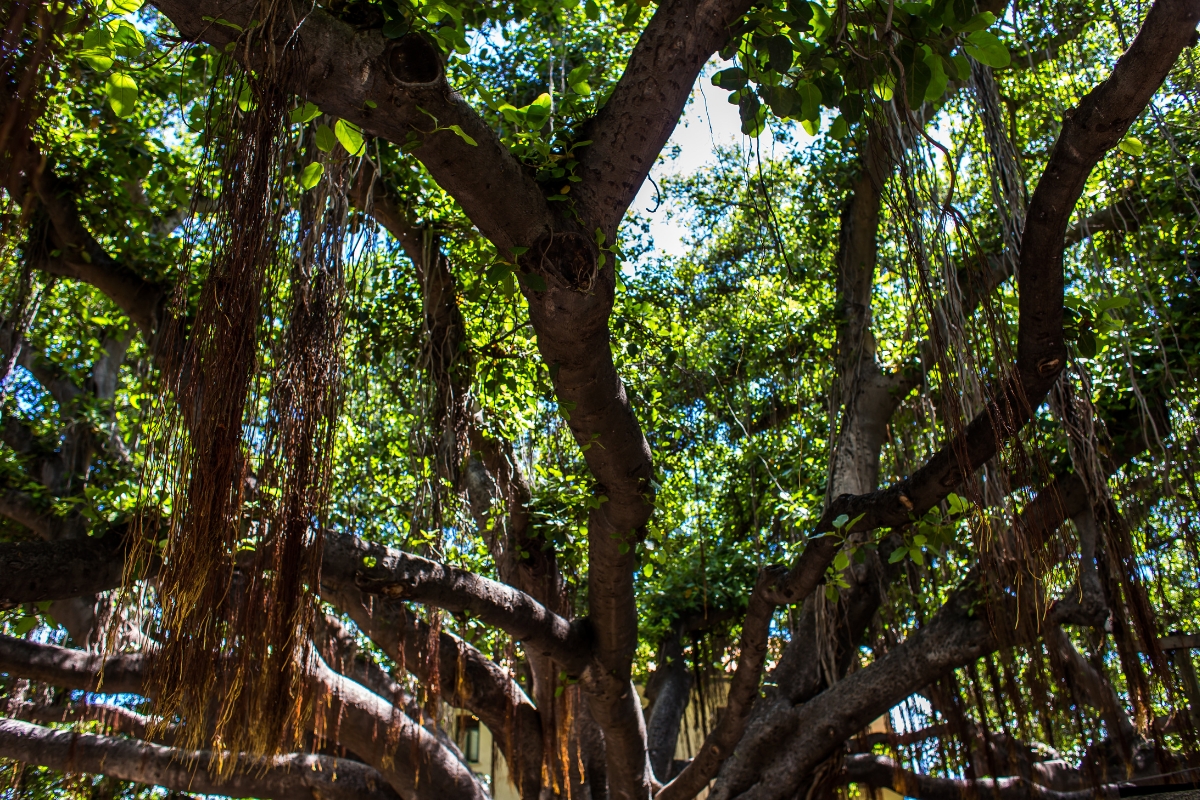
The symbol of the town is a giant banyan tree from 1873, which now covers an area of over 2000 square meters. This 151-year-old tree is not a native Hawaiian species – it was gifted by India to commemorate the 50th anniversary of the arrival of the first Protestant missionaries in Lahaina. On weekends, art markets are held under its branches.
Unfortunately, in August 2023, the town was severely damaged by fire, but the iconic tree survived the blaze and is greening again thanks to the care of arborists and volunteers.
Lahaina, Maui
10. Snorkeling at Molokini Crater
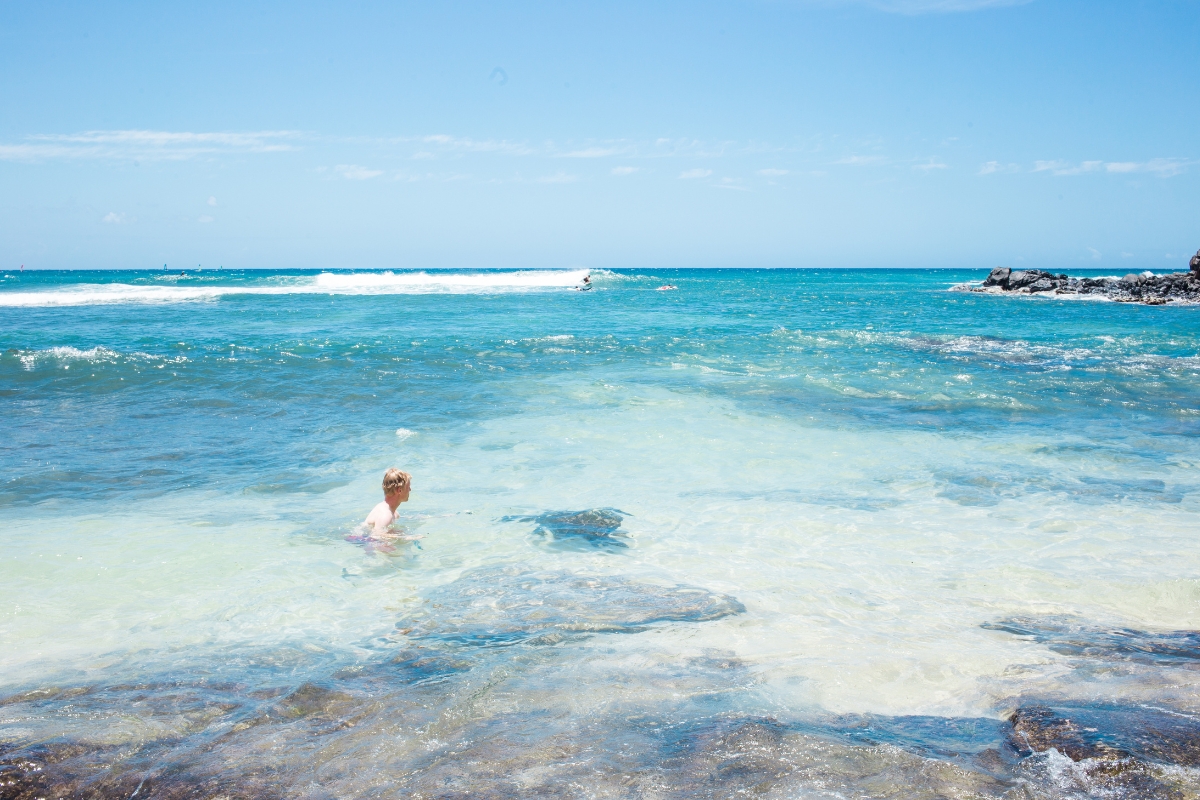
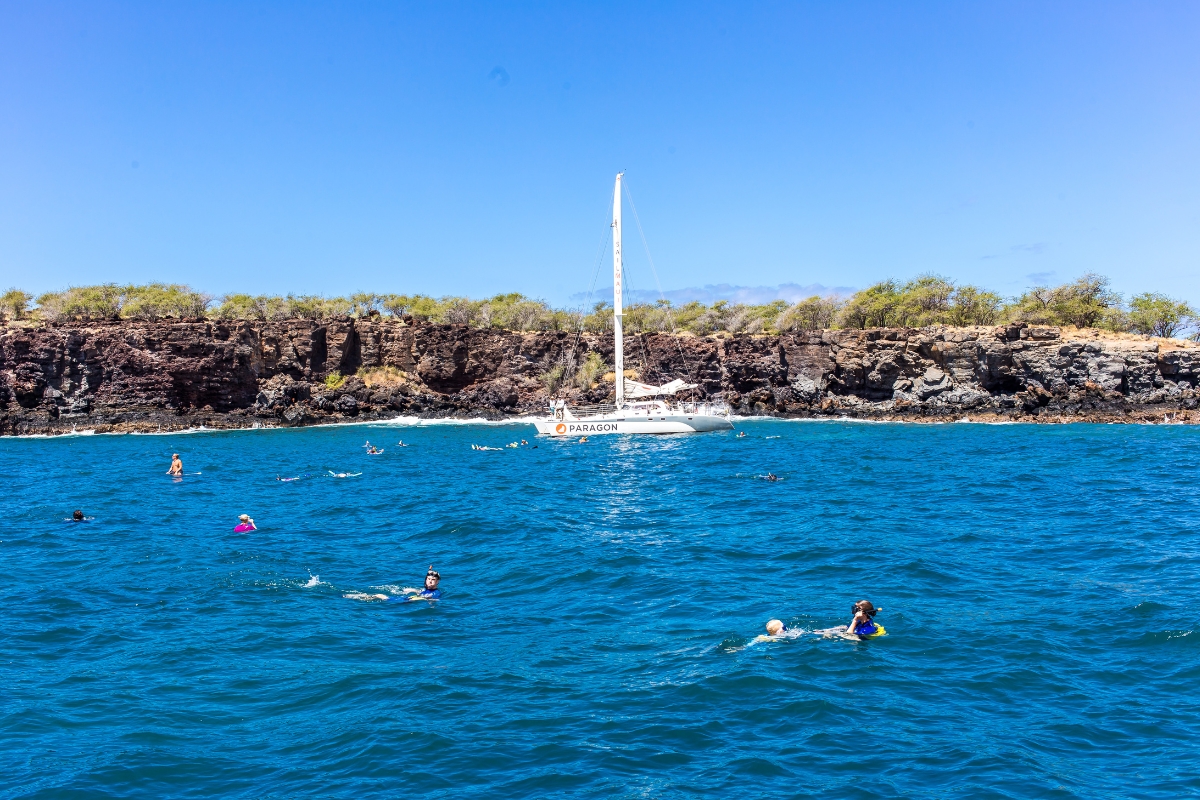
The crescent-shaped crater provides refuge for over 250 species of fish. It’s worth booking a morning trip when visibility is best and the sea is calmest. Most tour boats depart from Maalaea or Lahaina harbors, and the safest way to book a trip is through GetYourGuide (you can usually cancel if your plans change).
🔗 These are affiliate links — they don't change your price and help us create content. · All experiences →
11. Ho’okipa Beach Park
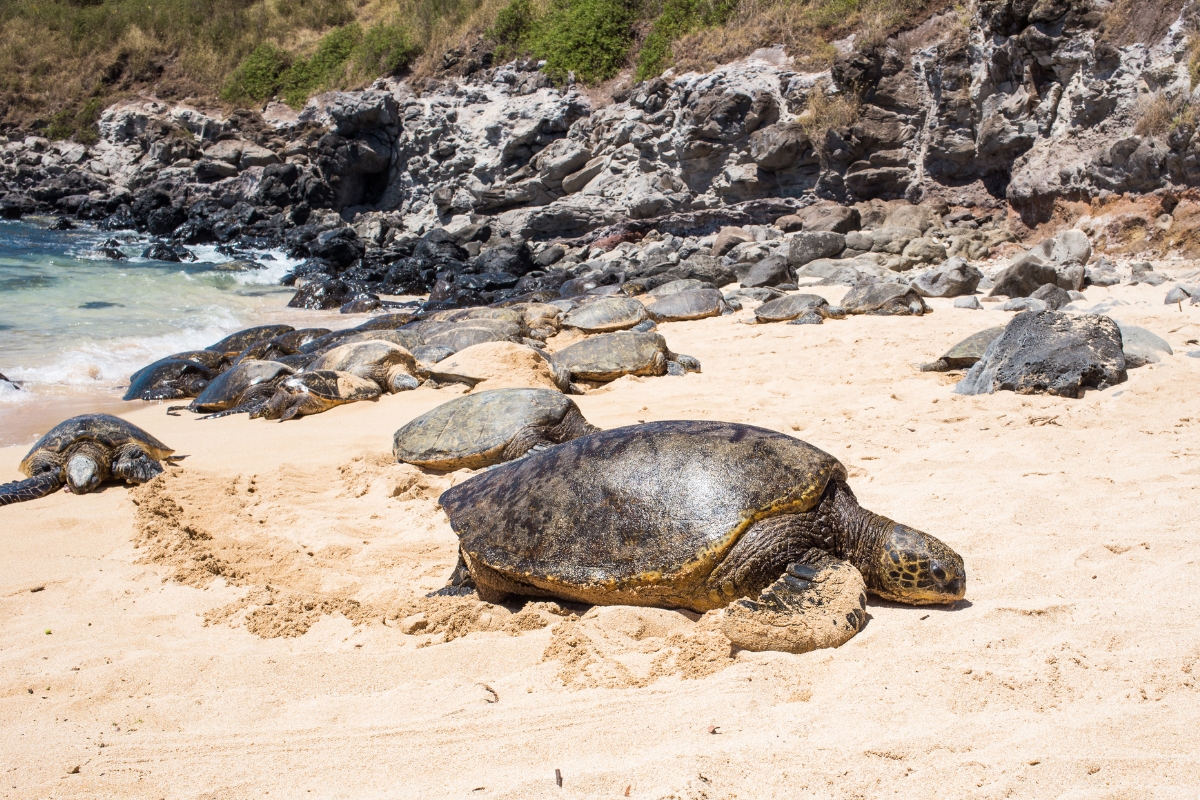
This beach is known not only among surfers but also as a place where you can observe sea turtles. Every afternoon, turtles bask on the beach. Remember (and most importantly, respect) that it is necessary to maintain a safe distance of at least 3 meters from the turtles.
12. Twin Falls
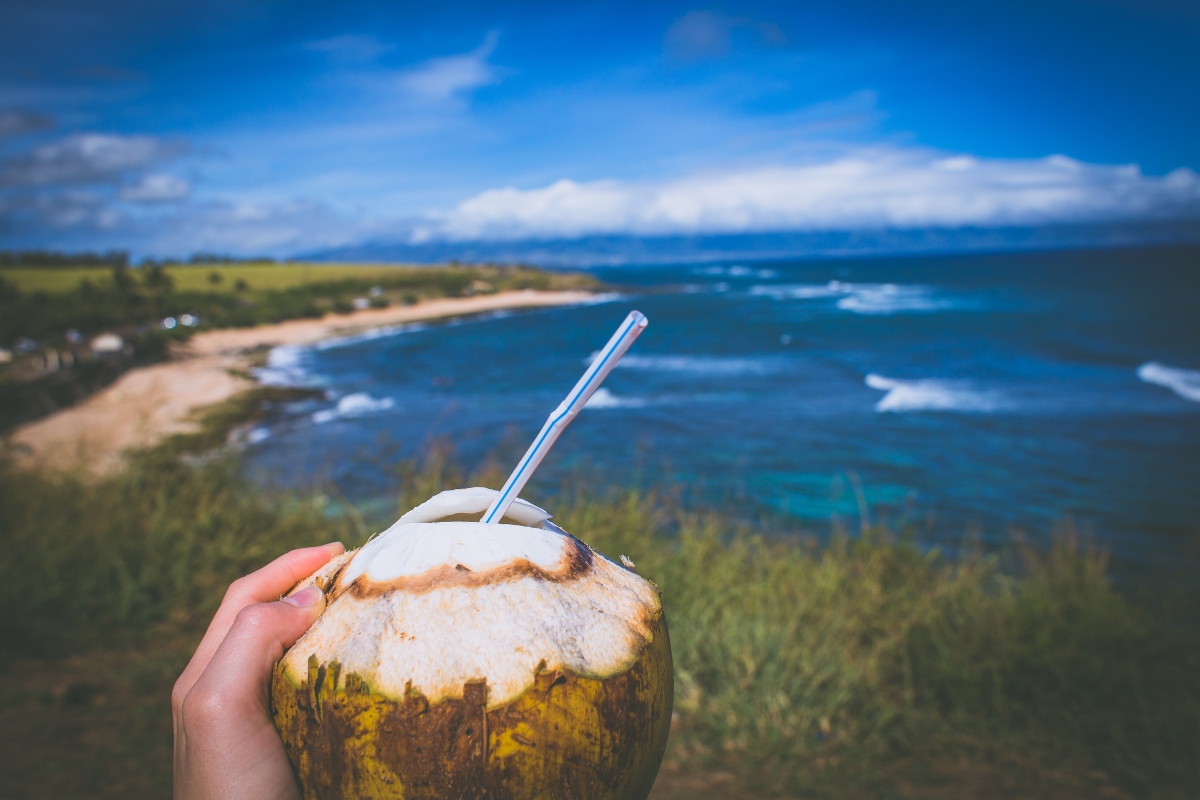
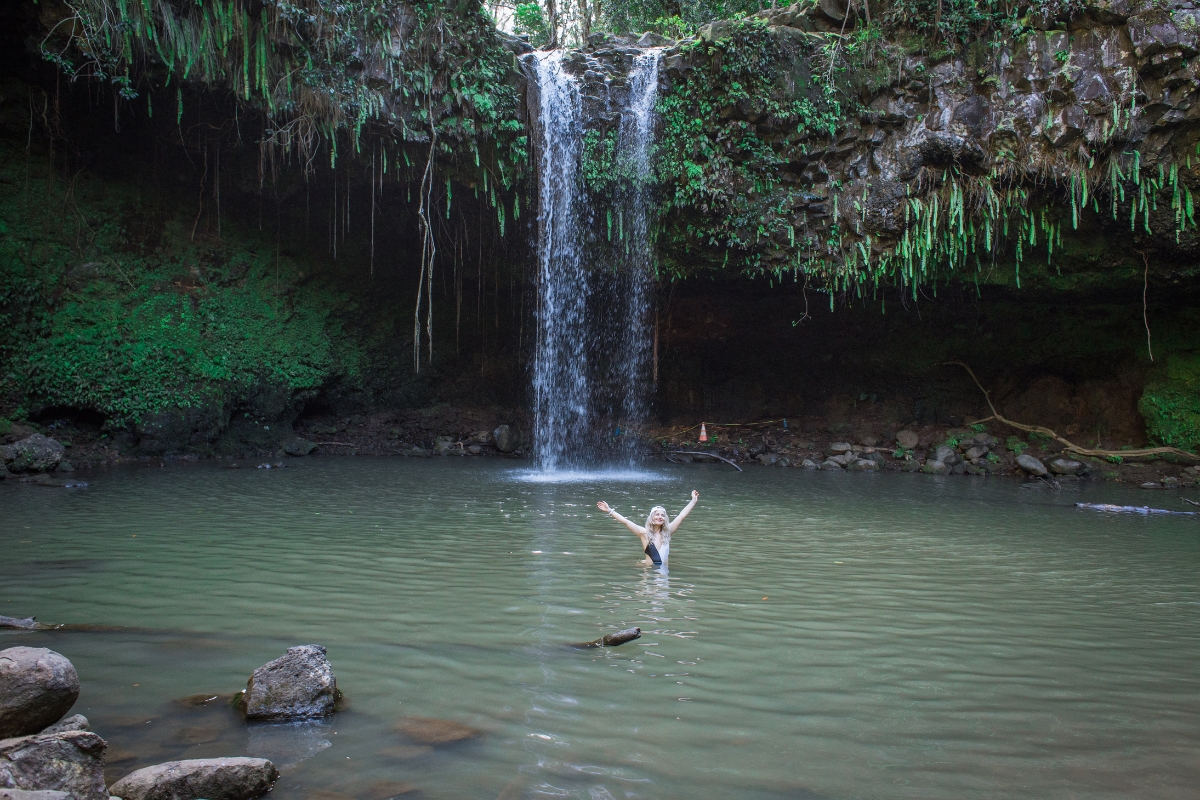
Easily accessible waterfalls at the beginning of the Road to Hana offer a refreshing stop. A short trail leads to several waterfalls where you can even swim. Also visit the local stand with fresh fruit and coconut water.
13. Makena Beach (Big Beach)
One of the largest untouched beaches on Maui offers over a kilometer of golden sand. The waves here can be strong, so be careful when swimming. Beyond the rocky outcrop, you’ll find Little Beach, known as an unofficial nude beach.
14. Ali’i Kula Lavender Farm
You probably wouldn’t expect a lavender field on Maui, but through GetYourGuide, you can transport yourself to France. The farm in Upcountry Maui grows 45 varieties of lavender. You can stroll through the lavender gardens, taste lavender ice cream, or buy unique lavender products. The farm also offers beautiful views of the island.
🔗 These are affiliate links — they don't change your price and help us create content. · All experiences →
15. Upcountry Maui
The area including the towns of Makawao and Pā “ia offers a unique glimpse into rural life on Maui. Makawao is known as a cowboy town, while Pā” ia is a surfer’s paradise with a hippie vibe and great restaurants.
16. Pipiwai Trail
The four-mile trail leads through a bamboo forest to the impressive 120-meter Waimoku Falls, already mentioned. The route is part of Haleakala National Park and is one of the most popular hikes on the island.
17. Wailea Beach
This luxurious beach, lined with five-star resorts, offers calm waters ideal for swimming and snorkeling. The coastal Wailea Beach Walk connects five beautiful beaches and offers spectacular sunset views.
18. Honolua Bay
The bay offers some of the best snorkeling conditions on the island, especially during the summer months. In winter, large waves are surfed here. Access to the bay leads through a short rainforest, where chickens are often found.
19. Snorkeling Trip
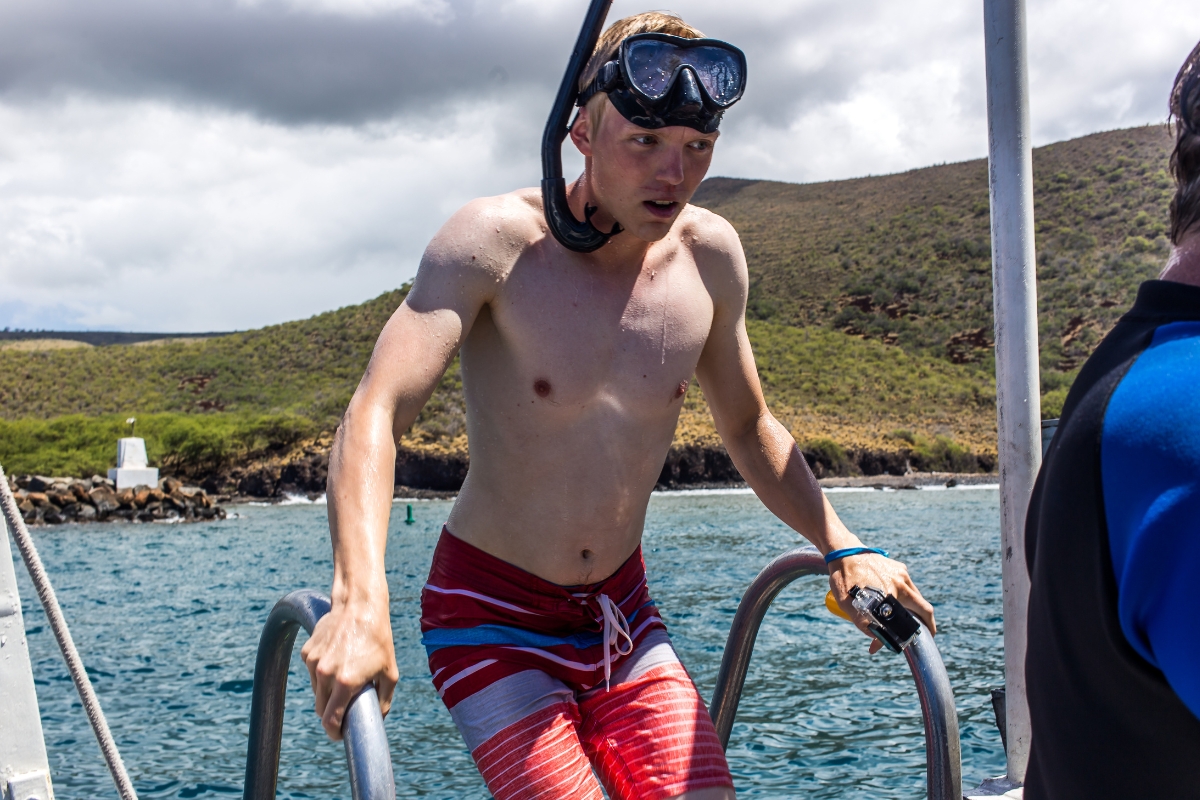
At the time, we didn’t have much money, but Lukáš loves snorkeling, and since we flew to Hawaii in June, when his birthday is, I gave him a snorkeling trip as a gift. I recommend it to everyone if you want to snorkel among fish that look like they’re from Finding Nemo. As always, I simply booked the trip through GetYourGuide.
We booked our snorkeling trip through GetYourGuide.
🔗 These are affiliate links — they don't change your price and help us create content. · All experiences →
20. Whale Watching
This is only possible in winter; unfortunately, we couldn’t go because we visited the island in June. I highly recommend this activity to everyone. In Canada, I had the opportunity to go whale watching from Vancouver Island, and it was amazing. We mainly saw orcas (killer whales in English).
On Maui, you can observe humpback whales from December to March, when they come here to give birth to their calves. A two-hour trip from Lahaina harbor costs around $60 per person. Many people hesitate to spend so much money on a short trip, but from my own experience, I can say that such experiences are worth it. For example, Luky and I invested a significant amount of money in kayaking in Alaska among glaciers, and we still rank it among our most powerful travel moments.
We only went snorkeling on Maui because it wasn’t whale season, but I went whale watching from Vancouver Island and it was amazing.
I recommend booking again through GetYourGuide; there’s usually a guarantee – if you don’t see whales, you can go again the next day for free. For the maximum chance of spotting them, I recommend morning cruises, when the sea is usually calmer.
Tip: Book your trip at the beginning of your stay. If the cruise is canceled due to weather or you don’t see whales, you’ll have a chance to go on an alternative date.
Lukáš and Lucie recommend
Where to Stay on Maui
4 accommodations — wellness hotels, resorts and other lodging options
At least 5 days, ideally 7-10 days for a comfortable exploration of the island.
Is Maui suitable for families with children?
Yes, it’s an island full of adventure but also safe, making it ideal for the whole family.
When is the best weather for snorkeling?
Summer months (May to September) offer the calmest seas and best visibility.
Is it necessary to book the Haleakala sunrise trip in advance?
Yes, reservations are mandatory and often sell out weeks in advance. You can typically use GetYourGuide.
What is the best month for whale watching?
February and March, when the most humpback whales are observed off the coast of Maui.
Tips and Tricks for Your Vacation
Don’t Overpay for Flights
Search for flights on Kayak. It’s our favorite search engine because it scans the websites of all airlines and always finds the cheapest connection.
Book Your Accommodation Smartly
The best experiences we’ve had when looking for accommodation (from Alaska to Morocco) are with Booking.com, where hotels, apartments, and entire houses are usually the cheapest and most widely available.
Don’t Forget Travel Insurance
Good travel insurance will protect you against illness, accidents, theft, or flight cancellations. We’ve had a few hospital visits abroad, so we know how important it is to have proper insurance arranged.
Where we insure ourselves: SafetyWing (best for everyone) and TrueTraveller (for extra-long trips).
Why don’t we recommend any Czech insurance company? Because they have too many restrictions. They set limits on the number of days abroad, travel insurance via a credit card often requires you to pay medical expenses only with that card, and they frequently limit the number of returns to the Czech Republic.
Find the Best Experiences
Get Your Guide is a huge online marketplace where you can book guided walks, trips, skip-the-line tickets, tours, and much more. We always find some extra fun there!
TL;DRAvignon is a history-packed city at the heart of Provence, famous for the monumental Palais des Papes and the legendary Pont Saint-Bénézet. Add in winding lanes, ancient ramparts, buzzing squares and some of the best restaurants in the south of France, and it’s easy to see the appeal. It’s also a great base for day trips to lavender fields, vineyards and Provençal villages. Spring and autumn bring the nicest weather — summer’s best avoided thanks to the heat and crowds, while even winter here tends to be surprisingly sunny. Inside you’ll find 15 tips on what to see and do, plus where to head nearby.
When you hear Avignon, most of us think of the famous bridge and the Papal Palace. In this guide I will share with you Avignon, France: 15 Best Things to Do and See. However, this historic city in the heart of Provence offers much more. From picturesque streets fragrant with lavender to acclaimed restaurants and lively squares, Avignon will captivate you with its unique Southern French atmosphere. Let’s take a look at what to see and do in Avignon.
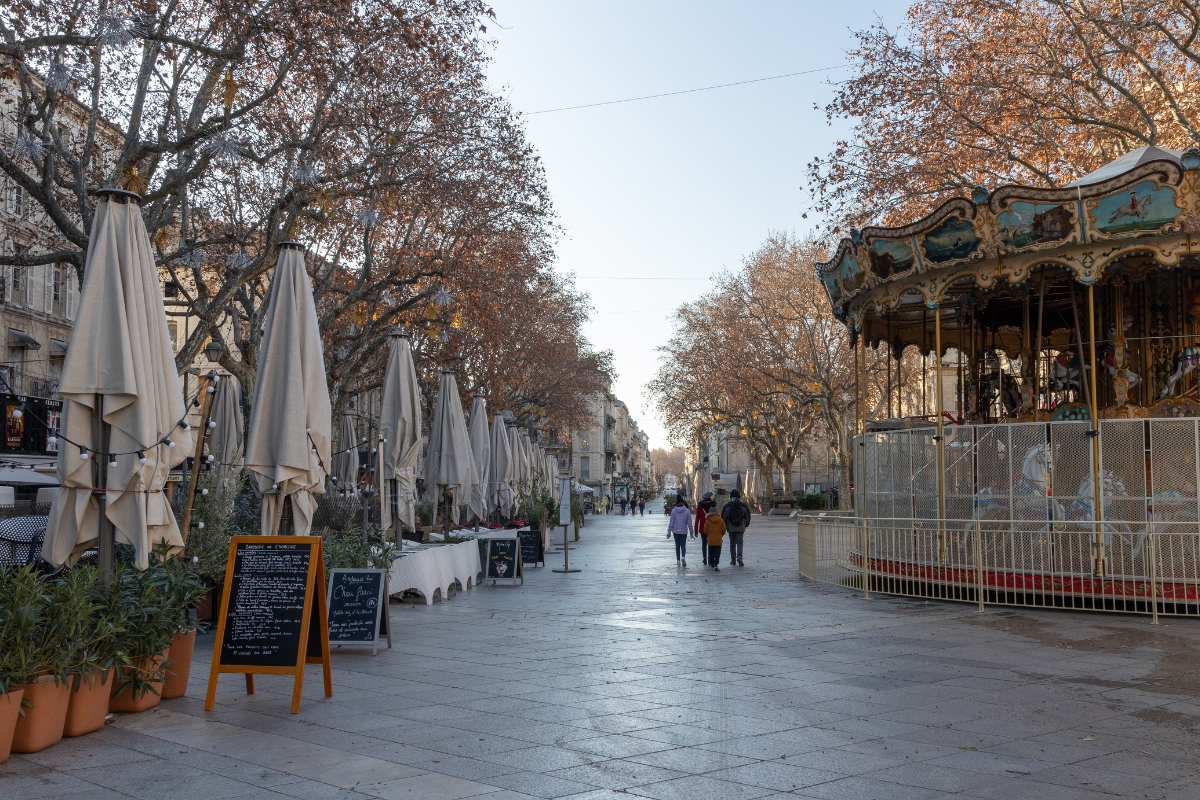
We visited Avignon in February, and I must say it was a great choice. Most days were sunny, and temperatures hovered around a pleasant 15-17 degrees. Of course, in spring or autumn, the weather will be even more enjoyable, but if you don’t mind an occasional cooler day, winter in Avignon is surprisingly pleasant. Personally, I would avoid the summer months when temperatures climb to 33 degrees and the city is packed with tourists.
Avignon, France: What to See and Do Here
Summer in Avignon
In summer, from June to August, the city is full of life thanks to the famous theater festival, which attracts artists and audiences from all over the world. However, high temperatures and crowds of tourists can be exhausting . Without prior reservations, you won’t get anywhere during this time – everything from restaurants to accommodation tends to be fully booked.
Spring and Autumn in Avignon
March to May and September to October are ideal for a visit. Temperatures are pleasant, there are fewer tourists, and the city lives at its natural pace. In autumn, you can also head to the surrounding vineyards for the grape harvest. Just be aware that the local Mistral wind can be quite strong, so pack something warmer.
Winter in Avignon
Psights are free of tourist crowds, accommodation prices are more favorable, and a pleasantly peaceful atmosphere prevails in the city. Although it can sometimes be cloudy, it’s usually sunny, and these temperatures are actually ideal for sightseeing. Moreover, it’s easier to get a spot in cafes and restaurants, allowing you to better enjoy the local atmosphere.
Avignon, France
Where to Stay in Avignon
Stay right in the center, as Avignon is easily walkable. One of the best accommodations in terms of price-quality ratio is the apartment Avignon Intra-muros, vue Palais des Papes, but it’s often booked, so good luck!
Avignon, France: 15 Best Things to Do and See
Avignon is not just a city of the Papal Palace and the famous bridge. From hidden squares to acclaimed restaurants, from quiet churches to bustling markets – everyone will find something here. Let’s take a look at the top sights and places worth seeing.
The Papal Palace
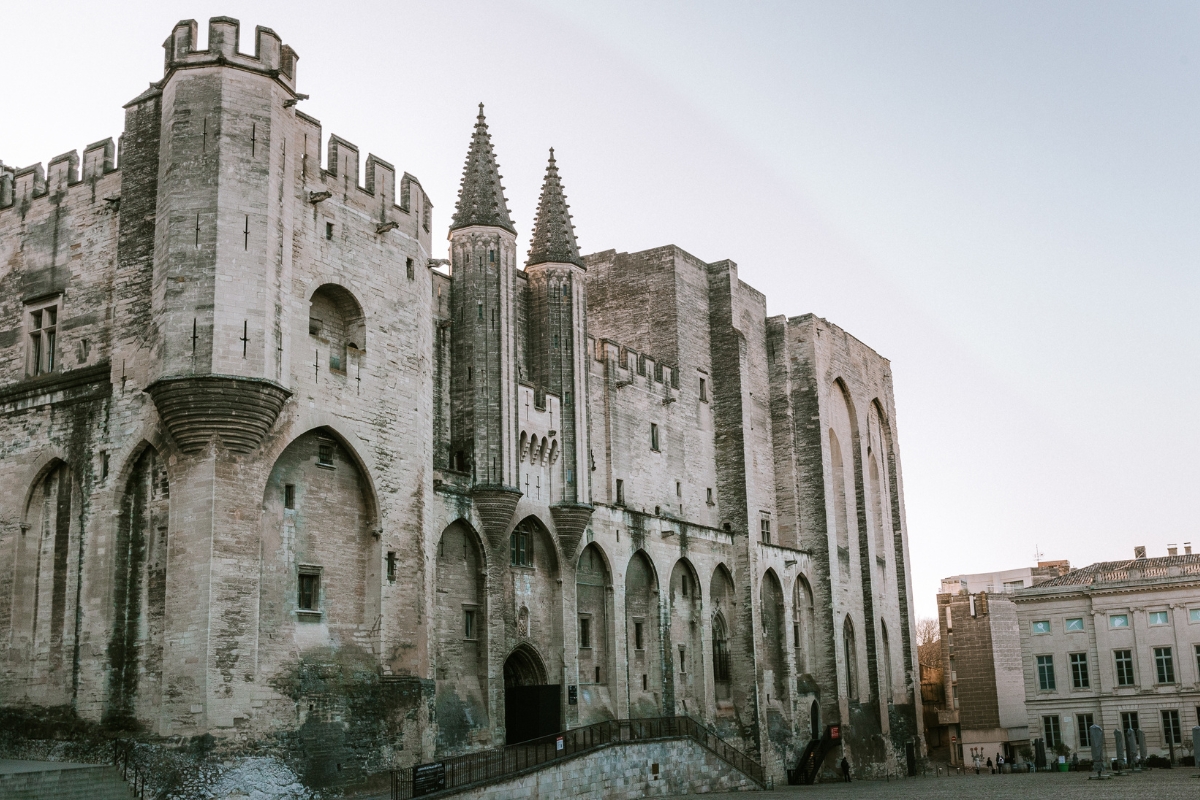
This monumental Gothic palace is a true symbol of the city. At first glance, its sheer size will impress you – it is the largest Gothic building of the Middle Ages. During your visit, definitely rent a histopad, a digital guide that will show you what the palace looked like in the 14th century during its greatest glory. In summer, I recommend booking your entry in advance; you can also use the popular portal GetYourGuide.
🔗 These are affiliate links — they don't change your price and help us create content. · All experiences →
Les Halles – the Heart of Gourmet Avignon
If you want to experience the true taste of Provence, head to the Les Halles covered market. You’ll find more than 40 stalls with local specialties. A popular spot is La Cabane d’Oleron, where they serve renowned oysters. On Saturday mornings, local chefs demonstrate their skills during live cooking shows.
Pont Saint-Bénézet
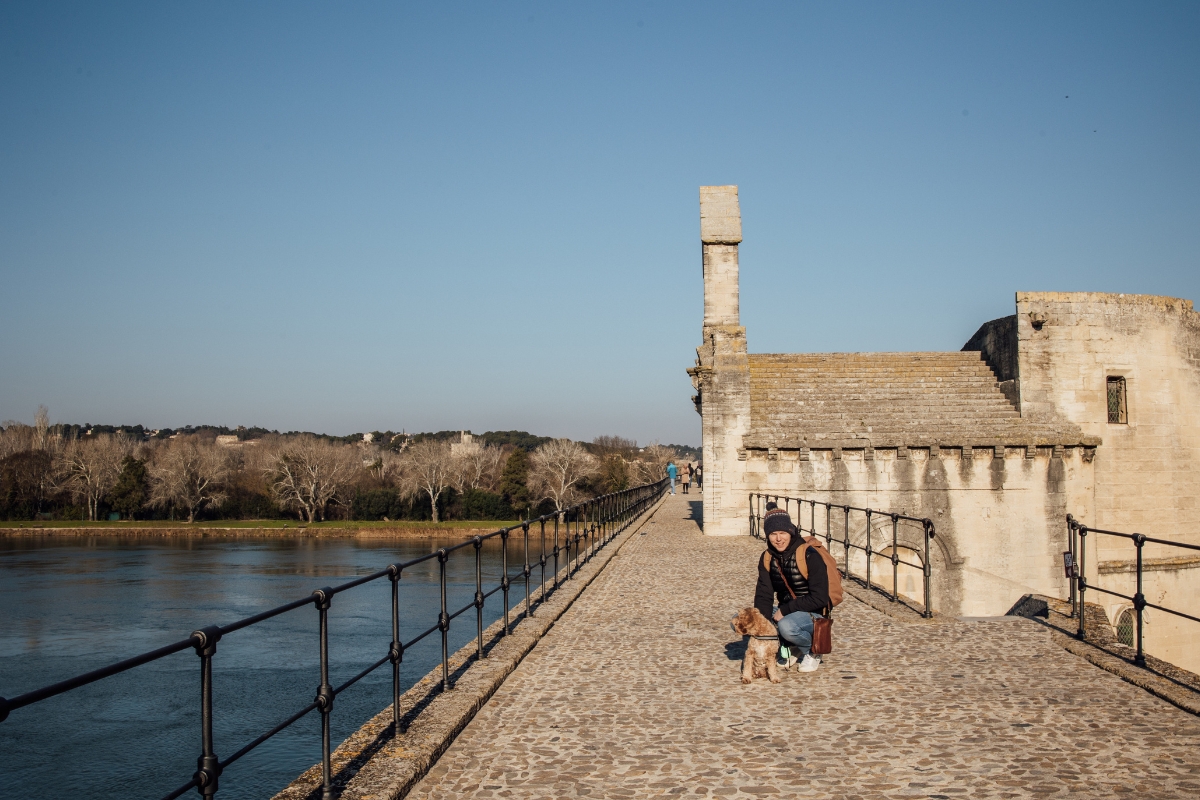
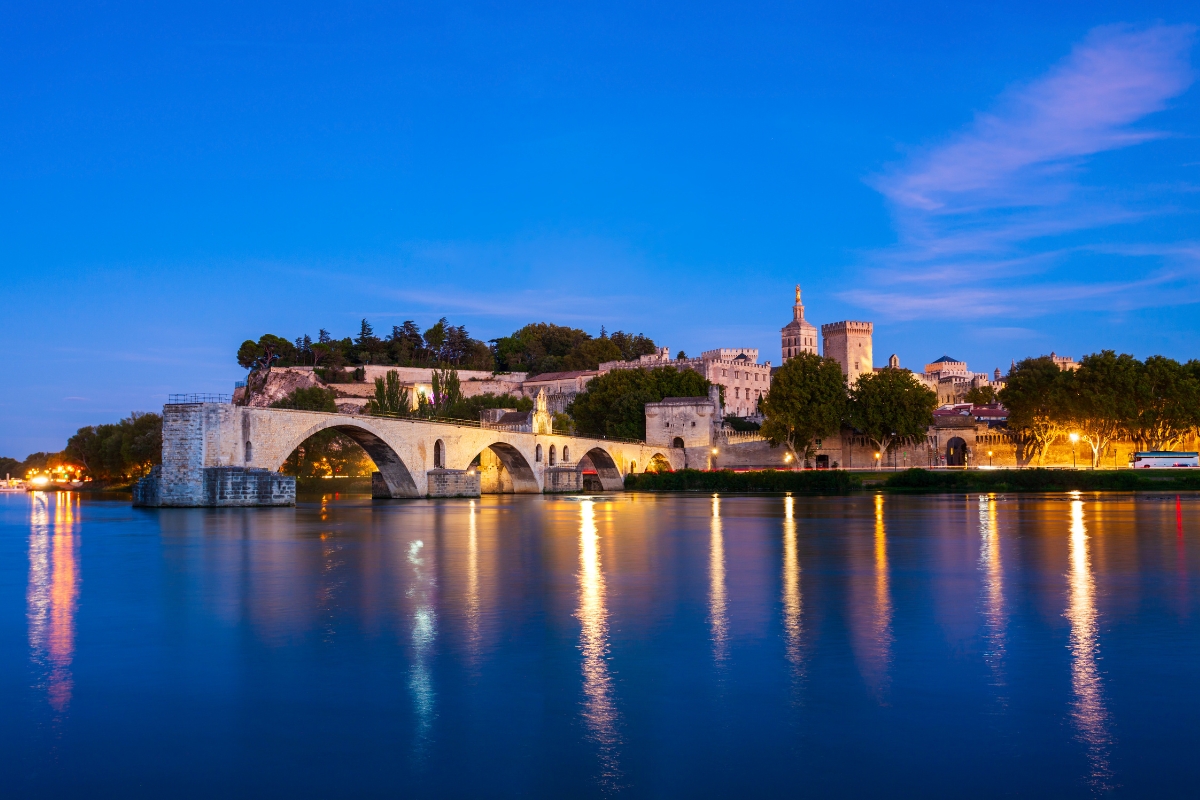
The famous Pont d’Avignon, shrouded in legends about the young shepherd Bénézet, dnes ends in the middle of the Rhône. However, its four preserved arches offer some of the most beautiful views of the city. From Barthelasse Island at sunset, you’ll understand why it has become a symbol of Provence. In the summer months, beware of the strong Mistral wind that often blows here.
Basilica of Notre Dame Des Doms
Right next to the Papal Palace stands the majestic 12th-century basilica. After a recent two-year renovation, it has come back to life in its full glory. Particularly noteworthy is the gilded statue of the Virgin Mary atop the tower, which sparkles above the city and is visible even from the opposite bank of the river. Inside, you’ll find impressive frescoes and rare Gothic tombs.
City Walls
The four-kilometer-long walls tell the story of medieval Avignon. A walk along them offers not only a glimpse into history but also surprising views of the city. Ztart at Pont d’Avignon and continue to the Rocher des Doms gardens. Along the way, you’ll discover hidden gardens, old gates, and places where history meets the present.
Rue Des Teinturiers
If you’re looking for the most romantic street in Avignon, head to Rue des Teinturiers. Along the narrow Sorgue river, you’ll find four historic water wheels that recall the textile industry flourishing here between the 14th and 19th centuries. In the evening, the street comes alive with cafes and restaurants where you can watch the sunset over historic buildings.
Avignon’s Squares
The heart of every French city is its squares, and Avignon is no exception. Place Pie, in front of Les Halles market, is full of cafes and bars where locals enjoy an aperitif. Place des Corps Saints is a paradise for gourmets with excellent restaurants like L’Agape. My personal favorite is Place Saint-Didier, with its giant plane trees that provide pleasant shade on hot days.
Rue Des Teinturiers
If there’s one most photogenic street in Avignon, it’s Rue des Teinturiers. Along the narrow Sorgue river, four historic water wheels turn here, recalling the time when the street was the center of the textile industry. Today, plane trees and cafes with outdoor seating line the street. In the evening, the street transforms into a lively scene with local restaurants and bars.
Place Pie
You’ll find the lively heart of the city at Place Pie. The square borders Les Halles market and pulsates with the energy of locals during the day, who come here for shopping or coffee. In the early evening, the square transforms into a popular spot for an aperitif – a glass of wine or pastis with a view of Avignon’s daily life.
Place Saint-Didier
This square is a true oasis of calm in the city center. Giant plane trees provide pleasant shade even on the hottest days, and beneath them, you’ll find several cafes, including the renowned Violette bakery. In the morning, you can enjoy a croissant and coffee from Tulipe, one of the best cafes in the city.
Collection Lambert
Housed in beautiful 18th-century city palaces, it is one of the most significant collections of contemporary art in France. In addition to the permanent exhibition featuring works by Basquiat and Sol LeWitt, ambitious temporary exhibitions are also held here. In summer, the gallery courtyard transforms into a pleasant cafe.
Opéra Grand Avignon
Opera from 1824 is not just a place for cultural experiences. She building itself is an architectural gem and shines with new splendor after a recent renovation. Even if you don’t have tickets for a performance, stop by at least to admire the opulent facade on Place de l’Horloge.
Day Trips from Avignon
Avignon is an excellent starting point for exploring all of Provence. Within less than an hour’s drive, you can reach the most beautiful places in the region.
Châteauneuf-du-Pape
Just 20 minutes from Avignon lies the famous wine region of Châteauneuf-du-Pape. Besides wine tastings, you can admire the ruins of the papal summer residence and enjoy panoramic views of the Rhône Valley.
I recommend booking a wine tour in advance, especially during high season. We use GetYourGuide for booking tours because you can easily cancel and, most importantly, you don’t have to speak French with anyone. 😁
🔗 These are affiliate links — they don't change your price and help us create content. · All experiences →
Villeneuve-les-Avignon
On the other bank of the Rhône, you’ll find the medieval town of Villeneuve-les-Avignon. It is dominated by Fort Saint-André and the Carthusian monastery. On Thursdays and Saturdays, you’ll find traditional Provençal markets here.
Pont Du Gard, the Famous Roman Aqueduct
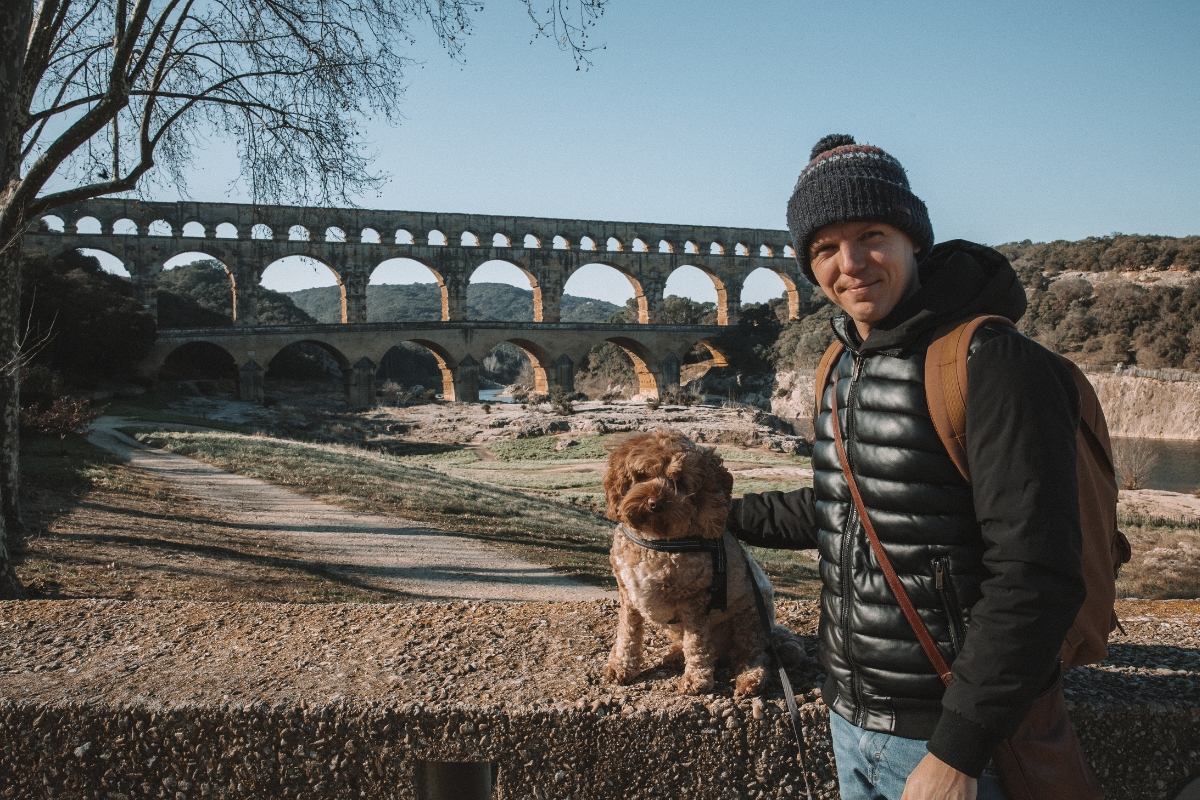
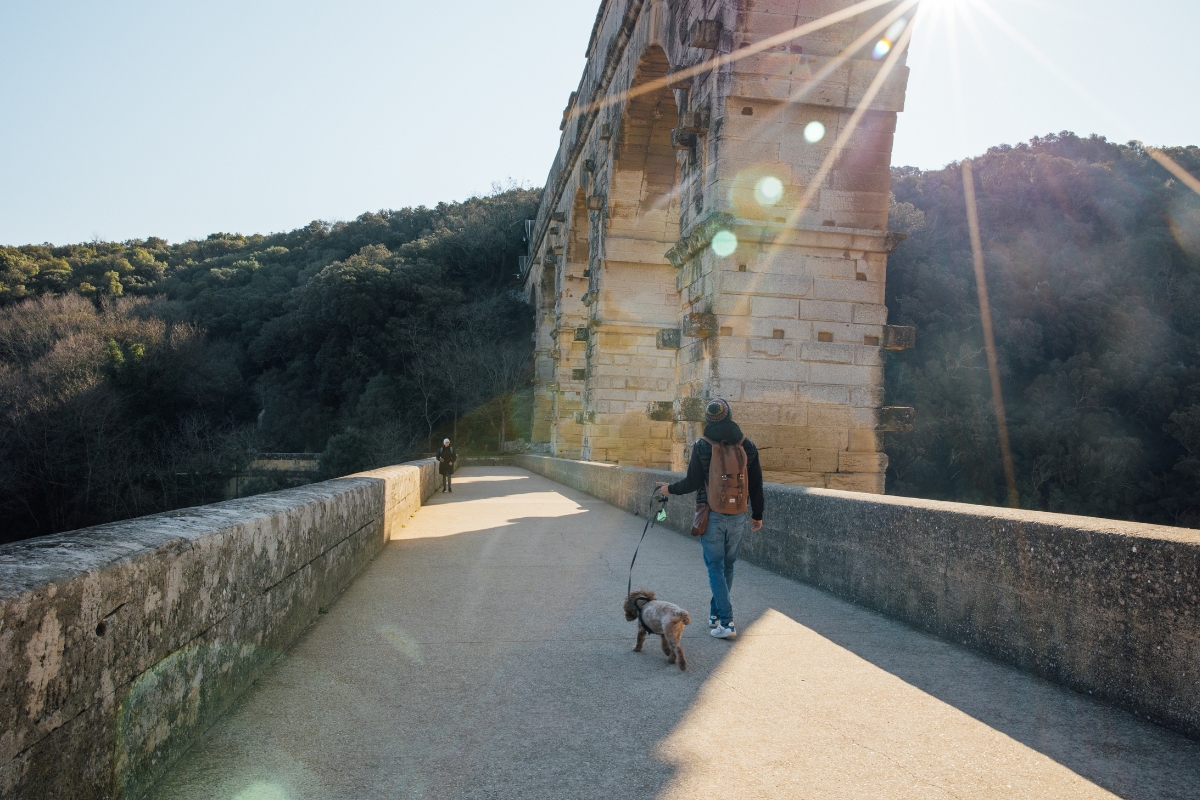
Located about 25 km from Avignon, it is a masterpiece of Roman engineering. The Pont du Gard was built in the 1st century AD as part of an aqueduct that supplied water to the city of Nîmes. It is a three-tiered structure made of massive stones, with each arch testifying to the advanced construction techniques of that era.
This aqueduct is now a UNESCO World Heritage site and is one of the best-preserved Roman aqueducts in the world.
Lukáš and Lucie recommend
Where to stay in Avignon
2 accommodations — hotels and other lodging options
Gastronomy in Avignon is a true experience. From Michelin-starred restaurants to cozy bistros, everyone will find something to their taste here.
Best Restaurants
Carré du Palaisoffers elegant bistro cuisine with a view of the Papal Palace. L’Agape on Place des Corps Saintsserves fresh local ingredients with a modern twist. For seafood lovers, La Canoa is recommended for its excellent ceviche.
Practical Information
Before traveling to Avignon, it’s good to know a few practical tips that will make your stay easier. Although the city is compact and most places can be explored on foot, good preparation pays off.
How to get to Avignon
From Prague, the best way to get to Avignon is by flying via Marseille or Lyon. From the airport, you can then continue by TGV train directly to Avignon city center. There are two train stations in the city – Avignon Centre in the historic center and Avignon TGV for high-speed trains. Read about how to find cheap flights.
Souvenir Tips
Avignon offers a variety of typical Provençal souvenirs. In the shops on Rue Joseph Vernet, you’ll find fashion boutiques with French elegance. Design lovers will appreciate the shops around Place Saint-Didier.
Local specialties include lavender products, Provençal spices, and, of course, wine from the surrounding vineyards. At Les Halles, you can buy traditional Provençal sweets or olive oil from local producers.
Pont du Gard
Best Views in Avignon
The city offers several places from which you can enjoy beautiful views. Rocher des Doms is a city park on a hill above the city with panoramic views of the Rhône River and the surrounding landscape.
You can best photograph the sunset over Pont d’Avignon from Barthelasse Island. For photos of the Papal Palace, Place du Palais is ideal early in the morning, when the square is almost empty.
Cultural Life in Avignon
The city is alive with culture all year round, but the highlight is the July Festival d’Avignon. During this time, the entire city transforms into one large stage with over 300 performances.
Museums and Galleries
Collection Lambert presents contemporary art in beautiful city palaces. Musée Angladon houses works by Impressionists, including Van Gogh and Picasso. Most museums are closed on Mondays, and admission is free on the first Sunday of the month.
FAQ
How Many Days Do I Need to Explore Avignon?
Although the main sights can be seen in one day, I recommend spending at least 2-3 days in the city. This will allow you to explore the city at a leisurely pace, enjoy local cafes and restaurants, and possibly take a trip to the surrounding area. If you plan to use Avignon as a base for exploring Provence, feel free to stay longer.
What is Avignon Most Famous For?
Avignon is primarily famous for the Papal Palace, which is the largest Gothic building in Europe, and the Pont Saint-Bénézet (Pont d’Avignon). The city is also known for its July theater festival, one of the most significant in Europe. Last but not least, Avignon is renowned for its excellent gastronomy and its proximity to the famous wine region of Châteauneuf-du-Pape.
Is English Spoken in Avignon?
In tourist areas and restaurants, you’ll have no problem communicating in English. Locals greatly appreciate it if you at least greet them in French with “Bonjour” and then ask “Parlez-vous anglais [Parlé vu anglè]?”. This small gesture often opens the door to more pleasant communication.
Is Avignon or Aix-en-Provence Better?
Both cities are beautiful and worth visiting, but each has a different character. Avignon is more historic with monumental sights and serves as a better base for exploring the region. Aix-en-Provence is more elegant, known for its fountains and university atmosphere. If you have time, visit both cities – they offer different perspectives on the beauty of Provence.
When to Go to Avignon?
Anytime, we were there in winter and it was great. Spring, summer, and autumn will be more pleasant, although in summer there will be many tourists and it will be quite hot, which I would personally avoid.
Tips and Tricks for Your Vacation
Don’t Overpay for Flights
Search for flights on Kayak. It’s our favorite search engine because it scans the websites of all airlines and always finds the cheapest connection.
Book Your Accommodation Smartly
The best experiences we’ve had when looking for accommodation (from Alaska to Morocco) are with Booking.com, where hotels, apartments, and entire houses are usually the cheapest and most widely available.
Don’t Forget Travel Insurance
Good travel insurance will protect you against illness, accidents, theft, or flight cancellations. We’ve had a few hospital visits abroad, so we know how important it is to have proper insurance arranged.
Where we insure ourselves: SafetyWing (best for everyone) and TrueTraveller (for extra-long trips).
Why don’t we recommend any Czech insurance company? Because they have too many restrictions. They set limits on the number of days abroad, travel insurance via a credit card often requires you to pay medical expenses only with that card, and they frequently limit the number of returns to the Czech Republic.
Find the Best Experiences
Get Your Guide is a huge online marketplace where you can book guided walks, trips, skip-the-line tickets, tours, and much more. We always find some extra fun there!
TL;DR2024 was a year of extremes: it started with a dramatic premature birth of his son Jonáš, complications included, and ended with a healthy, happy little boy. Along the way came a motorhome called Loudáček and months on the road with a baby through Croatia, Austria, Switzerland, Slovenia, Germany, France, Spain and Portugal — almost 4 months away from home in total. His agency, LK Media, grew to 9 people, Patreon gained more than 60 new posts (over 120 in total), and the blog published more than 160 articles, with the best month bringing in 104,000 Kč. For 2025, the plan is mostly a calm, happy life as a family of three (plus two dogs) — and, just for fun, to earn two million koruna more than last year.
Last year I had big plans for 2024 – and I could have tossed them straight in the bin. If I wrote last year that 2023 brought me the highest highs and lowest lows of my life, I can say the exact same thing about this year review of 2024. Only this time, the stakes were even higher.
My Wife and Child Nearly Died
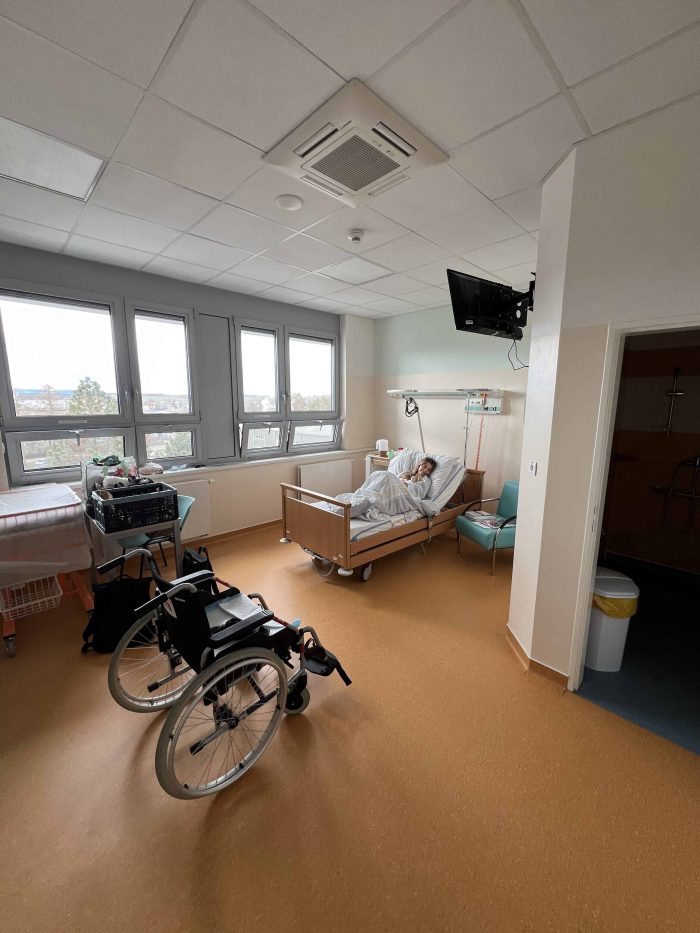
Last year, I felt like I was the one dying. This year, I spent roughly 30 minutes not knowing whether Lucka (and with her, our baby Jonáš) would still be with me. A rare pregnancy complication literally shook our world. One moment I was holding a bleeding Lucka while waiting for the ambulance, the next I was sprinting toward the neonatal unit from the car park. I didn’t make it in time — she went straight from the ambulance to the operating theatre, and all I could do was sit in the waiting room and pray. The entire time, I was suffocated by the thought that our phone call — when she barely managed to say she needed an emergency C-section — might have been our last conversation. Terrifying moments that only someone who’s been through something similar can truly understand.
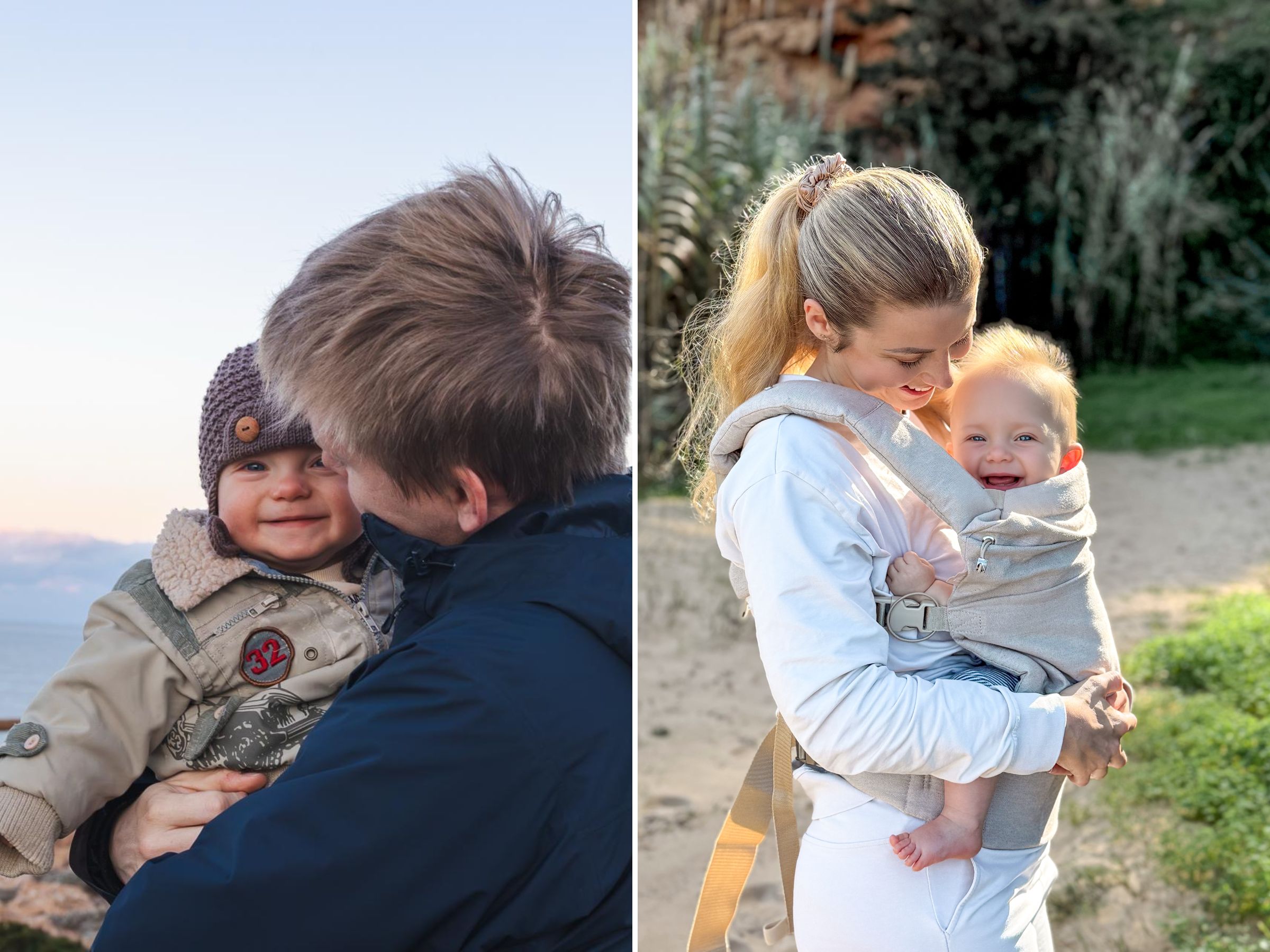
For the following weeks, I practically lived at the hospital, and later right next door, visiting Lucka and Jonáš every day from morning until evening. We were fighting for every minute and every drop of milk. A series of complications followed, including a collapsed lung for Jonáš… He was born two months early and had to literally fight for his life.
BUT IT ALL TURNED OUT WELL, and that brings us from rock bottom to the absolute peak — a peak that hasn’t ended yet, because our little boy is now as healthy as can be and it’s getting more fun with him every single day! 😆✌️
And that gives me a nice segue into the work side of things — because Jonáš’s arrival forced us to slow down dramatically.
Running a Business with a Newborn
I couldn’t have imagined what life with a baby would look like. Now I’m wiser, and I realise how much time we used to waste on nonsense. We have at least half as much time for work as we did before (and that’s on a good day, with a happy baby and a frantically maintained routine), yet we’re managing twice as much work as an agency.
Last year I wrote that LK Media had six people. We’ve grown again and now there are nine of us. I can’t even keep the website updated! 😆
At home, we had to get far more organised. We have a strict daily schedule and we try to cram as much in as possible — work calls, deep work blocks, coffees, lunches, dinners, trips to the beach, surfing… We’re probably a bit slower than before, but we make up for it by savouring every minute even more.
It also forced me to start using the magic word NO — a word I absolutely hate. I say no to clients, friends, family, salespeople… Whenever something doesn’t feel right. Of course, I’m not as good at it as I’d like (sometimes it takes me three months!), but at least I’m no longer letting other people drag me wherever they please.
Travelling with a Baby? Yes Please!
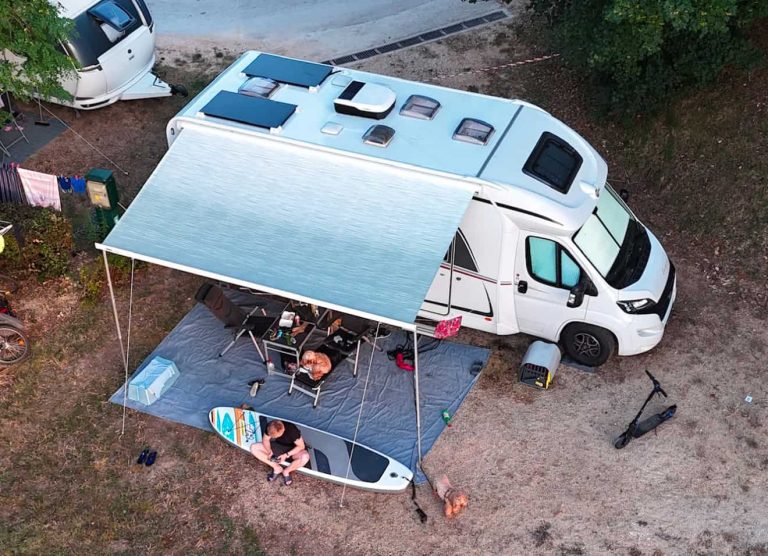
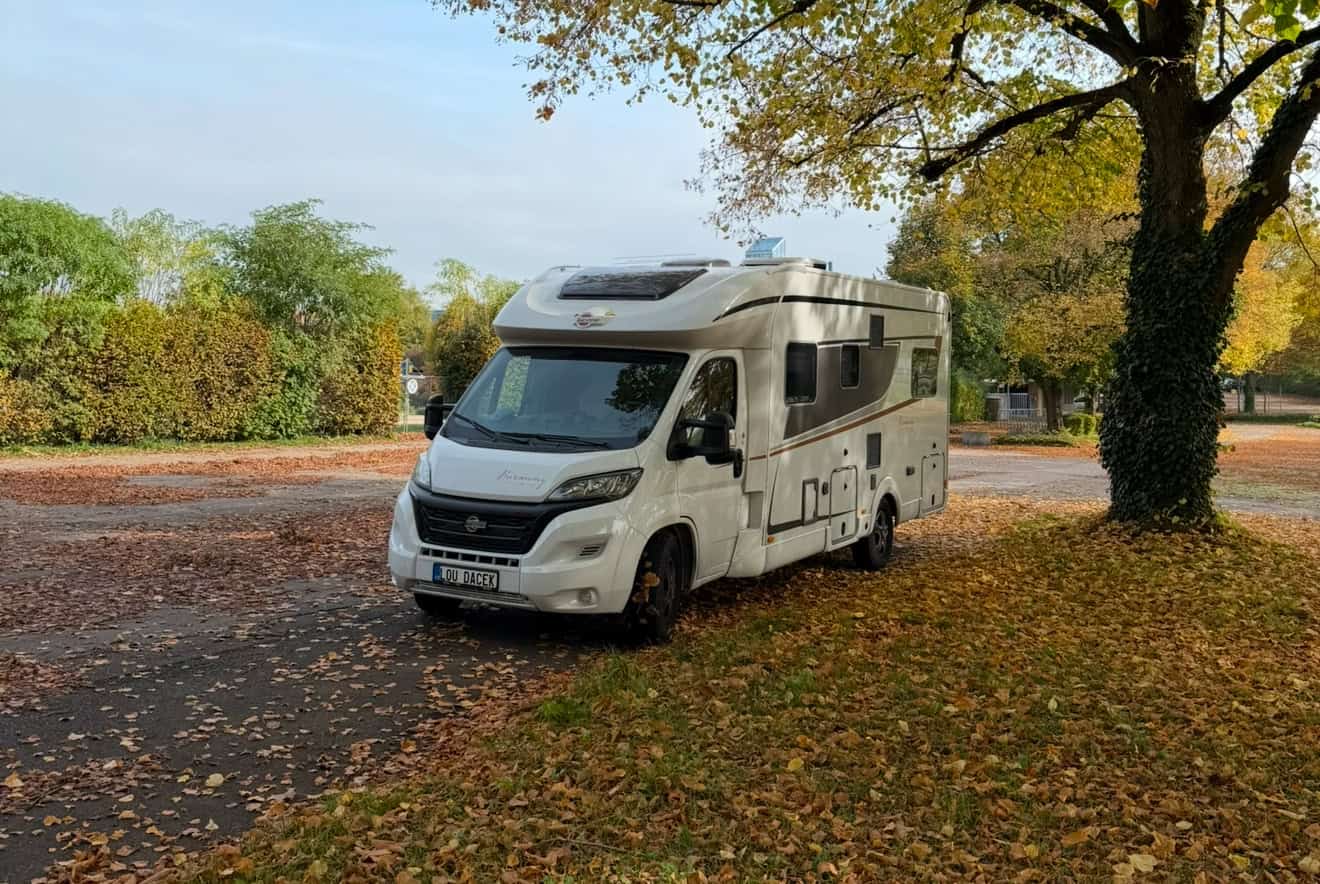
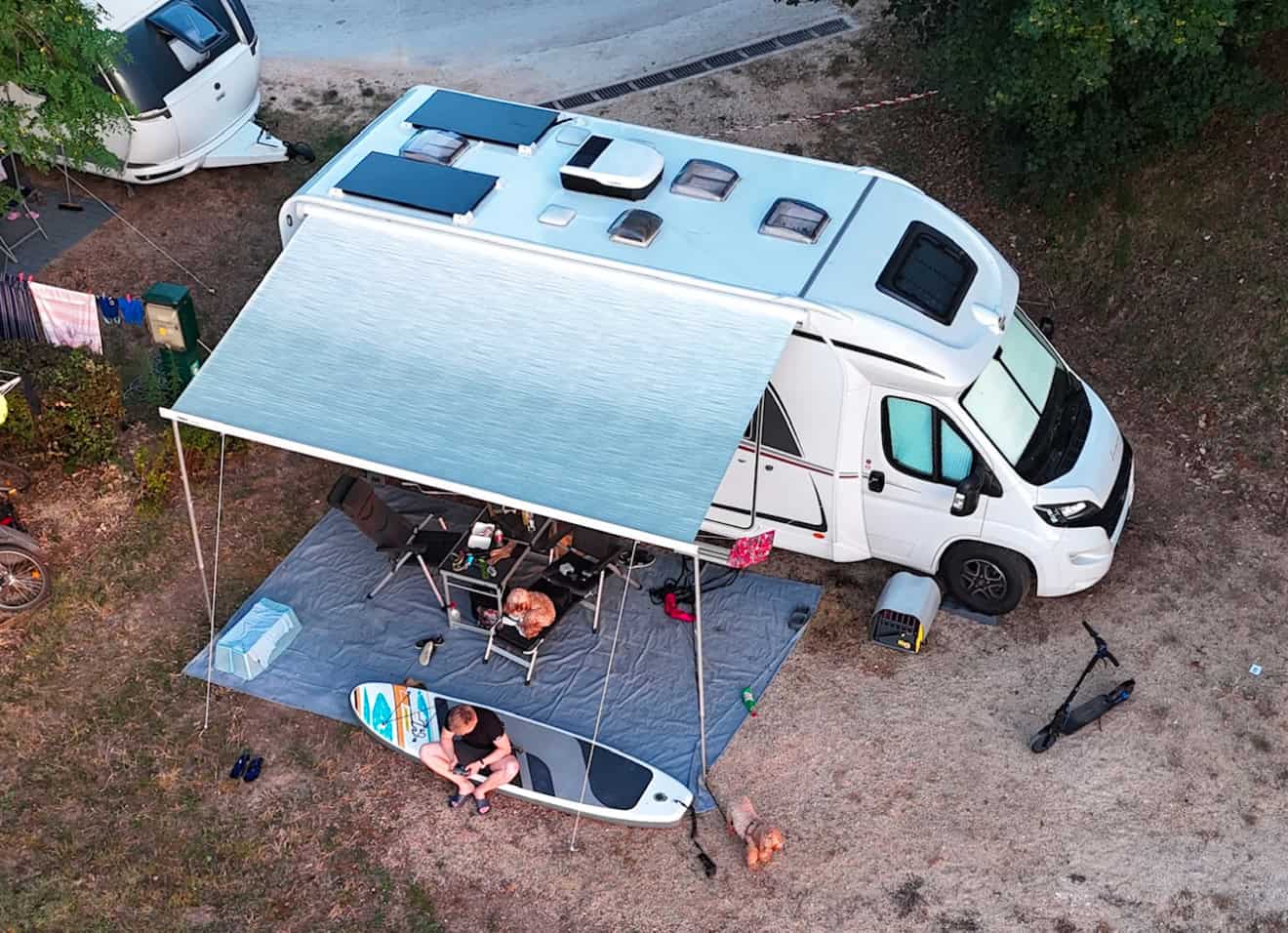
Sometime in April, Lucka came back from a run and said: “Shouldn’t we buy that motorhome?” So I went and bought it. It was the only comfortable way to continue our nomadic lifestyle with a small baby and our two dogs, who come with us pretty much everywhere. Welcome to the family, Loudáček! (If you want to know more, check out my videos).
It’s opened up a whole new dimension of travel. We’d rented motorhomes several times before and knew it would be amazing. This year alone, we visited Croatia, Austria, Switzerland, Slovenia, Germany, France, Spain, and Portugal. All in all, Jonáš spent nearly four months outside the Czech Republic. If he doesn’t grow up to be a traveller, I honestly don’t know what more we could’ve done. 😆
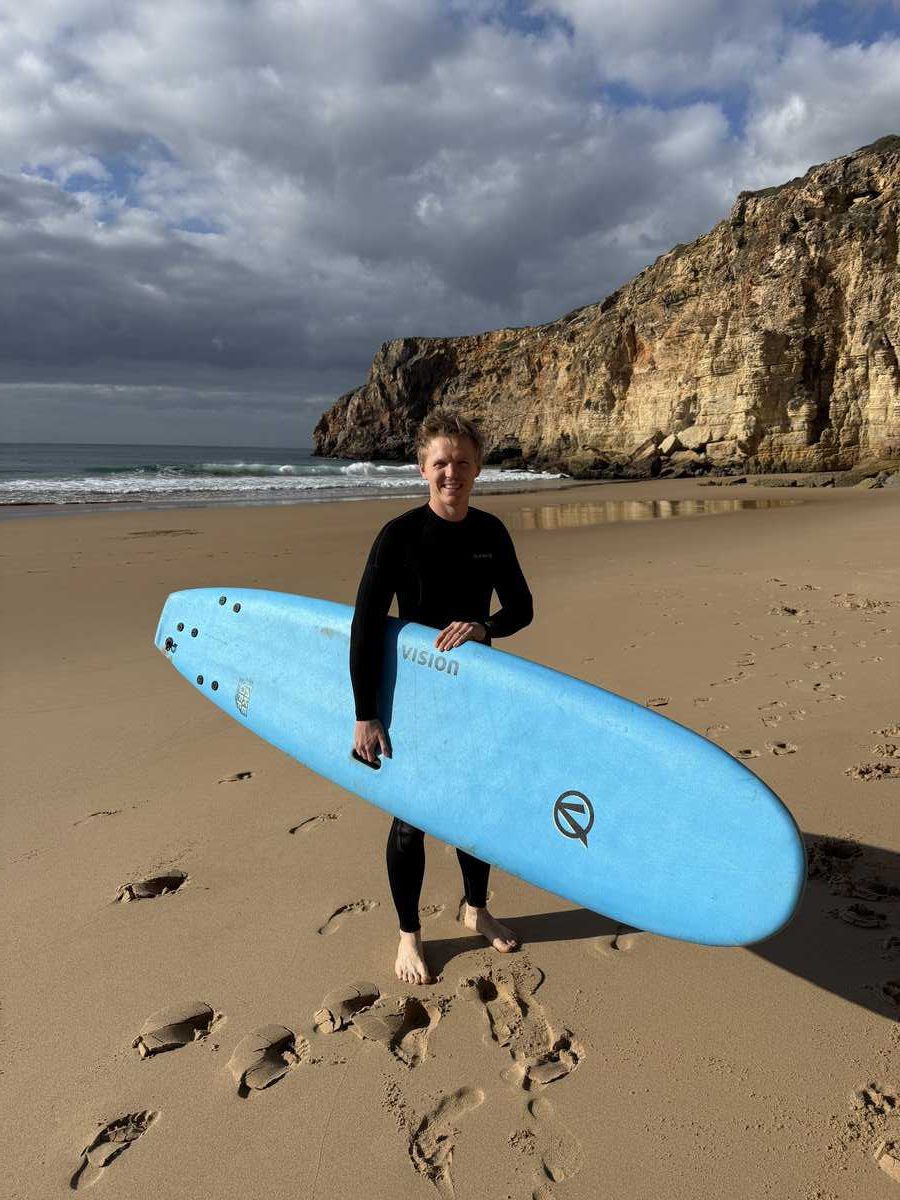
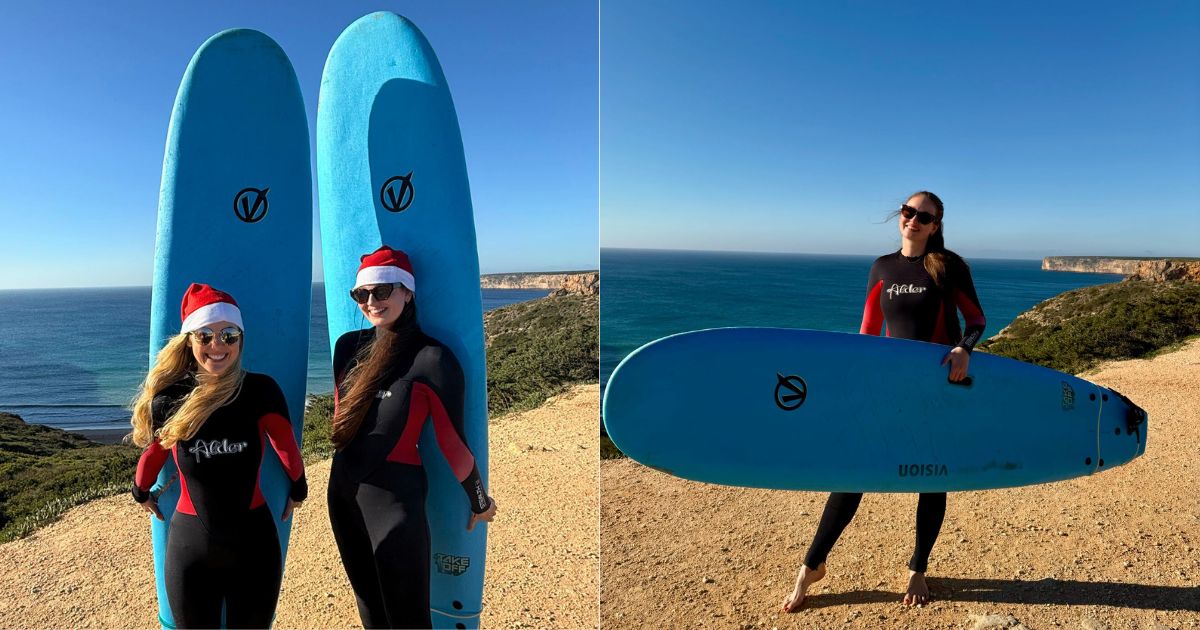
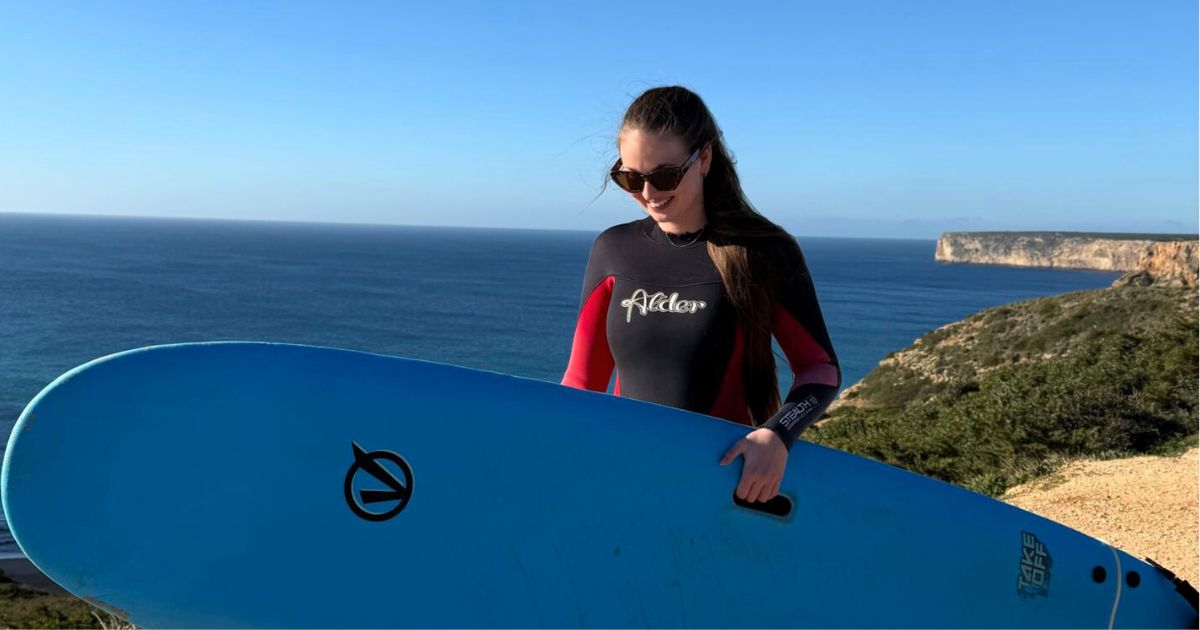
We also finally tried surfing, which had been on my bucket list for years. I’ve already ordered a surfboard rack for the back of the motorhome. 😄 Guess what we’ll be doing all summer!
Work Projects
As I already mentioned, we had to slow down quite a bit this year. In the end, it wasn’t a bad thing at all. 😊 As some of you know, we have a LOT going on (e-shops, a café, a marketing agency, a paid community, our own blogs, a concrete mould company…) and I’d probably bore you listing everything, so here are just the highlights:
LK Media
Our brand LK Media is gradually turning into a proper agency (exactly what we always said we’d never become 😆), because clients keep demanding an ever-wider range of services. We keep stumbling onto interesting ideas and — boom — it’s a new service! We hit our revenue target, so we’re fully satisfied. I’m really proud of how things are going — LK Media has been our main focus for two years now.
I won’t go into more detail because we’re currently in the middle of yet another transformation 😆 and there are plenty of things we haven’t figured out or finished yet. 🙏
Patreon
Patreon, our paid community. We hit some rough patches because I simply didn’t have the time, but I’m happy to say we’re back on track and have tonnes planned for 2025. In 2024, we published over 60 posts and videos, bringing our total Patreon content to more than 120 pieces. It’s all included in a single subscription — you get access to the entire back catalogue.
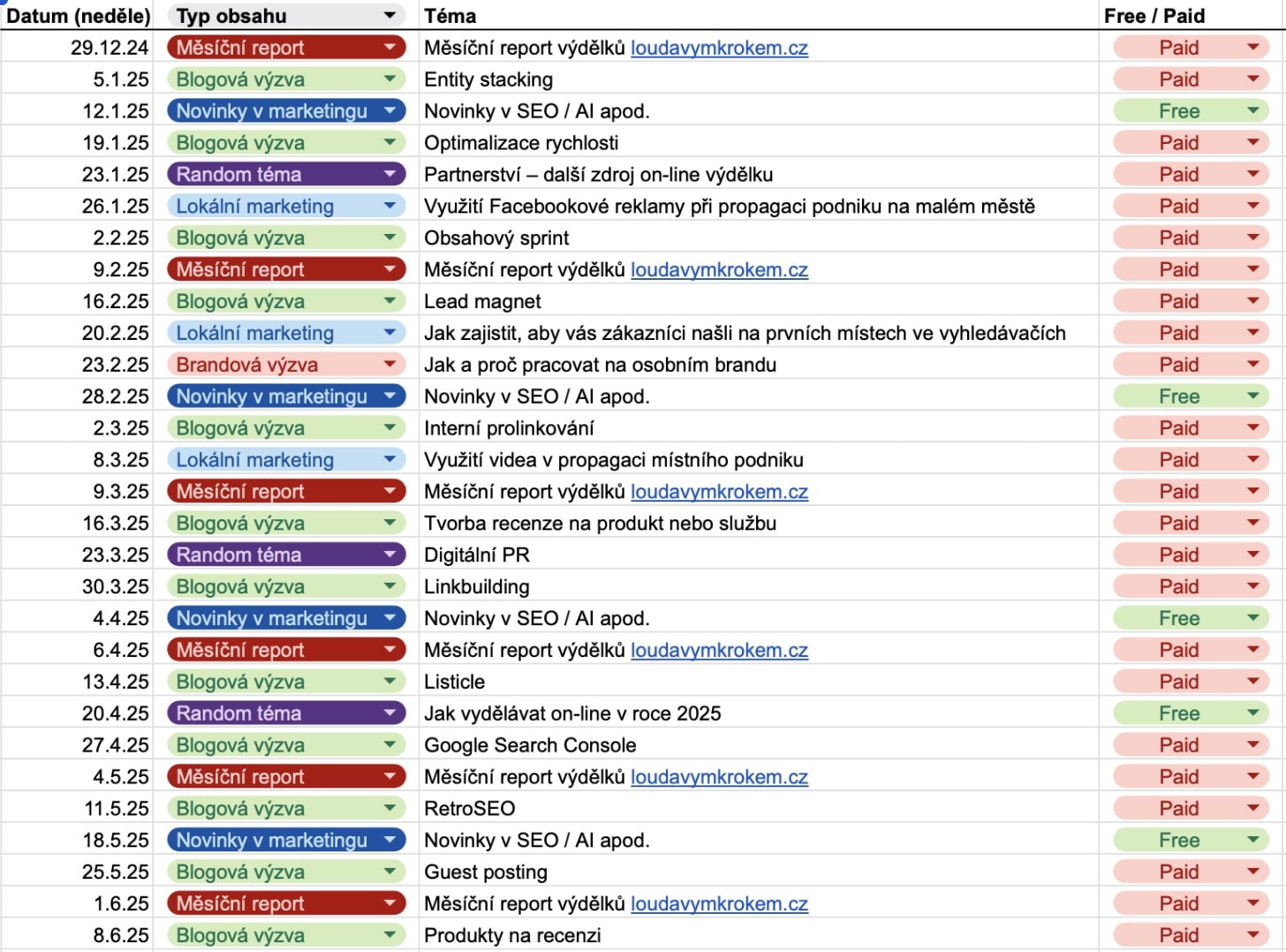
Just from this overview of planned posts (and there will definitely be many more), you can see it’s going to be another packed year.
Since September, we’ve been running our Blogging Challenge, which has loads of improvements over last year (such as video feedback for each task and a slower pace), and dozens of people are taking part. I think I can safely say that our Patreon is helping to build a thriving blogging community in the Czech Republic. 🙃
Blog Earnings? YES-S-S!
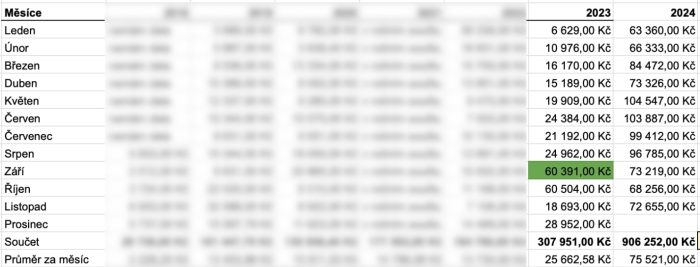
Our little bet from 2023 — to grow the blog’s income from around €240 to €2,400 per month — got slightly out of hand, and this year we pushed it even further. It’s looking like we’ll hit roughly €40,000 for the year. 🤯 I report on everything regularly on Patreon. According to the dashboard, we published or updated over 160 articles this year — easily our most productive year ever.
Fun fact: people booked accommodation worth an estimated €200,000–€240,000 through our website. 🤑
Did We Hit Our 2024 Goals?
Did we hit them? Not even close! At least not the ones I wrote down here.
A son – NAILED IT! 👦
Turn the Blogging Challenge into a full course – nope, we’re continuing with a second series instead 🙂
Build a tiny house in the garden – nope, instead we’re thinking about building or buying a proper family home
Get Portugalbay.com closer to €40,000/month – we’re at zero 😆✌️
Get loudavymkrokem.cz to €10,000/month in peak season – our best month was about €4,200, but even that I consider a huge win
What I consider the biggest success, though, is that I genuinely don’t care. Goals are about setting a direction, and I stopped getting frustrated about missed targets a long time ago. As long as we’re happy and looking forward to the next day, that’s what matters.
And Goals for 2025?
Have a great time. Stay healthy. Be happy just as we are — all five of us — three humans and two dogs. Do everything because we enjoy it, not because others expect it or because “that’s how it’s supposed to be done.” Simply live well. Oh, and earn a couple more million. 😆
Want your link included? Drop a comment or send an email to: lukas@lkmedia.cz.
Tips and Tricks for Your Vacation
Don’t Overpay for Flights
Search for flights on Kayak. It’s our favorite search engine because it scans the websites of all airlines and always finds the cheapest connection.
Book Your Accommodation Smartly
The best experiences we’ve had when looking for accommodation (from Alaska to Morocco) are with Booking.com, where hotels, apartments, and entire houses are usually the cheapest and most widely available.
Don’t Forget Travel Insurance
Good travel insurance will protect you against illness, accidents, theft, or flight cancellations. We’ve had a few hospital visits abroad, so we know how important it is to have proper insurance arranged.
Where we insure ourselves: SafetyWing (best for everyone) and TrueTraveller (for extra-long trips).
Why don’t we recommend any Czech insurance company? Because they have too many restrictions. They set limits on the number of days abroad, travel insurance via a credit card often requires you to pay medical expenses only with that card, and they frequently limit the number of returns to the Czech Republic.
Find the Best Experiences
Get Your Guide is a huge online marketplace where you can book guided walks, trips, skip-the-line tickets, tours, and much more. We always find some extra fun there!
TL;DRPortugal’s top surf spots include the Algarve (Praia do Amado and Praia da Arrifana, both great for beginners), Nazaré with waves up to 30 metres for the pros, Peniche’s Praia dos Supertubos, plus Ericeira and Costa da Caparica just outside Lisbon. Portugal has over 800 kilometres of coastline catering to surfers of every level. Spring and summer (April–October) are best for lessons, thanks to smaller waves and warmer weather, while autumn and winter (November–March) bring bigger swells for the more experienced. Surf lessons cost €30–€65, with private tuition from €130. Don’t forget travel insurance, since surfing is often classed as a risky sport.
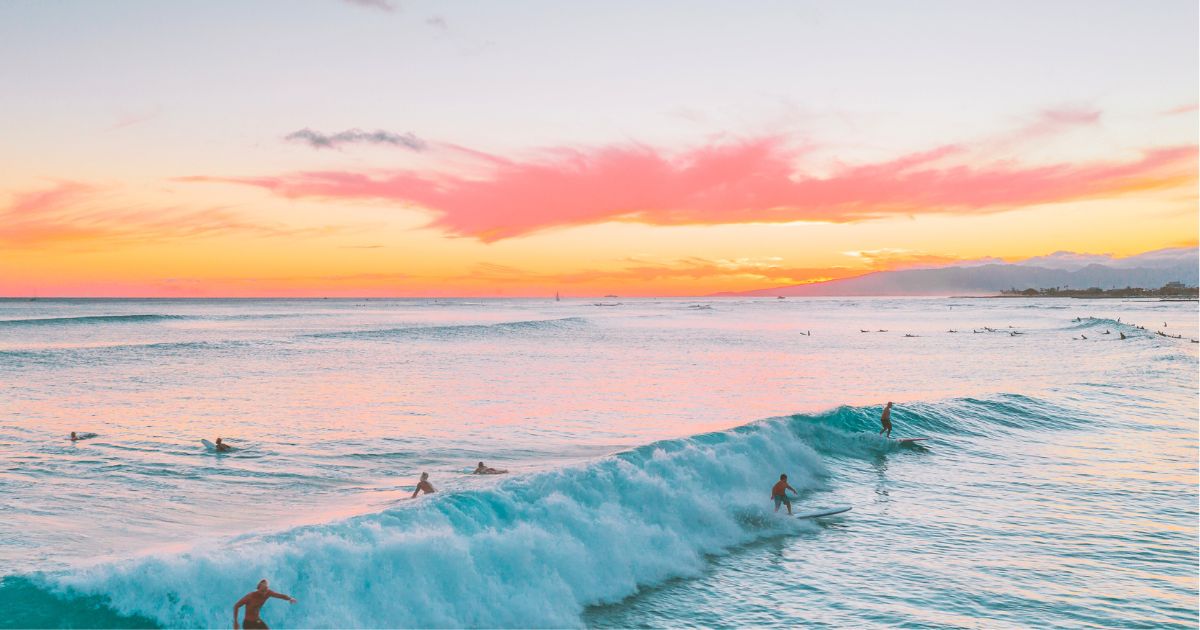
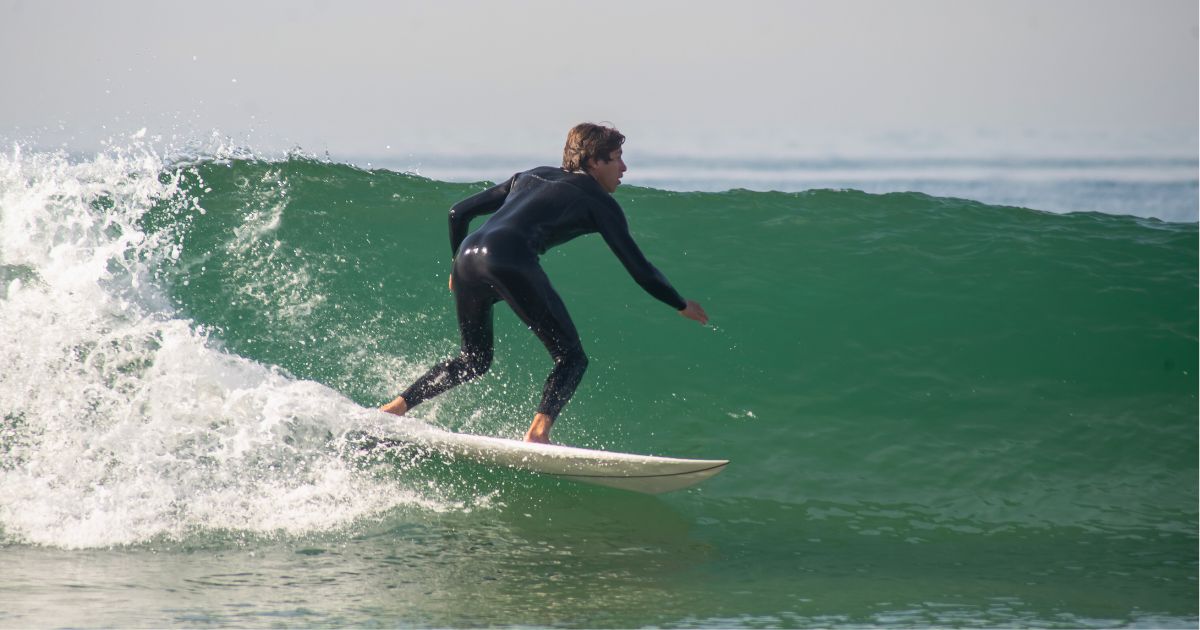
Sun, salt in your hair, turquoise Atlantic waves, and just you and your surfboard. Can you imagine it? Portugal, located at the very edge of Europe, has one great advantage – waves that attract surfers from all over the world.
If you’re looking for the perfect combination of adrenaline, beautiful beaches, and a relaxed atmosphere, Portugal should be at the top of your travel list. Let’s take a look together at the best surfing spots, when and where to go, what to bring, and how to make the most of it.
Surfing Portugal
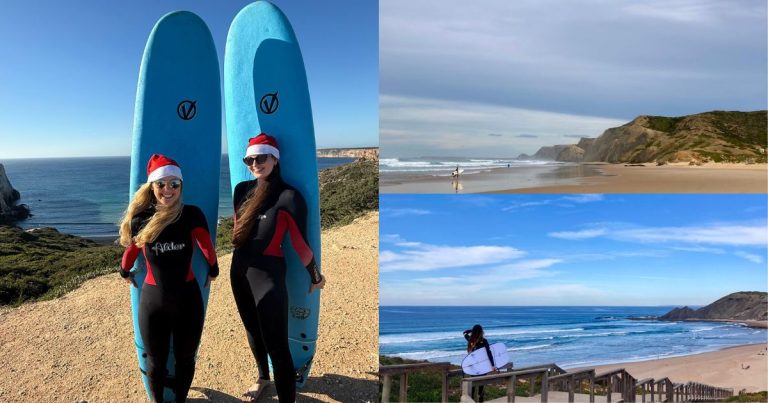
Surfing Portugal: where to Surf
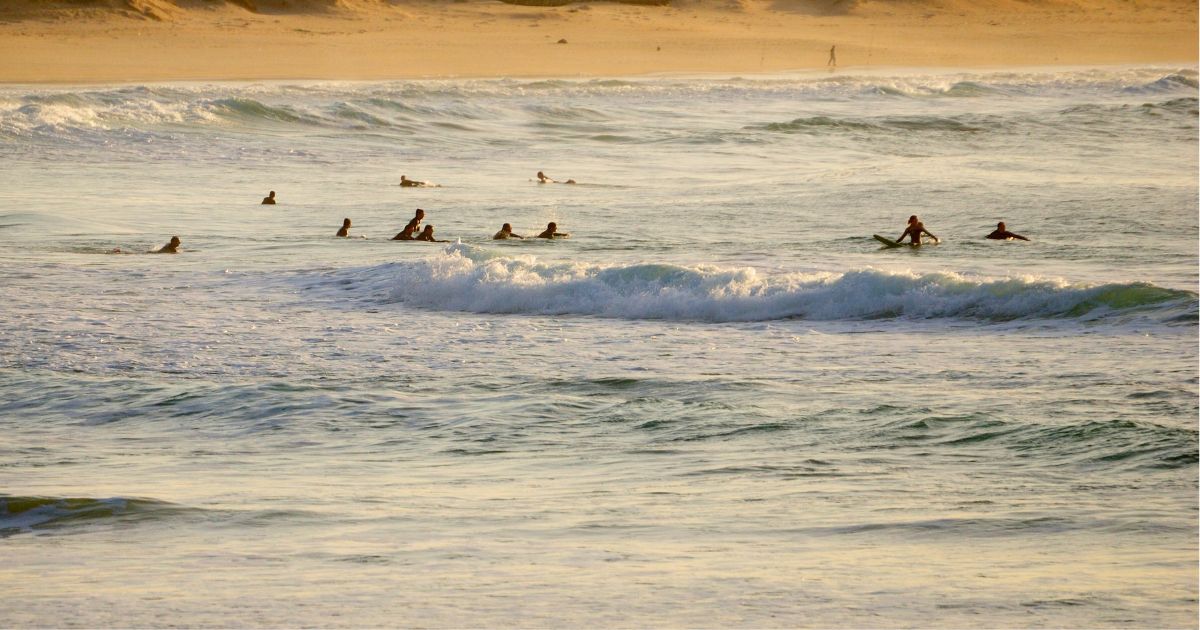
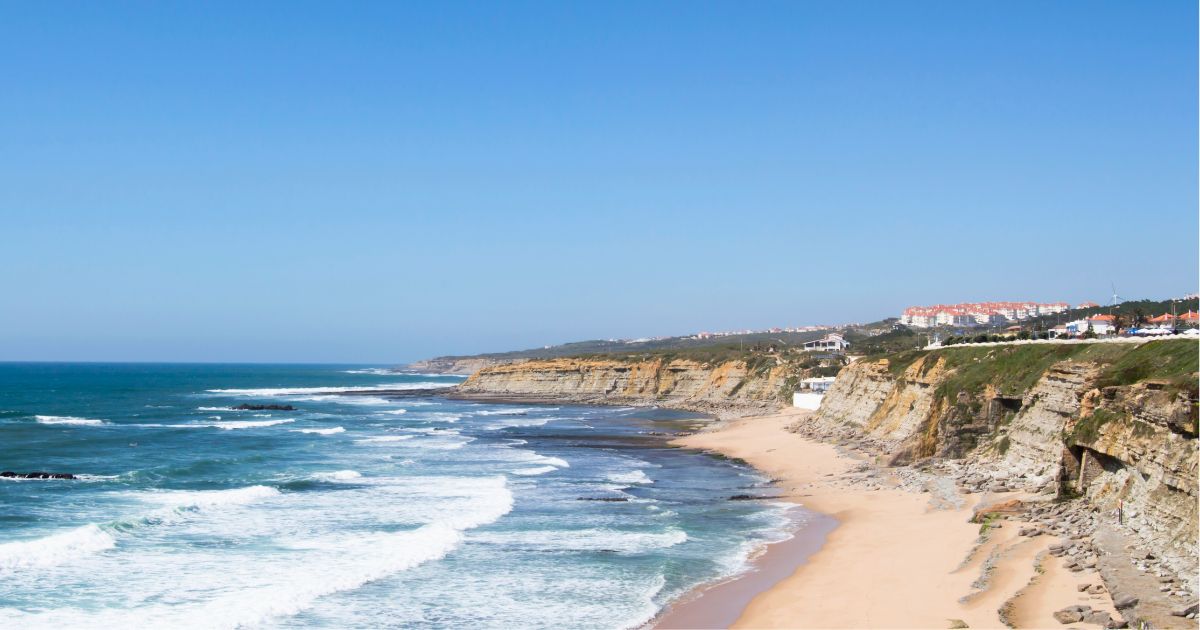
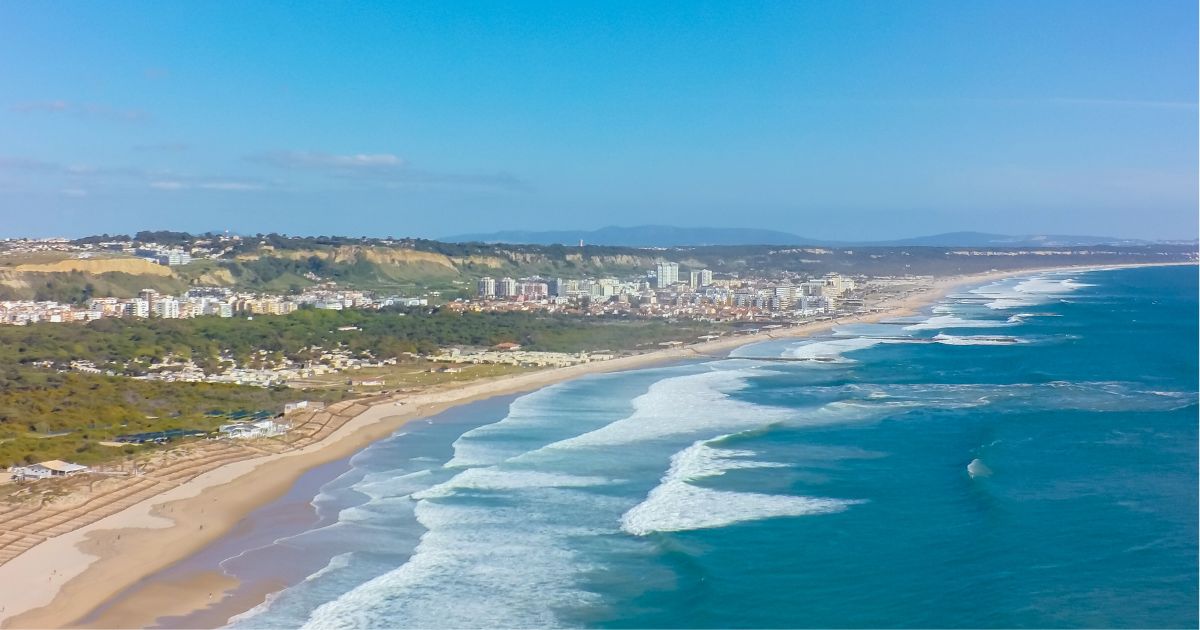
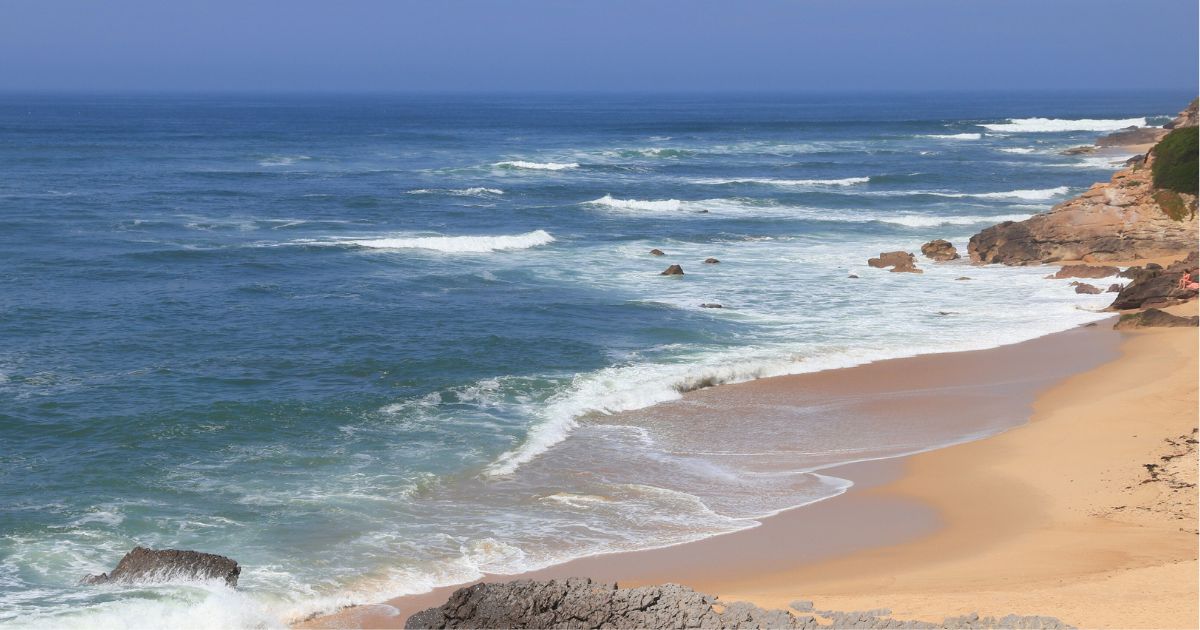
Portugal is a mecca for surfing, and you can surf in many places here. With over 800 kilometers of beautiful coastline, you’ll find countless beaches here where you can try to catch the right wave. Whether you’re a complete beginner or a seasoned surfer, every spot here is unique and guaranteed to excite you.
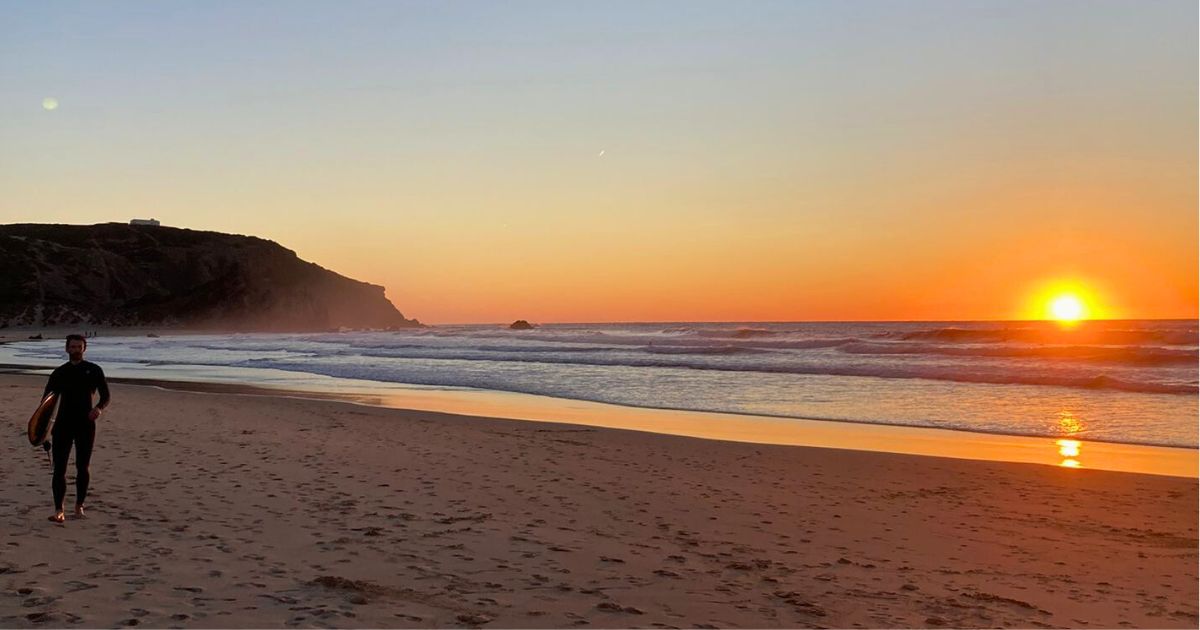
I would describe Algarve as an absolute paradise for all surfers. Algarve is a sunny region on the southwestern coast of Portugal, and it’s ideal for surfing thanks to its diverse beaches and favorable conditions.
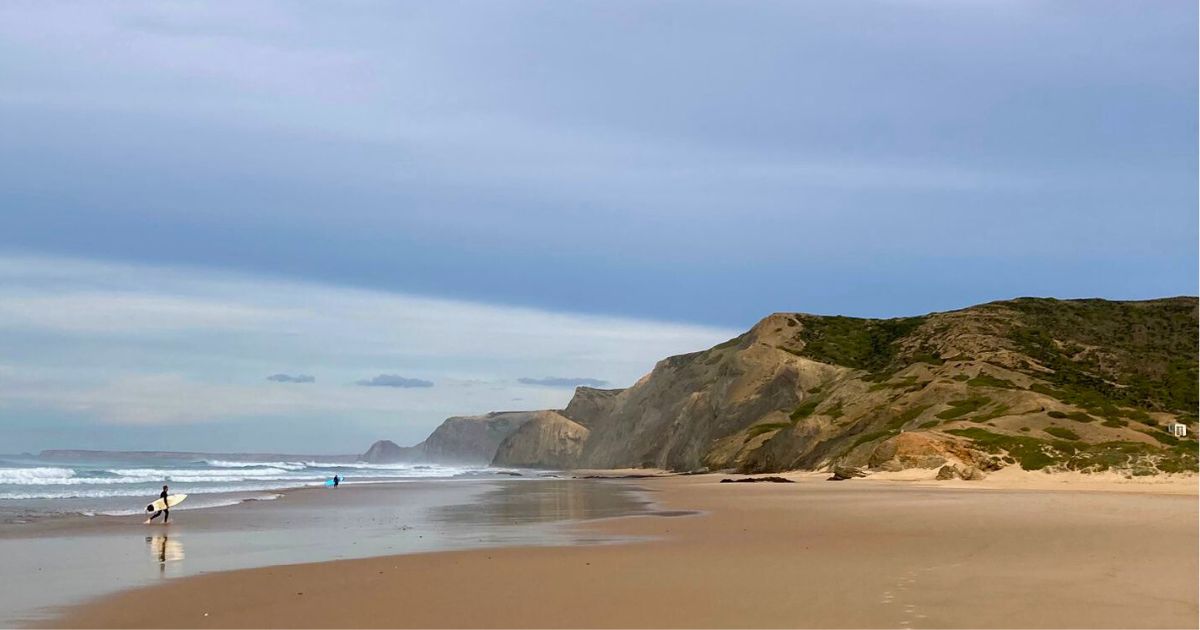
In Algarve, everyone will find their perfect beach – from calm bays with gentle waves, suitable for beginners, to stronger and larger waves that attract advanced surfers. Among the best beaches for surfing are Praia do Amado, Praia da Arrifana, Praia da Amoreira, or Praia do Castelejo. If you’re just starting with surfing, I recommend trying beaches like Praia do Beliche, Praia da Rocha, or Praia de Vale Figueiras.
Praia do Amado
Nazaré
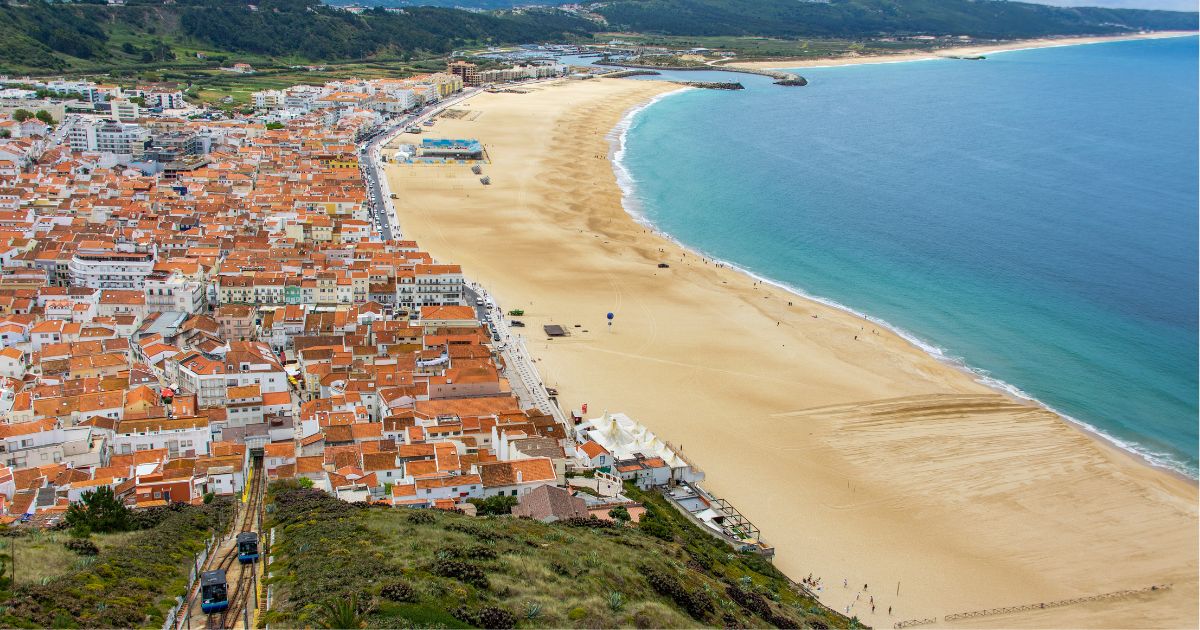
Nazaré is known on the world surfing map primarily for its enormous waves, reaching up to 30 meters in height. This is a place that attracts daring professional surfers who crave extremes. The conditions in Nazaré are definitely not for beginners, but for advanced surfers, Nazaré is one of the most famous places in the world.
Praia do Norte is the most famous beach in this area, where surfing competitions are held and where you can witness truly incredible, breathtaking performances. But if you don’t dare to try it yourself, just watching these daredevils is enough to keep you entertained.😉
Nazaré
Peniche
Peniche is considered one of the best surfing spots in Portugal, and it’s ideal for surfers of all levels. This area offers consistent waves and accessible beaches, which are great for those who want to train or just enjoy surfing.
Praia dos Supertubos is one of the most famous beaches in Peniche and hosts international surfing competitions. This beach is a challenge even for advanced surfers, but you’ll also find calmer spots like Praia da Baleal, where you can feel comfortable even as a beginner.
Peniche
Ericeira
Ericeira is a fishing village renowned for surfing. In this area, you’ll find beaches for all levels of surfers, from beginners to professionals. Praia de Ribeira d’Ilhas is one of the best for advanced surfers and is known for its long and powerful waves. Praia dos Pescadores and Praia de São Julião are great for those who are starting out and looking for smaller waves.
Ericeira
Costa Da Caparica
Costa da Caparica, near Lisbon, is a popular destination for local surfers and tourists. This stretch of coastline is ideal for beginners but also offers options for advanced surfers. The waves here are generally moderate to gentle, which is ideal for learning and improving technique. Praia de São João and Praia da Costa da Caparica are popular for training on smaller waves, while Praia dos CTT and Praia do Rio Mar also attract more experienced surfers looking for slightly larger waves.
Costa da Caparica
Figueira Da Foz
Figueira da Foz is a city on the western coast of Portugal that has become a popular spot for surfers due to its diverse conditions. Praia da Claridade is the main beach in the area and offers accessible waves for all levels of surfers, including novices. If you have more experience, head to Praia do Cabedelo, where you’ll encounter larger waves and more challenging conditions.
Figueira da Foz
Espinho
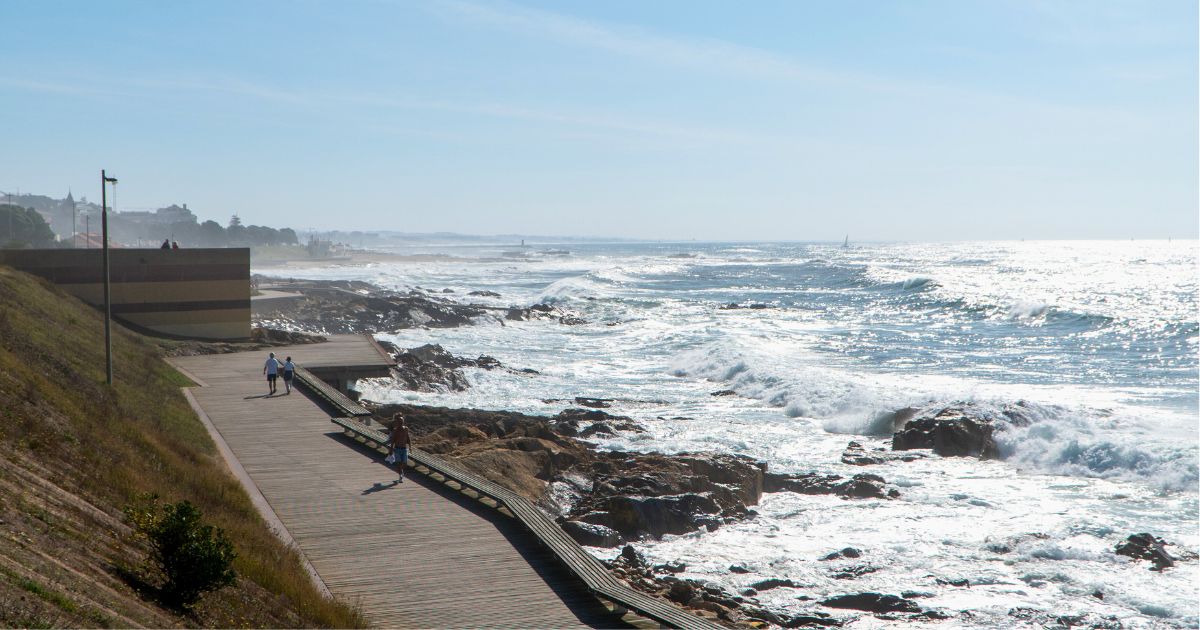
Espinho, a city known for its sandy beaches and powerful waves, is another great destination for surfers, especially for advanced ones. Praia de Espinho is the most famous beach in the area, where surfing competitions are regularly held. For less experienced surfers, I recommend trying nearby beaches like Praia de Granja, where the conditions are a bit more manageable.
Espinho
Viana Do Castelo
Viana do Castelo, in northwestern Portugal, has beaches with calmer and more stable conditions, ideal for beginners who want to learn to surf. Praia de Cabedelo is one of the best surfing spots here, not only for novices but also for intermediate surfers who want to train in smaller waves.
Viana do Castelo
Matosinhos
Matosinhos, a short distance from Lisbon, is a great place for both beginners and intermediate surfers. Praia de Matosinhos is the main beach in this area, offering accessible conditions and a pleasant atmosphere. It’s an ideal spot for those who are just learning to surf or want to refine their technique.
Praia de Matosinhos
Praia Do Guincho
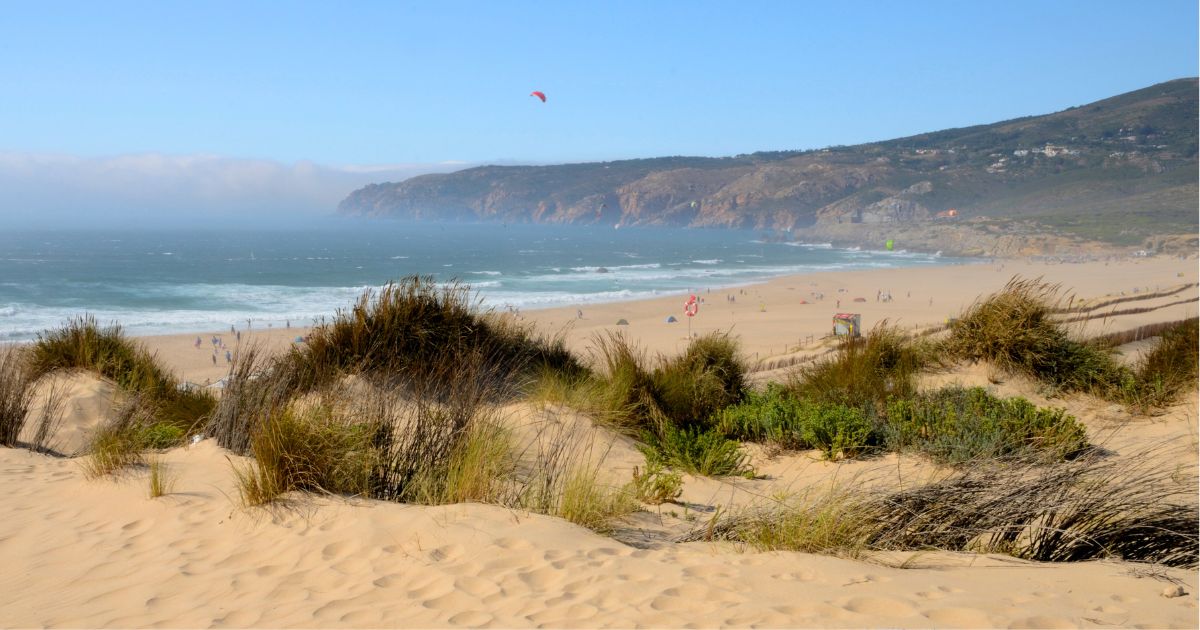
Praia do Guincho, just a short distance from Lisbon, is known for its strong waves and windy conditions that attract advanced surfers. So, if you’re a beginner, it’s better to look for calmer beaches nearby, but Guincho remains one of the most popular and beautiful surfing spots in Portugal.
Praia do Guincho
When to Go Surfing in Portugal
Spring and summer (April to October) are ideal for those who are just learning to surf. The waves are smaller, and it’s warm, so you’ll last much longer in the water than in winter. Autumn and winter (November to March) bring larger waves, which experienced surfers will especially appreciate. However, this doesn’t strictly mean you won’t learn to surf during the winter. It always depends on the specific conditions on a given day.
In Portugal, there are many surf schools, surf camps, or private instructors who will also lend you all the necessary equipment. However, if you’re in Portugal outside the main season (e.g., in December), surf schools might be closed. But you can try to find an instructor through the Facebook group I know a guy – that’s how we found ours.😄
Similarly, you can book a lesson through the GetYourGuide portal.
🔗 These are affiliate links — they don't change your price and help us create content. · All experiences →
Surfing: What You Need
As for surfing equipment, you will need:
a surfboard,
swimwear (smooth and tight-fitting without any embellishments are best)
a wetsuit (short or long, depending on the weather),
a leash (“board leash”),
board wax,
sunscreen,
a towel or a handy surf poncho,
optional: surf boots or a neoprene hood and gloves.
Surfing
Other Places to Surf in Europe
If you’re ambitious about surfing in as many places as possible, like us, then within Europe, you can head to:
Italy – Sardinia or Sicily,
Spain – San Sebastián or the Canary Islands,
France – Hossegor and Biarritz,
England – Fistral Beach, Newquay, Cornwall,
Netherlands – Scheveningen,
Norway – Hoddevik,
Denmark – Klitmøller, or Cold Hawaii.
Surfing and Insurance
If you’re going surfing abroad, don’t forget appropriate travel insurance. Also, keep in mind that surfing is often not included in basic insurance, but rather considered a high-risk sport. Personally, I would recommend SafetyWing travel insurance, which covers surfing as part of their basic package.
If you want to learn more about SafetyWing, read our review.
FAQ
Is surfing in Portugal suitable for complete beginners?
Yes, Portuguese beaches like Praia do Amado or Ericeira are ideal for beginner surfers.
What wetsuit should I bring to Portugal?
In summer, a short wetsuit will suffice; in winter, it’s better to choose a long one with a thickness of 4/3 mm.
Can I rent surfing equipment in Portugal?
Yes, you’ll find rental shops near almost every popular surf beach.
How much does a surfing lesson cost in Portugal?
Single lessons start from 30–65 EUR. A private lesson will cost 130 EUR or more.
Is surfing in Portugal safe?
Yes, but it’s necessary to respect safety rules and not overestimate your abilities.
Tips and Tricks for Your Vacation
Don’t Overpay for Flights
Search for flights on Kayak. It’s our favorite search engine because it scans the websites of all airlines and always finds the cheapest connection.
Book Your Accommodation Smartly
The best experiences we’ve had when looking for accommodation (from Alaska to Morocco) are with Booking.com, where hotels, apartments, and entire houses are usually the cheapest and most widely available.
Don’t Forget Travel Insurance
Good travel insurance will protect you against illness, accidents, theft, or flight cancellations. We’ve had a few hospital visits abroad, so we know how important it is to have proper insurance arranged.
Where we insure ourselves: SafetyWing (best for everyone) and TrueTraveller (for extra-long trips).
Why don’t we recommend any Czech insurance company? Because they have too many restrictions. They set limits on the number of days abroad, travel insurance via a credit card often requires you to pay medical expenses only with that card, and they frequently limit the number of returns to the Czech Republic.
Find the Best Experiences
Get Your Guide is a huge online marketplace where you can book guided walks, trips, skip-the-line tickets, tours, and much more. We always find some extra fun there!
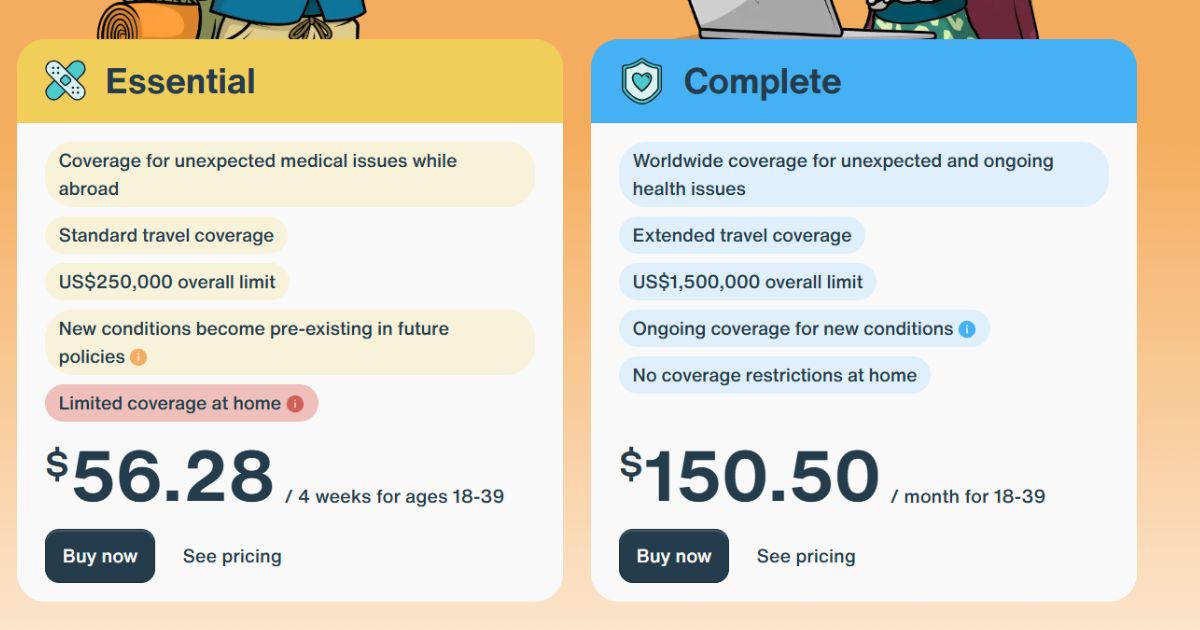
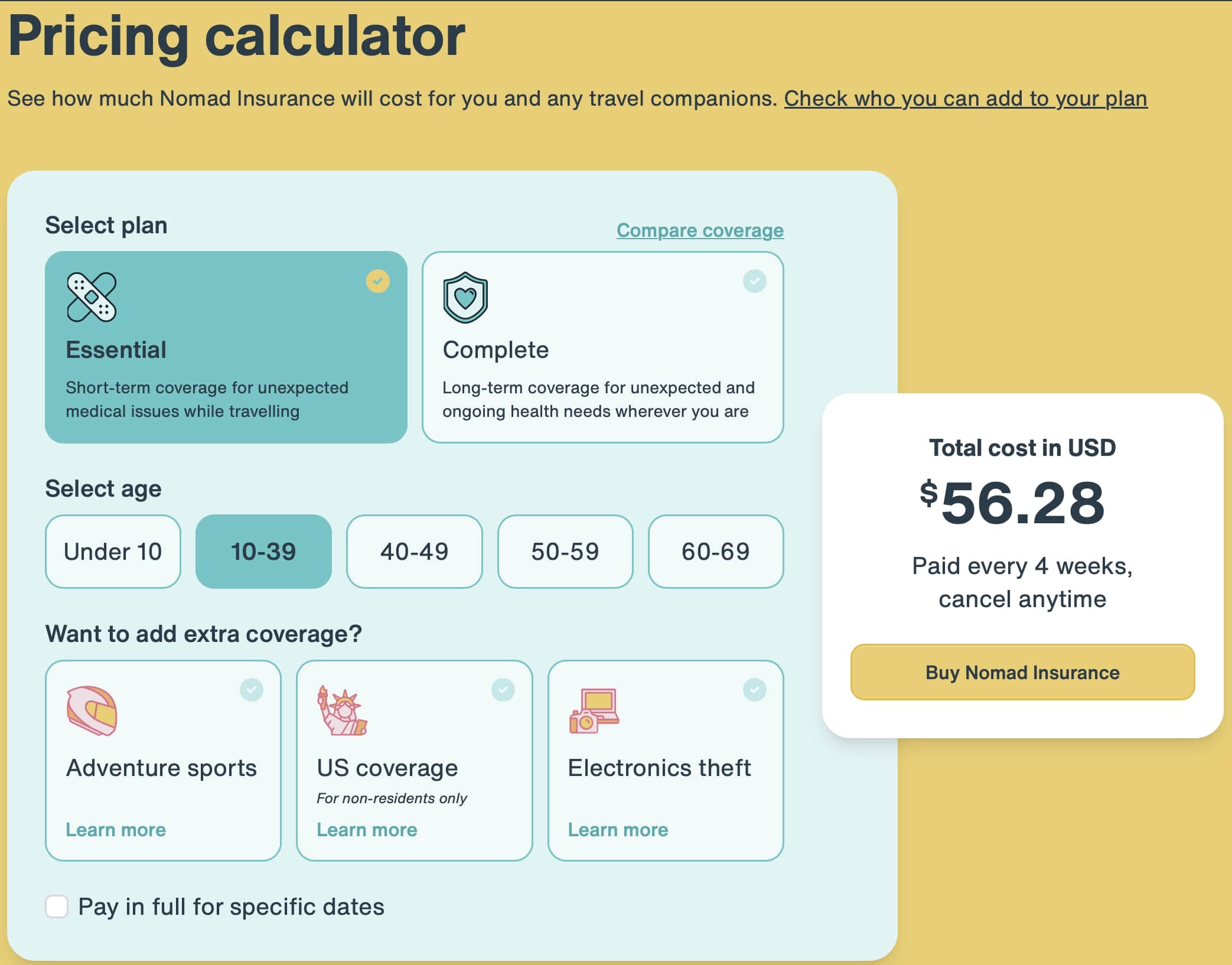
TL;DRSafetyWing Nomad Insurance is long-term travel cover built for digital nomads. The Essential plan starts at $56.28 for 28 days with coverage up to $250,000, while Complete starts at $150.50 for 28 days and covers you up to $1,500,000. Claims in 2024 took four days on average to process, and you can apply online in about two minutes. Cover works in more than 180 countries, you can sign up even while already abroad, and after 90 days of travel you’re allowed up to 30 days back home (15 days for US residents) without losing your coverage. The downsides: pre-existing conditions aren’t covered, support only comes in English, and your policy switches off automatically after 364 days unless you confirm you want to renew it.
Are you digital nomads, frequent travelers, or planning to go abroad for an extended period? Then you are surely addressing the question of travel insurance. Which insurance is reliable, affordable, and adapts to your lifestyle? In this SafetyWing Long-term Travel Insurance Review I will cover the key features and help you decide if it suits your needs.
We have a review for you onSafetyWing, insurance tailored for digital nomads and long-term travelers. Read why we consider it the best choice on the market and how it can make your worldwide travels easier.
SafetyWing Travel Insurance: Basic Information
SafetyWing is international travel insurance focused on digital nomads and long-term travelers. The company offers health and travel coverage that is easily accessible and adaptable to your needs.
SafetyWing offers two variants of travel and health insurance: Nomad Insurance, namely the Essential and Complete variants.
SafetyWing Insurance Plans
The basic Essential plan for individuals aged 10-39costsfrom $56.28 for 28 days (extended coverage for the USA or hazardous sports can be added) and coverage includes medical treatment, hospitalization, transfer to hospital, lost luggage, traffic accidents, trip interruption, flight delays, and life insurance. Total coverage is limited to $250,000 per incident.
The Complete variant provides more comprehensive coverage. The main advantage of this plan is a high overall coverage limit of $1,500,000. It covers not only unexpected medical issues but also ongoing medical care and preventive doctor’s visits. Other included services are:
Transfer to a better-equipped hospital.
Lost luggage coverage.
Psychological assistance.
Visits to various specialists (e.g., gynecologist, dermatologist, chiropractor, acupuncture).
Cancer examination and treatment.
Care for pregnant women.
Theft insurance.
Reimbursement of costs for trip delays or interruptions due to family or health reasons.
Coverage for transfer or funeral costs in case of death.
The price for individuals aged 18–39 starts at $150.50 for 28 days, with the option to add extended coverage for the USA or hazardous sports.
If you need to file a claim with SafetyWing, you can do so easily online via the online form found after logging into your account. Simply upload the necessary documents, such as medical reports or receipts, and submit your application, which will take approximately two minutes.
Although the standard processing time for an insurance claim can take up to 10 business days, the average waiting time with SafetyWing in 2024 has shortened to just four days, which is much faster than most competing companies.
Although some people in reviews state they had issues with claim processing, which is quite common with insurance companies, it is essential to have all documents in order for successful processing. It is important to prove that it was not a pre-existing condition (“pre-existing condition”), but truly an unexpected emergency. Therefore, I advise you to keep all documents such as medical reports, receipts, and similar.
SafetyWing Travel Insurance – Review
Now let’s move on to the review of SafetyWing‘s insurance services.
SafetyWing Travel Insurance
Who is SafetyWing Travel Insurance Suitable for?
SafetyWingis an ideal choice for digital nomads, freelancers, international students, and travelers who frequently change destinations and are looking for flexible travel insurance. Thanks to its easy setup and lower monthly payments, it is also suitable for those who want to travel for a longer period, perhaps a year or more. And due to its flexibility, it is also a great option for those who don’t know how long they will be on the road.
Who is SafetyWing not Suitable for?
If you’re planning a one-week trip to a resort in Turkey or Croatia once a year, SafetyWing insurance is unnecessary overkill for you. A weekly insurance policy from one of the Czech insurance companies will suffice, and often your travel agency covers you.
Isn’t this Insurance Too Expensive?
In conversion, the cheaper Essential variant comes out to just over 1300 CZK per month. Does that seem like too much? In the Czech Republic, you will certainly find offers for annual long-term insurance around 10,000 CZK, and at first glance, it seems like a better option. However, when you focus on the details, such as coverage amounts, deductibles, and often very long (even several densely written pages) lists of exceptions, you will find that cheaper offers are not that advantageous anymore.
You often find out that you have to return home every three months, that you have to pay for treatment yourself (and the insurance company will only reimburse it retroactively), or that you cannot purchase insurance from abroad (if you are outside the Czech Republic, a Czech insurance company simply won’t arrange it with you).
For a quick calculation of how much SafetyWing insurance will cost you for a specific trip (for example, if you are going to the USA and, God forbid, you are doing an extreme sport, or carrying expensive electronics), use their Price calculator.
Pros and Cons of SafetyWing Travel Insurance
We love lists, so here’s a clear one about the pros and cons.
In our opinion, the main advantages of SafetyWing insurance are:
✅Global Coverage: The insurance is valid in over 180 countries, with the option to add coverage for the USA.
✅Flexible Planning: Insurance can be arranged online anytime, anywhere, for both short and long periods. Payments are made every 4 weeks, and you can cancel the insurance at any time.
✅Monthly Subscription: You pay for the insurance every four weeks (28 days), just like for Netflix, so you don’t have to spend a large sum of money all at once.
✅Simple Claims Process: Thanks to fast claim processing, you can get your money back within a few days.
✅Support Availability: The customer support team is available 24/7 and usually responds within one minute.
✅Unlimited Days: If you arrange annual travel insurance with any Czech insurance company, you will find that after a certain period, you will have to return to the Czech Republic (usually after 45 or 90 days). With SafetyWing, you don’t have to return.
✅Purchase from Anywhere: You can arrange insurance even from abroad. Moreover, after 90 days, you can return to the Czech Republic for up to 30 days and still be insured. This way, you avoid the necessary calculations of when it’s worth canceling your health insurance in the Czech Republic and when it’s not yet.
✅Affordability: The price starting from $56.28 for 4 weeks for individuals aged 18–39 is among the cheapest on the market.
✅Direct Payment to Hospitals: SafetyWing pays bills directly. This means you won’t have to pay for care invoices yourself.
✅Coverage for Treatment in Private Facilities: You don’t have to be afraid to visit private clinics and hospital facilities abroad, which are often better, especially in developing countries.
Among the disadvantages, we would include:
❌Pre-existing Conditions Not Covered: Illnesses diagnosed before the policy agreement are not included in the insurance.
❌Limited Home Coverage: If you return to your home country, insurance coverage is limited to 30 days (for the Essential variant).
❌Special Add-ons Come at an Extra Cost: For example, coverage for adrenaline sports, electronics theft, or travel to the USA are subject to an additional charge.
❌Insurance Deactivates After One Year: After 364 days of travel insurance, the policy deactivates unless you confirm renewal via email. Be aware of this.
❌Communication Only in English: All communication, including arrangement, cancellation, and filing claims for medical expenses, takes place in English.
SafetyWing: Review Summary
SafetyWing Review
Monika Havrdová
Review Summary
For us, SafetyWing travel insurance is the best possible choice. The insurance is affordable (compared to Czech insurance companies), easy to negotiate and designed with the needs of avid travelers in mind. Despite a few minor complaints, SafetyWing offers an excellent price-performance ratio, which is why we can definitely recommend it. If you are looking for insurance that adapts to your traveling lifestyle, SafetyWing is a great choice.
Nomad Insurance: Basic health and travel insurance in two variants – Essential and Complete. Remote Health: Comprehensive health insurance for teams and individuals with global coverage.
Can I arrange travel insurance from abroad?
Yes, you can arrange SafetyWing insurance from anywhere, even during your trip.
Does SafetyWing cover medical care in my home country?
Yes, but only after 90 days of travel can you spend up to 30 days in your home country and still be covered. For the USA, it’s up to 15 days.
Is the coverage suitable for adventure sports?
Yes, for an additional fee, you can arrange special coverage for hazardous sports such as mountaineering, diving, or skiing.
How much does the insurance cost?
The price starts at $56.28 per month for individuals aged 18–39. The exact amount depends on the chosen variant, your age, and selected add-ons to the basic insurance.
Is SafetyWing insurance also available for travel to the USA?
Yes, travel to the USA is covered, but it is necessary to pay extra for extended US health coverage.
Tips and Tricks for Your Vacation
Don’t Overpay for Flights
Search for flights on Kayak. It’s our favorite search engine because it scans the websites of all airlines and always finds the cheapest connection.
Book Your Accommodation Smartly
The best experiences we’ve had when looking for accommodation (from Alaska to Morocco) are with Booking.com, where hotels, apartments, and entire houses are usually the cheapest and most widely available.
Don’t Forget Travel Insurance
Good travel insurance will protect you against illness, accidents, theft, or flight cancellations. We’ve had a few hospital visits abroad, so we know how important it is to have proper insurance arranged.
Where we insure ourselves: SafetyWing (best for everyone) and TrueTraveller (for extra-long trips).
Why don’t we recommend any Czech insurance company? Because they have too many restrictions. They set limits on the number of days abroad, travel insurance via a credit card often requires you to pay medical expenses only with that card, and they frequently limit the number of returns to the Czech Republic.
Find the Best Experiences
Get Your Guide is a huge online marketplace where you can book guided walks, trips, skip-the-line tickets, tours, and much more. We always find some extra fun there!
TL;DRThe first thing to check is your airline’s own rules, since limits vary a lot – Ryanair and Wizz Air allow 40x20x25 cm and 10 kg, while British Airways lets you take up to 56x45x25 cm and 23 kg. Among 20 tried-and-tested packing tricks are vacuum bags, rolling clothes instead of folding them, choosing water-free toiletries and ultralight antibacterial fabrics, wearing your bulkiest items rather than packing them, and using packing organisers. You’re allowed liquids up to 100 ml each (1 litre total), electronics, power banks under 100 Wh and solid food, but scissors over 6 cm, weapons and explosives are off the table. Another handy trick: bring an empty water bottle and fill it up after security, and take medicines out of their original boxes to save space.
Got a flight coming up and you’re travelling with just a carry-on bag? It’s not for everyone, but it’s surprisingly easy to manage, especially if you’re only away for a few days. Wondering how to pack a carry-on without losing your mind? Don’t worry, in this article you’ll find 20 of the best packing tips for fitting everything into your hand luggage without leaving anything important behind.
How to pack a carry-on bag
What Counts as a Carry-On
A carry-on is a small suitcase, backpack, handbag or tote that you can take with you into the aircraft cabin. It’s designed for the essentials you’ll need during the flight and must meet the size and weight limits set by your airline. Its main advantage is that everything stays within reach throughout the flight, and with most airlines you won’t pay extra for it.So if you can manage with just a backpack, you’ll save money on your ticket.
TIP: Always check with your airline how big a carry-on you’re allowed to bring for free. Some, especially budget airlines, only allow a small backpack rather than a wheeled case.
Carry-on bags for the plane
Allowed Dimensions
Every airline has different rules when it comes to the size and weight of carry-on luggage, so always check the specific details on the airline’s website before you fly.
For a quick overview, I’ve put together a table of the most common airlines:
Beyond the allowed dimensions, there are also rules about what you can and can’t bring on board in your carry-on.
What you’re allowed to bring on board
✅ Liquids: Containers up to 100 ml, max. 1 litre in total, in a clear resealable bag. Exception: medicines and baby food. ✅ Food: Solid foods (sandwiches, chocolate, nuts). Liquid foods are subject to the 100 ml rule. ✅ Electronics: Laptops, phones, cameras, power banks up to 100 Wh. ✅ Medicines: Permitted; stronger medications may require a doctor’s note.
💡TIP: Read our comparison of the best travel power banks HERE.
What you can’t bring on a plane
❌ Liquids over 100 ml: Drinks, perfumes, creams, gels (before security). ❌ Sharp objects: Knives, scissors over 6 cm, pins. ❌ Weapons and replicas: Firearms, stun guns, pepper sprays. ❌ Explosives: Firecrackers, lighters, fireworks. ❌ Banned chemicals: Toxic substances, acids.
💡 You’ll find a detailed list of what you can and can’t take on a plane in our article.
What you can pack in your carry-on
How to Pack a Carry-On: 20 Effective Packing Tips
Packing into just a carry-on can be a real challenge, especially when you’re travelling in winter. But there’s no need to worry. I’m a die-hard backpacker who usually doesn’t want to pay extra for checked luggage, so I’ve put together 20 effective packing tips to help you fit everything into your hand luggage.
1) Check the airline’s rules
Every airline has its own rules for carry-on dimensions and weight, and sometimes even the permitted items differ. Before you fly, always check the conditions on the carrier’s website to avoid any nasty surprises at check-in. Pay special attention to allowed liquids and restrictions for specific destinations.
2) Invest in a lightweight bag
A good, lightweight bag lets you pack more without going over the weight limit. Personally, I’d recommend getting a carry-on backpack that you can squash down if it gets measured at the gate. It’s also far more practical for travelling and lighter than a wheeled suitcase.
That said, most modern carry-on cases these days are made from durable, ultra-light materials, so they can handle the rigours of travel just fine.
Before you pack, take a look at the weather forecast for where you’re heading. This helps you avoid packing unnecessary items and choose your clothes more wisely. For warm destinations, light layers will do, while for cooler spots, pack lightweight technical clothing that weighs next to nothing but keeps you warm.
4) Minimise toiletries: try waterless cosmetics
Toiletries take up space and are subject to the liquids rule. Swap traditional products for waterless alternatives, like the nanoSpace Cosmetics travel set. Not only do they save space, they’re also kinder to the environment.
Test pack of nanoSPACE waterless cosmetics – this is the soap
5) Pack ultra-light clothing made from antibacterial fabric
Pack clothing made from lightweight, functional fabrics (for example, this ultra-light Travel dress is a winner for travelling) – it takes up less room and stays fresh for longer. These fabrics are ideal for longer trips because they cut down on washing and don’t weigh your bag down. Plus, you don’t even need to iron them.
6) Use vacuum bags
Vacuum bags are a brilliant trick for saving space. You suck the air out with a vacuum cleaner and your clothes shrink right down. They’re ideal for bulky items like jackets, jumpers or hoodies, but bear in mind that the weight of the clothing stays the same.
7) Roll your clothes instead of folding them
Rolling clothes not only saves space, it also helps prevent creasing. This packing method is a favourite trick among travellers because it makes organising easier and maximises every inch of space in your bag.
Packing tips
8) Get an e-reader instead of books
Simply swap heavy books for an e-reader. It holds hundreds of titles, so you’ll have plenty to read for the whole trip without weighing down your bag. On top of that, it takes up barely any space and weighs next to nothing.
9) Pack an empty bottle
Another one of my packing tricks for hand luggage is bringing an empty bottle. An empty water bottle sails through airport security, and then you can fill it up at a water fountain or in the toilets, so you won’t go thirsty and you won’t have to buy overpriced bottled water in the airport shops.
10) Pack smartly and stay organised
The best thing you can do before packing is write a list of what you’re likely to need at your destination. Then pick the right pieces based on the weather forecast and arrange everything in your bag so you can get to it easily. Pack so that everything has its place and you know exactly where things are. Keeping your bag organised will also speed up security checks at the airport.
Don’t forget to use so-called dead space either – for example, stuff socks or other small items inside your shoes.
11) Pack versatile, multifunctional pieces
Versatile clothing, like dresses that can be worn several ways (these versatile Oslo Summer dresses are great, for instance), or jackets with a removable lining, will save you space. Multifunctional items are practical and cut down on what you need to pack. Think about how your pieces mix and layer together so you’ve got enough outfits for every day. Barefoot shoes will save you space too.
Keep the things you’ll need at security within easy reach. Electronics and liquids have to come out of your bag, so place them on top to make the screening process quicker and easier.
13) Pack heavy items at the bottom
Place heavier items, like shoes or books, at the bottom of your bag, closer to your back. This helps distribute the weight and makes a backpack or carry-on bag more comfortable to carry.
14) Keep money and documents handy
Keep valuables like your passport, money or boarding passes in a secure, easy-to-reach pocket. That way you’ll avoid rummaging around and the stress of check-in or security.
15) Pack things in packing cubes
Travel organisers, or packing cubes, help you separate clothes, toiletries and odds and ends. Your bag stays tidier and you’ll save time unpacking. They also help protect your belongings from getting dirty.
Packing cubes for a carry-on bag
16) Wear your bulkiest clothes
Instead of packing heavy coats, jumpers, scarves and shoes, just wear them. This trick saves space in your bag and makes it lighter to carry. During the flight you can easily take them off.
17) Don’t pack medicines in their original packaging
Medicines in their original boxes can be unnecessarily bulky. Transfer them into smaller bags, a pill organiser, or just take the blister pack to save space. Do keep the patient information leaflets and any doctor’s note, though.
18) Don’t pack a towel
A towel is bulky and unnecessary if you’re staying in a hotel where you’ll get one for free. If you really do need one, go for a compact, quick-drying microfibre travel towel.
19) Don’t pack unnecessary items and ditch the extras
Before you set off, go through what you’ve packed and weed out anything you don’t need. A minimalist approach to packing makes travelling easier and your bag lighter. Always ask yourself, “Will I really need this scratchy jumper I never even wear at home?” Try to cut back on packing things “just in case”, too. They have shops at your destination if the worst comes to the worst.
20) Do a review when you get back
After your trip, go through what you actually used and what stayed untouched. This process helps you improve your packing habits for next time and avoid making the same mistakes again.
💡You might also like: Can’t go anywhere without your coffee? Then grab a travel coffee maker that you can even pack in your carry-on.
Frequently Asked Questions
Can I bring a laptop in my carry-on luggage?
“`html
Yes, always keep your laptop in your carry-on baggage. However, you must take it out during security screening.
“`
How much liquid can I take on board?
What happens if my luggage exceeds the allowed dimensions?
You may be asked to pay an additional fee and the baggage will be transported in the hold.
How to save space when packing toiletries?
Use travel bottles, miniatures, or waterless cosmetics.
Tips and Tricks for Your Vacation
Don’t Overpay for Flights
Search for flights on Kayak. It’s our favorite search engine because it scans the websites of all airlines and always finds the cheapest connection.
Book Your Accommodation Smartly
The best experiences we’ve had when looking for accommodation (from Alaska to Morocco) are with Booking.com, where hotels, apartments, and entire houses are usually the cheapest and most widely available.
Don’t Forget Travel Insurance
Good travel insurance will protect you against illness, accidents, theft, or flight cancellations. We’ve had a few hospital visits abroad, so we know how important it is to have proper insurance arranged.
Where we insure ourselves: SafetyWing (best for everyone) and TrueTraveller (for extra-long trips).
Why don’t we recommend any Czech insurance company? Because they have too many restrictions. They set limits on the number of days abroad, travel insurance via a credit card often requires you to pay medical expenses only with that card, and they frequently limit the number of returns to the Czech Republic.
Find the Best Experiences
Get Your Guide is a huge online marketplace where you can book guided walks, trips, skip-the-line tickets, tours, and much more. We always find some extra fun there!
TL;DRHere are 8 of South Bohemia’s prettiest towns: Písek, home to the oldest stone bridge in Central Europe; the hidden gem of Slavonice with its Renaissance houses; Prachatice, with a postcard-perfect square and the Golden Trail Museum; Dačice, where the world’s first sugar cube was made; Český Krumlov, South Bohemia’s UNESCO showpiece; the spa town of Třeboň by the Svět pond; Jindřichův Hradec, with the region’s largest castle complex and the Obludiště maze; and České Budějovice, with its Přemysl Otakar II Square and the Budvar brewery. Prachatice makes a great base for trips into the Šumava mountains, while Dačice is well placed for exploring Telč Castle and the Bohemian Canada nature park.
As a South Bohemian, I only began to truly appreciate the beauty of South Bohemia after exploring the rest of the country. Only then did I realize how unique South Bohemia is, how many trip opportunities we have here, and that we can boast about the most beautiful towns in our country. In this guide I will share with you South Bohemia, Czech Republic: 8 Best Places for Your Holiday.
South Bohemia is literally a treasure trove of historic towns. Although many only know Český Krumlov,Třeboň or Jindřichův Hradec, there are also other lesser-known towns that deserve your attention. Let’s take a look at the most beautiful towns South Bohemia has to offer for your trips.
Písek – the Oldest Bridge in Czechia
I grew up in Písek, but after ten years of living in Prague and several years living outside the Czech Republic, I was able to appreciate the beauty of this small town.
A bit of history: Písek boasts the oldest stone bridge in Central Europe, older than Charles Bridge in Prague. But Písek isn’t just about the bridge; definitely at least climb the church tower and walk along the river.
You’ll also find great restaurants, cafes, and even an excellent gallery with exhibitions for children. It’s an absolutely wonderful place to live and an even better town for a trip.
Slavonice – a Hidden Gem
Few people know this town, and that’s a real shame. Even I visited for the first time when I was about twenty-five, I can’t believe it! This small town on the border of South Bohemia and Moravia will charm you with its colorful Renaissance houses covered in sgraffito. It’s an ideal place if you want to escape the tourist crowds (unless you happen to go during Slavonice Fest).
Prachatice with its Postcard-Perfect Square
I couldn’t appreciate Prachatice for a long time; I remembered it from childhood, and as children, you focus on completely different things. Yet, the square in Prachatice is like something out of a postcard – beautiful houses, an old town hall, and a tranquility often missing in other tourist towns.
I also recommend it as a starting point for a trip to Šumava. And if you love history, the Golden Path Museum will take you on a journey back to the times when Prachatice was an important trade center.
Dačice – the Town of Sugar
Dačice may be small, but it holds great significance. It was here that the first sugar cube in the world was created! In the town center, you’ll find a monument that commemorates this sweet revolution.
But Dačice isn’t just about sugar. There’s a beautiful chateau with an English park where you can spend a peaceful afternoon . Stroll through the historic streets, enjoy the peaceful atmosphere, and let yourself be carried away by the past. Dačice is also an excellent starting point for exploring the surroundings, such as Telč Chateau or the Czech Canada Nature Park.
Český Krumlov – UNESCO Pearl
Český Krumlov is a classic that you simply must experience. Yes, there are a lot of tourists, but the town has such an atmosphere that you won’t even mind. Or come here in winter; that’s what we do most often.
Strolling through the winding streets, stumbling upon small galleries, old taverns, and then climbing up to the chateau, from where you have the whole town at your fingertips – that’s an experience worth having. And don’t forget to see the revolving auditorium in the chateau garden, where open-air theater performances are held.
Český Krumlov: Chateau.
Třeboň – Spa Town of Ponds
Třeboň is a small town you’ll fall in love with. Ponds, spas, a beautiful Renaissance center – all this makes Třeboň an ideal place for a long weekend!
Take a walk around Svět Pond, visit the Schwarzenberg Tomb, or enjoy a spa treatment.
Masaryk Square is full of cafes and restaurants, but we prefer to go to the local Indian restaurant.
What to do in Třeboň? Visit the Chateau Pharmacy, where there’s a museum and a cafe.
Jindřichův Hradec – the Largest Chateau Complex
Jindřichův Hradec is the pearl of Czech Canada. The town will charm you with its monumental chateau complex, which is one of the largest in Czechia.
Don’t forget to find the famous 15th meridian , which passes directly through the town center – it’s said that if you cross it with the right wish, it might come true. If you’re looking for a unique view, definitely climb the town’s observation tower of the Church of the Assumption of the Virgin Mary.
For families with children, there’s Obludiště, the largest hedge maze in Central Europe, which is guaranteed to entertain children.
České Budějovice – a Town where Everyone Would Want to Live
It’s said that everyone would want to live in České Budějovice. I’m not sure about that, but you should definitely visit! Přemysl Otakar II Square is one of the largest square town squares in Europe.
Search for flights on Kayak. It’s our favorite search engine because it scans the websites of all airlines and always finds the cheapest connection.
Book Your Accommodation Smartly
The best experiences we’ve had when looking for accommodation (from Alaska to Morocco) are with Booking.com, where hotels, apartments, and entire houses are usually the cheapest and most widely available.
Don’t Forget Travel Insurance
Good travel insurance will protect you against illness, accidents, theft, or flight cancellations. We’ve had a few hospital visits abroad, so we know how important it is to have proper insurance arranged.
Where we insure ourselves: SafetyWing (best for everyone) and TrueTraveller (for extra-long trips).
Why don’t we recommend any Czech insurance company? Because they have too many restrictions. They set limits on the number of days abroad, travel insurance via a credit card often requires you to pay medical expenses only with that card, and they frequently limit the number of returns to the Czech Republic.
Find the Best Experiences
Get Your Guide is a huge online marketplace where you can book guided walks, trips, skip-the-line tickets, tours, and much more. We always find some extra fun there!