

You probably have the Rocky Mountains fixed in your mind from photos – turquoise lakes, jagged peaks, forest roads that seem to go on forever. But between “I’d love to go there someday” and actually planning the trip lies a chasm of questions: how much the whole thing will cost, when’s the best time to go, whether to book a tour or do it yourself, and what needs reserving months ahead so you don’t miss out. The two of us have driven through it all, and we know where you can save and where it’s worth paying a little extra.
On this page you’ll find three things: current tour and flight prices that we refresh every morning; our tips from our own trips and the articles we’ve written here about the Rockies; and a plan for when and what to book so you don’t overpay needlessly. Think of it as our jumping-off point – from here you can click through to everything else.

What to see and do in Rocky Mountains
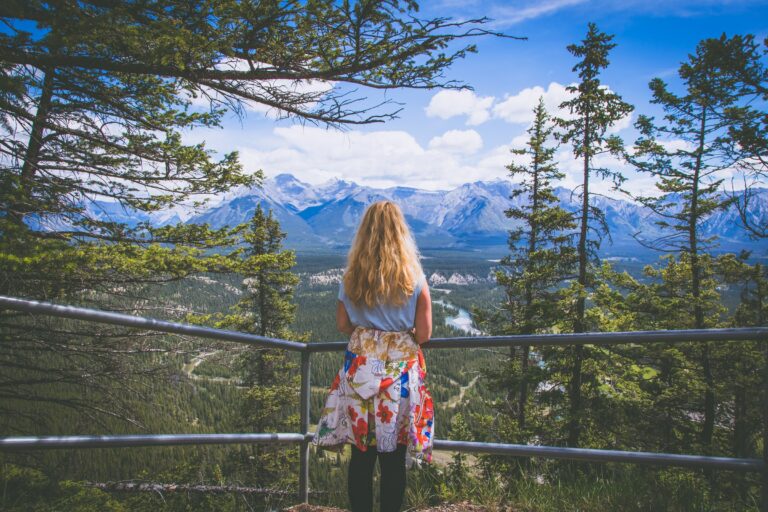
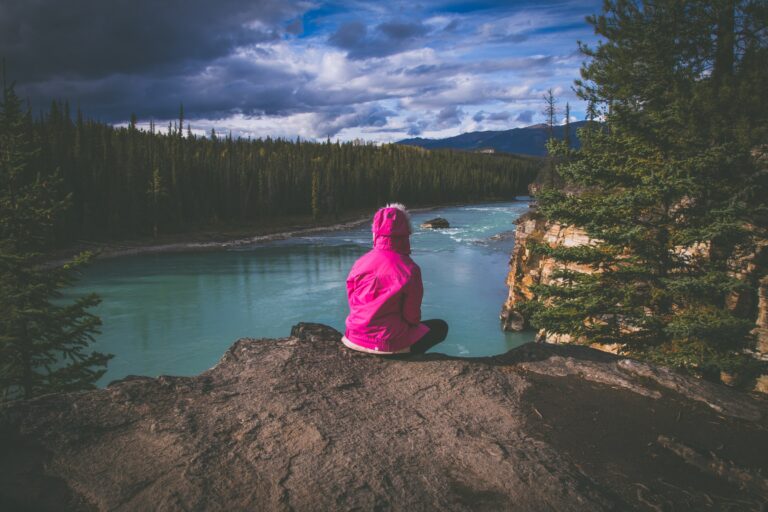
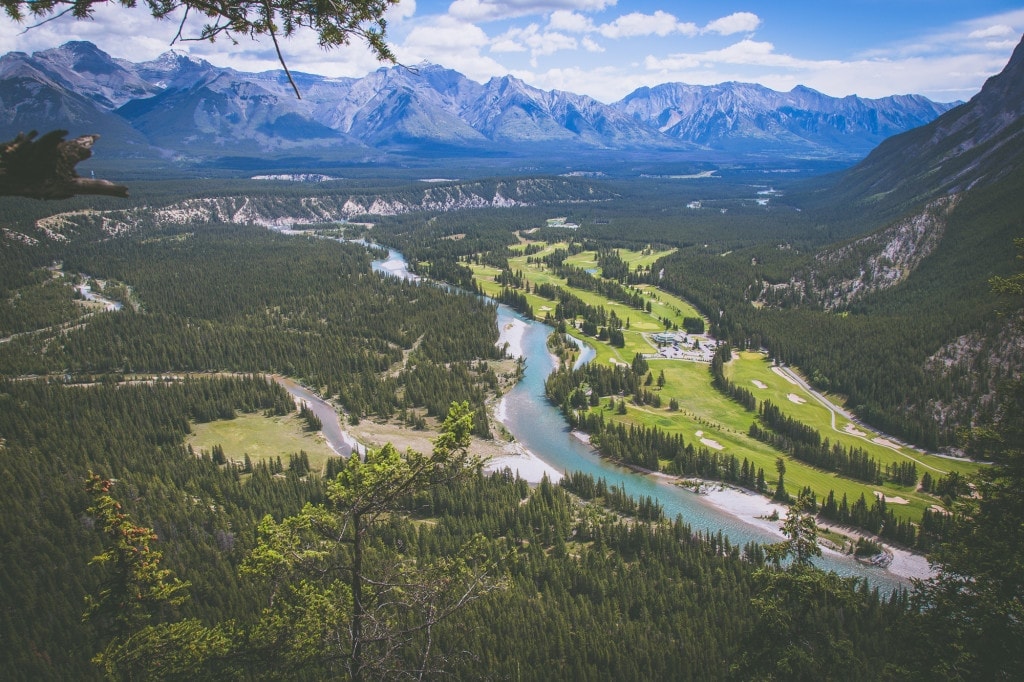
The Rocky Mountains aren’t a single spot but a whole chain of national parks straddling the border of Alberta and British Columbia. Here’s our take on what you really shouldn’t miss:
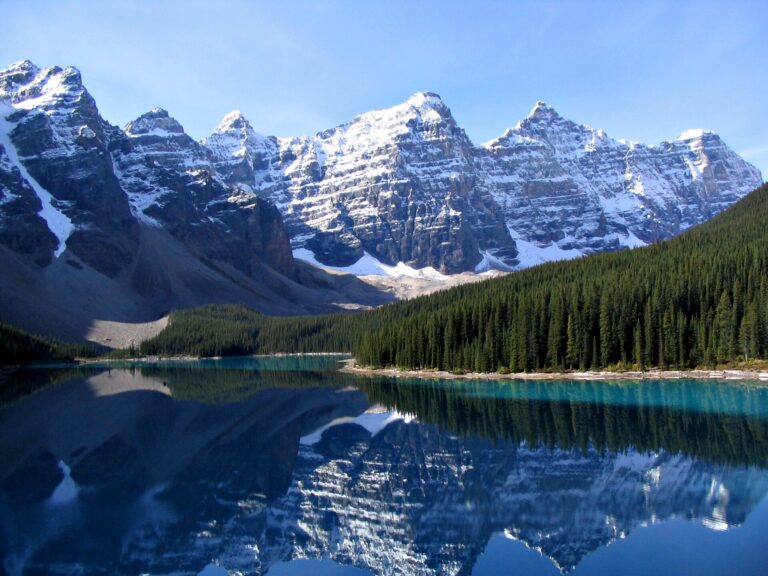
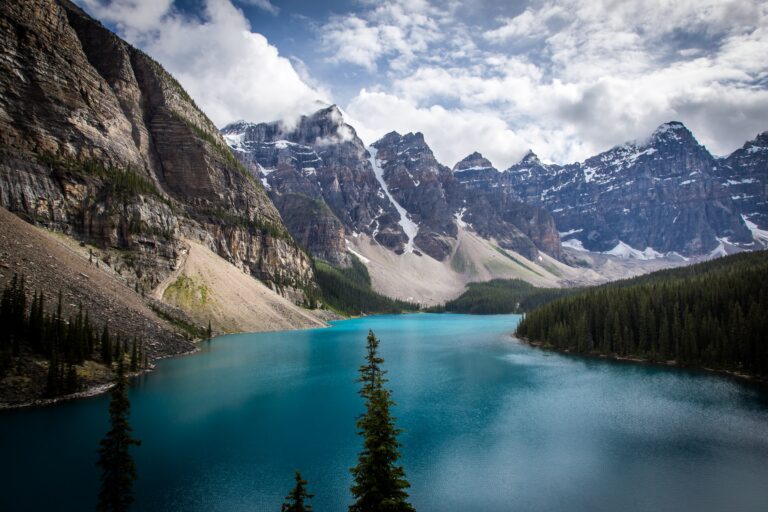
- Moraine Lake and neighbouring Lake Louise – Canada’s two most photographed lakes. You can’t drive to Moraine Lake anymore, so read our 2026 shuttle guide.
- Icefields Parkway – 232 km of road between Lake Louise and Jasper, lined with glaciers and waterfalls. For us, one of the absolute highlights of the entire trip.
- Banff National Park as a base with its lively little town, plus quieter Jasper to the north (still worth a visit even after the 2024 fire).
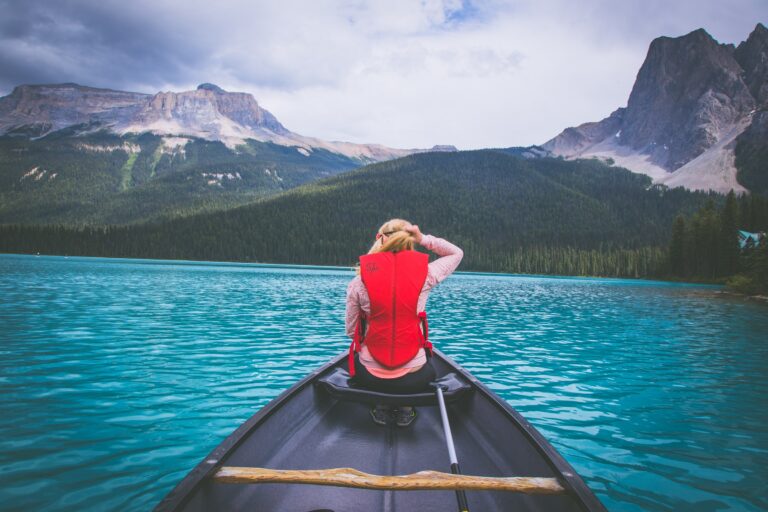
- Yoho with Emerald Lake and Takakkaw Falls – fewer crowds, just as beautiful.
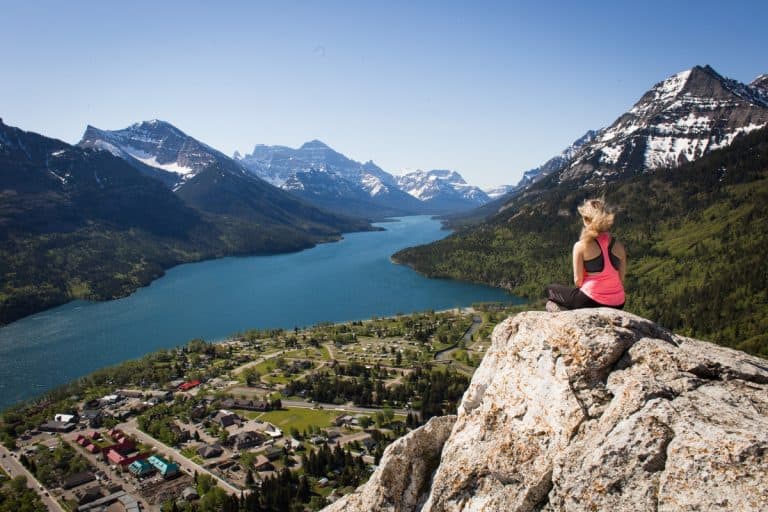
- Waterton Lakes in the south and Kananaskis for hikes away from the crowds, where most tourists never venture.
- If you want to string the whole Rockies together, check out our Vancouver → Banff road trip or our tips for hikes around Banff.
When to visit Rocky Mountains
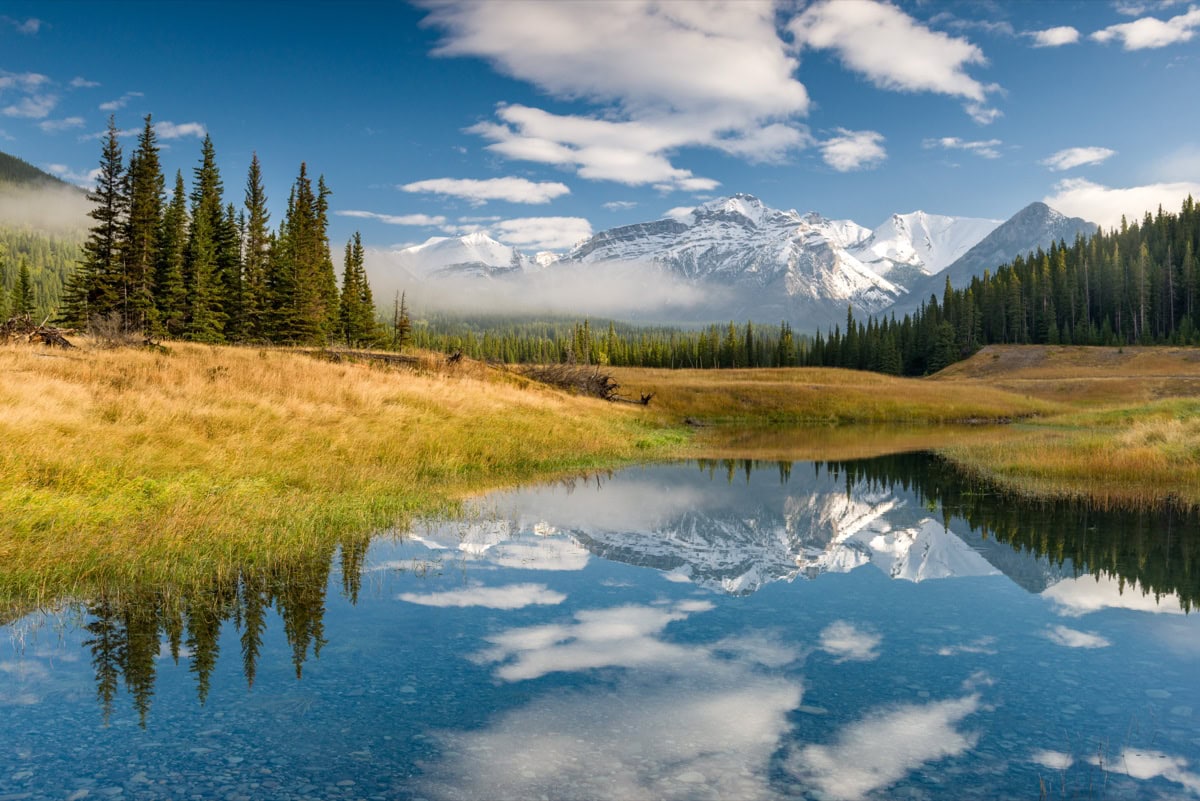
The main season runs from June to September. That’s when all the roads are open, the shuttles are running, the lakes have that fairytale turquoise colour and the trails are snow-free. Expect the biggest crowds and highest prices in July and August – that’s when it’s warmest, but also when accommodation is most expensive.
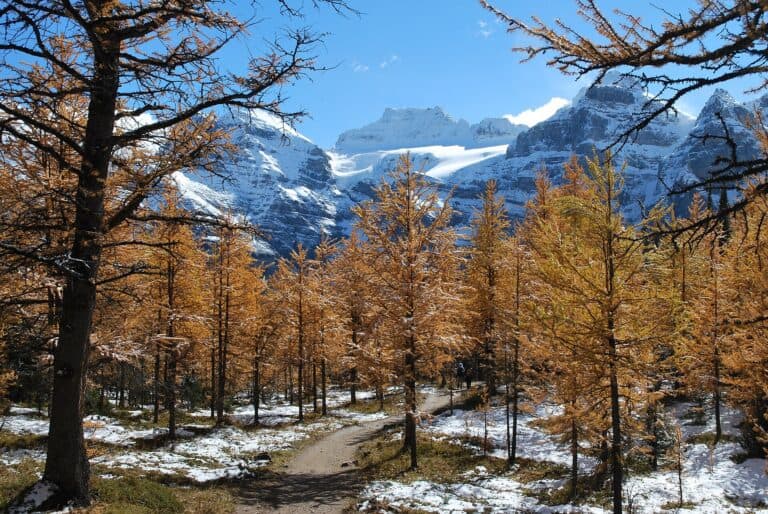
Our pick for the best compromise is mid-September: the crowds thin out, prices drop, the larches turn gold and the weather usually still holds. On the flip side, May and early June can be tricky – higher trails and Moraine Lake itself may still have ice, and some roads are only just opening up.
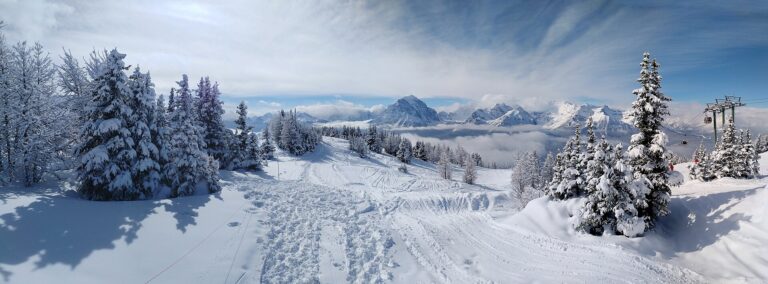
Winter (December–March) is a completely different destination: skiing, frozen lakes, fewer people. Beautiful, but bear in mind that some mountain roads and activities are out of service and the days are short.
How to get to Rocky Mountains
There’s no direct flight to the Rocky Mountains from the Czech Republic – you’ll always change planes somewhere. The most common route is to Calgary airport (YYC), the main gateway to Banff, which sits just about 90 minutes’ drive from the national park. From Prague you’ll usually connect through a major European hub (Frankfurt, Amsterdam, London) or within Canada (Toronto, Vancouver). Total travel time tends to run 13–18 hours depending on your connections.
The second option is to fly into Vancouver and approach the Rockies as a road trip across the interior – exactly what we describe in our article on the Vancouver → Banff road trip. It’s longer, but you’ll see far more along the way. Once you’re there, you really can’t get around the mountains without a car, so sort out the rental at the same time you book your flight.
Renting a car
In the Rocky Mountains a car is practically a must – public transport between the parks barely exists, and without your own wheels you’re limited to the immediate surroundings. It always pays off when you want to drive the Icefields Parkway, reach more remote trails, or move flexibly between Banff and Jasper. You can manage without a car only if you plan to stay exclusively in Banff and the shuttle-connected area around it.
- Book ahead through a rental comparison site – cars sell out in season and on-the-spot prices shoot up.
- Watch the insurance and deposit – basic coverage often isn’t enough, so add full insurance and expect a sizeable hold on your card.
- Consider a vehicle with higher ground clearance if you want to tackle gravel roads; for the main roads an ordinary car is fine.
- You won’t have to deal with tolls or ferries here – the roads are free, just allow for longer distances between petrol stations and fill up in good time.
Where to stay in Rocky Mountains
Accommodation in the Rockies is expensive and sells out months in advance during the season, so don’t leave it to the last minute. The best location is right in Banff or by Lake Louise – you’ll have everything on your doorstep, but you’ll pay the most for it. A more budget-friendly and, in our view, more pleasant alternative is the town of Canmore, which we’ve covered in a full comparison with Banff.
- Banff and Lake Louise – best location, highest prices, sells out early.
- Canmore – just outside the park gate, better prices, a great base for day trips.
- Jasper – the quieter north, ideal if you want to drive the Icefields Parkway.
- Campsites and hostels – the cheapest option, but book well ahead in summer.
Package tour or independent travel?
The Rocky Mountains work brilliantly either way – it comes down to what you want from the trip. Here’s our honest comparison:
A tour is worth it when…
- you don’t want to deal with logistics, accommodation or driving on the other side of the world,
- it’s your first time and you want to be sure you don’t miss anything key,
- you’re travelling without a driver or don’t fancy renting a car,
- you’ll appreciate a guide and pre-arranged entries and shuttles.
Go it alone when…
- you want to set your own pace and change plans with the weather,
- you enjoy hiking longer than a group can manage,
- you want to venture into less touristy corners like Kananaskis or Waterton,
- you don’t mind putting time into planning and keeping track of bookings.
The two of us are firmly in the do-it-yourself camp – the Rockies deserve freedom and your own pace. But if it’s your first trip, you’re short on time or the logistics fill you with dread, a tour will save you plenty of hassle and we’ll happily recommend it.
Budget: daily costs in Rocky Mountains
The Rockies are one of the pricier destinations — expect Canadian price levels. Take these figures as a rough daily budget per person (excluding flights and car rental):
| Level | Accommodation | Food | Transport & activities | Total/day |
|---|---|---|---|---|
| Backpacker | 40 C$–70 C$ (hostel, campsite) | 25 C$–35 C$ | 25 C$–40 C$ | approx. 90 C$–145 C$ |
| Standard | 120 C$–210 C$ (motel, guesthouse) | 40 C$–65 C$ | 45 C$–90 C$ | approx. 210 C$–350 C$ |
| Comfort | 260 C$+ (hotel, lodge) | 70 C$–120 C$ | 90 C$–175 C$ | approx. 410 C$–590 C$+ |
Don’t forget to add the national park entry fee (Parks Canada pass) and car rental — both are essentials that we haven’t included in the daily budget.
How to save when planning
- Book flights 3–6 months ahead for summer dates – the closer to departure, the pricier, and last-minute deals on transatlantic flights almost never work out. Search for flights in our flight finder.
- Sort out accommodation first, even before flights – in both Banff and Canmore the best places sell out for summer a good six months ahead. Check out our accommodation tips.
- Activities and shuttles with fixed times (typically Moraine Lake) should be booked the moment sales open – capacity vanishes within minutes. You’ll find what to book early here.
- You’ll save the most outside July and August – mid-September has almost identical weather at significantly lower accommodation prices.
- If you’d rather leave the planning to someone else, browse the current tours – sometimes a package with accommodation works out cheaper than putting everything together yourself.
Practical information
- Language and entry: English is spoken, and to enter Canada you’ll need an electronic authorization called eTA (sorted online for a few dollars – arrange it in advance).
- Payments: cards work absolutely everywhere and you’ll hardly need cash. Do budget for a 15–20% tip in restaurants, though.
- Connectivity: signal drops out in places in the mountains, so download offline maps. For data we recommend an eSIM – you’ll save on roaming and have a connection the moment you land.
- Safety and nature: you’re in bear country – buy bear spray, follow the rules about food and make noise while hiking. Mountain weather changes fast, so dress in layers.


