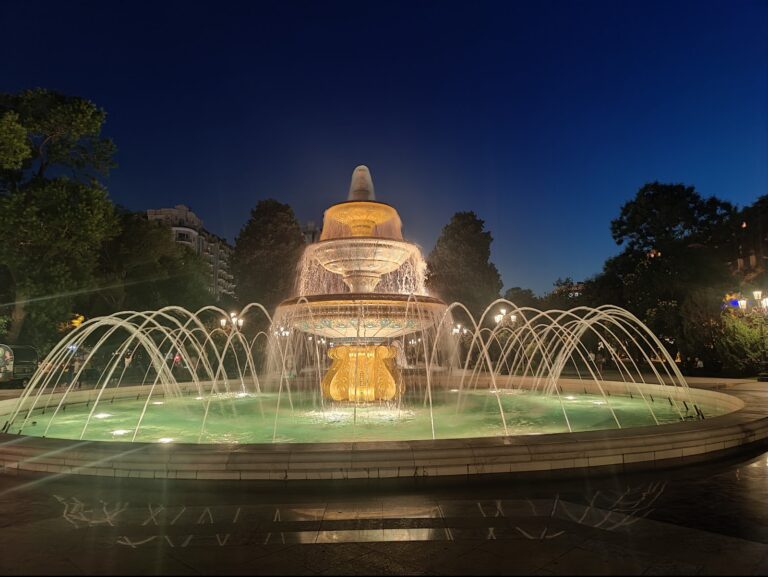

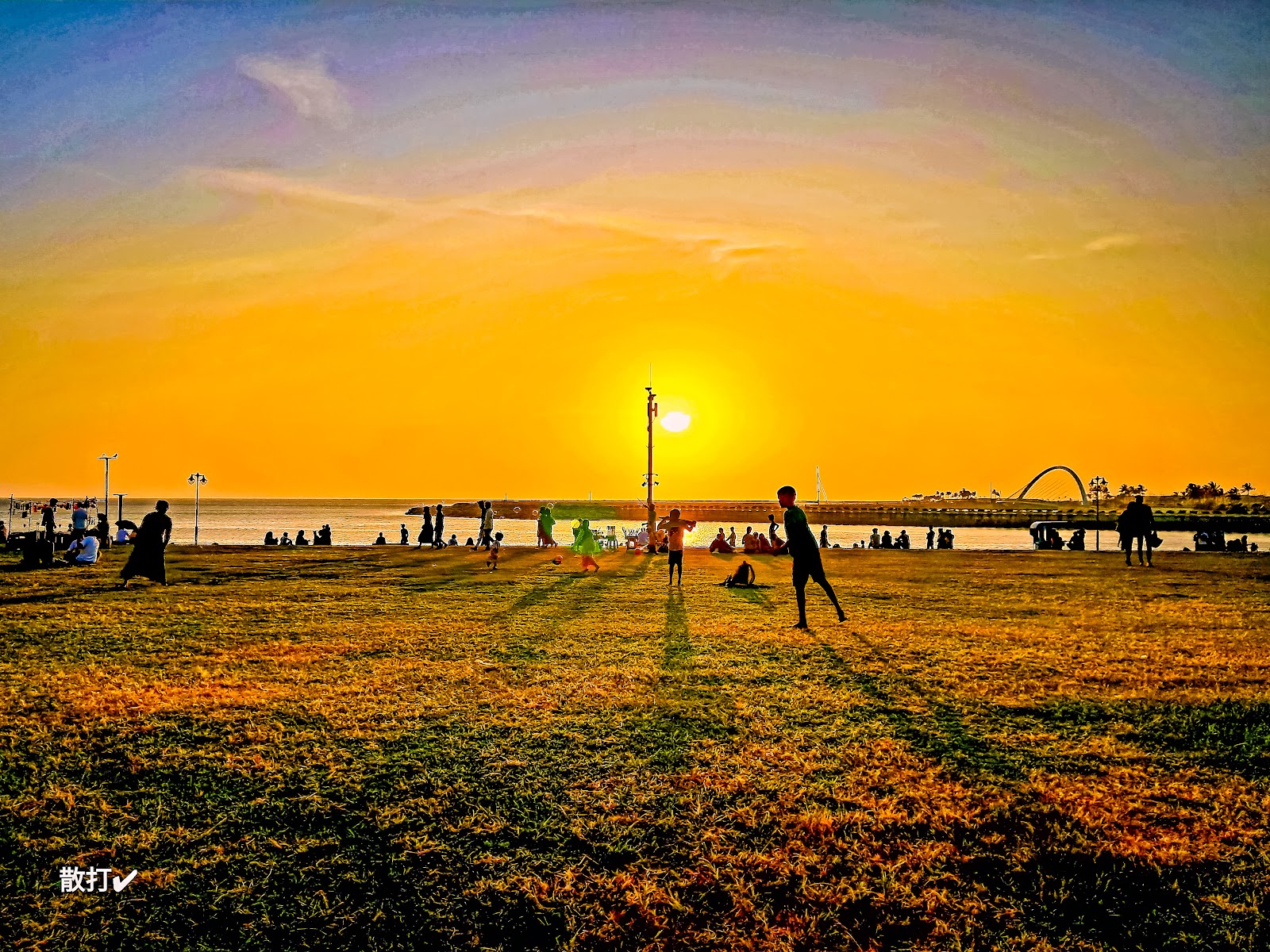
In Colombo, Sri Lanka, the 500-metre-long Galle Face Green promenade stretches along the ocean. At dusk, kites float overhead as the sun slowly sinks towards the water. Street stalls line the shore, selling fried vadai snacks, corn and slices of mango with chilli.
Colombo is Sri Lanka’s largest city and its executive and judicial capital; the legislature sits in neighbouring Sri Jayawardenepura Kotte. Most travellers only pass through Colombo, but the city is worth a day or two at the beginning or end of a trip. There’s the colonial Fort district, the markets of Pettah, temples beside Beira Lake and sunset on Galle Face Green. If you’re planning a full Sri Lanka holiday, make Colombo a stop at the start or end of your route.
At a glance
- When to go: December to March is best; January and February have only around five rainy days a month. October and November are wettest, though daytime temperatures stay between 30 and 32 °C year-round (more in the weather section).
- Entry: You must obtain an Electronic Travel Authorization (ETA) in advance. Since 25 May 2026, it has been free for Czech citizens; eligibility and fees for other nationalities vary. It allows two entries within 30 days. Apply only at the official eta.gov.lk website.
- Flights and airport: Expect a connection when flying from many international departure points. Gulf transit routes have faced restrictions in 2026, so check flights via Istanbul or a European hub. The airport is in Katunayake, about 32 kilometres north of the city. The journey takes 30–60 minutes by car booked through PickMe (Sri Lanka’s answer to Uber) or Uber; the cheaper option is bus 187 to Colombo Fort station.
- Entrance fees: Foreign visitors pay more than locals at attractions (a two-tier pricing system).
- Trains: The coastal line to Galle is running normally. As of 2 October 2026, trains towards Kandy only reach Peradeniya, just outside Kandy. There is currently no direct train from Colombo to Ella in the hills.
- Food: Vegetarians can eat easily in Colombo at South Indian eateries or by ordering rice and curry.
- Safety: Watch out for scammers claiming to drive a “government tuk-tuk” who take tourists to gem shops (details in the Safety and scams section).
The full destination guide: Asia — guide and what to see
When to Visit Colombo and Practical Information
One traveller on Reddit described Colombo in July 2026 as a two-day city with a good museum and restaurants. Prices are given in Sri Lankan rupees (LKR), with approximate conversions to euros. Using the rates cited for 23 October 2026, 1,000 rupees was about €2.70 and US$1 was 332 rupees. We use the same rates throughout.
What changed in 2026
- Entry: Electronic Travel Authorization (ETA) rules changed on 25 May 2026 (details in the Entering the country section).
- Trains after Cyclone Ditwah: Coastal trains heading south are running normally, but services towards Kandy only go as far as Peradeniya. There is no direct train from Colombo to Ella (details in tips 20 and 22).
- Gulf connections: Services through the Gulf have faced restrictions in 2026. Istanbul or a European hub may be a more reliable choice (details in the Flights section).
- More expensive tuk-tuks and taxis: Fuel rationing is back in Sri Lanka and fuel prices have risen, so tuk-tuks and taxis cost more than older guides suggest (details in the Getting around section).
Neighbourhoods and their numbers: The city is divided into postal districts numbered Colombo 1 through 15, which you’ll see in accommodation addresses on Booking.com. Colombo 1 is Fort, once a colonial fortress and now a business district containing the main Colombo Fort railway station. Colombo 2 includes Slave Island and Union Place; Colombo 3 is Kollupitiya; and Colombo 4 corresponds to Bambalapitiya. Colombo 7 includes Cinnamon Gardens, a leafy residential district with embassies, while Colombo 11 is the Pettah market district.
Weather and monsoons: The rainy season on the west coast doesn’t only run from May to September. According to climate averages for 1991–2020, Colombo receives around 350 mm of rain in October and November, spread over 16–19 rainy days. A second rainfall peak comes in May. December to March is the best time to visit. In January and February, it rains on only about five days a month. Daytime temperatures stay at 30–32 °C year-round, nights are 23–26 °C, and humidity ranges from 69% to 79%. March and April tend to be hottest. Because of cyclones and flooding, check Sri Lanka’s Disaster Management Centre at dmc.gov.lk and the weather service at meteo.gov.lk for updates.
Poya: Every full moon is Poya, a Buddhist observance and public holiday. Shops and the National Museum are often closed, and alcohol sales are banned nationwide, including in hotels, so don’t plan a cocktail night on Poya. In the 2026/2027 season, Poya falls on 24 November and 23 December 2026, then 22 January, 20 February, 22 March and 20 April 2027.
Events and holidays: Gangaramaya Temple holds its Navam Perahera procession around Beira Lake on 19 and 20 February 2027. Vesak, the May full-moon festival, is another major celebration: lanterns fill the streets and dansal stalls offer free food and drinks. Independence Day is on 4 February, bringing a parade and road closures near Galle Face. Sinhala and Tamil New Year is celebrated on 13 and 14 April, when many businesses close.
Flights: Depending on where you start, getting to Colombo will usually involve one connection. Flight deals from European hubs can vary considerably; a Czech travel-deals site listed fares starting at 11,723 CZK (about €480) on 7 October 2026, but this is not a general international fare. Confirm any Gulf connections with your airline, as services there have faced restrictions in 2026. Istanbul or a European hub may be more reliable. The Maldives are roughly a 90-minute flight from Colombo, so you can combine Sri Lanka and the Maldives in one trip.
From the airport to the city: Bandaranaike International Airport (CMB) is in Katunayake near Negombo, about 32 kilometres north of Colombo. According to travel guides, the drive into the centre via the E03 toll expressway takes 30–60 minutes. Air-conditioned bus 187 to Colombo Fort runs around the clock and takes about 50 minutes. A ticket costs a few hundred rupees (roughly €1–€2); there’s an extra charge for luggage weighing more than 23 kg. Check the exact fare before boarding.
According to travel sites, a car booked through PickMe or Uber to Fort costs around 1,800–2,800 rupees (about €5–€10), although you may wait 10–25 minutes for an Uber.
Based on the same sources, a taxi from the official counter costs around 4,500–5,200 rupees (about €10–€15) to Fort, or 5,000–5,800 rupees (about €15–€20) to Colombo 3. Between 10 p.m. and 5 a.m., there’s a surcharge of 500–800 rupees (about €1–€2). Other sources quote higher prices, so ask the fare in advance. Avoid touts in the arrivals hall: their prices tend to be 30–50% higher.
If you arrive at night, you can stay in nearby Negombo; see the Where to stay section for details.
Getting around: Booking tuk-tuks through PickMe or Uber is a sensible option. Only some tuk-tuks hailed on the street have meters, so agree on a fare before setting off. Fort, Galle Face, Slave Island and Cinnamon Gardens are walkable, but the heat and humidity make mornings and evenings more comfortable.
Renting your own tuk-tuk or car requires an International Driving Permit under the 1949 convention and a Sri Lankan Recognition Permit from AA Ceylon. The rental company must be registered with the SLTDA. Take extra care at night, when accidents are more common. A QR-code fuel rationing system called the National Fuel Pass returned on 15 March 2026, and fuel prices rose by 25–33% in March 2026. Alongside Colombo’s year-on-year inflation of 8.0% in September 2026, this helps explain why tuk-tuks and taxis cost more than older guides suggest. If you rent a vehicle, ask the rental company about the fuel QR code.
Entering the country: Arrange your Electronic Travel Authorization (ETA) before travelling. Since 25 May 2026, it has been free for Czech citizens and allows two entries over 30 days; fees and eligibility for other passport holders may differ, so check the rules for your nationality. Apply only at eta.gov.lk and avoid intermediary sites that charge extra. Confirm entry requirements with your airline before departure, too. Your passport must be valid for at least six months. On arrival, officials may ask for a return ticket, proof of accommodation and evidence of sufficient funds. You can extend a stay beyond 30 days for a fee.
Be careful with visible Buddha tattoos, which can lead to refusal of entry. You may bring in a drone only with official permission; importing and selling e-cigarettes is prohibited; and you must declare cash exceeding US$15,000 (approximately €13,500). Before you travel, look up your own country’s embassy or consular representative and emergency contact details for Sri Lanka. As of 23 October 2026, the Czech foreign ministry had issued no travel warning for Sri Lanka.
Money and two-tier pricing: The local currency is the Sri Lankan rupee. Exchange money only at authorised bureaus and keep your receipt, as your accommodation may ask to see it. Use ATMs in banks or hotels to withdraw cash, though not every machine accepts foreign cards. Restaurants sometimes add a service charge of around 10% to the bill. Expect two-tier pricing at attractions, where foreigners pay considerably more than locals. At Number 11 (architect Bawa’s house, tip 15), for example, foreigners pay 5,000 rupees (about €15) instead of the local 2,500 rupees (about €5). At the National Museum, it’s around 1,200 rupees (about €3) versus 120 rupees (about €0.30). The main entrance fees for one foreign adult add up to roughly 13,240 rupees (about €35). That includes Colombo Lotus Tower at US$20 (roughly 6,640 rupees, or €20), the National Museum at 1,200 rupees (about €3), Gangaramaya Temple at around 400 rupees (about €1; tip 8 gives a range of 300–500 rupees) and Number 11 at 5,000 rupees (about €15), excluding any applicable 18% tax at Lotus Tower.
Safety and scams: Violent crime against foreign visitors is not widespread, according to the Czech foreign ministry. Keep an eye on your belongings, though: petty theft can happen even at your accommodation, and motorbike riders sometimes snatch handbags near roads. Women may experience harassment in markets, railway stations and buses. In bars, don’t accept drinks from strangers. There may be security checks and closures around government buildings; steer clear of any protests. One Colombo scam involves a driver claiming to have a “government tuk-tuk” or saying there’s a celebration or elephant festival at a temple, then taking you to a gem shop instead. Ignore invitations like these from strangers on the street and book tuk-tuks through an app.
Ocean currents are strong, so swim only where lifeguards are present at Mount Lavinia or Port City Beach. Insulting Buddhism is a criminal offence, and you should never pose for a photo with your back to a Buddha statue. Same-sex sexual activity remains formally criminalised, although prosecutions are rare. Call 1990 for an ambulance, 118 or 119 for the police, 110 for the fire service, or 011 2421052 for the tourist police.
Temples and clothing: Cover your shoulders and knees in temples, remove your shoes and take off your hat. At the beach, remember that nudity and topless sunbathing are prohibited.
Health and insurance: No vaccinations are generally mandatory, but bring insect repellent because of dengue fever, and drink only bottled water. Don’t forget travel insurance: private hospitals such as Durdans, Lanka Hospitals, Nawaloka and Asiri are expensive.
Electricity, time and internet: Sri Lanka uses UTC+5:30 year-round, so the time difference depends on where you’re travelling from. The electricity supply is 230 V, with type D, M and G sockets, so a universal adapter is useful. You can buy a SIM from Dialog, Mobitel, Airtel or Hutch at the airport; 10–15 GB of data costs 1,500–2,500 rupees (about €5–€10). WhatsApp is widely used here.
Where to Stay in Colombo
When choosing a hotel in Colombo, check the address: the district number on booking sites tells you straight away which neighborhood you’ll be staying in. For a more detailed neighborhood-by-neighborhood hotel guide, read our separate article Where to Stay in Colombo. If you’re arriving late at night or leaving early in the morning, you may not need to go into the city at all.
Negombo: Hotels in Negombo are 3–8 km from the airport and 24–34 km from Colombo as the crow flies. That makes the area handy after a late-night arrival or before an early flight, when you want to save travel time. On the beach, Sentido Heritance Negombo has 49 Superior Deluxe rooms, a pool and a rooftop spa. It’s roughly a 15–25-minute drive from the airport. The hotel works well for the first or last night of a trip around the island.
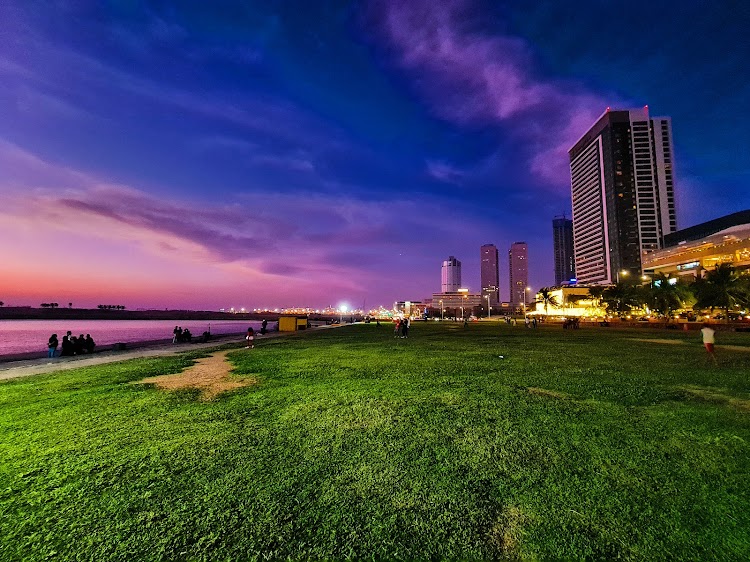
Colombo 3 and Galle Face: Kollupitiya (Colombo 3) and the strip around the Galle Face Green promenade are good choices if it’s your first time in Colombo and you’re staying only one or two nights. You’ll find plenty of accommodation here, along with restaurants, cafés and vegetarian eateries on Galle Road. Right beside the promenade stands the Galle Face Hotel, which describes itself as one of the oldest hotels east of Suez. In neighboring Colombo 2, Shangri-La Colombo has an outdoor pool and spa and connects to One Galle Face Mall. Cinnamon Red Colombo has a rooftop infinity pool with skyline views, while Hostel at Galle Face offers air-conditioned dorms for backpackers. Bear in mind that you can’t swim at Galle Face Green, and Galle Road is noisy and smoggy all day. Along Marine Drive in Kollupitiya, a railway also runs between the hotels and the sea, so hotels there don’t have private beaches.
Fort (Colombo 1): This business district of colonial buildings is convenient for a short stay if you’re interested in history and plan to take a morning train to Galle or towards Kandy (currently only as far as Peradeniya station). Colombo Fort station is just 0.6–0.9 km away as the crow flies. You can stay at The Kingsbury Colombo, which has rooftop bars. This office district empties out in the evenings and on weekends, though, and around the hotels you should watch out for touts pushing gemstone-shop scams.
Colombo 7 (Cinnamon Gardens): This quiet, leafy neighborhood of villas and embassies around Viharamahadevi Park and Independence Square suits couples looking for peace and cafés. The boutique hotel Paradise Road Tintagel Colombo occupies a historic house once home to three Sri Lankan political leaders. The sea and Fort are 3–4 km away as the crow flies, so a tuk-tuk is useful for longer journeys.
Mount Lavinia: This town south of the city, roughly 11 km from Fort as the crow flies, suits travelers looking for a cheaper stay, sunsets, restaurants on the sand and an urban beach. The trip into central Colombo takes around 30 minutes. A railway runs between the hotels and the beach, and you’ll often find litter and stray dogs near the sand.
💡 Use this map to compare what’s available right now — you’ll quickly see how much prices change just a few blocks away.
22 Things to See and Do in Colombo, Sri Lanka
These tips take you from the oceanfront and Fort through Pettah, Beira Lake and Cinnamon Gardens to Port City, design and food. They finish with trips around Colombo and a train ride to Galle. The opening hours listed come from Google Maps, but hours and prices change, so check them before you visit.
1. Galle Face Green
Galle Face Green covers five hectares and stretches 500 meters along the ocean. British governor Sir Henry Ward had the promenade built between 1856 and 1859. The site originally served as a racecourse from the 1820s until 1893. Come evening, kites fill the sky and people gather to watch the sun set over the ocean.
The park is open around the clock and free to visit; you’ll find more details at galleface.org. Street stalls sell isso vadai, prawn fritters that aren’t suitable for vegetarians. If you’re vegetarian, try plain vadai, corn or mango with chili instead. Saturday and Sunday evenings can get crowded, so a weekday is probably better for a stroll.
In 2022, the lawn was home to a protest camp set up by the Aragalaya movement, which demonstrated against President Rajapaksa during the economic crisis. At the promenade’s northern end are One Galle Face Mall and the Shangri-La hotel; to the south stands the Galle Face Hotel, founded in 1864, with its Verandah terrace. Expect the occasional tout approaching you with water pistols or offers to take your photo.
2. Dutch Hospital Shopping Precinct
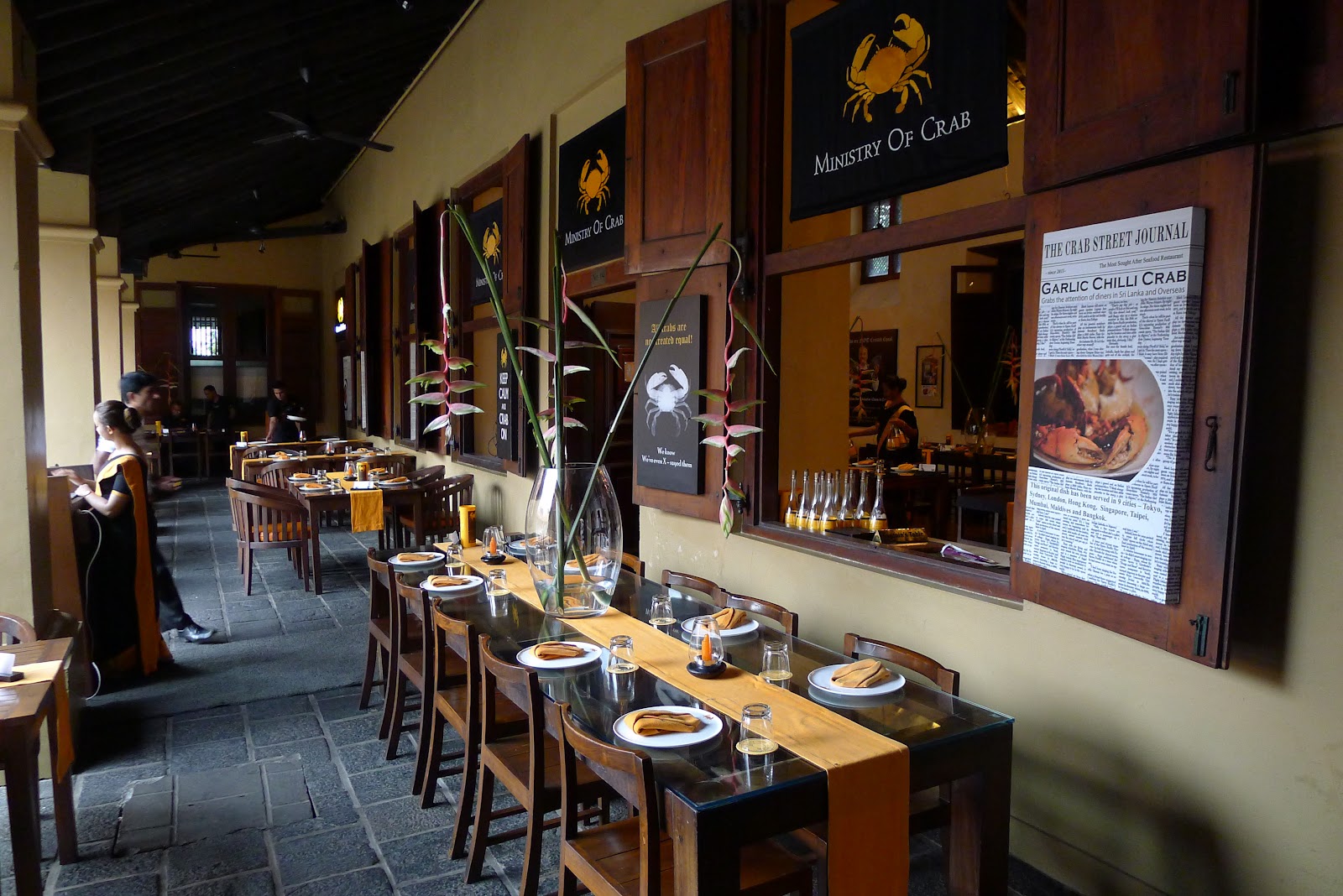
This former 17th-century Dutch colonial hospital, with its two courtyards, is now home to restaurants, cafés and shops. The building stands right in Fort. It’s a pleasant evening stop within walking distance after sunset at nearby Galle Face Green. In the heat, the air-conditioned tea shops offer a welcome break.
The complex on Hospital Street is open daily from 10 a.m. to 10 p.m.
Inside the complex is the well-known crab restaurant Ministry of Crab, though it isn’t suitable for vegetarians. If you don’t eat seafood, there are cafés in both courtyards.
3. Walk Through Fort: Clock Tower, Cargills and the Old Parliament Building
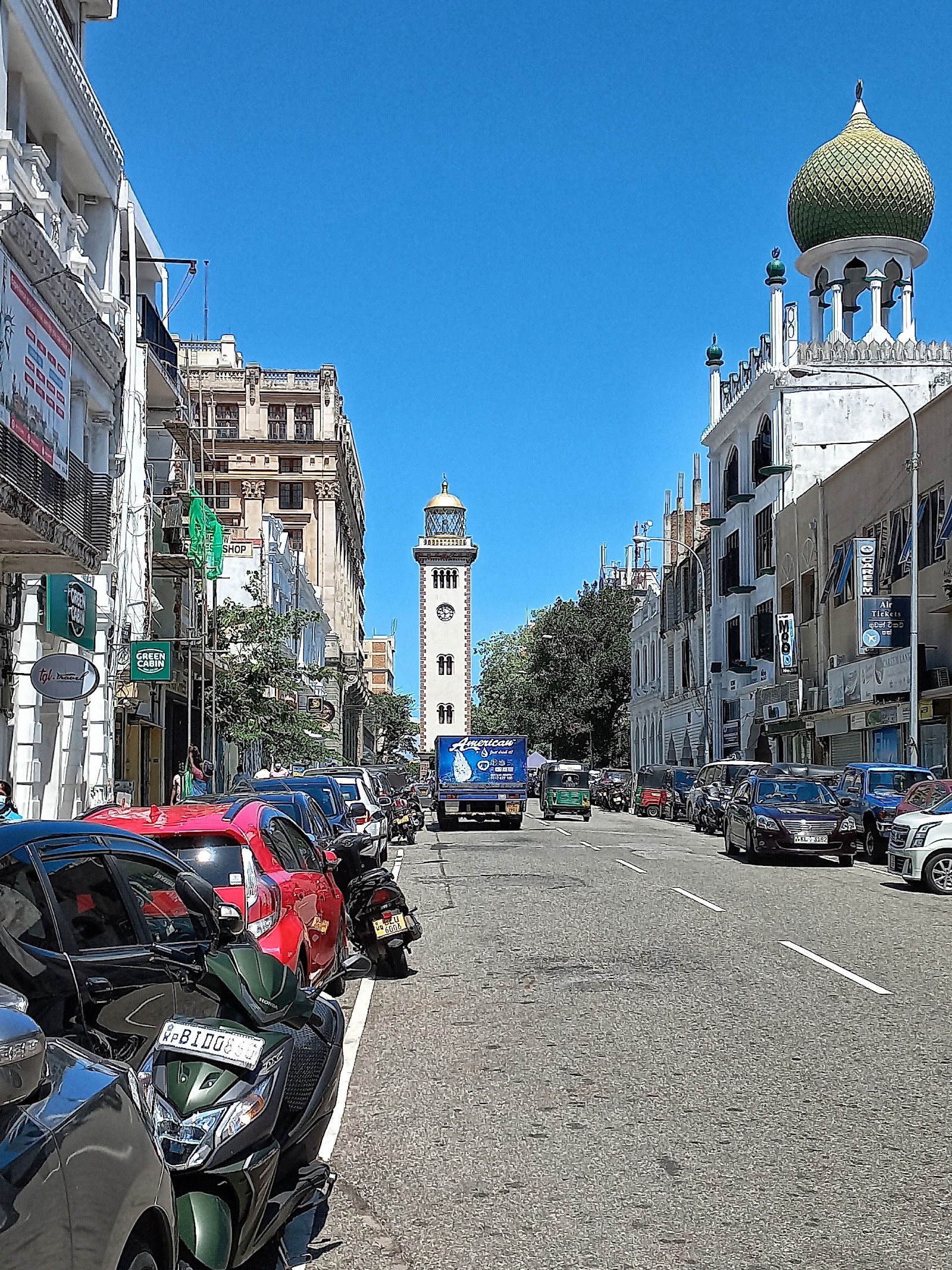
Fort brings colonial buildings and government offices together. At the intersection of Chatham Street and Janadhipathi Mawatha stands a 29-meter clock tower dating from 1857, designed by the governor’s wife, Emily Ward. It also served as a lighthouse until 1952. A little farther on is the Old Parliament Building, completed in 1930 in the Neo-Baroque style and now home to the Presidential Secretariat.
On York Street, you’ll come across the colonial Cargills department store, open Monday through Saturday from 8:30 a.m. to 7 p.m. and closed on Sundays. Fort is also home to the 29-meter Galbokka Lighthouse, built in 1952. It stands on a 12-meter base adorned with four lions, with a naval gun battery at its foot. It’s open from 9 a.m. to 6 p.m. Nearby, the Buddhist Sambodhi Pagoda rises on pillars above Chaithya Road, overlooking the harbor.
You can only see the President’s House residence from outside, and roads around government buildings in Colombo are often closed. It’s best not to photograph government buildings or soldiers.
💡 Tip: Explore Fort on a weekday. The district is often deserted on weekends, and Cargills is closed on Sundays.
4. Pettah Market and Khan Clock Tower
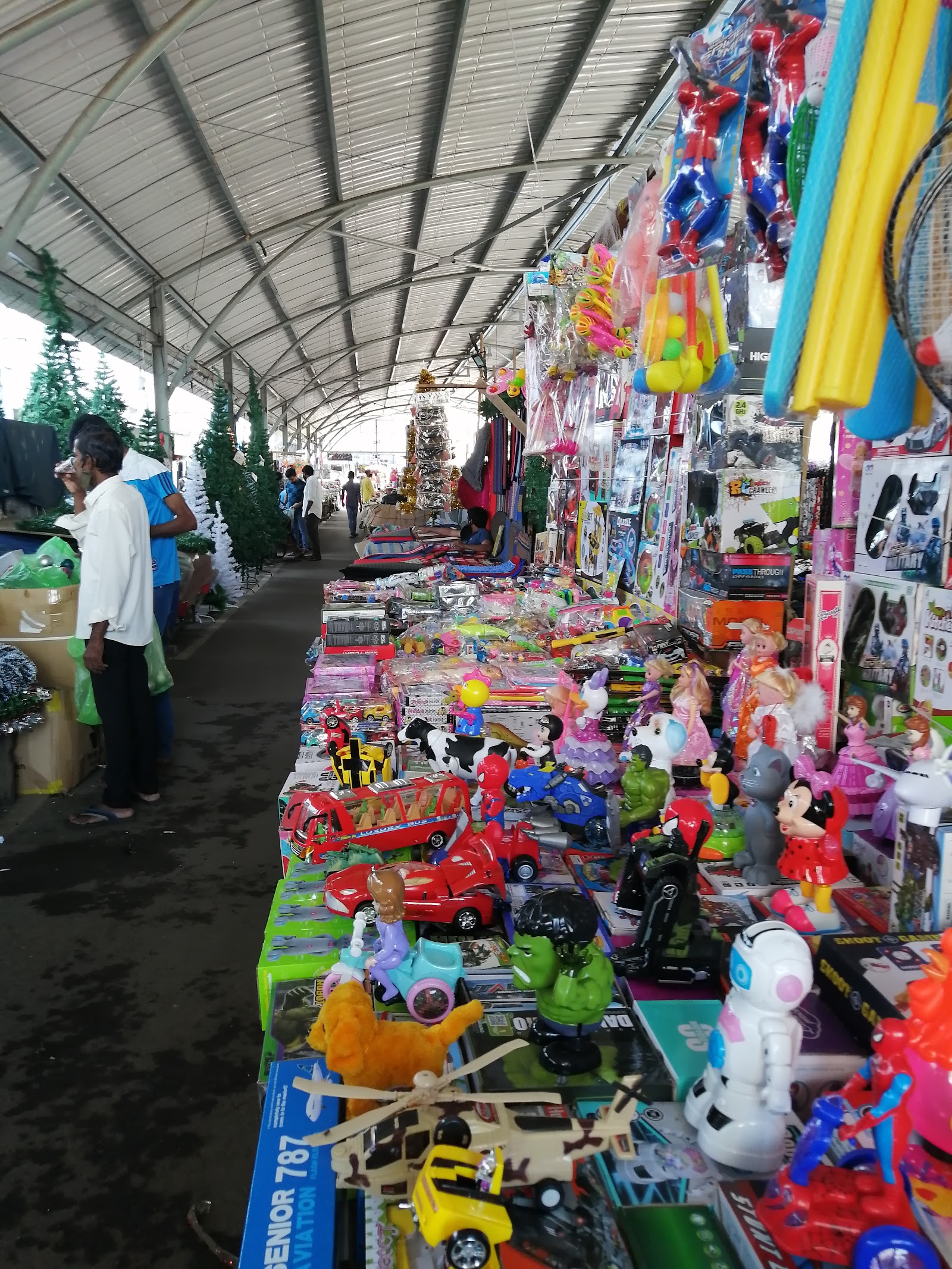
Fort gives way to Pettah, also known as Colombo 11, a neighborhood made up of a grid of market streets. Its entrance is marked by the Khan Clock Tower, donated on January 4, 1923, by the Parsi Khan family from Bombay. Beyond the tower, streets including Main Street and 1st through 5th Cross Street branch out.
The covered Pettah Market on Keyzer Street sells fruit, vegetables and clothing and is open daily from 8:30 a.m. to 7 p.m. Pettah is also home to the Old Town Hall, built by Wapchi Marikar, which now houses a market too.
Keep an eye on your pockets in the crush of porters and their carts. Travel advisories warn of bags being snatched by people on moving motorcycles and of harassment of foreign women in markets. If a tuk-tuk driver offers you a free ride to a gemstone shop, it’s probably the trick described in the Safety and Scams section.
5. Jami Ul-Alfar Red Mosque
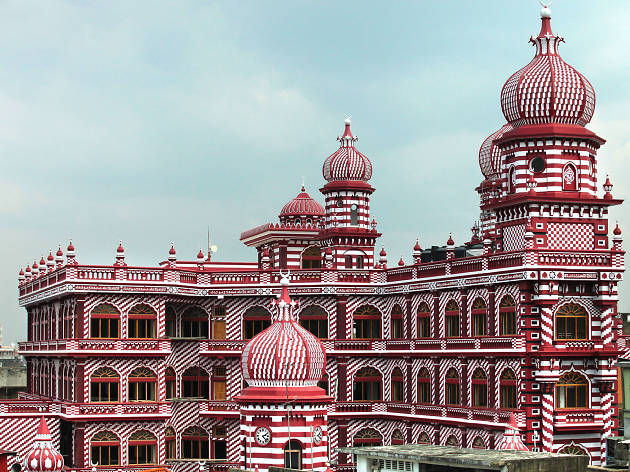
Among the markets of Pettah stands Jami Ul-Alfar Mosque, with red-and-white stripes that make it look like a piece of candy. Habibu Lebbe Saibu Lebbe designed and built it in the Indo-Saracenic style between 1908 and 1909 for the Indian Muslim community, making it one of Colombo’s oldest mosques. Following an expansion that began in 1975, it can accommodate up to 10,000 worshippers.
You’ll find the mosque at 228 2nd Cross Street, and it is open to visitors daily from 11:00 a.m. to 5:30 p.m. You can go inside outside prayer times. The main weekly prayer takes place around midday on Fridays, so avoid visiting then.
As at temples, you need to cover your shoulders and knees. Women should bring a headscarf; according to travel websites, the mosque also lends them out.
6. Pettah’s Temples and Churches
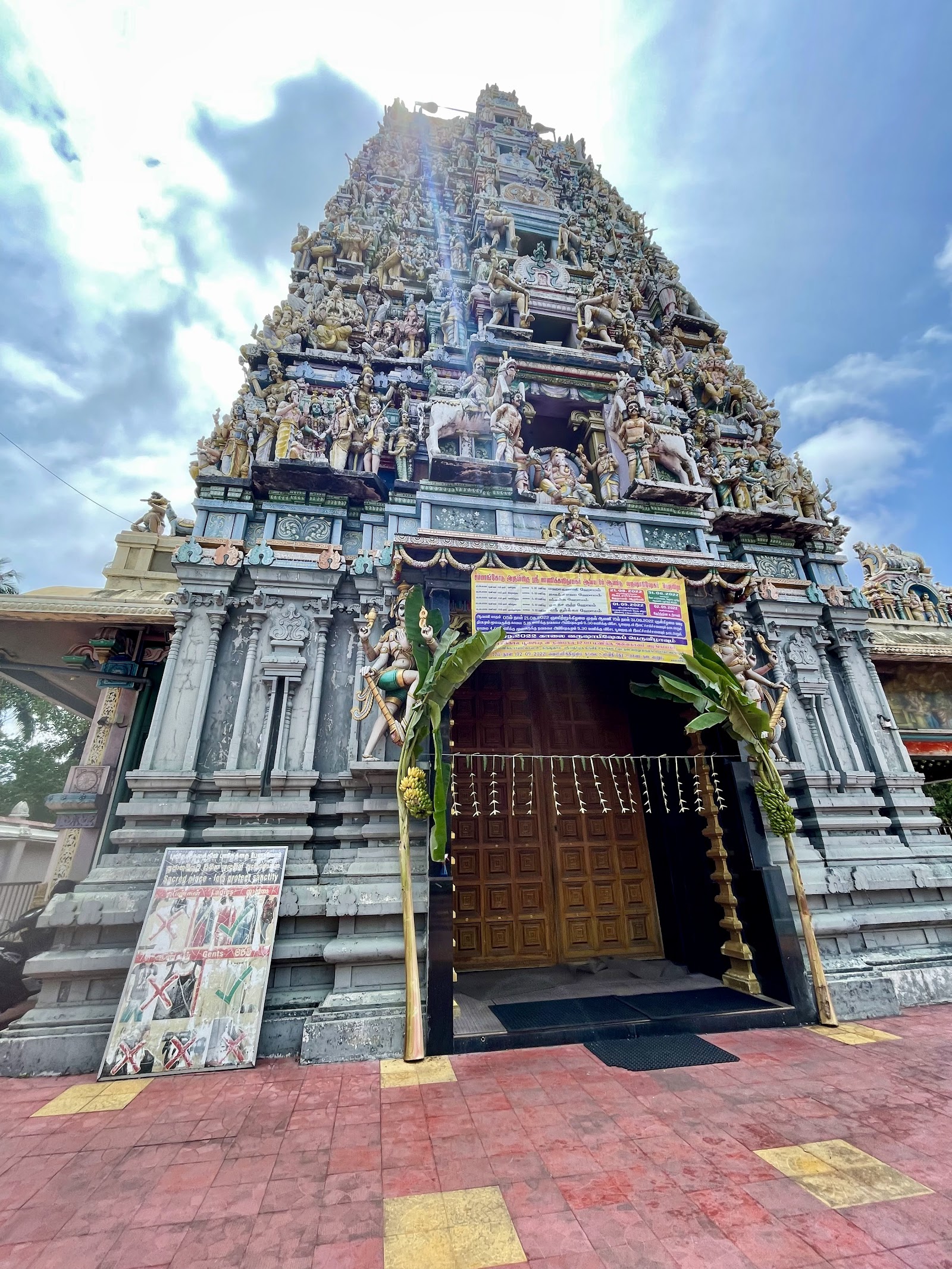
Four religions meet within a small area of Pettah and its surroundings: Buddhism, Hinduism, Islam and Christianity. At 11 Sea Street stands the Hindu New Kathiresan Kovil temple, whose gopuram, or entrance tower, is decorated with colorful figures. The temple is the main venue for the annual Vel festival. You’ll also find Sri Kailasanathar Swami Devasthanam nearby.
New Kathiresan Kovil is open daily from 6:00 a.m. to 8:00 p.m., while Sri Kailasanathar Swami Devasthanam opens from 7:00 to 11:00 a.m. and again from 6:00 to 9:00 p.m. The 19th-century Catholic St. Anthony’s Shrine in Kochchikade is open from 5:00 a.m. to 8:00 p.m. On April 21, 2019, the shrine was one of the targets of the Easter attacks on three churches and three hotels, which killed more than 250 people. Please visit with sensitivity.
The Dutch Reformed Wolvendaal Church has foundations dating from 1749 and was consecrated on March 6, 1757. Its name means “wolf’s valley” because the Dutch mistook jackals for wolves. As of October 23, 2026, the church is temporarily closed.
7. Dutch Period Museum
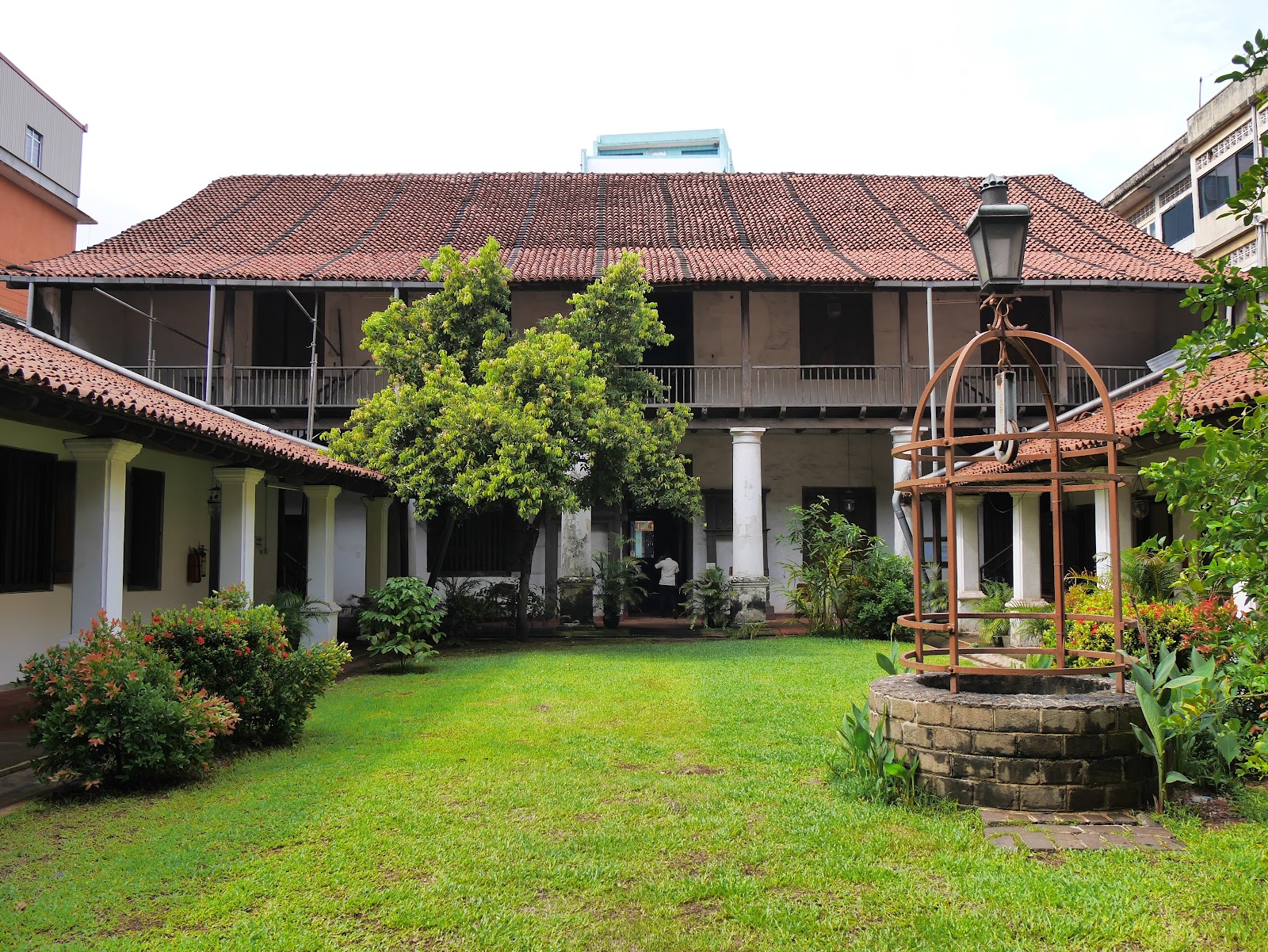
Right in Pettah, on Prince Street, you’ll come across a former residence built for Governor Thomas van Rhee between 1692 and 1697. Today it houses the Dutch Period Museum, which opened here in 1977 with support from the Netherlands. Inside, you can see period furniture, coins and gravestones from the Dutch era.
It is open Tuesday to Sunday from 9:00 a.m. to 4:30 p.m. and closed on Mondays. There is a small entrance fee; ask at the ticket desk for the exact amount or check museum.gov.lk before you go.
8. Gangaramaya Temple
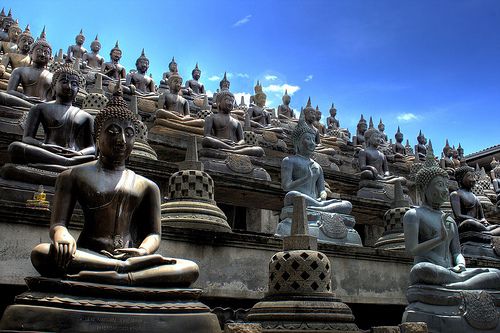
In the late 19th century, a temple was completed on Sri Jinarathana Road for the monk Hikkaduwe Sri Sumangala. It combines Sri Lankan, Thai, Indian and Chinese architecture. Alongside the shrine, the complex includes a library, vocational training center, social projects and a museum where you can reportedly see a collection of donated objects ranging from statues to cars.
The temple is open daily from 6:00 a.m. to 10:00 p.m., and you can also buy tickets online at gangaramaya.com. Admission is approximately 300–500 rupees (about €1–€1.35), and according to some sources the ticket also covers Seema Malaka; ask at the ticket desk to confirm. Follow the dress code in the Temples and Clothing section.
Navam Perahera, a procession that also features elephants, sets off from the temple on February 19 and 20, 2027. If someone on the street tries to convince you that a festival is happening at the temple outside those dates, it is probably the scam described in the Safety and Scams section. You can find the actual festival dates at gangaramaya.com.
9. Seema Malaka and Beira Lake
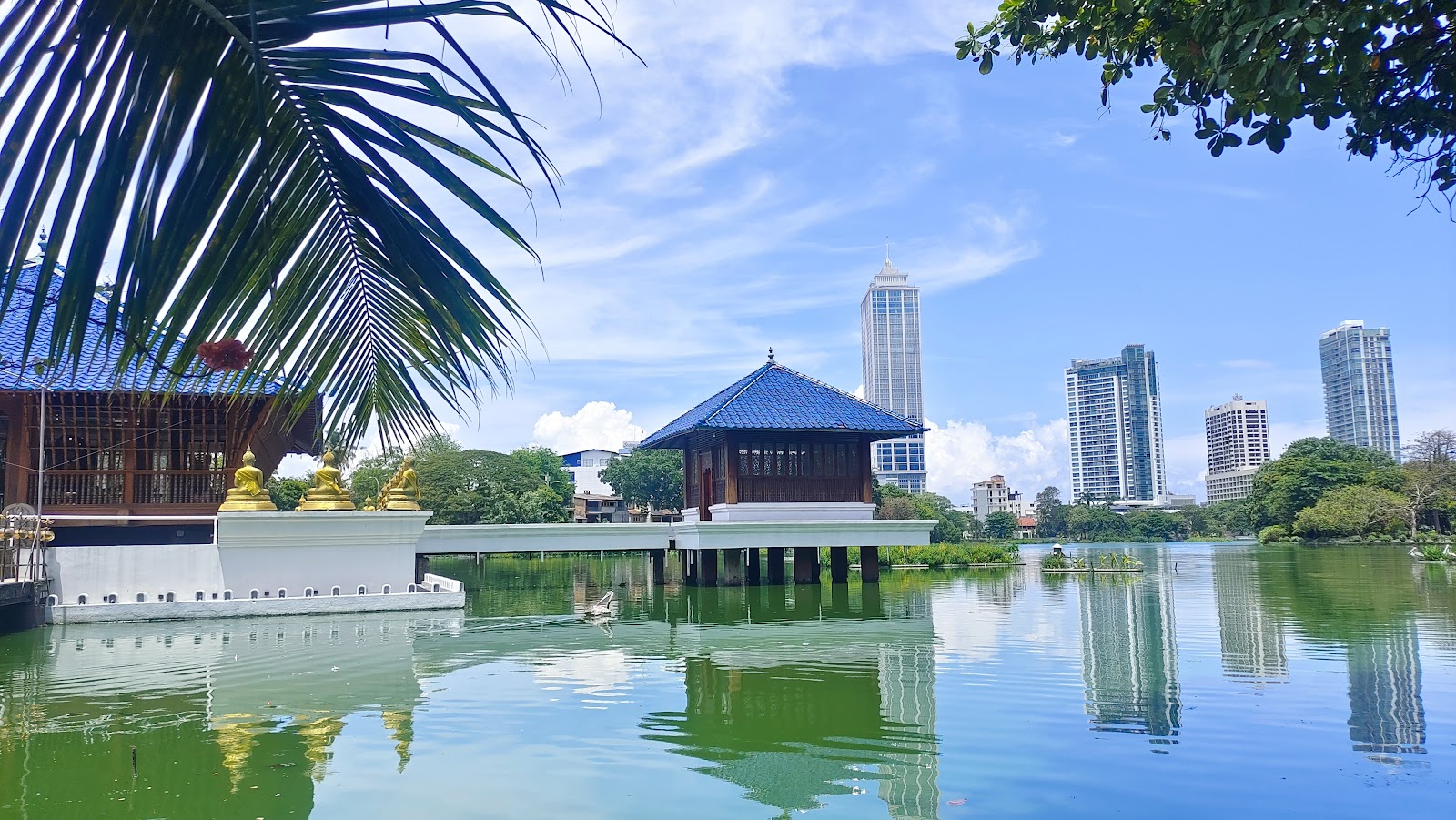
Three platforms linked by pontoons sit on the waters of Beira Lake. They belong to Gangaramaya Temple and are used more for meditation than worship. Architect Geoffrey Bawa redesigned them in 1976 after the original 19th-century structure sank into the water in the 1970s.
The complex, with its blue-tiled roofs and Bodhi tree, is open daily from 6:00 a.m. to 10:00 p.m. Among the Buddha statues displaying various mudras (hand gestures), you’ll also find shrines dedicated to Shiva, Vishnu, Kataragama and Ganesha.
Muslim businessman S. H. Musaji and his wife funded the 1970s reconstruction in memory of their son. You can walk around Beira Lake itself or take a pedal boat out onto the water.
10. Viharamahadevi Park and Town Hall
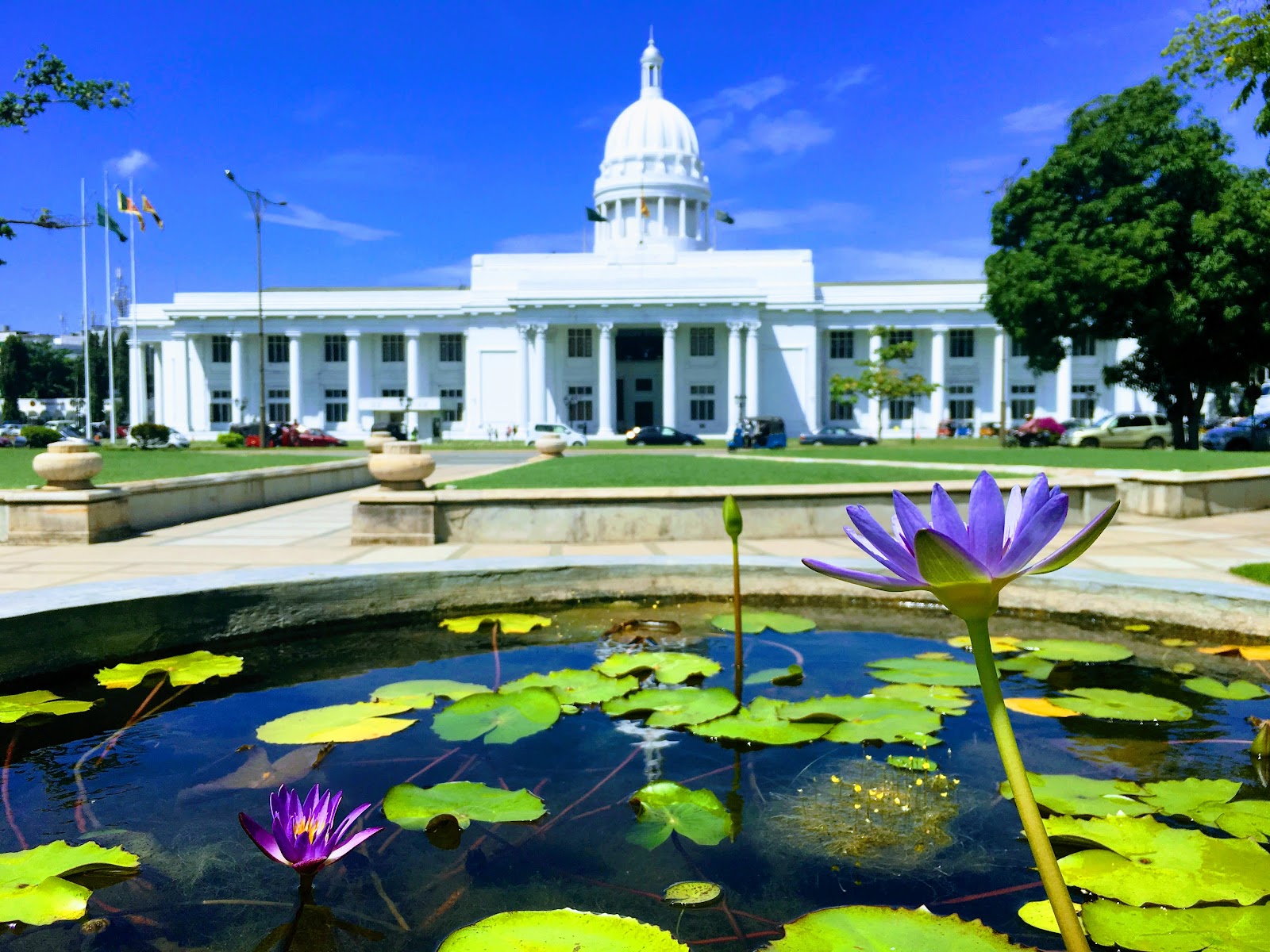
Colombo’s oldest and largest park covers 45 acres, or roughly 18 hectares. Originally called Victoria Park, it was renamed on July 18, 1958, after Queen Viharamahadevi, the mother of King Dutugemunu.
The park is free to enter and open 24 hours a day. As you stroll past the large Buddha statue and fountains, you’ll also find a children’s playground and, according to some sources, a small zoo.
Directly across the street stands the white Town Hall building, listed on maps as Colombo City Hall or Town Hall. Both sights are a short walk from the National Museum in tip 11.
11. National Museum
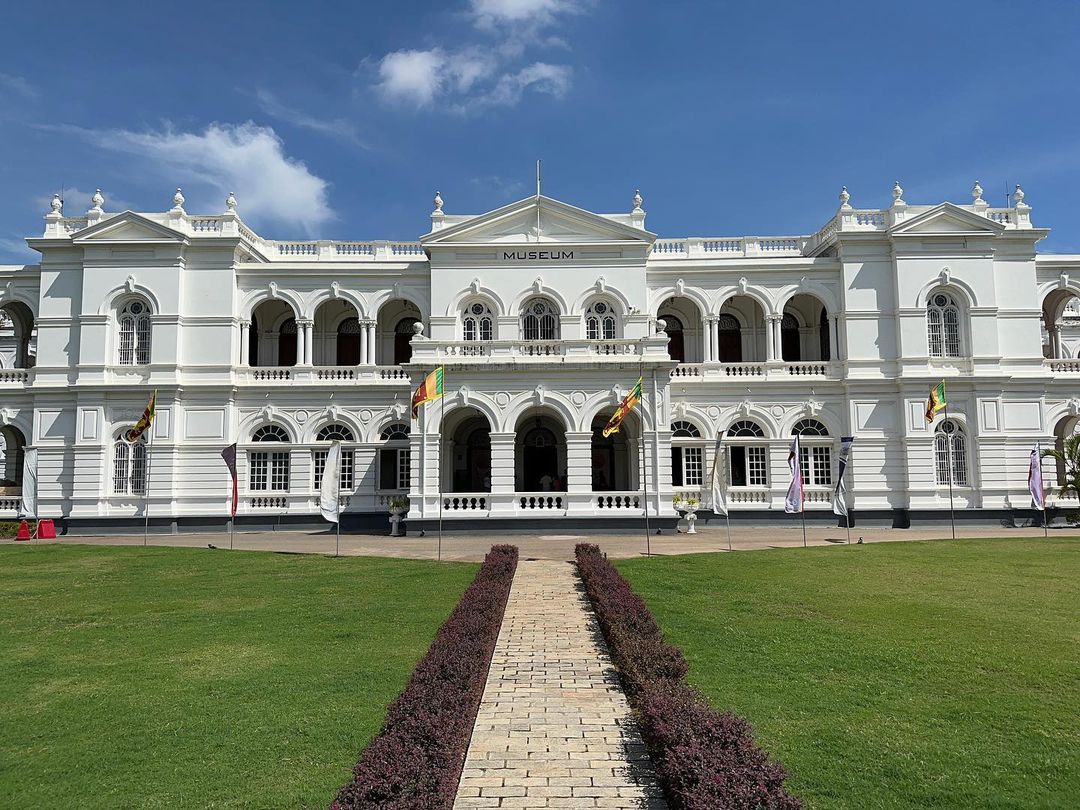
Sri Lanka’s largest museum occupies an Italian-style building designed by architect J. G. Smither. Governor William Gregory founded the museum on January 1, 1877. Its exhibits include the jewels and throne of the last Kandyan king, which the British returned to Sri Lanka.
The museum on Sir Marcus Fernando Mawatha is open Tuesday to Sunday from 9:00 a.m. to 5:00 p.m. It is closed on Mondays, public holidays and the full-moon Poya holiday. According to travel websites, admission is 1,200 rupees (about €3.25) for an international adult visitor and 600 rupees (about €1.65) for a child. A combined ticket including the Natural History Museum on the grounds costs 1,500 rupees (about €4). Check current prices at the ticket desk.
Before your visit, you can find information at museum.gov.lk, a website the museum launched in March 2026.
12. Independence Memorial Hall and Arcade Independence Square
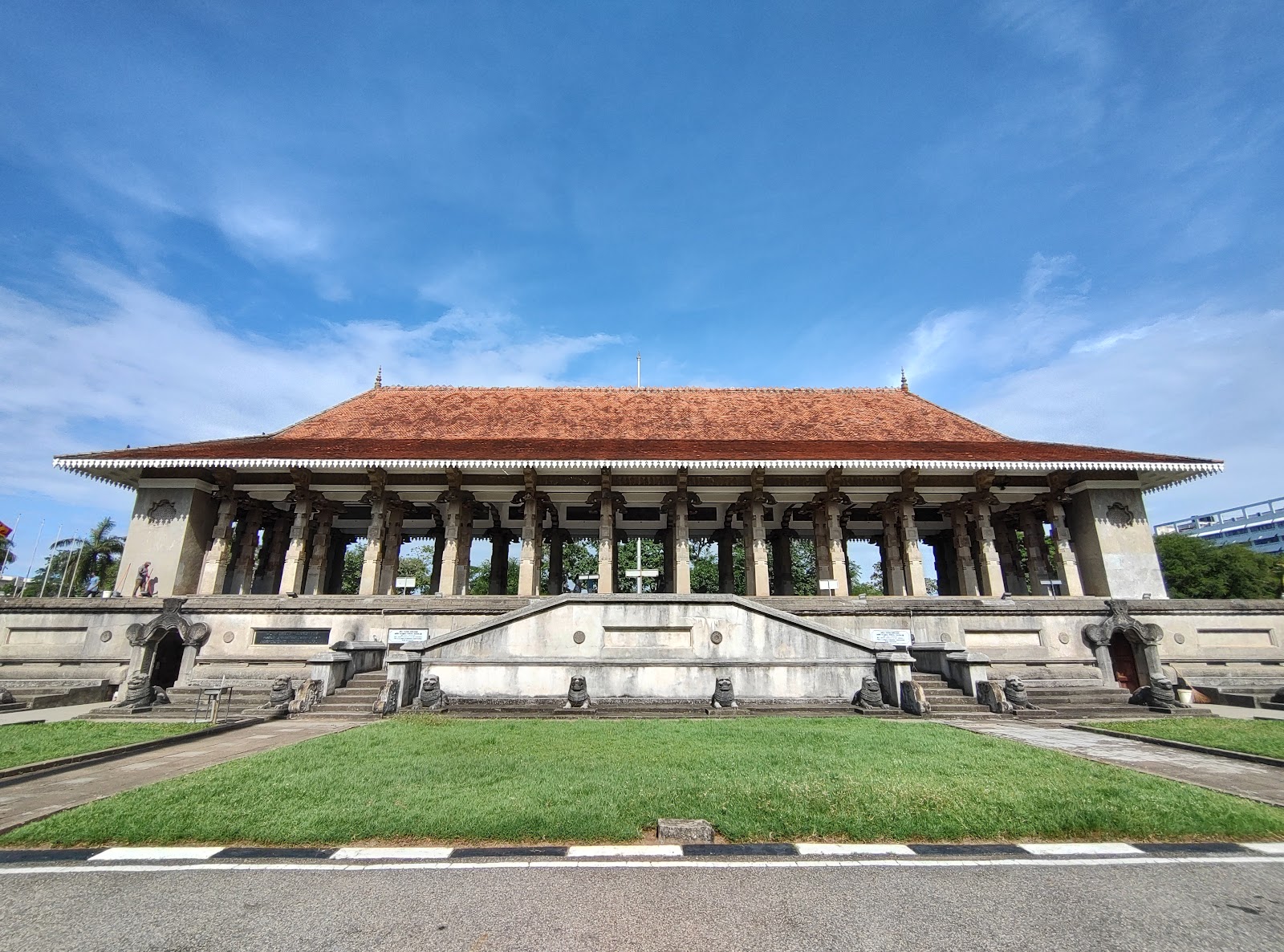
This monument commemorates independence on February 4, 1948. Its design draws on Magul Maduwa, the audience hall of the Kandyan kings where the Kandyan Convention was signed in 1815. A statue of the first prime minister, D. S. Senanayake, stands in front of the building, while the Independence Museum is housed inside.
Independence Square itself is open 24 hours a day, but check the museum’s opening hours on site. Right next door, the restored government building houses Arcade Independence Square, a complex of shops and restaurants open daily from 8:00 a.m. to 11:00 p.m.
Locals come to jog around the square in the morning and evening.
💡 Tip: After exploring the square, stop by Good Market at 14 Independence Avenue (open daily from 8:00 a.m. to 8:00 p.m.) for locally produced organic goods and a café.
13. Lotus Tower
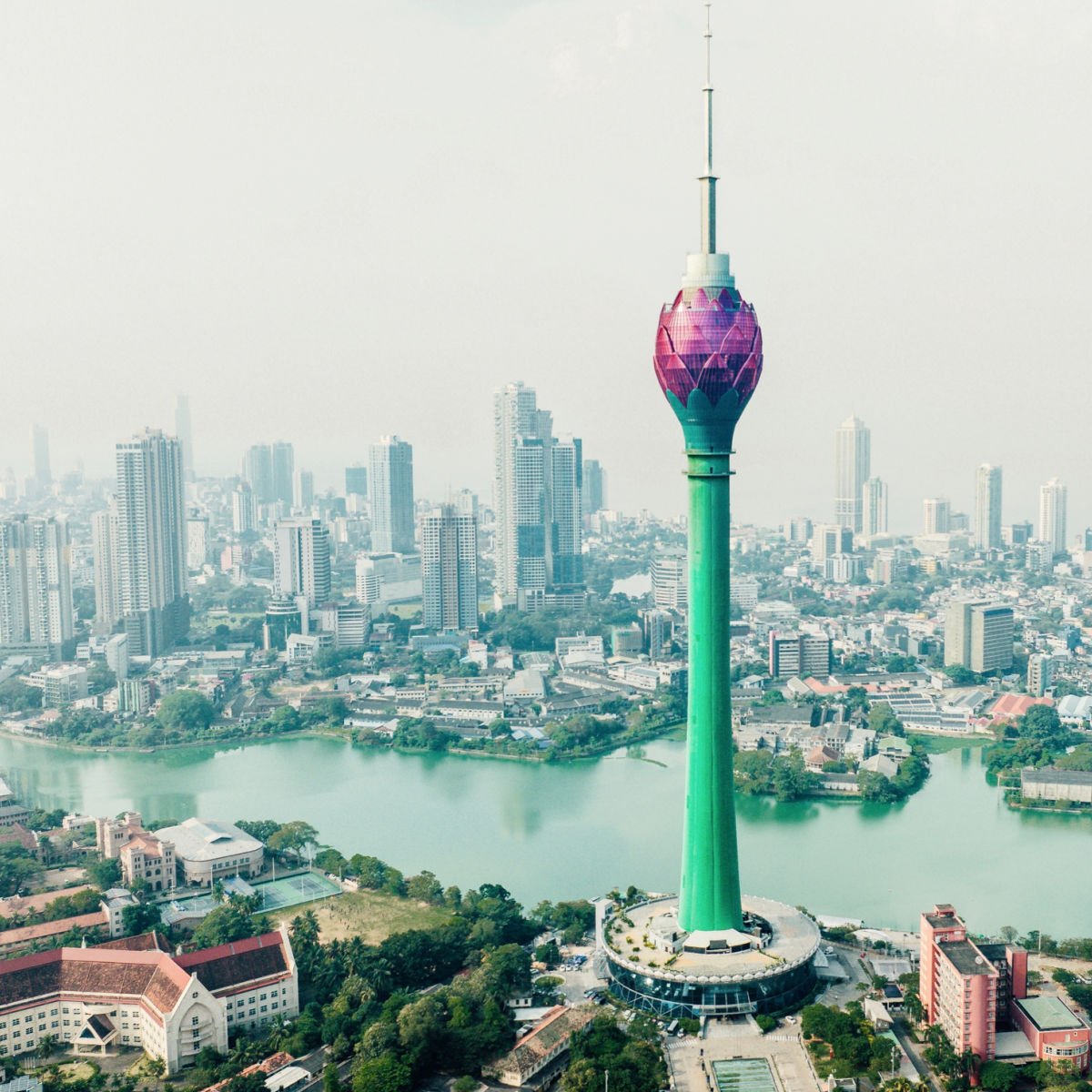
Lotus Tower (Nelum Kuluna) stands 351.5 meters tall, making it Sri Lanka’s tallest structure and reportedly the tallest self-supporting structure in South Asia. Construction began in 2012 under a Chinese contract worth around $113 million. It was officially inaugurated on September 16, 2019, and opened to the public in 2022.
The tower at 320 McCallum Road is open daily from 9:00 a.m. to 9:00 p.m. A ticket includes access to the observation deck and Pixel Bloom. For international visitors, tickets cost approximately $20 (around 6,640 rupees, €20) for adults and $10 (about €9) for children aged 3 to 10. Children under 3 enter free. Prices are charged in rupees at the current exchange rate, and some sources say an additional 18% tax applies.
You can buy non-refundable tickets online at colombolotustower.lk up to three months in advance. The tower also houses the revolving Blue Orbit restaurant, and its RGB lighting changes colors in the evening.
14. Port City Colombo
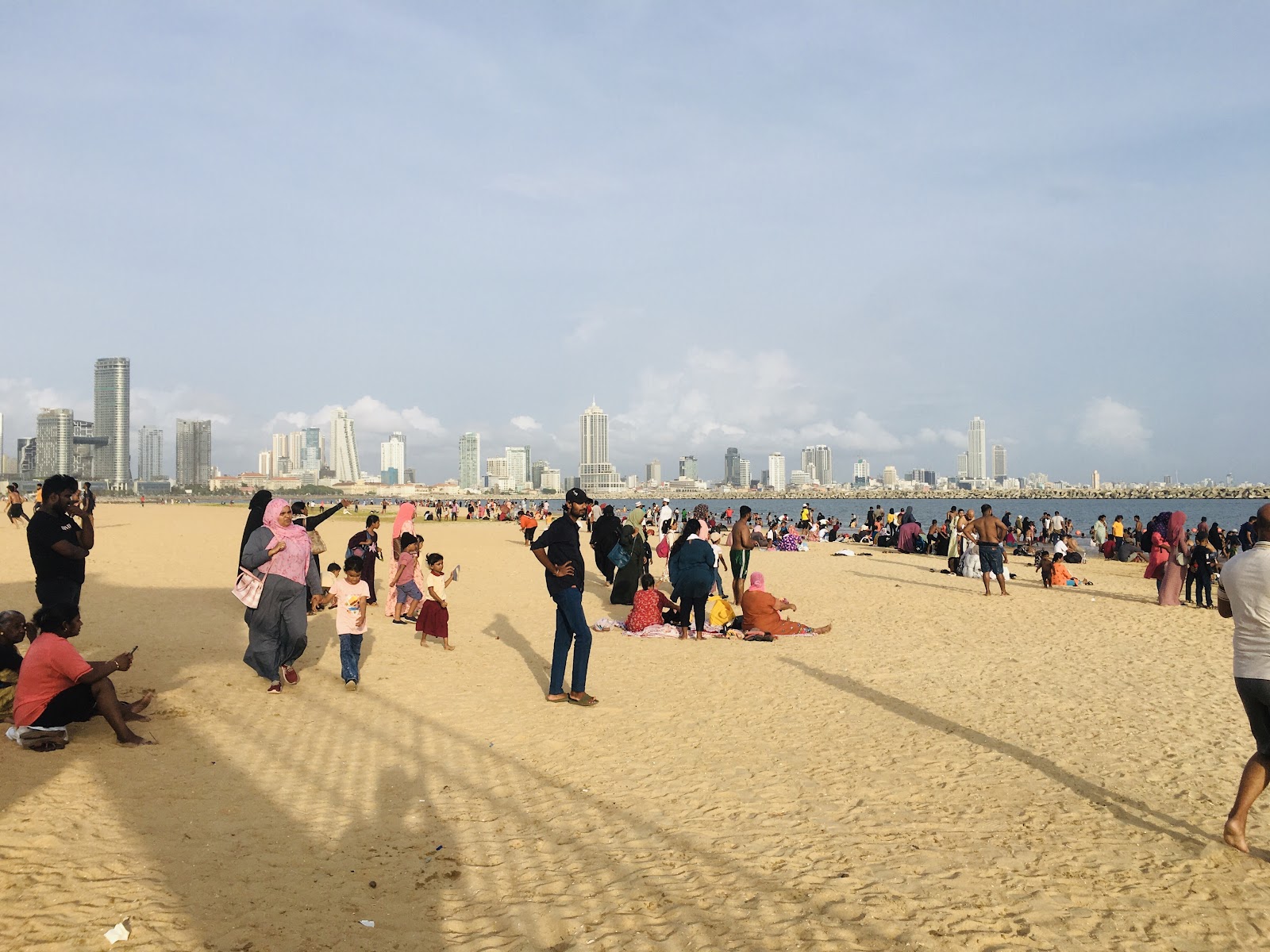
Right beside the Galle Face Green promenade, the new Port City Colombo district is taking shape on 269 hectares of reclaimed land. The land reclamation, funded by Chinese investment, was completed in January 2019, and the special economic zone is still under construction. A downtown duty-free shop opened here in September 2024. It offers a glimpse of what Colombo could look like in ten years—a striking contrast to the bustling markets of Pettah.
Colombo Port City Beach is open daily from 6 am to midnight, and there’s also a waterfront walkway called Marina Promenade. Beach access was free for locals and international visitors in 2023, but check the current rules on site before you visit.
If you go swimming, follow the lifeguards’ instructions. Try visiting at sunset and pair it with a stroll along neighbouring Galle Face Green.
15. Geoffrey Bawa: Number 11 and The Gallery Café
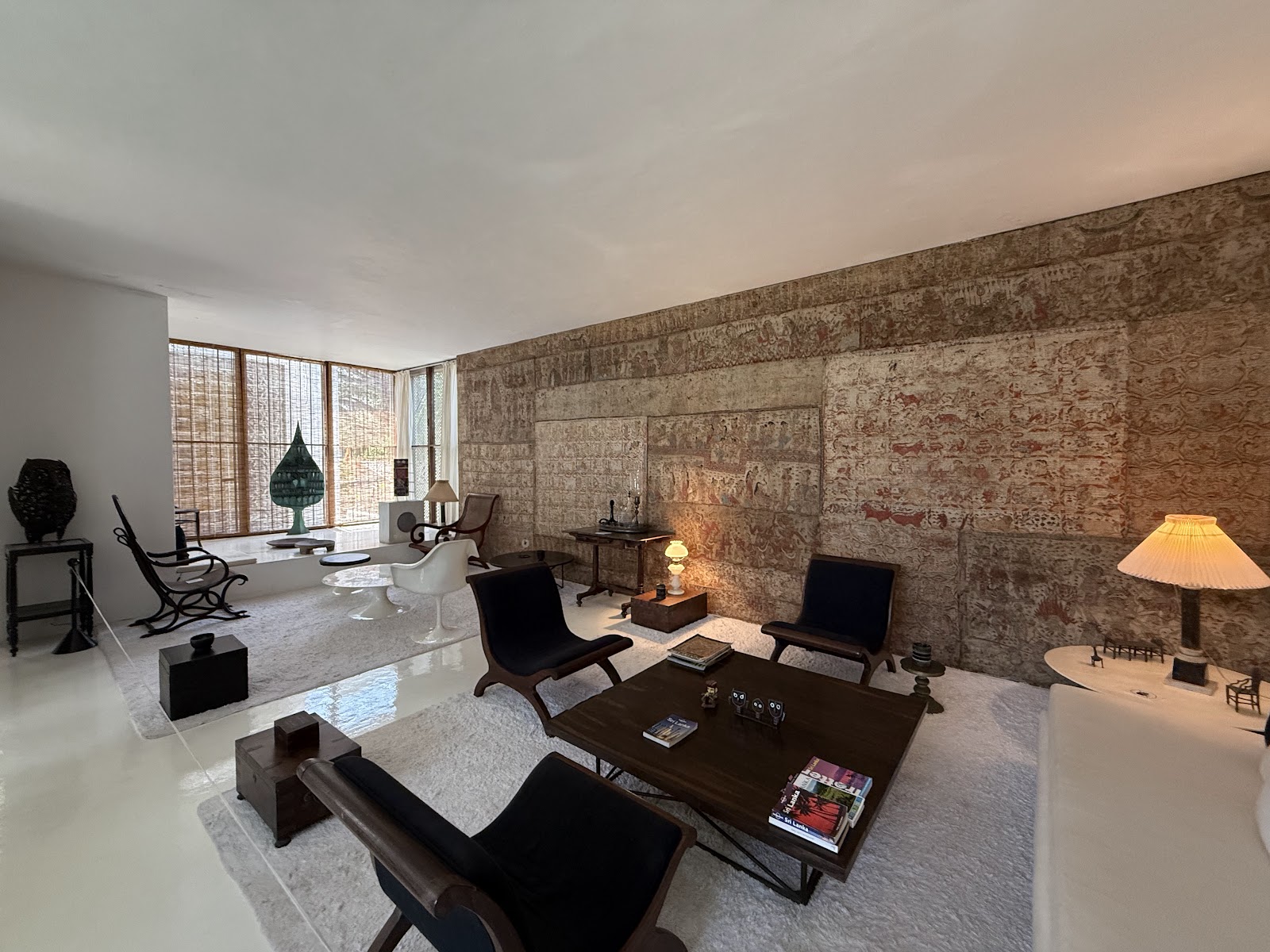
Starting in 1959, architect Geoffrey Bawa gradually rented and bought four terraced houses on 33rd Lane in Colombo 3, joining them together to create Number 11. You can only see the interior on a 45-minute guided tour. Bawa also designed Seema Malaka, featured in tip 9.
Tours run Monday to Friday at 10 am, 2 pm and 3:30 pm, and Saturday at 11 am and 4 pm. Admission for international visitors is 5,000 rupees (about €15). Places are limited and allocated on a first-come, first-served basis; photography without flash is allowed only in certain rooms, and the house is not wheelchair accessible. Afterwards, head to The Gallery Café at 2 Alfred House Road for food or coffee. It’s open daily from 10 am to midnight.
The Gallery Café reportedly occupies Bawa’s former office. It belongs to the Paradise Road brand, which also runs a shop at 213 Dharmapala Mawatha, open from 10 am to 7 pm.
💡 Tip: Near Bentota, you’ll find Bawa’s Lunuganga garden, now home to a Teardrop hotel and open for garden tours.
16. Barefoot: Handwoven Textiles and More
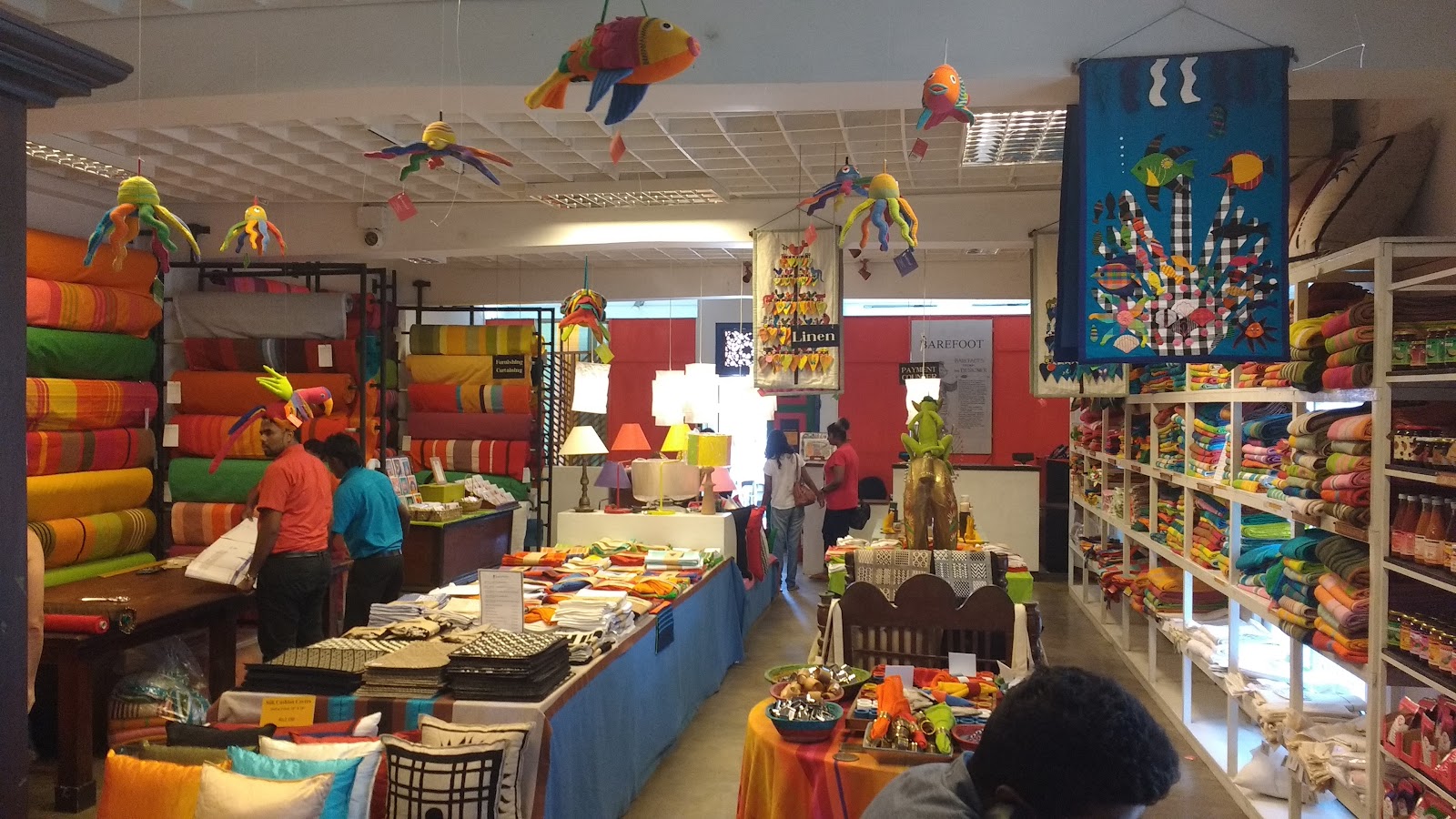
You’ll find Barefoot at 704 Galle Road in Colombo 3. Founded by Barbara Sansoni, the shop sells colourful handwoven textiles and books. It also houses Barefoot Garden Cafe and the Barefoot Gallery exhibition space.
The shop and café are open Monday to Saturday from 10 am to 7 pm and Sunday from 10 am to 6 pm, while the gallery is open Monday to Saturday from 10 am to 6 pm. The café has vegetarian options, too.
Another place to shop is Laksala, the state-run handicrafts store, open from 9 am to 9 pm. Prices there are fixed.
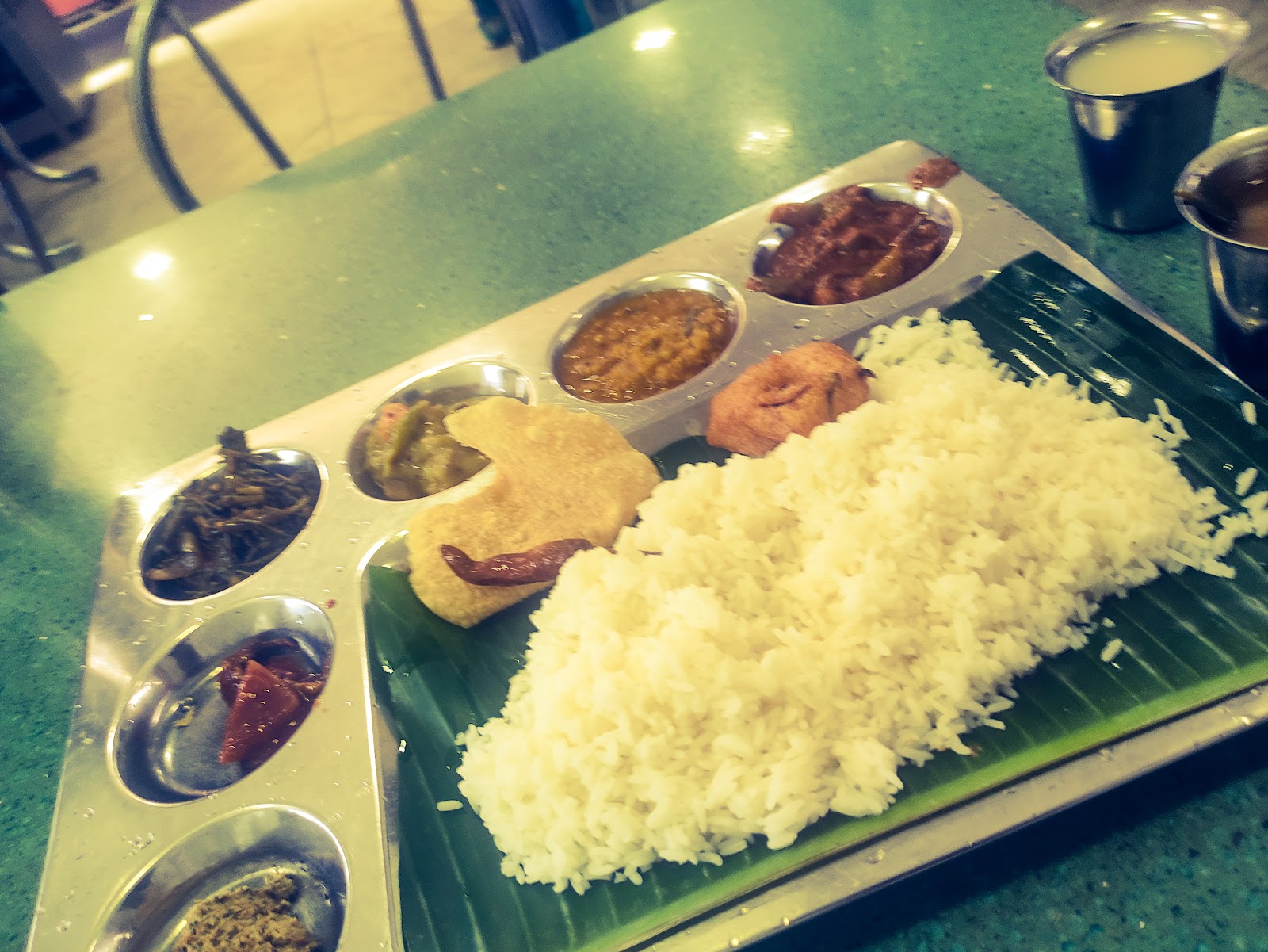
17. Vegetarian Colombo: South Indian Eateries and Rice & Curry
Sri Lanka is easy to navigate as a vegetarian because rice & curry is a staple: rice served with parippu lentil curry and two to four vegetable curries, perhaps made with pumpkin, beetroot or jackfruit. The southern neighbourhoods of Bambalapitiya and Wellawatte are home to a Hindu Tamil community and fully vegetarian eateries where you can try dosa, vadai or thali—a tray with several small dishes. Other local foods include string hoppers, which are thin rice noodles; kiribath, or milk rice; and coconut-flour hoppers, which can also be made with egg.
Fully vegetarian choices include Saraswathie Vegetarian Restaurant in Bambalapitiya (daily from 6:40 am to 10 pm), Shanmugas in Wellawatte (8 am to 10 pm) and Amachi Vegetarian Food, also in Wellawatte (6:30 am to 10 pm).
For hoppers and kiribath, try the local Hela Bojun Hala eatery in the suburb of Battaramulla, open from 7 am to 4 pm except Sundays. Ask which dishes are vegetarian. The evening village buffet at Nuga Gama also usually has vegetarian curries. Cafe Kumbuk, Barefoot Garden Cafe and Good Market, an organic market with a café, are also good bets for vegetarian options.
Watch out for Maldive fish, a dried tuna added to both pol sambol—a spicy coconut relish—and vegetable curries. It’s best to ask staff whether a dish is free of Maldive fish. Kottu, a stir-fry made with chopped flatbread, was originally prepared with meat, so order vegetable kottu; it’s also commonly made with cheese or egg.
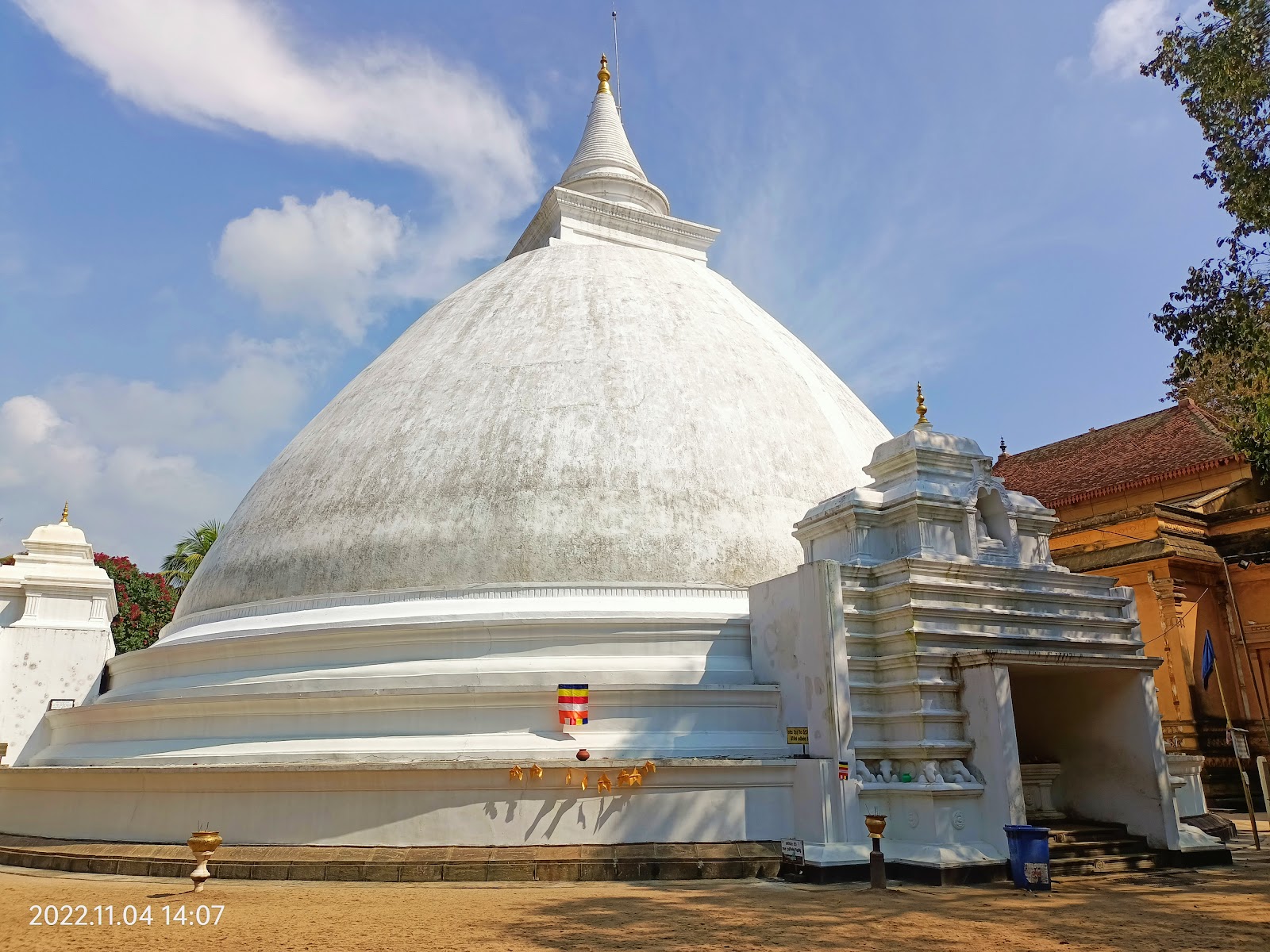
18. Kelaniya Raja Maha Vihara
Eleven kilometres northeast of Colombo stands Kelaniya Raja Maha Vihara, a temple that, according to Buddhist tradition, the Buddha himself visited on his third trip to Sri Lanka. The complex’s present appearance dates from restoration under King Kirti Sri Rajasinha. Inside, you’ll see paintings by Sri Lankan artist Solias Mendis depicting scenes from the Buddha’s life.
It’s generally open daily from 5:30 am to 8 pm; ask at the entrance about any admission fee or suggested donation. A tuk-tuk or car booked through the PickMe app takes roughly 30 to 45 minutes from the city centre. You can find more details at kelaniyatemple.lk.
Every January, the Duruthu Perahera procession takes place here around the Duruthu Poya full moon.
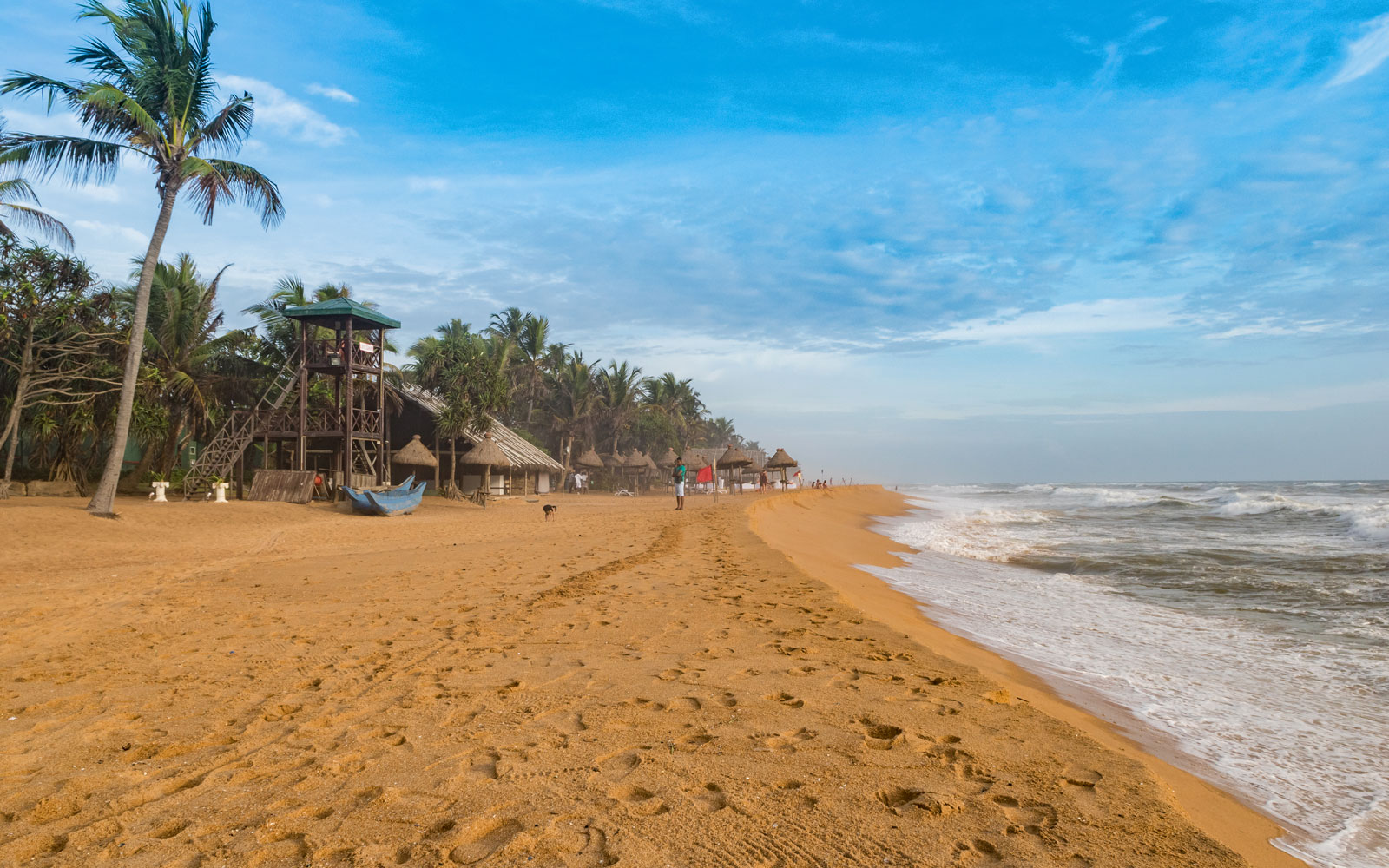
19. Mount Lavinia
About 11 kilometres south of Fort as the crow flies, Mount Lavinia is reachable by train on the Coast Line to Mount Lavinia station. On the seafront stands the 275-room Mount Lavinia Hotel, built in 1806 as Governor Thomas Maitland’s residence and operating continuously as a hotel since 1947.
A local legend tells of a secret tunnel and the governor’s love for a dancer named Lovina. The beach itself is accessible around the clock and is watched by lifeguards.
Mount Lavinia is a classic city beach south of the centre. It’s best for a sunset visit followed by dinner.
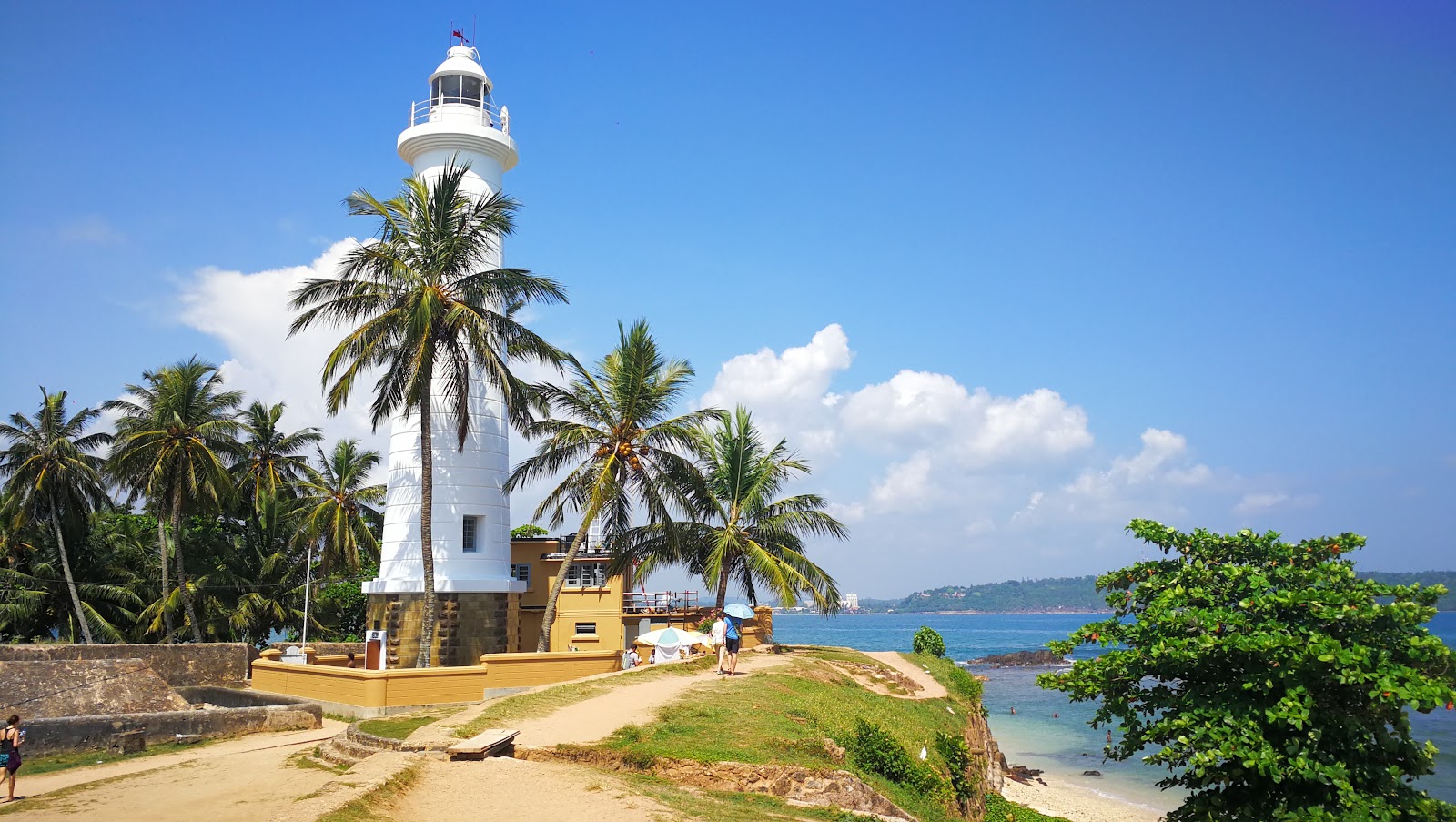
20. Take the Oceanfront Train to Galle
The Coast Line railway from Colombo Fort station south to Galle is running normally even after Cyclone Ditwah. The tracks follow the west coast for roughly 116 to 120 kilometres, passing Mount Lavinia, Bentota and Hikkaduwa before reaching Galle and its UNESCO-listed Galle Fort.
Travellers report that the journey takes roughly 2.5 to 4 hours, depending on the train. Check the timetable at railway.gov.lk. An unreserved third-class ticket costs around 240 rupees (about €1) at the station. According to travellers, reserved first- and second-class seats go on sale 30 days ahead through Sri Lanka Railways’ official e-ticketing system. You can return via the Southern Expressway; the drive takes roughly 1.5 to 2 hours.
Keep an eye on your belongings during the journey, as thefts do happen on trains. That Instagram photo in the doorway carries real risks, too: the Czech foreign ministry warns of accidents caused by leaning out of trains.
💡 Tip: Heading south from Colombo? Sit on the right-hand side for ocean views.
21. Negombo
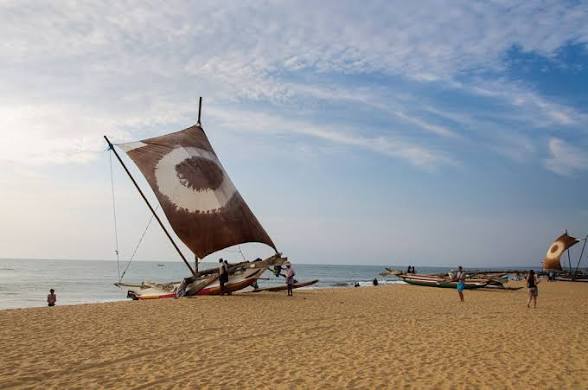
North of the capital lies coastal Negombo, nicknamed Punchi Romaya, or Little Rome, for its Catholic churches. The town’s Dutch fort, dating from 1672, and Dutch Canal are reminders of its past.
It’s 38 kilometres from Colombo via the E03 expressway and only about 9 kilometres from the airport. You’ll find accommodation suggestions in the Where to Stay in Colombo section. Besides the beach, there’s a mangrove-lined lagoon where you can take a boat trip.
Negombo makes sense as an alternative for your first or last night, saving you the trip into Colombo.
22. Trips to Bentota, Kandy and Sigiriya
There are several trips you can take from Colombo. Around 65 kilometres to the south, Bentota has beaches and a river, and you can get there by rail or road. Following Cyclone Ditwah, trains towards Kandy have been running only as far as Peradeniya station since October 2, 2026. With the bridge missing, you’ll need to cover the remaining roughly 6 kilometres by tuk-tuk. Kandy is home to the Temple of the Tooth, covered in detail in our Sri Lanka travel guide.
An air-conditioned bus also runs to Kandy from the Bastian Mawatha terminal. The journey takes roughly 4 hours and costs 740 rupees (about €2); a taxi costs 12,000 to 16,000 rupees (about €35–45). Following Cyclone Ditwah, there is no direct train to Ella from either Colombo or Kandy. Since June 20, 2026, only the section from Nanu Oya via Ella to Badulla has been operating.
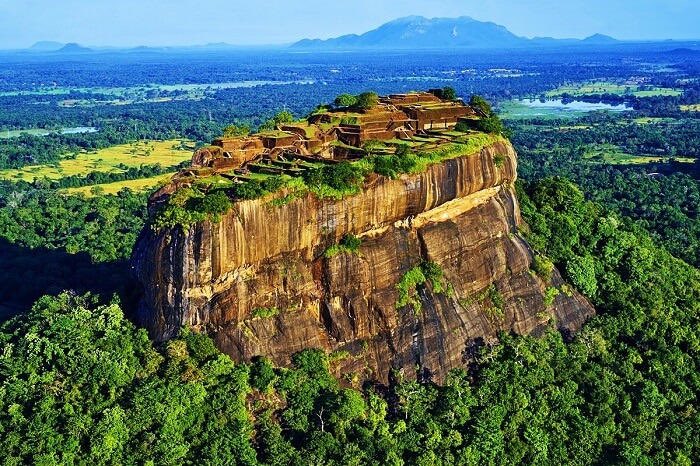
Sigiriya (read more in our Sri Lanka travel guide) is about 170 kilometres away, or 4 to 5 hours by car each way. It doesn’t work well as a day trip from Colombo: a return journey means roughly 8 to 10 hours in the car, so it’s better to stay overnight nearby.
Where to Go After Colombo
From Colombo, you can continue by train to Galle or to Peradeniya station near Kandy. Sigiriya is reached by car. For a complete overview of routes, see our Sri Lanka travel guide.
You can also combine your trip with the Maldives, a short flight from Colombo. For another major South Asian city, read our guide to things to see in Mumbai.
Frequently Asked Questions
Do I need a visa for Sri Lanka and how much does it cost?
From May 25, 2026, international visitors have free 30-day tourist ETA registration. However, you must apply in advance on the official website eta.gov.lk. Your passport must be valid for at least 6 months. Watch out for unofficial intermediary sites that charge fees for the free registration.
How many days are enough for Colombo and what should I see there?
For Colombo, most travelers need 1 to 2 days at the beginning or end of their trip. You’ll have time for the Galle Face Green promenade, the Pettah district with the Red Mosque, Gangaramaya Temple, the National Museum, and Port City in the evening. If you’re planning a trip to Kelaniya or a train ride to Galle, set aside an extra day.
How do I get from the airport to Colombo?
The airport is located in Katunayake, about 32 kilometers north of the city. The easiest connection is via the PickMe or Uber apps, which will take you along the highway in 30 to 60 minutes. According to travel websites, the ride costs around 1,800 to 2,800 rupees (€5 to €8), with the exact price shown in the app. A cheaper alternative is bus 187 to Colombo Fort. For your first night, Negombo is also convenient, only 9 kilometers from the airport.
When is the best time to go to Colombo?
The ideal period runs from December to March. In January and February it rains only about five days per month. October and November are usually the wettest, with a second rainfall peak in May. It’s warm all year round, with daily temperatures ranging from 30 to 32 °C.
Does the train from Colombo to Galle and to Kandy run in 2026?
The coastal line to Galle runs normally along the ocean, and when traveling from Colombo, sit on the right side. Trains to Kandy have run only to Peradeniya station since Cyclone Ditwah on October 2, 2026. You must cover the remaining section of the route by tuk-tuk. Direct service from Colombo to Ella is still not currently running.
What should I wear to a temple and what should I watch out for?
Always enter temples with your shoulders and knees covered, and remove shoes and hats before entering. Never take photos with your back to a Buddha statue. Watch out for visible Buddha tattoos, which can get you denied entry to the country. Also be aware that on full moon days (Poya holidays), alcohol sales are prohibited.
Is Colombo safe and can you eat vegetarian there?
As of October 23, 2026, the Ministry of Foreign Affairs has no warnings for Sri Lanka. Main risks include strong ocean currents, pickpockets, and scammers with government tuk-tuks who drive tourists to gem shops. Vegetarians will eat very well. Options include rice & curry, lentil curry parippu, hoppers (coconut pancakes), or South Indian eateries in the Wellawatte district.
Tips and Tricks for Your Vacation
Don’t Overpay for Flights
Search for flights on Kayak. It’s our favorite search engine because it scans the websites of all airlines and always finds the cheapest connection.
Book Your Accommodation Smartly
The best experiences we’ve had when looking for accommodation (from Alaska to Morocco) are with Booking.com, where hotels, apartments, and entire houses are usually the cheapest and most widely available.
Don’t Forget Travel Insurance
Good travel insurance will protect you against illness, accidents, theft, or flight cancellations. We’ve had a few hospital visits abroad, so we know how important it is to have proper insurance arranged.
Where we insure ourselves: SafetyWing (simple monthly subscription) and TrueTraveller (for extra-long trips).
Find the Best Experiences
Get Your Guide is a huge online marketplace where you can book guided walks, trips, skip-the-line tickets, tours, and much more. We always find some extra fun there!