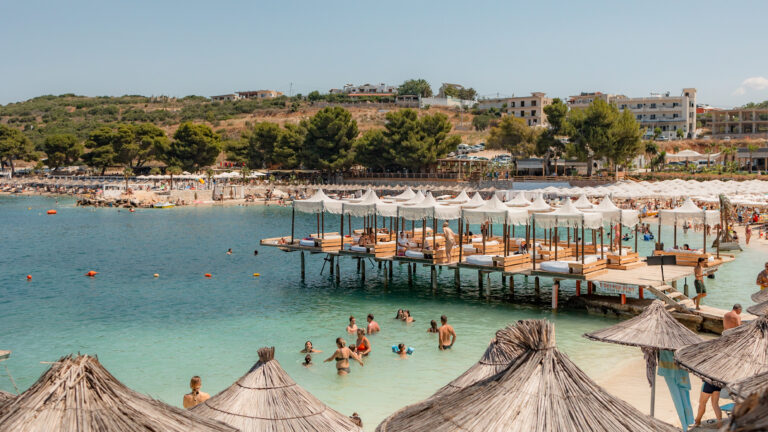
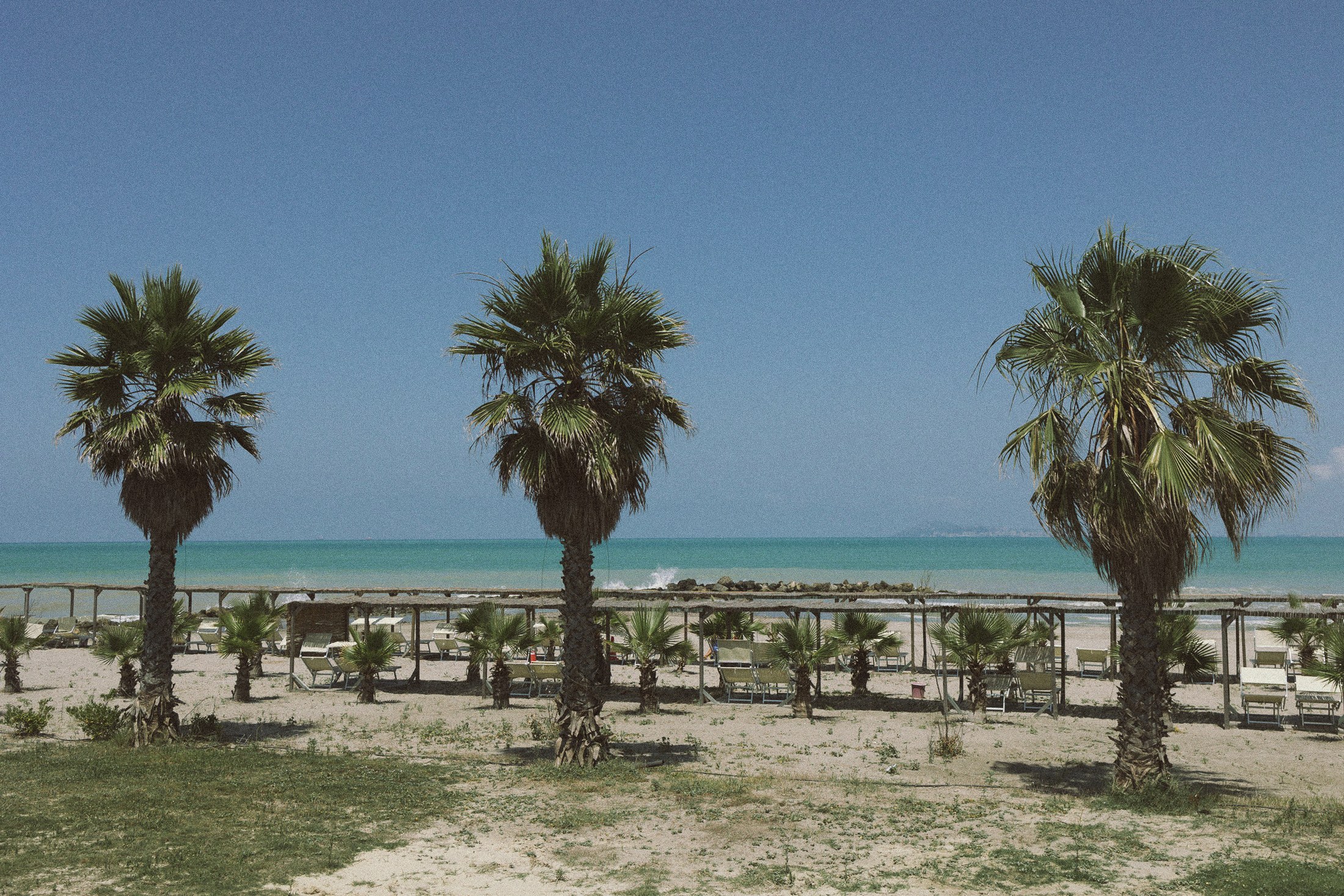
If you’re planning a trip to Albania and looking for the perfect place to unwind, the Adriatic coast and the region of central Albania offer exactly what you need. Unlike the steep cliffs further south, this stretch of the Albania coast is lined with kilometres of long sandy beaches that slope gently into the sea. That’s exactly why families with young children — and travellers who want to combine lazy days by the water with visits to nearby historical sites — head here most often.
The Land of the Eagles is changing right before our eyes, and in 2026 that’s truer than ever. Be prepared: thanks to a strong lek exchange rate, with 1 EUR hovering around 95 ALL, Albania is no longer the ultra-cheap destination it was a decade ago. Huge investments are pouring into the region, new resorts are springing up, and the infrastructure is scrambling to keep pace with the record numbers of foreign tourists — over twelve million arrive here each year.
Despite this breakneck development, the region keeps its enormous charm and a variety that’s bound to win you over. In a single holiday you can explore the mysterious underground of ancient ruins, glide by boat across a still lagoon full of pink flamingos, and then stroll along revamped promenades where modern cafés sit beside centuries-old mosques.
TL;DR
- Sandy beaches for families: The best facilities with a shallow entry into the water are in the resorts of Golem, Kavajë and the cleaner Lalzit Bay.
- Historic Durrës: This port town hides a vast Roman amphitheatre, but it’s best to skip swimming on the city beach itself because of poor water quality.
- A birdwatcher’s paradise: Divjaka-Karavasta National Park is home to thousands of flamingos and rare Dalmatian pelicans.
- Ancient Apollonia: Fascinating Greek and Roman ruins near Fier — just remember the archaeological park is closed on Mondays.
- Where two seas meet: The city of Vlora offers rich history, the island monastery of Zvernec, and marks the line where the shallow Adriatic gives way to the deeper Ionian Sea.
- The Llogara tunnel: Since July 2024 it has cut the journey to the riviera to just 7 minutes; in 2026 there’s a toll of 250 ALL.
- Boat trips: From Vlora you can sail out to the giant Haxhi Ali cave and to the mysterious island of Sazan, dotted with hundreds of bunkers.
The full destination guide: Albania — guide and what to see
When to visit the Adriatic coast and Vlora
If you want to enjoy the sea, the sights and nature without exhausting heat, spring and autumn are ideal. May, June and then September bring very pleasant temperatures of around 25 to 28 degrees, which is just perfect for combining swimming with day trips. You’ll also dodge the biggest tourist crowds that flood the coast during the peak summer season.
July and August on the Albanian coast mean genuinely high temperatures and packed resorts. The thermometer regularly climbs above 35 degrees and the popular sandy beaches in Golem and Durrës are bursting at the seams. If you’re tied to the school holidays, I’d suggest getting up early to tour the sights before the midday heat, then simply relaxing in the shade by the water in the afternoon.
For nature lovers and photographers, spring has one more huge bonus. The months from March to May are the best time for spotting flamingos and pelicans in the Karavasta lagoon. The water is calm, the birds are very active, and the morning mists create an utterly magical atmosphere over the wetlands that you simply won’t get in the summer heat.
Where to stay: from resorts to boutique hotels
💡 Tip for accommodation and experiences: We like to look for our stays on Booking.com, which usually has the best cancellation terms. For tickets, tours and activities, it pays to compare and book through GetYourGuide.
Choosing where to stay along the coast mostly comes down to the kind of holiday you prefer, because each area offers a slightly different experience. While the area around Durrës is packed with large family complexes, Vlora and its surroundings deliver a mix of city life and smaller hotels. Before you start searching, decide whether you want everything within reach on an all-inclusive basis, or whether you’d rather head out to a different traditional tavern every evening.
Here are some specific tips for tried-and-tested places to stay across all categories (you can compare prices and availability with a single click via Stay22, which finds the best deal across Booking.com, Airbnb and others):
- Nuna Hotel & Apartments – Rated 9.2, apartments near Liro beach — plenty of space for families and couples.
- Valza Boutique Hotel – A boutique hotel in the centre of Vlora with a friendly price and breakfast included.
- Tirana Resort Radhime – A family resort by the quieter Radhimë beach, with cleaner water than central Vlora.
- Grand Blue Fafa Resort & Spa – A five-star family all-inclusive resort with pools, a kids’ club and a spa.
- Mövenpick Hotel Lalez Durres – A resort in the newer Lalzit Bay zone with cleaner beaches than central Durrës.
- Grand Duka Hotel & Spa – An elegant hotel in central Durrës near the amphitheatre, away from the polluted beachfront.
- Adriatik Hotel, BW Premier Collection – A five-star beachfront resort with its own beach and spa, renovated in 2024.
If Vlora is your destination, a great choice for families is the Nuna Hotel & Apartments, which scores 9.2, sits just steps from the beach and offers very spacious rooms. Right in the heart of town you’ll find the lovely Valza Boutique Hotel with a more intimate feel. For a quieter stay by the pebble beach just south of the city, be sure to check out the popular family-run Tirana Resort Radhime.
If you’re after a classic beach holiday on shallow sand near Durrës, head to the resorts of Golem or Lalzit Bay. Luxurious facilities with pools and a kids’ club are provided by the five-star Grand Blue Fafa Resort & Spa. An even cleaner beach and a more modern setting come courtesy of the Mövenpick Hotel Lalez Durres complex in Lalzit Bay.
In the city of Durrës itself, choose carefully because of the bathing water quality. If you want to base yourself here for the history, a strategic spot in the centre is the Grand Duka Hotel & Spa. And if you insist on five-star luxury right by the sea, the renovated Adriatik Hotel BW has a private beach and impeccable service that completely shields you from the busy city.
8 things to see and do on Albania’s Adriatic coast
Whether you’re planning to spend your entire holiday on the beach or to set out on an active road trip, central Albania serves up a surprising number of contrasts. Let’s take a look together at eight specific places and experiences you definitely shouldn’t miss when you visit this region.
1. Durrës: a Roman amphitheatre and a treacherous city beach
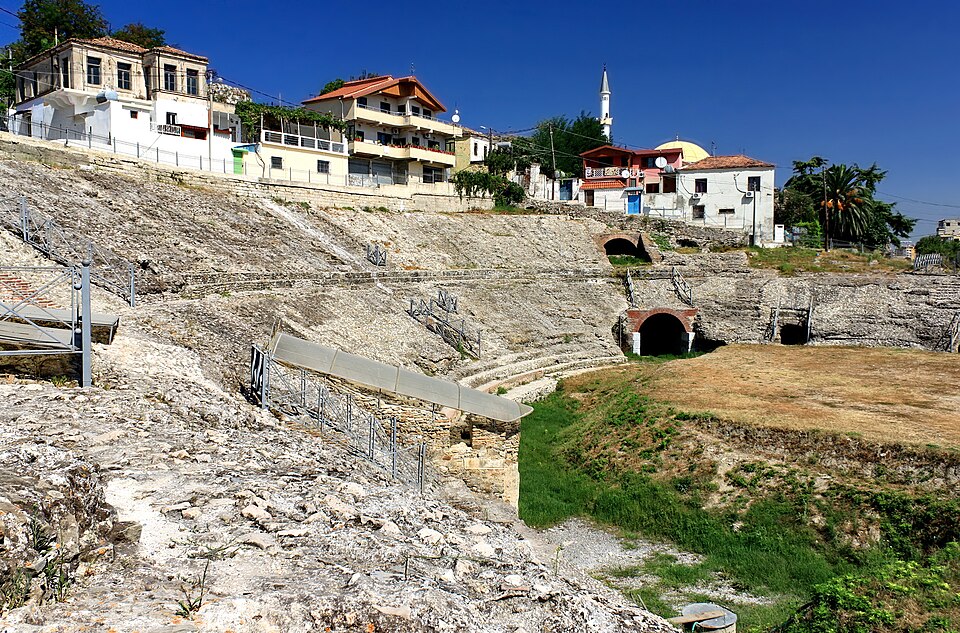
The port city of Durrës is the oldest settlement in the entire country, already flourishing in Roman times under the name Dyrrhachium. The biggest draw here is the monumental Roman amphitheatre from the 2nd century, which once held up to 20,000 spectators. Admission is a pleasant 300 ALL (roughly €3), and your ticket also covers the nearby Archaeological Museum. It’s open daily from 9:00 to 19:00, and you can even walk through the dark underground tunnels where gladiators once made their entrance.
As for swimming in the city itself, I have to be honest with you. The water quality on the main city beach has worsened significantly in recent years, and official measurements show that much of the coast right by Durrës isn’t suitable for bathing at all. In the summer months the city struggles with overloaded infrastructure — tap water often flows for just 13 hours a day — and unfortunately huge amounts of untreated sewage end up in the sea.
💡 Tip for vegetarians: If you stop for lunch in town and are after quality meat-free food, head to the Dyrrah Mare Restaurant. They have clearly marked vegetarian options and do a brilliant job with traditional stuffed peppers (speca të mbushura) or excellent grilled vegetables.
2. The sandy resorts of Golem and Lalzit Bay
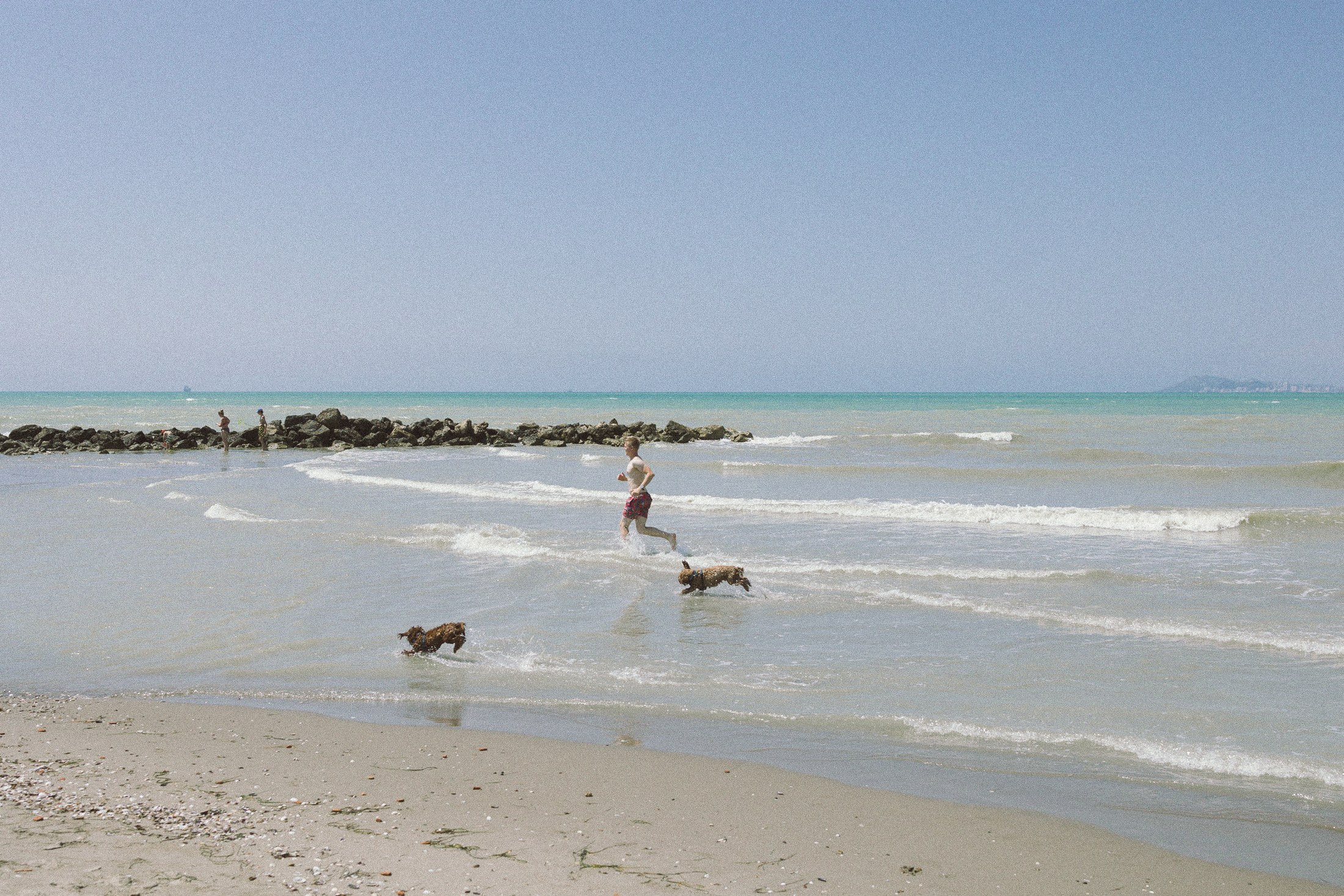
If you’re looking for easy, relaxed swimming with the family, the solution is to drive a little way out of central Durrës. Heading south, the resorts of Golem and Kavajë stretch out, where kilometres of resorts line the wide sandy shoreline. The sea here is incredibly shallow, so even small children can safely splash about tens of metres from the shore, and the whole area buzzes with that classic holiday energy of promenades and beach bars.
If you have a car and prefer somewhere a bit quieter, I’d recommend heading north of Durrës to Lalzit Bay. This area started developing a little later, the beaches here are noticeably cleaner, and you’ll find more modern resorts that don’t feel as crowded. It’s the ideal compromise between comfort and clean Adriatic water.
💡 Tip: If you’re not staying in a resort with a private beach, bear in mind that renting two sunbeds and a parasol will set you back roughly 1,000 to 1,500 ALL (about €10–16) a day in these resorts in 2026. Free public stretches are dwindling year on year.
3. Divjaka-Karavasta National Park: a flamingo paradise
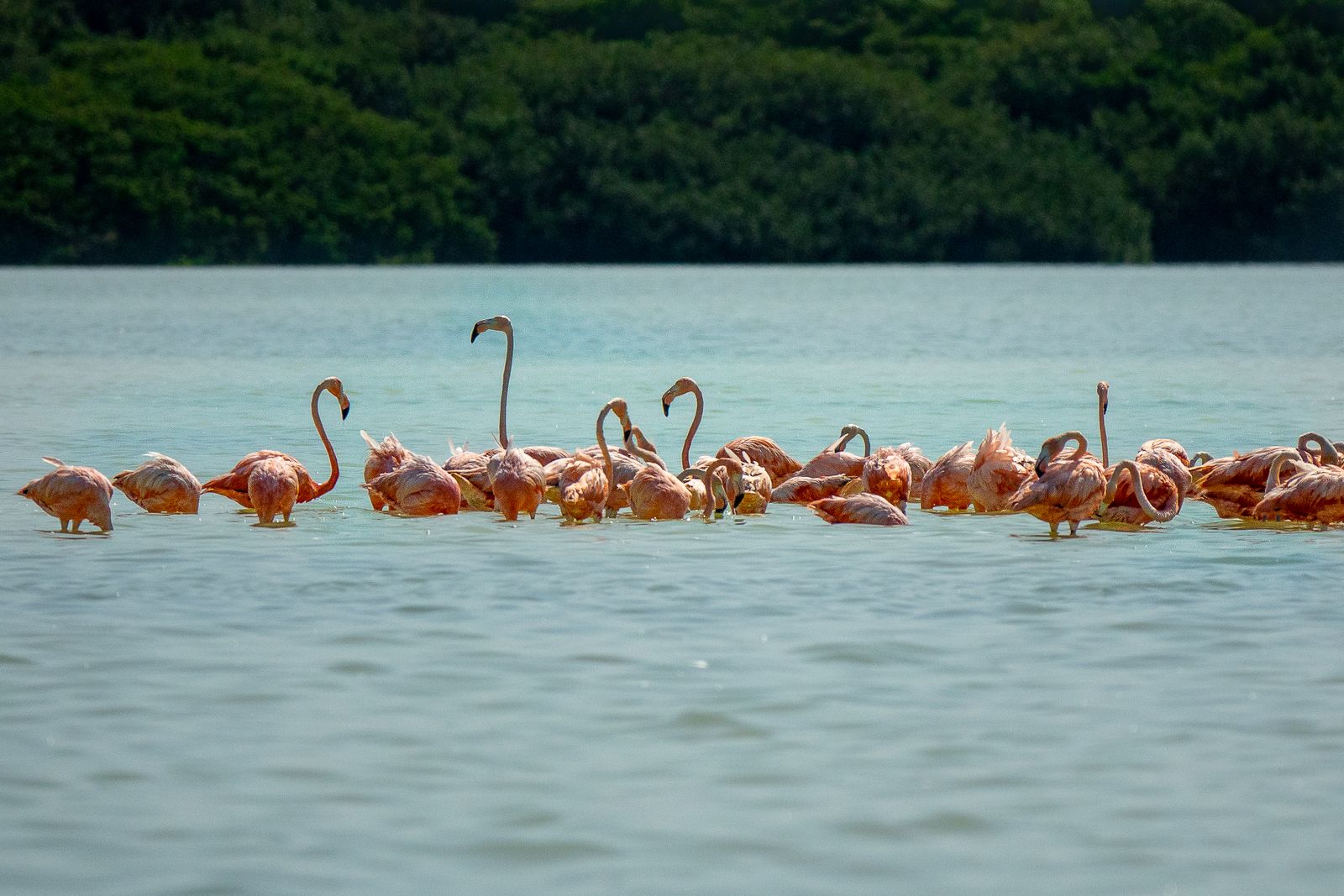
About halfway between Durrës and Vlora lies a place that feels like balm for the soul. Divjaka-Karavasta National Park protects the largest lagoon in Albania and ranks among the most significant Ramsar wetlands in Europe. Here, concrete hotels give way to dense pine forests and quiet water channels that are home to an astonishing 230 species of birds.
The main magnet for visitors is the huge flocks of pink flamingos and, above all, the colony of rare Dalmatian pelicans. Around 6% of the entire European population of this majestic bird nests in this single lagoon. The best way to explore the lagoon is to hire a small wooden boat with a local guide.
💡 Tip: Come here as early in the morning as you can, when the birds are most active and the light for photography is absolutely ideal. You’ll find references to trips into this area on portals like GetYourGuide, but it’s easy enough to arrange and pay for a boat on the spot at the visitor centre.

4. Ancient Apollonia near Fier
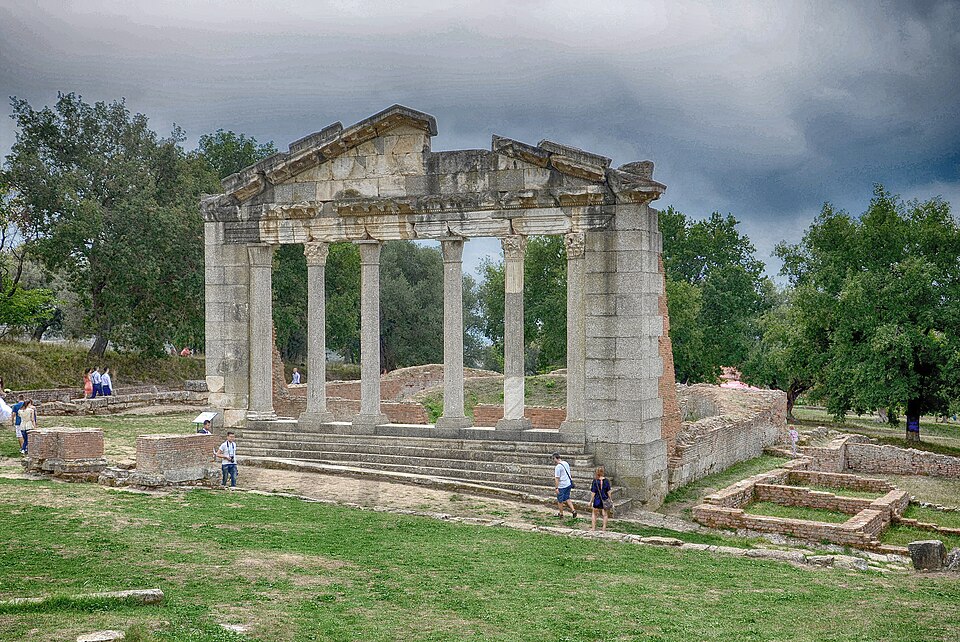
Just outside the industrial town of Fier, a vast archaeological treasure hides among gently rolling hills. The ancient city of Apollonia was founded by the Greeks back in 588 BC, and in its day it was such a prestigious centre of learning that even the young Octavian — the future first Roman emperor, Augustus — came here to study. You can wander among the ancient columns of the portico and admire the restored odeon.
In the middle of the complex stands the beautiful Byzantine Monastery of St Mary from the 13th century, which today houses a fairly rich archaeological museum. The whole site is very spread out, so set aside at least two hours to see it, and don’t forget to bring plenty of water — there isn’t much shade around here.
💡 Visiting tip: The entrance fee was recently revised, and an adult ticket costs 600 ALL (just under €6.50), while students pay 180 ALL and children get in free. Just be very careful when planning your itinerary — the park is always closed on Mondays.
5. Vlora: where the Adriatic becomes the Ionian Sea
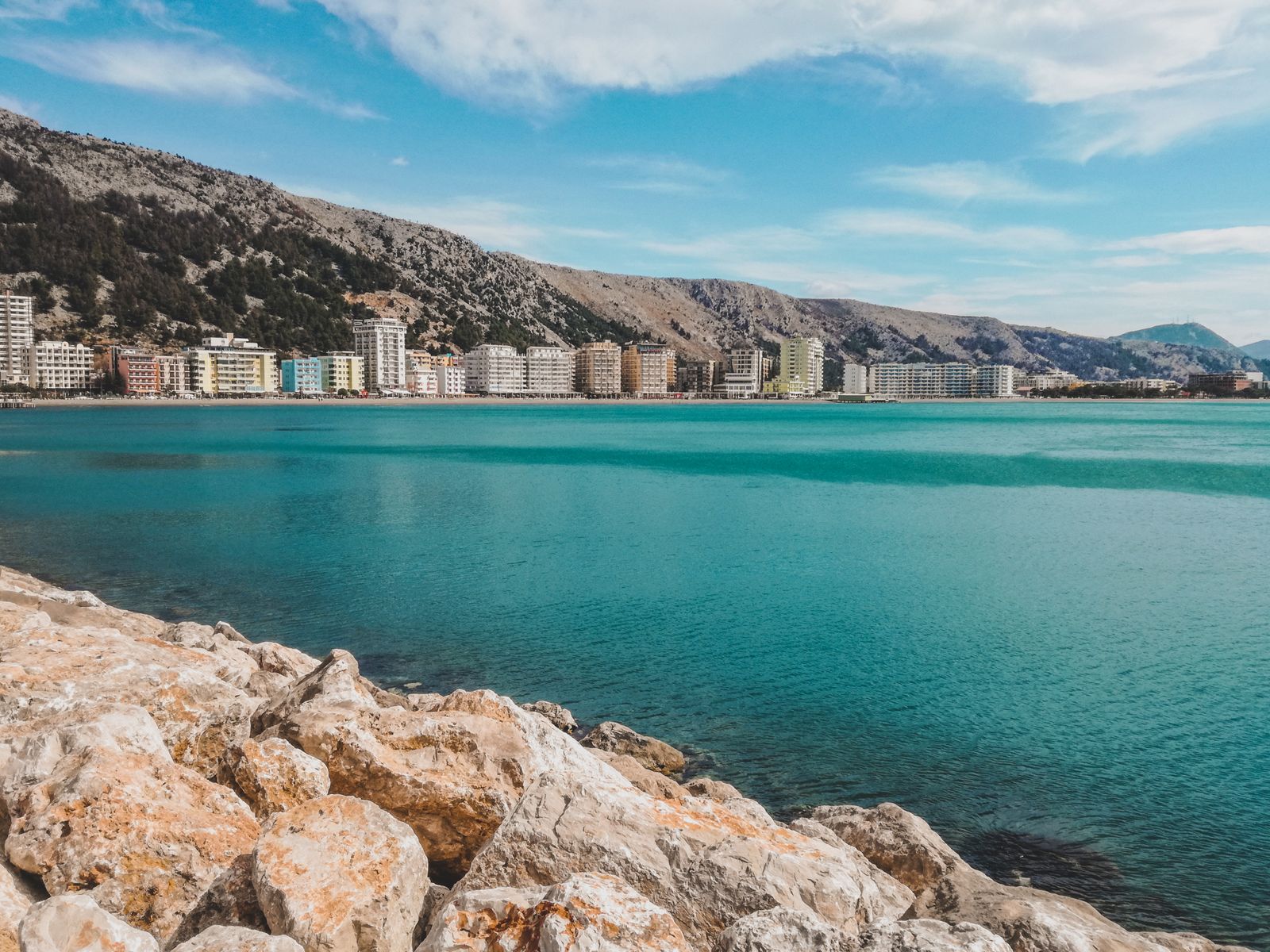
Vlora acts as the symbolic gateway to the south, and it’s the exact spot where the long Adriatic shallows give way to the deeper, pebbly Ionian Sea. The city holds enormous historical importance, because it was here, on 28 November 1912, that Albania declared its independence from the Ottoman Empire. The interesting Independence Museum charts this event, with a symbolic entrance fee of around 300 ALL.
Also worth seeing is the newly restored old town with its picturesque lanes, crowned by the historic Muradie Mosque from 1537. It was designed by the celebrated Ottoman architect Mimar Sinan. In the evening, be sure to head out onto the long Lungomare seafront promenade, lined with palm trees and cafés — after sunset it comes incredibly alive.
💡 Tip for vegetarians: If you’re after excellent meat-free food right in Vlora, I warmly recommend La Loggia, where they make great vegetable smoothies and falafel. For a completely traditional experience, visit Taverna Te Lilo, where they’ll serve you perfect spinach or cheese byrek and a delicious fërgesë me perime (a meat-free mix of peppers, tomatoes and cheese). The local coast is famous for fish and seafood, of course, but you can happily leave those to everyone else.
6. Zvernec Island and the Narta lagoon
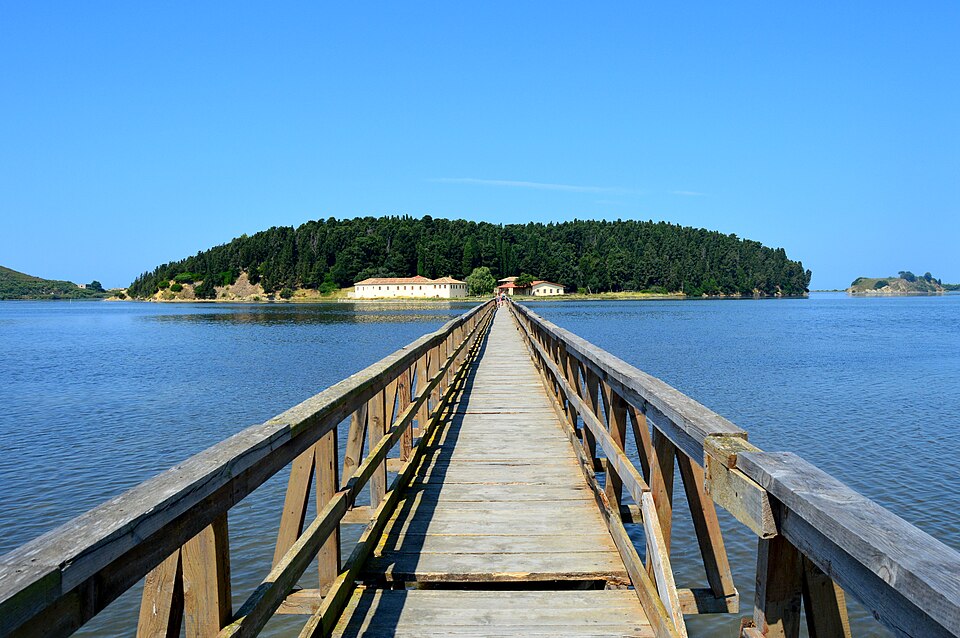
Just north of Vlora you’ll find a spot that looks like something off a postcard. In the sprawling Narta lagoon, surrounded by pines, lies the little island of Zvernec, home to a picturesque Byzantine Monastery of the Virgin Mary from the 13th century. Even getting there is an experience, as you have to walk to the island across a roughly 250-metre-long wooden bridge.
The whole area is incredibly photogenic. The bridge arches just above the shallow water, and entry to the island is completely free. Flocks of flamingos often gather in the surrounding lagoon, flying in to feed.
💡 Tip: If you love photography, head to the bridge early in the morning at sunrise. The surface of the lagoon is usually perfectly still at that hour and works as a flawless mirror reflecting the surrounding trees and the wooden walkway.
7. A boat trip to the Karaburun peninsula and Sazan Island
Boats set out every day from the port in Vlora to the country’s only protected marine park. The destination is the wild Karaburun peninsula and, above all, the fascinating Haxhi Ali cave — the largest sea cave in Albania, with an entrance over 60 metres high. The boats often sail right inside, where you can admire the incredibly emerald colour of the water and even go snorkelling.
These trips usually include a stop on Sazan Island, which for many years served as a strictly secret military base. Today you can stroll among the abandoned barracks and explore some of its more than 3,600 bunkers. Group boat trips (run here by the likes of Boat Vent Tours) usually cost around €30 to €50 per person and are easy to book through GetYourGuide or directly at the kiosks along the promenade.
💡 Tip and context for 2026: Sazan Island recently found itself in the global spotlight. A company linked to Jared Kushner plans to build a luxury resort here worth $1.6 billion. In June 2026 this sparked mass protests in Tirana under the slogan “Albania is not for sale”, and the SPAK anti-corruption prosecutor’s office launched an investigation into the whole land-sale process. So on your visit you’ll be looking at a place whose future is currently the subject of a major political battle.
8. Llogara: the new tunnel versus the epic old pass
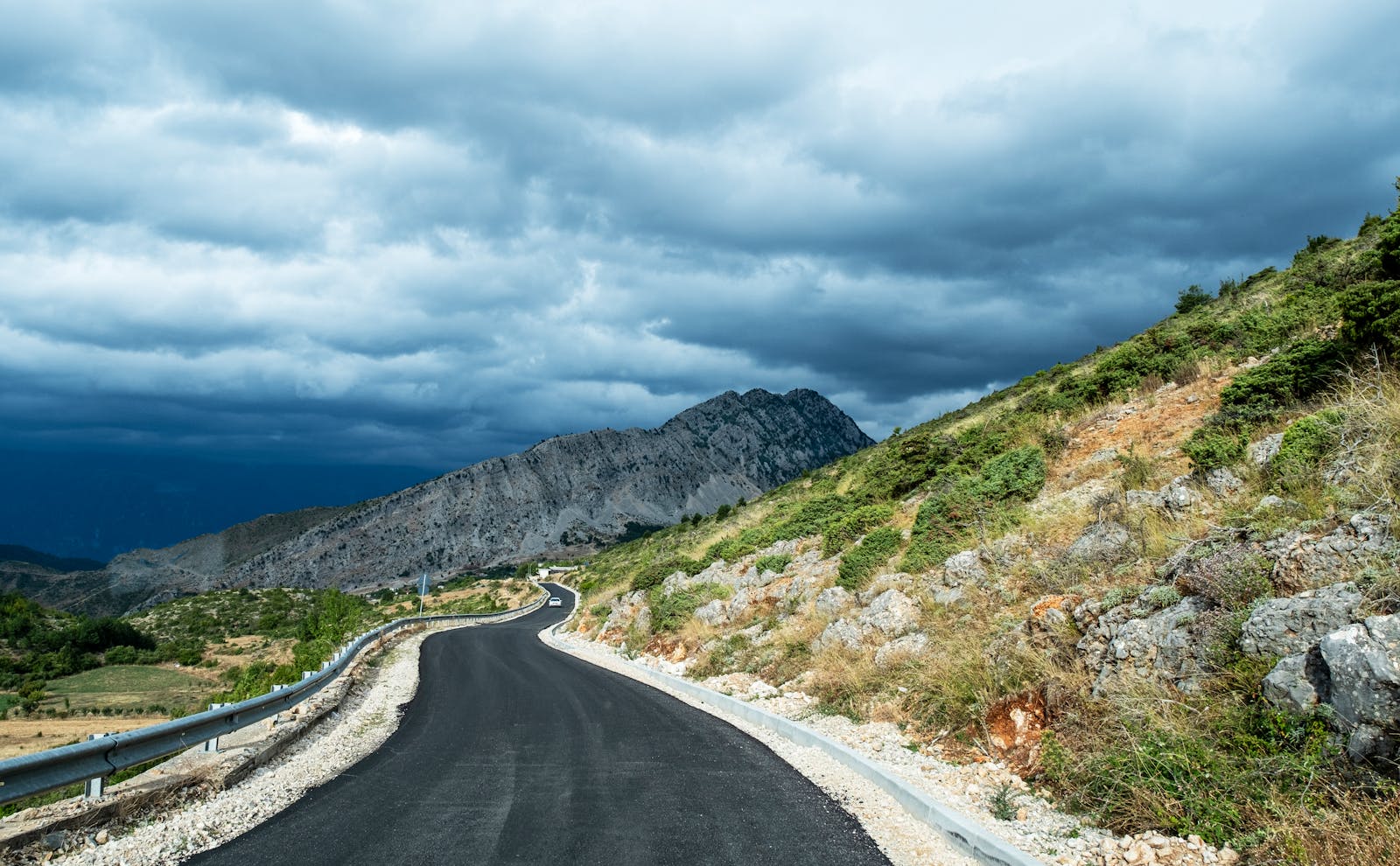
As soon as you head south from Vlora towards the riviera, the majestic Ceraunian mountain massif rises up in your path. Until recently there was only one way to cross the mountains — the old SH8 road climbing to over 1,000 metres. In July 2024, though, the situation changed dramatically with the opening of the nearly six-kilometre Llogara tunnel, the longest in the entire country.
The tunnel is a huge relief for locals and tourists rushing to the beach alike, as it cuts the journey from Dukat to Palasë from the original 45 minutes to just 7. After an introductory free period, however, from 2026 the tunnel carries a toll. A car pays 250 ALL for a one-way trip, or 500 ALL for a return ticket.
💡 Tip: Even though the tunnel is super fast, I’d recommend driving the old SH8 pass at least one way. The route through the pine forests of Llogara National Park is full of wild hairpin bends, and at the top you’ll be rewarded with some of the most beautiful views of the Ionian Sea in all of Europe. You can stop for a coffee and watch the paragliders who launch from the mountains and fly all the way down to the beach.
Map of points of interest for your phone
Where to go next from the Adriatic coast
Although central Albania has plenty to offer, most travellers use it as a springboard for further adventures. If you love history and wild stories, definitely consider a trip to the town of Krujë, the seat of national hero Skanderbeg, or take inspiration from our broader guide What to See in Albania. You should also explore the nearby, pulsating capital — you’ll find tips in our article Tirana: what to see in the capital.
If, on the other hand, you’re longing for the most beautiful beaches after passing through Vlora, your route leads south. Read our article Albania by the sea: where to go on holiday, which will point you in the right direction. You’ll learn how Saranda and the Ionian riviera differ from the more northerly resorts, and why the area around the town of Ksamil is nicknamed the Albanian Maldives.
On the way south you can also turn inland from the coast to visit the fascinating Gjirokastër: the stone city, a UNESCO World Heritage Site. And if you’ve had enough of the sea altogether, the rugged Accursed Mountains: Theth and Valbona in the north of the country make a complete contrast to the hot coast.
Frequently asked questions
When will Vlora Airport open and can you fly there?
Although the new Vlora Airport (code VLO) is already built and test flights have taken place, in 2026 it still doesn’t operate commercial flights. Due to missing certification and various disputes, airlines had to cancel their plans. For traveling to the coast, you still need to use the airport in Tirana (transfer takes about 2.5 to 3 hours) or fly to Greek Corfu and cross by ferry to the south.
Is the sea clean for swimming right in Durrës?
Unfortunately, it’s not. Due to the enormous pressure from tourism and insufficient infrastructure, a large amount of untreated sewage flows into the sea at the city beach and the water quality here is rated as very poor. If you want to swim in this area, it’s better to head north to Lalzit Bay, or alternatively south towards the resorts near Golem.
How much does it cost to pass through the Llogarë tunnel?
The new tunnel, nearly 6 kilometers long, which significantly speeds up the journey from Vlora to the southern riviera, is after an initial period subject to a toll of 250 ALL (approximately 2.5 EUR) per car in one direction. The return journey will therefore cost you 500 ALL. The old scenic route over the mountain pass remains toll-free.
Is payment in resorts more common in euros or Albanian lek?
In tourist areas like Durrës or Vlora both currencies are commonly accepted. However, due to the strong exchange rate, where you get only around 95 ALL for 1 EUR, it often pays to pay in local currency to avoid losing out on unfavorable conversion rates in restaurants. You can pay by card in larger hotels and supermarkets, but cash is still a necessity in the Balkans.
Is the Adriatic coast suitable for a vacation with small children?
Definitely yes. Unlike the southern pebble riviera, the area around Golem and Kavajë offers long sandy beaches with a very gradual entry into the sea. The water is warm here, the sandy bottom is safe, and you’ll find plenty of all-inclusive resorts that are specifically tailored for families with children.
How do I get to Sazan Island and Haxhi Ali Cave?
The best way is to take group boat tours that depart daily from the port in Vlorë (often leaving at 9:00, 11:00, and 1:00 PM). Tickets cost approximately 30 to 50 EUR per person. You can arrange the tours either directly on the waterfront promenade at local agency stands, or book them online in advance.
What good things can I try from the local cuisine if I don’t eat meat?
Albanian cuisine is very vegetarian-friendly. Definitely try the traditional byrek filled with cheese or spinach, which is great as a quick snack. In restaurants, look for fërgesë me perime (a thick mix of peppers, tomatoes and cheese), speca të mbushura (peppers stuffed with rice) or the hearty bean soup fasule.
Tips and Tricks for Your Vacation
Don’t Overpay for Flights
Search for flights on Kayak. It’s our favorite search engine because it scans the websites of all airlines and always finds the cheapest connection.
Book Your Accommodation Smartly
The best experiences we’ve had when looking for accommodation (from Alaska to Morocco) are with Booking.com, where hotels, apartments, and entire houses are usually the cheapest and most widely available.
 🚗 Car rental on the roadVerified rental cars in Albania
Search with the DiscoverCars comparison engine — it compares prices from dozens of local and international rental companies, and most bookings come with free cancellation.
Compare car prices in Albania →Don’t Forget Travel Insurance
Good travel insurance will protect you against illness, accidents, theft, or flight cancellations. We’ve had a few hospital visits abroad, so we know how important it is to have proper insurance arranged.
Where we insure ourselves: SafetyWing (simple monthly subscription) and TrueTraveller (for extra-long trips).
Find the Best Experiences
Get Your Guide is a huge online marketplace where you can book guided walks, trips, skip-the-line tickets, tours, and much more. We always find some extra fun there!