If you’re thinking about heading to Albania, chances are you’re being lured by the sun-soaked beaches of the south. But trust me, it’s the mountainous north that will completely win you over. The Accursed Mountains in Albania — often nicknamed the Albanian Alps for their sheer majesty — are the perfect, peaceful counterpoint to the crowded Ionian Riviera, where in the summer months you sometimes end up fighting for every free patch of sand.
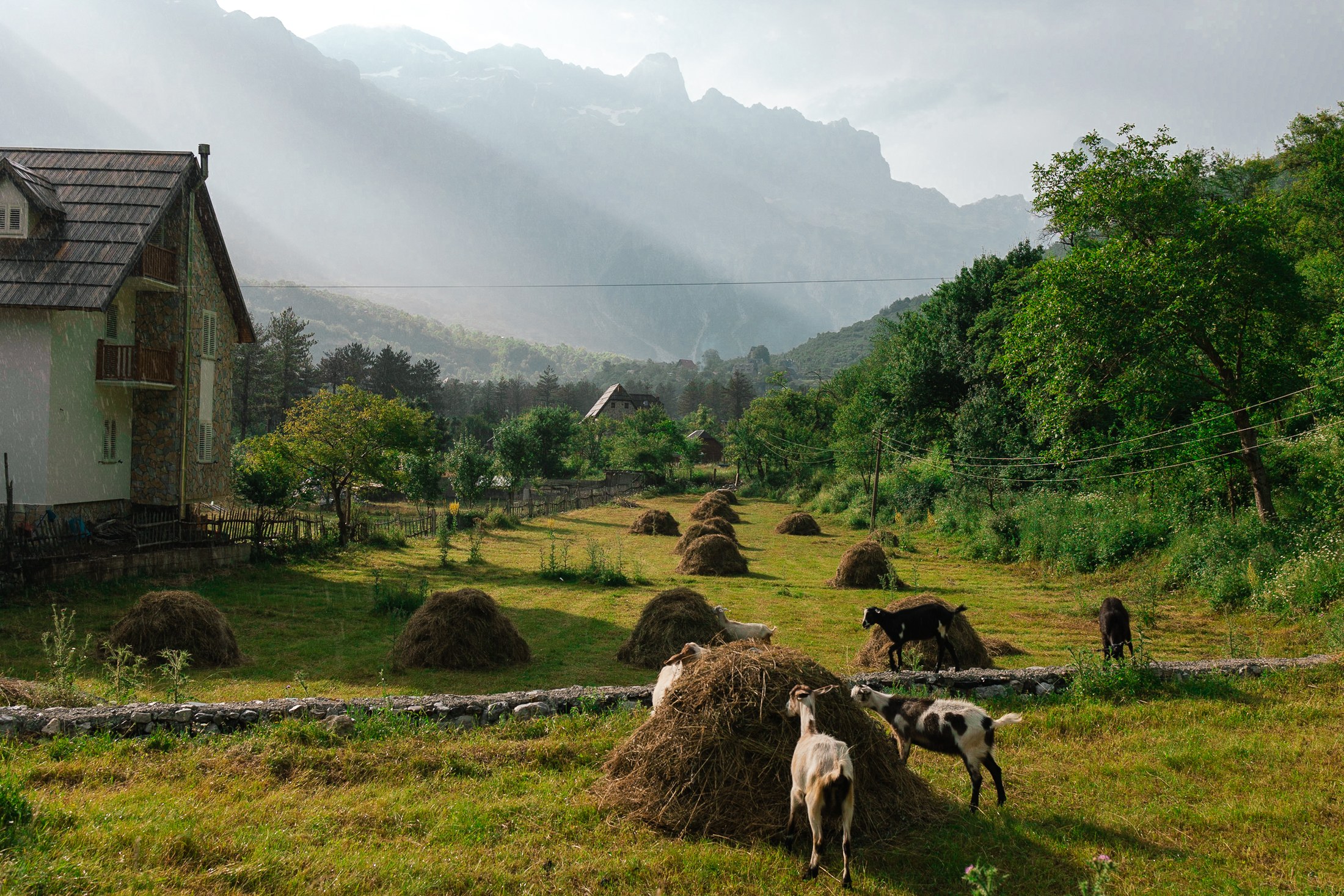
While the south is all about the typical beach buzz, up here you’re greeted by a spellbinding alpine landscape, deep glacial valleys and old stone villages where time seems to have stood still. For active travellers, this wild region is the undisputed highlight of any itinerary, offering not just pristine nature with bears and wolves, but also an incredibly warm local culture.
In this article I’ve got 10 tips for Theth, Valbona and the north, so you can plan a truly perfect mountain adventure. I’ll show you how to make sense of the tricky ferry timetables across Lake Koman, where to find the best family-run guesthouses with outstanding food, and how to prepare as well as possible for the famous trek over the Valbona Pass.
TL;DR
- Shkodra as your base: This pleasant, bike-loving town is the ideal starting point for stocking up on supplies, withdrawing cash and arranging a morning transfer into the mountains.
- Getting to Theth: The road from Shkodra to the village of Theth is now fully paved, so in the summer season you can easily reach it even in an ordinary car.
- The Koman ferry: The most popular boat, Berisha, departs Koman at 9:00 am, and in summer you absolutely must book car tickets online well in advance.
- The famous trek: The crossing between Theth and Valbona is roughly 17 kilometres and takes 6 to 8 hours of walking through gorgeous mountain terrain.
- Cash is king: Across the whole mountain region rely solely on cash in Albanian lek, as ATMs and card terminals are practically non-existent here.
- Vegetarian feasts: Be sure to try the local meat-free specialities, like the layered fli pie with kajmak or the delicious baked vegetables, tavë me perime.
The full destination guide: Albania — guide and what to see
When to visit the Accursed Mountains
If you’re planning to hike and want to enjoy the views without any danger, the best time to visit is from mid-June to the end of September. During these summer months the weather is at its most stable and the mountain trails are safely passable — though you can still work up a serious sweat on the climbs during the day.
Travellers often make the mistake of heading into the mountains too early in spring, but in May or early October you need to bear in mind that deep snow can still lie at higher altitudes. In these shoulder periods the Valbona Pass becomes treacherous, and the route is often completely impassable or requires proper winter gear.
In peak summer — July and August — the villages buzz with life and you’ll meet plenty of people on the trails. If you prefer a bit more peace and quiet, September is the ideal compromise: temperatures are still very pleasant for walking, the crowds slowly thin out, and nature begins to turn those beautiful autumn shades.
Where to stay in northern Albania
💡 Tip for accommodation and experiences: We like to look for our stays on Booking.com, where the cancellation terms tend to be the best. For tickets, tours and activities, it pays to compare and buy through GetYourGuide.
Accommodation in the Accursed Mountains runs primarily on the agritourism model, which adds enormous charm to the whole experience. Local family-run guesthouses offer you not just a clean, cosy bed but above all honest home cooking, served in generous portions. A night with half board usually costs between €15 and €25 per person, which is a fantastic deal for such enormous hospitality.
Where to stay in Theth: The village of Theth offers beautiful hideaways with views of those majestic peaks, and I’d recommend booking well ahead, because the best guesthouses are often sold out by May for the summer. Travellers rave about Serenity Guesthouse, which stands out for the family’s personal touch and absolutely fantastic homemade breakfasts on the terrace. Another great choice is the renovated Guesthouse Gjoni with excellent food, or Marash Rrgalla Guesthouse, where you’ll be treated to their own dairy products and hearty portions. If you’re after something right in the centre of the village with a friendly atmosphere, definitely check out Guesthouse Kujtimi.
Here are some specific tips for verified accommodation across categories (you can compare prices and availability with a single click via Stay22, which searches for the best deal across Booking.com, Airbnb and others):
- Serenity Guesthouse – A family guesthouse with a personal touch, views of the peaks and fantastic homemade breakfasts on the terrace.
- Guesthouse Gjoni – A newly renovated guesthouse right in the village; guests praise the hearty home cooking.
- Marash Rrgalla Guesthouse – Big portions of fresh food and their own dairy products in the heart of the mountain hamlet.
- Guesthouse Kol Gjoni – The top-rated guesthouse in Valbona, with warm hosts and honest mountain cooking.
- Guesthouse Mountain – Terraces overlooking the valley, ideal for families and couples after a long trek.
- Shkodra Guest House – A great base before the mountains; the owners help with morning minibuses and ferry tickets.
- The Wanderers Hostel – A top-rated hostel where travellers plan their mountain crossings together.
Where to stay in Valbona: Valbona spreads across a broad valley, and you’ll find guesthouses tucked right by the river as well as higher up on the slopes. According to guest reviews, the absolute pick of the bunch is Guesthouse Kol Gjoni, which draws people in with its incredibly warm hosts and wonderful local cuisine. Families and couples will love Guesthouse Mountain, where you can rest up on terraces overlooking the valley after a long trek. Also worth considering is Guesthouse Skender Selimaj, offering newly renovated rooms and gorgeous balconies facing straight onto the 2,000-metre peaks.
Where to stay in Shkodra (your base before the mountains): Shkodra is where you’ll most likely spend the night before heading up, and where you can leave your large luggage. Shkodra Guest House offers great facilities for trekkers, with owners who’ll happily help arrange morning minibuses and ferry tickets. If you prefer a livelier atmosphere and want to meet fellow travellers, head to The Wanderers Hostel, a top-rated spot famous for guests planning their mountain crossings together.
10 things to see and do in the Accursed Mountains and around
Let’s take a look together at the very best northern Albania has to offer — from historic landmarks in Shkodra and epic boat journeys across the lake, to demanding but stunning hikes in the very heart of the Albanian Alps.
1. Shkodra, the surprisingly laid-back gateway to the north
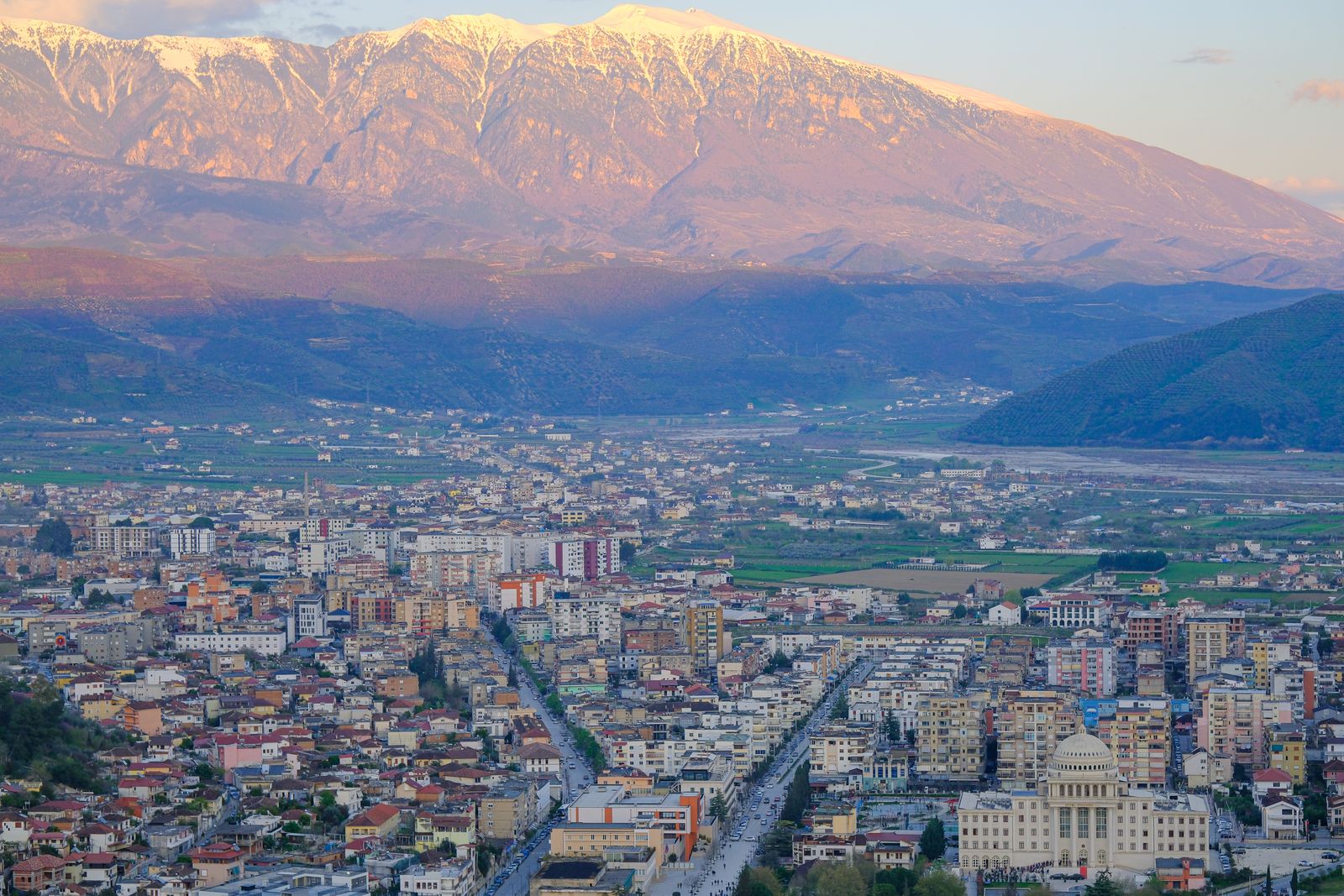
Most travellers treat the town of Shkodra (sometimes spelled Shkodër) as just a necessary transit hub, but I’d recommend setting aside at least half a day for it. Don’t expect the wild Balkan chaos of the capital Tirana — Shkodra has a strong Italian flair, reflected in the pastel facades of its houses and wide pedestrian zones full of cafés. Catholics live here in close, friendly neighbourliness with Muslims, and the whole town breathes a very relaxed, almost Mediterranean atmosphere.
But what really catches your eye is the sheer number of bicycles — everyone here cycles, from small children to elderly gentlemen in smart suits. Stroll down the main avenue, Kole Idromeno, grab an excellent coffee, and use the town to buy your last supplies before heading into the mountains, because you won’t find any proper supermarkets up there.
2. Rozafa Castle and a dark Balkan legend
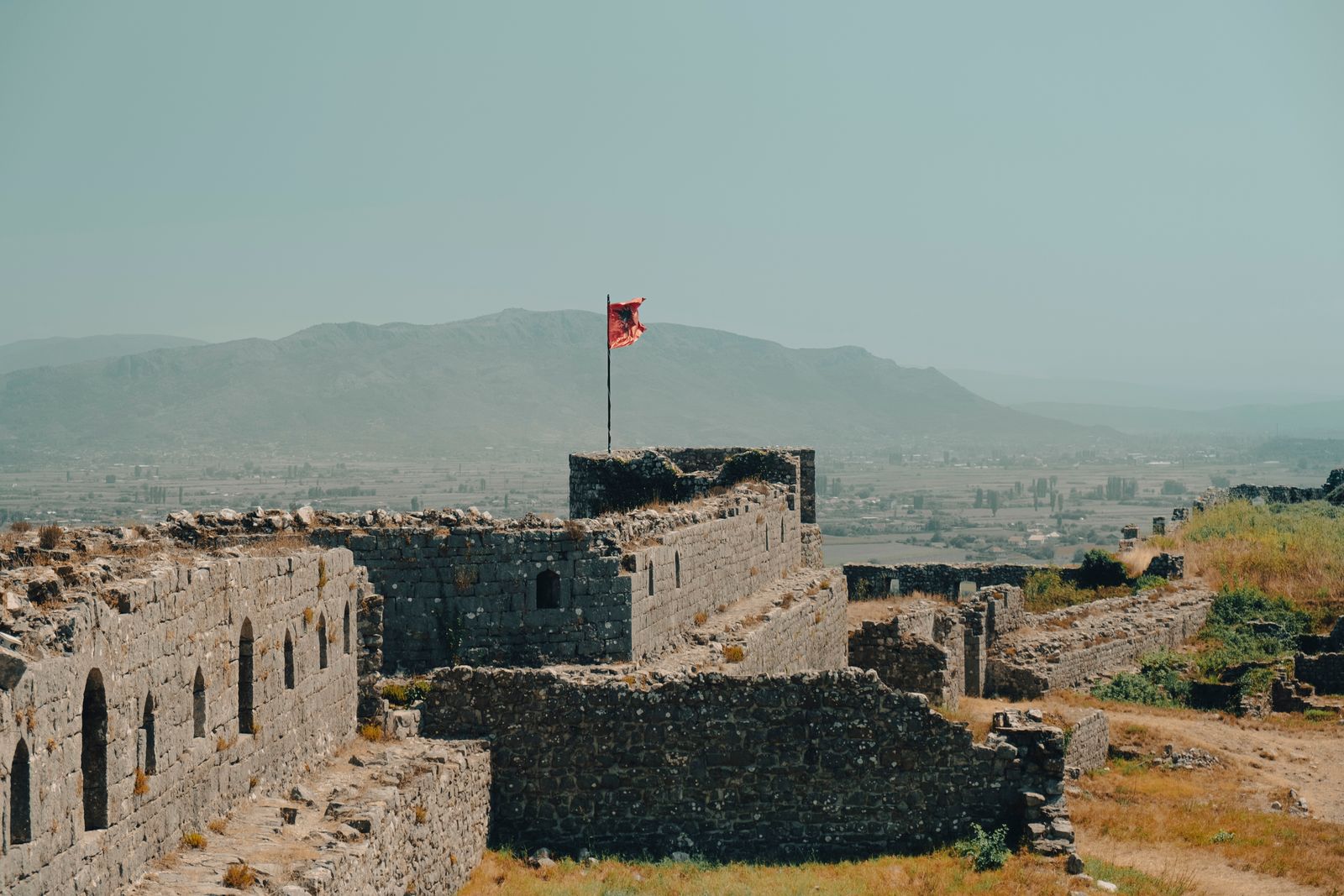
The town’s main historic landmark is the mighty Rozafa fortress, towering on a steep cliff right above the confluence of the Buna and Drin rivers. The view from its ramparts over the town, the surrounding mountains and the vast expanse of the lake is absolutely phenomenal, and the best photos here are taken in the late-afternoon light, when the sun bathes the landscape in gold. Inside the sprawling complex you’ll find historic ruins, a small museum and a little café where you can take a break. Admission to the fortress currently runs around 200 to 400 Albanian lek.
The castle is tied to one of the best-known and darkest legends in all the Balkans, the tale of three brother builders. Whatever they built by day mysteriously collapsed by night, until an old sage advised a cruel solution. For the walls to stand, they had to immure whichever of their wives brought them lunch the next day. The choice fell on Rozafa, the youngest brother’s wife, who accepted her fate heroically on one condition: the right side of her body had to be left poking out of the wall, so she could keep nursing and soothing her little son.
3. Lake Skadar and a birdwatcher’s paradise
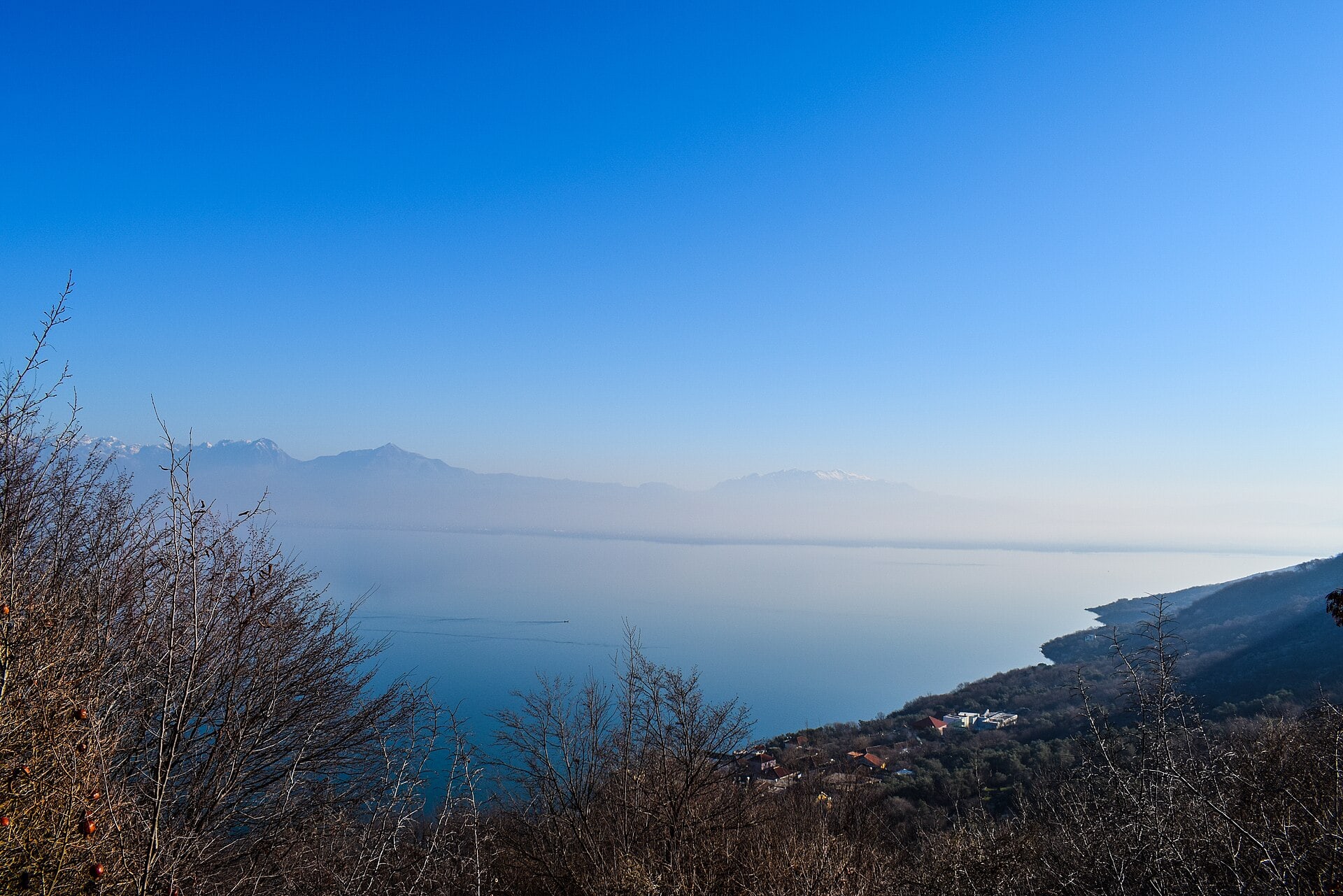
Just beyond the town spreads the vast Lake Skadar, which Albania shares with neighbouring Montenegro and which forms the largest freshwater body in the Balkans. It’s a genuine paradise for nature lovers, full of blooming water lilies and rare birds, including majestic pelicans. If you want to escape the bustle of the town, it’s the ideal spot for a peaceful afternoon.
Pop over to the quiet lakeside villages of Shiroka or Zogaj, just a few kilometres from Shkodra, with their lovely waterfront promenades. You can settle into one of the local taverns with views across to the Montenegrin shores and soak up the tranquil atmosphere of this unique aquatic ecosystem, protected as a national park.
4. The ferry across Lake Koman
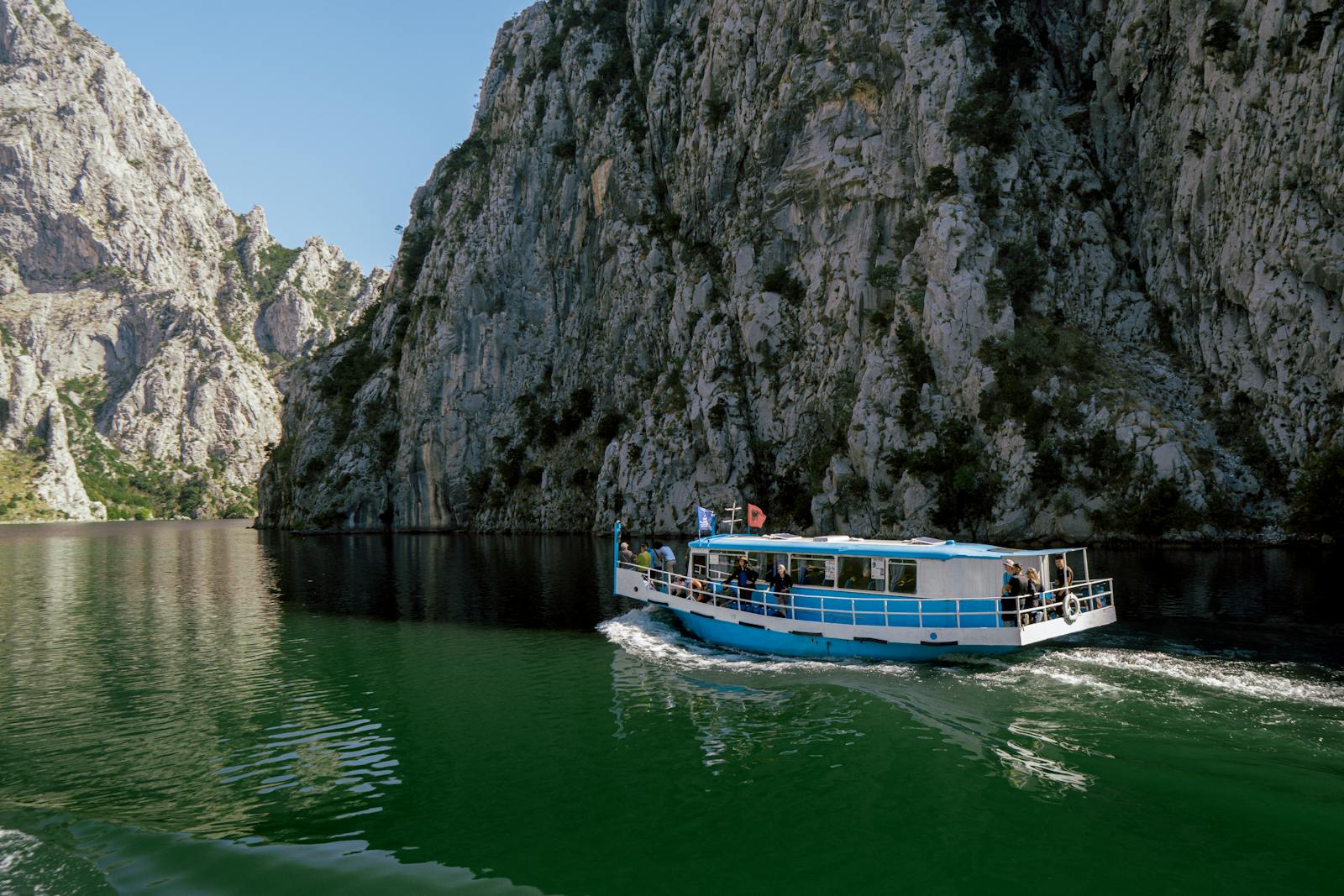
If there’s one logistical puzzle in Albania that regularly leaves travellers baffled, it’s the ferry across the Koman reservoir. The boat ride along this narrow, winding lake carved between steep 2,000-metre peaks is rightly billed as one of the most beautiful boat journeys in the world, often nicknamed the Norwegian fjords of the Balkans. It’s also the most popular and picturesque way to get from Shkodra to Valbona National Park.
The most common choice is the Berisha company, whose boat departs the southern port of Koman heading north to Fierzë at 9:00 am, with the crossing taking about two and a half hours. A passenger ticket costs €9 online or €10 in cash on the spot, but if you’re driving, you pay roughly €7 per square metre depending on the size of your vehicle. In summer the ferry is hopelessly booked out, so you absolutely must reserve a car spot on the official website well in advance.
💡 Tip for travelling without a car: If you don’t have your own vehicle, your best bet is the morning shared minibuses (furgon), which leave Shkodra around 6:00 am and cost roughly €8. The journey to Koman port takes a while, as the last thirty kilometres run along a very rough, narrow road, so arm yourself with patience.

5. The Shala River, or Thai beaches in Europe
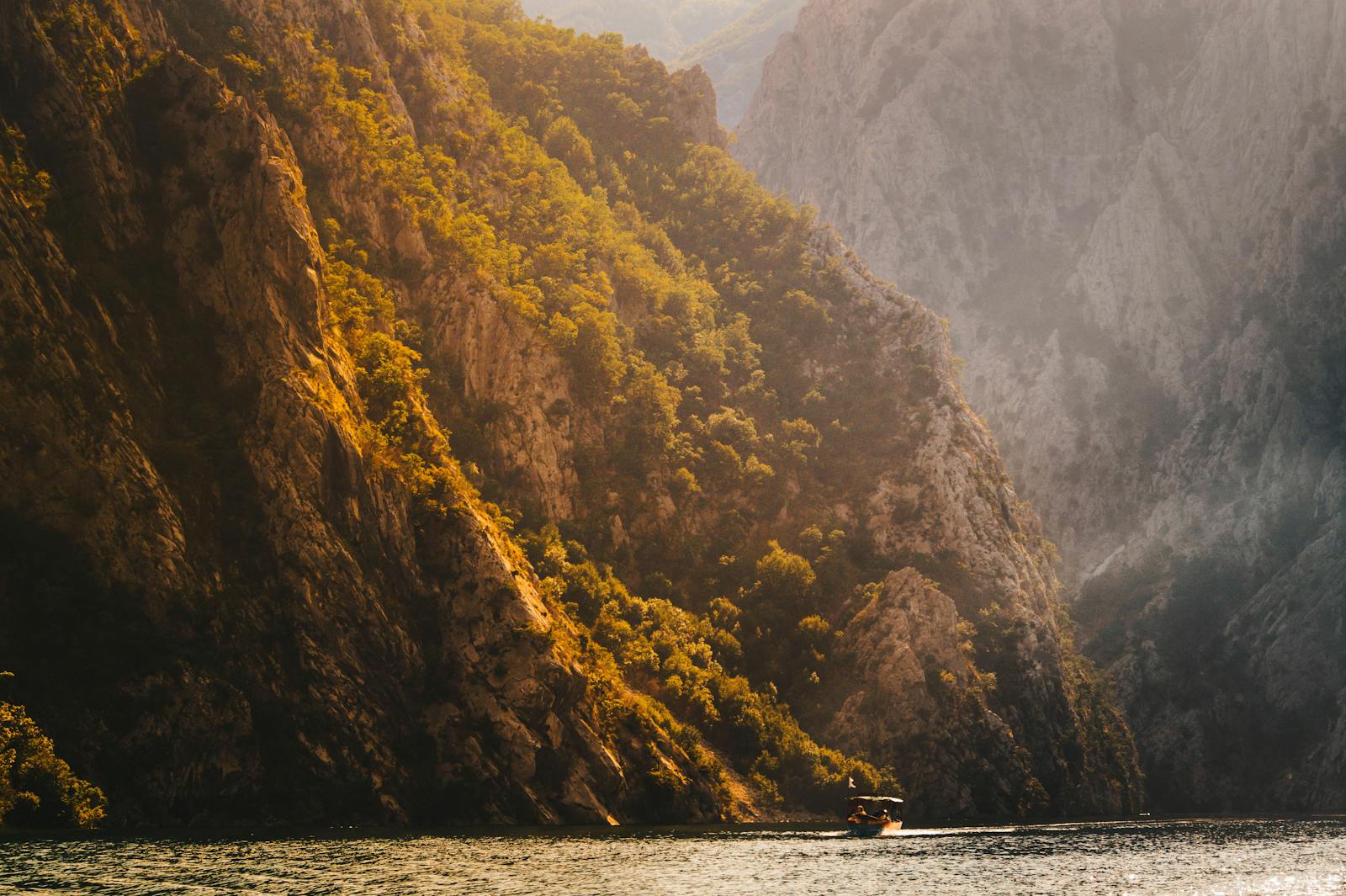
People very often confuse the transit ferry to Valbona with the day trip to the Shala River, but these are actually two different things. The Shala is a wild mountain tributary that flows into Lake Koman from a side valley, and you can’t reach it by car, only by boat. The water here is so incredibly clean and turquoise that the place has earned the nickname the Maldives of Europe — or the Thailand of Europe.
This trip deserves a full day to itself, and you can do it either from Koman port in a small boat for roughly €17 to €20, or by buying a complete package from Shkodra for around €40. The Shala River boat trip is easy to book through GetYourGuide, and on arrival you’ll find pebble beaches, swimming in icy water and the chance to rent canoes. Bear in mind, though, that in summer huge numbers of people descend on the spot, and it loses a little of its original calm.
6. Theth National Park and the blood-feud tower
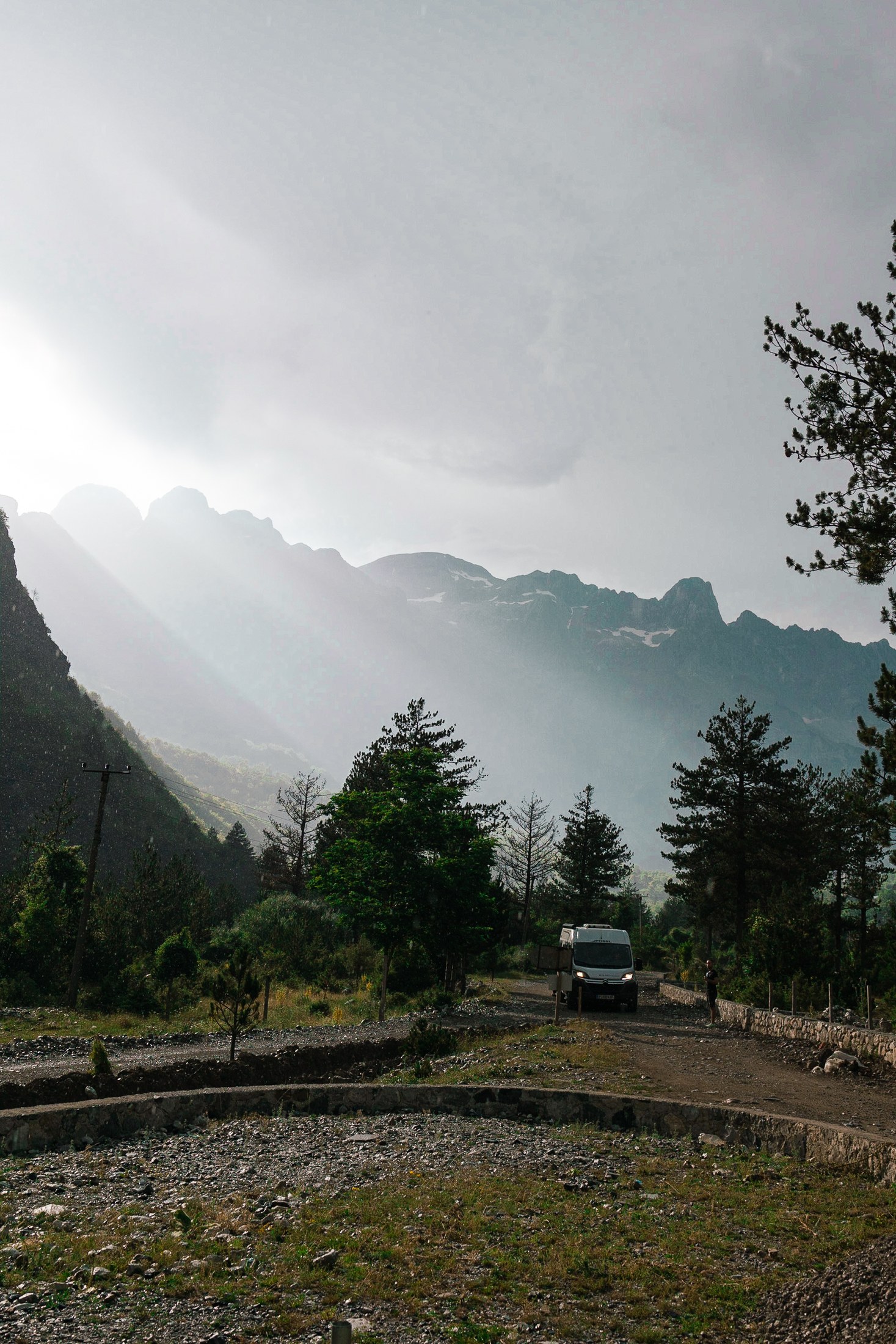
The village of Theth lies deep in a valley, hemmed in by an impenetrable wall of steep peaks, and for many decades it was cut off from the world. Just a few years ago you could only reach it by 4×4 along a treacherous gravel road, but today the road over the Qafa e Thores pass is completely paved. The journey from Shkodra takes about two and a half hours, offers fantastic views, and in the summer season you can make it even in an ordinary two-wheel-drive car — and entry to the national park is completely free.
The village’s iconic symbol is a small stone church, and just a short walk away stands the Kulla e ngujimit tower, which served as a refuge from blood feuds. This dark structure is a relic of the old customary law known as the Kanun, under which men protecting their lives from revenge would lock themselves away in these towers for many long months. Today the tower works as a unique museum, and the local guides’ tales of the harsh history of the mountain people are guaranteed to give you goosebumps.
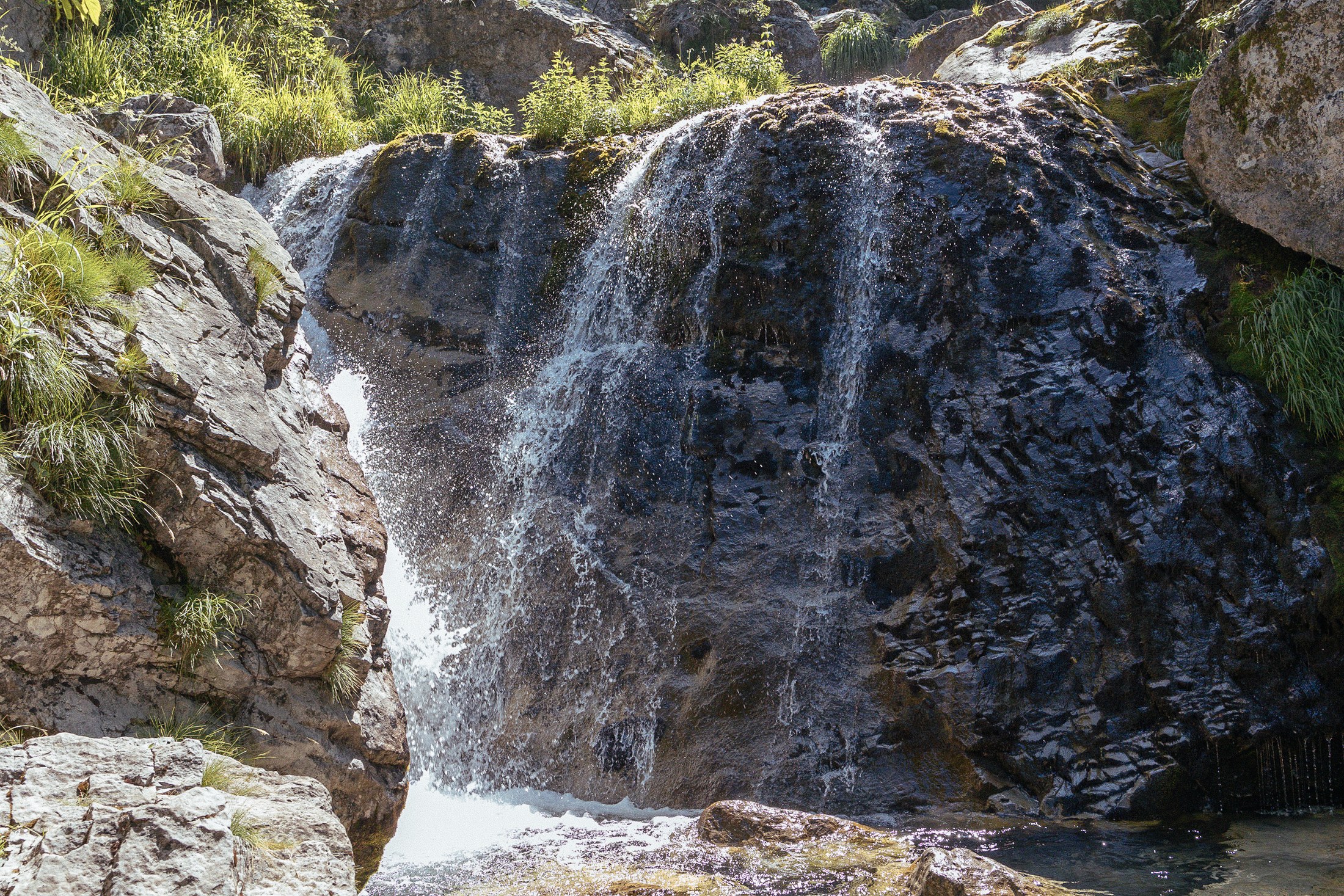
7. A walk to the Grunas Waterfall
Once you’ve settled into Theth and soaked up the village atmosphere, definitely head out to explore the immediate surroundings. Your first target should be the Grunas Waterfall, reached by a very pleasant, easy walk that takes roughly thirty minutes from the centre of the hamlet, following the river. It’s the ideal afternoon activity after you arrive.
Here the water tumbles from an impressive height of twenty-five metres down a steep limestone wall, creating a cooling mist below. On hot summer days especially it’s an absolutely fantastic way to cool off, and the surrounding lush greenery makes the perfect backdrop for photos — so don’t forget to bring a charged phone and comfortable shoes.
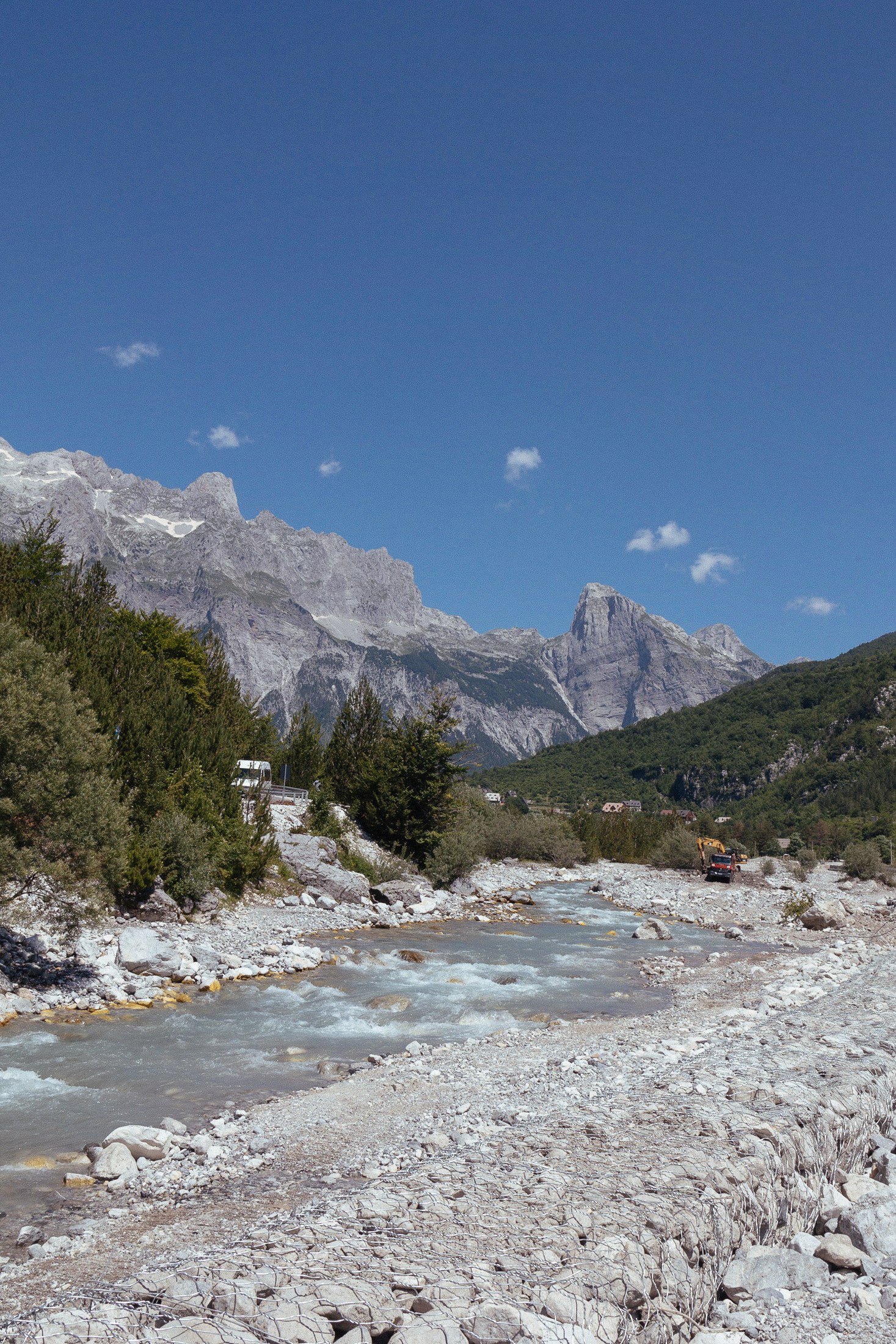
8. The mountain Blue Eye and an icy dip
Another big draw in the area is the Blue Eye of Theth, which you should definitely not confuse with the more famous, more crowded Blue Eye down south near Saranda. This northern mountain eye is a beautiful karst spring with deep, intensely blue-green and icy water, hidden among the forests and surrounded by pale rocks. Entry to the spring itself is free in 2026, so don’t be thrown off by older information about fees.
If you set off on foot straight from Theth, you’re looking at a full-day loop of 6 to 7 hours of walking there and back. A much more popular option, though, is to drive up to the hamlet of Nderlysaj, where you’ll pay about 150 to 200 lek for parking, and from there it’s just 40 to 50 minutes of pleasant walking to the eye. Swimming in the spring is allowed, but even in mid-August the water sits just above freezing, so only the hardiest will brave it.
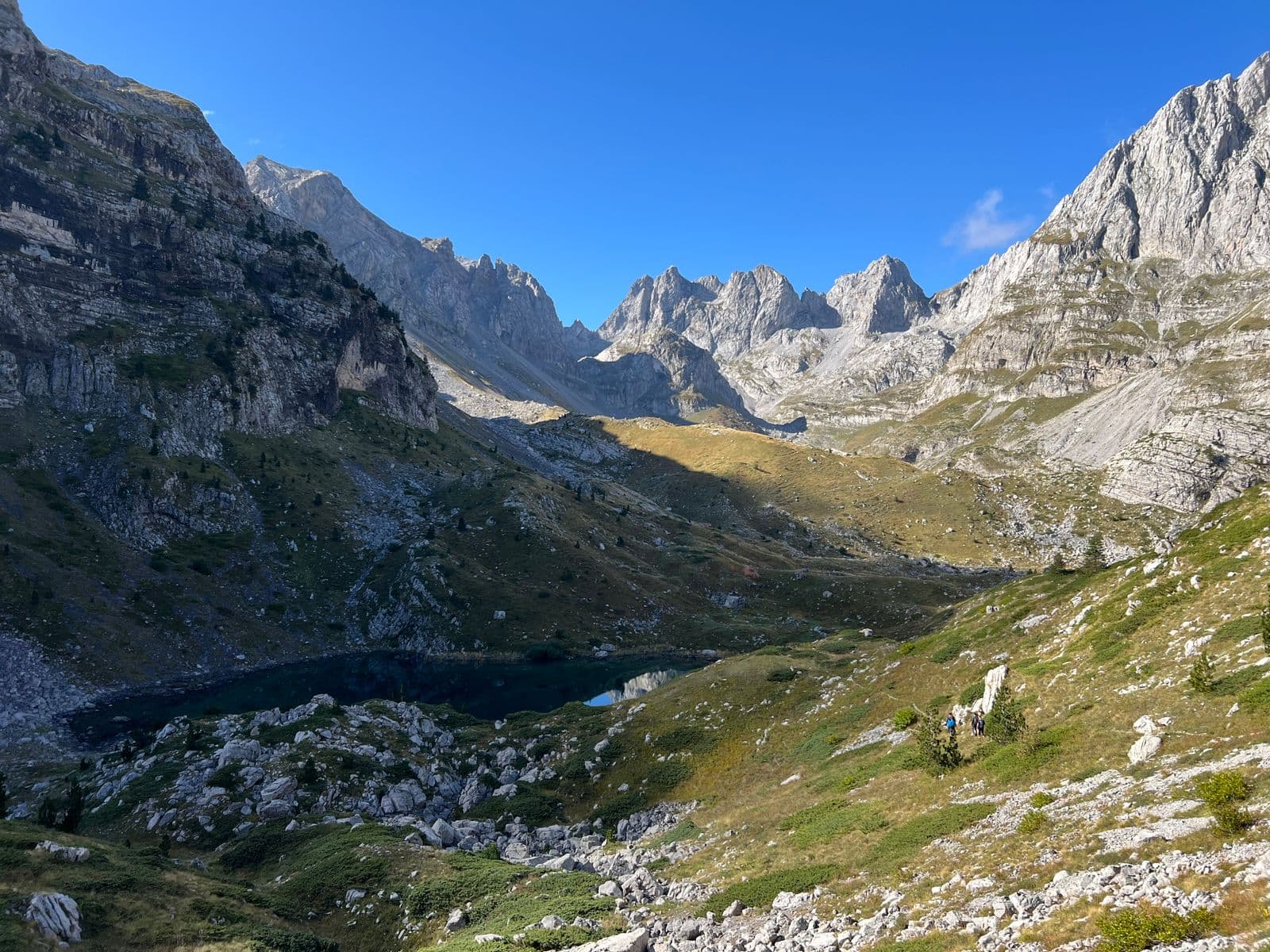
9. Valbona and the taste of true mountain countryside
On the other side of the high mountains lies Valbona Valley National Park, which, unlike the tightly enclosed Theth, takes the form of a much wider, more open glacial valley. A beautiful pale-turquoise river runs through it, and the whole area feels a touch more peaceful, while the deep surrounding forests are still home to brown bears and wolves. Most travellers reach Valbona by boat across Lake Koman, followed by a connecting minibus from Fierzë port.
Beyond its nature, this region is hugely rich in culinary experiences, and I’d recommend trying the local vegetarian specialities, which will completely win you over. The absolute classic is fli, a layered pie baked over an open fire and served with fresh homemade kajmak or honey. On guesthouse tables you’ll also often find the excellent baked vegetable dish tavë me perime, crispy cheese-filled byrek, and a strong homemade brandy called rakia. Meat dishes like lamb or grilled qofte meatballs are an important part of the region’s pastoral heritage, but even without meat you’ll eat like royalty here.
10. The famous trek over the Valbona Pass
This is the main reason active travellers from all over Europe head to the north of Albania. The hike over the Valbona Pass connects the Theth and Valbona valleys and is an absolute bucket-list experience that shows you the purest, wildest scenery in all the Balkans. The route is roughly 17 kilometres long and, depending on your fitness, takes 6 to 8 hours of walking through fairly demanding but well-marked terrain.
The elevation gain is seriously impressive, as you have to climb roughly 900 metres from the valley up to the pass itself, which sits at 1,800 metres above sea level, before a long descent back down again. The golden safety rule is to set off early in the morning and be at or beyond the pass by 2:00 pm at the latest, to avoid the dangerous afternoon storms that often build up in the mountains. The views from the highest point over the jagged grey peaks are utterly breathtaking, and they’ll make it perfectly clear why this range is called the Accursed Mountains.
Map of points of interest for your phone
Where to go next from northern Albania
If you’ve got the mountain adventure behind you and you’re wondering where to head next in the land of the eagles, the options are plentiful. Albania is hugely varied, and after the cool mountains you might fancy a bit of warmth and some historic sights.
- If you want to explore the central part of the country and see a pulsing, colourful capital, read our article Tirana: what to see in the capital.
- For history lovers and fans of beautiful Ottoman architecture, an absolute must is Berat: the city of a thousand windows, a UNESCO World Heritage Site.
- If you’re longing for a swim and some salty air, take a look at our overview Albania by the sea: where to go on holiday.
- To explore the gorgeous south with its crystal-clear water, use our guide to Saranda and the Ionian Riviera, or discover the famous Ksamil: the Albanian Maldives.
- And if you want to get a complete picture of the whole country, don’t miss our big overview article What to see in Albania.
Frequently asked questions
Is the road to Thethu safely paved?
Yes, the new SH21 road leading from Shkodra through the Qafa e Thores pass directly to the village of Theth is now fully paved and the journey takes just over two hours. During the summer season, you can easily get here even in a regular rental car without any problems, and four-wheel drive is no longer necessary.
Can you use credit cards in mountain villages?
In the Accursed Mountains, you need to rely exclusively on cash, as payment terminals and ATMs are virtually non-existent here. It’s ideal to have enough Albanian lek (ALL) with you to pay for accommodation, food at guesthouses, furgons, and beer at mountain huts.
Do I need a mountain guide for the Theth-Valbona trek?
You definitely don’t need a guide for this crossing, as the route is very well marked, well-trodden, and during summer season you’ll meet plenty of other tourists. All you need is good physical fitness, sturdy footwear, an offline map on your phone, and enough drinking water for the journey.
How much does the ferry across Lake Koman cost and do I need to book it?
The personal ticket for the Berisha ferry costs 9 euros when purchased online and 10 euros in cash on site. However, if you’re planning to transport a car, the price is calculated according to the vehicle’s size (approximately 7 euros per square meter) and during summer months it’s absolutely essential to make a reservation well in advance through the official website, otherwise you won’t get on the ferry.
Is it safe to drink water from springs in the Accursed Mountains?
The water from mountain springs and wells is generally very clean and locals drink it regularly, however for travelers with more sensitive stomachs I always recommend using a travel bottle with a filter. On the trek you’ll come across several places where you can refill your water, or alternatively you can buy it in small cafés along the route.
Can I do the Theth-Valbona trek with small children?
The crossing over Valbona Pass is quite challenging, 17 kilometers long and includes steep ascents, so I recommend it only for older children who are used to full-day mountain hiking. For families with small children, shorter walks in the Theth valley are much more suitable, for example to Grunas waterfall or to the Blue Eye.
What do van abbreviations mean and how do they actually work?
Furgon is the local term for shared vans and minibuses that form the backbone of public transport in Albania. They don’t have fixed stops or official nationwide timetables online, they usually depart early in the morning when full, and accommodation providers in Shkodër will happily reserve you a seat the day before.
Can you eat well without meat in northern Albania?
Yes, as vegetarians you’ll eat absolutely brilliantly here and you definitely won’t go hungry. Local agritourism is built on excellent homemade dairy products, strong cheeses, baked vegetables in clay pots, and traditional savory pastries byrek, which will reliably fill you up after a long trek.
Tips and Tricks for Your Vacation
Don’t Overpay for Flights
Search for flights on Kayak. It’s our favorite search engine because it scans the websites of all airlines and always finds the cheapest connection.
Book Your Accommodation Smartly
The best experiences we’ve had when looking for accommodation (from Alaska to Morocco) are with Booking.com, where hotels, apartments, and entire houses are usually the cheapest and most widely available.
 🚗 Car rental on the roadVerified rental cars in Albania
Search with the DiscoverCars comparison engine — it compares prices from dozens of local and international rental companies, and most bookings come with free cancellation.
Compare car prices in Albania →Don’t Forget Travel Insurance
Good travel insurance will protect you against illness, accidents, theft, or flight cancellations. We’ve had a few hospital visits abroad, so we know how important it is to have proper insurance arranged.
Where we insure ourselves: SafetyWing (simple monthly subscription) and TrueTraveller (for extra-long trips).
Find the Best Experiences
Get Your Guide is a huge online marketplace where you can book guided walks, trips, skip-the-line tickets, tours, and much more. We always find some extra fun there!