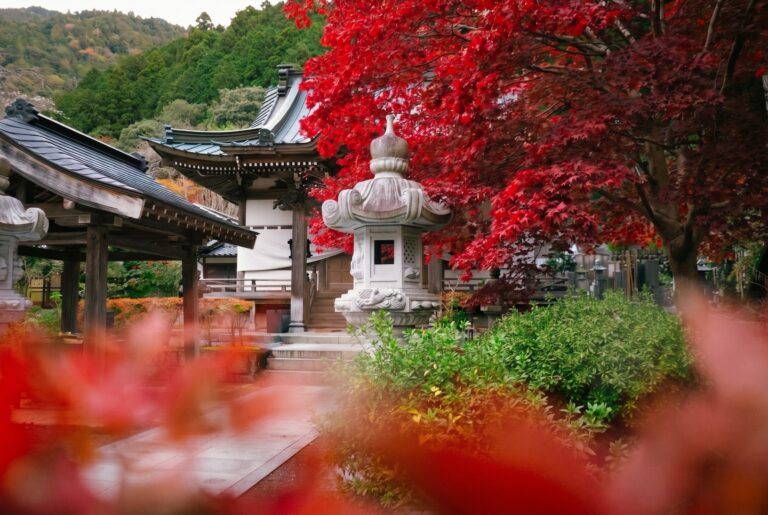

Japan stretches for roughly 3,000 km, so when you’re working out what to see in Japan and which areas Japan has to offer suit you best, you can’t just string your dream spots together and leave the journeys between them to fate 😅. What really matters is picking the right base from which you can reach each place – otherwise that long-awaited stop might end up being nothing more than a view from the train window.
I’ve put together an overview of 25 places grouped by area, with the recommended number of days, the best time to go and whether you need to book ahead. You’ll also find out what getting around costs and whether you’re better off with a JR Pass (the nationwide rail pass) or individual tickets for the shinkansen (bullet train). There are also ready-made 7, 10 and 14-day itineraries, a rundown of fees, and my tips for a holiday in Japan will help you too.
Think of this post as a planning hub: I only summarise the big cities briefly, because they have their own guides, such as what to see in Tokyo. Times and prices are approximate for 2026, given in Japanese yen (JPY) with a conversion to euros – double-check them before you travel. 💡 Tip: If you’re heading to Kyoto during cherry blossom (sakura) season in spring, it pays to book your accommodation well in advance, for example via Booking.com.
TL;DR
- How to split your days: With 7 days, combine Tokyo and Kyoto; with 10 days, add Osaka and a day trip to Hiroshima; with 14 days, add Hakone and a night in Hiroshima, or a northern loop through the Japanese Alps.
- The JR Pass usually isn’t worth it on a first trip: The 7-day version costs 50,000 JPY (about €280) online and only pays off if you make several long journeys. A one-way shinkansen ticket from Tokyo to Kyoto bought via smartEX (the official ticketing app) costs around 14,000 JPY (about €80), and a return around 28,000 JPY (about €155).
- New fees and taxes: From 1 July 2026, the departure tax is 3,000 JPY (about €17), included in your plane ticket. Miyajima charges a 100 JPY (about €0.60) visitor fee, and Himeji Castle costs 2,500 JPY (about €14) for everyone aged 18 and over who isn’t a city resident.
- Book in advance: The Chichu Art Museum on Naoshima, the winter illuminations in Shirakawa-go, accommodation on the Kumano Kodo, the Mount Fuji climb and the Limited Express Kōya train to Koya-san.
- Best time to go: Late March and the first half of April for the cherry blossoms, or the second half of November and early December when the maples change colour.
- Winter closures in the mountains: The Tateyama Kurobe Alpine Route is closed in winter; in 2026 it runs from 15 April to 30 November.
- Tip for vegetarians: Watch out for dashi (a fish stock made from bonito) in sauces and soups – the plant-based option is shojin ryori (traditional Buddhist cuisine).
The full destination guide: Japan — guide and what to see
Map of the Areas in Japan and How to Use This Guide
I’ve split this guide by area, and for each place you’ll find how long to stay and how to get there from your base. Nozomi is the fastest shinkansen service between Tokyo and Kyoto. Prices are approximate for 2026 (yen converted to euros at the exchange rate of November 2026).
| Place | How many days | Getting there | When to go / watch out for |
|---|---|---|---|
| 1. Tokyo | 3–5 nights | Narita, 60 min by train | year-round |
| 2. Nikko | 1 day, ideally 1 night | Tokyo, 110 min by train | illuminations 14–23 Nov 2026 |
| 3. Kamakura and Enoshima | 1 day | Tokyo, 55–60 min by train | June: hydrangeas, crowds |
| 4. Hakone | 1 night | Tokyo, 80 min by train | ropeway closures 7–24 Dec 2026 and 12 Jan–26 Feb 2027 |
| 5. Fuji: Kawaguchiko | 1–2 nights | Tokyo, 105 min by bus | views of Fuji in winter |
| 6. Climbing Mount Fuji | 1–2 days | bus to the 5th Station (trailhead) | July to September |
| 7. Kyoto | 3–4 nights | Tokyo, 135 min by Nozomi | year-round |
| 8. Nara | half a day to a full day | Kyoto, 35–45 min by train | year-round |
| 9. Osaka | 2–3 nights | Kyoto, 15 min by Nozomi | year-round |
| 10. Himeji | half a day | Shin-Osaka (Osaka’s shinkansen station), about 30 min by shinkansen | closed 29–30 Dec |
| 11. Koya-san | 1 night | Osaka, train and cable car | check cable car closures in winter |
| 12. Kumano Kodo | 3–4 days | Shin-Osaka, train and bus | expect rain |
| 13. Hiroshima and Miyajima | 2 nights | Kyoto, 100 min by shinkansen | maples around 22 Nov |
| 14. Naoshima | 1 night | Shin-Osaka, train and ferry | museums closed on Mondays |
| 15. Kanazawa | 1–2 days | Tokyo, 152 min by shinkansen | maples around 24 Nov |
| 16. Takayama | 1–2 days | Nagoya, 155 min by train | festivals in April and October |
| 17. Shirakawa-go | half a day to a full day | Takayama, 50 min by bus | January illuminations by reservation only |
| 18. Tateyama Kurobe Alpine Route | 1–2 days | Kanazawa–Toyama, 20 min by shinkansen (first leg only) | 15 Apr–30 Nov 2026 |
| 19. Kiso: Magome–Tsumago | 1 day or 1 night | Nagoya, train and bus | luggage forwarding only 20 Mar–30 Nov |
| 20. Nagano and the snow monkeys | 1 day or 1 night | Tokyo, 84 min by shinkansen | monkeys in winter |
| 21. Fukuoka | 1–2 nights | Shin-Osaka, 150 min by shinkansen | year-round |
| 22. Kagoshima and Sakurajima | 1 night | Fukuoka, 80 min by shinkansen | no ferry from midnight to 4 am |
| 23. Yakushima | 2–3 nights | Kagoshima, 40 min flight | rains a lot |
| 24. Sapporo and Niseko | 2–7 days | Tokyo, 90 min flight | winter or summer |
| 25. Okinawa | 3–5 days | Tokyo, 3 h flight | avoid the August typhoons |
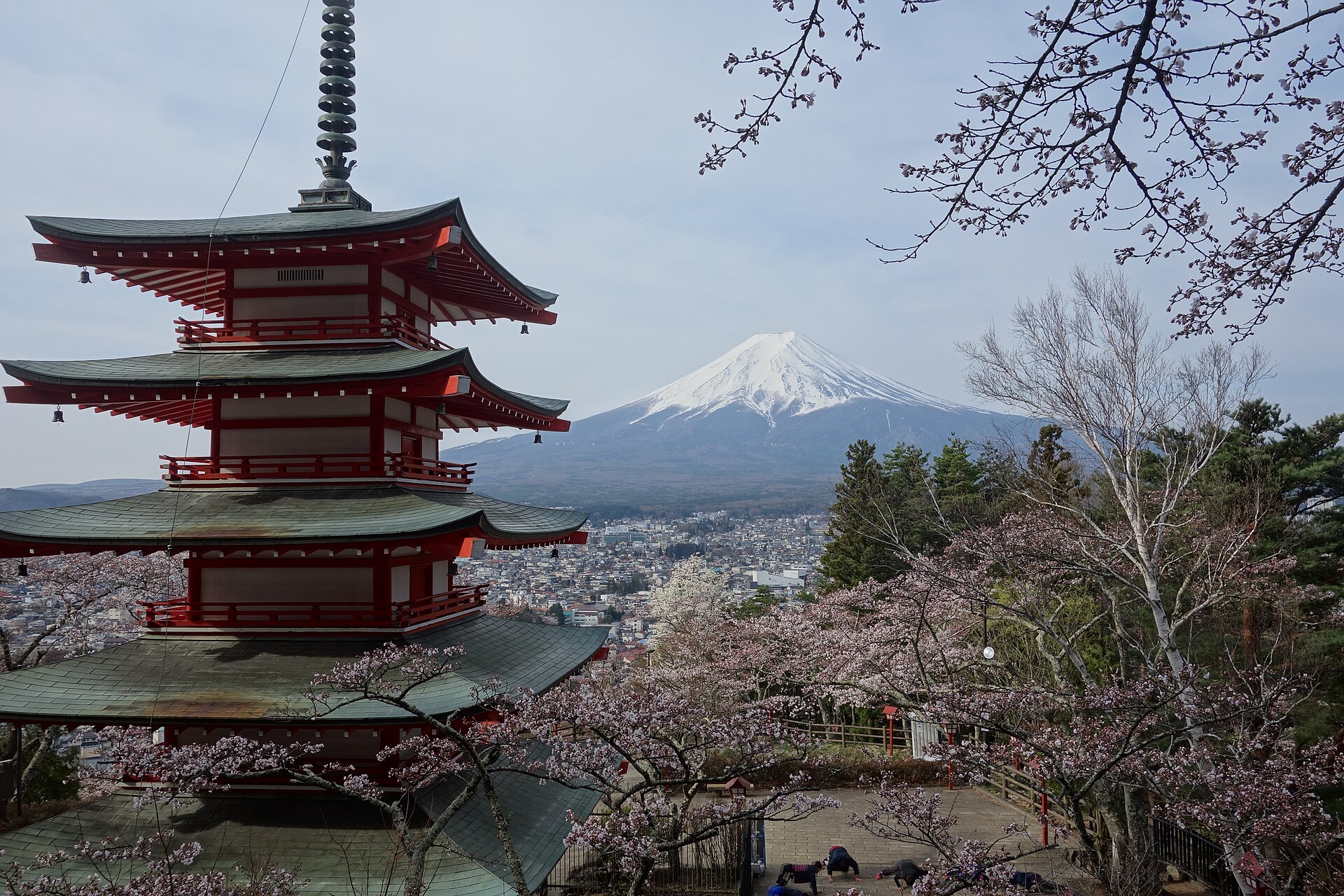
When to Visit Japan: Cherry Blossoms, Maples and Closure Periods
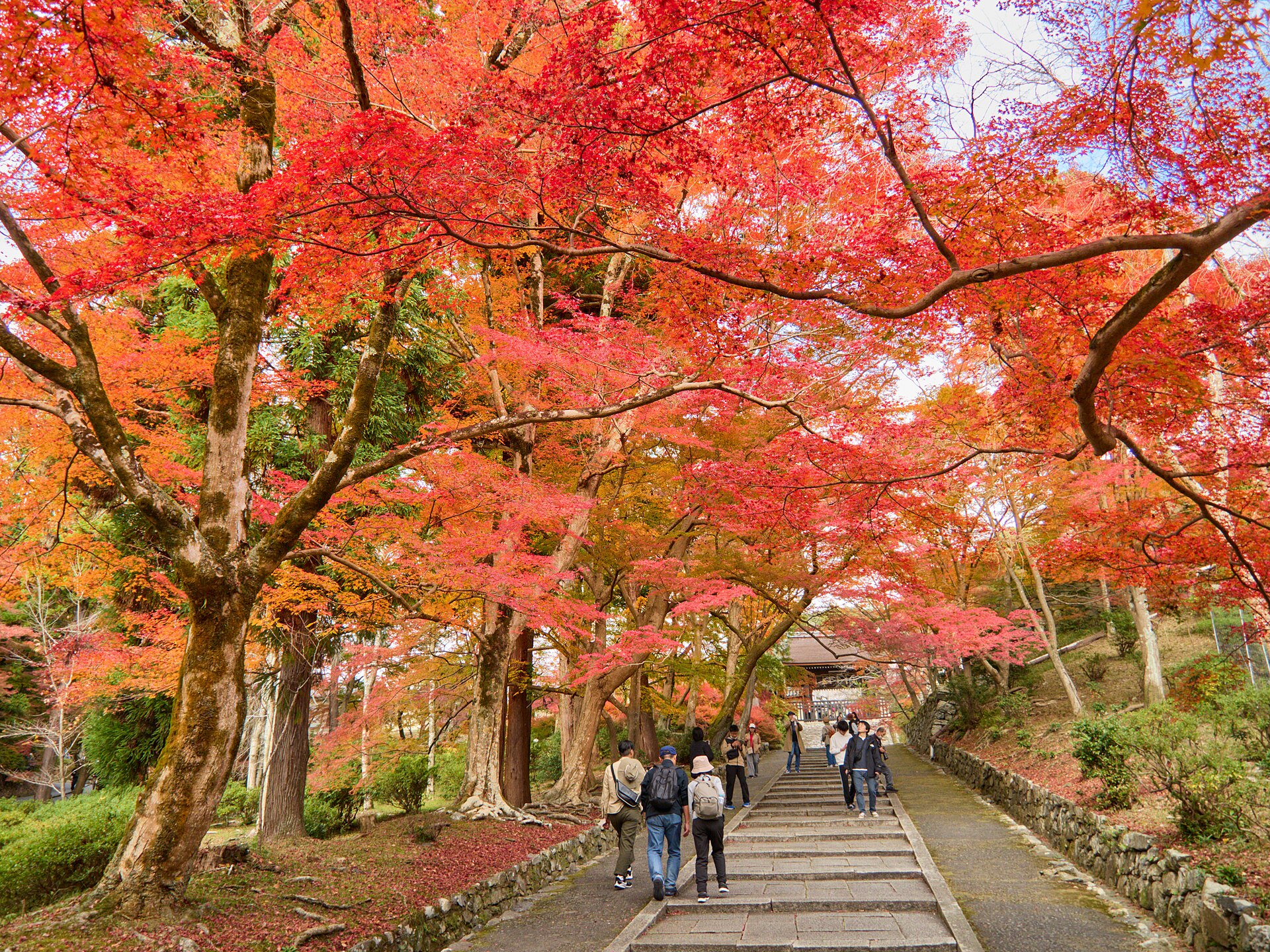
For your first trip, go for late March and the first half of April, when the sakura (cherry blossom) is out – just be ready for the highest prices of the year. For momiji (autumn maples) in Tokyo and Kyoto, pick the second half of November and early December. A quieter alternative is May after Golden Week (a cluster of public holidays at the turn of April and May), or October for the Japanese Alps and the north. The dates I give are for the 2026 season, and for spring 2027 I state the year explicitly; the 2027 dates for Fuji and the Alpine Route haven’t been announced yet.
When to Go, Month by Month
| Period | What’s happening | Watch out |
|---|---|---|
| Late March–April | Sakura (first bloom/full bloom): Tokyo 24/31 Mar, Kyoto 26 Mar/4 Apr, Osaka 27 Mar/4 Apr, Hiroshima 25 Mar/3 Apr, Kanazawa 3/8 Apr, Nagano 11/16 Apr, Sapporo 1/6 May. | Long-term JMA averages for 1991–2020; actual dates vary. |
| April–May | Alpine Route 15 Apr–30 Nov 2026, snow corridor until the end of June; Kamikochi 17 Apr–15 Nov 2026. | Golden Week 29 Apr and 1–5 May 2027. |
| June–July | Tsuyu (rainy season): Okinawa 10 May–21 Jun, Kanto 7 Jun–19 Jul, Kinki 6 Jun–19 Jul. | Hokkaido has no tsuyu. |
| July–September | Hot and humid; Fuji 1 Jul–10 Sep 2026 (Fujinomiya and Gotemba trails from 10 Jul). | Obon (festival honouring ancestors) 13–16 Aug 2027; typhoons in August and September. |
| October | Autumn colours in Murodo from mid-September, in Oku-Nikko in October. Maples in Sapporo around 28 Oct. | Jigokudani often has no monkeys. |
| November | Maples: Nagano 12 Nov, Hiroshima 22 Nov, Kanazawa 24 Nov, Tokyo 28 Nov. | Alpine Route open until 30 Nov 2026. |
| December–February | Maples: Osaka 1 Dec, Kyoto 5 Dec; Shirakawa-go: illuminations on 11, 17, 24 and 31 Jan 2027 (by reservation only); Sapporo Snow Festival 4–11 Feb 2027; Jigokudani: monkeys bathing in the onsen (hot spring). | Alpine Route and Kamikochi closed; Hakone closures 7–24 Dec 2026 and 12 Jan–26 Feb 2027; holidays 29 Dec 2026–3 Jan 2027. |
June and July are the rainy season and September brings typhoons, while winter is ideal for Hokkaido, the snow monkeys and Shirakawa-go – and it also gives you the clearest views of Mount Fuji. You’ll find all the details in my guide on when to go to Japan.
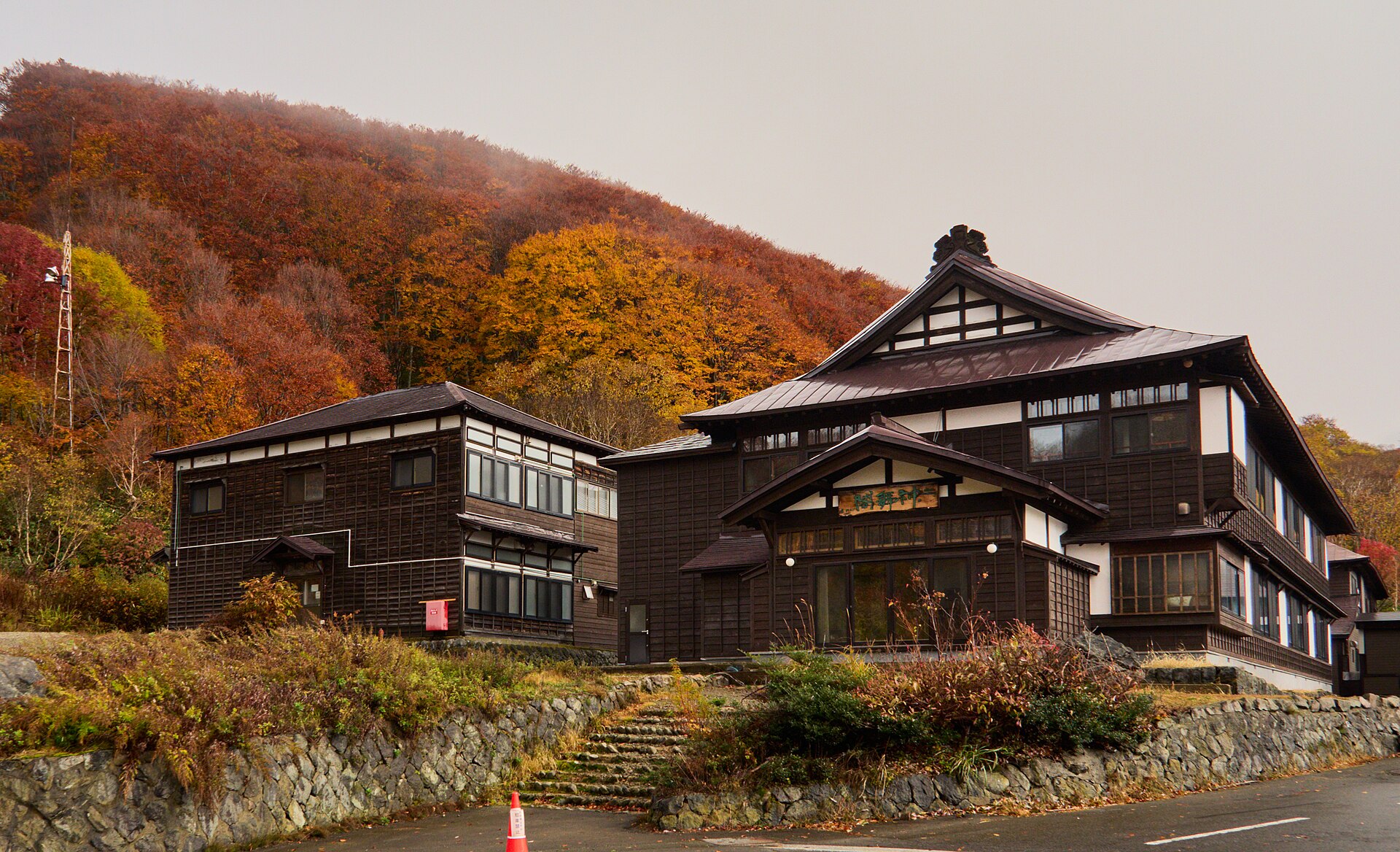
Where to Stay: 4 Bases
Tokyo works for day trips into the surrounding area, Kyoto for temples, Osaka for Nara or Himeji, and Hakone and Kawaguchiko for a night in a ryokan (a traditional Japanese inn). Below you’ll find two hotels for each base.
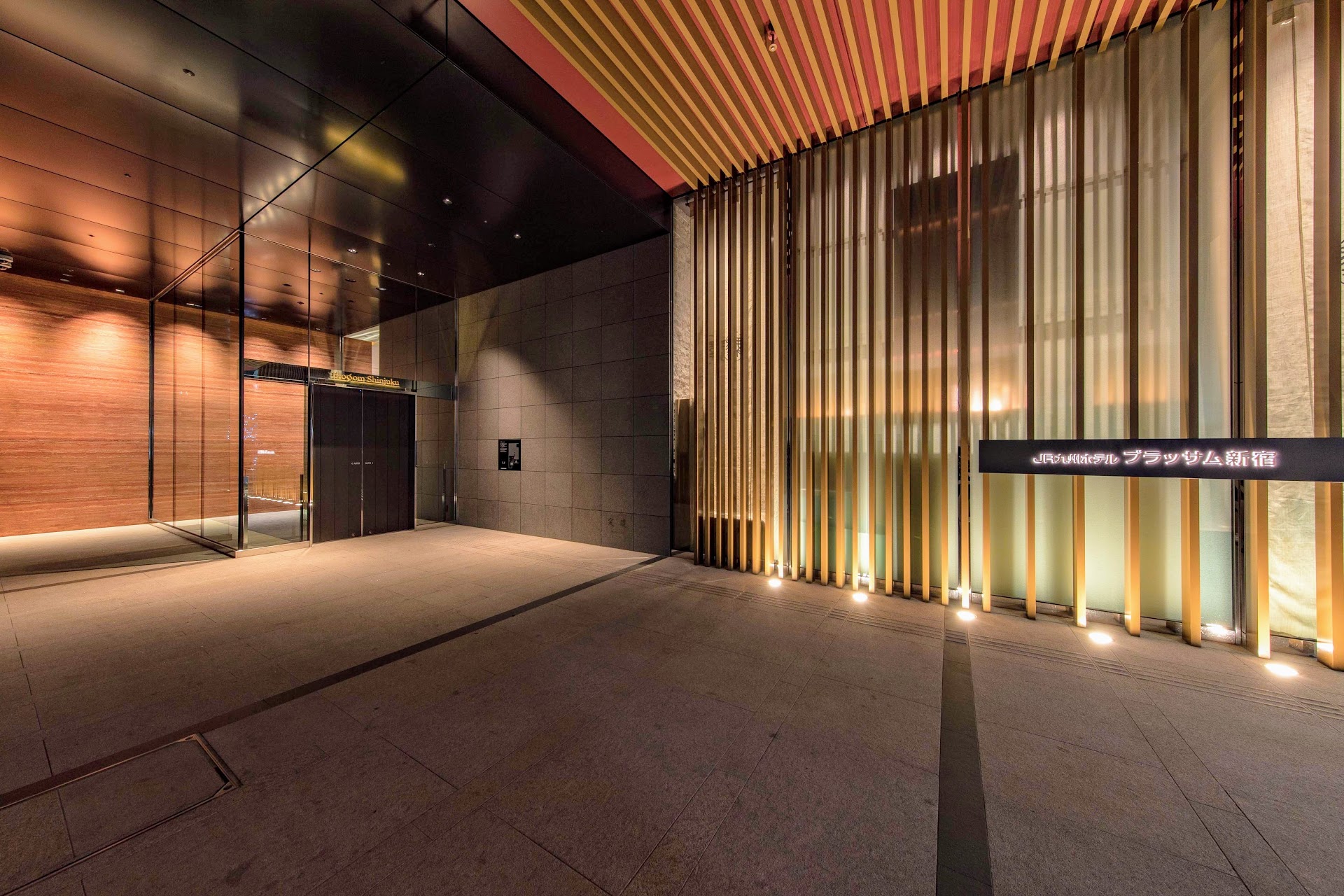
JR KYUSHU HOTEL Blossom Shinjuku
JR KYUSHU HOTEL Blossom Shinjuku is a three-minute walk from the South Exit of Tokyo’s Shinjuku Station and from the Busta bus terminal, where buses leave for Kawaguchiko. It’s a handy pick for trips to Mount Fuji and Hakone.
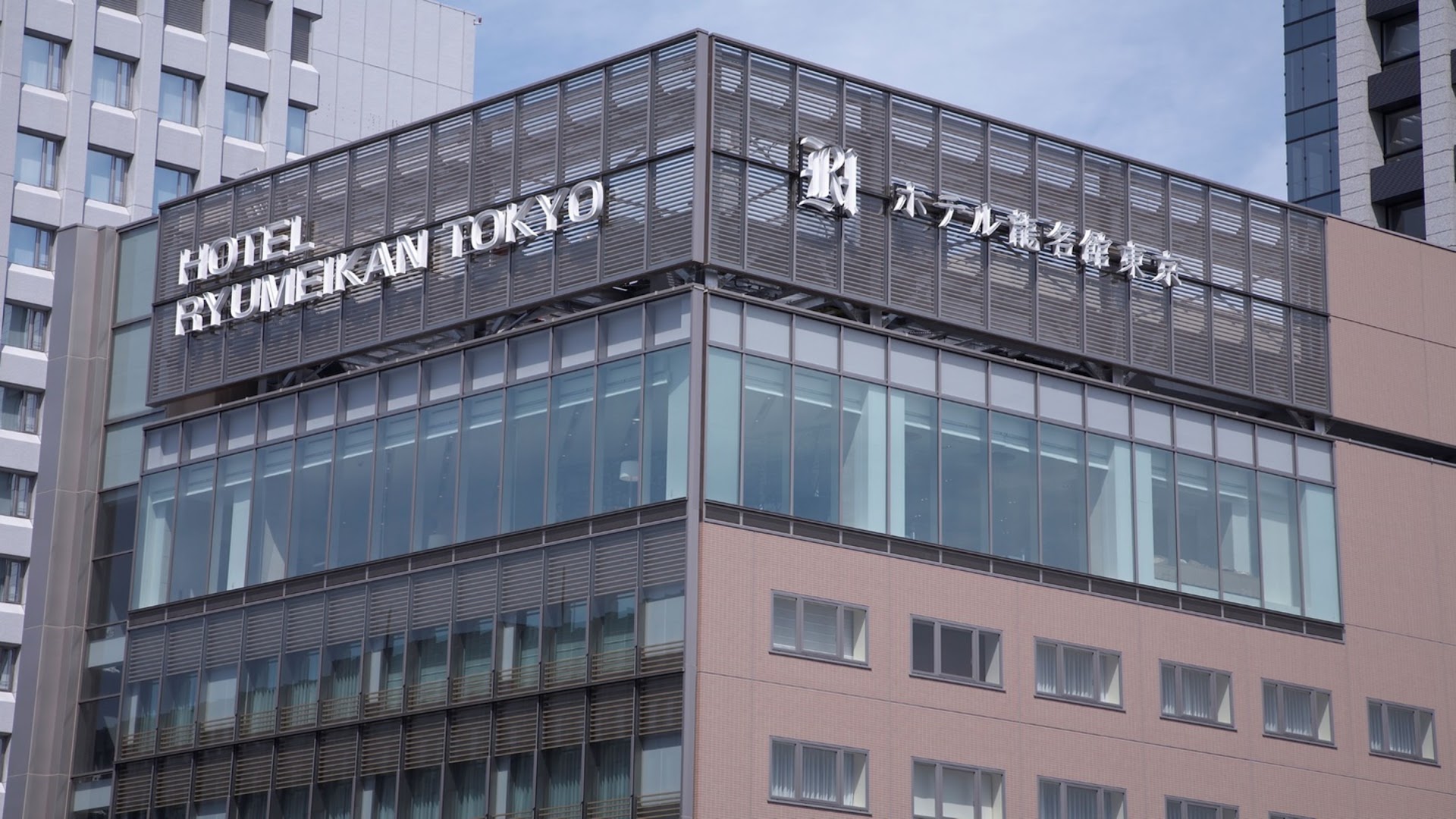
Hotel Ryumeikan Tokyo
Hotel Ryumeikan Tokyo belongs to the Ryumeikan brand, which has been around since 1899, and sits a three-minute walk from Tokyo Station. From there you continue by shinkansen (bullet train) to Kyoto. The room with futons (Japanese mattresses) on tatami (straw mats) sleeps up to four people.
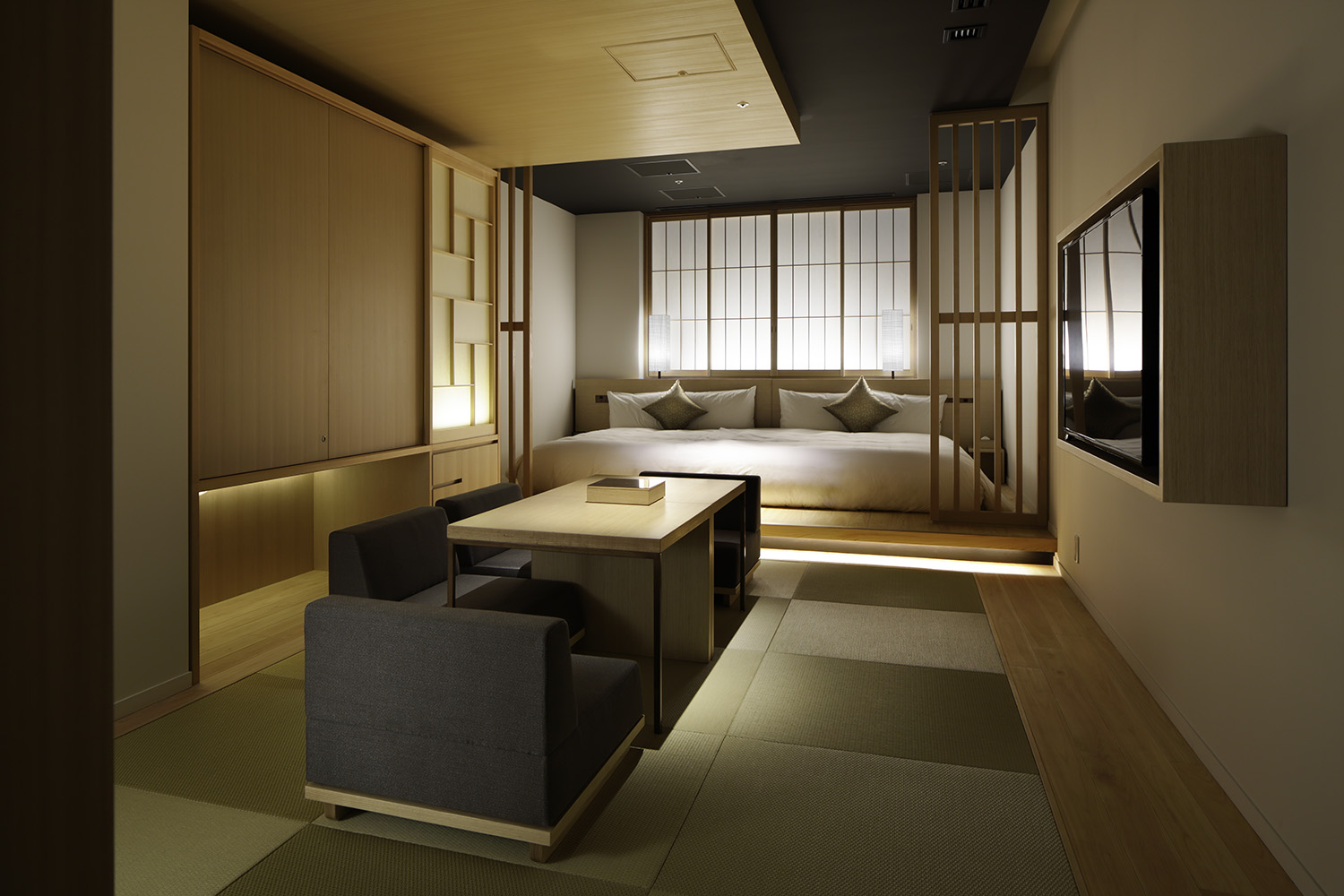
Hotel Kanra Kyoto
In Kyoto, you’ll find Hotel Kanra Kyoto just a minute’s walk from Gojo subway station, and the rooms come with cypress-wood bathtubs. If you need vegetarian meals, arrange them in advance when you book.
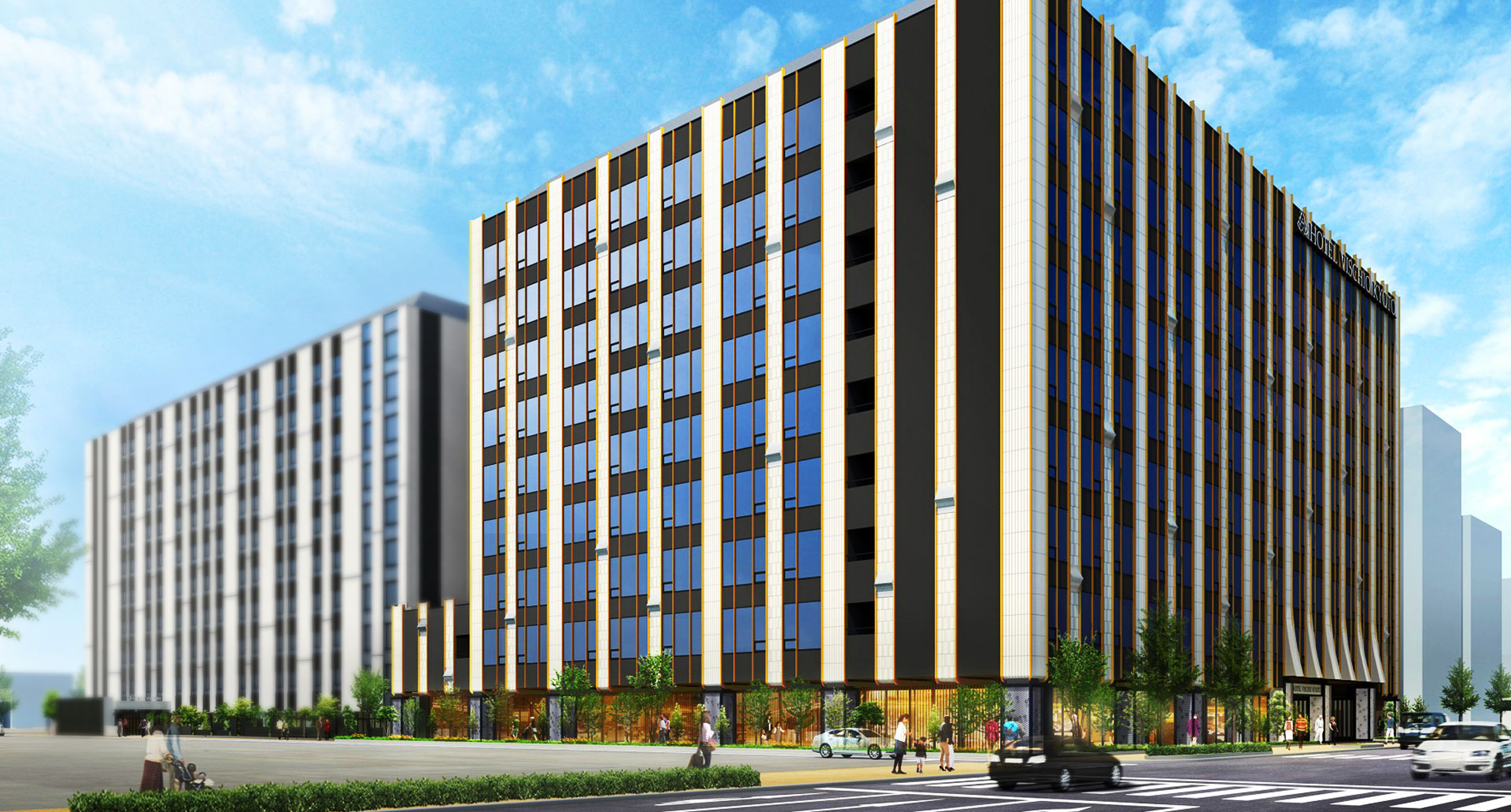
HOTEL VISCHIO KYOTO by GRANVIA
Two minutes on foot from the Hachijo Exit of Kyoto Station, HOTEL VISCHIO KYOTO by GRANVIA puts you close to the trains to Nara. It has a large communal bath and family rooms for 3–4 people.
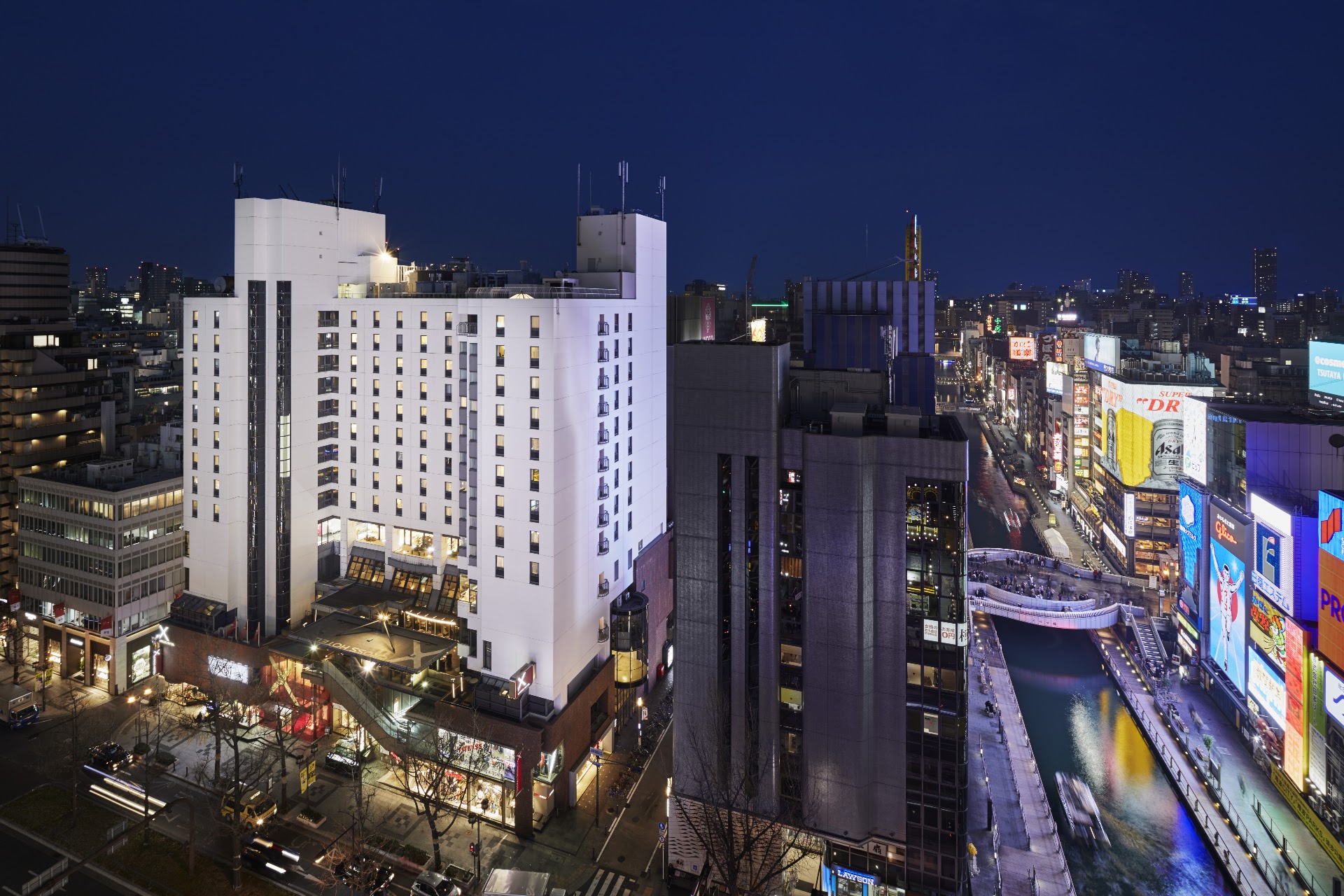
Cross Hotel Osaka
Right by Dotonbori in Osaka you’ll find Cross Hotel Osaka, a three-minute walk from Exit 14 of Namba Station. Nankai Namba Station, where trains leave for KIX (Kansai International Airport near Osaka) and Koyasan, is ten minutes away on foot.
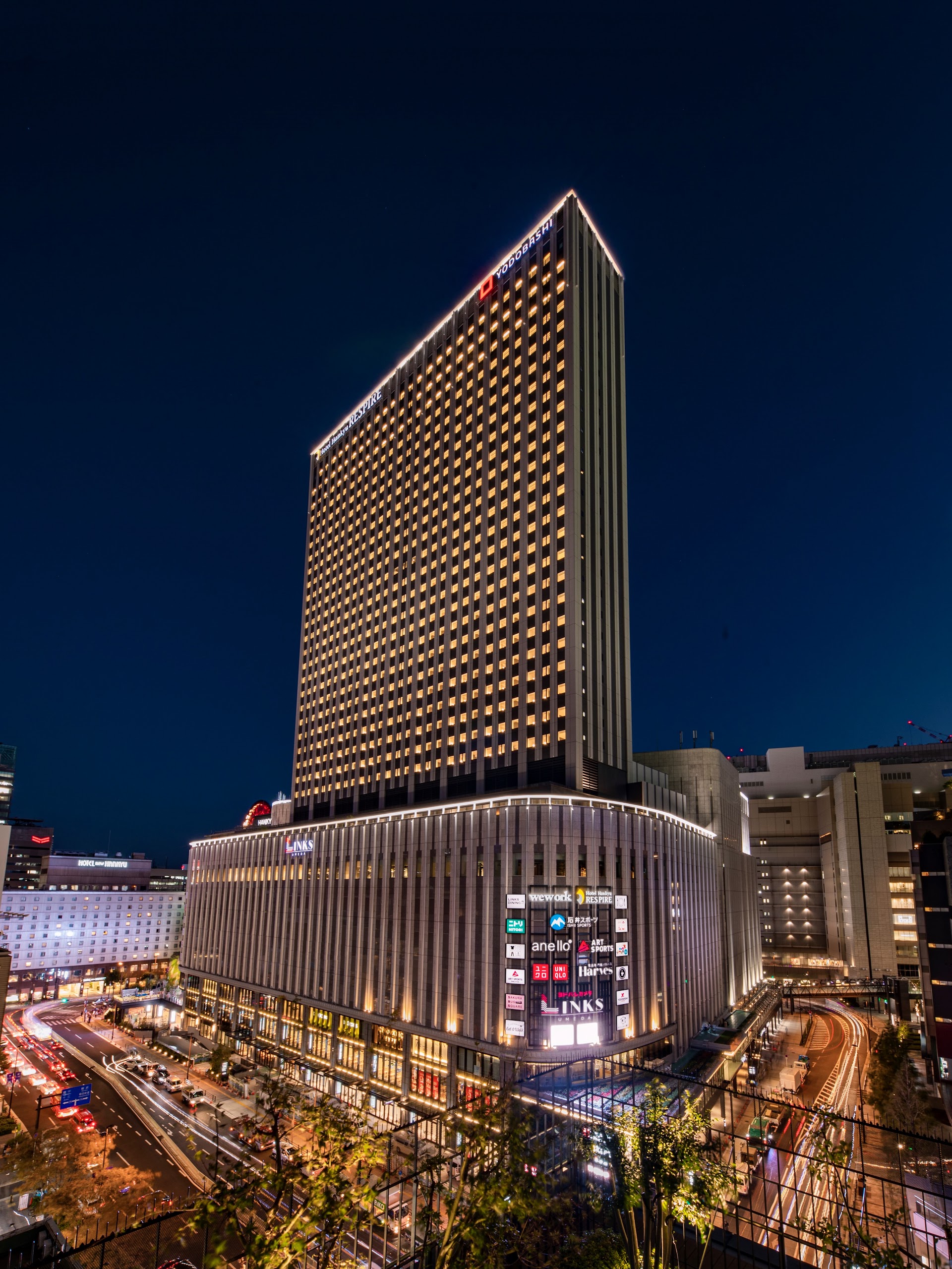
Hotel Hankyu RESPIRE OSAKA
Hotel Hankyu RESPIRE OSAKA is three minutes from JR Osaka Station and seven from Shin-Osaka. It’s a good base for day trips to Kyoto or Himeji, and the airport bus stop for KIX is a five-minute walk away.
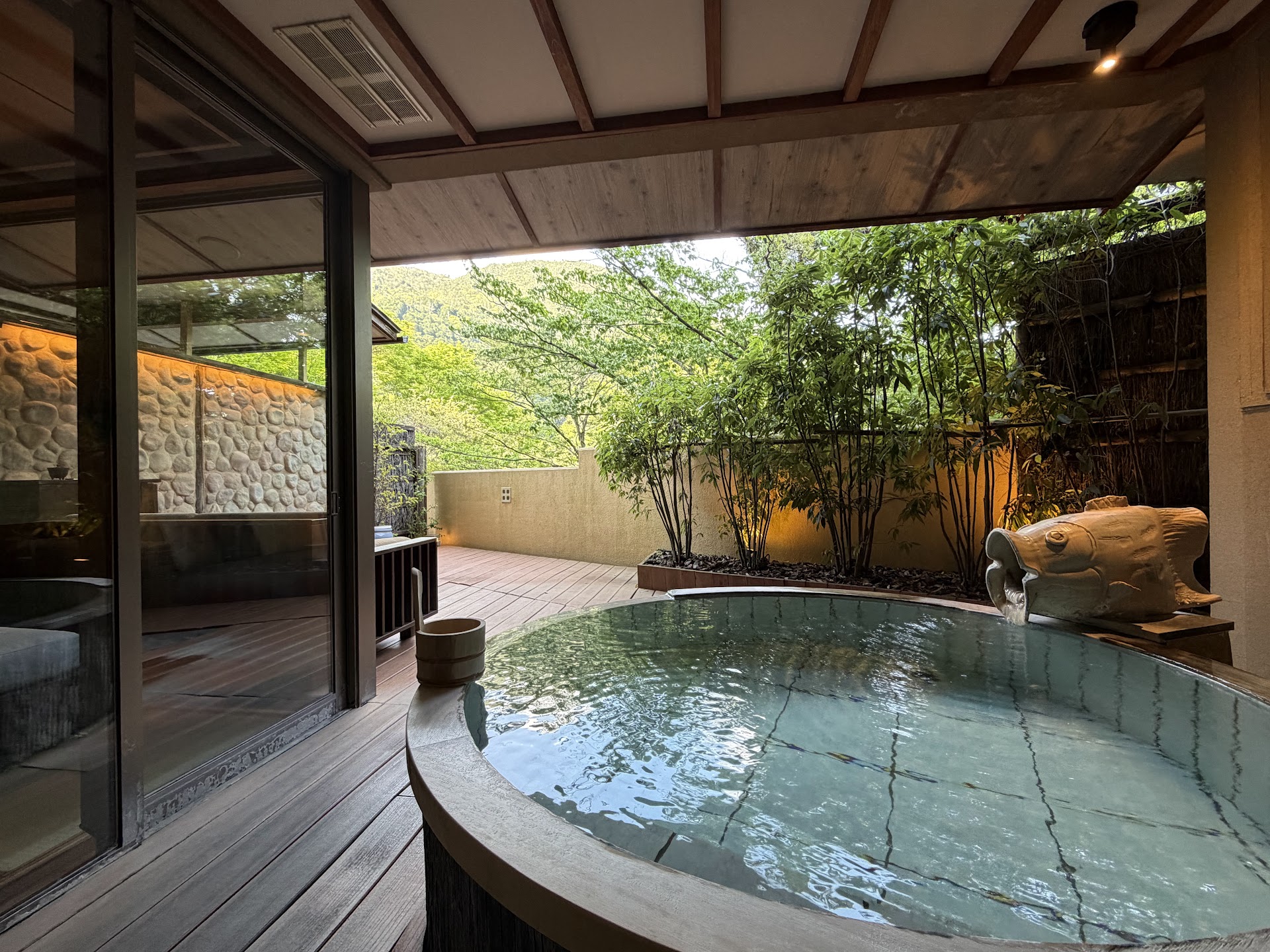
Ryokan Hakone Ginyu
At Ryokan Hakone Ginyu, every room has a terrace with its own private outdoor bath, so you don’t have to share your soak with anyone. Kaiseki (a multi-course Japanese dinner) is served in your room; arrange a vegetarian dinner in advance.
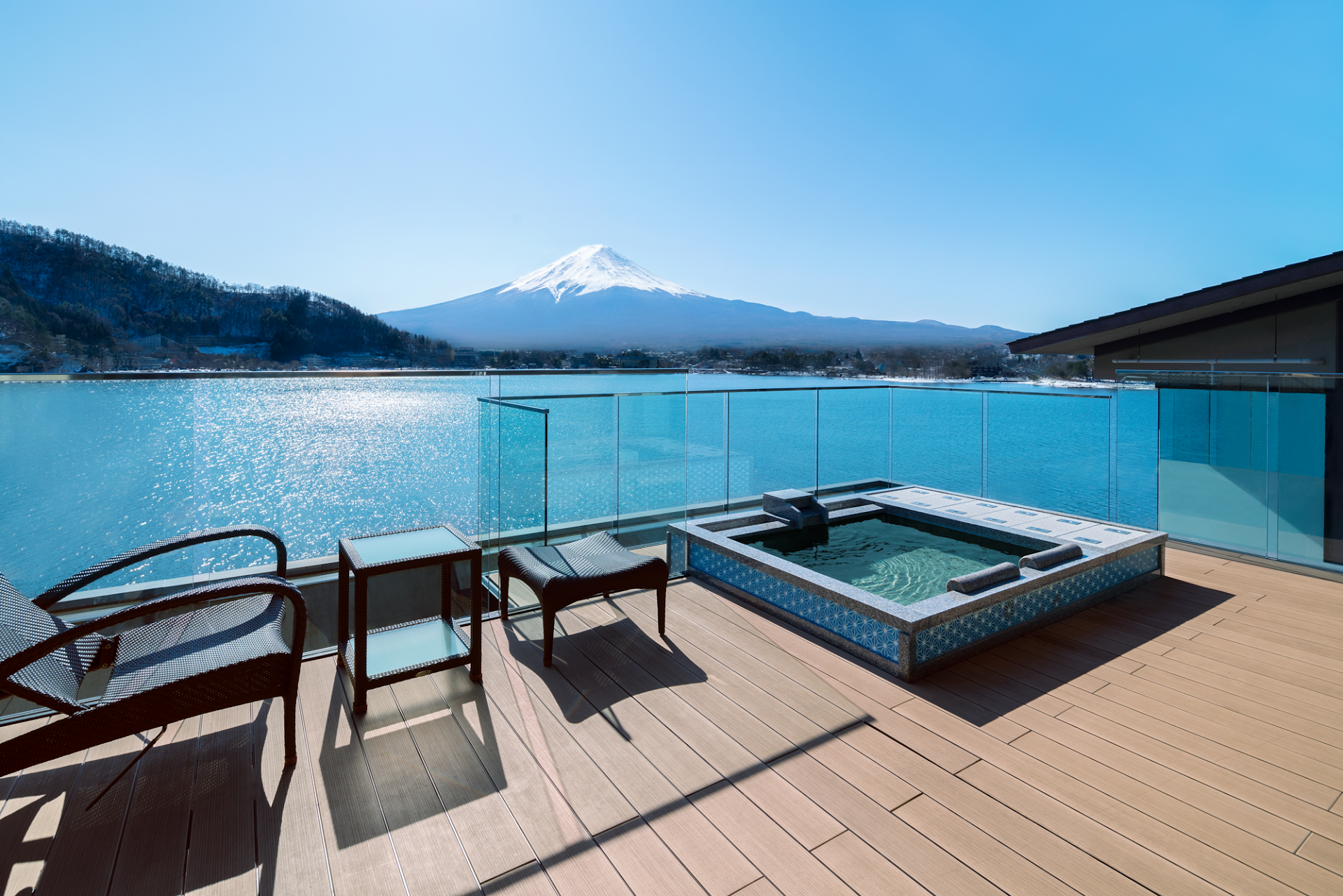
Ubuya
Ubuya sits right on the shore of Lake Kawaguchi, and you get views of Mount Fuji from every room and bath. A shuttle runs from Kawaguchiko Station between 14:30 and 18:00; arrange a vegetarian dinner in advance.
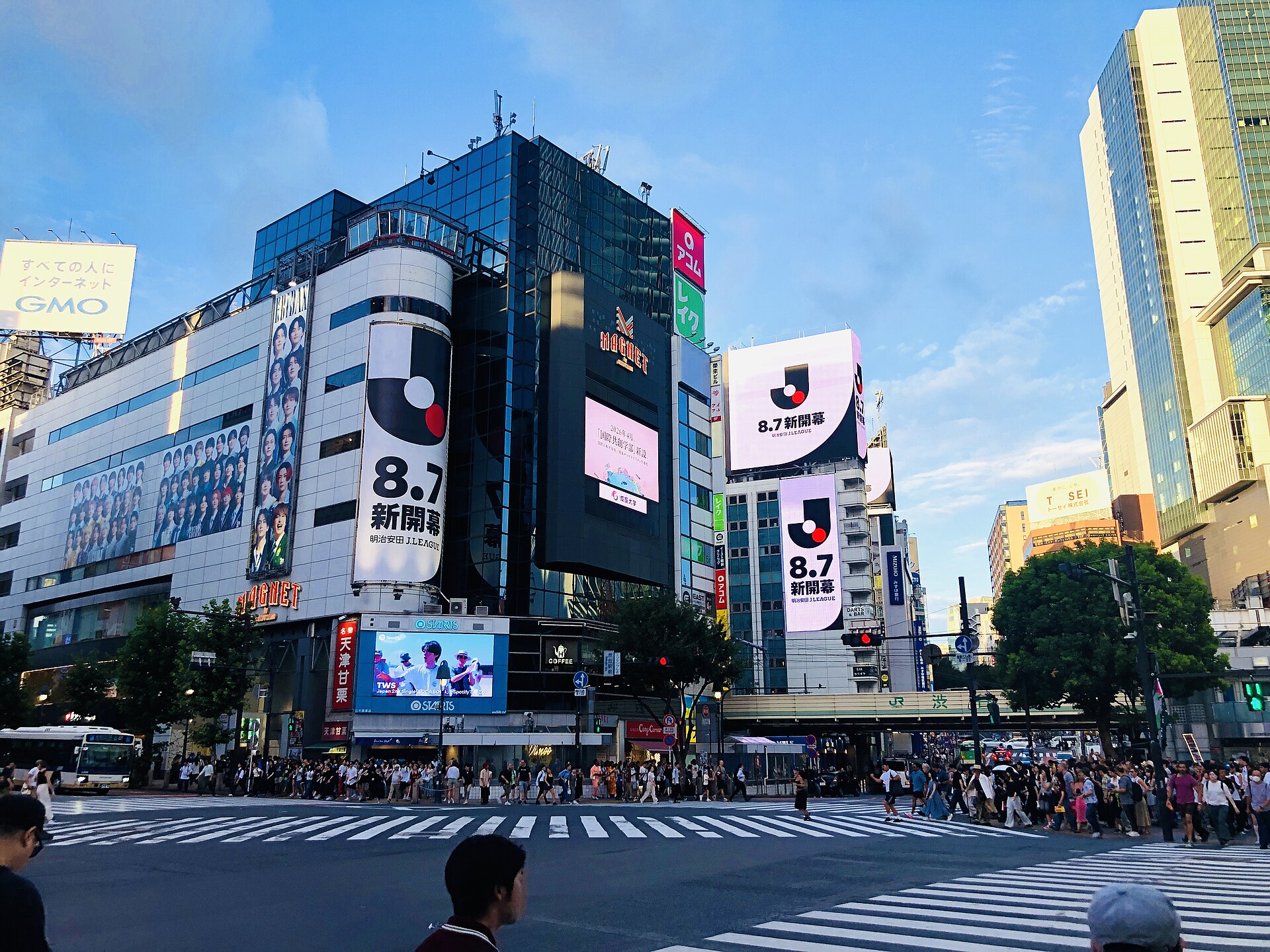
Tokyo and Around: 6 Places, Including Your Gateway to Mount Fuji
Tokyo is your arrival gateway and a base for day trips, so you don’t have to repack your suitcase every time. Prices are approximate for 2026; the slashes in the accommodation tax figures separate the bands based on the room rate per night.
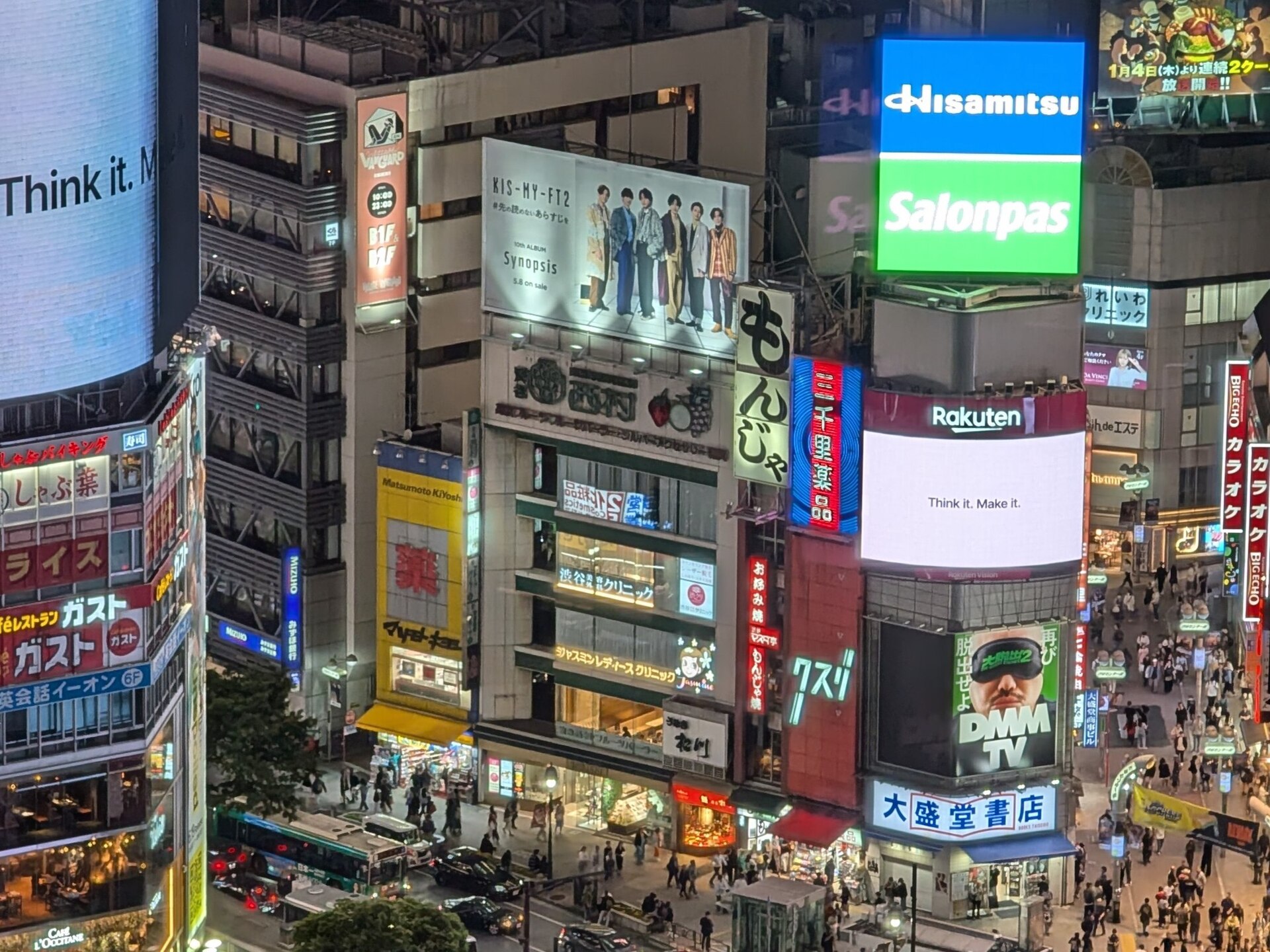
1. Tokyo
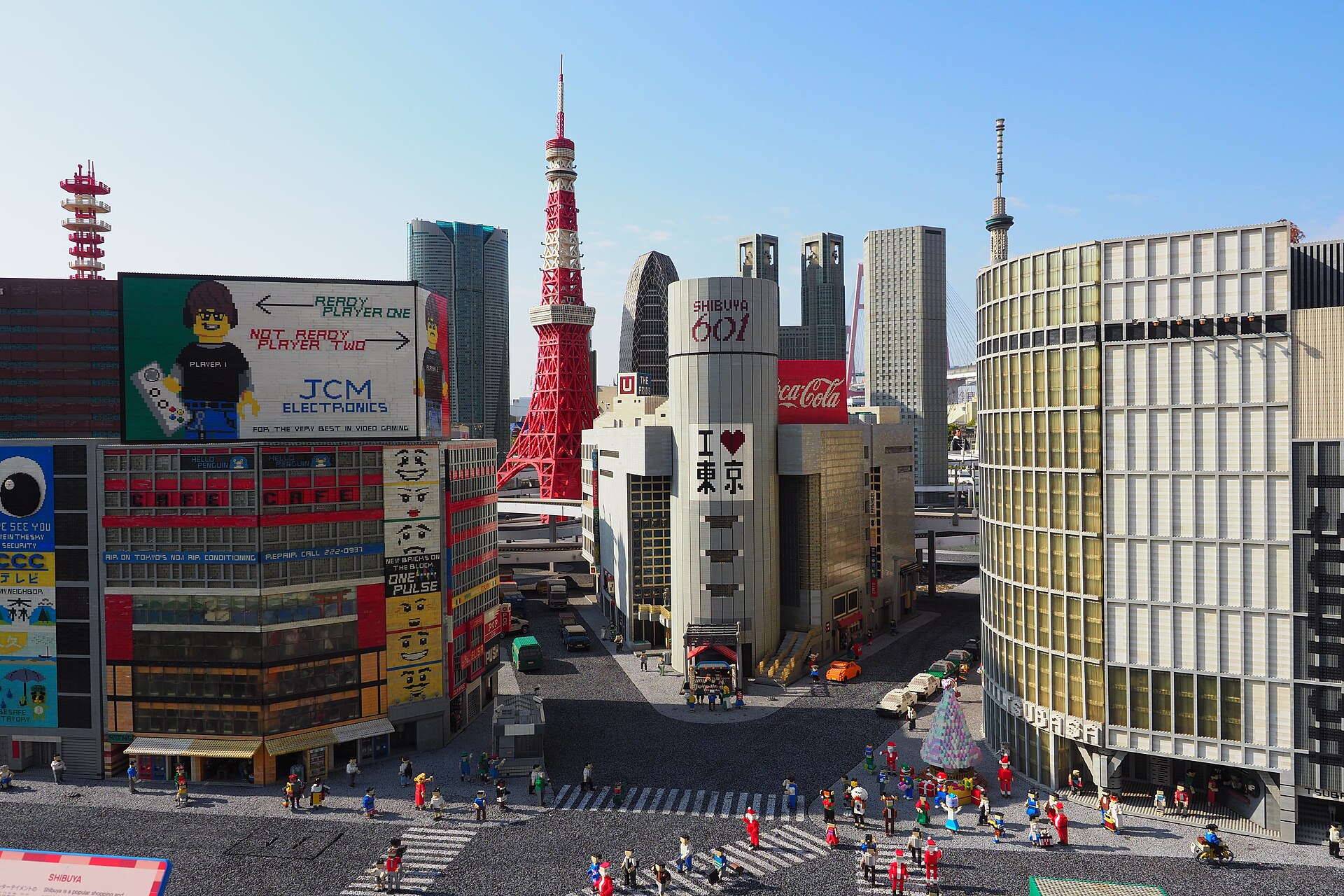
Tokyo is both the starting point of your first trip and your base for day trips, but make sure you leave time for the city itself, too. Our Tokyo guide will help you choose what to see.
- How long: 3–4 nights, 4–5 with day trips.
- Getting there: From Narita, the N’EX airport express takes about 60 min and costs 3,140 JPY (about €18); from Haneda, the Keikyu Line to Shinagawa takes 13 min and costs 330 JPY (about €2).
- When to go: Late March for cherry blossoms, late November for autumn maples.
- Heads-up 2026: Accommodation tax is 0/100/200 JPY (about €0/0.40/1.20); from 1 April 2027 it becomes 3% per night for rooms over 13,000 JPY (about €75).
2. Nikko
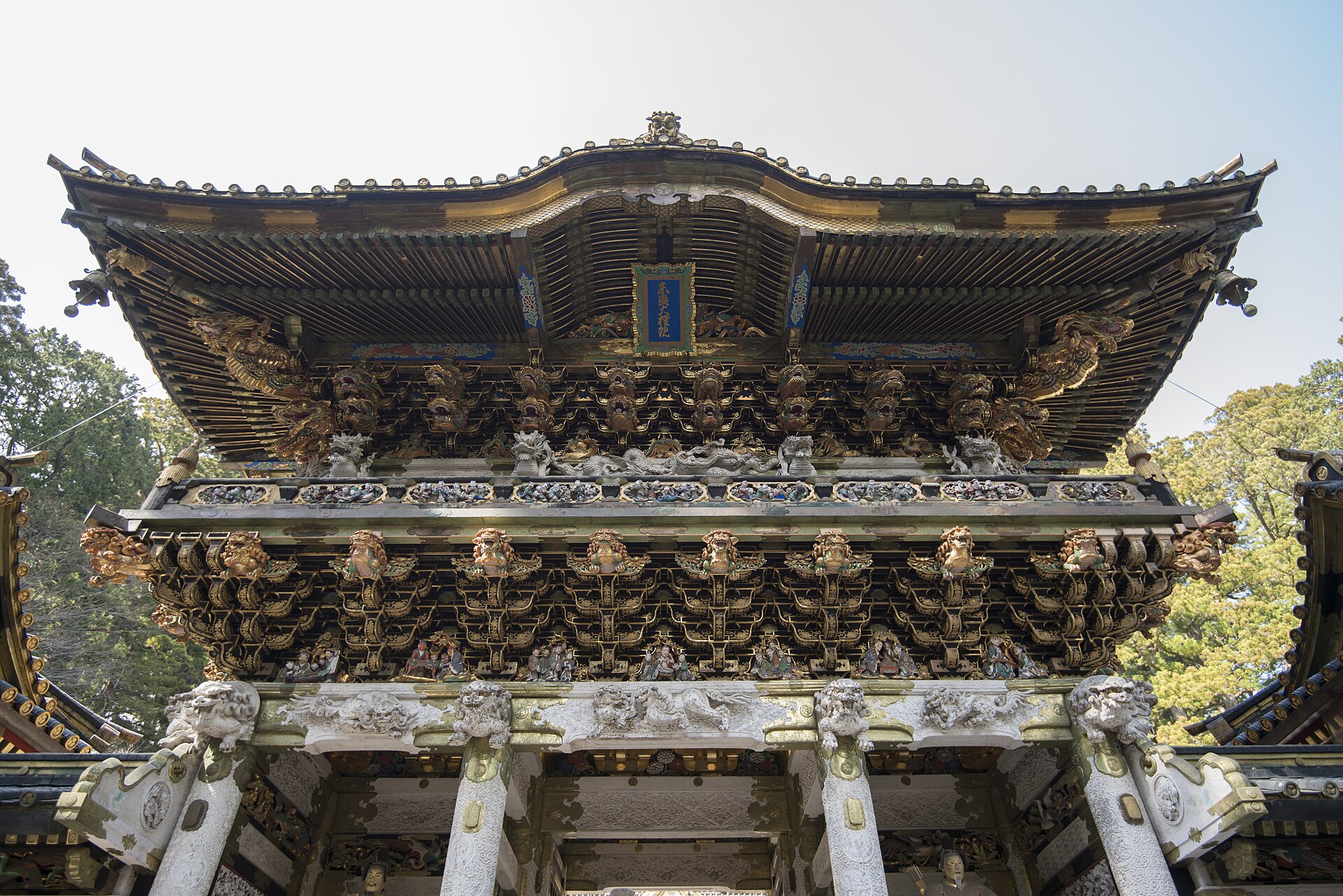
Head to Nikko for the Toshogu mausoleum, then soak up the nature at Kegon Falls and Lake Chuzenji. This is a place where it pays to slow down.
- How long: One day, ideally with one night.
- Getting there: From Asakusa in Tokyo to Tobu-Nikko on the SPACIA X train, about 1 h 50 min, 3,340 JPY (about €19).
- When to go: Kegon Falls is illuminated 14–23 November; Oku-Nikko usually starts changing colour as early as October.
- Heads-up 2026: Toshogu: 1,600 JPY (about €9), 9 am–5 pm, until 4 pm from November to March. NIKKO PASS all area (regional ticket): 8,000 JPY (about €45).
3. Kamakura and Enoshima
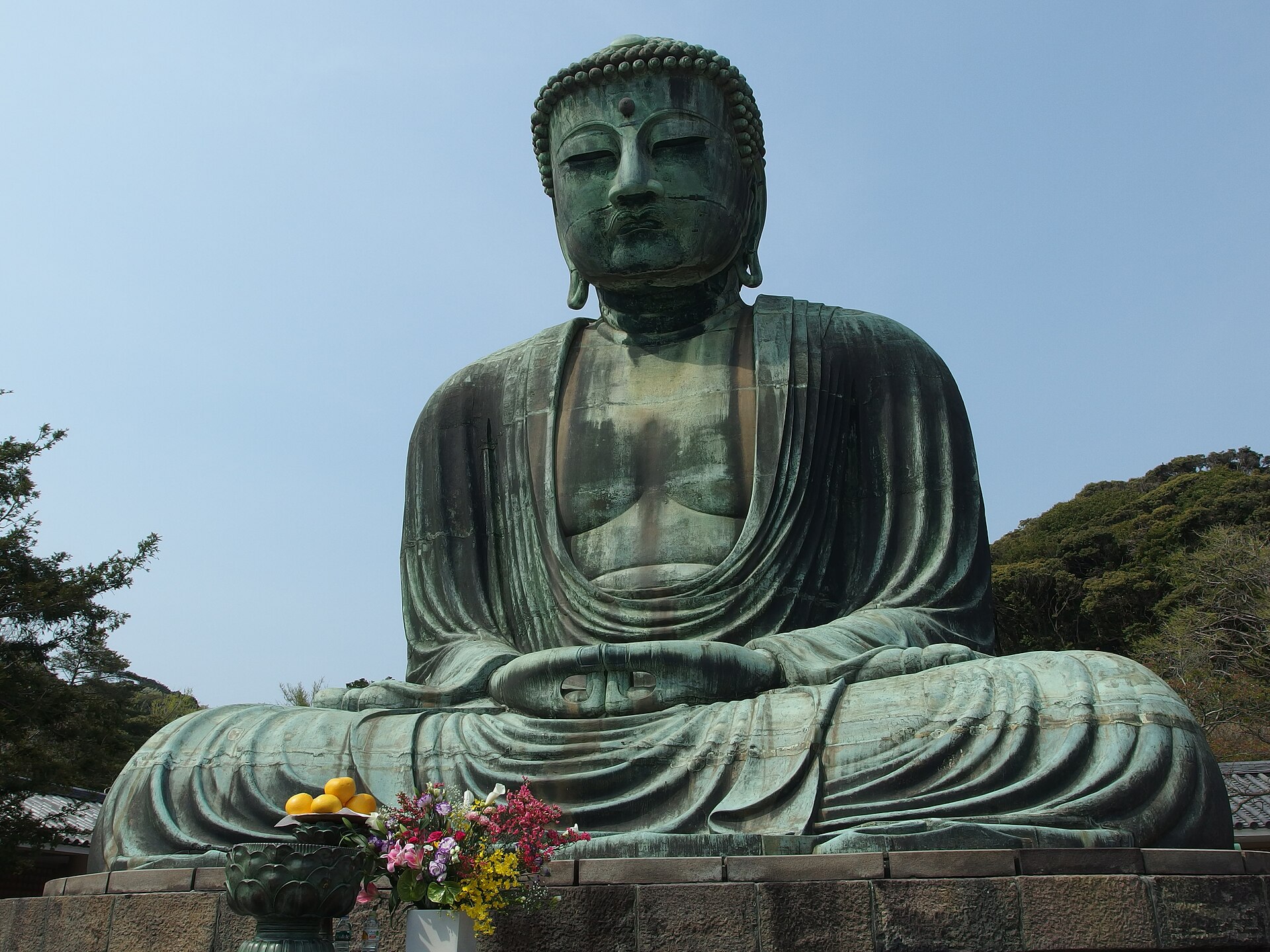
You’ll find the Great Buddha at Kotoku-in, not at Hasedera, and from there you can carry on to Enoshima on the little Enoden suburban line. For more inspiration, check out our film locations.
- How long: One day.
- Getting there: From Tokyo on the JR Yokosuka Line, about 55–60 min, fare around 1,000 JPY (about €6; double-check after the JR East fare increase in March 2026); from Shinjuku with the Odakyu Enoshima-Kamakura Freepass, 1,640 JPY (about €9).
- When to go: The June hydrangeas draw the biggest crowds, so arrive early in the morning; the city publishes a crowd map.
- Heads-up 2026: A 2019 ordinance doesn’t ban or fine anything, but it asks visitors to be considerate when taking photos in the road or near the tracks and when eating in crowded spots.
4. Hakone
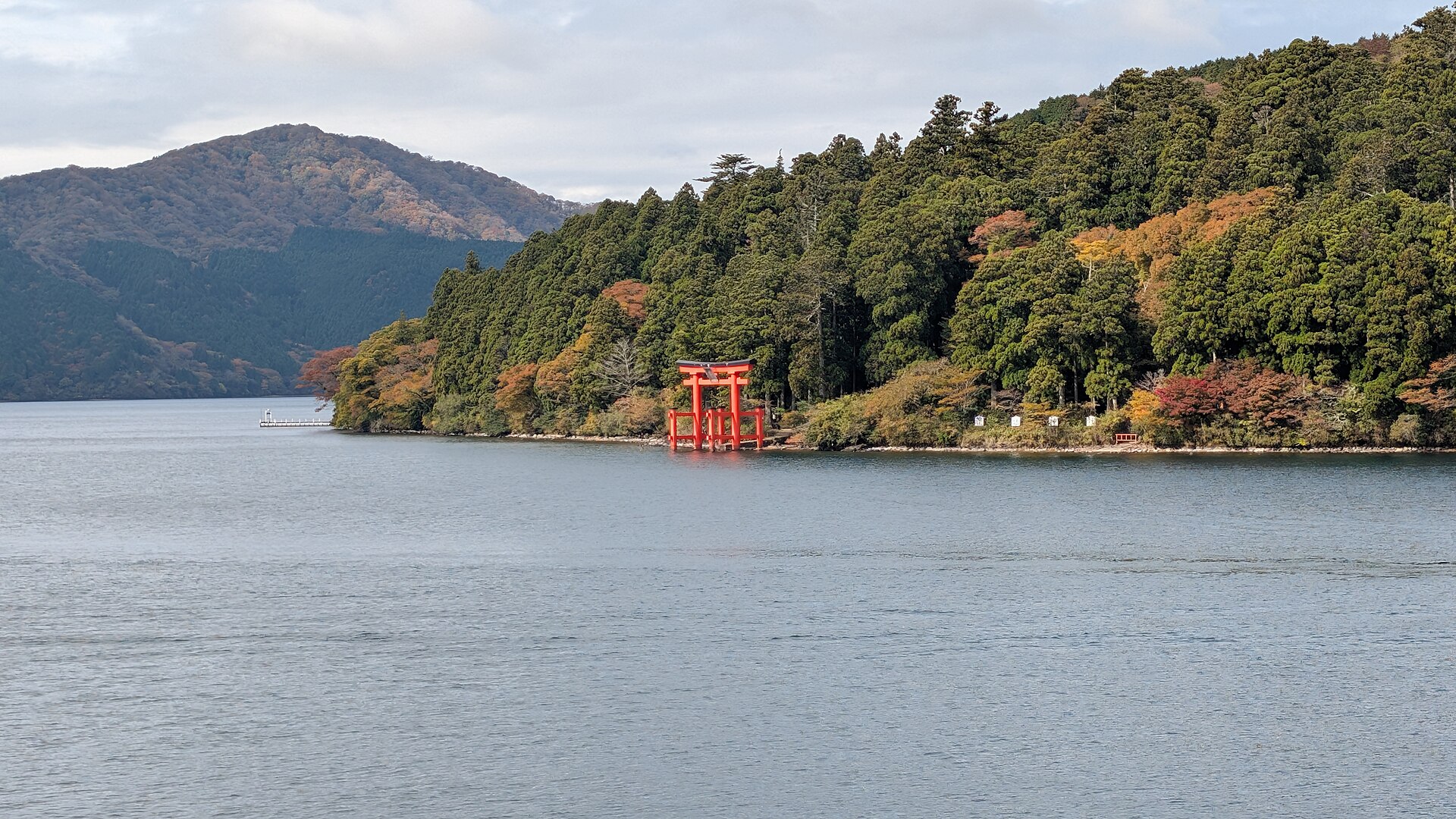
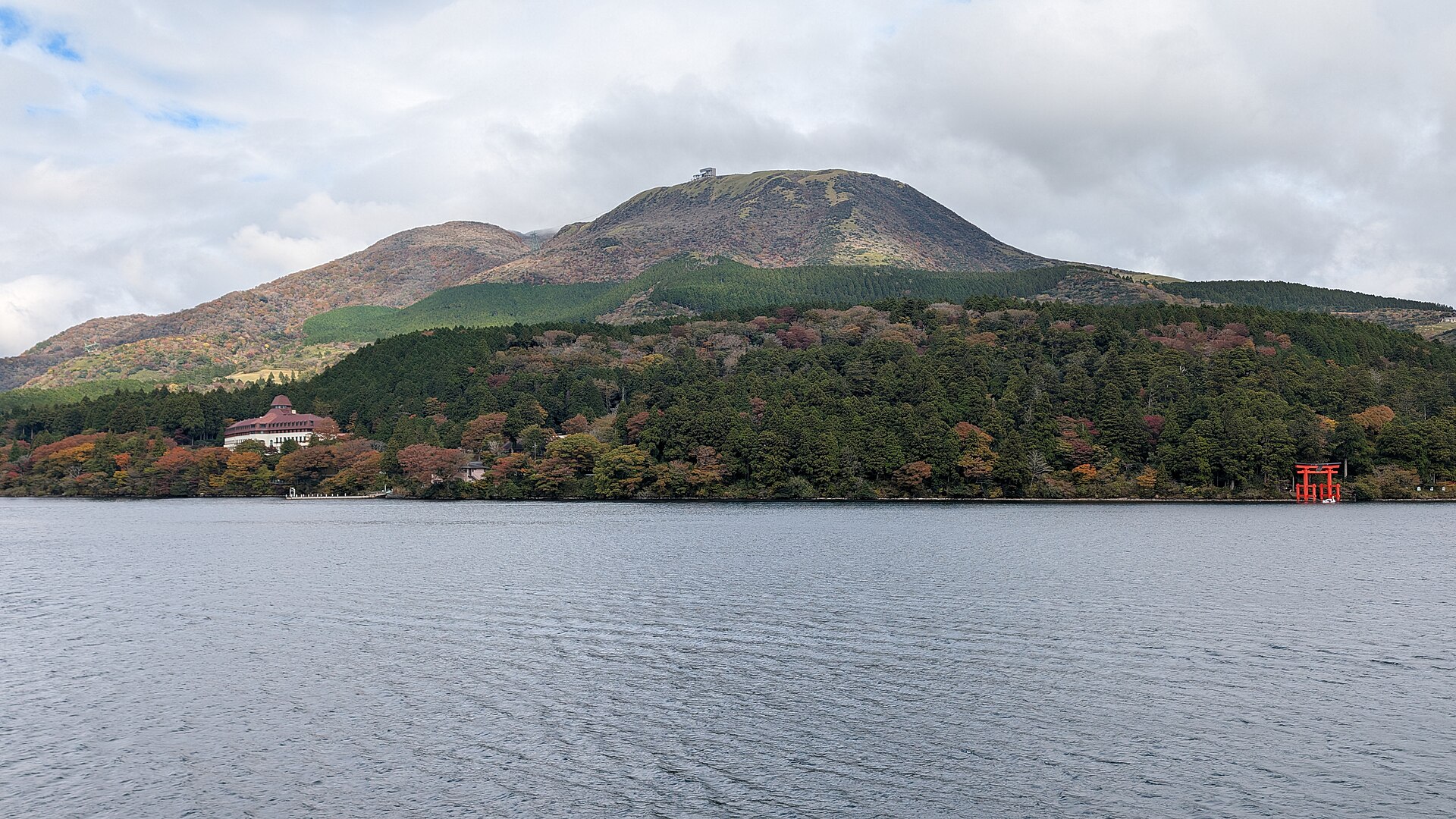
In Hakone, make room in your itinerary for ryokans and onsens — after all, relaxing doesn’t have to wait until you get home. Besides the hot springs, you can look forward to a ropeway ride and a cruise on Lake Ashi.
- How long: 1 night in a ryokan.
- Getting there: From Shinjuku to Hakone-Yumoto: the Romancecar express takes about 80 minutes, with a 1,200 JPY supplement (about €7); the two-day Hakone Freepass (transport pass) costs 7,100 JPY (about €40).
- When to go: Expect ropeway closures from 7 to 24 December 2026 (Owakudani–Sounzan) and from 12 January to 26 February 2027 (Togendai–Owakudani); a replacement bus runs during these periods.
- Heads-up 2026: The ropeway costs 2,000 JPY one way (about €11); because of volcanic gases, check that it’s running on the day you travel.
5. Mount Fuji: Kawaguchiko and the Five Lakes
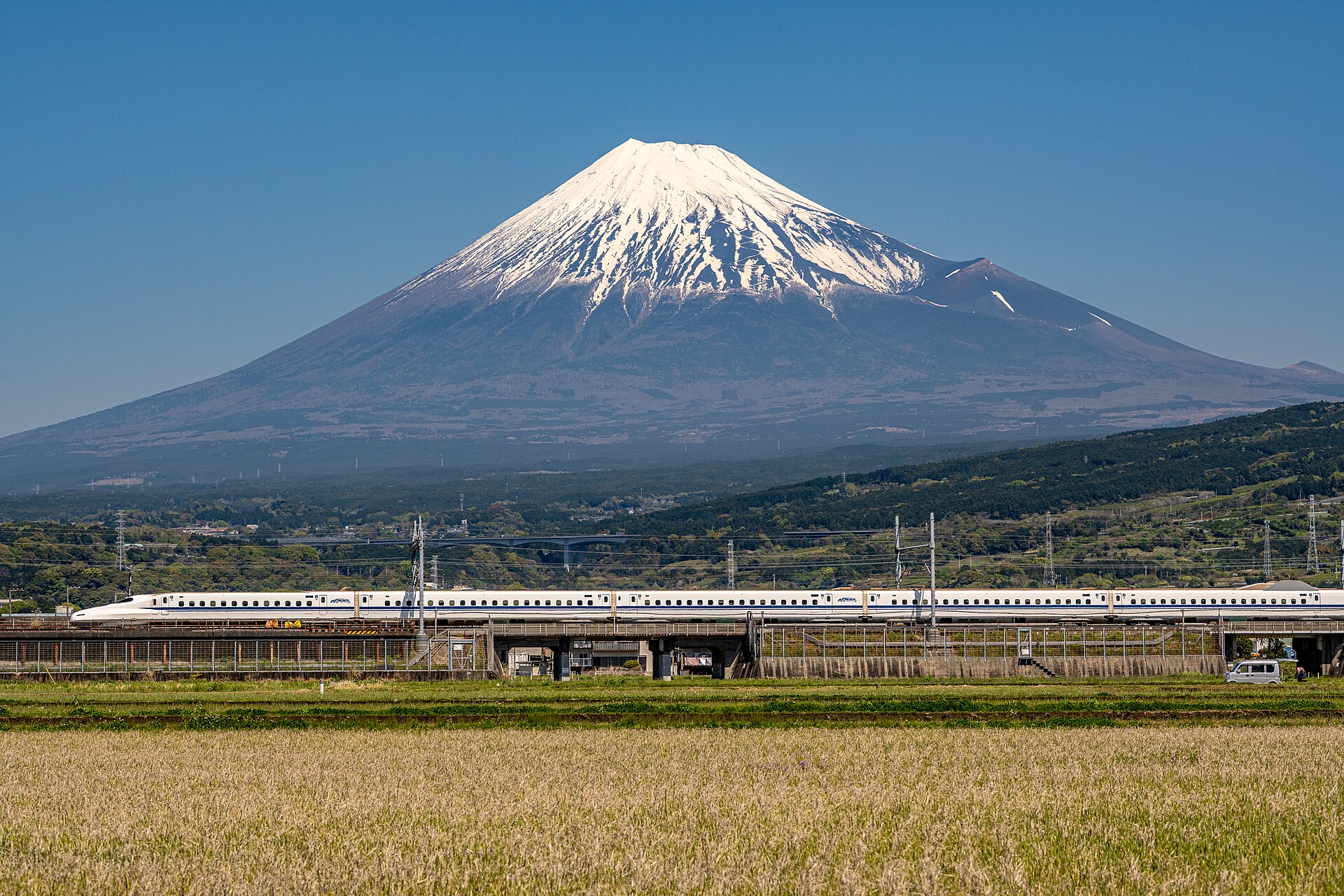
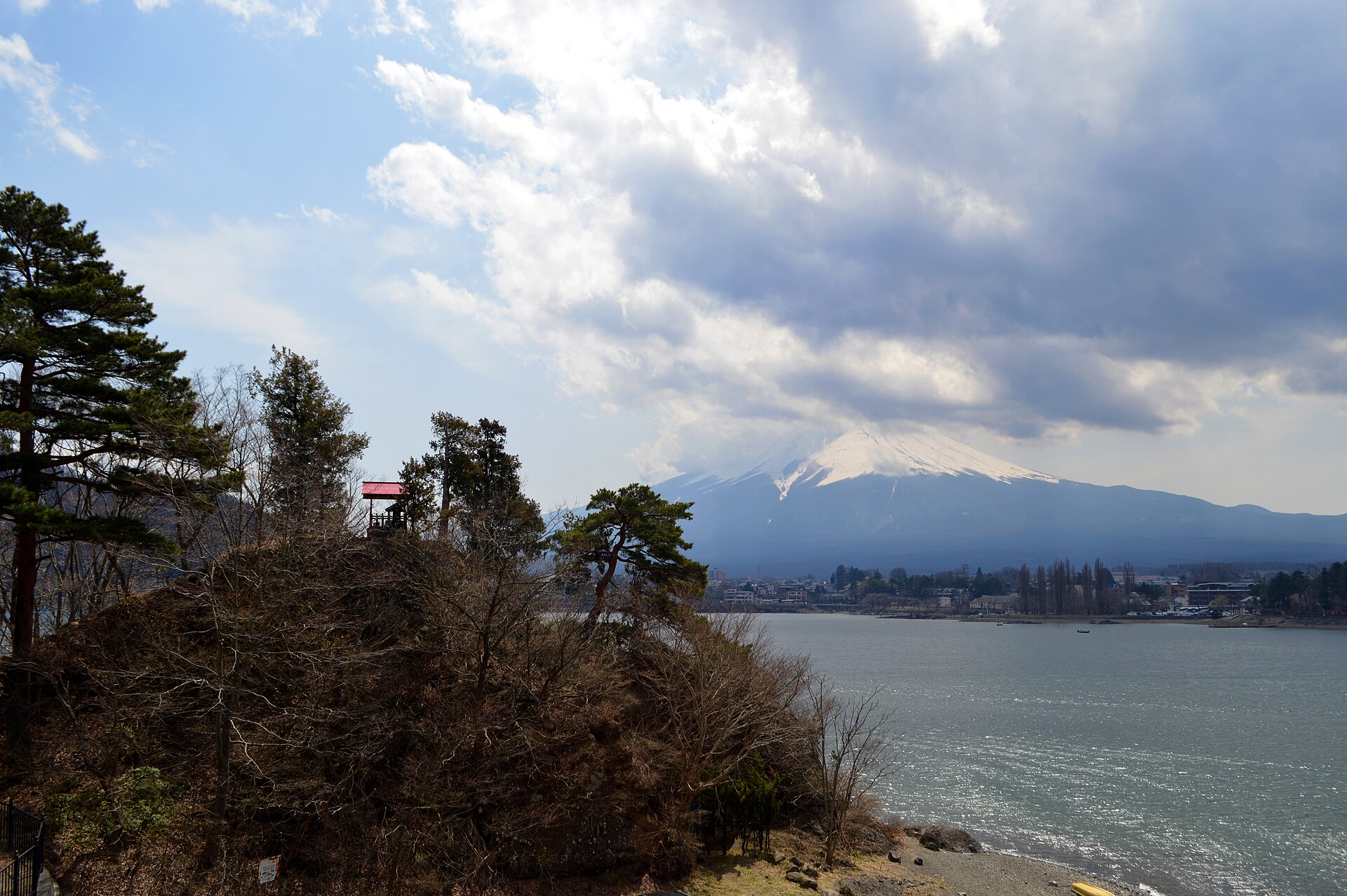
If you’re coming to Kawaguchiko for the views of Mount Fuji, give yourself time for some early-morning mountain-watching, because the weather has plans of its own. The Chureito Pagoda, famous from all those photos with Fuji in the background, is in the town of Fujiyoshida, not in Kawaguchiko.
- How long: 1 day, ideally 1–2 nights so you get a morning there.
- Getting there: By bus from the Busta terminal in Shinjuku, about 1 h 45 min, 2,200 JPY (about €12).
- When to go: Momiji Matsuri (the autumn maple festival) from 7 November 2026; the clearest views are usually in winter.
- Heads-up 2026: According to media reports, the cherry blossom festival at Chureito in Fujiyoshida was cancelled in 2026 because of overtourism, although the park stayed open; nothing has been announced for 2027 yet. An accommodation tax applies from April 2027.
6. Climbing Mount Fuji
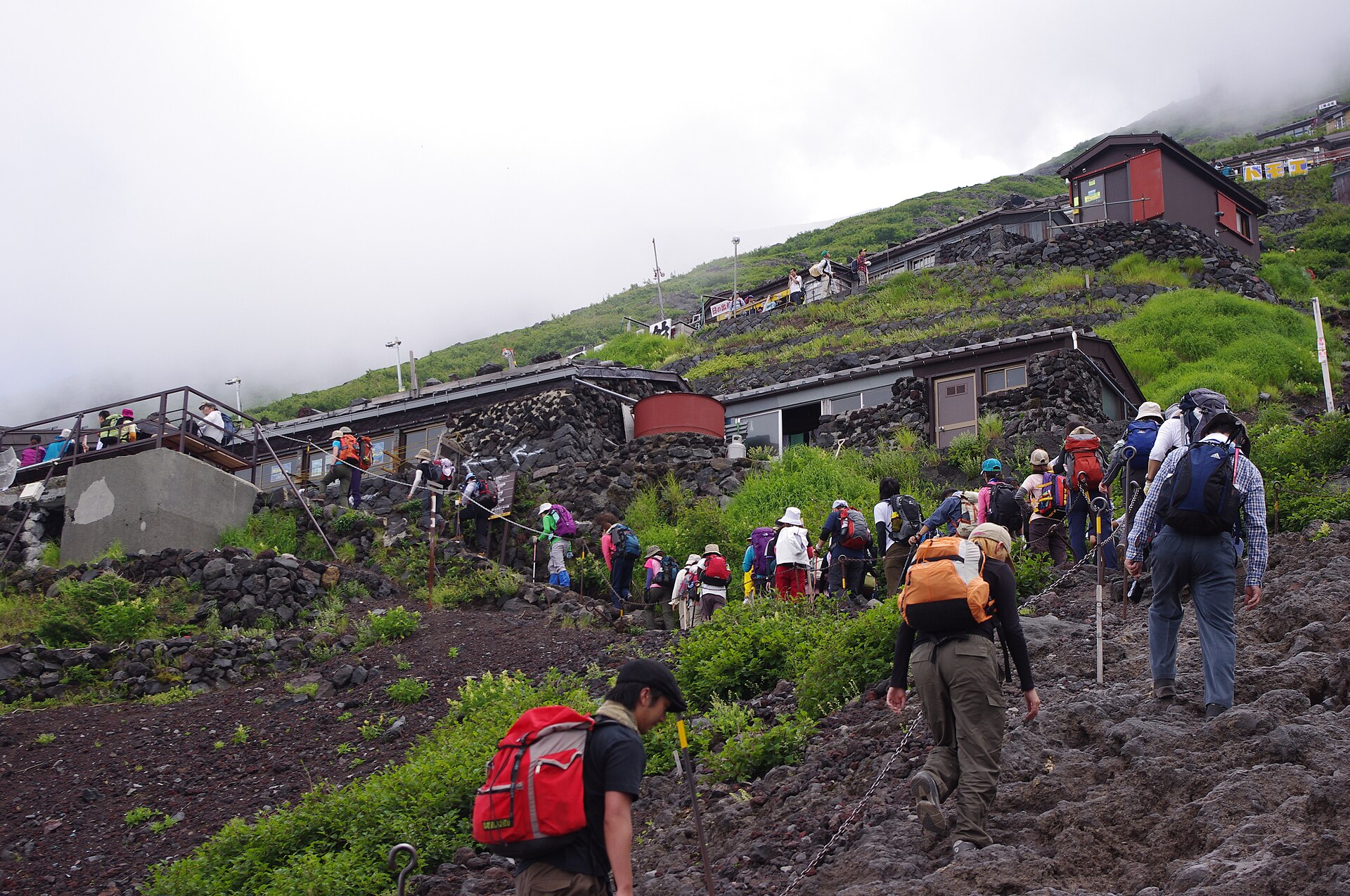
When it comes to climbing Mount Fuji, preparation beats spontaneity, so start by reading up on the trail rules. To make the wait for your trip go faster, dip into our guide to the world’s volcanoes.
- How long: 1–2 days with a night in a mountain hut.
- Getting there: By bus to the 5th Station (the trailhead halfway up the mountain).
- When to go: The four climbing trails open as follows: Yoshida 1 July–10 September, Subashiri from 1 July, Fujinomiya and Gotemba from 10 July; the 2027 dates haven’t been announced yet.
- Heads-up 2026: The climbing fee is 4,000 JPY (about €25) on each of the four trails. On the Yoshida Trail you need a reservation, a maximum of 4,000 people may set out per day, and your gear gets checked; the gate is closed from 14:00 to 3:00, and only mountain hut guests may enter during that time.
- Skip it if: You don’t want to deal with reservations, limits and gear checks.
Kyoto and Kansai: 6 Places on One Route
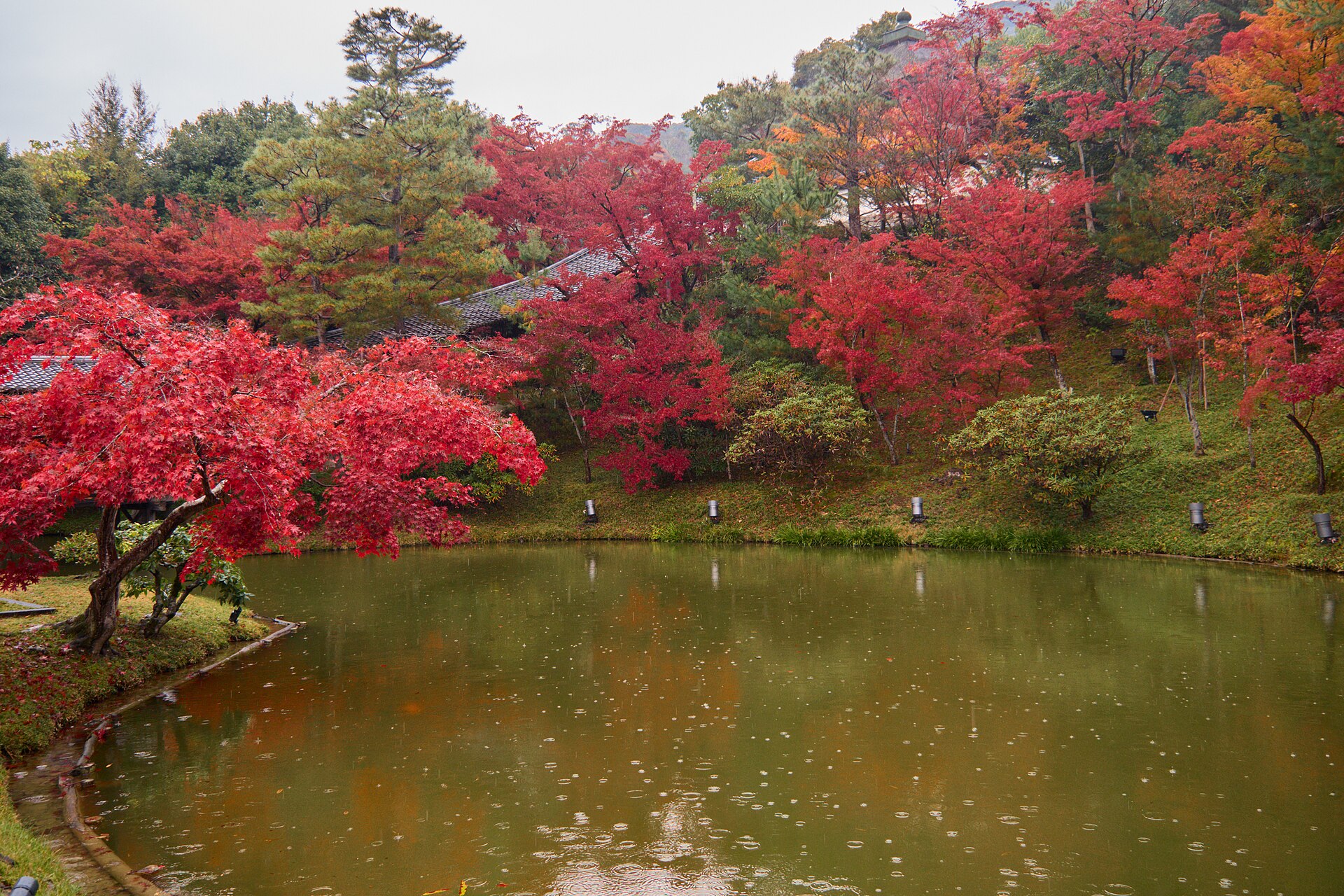
Give Kyoto at least three nights, then pick your other stops depending on whether you’re more into cities or pilgrimage trails. Prices are approximate for 2026; for overnight stays, factor in local taxes.
7. Kyoto
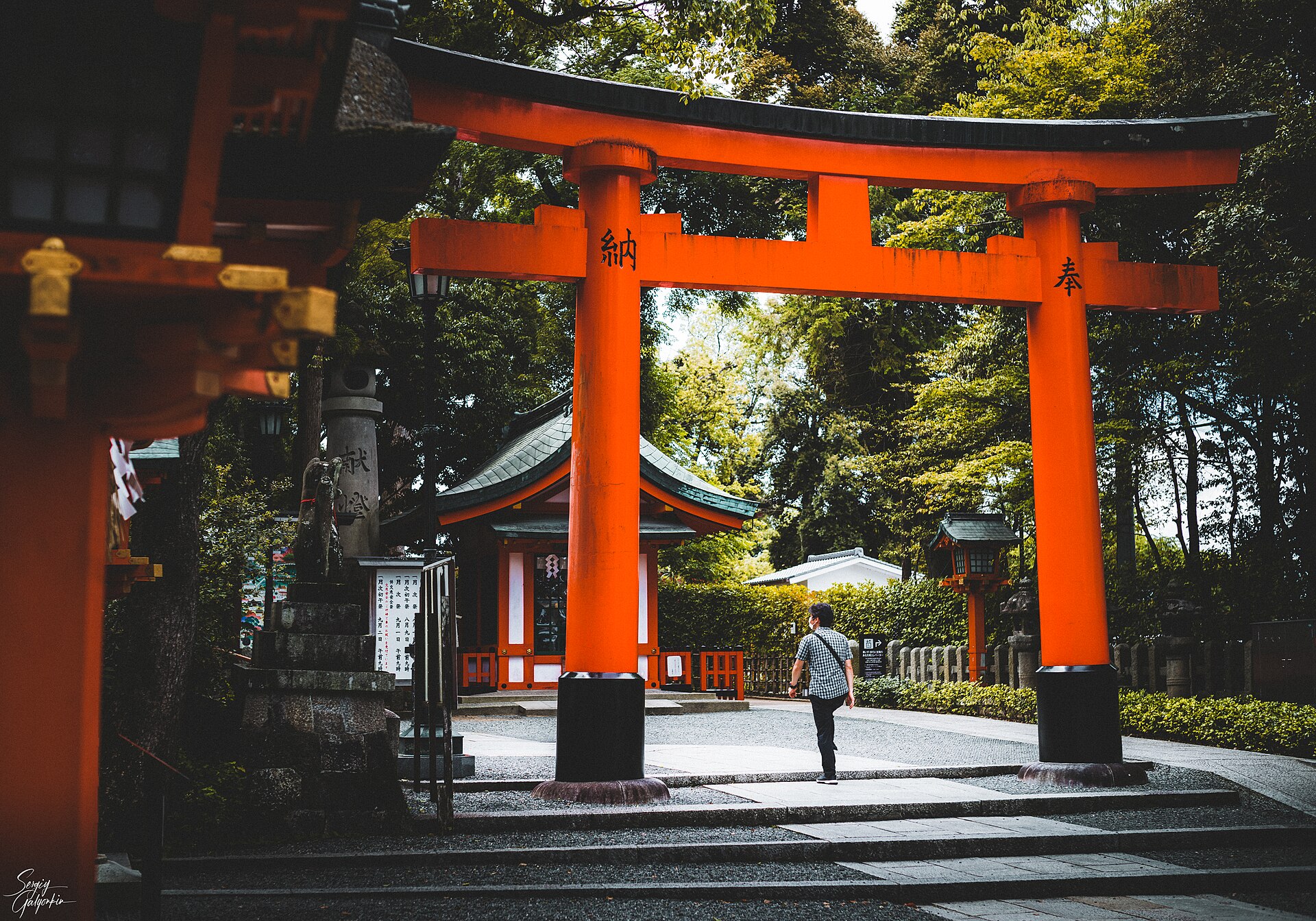
With so many temples and shrines, give Kyoto enough time so you don’t end up racing between them. In our Kyoto guide you can pick out whatever tempts you most.
- How long: At least 3 nights, ideally 4.
- Getting there: From Tokyo on the Nozomi, about 2 h 15 min, 13,970 JPY via smartEX (about €80).
- When to go: On average, the cherry blossoms open on 26 March and peak on 4 April; the maples turn colour around 5 December.
- Heads-up 2026: From March, the accommodation tax is 200–10,000 JPY (about €1–55) per night depending on the room rate. Gion: since 2024, signs have banned entry to the private lanes, while Hanamikoji remains public; the 10,000 JPY (about €55) “fine” announced by the local residents’ association isn’t legally enforceable.
8. Nara
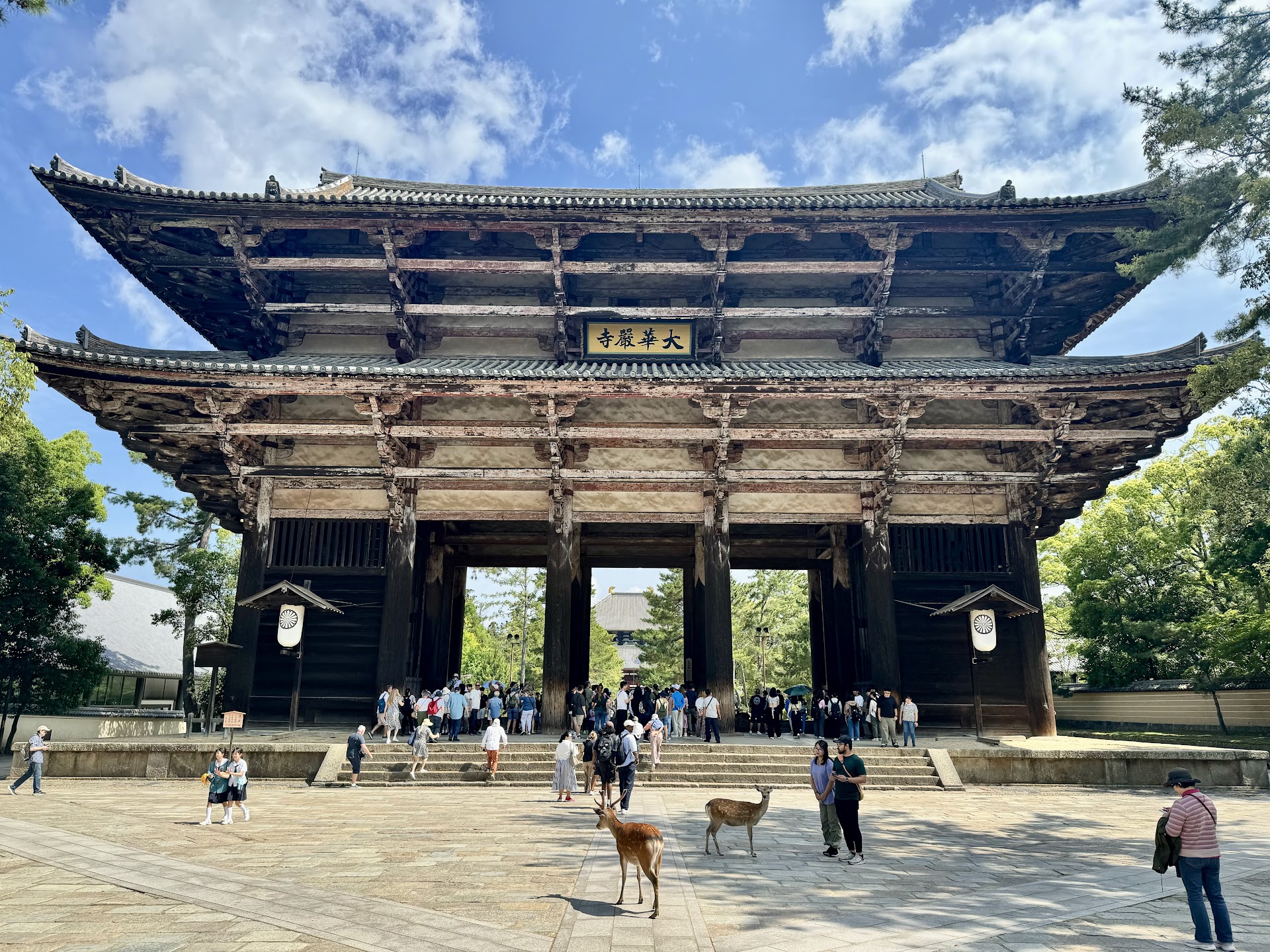
In Nara you can combine Todaiji Temple and its Great Buddha with the deer park, which easily makes a day trip from Kyoto or Osaka. The deer can be pretty pushy.
- How long: Half a day to a full day.
- Getting there: From Kyoto by train in 35–45 minutes; the JR Miyakoji Rapid costs about 720 JPY (about €4).
- Heads-up 2026: Todaiji costs 800 JPY (about €4.50), or 1,200 JPY (about €7) including the museum. Only feed the deer senbei (special deer crackers) — they can bite.
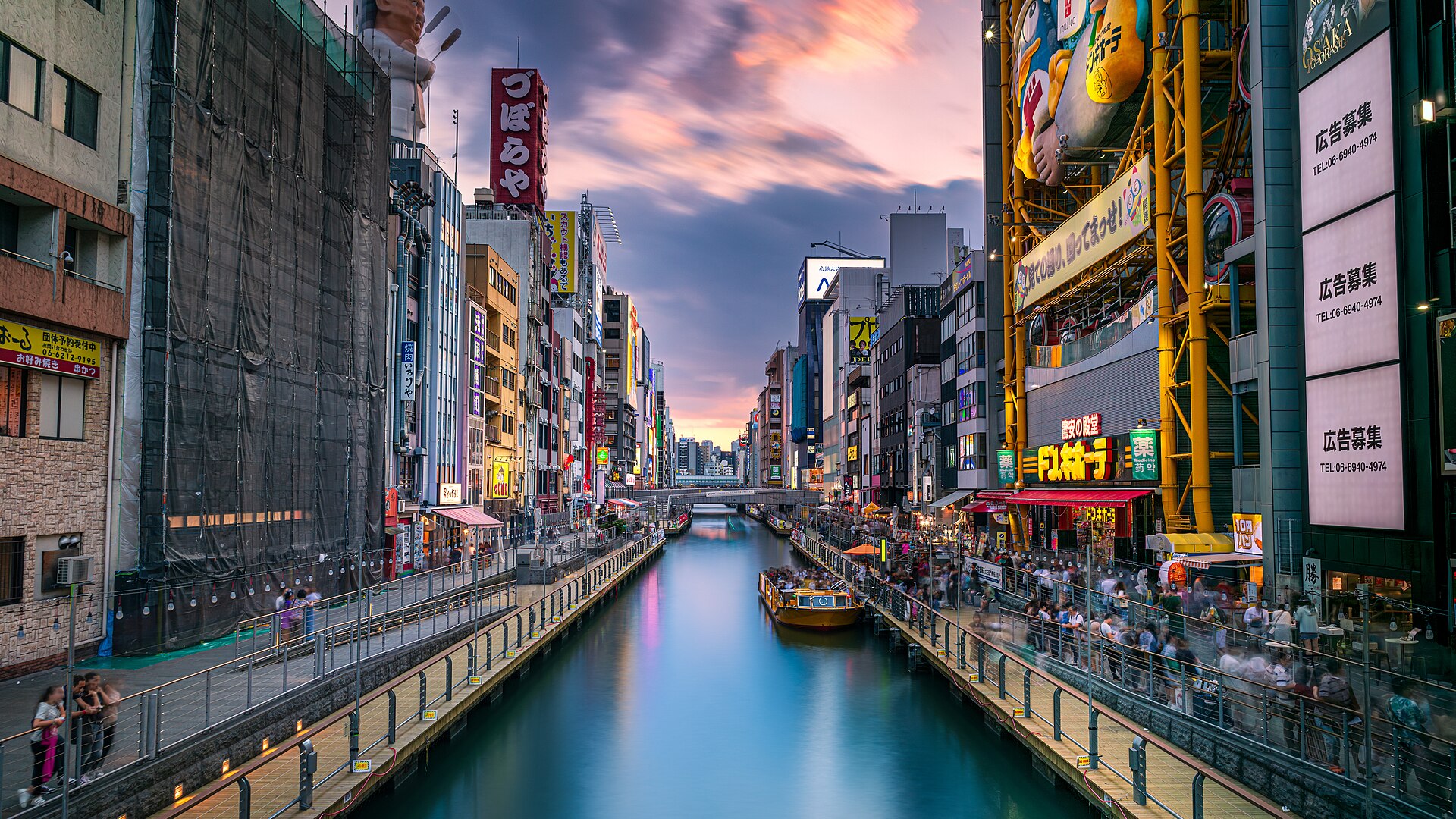
9. Osaka
In Osaka, leave plenty of room for food — in Dotonbori and around Namba, for example. Our guide to Osaka and a day trip to Nara will help you plan your time between dinners.
- How long: 2–3 nights, ideally at the end of your trip.
- Getting there: From Kyoto to Shin-Osaka (Osaka’s shinkansen station) on the Nozomi, about 15 minutes, 2,880 JPY (about €16).
- When to go: For cherry blossoms, around 4 April, when the bloom usually peaks.
- Heads-up 2026: Since April 2025, the castle has cost 1,200 JPY (about €7); the accommodation tax is up to 500 JPY (about €3) per night.
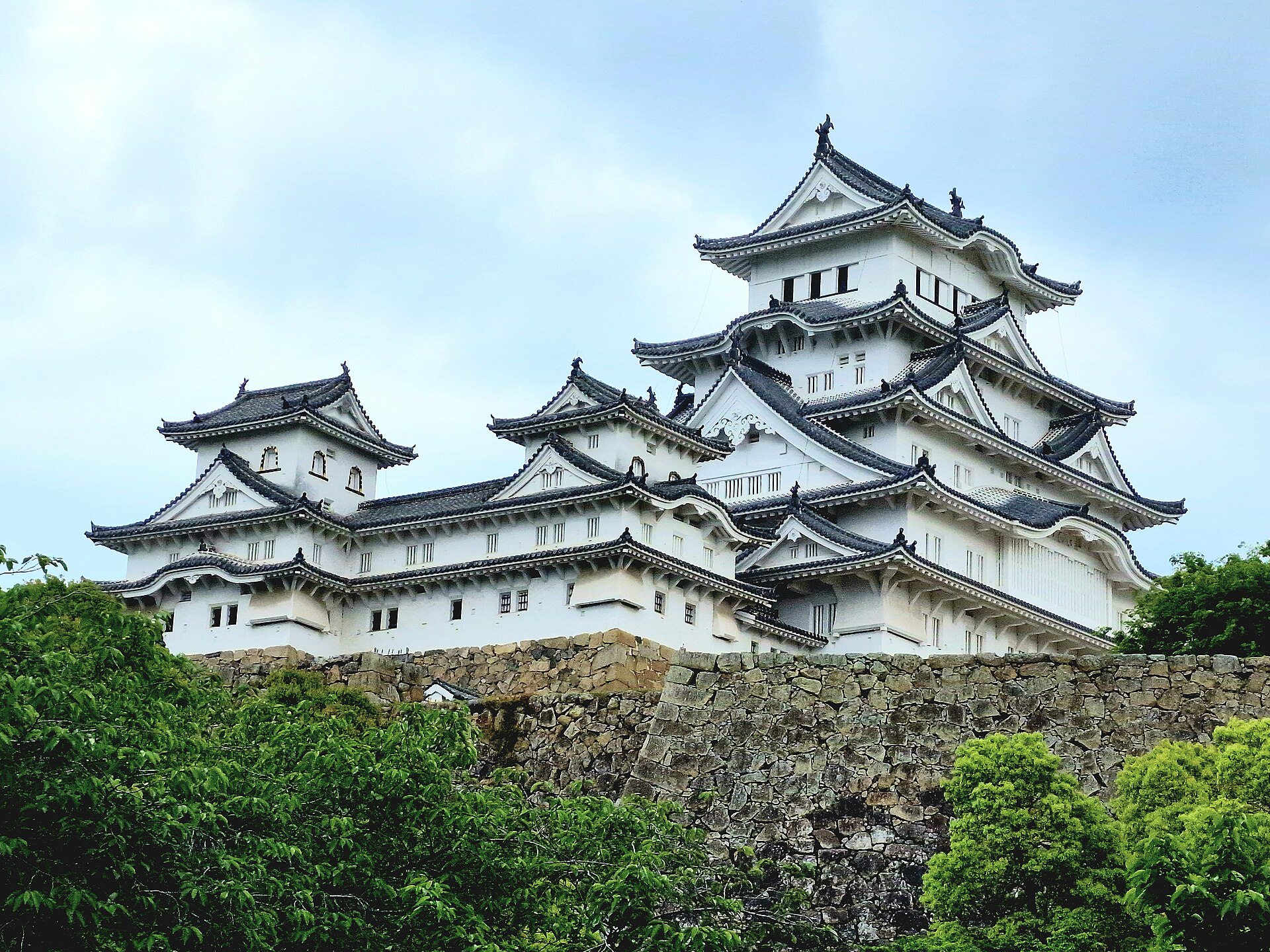
10. Himeji
You can fit in a stop at Himeji Castle on your way to Hiroshima without adding an extra night.
- How long: Half a day.
- Getting there: From Shin-Osaka by shinkansen in about 30 minutes, 3,870 JPY (about €20); from Kyoto, 5,500 JPY (about €30).
- When to go: Open 9 am–5 pm, last entry at 4 pm; closed 29–30 December.
- Heads-up 2026: From 1 March, non-residents aged 18 and over pay 2,500 JPY (about €14), locals 1,000 JPY (about €6), and younger visitors get in free; with Kokoen Garden, it’s 2,600 JPY (about €14).
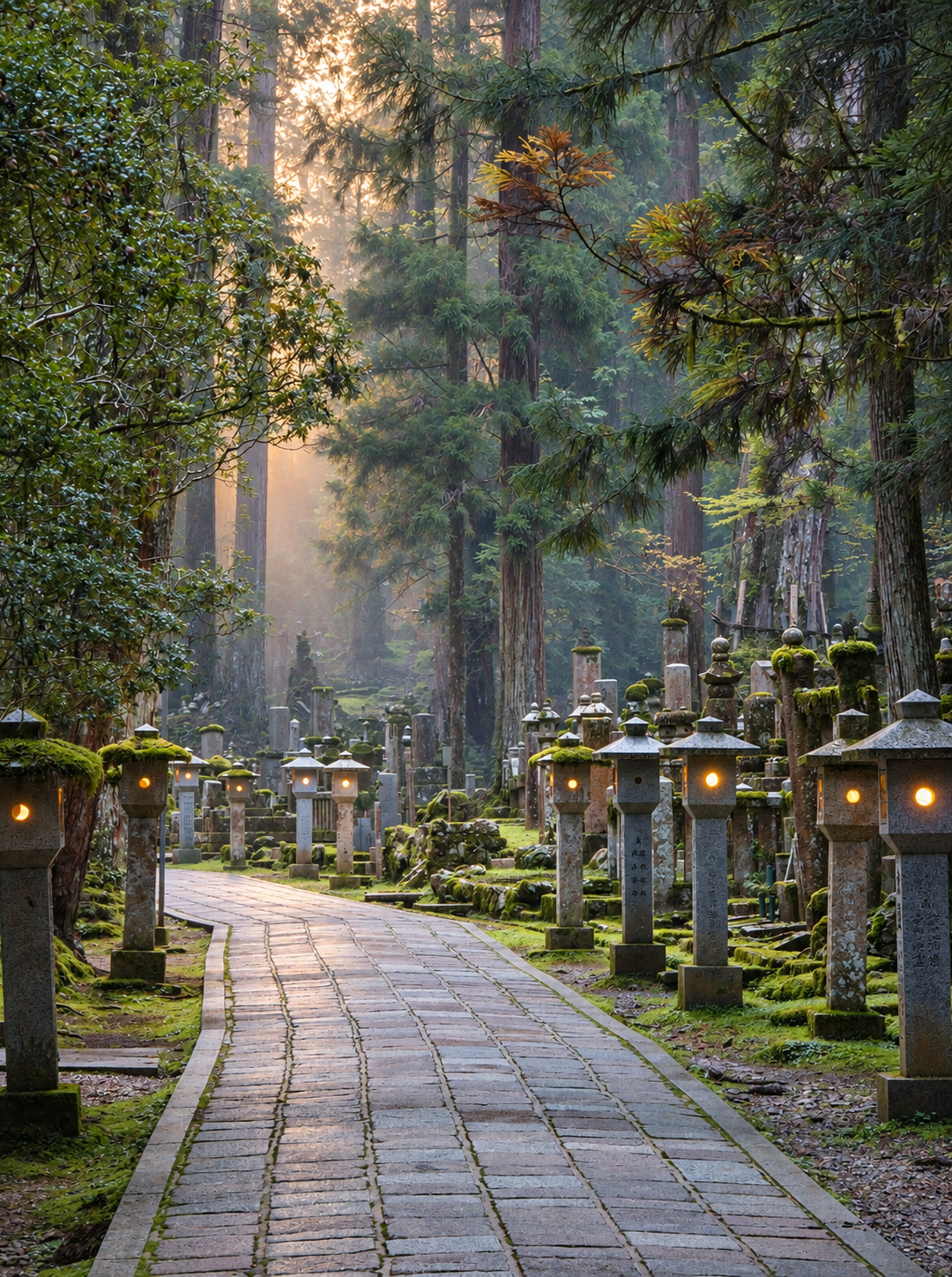
11. Koyasan
On Koyasan, an overnight stay at a temple is part of discovering the heart of Shingon Buddhism, not just somewhere to sleep. Besides Okunoin, leave time to enjoy the stay itself.
- How long: 1 night.
- Getting there: From Namba in Osaka via Gokurakubashi on the Nankai train and the cable car; the discounted World Heritage Ticket costs 3,980 JPY (about €20).
- When to go: Before a winter trip, check for cable car closures.
- Heads-up 2026: The Limited Express Kōya requires a seat reservation, with a 1,100 JPY supplement (about €6). From 1 December, the ticket offices have shorter opening hours.
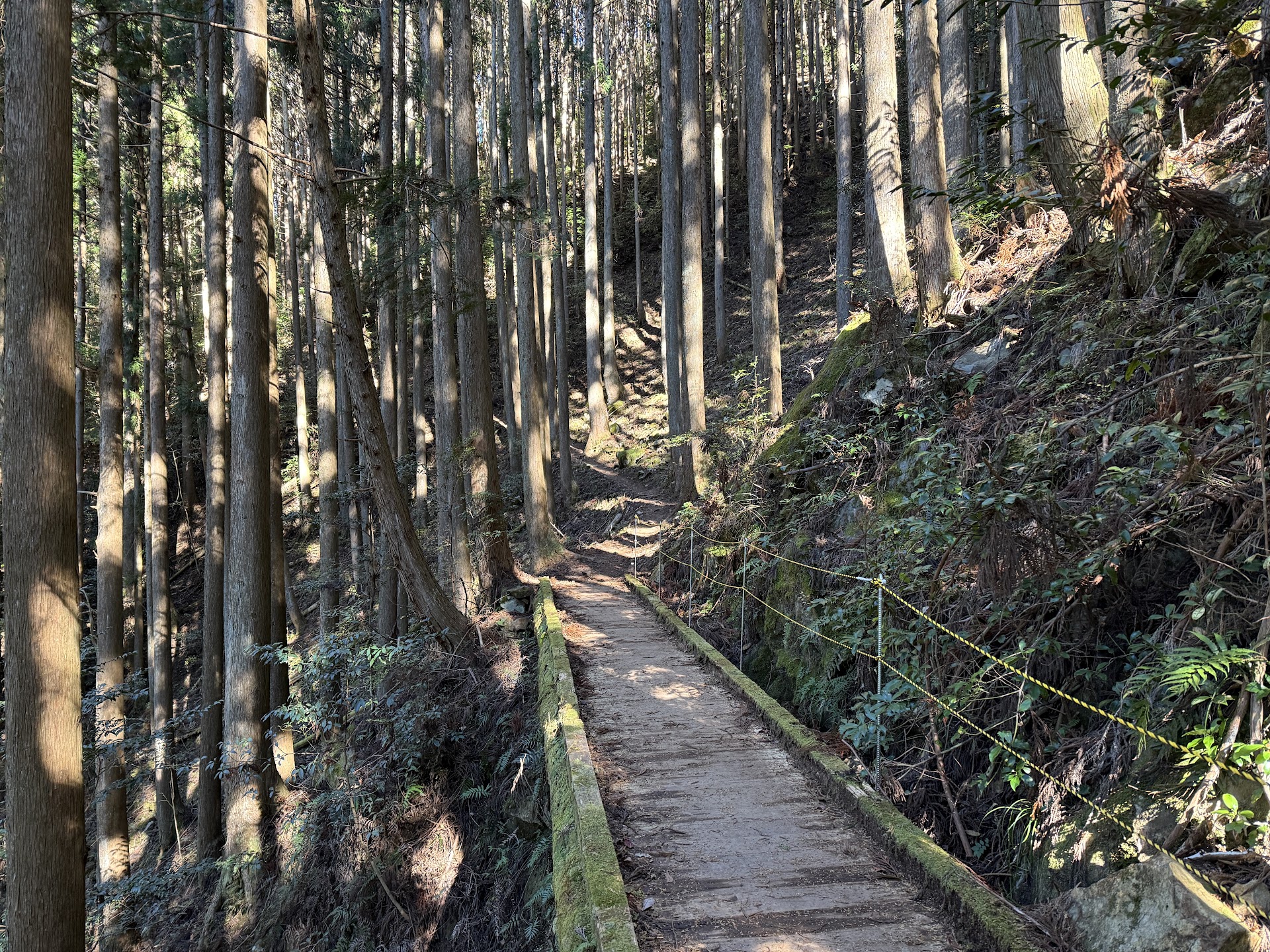
12. Kumano Kodo
These UNESCO-listed pilgrimage trails lead you from village to village, while the onsens offer a well-earned rest after a day of walking. Here it’s not just about racking up the kilometres.
- How long: 3–4 days, with walking stages of 16 and 24.5 km.
- Getting there: From Shin-Osaka on the JR Kuroshio to Kii-Tanabe in about 2 h, then by bus to Takijiri in 37 minutes, 970 JPY (about €5).
- When to go: Expect frequent rain, and make sure you get back before the last afternoon buses.
- Heads-up 2026: The Kumano Travel booking service only confirms accommodation after checking availability, not instantly; luggage transfer is available.
- Skip it if: You don’t have your accommodation booked.
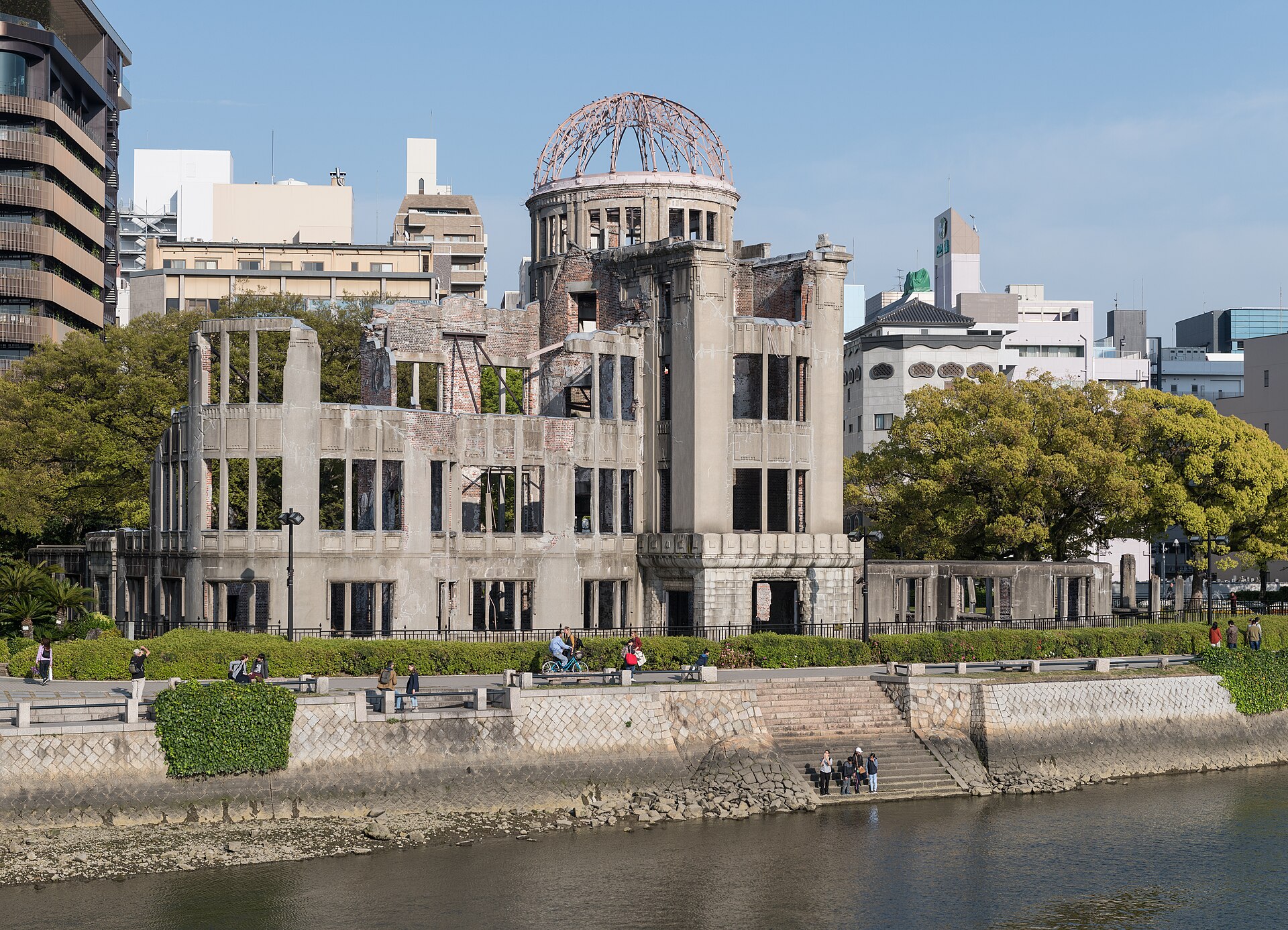
Hiroshima and Naoshima: Heading West in Your Second Week
If you have at least ten days, head west as well. The prices below are approximate for 2026 ☺️.
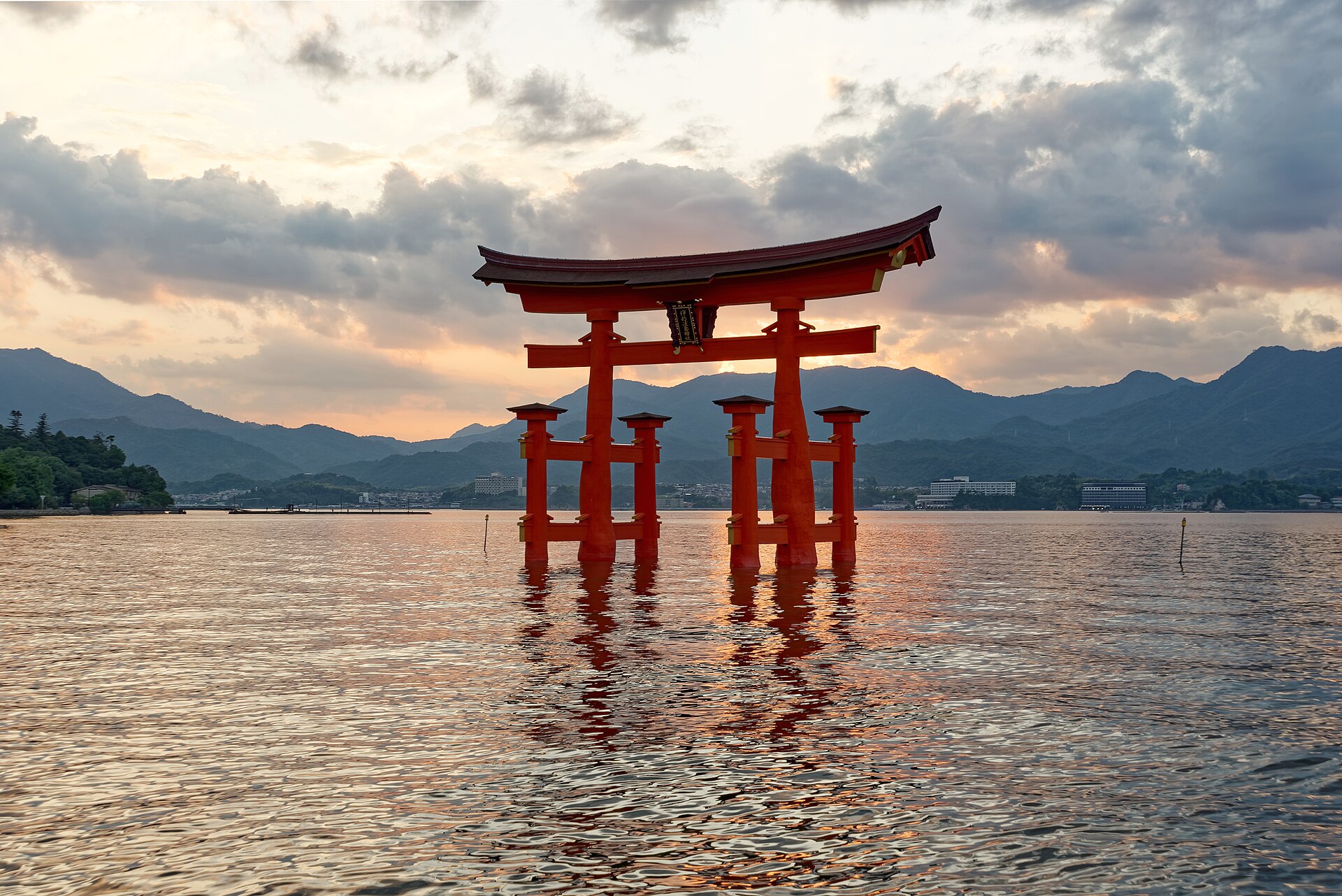
13. Hiroshima and Miyajima
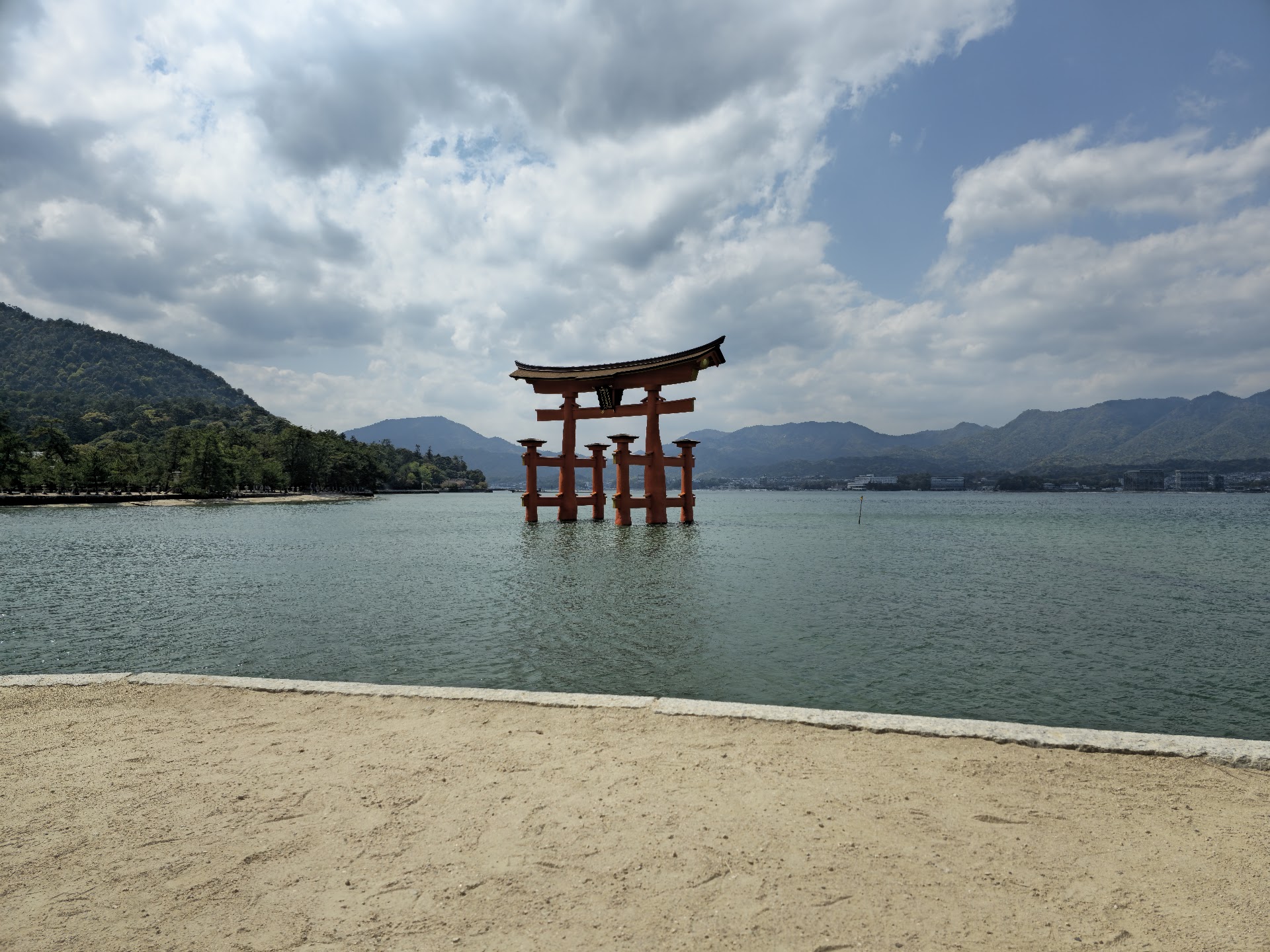
Hiroshima invites you to pause at the memorial to the victims of the atomic bomb, while Miyajima draws you to Itsukushima Shrine and its torii, the traditional Japanese gate. Our Hiroshima guide and tips on where to stay in Hiroshima will make planning easier.
- How many days: 2 nights, one day for each place.
- Getting there: From Shin-Osaka it takes 1 h 25 min and costs 10,850 JPY (about €60); from Kyoto it’s 1 h 40 min for 11,840 JPY (about €65), both booked in the LINE EX app. In the smartEX app you’ll pay 100 JPY (about €0.60) less, and the five-day Kansai-Hiroshima Pass rail pass costs 17,000 JPY (about €95).
- When to go: Cherry blossoms open on average on 25 March, with full bloom on 3 April; maples peak around 22 November. Keep an eye on the tide tables.
- Heads-up for 2026: Itsukushima costs 300 JPY (about €1.60), cash only, and the island’s 100 JPY (about €0.60) visitor fee is paid with your ferry ticket. From 1 April 2026, stays in Hiroshima Prefecture costing 6,000 JPY (about €35) or more per night are subject to a 200 JPY (about €1.20) accommodation tax.
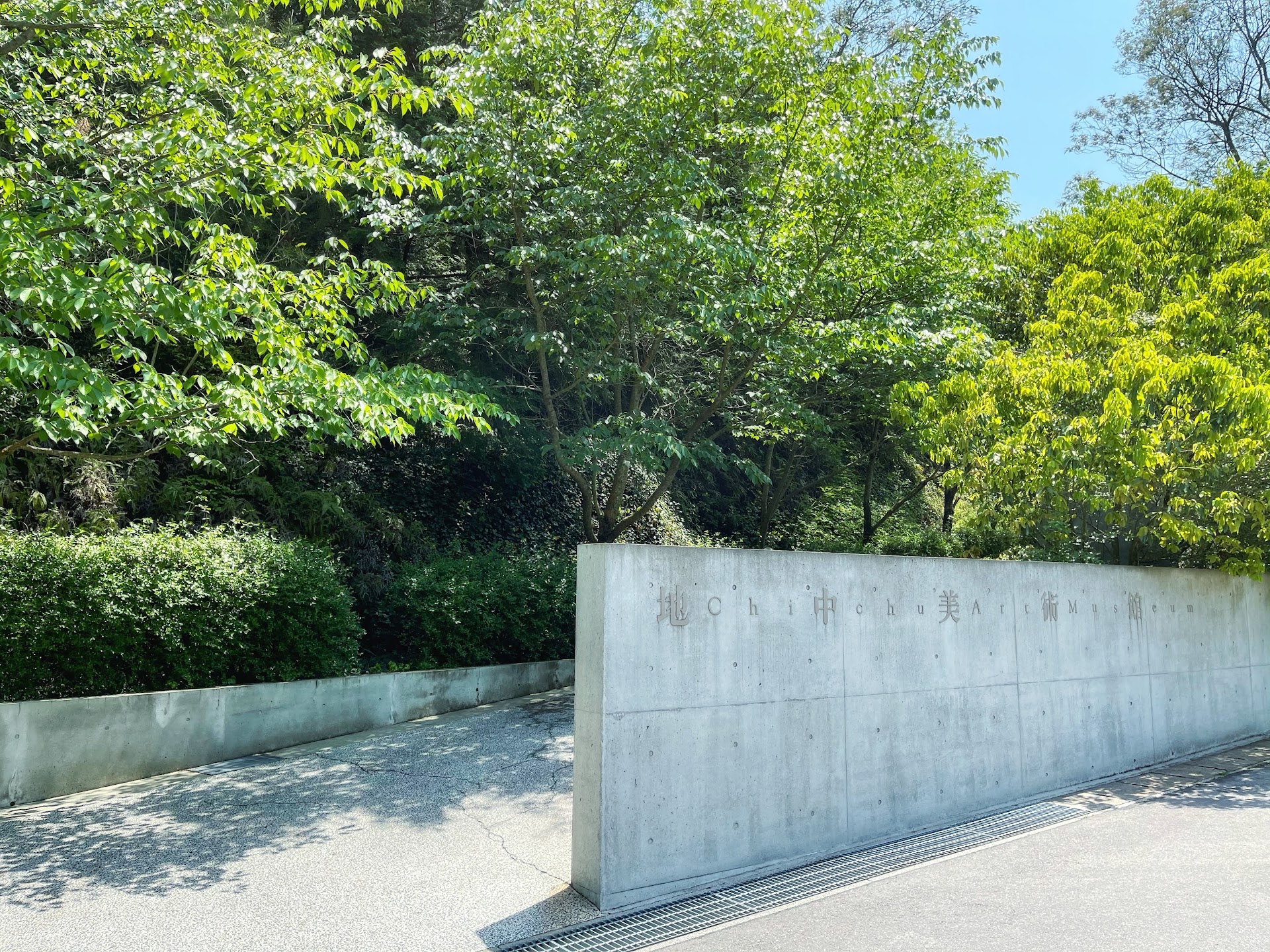
14. Naoshima
The Benesse art island tempts you with Tadao Ando’s Chichu Art Museum and the Naoshima New Museum of Art, which opened in spring 2025. Admission to the new museum costs 1,500 JPY (about €8) online.
- How many days: Ideally 1 night.
- Getting there: From Shin-Osaka take the Nozomi train to Okayama (45 min, 6,260 JPY, about €35), then a train to Uno (about 1 h) and the ferry (20 min, 370 JPY, about €2). Alternatively, catch the ferry from Takamatsu (50 min, 680 JPY, about €3.70).
- When to go: The museums close on Mondays (on Tuesday when Monday is a public holiday); the next Setouchi Triennale won’t take place until 2028.
- Heads-up for 2026: Ferry tickets can’t be booked in advance.
- Skip it if: Your visit falls on a closing day.
- 💡 Tip: Book Chichu for a specific time slot – online it costs 2,500 JPY (about €14) on weekdays and 2,700 JPY (about €15) at weekends.
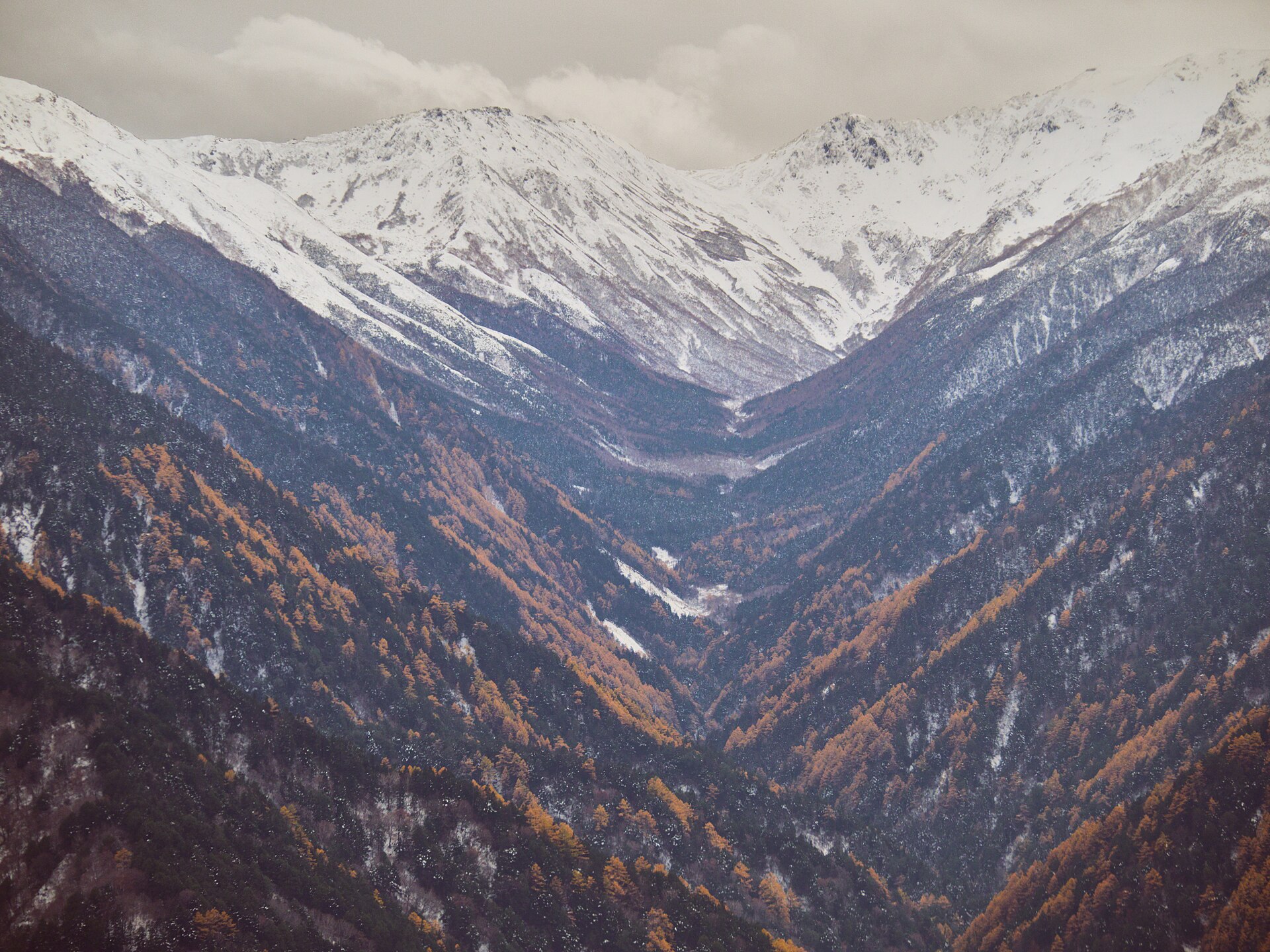
The Japanese Alps and the Sea of Japan Coast: 6 Places on the Northern Loop
Kanazawa, Takayama and Shirakawa-go make the most sense as one continuous loop between Tokyo and the Kansai region, not as a there-and-back trip from Kyoto (prices are approximate for 2026). Since March 2024 there’s been no direct train from Kyoto to Kanazawa, so you’ll always have to change in Tsuruga.
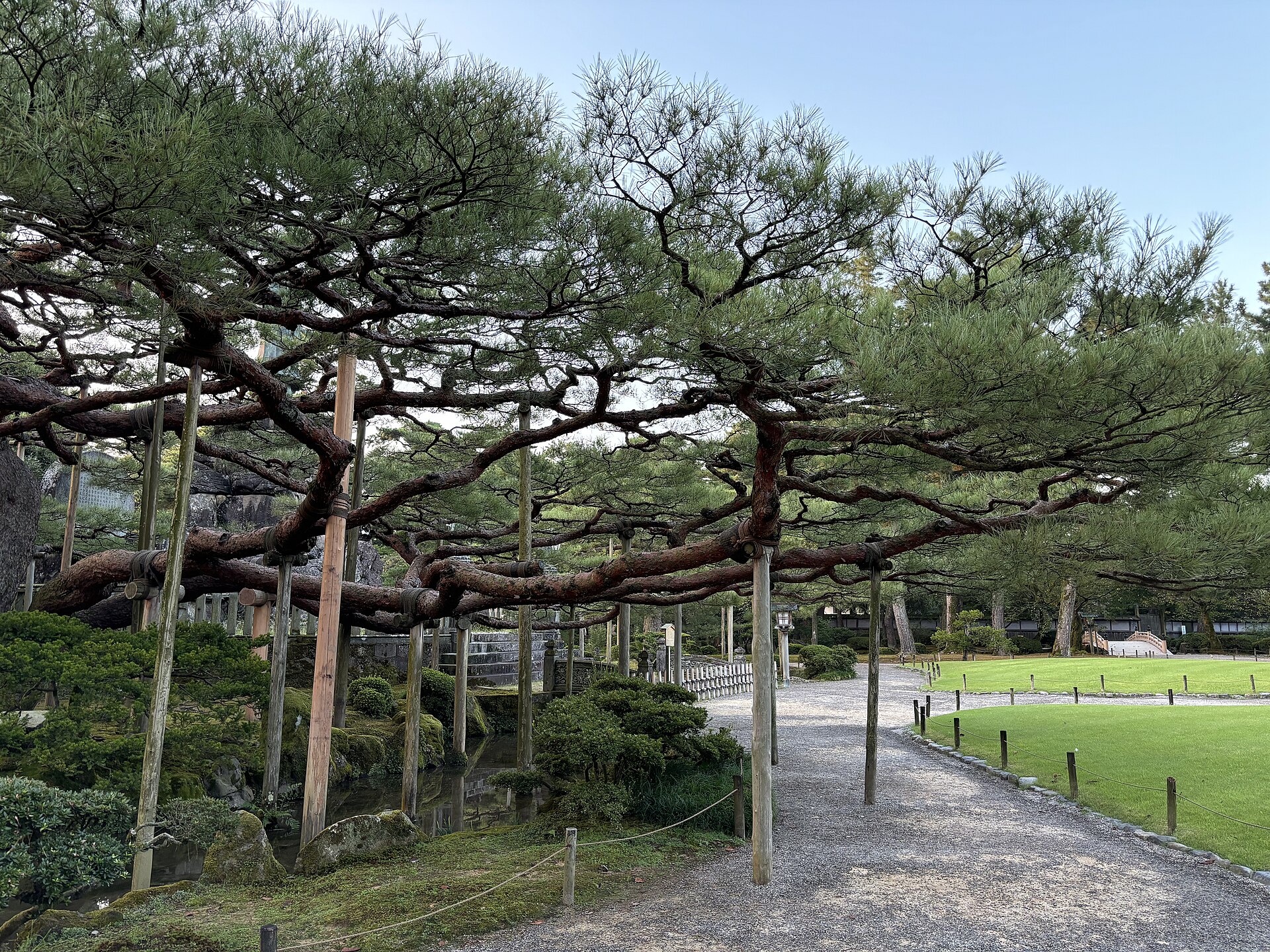
15. Kanazawa
The teahouses of Higashi Chaya, the Nagamachi samurai district, Omicho Market and the famous Kenrokuen Garden all offer a calmer atmosphere.
- How many days: 1–2 days (+1 for Shirakawa-go).
- Getting there: From Tokyo on the Kagayaki shinkansen (2 h 32 min) for about 14,600 JPY (about €80), 200 JPY (about €1.20) less off-season; from Kyoto via Tsuruga (1 h 50 min) for about 7,500 JPY (about €40), depending on the season.
- When to go: Cherry blossoms open around 3 April (full bloom on 8 April), and maples peak around 24 November.
- Heads-up for 2026: Kenrokuen costs 320 JPY (about €1.60), and the accommodation tax is 0/200/500 JPY (about €0/1.20/2.90). The 21st Century Museum of Contemporary Art closes from 6 May 2027, provisionally until March 2028.
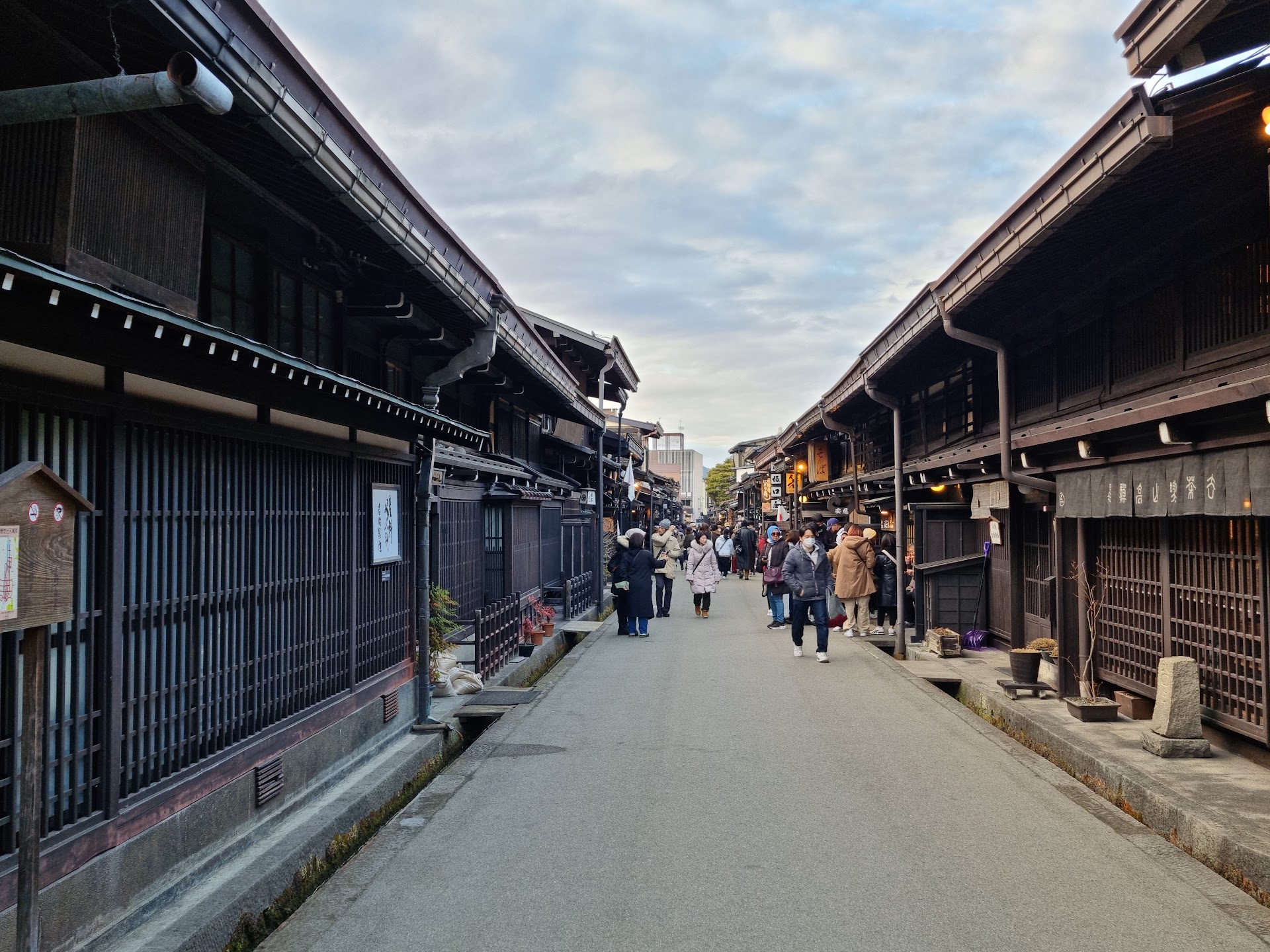
16. Takayama
Among the wooden houses of the Sanmachi old town you’ll naturally slow down. In the morning you can wander the free markets, and in the evening you’ll most likely end up tasting some sake.
- How many days: 1–2 days.
- Getting there: From Nagoya on the Hida train, 2 h 35 min for about 6,000 JPY (about €35).
- When to go: The Takayama Matsuri festivals fall on 14–15 April and 9–10 October.
- Heads-up for 2026: From 25 December to 5 January, the Hida runs with reserved seats only. The accommodation tax is 100–300 JPY (about €0.60–1.60).
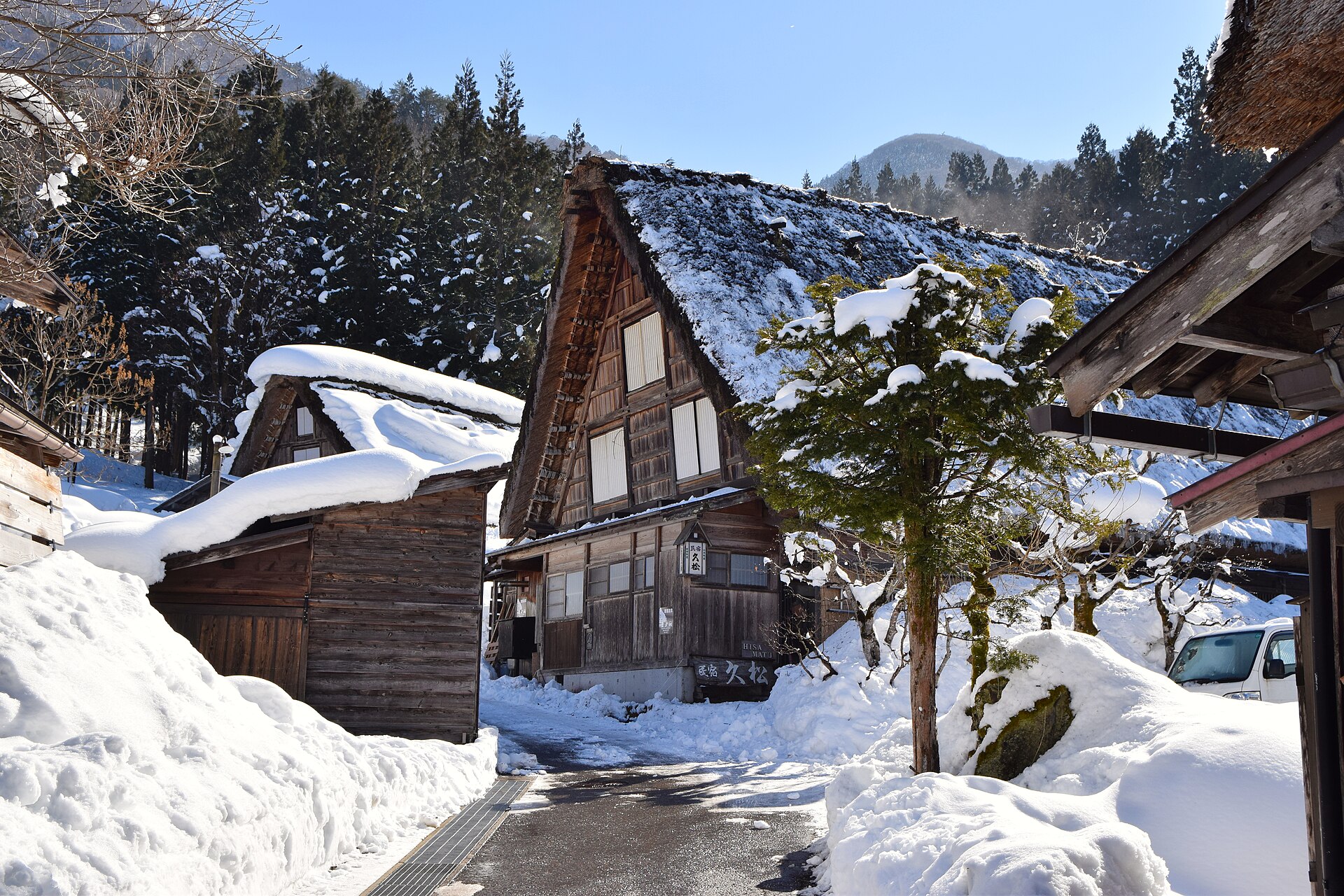
17. Shirakawa-go
This UNESCO-listed village (1995) will charm you with its gassho-zukuri farmhouses (houses with steep thatched roofs).
- How many days: Half a day, or up to a night in a minshuku (family-run guesthouse).
- Getting there: The Nohi Bus from Takayama (50 min) and Kanazawa (1 h 15–30 min) costs 2,800 JPY (about €15.50), rising to 2,900 JPY (about €16.50) from 1 December 2026; some services require a reservation.
- When to go: The winter light-up on 11, 17, 24 and 31 January 2027 (17:30–19:30) requires a reservation; when it snows, buses are often delayed by more than 2 hours.
- Heads-up for 2026: The first round of parking is sold out; the second opens on 1 December 2026 (13:00 Japan time), paid online by card: 7,000 JPY (about €40, 1–5 people) or 10,000 JPY (about €55, 6–10 people). The viewpoint is only accessible with a package.
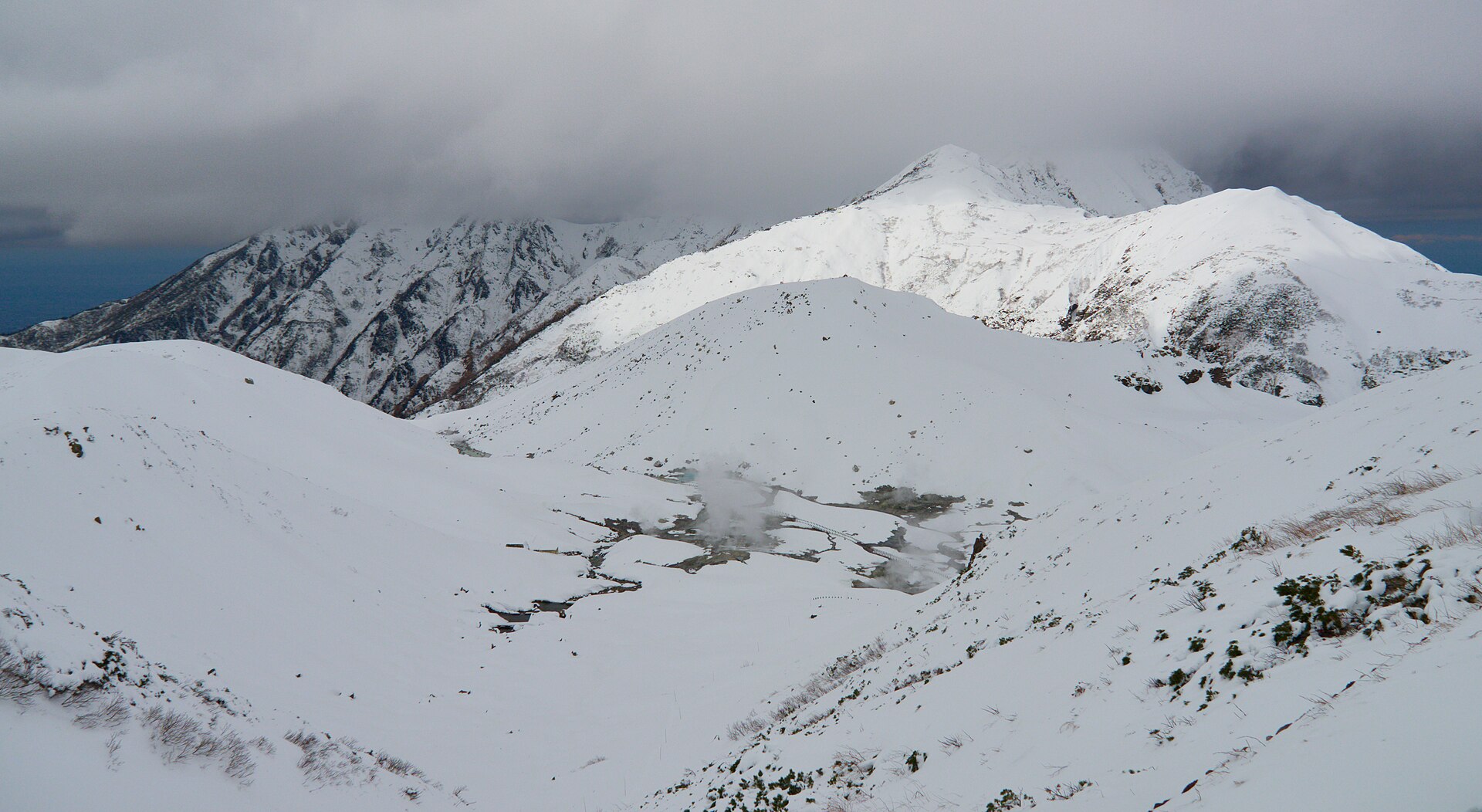
18. Tateyama Kurobe Alpine Route
This high-mountain route switches between seven types of transport via Murodo (2,450 m), passing the Kurobe Dam and the snow corridor.
- How many days: 1 day (2 days with an overnight stay).
- Getting there: From Kanazawa by shinkansen to Toyama (20 min) for about 3,200 JPY (about €18); the Tateyama–Ogizawa crossing costs 10,940 JPY (about €60).
- When to go: Open 15 April–30 November 2026 (2027 dates not yet announced); the snow corridor runs from mid-April to the end of June, and autumn colours reach Murodo from mid-September.
- Heads-up for 2026: The Alpine-Takayama-Matsumoto Pass for 24,500 JPY (about €135) was only valid 15 April–10 November; sales have ended and the 2027 dates haven’t been announced.
- Skip it if: You’re travelling in winter – the route is closed.
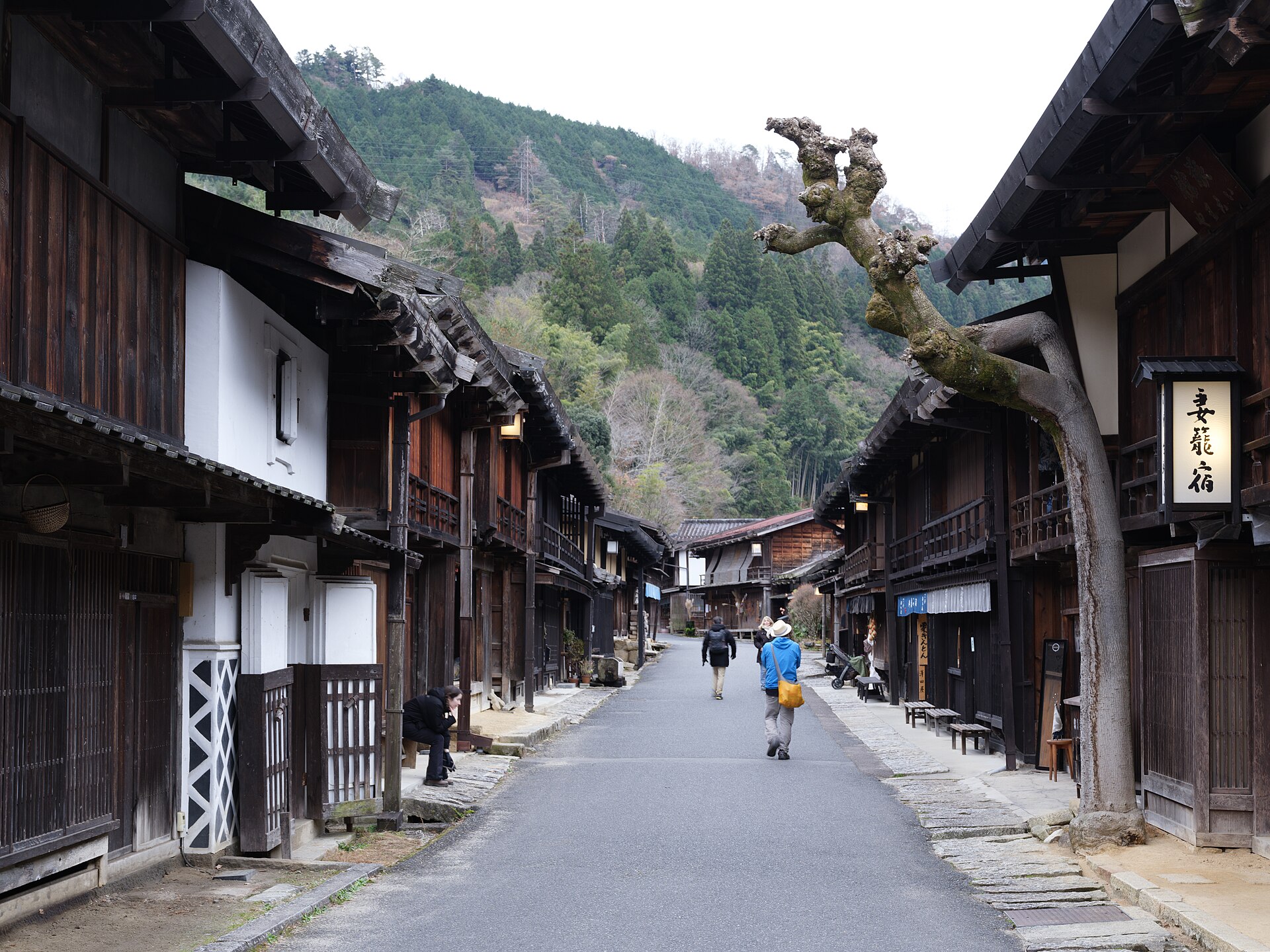
19. Kiso: Magome–Tsumago
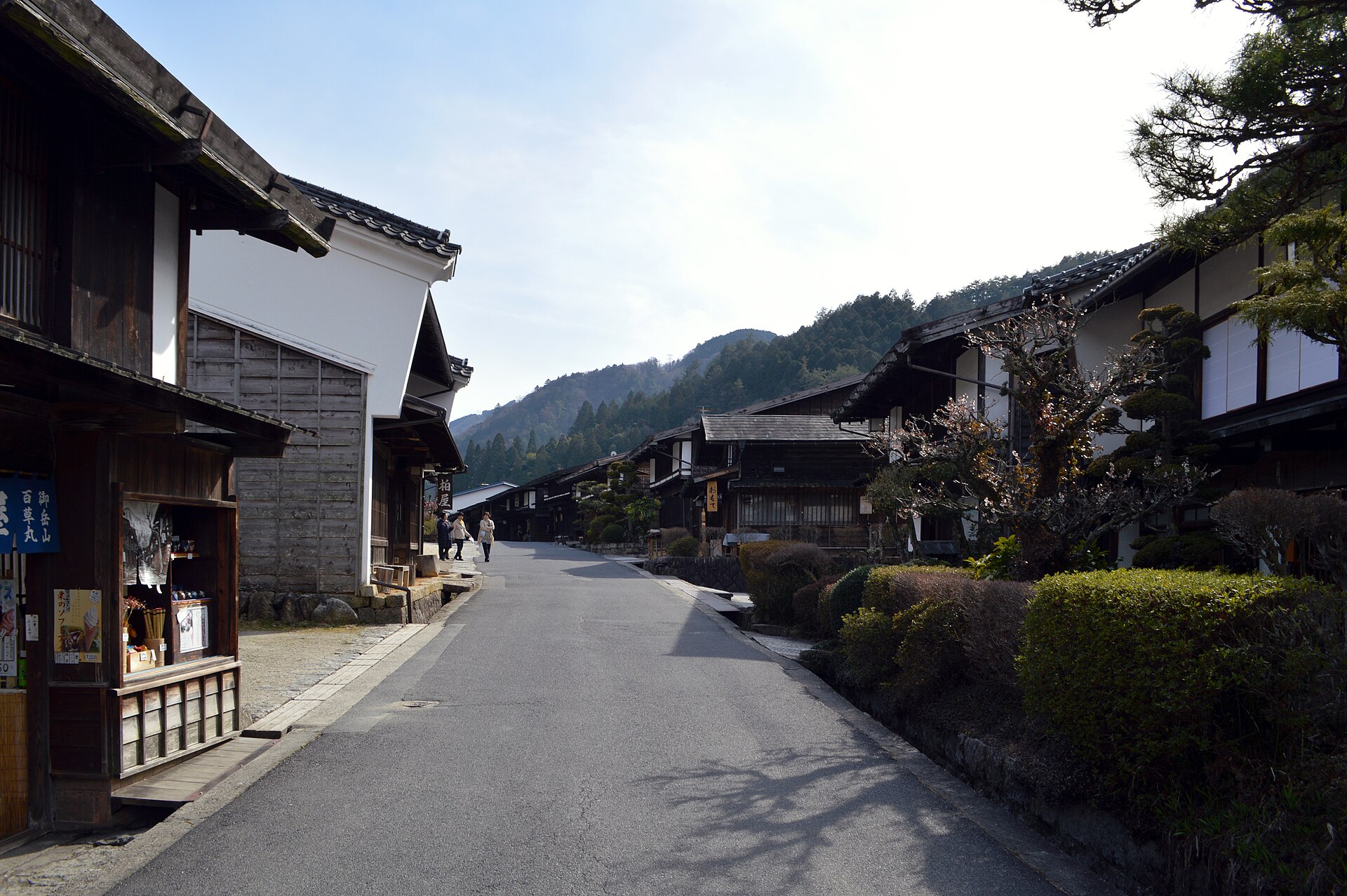
The walk between these two post towns on the historic Nakasendo road is about 8 km long (2.5–3 h).
- How many days: 1 day or 1 night.
- Getting there: From Nagoya on the JR Chuo line to Nakatsugawa (1 h 15 min) for 1,340 JPY (about €7.40), then by bus to Magome.
- When to go: The luggage forwarding service only runs 20 March–30 November.
- Heads-up for 2026: You can forward your bag for 1,000 JPY (about €5.70) if you drop it off by 11:30. Tsumago is car-free from 10:00 to 16:00, the completion certificate costs 300 JPY (about €1.60), and ring the bells along the trail to keep bears away.
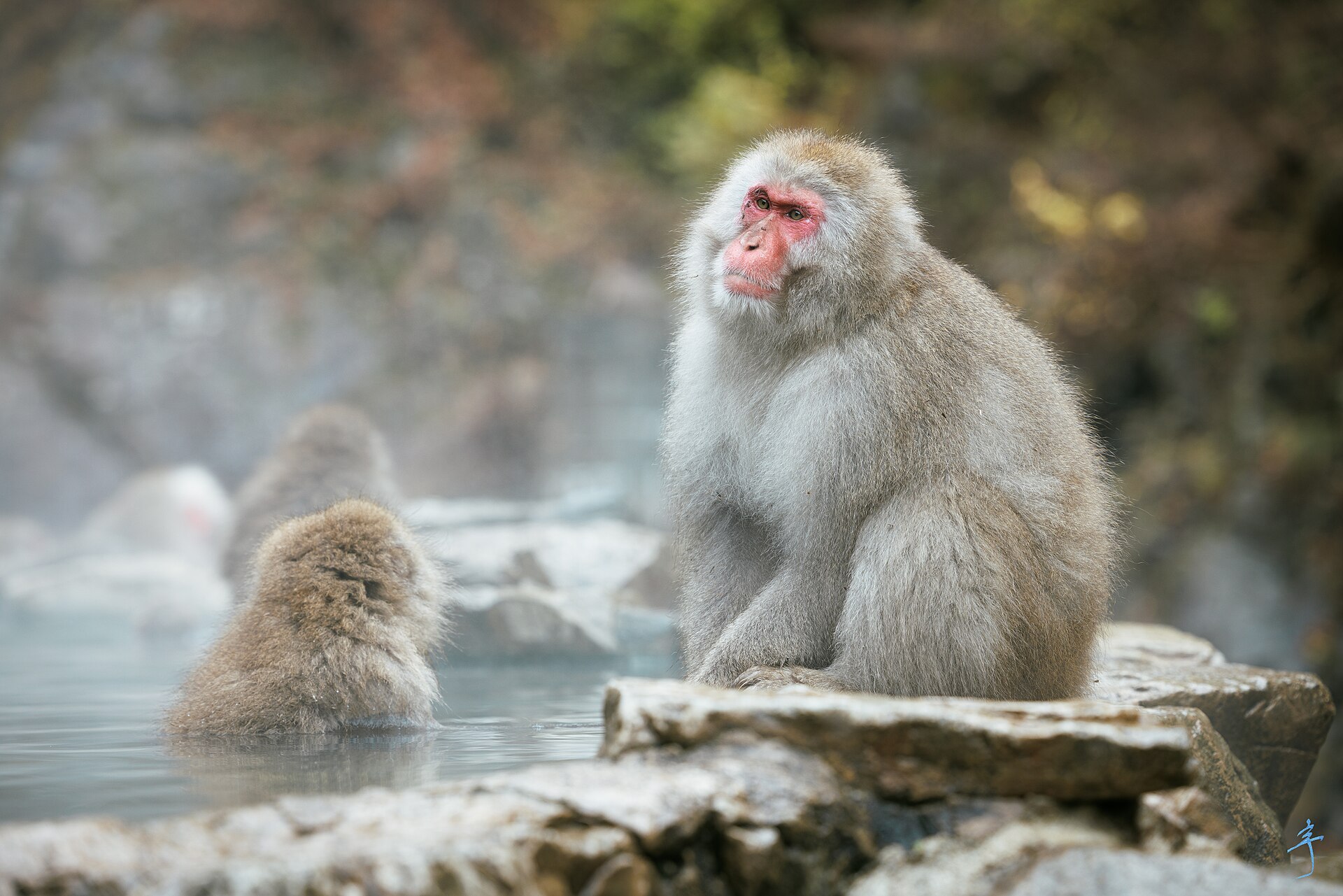
20. Nagano and the Snow Monkeys
Zenko-ji Temple and the Jigokudani Monkey Park, where wild macaques soak in a hot onsen, are the big draws here.
- How many days: 1 day (or 1 night).
- Getting there: By shinkansen from Tokyo to Nagano (1 h 24 min) for about 8,450 JPY (about €45), then on the Nagaden line to Yudanaka (45 min) for 1,760 JPY (about €10), including a 100 JPY (about €0.60) surcharge.
- When to go: The macaques bathe mainly from December to March.
- Heads-up for 2026: From June, the accommodation tax in Nagano is 200 JPY (about €1.20).
- Skip it if: You’re going in October – the monkeys are often gone and the entrance fee isn’t refunded.
- 💡 Tip: From 1 December 2026, Jigokudani goes up from 800 JPY (about €4.50) to 1,000 JPY (about €5.70), or 880 JPY (about €5) online.
Kyushu: Fukuoka, Kagoshima and Yakushima
Kyushu, Japan’s southern island, is all about wild nature, and yet you can get here by bullet train. The prices listed are approximate for 2026.
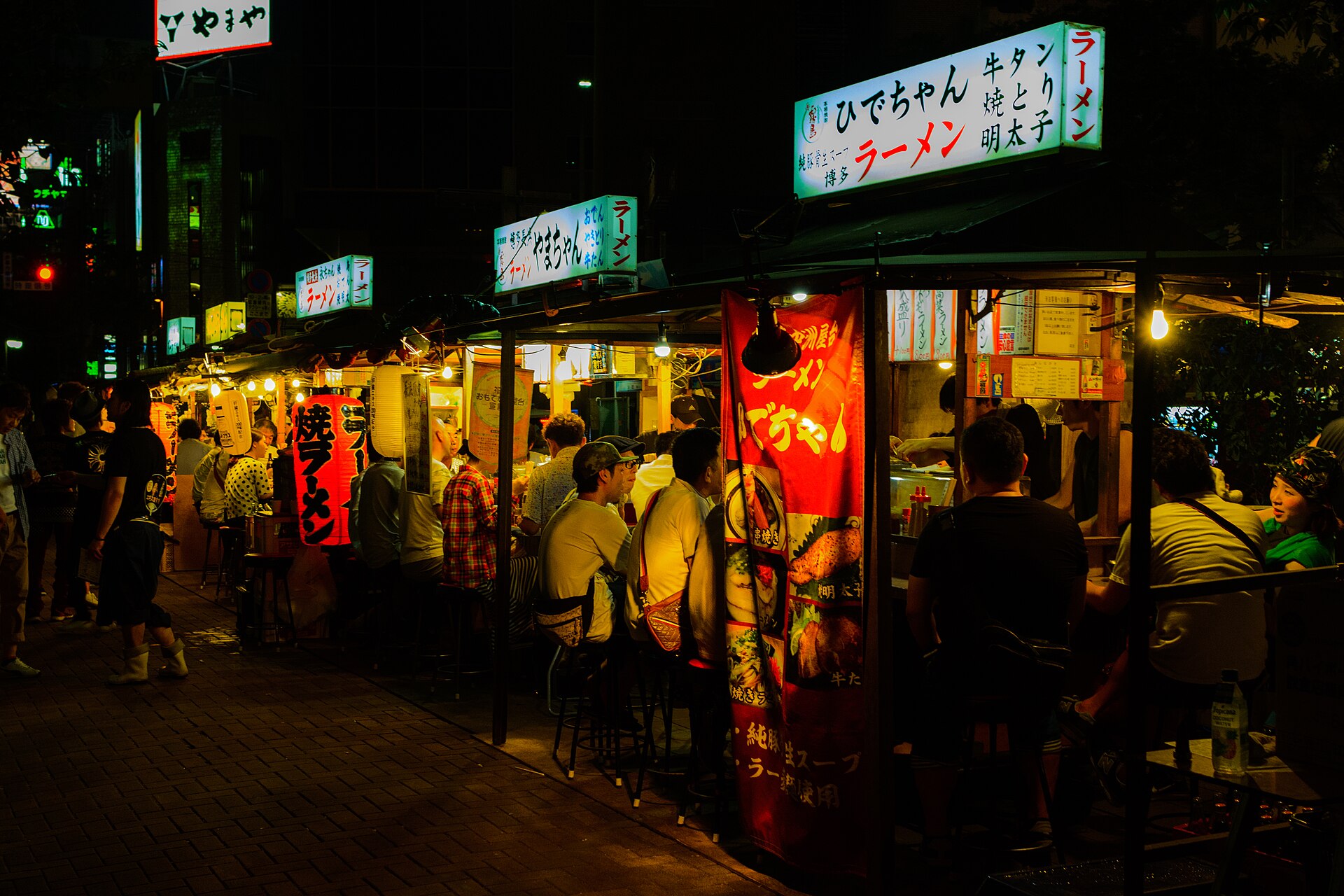
21. Fukuoka
Think of Fukuoka as your gateway to Kyushu – but it’s worth more than just a change of trains. Part of the local atmosphere is the yatai, small food stalls that come alive in the evening.
- How many days: 1–2 nights.
- Getting there: Shin-Osaka–Hakata (Fukuoka’s main station) takes 2.5 hours and costs 15,820 JPY (about €90); from Hiroshima it’s 65 minutes for 9,430 JPY (about €55).
- When to go: Cherry blossoms open on average on 22 March and reach full bloom on 31 March; the yatai are usually closed when it rains.
- Heads-up for 2026: The combined city and prefecture accommodation tax is 200 JPY (about €1.20) or 500 JPY (about €2.90).
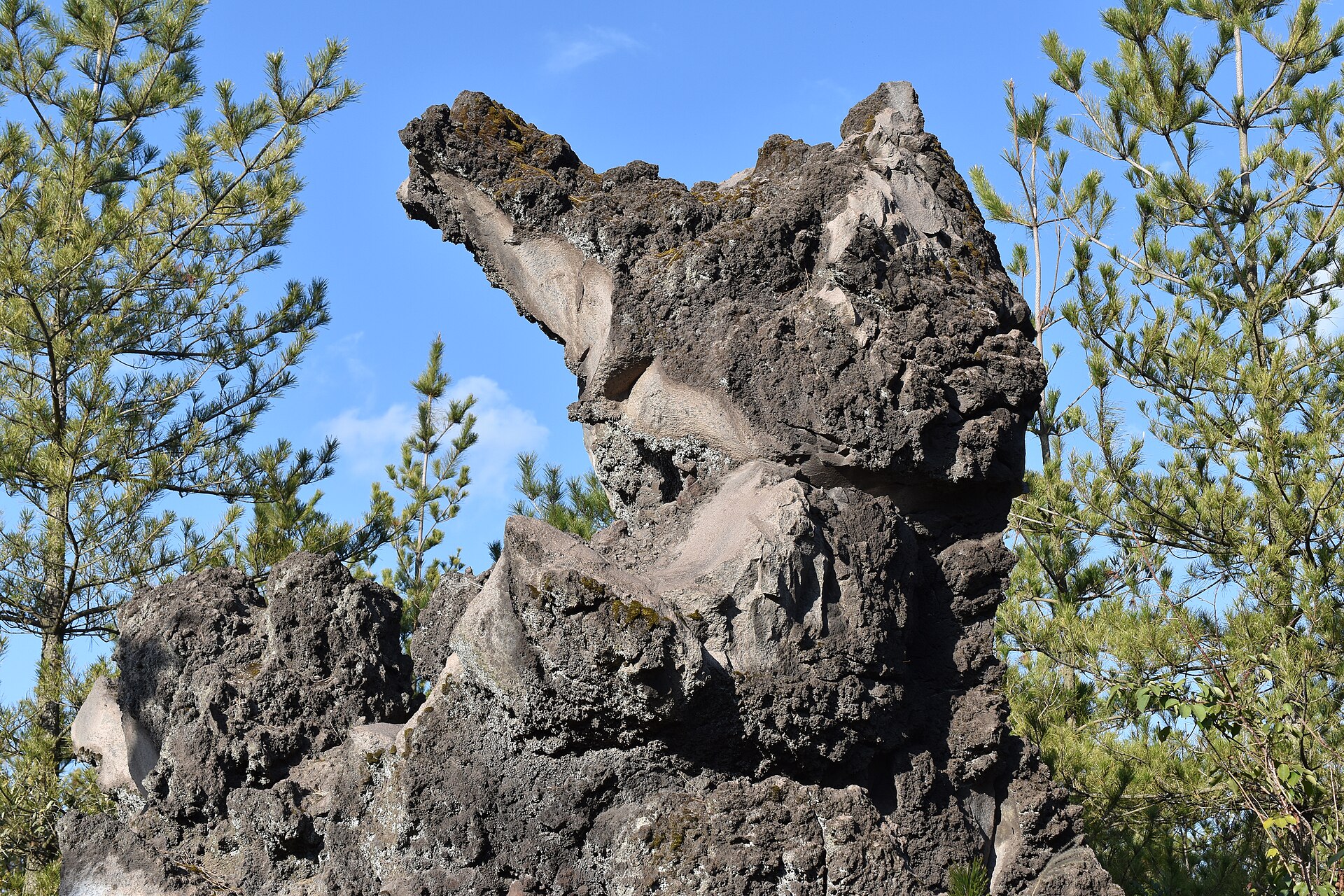
22. Kagoshima and Sakurajima
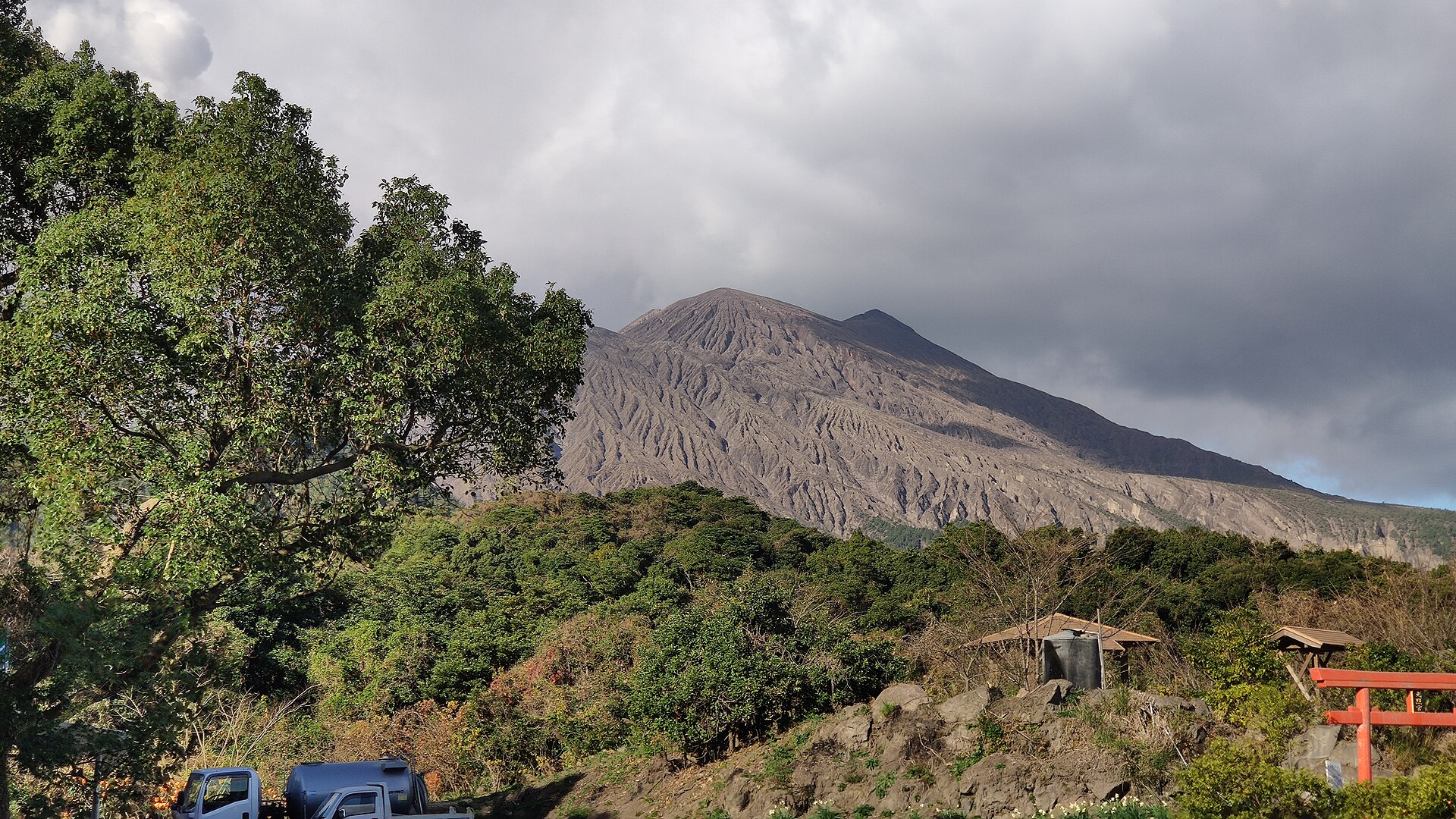
From Kagoshima you can see the active Sakurajima volcano across the bay, so for once nature is right on the city’s doorstep. The ferry will take you closer – just don’t count on it running all night.
- How many days: 1 night.
- Getting there: Hakata–Kagoshima-Chuo on the Mizuho bullet train takes 80 minutes and costs 11,850 JPY (about €65, LINE EX); the ferry to Sakurajima is 250 JPY (about €1.20).
- When to go: Visit Sakurajima during the day, outside the ferry’s overnight break.
- Heads-up for 2026: Since October 2025 the ferry hasn’t run between 0:00 and 4:00, and the city will introduce an accommodation tax from April 2027.
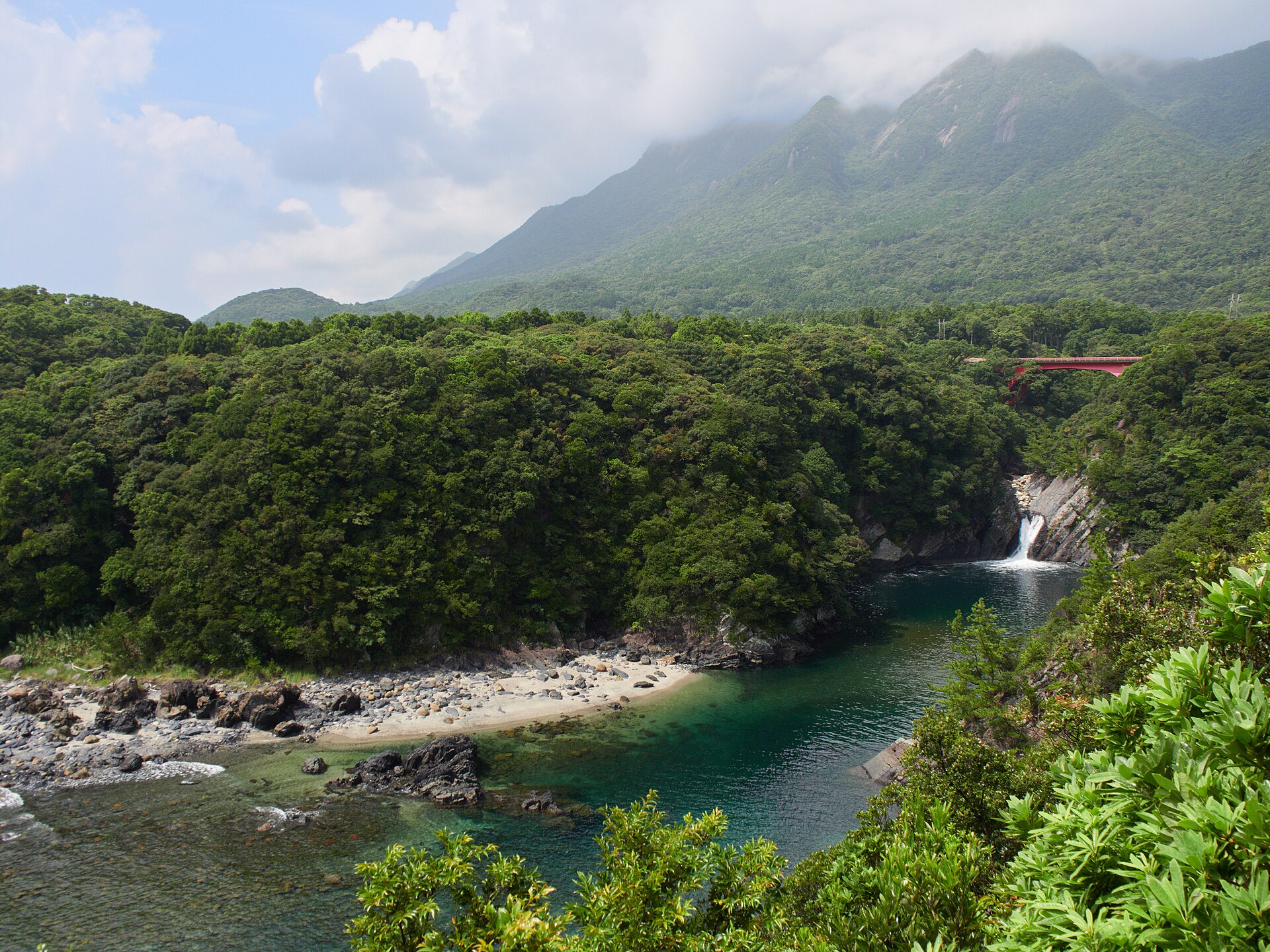
23. Yakushima
Head to Yakushima for its ancient cedar forest, but don’t schedule the island right before your flight home. The weather here can cancel both boats and flights – and stretch your holiday longer than planned.
- How many days: 2–3 nights.
- Getting there: From Kagoshima it’s about 40 minutes by plane, or 1 h 50 min to 3 hours by high-speed boat.
- When to go: Watch the forecast – the trails close when 220 mm of rain falls within 24 hours.
- Heads-up for 2026: The mountain conservation fee is 1,000 JPY (about €5.70) per day, or 2,000 JPY (about €11) if you stay overnight in mountain huts; the mandatory Arakawa bus (March–November) costs 3,000 JPY (about €17) return, including the fee.
- Skip it if: You’re planning Yakushima right before your flight home, as rain cancels both boats and flights.
Hokkaido and Okinawa: If You Have Time to Spare
Save the outlying islands for trips of at least 14 days. You’ll need a domestic flight to reach them.
24. Sapporo and Niseko
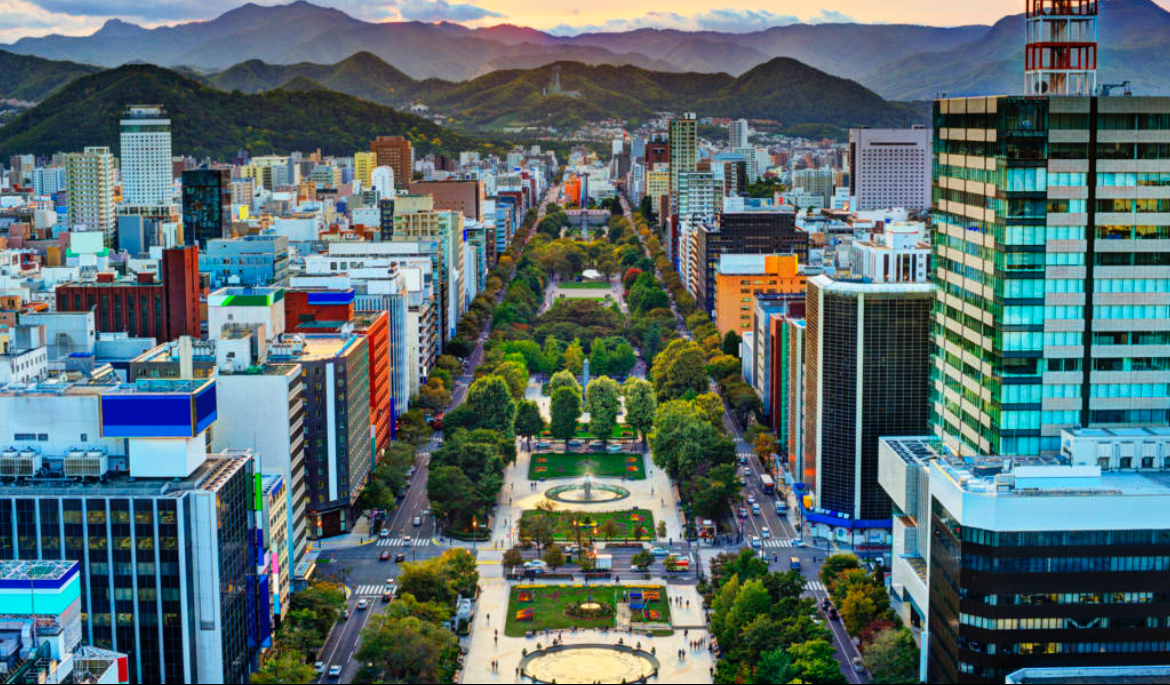
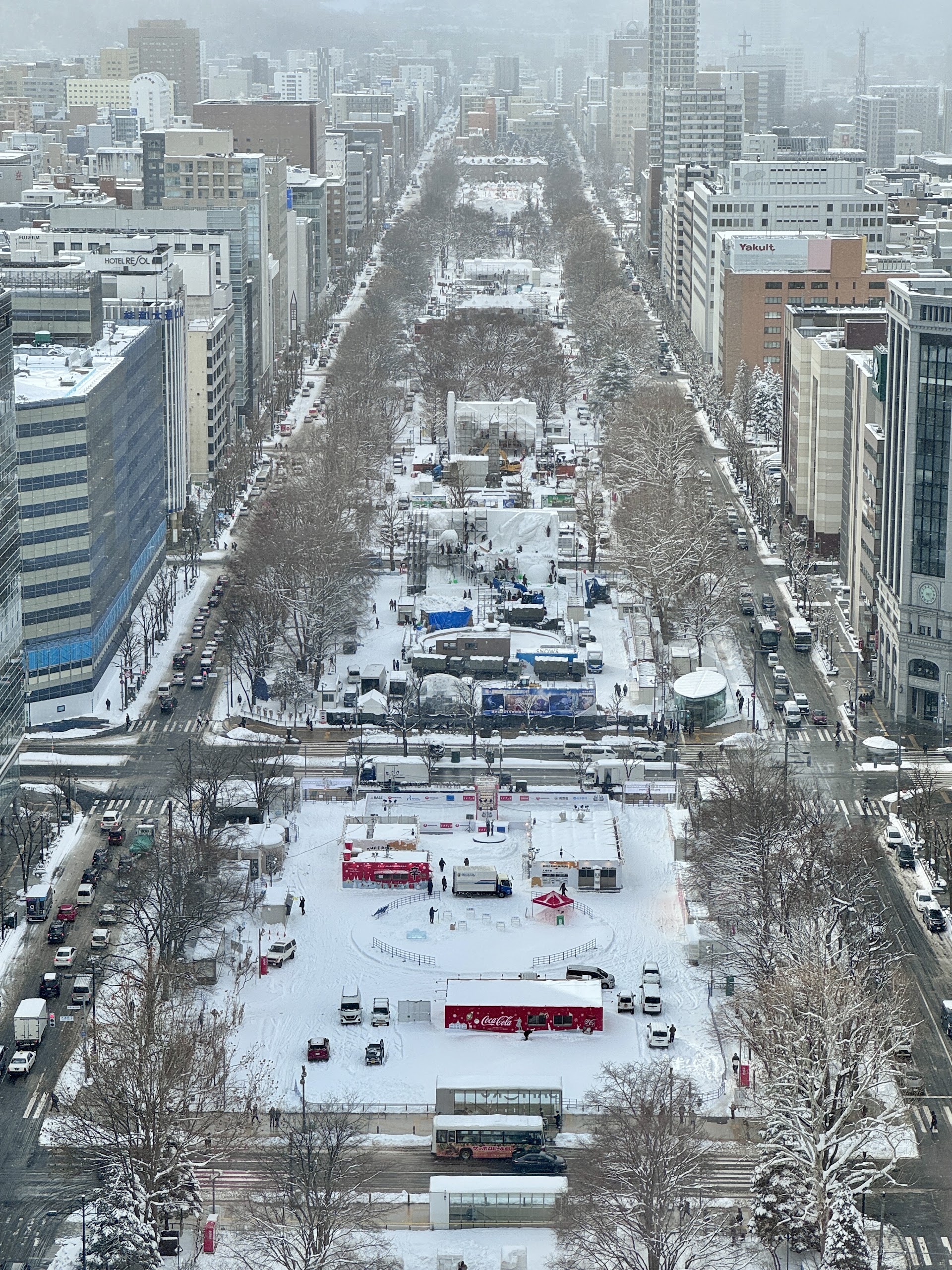
On a winter trip to Hokkaido, Sapporo draws you in with its Snow Festival and Niseko with its powder (dry, fluffy snow). If you’re going for the skiing, plan on flying, because the shinkansen (bullet train) doesn’t run to Sapporo.
- How many days: Sapporo 2–3 days, Niseko 3–7 days.
- Getting there: Haneda–New Chitose is a 90-minute flight; from Chitose to Kutchan near Niseko the train takes 2 h 50 min to 3 h 30 min and costs 3,100 JPY (about €17).
- When to go: Summer has no tsuyu (rainy season); the Snow Festival runs 4–11 February 2027.
- Heads-up for 2026: The shinkansen extension is planned for around 2038. Accommodation tax: in Sapporo from April, a total of 300/400/1,000 JPY (about €1.60/€2/€5.70); in Kutchan 3% per night; in Niseko 3% from 1 November.
- Skip it if: You have less than 14 days.
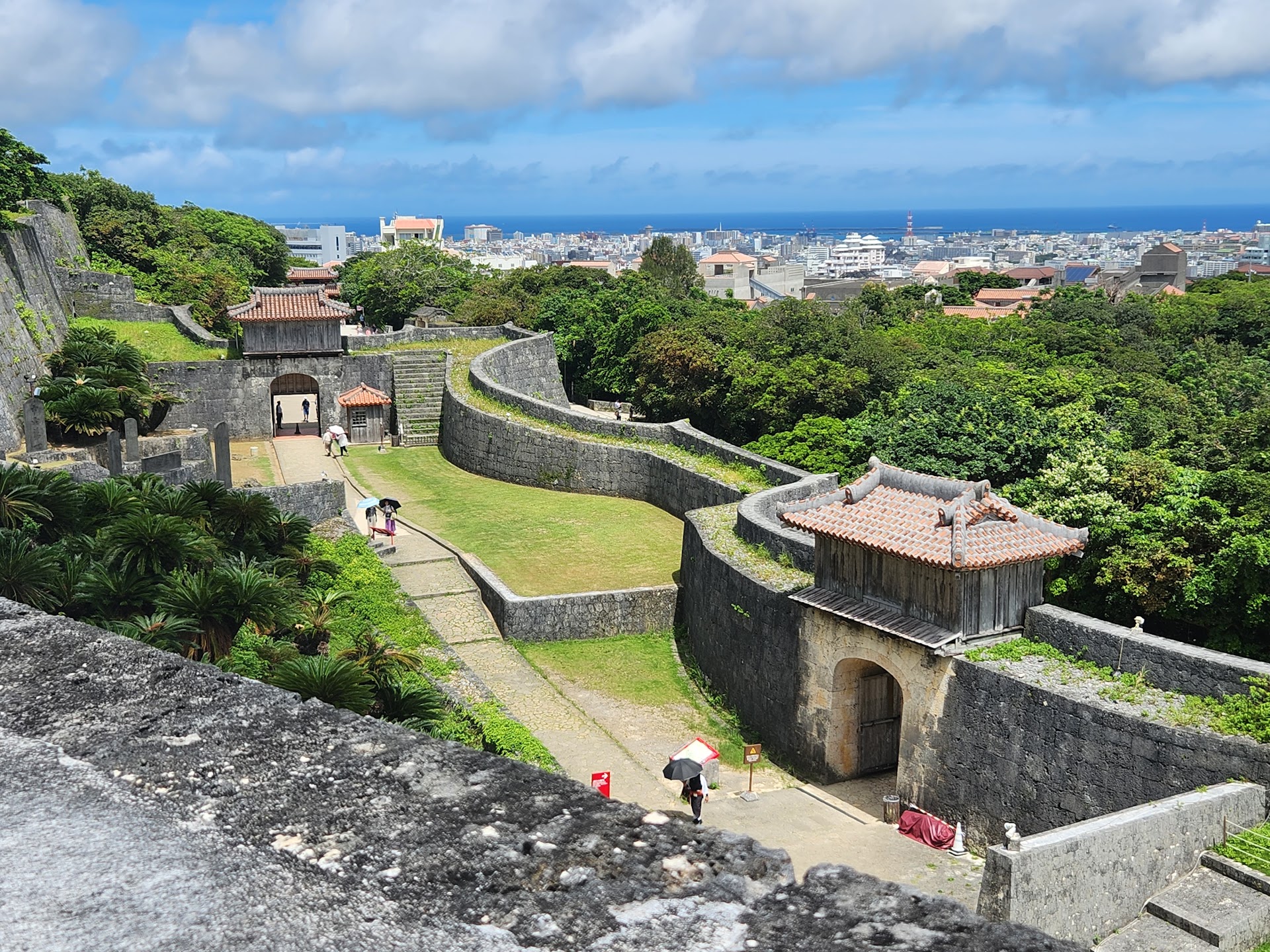
25. Okinawa
Okinawa shows you Japan’s subtropical side, for example on a visit to the Churaumi Aquarium. Don’t pick your dates on flight prices alone; factor in the rainy season and typhoons too.
- How many days: 3–5 days with a car.
- Getting there: Flights to Naha (Okinawa’s capital) take about 3 hours from Tokyo Haneda and 2.5 hours from KIX airport near Osaka.
- When to go: Avoid tsuyu (on average 10 May–21 June) and the August peak of typhoon season.
- Heads-up for 2026: Churaumi costs 2,180 JPY (about €12), the Junglia theme park 8,800 JPY (about €50); from 1 February 2027 there’s a 2% accommodation tax, capped at 2,000 JPY (about €11).
- Skip it if: You have less than two weeks or don’t want to rent a car.
Suggested Japan Routes for 7, 10 and 14 Days
Plan one main area per day, and if you need to cut back, drop a whole stop rather than cramming more into each day. Book a “multi-city” ticket, flying into Tokyo and out of Osaka (KIX airport). Prices are approximate and valid for 2026; train fares vary by season.
| Route | Nights | Best for | Transport (approx.) |
|---|---|---|---|
| 7 days: the classic | Tokyo 3, Kyoto 3 | First-timers | IC card (top-up card for public transport), a Nozomi ride via smartEX about 14,000 JPY (about €80), the Haruka express from Kyoto to KIX airport 2,700 JPY (about €15). |
| 10 days: the Golden Route | Tokyo 3, Kyoto 3, Osaka 3 (Nara on the way, Hiroshima as a long day trip, or Himeji) | More cities | The Kansai-Hiroshima Pass at 17,000 JPY (about €95) only pays off if you include Hiroshima; a Shin-Osaka–Hiroshima return via LINE EX costs 21,700 JPY (about €125). |
| 14 days: the classic with a ryokan | Tokyo 4, Hakone 1, Kyoto 4, Hiroshima 2, Osaka 2 | A slower pace | Combine single tickets with the Kansai-Hiroshima Pass. |
| 14 days: the northern loop (Alps) | Tokyo 4, Kanazawa 2, Takayama 2, Kyoto 4, Osaka 1 | Fewer crowds | Tokyo–Kanazawa about 14,600 JPY (about €80); Nohi Bus from 1 December 2026 at 2× 2,900 JPY (about €16 per ride); Takayama–Nagoya on the Hida train about 6,000 JPY (about €35). With the Alpine Route only 15 April–30 November. |
| 14 days: nature and pilgrimages | Tokyo 3, Hakone/Kawaguchiko 1, Kyoto 3, Koyasan 1, Kumano Kodo 3, Osaka 2 | Hiking | World Heritage Ticket for 3,980 JPY (about €20); bus to Takijiri 970 JPY (about €5.30) and to Hongu 2,100 JPY (about €12). |
| Winter (Dec–Mar) | Tokyo 3, Nagano/Yudanaka 1 (monkey park), Kanazawa 2, Kyoto 3 | Winter scenery | Tokyo–Nagano about 8,450 JPY (about €45), Nagaden train to Yudanaka 1,760 JPY (about €10). |
In winter the Alpine Route is closed, and the Hakone ropeway often has service suspensions. Treat yourself to Okinawa, Hokkaido and Yakushima only on trips of 14+ days, and don’t schedule Yakushima right before your flight home, as connections do get cancelled. Don’t head to Naoshima on a Monday, when things are closed, and don’t set off on the Kumano Kodo without your nights booked. Link Kanazawa, Takayama and Shirakawa-go into a loop.
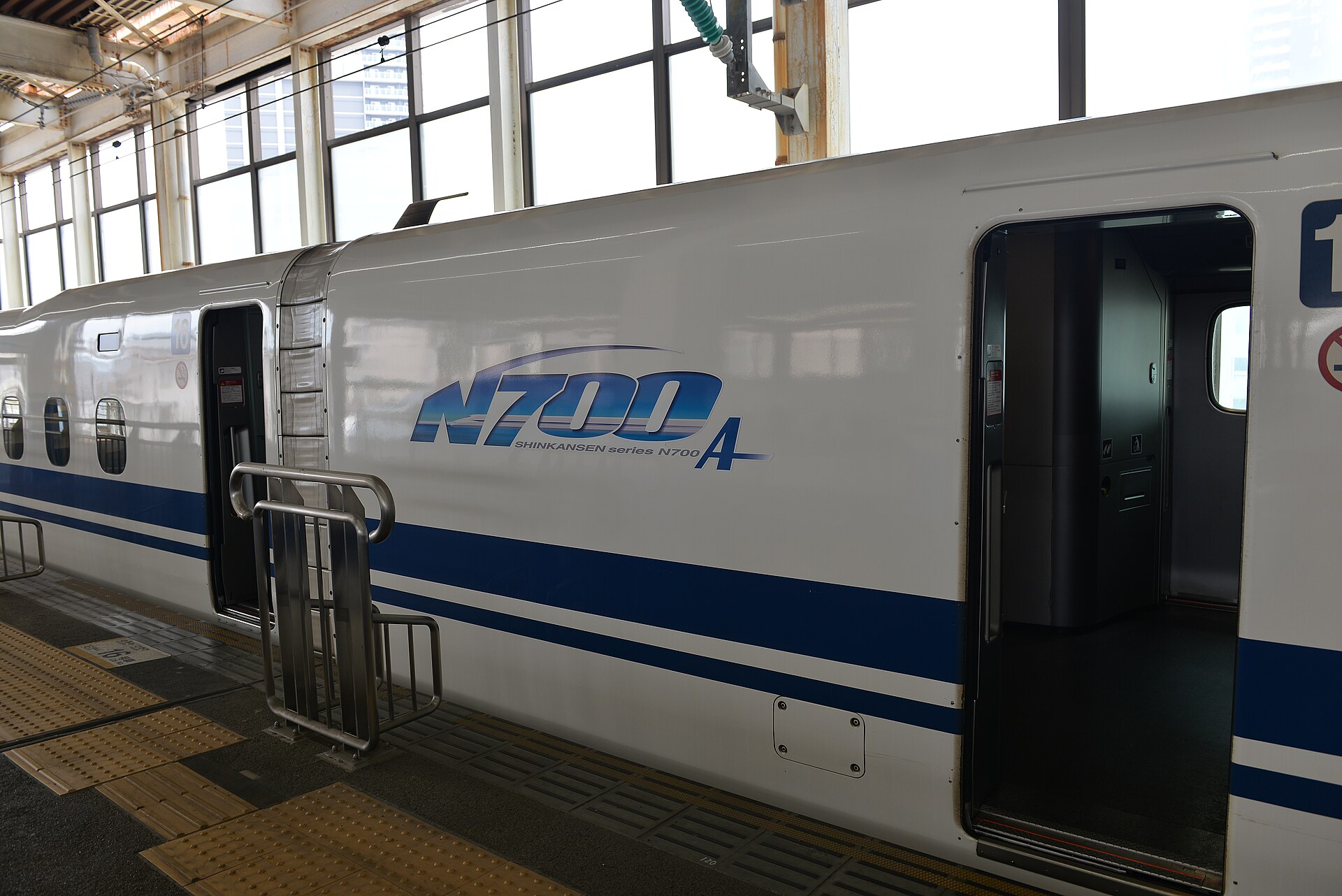
Getting Around: Passes, Tickets and Shinkansen Prices
Choose a pass based on your route, because single tickets often work out cheaper. Prices are approximate for 2026 unless stated otherwise.
Is the JR Pass Worth It?
On the official website, the JR Pass (nationwide rail pass) costs 50,000/80,000/100,000 JPY (about €280/€450/€560) for 7/14/21 days. Through overseas agents, from 1 October 2026 you’ll pay 53,000/84,000/105,000 JPY (about €300/€470/€590).
For a typical first-time route it’s not worth it; you’ll find the maths in our practical guide to Japan. With the JR Pass you can ride the Nozomi only by paying a supplement, which is 4,960 JPY (about €30) on the Tokyo–Kyoto route.
Regional Passes
- Hokuriku Arch Pass: 35,000 JPY (about €195), 7 days, Tokyo–Kanazawa–Kyoto/Osaka including the Haruka airport train.
- Takayama-Hokuriku Area Tourist Pass: 19,800 JPY (about €110), 5 days, including buses to Shirakawa-go.
- Alpine-Takayama-Matsumoto: 24,500 JPY (about €135), valid 15 April–10 November 2026. Sales for 2026 have ended, and the 2027 dates haven’t been announced yet.
- Kansai-Hiroshima Pass: 17,000 JPY (about €95), 5 days.
- JR Kyushu Rail Pass All: 22,000/24,000/26,000 JPY (about €125/€135/€145), 3/5/7 days.
smartEX and Shinkansen Prices
Tokyo–Kyoto via smartEX costs about 14,000 JPY (about €80); the table includes a reserved seat in regular season. Buy the discounted EX Hayatoku 21 ticket at least 21 days in advance.
| Route / product | Price (as of 4 Nov 2026) |
|---|---|
| Tokyo–Kyoto, Nozomi | 13,970 JPY (about €80) |
| Tokyo–Shin-Osaka | 14,520 JPY (about €80) |
| Tokyo–Hiroshima | 19,560 JPY (about €110) |
| Shin-Osaka–Hakata | 15,820 JPY (about €90) |
| Tokyo–Kyoto, EX Hayatoku 21 | 12,430 JPY (about €70) |
| Tokyo–Kyoto, Nozomi after the fare increase from 15 Dec 2027 | 14,670 JPY (about €80) |
LINE EX is a second app for the same tickets, with slightly different prices. Shinkansen fares change with the season: off-season −200 JPY (about −€1.20), peak season +200 JPY (about +€1.20), and the busiest peak +400 JPY (about +€2).
Fees and Rules
There are more and more fees and rules to keep track of. Prices are approximate for 2026, at an exchange rate of roughly 1 JPY = €0.0056.
Overview of Fees and Taxes
The slashes in the accommodation taxes separate the rates by room price. A cheaper night means a lower tax.
| Fee | How much | Where and when it applies |
|---|---|---|
| Departure tax | 3,000 JPY (about €17) | Included in tickets issued from 1 July 2026; for tickets issued up to 30 June: 1,000 JPY (about €5.70). Children under 2 and transit passengers under 24 h are exempt. |
| Miyajima | 100 JPY (about €0.60) | Every visit, paid with your ferry ticket. |
| Itsukushima Shrine | 300 JPY (about €1.60) | Cash only. |
| Himeji | 2,500 JPY (about €14) | From 1 March 2026, for anyone 18+ who isn’t a Himeji resident. |
| Mount Fuji | 4,000 JPY (about €25) | All four climbing trails. |
| Jigokudani | 1,000 JPY (about €5.70) | From 1 December 2026. |
| Nohi Bus Takayama–Shirakawa-go | 2,900 JPY (about €16) | From 1 December 2026. |
| Tokyo accommodation tax | 0/100/200 JPY (about €0/€0.40/€1.20) | From April 2027: 3% on nights over 13,000 JPY (about €75). |
| Kyoto accommodation tax | 200–10,000 JPY (about €1.20–€55) | From March 2026. |
| Osaka accommodation tax | 0/200/400/500 JPY (about €0/€1.20/€2/€2.90) | From September 2025. |
| Kanazawa accommodation tax | 0/200/500 JPY (about €0/€1.20/€2.90) | |
| Fukuoka accommodation tax | 200/500 JPY (about €1.20/€2.90) | |
| Hiroshima / Nagano accommodation tax | 200 JPY (about €1.20) | Hiroshima from April, Nagano from June 2026. |
| Takayama accommodation tax | 100–300 JPY (about €0.40–€1.60) | From October 2025. |
| Hokkaido accommodation tax | Sapporo a total of 300/400/1,000 JPY (about €1.60/€2/€5.70); Kutchan/Niseko 3% | From April 2026, Niseko from November 2026. |
| Okinawa accommodation tax | 2%, capped at 2,000 JPY (about €11) | From 1 February 2027. |
| Kawaguchiko, Fujiyoshida, Kagoshima accommodation tax | Rate not yet known | From April 2027. |
| Hakone | No accommodation tax |
You’ll often pay the accommodation tax at reception on arrival. Add it to your budget.
Gion: According to reports from 2024, signs put up in April 2024 ban entry to the private alleys of southern Gion. The local association threatens an unlawful “fine” of 10,000 JPY (about €55), while Hanamikoji itself remains a public street.
Kamakura: The 2019 ordinance doesn’t ban anything and doesn’t impose fines. It asks visitors to be considerate when taking photos near the road or the tracks, and when eating in crowded spots.
The Lawson near Kawaguchiko: According to the media, the screen was removed in August 2024. The low barrier that remains doesn’t block the view.
Dual pricing for foreigners is mostly still a debate; no official guideline has been issued. The Tokyo National Museum charges everyone 1,000 JPY (about €5.70), and in Himeji it’s your place of residence that counts, not your nationality.
Entering the country: Passport holders from many countries, including all EU member states, can stay up to 90 days without a visa with a valid passport; check your own government’s travel advice before you go. JESTA, the planned pre-travel registration, isn’t in force yet, and the Visit Japan Web online form for customs and immigration details is free and optional.
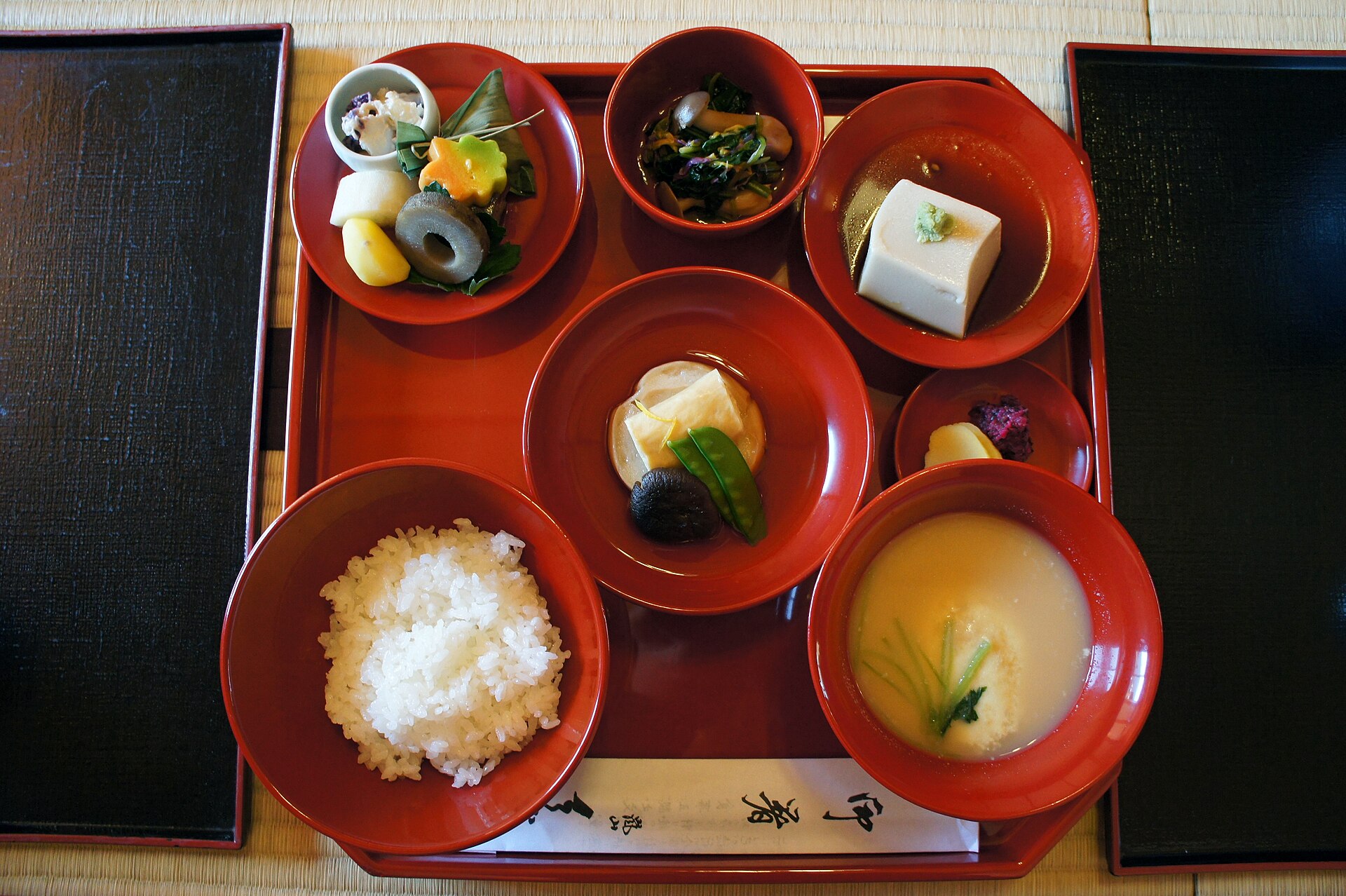
Vegetarian Japan Food on the Road
We’re vegetarians, so food gets its own chapter, put together from our research. You can travel around Japan without eating meat; it just takes a bit of preparation.
The catch is dashi stock, usually made from bonito fish flakes and added even to meat-free soups and sauces. A safe bet tends to be shojin ryori (shōjin ryōri, traditional temple cuisine).
💡 Tip: Save the phrase “Dashi o tsukawanaide kudasai” (no dashi, please) on your phone.
- Tokyo: Vegan ramen (noodle soup) at T’s Tantan in Tokyo Station (inside the JR ticket gates in Gransta Tokyo; without a train ticket you’ll need a platform ticket); the vegan restaurant Ain Soph. Journey Shinjuku and Bon, which serves fucha ryori (Chinese-Buddhist vegetarian cuisine).
- Kyoto: The temple restaurant Shigetsu in the grounds of Tenryuji, the vegan café mumokuteki cafe & foods, and Vegan Ramen UZU Kyoto. At the temple restaurant Izusen in Daiji-in, check about the dashi in advance.
- Osaka: The vegan restaurant Paprika Shokudo Vegan.
- Nara: Vegan Japanese cooking at Naramachi Vegan Nabi.
- Hiroshima: Nagataya also makes vegan okonomiyaki (savoury pancakes).
- Kawaguchiko: Vegan food at PLANT NATION (vegan kitchen).
- Koyasan: The temple lodging Eko-in serves shojin ryori.
- Takayama: Tofu Cuisine Noguchiya focuses on tofu; check the details on the spot.
- Hakone: I couldn’t find a verified vegan place, so I recommend a ryokan (traditional Japanese inn) with a vegetarian dinner arranged in advance.
I’m leaving out meat specialities like tonkotsu ramen or octopus takoyaki here; you’ll find those easily enough without my help.
Frequently Asked Questions
What should you see in Japan on your first trip?
Start with Tokyo and Kyoto, then add Nara or Osaka. For views of Mount Fuji, consider Hakone or Kawaguchiko, and on a longer route add Hiroshima with Miyajima.
How many days do I need for Japan?
For Tokyo and Kyoto, plan on 7 days, and 10 days if you add Osaka and Hiroshima. With 14 days, you can also fit in a night at a ryokan (traditional Japanese inn) in Hakone or a route through the Japanese Alps.
What should you see in Japan in 10 days?
Split your nights into 3 nights in Tokyo, 3 in Kyoto and 3 in Osaka, and visit Nara along the way. Hiroshima works well as a long day trip with the Kansai-Hiroshima pass for 17,000 JPY (about €100), though with Miyajima it’s better to plan an overnight stay.
Is the JR Pass worth it?
For a typical first-time route, usually not — the seven-day JR Pass (nationwide rail pass) costs 50,000 JPY (about €280) online. A one-way Tokyo–Kyoto trip costs 13,970 JPY (about €80), and a round trip 27,940 JPY (about €155).
When should you avoid traveling to Japan?
Avoid Golden Week (a cluster of public holidays) on April 29 and May 1–5, 2027, Obon (the festival honoring ancestors) on August 13–16, 2027, and the New Year holidays. In summer, expect heat and typhoons in August and September, and in winter the Alpine Route is closed.
How much does entry to Miyajima and Himeji cost?
On Miyajima you’ll pay 100 JPY (about €0.60) as part of the ferry ticket, and the Itsukushima Shrine costs 300 JPY (about €1.70) in cash. From March 1, 2026, Himeji Castle costs 2,500 JPY (about €14) for anyone aged 18 or over who isn’t a resident of the city. What matters is residency, not nationality.
Do foreigners pay more in Japan?
For the most part, not yet — dual pricing at national museums or on Kyoto buses is still only being considered. From July 1, 2026, a departure tax of 3,000 JPY (about €17) applies, included in your plane ticket, while accommodation taxes are often paid at check-in.
How do I get to Mount Fuji, and when can you climb it?
The bus from Shinjuku to Kawaguchiko takes about 1 h 45 min and costs 2,200 JPY (about €12). Climbing costs 4,000 JPY (about €22) on all routes, and the Yoshida Trail requires a reservation. The 2026 season ran from July 1 to September 10 (Fujinomiya and Gotemba from July 10), and dates for 2027 haven’t been announced yet.
Do I need to book anything in advance?
Book the Chichu Art Museum and the Shirakawa-go winter illumination in advance, as well as accommodation on the Kumano Kodo via Kumano Travel. A reservation is also required for the Limited Express Koya train, the Yoshida Trail ascent, a ryokan stay in Hakone, and spring hotels in Kyoto.
Can you travel around Japan as a vegetarian?
Yes, just watch out for dashi, usually a broth made from bonito fish flakes, in soups and sauces. A safe choice is shojin ryori (Buddhist vegetarian cuisine) on Koyasan and in Kyoto, or vegan ramen restaurants.
Final Thoughts and Where to Next
When your itinerary starts to overflow, drop a whole stop rather than a single night ☺️.
Where to next
- Japan: travel guide: More articles to help you plan.
- Japan for First-Timers: JR Pass and Practical Tips: Do the transport maths before buying a pass.
- When to Go to Japan: Choosing your dates.
- Japan Sightseeing Tours: Options for an organised trip.
Tips and Tricks for Your Vacation
Don’t Overpay for Flights
Search for flights on Kayak. It’s our favorite search engine because it scans the websites of all airlines and always finds the cheapest connection.
Book Your Accommodation Smartly
The best experiences we’ve had when looking for accommodation (from Alaska to Morocco) are with Booking.com, where hotels, apartments, and entire houses are usually the cheapest and most widely available.
Don’t Forget Travel Insurance
Good travel insurance will protect you against illness, accidents, theft, or flight cancellations. We’ve had a few hospital visits abroad, so we know how important it is to have proper insurance arranged.
Where we insure ourselves: SafetyWing (simple monthly subscription) and TrueTraveller (for extra-long trips).
Find the Best Experiences
Get Your Guide is a huge online marketplace where you can book guided walks, trips, skip-the-line tickets, tours, and much more. We always find some extra fun there!