
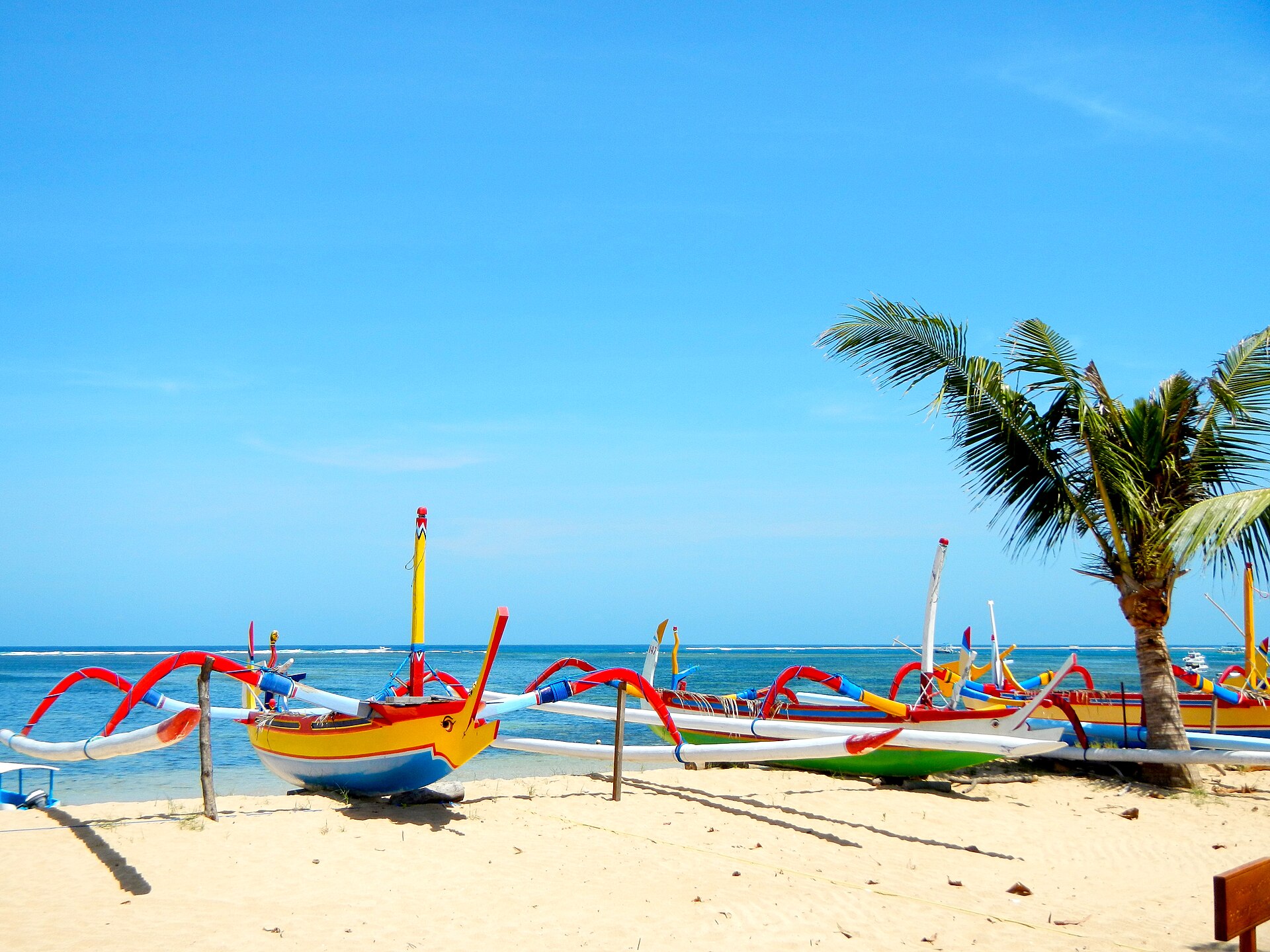
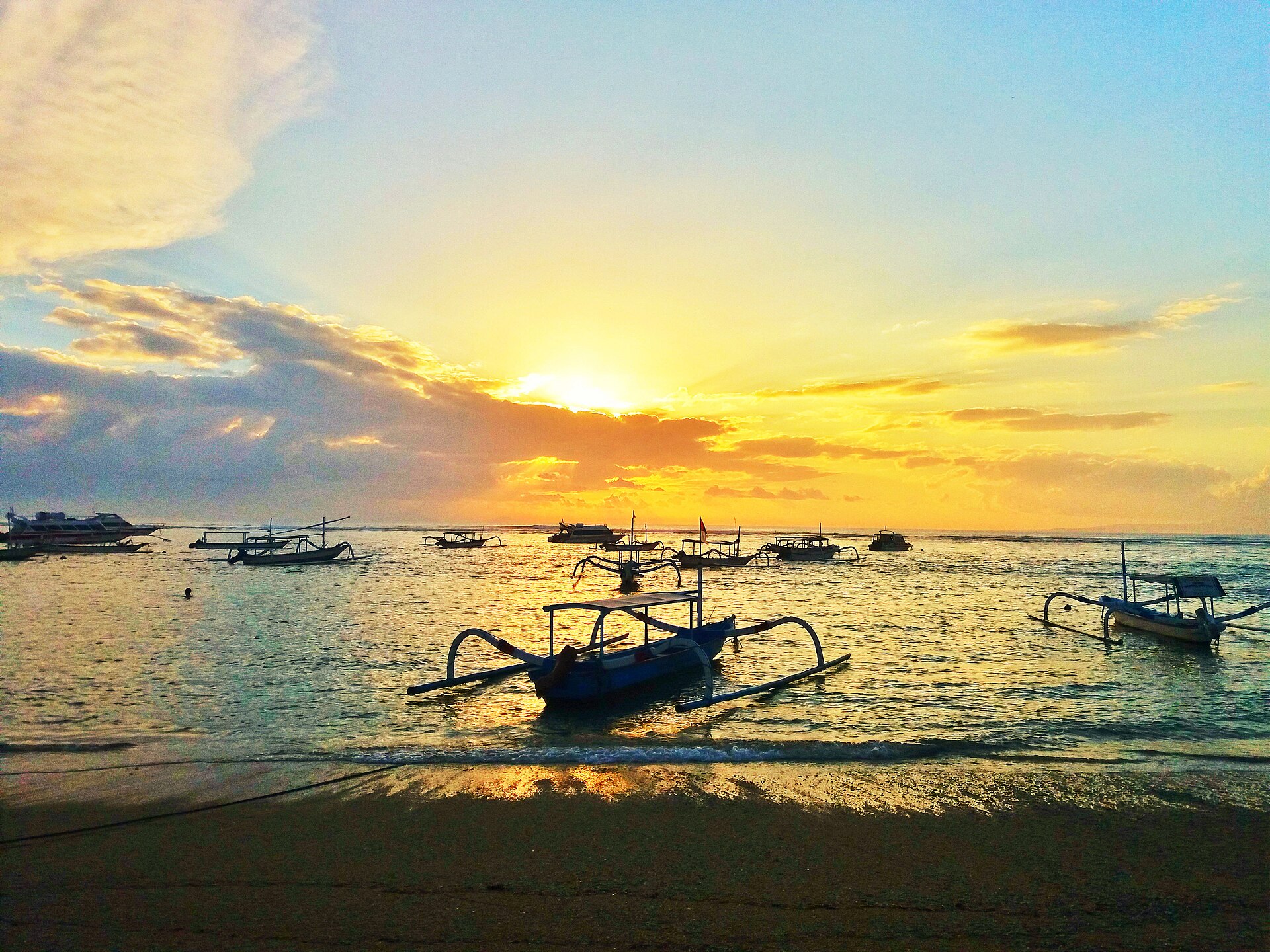
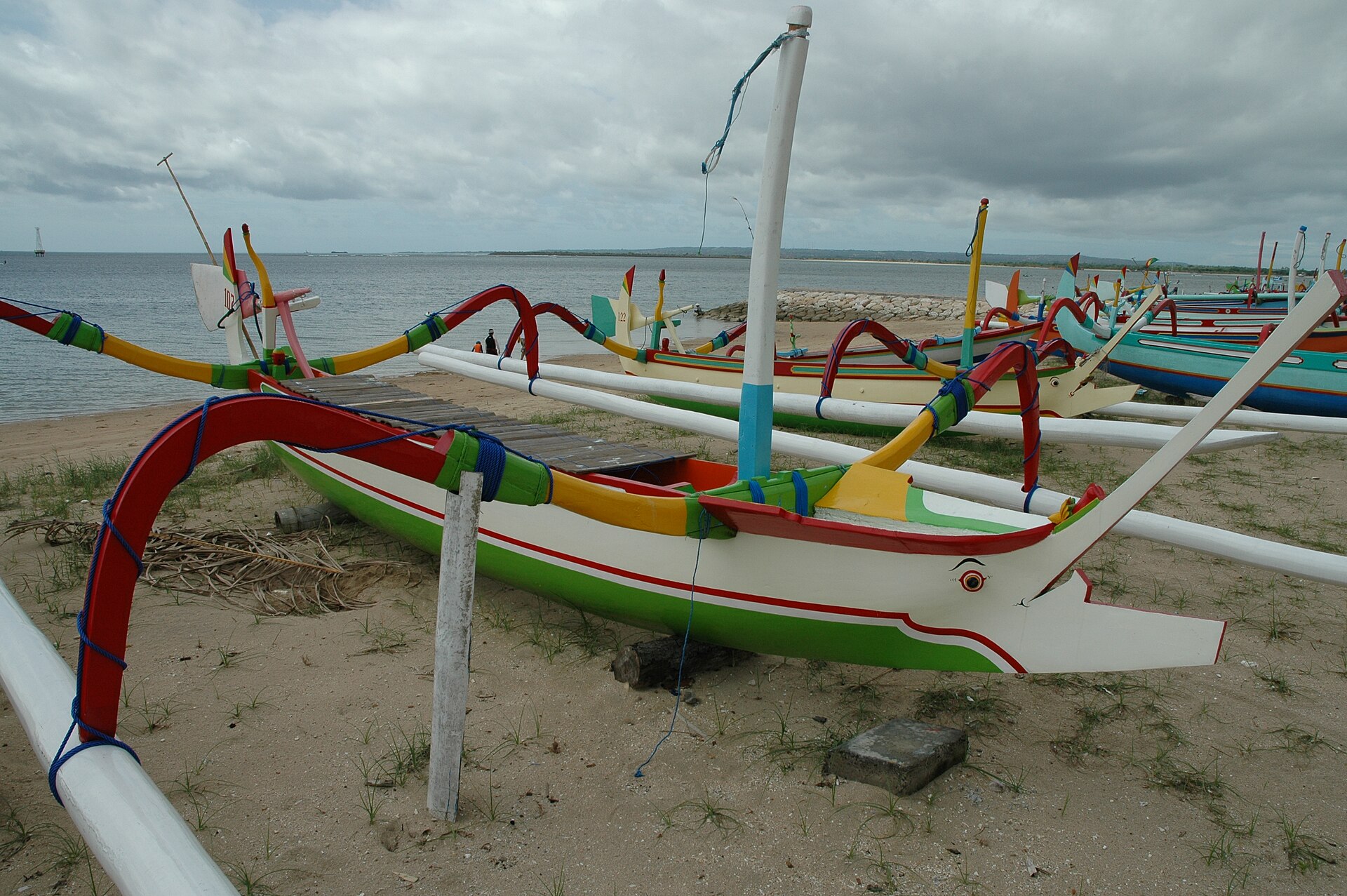
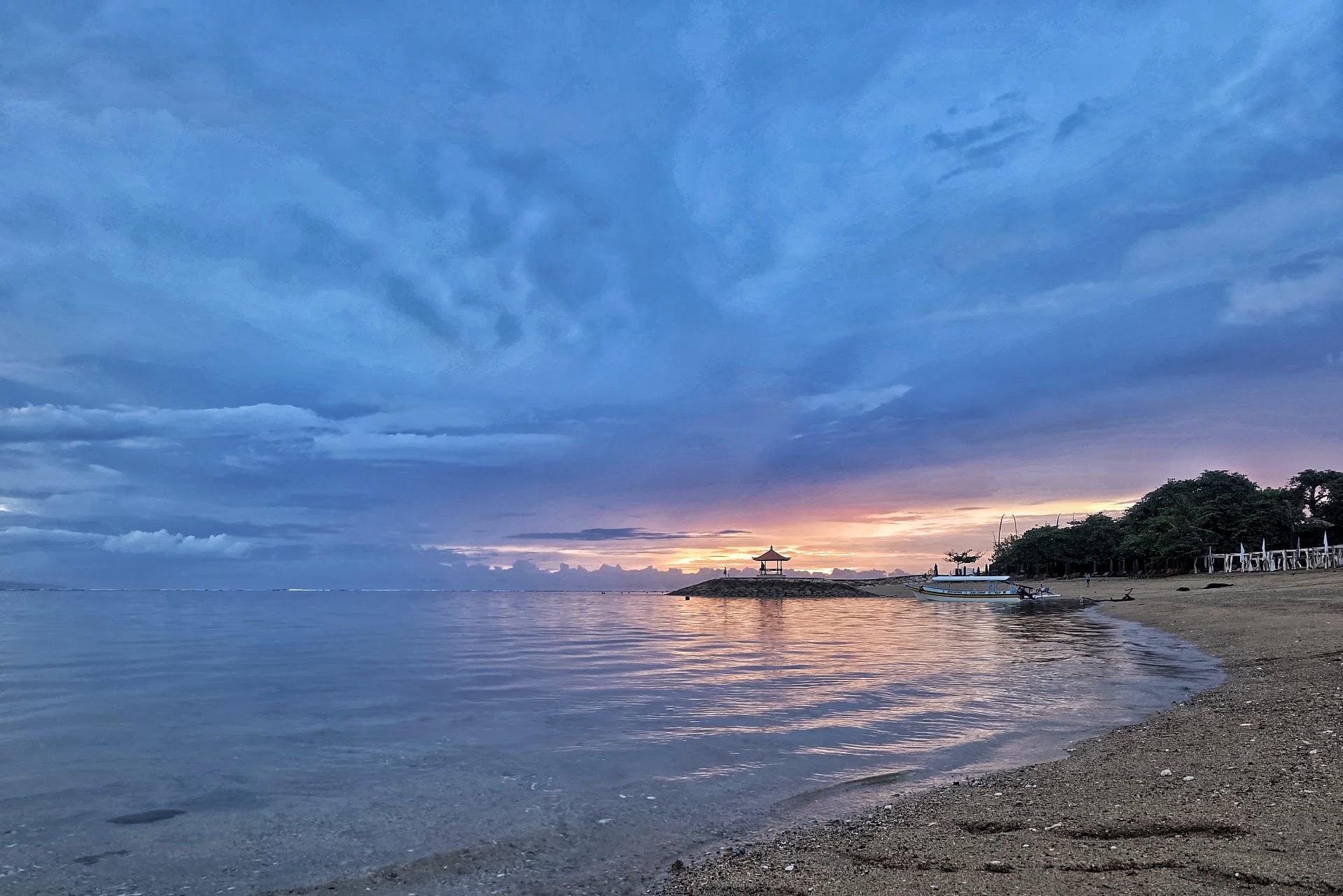
The sun rises over the lagoon, jukungs (traditional narrow outrigger fishing boats with sails) sit at anchor near the shore, and Sanur, Bali tempts you with the kind of mornings that make an early alarm worth it. A few hours later, though, the water can pull back a long way and expose seagrass and rocks, because here the tide decides when you swim, not your plans.
Sanur is a quiet coastal district of Denpasar in southeast Bali. Its sleepy pace has earned it the nickname “Snore”, but families and older travellers love the slower rhythm, and the harbour makes island hopping easy. I’ve put together 21 tips on what to see and do, including advice on when to swim, where to stay and when to go. You’ll also find out how to catch a boat to Nusa Penida and Lembongan.
The sand here is less white than on the Bukit Peninsula or on Lembongan. Don’t expect clubs, either: your evening probably won’t end with dancing until sunrise. If you’d rather take a stroll along the water than head to yet another night out, the local pace will most likely suit you. Just don’t count on being able to swim at any time of day.
Quick Summary
- East coast of Bali: the lagoon is sheltered by a reef about 1 km offshore, but strong currents run beyond it.
- Swim at high tide: according to a computational tide model, the tidal range around the new and full moon can reach roughly 2.5 m.
- Sanur Harbour: the crossing to Nusa Penida and Lembongan takes around 30–45 min.
- From the airport, allow a typical 30–45 min by car, depending on traffic and where your hotel is.
- When to go: May–June and September–October, or June–September for kitesurfing.
- Nyepi (Balinese Day of Silence) on 8 March 2027: from 6:00 you can’t leave your hotel for 24 hours, and the airport and beaches will be closed.
- Bali tourist levy: IDR 150,000 (Indonesian rupiah) per person, about €7.
- Where to stay: the north for the harbour, the centre for restaurants, the south for a quieter stay.
The full destination guide: Indonesia — guide and what to see
Who Sanur, Bali Suits and How It’s Laid Out
Families with kids and older travellers will appreciate the pram-friendly promenade and the shallow lagoon, but swimming depends on the tide and children need supervision. Sanur also works well as a base for boat trips if you don’t want to cross half of Bali before every departure. For nightlife and whiter sand, head elsewhere: there are fewer beach clubs, and advanced surfing only works seasonally out on the reef, not in the lagoon.
Six beaches from north to south will help you get your bearings when choosing a hotel. Matahari Terbit sits right next to the harbour, while Segara Ayu tends to get busier at weekends. Sindhu belongs to the livelier centre, with a night market nearby, and Karang draws people in with its gazebos and paddleboarding. Semawang combines calm with fishing jukungs, and the southernmost, Mertasari, has a more local feel and attracts kitesurfers in season.
| Area | Beaches | What you’ll find there |
|---|---|---|
| North | Matahari Terbit, Segara Ayu | The harbour, Le Mayeur Museum, The Meru Sanur hotel (for anyone catching a morning boat) |
| Centre | Sindhu, Karang | Restaurants and the Sindhu night market (for anyone who wants to walk to dinner) |
| South | Semawang, Mertasari | Calm among the jukungs, seasonal kitesurfing (for a quieter stay and kitesurfers) |
Choose your hotel based on whether you’d rather be close to dinner or to the morning boat. The coastal path from the harbour to Mertasari is roughly 6 km long, so an address that just says “Sanur” doesn’t guarantee everything will be right around the corner. For a day trip to Ubud, allow around 45–60 minutes by car, depending on traffic.
If you’re heading to Sanur with kids, our article Flying with Kids will help you prepare for travelling with children, with tips for the flight itself. When choosing a carrier, also take a look at the best airlines for families.
Sanur, Nusa Dua or Canggu?
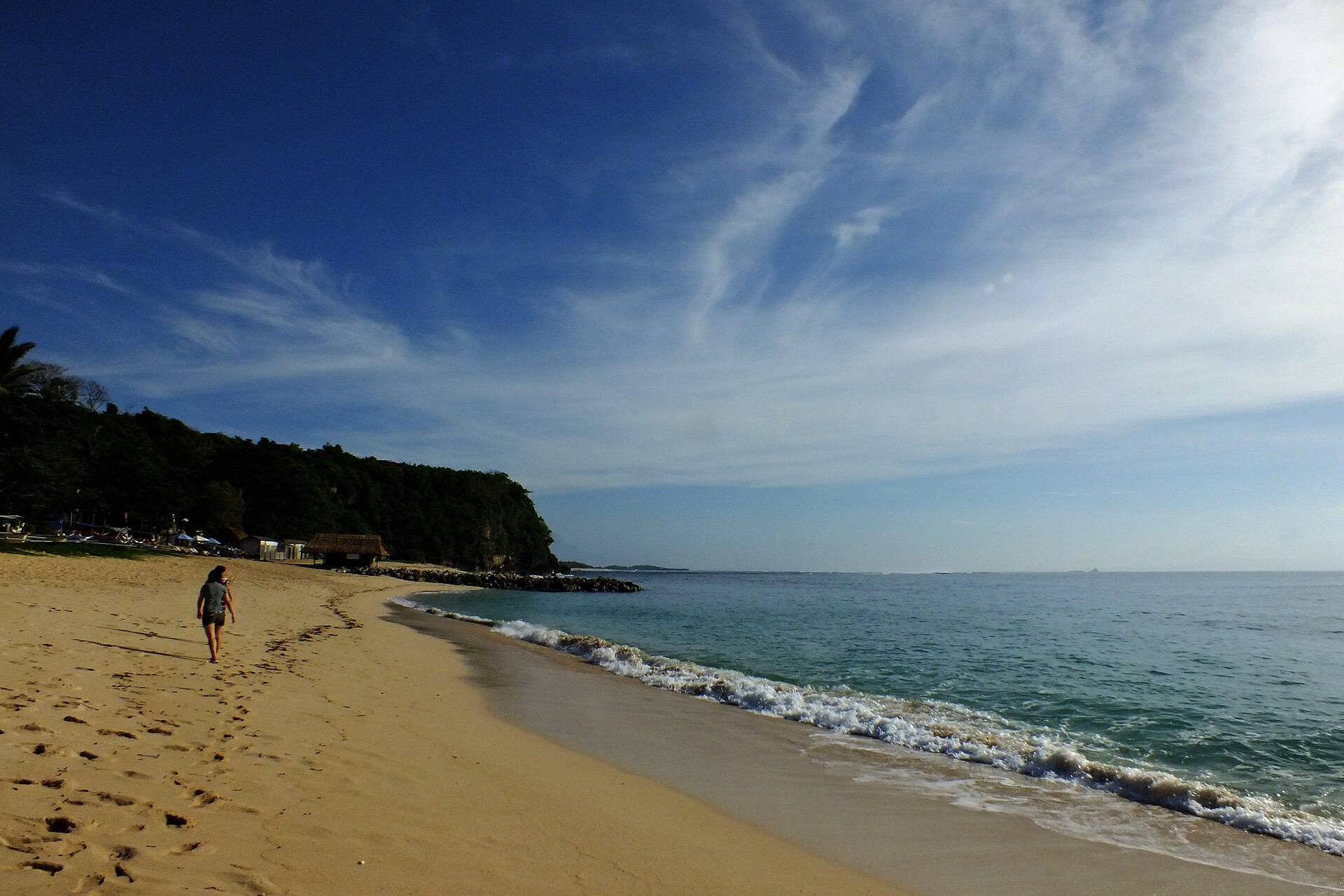
Sanur blends an ordinary coastal neighbourhood with holiday infrastructure, whereas Nusa Dua packs its big resorts into a gated, guarded enclave. You’ll find a short section on Nusa Dua in our guide to Uluwatu if what you’re really after is a resort holiday on a manicured beach. Canggu is a better fit for surf lovers and anyone who wants evening buzz, and who doesn’t mind the open ocean or the traffic jams.
| Sanur | Nusa Dua | Canggu | |
|---|---|---|---|
| Vibe | Quiet district with a promenade, warungs (small local eateries) and resorts | Resort area with guarded entrances | Surf, cafés and a busier scene |
| Sea | Shallow lagoon, the water recedes at low tide | Well-kept sandy beaches, gentle entry | Open ocean, waves and currents, washed-up debris (marine litter) December–March |
| Drive from the airport (no traffic) | 18–23 min | approx. 15 min | approx. 28 min |
| Best for | Families, older travellers, island trips | Families, big resorts and all-inclusive | Surfers, nightlife fans |
| Getting around | On foot, by bike, shuttle, harbour | On foot inside, by car outside | Traffic jams, especially on Jl. (Jalan = street) Raya Canggu |
When to Visit Sanur, Bali: Weather by Month
If you’re wondering when to go to Sanur, you’ll most likely get the nicest weather, with the sea at around 28–29 °C and a less crowded promenade, in May to June and September to October. The figures come from modelled weather data for the surrounding area, not from measurements taken in Sanur itself, so treat them as a rough guide. In the table I only list days with heavy rain (10 mm or more).
| Month | Day/night °C | Rain days ≥ 10 mm | Sea °C | Afternoon wind | Note |
|---|---|---|---|---|---|
| January | 29/25 | 12 | 29 | moderate | rain, surf on the reef |
| February | 29/24 | 10 | 30 | light | rain, warm sea |
| March | 30/25 | 8 | 30 | light | rains easing off |
| April | 30/25 | 5 | 30 | light | transition to dry season |
| May | 29/25 | 3 | 29 | moderate | dry, fewer people |
| June | 28/24 | 2 | 29 | strong | kite (28% windy days) |
| July | 28/24 | 2 | 28 | strong | peak kite season (43% of days) |
| August | 28/23 | 0 | 27 | strong | driest, kite (27% of days) |
| September | 28/23 | 2 | 28 | moderate | end of kite season (8% of days) |
| October | 29/24 | 3 | 29 | light | dry, lighter wind |
| November | 30/24 | 7 | 30 | light | rains begin |
| December | 30/25 | 10 | 30 | moderate | warmest sea, rain |
A windy day means an afternoon wind of at least 12 knots (approx. 22 km/h): light wind is below 12 knots, strong wind above it.
July and August bring the driest weather and the wind for kitesurfing, but expect the busiest beaches and, paradoxically, the lowest temperatures, around 27–28 °C. From November to March it rains more often (around 10–12 heavy downpours a month from December to February), but that’s balanced out by the warmest sea and surf season on the reef. On top of that, the sea here washes up less rubbish than on Bali’s west coast. For winter dates, check out our articles on where to go on holiday in February and spring break 2027.
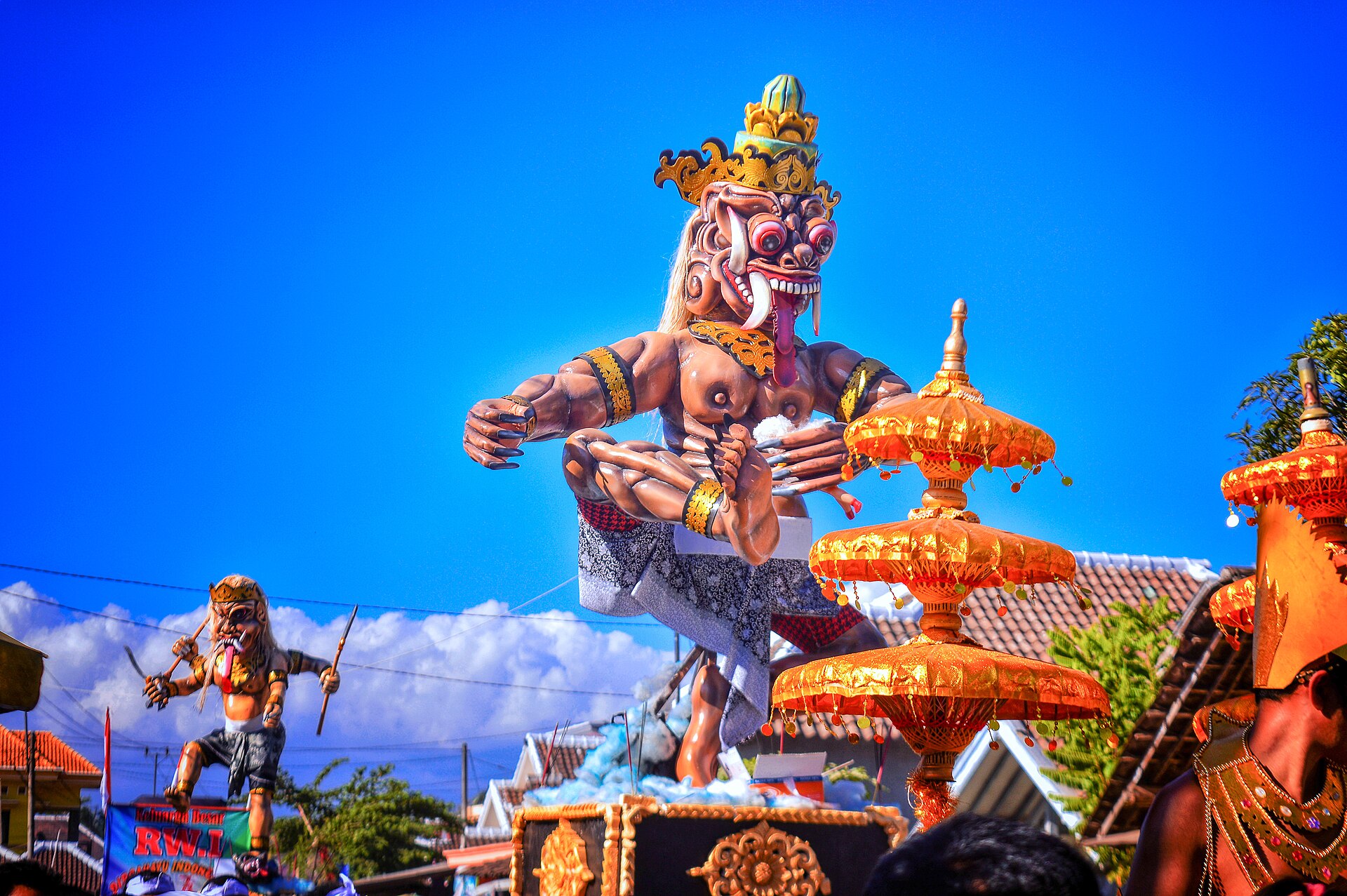
Keep an eye on the 2027 holidays too: Chinese New Year, known locally as Imlek (6 February), and the major Balinese Hindu festivals of Galungan (13 January, 11 August) and Kuningan (23 January, 21 August). Nyepi, the Day of Silence, falls on Monday 8 March 2027, when the airport and beaches close for 24 hours from 6:00 to 6:00 and you won’t set foot outside your hotel. On the evening of 7 March, Sanur is expected to host parades of ogoh-ogoh (giant papier-mâché demon effigies). According to local sources, boats to Nusa Penida stop running as early as the afternoon of 7 March, so double-check your crossing with the operator.
💡 Tip: Two days after Nyepi comes the Muslim holiday of Idul Fitri (the end of Ramadan, 10–11 March 2027), and with it a nationwide extended break (cuti bersama). Between 6 and 15 March 2027, expect higher demand, so book your accommodation and boat tickets well in advance.
Sanur Beaches and Swimming with the Tides
Sanur’s coastline is lined with six beaches along a shallow lagoon, and on a clear day you can reportedly see all the way to Nusa Penida and Mount Rinjani on Lombok. The beaches got their current look thanks to a project by the Japanese development agency JICA, which added around 300,000 m³ of sand between 2000 and 2008 and split the coast into bays with groynes built at right angles to the shore.
When to Swim: High and Low Tide
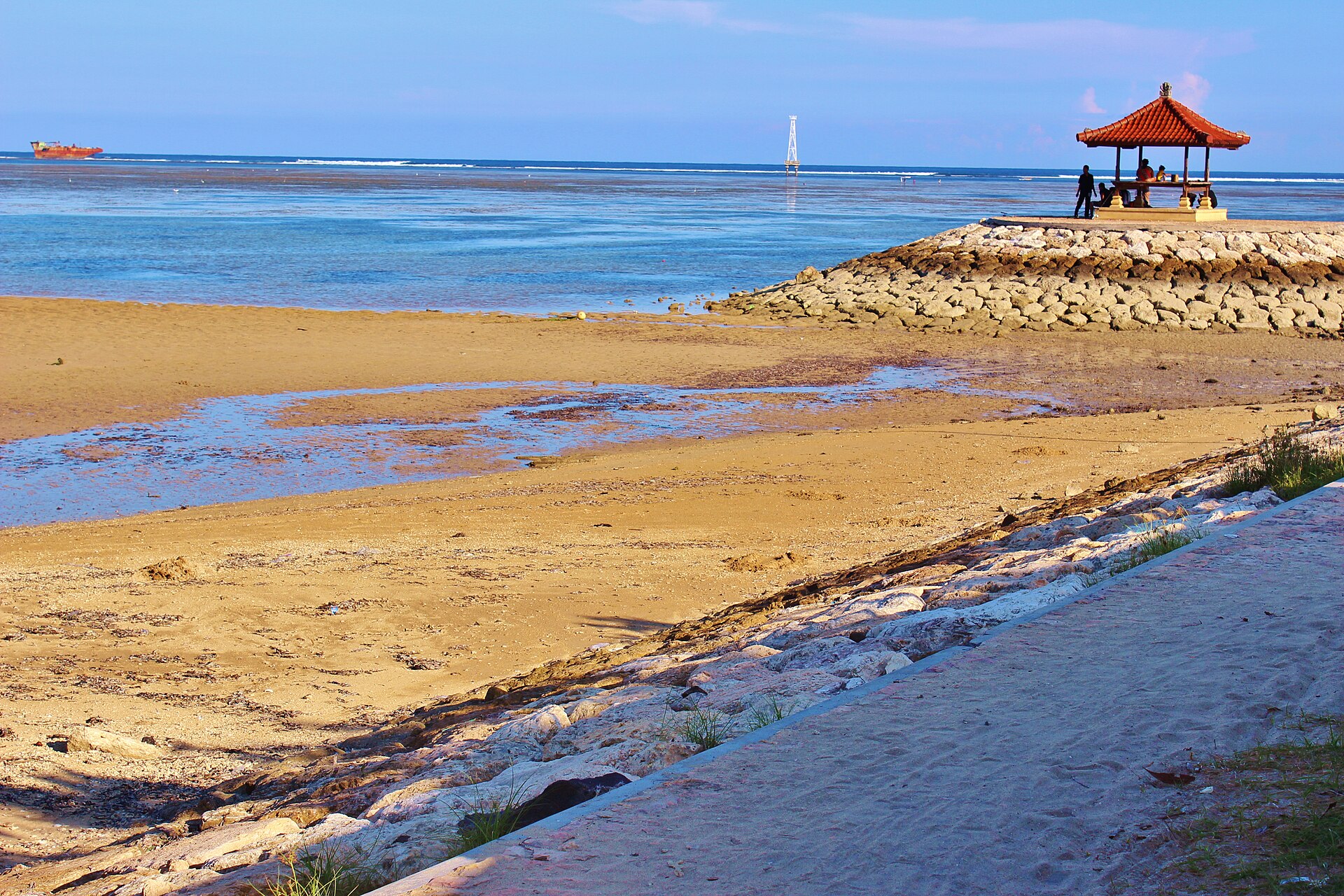
At low tide, plans for a full day of splashing about tend to fall apart, because the sea pulls back a long way and exposes seagrass, rocks and coral 😅. The tide usually turns twice a day here. Around the new and full moon (spring tides), a tidal model puts the difference in water level at 2.4–2.8 m, while in the other weeks it’s only 0.7–1 m. The model is only a rough guide and isn’t good enough for navigation.
During spring tides, the model shows the water dropping as much as 1.1–1.2 m below mean sea level. In the modelled period from 20 October to 14 November 2026, the lowest water came early in the morning and the highest in the evening. The times shift every day, though, so don’t treat a morning low tide as a rule.
Plan your swims for mid to high tide, and don’t count on any beach keeping deep water all day. Pack water shoes for the coral and rocks, and don’t swim out to the reef about a kilometre offshore. Beyond it there are strong currents.
💡 Tip: Before you head out with your towel, check the hourly water level and wave forecast on the official Sanur harbour page run by the Indonesian agency BMKG. The sea probably won’t adjust to your schedule, but you can adjust to the sea.
1. Matahari Terbit and Segara Ayu
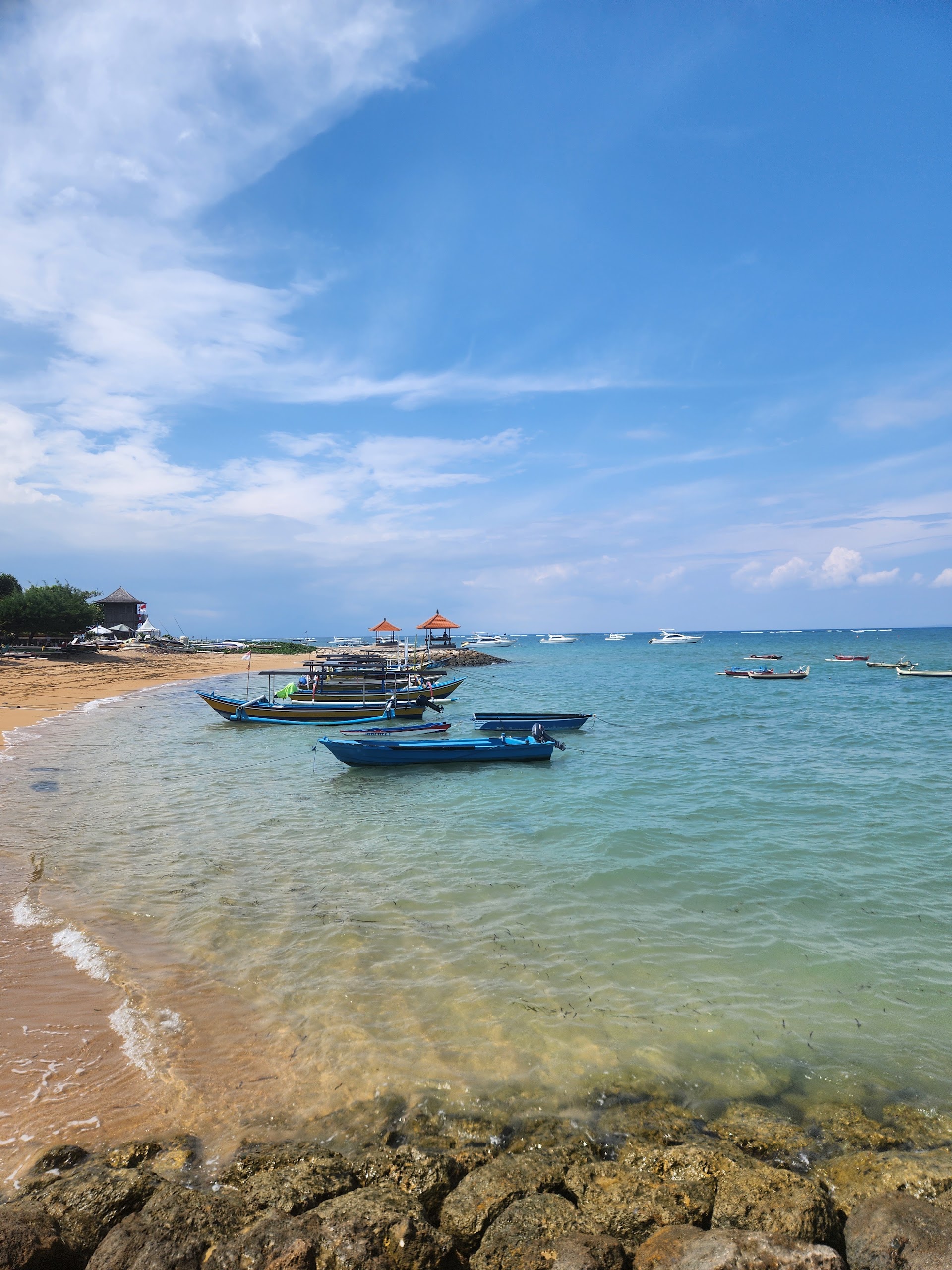
At Matahari Terbit on the northern edge, you can catch the sunrise that earned Sanur its nickname “sunrise beach”. The beach sits right next to the harbour, so it’s handy if you’re catching a morning boat to the islands.
Neighbouring Segara Ayu tends to be packed at weekends, so don’t count on a peaceful stroll there. The northern part works well if you want to stay close to the harbour or the Le Mayeur Museum and you’re also choosing your accommodation based on other day trips.
2. Sindhu
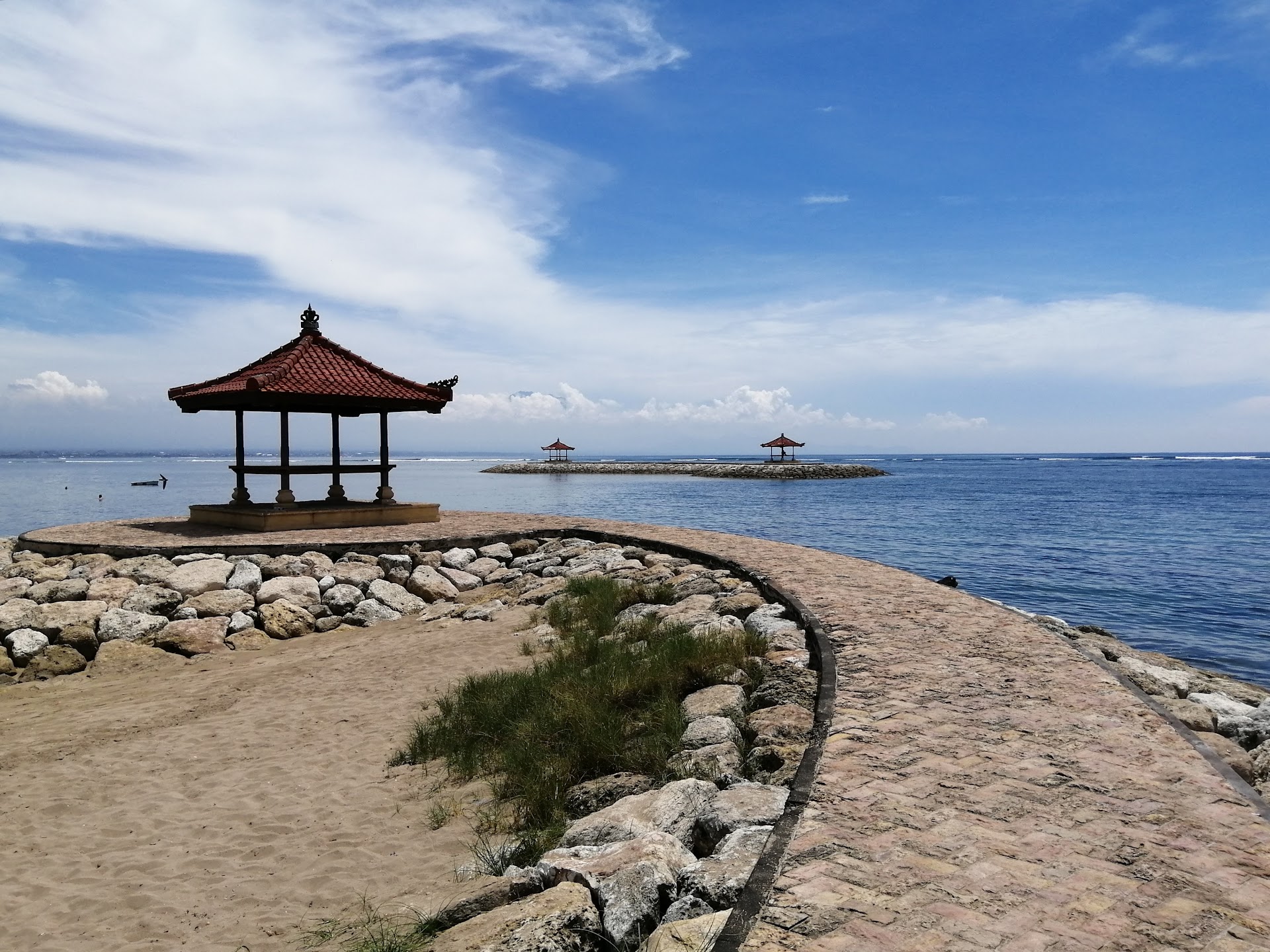
Sindhu is considered the liveliest stretch of the coast, and you can pair a day by the sea with an evening at the nearby Sindhu Night Market. If you want to head out for dinner after your swim without planning another trip, this location could suit you nicely.
Choosing between Sindhu and the south mostly comes down to whether you’re drawn to the buzz of central Sanur or would rather have quieter Semawang.
3. Karang
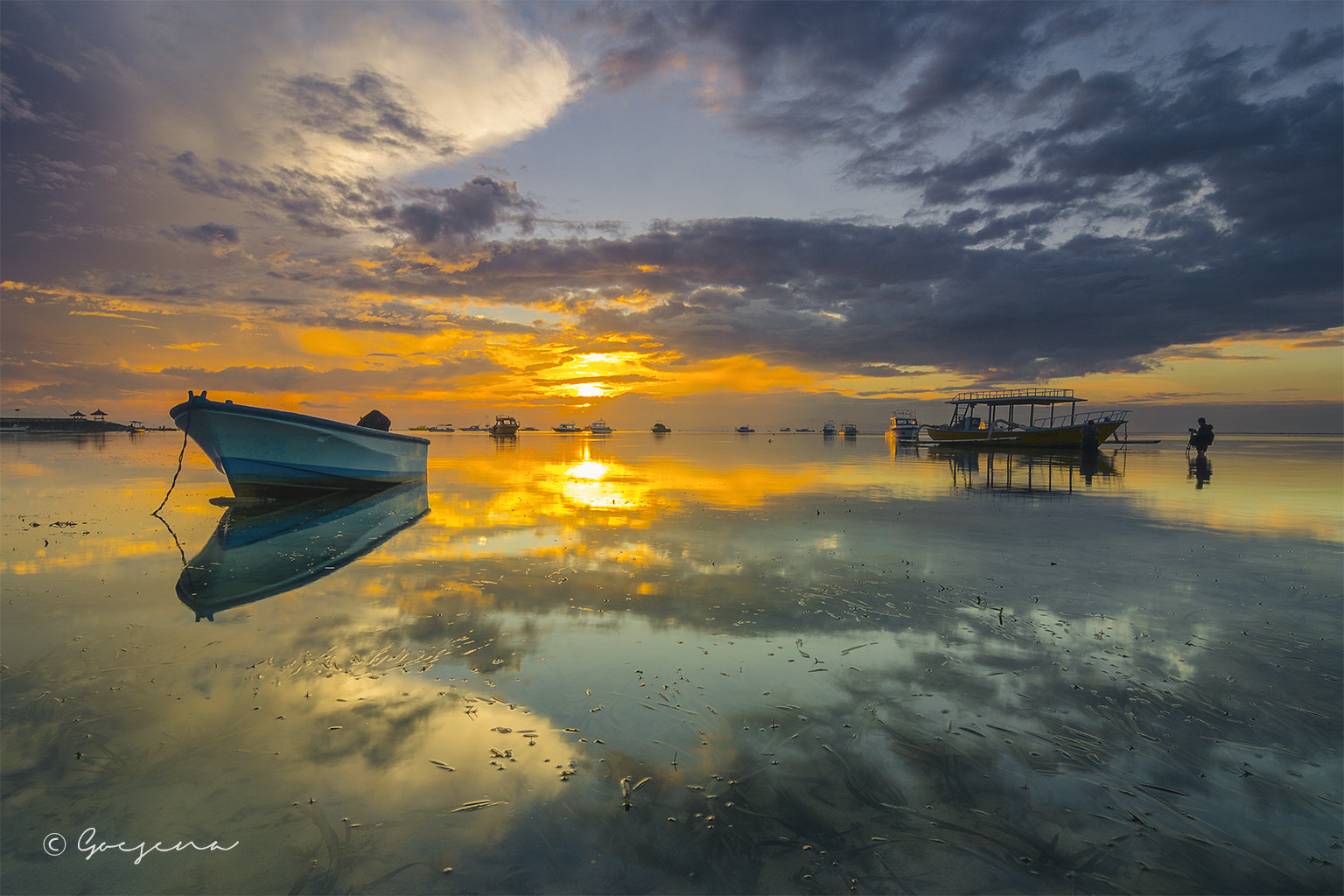
Karang is known for its beachside gazebos, perfect for a breather on a morning walk. During the day, it’s also a good spot for paddleboarding – just time it for when there’s enough water in the lagoon.
If you fancy seeing the coast from the water, note Karang down as your paddleboarding stop.
4. Semawang
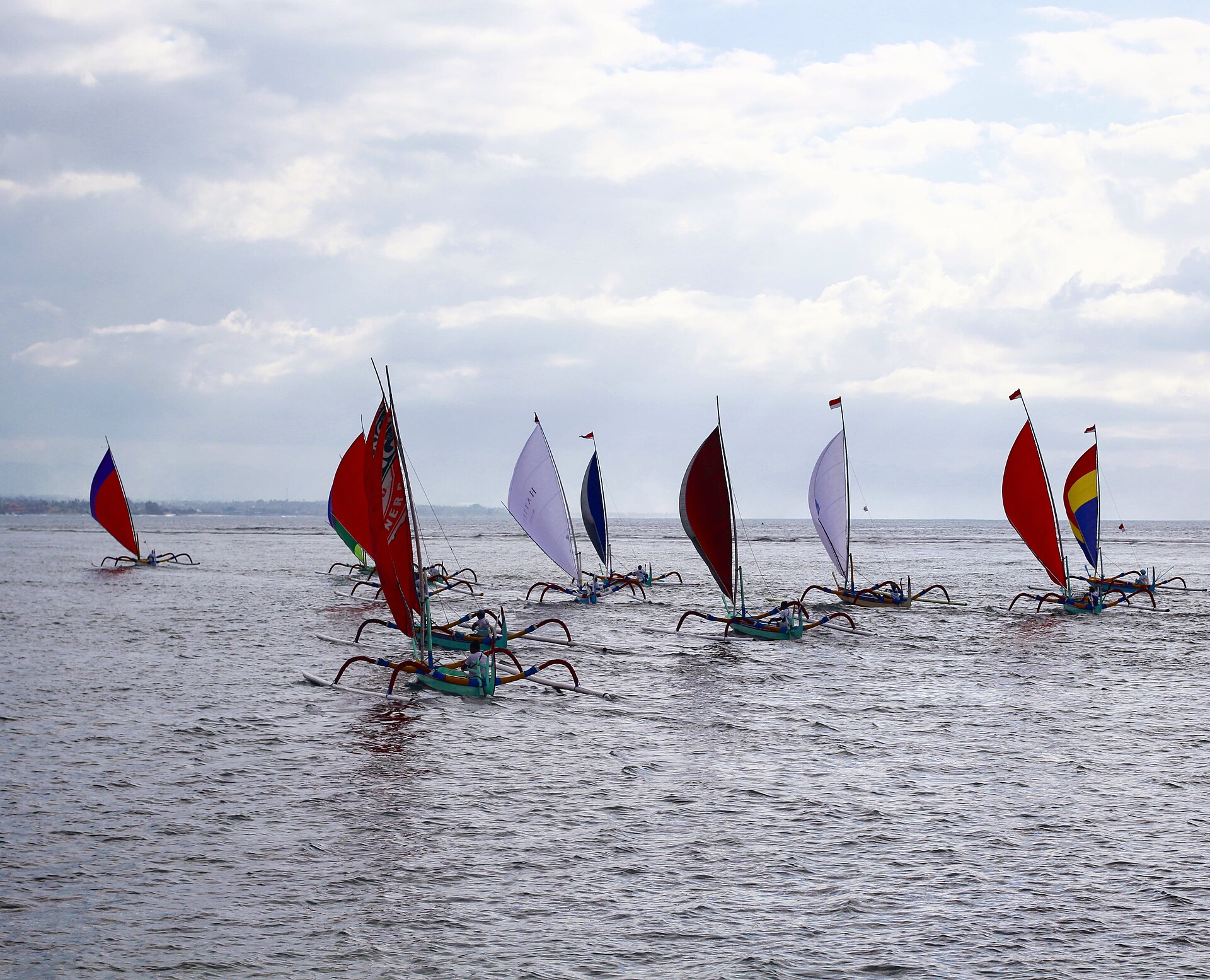
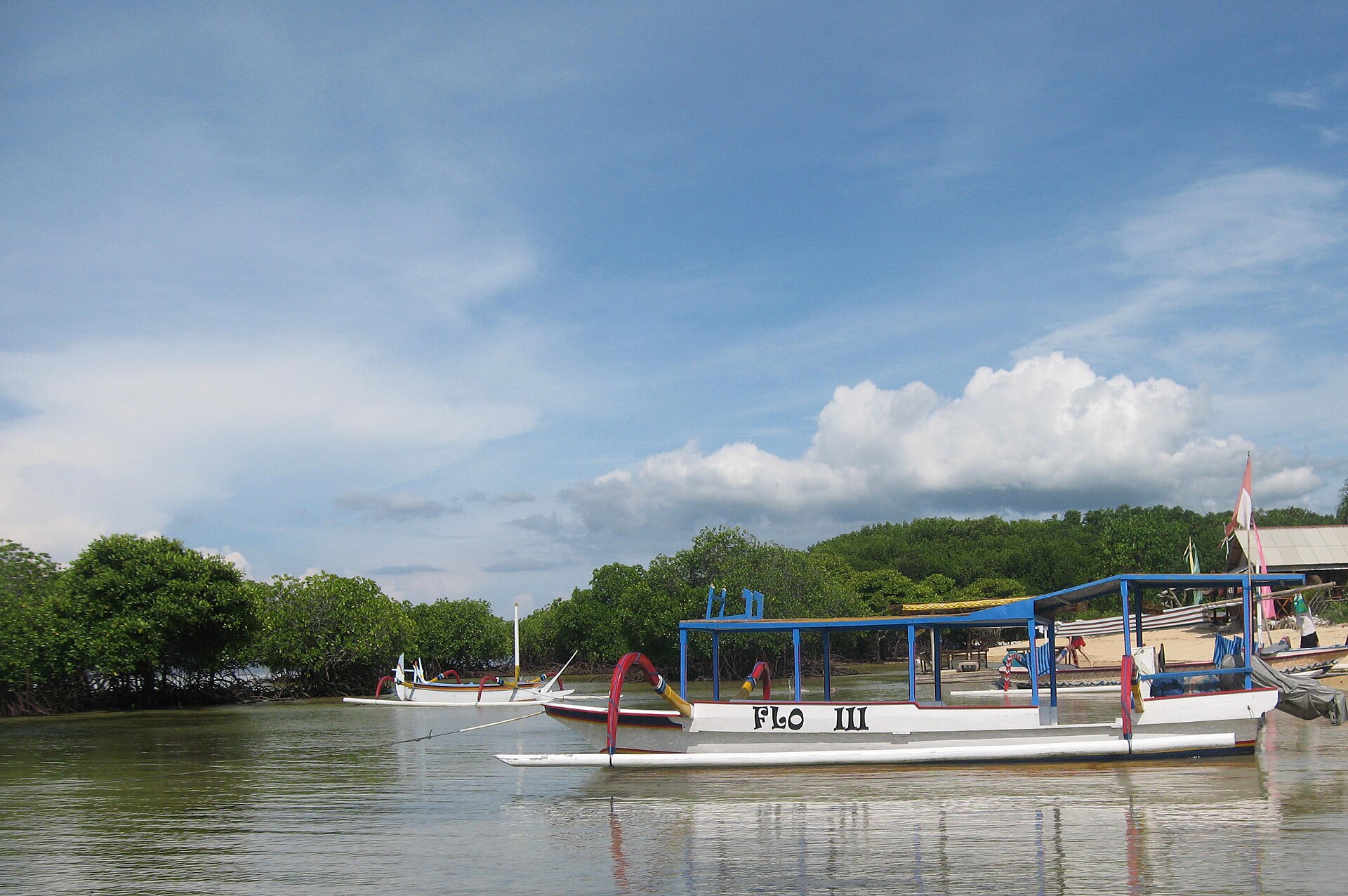
Further south lies quieter Semawang, home to dozens, even hundreds, of jukungs (traditional outrigger boats). It’s these boats that give this part of the coast its fishing-village feel, which makes it a great goal for a walk south.
If the busier centre doesn’t appeal, consider staying in the quiet south and keep Semawang as your spot for unwinding by the shore.
5. Mertasari
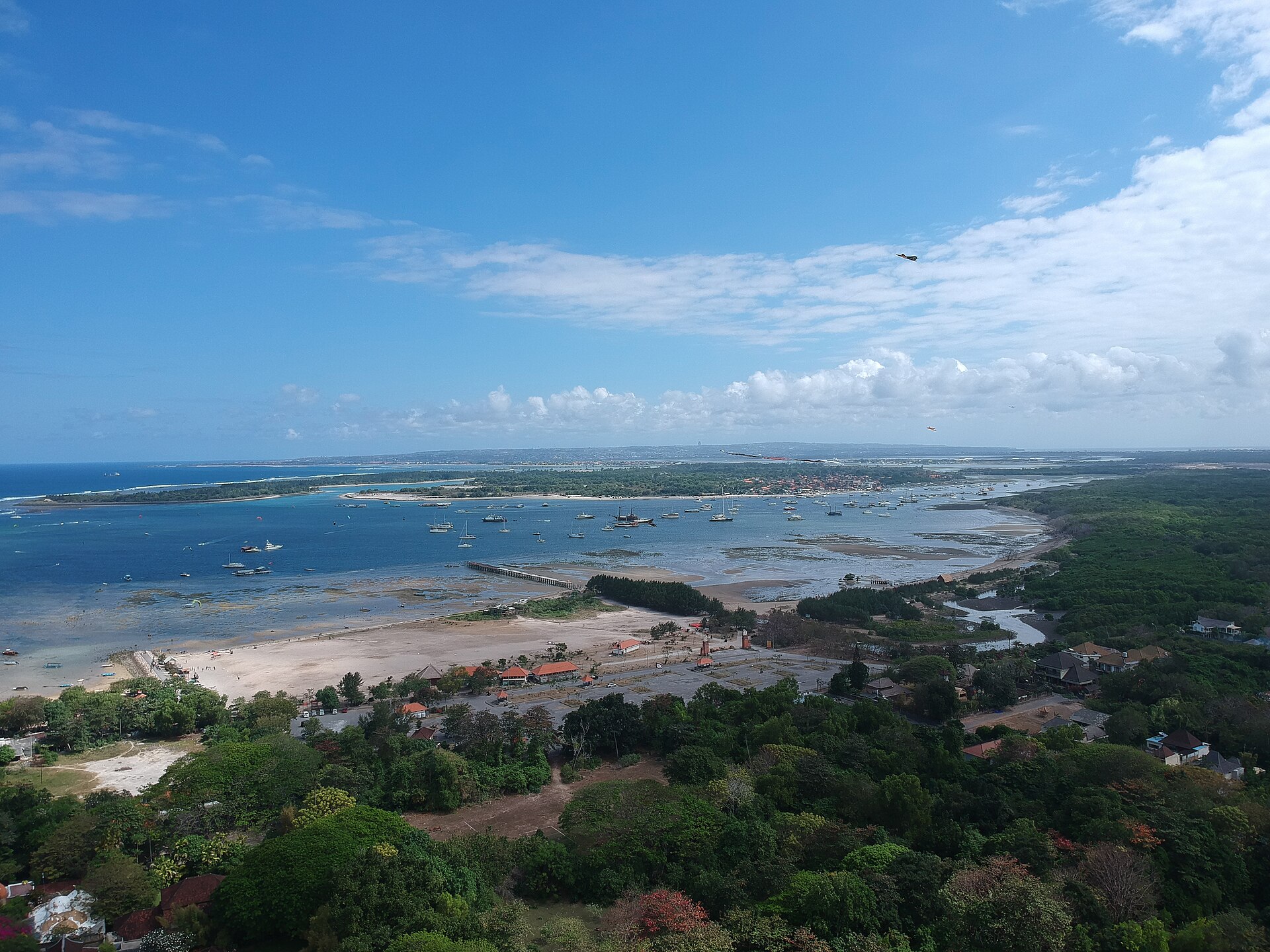
The southernmost beach, Mertasari, is about a 6 km walk from the harbour and has a local atmosphere. The kitesurfing season runs from June to September. From June to August you’ll often spot traditional kites over the coast too, but the kite festival itself takes place in July at Padang Galak in the north (tip 17).
Once you’ve had enough walking, the electric Shuttle Intaran runs between Mertasari and Segara Ayu – you’ll find the details in tip 6.
Things to See and Do in Sanur, Bali
Our rundown of the best things to see and do in Sanur, Bali continues with tips 6–17, from the promenade, museum and night market to water sports and a trip to Serangan Island. There’s no need to cram your schedule to bursting – leave yourself plenty of time to do nothing at all between the sights and rides along the lagoon. The prices in this section are approximate for 2026 (exchange rate: 1,000 IDR ≈ €0.05).
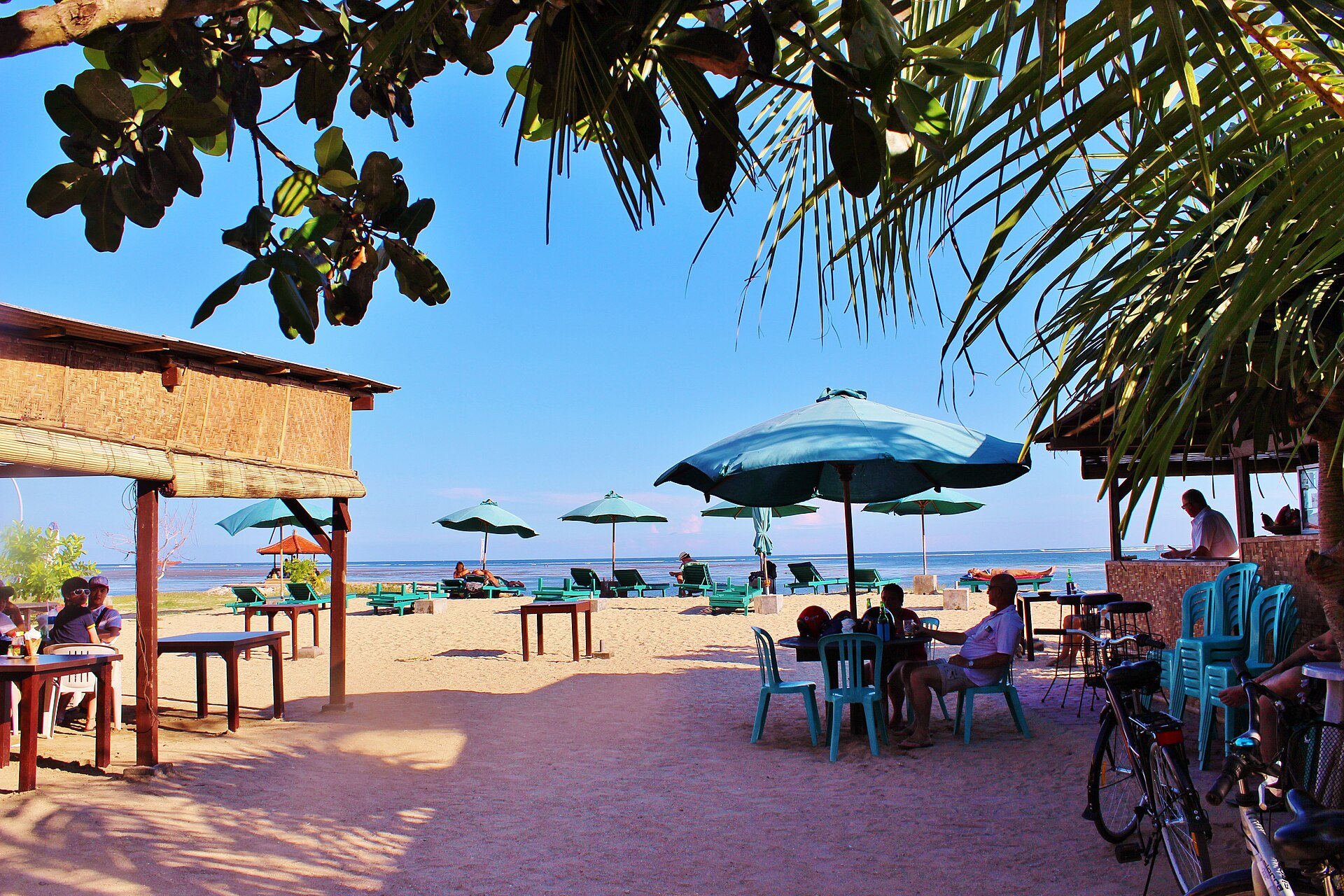
6. The Promenade on Foot and by Bike
The promenade from the harbour to Mertasari is about 6 km long, flat and pram-friendly. Rental shops offer bikes for around 20,000–25,000 IDR/hour (€1–1.20) or 80,000 IDR/day (about €4), but e-bikes are banned from the promenade under a 2023 regulation.
Tired legs can rest on the electric Shuttle Intaran between Mertasari and Segara Ayu, which runs roughly from 6 am to 10 pm every 10–20 minutes for a token fare of about 5,000 IDR (€0.25). Jl. Danau Tamblingan has new pavements, and street parking is no longer allowed, so getting around on foot is much more relaxed.
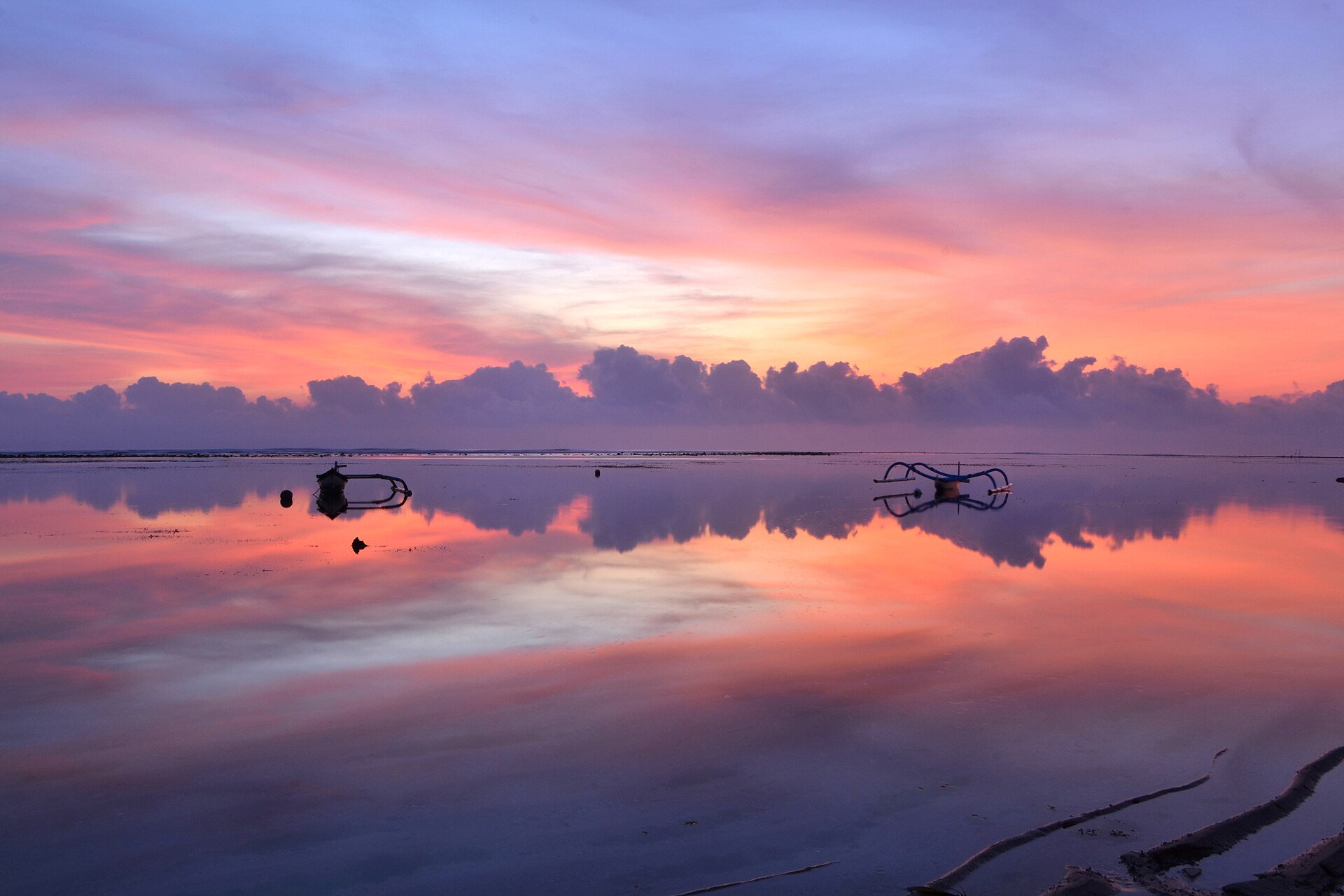
7. Sunrise
Get up early for sunrise at Sindhu or Karang – it’s this morning show that gave the east coast its “sunrise beach” nickname. Your alarm will probably go off before 6 am, but double-check the exact time for your travel dates. On a clear day, Nusa Penida and Rinjani on Lombok appear on the horizon, which makes a pretty convincing case for the early start.
💡 Tip: In autumn 2026, the lowest tide around the new and full moon fell early in the morning. The times shift throughout the year, though, so check the water level forecast before a morning swim.
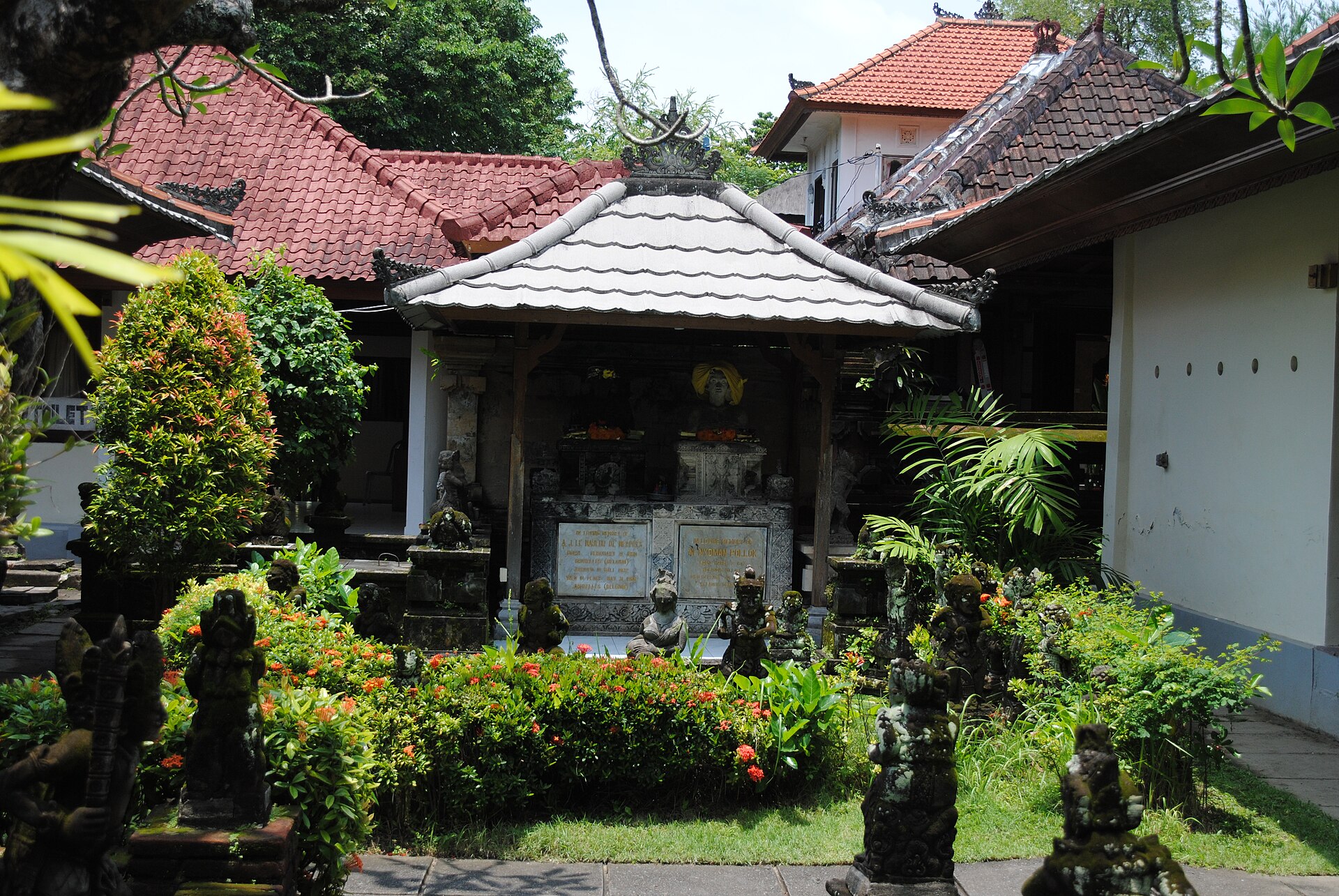
8. Le Mayeur Museum
Right on the beach north of Sindhu (Jl. Hang Tuah) stands the house of painter Adrien-Jean Le Mayeur and his wife, the dancer Ni Pollok. The museum, founded on 28 August 1957, holds 88 works, but on 30 August 2026 Indonesia’s culture minister drew attention to faded paintings (some painted on burlap), so keep your expectations realistic.
The entrance fee is quoted at 50,000–100,000 IDR (about €2.50–5). It’s usually open from late morning until the afternoon, with shorter hours on Fridays, so it’s best to confirm the times and exact price on the spot. It’s easy to combine with a walk along the northern coast.
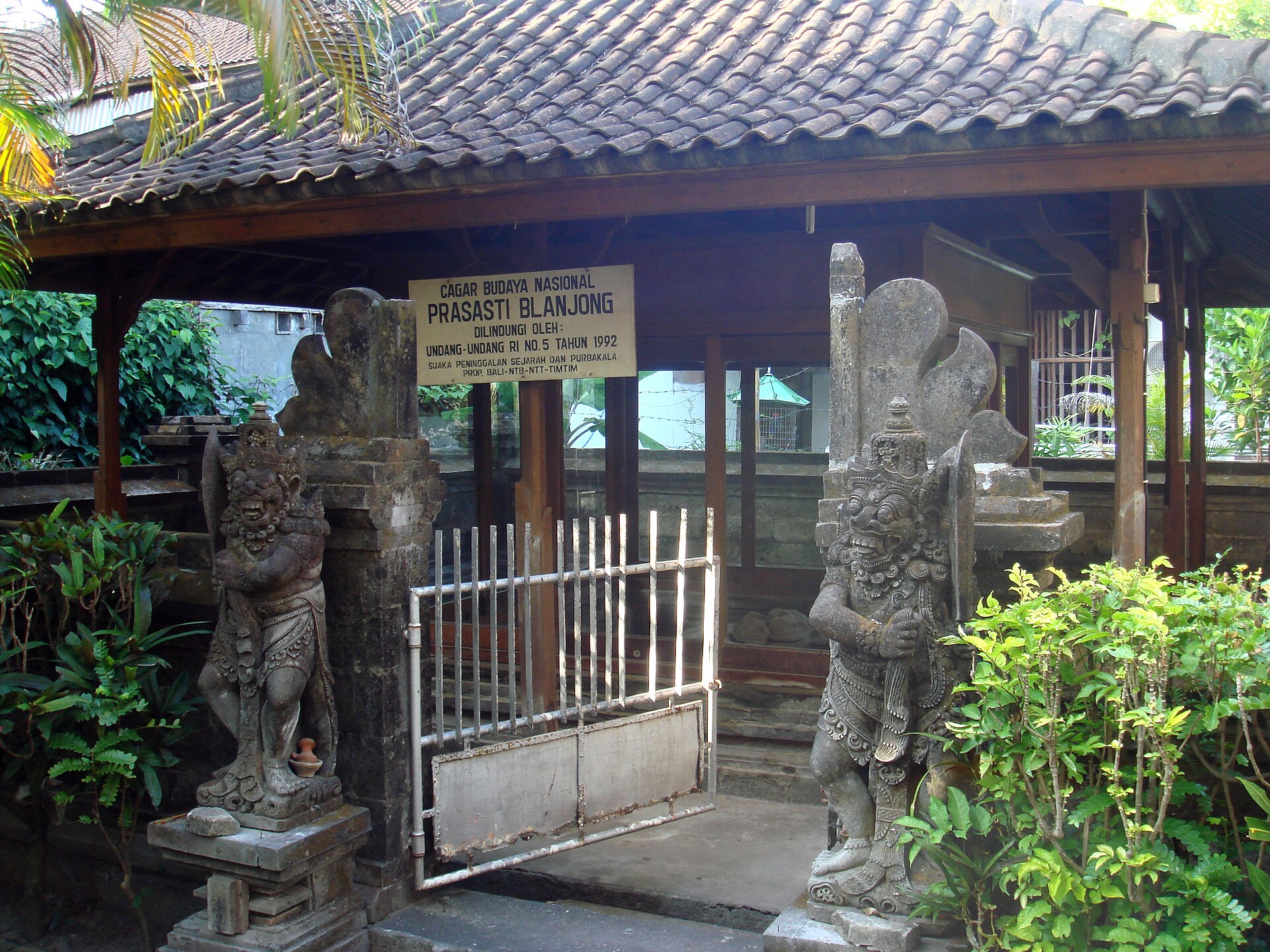
9. Pura Blanjong and the Pillar from 914
In southern Sanur on Jl. Danau Poso, you’ll find the Pura Blanjong temple and a 177 cm andesite pillar, discovered in 1932. Its inscription in Sanskrit and Old Balinese, dated 4 February 914 AD, mentions King Sri Kesari Warmadewa and is one of the oldest dated inscriptions on Bali.
It’s more of a quick stop for history lovers than a long outing, but it fits nicely into a wander around southern Sanur. For the temple, bring appropriate clothing and a sarong.
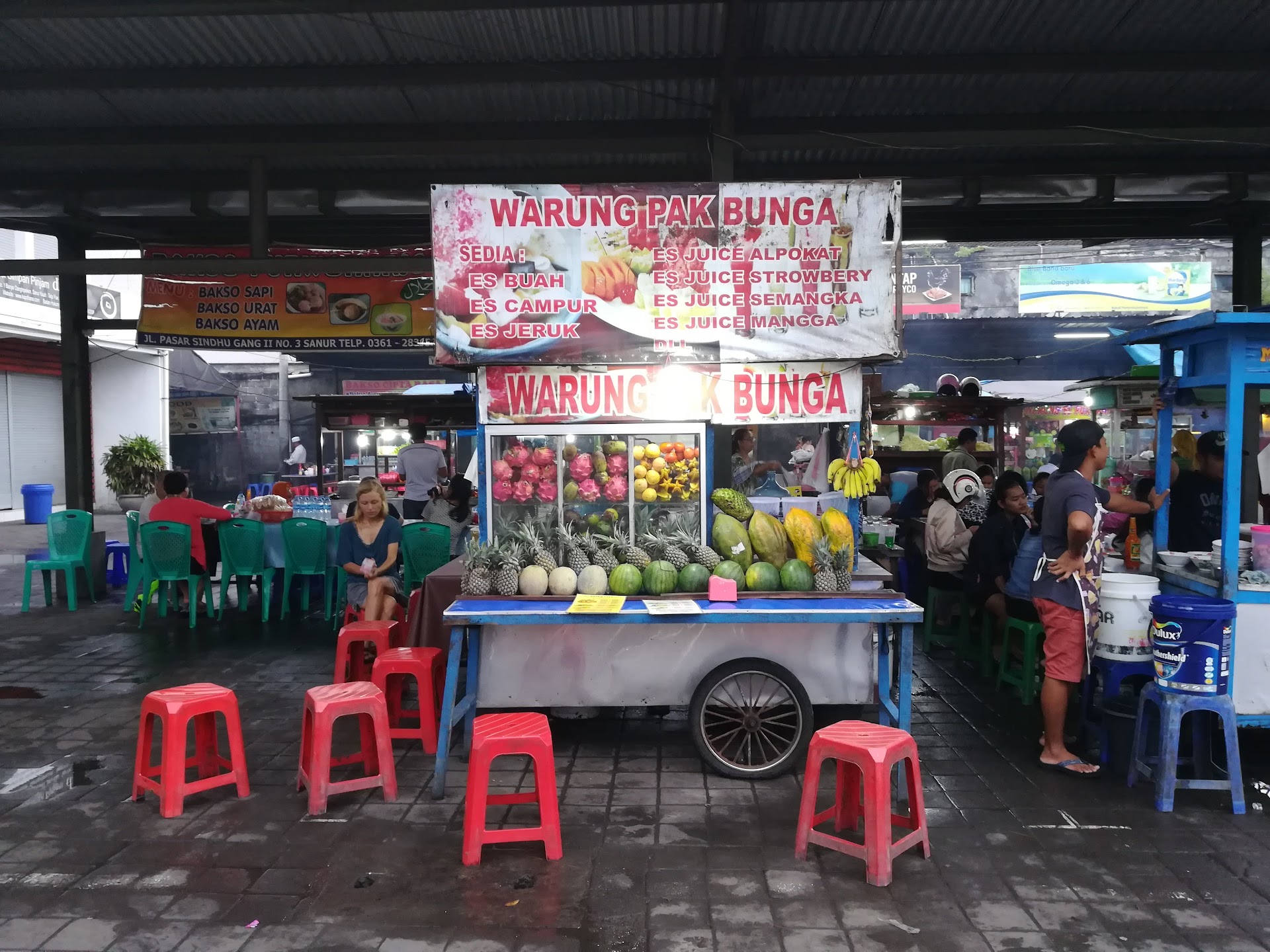
10. Sindhu Night Market
While Jl. Pasar hosts a traditional market in the morning, in the evening it comes alive as the Sindhu Night Market, open daily from roughly 5 pm to 10 pm (sometimes shifted by an hour). Dinner here costs 25,000–50,000 IDR (about €1.20–2.50), but bring cash, as that’s how you pay here.
Vegetarians will love martabak manis (a sweet stuffed pancake), gado-gado (vegetable salad with peanut sauce), tempeh and tofu. Ask whether a dish contains terasi (the Indonesian word for shrimp paste), which sometimes sneaks into vegetable dishes too – vegetables alone don’t guarantee a meat-free dinner.
11. Kitesurfing
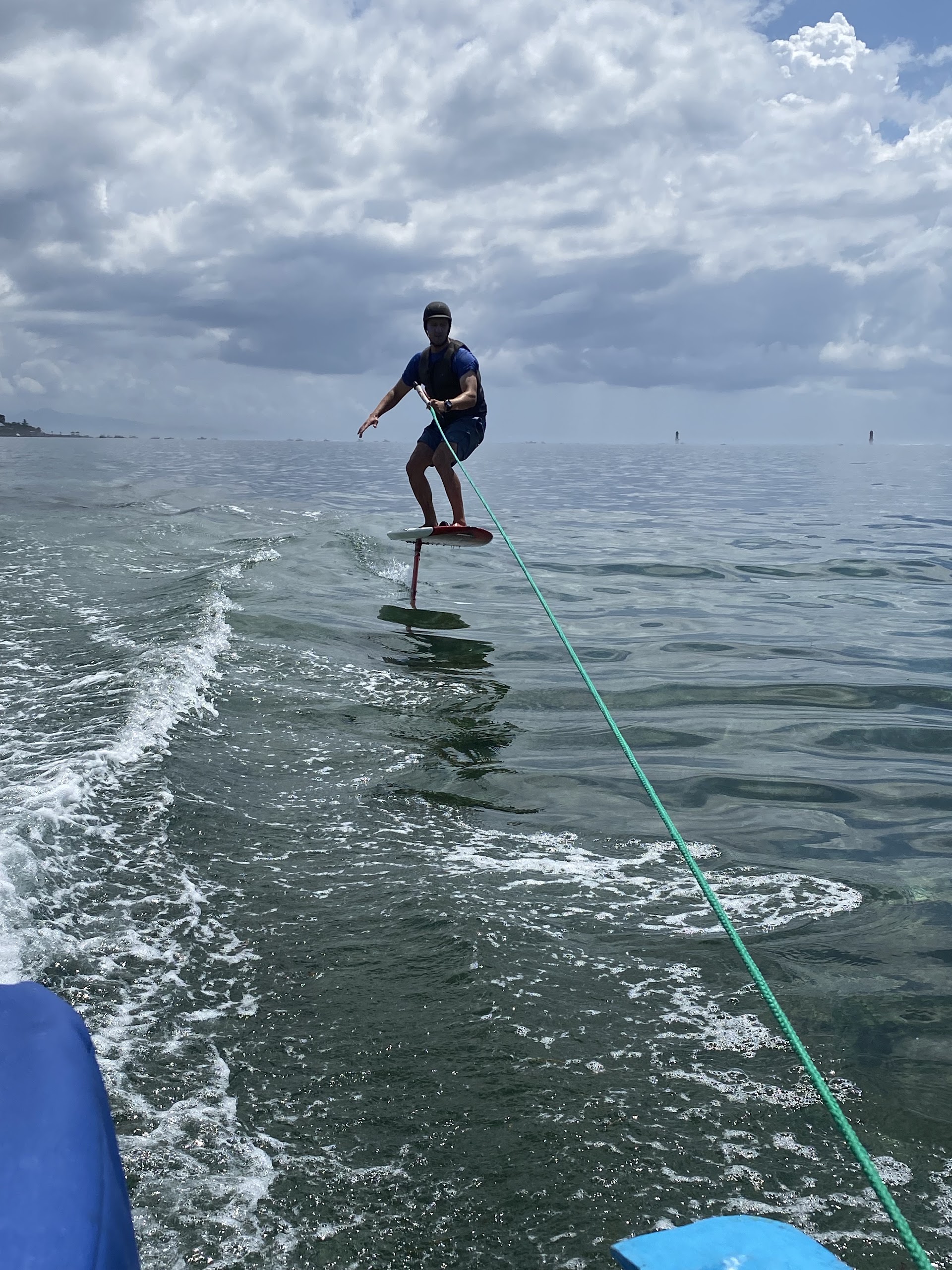
The kites over the lagoon may look tempting, but come for kitesurfing between June and September, with the best chance of wind in July. An afternoon wind of at least 12 knots (about 22 km/h) blows on 43% of July days (28% in June, 27% in August), while from November to April it’s only 1–15%. Enthusiasm alone won’t summon the wind here.
Look for schools at Mertasari and Duyung beaches and on Jl. Kusuma Sari, such as Kitesurfing School Bali or Froggy Kite Surf School, where you can check lesson prices directly. There are strong currents beyond the reef, so follow your instructor’s directions during lessons and don’t underestimate the conditions.
12. Reef Surfing and Paddleboarding
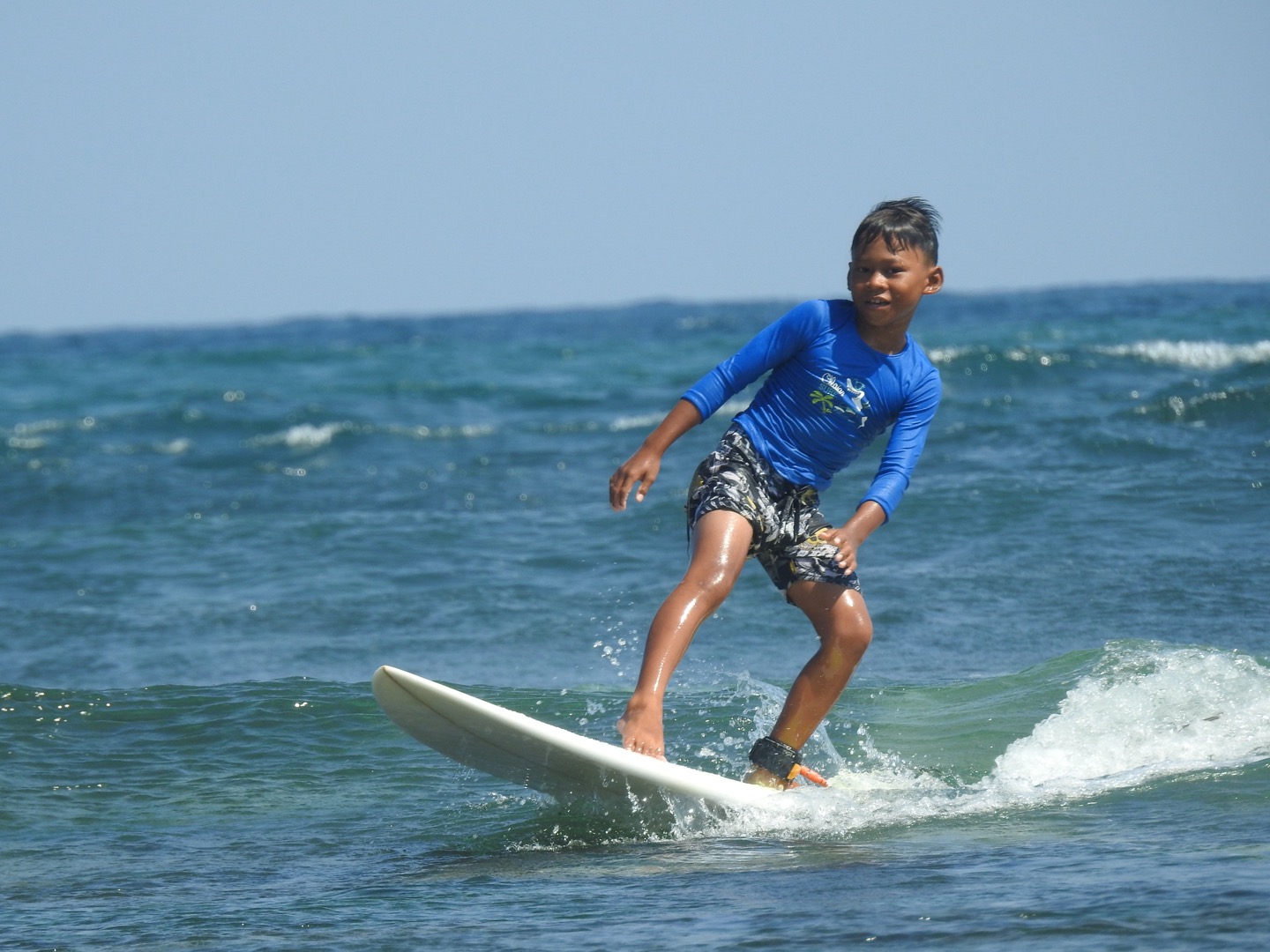
Sanur Reef, Serangan and Baby Reef are for experienced surfers, who come here in the rainy season (roughly October–March), when the morning wind blows offshore. Don’t confuse the reef waves with beginner fun in the lagoon, and talk the conditions through with a school beforehand.
Sanur Surf School operates at Mertasari, while Rip Curl School of Surf is based at the Prama Sanur Beach hotel. According to the Sanur Surf website, a package of three two-hour private lessons costs 2,100,000 IDR in total (about €100). On a paddleboard, stay in the lagoon when there’s enough water, keep an eye on the tide and wind, and don’t go near the reef.
13. Snorkelling and Diving
Snorkelling right in Sanur is usually average, but it’ll probably do for a first go with a mask. If the underwater world appeals to you more than a dip in the lagoon, consider a boat trip to Penida, for example to Manta Bay or Crystal Bay – it’s best not to expect miracles off Sanur’s beach.
The currents around Penida are no joke, so keep an eye on conditions when planning and follow your guide’s instructions. Clifftop viewpoints (such as Kelingking) carry a different kind of risk – find out more in our article on safety on Penida.
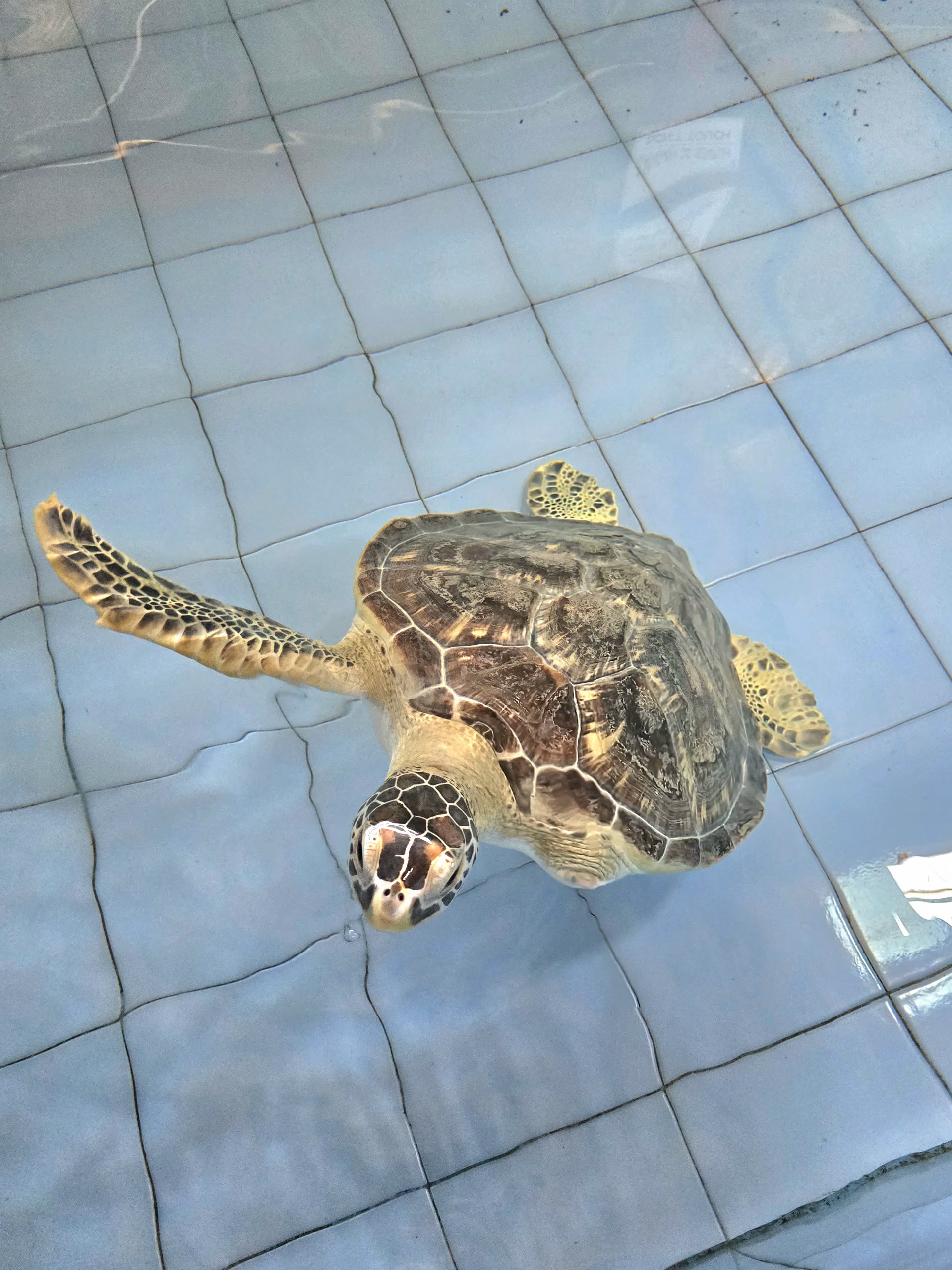
14. Serangan Turtle Centre and Pura Sakenan
The Turtle Conservation and Education Center (TCEC) on Jl. Tukad Punggawa cares for injured turtles and releases hatchlings after about a month. It runs on donations and entry is free or by voluntary contribution, though some conservationists criticise the practice of releasing hatchlings in exchange for a donation (an “adoption”). A good sign is when a centre releases its turtles rather than keeping them for photos – ask the staff about it.
Don’t confuse it with the “turtle farms” in Tanjung Benoa (a peninsula in southern Bali), where turtles are kept in tanks and handled for photos. According to the maps, it’s open Mon, Tue, Thu and Fri 9 am–4 pm and Sat 9 am–2 pm, closed on Wednesdays and Sundays – see the centre’s official website for details. Serangan Island is connected to Bali by a bridge and is home to Pura Sakenan, one of the most important temples in the south.
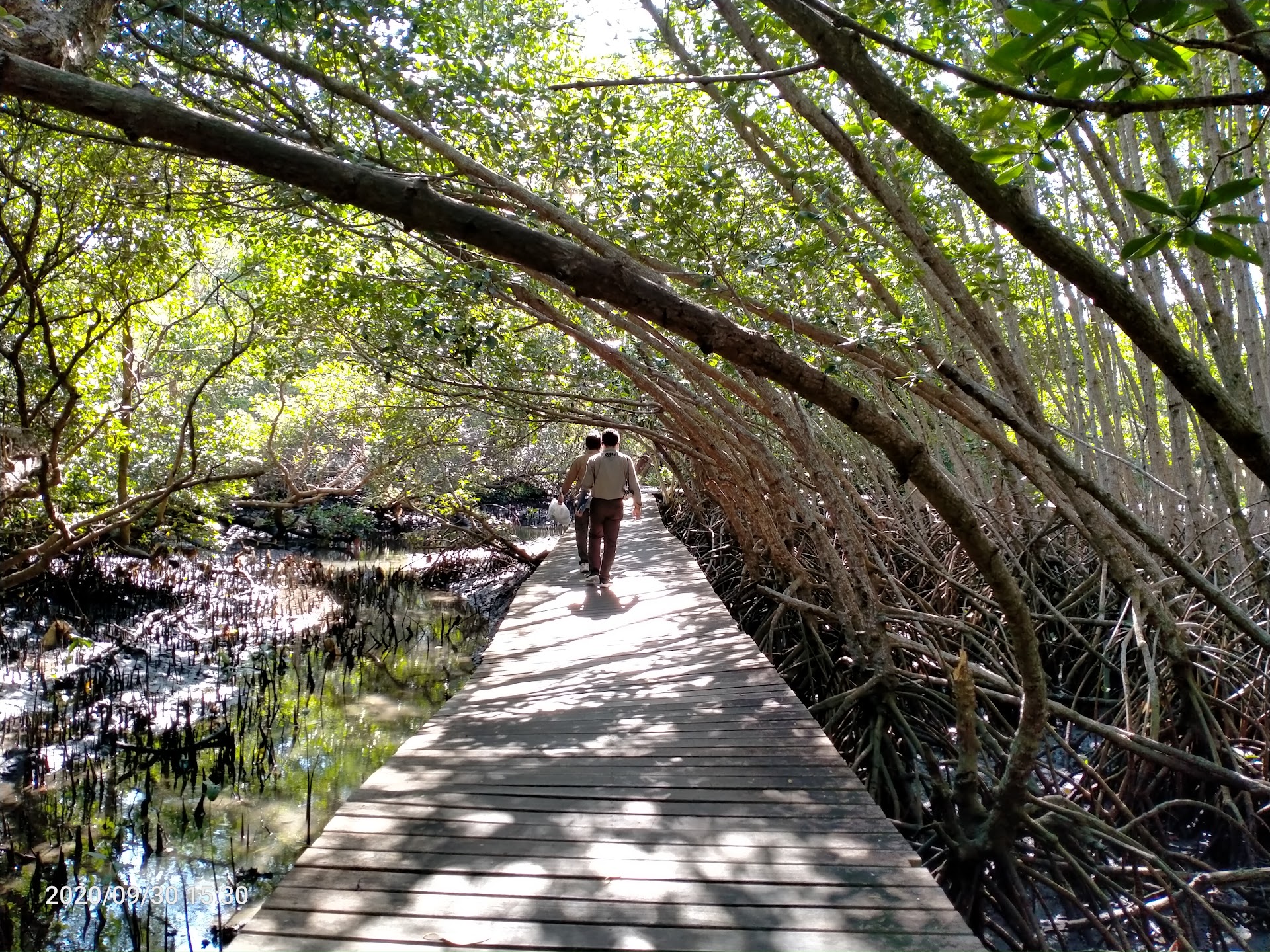
15. Tahura Ngurah Rai Mangroves
Instead of yet another beach, you can head for the wooden boardwalks through the mangroves of the Tahura Ngurah Rai protected area. The mangroves around Benoa Bay cover 1,373.5 ha, and the entrance is on Jl. Tanah Kilap in Pemogan – closer to Kuta than to the Sanur promenade.
Check the entrance fee and opening hours on the maps before you go. If you’re craving a different kind of walk from the one along the lagoon, the mangroves add some nice variety to your plans.
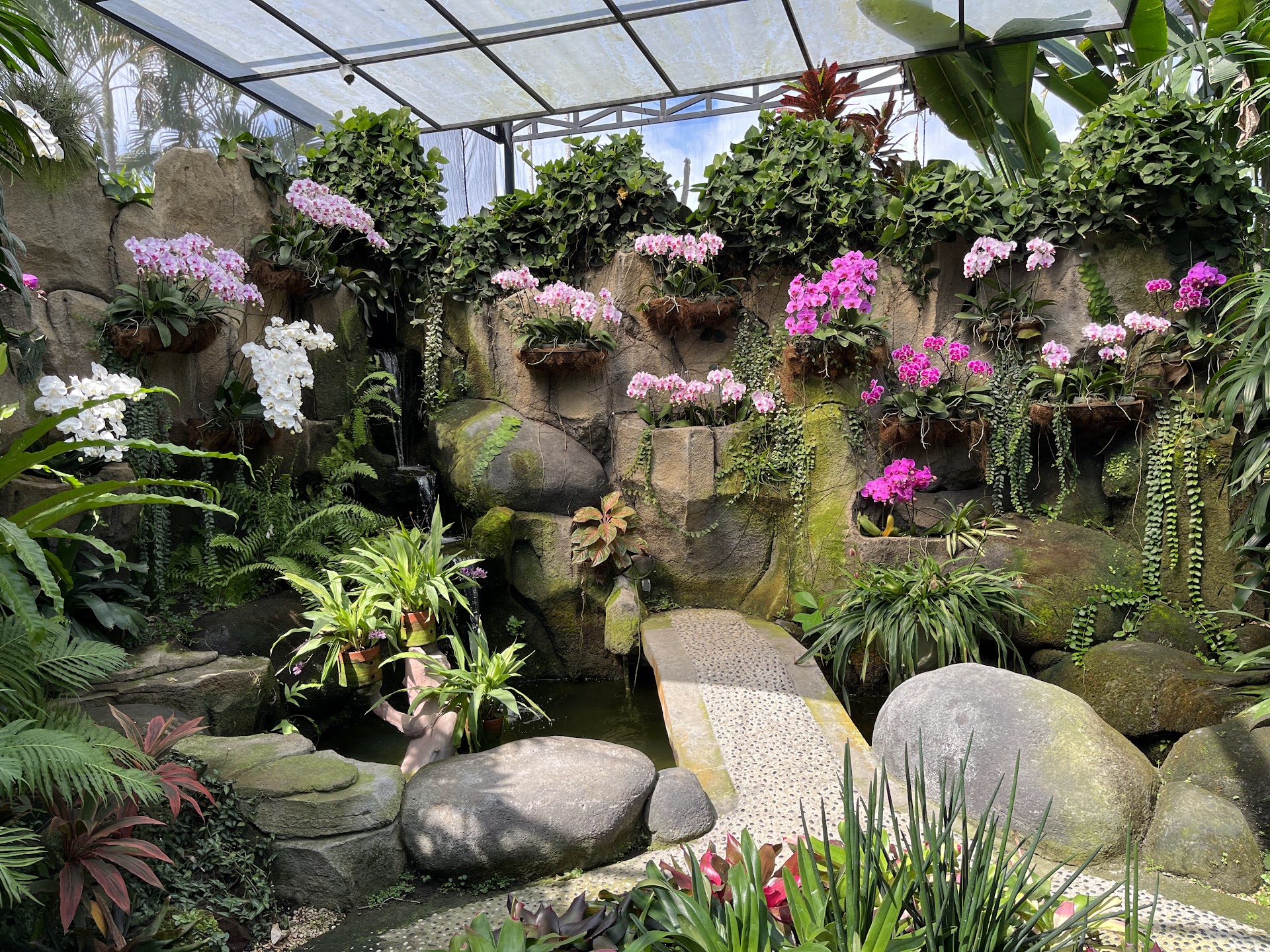
16. Duta Orchid Garden
You’ll find Duta Orchid Garden (formerly Bali Orchid Garden) on Jl. Bypass Ngurah Rai in Tohpati. Technically it’s in Denpasar, about 5 minutes’ drive from Sanur without traffic, and it’s open daily from 8 am to 6 pm.
It’s a peaceful place to relax among the orchids. According to one review, the entrance fee comes to about 100,000 IDR (approx. €5), and there’s a restaurant on site too, as the garden’s website mentions. If it rains, there’s also the Icon Bali shopping centre at Jl. Danau Tamblingan 27, open 10 am–10 pm.
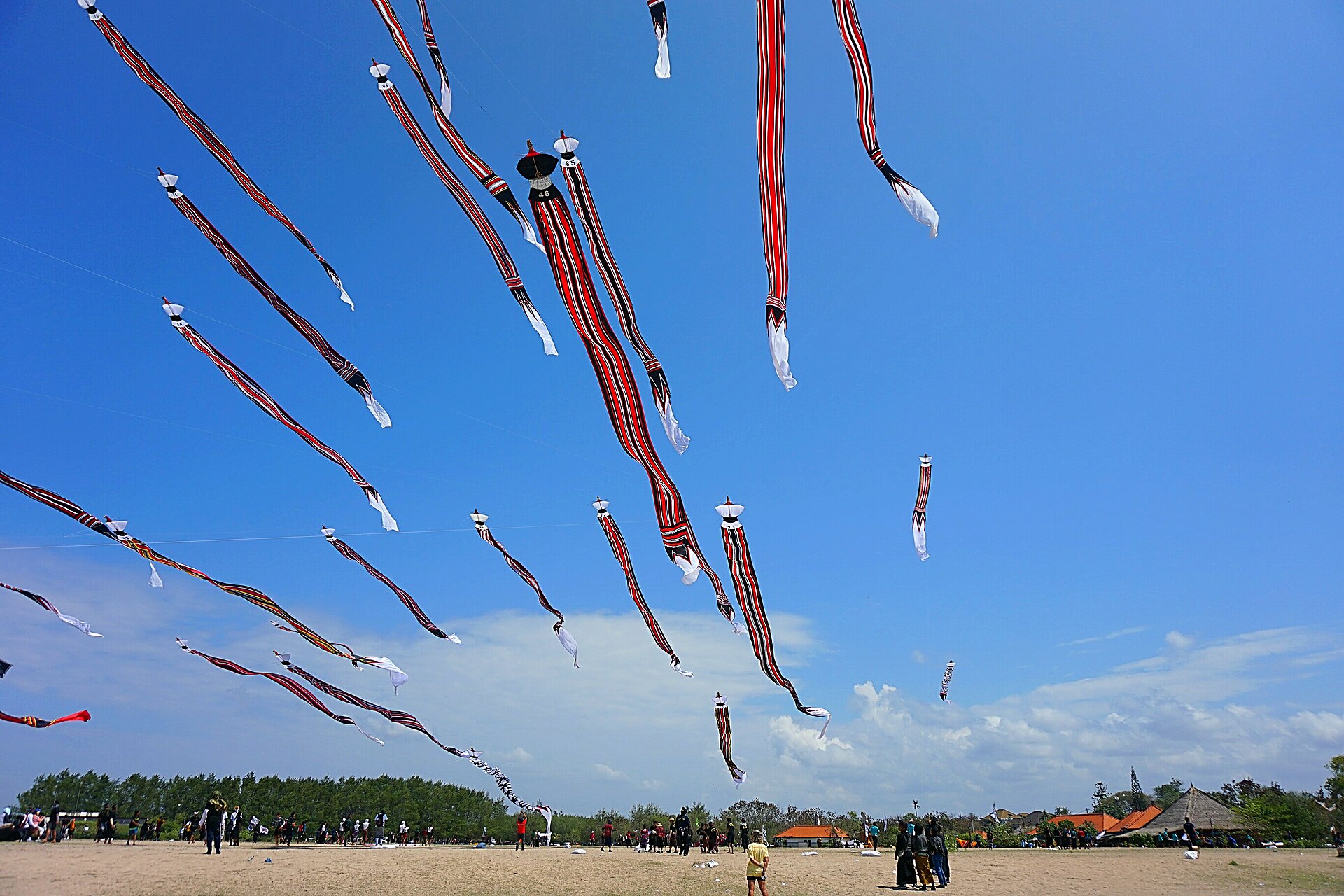
17. Kite Festival and Sanur Village Festival
The Bali Kite Festival takes place in July at Padang Galak, north of Sanur, but you’ll see traditional kites over the coast (in shapes like bebean, janggan or pecukan) throughout the June–August season. Looking up might win out over looking at the sea for a while.
The Sanur Village Festival traditionally falls in August and has been running since 2005. Check the exact dates of both events before you travel, and don’t rearrange your itinerary around them blindly.
Boats from Sanur to Nusa Penida, Lembongan and Gili
Fast boats put the nearby islands practically around the corner. Just be ready to step off into the water on the other side, and expect two types of fees. Prices are indicative for 2026 (CNB exchange rate on 4 November 2026: 1,000 IDR ≈ €0.05, 1 USD ≈ €0.88).
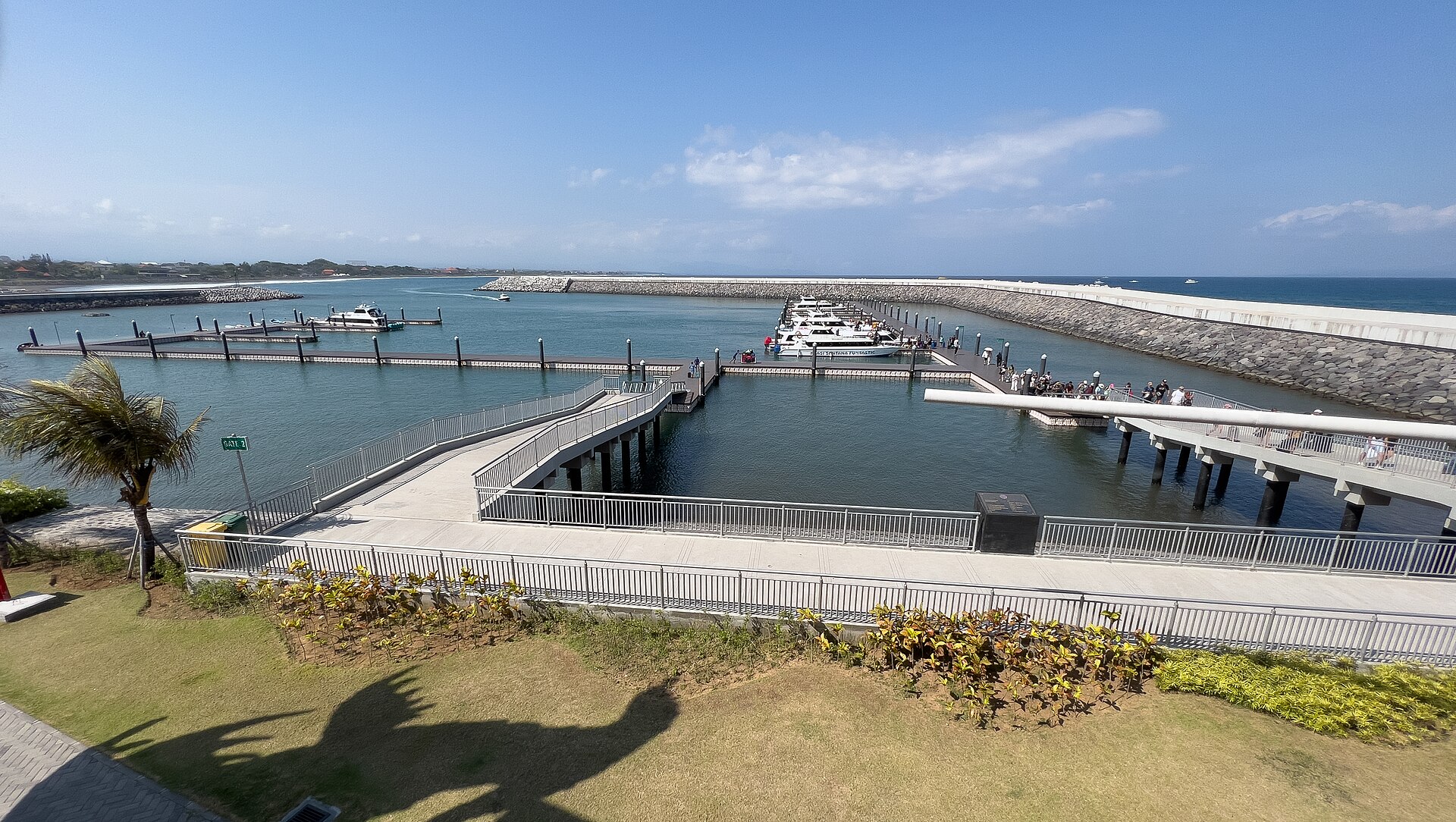
18. Sanur Harbour: How It Works
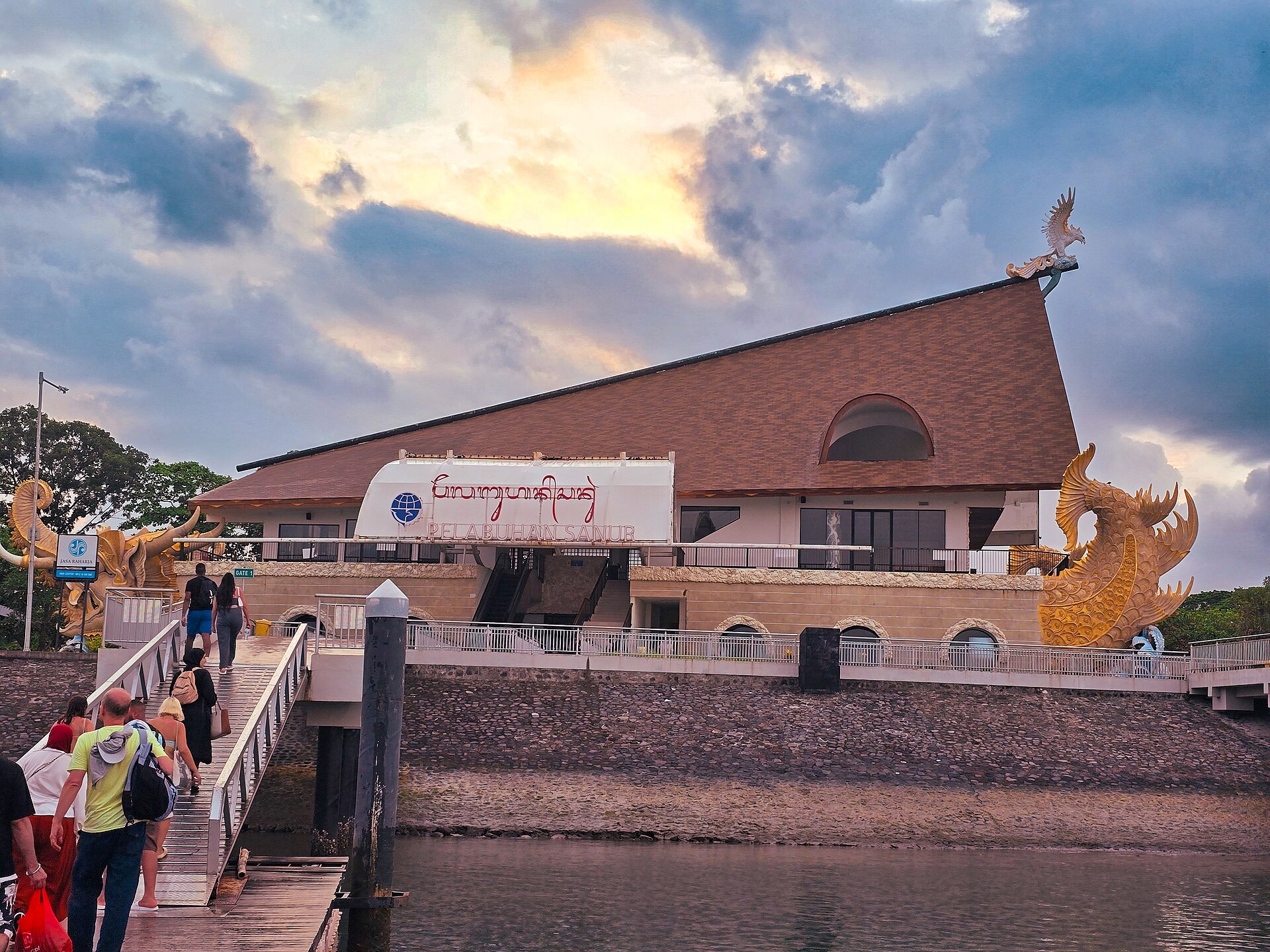
President Jokowi officially opened the harbour on 9 November 2022, and regular operations began on 18 December 2022. It sits on Jl. Matahari Terbit at the northern edge of Sanur. The single access road gets jammed with traffic in the morning, so arrive 45–60 minutes early.
You check in with your boat operator, the crew loads the big luggage, and in Sanur you board from floating jetties without getting your feet wet (on Penida and Lembongan you often have to step off into the water). According to 2023–24 data, car parking cost around 5,000 IDR for 3 hours (roughly €0.25). Check the current price on the spot, and confirm any harbour fee when you book.
19. Nusa Penida and Lembongan
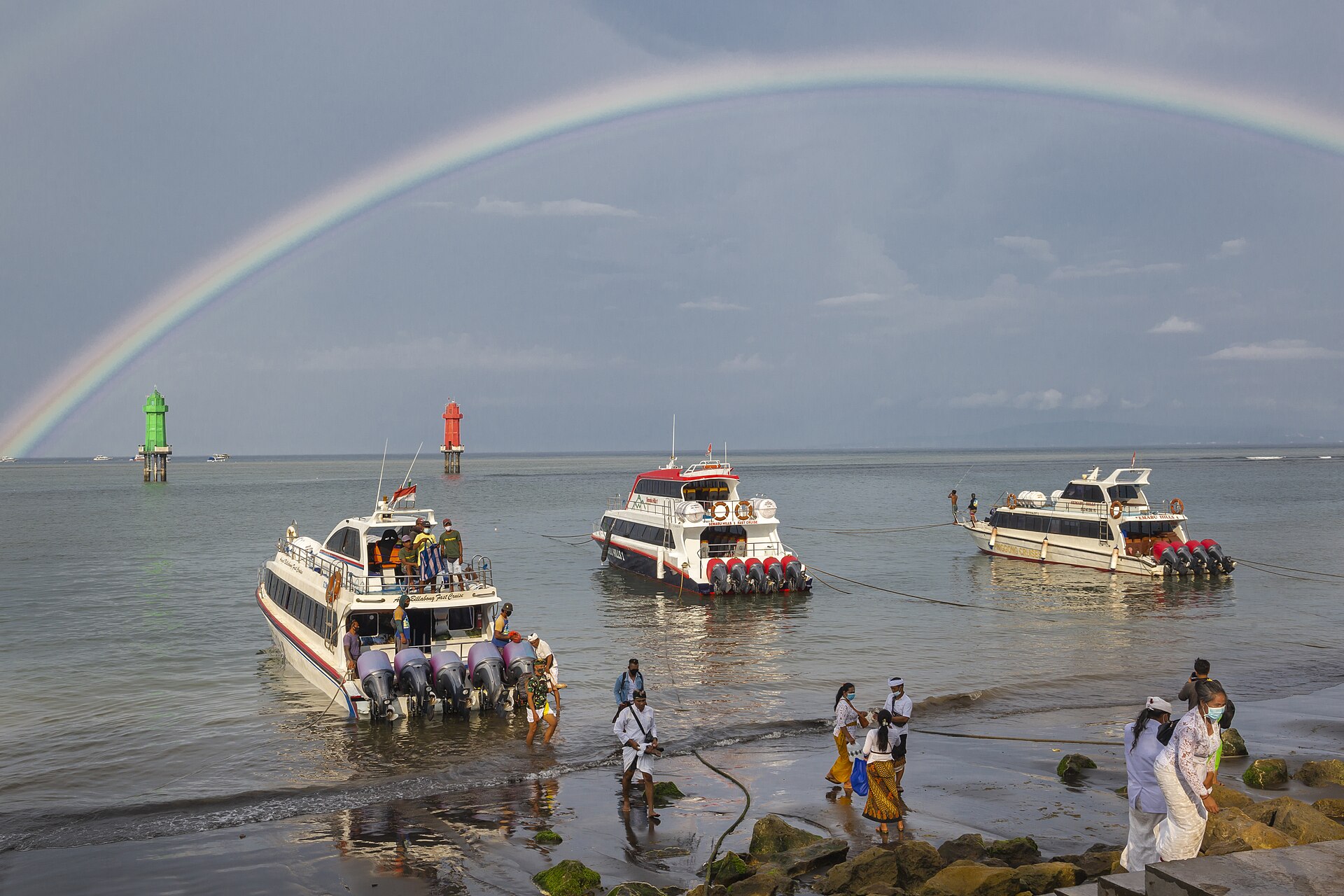
Boats to the nearby islands leave roughly between 6:30 am and 5:00 pm. According to the booking site 12Go, prices vary by route and operator:
| Destination | Time | One-way price |
|---|---|---|
| Nusa Penida | 30–45 min | USD 7.40–27.75, approx. €6.50–25 |
| Nusa Lembongan | approx. 30 min | USD 7.87–18.82, approx. €7–17 |
| Gili and Lombok | depends on route | approx. USD 21–41, approx. €18–35 |
Boats to the Gilis (small islands off Lombok) mostly leave from Padang Bai harbour in eastern Bali. On Penida and at most spots on Lembongan you’ll often step off into knee-deep water, so sandals and a dry bag will most likely come in handy. The only dry landing reported is at Telatak on Lembongan with the operator Rocky.
Since September 2026 you pay two types of fees: foreigners pay a one-off entry fee to the area, and everyone then pays extra at each paid attraction, such as Kelingking or Crystal Bay. Both cost 25,000 IDR (about €1.25), and children pay less (15,000 IDR, about €0.75). You’ll find the details in the Klungkung announcement (Klungkung is the regency the islands belong to) and in this Kompas report.
Plan a two-day trip to Penida with our Nusa Penida guide, and a longer route around the island with our itinerary for a Bali road trip.
20. Gili and Lombok
For the Gilis and Lombok, mainly consider Padang Bai, since only a few longer routes run from Sanur. On the Gilis, a fee of 20,000 IDR (about €1) is reported on both arrival and departure. The islands belong to the province of Nusa Tenggara Barat (NTB), not to Bali, so the Bali tourist levy of 150,000 IDR (about €7.30) doesn’t apply here.
21. Safety and Weather at Sea
On 5 August 2025, the Bali Dolphin Cruise 2 capsized about 100 m off Sanur. Two Chinese tourists died, and a crew member who was initially reported missing was later listed as the third victim. The authorities blamed the waves and the tide and stated that the boat had not been overloaded.
Pick a morning departure, put on a life jacket and get travel insurance. Sailings get cancelled during heavy rain – on 24 February 2026, for example, four departures from Penida were called off. Warnings from the BMKG weather agency reported waves of around 2.5 m in the Badung Strait (the strait between Bali and Nusa Penida).
💡 Tip: Leave yourself a spare day before your flight out of Bali, keep an eye on BMKG warnings and don’t head out to sea when one is in place.
Where to Stay in Sanur, Bali: Hotels by Area
If you’re catching a morning boat, go for the north, where you’ll be close to both the harbour and the Le Mayeur Museum. If you want to walk to dinner, choose the centre around Jl. Danau Tamblingan. The south is quieter and also has kitesurfing near Mertasari, so choose based on what you want to do, not just on a photo of the pool.
If you’re mainly after wellness and luxury, you’ll find more options in our pick of the best hotels and resorts in Bali.
Segara Village Hotel
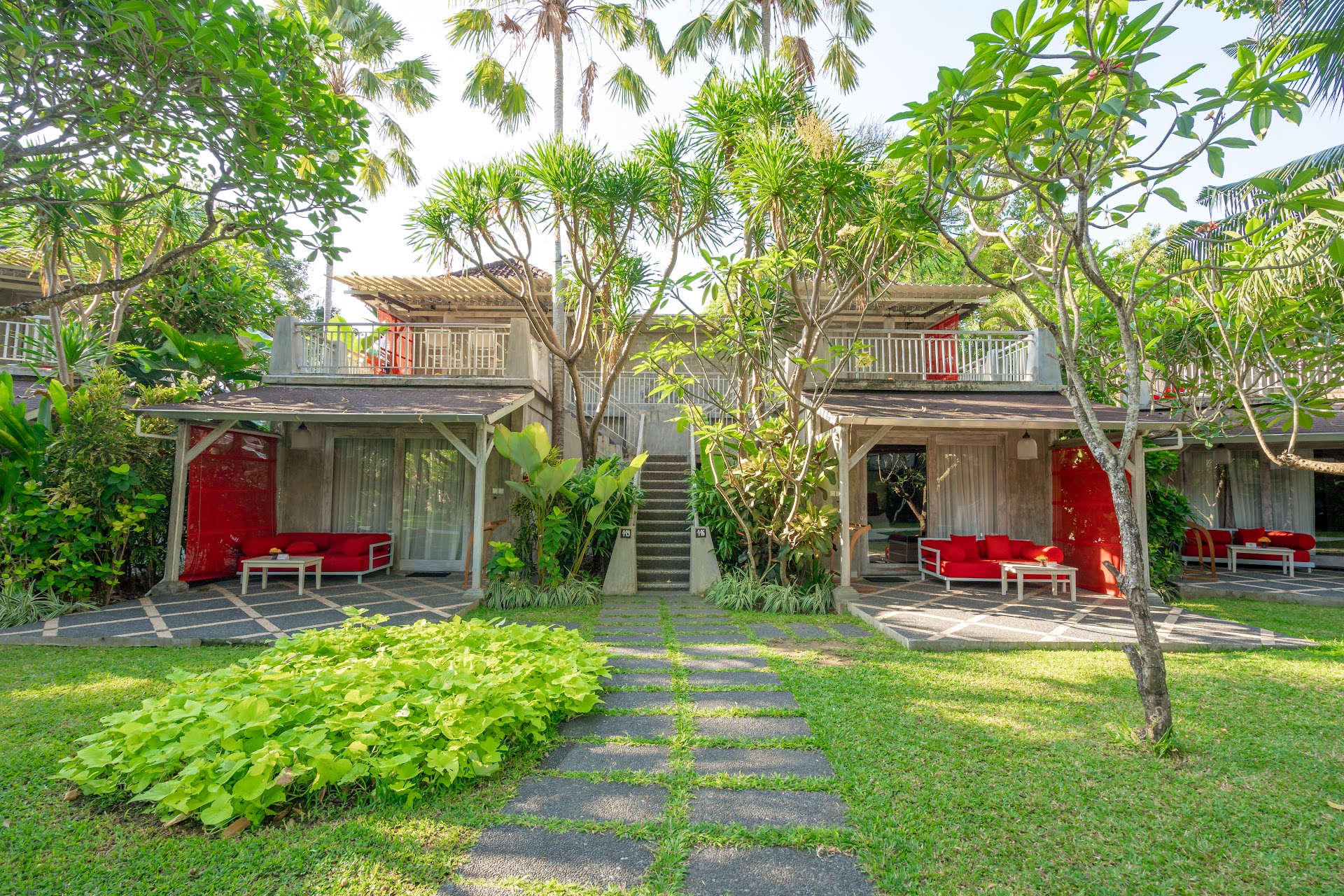
Next to the northern beach of Segara Ayu you’ll find Segara Village Hotel, a family-friendly beach hotel with village-style rooms. You’ll be close to the harbour, and in the evening you can stroll to the nearby Sindhu Night Market without having to plan an expedition just for dinner.
The Meru Sanur
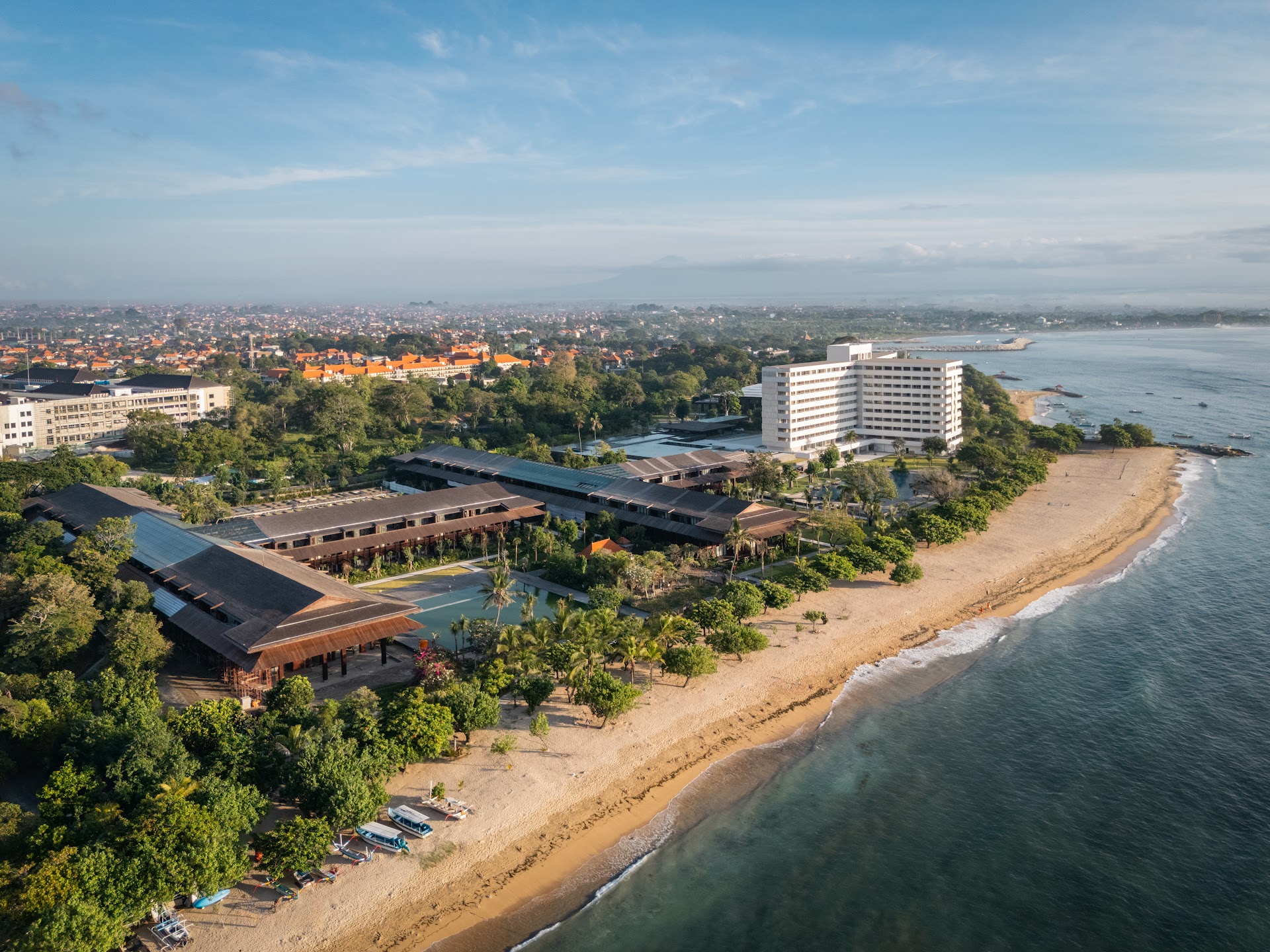
Up north, in the KEK Sanur special economic zone, stands The Meru Sanur, a beach resort where every room is a suite. It sits on the grounds of the legendary Bali Beach Hotel from 1966, which today operates right next door as the Bali Beach Hotel Heritage Collection. The resort borders the Le Mayeur Museum and is close to the harbour.
Tandjung Sari Hotel
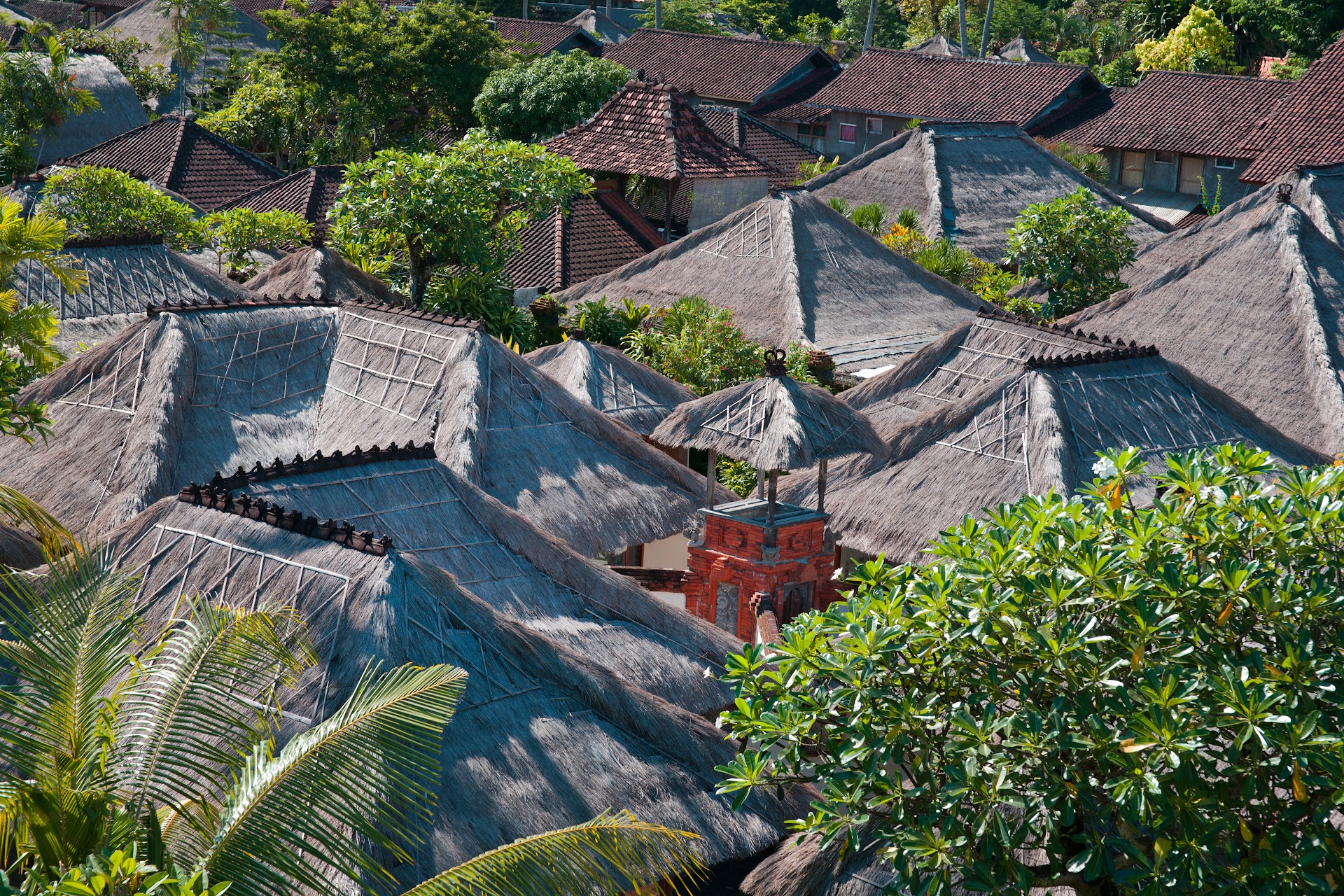
Between Sindhu and Karang beaches, Tandjung Sari Hotel offers Balinese bungalows set in a garden right on the beach. Its story goes back to the 1960s, when tourism in Bali was only just taking off – which might appeal to you more than yet another modern resort.
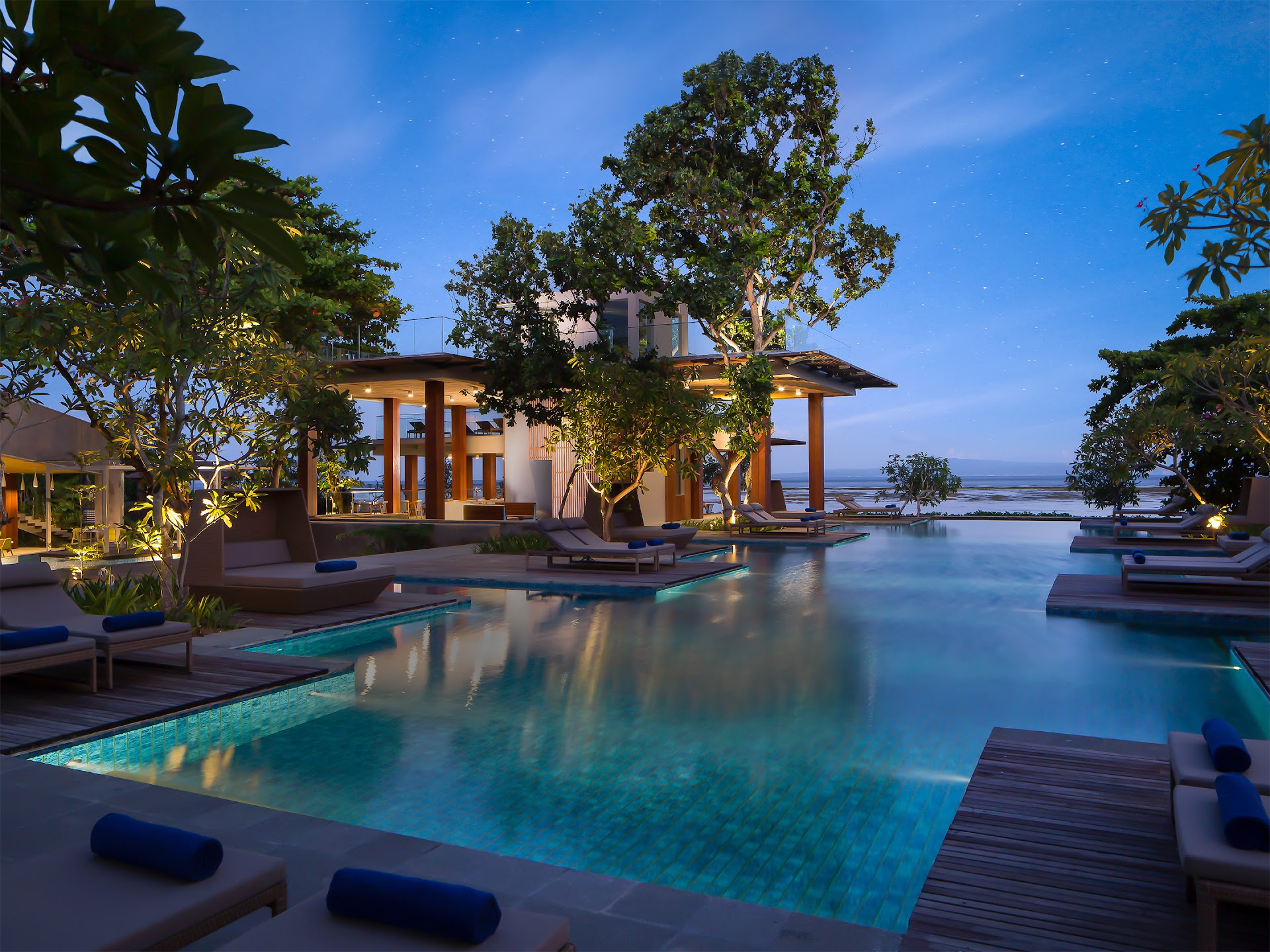
Maya Sanur Resort & Spa
On the central stretch of the coast you’ll find Maya Sanur Resort & Spa, a modern beach resort with a long pool and a spa. The promenade and the restaurants on Jl. Danau Tamblingan are just a few steps away, in case you don’t want to spend your whole stay inside the hotel.
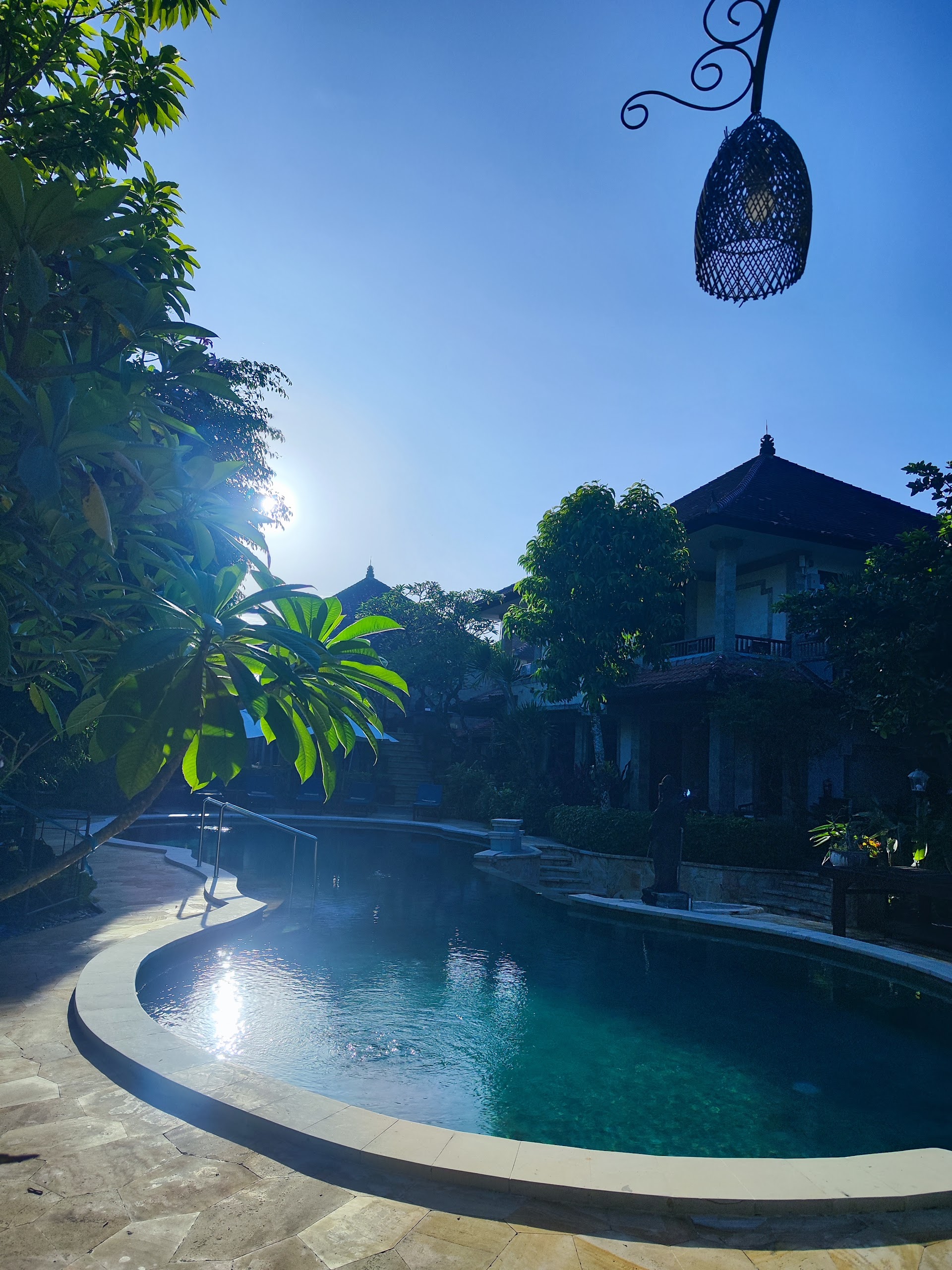
Tamukami Hotel
More affordable than the beachfront resorts, Tamukami Hotel has a garden pool and sits on the main street, Jl. Danau Tamblingan, in the centre of Sanur. You can walk to both the beach and the restaurants, so you can cross getting to dinner off your list of holiday worries.
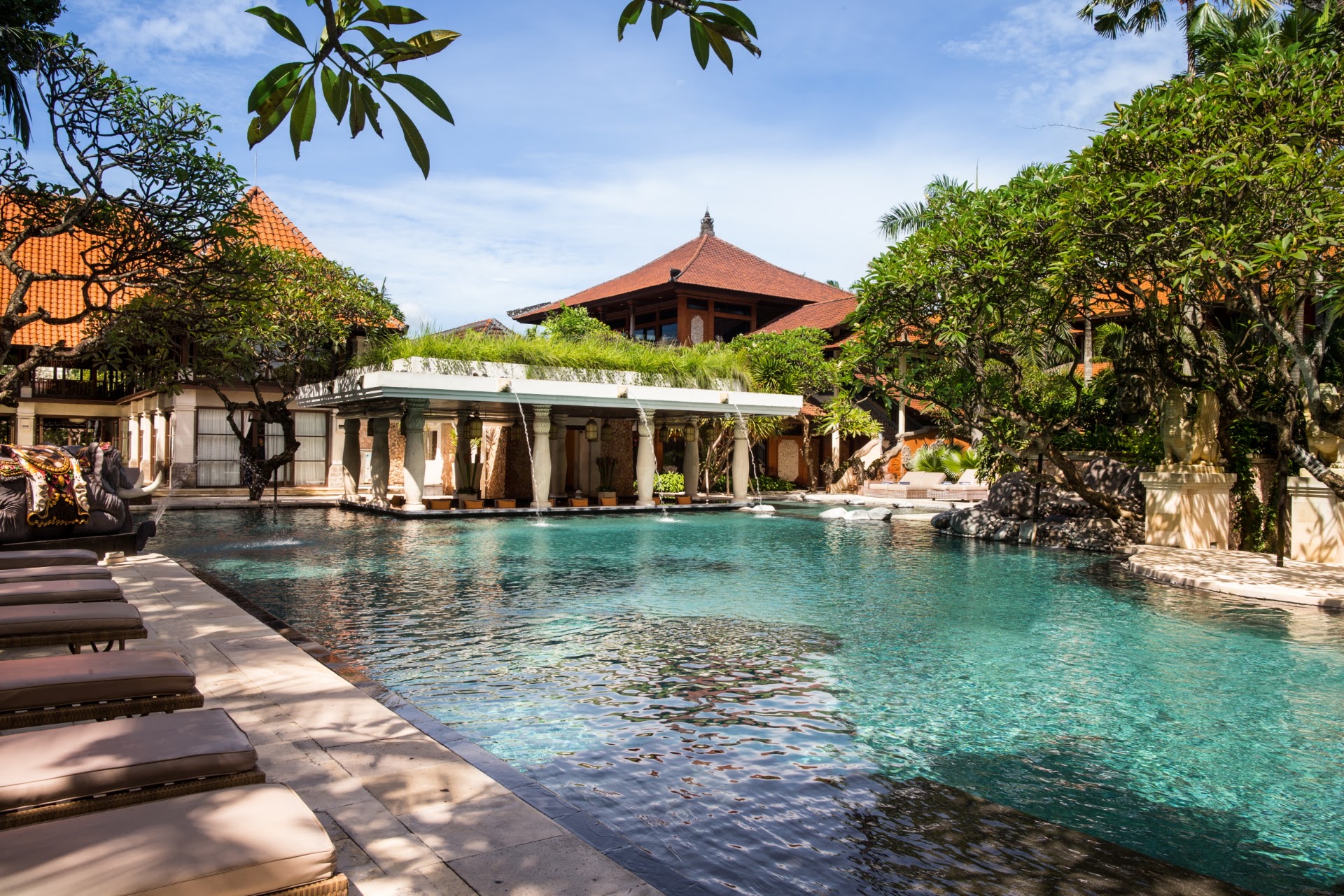
Puri Santrian Beach Resort & Spa
By the southern beach of Semawang lies Puri Santrian Beach Resort & Spa, a garden resort on a quiet stretch of coast. Jukung boats are moored here, giving the place a traditional feel – ideal if you’re mainly looking to relax by the sea.
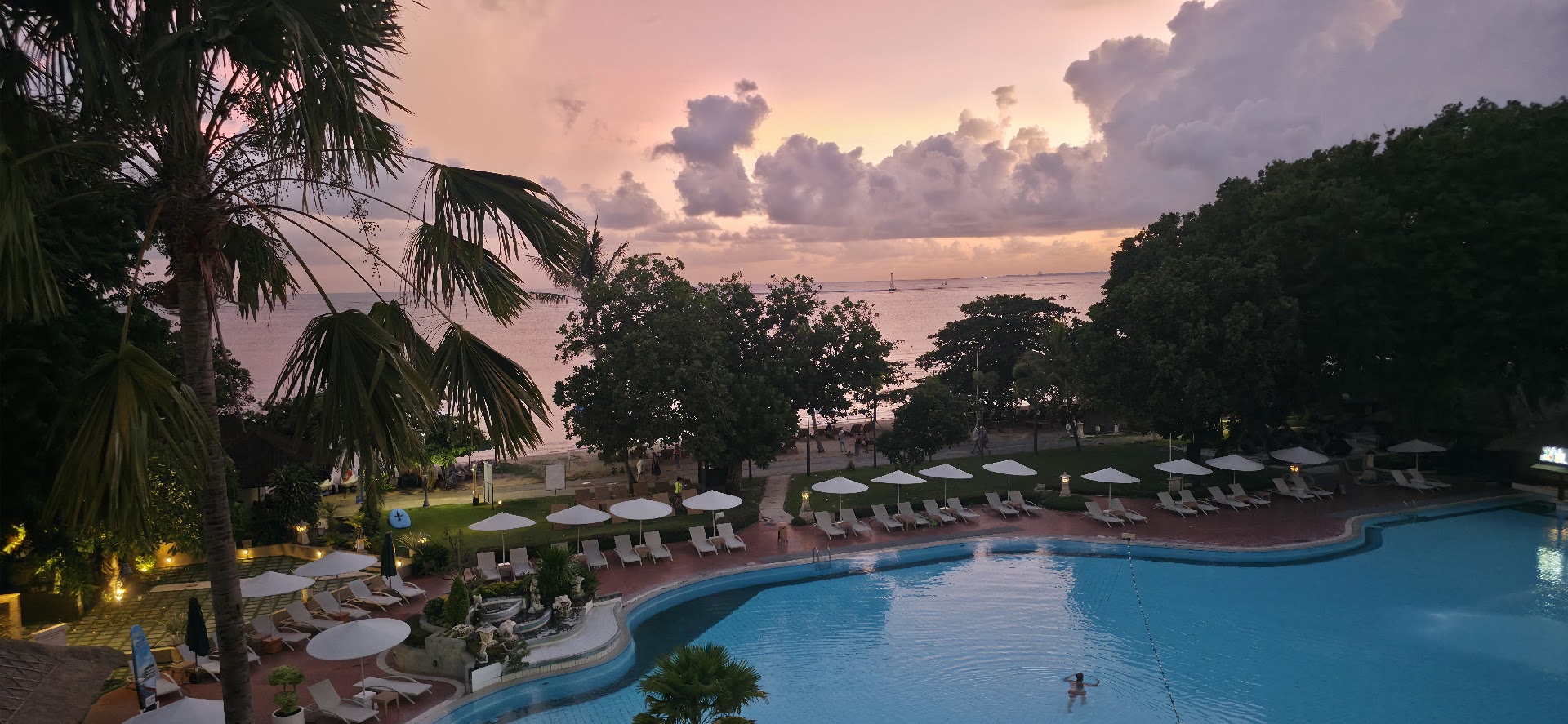
Prama Sanur Beach Hotel Bali
Near the southern end of the promenade, close to Mertasari, sprawls Prama Sanur Beach Hotel Bali, which will probably appeal most to sporty travellers. The Rip Curl surf and kite school is based on the grounds, so you won’t need to hunt for a school elsewhere for your lessons.
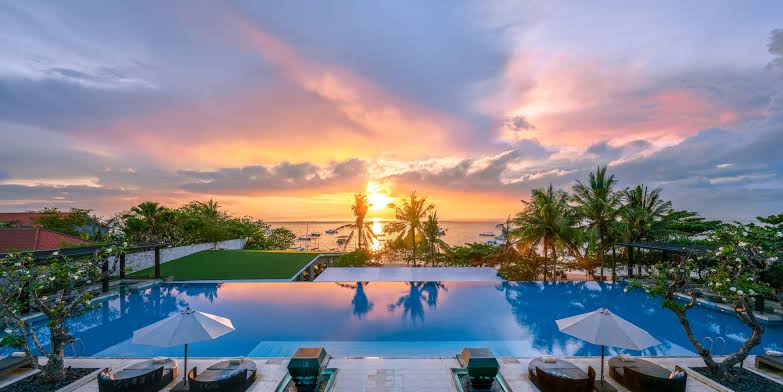
ARTOTEL Sanur Bali
In the south, ARTOTEL Sanur Bali offers rooms with interiors by Indonesian artists, at lower prices than the resorts right on the sea. The beach is a short walk away. It’s a good fit if you’d rather stay in a design hotel than a sprawling beach resort.
Where to Eat in Sanur: Vegetarian Restaurant Tips
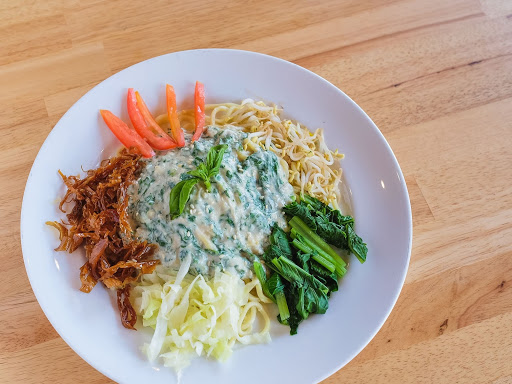
The local specialities are babi guling (roast suckling pig) and sate lilit (minced fish satay), but vegetarians have plenty of options too. With vegetable dishes, ask whether they contain terasi (the Indonesian word for shrimp paste) – a meat-free look can be a little deceiving. I recommend KooD kantin at Jl. Kutat Lestari 2, a fully vegan canteen with a shop and gelato. On the same street, at number 17, you’ll find O Baba Vegan, open 9 am–8 pm.
By the night market at Jl. Pasar 19, Veganlicious Sanur serves vegan bowls and breakfasts and is open 6:30 am–10:30 pm. For Indonesian vegetarian cooking, head to Waroeng Bagoes Vegetarian & Vegan at Jl. Pemamoran 2. If you’re travelling with kids, 8A Vegan & Vegetarian at Jl. Bypass Ngurah Rai 524 is a great choice – with Clip’n Climb upstairs, you can combine a meal with an activity for the little ones.
At Jl. Danau Poso 31, Jhoii Local Eats serves breakfasts as well as local and Western dishes with vegetarian choices. Massimo at Jl. Danau Tamblingan 228 offers pizza, pasta and homemade gelato for when you’re craving an Italian classic. Soul on the Beach, right on Sindhu beach, has vegetarian options, though according to reviews fully vegan dishes are rather thin on the ground.
Getting There and Around: Airport, Grab, Taxis and Moving Around Sanur
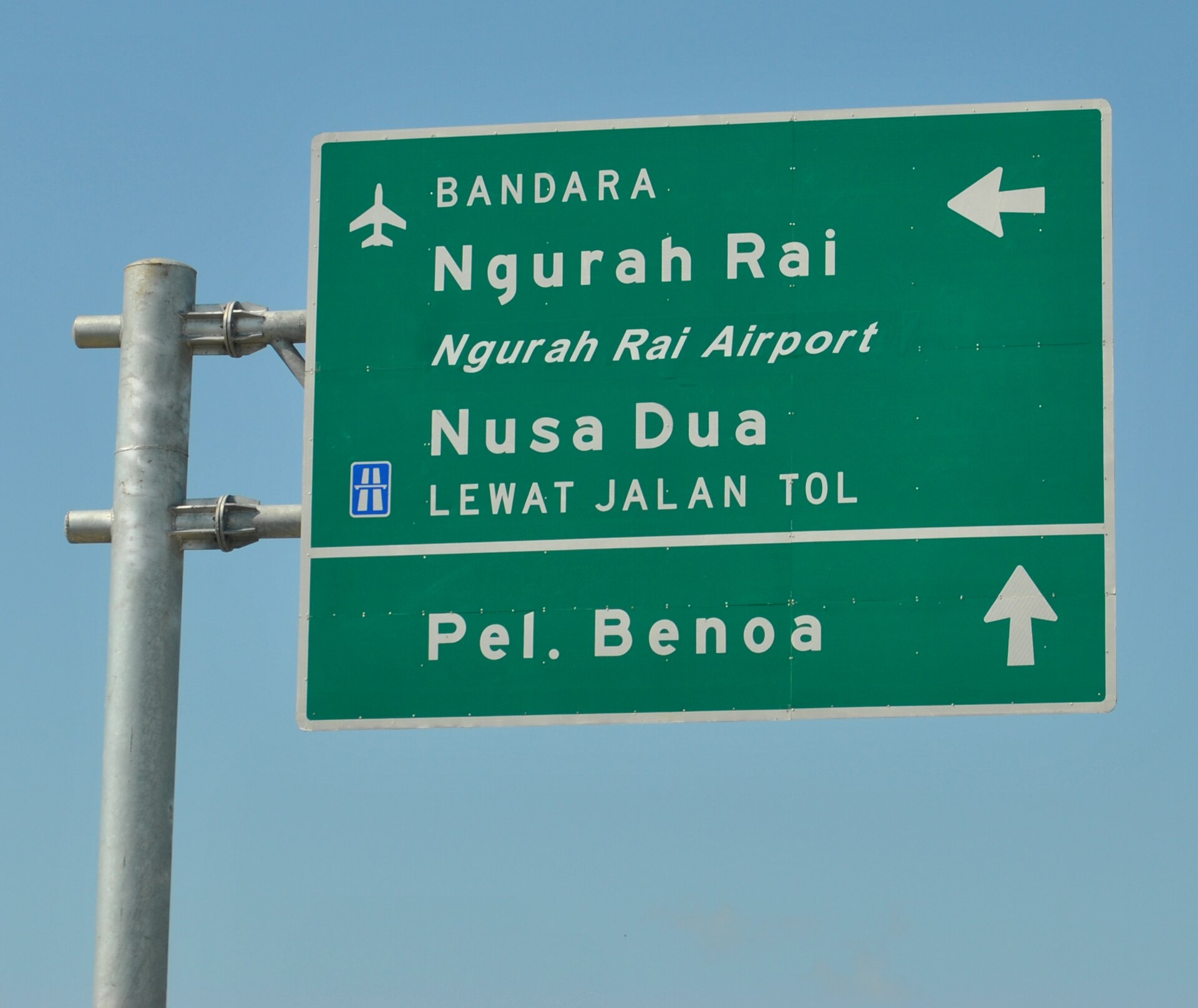
From Denpasar Airport (DPS), it’s a 14–21 km ride (18–23 minutes with no traffic), but plan on 30–45 minutes in practice. At the counter just past the arrivals hall, you can get a fixed-price taxi for IDR 200,000–250,000 (around €10–12). The Trans Metro Dewata city bus is another cheap option (5:00 am–6:30 pm, IDR 4,400, about €0.20, paid with a QRIS mobile QR code). From the airport you’d have to change buses, though, so it isn’t really worth the hassle. The Kura-Kura tourist bus doesn’t go to Sanur.
💡 Tip: Grab and Gojek (ride-hailing apps) do work here, but at the harbour and outside some hotels you’ll see signs from local taxi drivers saying app-based cabs can’t pick up there. So arrange your pickup a little further away, or book a transfer in advance. Within the neighbourhood, you’ll probably get by on foot, by bike (tip 6) or on the electric Intaran Shuttle for a token fare. If you rent a scooter, you’ll need a helmet and an International Driving Permit. Our guide on how to ride a scooter covers everything else.
In Balinese traffic, journeys take 1.5–2× longer than an empty map suggests: getting to Ubud realistically takes 45–60 minutes. With no traffic, Sanur is 18 minutes from Seminyak, 19 from Nusa Dua, 23 from Canggu, 31 from Padang Bai and 34 from Uluwatu.
Practical Info
Before you fly, pay the tourist levy of IDR 150,000 per person (about €7) on the official Love Bali website, and fill in the electronic All Indonesia Arrival Card within 72 hours before you land. Apply for the visa on arrival (e-VoA) for IDR 500,000 (about €25) only through the immigration office website, as agencies can charge up to three times as much. (A price increase announced in August 2026 hasn’t taken effect yet, so double-check the fee before you travel.) Prices are approximate for 2026 (converted at roughly 1,000 IDR ≈ €0.05 and 1 USD ≈ €0.88).
The KEK Sanur zone is home to Bali International Hospital, with a 24-hour emergency department (hospital website), but a travel first aid kit is still a smart thing to pack. Since 2025, under Governor’s Circular No. 9/2025, Bali has been restricting bottled water under 1 litre, so bring your own refillable bottle or buy larger bottles. If you’re travelling in March, keep in mind the Nyepi Day of Silence on 8 March 2027 (details in the When to Visit section).
| Item | Price | Approx. in EUR |
|---|---|---|
| Bali tourist levy | IDR 150,000/person | €7 |
| e-VoA visa | IDR 500,000 | €25 |
| Boat from Sanur to Penida (one way) | USD 7.40–27.75 | €6.50–25 |
| Penida/Lembongan fee (area entry) | IDR 25,000 | €1.20 |
| Bike rental per day | approx. IDR 80,000 | €4 |
| Dinner at Sindhu Night Market | IDR 25,000–50,000 | €1.20–2.40 |
| Taxi from the airport to Sanur | IDR 200,000–250,000 | €10–12 |
| Trans Metro Dewata bus | IDR 4,400 | €0.20 |
Where to Go Next
Sanur makes a great base for trips around the rest of the island and short boat rides beyond the horizon:
- Nusa Penida: sail from Sanur to the viewpoints and coves of the neighbouring island.
- Ubud: plan a day trip – in traffic, you’ll get there in about an hour.
- Uluwatu: explore the island’s southern tip, including an overview of resort-filled Nusa Dua.
- Canggu: compare Sanur’s calm lagoon with the busy surf and café scene on the west coast.
- Bali road trip: link Sanur and the nearby islands into one smooth loop around Bali.
You’ll find everything you need to plan your trip in our main Bali guide, and more island reading in our Indonesia section.
Frequently Asked Questions
The prices below are approximate (2026), converted at roughly 1,000 IDR ≈ €0.05 and 1 USD ≈ €0.88.
Is Sanur suitable for kids?
Families love the shallow lagoon and stroller-friendly promenade, but plan your swimming around the tide and keep an eye on the kids. At low tide, expect a stroll instead of a swim. Bali International Hospital has a 24-hour emergency room.
Can you swim all day in Sanur?
At low tide the sea pulls back, exposing grass, rocks and coral, so don’t expect to swim all day long. Around the new and full moon, the tidal range reaches about 2.4–2.8 m according to the model, so swim at mid to high tide based on the BMKG forecast for Sanur harbour.
How long does the boat from Sanur to Nusa Penida take?
The crossing takes 30–45 minutes, with departures roughly between 6:30 and 17:00 — arrive at the harbour 45–60 minutes beforehand. A one-way ticket via 12Go costs 7.40–27.75 USD (around €7–25).
How much do you pay on Nusa Penida and Lembongan?
From September 2026, foreign visitors pay a one-off area entry fee of 25,000 IDR (around €1.50), with a reduced rate for children (15,000 IDR, around €1). Everyone pays the same amounts again for each paid attraction — for details, check the Klungkung announcement and the Kompas report.
How far is Sanur from the airport?
Depending on where you’re headed, it’s 14–21 km, usually 30–45 minutes, though traffic jams can easily stretch that out. A taxi costs around 200,000–250,000 IDR (approximately €12–15).
Do Grab and Gojek work in Sanur?
Grab and Gojek generally work fine, but near the harbour and some hotels you’ll spot signs from local taxi drivers restricting pickups. Arrange pickup a bit further away, or book a transfer instead.
Sanur or Nusa Dua?
Sanur offers a promenade and boat trips, and alongside the resorts you’ll find warungs (small local eateries). Both areas suit families looking for a relaxed vibe, but the more closed-off Nusa Dua, with its big resorts and manicured beaches, fits a stay-around-the-hotel kind of holiday better.
When is the best weather in Sanur?
Head to the beach in May–June and September–October. July and August are the driest months, but the beaches tend to be packed then too. Plan kitesurfing for June–September, and reef surf breaks for the rainy season, roughly October–March.
When is Nyepi 2027?
On Monday, 8 March 2027, you’ll need to stay at your hotel during the 24 hours of silence (6:00–6:00) — the airport and beaches close. On the evening of 7 March, expect ogoh-ogoh parades (giant paper demon figures); according to local sources, boats to the islands stop running from the afternoon of 7 March, so double-check with your carrier.
What’s the sea like in Bali?
Sanur has a calm, shallow lagoon, with water temperatures around 27°C in August and 30°C in December. On the west coast, expect waves and currents, and strong currents also occur just beyond Sanur’s reef.
Tips and Tricks for Your Vacation
Don’t Overpay for Flights
Search for flights on Kayak. It’s our favorite search engine because it scans the websites of all airlines and always finds the cheapest connection.
Book Your Accommodation Smartly
The best experiences we’ve had when looking for accommodation (from Alaska to Morocco) are with Booking.com, where hotels, apartments, and entire houses are usually the cheapest and most widely available.
 🚗 Car rental on the roadVerified rental cars in Indonesia
Search with the DiscoverCars comparison engine — it compares prices from dozens of local and international rental companies, and most bookings come with free cancellation.
Compare car prices in Indonesia →Don’t Forget Travel Insurance
Good travel insurance will protect you against illness, accidents, theft, or flight cancellations. We’ve had a few hospital visits abroad, so we know how important it is to have proper insurance arranged.
Where we insure ourselves: SafetyWing (simple monthly subscription) and TrueTraveller (for extra-long trips).
Find the Best Experiences
Get Your Guide is a huge online marketplace where you can book guided walks, trips, skip-the-line tickets, tours, and much more. We always find some extra fun there!