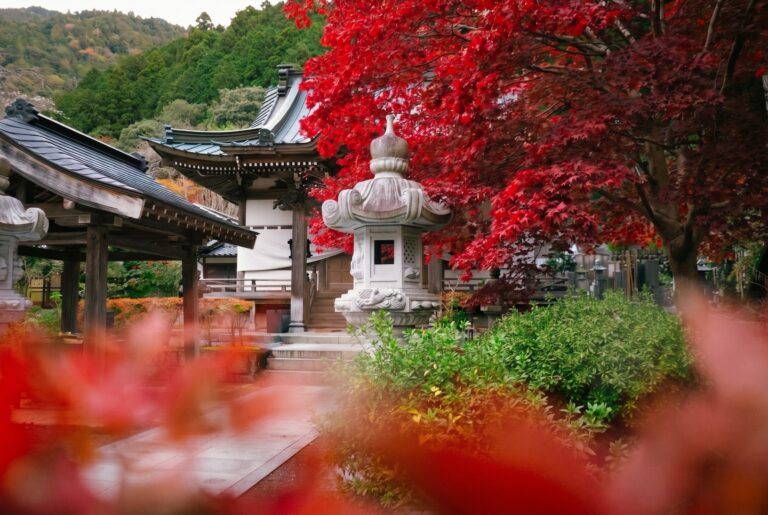

Japan tempts you to keep adding places to the map until your holiday turns into a race to catch trains. That’s why I built this Japan 2 week itinerary around one simple rule: one main area per day, plus relaxed transfers without a packed extra programme, so a temple never becomes just another box to tick.
Flying home from Osaka means you don’t have to go back to Tokyo. When I crunched the transport numbers using the fares valid in November 2026, it turned out that the JR Pass isn’t worth it for this route. Individual tickets combined with a regional pass work out cheaper. If you’re more excited about choosing places than sorting out trains right now, start with the article Holidays in Japan and then tweak the route to suit you.
Quick Summary
- 13-night route: Tokyo 4 nights, Hakone 1 night, Kyoto 4 nights (with Nara), Hiroshima 2 nights (with Miyajima) and Osaka 2 nights, flying out of KIX.
- Long-distance transport: With the Kansai-Hiroshima Area Pass you’ll pay about 32,050 JPY (€180), while individual tickets alone come to roughly 37,740 JPY (€210), plus local transport and day trips. These figures exclude the Hakone Freepass.
- Book ahead: Ghibli Museum tickets are only sold in advance, always on the 10th of each month for the following month. Book Shibuya Sky 14 days ahead, and sort out your Hakone ryokan and spring stay in Kyoto months in advance.
- Shorter versions: For 10 days, drop Hakone and the overnight stay in Hiroshima (you can do Hiroshima as a day trip from Osaka) and cut Tokyo and Kyoto to 3 nights each; for 7 days, stick to just Tokyo and Kyoto.
- When to go: Spring and autumn are best (more in the article When to Go to Japan), but avoid Golden Week (29 April to 5 May) and Obon (mid-August, a festival honouring ancestors and a holiday period), when trains are often sold out.
The full destination guide: Japan — guide and what to see
Japan 2 Week Itinerary at a Glance
| Place | Nights | Why |
|---|---|---|
| — | —: | — |
| Tokyo | 4 | Getting over jet lag, city neighbourhoods and one day trip of your choice. |
| Hakone | 1 | A loop around the area, a night in a ryokan and the chance to soak in an onsen. |
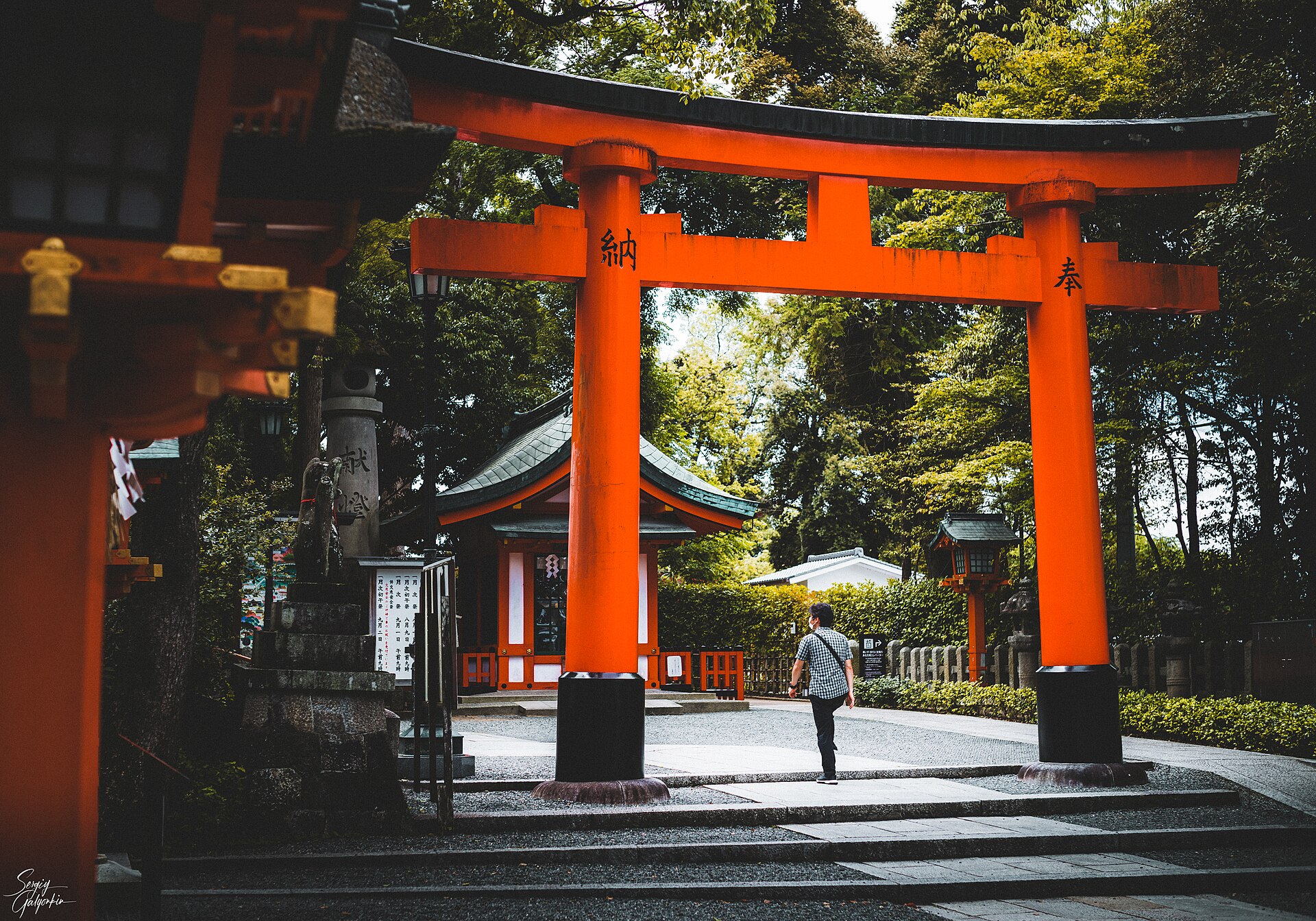
| Kyoto | 4 | The main areas spread over different days, plus a day trip to Nara without changing hotels. |
| Hiroshima | 2 | Time for the Peace Park and a separate day on Miyajima. |
| Osaka | 2 | One last city to finish, then a flight out of KIX. |
| Total | 13 nights | 14 days including arrival and departure. |
Search for your flight as “multi-city”, i.e. arriving in Tokyo and departing from Osaka (KIX), so you don’t pay to get back to Tokyo. Hiroshima goes before Osaka, which means you spend your last two nights in Osaka, just one transfer away from KIX, and the five-day Kansai-Hiroshima Area Pass covers days 10 to 14 (note, though, that between Kyoto and Shin-Osaka it’s only valid on regular JR trains, not the shinkansen). You’ll find a comparison with the nationwide pass in the article Japan for First-Timers: JR Pass and Practical Tips, and it’s also worth checking in advance whether the pass covers your train to KIX.
How to Split the Nights: Why 4 + 1 + 4 + 2 + 2
Longer stays in Tokyo and Kyoto keep the number of times you pack your suitcase to a minimum, while I include a single night in Hakone for the traditional ryokan and onsen experience.
💡 You can compare available accommodation at each stop on the maps for Tokyo, Hakone, Kyoto, Hiroshima and Osaka. You’ll see straight away how prices vary by neighbourhood and distance from the station.
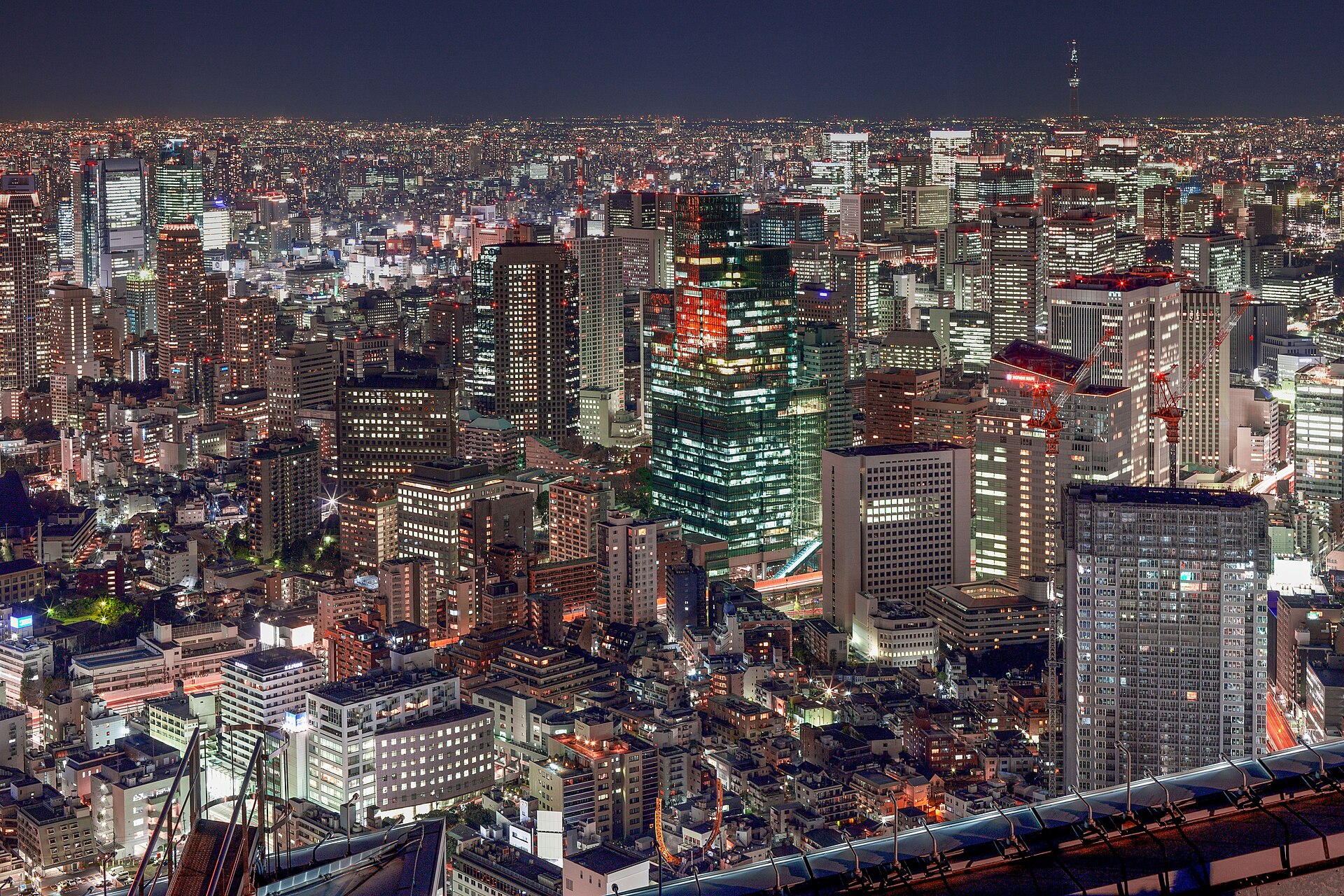
Tokyo: 4 Nights
Tokyo gets 4 nights as a stable base, because the first day goes on arriving and adjusting, so you won’t be rushing around the sights straight away. The Narita Express (N’EX) from Narita Airport to Shinjuku alone takes about 90 minutes (roughly 50 minutes from Haneda), so you’ll appreciate an easy start.
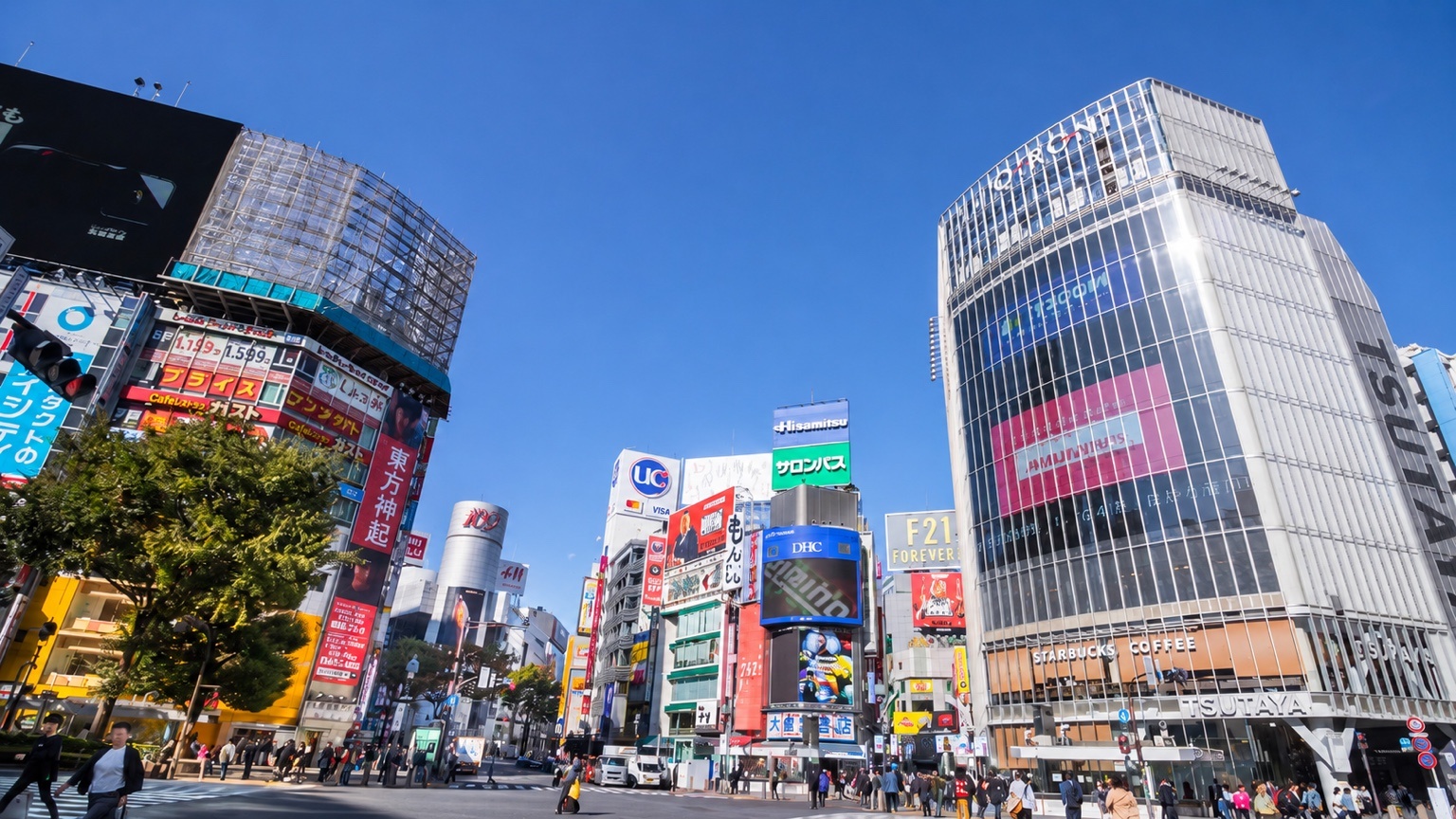
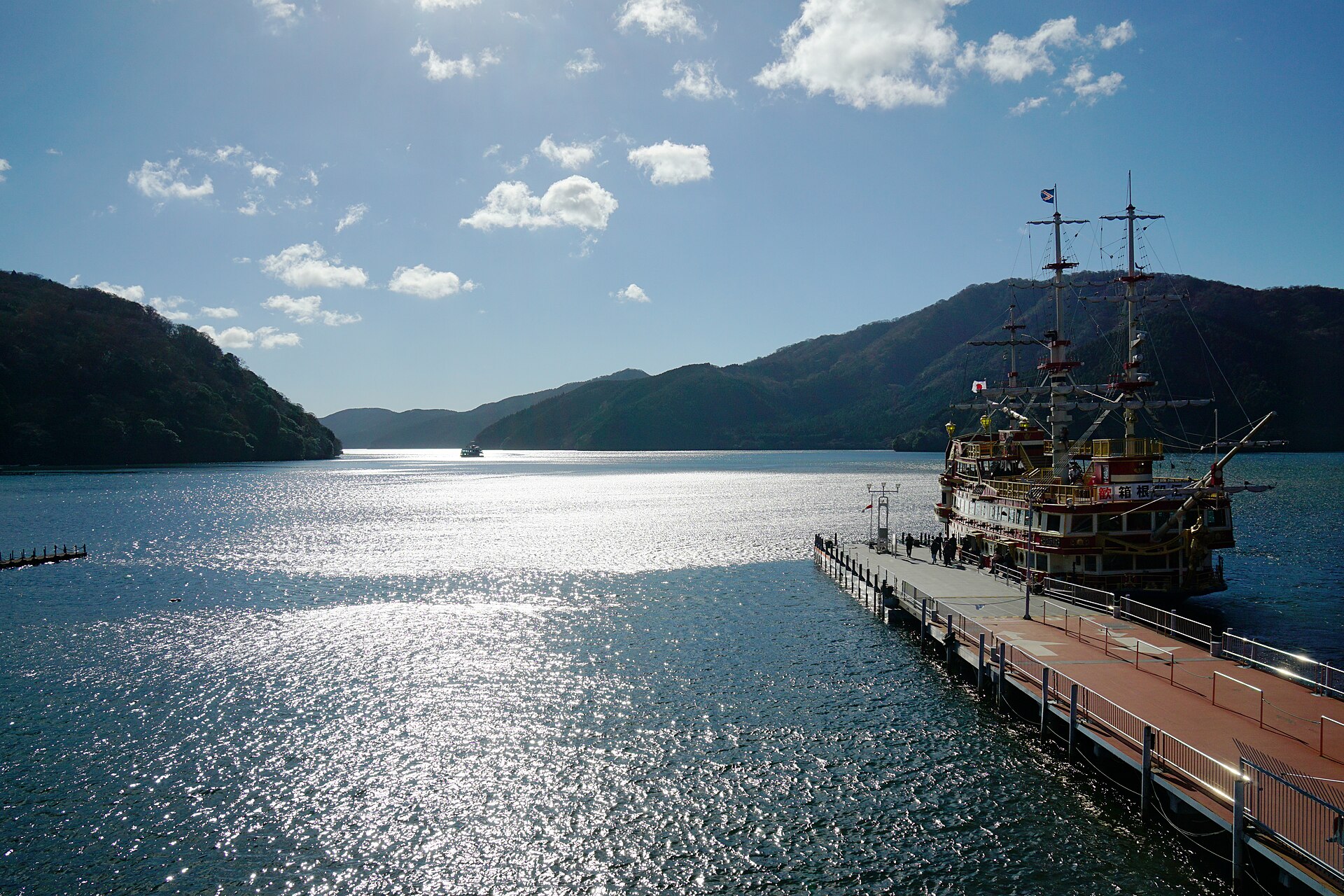
Hakone: 1 Night
In this itinerary, Hakone is your one night away from the big cities, and the highlight is an evening onsen at a traditional ryokan. A ryokan is a traditional Japanese inn, and an onsen is a hot spring. Look for accommodation several months ahead, and since we’re vegetarians, let me remind you right away to arrange dinner in advance and ask about dashi, the fish-based broth. 💡 Tip: Send your big suitcase from Tokyo straight to Kyoto on day 4 or the morning of day 5 (the Takkyubin service, hotel-to-hotel luggage delivery, costs roughly 2,510 to 2,630 JPY, around €14–15, so double-check the price) and head into the mountains travelling light. Stopping in Hakone makes the Tokyo–Kyoto journey only just under 1,000 JPY more expensive than the direct Nozomi at 14,070 JPY (3,280 + 11,770 = 15,050 JPY); the Hakone Freepass is paid on top.
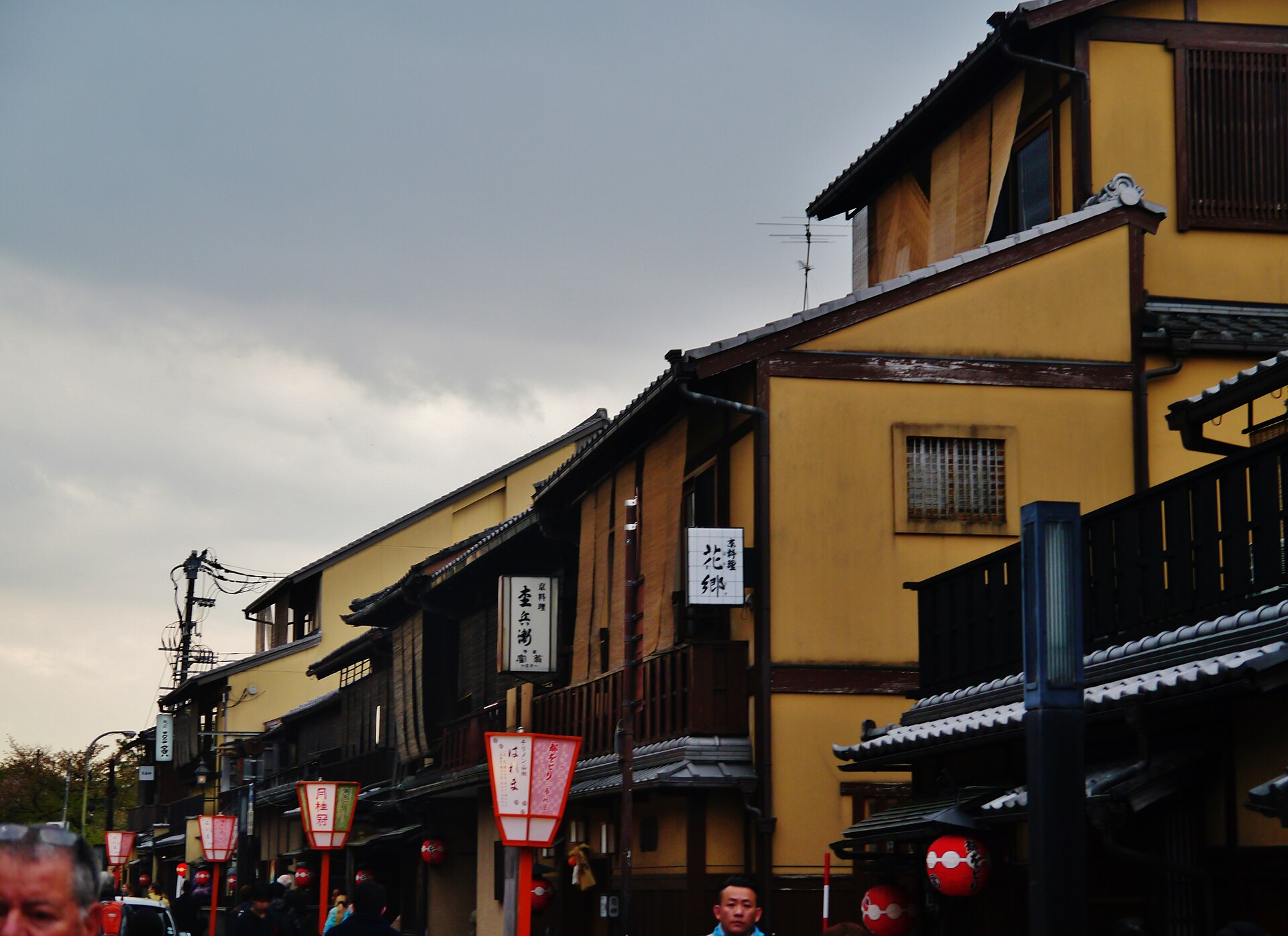
Kyoto: 4 Nights
For Kyoto I plan 4 nights in one place, giving you enough time to explore the main districts on different days and to take a full-day trip to Nara without packing up again. I wouldn’t go below 3 nights, because each of the main areas (Gion, Fushimi Inari, Arashiyama) deserves a day of its own. Kyoto Station is the main transport hub. In spring and autumn, feel free to book your hotel as much as six months ahead.
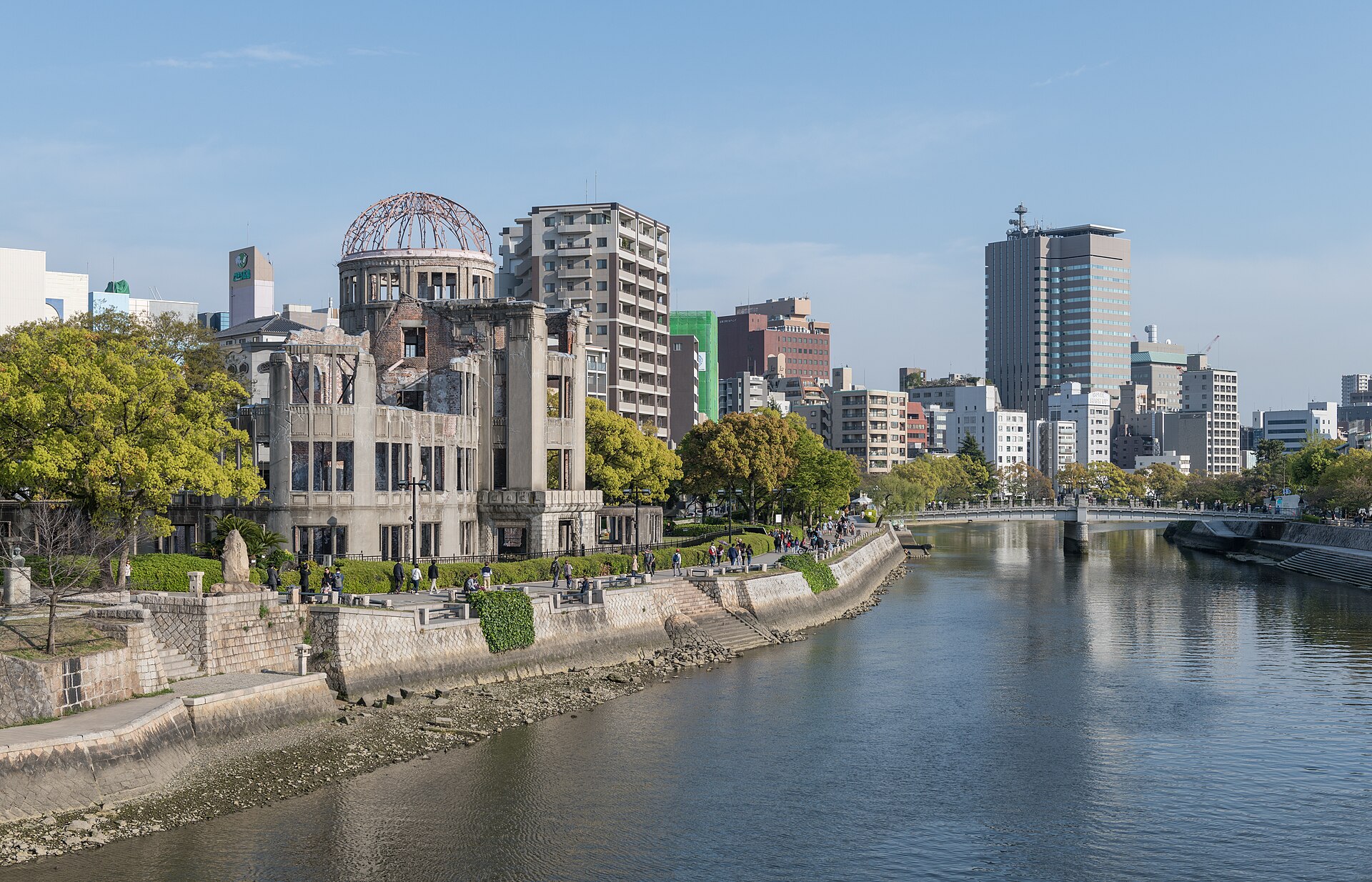
Hiroshima: 2 Nights
Hiroshima gets 2 nights so you can split the programme and don’t have to squeeze the city and Miyajima Island into one rushed day. Thanks to the second night, you can enjoy the island at your leisure until early evening and return to the same hotel instead of watching the clock for an evening shinkansen. To find out which area to choose, near the station or in the centre, read the guide Where to Stay in Hiroshima.
Osaka: 2 Nights to Finish
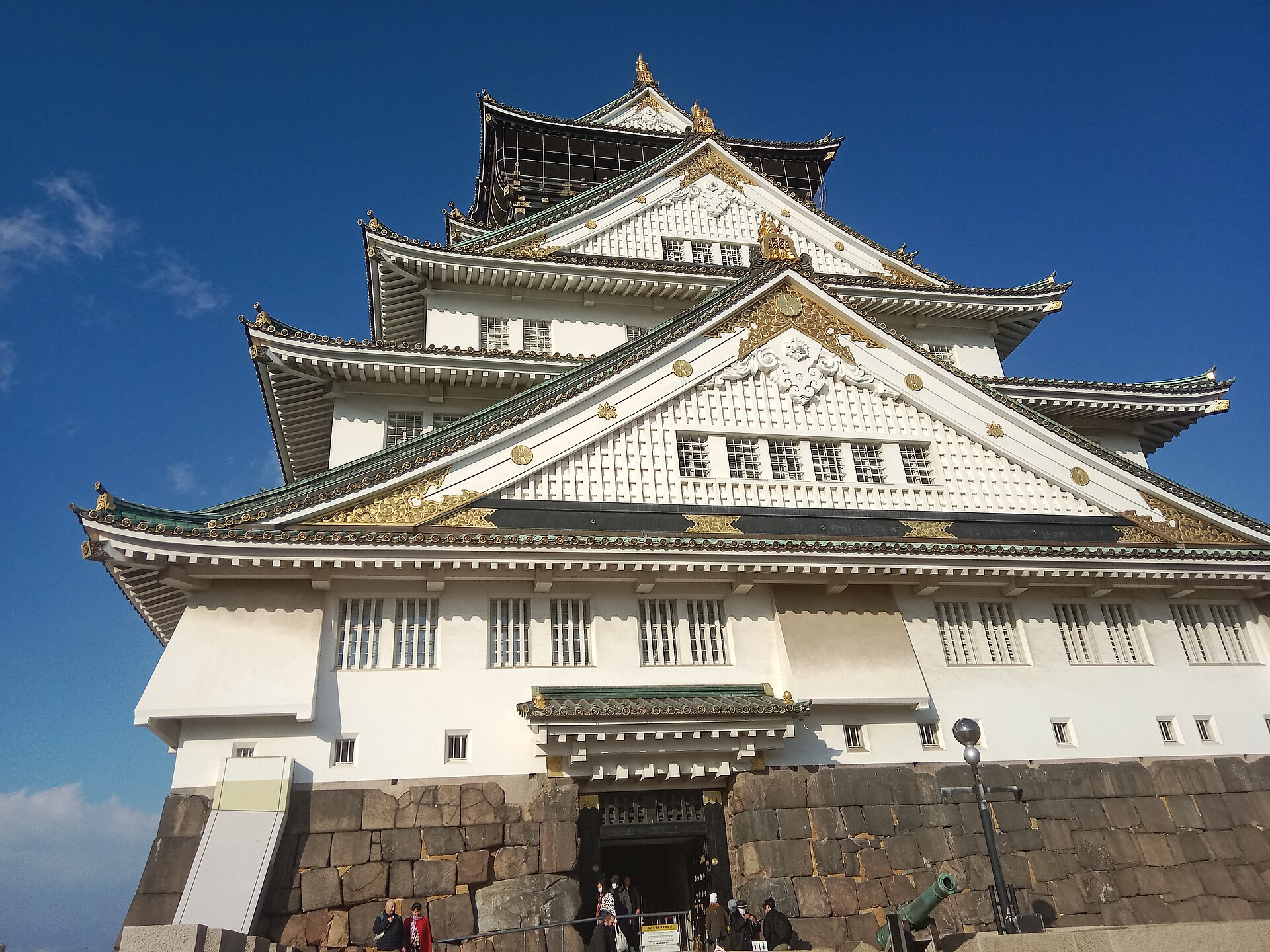
Osaka rounds off the trip with two nights before your flight home, which saves you the long journey back to Tokyo after Hiroshima.
Day-by-Day Japan Itinerary for 2 Weeks
The route covers 14 days and 13 nights: you fly into Tokyo and out of Osaka, so you never have to backtrack to the start. Prices are based on fares valid in November 2026, and the euro conversions are approximate.
Days 1–4: Tokyo
Day 1: arrival and Shinjuku. After landing, give yourself time to adjust and get in from the airport; there’s no need to cram in everything you dreamed about while planning on day one. From Narita to Shinjuku, the N’EX takes about 90 minutes and costs 3,330 JPY (around €19), while from Haneda the trip on the Keikyu line plus the Yamanote line takes about 50 minutes. Spend the evening strolling around Shinjuku; I wouldn’t add any more transfers. If you like, stop by Omoide Yokocho, an alley packed with tiny eateries, and check the arrival details beforehand in the Tokyo guide.
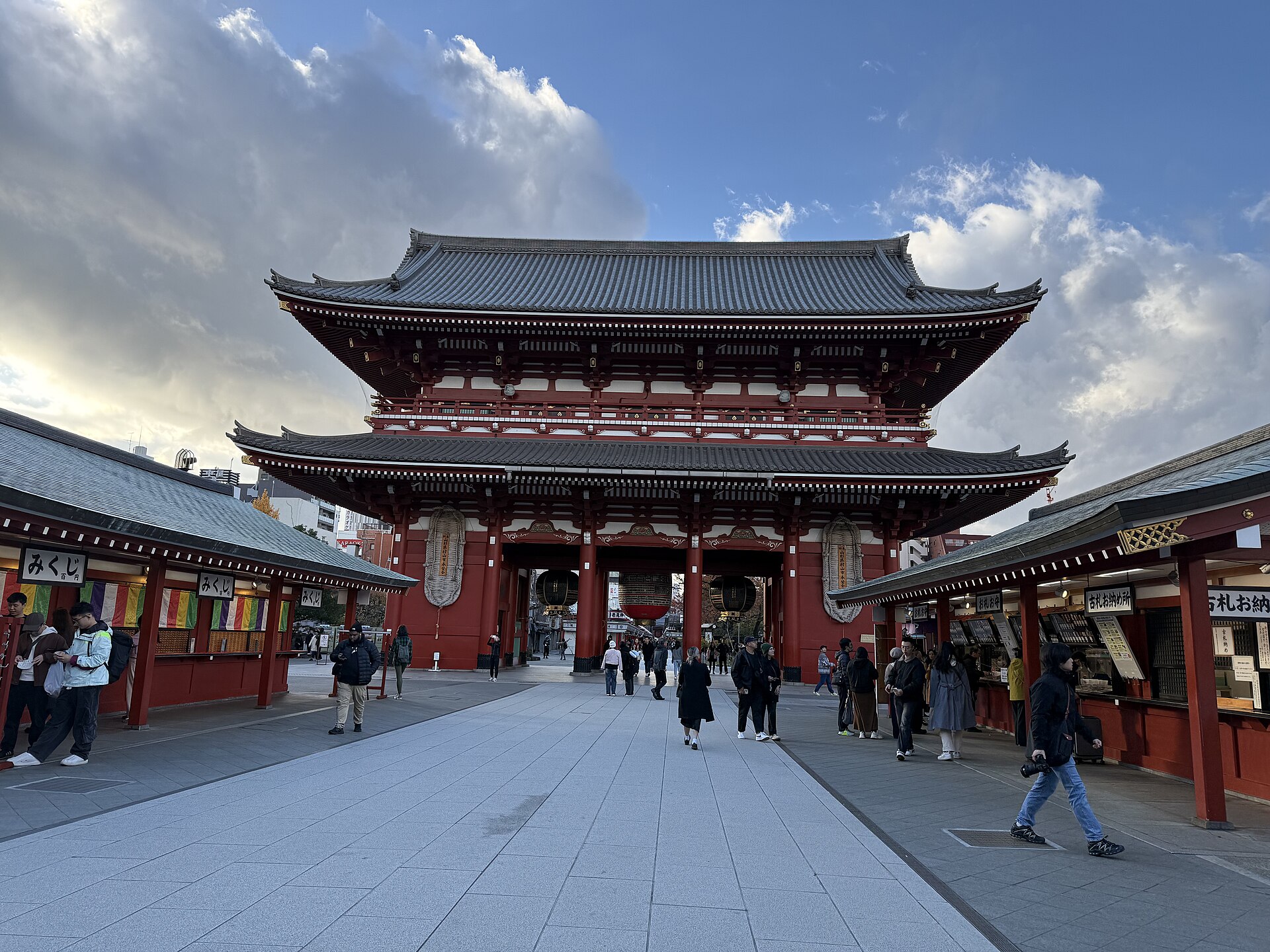
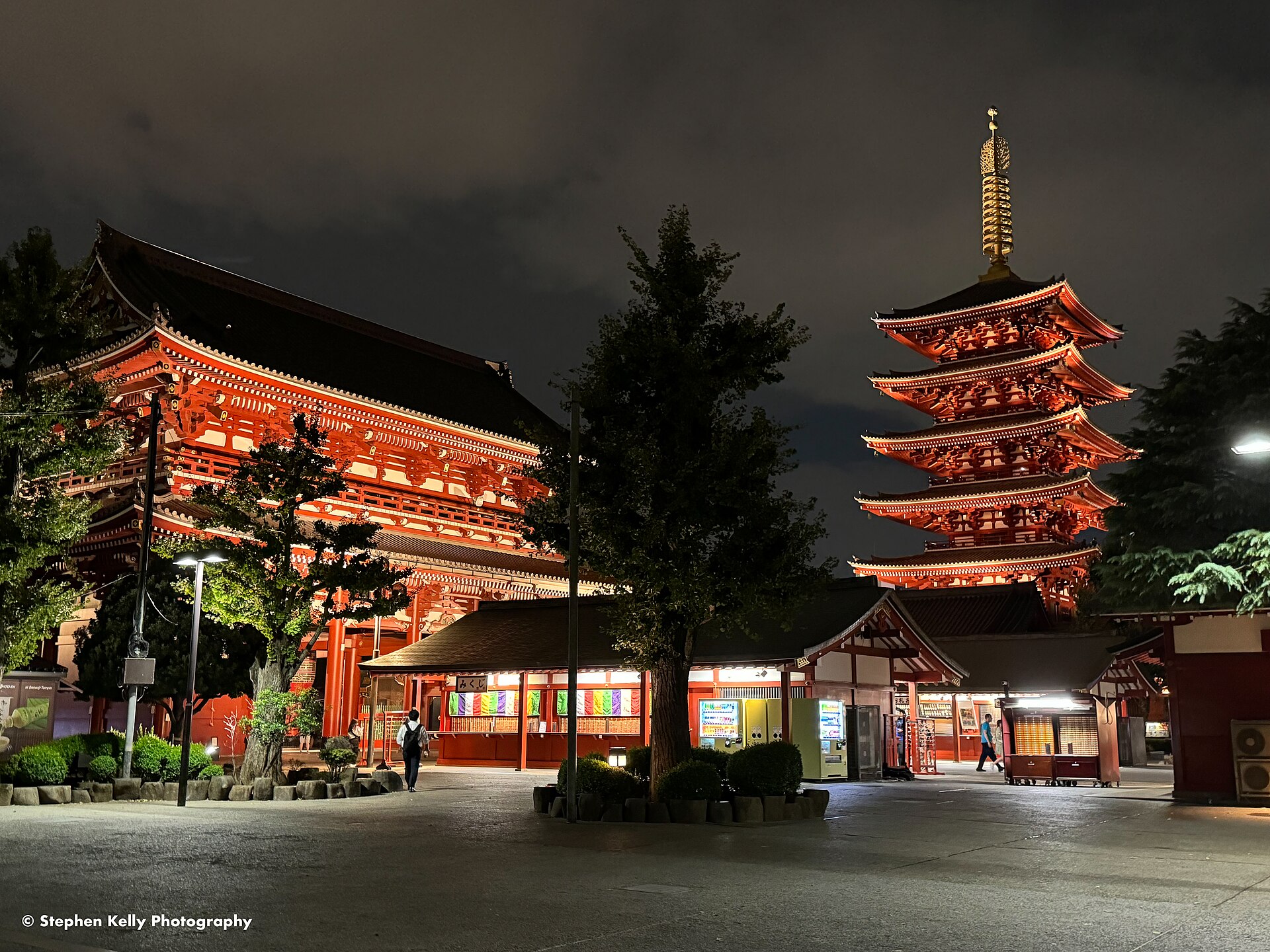
Day 2: Asakusa and Ueno. Start at Senso-ji Temple in Asakusa and carry on to Ueno Park; you don’t need a long transfer between these two parts of the city. The Ginza line gets you from Ueno to Asakusa in about 5 minutes, so you’ll have time for a slower wander without constantly checking your watch. Optionally, add Tokyo Skytree, where tickets to the Tembo Deck observation floor start at 1,800 JPY (around €10) and vary by day.
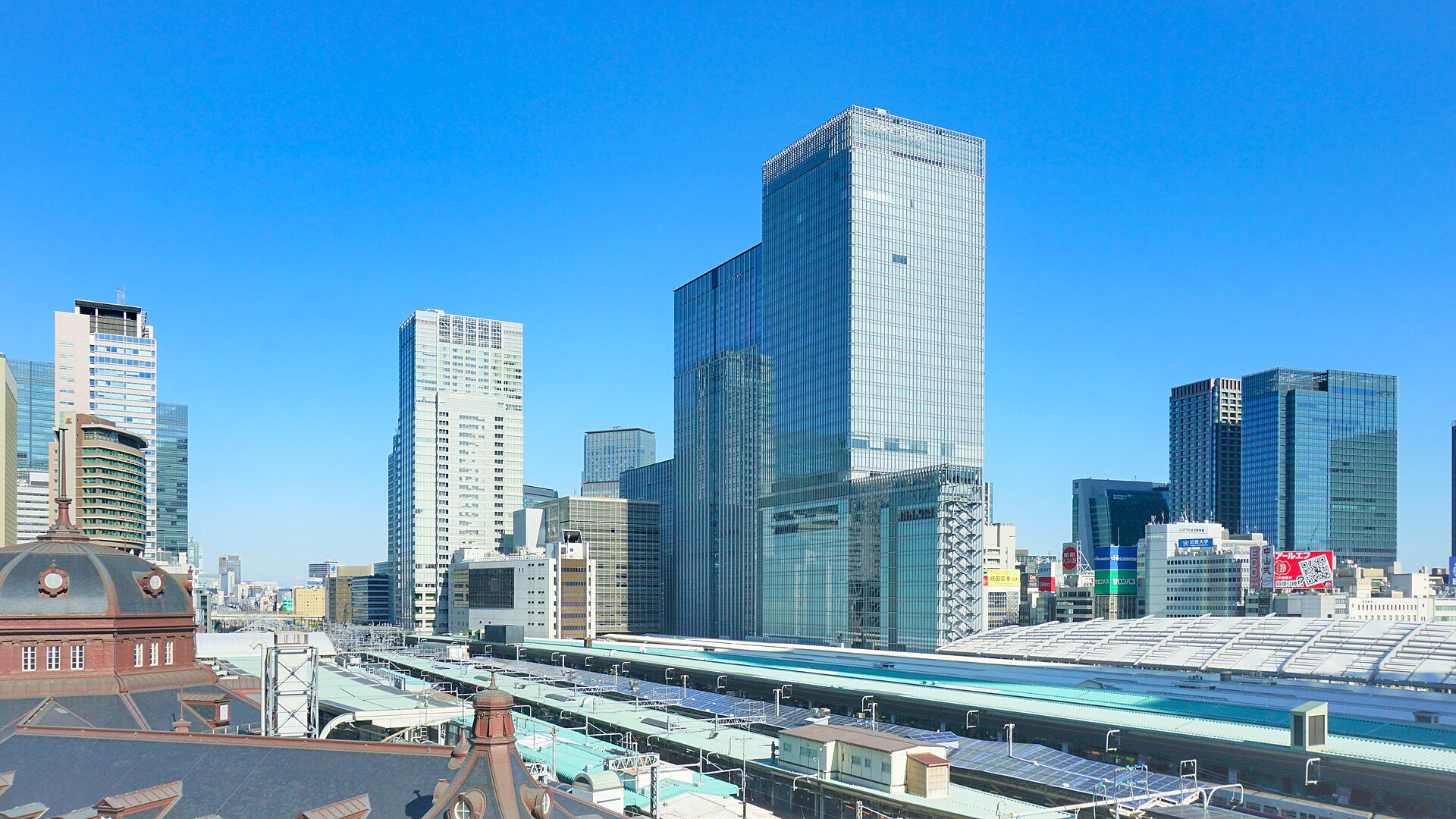
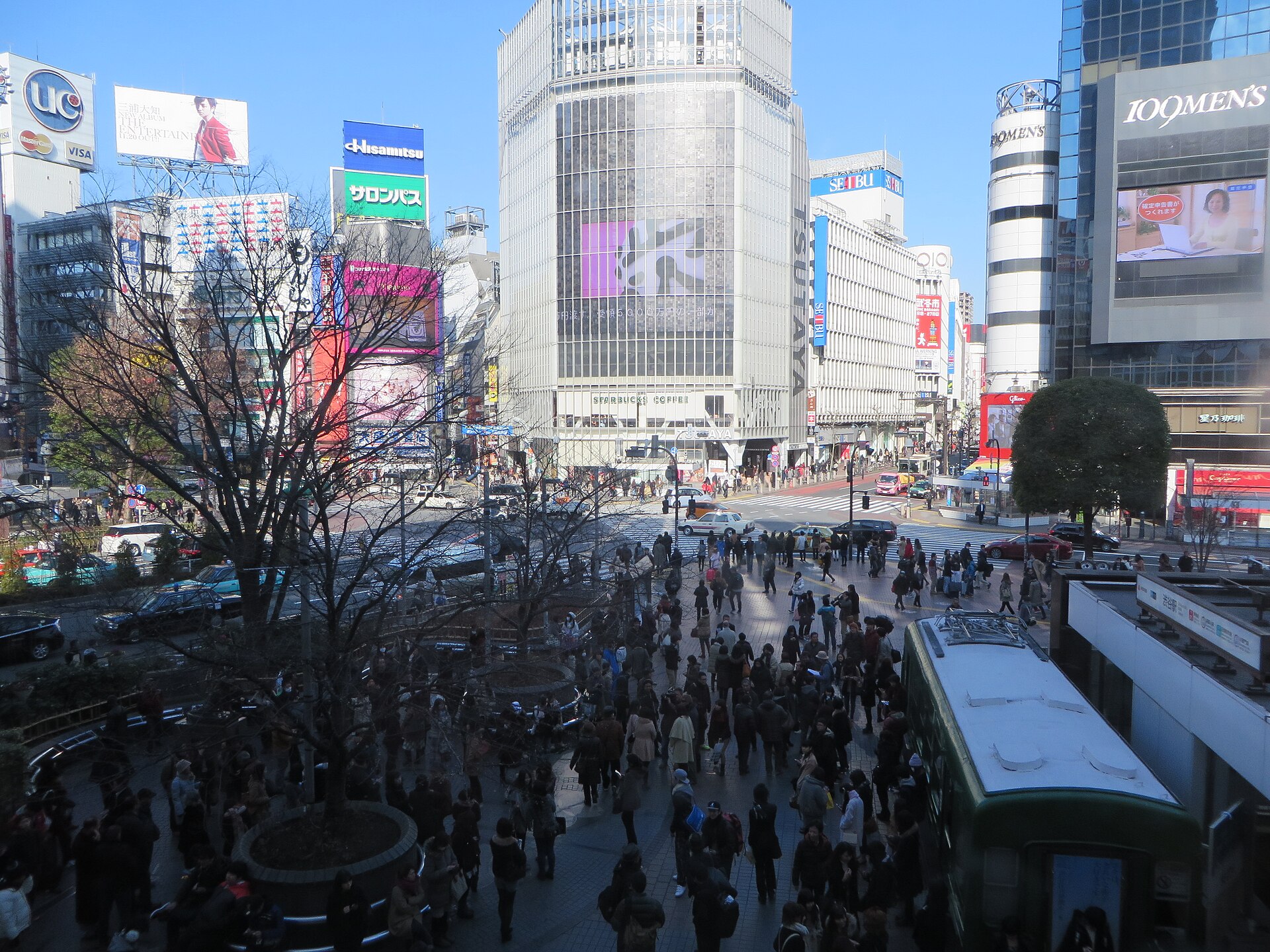
Day 3: Shibuya and Harajuku. Combine a walk to Meiji Jingu Shrine with Harajuku, then continue to Shibuya Crossing and take your time watching the city go by. The view from Shibuya Sky around sunset makes a lovely end to the day, but expect to pay 3,400 JPY online (about €19) for entry from 15:00. Earlier entry up to 14:59 costs 2,700 JPY (around €15), and bookings open 14 days in advance. Sunset slots disappear fastest, so I’d grab the ticket first and only then plan the rest of the day around it.
Day 4: day trip from Tokyo. Choose Nikko or Kamakura depending on the season: the SPACIA X train from Asakusa to Nikko takes about 1 hour 50 minutes and costs 3,340 JPY (around €19). For Kamakura, allow roughly an hour on the Yokosuka line from Tokyo Station; check the connection beforehand. Alternatively, swap the day trip for the Ghibli Museum in Mitaka and teamLab Planets. Ghibli tickets cost 1,000 JPY (about €6) and are only sold in advance, so you can’t buy them on the spot. Sales open on the 10th of each month at 10:00 Japan Standard Time (JST) for the following month, which is 2:00 in Central Europe in winter and 3:00 in summer, so convert it to your own time zone. Entry to teamLab Planets (a digital art exhibition) costs 3,800 JPY (around €20), and it’s scheduled to close at the end of 2027, so double-check. Send your big suitcase from your Tokyo hotel straight to Kyoto with Takkyubin (hotel-to-hotel luggage delivery) on this day or the morning of day 5, so you only take a small backpack to Hakone.
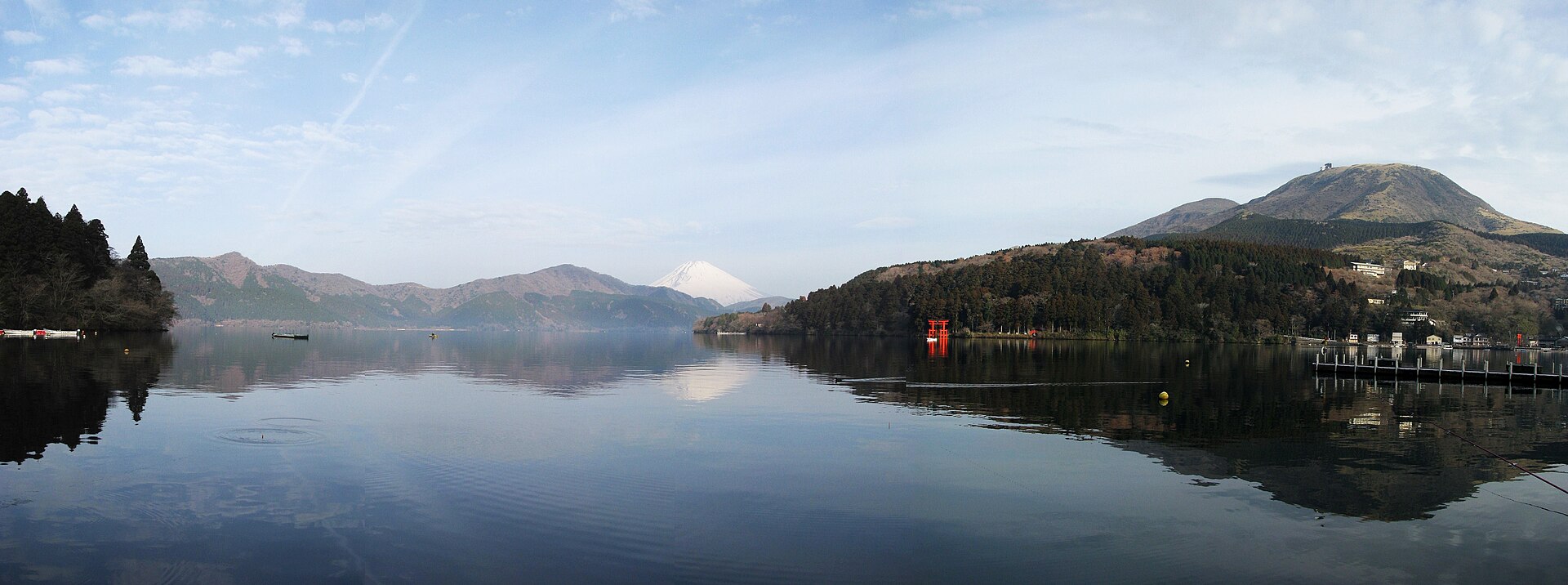
Day 5: Hakone
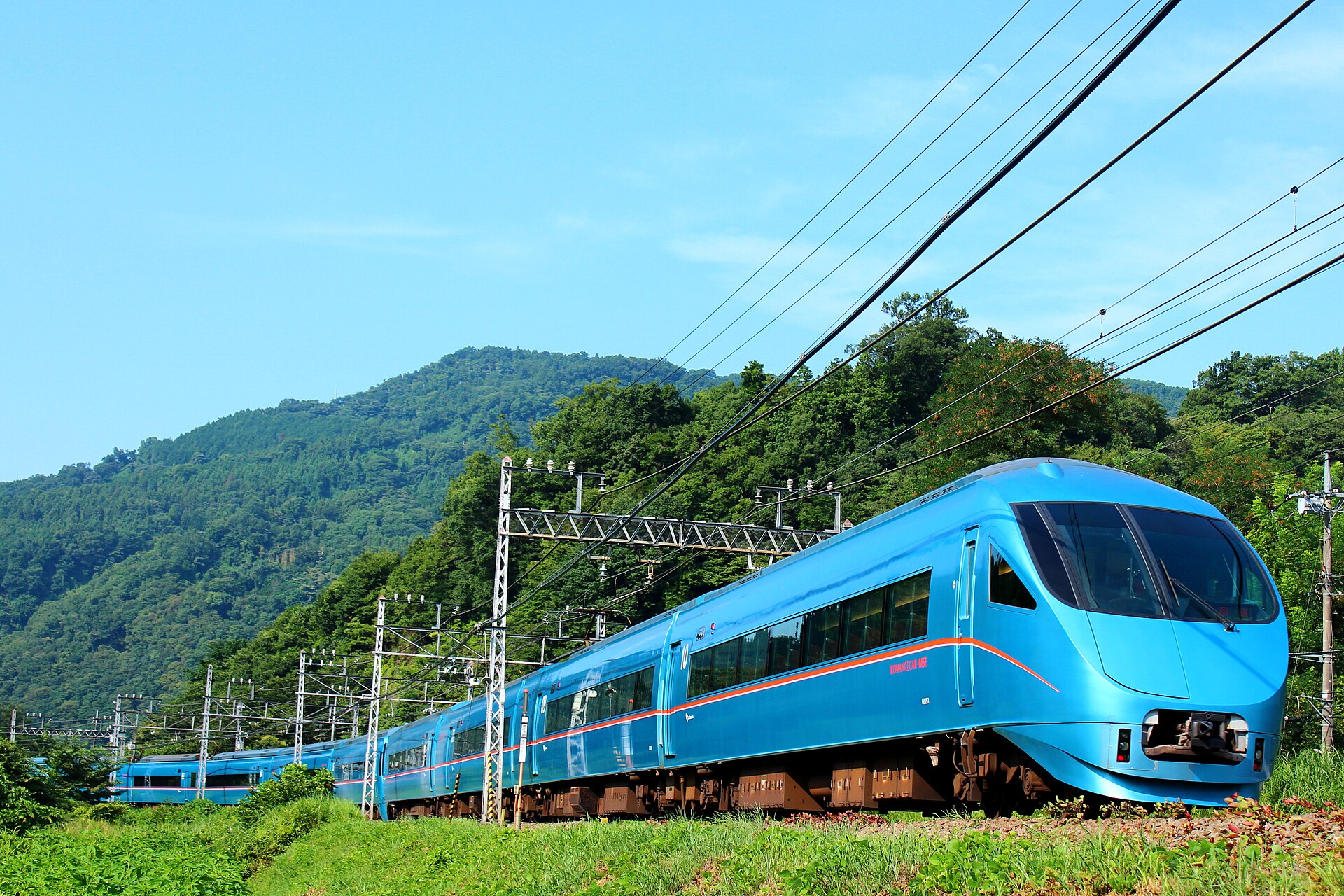
Day 5: the Hakone loop. From Tokyo, take the Hikari shinkansen to Odawara (about 35 minutes, 3,280 JPY, roughly €19). Once you’re in Hakone, use the two-day Hakone Freepass from Odawara (around 6,000 JPY, about €35, check the current price). Another option is to leave from Shinjuku on the Romancecar, Odakyu’s express train. That trip takes about 80 minutes and the supplement is around 1,200 JPY (about €7). The two-day Hakone Freepass from Shinjuku costs 7,100 JPY (about €40), but you won’t use the return leg to Shinjuku on this route. The loop links the Tozan railway with the ropeway over Owakudani (the sulphur valley) and a cruise on Lake Ashi. I wouldn’t add any other big stop. End the day with an onsen (hot spring) at a ryokan (traditional inn). Staying one night here gives you an evening without having to travel on. Book your ryokan several months ahead, especially for weekends or autumn. Arrange a vegetarian dinner without dashi at the same time. Dashi is a bonito fish stock that turns up even in meat-free dishes.
Days 6–9: Kyoto and Nara
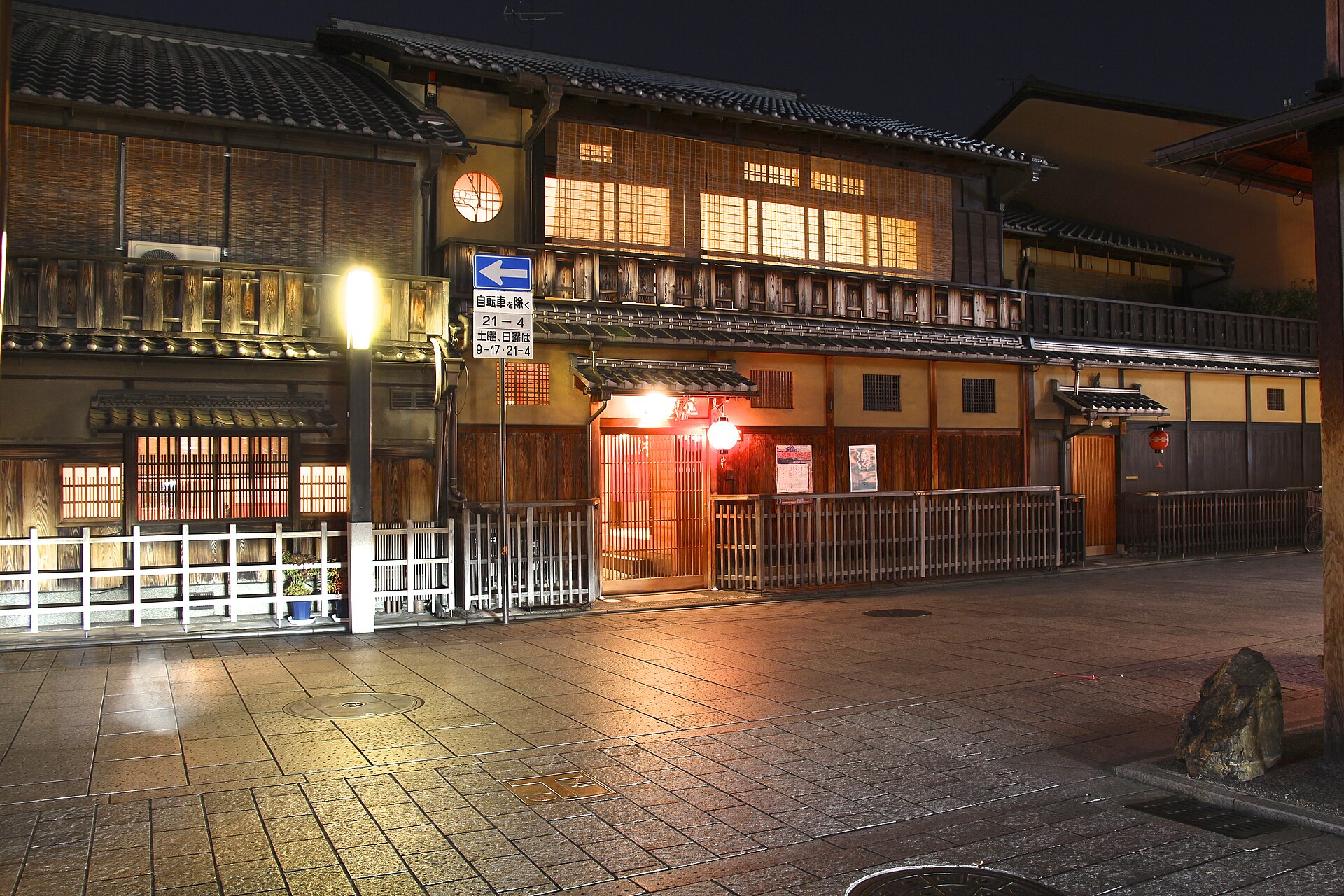
Day 6: on to Kyoto and Gion. From Hakone, head back to Odawara and take the Hikari to Kyoto. The ride takes about 2 hours, and an unreserved ticket costs 11,770 JPY, roughly €65. Nozomi trains don’t appear to stop at Odawara, so look for a Hikari. Spend the afternoon in Gion and Higashiyama. A walk past Yasaka Shrine and along Hanamikoji Street is plenty after a travel day. If your suitcase measures 161 to 250 centimetres in total (length + width + height), you’ll need to reserve a seat with an oversized luggage area on the shinkansen. The reservation is free. If you sent your luggage ahead with next-day delivery, it will usually reach Kyoto on day 6 or 7, so ask your accommodation beforehand whether they can accept it.
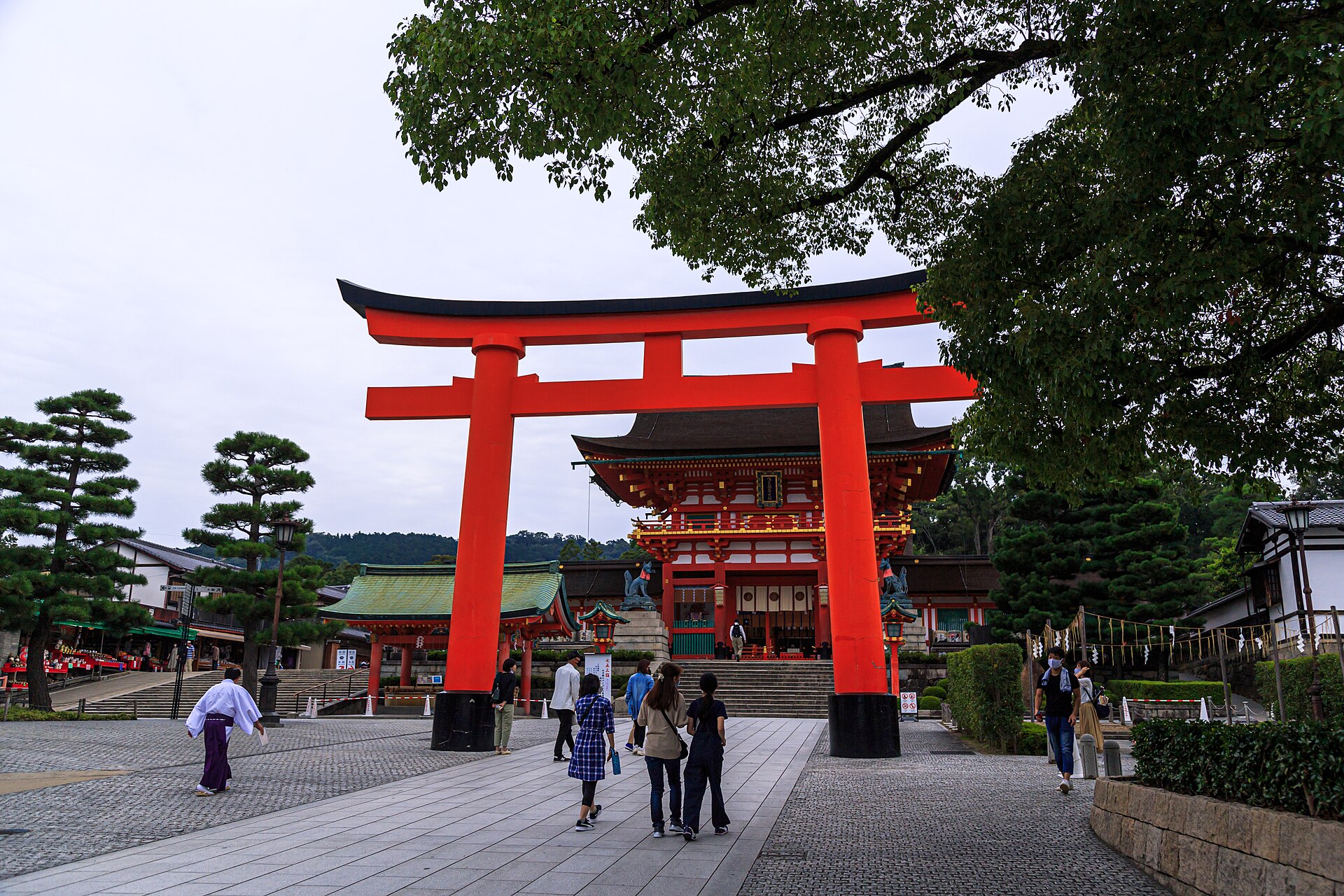
Day 7: Fushimi Inari and Kiyomizu-dera. Go to Fushimi Inari early in the morning, when you have a better chance of a quieter walk. The JR Nara Line gets you from Kyoto Station to Inari Station in about 5 minutes. You don’t need to book the shrine. It’s free and open all day. In the afternoon, continue to Kiyomizu-dera, but leave time to rest between the two rather than squeezing in another temple. You’ll find more on each area in my Kyoto guide, which will help you plan your visits without zigzagging across the city.
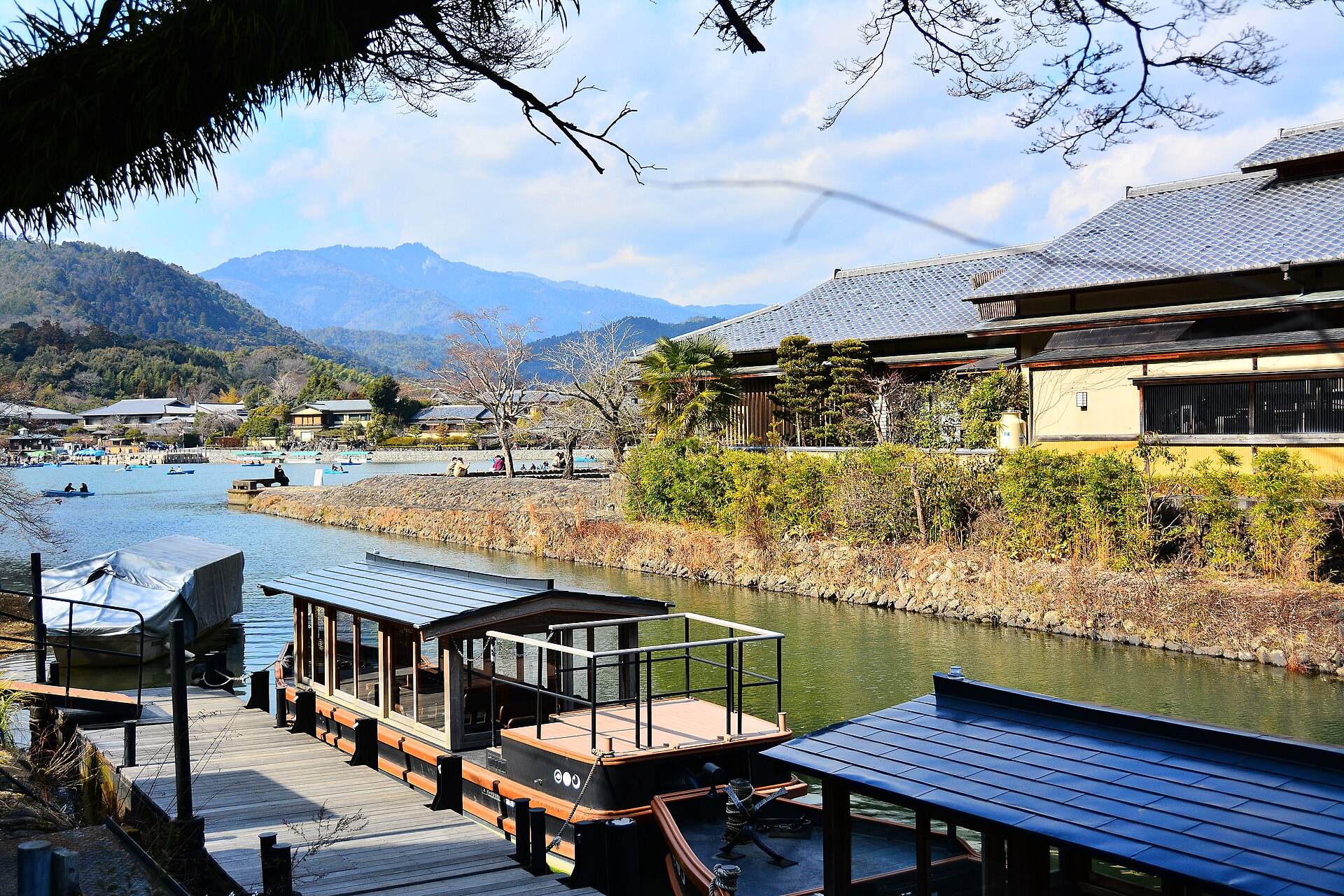
Day 8: Arashiyama. Visit the bamboo grove in the morning and spend the rest of the day in this district. This is where I’d resist adding extra stops just because they look good in photos. The JR Sagano Line takes you there from Kyoto Station in about 11 minutes, so getting there won’t eat into your morning. If you want one more stop, add Kinkaku-ji in the afternoon. Take the bus, because this isn’t a walk you should plan to do on foot.
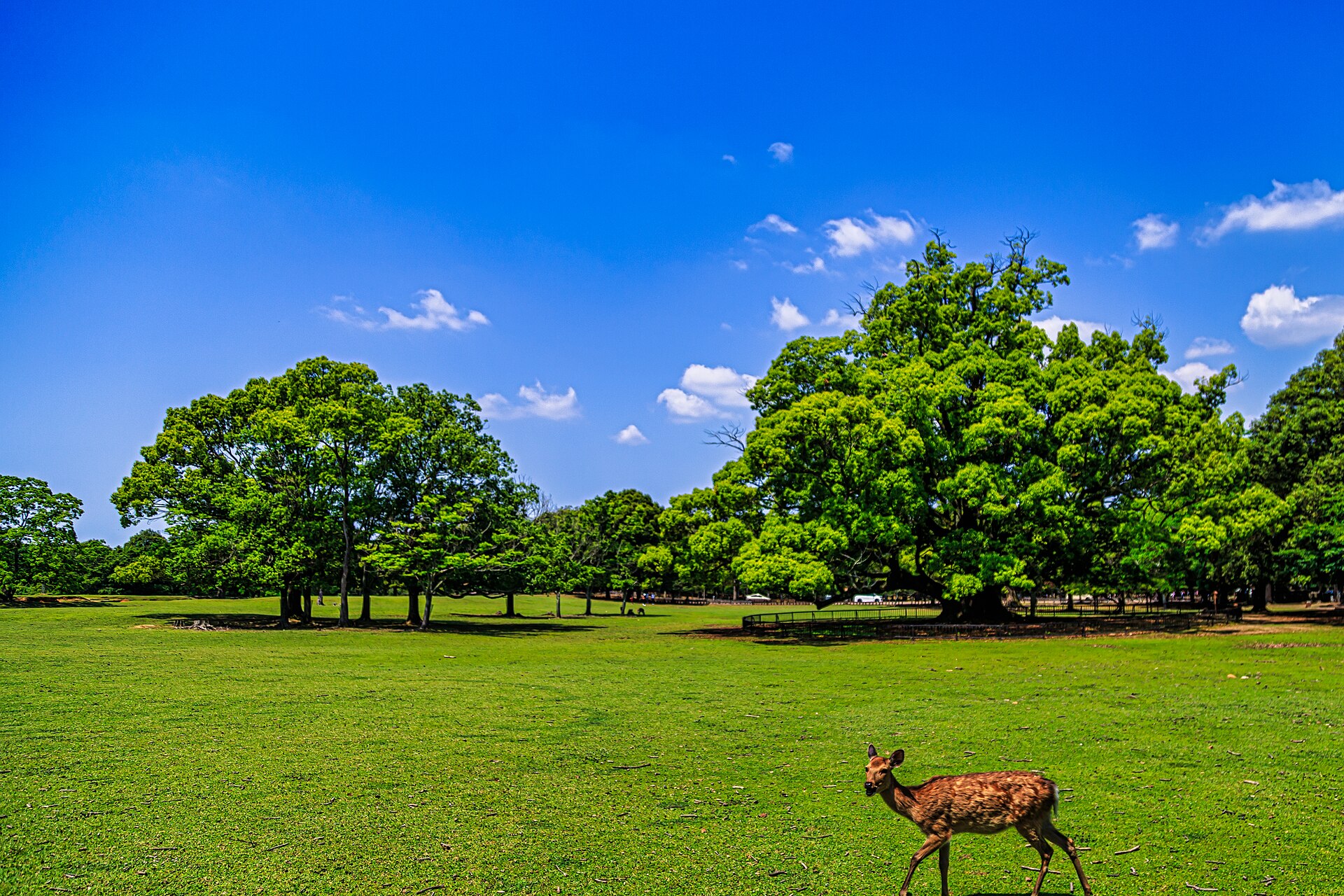
Day 9: Nara. Do Nara as a separate day trip from Kyoto. You can combine the deer park with Todai-ji without changing hotels. The JR Miyakoji Rapid takes about 45 minutes and costs around 720 JPY (about €4). The Kintetsu Limited Express is an alternative at about 35 minutes. Check the current times and fares. In the evening you go back to the same place in Kyoto, so you don’t have to deal with suitcases or another check-in during the day. Don’t treat Nara as a stop on the way to Hiroshima. Give it a day of its own and save the next move for the following morning.
Days 10–11: Hiroshima and Miyajima
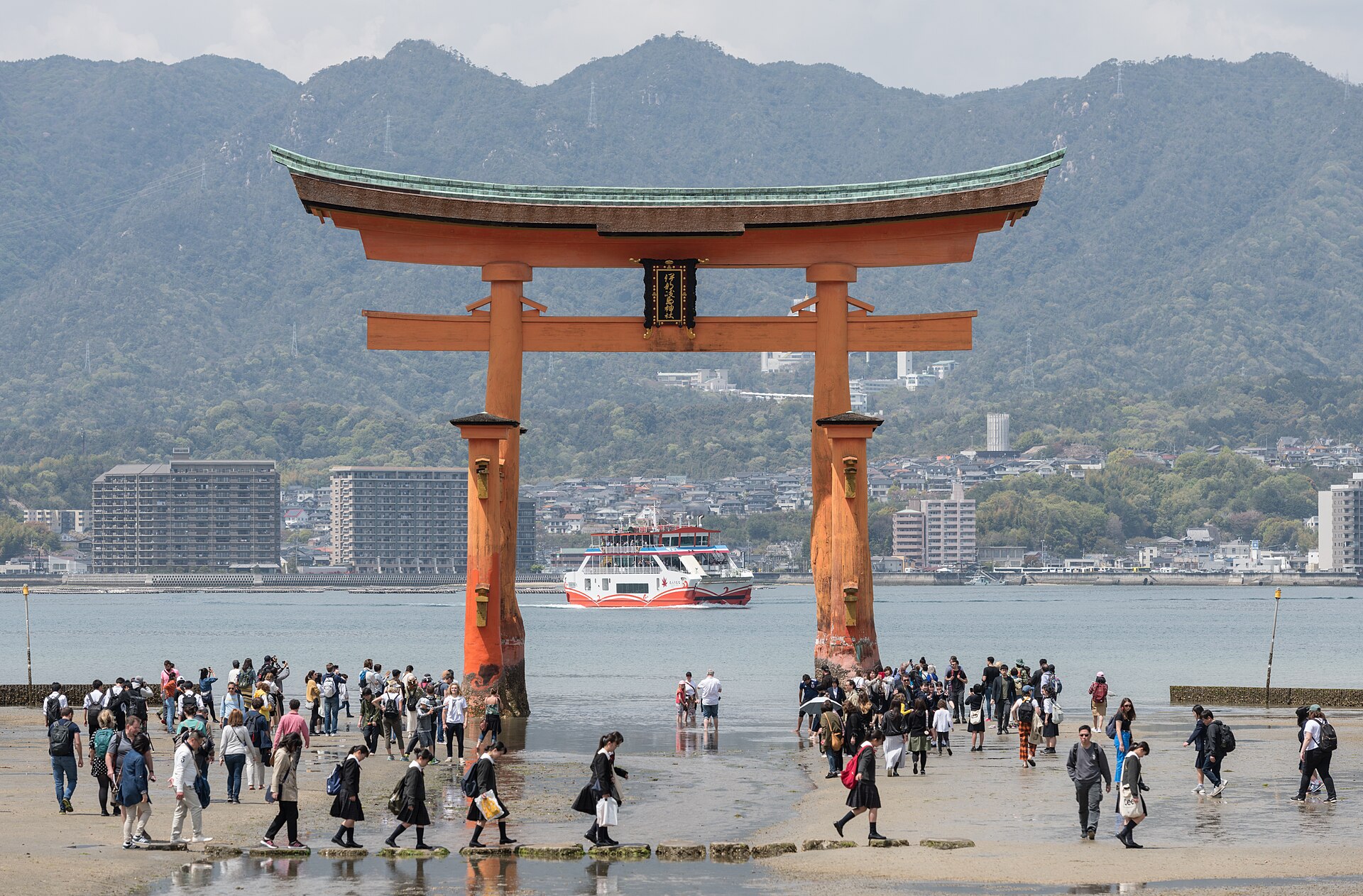
Day 10: on to Hiroshima and the Peace Park. Activate the five-day Kansai-Hiroshima Area Pass (17,000 JPY, roughly €95) for days 10 to 14. From Kyoto, take the JR Special Rapid to Shin-Osaka and change there to the shinkansen for Hiroshima. You need to do this because the pass doesn’t cover the shinkansen between Kyoto and Shin-Osaka. The change will make the journey a bit longer. Without the pass, a direct Nozomi from Kyoto takes about 1 hour 40 minutes. It costs 11,840 JPY (roughly €65) on smartEX or about 11,940 JPY (€70) at the ticket office. Spend the afternoon at the Peace Park with the Atomic Bomb Dome and the Peace Memorial Museum. Don’t rush it. You’ll find more details in my Hiroshima guide.
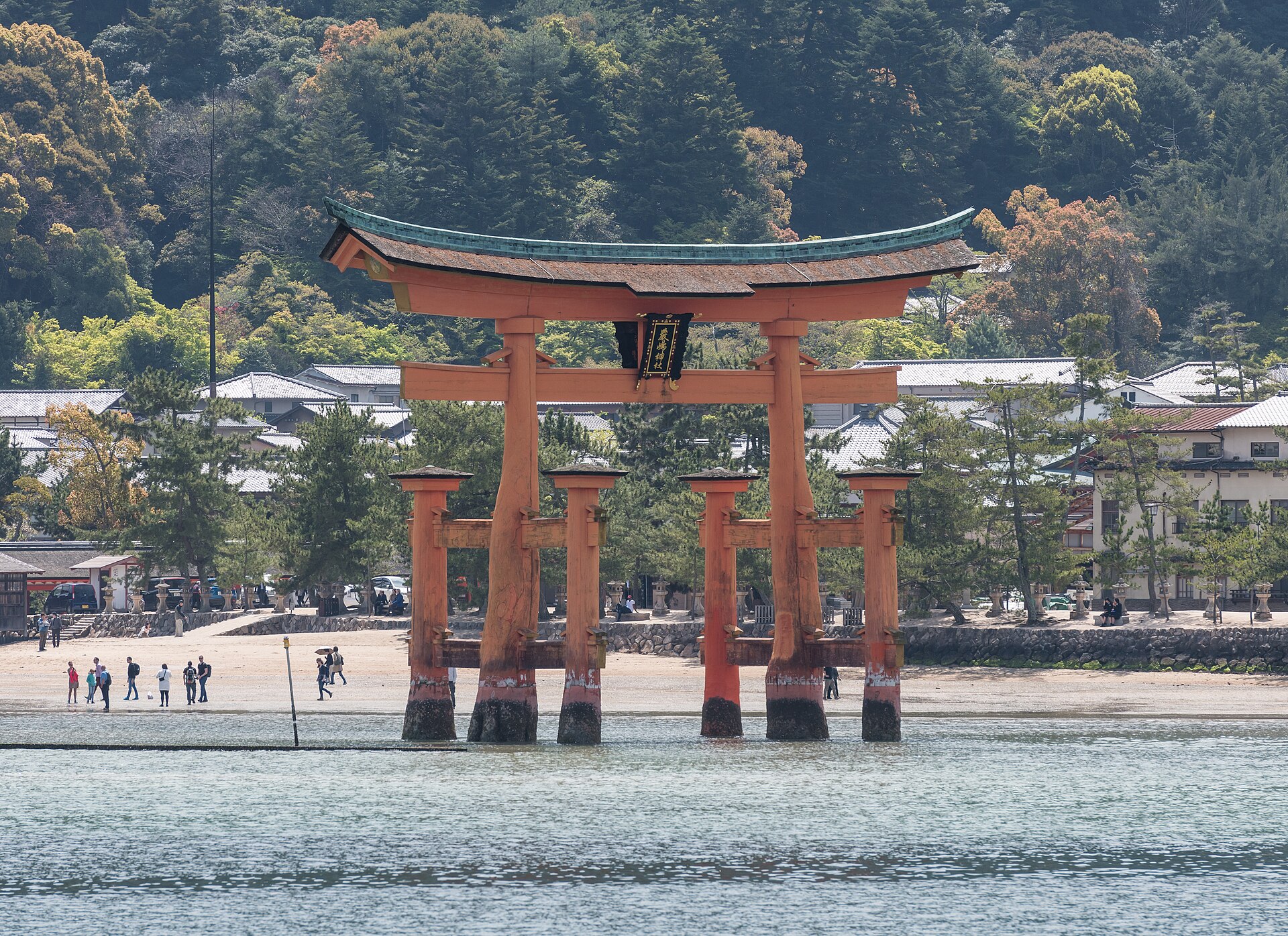
Day 11: Miyajima. Set off for Miyajima early and give it the whole day. That way you can combine Itsukushima Shrine with Mount Misen without cramming in anything else. The regional pass covers both the JR train and the JR ferry. The only extra cost is the 100 JPY visitor tax (roughly €0.60). Without the pass, the train from Hiroshima to Miyajimaguchi takes about 27 minutes and costs around 420 JPY (about €2.40). The ferry takes about 10 minutes and costs around 200 JPY (about €1). Check the current fares. You’ll head back to Hiroshima in the evening. Staying a second night means you can enjoy the island without having to travel on to Osaka the same day.
Days 12–14: Osaka and Departure
Day 12: on to Osaka and Dotonbori. The Nozomi from Hiroshima to Shin-Osaka takes about 1 hour 25 minutes, and a single ticket costs 10,850 JPY (€60). The Kansai-Hiroshima Area Pass covers this leg, but check whether you can use a particular Nozomi when you book. Once you’ve checked in, spend the evening in Dotonbori and Namba. I wouldn’t plan anything further afield after a travel day, especially since you still have a full day in the city ahead. You’ll find practical details in my Osaka guide. You stay here for the last two nights, so there’s no more changing hotels.
Day 13: Osaka Castle and Shinsekai. Start the day at the castle, then move on to Shinsekai, and don’t add another trip on top. Or you can swap the whole day for Himeji. Entry for non-residents costs about 2,500 JPY (roughly €14), but check the current fee before you go. Keep your last evening relaxed so you have time to pack and check how you’ll get to the airport.
Day 14: flying home from KIX. To get from Osaka to Kansai Airport (KIX), take the Nankai Rapi:t or a JR train (the Haruka is JR’s airport express). Choose based on where you’re staying and when your flight leaves, and check whether your regional pass covers this trip. If you change the route and leave from Kyoto, the Haruka takes about 78 minutes. From 1 November 2026, the discounted ticket for foreign visitors costs 2,700 JPY (roughly €15). Flying out of Osaka means you don’t have to go back to Tokyo. The trip from Hiroshima to Tokyo would cost 19,660 JPY (about €110) and take around 4 hours.
Getting Around and Train Tickets
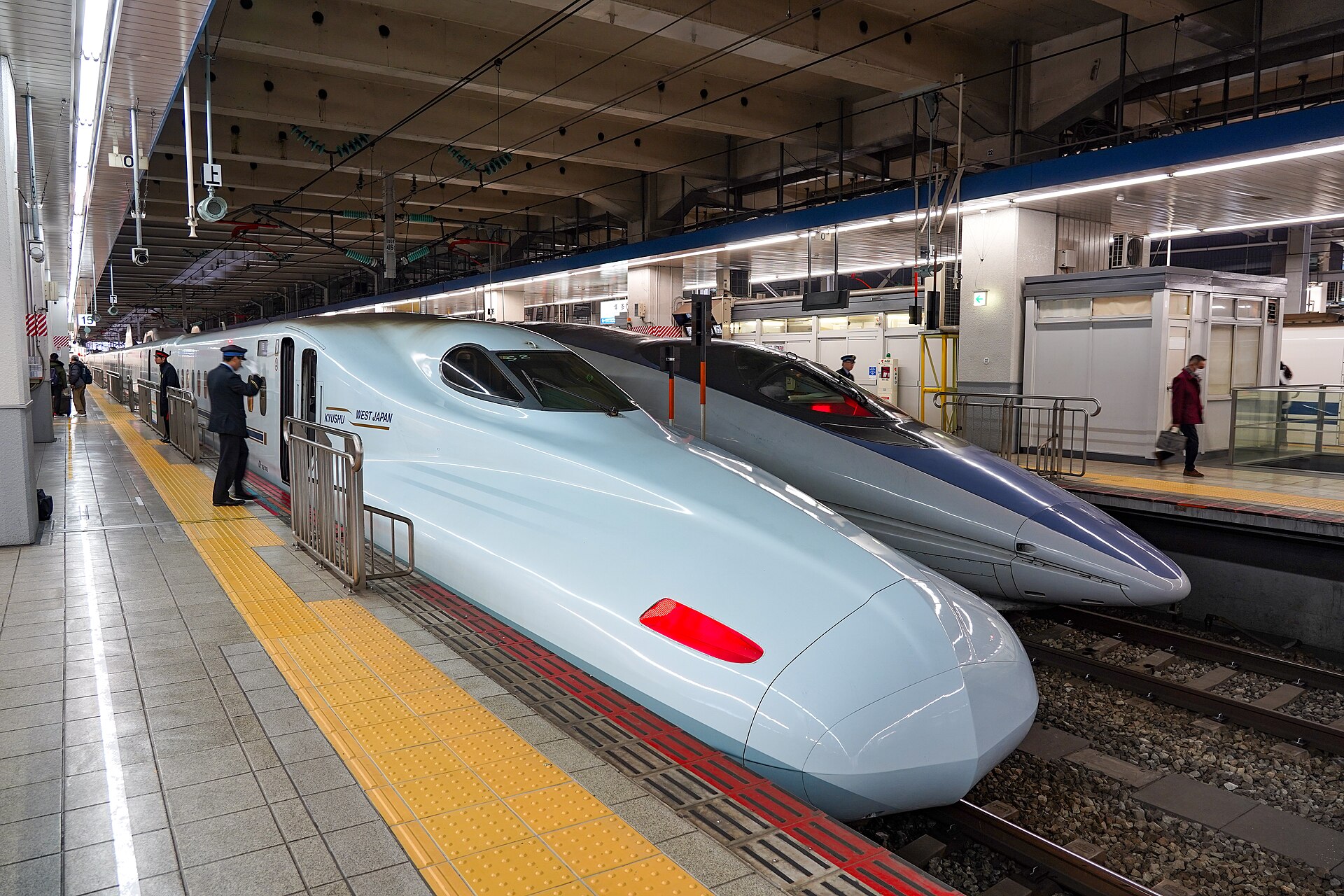
For this route, I recommend single tickets plus a regional pass. A nationwide JR Pass would make transport more expensive on this two-week Japan itinerary.
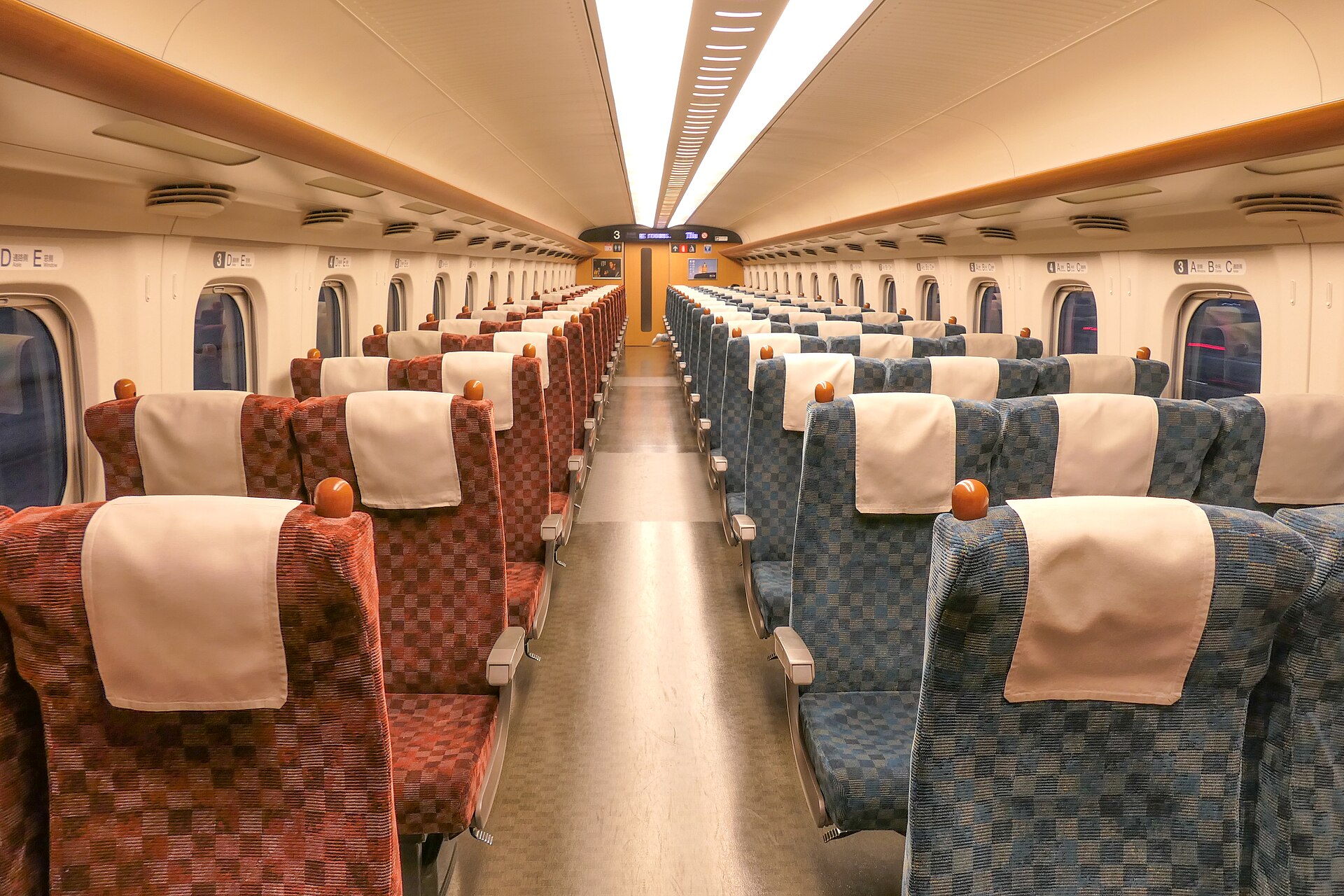
How Much Transport Costs for the Whole Route
Based on fares valid in November 2026, the main journeys between Tokyo and Osaka work out cheaper if you use the Kansai-Hiroshima Pass for the end of your trip. The table compares this combination with buying single tickets. The euro amounts are approximate.
| Leg | Train | Time | Price (JPY) | Price (EUR) |
|---|---|---|---|---|
| Tokyo–Odawara | Hikari / Kodama (unreserved) | about 35 min (Hikari) | 3,280 JPY | about €19 |
| Odawara–Kyoto | Hikari (unreserved) | about 2 h | 11,770 JPY | about €65 |
| Kyoto–Hiroshima | Nozomi (reserved seat) | about 1 h 40 min | 11,840 JPY | about €65 |
| Hiroshima–Shin-Osaka | Nozomi (reserved seat) | about 1 h 25 min | 10,850 JPY | about €60 |
| Kansai-Hiroshima Area Pass (days 10–14) | – | – | 17,000 JPY | about €95 |
| Total with single tickets | about 37,740 JPY | about €210 | ||
| Total with the Kansai-Hiroshima Pass | about 32,050 JPY | about €180 |
The single-ticket total (37,740 JPY) adds up the first four rows without a pass. The total with the pass (32,050 JPY) combines the first two rows and the pass (3,280 + 11,770 + 17,000 JPY). Stopping in Hakone makes the Tokyo–Kyoto journey only about 1,000 JPY more expensive than a direct 14,070 JPY Nozomi (3,280 + 11,770 = 15,050 JPY). The Hakone Freepass comes on top of that.
These prices are for buying on smartEX in regular season. For the reserved-seat trains listed, you’ll pay about 100 JPY (€0.60) more at the ticket office. At peak times, reserved seats cost 200 to 400 JPY (about €1–2) more. Off-season, they’re 200 JPY (about €1) cheaper. If your journey runs on two lines (Kyoto–Hiroshima uses both the Tokaido and Sanyo lines), the adjustment is doubled.
These totals don’t include the Hakone Freepass or local public transport. With single tickets, you’ll also need to add day trips and airport transfers. With the pass, you travel between Kyoto and Shin-Osaka on a regular JR Special Rapid train, which the pass covers, rather than the direct Nozomi shown in the table.
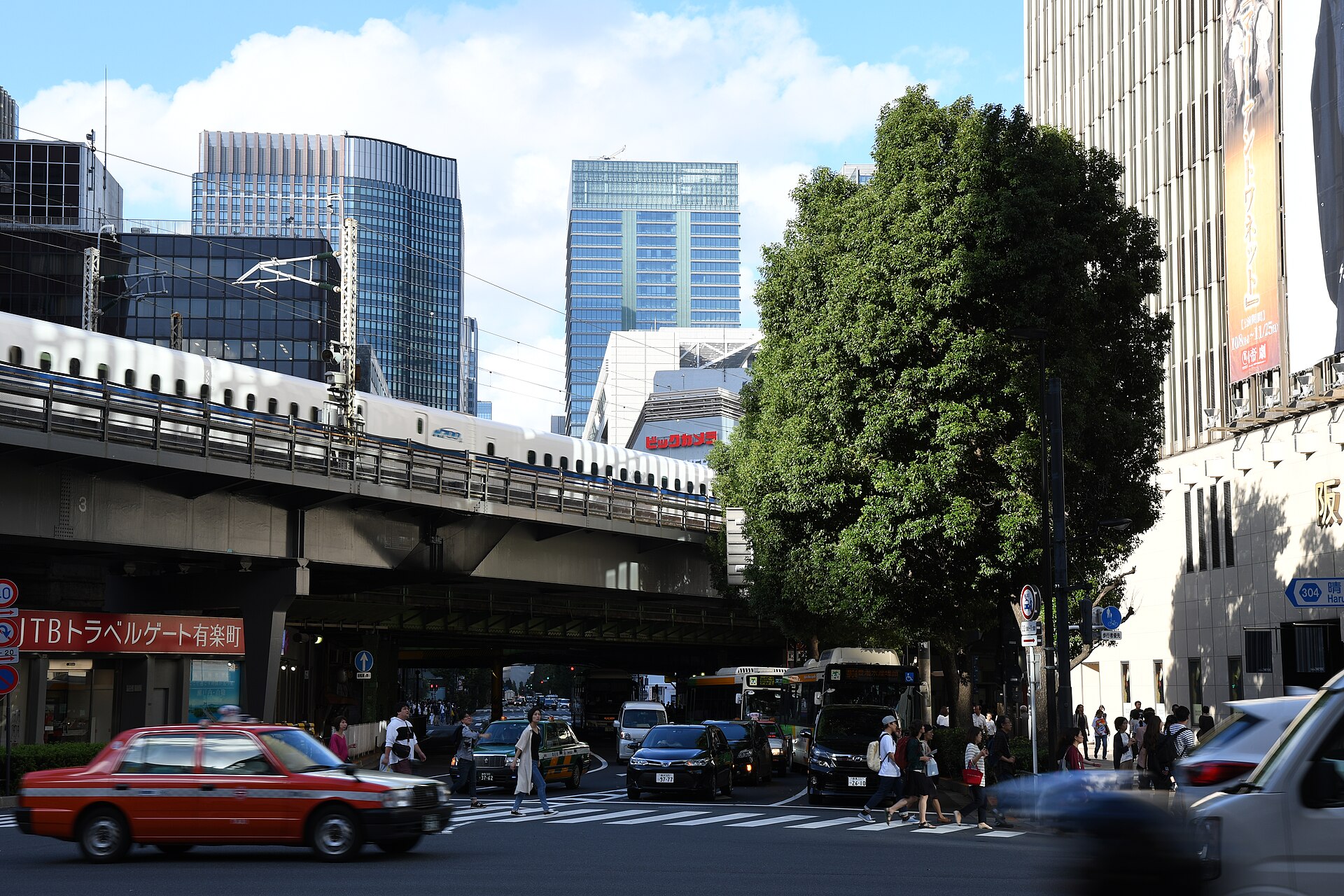
Is the JR Pass Worth It?
The nationwide JR Pass doesn’t pay off on this route. For now, the official website still lists 80,000 JPY (about €460) for the 14-day pass and 50,000 JPY (about €280) for the 7-day pass, while overseas agencies are charging from 1 October 2026 53,000 JPY (about €300) for one week, 84,000 JPY (about €480) for two weeks and 105,000 JPY (about €600) for three weeks.
To ride the Nozomi and Mizuho with the nationwide pass, you need a supplement ticket: 4,960 JPY (about €30) from Tokyo to Kyoto and 6,500 JPY (about €35) to Hiroshima. You’ll find all the details in our article Japan for First-Timers: JR Pass and Practical Tips.
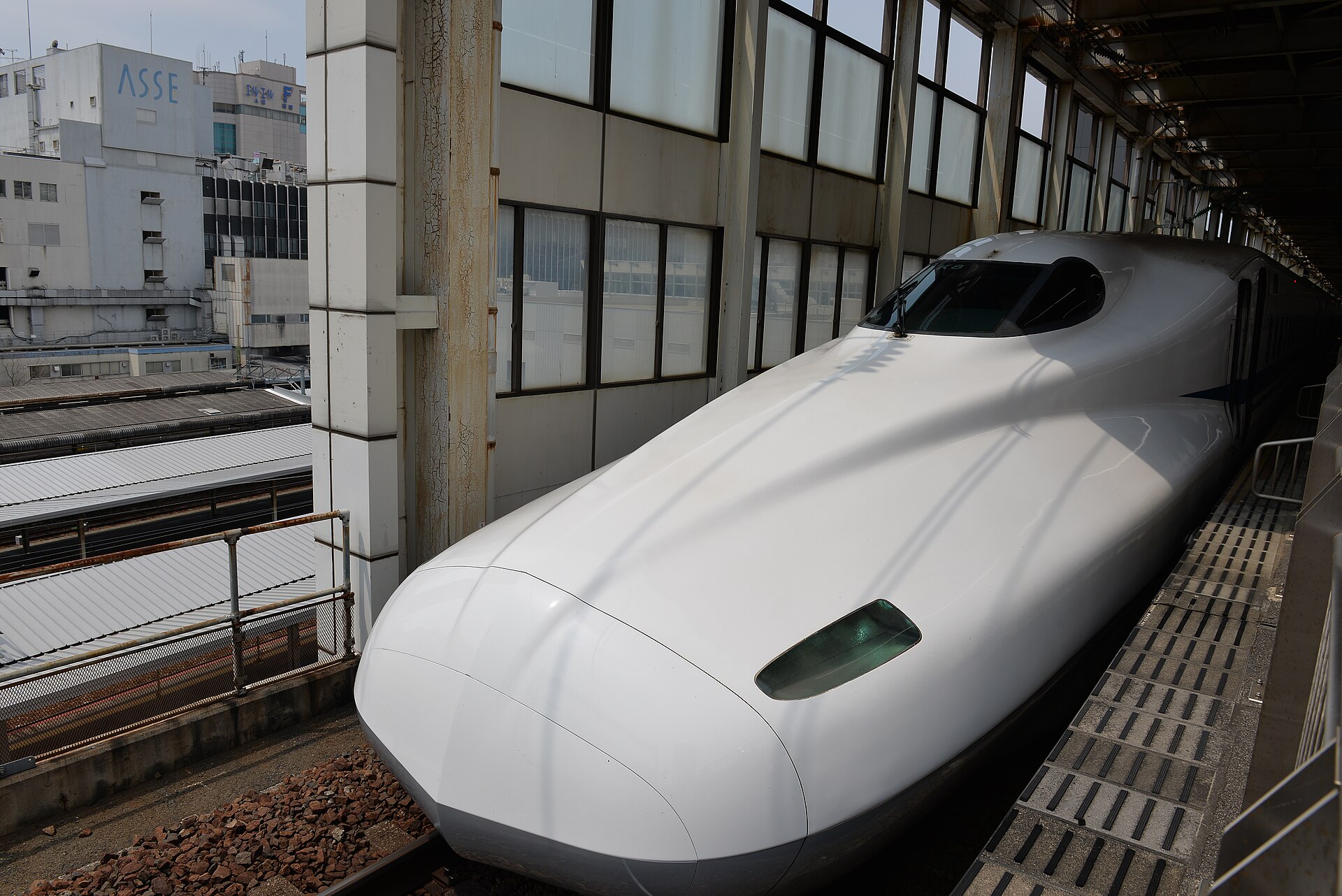
Kansai-Hiroshima Pass for the Last 5 Days
The Kansai-Hiroshima Area Pass is valid for five consecutive days, which on this route means day 10 through day 14. Adults pay 17,000 JPY (about €95) and children 8,500 JPY (about €50) – a return Shinkansen ticket between Shin-Osaka and Hiroshima on its own would cost more.
The pass covers the Sanyo Shinkansen between Shin-Osaka and Hiroshima, including seat reservations, plus selected JR services in Kansai, including trips to Nara and Himeji. It also includes the JR ferry to Miyajima, although you pay the 100 JPY (about €0.60) visitor tax separately.
The Kyoto to Shin-Osaka Shinkansen section is not covered by the pass, because it belongs to the Tokaido line. So from Kyoto, take the JR Special Rapid train and switch to the Shinkansen at Shin-Osaka – I wouldn’t buy a direct Nozomi with this pass without double-checking first. ⚠️ Before you buy, verify whether it’s valid for the Nozomi on the Sanyo line and for your specific train to KIX airport.
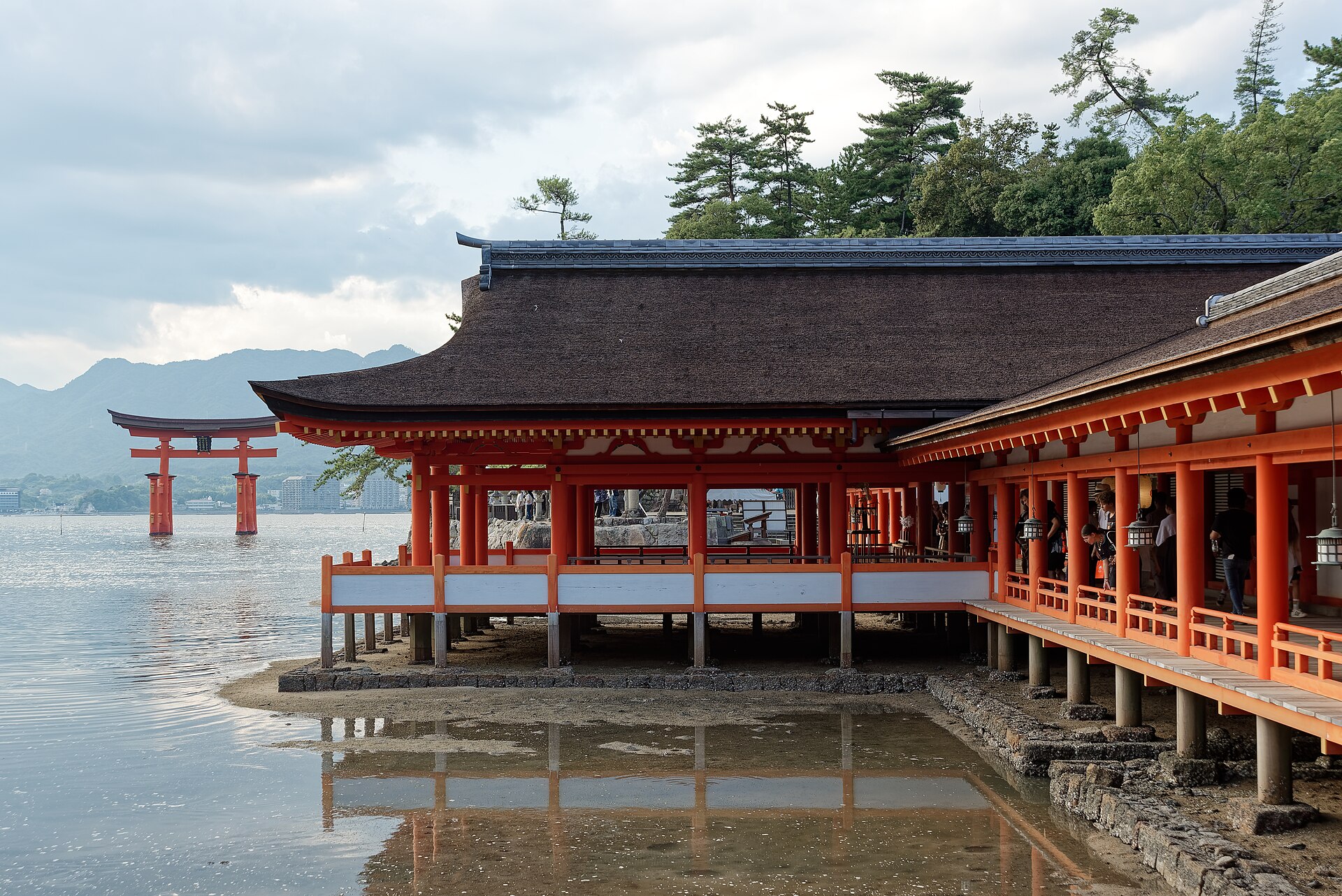
Hakone Freepass and the Romancecar
The main plan has you travelling from Tokyo to Odawara on the Hikari Shinkansen (3,280 JPY). In Hakone, you’ll use the 2-day Hakone Freepass from Odawara, roughly 6,000 JPY (about €35), while the 3-day version costs 6,400 JPY (about €35) – I recommend checking these prices before you go. The next day, you continue from Odawara to Kyoto, again on a Hikari train. The pass covers the Tozan Railway, the ropeway over Owakudani, the Lake Ashi boat and local buses.
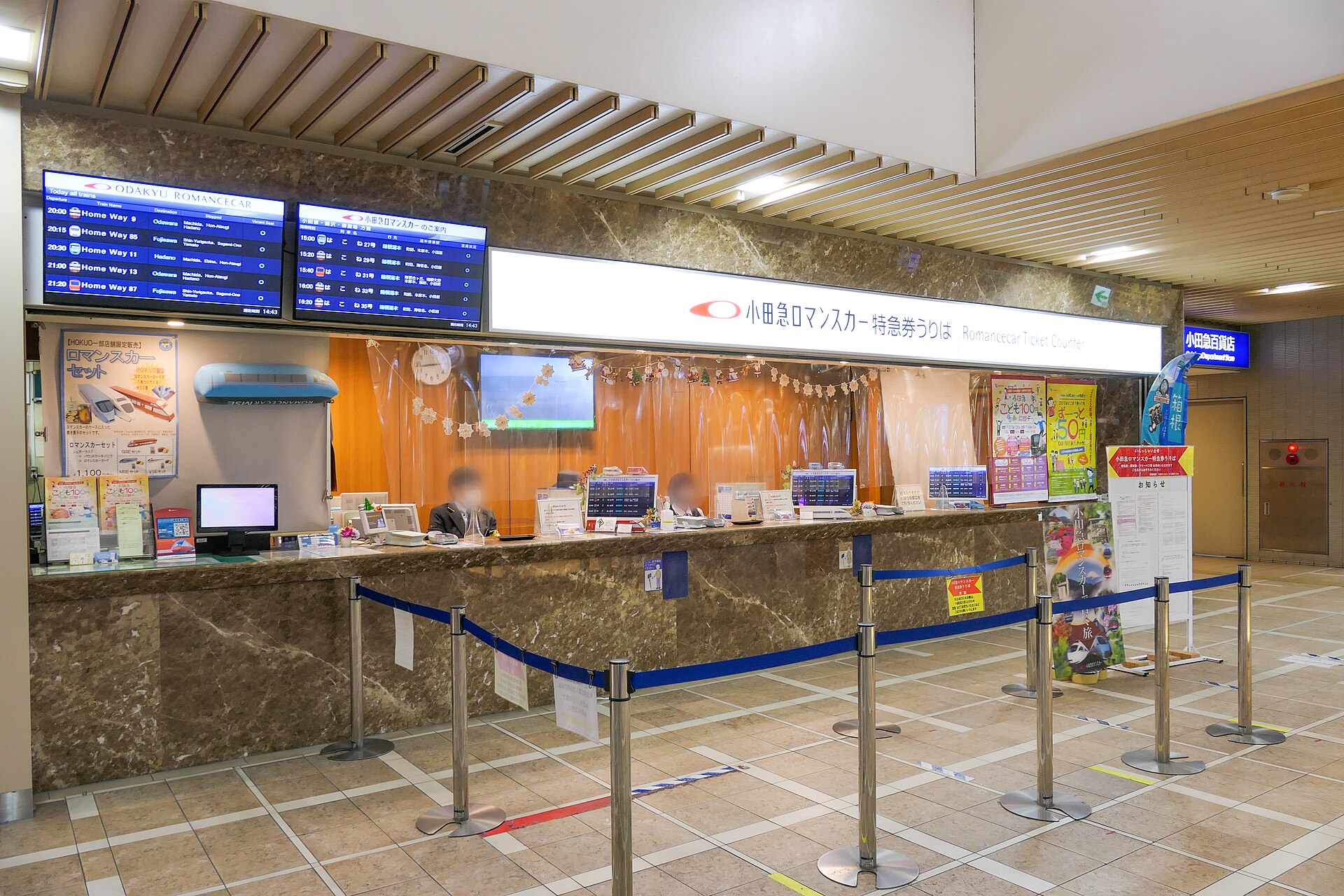
An alternative is the Romancecar from Shinjuku (an Odakyu express, about 80 minutes) combined with the Freepass from Shinjuku for 7,100 JPY (about €40) for two days, or 7,500 JPY (about €45) for three days. This version includes a return trip on regular Odakyu trains, but you won’t use the return leg to Shinjuku on this route, since the next day you head from Hakone via Odawara to Kyoto – so the Odawara version makes more sense here.
The Romancecar isn’t included in the pass, so you’ll need a surcharge of roughly 1,200 JPY (about €7).
Suica IC Card
For city transport on days your passes don’t cover, I recommend a rechargeable Suica IC card (a prepaid card for public transport), so you don’t have to sort out a separate ticket for every ride. iPhone users can get Welcome Suica Mobile with no deposit and 180 days of validity, and support for selected Samsung Android phones is planned for the first half of 2027.
You can pick up the plastic tourist Welcome Suica at Narita and Haneda airports. It’s valid for 28 days and has no deposit, but any unused credit isn’t refunded.
The regular plastic Suica and its counterpart PASMO went back on sale on 1 March 2025, with a 500 JPY (about €3) deposit. Suica usually works in Kansai and Hiroshima too, but check that it’s accepted before each specific trip. The ICOCA & HARUKA bundle ended on 30 September 2023, so you can skip any older advice about it.
Suitcases on the Train and Luggage Forwarding
A suitcase with total dimensions of 161 to 250 cm (length + width + height) requires a seat reservation with luggage space on the Tokaido, Sanyo and Kyushu Shinkansen – usually by the last row of seats. Reserving the space is free; without it, you’ll pay 1,000 JPY (about €6) and staff will move your bag. Suitcases over 250 cm aren’t allowed on these trains at all, so measure yours before buying a ticket.
The alternative is to forward your luggage with a Takkyubin service, for example through Yamato. A suitcase up to 160 cm in total dimensions from the Tokyo area to Kyoto costs roughly 2,510 to 2,630 JPY (about €14–15), and delivery is usually the next day – double-check both the price and the timing.
💡 Tip: Send your suitcase from Tokyo straight to Kyoto on day 4 or the morning of day 5, and take just a small backpack for your one night in Hakone – I’d skip any extra luggage juggling here. Check in advance that your accommodation will accept it, especially at budget and capsule hotels. If you’re sending a suitcase from Osaka to KIX airport, allow at least two days before your flight and confirm the date with the carrier.
What to Book Before You Fly
Some Japanese attractions are simply out of reach unless you buy early. Tickets for the Ghibli Museum are sold in advance only – you can’t buy them on site. For items without a fixed sales start, I give a recommended lead time, and all the prices below are based on price lists valid in November 2026.
| What | When sales open | Notes |
|---|---|---|
| Open-jaw flight (flying into one city and home from another) | Search 3 to 6 months ahead, earlier for spring and autumn. | Fly into Tokyo and out of Osaka KIX – you’ll save the trip back. |
| Shinkansen | Usually about 1 month ahead, check the exact date. | For Golden Week, Obon and New Year, buy early and keep an eye on seats with space for 161–250 cm suitcases. |
| Ghibli Museum | On the 10th of each month at 10:00 Japan time (JST), i.e. 01:00 UTC, for the following month. | Only via Lawson Ticket, not on site. Adults 1,000 JPY (about €6). |
| Pokémon Café | 31 days ahead at 18:00 Japan time (JST), i.e. 09:00 UTC. | A themed café in Tokyo, outside the main plan. Reservations vanish within minutes. |
| Shibuya Sky | 14 days ahead at 0:00 Japan time (JST), i.e. 15:00 UTC the previous day. | Online until 14:59 for 2,700 JPY (about €15), after that 3,400 JPY (about €19). |
| teamLab Planets | In high season, ideally several weeks ahead. | Adults 3,800 JPY (about €20); check the planned closing of the exhibition at the end of 2027. |
| Ryokan in Hakone | Several months ahead, especially for weekends and autumn. | Arrange a vegetarian dinner in advance and ask about dashi fish stock. |
| Hotels in Kyoto | For cherry blossom season and November, about 3 to 6 months or more. | Check availability in advance; the accommodation tax is often paid at reception. |
| Hiroshima Peace Memorial Museum | Check when sales open. | From 2026, entry during Obon is by online reservation only; for other dates, check the rules. Entrance fee 200 JPY (about €1). |
| Visit Japan Web (online immigration and customs form) | Fill it in any time before your flight; it’s free. | Optional – it generates a single QR code for both immigration and customs. |
Fushimi Inari Shrine doesn’t need booking and entry to the grounds with their thousands of vermilion gates remains free, but check the opening rules before your trip. Passport holders from many countries, including EU member states, can stay in Japan visa-free for up to 90 days with just a valid passport (check the rules for your own nationality), but have your return ticket ready at the border check. JESTA (Japan Electronic System for Travel Authorization), a travel authorisation for visa-exempt visitors similar to the US ESTA, is planned to launch by Japan’s fiscal year 2028 at the latest, which starts in April 2028 – the authorities haven’t set an exact launch date yet.
Extra Fees and Taxes
The 3,000 JPY departure tax (about €17), in force since July 2026, is usually already included in your airfare, but a few other small costs await you on the ground. In Tokyo, the accommodation tax is 0 to 200 JPY depending on the room rate, changing on 1 April 2027 to 3% for rates above 13,000 JPY. Kyoto’s accommodation tax, since March 2026, ranges from 200 to 10,000 JPY per person per night (about €1 to €55) depending on the hotel price, while Hiroshima Prefecture has charged a 200 JPY (about €1) fee on stays from 6,000 JPY since April 2026. When sailing to Miyajima Island, you pay a 100 JPY (about €0.60) visitor tax at the pier, which isn’t covered even by a rail pass that includes the JR ferry itself.
For your last day, also budget for the Haruka airport train from KIX. The discounted ticket for foreign tourists goes up from November 2026 to 2,700 JPY (about €15), and if you have a regional pass, check in advance whether it covers the trip to the airport.
Japan in 10 Days: What to Cut
If you have less time, I’d shorten the trip by dropping whole stops rather than cramming more into each day, because every round of repacking and every train transfer eats up about half a day. So keep 3 nights each in Tokyo and Kyoto, then spend the last 3 nights in Osaka and fly home straight from Kansai Airport (KIX).
| Day | Night | Main area |
|---|---|---|
| 1 | Tokyo | Arrival, Shinjuku in the evening and getting over the jet lag. |
| 2 | Tokyo | Asakusa (Senso-ji) and Ueno Park, about 5 minutes apart on the Ginza Line. |
| 3 | Tokyo | Shibuya, Harajuku, Meiji Jingu and Shibuya Sky if you fancy it. |
| 4 | Kyoto | Nozomi transfer (14,070 JPY, about 2 h 15 min) and Gion. |
| 5 | Kyoto | Fushimi Inari early in the morning and Kiyomizu-dera Temple. |
| 6 | Kyoto | Arashiyama Bamboo Grove in the morning. |
| 7 | Osaka | Day trip to Nara on the way from Kyoto to Osaka. |
| 8 | Osaka | Hiroshima and Miyajima as a long day trip, or Osaka or Himeji instead. |
| 9 | Osaka | Osaka, the castle and the Shinsekai district. |
| 10 | No overnight | Transfer to KIX and departure. |
This plan drops the overnight stays in Hakone and Hiroshima, so you miss out on an evening in a traditional ryokan, but you save yourself two hotel moves. There’s no time left for a trip to Nikko or Kamakura in this schedule, and the capital itself gets 3 days.
Hiroshima and Miyajima in a single day from Osaka is tiring but doable, as the shinkansen from Shin-Osaka takes only about 1 hour 25 minutes. If you don’t like rushing, you’re better off staying in the Kansai region. If you’re undecided, read our article on Hiroshima and decide whether the long trip is worth it for you. For a Hiroshima day trip, the five-day Kansai-Hiroshima Area Pass for 17,000 JPY (about €95) pays off, because the return ticket alone costs 21,700 JPY (roughly €125). Without Hiroshima, an IC card is all you need, as explained in our guide Japan for the First Time: JR Pass and Practical Tips.
Japan in 7 Days: Tokyo and Kyoto
| Day | Night | Main area |
|---|---|---|
| 1 | Tokyo | Arrival and Shinjuku in the evening if you still have the energy. |
| 2 | Tokyo | Asakusa in the morning and Shibuya in the evening. |
| 3 | Tokyo | Harajuku and Meiji Jingu, or the Ghibli Museum and teamLab. |
| 4 | Kyoto | Shinkansen from Tokyo and Gion in the afternoon. |
| 5 | Kyoto | Fushimi Inari in the morning and Arashiyama in the afternoon. |
| 6 | Kyoto | Half a day in Nara and Kiyomizu-dera in the evening. |
| 7 | No overnight | Departure from KIX; the Haruka train from Kyoto takes about 78 min. |
A one-week trip means two bases with 3 nights each, not an attempt to race through the two-week route at double speed. Skip Hakone, Hiroshima and the Osaka stay, because Tokyo–Kyoto–Hiroshima–Osaka in a week would mean three transfers and three changes of accommodation 😅. Don’t buy any rail passes – a rechargeable IC card is enough, plus a single Nozomi ticket from Tokyo to Kyoto booked through the smartEX app for 14,070 JPY (roughly €80).
I recommend sticking to the same order of cuts when you adjust the route yourself, so you don’t end up spending your holiday on train platforms:
- First, drop the day trip from Tokyo – the temples in Nikko or Kamakura can wait, and the city alone will easily fill 3 days.
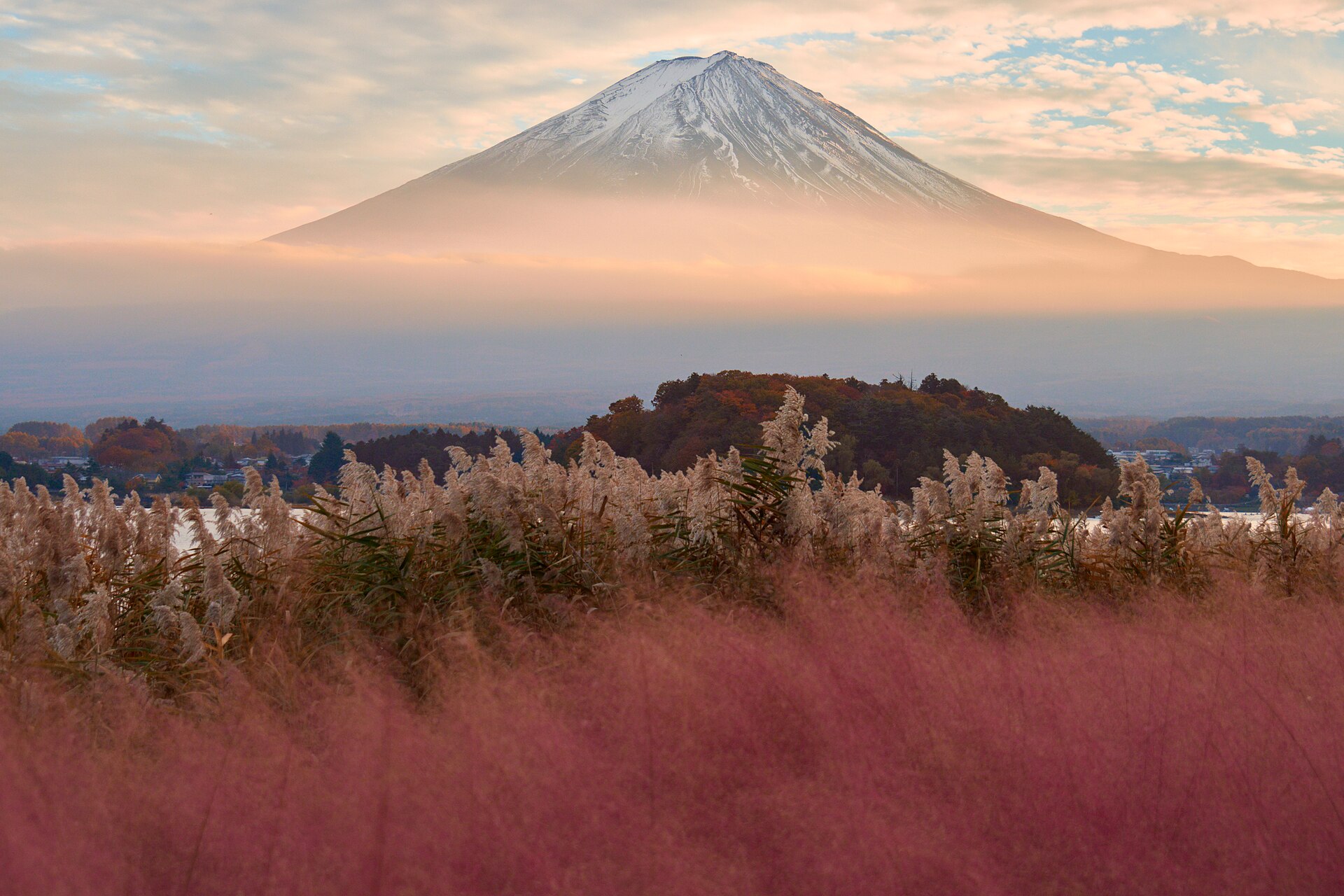
- Next, cut the night in Hakone – you save on a pricey ryokan and on packing your bags, and you can still try to catch a glimpse of Mount Fuji on a day trip.
- Then cancel the overnight in Hiroshima, which you can manage at a push as a long day trip from Osaka, 1 hour 25 minutes away by shinkansen.
- Finally, skip the separate stay in Osaka – you can pop over from Kyoto for the evening neon of Dotonbori; the JR Special Rapid train from Kyoto to Osaka Station takes about half an hour, and you continue to Dotonbori by metro.
I would never cut Kyoto to fewer than 3 nights, because the early-morning gates of Fushimi Inari, the bamboo of Arashiyama and the lanes of Gion each need at least half a day – otherwise all you’ll take home from this temple city is exhaustion. Our Kyoto guide will help you pick the places so you can enjoy the trip at a relaxed pace.
Alternative Routes
- Fuji Five Lakes (Kawaguchiko): Kawaguchiko (the lake area at the foot of Mount Fuji) works better as a day trip from Tokyo than as a stop on the way to Kyoto, because onward connections to Kyoto are poor. The bus from Busta Shinjuku takes about 1 h 45 min and costs 2,200 JPY (roughly €13).
- Kanazawa and the Japanese Alps instead of Hakone and Hiroshima: You can swap Hakone and Hiroshima for Takayama, Shirakawa-go and the Tateyama Kurobe Alpine Route (open from mid-April to November), but getting from Kyoto to Kanazawa always means changing to the Hokuriku shinkansen in Tsuruga (about 2 hours in total). Check dates and connections before you go.
- Nikko as a day trip from Tokyo: The ornate shrines set in cedar forests north of the capital fit nicely into day four. Tobu trains leave from Asakusa, and the NIKKO PASS all area costs 8,000 JPY (about €45) according to the fares valid in November 2026.
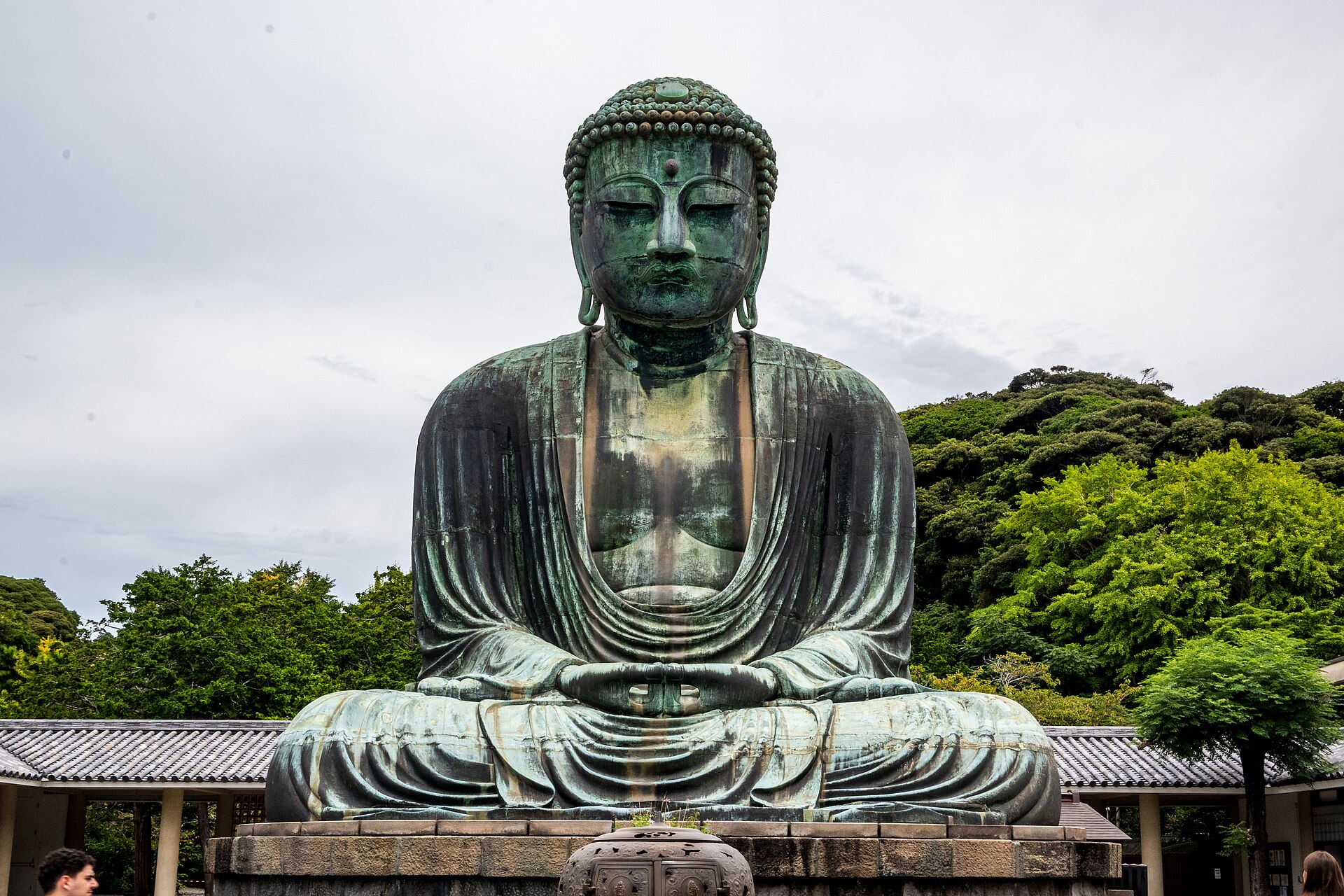
- Kamakura as a day trip from Tokyo: This seaside town with its bronze Great Buddha and temples is about an hour from Tokyo Station on the Yokosuka Line, and if you add Enoshima Island, get the Odakyu Enoshima-Kamakura Freepass for 1,640 JPY (around €9).
- Climbing to the summit of Mount Fuji: The Yoshida Trail is only open from 1 July to 10 September, with a fee of 4,000 JPY (about €25), and without a mountain hut reservation you won’t be let through the gate between 14:00 and 3:00 – so don’t try an unplanned night hike.
When to Go and When the Route Gets Pricier
Strolling beneath pink clouds of cherry blossom sounds like a dream: in Tokyo, the trees start blooming on 24 March on average and reach full bloom by 31 March. The other sought-after season is late November to early December, when the temple gardens of Kyoto turn red and gold with autumn leaves. In both seasons, book your Kyoto hotels 3 to 6 months ahead. You’ll find a month-by-month breakdown in our article When to Go to Japan.
There are, however, dates I’d avoid when planning a first trip, because that’s when the whole of Japan goes on holiday 😅. These are the spring holidays of Golden Week from 29 April to 5 May, the summer Obon around 13–16 August (a festival honouring ancestors and a holiday period) and the days around New Year, when trains tend to sell out and the Nozomi often runs without any unreserved cars – double-check before you travel. If you’re considering summer, the rainy season, tsuyu, runs from early June to roughly mid-July, while late August and September bring the risk of typhoons, which can disrupt transport.
Vegetarian Food on the Road
Lukáš and I are vegetarians, so food is something we research in detail before every trip to Asia – and Japan is a bit of a minefield in this respect ☺️. At first glance the local cuisine looks very vegetable-friendly, but dashi, a stock made from dried bonito tuna, often hides even in soups and sauces that seem meat-free. Even a bowl of plain udon noodles with spring onion or simmered vegetables will most likely have a fish base.
Shōjin ryōri, Buddhist temple cuisine, is traditionally plant-based. In ordinary restaurants, the phrase “Dashi o tsukawanaide kudasai” (please don’t use dashi) comes in handy for asking the staff to leave out the fish stock.
A night in a traditional ryokan in Hakone is a story of its own, as the stay usually includes a lavish multi-course dinner. Arrange a vegetarian dinner with the ryokan when you book, and ask explicitly whether it contains dashi. And when you’re grabbing food on the go in convenience stores and small shops, check the ingredients on the packaging.
Where Next
- Holidays in Japan – an overview of the main places and some inspiration before your trip.
- Japan for the First Time: JR Pass and Practical Tips – a guide to tickets, transport and practical preparation.
- When to Go to Japan – an overview of the weather, cherry blossom season and autumn leaves.
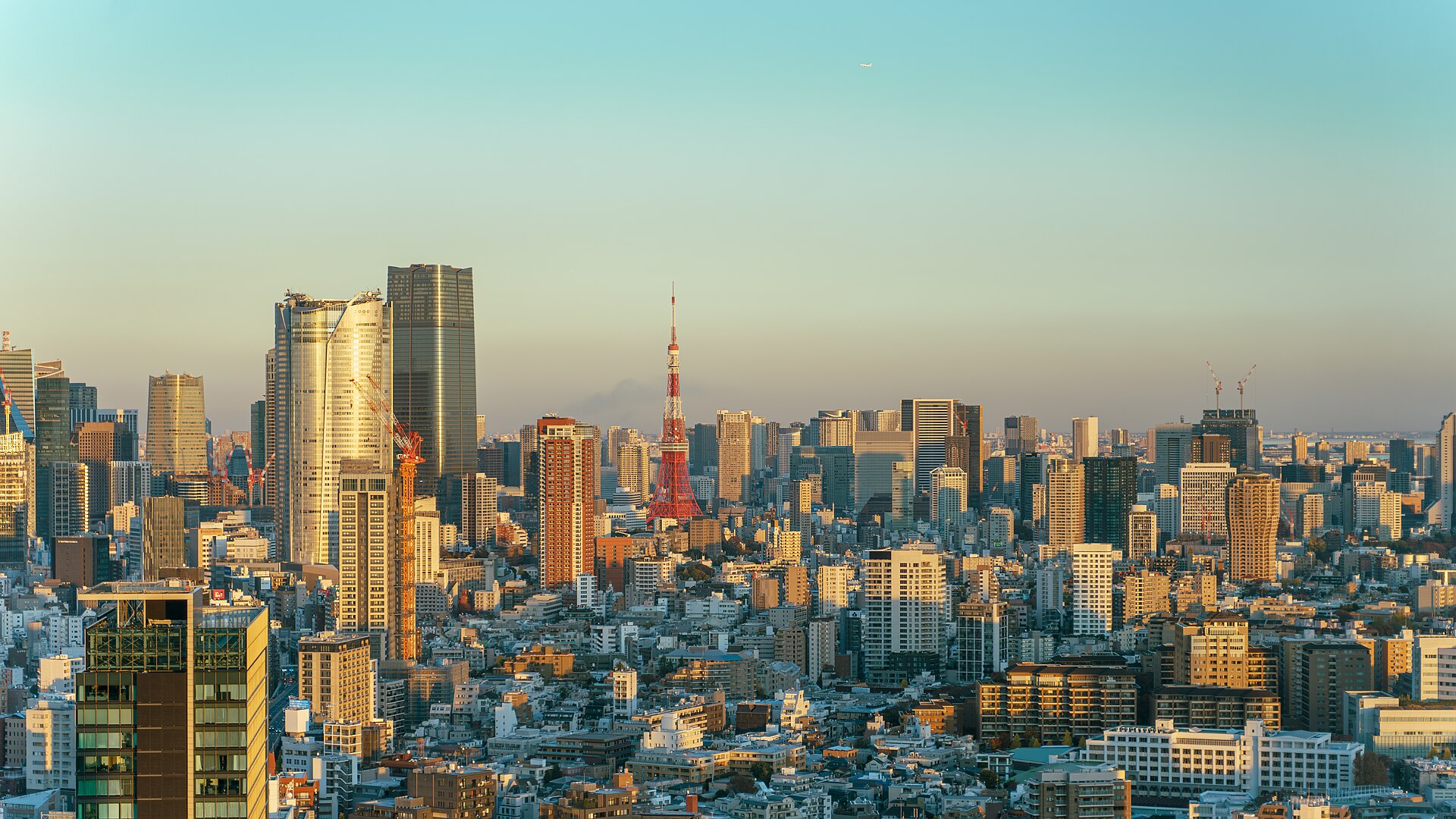
- Tokyo – a guide to the neighbourhoods, viewpoints and temples of Japan’s capital.
- Kyoto – tips on shrines, the bamboo grove and the Gion district.
- Osaka – an overview of the city’s sights and tips for a day trip to Nara.
- Hiroshima – a guide to the city and Miyajima Island.
- Where to Stay in Hiroshima – an overview of the best neighbourhoods for an overnight stay.
- Japan Travel Guide – a hub with all our articles about Japan.
Frequently Asked Questions
How many days are enough for a first trip to Japan?
You can comfortably manage with 14 days (13 nights), during which you can unhurriedly cover the route Tokyo, Hakone, Kyoto, Hiroshima and Osaka, including Nara and Miyajima island. If you only have 10 days, skip Hakone and the overnight stay in Hiroshima (you can do Hiroshima as a day trip from Osaka), and shorten both Tokyo and Kyoto to 3 nights each. With just 7 days, stick to 3 nights in Tokyo and 3 nights in Kyoto with a half-day trip to Nara.
Is a JR Pass worth it for 14 days?
For this route, the nationwide JR Pass is not worth it, because the 14-day version costs 80,000 JPY (about €460) when bought online, and the 7-day version costs 50,000 JPY (roughly €290), while prices from foreign agencies are even higher from October 2026. Individual tickets for the whole route, by comparison, come to around 37,740 JPY (about €220), and with the Kansai-Hiroshima Pass only around 32,050 JPY (about €185). You’ll find more details in the article Japan for the first time: JR Pass and practical tips.
How much does the shinkansen from Tokyo to Kyoto cost?
A one-way second-class seat reservation on the Nozomi shinkansen from Tokyo to Kyoto costs 14,070 JPY (about €81) in regular season via the smartEX app, and the journey takes about 2 hours and 15 minutes. At the station ticket counter you’ll pay roughly 100 JPY more, so about 14,170 JPY. During peak season, an extra 200 to 400 JPY is added to the seat reservation price, while off-season the ticket is 200 JPY cheaper.
Is it better to fly into Tokyo and out of Osaka?
Yes, a so-called open-jaw ticket (look for the “multi-city” option in flight search engines) will save you both time and money on heading back north. The shinkansen alone from Hiroshima back to Tokyo costs 19,660 JPY (about €113) and takes roughly 4 hours. This way you finish your trip in Osaka or Kyoto and fly out directly from Kansai International Airport (KIX).
How do you travel with a large suitcase on the shinkansen?
If the sum of your suitcase’s three dimensions measures 161 to 250 cm, you need a seat reservation with a luggage space for the Tokaido, Sanyo and Kyushu shinkansen lines. The reservation is free with a regular ticket, but without it you risk a 1,000 JPY (about €6) fee on board and having your suitcase moved by the conductor. It’s more comfortable to send your suitcase straight from Tokyo to Kyoto using the Takkyubin courier service, which costs roughly 2,510 to 2,630 JPY (€14–15), usually with delivery the next day. Send the suitcase on day 4 or the morning of day 5, and double-check the price in advance.
What do you need to book in advance?
For bookings, Japan Standard Time (JST) applies (7 to 8 hours ahead of Central European time). The strictest rules apply to the Ghibli Museum (1,000 JPY, about €6), where tickets are sold online in advance only, on the 10th of each month at 10:00 JST (3:00 or 4:00 CET depending on the season) for the following month, and to the Pokémon Café, with bookings opening 31 days ahead at 18:00 JST (11:00 or 12:00 CET depending on the season). Buy tickets for the Shibuya Sky observation deck (afternoon entry for 3,400 JPY, about €20) 14 days in advance at midnight JST (16:00 or 17:00 CET the previous day, depending on the season), and in high season teamLab Planets (3,800 JPY, about €22) also sells out weeks ahead. Also book several months in advance for a ryokan in Hakone, spring or autumn hotels in Kyoto, and shinkansen seats during Golden Week.
Do you need a visa or JESTA for Japan?
Travelers from most countries don’t need any visa for tourist trips of up to 90 days — a valid passport and a return or onward ticket are enough. The electronic JESTA system (a travel authorization for visa-free tourists, similar to the US ESTA) is planned to launch no later than fiscal year 2028, which in Japan begins in April 2028; the exact date and fee haven’t been set yet. Before departure, it’s worth filling in the free and optional Visit Japan Web form, which generates a QR code for faster immigration and customs clearance.
What extra fees do you pay in Japan?
The international departure tax, which from July 2026 is 3,000 JPY (about €17), is included in the price of your flight ticket. On the ground, expect accommodation taxes: in Kyoto, depending on room price, this is 200 to 10,000 JPY (about €1–58) per person per night; in Hiroshima Prefecture you’ll pay 200 JPY (for stays from 6,000 JPY); and in Tokyo it’s 0 to 200 JPY depending on room price (changing to 3% above 13,000 JPY from April 1, 2027). When taking the ferry to Miyajima island, a 100 JPY (about €0.60) visitor tax is added to the ferry ticket.
When is the best time to go, and when should you avoid traveling?
Pleasant weather and scenery can be found in spring (late March and April) and autumn (especially late November to early December), though expect high demand for accommodation in Kyoto during these times. Avoid Japan’s biggest holiday periods, which include Golden Week (April 29 – May 5), the summer Obon holiday around mid-August, and New Year, when trains tend to sell out. From early June to mid-July comes the rainy tsuyu season, and typhoons are a risk in late August and September.
Can you manage this route as a vegetarian?
Yes, it’s doable, but it requires some vigilance because of fish-based dashi stock, which hides even in soups and sauces that otherwise contain no meat. A safe choice is Buddhist temple cuisine, shōjin ryōri, which is traditionally plant-based. At regular restaurants, keep the phrase “Dashi o tsukawanaide kudasai” (please don’t use dashi) handy, and at a traditional ryokan always arrange a vegetarian dinner in advance when booking your room.
Tips and Tricks for Your Vacation
Don’t Overpay for Flights
Search for flights on Kayak. It’s our favorite search engine because it scans the websites of all airlines and always finds the cheapest connection.
Book Your Accommodation Smartly
The best experiences we’ve had when looking for accommodation (from Alaska to Morocco) are with Booking.com, where hotels, apartments, and entire houses are usually the cheapest and most widely available.
Don’t Forget Travel Insurance
Good travel insurance will protect you against illness, accidents, theft, or flight cancellations. We’ve had a few hospital visits abroad, so we know how important it is to have proper insurance arranged.
Where we insure ourselves: SafetyWing (simple monthly subscription) and TrueTraveller (for extra-long trips).
Find the Best Experiences
Get Your Guide is a huge online marketplace where you can book guided walks, trips, skip-the-line tickets, tours, and much more. We always find some extra fun there!