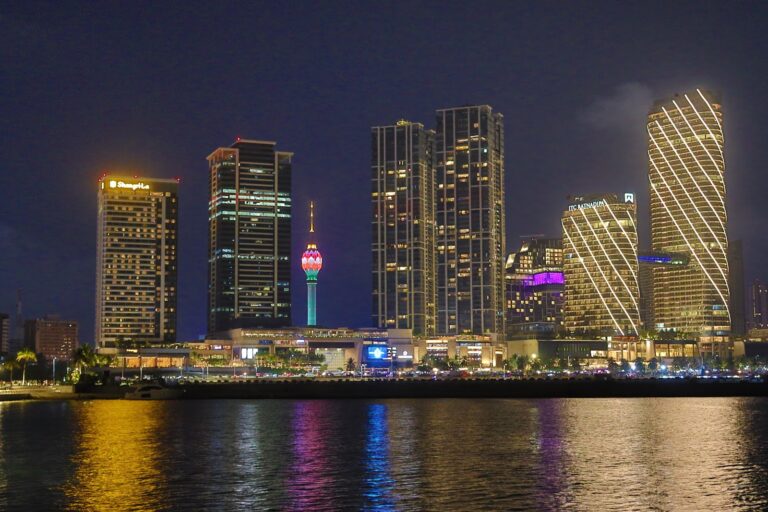

If you’re planning a Goa India holiday, don’t expect a cheap hippie paradise anymore. These days, you can’t even open a beer on the beach, and it’s easy to book a flight to the wrong airport. But you’ll still find Portuguese churches in Old Goa, colourful houses decorated with azulejo tiles in Fontainhas, inland spice farms and excellent vegetarian food.
Goa isn’t a city or an island: it’s an Indian state on the coast, roughly 500 kilometres south of Mumbai, and it remained a Portuguese colony until 1961. To enjoy your trip without disappointment, you need to know exactly where to go and which of the two local airports to book your flight to. The north buzzes with markets and nightlife, while the south draws visitors to wide, deserted beaches where sea turtles nest. Below, you’ll find 22 tips on what to see and do in Goa.
The full destination guide: Asia — guide and what to see
TL;DR
- Two airports: Mopa Airport (GOX) in the north and Dabolim (GOI) in the south are around 60 kilometres apart by road, so check the airport code when booking.
- Getting around without Uber: Uber and Ola don’t operate in Goa. Instead, use the state-backed GoaMiles app, prepaid taxis or inexpensive Kadamba buses.
- Electronic visa: Apply for your e-Tourist Visa only through indianvisaonline.gov.in, at least four days before arrival. It is accepted at both Goa airports.
- When to go: High season runs from November to March. During the monsoon, from June to September, swimming in the sea is off-limits.
- North versus south: The northern coast is lively and full of markets and clubs, while the south offers a slower pace, wide beaches and turtle nesting sites.
- Dudhsagar Falls: The waterfall reopened in early October 2026, with a limit of 240 jeeps per day and mandatory life jackets.
- Vegetarian food: Goan Hindu cuisine sometimes doesn’t classify fish as meat, so look for places labelled pure veg (strictly vegetarian).
Best Time to Visit Goa in India and Practical Information
The best time to visit Goa is between November and March, when high season brings daytime temperatures of around 32–33 °C and almost no rain. April and May become very hot and humid, followed by the heavy monsoon rains from June to September. July alone sees an average of almost 1,000 millimetres of rainfall across 27 rainy days. Most beach bars and restaurants, known as shacks, close, and swimming in the sea is off-limits. October is a transitional month, as the rain eases and the beaches gradually reopen for the new season.
The cultural calendar and seasonal events peak around Christmas and New Year’s Eve, Goa’s busiest and most expensive time of year. The Goa Carnival follows in February; you’ll find more details in the Where to Go Next section.
Flights and choosing the right airport are the first things to sort out when planning. Depending on where you’re flying from, you may need a connecting flight to Goa. From major European hubs, one-stop routes may take you through Doha, Abu Dhabi or Dubai, or through Mumbai or Delhi for a domestic connection. Pay particular attention to the fact that the state has two airports around 60 kilometres apart by road. The new Manohar International Airport in Mopa has the code GOX and lies in the north; the older Dabolim Airport has the code GOI and lies in the south. Most international flights from the Middle East now land at northern Mopa, which is closer to beaches such as Calangute, Anjuna and Arambol. Dabolim is the more convenient option for the southern resorts of Palolem and Agonda.
Getting from the airport to the beaches depends on your budget. A prepaid taxi from Mopa to the northern resorts of Calangute, Baga or Anjuna costs roughly 1,300–2,200 INR (about €12–20). As a rough conversion, 100 Indian rupees (INR) is approximately €0.94. From Dabolim to Palolem in the south, expect to pay around 2,200–2,800 INR (about €20–25).
💡 Tip: The cheapest connections are the state-run Kadamba buses (KTCL). From Mopa, you can travel to Panaji or Calangute for 200 INR (about €1.90), to Mapusa for 150 INR (about €1.40) and to Margao for 400 INR (about €3.70). From Dabolim, a ticket to Panaji costs 150 INR (about €1.40), or 200 INR (about €1.90) to Calangute.
Getting around Goa and using taxis comes with a few local quirks, because the popular apps Uber and Ola don’t operate in Goa. You can use the state-backed GoaMiles app, which also has airport counters. However, one traveller on Reddit reported that drivers repeatedly cancelled rides, even when the app showed a fair price. According to local media, a new fare schedule for regular taxis took effect in September 2026: a ride in a smaller car, such as a hatchback or sedan, costs 300 INR (about €2.80) for up to 3 kilometres and 430 INR (about €4) for up to 8 kilometres. Each additional kilometre costs roughly 24–26 INR (about €0.25), with a 35% surcharge between 11:00 p.m. and 5:00 a.m.
Renting a scooter is one of the most popular ways to explore the coast, with daily rates of around 300–600 INR (about €2.80–5.60). A Royal Enfield costs roughly 800–1,500 INR (about €7.50–14), and rental companies may require a deposit of 1,000–2,000 INR (about €9.40–19). Always insist on a vehicle with a commercial registration plate. Renting out private vehicles with white plates is illegal, and the operator risks a fine of 10,000 INR (about €95) and confiscation of the scooter. When collecting your scooter, you’ll sign a declaration committing to safe riding. You need an International Driving Permit, generally specified as one issued under the 1949 Geneva Convention, and wearing a helmet is compulsory. Riding without one can result in a fine of around 1,000 INR (about €9.40). Traffic drives on the left. Watch out for drunk drivers in the evening, and never ride your scooter directly onto a beach: this is strictly prohibited.
Visas and entry formalities can be arranged from home: apply for the electronic e-Tourist Visa at indianvisaonline.gov.in at least 4 days before arrival. Eligibility and fees depend on your nationality, so check the official website for your passport. As a price reference, the 30-day visa rate quoted for Czech passport holders is 25 USD (about €20) from July to March and 10 USD (about €8.80) from April to June, plus a 3% bank fee. Within the 72 hours before arrival, you also need to complete the free electronic e-Arrival Card online.
💡 Tip: Avoid unofficial intermediary websites that charge made-up fees for express processing. The Indian government has no such surcharge, and you can complete the application yourself.
Money, water and health call for a few basic precautions. The currency is the Indian rupee. You must not bring more than 25,000 INR (about €230) in cash into or out of the country. Cards are generally accepted without problems at hotels and larger restaurants, but always carry cash for markets, beach shacks and rickshaws. Drink bottled water only and pack insect repellent, as dengue fever, chikungunya and malaria occur in the region.
💡 Tip: Bringing satellite phones and standalone GPS devices into India is strictly prohibited and carries severe penalties. Foreign visitors are also prohibited from importing and using drones.
Safety and Local Rules in Goa
Sea safety and lifeguards are not something to take lightly in Goa: dozens of people drown in the state’s waters every year. In 2025, the state-appointed Drishti Marine lifeguards carried out 548 water rescues, including 98 foreign visitors. October was the highest-risk month, with 67 rescues, as beaches were only just reopening after the monsoon and the sea remained rough. Calangute recorded the most rescues (103), followed by Baga (68) and Sinquerim (61); Palolem recorded 50 and Agonda 35. Swim only in designated swimming zones marked by red-and-yellow flags. A single red flag means entering the water is strictly prohibited, while a black-and-white chequered flag marks an area reserved for water sports. Beaches are officially open from 7:00 a.m. until sunset. Don’t enter the sea after dark or after drinking alcohol. Swimming in the sea is off-limits during the monsoon from June to September, and authorities also impose bans on entering waterfalls, rivers and quarries. In South Goa in 2026, this ban lasted 60 days from 26 June. Lifeguards also recorded 12 stray dog bites in 2025, so watch out for dogs on the beaches too.
Crime, drugs and nightlife reveal a darker side to this holiday destination, as highlighted in official travel advisories. Goa’s high visitor numbers are associated with higher crime levels, including the risk of assault. Authorities advise women against travelling alone at night. The UK’s Foreign, Commonwealth & Development Office (FCDO) also warns against walking alone on deserted beaches, even during the day, as well as the risks of drink spiking and dangerous methanol in illicit alcohol. Drugs are strictly off-limits: possession, even in small quantities, can lead to criminal prosecution and at least six months in prison. Always check where the emergency exits are in nightlife venues. At least 25 people died in a fire at the Birch by Romeo Lane club in Arpora on 6 December 2025; the club had been operating without fire safety clearance. Authorities subsequently closed other clubs too.
Local laws and fines have become much stricter in recent years, so sitting on the sand with a bottle of beer is no longer an option. Drinking alcohol, smoking and taking drugs are prohibited on the beaches themselves, with fines or imprisonment as possible penalties. You may drink only in licensed beach shacks and restaurants. Littering and breaking bottles are also prohibited. Cooking on beaches or beside roads is banned too, with fines of up to 50,000 INR (about €470) and confiscation of equipment. You must not photograph other people on the beach without their consent, especially while they are swimming. Also check that your accommodation is registered with the Goa Department of Tourism.
💡 Tip: Before you travel, save the contact details for your country’s embassy or consulate in India, along with its round-the-clock consular emergency number, in your phone.
Where to Stay in Goa
Choosing your base in Goa, India, will shape your entire holiday, as the different stretches of coast offer vastly different experiences. When looking for a hotel, remember that the word “beach” in its name doesn’t necessarily mean it’s right by the sea. Check the distance to the coast on a map. Alila Diwa Goa, for example, sits among rice fields, and you reach the beach by hotel shuttle.
The lively north around Candolim, Sinquerim, Calangute and Baga suits first-time visitors who want restaurants, shops and entertainment within easy reach. Candolim and Sinquerim have a wider, slightly quieter beach than the neighbouring resorts and are the northern beaches closest to Panaji (4–8 km as the crow flies). Right below the historic fort, beside the beach, stands the luxurious Taj Fort Aguada Resort & Spa, Goa. In high season, expect heavy traffic on the approach road and rocks as you enter the water at Sinquerim. Neighbouring Calangute and Baga are the most commercialised stretch of coast, with plenty of water sports. One guest in January 2026 complained of music playing until morning, even though outdoor music is supposed to stop at 10 pm.
The bohemian north around Anjuna, Vagator and inland Assagao attracts young travellers, couples and digital nomads looking for a café scene, the Wednesday flea market and red cliffs. The beaches here are smaller and rockier, and it’s hard to get around without a rented scooter or car. The design hotel W Goa stands right on the cliff above Vagator.
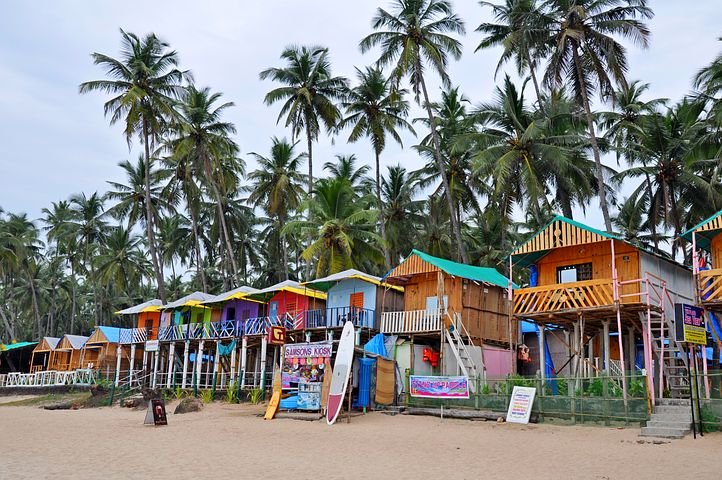
The quiet far north, stretching through Morjim, Ashwem, Mandrem and Arambol, offers a much slower pace than the central stretch of the northern coast. Morjim draws visitors with its long sandy beach and sizeable Russian community. As it is also an olive ridley turtle nesting site, restrictions apply to noise and lighting at night. Ashwem and Mandrem are among the quietest northern beaches, with yoga centres and tents or cottages beside the lagoon. The seasonal Elsewhere in Ashwem offers this kind of accommodation. Rocks in the water can make swimming tricky at Ashwem. Furthest north is backpacker favourite Arambol, with simple huts and a community of travellers who spend the whole winter here. Expect more basic standards and occasional power cuts, though.
Panaji and the historic Fontainhas neighbourhood are ideal for a one- or two-night stay if you want to soak up Portuguese colonial architecture, explore the sights and stay roughly halfway between the two airports. In the colourful lanes of Fontainhas, you’ll find heritage guesthouses, including the family-run Afonso Guest House, which has a rooftop terrace but doesn’t include breakfast in the room rate. There is no swimming beach in the city centre itself.
South Goa’s large resorts around Majorda, Colva, Benaulim and Cavelossim cater to families with children and travellers who want comfort and long sandy beaches. The stretch around Majorda, Utorda and Arossim is closest to Dabolim Airport (8–12 km as the crow flies). This is where the previously mentioned Alila Diwa Goa resort sits among the rice fields. Further south, sprawling beachfront complexes line Colva, Benaulim, Varca and the quiet Cavelossim peninsula. They often host weddings and corporate events in high season. Colva’s centre itself tends to be busy.
South Goa’s beach huts in Palolem and Agonda offer some of the state’s most peaceful stays for couples and travellers who want to sleep just steps from the sea. Palolem is a little livelier than Agonda (more on this in tip 18). In Agonda, huts sit right beside the 3 km beach, including the seasonal Agonda Cottages, which close during the monsoon. Agonda is a protected turtle nesting site, and in 2025 a court ordered 67 beach businesses and huts to be sealed off. Some reopened for the 2025/2026 season, so check that your chosen property is operating before booking. You’ll find a detailed breakdown of the different areas and hotels in our separate article, Where to Stay in Goa.
💡 Compare currently available accommodation on this map — you’ll immediately see how much prices change just a few blocks away.
22 Things to See and Do in Goa India
These tips run roughly from the centre of the state, with Old Goa, Panaji and Ponda, through the north and down to the south. Goa is about 100 km long, so you can easily split the route into several day trips depending on where you choose your base. Opening hours and prices change, so check them before visiting.
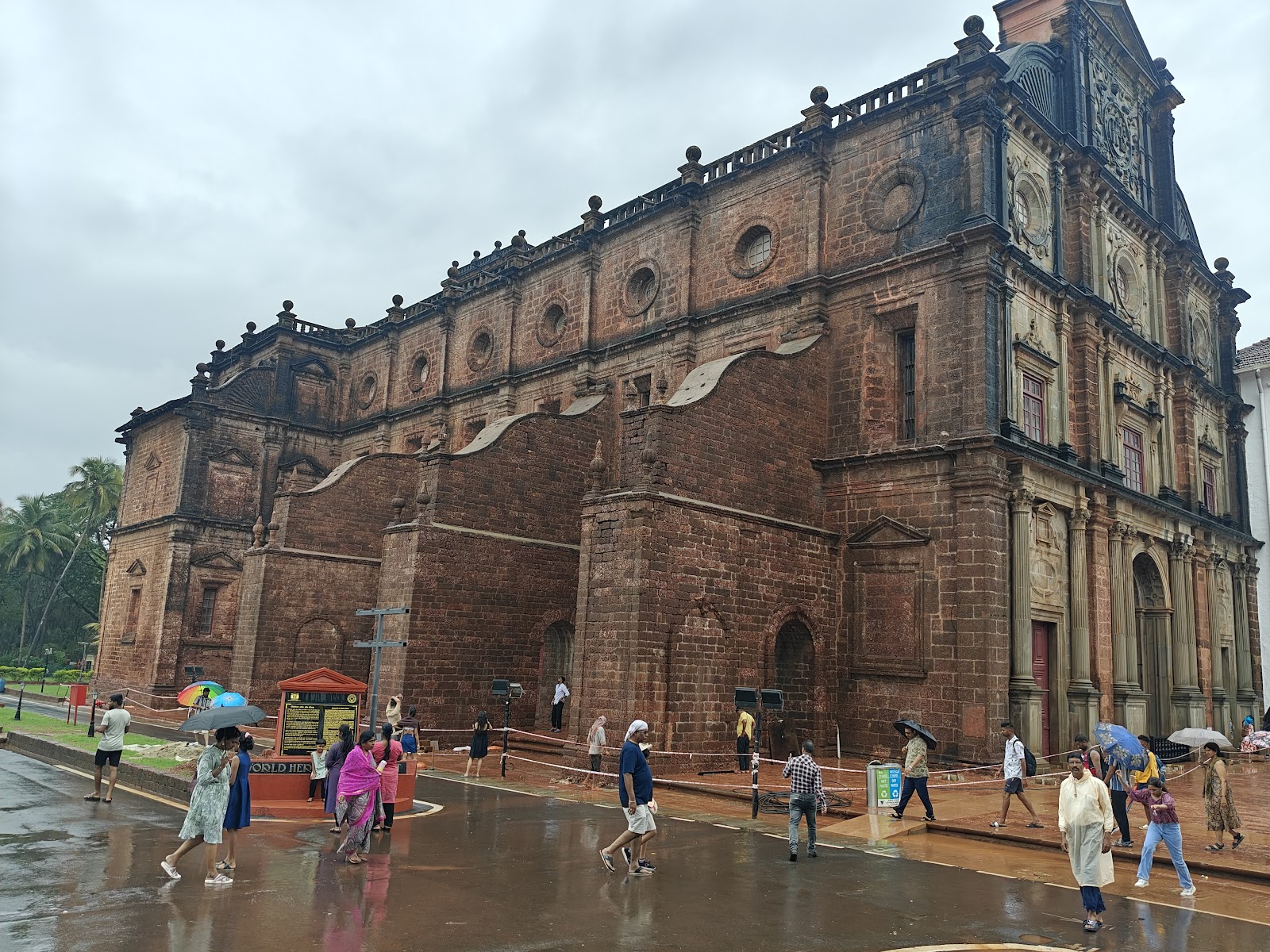
1. Old Goa: Basilica of Bom Jesus
Ten kilometres east of Panaji lies Old Goa, once the capital of Portuguese India. Its monuments have been on the UNESCO World Heritage List since 1986 under the name Churches and Convents of Goa. The best-known building in the complex is the Basilica of Bom Jesus (Good Jesus), whose construction began in 1594 and which was consecrated in 1605. The church has held the title of basilica since 1946. In a 2009 poll, it was named one of the seven wonders of Portuguese origin around the world.
Inside lies the body of the missionary St Francis Xavier, whose feast day falls on 3 December and is marked by an annual pilgrimage to Old Goa. The saint’s relics are displayed to the public roughly once every ten years. They were last exhibited from 21 November 2024 to 5 January 2025 in Sé Cathedral (see tip 2), and the next such event is expected around 2034.
The basilica opens Monday to Saturday from 9 am to 5 pm and on Sundays from 11 am to 5 pm. According to guidebooks, admission is free. Remember to wear clothing that covers your shoulders and knees. Follow the local signs about photography inside, and never use flash.
💡 Tip: When you’re hungry after visiting the churches, stop for lunch at Pangat Pure Veg in nearby Corlim, which serves exclusively vegetarian food.

2. Old Goa: Sé Cathedral, Church of St Francis of Assisi and St Augustine’s Tower
Sé Cathedral is dedicated to St Catherine and measures 76 by 55 metres. It was built between 1562 and 1619 and consecrated in 1640. The cathedral originally had two towers, but one collapsed in 1776. Inside hangs the Golden Bell, said to be the largest in the state of Goa. The cathedral is open Monday to Saturday from 9 am to 5 pm and on Sundays from 11 am to 3 pm.
Beside the cathedral stands the Church of St Francis of Assisi. Its present form dates from 1661, and it was built on the site of the former main mosque of the Adil Shahi dynasty. You can visit Monday to Saturday between 9 am and 5 pm; it is closed on Sundays. The convent behind the cathedral houses the ASI Archaeological Museum (Archaeological Survey of India), with portraits of Portuguese viceroys. The museum is open every day except Friday from 9 am to 5 pm, and foreign visitors pay approximately INR 100 (about €1).
St Augustine’s Tower is open daily from 9 am to 5 pm. All that remains of the church, built between 1597 and 1602, is half of one of its four towers, standing 46 metres tall. Finish your walk around Old Goa at the Church of St Cajetan, open from 9 am to 7 pm. Its façade is said to have been inspired by St Peter’s Basilica in Rome.
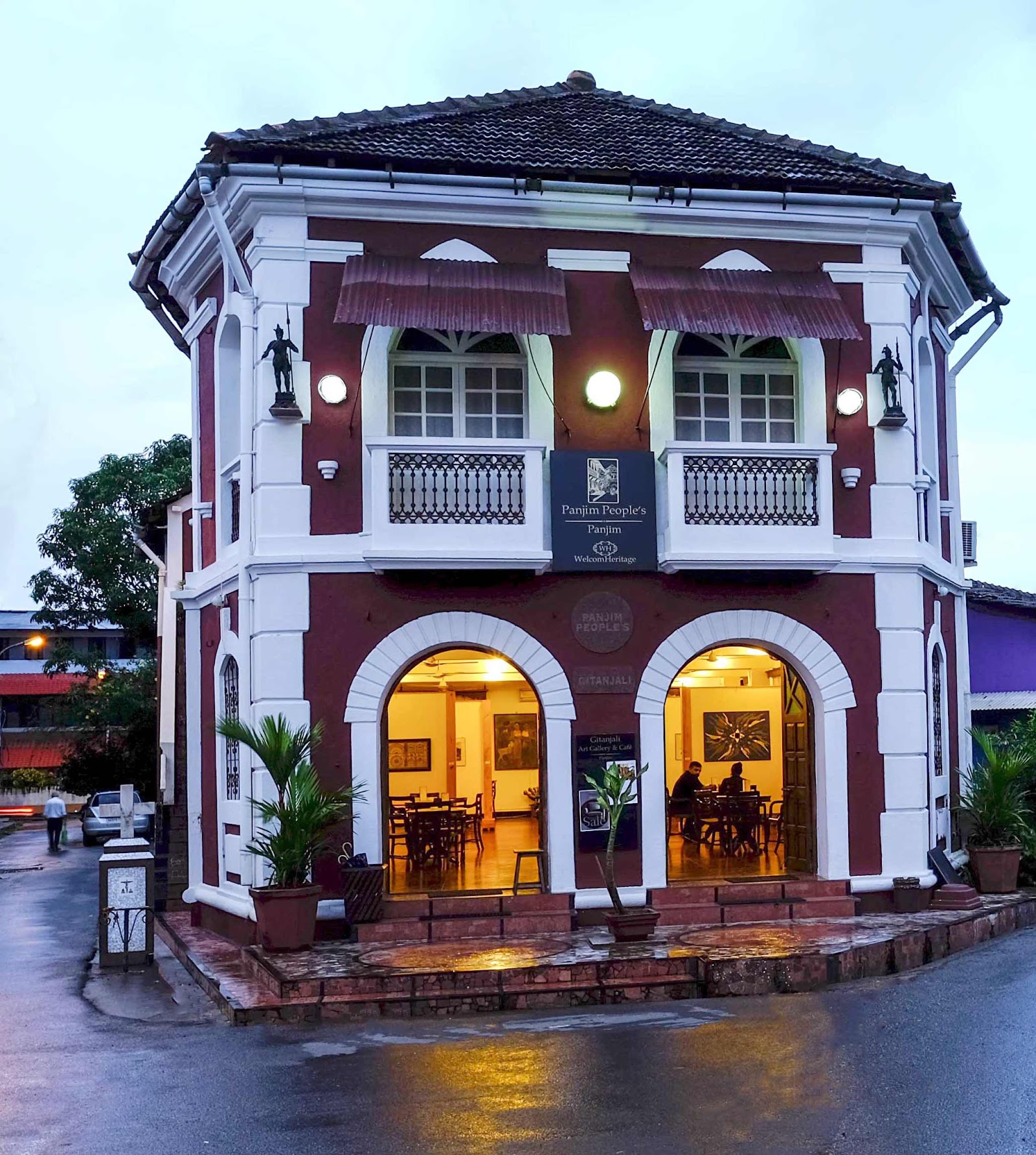
3. Panaji: Fontainhas (Latin Quarter)
In the capital, Panaji, you’ll find Fontainhas, a neighbourhood that recalls the era when Goa was a Portuguese colony, which lasted until 1961. The area is known for its colourful Portuguese houses and decorative ceramic tiles called azulejos. For a coffee break in this part of town, try Cafe Bodega at the Sunaparanta art gallery. It is open Monday to Saturday from 10 am to 6:30 pm and closed on Sundays.
If you’re looking for vegetarian food in Panaji, be aware that traditional Goan restaurants such as Viva Panjim cook with fish. Goan Hindu cuisine is also often pescatarian (no meat, but including fish), and fish is frequently considered “sea vegetable”, so even a Saraswat thali (a platter of several dishes) may contain fish. If you follow a plant-based diet, look for the words pure veg in Panaji, which indicate an exclusively vegetarian restaurant.
Local vegetarian dishes to look out for include khatkhate (a vegetable stew with coconut, kokum, tamarind and tirphal), tondak (beans with cashews), varan (lentils with coconut milk) and bhaji-pav (pea or potato curry with bread, a typical breakfast). Bebinca, a traditional Goan dessert, contains egg yolks, so it isn’t vegan.
A reliable choice is Navtara Veg Restaurant near the municipal market, or Kamat Hotel on Church Square, where you can order a vegetarian thali or dosa (a thin pancake made from rice batter). Vihar Pure Veg Udipi on MG Road also serves South Indian dishes. Another exclusively vegetarian option in the city is a branch of the Kailash Parbat chain.

4. Panaji: Immaculate Conception Church, Altinho and the Waterfront
Immaculate Conception Church in Panaji dates back to 1609, and its zigzag staircase was added in the 18th century. The bell from the Church of St Augustine (tip 2) was installed here in 1871. The church is often closed outside Mass times, so check whether it is open before visiting. The staircase and views are still accessible, though.
A walk around central Panaji should also take in the Altinho neighbourhood. From the church, you can continue to the Mandovi River waterfront. Near the river’s mouth is the city beach, Miramar Beach, which is better suited to walking than swimming. Another spot for views is Dona Paula View Point, open daily from 8 am to 10 pm.
On rainy days or in the midday heat, you can take shelter in Panaji’s Goa State Museum, housed in the Adil Shah Palace. Admission is free, and according to the museum’s website, it opens Monday to Friday from 9:45 am to 1:15 pm and again from 2 pm to 5:30 pm. Galleries dedicated to cartoonist Mario Miranda were announced here in March 2025.
5. Divar Island by Ferry
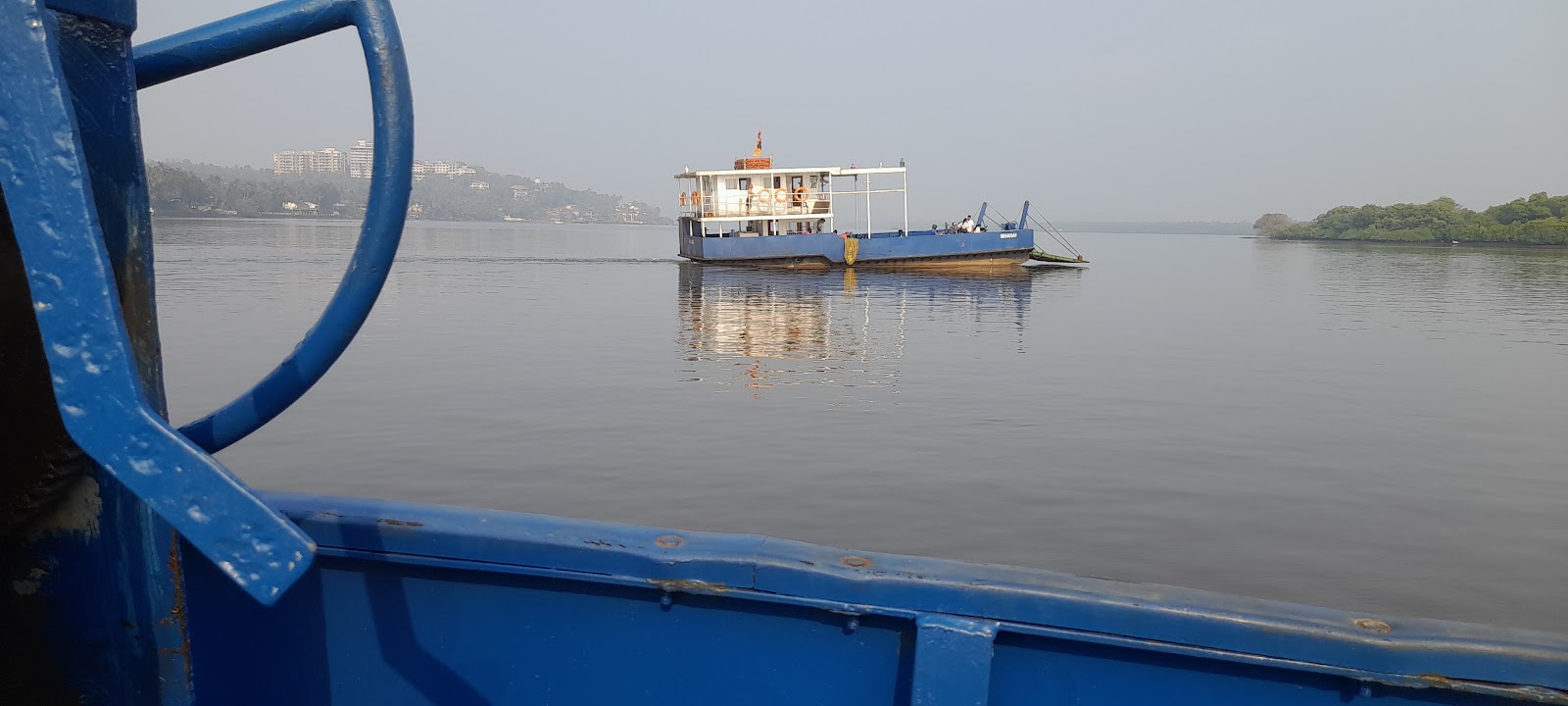
The river island of Divar lies roughly 10 km upstream from Panaji on the Mandovi River. Ferries run here from Old Goa, Ribandar and Naroa, with foot passengers travelling free or for a nominal fee.
Divar retains its rural character, with historic Portuguese architecture, and descriptions of the island mention cycling as a way to get around. The Bonderam festival takes place on Divar in August, during the monsoon.
💡 Tip: The ferry from Old Goa is easiest to fit in after visiting the churches (tips 1 and 2).

6. Reis Magos Fort
Reis Magos Fort stands on the bank of the Mandovi River near its mouth. It was built as early as 1551 and underwent reconstruction in 1707.
The fort served as a prison until 1993. Restoration began in 2008, and today the entire complex operates as a cultural centre.
Reis Magos Fort is open Tuesday to Sunday from 9:30 am to 5 pm and closed on Mondays. Ask at the ticket office for the current entrance fee.
💡 Tip: Both Reis Magos Fort and the Museum of Goa in Pilerne (tip 10) are closed on Mondays, so plan to visit on another day.
7. A Spice Farm in Ponda
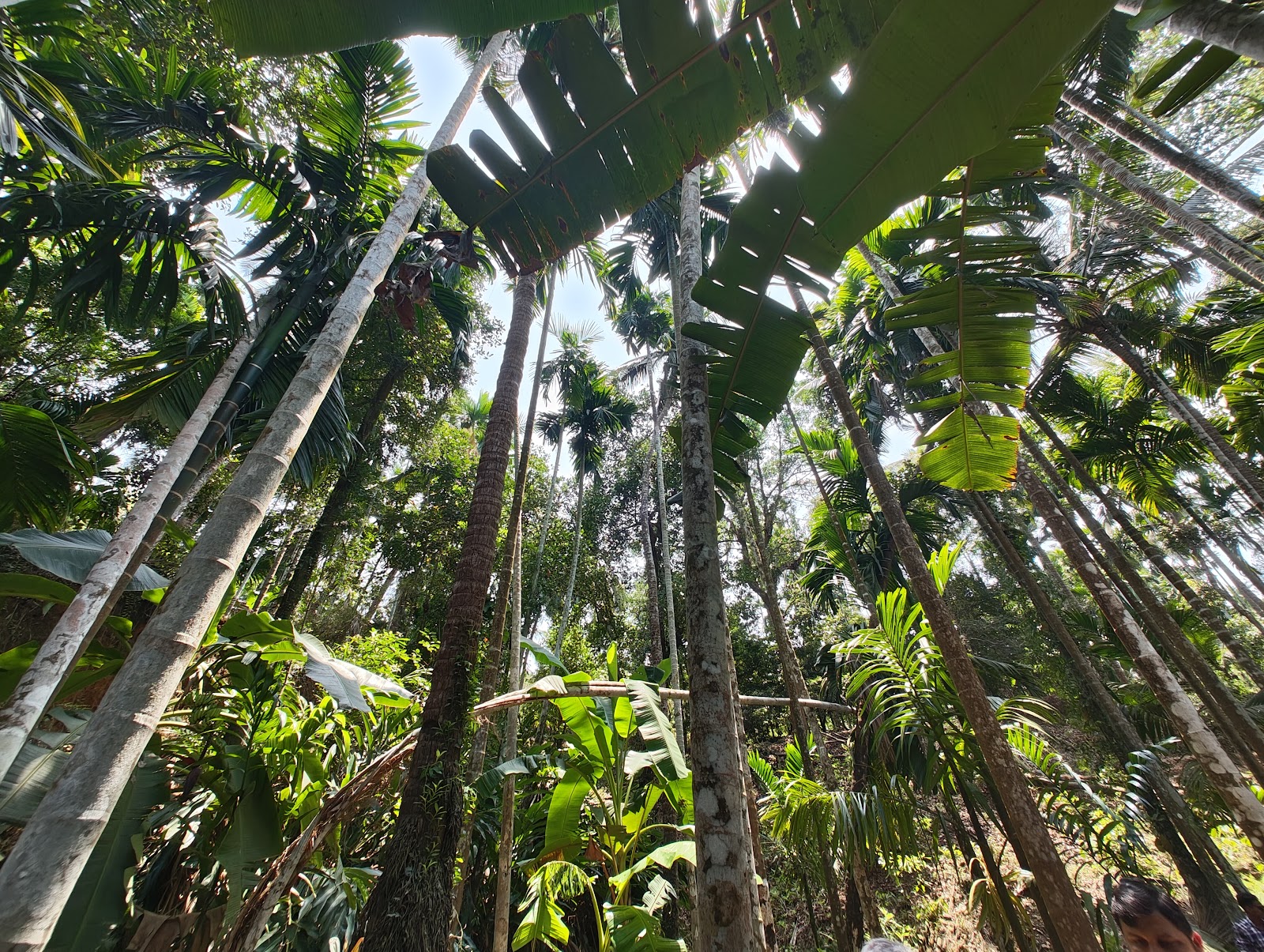
Roughly 30 km southeast of Panaji, the inland area of Ponda is known for growing spices. One popular place to visit is Sahakari Spice Farm, open daily from 9 am to 4:30 pm, where a guided tour with a welcome drink and buffet lunch costs around 500 INR (€4.70). Another option is Tropical Spice Plantation in Keri, open from 10 am to 4 pm.
A third option in the region is Savoi Plantation, open from 11 am to 6 pm, where a visit including lunch costs around 700 INR (€6.60).
Tours often include a thali lunch served on a banana leaf. It is usually vegetarian, but check with the farm beforehand. Some farms offer elephant rides or bathing with elephants; these are best avoided.
💡 Tip: If you would rather have lunch somewhere other than the farm, Ponda has a fully vegetarian restaurant called Chhatrapati Pure Veg.
8. Hindu Temples in Ponda
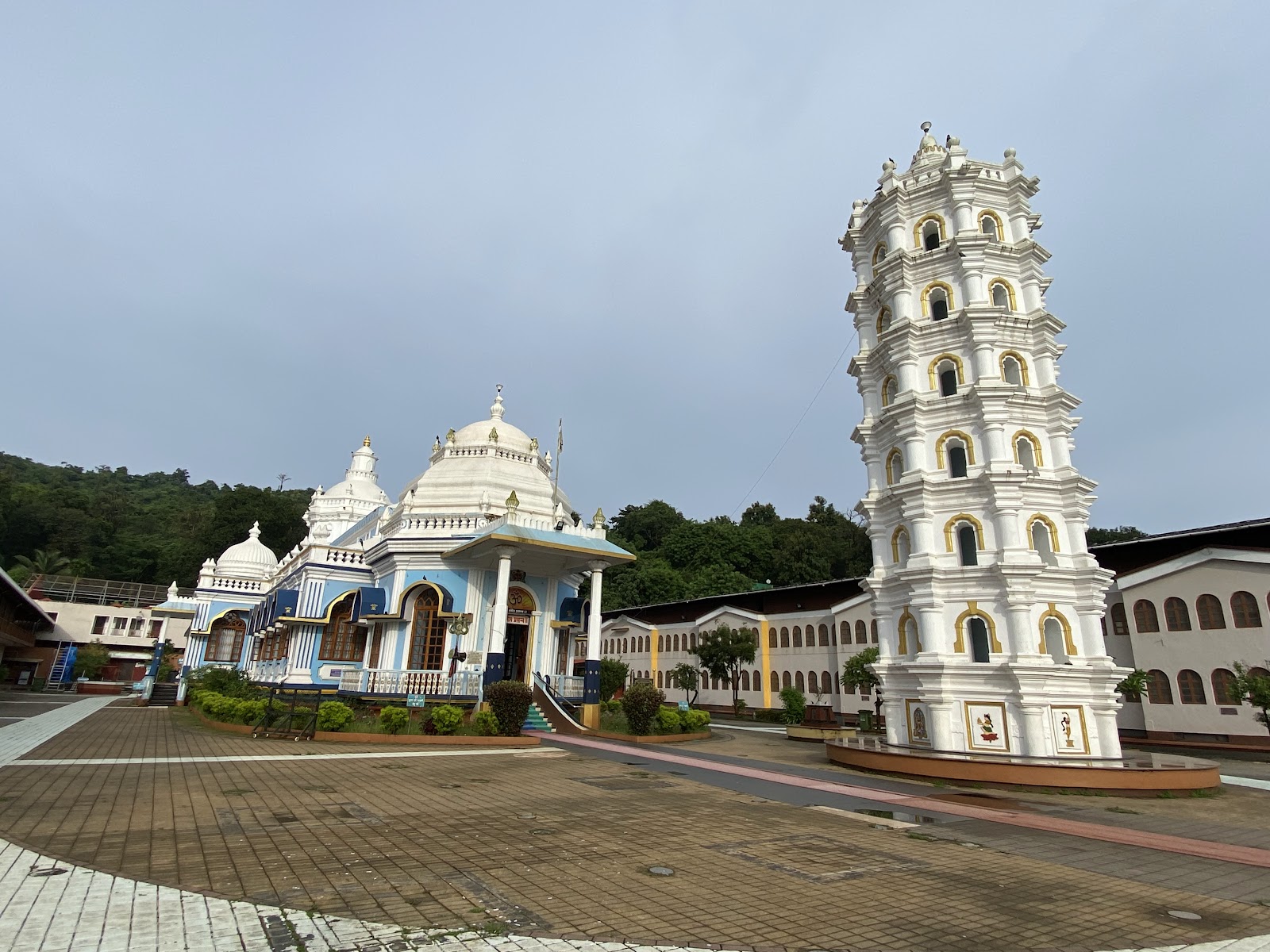
Alongside its plantations, Ponda is also a centre for Hindu temples. An important site is Shree Mangesh, the ancestral temple of the Saraswat Brahmins (a Brahmin community). Around 1560, its sacred lingam (a stone symbol of the god Shiva) was brought here from Cortalim to escape Portuguese persecution. The temple opens daily from 5:30 am to 9:30 pm. You can visit the grounds and main hall, but entry to the innermost sanctuary is not permitted.
Another well-known shrine in the area is Shri Shantadurga in Kavlem, reportedly built in the early 1730s and open daily from 6 am to 8:30 pm. One traveller on Reddit mentions Shree Mangesh and Shri Shantadurga, along with the temple in Tambdi Surla, as interesting cultural alternatives to the Portuguese churches on the coast.
You must remove your shoes before entering either temple, and dress codes apply inside. Shree Mangesh has had a dress code since 2011, while Shri Shantadurga strictly prohibits shorts, miniskirts and tank tops. If you do not have suitable clothing, you can borrow a wrap at the entrance to Shri Shantadurga to cover up.
💡 Tip: Alongside Ponda’s temples, consider visiting the 12th-century Tambdi Surla temple (Kadamba Shri Mahadeva Temple). It is open from 8:30 am to 5:30 pm and can be combined with a trip to Dudhsagar Falls (tip 9).

9. Dudhsagar Falls
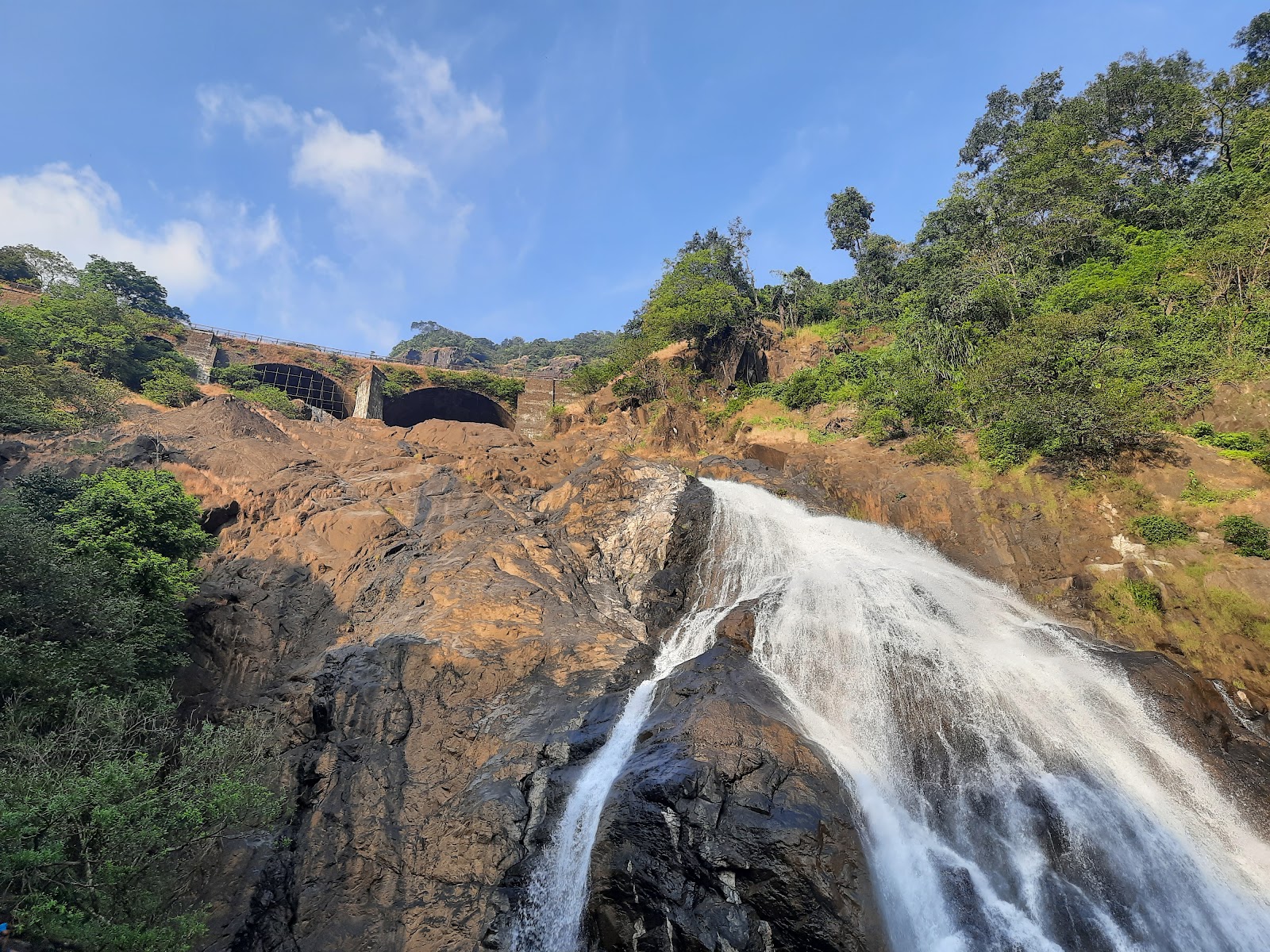
The four-tiered Dudhsagar Falls stand 310 metres tall, making them one of India’s highest waterfalls. They lie within Bhagwan Mahaveer Sanctuary and Mollem National Park on the border with Karnataka, about 60 km from Panaji. A railway viaduct runs right across the waterfall, so you can also glimpse the cascade from a passing train.
During the monsoon, from June to September, jeeps do not run to the falls, and the authorities also ban entry into waterfalls and rivers. Jeep services resumed after the monsoon in early October 2026. The park gates are open from 8 am to 3 pm. There is a daily limit of 240 jeeps registered with the Forest Department. Plastics and alcohol are banned within the grounds, and a life jacket is compulsory, including when swimming below the falls.
Trips are usually booked through the portal of Goa’s tourism corporation, GTDC, with check-in in Collem (Kulem). According to blogs, the price is roughly 800 to 900 INR (€7.50 to €8.50) per person, including forest entry, a life jacket and the booking fee, but check the current rates before travelling. Walking along the railway tracks to the waterfall is prohibited, and in July 2026, 32 tourists were fined 500 INR (€4.70) for doing so.
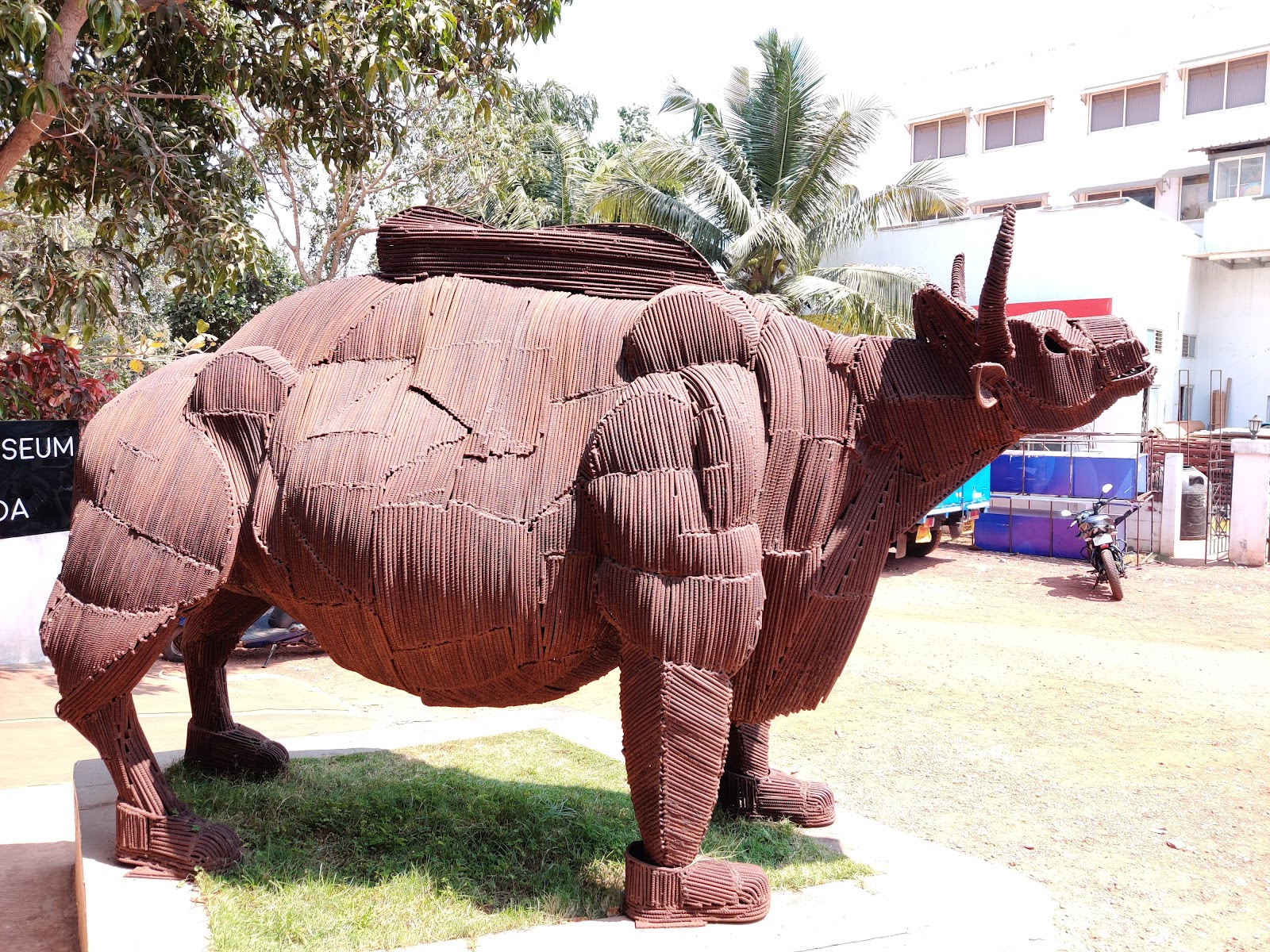
10. Museum of Goa (MOG)
If you get caught in the rain or fancy a break from the beaches, head to the village of Pilerne. Indian artist Subodh Kerkar founded the Museum of Goa (MOG) here, and it opened to the public on 6 November 2015.
It is usually open Tuesday to Sunday from 10 am to 6 pm, with last admission at 5 pm, and closed on Mondays. Adult admission costs 300 INR (€2.80), children and teenagers aged 6 to 18 pay 200 INR (€1.90), and children aged 5 and under enter free. Another option for a rainy day is the Houses of Goa Museum in Torda, near Porvorim.
💡 Tip: If you are travelling as a student, plan your visit for a Wednesday, when students pay a reduced entrance fee of 150 INR (€1.40).
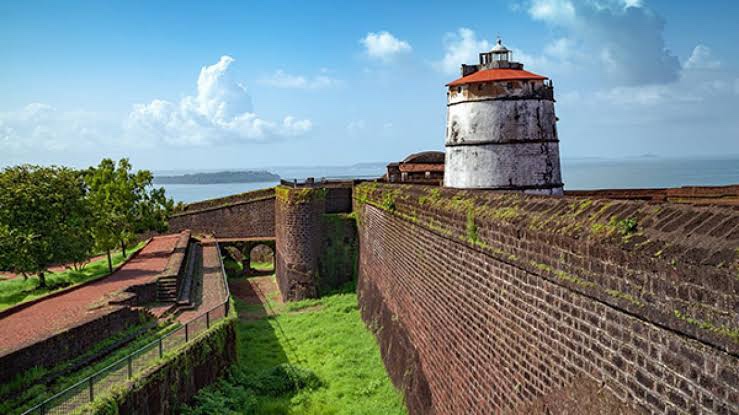
11. Fort Aguada, Sinquerim and Candolim
The Portuguese Fort Aguada, near Sinquerim Beach, was built in 1612 to defend against the Dutch. It takes its name from a freshwater spring: “água” means water in Portuguese. Today, the fort is a monument of national importance managed by the Archaeological Survey of India (ASI) and is usually open from 9:30 am to 6 pm for a nominal entrance fee. The complex includes a lighthouse dating from 1864.
The grounds also contain Aguada Jail, which Prime Minister Modi officially opened as a museum of the freedom struggle on 19 December 2021. According to regional press reports from 2022, admission for foreign visitors was around 400 INR (€3.70); check the current price. The beaches of Sinquerim and Candolim lie near the fort and tend to be quieter than neighbouring Baga.
Dolphin-watching boats depart from Sinquerim. According to travel guides, a one-hour trip costs roughly 300 to 350 INR (€2.80 to €3.30) per person. For lunch or dinner in Candolim, you can try the fully vegetarian restaurants Kanha Pure Veg and Kailash Parbat, or Meera Bai Pure Veg, which has branches in Sinquerim and neighbouring Calangute.
💡 Tip: Kanha Pure Veg in Candolim is open from 8 am until 12:30 am, making it a handy option for a late dinner after returning from a day trip.
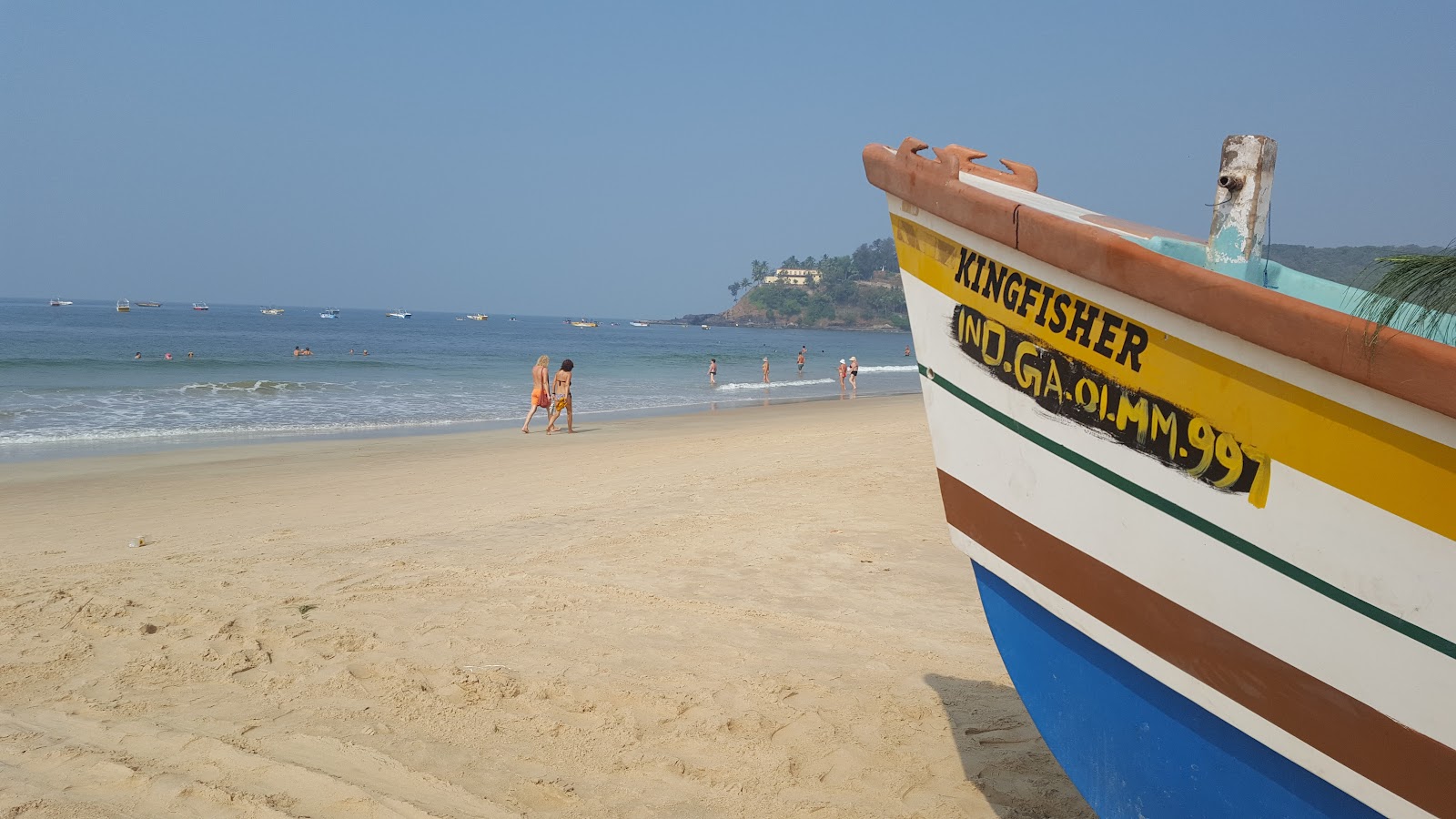
12. Calangute and Baga: Lively Beaches for Your First Evening
If you’re looking for peace and quiet, these aren’t the places for you. They do work well for your first evening and for water sports, though. The beaches of Calangute and Baga in northern Goa are the heart of mass tourism, with water sports, nightclubs and persistent touts.
This is where lifeguards were busiest in 2025 (103 rescues in Calangute and 68 in Baga), but swimming zones are marked. Only book water sports with registered operators, and avoid street touts acting as middlemen.
For meals without meat or fish, Calangute has a branch of the entirely vegetarian Navtara Veg Restaurant, as well as Meera Bai Pure Veg, which stays open until 2:00 am.
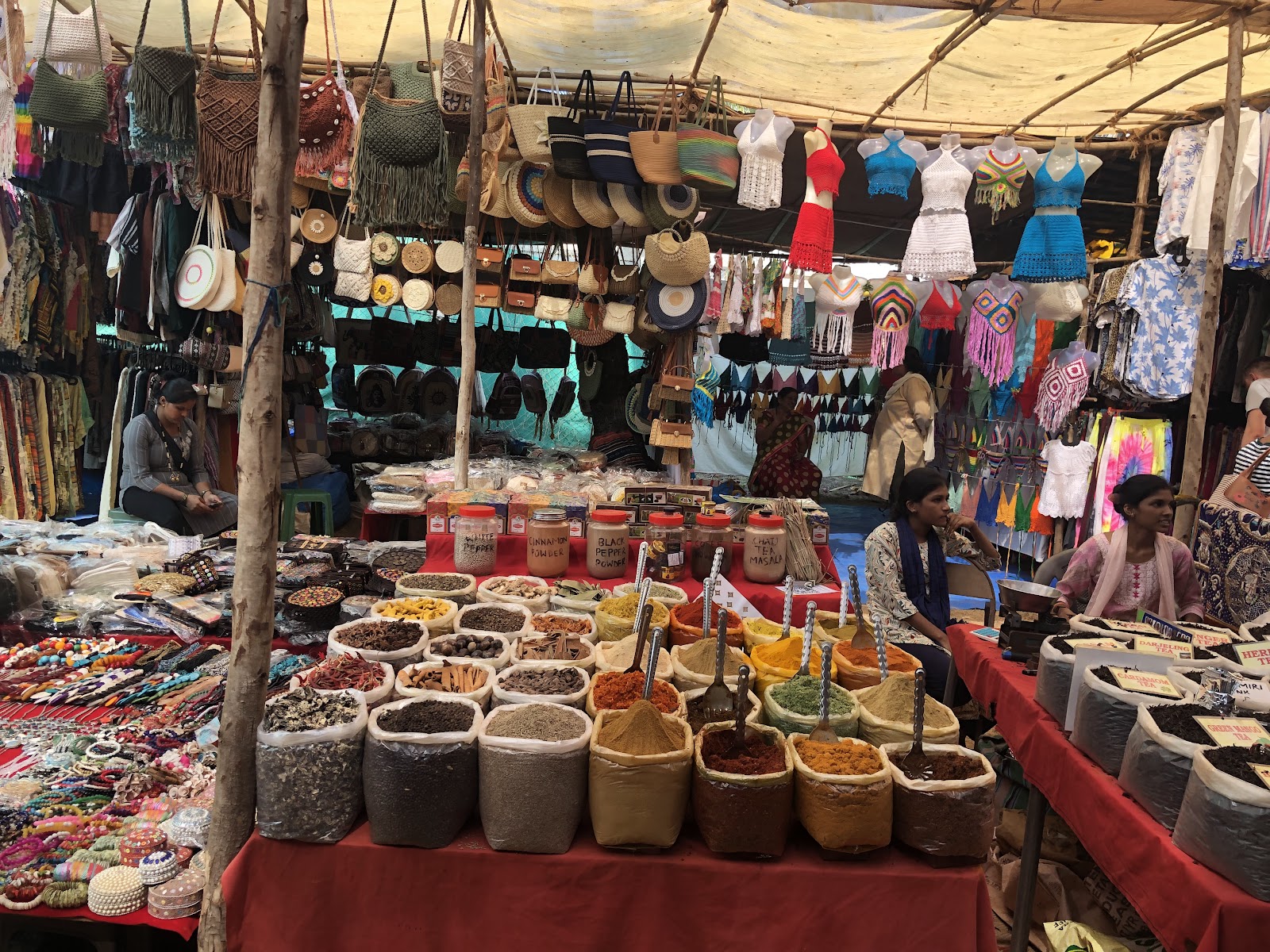
13. Anjuna and the Wednesday Flea Market
From the late 1960s, Anjuna beach became a stop for hippies on the so-called hippie trail, and later the birthplace of Goa trance music. You’ll find cafés and boutique hotels nearby.
The resort’s main draw is the Anjuna Flea Market, held every Wednesday roughly from November to March. Sources disagree on the dates, so check the start of the 2026/27 season with your accommodation or at the market itself.
Eating well without meat is easy in Anjuna, too. Gratitude serves an entirely vegan and Jain menu (strictly vegetarian in line with Jain religious practices), while Guldastaa Cafe offers vegetarian, vegan and Jain dishes. Kailash Parbat is also entirely vegetarian. For breakfast or coffee from 7:00 am, try the well-known Artjuna Cafe, which has vegetarian options but isn’t exclusively vegetarian.
14. Chapora Fort and Vagator
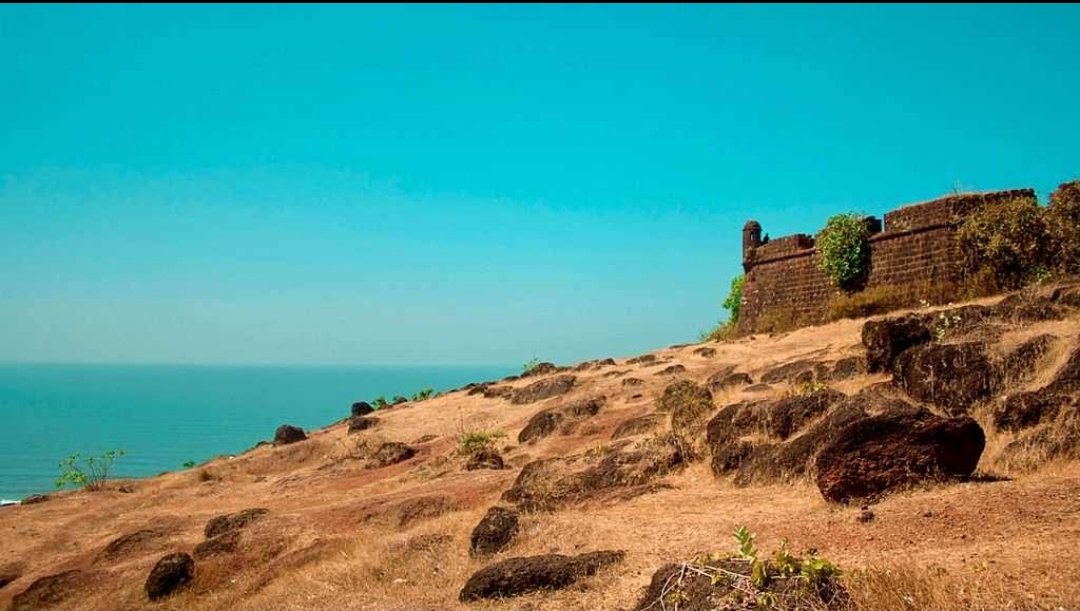
Overlooking the mouth of the Chapora River is Chapora Fort, originally the Adil Shahi fort of “Shahpoora”, which the Portuguese rebuilt in 1717 and abandoned in 1892. Only the perimeter walls remain today, but the site was made famous by the 2001 Bollywood film Dil Chahta Hai. The fort’s gates are open from 10:00 am to 5:00 pm, and entry is usually free.
Near the fort is the resort of Vagator, made up of two distinct areas. Big Vagator is framed by striking red cliffs, while the smaller bay of Ozran Beach is also known as Little Vagator.
You’ll find plant-based food in Vagator, too. The vegan restaurant Bean Me Up opens from 9:00 am to 11:00 pm, while Saudagar serves entirely vegetarian Indian cuisine.
15. Markets: Arpora’s Saturday Night Market and Mapusa’s Friday Market
Alongside Anjuna’s Wednesday market, northern Goa’s seasonal attractions include Saturday night markets, which run roughly from December to April. They take place in Arpora (Saturday Night Bazaar) and Baga (Mackie’s), on Saturdays from around 4:00 pm to 3:00 am. Check whether they’re operating and confirm the exact dates for the 2026/27 season before your trip.
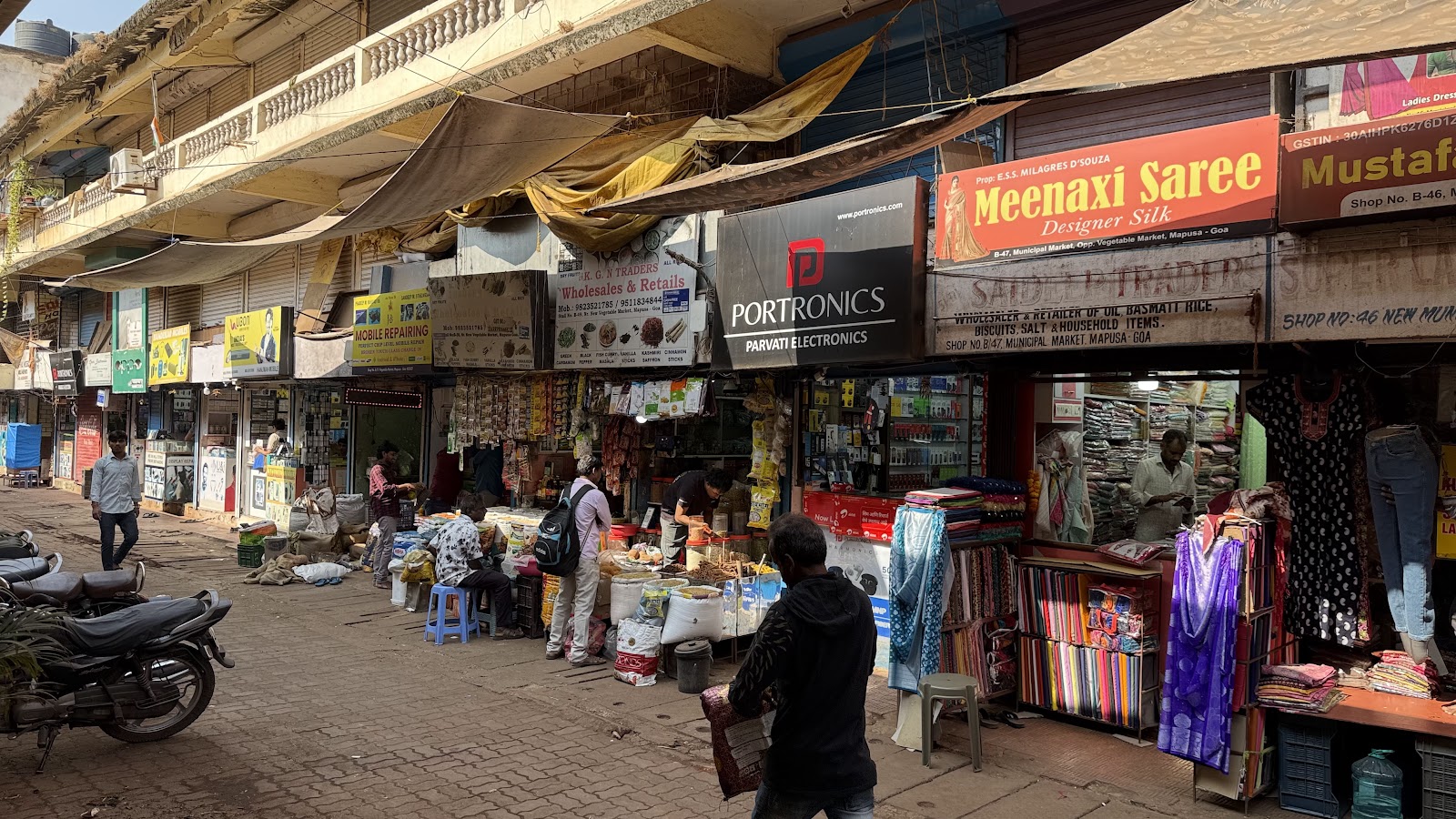
For an authentic local market without the tourist gloss, head to the town of Mapusa. Built in 1960, Mapusa Municipal Market has over 1,000 stalls and operates daily throughout the year, with Friday as the main market day. You’ll find spices, fresh fruit and pottery here, while traditional Goan products include chouriço pork sausages and dried fish.
After the evening market in Arpora, you can eat at the entirely vegetarian Dwarka Pure Veg, which specialises in North Indian cuisine and is open 24 hours a day. You can reach Mapusa from Panaji on a Kadamba intercity bus for 17 INR (€0.16), or from Mopa Airport for 150 INR (€1.40).
16. Arambol: Sweet Water Lake and Beach Drum Circles
Arambol is a fishing village in Pernem. It’s a good spot for paragliding and kitesurfing. One traveller on Reddit described Arambol as a bohemian place with a community feel, where solo travellers can easily settle in.
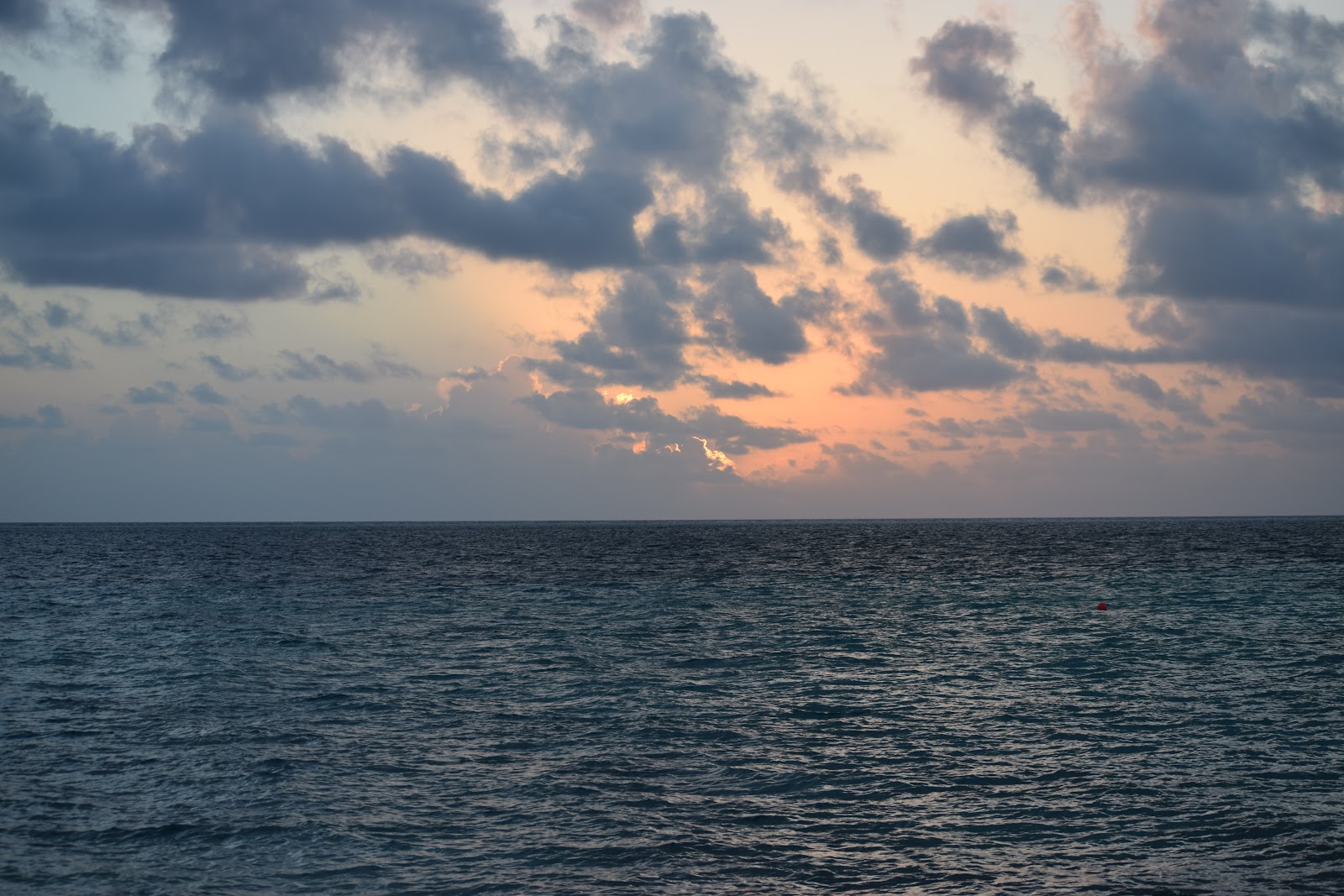
According to travel blogs, a rocky path leads from the main stretch of beach about 500 metres north, around the cliff to Sweet Water Lake. The lake is fed by springs. Blogs also report that, in high season, drummers gather on Arambol’s beach at sunset for a drum circle.
For meat-free food, try the vegetarian restaurant Garden of Dreams (9:30 am to 6:00 pm) or the entirely plant-based café Awani Plant Based (9:00 am to 9:00 pm).
17. Morjim, Ashwem and Mandrem: A Quieter North and Sea Turtles
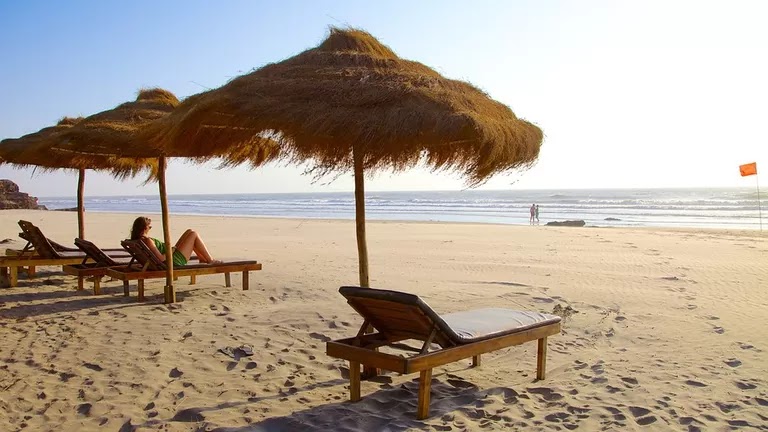
In Goa’s far north, the neighbouring beaches of Mandrem, Ashwem and Morjim are often described as a quieter, cleaner and more upmarket part of the north. Morjim has earned the nickname Little Russia. Along with Agonda and Galgibaga in the south, it is also an official nesting site for olive ridley sea turtles.
The nesting season runs roughly from November to March, when restrictions on light and noise apply on the beach. In January 2025, authorities issued a warning that sun loungers are banned in the tidal zone (the part of the beach reached by the tide). By February 2026, only 66 females had been counted on Goa’s shores. In January 2026, noise and lights on the beach drove one turtle back into the sea.
If you find yourself on the beach after dark, don’t use a torch or your phone as a light, keep noise down and don’t lie down in the tidal zone.
💡 Tip: Once you’ve explored these three beaches, you can continue further north to Querim (Keri Beach) and Fort Tiracol, which now operates as a hotel.
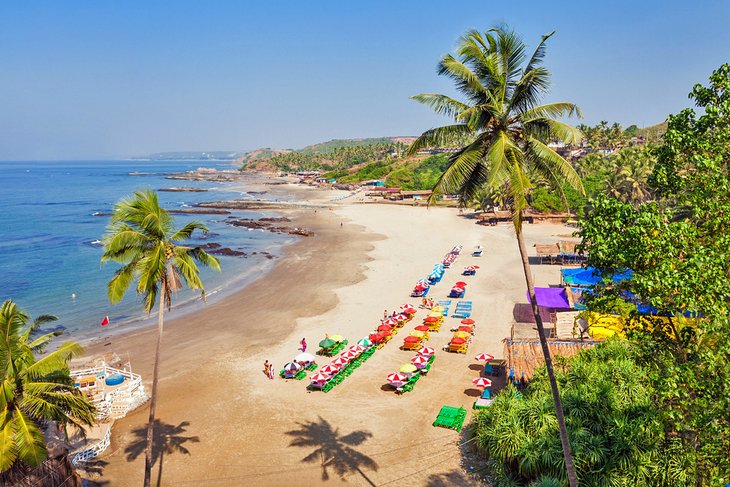
18. Palolem and Patnem
While northern Goa moves at a busier pace, the southern area of Canacona offers a more relaxed atmosphere around the beaches of Palolem and Patnem. Palolem is a crescent about 1.6 kilometres long, with a gently shelving shoreline and weak currents; the water is shallowest at the northern end.
If you’re after even more peace and quiet, head to neighbouring Patnem beach. From Palolem, you can reportedly reach the small cove of Butterfly Beach by boat or on foot. If you’d like to head out to sea to see dolphins, you can arrange a trip directly with local fishermen.
Both beaches have plenty of choice for vegetarians and vegans. In Palolem itself, you’ll find Cuba pure vegetarian and the plant-based Cantine indienne, which is closed on Mondays. The Palolem and Patnem area is also home to the vegan and vegetarian restaurant Bibhitaki, while in Patnem itself you can visit Cafe Krishnam.
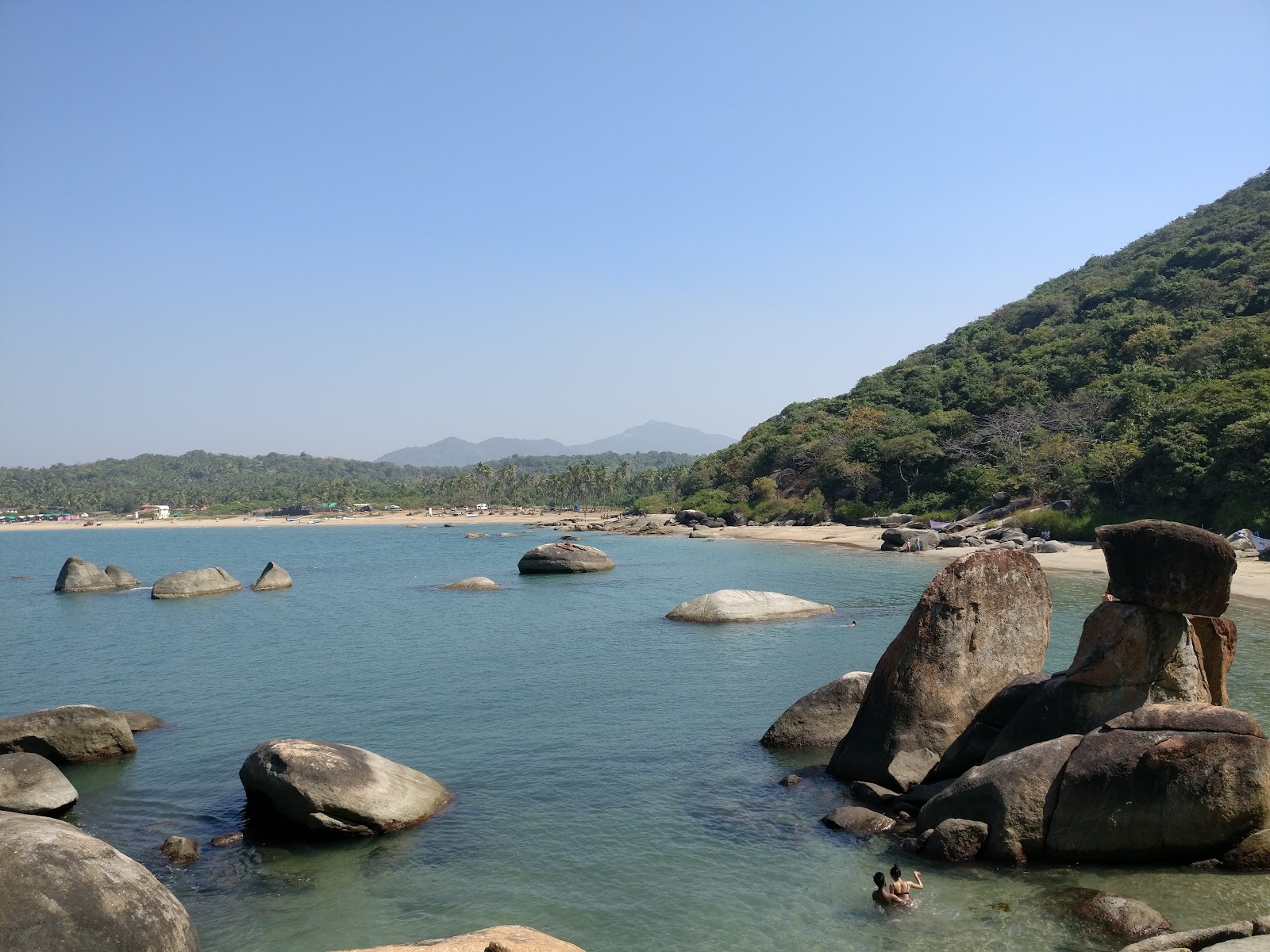
19. Agonda (and Galgibaga)
Agonda is a beach roughly three kilometres long. According to The Goan newspaper, businesses now line its entire length, although a court ordered some of them sealed in 2025. Take care in the sea here: lifeguards recorded 35 water rescues in 2025.
Agonda is one of the official nesting sites for olive ridley turtles, with nesting taking place roughly from November to March. Galgibaga beach, about seven kilometres from Palolem, has the same protected status. Compared with Agonda, Galgibaga has very little infrastructure, so bring plenty of bottled water.
For meat-free meals in Agonda, head to Zest Cafe Agonda, a vegetarian café where you can have breakfast, lunch or dinner (open from 8:00 am to 10:00 pm).
💡 Tip: Agonda is about 72 kilometres by road from Dabolim Airport (roughly 1.5 to 2 hours), or about 100 kilometres from Mopa Airport (roughly 2.5 to 3 hours). These are approximate estimates.
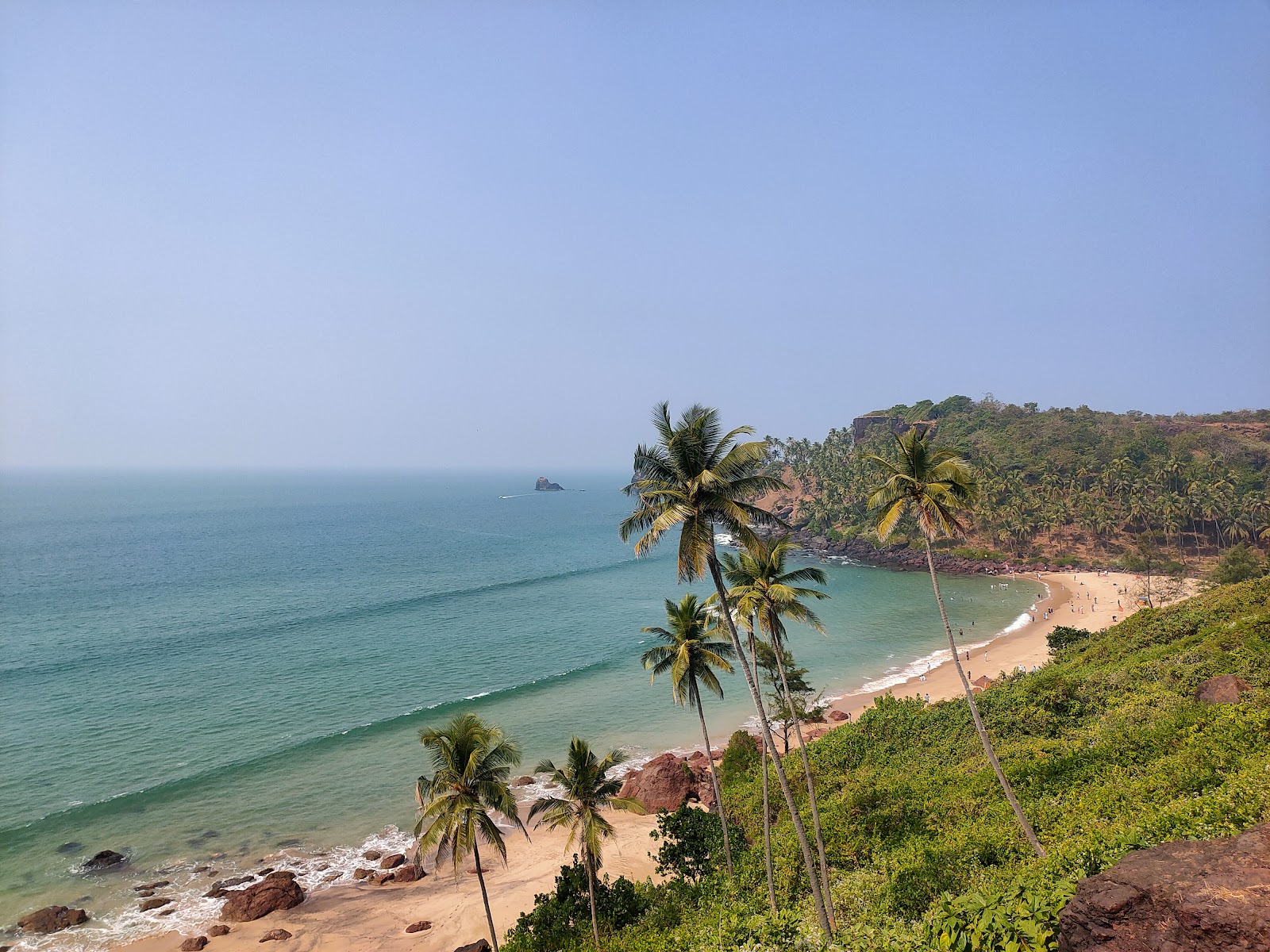
20. Cabo de Rama
On the cliffs of the southern coast stands Cabo de Rama fort, which the Portuguese acquired in the 1760s. They later established a prison within its walls, which operated until 1955.
The Chapel of St Anthony inside the fort is still in use today. The gates are usually open daily from 9:30 am to 5:30 pm, and entry is usually free.
Directly below the cliffs lies Cabo de Rama beach, which you can visit after exploring the fort’s walls.
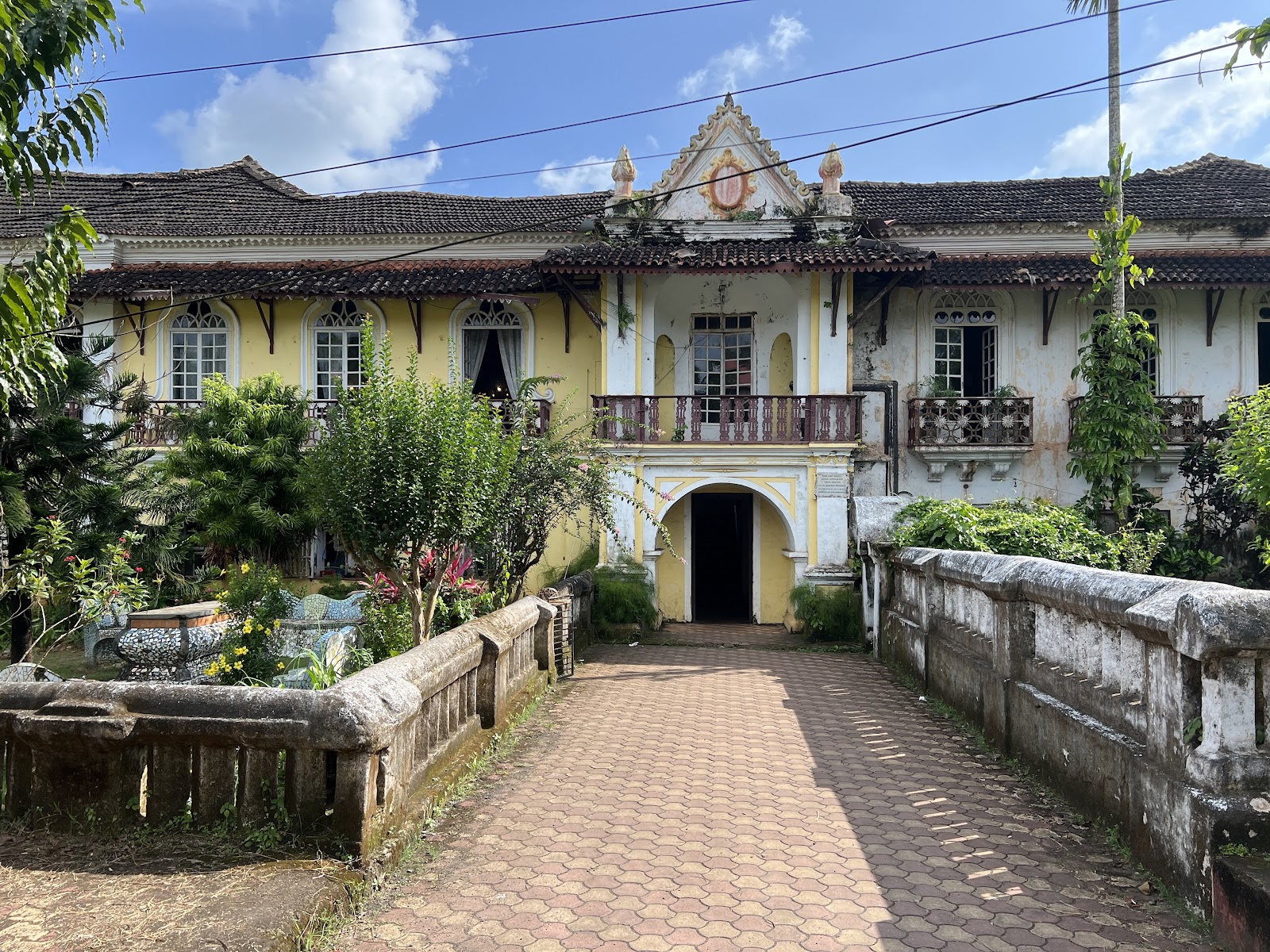
21. Portuguese Mansions in Chandor and Goa Chitra Museum
In Chandor, you’ll find the Portuguese mansion Menezes Braganza House. The land was granted back in 1576, and in the 19th century the house was divided into two separate sections. Today, the building consists of the Menezes Braganza west wing and the Pereira Braganza east wing.
The east wing still has a private family chapel housing a relic of St Francis Xavier. The house is usually open from 10 am to 5 pm; check the entry arrangements when you arrive. You’ll find more Portuguese mansions in Loutolim.
Benaulim is home to the ethnographic museum Goa Chitra, founded by Victor Hugo Gomes in 2009. He brought together more than 4,000 objects for its collection. The museum is open daily from 9 am to 6 pm.
💡 Tip: The Kadamba bus from Panaji to Margao costs 45 INR (about €0.40). The first services leave at roughly 6:15–7:30 am, and the last ones at around 7–8 pm.
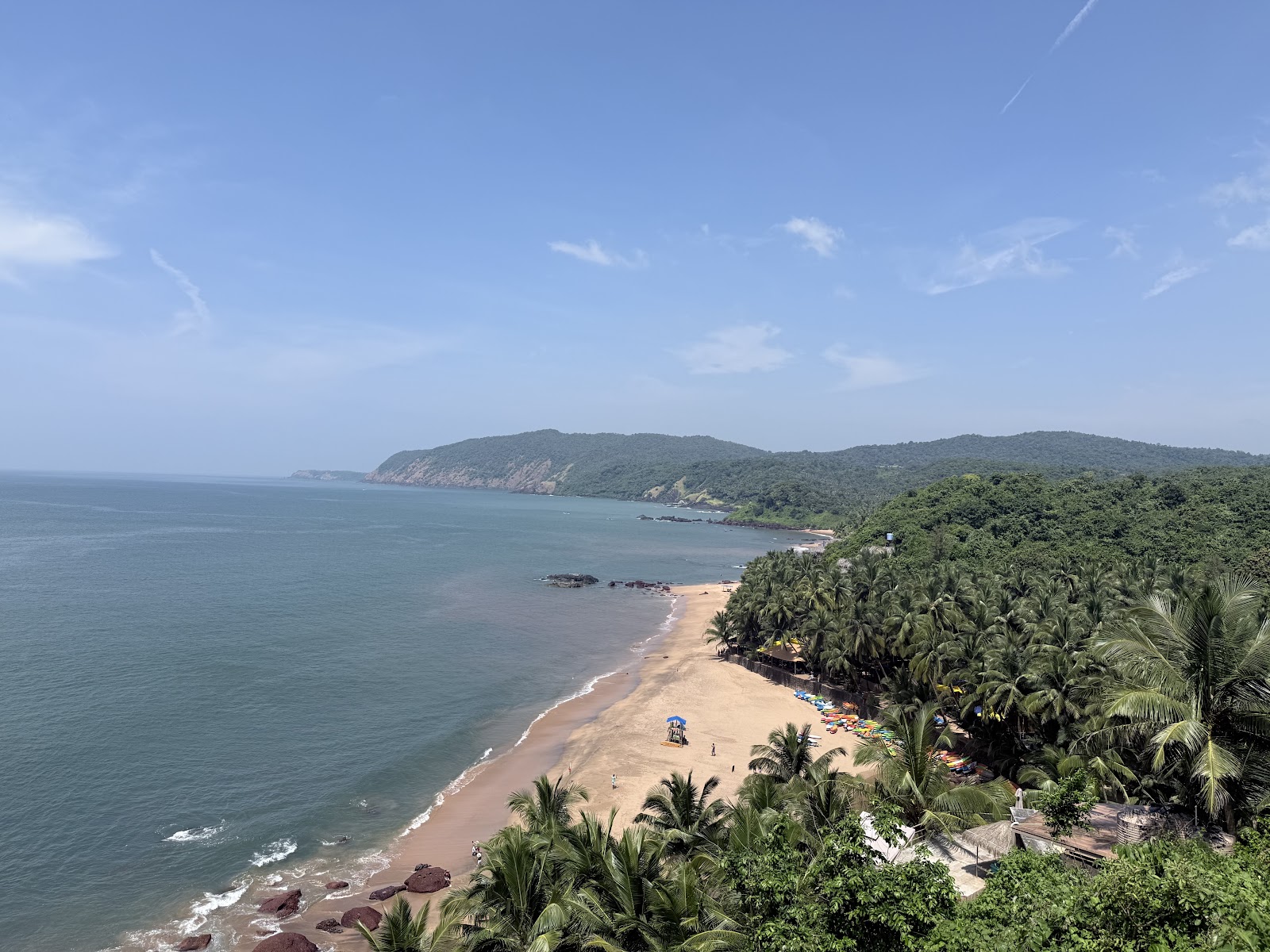
22. Hidden Beaches in the South and Cotigao Wildlife Sanctuary
Tucked between South Goa’s better-known resorts are several smaller bays that draw fewer visitors. In the south, you’ll find Cola Beach with its lagoon. Other more secluded southern beaches include Kakolem and Betul.
If you fancy exploring nature inland after a few days by the water, head to Cotigao Wildlife Sanctuary. Established in 1968, it is open to visitors daily from 7 am to 5:30 pm. Check the entrance fee at the sanctuary gate.
One of Cotigao’s main attractions is a treetop observation platform, built 25 metres above the ground, directly over a watering hole. There are eight trails through the sanctuary, ranging from 0.5 to 5 kilometres, so you can easily choose a walk that suits you.
Where to Go Next from Goa
If you’re staying in Goa longer and manage to visit all twenty-two places, there’s still more to explore within the state. In the south, a long stretch of sand runs through the Salcete area, linking the beaches of Colva, Benaulim and Majorda, lined with large resorts. Goa is also home to Harvalem Waterfalls and the Arvalem Caves. The caves are thought to date back to around the 6th century. Another part of local culture is cashew feni, a traditional cashew spirit with protected geographical indication status since 2009, officially recognised as a “heritage spirit” since 2016.
You can also time your trip around local festivals. The best-known is the Goa Carnival, which, based on the date of Easter, is expected to fall on 6–9 February in 2027; the official programme has not yet been released. King Momo leads the parades in Panaji, Margao, Vasco da Gama and Mapusa. In spring, the Hindu festival Shigmo takes place around the Holi celebrations, roughly 22 March in 2027. The monsoon season brings the June festival of Sao Joao on 24 June and the Bonderam island festival on Divar in August.
A natural addition to a stay on Goa’s beaches is Mumbai, roughly 500 kilometres to the north. A flight between the two should take about an hour. The Sunburn music festival moved from Goa to Mumbai in 2025. If you have a layover there or want to spend a few days in the Indian metropolis before heading to the beach, take a look at our articles on Things to See in Mumbai and Where to Stay in Mumbai.
Frequently Asked Questions
When is the best time to visit Goa?
The best season runs from November to March, when it barely rains and temperatures hover around 32–33 °C. April and May are very hot and humid. From June to September the monsoon arrives, and the sea is off-limits for swimming and Dudhsagar Falls stays closed. October is a transitional month: the beaches are only just reopening and the sea can be treacherous.
Is North or South Goa better?
North Goa around Calangute, Baga, Anjuna and Vagator beaches is lively, packed with markets and nightlife, while the far north around Morjim, Ashwem, Mandrem and Arambol is calmer. The south, with resorts like Palolem and Agonda, is more laid-back, with wide beaches and turtle nesting sites. The historic sights of Old Goa, Panaji and Ponda sit in the middle of the state.
Do I need a visa for Goa?
Yes. You can only get the electronic e-Tourist Visa on indianvisaonline.gov.in. For citizens of eligible countries, the 30-day visa costs USD 25 (about €20) from July to March and USD 10 (about €9) from April to June, plus a 3% bank fee. Apply at least 4 days before you arrive, and fill in the free e-Arrival Card within 72 hours before landing. You can fly into either of Goa’s two airports, as both are on the e-visa airport list.
Which airport should I fly into, Dabolim or Mopa?
Mopa (GOX) is in the north and Dabolim (GOI) is in the south. Most international flights from the Middle East now land at Mopa. Mopa is closer to the northern beaches, while Dabolim is closer to the south. The cheapest airport transfers are the Kadamba buses for 150 to 400 INR (about €1.50 to €4).
Does Uber work in Goa?
No, neither Uber nor Ola operates in Goa. Your options are the GoaMiles app, a prepaid airport taxi, or a regular taxi on the new tariff that took effect in September 2026, according to local media (300 INR (about €12) for the first 3 kilometres in smaller cars). Another option is a legally rented scooter with a commercial registration plate, an international driving permit and a helmet.
Is swimming in Goa safe?
Swim only between the red-and-yellow flags, where Drishti Marine lifeguards keep watch, and never go in the water after dark or after drinking. A red flag means no entry, and during the monsoon the sea is off-limits altogether. In 2025, lifeguards carried out 548 water rescues, most of them in October.
What’s not allowed in Goa?
Drinking alcohol, smoking and taking drugs on the beaches is banned and can lead to a fine or jail time, so stick to licensed beach shacks for your beer. Also banned are cooking on the beach or by the roadside (fines up to 50,000 INR, about €470), driving vehicles on the sand, photographing strangers while they swim, and renting scooters with a private white plate. Drug possession means criminal prosecution and at least 6 months in prison, even for a small amount.
Tips and Tricks for Your Vacation
Don’t Overpay for Flights
Search for flights on Kayak. It’s our favorite search engine because it scans the websites of all airlines and always finds the cheapest connection.
Book Your Accommodation Smartly
The best experiences we’ve had when looking for accommodation (from Alaska to Morocco) are with Booking.com, where hotels, apartments, and entire houses are usually the cheapest and most widely available.
Don’t Forget Travel Insurance
Good travel insurance will protect you against illness, accidents, theft, or flight cancellations. We’ve had a few hospital visits abroad, so we know how important it is to have proper insurance arranged.
Where we insure ourselves: SafetyWing (simple monthly subscription) and TrueTraveller (for extra-long trips).
Find the Best Experiences
Get Your Guide is a huge online marketplace where you can book guided walks, trips, skip-the-line tickets, tours, and much more. We always find some extra fun there!