

If you’re planning a trip to Peru, you might see the capital as merely a necessary stopover on your way to the mountains. That would be a huge mistake, though, because Lima is now the undisputed gastronomic capital of the world. This is where you’ll find Maido, the restaurant crowned the best on the planet for 2025, and four local establishments feature in the current top fifty. The city’s culinary prestige will reach its peak on November 4, 2026, when The World’s 50 Best Restaurants awards will be announced here for the very first time in South American history.
Beyond the food, this metropolis of nearly ten million offers ideal conditions for starting your journey. The tourist districts sit practically at sea level, making them a perfect base for acclimatization before the demanding flight to high-altitude Cusco. Give Lima at least two or three days and let yourself be surprised by its stunning cliffs above the Pacific, colonial architecture, and modern neighborhoods full of greenery.
When planning your 2026 trip, keep a few developments in mind. Since June 2025, the brand-new and beautiful Jorge Chávez airport terminal has been operational, but access roads are still under construction, so the journey to the center can take up to an hour and a half. At the same time, don’t be alarmed by news about the state of emergency currently in effect in Lima until roughly the end of October 2026. This measure is primarily aimed at protecting local businesses from gangs and practically doesn’t affect ordinary tourists in the safe neighborhoods.
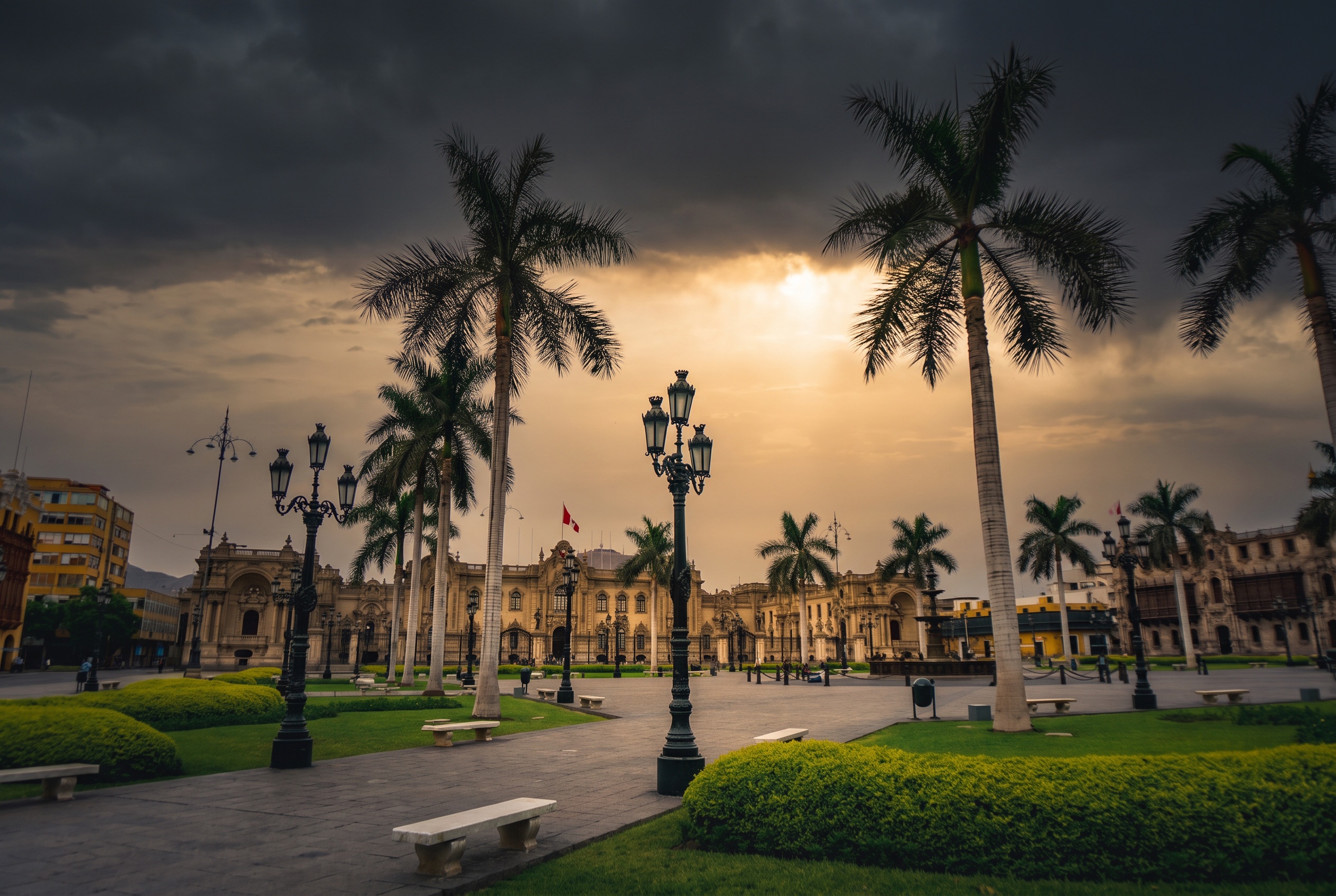
TL;DR
- Airport transportation: Forget about touts in the terminal and use only official desks, the Airport Express bus, or Uber and Cabify apps with pickup at designated parking lot E1.
- Safety first: The Miraflores and Barranco neighborhoods are fine during the day, but be cautious after dark, don’t show your mobile phone on the street, and never hail a taxi directly from the street.
- Gastronomic paradise: Reservations at the best restaurants like Maido or Kjolle need to be secured several months in advance.
- Climate and clothing: In summer you’ll enjoy sun and warmth, while in winter months the city is often wrapped in typical coastal fog called garúa.
- Money and payments: You can pay by card in better neighborhoods, but for markets and smaller purchases you’ll need cash in Peruvian soles (1 sol is about €0.25).
- Practical formalities: Most international visitors don’t need a visa and the TAM immigration form is now fully digital, just remember to bring your passport to the hotel for the eighteen percent tax exemption.
When to Visit Lima
Lima’s climate is influenced by the cold Humboldt Current, which gives it fairly mild temperatures and barely over six millimeters of annual rainfall. You’ll enjoy the most sun and warmth from December to April, when temperatures climb to an ideal 25 to 28 degrees Celsius and locals spend weekends at the beaches. Conversely, from June to September the city is often covered by thick gray fog called garúa and temperatures drop to 15 degrees, though this is actually great for paragliding enthusiasts thanks to ideal winds.
However, 2026 is somewhat unusual meteorologically due to the El Niño Costero phenomenon. Winter felt much warmer than usual and meteorologists warn that in summer 2027, perceived temperatures could reach as high as 38 degrees. If you don’t like extremes, the ideal compromise for visiting is the transitional months of November, December, March, and April, when you’ll avoid both the greatest heat and the main wave of Peruvian summer holidays.
When planning your travel dates, it’s definitely worth checking the calendar of local holidays and festivals. The October feast of Señor de los Milagros is an incredible experience, when one of the world’s largest Catholic processions takes to the streets and the city center turns purple. Late July belongs to the independence celebrations of Fiestas Patrias with large military parades, and in early February the whole country comes together to celebrate the national cocktail on Día del Pisco Sour.
Where to Stay in Lima
Choosing the right neighborhood in sprawling Lima is crucial for your sense of security and overall experience. The best choice for a first visit is definitely Miraflores, where you’ll find beautiful cliffs above the ocean, excellent infrastructure, and thanks to a dense network of smart cameras, the greatest peace of mind for evening walks. The adjacent bohemian Barranco will delight couples and nightlife lovers, while San Isidro serves those seeking maximum tranquility and luxury boutiques.
If you want guaranteed fantastic service, check out the Hilton Garden Inn Lima Miraflores, which boasts the highest rating in the city and offers a luxurious rooftop pool just steps from the coastal promenade. History and romance lovers shouldn’t miss Hotel B in the heart of the Barranco neighborhood, a beautifully restored belle époque villa belonging to the prestigious Relais & Châteaux network.
Excellent value for money in the mid-range is offered by the Peruvian chain with the Casa Andina Premium Miraflores, where you’ll also find a pleasant indoor pool. If you have a very early morning flight and don’t want to head into the city, a strategic choice is the Wyndham Grand Costa del Sol Lima Airport, which is connected to the new terminal by a convenient covered walkway. More detailed tips and analysis of individual areas can be found in our separate article Where to Stay in Lima.
💡 On this map you can compare what’s currently available — you’ll immediately see how much the price changes a few blocks away.
22 Things to See and Do in Lima
Let’s look at the best that the Peruvian capital has to offer. Ideally, divide your city exploration into blocks by neighborhood so you don’t spend half the day hopping through traffic jams.
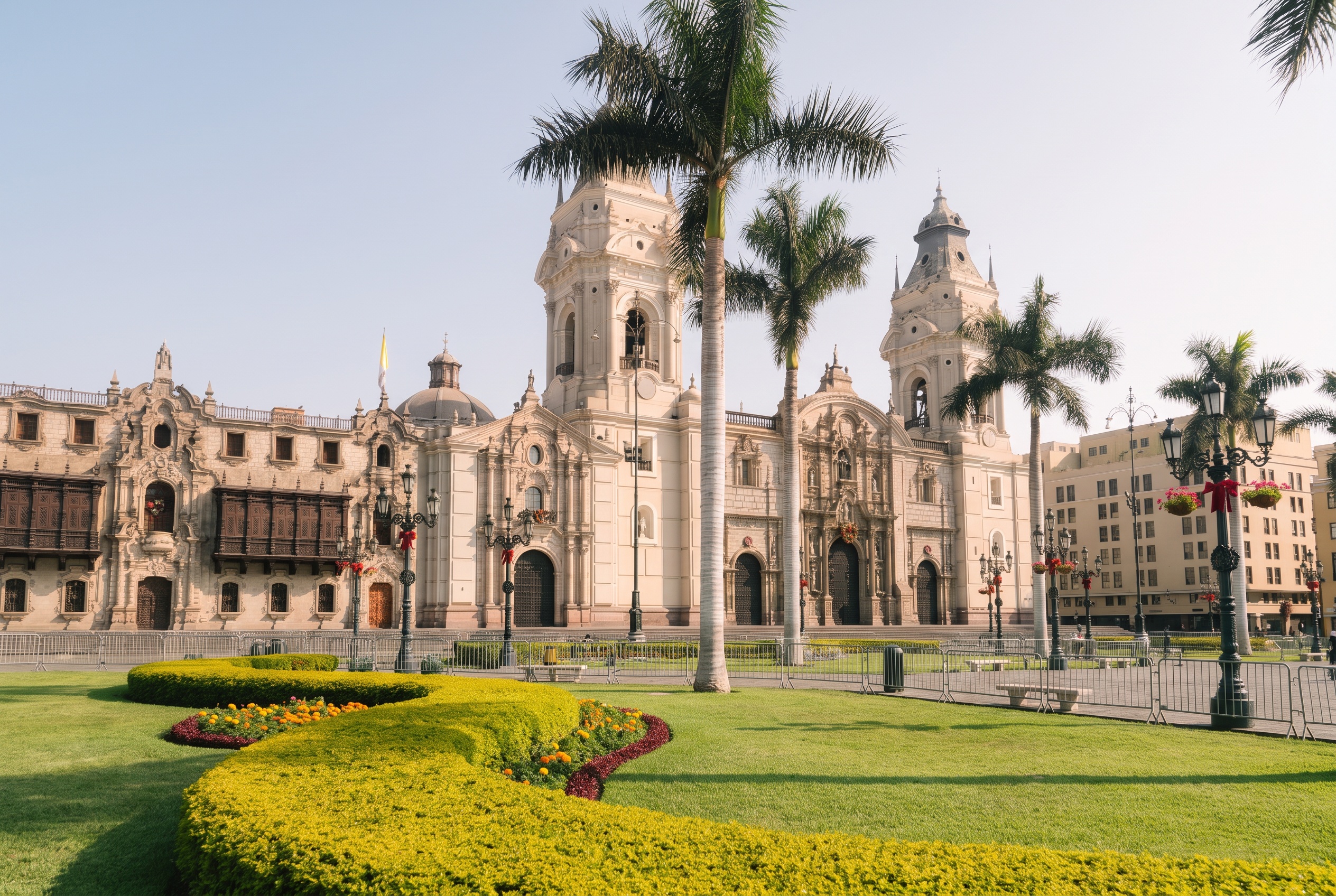
1. Plaza Mayor and Catedral de Lima
The heart of the historic center is the expansive Plaza Mayor (often called Plaza de Armas), which forms the true cradle of the city founded in 1535. The entire historic core is a UNESCO World Heritage Site and is surrounded by magnificent colonial buildings with typical yellow facades and carved wooden balconies. The square is an ideal starting point for exploring the history, but remember that after dark the atmosphere in the center changes and it’s better to return to the safer neighborhoods by the ocean.
On the eastern side of the square rises the beautiful Catedral de Lima, which is definitely worth visiting inside as well. Admission for foreigners costs 30 soles (about €8), children aged six to twelve pay half, and for this price you’ll see not only the nave itself but also the adjacent museum and mysterious crypts. Guided tours are also available, departing roughly every twenty minutes.
Important historical figures rest within the cathedral, and supposedly the tomb of the city’s founder Francisco Pizarro himself is located here. The tour will take you about an hour and thanks to new audio guides in nine languages, you’ll learn plenty of details about the complex history of Peruvian Catholicism.
💡 Tip: Traffic in the center tends to be catastrophic between five and six in the afternoon. Come in the morning instead to avoid lengthy sitting in a taxi.
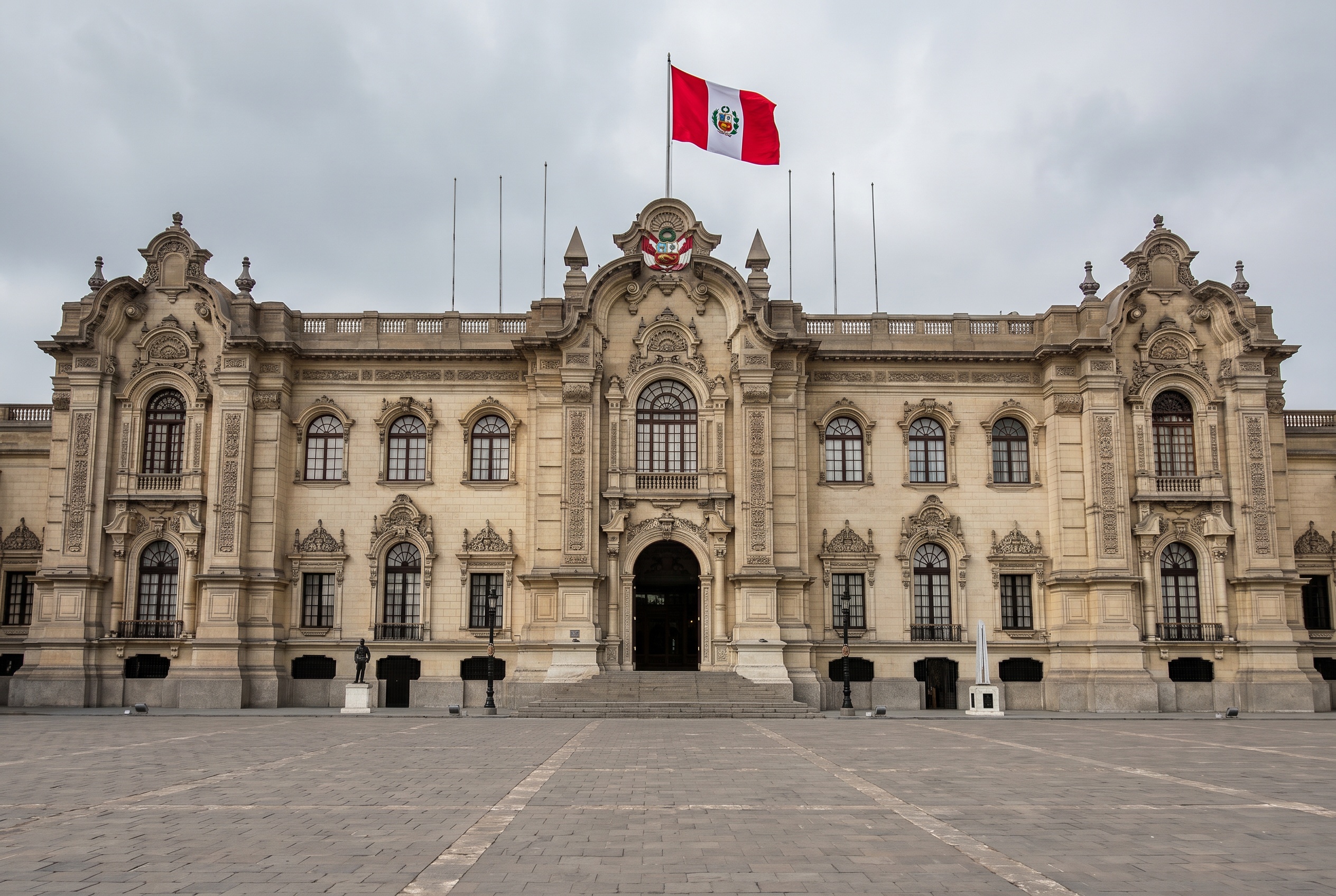
2. Palacio de Gobierno and the Changing of the Guard
On the northern side of the main square stands the Palacio de Gobierno, where the sitting president resides. This government palace occupies an entire city block and sits on the site where Francisco Pizarro built his residence. Today the building serves as the center of political life (since July 2026, President Keiko Fujimori has been in office here), and access inside is unfortunately very limited for regular tourists.
The biggest draw for visitors is undoubtedly the traditional changing of the guard ceremony, which you can watch for free from behind the wrought-iron gates every single day of the year. The ceremony is performed by the historic mounted regiment Mariscal Domingo Nieto in full dress uniforms, and with a bit of luck you’ll see the entire military band.
The experience is truly magnificent, because the soldiers occasionally play traditional Peruvian melodies like the famous song El Cóndor Pasa alongside the marching tunes. The ceremony peaks around noon, but it’s better to arrive at the square around 11:30 am so you can secure a good spot at the fence with a clear view.
💡 Tip: Although palace tours for local schools and families resumed in autumn 2026, an official booking process for international tourists doesn’t yet exist, so you’ll have to settle for viewing from the outside.
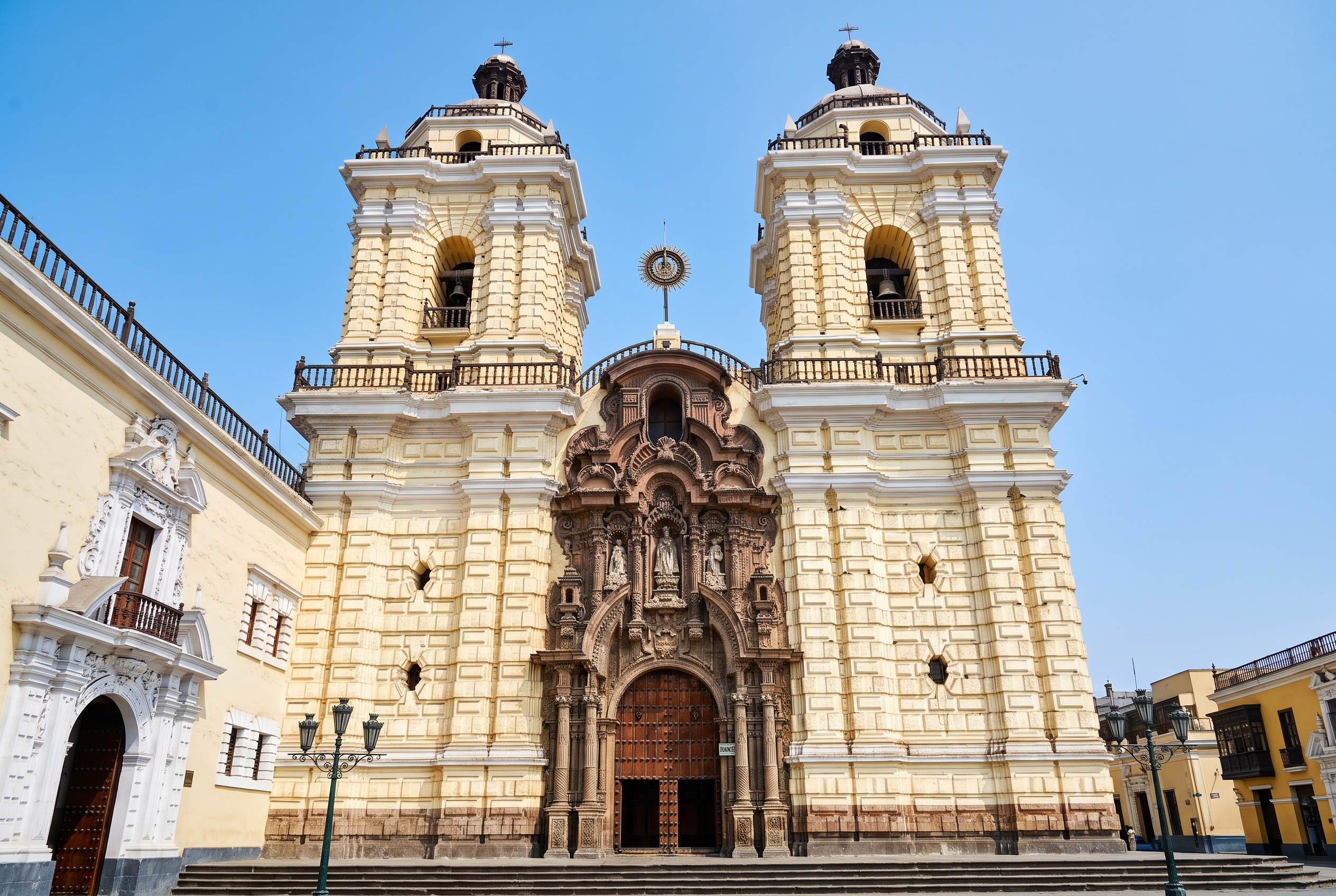
3. Convento de San Francisco and the Catacombs
Just a short walk from the main square lies the monastic complex of Saint Francis, which holds one of the most fascinating secrets in all of Lima. You can only enter the monastery interior with a guide, and the tour lasts about an hour. Adults pay 30 soles for admission, students 20, and children 10 soles, with no advance booking required at all—you can buy tickets right at the entrance.
The church itself had to be reconsecrated after a devastating earthquake in 1655 and boasts a beautiful library with twenty thousand historical volumes. But the main attraction lies deep underground. The catacombs served as the city’s main cemetery until 1810, and it’s estimated that up to twenty-five thousand people are buried here.
Walking through the narrow, dimly lit corridors filled with carefully stacked bones and skulls arranged in geometric patterns is a truly powerful experience. The underground atmosphere is slightly eerie, yet captivating, and for many travelers this is the best historical monument in the entire city.
💡 Tip: The monastery is open daily from 9 am to 6 pm, with the last group heading underground at 5:30 pm.
4. Casa de Aliaga
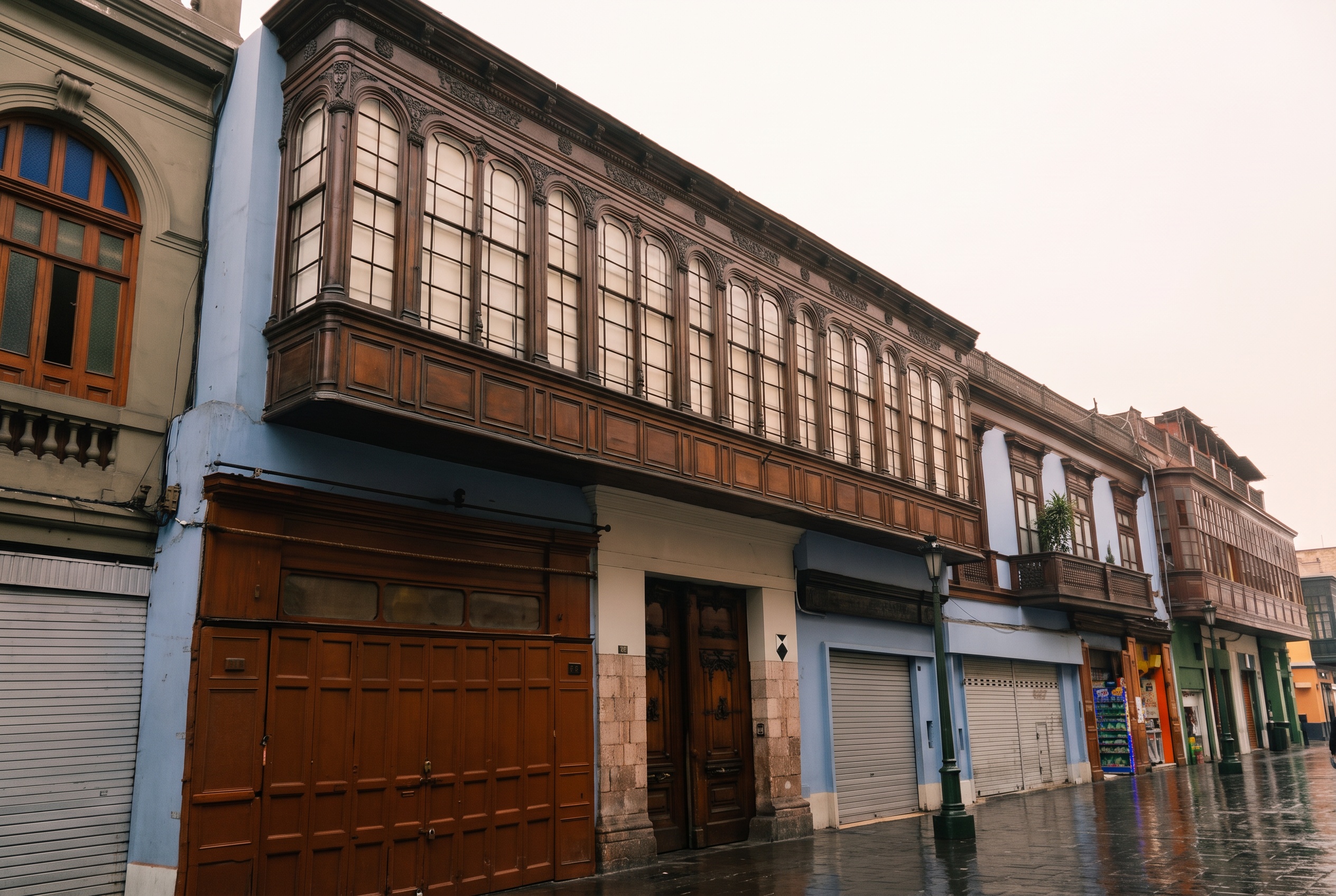
While most historic homes in the center have been converted into museums or offices, Casa de Aliaga is unique. It’s one of the oldest continuously inhabited houses in all of the Americas, with the Aliaga family living here uninterrupted since the 16th century. The land was granted to Captain Jerónimo de Aliaga by the city’s founder Francisco Pizarro himself in 1535.
Visiting this beautiful mansion requires some planning, as entry is only possible with a guide and by prior phone reservation. You’ll pay 35 soles for the tour, and the gates are open daily from 9:30 am to 5 pm.
Inside, you’ll journey through time past ornate courtyards, grand salons, and beautiful wooden galleries. Every piece of furniture and every painting tells the story of a noble family that survived earthquakes, revolutions, and the turbulent modern development of the Peruvian capital.
💡 Tip: You’ll find the house at Jirón de la Unión 224, just steps from the presidential palace, so it pairs perfectly with watching the changing of the guard.
5. Jirón de la Unión, Plaza San Martín, and Gran Hotel Bolívar
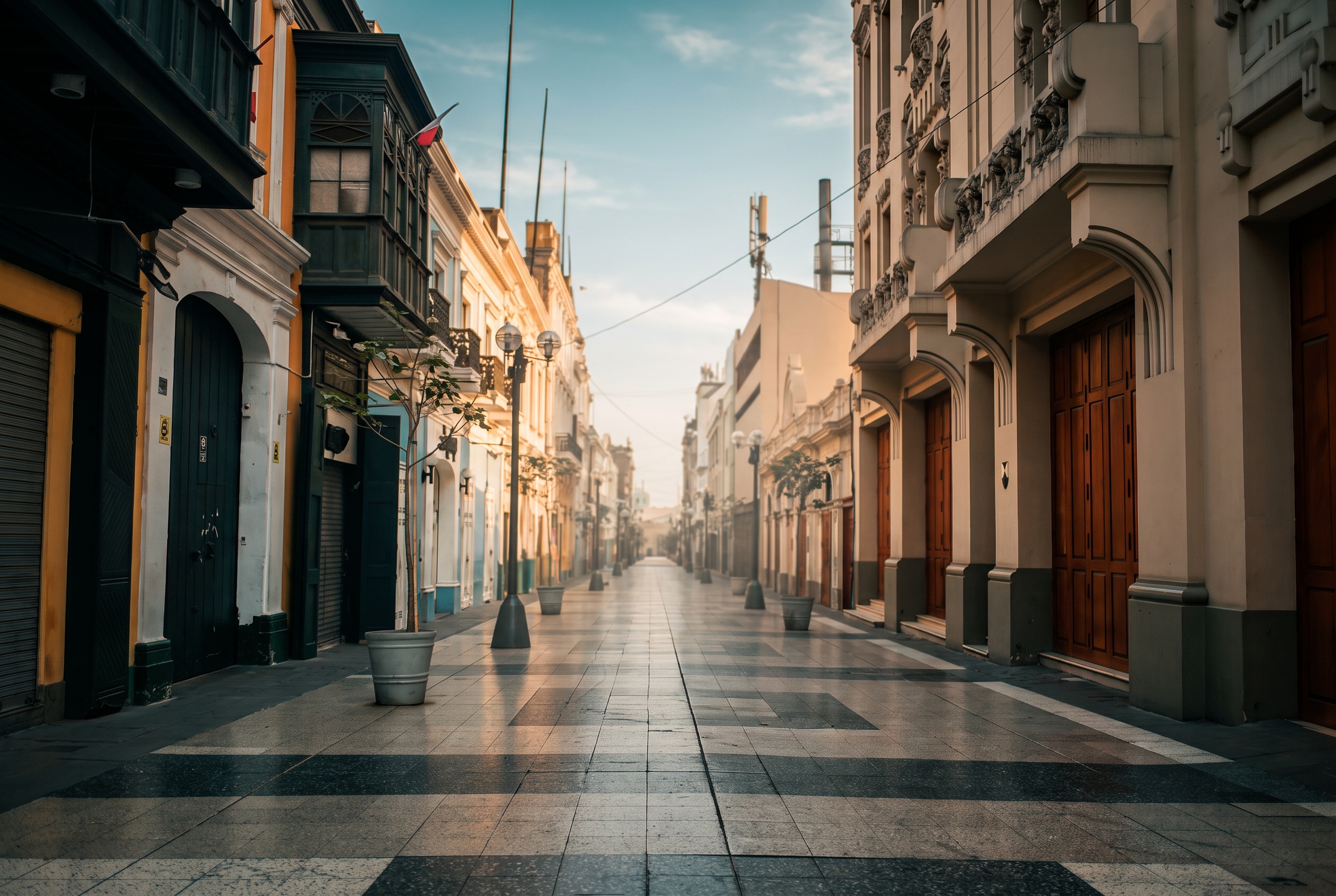
When you head south from the main square, you’ll walk along the bustling pedestrian street Jirón de la Unión. This street leads you all the way to Plaza San Martín, dominated by an equestrian statue of Peru’s liberator. The square is lined with stately white buildings, and on one corner stands the legendary Gran Hotel Bolívar, built in 1924 as the city’s first modern hotel.
This hotel once hosted stars like Orson Welles and Ava Gardner, and after extensive renovation, its famous Bar Catedral reopened in early 2025. The bartenders here mix the renowned pisco sour in double size, so be careful when sampling Peru’s national drink.
In the area around this route you’ll find other excellent stops, like the free Casa de la Literatura Peruana housed in the beautiful former train station building. Also worth mentioning is the Santo Domingo monastery and the central bank museum MUCEN, which hold wonderful collections of Peruvian art.
💡 Tip: The traditional pisco sour cocktail contains raw egg white to create the rich foam. If you’re vegan, order the refreshing chilcano instead, which is pisco mixed with ginger ale without any animal products.
6. Barrio Chino (Calle Capón)
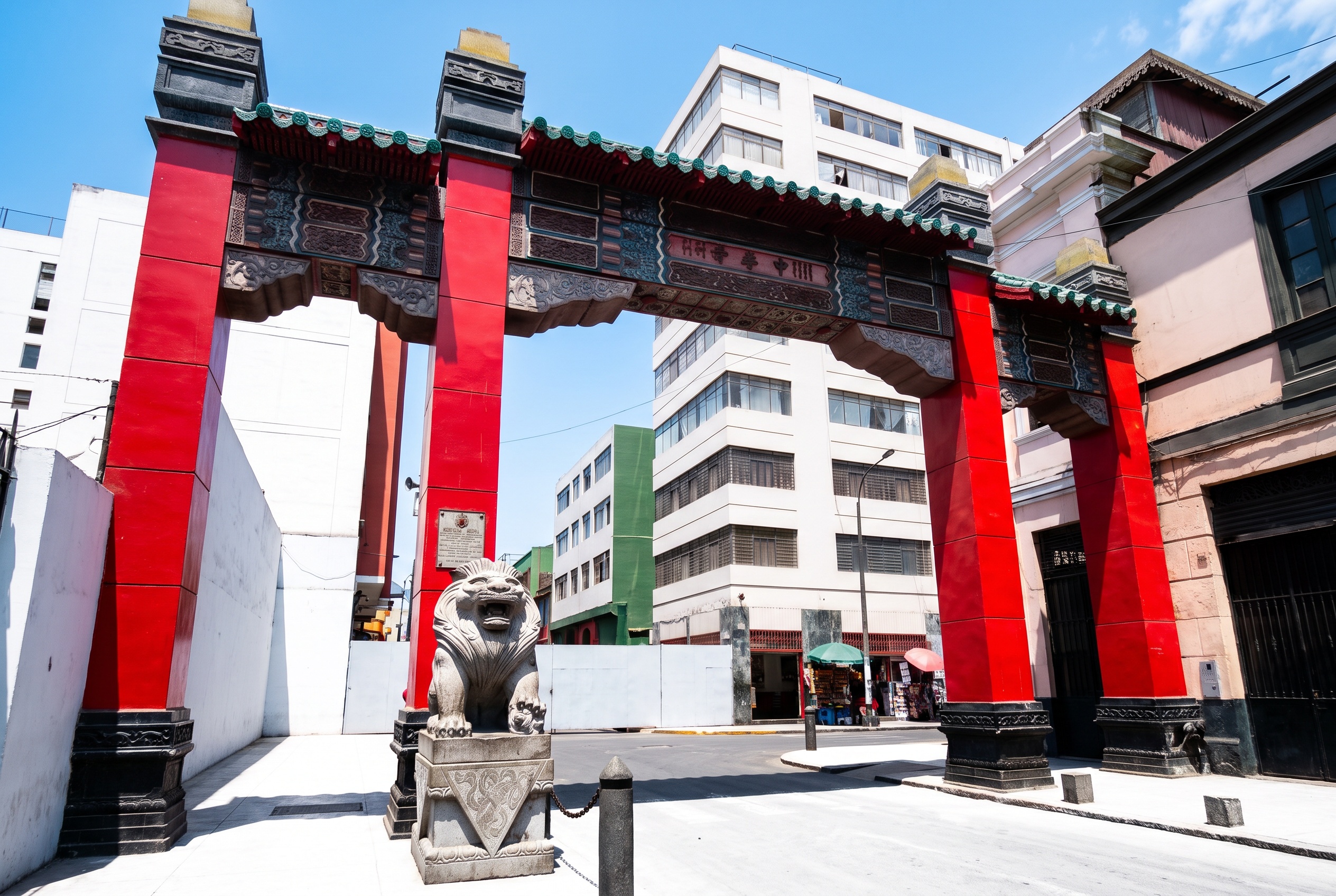
Peru is home to more than three million descendants of Chinese immigrants, making it the largest such community in all of Latin America. The center of Asian culture in Lima is Barrio Chino, which you enter through a massive red arch from 1971 on Jirón Ucayali street. The first Chinese began arriving around 1849, and their influence on the city remains enormous to this day.
The biggest draw in Chinatown is undoubtedly the local gastronomy called chifa, a unique fusion of Cantonese and Peruvian cuisine. Popular dishes include the fried rice arroz chaufa and the noodles tallarín saltado, which they’ll happily prepare for you in a vegetarian version as chaufa de verduras without any meat.
It should be noted, however, that the neighborhood itself basically consists of just one very crowded street with vendors and shops. Only go here in the morning, because after dark the surrounding alleys become quite unpleasant and it’s definitely not recommended for tourists.
💡 Tip: Only visit Chinatown if you have plenty of extra time in the historic center. This is definitely not a place you need to rush to on your first day.
7. Circuito Mágico del Agua (Parque de la Reserva)
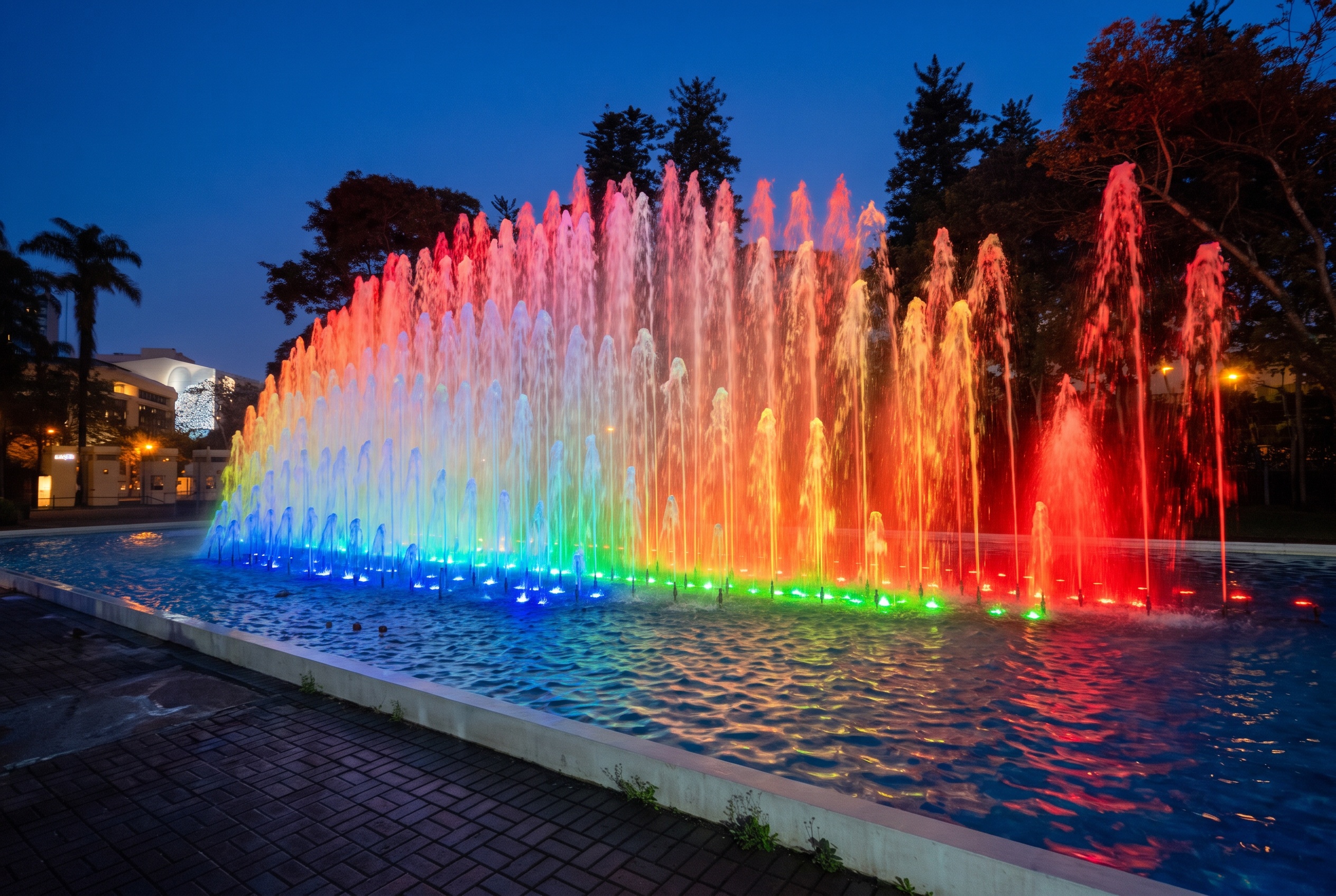
If you’re looking for the perfect evening activity, head to Parque de la Reserva. You’ll find an enormous complex of thirteen interactive fountains, listed in the Guinness Book of World Records as the largest facility of its kind in a public park. Admission costs a pleasant 7 soles, and children under five get in completely free.
The park opens daily from 3 pm to 10 pm, but the main show doesn’t start until after dark. The light and laser show is projected onto a water screen at 7:15 pm, 8:15 pm, and 9:10 pm, offering a beautiful journey through Peruvian culture and history accompanied by traditional music.
Some fountains are purely for viewing—for example, the Fuente Mágica shoots water over 80 meters high, and the Fuente de la Fantasía stretches 120 meters long. Other fountains you can actually run through, which is enormous fun not just for kids, but expect that you won’t stay completely dry.
💡 Tip: Older guidebooks often list admission at 4 soles and a Monday closing day, but currently the price is 7 soles and the park gates are open all week long.
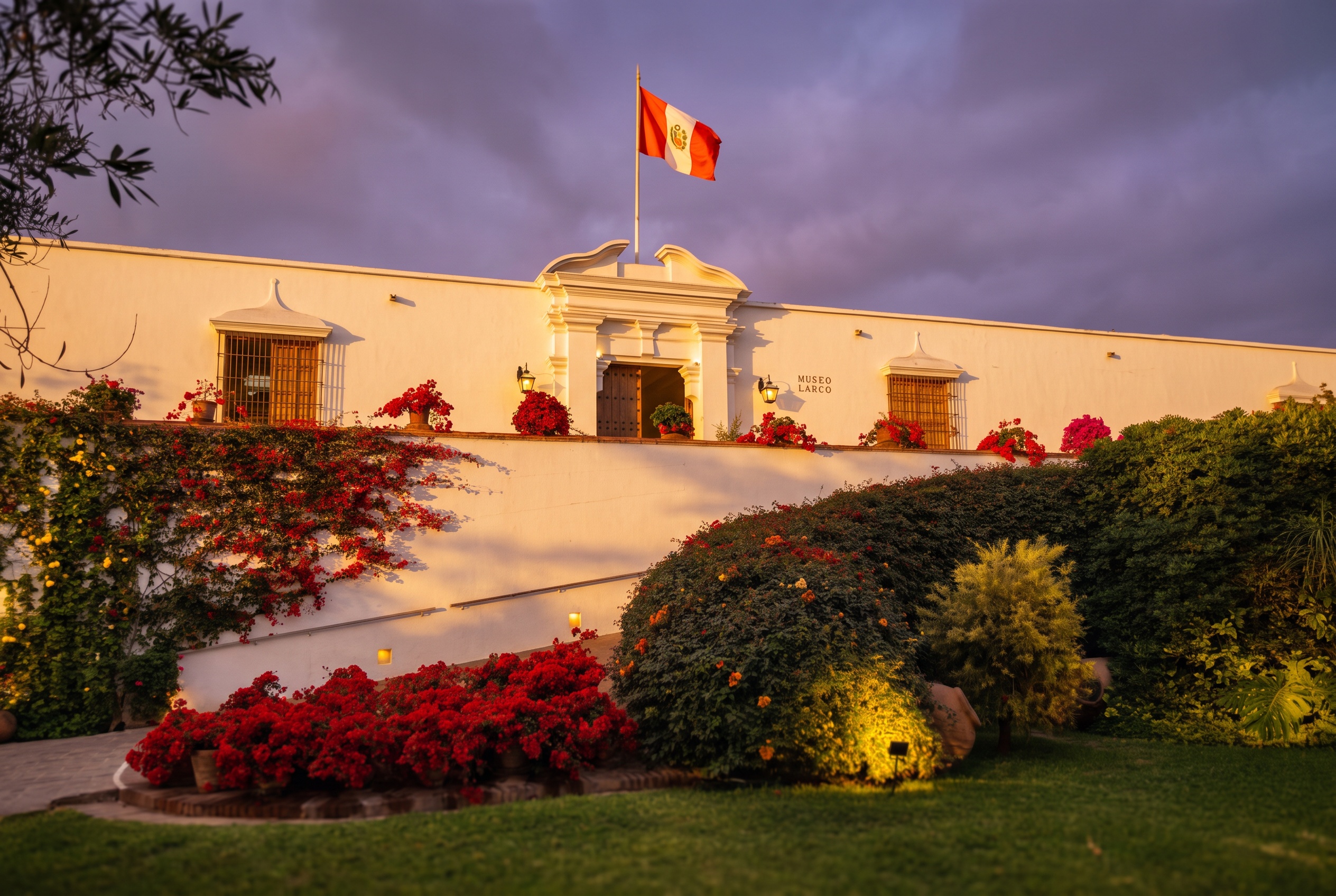
8. Museo Larco (Pueblo Libre)
If you only have time for one museum in Lima, it has to be Museo Larco in the Pueblo Libre district. It’s the highest-rated institution in the city, housed in a beautiful 18th-century colonial mansion surrounded by blooming gardens. Admission costs 50 soles (about €13), seniors pay 35 soles, and students and youth pay 25 soles, with opening hours daily from nine in the morning to seven in the evening.
The museum was founded in 1926 by collector Rafael Larco Hoyle and offers a phenomenal overview of pre-Columbian history with an emphasis on the cultures of northern Peru. A unique feature is the open storage area with thirty thousand carefully arranged ceramic vessels, where you can get a sense of the enormous scope of the entire collection.
The special Galería Erótica also attracts considerable attention, displaying intricately crafted pre-Columbian erotic ceramics. Set aside at least two hours for your visit and you can finish the experience at the highly rated Café del Museo Larco right in the courtyard.
💡 Tip: The massive state museum MUNA in Lurín, which was built at a cost of hundreds of millions of soles, has been closed due to technical defects since the end of 2024, and no one yet knows the reopening date. Museo Larco is thus the clear and functioning number one choice.
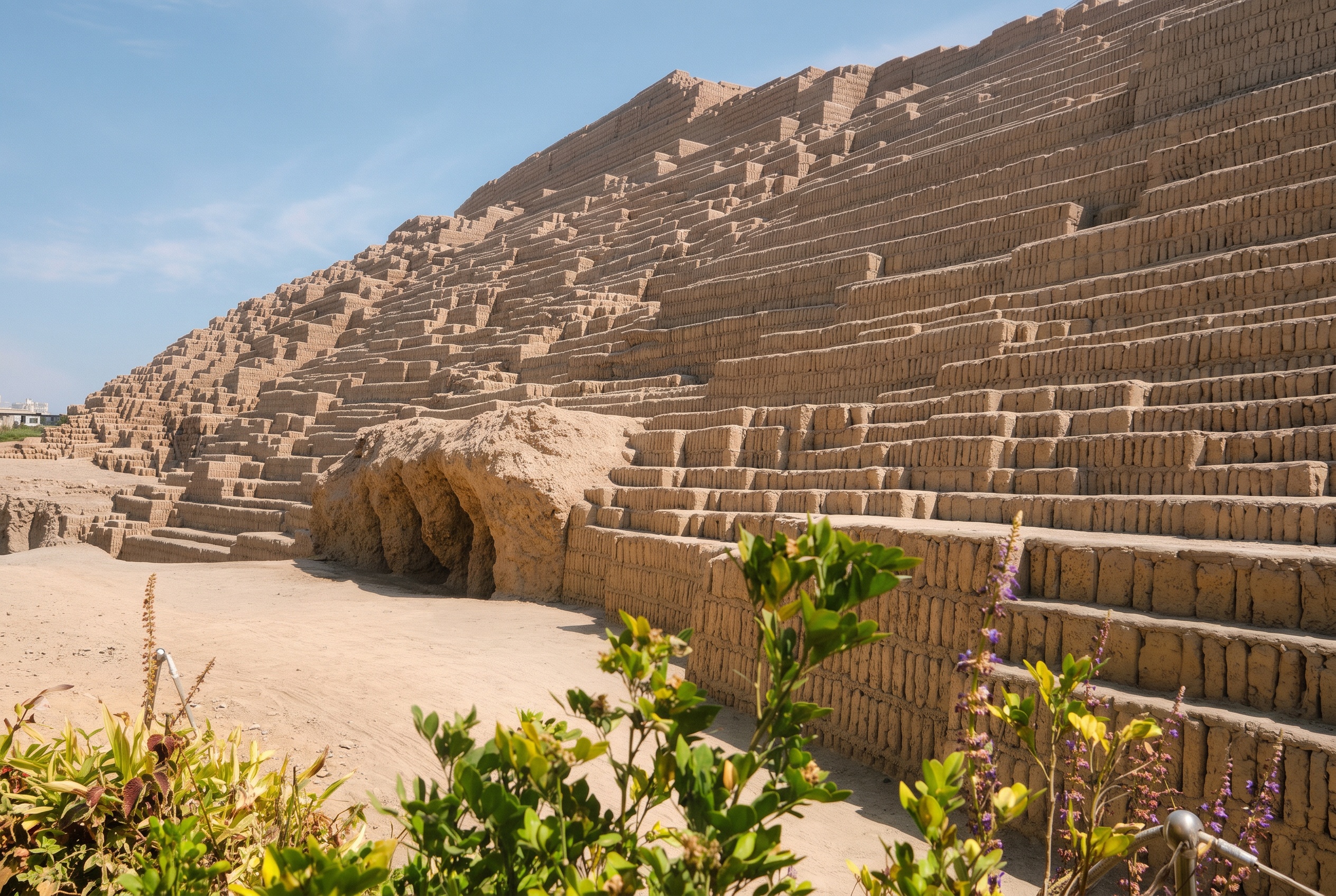
9. Huaca Pucllana (Miraflores)
Right in the middle of the modern development of the upscale Miraflores district rises an unexpected historical treasure. Huaca Pucllana is a massive pyramid made of unfired adobe bricks, left here by the Lima culture sometime between 200 and 700 CE. It’s open Wednesday to Monday, daytime admission costs 15 soles, and the evening illuminated tour from Wednesday to Sunday costs 17 soles.
The structure reaches a height of 25 meters and is built using a unique technique called librero, where bricks were placed upright with gaps to better withstand frequent earthquakes. Entry to the site is only possible with an assigned guide, tickets unfortunately cannot be purchased online in advance, and tours start approximately every half hour.
Keep in mind that during high season you might wait up to an hour to be assigned a guide. The site also includes the expensive but excellently rated Restaurant Huaca Pucllana, though a table reservation does not give you free access to the archaeological site.
💡 Tip: If you don’t want to wait in line for the tour, the pyramid is beautifully visible from outside through the fence, especially after dark when the entire complex is magically illuminated.
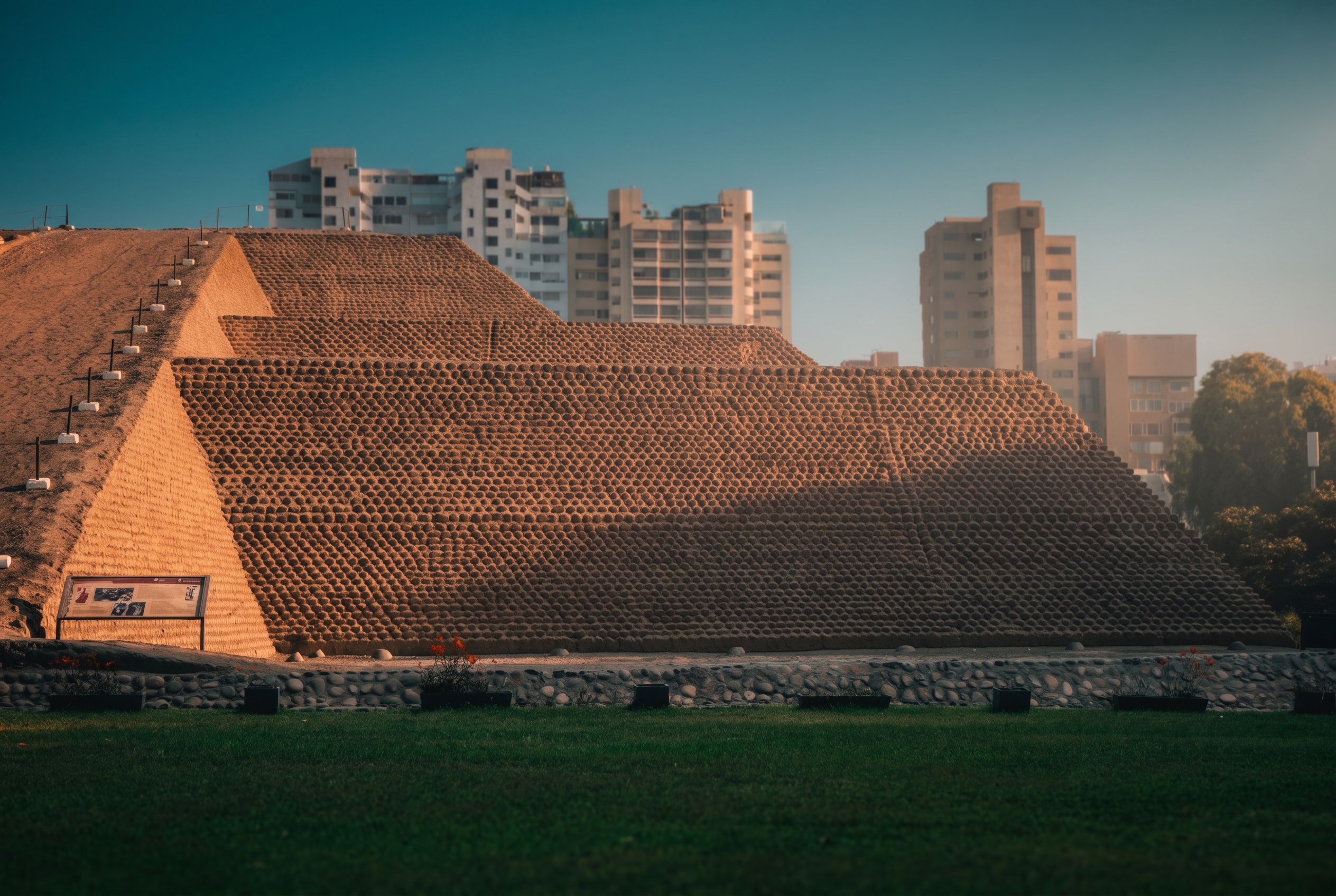
10. Huaca Huallamarca and Parque El Olivar (San Isidro)
The neighboring San Isidro district hides another similar pyramid called Huaca Huallamarca. This structure underwent a fairly radical reconstruction in the 1960s, which today gives it a very regular shape with an iconic access ramp. Admission is very modest, adults pay 5 soles and students only 3 soles.
It’s open Tuesday to Saturday between nine and five (plus the first Sunday of the month) and in the small museum you’ll see mummies and artifacts from when the site served as a massive burial ground. Just a few blocks away is the beautiful Parque El Olivar, which is a forest full of centuries-old olive trees in the middle of the city.
This park is freely accessible 24 hours a day and offers an oasis of calm among modern skyscrapers. The trees were brought here from Spain as early as the 16th century and still form a popular spot for Sunday picnics and wedding photography for local residents.
💡 Tip: San Isidro is the business heart of the city with excellent safety during the day, but in the evening the streets around the offices empty out and can feel a bit deserted.
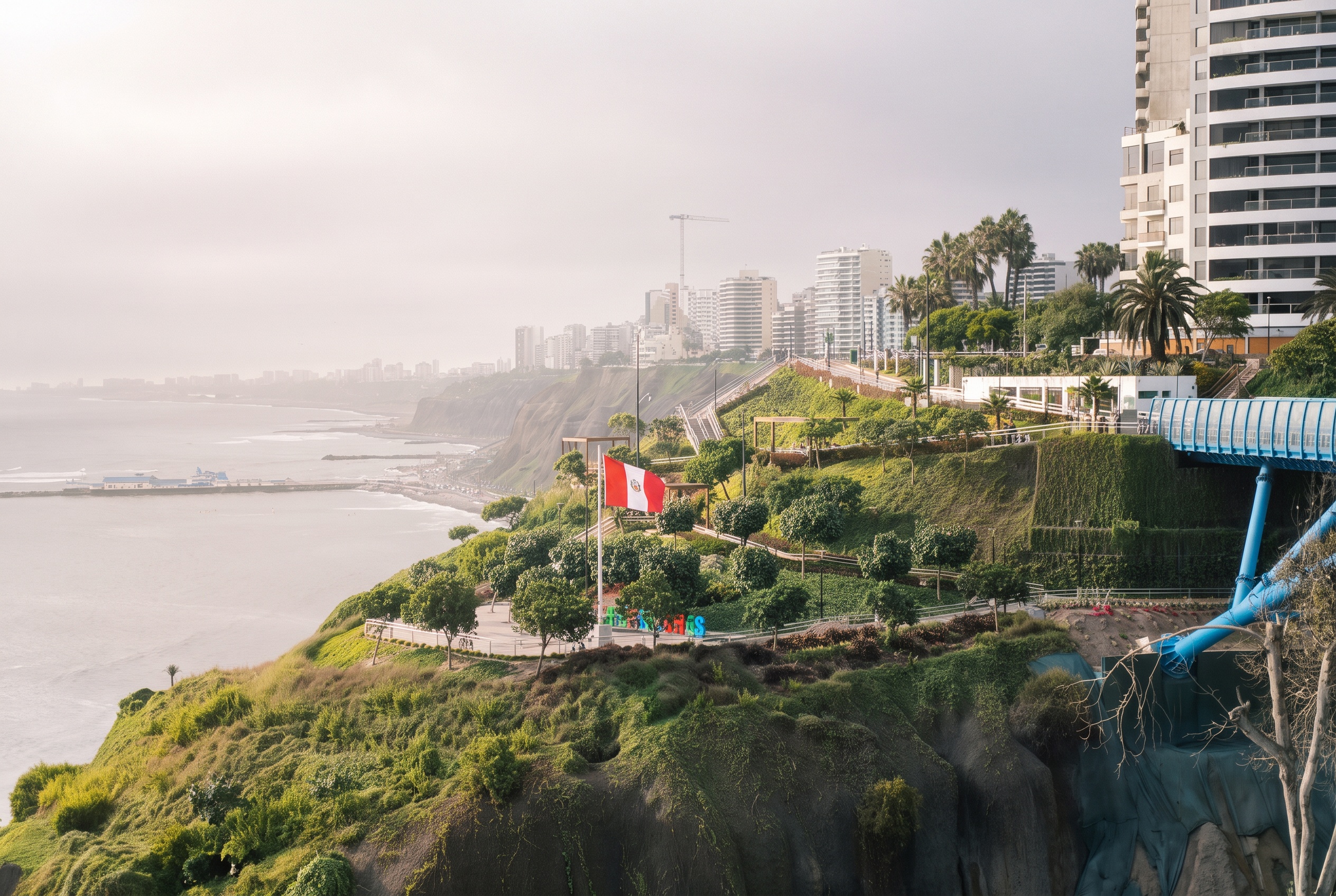
11. Malecón Miraflores, Parque del Amor, Larcomar and the Lighthouse
The coastal promenade called Malecón de Miraflores is without debate the most beautiful place for walking in all of Lima. Kilometers of paved paths run along the tops of cliffs high above the Pacific and offer fantastic ocean views. Along the way you’ll encounter Parque del Amor, which with its colorful mosaics bearing verses about love resembles Barcelona’s Park Güell and is dominated by the giant statue El Beso.
Another landmark on the route is Faro La Marina, a twenty-two-meter-high iron lighthouse surrounded by carefully manicured lawns. The highlight of the promenade is the Larcomar shopping center, which is unique in that it’s entirely carved into the edge of the cliff and practically invisible from the street.
In Larcomar you’ll find over 150 shops, cafes and restaurants with fantastic sunset views. Deep below these cliffs stretch rocky beaches like Punta Roquitas or Waikiki, which come alive mainly thanks to the local surfing community.
💡 Tip: The promenade is very safe and on weekends full of families, runners and cyclists. It’s an ideal place to clear your head after arrival and soak up the coastal atmosphere.

12. Paragliding Above the Cliffs and the New Vaivén Cable Car
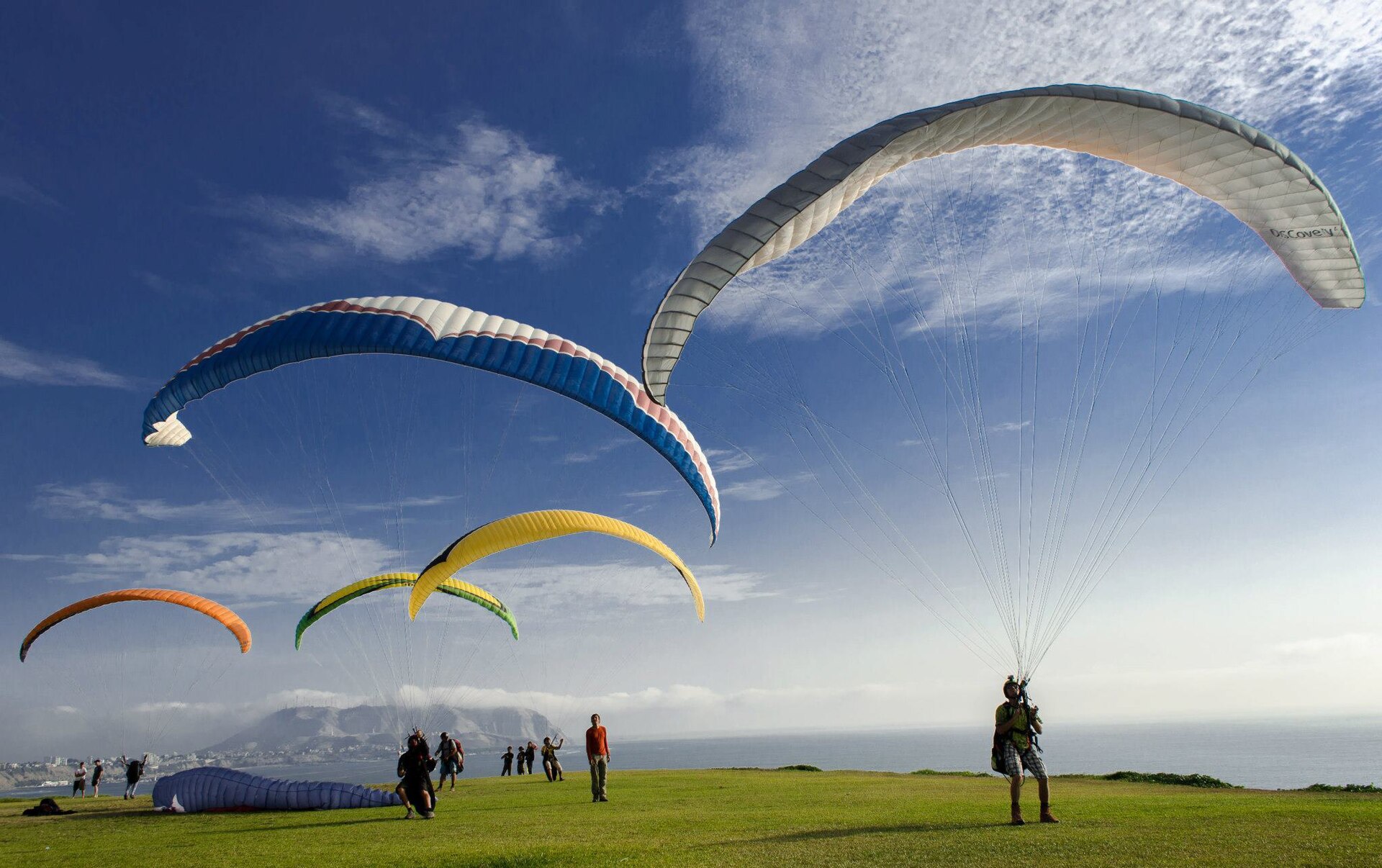
The cliffs in Miraflores offer not just nice views but also excellent conditions for flying. Right on the promenade you’ll find Parapuerto Miraflores, from which instructors launch with their clients daily from half past ten until half past five. A tandem flight lasts about ten to fifteen minutes, costs between 200 and 300 soles and usually includes action video from a GoPro camera in the price.
The best wind conditions for paragliding paradoxically occur during the overcast months from June to November, while in summer there’s less flying due to weak winds. A major innovation for getting from the cliffs down to the beach is the Vaivén Miraflores cable car, which connects Domodossola park with Redondo beach.
This gondola lift measures 305 meters, the ride takes just under three minutes and one cabin holds fifteen people including bikes and surfboards. The cable car should start carrying regular passengers from autumn 2026 and the planned round-trip fare is estimated at 15 to 20 soles, with pricing for tourists and locals likely to differ.
💡 Tip: Paragliding operations are highly dependent on current wind. If you see colorful parachutes in the sky, head to Parapuerto immediately, because in an hour the wind might die down.
13. Barranco: Puente de los Suspiros, Bajada de Baños, Murals
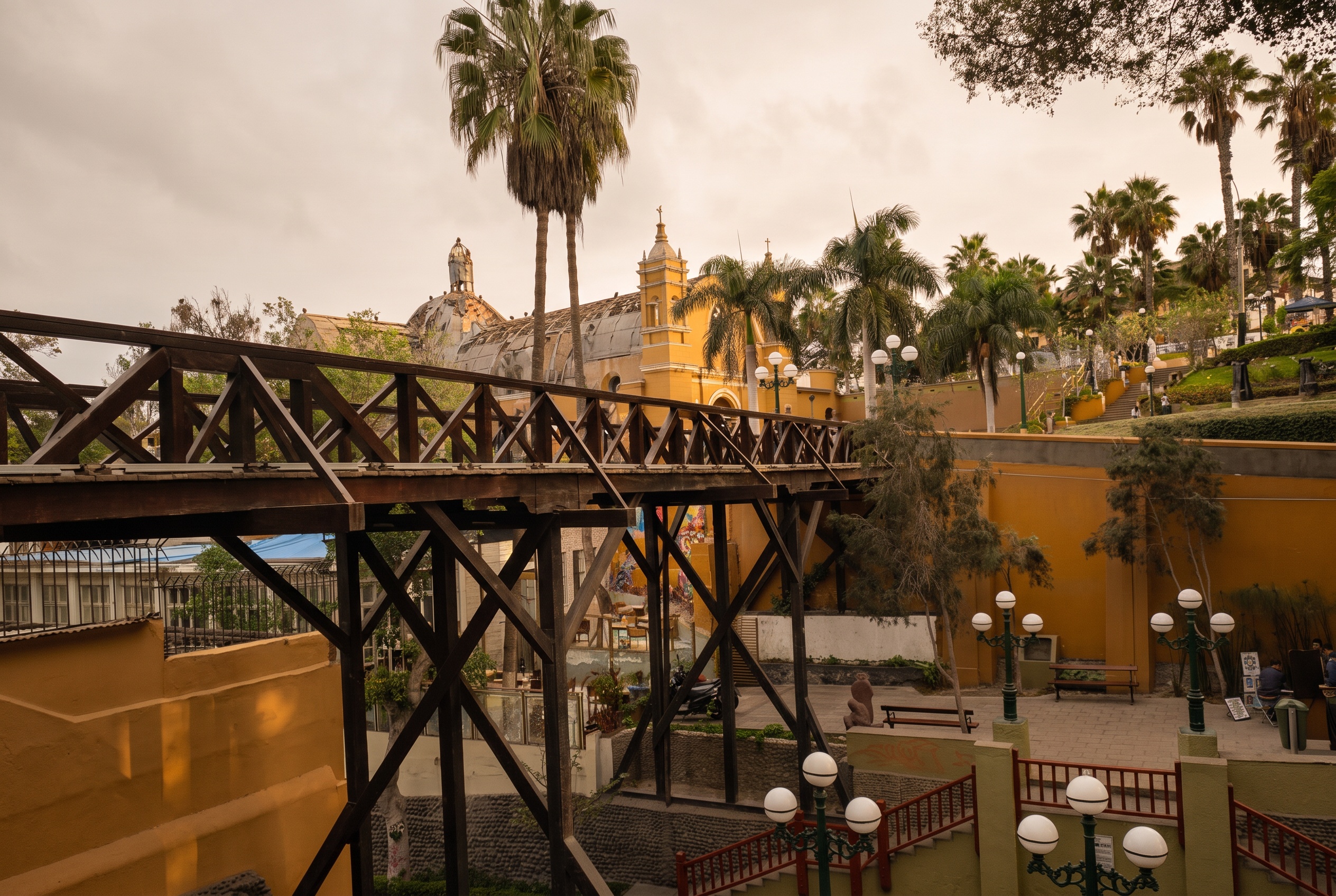
From the Miraflores district you can easily walk to neighboring Barranco, which is the traditional bohemian heart of the city. The most famous landmark here is the Puente de los Suspiros, the Bridge of Sighs built in 1876, which according to legend will grant your secret wish if you cross it on a single breath. Just below the bridge begins Bajada de los Baños, a picturesque cobbled path lined with old fig trees that slopes down to the ocean.
On the small square above the bridge stands the ruin of the old church Iglesia La Ermita. The long-awaited reconstruction began here in mid-2026, but you can’t go inside yet and you can only photograph the church through the construction fence. Barranco itself is more about atmosphere, admiring colorful street murals and sitting in local cafes like the popular La Bodega Verde.
As for food, this district is home to famous establishments like Central or Mérito, but it also pleases those who don’t eat meat. Great vegan treats can be found at Florencia or at BioCafeta cafe, while for an evening drink locals recommend the hidden gem called Lady Bee.
💡 Tip: The walk between Miraflores and Barranco along the coastal promenade measures about 3.5 kilometers and is safe during the day. In the evening, however, it’s better to stick only to main and well-lit streets in Barranco such as Avenida Grau.
14. MAC Lima (Museo de Arte Contemporáneo)
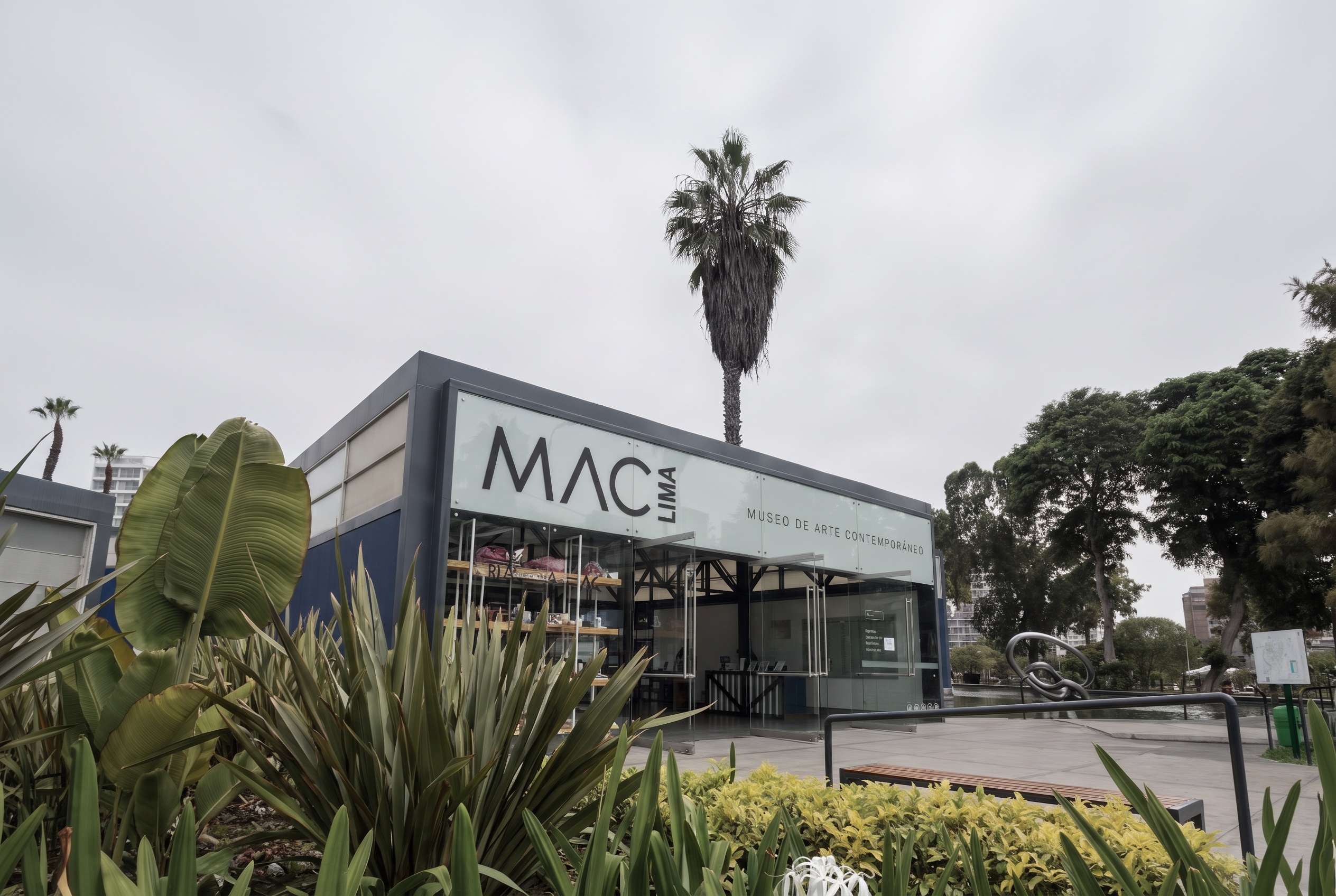
On the very edge of the Barranco district towards Miraflores lies a modern cultural center. MAC Lima focuses exclusively on contemporary art and since opening in 2013 has showcased the best of modern Latin American creativity. The museum building is minimalist and modern.
Admission for non-residents costs 20 soles, while students, seniors, and children aged five to twelve pay just 12 soles. It’s open Tuesday through Sunday from 10 AM to 7 PM, with doors remaining closed on Mondays. If you time your visit for the first Sunday of the month, you’ll get a 50% discount on admission.
Exhibitions change here fairly often; in 2026, for example, the exhibition “Construcción de los hechos” was running. A visit will take about an hour and provides an excellent contrast to the ubiquitous archaeological collections.
💡 Tip: Always check their website in advance for the current program of exhibitions and accompanying workshops, as the museum occasionally closes for a few days for the installation of large new exhibitions.
15. Museo Pedro de Osma (Barranco)
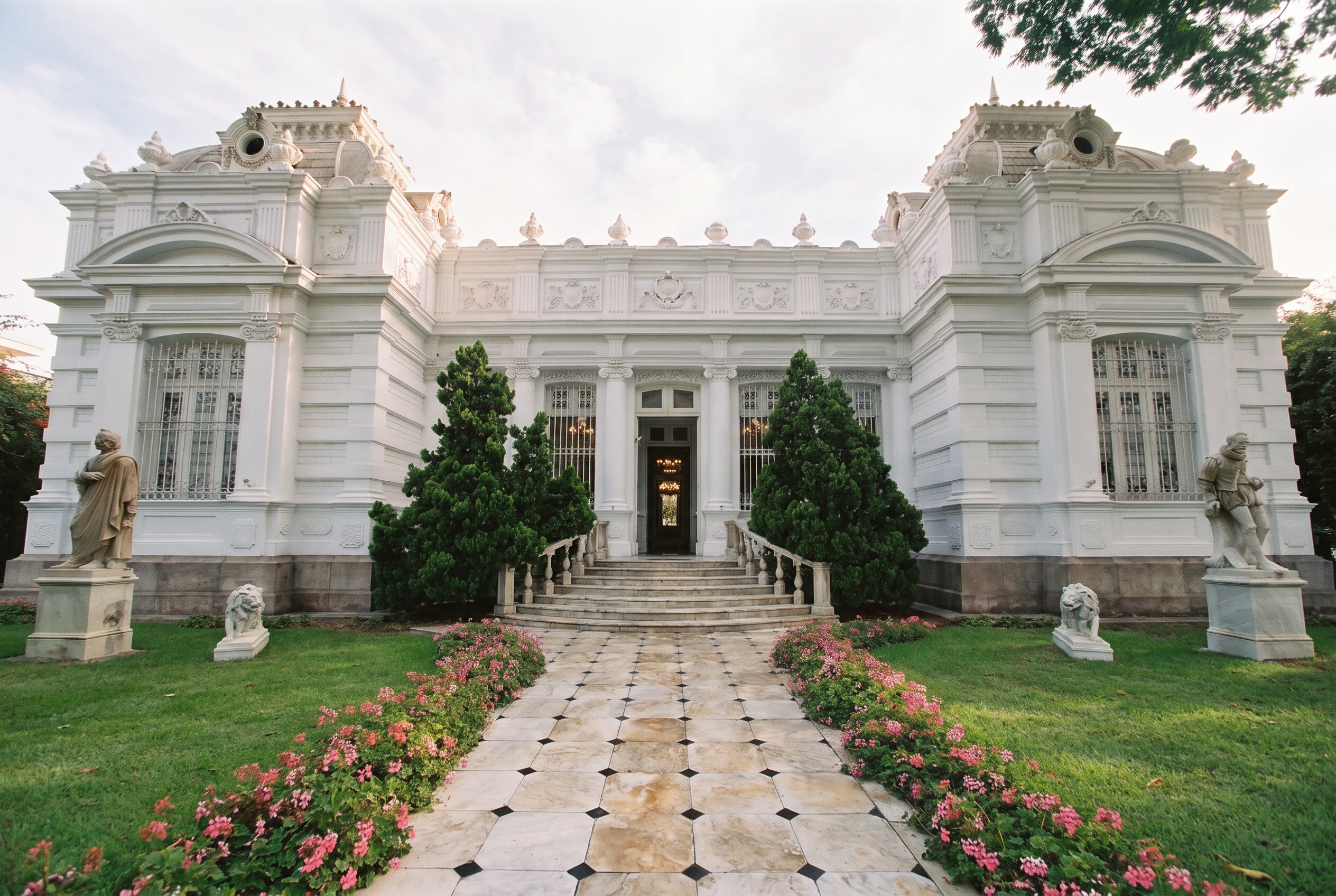
If you head south from the center of Barranco along Avenida Pedro de Osma, you’ll come across the museum of the same name. This institution houses the most significant collection of viceregal art in all of Peru and is located in a magnificent early 20th-century palace built by philanthropist Don Pedro de Osma y Pardo.
Foreign visitors pay 35 soles for admission, students pay 20 and seniors 30 soles, while children under ten enter free. The exhibition is spread across fourteen beautiful halls and features over 400 masterpieces, from religious paintings of the so-called Cuzco school to richly decorated colonial furniture and silver.
They’re open Tuesday through Sunday from 10 AM to 6 PM. For a small additional fee of 10 soles, you can join a guided tour that gives all those angels with muskets and golden altars much deeper historical context.
💡 Tip: Combine your tour of this beautiful palace with lunch in Barranco, as it’s barely a five-minute walk from the main square with the Bridge of Sighs.
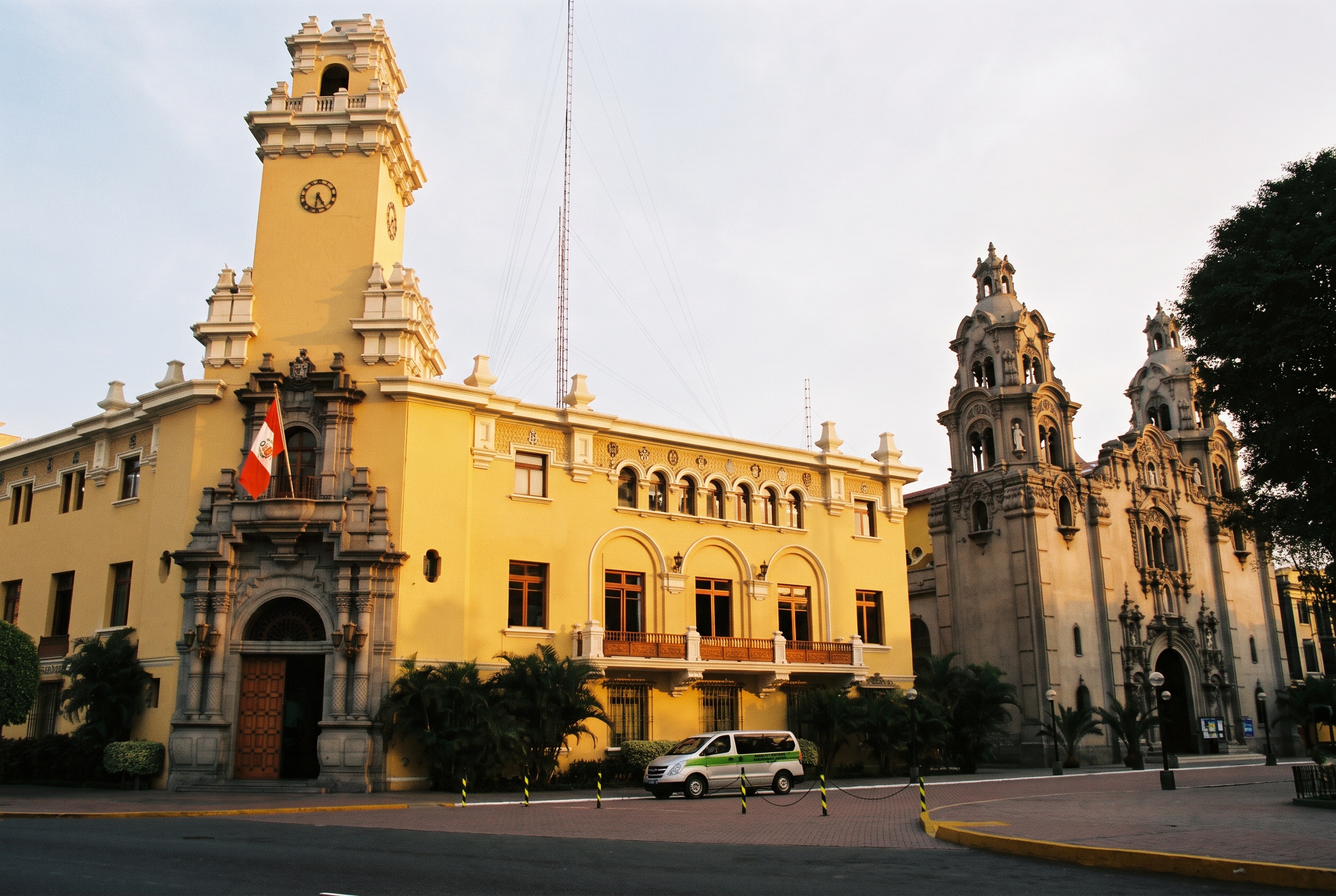
16. Parque Kennedy and Its Cats
The heart of modern Miraflores is an elongated central park consisting of Parque Kennedy and the adjacent Parque 7 de Junio. This green triangle is known primarily for the more than two hundred cats that live here freely, dozing on benches and waiting for adoption. Volunteers from the community and local veterinarians care for their health and feeding, so the animals are accustomed to people and are happy to be petted.
Besides the furry residents, the area around the park is an excellent spot for vegetarians and vegans, as the surrounding streets house excellent restaurants. Try the vegan menu at Raw Café, great lunch specials at Sabor y Vida, or fantastic meatless burgers at Seitan Urban Bistro. If you’re looking for a cheaper option with local flair, stop by the nearby Sayel bistro.
In the evening, the park comes alive with street painters, craft vendors, and stalls selling Peruvian sweets. Definitely try the picarones, perfect vegan doughnuts made from pumpkin and sweet potatoes drizzled with cane syrup, washed down with traditional purple corn lemonade called chicha morada.
💡 Tip: When exploring traditional meatless cuisine, watch out for the names: the popular potato “causa” is often filled with tuna (you need to ask for the “de palta” version with avocado) and the famous dish “ají de gallina” always contains chicken.
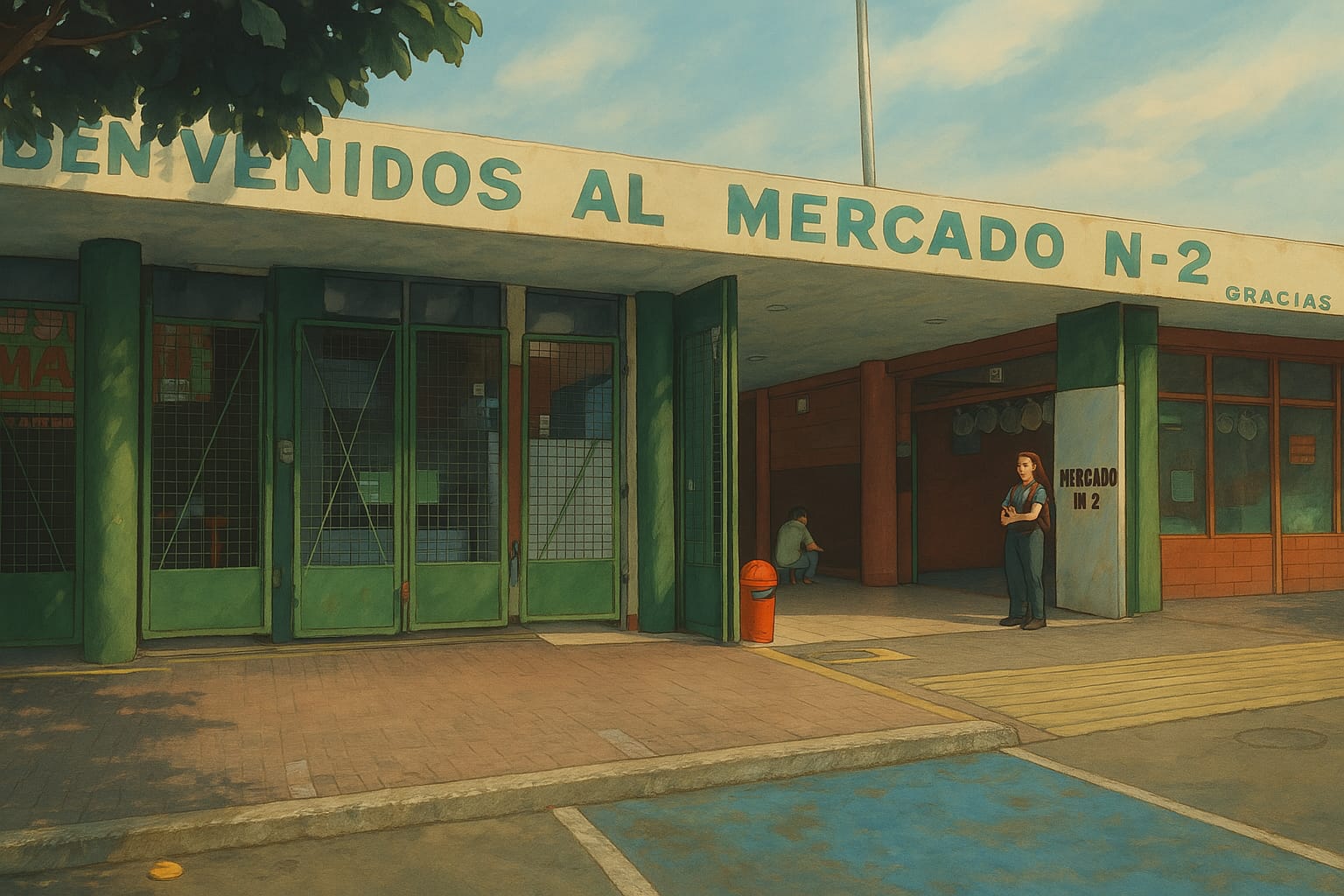
17. Mercado de Surquillo
If you want to see what Lima’s top chefs cook with, you need to visit a traditional market. Mercado Municipal N° 1 is located in the Surquillo district, about a 15-minute walk from Parque Kennedy across the Vía Expresa expressway. The market operates Monday through Saturday from 7 AM to 7 PM, closing earlier on Sundays at midday.
The halls are full of colors and aromas, with hundreds of varieties of potatoes, local cheeses, and especially exotic fruits. Be sure to try fresh juices from fruits like lúcuma, granadilla, or sweet chirimoya, which the market women will blend right before your eyes.
The neighboring, slightly smaller Mercado N° 2 has even longer hours and offers a quieter atmosphere. At the markets you’ll also find plenty of traditional cevicherías where locals love to lunch on fresh fish marinated in lime juice and chili, which is a spectacle in itself, even if you’re not particularly seeking out fish.
💡 Tip: Surquillo is a typical working-class neighborhood that lacks the polish of Miraflores. Visiting the market during the day is fine, but keep cameras and expensive phones in your pocket and don’t venture here in the evening.
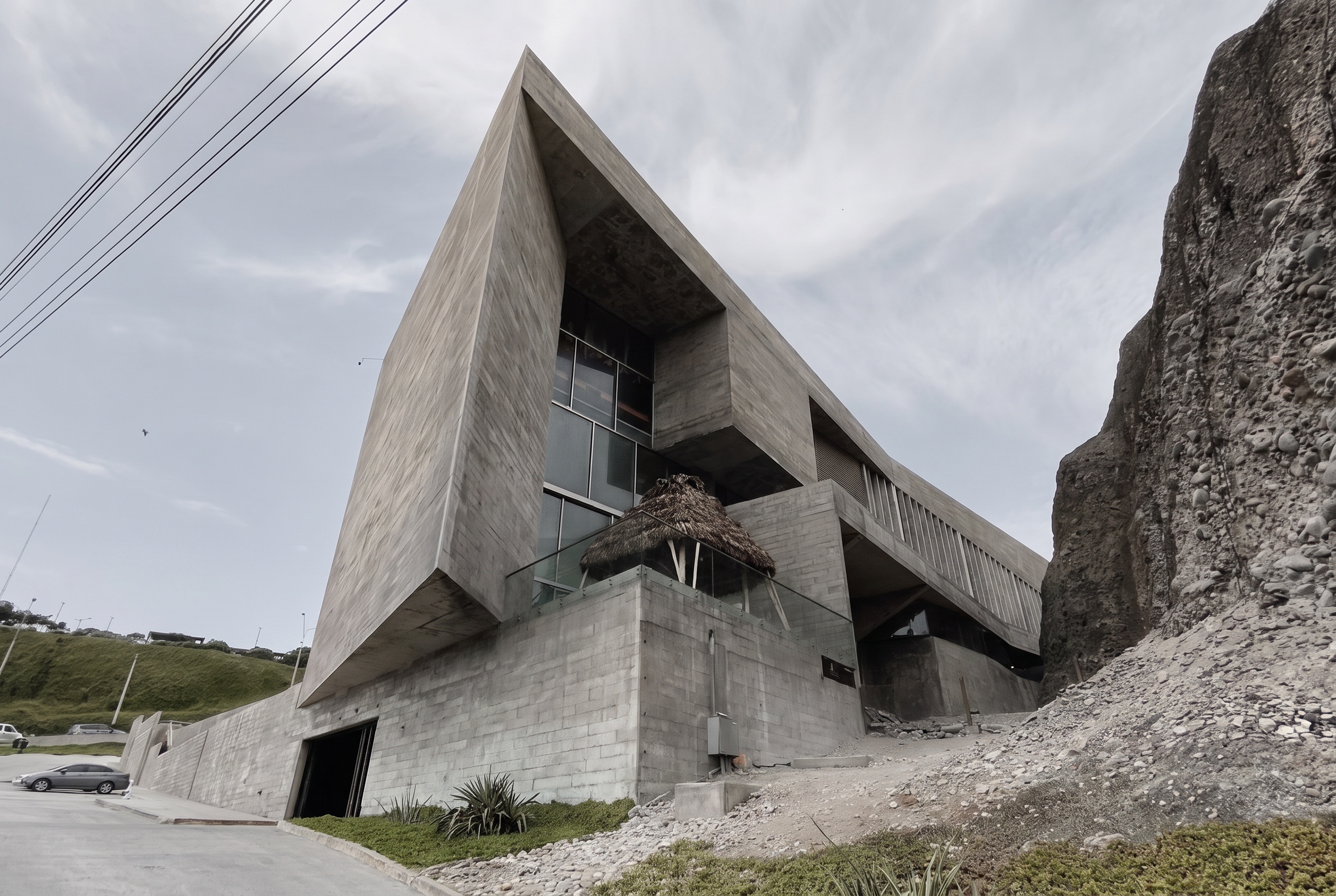
18. LUM and Museo Amano
Some excellent museums in Miraflores are often unfairly overlooked by tourists. LUM (Lugar de la Memoria) is an exceptional free museum dedicated to the very sensitive topic of Peru’s internal armed conflict between 1980 and 2000. The concrete building built into the cliff slope offers powerful stories and is open Tuesday through Sunday from 10 AM to 6 PM.
The second gem is the private Museo Amano, located on the quiet residential street of Retiro. This institution houses one of the world’s finest collections of pre-Columbian textiles, where you’ll see preserved and colorful fabrics thousands of years old.
If you enjoy art and don’t mind heading a bit closer to the center, another excellent addition is MALI (Museo de Arte de Lima) in Parque de la Exposición. Here you’ll find a cross-section of Peruvian art from antiquity to the present in a beautiful 19th-century building.
💡 Tip: LUM is quite demanding to read through, as it deals with complex recent history full of terrorism and suffering, so set aside enough mental capacity and easily two hours of time.
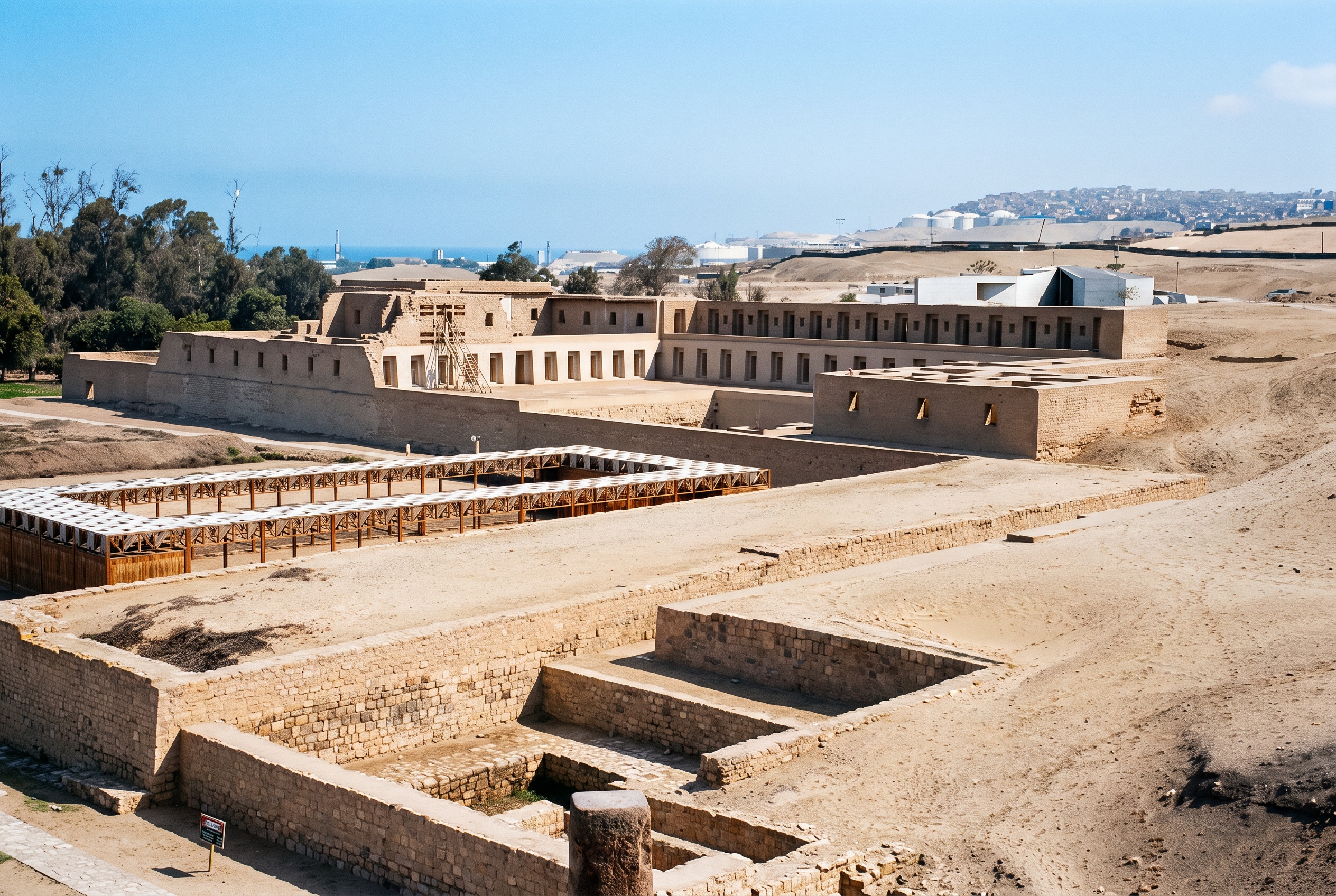
19. Pachacámac (Day Trip)
About thirty kilometers south of Lima’s center lies one of the most important archaeological sites on the coast. The Santuario Arqueológico de Pachacámac functioned as a sacred oracle for several different cultures, from the original Lima culture through the powerful Wari empire to the Incas themselves, who built the massive Temple of the Sun here around 1450.
The site covers over 500 hectares and admission to the modern museum and ruins costs 15 soles for adults, with opening hours Tuesday through Sunday. Getting here on your own is a bit tricky, as there’s no direct and safe public transportation, so it’s worth taking an Uber from Miraflores for half a day or booking an organized tour.
The on-site museum preserves over six and a half thousand artifacts and does an excellent job explaining why pilgrims from throughout the Andes traveled here. Arriving first thing in the morning is recommended, as there’s virtually no shade in the desert complex and it gets really hot at midday.
💡 Tip: Pachacámac lies in the Lurín area, which is on the list of at-risk sites affected by the El Niño climate phenomenon. If you’re visiting in summer 2027, definitely check the accessibility of the Panamericana Sur highway beforehand, as it’s occasionally troubled by flooding.
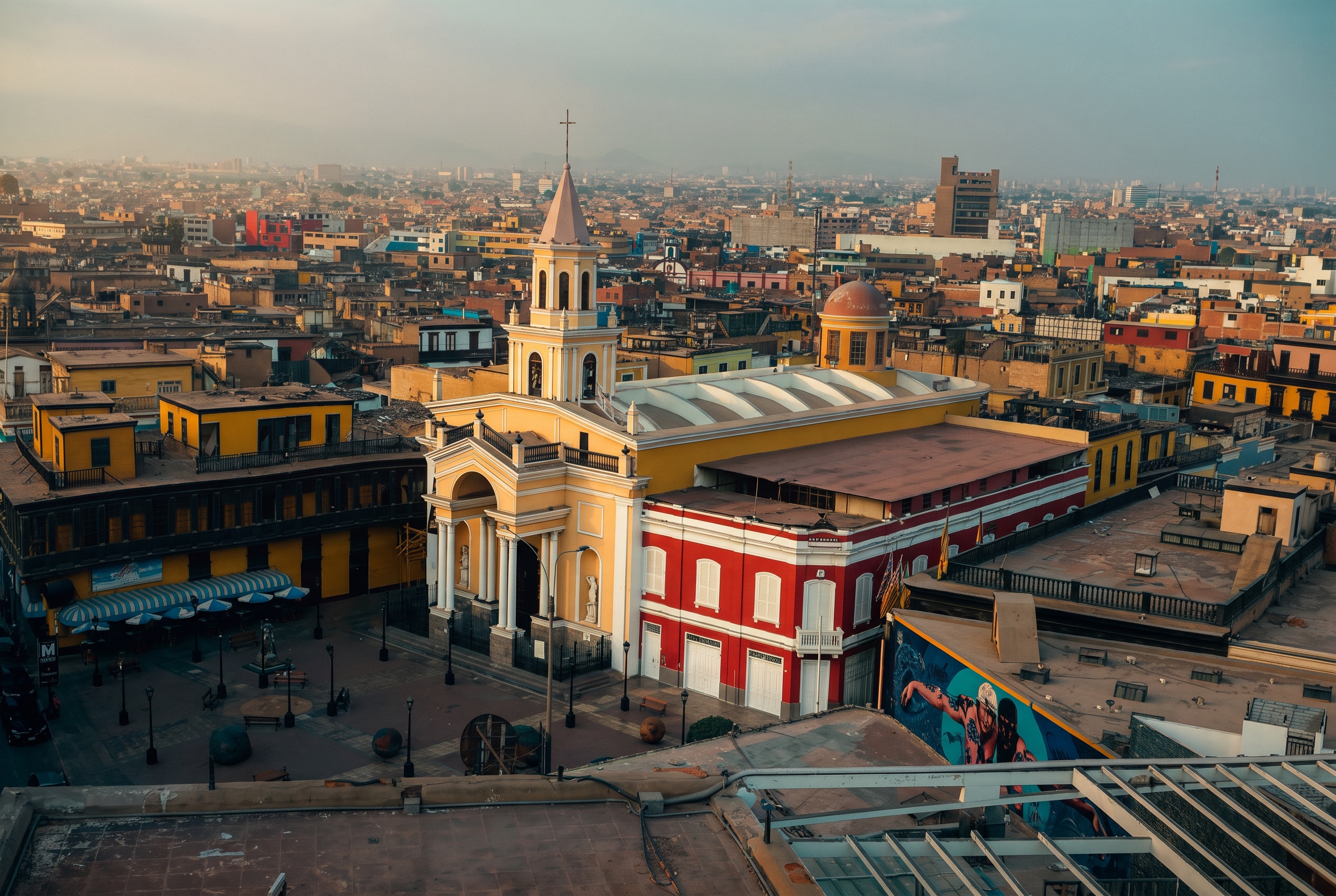
20. Callao Monumental and La Punta
The port city of Callao is technically a separate province, but today it merges seamlessly with Lima. Most of this area is considered very dangerous and tourists should avoid it at all costs, with two major exceptions: the art zone Callao Monumental and the affluent La Punta peninsula.
Monumental Callao (also known as Casa Fugaz) is a fantastic revitalization project that transformed a historic building and surrounding alleyways into a hub of independent galleries and colorful murals. It’s open Tuesday to Sunday from 11 am to 6 pm, and the operators report that art has reduced crime in the immediate area by 90 percent.
After exploring the art, you can head to the nearby La Punta peninsula with its picturesque Malecón Pardo promenade. Here you’ll see beautiful historic villas and pebble beaches where the wealthier local residents spend their weekends.
💡 Tip: Go to Monumental and La Punta exclusively by verified Uber directly from your hotel door to the gallery entrance. Walking around the surrounding neighborhoods in Callao is really extremely risky.
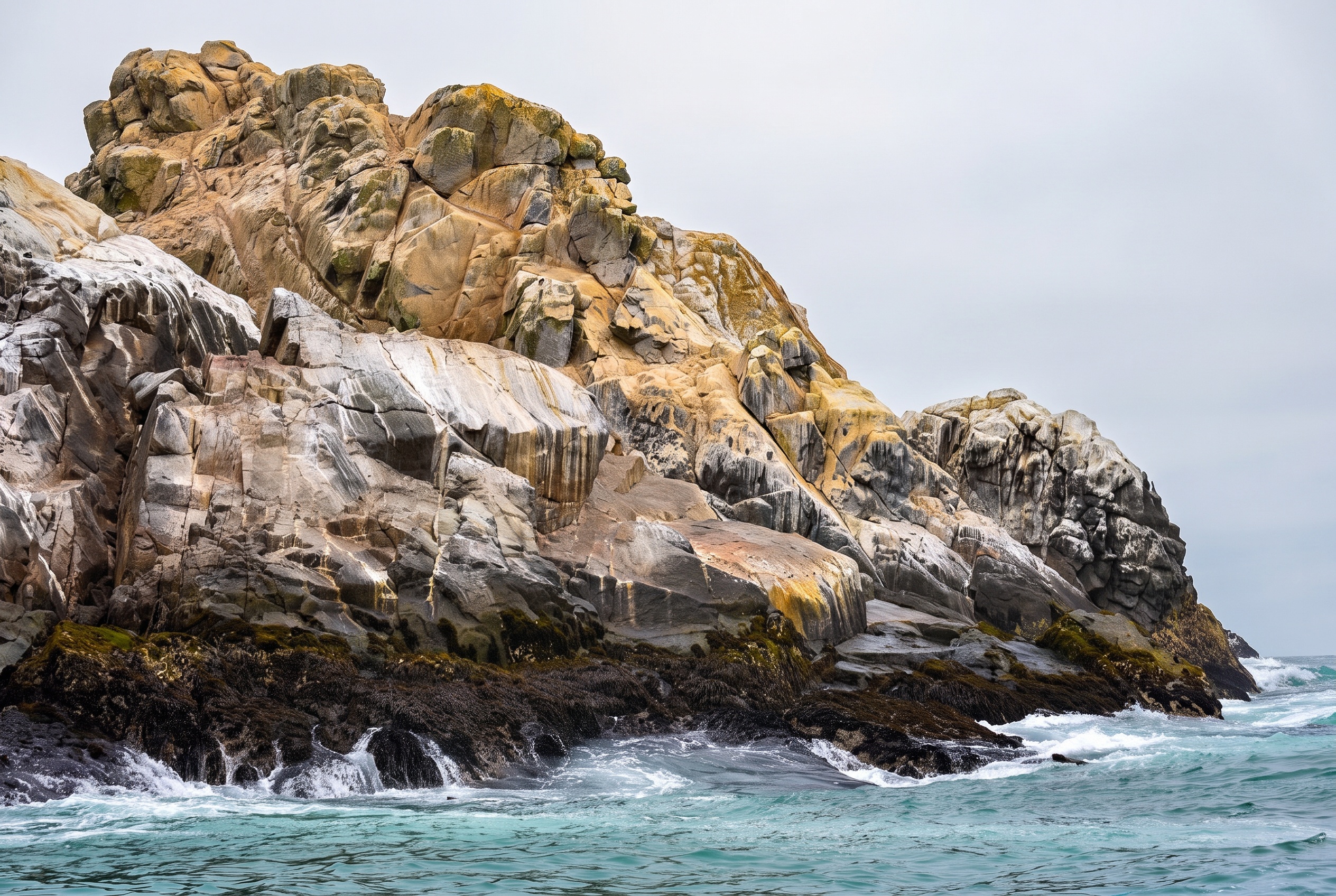
21. Islas Palomino (Sea Lions)
From the port in Callao, you can embark on one of the best natural experiences near the capital. Islas Palomino are small islands located about six nautical miles off the coast that serve as a refuge for Humboldt penguins, pelicans, and most notably, a huge colony of sea lions. Boat trips depart from Plaza Grau in Callao and you can choose from seven authorized operators.
Prices for this roughly half-day excursion typically range from 150 to 200 soles per person, plus an additional 11 soles entrance fee to the nature reserve itself. The highlight of the cruise is the opportunity to jump into the icy water in a borrowed wetsuit and swim for about half an hour in close proximity to curious sea lions.
It’s quite an adrenaline rush, as the water from the Humboldt Current is really cold and wild animals will swim past you at arm’s length. Don’t forget to take a seasickness pill, as the waves on the open Pacific can really rock smaller yachts.
💡 Tip: The prices quoted come from a 2022 overview and we haven’t found a newer official price list, so verify the current price with the operator or at your hotel reception.
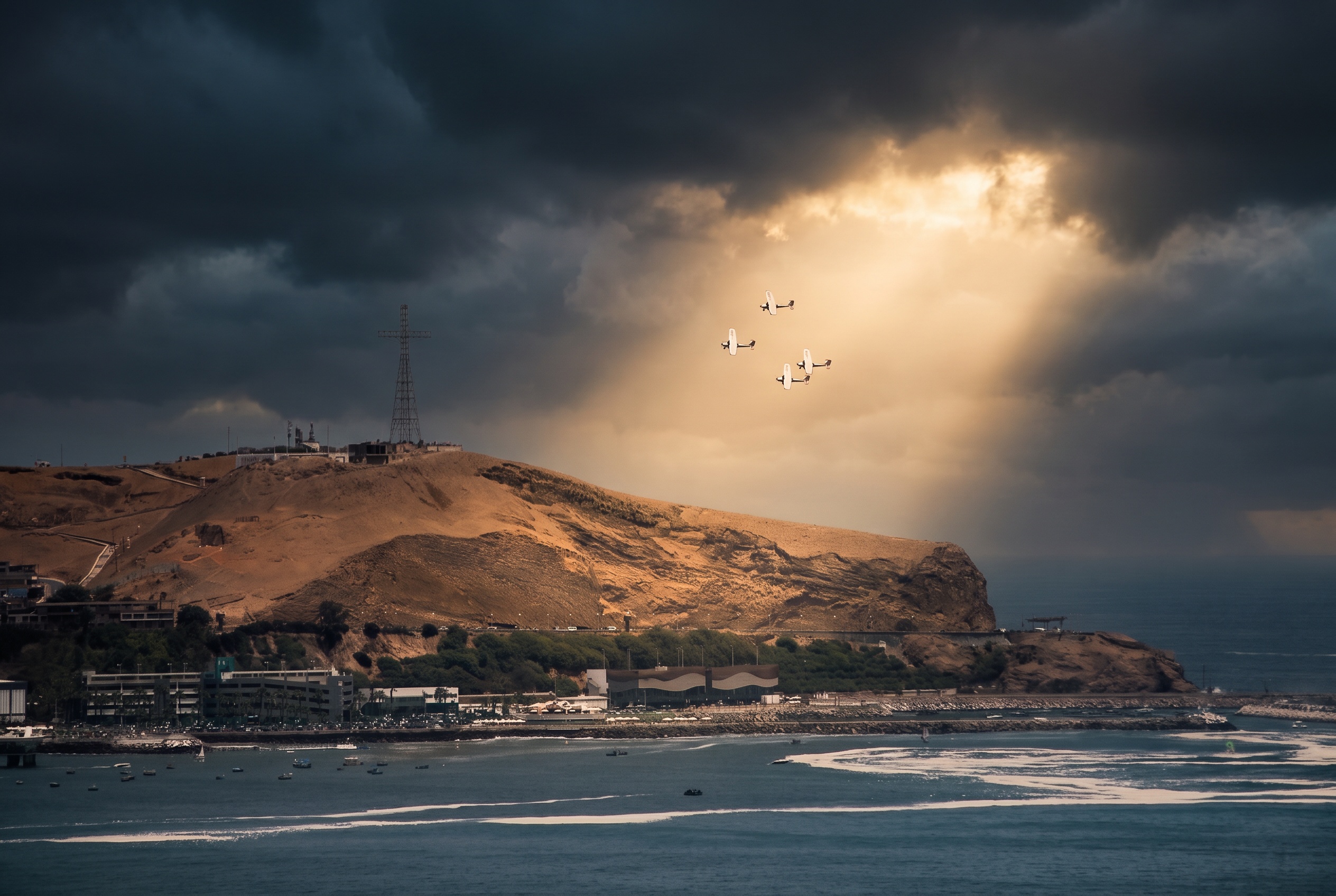
22. Chorrillos, Morro Solar, and Surfing at Makaha
South of the Barranco district stretches the long Morro Solar hill, which forms Lima’s natural barrier. An observatory with a planetarium has stood at its summit since 2010, and at the beginning of 2025, a two-kilometer scenic walkway called Gran Mirador de Lima was ceremonially opened. The views of the bay from here are fantastic, but since the walk up may not always be completely safe, have yourself driven up to the viewpoint by car or Uber.
You’ll get a completely different kind of view right from the surface of the ocean. Below the cliffs in Miraflores you’ll find Playa Makaha beach, which is an ideal spot for beginner surfers thanks to its gentle, long waves.
Right on the beach (access is via Bajada Balta road), several verified surf schools are based, such as Miraflores Surf Lessons or Mahalo. Instructors will lend you a thick wetsuit and a large foam board and will very likely teach you to stand up on your first Peruvian wave during the lesson.
💡 Tip: If you don’t want to go in the water, check out the historic fishing pier Muelle de Chorrillos below Morro Solar hill, where fishermen pull in their catches every afternoon and pelicans wait for scraps.
Where to Go Next from Lima
If you have an extra day in Lima and want to see the city nicely from above, consider the hill Cerro San Cristóbal in the Rímac district. A twenty-meter cross towers at its summit and from more than three hundred meters up you’ll see the entire vast metropolitan area. However, since Rímac is a risky neighborhood, never walk there on foot, but use the Mirabus tourist bus, or have a taxi take you up and back down.
Another very popular escape from the city is a full-day trip to Paracas and the Huacachina oasis. The journey south takes a few hours, but you’ll see the miniature “Galápagos” on the Islas Ballestas islands and can try dune buggy rides in the enormous sand dunes.
When planning your next journey across the South American continent, you might also find our other articles useful. Check out our tips on Where to Stay in Buenos Aires, read about What to See in Cartagena, get inspired by our article What to See in Rio de Janeiro, or plan a stop in Chile with our guide Santiago, Chile: 22 Things to See and Do.
Frequently Asked Questions
How many days for Lima?
2 to 3 days is ideal. During this time you can explore the historic center, visit the fabulous Museo Larco, enjoy the cliffs and promenades in the Miraflores and Barranco districts, and still have time for a trip to Pachacámac or to see the sea lions at Islas Palomino.
Is Lima safe in 2026?
The state of emergency declared by the government primarily targets extortion and gangs, so it practically doesn’t affect tourists. In the tourist district of Miraflores, mobile phone thefts have dropped from thirty to just two per day thanks to smart cameras. It’s important to follow basic rules: only use taxis from apps, don’t show your phone on the street, only go to the historic center during the day, and in Callao stick exclusively to the Monumental zone.
When is the best weather?
You’ll enjoy the most sunshine and temperatures between 25 and 28 °C from December to April. Conversely, from June to September the city is often shrouded in garúa (typical coastal fog) and temperatures drop to 15 to 19 °C. Keep in mind that due to the El Niño phenomenon, the years 2026 and 2027 may feel significantly warmer.
How to get from the airport to Miraflores?
Ignore the touts in the hall and take an official taxi from the counters inside the terminal (around 60 to 95 soles), or use Uber or Cabify from parking lot E1 (45 to 75 soles). A cheaper alternative is the Airport Express bus, which costs from 15 soles. The journey takes approximately 45 to 90 minutes depending on rush hour traffic.
How much do attraction entries cost?
Prices are reasonable. You’ll pay 50 soles for Museo Larco, the catacombs in San Francisco and the cathedral cost 30 soles, the contemporary art museum MAC is 20 soles, and the Huaca Pucllana pyramid or Pachacámac ruins cost 15 soles. The excellent water park Circuito Mágico costs only 7 soles and some museums like LUM are even free.
Can you eat vegetarian in Lima?
Absolutely! You’ll find plenty of great fully vegetarian establishments, such as Raw Café, Sabor y Vida, Seitan Urban Bistro, Florencia or Sayel. From classic Peruvian cuisine, definitely try potatoes with chili-cheese sauce papa a la huancaína, corn choclo con queso, cheese tequeños or pumpkin fritters picarones. On the other hand, watch out for ceviche (contains fish) and ají de gallina (chicken).
Why is Lima called the “gastronomic capital”?
The city has long dominated the global culinary scene. The local restaurant Maido became the best restaurant in the world for 2025 and three other Lima establishments feature in the current top fifty. Moreover, Lima will confirm its supremacy on November 4, 2026, when it becomes the very first South American city in history to host the awards ceremony for The World’s 50 Best Restaurants. Tasting menus at these elite establishments cost approximately between 1,045 and 1,295 soles.
Tips and Tricks for Your Vacation
Don’t Overpay for Flights
Search for flights on Kayak. It’s our favorite search engine because it scans the websites of all airlines and always finds the cheapest connection.
Book Your Accommodation Smartly
The best experiences we’ve had when looking for accommodation (from Alaska to Morocco) are with Booking.com, where hotels, apartments, and entire houses are usually the cheapest and most widely available.
Don’t Forget Travel Insurance
Good travel insurance will protect you against illness, accidents, theft, or flight cancellations. We’ve had a few hospital visits abroad, so we know how important it is to have proper insurance arranged.
Where we insure ourselves: SafetyWing (simple monthly subscription) and TrueTraveller (for extra-long trips).
Find the Best Experiences
Get Your Guide is a huge online marketplace where you can book guided walks, trips, skip-the-line tickets, tours, and much more. We always find some extra fun there!


