

For international visitors, Dresden, Germany, is an ideal destination for a weekend escape. This major Saxon city sits close to the border and is easy to reach from major European hubs, making it a great choice for a spontaneous day trip, too. From the moment you arrive, you’ll feel the grandeur of its history blending with a modern, relaxed city lifestyle.
You may also be surprised by how kind this reborn city is to your budget. Many of Dresden’s most beautiful sights are completely free to visit, from the breathtaking courtyard of a Baroque palace complex and romantic riverside promenades to the city’s most famous church. You don’t have to spend a fortune to enjoy a memorable trip—and come home with plenty of photos.
In this guide, we’ll share 16 tips on what to see in Dresden, Germany, and which places deserve a spot on your itinerary. You’ll also find advice on where to stay to save money, how to handle parking, and which popular attractions you should book well in advance to avoid disappointment.
TL;DR
- Perfect for a weekend or a day trip: Dresden is one of the closest major German cities to Central Europe’s neighboring countries, and many European hubs are less than two hours away by car or train.
- Plenty of sights are free: The Zwinger courtyard, the banks of the Elbe, Brühl’s Terrace and entry to the famous Frauenkirche won’t cost you a thing.
- Choose your accommodation wisely: Historic Altstadt can be around 25% more expensive in high season. Stay in the alternative Neustadt district across the river to save 20–30%, while still being able to walk to the centre.
- Book tickets in advance: Tickets for the Grünes Gewölbe (Green Vault) treasury cost €16 and are limited, so they’re often unavailable at the door.
- Opera tickets: The Semperoper is magnificent, but tickets (€20–€120) sell out quickly. You can opt for a guided tour instead, for €39.
When to Visit Dresden
Dresden is a year-round destination, but each season gives the city a different character. The warmest months are naturally June to August, when life moves outdoors: people picnic along the Elbe, and Neustadt’s outdoor cafés are perfect for a long evening. Summer also brings the popular Filmnächte am Elbufer festival, with open-air film screenings and views of the historic skyline.
If you’d rather avoid the biggest crowds and summer heat, spring or the colourful autumn months are ideal. The gardens around the Zwinger bloom in May and June, and the mild weather is perfect for long sightseeing walks. The Elbe Cycle Route is also at its best, offering a flat, easy ride along the river. Two full days are plenty for exploring the city, making Dresden a great weekend destination without taking time off work.
The run-up to Christmas is a special time, when the city turns into a winter wonderland. The local Striezelmarkt is one of Europe’s oldest Christmas markets, drawing millions of visitors with its twinkling lights, mulled wine and traditional crafts. If you’re interested in visiting during this magical season, take a look at our dedicated guide to Dresden’s Christmas markets, with details on dates and local specialities.
Where to Stay in Dresden
💡 Accommodation and activities tip: Compare accommodation options here to see what’s available and how much it costs. We prefer to look for accommodation on Booking.com, where cancellation policies are often more flexible. It’s also worth comparing and booking tickets, trips and activities through GetYourGuide.
When choosing accommodation, you’ll probably have to decide between historic Altstadt and lively Neustadt. Altstadt puts you right by the main sights, including Frauenkirche, the Zwinger and Semperoper, so you may not need public transport at all. In high season, though, expect to pay around 25% more for this prime location than elsewhere in the city.
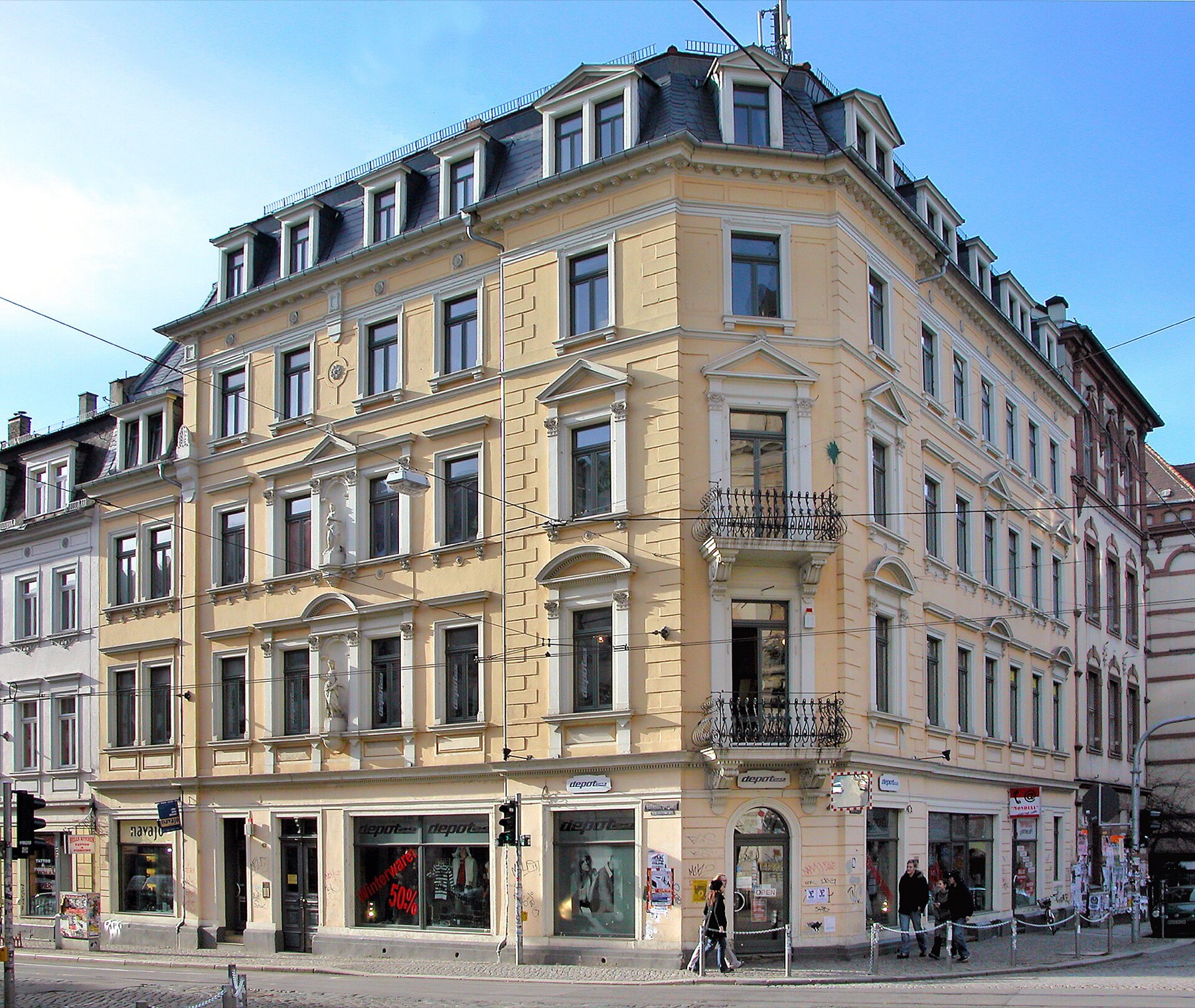
Across the river, the artistic Neustadt district is full of independent shops, galleries and cafés. Accommodation here is usually 20–30% cheaper, and the Zwinger is still just a pleasant 10-minute walk or two tram stops away. For even better value and a quieter stay, look at areas such as Äußere Neustadt, Johannstadt and the student district of Südvorstadt, where you’ll find affordable rooms near the university.
💡 Tip: Compare Dresden accommodation in one place—check availability and prices. Stay in Neustadt across the river to save 20–30% compared with Altstadt, while keeping the Zwinger just a 10-minute walk away.
For specific ideas, take a look at these tried-and-tested hotels, which travellers consistently rate highly and offer great value for money:
- Steigenberger Hotel de Saxe: This upscale hotel is right in the heart of Altstadt, next to Frauenkirche. It’s ideal if you’re looking for comfort and want the historic centre right outside your window.
- Romantik Hotel Bülow Residenz: A beautiful, highly rated boutique hotel in a carefully restored Baroque building. It has a wonderful atmosphere and an excellent breakfast.
- Aparthotel am Schloss: If you’d like more space and the option to cook, these elegant apartments next to the Royal Palace are an excellent choice.
- a&o Dresden Hauptbahnhof: A great budget option close to the main station. It offers clean, modern facilities at friendly prices—ideal for a short weekend stay.
- B&B Hotel Dresden-Messe: An affordable, reliable option near the exhibition centre, with comfortable beds and easy parking for guests arriving by car.
- Orca Hotel am Elbschloss: A small, peaceful hotel right by the Elbe. Its beautiful river views and easy access to the cycle route are major highlights.
16 Things to See and Do in Dresden, Germany
Dresden’s historic centre is fairly compact, so you can easily explore most of its best sights on foot. Here are the places you won’t want to miss.
1. Frauenkirche and Its Rebirth
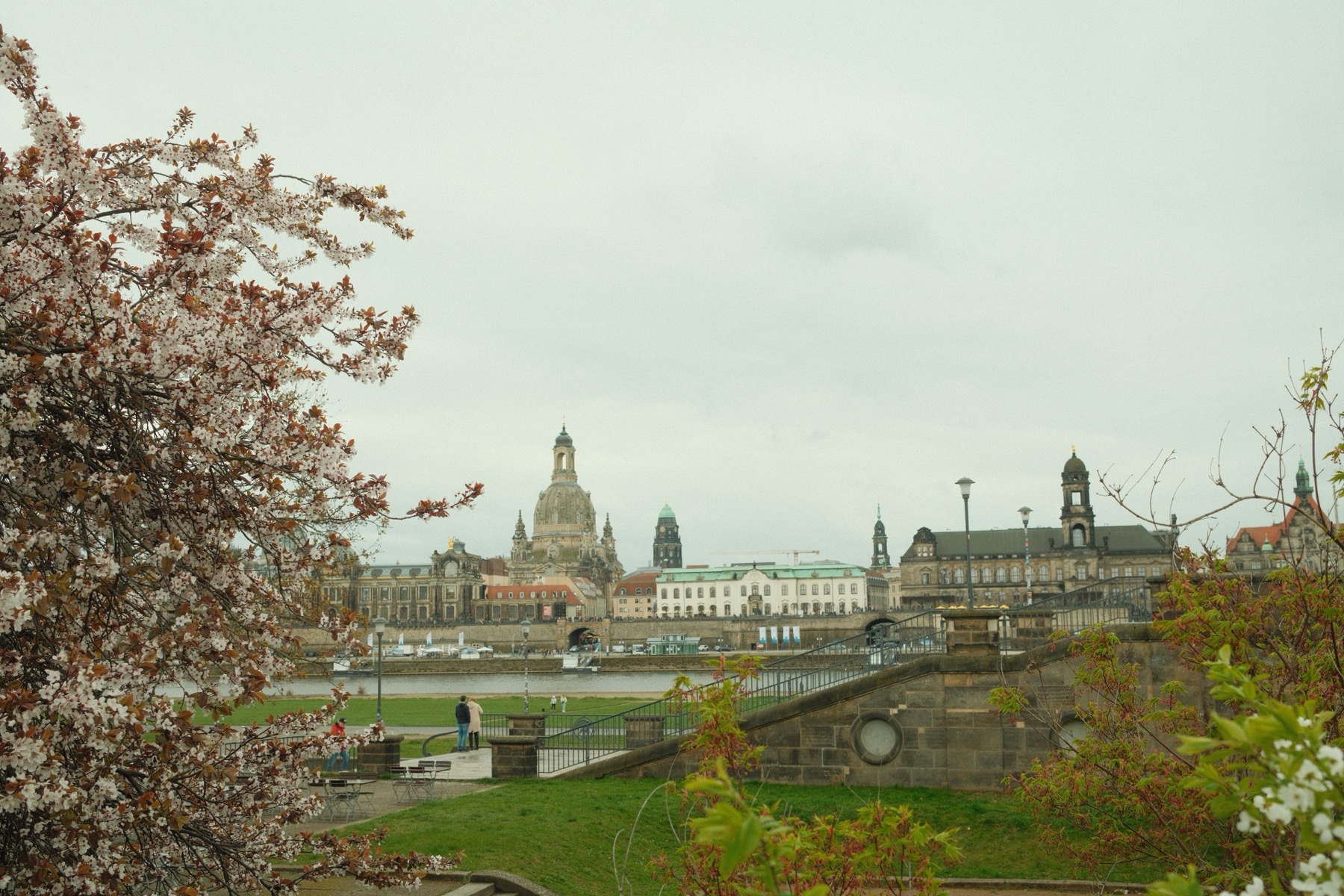
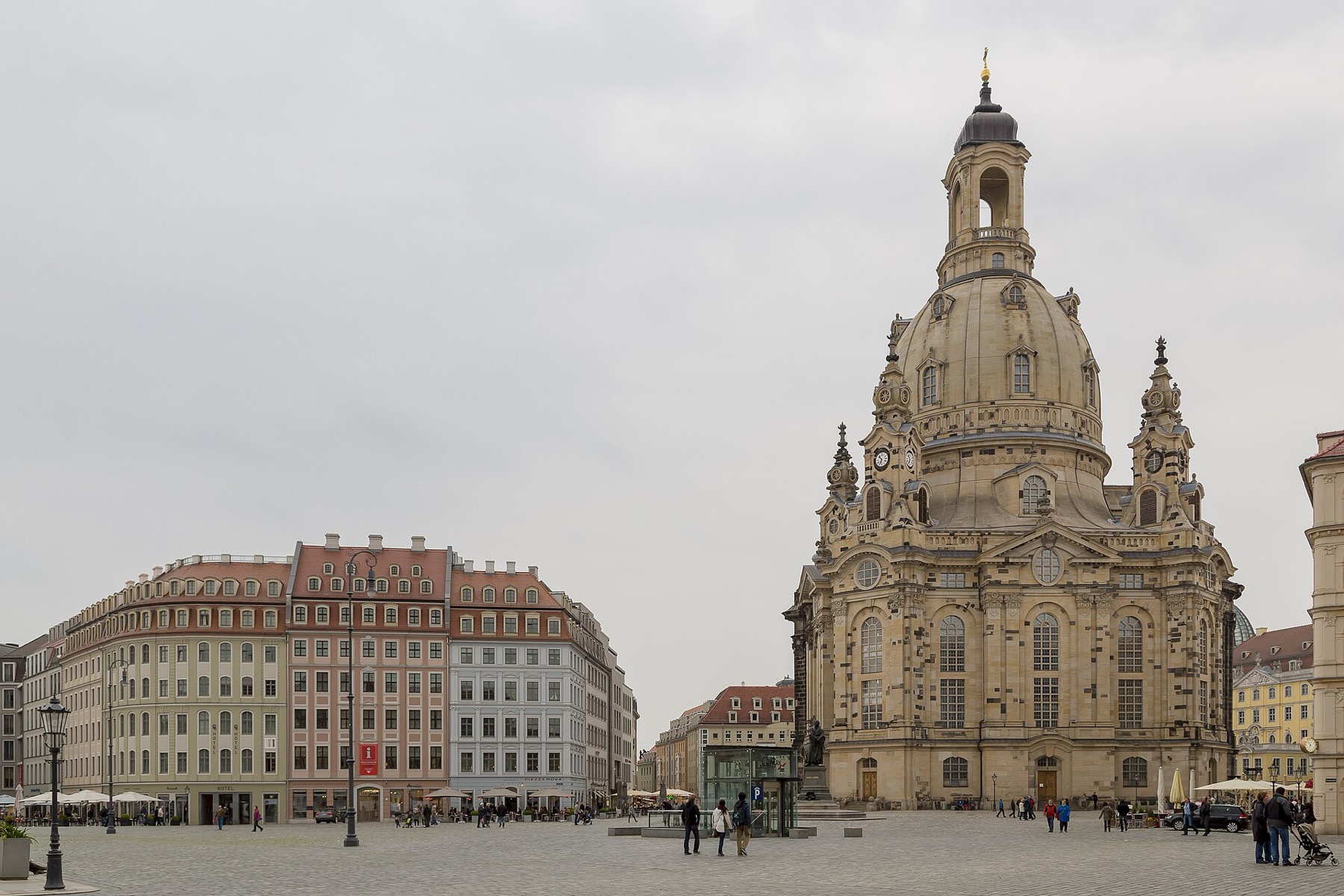
This stunning Baroque church, crowned by a huge dome, is one of Dresden’s defining landmarks and a powerful symbol of its turbulent history. The building was completely destroyed during the bombing at the end of the Second World War, and its ruins remained for decades as a reminder of the horrors of war. After German reunification, a remarkable reconstruction began, carefully incorporating the original charred stones into the new, lighter façade.
The best part for visitors is that entry to the church itself is completely free. Take a moment to sit inside, admire the light-filled pastel interior—which is unusual for a Protestant church—and soak up the atmosphere. The church also regularly hosts free organ concerts. Thanks to its distinctive circular design, the acoustics are phenomenal; concerts are usually held around midday or in the evening.
💡 Tip: For a lovely view of the city, climb to the church dome, around 67 metres above ground. There’s a charge for the climb, but the view over the Elbe’s curves and the historic rooftops is well worth it. The final stretch follows a fairly steep spiral ramp, so be prepared for a bit of a workout.
2. The Baroque Zwinger
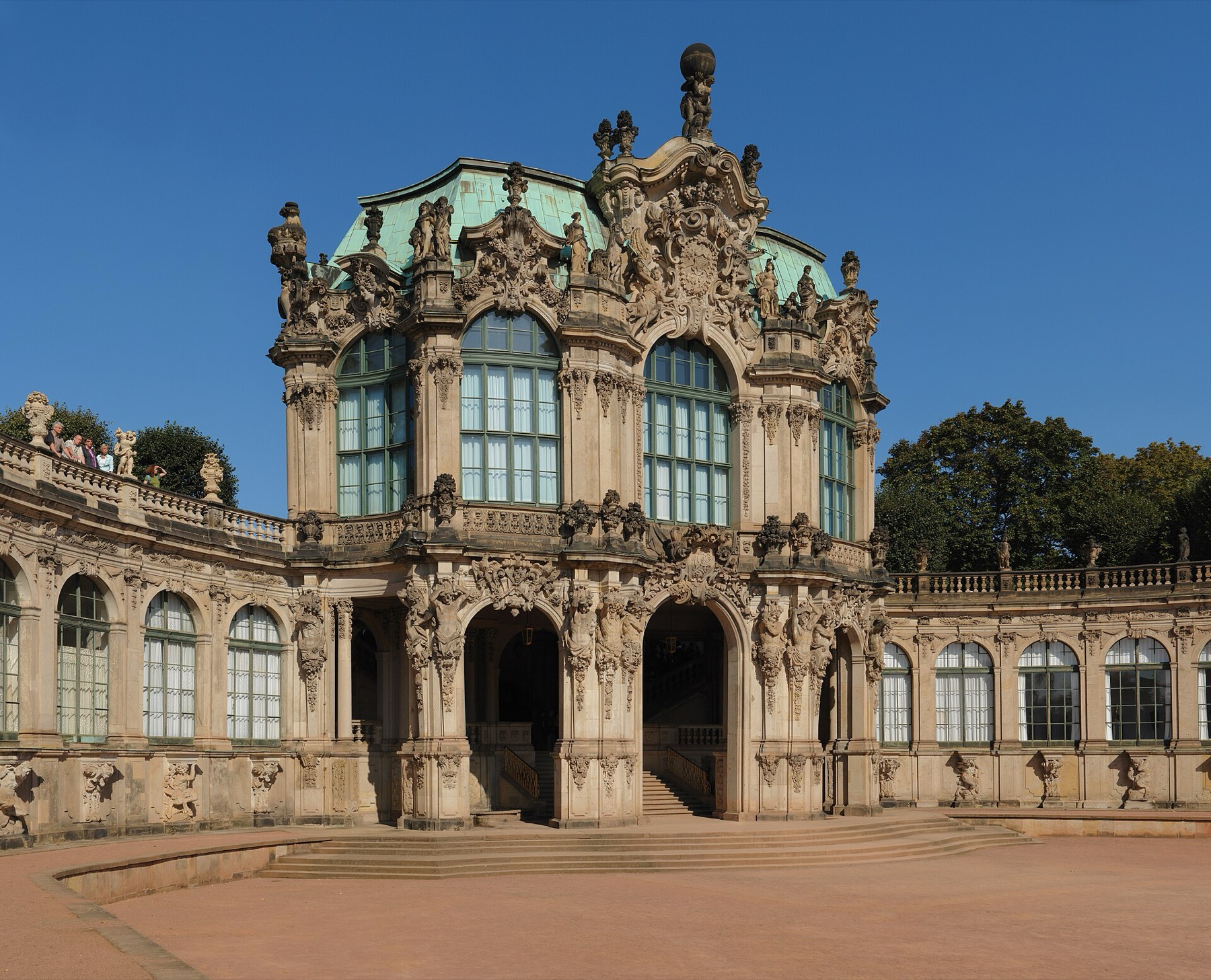
The Zwinger is probably Dresden’s most photographed landmark and a masterpiece of late Baroque architecture. It was originally built as an orangery and a venue for Saxon court festivities; today, it houses several prestigious museums. The complex features beautifully decorated pavilions, intricate galleries and the iconic Crown Gate, topped with a striking golden Polish crown.
Good news if you’re travelling on a budget: access to the vast inner courtyard, fountains and gardens is completely free. Wander among the statues, relax beside the fountains and admire the details of the Nymphenbad (Nymph’s Bath), one of Europe’s loveliest Baroque fountains and a wonderful place for photos.
If you’d like to explore the interiors, you’ll need a combined ticket. A ticket to all the Zwinger museums costs €16 and includes the famous Old Masters Picture Gallery, home to Raphael’s celebrated Sistine Madonna, the impressive porcelain collection and the Mathematical-Physical Salon, filled with historic globes and telescopes.
3. Grünes Gewölbe (Green Vault) Treasury
This is one of Saxony’s greatest treasures and among the richest treasury collections in the world. The collection was founded in the 18th century by Augustus the Strong, the legendary Elector of Saxony, who wanted the public to see his masterpieces in gold, silver, gemstones and ivory. The treasury is divided into two separate sections, each offering a different experience.
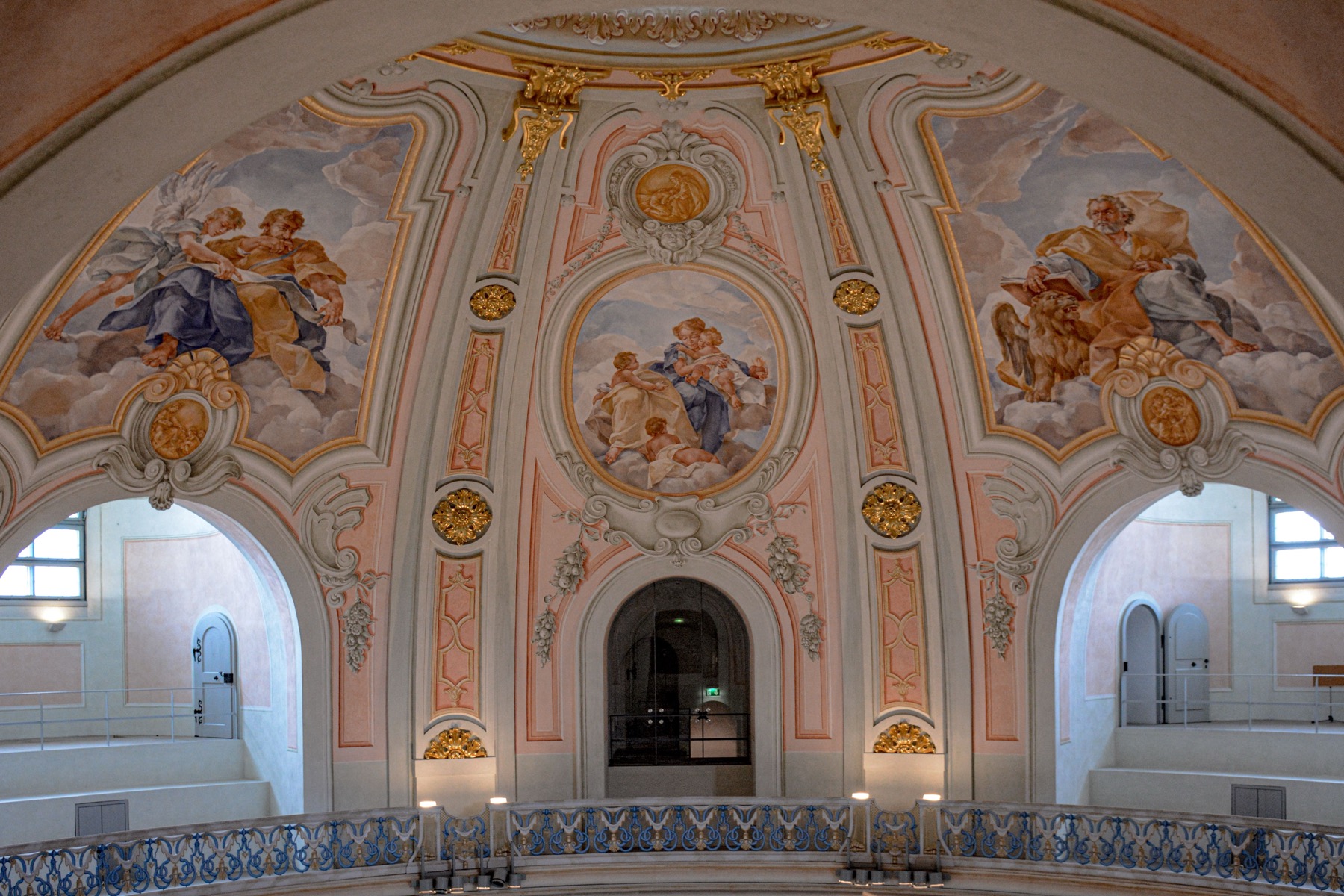
The New Green Vault features modern, illuminated display cases, but the real highlight is the Historic Green Vault. The historic rooms are breathtakingly Baroque, with exhibits displayed on ornate consoles without protective glass, just as the founder intended. This open display requires extremely strict security, and visitor numbers are limited.
💡 Tip: Entry to the Historic Green Vault costs €16 and is sold separately from admission to the rest of the palace. Capacity is strictly limited, so it’s essential to book online several weeks ahead. Tickets are usually sold out at the box office, and you won’t be able to enter without a reservation.
4. The Famous Semperoper
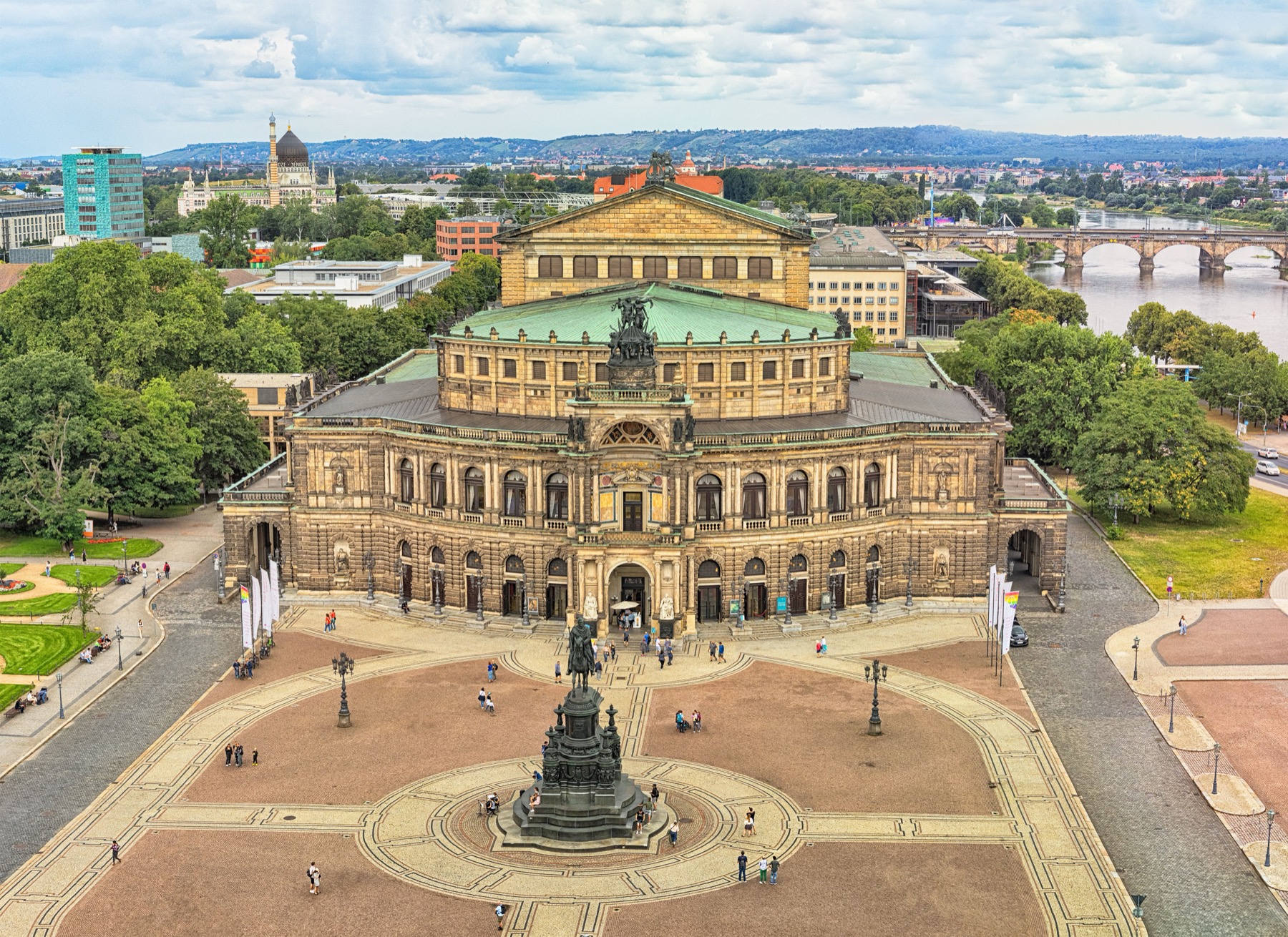
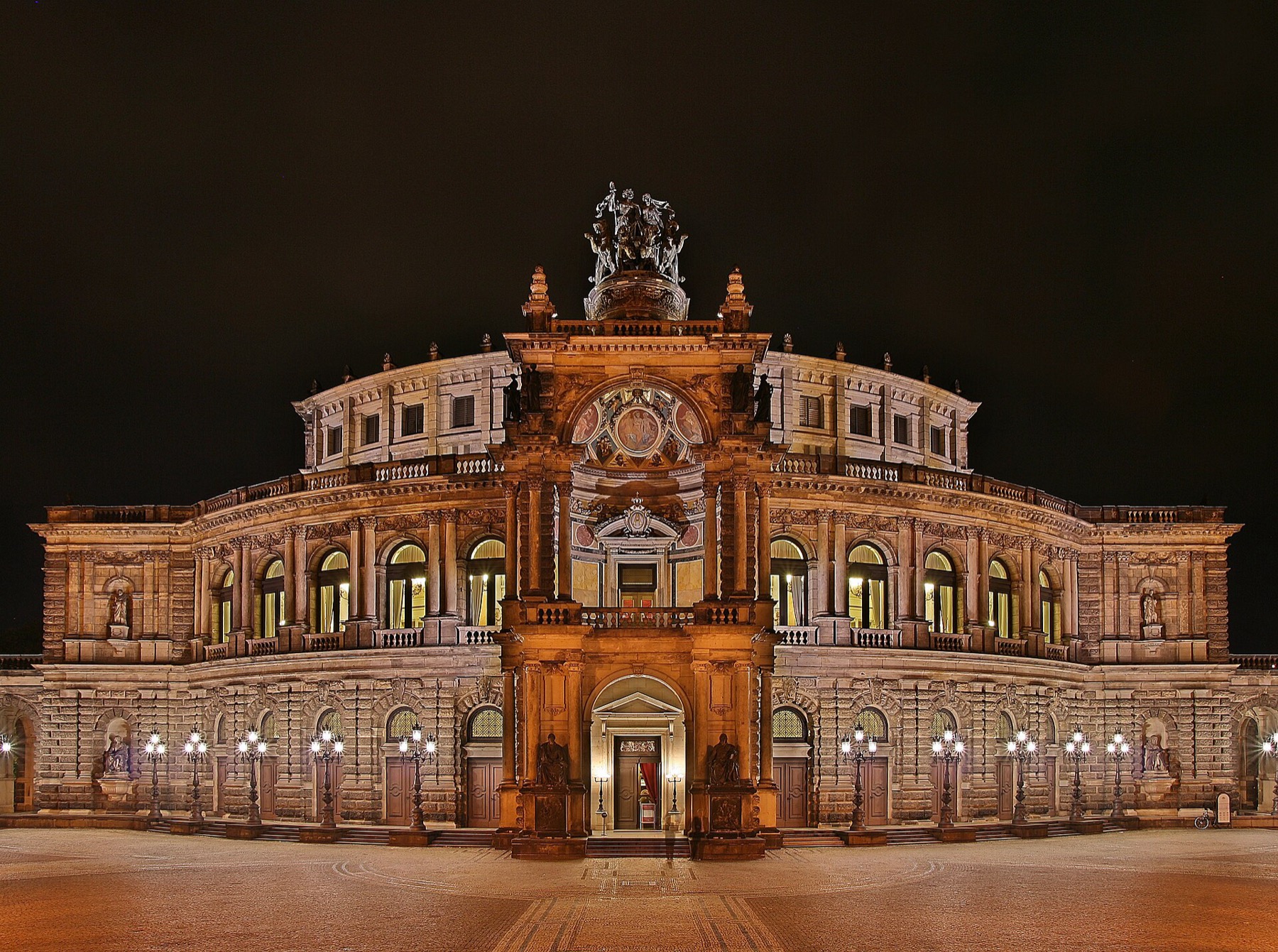
The Semperoper is one of the world’s most prestigious opera houses, and its imposing façade, adorned with classical statues, dominates Theatre Square. The building is remarkable not only for its stunning neo-Renaissance architecture, but also for its superb acoustics. Masters such as Richard Wagner and Richard Strauss chose it for the premieres of their works.
Attending an evening performance is a wonderful cultural experience, but it takes careful planning and a little luck. Tickets cost around €20–€120, and they can be hard to get because performances sell out months in advance. If you manage to secure seats, you’re in for an elegant evening of exceptional music.
If you can’t make it to a performance, there’s no need to worry. A guided tour of the interiors is a great alternative, taking you through the magnificent halls and behind the scenes during the day. A good-value combined ticket is also available for €39, including a detailed opera house tour and the much sought-after Grünes Gewölbe admission.
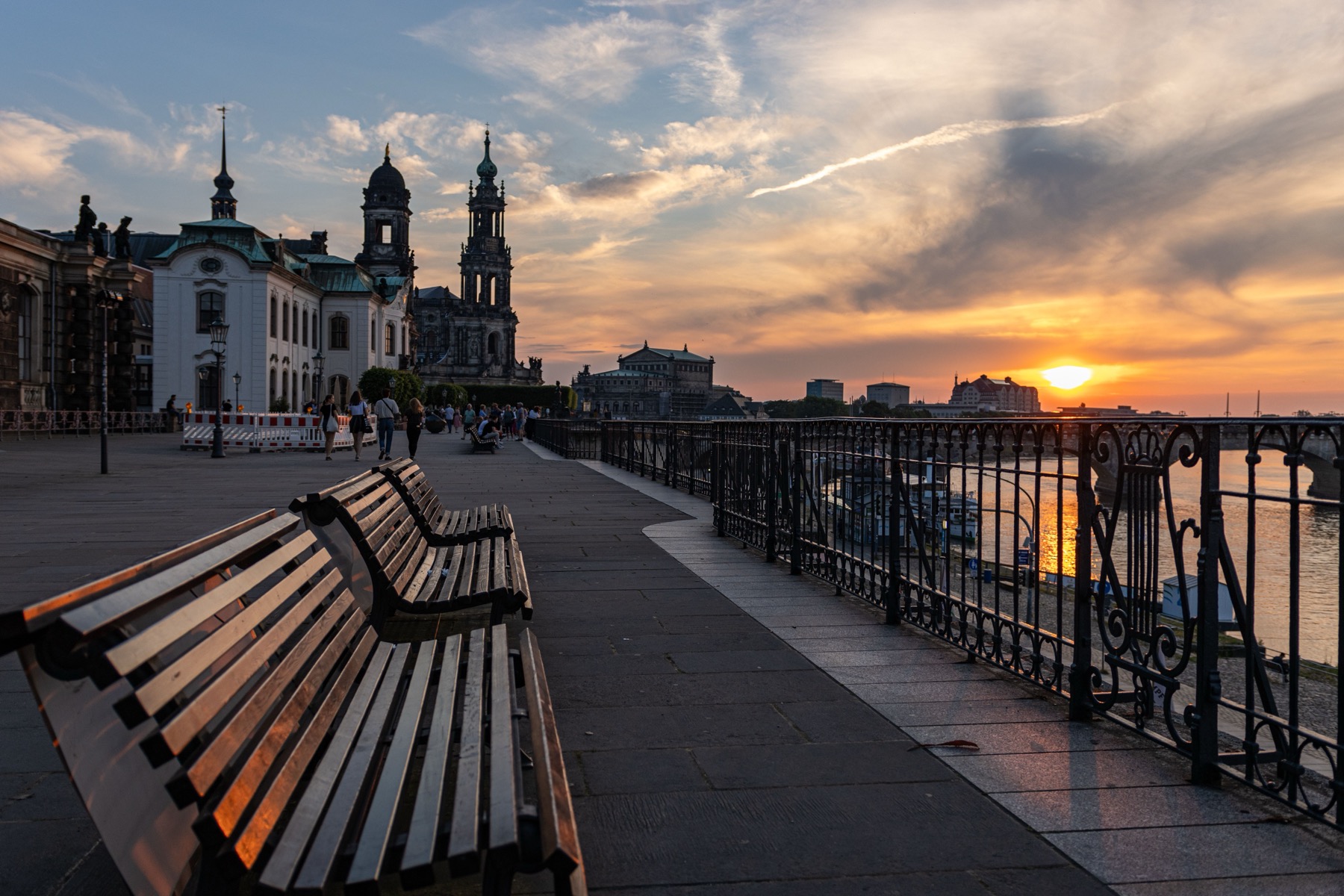
5. Brühl’s Terrace (The Balcony of Europe)
This striking elevated promenade beside the Elbe has been known for centuries as the “Balcony of Europe.” It was built atop part of the city’s former fortifications, where Count von Brühl created beautiful gardens and grand palaces in the 18th century. Today, it’s a favourite place for a leisurely stroll among locals and visitors alike.
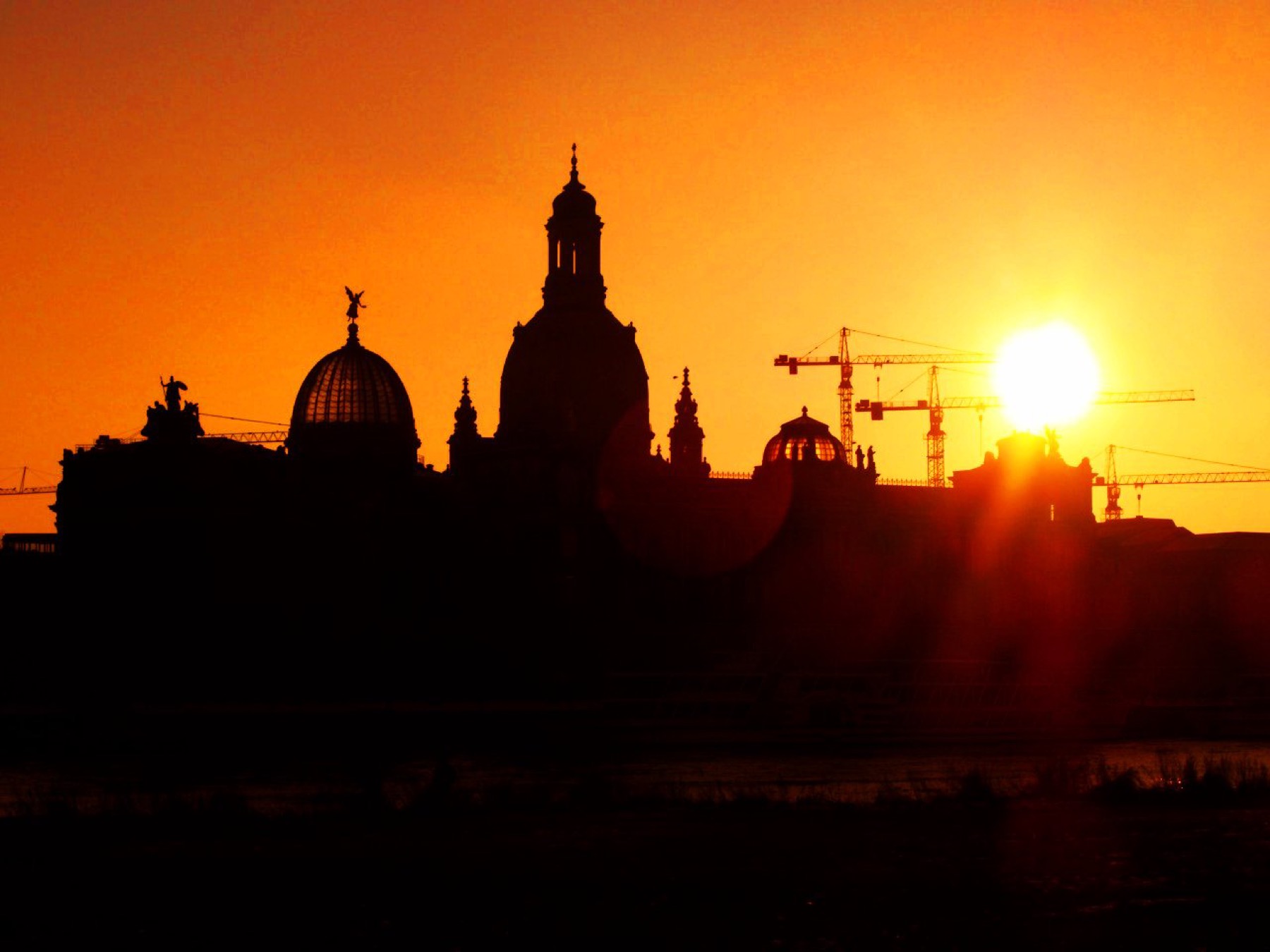
The terrace is free to access and offers one of the best views of Neustadt on the opposite riverbank, the majestic Augustus Bridge and the historic paddle steamers passing by. At sunset, when the surrounding towers glow gold, the place feels especially romantic.
Hidden beneath the terrace is the underground world of Festung Dresden, or Dresden Fortress. If military history and a little adventure appeal to you, pay to descend into the dark, damp casemates and explore 400-year-old brick vaults and underground defensive systems that once protected the city from invaders.
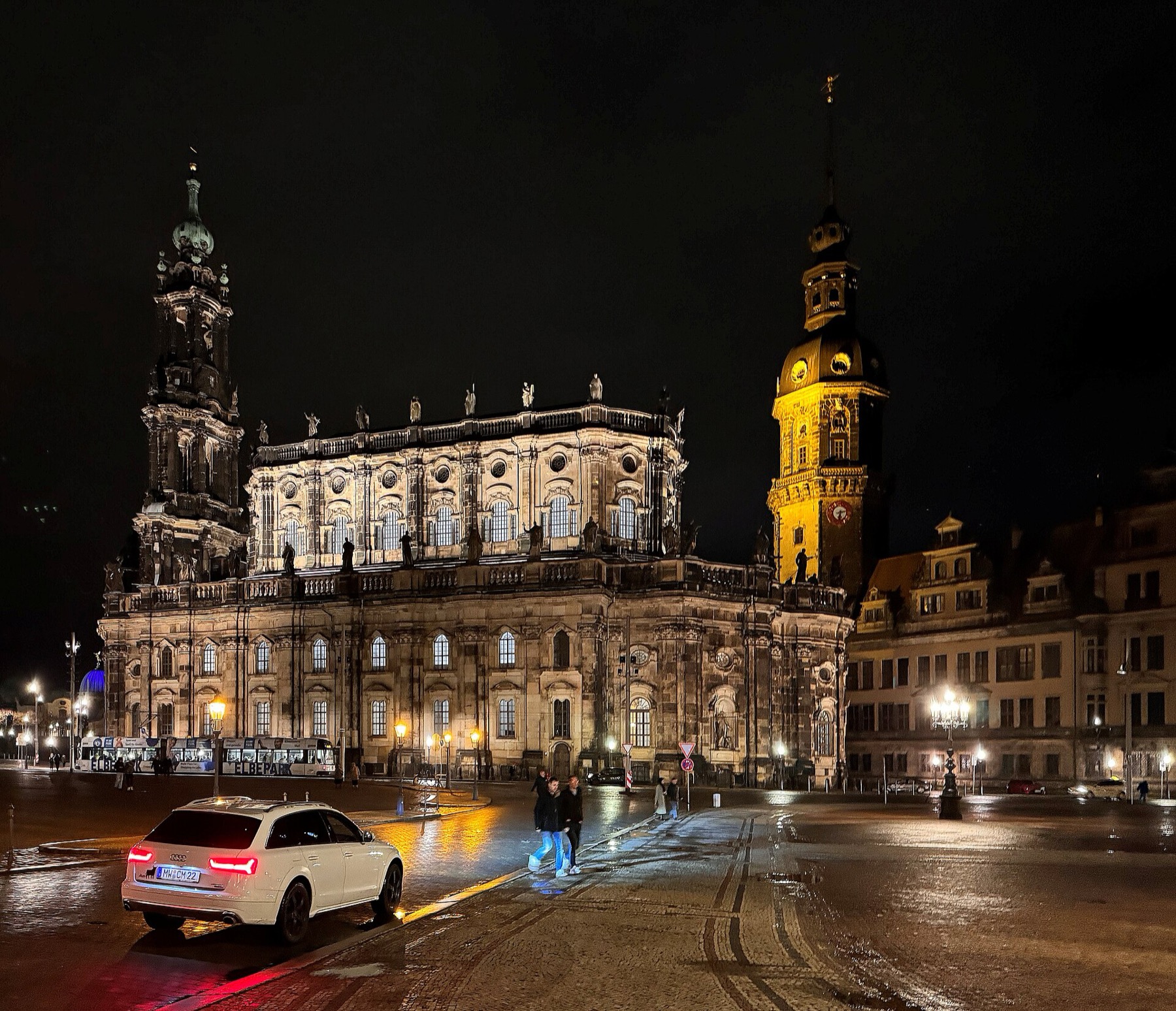
6. Dresden Royal Palace (Residenzschloss)
A short walk from the Zwinger, you’ll find the sprawling Royal Palace, which served for centuries as the seat of power for Saxon electors and kings. Its striking Renaissance architecture and detailed sgraffito decoration make an impression from the outside, but the real treasures are behind its guarded walls. The palace lay in ruins for years after the war, and painstaking restoration is still underway in some areas.
Alongside the famous Green Vault, you’ll find several other fascinating collections that are well worth your time. Highlights include the Armory (Rüstkammer), with its richly decorated armour, the fairytale-like Turkish Chamber filled with Oriental artefacts, and an impressive collection of rare coins. The interiors, including the vast covered courtyard beneath a transparent dome, feel surprisingly modern and airy.
💡 Tip: If you love history and want to explore most of the palace’s exhibitions and collections, consider buying a one-day ticket for all the museums run by the Dresden State Art Collections. It can save you money and, just as importantly, precious time queuing at individual ticket desks.

7. The Procession of Princes (Fürstenzug)
Walk from Frauenkirche towards the palace along Augustusstraße and you’ll come across something truly unique and visually striking. The Fürstenzug is a huge mural depicting a procession of Saxon rulers, made from an astonishing 23,000 tiles of genuine Meissen porcelain. At 102 metres long, it’s the largest porcelain artwork in the world.
Created in the early 20th century, the monumental work portrays 35 margraves, electors and kings from the powerful House of Wettin, which ruled Saxony for 800 years. It’s an engaging history lesson in the open air, and you can admire it for free at any time of day or night, when it’s beautifully illuminated.
Remarkably, this delicate porcelain artwork survived the devastating bombing of Dresden in February 1945 almost unscathed. While the surrounding grand buildings were reduced to ashes, the Meissen tiles withstood the intense heat and remain one of the few genuinely original historic features in this part of the city.
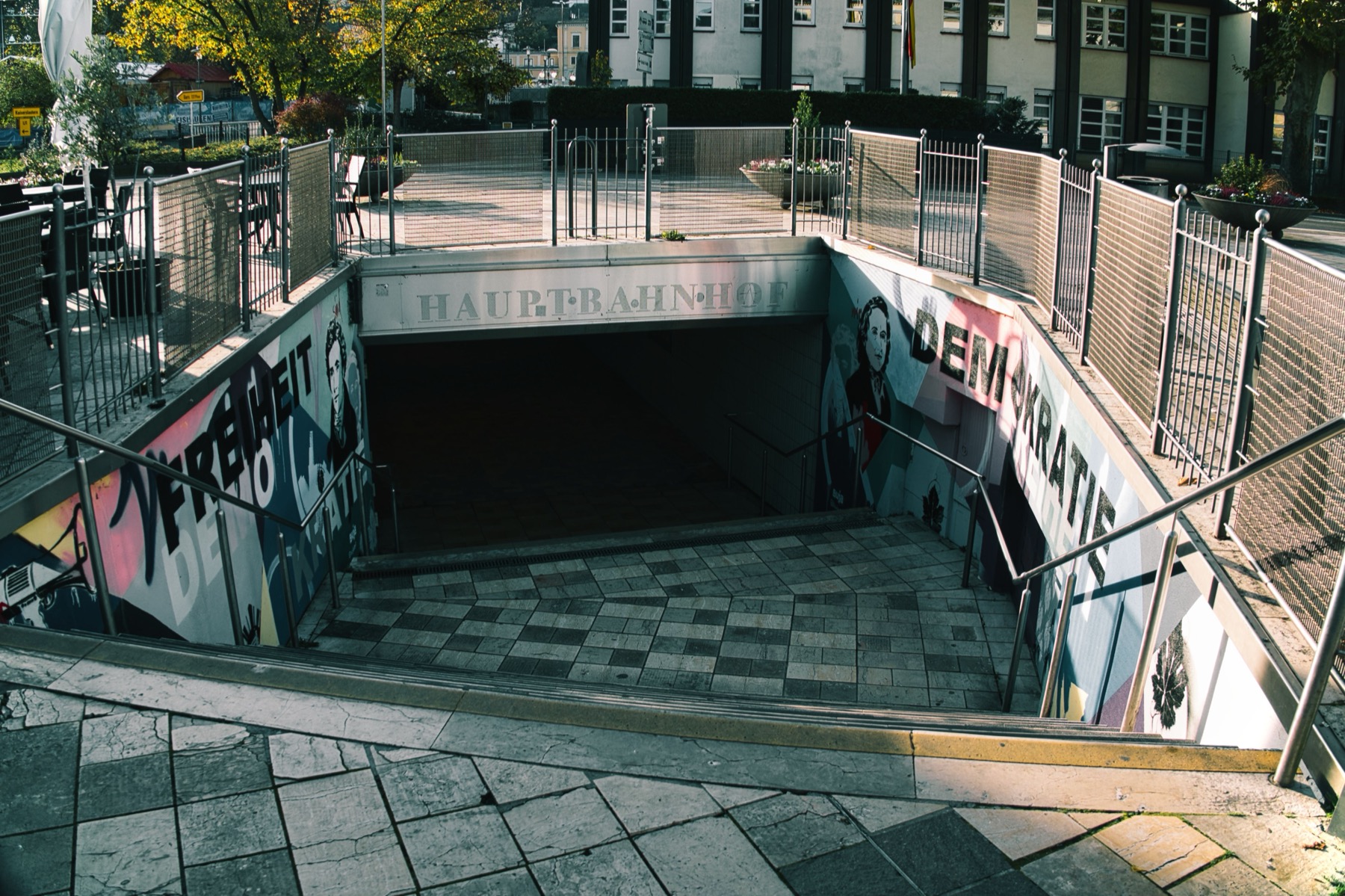

8. Äußere Neustadt, the Alternative Quarter
If you’ve had your fill of Baroque splendour and history, simply cross the Elbe and you’ll find yourself in a different, more laid-back world. Äußere Neustadt, or Outer New Town, is the heart of Dresden’s alternative scene, with youth culture, colourful street art and a buzzing nightlife. It has a bit of a Berlin feel and is a complete contrast to the polished, tourist-friendly Altstadt.
Narrow streets are lined with independent boutiques, vinyl shops, stylish second-hand stores and dozens of cosy cafés. After dark, the district’s popular bars and clubs open their doors, attracting students and artists from across the region. It’s the place to be if you want to experience Dresden’s nightlife into the early hours.
Exploring the neighbourhood is another great free thing to do in Dresden. Admire the intricate graffiti on old façades, soak up the easy-going community spirit and discover hidden courtyards, which often conceal quiet community gardens or small independent art studios.
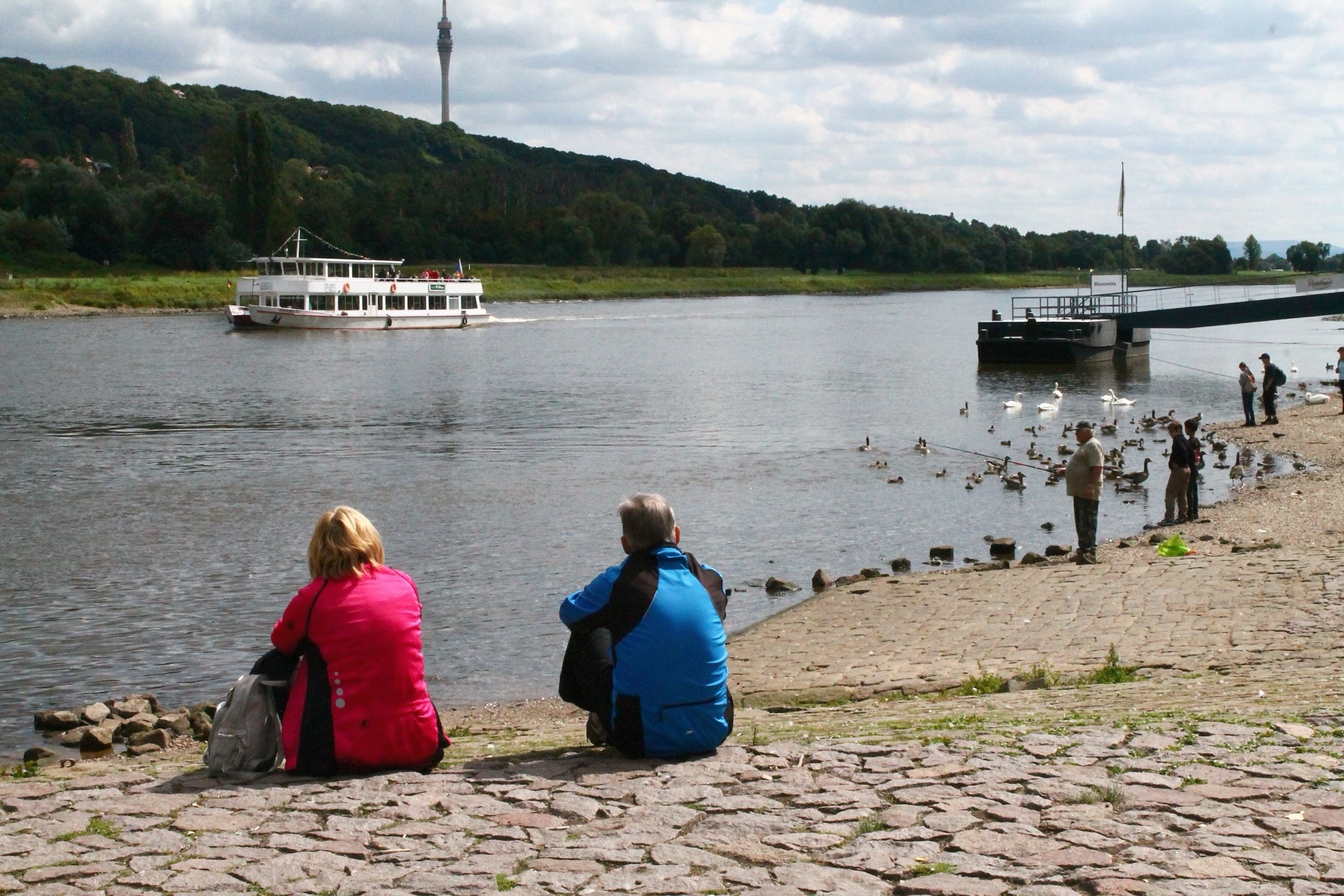
9. The Elbe Riverbanks and Meadows (Elbwiesen)
The Elbe gives Dresden much of its character, and the wide green meadows on both sides of the river form a huge natural park in the heart of the city. These Elbwiesen are open to everyone and much loved by locals, who come here to exercise, walk their dogs, picnic or simply relax with a good book on a blanket.
From the grassy meadows on the north bank, on the Neustadt side, you’ll get the most famous view of Dresden’s historic skyline. It’s often called Canaletto’s View, after the renowned Venetian painter who captured the scene in the 18th century. Watching the sunset over the Zwinger and Frauenkirche’s tower from here is a must.
💡 Tip: The well-maintained, wide Elbe Cycle Route runs along the river. If you enjoy cycling, you can easily rent a bike in the city and take a lovely ride along the river, perhaps as far as the nearby summer palace at Pillnitz. The terrain is completely flat, so it’s manageable for less experienced cyclists and families with children, too.
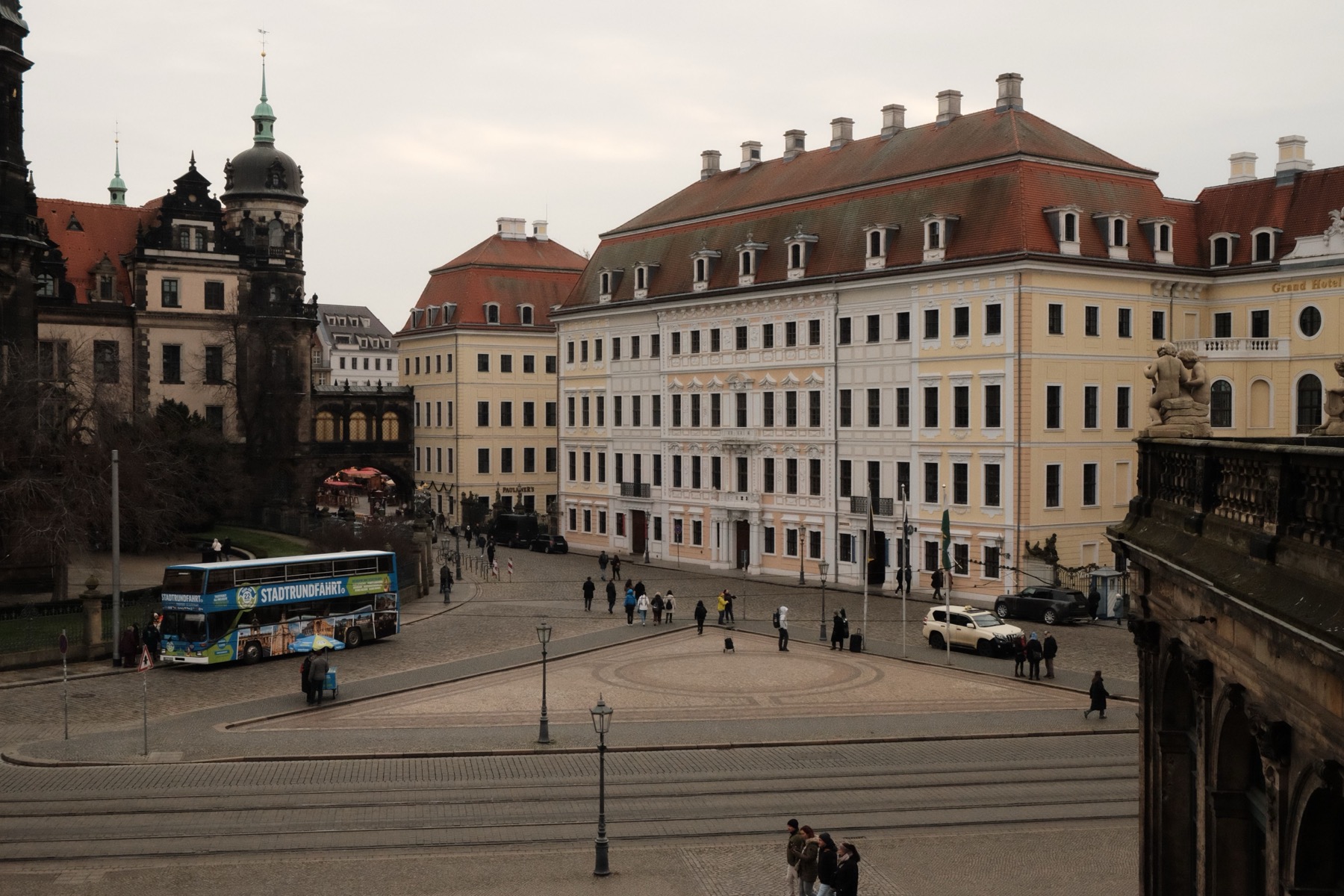
10. Prager Straße Shopping Boulevard
If you like bringing home a few new additions to your wardrobe, head to Prager Straße. This large pedestrian shopping district links the main railway station with the old town. It’s a broad, busy boulevard lined with department stores, international fashion brands and modern shopping centres, including the huge Centrum Galerie and elegant Altmarkt-Galerie.
The architecture is also worth a look, even if it is a little controversial. The street was completely rebuilt after the war in the style of socialist modernism, creating an unusual contrast between stark concrete buildings and shiny new glass complexes, alongside modern fountains and sculptures.
It gets particularly busy at weekends, when shoppers from across the region come for a bargain. If you prefer a quieter shopping experience and don’t want to queue, visit early on a weekday, just after the shops open and before the boulevard fills up.
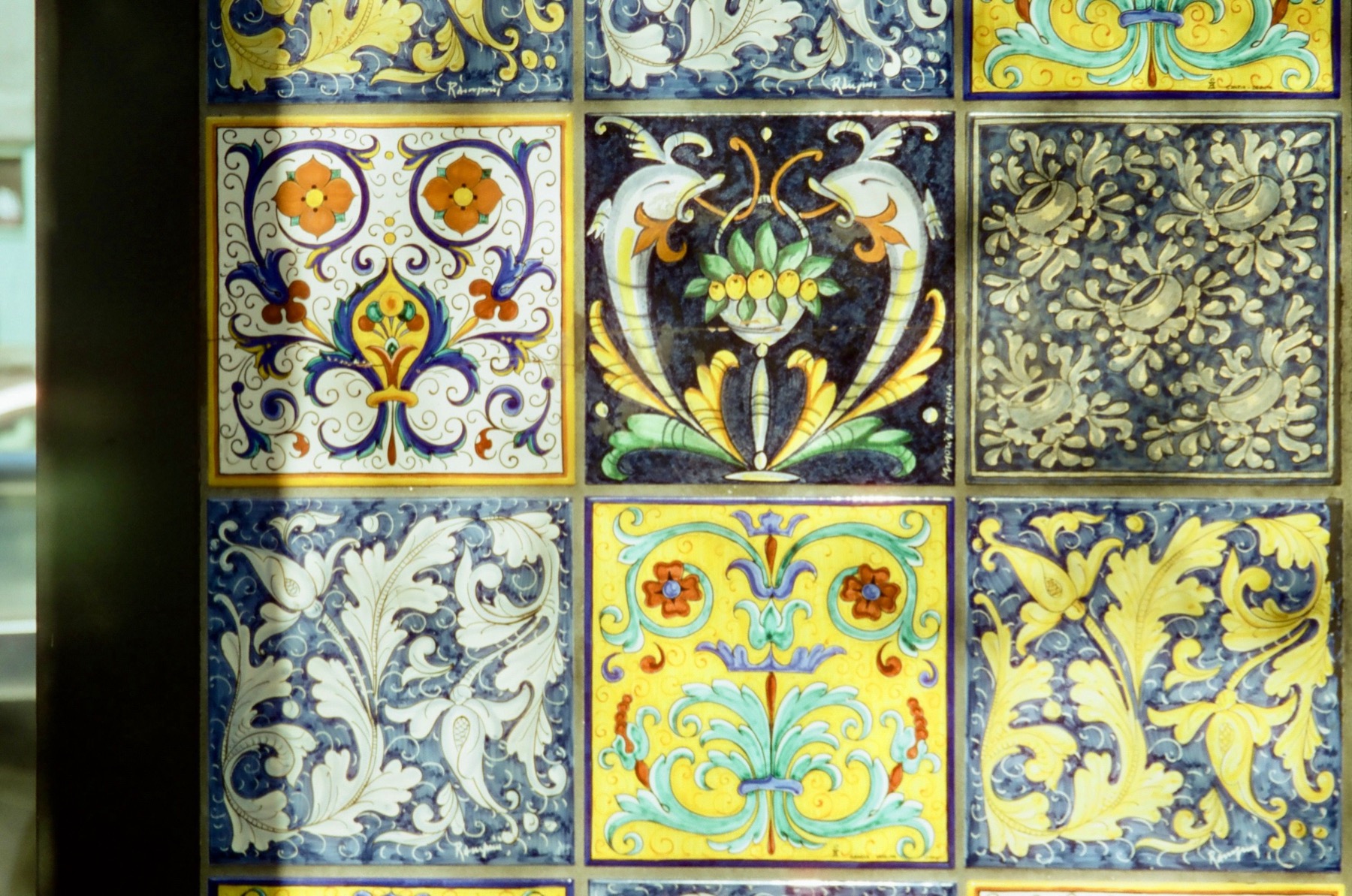
11. Pfunds Molkerei (The World’s Most Beautiful Dairy)
This unexpected visual gem is tucked away on an unassuming street in Neustadt. Pfunds Molkerei is officially listed in the Guinness World Records as the world’s most beautiful dairy shop, and you’ll understand why as soon as you step inside. From floor to ceiling, the shop is covered in beautiful hand-painted tiles by the renowned Villeroy & Boch company.
The dairy was founded in the 19th century by the Pfund brothers and has retained its original neo-Renaissance charm and elegance. There’s no entrance fee, so you can admire this ceramic wonder for free, although leaving without buying something may be difficult. The shop sells excellent regional cheeses, traditional fresh buttermilk and all sorts of Saxon delicacies.
The interior is so photogenic that photography was strictly prohibited for a long time to avoid bottlenecks and people blocking each other’s views. Thankfully, photography is now allowed, but the shop is quite small and can get crowded with several groups of visitors at once, so a little patience may be needed.
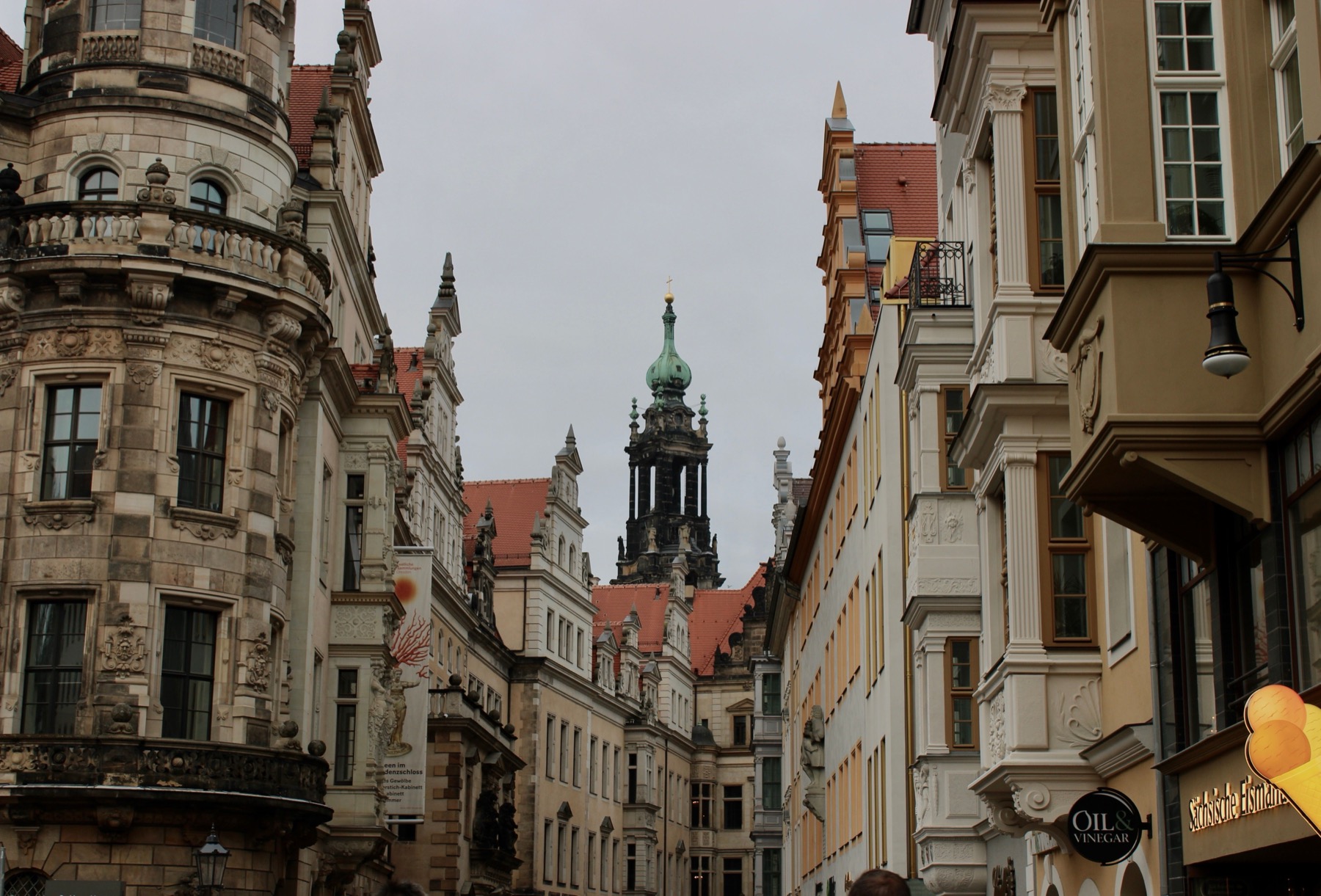
12. Kunsthofpassage Art Passage
Let’s stay in the alternative Neustadt district a little longer. Here you’ll find one of the city’s most imaginative and entertaining architectural projects. Kunsthofpassage is a clever network of interconnected courtyards linking Alaunstraße and Görlitzer Straße. Each courtyard was designed by a different artist and has its own distinctive theme.
The most famous—and certainly the most photographed—is the wonderful Court of the Elements (Hof der Elemente). Its bright blue façade is covered with a maze of funnels and drainpipes, designed to turn the whole installation into a giant musical instrument when it rains, playing a gentle symphony of raindrops. Nearby, you’ll find the green Court of Animals, decorated with raised giraffe and monkey sculptures, and the sunny yellow Court of Light.
Walking through these courtyards is a fascinating visual experience, and it won’t cost you a thing. The ground floors also hide charming little cafés and quirky shops selling crafts, ceramics and handmade jewellery, making this a great place to find original souvenirs away from the main tourist trail.
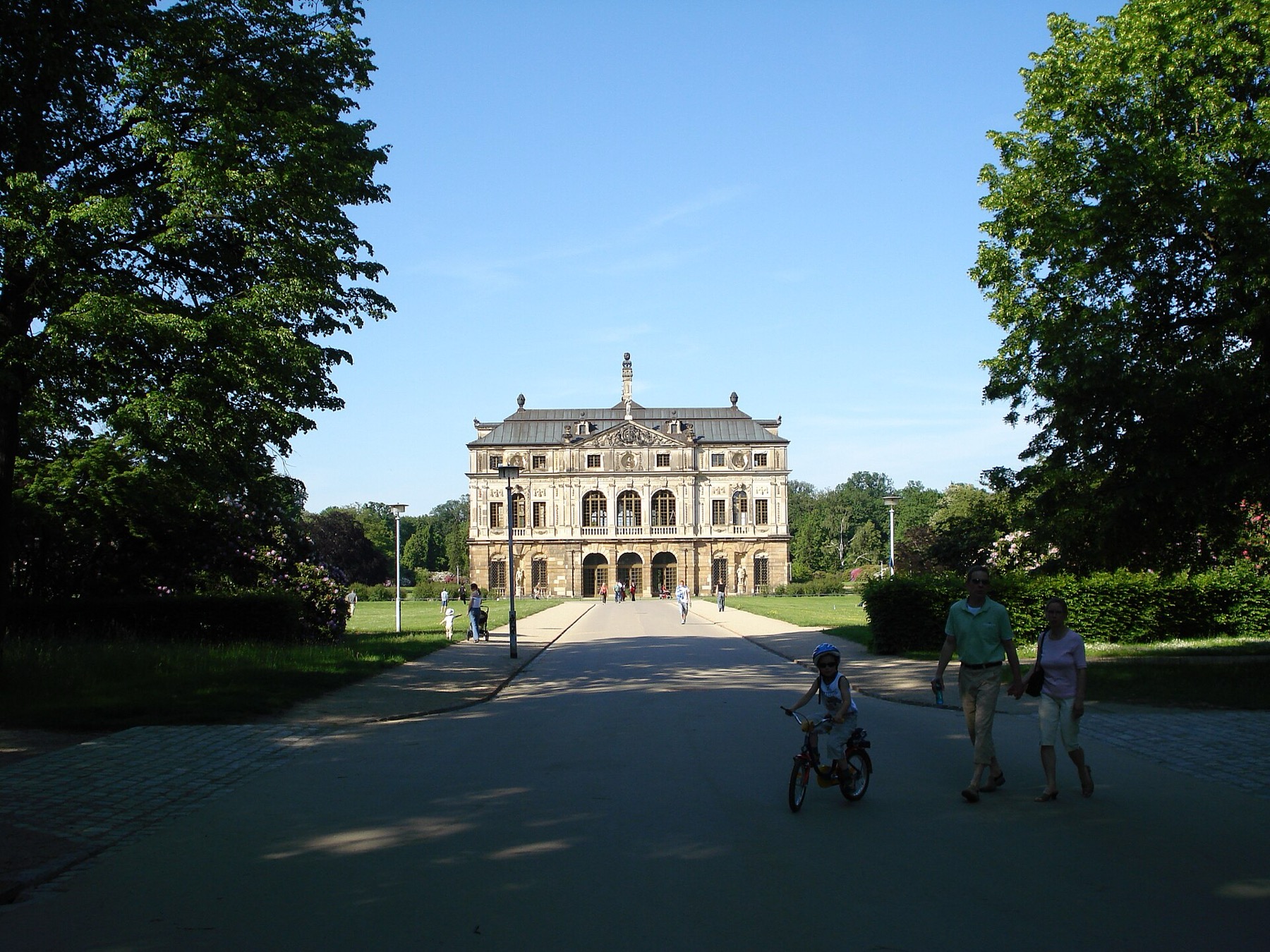
13. Grosser Garten (The Great Garden)
If you need a break from hot cobblestones and city noise, head east of the centre to Grosser Garten. This vast, beautifully kept Baroque park is Dresden’s green lung, with a peaceful atmosphere to rival Europe’s finest royal gardens. At its heart stands an early Baroque palace, surrounded by precisely laid-out flowerbeds and water channels.
The park is a wonderful escape for families and anyone who enjoys spending time outdoors. You’ll find kilometres of smooth paths that are perfect for inline skating, spacious meadows for picnics, and the Dresden Zoo and Botanical Garden right on its edge. Entry to the park itself is free all year round.
💡 Family tip: Children will love the local park railway (Dresdner Parkeisenbahn). These charming little trains run on a route of more than 5 kilometres through the park during the season. One fun detail: children and teenagers in authentic railway uniforms operate much of the service themselves.
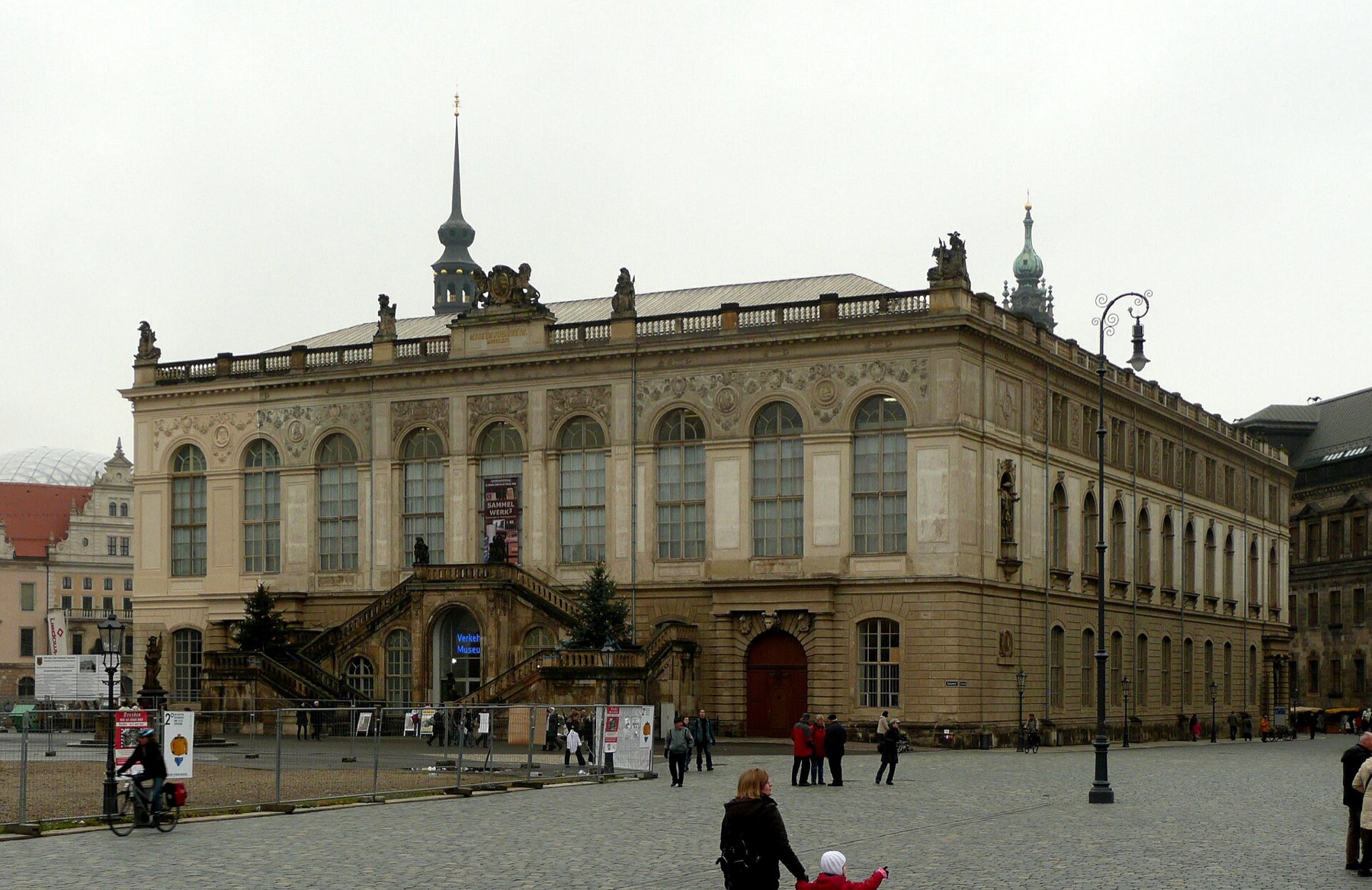
14. Transport Museum (Verkehrsmuseum)
Right on the lively Neumarkt square, beside the famous Frauenkirche, you’ll find a museum that’s sure to delight more than just technology fans. The Transport Museum is housed in the handsome, photogenic Johanneum, once a luxurious stable for the Saxon electors. Today, instead of horses, it’s filled with fascinating exhibits about travel by land, water and air.
The extensive collection is spread across several floors and covers the history of railways, motoring, aviation and shipping. You’ll see impressive historic locomotives, gleaming vintage cars, detailed ship models and old propeller aircraft. The museum is modern and interactive, so even visitors who aren’t usually interested in technology won’t be bored.
It’s also a great option if the weather turns rainy during your visit. There are plenty of fun simulators, model displays and play areas for younger children, so you can easily spend half an afternoon here—and stay dry.
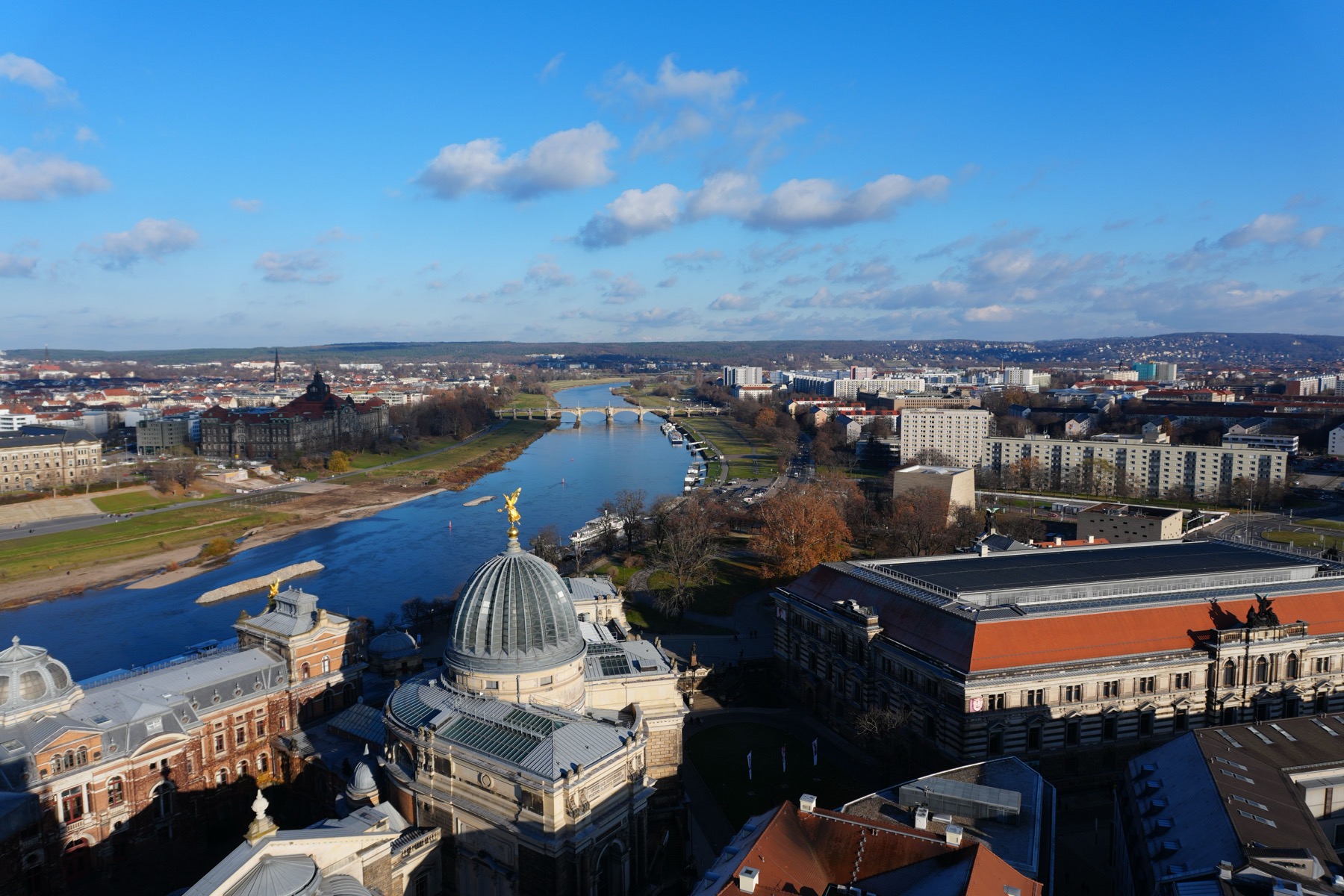
15. Panometer Dresden
Housed in a former industrial gasometer in the Reick district, this modern attraction is bound to take your breath away. The Panometer is a unique exhibition space created by artist Yadegar Asisi, who produces gigantic, immersive 360-degree panoramas with astonishing attention to detail. The canvases are an incredible 27 metres tall, and you view them from a raised central platform.
The exhibitions change over time, but they usually focus on Dresden and its rich history. The legendary “Dresden 1945” panorama is particularly striking, offering a vivid and realistic depiction of the devastated, smouldering city immediately after the Allied bombing. In another season, you might see Dresden at the height of the Baroque period, in all its splendour.
A visit to the Panometer is a powerful visual and emotional experience, enhanced by immersive surround sound and carefully designed shifts between daylight and darkness. It gives you a real sense of the scale and context of the city’s history, adding a deeper perspective to your walks through Dresden’s reconstructed streets.
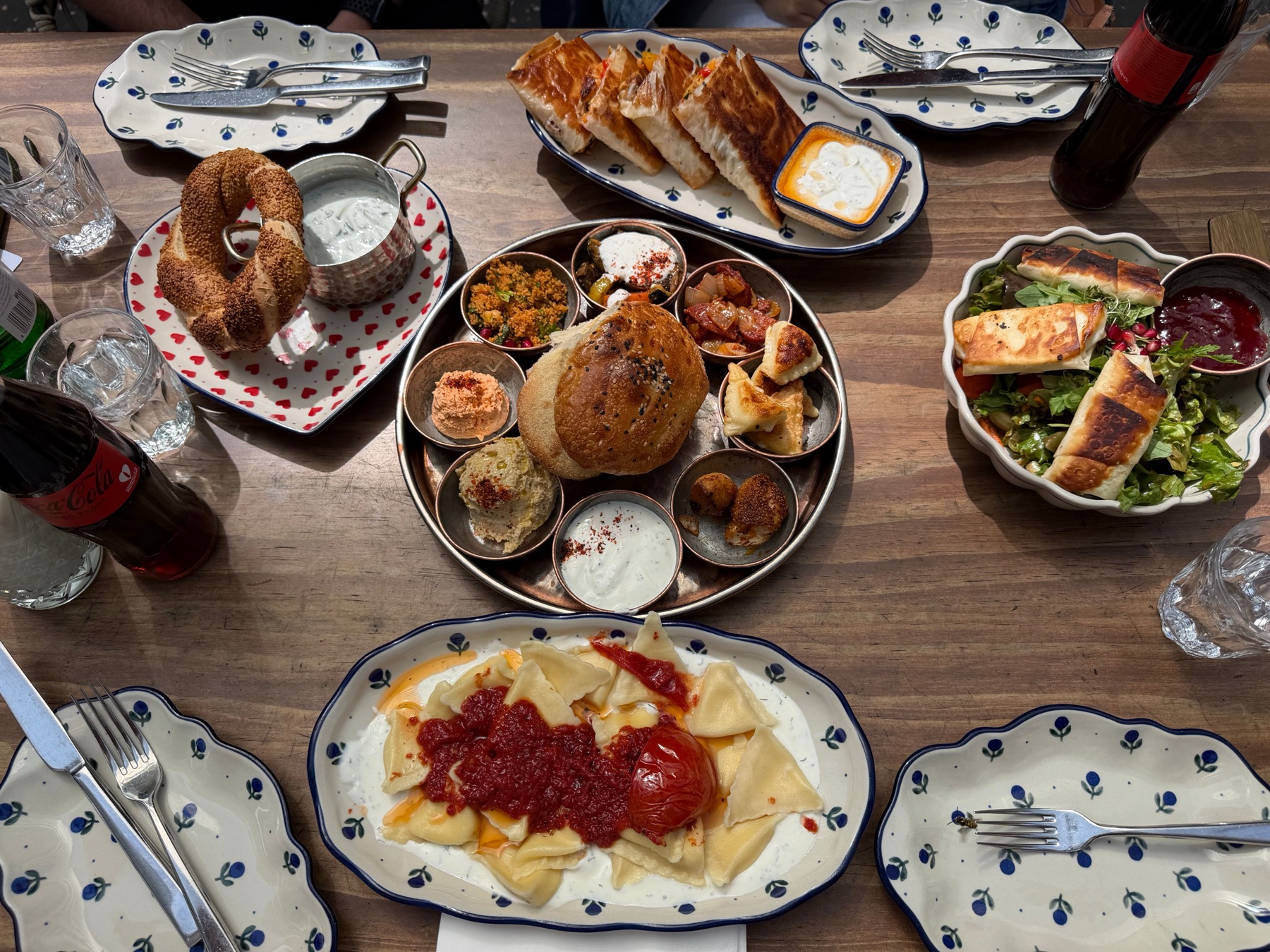
16. Vegetarian Food and Cafés
Neighbouring Saxony is traditionally known for meat, sausages and hearty sauces, but Dresden itself is a progressive, modern city. Neustadt in particular has a huge choice of places specialising in lighter plant-based food or offering an extensive vegetarian menu. Local meat dishes are popular in traditional pubs, but if you prefer to eat meat-free, you’ll have plenty of options.
You’ll find cosy bistros serving fantastic vegan burgers with homemade fries, family-run Middle Eastern hummus bars with plenty of falafel, and stylish Asian restaurants with delicious tofu dishes. Speciality coffee fans will be in their element, too: independent roasters and espresso bars are everywhere, often tucked away in beautiful, quiet courtyards and passages.
For a taste of Dresden’s relaxed, slightly bohemian spirit, enjoy a leisurely weekend brunch at one of the many cafés on Louisenstraße or Alaunstraße. Portions tend to be generous, ingredients are often locally sourced, and prices can be more reasonable than in the tourist heart of Altstadt.
Where to Go Next from Dresden
If you have more time and want to extend your trip, Germany has plenty of other great destinations to explore. Here are a few places you can easily continue on to from Dresden:
- Berlin: Germany’s capital is just over two hours from Dresden by train or bus. It’s a city full of history, culture and endless possibilities. If you’re planning a visit, see our guide to what to see in Berlin.
- Christmas markets: If you’re travelling in winter, don’t miss the festive atmosphere. Alongside Dresden’s Striezelmarkt, there are plenty of other markets to explore. Find inspiration in our guide to the best Christmas markets in Germany.
- Frankfurt am Main: It’s a little farther away, but this dynamic city of skyscrapers is well worth a stop on a longer road trip around Germany. Find practical tips in our guide to what to see in Frankfurt.
Frequently Asked Questions
How many days should I set aside for Dresden?
For the main historic center (Altstadt), one intensive day will be more than enough. However, if you want to visit the treasure chambers, galleries, explore the Neustadt district, and enjoy cafés without rushing, 2 to 3 days are ideal, which makes the city perfect for a long weekend.
What can you see in Dresden for free?
The city is very generous to your budget. You can visit the interior of Frauenkirche completely free, walk through the courtyards and gardens of Zwinger, stroll along Brühlsche Terrasse, admire the Procession of Princes (Fürstenzug), or relax on the meadows along the Elbe with views of the city panorama.
Where is the best place to park in the city?
If you’re coming for a day trip, the most practical options are the underground garages directly under Altmarkt, under Neumarkt, or by Frauenkirche, where you’re right next to the main sights (prices are around €2–3 per hour). For cheaper all-day parking, use P+R parking lots on the city outskirts and take a tram into the center.
What’s the best way to get to Dresden from major European hubs?
The journey is very quick and comfortable. By car on the motorway, you’ll reach the center in about 1.5 to 2 hours from nearby regions. Also very popular is the direct EuroCity train connection, which travels through the beautiful valley along the Elbe and takes just over 2 hours. Train and bus tickets (Flixbus) are often very cheap when purchased in advance.
Is Dresden suitable for families with children?
Absolutely! There are plenty of great activities for kids here. The biggest hit is the Transport Museum and riding the miniature park railway in Grosser Garten. A visit to the local zoo or the Hygiene Museum is also fun, offering fantastic interactive exhibitions for children about the human body and senses.
How much do entry tickets to the main museums cost?
Prices are very straightforward. A ticket to the historic Green Vault (Grünes Gewölbe) costs €16 (buy online in advance, tickets disappear quickly). Other museums like the Old Masters Gallery in Zwinger or the armory in the palace can be visited with combined tickets, which also usually come to around €16 for a given complex.
Where can I find good meat-free food in the city?
Although Saxony is the land of sausages, Dresden is a vegetarian paradise. The highest concentration of purely vegetarian and vegan bistros, cafés, and restaurants can be found in the Äußere Neustadt district. Here you’ll easily find everything from Asian cuisine to modern fusion to plant-based burgers and falafel.
Tips and Tricks for Your Vacation
Don’t Overpay for Flights
Search for flights on Kayak. It’s our favorite search engine because it scans the websites of all airlines and always finds the cheapest connection.
Book Your Accommodation Smartly
The best experiences we’ve had when looking for accommodation (from Alaska to Morocco) are with Booking.com, where hotels, apartments, and entire houses are usually the cheapest and most widely available.
 🚗 Car rental on the roadVerified rental cars in Germany
Search with the DiscoverCars comparison engine — it compares prices from dozens of local and international rental companies, and most bookings come with free cancellation.
Compare car prices in Germany →Don’t Forget Travel Insurance
Good travel insurance will protect you against illness, accidents, theft, or flight cancellations. We’ve had a few hospital visits abroad, so we know how important it is to have proper insurance arranged.
Where we insure ourselves: SafetyWing (best for everyone) and TrueTraveller (for extra-long trips).
Why don’t we recommend any Czech insurance company? Because they have too many restrictions. They set limits on the number of days abroad, travel insurance via a credit card often requires you to pay medical expenses only with that card, and they frequently limit the number of returns to the Czech Republic.
Find the Best Experiences
Get Your Guide is a huge online marketplace where you can book guided walks, trips, skip-the-line tickets, tours, and much more. We always find some extra fun there!


