

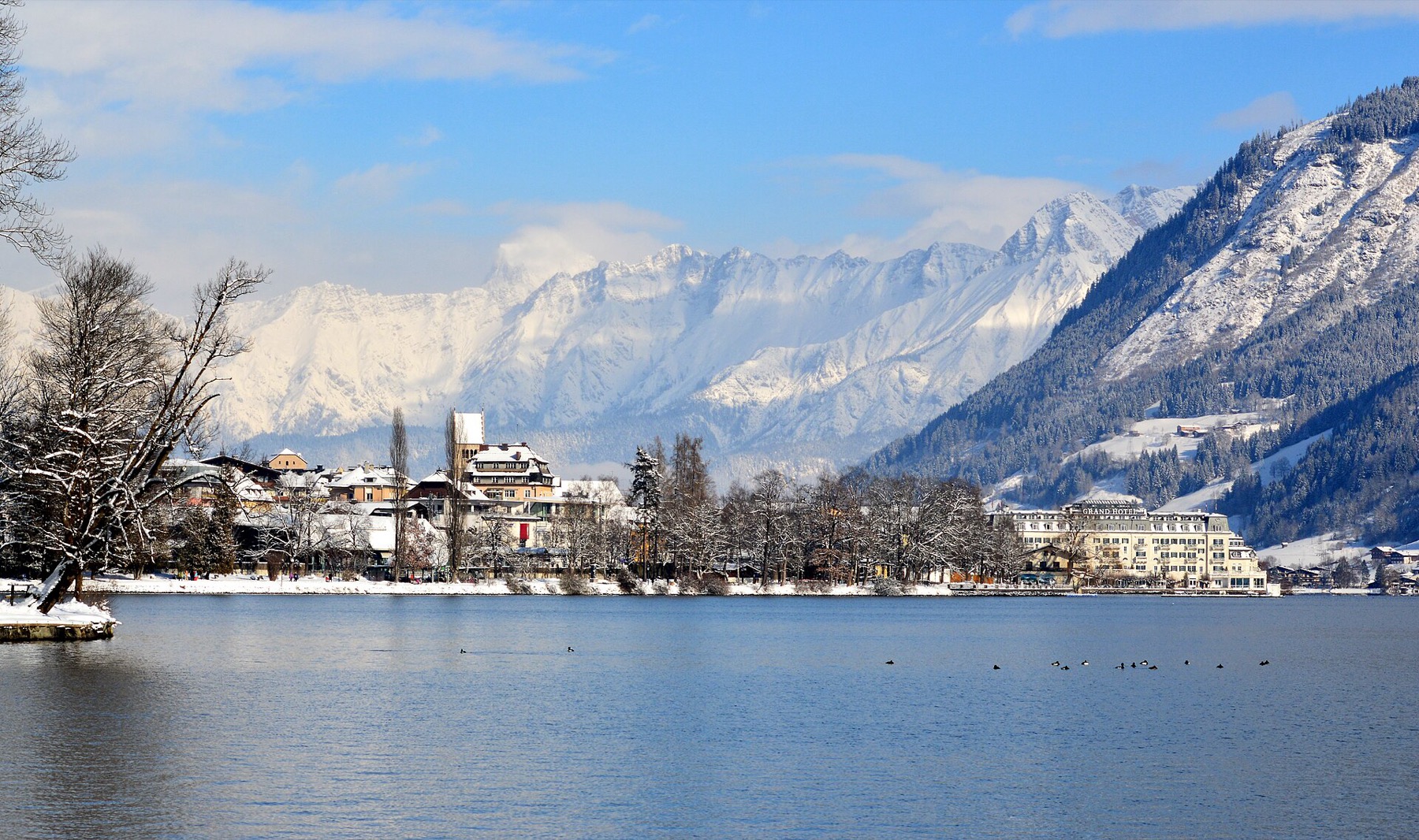
The Austrian Alps are home to countless picturesque valleys and top-class resorts, but few places offer such a perfect contrast as Zell am See and Kaprun. In the morning you’re carving precise turns on a snow-covered glacier at over three thousand meters, and by afternoon you’re strolling along the romantic promenade beside the frozen lake.
This extremely popular region in the heart of Salzburgerland connects four diverse ski areas that together promise a fantastic 139.5 kilometers of perfectly groomed runs. There are slopes for beginners and for those who look at a blue run and wonder where the real black diamonds are, and thanks to the glacier, powder snow survives well into spring.
If you’re considering where to head for a proper winter holiday this year, Zell am See and Kaprun are an absolutely safe bet. So let’s take a look at everything this corner of Salzburgerland can offer you, from choosing your ski area to motorway tolls.
TL;DR
- Four areas in one: The region connects Kitzsteinhorn, Maiskogel, Schmittenhöhe and Lechnerberg, giving you 139.5 km of slopes.
- Snow guarantee: Thanks to the Kitzsteinhorn glacier, you can ski up to 3,029 meters above sea level and the season runs from October to May.
- Revolutionary cable car: The K-ONNECTION axis measures 12 kilometers and takes you directly from the center of Kaprun to the glacier without needing to start your car.
- Giant ski pass with a catch: The Ski ALPIN CARD promises 408 km of slopes, but Zell am See and neighboring Saalbach are not connected by lifts on skis.
- Two different atmospheres: Zell am See offers town life and lakeside romance, while Kaprun is a decidedly practical and sporty base.
- Journey by car: From abroad you’re here in about five hours, but don’t forget the Tauern section toll of €15.
When to Visit Zell am See and Kaprun
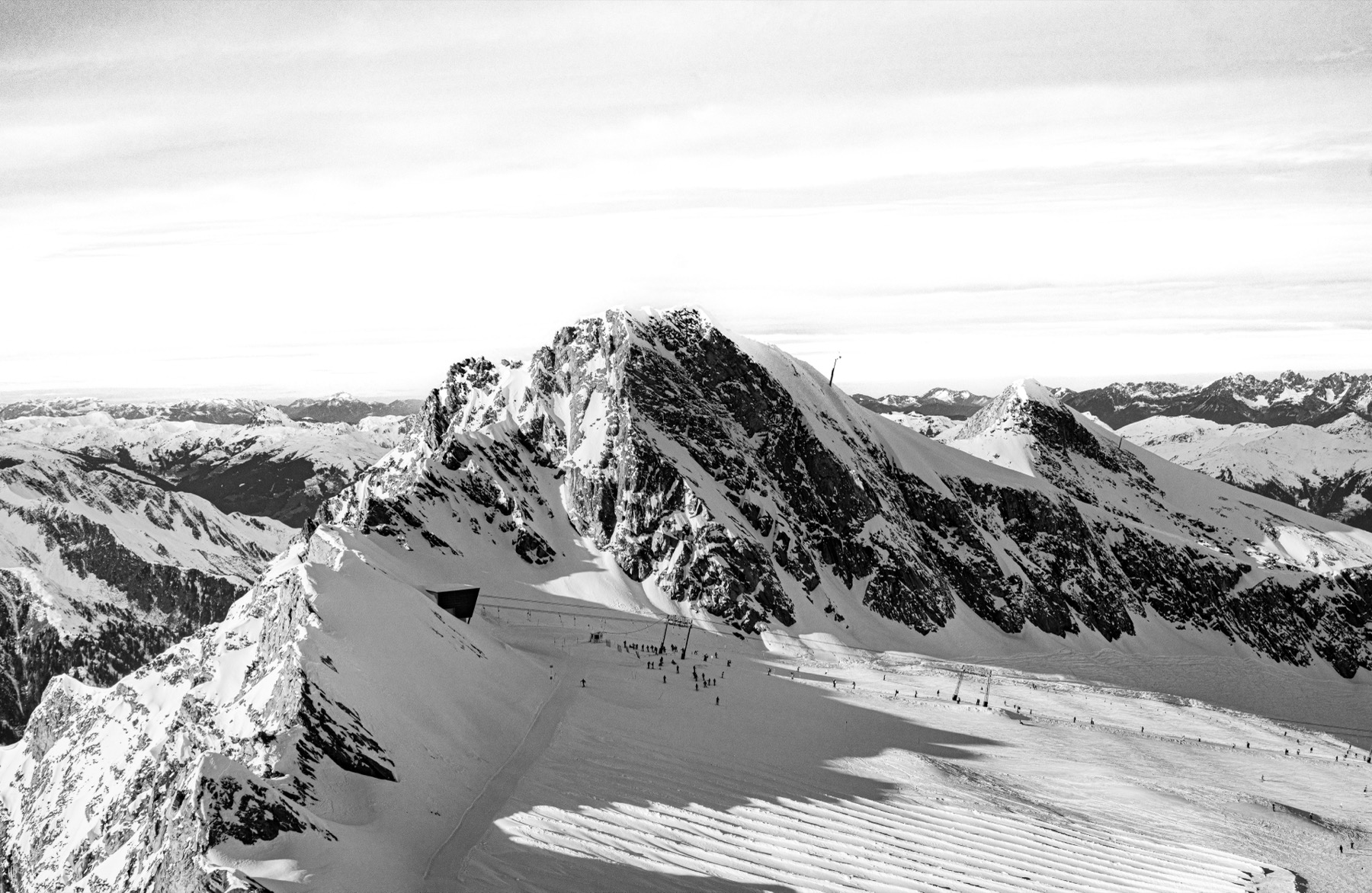
If you’re looking for absolute snow certainty and don’t want to stress about whether there will even be snow on the mountains, this region definitely won’t disappoint. The Kitzsteinhorn glacier has by far the longest season in the entire area and represents a huge advantage over lower-altitude resorts. The planned opening of the glacier slopes for the 2026/2027 season is set for October 10, 2026, and you should be able to ski here comfortably until May 2027. Everything depends on the actual weather, of course, but autumn and spring skiing here is usually absolutely fantastic.
The other areas in the region that aren’t located at such extreme altitude tend to have a more classic winter season. This usually gets into full swing during December, once temperatures drop and enough natural snow falls, and typically ends shortly after Easter. The best conditions for seamless connection of all four resorts are found in high season from January to March. During these months, all the lifts operate and valley runs are reliably covered with snow all the way down to the villages.
One warning worth taking seriously: at the high altitudes of the glacier, the wind can blow really hostile. Not unpleasant—hostile. Strong winds sometimes lead to temporary restrictions on the very highest lifts for safety reasons. If you’re planning to go in mid-winter during the coldest January frosts, expect temperatures at three thousand meters to drop well below freezing. In such cases, it’s definitely worth bringing quality layered clothing and packing warmer gloves.
Spring months, on the other hand, bring a completely different atmosphere to the region. March and April are ideal for sun lovers, when you can enjoy long days on the slopes and catch some rays on the terraces of mountain huts in the afternoon. The snow on the glacier remains very high quality thanks to the altitude, while down in the valley spring nature is slowly beginning to bud, creating a truly beautiful visual contrast.
Where to Stay in Zell am See and Kaprun
💡 Accommodation and experience tips: We compare accommodation here to see what’s available and at what price. We prefer to search on Booking.com, where cancellation terms are usually the best. For tickets, excursions and activities, it’s worth comparing and buying through GetYourGuide.
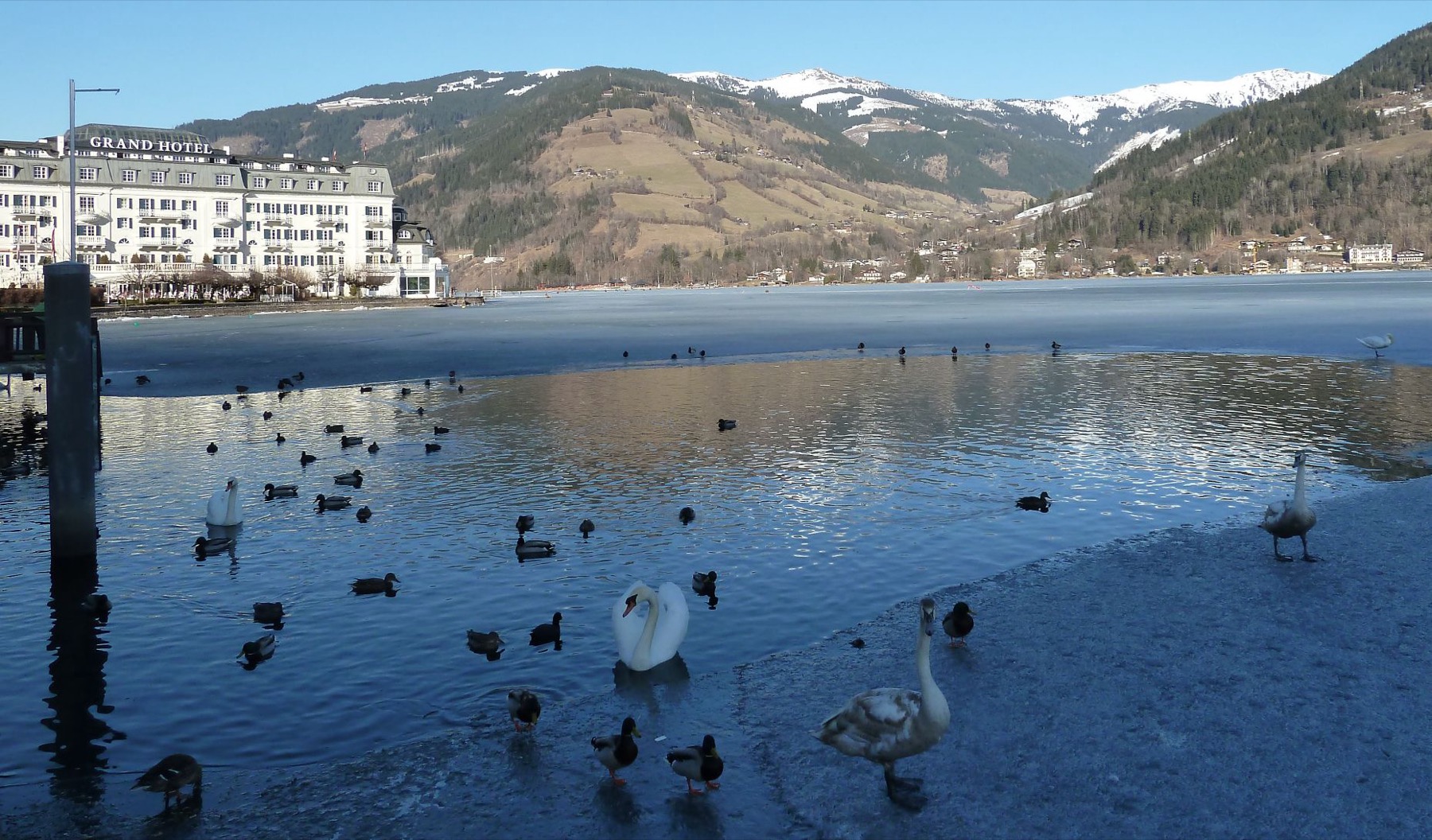
Choosing the right accommodation in this huge region is absolutely crucial, because the two main towns offer completely different atmospheres and suit slightly different types of holidays. If you love evening walks, great coffee and the buzz of a picturesque town, look for hotels directly in Zell am See. You’ll have beautiful views of the frozen Lake Zell and the lifts to Schmittenhöhe mountain are just around the corner. One renowned option is the luxurious Grand Hotel Zell am See, which sits right on the lakeshore and offers absolutely exclusive views of the surrounding peaks.
In contrast, neighboring Kaprun is a much more practical and sporty choice, especially suitable for families with children and active skiers. If you want to spend maximum time on the mountain and not waste time on lengthy transfers, you’ll love Kaprun. Thanks to the modern base station right in the town center, you can get to the family-friendly Maiskogel and the Kitzsteinhorn glacier seamlessly. You can leave your car parked at your guesthouse with a clear conscience for the whole week. A great choice for relaxation lovers is the huge Tauern Spa complex, where you can warm up your muscles in thermal pools after skiing.
💡 Tip: In Zell am See, choose based on whether you want to be closer to the lake or to the Schmittenhöhe lift. Browse local options through Stay22, which compares multiple booking portals at once. In high season, book in advance because apartments near the lift disappear first.
When booking accommodation, always look carefully at practical details. Check whether your chosen apartment or hotel has its own heated ski room with boot dryers, whether it offers hassle-free parking, and how far away the nearest free ski bus stop is. You definitely won’t want to haul heavy skis on your shoulders across the whole town after a full day of skiing, so distance to transport plays a huge role in overall comfort.
💡 Tip: In Kaprun, it’s worth looking for accommodation within walking distance of the K-ONNECTION base station. Find local accommodation through Stay22, which compares multiple booking portals at once. In high season, book in advance because apartments near the lift disappear first.
For those traveling with non-skiers or wanting to treat yourself to some luxury, larger wellness hotels or apartment complexes are ideal. These often include sauna or indoor pool access in the price, which you’ll appreciate doubly in winter. The range of accommodation here is really very broad, from luxury resorts with half-board to cozy family guesthouses where you’ll be greeted at breakfast with homemade jams and the aroma of fresh pastries.
Where to Eat in Zell am See and Kaprun
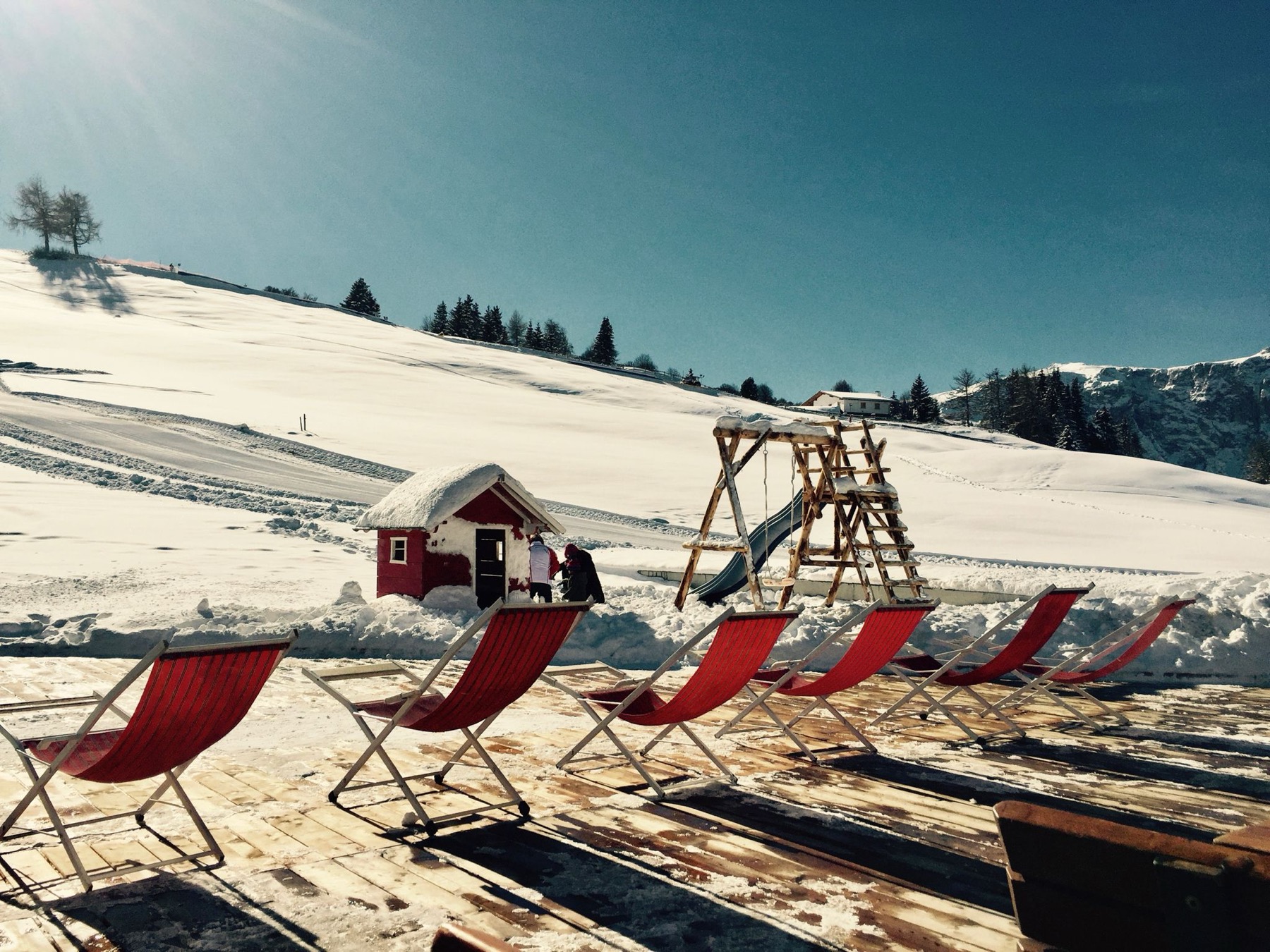
The gastronomy in this region is exactly what you’d expect in the heart of the Austrian Alps: honest, hearty and perfectly prepared for hungry skiers. If you spend the day on the slopes, you don’t have to worry about going hungry. On every major mountain you’ll find traditional mountain huts with panoramic terraces where you can enjoy lunch right in the sunshine.

From Quick Snacks to Evening Romance
On the glacier and on Schmittenhöhe you can have lunch in mountain huts with panoramic terraces. A local classic is Wiener Schnitzel with lingonberries, vegetarians can go for Kaspressknödel, traditional cheese dumplings in hot broth, or Kaiserschmarrn. Food on the slopes is usually a bit more expensive, but the view with a plate full of Austrian specialties is simply worth it.
When you return to the valley in the evening, you have two worlds to choose from. In Zell am See you’ll find plenty of restaurants right along the lakeside promenade, where in addition to local cuisine you can enjoy modern European gastronomy. In Kaprun the atmosphere is more relaxed, dominated by classic Alpine inns and cozy taverns where a frosty weissbier goes perfectly with your meal. I always recommend making a reservation for the evening, because in high season the best establishments fill up pretty quickly.
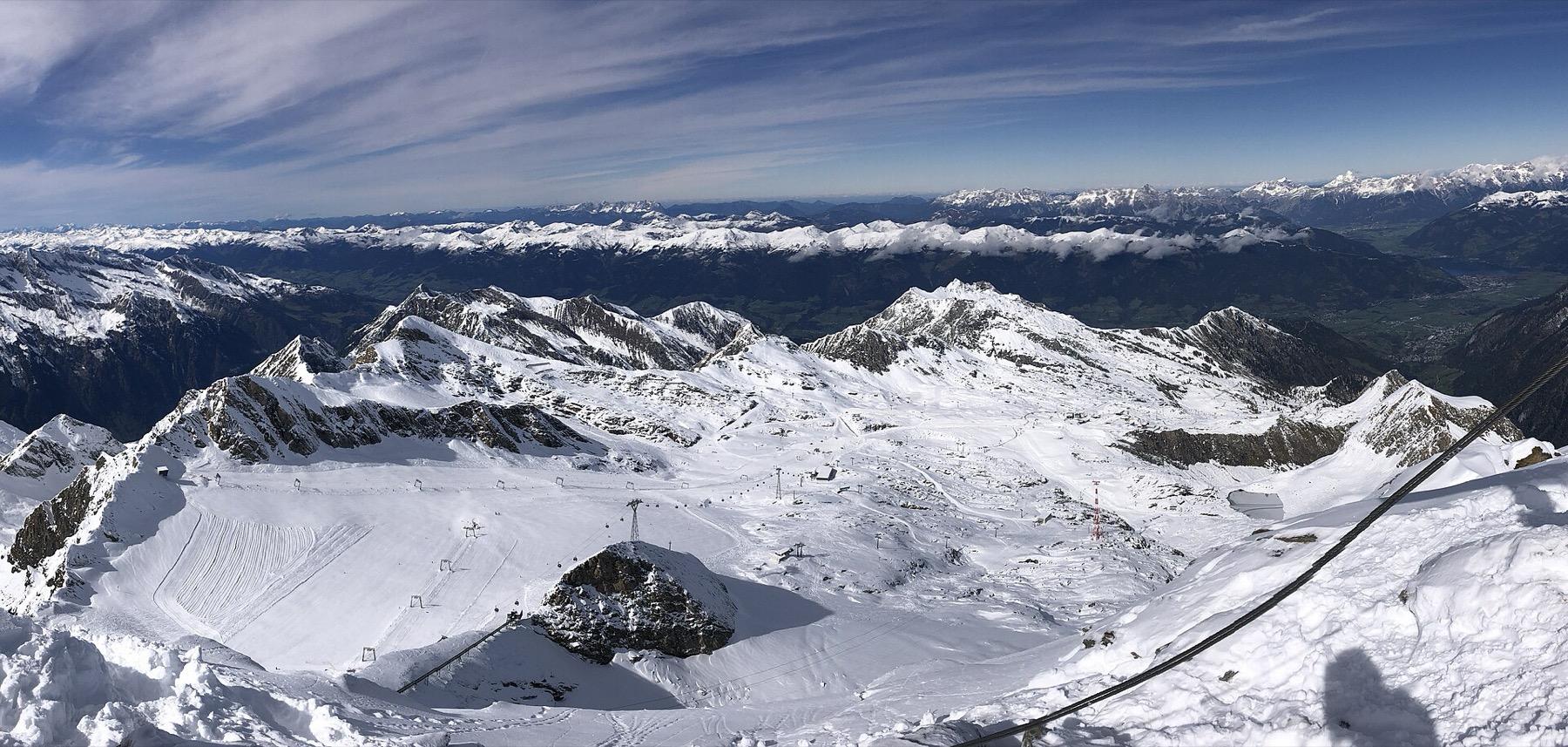
14 Tips for What to See and Do in Zell am See and Kaprun
And now for the main event: what to do in the region and where to head first.
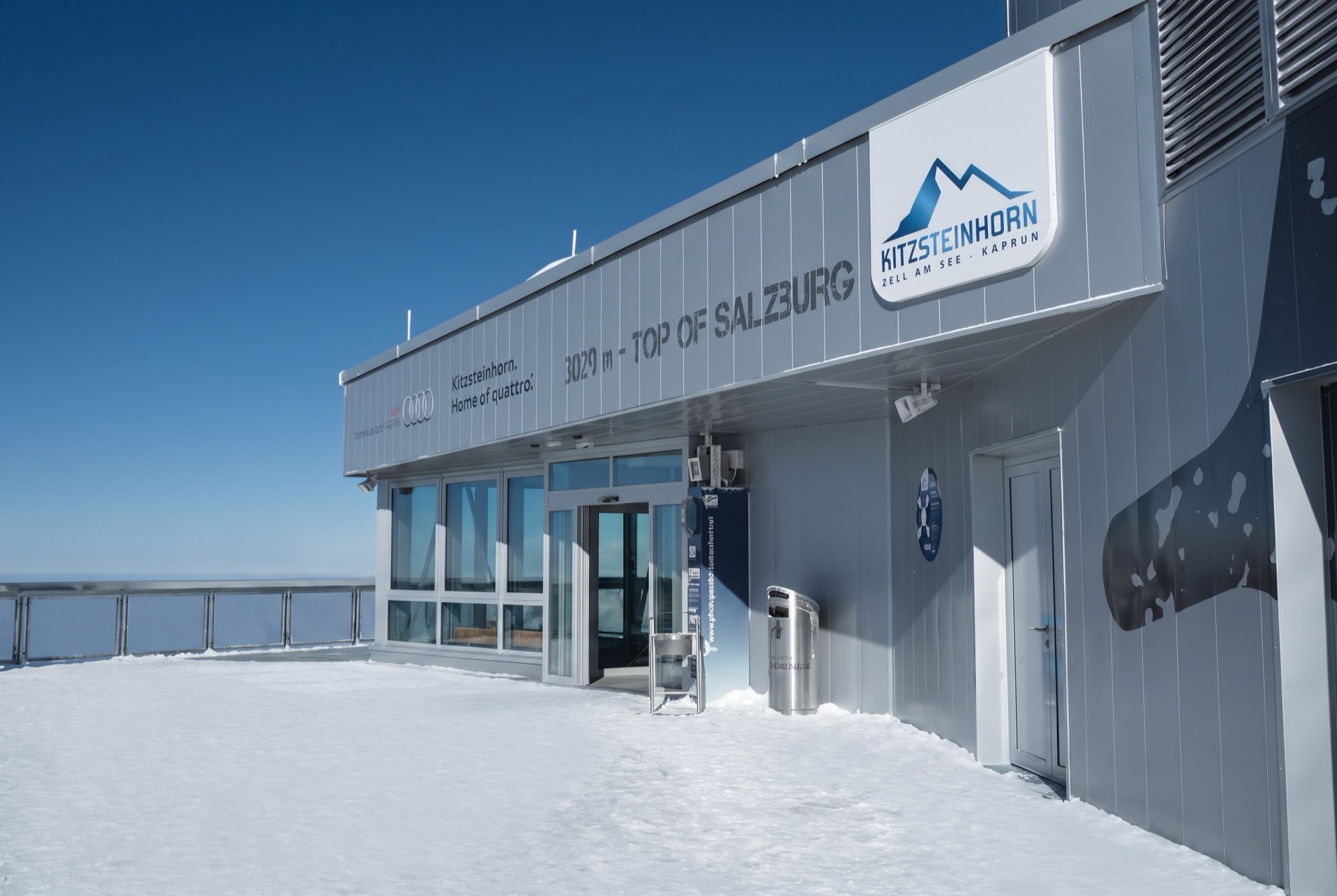
1. Kitzsteinhorn and Skiing at Three Thousand Meters
The main attraction of the entire Salzburgerland region is undoubtedly the majestic Kitzsteinhorn glacier, which towers high above the Kaprun valley. It offers fantastic skiing at altitudes up to 3,029 meters, making it an absolute gem in the wider area. This impressive height guarantees you absolute certainty of quality natural snow even in spring months, when lower-altitude resorts are already dealing with unpleasant thawing and heavy slush.
The runs on the glacier itself are wonderfully wide, clear and perfectly groomed, which is especially appreciated by lovers of long carving turns. You have plenty of space for safe skiing and can fully enjoy the speed. Up top you’ll also find stunning viewing platforms as part of the Gipfelwelt 3000 architectural complex. From here on clear days you can see all the way to Großglockner, Austria’s highest mountain, and all around it snowy peaks as far as the eye can see.
💡 Tip: If you head to Kitzsteinhorn, I strongly recommend getting up early and being at the lift right at opening time. Pristine morning corduroy on the wide glacier plains, catching the very first rays of sunshine, is simply an unforgettable experience and well worth the early wake-up.
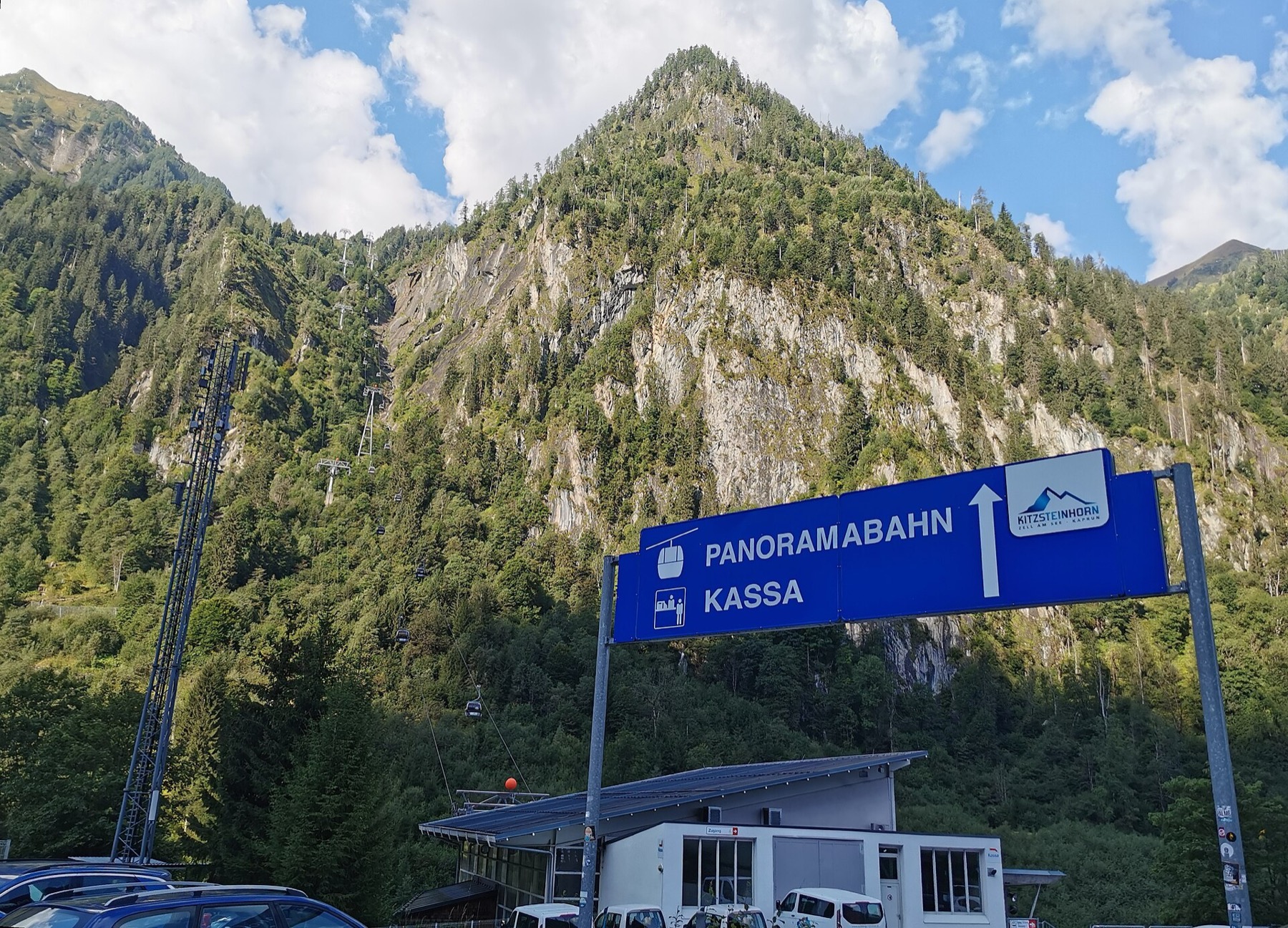
2. K-ONNECTION as a Technical Marvel
One of the biggest and most talked-about innovations in recent years is the impressive K-ONNECTION lift axis, which has forever changed the way skiers move around Kaprun. This ultra-modern cable car system runs directly from the town center through the family-friendly Maiskogel area right into the heart of the glacier. In the past you had to drive cars and ski buses up the winding road to the mountain base, which took up a lot of precious time.
With an impressive length of 12 kilometers, this is the longest lift axis in the Eastern Alps, and also one of the most efficient and environmentally friendly in the world. Thanks to it, you no longer have to struggle in the morning scraping icy windows, loading skis on the roof and transferring to full parking lots high below the glacier. This system saves enormous time, nerves and nature, because it has dramatically reduced car traffic throughout the valley.
💡 Tip: Riding the entire K-ONNECTION axis is actually a beautiful sightseeing trip in itself. During the long ascent from the valley high above the clouds, you overcome enormous elevation gain and can watch how the landscape character gradually changes from forested hills to absolutely raw high-mountain wilderness.
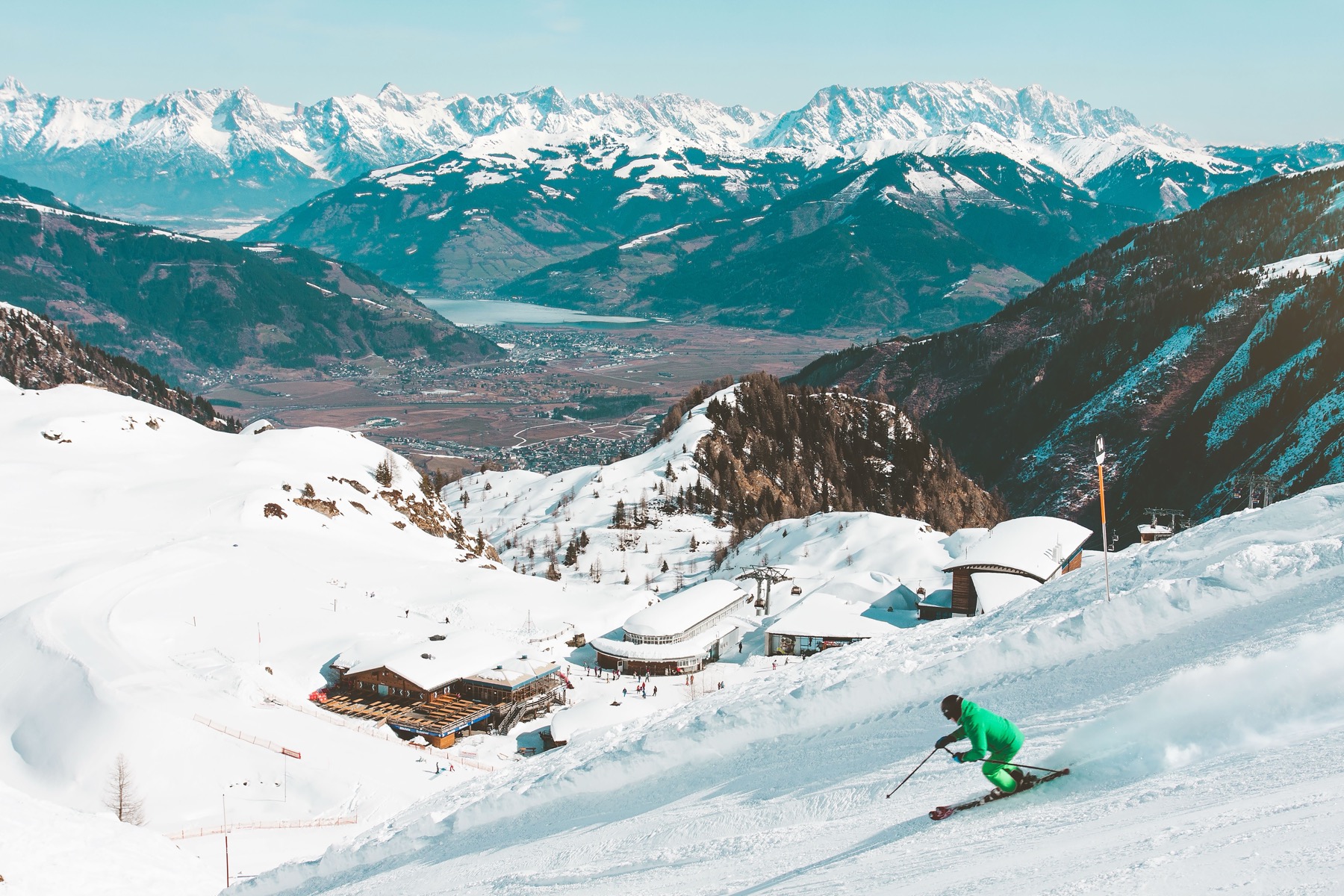
3. Maiskogel for Relaxed Family Days
While the glacier can seem a bit harsh and inaccessible to some, the Maiskogel area is an absolute paradise for families and all who prefer calmer and less demanding descents. Together with Kitzsteinhorn you have about 62 kilometers of predominantly blue and red runs that are wide, well-groomed and without unpleasant narrow bottlenecks where queues form.
This is where you’ll find ideal terrain for relaxed recreational skiers who want to enjoy their ride without any stress from steep drops or unpleasant icy patches. Children have great practice meadows and very gentle slopes where they can train their first turns under the supervision of experienced instructors. Meanwhile, you can leisurely have excellent coffee and a piece of strudel on a sunny terrace overlooking the deep valley.
💡 Tip: Maiskogel is positioned significantly lower than the glacier itself, so it’s definitely worth heading here on days when visibility is poor above or strong winds are blowing. The dense forests around the local slopes provide excellent natural protection from bad weather.
4. Schmittenhöhe with Lake Views
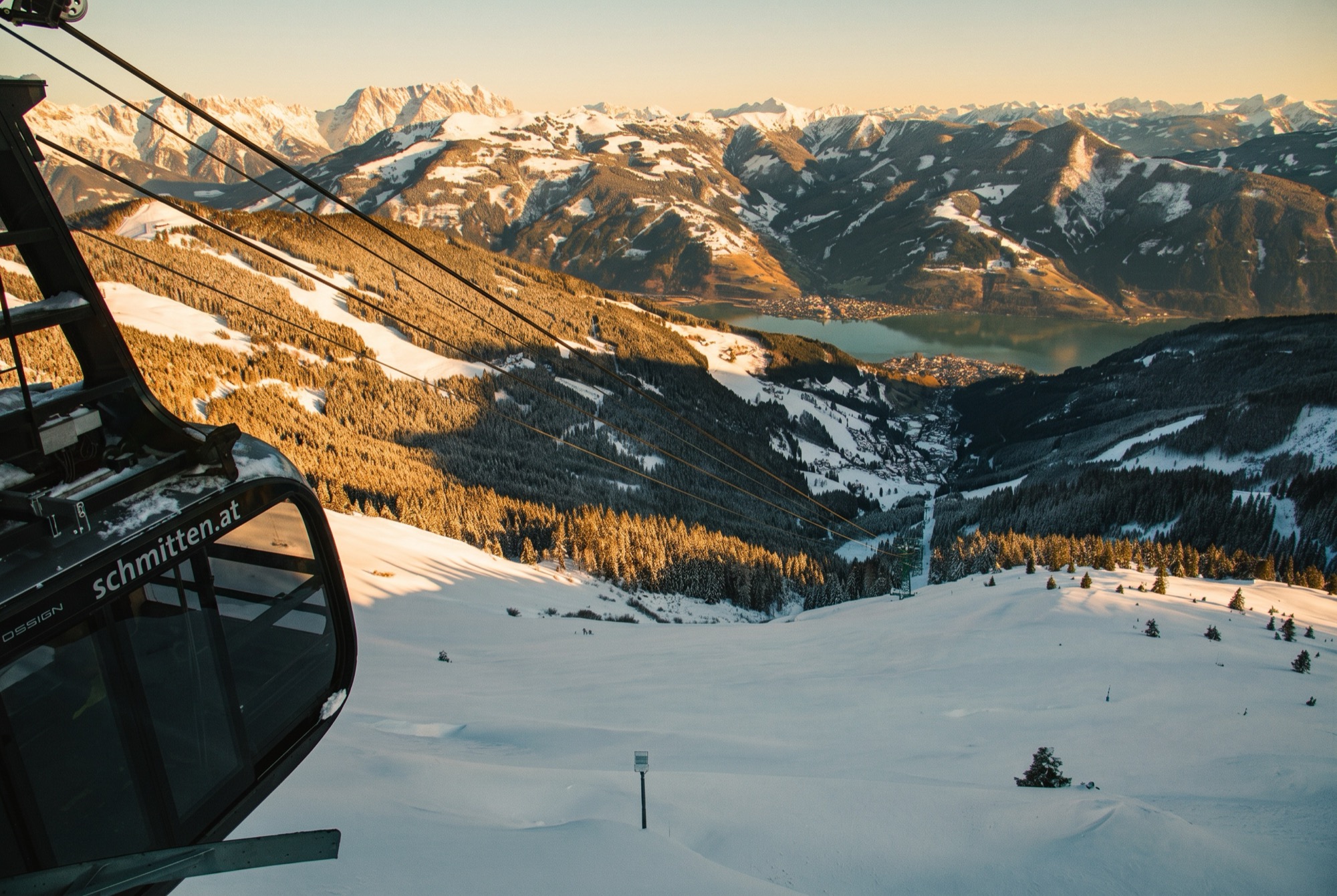
Directly above the historic town of Zell am See rises the extremely popular Schmittenhöhe area, which offers you a completely different perspective from the rugged high-mountain Kaprun. Modern lifts take you from the valley very quickly to sunny slopes, from where an absolutely iconic and very photogenic view opens up over the dark blue surface of frozen Lake Zell.
You’ll find a great mix of differently challenging runs, from relaxed scenic routes through the forest to the renowned black run Trass, which will thoroughly test even very experienced skiers with its steep parameters. Schmittenhöhe is also cleverly interwoven with picturesque winter walking paths, so you can very easily meet non-skiing family members for lunch right at the summit.
💡 Tip: If you like long and physically demanding descents, definitely don’t miss the final run from the very top of the mountain all the way down into the town itself. It’s a solid helping of kilometers that will reliably leave you with that right feeling of a well-executed athletic performance in your legs.
5. Lechnerberg for Complete Beginners
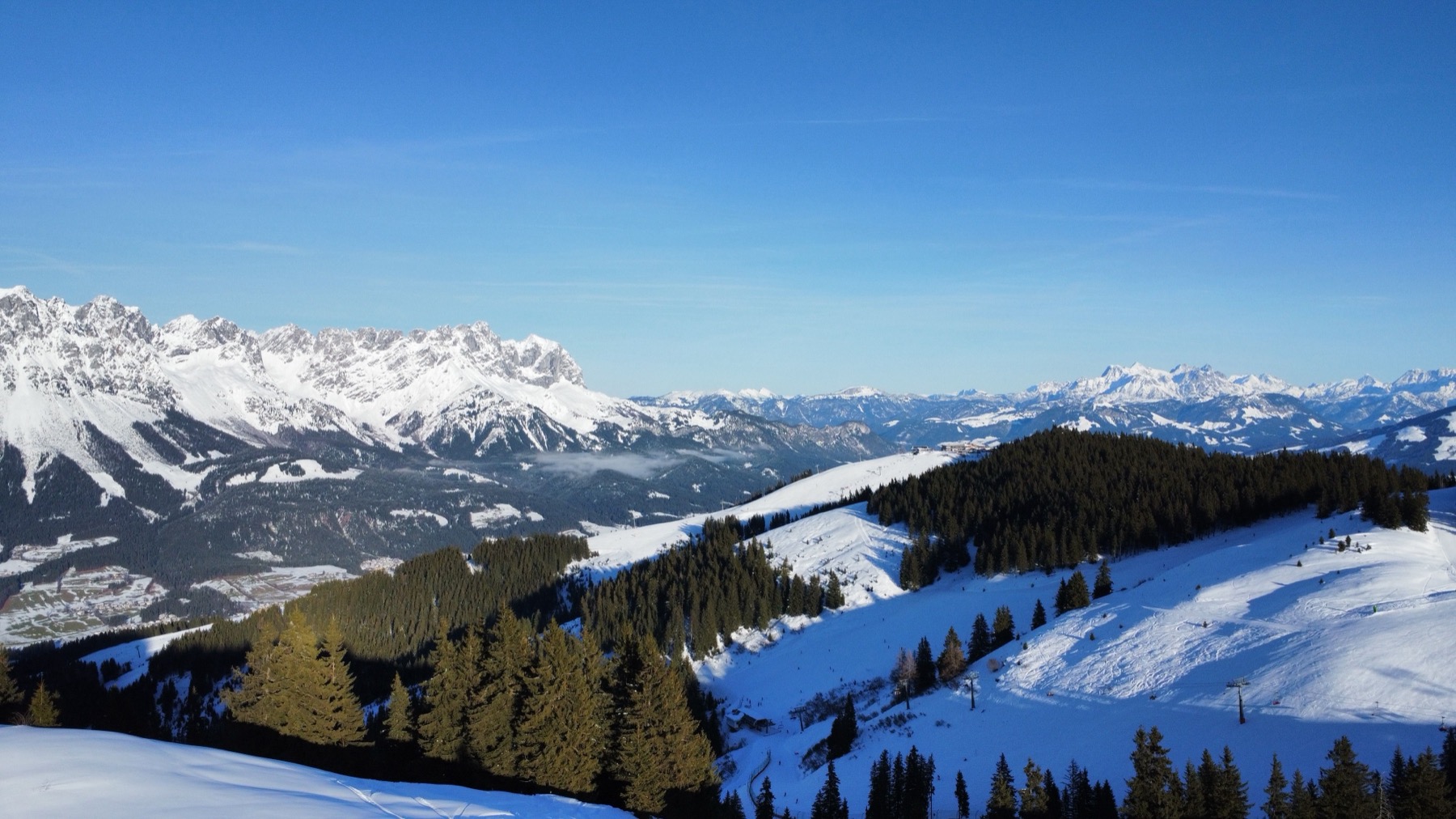
The fourth and often unjustly overlooked piece of the puzzle in this Salzburgerland region is the tiny Lechnerberg area, which lies just a short distance from Kaprun town center. Don’t expect any endless Alpine highways or steep sports slopes here. This is a dedicated practice hill with a very gentle gradient and friendly atmosphere.
Lechnerberg is ideal for those standing on skis for the first time. No professionals racing past, just peace and plenty of space for someone to get used to having sliding planks under their feet.
💡 Tip: Lechnerberg is also an absolutely great choice for quiet late afternoons, when you no longer have the energy for big mountains but your children still haven’t had enough and just want to glide lightly on snow near your accommodation without needing complicated travel.

6. Ski ALPIN CARD and Its Little Catch
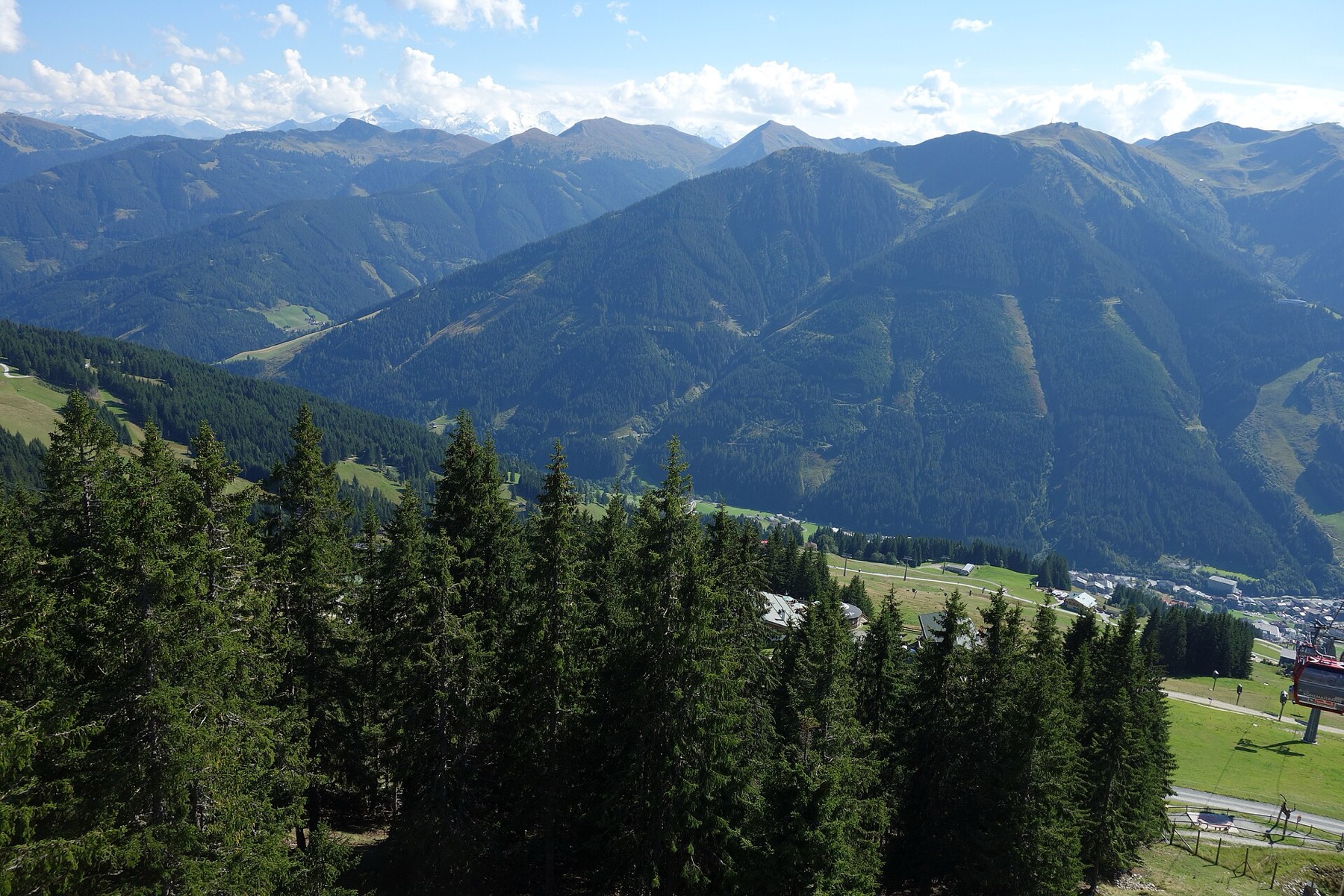
Since the 2019/2020 season, the entire region cleverly joined the giant Ski ALPIN CARD project, which is a joint ski pass for Zell am See and Kaprun and the huge neighboring Skicircus Saalbach Hinterglemm Leogang Fieberbrunn. On paper it sounds absolutely fantastic and very tempting, because one single card in your pocket opens the turnstiles to an incredible 408 kilometers of slopes and 121 lifts.
But there’s one very important caveat you need to know before buying. These giant areas are actually not physically connected by lifts and slopes, so you can’t smoothly ski between them. To get from Zell am See to neighboring Saalbach, you inevitably have to get in the car or use the rather long local ski bus ride.
💡 Tip: Precisely because of the missing lift connection over the mountains, this mammoth region doesn’t count in the official world rankings of largest connected ski resorts. Nevertheless, this ski pass is an absolutely great choice for everyone who likes to vary their mountains and doesn’t mind a short morning transfer to another valley.
7. Ski Pass Prices and Budget Planning
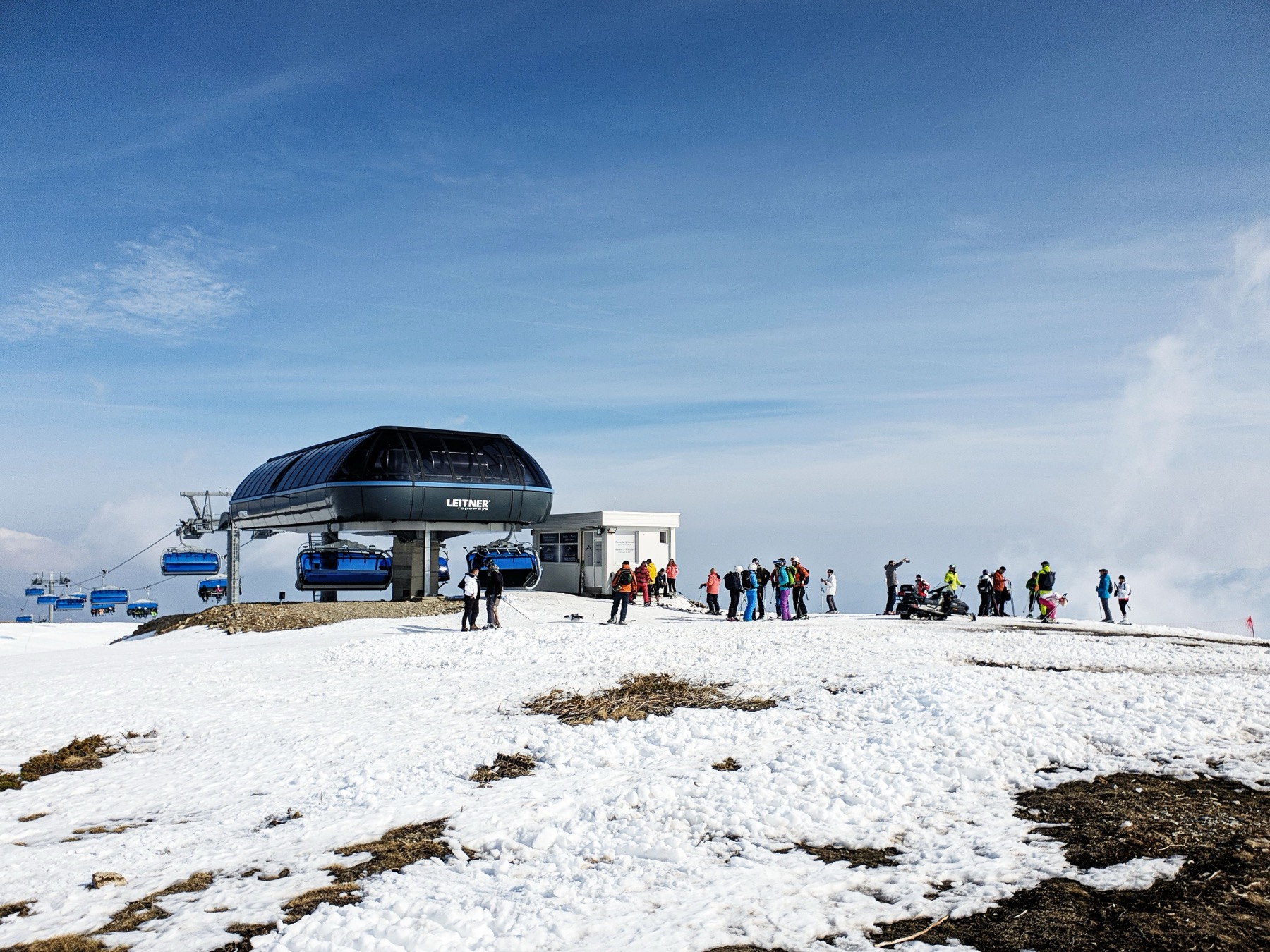
Skiing in Austria simply isn’t a cheap affair, and premium glacier regions like this charge very well for their top-class services. To give you a better idea of the budget: in the last 2025/2026 season, a day pass cost €71 in the pre-season until December 20. In high season from Christmas, the price then climbed to €79 for an adult skier.
Given that prices for the upcoming 2026/2027 season haven’t been officially announced yet, I warmly recommend checking the official region website before your trip, where you’ll always find current and accurate pricing. Prices in the Austrian Alps rise slightly each year with inflation and energy costs, so it’s very good to plan for this in your travel budget in advance.
💡 Tip: If you want to have a better overall picture of how this Salzburgerland region compares price-wise to other popular destinations, definitely read our detailed article on ski pass prices: comparing resorts, where you’ll find lots of useful information for choosing your winter holiday.
8. Zell am See After Skiing
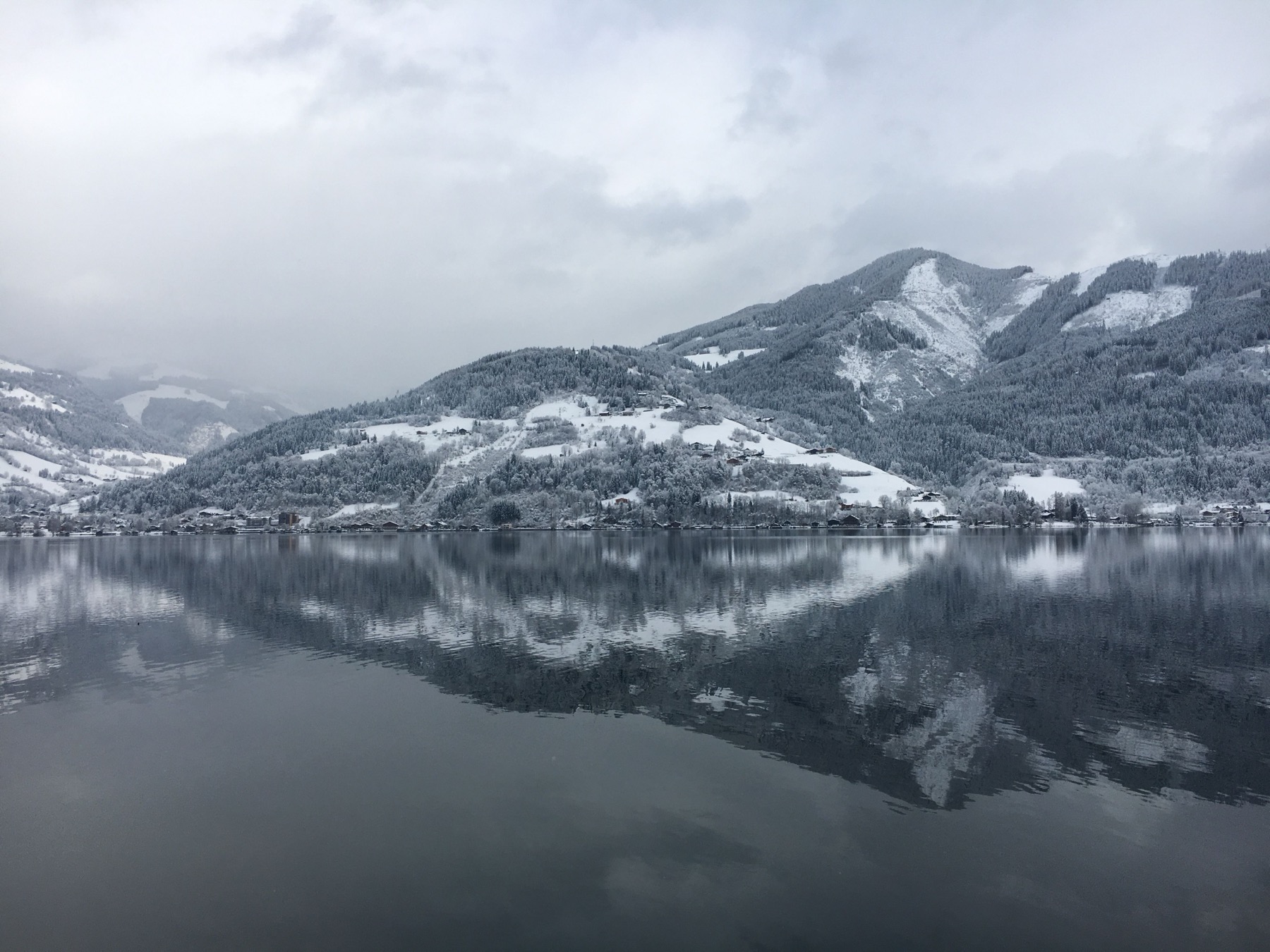
When all the lifts stop in the afternoon and skiers return to the valley, Zell am See awakens to very vibrant life. This beautiful historic town has incredible charm, dominated by the long shoreline promenade lining much of Lake Zell itself. A walk through crunching snow along the frozen water surface at sunset is one of the most romantic moments of your entire holiday.
In the narrow cobblestone streets in the town center you’ll find countless cozy cafés, souvenir shops and elegant boutiques. The town has a very lively evening scene, so if you still have enough energy after skiing, you can head to one of the local bars for a well-deserved hot drink and enjoy traditional Austrian après-ski, this time in a somewhat more elegant and quieter presentation.
💡 Tip: Definitely set aside at least one late evening just to wander aimlessly through the beautifully lit town center. The atmosphere of old historic buildings buried in fresh snow is truly incredibly magical and positively invites relaxation after athletic performance.
9. Kaprun as a Sports Base
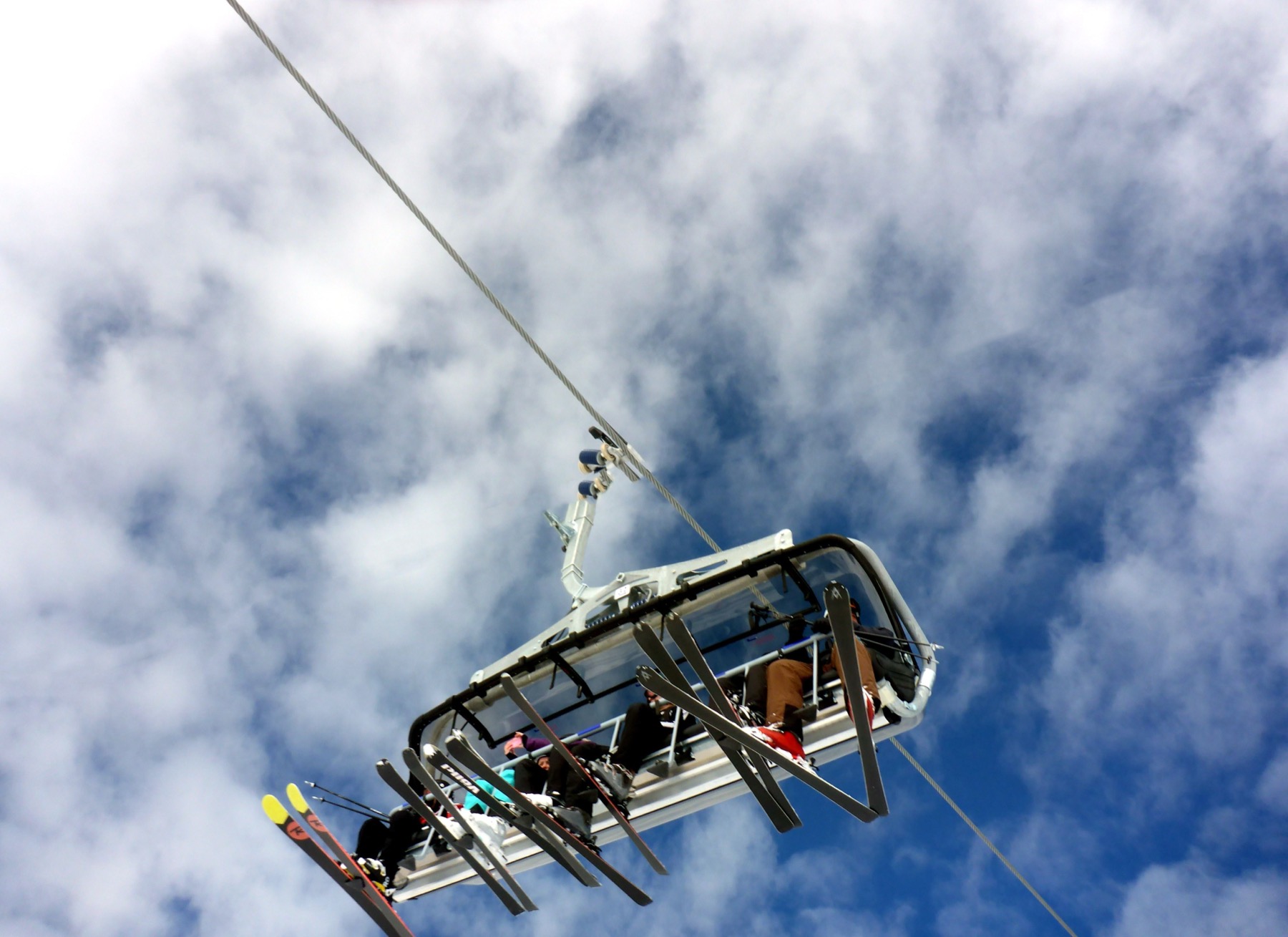
Unlike romantic and historic Zell am See, Kaprun is a decidedly functional and very sporty center that focuses primarily on making your journey to the snowy slopes as fast and comfortable as possible. Kaprun has absolutely everything a skier needs, from modern rental shops to well-stocked stores to restaurants, and you don’t have to walk back and forth across it.
The perfect transport logistics and direct connection to the K-ONNECTION lift make Kaprun an absolutely ideal base for everyone who came here primarily to devour kilometers on the slopes. You don’t have to deal with complicated parking in narrow town streets or long transfers on crowded buses, because absolutely everything here is cleverly subordinated to maximum comfort for accommodated skiers.
💡 Tip: Kaprun is also an absolutely great starting point for cross-country skiing enthusiasts. In the immediate vicinity of the village stretch dozens of kilometers of perfectly groomed cross-country tracks that take you through beautiful and quiet winter landscapes at the very bottom of the deep valley.
10. Journey from Abroad and Motorway Tolls
Accessibility of this glacier region is very pleasant for international travelers. The drive from major European hubs takes roughly around five hours of smooth driving, of course always depending on exactly where you’re starting from. The most common, fastest and most comfortable route traditionally goes through Austrian Linz and Salzburg, from where it’s really just a short distance to the mountains.
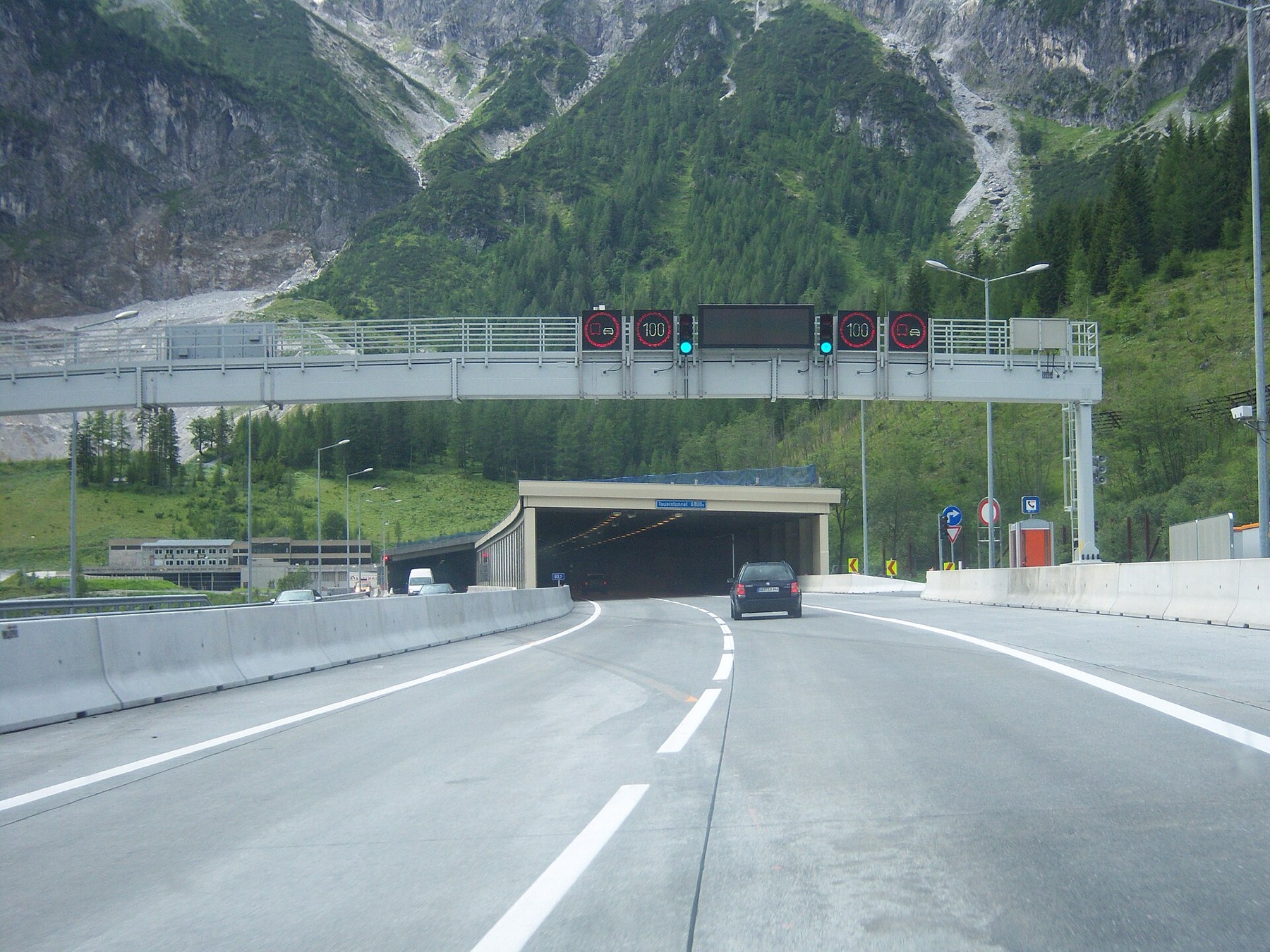
When planning your journey on Austrian motorways A1 and A10, you must necessarily account for the fact that in addition to the classic Austrian motorway vignette, you’ll pay an additional Tauern section toll of €15. This extra fee is charged for passage through specific Alpine tunnels and the regular motorway vignette unfortunately doesn’t cover it; you can pay the fee directly at the barrier or buy it in advance on the official Austrian motorway website.
💡 Tip: Don’t forget to thoroughly check before your departure to the Alps that you have all mandatory equipment in perfect order. If you’re unsure about the rules, check out our overview of what your car needs for winter mountains, so you won’t be surprised by any strict police patrol or unexpected heavy snowstorm on a mountain pass.
11. When to Skip the Glacier
Although the Kitzsteinhorn glacier is a huge attraction and main reason to visit, there are days when it’s worth skipping it and heading to lower altitudes instead. During absolute peak visitor times like spring holidays, which is especially in February, quite unpleasant queues can form at the main transfer stations, which unnecessarily take away precious time from actual skiing.
Another very common reason for changing the daily plan is strong high-altitude wind, which can push the perceived temperature well below minus twenty degrees and sometimes even force complete shutdown of the upper chairlifts. In such moments it’s much more sensible and pleasant to move to the more sheltered Schmittenhöhe mountain or simply stick to the forested and wind-protected passages of family-friendly Maiskogel.
💡 Tip: Always check the current weather forecast and live webcams over a warm breakfast directly on the Kitzsteinhorn glacier website. You’ll save yourself potential disappointment from having struggled up high only to find you can’t see beyond your ski tips through thick fog.
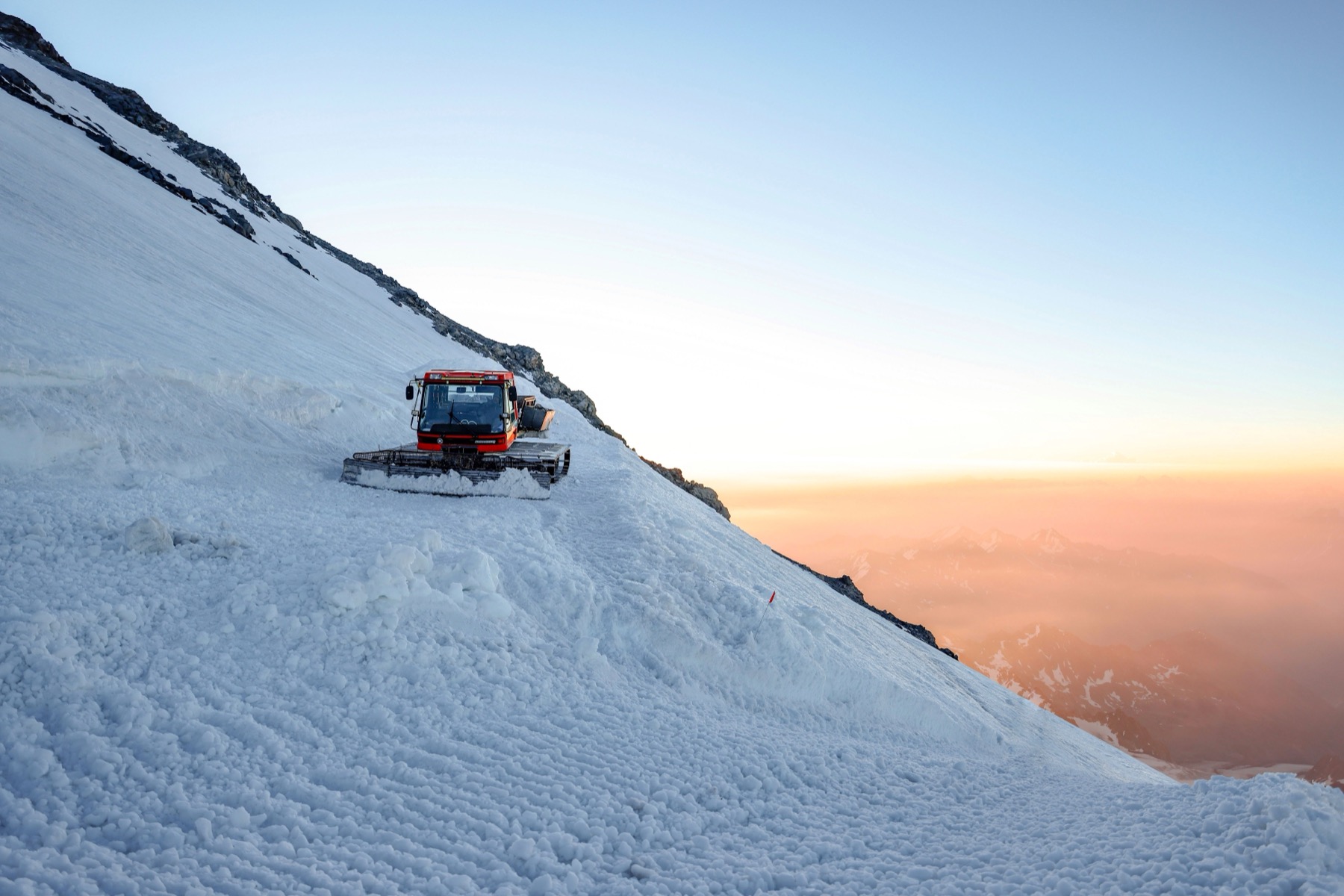
12. Where to Take First Steps on Snow
If you’re traveling with small children or someone who has only recently stood on skis, I strongly recommend avoiding the glacier as your main learning terrain. Although the slopes there are indeed beautifully wide and gentle, the high altitude tires beginners much faster and the harsher high-mountain weather conditions can very easily discourage them from further effort.
A much better and more sensible choice is to use the maximally welcoming facilities on Maiskogel, where a much more relaxed and friendly atmosphere prevails all day. The slopes here are generally gentler, the lifts run a bit slower, and overall the space is much better adapted for those who still need absolute calm, safety and plenty of time to think before each turn.
💡 Tip: In both towns there are several very high-quality ski schools that offer lessons both individually and in small groups. Local instructors know exactly where to take beginners so they feel maximally safe and make rapid progress on snow.
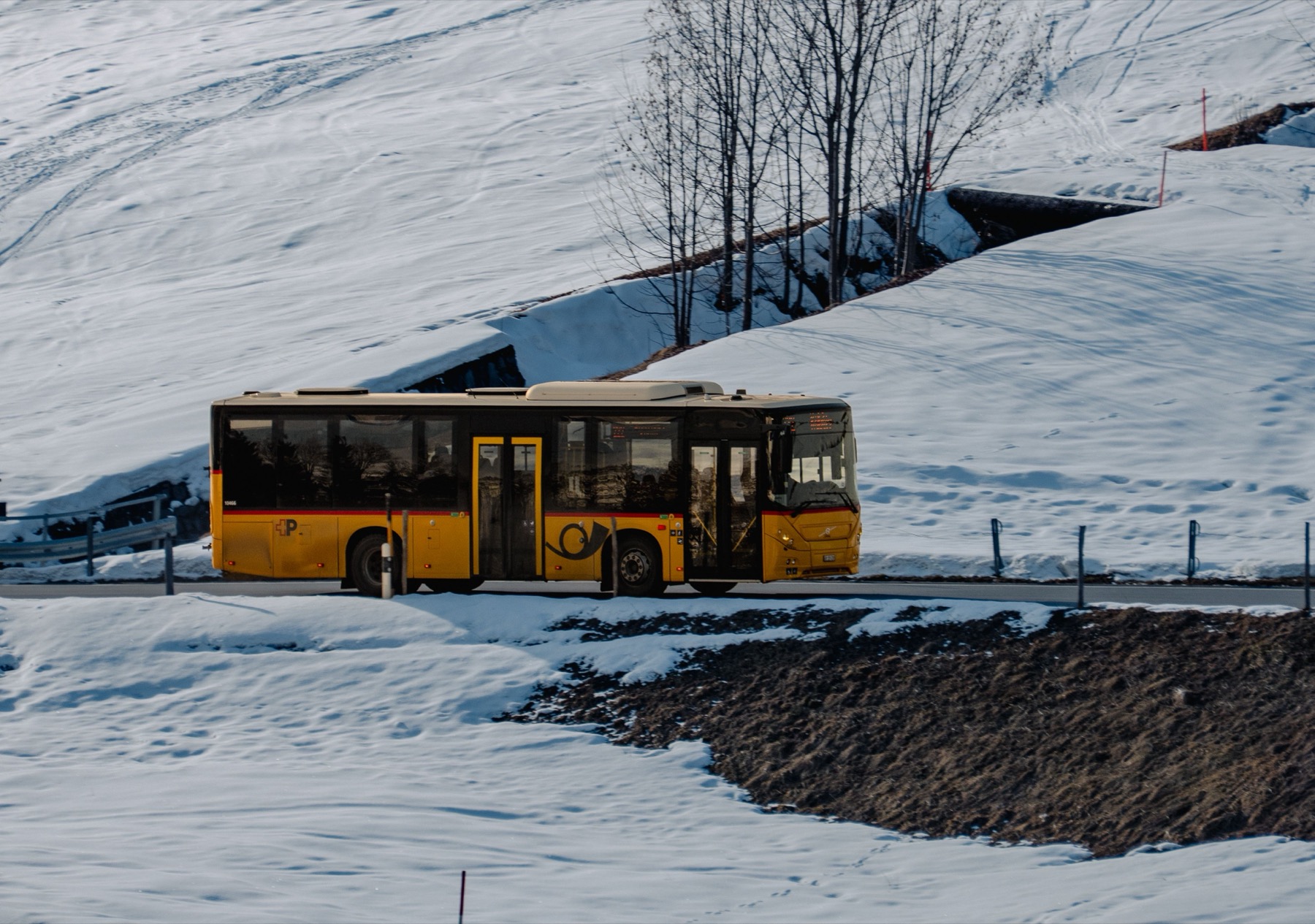
13. Logistics Without Car Worries
One of the absolutely greatest advantages of modern Austrian resorts is the excellently developed system of free ski buses that shuttle at regular intervals between all important points throughout the valley. If you have a valid ski pass in your pocket and ski equipment with you, you can completely rely on the yellow bus taking you almost from your accommodation door directly to the lift turnstiles.
Thanks to the aforementioned K-ONNECTION lift and very dense network of local transport, you can enjoy your entire holiday completely without driving worries. This completely eliminates daily nervous searching for a free space in giant parking lots below the slopes, morning scraping of frozen windows, and unpleasant stress from driving on snowy and slippery mountain roads during the busiest morning rush.
💡 Tip: Just download the official region app—timetables are accurate to the minute and will save you a lot of unnecessary waiting in the snow.
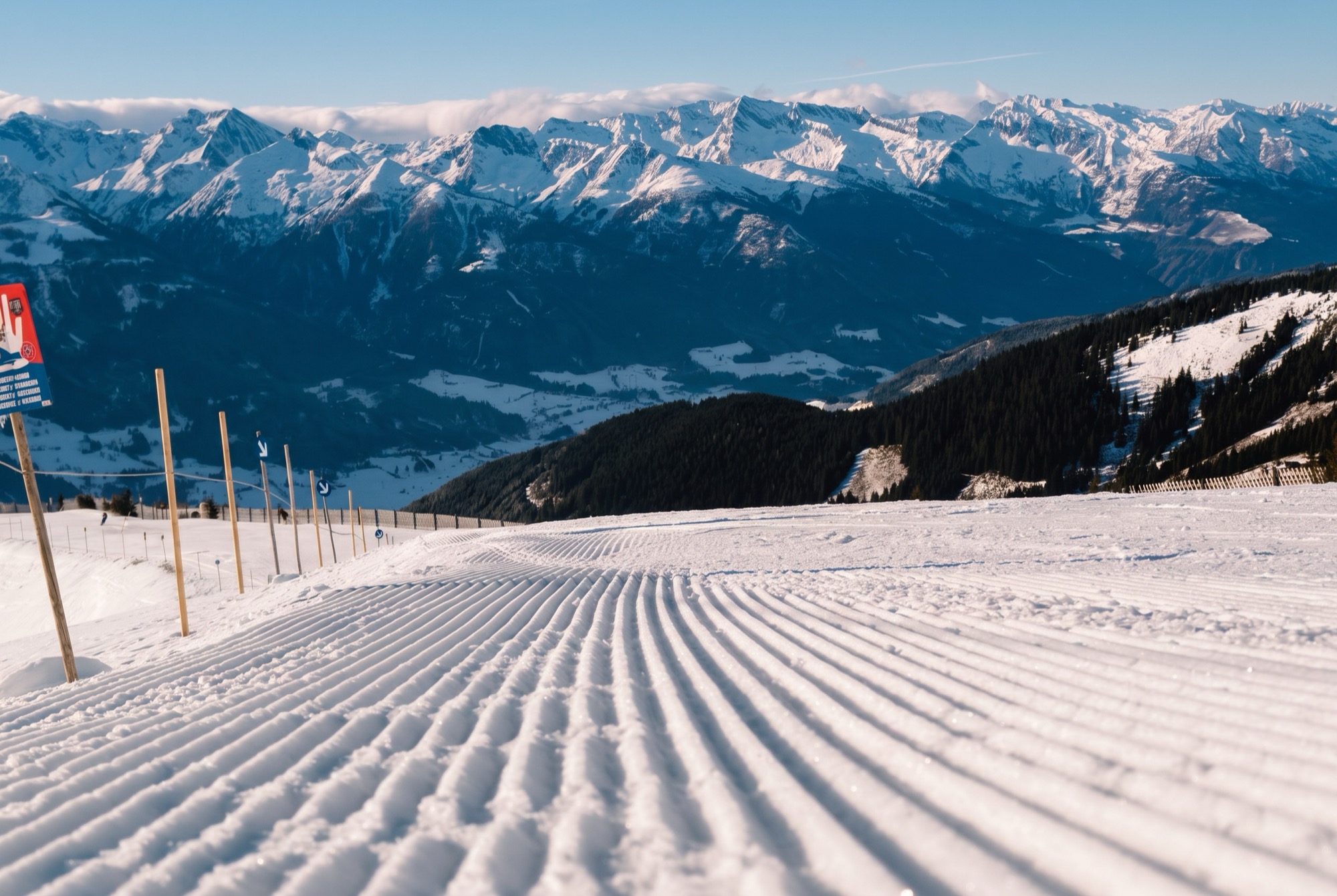
14. Spring Skiing in the Sun
While most regular and lower-altitude resorts slowly close their gates after Easter and snow in the valleys quickly turns into heavy slush, on the Kitzsteinhorn glacier the spring season is just reaching its peak. Skiing in April and May here has an absolutely unique and specific charm that every devotee of sunny weather and relaxed atmosphere is sure to love.
Thanks to the high altitude, excellent fast corn snow still holds up top, which skis incredibly easily and playfully, while the sun already has tremendous strength during the day. You can ski in just a thin spring jacket, catch that coveted tan on wooden deck chairs outside mountain huts, and enjoy really long days full of light, warmth and relaxed holiday vibes.
💡 Tip: For spring skiing in general, the golden rule is that absolutely the best skiing is first thing in the morning until about one in the afternoon. After that, even at three thousand meters the snow begins to slowly soften and get heavy, which is the absolutely ideal signal to move to a sunny terrace and order a well-deserved refreshing drink.
Where to Go Next from Zell am See and Kaprun
Salzburgerland and its picturesque surroundings offer so much that one single week of exploration will simply never be enough. If you’re interested in how this popular glacier region compares to other Alpine giants, definitely carefully read our large and detailed overview for skiing in Austria.
Wondering where else in the world you can find hundreds of kilometers of connected slopes on one ski pass? Check out our article mapping the largest ski resorts in the world, so you know exactly where to head for your next winter adventure. And for those rest days when your legs really hurt and you urgently need to regenerate tired muscles, I recommend studying our tips on the best thermal baths and aquaparks in Austria, several of which are in the wider Salzburg area and are worth visiting.
The second most popular Austrian resort describes Schladming and Ski amadé.
The nearest Alps covers the article Hinterstoder and Wurzeralm.
The largest Carinthian resort is described in the article about Nassfeld.
Frequently Asked Questions
When does the glacier ski season start and end?
The Kitzsteinhorn glacier has an extremely long and reliable season, which usually starts very early in autumn. For the 2026/2027 season, lifts are scheduled to open from October 10, 2026, and you should be able to ski comfortably until May 2027, always subject to current snow conditions and weather.
Are all the ski areas in the region interconnected by lifts?
No, unfortunately all four locations are not fully interconnected. From the center of Kaprun, you can get directly to Maiskogel and the Kitzsteinhorn glacier thanks to the modern K-ONNECTION lift, but to get to Schmittenhöhe mountain in Zell am See, you need to use your car or the free ski bus that shuttles through the valley.
Is it worth buying the huge Ski ALPIN CARD ski pass?
It depends entirely on your plans. This ski pass covers a huge 408 kilometers of slopes, but the Zell am See and neighboring Saalbach areas are not connected by lifts. So it’s worth it mainly if you don’t mind driving or taking the ski bus in the morning to the next valley for new slopes.
How much will I pay for a one-day ski pass?
Prices change slightly every season, of course, but to give you an idea: in the 2025/2026 season, a day pass cost €71 until December 20 and €79 during high season. Prices for the upcoming 2026/2027 season have not been officially released yet, so I always recommend carefully checking the official price lists on the resort’s website.
What about motorway tolls when traveling from abroad?
In addition to the standard Austrian motorway vignette, which you typically buy online or at the border, you also need to budget for the Tauern section toll on the A10 motorway. This will cost you €15 and is paid at toll gates independently of your regular vignette, so have your payment card ready.
Which town is better for families with young children?
Kaprun is generally considered by travelers to be the more practical family choice because it offers very easy access to the gentle and safe Maiskogel area. However, if you’re looking for evening walks and a romantic atmosphere by the water with your family, you’ll probably enjoy Zell am See more.
Where can I find the best conditions for complete beginners on skis?
If you’re on skis for the very first time, definitely head to the small practice hill Lechnerberg right in Kaprun. It’s very gentle, beautifully quiet, and you’ll avoid unnecessary stress from rushing skiers heading to the big glacier. The lowest sections of the family-friendly Maiskogel area are also a good choice.
Tips and Tricks for Your Vacation
Don’t Overpay for Flights
Search for flights on Kayak. It’s our favorite search engine because it scans the websites of all airlines and always finds the cheapest connection.
Book Your Accommodation Smartly
The best experiences we’ve had when looking for accommodation (from Alaska to Morocco) are with Booking.com, where hotels, apartments, and entire houses are usually the cheapest and most widely available.
 🚗 Car rental on the roadVerified rental cars in Austria
Search with the DiscoverCars comparison engine — it compares prices from dozens of local and international rental companies, and most bookings come with free cancellation.
Compare car prices in Austria →Don’t Forget Travel Insurance
Good travel insurance will protect you against illness, accidents, theft, or flight cancellations. We’ve had a few hospital visits abroad, so we know how important it is to have proper insurance arranged.
Where we insure ourselves: SafetyWing (best for everyone) and TrueTraveller (for extra-long trips).
Why don’t we recommend any Czech insurance company? Because they have too many restrictions. They set limits on the number of days abroad, travel insurance via a credit card often requires you to pay medical expenses only with that card, and they frequently limit the number of returns to the Czech Republic.
Find the Best Experiences
Get Your Guide is a huge online marketplace where you can book guided walks, trips, skip-the-line tickets, tours, and much more. We always find some extra fun there!


