

When Lukáš and I set off for Barcelona, Spain in early March, we had a clear plan to cover all the city’s highlights on foot. We stayed at the fabulous Hotel Gaudí, just a short walk from the famous Palau Güell, which turned out to be a genuinely strategic choice for exploring the centre on foot. We had originally wanted to head up to the well-known Tibidabo hill too, but thanks to some pretty grim weather and scary reviews about cars being broken into constantly, we ended up skipping it with a clear conscience. Whether you’re planning to wander the mysterious Gothic lanes or just soak up the sun on the beach, the very first thing you need to crack is the journey from the heart of Europe to the Catalan coast. The way you travel completely determines the mood and budget your holiday will kick off with.
TL;DR
- There are direct flights to Barcelona and in the 2026 summer season you can choose from an average of 4 flights a day from major European hubs.
- The flight itself takes 2 hours and 25 minutes, with Vueling, Ryanair and Smartwings competing on the route.
- Fares start from around €55, but in summer with a bag budget for something more like €100+ one-way.
- The Aerobús runs from El Prat airport to the centre for €7.45, while a standard T-casual ticket doesn’t work on the airport metro.
- The train from abroad makes huge sense if you can’t fly for health reasons or you’re expecting a baby.
- Don’t drive into central Barcelona, because the city enforces a strict ZBE low-emission zone with a €200 fine hanging over you.
- Avoid Girona and Reus airports, which mean a long and pricey bus ride unless you’re heading straight to the surrounding coast.
Where to stay in Barcelona and how much the tourist tax costs
💡 Accommodation and experiences tip: We prefer to look for accommodation on Booking.com, which usually has the best cancellation terms. For tickets, tours and activities it pays to compare and book through GetYourGuide.
Choosing accommodation in the Catalan capital has become quite a puzzle lately, because the city plans to scrap all tourist apartment licences entirely by 2028. Classic hotel prices are logically shooting up as a result, and the supply of affordable places to stay is thinning out unpleasantly. On top of that you’ll need to add the new tourist tax to your budget, which has applied since April 2026 and can make a stay noticeably more expensive. In five-star luxury you’ll pay €12 per person per night, in a standard four-star hotel it’s €8.40, and in the popular tourist apartments you’ll be charged €9.50 per night. It’s only charged for the first seven nights, but even so it adds up over a longer holiday.
On our visit we went for Hotel Gaudí, which sits just a few steps from the famous Palau Güell and a short walk from the busy La Rambla. It was a genuinely strategic choice for exploring the city on foot, and they also have a gorgeous rooftop terrace with a pool offering a lovely view of the chimneys of Gaudí’s palace.
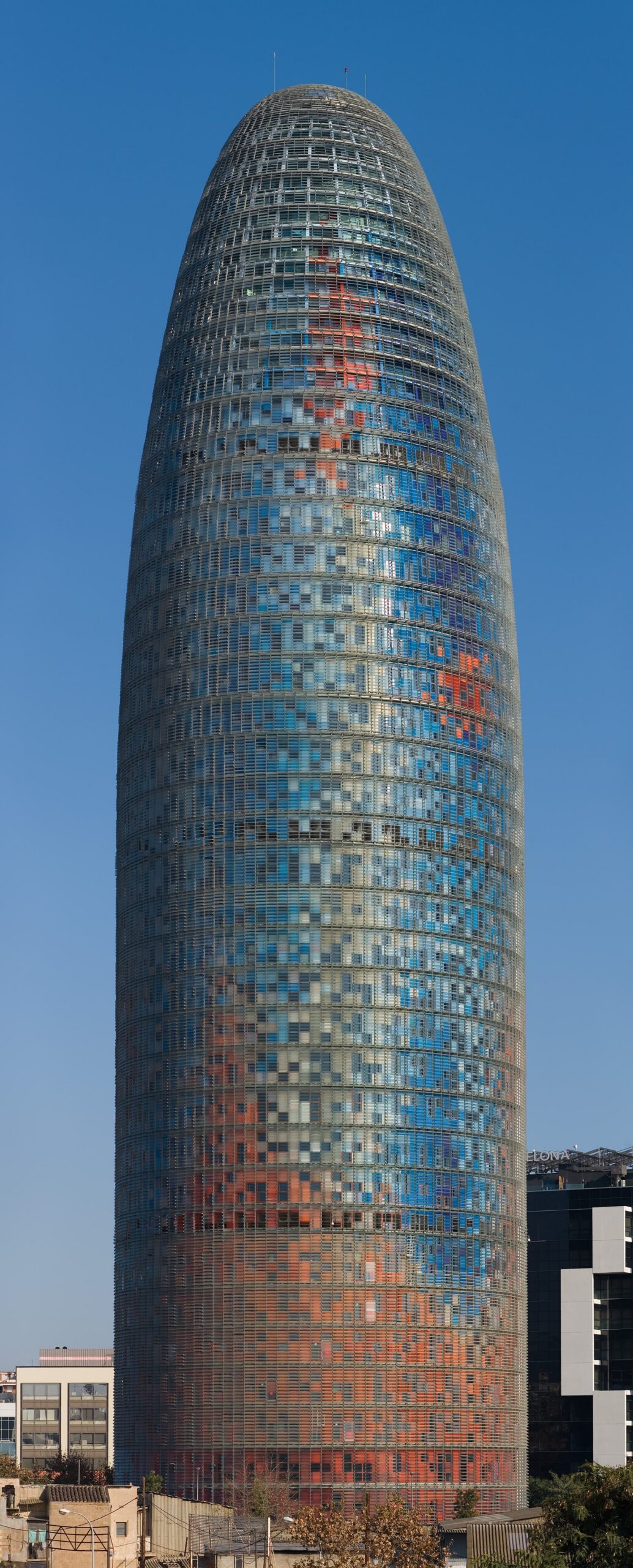
If you’re after something visually stunning, definitely check out Hotel Ayre Rosellón, which boasts an absolutely breathtaking view straight onto the still-unfinished Sagrada Família from its rooftop bar. For travellers on a smaller budget, Motel One Barcelona-Ciutadella is a great fit, with a lovely modern room right next to a huge park and within walking distance of the beach. If you want to experience pure luxury and wake up to the sound of the waves, take a look at the iconic W Barcelona, the famous sail-shaped building dominating the entire waterfront. For backpackers and solo travellers, reviews rave about Hostel One Paralelo, where there’s a wonderfully friendly atmosphere and they host social evenings.
11 things you need to know about getting to Barcelona
1. Direct flights to Barcelona and who operates them
Getting to the Catalan capital has never been easier, because the aerial highway on this route is running at full throttle in 2026. From most European hubs the flight covers a distance that modern aircraft handle in a very comfortable 2 hours and 25 minutes. In the summer season Barcelona’s El Prat airport is connected to Central Europe by an incredible number of direct flights, so you can pick from an average of four different departures every day of the week.
Three main players currently split the market between them, fiercely fighting over every passenger. The largest share is held by Spain’s Vueling with twelve flights a week, followed by Smartwings with seven and Ireland’s Ryanair, which flies roughly six times a week. The first morning aircraft lift off the runway as early as 08:50, which is absolutely ideal for travellers who want to make it for an afternoon coffee right on the beach. If you’d rather travel after work, the last evening services depart at 21:30 and you’ll be in bed just after midnight.
Fortunately the competition pushes prices down and gives you huge freedom to plan, but it also demands real caution when choosing your specific carrier. Every airline has completely different baggage rules and hidden fees, which can nastily inflate the cost of your ticket.
💡 Tip: Always check carefully which terminal you’re actually flying from, because low-cost carriers often check in from different places, and confusion at the airport can cost you a lot of nerves and money on taxis.
2. Rough flight prices and when to buy
When you start hunting for flights to Barcelona, the search engines will probably throw incredibly tempting numbers at you that you simply need to be very careful about. The well-known aggregator Kayak can, according to secondary sources, show the cheapest fares from around €55, while Smartwings advertise their scheduled service on their site from about €100. It sounds like a dream come true for a cheap holiday, but the reality of the summer season lies somewhere else entirely.
Don’t be fooled by the marketing leaflets, because these magic figures usually only apply to the least attractive dates in the middle of dreary November. The Omio portal lists an average fare to Barcelona of around €95, and we’re still talking about a single direction with no baggage whatsoever. Once you add a classic cabin case in July or August and want to sit next to your partner, budget for something more like €145+ one-way.
The worst mistake is buying tickets at the last minute, when low-cost carrier prices can easily triple their usual value. The ideal time to buy is roughly two to three months before departure, when airlines haven’t yet filled their capacity and offer reasonable fares for ordinary mortals.
💡 Tip: If you’re flexible with your dates, try flying midweek instead of Friday evening, because Tuesday and Wednesday flights tend to be statistically the cheapest of the whole week and you’ll save on accommodation too.
3. Ryanair and low-cost baggage traps
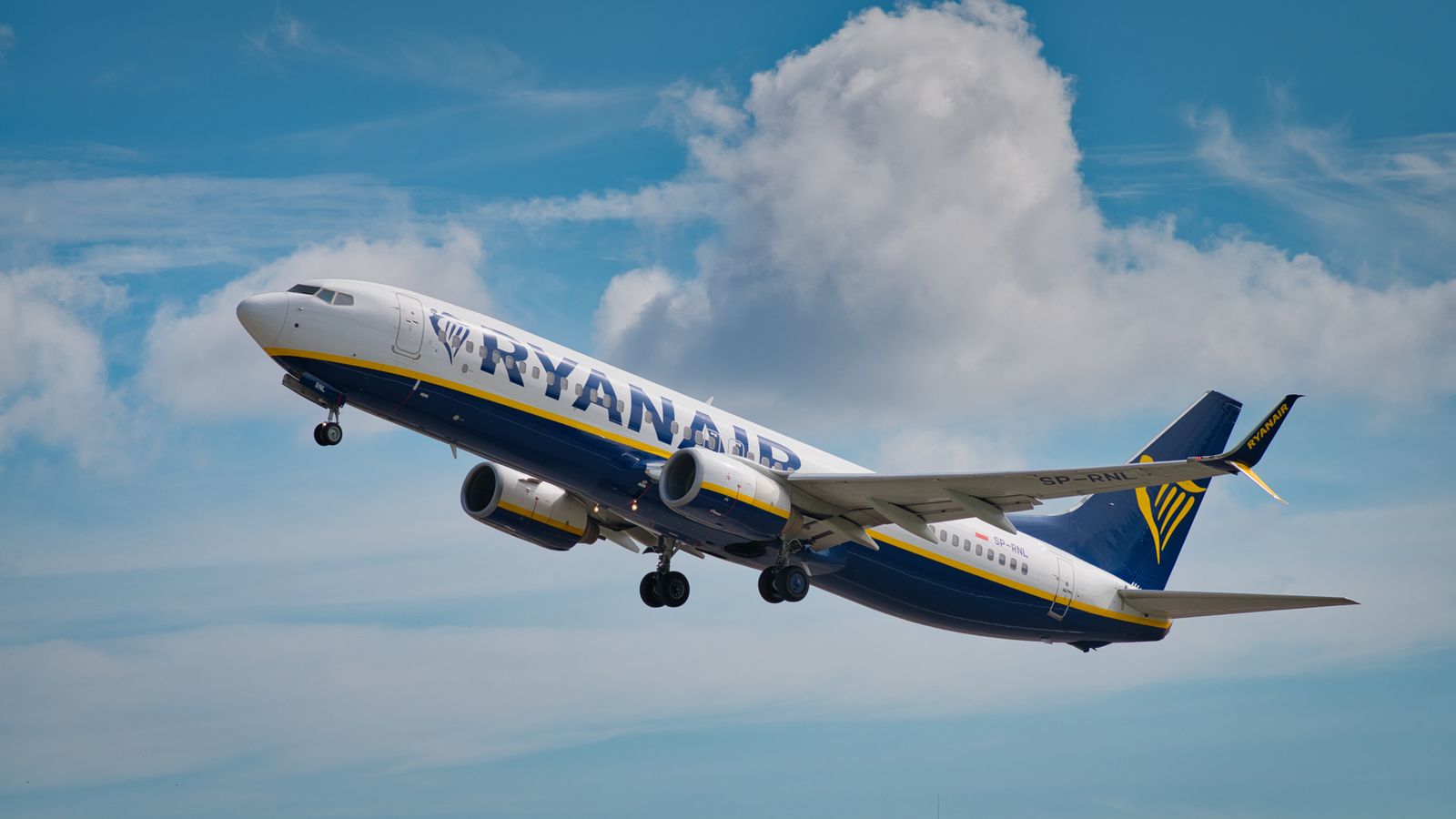
You buy a ticket for a bargain price and feel great that you’ve finally outsmarted the whole air-travel system. Then you get to the gate and the Irish airline hands you a bill that makes your eyes pop. With Ryanair in particular, the baggage policy is a hard game that’s deliberately aimed at the smallest mistakes of inattentive passengers.
The basic fare only allows you a small personal bag whose dimensions are strictly limited to 40 × 20 × 25 centimetres. This little backpack must absolutely fit under the seat in front of you, and airport staff often measure it completely uncompromisingly at the gate. If you want to bring a classic cabin case up to ten kilos measuring 55 × 40 × 20 centimetres, you’ll need to pay extra for the Priority service when booking your ticket.
This is usually where the trap snaps shut on everyone who doesn’t read the rules to the very end. Anyone who doesn’t buy Priority in time and shows up at the gate with a bigger case pays a hefty on-the-spot fine of €35 for a non-compliant bag. If your case is even larger than the allowed limits, this penalty instantly jumps to a staggering €69.99.
💡 Tip: Always measure your bag with a tape measure at home and don’t count on quietly smuggling it through at the gate, because random size checks are extremely common on flights to Spain.
4. Vueling and their tiered kilos
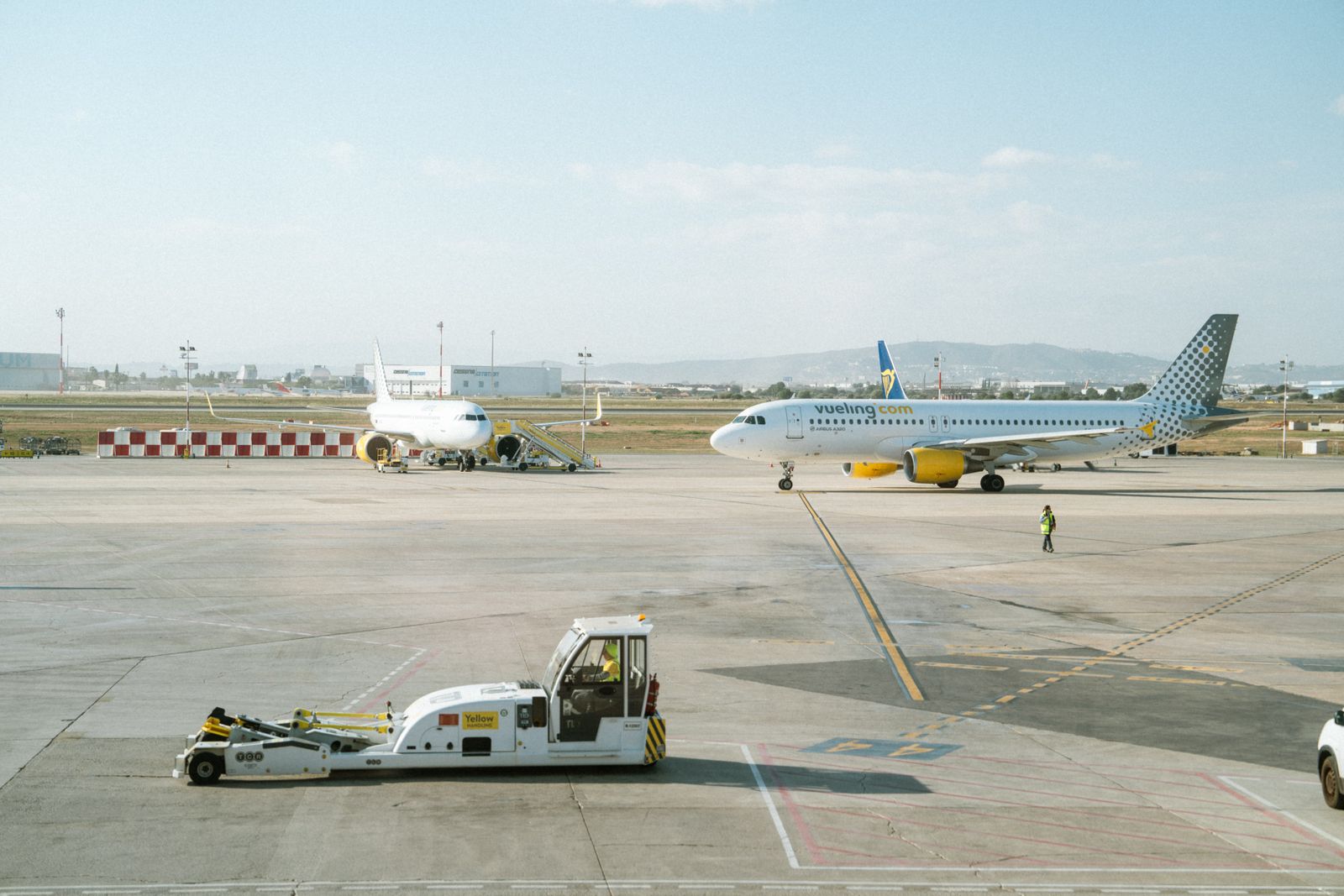
The Spanish low-cost carrier Vueling, which has its largest home base right in Barcelona, plays a slightly different and at first glance friendlier game with passengers. It focuses on very detailed tiering of checked baggage weight, which in theory gives you a great option to pay for exactly what you really need and use.
If you travel light and don’t need to lug around unnecessary stuff, you can get a fifteen-kilo case from just €8 in advance. A larger twenty-kilo bag will cost you around €10, and a twenty-five-kilo case runs from €15. It sounds perfectly fair and transparent right up until you exceed your purchased limit at the airport by even a single extra kilo.
The moment the scale at the check-in desk shows more than you’ve officially paid for, the smiles on airport staff quickly vanish and fat excess-weight charges follow, billed per kilogram. That’s why it’s well worth weighing your full case at home on a personal scale and buying yourself a five-kilo buffer for a few euros more.
💡 Tip: On its pricier fares Vueling offers the option of free flight changes, which can come in handy with the unpredictable planning of a summer holiday, when family plans change literally from one day to the next.
5. Watch out for Smartwings summer cuts
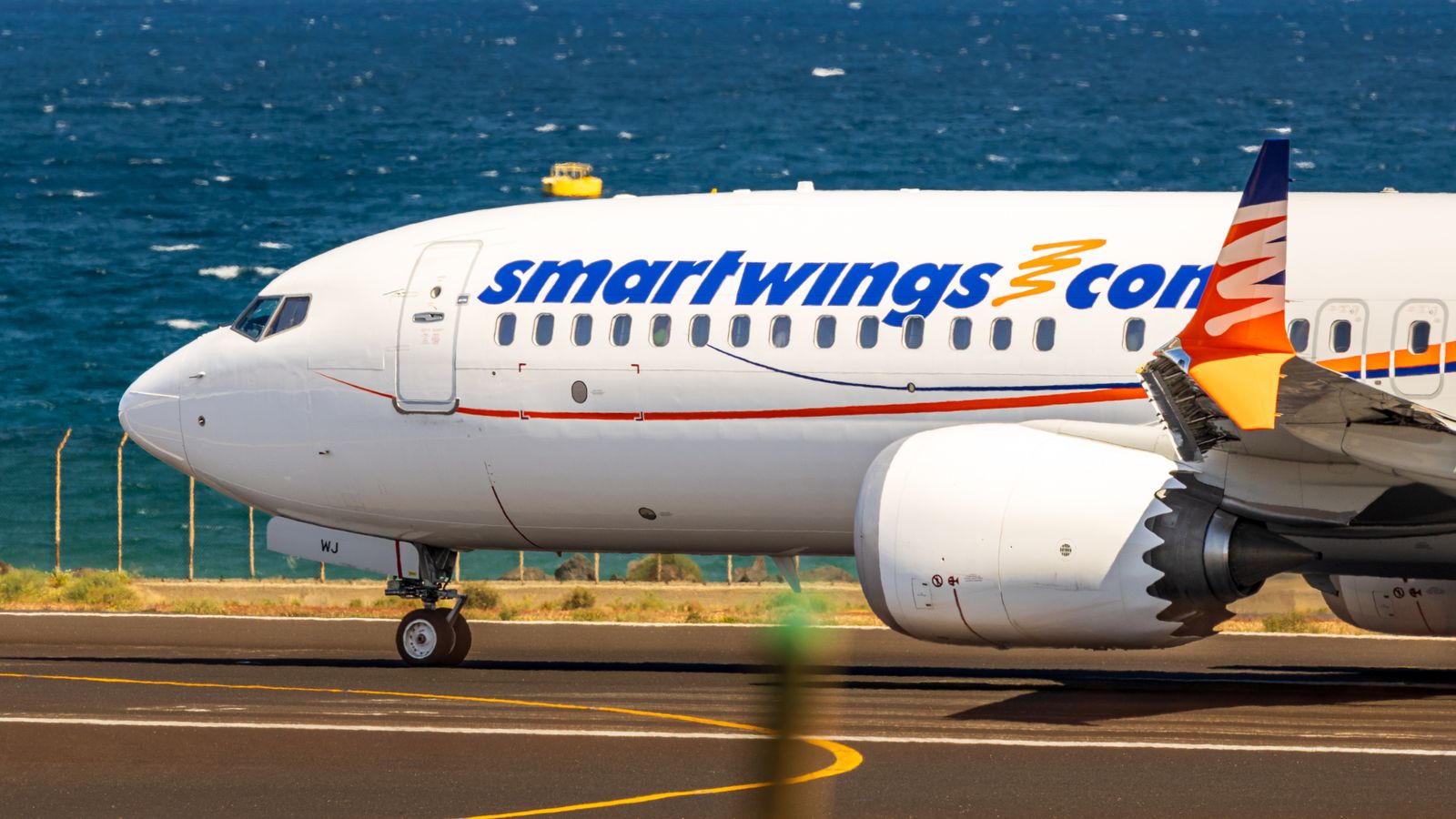
Smartwings tends to be a safe bet for many travellers, but in 2026 you need to be extremely cautious when booking your holiday. According to official information, in the summer season the airline significantly cut frequencies on several popular routes and even scrapped connections to cities like Paris, Málaga or Tel Aviv entirely.
Although Barcelona fortunately wasn’t among the officially cancelled routes and the airline still flies here, it’s a clear signal that summer flight schedules can change very dynamically depending on current demand. There’s nothing worse than booking an expensive hotel by the beach and finding out a few weeks before departure that your Tuesday flight has suddenly been moved to Thursday morning.
So always double-check all approximate times and specific departure days directly on the carrier’s official website just before you make the final purchase. Never rely solely on older data from the big flight search engines, which may lag slightly in updating their systems and offer flights that no longer exist.
💡 Tip: If an airline cancels your flight less than fourteen days before departure, under EU rules you’re entitled to generous financial compensation, so make sure you keep a close eye on your rights.

6. The fake airports of Girona and Reus
For many years one very treacherous rule held true: the cheapest tickets with a giant “Barcelona” label actually didn’t take you to Barcelona at all. Low-cost carriers love to use Girona–Costa Brava airport in the north and Reus airport in the south, both of which lie roughly a hundred kilometres from the Catalan capital itself and require onward transport.
A key warning for 2026 is that direct flights to Girona or Reus barely appear in the summer schedules from most hubs. Search engines like Kiwi may show connections priced from $90 to $135, but once you click through you’ll find they’re always very long flights with a layover that make no sense for a short holiday.
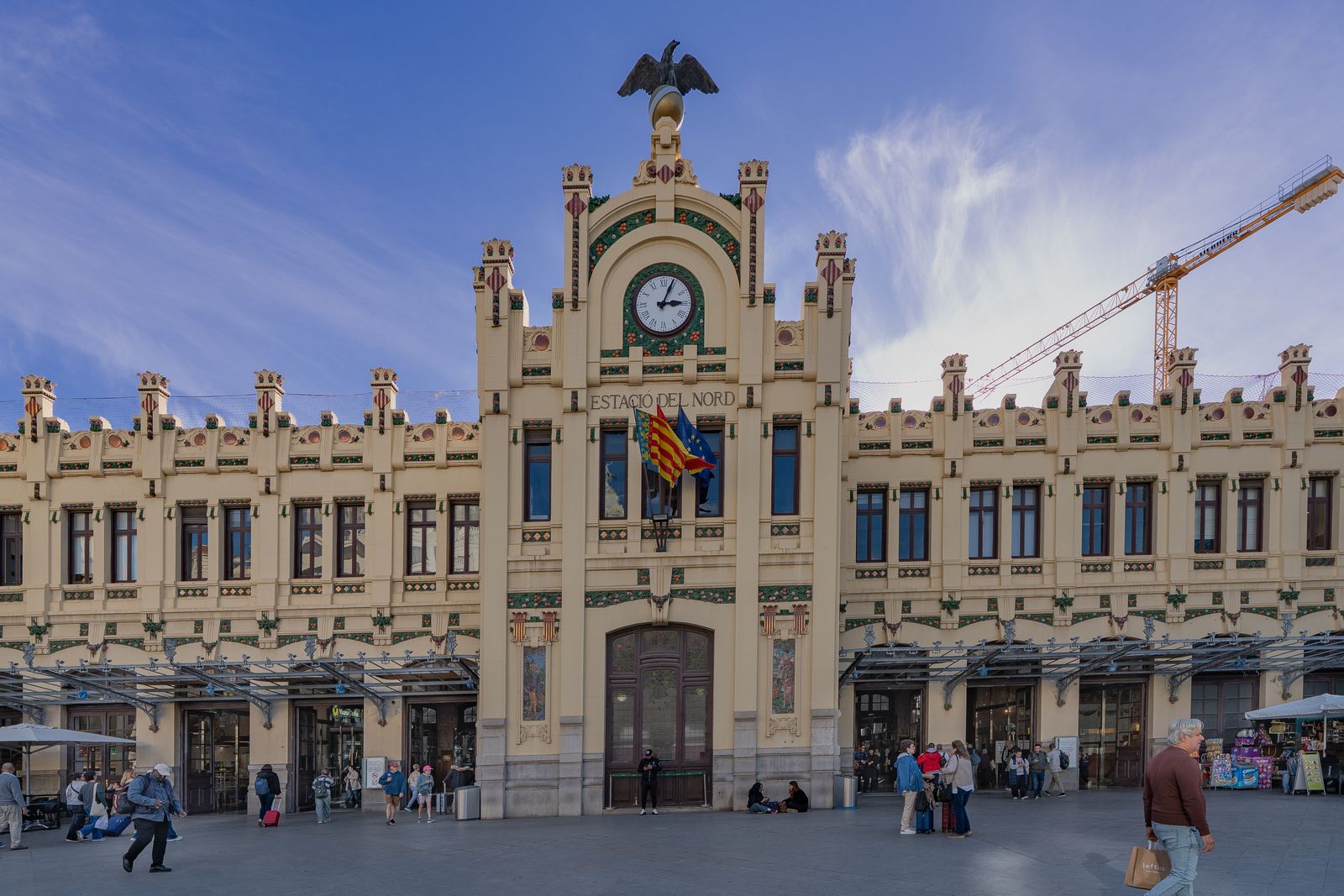
Even if you did find such a flight via another city, work out the brutal transfer trap in advance. Sagalés route 604 buses from Girona to the Estació del Nord cost €22 one-way and the journey takes over an hour and a quarter. From Reus, Hispano Igualadina runs for around €15 one-way and the trip stretches to one hour and twenty minutes. These buses do wait for arrivals, but on the way back you’ll need to keep a careful eye on the connection yourself.
💡 Tip: These distant airports only make logical sense if your holiday is primarily headed for the beaches of Costa Brava or the PortAventura theme park, otherwise give them a wide berth.

7. By train from abroad: for pregnant travellers and non-flyers
Most travel guides completely ignore this fascinating topic, even though there’s a huge group of travellers who simply can’t or won’t take to the skies. The reason is very often advanced pregnancy, a panic fear of flying, or travelling with larger pets. For them the whole holiday often turns into one big, exhausting logistical puzzle.
Online travel forums offer great insight into this issue, where people regularly share real-world experiences. One traveller who urgently had to sort out a journey during pregnancy, and faced scepticism from others, eventually found a perfectly workable solution. Her experience proves that reaching the sea comfortably by rail really is possible — it just takes the right planning.
What does such a long journey look like in practice? It’s not something to do in one go unless you want to physically wreck yourself. The most common route runs across Germany via Dresden to Frankfurt am Main, from where you comfortably move on to Strasbourg in France. Strasbourg works as an absolutely ideal spot for a peaceful overnight hotel stay and recharging your batteries.
The next morning you simply hop on the fast French trains, which carry you smoothly via Lyon all the way to Barcelona’s main station, Sants. This is slow travel in its purest form — it takes more time, but offers gorgeous scenery and minimal stress.
💡 Tip: Buy tickets for all European trains ideally through the official websites of the German or French railways, where you’ll find the best advance-purchase fares without the huge markups added by resellers.

8. Alternative train route via Paris
If the idea of a long haul across all of Germany doesn’t appeal, there’s another very elegant rail alternative with a touch of French charm. You can reach the French capital by night train or daytime express services, and from there a direct high-speed connection sets off all the way to the sunny Spanish coast.
From the busy Gare de Lyon station in Paris, direct TGV trains run regularly, operated by the successful cooperation of the Spanish and French companies Renfe and SNCF. This wonderfully aerodynamic express covers the Paris–Barcelona route in an incredible 6 hours and 15 minutes, which is a phenomenal time for such a huge distance.
This direct service currently runs twice a day, usually early morning and early afternoon, but remember that a classic overnight sleeper on this route doesn’t exist at the moment. This option is absolutely perfect if you’re planning a longer two-week holiday and want to make a romantic coffee stop under the Eiffel Tower along the way.
💡 Tip: Reservations for the French TGV high-speed trains sell out in a flash during the summer months, so book the moment the operator opens advance sales, which is usually three months ahead.

9. Driving to Barcelona? Get ready for the ZBE zone
The idea of loading the car up to the roof and driving to the sea under your own steam sounds hugely tempting, especially if you’re planning to camp somewhere on the cliffs of Costa Brava along the way. But if you’re heading straight into the city centre with an expensive hotel booked there, leave your car at home or parked far out in the suburbs.
Barcelona has introduced brutal emissions restrictions and the centre has become a literal minefield for the ordinary driver. The whole city inside the huge Ronda de Dalt and Ronda Litoral ring roads falls into the low-emission zone known as ZBE Rondes Barcelona, where the enforcers only let you in if your car meets at least the Euro 3 standard for petrol or Euro 4 for diesel.
Here comes the biggest bureaucratic catch for foreign drivers. Don’t count on having a green German Umweltplakette stuck on your window, because that alone won’t guarantee you entry. Vehicles with foreign number plates must register in advance, online and free of charge, in the AMB register managed directly by the Catalan capital.
Smart cameras hang over the roads, automatically scanning the plates of every passing car. If you enter the zone and you’re not in the register, the system slaps you with a completely uncompromising €200 fine. If you manage to pay it within twenty days it drops to a hundred, but even so it hurts unnecessarily.
💡 Tip: Parking in the centre is also extremely expensive and you’ll find next to no on-street spaces, so it’s best to leave the car at a park-and-ride and carry on with the excellent metro.

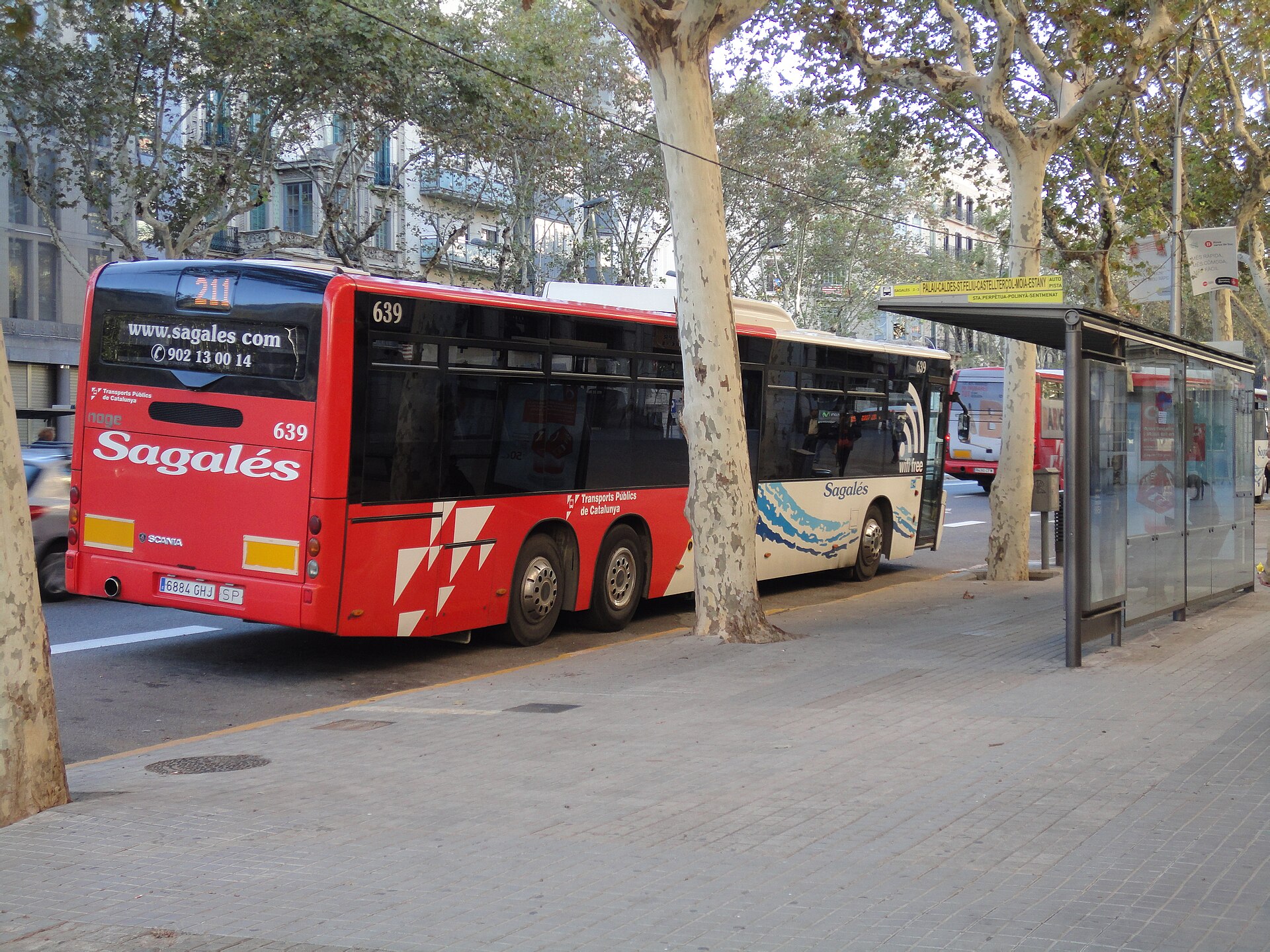
10. How to get from El Prat airport to the centre
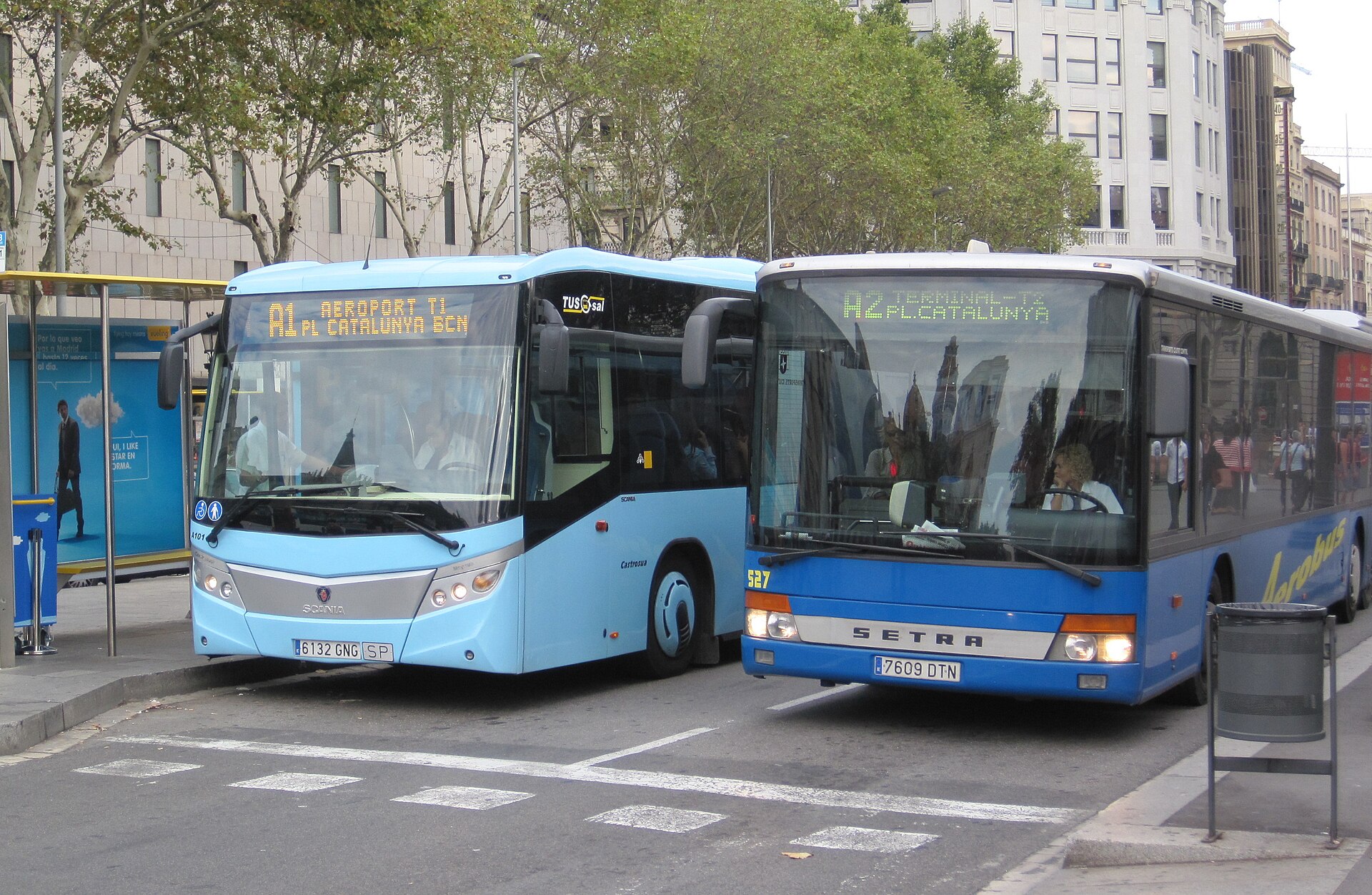
Once you finally touch down at sun-baked Barcelona El Prat airport, one last logistical puzzle stands between you and those longed-for strolls through the old Gothic quarter. The fastest and most comfortable option is without doubt the blue airport bus called the Aerobús, which takes you straight to the central Plaça de Catalunya without any unnecessary stops.
After a recent price hike this ticket costs €7.45 one-way, with buses running from both terminals T1 and T2 with rock-solid regularity. It’s a bit pricier than regular public transport, but at least you don’t have to drag heavy suitcases up endless stairs in the dark underground.
If you prefer to travel underground, you can use the modern L9 Sud metro line. But be very careful here, because the popular T-casual ticket doesn’t work on the airport metro at all and the modern turnstiles simply won’t let you through with it. For the trip from the airport you have to buy a special Bitllet Aeroport from the machine, which currently costs €5.90. For couples it’s far better value to buy the T-familiar ticket, which — unlike the T-casual — is transferable between several people.
💡 Tip: From terminal T2 there’s also the classic RENFE suburban train into the centre, on which you can use a standard ticket without any problem, making it far and away the cheapest way to travel.

11. Package tour vs. travelling independently
When travelling around southern Europe, many of us have long grown used to independent travel always beating a tour operator on total cost. An experienced budget traveller can manage three days in Barcelona for around €270, an average tourist fits into about €620, while a tour operator sells a long weekend from roughly €775 per person. A complete holiday for two with a tour operator can easily run to €1,650.
Does that mean people can’t find cheap flights online? Not at all. The main selling point of a package for Barcelona isn’t just the price itself, but rather the total removal of any decision-making burden. The city is one of the most exhausting places in Europe to plan for, where you constantly have to keep track of a huge amount of details and booking systems.
You have to sort out in advance that tickets to the Sagrada Família are usually sold out two weeks ahead, that the popular Park Güell has strictly timed slots with zero tolerance for lateness, and that at the hotel you’ll be surprised at checkout by a tourist tax of easily €12 per person per night, which you never saw on Booking beforehand.
The feeling that you don’t have to worry about any of it, and that your guide has all the expensive tickets safely in her pocket, is simply priceless for a tired working person. If you’re after total freedom, plan it yourself, but if you just want to switch off and enjoy the tapas, a tour makes huge sense.
💡 Tip: Find out in advance the exact tourist tax for your type of accommodation, because five-star hotels pay the €12 mentioned, while in a regular tourist apartment you’ll pay €9.50 per night.

Practical summary and rough prices
Budget planning is the foundation of success, so we’ve put together the most important figures you’ll realistically need to reckon with in 2026.
- Average one-way fare (in summer): around €95 (rough estimate per Omio)
- Ryanair fine for a large case: €35 to €69.99
- Bus from Girona airport to the centre: €22
- Aerobús ticket (El Prat airport): €7.45
- Special L9 Sud airport metro ticket: €5.90
- Fine for driving into the ZBE zone without registration: €200
- Tourist tax in a 5* hotel: €12 / person / night
- Tourist tax in an apartment: €9.50 / person / night

Where to next
We’ve got these detailed guides to Barcelona too:
If you’re interested in more details for the perfect holiday in Spain, be sure to check out our other articles, where we cover everything from accommodation to the very best sights.
- What to see in Barcelona: 25+ tips
- Weather in Barcelona, Spain: temperatures by month and when to go
- Transport in Barcelona: metro, tickets and the airport
- Where to stay in Barcelona: 10 neighbourhoods
- Girona, Spain: 16 tips on what to see
- Spain holiday: 17 tips on where to go
Frequently asked questions
How long is the flight to Barcelona?
A direct flight to Barcelona El Prat airport takes a very pleasant 2 hours and 25 minutes, covering a distance of 1,357 kilometers. During the summer season, you can choose from around 4 different flights per day from major European hubs, which gives you huge flexibility when planning your trip.
How much does a ticket cost on average?
Prices vary greatly depending on how far in advance you book and the season, but in summer expect an average price of around €95 (2,320 Kč) one way with no luggage included. Although search engines may show tickets from €55, these fares are usually available outside the main holiday season and on less popular days.
Can I use a regular metro ticket from the airport?
Unfortunately no, the standard T-casual ticket won’t get you through the turnstiles on the modern airport line L9 Sud. You need to buy a special Bitllet Aeroport, which currently costs €5.90. If you want to save money, use the RENFE suburban train from terminal T2, where regular tickets are accepted.
Can I drive to Barcelona city center by car?
Theoretically you can, but in practice we strongly advise against it because of the strict low-emission zone ZBE that covers the entire center. Foreign cars must be registered online in advance for free in the AMB system and meet emission standards, otherwise they risk an automatic €200 fine from the smart camera system.
Is it possible to get to Barcelona comfortably by train?
Absolutely, and it makes a lot of sense if you can’t fly for health reasons. The most common route goes via Dresden, Frankfurt, and Strasbourg, where you can stay overnight, and then via Lyon into Spain. A second option is the direct TGV from Paris, which covers the journey to the sea in 6 hours and 15 minutes.
What should I watch out for with low-cost carriers like Ryanair?
The biggest problem is hidden luggage fees right at the departure gate. If you don’t buy Priority service and show up with a large cabin suitcase that doesn’t fit within the 40 × 20 × 25 centimeter limit, you’ll pay a hefty €35 penalty, which can shoot up to €70 for even larger luggage.
Is it worth flying to the more distant airports Girona or Reus?
If you’re heading directly to Barcelona, it’s usually not worth it at all. Bus transfers from these airports cost an extra €15 to €22 one way and the journey takes over an hour and fifteen minutes, so the money you save on a cheaper ticket you’ll end up spending on the lengthy trip to the center and you’ll lose a lot of time.
Tips and Tricks for Your Vacation
Don’t Overpay for Flights
Search for flights on Kayak. It’s our favorite search engine because it scans the websites of all airlines and always finds the cheapest connection.
Book Your Accommodation Smartly
The best experiences we’ve had when looking for accommodation (from Alaska to Morocco) are with Booking.com, where hotels, apartments, and entire houses are usually the cheapest and most widely available.
Don’t Forget Travel Insurance
Good travel insurance will protect you against illness, accidents, theft, or flight cancellations. We’ve had a few hospital visits abroad, so we know how important it is to have proper insurance arranged.
Where we insure ourselves: SafetyWing (best for everyone) and TrueTraveller (for extra-long trips).
Why don’t we recommend any Czech insurance company? Because they have too many restrictions. They set limits on the number of days abroad, travel insurance via a credit card often requires you to pay medical expenses only with that card, and they frequently limit the number of returns to the Czech Republic.
Find the Best Experiences
Get Your Guide is a huge online marketplace where you can book guided walks, trips, skip-the-line tickets, tours, and much more. We always find some extra fun there!


