Stockholm is a city spread across fourteen islands, but one of them stands completely apart from everything you’d expect of a Nordic capital. Djurgården in Stockholm packs so many world-class wonders onto one small patch of land that it’s almost hard to believe, and yet it still keeps the atmosphere of peaceful countryside. While the western tip is home to the most-visited museum in all of Scandinavia, a huge amusement park and the oldest open-air museum in the world, the eastern half of the island sinks into deep forests and blooming gardens. ☺️
Originally this land served as a royal hunting ground where ordinary mortals were strictly forbidden to set foot, but today Djurgården is an essential part of the world’s first National City Park. Most tourists arrive just for the famous sunken warship Vasa, rush through two museums and hurry back to the centre, which is a real shame. The true magic of the island only reveals itself when you set off along the paths beside the Djurgårdsbrunn canal, peek into hidden art galleries and sit down with a coffee in a magical organic garden.
If you want to really enjoy your trip to Stockholm without spending a fortune on a patchwork of admission fees, it pays to plan ahead. I’ll show you how to dodge the crowds from the giant cruise ships, which museums are actually worth the money, and where to grab the best vegetarian fika on the island without digging too deep into your pockets. Let’s take a look together at how to squeeze the absolute maximum out of the museum island. 😉
TL;DR
If you’re in a hurry and don’t have time to read the whole guide, I’ve put together the most important bits in a nutshell. There’s so much to see on Djurgården that it’s easy to get lost without a plan.
Here are the biggest highlights and practical tips you definitely shouldn’t miss before your trip to Stockholm:
- The world’s most famous sunken ship: The Vasa Museum is an absolute must, but you need to arrive right when it opens at 8:30 to avoid the endless queues.
- All of Sweden in one place: Skansen offers historic buildings from across the country plus a Nordic zoo where you’ll spot moose, reindeer and wolverines.
- Heaven for pop fans and kids alike: ABBA The Museum will get you dancing in interactive studios, while children will be thrilled by the fairytale train at Junibacken.
- Escaping the crowds: The eastern part of the island offers gorgeous galleries like Thielska Galleriet and the Prins Eugens Waldemarsudde mansion, where you’ll meet hardly any tourists.
- The best fika in town: Rosendals Trädgård is a stunning organic garden with its own bakery, serving the best vegetarian lunches and cardamom buns.
- Free travel with your transit ticket: Getting to the island is easy on the historic tram number 7 or the ferry from Slussen, both covered by your regular transit ticket.
- Watch out — cashless only: The entire island and all its museums are strictly cashless, so paper money is completely useless here.
The full destination guide: Sweden — guide and what to see
When to visit Djurgården
Timing can either make or break your whole Stockholm visit, so it’s worth giving it some thought. The main summer season from May to September offers long, bright days when the sun sets late in the evening, giving you plenty of time to explore the island’s outdoor areas. It’s in summer that all the outdoor terraces, historic ferries and the rides at the Gröna Lund amusement park run at full steam.
You do have to be prepared, though, for the summer months to bring enormous crowds of tourists, poured into the city by the giant cruise ships docked in the harbour. The worst of it is in July, when the Swedes themselves take their traditional mass holiday (the so-called industrisemester), so really long queues form at the main attractions. If you want to avoid the crush, the best option is to go in June or late August, when the city is calmer but the weather still favours long walks through the parks and picnics.
A winter visit to Djurgården, on the other hand, has a completely different, beautifully melancholic atmosphere. In December, Skansen hosts traditional Advent markets scented with mulled glögg and roasted chestnuts. You do have to bear in mind, though, that the sun sets before three in the afternoon and many smaller summer cafés or outdoor exhibits are simply closed for the winter. Winter is ideal for those of you who want to duck into warm museums and enjoy the calmer pace of the Nordic capital without being squeezed among thousands of other visitors.
Where to stay near Djurgården
💡 Tip for accommodation and experiences: We prefer to look for accommodation on Booking.com, which usually has the best cancellation terms. For tickets, tours and activities, it’s worth comparing and booking through GetYourGuide.
Djurgården itself is a national park, so you’ll find only a bare minimum of accommodation here, and it tends to be very exclusive. The best strategy is therefore to pick a hotel in the neighbouring districts, from where you can walk to the island or reach it with a short tram ride. Great choices include the elegant Östermalm district, the practical Norrmalm with the central station, or the slightly further but all the more hipster Södermalm.
Stockholm has a reputation as an expensive city, but honestly, you’ll pay roughly what you would elsewhere in Western Europe for hotels. What’s more, most of the better hotels include an absolutely fantastic Scandinavian breakfast in the price, one so generous you can easily skip a proper lunch. Here are some specific tips for highly rated hotels that will put you just a short hop from the museums:
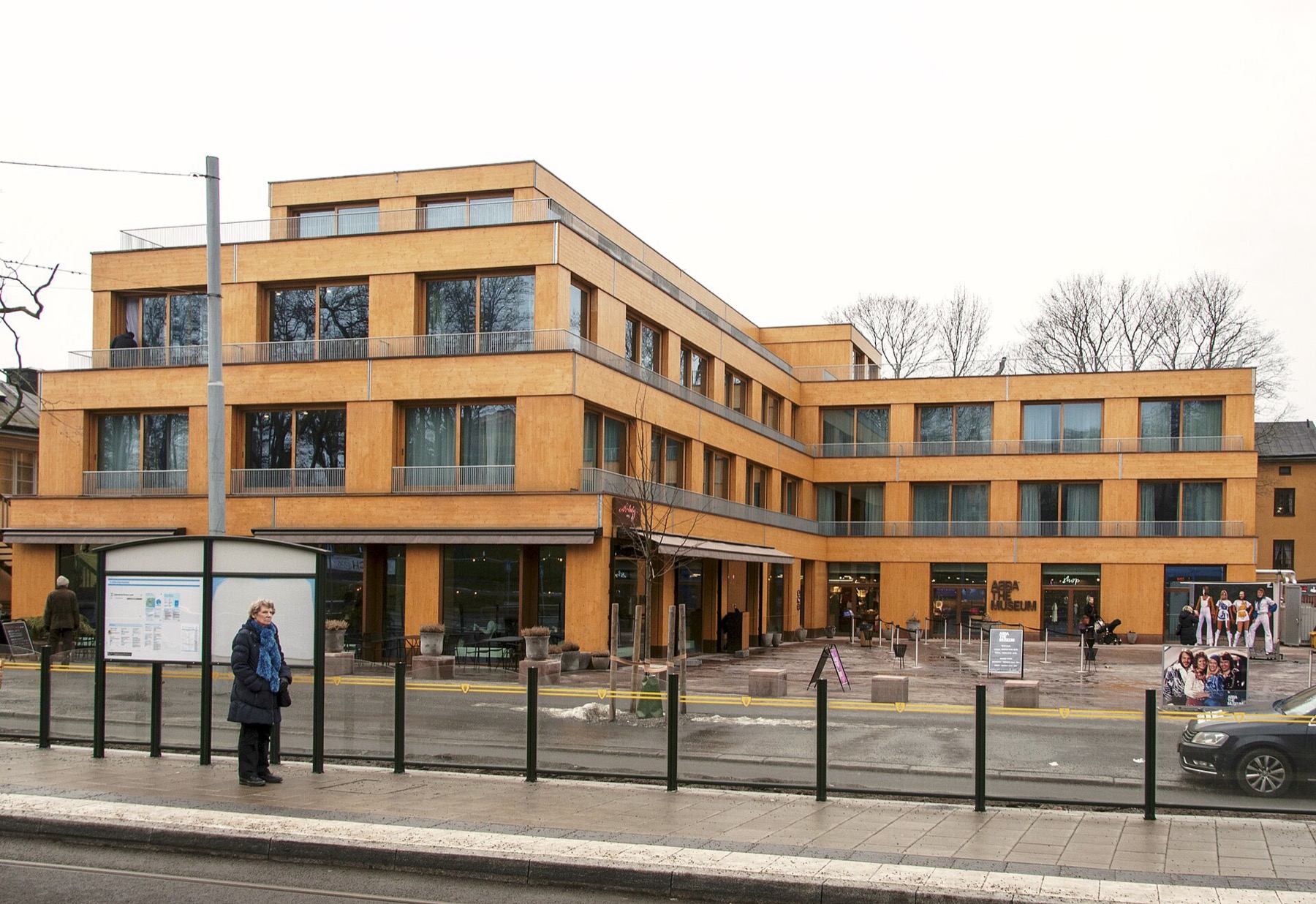
- Pop House Hotel (Djurgården): If you want to stay right in the middle of the action on the island, this modern design hotel sits in the same building as ABBA The Museum. It offers wonderful comfort and stylish rooms, with a double room costing around €185 per night.
- Clarion Collection Hotel Wellington (Östermalm): A very pleasant hotel in an elegant district, from which you can reach Djurgården on a lovely walk of about twenty minutes. A huge plus is that for around €125 per night you get not only an excellent breakfast, but also a light afternoon fika and an evening meal, which saves you plenty of money on restaurants.
- Downtown Camper by Scandic (Norrmalm): One of the most popular hotels in the city centre, with a fantastic rooftop terrace and pool. It has a great, slightly adventurous vibe, and tram number 7, which whisks you off to the island, is just steps away. A night here costs around €145.
- Hotel Diplomat (Östermalm): For those looking for classic luxury, this iconic hotel on the Strandvägen waterfront is an absolute legend. From the windows you look straight out over the water and Djurgården, which you can comfortably reach on foot in ten minutes. This is a higher category, though, with prices starting from €245 per night.
15 things to do on the museum island in Stockholm
Let’s finally get to the best of what this green jewel of Stockholm has to offer. From world-famous exhibitions to hidden forest cafés, Djurgården has something for everyone. Get your comfortable shoes ready, because you’ll clock up plenty of kilometres, and don’t forget to keep your phone charged, since everything here is paid for by card only.

1. The Vasa Museum: The most famous blunder in Swedish history
The story of the warship Vasa is an absolutely fascinating example of what happens when royal pride isn’t reined in by common sense. In 1628, King Gustav II Adolf ordered the most terrifying ship on the Baltic Sea to be built, but despite the shipbuilders’ warnings he had a second row of heavy bronze cannons added, which fatally undermined its centre of gravity. The pride of the Swedish navy thus sank after just 1,300 metres of sailing, right before the eyes of Stockholm’s stunned residents.
It spent a full 333 years on the seabed before engineers painstakingly raised it to the surface in 1961. Its survival was only possible because the Baltic Sea is free of the shipworm, a creature that otherwise reliably devours wood. Today the astonishing Vasa Museum takes your breath away with its sheer size and the fact that the wreck is 98% original 17th-century oak. You can walk around the ship on several levels and take a close look at hundreds of carved sculptures meant to strike fear into enemies.
You’ll reach the entrance on a pleasant ten-minute walk from the Djurgårdsbron bridge, or you can hop on tram number 7 straight to the Nordiska museet/Vasamuseet stop. Tickets cost from 195 to 240 SEK depending on the season (roughly €17–21) and children under 18 get in completely free. In the summer season it opens as early as 8:30, while in winter you’ll have to wait until 10:00. Set aside about two hours for a thorough visit.
💡 Tip: With more than 1.35 million visitors a year, Vasa is the most-visited museum in Scandinavia. If you want to enjoy your visit in peace, be at the entrance right at 8:30 when it opens. By around eleven in the morning, hour-long queues typically form outside the building and you can barely move inside.
2. Skansen: The oldest open-air museum in the world
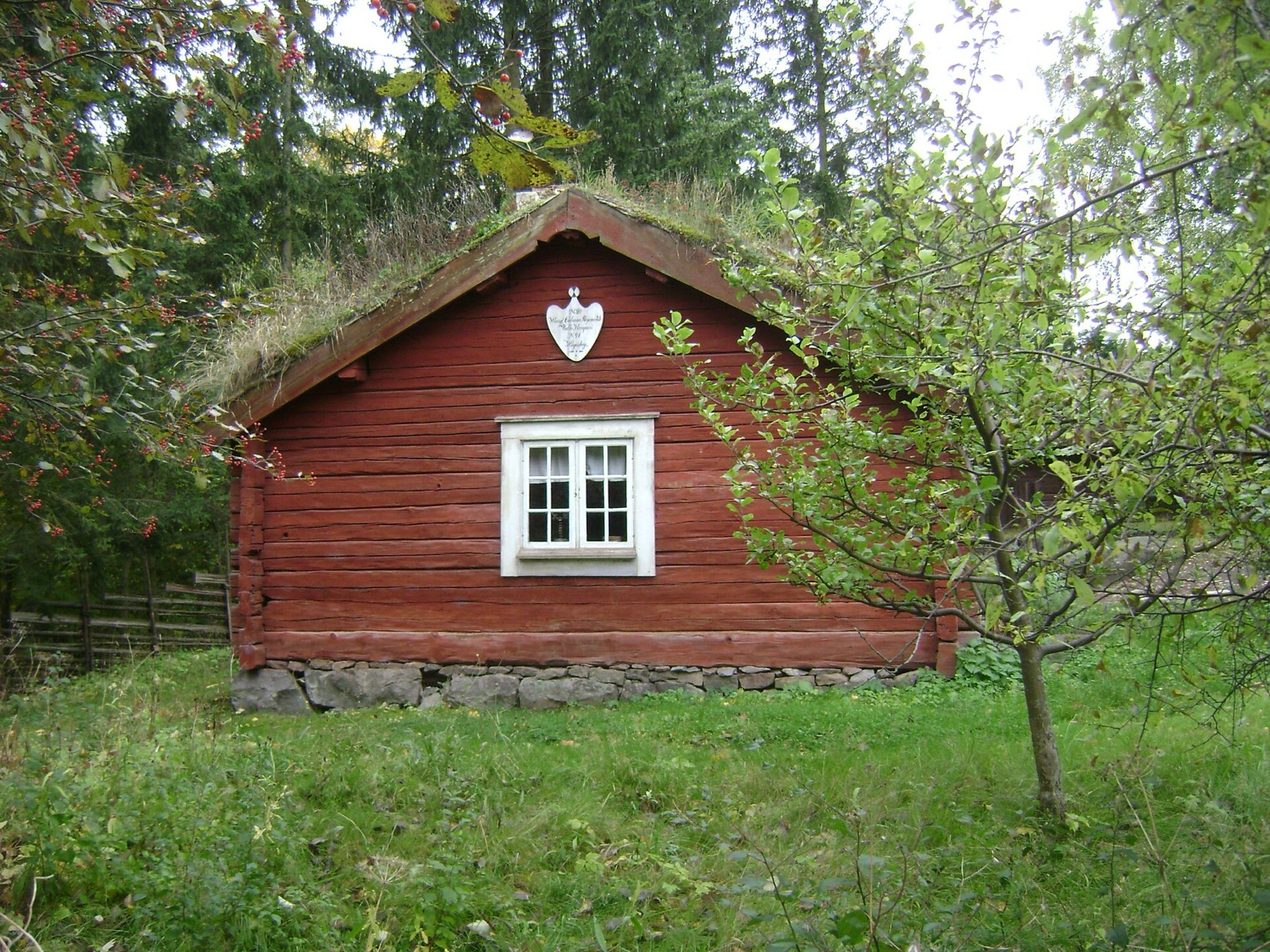
If you don’t have time to travel across the whole of Sweden from south to the far north, Skansen makes up for it perfectly. This enormous complex was founded back in 1891, making it the oldest open-air museum in the world. Its founder, Artur Hazelius, had more than 150 historic buildings brought here from across the country, from humble log cabins from Lapland to wealthy merchant houses and old craft workshops, where bakers and glassblowers still demonstrate their skills to this day.
Besides history, you’ll also find an extensive Nordic zoo here, a huge draw especially for families with children. In the spacious enclosures you’ll see majestic moose, reindeer, lynx and rare wolverines. The complex is so vast that you need to set aside at least three to four hours to walk through it all at a leisurely pace and soak up the genuine historic atmosphere. It’s therefore ideal to set off first thing in the morning to avoid the strongest afternoon sun and the crowds.
Tram number 7 drops you right in front of the main gate, so you’ll only get lost if you really want to. Opening hours in summer stretch from 10:00 to 20:00, shrinking to 15:00 in winter, and the entrance fee at peak summer comes to around 305 SEK (roughly €27). In winter it’s almost half that.
💡 Tip: Children under 15 get in free, but watch out for one bureaucratic catch. Even for them you have to “buy” a zero-value ticket online in advance so you can get them through the entry turnstiles at all.
3. ABBA The Museum: Walk in and dance out
This is no boring exhibition of old costumes behind glass, but an utterly immersive experience whose official slogan fittingly reads “Walk in, dance out”. The museum of the legendary Swedish quartet, ABBA The Museum, takes you through their entire career, from winning Eurovision with Waterloo to their global dominance. Everything inside is highly interactive, so you can try mixing their music in a studio or sing right on stage alongside 3D holograms of the band members themselves.
One of the most entertaining curiosities of the museum is an ordinary red telephone mounted on the wall. Its number is known to only four people in the world: Agnetha, Björn, Benny and Anni-Frid. If the phone happens to ring during your visit, don’t hesitate to pick it up, because on the other end of the line will most likely be one of the members of the famous band, in the mood for a chat with fans.
The best way to get here is on tram number 7 — just get off at the Liljevalchs/Gröna Lund stop, from where it’s only a few dozen metres to the museum. It’s usually open from 10:00 to 18:00, and you’ll want to allow at least an hour and a half for the whole exhibition. Admission isn’t among the cheapest, at around 250 SEK (roughly €22) for an adult, and tickets are sold exclusively online for a specific time slot.
💡 Tip: Even if you’re not a die-hard fan of the band, reviews mostly agree that the museum is so brilliantly and cleverly done that the positive energy simply sweeps you up and you’ll leave grinning from ear to ear.
4. Nordiska Museet: Cultural history in a fairytale palace
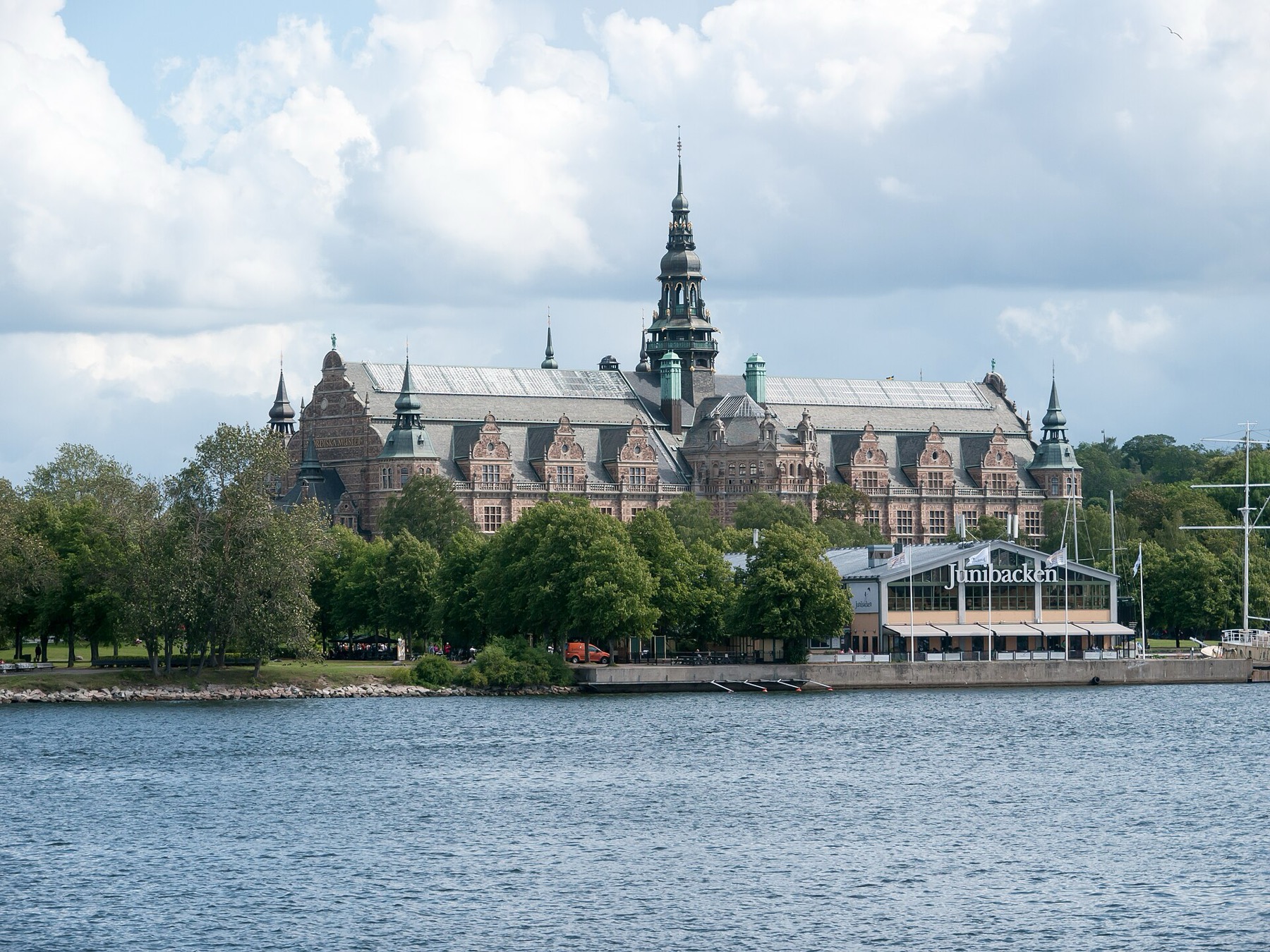
When you step off the tram or cross the Djurgårdsbron bridge, the first thing to catch your eye is a monumental building that looks like a Renaissance castle straight out of some Nordic fairytale. This is the Nordiska Museet, Sweden’s largest museum of cultural history, which from the outside looks perhaps even grander than the Royal Palace in Gamla Stan itself.
Inside awaits a fascinating journey into the depths of the Swedish soul and way of life from the 16th century to the present day. You’ll learn how Swedes celebrate their traditional holidays such as Midsommar, how Nordic fashion evolved, and what typically furnished Swedish flats looked like in different historical eras. There’s also an extensive exhibition dedicated to the indigenous Sámi people and their culture in the harsh north. You can take your time examining the traditional clothing and tools these northern peoples used to survive.
The building sits right at the start of the island, so you can comfortably reach it on foot in five minutes from the bridge, or ride one stop on tram 7 to Nordiska museet/Vasamuseet. It’s usually open from 10:00 to 17:00 and a ticket costs 170 SEK (roughly €15). Walking through all the floors will take you about two hours, during which you’ll learn more about the Swedish character than anywhere else.
💡 Tip: Even if you decide not to pay the entrance fee and skip the exhibitions, definitely take a peek into at least the main entrance hall. Its vast space resembles a cathedral and is dominated by a huge wooden statue of King Gustav Vasa, a sight that’s well worth a short stop.

5. Vrak – Museum of Wrecks: A fascinating newcomer on the island
Thanks to its low salinity and the absence of the shipworm, the Baltic Sea is an utterly unique environment where historic ships can be preserved in incredible condition for centuries. This very fact is celebrated by one of the newest museums on Djurgården, called simply Vrak – Museum of Wrecks, which opened in autumn 2021. It sits right next to the more famous Vasa Museum, so you can easily reach it on foot along the waterfront.
Unlike the Vasa, where you physically admire one giant raised colossus, Vrak focuses on ships that still lie on the dark seabed. Using the latest technology, virtual reality, holograms and underwater footage, the museum takes you right onto the decks of sunken vessels from various historical periods, from old merchant ships to warships. You’ll feel as if you’re diving through the dark waters of the Baltic yourself.
The exhibition draws you into the everyday work of marine archaeologists. You’ll learn how wrecks are found, painstakingly studied and what stories they hold. It’s open every day from 10:00 to 17:00 and you should allow about an hour and a half for a visit. Admission costs 185 SEK (roughly €16), and a big advantage is that you won’t yet run into the same crowds as at its more famous neighbours.
💡 Tip: If you love modern interactive museums where you’re not content just reading long texts on walls, Vrak will definitely wow you. It’s a great alternative for those who want to avoid the queues at the Vasa.
6. Junibacken: Step into Astrid Lindgren’s world
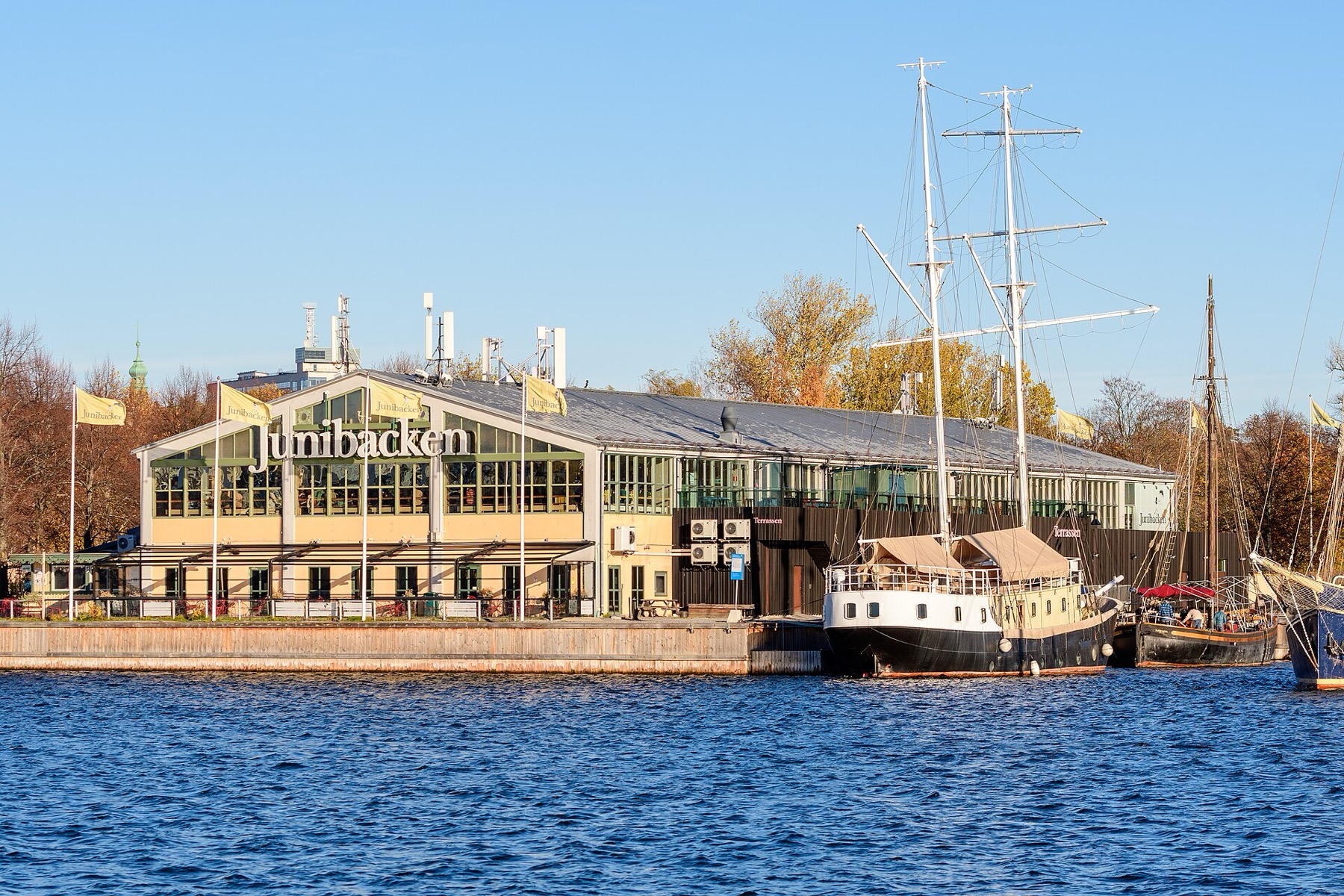
If you’re travelling to Stockholm with younger children, this is one place you mustn’t miss for anything. Junibacken isn’t a classic museum but rather a huge interactive playhouse celebrating the work of the legendary Swedish author Astrid Lindgren. Kids can run around freely, touch everything and climb over the roofs of miniature Swedish houses from their favourite children’s books. It lies just steps from the Vasa Museum, so it’s really close from the Nordiska museet tram stop.
The absolute highlight of a visit is the so-called Story Train. You sit in a little carriage that gently lifts into the air, and you truly float above models of the Swedish landscape straight into the famous stories. You’ll meet Emil of Lönneberga, fly over the rooftops with Karlsson-on-the-Roof and visit the moving world of the Brothers Lionheart. The ride lasts around 15 minutes and the narration can be played in several world languages.
Besides the train, you’ll also find a real-life Villa Villekulla here, where children can saddle up Pippi Longstocking’s spotted horse or slide down a giant slide. It’s open from 10:00 to 17:00 and you should set aside about two hours full of children’s shrieks. Admission is around 220 SEK (roughly €19) for an adult.
💡 Tip: Be prepared for it to get pretty busy at weekends and during the summer holidays, with queues for the fairytale train. It’s therefore much better to arrive first thing in the morning on a weekday, when kids can enjoy the place in far greater peace.
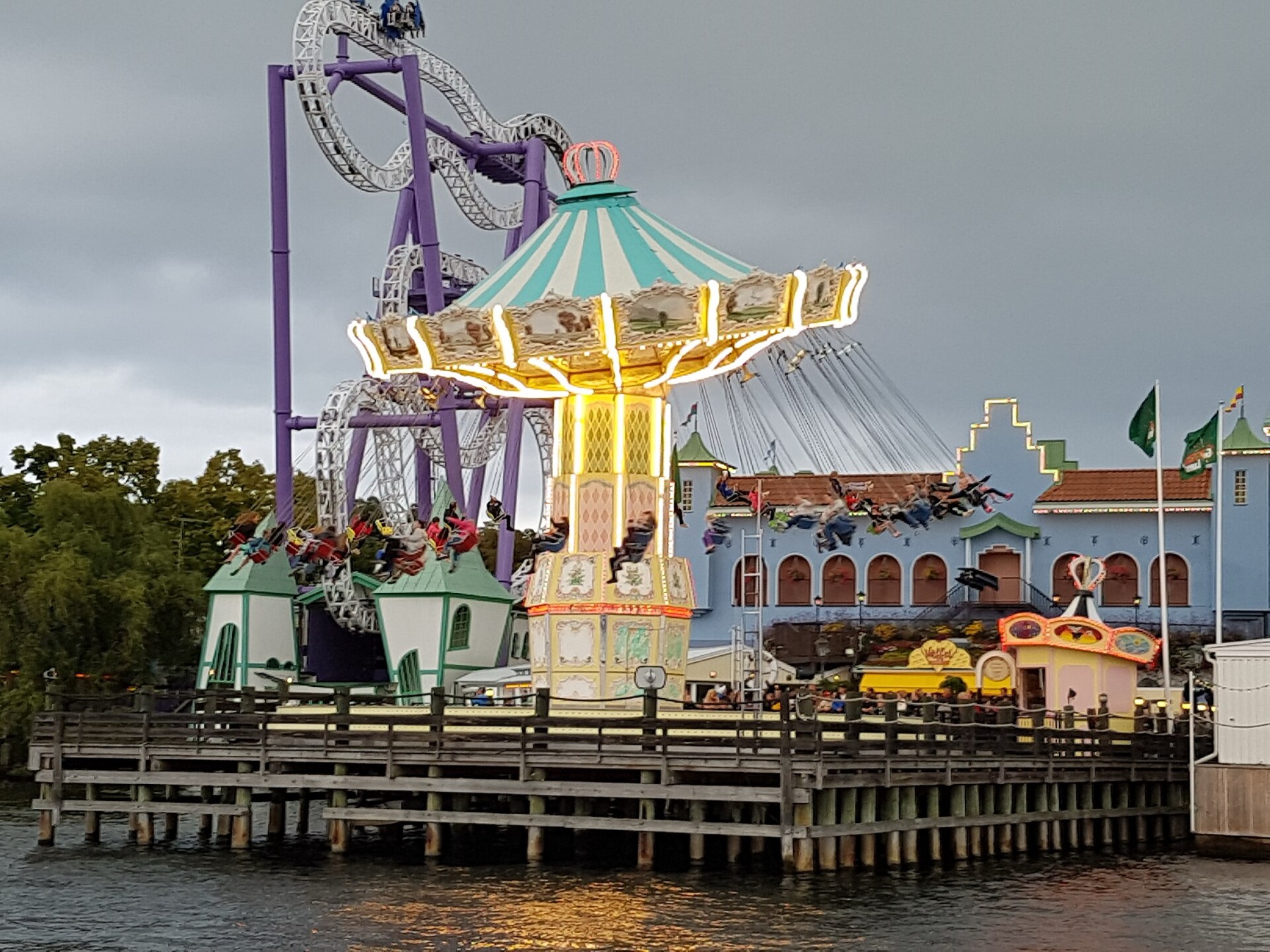
7. Gröna Lund: Adrenaline with a sea view
On the western edge of the island lies the historic amusement park Gröna Lund, which has stood on the spot since 1883. Don’t expect a huge American-style Disneyland — the park is packed into a fairly small space right on the seashore, but it’s precisely this compactness that gives it incredible charm. The roller coasters weave one over another, and from the tallest rides you get Stockholm’s historic centre spread out beneath you.
For the 2026 summer season, the park has prepared a big new attraction, the adrenaline ride Spindeln. It’s Sweden’s first “Super Jumper” and it’s guaranteed to lift you out of your seat. Another big draw is the newly opened K-street zone dedicated to popular Korean culture and K-pop music, which pulls in crowds of teenagers. Gröna Lund isn’t just about the rides, though — it also works as a huge summer concert venue where the biggest global and Swedish music stars perform.
The best way to get here is straight across the water: ferry number 82 from Slussen drops you right at the park entrance. Opening hours vary a lot by day and season, and in summer it stays lively until late in the evening. Set aside as much as half a day for a visit if you love adrenaline.
💡 Tip: The park’s ticket system can be a little confusing. You pay a basic admission to the grounds and then buy rides on top. You can get tickets for specific attractions, or an all-day wristband with unlimited rides, which will run you around 400 SEK (roughly €35). So think carefully about how much adrenaline you can really handle.
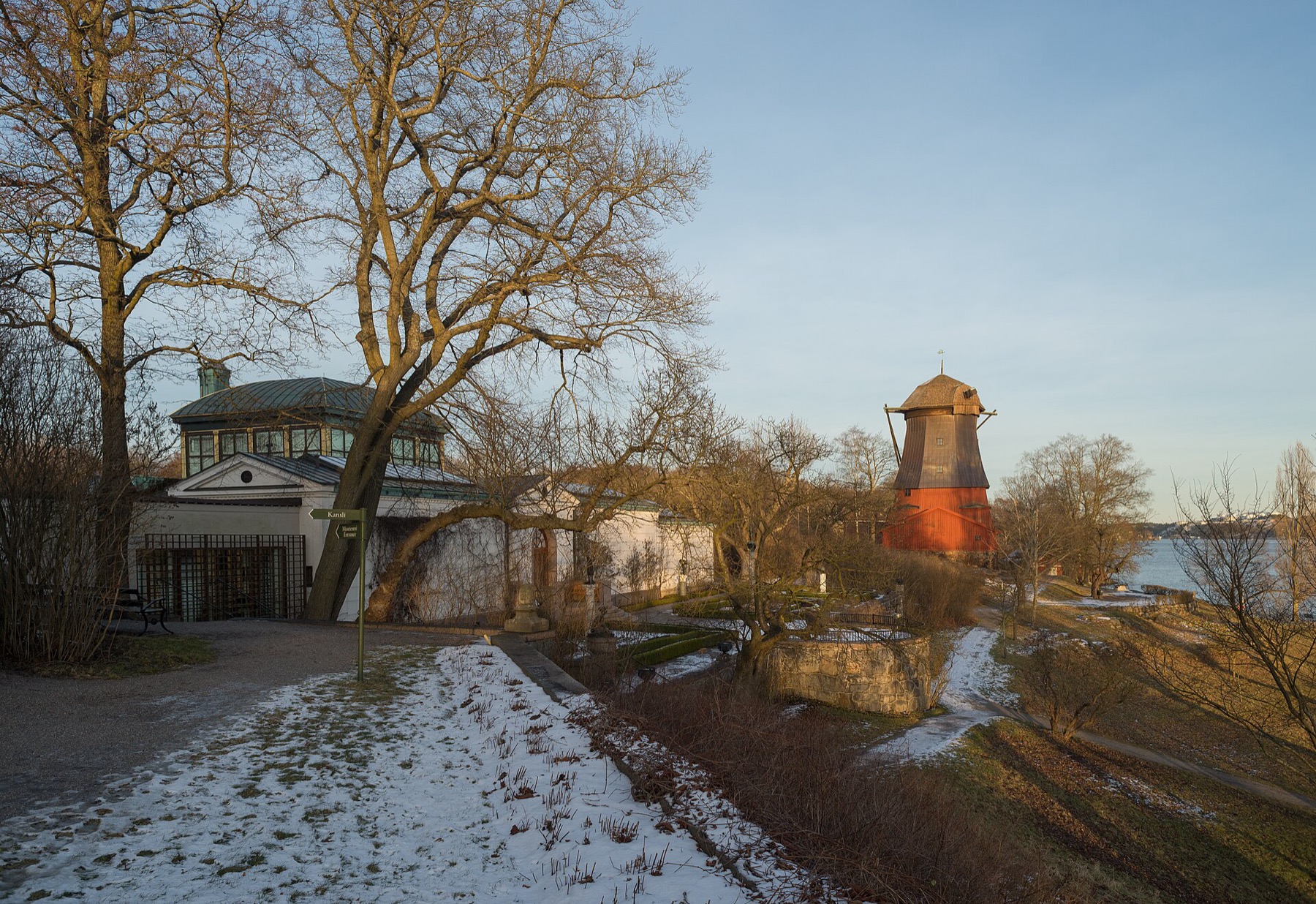
8. Prins Eugens Waldemarsudde: A mansion full of art
Once you move away from the main cluster of museums in the west of the island, Djurgården finally shows you its much calmer side. On a picturesque headland overlooking the water stands the beautiful Waldemarsudde mansion, which originally belonged to the Swedish Prince Eugen. This member of the royal family was not only a passionate art collector but was himself one of the most respected Swedish landscape painters of the turn of the 19th and 20th centuries.
Today his former summer residence works as one of the most beautiful art museums in Sweden. You can wander through the well-preserved royal chambers, which look as if the prince had just stepped out for a moment, and admire an extensive collection of Nordic painting. The mansion is surrounded by a fantastic terraced garden full of sculptures, old oaks and flower beds that the prince tended lovingly in person.
The best way to get here is on tram number 7, for which the Waldemarsudde stop is the terminus. The indoor exhibitions are usually open from 11:00 to 17:00 and admission costs around 170 SEK (roughly €15). A walk through the mansion and gardens will take you about two hours of pure sightseeing.
💡 Tip: Here you can finally catch your breath. What’s more, the gardens are accessible free of charge, so even if you don’t want to pay to go inside, a walk around the mansion with views of the sailboats is simply perfect.
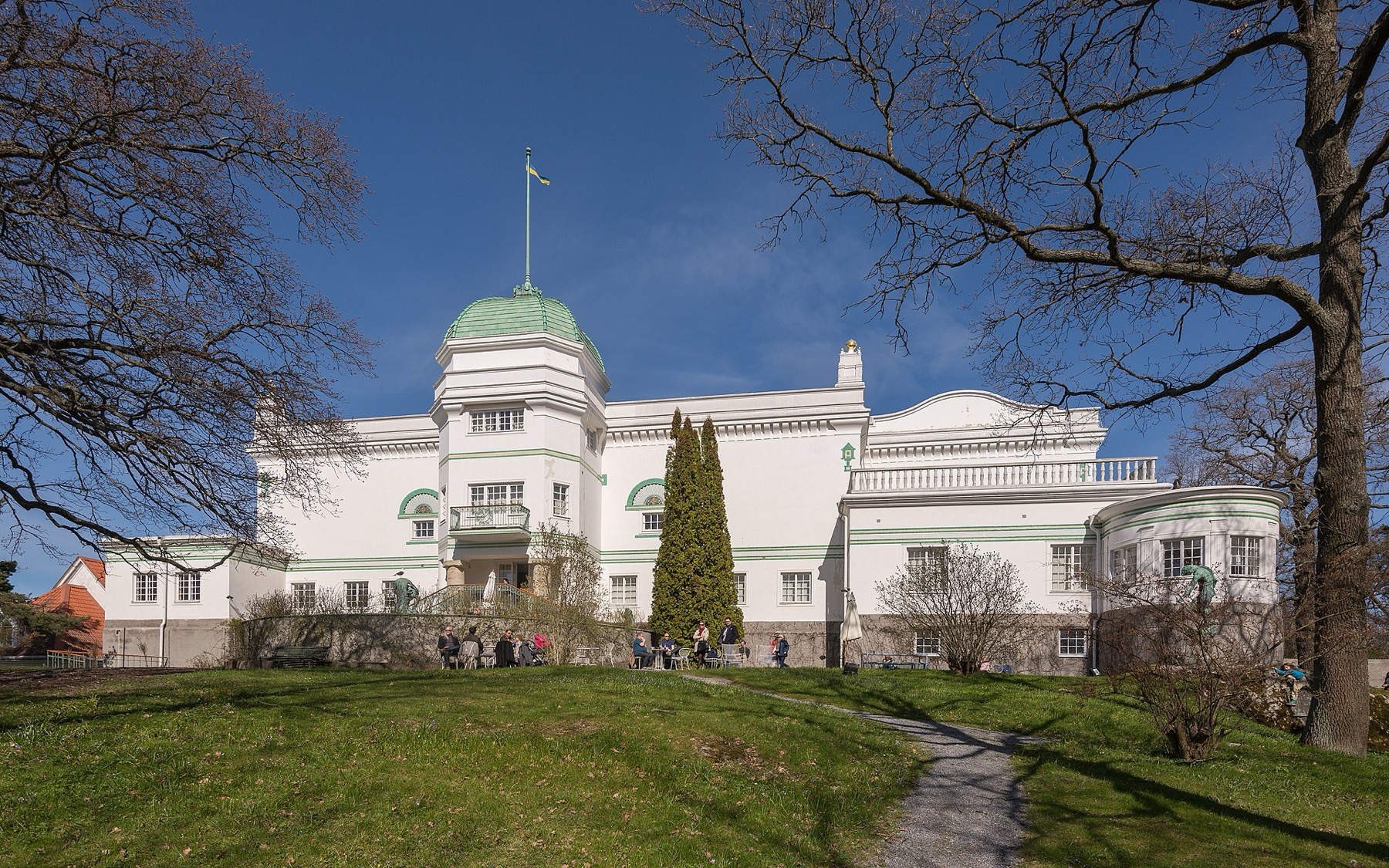
9. Thielska Galleriet: A hidden gem at the tip of the island
At the very eastern tip of Djurgården, far from the main tourist trails, sits Thielska Galleriet. Experts consider this institution to hold one of the best collections of Nordic art from the turn of the 19th and 20th centuries. It was originally the private residence of banker and patron Ernest Thiel, who had his white villa built especially so he could exhibit the works of his artist friends in it.
In the stunning, light-filled halls hang the finest pieces by masters such as Edvard Munch (creator of the famous Scream), Carl Larsson and Bruno Liljefors. The villa still retains the intimate atmosphere of a private home, so you won’t be crushed in queues but can savour the art in complete silence with views over the adjacent sculpture park. Set aside about an hour and a half for a visit.
The journey to the gallery is an experience in itself. The fastest way here is on bus number 67 from the city centre (Thielska galleriet stop), or you can take an hour-long walk along the forest paths from the Vasa Museum. It’s open from 12:00 to 17:00 and admission is around 150 SEK (roughly €13).
💡 Tip: Inside the building you’ll also find a lovely little café, where you can rest and enjoy a coffee and cake before the long journey back to civilisation. It’s an ideal spot for quietly absorbing your artistic impressions.


10. Rosendals Trädgård: The best vegetarian fika
Rosendals Trädgård is the kind of place where you’ll easily spend two hours without even noticing. This sprawling organic garden and orchard lies tucked away in the middle of the island and works as an educational centre, community farm and wonderful café all in one. Greenhouses full of flowers and herbs give way to apple orchards, beneath which wooden tables and blankets for afternoon picnics are scattered in summer.
Be sure not to miss the local café, famous for its fantastic vegetarian salads and fresh bread from its own artisan bakery. Everything you’ll taste here comes mostly from local organic ingredients, whether it’s fluffy cardamom buns, honest sourdough bread or hearty vegetable soups. You won’t find traditional Swedish meatballs or fish specialities here, but trust me, after a colourful vegetarian lunch among the blooming apple trees you definitely won’t miss the meat. A generous fika here costs between 65 and 100 SEK (roughly €6 to €9).
You’ll reach the gardens on a pleasant walk from the Bellmansro tram stop. They’re usually open from 11:00 to 17:00, but in the winter months hours are limited, so it’s best to check ahead. Set aside a good two hours here for lunch and relaxing.
💡 Tip: You order and pay for your food at the counter inside the big greenhouse, then find yourself a spot outside in the sun with your tray. At weekends it fills up from noon, so I recommend arriving either for an early lunch around eleven, or for a late afternoon fika.
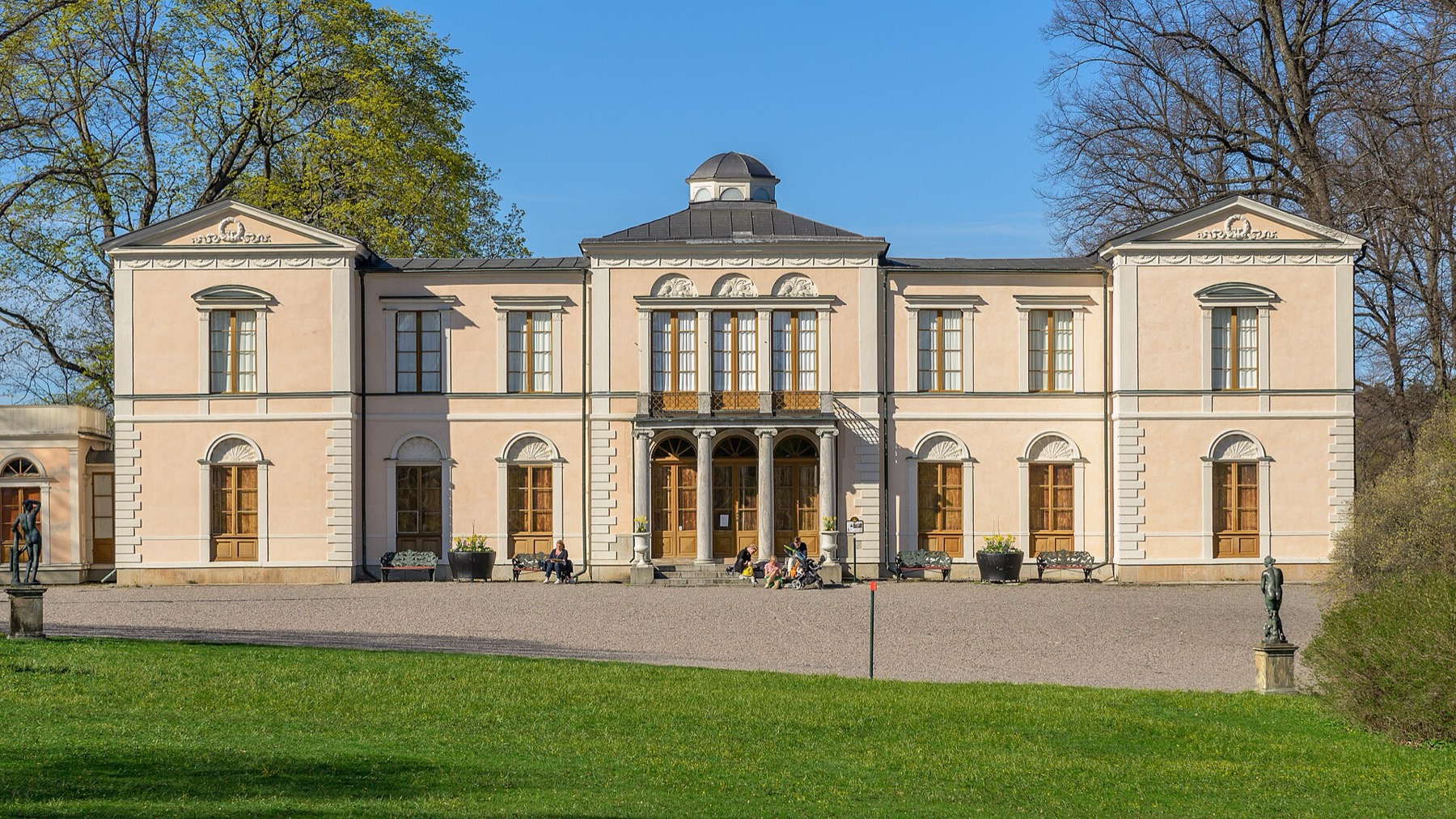
11. Rosendal Palace and the quiet half of the island
Right next to the organic garden stands Rosendals slott (Rosendal Palace), an elegant summer residence built in the 1820s for King Karl XIV Johan. Don’t expect any huge stone castle — it’s more of a very tasteful and stately villa that ranks among the finest examples of the Swedish Empire style. The palace is surrounded by a beautiful English park whose paths practically invite you to take long strolls beneath the crowns of old trees.
While the western part of Djurgården bursts at the seams under the onslaught of tourists from the cruise ships, here complete calm and quiet reign. Locals come to jog, walk their dogs or read books on the benches. If you feel overwhelmed by the impressions from the interactive museums, just walk a few hundred metres from the organic garden into this area and you’ll instantly forget you’re in the middle of a million-strong capital.
You’ll reach the palace on foot in no time after lunch at Rosendals Trädgård. The palace itself is only open to the public during the summer months, and entry inside is only possible on guided tours, which cost around 120 SEK (roughly €11) and last just under an hour.
💡 Tip: Even if you decide to just walk past and skip the guided tour, the gardens and surrounding forests are accessible year-round and completely free. It’s an absolutely ideal retreat for a break with a coffee in hand.
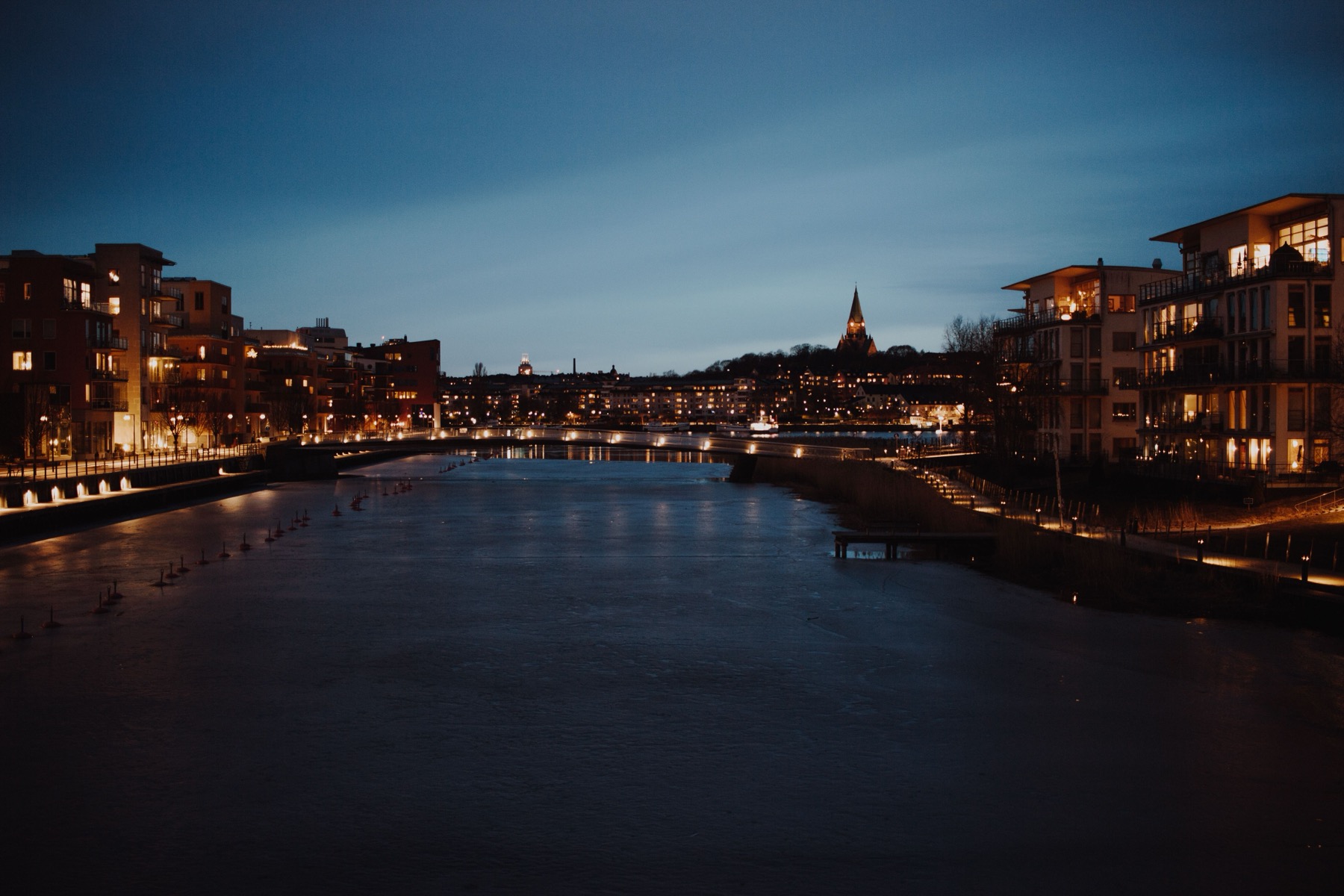
12. A walk along the Djurgårdsbrunn canal
The best way to soak up the island’s true natural beauty is to set off along the trail lining the picturesque Djurgårdsbrunnskanalen canal. This waterway was artificially built in 1832 to make navigation easier for smaller boats, and today it forms the island’s natural northern boundary. Along its banks runs a perfectly maintained sandy path, an absolute paradise for hikers and weekend cyclists alike.
The route is about five kilometres long and offers ever-changing scenery. On one side you’ll have views over the calm surface of the canal, where the occasional kayaker glides past, and on the other you’ll be surrounded by dense oak forest. Along the way you’ll come across several historic wooden bridges and beautiful old villas that once belonged to Stockholm’s high society. Allow a relaxed two hours for the whole walk.
If you make it all the way to the end of the canal at Isbladskärret bay, another lovely natural surprise awaits. This shallow stretch of water is a renowned bird sanctuary, where you can watch dozens of species of waterfowl, including a huge colony of grey herons that nest high in the crowns of the old trees.
💡 Tip: If you don’t fancy walking the whole route, rent a city bike in the centre. The canal is lined with wide cycle paths, and a ride along the water is one of the best experiences you can take away from summer Stockholm.
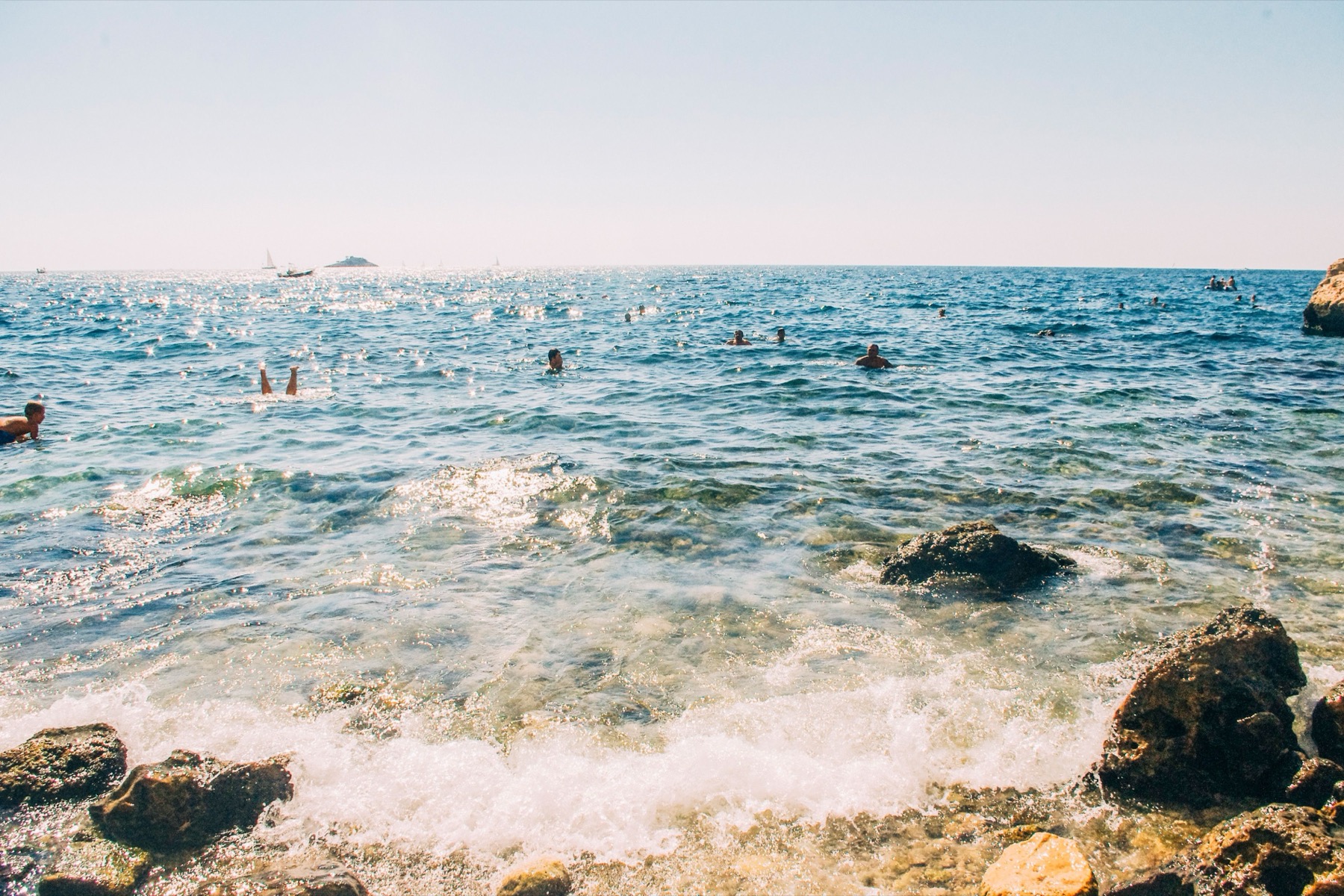
13. Swimming and beaches on the island
This might surprise you a little, but Stockholm is a city where locals routinely swim right in the centre in summer, and Djurgården is certainly no exception. The water in the lakes and straits around the city is incredibly clean thanks to strict environmental standards, so the moment temperatures climb above twenty-five degrees in July and August, Swedes immediately pull out their swimsuits and head for the water.
On the southern shore of Djurgården you’ll find several rocky outcrops and grassy beaches where you can safely wade into the water. Just walk along the paths beyond Waldemarsudde and you’re sure to come across locals sunbathing on the rocks. The water is refreshing and its temperature rarely tops 20 °C, but after a full day of running around museums, this Nordic ritual is simply priceless.
You can reach it on foot or by bike, and entry is of course free. Feel free to lounge here all afternoon with a book, just bear in mind there are no lifeguards or changing rooms.
💡 Tip: If you don’t have your own towel, do as the locals do. Find a warm flat rock by the water, take a quick dip to cool off in the waves, then let yourself dry in the afternoon Nordic sun.
14. How to get to the island (the logistics)
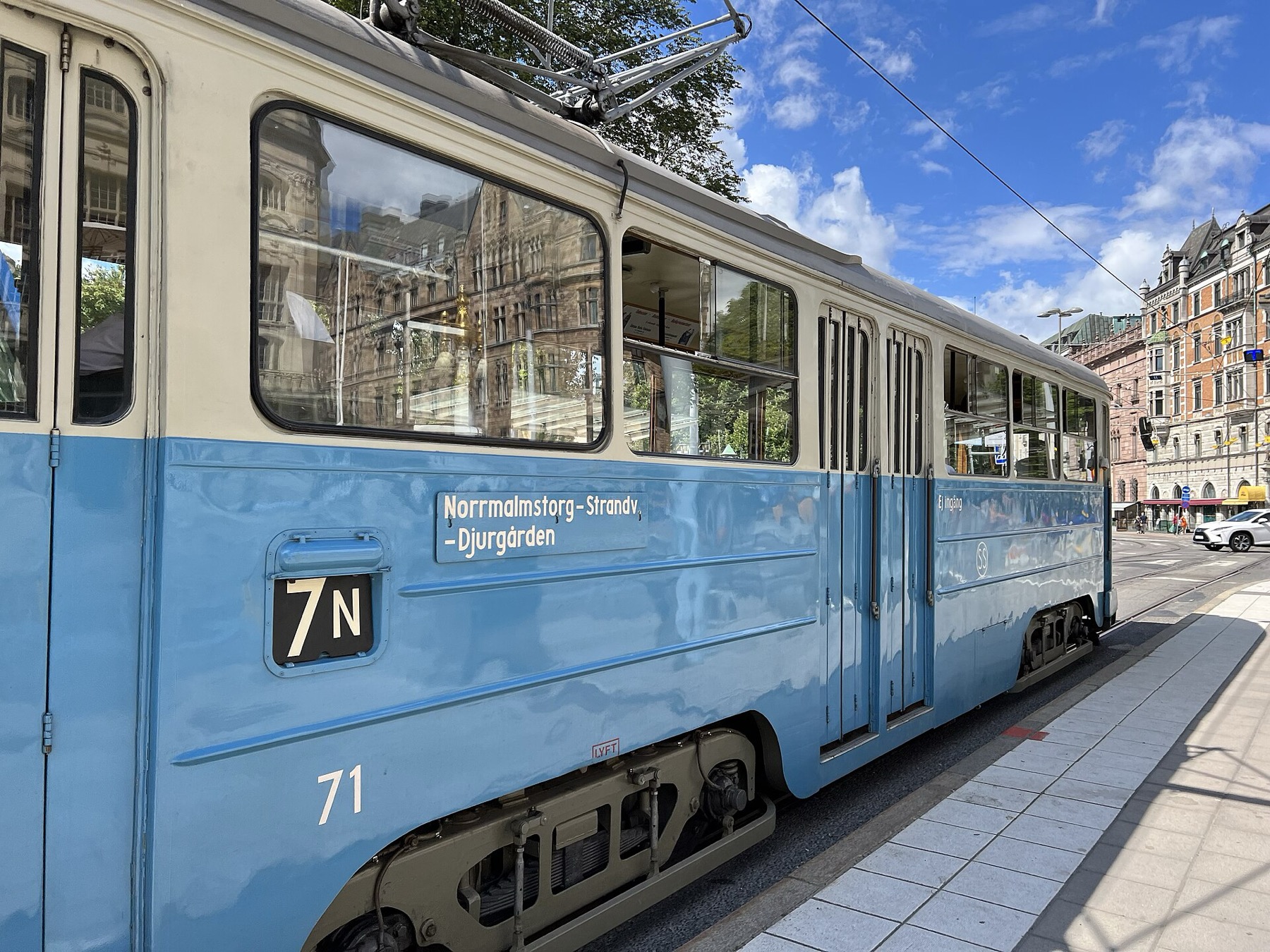
The journey to Djurgården isn’t just a dull transfer from A to B but a full-fledged experience you shouldn’t miss. The most romantic option is the historic tram number 7, which departs from Sergels Torg square and carries you along a beautiful route beside the Strandvägen waterfront. The ride itself across the ornate Djurgårdsbron bridge, as the majestic Nordiska Museet building rises up before you, is simply unforgettable. What’s more, the line occasionally runs special historic café cars where you can enjoy a coffee right during the journey.
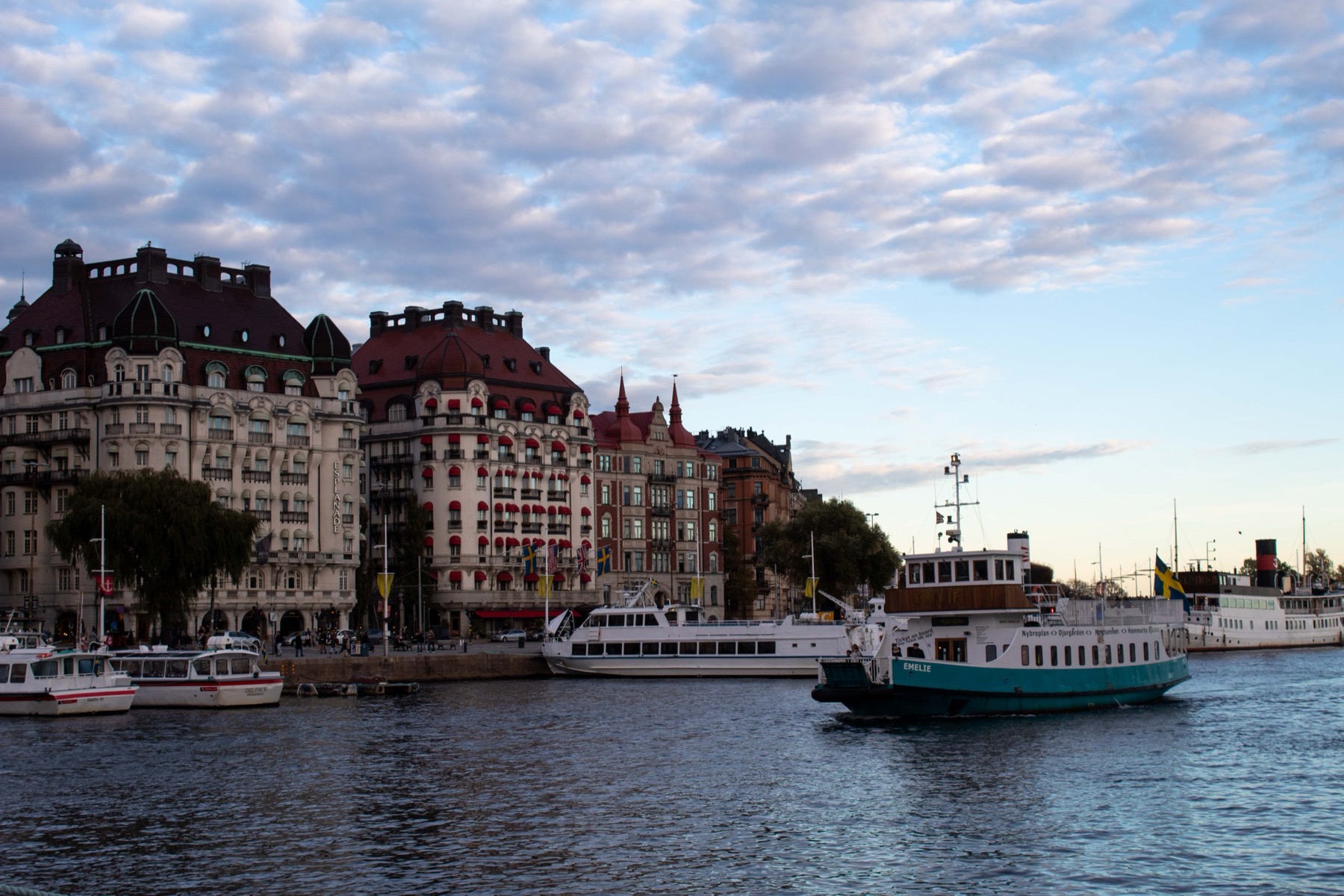
The second option, perhaps even more visually appealing, is the journey by water. From the Slussen stop in the historic centre of Gamla Stan, regular ferries on line 82 set off and carry you across the bay in just 10 minutes, straight to the Gröna Lund amusement park. Seeing the island with its museums and the masts of the Vasa ship right from the water is the best possible introduction to your visit.
What’s more, both of these lovely routes are covered by your regular Stockholm transit ticket, so you won’t pay a cent extra for the scenic cruise or the historic tram ride beyond your normal fare. Just tap your card at the turnstile and off you go.
💡 Tip: If the weather’s nice, definitely combine both routes. In the morning, head to the island on the ferry from Slussen to enjoy the morning sun on the water, and in the afternoon return to the centre by tram across the bridge. You’ll get two completely different views of the city.

15. Tickets and is the Go City Pass worth it?
When you add up the ticket prices for all the main attractions, the numbers might take you aback a little. Vasa costs around 240 SEK, Skansen swallows 305 SEK, ABBA The Museum 250 SEK and Junibacken 220 SEK. You’ll quickly realise that one active day on Djurgården can set you back more than 1,000 SEK (roughly €88). That’s exactly why many tourists consider buying the Go City Stockholm Pass, which includes entry to dozens of sights across the city.
Whether the card really pays off depends entirely on your travel pace. A one-day card usually costs around 800 to 900 SEK. For it to pay for itself, you’d have to fit in at least three or four major museums in a single day. That’s physically possible, but you’ll leave the island with nothing but a headache and total confusion from information overload. It’s also important to know that ABBA The Museum, for example, is NOT included in this card and you have to pay for it separately.
You can buy the card online and download it straight to your phone. If you do decide on it, start your day really early in the morning to squeeze the maximum out of it.
💡 Tip: If you’re not planning to sprint from one museum to the next with your tongue hanging out, it’s better to buy tickets individually online in advance. That way you avoid the pressure of “having” to fit in as much as possible, and can instead calmly enjoy the Vasa Museum and Skansen, which is plenty of programme for one day.
How to get to Djurgården and get around
Getting to the museum island is an absolute breeze thanks to Stockholm’s brilliantly functioning public transport (the SL company), but it has its little quirks worth knowing. Your best friend will be tram line 7, which forms the backbone of the island’s western part. It departs from the centre at T-Centralen and comfortably carries you to the Vasa Museum, Skansen and the Waldemarsudde mansion. If you’re staying in the centre, it’s the most logical and fastest choice.
If you’re travelling from the old town of Gamla Stan or from Södermalm, the absolute fastest option is to hop on ferry line 82 from the Slussen stop. The boat carries you across in a few minutes right to the Gröna Lund amusement park. Standard SL tickets are valid on the trams, buses and this ferry. A single 75-minute ticket costs 42 SEK (roughly €4) and you don’t need any app for it — just tap your regular payment card at the turnstile or reader. If you’re heading to Stockholm in the second half of 2026, I have great news for you. The Swedish government is subsidising public transport and the 30-day pass has dropped to an incredible 530 SEK (roughly €47). If you spend even five days in the city, this monthly pass will more than pay off.
For more active travellers, there’s the option of renting a city bike or an electric scooter. From the city centre you’re on the island in ten minutes along the cycle paths over the Djurgårdsbron bridge. A bike is also an absolutely ideal way to explore the more distant eastern parts of Djurgården, where the trams no longer run and walking would take needlessly long.
What I definitely don’t recommend, on the other hand, is trying to drive to the island in a rental car. Especially on summer weekends, cars are often banned from the island altogether to prevent traffic jams. Parking spots here are minimal, extremely expensive, and you’ll spend more time hunting for a free space than actually visiting the museums. Better to leave the car parked at your hotel and rely on the excellent public transport or your own two feet.

How much admission costs and how to save
If you’re not careful, Djurgården can give your travel budget a good airing. Most of the big institutions here are among the pricier ones in Stockholm, and ticket prices often rise in the summer season on top of that. When you add up the rough prices of the biggest attractions — the Vasa Museum (240 SEK), the sprawling Skansen (305 SEK), the interactive ABBA The Museum (250 SEK) and the kids’ Junibacken (220 SEK) — you land at over 1,000 SEK (more than €88) per person. Add lunch to that and suddenly one day costs you a small fortune.
The key to enjoying the island without ruining yourself is realising that a huge part of Djurgården is accessible completely free. You pay nothing to stroll through the gorgeous gardens at Prins Eugens Waldemarsudde. It costs nothing to explore the oak forests along the Djurgårdsbrunnskanalen canal or to relax on the seaside rocks. Even the monumental entrance hall of the Nordiska Museet with the statue of King Gustav Vasa is accessible without buying a ticket to the exhibitions themselves. Skansen does offer significantly cheaper admission in winter, but in summer you simply can’t get inside without a ticket.
If you’ve only got a single day set aside for the island and want to keep your budget in check, I recommend picking just two main paid attractions. The ideal combo for most travellers is undoubtedly the Vasa Museum first thing in the morning and the sprawling Skansen in the afternoon. Together, these two entries come to just under 550 SEK (roughly €48). You can then spend the rest of the day strolling through the parks and invest the money saved into a fantastic vegetarian lunch or a proper fika at the Rosendals Trädgård organic garden. You’ll get a far more balanced and less stressful experience of the Nordic capital than if you tried to frantically dash from one museum to the next.

Where to eat on the island
After so many kilometres walked and impressions from the museums, you’re bound to work up an appetite. Djurgården offers plenty of options, but since it’s one of the most touristy areas in all of Stockholm, it’s easy to stumble into overpriced traps.
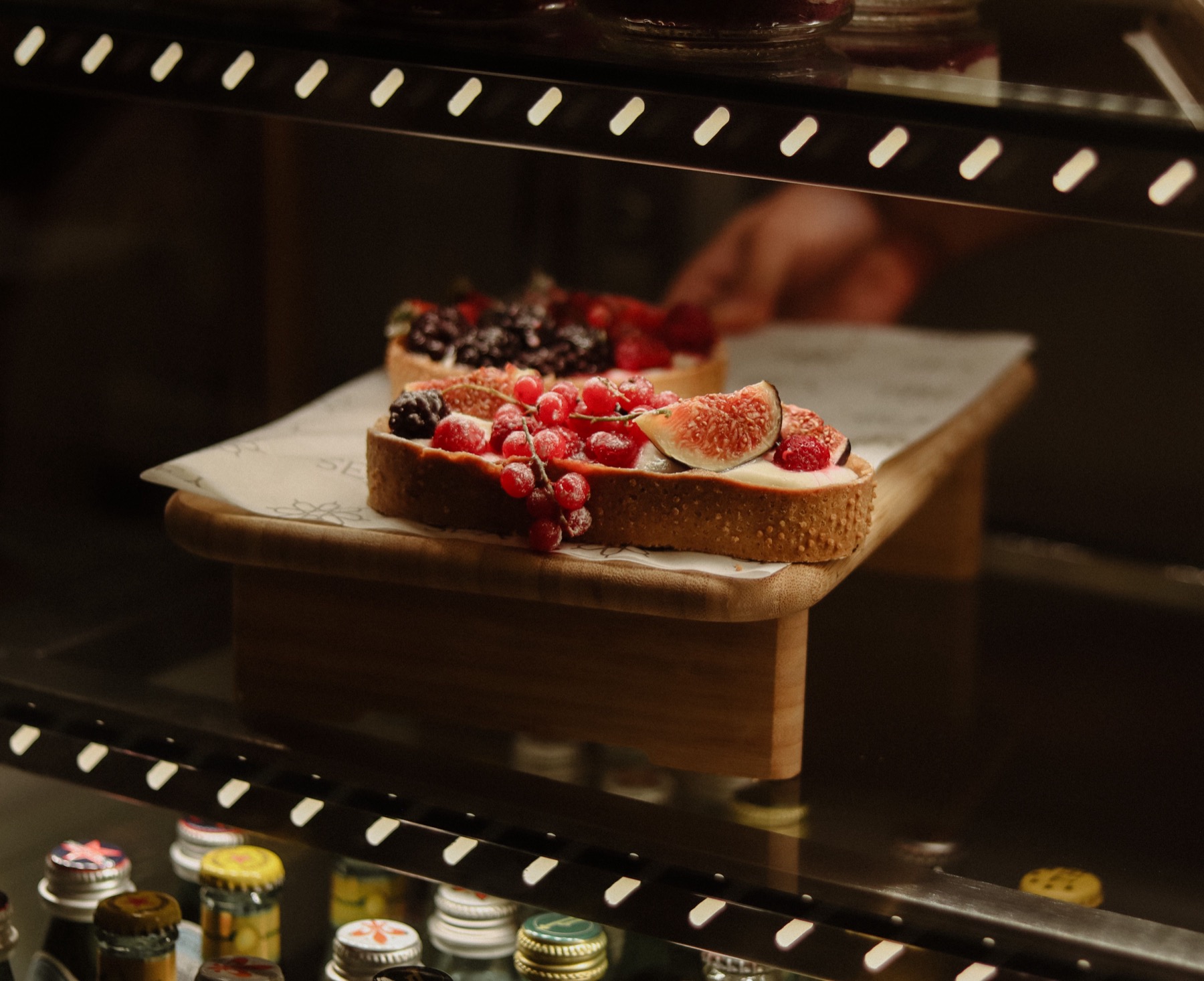
From picnics to renowned bakeries
The biggest hit is the aforementioned organic garden Rosendals Trädgård, where they make fantastic vegetarian food and fresh bread. But if you’re after something more classic, you’ll find plenty of quick-bite stalls by the entrance to the Gröna Lund amusement park. And at Skansen itself, several traditional restaurants serve honest Swedish meatballs with lingonberries, as well as soups and salad buffets.
A great and, above all, cheap alternative is to put together your own picnic. Stop by a supermarket in the city centre in the morning, buy fresh baguettes and cheese, and make yourself a lunch on the grass with a sea view. On the island you’ll find dozens of gorgeous spots, whether by the Djurgårdsbrunn canal or on the rocks near the Waldemarsudde mansion, where you can enjoy your meal in complete peace.
Where to go next from Djurgården
The museum island is fascinating, but Stockholm and its surroundings offer so much more. If you have more days in the city, definitely get inspired by our big guide Stockholm: 25 things to see and do. Explore the narrow lanes of the old town of Gamla Stan, head for shopping and the best views in the hipster district of Södermalm, or follow the trail of art into the Stockholm metro, which works as the longest gallery in the world.
If you’re interested in the detailed history of the famous ship and want to plan your visit down to the last detail, take a look at our article The Vasa Museum in Stockholm: tickets and tips. And if you’re sorting out the practical side of your trip, the guide Where to stay in Stockholm: districts and hotels will come in handy.
Got a car or not afraid of the train? An hour’s journey to the north lies Uppsala with its gigantic cathedral, an entirely different world from bustling Stockholm. You’ll find plenty of inspiration in our comprehensive article Sweden: 30 things to see and do, and don’t forget to read up on what tasty treats to try in our guide Swedish cuisine: 18 dishes you have to try.
Frequently asked questions
Planning a trip and still puzzling over a few practical details? I’ve put together a quick summary of the most common questions I get about the museum island.
Hopefully they’ll help you plan your Stockholm visit as well as possible and avoid unnecessary stress. Let’s take a look at them!
How much time should I plan for Djurgården island?
If you only want to see the Vasa Museum and take a quick stroll along the water, half a day is enough. But if you’re planning to add the sprawling Skansen, a vegetarian lunch in the gardens of Rosendals Trädgård, and a long walk to the more distant galleries in the east, definitely set aside a full day for Djurgården. The island is huge and rushing from place to place would be a real shame. If you’re short on time, think carefully about your priorities. It’s much better to enjoy two museums at a relaxed pace than to rush through five in stress and get nothing out of it.
What’s the best way to get to Djurgården from the city center?
The fastest and most convenient option is to take the historic tram line number 7, which runs directly from Sergels Torg square across the Djurgårdsbron bridge to the main museums. A wonderful and visually stunning experience is also the ferry line 82 from Slussen in the historic center, which takes you to the Gröna Lund amusement park in ten minutes. A regular public transport ticket is valid for both. Don’t forget that if you buy a multi-day public transport ticket, both of these routes are already included. You won’t need to worry about any additional fees.
Which museum should I choose if I only have time for one?
I definitely recommend the Vasa Museum. It’s an absolute world treasure that you won’t see anywhere else on the planet. The sight of a gigantic 17th-century warship that spent over 300 years at the bottom of the sea and remained almost perfectly preserved thanks to the absence of shipworms is an experience you won’t soon forget. Just make sure to arrive first thing in the morning when it opens! The building itself is also within walking distance from the bridge and tram, so getting there is really easy. Just make sure to buy your tickets in advance online.
How much do museum entries cost and is a combination ticket worth it?
Entries aren’t the cheapest – Vasa costs around 240 SEK, Skansen over 300 SEK, and ABBA The Museum 250 SEK. You can get the Go City Stockholm tourist card, but it only pays off financially if you manage three to four museums a day, which is very exhausting. For most travelers, it’s better value to buy tickets separately online and save yourself unnecessary stress. The combination card only makes sense if your travel pace is truly hectic. For a relaxed family holiday, it’s better to just choose what genuinely interests you.
Is Djurgården island suitable for visiting with children?
It’s absolutely the best place in Stockholm for families with children. Little travelers will love the Nordic zoo at Skansen, the interactive fairy-tale train at Junibacken that seamlessly transports them into the magical world of Astrid Lindgren, and the Gröna Lund amusement park. The entire island is also full of spacious parks and rest areas where children can run around safely and freely. Most museums are also perfectly adapted for strollers and offer facilities for families with the youngest ones. You’ll also find plenty of ice cream stands and quick refreshments.
Can you explore the island for free without paying entry fees?
Absolutely! The entire island functions as a huge public national park. You can walk completely free of charge through oak forests along the Djurgårdsbrunn canal, admire the fairy-tale architecture of the museums from outside, stroll around the Empire-style Rosendal Palace, or relax in the stunning gardens of Prins Eugens Waldemarsudde. You only pay for entry to the interior exhibitions and major museums. These quiet corners without hundreds of other tourists are among the best things Stockholm has to offer. Just pack a blanket and some good snacks in your backpack.
When is the island least crowded with tourists?
The biggest crowds flow in during July and August between ten in the morning and two in the afternoon, when large groups from giant cruise ships arrive. For a quieter experience, I recommend heading out early in the morning right when it opens, or instead choose spring or autumn months like May, June, and September, when the weather is still pleasant but there are noticeably fewer tourists in the city. If you decide to visit outside the summer season, don’t forget to pack warmer clothing. The wind from the sea can be quite chilly in the north even in spring.
What’s open on Djurgården during the winter months?
Most of the major state and indoor museums like Vasa, Nordiska, or ABBA The Museum remain open year-round, although with slightly reduced opening hours. Skansen also operates and hosts beautiful Christmas markets filled with the scent of mulled wine in December. On the other hand, the Gröna Lund amusement park and some smaller summer cafés are usually closed, so always check current opening hours before a winter visit. The winter atmosphere on the island is absolutely magical, especially when fresh snow falls. The short days are easily compensated by the cozy atmosphere in warm cafés.
Tips and Tricks for Your Vacation
Don’t Overpay for Flights
Search for flights on Kayak. It’s our favorite search engine because it scans the websites of all airlines and always finds the cheapest connection.
Book Your Accommodation Smartly
The best experiences we’ve had when looking for accommodation (from Alaska to Morocco) are with Booking.com, where hotels, apartments, and entire houses are usually the cheapest and most widely available.
Don’t Forget Travel Insurance
Good travel insurance will protect you against illness, accidents, theft, or flight cancellations. We’ve had a few hospital visits abroad, so we know how important it is to have proper insurance arranged.
Where we insure ourselves: SafetyWing (simple monthly subscription) and TrueTraveller (for extra-long trips).
Find the Best Experiences
Get Your Guide is a huge online marketplace where you can book guided walks, trips, skip-the-line tickets, tours, and much more. We always find some extra fun there!