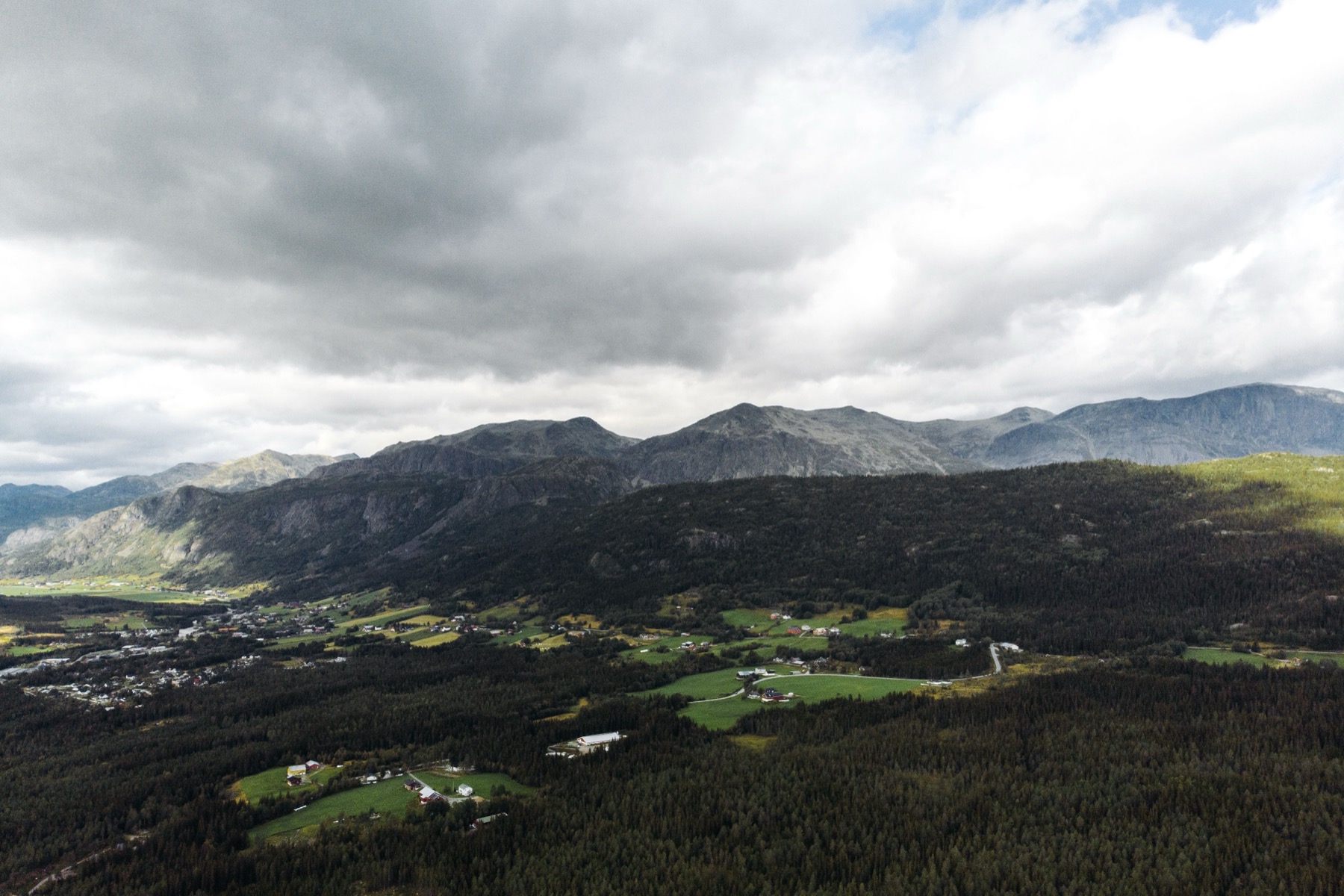
Heading off to shoot with your quadcopter over the fjords? Flying drones in Norway is a dream for many photographers, yet this stunning country is a surprisingly dense minefield of bans and regulations. Before you unpack your machine at your first viewpoint above a deep fjord, you should know that just two small airports blanket half of the beloved Lofoten Islands with their invisible protection zones, and that an unauthorised flight inside some national parks brings genuinely hefty fines running into thousands of euros. I’ve put together a detailed guide to the current rules for 2026, so you bring home only breathtaking footage from the north — not an empty wallet or a confiscated drone.
TL;DR
- Standard EASA rules apply here, so the maximum permitted flight altitude is 120 metres and you must keep the drone within sight at all times (VLOS).
- An EASA registration from any member state is fully valid in Norway — you don’t register the drone itself but yourself as the operator, and your assigned number must be clearly visible on the machine.
- Liability insurance is strictly mandatory for all machines except tiny drones under 250 grams with no camera (which doesn’t apply to travellers with a DJI Mini anyway — those have a camera).
- The 5-kilometre protection zone around airports is absolutely uncompromising, and in the north you’ll run into airfields far more often than you’d expect out in the wilderness.
- National parks often ban flying altogether — in the popular Lofotodden park, for example, a violation costs you a fine of 12,000 NOK (roughly €1,050).
- The Ninox Drone app is an absolute must for checking airspace, as it shows you all active bans and temporary restrictions in real time.
The full destination guide: Norway — guide and what to see
When to head to Norway with a drone
Flying drones in Norway changes drastically depending on the season you choose to venture up to the far north. Each season has its huge draws, but also very specific limitations you need to prepare for in advance, so you’re not unpleasantly surprised on the spot. Norwegian weather can be seriously unpredictable.
The summer months from June to August bring the magical phenomenon of the midnight sun, so you can fly and shoot at two in the morning in perfectly soft light. At the same time, though, you have to be extremely careful about nesting birds, because from mid-April to the end of July many wonderful coastal reserves impose a strict ban on entry and any flying. Summer is also when you’ll see the greenest fjords in your footage.
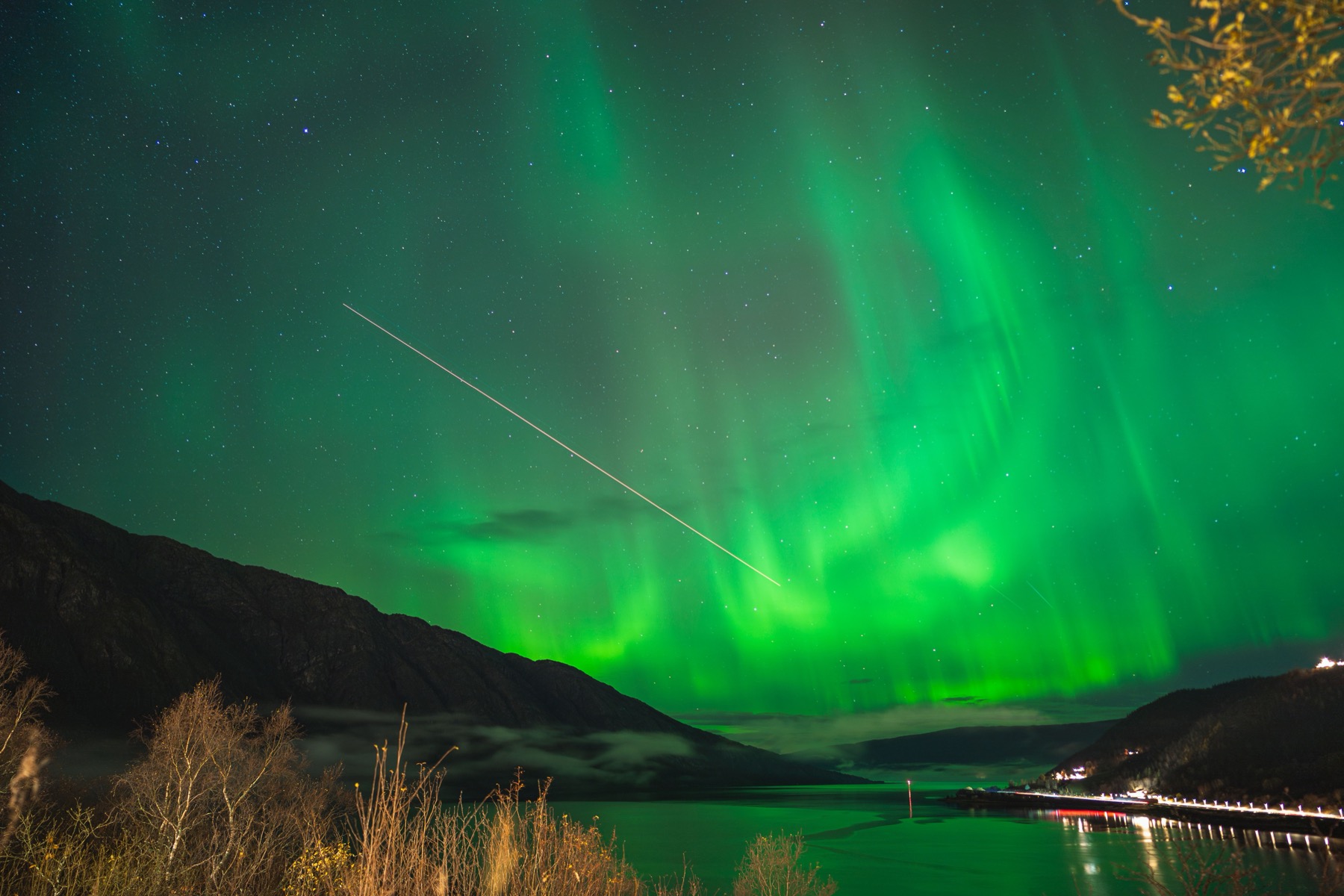
Autumn — September and early October — is probably the best choice for flying: nature looks like a painting, the nesting birds are long gone, and you get the best colours of the year in your shots. The days shorten quickly up north, but you also stand a great chance of capturing the northern lights, which is an utterly magical, unforgettable experience from a drone.
The winter months from November to March are the ultimate test for any gear. The polar night means you’ll mostly be flying in complete darkness, which Norwegian rules surprisingly allow, but your drone must have a green flashing light switched on at all times. Batteries also drain at rocket speed in the frost, so you have to fly with enormous respect for nature.
Where to stay in Norway (not only) for drone pilots
💡 Accommodation and experiences tip: We prefer to look for accommodation on Booking.com, which usually has the best cancellation terms. For tickets, tours and activities it pays to compare and book through GetYourGuide.
If you’re planning a trip to Norway focused primarily on photography and drone flying, I strongly recommend choosing your accommodation strategically outside the strictest no-fly zones. There’s nothing worse than paying for a pricey romantic cabin above a fjord only to find out on arrival that it sits inside a five-kilometre airport protection zone, where you can’t even start your machine.
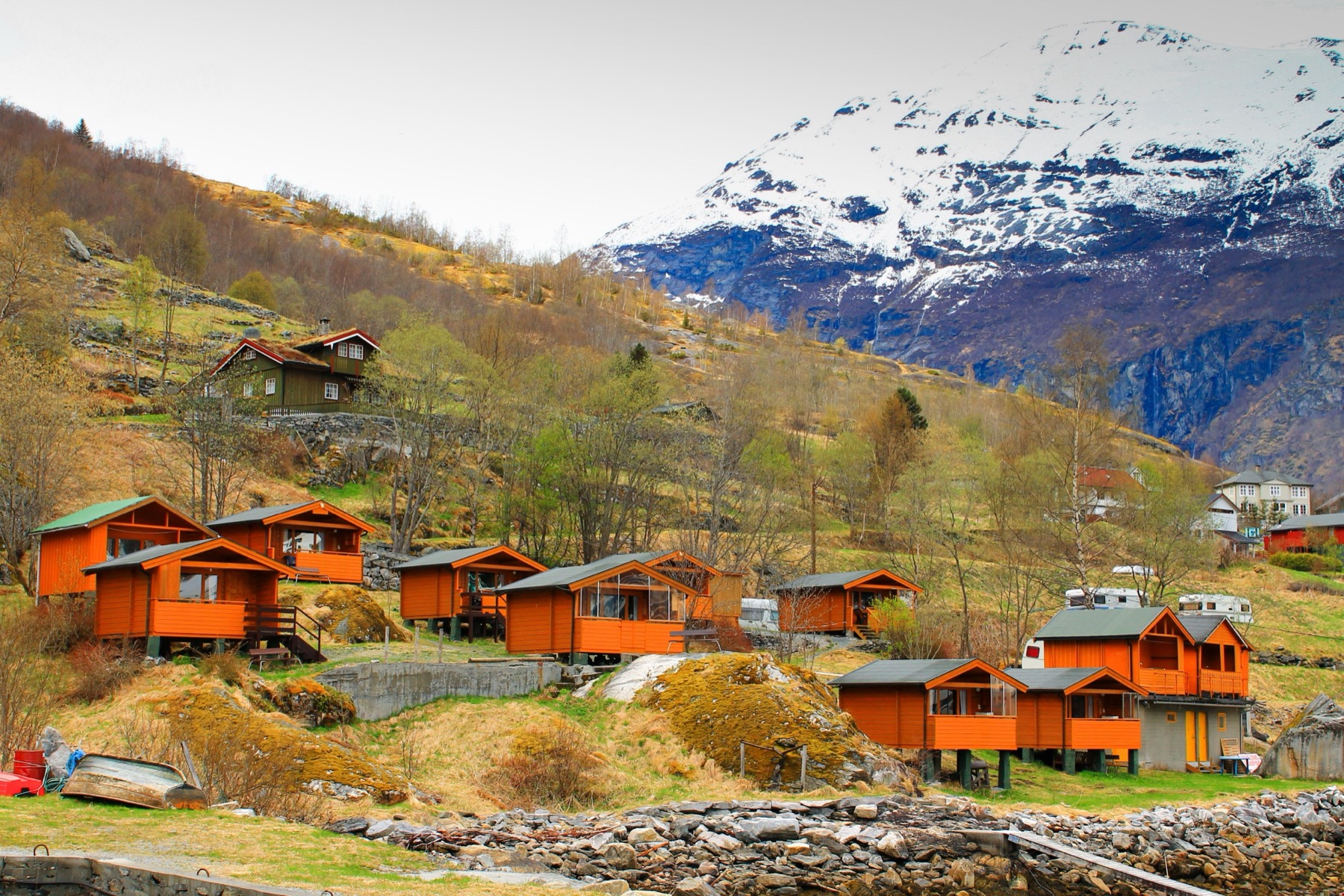
If you’re heading for the beloved Lofoten Islands, a fantastic base is the area around the picturesque village of Reine and neighbouring Hamnøy. Here you elegantly avoid both major airports, but you have to watch out for the boundaries of Lofotodden National Park, which you’re not allowed to fly a drone into. Beautiful, photogenic accommodation in traditional red rorbuer fishing cabins is offered by Eliassen Rorbuer, where you can capture those iconic shots straight from the wooden terrace.
Another great option in this popular area is Reinefjorden Sjøhus, with a breathtaking view of the surrounding jagged peaks. They have perfect modern facilities and, above all, enough peace and quiet to charge and prep your gear before an early morning shoot.
For trips chasing the fascinating northern lights and winter flights around Tromsø, I recommend staying right in town and driving out to the wild countryside in a rental car. The city itself is a no-fly zone because of its large international airport, but in return it offers what you’ll appreciate most after freezing outside: warm rooms, good restaurants and a supermarket around the corner to restock your backpack. Great value for money can be found at the popular Smarthotel Tromsø, or after a day in the cold you can treat yourself to the far more luxurious Clarion Hotel The Edge, located right by the city harbour.

Where to eat (not only) after flying
When you finally pack your drone into your backpack after a whole day of freezing outside with the controller in hand, you’ll definitely appreciate a proper meal. Norway is not among the cheapest destinations, and on the coast fish rules the menus; vegetarians will fare better in the cafés of the larger towns.
On Lofoten, an icon is the bistro Anita’s Sjømat on the tiny island of Sakrisøy, famous for its fish burgers. In wintry Tromsø, the renowned restaurant Fiskekompaniet sits by the harbour, where people go for fresh seafood; but a warm soup and coffee will get you back on your feet just about anywhere.
10 things you need to know
Before you spin up the propellers over a breathtaking Norwegian fjord for the first time, you need to get thoroughly familiar with the local specifics. I’ve prepared a detailed list of the 10 most important things, from European legislation all the way to the hazards of the harsh Arctic weather that will absolutely catch up with you in the north.
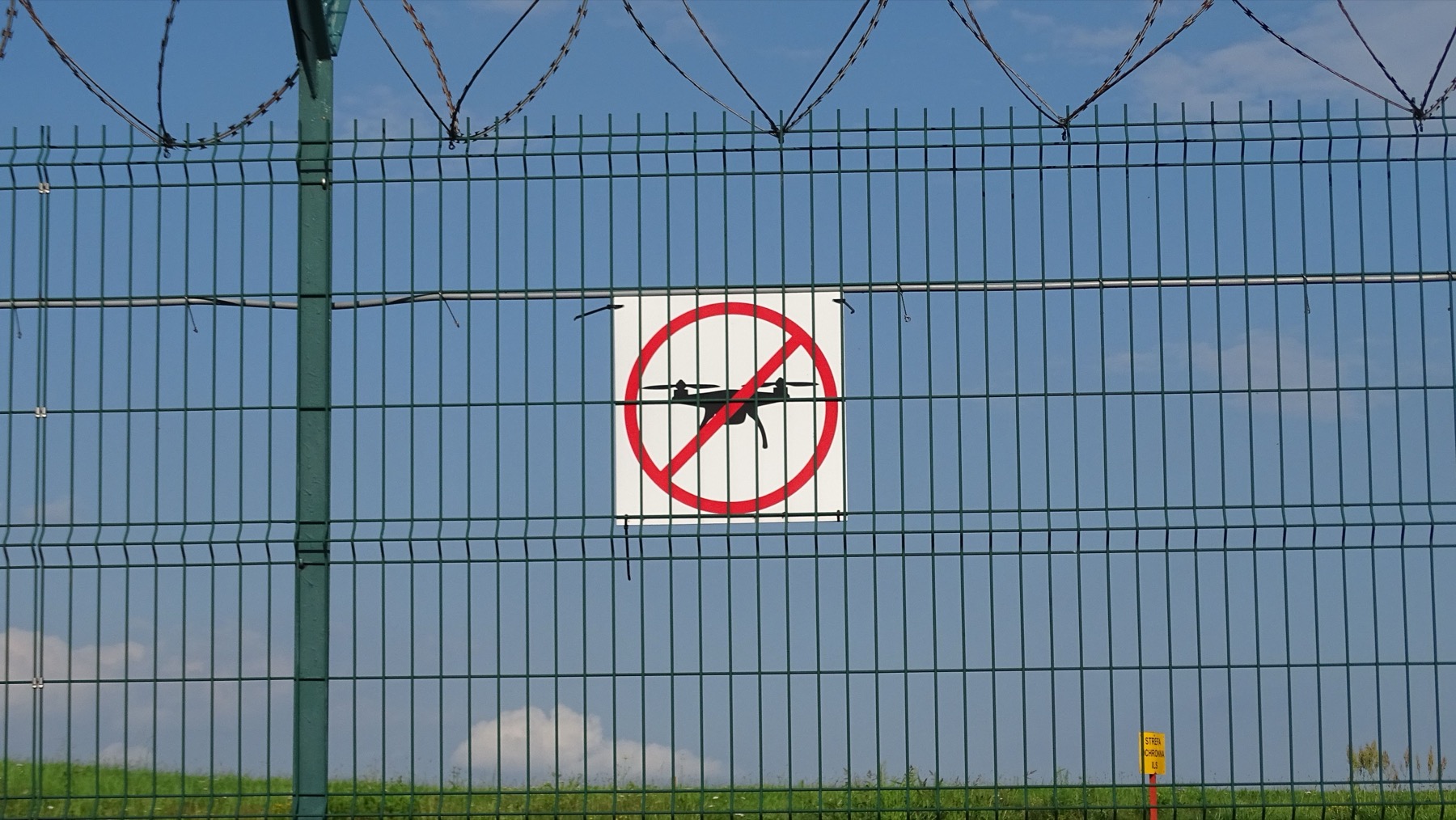
1. The same EU rules apply (categories A1, A2, A3)
💡 Tip: Although Norway is not a full member of the European Union, it belongs to the European Economic Area (EEA). This means it has fully adopted the European drone legislation under the EASA banner, so you won’t face any tedious studying of brand-new laws. If you already know the rules from home, you’re halfway there, because you’ll find the same split into the Open A1, A2 and A3 categories based on your machine’s weight.
The basic and absolutely unbreakable rule is a maximum flight altitude of 120 metres above ground, strictly enforced by the local aviation authority, Luftfartstilsynet. You must keep the drone in direct visual line of sight throughout the entire flight — this is the VLOS rule. Sending the machine over a ridge purely via the monitor is strictly forbidden, and the fine you risk for it will stop being fun before the drone even makes it back.
An interesting fact about wintry Norway is that night flying is officially permitted, provided your drone is fitted with a green flashing light and you maintain uninterrupted visual contact. You’ll appreciate this especially during the long polar night, when daylight up north is at an absolute minimum. Without this generous exception, you basically couldn’t legally fly a drone at all from November to January in areas north of the Arctic Circle.
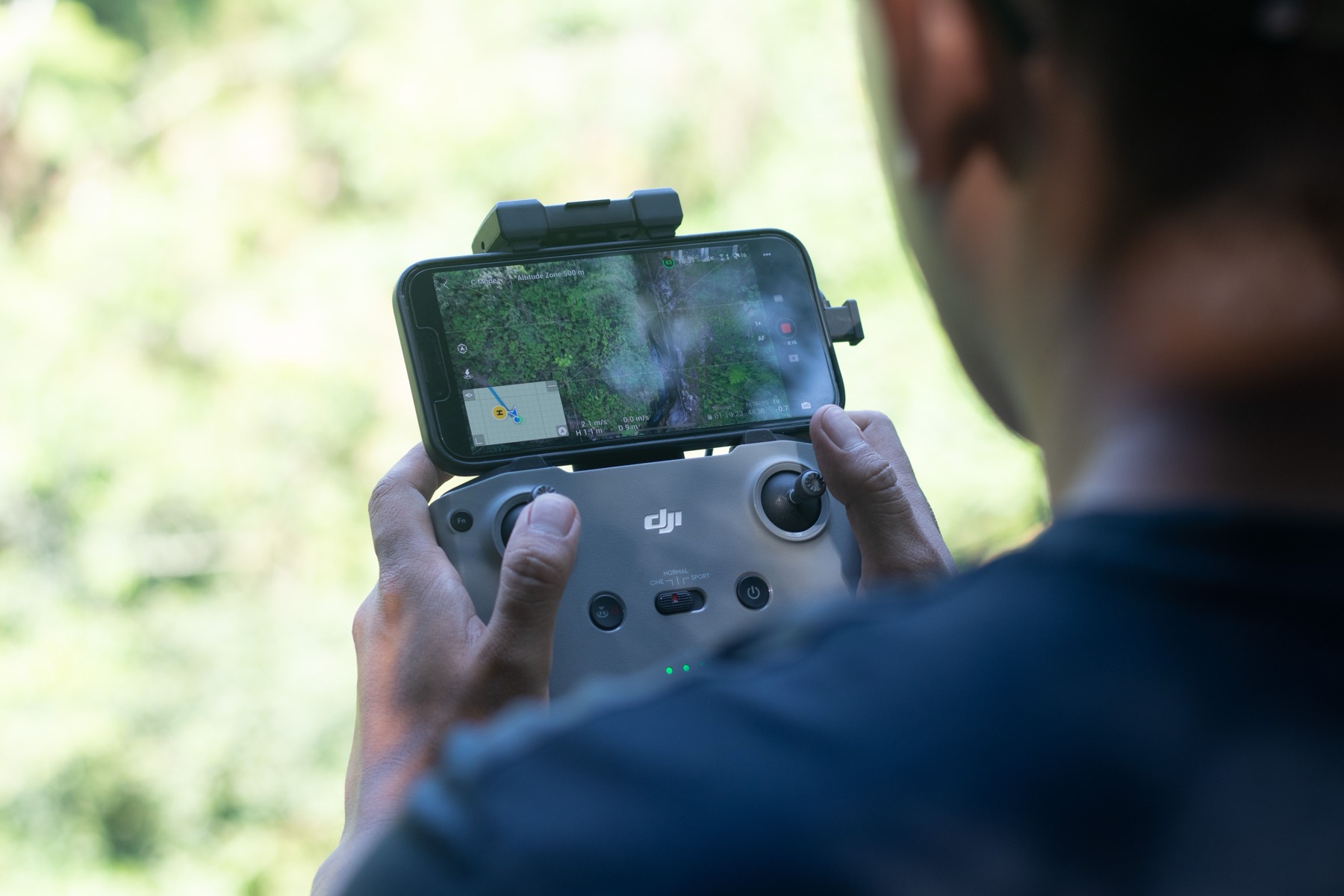
2. Your existing EASA registration is more than enough in Norway
💡 Tip: Many travellers get confused looking for where they have to register in the north before their trip, but for EU citizens there’s a wonderfully simple rule on mutual recognition. A pilot registered in another EASA state does not need to register again in Norway, so a valid registration with your own national civil aviation authority is completely sufficient and fully legal.
Travellers from third countries outside the EU have to go through the more complicated process of registering on the Norwegian portal flydrone.no, but you just need to make sure you have with you a valid EASA certificate of competency for your specific subcategory, typically A1/A3. Keep this document downloaded on your phone offline, because during a police check in a remote spot in the mountains you’ll often catch only a very weak signal, or none at all.
Your only physical obligation is to have the drone clearly marked with your operator number, assigned to you after passing your tests. The Norwegian authorities happily accept even a neatly attached QR code with your details. The main thing is that, in case of a flyaway, technical fault or accident, the machine can be identified immediately and the police can easily link it to you.

3. Liability insurance is mandatory, no exceptions
💡 Tip: While elsewhere authorities sometimes turn a blind eye to insurance for small drones, the Norwegian authorities show no mercy here and require mandatory liability insurance for all drones with a camera, regardless of their weight. The only exception is machines under 250 grams that have no camera and are sold purely as toys — which the popular DJI Mini range certainly is not.
If your machine falls into a higher weight category, the law requires a minimum insurance cover of 0.75 million SDR (special drawing rights), which works out to a little over €900,000. An ordinary personal liability policy sadly won’t help you in most cases, since insurers very often place model aircraft and drone operation under strict exclusions.
So before you leave, you must arrange dedicated drone insurance valid for Norway or the whole EEA. Fortunately, plenty of insurers now specialise directly in drones, so you have a good choice. Keep proof of valid insurance, ideally in English, on you at all times, because in the event of any incident or a routine spot check it’s the very first document the police will ask to see.
4. The hidden trap of reporting your sensors (NSM)
💡 Tip: Few tourists know about this bizarre rule, but if you fly a drone equipped with a camera or other advanced sensors, the Norwegian authorities say you have an obligation to report your use of sensors to the National Security Authority (Nasjonal sikkerhetsmyndighet, or NSM for short). These days Norway keeps a very close eye on its map data and critical infrastructure.
The authority has created an online portal with an interactive map at registrering.sensor.nsm.cloudgis.no, where you register and declare which areas you plan to use your drone in.
This relatively little-known obligation is meant to prevent tourists from accidentally mapping sensitive military facilities — people often don’t even realise their drone is capturing some secret radar in the background. Registering on the NSM portal is completely free, and I warmly recommend sorting it out from the comfort of home at your computer, so you don’t waste time on the spot filling in forms over expensive mobile data and a possibly weak signal.
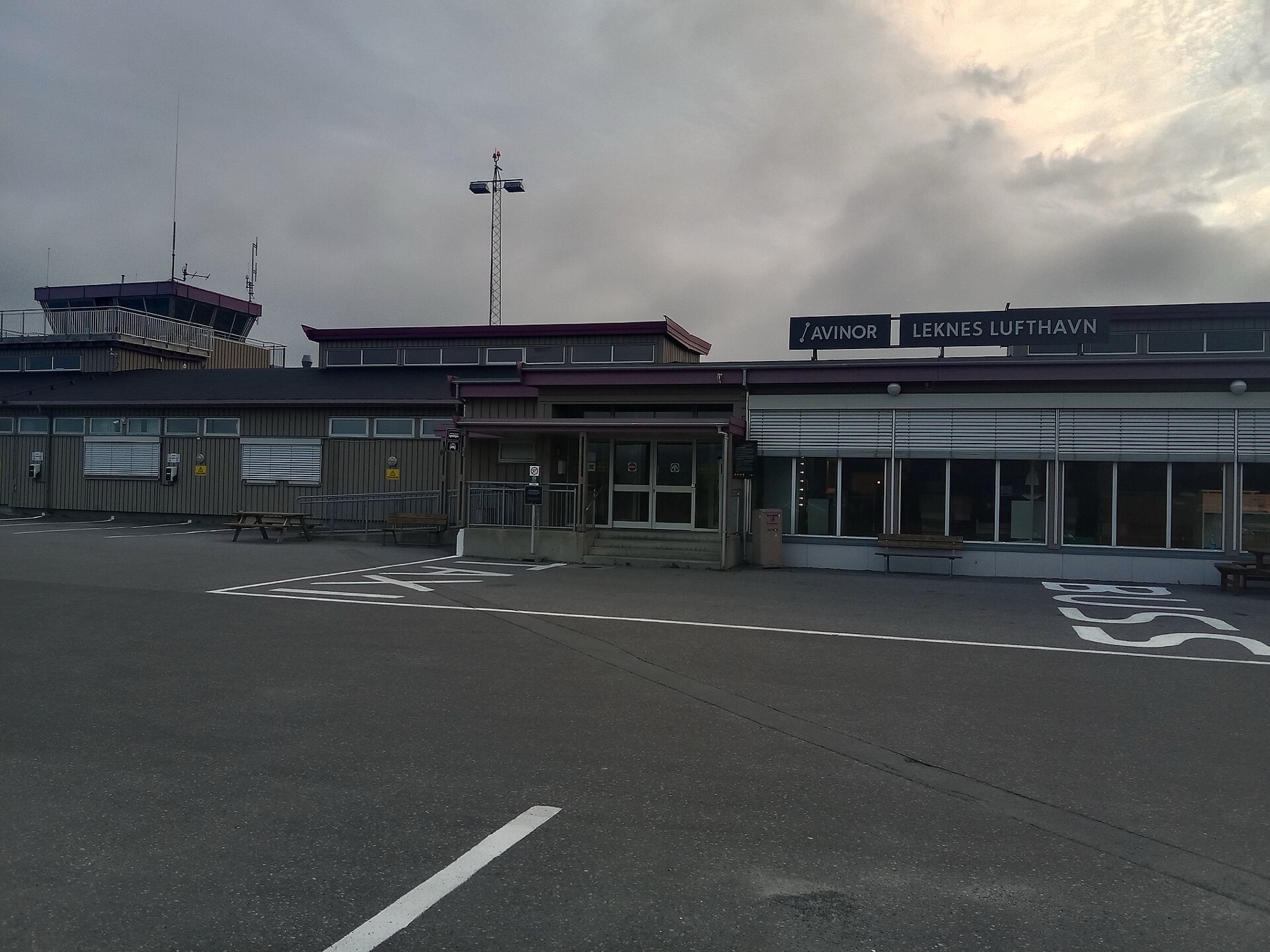
5. Airports are everywhere and the 5-kilometre zone is sacred
💡 Tip: Norway has an incredibly dense network of small local airports connecting even very remote communities, and the rule clearly states that flying closer than 5 kilometres to an airport without permission is absolutely forbidden. This is a huge trap especially for visitors to the far north, who often have no idea just how close to aviation infrastructure they actually are in the middle of the wilderness.
A typical and very painful example is Lofoten, where the protection circles around the Leknes and Svolvær airports cover a large chunk of the most photogenic territory, including many beautiful beaches and mountain ridges you can reach by car. More nasty catches await you around towns like Tromsø, Alta, Bodø or Honningsvåg near the famous Nordkapp, where airport zones reach deep into seemingly untouched nature.
For safe orientation, you absolutely must install the official Ninox Drone mobile app, strongly recommended by the Norwegian aviation authority Luftfartstilsynet itself. The app not only shows you the exact boundaries of all restricted zones but, at some airports operated by Avinor, even lets you digitally request special takeoff permission from the control tower.

6. National parks have their own strict rules
💡 Tip: A big mistake many eager drone pilots make is assuming that flying is automatically banned across the board in a national park. The reality, however, is that protected areas always have their own specific regulations called verneforskrift, and while some parks don’t concern themselves with drones at all, others explicitly ban them or word their prohibition on disturbing wildlife so broadly that it effectively makes flying impossible.
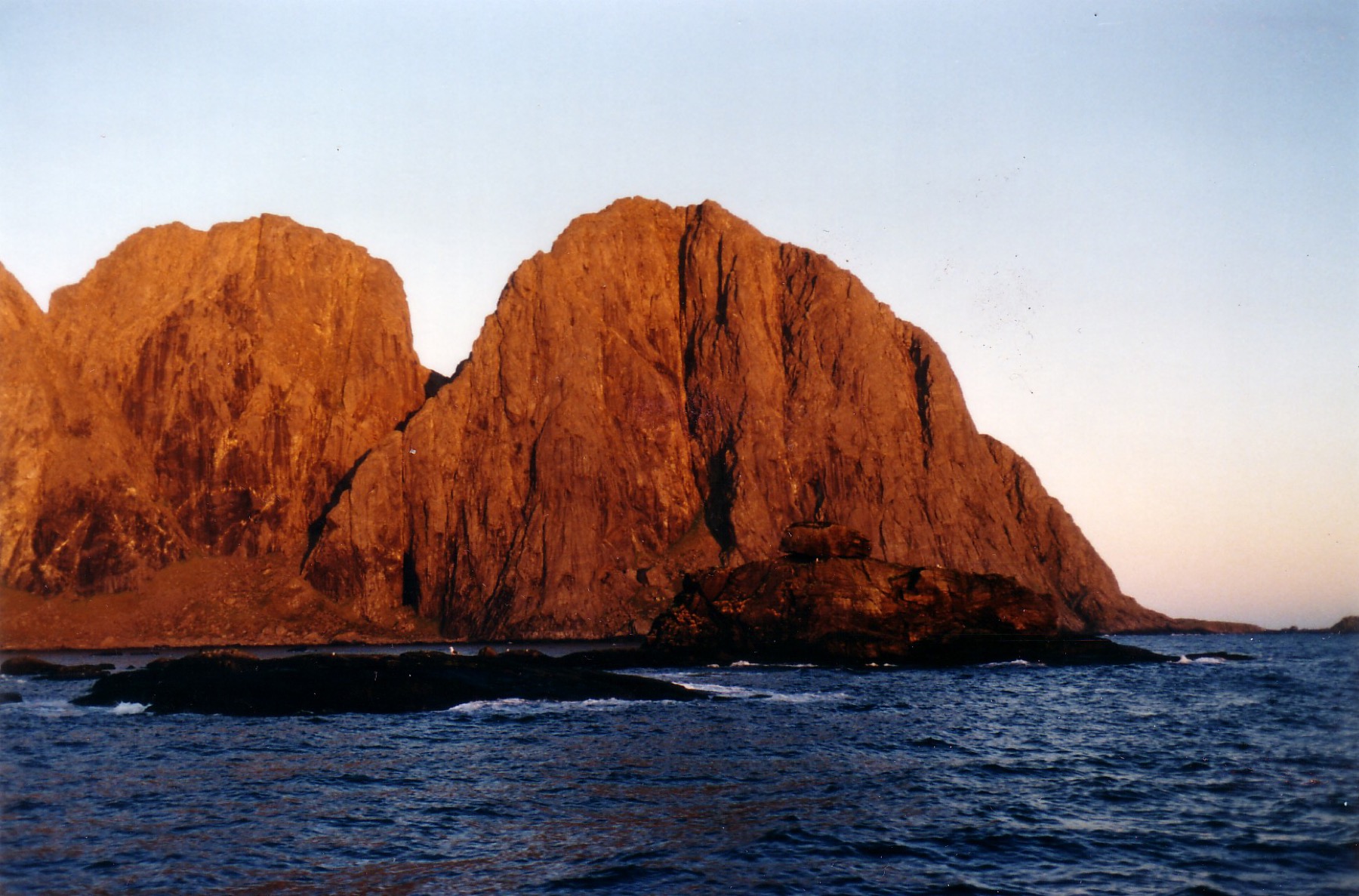
A crucial warning applies to Lofoten fans, because Lofotodden National Park covers the entire western part of the island of Moskenesøya, which includes the famous Kvalvika beach and the iconic Ryten mountain. In these very areas the use of drones is completely banned across the board, and fines for breaking this rule climb to an astronomical 12,000 NOK, roughly €1,050 😅.
So before every flight out in nature you must open the official maps of the Miljødirektoratet agency at naturbase.no, where you’ll find the exact boundaries of all protected areas and links to their regulations. It’s always worth sacrificing five minutes of online research rather than losing precious gear and the rest of your holiday budget in an encounter with a local ranger.
7. Watch out for nesting birds and bird reserves
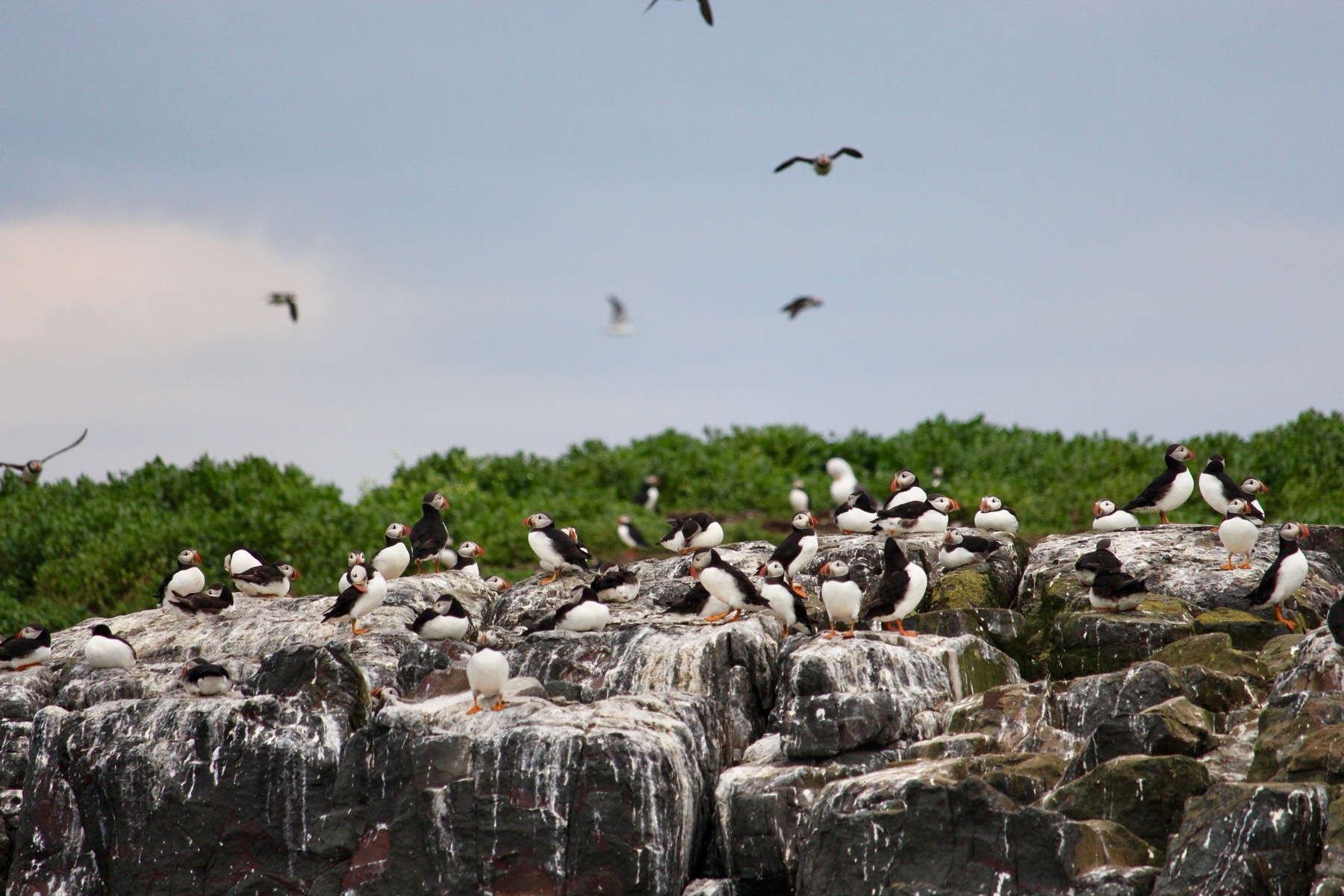
💡 Tip: The entire Norwegian coast is dotted with important bird reserves where a strict seasonal ban on entry and any approach applies, usually from 15 April to 31 July. This strict ban naturally also covers drones, because the high-pitched sound of the rotors causes nesting birds enormous stress and can even lead to permanent abandonment of the nest.
The restriction mainly concerns the famous islets full of adorable puffins, such as Værøy, Røst, Bleiksøya near the island of Andøya, or Gjesvær close to the northern cape of Nordkapp. Disturbing nesting seabirds or majestic sea eagles, however, is banned year-round across the entire country, regardless of whether you’re inside an officially declared reserve or not.
If birds suddenly start gathering around you during a flight over a fjord, or even aggressively attacking the drone, land immediately and safely. An enraged gull can bring down a small drone with a single well-aimed hit, and aggressive birds around you are a clear signal that it’s high time to land and clear off — ideally before a ranger sees it.
8. Privacy, private land and military sites in the north
💡 Tip: Norway may be a huge and seemingly empty country, but that certainly doesn’t mean you can take off wherever you fancy. The Norwegian aviation authority clearly states that you need the landowner’s consent to take off and land your drone, because the famous Nordic right to roam freely in nature (Allemannsretten) does not automatically extend to operating drones.
Watch out for privacy too: photographing a recognisable person without their consent runs up against strict Norwegian laws and the GDPR, and that applies to drone footage as well. In the north of the country there’s also an absolute ban on photographing and filming any military facilities, of which there are countless around the Andøya and Bardufoss bases or near the sensitive border with Russia in the Finnmark region.
An interesting fact — and clear proof that Norwegians take national security deadly seriously — is that since February 2022 there has been a complete flight ban for all Russian citizens and operators. For the rest of us there’s a single lesson in this: the Norwegian police have modern surveillance equipment at their disposal and deal with rule violations in sensitive areas with uncompromising arrests and immediate confiscation of gear.
9. Winter, wind and other Nordic nature quirks
💡 Tip: Flying north of the Arctic Circle requires far more careful preparation than a weekend flight over the pond behind the house. The single biggest enemy is the frost, which can slash real battery life by a frightening 30 to 50 percent, because the chemical reaction in the battery slows down significantly in the cold and voltage can drop sharply toward zero under load.
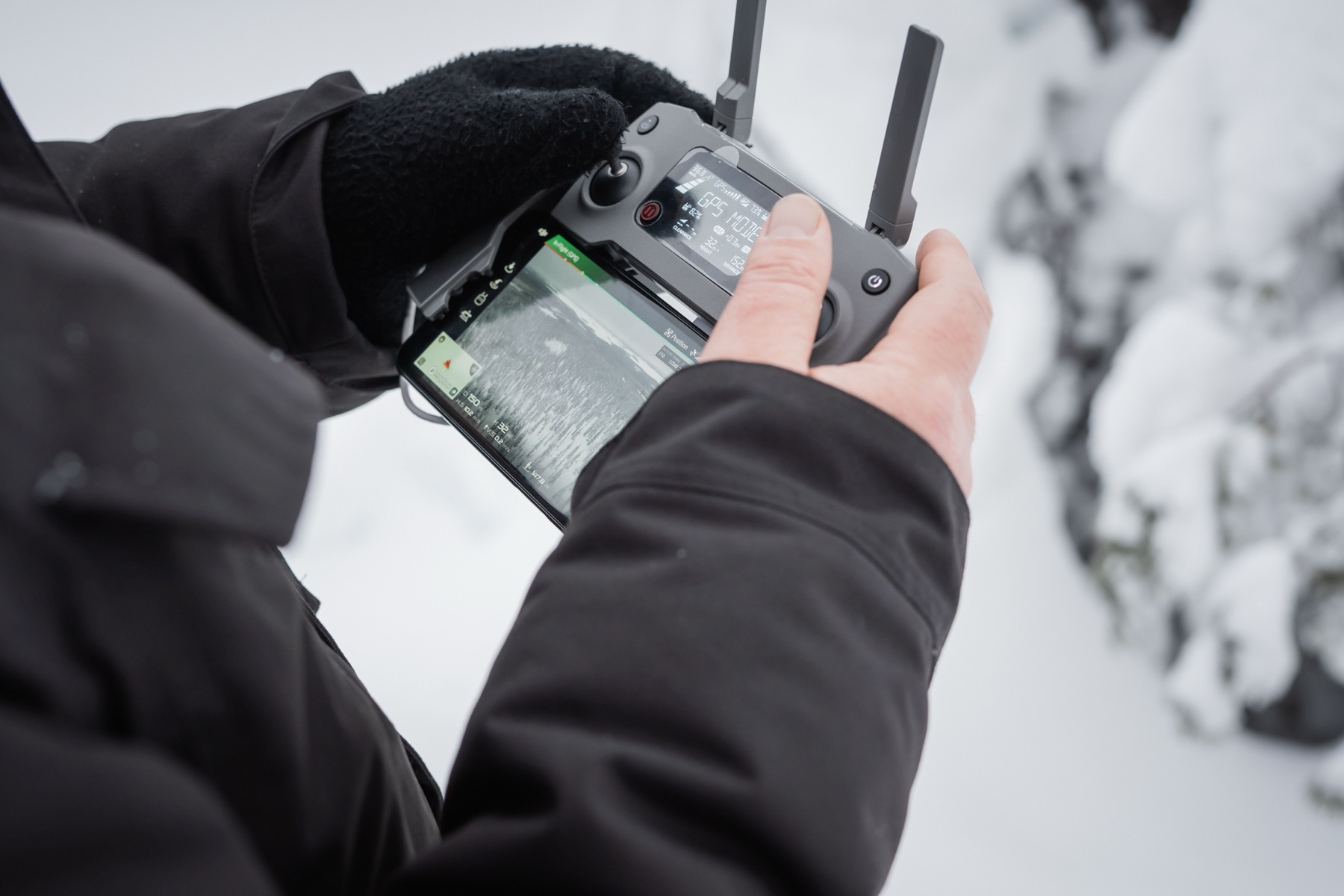
The golden rule is to keep all your batteries warm against your body at all times, for example in the inner pocket of your winter jacket, and before takeoff let the drone hover low over the ground for a few dozen seconds to warm up. Always take off with a fully charged battery, plan your return with a reserve of at least 30 percent, and never wait for the last desperate system warning — and pack a good pair of photography gloves too, because working the sticks on the controller with frozen fingers is a real challenge in the Arctic 😅.
Another huge test is the unpredictable Norwegian wind, especially strong shear winds over the open sea and deep fjords. If you send the drone downwind away from you, bear in mind that the trip back against a strong airflow burns many times more energy and the machine might not make it back at all. So over water, keep an even bigger energy reserve and plan your turnaround no later than at half battery capacity.
10. Svalbard plays in a completely different, much stricter league
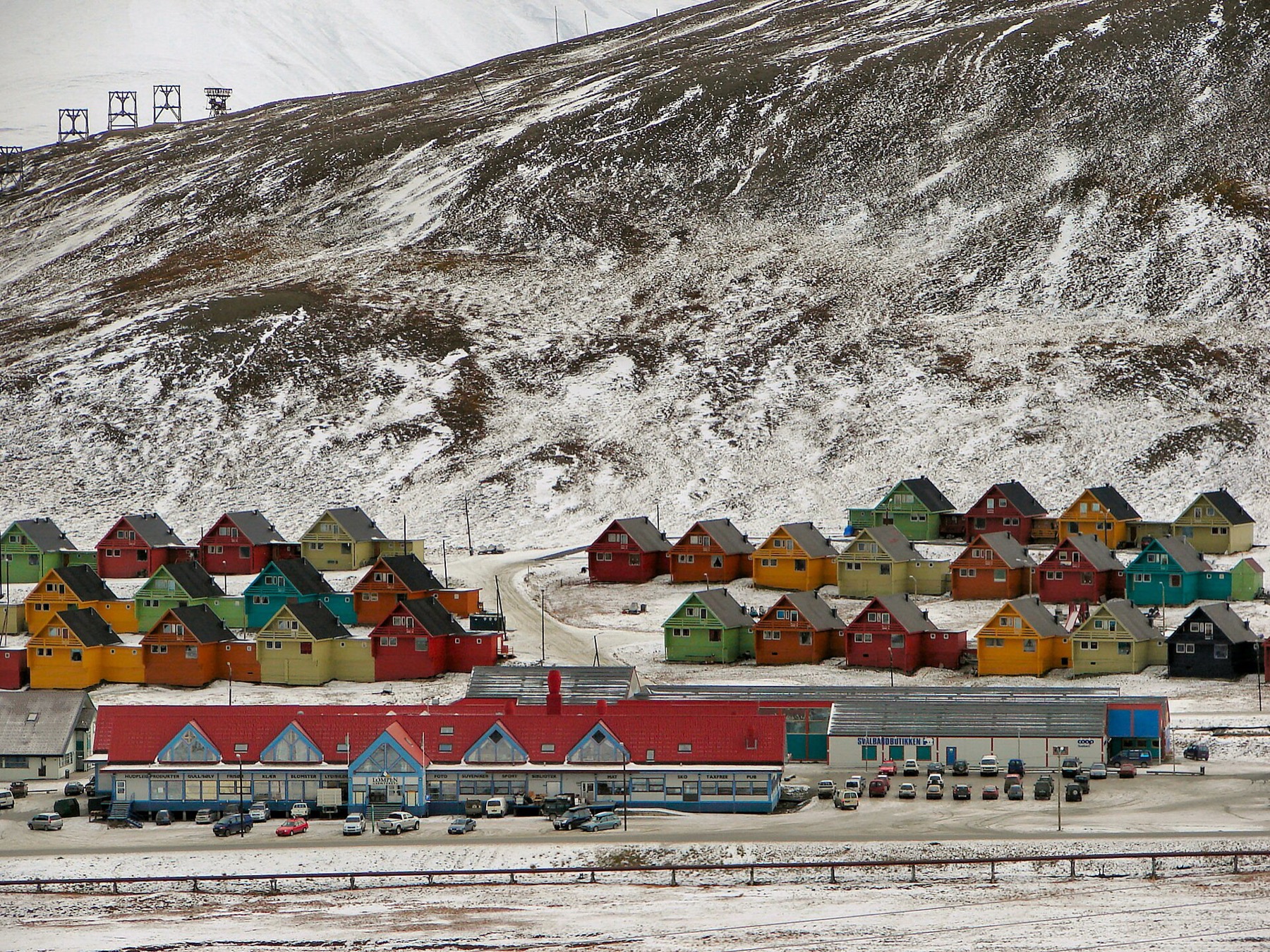
💡 Tip: If you’re planning to leave the mainland and head for the Arctic archipelago of Svalbard, forget most of what you know about flying in mainland Norway. An extremely strict protective regime rules here, built around a complete flight ban within a 5-kilometre radius of Longyearbyen airport. In practice this means the entire main town and its immediate surroundings are one enormous no-fly zone where you won’t even unpack your drone.
Outside this zone you may theoretically fly, but you have to keep a minimum distance of 150 metres from any people, buildings and ships, which is a far stricter rule than on the mainland. Svalbard also has an absolute ban on flying in darkness, so in winter you can forget about drones altogether.
Completely non-negotiable is the ban on disturbing Arctic wildlife in any way. Approaching polar bears, endangered walruses or bird cliffs with a buzzing drone is an absolute taboo, and it carries draconian penalties. Most of this magical archipelago falls under some form of strict nature protection anyway, where drones are banned across the board. If this topic interests you and you’re planning a trip to the far north, we cover it in detail in our separate guide to Svalbard.
Practical summary and rough prices
So you know exactly what you’re getting into, here’s a quick overview of what the paperwork and any offences will cost you. Spoiler: prevention is cheaper. The euro conversion naturally depends on the current exchange rate, but for rough orientation reckon on 1 NOK being roughly €0.09. It’s always better to invest in insurance and preparation than to pay pointless fines.
- Operator registration with your national aviation authority: €0 (completely free, and valid in Norway too).
- Online A1/A3 exam: €0 (you can conveniently take it from home).
- Drone insurance for Europe: roughly €40 to €100 per year (depending on the chosen limit and specific insurer).
- Registration on flydrone.no: only for non-EU citizens; as an EU/EEA citizen it doesn’t apply to you.
- Fine for flying in Lofotodden National Park: 12,000 NOK (roughly €1,050).
- Fine for endangering an airport zone: tens of thousands of NOK up to immediate confiscation of the machine and criminal prosecution.
I strongly recommend not relying on the idea that you’re completely alone in the wilderness and no one will see you. Norwegian police and national park rangers are very active, and locals often conscientiously report suspicious drone activity in their area themselves — they simply protect their peace and their beautiful nature.
Where to next
On the blog we’ve got several more guides ready that will help you with planning your route:
- Norway: 50 things to see
- Norway by car: road trip
- Lofoten: the big guide
- The prettiest beaches on Lofoten
- The Atlantic Road and Trollstigen
Frequently asked questions
Before every trip to the north I get lots of reader questions about the local rules. Here are the answers to the most common ones, so you have everything clear before you even take off.
Do I need to register my drone with Norwegian authorities?
No, if you are an EU citizen and have a valid operator registration with your national civil aviation authority, Norwegian authorities fully recognize this registration. You simply need to have your EU operator number visibly displayed on the drone (a practical QR code works perfectly) and carry your downloaded pilot competency certificate for the relevant category. This saves you a lot of unnecessary bureaucracy on site.
Does my regular liability insurance cover drones?
In most cases, unfortunately not, because standard liability insurance policies exclude operation of model aircraft and drones. Norway strictly requires specialized drone insurance with minimum coverage of 0.75 million SDR. The only exception is harmless toys under 250 grams without a built-in camera, which practically no regular travel drone meets.
Can I fly my drone in the Lofoten Islands?
Yes and no, because the Lofoten Islands are one of the most complicated regions for drone pilots. A huge portion of the most beautiful territory is blocked by five-kilometer protection zones around Leknes and Svolvær airports. Additionally, the entire western part falls under Lofotodden National Park (including the popular Ryten mountain and Kvalvika beach), where drone flights are completely banned under penalty of fines exceeding €1,000.
Is flying in Norwegian national parks automatically prohibited?
It’s not a blanket ban for the entire country, because each national park is governed by its own regulation called verneforskrift. While flying is strictly forbidden in Lofotodden Park, in other mountain parks it may be permitted as long as you don’t disturb wildlife. Therefore, you must always check each specific location in advance on the official maps of the Miljødirektoratet agency at naturbase.no.
How high can I fly my drone in Norway?
As in the rest of the European Economic Area, the maximum permitted flight altitude is 120 meters above ground level. You must also keep the drone in direct visual line of sight throughout the entire flight without using binoculars or flying purely through a monitor. Sending your drone behind a hill into the next valley is therefore strictly prohibited.
What applies to small drones under 250 grams (e.g. DJI Mini)?
Even for these very popular small camera drones, you must have valid operator registration and liability insurance. The great advantage of the A1 category, however, is that you can fly closer to uninvolved persons. Nevertheless, the absolute ban on flying over gatherings of people still applies, and you must strictly respect all airport no-fly zones.
Where can I verify that I can take off at a given location?
The best and official tool is the Ninox Drone mobile app, which shows you all permanent and temporary no-fly zones in real time, including critical airports and military areas. To check national park boundaries and seasonal bird reserves, I always recommend using the Norwegian web maps at naturbase.no.
Can Norwegian police confiscate my drone?
Yes, if you seriously violate the rules, for example by flying in close proximity to an airport, over a classified military facility, or deliberately disturbing protected wildlife. Norwegian police take airspace protection very seriously. In addition to confiscating expensive equipment, you face really hefty financial penalties and in extreme cases even criminal prosecution.
Tips and Tricks for Your Vacation
Don’t Overpay for Flights
Search for flights on Kayak. It’s our favorite search engine because it scans the websites of all airlines and always finds the cheapest connection.
Book Your Accommodation Smartly
The best experiences we’ve had when looking for accommodation (from Alaska to Morocco) are with Booking.com, where hotels, apartments, and entire houses are usually the cheapest and most widely available.
 🚗 Car rental on the roadVerified rental cars in Norway
Search with the DiscoverCars comparison engine — it compares prices from dozens of local and international rental companies, and most bookings come with free cancellation.
Compare car prices in Norway →Don’t Forget Travel Insurance
Good travel insurance will protect you against illness, accidents, theft, or flight cancellations. We’ve had a few hospital visits abroad, so we know how important it is to have proper insurance arranged.
Where we insure ourselves: SafetyWing (simple monthly subscription) and TrueTraveller (for extra-long trips).
Find the Best Experiences
Get Your Guide is a huge online marketplace where you can book guided walks, trips, skip-the-line tickets, tours, and much more. We always find some extra fun there!