

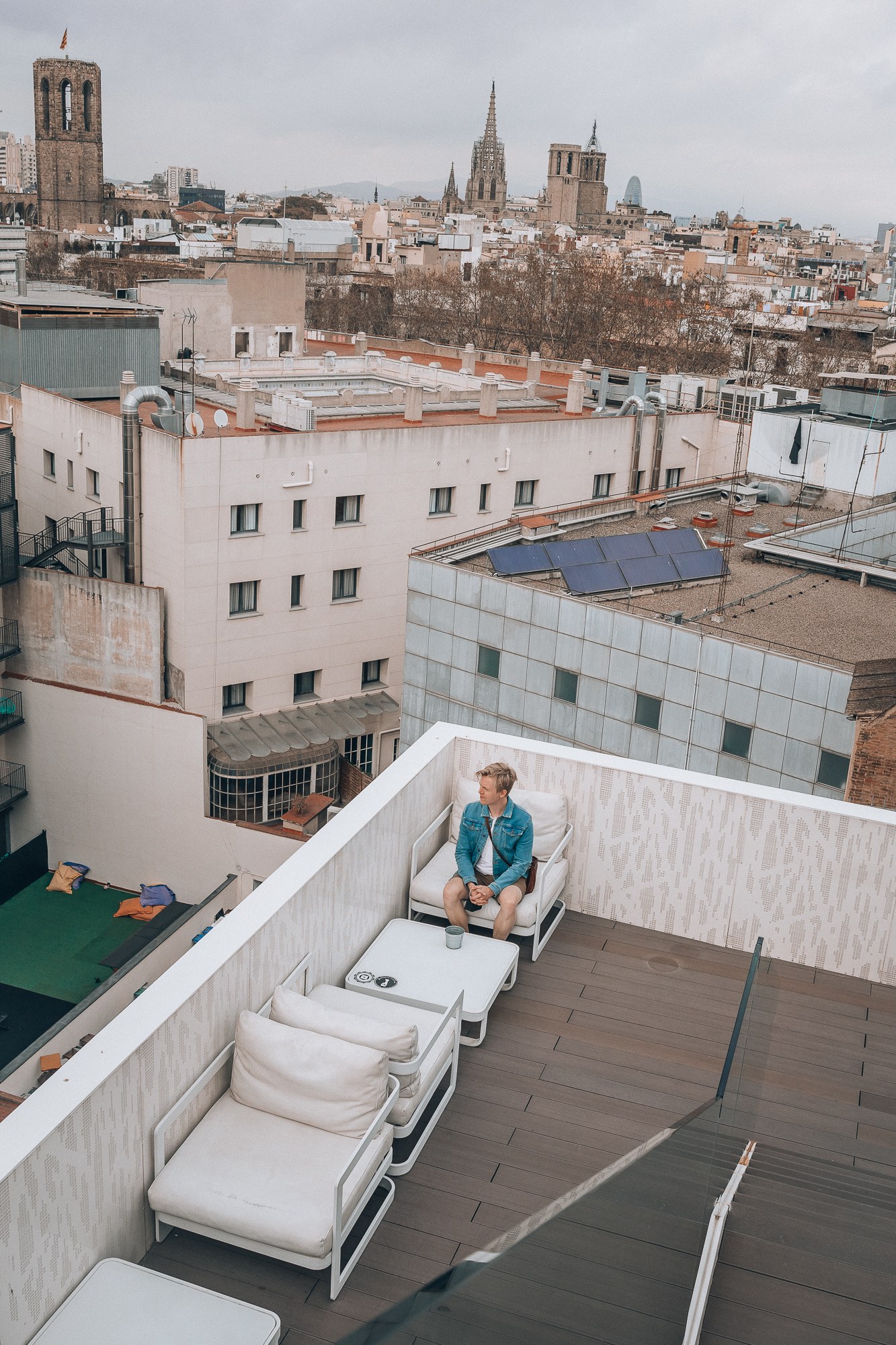
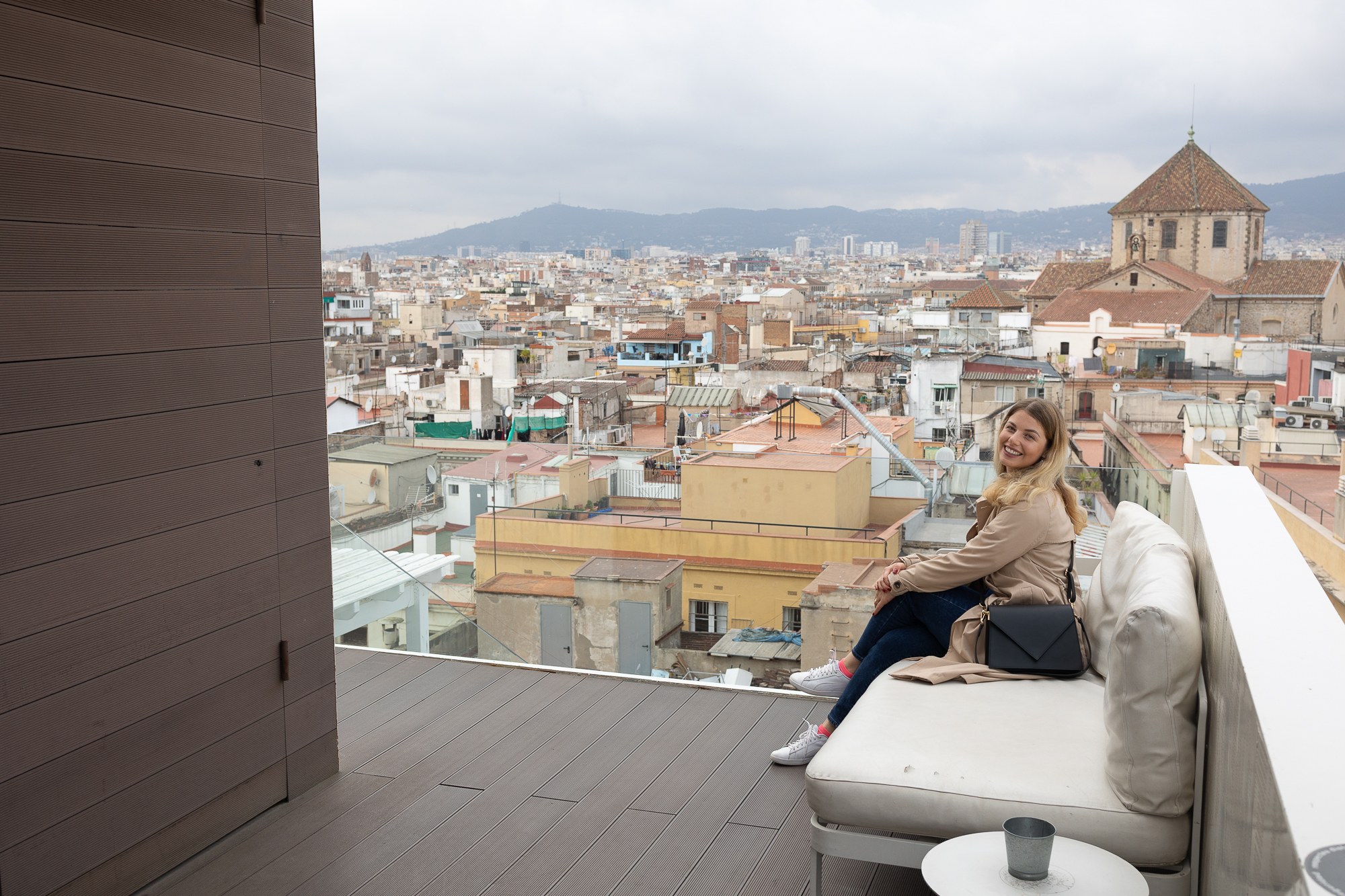
When someone says Barcelona, Spain, I immediately picture the amazing stay Lukáš and I had at the Hotel Gaudí, tucked into Nou de la Rambla street right on the border between the buzzing Raval and the famous La Rambla promenade. From its rooftop terrace we had the whole roof of the iconic Palau Güell and the tangled old-town alleys laid out below us, and to this day we still love thinking back to those evening views.
That was exactly where I fully realized how much, in this pulsing city, it matters which base you pick for your explorations. Barcelona is currently the most expensive hotel city in all of Spain, and the gap between the metropolis and the rest of the country widens every year.
If you’re planning a trip here this year, you need to brace yourself for some fairly major changes on the accommodation market that definitely won’t leave your wallet cold. So we’ll walk through all the news around the tourist tax and then the ten main neighborhoods one by one, so you know exactly where to lay your head and which addresses are better avoided.
TL;DR
- Best neighborhood overall: Eixample is probably the safest and most practical choice, where I’d recommend looking for a classic three-star hotel near the center.
- Best for couples: El Born offers a romantic medieval backdrop full of boutiques and great wine bars, so look around for a smaller boutique hotel.
- Best for families: Gràcia has a calm village feel without the tourist crowds, and a quiet local guesthouse makes an ideal base here.
- Best for a first visit: Barri Gòtic puts you right in the middle of the most famous sights, but definitely look for a hotel on a quieter side street so you can actually get some sleep.
- Best on a budget: Poble-sec is an underrated neighborhood full of cheap pintxo bars, where you’ll easily find an affordable hostel or a simpler hotel under a hundred euros.
- Where we stayed: Lukáš and I absolutely loved the Hotel Gaudí in Raval, which has an incredible rooftop terrace overlooking the old town.
- What to avoid: Barceloneta is a classic tourist trap where you’ll pay a huge premium for a hotel with a sea view but get only noise and poor transport links.
The full destination guide: Catalonia — guide and what to see
What’s Changed in Barcelona and Why to Book Earlier
Before you even start choosing specific accommodation, you need to understand the huge changes the city is currently going through, which will fundamentally affect your budget. As of April 1, 2026, the tourist tax for visitors has almost doubled, which in practice means your overall holiday bill gets noticeably more expensive. This fee is paid on site and consists of a regional Catalan tax plus a special municipal surcharge, which the city of Barcelona has pushed to the legal maximum. On top of that, in the first half of 2026 the average price for a hotel room climbed to €188 per night, so booking early is no longer just a recommendation but an absolute necessity.
An even bigger earthquake, though, is happening on the short-term rental market, because the city has announced a radical cut and will definitively cancel all 10,101 licenses for tourist apartments in November 2028. Airbnb and similar platforms in the form we know them today will therefore gradually disappear from the metropolis entirely, something the Spanish Constitutional Court confirmed in the spring. Even now the supply of apartments is dropping steeply and demand is logically spilling over into classic hotels, which drives their prices sharply upward and complicates the search for good last-minute deals.
If you do still want to rent an apartment, you have to scrupulously look for the NRU registration number in the listing, because without it the platforms pull the listings immediately and you could end up out on the street. Spanish authorities recently had tens of thousands of illegal listings deleted, so always double-check that your dream apartment operates completely legally. The good news, at least, is that the long-running drought in Catalonia has definitively ended and the reservoirs are full again, so during your holiday you don’t have to worry about any unpleasant water restrictions.
10 Neighborhoods in Barcelona: Where to Stay and for Whom
The city is officially divided into ten districts, and a big advantage is that practically everything of tourist interest lies in the first fare zone. When choosing your base, you don’t have to fuss over complicated zone-ticket calculations at all and can focus purely on atmosphere and price.
1. Barri Gòtic
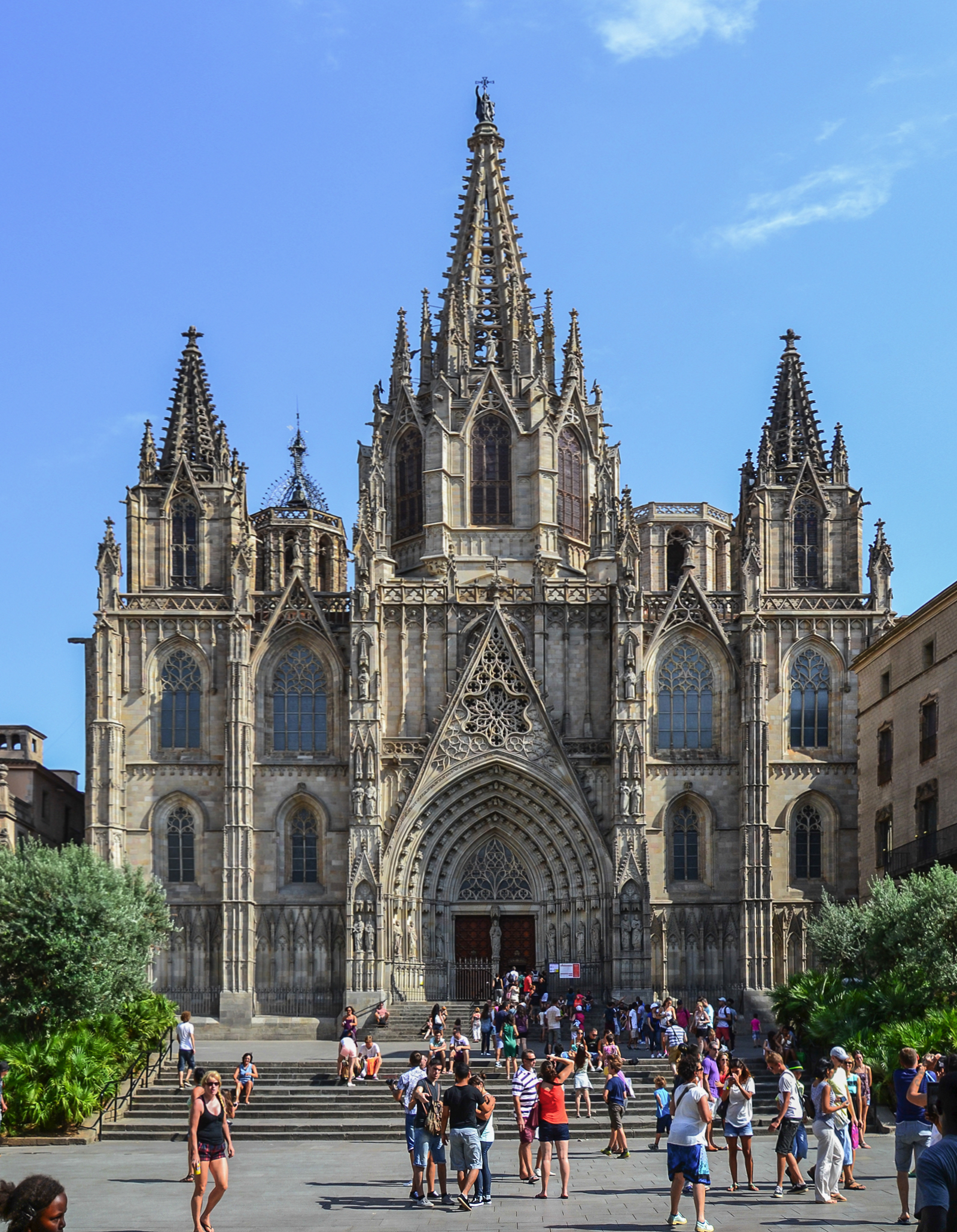
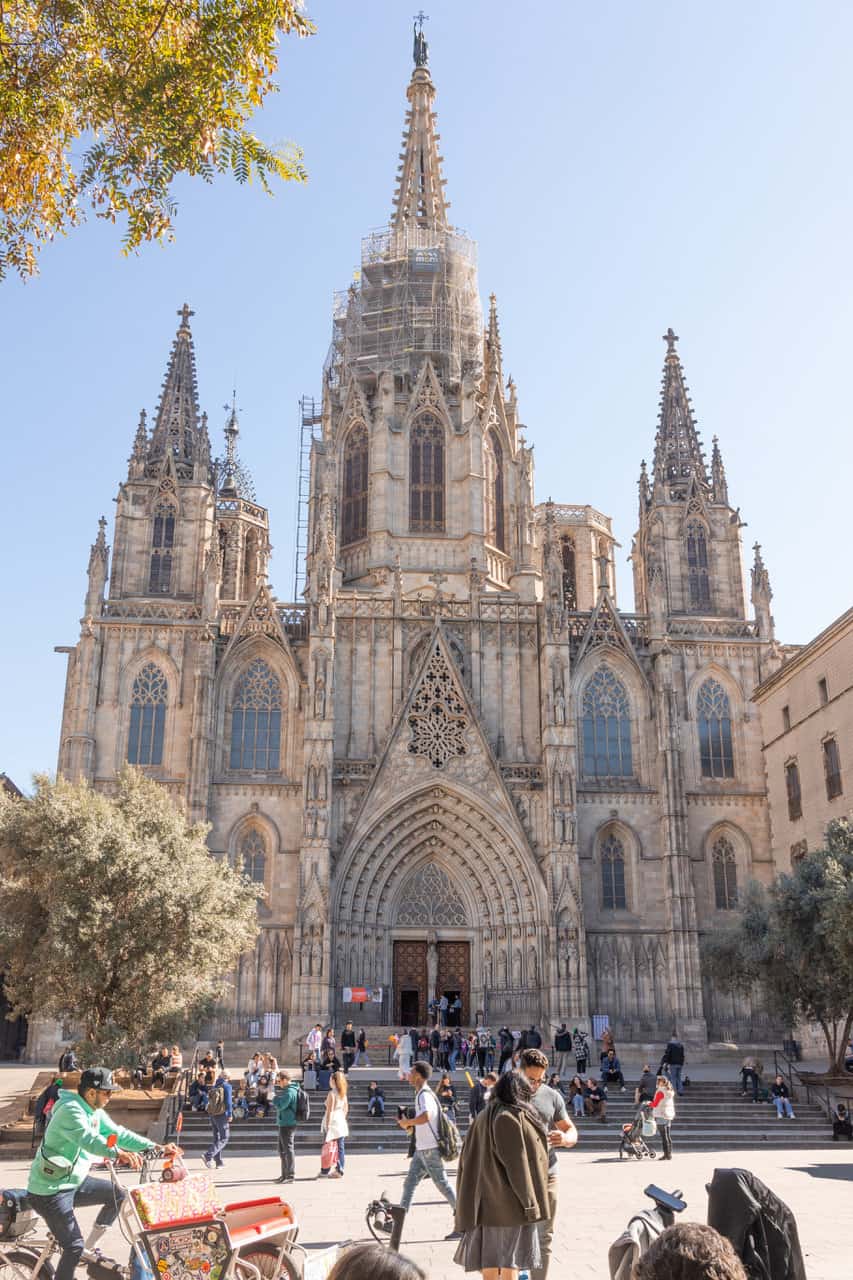
This Gothic quarter forms the historic heart of the city and is an incredibly tangled medieval maze between the busy La Rambla and Via Laietana avenue. You’ll find a gorgeous cathedral and remnants of a Roman temple here, but you also have to prepare for the densest concentration of tourists per square meter in the whole city. The neighborhood suits people arriving in the metropolis for the first time for just two or three nights who want all those postcard beauties within comfortable walking distance. For a night in standard three-star accommodation you’ll pay roughly €130 to €160, and in high summer season prices commonly climb up toward €300.
Anyone who’s a light sleeper should definitely steer clear, though, because the area around Plaça Reial and Carrer Ferran comes alive with loud music and shouting routinely until three in the morning. Families with strollers will suffer terribly on the ever-present cobblestones, and the narrow alleys often lack elevators. Together with La Rambla, this is also the district with the highest pickpocket activity in the entire city, so you have to watch your valuables really carefully. 💡 TIP: I recommend looking for a smaller boutique hotel on a tucked-away side street, such as the charming Hotel Neri, where you can hide from the noise while still having the center at your fingertips.
2. El Born
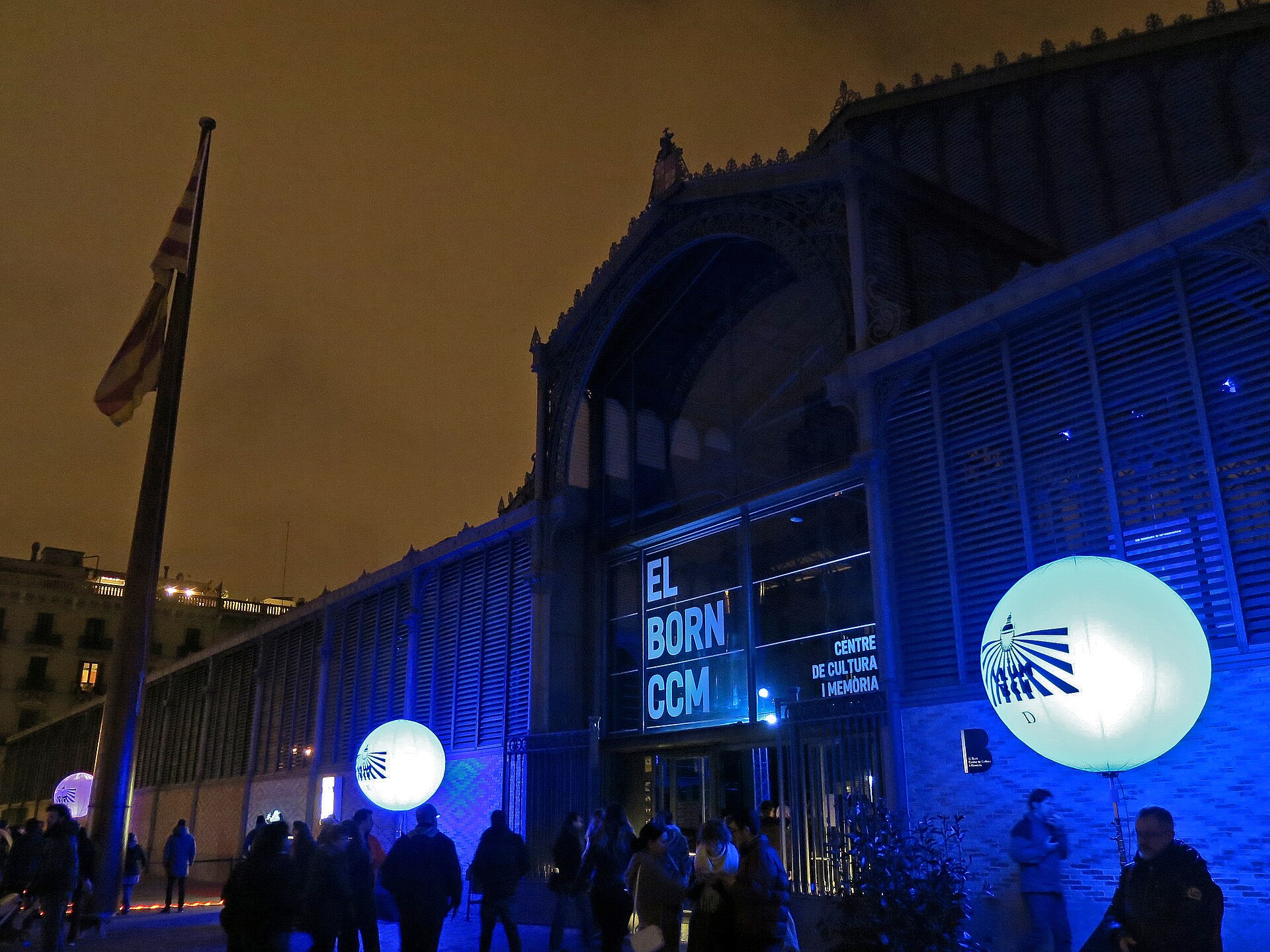
Neighboring El Born acts as the quieter and noticeably more elegant twin of the Gothic quarter, and it wins you over with its one-of-a-kind atmosphere. The main backdrop here is the stunning Santa Maria del Mar basilica, the famous Picasso Museum is just around the corner, and the sprawling green Ciutadella Park is literally a stone’s throw away. This area is dotted with independent boutiques and great wine bars, so it perfectly suits couples in love and food lovers who want to soak up the medieval atmosphere without constantly pushing through crowds. An average night here runs roughly €110 to €200, which means compared to Barri Gòtic you’ll usually save a very pleasant ten to twenty percent.
Be very careful, though, not to accidentally book a room with windows facing directly onto Passeig del Born, because it’s a notorious party artery and you definitely wouldn’t sleep a wink there at night. Instead, look for accommodation near the park, where you’ll find the peace and quiet you crave after a full day of walking. 💡 TIP: Pop into one of the local tapas bars and order the traditional patatas bravas or grilled padrón peppers, which make an absolutely perfect vegetarian dinner alongside a glass of Catalan wine. You’ll find plenty of fantastic spots here that the crowds haven’t discovered yet and that cook with honest local ingredients.
3. El Raval
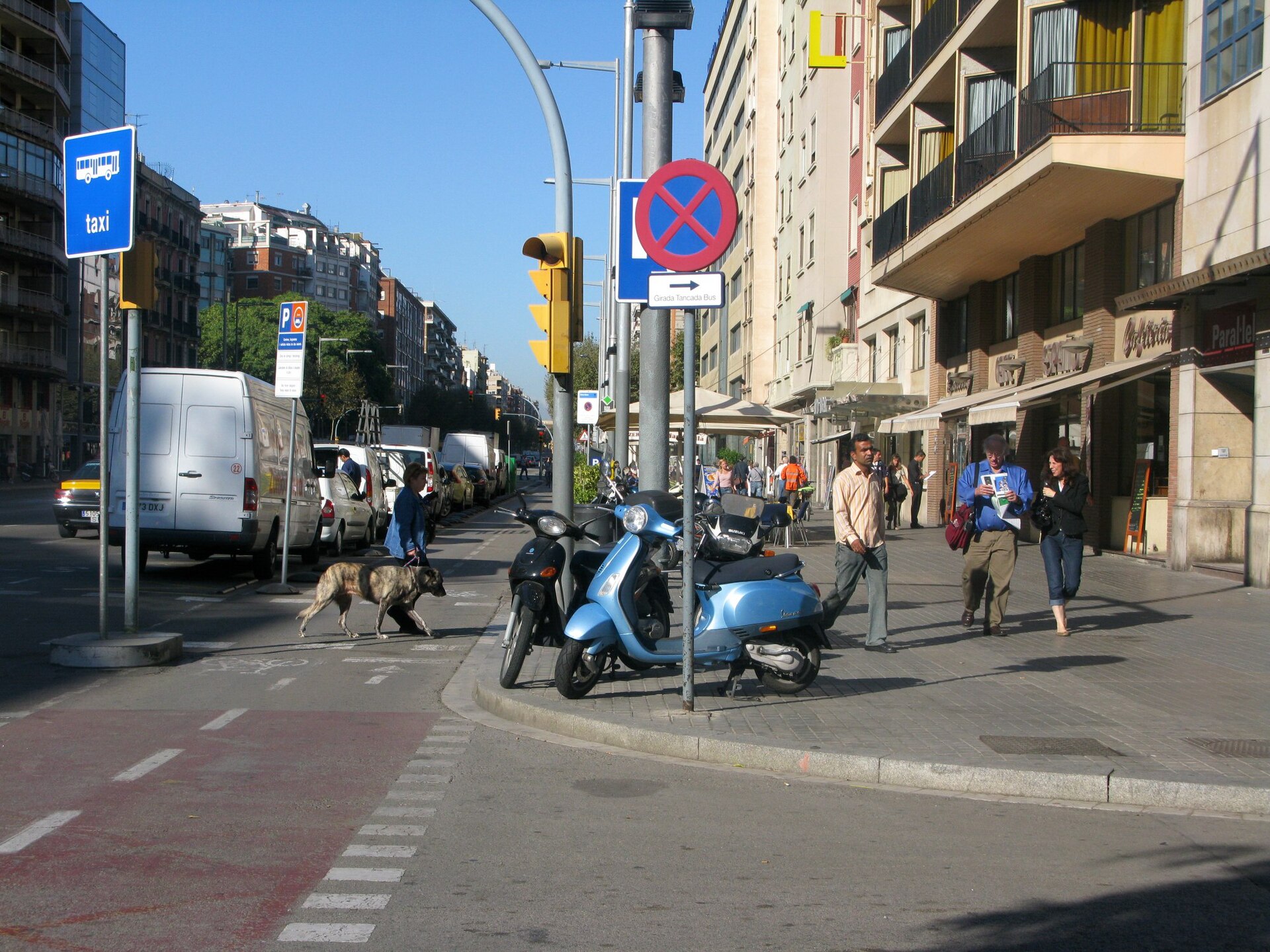
This neighborhood lying west of La Rambla was once a notorious red-light zone, but today it’s an absolutely fascinating and slightly raw multicultural mix. Home to the famous MACBA contemporary art museum, its alleys hide independent cafés that attract people on a lower budget and lovers of the gritty big city. This is exactly where Lukáš and I spent our unforgettable stay, when we booked into the wonderful Hotel Gaudí, which utterly charmed us with its rooftop terrace overlooking the Palau Güell across the way. Price-wise you’ll be in a very reasonable range of roughly €80 to €130 per night, which makes Raval a great choice for travelers who want to stay in the center without spending a fortune.
Even so, I have to honestly warn families with children and people visiting the city for the first time, because some local guides don’t recommend staying in Raval for a first visit at all. In particular, you should give the southern parts toward the port and the darker side alleys a wide berth after dark, because the social reality here can be pretty harsh and you’ll meet a lot of homeless people. 💡 TIP: Around Carrer Joaquín Costa you’ll find absolutely fantastic and very cheap Middle Eastern eateries that serve the best fresh falafel and creamy hummus in all of Barcelona.
4. Barceloneta
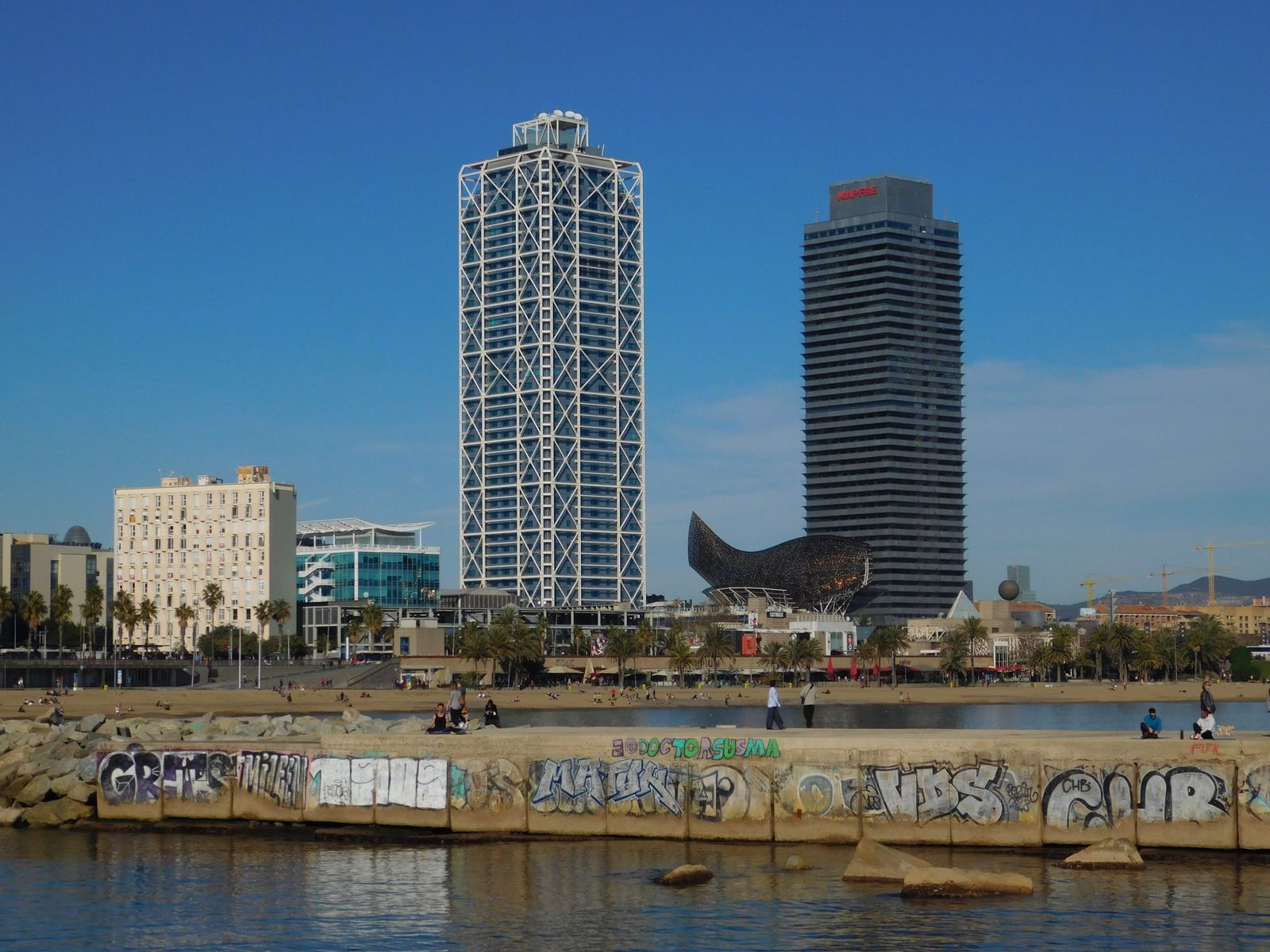
A former fishing village with narrow lanes and three kilometers of sandy beach, on the map it looks like an absolutely perfect and romantic base for a summer holiday. The air smells of the sea and at first glance it tempts you to book some beautiful hotel with a sea view, but don’t be fooled by the perfect photos on social media. In July and August this neighborhood is absolutely and hopelessly packed with people, which turns your dreamed-of calm into more of a nightmare full of shouting and loud music from beach bars. Rooms facing the beach also carry a huge hefty surcharge and in season you’ll easily pay €200 to €300 for them, and mostly you’ll get street noise for it.
The biggest problem, though, is transport access, because only a single metro line, the L4, runs from here to the center, so every trip to the sights means tedious transfers. The Barceloneta station itself also ranks among the five most critical spots for operating pickpockets, who know very well that confused tourists in swimsuits gather here. 💡 TIP: Unless you’re flying to Spain purely for a full day of swimming, stay closer to the center and simply make the beach a day trip; you’ll save yourself a lot of money and nerves.
5. Eixample
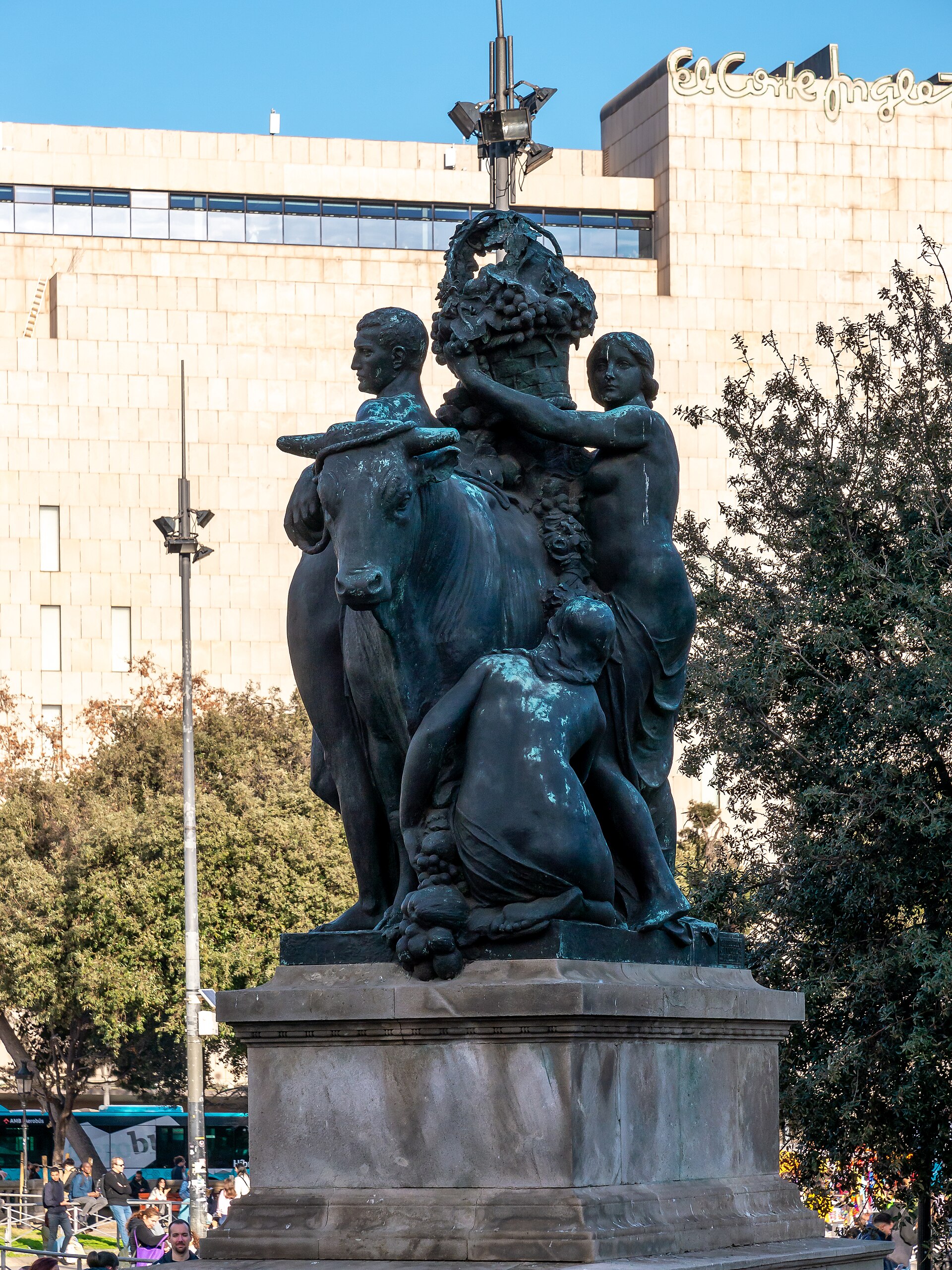
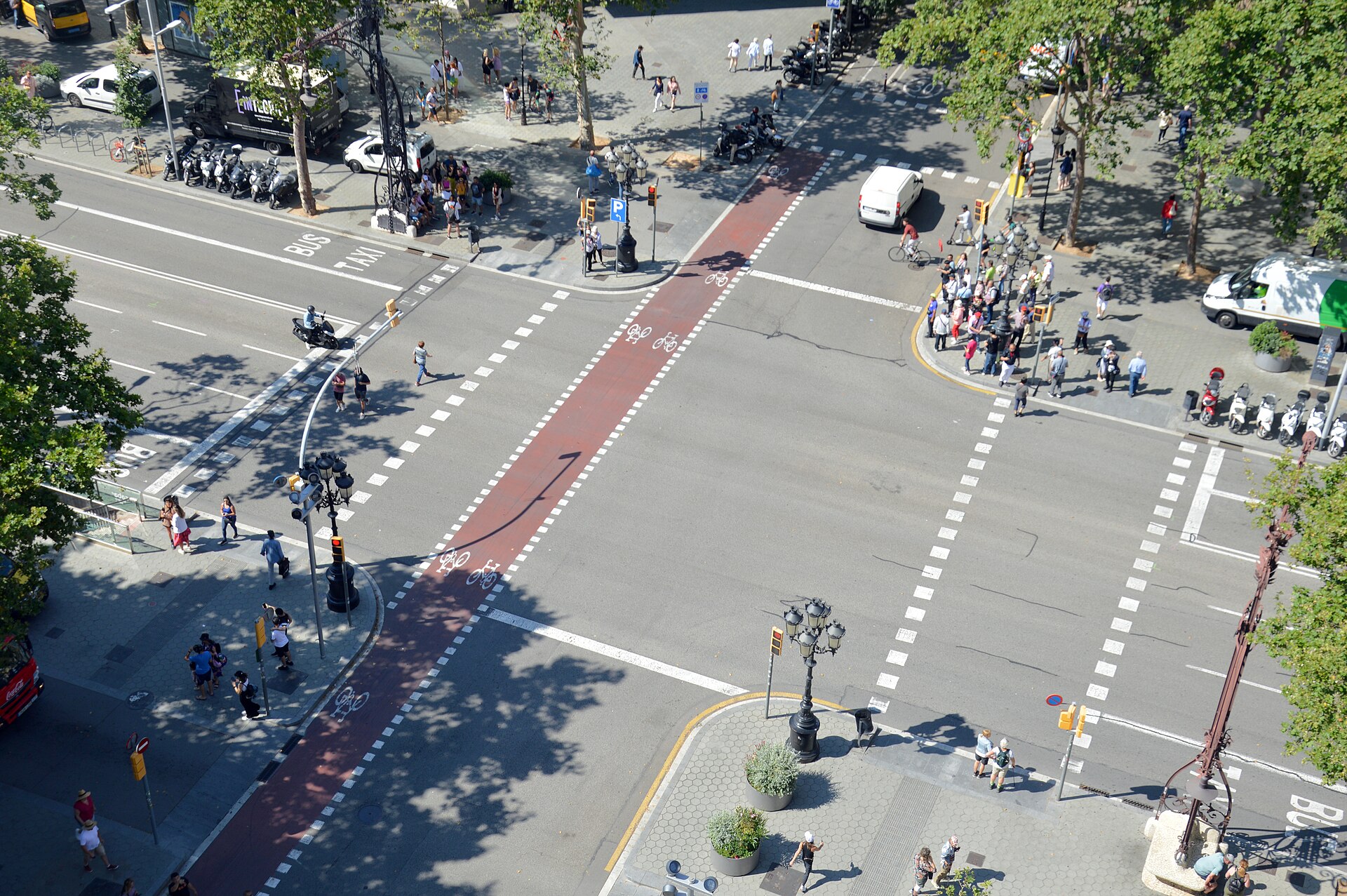
This famous neighborhood with its characteristic nineteenth-century grid layout is full of wide boulevards and stunning modernist façades. It’s one of the absolutely safest parts of the wider center, crossed by the well-known Passeig de Gràcia boulevard, which splits it into a prestigious right side and a more relaxed left side. The right part (Dreta) hides iconic buildings like Casa Batlló and La Pedrera, and three-star accommodation here starts at €110, while more luxurious hotels on the main avenues easily exceed the €200 mark. The left part (Esquerra), by contrast, is far more residential and you’ll get a great family hotel near the sights for much more reasonable money, usually between €90 and €150.
Inside the left part you’ll also find the so-called Gaixample, a vibrant hub of LGBTQ+ life spreading around Carrer Casanova, home to the well-known Axel Hotels chain, for example. During the day it’s completely calm and easygoing here, but on weekend nights get ready for fairly loud goings-on around the local clubs, so it’s better to carefully check the opening hours of the venues beneath your windows. 💡 TIP: Look for accommodation like the beautiful boutique Hotel Praktik Èssens or the stylish Room Mate Anna, but always check you don’t have windows directly over a restaurant terrace, which here routinely run until one in the morning.
6. Gràcia
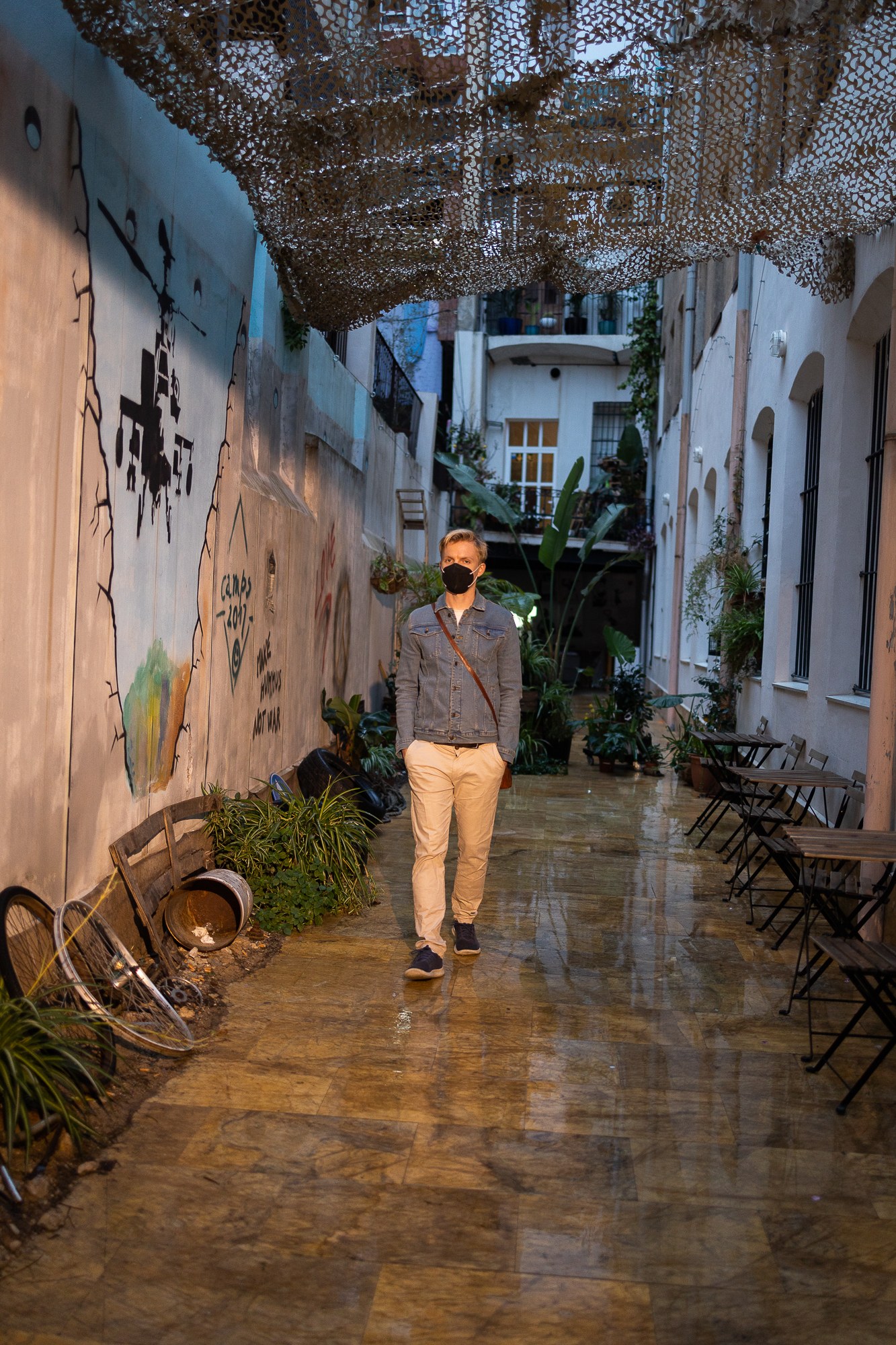
Until the end of the nineteenth century Gràcia was a completely independent town, and to this day it has managed to keep its wonderful village-like and very local atmosphere. You’ll find a network of small romantic little squares, tiny local shops instead of big global chains, and the famous Park Güell sits literally just above your heads. This neighborhood suits people returning to the metropolis for the umpteenth time, or travelers planning a longer stay of four or more nights who want to soak up the authentic life of the locals. A night here costs a pleasant €80 to €130, which means you can afford to book a very nice local guesthouse and still save roughly €30 compared to the overpriced historic center.
Gràcia isn’t a great fit for people on a quick two-day dash, though, because you always have to take the metro to the Gothic core and it’s simply a bit out of the way for lots of the sights. Also, definitely avoid staying right on Plaça del Sol, because on weekends people party outside long into the night and with windows to the street you could forget about a peaceful sleep. 💡 TIP: You absolutely must buy tickets to nearby Park Güell (they cost €18) online in advance, because they’re no longer sold on site and otherwise you won’t get into the twelve-hectare paid monumental zone.
7. Poble-sec and Sants
The area spreading out right below the green hill of Montjuïc is an absolutely perfect and often very underrated choice for everyone watching their budget. Poble-sec itself is legendary for its pedestrian street Carrer de Blai, which is literally packed with great pintxo bars, where one small piece of superb food on a stick costs around one and a half euros. This is exactly where I recommend looking for accommodation, because it’s the most underrated central neighborhood, where you can fairly easily sleep for under a hundred euros a night and you’re also a short walk from the wonderful museums on the hill. Just watch out for the fringe streets bordering Raval and the Paral·lel boulevard, which after dark may not feel entirely safe and pleasant.
Neighboring Sants is a typical working-class and highly functional neighborhood that mainly comes in handy if you arrive by train or want to continue your journey further around Spain. You won’t find any postcard atmosphere here and the area around the station is completely dead in the evening, but for an average room you’ll pay only around €70 to €110. 💡 TIP: Sants Estació station unfortunately ranks among the spots with a huge concentration of thieves, so keep your backpacks held tight to your body, but your reward will be the best vegetarian pintxos with goat cheese or a classic Spanish tortilla just a few streets over.

8. Poblenou and Vila Olímpica
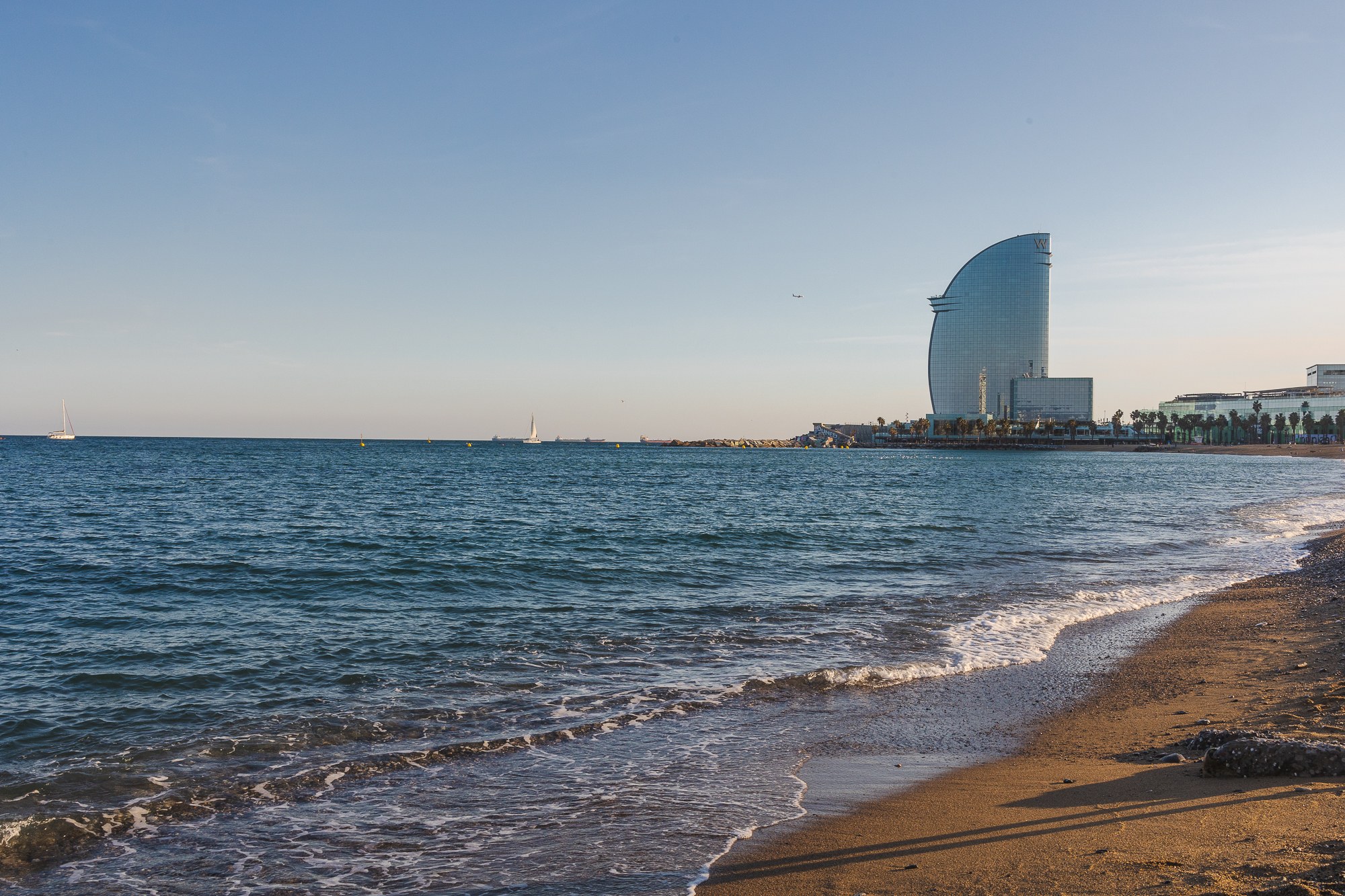
This formerly industrial area has transformed into a modern innovation district and offers wonderful access to quieter beaches like Bogatell and Mar Bella, which are far cleaner than the crowded Barceloneta. Converted old factories and a startup atmosphere mainly attract families with children and digital nomads, who appreciate the spacious streets and noticeably fewer street thieves. The downside of Poblenou is that the ride on the L4 metro line to the historic center takes a good twenty to thirty minutes, but in return you get incomparably more peace and room to relax. Price-wise you’ll be in the range of €120 to €250, and you’ll easily find a nice modern hotel by the beach that gives you the perfect base.
Neighboring Vila Olímpica was built for the Olympic Games and is today home to big nightclubs, a luxury casino, and the enormous Hotel Arts complex that dominates the whole coastline. This part is architecturally much colder, and because of the nighttime noise from clubs like Opium or Pacha it’s absolutely unsuitable for families with small children. 💡 TIP: If you’re after beach relaxation, head straight for the heart of Poblenou near Rambla del Poblenou, while leaving the Vila to the businesspeople and lovers of wild parties who don’t get back to their rooms until dawn.
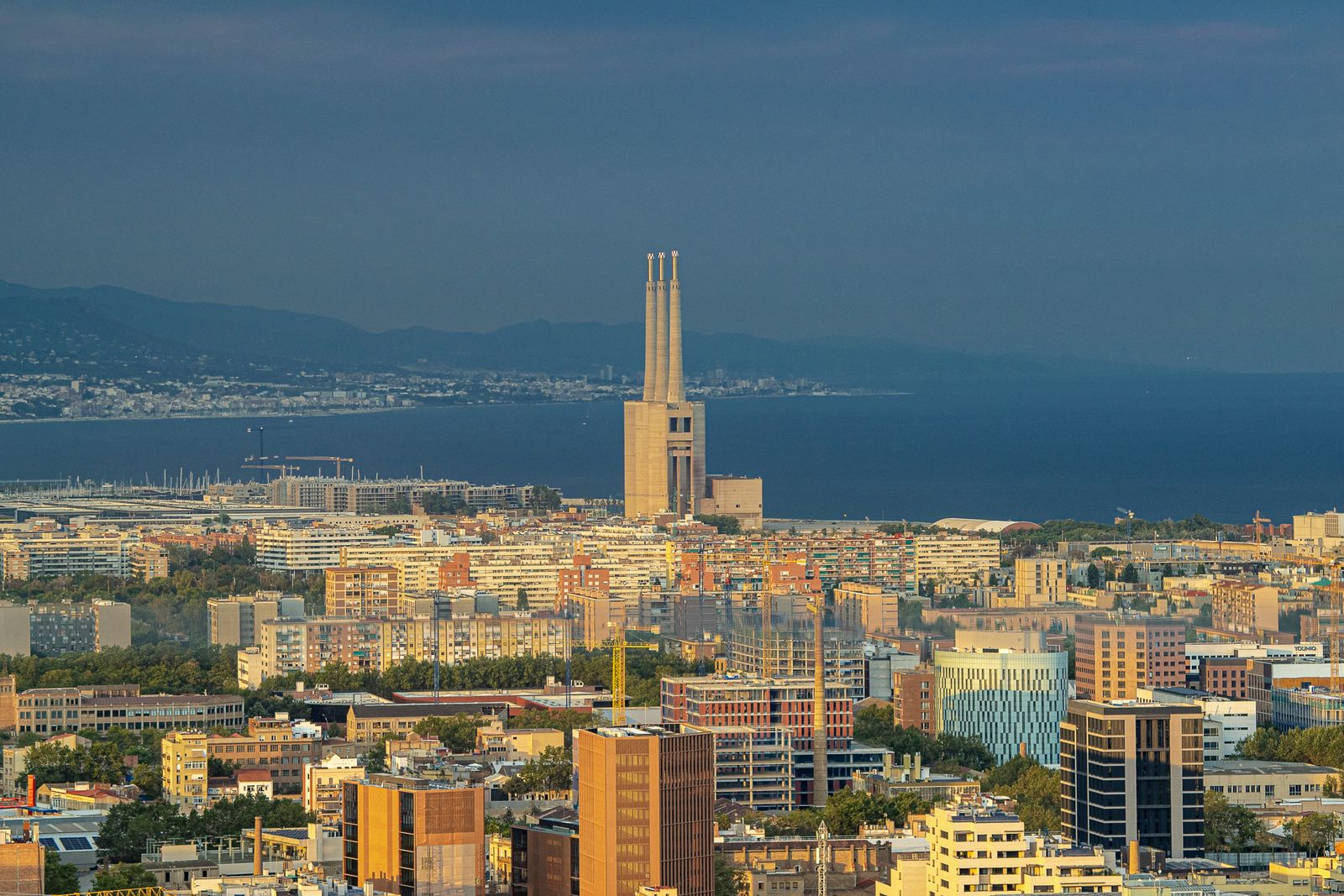
9. Sarrià-Sant Gervasi
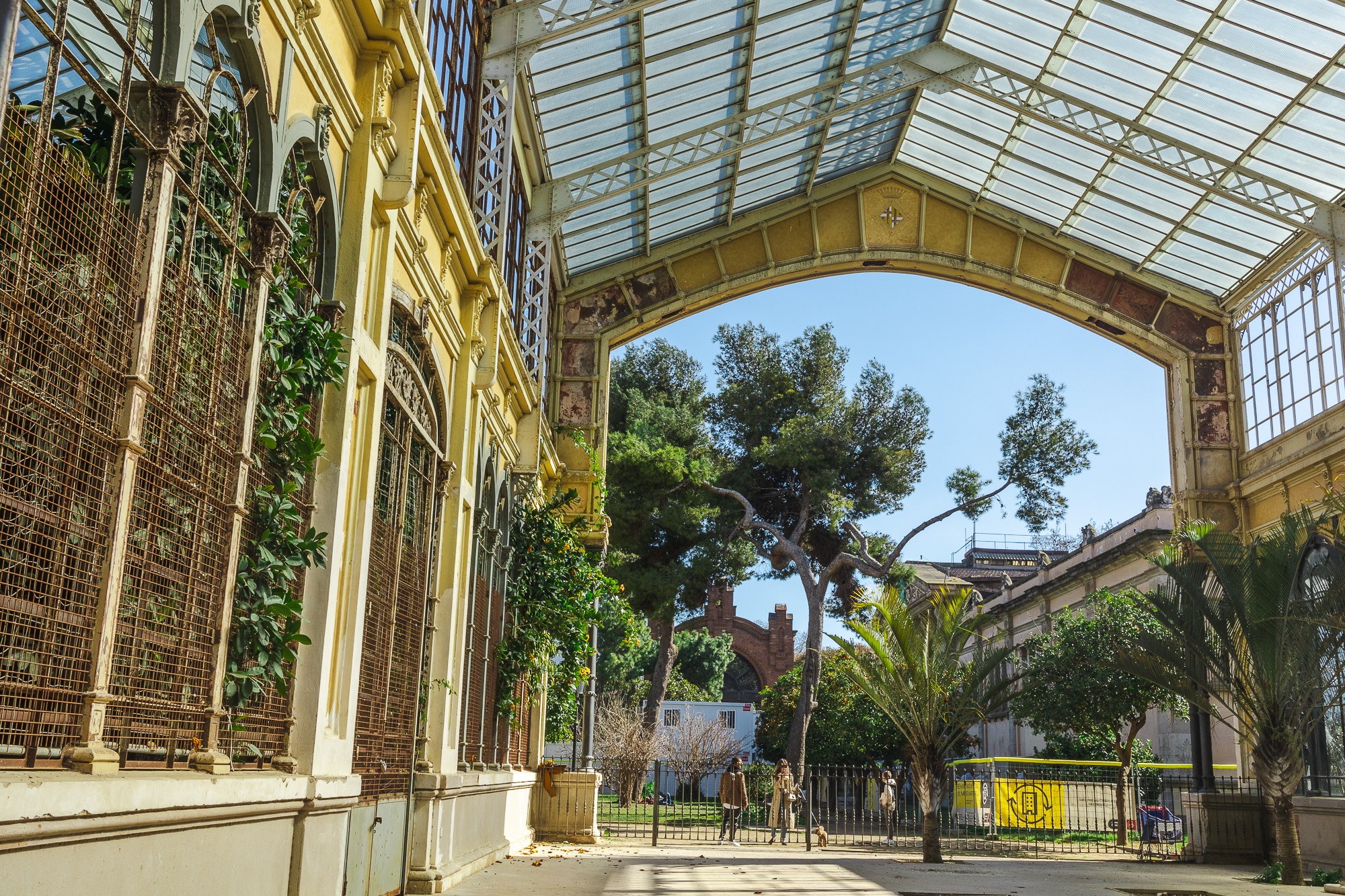
Barcelona’s wealthiest district lies stretched out in the hills above the city, and Sarrià still keeps the feel of a peaceful village green with charming little churches and traditional pastry shops. These places have been run by the same local families for several long generations, which gives the whole neighborhood an incredibly authentic and laid-back character without any tourist hustle or kitschy souvenirs. The neighborhood perfectly suits families and people who need lots of space, absolute calm, and are planning to visit the excellent CosmoCaixa museum or the historic amusement park on Tibidabo hill. Pickpockets practically don’t exist here, so you can settle into some pricier establishment without worry and pay usually between €110 and €180 per night.
You do have to reckon with the fact that it’s quite far into the center from here and all the routes lead uncompromisingly uphill, which can really tire you out after a full day of walking. Evening nightlife here is also absolutely nonexistent, and the local residents somehow subconsciously expect that noisy tourists simply belong somewhere else entirely and won’t disturb their peace. 💡 TIP: This is an absolutely ideal choice for travelers arriving in Barcelona by their own car who need to park safely, but don’t forget that to enter the city you have to arrange the ZBE low-emission registration in advance, or you risk a hefty fine.
10. Sant Andreu
This peripheral residential neighborhood in the north was once an independent town and to this day keeps its own slower rhythm without any dressed-up tourist scenery. The local residents here aren’t the least bit curious about what visitors think of them, and you’ll find, for example, the fascinating Fabra i Coats cultural center created from a huge old textile factory or the beautiful Pegaso park. Sant Andreu is absolutely ideal for people who want to escape tourist traffic entirely, don’t mind commuting, and long to experience the real, genuine Catalan everyday life. Price-wise you’ll be incredibly low here, roughly €65 to €100 per night, which sounds extremely tempting for a tight budget.
There’s one huge catch, though, because across this whole sprawling district there are just five accommodation providers in all, so if you want to sleep here you have to book your traditional small hotel really far in advance. Also be prepared for the fact that the metro ride into the center will take you a solid thirty minutes and in the local shops and venues you often won’t get anywhere with English. 💡 TIP: If you have friends in Barcelona or you’re coming here for the sixth time and the main sights don’t interest you, you’ll be thrilled here, but for a classic weekend trip to see Gaudí’s architecture, choose something more central.
The “Cheap by the Beach” Trap
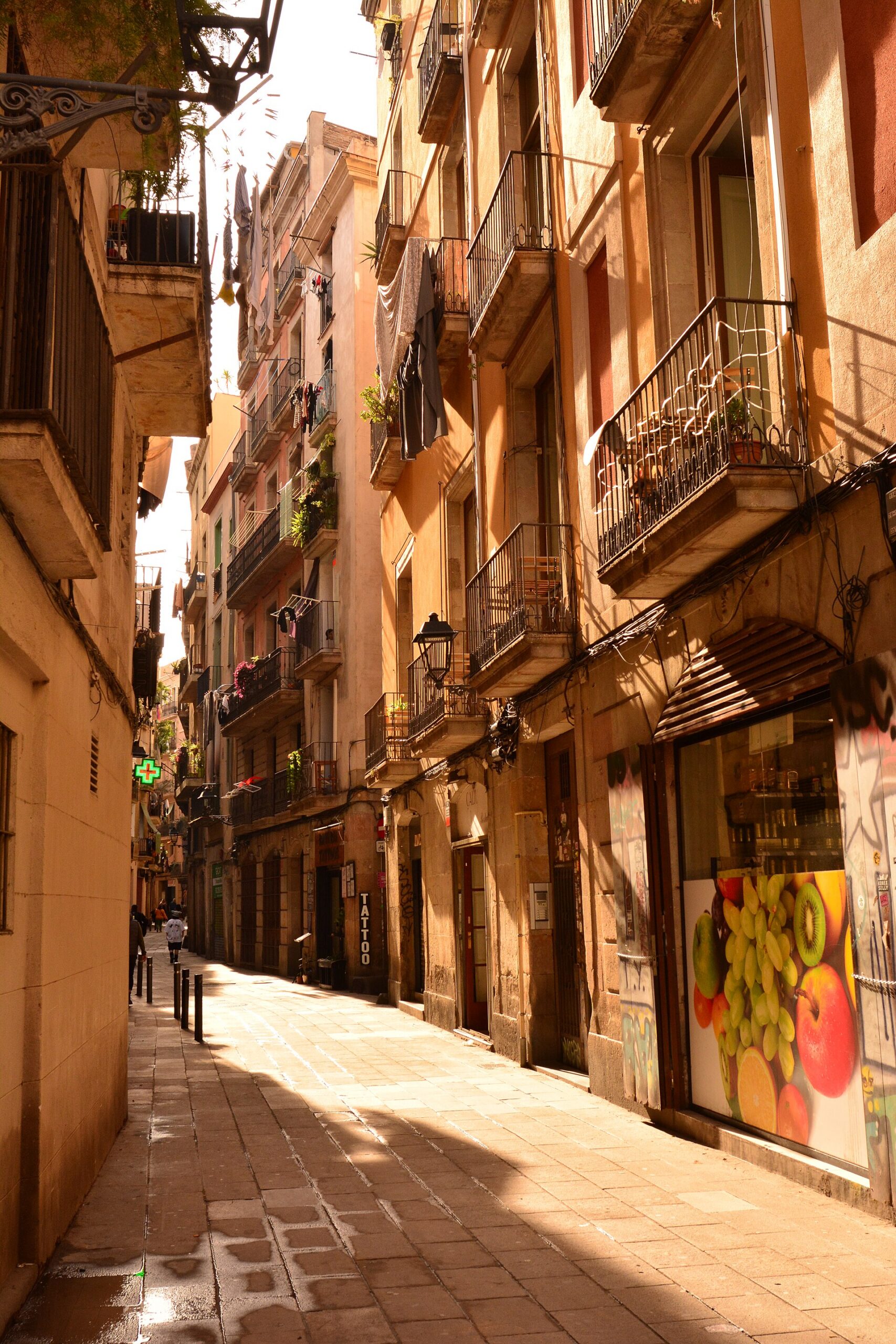
When you plan a seaside holiday, you’re automatically drawn to finding accommodation as close to the water as possible, and Barceloneta positively invites it. Most people going to the city for the first time make the huge mistake of looking for accommodation right in these narrow lanes, but local guides warn against it very emphatically.
Barceloneta is a textbook tourist trap that in the summer months is absolutely bursting with people and lacks any peace and quiet. Rooms with a sea view carry a huge hefty surcharge and in high season they’ll cost you hundreds of euros more than similarly good accommodation inland.
From a practical standpoint the neighborhood is also very poorly connected to the rest of the city, because only a single metro line runs here, which means constant and tedious transfers. Locals give this area a wide berth in summer and the metro station itself ranks among the worst spots for pickpockets, so save yourself the nerves and simply travel to the beach.
How Much It Costs and When to Book
Barcelona is expensive, and the accommodation budget will carve out the biggest chunk of your total average holiday spending. The average price for a room here hovered around €188 per night in early 2026, which comfortably keeps the metropolis holding its status as the most expensive city in all of Spain. If you head here at the turn of February and March during the giant Mobile World Congress tech fair, prices routinely shoot up to an incredible €436 and hotel occupancy exceeds ninety-five percent, so in that window you simply won’t track down a cheap room.
On top of the room price on Booking, you also have to add the tourist tax, which rose radically from April 2026 and won’t show up in advance on booking portals. The tax is paid in cash or by card right at reception and consists of the Catalan rate plus a very hefty city surcharge. A maximum of seven consecutive nights are taxed, so if you stay longer, the eighth night is already exempt from the fees.
For a better idea, take a look at the table of total fees per person per night, so you know how much to set aside:
- Five-star hotels and luxury establishments: €12.00
- Tourist apartments and flats (HUT): €9.50
- Four-star hotels: €8.40
- Three-star and cheaper hotels: €7.00
- Youth hostels: €6.00
To give you a better sense of the real impact of this change, a model example shows that the tourist tax adds roughly €150 to €240 for a family of four over five nights that they never planned to spend at all. Given the shrinking supply of apartments and the fact that the city is gradually canceling all short-term rental licenses, I honestly advise you to book your accommodation at least three to four months in advance and carefully check registration numbers.
How to Choose the Right Neighborhood
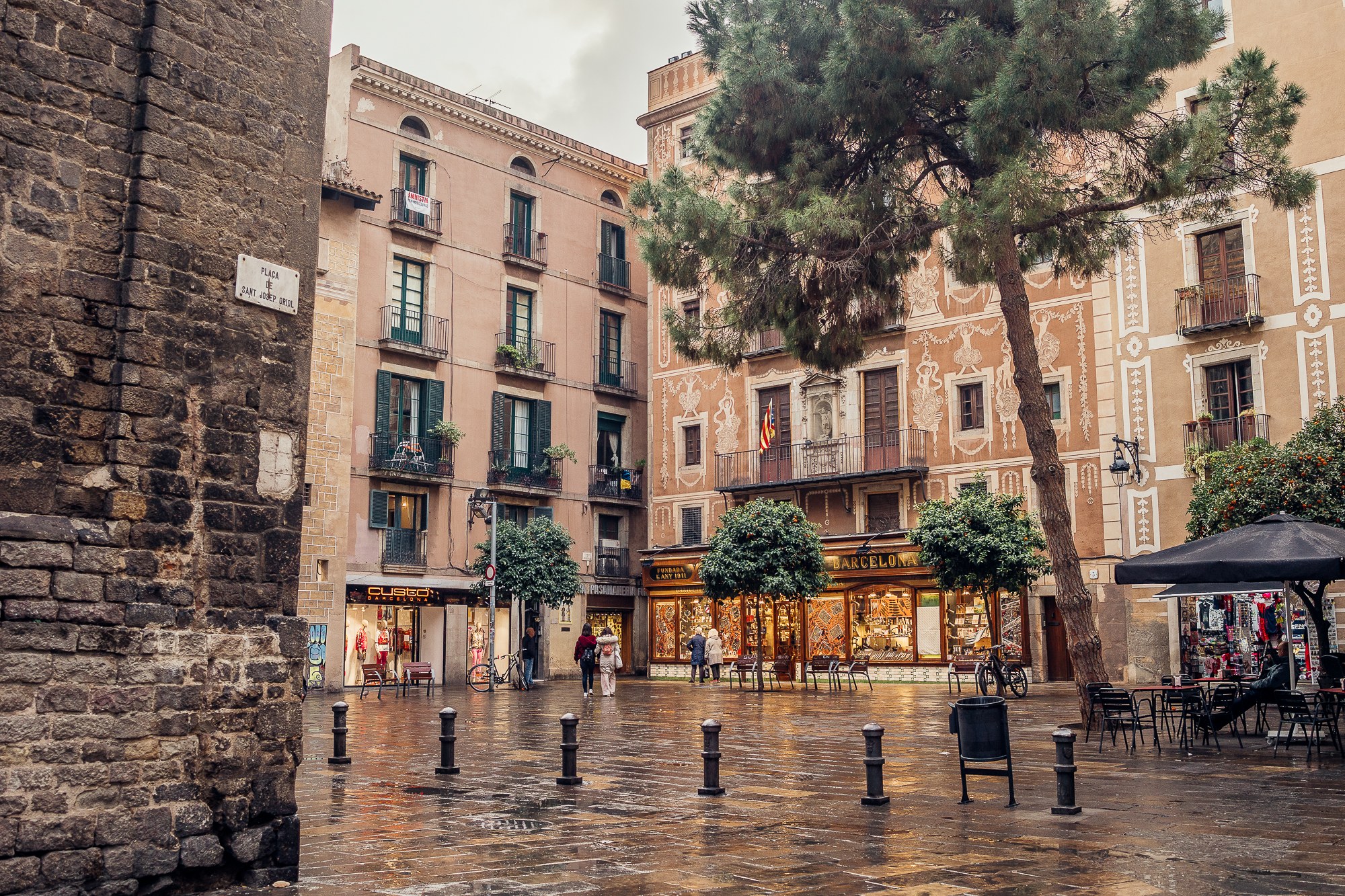
Your choice of neighborhood fundamentally shapes the feeling of the whole city you take home with you. If you’re flying here for the very first time and mainly want to catch the major sights, go for the practical and safe Eixample, which spares you the worst crowds while keeping you close to the center.
For romantic trips for two and discovering amazing food, head into the medieval alleys of El Born, where you’ll enjoy plenty of great vegetarian tapas and quality wine. If, on the other hand, you’re traveling with kids and need quiet for bedtime in the evening, head straight for the village of Gràcia or the spacious Poblenou, from where the beaches are safely within reach.
For people on a limited budget I definitely recommend exploring the Poble-sec area, where you can not only sleep cheaply but, more importantly, eat wonderfully and cheaply. Above all, always honestly consider whether you really need a sea view, because the money saved on overpriced Barceloneta can instead go toward museum entries and amazing dinners.
💡 Accommodation tip and experiences: We prefer to look for accommodation on Booking.com, which usually has the best cancellation terms. For tickets, tours, and activities, it pays to compare and buy through GetYourGuide.
Where to Go Next
We also have these detailed guides to Barcelona:
- Prices in Barcelona: budget and tourist tax
- Getting around Barcelona: metro, tickets, and the airport
- Safety in Barcelona: pickpockets by the hour
- Barcelona in 3 days: itinerary
Once you’ve picked the right accommodation, it’s high time to start planning everything you’ll actually get up to in this stunning metropolis. I’ve prepared several more detailed articles for you that will surely help you put together your itinerary:
- What to see in Barcelona: 25+ tips
- Sagrada Família: tickets, prices, and visiting tips
- Montserrat: a day trip from Barcelona to the monastery mountains
- Sitges: 14 tips on what to see near Barcelona
- Spanish tapas: what they are and what to order
- Spain holidays: 17 tips on where to go
Frequently Asked Questions
Where is the best place to stay in Barcelona?
Probably the most versatile and safest choice is the Eixample district, which offers wide boulevards without cobblestones and stunning modernist architecture. You have excellent connections to all the sights from here, you’ll find plenty of great establishments, and you’ll avoid the worst crowds typical of the historic core, while prices remain quite reasonable.
Is Barceloneta a good neighborhood for accommodation?
Honestly speaking, not really, because it’s a typical tourist trap with enormously high prices for rooms with a beach view. In summer the district is bursting at the seams, only one metro line runs here, and the local station is one of the worst spots for pickpockets, so it’s better to stay closer to the center and simply take a nice day trip to the sea.
Is it safe to stay in Raval?
Raval is a very specific multicultural mix that offers great cafés and museums during the day, but can show a considerably rougher side at night. Especially the southern parts toward the port and narrow side streets are recommended to be avoided after dark, so for families with children or travelers on their first visit, it’s definitely not the best choice.
How much does a hotel in Barcelona cost?
The city is currently the most expensive in Spain, and the average hotel room price climbed to €188 per night at the beginning of 2026. During major trade fairs, such as the February Mobile World Congress, prices routinely shoot up to over €430, so with a limited budget you’ll need to look for accommodation further from the center or choose from more affordable hostels.
What is the tourist tax and how much is it?
It’s a mandatory fee that increased significantly from April 2026, and you always pay it directly at the accommodation reception, so you won’t see it in advance on Booking.com. For a five-star hotel you’ll pay twelve euros per person per night, for a tourist apartment €9.50, and for a standard three-star hotel seven euros, with the tax charged for a maximum of the first seven nights of your stay.
How far in advance should I book accommodation?
Given that the city is progressively canceling all more than ten thousand licenses for tourist apartments by November 2028 and the supply of units is dropping sharply, hotels are filling up very quickly. If you want a reasonable selection and an acceptable price, I recommend booking at least three to four months in advance, especially if you’re traveling during the main summer season.
Is it worth renting via Airbnb in Barcelona?
The apartment market here is currently very risky, because authorities have deleted tens of thousands of illegal listings this year and the rules are constantly tightening. If you’re renting an apartment, you absolutely must find the NRU registration number in the listing, otherwise there’s a real risk that the platform will cancel your reservation just before departure and you’ll be left without a roof over your head.
Where is the best place to stay with children?
For families with children, the quiet and safe Gràcia is absolutely ideal—it has a wonderful village atmosphere and plenty of small squares without heavy traffic. Another great alternative is Poblenou with its converted factories, where you have beautiful and peaceful beaches within comfortable walking distance, far from the worst tourist hustle and intrusive pickpockets.
Tips and Tricks for Your Vacation
Don’t Overpay for Flights
Search for flights on Kayak. It’s our favorite search engine because it scans the websites of all airlines and always finds the cheapest connection.
Book Your Accommodation Smartly
The best experiences we’ve had when looking for accommodation (from Alaska to Morocco) are with Booking.com, where hotels, apartments, and entire houses are usually the cheapest and most widely available.
 🚗 Car rental on the roadVerified rental cars in Catalonia
Search with the DiscoverCars comparison engine — it compares prices from dozens of local and international rental companies, and most bookings come with free cancellation.
Compare car prices in Catalonia →Don’t Forget Travel Insurance
Good travel insurance will protect you against illness, accidents, theft, or flight cancellations. We’ve had a few hospital visits abroad, so we know how important it is to have proper insurance arranged.
Where we insure ourselves: SafetyWing (simple monthly subscription) and TrueTraveller (for extra-long trips).
Find the Best Experiences
Get Your Guide is a huge online marketplace where you can book guided walks, trips, skip-the-line tickets, tours, and much more. We always find some extra fun there!
More from Catalonia
Full guide → What to see · most readWhat to See in Barcelona Spain 2026: 25+ Must-Do Experiences
 BeachesCosta Brava: 18 Best Places to See – Stunning Beaches & Charming Towns
 PricesSagrada Família: 12 Tips You Need to Know – Tickets, Prices & Visit Guide 2026
 Day tripsFigueres Spain and the Dalí Museum: A Surreal Day Trip from Costa Brava
 With kidsBarcelona with Kids: 12 Tips for What to Do in 2026


