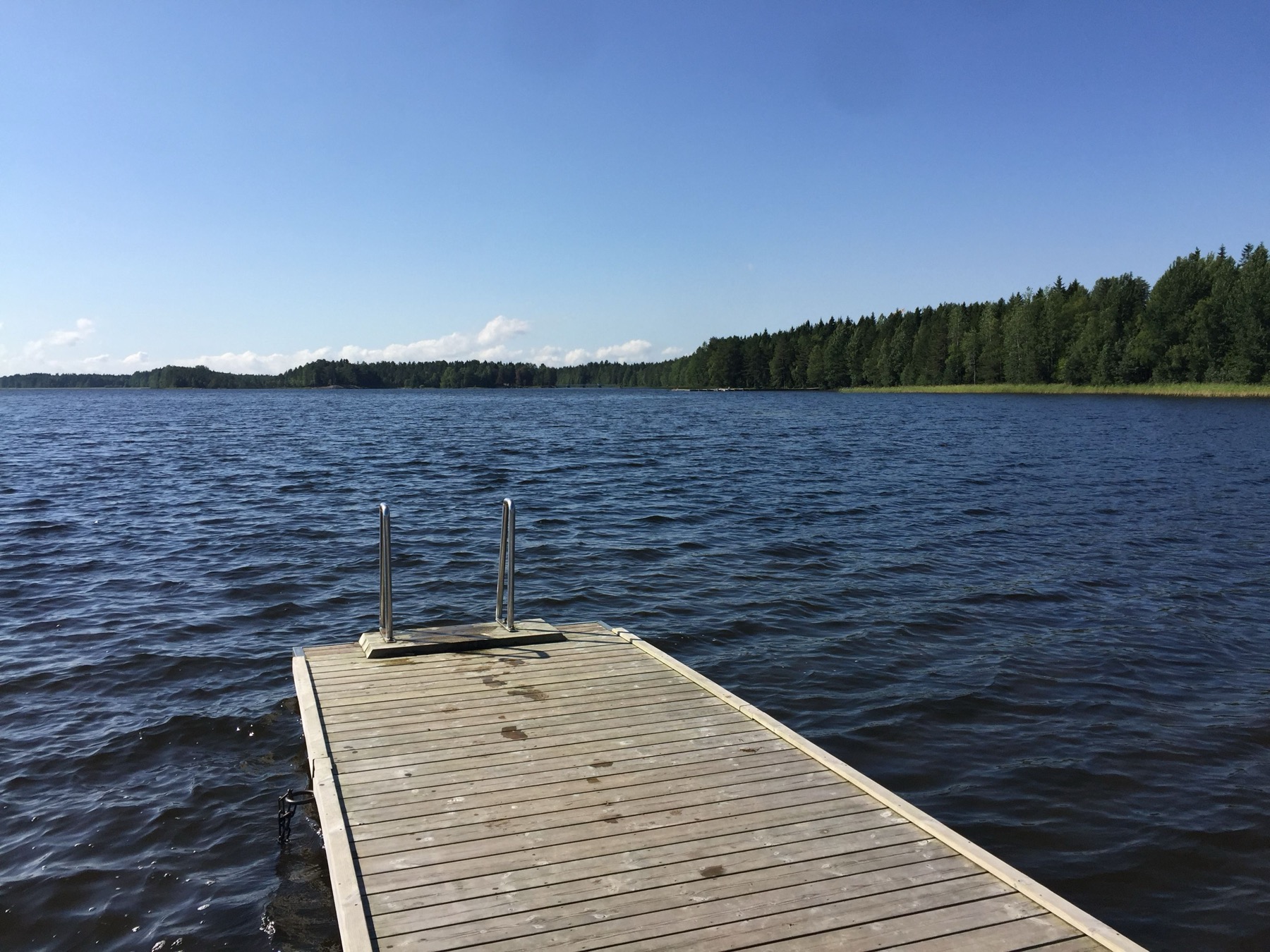
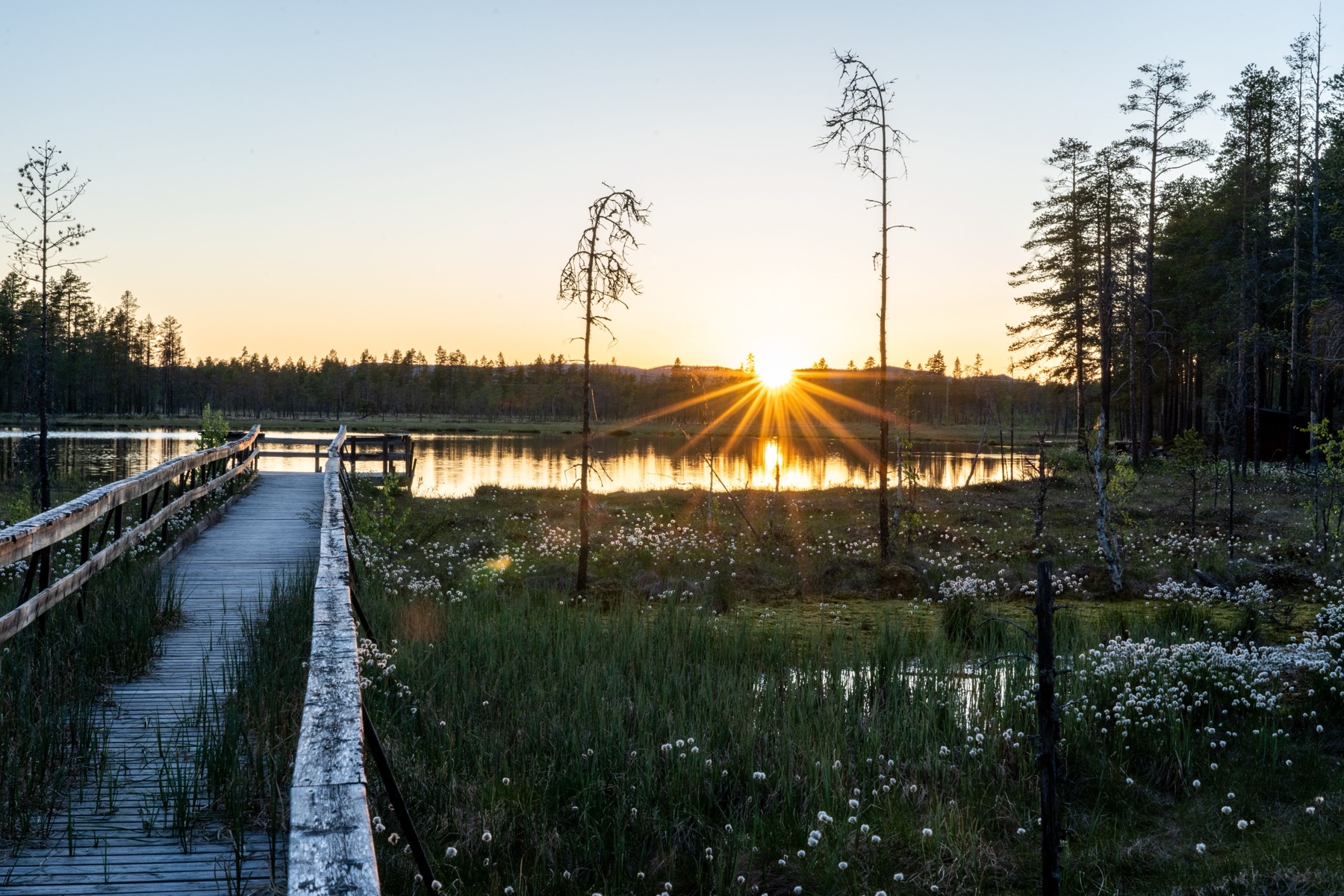
When people talk about the Swedish dream, most do not picture the busy streets of Stockholm or modern museums. They imagine a traditional Sweden cabin rental on the shore of a quiet lake. This escape from our over-technologised world attracts thousands of travellers every summer, all longing for complete peace, endless forests and morning coffee on their own wooden jetty. Almost every Swedish family has access to a place like this, and in July, when the nationwide holiday period begins, it seems as if half the country moves into the countryside.
Renting one of these cabins, known locally as a stuga, is by far the best way to understand the Scandinavian mindset. To enjoy this fairytale without unnecessary stress, however, you need to know how things work, because the Swedish standard for accommodation in nature differs from what many international travellers are used to. Staying in a rural cabin requires a high degree of self-sufficiency and respect for the unwritten rules of the rugged Nordic outdoors.
Where should you look, what should you watch out for, and why should you always pack your own bed linen? You will find out all that below. Make yourself comfortable and read on.
TL;DR
- Basic prices: In the off-season, you can rent a simple cabin from as little as 1,000 SEK (about €40) per week. During the summer peak, expect to pay between 5,000 and 12,000 SEK (€2,100–€4,900).
- Bed linen and towels: These are almost never included in the basic price. Swedes bring their own or pay a fairly substantial extra charge in advance.
- Final cleaning: You must leave the cabin in absolutely perfect condition, or pay for professional cleaning, which can cost more than 1,000 SEK (about €40).
- When to book: For July and August, I recommend looking for accommodation as early as January. The best cabins with boats by the lake disappear incredibly quickly.
- Where to look: Besides the usual Airbnb, try local Swedish portals such as Stugknuten and Stugguiden, as well as large agencies such as Novasol.
- Toilet facilities: Always check which type of toilet the cabin has, because many older and more remote cabins only have a mulltoa, a composting dry toilet.
- Drinks for the evening: You can only buy drinks containing more than 3.5% alcohol from the state-run Systembolaget shops, which are strictly closed on Sundays.
The full destination guide: Sweden — guide and what to see
14 Things to Know Before a Sweden Cabin Rental
Renting a little cabin somewhere in the Scandinavian forests sounds like the easiest thing in the world. You arrive, unlock the door, light the fire and enjoy the peace. But Swedish cabin culture has its own small yet important quirks. From missing bed linen to the obligation to clean up perfectly after yourself, there are a few things that may surprise you as an international traveller.
To make sure your dream holiday does not end in a misunderstanding with the owner or an unnecessarily expensive service surcharge on the very first day, I have put together the most important points for you. Let us take a look at what you should definitely know before clicking the booking button.
1. What is a stuga and why is it a national phenomenon?
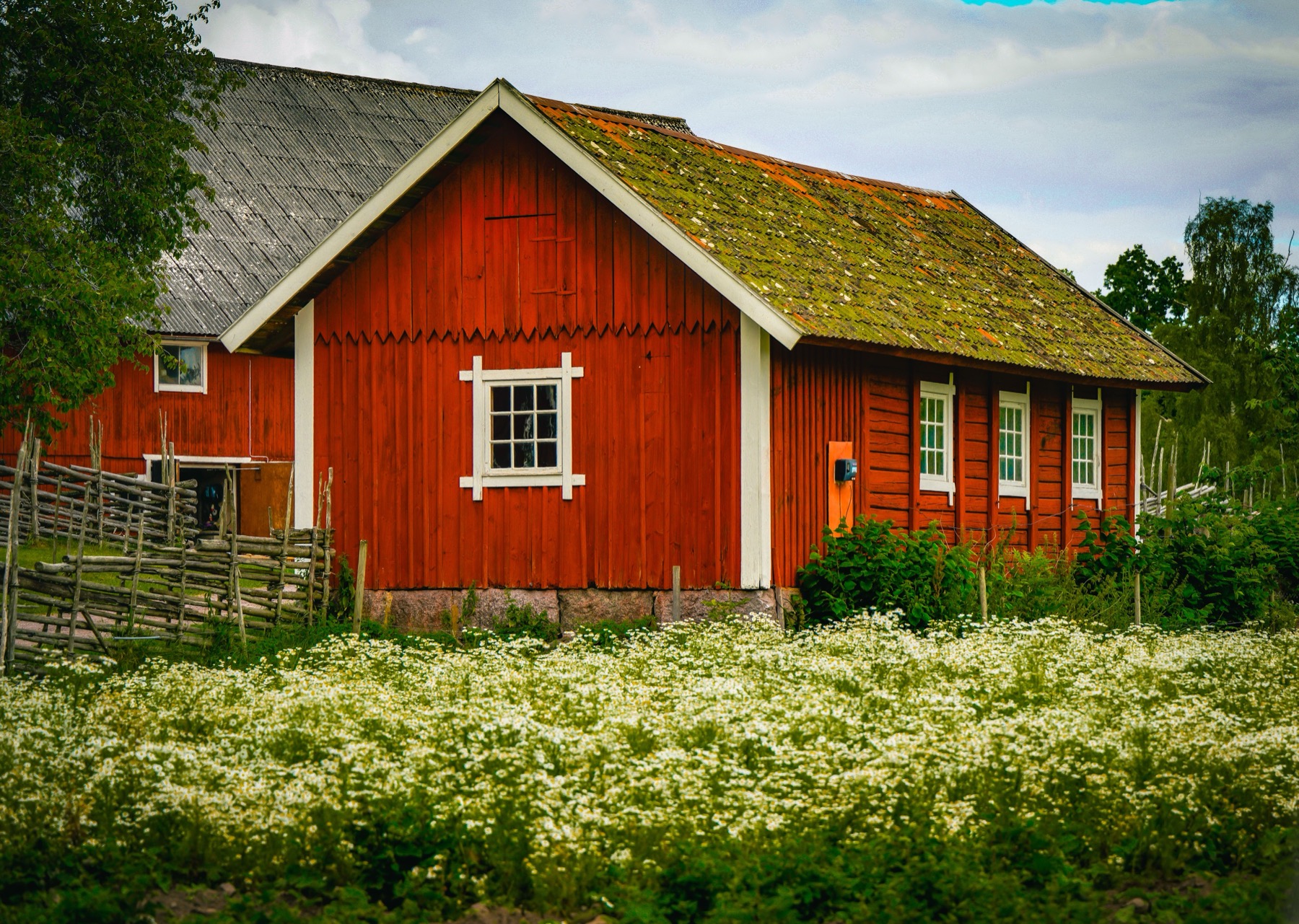
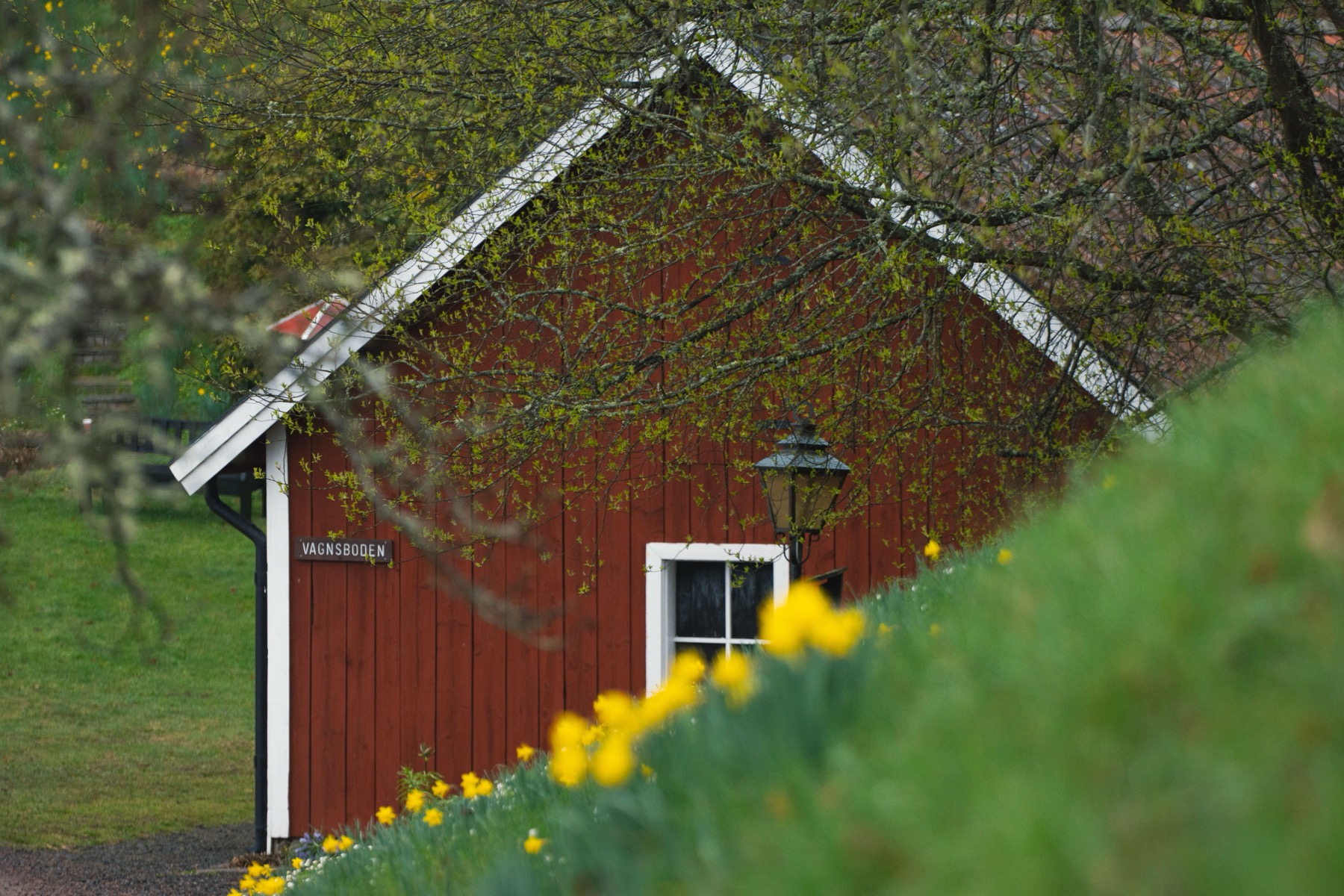
A Swedish summer cabin, or sommarstuga, is not just an ordinary building but a true national institution and a symbol of the Nordic way of life. When you think of Sweden, bustling Stockholm, the famous Vasa ship museum or iconic meatballs may come to mind first. But the real travel dream lies somewhere completely different. The strongest emotions and biggest dreams drawing people north do not take the form of a vibrant city. They look like a small, dark-red wooden cabin on the shore of a quiet lake, perfectly lost in a deep forest.
It is estimated that more than 600,000 of these cabins are scattered across the country, and locals retreat to them whenever they get the chance. Almost every Swedish family owns one or can access one through relatives. For Swedes, a stuga is the perfect escape from everyday stress and a place to practise their beloved art of slowing down. The phenomenon is closely connected with the concept of slow living, which has inspired more than one global social-media star. People around the world eagerly watch videos about living in harmony with nature and enjoying absolute silence.
Jonna Jinton is a shining example. From her remote home in northern Sweden, she shares beautiful footage of frozen lakes, the northern lights and the traditional herding call known as kulning with more than five million YouTube subscribers. The story of eighteen-year-old Erik Grankvist is similarly fascinating: using only an axe and hand tools, he built a log cabin deep in the forest, and his videos have received tens of millions of views. Life at a cabin simply follows a completely different rhythm.
The main event of the day is not visiting a historic landmark, but splitting firewood or watching the sunset over a still lake. When you rent a place like this, you are not merely buying a bed for the night. Above all, you are buying the chance to experience Swedish culture in its purest form. In a stuga, you will understand Sweden better than you would in any museum.
💡 Tip: Do not be surprised if you find no tourist attractions, promenades or ice-cream shops around the cabin. The whole point of this kind of stay is that you are surrounded by nothing but forest and water.
2. Why are all the cabins painted red?
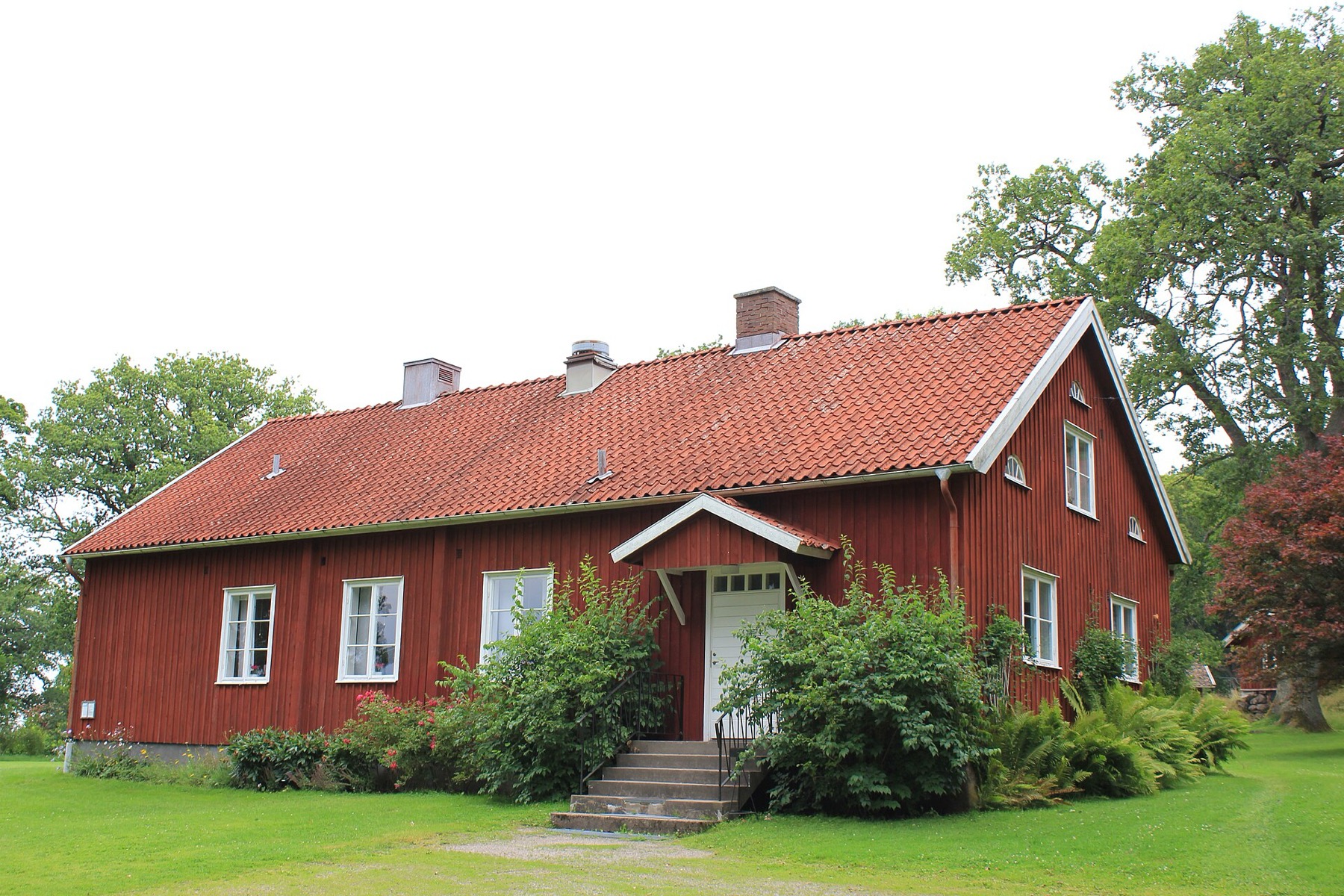
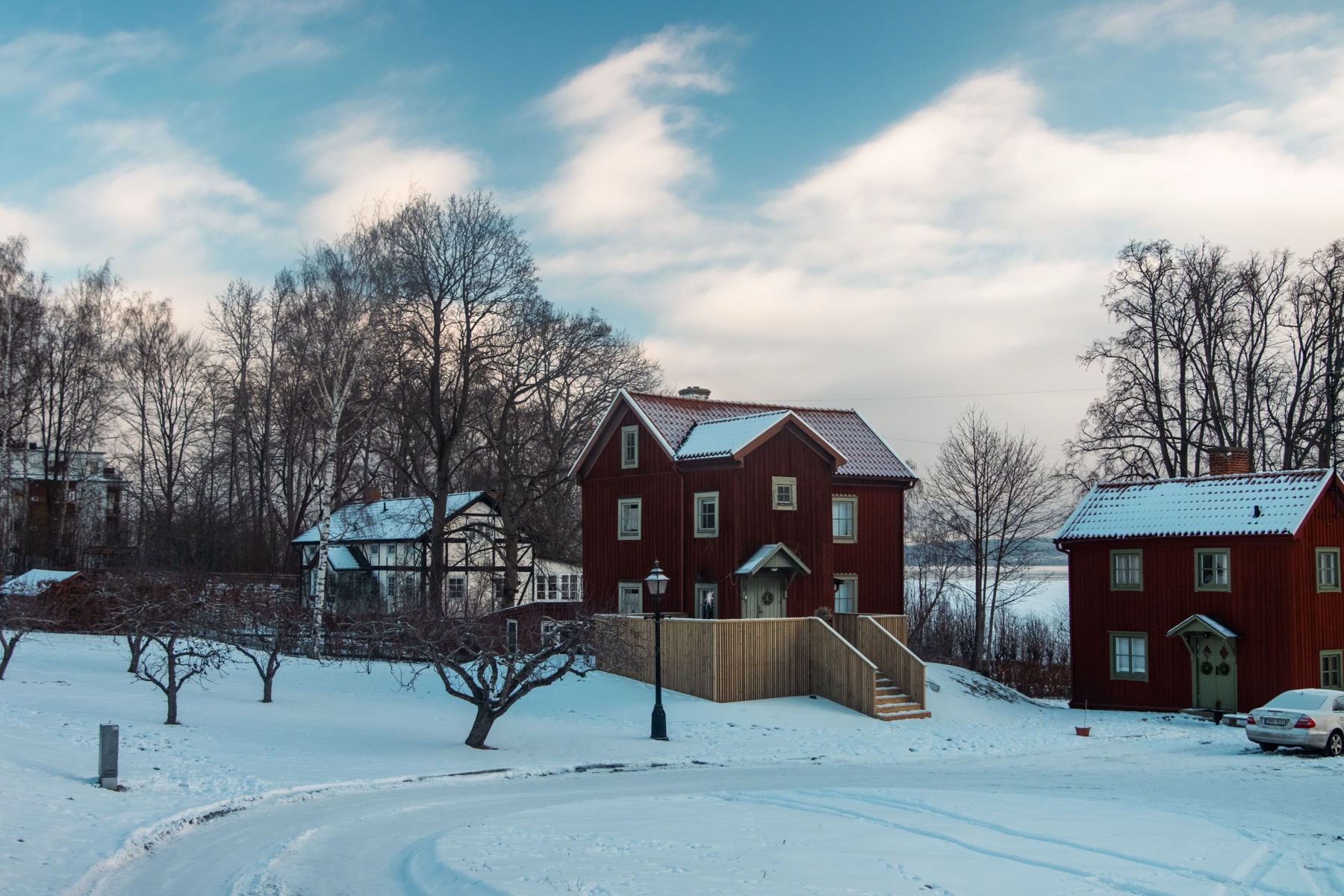
As you travel through the Swedish countryside, one thing immediately catches your eye: almost nine out of ten rural buildings glow in the same dark-red shade. The colour is called falu rödfärg, or Falun red, and together with white window frames it forms one of the best-known symbols of Swedish architecture. This is not a modern design trend invented by a clever architect, but a deeply rooted tradition that dates back centuries.
The distinctive shade emerged as a by-product of historic mining at the copper mine in Falun, now a UNESCO World Heritage Site. As early as the sixteenth century, people discovered that the earthy pigment, rich in iron, copper and zinc, worked as a remarkably effective and inexpensive wood preservative. It only needed to be mixed with linseed oil and ordinary rye flour. At first, only the wealthy nobility painted their houses red, imitating the expensive brick buildings of continental Europe.
Over time, however, the trend spread throughout the Swedish countryside and became part of everyday life. The miraculous paint protected wooden façades from harsh Nordic weather and rot so reliably that it reached every corner of the country. Today, it is no longer just a practical choice but an inseparable tradition. A red cabin with white corners and window frames belongs in the Swedish landscape as naturally as granite boulders and tall pines. Any other colour would look distinctly out of place in the forest.
💡 Tip: If the history of this iconic colour fascinates you, I recommend visiting the copper mine in Falun in the Dalarna region. Exploring its dark underground passages is a memorable and highly educational experience.
3. Where to look for a cabin and when to book
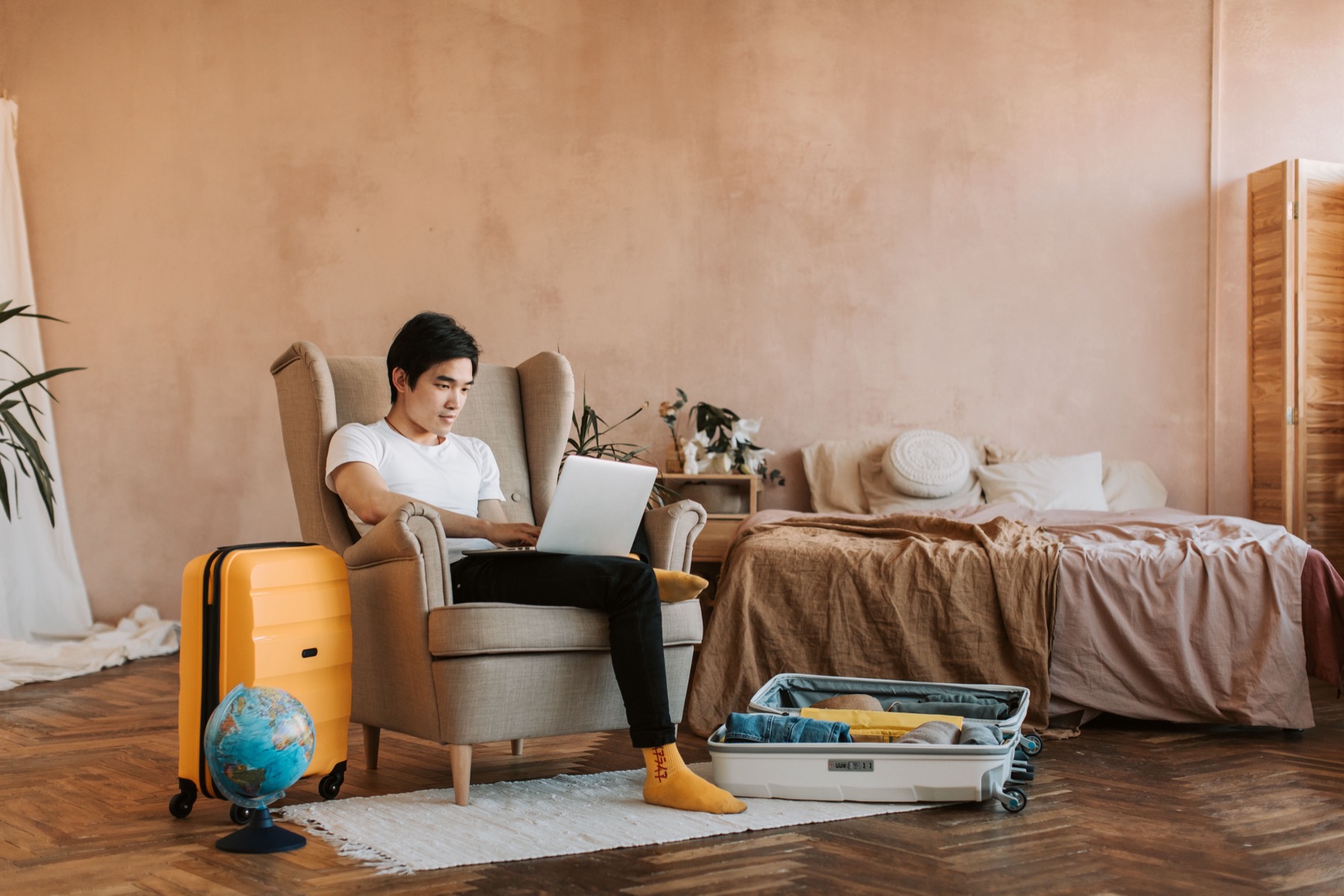
Before you head straight to Airbnb, pause for a moment: service fees can make you pay considerably more for the same cabin than you need to. Instead, I recommend exploring Swedish websites such as Stugknuten and Stugguiden, where owners advertise directly and you can find the most authentic gems at local prices. If you prefer the reassurance of a large company, agencies such as Novasol, Stugsommar and Dansommar are excellent choices. They maintain high quality standards and handle the paperwork for you.
Prices change dramatically depending on the season and location, so timing is absolutely crucial. In May or September, you can find beautiful lakeside accommodation for as little as 2,500 SEK (about €1,000) per week, while July is a completely different story. During industrisemester, the nationwide Swedish holiday period, prices rise steeply. A well-equipped family cabin on a lake can easily cost 8,000 to 12,000 SEK (€3,300–€4,900) per week in high season.
Summer also comes with one important complication. The lakes are not only popular with Swedes at this time of year, but also with thousands of German and Dutch tourists, who are known for planning meticulously. If you dream of a perfect summer cabin with its own jetty and sauna, you need to be quick, because the best properties disappear from the listings at an astonishing speed.
💡 Tip: Never leave your summer holiday booking until the last minute, because experienced travellers reserve the best cabins as early as January or February. If you want a cabin with a boat, ideally start looking six months in advance.
4. The crucial catch: bed linen and final cleaning
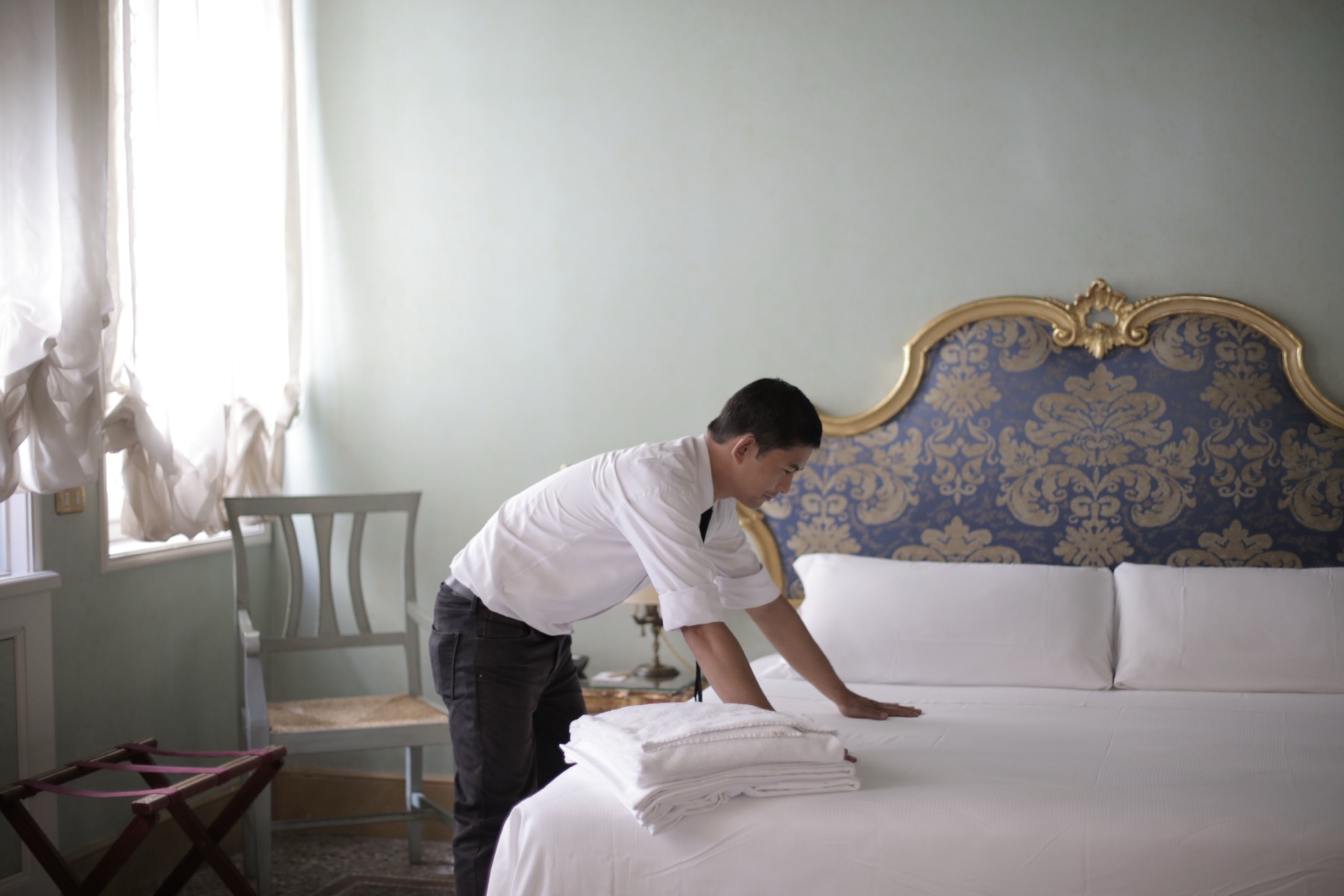
This is by far the biggest trap for international travellers who are used to full hotel service and take certain things for granted. In Sweden, it is an absolute and unquestioned standard to bring your own bed linen and towels to a cabin, because they simply are not included in the basic rental price. If you are flying and do not have room in your luggage, you need to order the linen from the owner in advance for an extra charge, usually around 150–250 SEK (about €60–€100) per set for one person.
The second major shock is that final cleaning (slutstädning) is almost never included in the rental price. You are expected to take a mop, cleaning products and a vacuum cleaner in hand before leaving and hand the cabin over in absolutely spotless condition for the next guests. Swedes are extremely thorough in this respect and are accustomed to cleaning every tiny detail, including the oven and refrigerator.
You can pay for professional cleaning instead, but be prepared for the service to cost more than 1,000 SEK (about €40). If you decide to clean the cabin yourself and the owner finds a dirty floor or crumbs on the table after your departure, they will charge you for cleaning without hesitation and deduct the money from the deposit blocked on your card.
💡 Tip: Read the conditions in the booking form carefully and always double-check exactly what is included in the price. Owners tend to be very strict about the quality of final cleaning and will pursue any outstanding charges thoroughly.
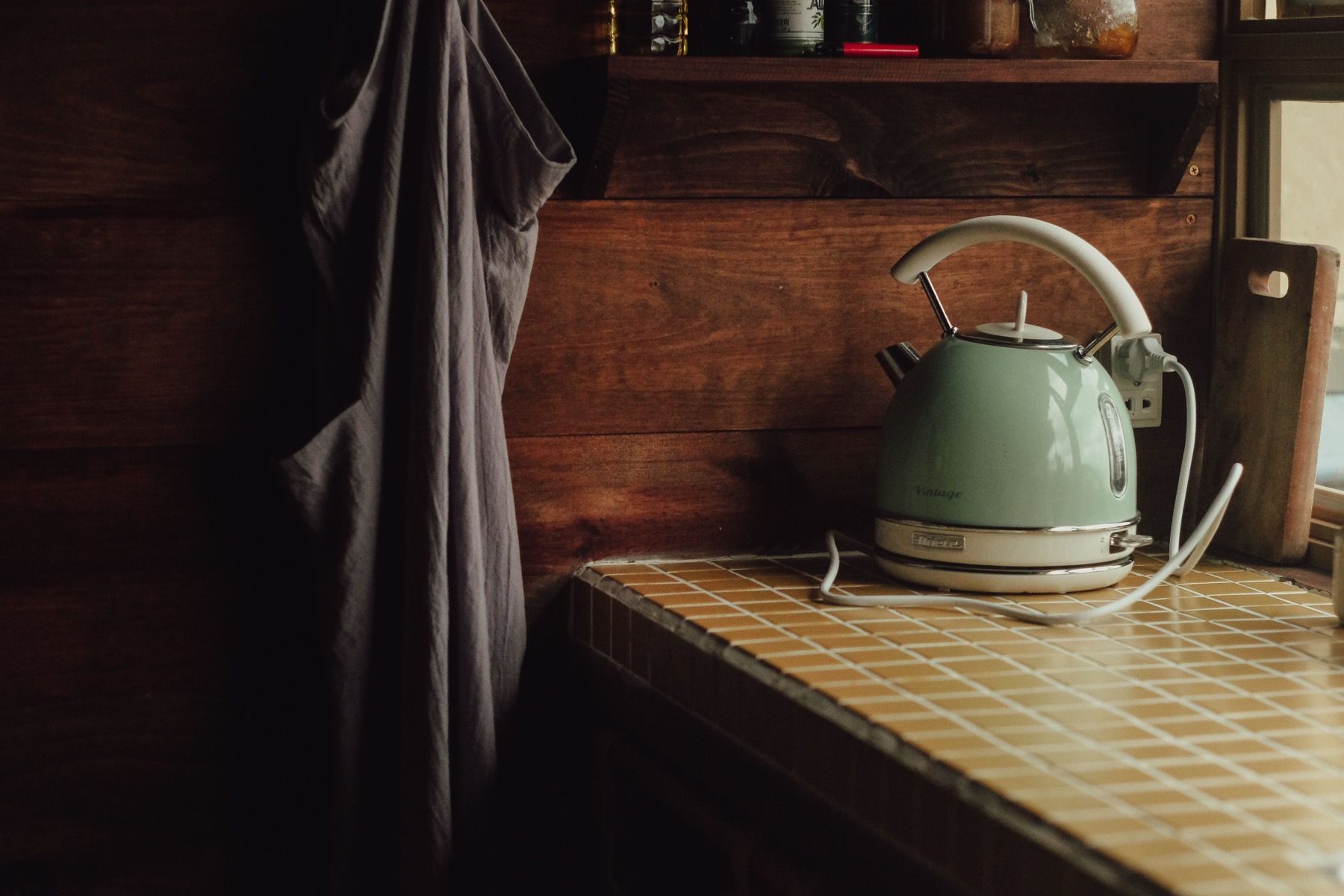
5. What to expect: from luxury to a composting toilet
Swedish cabins cover an amazingly broad range of comfort levels, from modern glass villas with underfloor heating to rustic log cabins without electricity. You must pay close attention to the toilet description, because many older lakeside properties do not have a conventional flush toilet. Instead, you may find a mulltoa in a separate garden hut: a modern, surprisingly odour-free composting toilet that can push some people well outside their comfort zone.
Another important point to check is the drinking-water supply and heating system. Better cabins have fully equipped kitchens with dishwashers and running water from the mains, while more remote ones rely on their own well or even an outdoor hand pump in the yard. In that case, you will need to heat water for washing dishes on the stove. Overall, the equipment is highly practical and adapted to the rugged surroundings. Inside, you will almost always find a spacious drying rack for wet clothes and plenty of storage for muddy shoes, because changing weather is simply part of the experience.
Even the simplest cabin will not disappoint you: wooden panelling, comfortable armchairs and plenty of small lamps in the evening are practically a Swedish requirement. You will never be without a drip coffee maker, either, and the many little lamps create a magical atmosphere after dark.
💡 Tip: If you absolutely require a conventional flush toilet and a hot shower inside the house, look for the word vattentoalett in the listing description. That way, you can avoid disappointment when you arrive and discover a more rustic reality.
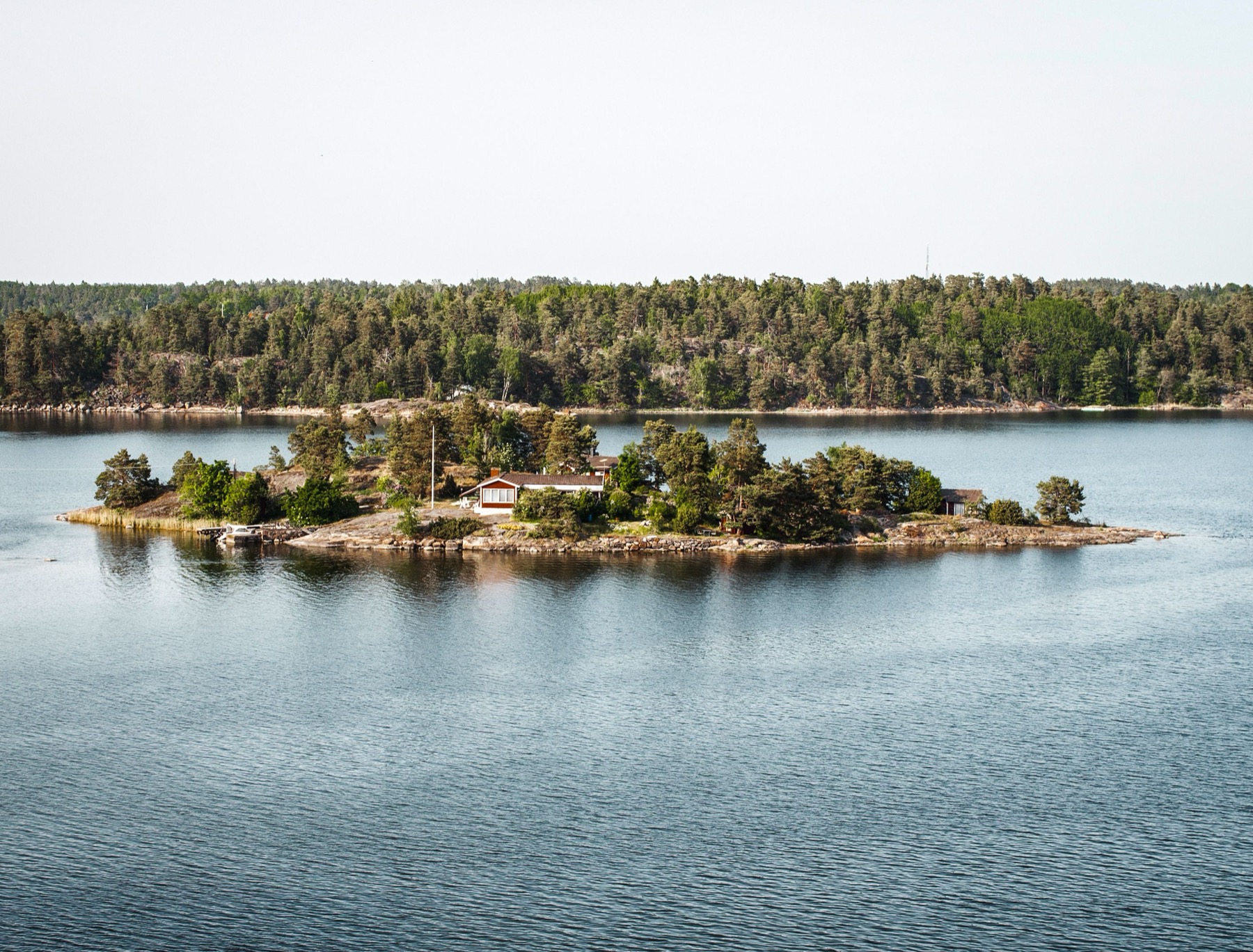
6. Lake or sea? How to choose the right setting
When planning your holiday, you face one important choice: do you prefer the calm surface of a freshwater lake or the wild coast of the Baltic or North Sea? Cabins on the west coast, in the Bohuslän region, offer breathtaking views of smooth granite cliffs and salt water, but you must expect considerably higher prices and stronger winds. It is an absolute paradise for sea-kayaking enthusiasts, fresh-prawn lovers and anyone looking for a wilder kind of Nordic romance, but it may be unnecessarily rugged for a peaceful family holiday.
Inland lakes, of which Sweden has an astonishing 100,000, are instead an absolute oasis of calm and comfort. Their water is usually a little warmer than the open sea in summer, while the dense surrounding forests protect you from bad weather and strong winds. Lakeside cabins are much more affordable and offer exactly the idyllic picture from Astrid Lindgren’s children’s books that many travellers subconsciously look for in the north.
When choosing a particular waterside cabin, read the listing very carefully. The phrase “close to the lake” may in practice mean a kilometre-long walk through a deep forest, and you may not feel like making that journey with your morning coffee in hand.
💡 Tip: If you are looking for accommodation directly on the shore, search for the term sjötomt. It means a plot immediately beside the lake with its own access to the water. That is the only way to guarantee the true romance of a Swedish cabin holiday.
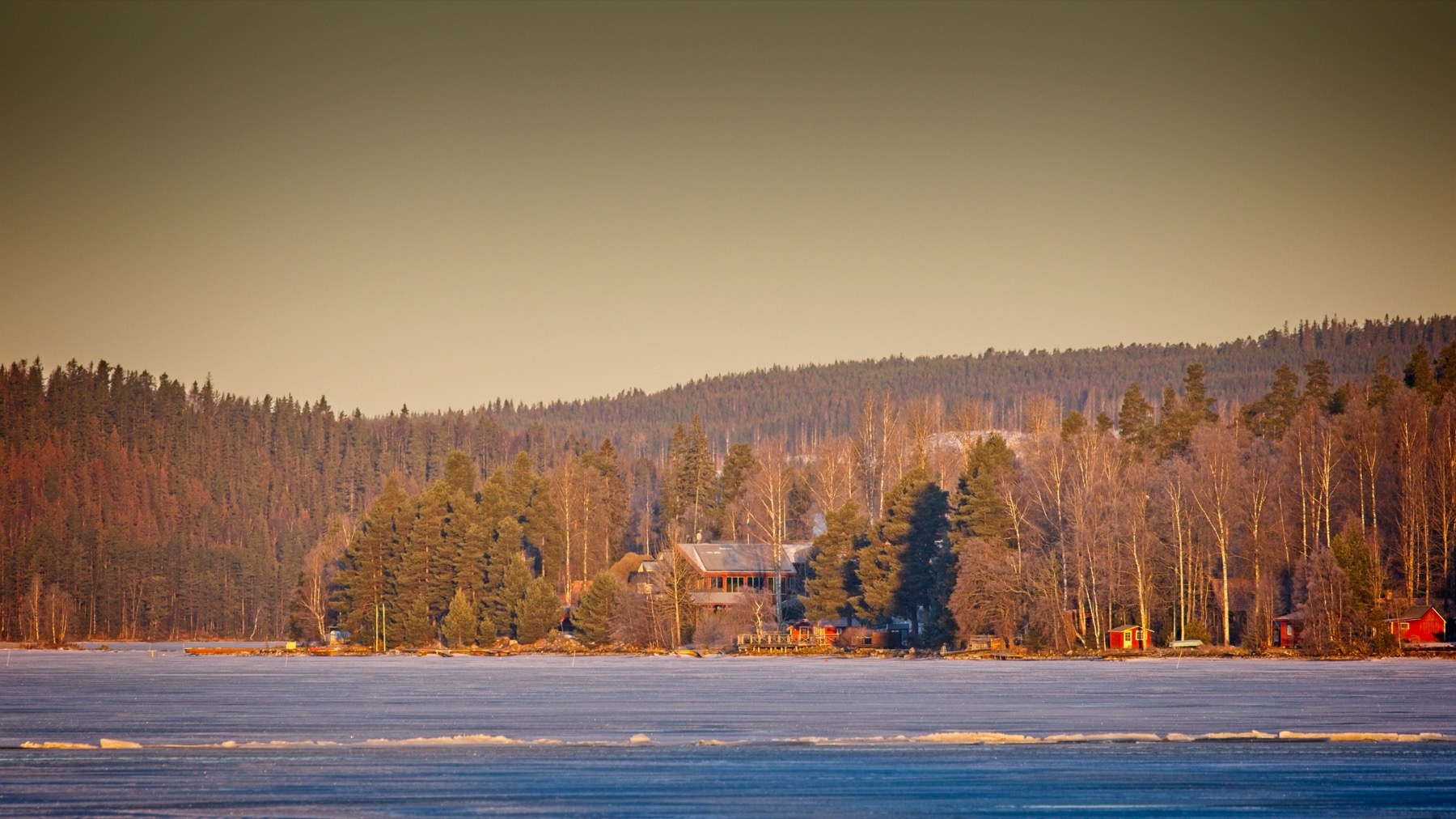
7. A regional guide: from Småland to wild Norrland
Choosing the right region will have a major effect on the character of your holiday, because Sweden is a huge and diverse country. The southern province of Småland is the archetype of the Swedish countryside, with stone walls and thousands of lakes. It is an ideal choice for families with children who want to experience the picturesque atmosphere of famous Bullerbyn without exhausting, multi-day journeys across the continent.
The country’s cultural heart is undoubtedly the Dalarna region, spread around the enormous Lake Siljan, where the strongest folk traditions are still alive. The famous wooden Dala horses, or dalahäst, are made here, and cabins often feature beautiful carved details. Meanwhile, the regions of Värmland and Dalsland near the Norwegian border are an absolute paradise for paddlers, as they are criss-crossed by an endless network of canals and deep forests.
If you long for complete solitude and do not mind a rougher landscape, focus on the historic Bergslagen mining region northwest of Stockholm. The forests are much darker here, and it is one of the best places in the country for watching moose in the wild in the evening. For true wilderness, you will need to travel far north to rugged Norrland.
💡 Tip: For your first visit to Sweden, I recommend taking the middle ground and choosing Småland or Värmland. They offer the perfect balance of wild nature, accessible services and manageable travel distances from major European hubs.
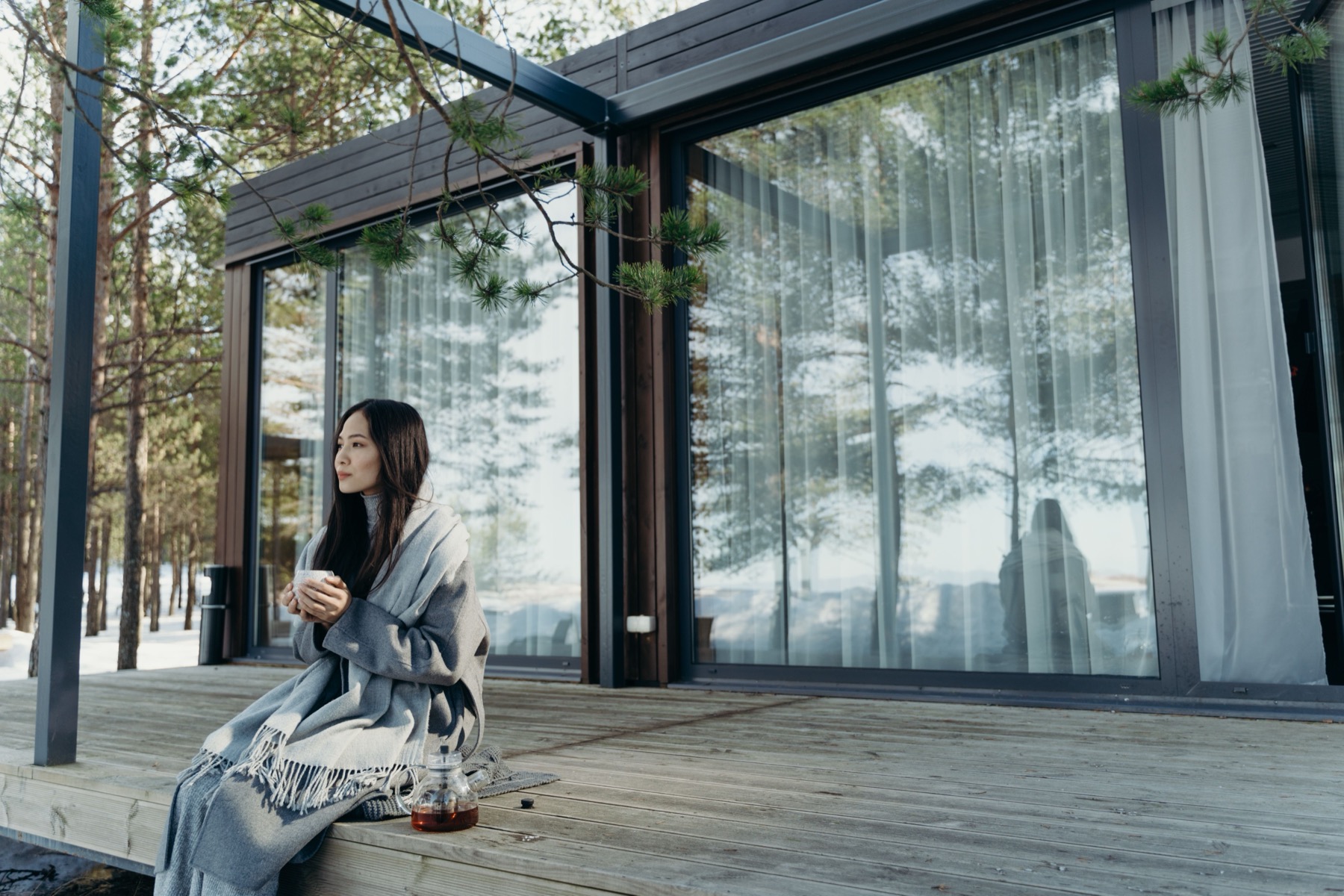
8. Slow-living rituals and how to structure your day
Life in a sommarstuga has its own beautiful unwritten rules, and as a visitor you will quickly and happily slip into them. It often begins at the flagpole. Many cabins have one in the garden, and as soon as Swedes arrive, they raise the blue-and-yellow flag to let the surroundings know that the cabin has come to life. The day then begins with a slow coffee on the wooden veranda, ideally while gazing at the morning mist floating over the lake.
There is no rushing and no hectic sightseeing schedule. Your only task in the morning is to chop wood for the evening fire. The afternoon revolves around the sacred ritual of fika, a traditional break for coffee and sweet pastries. Swedes observe it with almost clockwork regularity, usually at ten in the morning and three in the afternoon. Strong filter coffee is inseparable from the celebrated cinnamon bun known as kanelbulle, or its more fragrant cardamom version.
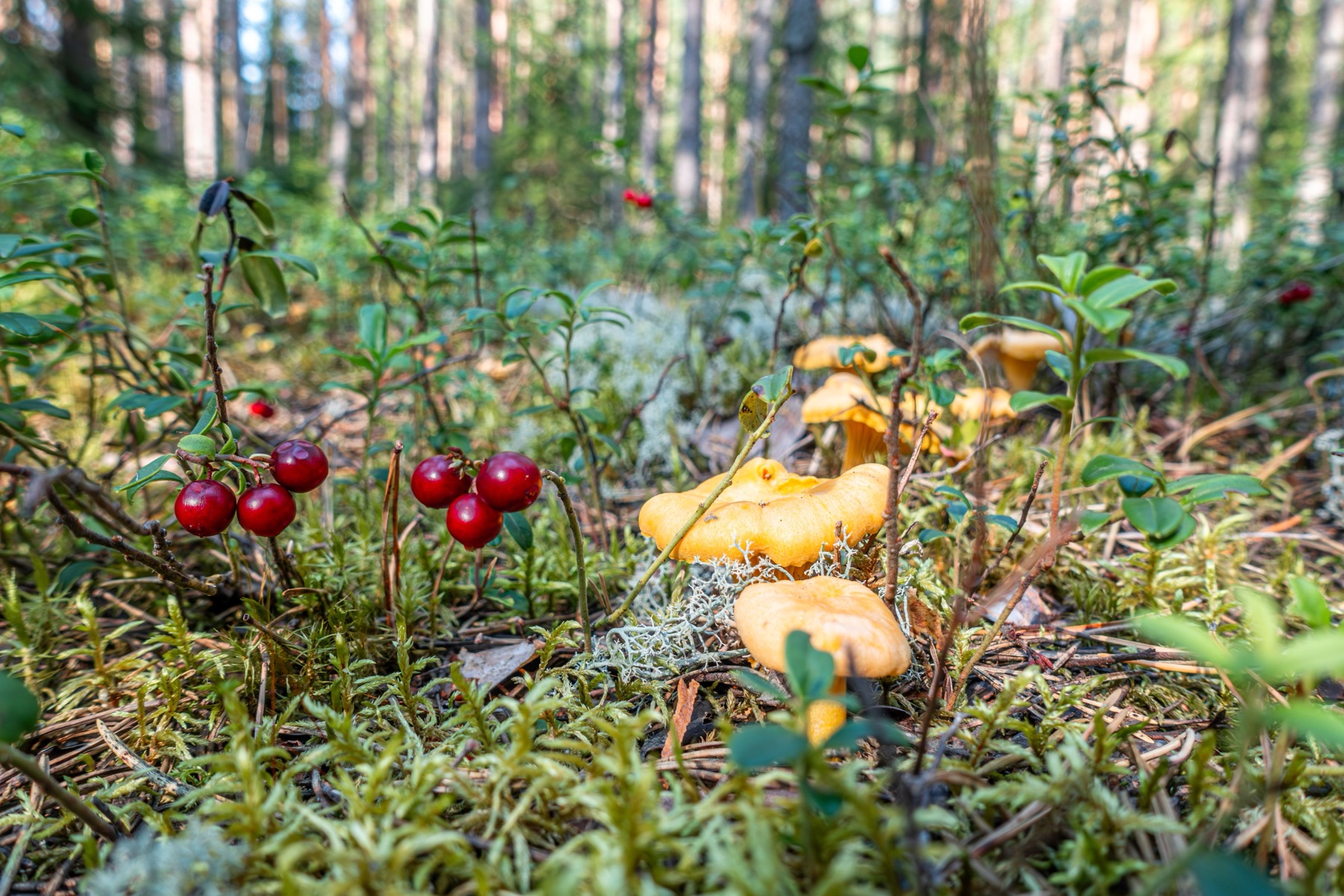
You can spend the rest of the day wandering through the forest, where Sweden’s unique right of public access allows you to pick generous amounts of bilberries (blåbär). In autumn, the forests become a paradise for mushroom hunters, who enthusiastically search above all for the much-loved chanterelles (kantareller). These simple pleasures are exactly what make a digital detox so effective.
💡 Tip: Do not plan excursions for every single day. Instead, allow yourself at least two days without leaving the cabin grounds at all. Only then will you truly appreciate the healing power of Nordic silence and the art of doing absolutely nothing.
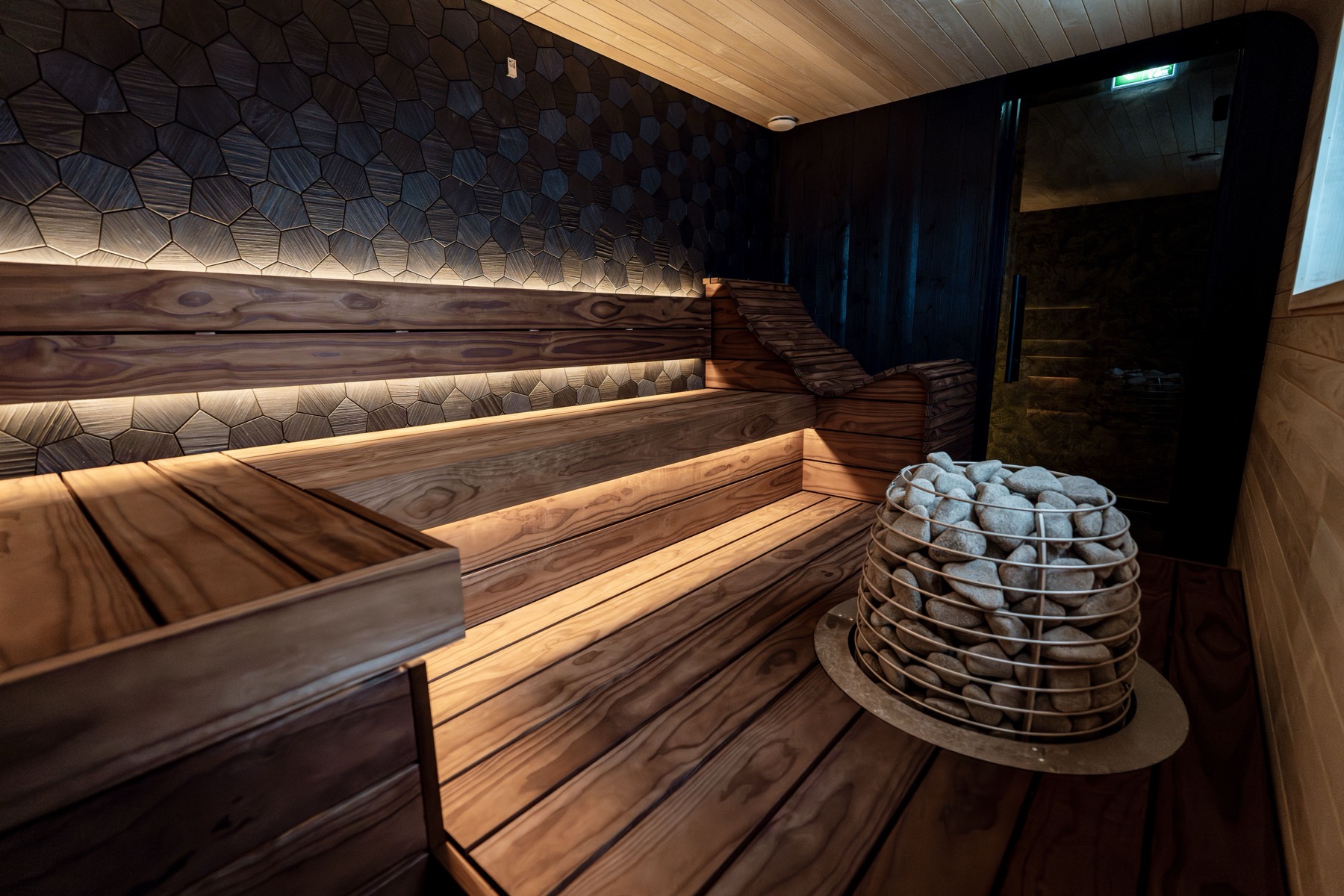
9. Swedish sauna and the rules of winter swimming
A better summer cabin almost always comes with its own sauna, known in Swedish as a bastu, often housed in a small separate hut right on the lakeshore. Lighting the wood stove, warming up properly and then jumping into the cold water with a shout is one of the most exhilarating experiences of the whole holiday. Swedish saunas are not usually as extremely hot as Finnish ones and tend to be a very pleasant social occasion for the whole family or a group of friends.
Sauna etiquette has clear rules. In men-only or women-only saunas, nudity is expected and you sit on your own towel, while the swimwear rules in public mixed saunas on beaches vary from place to place. In a private cabin, of course, you can do as you please. Just remember that people traditionally speak quietly in a sauna, or simply sit together in silence and enjoy the peace.
While jumping into a lake is refreshing in summer, the true national sport is winter swimming, or vinterbad. Locals firmly believe that alternating between hot steam and icy water cut from a frozen lake strengthens the immune system and releases huge amounts of endorphins. If you rent a cabin outside the high season, definitely try this ritual: it will send an incredible surge of energy through your veins.
💡 Tip: When using the sauna, make sure you pour only clean fresh water over the stones, never salt water from the sea. Salt would quickly damage the stove, and the owner could charge you a hefty penalty.
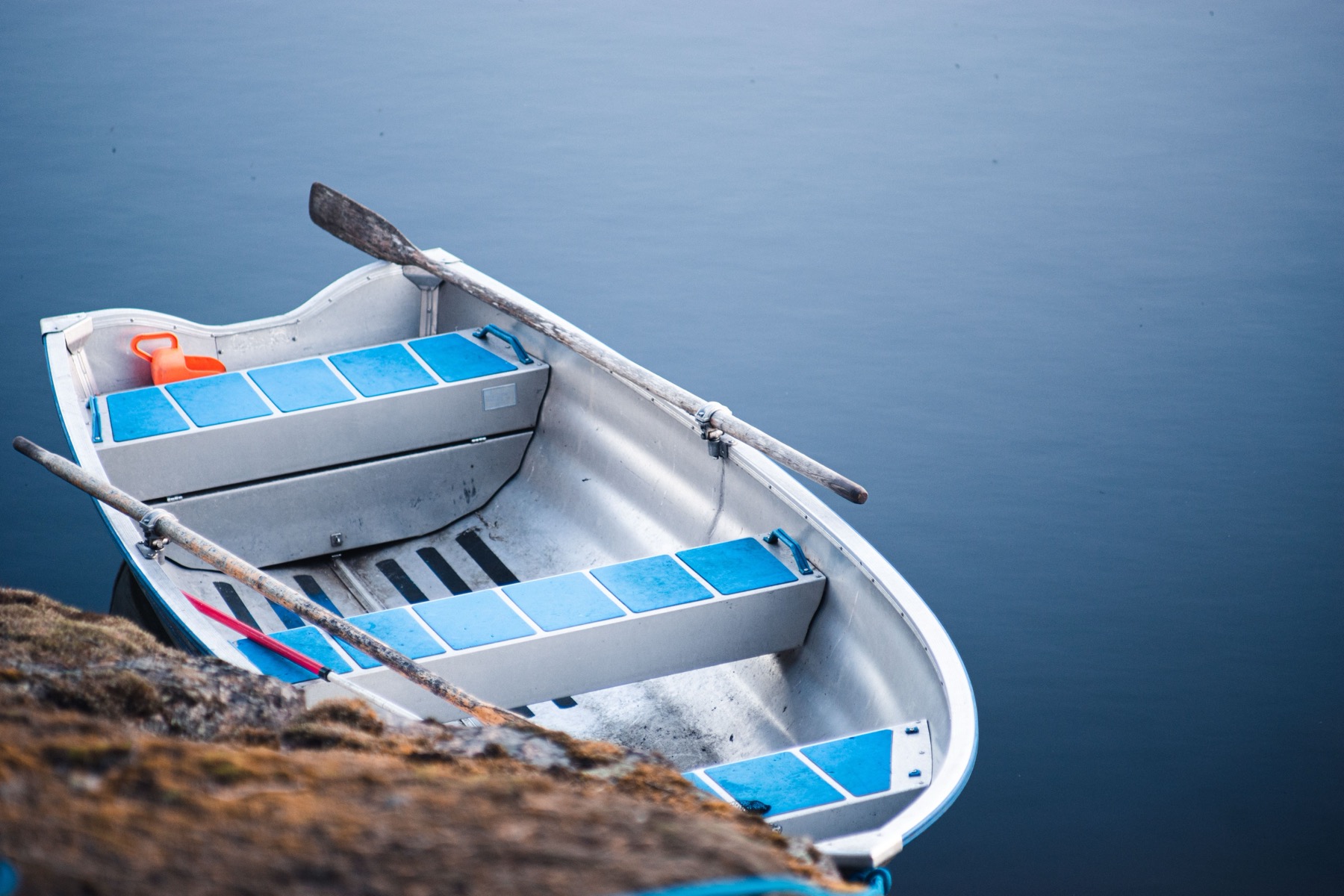
10. Boats, fishing permits and the secrets of Swedish lakes
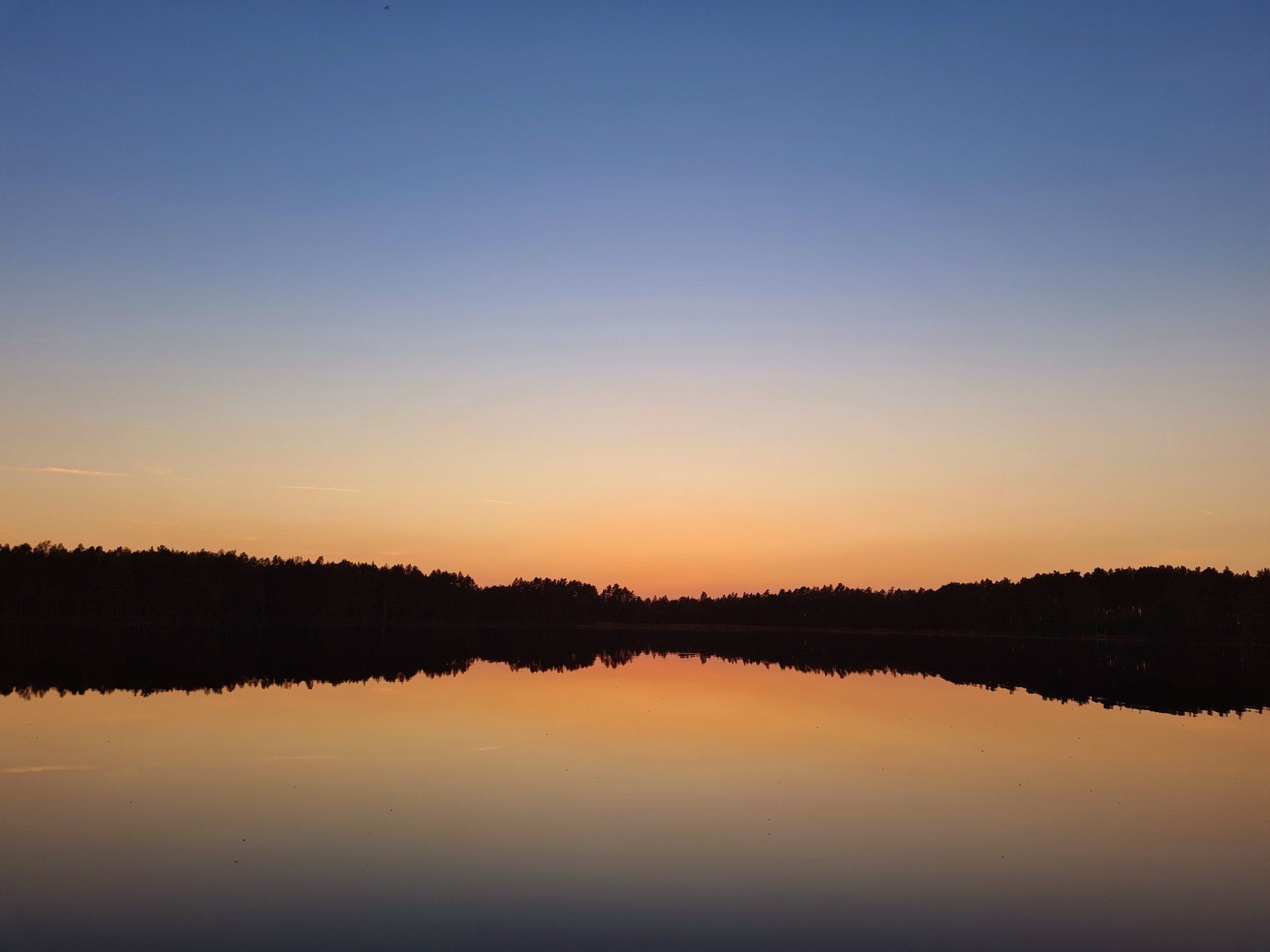
A lakeside holiday would not be complete without the chance to explore nearby bays and deserted islands. Many higher-quality rentals include a classic aluminium or wooden rowboat with oars, or you can rent a small outboard motor for a modest fee. The sight of a red cabin from the middle of a lake, glowing in the evening sun, is one of the most iconic images of Sweden and something you simply have to photograph.
Lakes invite all kinds of activities, and an afternoon boat trip can quickly become your favourite ritual. Locals spend hours quietly watching the water and fishing, but if fishing is not your thing, take a book into the boat and let yourself drift. Fishing with a rod is entirely free on Sweden’s five largest lakes, including Vänern and Vättern, but you need a permit called a fiskekort on all other bodies of water. These days, you can easily buy one online or at the nearest petrol station for a few dozen Swedish kronor.
When you head out onto the water, be very careful of unexpected weather changes. The surface can be deceptive, and the wind can pick up within minutes.
💡 Tip: Whenever you go out on the water, always wear a life jacket, which the cabin owner should provide with the boat. Swedish lakes can be very deep, and the water remains icy even in the middle of a hot summer.
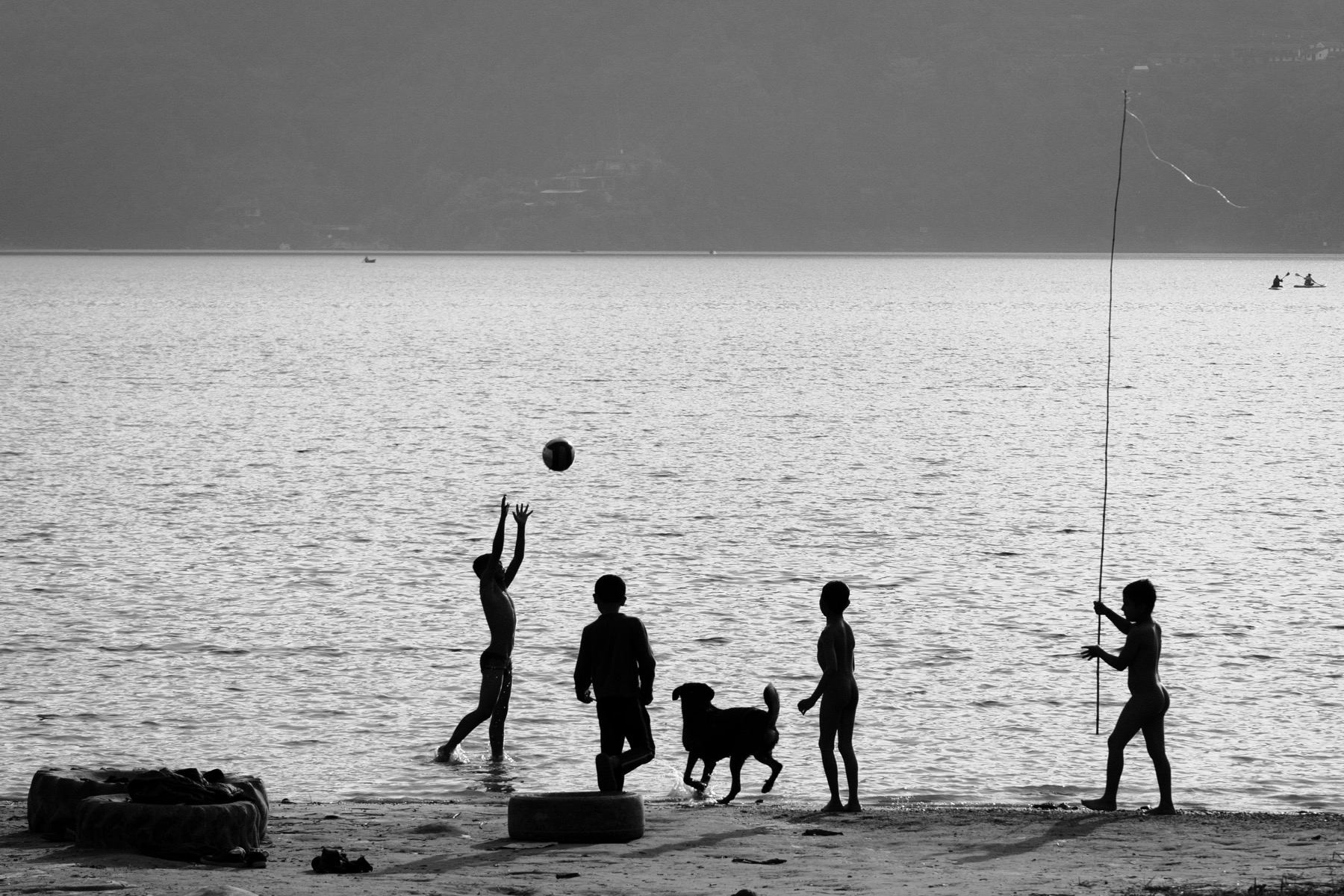
11. A cabin with children: endless freedom and what to watch out for
For families with children, renting a stuga is a brilliant holiday solution that can also significantly ease a tight budget. You do not need to spend thousands on expensive theme-park admission, because the surrounding forest and water make the best playground in the world. Children can build dens from branches, splash in the shallows and roast potatoes or cheese over the fire with you in the evening.
With your own fully equipped kitchen, you will also save a great deal on Swedish restaurants, which can quickly drain a family budget. You can cook peacefully with local ingredients bought at cheaper supermarkets such as Willys or Lidl, or use food you bring with you in the car. Grilled vegetables, mushroom sauce made from your own finds or vegetarian sausages will satisfy everyone at the table.
Safety in the Swedish outdoors is generally very good; you simply need to make sure that younger children do not go unsupervised near deep water. Wooden jetties can be very slippery after the morning dew.
💡 Tip: Pack children good wellington boots and waterproof clothing, because Swedish summer weather can change quickly. With the right gear, an afternoon shower will not put them off, and you will not have to deal with piles of muddy laundry.
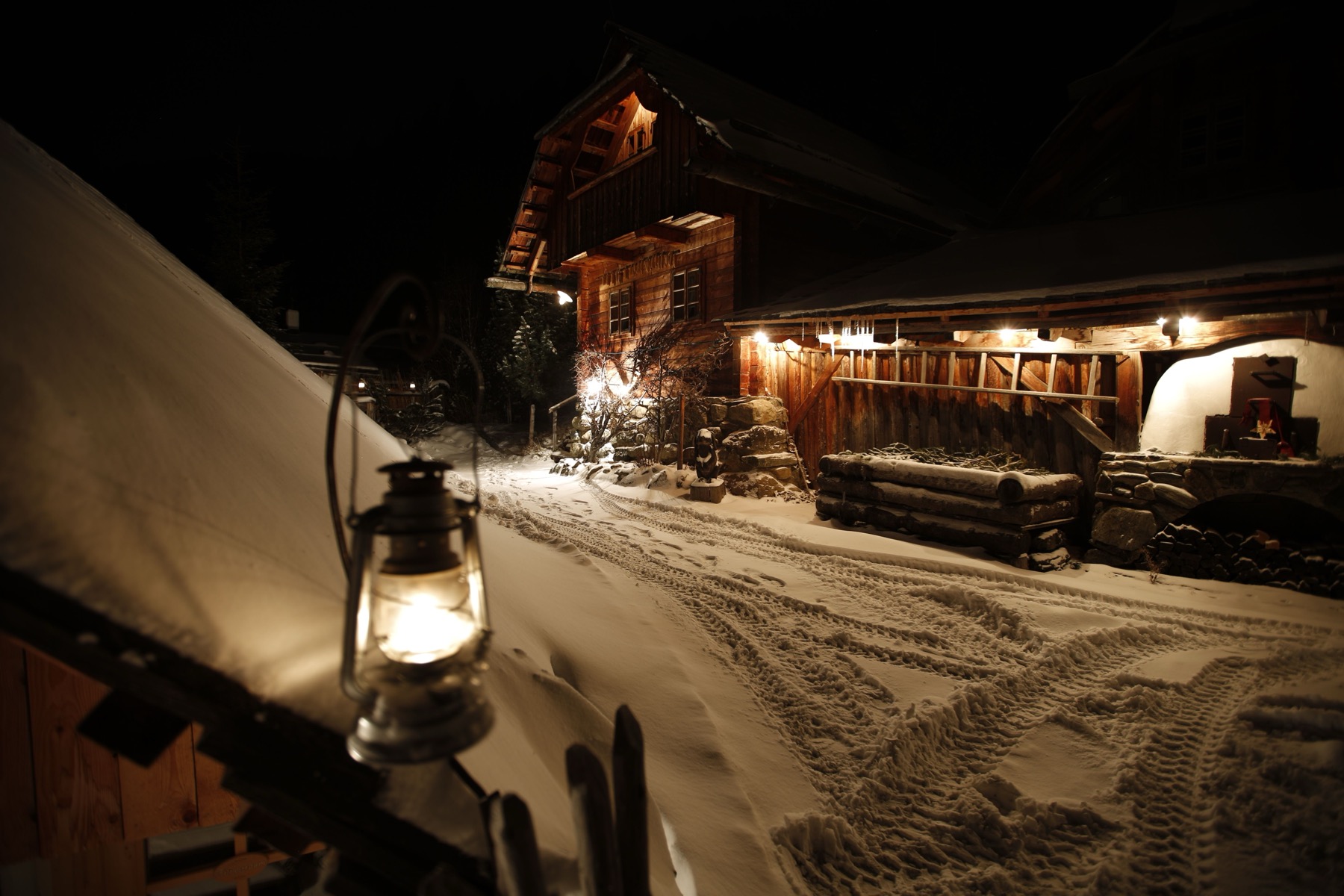

12. Winter in a stuga: polar nights, cross-country skiing and heating
Although stugas are primarily associated with summer, renting one in winter brings a fascinating, if somewhat harsher, kind of romance. Snow-covered landscapes, frozen lakes and complete silence create an unforgettable feeling of being cut off from the world. In the northern regions, you also have a unique chance to watch the northern lights from the warmth of your own veranda, while during the day you can go cross-country skiing straight from the cabin door.
You do need to prepare for the particular challenges of winter, as short days and bitterly cold temperatures will test your readiness to the limit. Heating will become a major item in your budget, because electricity in Sweden is not cheap and owners often charge for winter energy consumption separately at the end of your stay. Check in advance whether the cabin has enough firewood, which will keep the electricity bill manageable, and ask whether the access road is ploughed regularly. You really do not want to get stuck in the dark and freezing cold a kilometre from the main road.
💡 Tip: If you are travelling in winter, pack plenty of high-quality woollen socks and warm indoor clothing, because the floors in older wooden cabins can remain quite cold despite the heating and the insulation may not be perfect.
13. Mosquitoes and knott midges: how to survive by the water
Swedish summer has one dark side that promotional materials rarely mention but that can reliably ruin an evening outdoors. From mid-June to August, inland areas and especially the northern parts of Lapland turn into a paradise for biting insects. Besides ordinary mosquitoes, you will have to contend with tiny and highly aggressive midges known as knott, which can get through ordinary mosquito nets and leave unpleasantly itchy bites all over your body.
The intensity of the problem is extremely local, however, and depends heavily on the current weather. Mosquitoes and midges hate wind, so you will usually be fine in open areas beside large lakes, while they can attack immediately when you step out of the car in marshy bays and deep forests. Fortunately, in the south of the country, around Stockholm and on the west coast, the situation is not dramatically different from an ordinary summer by a pond elsewhere in Europe, so you do not need to fear an invasion there.
In the north, though, proper protection is absolutely essential, and you should not venture into the forest without a head net.
💡 Tip: Do not bring insect repellent from home, as products sold elsewhere often do not work on Nordic insects. Buy local brands once you arrive, such as Mygga or US Djungelolja, with a high concentration of the active ingredient DEET. They will protect you much more reliably.
14. Allemansrätten: what you can do around the cabin
Life in the Swedish outdoors is shaped by the unique allemansrätten, or right of public access. This right gives you tremendous freedom to move around, allowing you to walk through forests, swim in lakes and pitch a tent for a night or two even when the land belongs to someone else. It works, however, on a delicate balance and the absolute trust that you will not damage nature. The basic rule is simple: “inte störa, inte förstöra” — do not disturb and do not destroy.
You must still respect your neighbours’ privacy, which is protected by the hemfridszon, the private zone around a house. Although Swedish cabins often have no fences, you must not take a shortcut across someone else’s neatly kept lawn or sit on a neighbour’s wooden jetty without permission. If you are unsure where private space ends, it is always better to take a wide detour around the house and behave as considerately as possible.
Be especially careful about another common misunderstanding. Allemansrätten does not apply to motor vehicles under any circumstances. You may not drive off the road and park a car or motorhome in the middle of a forest or on a beach; this is governed by Sweden’s strict off-road driving law.
💡 Tip: When picking mushrooms and bilberries, you do not need to worry about someone chasing you out of the forest behind the cabin. Your right to gather wild berries is fully protected; just be careful not to break the branches of living trees and remember to keep the peace.
Where to Look for a Stuga and How Much It Costs
When you decide to spend your holiday in a Swedish cabin, the first challenge is often finding the right booking portal. Many people automatically head to Airbnb, but that can be a big mistake. Because of the platform’s high service fees, prices there are often unnecessarily inflated. If you want to save money and find authentic listings, you need to search where the Swedes themselves look.
The leading portals for local rentals are Stugknuten and Stugguiden. The cabins are listed directly by their owners, so you do not pay huge commissions to intermediaries. The downside is that communication can occasionally be more difficult, as not every Swedish senior speaks perfect English and you often arrange the contract directly with the owner. If, on the other hand, you prefer complete peace of mind, a professional contract and guaranteed standards, choose established agencies such as Novasol, Stugsommar or Dansommar. They offer a huge selection across the country and the booking process is completely smooth.
Prices vary enormously and depend mainly on the season. Outside the main summer peak, in May or September, you can rent a basic stuga from 1,000 to 3,000 SEK (around €90 to €270) per week. Once July arrives with industrisemester and all of Sweden goes on holiday, prices shoot up. During the summer peak, a well-equipped family cabin right by a lake with its own sauna will commonly cost from 5,000 to 12,000 SEK (€450 to €1,100) per week.
When browsing listings, pay close attention to a few details that can make your holiday considerably more complicated. Always check the exact distance to the nearest shop. In the Swedish countryside, it can easily be 20 km away, so without a car you may not even be able to buy fresh bread. Check what type of toilet the cabin has (mulltoa or vattentoalett), and remember that bed linen and final cleaning are almost always charged separately.
Where to Stay
💡 Accommodation and activities tip: We prefer to look for accommodation on Booking.com, where you can often find the best cancellation policies. It is then worth comparing and booking tickets, trips and activities through GetYourGuide.
Choosing the best cabin depends greatly on the kind of experience you are looking for. If you want tried-and-tested accommodation without the stress of searching through Swedish portals for hours, I have picked out a few specific places that are genuinely worth considering. Just remember that the best options tend to sell out very quickly in high season.
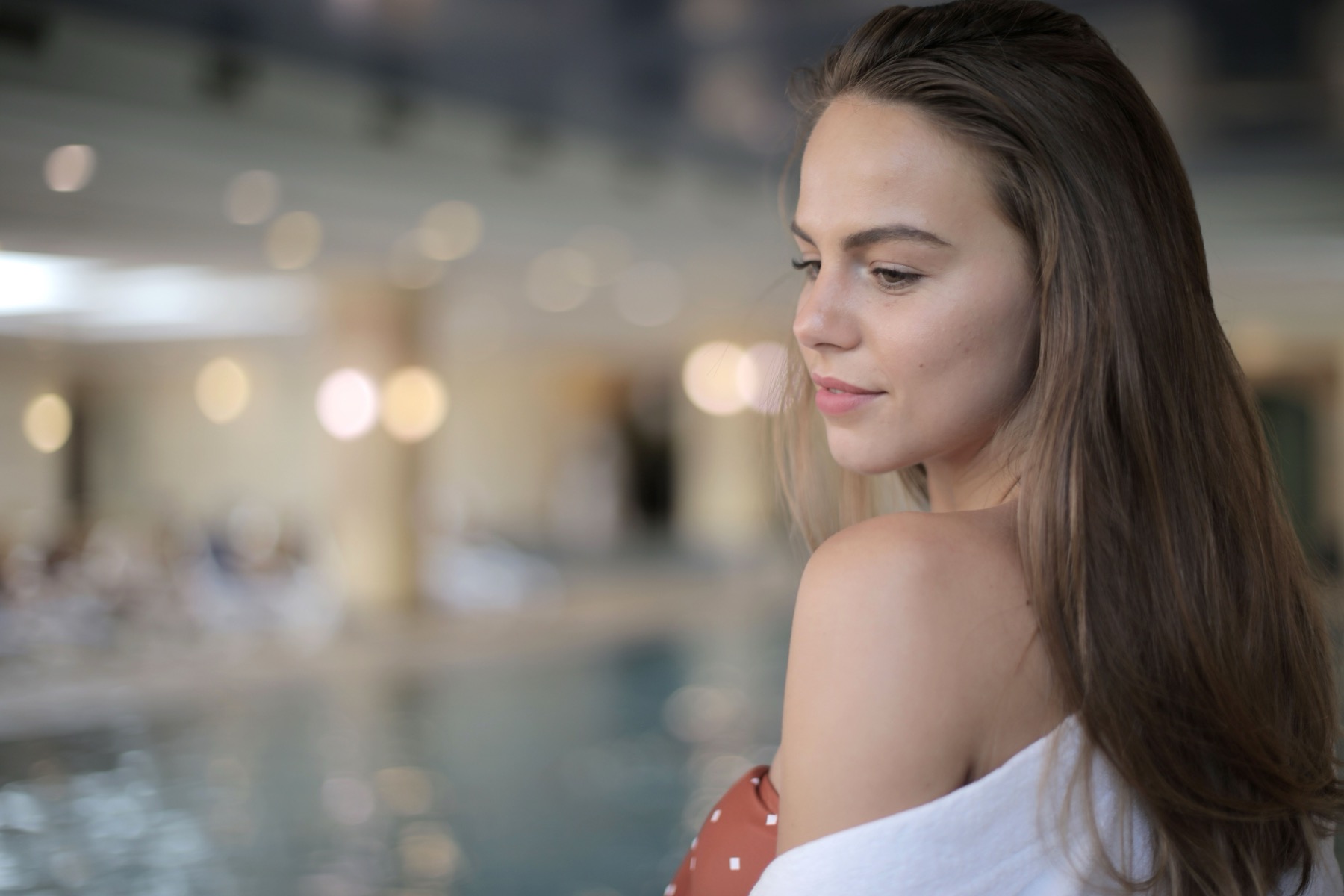
For Lovers of Comfort and Nature
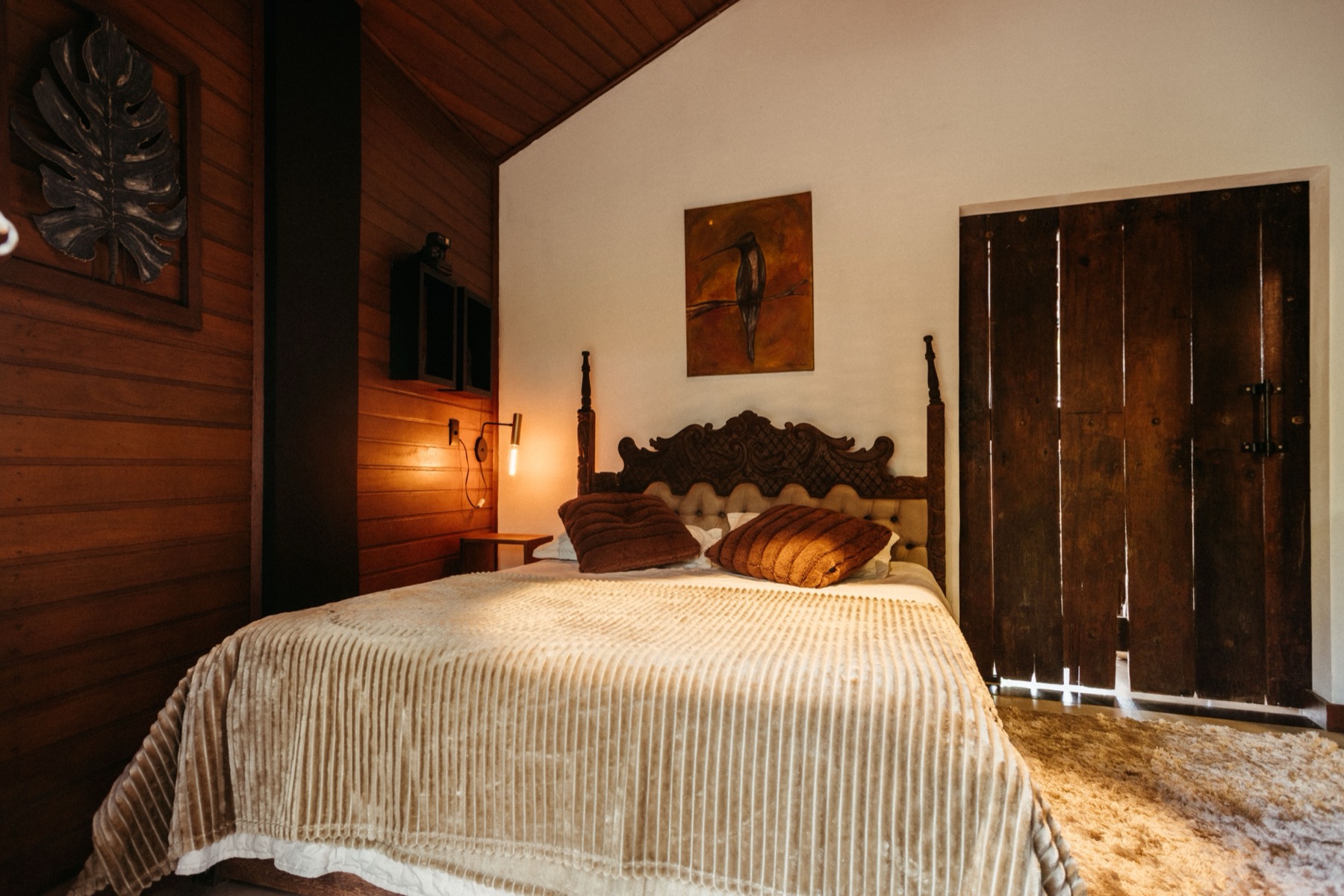
If you would like to treat yourself to a little luxury with a breathtaking view, definitely take a look at Orbaden Spa & Resort in the Hälsingland region. It is not a typical little red cabin, but its wooden villas offer complete comfort, with a spectacular sauna complex right by the water. For classic lakeside romance, I recommend the Småland region, where you will find charming accommodation such as Kosta Lodge. It has beautiful cabins in the middle of deep forests, private pools and excellent facilities for families with children.
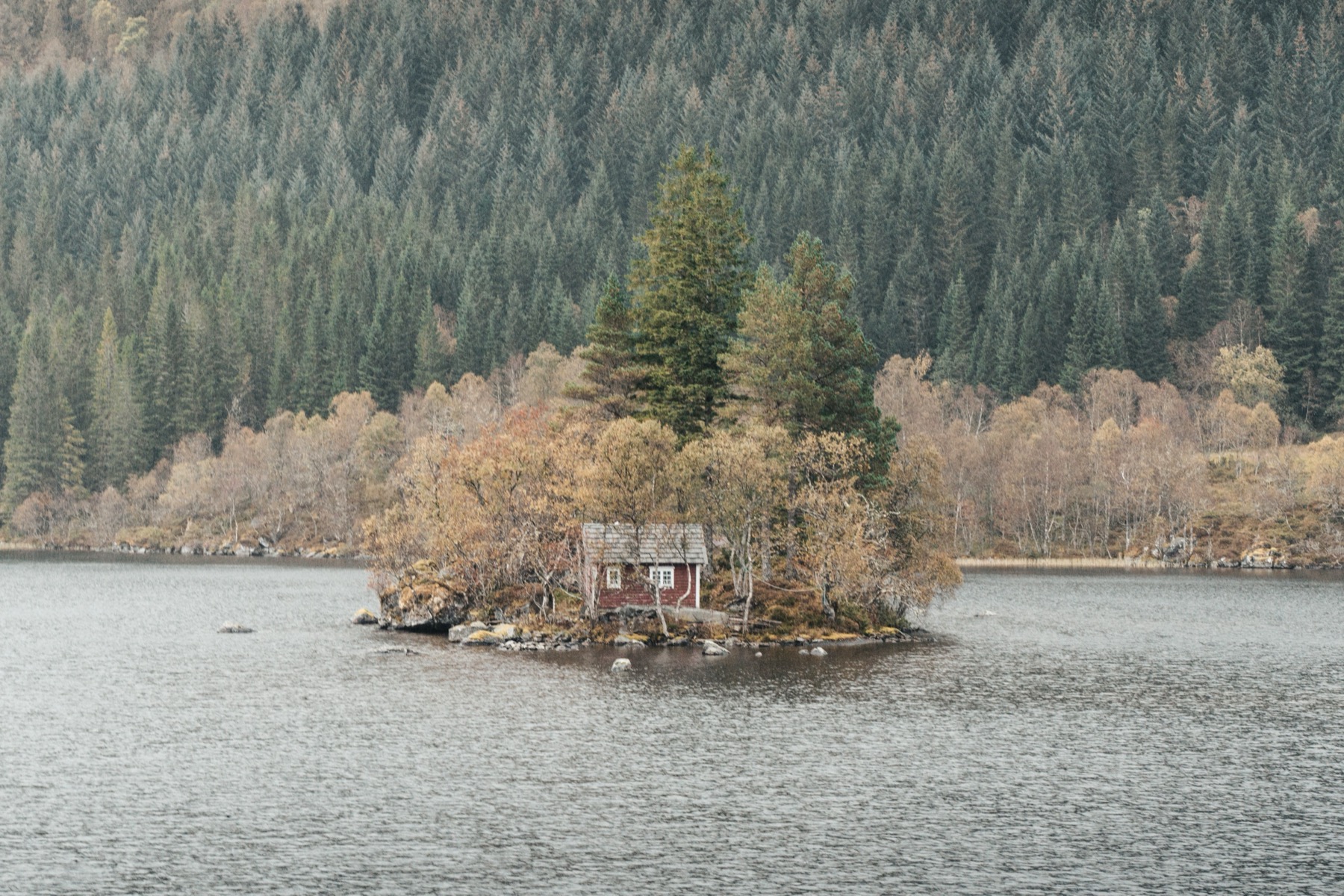
Escape from Civilisation
If you are longing for absolute silence and do not mind a slightly more rustic style, try looking for available dates at Camp wilderness Värmland. You will get a classic wooden stuga a short distance from a crystal-clear lake, with no noisy neighbours around you. It is the perfect base for mushroom picking, fishing and the most beautiful morning coffees on a jetty that you could imagine.
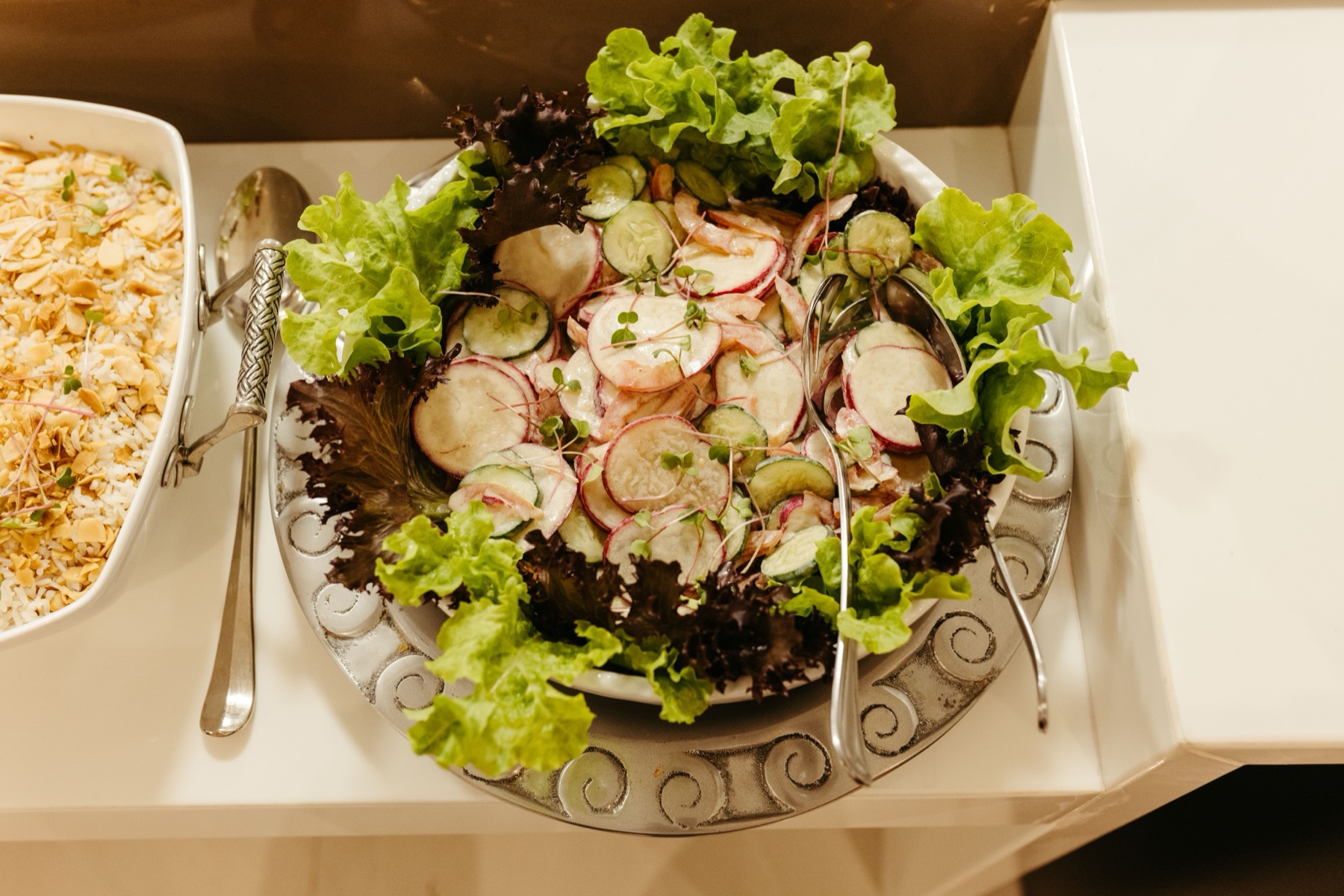
Where to Eat
Although cooking with your own supplies or local ingredients at the cabin is the best way to keep your budget under control, sometimes you simply want to take a break and try something local. Swedish cuisine is about much more than meatballs, and it would be a shame not to try a few local places.
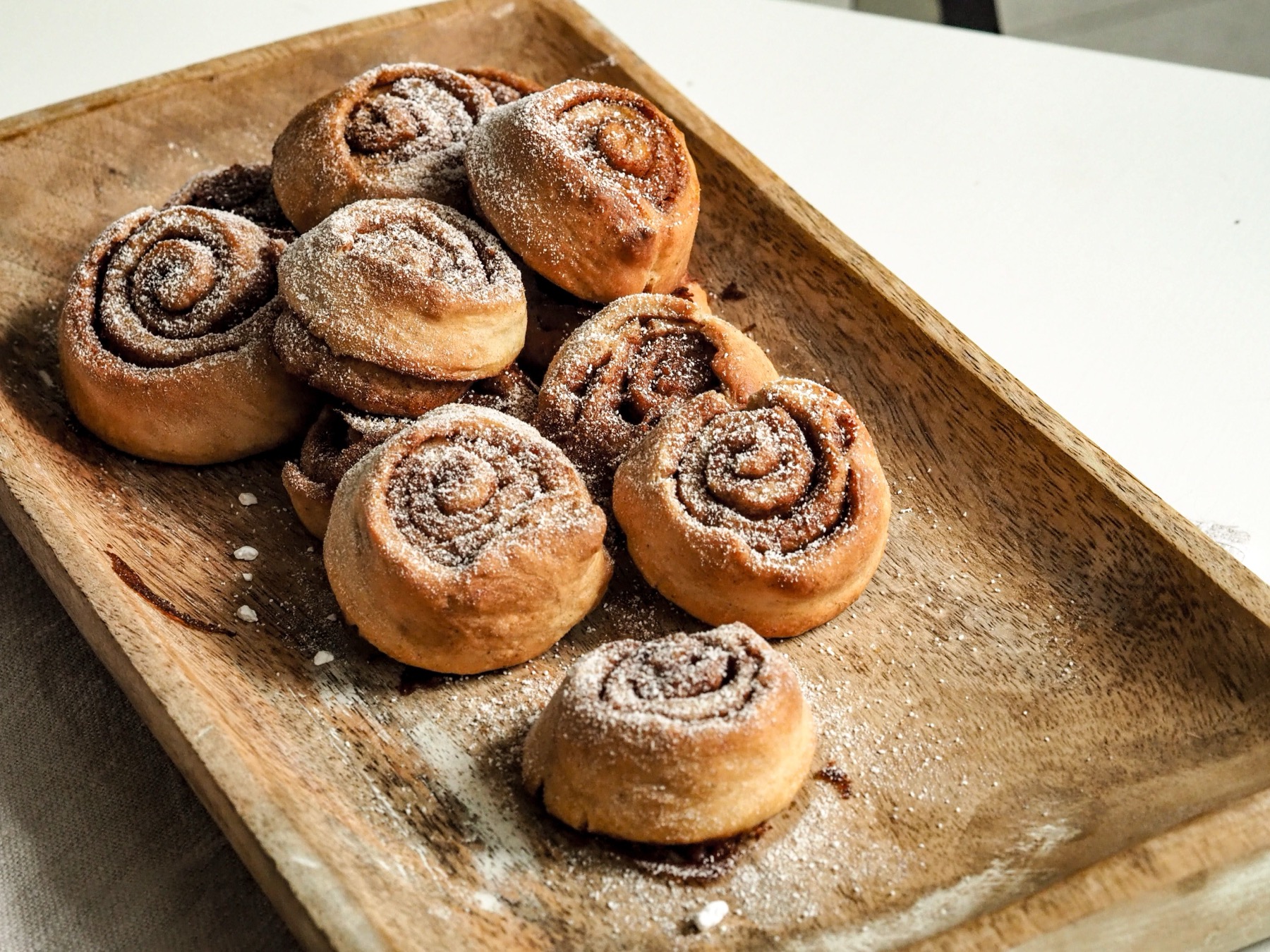
Restaurants and Cafés Worth a Stop
On your travels, look for places displaying a dagens rätt sign (daily special). For 120 to 150 SEK, you get a main course, salad buffet, bread and coffee, and there is almost always a vegetarian option too. The Rasta chain along major roads also serves a solid daily special, making it a convenient stop on the way to your cabin.
For fika, any rural café with a Kafé or Hembageri sign will do. Country bakeries make cinnamon buns better than most places in the cities, and coffee refills are free.
Fish smokehouses (fiskrökeri) are also part of the local culture. One example is Buhres på Kivik in Skåne, where Swedes go to buy smoked fish and prawns. At the cabin, grilling is a traditional pastime, but grilled vegetables, mushrooms picked in the forest and wild berries work just as well.
💡 Tip: The nearest supermarket may be 20 km away, and it often has shorter opening hours on Sundays. Do your main shop on the way from the ferry or airport so you do not have to get back in the car on your very first day.

A Week in a Cabin: What It Really Costs
Sweden has a reputation for being an expensive country, but a cabin holiday where you cook for yourself can surprisingly help you save on the family budget. To be specific, let us convert the main costs into euros (using an approximate rate of 1 SEK = €0.09).
Immediately after accommodation, the biggest expense will be transport. If you drive from abroad, you will either take a ferry, such as Rostock–Trelleborg, or travel through Denmark via the paid Öresund Bridge, which costs roughly 1,550 to 1,700 CZK per car one way. The total cost of fuel and ferries for a return journey comes to around €740 for a family. Swedish motorways are fortunately completely free; congestion charges apply only when entering Stockholm and Gothenburg.
On the other hand, you can save on food by avoiding eating in restaurants every day. At an ordinary restaurant, lunch for four people can easily cost more than €80. A great strategy is to shop at large, cheaper supermarkets such as Willys or Lidl (they are cheaper than the premium ICA and Coop stores) and cook at the cabin. For lunch during a day trip, you can choose dagens rätt (daily special). For around 120 to 150 SEK, you get a main course, an unlimited salad buffet, bread, water and coffee.
Alcohol, however, is a major trap for your wallet. In a regular supermarket, you can buy only beer below 3.5% ABV. Anything stronger is sold exclusively in the state-run Systembolaget shops, which have high taxes and are strictly closed after 3 p.m. on Saturdays and all day on Sundays. A can of decent beer costs 18 to 35 SEK, while wine starts at around 100 SEK. Many international travellers therefore bring a legal supply of wine and beer in their car luggage from home.
Practical Summary and Approximate Prices
Renting a cabin in Sweden offers enormous flexibility when it comes to costs. While Stockholm and restaurants can hit your budget hard, a holiday in a stuga where you cook for yourself can be surprisingly affordable. In 2026, prices have settled at an exchange rate of roughly 1 SEK = €0.09.
Here are three example versions of what your week could look like:
- Romance for two in the shoulder season: A small cabin in Småland in June will cost you around 3,500 SEK (€700), while groceries from Willys or Lidl will come to roughly 1,500 SEK for the two of you. If you arrive in a fuel-efficient car, the entire holiday will not break the bank, and you can spend your evenings grilling vegetables or cheese.
- Family idyll in the main summer season: A spacious three-bedroom cabin with a sauna and a boat in Dalarna will cost 9,000 SEK in July (around €1,800). The cost of travelling by ferry and fuel will add approximately €740. Cooking with your own supplies and occasionally having a daily special (dagens rätt) will keep spending under control.
- A group of friends sharing the costs: If six of you travel to a large lakeside villa (around 12,000 SEK / €2,600), the accommodation is very inexpensive per person. Just do not forget about alcohol.
Important warning about alcohol: In Sweden, drinks containing more than 3.5% alcohol can be bought only in the state-run Systembolaget shops. These stores have very strict opening hours. On weekdays, they usually close at 6 or 7 p.m.; on Saturdays, they close without exception at 3 p.m., and on Sundays they are completely closed. If you arrive at your cabin on Saturday afternoon and want to buy wine for the evening, you are simply out of luck. Many travellers therefore bring their permitted supplies directly from home.
Read Next
- Sweden: 30 Tips for Things to See and Do
- Prices in Sweden: How Much Does a Holiday Cost?
- When to Visit Sweden: Weather Month by Month
- Ferries to Sweden: Routes, Prices and How to Choose the Right One
- Swedish Cuisine: 18 Dishes You Have to Try
Frequently Asked Questions
Choosing the right Swedish cabin and planning your trip may seem more complicated at first glance than it really is. Since I often receive the same questions from readers, I decided to collect the most important ones in one place.
Whether you are wondering about the budget, cleaning or the tricks of Scandinavian weather, here you will find clear and concise answers to the things that concern travellers heading north most before they set off.
How much does a week-long stuga rental actually cost?
Prices depend on the season and amenities. Outside the summer peak, you’ll find simple cabins starting from 1,000 to 3,000 SEK (around €90 to €270). In July and August, when Swedes take their holidays, expect better lakeside cabins to cost between 6,000 and 12,000 SEK (around €530 to €1,060).
When is the best time to book a cabin?
If you’re planning to go during high season (late June through mid-August), I recommend booking as early as January or February. The most beautiful cabins with their own boat and sauna right by the lake are often fully booked months in advance.
Are bed linens and towels included in the rental price?
In most cases, no. In Sweden, it’s completely standard for guests to bring their own bedding and towels. If you don’t have room in your luggage, you’ll need to arrange linen rental with the owner in advance, which will cost you around 150 to 250 SEK per set.
Do I have to clean the cabin myself before leaving?
Yes, final cleaning (slutstädning) is usually not included in the base price. You’re expected to thoroughly vacuum the cabin, wash the floors, and leave it in completely clean condition, ready for the next guests. The alternative is to pay extra for professional cleaning, which often costs more than 1,000 SEK.
Does every Swedish cabin have its own sauna?
Definitely not every one, but among higher-quality and mid-range cabins, a sauna (bastu) is very much a common standard. It’s often located in a separate small building near the lake. Always check the accommodation description to confirm whether a sauna is actually available and whether there’s a separate charge for firewood.
Can you rent a stuga during the winter months?
Yes, many cabins operate year-round and a winter stay offers a beautiful atmosphere with frozen lakes, northern lights, and cross-country skiing. However, you need to find out in advance how well the cabin is insulated, whether it has running water (that won’t freeze in the cold), and if there are unpleasantly high surcharges for electricity used for heating.
What should I do about the ubiquitous mosquitoes?
The insect situation is worst in the north and in marshy areas from mid-June through August. I recommend equipping yourself with sturdy long-sleeved clothing, a mosquito head net for northern areas, and most importantly, buy local Swedish repellents with high DEET content once you’re there (such as Mygga or US Djungelolja). Windy spots by large lakes and the southern coast are paradoxically almost mosquito-free.
Will a cabin in the forest have internet access?
Sweden has one of the best telecommunications infrastructures in the world. Even if the cabin is deep in the forest or dozens of kilometers from the nearest town, you’ll very likely get a fast 4G or 5G signal on your screen. Cabins don’t always have their own Wi-Fi routers anymore, because locals rely on their generous mobile data plans, so as a tourist you can easily use European roaming.
Tips and Tricks for Your Vacation
Don’t Overpay for Flights
Search for flights on Kayak. It’s our favorite search engine because it scans the websites of all airlines and always finds the cheapest connection.
Book Your Accommodation Smartly
The best experiences we’ve had when looking for accommodation (from Alaska to Morocco) are with Booking.com, where hotels, apartments, and entire houses are usually the cheapest and most widely available.
Don’t Forget Travel Insurance
Good travel insurance will protect you against illness, accidents, theft, or flight cancellations. We’ve had a few hospital visits abroad, so we know how important it is to have proper insurance arranged.
Where we insure ourselves: SafetyWing (best for everyone) and TrueTraveller (for extra-long trips).
Why don’t we recommend any Czech insurance company? Because they have too many restrictions. They set limits on the number of days abroad, travel insurance via a credit card often requires you to pay medical expenses only with that card, and they frequently limit the number of returns to the Czech Republic.
Find the Best Experiences
Get Your Guide is a huge online marketplace where you can book guided walks, trips, skip-the-line tickets, tours, and much more. We always find some extra fun there!