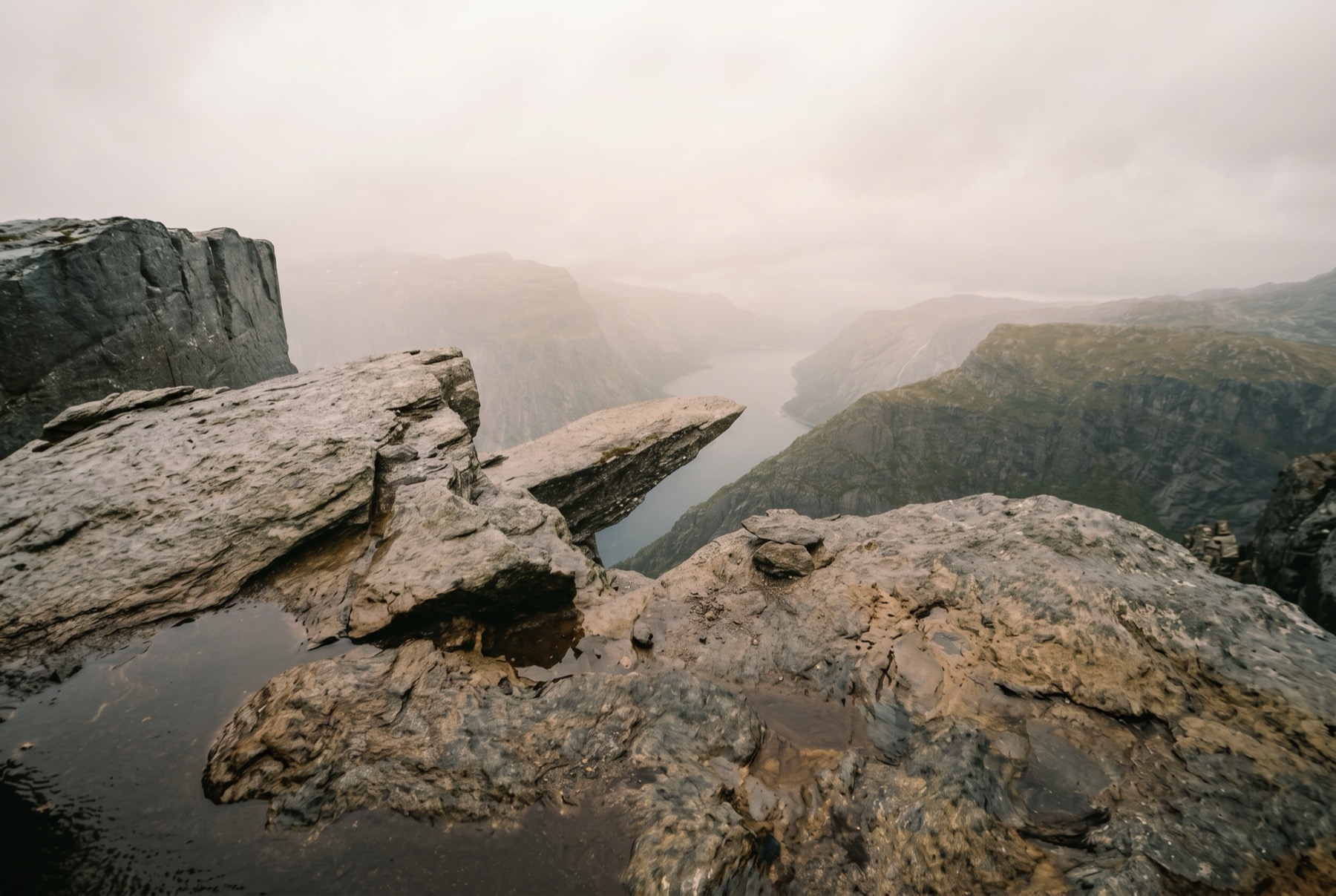
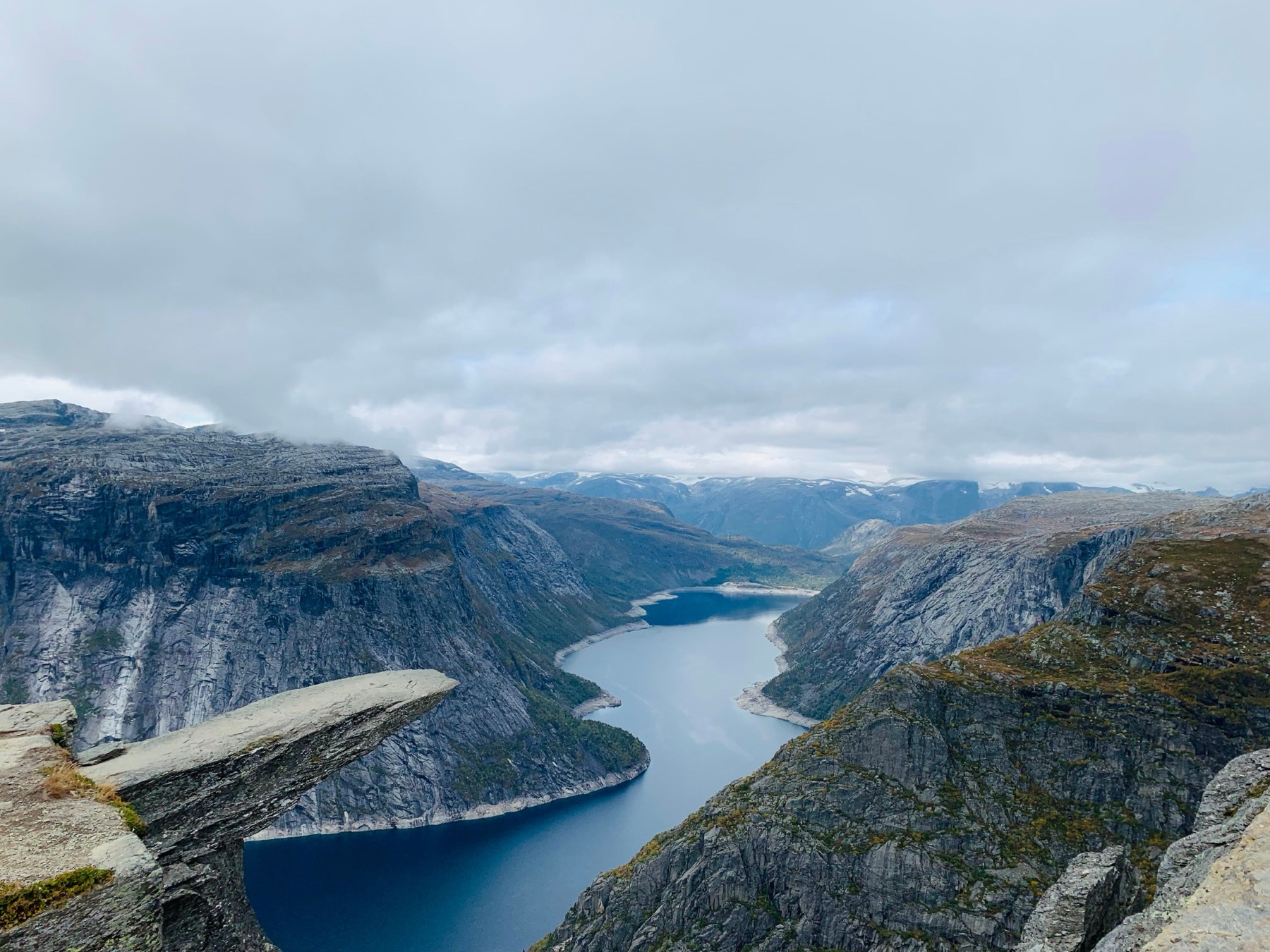
Norway is a land of breathtaking views, but one of them will reliably get the pulse racing even for the most seasoned mountaineers. The Trolltunga hike in Norway — the famous Troll’s Tongue — is a huge challenge that just about every lover of rugged Nordic wilderness dreams about, because the view from 700 metres above Lake Ringedalsvatnet is simply one of a kind.
If you’re thinking about adding this iconic trek to your itinerary, I have to warn you upfront. This is no afternoon stroll — it’s a full-day, genuinely demanding slog that will test your fitness, your stamina, and often your tolerance for the whims of unpredictable Norwegian weather.
Let’s take a look together at how to prepare for this dream destination, nicely step by step. I’ll tell you where to park, how to cleverly shorten the route, and you’ll also find out where to base yourself strategically in the area so you can set off for the summit first thing in the morning.
TL;DR
- Extremely demanding: The route is roughly 28 kilometres there and back — expect it to take 10 to 12 hours of actual walking time.
- Starting point: Most hikers set off from the P2 Skjeggedal car park, which is paid and has very limited capacity.
- Shortening the route: If you pay for the shuttle bus to the upper P3 Mågelitopp car park, you’ll save yourself about 4 kilometres of very steep climbing.
- Season: You can safely reach the rock only in summer, usually from mid-June to mid-September.
- Long queue: For the photo on the edge of the rock itself, you can easily wait an hour or two in peak season.
- Base camp: The best facilities are in the nearby town of Odda, just a short drive from the trailhead.
The full destination guide: Norway — guide and what to see
When to set off for Trolltunga
Planning your trip to the Troll’s Tongue follows the very strict rules of Norwegian nature, so a safe hike without a mountain guide is only possible in the summer months. The window usually opens from mid-June and runs until roughly mid-September, though it always depends heavily on how much snow is lying around — and at higher elevations that can be plenty even in midsummer.
If you want to go outside this main season, you’ll have to pay for an experienced local guide, because the days are short and the terrain is covered in treacherous ice. Even in July you can be caught off guard by a sharp wind or thick fog up top, which is why it’s absolutely crucial to keep an eye on the local Trolltunga weather forecast and have huge respect for the mountains.
Where to stay and how to get to Odda
💡 Tip for accommodation and experiences: We love to look for places to stay on Booking.com, which tends to have the best cancellation terms. Tickets, tours and activities are then worth comparing and booking through GetYourGuide.
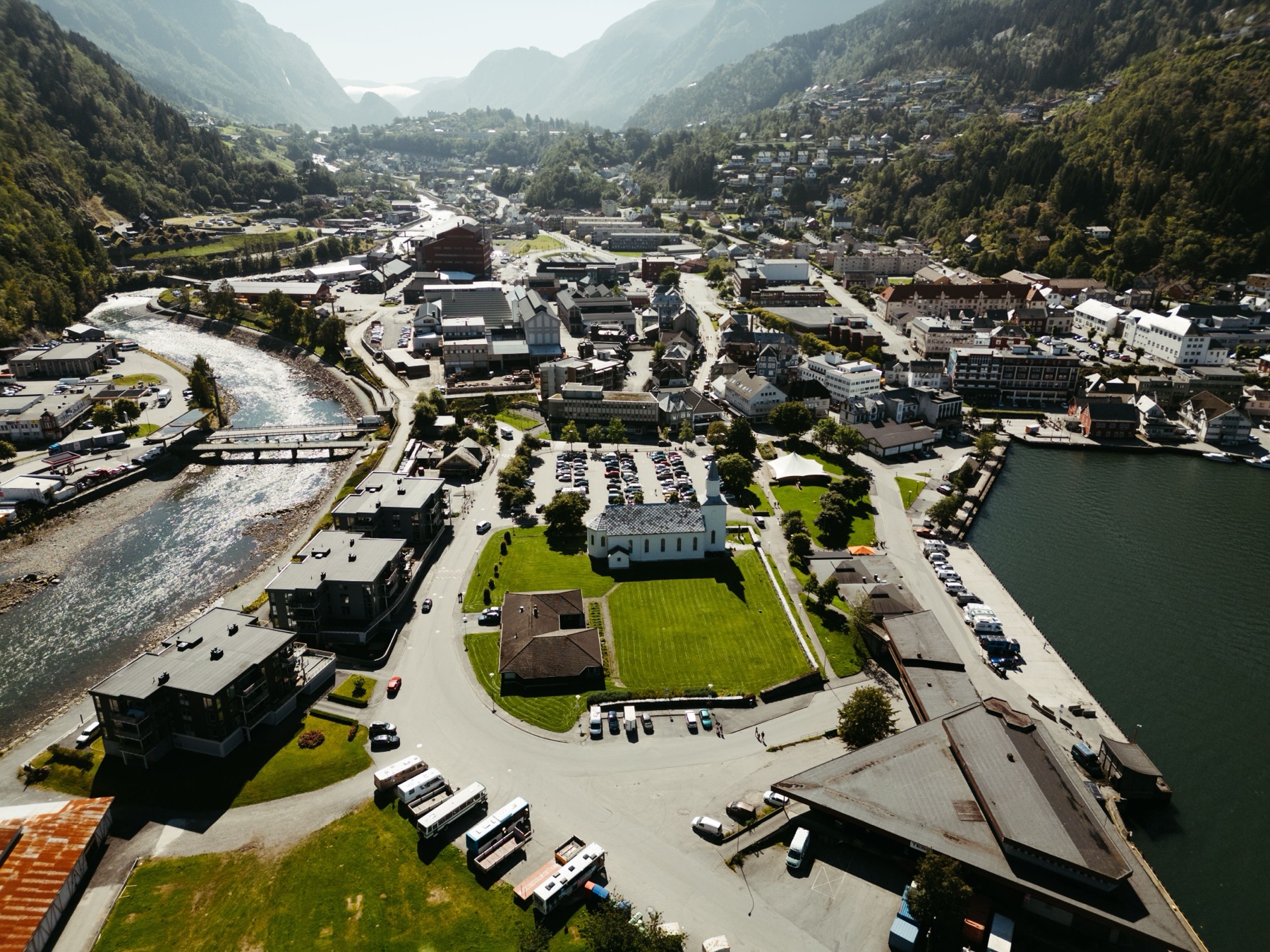
The absolutely ideal starting point for this trek is the town of Odda in Hordaland, Norway, which lies at the southern tip of the Sørfjord and offers all the facilities you’ll need, including supermarkets. From Bergen you can drive here in roughly three hours, while from Oslo you should reckon on six to seven hours through stunning mountain passes and past wild rivers.
Because you have to set off really early in the morning, it pays to sleep as close as possible, and Odda is packed with great options you can simply book through Booking. The stylish Trolltunga Hotel has excellent reviews and even serves a wonderful vegetarian breakfast to fuel up on that much-needed energy, or alternatively try the popular Hardanger Hotel right in the centre of town.
If you prefer camping or are after a slightly cheaper option, locals usually recommend Odda Camping (often also called Trolltunga Camping). It can get pretty crowded in the summer season, but the community atmosphere among hikers is said to be absolutely brilliant, with everyone swapping stories from the trail in the evening.
The Trolltunga hike step by step: 7 things to know before you go
The trek to that dream rocky ledge demands an enormous dose of determination and, above all, absolutely precise logistical planning. In the following seven points we’ll break down in detail what actually awaits you on the rugged trail, how to sort out the tricky transport, and why it’s so terribly important not to underestimate the contents of your backpack.
Please don’t forget that mountain conditions in Norway can change from one minute to the next, and your safety must always come first. For quick reference, I’ve put together a handy table with the most important parameters of the whole hike.
| Distance (there and back) | ~28 km (from the P2 car park) |
|---|---|
| Time required | 10 to 12 hours |
| Total elevation gain | ~800 metres |
| Difficulty | Very demanding (full-day trek for the fit) |
| Trolltunga height above the lake | ~700 metres |
1. What is Trolltunga and why go there
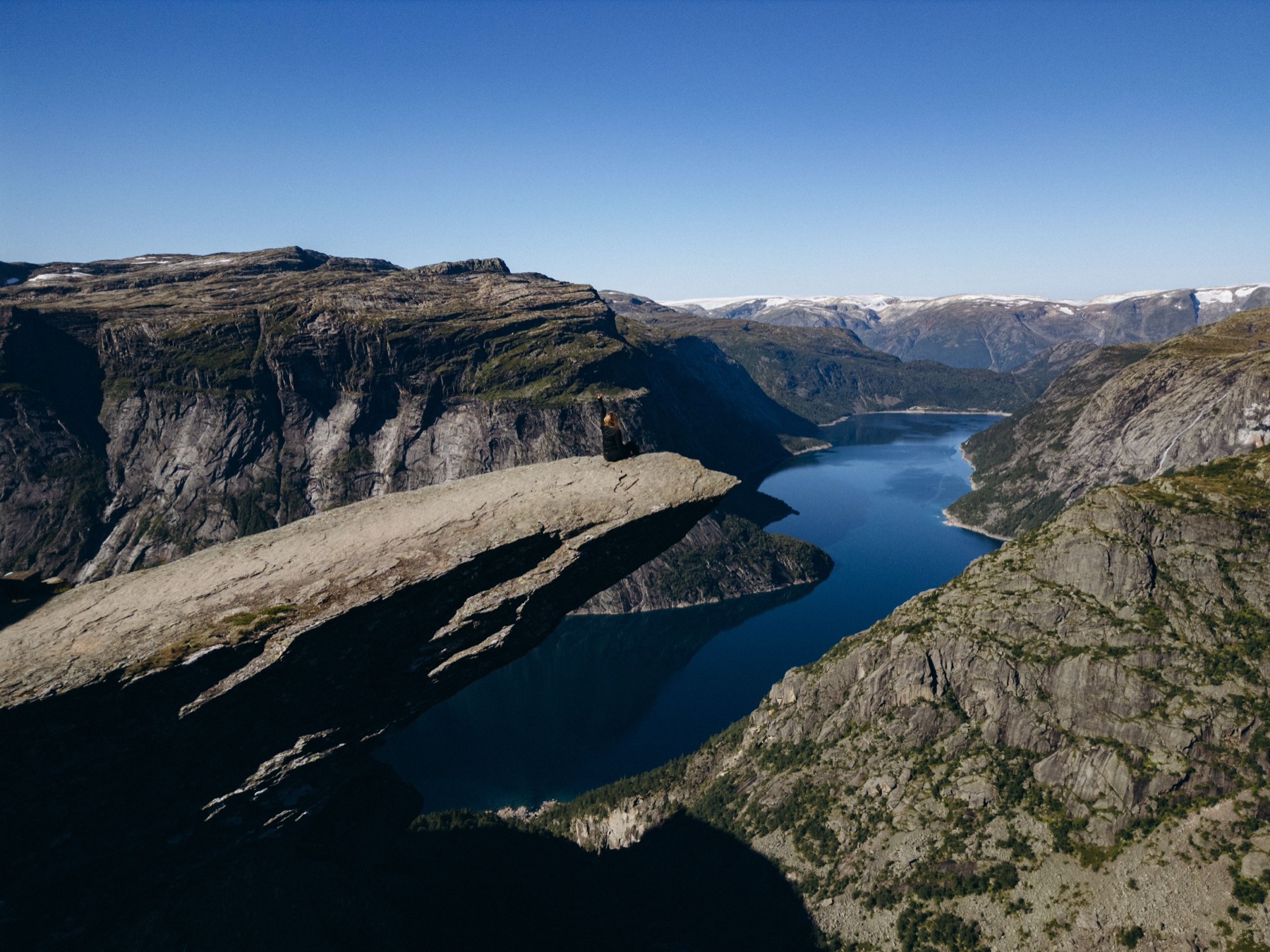
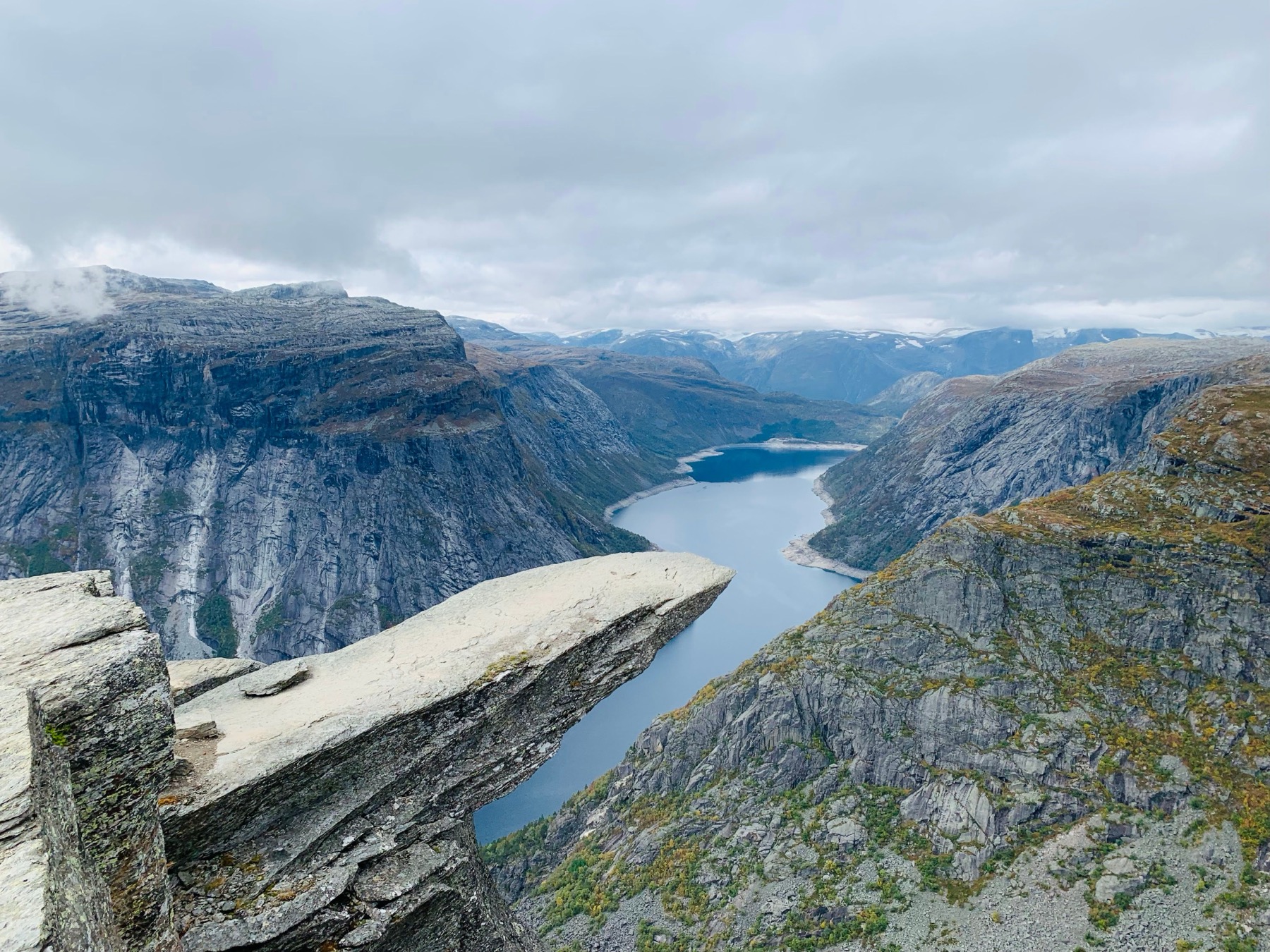
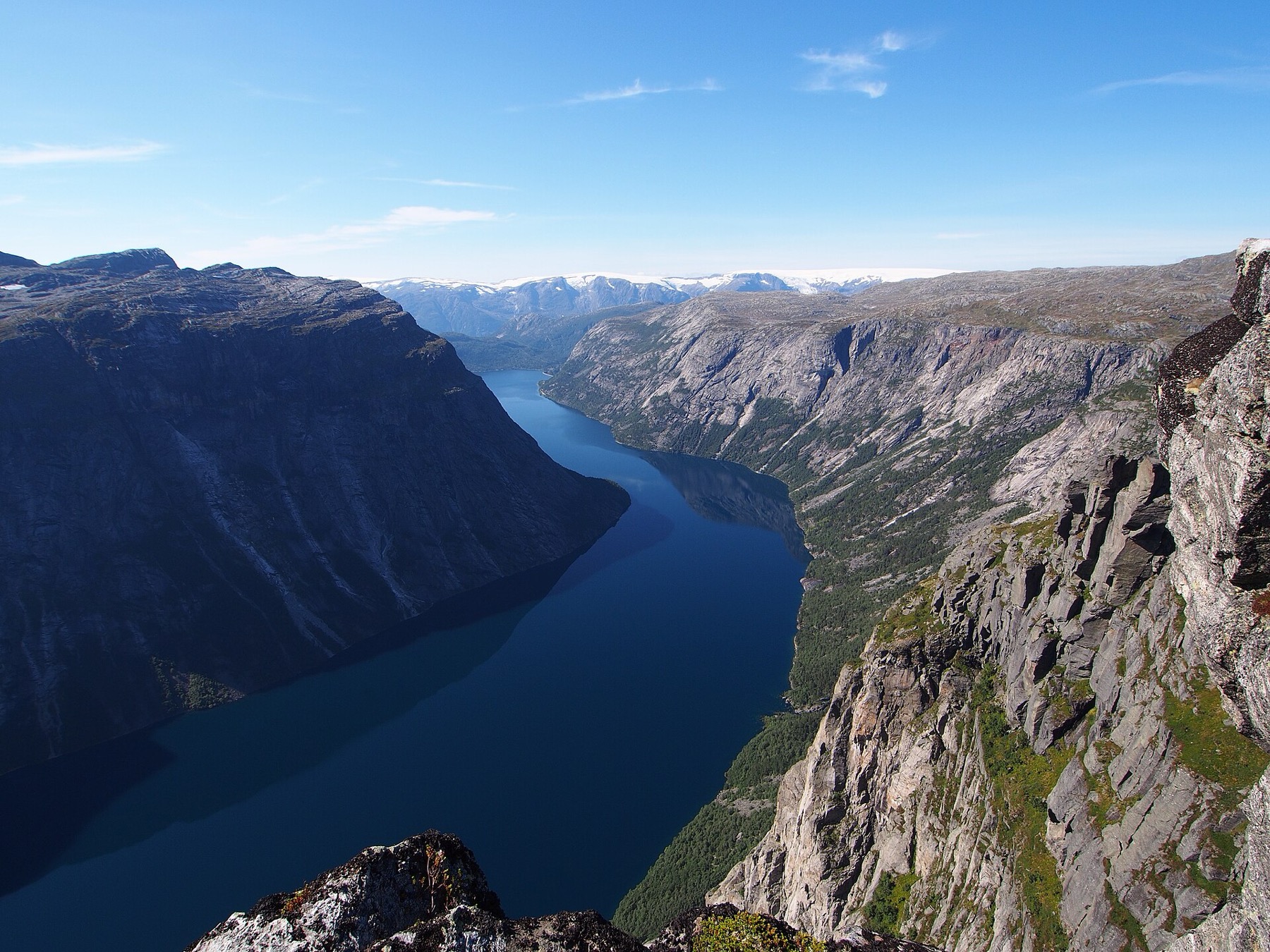
This fascinating natural phenomenon is a long, horizontal rocky ledge that juts out into the void roughly 700 metres above the deep-blue Lake Ringedalsvatnet. It formed around 10,000 years ago during the last ice age, when huge masses of ice broke off part of the mountain and left behind this iconic shape resembling a troll’s outstretched tongue.
The views from here are incredibly dramatic, and you probably won’t bring back a more impressive photo from anywhere else — but you certainly won’t get it for free. It ranks among the most demanding hiking destinations in the country, so the rush of euphoria when you finally crawl to the edge and look down is said to easily outweigh even the worst imaginable exhaustion.
2. The route step by step
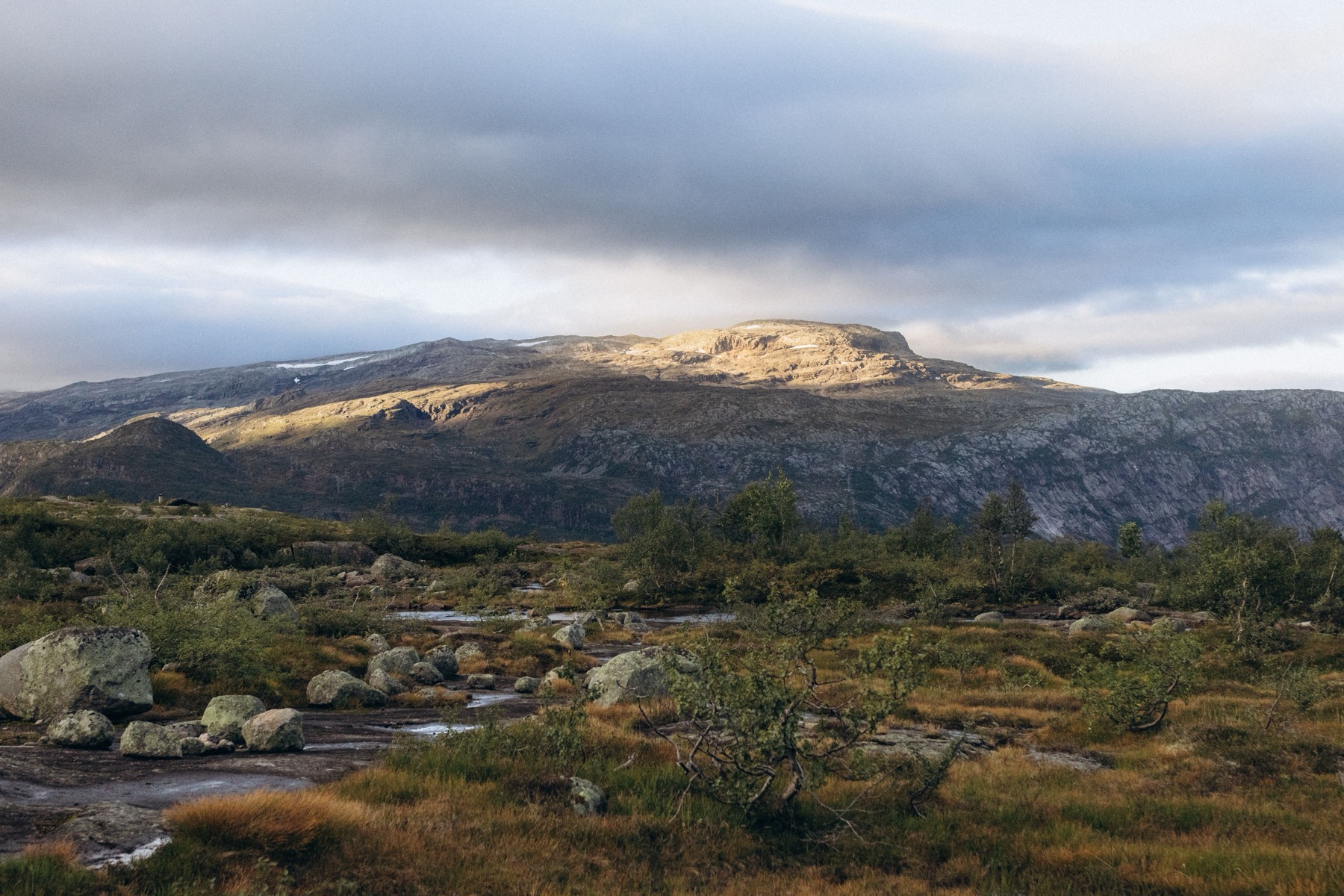
Prepare yourself mentally for the fact that the total length of the trek from the main car park is roughly 28 kilometres there and back, which means a solid 10 to 12 hours of walking over very rough, stony terrain. The total elevation gain is around 800 metres, so your knees will take a proper beating right on those first, exceptionally steep ascents.
It’s enormously important to set off as early as possible, ideally between six and eight in the morning, to avoid the crowds and, crucially, to make it back safely in daylight. Along the way you’ll pass several smaller lakes and streams, a miniature Nordic tundra will keep you company at every step, and the red letter T markings will reliably guide you over the rocks all the way to the goal.
3. The shuttle to Mågelitopp
For those of you who want to save a bit of energy and avoid the worst of the initial climb up the tarmac, there’s the option of using the shuttle service from the P2 car park to the higher point of P3 Mågelitopp. This small bus shortens your overall route by roughly four kilometres and can easily save you a couple of hours of very precious time.
A one-way ticket comes to roughly 150 to 200 NOK (about £12 to £16) and you can also reserve it in advance through various tourist portals, with these services often available simply through GetYourGuide too. Given the huge demand in the summer months, booking several days ahead is an absolute necessity, because the capacity of the small vans usually sells out in the blink of an eye.

4. Parking at P2 Skjeggedal
The main starting point for the vast majority of hikers is the P2 Skjeggedal car park, reached by a narrow, fairly winding road straight from the town of Odda. The capacity here is unfortunately limited and the all-day parking fee is around 600 NOK (approx. £48), which is a very high amount, but in pricey Norway it’s completely standard practice.
💡 Tip: There’s also a slightly more expensive option to park right at the upper trailhead at P3 Mågelitopp, but there are only 30 spaces there and reservations vanish months in advance. If you want to be sure of a spot at P2 at least, arrive really early in the morning, otherwise you risk the attendant turning you away and sending you back down to the valley to park.
5. When to do the trek and how to plan your time
While the seasonal window only opens over the summer, what’s equally crucial is setting your alarm right on the actual day of the demanding climb. If you want to avoid the biggest crowds of hikers and have a little space on the narrow paths, you have to set off around six in the morning, which also reliably guarantees a safe return well before dark.
Outside the main summer months from mid-June to September, the trail may be done only with a professional mountain guide, because the rocky markings often disappear hopelessly under deep snow. Winter expeditions do offer absolutely magical views of the frozen landscape, but they require snowshoes and top-notch gear that you can’t safely organise on your own without plenty of experience.
6. The photo queue and staying safe
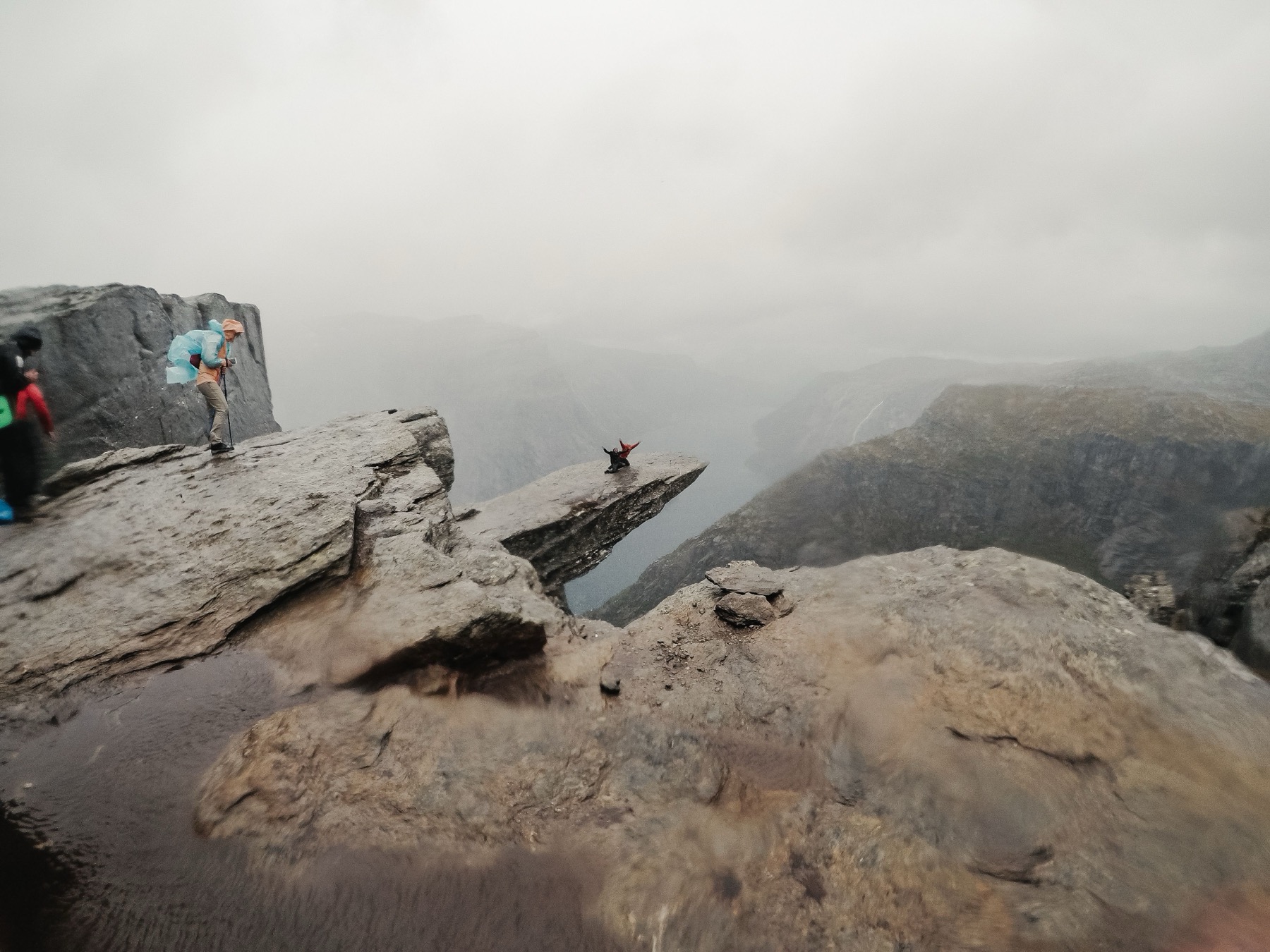
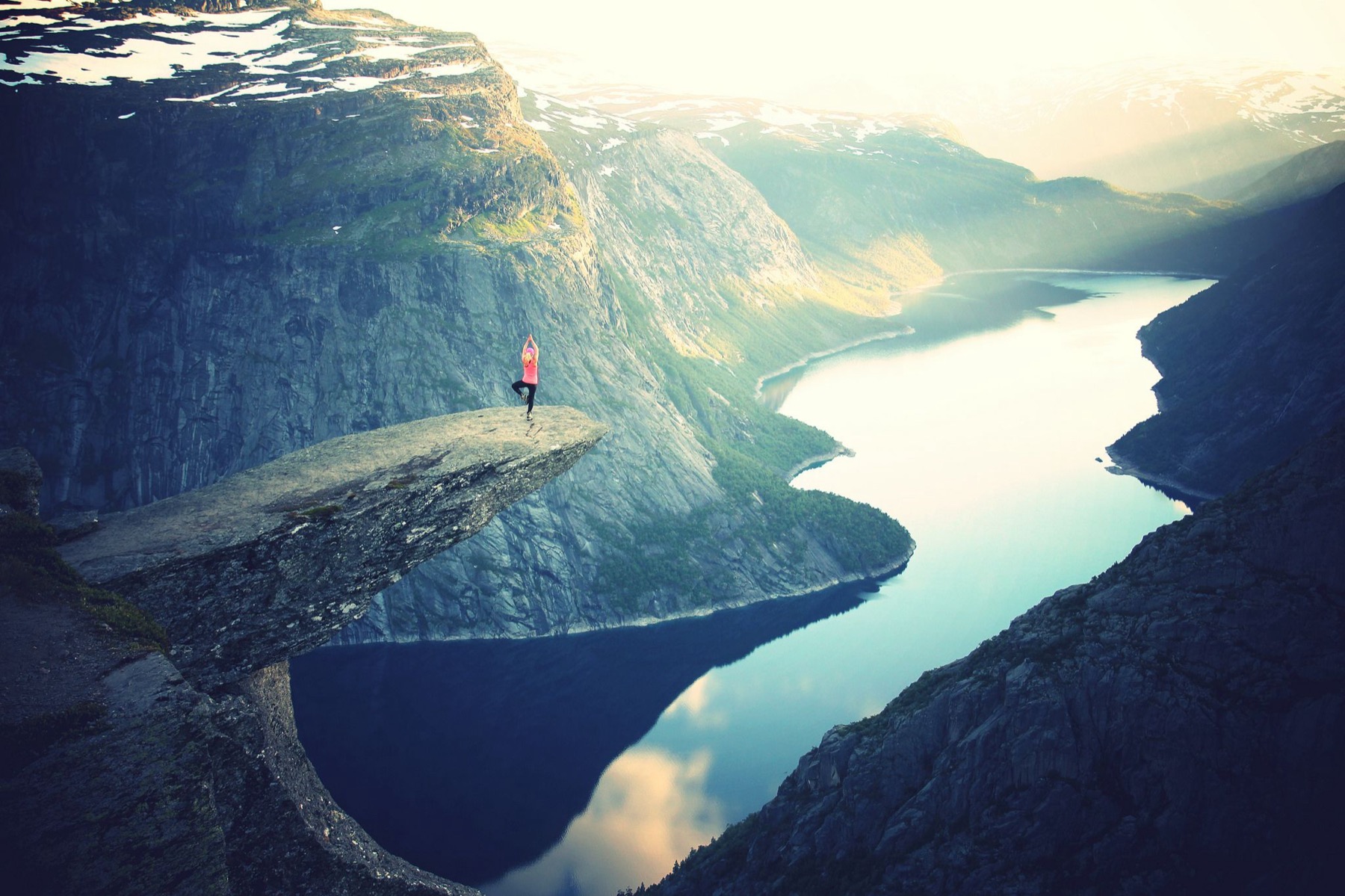
Once you arrive after hours of gruelling effort, the harsh reality may catch you off guard a little, because a long queue forms for that dream photo on the edge of the rock. In peak season hikers patiently wait here for an hour or two while others cheer them on and happily take each other’s photos, which creates a surprisingly very friendly atmosphere.
While you’re posing, though, take the utmost care — the rock has no safety railing whatsoever, and a fall from a height of seven hundred metres would unquestionably be fatal. The surface can be very slippery after rain, so don’t get too close to the very edge and never overestimate your strength, especially when you already have half an exhausting day in your legs and your concentration is dropping.
7. Camping on the trail and what to pack
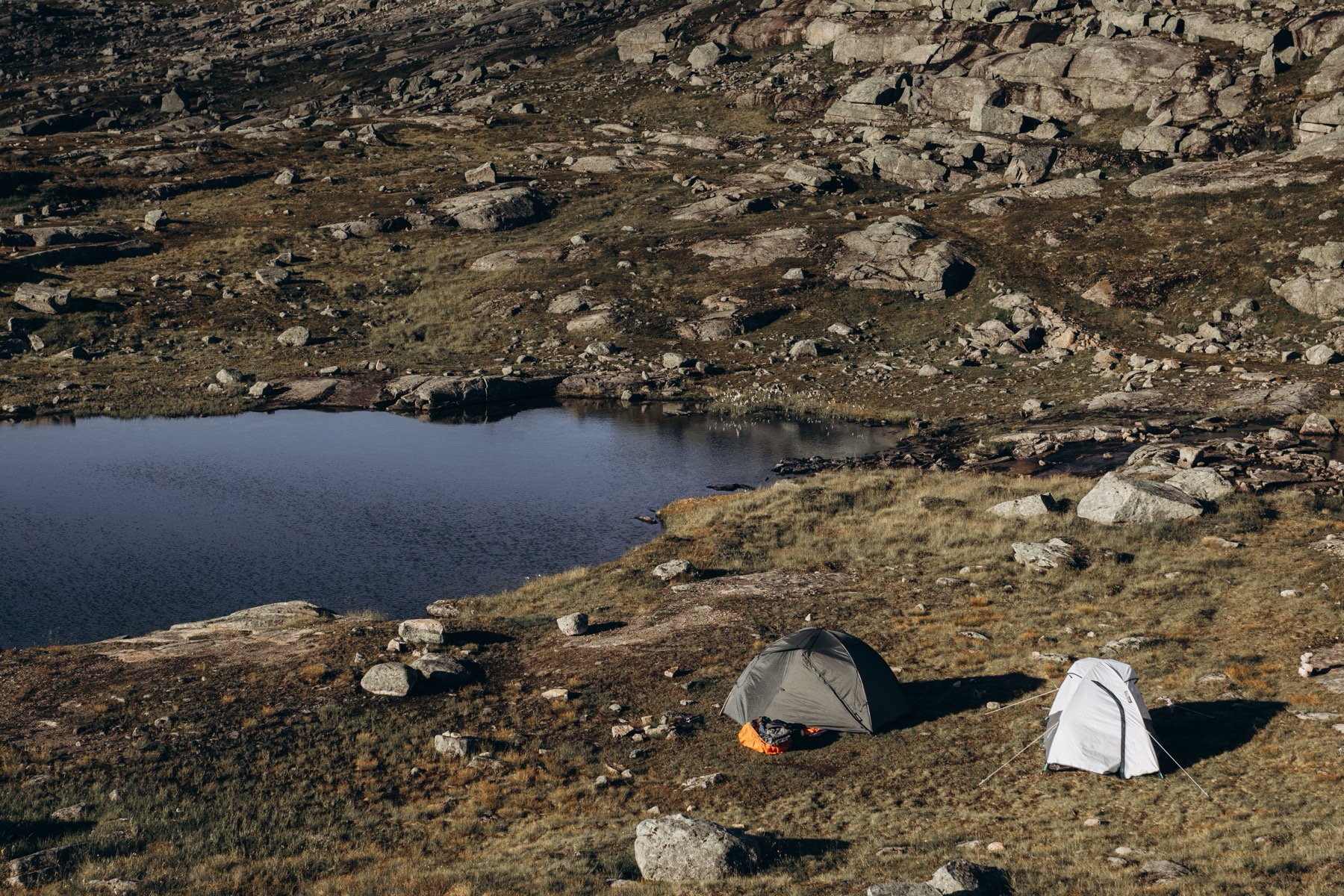
Many sensible travellers split this long route over two days and take advantage of the so-called allemannsretten — the traditional right to camp freely in Norwegian nature. This lets you pitch a tent in permitted areas near the trail, enjoy a magical sunset without the crowds, and photograph the Troll’s Tongue in complete privacy in the morning before the first tourists arrive.
The key to success, though, is absolutely top-quality gear, so be sure to pack sturdy, thoroughly broken-in hiking boots, waterproof clothing and several functional layers. Don’t forget plenty of fluids either — at least two to three litres of water per person is recommended — along with high-energy food, a good headtorch and a charged power bank.
Map of points of interest for your phone
Where to go next from Trolltunga
If you still have some energy left for more exploring after this demanding physical feat, the area around the Hardanger fjord offers plenty of other incredible beauty. Be sure to check out our article Hardangerfjord — orchards and waterfalls, where you’ll discover the most beautiful fruit farms and thundering waterfalls that you can visit effortlessly by car alone.
Curious how it compares to another famous Norwegian viewpoint towering above deep waters? Take a look at our detailed guide Preikestolen — the hike step by step, which is a noticeably shorter and far more accessible trail for everyone. And for comprehensive planning of your Nordic holiday, take your time browsing Norway: 50 things to see or our huge Norwegian Fjords — guide.
Frequently asked questions
How difficult is the hike to Trolltunga?
Trek belongs to the absolutely most demanding in all of Norway and requires really very good physical fitness. The entire route measures roughly 28 kilometers there and back, you’ll overcome a challenging elevation gain of 800 meters and hiking in the difficult rocky terrain will easily take you a whole long day.
How long does the entire hike take?
You’ll typically need to set aside 10 to 12 hours of pure time for the trip if you’re starting from the main P2 Skjeggedal car park. This includes the journey there and back, plus time spent at the top waiting for a photo, though if you take the shuttle bus up, you’ll save yourself roughly two hours of grueling walking.
Is there any way to shorten the entire route?
Yes, you can quite easily shorten the route by using a special shuttle bus that runs from parking lot P2 to the upper parking lot P3 Mågelitopp. This service saves you the steepest initial four kilometers of paved road, but due to huge demand you need to book your ticket well in advance.
When is it even possible to head up the mountain?
Safe ascent on your own is only possible during the summer season, roughly from mid-June to mid-September. Outside these mentioned months, the route is covered in deep snow and ice, so you may only head up accompanied by a professional licensed mountain guide.
Is the route suitable and safe for children?
This particular hike is definitely not recommended for small children at all, as it’s extremely long and physically exhausting. Even for an adult, it’s a whole day of serious hard work, and on top of that, there are no safety railings at the destination, so constant and absolute concentration is required.
Which trek is better, Trolltunga or Preikestolen?
The famous Preikestolen is much more accessible and you can complete the entire ascent in about four hours, making it absolutely ideal for less experienced hikers and families. Trolltunga, on the other hand, is an all-day rugged mountain challenge for fit individuals, but offers a slightly more exclusive and intimate Nordic experience.
Where can you sleep along the route or in the surrounding area?
The base camp is most commonly set up by tourists in the nearby town of Odda, where you’ll find comfortable hotels as well as very popular campsites. If you want to smartly split the hike into two days and enjoy perfect peace and quiet, you can take advantage of wild camping and spend the night right along the trail in your own tent.
Tips and Tricks for Your Vacation
Don’t Overpay for Flights
Search for flights on Kayak. It’s our favorite search engine because it scans the websites of all airlines and always finds the cheapest connection.
Book Your Accommodation Smartly
The best experiences we’ve had when looking for accommodation (from Alaska to Morocco) are with Booking.com, where hotels, apartments, and entire houses are usually the cheapest and most widely available.
 🚗 Car rental on the roadVerified rental cars in Norway
Search with the DiscoverCars comparison engine — it compares prices from dozens of local and international rental companies, and most bookings come with free cancellation.
Compare car prices in Norway →Don’t Forget Travel Insurance
Good travel insurance will protect you against illness, accidents, theft, or flight cancellations. We’ve had a few hospital visits abroad, so we know how important it is to have proper insurance arranged.
Where we insure ourselves: SafetyWing (simple monthly subscription) and TrueTraveller (for extra-long trips).
Find the Best Experiences
Get Your Guide is a huge online marketplace where you can book guided walks, trips, skip-the-line tickets, tours, and much more. We always find some extra fun there!