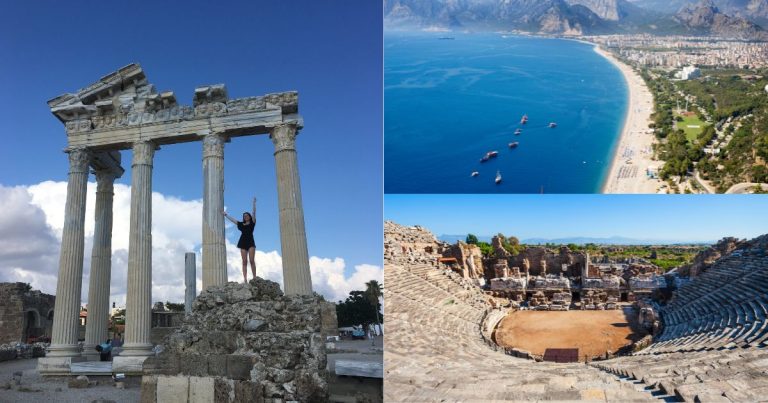
Turkey is a vast subcontinent – in terms of sheer size, it could swallow France and the UK combined. That’s exactly why there’s no single right answer to the question of the best time to visit Turkey. While people are still swimming in the sea down south in October, snow is already swirling around the eastern mountains.
The ideal timing depends on where you’re heading and what you want from your holiday. One month is perfect for lounging by an all-inclusive pool on the riviera, another for a balloon flight over Cappadocia, and yet another for wandering ancient ruins without the crowds and the heatstroke.
In this guide we’ll break Turkey down by region, walk through the weather month by month, recommend the best time according to the type of holiday, and flag Ramadan and the public holidays that can throw both your plans and your budget off course.
TL;DR
- For the beach: June–September, with the sweet spot being September and the first half of October (sea 25–27 °C, fewer crowds, lower prices).
- Istanbul and ancient sites: April–May and September–October (15–25 °C); in summer the interior is brutal.
- Cappadocia and balloons: April–June and September–October (the most stable winds = the best chance of taking off).
- Warmest sea: August (28–29 °C), but also the most heat, crowds and the highest prices.
- Cheapest: November–March (the resorts are asleep, though) and the shoulder season in May.
- Watch out ⚠️: Ramadan and the Bayram holidays (spring 2026) – jammed motorways, sold-out hotels, pricier flights.
- The east and the Syrian/Iraqi border: ⚠️ travel advisory in place; the tourist regions are not affected.
The full destination guide: Türkiye — guide and what to see
Weather in Turkey by Region
Turkey’s climate splits sharply along geographical lines, so the first thing you need to know is exactly where you’re going.
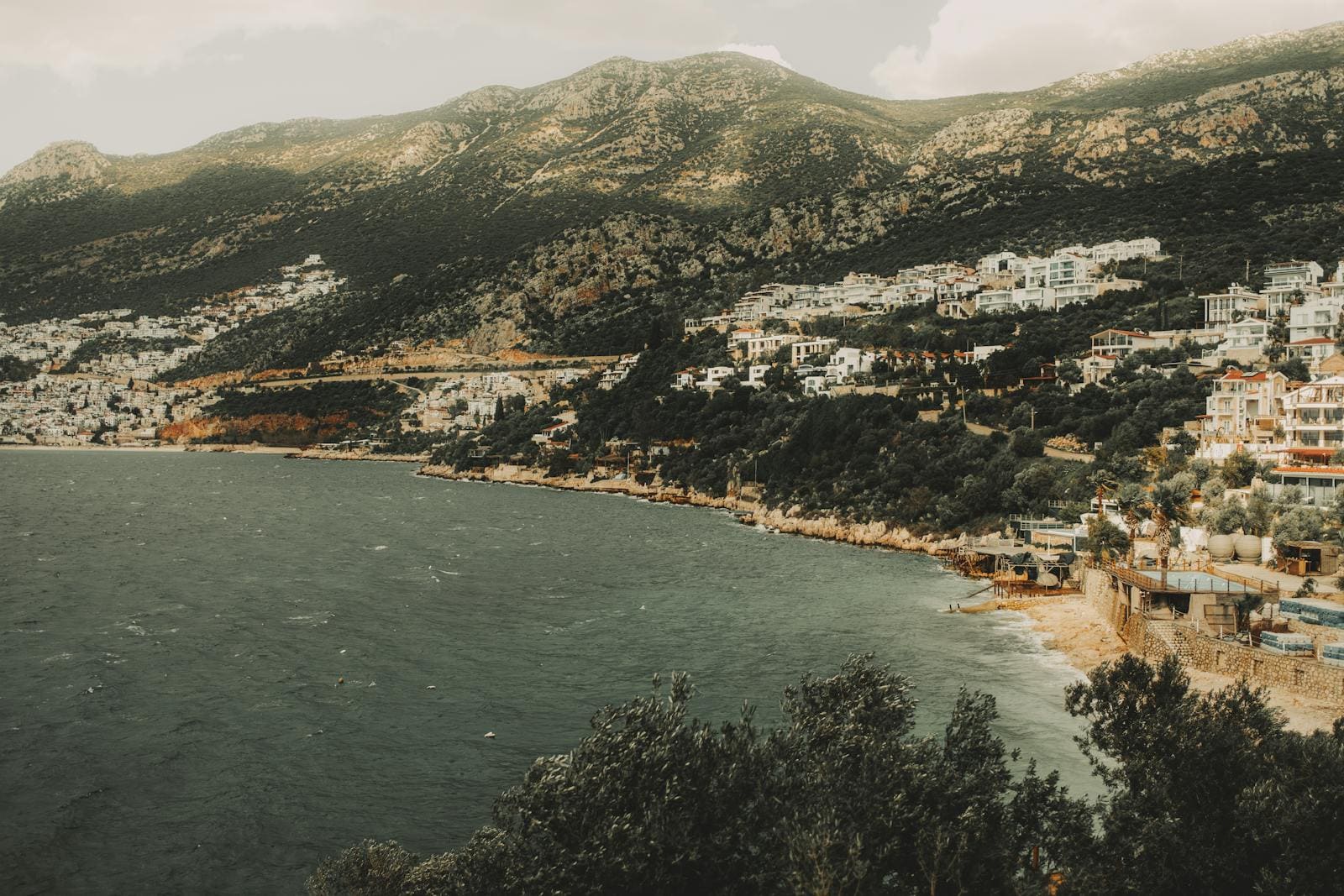
The Mediterranean and Aegean Riviera (Antalya, Side, Bodrum, Fethiye)
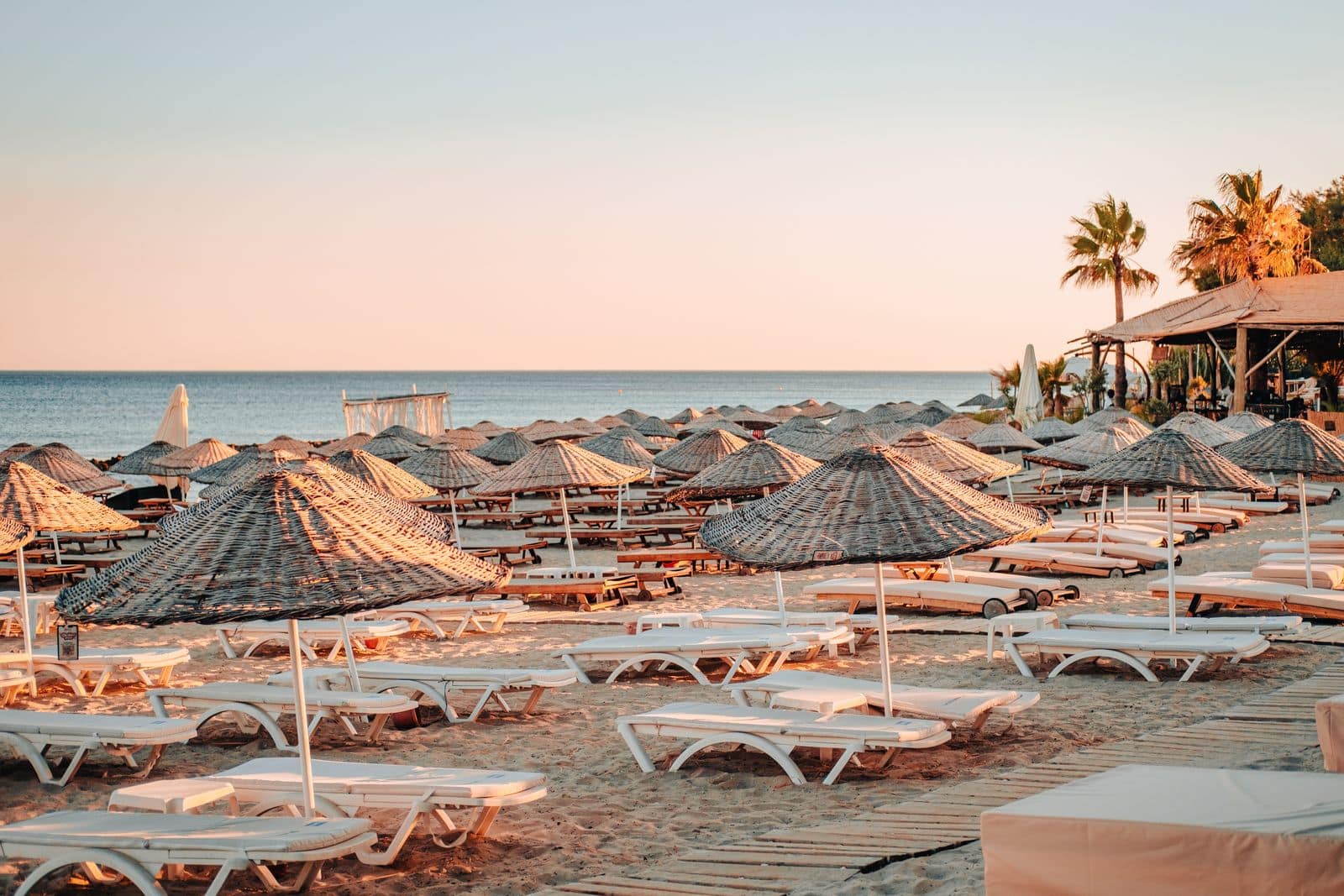
This is the classic stretch most British holidaymakers fly to. The swimming season kicks off in May and runs through October. If you’re tied to the school holidays, brace yourself for the July and August heat – air temperatures regularly hit 35–40 °C, and by August the sea feels like a thermal spa at 28–29 °C.
The holy grail of a beach holiday here is September and the first half of October: after a long summer the sea is gloriously warm (25–27 °C), the family crowds have vanished and last-minute prices tumble. May, on the other hand, can be deceptive – the air already feels like summer, but the Mediterranean is still a fresh 20–22 °C. The Aegean coast (Bodrum, Marmaris) tends to be a degree or two cooler and breezier than the bay around Antalya.
Istanbul and the Marmara Region
The metropolis on the Bosphorus is perfect for a spring or autumn city break. April, May, September and October offer 15–25 °C and the city is comfortable to explore entirely on foot. Summer in Istanbul, by contrast, is hot, heavy and extremely humid, while winter brings rain, a biting wind off the sea and the occasional snowfall.
Cappadocia
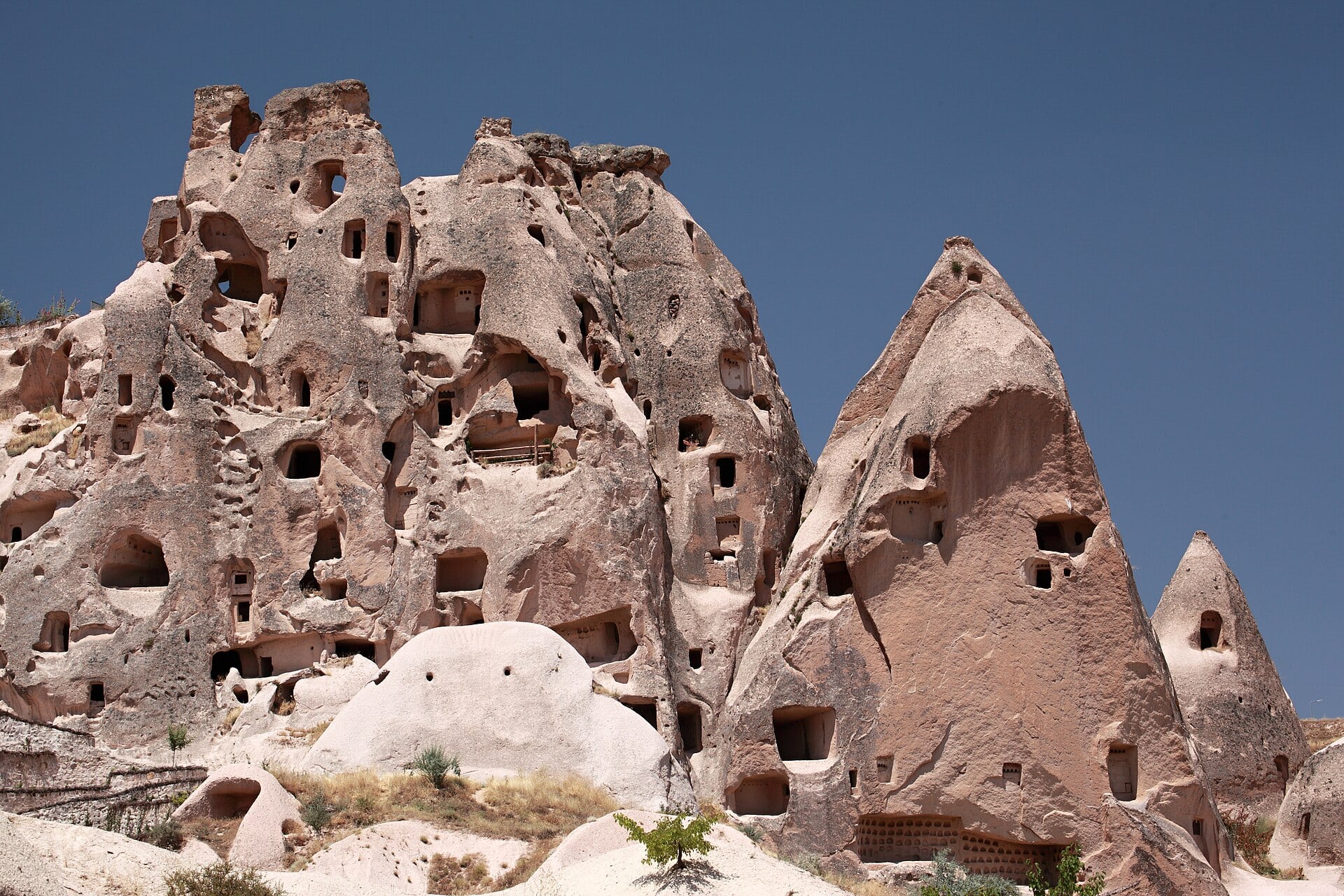
Inland Anatolia has a harsh continental climate: parched, scorching summers and freezing winters that are often buried in snow (which, admittedly, looks magical in photos). Balloons fly over Göreme year-round, but their take-off depends entirely on wind strength, and in poor conditions flights are cancelled without compromise. You’ll find the most stable weather and the highest chance of launching from April to June and again in September and October. More in our guide to Cappadocia.
The East and Southeast
For a trip to the ancient Göbekli Tepe, Mount Nemrut or Lake Van, there’s only one rule: avoid the summer (regularly over 40 °C); spring and autumn are ideal. ⚠️ Before travelling to the southeast (the provinces of Diyarbakır, Mardin, Van, Şırnak), always check the latest UK Foreign Office (FCDO) travel advice – because of the conflicts across the border in Syria and Iraq, the highest level of warning applies here. The main tourist arteries (Istanbul, the coast, Cappadocia) are entirely free of any such risk.
Turkey Month by Month
| Month | Coast (riviera) | Istanbul & culture | Prices & crowds | What to do |
|---|---|---|---|---|
| :— | :— | :— | :— | :— |
| January–February | Winter, rain, resorts asleep | Cold, windy, occasional snow | Lowest prices, hardly any tourists | Bazaars, museums, snowy Cappadocia |
| March | Spring begins, not for swimming | Pleasant for walking | Low (mind the Bayram) | Pamukkale and Ephesus crowd-free |
| April | Warm air, icy sea | Ideal, around 20 °C | Prices rising, season starts | Lycian Way, city break |
| May | Sea 20–22 °C, summery air | Great, long days | Shoulder-season deals | Sightseeing tours, first swims |
| June | Season in full swing, sea ~25 °C | Heat and humidity arrive | High prices, full hotels | All-inclusive, gulet cruises |
| July | Heat 35 °C+, sea 26–27 °C | Oppressive mugginess | Peak, most expensive | Pool, water parks, mountain shade |
| August | Peak summer, sea 28–29 °C | Humidity wrings you out | Peak, everywhere packed | Bodrum parties, water sports |
| September | Ideal, sea 25–27 °C | Perfect conditions | Crowds thinning, prices dropping | Anything – the best month |
| October | Post-season, sea ~24 °C | Golden autumn | Good last-minute deals | Balloons, hiking, photography |
| November–December | Cold, resorts closing | Rainy, dark early | Low flight and hotel prices | Hammam, food trips |

When to Go Based on the Type of Holiday
- Beach and all-inclusive holiday: Go for June to September, ideally September (warm sea, fewer people). For tips on choosing a resort, see our article on all-inclusive in Turkey.
- Istanbul city break: April–May or September–October, when you can explore the city without baking in the sun or freezing in the cold.
- Balloons over Cappadocia: April–June and September–October – the best chance the wind will allow a take-off. Always build in a buffer of at least three nights.
- Ancient sites (Ephesus, Pamukkale): Spring and autumn – in summer the interior bakes at an unbearable 40 °C and the white terraces of Pamukkale and the marble of Ephesus radiate heat like an oven.
- Trekking and the Lycian Way: Only spring or autumn – in summer the sun will roast you on the clifftops and you won’t carry enough water.
Ramadan and Public Holidays in 2026
The Islamic lunar calendar can shuffle your plans. The fasting month of Ramadan falls in 2026 roughly around the turn of winter into spring (the exact date depends on the sighting of the moon). In the tourist resorts and in Istanbul you’ll barely notice it, but out in the countryside and the east you won’t find food during the day, and drinking water in the street in front of fasting locals is considered rude. After sunset, though, the streets come alive with the evening iftar feast.
⚠️ The dates to really watch out for are Ramazan Bayramı (the end of the fast) and Kurban Bayramı (the Feast of Sacrifice). That’s when the whole of Turkey hits the road – flights vanish, motorways clog up and coastal hotels report sold out. If you can avoid it, don’t travel on these days, or book months in advance.
When to Visit Turkey on a Budget
The lowest prices for flights and hotels come outside the season, namely from November to March – but most resorts on the coast are dormant and it’s not the time for swimming. The best compromise between price and weather is the shoulder season in May and, above all, the post-season from mid-September into October, when the sea is still warm, the crowds have gone and last-minute offers come tumbling down. Look for domestic flights and hotels in Cappadocia and Istanbul 2–4 weeks ahead.
💡 Tip: For a complete overview of regions, resorts and practical information, see our main guide to a holiday in Turkey.
💡 Tip for accommodation and experiences: We love searching for places to stay on Booking.com, where the cancellation terms tend to be the best. For tickets, tours and activities, it pays to compare and book through GetYourGuide.
Where to Next
Pick a region or topic: our main hub for a holiday in Turkey, the big cities of Istanbul and Cappadocia, the ancient sites of Ephesus and Pamukkale, the coast at Fethiye and Ölüdeniz, Antalya, Side and Alanya, plus practical advice on all-inclusive in Turkey and what to pack.
Frequently Asked Questions
When is the best time to go to Turkey for a beach vacation?
The best time is June to September, with the real highlight being September and the first half of October – the sea is a pleasant 25–27 °C after summer, the heat has eased off, the family crowds have disappeared and last-minute prices drop. August has the warmest sea (28–29 °C), but also the most intense heat, crowds and highest prices. May is still borderline for swimming (sea 20–22 °C).
When do hot air balloons fly in Cappadocia?
Hot air balloons over Göreme launch year-round, but their take-off depends on wind strength and flights are cancelled in bad weather. You’ll have the best chance of flying from April to June and in September and October, when the weather is most stable. Always plan at least three nights in Cappadocia as a buffer in case the first morning doesn’t work out.
When to go to Istanbul?
Perfect times to visit Istanbul are spring (April–May) or autumn (September–October) with temperatures of 15–25 °C, when you can comfortably explore the city on foot. Summer is hot and extremely humid, winter rainy and windy. Also avoid the Bayram holidays, when the city and transport are overcrowded.
Is it too hot in Turkey in summer?
On the coast in July and August it’s scorching hot (35–40 °C), but it’s bearable thanks to the sea and air-conditioned resorts. On the other hand, in the interior and at ancient sites (Ephesus, Pamukkale, Cappadocia) the summer heat is exhausting – save these areas for spring or autumn.
Is it worth going to Turkey in the off-season?
Yes, if you’re not going primarily for swimming. From November to March, flight and hotel prices are lowest and Istanbul, Cappadocia and ancient sites can be beautifully visited (just dress warmer). However, most resorts on the coast close during winter.
Tips and Tricks for Your Vacation
Don’t Overpay for Flights
Search for flights on Kayak. It’s our favorite search engine because it scans the websites of all airlines and always finds the cheapest connection.
Book Your Accommodation Smartly
The best experiences we’ve had when looking for accommodation (from Alaska to Morocco) are with Booking.com, where hotels, apartments, and entire houses are usually the cheapest and most widely available.
 🚗 Car rental on the roadVerified rental cars in Turkey
Search with the DiscoverCars comparison engine — it compares prices from dozens of local and international rental companies, and most bookings come with free cancellation.
Compare car prices in Turkey →Don’t Forget Travel Insurance
Good travel insurance will protect you against illness, accidents, theft, or flight cancellations. We’ve had a few hospital visits abroad, so we know how important it is to have proper insurance arranged.
Where we insure ourselves: SafetyWing (simple monthly subscription) and TrueTraveller (for extra-long trips).
Find the Best Experiences
Get Your Guide is a huge online marketplace where you can book guided walks, trips, skip-the-line tickets, tours, and much more. We always find some extra fun there!